Skip to content
Recipes

All recipes

Vegetarian, or something you can't eat? Set your diet once and we'll hide recipes that don't fit.

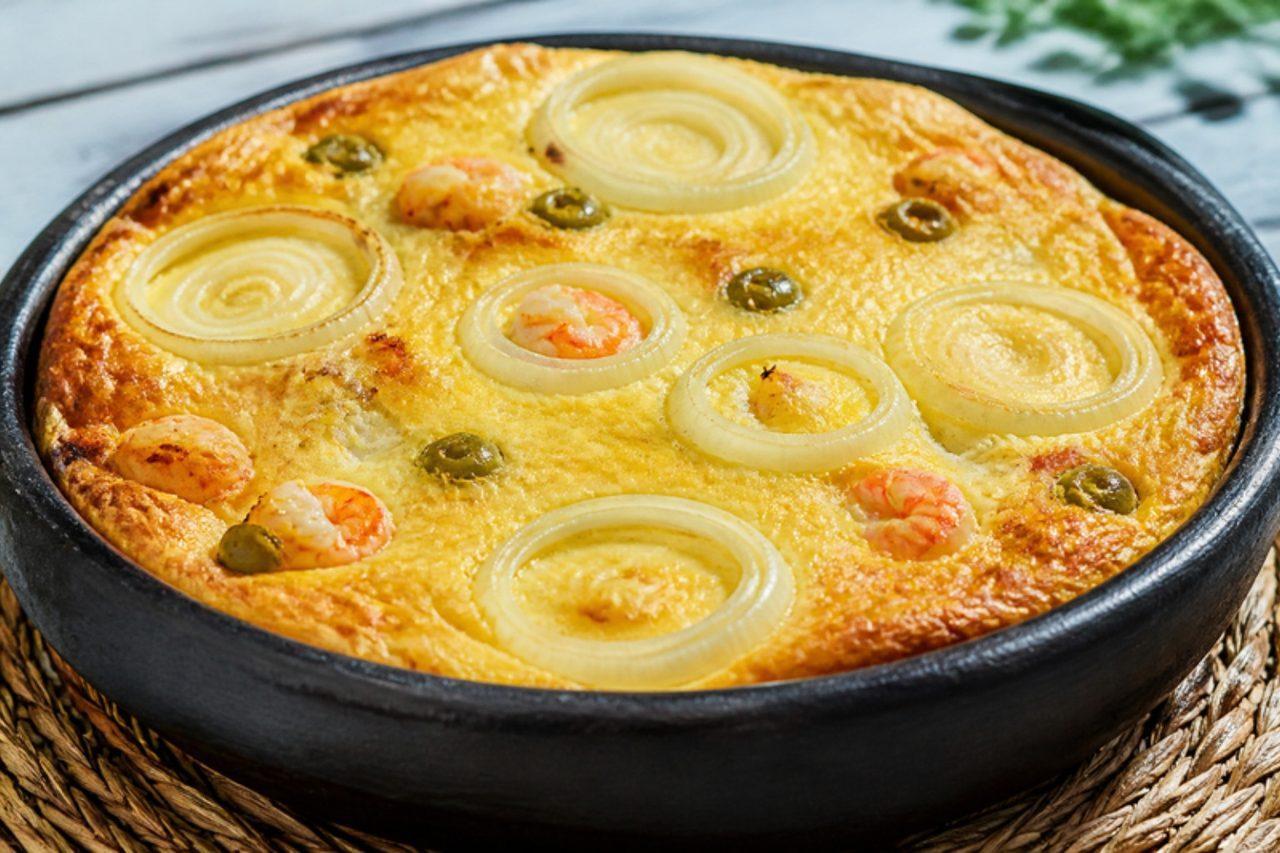
Torta capixabaSeafood and palm heart pie

Torta capixaba is the Good Friday dish of Espírito Santo in south-east Brazil, cooked in the region's black clay pans (panelas de barro). Soaked salt cod, crab meat, prawns, palm hearts and olives are cooked with tomato, onion, coriander and annatto, then bound with beaten egg and baked until puffed and golden under a lid of egg and onion rings. It is served hot or warm with rice. Any ovenproof dish works. Chef's tip: fold in the egg whites last and gently, as they give the torta its light, set texture.

by KrazyBadal 0 views

KourdassGrilled lamb liver bundles

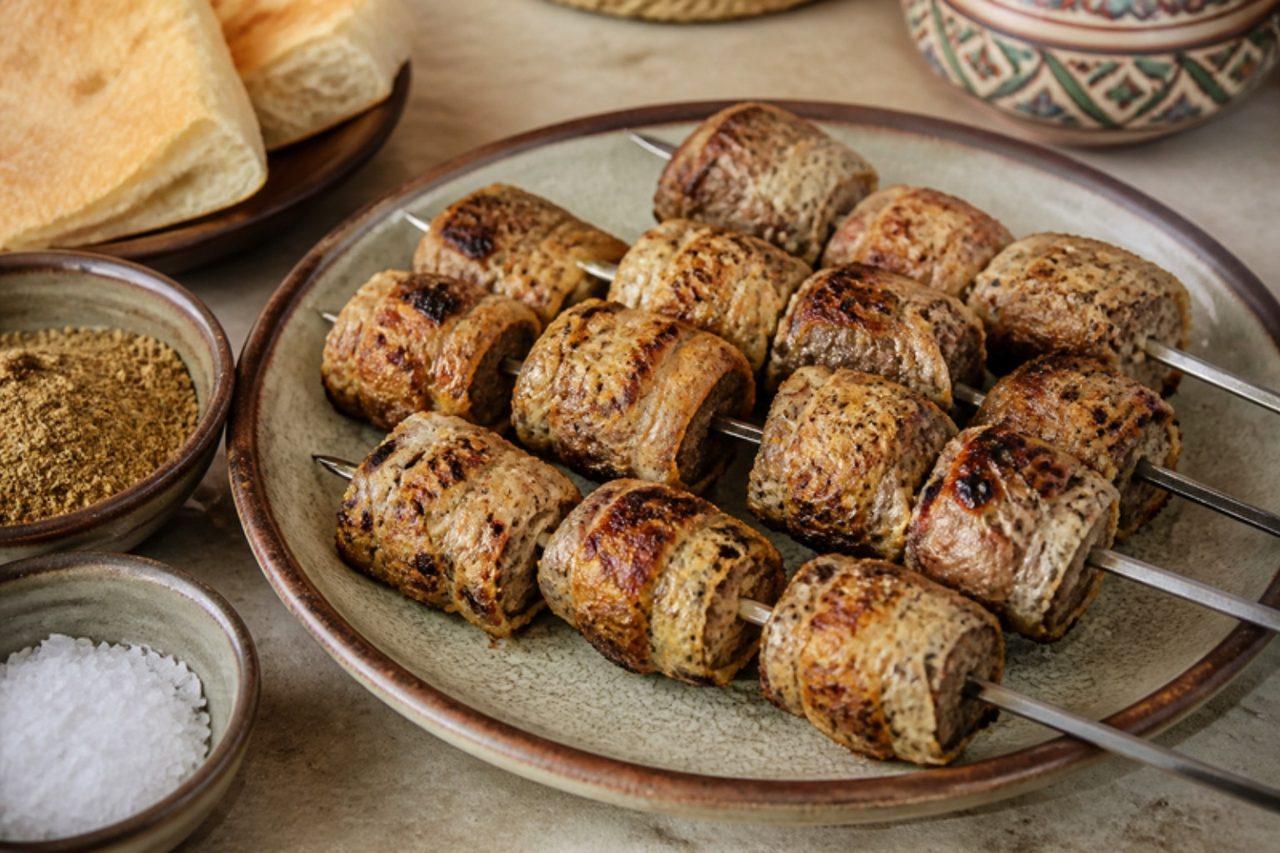
After the sacrifice of Eid al-Adha, Moroccan families use every part of the lamb, and kourdass is one of the dishes made in the days that follow: pieces of tripe and liver rubbed with cumin and paprika, wrapped in caul fat and traditionally hung up to air-dry before grilling. This home version skips the drying, which is hard to do safely in a modern kitchen, and grills the bundles fresh over charcoal or under a grill until the fat crisps and the liver is cooked through. Buy cleaned, pre-cooked tripe and caul fat from a halal butcher. Chef's tip: wrap the bundles tightly so the caul fat bastes them as it melts.

by KrazyBadal 0 views

Afogado do DivinoBeef and potato stew

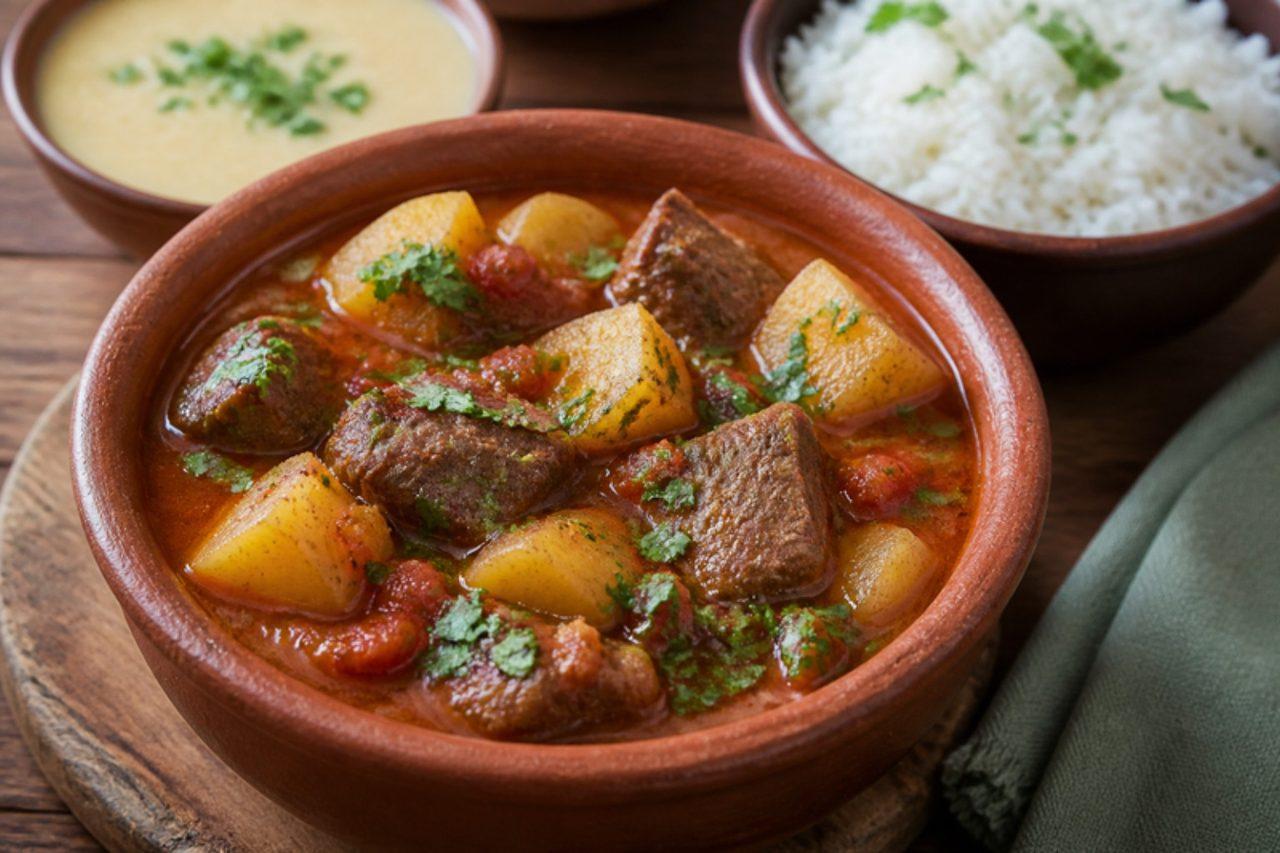
In São Luiz do Paraitinga in the hills of São Paulo state, the Festa do Divino Espírito Santo at Pentecost ends with a meal for everyone: huge pots of afogado, beef 'drowned' in a rich broth with potatoes, tomato, onion, garlic and herbs, served with pirão (a cassava-flour porridge made from the broth) and rice. Volunteers cook it in the town's kitchens through the night, and anyone who comes is fed. Chef's tip: brown the beef in small batches so it sears rather than stews, which gives the broth its deep colour.

by KrazyBadal 0 views

KaguyjyWhite corn pudding

On the night of 23–24 June, Paraguayans celebrate San Juan with bonfires, games like walking over hot coals and the 'paso de fuego', and a table of traditional foods, and kaguyjy (also mazamorra) is one of them. It is a soft, creamy pudding of cracked white corn (locro) simmered slowly in water and then milk with sugar or honey, sometimes with orange peel. It is eaten warm or cold. It is gluten free. Chef's tip: soak the corn overnight and cook it until each kernel is tender before adding the milk, or it never turns creamy.

by KrazyBadal 0 views

Dowina (Kurdish yogurt soup)

Dowina, called ash-e doogh in Persian, is warming spring food in Kurdish homes around Newroz, when yogurt is plentiful and the first herbs are cut from the garden. Rice and chickpeas simmer in a tangy, lightly thickened yogurt broth, finished with fresh dill, coriander and a sizzle of dried mint in oil. It is eaten warm, never boiling hot, with flatbread. The common mistake is to heat the yogurt too fast without stirring, which makes it split into grainy curds. Chef's tip: whisk an egg yolk and a spoonful of rice flour into the yogurt before it goes on the heat; it holds the soup smooth all the way to the simmer.

by KrazyBadal 0 views

Espetinho de carneGrilled beef skewers

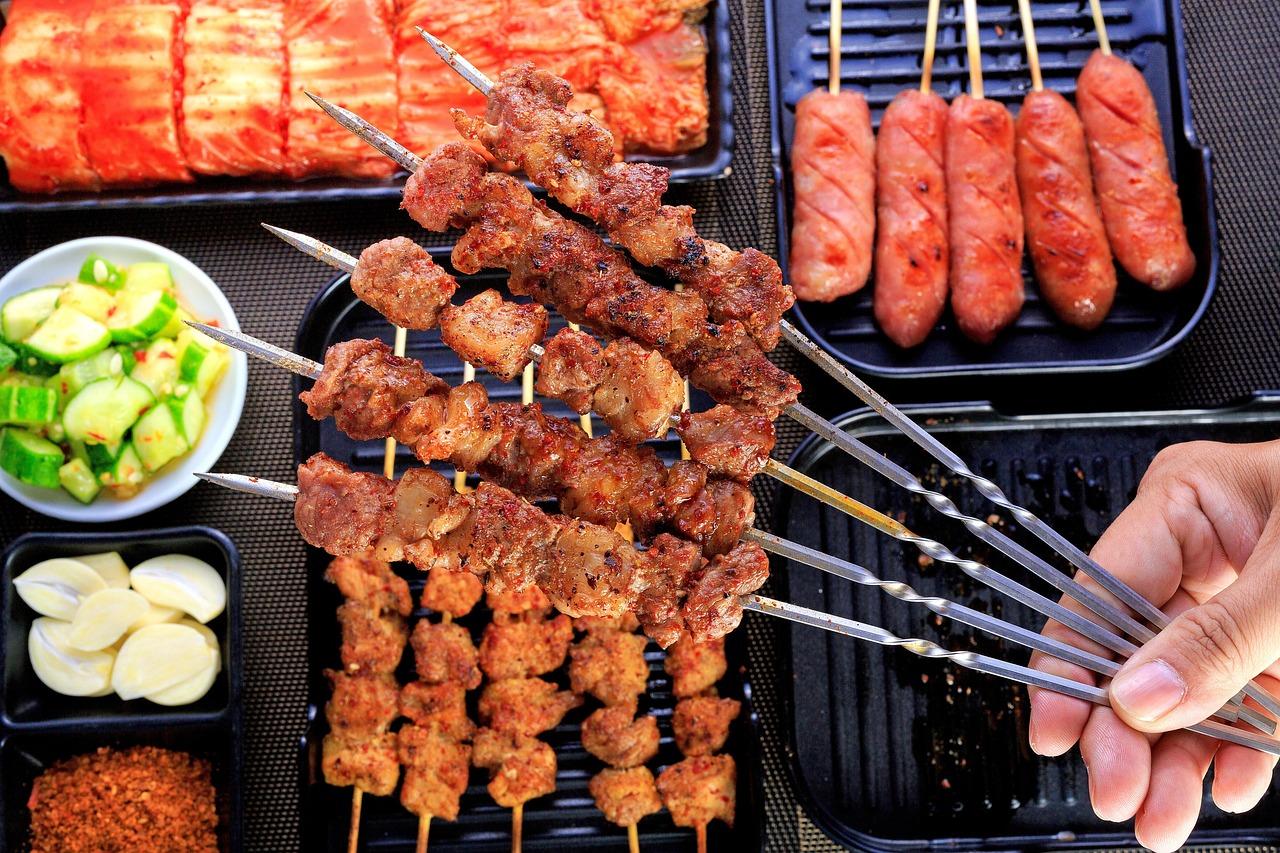
All through Brazilian Carnival, from Salvador's street parties to the blocos of Rio, the smoke of espetinho grills drifts along the pavements, and a skewer of beef with a spoonful of farofa is the snack that keeps revellers dancing all night. Chunks of rump are seasoned with garlic, coarse salt and lime, threaded onto skewers and grilled hard and fast over charcoal. Marinate the beef in the fridge. The common mistake is packing the pieces tightly, which steams them instead of charring. Chef's tip: soak wooden skewers for 30 minutes so they don't burn before the meat is done.

by KrazyBadal 0 views

Chipa so'oCheese bread with spiced beef

In Paraguay, families bake chipa in the clay tatakua ovens on Holy Wednesday so there is food for Thursday and Good Friday, when cooking stops. Chipa so'o ('chipa with meat') is a cassava-starch and cheese bread wrapped around a little filling of minced beef cooked with onion and egg, then baked until crisp outside and chewy within. It is naturally gluten free. Chef's tip: knead the dough until it no longer cracks at the edges when pressed; dry dough splits around the filling.

by KrazyBadal 0 views

Boudin blanc aux pommesWhite sausage with apple compote

In Liège and across Wallonia, Christmas Eve supper often begins with boudin blanc: pale, delicate sausages of finely minced pork and milk, sometimes with a little chicken, gently fried in butter until golden and served with warm, chunky apple compote and bread. Butchers make piles of them in December. Buy them fresh from a good butcher, or poached and ready to fry. Chef's tip: prick nothing and cook gently; boudin blanc is fragile, and a hot pan splits the skins.

by KrazyBadal 0 views

Pajagua mascadaBeef and cassava patties

Pajagua mascada is a Paraguayan street-food classic that appears on every table for the San Juan festival on 24 June, when bonfires burn and the night is full of games and traditional food. Minced beef is mixed with mashed cassava, onion, garlic and a little egg and flour, shaped into flat patties and fried until crisp. The name comes from Guaraní and refers to the 'chewing' of old Paraguayan cooks, who made it from leftover meat. Chef's tip: dry the boiled cassava well and remove its woody core, which keeps the patties light and crunchy.

by KrazyBadal 0 views

KalanehWild leek stuffed flatbread

In Kurdistan and Kermanshah, Newroz arrives with the first spring greens on the hillsides, and families gather wild leeks to fold into kalaneh, thin griddle breads cooked over a fire or a hot pan and soaked in melted butter. The dough is plain and soft, rolled very thin around a pile of chopped leek or chives with a little salt and pepper, so the greens steam inside as the bread blisters. Eat it hot, torn into strips, with yogurt and tea at a Newroz picnic. The common mistake is wet greens, which turn the dough soggy and make it tear; dry them well after washing. Chef's tip: brush the butter on the moment the bread leaves the pan so it soaks right in.

by KrazyBadal 0 views

TihaneStuffed lamb spleen

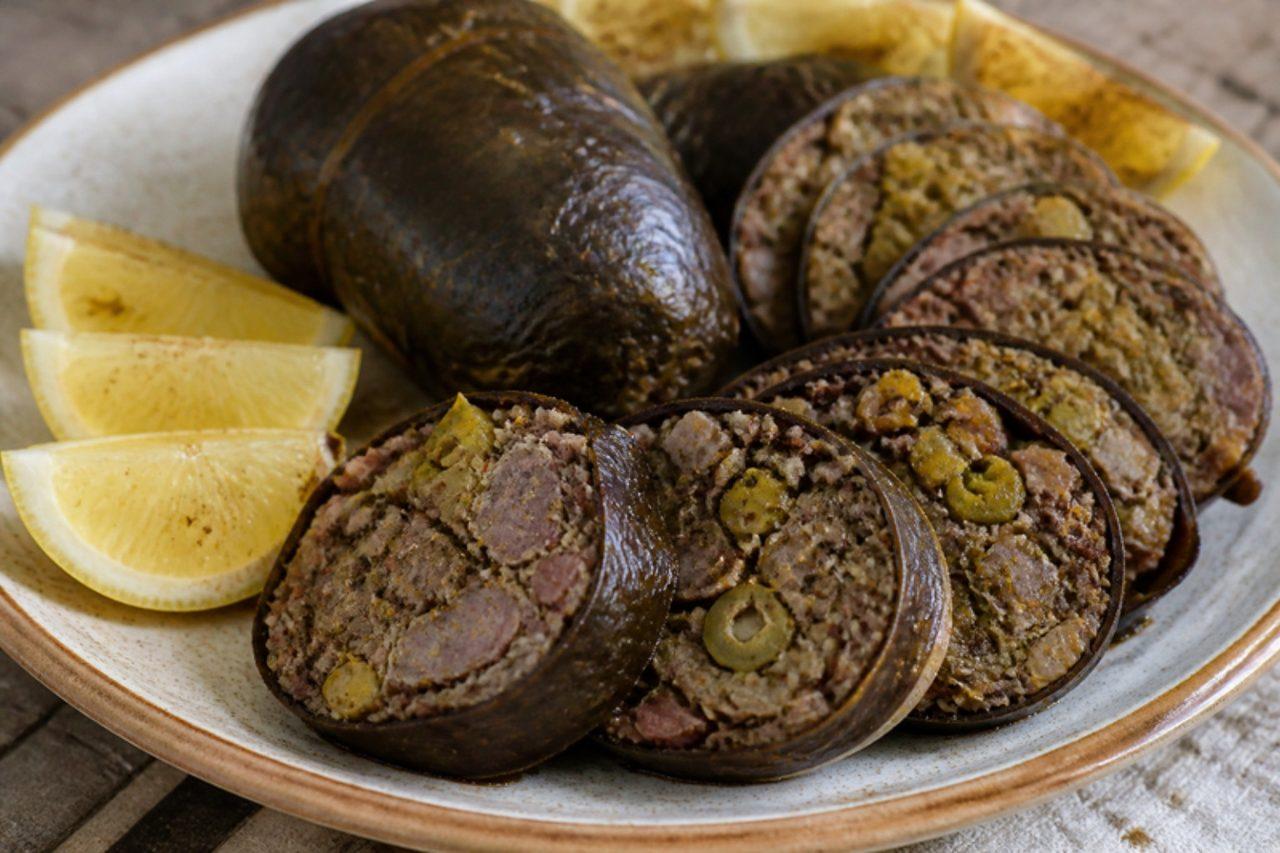
Tihane, or tehal, is an old Eid al-Adha speciality from Moroccan towns such as Fez and Marrakech, made on the days after the sacrifice when the offal is shared out. The lamb's spleen is cut open into a pocket and stuffed with chopped liver and heart, a little fat, green olives, preserved lemon, garlic and cumin, then sewn shut, poached and roasted until browned. It is sliced thin and eaten warm or cold with bread. Ask a halal butcher for the spleen and offal. Chef's tip: prick the spleen with a fine needle before poaching so it doesn't burst in the pot.

130 minMoroccanMeatGluten free
by KrazyBadal 0 views

Bananada (Brazilian banana paste bars)

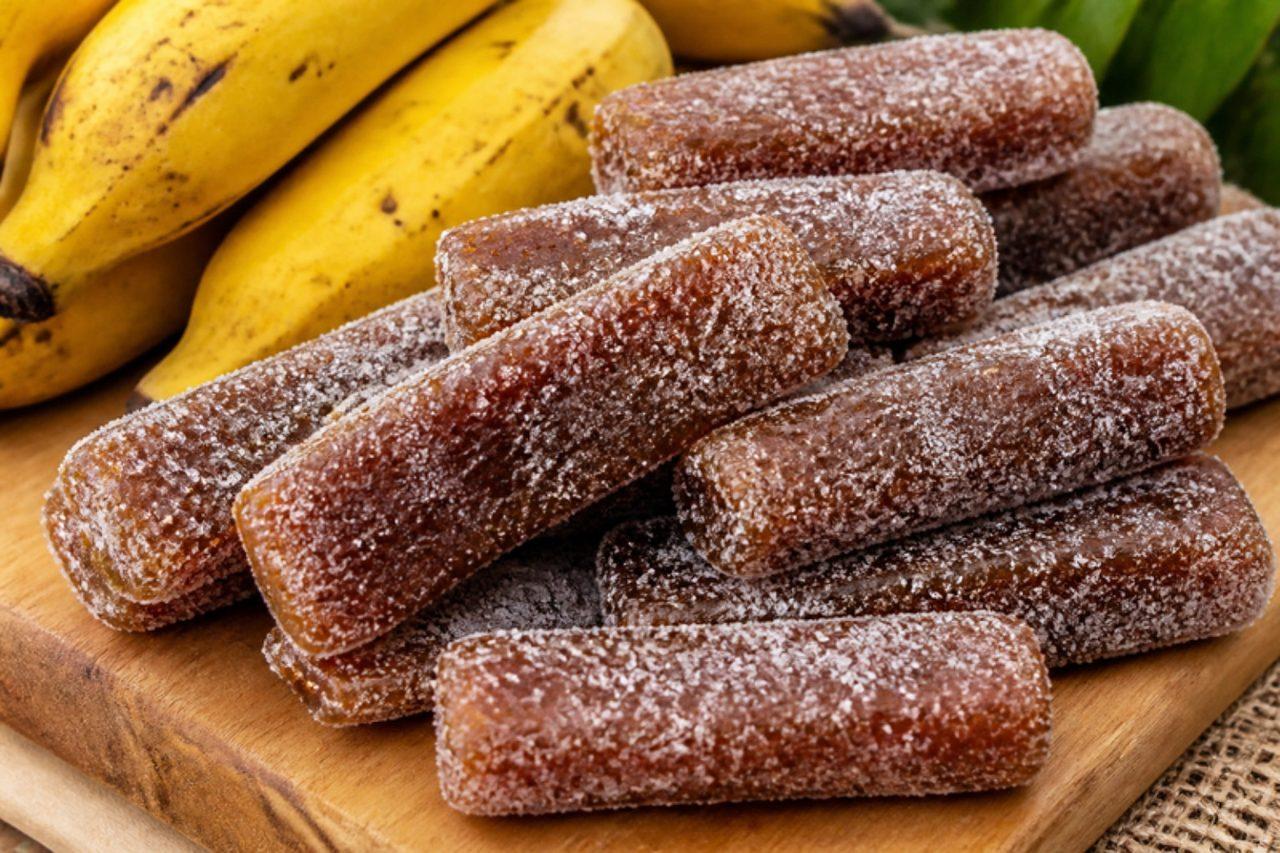
Bananada comes from the banana country of Minas Gerais and the Vale do Ribeira in São Paulo state, where roadside stalls stack it in wrapped bars beside rapadura and goiabada. Children find it in lunchboxes and it turns up on the sweet tables of the June festivals. Cooked slowly, ripe bananas and sugar darken to a reddish brown and set into a dense, chewy paste with a caramel and baked-banana flavour, finished with a sugary crust. Serve the bars with coffee or a piece of fresh cheese. It is naturally egg-free: the starch and pectin in the bananas, concentrated with sugar over a long, slow cook, set the paste firm enough to slice. Very ripe bananas give the sweetest, darkest result. Chef's tip: keep going until you can see the base of the pan for a second when you drag the spoon through; the common mistake is stopping early, which gives a soft jam that won't cut.

by KrazyBadal 0 views

Rapadura (Brazilian sugarcane blocks)

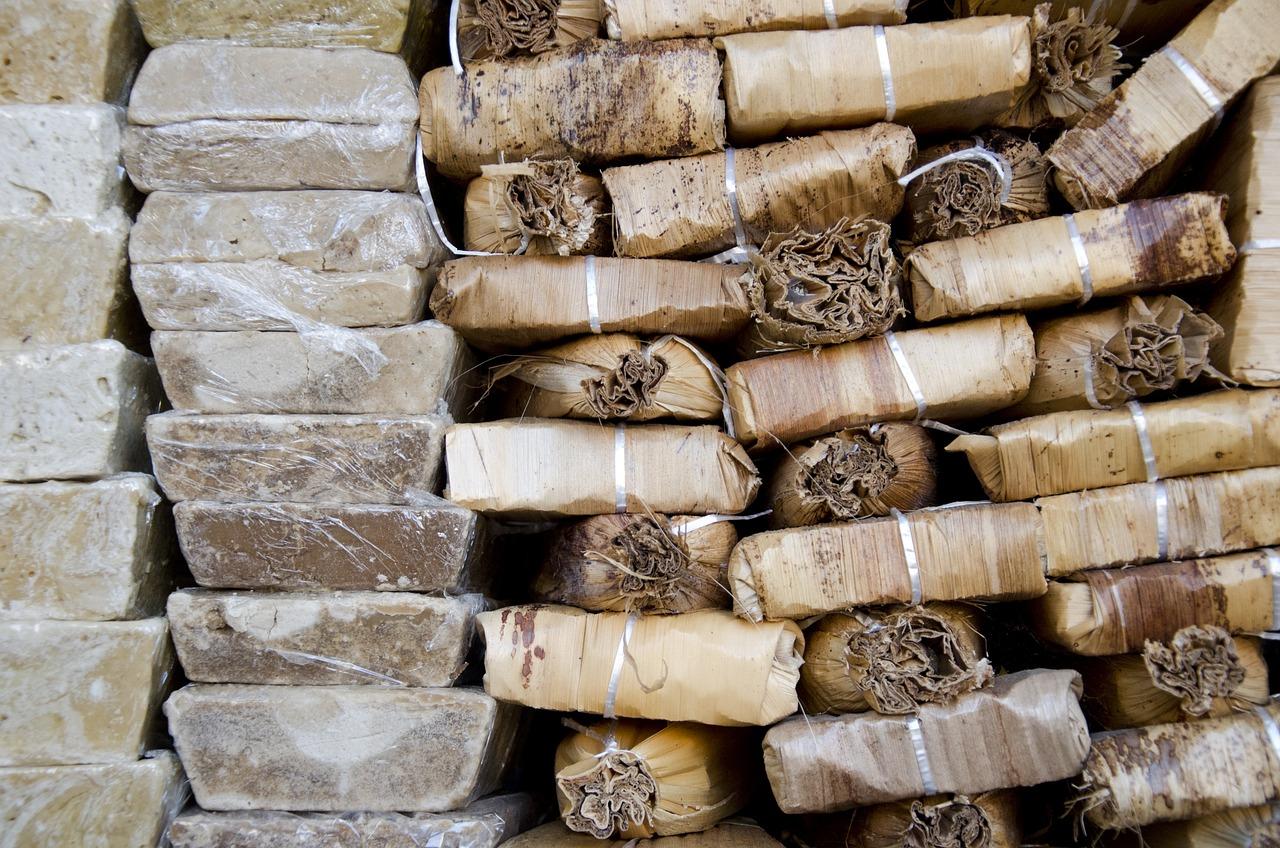
Rapadura is the sweet of the Brazilian Northeast, made since colonial times in the small sugar mills of Pernambuco, Paraíba and Ceará. Fresh cane juice is boiled down for hours and beaten until it sets into dense golden-brown bricks, sold at every feira and roadside stall and carried by farm workers as quick energy. It is eaten after lunch with a cup of coffee, with farinha or a slice of queijo coalho, and chopped onto the tables of the June festivals. The texture is firm but crumbly, like a hard fudge, and the flavour is deep caramel with a faint grassy note of cane. It is naturally egg-free: nothing binds it but sugar, which crystallises as you beat the hot syrup and sets the block. Use fresh or frozen sugarcane juice; peanuts or coconut make popular variations. Chef's tip: beat until the syrup loses its shine and turns thick and opaque; the common mistake is pouring too soon, which leaves a sticky toffee instead of a block.

by KrazyBadal 0 views

Tmar mehchi (Moroccan almond-stuffed dates)

Tmar mehchi is the stuffed date of Fez and Marrakech, piled high on silver trays at weddings, engagements and Eid, and offered to guests with mint tea. Soft dates are filled with a homemade almond paste perfumed with orange-blossom water, often tinted pale green or pink to match the celebration, then scored with a knife so the filling shows. They are soft, rich and caramel-sweet, with a floral, nutty middle. The paste here is mixed from ground almonds and icing sugar, so there is no shop marzipan, which can contain egg white. It is naturally egg-free: the dates' sticky flesh and a few spoonfuls of orange-blossom water bind the almond filling. Chef's tip: add the orange-blossom water a little at a time and stop when the paste is firm like play dough. The common mistake is a wet paste, which oozes out and makes the dates slippery.

by KrazyBadal 0 views

Doce de figo verde (Minas green figs in clove syrup)

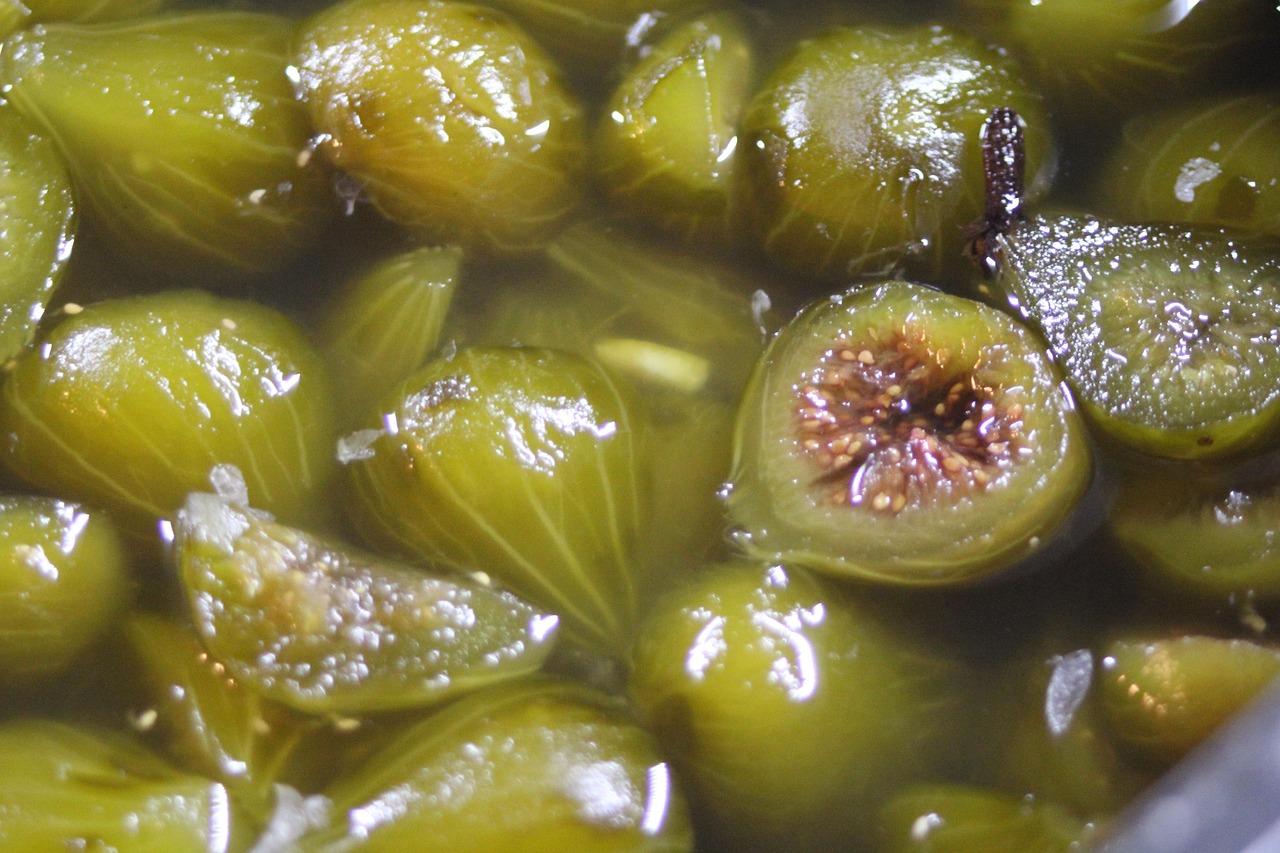
On the farms of Minas Gerais, figs picked hard and green at the start of summer are turned into one of the state's proudest doces, made in big copper pans and set out at Christmas, at Festa Junina and after a long Sunday lunch. The whole figs come out dark olive-green, glossy and tender right through, in a thick syrup fragrant with cloves. They are eaten with a slice of fresh queijo minas, the salty cheese making the sweetness sing, or on their own with a small coffee. Like most Brazilian fruit preserves it is naturally egg-free: the long simmer in sugar syrup preserves and firms the fruit, and the figs' own pectin thickens the syrup. The work is in the repeated blanching, which draws out the bitter milky sap. Chef's tip: wear gloves while scraping the figs, because the sap irritates skin, and keep the syrup at a bare simmer; the common mistake is boiling hard, which bursts the figs and toughens their skins.

by KrazyBadal 0 views

Sacolé de maracujá (Brazilian passion fruit ice pops)

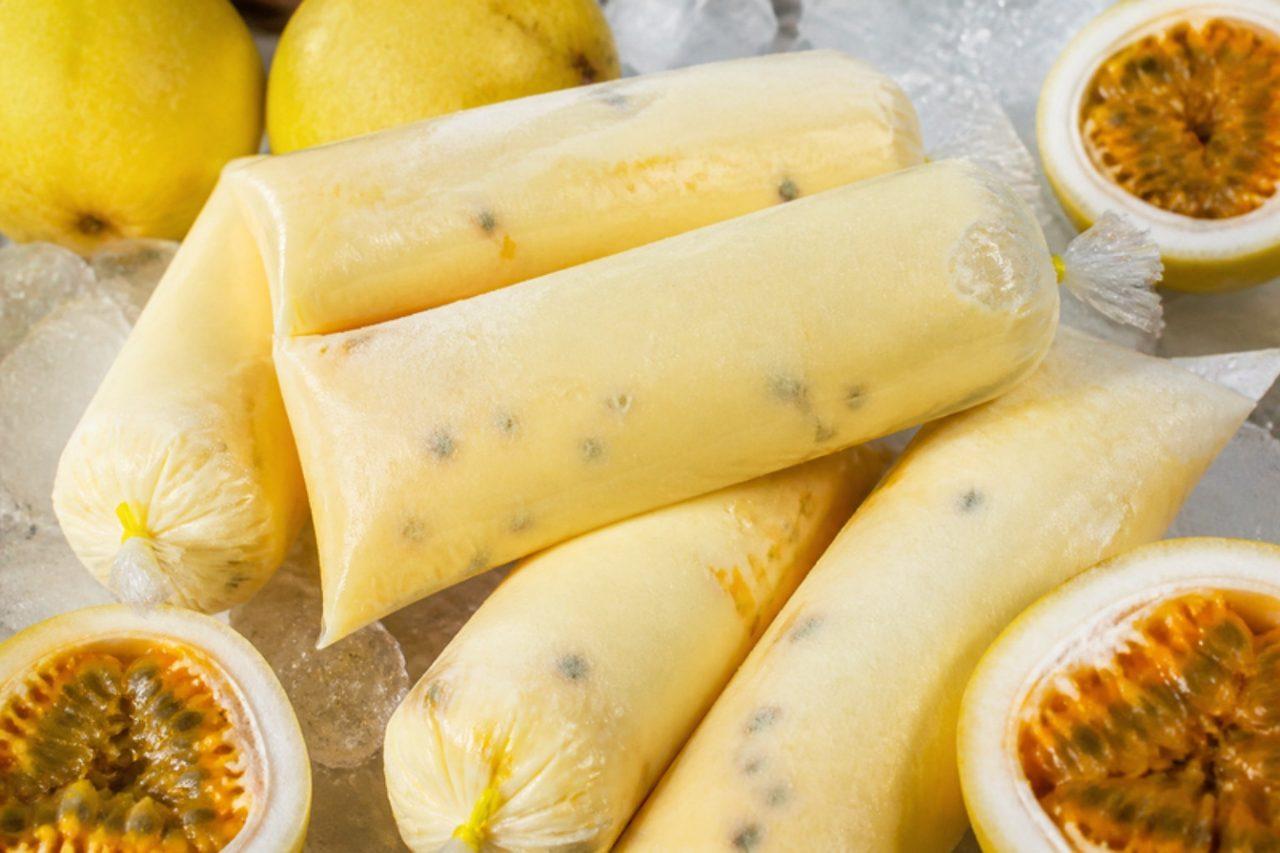
Sacolé, called geladinho or chup-chup in other states, is the homemade ice pop of Brazil: a creamy or fruity mixture tied into slim plastic bags and frozen, sold for a few coins from home freezers in Rio's neighbourhoods and all over the country, especially in summer and during school holidays. You bite off a corner and push the frozen pop up as you eat. This creamy passion fruit version is tangy and smooth. There are no eggs: milk thickened with a little cornflour and sweetened condensed milk make the base, the cooked starch and the condensed milk's sugar keeping the crystals small so the pop is soft enough to bite rather than icy. Coconut, corn and chocolate are other favourites. Chef's tip: stir in the passion fruit only once the base is cold; the common mistake is adding the acid pulp to hot milk, which makes it curdle.

by KrazyBadal 0 views

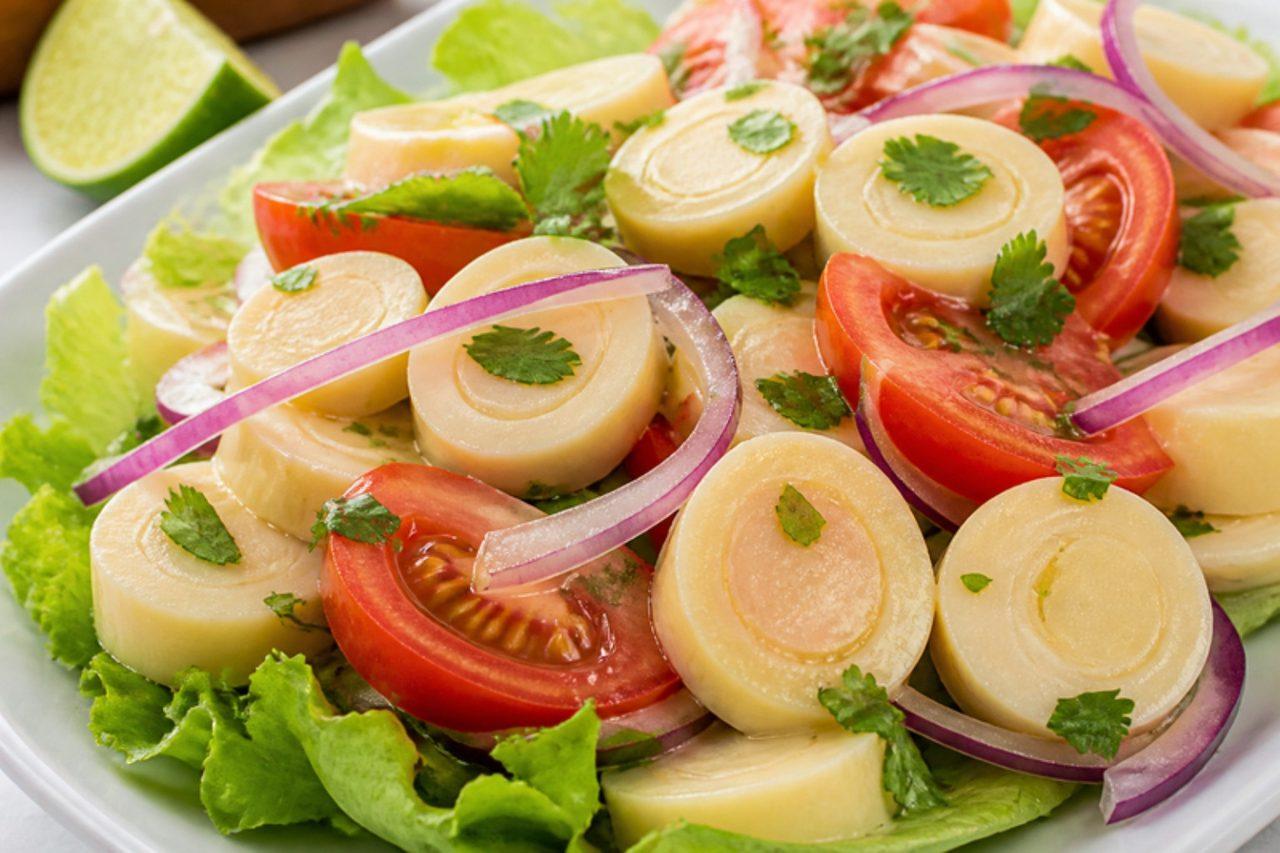
Salada de palmitoHearts of palm salad

Salada de palmito is a fixture of Brazilian lunch buffets, Christmas tables and churrasco sides from São Paulo to Goiás, prized because hearts of palm feel festive. The tender, slightly lemony palm hearts are cut into rounds and tossed with tomato, red onion, coriander or parsley and a quick lime and olive oil dressing; it is cool, soft and crunchy at once. A portion gives about 3 g of protein, so it is a side; serve it with rice and black beans for a full meal. The most common mistake is not draining and rinsing the palm hearts: the brine from the jar makes the salad taste tinny and too salty. Chef's tip: soak the sliced onion in iced water with a pinch of salt for 10 minutes; it stays crisp but loses its bite.

by KrazyBadal 0 views

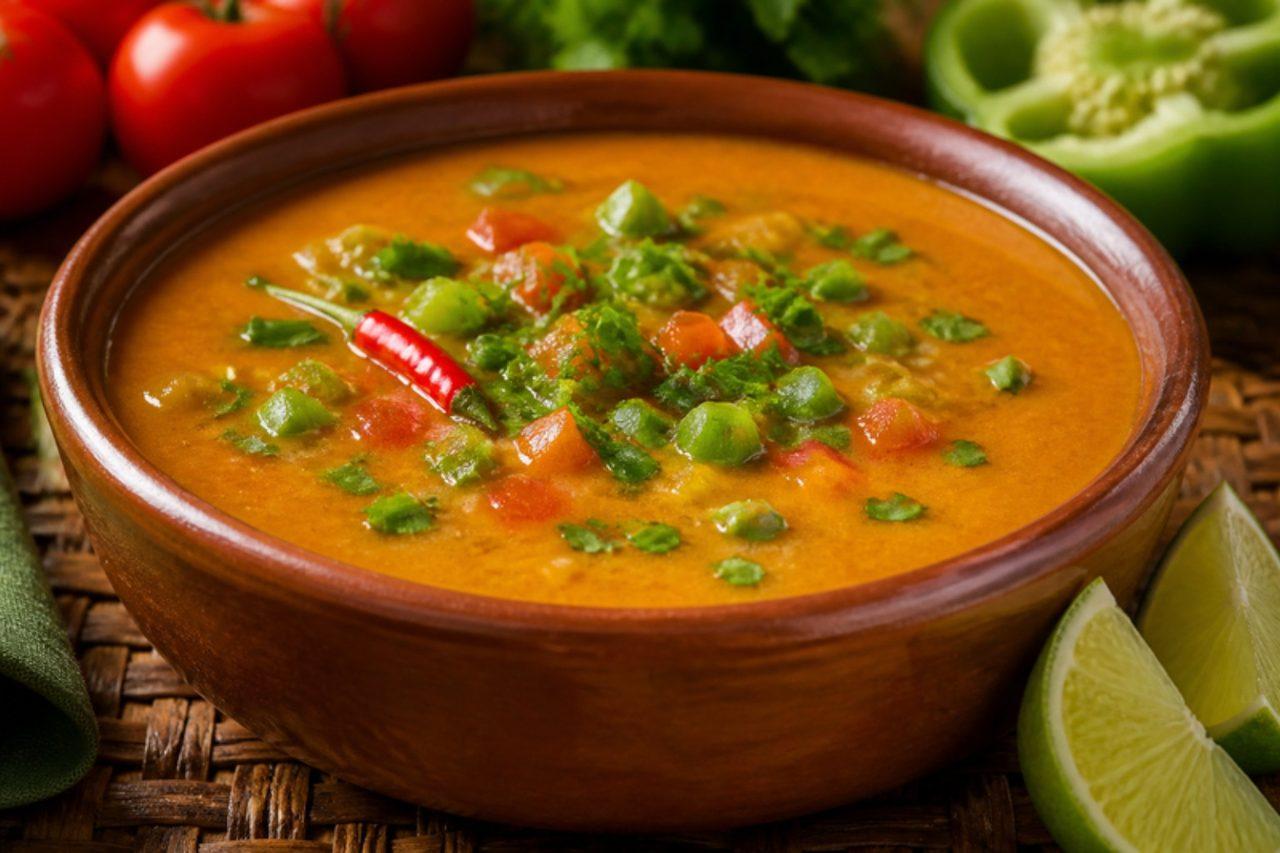
Caldo de piranhaPiranha broth

In Cuiabá and Corumbá, on the edge of the Pantanal wetlands of Mato Grosso, caldo de piranha is served in small cups in bars and at riverside festivals, and is said to restore strength (some say more). The bony little fish are simmered with tomato, onion, peppers and annatto, then the flesh is blended into the broth and strained, so it is thick, smooth and savoury. If you can't get piranha, any firm white river or lake fish such as tilapia or catfish works. A bowl gives about 24 g of protein, from the fish, for about 200 kcal. The common mistake is careless straining: piranha has many fine bones, so pass the soup through a fine sieve twice. Chef's tip: finish with a good handful of cheiro-verde, the Brazilian mix of parsley and chives, and a squeeze of lime just before serving.

by KrazyBadal 0 views

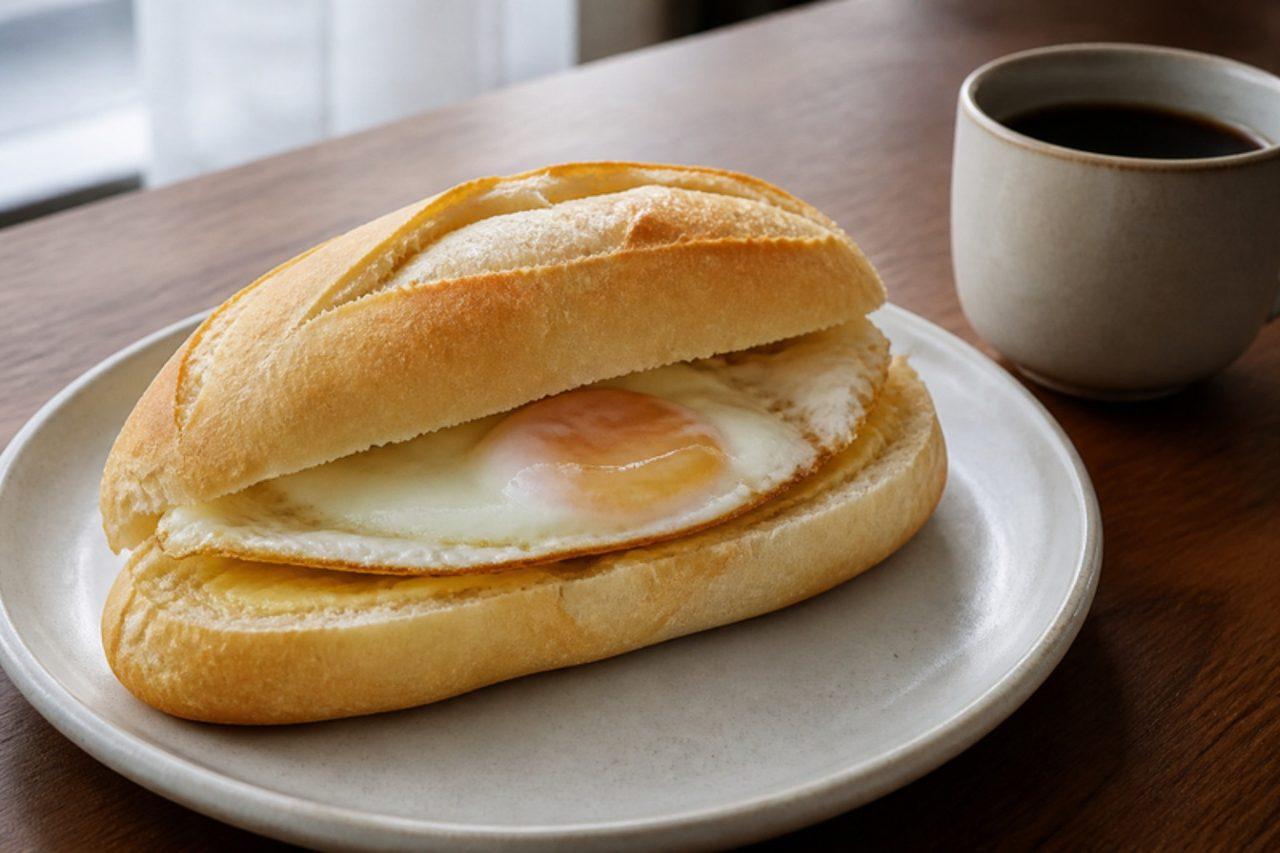
Pão com ovoFried egg in a toasted roll

Every padaria in Brazil, from a São Paulo corner bakery to a beach-town café in Bahia, sells pão com ovo at the counter at breakfast: a crusty French roll, split, buttered and toasted on the griddle, with a fried egg tucked inside. It is eaten standing up with a small coffee or café com leite, and at home it is the quick supper children ask for. The usual mistake is frying the egg on too high a heat, which leaves brown, rubbery edges before the white has set. Brazilians argue over soft or firm yolks; for anyone pregnant, very young, older or with a weakened immune system, break the yolk and cook it through. Chef's tip: toast the cut sides of the roll in the same pan after the butter has foamed, so the bread soaks up the flavour before the egg goes in.

by KrazyBadal 0 views

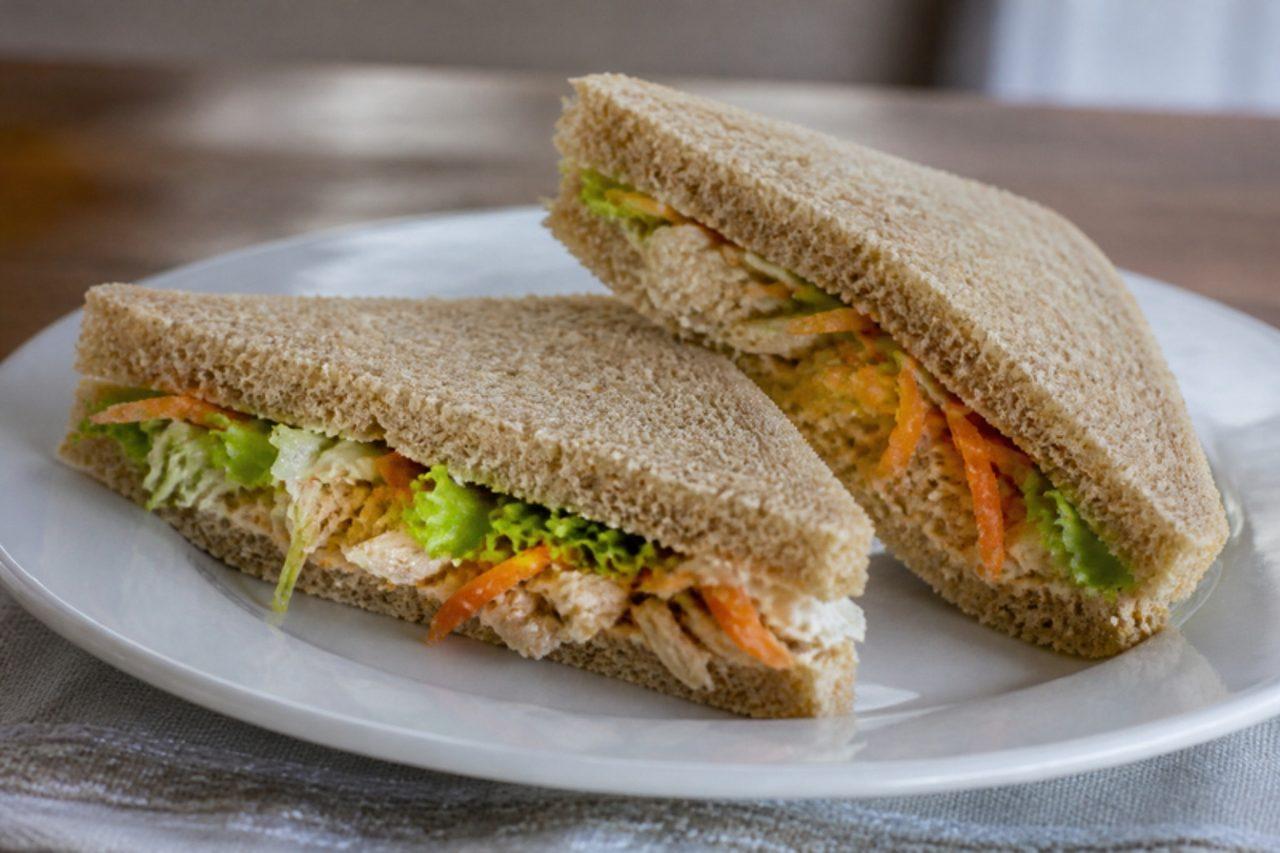
Sanduíche naturalChicken and carrot cold sandwich

In São Paulo and Rio de Janeiro the sanduíche natural is sold wrapped in cling film at beach kiosks, bakeries and office canteens, the light lunch or after-gym snack eaten cold in the afternoon heat. Poached shredded chicken is mixed with grated carrot, sweetcorn and a creamy dressing of requeijão or cream cheese and mayonnaise, then layered with lettuce and tomato in soft wholemeal bread. The common mistake is a soggy sandwich: dry the lettuce and tomato well, and spread the filling right to the edges so it protects the bread. Chef's tip: poach the chicken in salted water with a bay leaf and let it cool in the liquid for a few minutes; it shreds more easily and stays juicy.

by KrazyBadal 0 views

Moroccan bachkoutouOrange and sesame dunking biscuits

Moroccan grandmothers bake bachkoutou by the trayful and keep them in big tins for the afternoon glass of sweet mint tea, and neighbourhood ovens in Fes and Casablanca bake them for families who bring their dough. These are dry, crunchy little biscuits, not rich at all, made with eggs, sugar and oil rather than butter, with orange zest and a coating of toasted sesame; they are meant to be dunked until they soften slightly. Shapes vary from town to town: fingers, rings and rope twists are all common, and some cooks add aniseed. Too much flour is the easy mistake: the dough should stay soft and slightly sticky, or the biscuits bake heavy and hard rather than crisp and light. Chef's tip: once they are cold, put them back in a warm, switched-off oven for 20 minutes; that extra drying is what makes them keep their snap for weeks.

by KrazyBadal 0 views

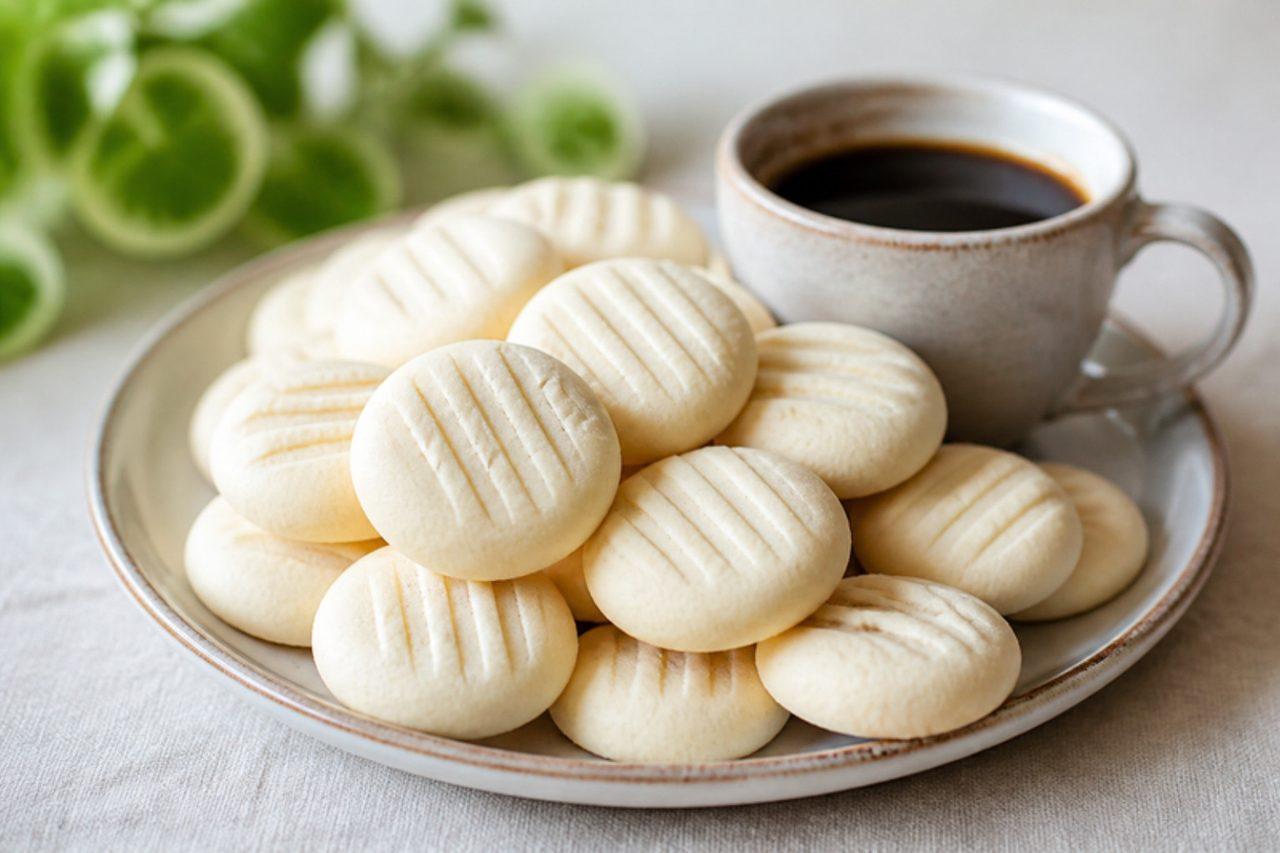
SequilhosCornstarch condensed milk cookies

Brazilian grandmothers keep a tin of sequilhos (seh-KEEL-yos) on the shelf for afternoon cafezinho, and children in São Paulo and Minas Gerais grow up pinching them from it. Made almost entirely from cornstarch, butter and sweetened condensed milk, they bake pale and chalky-looking, then dissolve on the tongue like a cloud of milky sugar. A fork pressed into each ball leaves the classic stripes. This version adds one egg yolk for a little richness; plenty of families leave it out, and the cookies are just as good. Because there is no wheat, they are naturally gluten free. Chef's tip: lift one off the tray after the minimum time and check the base; it should be the faintest cream-gold, not brown, or the melting texture turns sandy.

by KrazyBadal 0 views

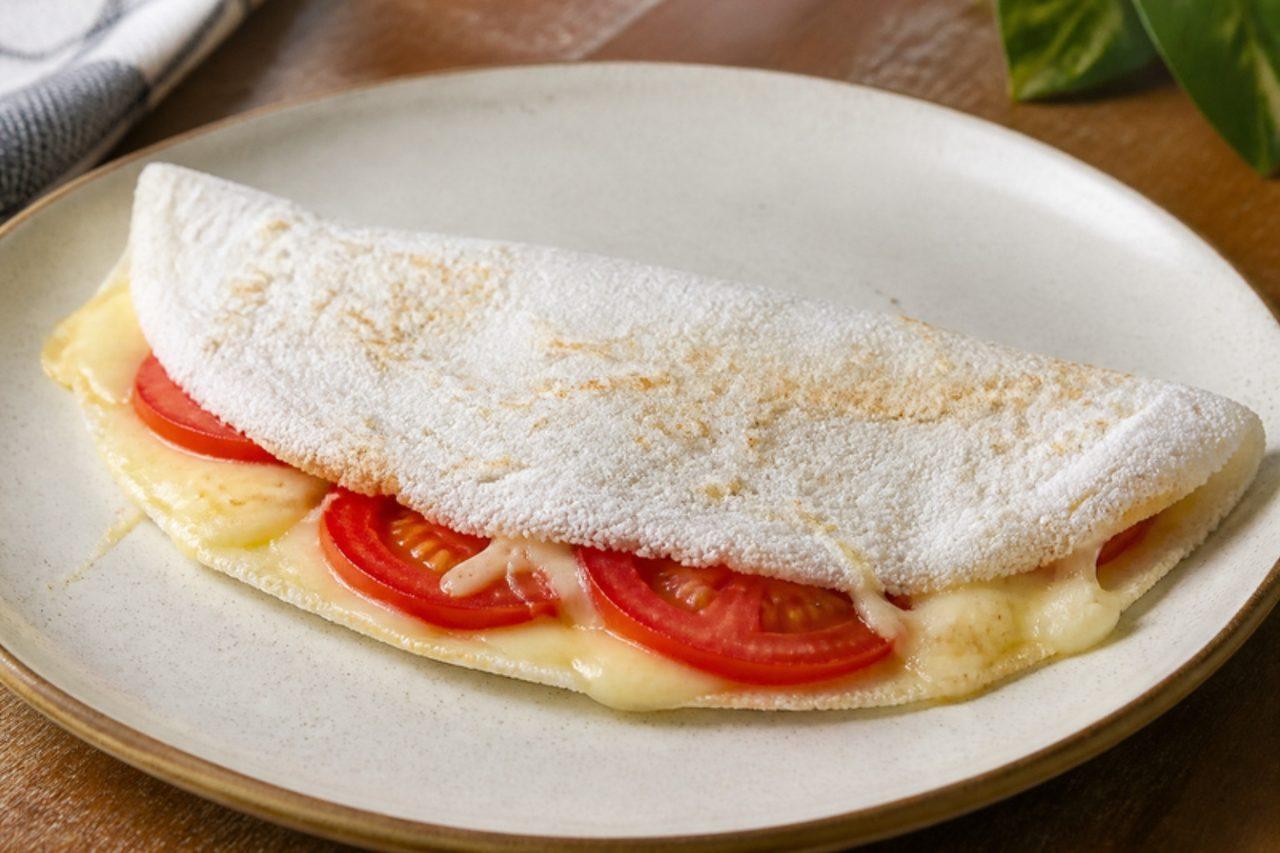
CrepiocaTapioca and egg crêpe

Crepioca is the crêpe that took over Brazilian breakfast tables and gym cafés from São Paulo to Recife: one egg whisked with a spoonful of tapioca starch, cooked thin in a non-stick pan and folded round cheese and tomato. It is naturally gluten free, ready in ten minutes and just as good as a late, light supper as it is with morning coffee. The common mistake is pouring the batter without a last whisk: tapioca starch sinks to the bottom of the bowl in seconds, and the crêpe then comes out patchy and gluey. Mozzarella is often made with animal rennet, so choose a vegetarian mozzarella if that matters to you. Chef's tip: let the pan heat for a full minute before the batter goes in, so the crêpe sets at once and slides free when you shake the pan.

by KrazyBadal 0 views

Belgian frangipane tartlets

Look in the glass counter of a Flemish bakery and between the rice tarts and cream puffs sit rows of frangipanetaartjes: small shortcrust cases with a hidden layer of apricot jam, filled with almond frangipane and glazed with a thin, crackly white icing. Belgians pick them up on Saturday mornings or for a birthday at the office and eat them with coffee. They are buttery, nutty and moist, with a sharp fruity note from the jam. Too much jam is the mistake to watch: it bubbles up through the frangipane and glues the tartlets to the tin. Chef's tip: brush the warm tartlets with hot apricot jam first and let it set before the icing goes on; the jam seals the surface so the glaze stays white and shiny.

by KrazyBadal 0 views

Showing 24 of 441 recipes

Show more recipes

Page 1 of 19