Skip to content
Recipes

All recipes

Vegetarian, or something you can't eat? Set your diet once and we'll hide recipes that don't fit.

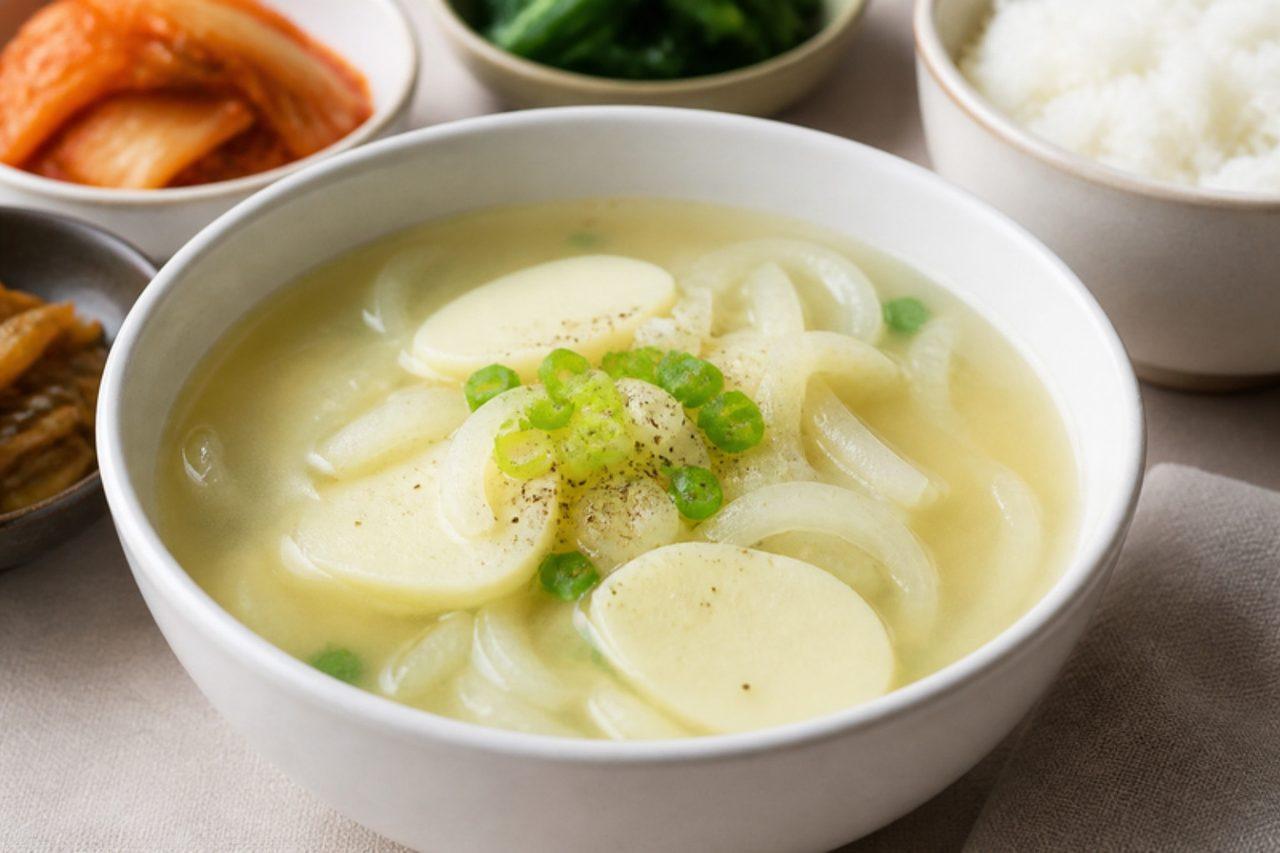
Gamja gukPotato and onion soup

Gamja guk is the plain, comforting potato soup that Korean mothers make on busy mornings and quiet evenings all year round, served with rice and kimchi. Thin slices of potato and onion simmer in a clear broth until soft, finished with spring onion and a little garlic. Most homes use an anchovy and kelp stock; this is the vegetarian version, with kelp and dried shiitake. It is mild and soothing, with about 4 g of protein per bowl; crack an egg into the pot at the end, or serve tofu alongside, for more. The common mistake is cutting the potatoes too thick, so the outside crumbles before the middle is cooked; slice them evenly, about 5 mm. Chef's tip: soak the sliced potato in cold water for 5 minutes to rinse away surface starch and keep the broth clear.

by KrazyBadal 0 views

BoribapBarley rice with vegetables

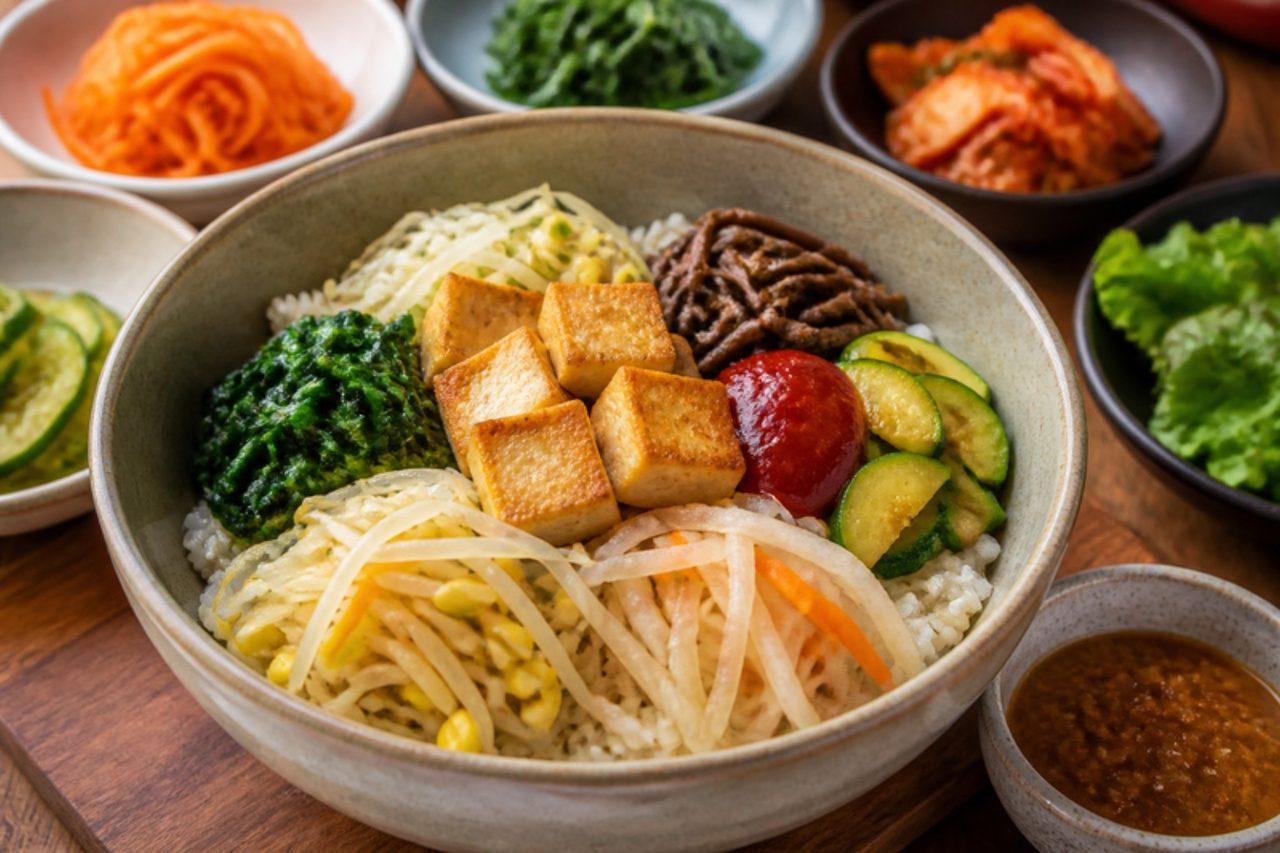
Boribap was once the rice of the poor in Jeolla's farming villages; now Seoulites drive out to the hills on summer weekends to eat it in restaurants that set down a big bowl of steamed barley rice and a ring of seasoned vegetables to mix in yourself. This home version is built for protein: soybean sprouts, spinach and radish namul, plus a thick tofu and doenjang sauce (gang-doenjang), give about 23 g of protein a bowl, from tofu, soybean sprouts, doenjang and the barley. The classic mistake with soybean sprouts is lifting the lid while they cook, which leaves a raw, beany smell; keep it shut. Soak the barley for at least 1 hour before cooking. Most gochujang contains wheat, so this is not gluten free. Chef's tip: mix the bowl with a spoon rather than chopsticks, pressing the rice against the side so every grain is coated in sauce and sesame oil.

by KrazyBadal 0 views

Chamnamul muchimDressed wild parsley

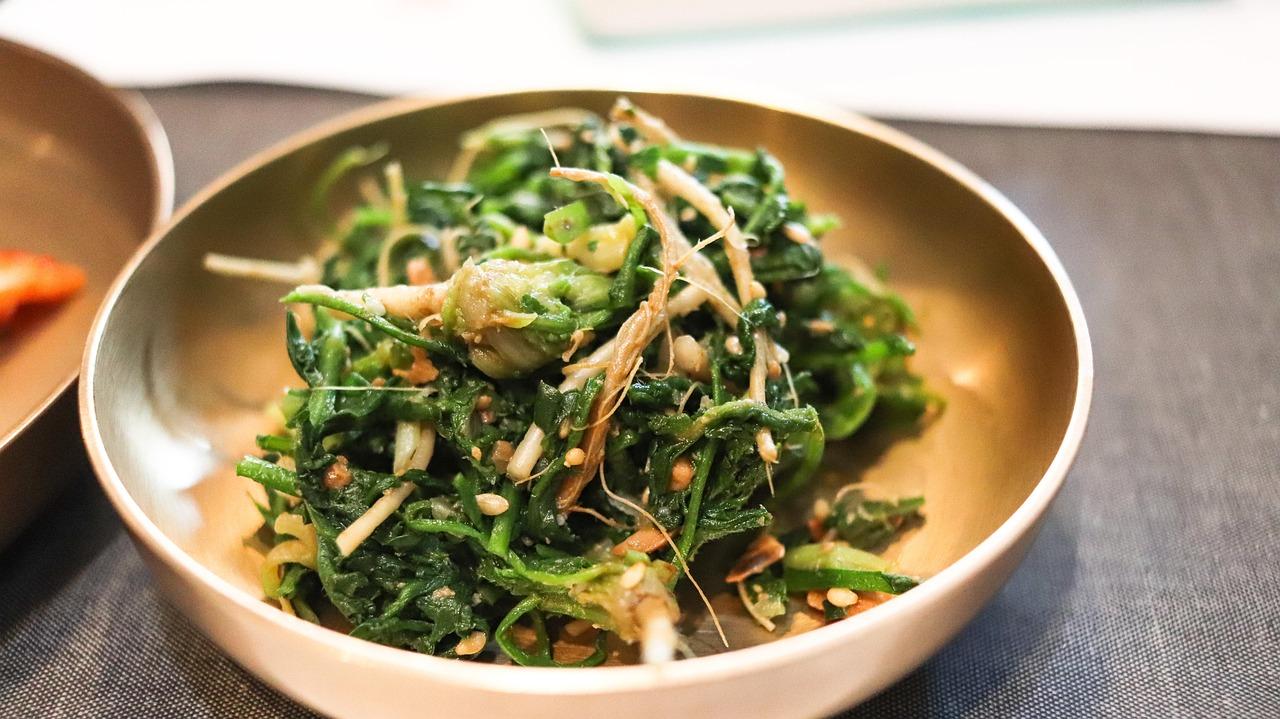
Chamnamul, a mild, celery-scented wild parsley, fills Korean markets in spring, and this simple namul is one of the banchan that turns up on home tables and in bibimbap bowls from March to May. The stems are blanched for seconds, then dressed by hand with garlic, sesame oil and toasted sesame so the herb stays bright and crunchy. It is a light side with about 3 g of protein per portion; pair it with tofu, eggs or a bean stew for a full meal. The common mistake is over-blanching: chamnamul goes limp and grey in under a minute. If you can't find it, use the tender tops of flat-leaf parsley mixed with pea shoots. Chef's tip: season with salt first and the sesame oil last, so the salt reaches the leaves instead of sliding off the oil.

by KrazyBadal 0 views

Daegu jiriClear cod soup

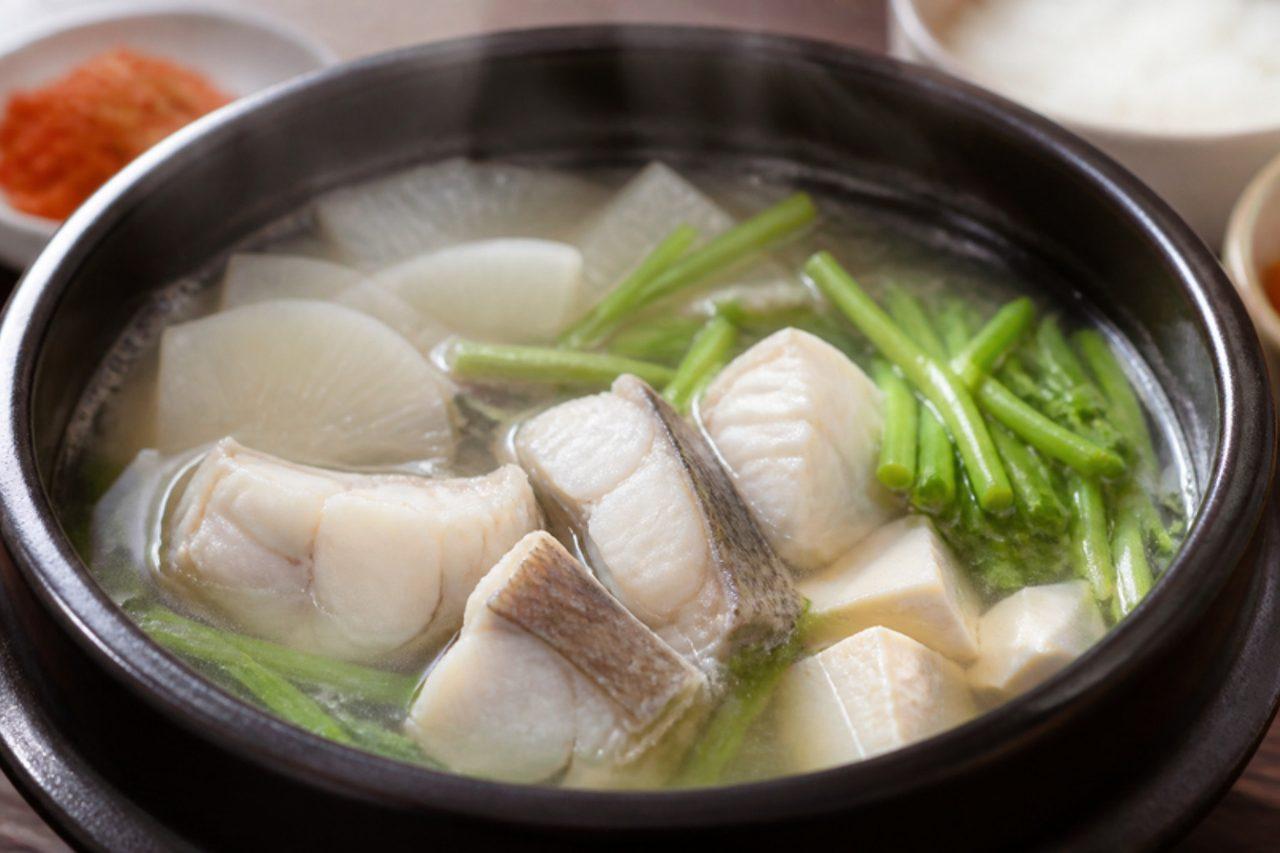
In Busan and the fishing towns along Korea's south coast, daegu jiri is the clear, unspicy cod soup that people order in winter, and famously the morning after a long night out. Chunks of cod simmer in an anchovy and kelp broth with soft radish, tofu and garlic, then a big handful of minari (water dropwort) goes in at the end for a fresh, peppery lift. It tastes clean and gently savoury, with about 32 g of protein a bowl from the cod and tofu. The common mistake is stirring after the fish goes in, which breaks it into shreds; just shake the pot. Chef's tip: let the radish simmer in the broth first until it turns translucent, because it gives the soup its sweetness.

by KrazyBadal 0 views

Subak hwachae (Korean watermelon punch)

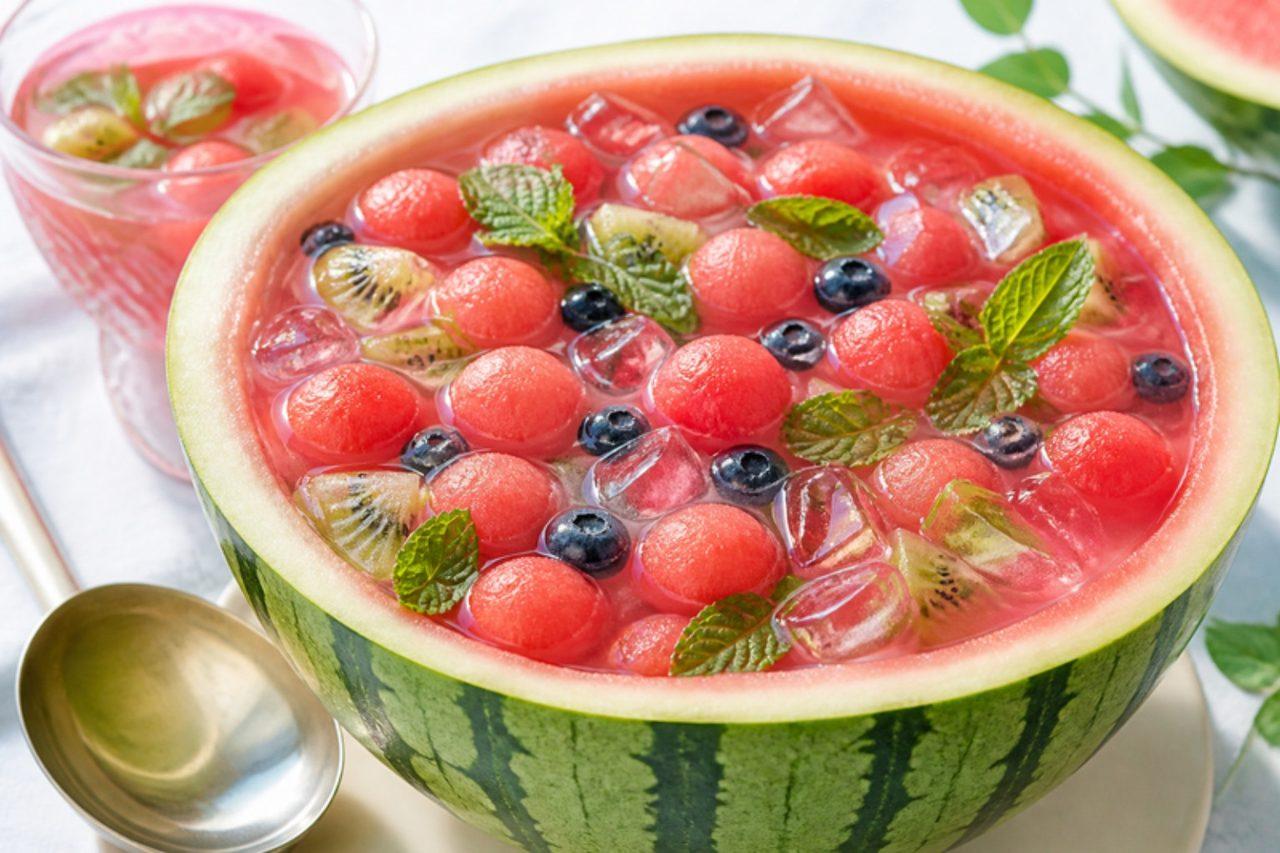
Subak hwachae is the cooling bowl Koreans set out on the hottest days of summer, especially around Boknal, the dog days of July and August, when families gather and eat from a hollowed-out watermelon shell. Balls of watermelon and other fruit float in chilled watermelon juice lightly sweetened and sharpened with lemon, with sparkling water for fizz and plenty of ice. It is refreshing, juicy and only gently sweet. Serve it straight away in small bowls with a spoon, after a barbecue or a spicy meal. This version is egg-free and dairy-free, and nothing needs binding or setting, as it is simply fruit in its own juice. Some modern versions add milk or a fizzy lemon soda; this one keeps it light with sugar syrup and sparkling water. Chef's tip: chill the fruit and juice for at least an hour before adding the fizz; the common mistake is relying on ice alone, which melts and waters the punch down.

by KrazyBadal 0 views

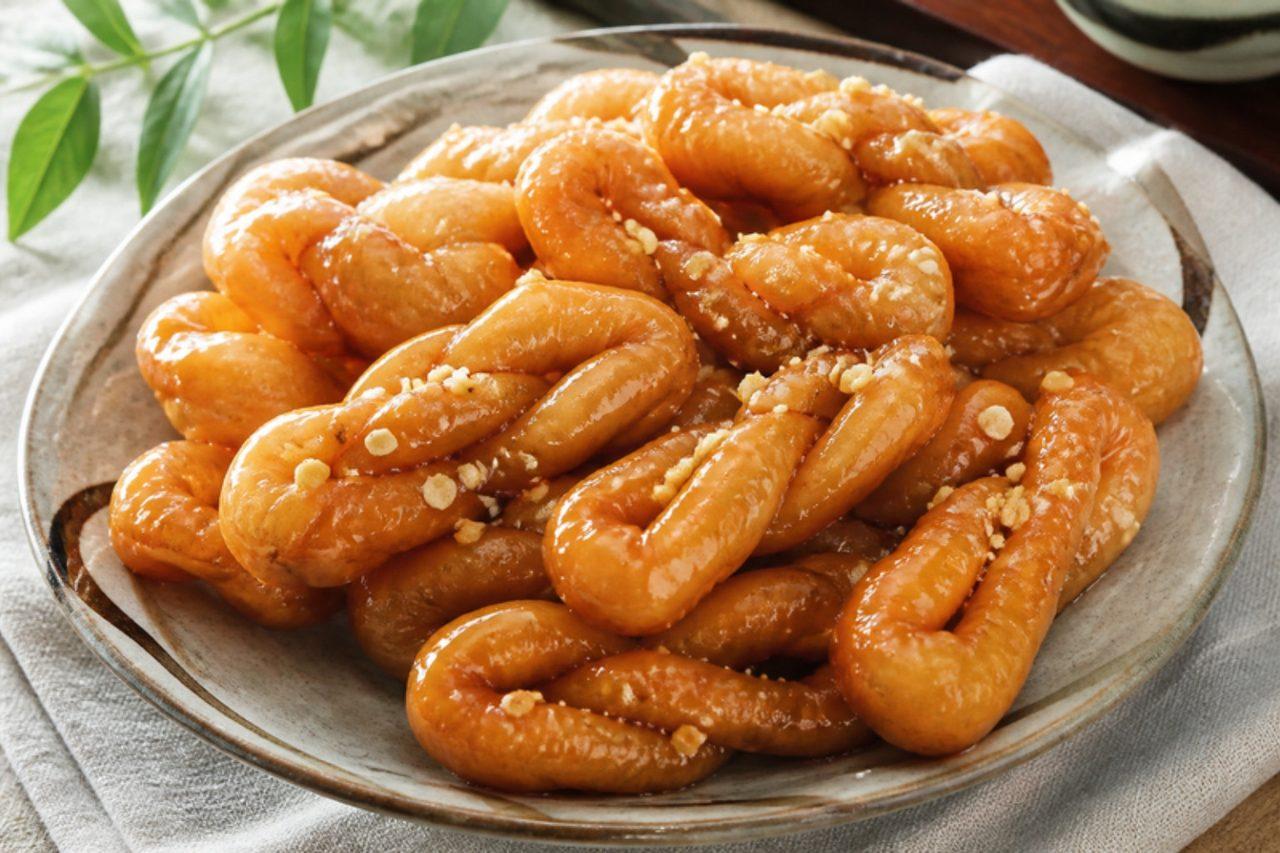
Maejakgwa (Korean ginger ribbon twists in honey syrup)

Maejakgwa is one of Korea's oldest hangwa, the traditional confections served on holiday tables at Seollal and Chuseok, at weddings and ancestral rites, and with tea when guests visit. Thin rectangles of ginger-scented wheat dough are slit and twisted into little ribbons, fried until crisp and pale gold, then dipped in honey and cinnamon syrup and finished with ground pine nuts. The name is often said to come from their resemblance to a sparrow perched on a plum branch. They shatter lightly when bitten, then turn sweet and warm with ginger. Serve a small plate with green tea or a cup of sweet rice punch. They are naturally egg-free: the dough is just flour, ginger juice and water held together by its own gluten, and the honey syrup that coats them is the only glaze. Because of the honey they are vegetarian but not vegan. Chef's tip: keep the frying oil at about 160°C; the common mistake is oil that is too hot, which browns the ribbons before they crisp through and leaves them chewy inside.

by KrazyBadal 0 views

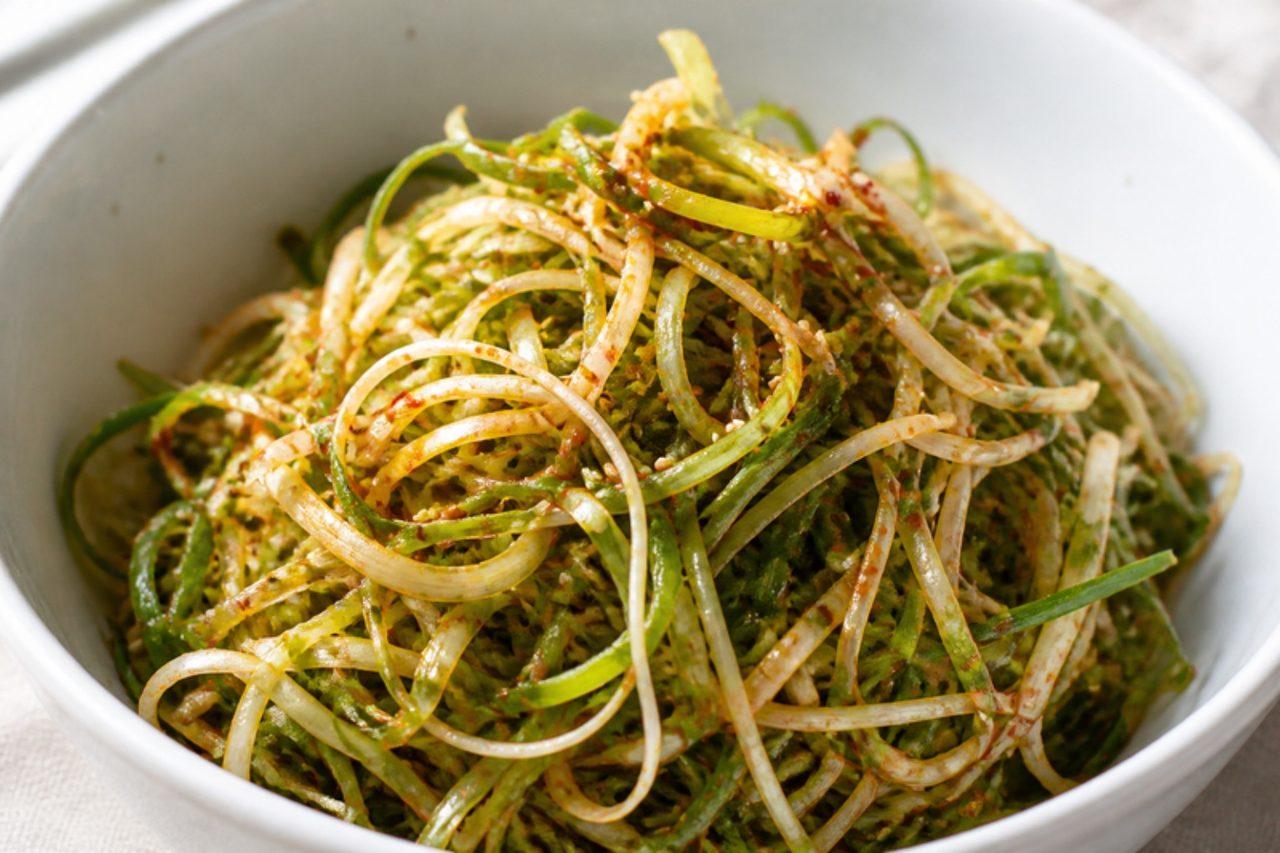
Pa muchimSpring onion salad

Pa muchim is the tangle of sharp, spicy spring onion that arrives with barbecue in restaurants all over Korea, from Seoul to Busan, and it is just as good at home beside grilled tofu, mushrooms or a rice bowl. Spring onion is shredded into long, thin threads, rinsed in cold water to tame its bite, then dressed at the last moment with chilli flakes, vinegar, soy, sugar and sesame. It is a light, vegan side with about 2 g of protein per portion. The common mistake is dressing it too early: after 10 minutes the onion wilts and weeps. Chef's tip: soak the shredded onion in iced water for 10 minutes before dressing; it curls, crisps and loses its harsh raw heat.

by KrazyBadal 0 views

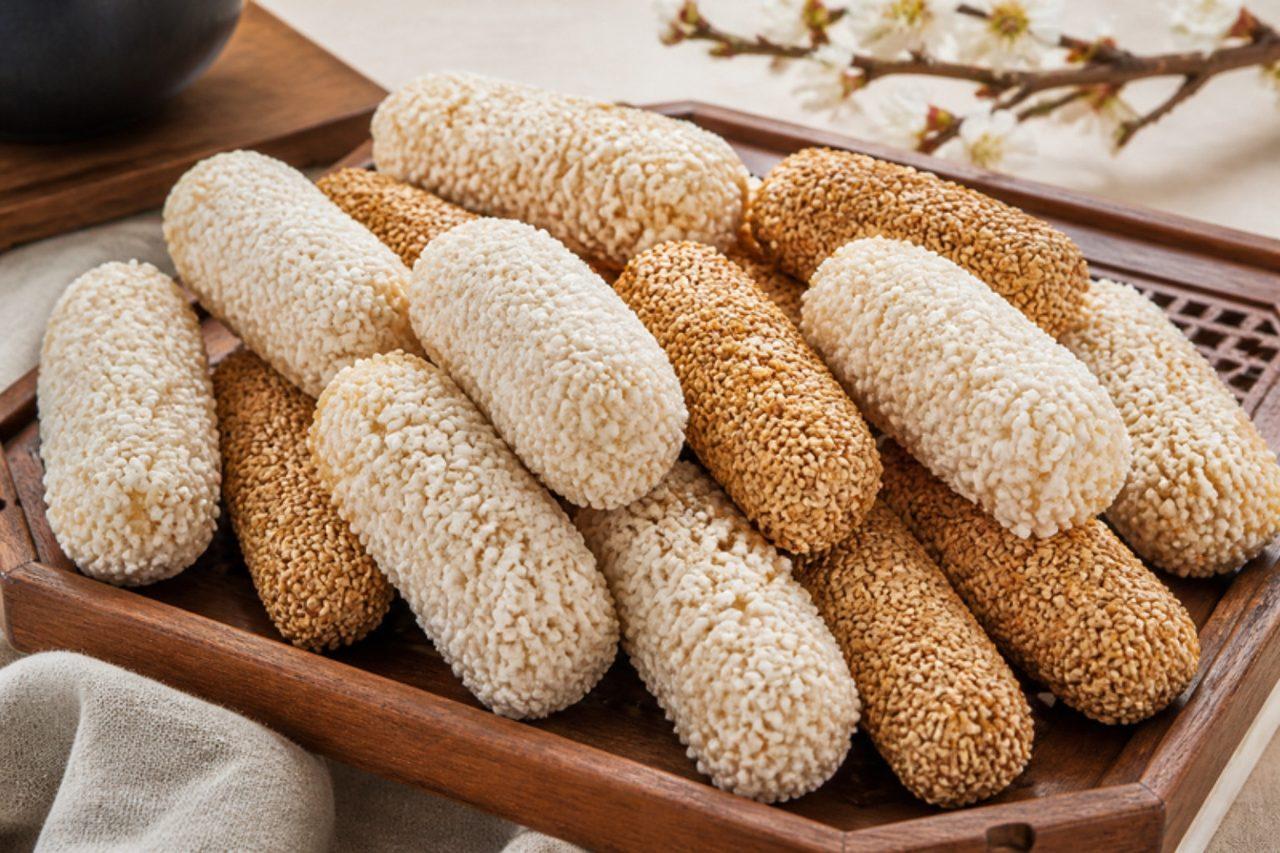
Yugwa (Korean puffed glutinous-rice crackers)

Yugwa are the light, airy crackers piled on trays at Seollal, the Lunar New Year, and given in gift boxes for Chuseok and weddings across Korea. A dough of glutinous rice is steamed and pounded until stretchy, rolled thin, cut and dried until hard, then fried slowly so each piece swells to several times its size into a crisp, hollow puff. A brush of rice syrup and a coating of puffed rice or sesame finish them. They melt on the tongue, crunchy but almost weightless, gently sweet and toasty. Serve with green tea or barley tea. Yugwa never used egg: the sticky starch of glutinous rice, steamed and pounded, traps air and binds the dough, and the rice syrup glues on the coating. Some cooks add rice wine to the dough; this version uses plain water and needs no alcohol. Chef's tip: dry the cut pieces until they snap like a cracker before frying; the common mistake is frying them half-dried, and then they stay flat and chewy instead of puffing.

by KrazyBadal 0 views

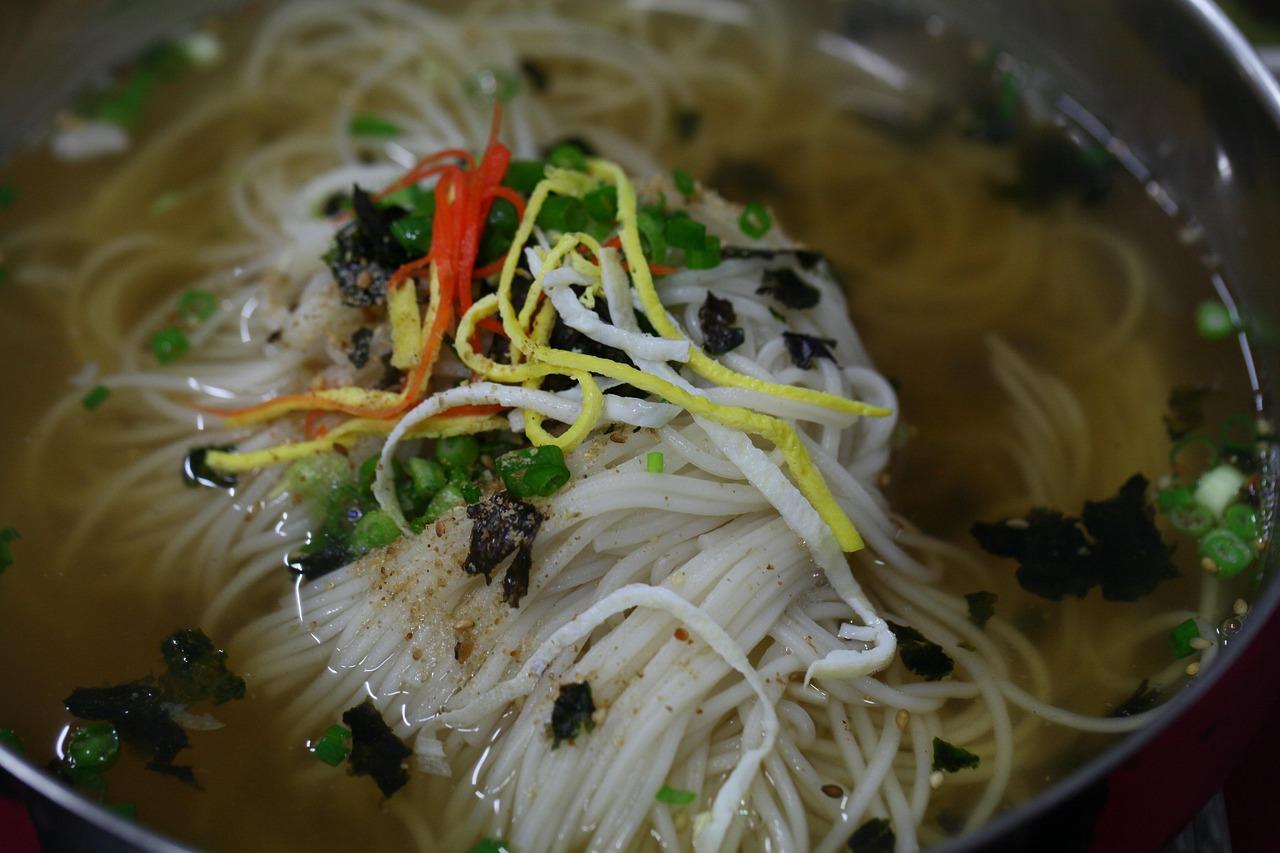
Janchi guksu (Korean banquet noodles)

Janchi guksu means banquet noodles, the bowl once served at Korean weddings and birthdays for long life, and now a quick lunch at markets from Seoul to Busan: thin somyeon in a clear, gently fishy broth of dried anchovy and kelp, topped with egg ribbons, courgette and a spoon of seasoned soy. The mistake is boiling the anchovies hard or too long, which makes the broth bitter and cloudy. Chef's tip: remove the anchovy heads and the dark gut before simmering for a cleaner, sweeter stock.

by KrazyBadal 0 views

Gaji bokkeumStir-fried aubergine

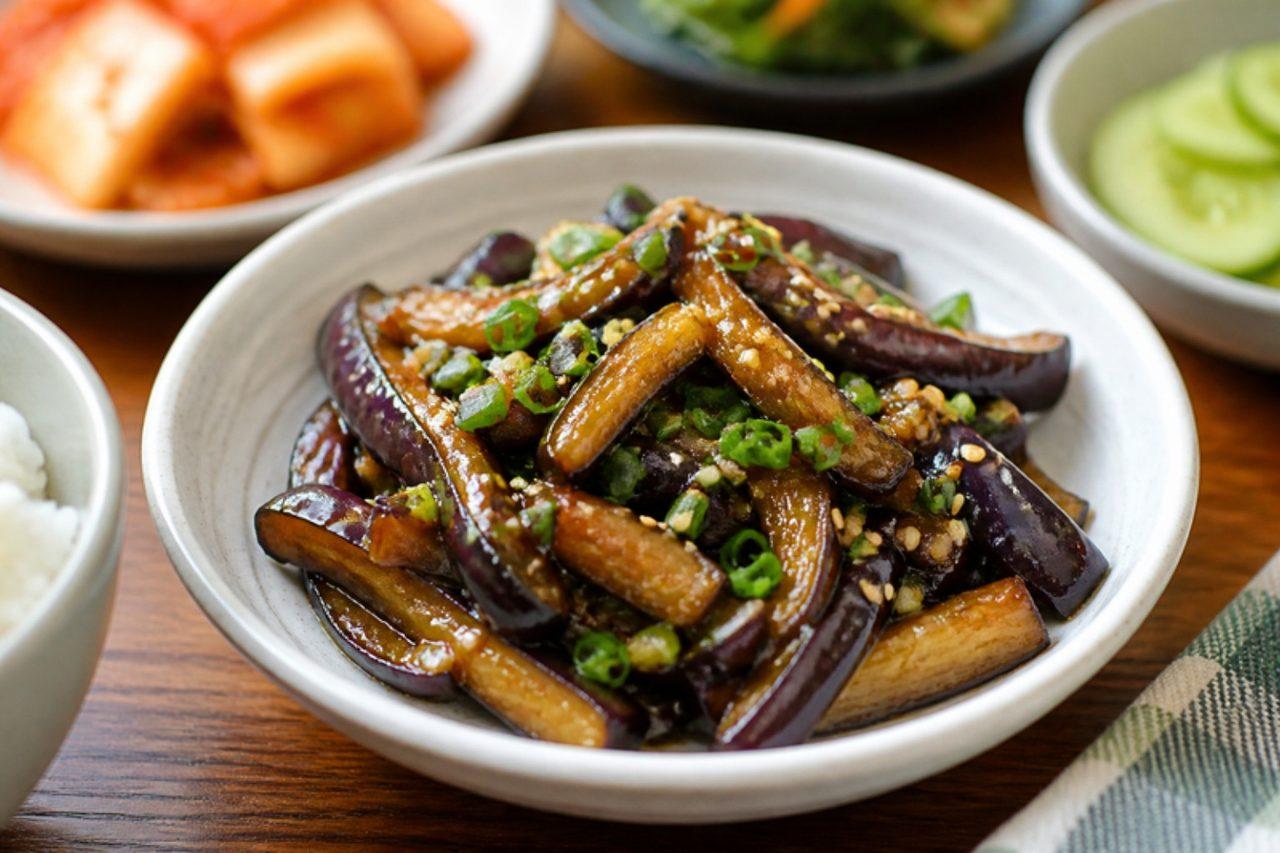
Gaji bokkeum is a summer banchan in Korean homes, cooked in the weeks when long, thin Korean aubergines fill the markets. Strips of aubergine are seared until soft and caramelised, then tossed in garlic, spring onion, soy sauce and sesame so they turn glossy and savoury-sweet. It sits beside rice and soup at dinner and keeps well in the lunchbox. The mistake is pouring in lots of oil at the start: aubergine soaks it all up and turns greasy. Chef's tip: sear the strips in a moderate amount of oil and add a splash of water if the pan dries; the steam softens them without more oil.

by KrazyBadal 0 views

Tallarines rojosSpaghetti in red sauce with chicken

Tallarines rojos is the Sunday-lunch and weeknight pasta of homes all over Peru, from Lima to Arequipa: spaghetti in a sweet, deep-red sauce of blended tomato, onion and garlic with a little ají panca and oregano, often with pieces of chicken cooked right in it. Children love it, and it is served with a sprinkle of grated cheese and sometimes a spoon of huancaína on the side. The usual mistake is cooking the sauce too briefly, so it tastes of raw onion; let the blended tomato fry until it darkens and the oil shows at the edges. Chef's tip: a bay leaf and a spoon of ají panca paste give the sauce its Peruvian character; paprika will do if you can't find the paste.

by KrazyBadal 0 views

Moroccan bachkoutouOrange and sesame dunking biscuits

Moroccan grandmothers bake bachkoutou by the trayful and keep them in big tins for the afternoon glass of sweet mint tea, and neighbourhood ovens in Fes and Casablanca bake them for families who bring their dough. These are dry, crunchy little biscuits, not rich at all, made with eggs, sugar and oil rather than butter, with orange zest and a coating of toasted sesame; they are meant to be dunked until they soften slightly. Shapes vary from town to town: fingers, rings and rope twists are all common, and some cooks add aniseed. Too much flour is the easy mistake: the dough should stay soft and slightly sticky, or the biscuits bake heavy and hard rather than crisp and light. Chef's tip: once they are cold, put them back in a warm, switched-off oven for 20 minutes; that extra drying is what makes them keep their snap for weeks.

by KrazyBadal 0 views

Gamja bokkeumStir-fried potato strips

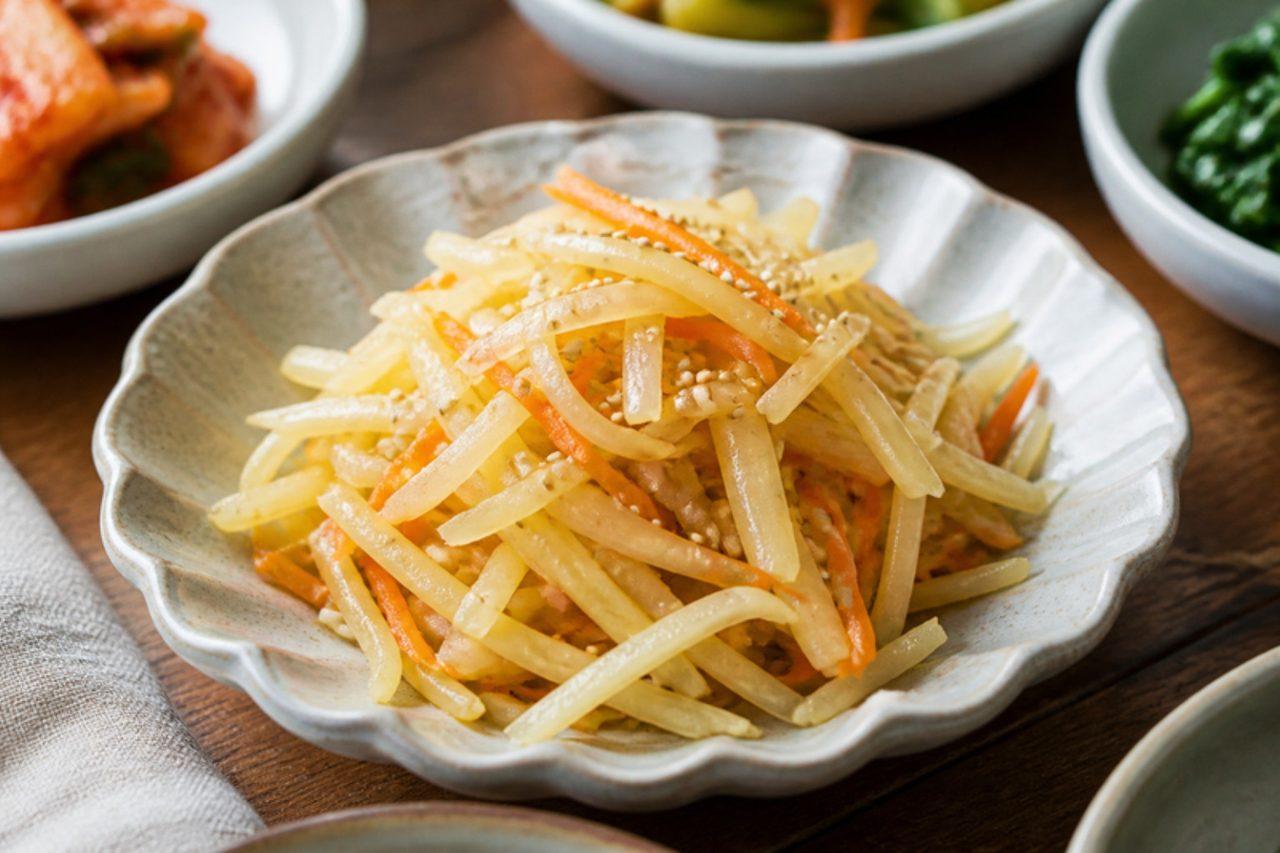
Gamja bokkeum is one of the banchan Korean mothers pack into lunchboxes and set out at dinner in Seoul and Busan: thin potato strips stir-fried with onion and carrot, seasoned only with salt, a little sesame oil and toasted sesame seeds. The strips should be tender and separate, with a slight bite, not crisp like chips and not mushy. The mistake is skipping the soak, so the surface starch makes the strips stick to each other and the pan and break up. Chef's tip: a quick soak in salted water also seasons the potato through.

by KrazyBadal 0 views

Pejerrey arrebozadoBattered fish fillets with onion salsa

Pejerrey arrebozado is a Lima classic from the cevicherías and home kitchens of the coast, eaten at lunch on a plate with white rice, a heap of sharp salsa criolla and sometimes boiled potato. The pejerrey, a small silverside, is opened into butterflied fillets, dipped in a light egg-and-flour batter and fried golden. Outside Peru, use small fillets of whiting, sole, haddock or tilapia. The batter here uses sparkling water, not beer, so it is alcohol free. The common mistake is frying in oil that isn't hot enough: the batter drinks the oil and turns greasy, so test with a drop of batter first. Chef's tip: make the salsa criolla first and let the onion sit in lime for ten minutes; it softens its bite and turns a pretty pink.

by KrazyBadal 0 views

Chicharrón de pescadoCrisp fried fish chunks

Up and down the Peruvian coast, from Chorrillos in Lima to the beaches of Piura, chicharrón de pescado is the crunchy plate ordered alongside ceviche at a long seafood lunch: bite-size chunks of firm white fish marinated briefly in garlic and lime, dusted in flour and fried, then served with fried cassava, salsa criolla and tartar or rocoto sauce. Using frozen peeled cassava keeps it to half an hour. The common mistake is leaving the fish in the lime too long: after about ten minutes the acid starts to 'cook' the outside and the coating slips off. Chef's tip: toss the floured pieces in a sieve to shake off every bit of loose flour; a thin coat fries crisp, a thick one turns pasty.

by KrazyBadal 0 views

Godeungeo guiGrilled mackerel

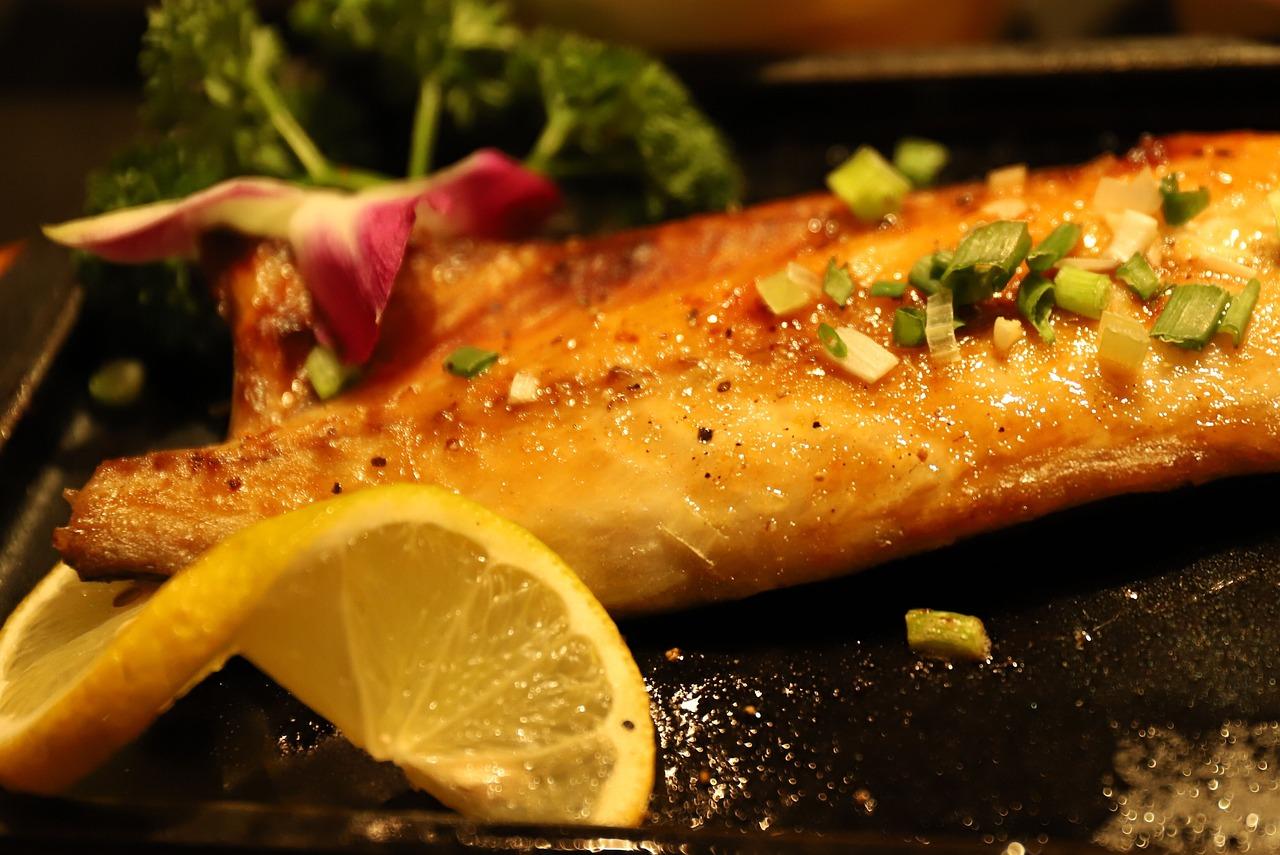
Andong, far inland, is oddly famous for its mackerel: the fish was salted on the coast and carried over the mountains, arriving perfectly seasoned, and Andong gangodeungeo is still sold that way. Across Korea, a salted mackerel fillet pan-grilled until the skin crackles is a staple of home dinners and set-meal restaurants, served with rice, doenjang soup and kimchi. Mackerel is an oily fish, so this is filling rather than low calorie: about 340 kcal a portion. The most common mistake is moving the fish too soon; leave it skin side down until the skin releases on its own, or it tears and sticks. Chef's tip: dust the skin very lightly with flour or starch before grilling, or simply pat it bone-dry; you'll get a crisp, glassy skin.

22 minKoreanFishGluten free
by KrazyBadal 0 views

Jumeokbap (Korean vegetable rice balls)

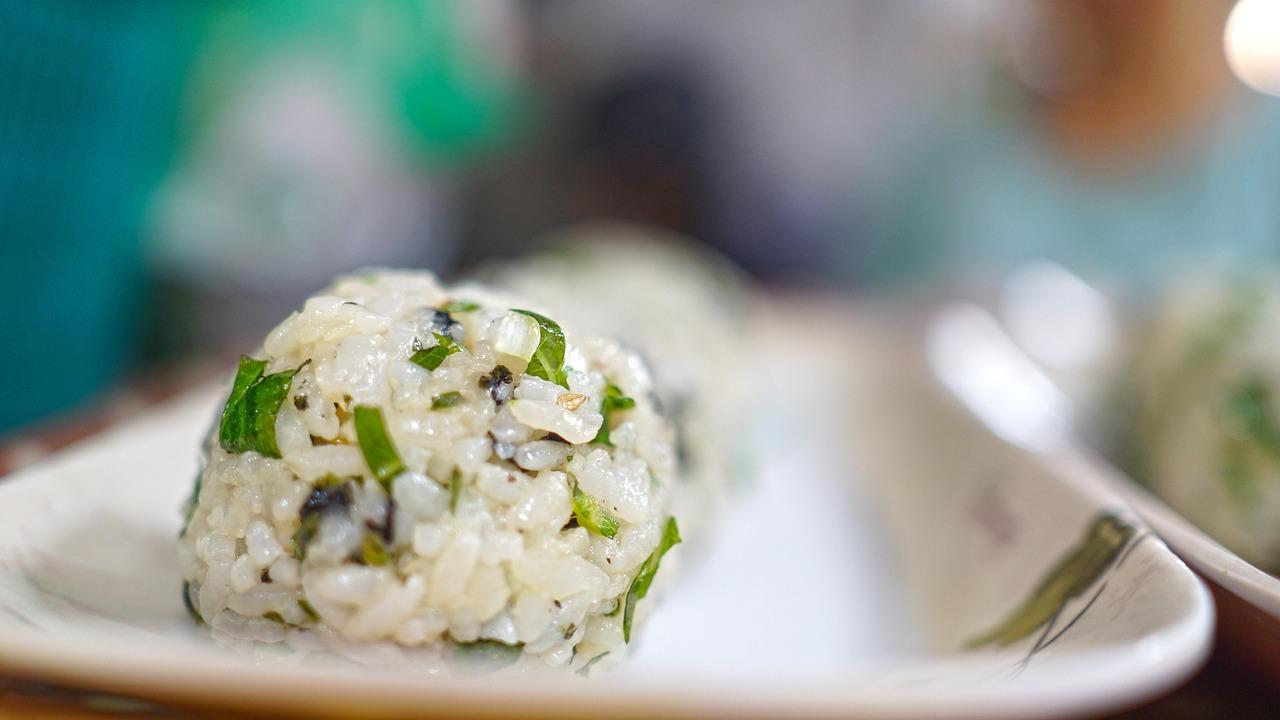
Jumeokbap means 'fist rice', and Korean parents squeeze it together in minutes for picnics, school trips and busy mornings: warm rice tossed with sesame oil, crumbled seasoned laver and tiny pieces of vegetables, then pressed into balls a child can hold. It tastes nutty and gently salty. Tuna with mayonnaise or minced beef is a common addition, but this version is fully vegan. It contains sesame and, from the soy sauce in some seasoned laver, may contain soya and wheat. Chef's tip: mix the rice while it is warm; cold rice won't stick and the balls crumble in the lunchbox.

by KrazyBadal 0 views

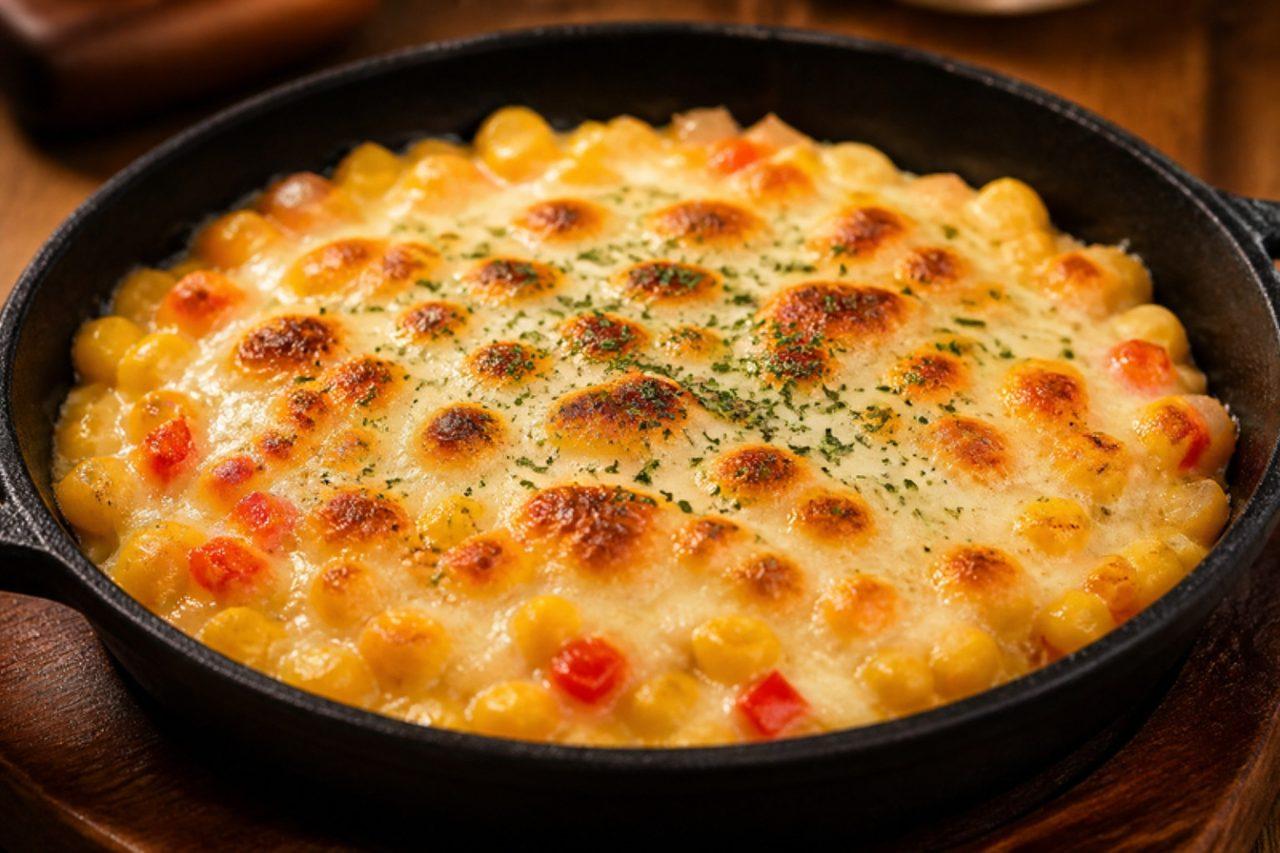
Korean corn cheese

Corn cheese arrives sizzling on a small iron plate as a side at Korean barbecue restaurants, and at home it has become a five-minute after-school snack and a favourite for children's sleepovers in Seoul and beyond. Sweet, juicy corn is stirred with a little butter and mayonnaise, then covered in mozzarella and heated until it melts into long strings. Most versions add sugar; this one lets the corn's own sweetness carry it. It contains milk and egg (mayonnaise). Chef's tip: drain and dry the corn really well, or the dish turns watery under the cheese.

by KrazyBadal 0 views

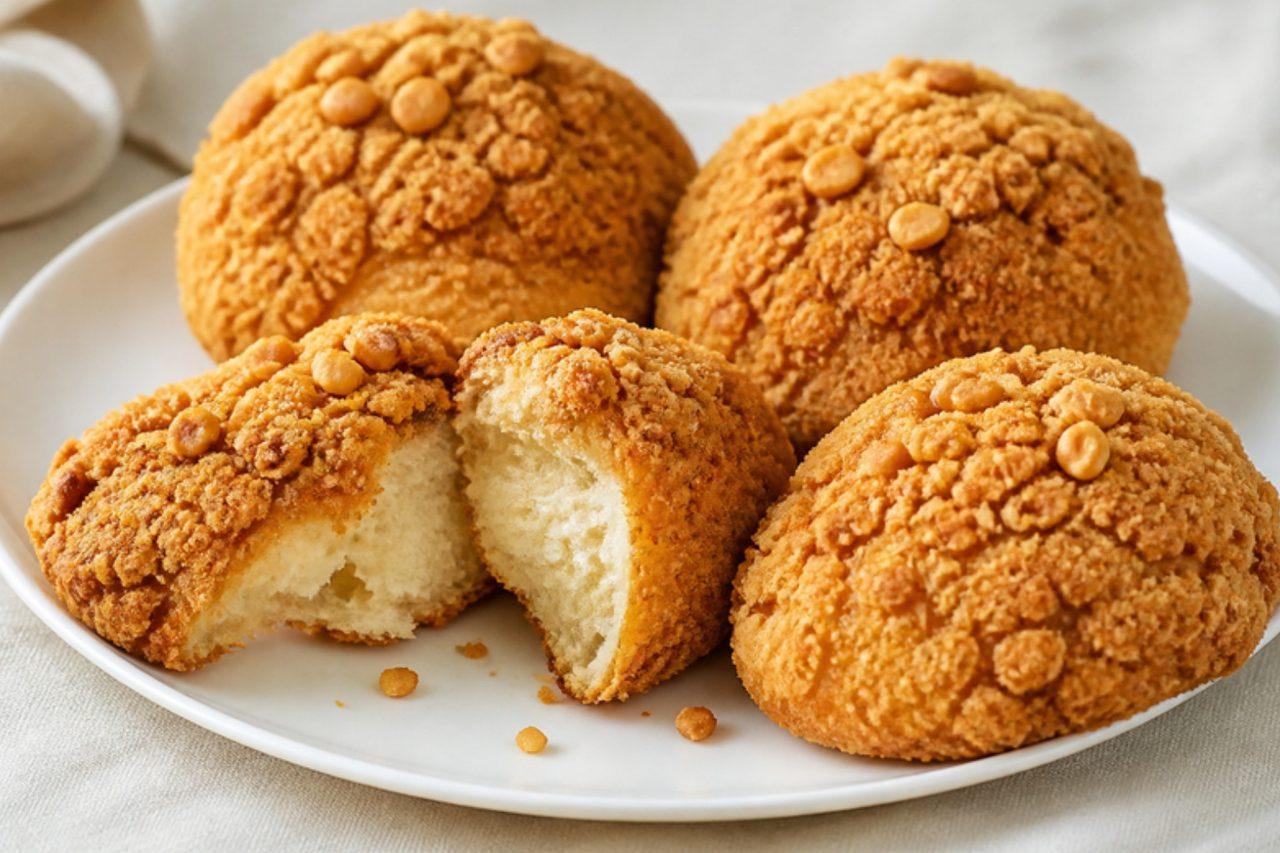
Soboro-ppangPeanut streusel buns

'Soboro' describes something crumbled, and that is exactly what covers these buns: a craggy, peanut-scented streusel that bakes into a sweet, sandy crust over soft milk bread. Soboro-ppang (소보로빵) has been a fixture of Korean neighbourhood bakeries since the 1960s and is still one of the cheapest, most loved buns on the shelf, bought by students after school and eaten with a carton of banana or plain milk. The contrast is the point, crunchy and buttery on top, fluffy and lightly sweet inside. Some bakeries fill them with red bean paste or custard; this is the plain classic. Beating the streusel into a smooth paste is a common mistake, as it melts into a flat lid in the oven, so rub it only into clumpy crumbs and keep it cold. Chef's tip: brush the tops of the dough balls with milk and press them firmly, top down, into a bowl of crumbs; a thick, even coat sticks better than crumbs scattered on afterwards. They contain peanuts.

by KrazyBadal 0 views

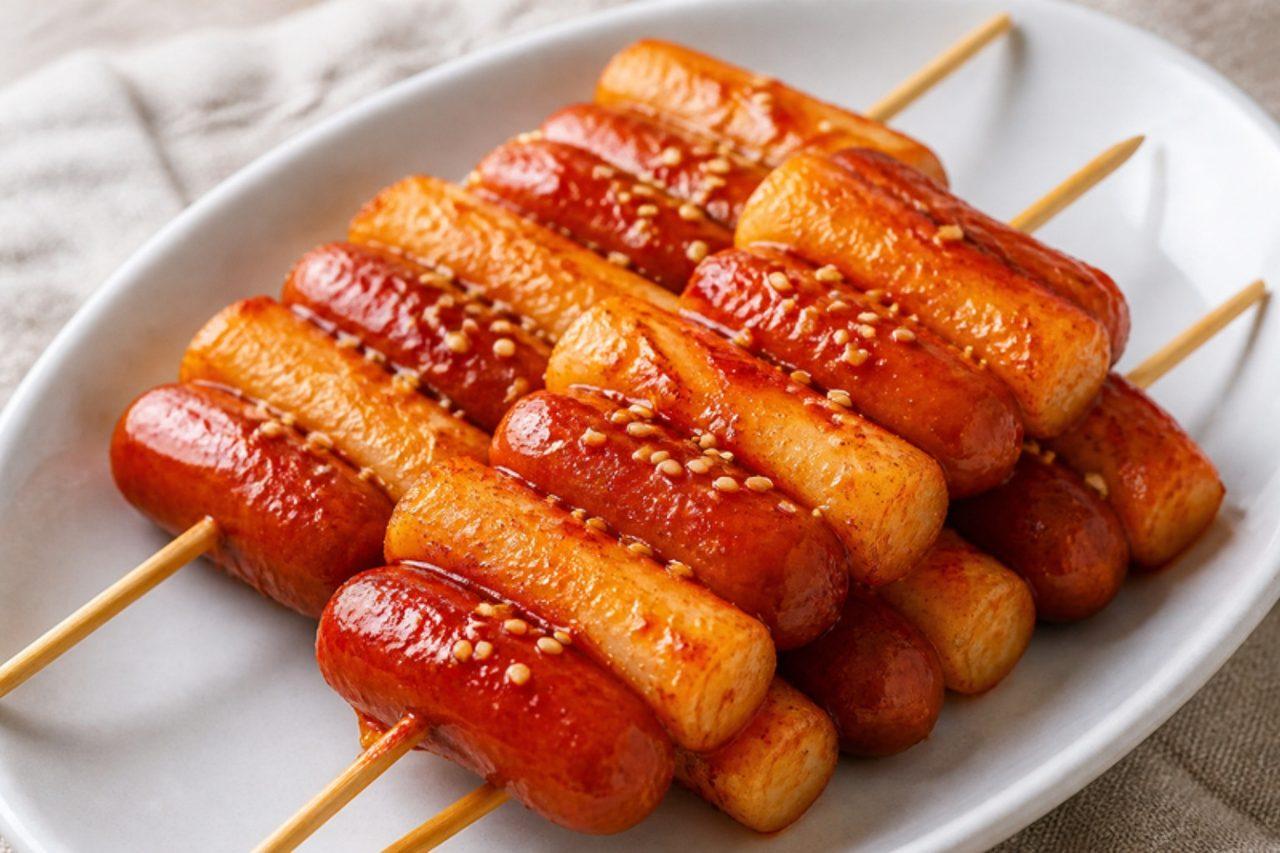
Sotteok sotteok (sausage and rice cake skewers)

Sotteok sotteok, from sausage (so) and rice cake (tteok), is sold at Korean motorway service stations and school-gate snack stalls, and children make it at home with a parent after school: chewy rice cake sticks and sausage pieces threaded in turn, fried until the rice cakes blister, then brushed with a sweet ketchup glaze. Grown-ups like a little gochujang in the sauce. It contains soya and wheat (soy sauce); check your sausages for milk. Take everything off the skewers for younger children. Chef's tip: soak hard rice cakes in hot water first, or they crack when you skewer them.

by KrazyBadal 0 views

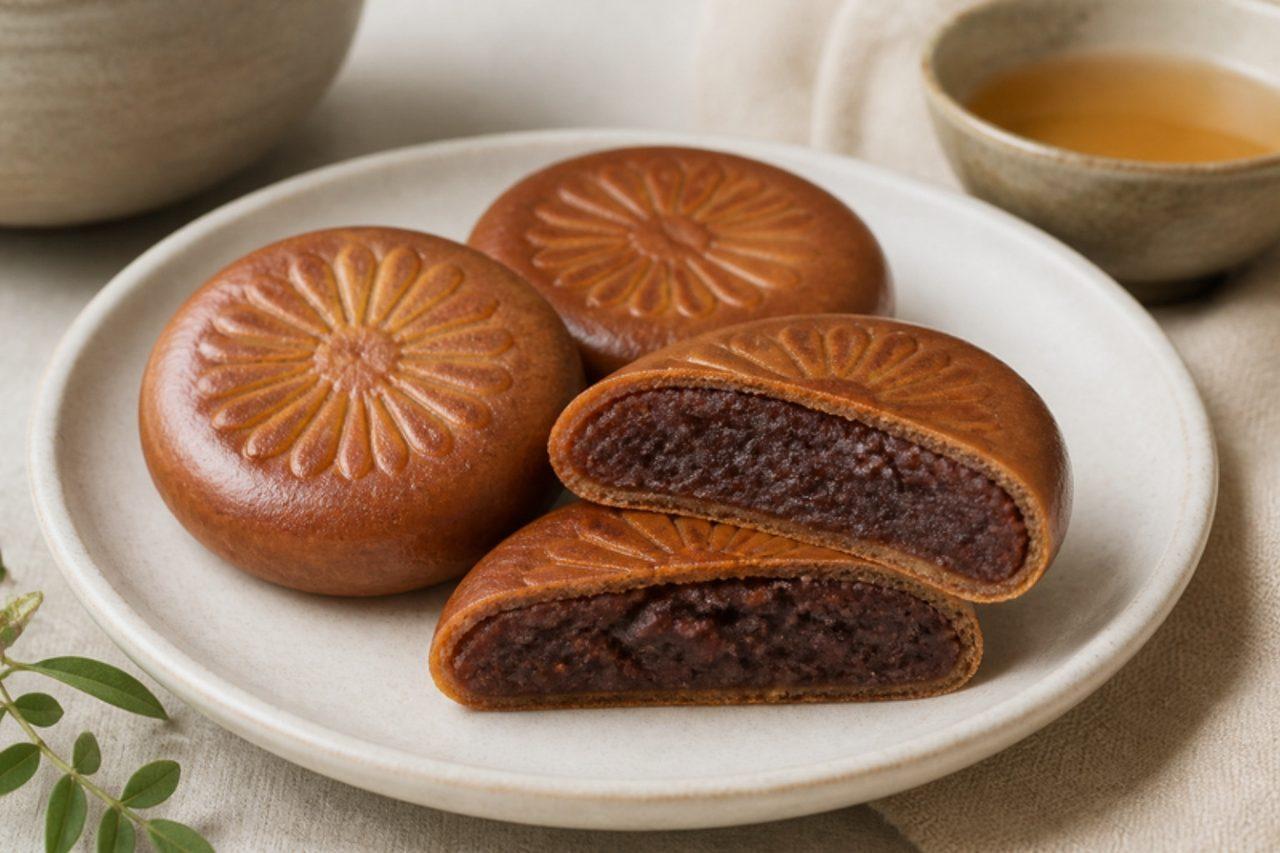
Gyeongju breadRed bean pastries

Near the grassy royal tombs of Gyeongju, the ancient Silla capital, a baker in Hwangnam-dong began making these small round pastries in 1939, and the city's shops have sold them by the boxful ever since. Gyeongju bread (황남빵, also called Gyeongju-ppang) is mostly filling: a generous ball of coarse red bean paste in a skin so thin it looks painted on, stamped with a flower pattern and glazed until shiny brown. It tastes gently sweet and nutty, soft and moist rather than bready, and it is the souvenir every visitor carries home, eaten with barley tea or green tea. The usual mistake is a dough shell that is too thick, which bakes into a cookie and hides the bean flavour; aim for roughly one part dough to two and a half parts filling. Chef's tip: press the pattern in with a small cookie stamp or the back of a citrus press dipped in flour, while the buns are cold and firm, so the design stays sharp.

by KrazyBadal 0 views

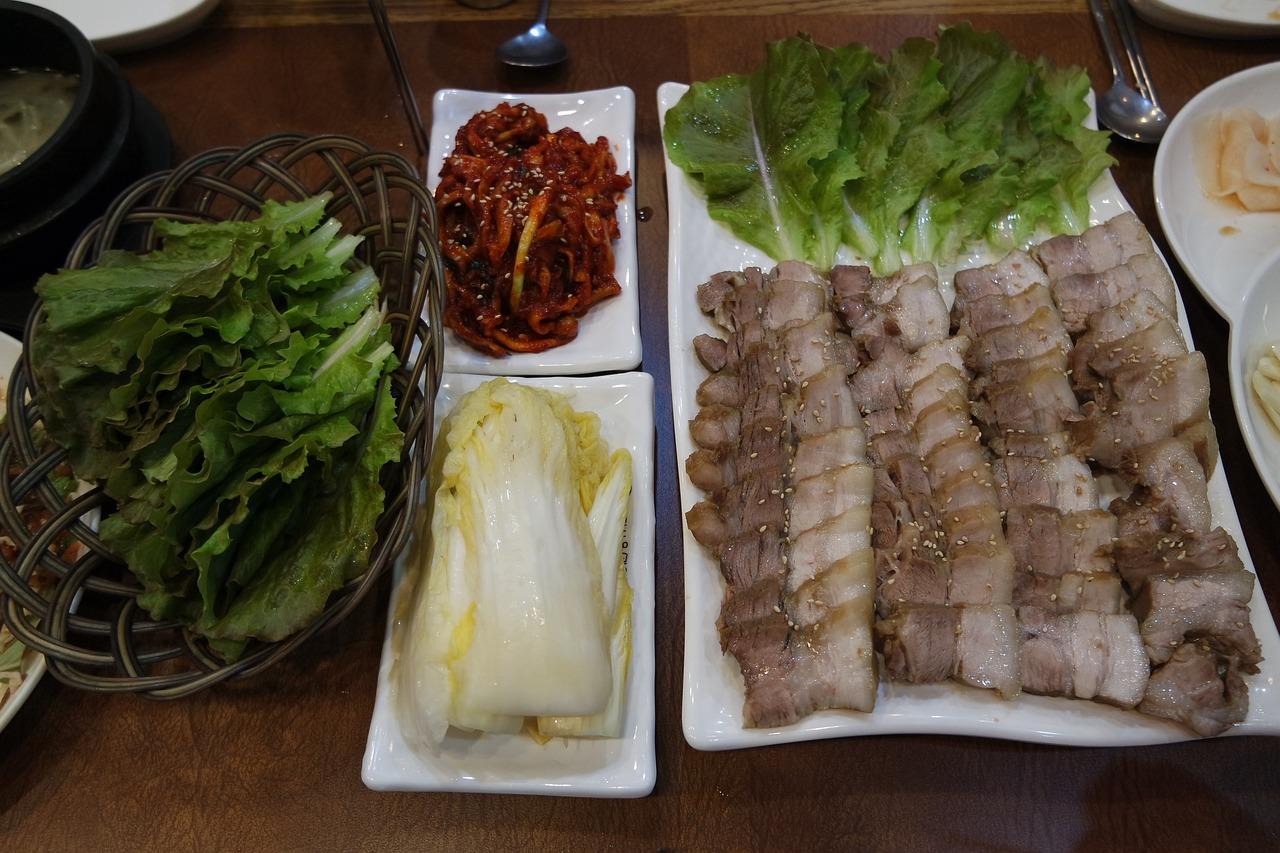
BossamBoiled pork wraps

Bossam started as the dish Korean families made on kimjang day in November, when the whole street gathered to make the winter's kimchi: a slab of pork belly was boiled while everyone worked, sliced and wrapped in the salted cabbage leaves with the fresh, spicy radish filling. Today Seoul's bossam restaurants around Jangchung-dong serve it all year, and it is a favourite takeaway. This is a pork dish, and pork belly is rich, so it is not a low-calorie choice: about 450 kcal a portion. Boiling the pork in water with doenjang, onion, garlic and ginger renders out much of the fat and leaves it tender with no smell. The most common mistake is slicing it hot; rest it for 10 minutes or it falls apart. Chef's tip: let the pork cool in the broth for 10 minutes before lifting it out; it stays much juicier.

90 minKoreanMeat
by KrazyBadal 0 views

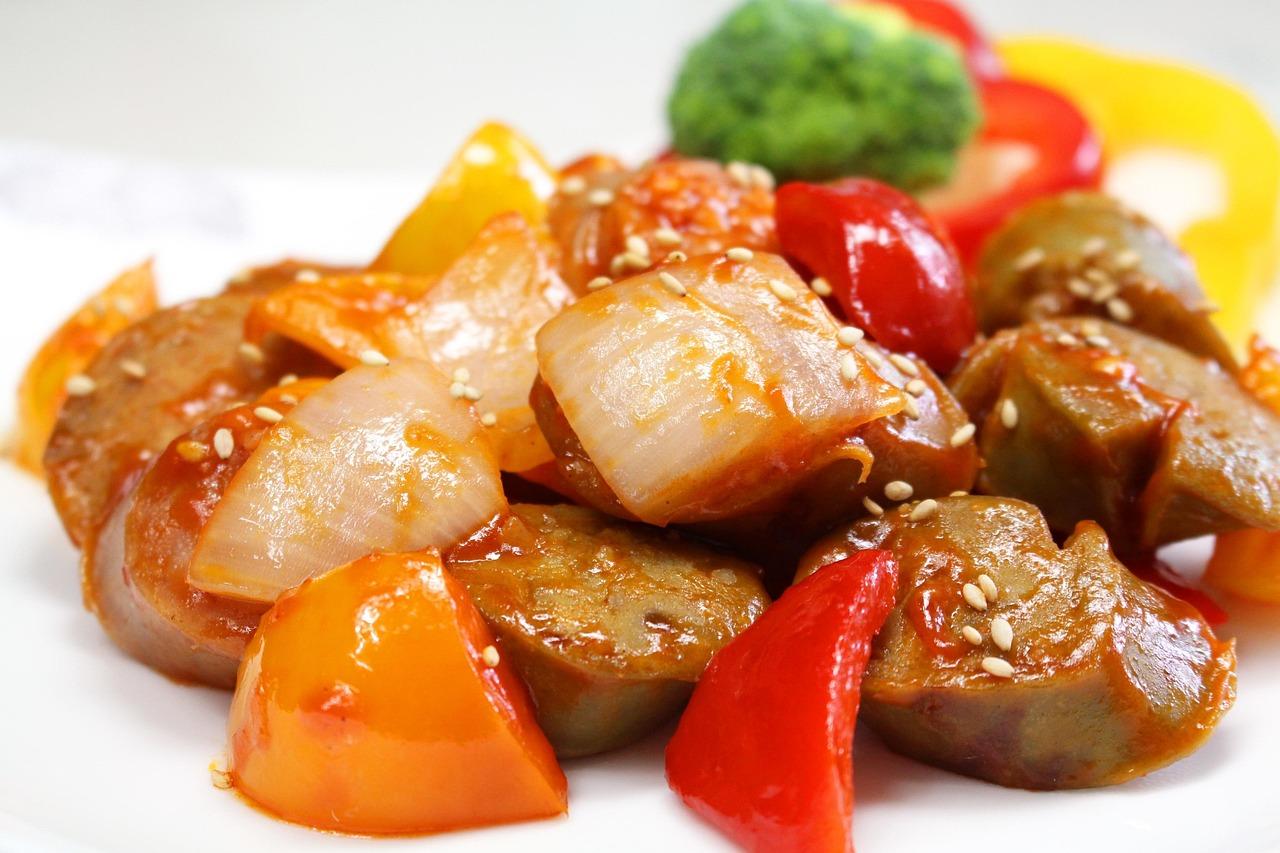
Soya bokkeum (sausage and vegetable stir-fry)

The name joins 'sausage' and 'vegetables' (yachae), and soya bokkeum is a staple banchan in Korean children's lunchboxes and on cheap and cheerful dinner tables: scored sausages and colourful peppers stir-fried in a glossy ketchup and soy glaze. It is sweet, a little tangy and tastes as good cold as hot. Adults often add a spoonful of gochujang. It contains soya and wheat (soy sauce) and sesame; check your sausages for milk. Chef's tip: score the sausages diagonally; the cuts open up in the pan and catch the sauce.

15 minKoreanMeat
by KrazyBadal 0 views

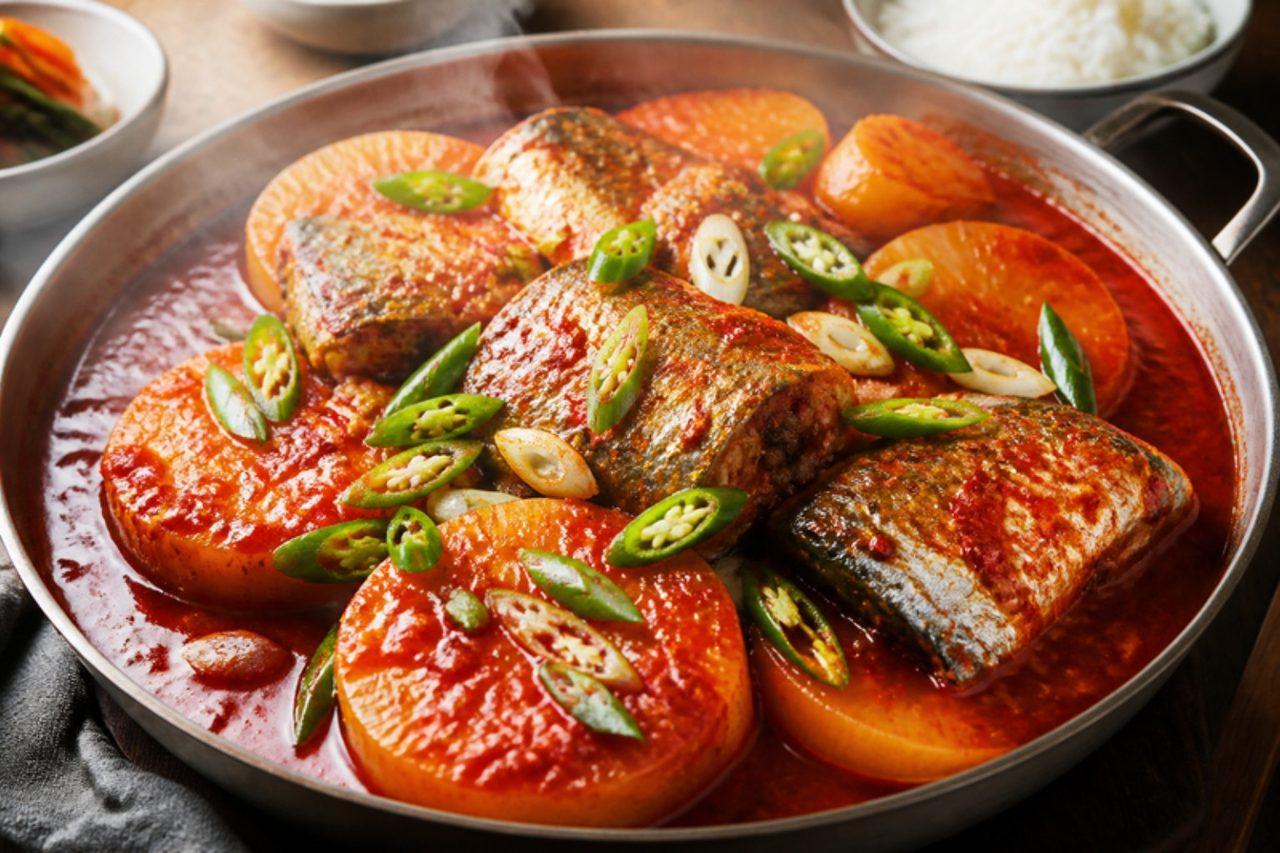
Galchi jorimBraised hairtail with radish

On Jeju island, the silvery hairtail caught on long lines at night by boats off Seogwipo is the pride of the local restaurants, and galchi-jorim is how islanders eat it most: pieces of the long, thin fish braised over thick slices of radish and potato in a bright red sauce of gochugaru, soy and garlic until the radish soaks up all the flavour. It is spicy, sweet and savoury and eaten with lots of rice. A portion is about 260 kcal. Hairtail has a soft, fine flesh and fine bones that lift away when cooked. The common mistake is stirring the pot, which breaks the delicate fish; spoon the sauce over instead. Chef's tip: put the radish on the bottom of the pan and the fish on top; the radish protects the fish from the heat and drinks up the sauce.

40 minKoreanFishSpicy
by KrazyBadal 0 views

Showing 24 of 500 recipes

Show more recipes

Page 2 of 21