Skip to content
Recipes

All recipes

Vegetarian, or something you can't eat? Set your diet once and we'll hide recipes that don't fit.

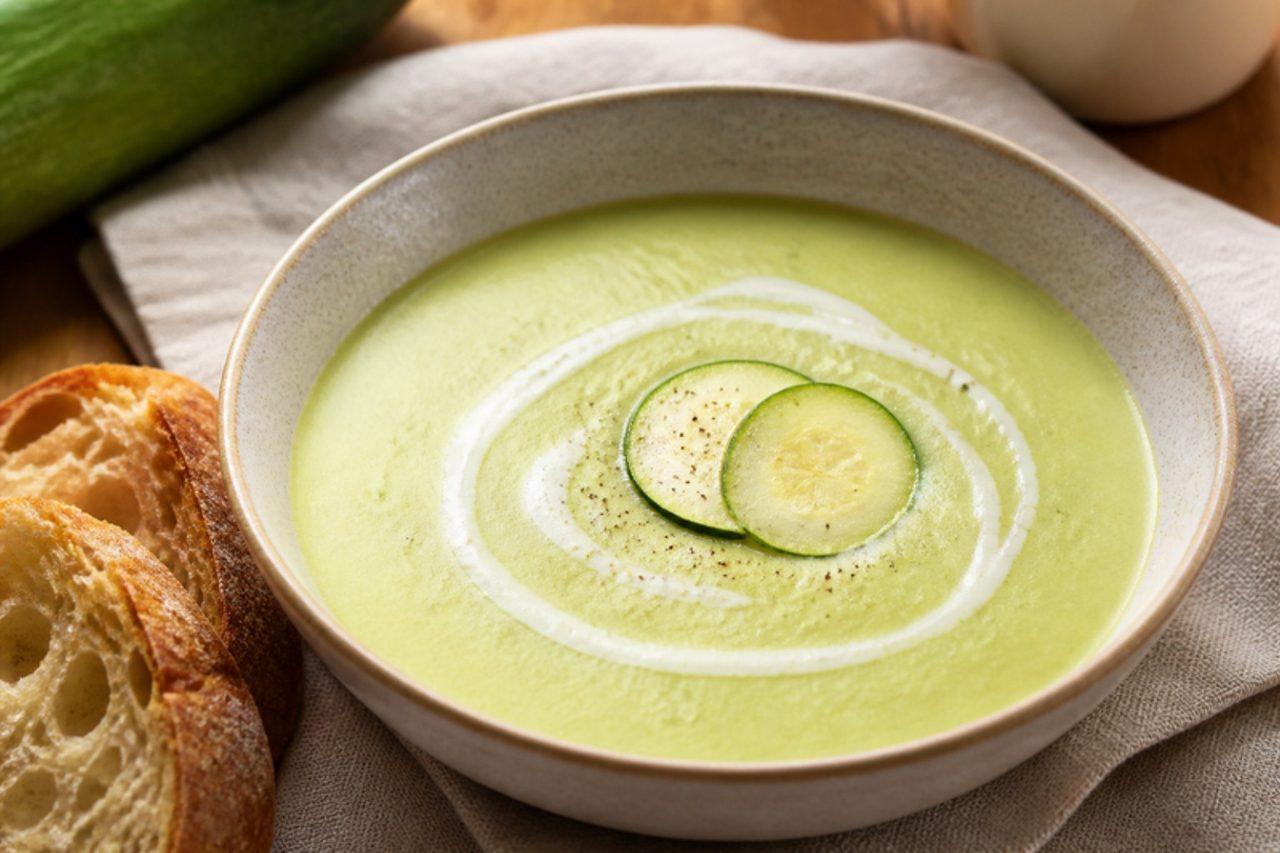
Velouté de courgettesSmooth courgette soup

French families make velouté de courgettes on summer and early-autumn evenings, when courgettes are cheap and plentiful, often blending in a few wedges of soft triangle cheese or a spoon of cream so children drink it happily. It is pale green, silky and mild, and ready in under half an hour; serve it with crusty bread and a piece of cheese. Some soft cheeses are made with animal rennet, so check the label or use a vegetarian cream cheese. The most common mistake is boiling the courgettes too long, which turns the soup a dull khaki; simmer only until just tender. Chef's tip: leave some of the green skin on but peel in stripes, so the colour stays bright without any bitterness.

by KrazyBadal 0 views

Moroccan bachkoutouOrange and sesame dunking biscuits

Moroccan grandmothers bake bachkoutou by the trayful and keep them in big tins for the afternoon glass of sweet mint tea, and neighbourhood ovens in Fes and Casablanca bake them for families who bring their dough. These are dry, crunchy little biscuits, not rich at all, made with eggs, sugar and oil rather than butter, with orange zest and a coating of toasted sesame; they are meant to be dunked until they soften slightly. Shapes vary from town to town: fingers, rings and rope twists are all common, and some cooks add aniseed. Too much flour is the easy mistake: the dough should stay soft and slightly sticky, or the biscuits bake heavy and hard rather than crisp and light. Chef's tip: once they are cold, put them back in a warm, switched-off oven for 20 minutes; that extra drying is what makes them keep their snap for weeks.

by KrazyBadal 0 views

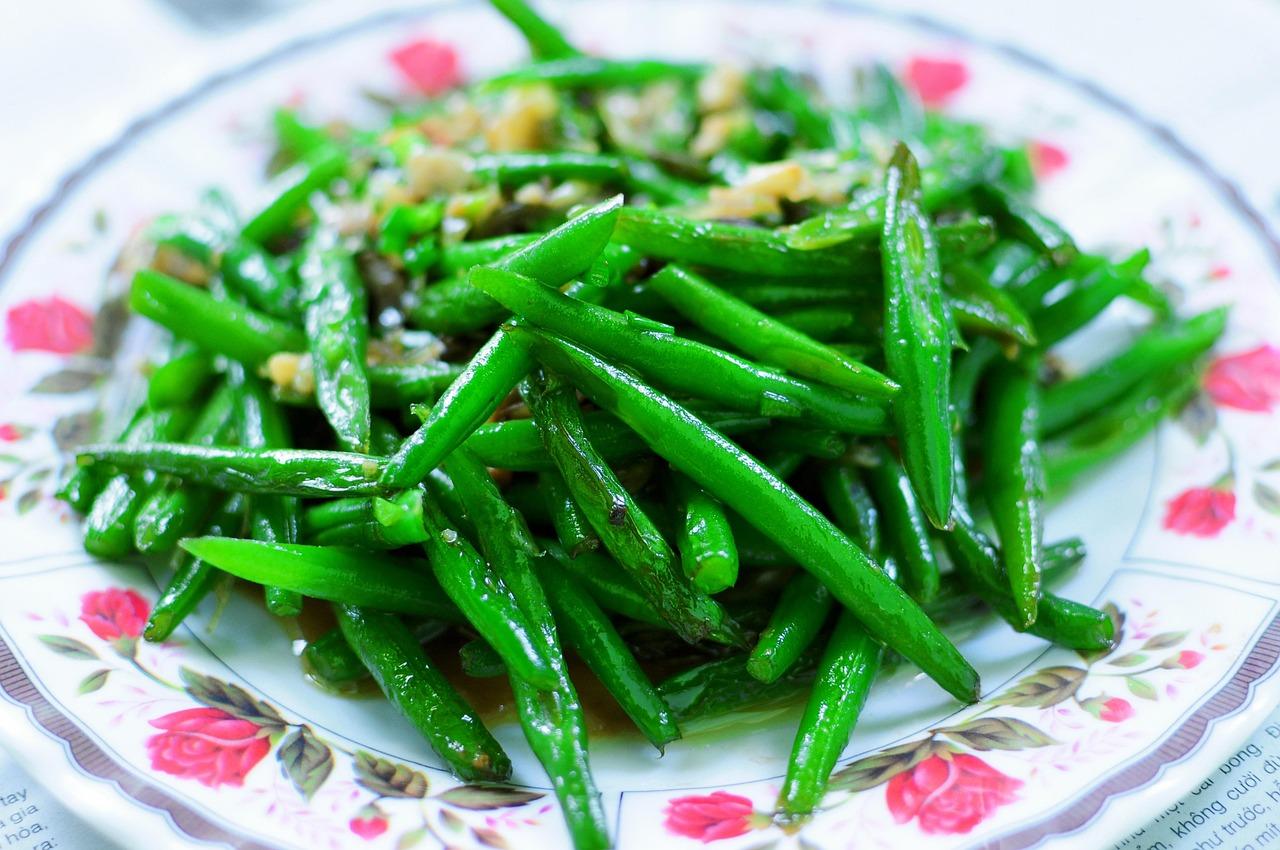
Haricots verts persillésGreen beans with garlic and parsley

Haricots verts persillés are the green beans that sit beside roast chicken, an omelette or a plate of potatoes in homes all over France, especially in June and July when fine beans are at their best. They are blanched until just tender, then tossed in foaming butter with a little garlic and lots of chopped parsley, so they stay bright green with a slight snap. Using olive oil instead of butter makes them vegan. The most common mistake is cooking the beans in too little water, so it stops boiling and they turn olive-grey; use a big pot of well-salted water. Chef's tip: cool the beans in iced water after blanching if you want to make them ahead, then warm them in the butter just before serving.

by KrazyBadal 0 views

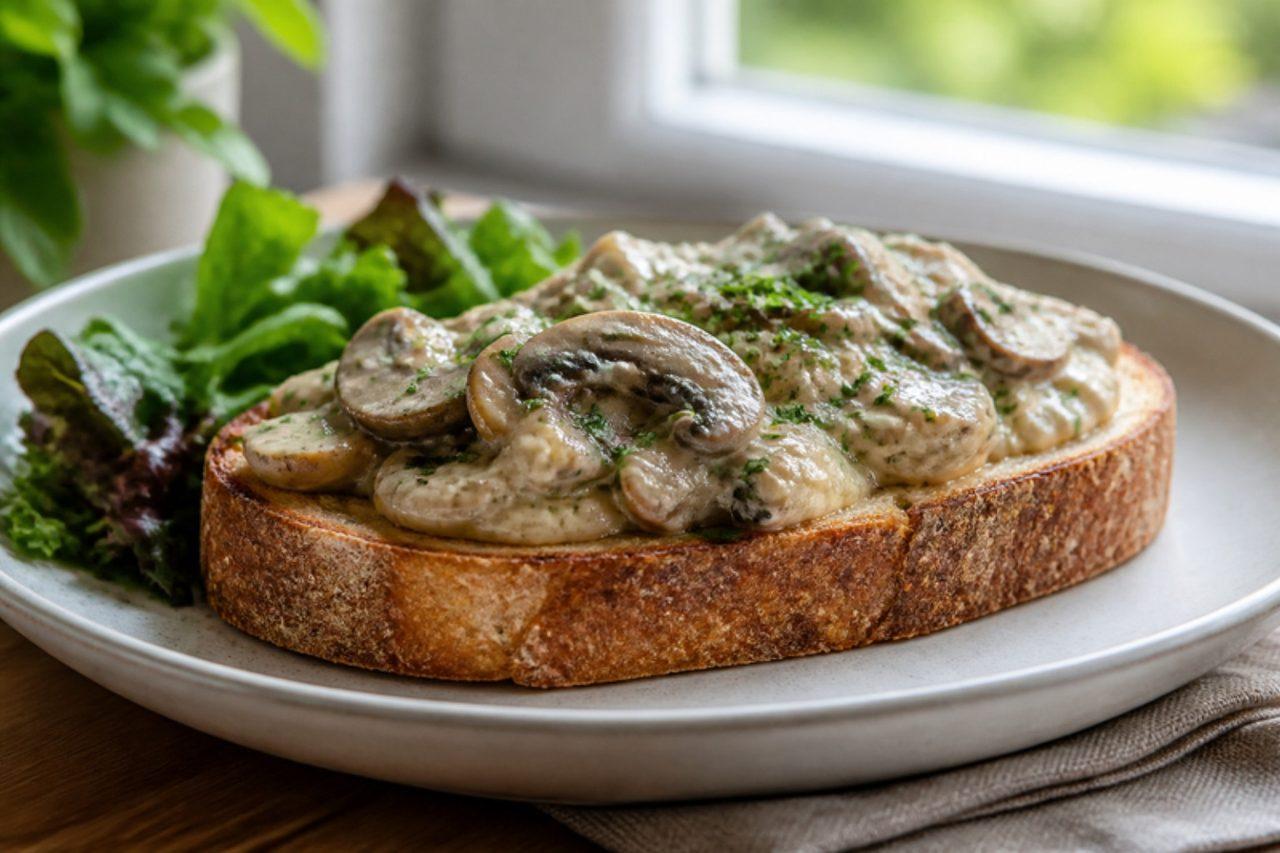
Croûte aux champignonsCreamy mushrooms on toast

In the mountain villages of Savoie and the Jura, croûte aux champignons is a quick supper in autumn and through ski season: thick toasted bread topped with mushrooms cooked down in butter, a splash of dry white wine and cream, sometimes with a little melted local cheese on top. It is rich and earthy, and a green salad alongside is all it needs. The recipe uses white wine, which mostly cooks off but not entirely; for an alcohol-free version use vegetable stock with a squeeze of lemon. The most common mistake is pouring in the cream before the mushrooms have browned and the wine has reduced, which gives a thin, grey sauce. Chef's tip: rub the hot toast with a cut garlic clove so every bite is fragrant.

by KrazyBadal 0 views

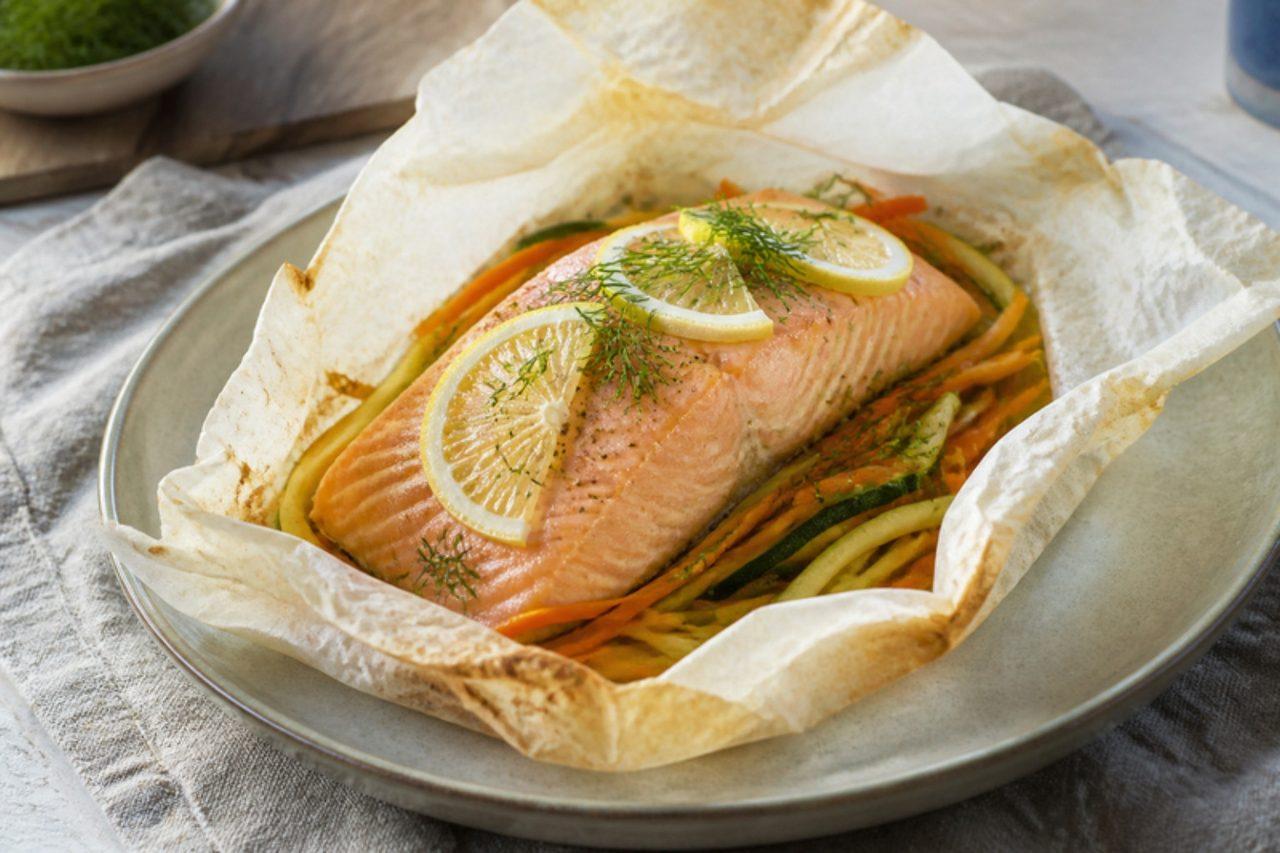
Saumon en papilloteSalmon baked in paper parcel

Saumon en papillote is everyday French home cooking at its lightest: a fillet of salmon sealed in baking paper with ribbons of courgette and carrot, lemon and dill, so it steams in its own juices in the oven. Across France it is a favourite midweek dinner because there is almost no washing-up, and each person opens their own fragrant parcel at the table, ideally with boiled new potatoes or rice. The usual mistake is cutting the vegetables too thick, so the fish overcooks while they stay raw; slice them very thin. Chef's tip: fold and crimp the paper edges tightly all the way round, or the steam escapes and the salmon dries out.

25 minFrenchFishGluten free
by KrazyBadal 0 views

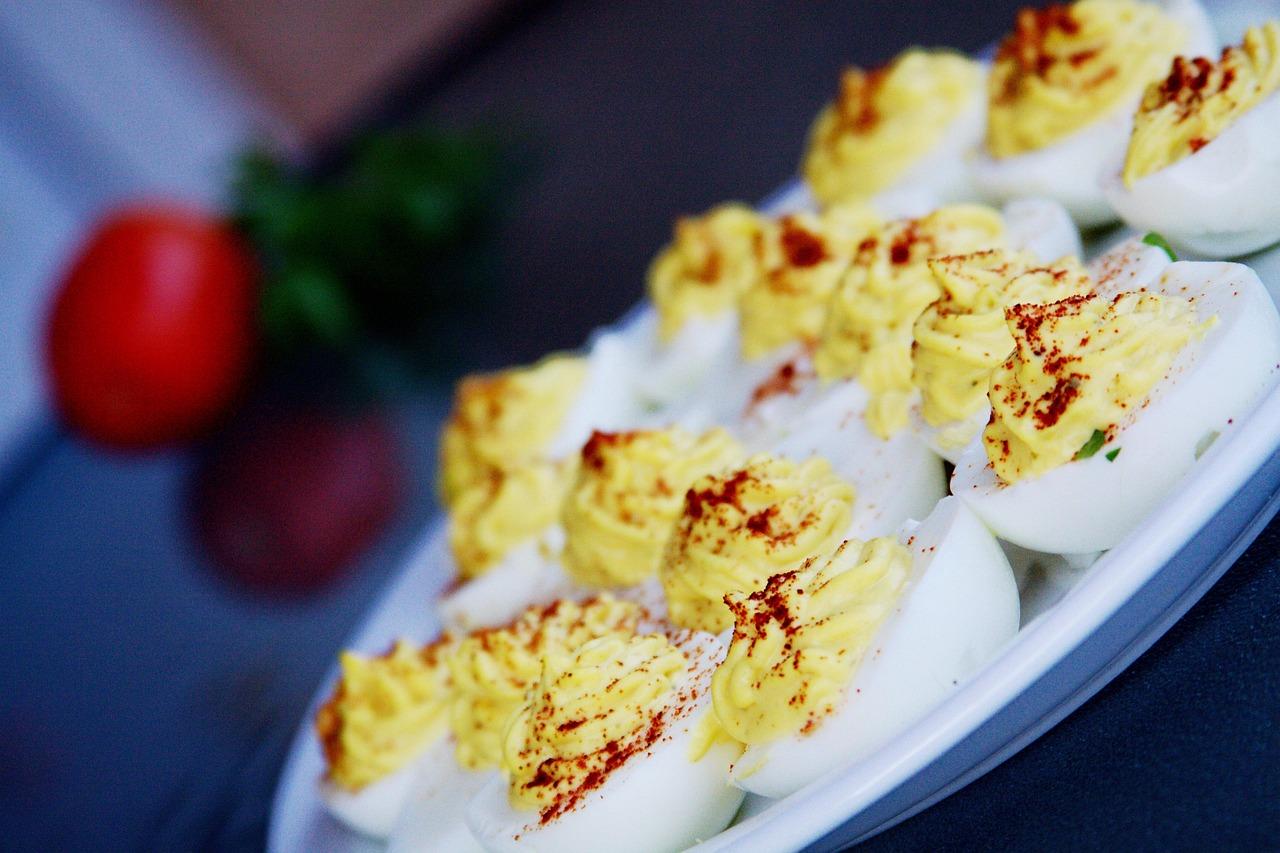
Œufs mimosaStuffed eggs with grated yolk

Œufs mimosa have been a starter in French bistros and on family tables for generations, served at Sunday lunch, on Easter platters and as a light supper with salad and bread. Hard-boiled eggs are halved, their yolks mashed with mayonnaise and mustard and piped back in, then a little yolk is grated over the top so it looks like the fluffy yellow flowers of the mimosa tree. They are naturally gluten free. The most common mistake is overboiling the eggs, which leaves a grey-green ring around the yolk and a sulphurous taste; 10 minutes and an ice bath is enough. Chef's tip: keep back one yolk just for grating, so the topping stays bright yellow and dry.

by KrazyBadal 0 views

TopfengolatschenSweet quark puff pastry squares

A Topfengolatsche is what Viennese office workers grab from the bakery on the way in, and what grandparents order with a Melange in a coffee house on a Sunday afternoon. The corners of a puff pastry square are folded over a lemony, vanilla-scented filling of Topfen (Austrian quark) with plump raisins, and the top gets a thin white glaze. It is flaky, light and not too sweet. Raisins are sometimes soaked in rum; warm water or orange juice works just as well, and the recipe below is alcohol-free. Wet quark is the classic problem, because it turns the filling runny and it leaks out in the oven. Chef's tip: hang the quark in a sieve lined with a clean cloth for an hour, or squeeze it, until it is as thick as soft cream cheese.

by KrazyBadal 0 views

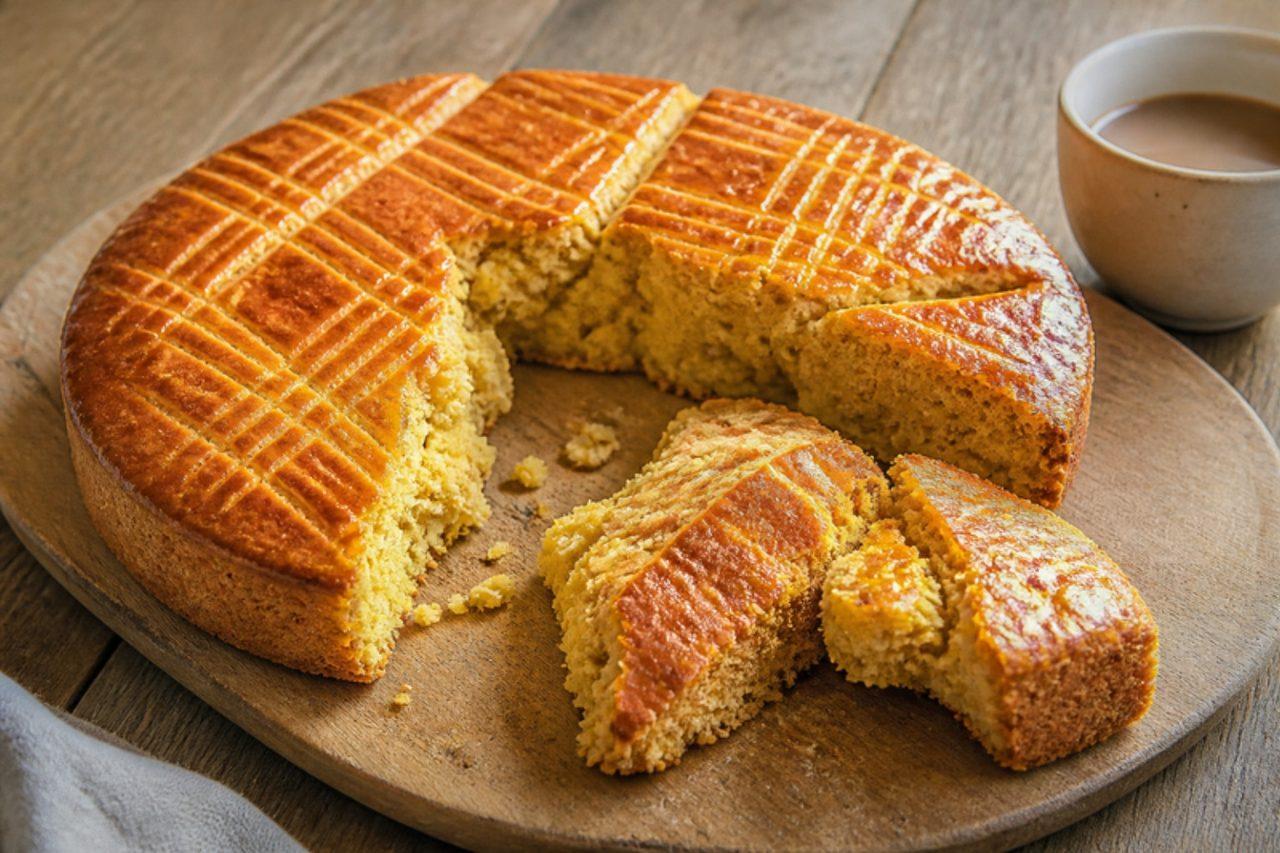
Broyé du PoitouGiant butter biscuit

From the Poitou-Charentes region of western France, broyé is one huge, thick butter biscuit baked in a round and carried whole to the table. Tradition says you break it in the middle with a firm blow of the fist, and everyone grabs a jagged piece; farmhouse cooks served it at weddings and family lunches, and it still ends meals there with coffee or a glass of local pineau. It is crisp at the edges, slightly tender in the middle and tastes of salted butter. Some families add chopped candied angelica from Niort. The top is glazed with egg yolk for its shine; milk gives a softer sheen if you prefer no egg wash. Chef's tip: mark the top with a fork in a diamond pattern and press quite deep, because the lines spread as it bakes; a pale broyé is the common mistake, so bake on until it is evenly golden all over.

by KrazyBadal 0 views

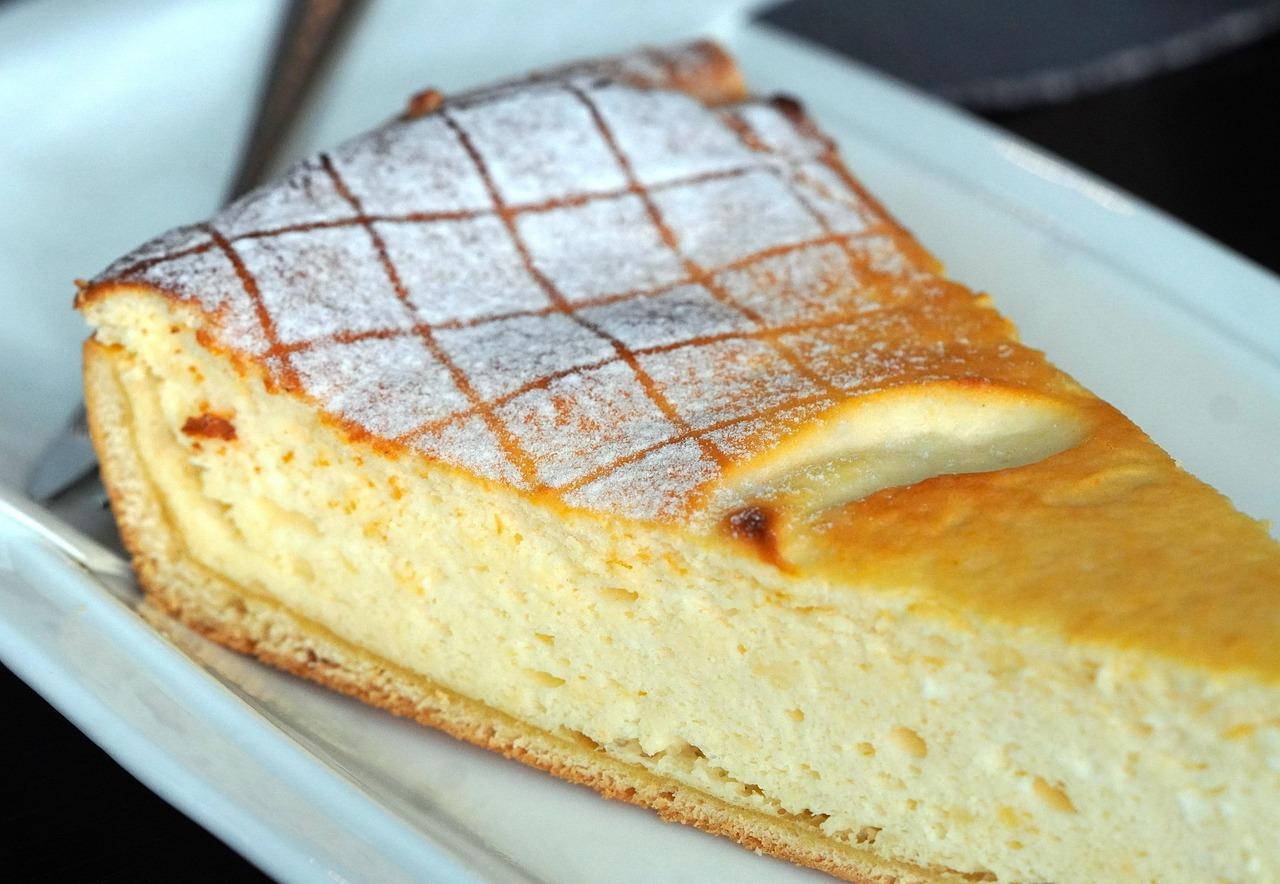
Tarte au fromage blancBaked cheesecake tart

Alsatians call it Käsküeche, and it is the cake their pâtisseries in Strasbourg and Colmar sell by the tall wedge on Sunday mornings, to take home for dessert after lunch. Fromage blanc, eggs and a little crème fraîche are baked in a high-sided pastry case until the filling puffs well above the rim like a soufflé, then settles into a light, creamy, gently lemony cheesecake. It is much less sweet than an American cheesecake and is eaten plain, maybe with a coffee or a glass of cold milk. Taking it out of a hot oven straight into a cold kitchen is what makes it crack and sink badly. Chef's tip: switch the oven off at the end, prop the door open with a wooden spoon and let the tart cool inside for an hour.

by KrazyBadal 0 views

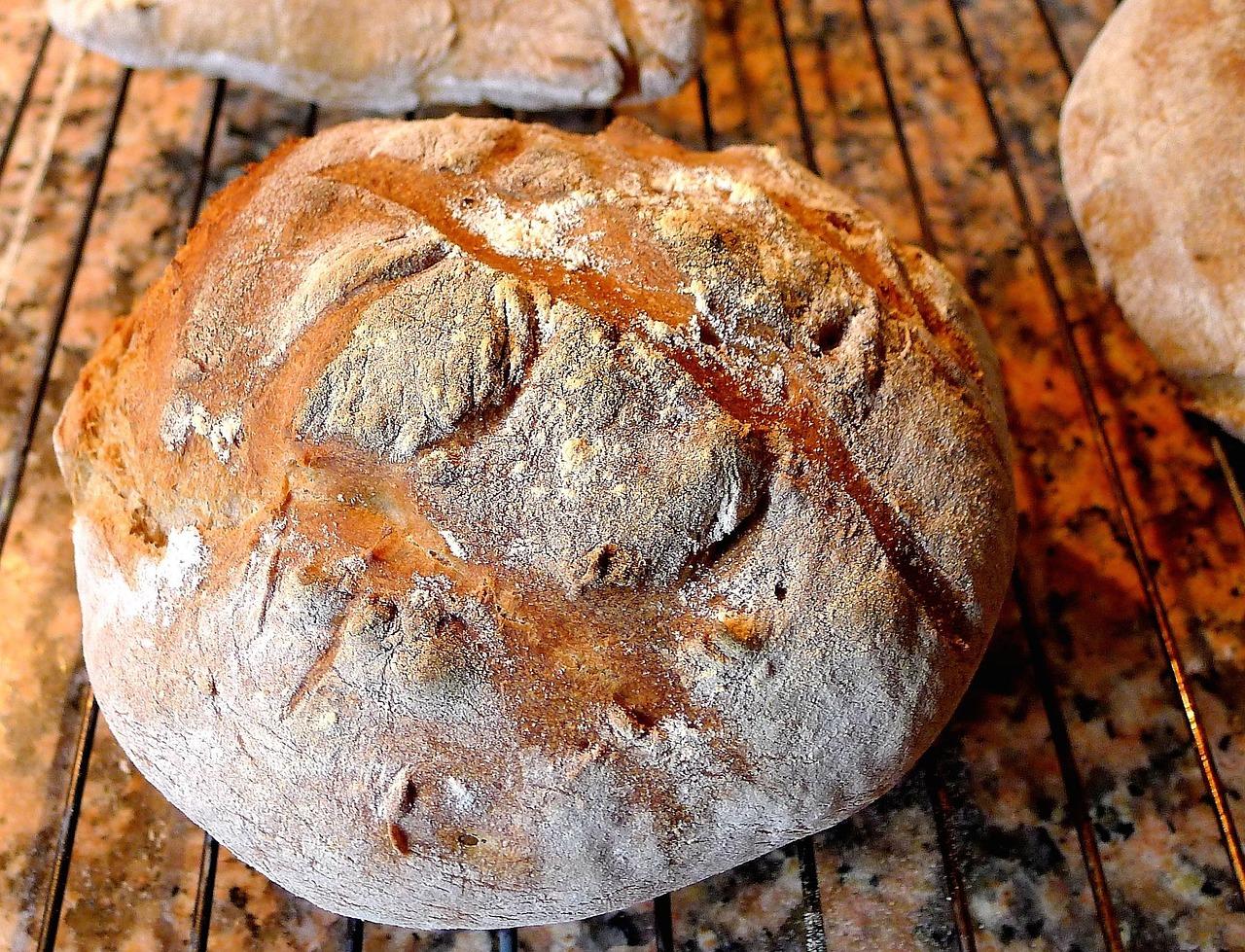
Pain de campagneCountry sourdough loaf

Picture a round, flour-dusted boule on the counter of a village bakery in Burgundy or the Auvergne: that is pain de campagne, the 'country loaf' French families once baked weekly in a shared oven and kept in a cloth for days. A little wholemeal rye in the dough gives a greyish crumb, an earthy, gently sour flavour and a thick, crackling crust that stays good for four or five days. Slice it for tartines with butter and honey, toast it for soup, or serve it with a cheese board, onion soup or a slow vegetable stew. This version builds a fresh leaven in the morning and rests the shaped loaf in the fridge overnight, so you bake first thing the next day. Many home loaves come out pale and soft because they are pulled too early; French bakers call the dark finish 'bien cuit', and that colour is where the flavour lives. Chef's tip: bake straight from the fridge into a screaming-hot lidded casserole; the cold, firm dough is easier to score and springs up higher.

by KrazyBadal 0 views

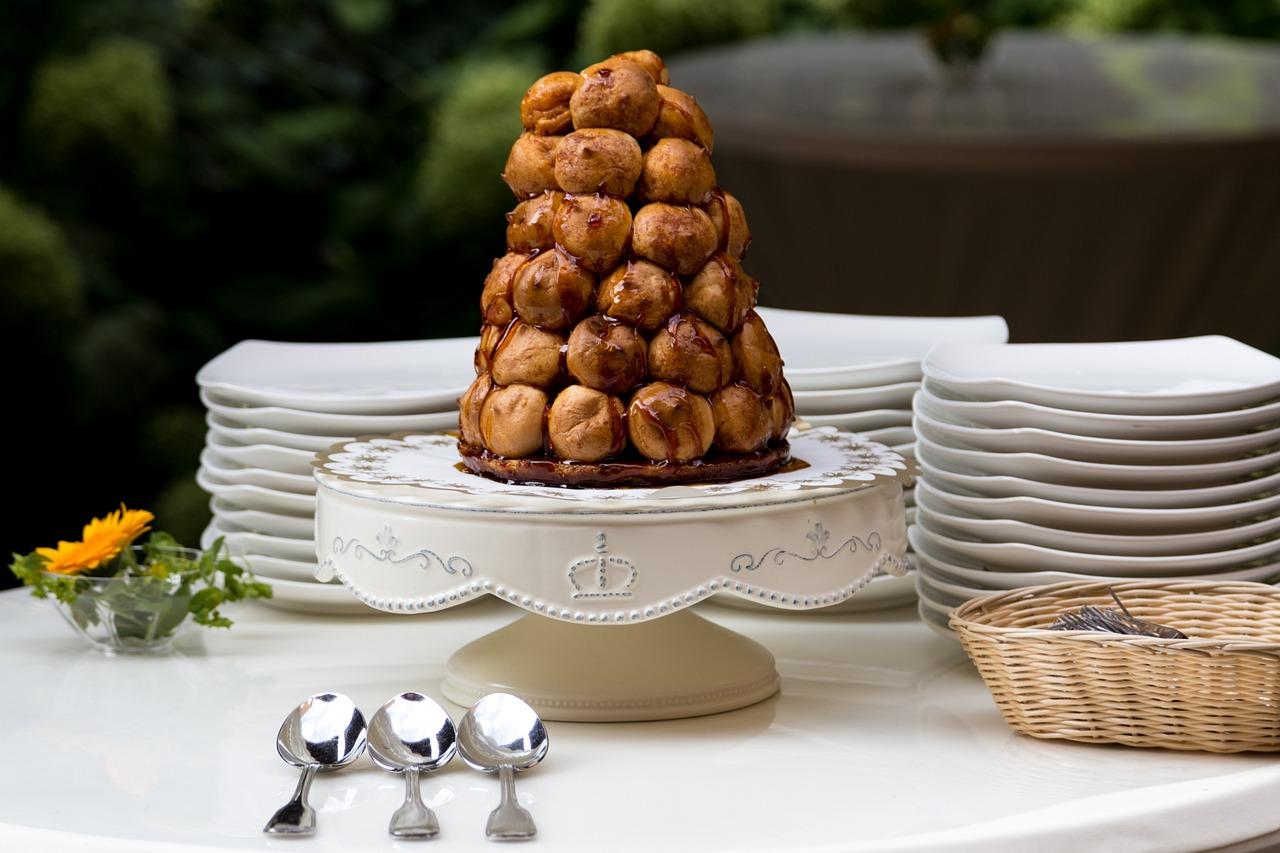
CroquemboucheCaramel-bound choux puff tower

At a French wedding, christening or first communion, the croquembouche ('crunch in the mouth') arrives at the end of the meal: a tall cone of choux puffs filled with vanilla pastry cream, stuck together with amber caramel and wrapped in spun sugar threads. Guests crack puffs off with a knife or the back of a spoon, so each bite is crisp caramel, light pastry and cold, smooth cream. Pâtissiers often flavour the cream with orange liqueur; it is written here with vanilla only, and you can add 2 tablespoons of liqueur to the cooled cream. Underbaked choux is the classic mistake, because pale puffs go soft and collapse under the weight, so bake them until they are deep golden and dry inside; and since hot caramel burns badly, keep a bowl of iced water beside you and work with care. Chef's tip: build the tower on the day, no more than 4 hours before serving; the caramel softens in the fridge and humid air.

210 minFrenchBaking
by KrazyBadal 0 views

Pain de mieSoft square sandwich loaf

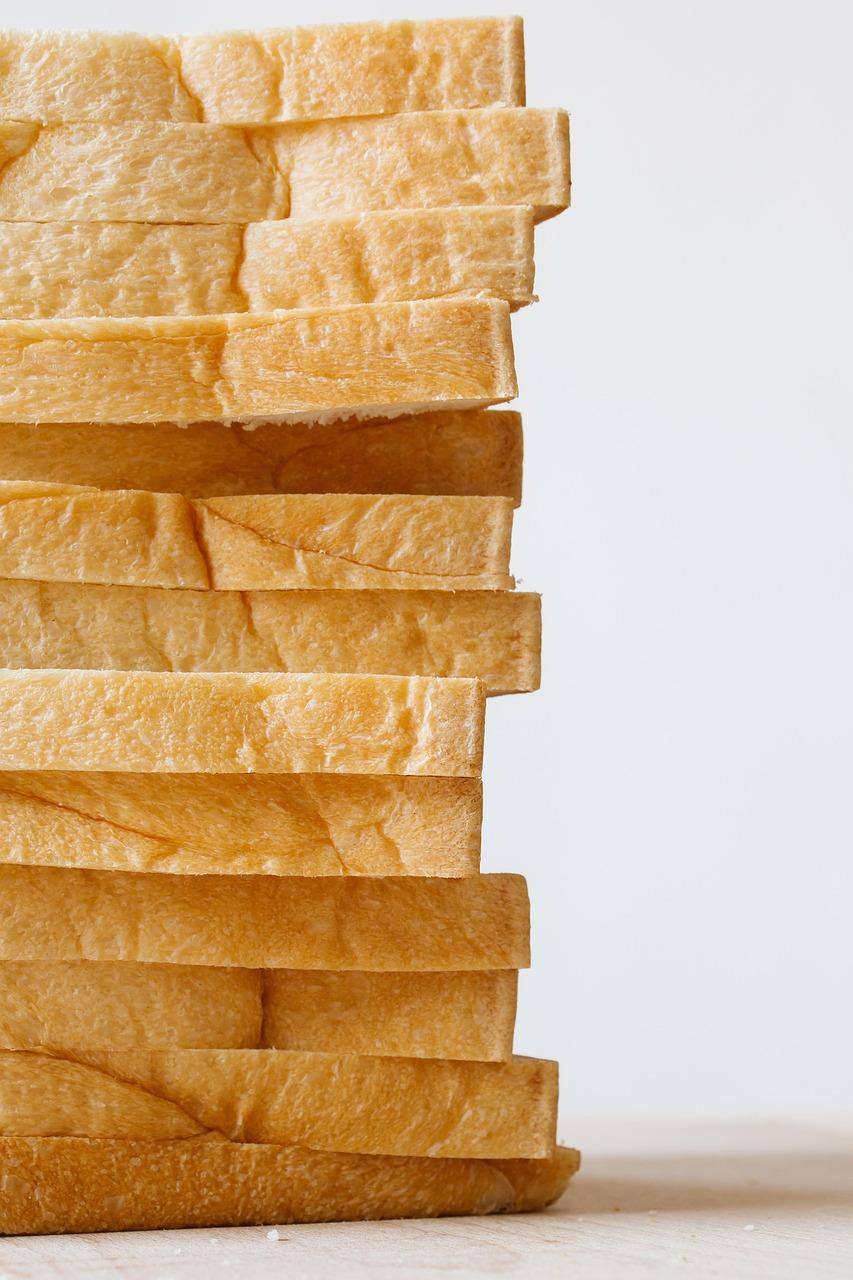
Ask a Paris café what goes into a croque-monsieur and the answer is pain de mie, the 'crumb bread' baked in a lidded tin so it comes out as a neat square block. Shut away from the oven's heat, the dough rises against the lid into a fine, soft, close crumb with a thin, pale golden crust that barely needs trimming. French children take it to school as tartines with butter and chocolate spread, it makes the best croques, French toast and canapés, and it is the loaf to choose for neat cucumber sandwiches. Milk and butter keep it tender for several days. The tricky moment is the final rise: if the dough reaches the rim before the lid goes on, it squeezes out of the seams and bakes with a dense band; too little rise and the corners come out rounded. Chef's tip: put the lid on when the dough is about 1 cm below the rim, and grease the underside of the lid as well as the tin so the block turns out cleanly.

by KrazyBadal 0 views

Gâteau battuTall egg-rich brioche cake

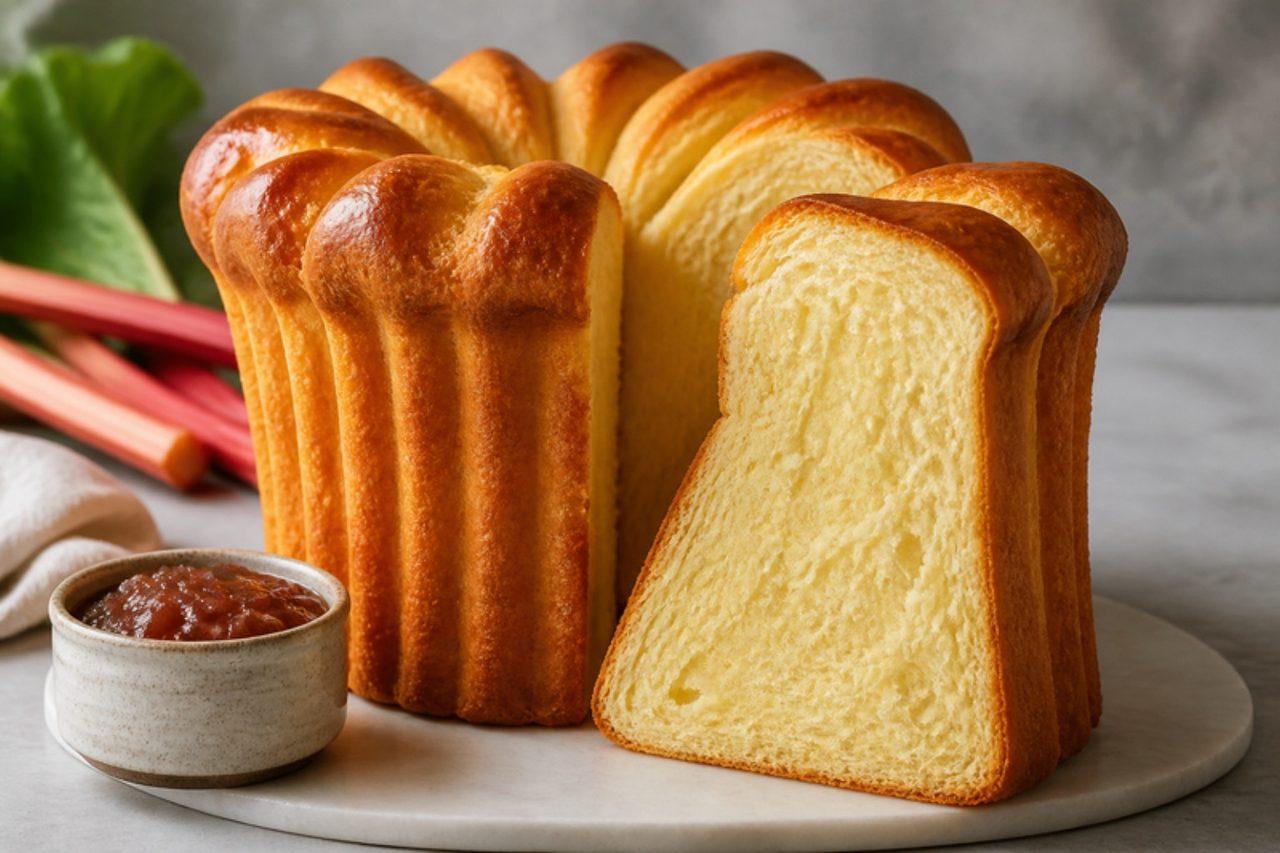
Picardy's tall, fluted gâteau battu ("beaten cake") gets its name from the long beating its dough needs: so many egg yolks and so much butter go in that it is closer to a thick batter than a bread dough. In the Somme it is the cake of family celebrations, first communions and weddings, and of Sunday breakfast, and it is baked in a distinctive tall, ridged mould that gives it the look of a chef's toque. The crumb is yellow, very light, buttery and only gently sweet. Serve it in slices with rhubarb jam, poached fruit or crème anglaise, or toasted the next day. Unmoulding too soon is how it collapses: the crumb is so tender that it needs 10 minutes to firm in the tin. Chef's tip: let the dough rise slowly until it reaches the rim of the mould, even if that takes 3 hours; rushing it gives a dense, cakey bottom.

300 minFrenchBaking
by KrazyBadal 0 views

Bouillie (French baby cereal porridge)

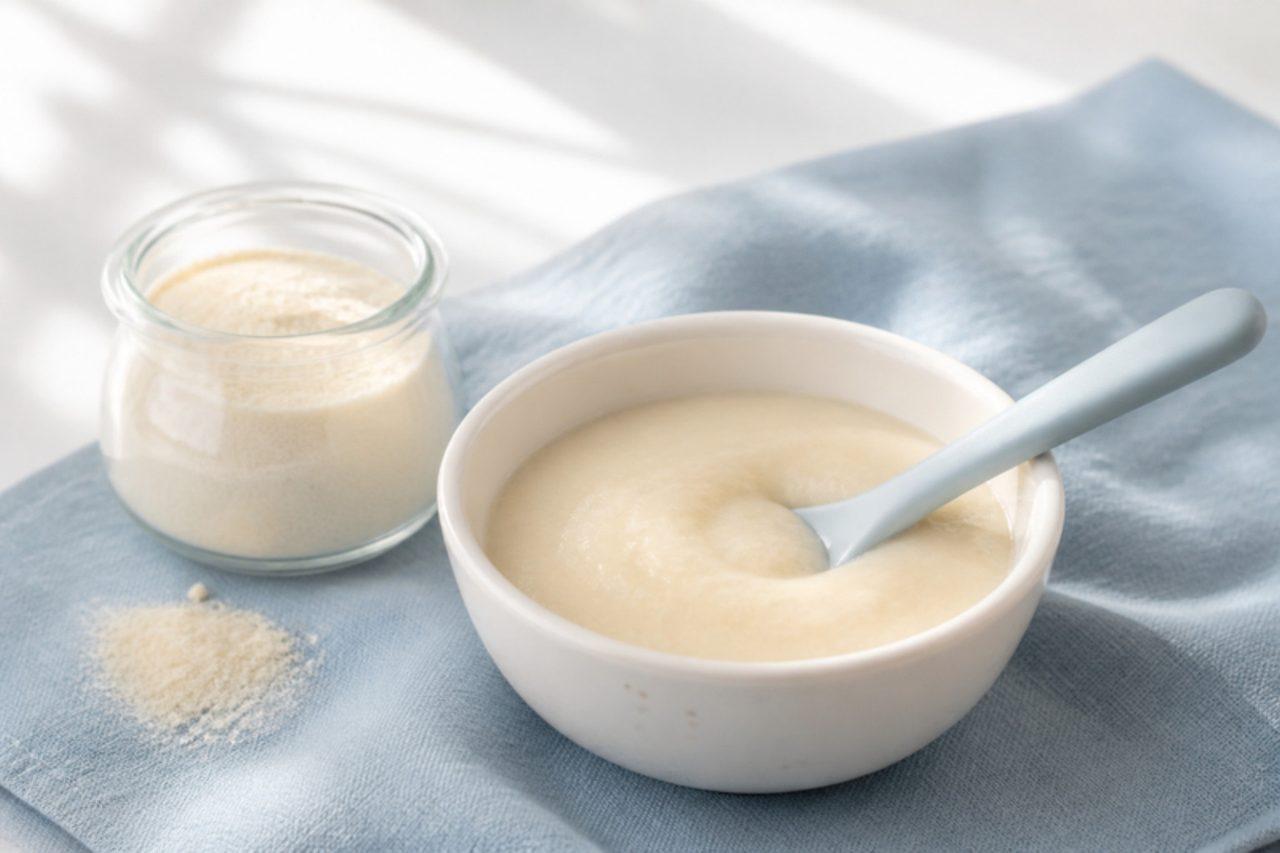
In France, la bouillie is the warm cereal porridge that joins a baby's morning or evening milk at around six months. It is simply the baby's usual milk, breast milk or formula, thickened with plain infant cereal or fine oat or rice flour, and given from a spoon, or thinner from a bottle as many French families do at bedtime. It is creamy and mild. It contains milk from the formula, and gluten if you use oat or wheat cereal; there is no egg, nuts, soya, sesame or fish. Chef's tip: choose a cereal with no added sugar or flavourings; you can add a spoon of fruit purée for sweetness later.

by KrazyBadal 0 views

Baguette

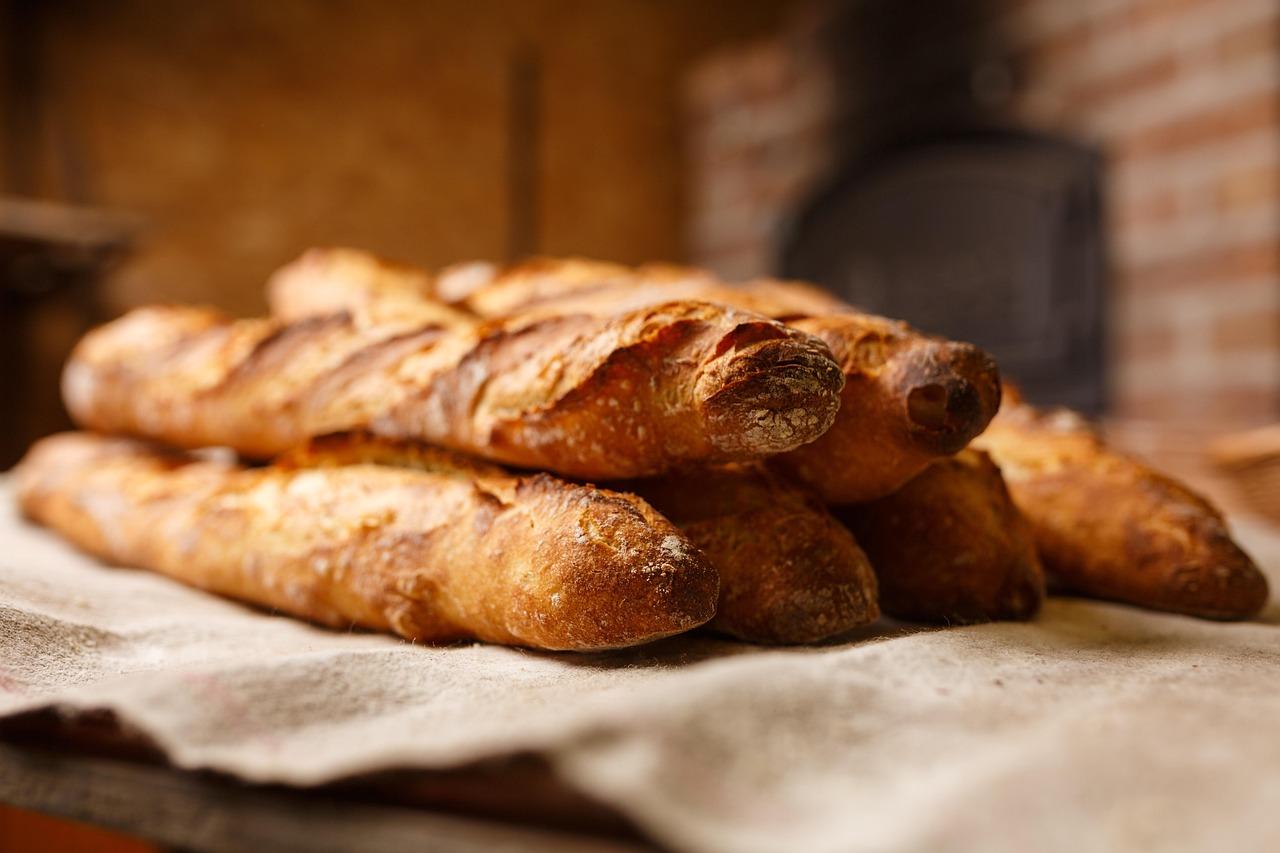
Four ingredients and nothing else: since a 1993 decree, a loaf sold in France as a baguette de tradition may contain only flour, water, salt and leavening. Parisians buy one or two a day, warm from the boulangerie, and the end of the loaf rarely makes it home uneaten. A good one has a thin, shattering, deep golden crust, an open, creamy crumb and a faint nutty sweetness from a long, slow rise. Tear it for butter and jam at breakfast, split it for a jambon-beurre or a cheese sandwich, or put it on the table with soup, salad and a cheese board. Shaping is where most home bakers go wrong: pressing all the air out while rolling the dough long gives a tight, cottony crumb, so handle it lightly and let the bench rest do the work. Chef's tip: cut the slashes almost lengthways, at a shallow angle with the blade nearly flat, and overlap each one by a third; straight-down, crosswise cuts just open into flat scars instead of the raised 'ears' you want.

by KrazyBadal 0 views

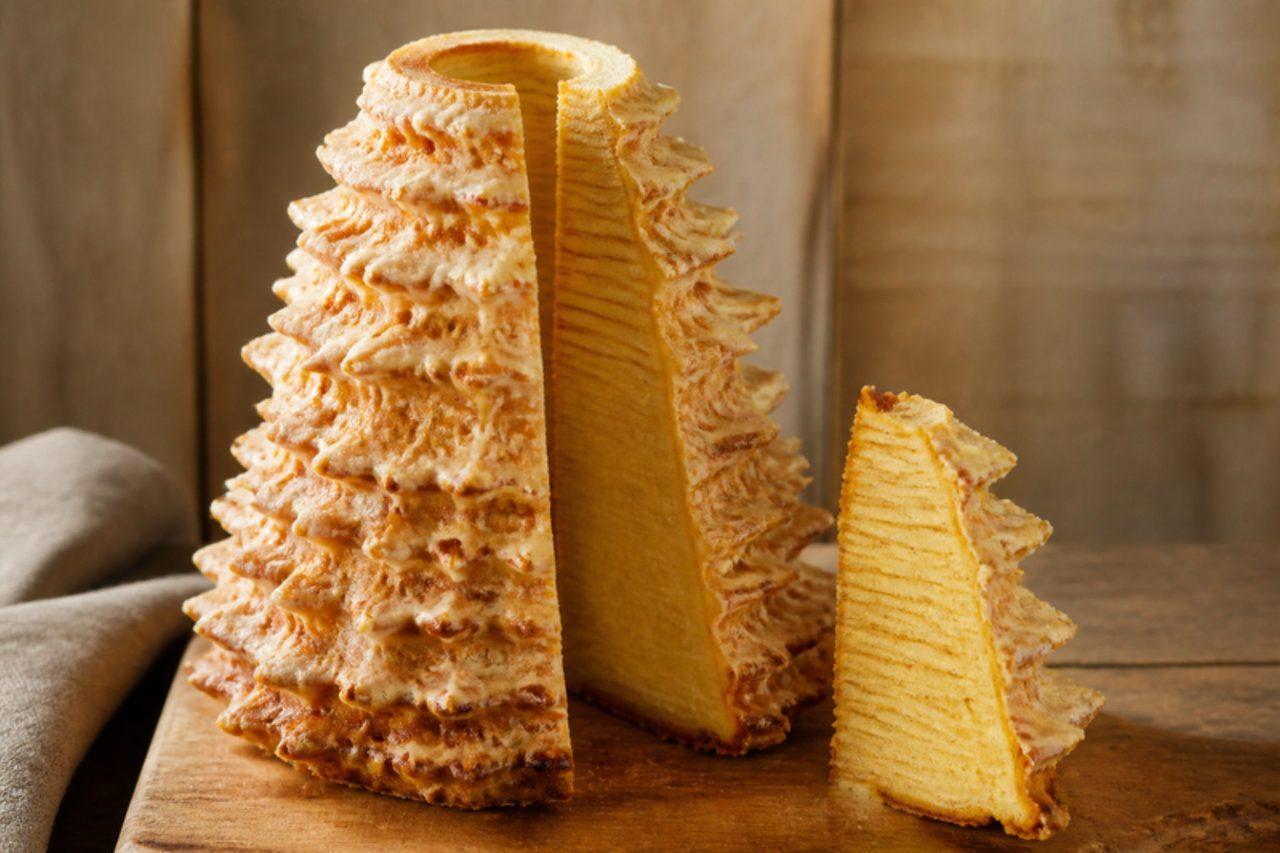
Gâteau à la brocheSpit cake

At weddings and village fairs in the Aveyron and the Pyrenees, gâteau à la broche is a performance: a wooden cone turns on a spit in front of a wood fire while a cook ladles batter over it, layer after layer, for hours. The drips set into the spiky ridges that make the tall, hollow cake look like a fir tree. Slices have thin golden rings, a soft, buttery, eggy crumb and a scent of orange-flower water; it is eaten at the end of the feast with sweet wine for the adults or coffee. Older recipes use rum where this one uses orange-flower water and lemon, and at home a foil-wrapped rolling pin turned under a hot grill does the job of the spit. Pouring too much batter at once is the easy mistake: thick layers stay raw inside, so ladle thinly and let each one colour. Chef's tip: keep the batter at room temperature and stir it each time; cold batter clings badly and drips off in sheets.

140 minFrenchBaking
by KrazyBadal 0 views

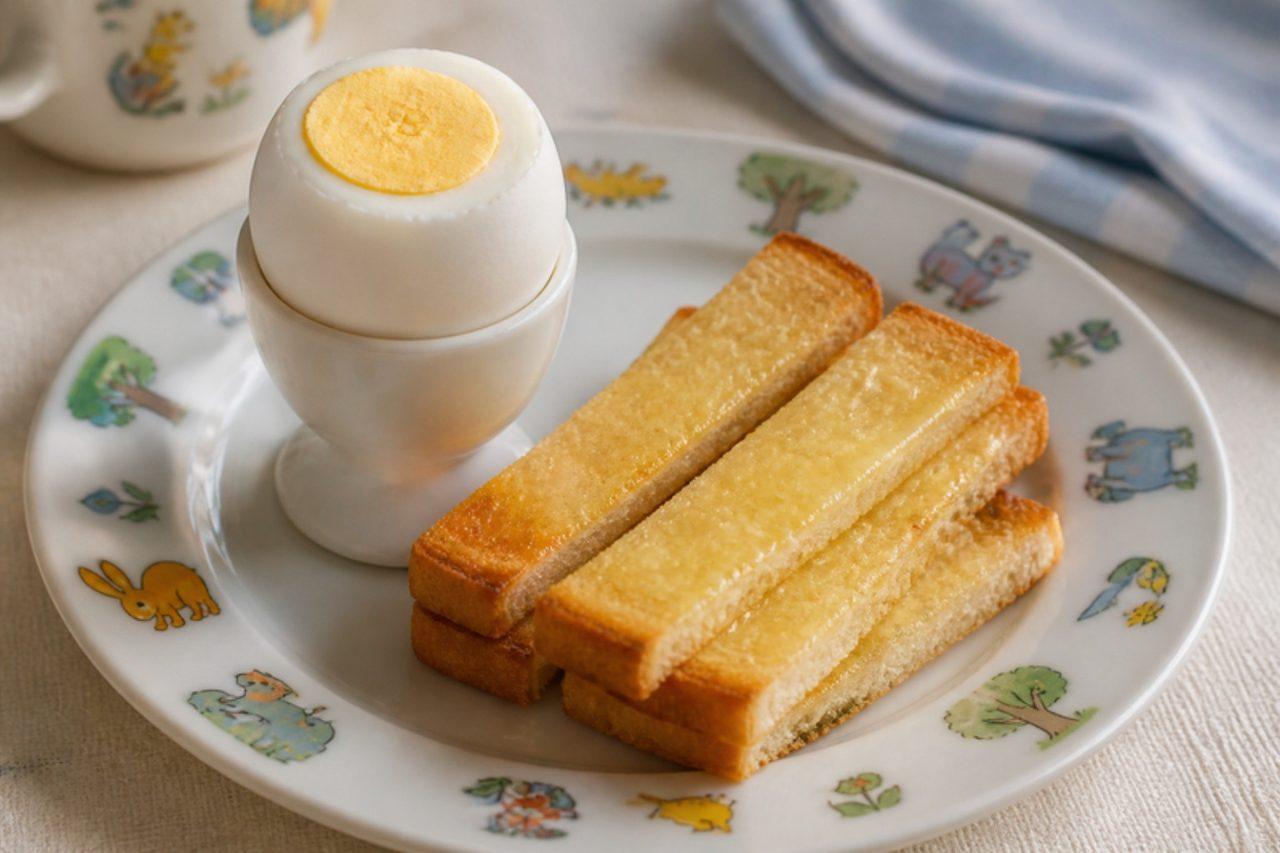
Œuf et mouillettes (egg and soldiers for toddlers)

In France, l'œuf à la coque with mouillettes, buttered bread fingers, is the gentle supper or Sunday breakfast every child knows. For babies and toddlers the egg is boiled a little longer, until the white is firm and the yolk is set but still soft and fudgy, so little ones can scoop and spread it rather than dip into a runny centre. It contains egg, gluten (wheat) and milk (butter). Chef's tip: start with eggs at room temperature so they don't crack in the hot water, and lower them in gently on a spoon.

by KrazyBadal 0 views

Kärntner ReindlingCinnamon raisin yeast cake

Carinthia's Easter loaf takes its name from the Reindl, the round, deep pan it is baked in, and in southern Austria no Easter basket goes to church without one. Inside the golden yeast crust is a spiral of butter, cinnamon sugar and plump raisins, so every slice shows a dark swirl. Locals eat it two ways: sweet with coffee on Easter morning, or alongside the savoury Easter platter with horseradish. Many bakers soak the raisins in rum overnight; warm water or tea works just as well and keeps it alcohol-free. A dry, crumbly Reindling usually means too much flour went in during kneading, so keep the dough soft and only lightly floured. Chef's tip: butter the pan well and dust it with sugar, which caramelises into a thin crunchy shell.

by KrazyBadal 0 views

ErdäpfelstrudelSavoury potato strudel

Austrians, especially in the Mühlviertel of Upper Austria and the Waldviertel, make savoury strudels as often as sweet ones, and Erdäpfelstrudel is a farmhouse favourite for a meatless Friday or a cold evening. Thin pastry wraps a filling of potatoes, fried onion, sour cream, marjoram and parsley, baked until crisp and golden and sliced with a green salad or a dill and sour-cream dip. Bought filo makes it easy at home. The mistake to avoid is a wet filling, which turns the pastry soggy underneath. Chef's tip: cool the filling completely before rolling; warm filling makes the layers stick and tear.

by KrazyBadal 0 views

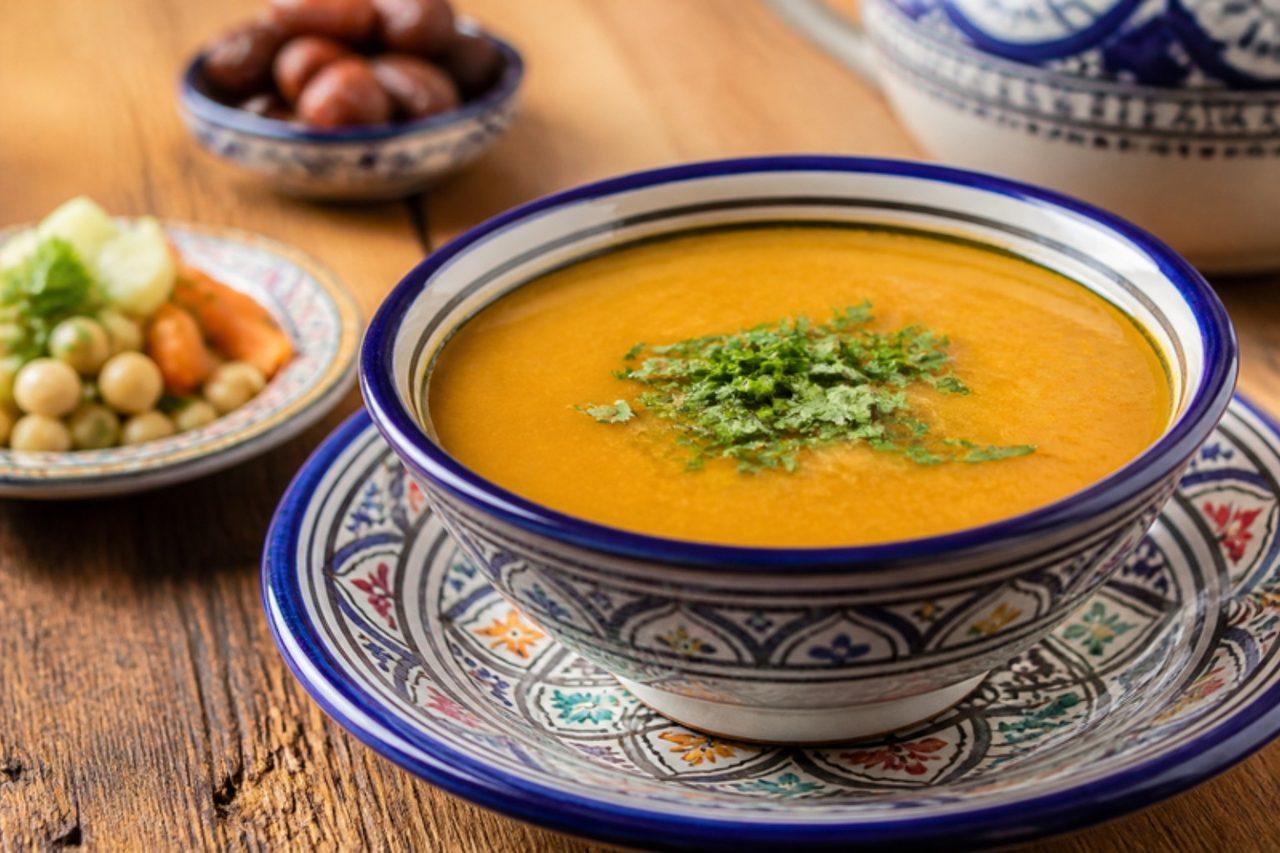
Chorba khodra (light Moroccan vegetable soup)

Chorba khodra is the everyday soup of Moroccan homes from Tangier to Agadir, served for supper on cold evenings and to anyone feeling unwell. Carrots, courgettes, potato, turnip and celery simmer with onion, tomato, coriander, parsley, ginger and a little turmeric, then get blended into a smooth, light orange soup thickened with a spoon of fine vermicelli or semolina. Serve with bread and a lemon wedge. Most people boil it too long so the herbs turn dull; add the fresh herbs in the last 10 minutes. Chef's tip: a teaspoon of smen or olive oil stirred in right before serving gives it the roundness of the restaurant version. Contains wheat (vermicelli).

by KrazyBadal 0 views

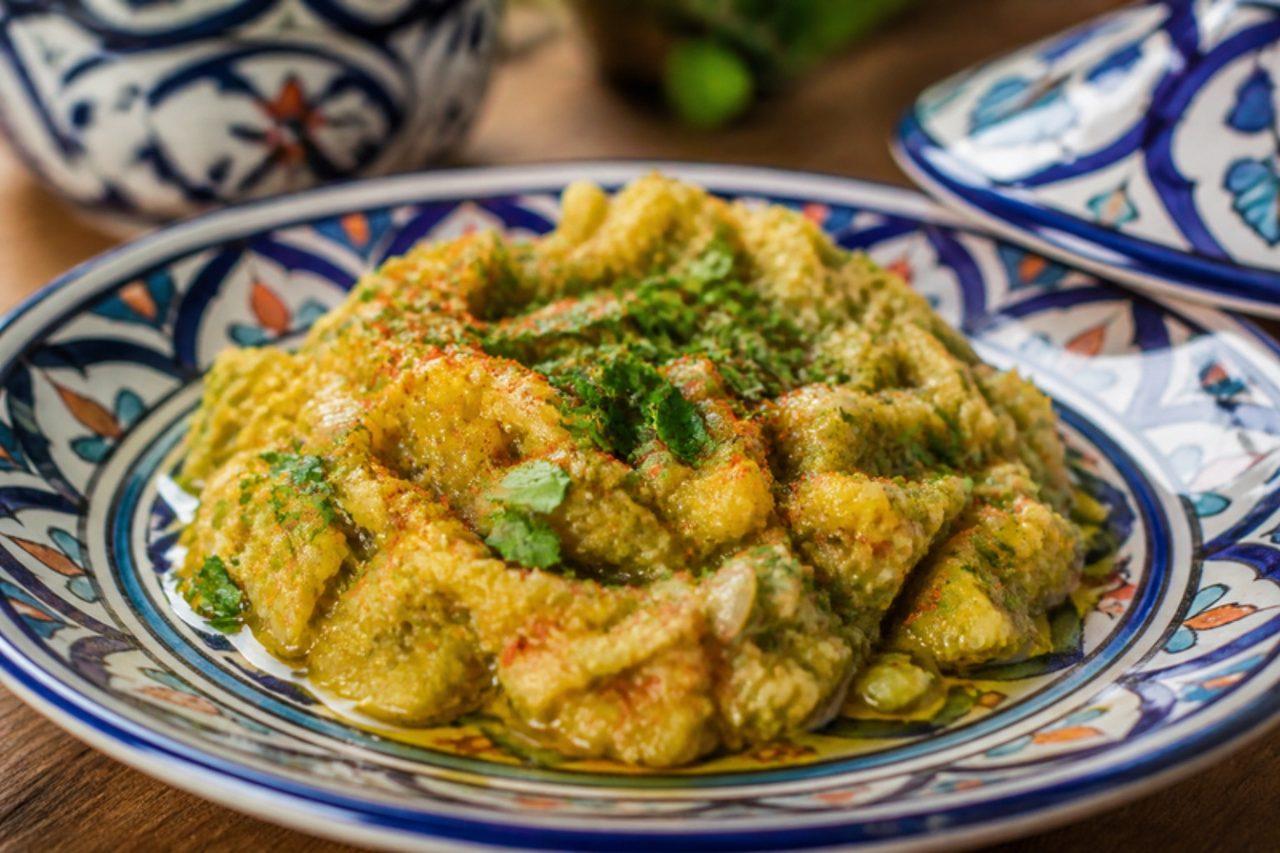
Shlada gar'a (cooked courgette salad with cumin)

In Meknes and Casablanca the pale courgettes of early summer are cooked down into this soft, spiced salad, one of several little dishes set out with bread before the main course. The courgettes are steamed with garlic, then crushed lightly with olive oil, cumin, paprika and lemon until spoonable but still chunky. Serve it cool with bread or alongside grilled fish. Watery courgettes are the usual problem; cook off all the liquid before seasoning. Chef's tip: add a handful of chopped coriander only at the end so it stays bright.

by KrazyBadal 0 views

Cheese briouats (briwat bel fromage)

Cheese briouats are the cigars that disappear first from Ramadan tables in Rabat and Tangier: fresh, salty cheese mixed with egg, parsley and a pinch of chilli, rolled tight in warqa and fried until the pastry shatters. They're served hot, at iftar or with mint tea for afternoon guests. Overfilled cigars burst and leak cheese into the oil; a level tablespoon each is enough. Chef's tip: a little grated hard cheese in the mix stops the fresh cheese from going watery. Traditional fresh cheese like jben is made with animal rennet; choose a vegetarian one if needed. Contains milk, egg and wheat.

by KrazyBadal 0 views

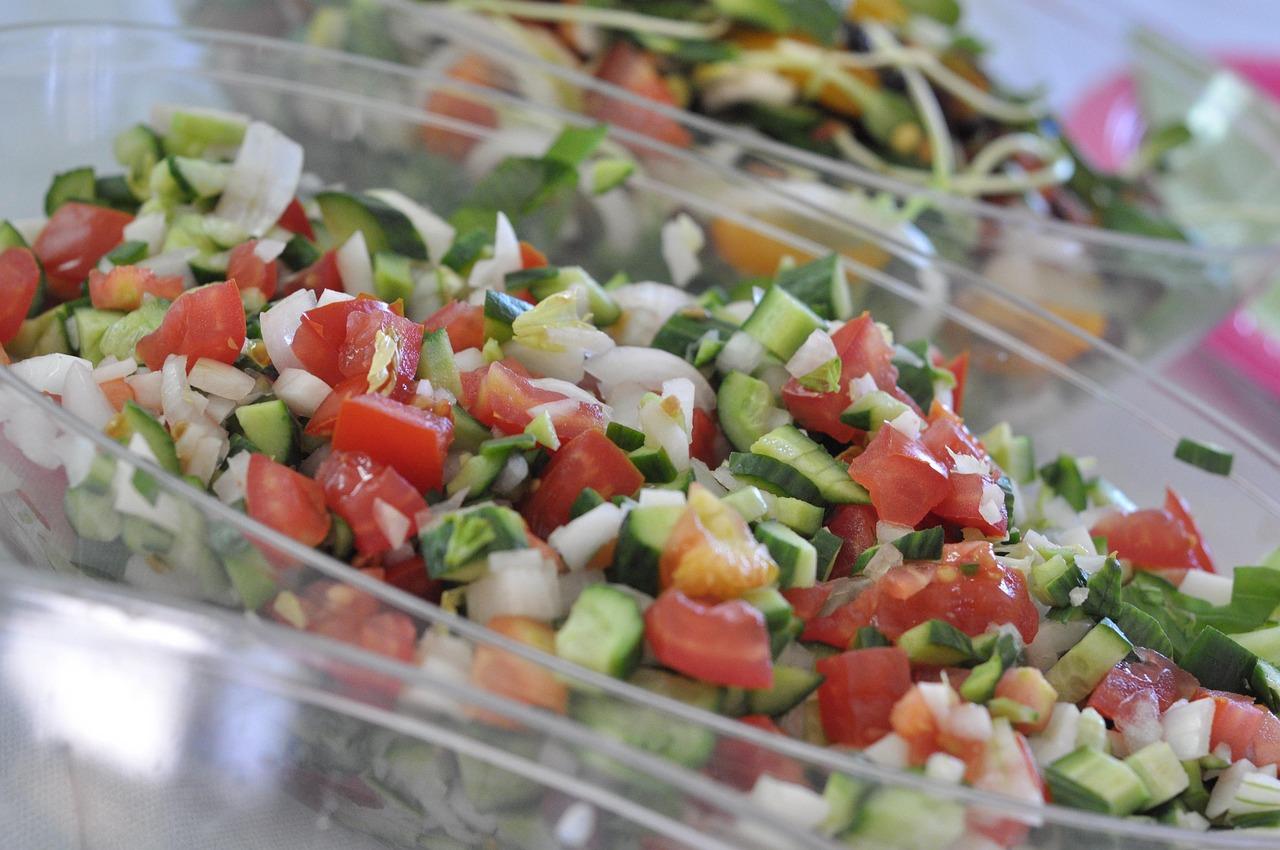
Shlada beldia (Moroccan tomato and cucumber salad)

Shlada beldia, "country salad", sits next to the bread on almost every Moroccan table, from Marrakech grill stalls to a Tuesday family lunch in Oujda. Tomato, cucumber, onion and green pepper are diced as small as lentils, then dressed with lemon, olive oil, parsley and a pinch of cumin, so it eats like a fresh relish with grilled meat, tagines or eggs. The common mistake is dressing it too early: the tomatoes weep and it turns to soup, so salt it just before serving. Chef's tip: dice everything to the same tiny size; that's what makes it taste Moroccan rather than like a chopped salad.

by KrazyBadal 0 views

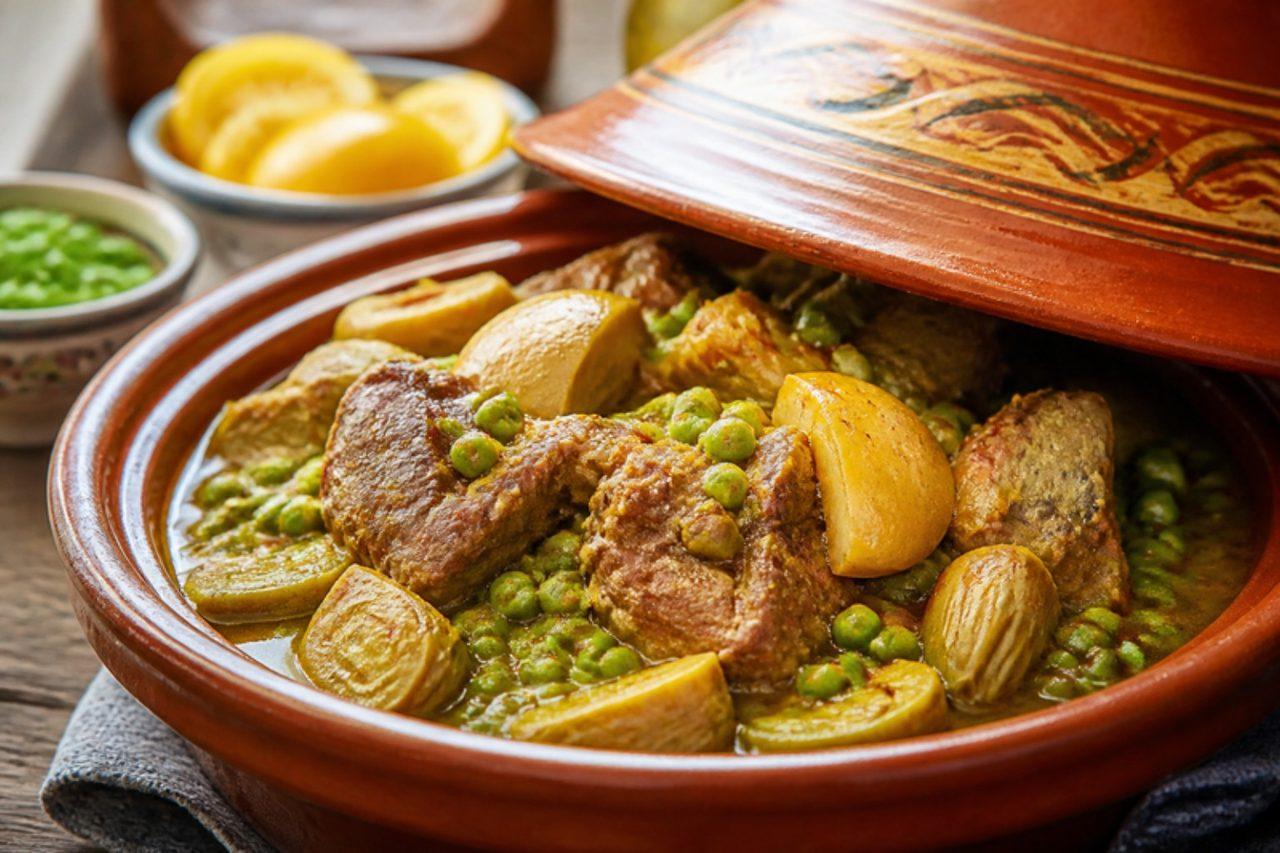
Tagine qoq w jelbana (lamb with artichokes and peas)

In Fes and Meknes, spring is announced by the first wild artichokes and fresh peas, and families cook them in this pale, saffron-gold lamb tagine for the Friday lunch. The lamb simmers with onion, ginger, saffron and olive oil until tender, then artichoke hearts and peas go in so they stay green, and preserved lemon adds a salty brightness. Eat it straight from the pot with khobz. The common mistake is adding the vegetables with the meat, so they go grey and mushy; they need only the last 20 minutes. Chef's tip: rub cut artichokes with lemon and keep them in lemon water, or they blacken within minutes.

130 minMoroccanMeatGluten free
by KrazyBadal 0 views

Showing 24 of 534 recipes

Show more recipes

Page 1 of 23