Skip to content
WhatToEat.Today

All recipes

504

Vegetarian, or something you can't eat? Set your diet once and we'll hide recipes that don't fit.

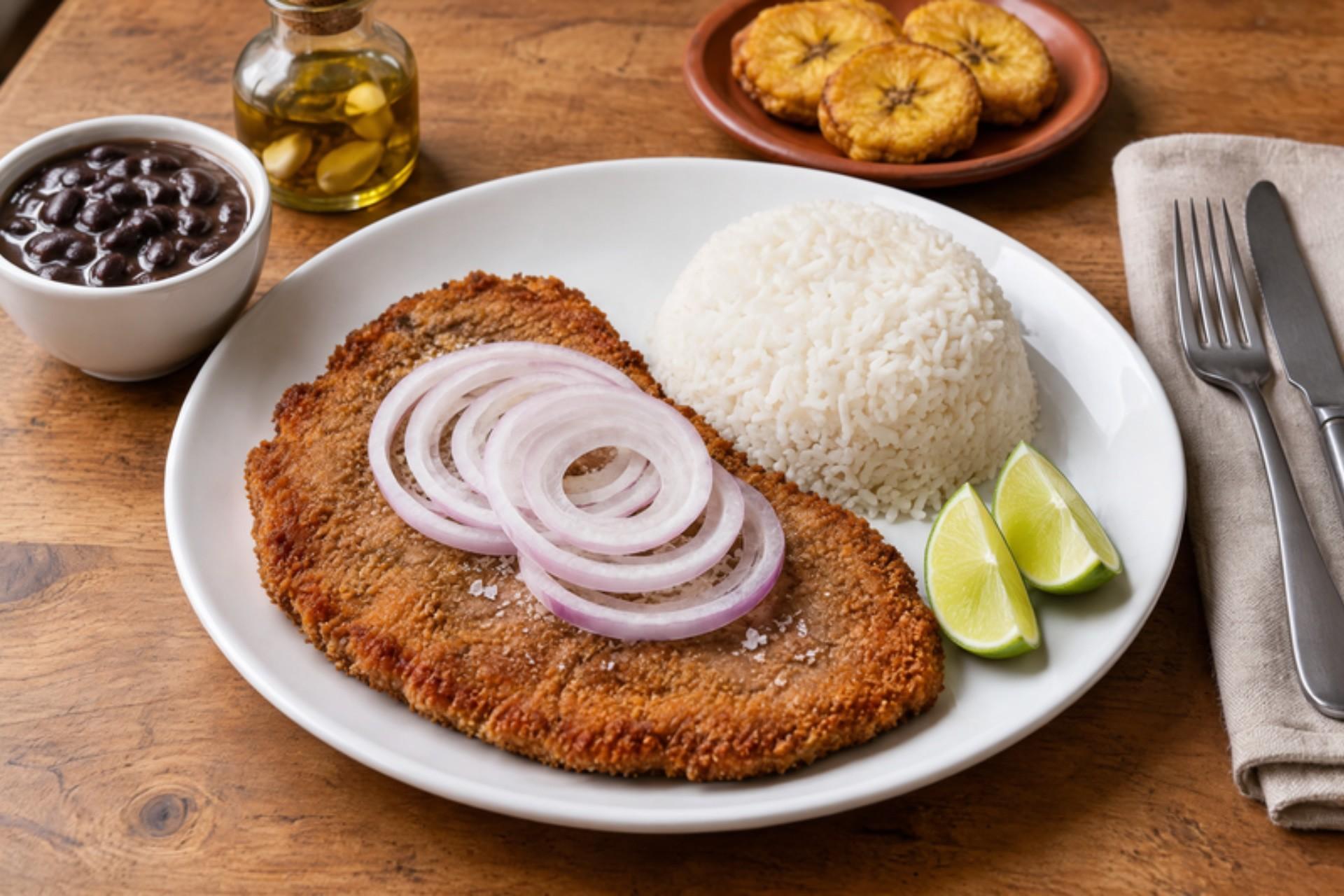
Bistec empanizadoBreaded thin steak

Bistec empanizado is the breaded steak of Cuban family dinners and Little Havana diners, a weeknight plate in Havana and Miami alike. Thin slices of beef are pounded thinner still, marinated briefly in lime, garlic and cumin, then crumbed with crushed crackers and fried until crisp and golden. It contains wheat and egg. The mistake is cutting the steak thick: it toughens before the crumb browns, so pound it to 5 mm. It is done when the crust is deep golden on both sides, which takes only a couple of minutes for meat this thin. Serve with white rice, black beans, maduros and a lime wedge. Chef's tip: marinate the beef for no more than an hour; lime juice left longer turns thin steak grey and mealy.

32 minCubanMeat
by KrazyBadal 0 views

Cuba libreRum and cola with lime

The Cuba libre was born in Havana around 1900 and is still the easy highball poured at bars along the Malecón and at backyard parties from Miami to Madrid. It is a drink for adults only: light Cuban-style rum, cold cola and a generous squeeze of fresh lime, with the spent lime wedge dropped in the glass. Without the lime it is just rum and cola; with it the drink turns sharp and refreshing. The usual mistake is warm cola poured over too little ice, which melts fast and leaves it flat and watery, so fill the glass with ice and keep the cola chilled. For an alcohol-free version, leave out the rum and add 30 ml cold sparkling water with a dash of vanilla. Drink responsibly. Chef's tip: squeeze the lime and rub the wedge round the rim before adding ice, so every sip carries the lime oil.

by KrazyBadal 0 views

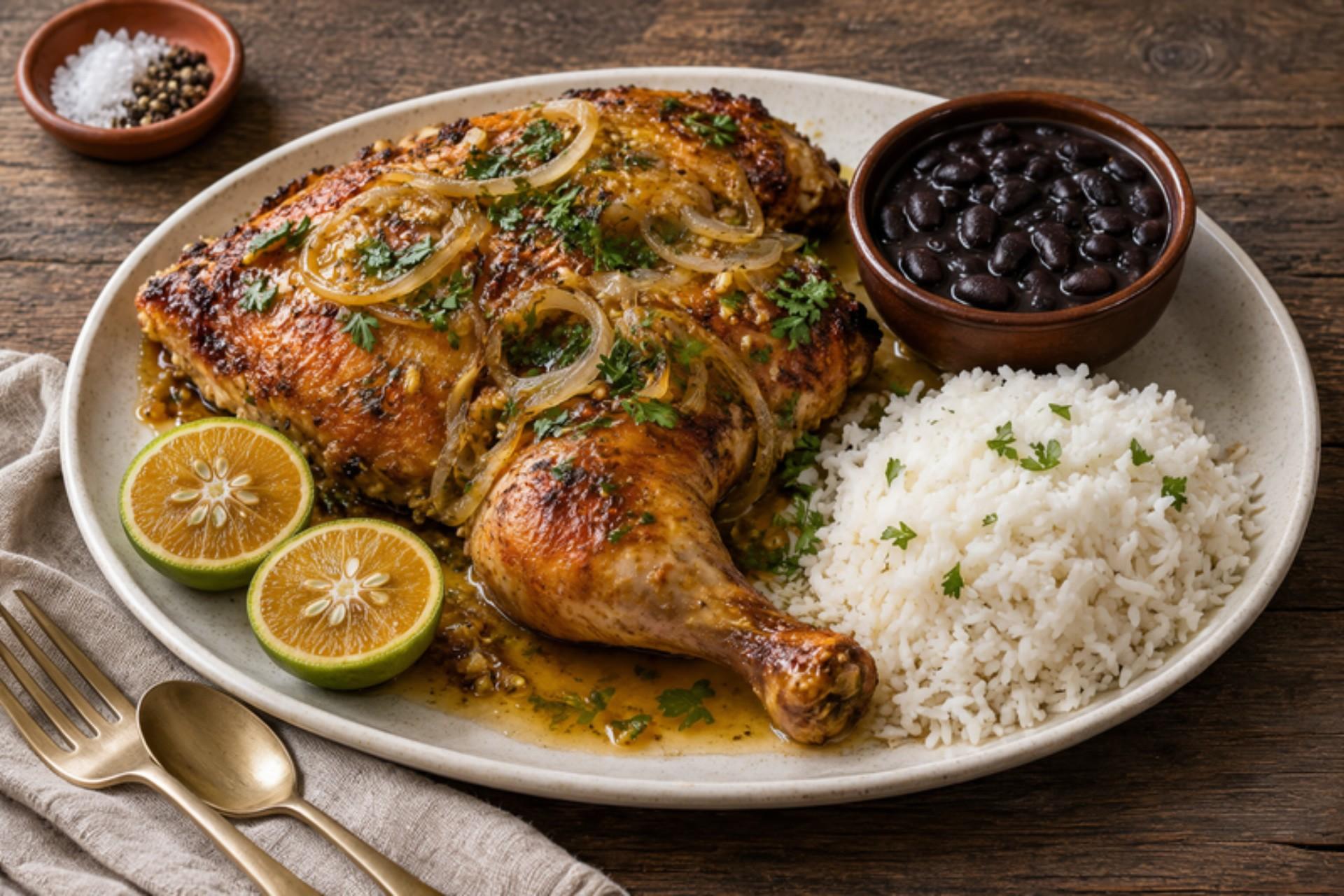
Pollo asado cubanoGarlic citrus roast chicken

Cuban families from Camagüey to Hialeah roast pollo asado for Sunday lunch and Nochebuena, the night before Christmas, when there is too much else on the table for a whole pig. Chicken pieces soak overnight in mojo, a marinade of sour orange, crushed garlic, cumin and oregano, then roast until the skin is crackly and the juices run clear, with onion rings softening underneath. The usual mistake is marinating for days or in a metal bowl; the citrus turns the meat mushy and metallic, so keep it to 12–24 hours in the fridge in glass or a bag. It is done when the thickest part of the thigh reaches 74 °C. Serve with moros, yuca and maduros. Chef's tip: no sour oranges? Use two parts orange juice to one part lime juice.

by KrazyBadal 0 views

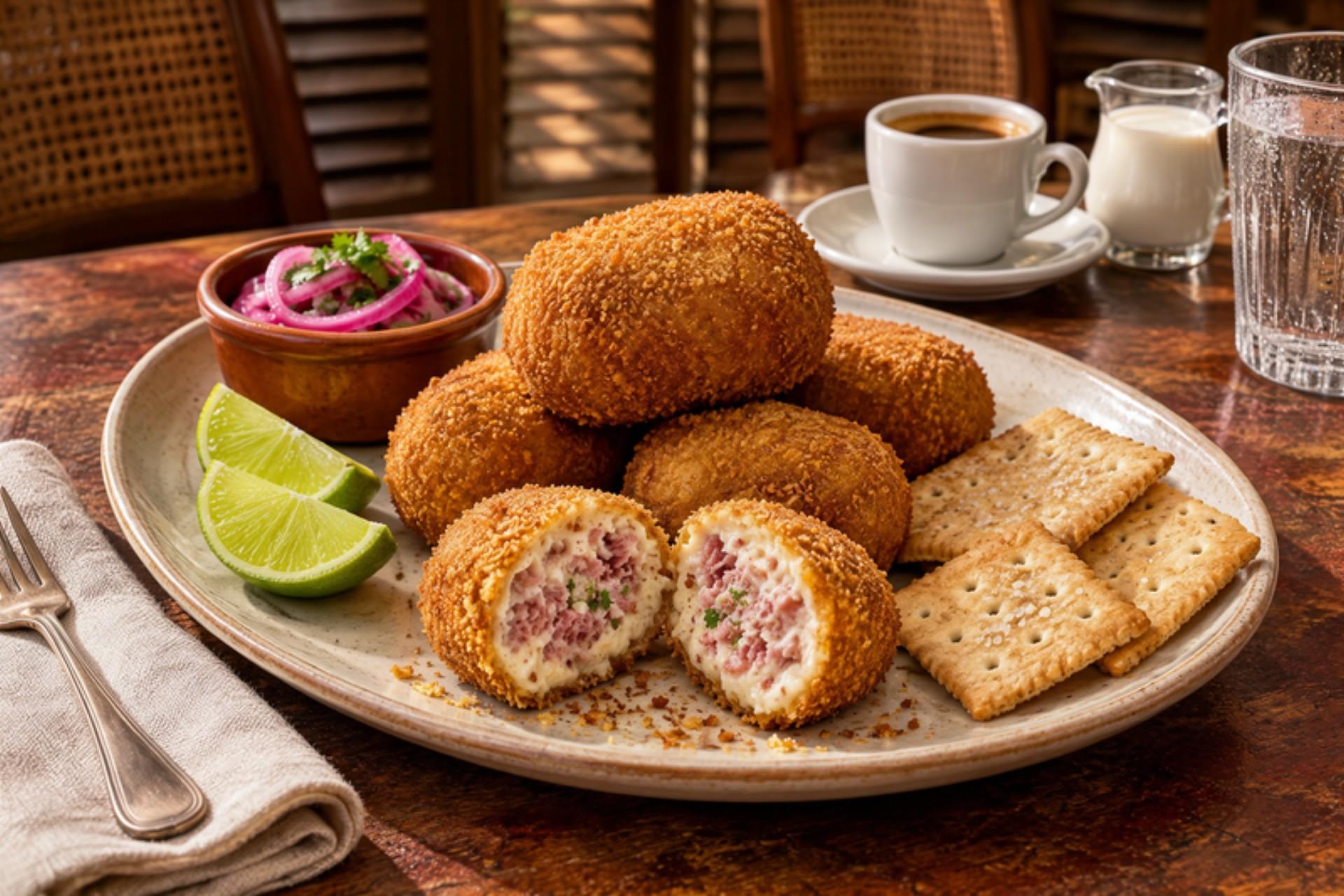
Croquetas de jamónHam croquettes

Croquetas de jamón are the snack of the ventanita, the walk-up coffee window of Havana and Miami cafeterías, eaten with a cafecito at breakfast or tucked into a Cuban sandwich, and piled high at every party. This recipe contains pork: cooked ham is minced and folded into a thick, nutmeg-scented béchamel, chilled firm, rolled into small cylinders, crumbed and fried until golden, so the inside is almost molten. They contain milk, egg and wheat. The mistake is shaping the mixture while it is still warm; it must be cold and stiff or the croquettes split in the oil. They are done when deep golden all over and piping hot in the centre. Chef's tip: cook the flour in the butter for a full two minutes before the milk goes in, so the croquetas taste rich and nutty rather than floury.

by KrazyBadal 0 views

Natilla cubanaLemon cinnamon custard

Natilla is the custard Cuban grandmothers in Havana and Miami's Little Havana make for Sunday lunch, birthdays and any evening that needs something sweet from the fridge. It is softer than flan: milk is infused with lemon peel and a cinnamon stick, thickened gently with egg yolks and a little cornflour, then poured into small bowls and dusted with ground cinnamon. It contains milk and egg. The common mistake is boiling it hard once the yolks go in, which splits the custard into sweet scrambled egg; keep the heat low and stir the bottom constantly. It is ready when it thickly coats the back of a spoon and a finger drawn through leaves a clean line. Chef's tip: press cling film right onto the surface while it is hot, or a rubbery skin forms as it cools.

by KrazyBadal 0 views

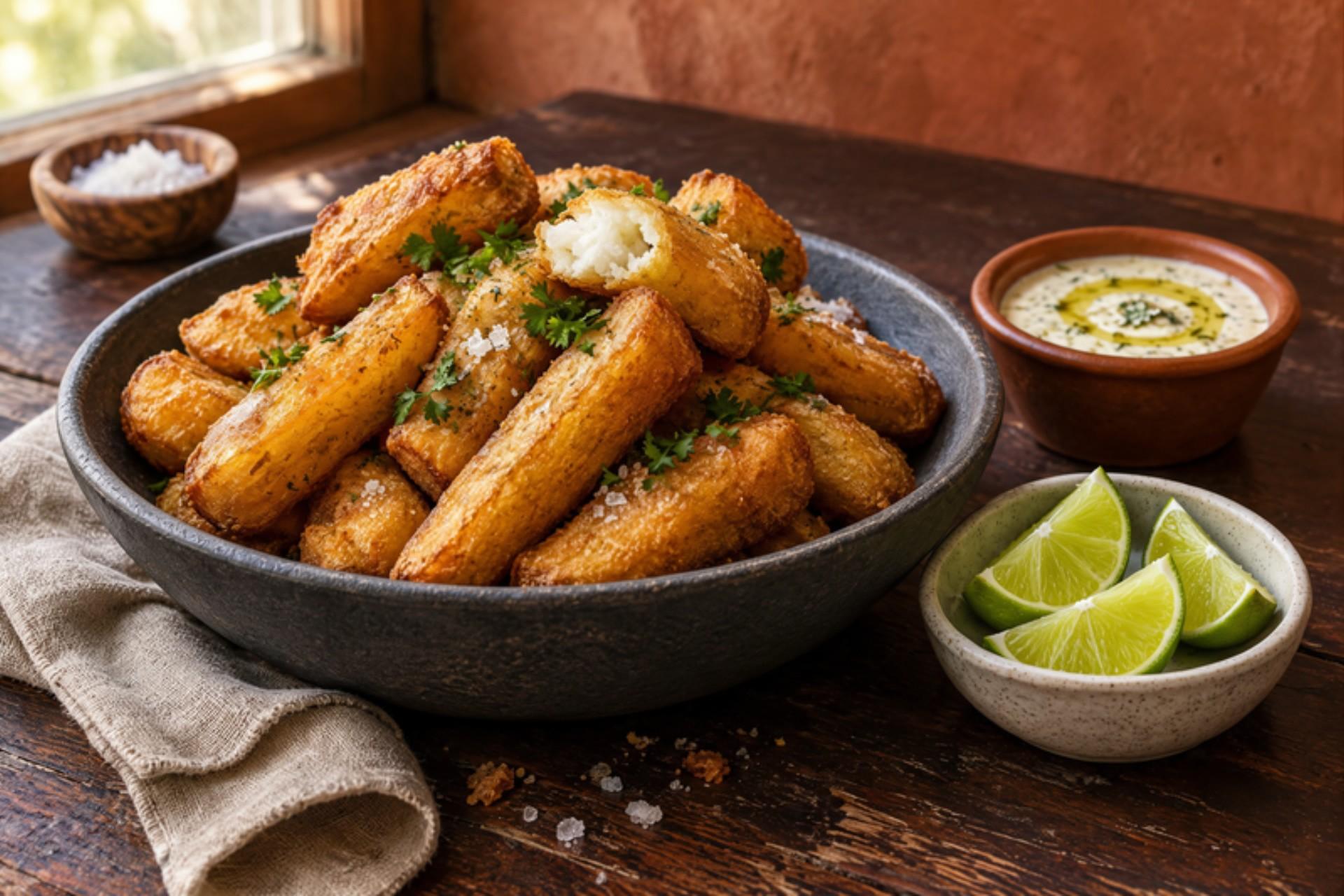
Mandioca fritaFried cassava

Mandioca frita, called aipim in Rio and macaxeira in the Northeast, is a must at Brazilian botecos (neighbourhood bars), served in a basket with lime and a little hot sauce on Friday nights, or alongside picanha at a Sunday churrasco. Fat cassava batons are boiled until tender, then fried until the outside crackles and the inside is fluffy, like the best chips you have ever had. Cassava must never be eaten raw: peel off all the brown bark and pink layer and boil it until completely soft right through. The usual mistake is frying it before it is fully tender; it stays hard and woody in the middle. Boil until a knife meets no resistance and the batons start to split. Chef's tip: let the boiled cassava cool and dry completely on a rack, or even chill it overnight; dry cassava fries crisper and splatters less.

by KrazyBadal 0 views

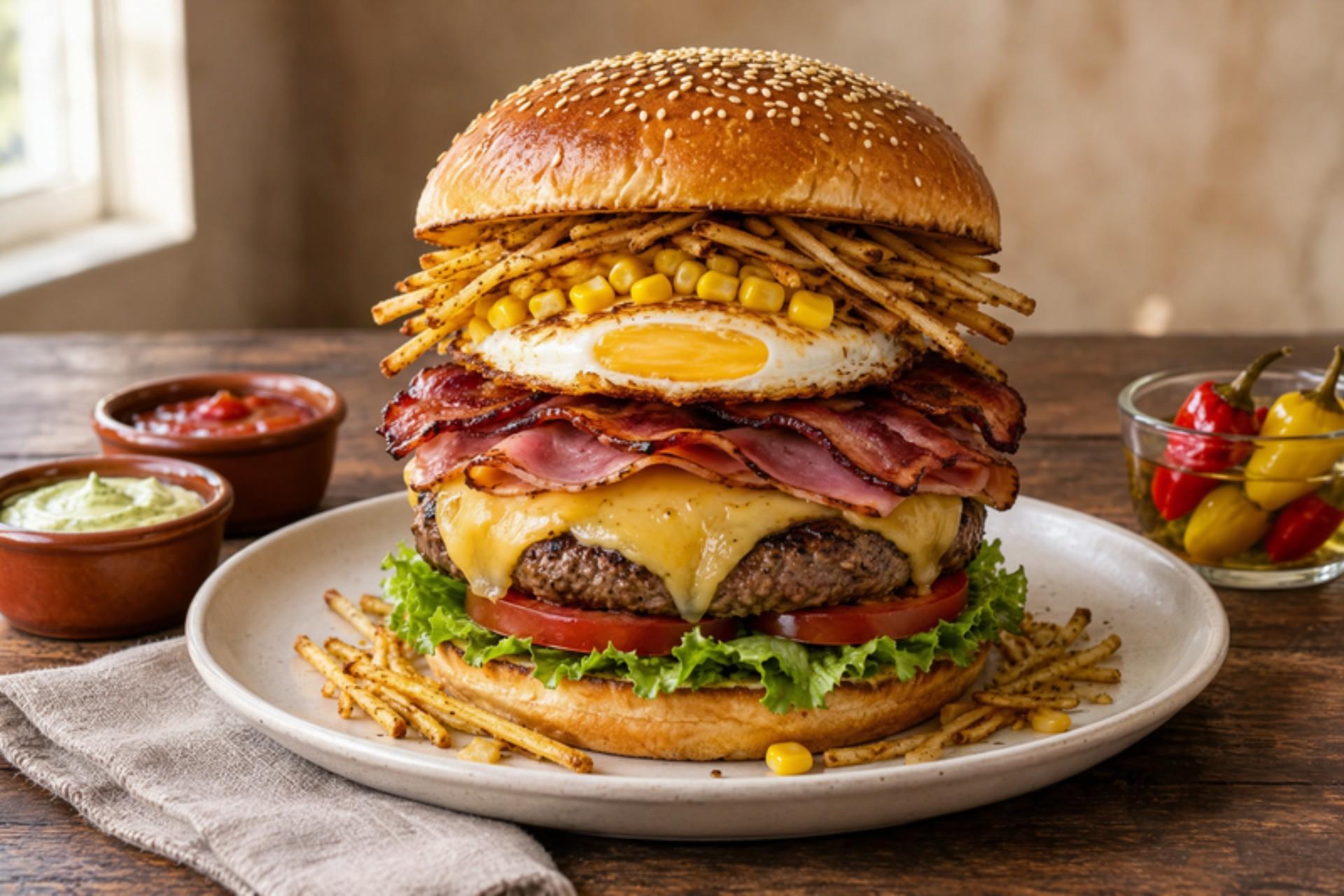
X-tudoBurger with everything

The x-tudo (say 'shee-TOO-doo'; 'x' sounds like 'cheese' in Portuguese) is the late-night king of Brazilian lanchonetes (snack bars) and street food trailers in São Paulo, Curitiba and Rio, eaten after football or a night out. A soft bun is stacked with a beef patty, melted cheese, ham, bacon, a fried egg, lettuce, tomato, sweetcorn and crunchy potato sticks, all held together with mayonnaise. It contains pork (ham and bacon) and egg. The common mistake is building it on a cold bun: toast the cut sides in the burger fat so they don't go soggy under all the fillings. The patty is done when there's no pink in the middle and it reaches 71 °C. Cook the egg until the white is fully set; for anyone pregnant, a young child or older or vulnerable people, cook the yolk firm too. Chef's tip: press the bun flat on the hot plate with a spatula for 20 seconds once built, the way lanchonetes do; it melts everything together.

by KrazyBadal 0 views

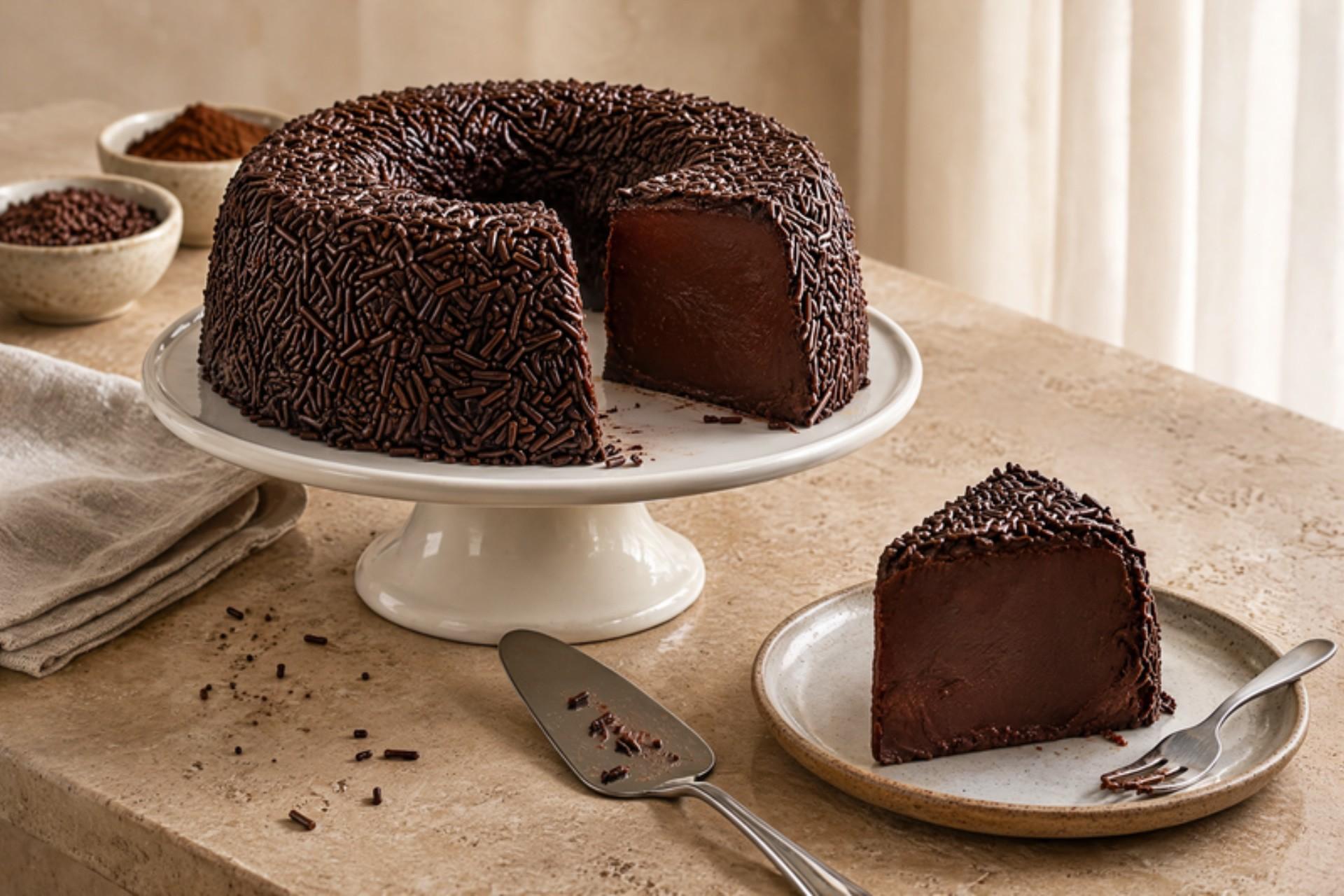
BrigadeirãoBaked chocolate fudge pudding

Brigadeirão is the big, sliceable version of the brigadeiro, the chocolate fudge ball found at every Brazilian children's birthday party. Home cooks in São Paulo and Rio bake it in a ring tin in a water bath for Sunday lunch desserts and family parties: condensed milk, cocoa, eggs, cream and butter set into a dense, fudgy, truffle-like pudding, then it is turned out and showered with chocolate sprinkles. The common mistake is unmoulding it warm: it tears and slumps. It needs at least 4 hours in the fridge to firm up. It is done when the edges are set, the centre wobbles only slightly, and a skewer comes out with moist crumbs, not liquid. The eggs are fully baked. It contains milk and egg. Chef's tip: wrap the outside of the tin in foil and use hot, not boiling, water in the bath; it stops the pudding curdling into bubbles at the edges.

by KrazyBadal 0 views

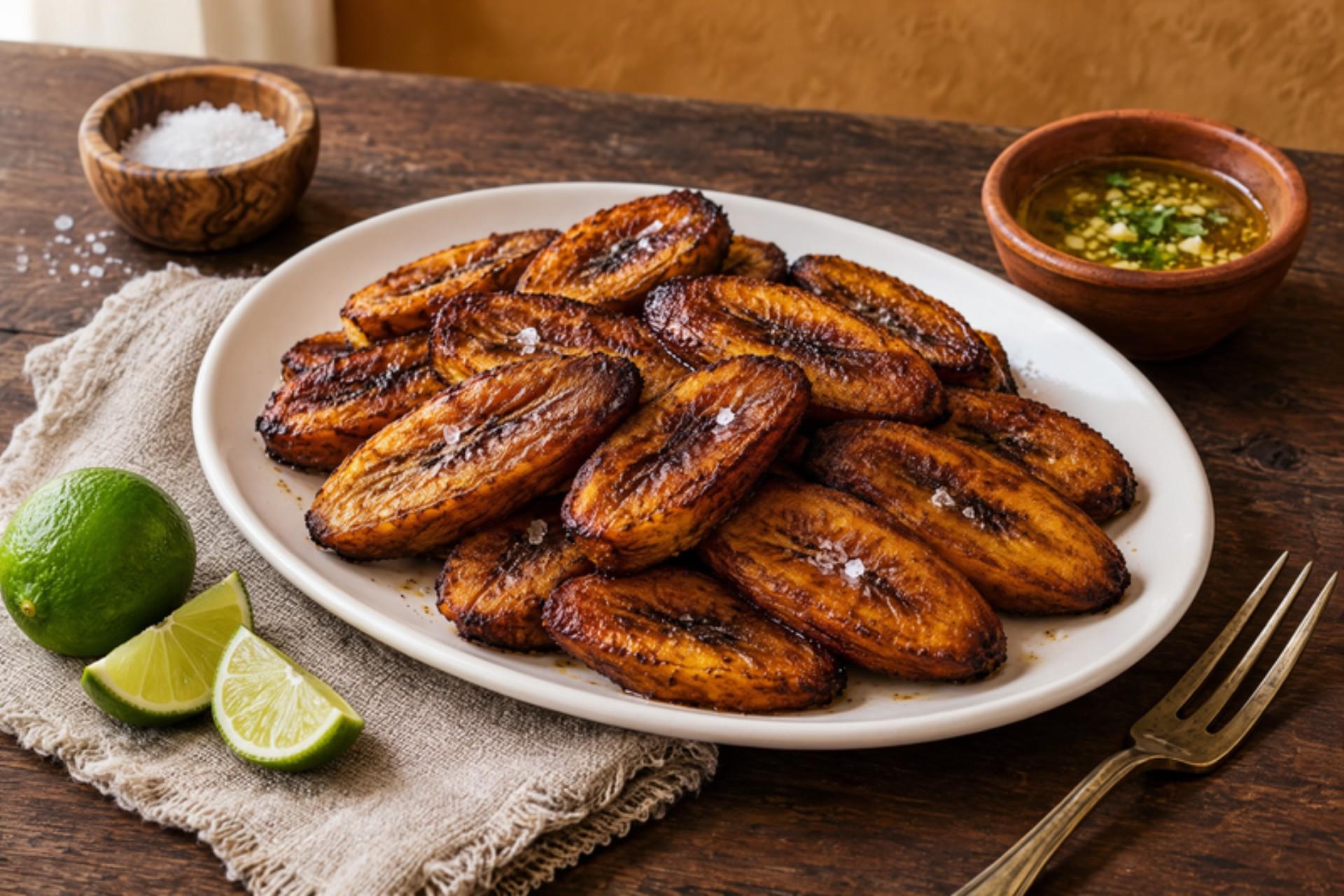
Plátanos maduros fritosFried sweet plantains

No Cuban lunch counter in Havana, Santiago or Miami serves ropa vieja, picadillo or black beans and rice without a few maduros on the side. Plantains are left until the skin is almost completely black, when the flesh turns soft and sugary, then sliced on the diagonal and fried slowly until the edges caramelise and the middle is creamy. The mistake is using yellow plantains: they stay starchy and dry, so wait until the skins are mostly black and the fruit gives when pressed. They are done when deep amber on both sides and a knife slides in with no resistance. Chef's tip: fry over a medium heat, not high; the sugar in ripe plantain burns before the centre softens if the oil is too hot.

17 minCubanSidesVeganGluten free
by KrazyBadal 0 views

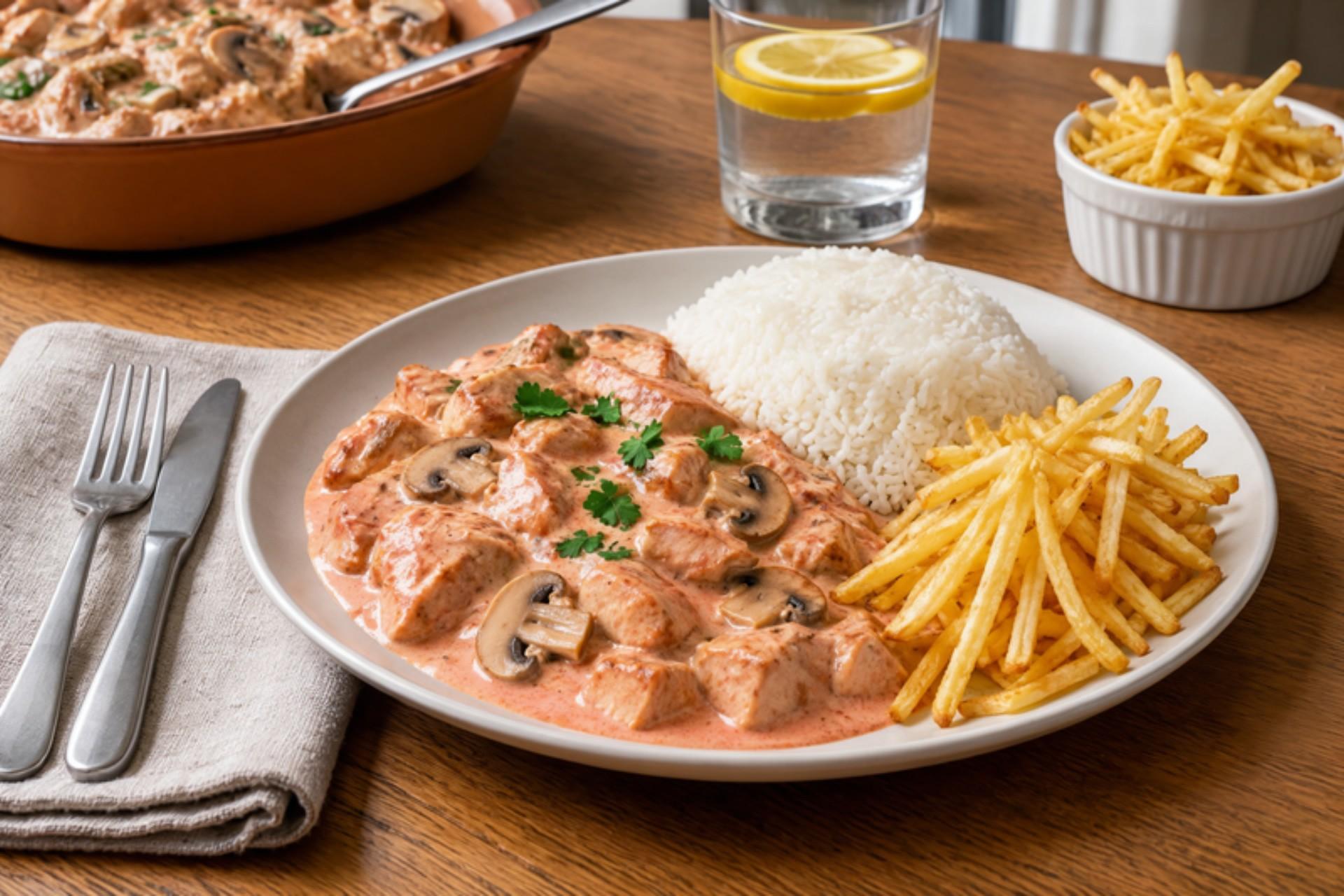
Strogonoff de frangoCreamy chicken stroganoff

Brazil adopted Russia's stroganoff and made it its own: strogonoff de frango is everyday family food in São Paulo, Rio and all over the country, cooked for weeknight dinners and Sunday lunch and served with fluffy white rice and a pile of crunchy potato sticks (batata palha) on top. Strips of chicken are seared, then simmered in a pink, gently tangy sauce of tomato, ketchup, mustard and mushrooms, finished with cream. It is mild, so children love it. The common mistake is boiling the sauce after adding the cream: it can split and turn grainy. Stir it in at the end over a low heat. The chicken is done when no pink remains and the thickest piece reaches 74 °C. Chef's tip: brown the chicken in two batches in a very hot pan; the golden bits on the bottom dissolve into the sauce and give it real depth.

by KrazyBadal 0 views

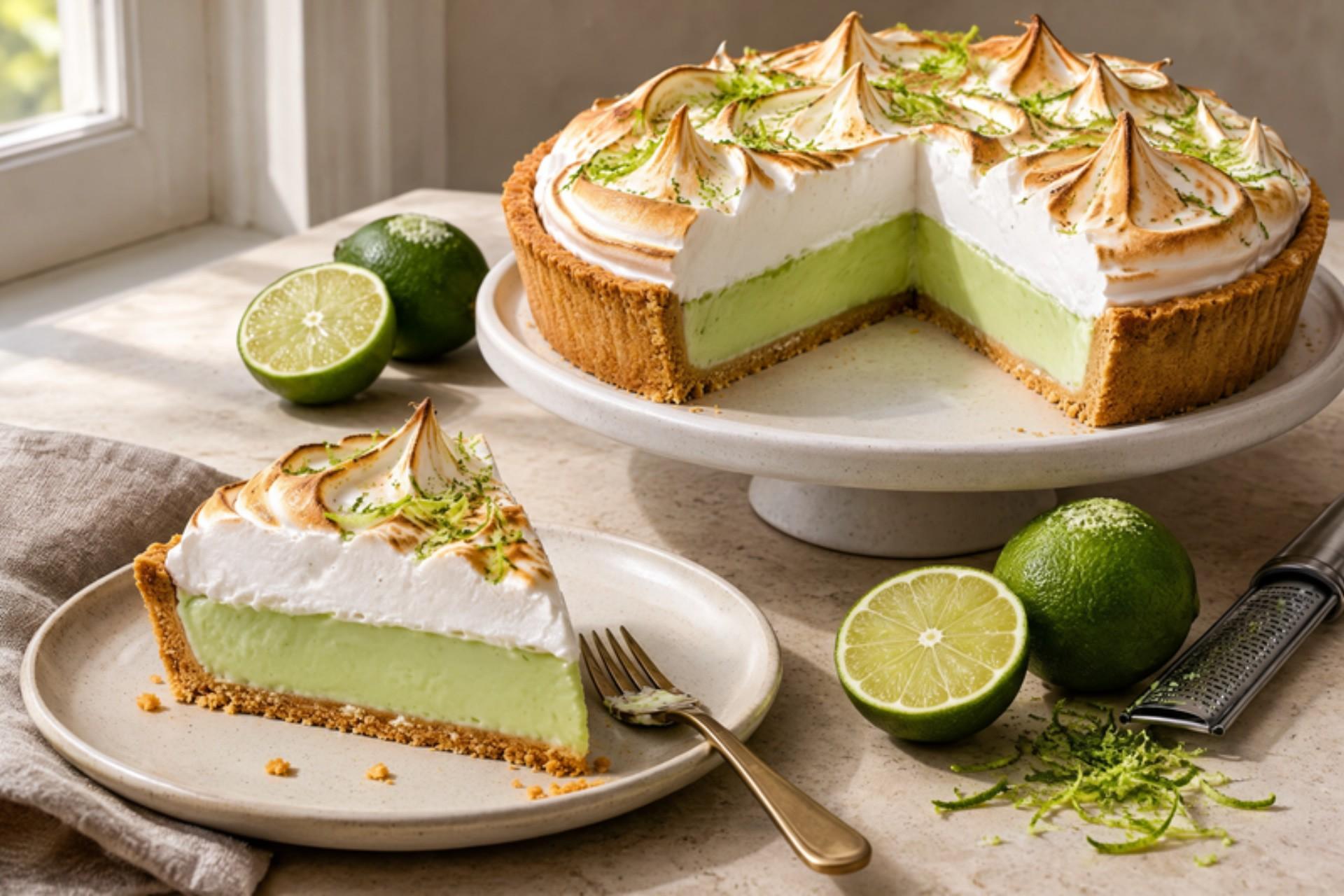
Torta de limãoLime meringue pie

Torta de limão is one of Brazil's best-loved desserts, made in home kitchens from São Paulo to Belo Horizonte for birthdays and Sunday lunch, and sold by the slice in padarias (bakeries). A crumbly crust of butter biscuits holds a no-cook filling of condensed milk and plenty of lime juice that thickens like magic, topped with a cloud of glossy meringue that is browned in the oven. Brazilian limes (limão taiti) are juicy and very sharp, so use fresh limes, never bottled juice. The usual mistake is adding all the lime juice at once: pour it in gradually while whisking, or the filling can turn grainy. The meringue is done when the peaks are golden brown. For anyone pregnant, very young, older or with a weakened immune system, make sure the meringue is well browned and the egg whites cooked. Chef's tip: grate the zest over the filling just before the meringue goes on; the fragrant oils stay bright.

by KrazyBadal 0 views

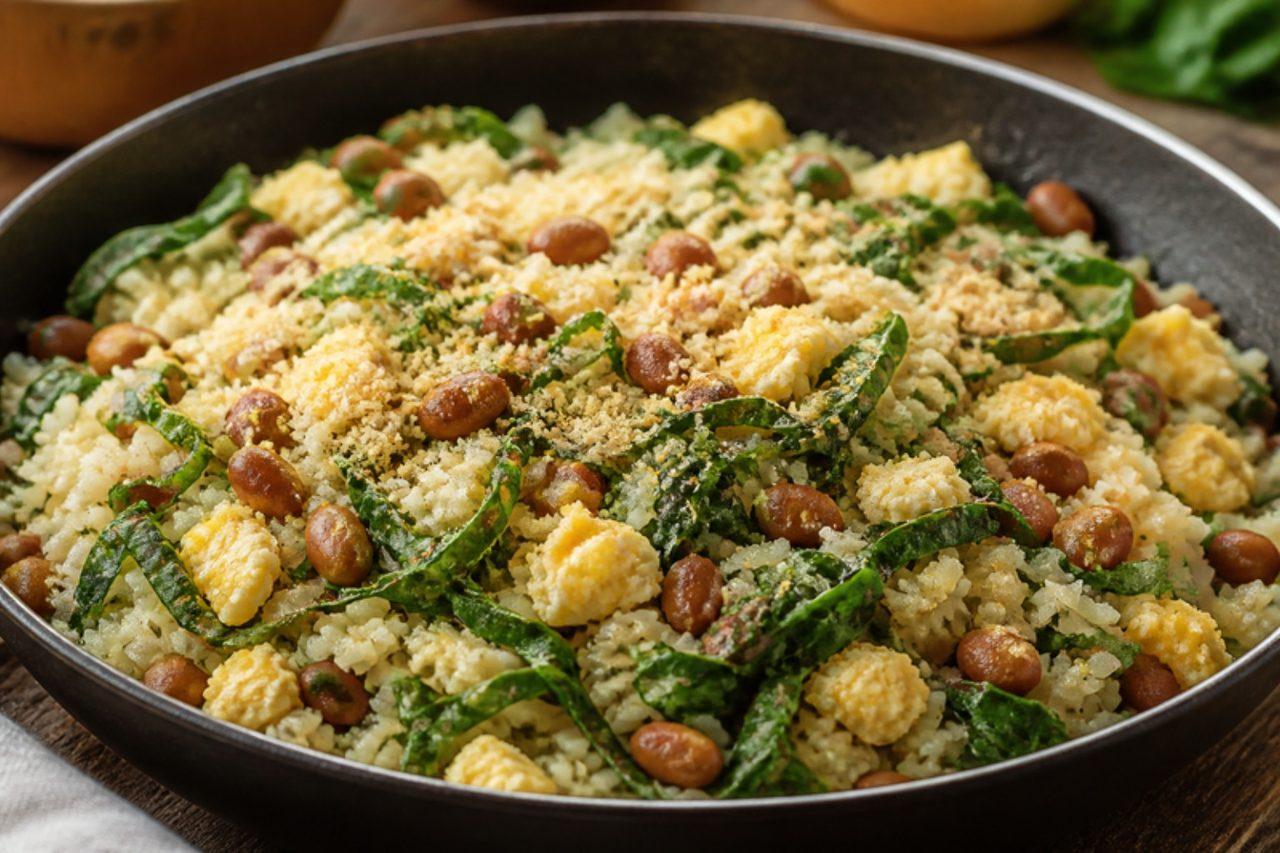
MexidãoRice and beans scrambled with egg

Mexidão, the 'big mix-up', is a late-night favourite in Belo Horizonte and the farm kitchens of Minas Gerais: yesterday's rice and beans fried in one pan with onion and garlic, scrambled with egg, tossed with finely shredded couve and finished with toasted cassava flour. Many versions add bacon or sausage; this one stays vegetarian and is just as satisfying. Leftover rice is only safe if it was cooled within an hour of cooking and kept in the fridge, and it must be reheated until piping hot. The common mistake is piling everything into a cold, crowded pan so it turns mushy instead of crisping at the edges. Chef's tip: toast the cassava flour in the pan until it smells a little like popcorn before adding it.

by KrazyBadal 0 views

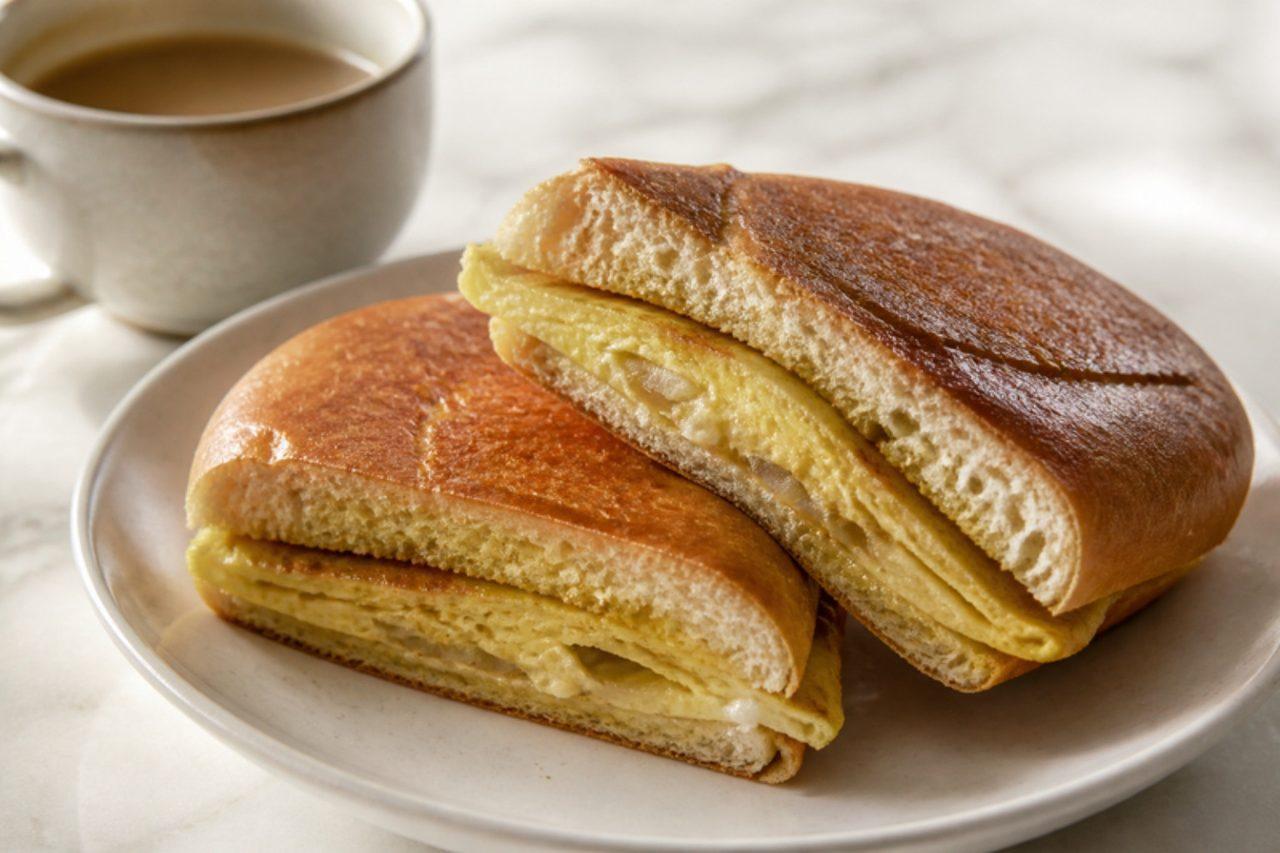
Pan con tortillaBread with onion omelette

Pan con tortilla is a staple of Havana cafeterías and Miami ventanitas alike: a thin, soft omelette with sweet onion folded into buttered Cuban bread and pressed until warm and crisp. It is breakfast on the way to work and a quick supper when nobody wants to cook, usually with a cafecito or a fruit shake. The common mistake is frying the onion too hard; it should be soft and sweet, not brown and bitter. Chef's tip: press the sandwich with a heavy pan so the bread goes crunchy outside while the omelette stays tender.

by KrazyBadal 0 views

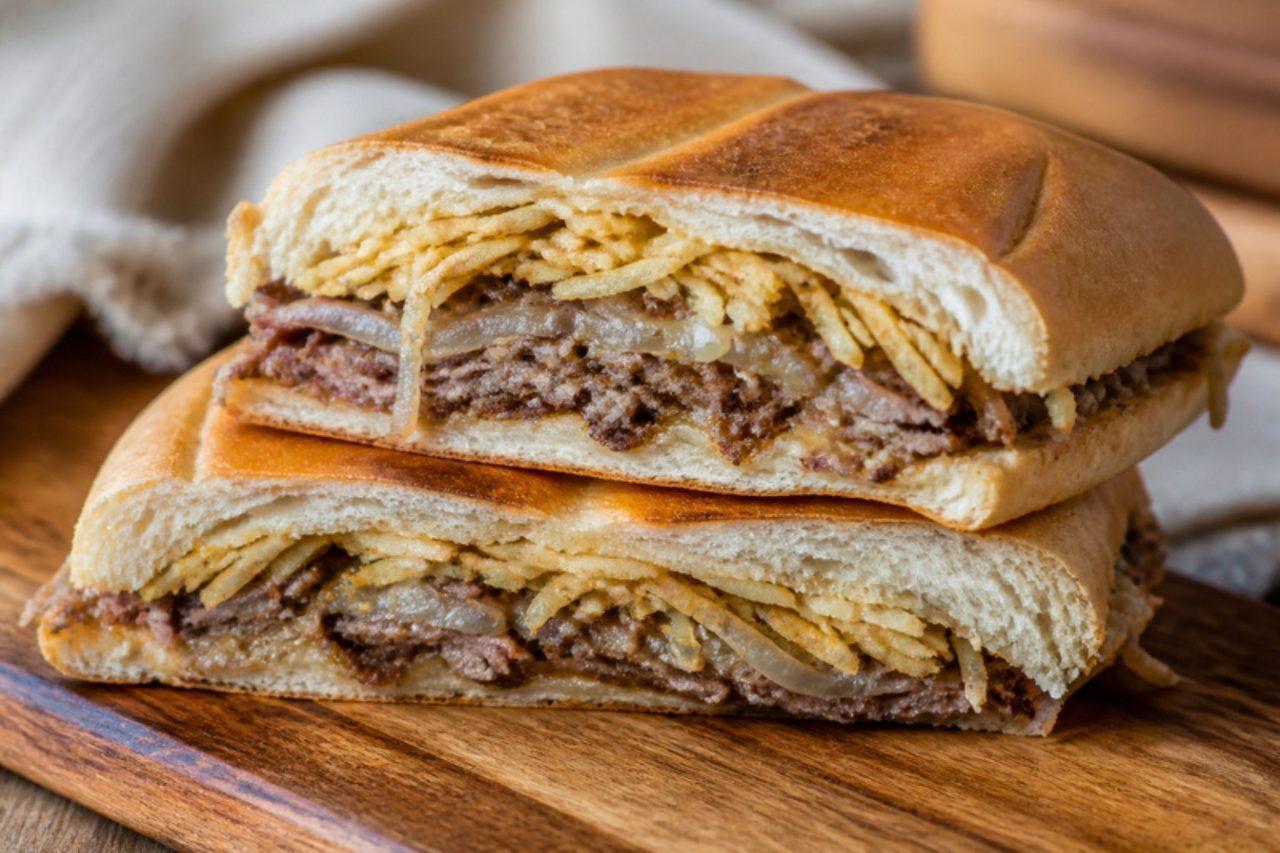
Pan con bistecSteak sandwich with potato sticks

Pan con bistec is the sandwich of Havana cafeterías and Miami's Cuban lunch counters, eaten at any hour but especially as a fast dinner: a paper-thin beef steak quickly soaked in garlic-lime mojo, seared with onions and stuffed into soft Cuban bread with crunchy potato sticks. The common mistake is using a thick steak, which takes too long and turns chewy; ask for palomilla, or bash a thin steak flatter. Chef's tip: deglaze the hot pan with the leftover mojo and pour those juices onto the bread so it soaks up every drop.

13 minCubanMeat
by KrazyBadal 0 views

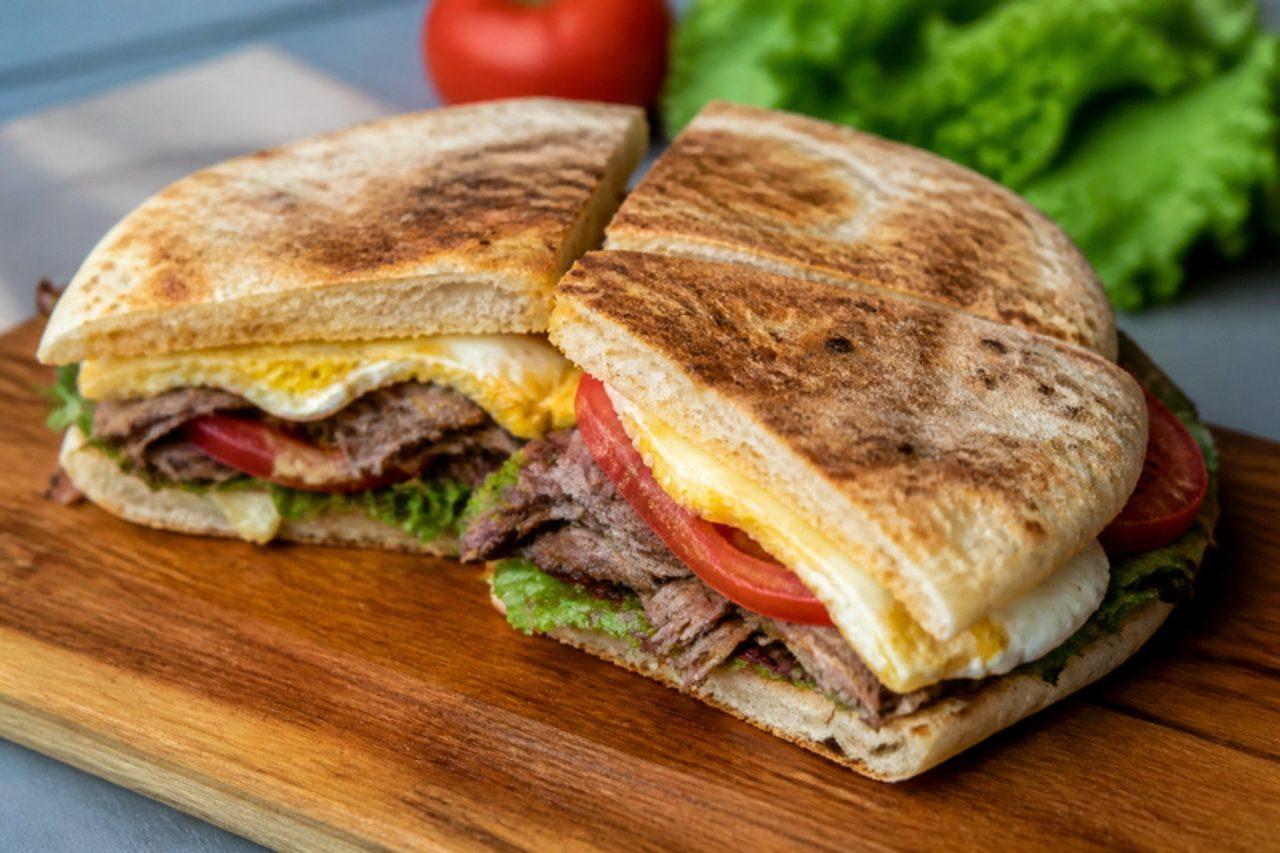
BeiruteRoast beef and egg pita sandwich

The beirute was born in São Paulo's Lebanese-run lanchonetes and is now a late-night dinner order all over the city: a whole pita split, filled with thin roast beef, melting cheese, tomato, lettuce and a fried egg, toasted on the griddle and cut into wedges with a sprinkle of za'atar or oregano. The common mistake is overloading it with wet lettuce and tomato before toasting, which steams the bread soft; add them after. Chef's tip: toast the pita cut-side down in the pan first so the inside is crisp and keeps the juices out.

by KrazyBadal 0 views

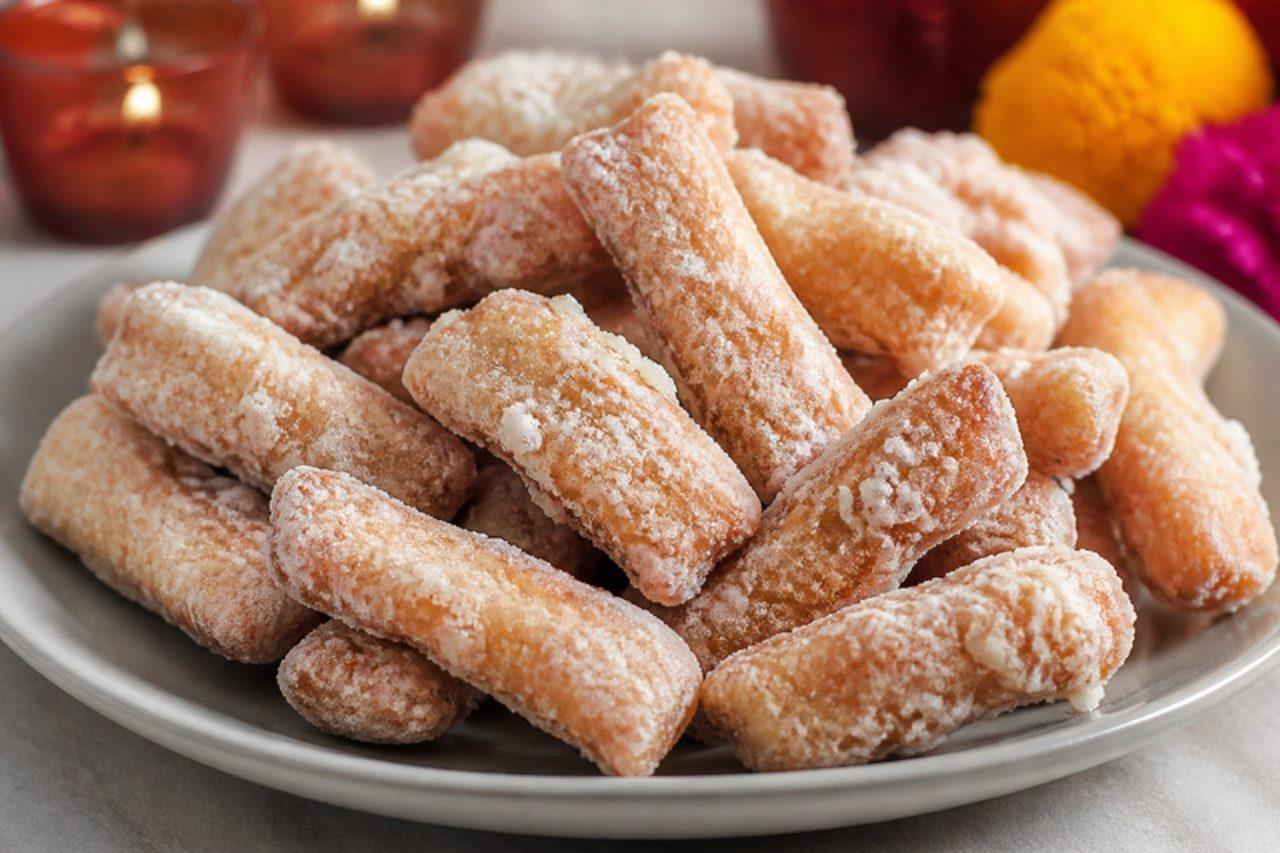
Lakri mithaiSugar-coated spiced dough sticks

Diwali is a public holiday in Fiji, and Indo-Fijian families spend the week before it frying sweets by the tin to share with friends and neighbours; lakri, 'wooden sticks', is the one children reach for first. Short sticks of dough flavoured with ginger and cardamom are fried until hard and crisp, then tossed in a sugar syrup cooked until it seizes, so each stick is coated in a dry, frosty white crust. Common mistake: tossing too early or too late; cook the syrup to the soft-ball stage, when a drop in cold water forms a soft ball, then keep stirring the sticks off the heat until the syrup turns white and grainy and clings. Chef's tip: let the fried sticks cool completely before coating, so they stay crunchy under the sugar.

by KrazyBadal 0 views

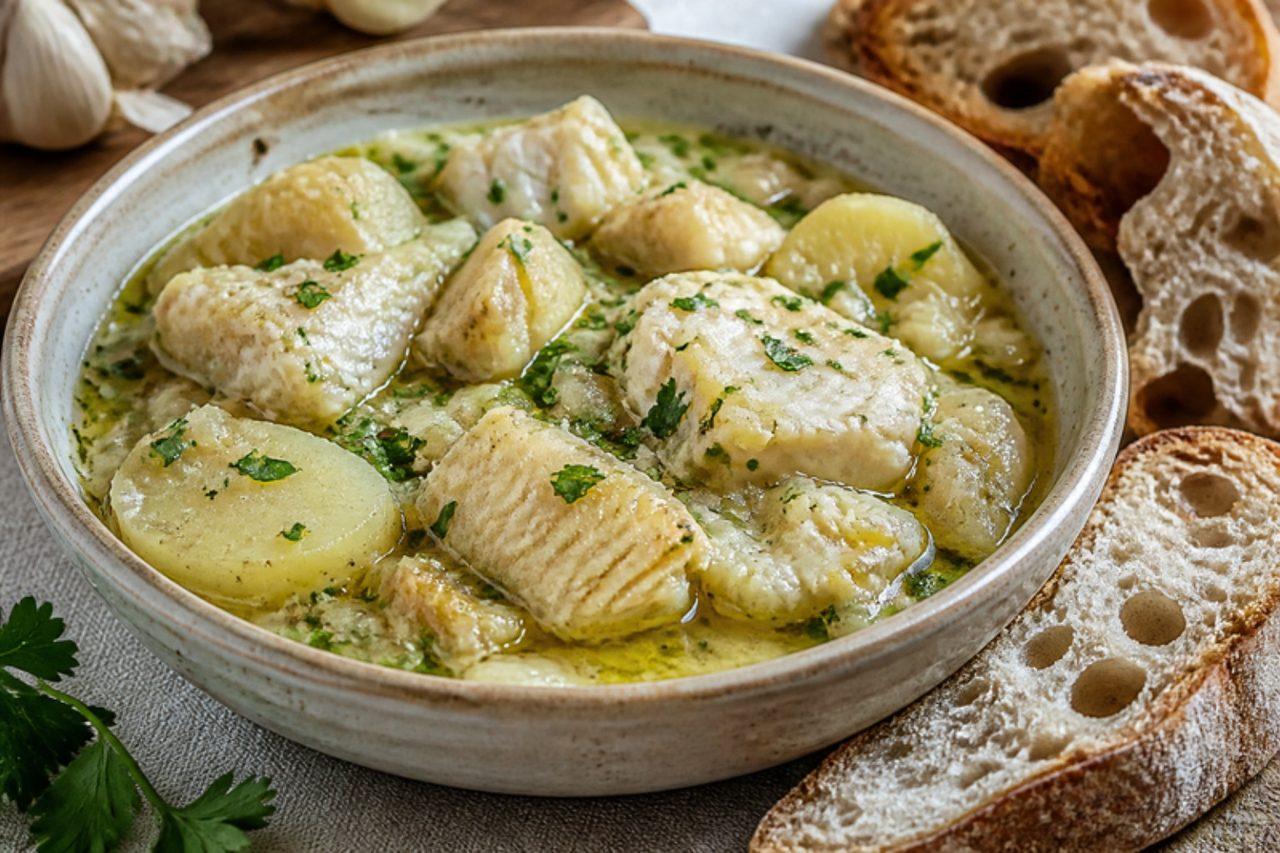
Bakalar na bijeloSalt cod with potatoes and garlic

On Badnjak, Christmas Eve, Croatian families in Dalmatia keep the meal meatless, and bakalar na bijelo ('white salt cod') is the dish that says Christmas. Salt cod is soaked for days, then cooked with potatoes, a lot of garlic, parsley and good olive oil and shaken in the pot until it turns into a creamy, almost spreadable mix. It is served warm with bread and a glass of wine for the adults. Chef's tip: shake the pot rather than stirring it, so the fish breaks into flakes and emulsifies with the oil and potato.

90 minBalkanFishGluten free
by KrazyBadal 0 views

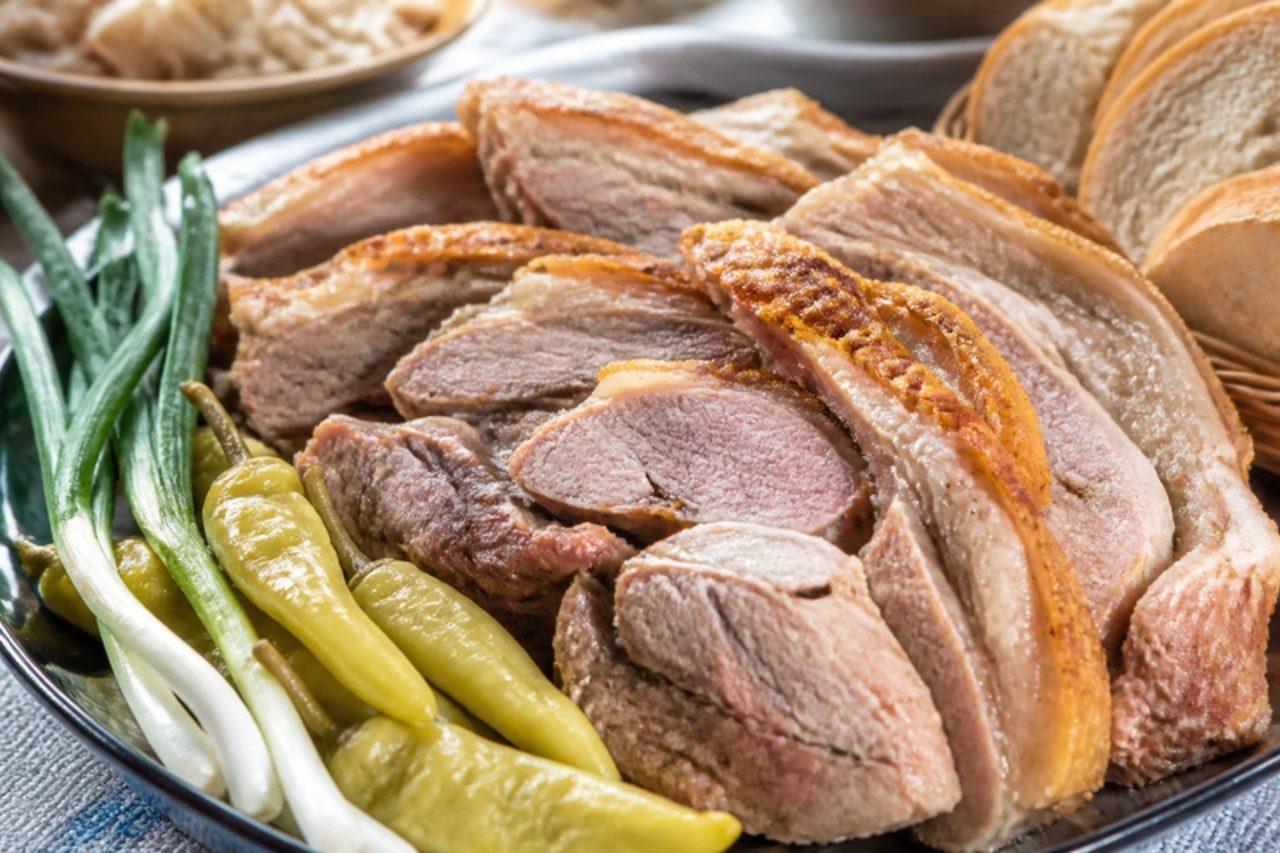
PečenicaRoast pork

Pečenica is the Christmas Day roast of Serbia and Montenegro: traditionally a whole young pig turned on a spit in the yard from early morning, so that it is ready when the family returns from church and greets each other with 'Hristos se rodi'. This home recipe follows our site's approach of using carved portions rather than a whole animal: bone-in pork shoulder pieces with the skin on are rubbed with salt and slow-roasted until the meat is tender and the skin crackles like the spit-roast. Serve with česnica bread, pickled vegetables and roasted potatoes. Chef's tip: baste the skin with beer, or with cold water for an alcohol-free version, near the end; it helps the crackling blister.

290 minBalkanMeatGluten free
by KrazyBadal 0 views

KalanehWild leek stuffed flatbread

In Kurdistan and Kermanshah, Newroz arrives with the first spring greens on the hillsides, and families gather wild leeks to fold into kalaneh, thin griddle breads cooked over a fire or a hot pan and soaked in melted butter. The dough is plain and soft, rolled very thin around a pile of chopped leek or chives with a little salt and pepper, so the greens steam inside as the bread blisters. Eat it hot, torn into strips, with yogurt and tea at a Newroz picnic. The common mistake is wet greens, which turn the dough soggy and make it tear; dry them well after washing. Chef's tip: brush the butter on the moment the bread leaves the pan so it soaks right in.

by KrazyBadal 0 views

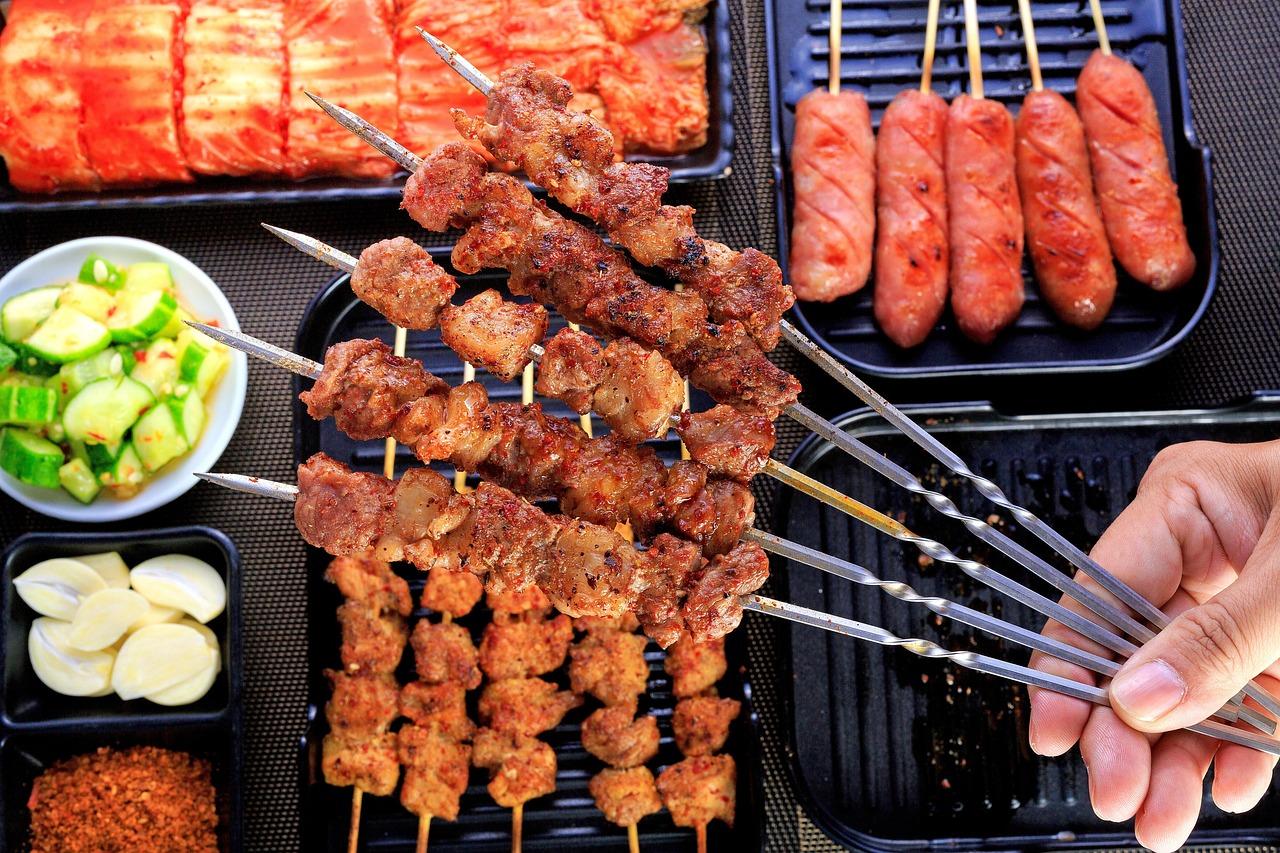
Espetinho de carneGrilled beef skewers

All through Brazilian Carnival, from Salvador's street parties to the blocos of Rio, the smoke of espetinho grills drifts along the pavements, and a skewer of beef with a spoonful of farofa is the snack that keeps revellers dancing all night. Chunks of rump are seasoned with garlic, coarse salt and lime, threaded onto skewers and grilled hard and fast over charcoal. Marinate the beef in the fridge. The common mistake is packing the pieces tightly, which steams them instead of charring. Chef's tip: soak wooden skewers for 30 minutes so they don't burn before the meat is done.

by KrazyBadal 0 views

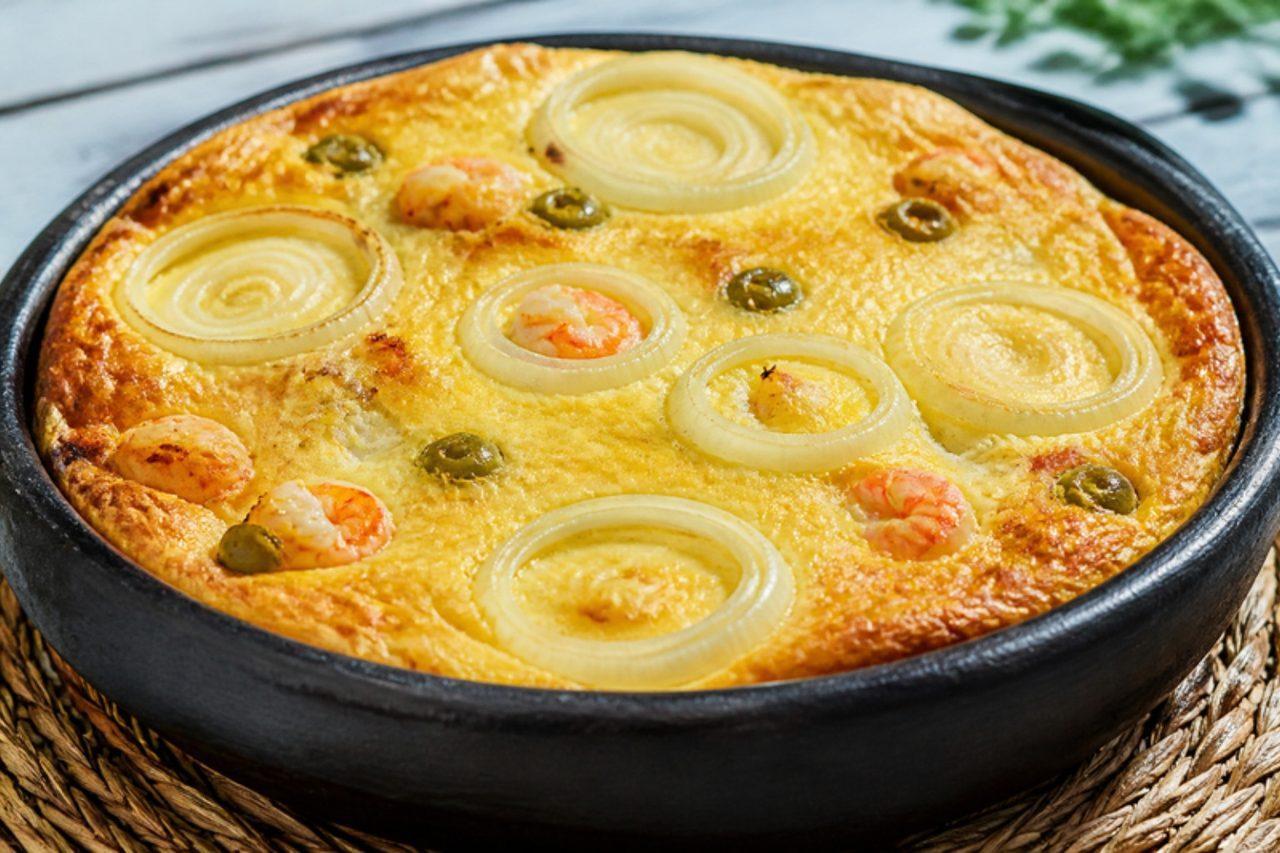
Torta capixabaSeafood and palm heart pie

Torta capixaba is the Good Friday dish of Espírito Santo in south-east Brazil, cooked in the region's black clay pans (panelas de barro). Soaked salt cod, crab meat, prawns, palm hearts and olives are cooked with tomato, onion, coriander and annatto, then bound with beaten egg and baked until puffed and golden under a lid of egg and onion rings. It is served hot or warm with rice. Any ovenproof dish works. Chef's tip: fold in the egg whites last and gently, as they give the torta its light, set texture.

by KrazyBadal 0 views

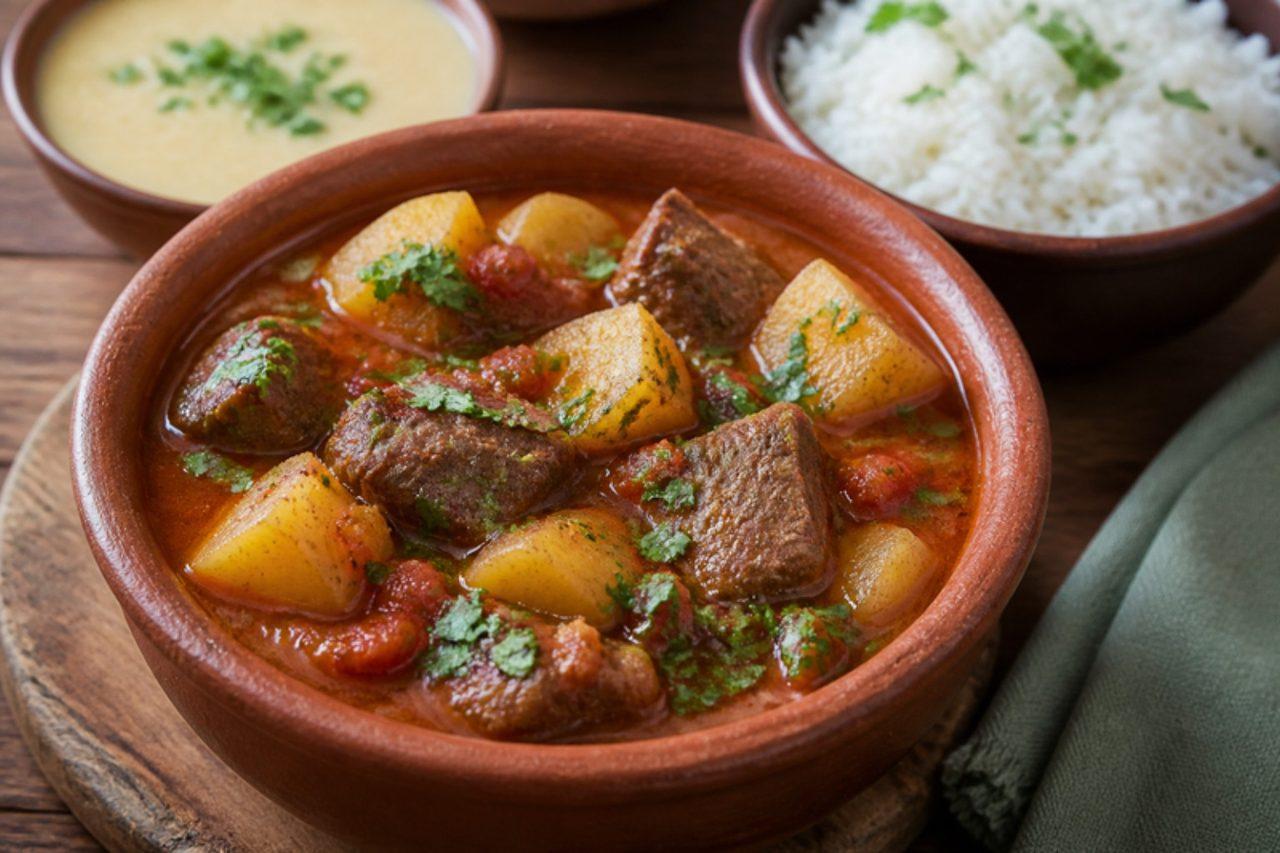
Afogado do DivinoBeef and potato stew

In São Luiz do Paraitinga in the hills of São Paulo state, the Festa do Divino Espírito Santo at Pentecost ends with a meal for everyone: huge pots of afogado, beef 'drowned' in a rich broth with potatoes, tomato, onion, garlic and herbs, served with pirão (a cassava-flour porridge made from the broth) and rice. Volunteers cook it in the town's kitchens through the night, and anyone who comes is fed. Chef's tip: brown the beef in small batches so it sears rather than stews, which gives the broth its deep colour.

by KrazyBadal 0 views

Dowina (Kurdish yogurt soup)

Dowina, called ash-e doogh in Persian, is warming spring food in Kurdish homes around Newroz, when yogurt is plentiful and the first herbs are cut from the garden. Rice and chickpeas simmer in a tangy, lightly thickened yogurt broth, finished with fresh dill, coriander and a sizzle of dried mint in oil. It is eaten warm, never boiling hot, with flatbread. The common mistake is to heat the yogurt too fast without stirring, which makes it split into grainy curds. Chef's tip: whisk an egg yolk and a spoonful of rice flour into the yogurt before it goes on the heat; it holds the soup smooth all the way to the simmer.

by KrazyBadal 0 views

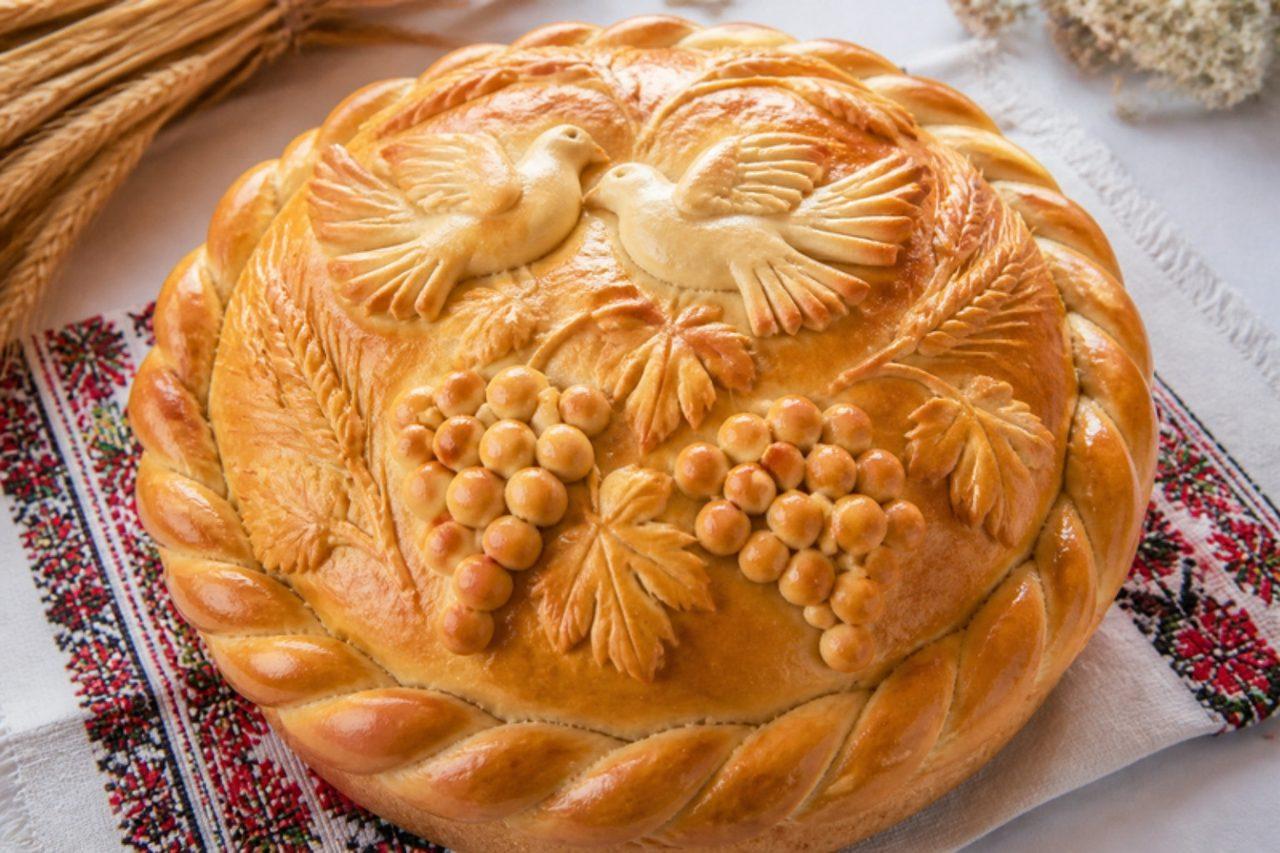
Slavski kolačDecorated ceremonial bread

The slava is a uniquely Serbian Orthodox custom: each family honours its own patron saint on that saint's feast day, passed from father to son, with a lit candle, boiled wheat (žito) and the slavski kolač, a round, decorated bread. The priest blesses it; the family turns it, cuts a cross into its base, pours a little wine into the cuts, and breaks it together. It is decorated with dough crosses, the seal 'IC XC NI KA', doves, wheat ears and grapes. It is a plain, vegan bread. Chef's tip: keep the decorations' dough a little stiffer than the loaf, so they hold their shape.

110 minBalkanBakingVegan
by KrazyBadal 0 views

Showing 24 of 504 recipes

Show more recipes

Page 1 of 21