Skip to content
Recipes

All recipes

Vegetarian, or something you can't eat? Set your diet once and we'll hide recipes that don't fit.

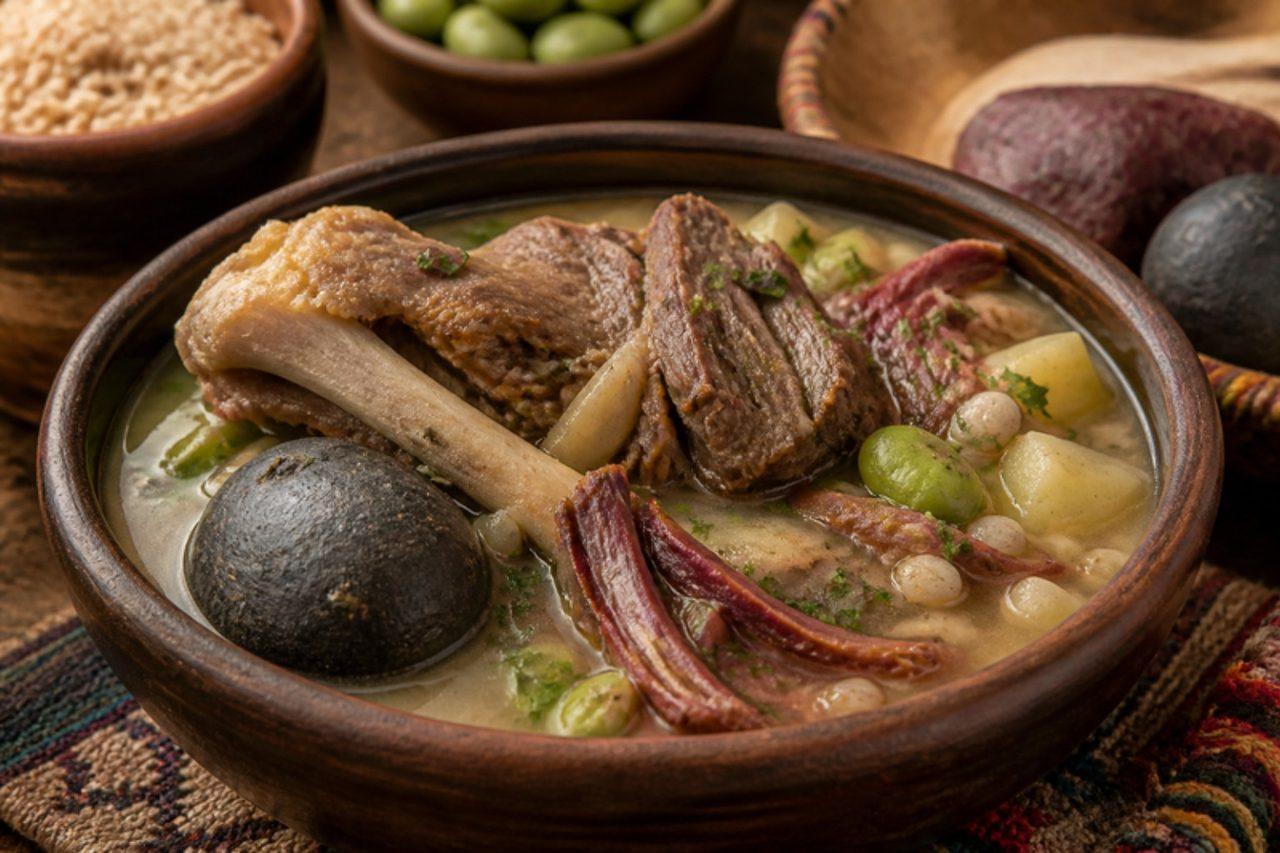
Chairo puneñoLamb, chuño and wheat soup

High on the Altiplano, where nights freeze even in summer, chairo is the soup that gets Puno's market workers and farmers through the day. It is thick and brothy at once: lamb on the bone and a little charqui (dried meat) simmered with crushed chuño, peeled wheat, broad beans, potatoes and squash, scented with cumin, oregano and huacatay or mint. Expect a deep, meaty, slightly smoky bowl with lots of chew. Soak the chuño and the wheat overnight. A common error is adding the potatoes with the meat, so they dissolve before the lamb is tender; they go in for the last 25 minutes. Chef's tip: crush the soaked chuño into small pieces by hand; they thicken the broth as it cooks.

by KrazyBadal 0 views

White asparagus with hollandaise

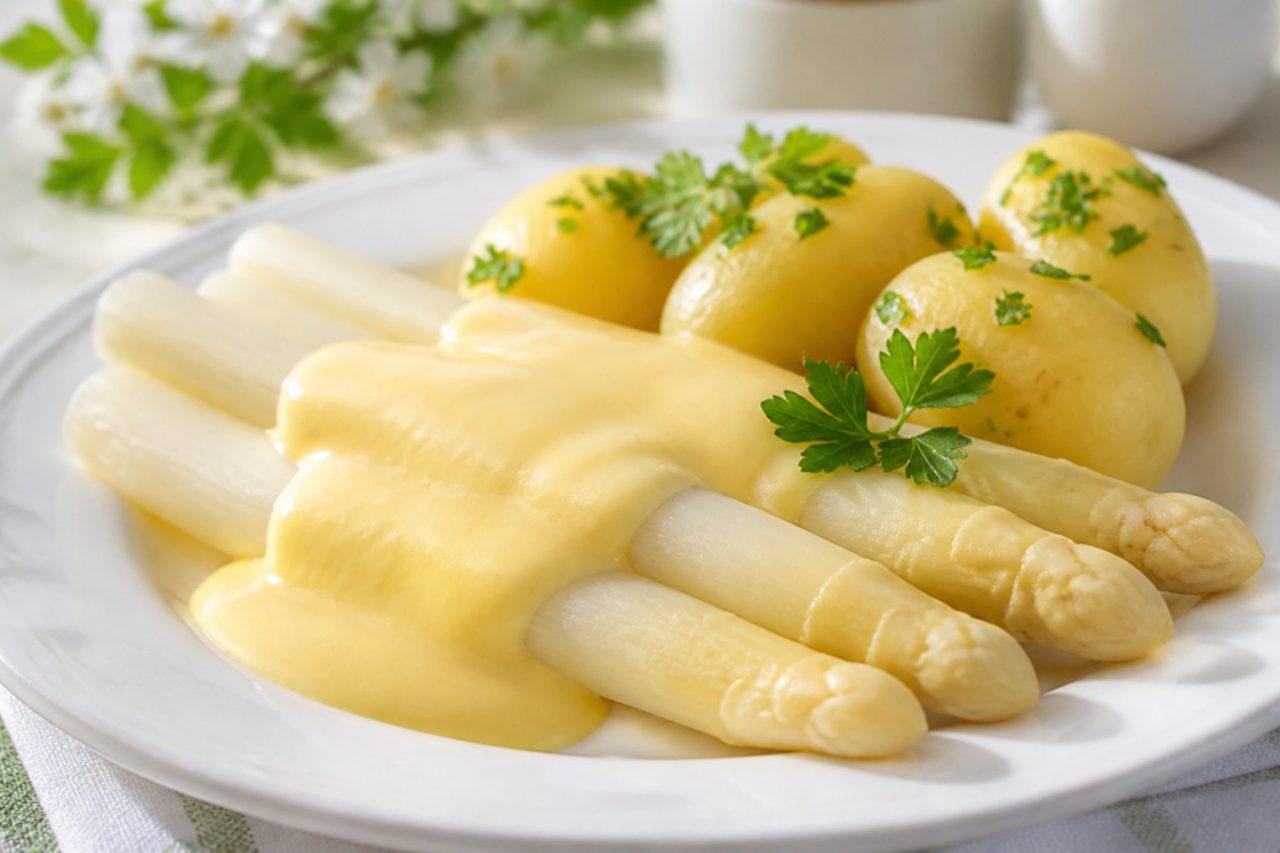
From mid-April until 24 June, Spargelzeit takes over Baden, and the little town of Schwetzingen near Heidelberg holds its asparagus market in front of the palace. The thick white spears are peeled, simmered with a pinch of sugar and a knob of butter, and served on a warm platter with new potatoes and a jug of hollandaise, often as a meal on its own. The sauce is thickened with egg yolks warmed gently to about 70 °C, which also takes them past the safe point. The common mistake is peeling too lightly: the woody outer layer stays stringy, so peel generously from just under the tip. Chef's tip: save the peelings and ends to simmer in the cooking water first; it makes the spears taste far more of asparagus.

by KrazyBadal 0 views

Westphalian pumpernickel

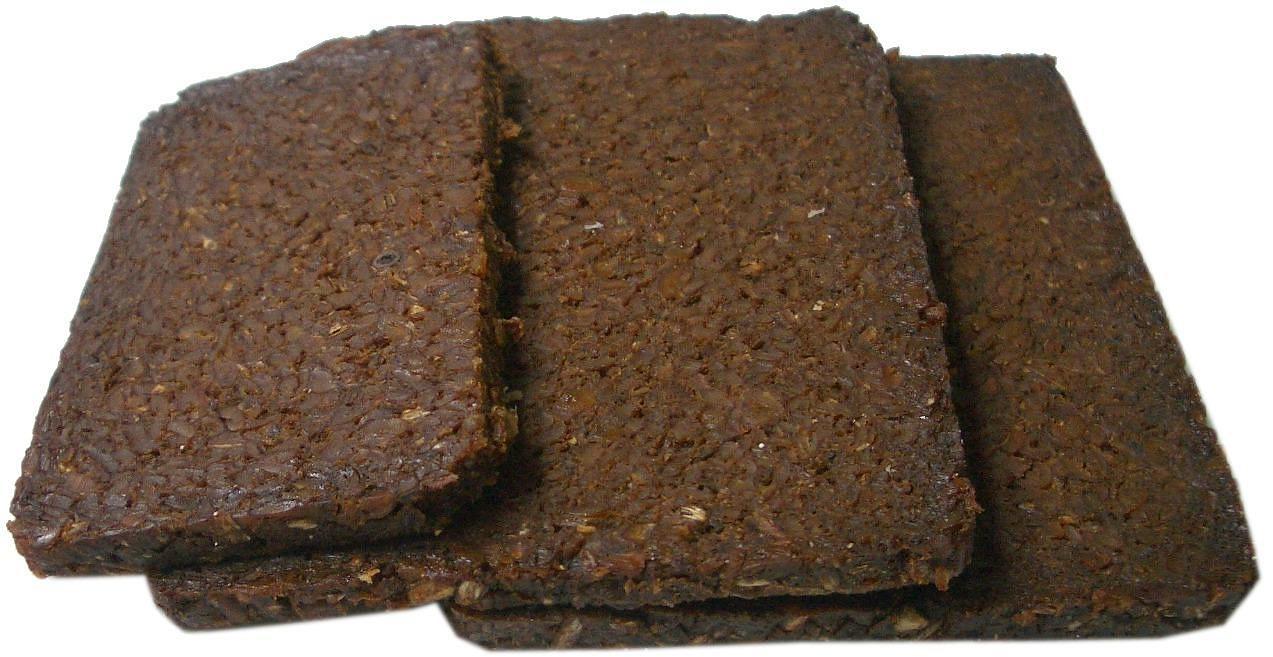
Real pumpernickel comes from Westphalia, where bakers in towns like Soest once left loaves in the cooling bread oven overnight, and it is still sliced paper-thin for breakfast with butter, quark and radishes or with a sharp cheese. There is no colouring and no molasses here: the near-black colour and the malty sweetness come only from cracked rye cooked for many hours in steam at a low heat. The crumb is moist, dense and slightly sticky, and the loaf keeps for over a week wrapped in cloth. A common mistake is slicing it on the day it comes out of the tin; it needs a full day to settle or it tears into gummy crumbs. Chef's tip: wrap the tin tightly in two layers of foil and stand it in a roasting tray of hot water, because a dry loaf turns hard instead of dark and sweet.

by KrazyBadal 0 views

EisbeinCured pork knuckle

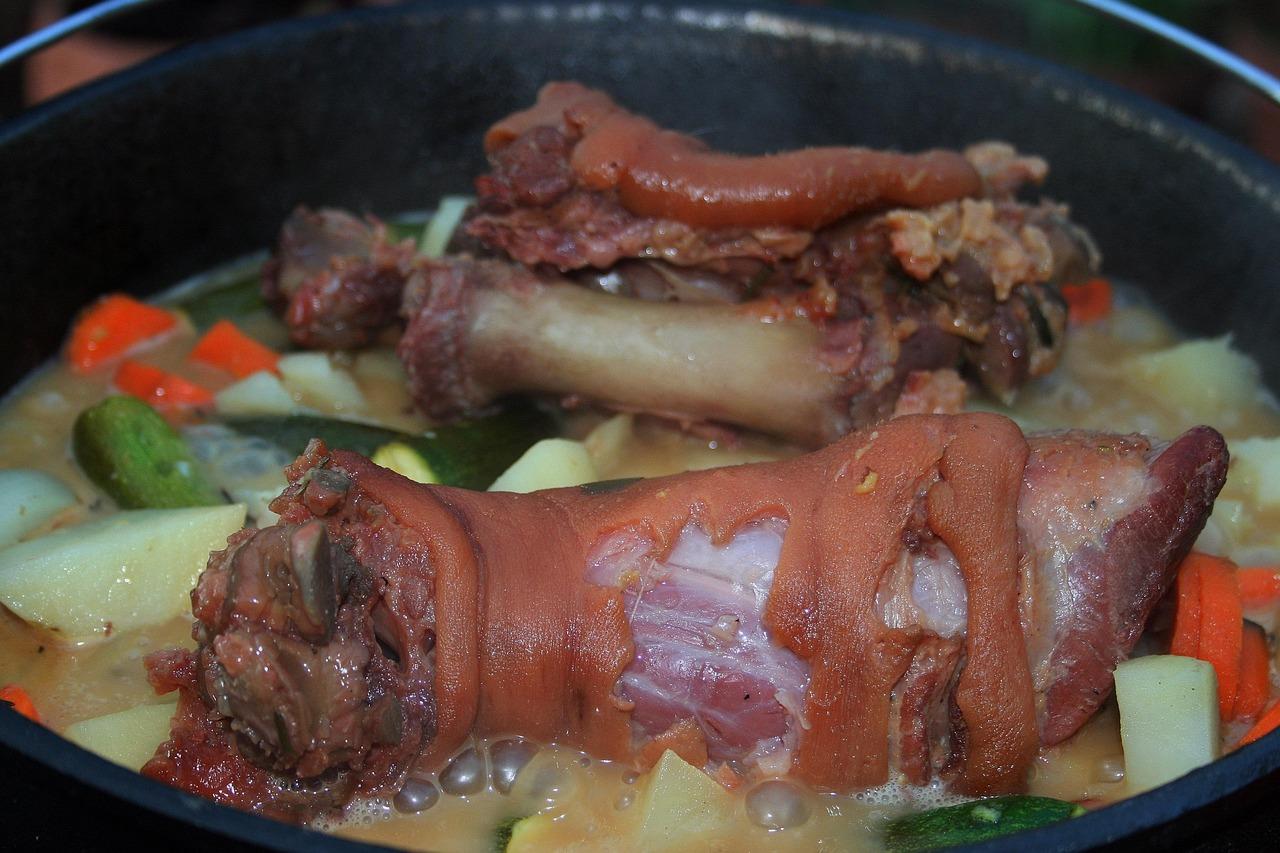
Eisbein is old Berlin pub food, the cured pork knuckle served in Kneipen across the city with a mound of yellow pease pudding (Erbspüree) and sauerkraut, and it is especially popular in the cold months. Unlike the Bavarian roast Haxe, this pork knuckle is pickled in brine by the butcher and then simmered slowly, so the meat turns pink, tender and gently salty and the rind stays soft. Order a cured ("gepökelt") knuckle from a German or Polish butcher. Chef's tip: soak the knuckle in cold water for a few hours first if your butcher's cure is strong; taste a little of the simmering water after 30 minutes and change it if it is very salty.

180 minGermanMeatGluten free
by KrazyBadal 0 views

Sweet-sour pickled pumpkin

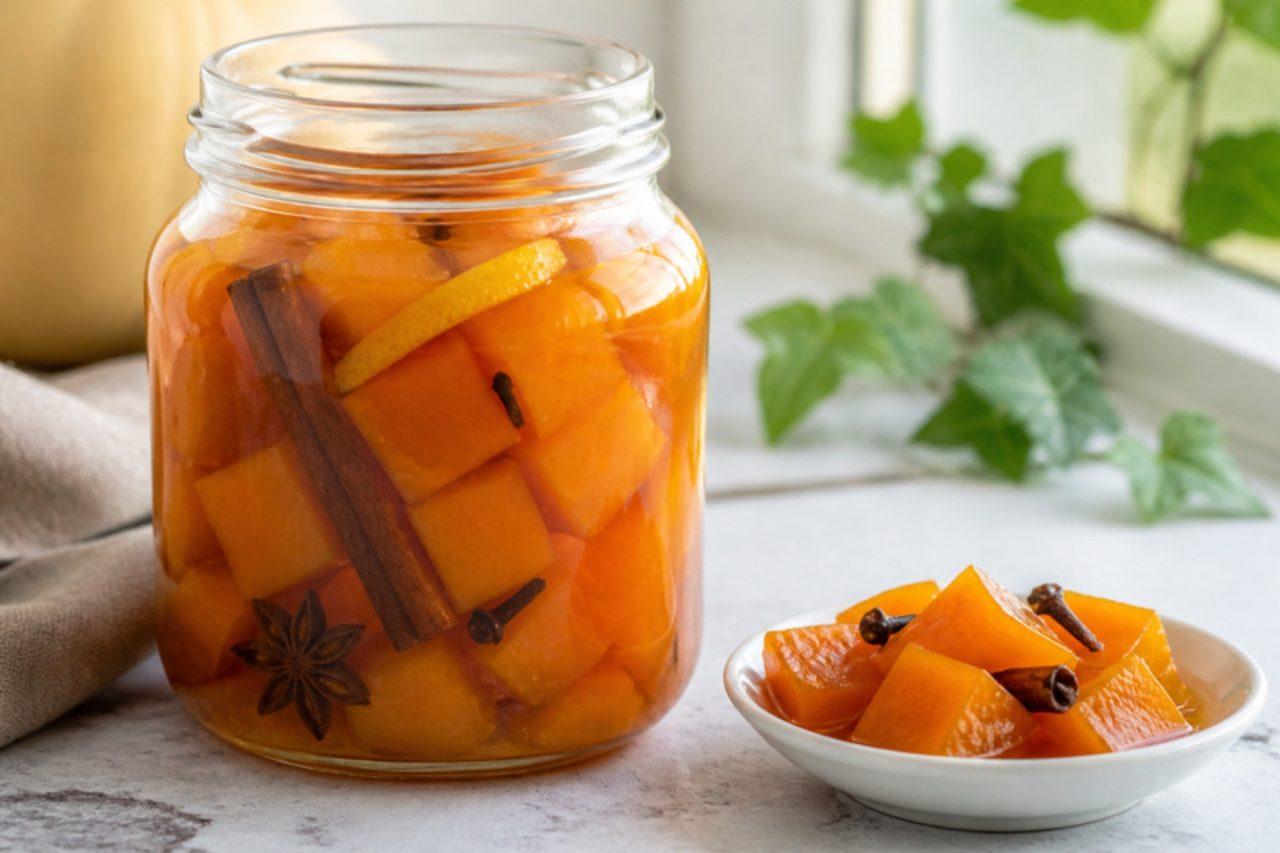
When the pumpkin harvest peaks in October, from the Rhineland to Saxony, German kitchens turn the firm orange flesh into Süß-sauer eingelegter Kürbis, golden cubes preserved in sweet spiced vinegar. Through the winter they come out of the cellar to sit beside roast dinners, game, cheese boards and cold cuts, or a simple plate of potatoes and quark. Cinnamon, cloves, ginger and a little lemon peel make them taste of Christmas. The mistake is using a watery carving pumpkin, which falls apart; choose a dense one such as Hokkaido or butternut. Chef's tip: steep the raw cubes in the cold vinegar overnight before cooking; it firms them so they stay in neat, glassy cubes.

by KrazyBadal 0 views

Rollmops

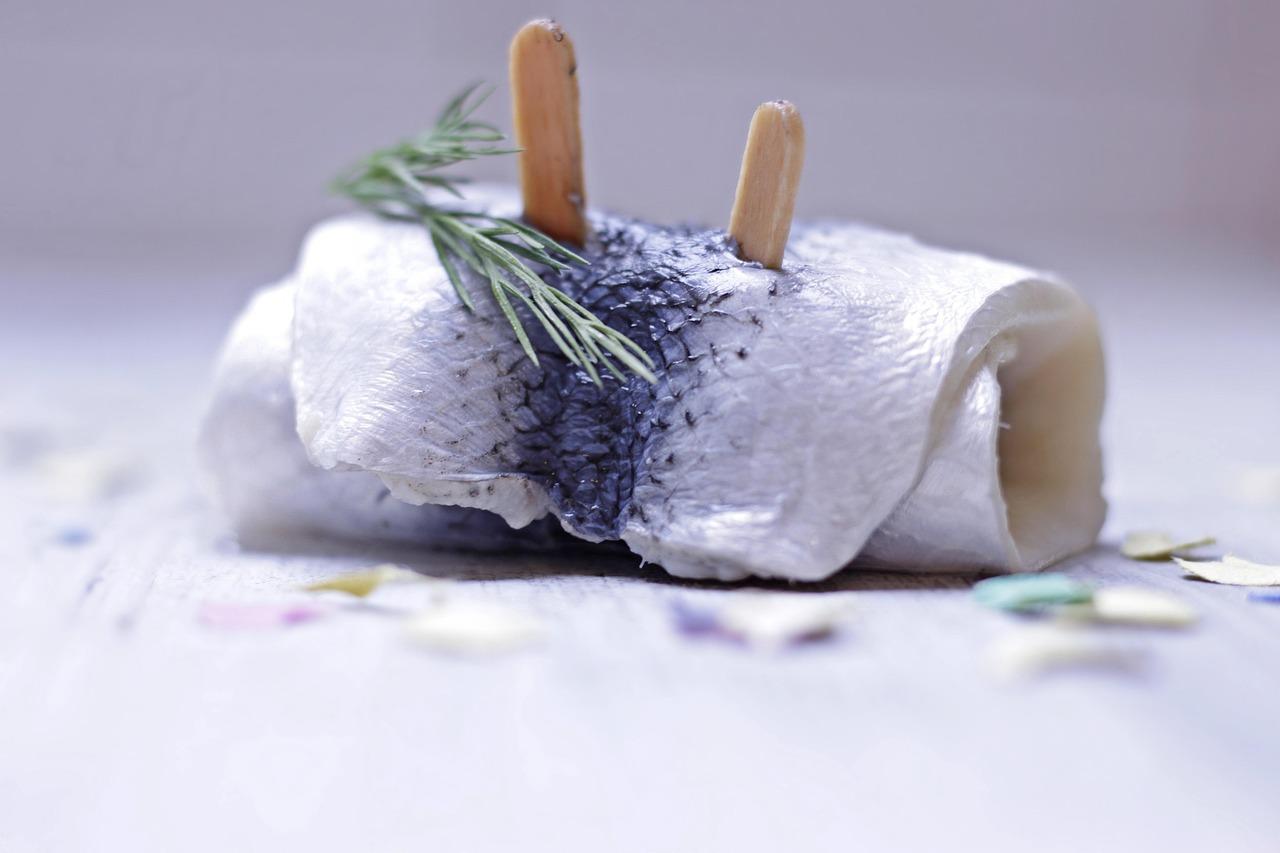
Rollmops are the pickled herring rolls of the North Sea and Baltic coasts, pinned with a wooden pick around gherkin and onion and kept in a jar of spiced vinegar; in Berlin and Hamburg they are the classic morning-after breakfast and a fixture of New Year's Day tables. Making them at home takes a week of fridge time but very little work. Because the fish is never cooked, use herring that has been frozen at −20 °C for at least 24 hours (most fresh 'sashimi-grade' or commercially frozen fillets qualify; ask your fishmonger), and keep everything chilled. Rollmops are not for pregnant women, young children or anyone with a weakened immune system. Chef's tip: let the jars rest a full five days; the vinegar needs that long to firm the flesh and soften the tiny bones.

60 minGermanFishGluten free
by KrazyBadal 0 views

KrautkrapfenBraised sauerkraut dough rolls

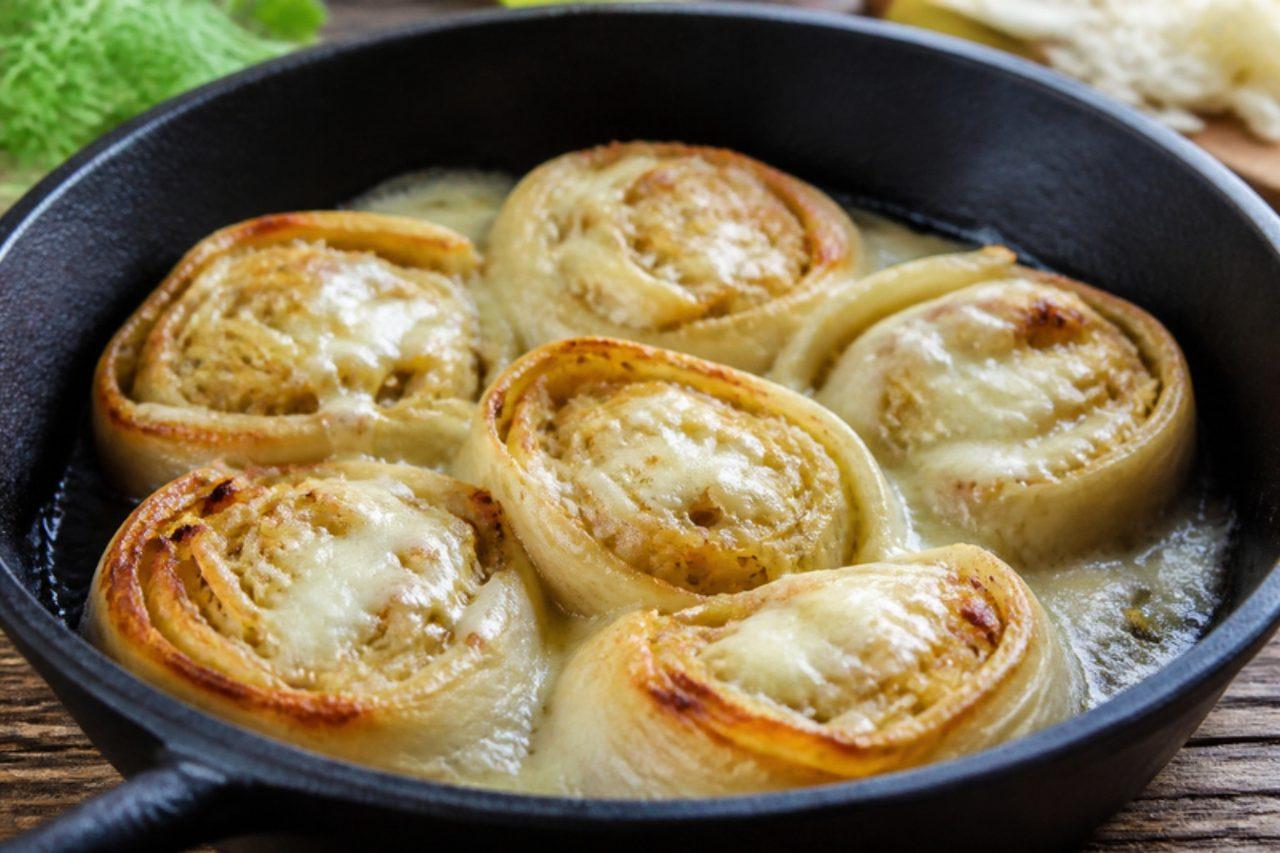
Krautkrapfen come from the Allgäu and the Swabian Alb, where farm cooks rolled noodle dough paper-thin, spread it with sauerkraut and fried onion, rolled it up like a strudel and sliced it into snails. The slices are packed upright in a buttered pan, fried until the bottoms crisp, then half-covered in stock and braised until the dough is tender. They are a Friday or winter supper with a green salad. A common mistake is pouring in too much stock: it should come only a third of the way up, or the crisp base turns soggy. Chef's tip: let the dough rest a full 30 minutes; relaxed dough rolls out thin without shrinking back.

by KrazyBadal 0 views

AuszogneStretched doughnuts

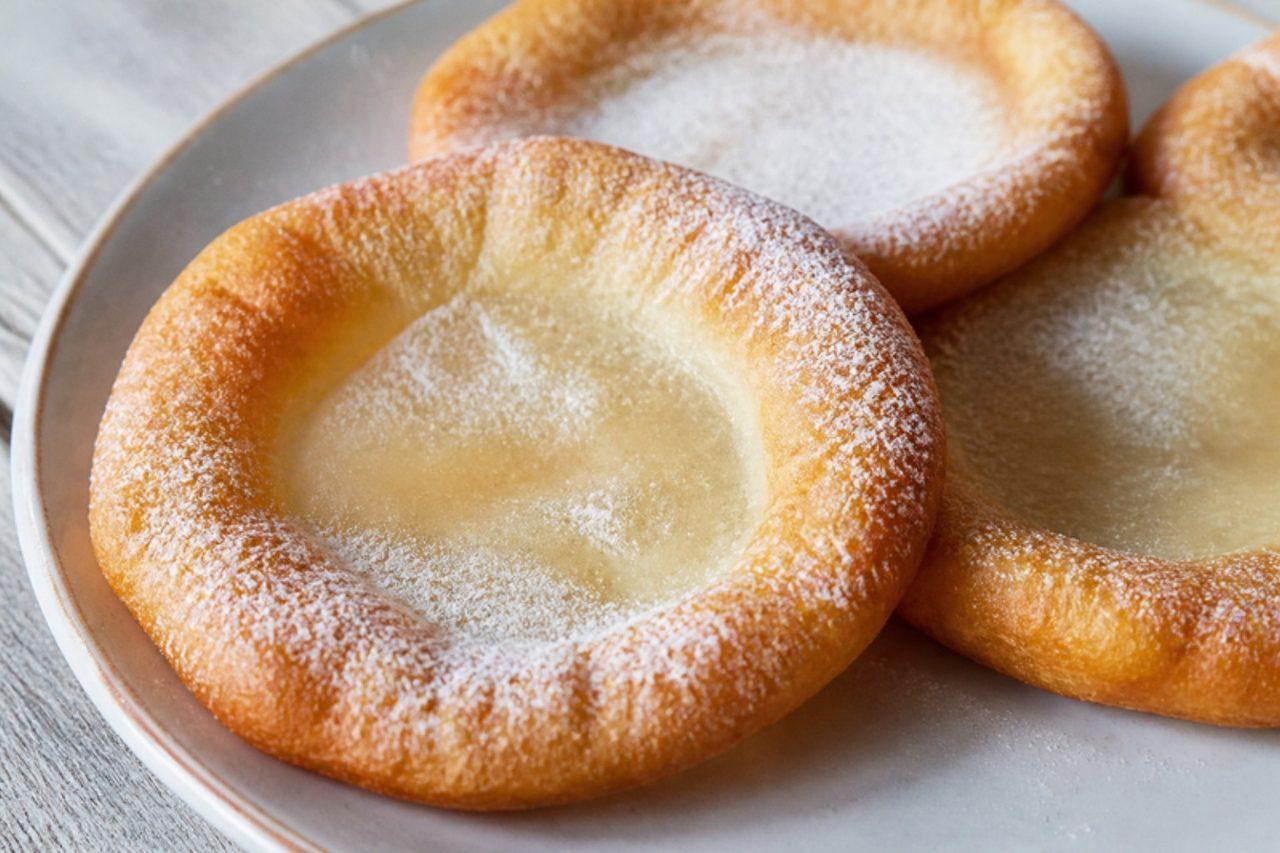
Auszogne are the doughnuts of the Bavarian countryside, fried for Kirchweih, the village church fair in autumn, and for Carnival. Each ball of rich yeast dough is pulled over the knees or the backs of the hands so the middle goes almost see-through while a thick, puffy ring stays round the edge; the centre fries crisp, the rim soft and fluffy. They are eaten warm with icing sugar and a cup of coffee. A common mistake is pulling the dough cold: it tears. Let the stretched rounds rest, and keep the oil at a steady 170 °C so the rims cook through before they brown. Chef's tip: stretch them on lightly buttered fingertips, not floured ones, so the dough slides without sticking.

by KrazyBadal 0 views

BauernbrotFarmhouse rye and wheat sourdough

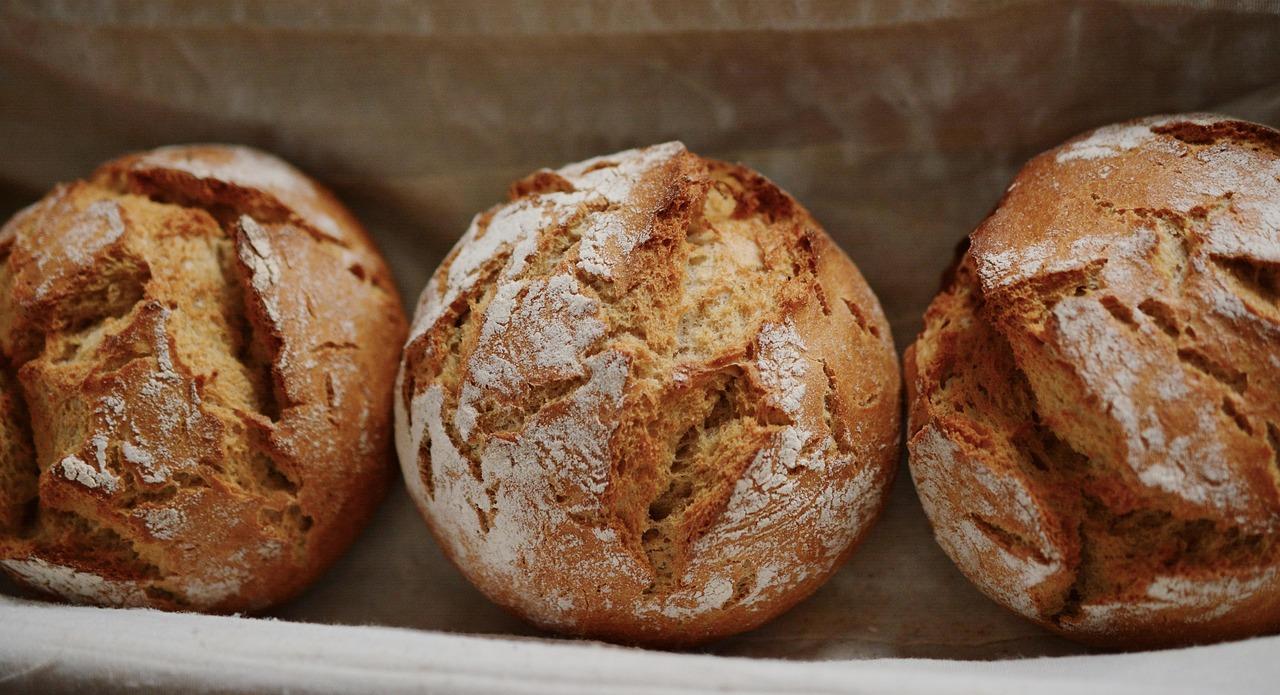
Bauernbrot, the farmer's loaf, is the everyday bread of village bakeries from the Black Forest to Lower Saxony, carried home in a paper bag every Saturday and eaten all week for Abendbrot, the cold evening meal of bread, cheese and pickles. It mixes rye and wheat roughly half and half, so the crumb is moist and tangy but still springy, under a thick, crackled crust dusted with flour. The flavour deepens over two or three days. A common mistake is baking at too low a heat, which gives a pale, soft crust; the oven should be properly hot at the start. Chef's tip: prove the loaf upside down in a floured basket or bowl lined with a floured cloth, so the top cracks into the classic crazy-paving pattern when you tip it out.

by KrazyBadal 0 views

BaumkuchenLayered tree cake

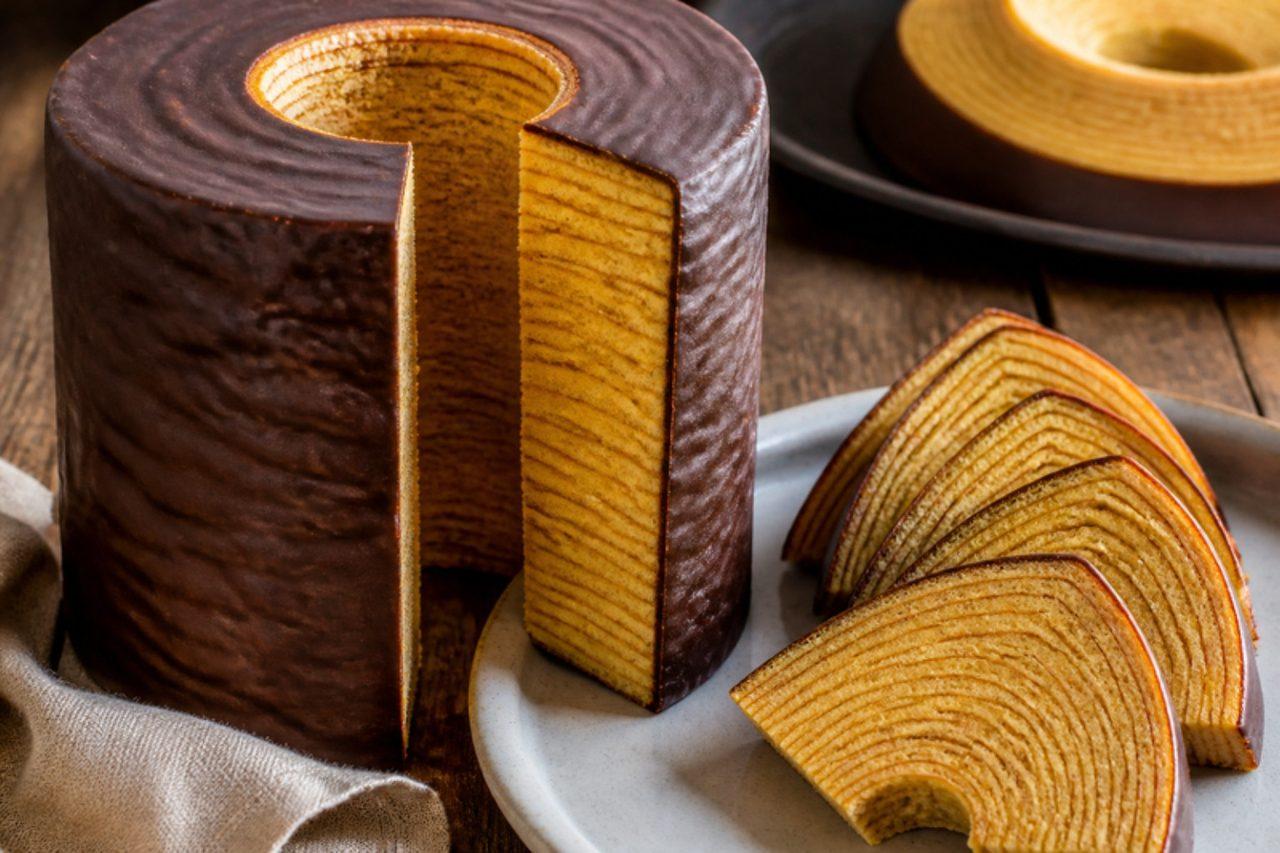
Baumkuchen is the king of German cakes, and the little town of Salzwedel in Saxony-Anhalt has baked it on a turning spit over an open flame for two centuries; in December, Baumkuchenspitzen, chocolate-dipped triangles of it, fill the shelves before Christmas. Without a spit you can build it at home in a tin under the grill, one thin layer at a time, and each slice shows the golden rings of a tree. The mistake people make is spreading the batter too thickly, which gives fewer, stodgy layers that cook unevenly; aim for 2 tablespoons at a time. Chef's tip: stand by the oven; each layer turns from pale to burnt within a minute once it browns.

110 minGermanBaking
by KrazyBadal 0 views

Bayerische CremeVanilla cream with raspberry sauce

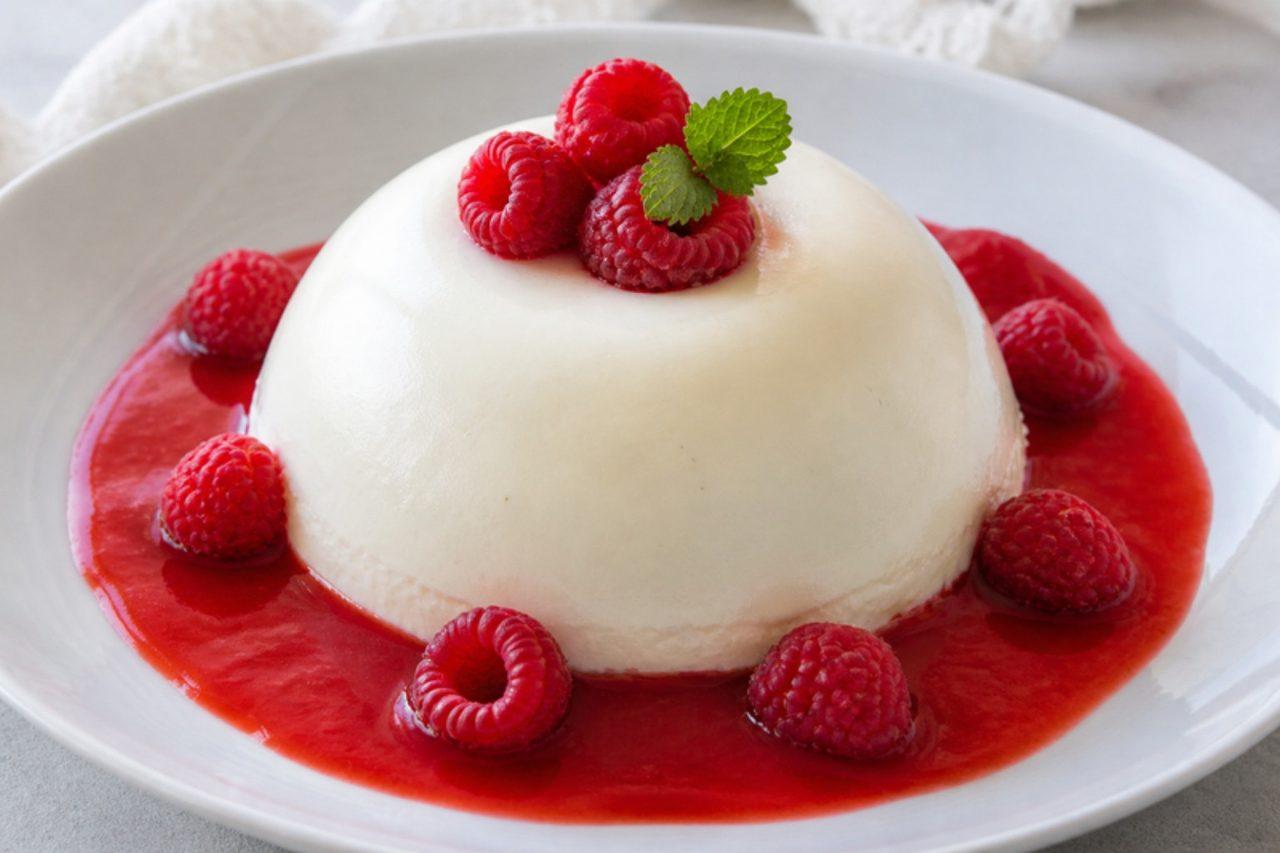
Bayerische Creme is the light, wobbling vanilla cream that Munich coffee houses and Bavarian wedding buffets have served for generations: a cooked egg custard folded with whipped cream and set in moulds, then turned out onto a pool of berry sauce. It is traditionally set with gelatine, which is made from animal bones and skin; this version uses agar so it stays vegetarian. A common mistake with agar is adding it to a cool custard: it only sets after it has boiled, so it is simmered in milk first and then whisked into the warm custard. Chef's tip: fold in the cream when the custard has cooled to just warm and is starting to thicken, so the cream stays airy and doesn't melt into it.

by KrazyBadal 0 views

Bayerischer KrautsalatWarm-dressed cabbage salad

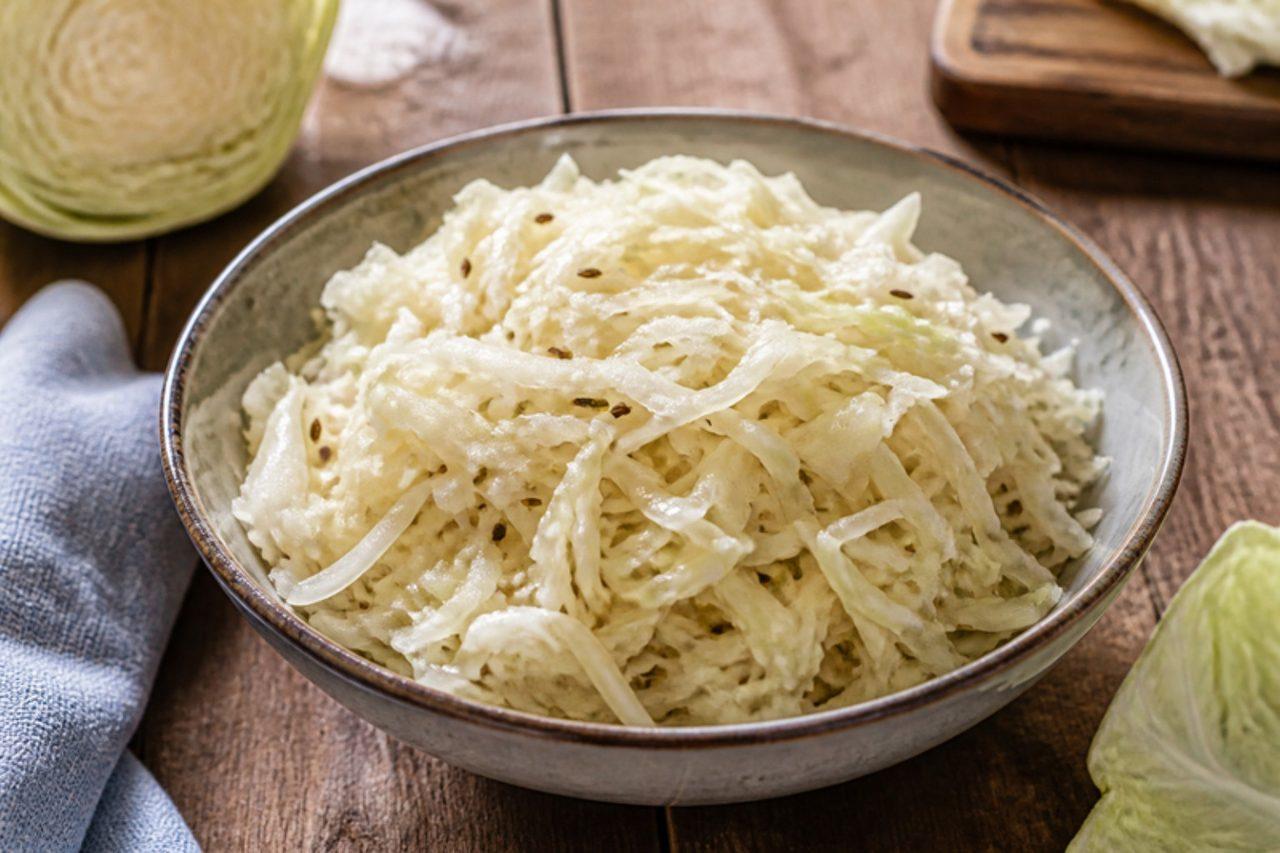
Every Bavarian inn serves this pale, glossy cabbage salad beside roast pork and dumplings, and it is just as good on its own at a summer barbecue. The white cabbage is shaved very finely, salted and kneaded, then dressed with hot vinegar, oil and caraway so it softens while keeping a crunch. Many cooks finish it with crisp bacon bits; this version leaves them out and is vegan. The common mistake is dressing it cold and serving it at once: it needs the warm dressing and at least half an hour to turn silky. Chef's tip: shave the cabbage as thin as paper; thick shreds never soak up the dressing properly.

by KrazyBadal 0 views

Berliner KartoffelsuppePotato and root vegetable soup

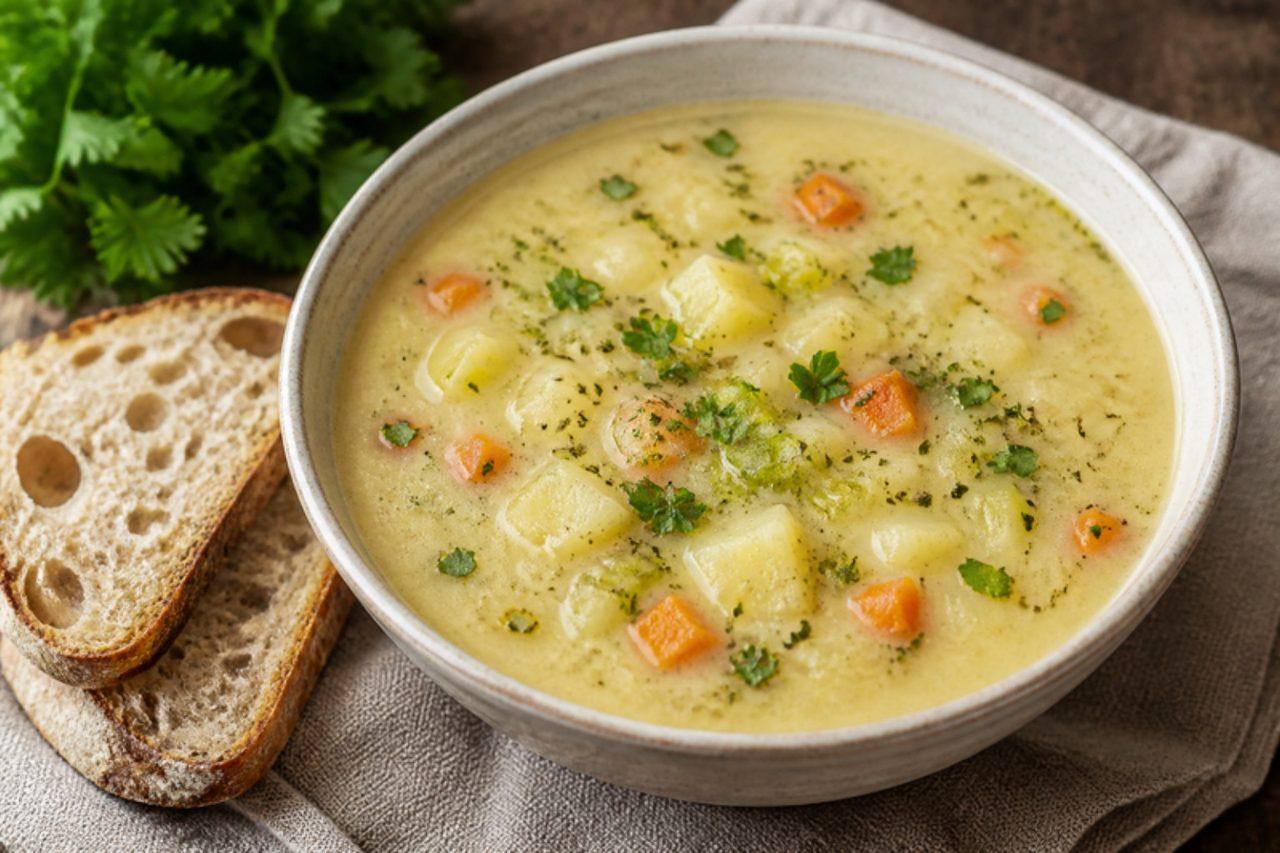
This is the soup of Berlin's cheap lunch counters and winter kitchens: potatoes and the 'Suppengrün' bundle of carrot, celeriac, leek and parsley root, simmered thick and seasoned with plenty of marjoram. In Berlin it usually comes with a sliced Wiener sausage floating on top; this vegetarian version is finished instead with crisp fried onions and croutons, which give the same savoury contrast. A common mistake is using waxy potatoes, which never thicken the soup; you want floury ones that collapse. Chef's tip: rub the dried marjoram between your palms as it goes in, which wakes up its sweet, piney scent.

by KrazyBadal 0 views

Berliner PfannkuchenJam-filled doughnuts

In Berlin a Pfannkuchen is not a pancake but a round, sugar-dusted yeast doughnut with a pale ring around its middle and a squirt of jam inside; most of Germany calls them Berliner. Bakeries pile them up for New Year's Eve and for Carnival in February, and the old joke is to slip one filled with mustard into the batch. Good ones are light and springy, never greasy. A common mistake is frying in oil that is too hot, which browns the outside before the middle cooks; keep it at 170 °C. Chef's tip: let the shaped dough rise uncovered for the last 10 minutes so a thin skin forms; that is what gives the classic white band round the middle.

by KrazyBadal 0 views

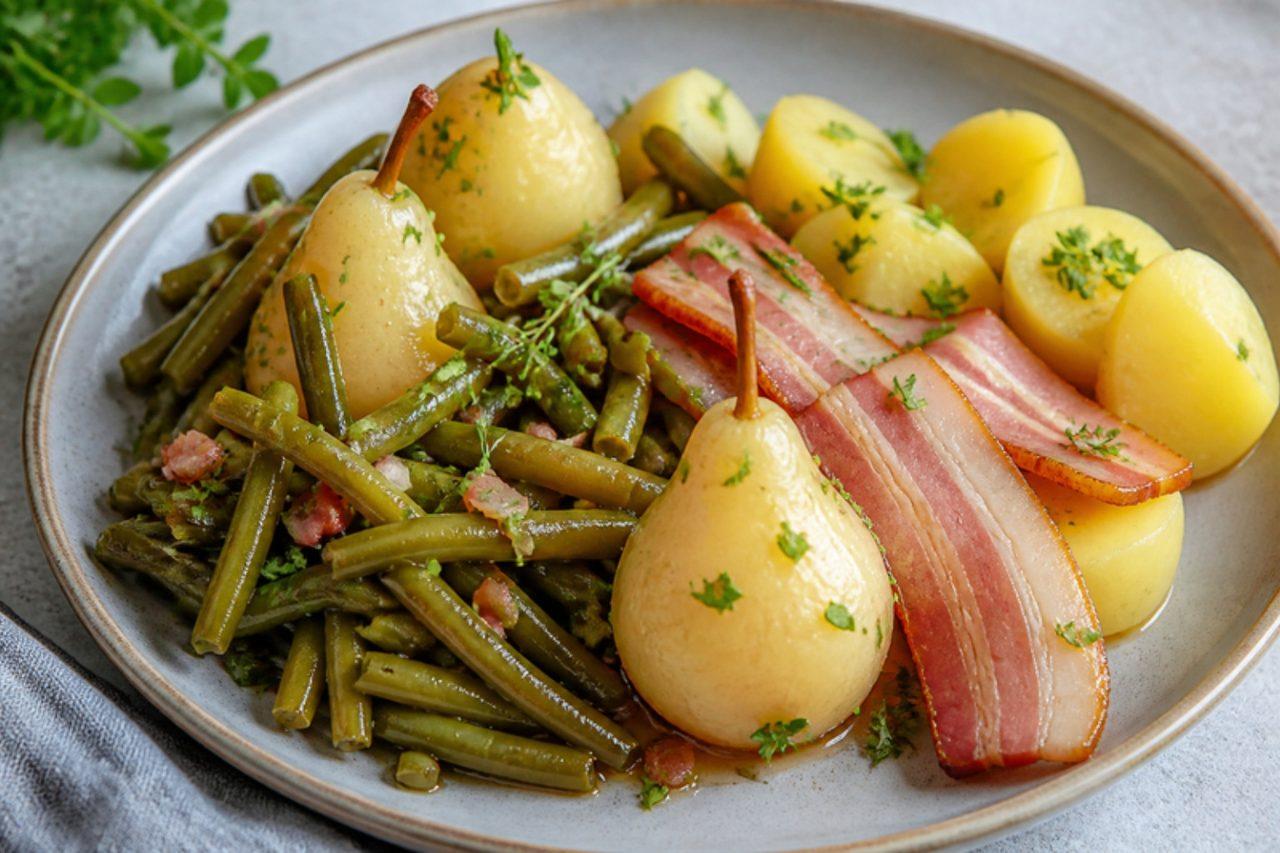
Birnen, Bohnen und SpeckGreen beans, pears and smoked bacon

Birnen, Bohnen und Speck is late-summer cooking from Hamburg and Schleswig-Holstein, made in August when green beans and small, firm cooking pears ripen at the same time in the Vierlande market gardens. A piece of smoked pork belly bacon is simmered until tender, and its smoky broth then cooks the beans, whole pears and potatoes, with summer savory to tie the sweet and salty together. It is one pot, served straight from the stove with the bacon sliced on top. Chef's tip: choose pears that are still hard; ripe dessert pears collapse into the beans.

90 minGermanMeatGluten free
by KrazyBadal 0 views

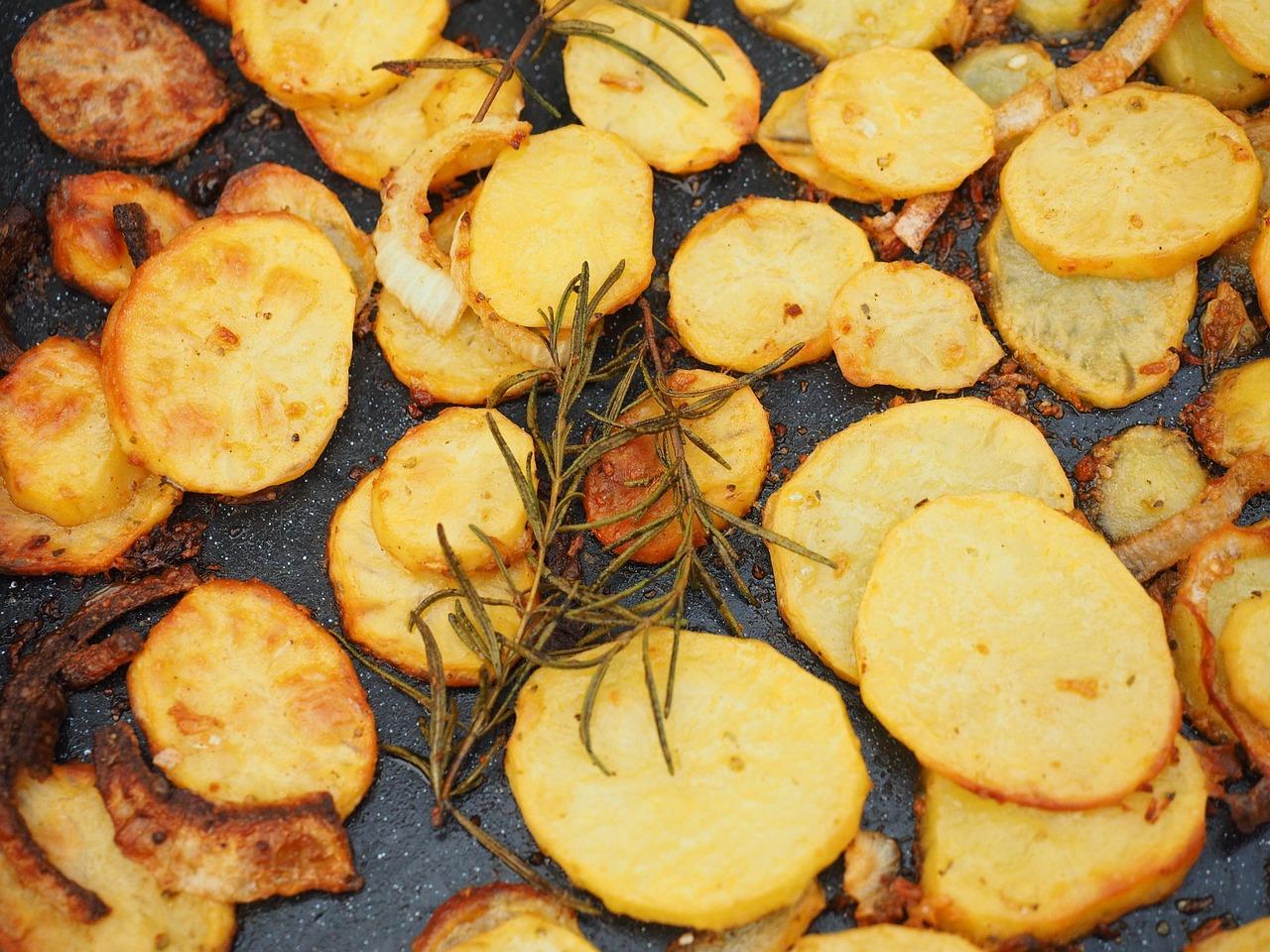
BratkartoffelnFried potatoes with onion

Bratkartoffeln are the potatoes of every German pub and home kitchen, from Hamburg to Munich: yesterday's boiled potatoes sliced and fried slowly in a heavy pan until the edges are crisp and brown, then tossed with onion. They come with fried eggs, pickled herring, Sülze or a green salad, and many cooks add bacon cubes; this version stays vegetarian with butter, onion and marjoram. The mistake everyone makes is stirring too often and crowding the pan: the slices steam instead of crisping. Chef's tip: use waxy potatoes boiled in their skins the day before; cold, firm slices hold their shape and brown far better than fresh ones.

by KrazyBadal 0 views

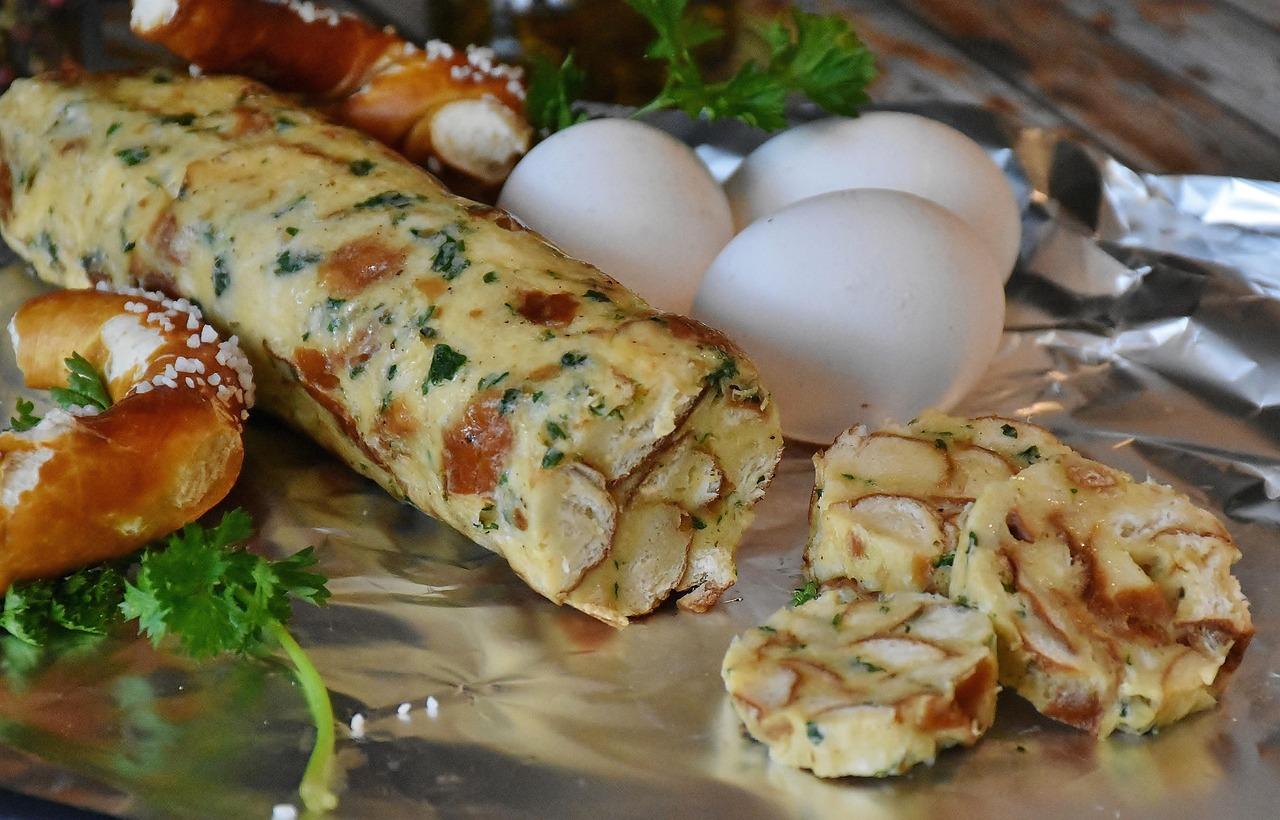
BrezenknödelPretzel dumplings

Brezenknödel are what thrifty Munich kitchens make from yesterday's pretzels: the cubes soak in warm milk with egg, onion and parsley, then are shaped into dumplings with a faintly salty, malty crust flavour running through them. They are served on Sundays in place of bread dumplings, alongside a creamy mushroom sauce or a pile of red cabbage, and leftovers are sliced and fried the next morning. The big mistake is adding too much milk: the mixture should hold when squeezed, not drip. Chef's tip: pick off most of the coarse salt before cubing the pretzels, otherwise the dumplings end up far too salty.

by KrazyBadal 0 views

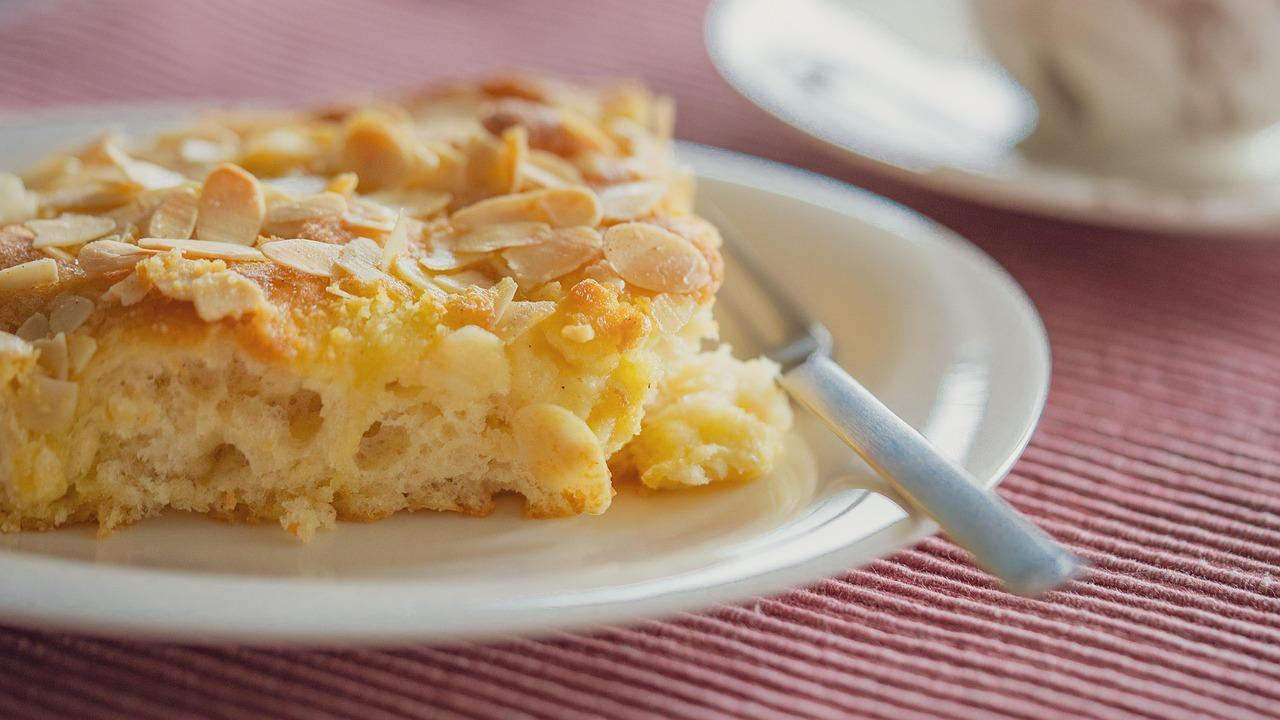
ButterkuchenButter and almond yeast cake

Butterkuchen is the cake of northern German celebrations: in Lower Saxony, Bremen and Holstein it is baked on huge trays for funerals, weddings and christenings, which is why it is also called Freudenkuchen, joy cake. A thin, soft yeast base is dimpled all over with your fingertips, the holes filled with butter, then the whole thing showered with sugar and flaked almonds. In the oven the butter and sugar melt into little caramel pools. A common mistake is making the dimples too shallow, so the butter just runs off; press right down to the tray. Chef's tip: as soon as the cake comes out, spoon a few tablespoons of cream over it; it soaks in and keeps the base tender for two days.

110 minGermanBaking
by KrazyBadal 0 views

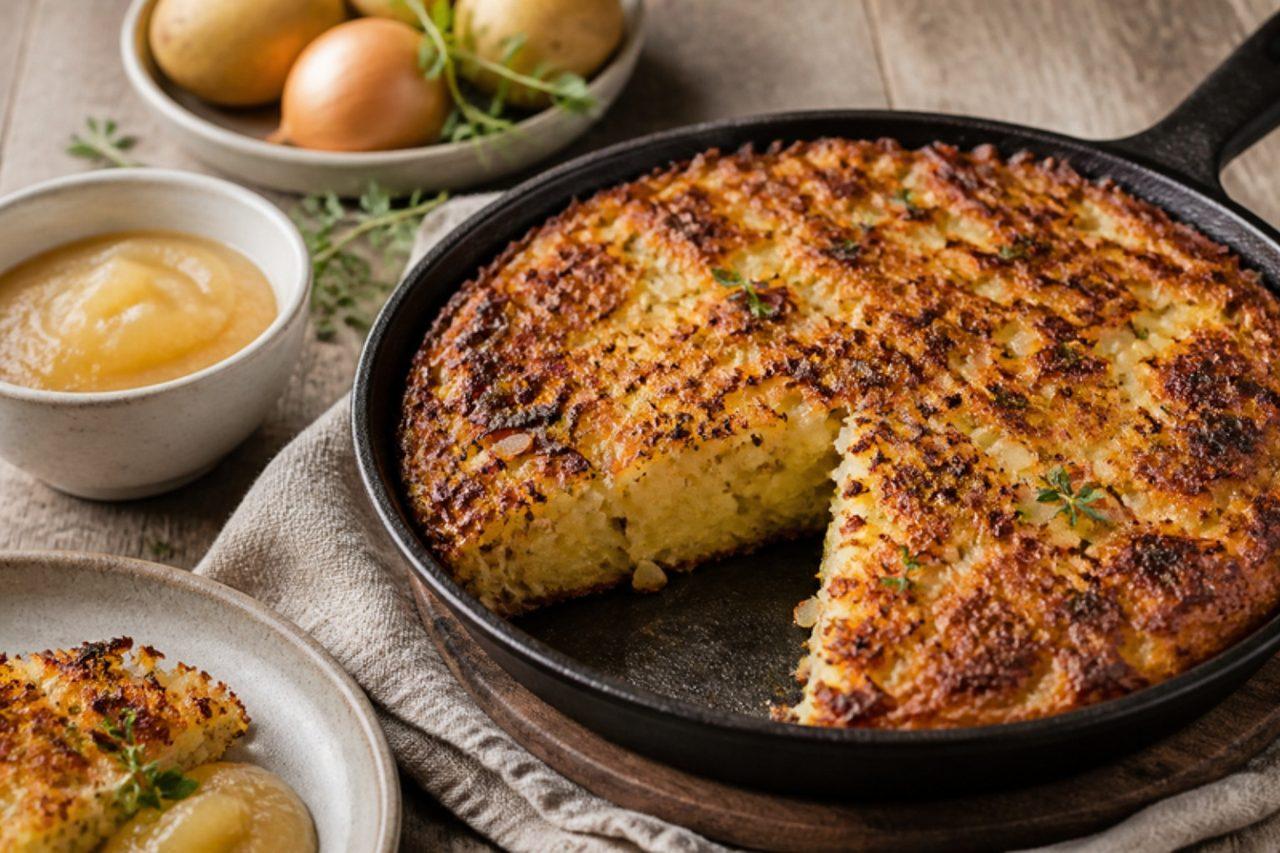
ButtermilchgetzenButtermilk and onion potato bake

Getzen is the potato dish of the Erzgebirge, the Ore Mountains on Saxony's border with Bohemia, where miners' families lived on potatoes, linseed oil and buttermilk. Grated raw potato and mashed cooked potato are mixed with buttermilk, onion and a little egg, then baked in a hot, well-greased pan until the base and edges form a thick brown crust while the middle stays soft and slightly tangy. It is eaten hot, cut in wedges, with apple sauce or a dark berry compote, and often with a glass of cold buttermilk. A common mistake is a cool oven, which gives a pale, soggy bake. Chef's tip: heat the fat in the tin in the oven before you pour in the mixture so the crust starts forming at once.

by KrazyBadal 0 views

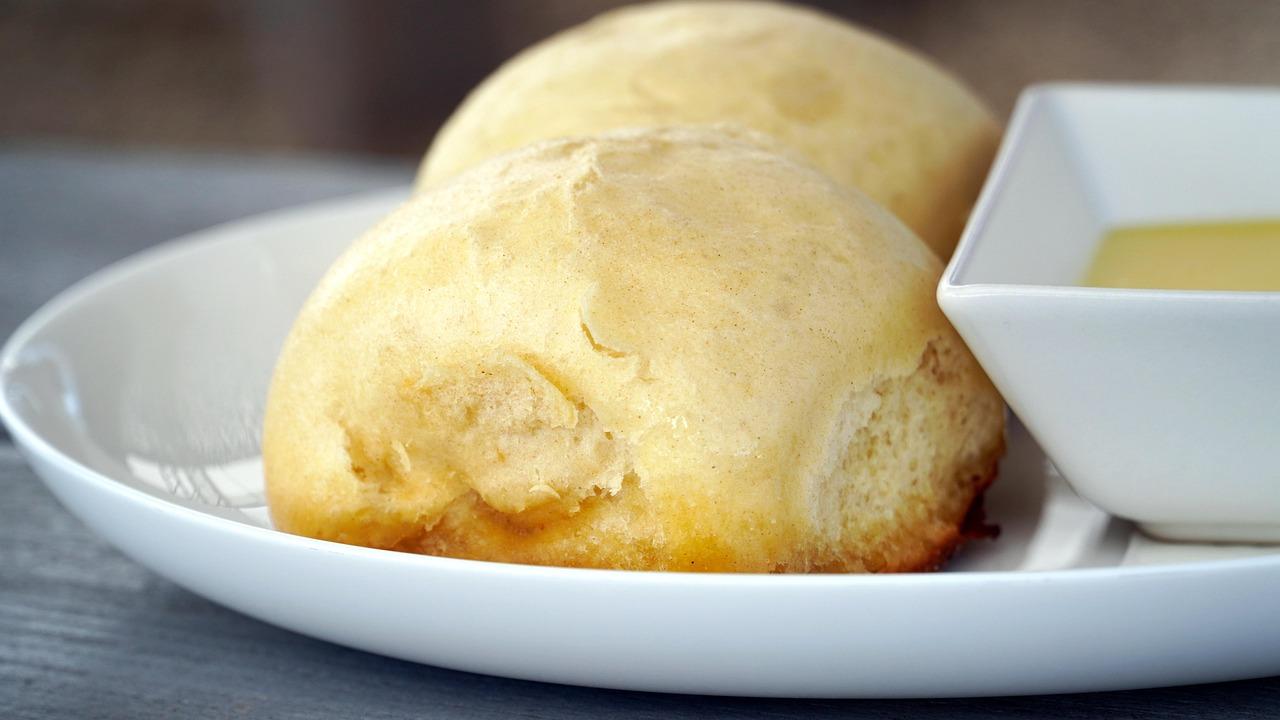
DampfnudelnSteamed yeast dumplings with vanilla sauce

Dampfnudeln are a Friday supper in Bavaria and the Palatinate, from the days when meatless Fridays meant a sweet main course. Soft yeast buns are packed into a heavy pan with milk, butter and a little sugar, the lid goes on, and they steam until fluffy on top while the liquid boils away and leaves a salty-sweet caramel crust underneath. They come to the table with warm vanilla sauce. The famous mistake is lifting the lid too early: the steam escapes and the buns collapse. Chef's tip: listen to the pan instead of looking; when the bubbling turns to a crackle, the crust is forming and you have about 3 minutes left.

by KrazyBadal 0 views

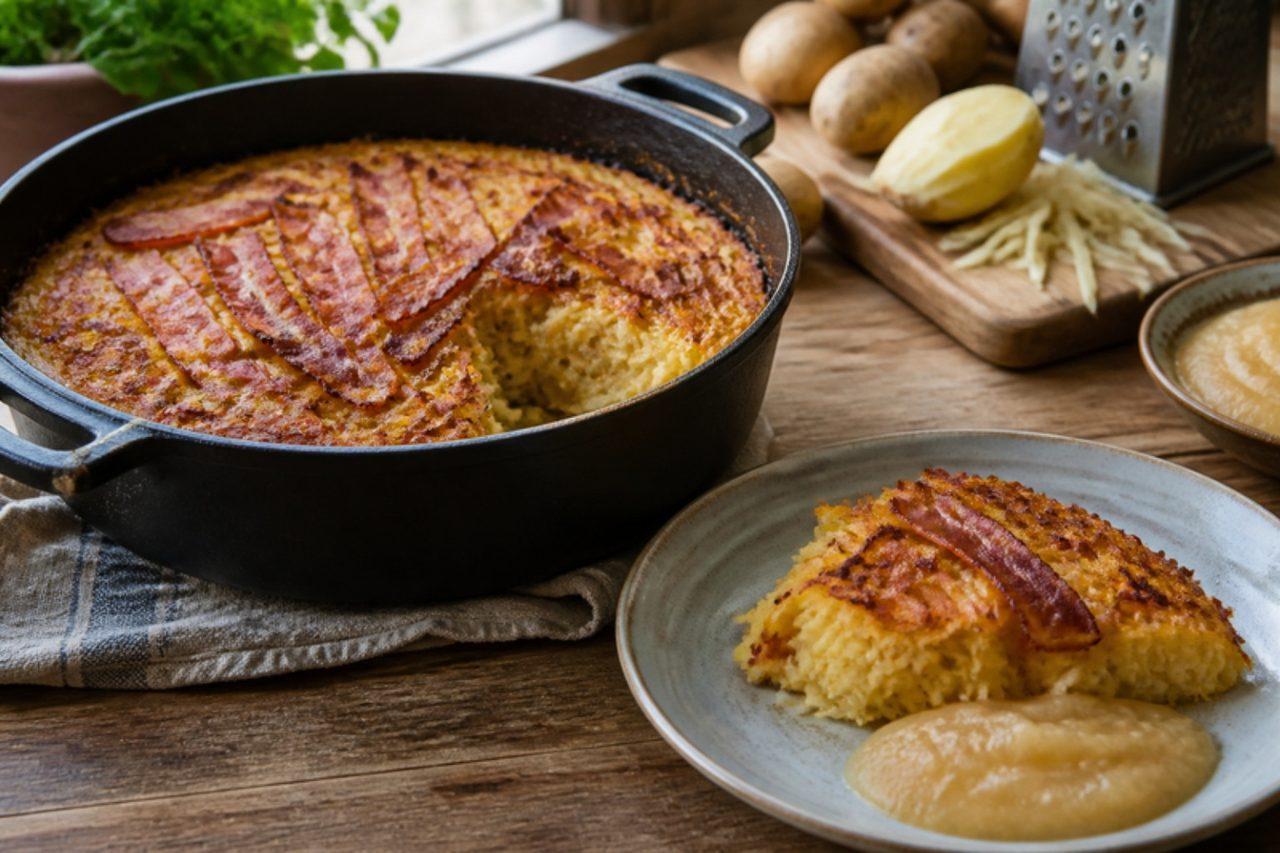
DöppekuchenGrated potato bake with bacon

Döppekuchen (also Dippekuchen or Knüles) is the Rhineland and Westerwald answer to a cold November evening, traditionally baked on St Martin's Day and at village fairs. Raw grated potatoes, onion, egg and smoked bacon are baked slowly in a cast-iron pot, the Döppe, until the outside is a thick dark-brown crust and the inside is soft and steamy. It is eaten with apple sauce and a green salad. For a meat-free pot, bake it with extra onions and two sliced leeks instead of the bacon. Chef's tip: squeeze the grated potato really dry; the less water, the crisper the crust.

180 minGermanMeatGluten free
by KrazyBadal 0 views

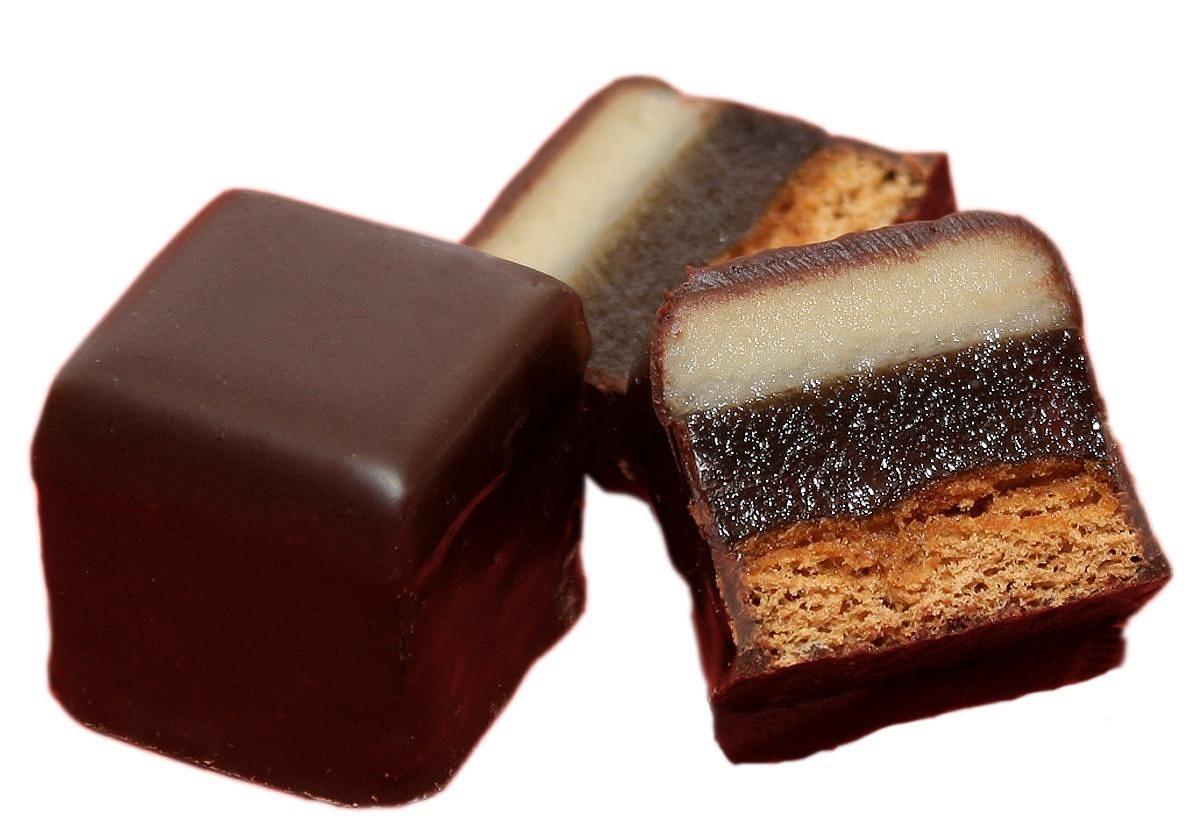
DominosteineGingerbread, jelly and marzipan cubes

Dominosteine were invented in Dresden in the 1930s as an affordable Christmas treat and are still bought by the box across Germany through December: a cube of soft gingerbread, a layer of tart fruit jelly and a layer of marzipan, all coated in dark chocolate. Homemade ones are fresher and less sweet than the boxed kind and make a beautiful gift. The jelly is set with pectin, not gelatine, so they suit vegetarians. The mistake people often make is cutting the slab while the jelly is still soft, which smears the layers; leave it overnight. Chef's tip: trim the edges of the slab before cutting so every cube has three clean, sharp stripes.

by KrazyBadal 0 views

DonauwelleMarbled cherry sheet cake

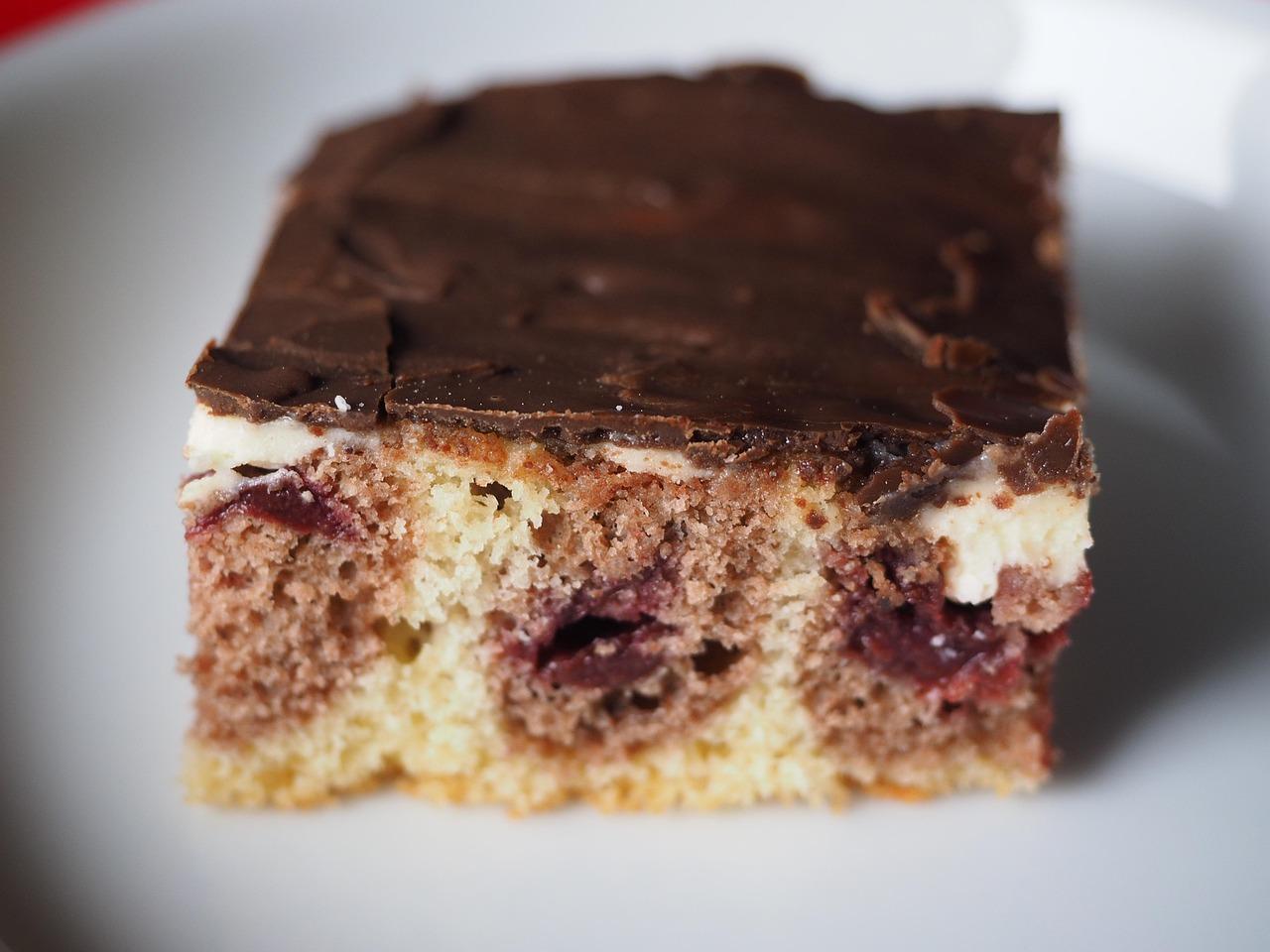
Donauwelle, the 'Danube wave', is a German home-baker's favourite from the 1970s onwards, made on a tray for school fairs, birthdays and the Sunday coffee table. Cut a slice and you see the river: vanilla and chocolate sponge swirled into waves by sour cherries pushed into the batter, then a thick layer of vanilla buttercream and a dark chocolate top combed into ripples. A common mistake is pouring on the chocolate while the buttercream is soft, which melts the layers together; chill the cake well first. Chef's tip: warm a serrated knife in hot water and wipe it between every cut so the chocolate cracks cleanly instead of shattering.

by KrazyBadal 0 views

EierscheckeThree-layer quark custard cake

Eierschecke is Dresden's café cake, cut in squares from a big tray in every Saxon bakery: a thin yeasted base, a thick layer of vanilla quark, and on top the 'Schecke', a wobbly, golden egg-and-butter custard that bakes into a soft, almost soufflé-like crust. It is eaten on Sunday afternoons with strong filter coffee, and Saxons argue about whether raisins belong in the quark. A common mistake is pouring the custard on too thickly or baking too hot, so it puffs and cracks; bake it low and slow. Chef's tip: the cake cuts neatly only when completely cold, so make it the day before.

105 minGermanBaking
by KrazyBadal 0 views

Showing 24 of 561 recipes

Show more recipes

Page 19 of 24