Skip to content
Recipes

All recipes

Vegetarian, or something you can't eat? Set your diet once and we'll hide recipes that don't fit.

KalanehWild leek stuffed flatbread

In Kurdistan and Kermanshah, Newroz arrives with the first spring greens on the hillsides, and families gather wild leeks to fold into kalaneh, thin griddle breads cooked over a fire or a hot pan and soaked in melted butter. The dough is plain and soft, rolled very thin around a pile of chopped leek or chives with a little salt and pepper, so the greens steam inside as the bread blisters. Eat it hot, torn into strips, with yogurt and tea at a Newroz picnic. The common mistake is wet greens, which turn the dough soggy and make it tear; dry them well after washing. Chef's tip: brush the butter on the moment the bread leaves the pan so it soaks right in.

by KrazyBadal 0 views

Pajagua mascadaBeef and cassava patties

Pajagua mascada is a Paraguayan street-food classic that appears on every table for the San Juan festival on 24 June, when bonfires burn and the night is full of games and traditional food. Minced beef is mixed with mashed cassava, onion, garlic and a little egg and flour, shaped into flat patties and fried until crisp. The name comes from Guaraní and refers to the 'chewing' of old Paraguayan cooks, who made it from leftover meat. Chef's tip: dry the boiled cassava well and remove its woody core, which keeps the patties light and crunchy.

by KrazyBadal 0 views

OsterpinzeEaster anise brioche

Osterpinze is the Easter bread of Styria, Carinthia and the area around Trieste, a soft, golden brioche dome with three deep cuts on top for the Holy Trinity, so that it opens into a crown as it bakes. The dough is rich with egg yolks and butter and flavoured with anise and lemon; old recipes add a splash of white wine, left out here. It is blessed in the Easter basket on Holy Saturday and eaten on Easter morning with ham, horseradish and eggs, or with butter and jam. Chef's tip: make the three cuts with scissors just before baking, deep enough to reach halfway down, so the crown opens wide.

by KrazyBadal 0 views

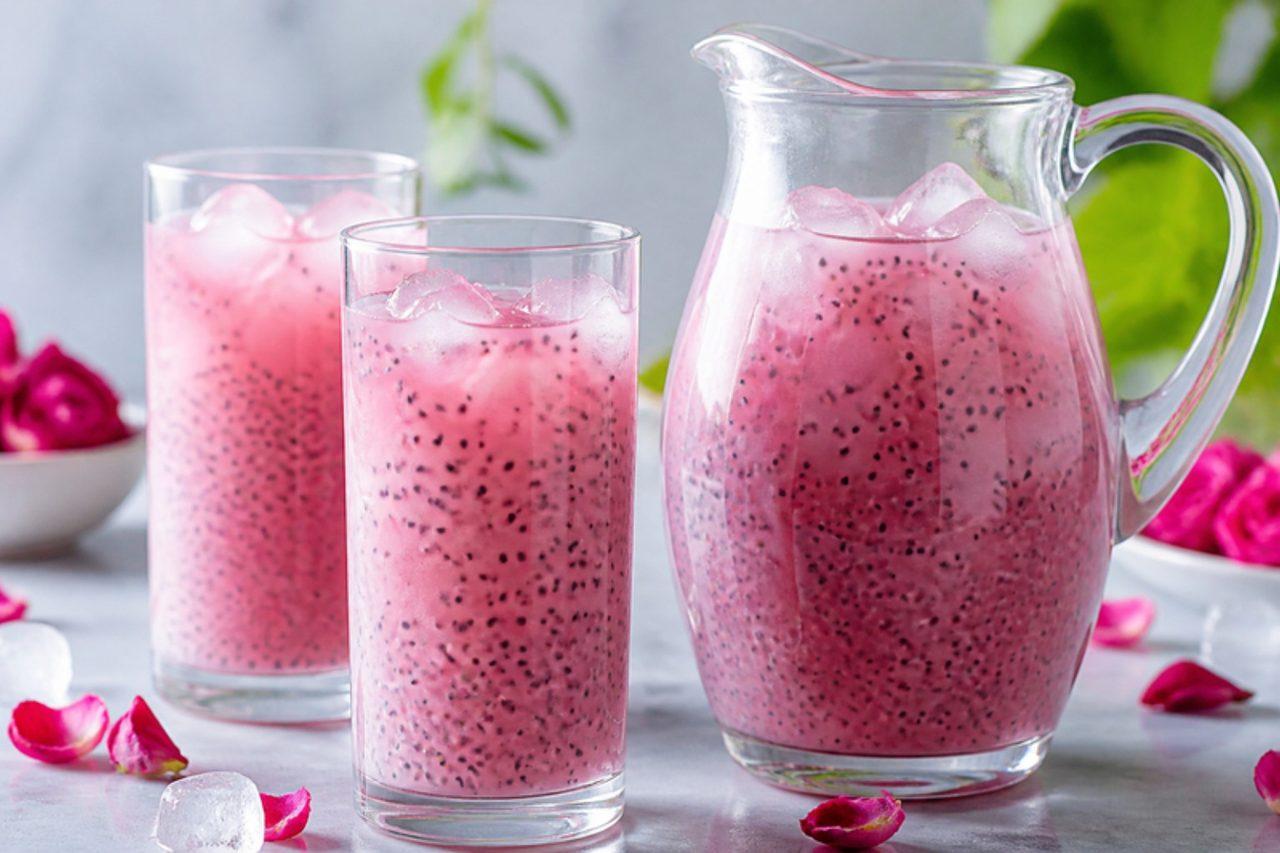
Sabeel sharbatRose milk with basil seeds

In the first ten days of Muharram, and above all on Ashura, volunteers in Pakistani towns set up sabeel stalls at the roadside and pour free cups of cold sweet milk for anyone passing, in memory of the thirst of Imam Husain's family at Karbala. The drink is pale pink, lightly rose-scented and dotted with swollen basil seeds, and it is made in huge steel pots at the stalls; this is the home-sized jug. Chef's tip: soak the basil seeds in water first, never straight in the milk, or they stay hard and clump.

by KrazyBadal 0 views

Dowina (Kurdish yogurt soup)

Dowina, called ash-e doogh in Persian, is warming spring food in Kurdish homes around Newroz, when yogurt is plentiful and the first herbs are cut from the garden. Rice and chickpeas simmer in a tangy, lightly thickened yogurt broth, finished with fresh dill, coriander and a sizzle of dried mint in oil. It is eaten warm, never boiling hot, with flatbread. The common mistake is to heat the yogurt too fast without stirring, which makes it split into grainy curds. Chef's tip: whisk an egg yolk and a spoonful of rice flour into the yogurt before it goes on the heat; it holds the soup smooth all the way to the simmer.

by KrazyBadal 0 views

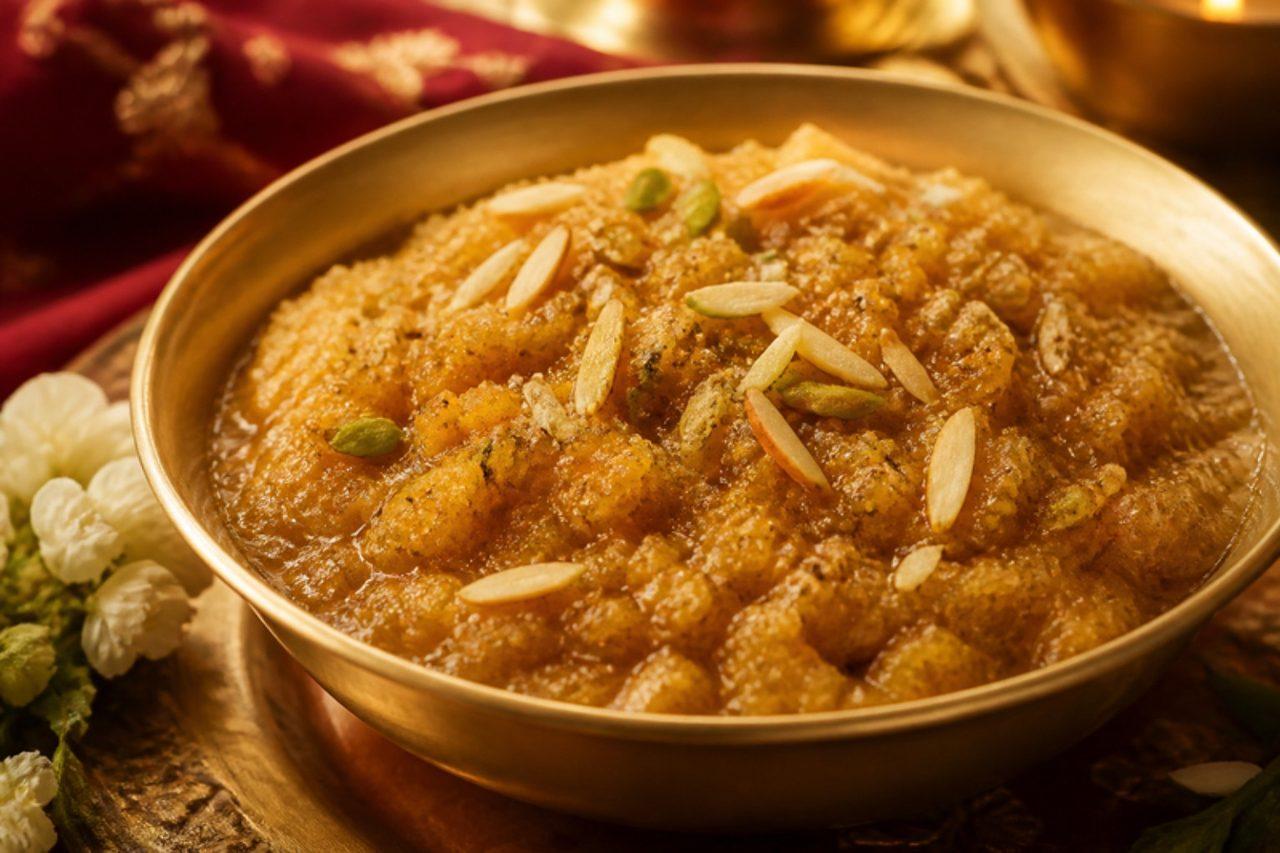
Chana dal halwa

At Punjabi weddings in Lahore and Faisalabad in the cold months, the dessert table often carries a big tray of chana dal halwa beside the gajar halwa. Soaked split chickpeas are ground and fried slowly in ghee until they smell of roasted nuts and turn deep golden, then cooked with milk, sugar and cardamom into a rich, grainy halwa that keeps for days. It takes patience and a strong arm. Chef's tip: keep the heat low and scrape the bottom constantly; the dal catches fast once it starts to brown.

by KrazyBadal 0 views

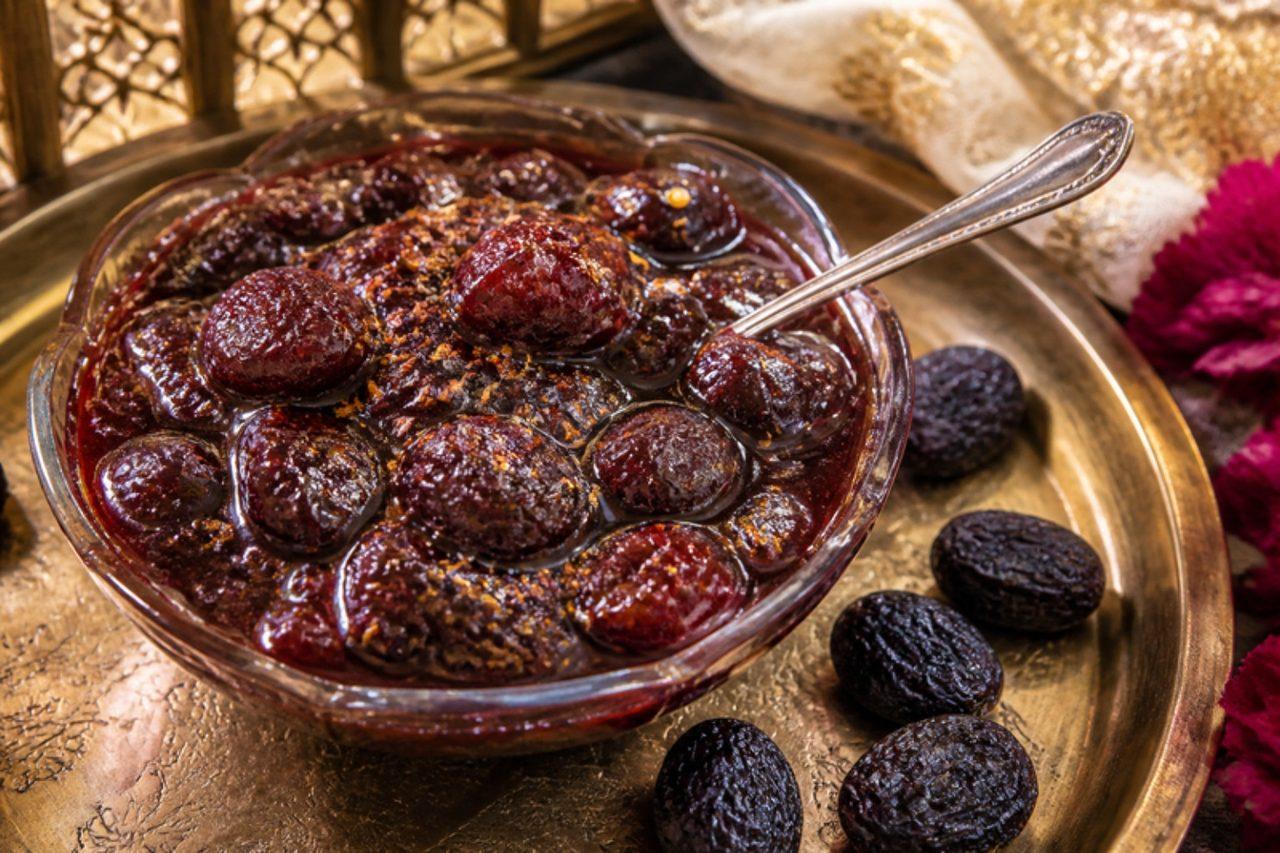
Aloo bukhara chutneyDried plum chutney

Wherever a Pakistani wedding serves biryani and qorma, a little bowl of glossy aloo bukhara chutney sits alongside to cut the richness. Dried sour plums are softened, then cooked with sugar, a touch of vinegar, ginger, chilli and warm spices into a jammy, sweet-sour relish, dark and shining. It keeps for weeks and is made in big jars before the shaadi. Chef's tip: stop cooking while it still looks a little loose; it thickens a lot as it cools.

by KrazyBadal 0 views

AllerheiligenstriezelBraided sweet loaf

In Bavaria and Austria, godparents give their godchildren an Allerheiligenstriezel on All Saints' Day, 1 November: a large braided loaf of sweet yeast dough, brushed with egg and scattered with almonds or pearl sugar. The braid is said to recall the old custom of cutting a plait of hair in mourning, and the size of the loaf once showed how generous the godparent was. It is lightly sweet, with lemon and vanilla, and is eaten sliced with butter or jam. Some recipes add rum-soaked raisins; these are soaked in warm water instead. Chef's tip: braid four strands for an impressive, high loaf.

by KrazyBadal 0 views

Chipa so'oCheese bread with spiced beef

In Paraguay, families bake chipa in the clay tatakua ovens on Holy Wednesday so there is food for Thursday and Good Friday, when cooking stops. Chipa so'o ('chipa with meat') is a cassava-starch and cheese bread wrapped around a little filling of minced beef cooked with onion and egg, then baked until crisp outside and chewy within. It is naturally gluten free. Chef's tip: knead the dough until it no longer cracks at the edges when pressed; dry dough splits around the filling.

by KrazyBadal 0 views

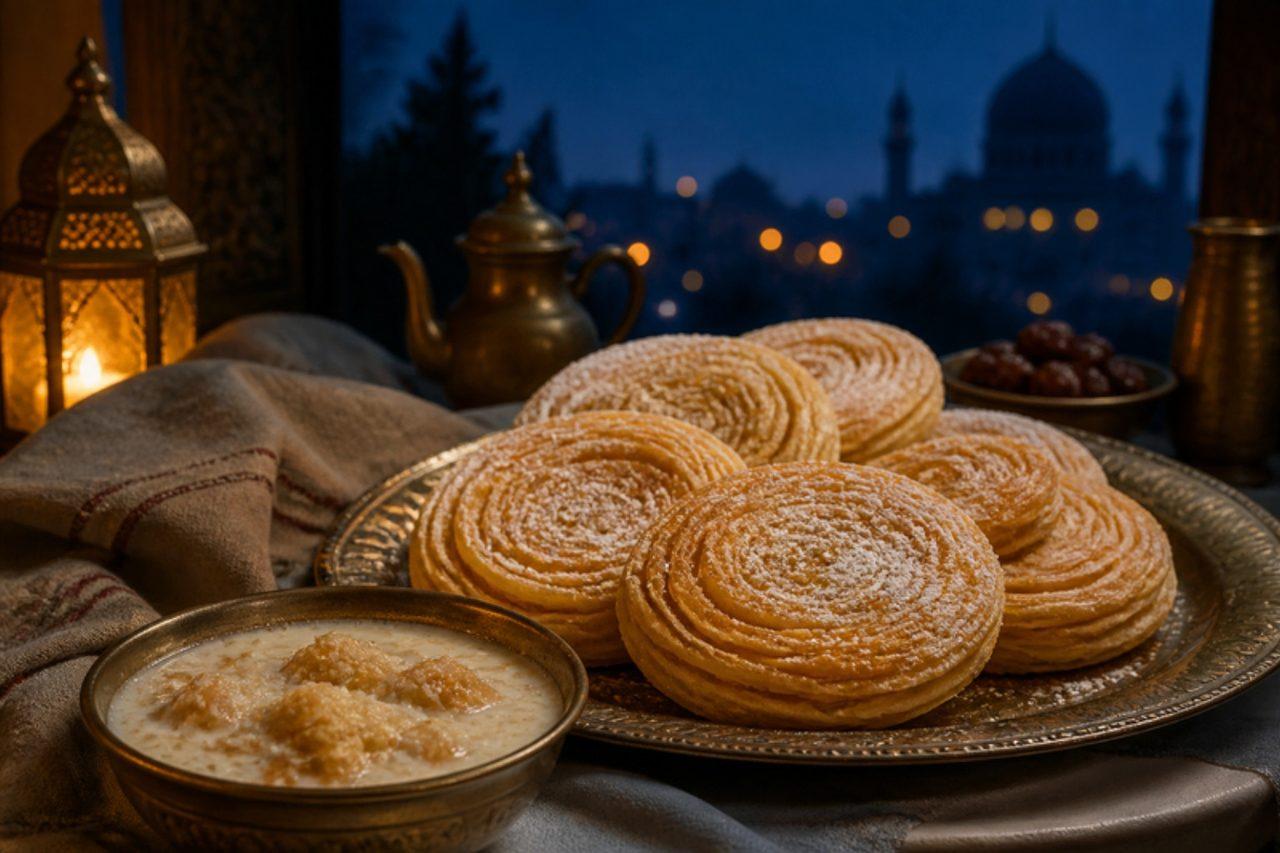
KhajlaFried pastry rounds in sweet milk

In the old lanes of Lahore and Karachi's Burns Road, sweet shops fry khajla through the night in Ramadan so families can buy it fresh for sehri, the meal eaten before dawn. Each round is a stack of paper-thin layers of ghee-rubbed dough that shatter when you press them, and it is crumbled into a bowl of hot sweetened milk, often with fine pheni, to give slow energy for the fasting day. Chef's tip: keep the oil only medium-hot; khajla must fry slowly so every inner layer turns crisp before the outside browns.

by KrazyBadal 0 views

KaguyjyWhite corn pudding

On the night of 23–24 June, Paraguayans celebrate San Juan with bonfires, games like walking over hot coals and the 'paso de fuego', and a table of traditional foods, and kaguyjy (also mazamorra) is one of them. It is a soft, creamy pudding of cracked white corn (locro) simmered slowly in water and then milk with sugar or honey, sometimes with orange peel. It is eaten warm or cold. It is gluten free. Chef's tip: soak the corn overnight and cook it until each kernel is tender before adding the milk, or it never turns creamy.

by KrazyBadal 0 views

Boudin blanc aux pommesWhite sausage with apple compote

In Liège and across Wallonia, Christmas Eve supper often begins with boudin blanc: pale, delicate sausages of finely minced pork and milk, sometimes with a little chicken, gently fried in butter until golden and served with warm, chunky apple compote and bread. Butchers make piles of them in December. Buy them fresh from a good butcher, or poached and ready to fry. Chef's tip: prick nothing and cook gently; boudin blanc is fragile, and a hot pan splits the skins.

by KrazyBadal 0 views

Pheni (layered fried vermicelli nests in sweet milk)

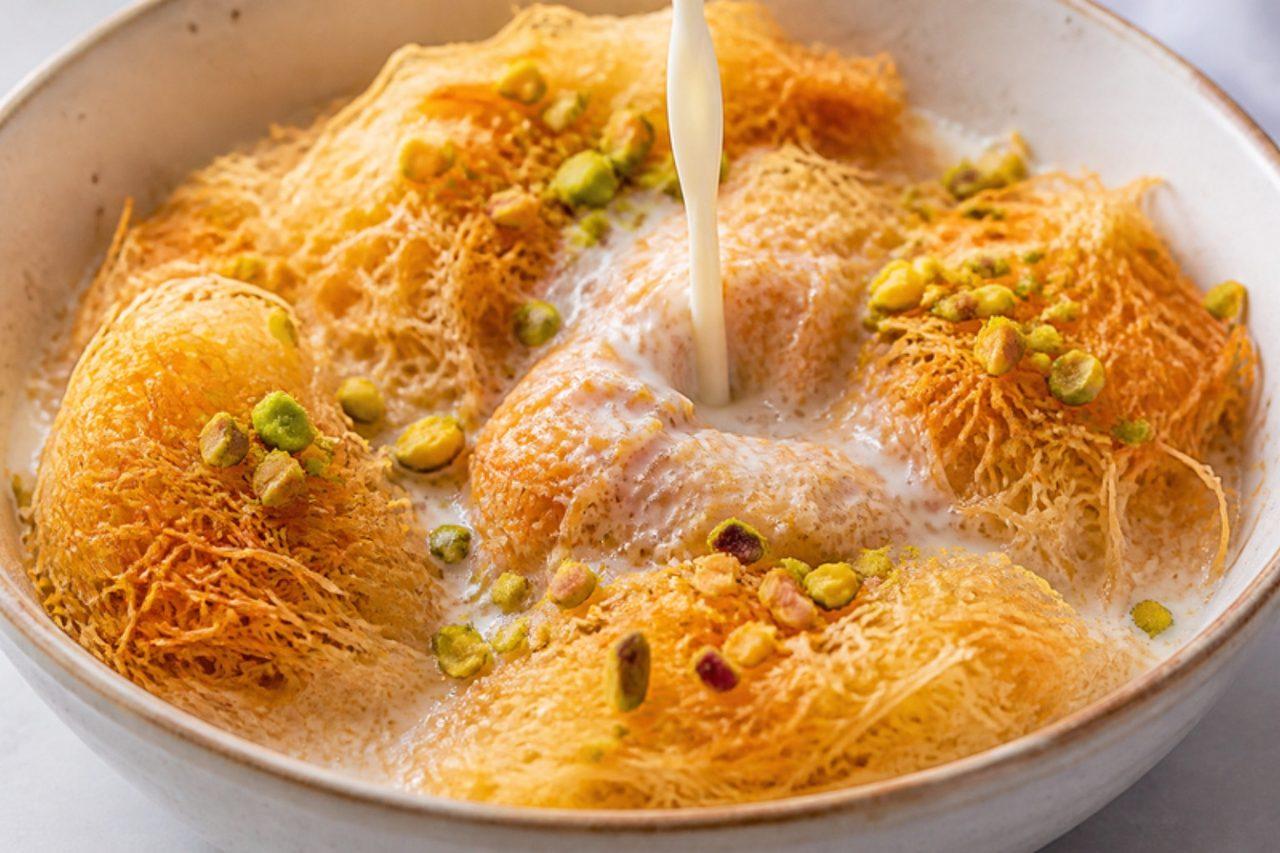
In Lahore and Karachi during Ramadan, sweet shops stack golden nests of pheni in towers, and families buy them to eat at sehri, the meal before dawn. The fine, brittle strands are crumbled into a bowl and drenched with hot sweetened milk, which softens them in a minute into something like a silky vermicelli pudding; it keeps you full through the fasting day. Shop pheni is pulled into hair-thin threads by skilled hands, so at home this recipe uses the layered method: thin sheets of dough are brushed with a ghee and rice-flour paste, rolled and sliced, and the paste makes the layers fan out into fine flaky rings when fried. They are crisp, buttery and delicate. It is naturally egg-free: the dough is just flour, ghee and water, and the rice-flour paste keeps the layers separate. Chef's tip: fry the nests in oil that is only moderately hot, about 160°C; oil that is too hot is the common mistake that browns the outside while the inner layers stay soft and doughy.

by KrazyBadal 0 views

پشاوری آئس کریم (Peshawari ice cream)Cardamom pistachio ice cream

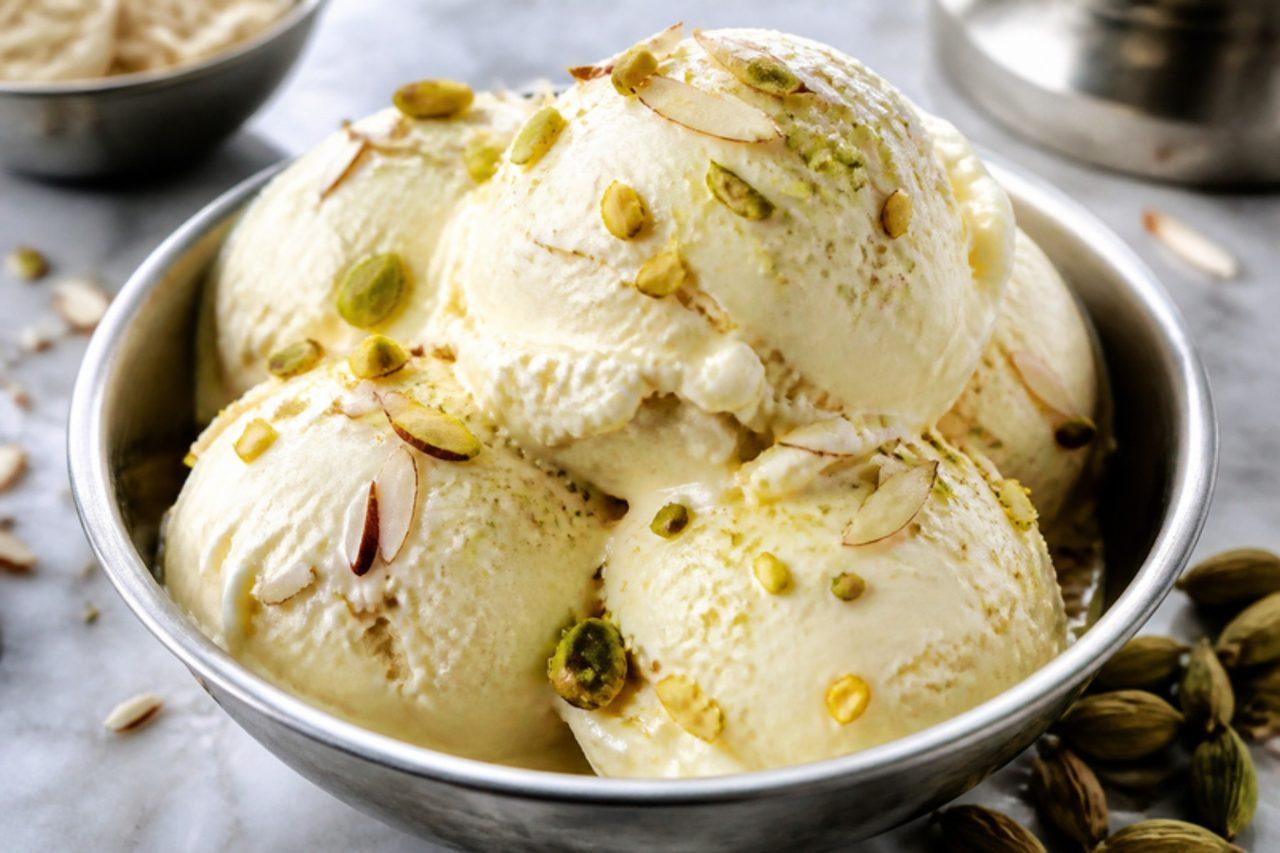
In the Qissa Khwani bazaar of Peshawar, ice-cream sellers spin a tall metal drum inside a tub of crushed ice and salt, scraping the freezing milk off the walls with a long paddle until it turns thick, stretchy and pale. It is a summer evening treat, eaten from small bowls after dinner or late at night when the streets cool down, and often topped with a spoonful of falooda vermicelli or more chopped pistachio. The flavour is simple: slowly reduced milk, green cardamom and a little rose. This version has no eggs and no custard: a cornflour slurry cooked into the milk thickens it the way yolks would, and the starch holds on to water so ice crystals stay small and the texture stays smooth, while milk powder adds body without extra fat. You can churn it in a machine or still-freeze it in a tray and stir it every 45 minutes. Chef's tip: the common mistake is churning a warm base; chill it until it is fridge-cold right through, or it will turn icy instead of silky.

by KrazyBadal 0 views

Belgian frangipane tartlets
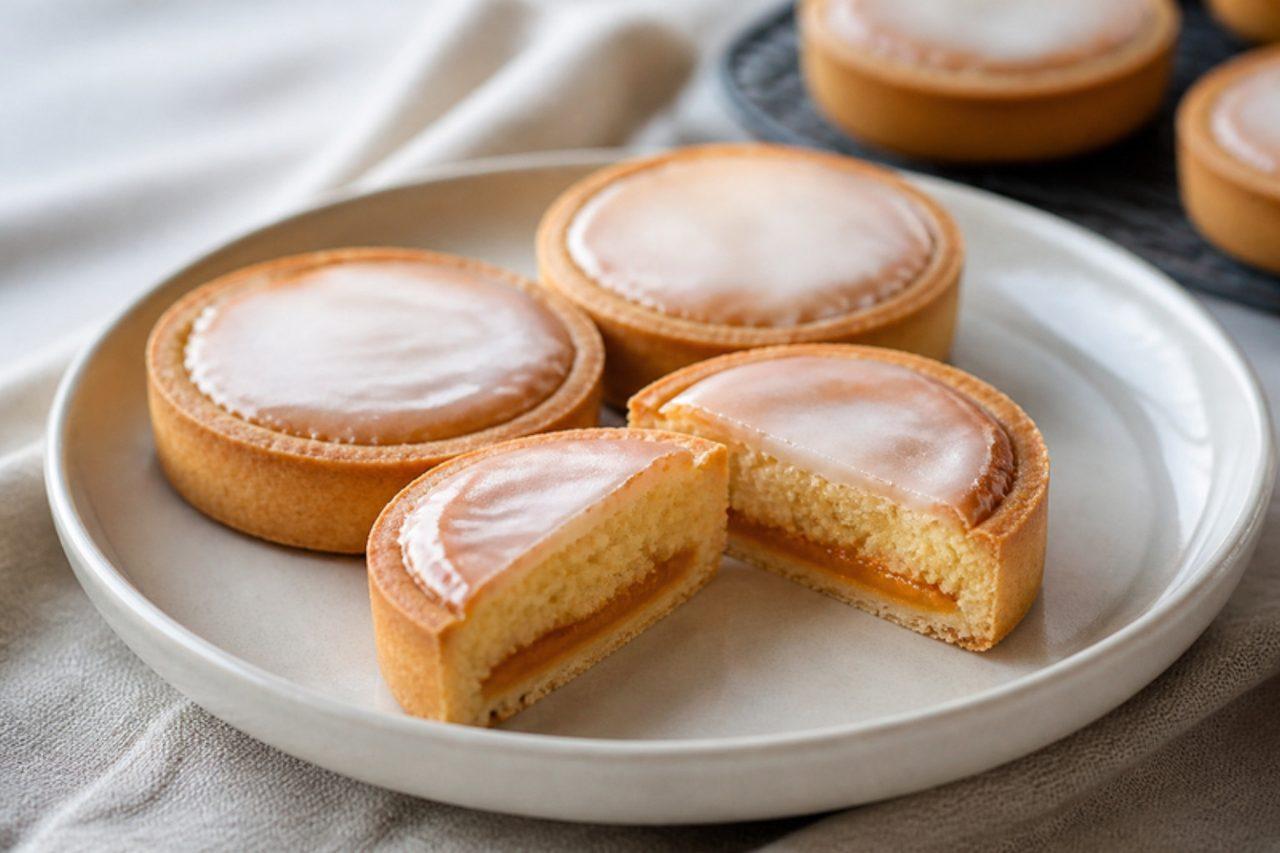
Look in the glass counter of a Flemish bakery and between the rice tarts and cream puffs sit rows of frangipanetaartjes: small shortcrust cases with a hidden layer of apricot jam, filled with almond frangipane and glazed with a thin, crackly white icing. Belgians pick them up on Saturday mornings or for a birthday at the office and eat them with coffee. They are buttery, nutty and moist, with a sharp fruity note from the jam. Too much jam is the mistake to watch: it bubbles up through the frangipane and glues the tartlets to the tin. Chef's tip: brush the warm tartlets with hot apricot jam first and let it set before the icing goes on; the jam seals the surface so the glaze stays white and shiny.

by KrazyBadal 0 views

Qeema matarMinced meat and pea curry

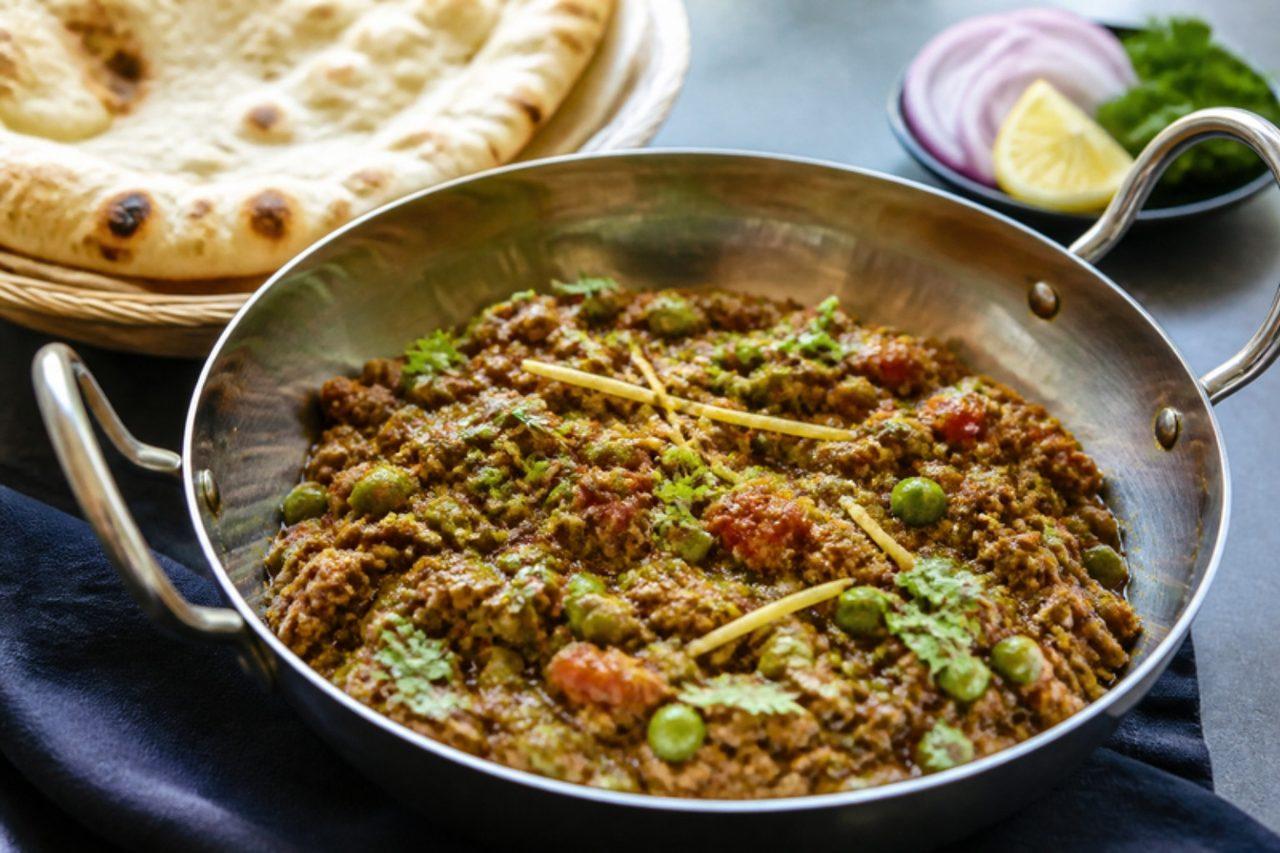
In Lahore and across Pakistani Punjab, qeema matar is the mince dish that appears on a Tuesday when nobody has time for a slow salan: minced mutton or beef browned hard, cooked down with tomato, ginger and garlic, then studded with sweet green peas. It is dry enough to scoop with a hot roti or paratha, with a little sliced onion and lemon on the side. The usual mistake is adding the tomatoes before the mince has lost its raw, wet look, which leaves it boiled and grey instead of rich and brown. Chef's tip: break the mince up with the back of a spoon while it fries, so it cooks into fine crumbs rather than lumps.

by KrazyBadal 0 views

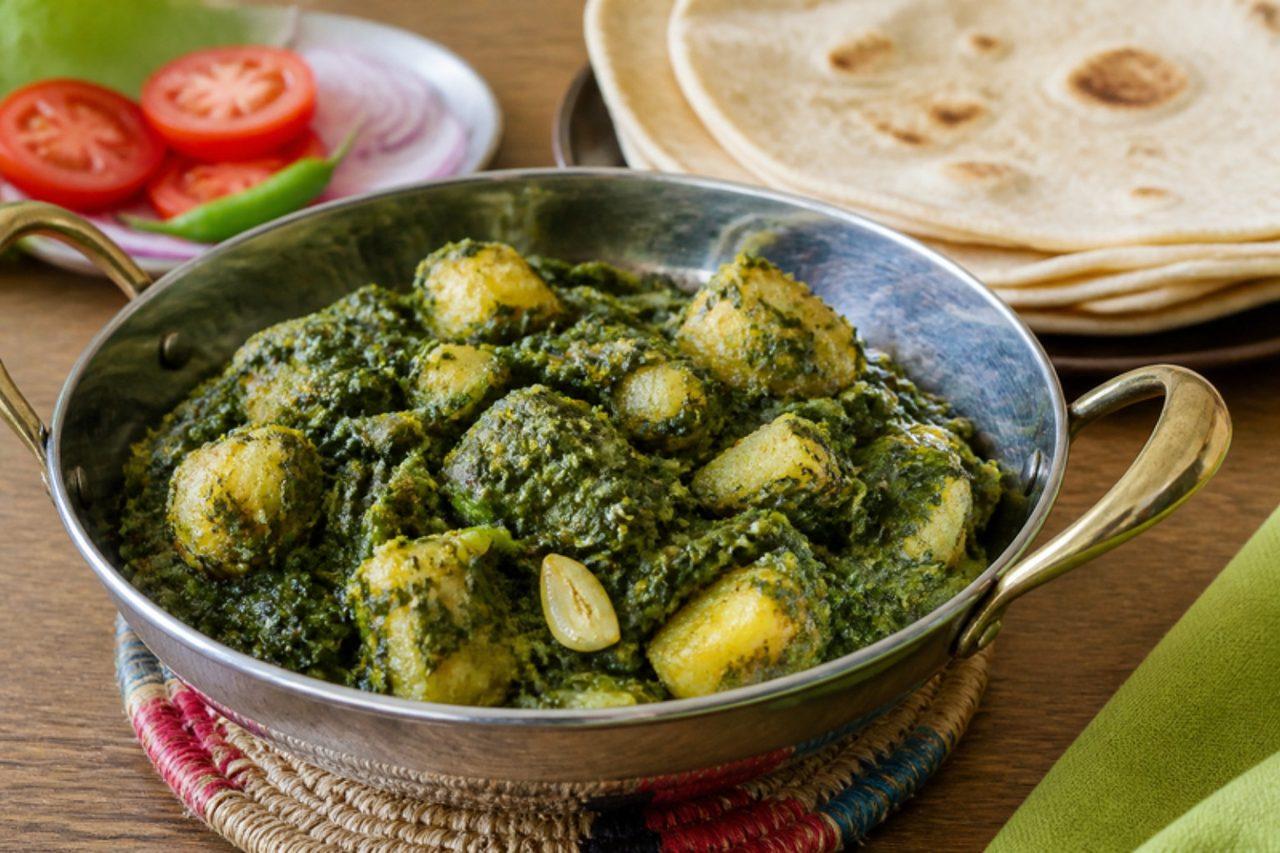
Aloo palakPotato and spinach

In Lahore and the villages of Pakistani Punjab, aloo palak is the dish that turns up on a weekday when the spinach at the sabzi stall looks good and nobody has time for a long curry. Small cubes of potato cook in a garlicky cumin masala, then a mountain of chopped spinach wilts down over them into a soft, dark green coat. Eat it with hot chapati or plain rice and a spoon of yogurt on the side. The usual mistake is cutting the potatoes too big: they are still hard when the spinach is done, and by the time they soften the greens have gone grey. Chef's tip: keep the lid off once the spinach goes in, so the water cooks away and the leaves stay bright.

by KrazyBadal 0 views

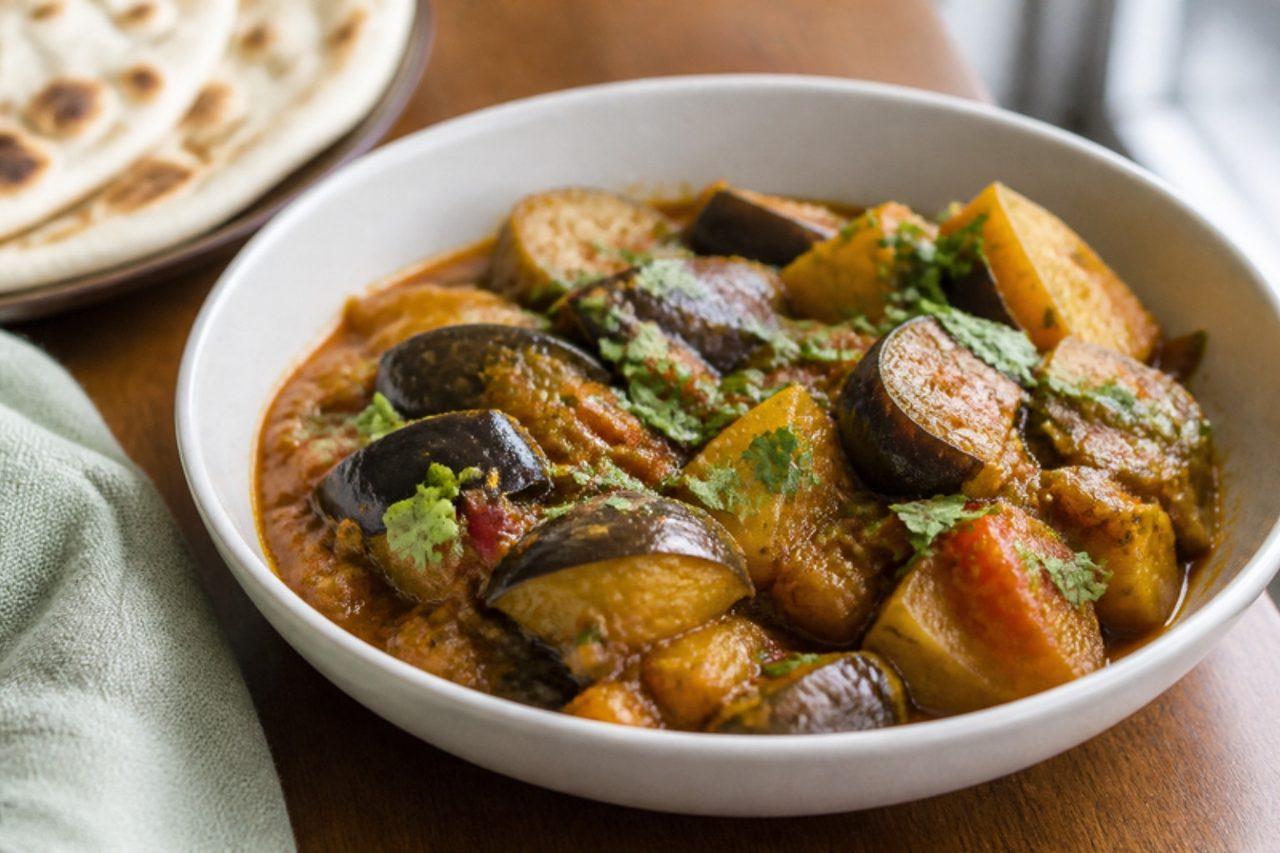
Aloo bainganPotato and aubergine

From Multan to Hyderabad in Sindh, aloo baingan is the humble pairing that makes a summer glut of aubergines go a long way: potatoes give body, aubergine melts into a jammy, smoky-sweet tomato masala. It is eaten with chapati at dinner, often next to a bowl of daal and some sliced onion. The most common mistake is stirring hard once the aubergine softens, which mashes everything into a grey purée; fold it gently and let the pan do the work. Chef's tip: give the aubergine a few minutes on its own in the hot oil before the masala goes in, so its edges catch and brown.

by KrazyBadal 0 views

TopfengolatschenSweet quark puff pastry squares

A Topfengolatsche is what Viennese office workers grab from the bakery on the way in, and what grandparents order with a Melange in a coffee house on a Sunday afternoon. The corners of a puff pastry square are folded over a lemony, vanilla-scented filling of Topfen (Austrian quark) with plump raisins, and the top gets a thin white glaze. It is flaky, light and not too sweet. Raisins are sometimes soaked in rum; warm water or orange juice works just as well, and the recipe below is alcohol-free. Wet quark is the classic problem, because it turns the filling runny and it leaks out in the oven. Chef's tip: hang the quark in a sieve lined with a clean cloth for an hour, or squeeze it, until it is as thick as soft cream cheese.

by KrazyBadal 0 views

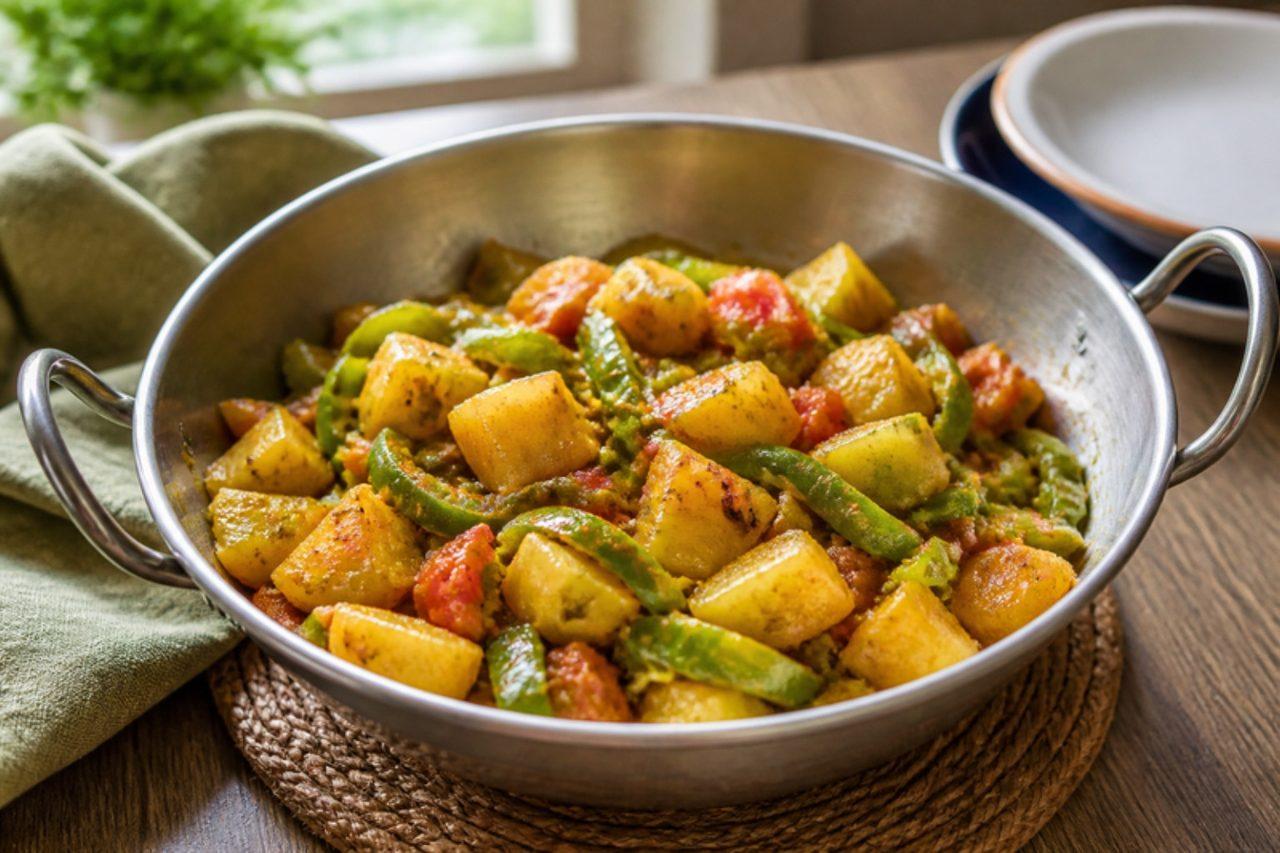
Shimla mirch alooPepper and potato stir-fry

Shimla mirch aloo is everyday Punjabi home cooking from both sides of the border, the sabzi that fills a lunchbox paratha or sits next to dal on a weeknight in Rawalpindi. Potato cubes go soft and golden first, then strips of green pepper are tossed in just long enough to soften while keeping a little bite, all held together by a dry tomato-chilli masala. The classic mistake is adding the peppers with the potatoes: they collapse, turn khaki and lose their fresh, slightly bitter flavour. Chef's tip: a pinch of amchur at the end lifts the whole pan without adding any extra liquid.

by KrazyBadal 0 views

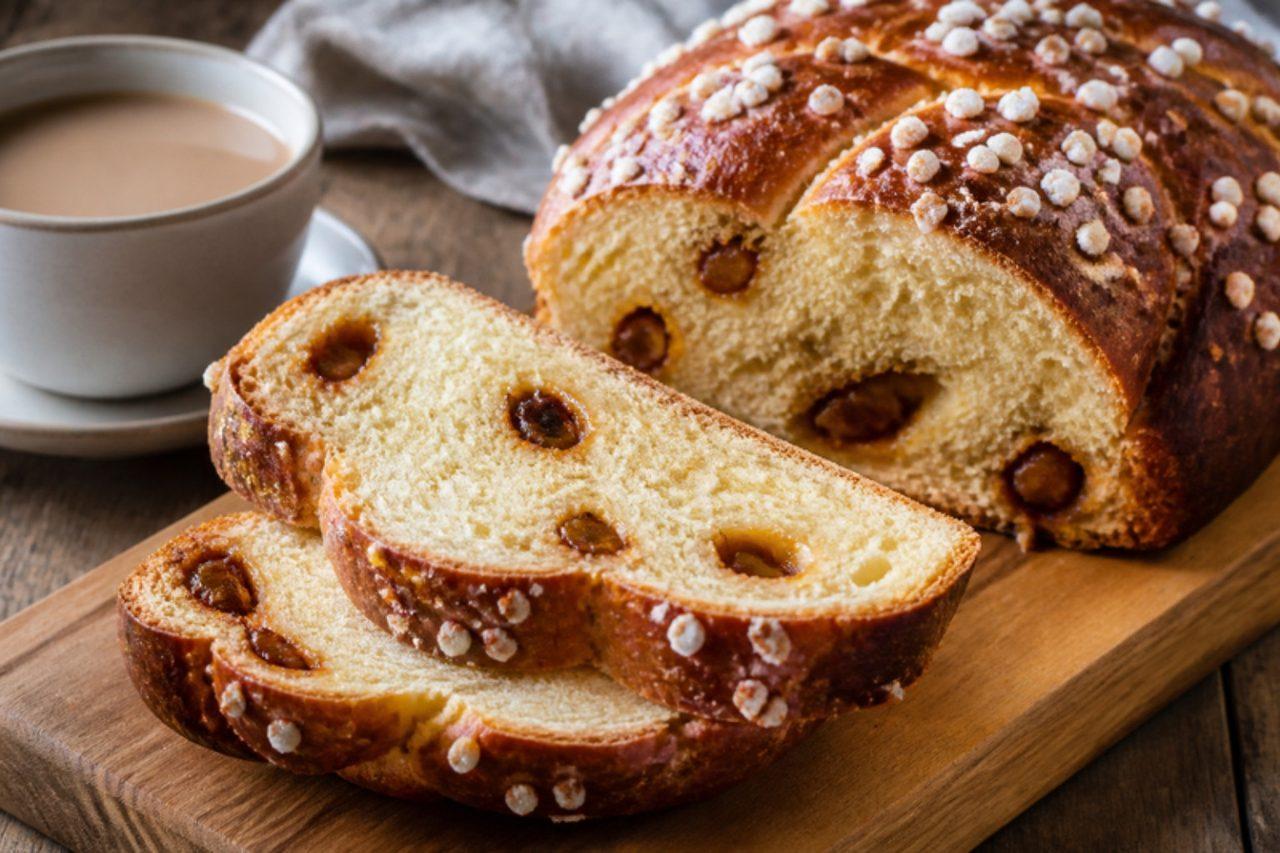
CraquelinBrioche with sugar cube pockets

Sugar cubes, of all things, are the secret of the Belgian craquelin. Bakers in Ghent, Bruges and Brussels wrap broken cubes inside rich brioche, and as the loaf bakes they melt into little wells of syrup that set crunchy, while pearl sugar crackles on the crust (hence the name). It is a Sunday breakfast and weekend bakery loaf, sliced thick and eaten plain or with butter and a bowl of café au lait; Flemish bakers sometimes add orange zest. Leaving sugar pieces exposed on the outside, especially the base, is the usual pitfall: they caramelise, burn and glue the loaf to the tin. Chef's tip: chill the kneaded brioche for at least an hour before you fold in the sugar, so the butter firms and the dough is easy to wrap around the cubes.
by KrazyBadal 0 views

Kärntner ReindlingCinnamon raisin yeast cake

Carinthia's Easter loaf takes its name from the Reindl, the round, deep pan it is baked in, and in southern Austria no Easter basket goes to church without one. Inside the golden yeast crust is a spiral of butter, cinnamon sugar and plump raisins, so every slice shows a dark swirl. Locals eat it two ways: sweet with coffee on Easter morning, or alongside the savoury Easter platter with horseradish. Many bakers soak the raisins in rum overnight; warm water or tea works just as well and keeps it alcohol-free. A dry, crumbly Reindling usually means too much flour went in during kneading, so keep the dough soft and only lightly floured. Chef's tip: butter the pan well and dust it with sugar, which caramelises into a thin crunchy shell.

by KrazyBadal 0 views

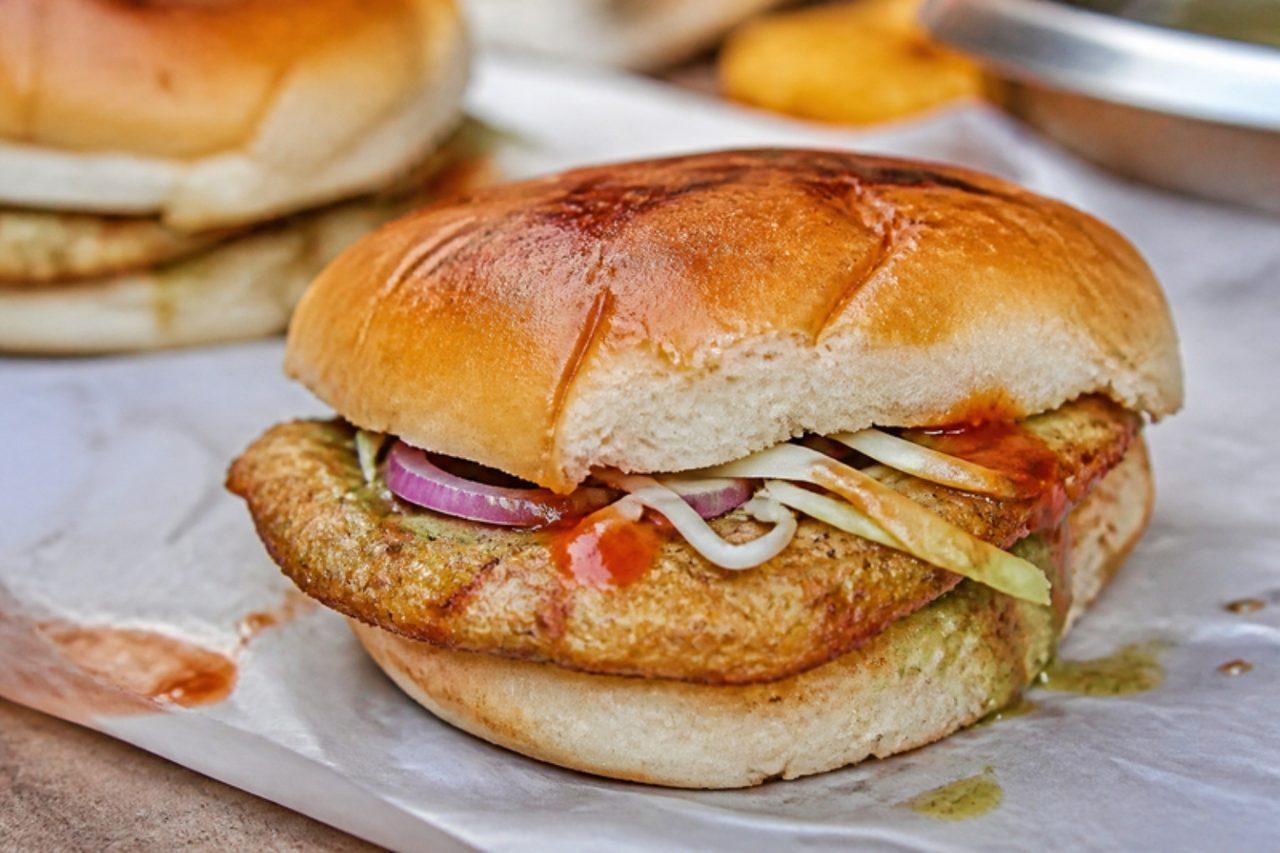
Anday wala burgerEgg and beef burger

After dark, Karachi's burger carts on Burns Road, Tariq Road and outside every college fire up their griddles for the anday wala burger: a thin, spicy beef patty and a fried egg in a soft buttered bun, with shredded cabbage, onion, ketchup and a sharp green chutney. It is cheap, messy and the city's favourite late snack. A cousin of the anda bun kebab, which uses a lentil and potato patty, this version is all about the meat. The common slip is pressing the egg too thin until it is leathery; cook it in the patty's fat just until the white sets. Contains egg, wheat and milk. Chef's tip: dip each patty in beaten egg before it hits the griddle, as the cart cooks do, so a thin egg jacket forms and keeps it juicy.

by KrazyBadal 0 views

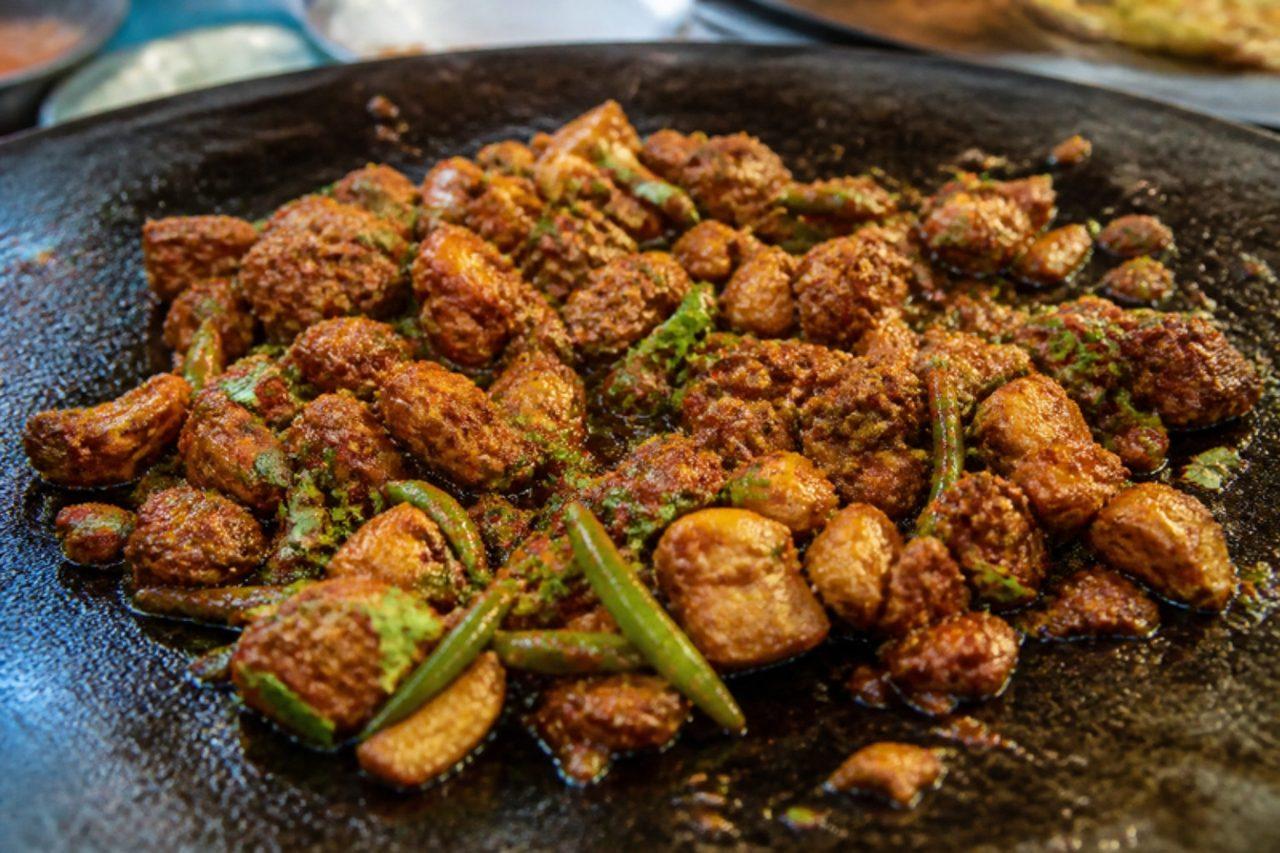
Tawa chickenGriddle-fried chicken

At night on the motorway service roads and Lahore's Gawalmandi, cooks drum their metal spatulas on huge round tawas as they chop and fry chicken to order: boneless pieces scraped about the hot iron with tomato, onion, green chilli and spice until dry, smoky and coated. The noise is half the show, and the chicken is eaten straight off the griddle with naan or paratha. The mistake at home is using a small non-stick pan over a timid flame, which stews the chicken; use your widest heavy pan or griddle and keep the heat high. Chef's tip: chop the chicken into small pieces with the edge of your spatula as it cooks, the way the stalls do, so every bit picks up the charred masala.

by KrazyBadal 0 views

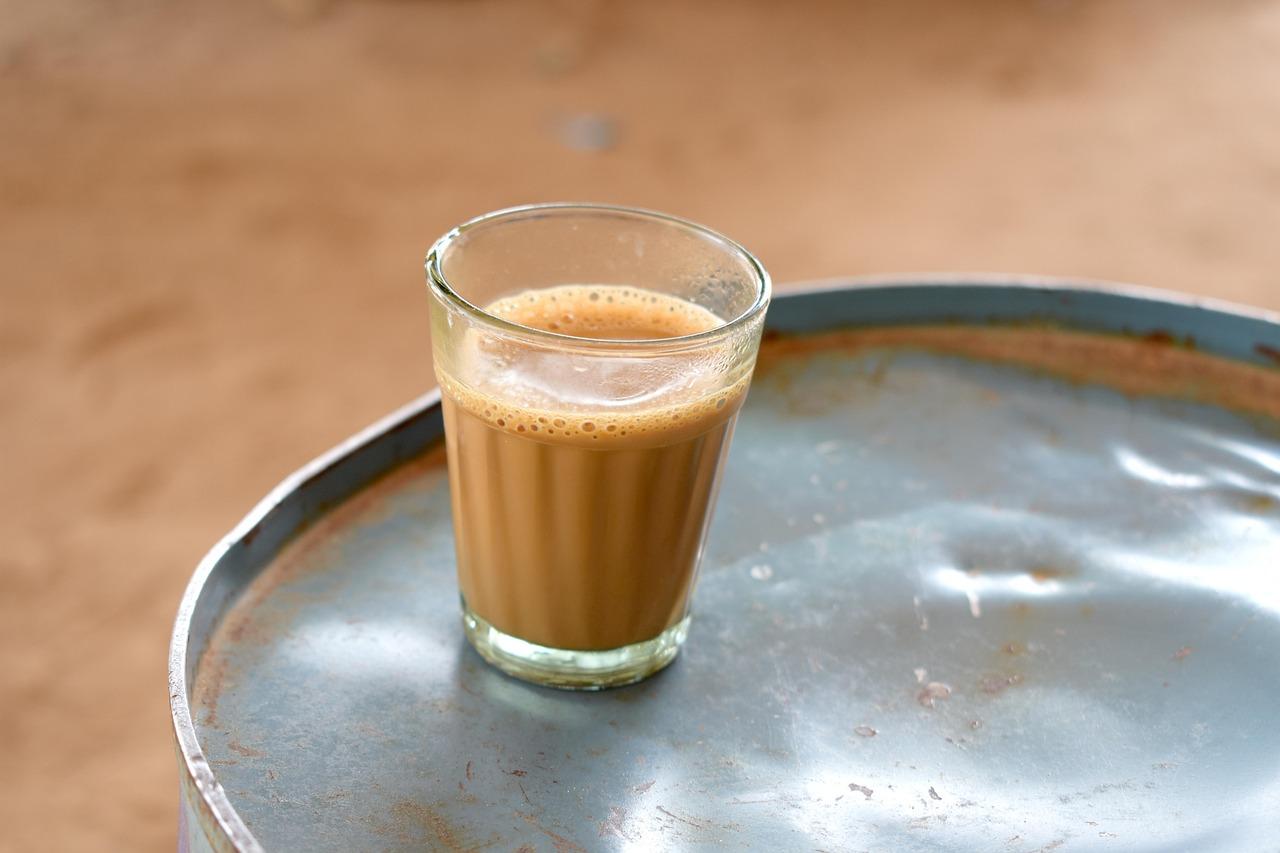
Doodh pattiStrong milk tea

Doodh patti is poured from a dented pan at every truck stop, university canteen and street-corner dhaba in Pakistan, from Karachi's Saddar to the Murree road, and it is drunk at all hours: before work, after cricket, at midnight with a paratha. The tea is made without any water at all, boiling loose black tea and sugar in milk until it turns a deep caramel colour and tastes rich, malty and strong. The mistake is simmering too gently and pulling it off too soon, giving a weak, milky drink; it needs a proper rolling boil, more than once. Contains milk. Chef's tip: lift the pan off the heat each time the tea froths to the top and return it, three times; each rise deepens the colour and flavour.

by KrazyBadal 0 views

ErdäpfelstrudelSavoury potato strudel

Austrians, especially in the Mühlviertel of Upper Austria and the Waldviertel, make savoury strudels as often as sweet ones, and Erdäpfelstrudel is a farmhouse favourite for a meatless Friday or a cold evening. Thin pastry wraps a filling of potatoes, fried onion, sour cream, marjoram and parsley, baked until crisp and golden and sliced with a green salad or a dill and sour-cream dip. Bought filo makes it easy at home. The mistake to avoid is a wet filling, which turns the pastry soggy underneath. Chef's tip: cool the filling completely before rolling; warm filling makes the layers stick and tear.

by KrazyBadal 0 views

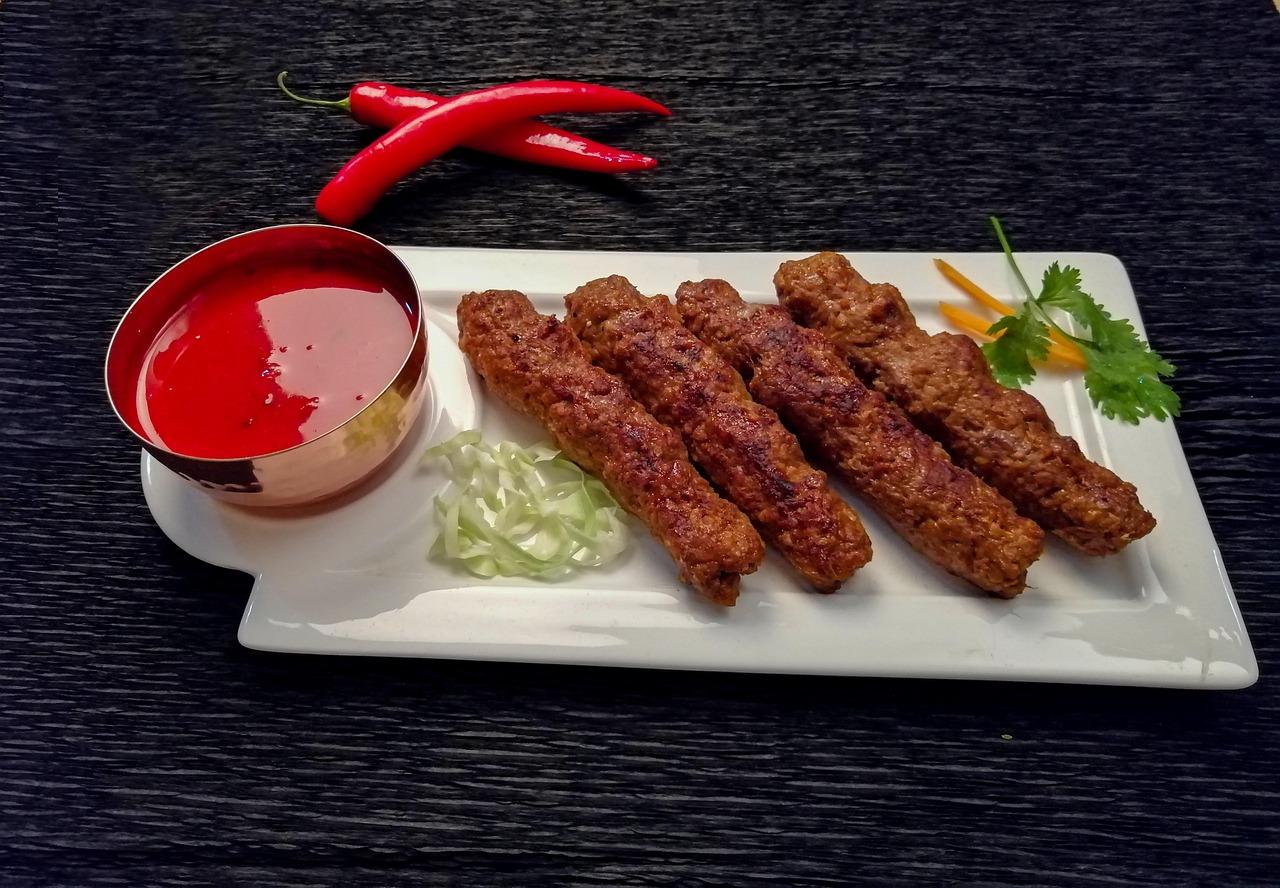
Seekh kebab

The long, charred seekh kebab is the first thing grilled when the coals glow on Lahore's food streets and on Karachi's Boat Basin in the evening, eaten hot off the skewer with naan, onion rings, lemon and green chutney. Coarsely minced beef (or mutton) with some fat is kneaded with onion, ginger, garlic, green chilli and roasted spices until it turns sticky enough to cling to a flat skewer, then grilled until smoky outside and juicy within. The classic failure is a kebab that slides off into the coals, which happens when the onion is left wet or the mince too lean; squeeze the onion dry and use mince with about 20 per cent fat. Chef's tip: chill the shaped skewers for 20 minutes before grilling so the fat firms and holds the meat in place.

by KrazyBadal 0 views

Fish tikka

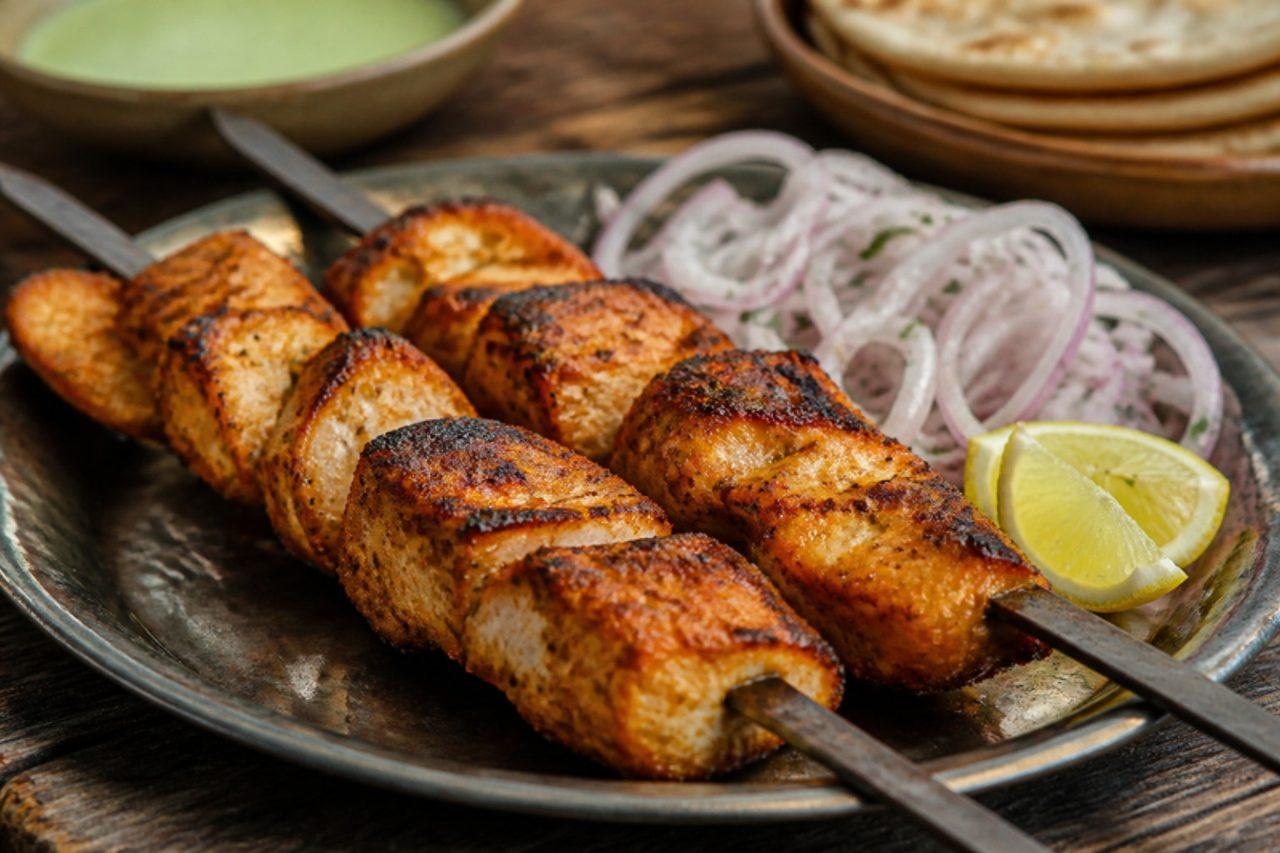
On winter nights along Karachi's seafront and in the Do Darya restaurants, skewers of fish tikka go round the table straight from the grill, the chunks blushing red from chilli and yogurt with blackened corners. Firm white fish such as surmai (kingfish) or monkfish holds its shape while the marinade sets into a light, tangy crust, and it needs only lemon, sliced onion and a bowl of raita. The mistake most people make is marinating fish as long as chicken: more than 40 minutes and the lemon and salt start to 'cook' it, so it flakes apart on the skewer. Contains fish and milk. Chef's tip: rub the fish with lemon and salt first, rest it 10 minutes and pat dry before the yogurt goes on, so the marinade sticks and doesn't slide off.

by KrazyBadal 0 views

Sabzi handiCreamy vegetable curry

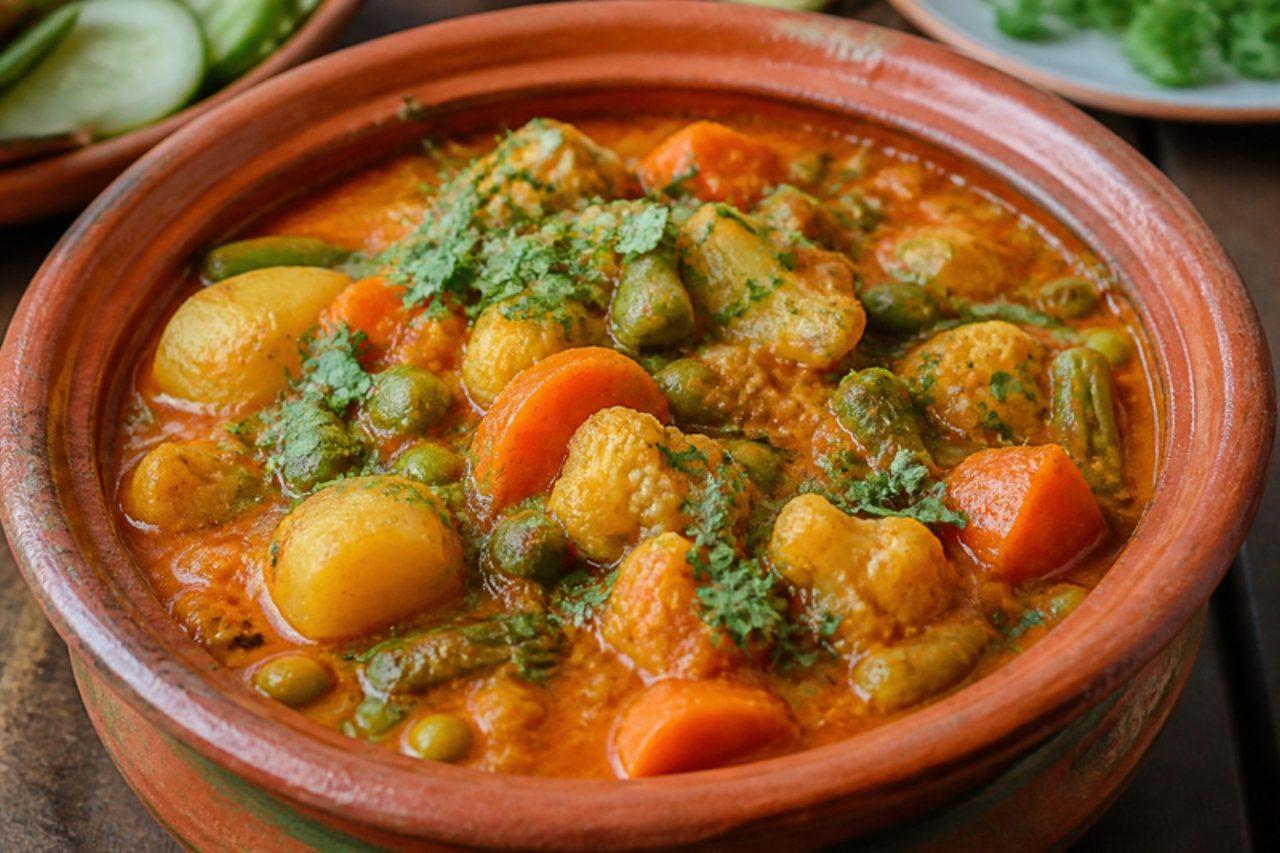
Lahore and Islamabad restaurants send sabzi handi to the table in its own little clay or copper pot, the vegetarian partner to chicken handi on any family dinner order, scooped up with hot naan. Potato, carrot, beans, cauliflower and peas cook in a gently spiced tomato and yogurt masala, then a spoon of cream turns it silky and pale orange. Vegetables thrown in all together go to mush in places and stay hard in others; add them in stages, the slow ones first. Contains milk. Chef's tip: crush a pinch of dried fenugreek leaves (kasuri methi) between your palms over the handi right at the end for the authentic restaurant aroma.

by KrazyBadal 0 views

Chicken handi

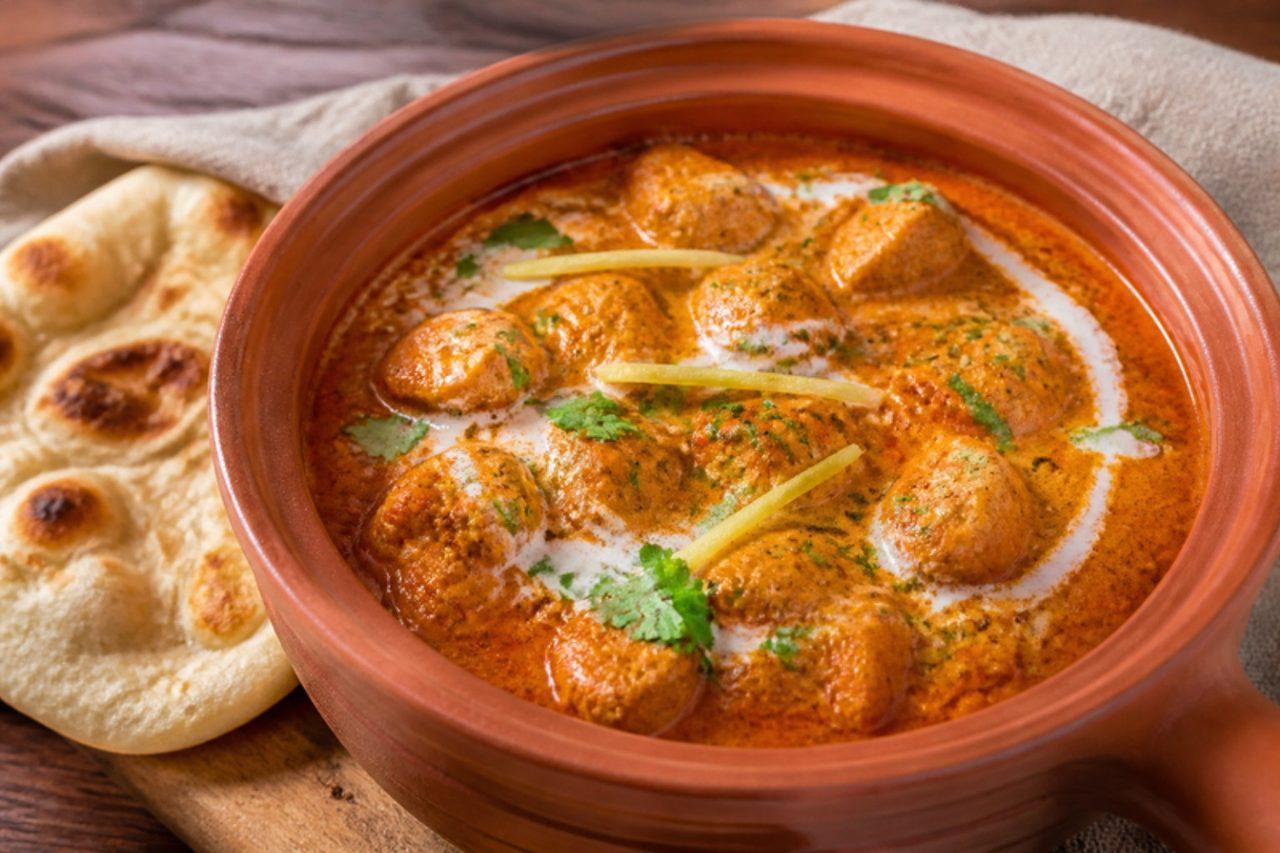
Chicken handi is the dish families order at Lahore's M.M. Alam Road restaurants and Karachi's Do Darya when everyone wants something rich but not fiery; it arrives bubbling in its clay pot with a swirl of cream, and disappears with garlic naan. Boneless thigh is marinated in yogurt, then cooked in a tomato masala that is finished with cream and crushed fenugreek, giving a velvety, gently tangy sauce. A sauce that splits into grains usually means the yogurt went into a fiercely boiling pan; lower the heat first and stir it in. Contains milk. Chef's tip: let the gravy 'bhuno' (fry) until the oil comes to the surface before you add the cream: that is where the deep, roasted flavour comes from.

by KrazyBadal 0 views

White chicken karahi

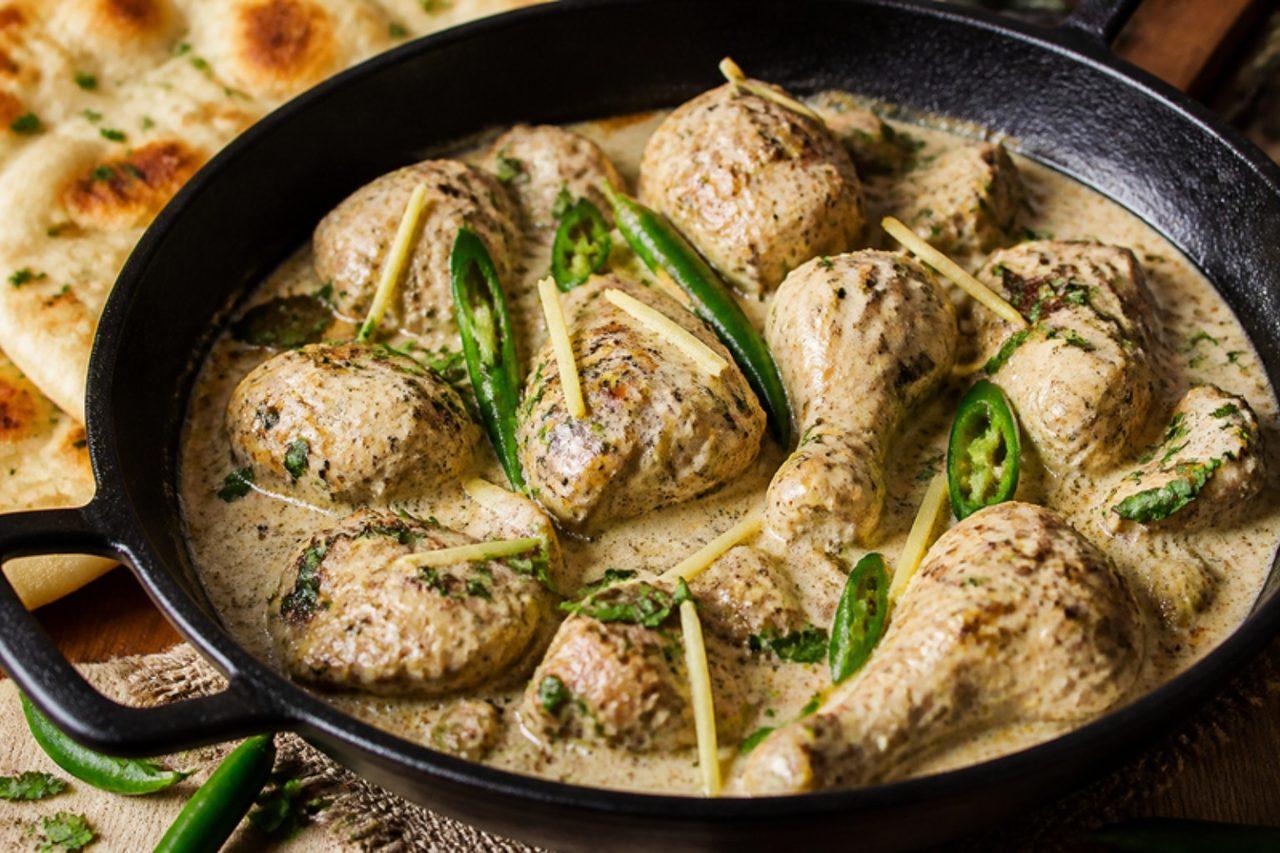
White karahi took off in Islamabad and Lahore restaurants as the mild, peppery alternative to the red version, and it has become a favourite for family dinners and mehndi menus where not everyone wants chilli heat. The chicken is fried with ginger and garlic, then finished in yogurt, cream and plenty of freshly cracked black pepper with whole green chillies, so the sauce is pale, rich and fragrant rather than fiery. A grainy, broken sauce is the classic pitfall; take the karahi off the heat before the yogurt goes in and bring it back to only a gentle simmer. Contains milk. Chef's tip: crack the black pepper coarsely just before using it, and add half at the start and half at the end for both warmth and aroma.

by KrazyBadal 0 views

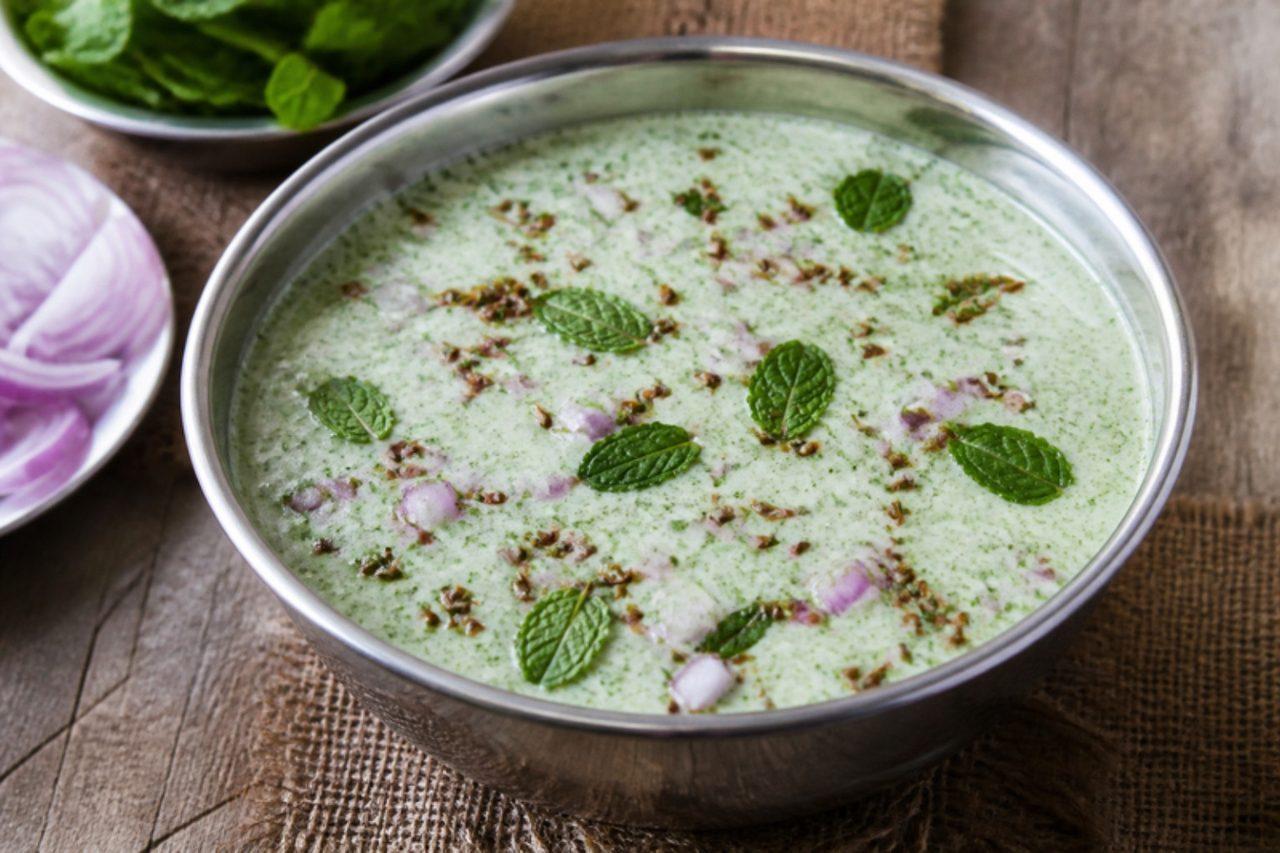
Podina raitaMint yogurt dip

Order a platter of tikka at a Burns Road or Gawalmandi grill and a steel bowl of pale green podina raita lands beside it without asking; it is the cooling counterweight to smoke and chilli, and at home it goes with biryani, pulao and kebab rolls too. Mint, a handful of coriander, one green chilli and freshly toasted cumin are whisked into thick yogurt until it is pourable but still clings to a piece of naan. The usual slip is blitzing the herbs in a blender with the yogurt, which thins it to a watery green drink; pound or chop the herbs separately and fold them in. Contains milk. Chef's tip: dry-roast the cumin seeds yourself and crush them at the last minute: the smoky, toasty smell is what makes a grill-house raita taste like one.

by KrazyBadal 0 views

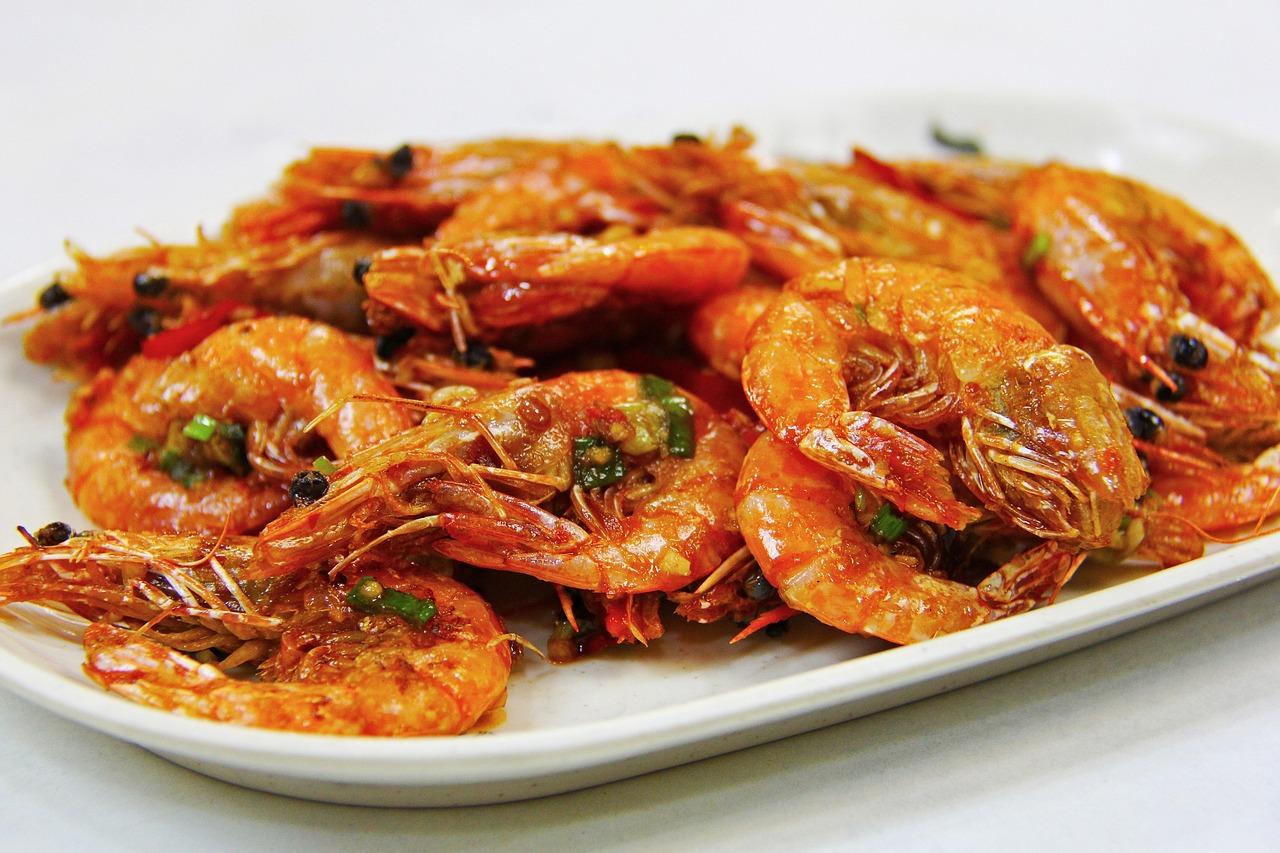
Prawn karahi

Karachi's fishing harbour supplies the city's seafood restaurants on Sea View and in Clifton, and prawn karahi is the quick, fiery dish people order there for a Saturday dinner by the sea: prawns tossed through a tomato, garlic and green chilli masala in a blazing wok, eaten with naan or plain rice. The tomato breaks down into a thick, tangy coating that clings to each prawn, sharpened with lemon and coriander. Prawns that are rubbery and tight are the usual let-down; they need only 3–4 minutes once the sauce is ready, so add them last. Contains shellfish. Chef's tip: fry the prawn shells in the oil first for 2 minutes, then lift them out: the oil takes on a rich, sweet prawn flavour.

by KrazyBadal 0 views

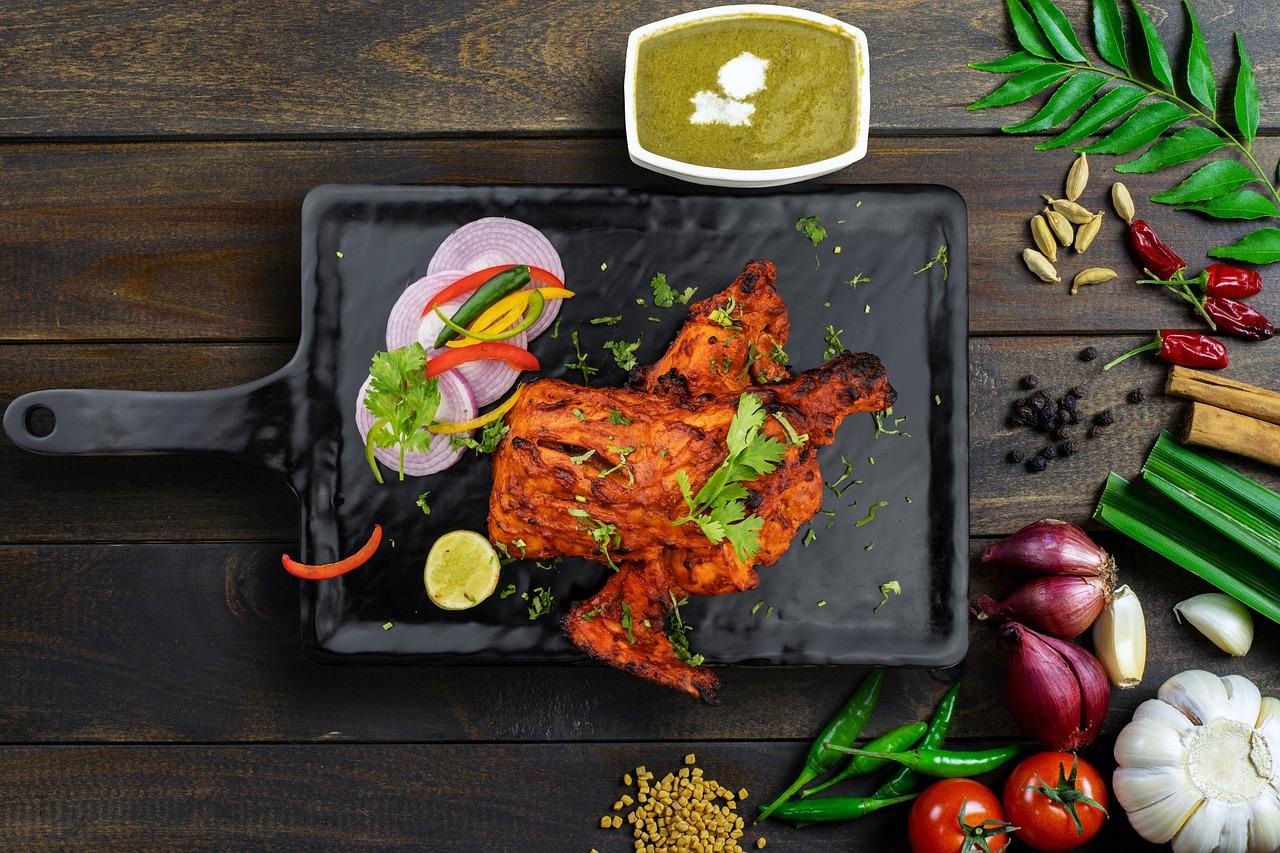
Kalmi tikkaGrilled chicken drumsticks

Kalmi means 'of the leg', and at Karachi BBQ joints from Burns Road to Do Darya the kalmi tikka is a whole drumstick, slashed to the bone, marinated in yogurt, chilli and roasted spice and turned over coals until its edges blacken; Lahori tikka houses serve it the same way after Friday prayers. The meat stays juicy on the bone while the marinade forms a tangy, smoky crust. The common mistake is grilling over fierce flames the whole time, which burns the outside long before the bone end is cooked; start over medium heat and only char at the end. Contains milk. Chef's tip: smoke the cooked drumsticks for two minutes under a lid with a hot coal and a drop of ghee (the dhuanaar) if you are cooking on a hob rather than a grill.

by KrazyBadal 0 views

Shinwari karahiLamb karahi

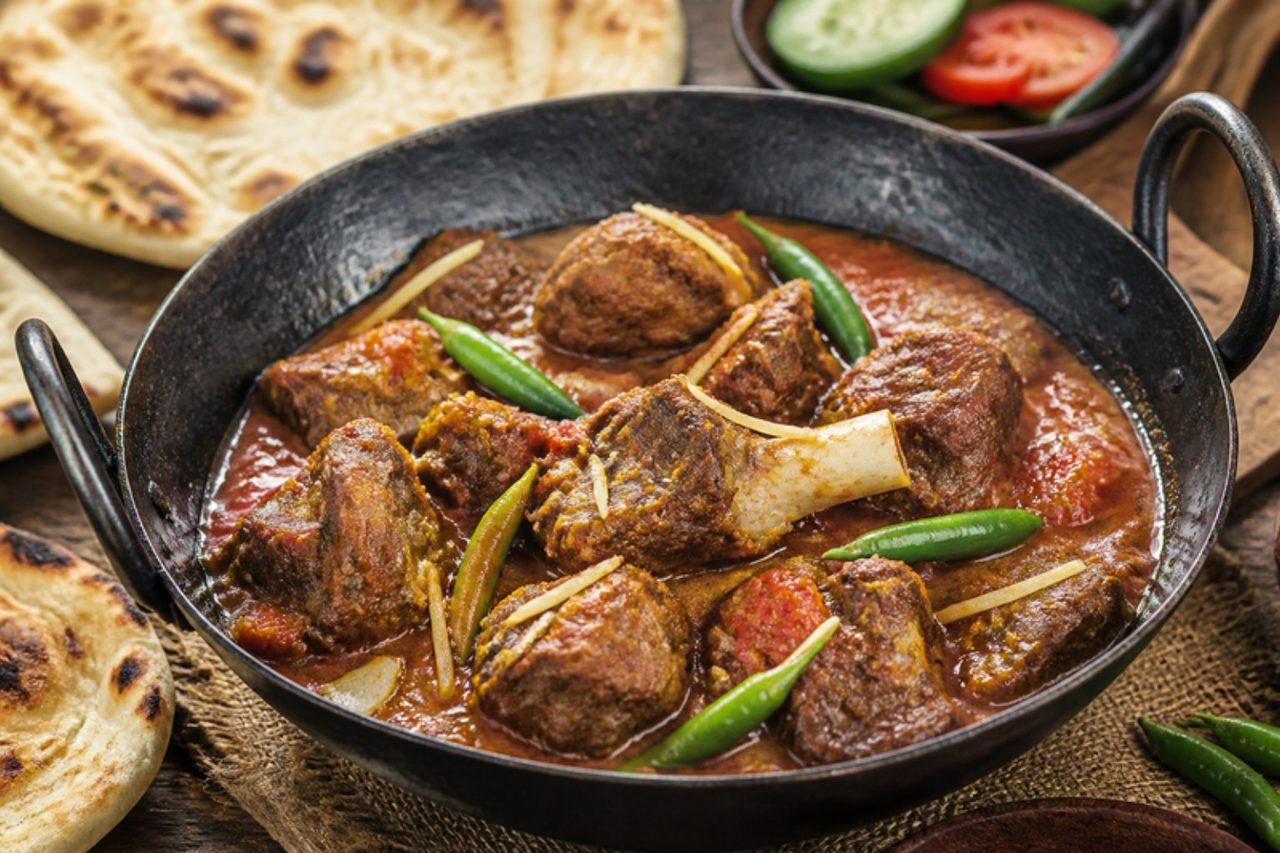
On the Grand Trunk Road out of Peshawar and in the Namak Mandi lanes, Shinwari cooks fry lamb in a vast iron karahi with nothing but its own fat, salt, tomatoes and green chillies, and diners sit cross-legged in the dera to eat it with naan straight from the pan. There is no onion, no powdered spice and hardly any water, so the meat tastes deeply of lamb and the sauce is short, glossy and tangy. The mistake is adding water to speed it up: it boils the meat grey; instead keep the lid on over a low heat and let the meat steam in its own juices. Chef's tip: use bone-in shoulder with its fat (or add 50 g of lamb fat), because the rendered fat is the sauce.

by KrazyBadal 0 views

Chana pulaoChickpea pulao

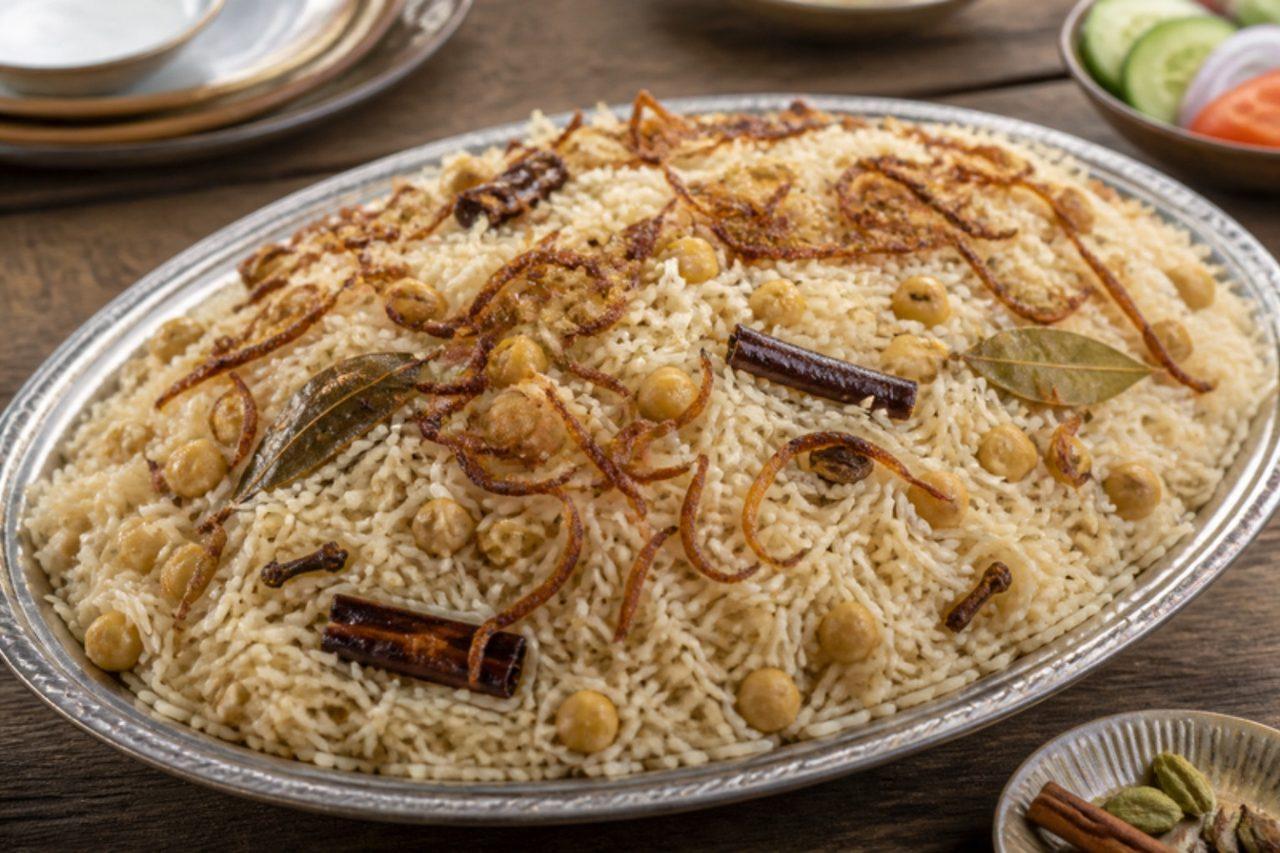
From carts parked outside Karachi offices at lunchtime, chana pulao is ladled onto paper plates with a dollop of raita and a few onion rings: long-grain rice cooked in a spiced stock with chickpeas until every grain is separate and fragrant. Browned onion gives it a golden colour and a gentle sweetness, while cloves, cardamom and black cumin scent the steam. The usual mistake is stirring the rice once it goes in, which breaks the grains and makes it sticky; once the water is in, just cover and leave it alone. Chef's tip: let the rice absorb most of the water over a high heat, then seal the lid with a tea towel and give it 10 minutes of dum on the lowest heat so it steams through.

by KrazyBadal 0 views

Karahi qeemaMinced meat karahi

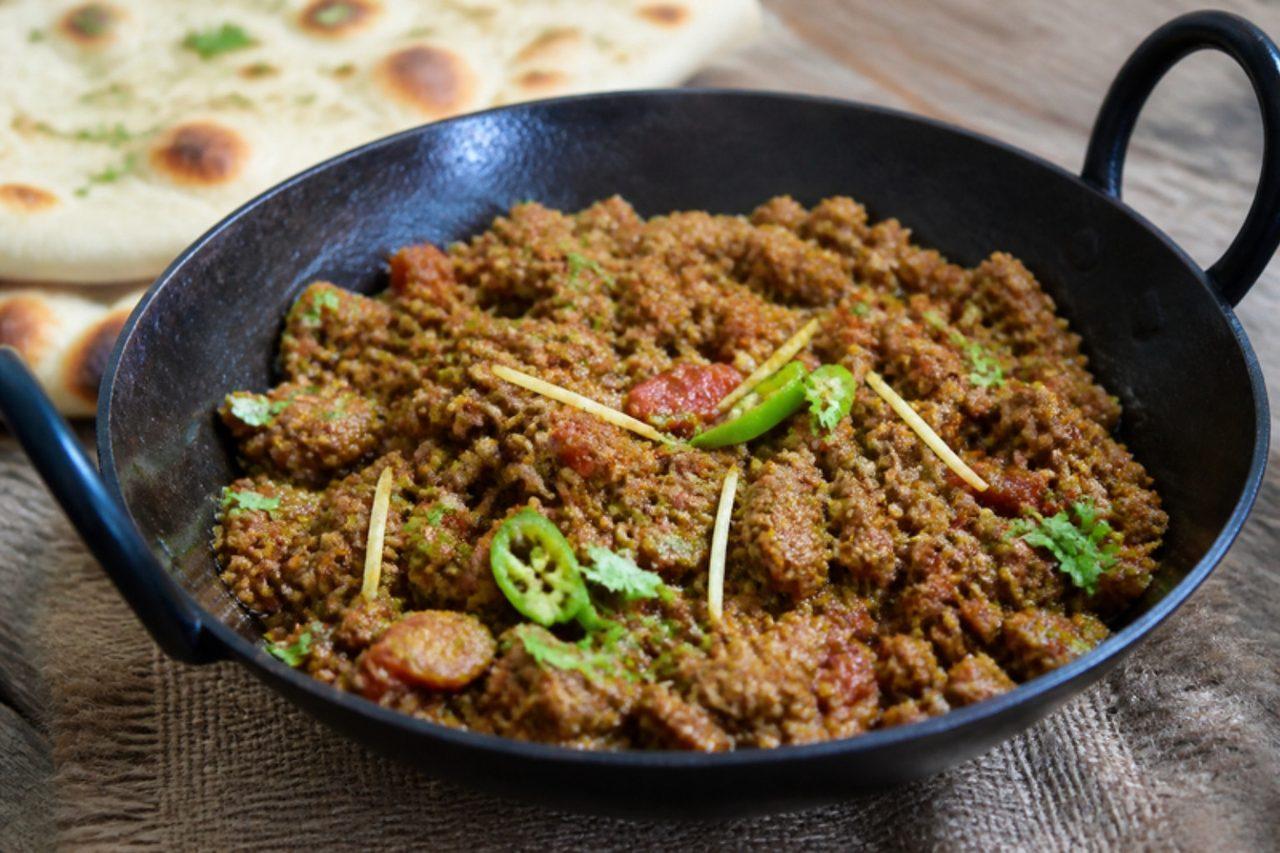
Karahi qeema is what home cooks across Punjab make when guests arrive unannounced, and what roadside karahi shops in Rawalpindi and Lahore fry to order for a quick lunch: beef or mutton mince stir-fried hard in an iron wok with tomato, ginger and green chilli until dry and glossy. It is scooped up with roti or stuffed into a paratha the next morning. The usual mistake is crowding the cold mince into a lukewarm pan, which stews it; get the oil smoking hot and break the meat up quickly so it fries. Chef's tip: finish with a handful of julienned ginger and a squeeze of lemon off the heat, for a fresh bite against the rich meat.

by KrazyBadal 0 views

Mutton chaap

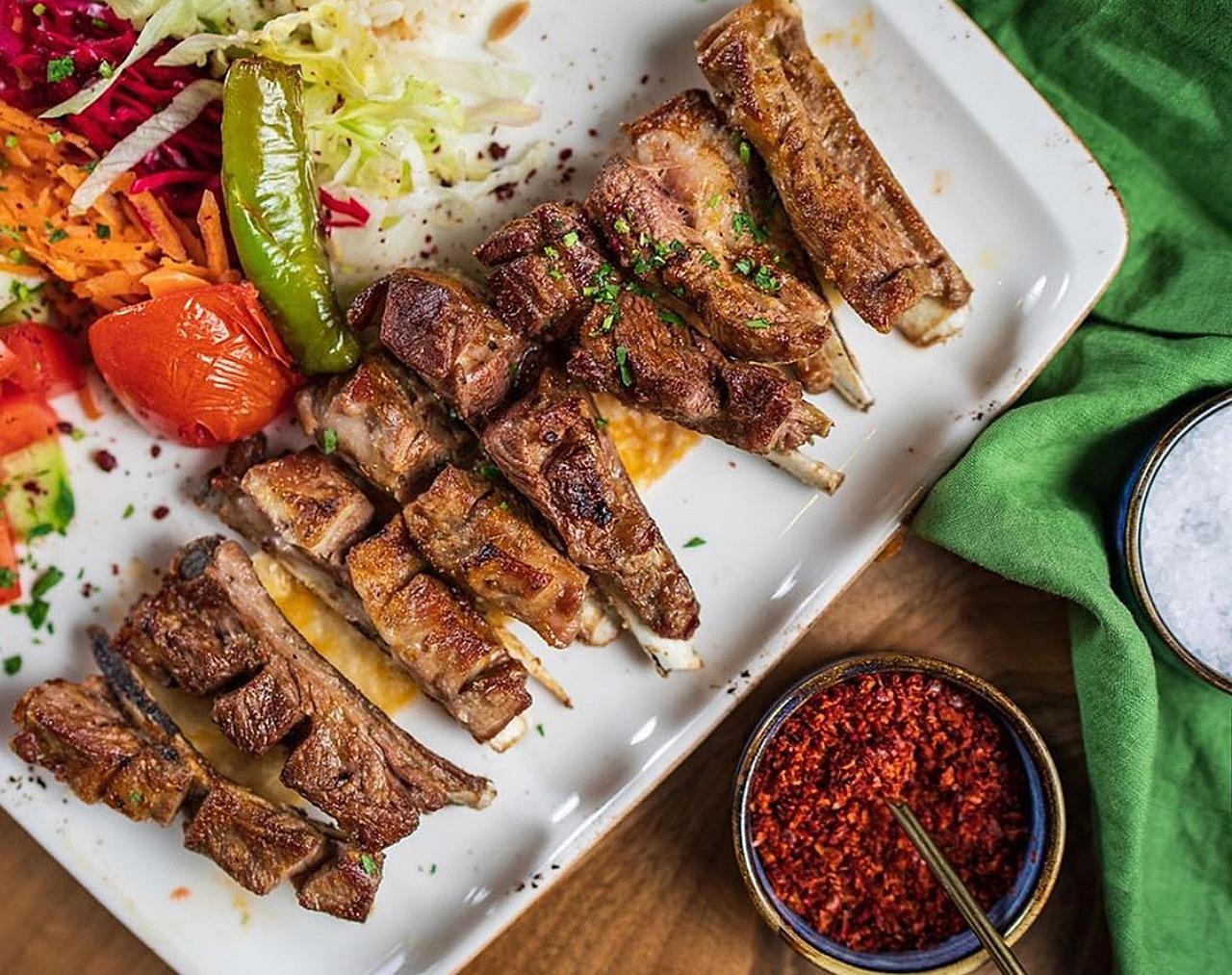
Mutton chaap belongs to Lahore's Gawalmandi and Lakshmi Chowk, where chops are pounded thin, rubbed with raw papaya and spice and slapped onto a hot tawa or a charcoal grill late into the night; families order them by the plate for Eid gatherings and weekend dinners. The papaya enzyme and yogurt make the meat tender enough to pull off the bone, while the chilli-spiced crust chars and turns sticky. People often leave papaya paste on for too long or overnight, and the meat goes mushy; two hours in the fridge is plenty. Contains milk. Chef's tip: finish the chops with a knob of butter and a squeeze of lemon on the tawa for the last minute, which is how the Lahori stalls get their glossy glaze.

by KrazyBadal 0 views

Daal chanaChickpea dal

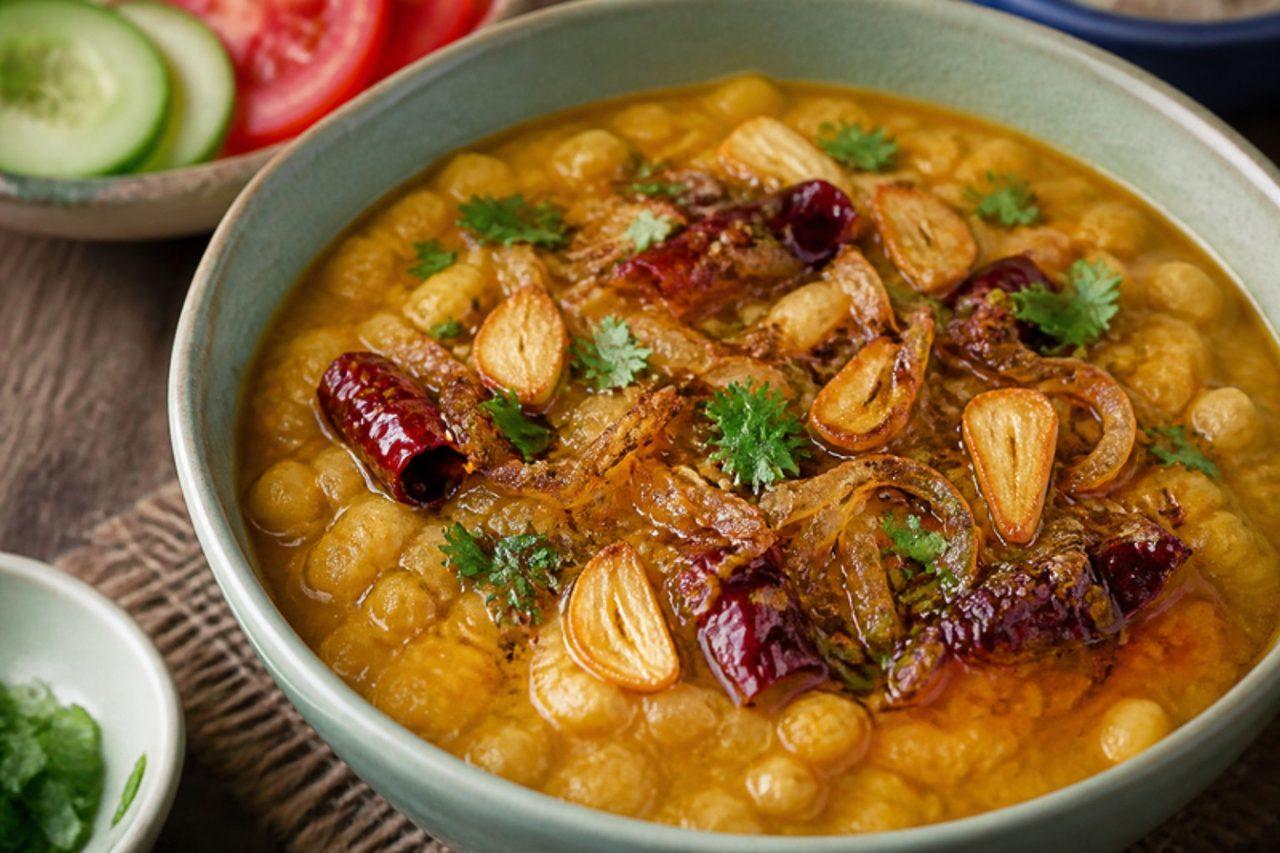
A bowl of daal chana with a fiery tarka poured over at the table is one of the most ordered plates at dhabas from Multan to Rawalpindi, and in many homes it is the Thursday dinner, eaten with roti, raw onion and pickle. The split chickpeas cook until soft but still hold their shape in a thick, yellow, gently spiced base, and then the tarka of fried onion, garlic, cumin and whole red chilli in ghee crackles over the top. The mistake is serving it before the dal is truly soft; chana dal takes longer than you think, so test a grain by squeezing it. Contains milk (ghee); use oil for a vegan version. Chef's tip: pour the tarka over at the very last moment so it hisses, and cover the pot for a minute to trap the smoky aroma.

by KrazyBadal 0 views

Lobia masalaBlack-eyed bean curry

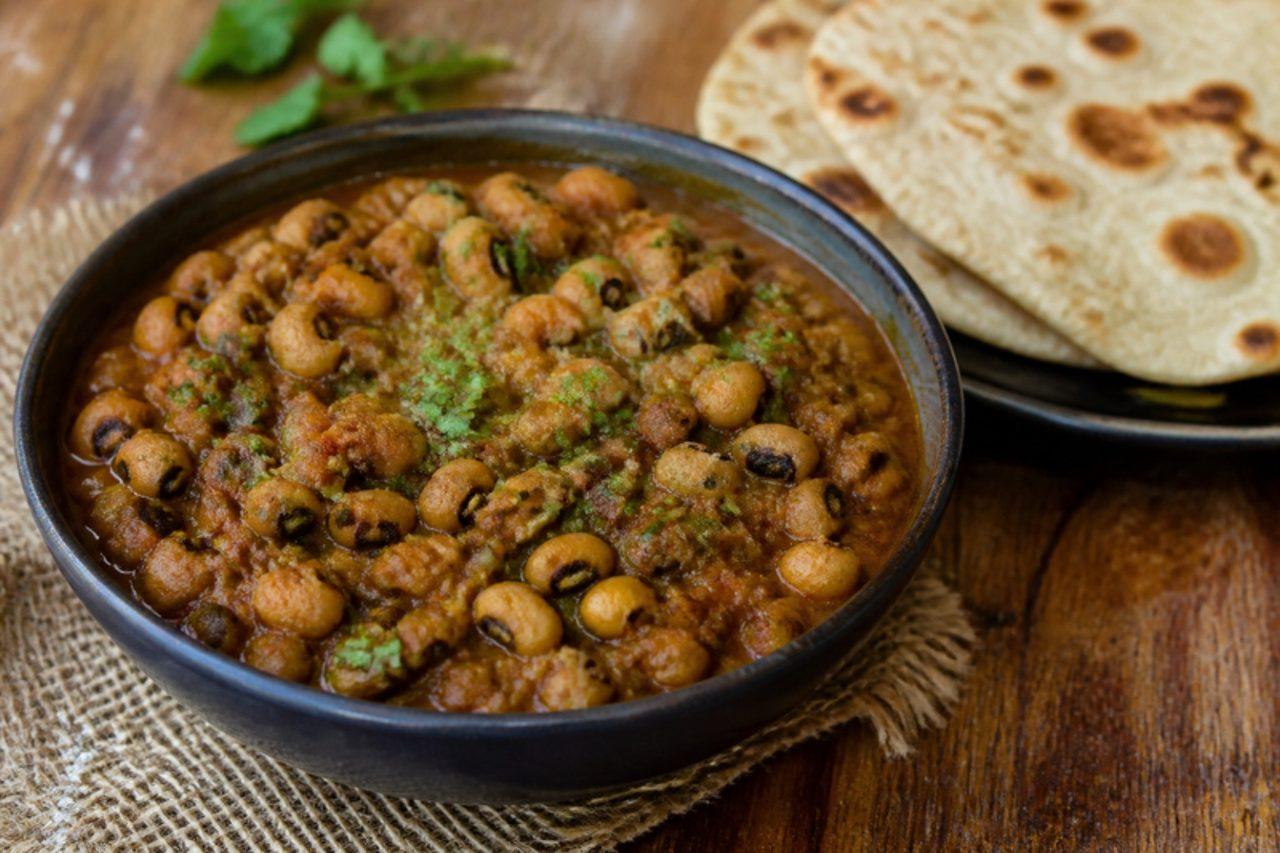
Truck drivers on the GT Road and students in Lahore's Anarkali eat lobia at dhabas for a few rupees a plate: soft black-eyed beans in a dark onion and tomato masala, mopped up with tandoori roti and a green chilli on the side. It tastes earthy and comforting, with a peppery edge and a thick, spoonable gravy. Undercooked beans that stay chalky in the middle are the common complaint, especially when tomato goes in before the beans are soft; boil them tender first, then simmer them in the masala. Chef's tip: mash a ladleful of the beans against the side of the pot near the end, which thickens the gravy the way dhaba cooks do.

by KrazyBadal 0 views

Capeletis a la CarusoStuffed pasta in cream sauce

Capeletis a la Caruso were created in a Montevideo restaurant in the 1950s and named after the great tenor, and they are still a Sunday lunch favourite in Uruguayan homes: little stuffed pasta hats in a rich sauce of cream, cooked ham (pork), mushrooms and onion, finished with grated cheese. Buy good fresh capeletis or tortellini; the sauce is what you make. The usual mistake is boiling the cream sauce hard, which makes it oily and grainy. Chef's tip: cook the mushrooms in a dry hot pan first until they squeak and brown, before any butter goes in, for a deeper taste.

by KrazyBadal 0 views

Arvi ka salanColocasia in tangy gravy

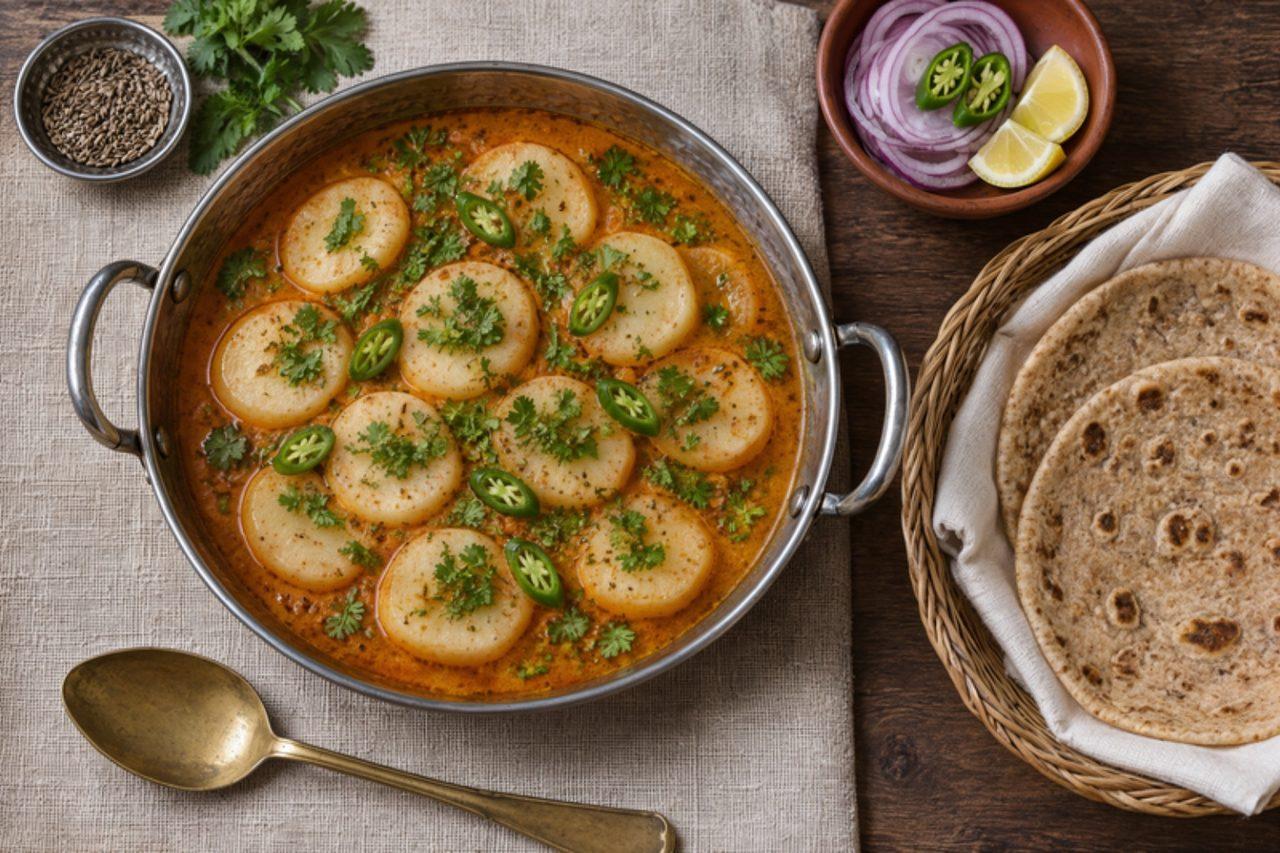
Arvi ka salan is a Lahore and Karachi home curry, cooked on weekday evenings when the vegetable seller has a basket of small, hairy colocasia roots. The roots are boiled, peeled and simmered in a loose, sour gravy of onion, tomato, ajwain and a squeeze of lemon, so the slightly slippery arvi soaks up the spice and turns creamy at the centre. Eat it with hot roti or plain rice and a little raw onion. The usual mistake is undercooking the arvi: half-cooked colocasia leaves an itchy, scratchy feeling in the throat, so it must be soft all the way through. Chef's tip: once the boiled arvi is peeled, press each piece flat with your palm before it goes into the gravy, so the rough edges thicken the sauce.

by KrazyBadal 0 views

Chicons braisésBraised endives

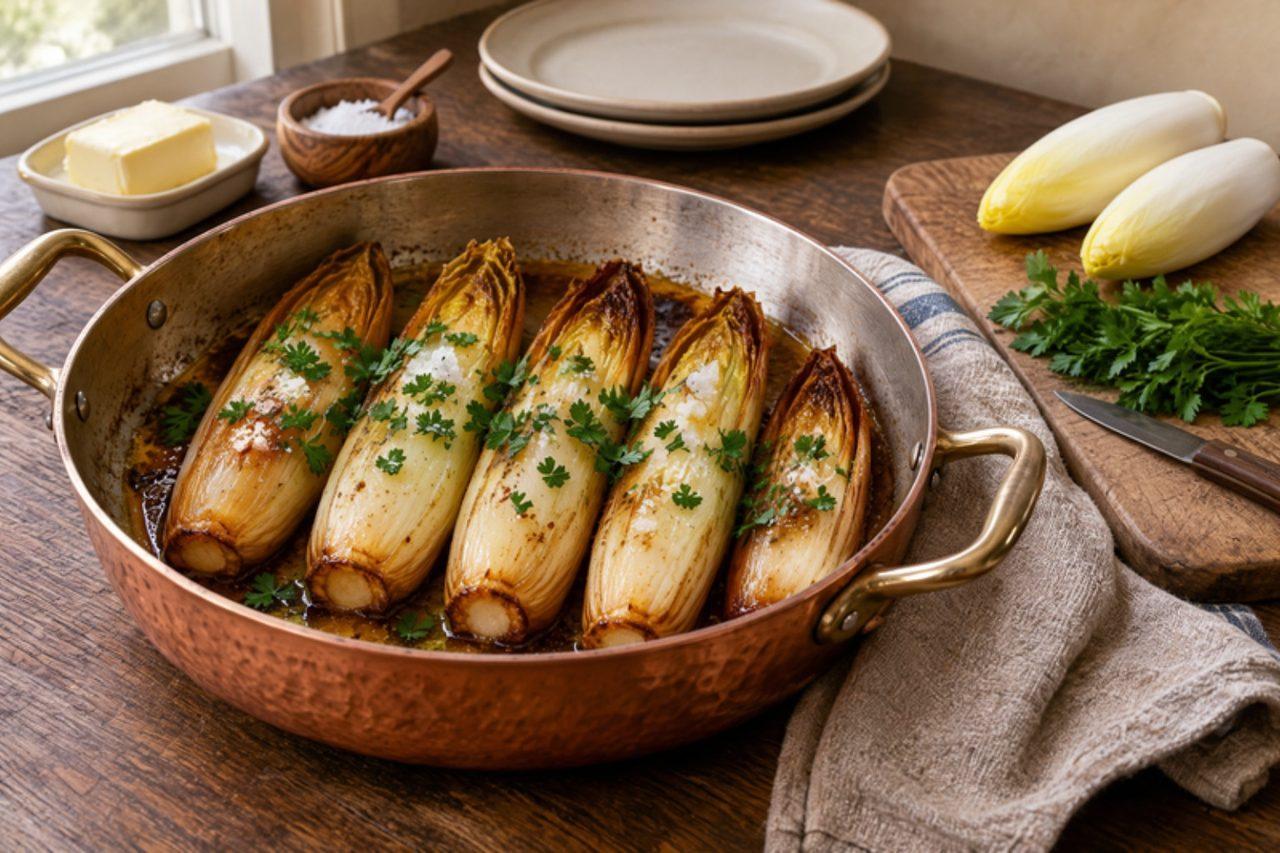
Belgian endive, called chicon in Wallonia and witloof in Flanders, is grown in the dark around Brussels and eaten all winter, from November to March. Braised slowly in butter with a pinch of sugar and a squeeze of lemon, the pale heads turn golden, soft and gently caramelised, with only a whisper of their raw bitterness left. Serve them beside mashed potatoes and a fried egg, or as a side for a Sunday roast. The usual mistake is crowding the pan and boiling them in their own water, which leaves them grey and bitter. Chef's tip: lay the heads in a single layer and press a round of baking paper on top, so they steam gently and then brown in the butter once the juices cook off.
by KrazyBadal 0 views

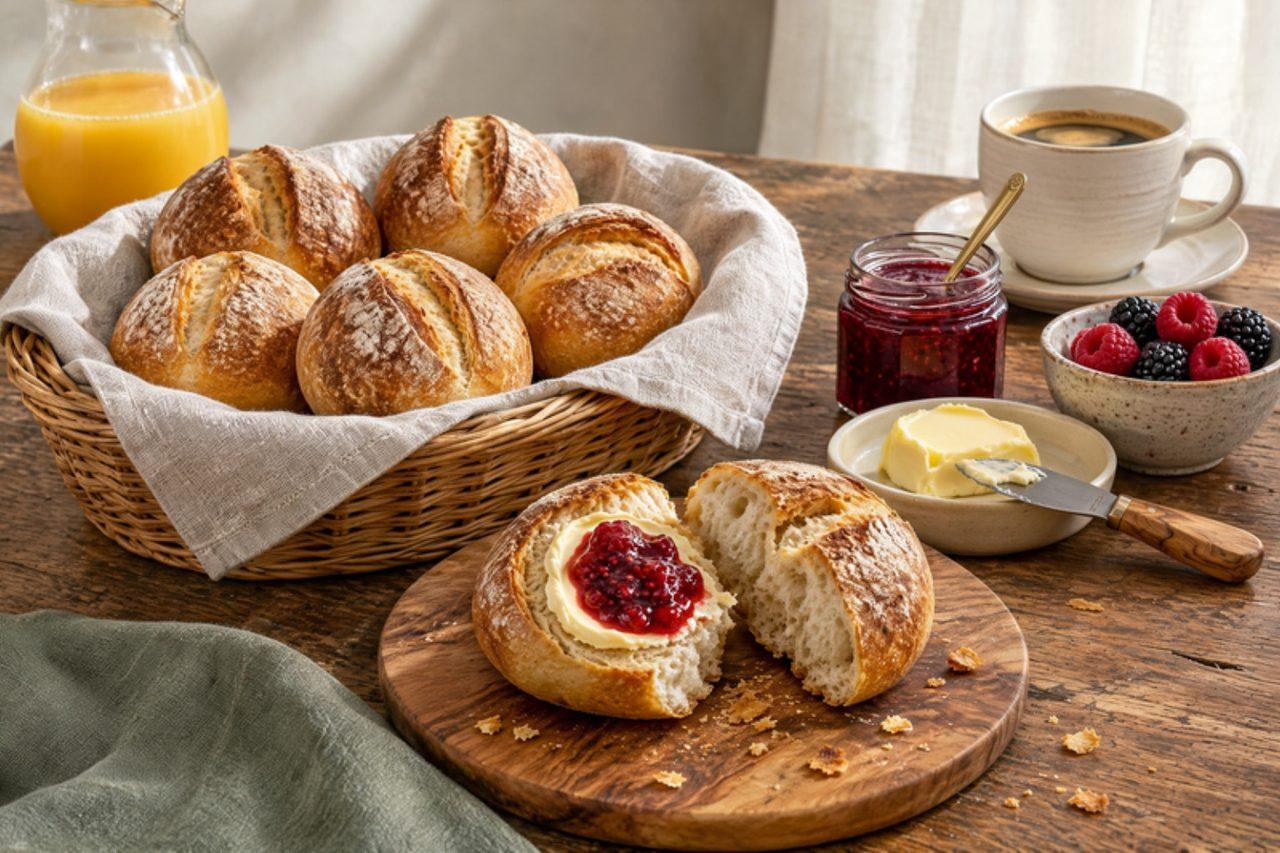
PistoletsCrusty bread rolls

In Brussels and all over Belgium, someone in the family goes to the bakery early on Sunday morning to bring home a paper bag of warm pistolets, the small round rolls with a split down the middle. They are eaten at a long breakfast with butter, jam, chocolate spread, cheese and boiled eggs. The crust shatters and the crumb is light and open. The common mistake is baking in a dry oven, which gives a dull, thick crust; a pan of boiling water in the oven makes the thin, crackly bakery crust. Chef's tip: press the split with a floured wooden spoon handle right after shaping, not just before baking, and it opens cleanly in the oven.

by KrazyBadal 0 views

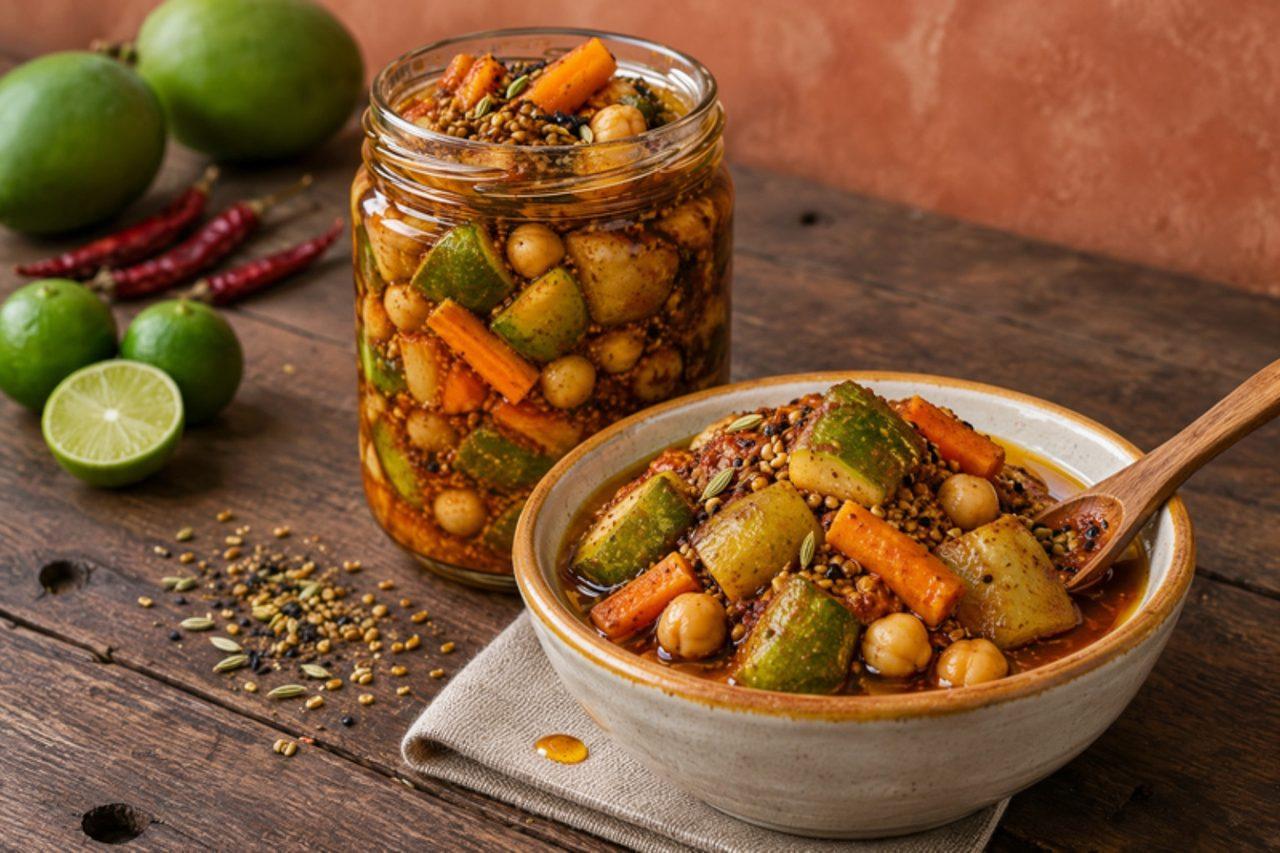
Shikarpuri acharMixed mango and lime pickle

Shikarpur, the old trading town in upper Sindh, is famous across Pakistan for one thing in a jar: a dark, oily mixed pickle that families say keeps for a year. It is made in May and June when green mangoes are sour and limes are cheap, cured in the hot Sindhi sun, and eaten all year with daal chawal, aloo paratha at breakfast, Sindhi biryani and plain roti with yoghurt. The flavour is sour, salty and fiery, with the bittersweet crunch of fenugreek, anise-sweet fennel and the onion note of kalonji, all carried in pungent mustard oil; the mango stays firm, the lime rind turns soft and chewy and the chickpeas stay nutty. Its long life comes from salt, sour fruit, vinegar and a thick layer of oil, so keep every piece under the oil. Common mistake: any water at all — wet fruit, a damp jar or a wet spoon — which brings mould within days. Dry everything in the sun or a low oven. It is ready after 2–3 weeks, when the lime skins are tender and the oil has turned red and fragrant. Chef's tip: heat the mustard oil until it just smokes and let it cool; this softens its raw bite.

by KrazyBadal 0 views

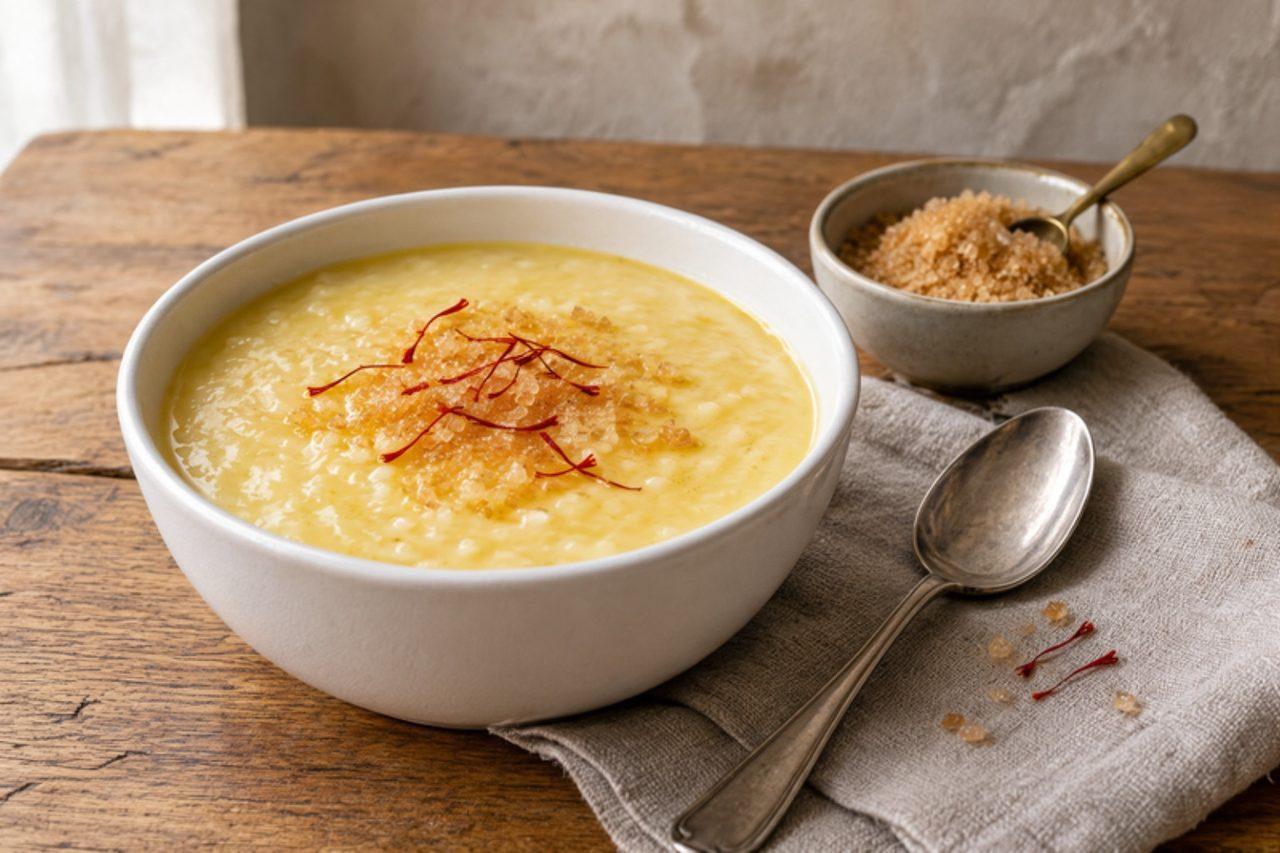
Saffron rijstpapSaffron rice porridge

Flemish rijstpap, rice slowly cooked in milk until thick and creamy, is a breakfast, a pudding and a childhood memory, and in East and West Flanders it is coloured golden with saffron and eaten with a spoonful of brown sugar. Old Flemish sayings even promise that in heaven you eat rijstpap with golden spoons. The mistake is cooking it too fast: the milk catches on the bottom and the rice stays chalky, so keep it at the barest simmer and stir often. Chef's tip: use round pudding rice, not long-grain, because its starch is what makes the porridge thick and silky without any cream.

by KrazyBadal 0 views

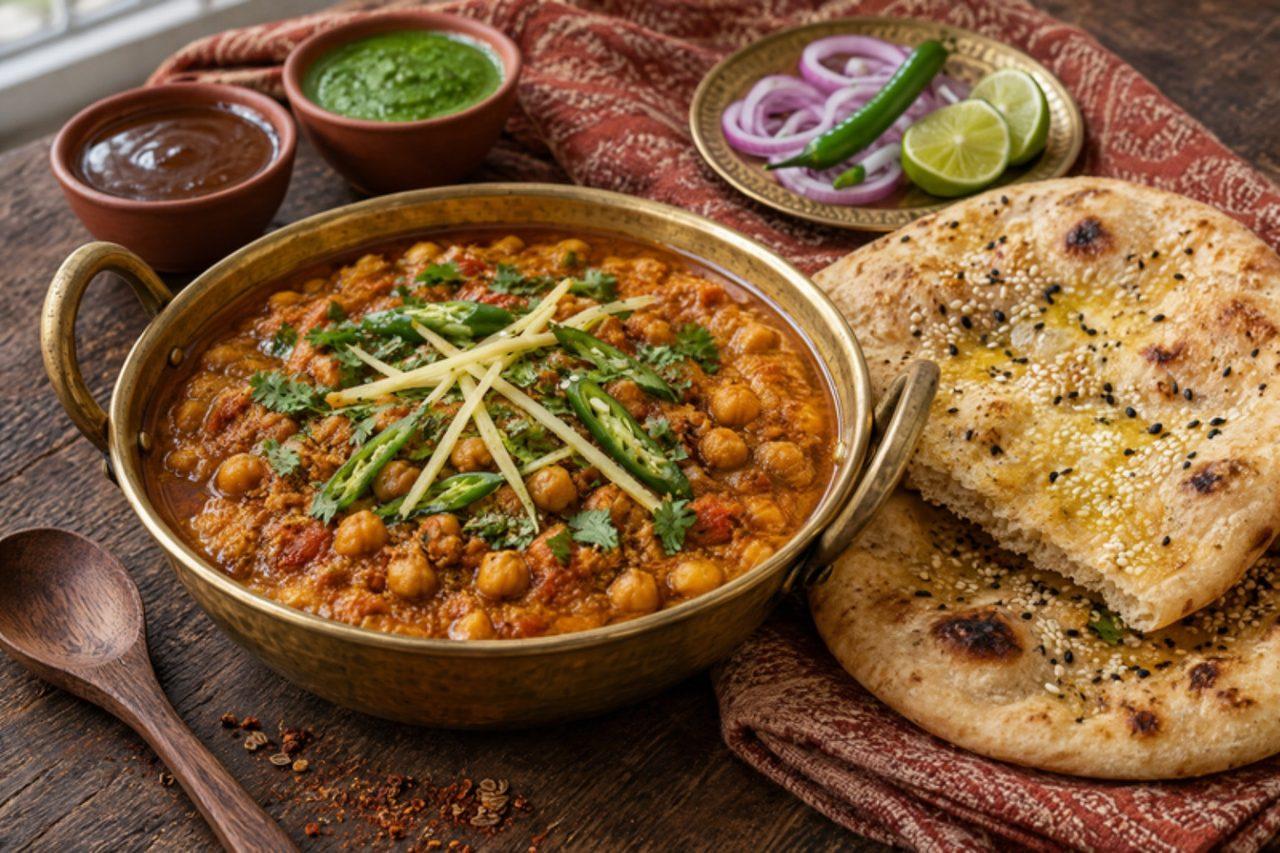
Chikar cholayThick chickpea curry

'Chikar' is Punjabi for mud, a fond joke about how thick these chickpeas are. In the old walled city of Lahore, around Lohari Gate and Gawalmandi, breakfast shops simmer huge pots from before dawn, mashing part of the chickpeas into the ghee and tomato until the whole lot clings like a paste; on Sunday mornings families eat them with fresh kulcha or puri, raw onion and lemon. Contains dairy (ghee). Chef's tip: boil the chickpeas until they squash with no resistance at all; firm ones never thicken into proper chikar.

by KrazyBadal 0 views

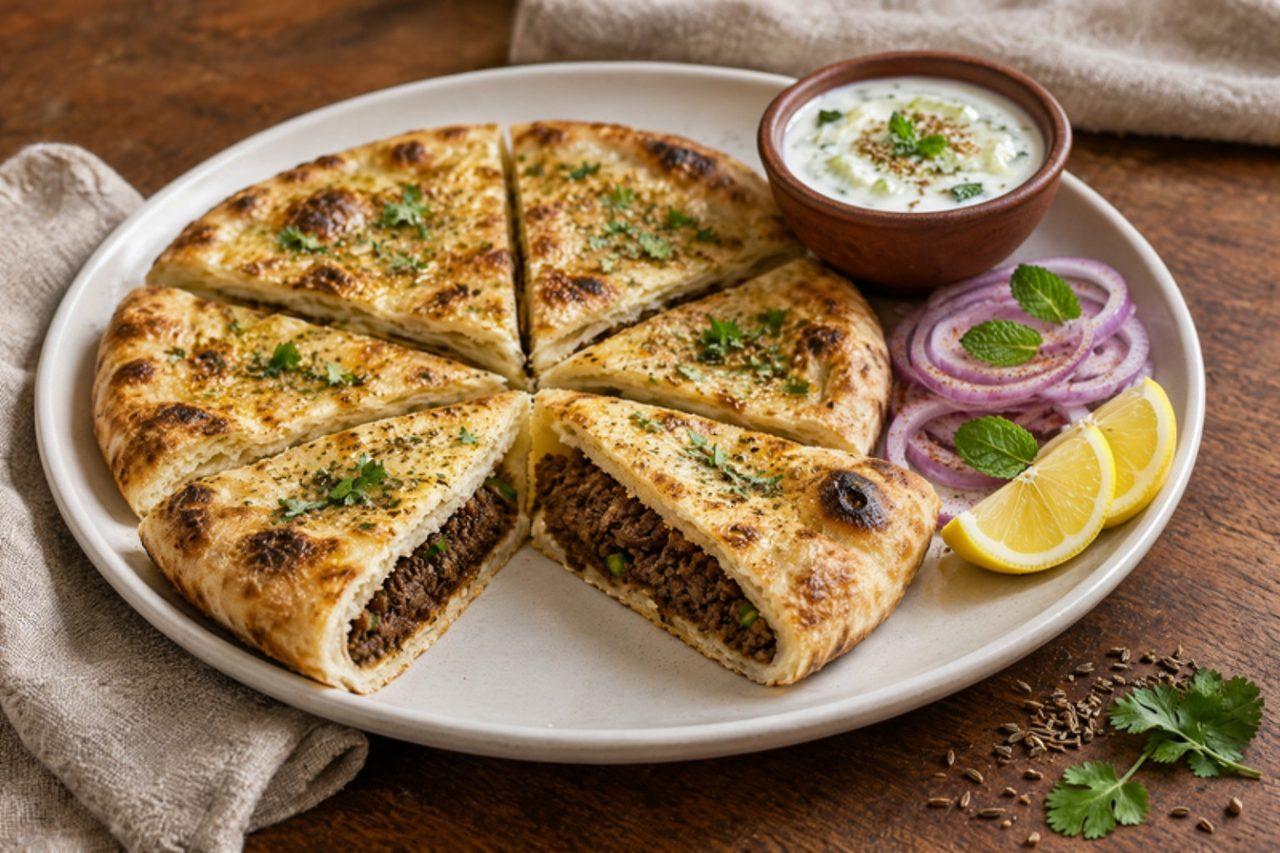
Keema naan (Lahore style)

Along Lahore's Fort Road food street, in sight of the Badshahi Mosque, tandoors work late into the night baking naan with a thin layer of spiced mince pressed inside. The bread puffs and chars in the oven and comes out glossy with butter, with juicy, peppery meat in every bite. At home a very hot oven and a preheated tray stand in for the tandoor. Contains wheat and dairy. Chef's tip: cook the mince first and let it cool fully; warm filling softens the dough and it tears when you roll it.

by KrazyBadal 0 views

Showing 48 of 306 recipes

Show more recipes

Page 2 of 13