Skip to content
Recipes

All recipes

Vegetarian, or something you can't eat? Set your diet once and we'll hide recipes that don't fit.

Shinwari karahiLamb karahi

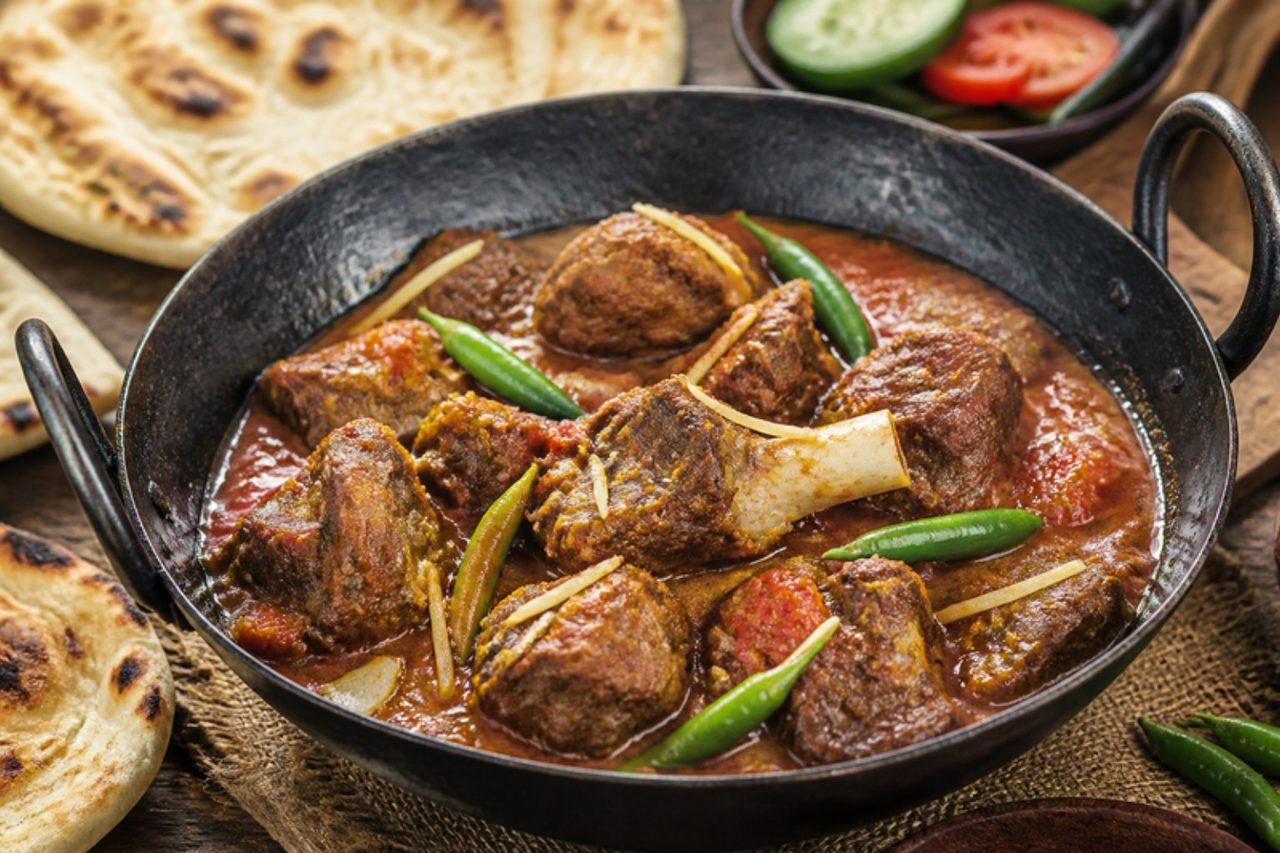
On the Grand Trunk Road out of Peshawar and in the Namak Mandi lanes, Shinwari cooks fry lamb in a vast iron karahi with nothing but its own fat, salt, tomatoes and green chillies, and diners sit cross-legged in the dera to eat it with naan straight from the pan. There is no onion, no powdered spice and hardly any water, so the meat tastes deeply of lamb and the sauce is short, glossy and tangy. The mistake is adding water to speed it up: it boils the meat grey; instead keep the lid on over a low heat and let the meat steam in its own juices. Chef's tip: use bone-in shoulder with its fat (or add 50 g of lamb fat), because the rendered fat is the sauce.

by KrazyBadal 0 views

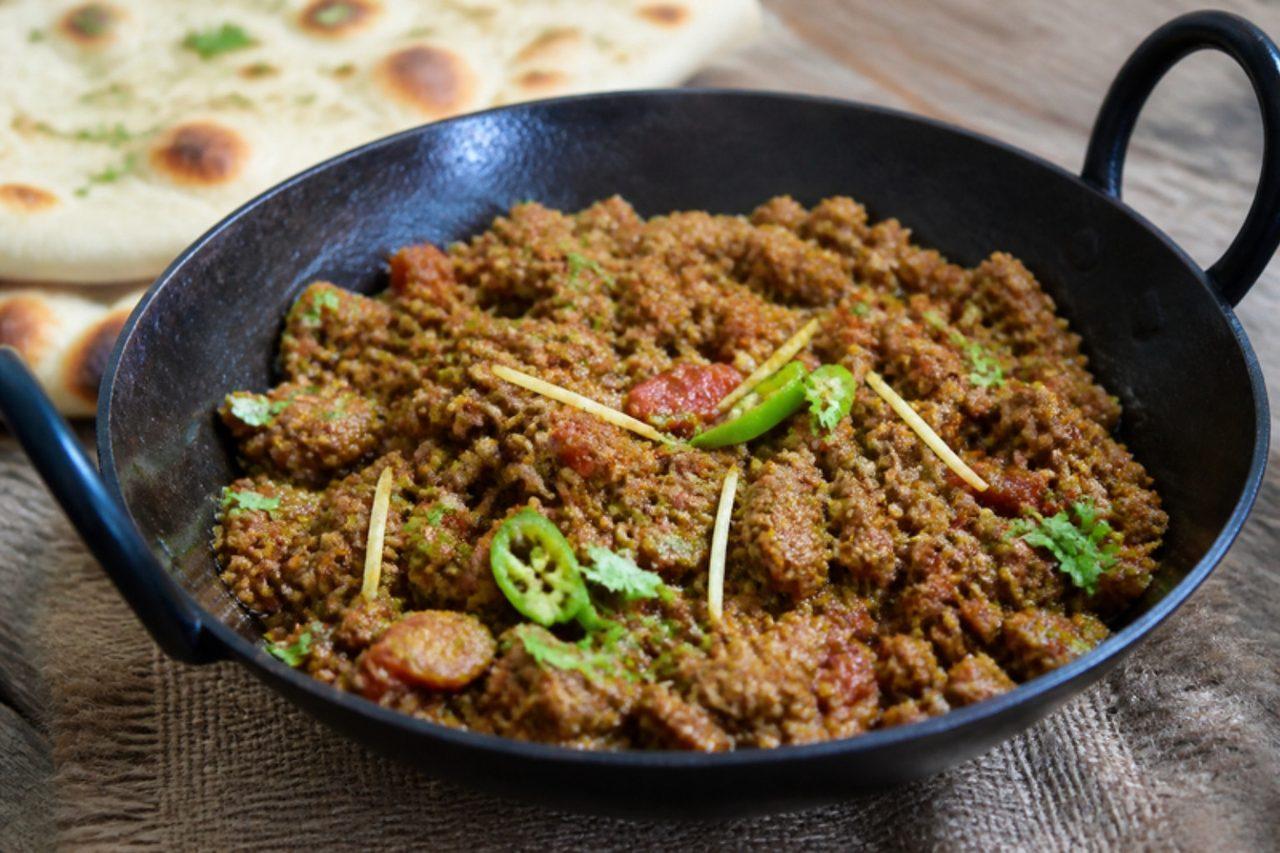
Karahi qeemaMinced meat karahi

Karahi qeema is what home cooks across Punjab make when guests arrive unannounced, and what roadside karahi shops in Rawalpindi and Lahore fry to order for a quick lunch: beef or mutton mince stir-fried hard in an iron wok with tomato, ginger and green chilli until dry and glossy. It is scooped up with roti or stuffed into a paratha the next morning. The usual mistake is crowding the cold mince into a lukewarm pan, which stews it; get the oil smoking hot and break the meat up quickly so it fries. Chef's tip: finish with a handful of julienned ginger and a squeeze of lemon off the heat, for a fresh bite against the rich meat.

by KrazyBadal 0 views

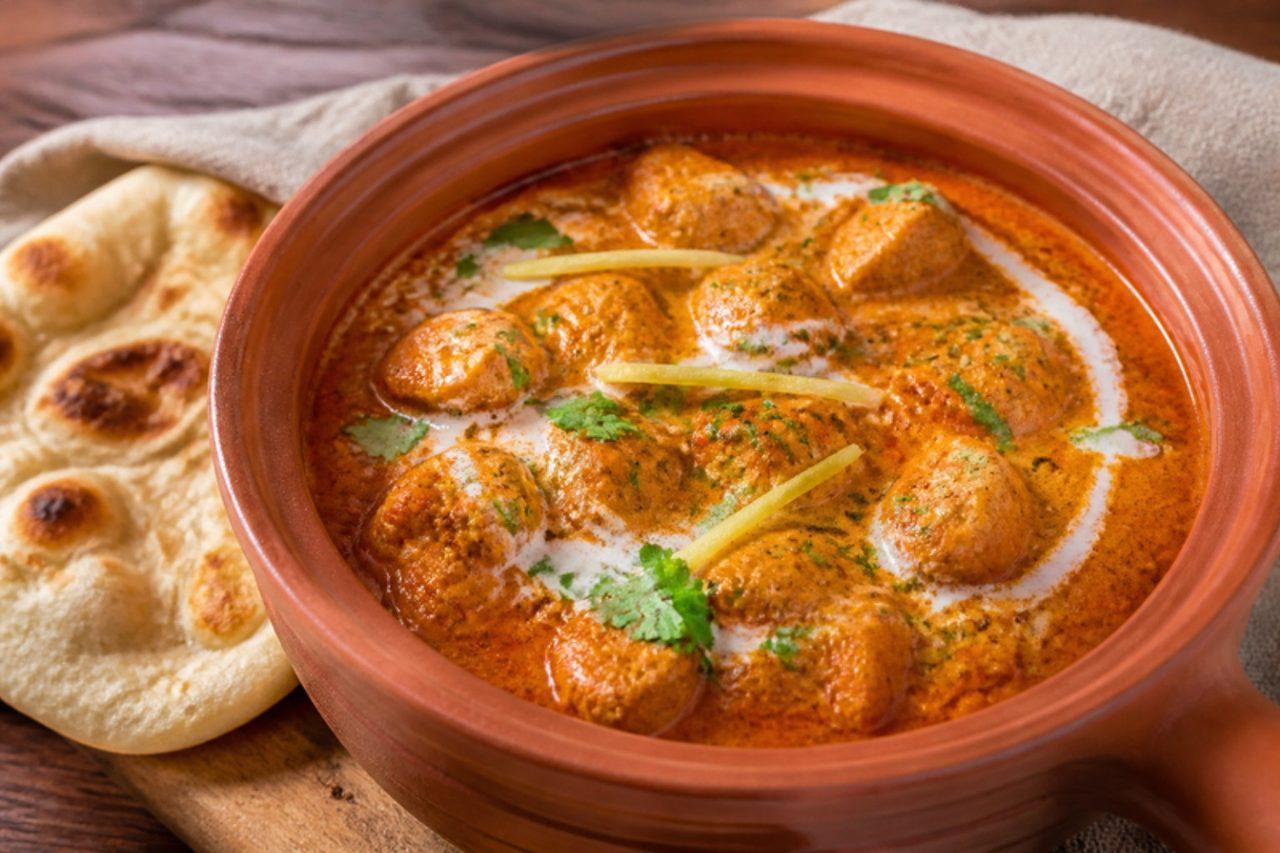
Chicken handi

Chicken handi is the dish families order at Lahore's M.M. Alam Road restaurants and Karachi's Do Darya when everyone wants something rich but not fiery; it arrives bubbling in its clay pot with a swirl of cream, and disappears with garlic naan. Boneless thigh is marinated in yogurt, then cooked in a tomato masala that is finished with cream and crushed fenugreek, giving a velvety, gently tangy sauce. A sauce that splits into grains usually means the yogurt went into a fiercely boiling pan; lower the heat first and stir it in. Contains milk. Chef's tip: let the gravy 'bhuno' (fry) until the oil comes to the surface before you add the cream: that is where the deep, roasted flavour comes from.

by KrazyBadal 0 views

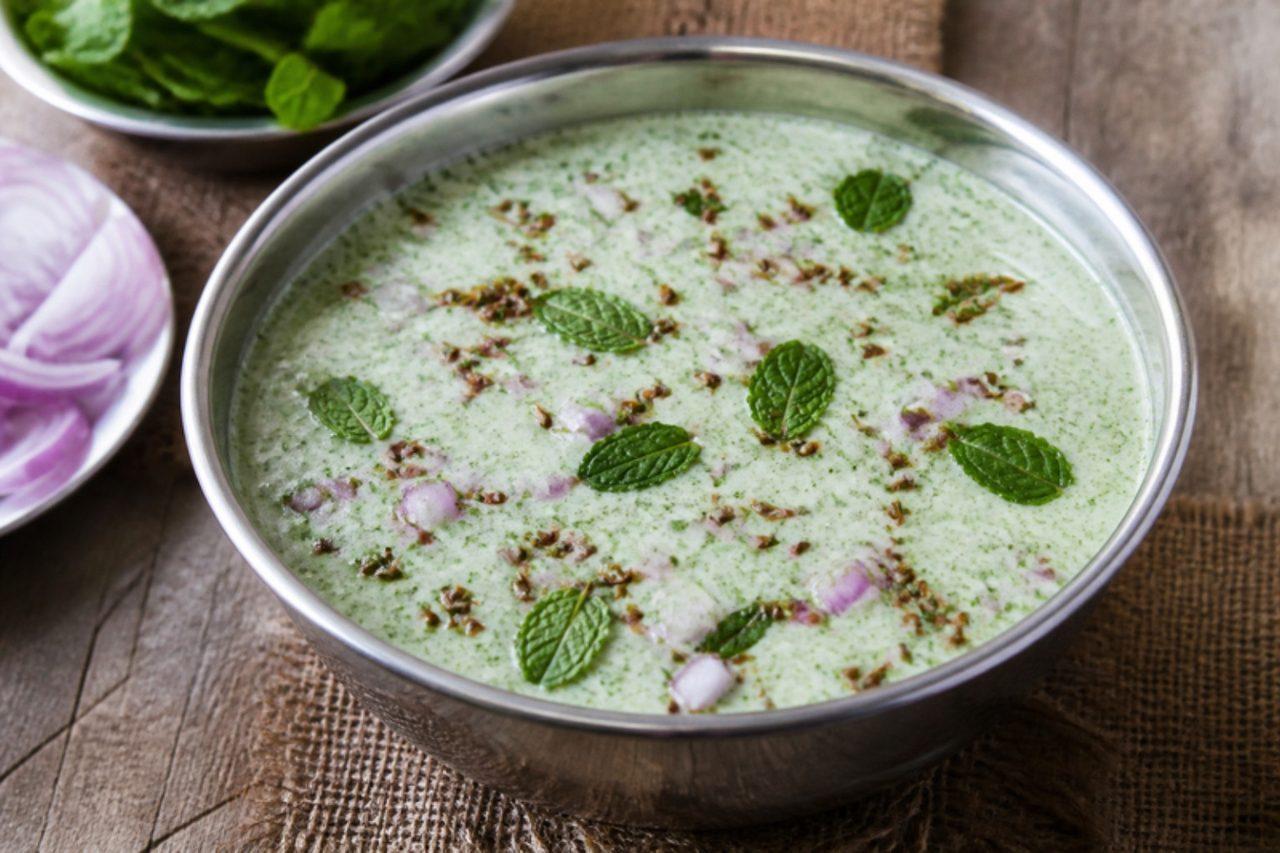
Podina raitaMint yogurt dip

Order a platter of tikka at a Burns Road or Gawalmandi grill and a steel bowl of pale green podina raita lands beside it without asking; it is the cooling counterweight to smoke and chilli, and at home it goes with biryani, pulao and kebab rolls too. Mint, a handful of coriander, one green chilli and freshly toasted cumin are whisked into thick yogurt until it is pourable but still clings to a piece of naan. The usual slip is blitzing the herbs in a blender with the yogurt, which thins it to a watery green drink; pound or chop the herbs separately and fold them in. Contains milk. Chef's tip: dry-roast the cumin seeds yourself and crush them at the last minute: the smoky, toasty smell is what makes a grill-house raita taste like one.

by KrazyBadal 0 views

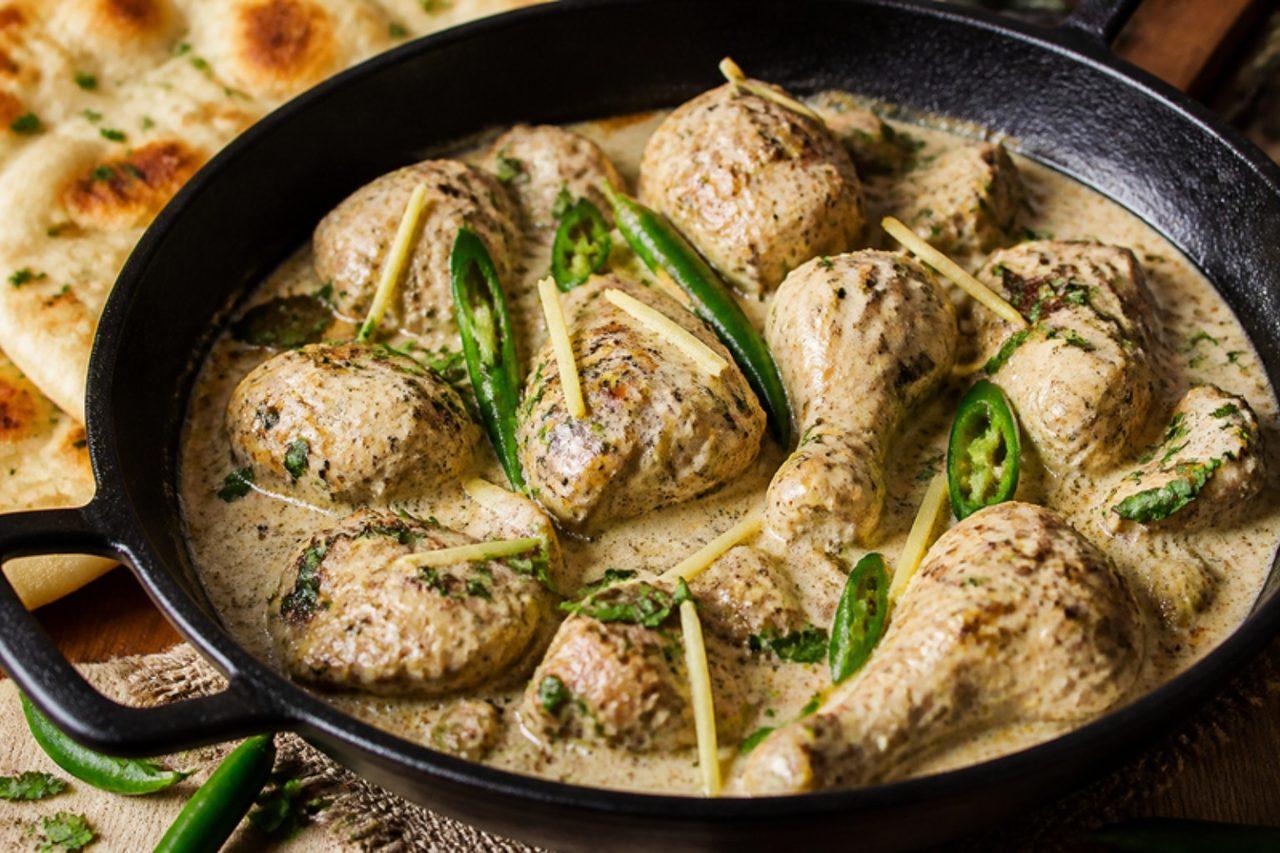
White chicken karahi

White karahi took off in Islamabad and Lahore restaurants as the mild, peppery alternative to the red version, and it has become a favourite for family dinners and mehndi menus where not everyone wants chilli heat. The chicken is fried with ginger and garlic, then finished in yogurt, cream and plenty of freshly cracked black pepper with whole green chillies, so the sauce is pale, rich and fragrant rather than fiery. A grainy, broken sauce is the classic pitfall; take the karahi off the heat before the yogurt goes in and bring it back to only a gentle simmer. Contains milk. Chef's tip: crack the black pepper coarsely just before using it, and add half at the start and half at the end for both warmth and aroma.

by KrazyBadal 0 views

Prawn karahi

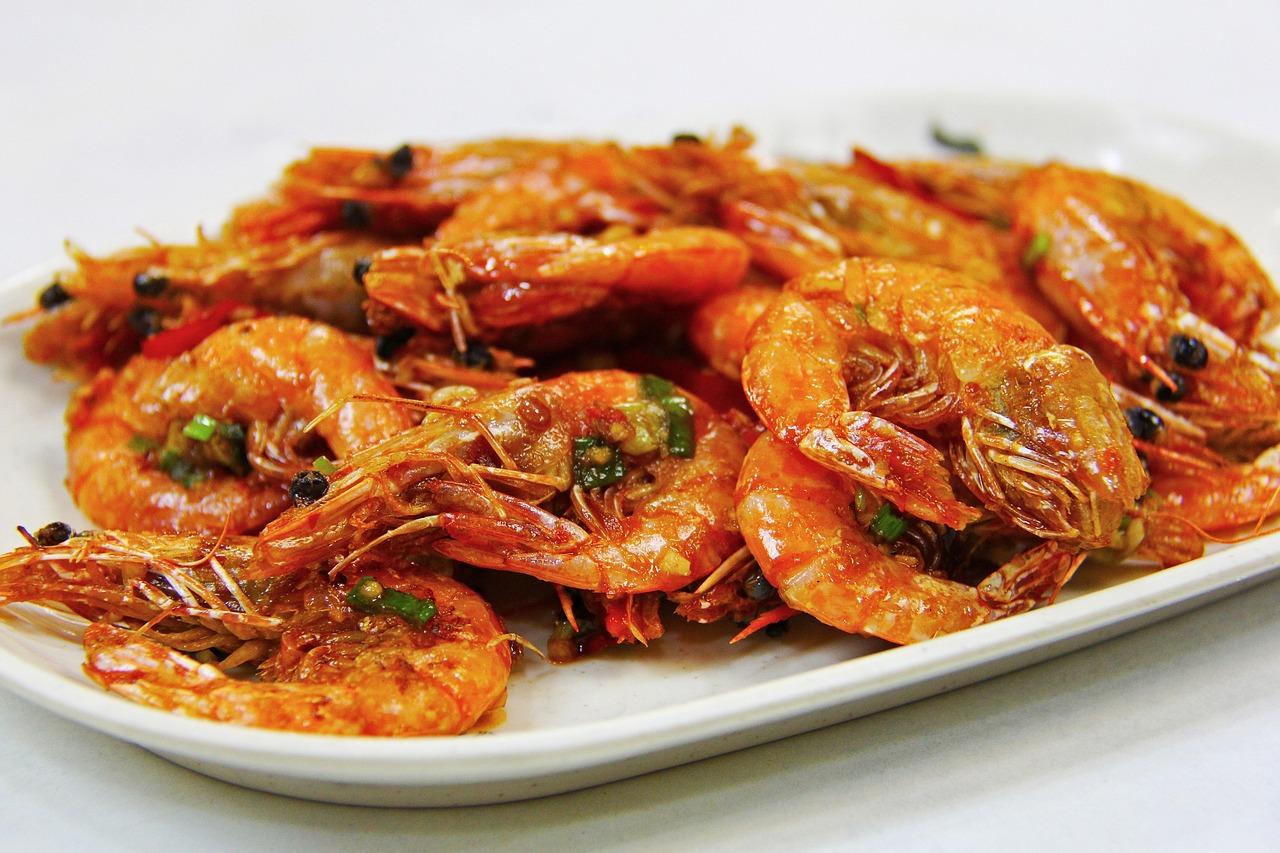
Karachi's fishing harbour supplies the city's seafood restaurants on Sea View and in Clifton, and prawn karahi is the quick, fiery dish people order there for a Saturday dinner by the sea: prawns tossed through a tomato, garlic and green chilli masala in a blazing wok, eaten with naan or plain rice. The tomato breaks down into a thick, tangy coating that clings to each prawn, sharpened with lemon and coriander. Prawns that are rubbery and tight are the usual let-down; they need only 3–4 minutes once the sauce is ready, so add them last. Contains shellfish. Chef's tip: fry the prawn shells in the oil first for 2 minutes, then lift them out: the oil takes on a rich, sweet prawn flavour.

by KrazyBadal 0 views

Seekh kebab

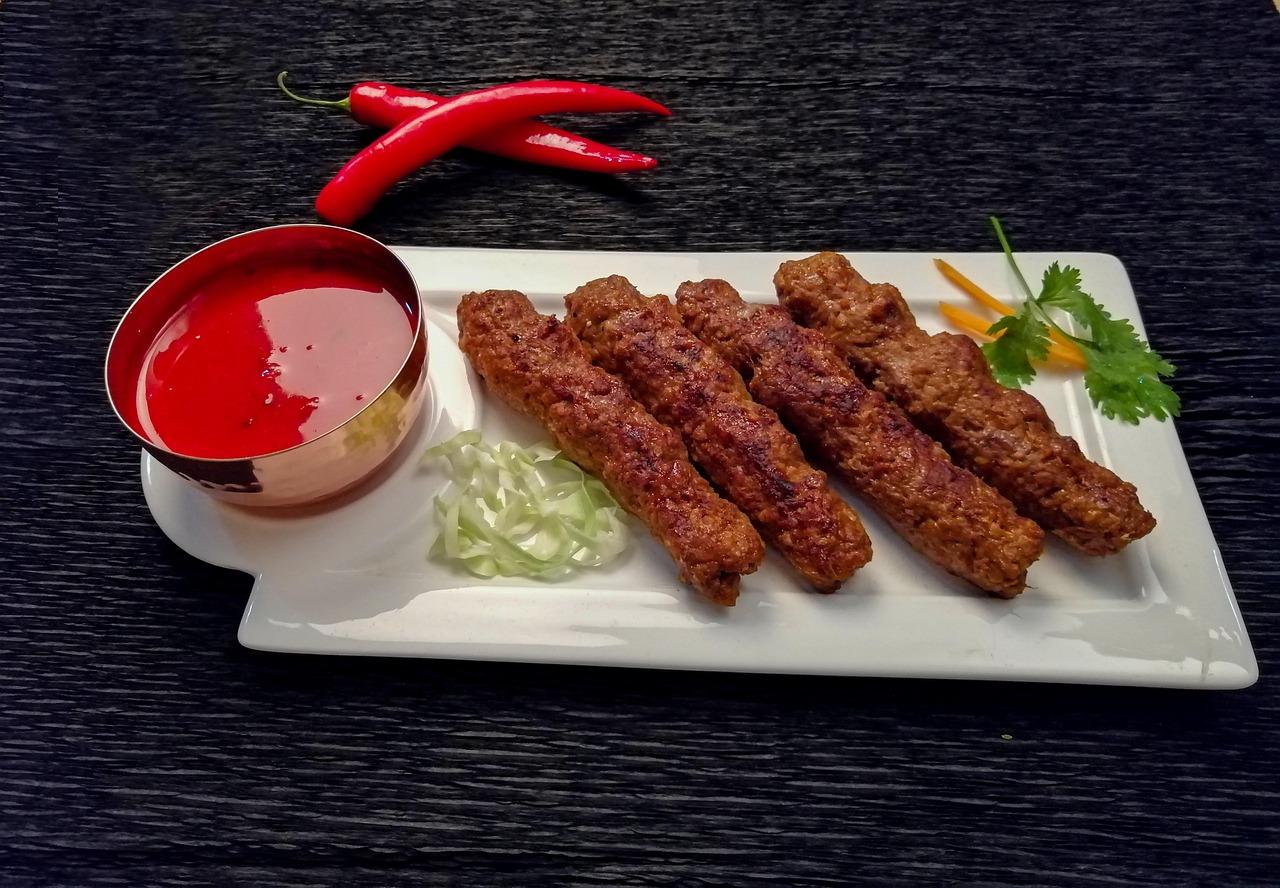
The long, charred seekh kebab is the first thing grilled when the coals glow on Lahore's food streets and on Karachi's Boat Basin in the evening, eaten hot off the skewer with naan, onion rings, lemon and green chutney. Coarsely minced beef (or mutton) with some fat is kneaded with onion, ginger, garlic, green chilli and roasted spices until it turns sticky enough to cling to a flat skewer, then grilled until smoky outside and juicy within. The classic failure is a kebab that slides off into the coals, which happens when the onion is left wet or the mince too lean; squeeze the onion dry and use mince with about 20 per cent fat. Chef's tip: chill the shaped skewers for 20 minutes before grilling so the fat firms and holds the meat in place.

by KrazyBadal 0 views

Lobia masalaBlack-eyed bean curry

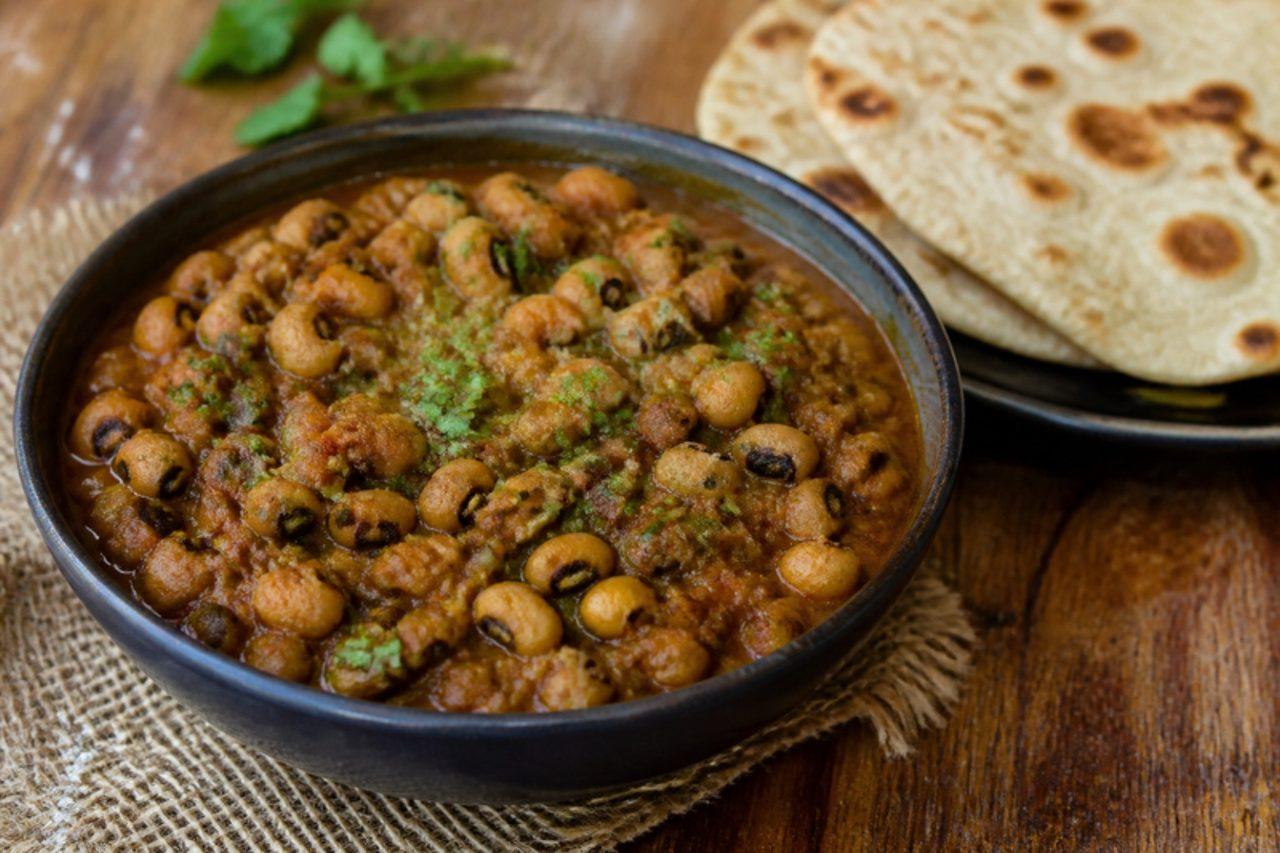
Truck drivers on the GT Road and students in Lahore's Anarkali eat lobia at dhabas for a few rupees a plate: soft black-eyed beans in a dark onion and tomato masala, mopped up with tandoori roti and a green chilli on the side. It tastes earthy and comforting, with a peppery edge and a thick, spoonable gravy. Undercooked beans that stay chalky in the middle are the common complaint, especially when tomato goes in before the beans are soft; boil them tender first, then simmer them in the masala. Chef's tip: mash a ladleful of the beans against the side of the pot near the end, which thickens the gravy the way dhaba cooks do.

by KrazyBadal 0 views

Mutton chaap

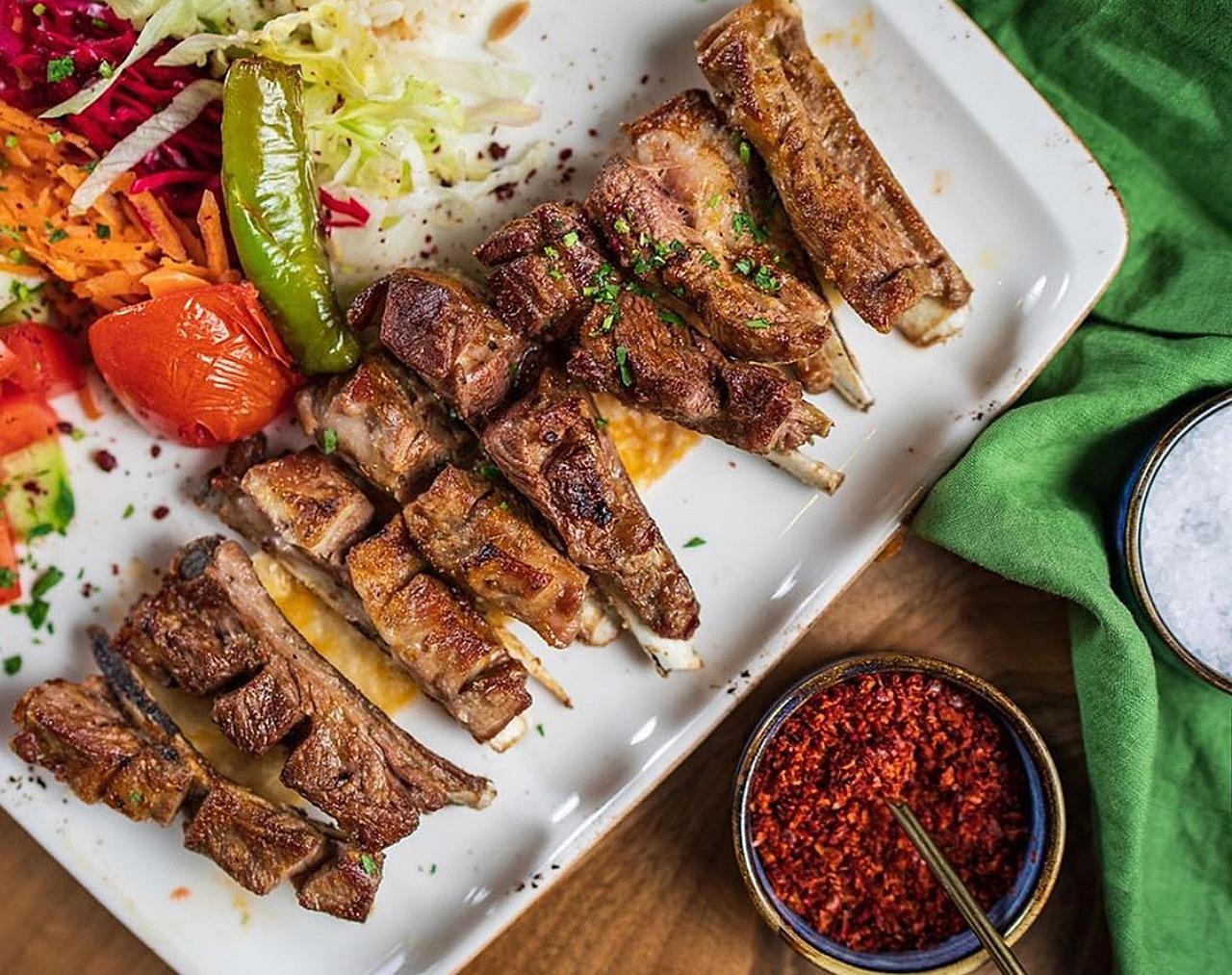
Mutton chaap belongs to Lahore's Gawalmandi and Lakshmi Chowk, where chops are pounded thin, rubbed with raw papaya and spice and slapped onto a hot tawa or a charcoal grill late into the night; families order them by the plate for Eid gatherings and weekend dinners. The papaya enzyme and yogurt make the meat tender enough to pull off the bone, while the chilli-spiced crust chars and turns sticky. People often leave papaya paste on for too long or overnight, and the meat goes mushy; two hours in the fridge is plenty. Contains milk. Chef's tip: finish the chops with a knob of butter and a squeeze of lemon on the tawa for the last minute, which is how the Lahori stalls get their glossy glaze.

by KrazyBadal 0 views

Daal chanaChickpea dal

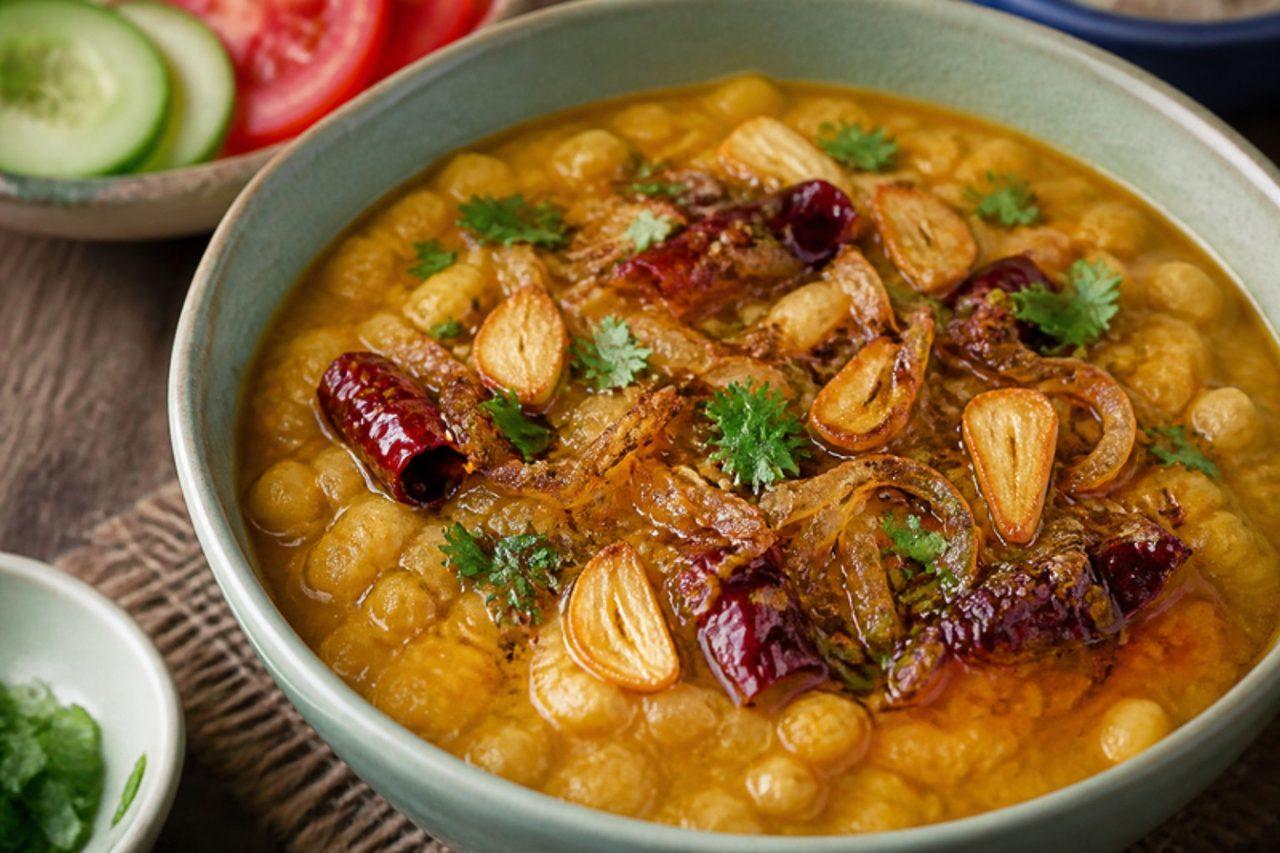
A bowl of daal chana with a fiery tarka poured over at the table is one of the most ordered plates at dhabas from Multan to Rawalpindi, and in many homes it is the Thursday dinner, eaten with roti, raw onion and pickle. The split chickpeas cook until soft but still hold their shape in a thick, yellow, gently spiced base, and then the tarka of fried onion, garlic, cumin and whole red chilli in ghee crackles over the top. The mistake is serving it before the dal is truly soft; chana dal takes longer than you think, so test a grain by squeezing it. Contains milk (ghee); use oil for a vegan version. Chef's tip: pour the tarka over at the very last moment so it hisses, and cover the pot for a minute to trap the smoky aroma.

by KrazyBadal 0 views

Kalmi tikkaGrilled chicken drumsticks

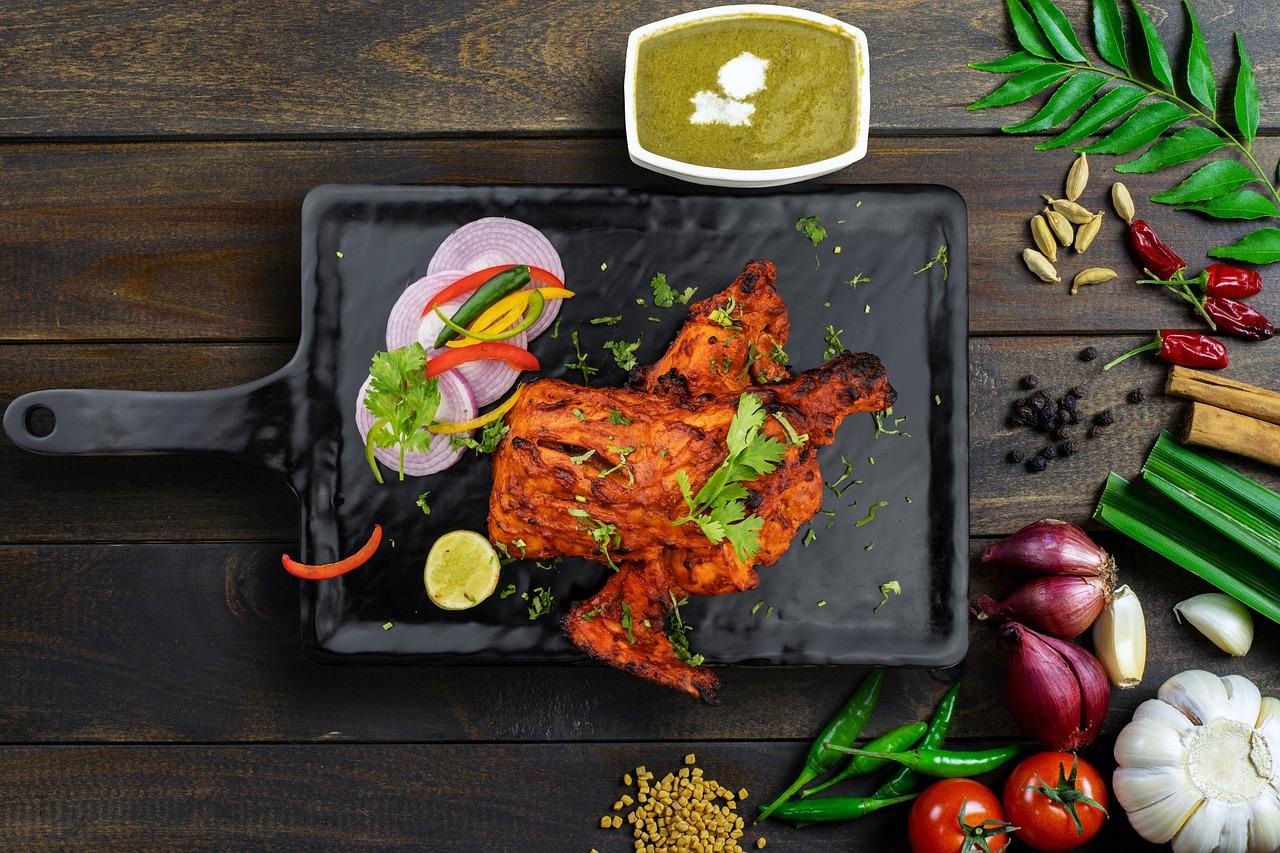
Kalmi means 'of the leg', and at Karachi BBQ joints from Burns Road to Do Darya the kalmi tikka is a whole drumstick, slashed to the bone, marinated in yogurt, chilli and roasted spice and turned over coals until its edges blacken; Lahori tikka houses serve it the same way after Friday prayers. The meat stays juicy on the bone while the marinade forms a tangy, smoky crust. The common mistake is grilling over fierce flames the whole time, which burns the outside long before the bone end is cooked; start over medium heat and only char at the end. Contains milk. Chef's tip: smoke the cooked drumsticks for two minutes under a lid with a hot coal and a drop of ghee (the dhuanaar) if you are cooking on a hob rather than a grill.

by KrazyBadal 0 views

Chana pulaoChickpea pulao

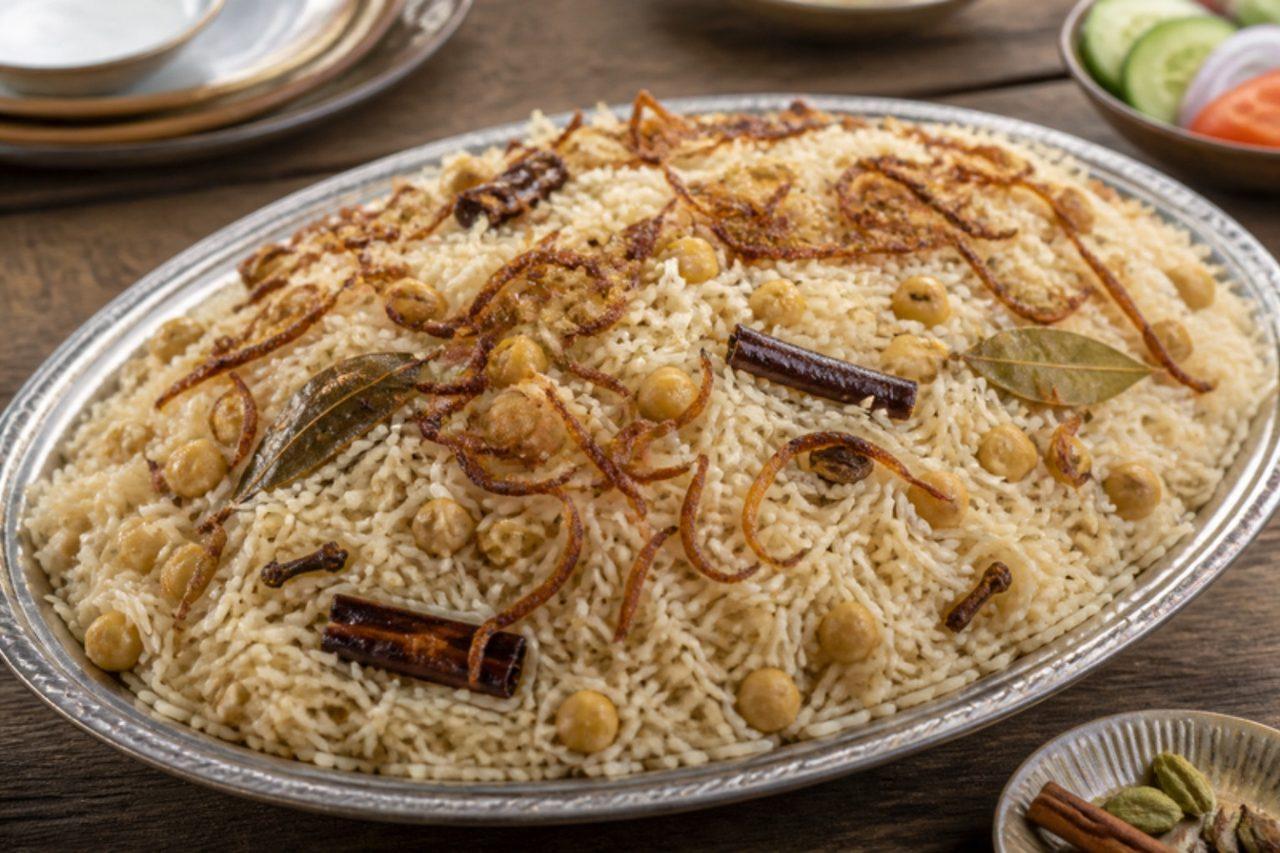
From carts parked outside Karachi offices at lunchtime, chana pulao is ladled onto paper plates with a dollop of raita and a few onion rings: long-grain rice cooked in a spiced stock with chickpeas until every grain is separate and fragrant. Browned onion gives it a golden colour and a gentle sweetness, while cloves, cardamom and black cumin scent the steam. The usual mistake is stirring the rice once it goes in, which breaks the grains and makes it sticky; once the water is in, just cover and leave it alone. Chef's tip: let the rice absorb most of the water over a high heat, then seal the lid with a tea towel and give it 10 minutes of dum on the lowest heat so it steams through.

by KrazyBadal 0 views

Sabzi handiCreamy vegetable curry

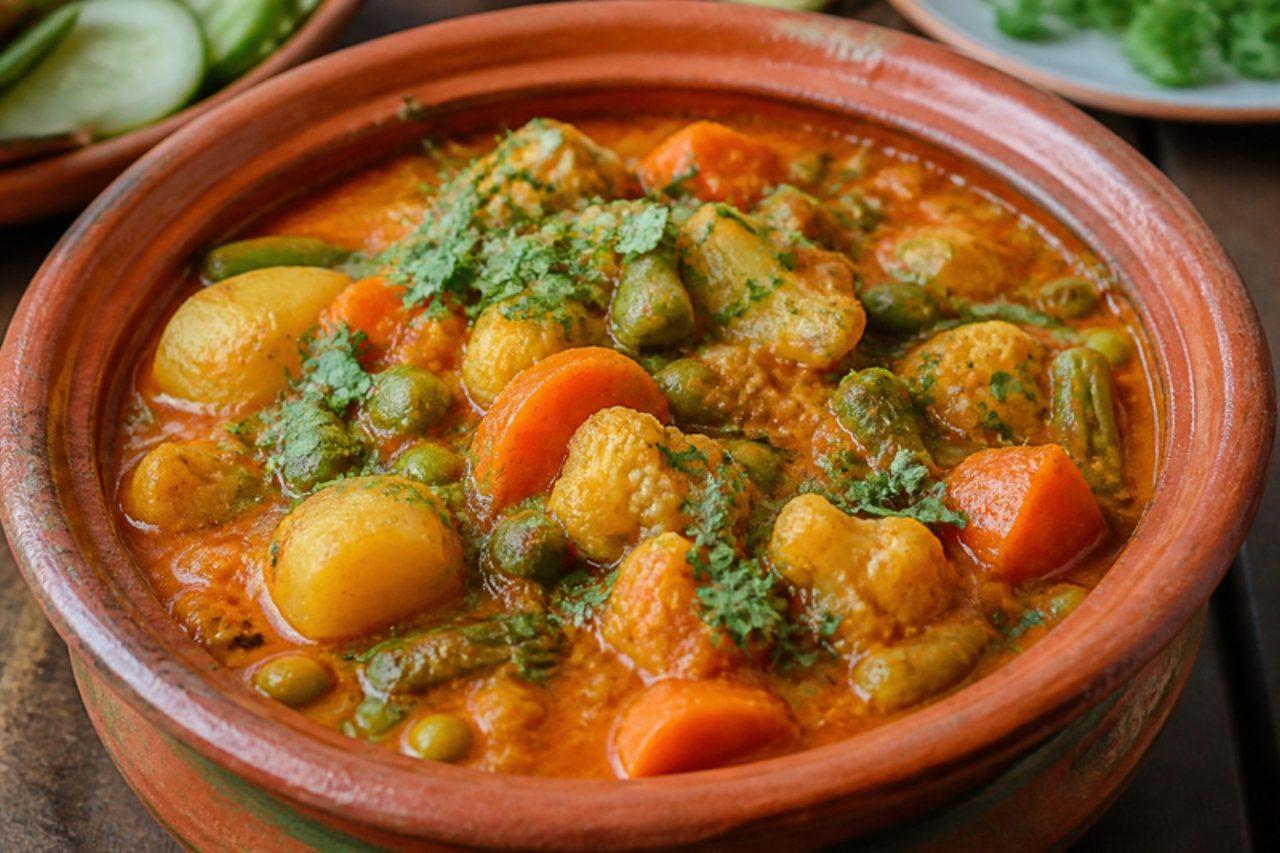
Lahore and Islamabad restaurants send sabzi handi to the table in its own little clay or copper pot, the vegetarian partner to chicken handi on any family dinner order, scooped up with hot naan. Potato, carrot, beans, cauliflower and peas cook in a gently spiced tomato and yogurt masala, then a spoon of cream turns it silky and pale orange. Vegetables thrown in all together go to mush in places and stay hard in others; add them in stages, the slow ones first. Contains milk. Chef's tip: crush a pinch of dried fenugreek leaves (kasuri methi) between your palms over the handi right at the end for the authentic restaurant aroma.

by KrazyBadal 0 views

Fish tikka

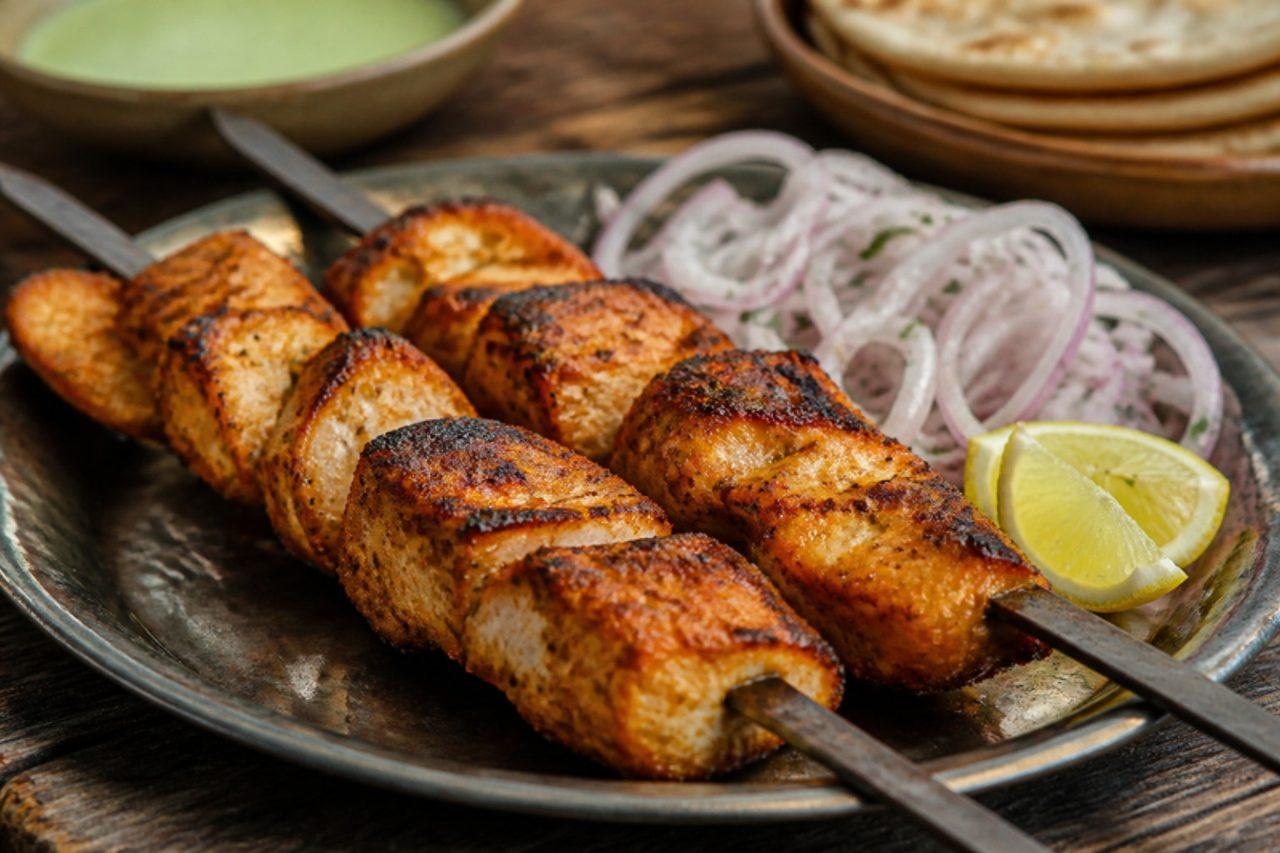
On winter nights along Karachi's seafront and in the Do Darya restaurants, skewers of fish tikka go round the table straight from the grill, the chunks blushing red from chilli and yogurt with blackened corners. Firm white fish such as surmai (kingfish) or monkfish holds its shape while the marinade sets into a light, tangy crust, and it needs only lemon, sliced onion and a bowl of raita. The mistake most people make is marinating fish as long as chicken: more than 40 minutes and the lemon and salt start to 'cook' it, so it flakes apart on the skewer. Contains fish and milk. Chef's tip: rub the fish with lemon and salt first, rest it 10 minutes and pat dry before the yogurt goes on, so the marinade sticks and doesn't slide off.

by KrazyBadal 0 views

Celery with smoked tofu

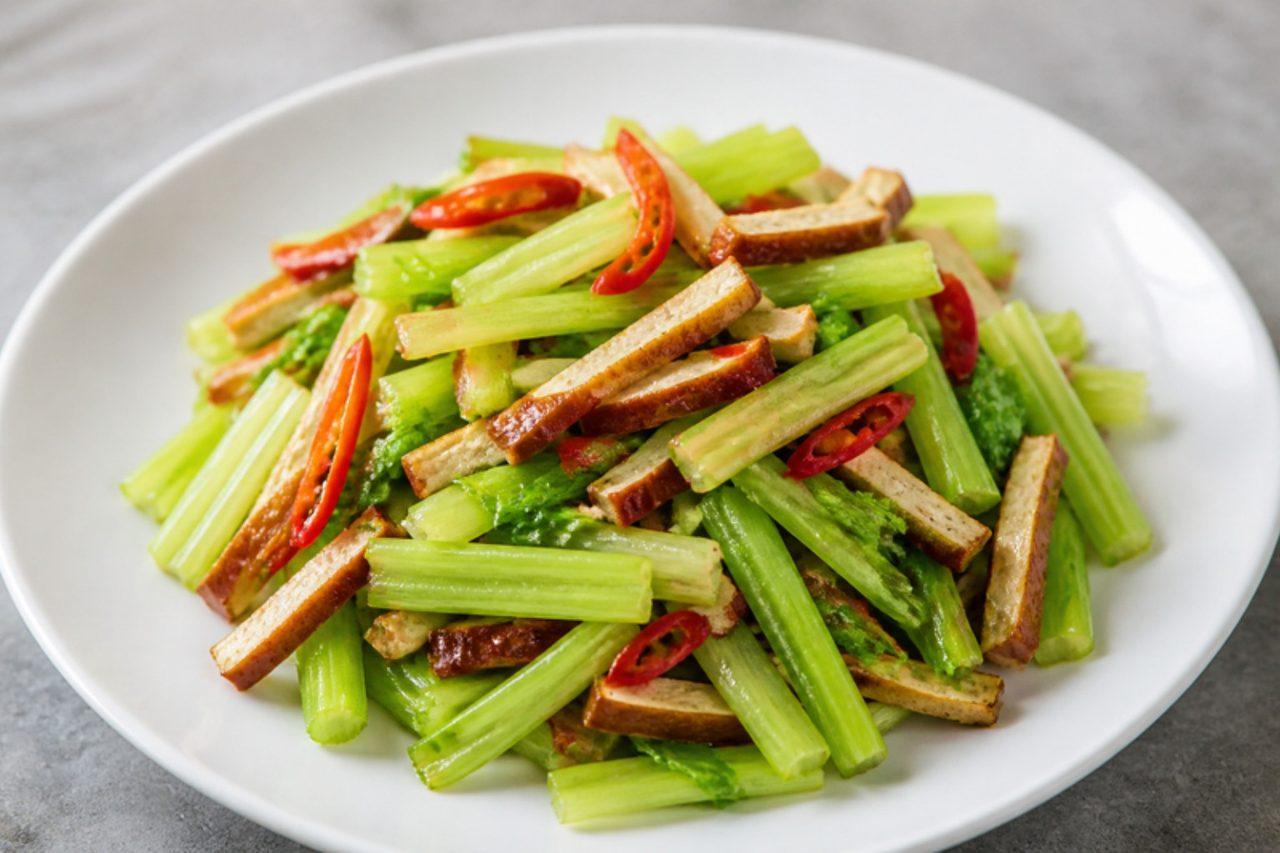
Market stalls in Changsha and Nanjing sell slabs of xiang gan, pressed tofu smoked or braised until brown and dense, and the most common way to cook it at home is with thin Chinese celery. The celery stays juicy and crunchy with a strong, almost herbal flavour, the tofu is chewy and smoky, and a little fresh chilli gives it a Hunan edge. It is an everyday side for rice in Hunan and Jiangsu canteens. The usual mistake is cutting the tofu too thick so it never picks up the seasoning; slice it as thin as the celery. Chef's tip: if you can only find thick Western celery, peel the strings off the back with a vegetable peeler and slice it on the diagonal.

by KrazyBadal 0 views

Vegetarian turnip cake (lo bak go)

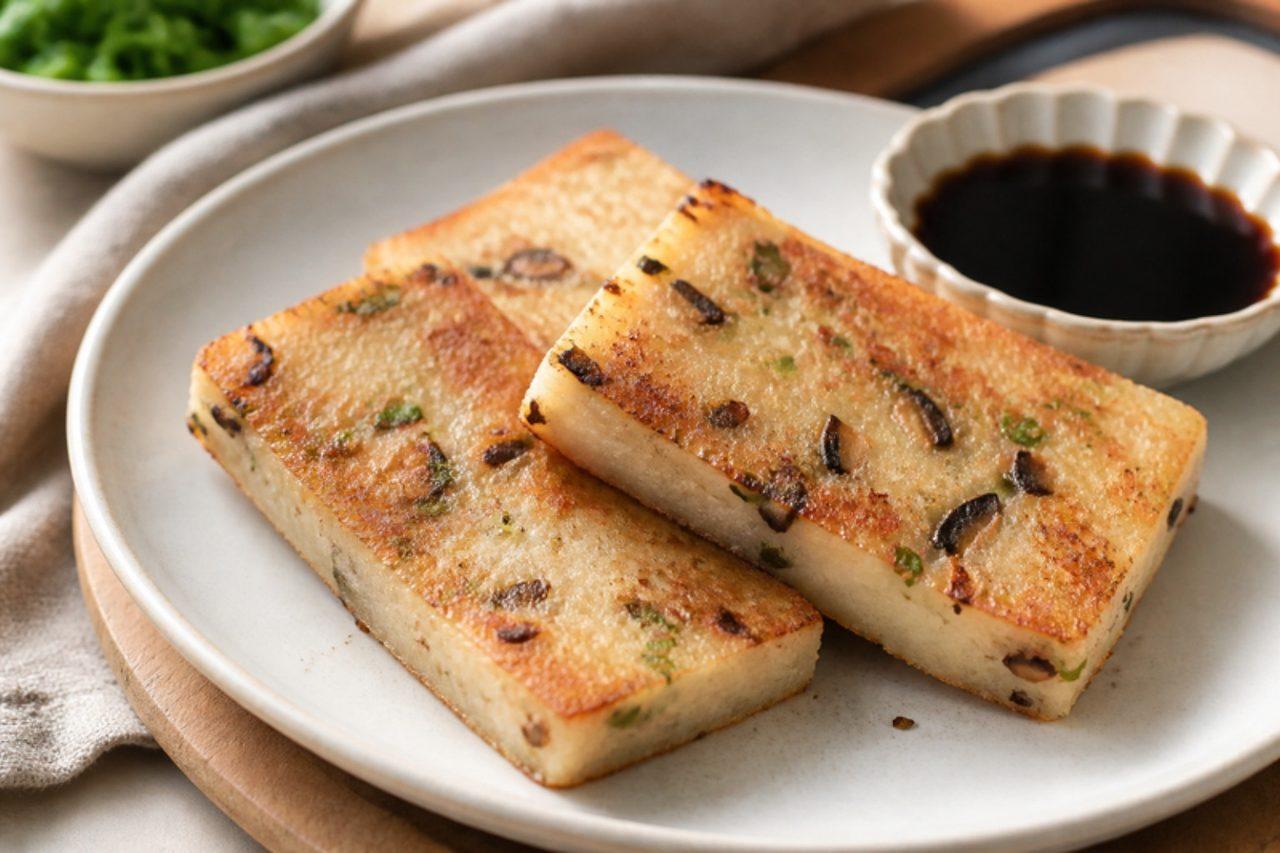
Every Cantonese dim sum trolley in Guangzhou and Hong Kong carries lo bak go, and families steam a big tray of it in the week before Chinese New Year, because 'turnip' (really daikon) sounds like good fortune. This version keeps the soft, savoury radish cake and its crisp golden crust but leaves out the usual Chinese sausage and dried shrimp, getting its depth from soaked shiitake and their soaking liquid instead. Serve the slices hot with chilli sauce or hoisin. The most common mistake is slicing the cake while it is warm: it smears and falls apart, so chill it overnight first. Chef's tip: squeeze nothing out of the grated daikon; its juice is the liquid that sets the cake.

by KrazyBadal 0 views

Sachima (honeyed egg-noodle bars)

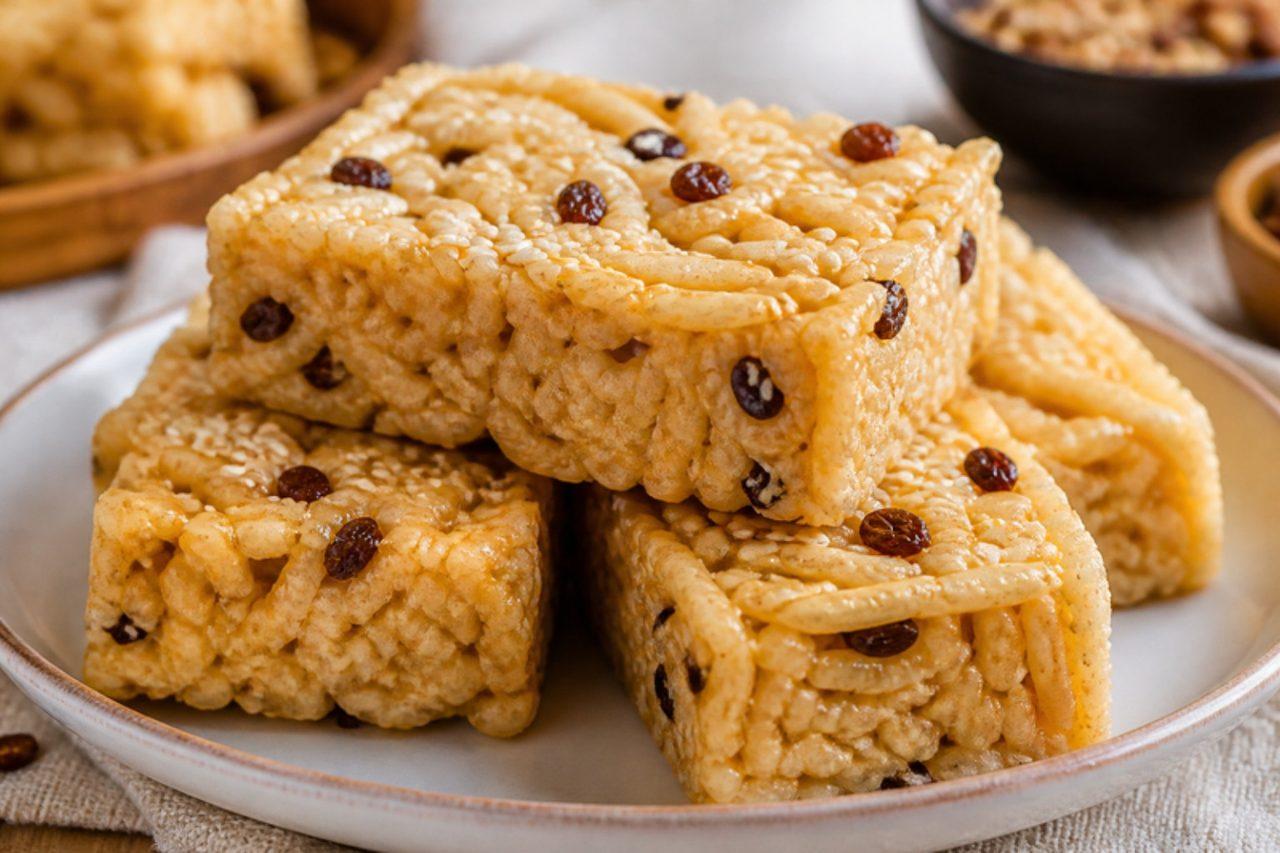
Sachima came to Beijing with the Manchus, and old-fashioned bakeries in the north still sell it in big trays: thin strands of egg dough are fried pale gold, tossed in a sticky syrup, pressed into a block and cut into fluffy, sweet squares. Children in China and in Chinese communities abroad grow up with the wrapped supermarket kind, but homemade is lighter and softer. The common mistake is overcooking the syrup; take it too far and the bars set rock hard instead of chewy. It should only reach the thread stage, about 112 °C. Chef's tip: fry the strands only until pale straw-coloured, not brown; they keep cooking for a moment once lifted from the oil.

by KrazyBadal 0 views

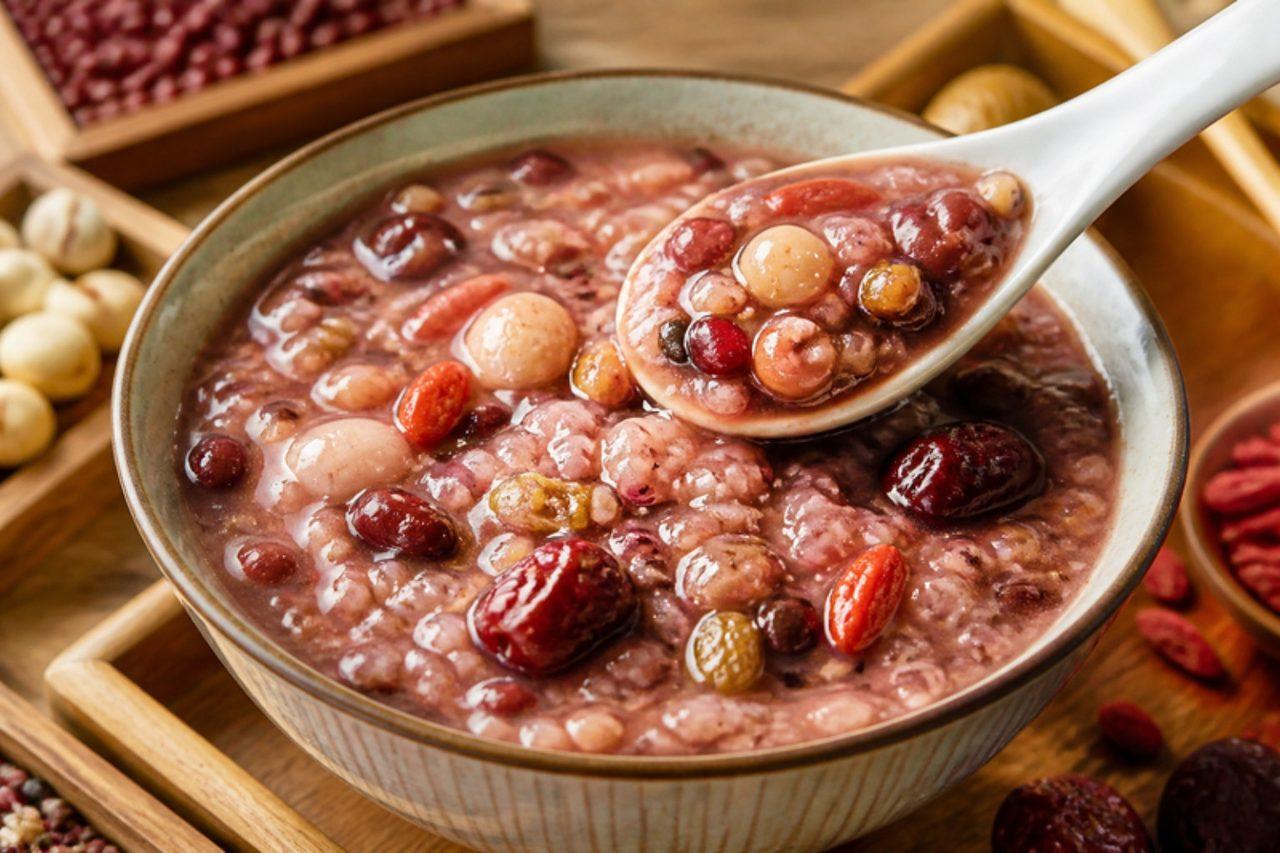
Laba congeeMixed grain and bean porridge

On Laba, the eighth day of the twelfth lunar month, Buddhist temples across China from Beijing's Yonghe Temple to Hangzhou's Lingyin hand out bowls of this porridge to everyone who queues, marking the day the Buddha is said to have reached enlightenment. Families cook it at home the same morning, and it signals that the New Year is on its way. It is thick, gently sweet and full of different textures: chewy black rice, soft red beans, creamy lotus seeds and sticky dates. A common mistake is putting everything in at once; the beans need a head start or they stay hard while the rice turns to glue. Chef's tip: soak the beans and black rice overnight, and cook the porridge low and slow with the lid ajar so it does not boil over.

by KrazyBadal 0 views

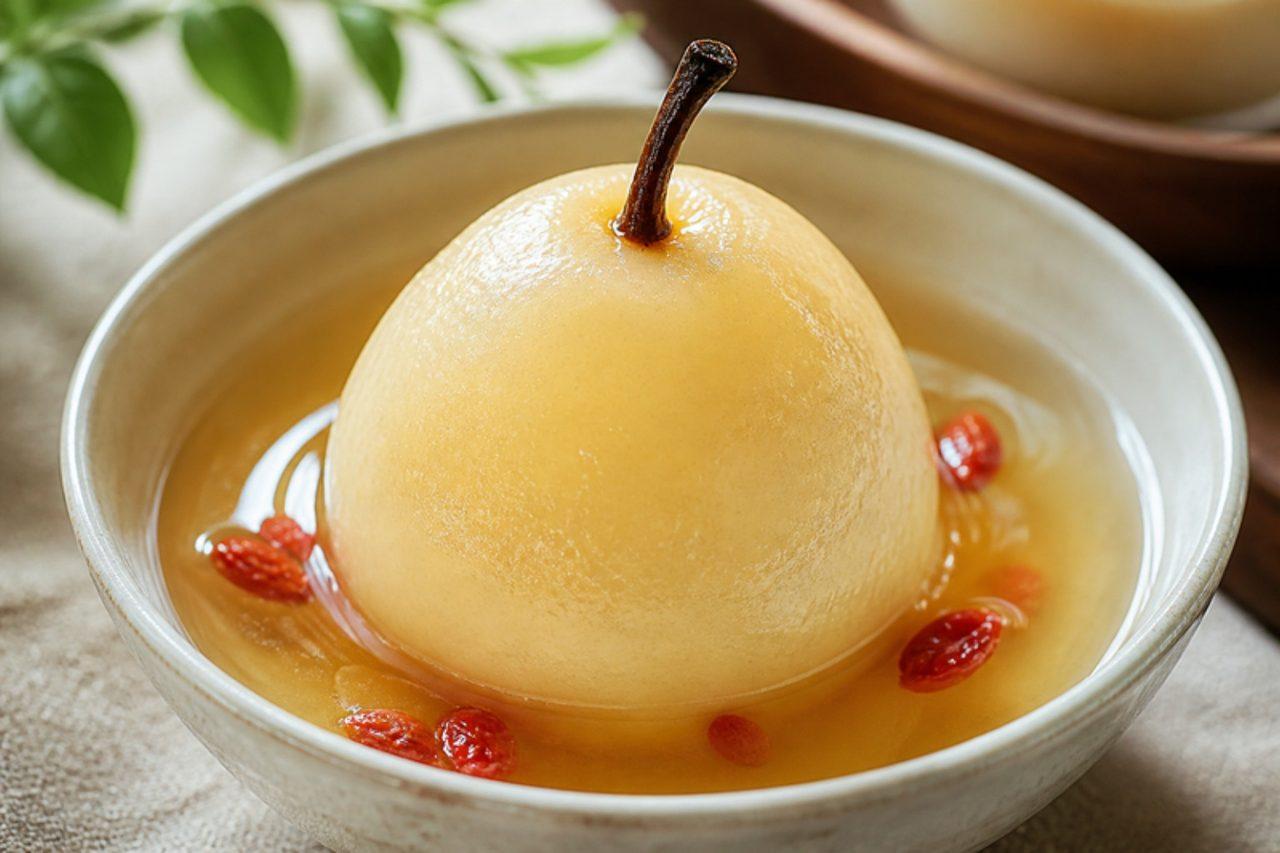
Bingtang xueli (rock sugar stewed pears)

When the dry winds of a northern winter bring on sore throats, grandmothers in Beijing and Shandong set a bowl of pear and rock sugar in the steamer, and it is now served as a soothing dessert all over China. Whole Asian pears, hollowed and filled with rock sugar, are slowly stewed until translucent and swimming in their own light syrup. The common mistake is choosing a Western pear that collapses; crisp Asian (nashi or Ya) pears hold their shape and give plenty of juice. Chef's tip: slice off the top as a lid and stew it with the pear; serving the pear with its lid back on is how it is presented at the table.

by KrazyBadal 0 views

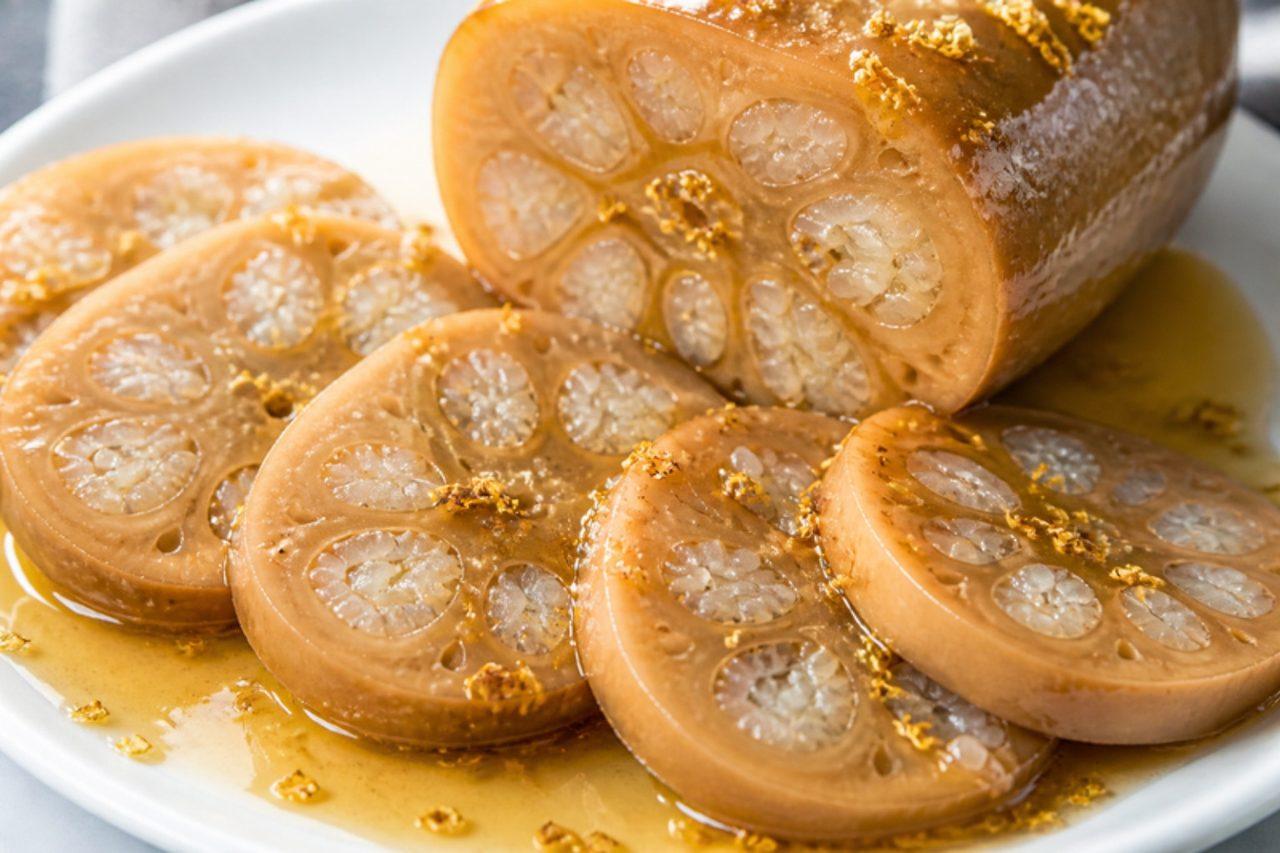
Guihua nuomi ou (sticky rice lotus root with osmanthus)

Around West Lake in Hangzhou, lotus roots are pulled from the mud in autumn just as the osmanthus trees bloom, and the two meet in this Jiangnan dessert: the hollow channels of the root are packed with soaked glutinous rice, then the whole root is simmered for hours in brown sugar until it turns rosy brown and soft. It is served cold or warm in slices, the rice showing as white dots, with a drizzle of osmanthus syrup. The common mistake is packing the rice in tight; it swells as it cooks and needs room, or the slices crack and the middle stays hard. Chef's tip: let the root cool in its syrup overnight before slicing; it firms up, cuts cleanly and soaks up more colour.

by KrazyBadal 0 views

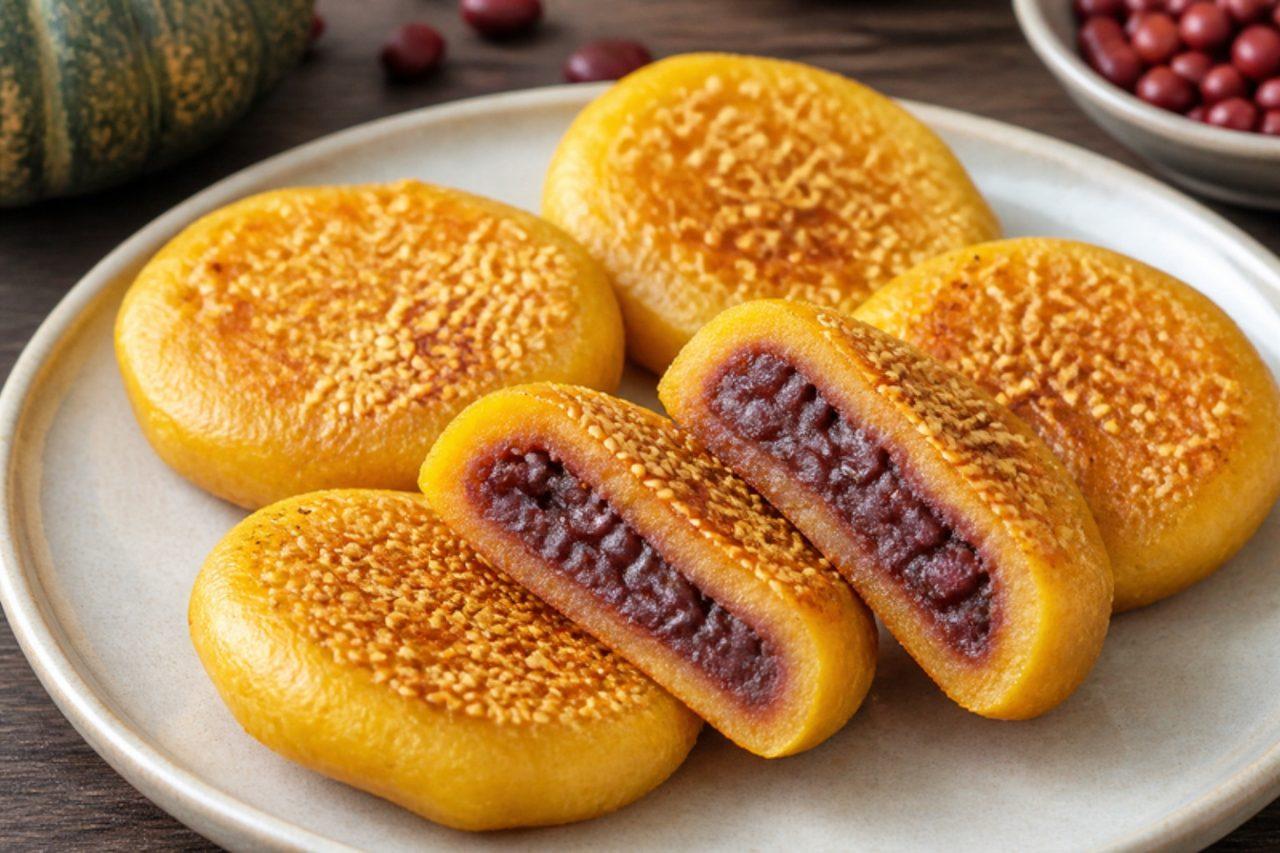
Nangua bing (pumpkin sticky rice cakes)

Every family restaurant from Zhejiang to Sichuan has a plate of these little golden pumpkin cakes on the menu, and grandmothers make them at home in autumn when pumpkins pile up at the market: steamed pumpkin is kneaded with glutinous rice flour into a soft orange dough, wrapped round a spoonful of red bean paste, pressed flat and fried until crisp outside and chewy inside. Children love them for dessert or as an afternoon snack. The common mistake is adding all the flour at once; pumpkins vary in moisture, so add it gradually until the dough is soft like earlobes and no longer sticky. Chef's tip: fry them on a medium-low heat with the lid on for the first side, so the centre steams through before the outside darkens.

by KrazyBadal 0 views

Mantou (plain steamed buns)

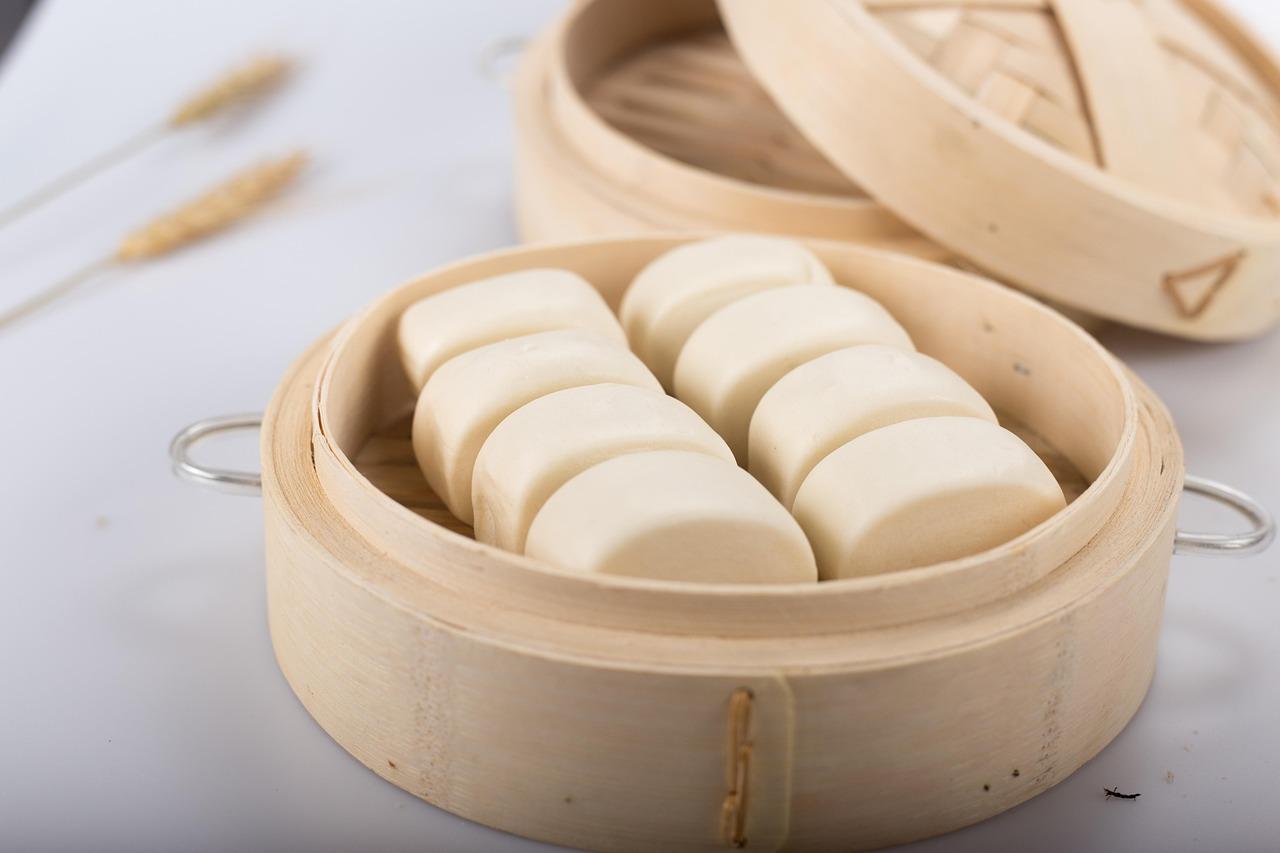
From Shandong to Shaanxi, mantou are what bread is elsewhere: plain, slightly sweet steamed wheat buns bought by the bagful each morning and eaten with porridge, pickles, braised dishes or a fried egg. A good one is snowy white, smooth-skinned and springy, with a fine, close crumb that tears in soft layers. The common mistake is lifting the lid the moment the heat goes off: the sudden cold air makes the skins wrinkle and collapse, so let them stand covered for 5 minutes first. Leftovers are sliced and pan-fried, or split and filled with anything from braised tofu to chilli sauce. Chef's tip: knead much longer than you think, then knead again after the rise; the second knead pushes out the big air bubbles and gives that silky skin.

by KrazyBadal 0 views

Xiaomi zhou (golden millet porridge)

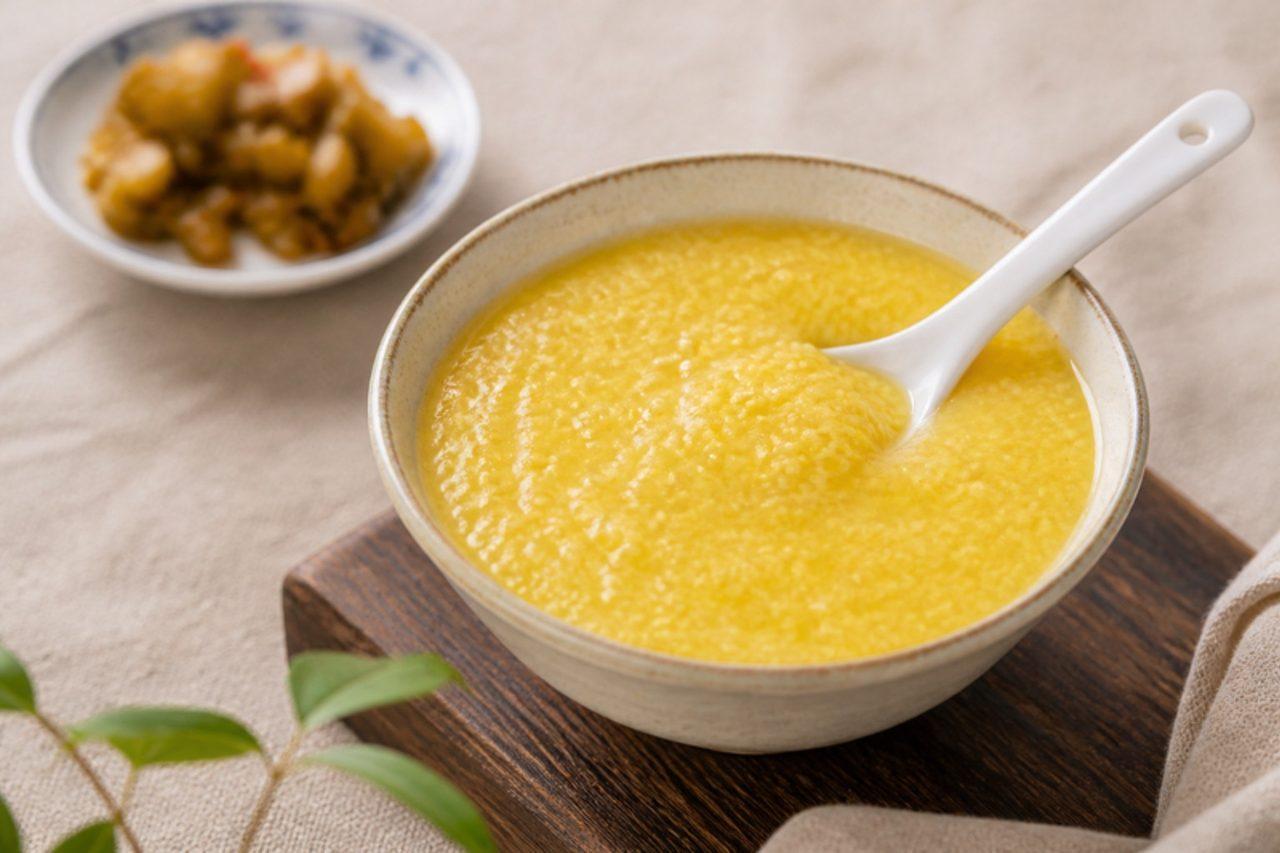
In Shanxi, Hebei and the rest of the north, where rice was once a luxury, a pot of golden foxtail millet porridge is breakfast with steamed buns and pickles, a light supper, and the first food given to new mothers and anyone who is unwell. It needs just millet and water, cooked until a thin, silky layer called mi you, 'rice oil', forms on top. The common mistake is to stir it constantly or add the millet to cold water; start with boiling water and let it simmer gently and it turns creamy without catching. Serve it plain, or with a few red dates or cubes of pumpkin simmered in. Chef's tip: toast the rinsed millet in a dry pan for a minute before boiling for a deeper, nutty flavour.

by KrazyBadal 0 views

Almond tofu (xingren doufu)

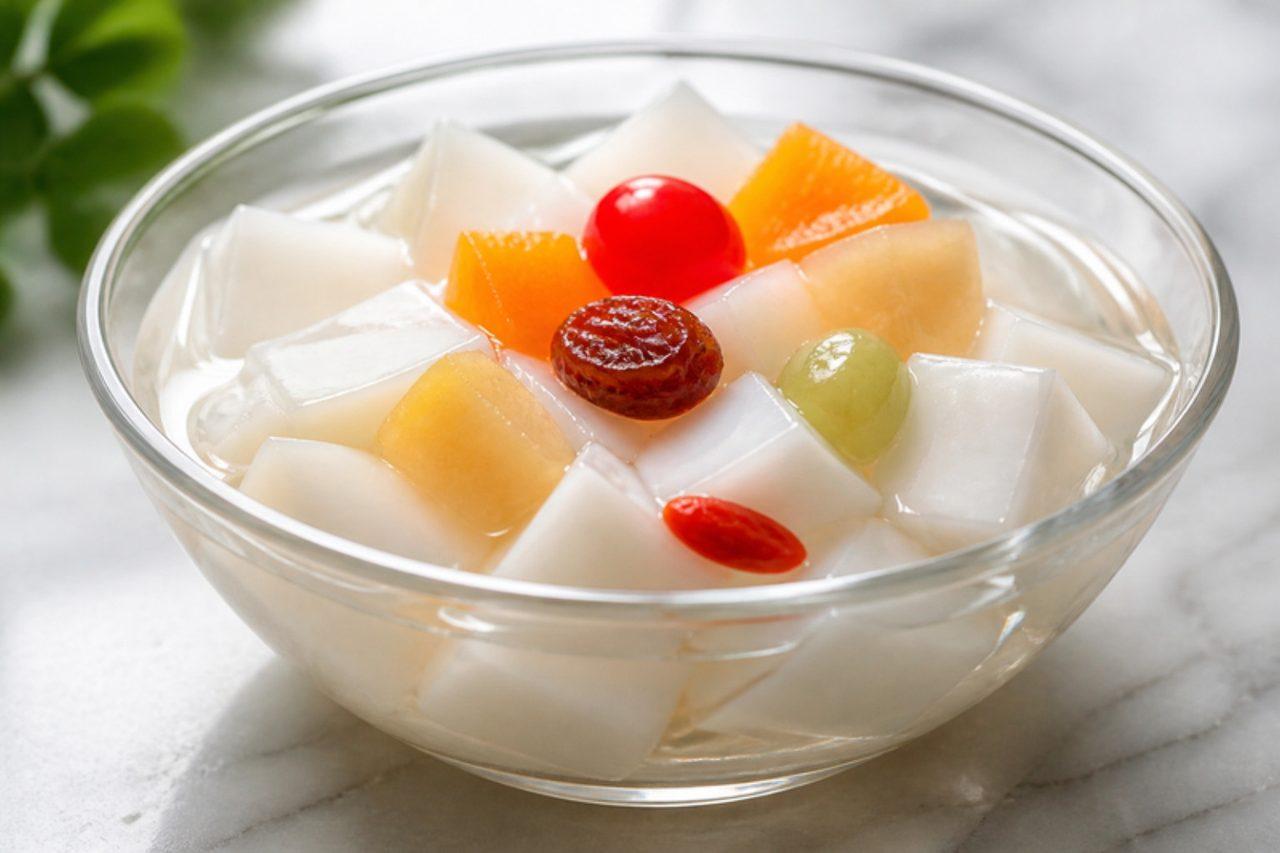
Almond tofu has nothing to do with soybeans: it is a soft, white jelly of sweetened almond milk, cut into cubes like tofu and floated in cold syrup with fruit. It was once a palace dessert in Beijing and is now on dim sum menus in Guangzhou and Hong Kong in summer. The traditional flavour comes from southern apricot kernels (nan xing ren); this home version uses blanched almonds with a few drops of almond extract, and agar, so it is fully vegetarian. The common mistake is using too much agar, which makes it firm and rubbery; it should only just hold its shape and wobble on the spoon. Chef's tip: bring the agar to a full boil for 2 minutes before adding the milk, or it won't set at all.

by KrazyBadal 0 views

Showing 24 of 527 recipes

Show more recipes

Page 1 of 22