Skip to content
Recipes

All recipes

Vegetarian, or something you can't eat? Set your diet once and we'll hide recipes that don't fit.

Tallarines rojosSpaghetti in red sauce with chicken

Tallarines rojos is the Sunday-lunch and weeknight pasta of homes all over Peru, from Lima to Arequipa: spaghetti in a sweet, deep-red sauce of blended tomato, onion and garlic with a little ají panca and oregano, often with pieces of chicken cooked right in it. Children love it, and it is served with a sprinkle of grated cheese and sometimes a spoon of huancaína on the side. The usual mistake is cooking the sauce too briefly, so it tastes of raw onion; let the blended tomato fry until it darkens and the oil shows at the edges. Chef's tip: a bay leaf and a spoon of ají panca paste give the sauce its Peruvian character; paprika will do if you can't find the paste.

by KrazyBadal 0 views

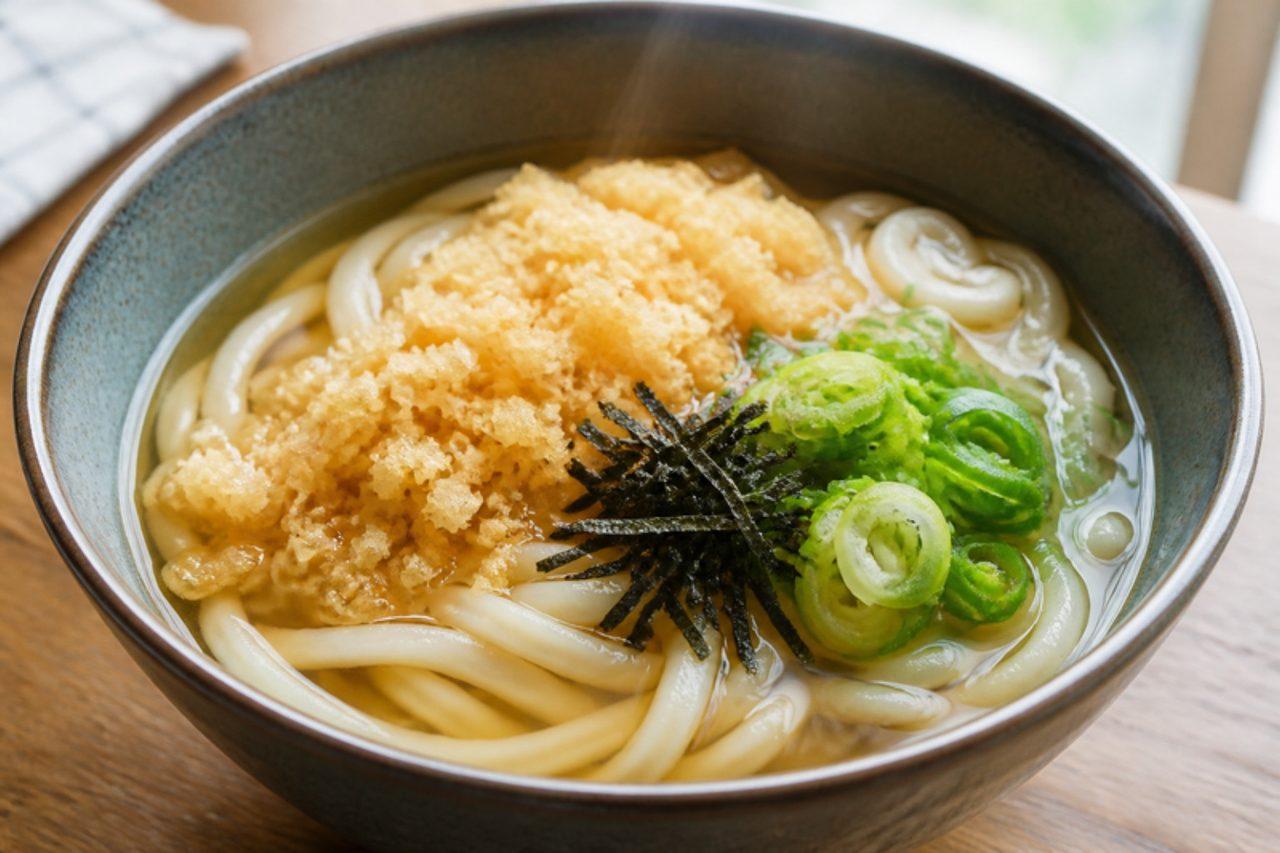
Tanuki udonUdon with tempura bits

In Tokyo and the Kanto region, tanuki udon is the cheapest, fastest bowl at a standing noodle bar: thick udon in hot soy-dark dashi, crowned with tenkasu, the crisp bits of tempura batter, and spring onion. The broth uses bonito dashi and mirin, a sweet rice seasoning that contains alcohol; it is simmered, but for an alcohol-free version use sugar as noted. The mistake is adding the tenkasu too early so it turns soggy before the bowl reaches the table. Chef's tip: frozen sanuki udon cooks in a minute and has a much better bite than the vacuum-packed kind.

by KrazyBadal 0 views

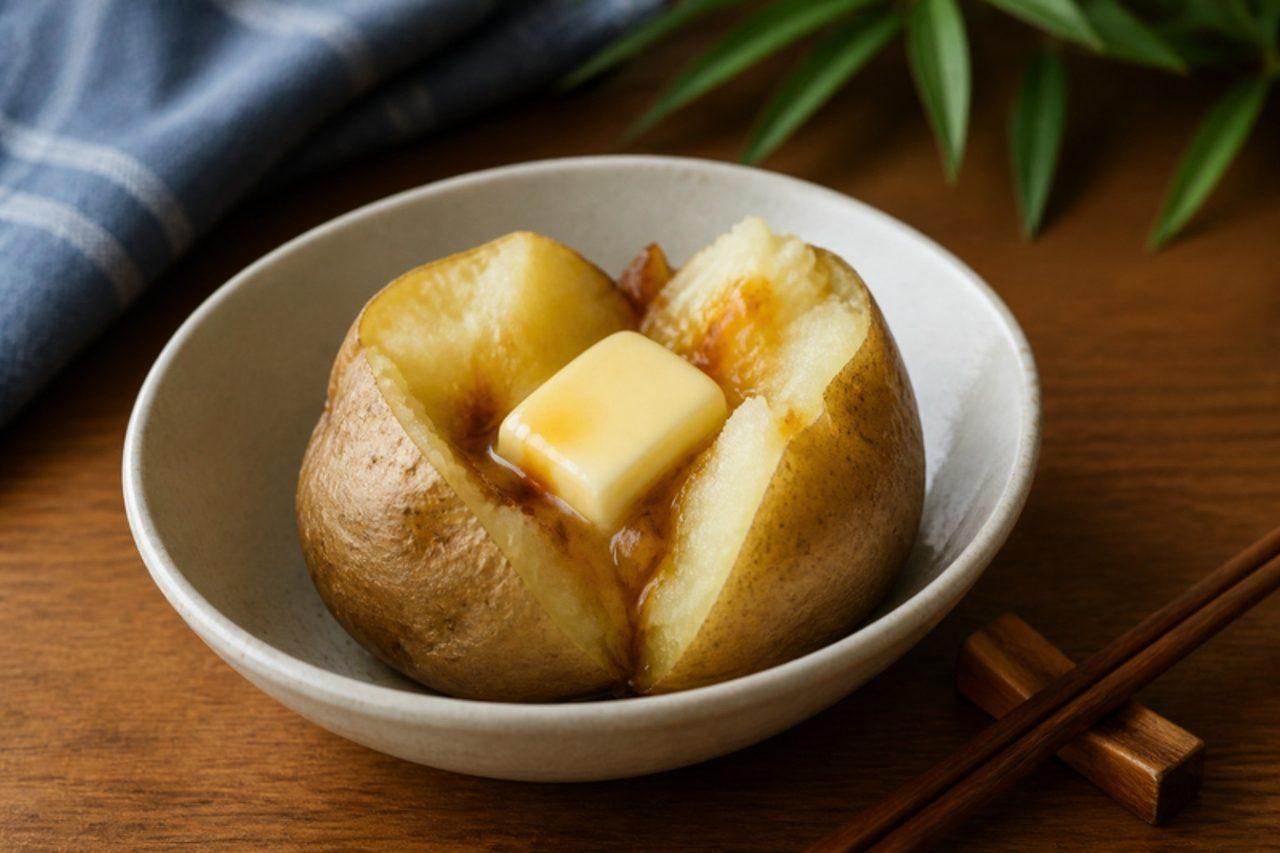
Jaga bataSteamed potatoes with butter and soy

Jaga bata is Hokkaido's simplest pleasure: whole steamed potatoes split open and topped with a slab of butter and a few drops of soy sauce, sold at Sapporo snow-festival stalls and summer street fairs, and made at home as a snack or side. The potato is floury and steaming, the butter melts into it, and the soy adds a savoury edge. The mistake is boiling the potatoes, which makes them watery so the butter slides off; steam them in their skins instead. Chef's tip: cut a deep cross into each hot potato and squeeze from the bottom so it bursts open like a flower to hold the butter.

by KrazyBadal 0 views

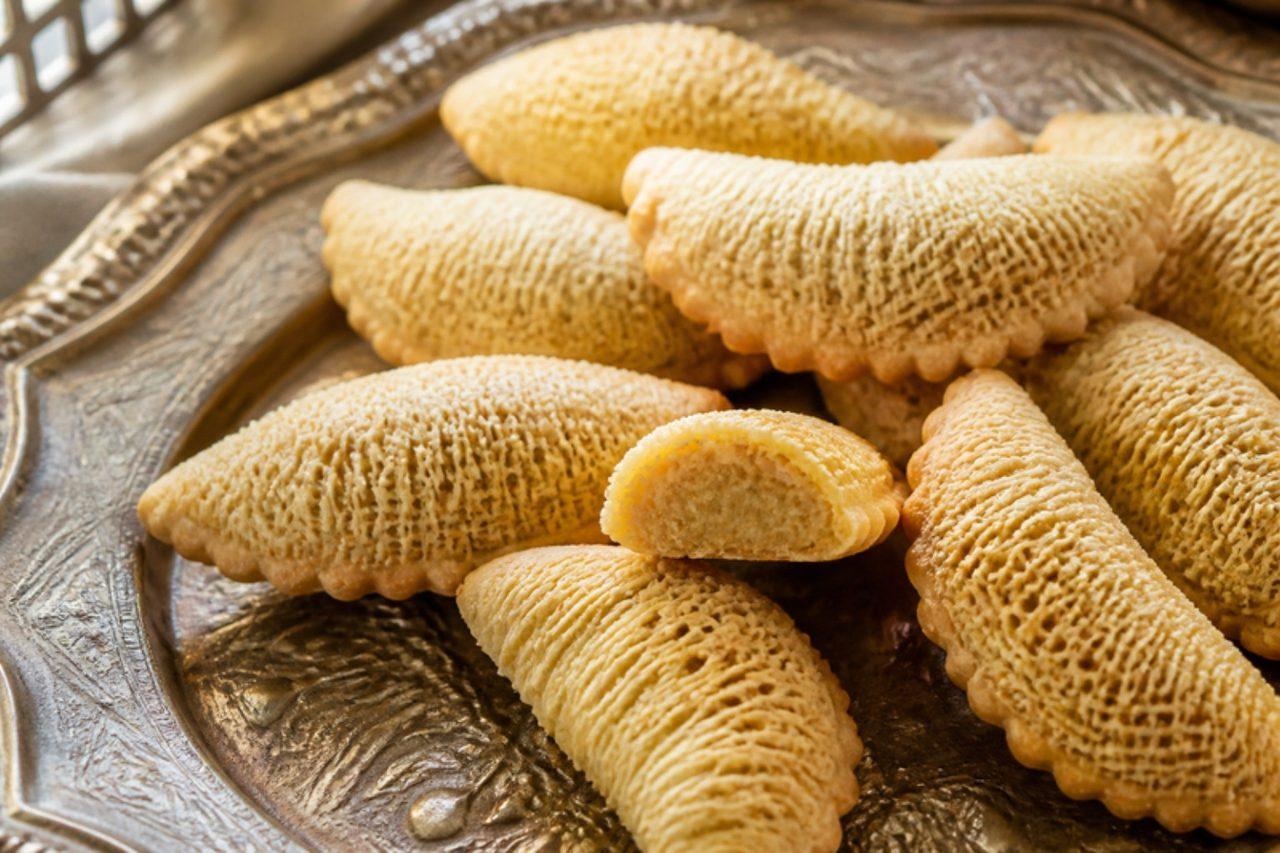
Tcharek el arianeAlmond crescents with orange blossom

On the last nights of Ramadan, kitchens across Algiers and Constantine fill up with trays of tcharek el ariane, the 'naked' tcharek: crescents of thin, buttery dough wrapped around almond paste with cinnamon and orange-blossom water. Unlike their sugar-coated cousins they are left bare, so the fine dough with its pinched, lace-like pattern shows. Families give them to neighbours on Eid morning and set them out at weddings with mint tea and coffee. The dough is traditionally made with smen (aged butter); plain melted butter works well. Overbaking is the common slip, because they turn hard and dry; they should stay pale with only golden tips. Chef's tip: keep the dough under a damp cloth while you shape, as it dries in minutes and then cracks along the curve.

by KrazyBadal 0 views

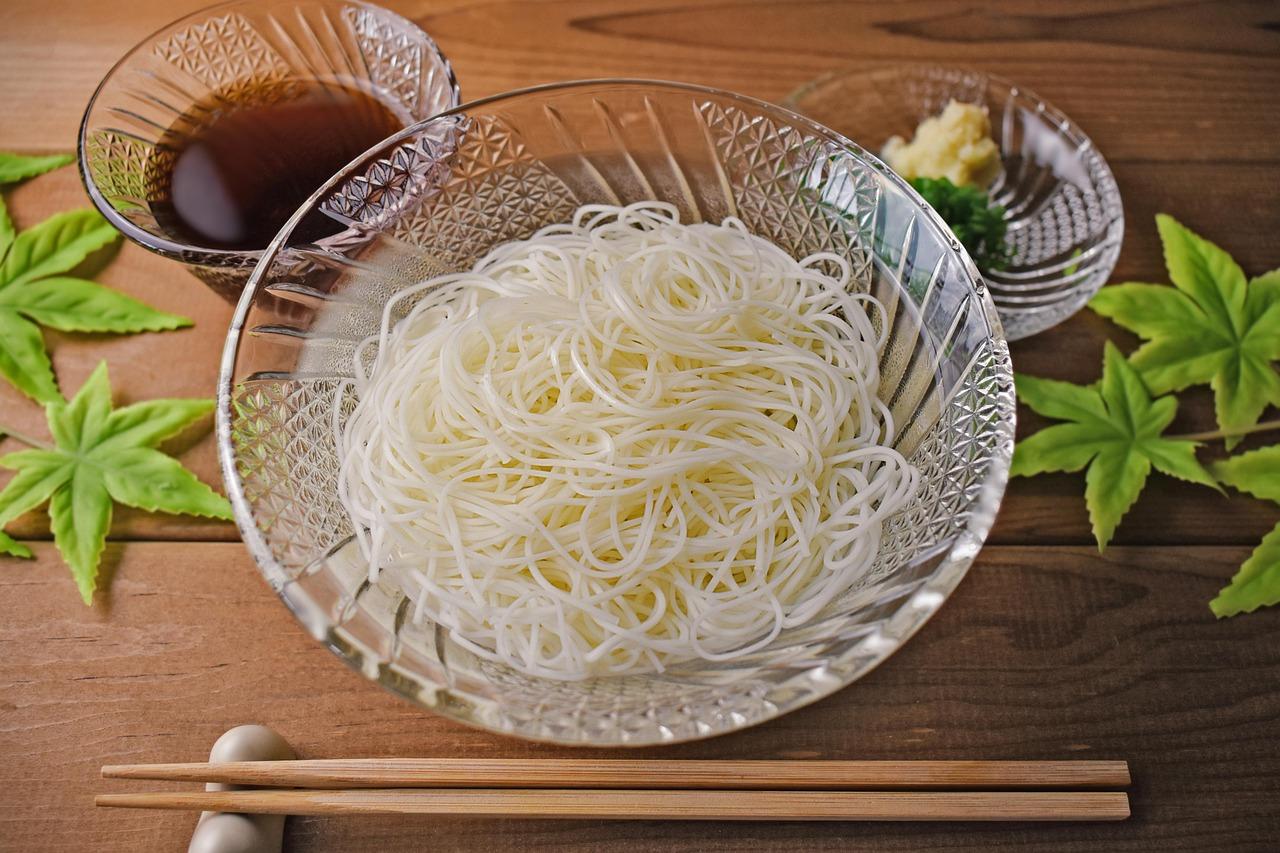
Hiyashi somenChilled thin noodles

All over Japan, hiyashi somen is what families eat on the hottest evenings of July and August: hair-thin wheat noodles chilled in iced water and dipped, a mouthful at a time, into cold mentsuyu with grated ginger and spring onion. The dipping sauce is made with bonito dashi and mirin, which contains alcohol; it is boiled briefly, and an alcohol-free swap is given. The classic mistake is not rinsing the cooked noodles hard under cold water, which leaves them starchy and stuck together. Chef's tip: tie the bundles with a little thread before cooking, or keep their paper band on, so they stay in neat skeins.

by KrazyBadal 0 views

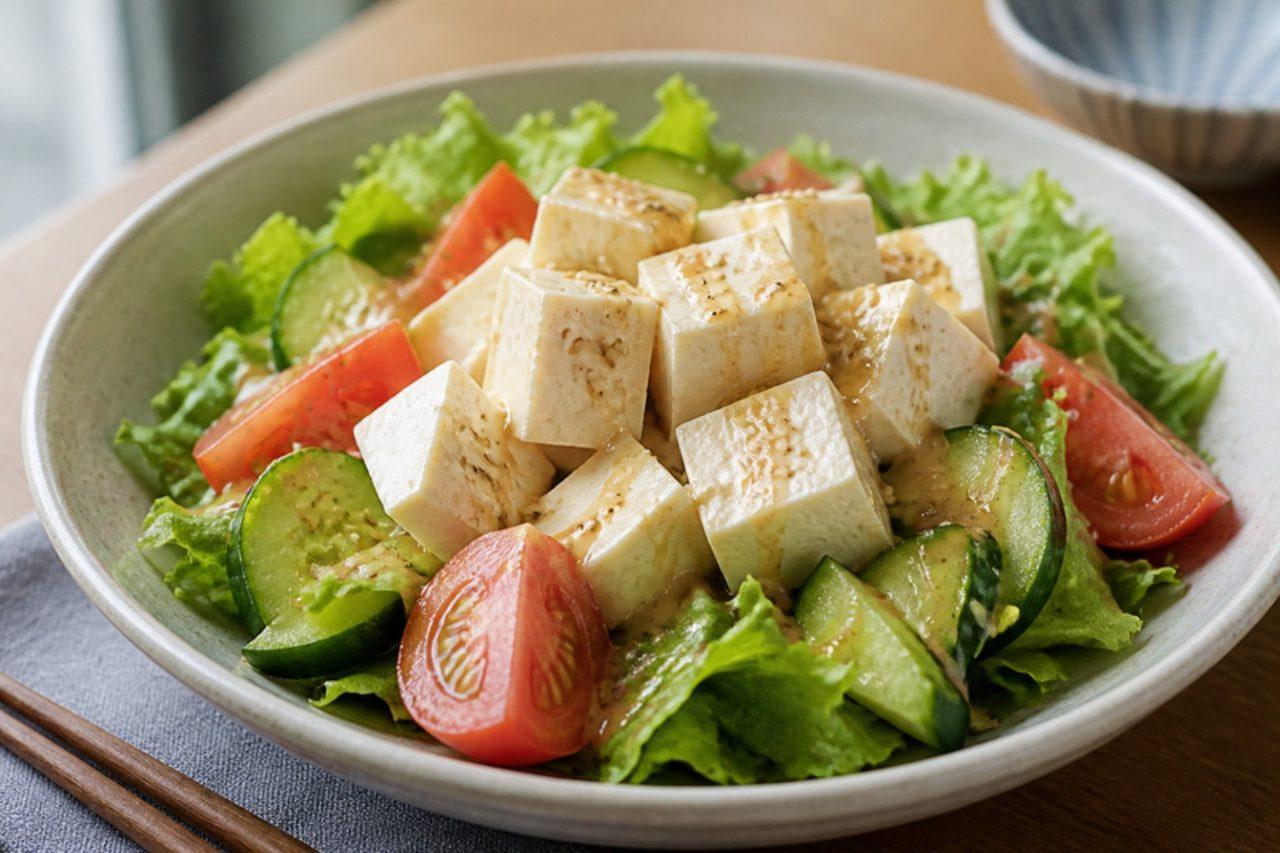
Japanese tofu salad

Tofu sarada is a fixture on Japanese izakaya menus and family dinner tables everywhere from Tokyo to Fukuoka, especially in the humid summer months. Cool cubes of tofu sit on crisp lettuce, tomato and cucumber under a sesame-soy dressing sharpened with rice vinegar and ginger, with a few strands of wakame if you have them. It makes a light dinner with rice and miso soup. The usual mistake is not draining the tofu, so its water dilutes the dressing into a bland pool. Many shop-bought wafu dressings contain bonito; this home-made one is vegan. Chef's tip: dress the salad at the table so the leaves stay crisp.

by KrazyBadal 0 views

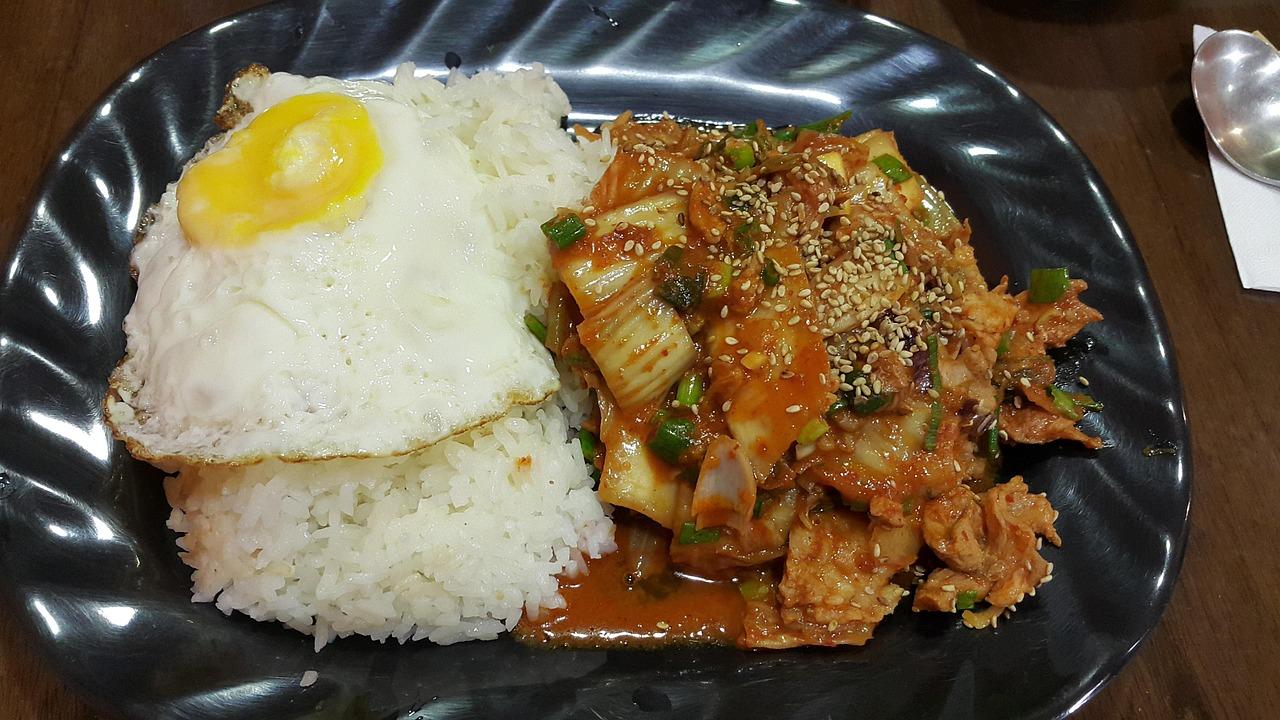
Buta kimchi (pork and kimchi stir-fry)

Buta kimchi is a Japanese izakaya and home favourite, cooked in Tokyo flats in the time it takes the rice to finish: thin slices of pork belly or shoulder fried until the fat crisps, then tossed with sour, spicy kimchi and onion. This is a pork dish. The common mistake is using fresh, young kimchi; well-fermented, sour kimchi gives the deep flavour, and fresh kimchi just tastes of raw cabbage. Chef's tip: add a splash of the kimchi juice at the very end for an instant sauce.

by KrazyBadal 0 views

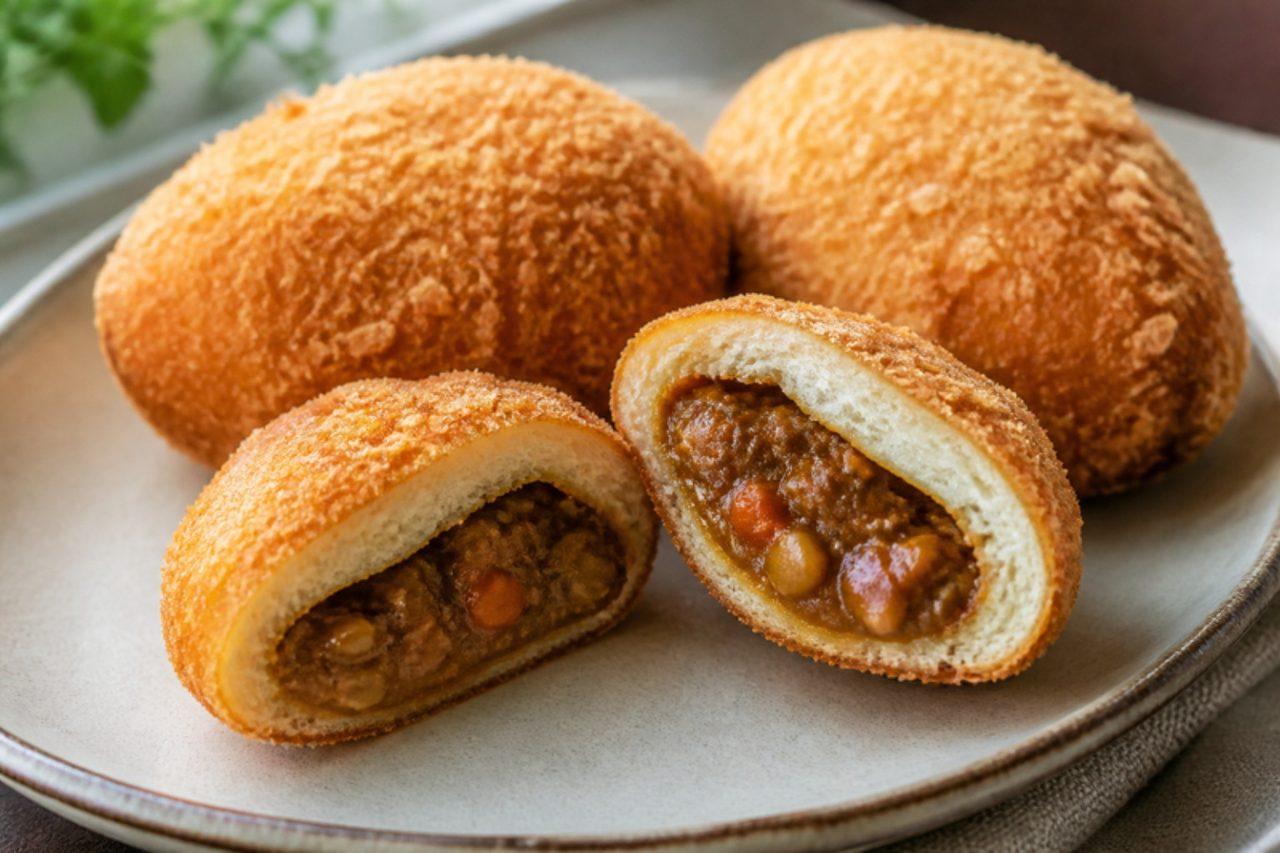
Kare panCurry beef buns

Kare pan (カレーパン) is the best-selling savoury bun in Japanese bakeries and convenience stores: a soft, slightly sweet bread dough wrapped around thick, mild Japanese curry made with beef mince (pork mince works too), coated in panko and fried or baked until crunchy. Office workers in Tokyo eat one hot for lunch, and children love them after school. The outside is crisp, the bread soft and the curry rich and gently spiced. For a vegetarian version, fill them with diced potato, carrot and mushroom cooked in the same homemade roux; ready-made curry blocks often contain animal fat, so check the label. Runny filling is the usual mistake, because it bursts the seam, so cook it thick and chill it. Chef's tip: dampen the dough edges and pinch the seam twice, then place the buns seam-side down to rest.

by KrazyBadal 0 views

Chicharrón de pescadoCrisp fried fish chunks

Up and down the Peruvian coast, from Chorrillos in Lima to the beaches of Piura, chicharrón de pescado is the crunchy plate ordered alongside ceviche at a long seafood lunch: bite-size chunks of firm white fish marinated briefly in garlic and lime, dusted in flour and fried, then served with fried cassava, salsa criolla and tartar or rocoto sauce. Using frozen peeled cassava keeps it to half an hour. The common mistake is leaving the fish in the lime too long: after about ten minutes the acid starts to 'cook' the outside and the coating slips off. Chef's tip: toss the floured pieces in a sieve to shake off every bit of loose flour; a thin coat fries crisp, a thick one turns pasty.

by KrazyBadal 0 views

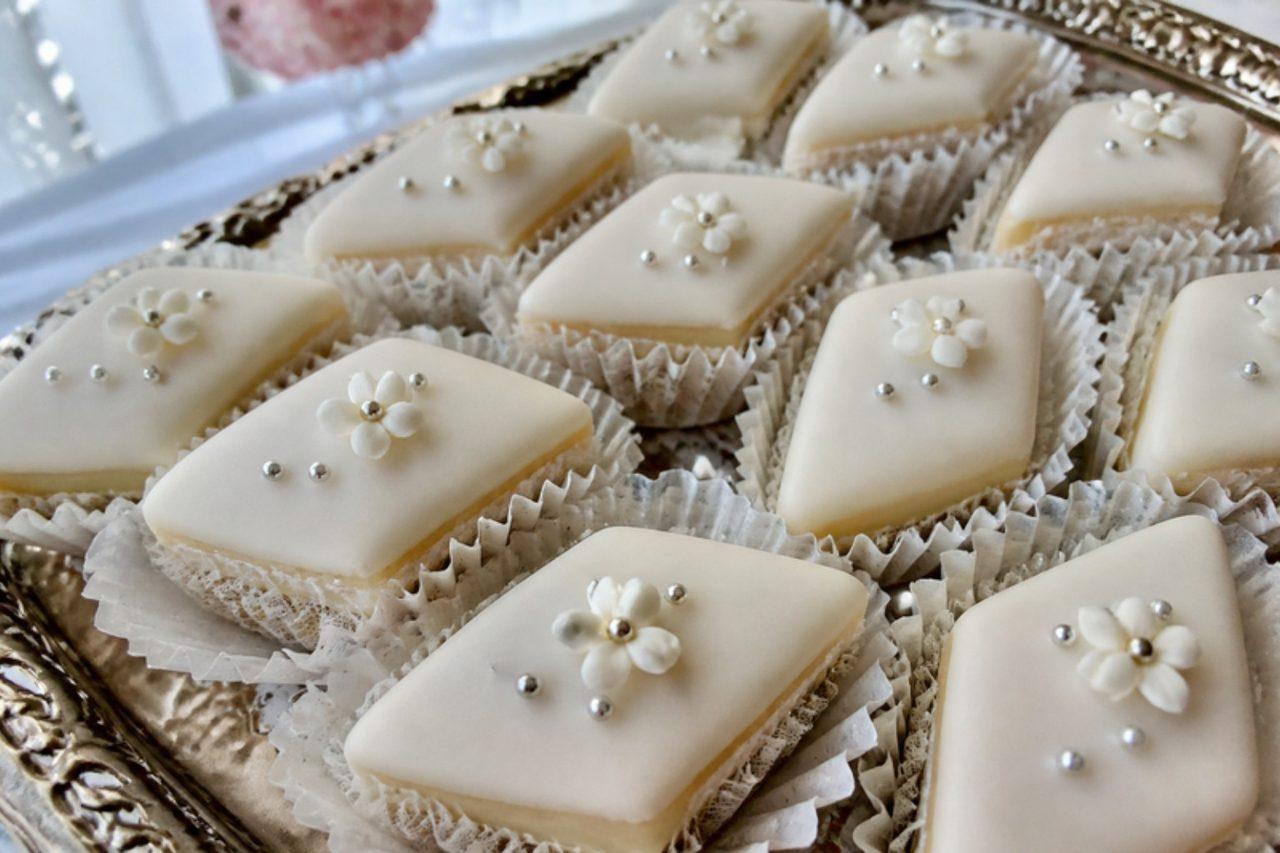
Algerian mkhabezIced almond and lemon diamonds

No Algerian wedding tray, and few Eid tables in Algiers or Constantine, is complete without mkhabez: soft, chewy diamonds of ground almond and lemon zest under a smooth white icing, each topped with a sugar flower or a silver ball and set in its own paper case. Making them is a social affair, with sisters and aunts icing and decorating hundreds the week before a celebration. The almond base is flourless and dairy free, sweet and lemony, and the icing sets to a thin shell; serve them with mint tea or strong coffee. Overbaking is the mistake to avoid: the diamonds should come out pale and soft, or they go dry and crumbly under the icing. Chef's tip: ice them when completely cold, and get the icing so thick it only just flows; runny icing slides off the sides and never sets glossy.

by KrazyBadal 0 views

Pejerrey arrebozadoBattered fish fillets with onion salsa

Pejerrey arrebozado is a Lima classic from the cevicherías and home kitchens of the coast, eaten at lunch on a plate with white rice, a heap of sharp salsa criolla and sometimes boiled potato. The pejerrey, a small silverside, is opened into butterflied fillets, dipped in a light egg-and-flour batter and fried golden. Outside Peru, use small fillets of whiting, sole, haddock or tilapia. The batter here uses sparkling water, not beer, so it is alcohol free. The common mistake is frying in oil that isn't hot enough: the batter drinks the oil and turns greasy, so test with a drop of batter first. Chef's tip: make the salsa criolla first and let the onion sit in lime for ten minutes; it softens its bite and turns a pretty pink.

by KrazyBadal 0 views

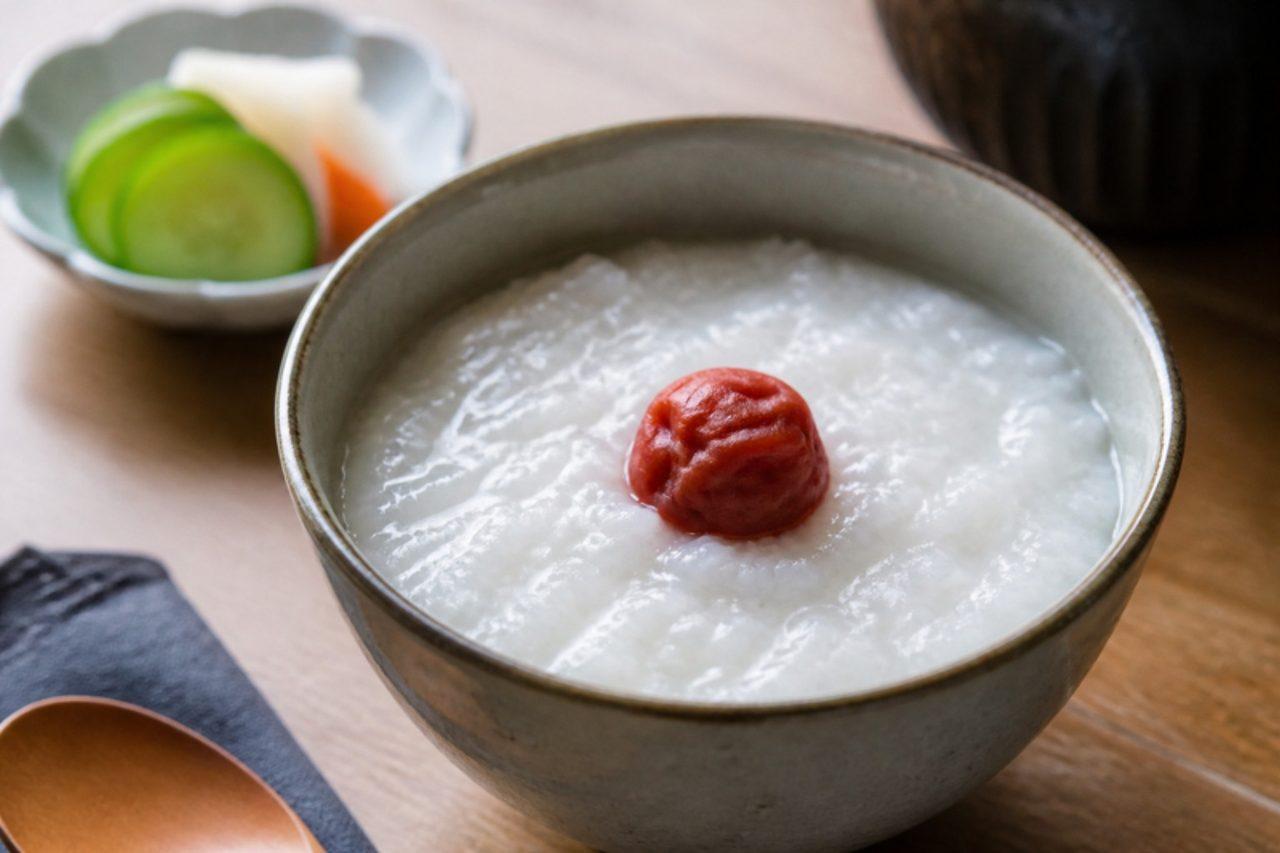
OkayuPlain rice porridge with pickled plum

Okayu is the porridge Japanese mothers make when someone is ill, tired or simply needs something gentle, and it is also eaten on 7 January as part of the new year with seven spring herbs. This weeknight version starts from cooked rice, simmered in water with a little salt until soft, white and spoonable, then served with a sour-salty umeboshi plum to stir in. The mistake is stirring it constantly, which breaks the grains and turns it gluey; stir only now and then. Chef's tip: for the full, silkier version, start with 100 g raw rice and 1 litre of water and simmer, lid ajar, for 40 minutes.

by KrazyBadal 0 views

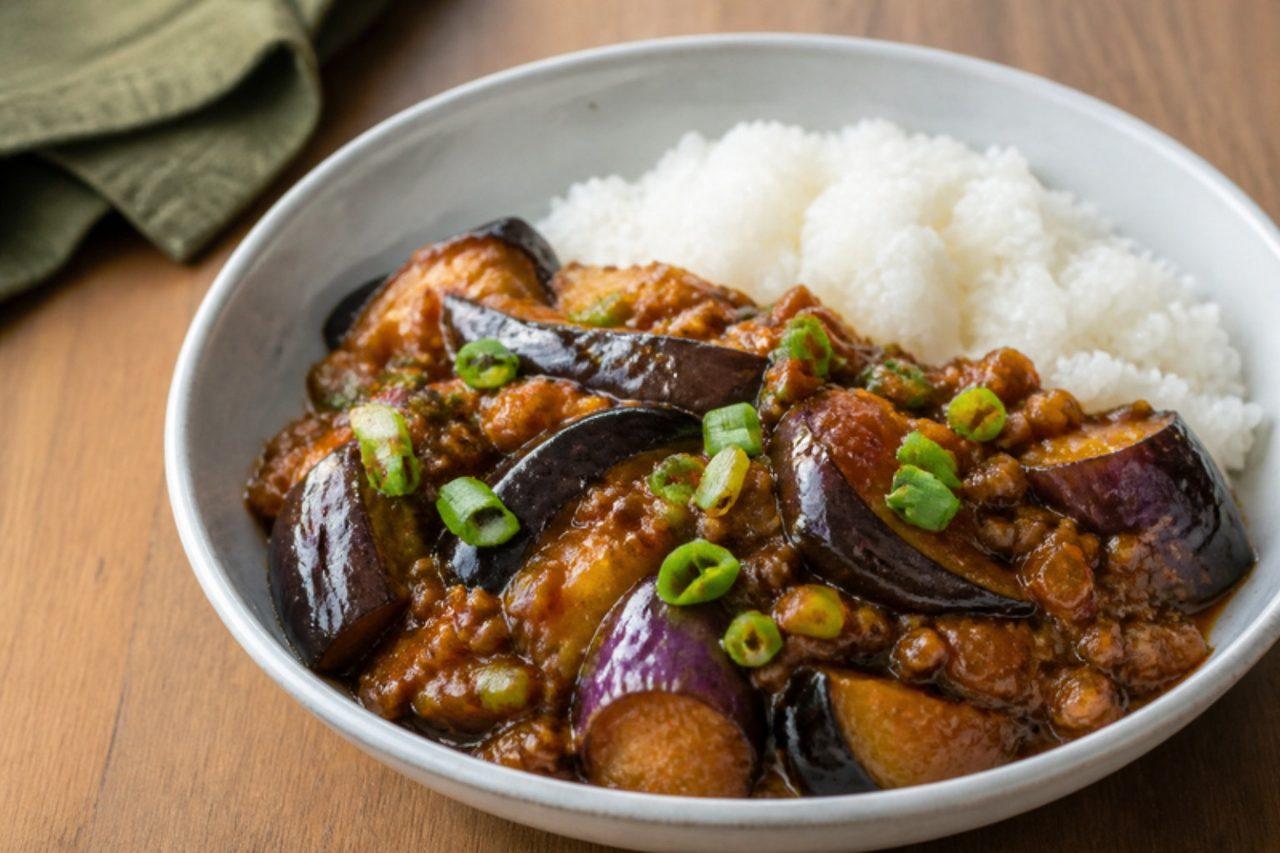
Mabo nasu (Japanese mapo aubergine)

Mabo nasu is the Japanese home take on a Sichuan dish, cooked across Japan on weeknights when aubergines are cheap in summer: soft aubergine and minced pork in a glossy, mild sauce of doubanjiang, miso and soy, eaten over white rice. This is a pork dish. The usual mistake is under-cooking the aubergine, which stays spongy and drinks the sauce; fry it until it is collapsing and shiny first. Chef's tip: stir the cornflour slurry in off the heat, then bring it back to a bubble, so it thickens smoothly without lumps.

by KrazyBadal 0 views

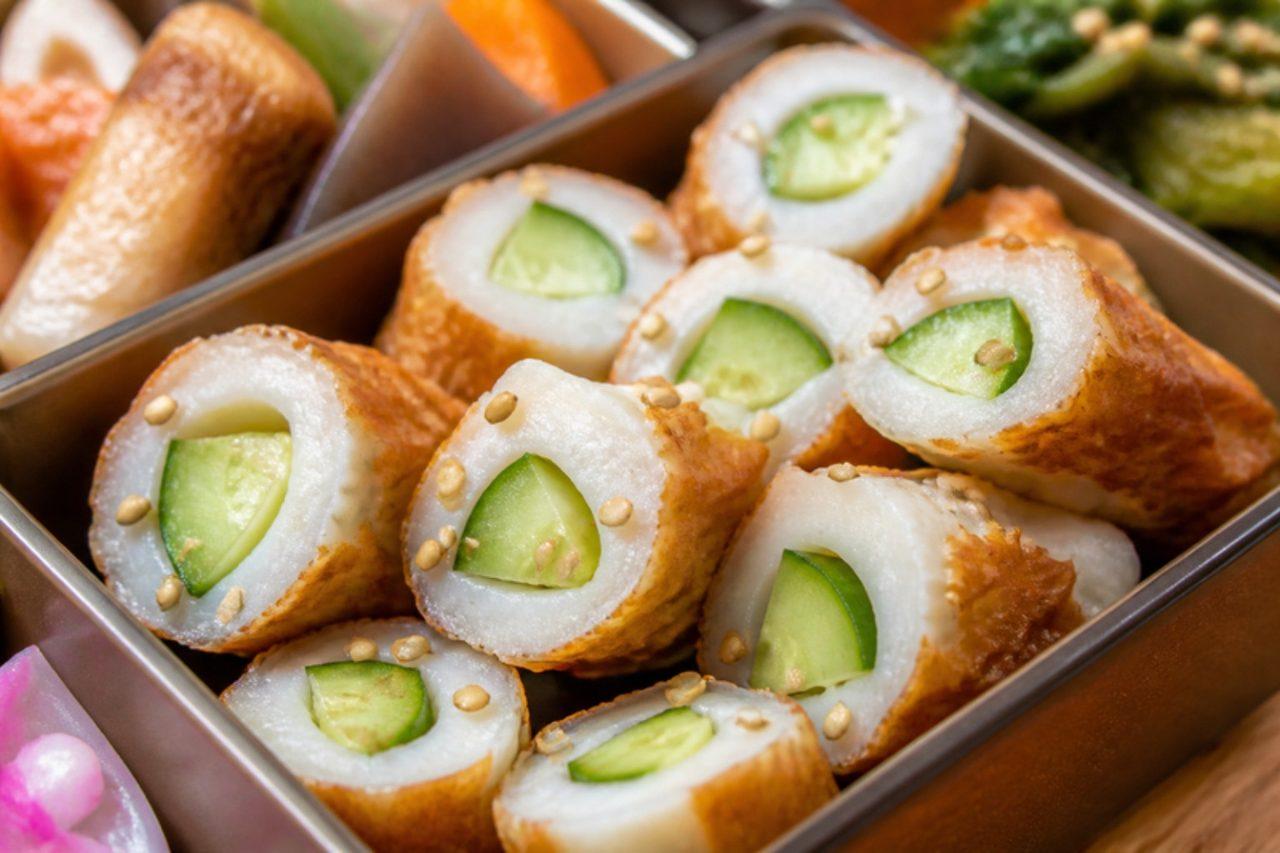
Cucumber-stuffed chikuwa (chikuwa kyuri)

Chikuwa, the tube-shaped grilled fish cake sold in every Japanese supermarket, gets the simplest treatment of all in children's bento: a stick of crisp cucumber pushed through the hole and the tube sliced into rounds, so each piece looks like a little green-eyed wheel. It is cold, crunchy and gently savoury, ready in five minutes on a busy morning, and good as an after-school nibble too. Chikuwa is ready to eat; it contains fish and usually wheat and egg white, so check the label. Chef's tip: trim the cucumber stick to fit snugly; too fat and the chikuwa splits.

by KrazyBadal 0 views

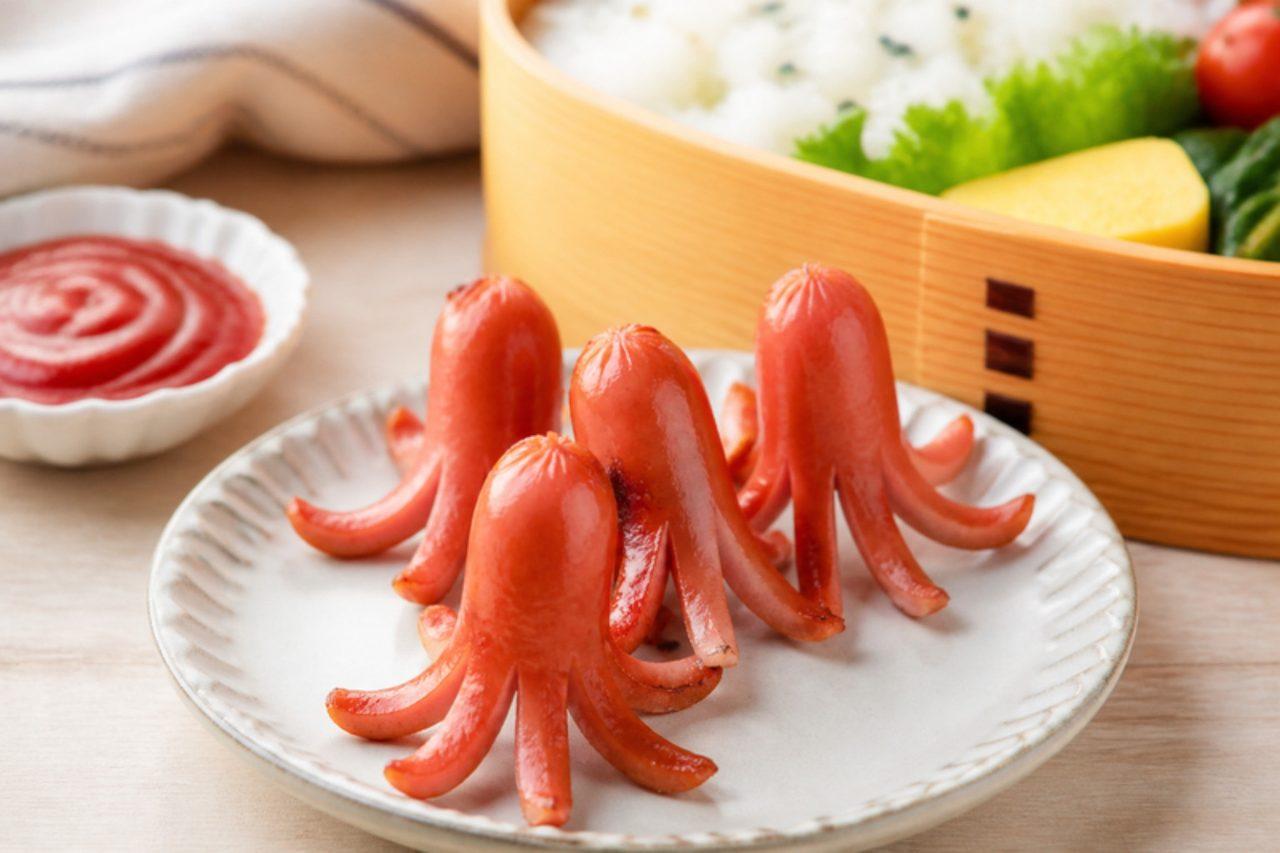
Octopus sausages (tako-san wiener)

Open a Japanese child's bento almost anywhere in the country and there is a good chance of finding tako-san wiener: small frankfurters with the bottom half cut into legs, which curl out like an octopus when they hit a hot pan. They go in on school-trip days and sports days, often with a tiny sesame-seed face. They contain whatever your sausages contain; check the label for wheat, milk and soya. For children under 5, cut the finished sausages in half lengthwise to avoid a choking risk. Chef's tip: cut the legs only halfway up the sausage, or the head splits off.

by KrazyBadal 0 views

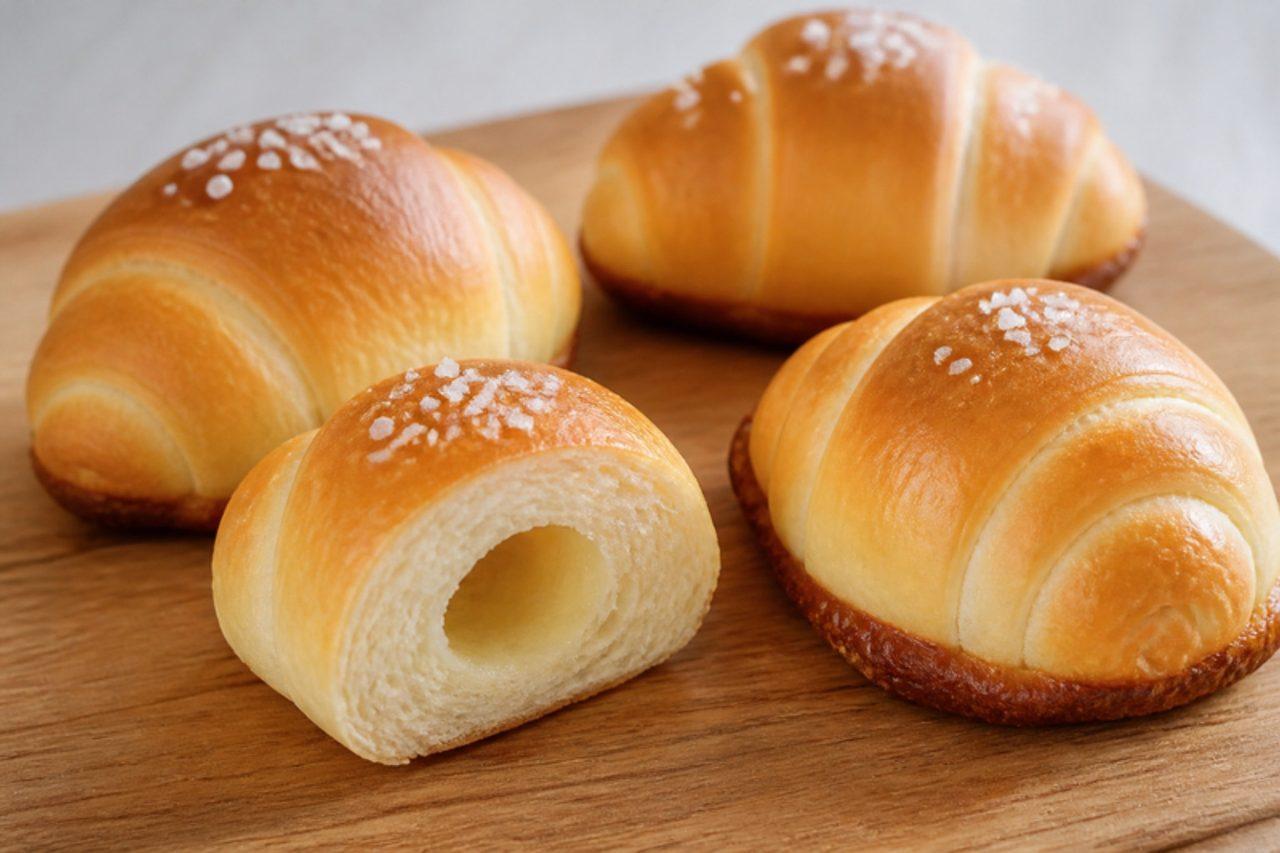
Shio pan

Shio pan (塩パン) began in 2003 at a small bakery in Yawatahama, a port town on the Ehime coast of Shikoku, and spread so fast that most Japanese bakeries now sell their own, as do the 'sogeum-ppang' shops of Seoul. Each roll is wound around a stick of cold butter; in the oven the butter melts out and fries the base, leaving a crisp, salty, golden bottom, a hollow, buttery tunnel inside and soft, chewy bread on top, finished with flaky salt. Eat them warm for breakfast with coffee, or split them for an egg or cucumber sandwich. Proving them somewhere too warm is the classic misstep: above about 28°C the butter leaks out before baking and the rolls lose their crunch. Chef's tip: leave the rolls on the tray for a couple of minutes after baking so they soak the melted butter back up into their bases.

by KrazyBadal 0 views

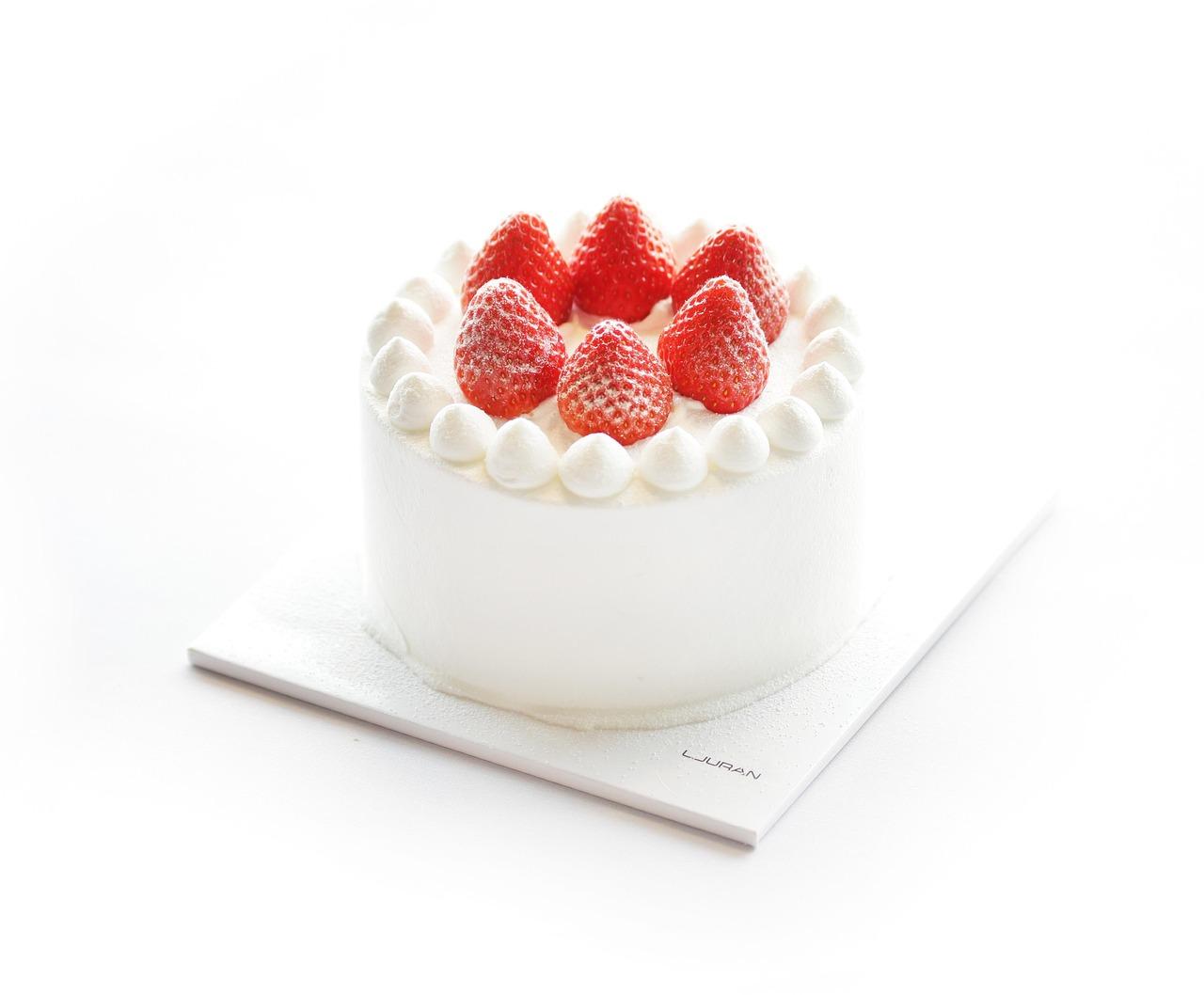
Japanese strawberry shortcake

In Japan, the 'shortcake' on every birthday table and every Christmas Eve is nothing like the American scone version: it is a tall, cloud-soft sponge filled and covered with lightly sweetened cream and crowned with a ring of strawberries. Children choose it at the cake shop for their birthday, and it is just as good made at home. It contains egg, milk and gluten. Chef's tip: brush each sponge layer with a little plain sugar syrup; it keeps the cake moist without any alcohol.

by KrazyBadal 0 views

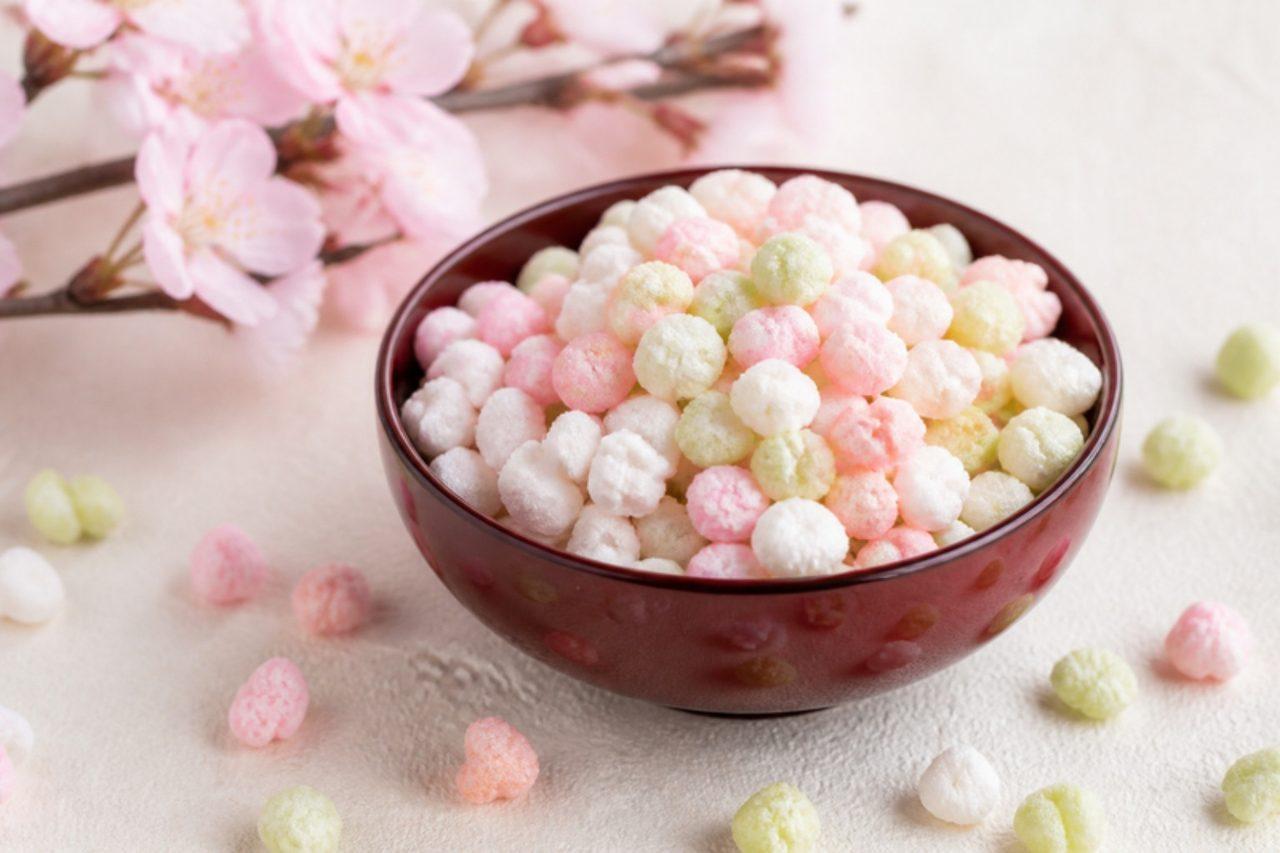
Hina arare (Girls' Day rice puffs)

On 3 March, Japanese families with daughters set out tiered dolls for Hinamatsuri and fill little bowls with hina arare, crunchy pastel rice puffs whose pink, green and white stand for spring blossom, new leaves and snow. In the Kanto region they are sweet; around Kyoto and Osaka they are bigger and soy-glazed, so this version makes both. Puffing cooked rice at home is easy and children love watching it bloom in the oil. It contains soya and gluten (from the soy sauce) and is otherwise free of the common allergens. Chef's tip: dry the cooked rice until every grain is hard and glassy; damp rice spits and never puffs.

by KrazyBadal 0 views

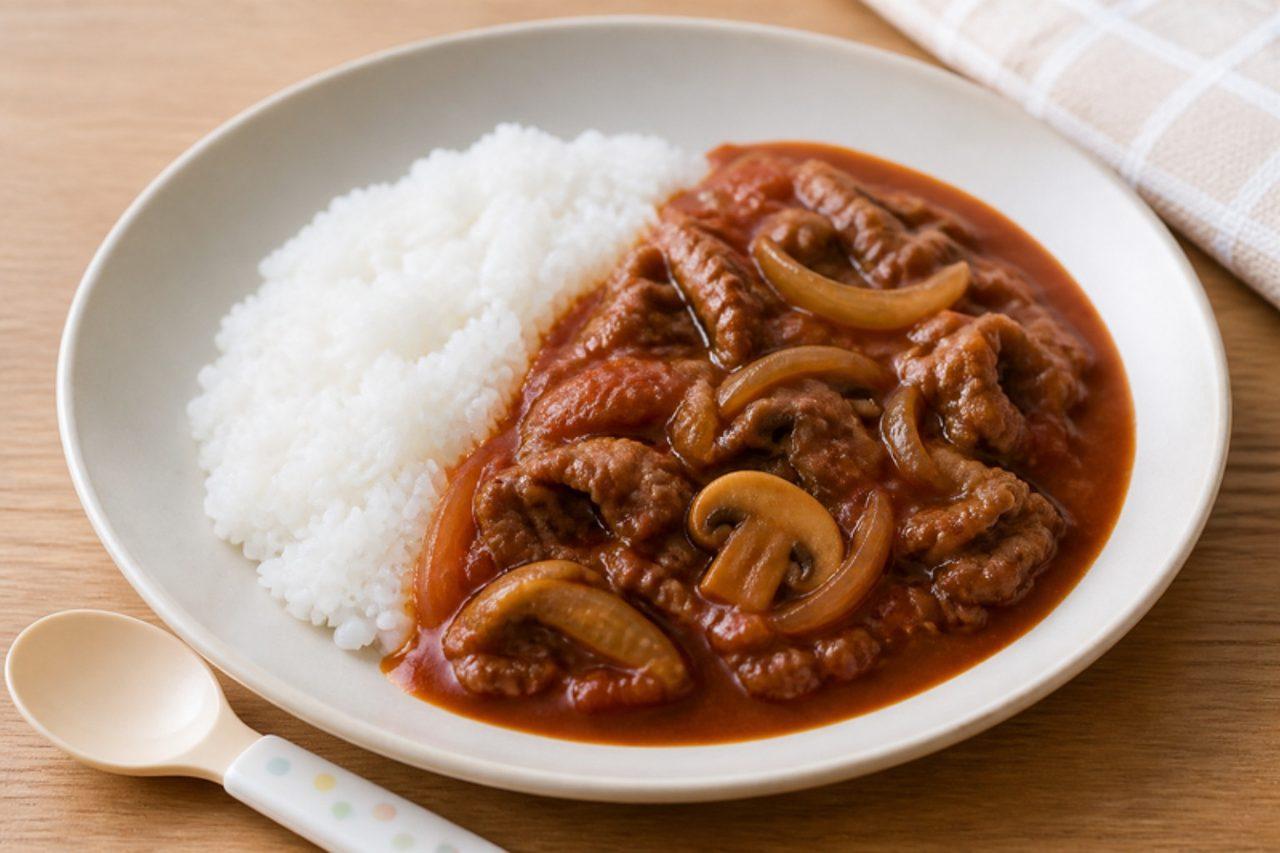
Hayashi rice for toddlersBeef and onion sauce on rice

Hayashi rice, thin slices of beef and sweet onion in a glossy tomato and brown-roux sauce over rice, is a Japanese home and school-lunch favourite that children often love even more than curry. Shop roux blocks are salty, so this version builds the sauce from scratch with butter, flour, tomato and no-salt stock, mild enough for toddlers from a year old, with no wine. It contains milk (butter) and gluten (wheat flour). Chef's tip: cook the onions slowly until deep golden; their sweetness replaces the sugar and salt of a packet roux.

by KrazyBadal 0 views

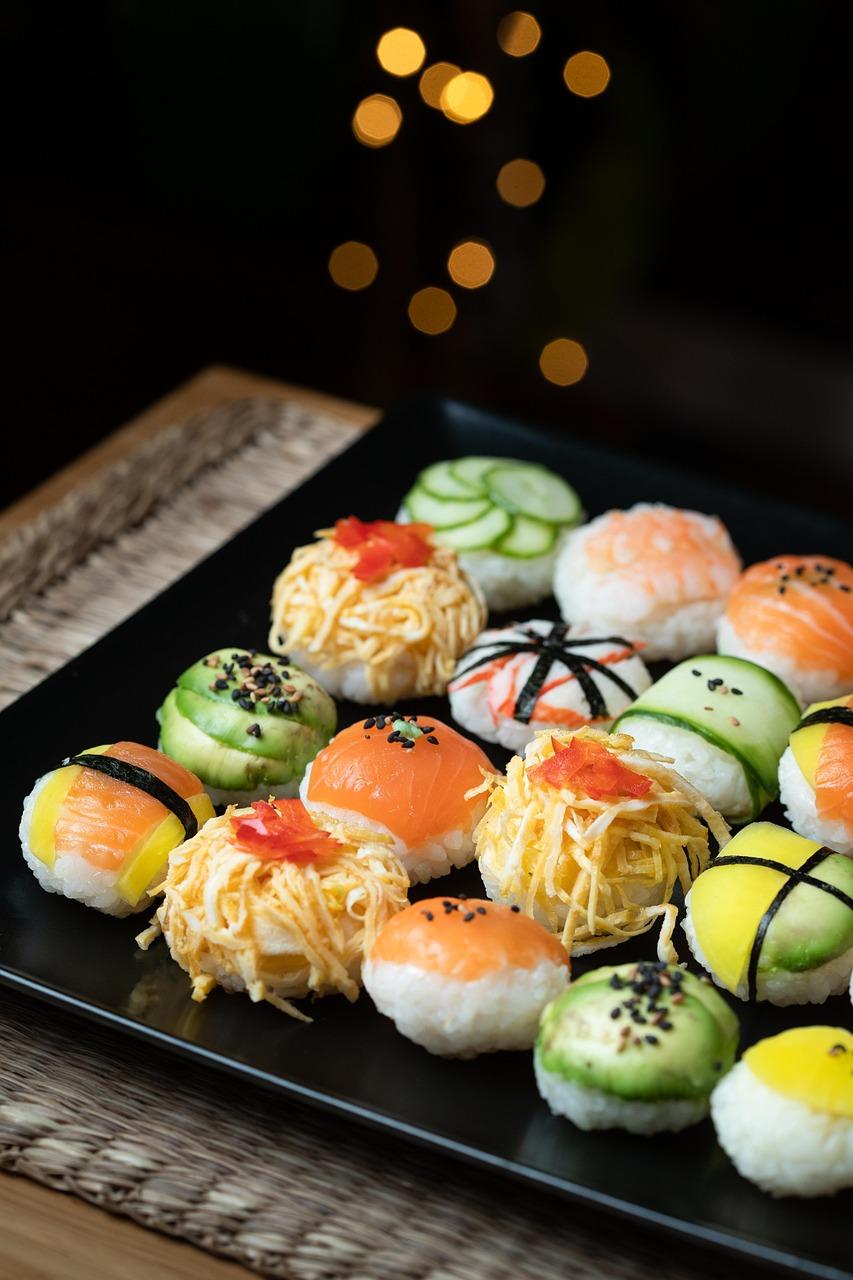
Temari sushiBite-sized sushi balls

Temari sushi are named after the embroidered silk balls Japanese children play with, and families shape them for birthday parties, Girls' Day and New Year: little rounds of seasoned rice pressed under a slice of topping in cling film. They are small enough for one bite and easy for children to help make. This version keeps to toppings that are safe for children, with thin omelette, cucumber, ham and smoked salmon; raw fish is for adults only and is not for young children or anyone pregnant. For a vegetarian plate, use egg, cucumber and simmered shiitake. Chef's tip: wet your hands and the cling film with vinegared water and the rice won't stick.

by KrazyBadal 0 views

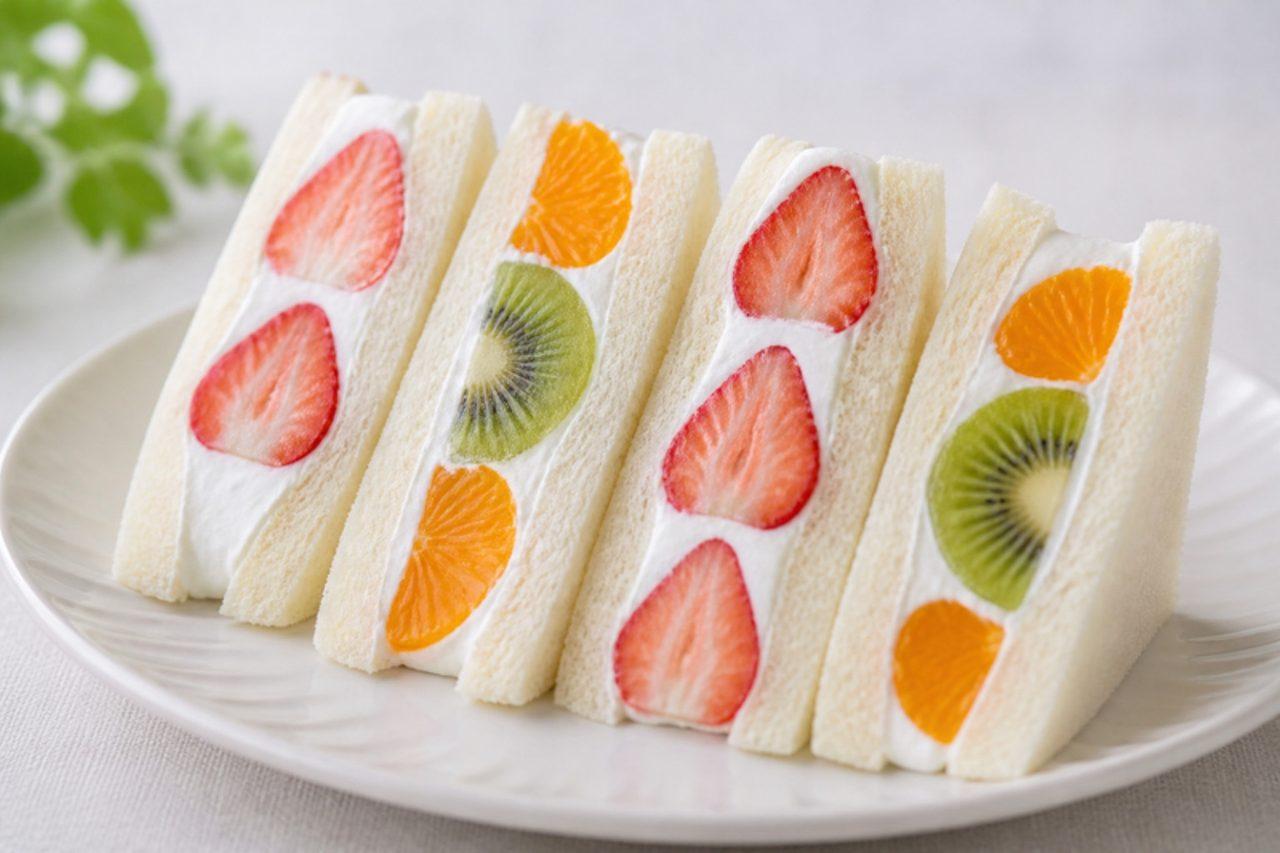
Fruit sando

Japanese fruit sandwiches started in the fruit parlours of Tokyo and are now sold in every convenience store, but they are just as much a home treat for a sunny weekend or a special after-school snack. Pillowy crustless bread holds a thick layer of barely sweetened whipped cream and whole pieces of fruit arranged so that each cut reveals a neat pattern. It contains gluten and milk (and often egg, in milk bread). Chef's tip: plan the cut before you arrange the fruit, laying the strawberries along the diagonal line you will slice through.

by KrazyBadal 0 views

Japanese hotcakes

Hotcakes are the tall, perfectly round pancakes of Japanese kissaten coffee shops and Sunday family breakfasts, and many children ask for them as an after-school treat too. They are thicker and more cake-like than Western pancakes, with an even golden surface and a soft, springy crumb. This batter is only lightly sweetened, so the butter and syrup on top do the work. It contains gluten, milk and egg. Chef's tip: cook them over a low heat with a lid on, so they rise high and cook through before the outside darkens.

by KrazyBadal 0 views

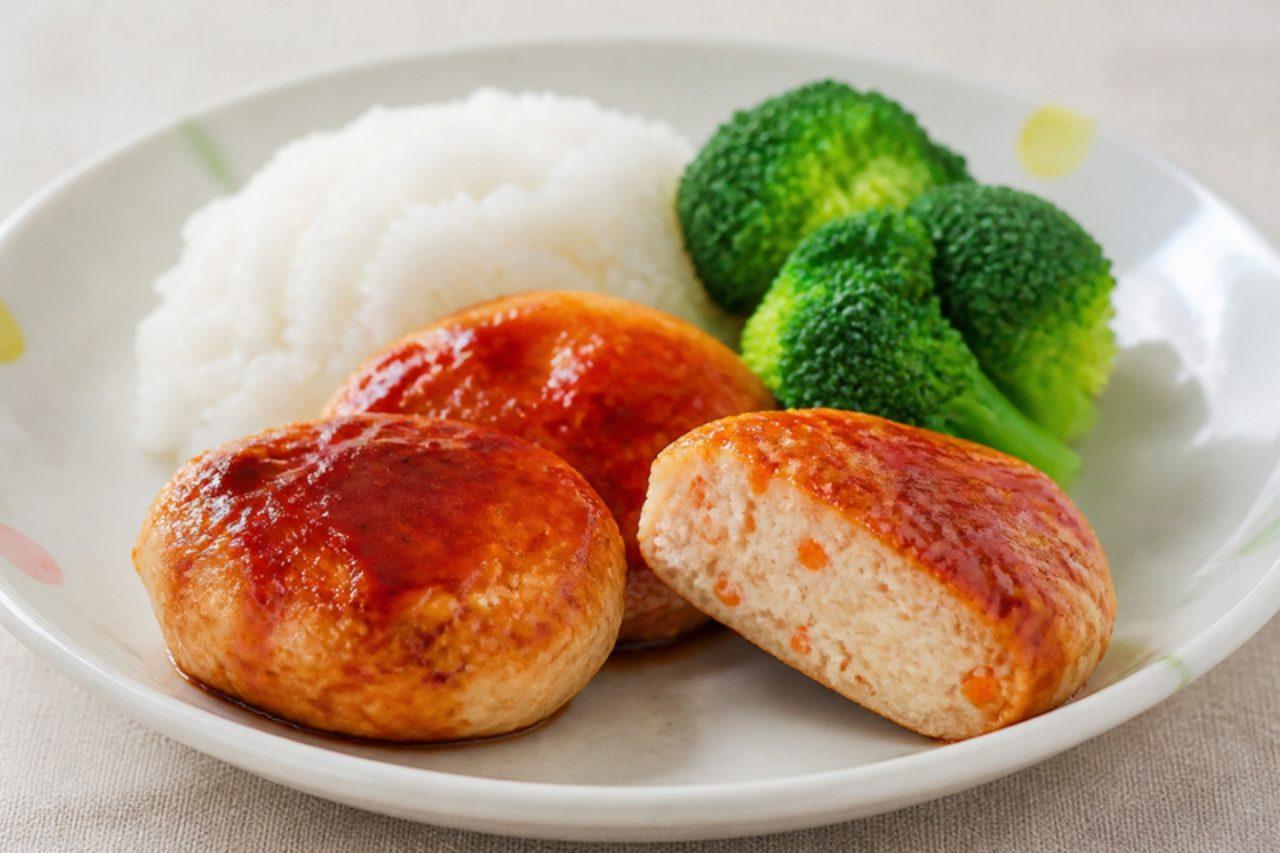
Tofu and chicken hamburg patties for toddlers

Tofu hambāgu is the lighter, softer cousin of the Japanese hamburg steak, and mixed with minced chicken and grated carrot it is one of the most popular toddler dinners in Japan, from a year old. The patties are tender and juicy, almost like a soft meatball, glazed with a mild tomato sauce made mostly of passata with just a spoon of ketchup. It contains soya (tofu), egg and gluten (breadcrumbs). Chef's tip: wrap the tofu in kitchen paper and press it for 15 minutes; wet tofu makes patties that fall apart in the pan.

by KrazyBadal 0 views

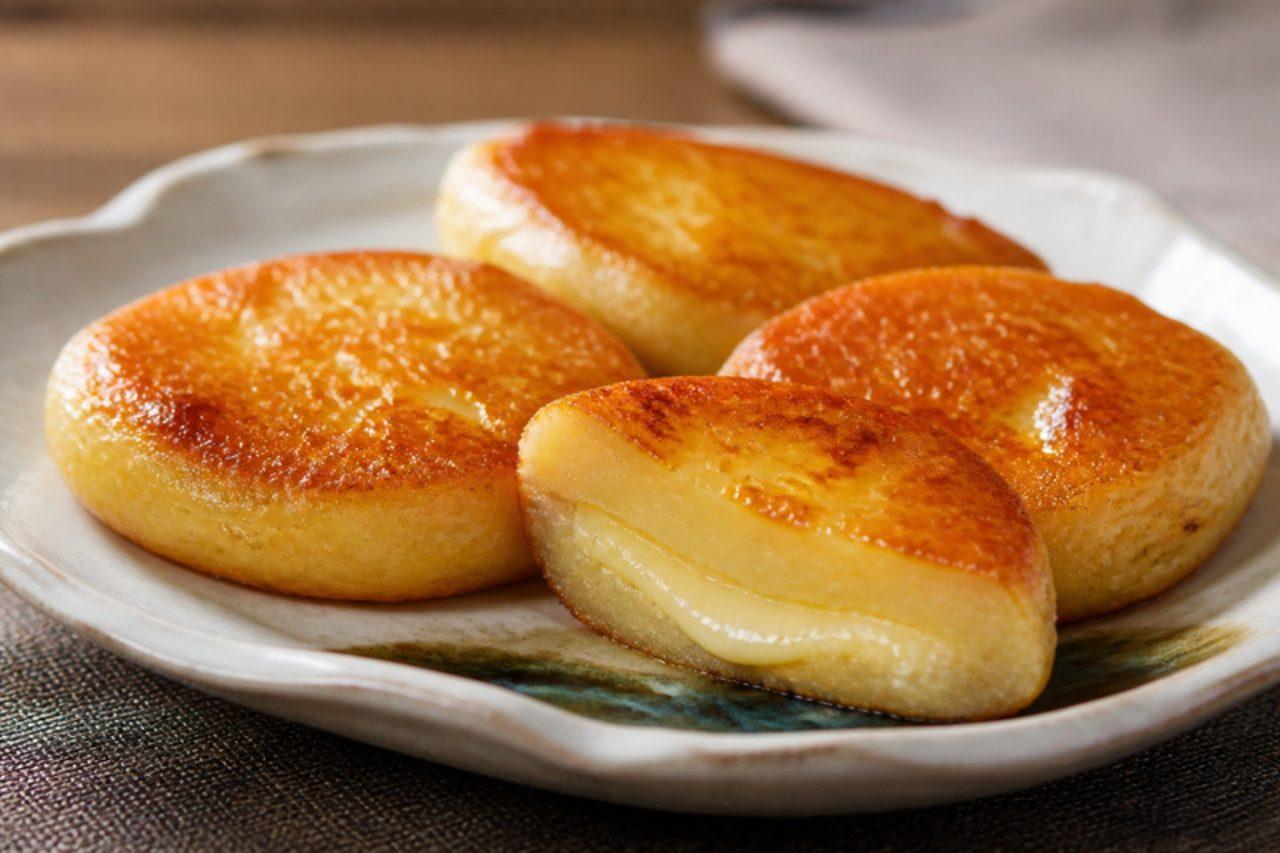
Imo mochi (Hokkaido potato mochi)

On Hokkaido, Japan's great potato island, imo mochi are what grandparents make from leftover boiled potatoes when the children come in from school or the ski slopes. Mashed potato is kneaded with potato starch into a smooth, stretchy dough, shaped into thick discs and fried until crisp outside and pleasantly chewy within, then glazed in a little butter, soy and sugar. A cube of cheese hidden inside is a popular children's twist. It contains milk, soya and gluten (soy sauce). Chef's tip: mash the potatoes while they are still hot; cold potato turns gluey and the patties crack.

by KrazyBadal 0 views

Showing 24 of 469 recipes

Show more recipes

Page 1 of 20