Skip to content
Recipes

All recipes

Vegetarian, or something you can't eat? Set your diet once and we'll hide recipes that don't fit.

Kasujiru-style winter soup (alcohol-free)Salmon and vegetable winter soup

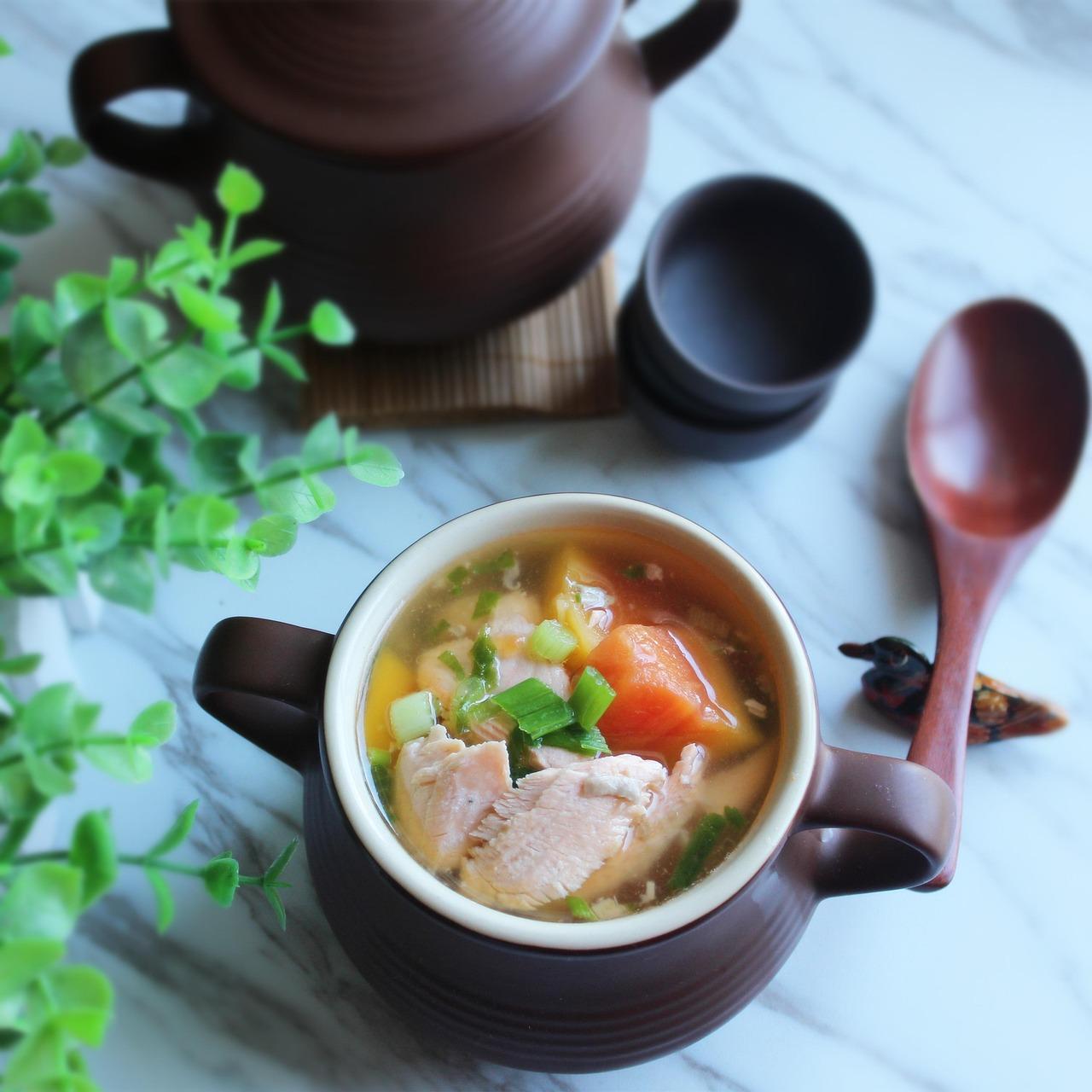
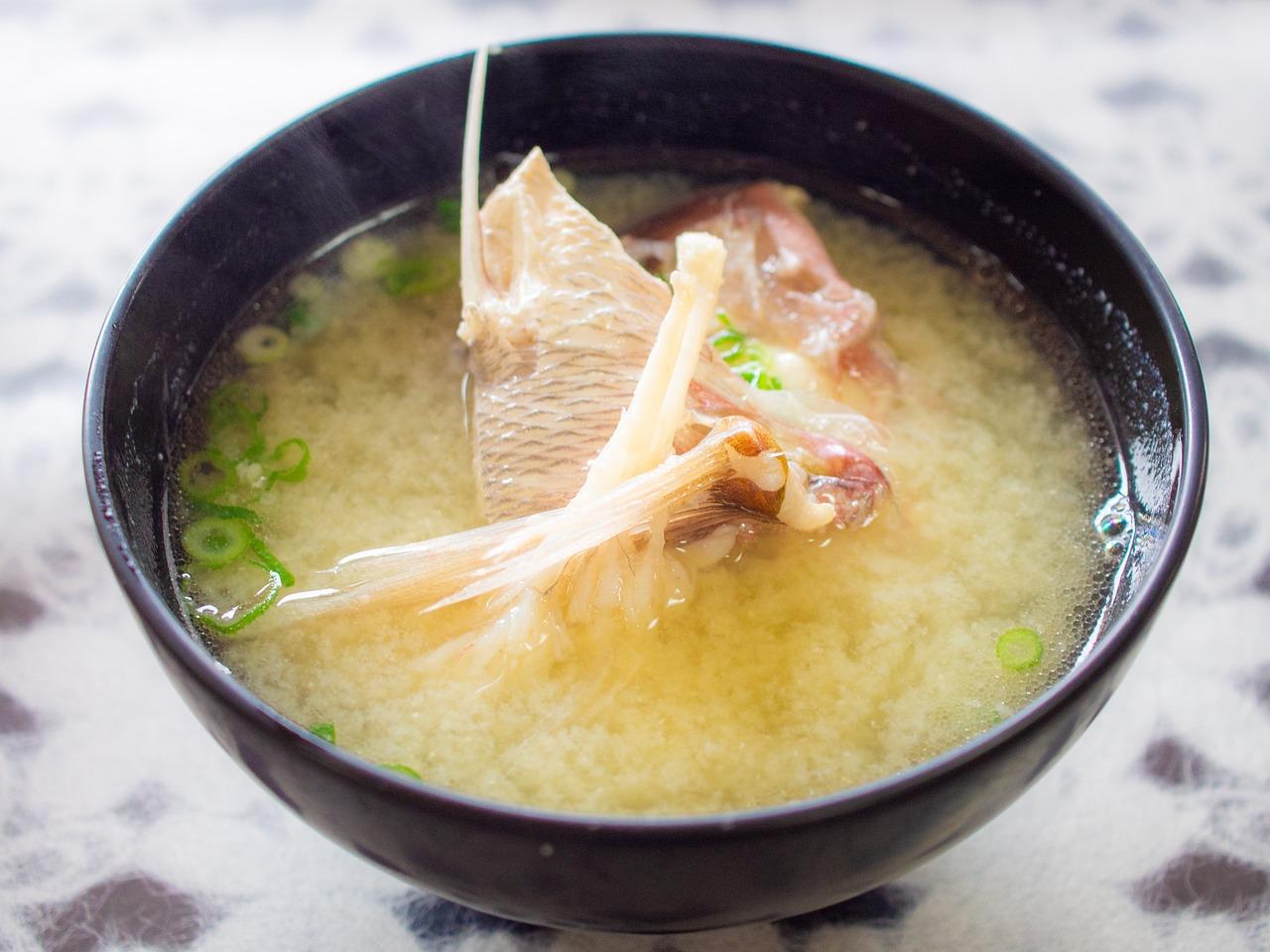
In Osaka, Kyoto and Nara, kasujiru is the bowl that appears in the coldest weeks of winter, when sake breweries sell fresh sake lees (sakekasu) and families stir them into miso soup with salmon, daikon, carrot and fried tofu. The lees make it cloudy, creamy and warming. Sake lees still contain some alcohol even after simmering, so this version leaves them out and builds the same creamy body with white miso, a little tahini and soy milk; it is an honest alcohol-free cousin of the traditional dish, which is made with sake lees. A bowl has about 24 g of protein from the salmon, fried tofu, miso and soy milk. The common mistake is boiling once the miso and soy milk are in: it splits and loses its aroma. Chef's tip: whisk the miso and tahini with a ladle of hot broth in a bowl first so they melt in smoothly.

by KrazyBadal 0 views

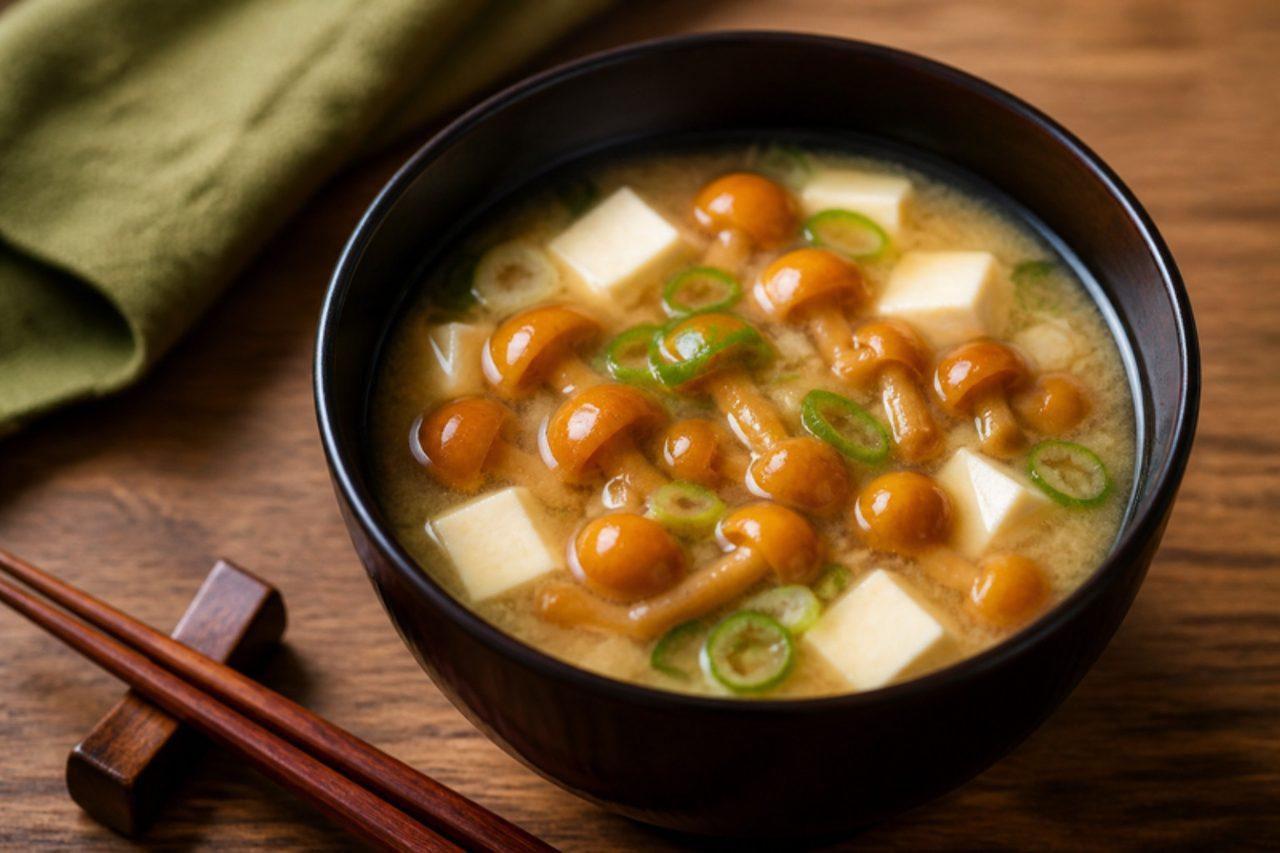
Nameko jiruNameko mushroom miso soup

Nameko jiru is one of the most common miso soups in Japan, made in homes from Tohoku to Kyushu for breakfast or dinner, especially in autumn and winter when the small amber nameko mushrooms are cheap. The mushrooms have a natural silky coating that gives the soup a gently thickened, slippery feel, which the Japanese love. Homes usually use bonito dashi; this is the vegetarian version, with kombu and dried shiitake. A bowl has about 7 g of protein, from the tofu and miso. The most common mistake is boiling the soup after the miso goes in: it kills the aroma and turns the miso grainy. Chef's tip: give nameko only a quick rinse in a sieve, and never scrub away the gel; that coating is what makes the soup.

by KrazyBadal 0 views

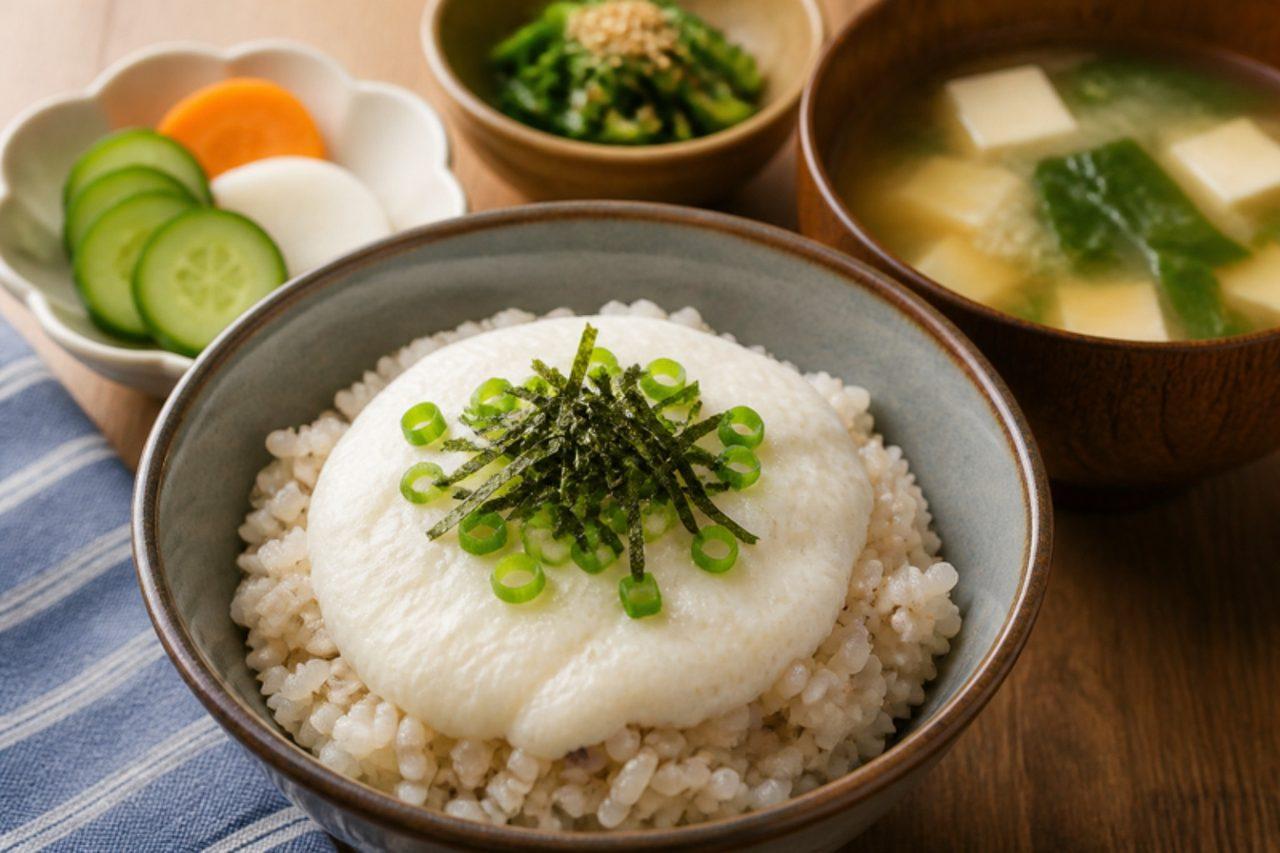
Mugi gohan with tororoBarley rice with grated yam

Mugi gohan, white rice cooked with flattened barley, was everyday food in rural Japan and is back on family tables for its nutty chew and fibre. In Shizuoka and along the old Tokaido road it is famously eaten as mugitoro: barley rice under a pour of grated nagaimo yam loosened with seasoned dashi, slurped quickly at lunch. A portion is about 300 kcal and gives roughly 8 g of protein, so it is light rather than high in protein. The usual mistake is using the plain rice water ratio: barley drinks more, so add extra water or the grains stay hard. Raw nagaimo can make sensitive skin itch, so peel it with gloves on. The dashi here is made from kombu and shiitake, with no bonito. Chef's tip: grate the yam on the finest side of the grater and beat it with a spoon for a minute; it turns light and fluffy and coats the rice evenly.

by KrazyBadal 0 views

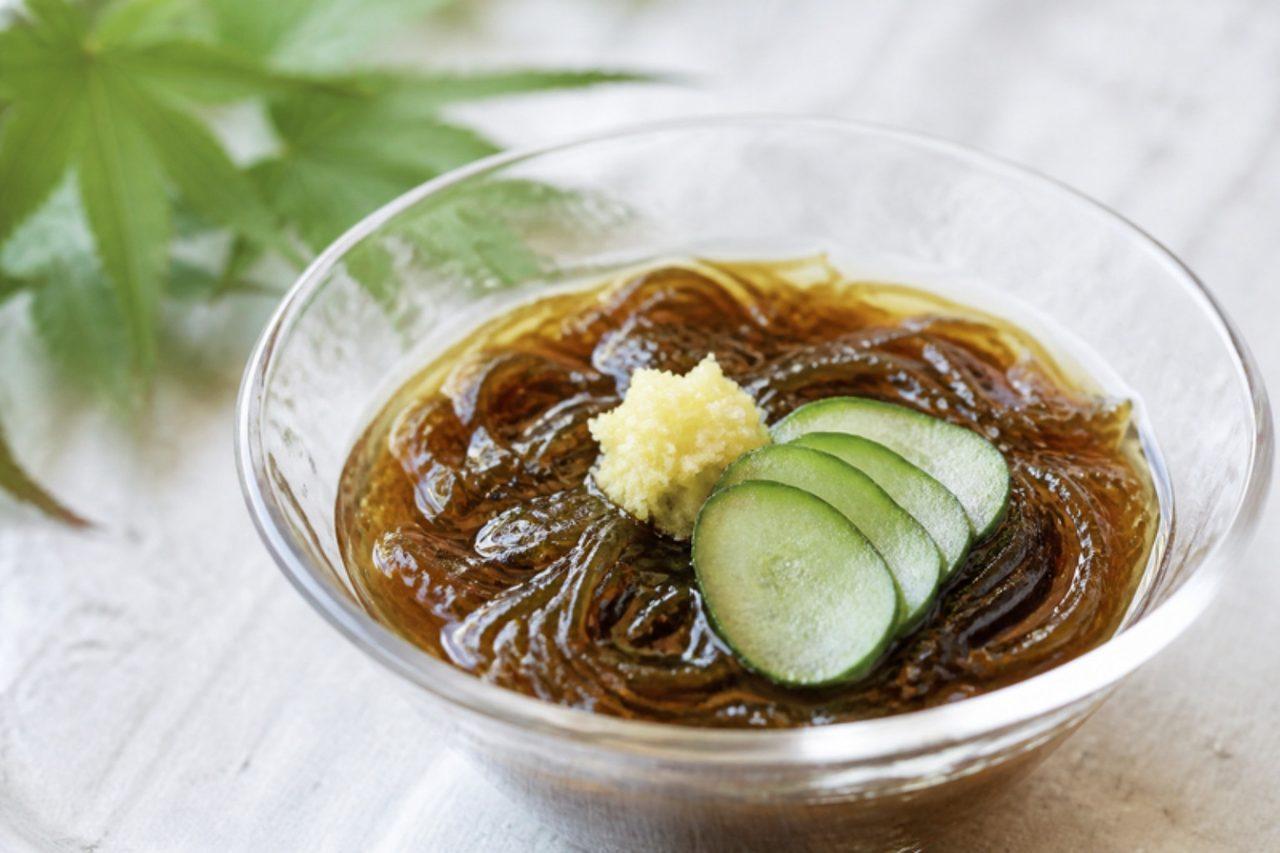
Mozuku-zuSeaweed in sweet vinegar

In Okinawa, where most of Japan's mozuku is farmed, a small bowl of mozuku-zu starts many a home supper and izakaya meal, especially in the hot months. The fine, slippery strands of seaweed are rinsed of their salt and served cold in a gentle dressing of rice vinegar, a little sugar and soy, topped with grated ginger, so it tastes clean, sour and of the sea. Shop versions often use bonito dashi; this one uses kombu dashi, so it is vegan. It is very light, with less than 1 g of protein a portion, so it belongs alongside a tofu dish and rice rather than as a main. The most common mistake is not rinsing salted mozuku enough: it needs two or three changes of water or the dish turns harsh. Chef's tip: chill the dressing and the bowls well; mozuku-zu should be served icy cold.

by KrazyBadal 0 views

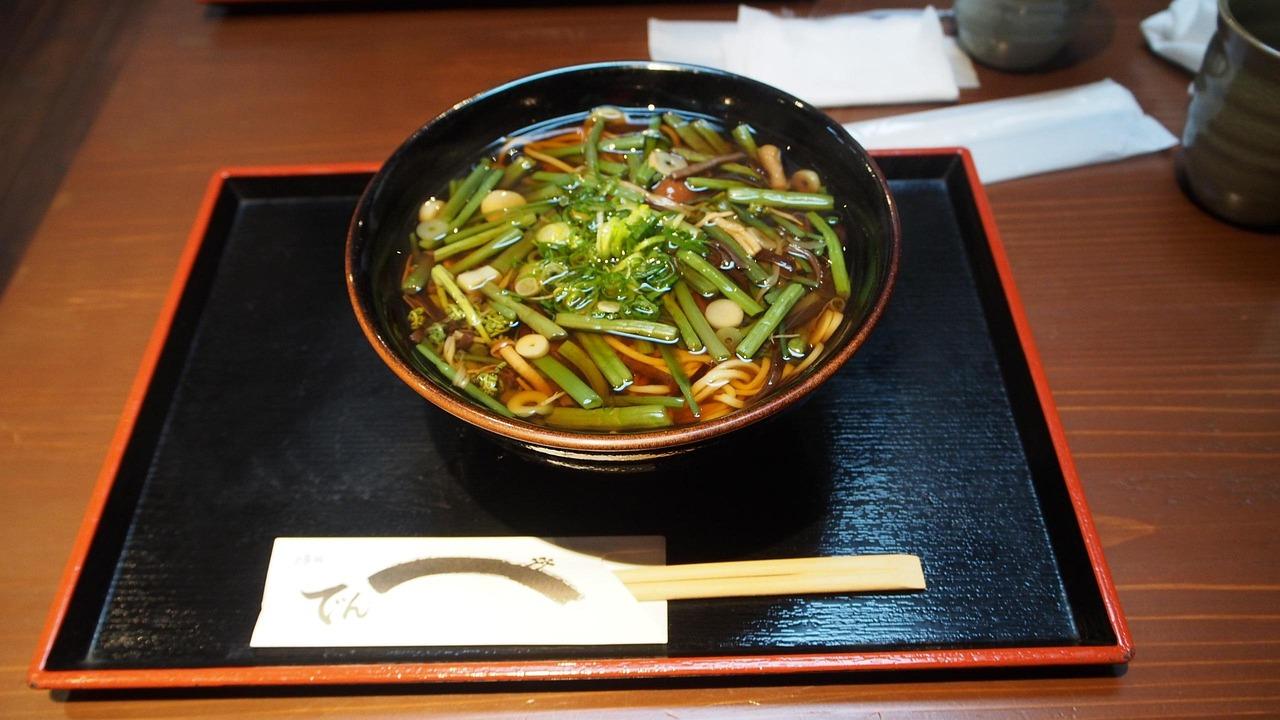
Sansai sobaBuckwheat noodles with mountain vegetables

In the mountains of Yamagata, Akita and Nagano, spring brings sansai, the wild shoots foraged from the hillsides: bracken, royal fern, nameko and more. Station-side soba shops serve them on hot buckwheat noodles all year, using salted or boiled sansai packed for winter. This version uses a kombu and shiitake broth instead of the usual bonito dashi, and sugar in place of mirin, so it is vegan and alcohol-free. A bowl gives about 14 g of protein from the buckwheat noodles, mushrooms and soy, so it is not high-protein. Most soba contains wheat; 100% buckwheat noodles are needed for a gluten-free bowl, along with tamari. The common mistake is putting boiled noodles straight into the broth: their starch clouds and thickens it. Chef's tip: rinse the cooked soba under cold water, rubbing it gently, then dunk it in hot water to rewarm before it goes in the bowl.

by KrazyBadal 0 views

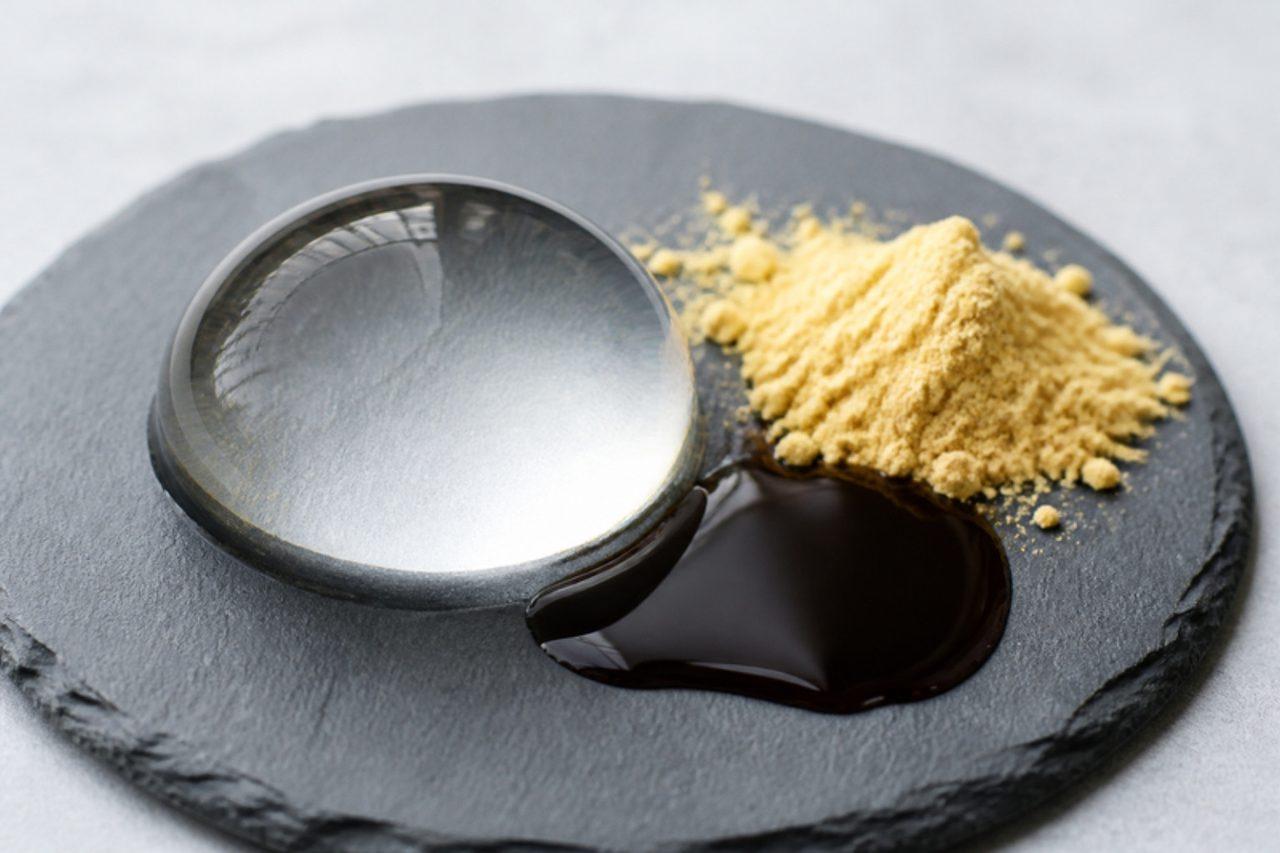
Mizu shingen mochi (Yamanashi raindrop cake)

Mizu shingen mochi comes from Hokuto in Yamanashi, at the foot of the Southern Alps, where a sweet shop first set the local spring water into a trembling, glass-clear dome. It is a summer sweet, eaten in the heat of July and August, and it has to be eaten within half an hour of being made, before it starts to weep. There is almost no flavour of its own: the point is the cool, melting texture, with nutty kinako and dark kuromitsu syrup poured over at the table. Despite the name it is not a rice mochi at all, and it is naturally egg-free. Agar, a seaweed setting agent, holds the water in shape; using just enough to set it makes it melt on the tongue. Serve with green tea. Chef's tip: boil the agar hard for a full 2 minutes; just warming it is the common mistake, and the domes stay liquid in the mould.

by KrazyBadal 0 views

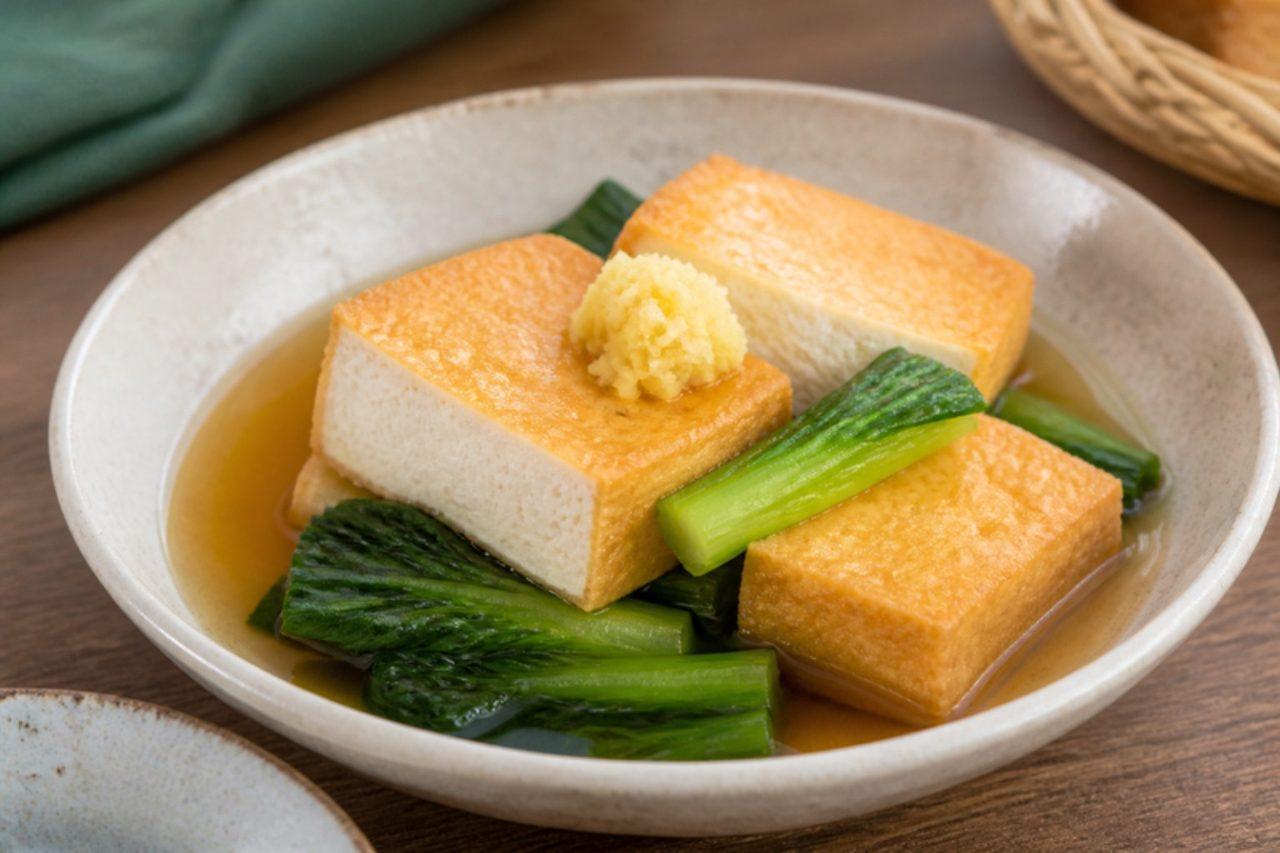
Atsuage no nimonoSimmered fried tofu and greens

Atsuage no nimono is the kind of simmered dish that turns up on everyday dinner tables across Japan, especially in autumn and winter when komatsuna and spinach are at their best. Thick blocks of fried tofu, crisp outside and soft within, are simmered in a light, slightly sweet broth of dashi and soy until they drink it up, then the greens go in for the last few minutes. This version uses kombu and shiitake dashi and no mirin, so it is vegan and alcohol-free. Served as a main for two with rice, each portion gives about 23 g of protein, from the fried tofu. The common mistake is boiling the broth hard, which toughens the tofu and makes the greens drab. Chef's tip: pour boiling water over the atsuage first to rinse off surface oil; the broth then soaks in instead of sliding off.

by KrazyBadal 0 views

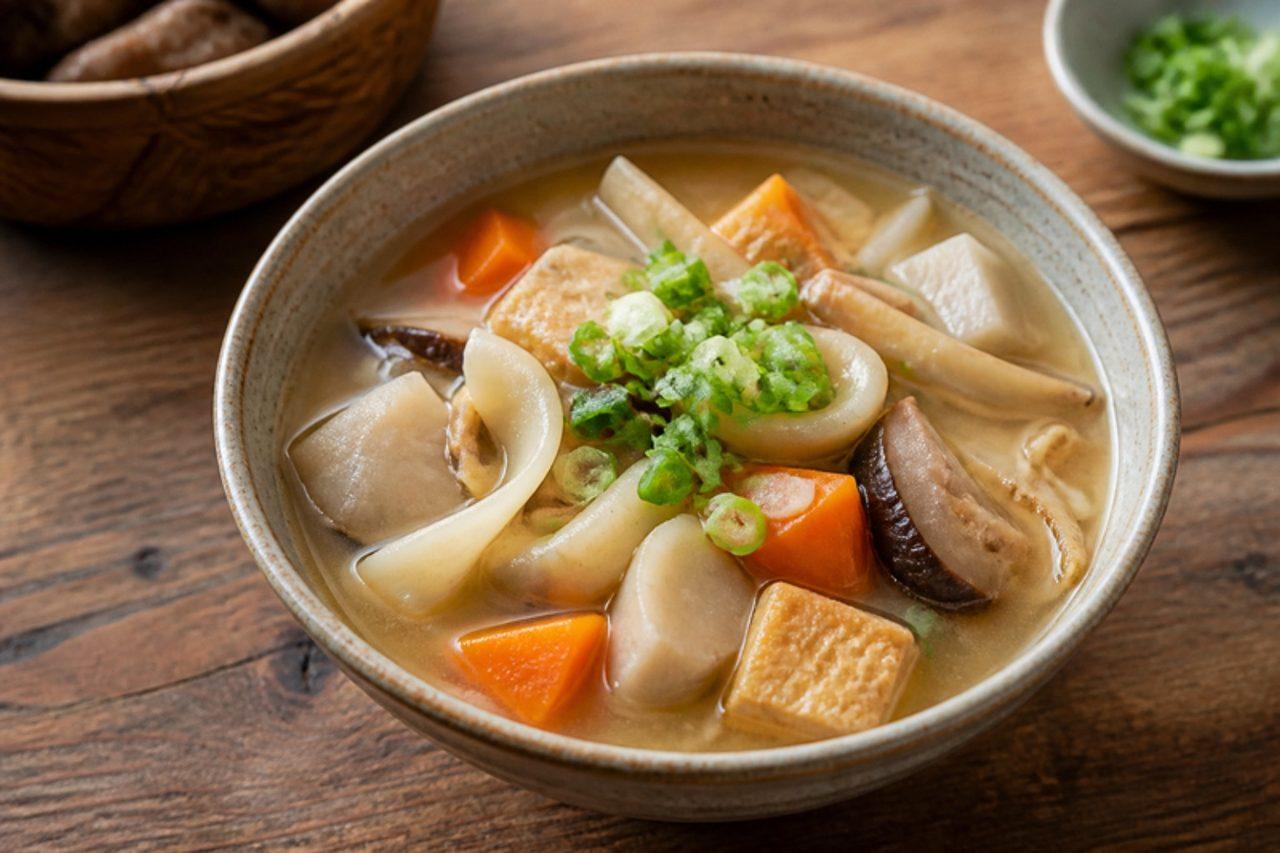
Dango-jiruDumplings in miso soup

In Oita prefecture on Kyushu, dango-jiru is a grandmother's winter supper: a soft wheat dough is rested, then pulled by hand into long, flat ribbons and dropped straight into a miso soup of taro, burdock, carrot, daikon and mushrooms. Oita cooks usually use mild barley miso and often add pork or chicken; this vegetarian version uses kombu-shiitake dashi and fried tofu instead. A bowl gives about 13 g of protein, from the dumplings, miso and tofu, so it is not high-protein. The common mistake is stretching the dough before it has rested: it springs back and tears. Give it at least 30 minutes. Chef's tip: keep the rested dough pieces in a bowl of water and stretch them with wet hands; they pull out long and thin without breaking.

by KrazyBadal 0 views

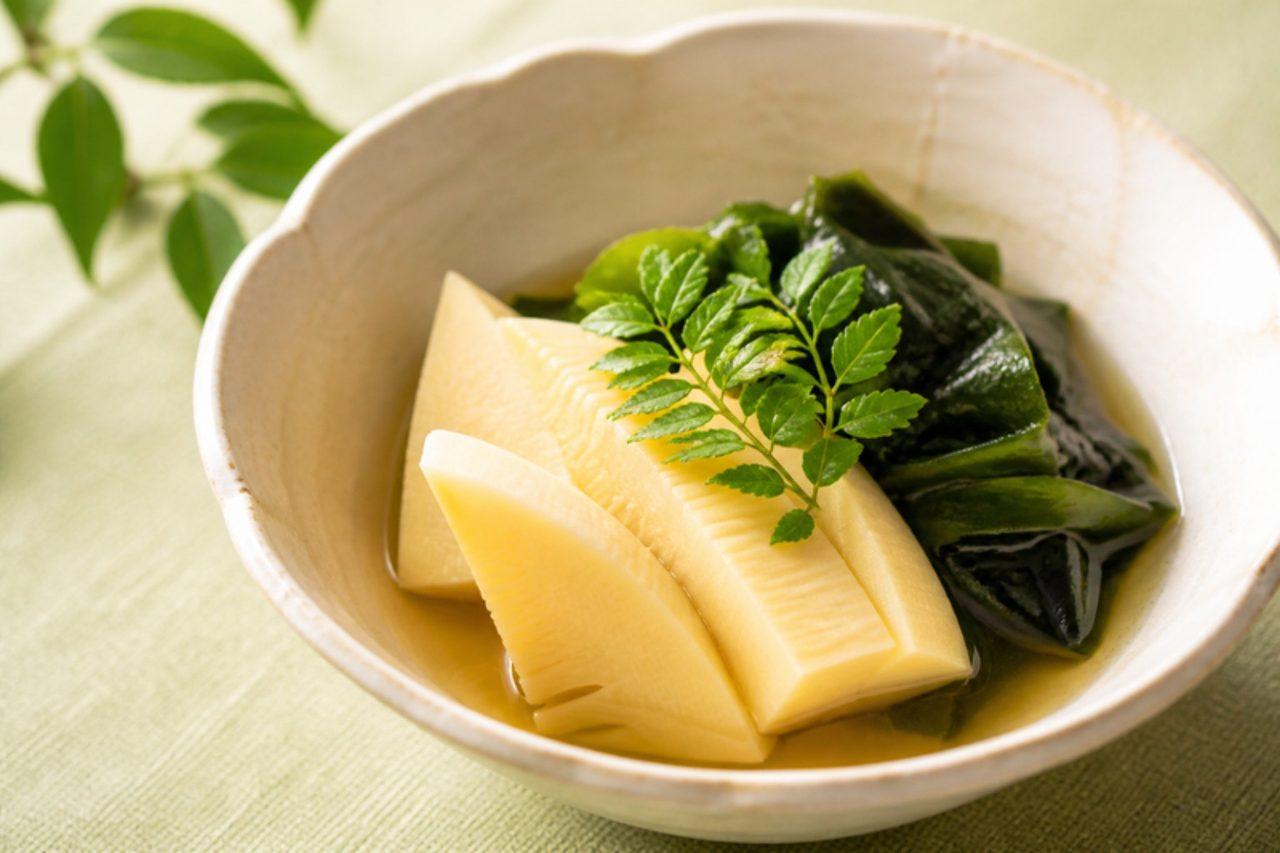
Wakatake-niBamboo shoot and wakame simmer

Wakatake-ni means 'young bamboo simmer', and in Kyoto it marks the few weeks of April when fresh shoots arrive from the hills around Rakusai; it is served in small bowls at home and in kaiseki menus as a quiet taste of spring. Tender bamboo shoot is simmered in a pale, lightly seasoned broth, and soft wakame goes in at the very end, so the bowl is all clean, sweet and sea flavours. Classic recipes use bonito dashi; this one uses kombu and dried shiitake, and sugar instead of mirin, so it is vegan and alcohol-free. It is a light side dish of about 4 g of protein per portion. The common mistake is boiling the wakame with the bamboo: it turns slimy and drab, so it needs only a minute. Chef's tip: cool the bamboo in the broth for 10 minutes before reheating; it drinks up the seasoning far better than it does while boiling.

by KrazyBadal 0 views

Gobo saladBurdock and carrot salad

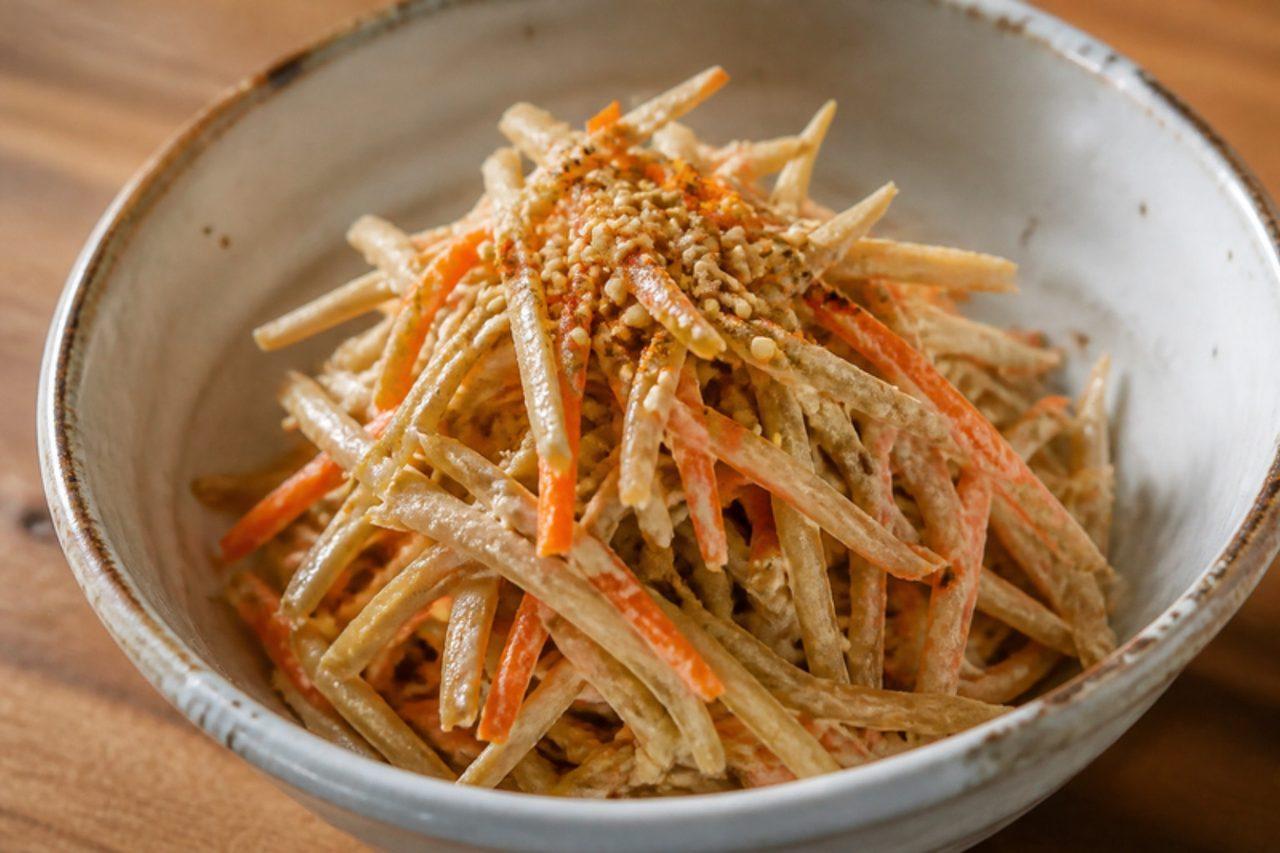
Gobo salad is a fixture of Japanese supermarket delis, bento boxes and izakaya small plates from Tokyo to Osaka, eaten all year but especially in autumn and winter when burdock is at its best. Thin matchsticks of earthy burdock and sweet carrot are blanched until just tender, then tossed in a creamy dressing of mayonnaise, ground toasted sesame, soy and rice vinegar, giving a crunchy, nutty, slightly sweet side for rice or grilled tofu. It is vegetarian but not vegan, because of the egg in the mayonnaise; shop-bought mayonnaise is made with pasteurised egg, so it is safe for everyone. A portion gives about 3 g of protein, from the sesame and egg, so treat it as a side. The most common mistake is skipping the soak: cut burdock darkens and turns bitter within minutes unless it goes straight into water with a dash of vinegar. Chef's tip: dress the vegetables while still slightly warm; they drink up the soy and vinegar first, so the mayonnaise coats rather than slides off.

by KrazyBadal 0 views

Sanpei-jiruSalted salmon and root vegetable soup

Sanpei-jiru is a winter soup from Hokkaido, once made by fishing families with salt-cured salmon, cod or herring that kept through the long snows, and still a warming supper there today. Salted fish simmers in kombu broth with daikon, carrot and potato, and the fish's own salt seasons the soup, so it tastes clean, gently briny and sweet from the roots. A bowl has about 22 g of protein from the salmon. The common mistake is skipping the quick scald of the fish: without it the broth tastes fishy and turns murky. Chef's tip: taste before adding any salt; salted salmon varies a lot, and you may need none at all.

by KrazyBadal 0 views

Mame gohanRice with green peas

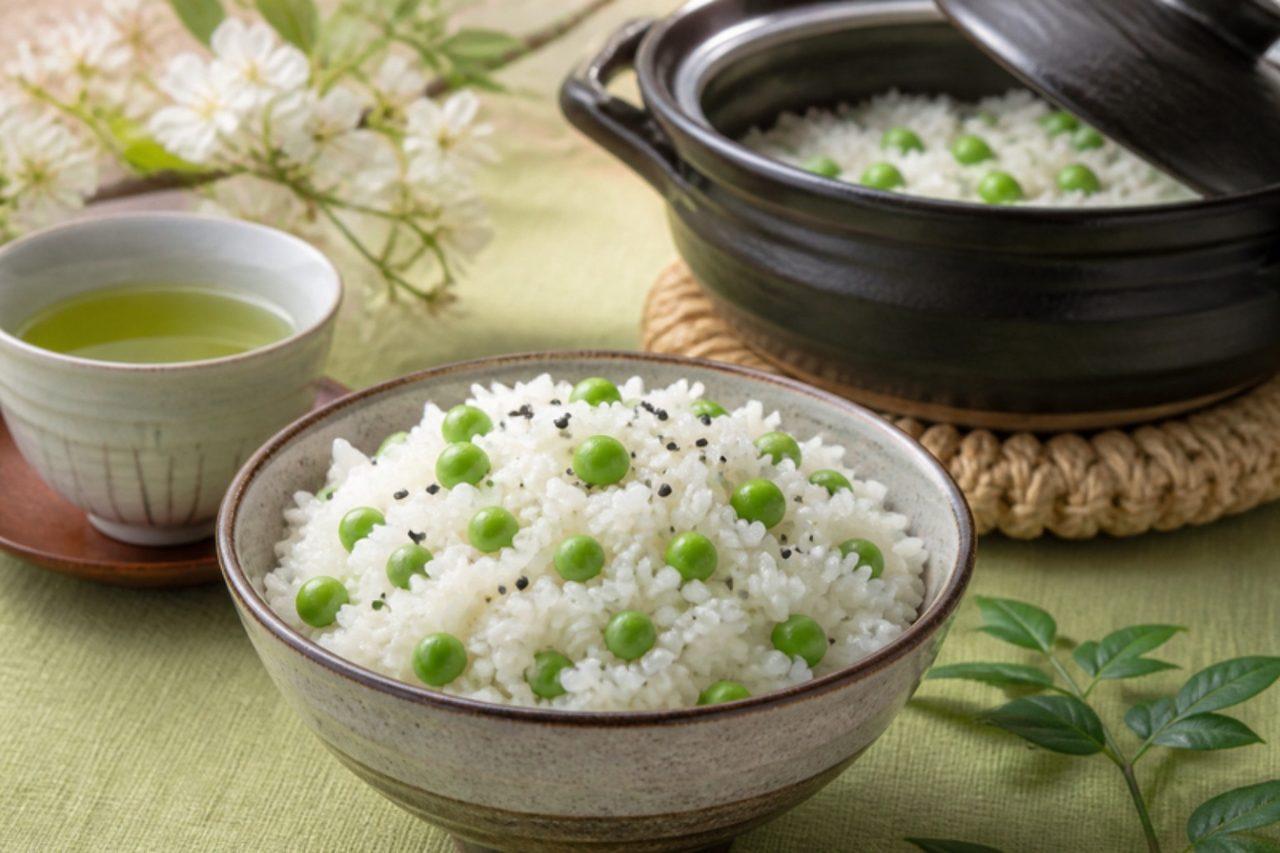
When the first pea pods arrive in Japanese greengrocers in April and May, home cooks from Kyoto to Tokyo make mame gohan: short-grain rice steamed with a strip of kombu and lightly salted, then folded through with sweet, bright green peas. It is eaten warm with miso soup and pickles, or pressed into onigiri for a spring picnic. A bowl gives about 9 g of protein, from the rice and peas, so serve it with tofu or an egg dish if you want a fuller meal; it is not a high-protein dish on its own. Many recipes add a splash of sake; this version leaves it out, so it is alcohol-free. The common mistake is cooking the peas with the rice from the start: they turn khaki and wrinkled. Here they are boiled separately and added at the end. Chef's tip: let the peas cool in their salted cooking water rather than draining them hot; they stay plump instead of puckering.

by KrazyBadal 0 views

Aji no tatakiChopped horse mackerel with ginger

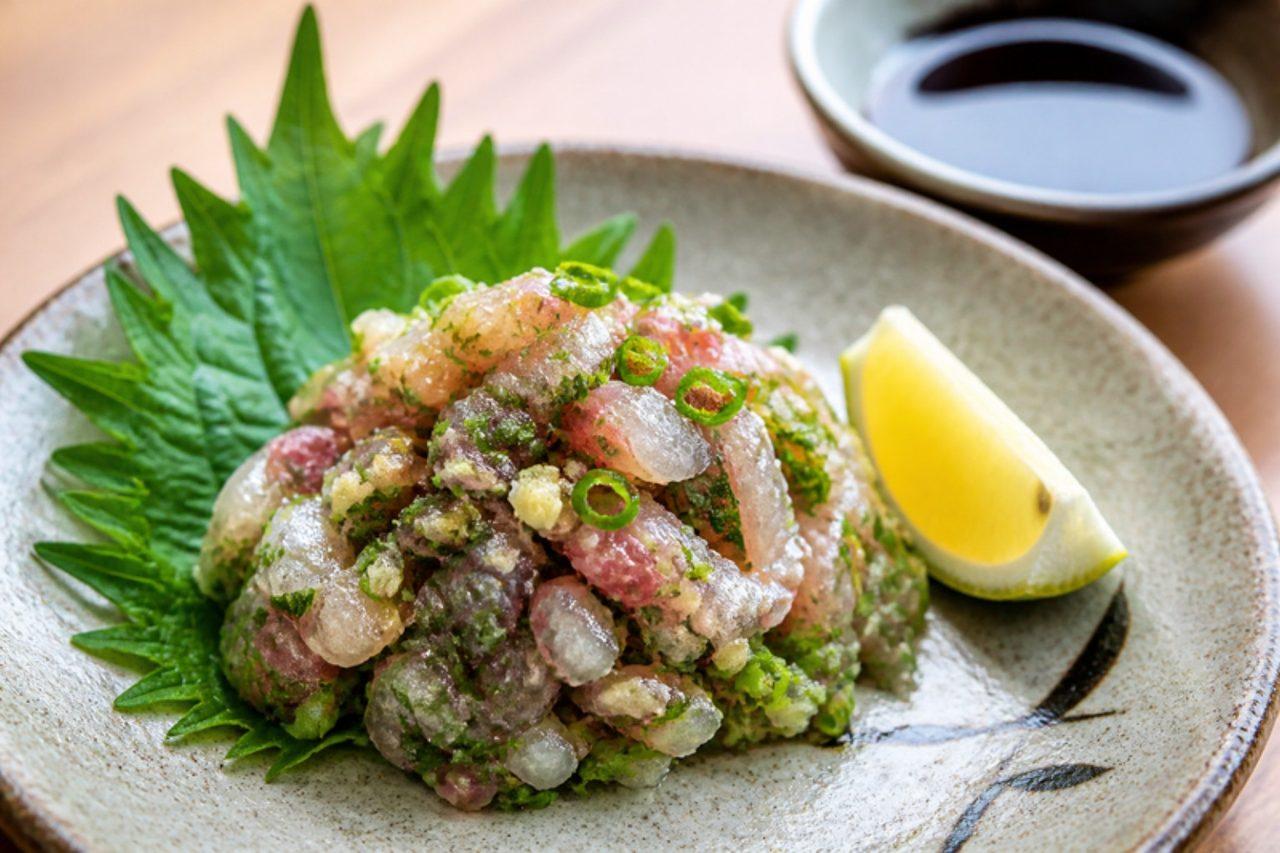
Aji no tataki is a dish of Japan's fishing ports, from the Izu peninsula to Kyushu, eaten as a summer lunch over rice or a starter with cold drinks when the horse mackerel come in fresh. The raw fillets are skinned and chopped with a knife, then mixed with grated ginger, spring onion and shiso, so the fish is soft, cool and clean-tasting with a sharp herbal bite. As a main over rice, a portion has about 28 g of protein from the fish. This is raw fish: buy only sashimi-grade fish from a fishmonger you trust, keep it ice-cold, and freeze it at −20 °C for at least 24 hours first to kill parasites; anyone pregnant, very young, older or with a weak immune system should not eat it. The common mistake is chopping it into a paste: keep small pieces with some texture. Chef's tip: chill the board and the bowl, and work quickly, so the fish never warms up.

by KrazyBadal 0 views

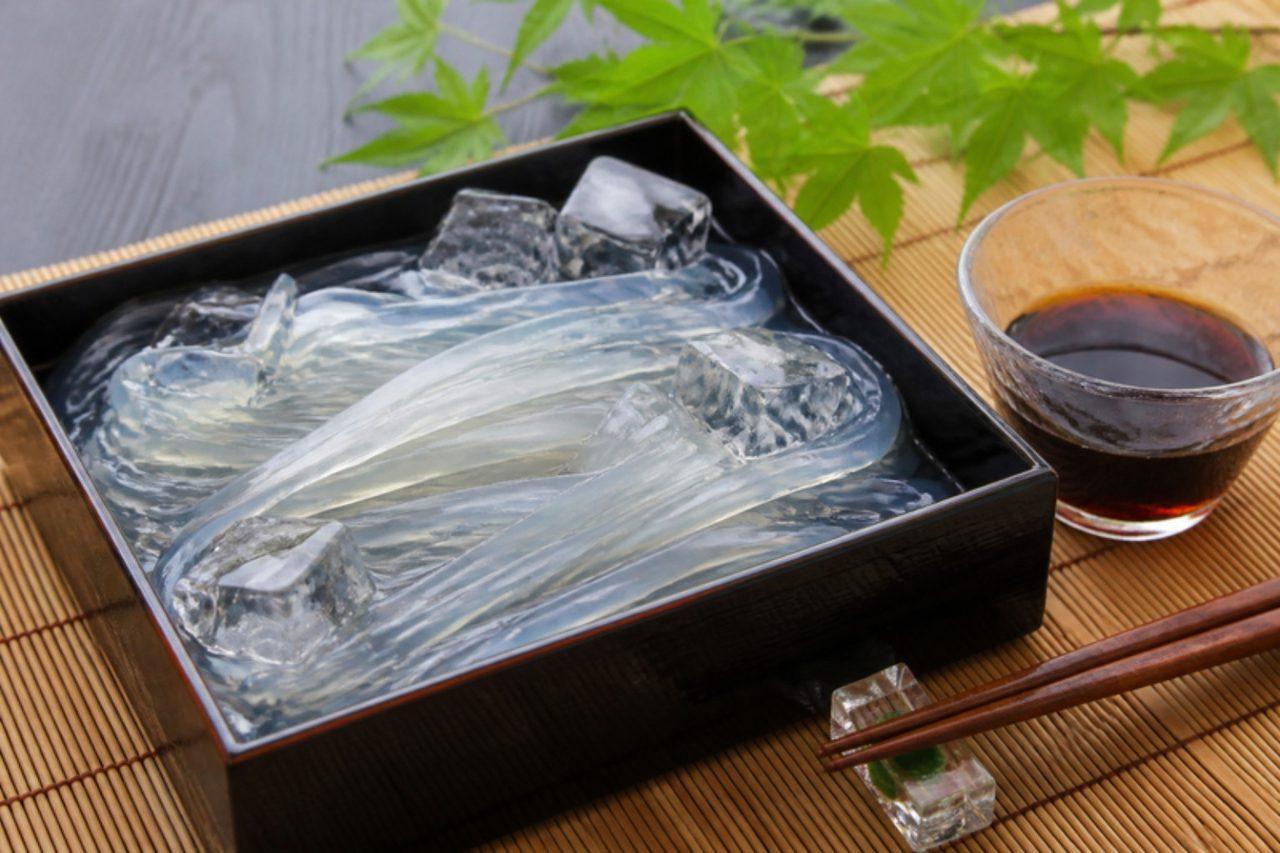
葛切り (Kuzukiri, Kyoto kudzu noodles)

Kuzukiri is a summer sweet of Kyoto, served most famously in the old tea houses of Gion: a lacquered box of clear, flat noodles floating in iced water, with a cup of dark kuromitsu black-sugar syrup to dip them in. It is eaten in the hottest months as a refreshing afternoon dessert with green tea. The noodles are cool, springy and smooth, with a clean, faintly sweet taste, and the syrup is deep, smoky and molasses-rich. It is naturally egg-free and plant-based: pure kudzu starch mixed with water sets into a firm, glass-clear sheet when it is cooked in a thin layer over boiling water, the starch alone doing the binding. Serve it within half an hour of making it. Chef's tip: buy pure kudzu starch rather than a blend; the common mistake is making kuzukiri ahead, because within an hour or two it turns cloudy and stiff.

by KrazyBadal 0 views

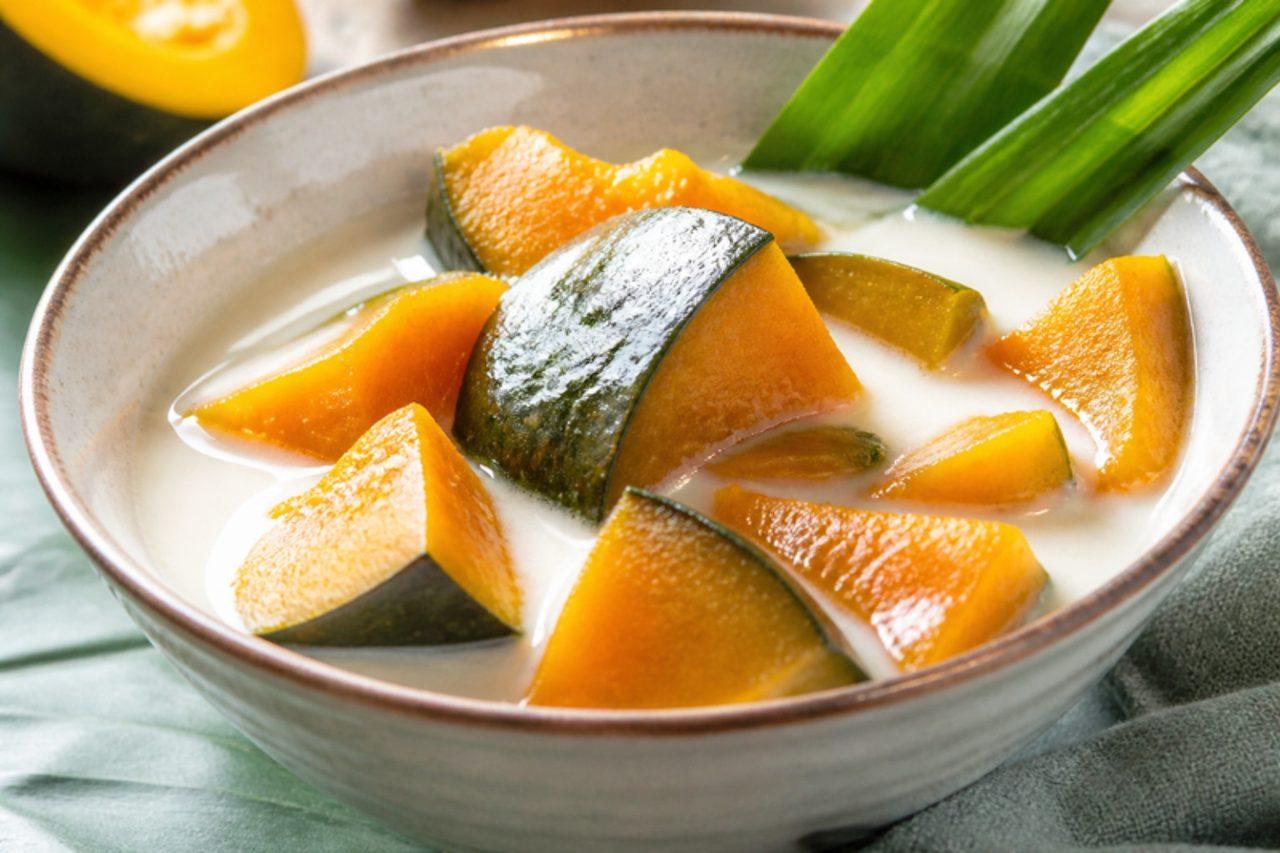
Fak thong kaeng buat (Thai pumpkin in coconut milk)

When the rains end and pumpkins pile up in the markets of central Thailand, kaeng buat is what cooks make with them: chunks of dense kabocha simmered in coconut milk sweetened with palm sugar and sharpened with a pinch of salt. It is a homely, everyday dessert, sold warm from big pots at markets in the afternoon and also cooked at Ok Phansa, the end of Buddhist Lent. The pumpkin turns velvety but keeps its shape, and the thin, creamy, caramel-scented broth is meant to be drunk from the spoon. Eat it warm or at room temperature, in small bowls. There is no egg in it and never was: nothing needs setting or binding, as the pumpkin's own starch gives the coconut milk a light body as it cooks. Chef's tip: pick a dry, orange-fleshed kabocha and keep the coconut milk at a bare simmer; letting it boil hard is the common mistake that splits the milk and breaks the pumpkin into mush.

by KrazyBadal 0 views

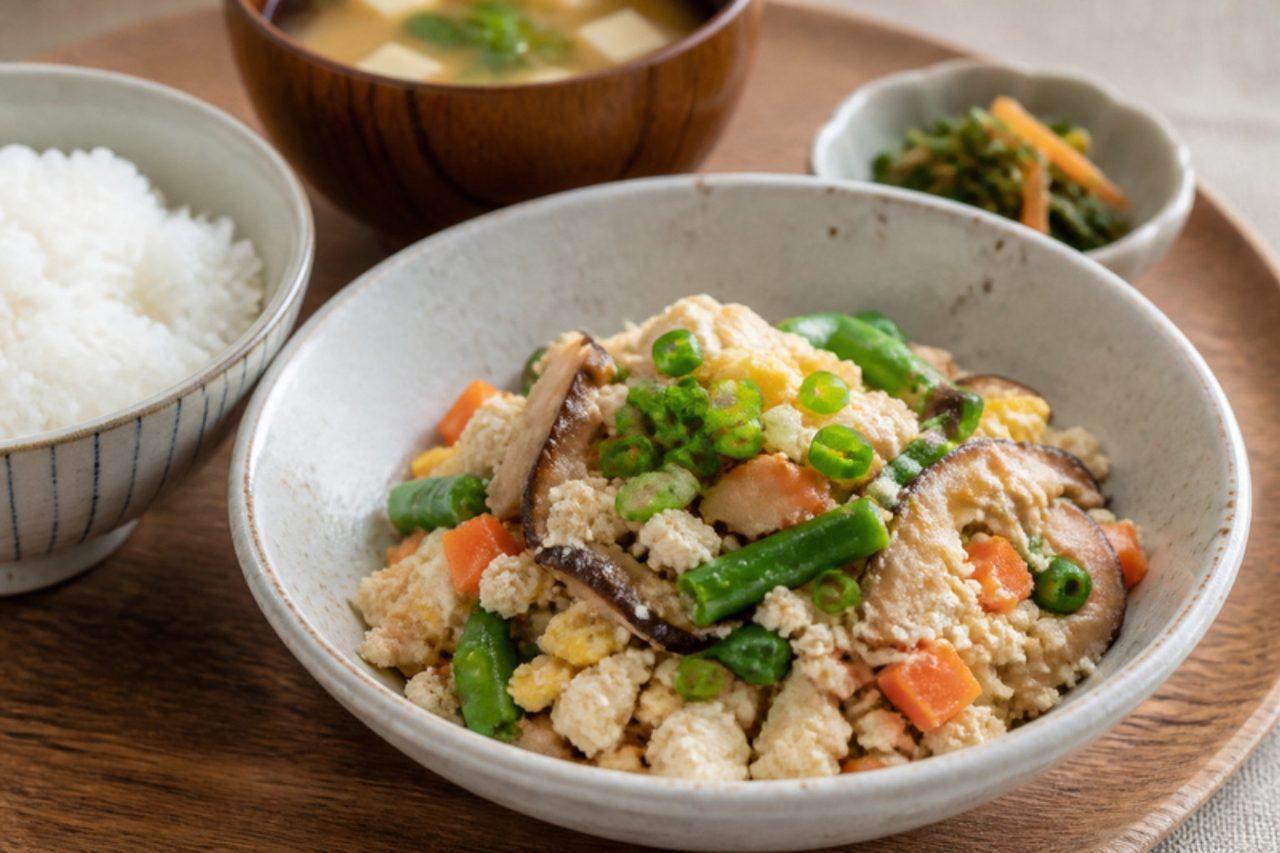
Iri-dofuScrambled tofu with vegetables

Iri-dofu is a thrifty home dish cooked all over Japan, from Tokyo flats to farmhouses in Shikoku, made to fill out a weekday dinner tray or a bento. Firm tofu is crumbled and stirred in a dry pan until it turns fluffy, then cooked with carrot, shiitake and green beans in soy and dashi, with an egg stirred through at the end. It tastes gently sweet and savoury, and is eaten warm or cold with rice and miso soup. This version uses a kombu and shiitake dashi, so it is vegetarian. A portion gives about 22 g of protein, from the tofu and egg. The common mistake is not drying the tofu enough, which leaves a watery scramble. Chef's tip: keep stirring until the tofu crumbs squeak against the pan; that is when they are dry enough to soak up the seasoning.

by KrazyBadal 0 views

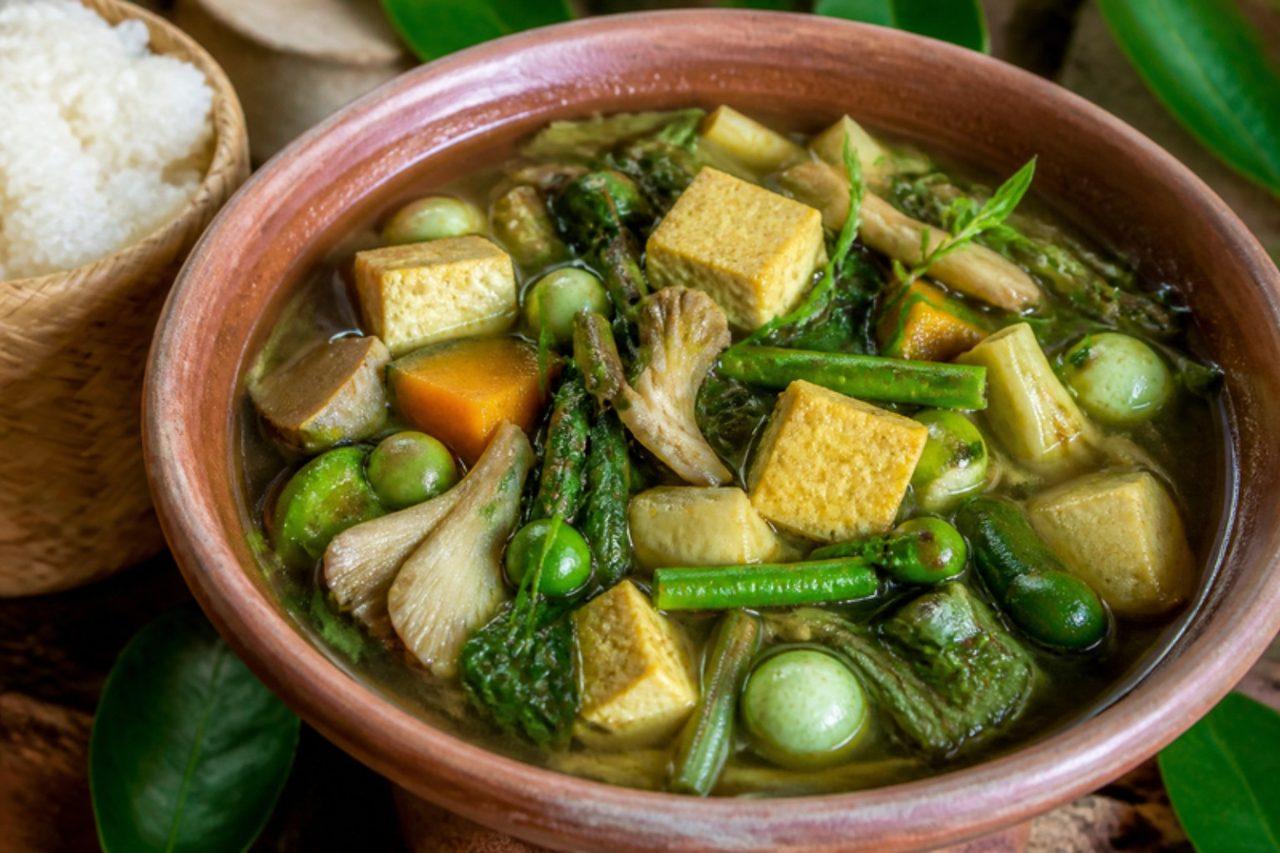
Kaeng khae with tofu and mushroomsHerb curry with tofu and mushrooms

Kaeng khae comes from the hills around Chiang Mai and Lampang, where it is cooked through the rainy season with whatever the garden and forest give: pea aubergines, long beans, pumpkin tips, acacia shoots and handfuls of leaves, in a brothy, coconut-free curry scented with lemongrass and the peppery prickly ash called makhwaen. In northern homes it is a lunch dish eaten with sticky rice. It is normally cooked with chicken, frog or fish and seasoned with fermented fish; this vegetarian version uses firm tofu, oyster mushrooms, soy sauce and a little salted soybean paste. With the tofu a portion has about 11 g of protein, so it is light rather than high protein. The common mistake is adding all the vegetables at once: the leaves are done in a minute while the beans and aubergines need five. Chef's tip: dry-fry the curry paste in a spoon of oil until it smells toasty before adding water; it gives the broth its depth without any fish.

by KrazyBadal 0 views

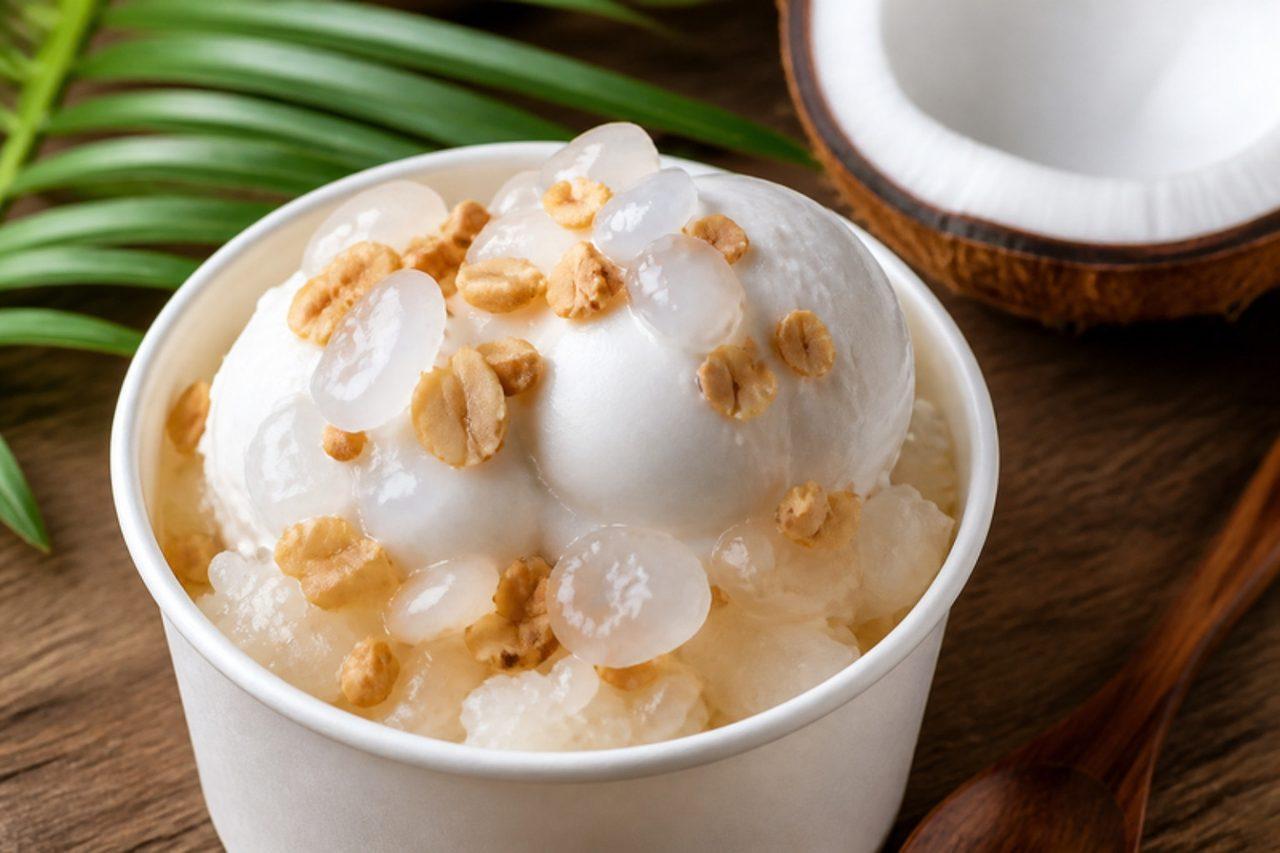
ไอติมกะทิ (Itim kathi, Thai coconut ice cream)

Itim kathi is the ice cream of Bangkok's pushcarts: a vendor lifts the lid of an insulated drum, scrapes up a scoop of snow-white coconut ice cream and piles it into a small cup over sticky rice, then adds whatever the customer points at, from roasted peanuts and sweet corn to chewy palm seeds. It is sold all afternoon in the hot months, outside schools and temples and in markets. Some vendors tuck the scoop into a soft bread roll; serve it in cups as here and it stays gluten free. It is naturally egg-free and dairy-free. Coconut milk carries the fat that makes it creamy, and a little cornflour cooked into it binds the water so crystals stay fine and the texture stays smooth without any custard, while a pinch of salt sharpens the coconut. Chef's tip: use full-fat coconut milk with no added water; the common mistake is using a light one, which freezes hard and icy.

300 minThaiDessertsVeganGluten free
by KrazyBadal 0 views

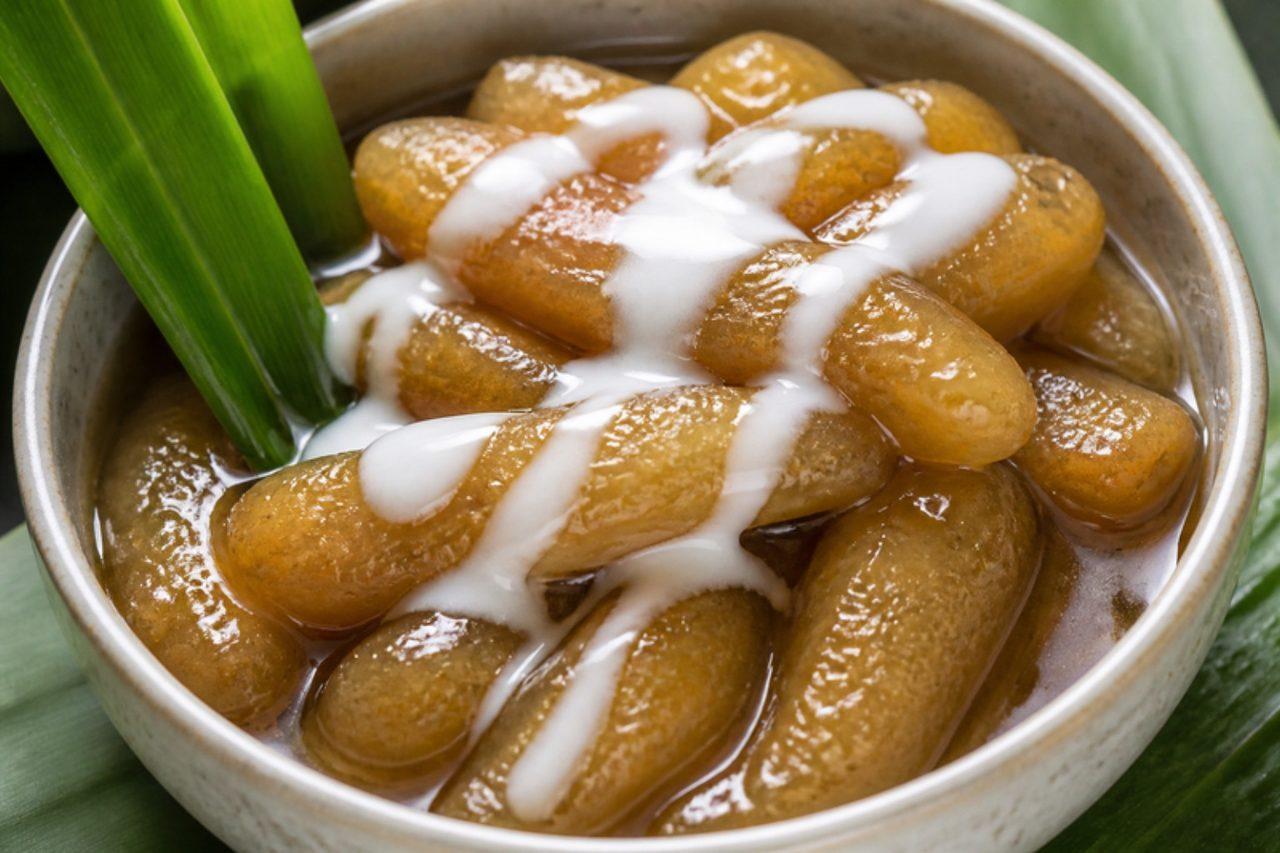
Kluay chuam (Thai bananas in palm-sugar syrup)

Kluay chuam is a market dessert of central Thailand, cooked in big brass pans and sold by the bag year round, and it is a common sweet to offer monks at merit-making. Small, starchy nam wa bananas are simmered slowly in palm-sugar syrup until they turn translucent and amber, soft and chewy rather than mushy, then served with thick, salty coconut cream poured over. The flavour is deep caramel and banana, cut by the salt. Serve at room temperature in small bowls. Being egg-free by nature, it relies on the long simmer in syrup firms the bananas and a little rice flour thickens the coconut topping. Chef's tip: keep the syrup at the gentlest simmer and don't stir; the common mistake is a fast boil and a spoon, which break the bananas before they have time to turn glassy.

by KrazyBadal 0 views

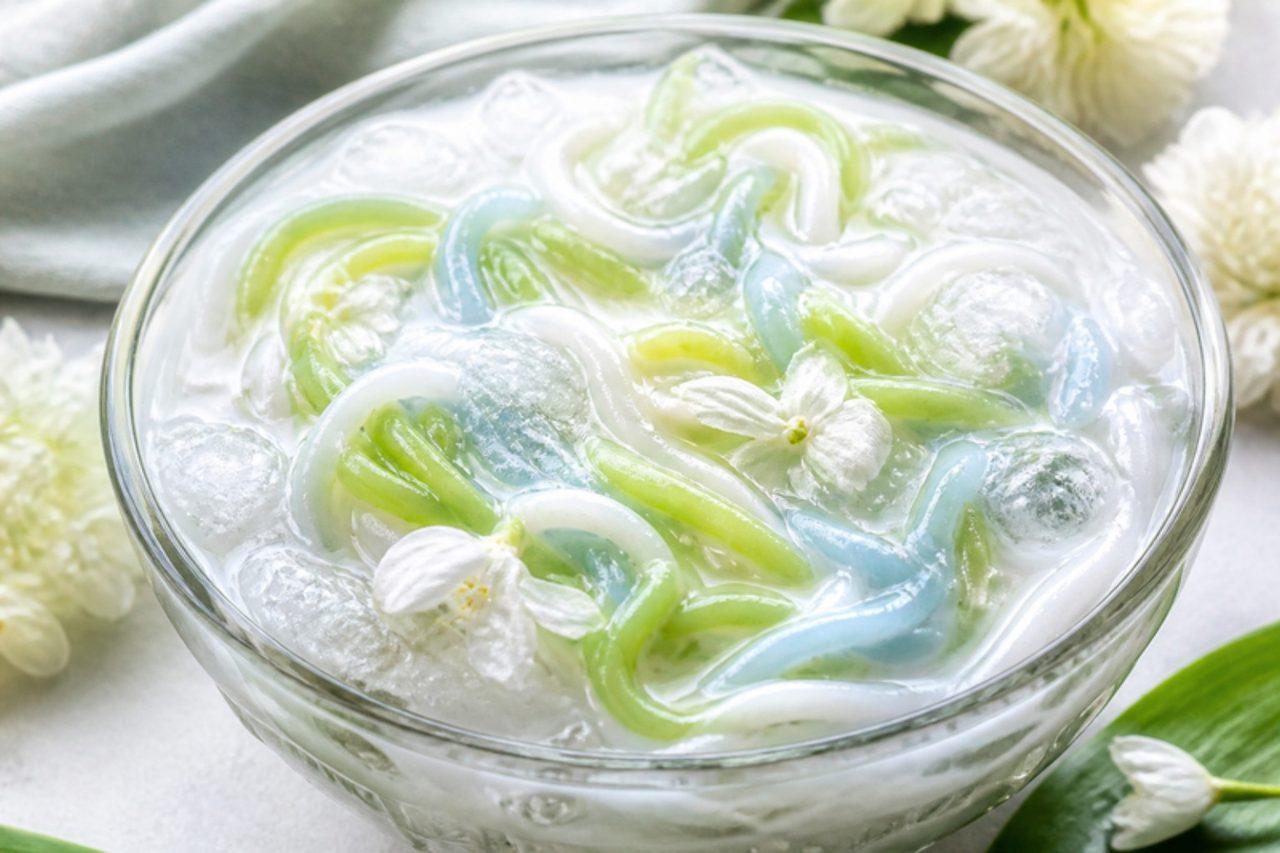
ซาหริ่ม (Sarim, mung bean noodles in coconut syrup)

Sarim is an old dessert of central Thailand, served at temple fairs and in market dessert shops on sweltering afternoons: thin, slippery strands in pastel green, blue and white, floating in a pale coconut syrup over a mound of crushed ice. The strands are almost flavourless and very soft, so the syrup does the work; in Thailand it is scented with jasmine flowers or the smoke of a scented candle, and here with pandan and optional fresh jasmine. It is naturally egg-free: the strands are pure mung bean starch cooked with water into a clear, thick paste, which sets into a soft gel the moment it hits ice water. Pandan juice and butterfly pea flowers give the colours, so there is no need for dyes. Serve it straight away, as a light end to a spicy meal. Chef's tip: cook the paste until it turns fully glossy and see-through; the common mistake is stopping while it is still milky, which gives strands that break and taste floury.

by KrazyBadal 0 views

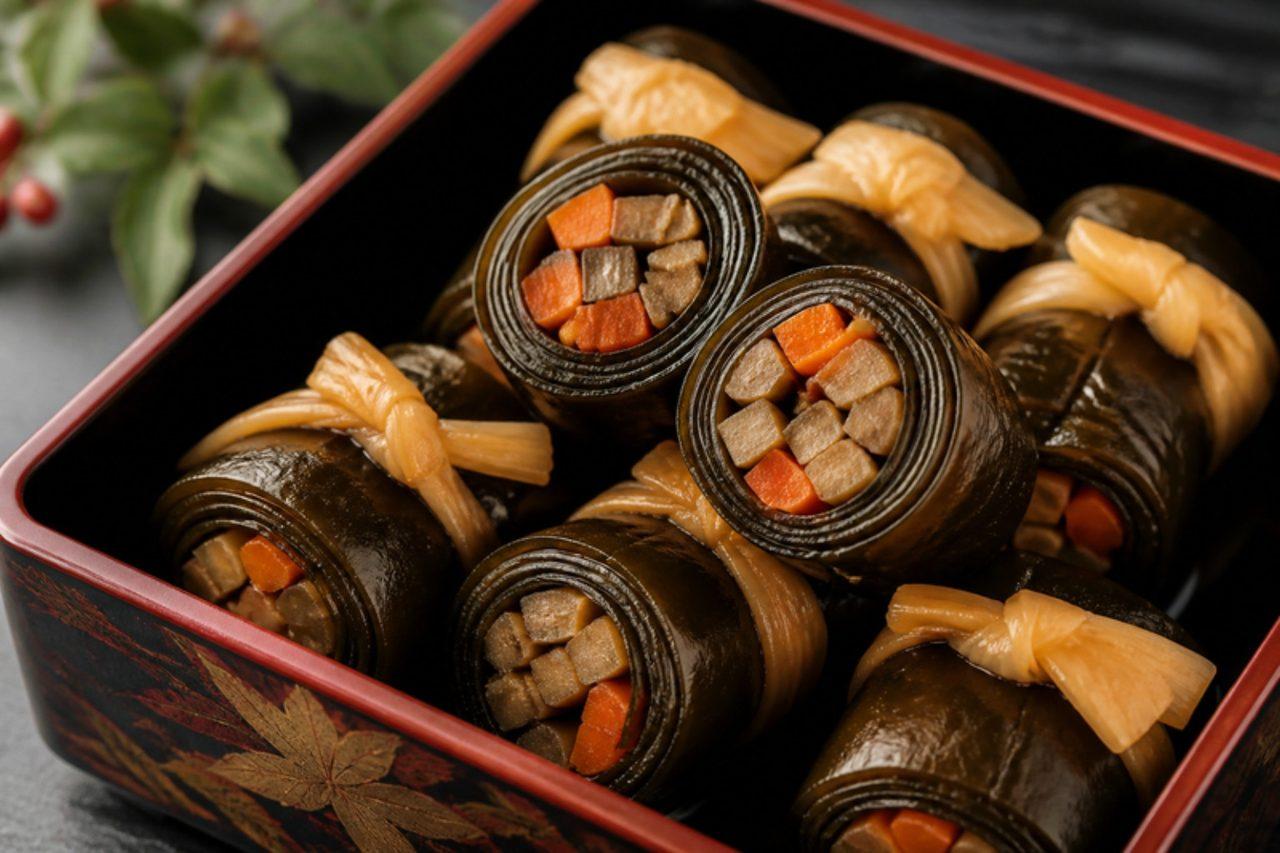
Kombu maki with burdock and carrotKelp rolls with burdock and carrot

Kombu maki is one of the dishes packed into the lacquered boxes of osechi for New Year's Day all over Japan, where the word kombu is a pun on yorokobu, 'to rejoice'. Soft kelp is rolled around a filling, tied with ribbons of dried gourd and simmered slowly until it can be cut with chopsticks. Families often roll it around herring or salmon; here it is filled with burdock and carrot, cooked in kombu broth and sweetened with sugar instead of mirin, so it is vegan and alcohol-free. Each portion of three rolls has about 3 g of protein, so it is a side, not a main. It keeps for 4 days in the fridge and is eaten cold. The common mistake is rushing the simmer: the kelp needs a full hour or it stays chewy. Chef's tip: keep a drop-lid or a circle of baking paper on the surface the whole time, so the rolls cook evenly without being turned.

by KrazyBadal 0 views

Noppe-jiruTaro and vegetable soup

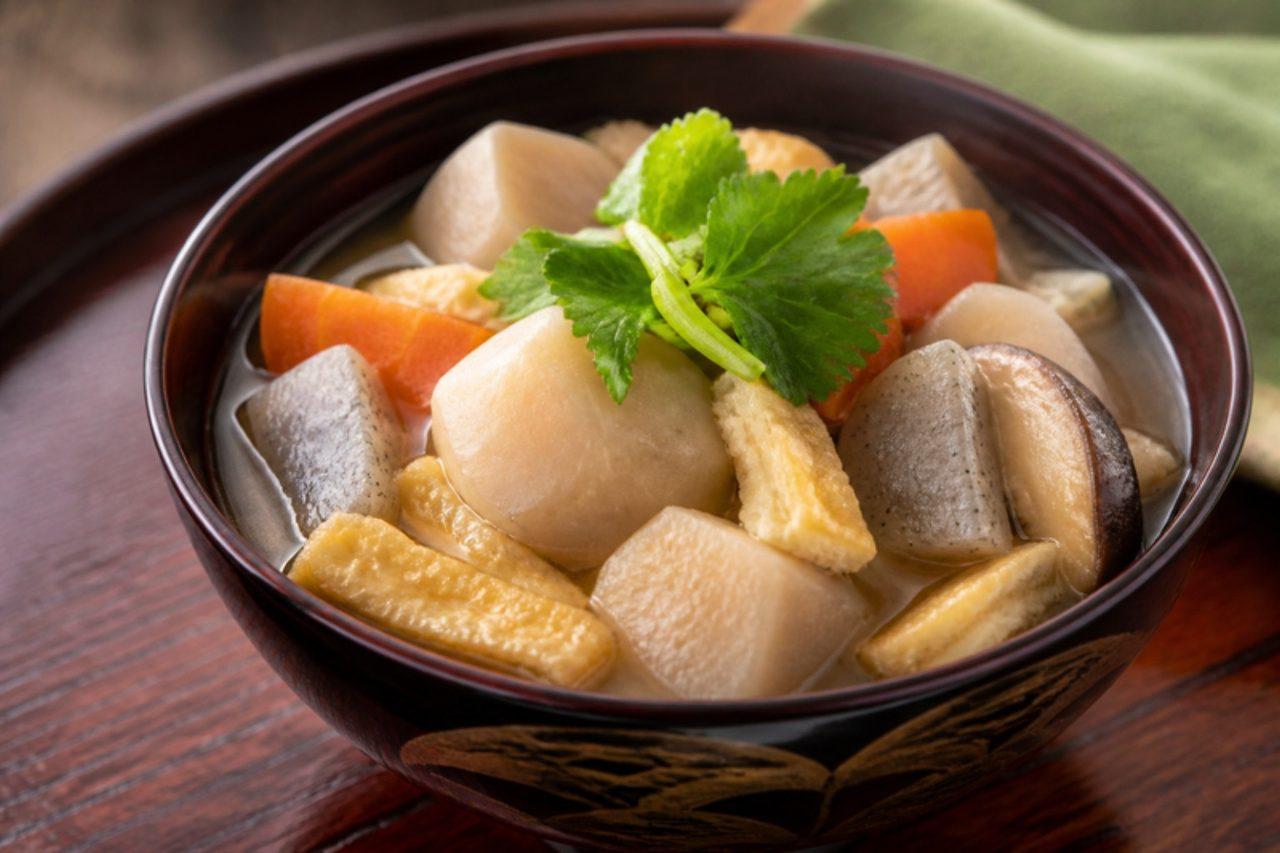
Noppe-jiru is the everyday and festive soup of Niigata, cooked in big pots for New Year, the Obon holidays and winter family gatherings, and served hot or even cold the next day. Taro, carrot, konnyaku, shiitake and fried tofu are simmered in a soy-seasoned dashi, and the taro's own starch, helped by a little potato starch, gives it a soft, gentle thickness. Many homes use bonito or chicken; this is the vegetarian version with kombu-shiitake dashi. It is warming and earthy, with about 5 g of protein per portion from the fried tofu and shiitake. The usual mistake is skipping the salt rub on the taro, which leaves the broth sticky and gluey rather than silky. Chef's tip: cut all the vegetables to the same small size so every spoonful has a bit of everything.

by KrazyBadal 0 views

HōtōThick noodles in miso soup

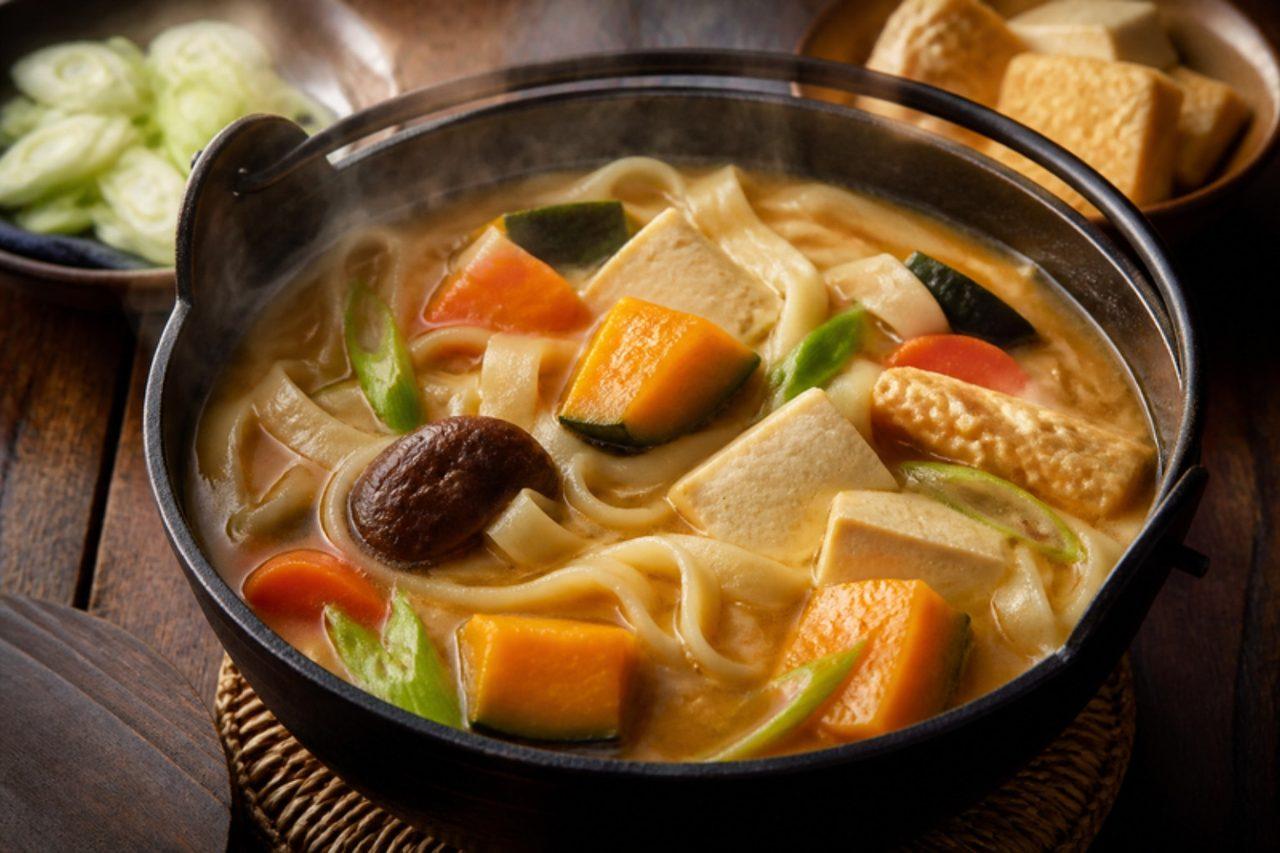
Hōtō is the winter pot of Yamanashi, at the foot of Mount Fuji, served bubbling in iron pans in Kofu restaurants after a cold day on the slopes. Thick, wide, unsalted wheat noodles go into the miso broth raw, with kabocha squash that half melts and thickens everything. This vegetarian version uses kombu-shiitake dashi and adds firm tofu and fried tofu pouches, so a bowl gives about 22 g of protein, from the tofu, wheat noodles and miso. The common mistake is boiling the noodles separately or salting the dough; hōtō noodles are cooked in the pot so their starch makes the broth silky. Rest the dough for 30 minutes before rolling. Chef's tip: dissolve the miso in a ladle of broth and add it in two goes, half early for depth and half at the end for aroma, and never let it boil hard afterwards.

by KrazyBadal 0 views

Uiro (ういろう, steamed rice-flour cake)

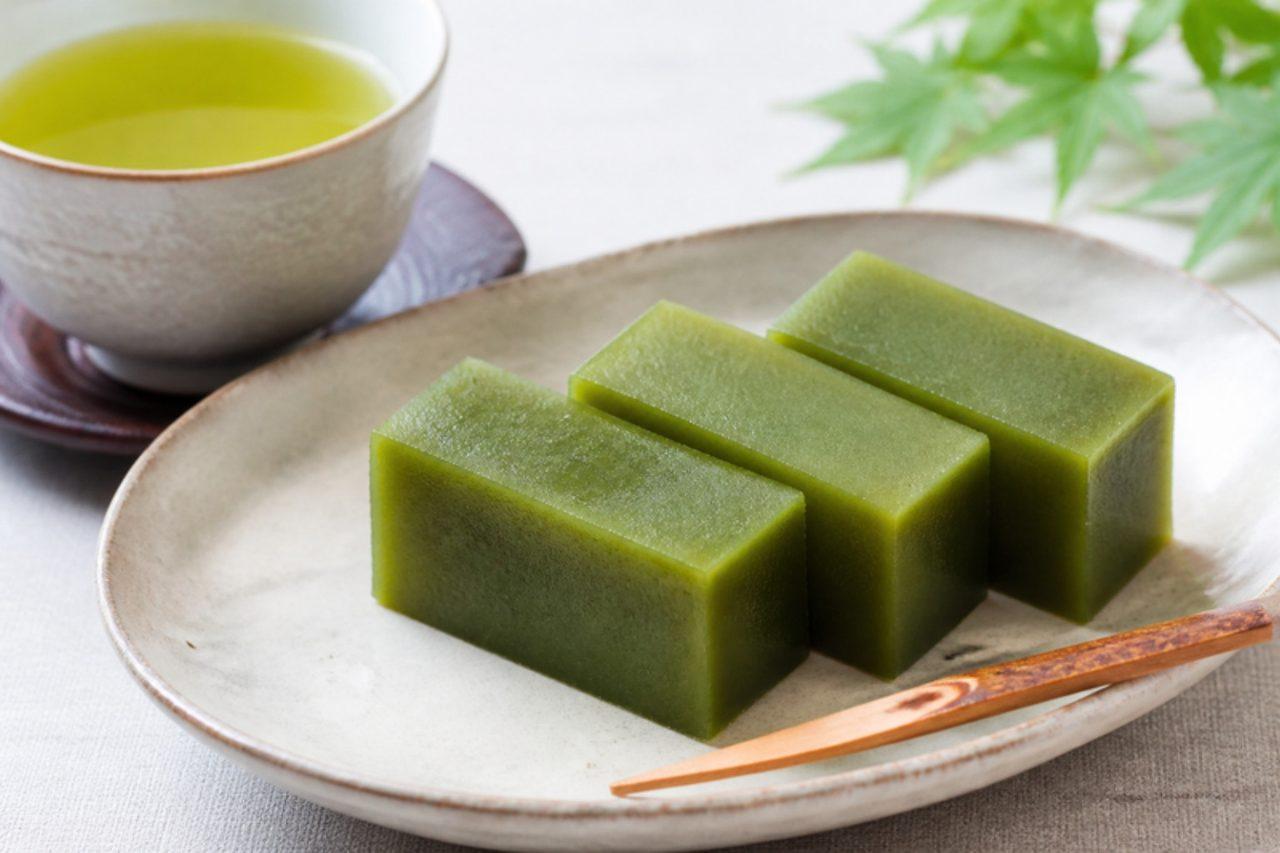
Uiro is the classic sweet of Nagoya, sold in long blocks at the station as a souvenir, and Yamaguchi has its own lighter version made with bracken starch. It is eaten through the year with tea, and in June a triangular version topped with azuki, minazuki, is eaten in Kyoto to mark the halfway point of the year. A simple batter of non-glutinous rice flour, sugar and water is steamed into a firm, smooth, slightly springy cake with a gentle sweetness. This one is flavoured with matcha; stir in a little sweet bean paste or sakura instead for variety. Uiro is naturally egg-free: steaming cooks the rice starch, which sets the cake into a dense, clean-cutting slab with no binder needed. Chef's tip: the common mistake is cutting it hot; let it cool completely, then slice with a wet knife or a piece of cling film, or it smears.

by KrazyBadal 0 views

Showing 24 of 679 recipes

Show more recipes

Page 1 of 29