Skip to content
Recipes

All recipes

Vegetarian, or something you can't eat? Set your diet once and we'll hide recipes that don't fit.

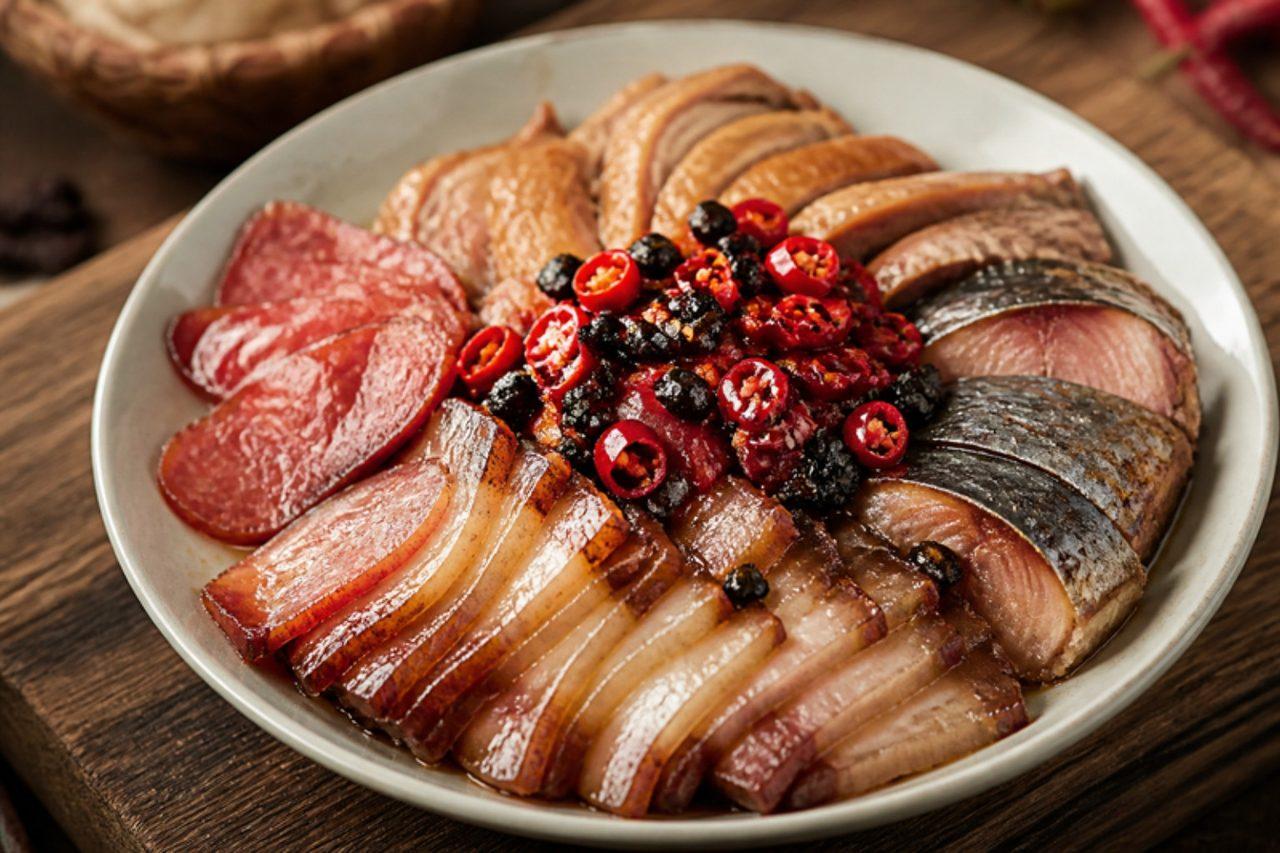
La wei he zheng (Hunan steamed cured meats)

La wei he zheng, 'cured flavours steamed together', is a showpiece of Hunan's Spring Festival table: a bowl of smoky cured pork belly, cured chicken and dried fish, layered and steamed until their juices mingle. Cured meats are made in the coldest month to last through the holiday, so a heaped bowl promises a family that will never go short. The fat turns melting and translucent, the fish smoky and firm, and fermented black beans and chilli give a salty, fiery lift. The easy route is shop-bought Chinese cured pork belly and sausage from an Asian grocer; many brands contain a little rice wine, so check the label if you avoid alcohol. Serve with plenty of plain rice and a stir-fried green. Chef's tip: steam everything whole first, then slice; cured meat cut cold and hard shreds instead of slicing neatly.

by KrazyBadal 0 views

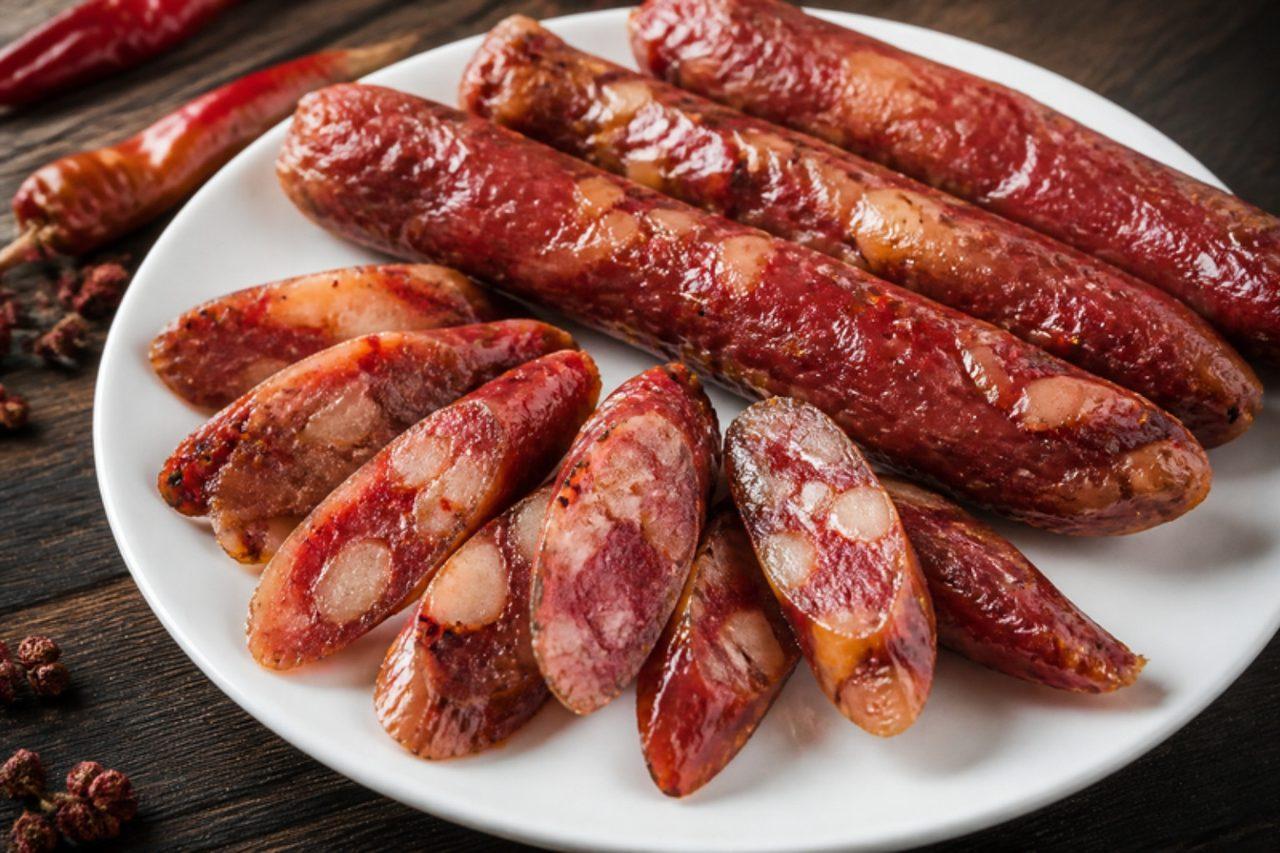
Sichuan xiang chang (spicy cured sausage)

When the weather turns cold in Sichuan, families buy pork by the shoulder, season it with chilli and Sichuan pepper and stuff it into casings, so that xiang chang hang in every home by the Spring Festival. Plates of sliced sausage beside la rou signal plenty for the year to come, and every household swears by its own spice blend. The pork is coarsely chopped, so the sausage is chewy and juicy with pockets of sweet fat, fiery, numbing and a little sweet. Steam and slice it to serve with rice, or stir-fry with cabbage. This home method uses pink curing salt and dries the sausages in the fridge for safety; they must always be cooked before eating. Chef's tip: keep the meat and your equipment cold throughout; warm fat smears and the sausage turns crumbly.

245 minChineseMeatSpicy
by KrazyBadal 0 views

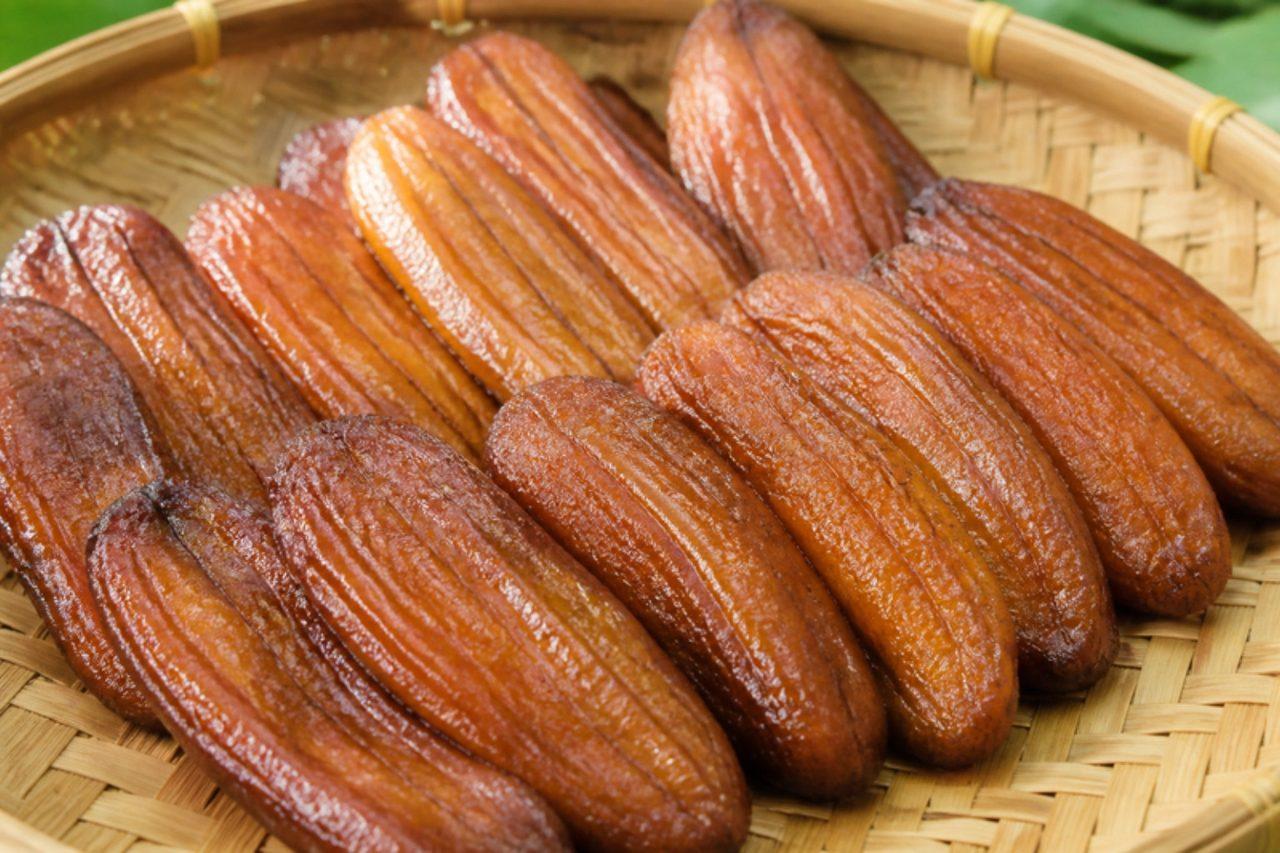
Kluay tak (Thai dried bananas, oven method)

In Bang Krathum, a district of Phitsanulok in lower northern Thailand, small nam wa bananas are peeled and laid out under the sun in glass-roofed drying boxes for several days, then pressed flat to make kluay tak. The district is famous for them, and bags are bought as a gift on the road home and nibbled with tea or coffee in the afternoon. They are dense and chewy like a soft toffee, dark amber, with a deep caramel and honey flavour that comes only from the fruit. As sun-drying takes days and needs steady heat, this version uses a very low oven overnight, then a rest in a jar so the moisture evens out. They are naturally egg-free and need nothing to bind them: the banana's own sugars concentrate and hold it together. Chef's tip: keep the oven low and prop the door open with a wooden spoon; the common mistake is a hot oven, which cooks and blackens the outside while the centre stays wet.

1340 minThaiDessertsVeganGluten free
by KrazyBadal 0 views

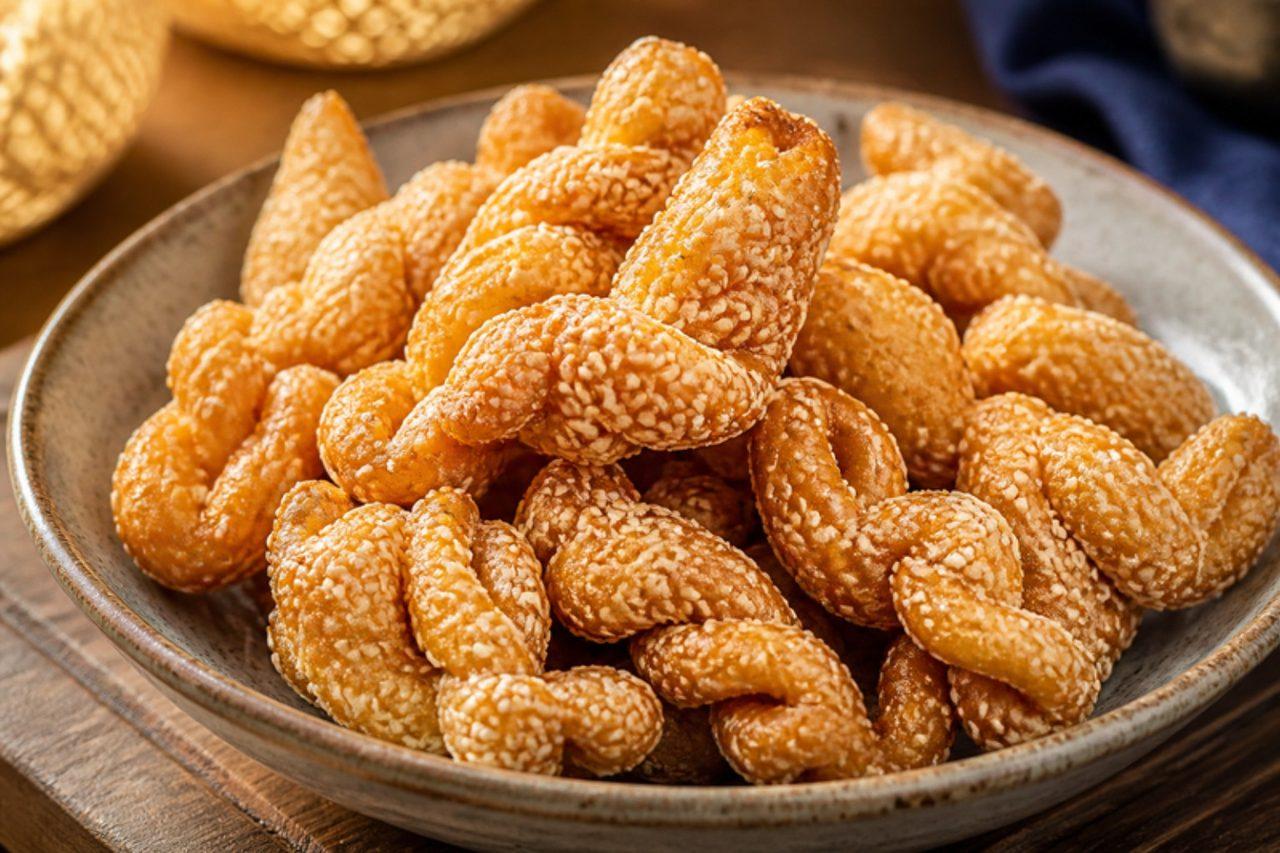
Qiaoguo (Qixi fried pastries)Sesame sugar fried dough knots

Qiaoguo, 'skill fruits', are fried for Qixi on the seventh night of the seventh lunar month in Zhejiang and Jiangsu. The festival celebrates the Weaver Girl and the Cowherd, the star-crossed lovers who meet once a year, and girls once set out these pastries and asked the Weaver Girl to make them clever with their hands; the neat twists and cut-out shapes show off that skill. They are crunchy, lightly sweet and toasty with sesame, like a delicate biscuit. Serve a plate under the evening sky with tea, melon and fruit. Chef's tip: roll the dough thin, about 2 mm; thicker pieces stay hard in the middle instead of crisp.

by KrazyBadal 0 views

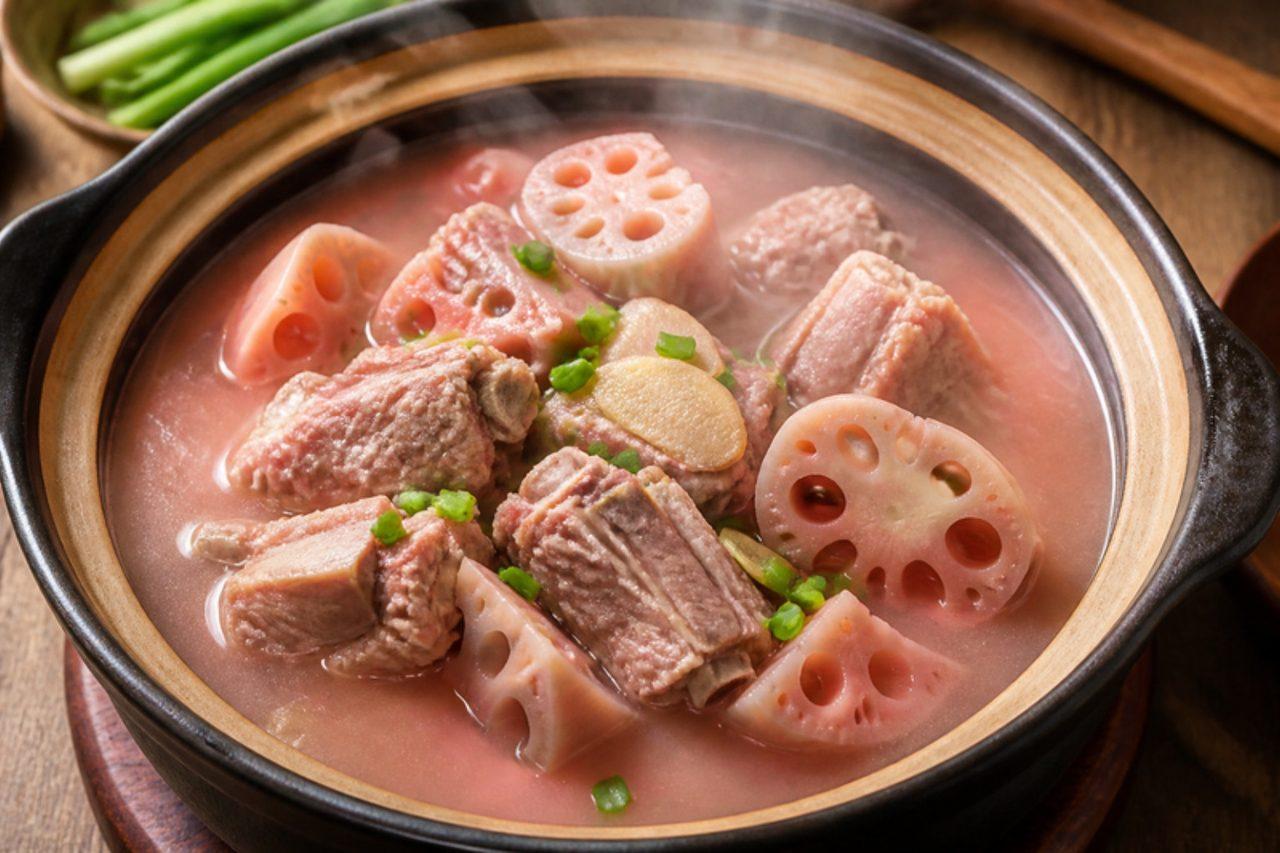
Pai gu ou tang (Hubei pork rib and lotus root soup)

Ask anyone from Wuhan what the Spring Festival tastes like and the answer is pai gu ou tang, a clay pot of pork ribs and lotus root that bubbles on the stove all New Year's Eve. Lotus root grows from the mud into something clean and pure, and its long threads that stretch when you bite a slice are said to keep the family linked even when apart. Hubei's floury lotus root, with nine holes, cooks down until it is soft and starchy and turns the broth a faint rosy pink; the ribs fall from the bone and the soup tastes sweet and mellow. Serve it first at the reunion dinner, in small bowls, with rice and the other dishes to follow. Chef's tip: look for thick, short, rusty-skinned lotus root sections; the slim, white, shiny kind stays crunchy however long you cook it.

180 minChineseSoupsGluten free
by KrazyBadal 0 views

Dongzhi lamb soup (yangrou tang)Lamb and ginger soup

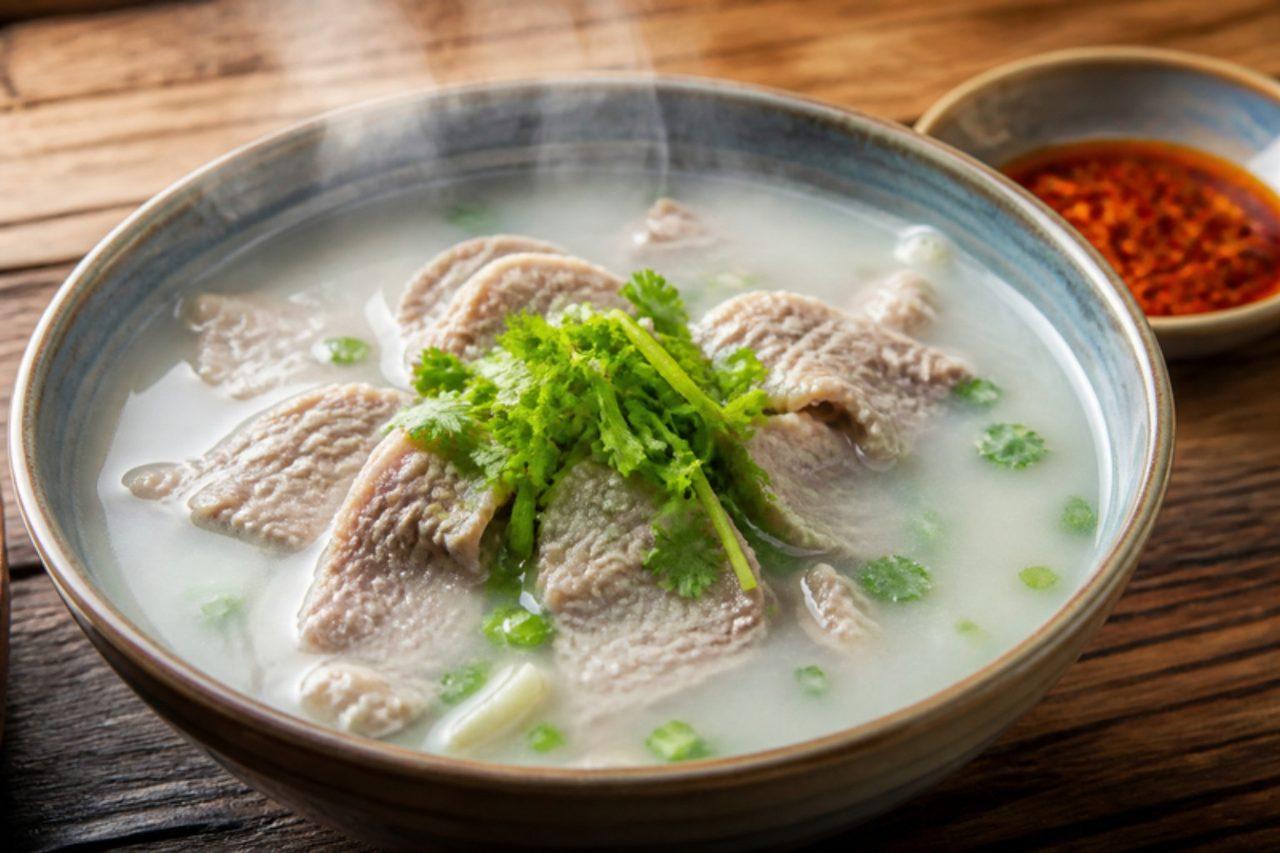
Yangrou tang is the Winter Solstice soup of Shandong and northern Jiangsu, where Dongzhi, the longest night, is a day to eat lamb and warm the body for the cold months; people say a bowl on Dongzhi keeps you from feeling the chill all winter. Lamb bones and meat are boiled hard until the broth turns milky white and rich, then seasoned simply with ginger, salt and white pepper. The broth is smooth and comforting, the sliced meat tender. Serve in deep bowls with coriander, chilli oil and warm flatbread or sesame buns to tear in. Chef's tip: season with salt only at the table or at the very end; salting early tightens the meat.

150 minChineseSoupsGluten free
by KrazyBadal 0 views

Sichuan la rou (smoked cured pork belly)

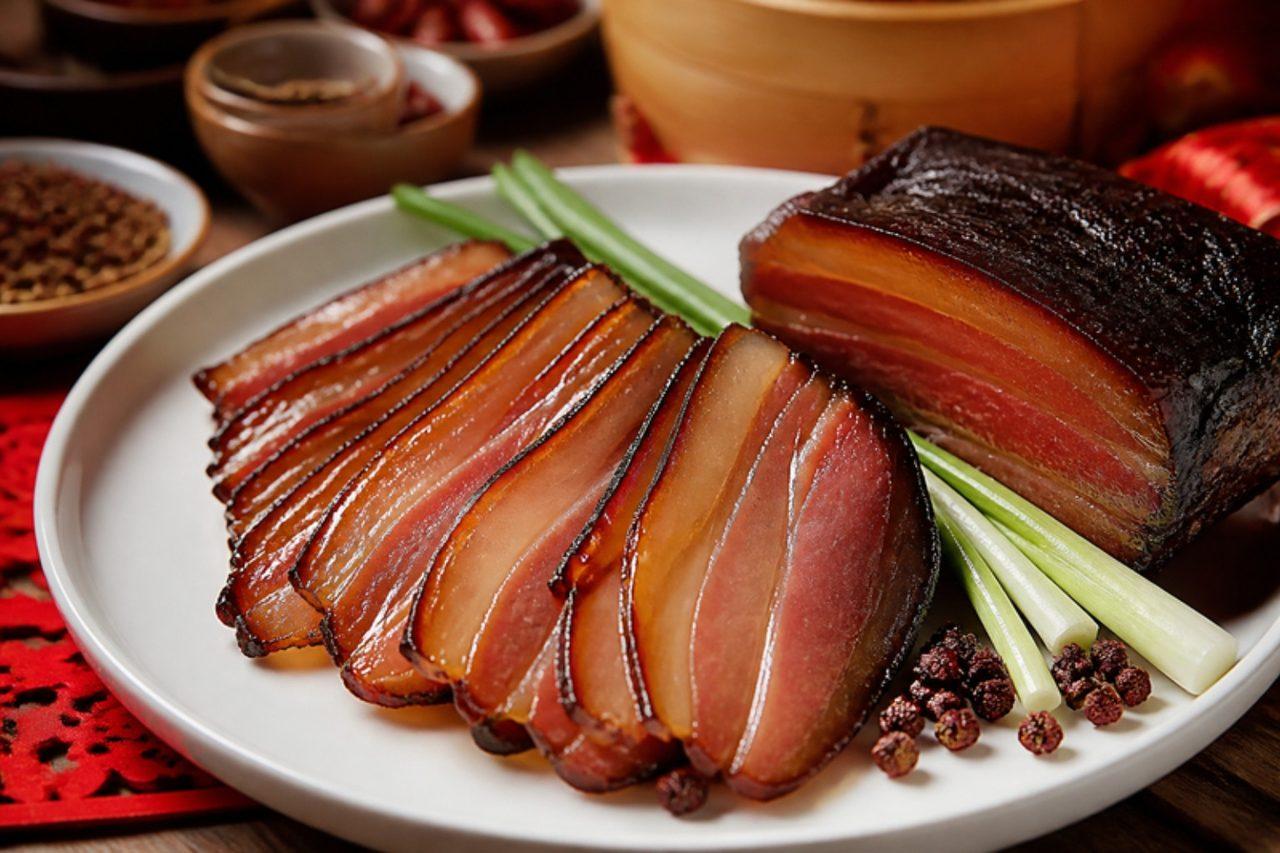
In the twelfth lunar month, balconies across Sichuan and Chongqing fill with strips of pork belly hanging to cure, and by the Spring Festival they have become la rou: smoky, salty and deeply savoury, the taste of a full larder and a prosperous year. The pork is rubbed with salt and toasted Sichuan pepper, left to cure, dried, then smoked; traditionally over cypress branches, here in a foil-lined wok with rice, sugar, tea and wood chips. Steamed and sliced thin, the fat turns translucent and the lean a deep ruby red. Serve it on its own with rice, or stir-fry the slices with garlic shoots or leeks. This home version uses pink curing salt for safety, cures and dries in the fridge, and must always be cooked before eating. Chef's tip: weigh the curing salt on scales accurate to 0.1 g; too much is harmful, too little is unsafe.

180 minChineseMeatGluten free
by KrazyBadal 0 views

Turrón de maníPeanut nougat

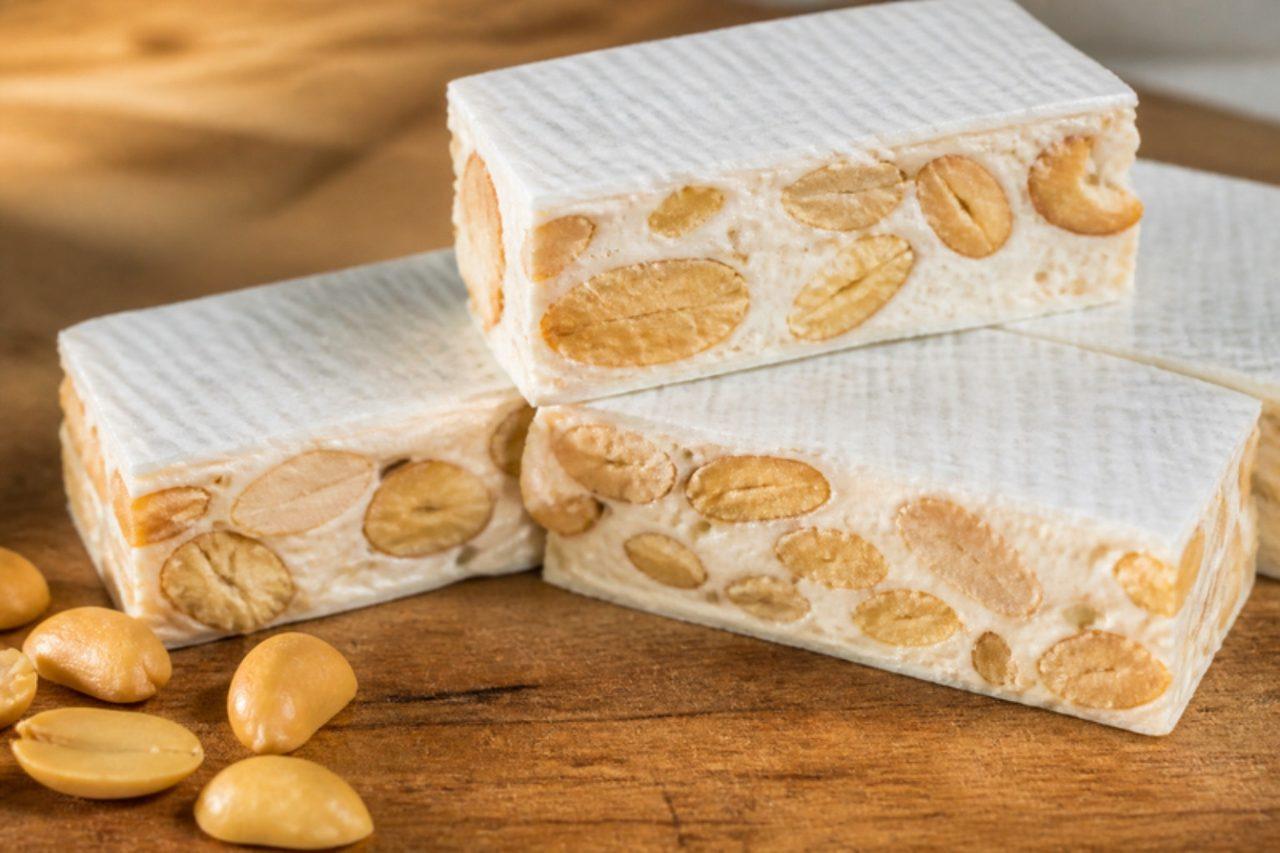
On an Argentine Christmas Eve, after midnight toasts, the 'mesa dulce' appears with pan dulce, garrapiñadas and turrón de maní: a chewy white nougat of honey, sugar, whipped egg white and roasted peanuts, often set between two sheets of rice paper. Families make it in the days before Nochebuena. The egg white is cooked by the hot syrup. It is gluten free if you use gluten-free wafer paper or none. Chef's tip: work fast once the syrup is in, as the nougat stiffens as it cools and gets hard to spread.

by KrazyBadal 0 views

Yan du xian (Shanghai fresh and cured pork soup)

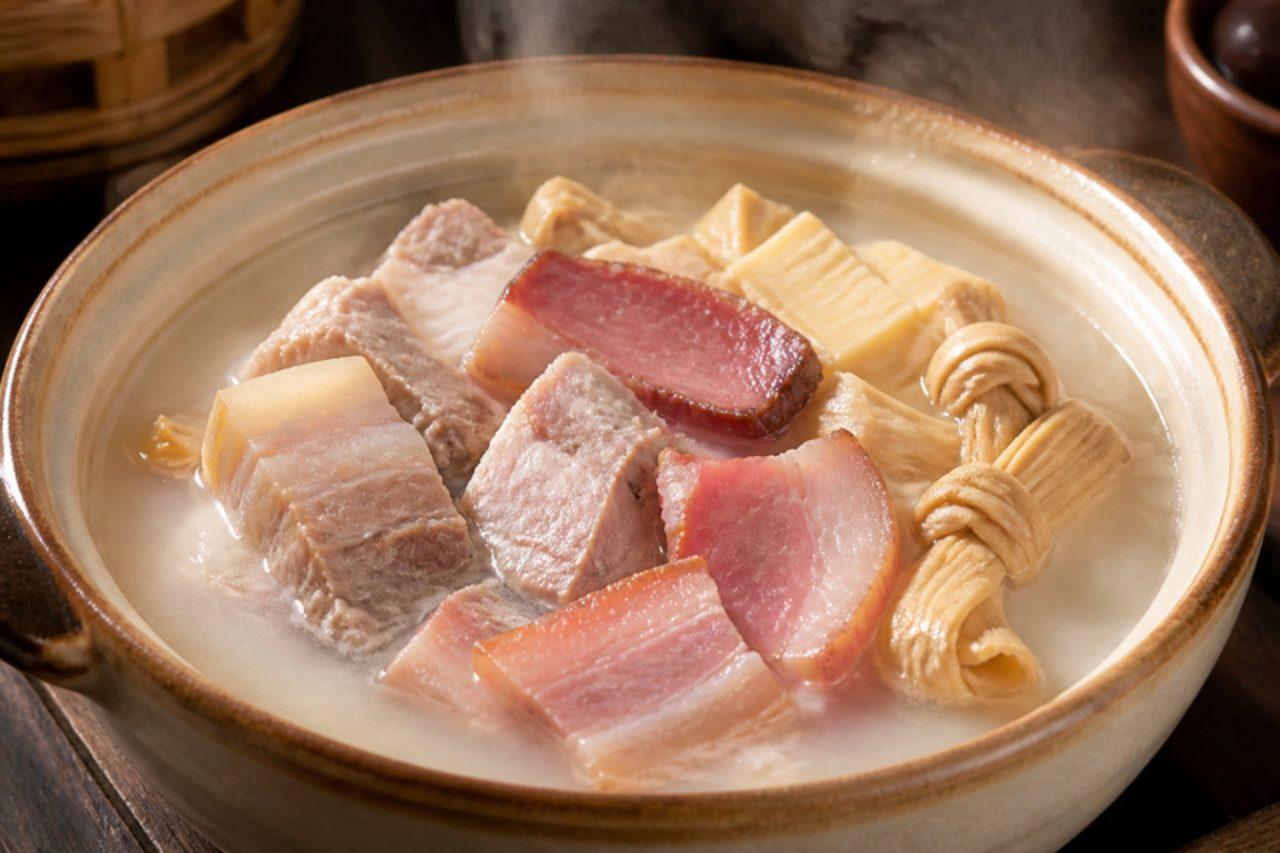
Yan du xian is the soup that tells Shanghai and the Jiangnan region that the Spring Festival has arrived: 'yan' for salted pork, 'du' for the gentle bubbling of a pot left to simmer, and 'xian' for fresh pork and new bamboo shoots. The cured and fresh meat together stand for a year that keeps the good things of the past and welcomes the new. Long, slow cooking turns the broth milky, deeply porky and savoury, with sweet, crunchy bamboo and soft tofu knots that soak up the flavour. Set it in the middle of the reunion table and eat it between the richer dishes with plain rice. Chef's tip: keep the pot at a lazy simmer, never a rolling boil, or the salted pork turns hard and stringy.

125 minChineseSoups
by KrazyBadal 0 views

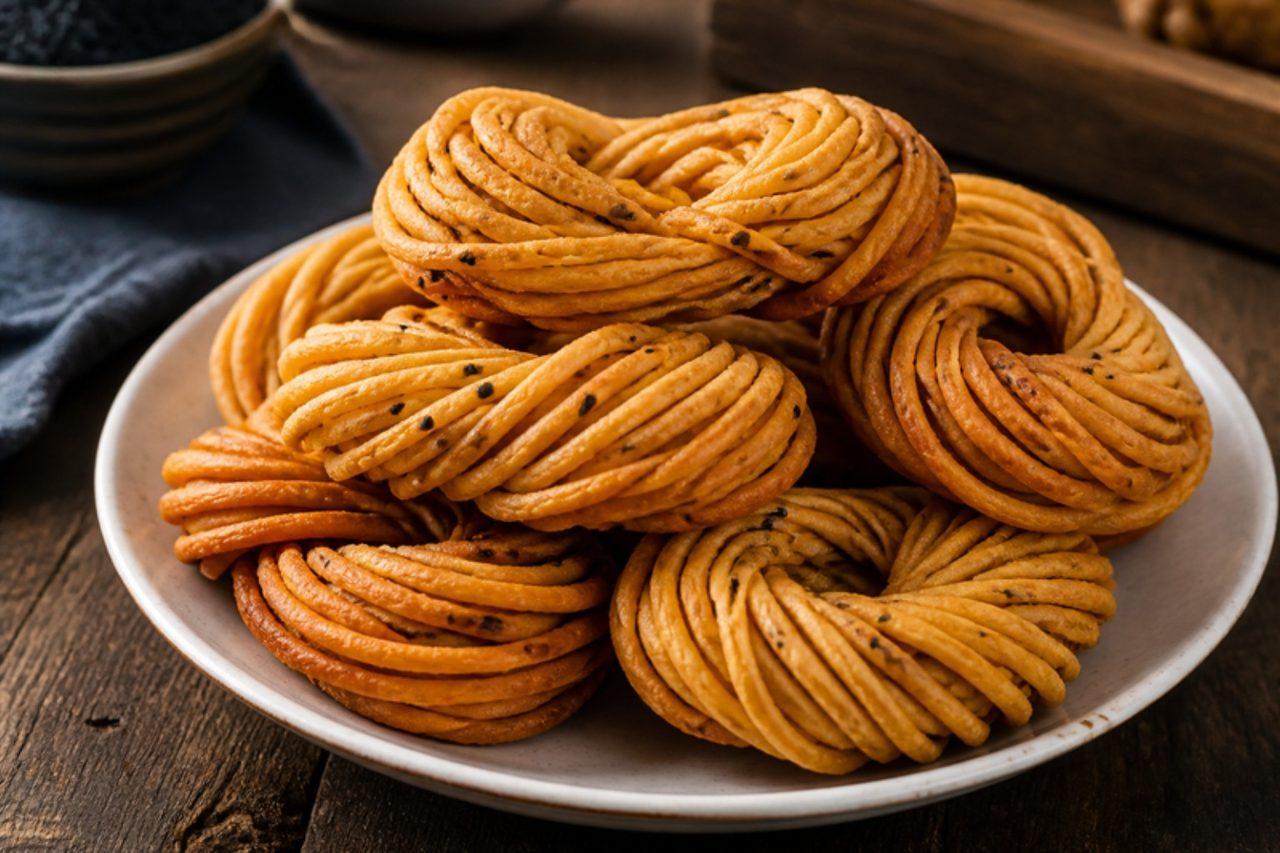
Sanzi (fried dough threads)

Sanzi are lacy coils of fried dough threads, made across Jiangsu and Shandong and by Hui and Uyghur cooks in Xinjiang. They belong to Hanshi, Cold Food Day, just before Qingming, when old custom forbade lighting the stove, so families fried them in advance to eat cold; the shatteringly crisp coils keep well for days and stand for the care taken to prepare for the remembrance. The dough is lightly salted and the strands snap like thin crackers, with a nutty note from sesame. Break them over congee or soy milk, or eat them on their own with tea. Chef's tip: rest the oiled ropes properly; relaxed dough stretches to thread-thin without snapping.

by KrazyBadal 0 views

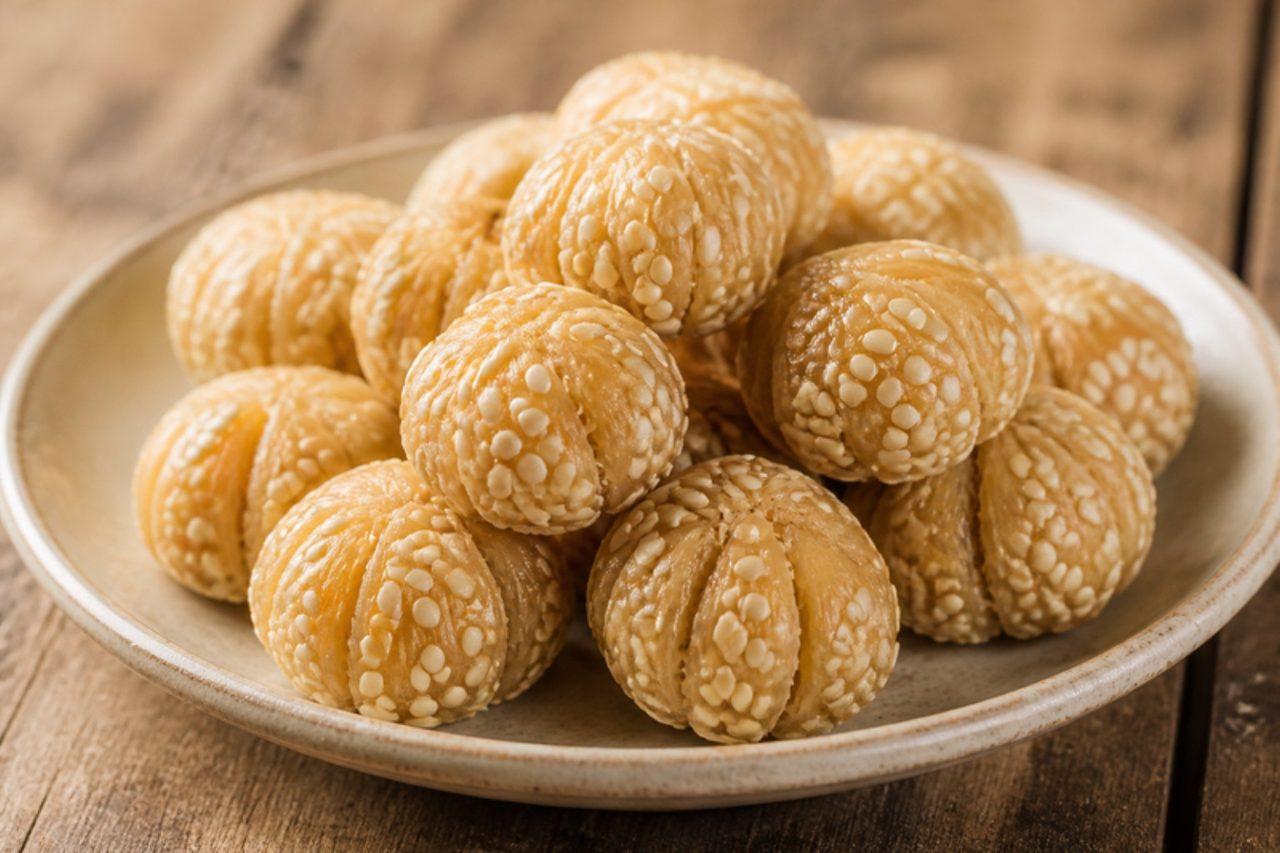
Tang gua (malt sugar candy)

On Xiaonian, the 'little New Year' a week before the Spring Festival, families across northern China offer tang gua to the Kitchen God before he flies up to report on the household: the sticky sweets are meant to glue his mouth shut, or at least sweeten his words. The name means 'sugar melons', after their round, ribbed shape. Pulling the hot maltose over and over turns it from amber glass to a pale, airy candy that shatters and then turns chewy, with a toasty malt flavour and plenty of sesame. Serve them with tea on Xiaonian and keep the rest in a tin for New Year guests. Chef's tip: wear clean rubber or silicone gloves and work on an oiled tray; hot sugar sticks to skin and burns.

by KrazyBadal 0 views

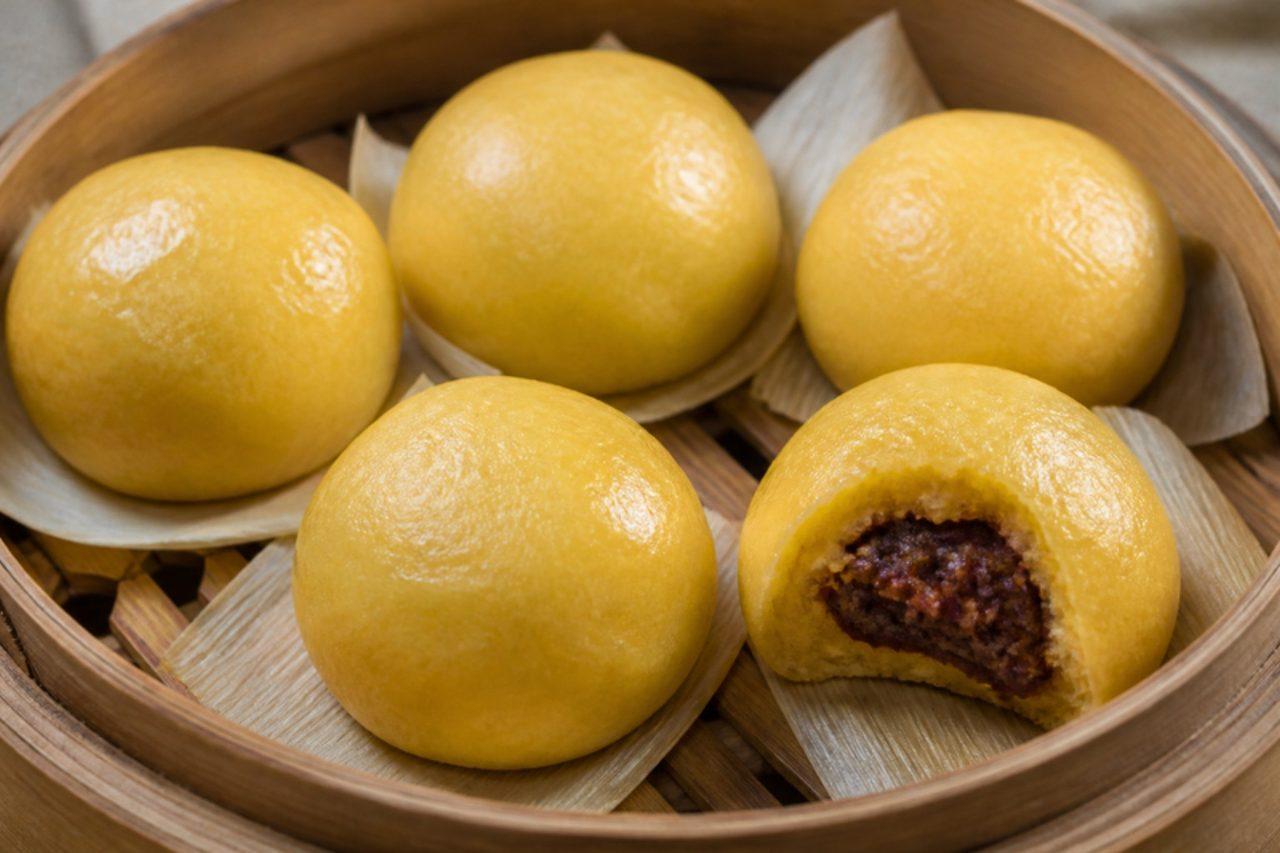
Nian dou bao (sticky bean buns)

Before the Spring Festival, families in Dongbei make nian dou bao by the hundred, steam them and freeze them outside in the snow so there is a stack ready for every visit of the holiday. The name contains 'nian', sticky, which sounds like the word for year, so they are eaten for a year that holds together and rises higher. The dough, traditionally from glutinous millet that has been lightly fermented, is soft, chewy and gently tangy, wrapped round a smooth sweet red bean filling. This version uses glutinous rice flour and fine cornmeal for the golden colour, with a little yeast for that faint sourness. Serve them warm with tea or plain congee. Chef's tip: wet your hands before shaping; the dough clings to dry hands but behaves perfectly once they are damp.

by KrazyBadal 0 views

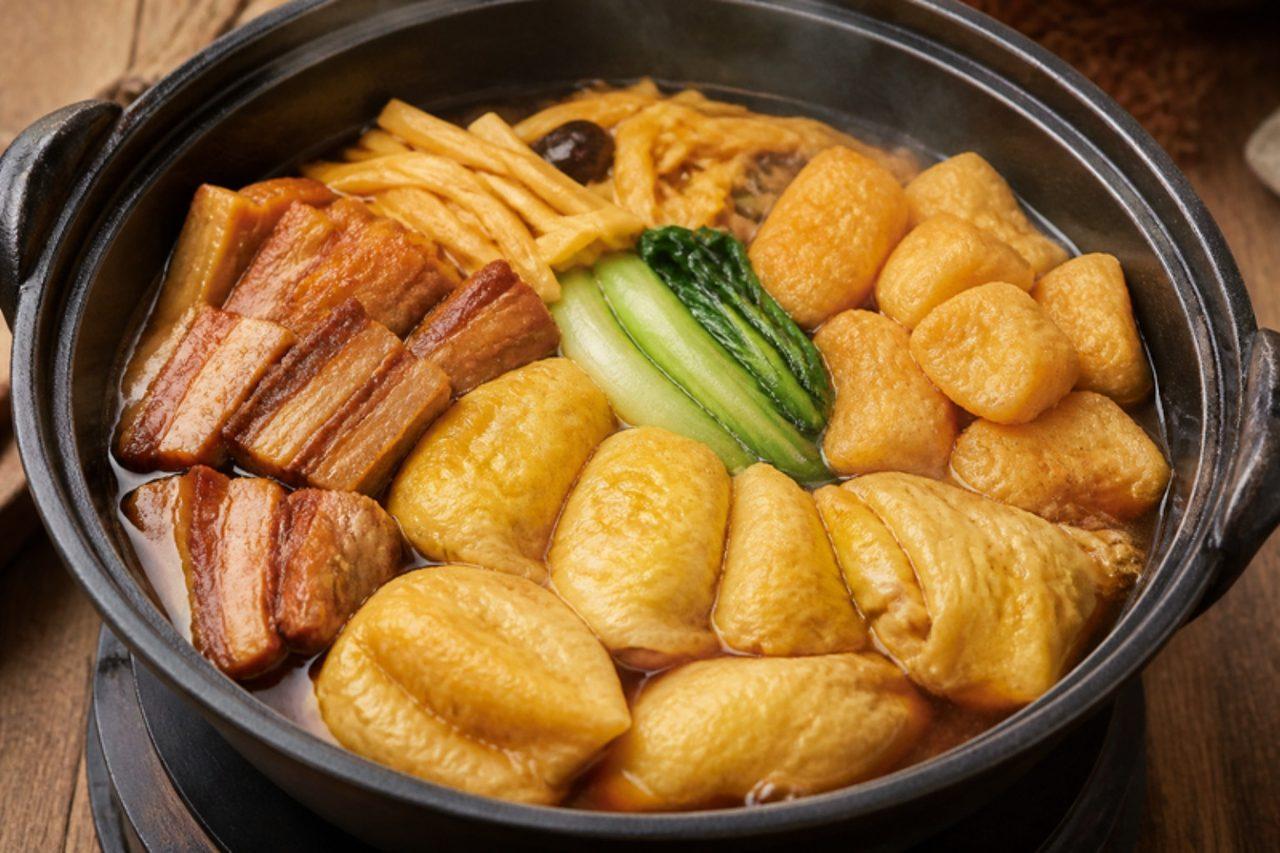
Huizhou yi pin guo (layered New Year one-pot)Layered pork and tofu pot

In the Huizhou hill villages of southern Anhui, the Spring Festival centrepiece is yi pin guo, 'first-rank pot', named after the highest rank of imperial official and served as a wish for success in the coming year. Everything goes into one wide pot in layers: dried bamboo shoots at the bottom, then pork belly, fried tofu, egg dumplings filled with pork, and greens on top, so the juices of each layer drip down and season the one below. The result is rich and savoury, the bamboo soaked with pork fat, the tofu spongy with broth. Bring the pot to the table and let everyone dig down through the layers, with rice on the side. Chef's tip: soak the dried bamboo shoots overnight and boil them well; underprepared dried shoots stay leathery and sour.

180 minChineseMeat
by KrazyBadal 0 views

Zitui yan (Qingming swallow buns)

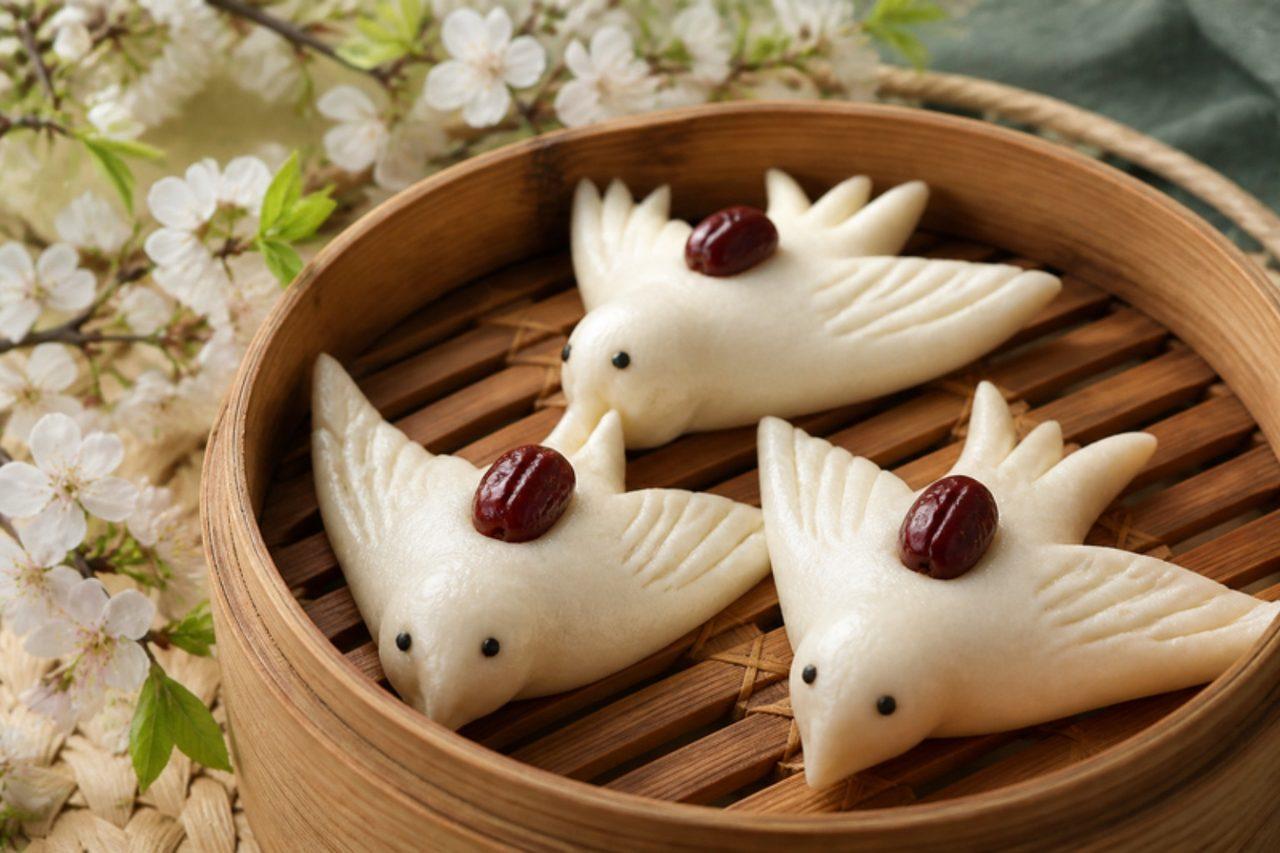
In Shanxi, families steam zitui yan for Cold Food Day and Qingming, the spring days of tomb-sweeping and remembering the dead. The buns are named after Jie Zitui, a loyal courtier of ancient Jin whose death in a mountain fire is said to be why no fires are lit on Cold Food Day, and they are shaped like swallows because the birds return in spring and carry wishes for new life. Children used to string them on willow twigs and hang them by the door. The dough is plain, slightly sweet and pillowy, with a chewy red date pressed into each bird. Serve them warm with tea, or cold the next day as the festival intends, alongside pickles and boiled eggs. Chef's tip: snip the tail and wing feathers with small scissors just before the second rise, so the cuts open into neat feathers as the buns puff.

by KrazyBadal 0 views

Jiaodong hua bobo (festive flower buns)

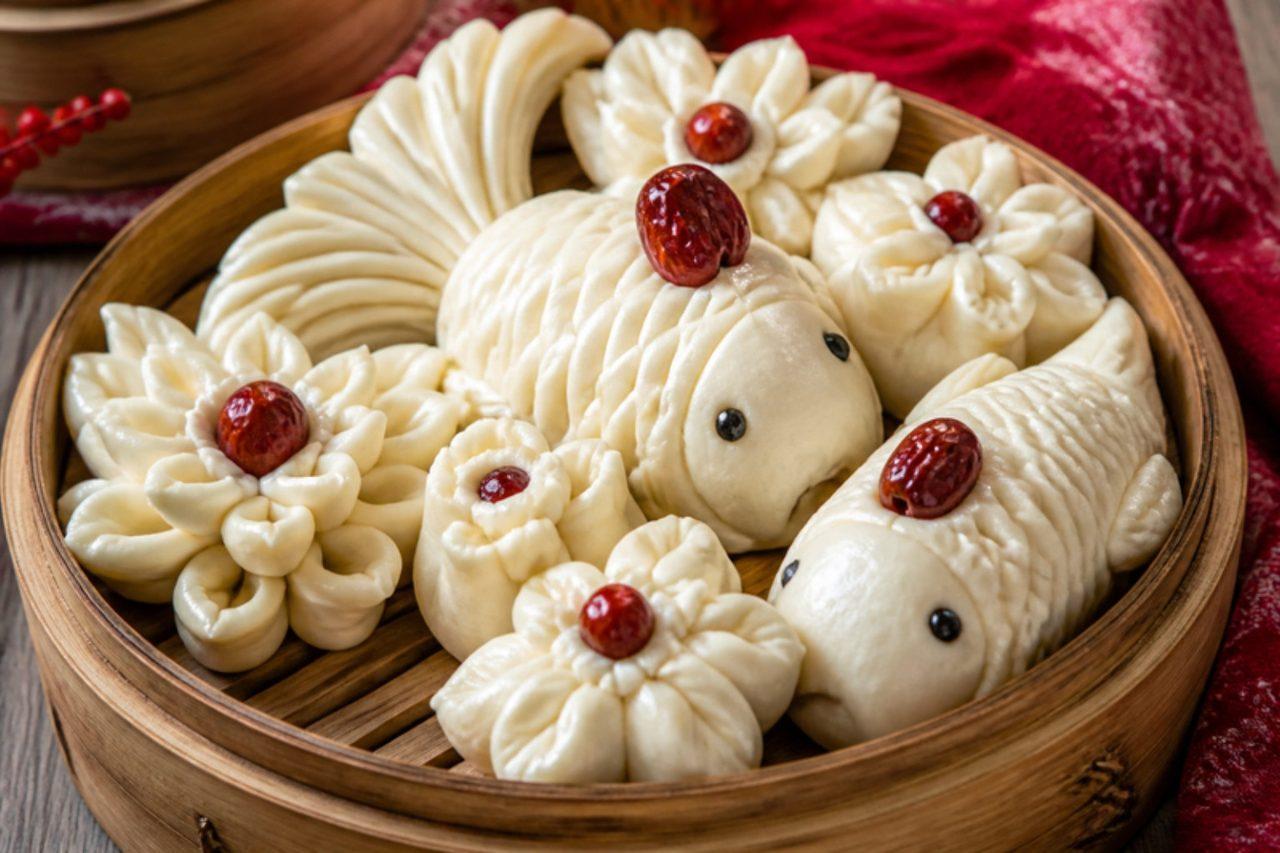
On the Jiaodong peninsula in Shandong, the days before the Spring Festival are spent shaping hua bobo: large steamed wheat buns twisted into fish, flowers and lucky knots and dotted with red jujubes. A fish bun stands for surplus in the year ahead, the dates for sweetness and a prosperous red, and a tall bun stacked high for a family that keeps rising. The crumb is dense, springy and faintly sweet, a world away from fluffy bao, because the dough is worked stiff and kneaded long. Set them on the reunion table, give them to neighbours, then slice and re-steam the rest with soups and braises through the holiday. Chef's tip: keep the dough firm, more like modelling clay than bread dough, or the shapes slump in the steamer.

by KrazyBadal 0 views

Hong tang ciba (brown sugar glutinous rice cakes)

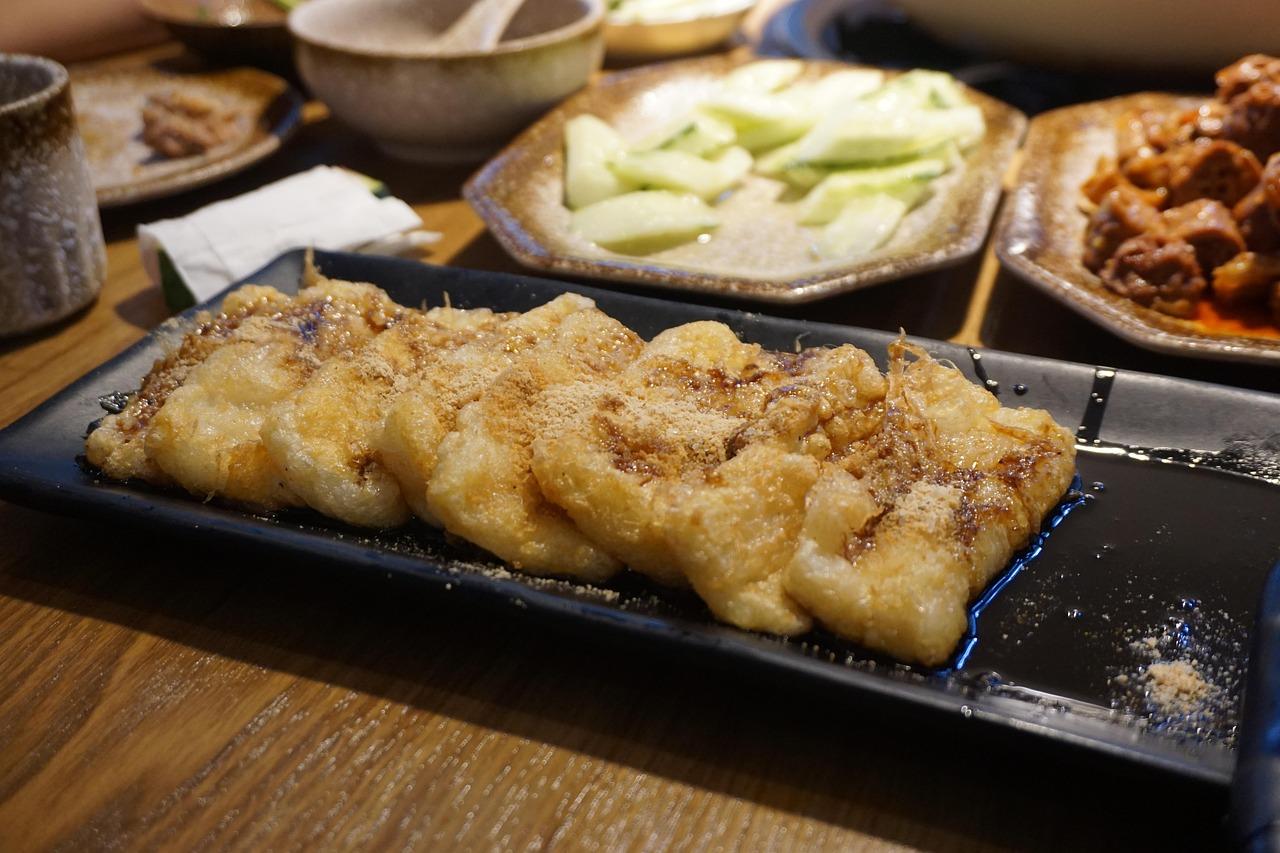
Pounded glutinous rice cakes are a Spring Festival essential in Sichuan and Chongqing, where 'ci' sounds like a wish for the family to stay close, as stuck together as the rice itself. Fried and drowned in brown sugar syrup, they turn into hong tang ciba, a dessert that closes many reunion dinners and hotpot nights. Outside they are puffed and crackly, inside soft and stretchy, and the dark syrup and nutty soybean flour make every bite taste like toffee. This home version steams a glutinous rice flour dough instead of pounding whole grains, which gives the same chew in far less time. Serve straight from the pan while still crisp. Chef's tip: let the steamed slab cool and firm up completely before cutting; warm dough smears and bursts in the oil.

by KrazyBadal 0 views

Ba bao ya (eight-treasure duck)

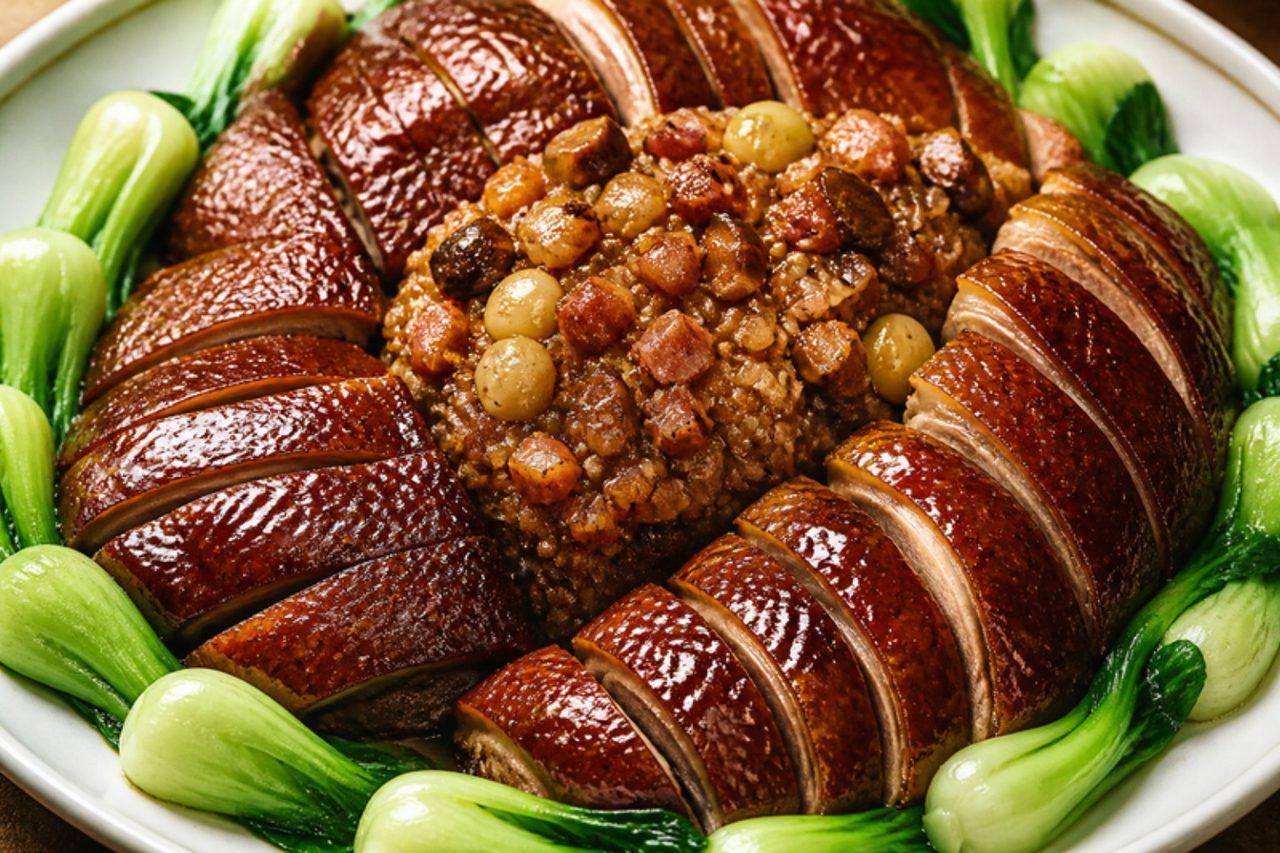
Ba bao ya, eight-treasure duck, is the grand centrepiece of a Shanghai or Suzhou Spring Festival dinner: eight being the luckiest number, the duck is filled with eight good things for eight kinds of fortune. A whole duck is boned so the skin stays in one piece, then packed with glutinous rice, dry-cured ham, chestnuts, shiitake, lotus seeds, bamboo shoots and dried shrimp, and braised in soy and rock sugar until deep mahogany. Cut into thick slices, it shows a mosaic of stuffing held by tender, sticky-glazed meat. The stuffing uses Chinese dry-cured ham and the braise uses Shaoxing wine; for an alcohol-free version use unsalted stock with a few drops of rice vinegar. Serve carved at the table with steamed greens. Chef's tip: ask your butcher to bone the duck and remove the head, leaving the skin intact; it saves an hour and any tears.

240 minChineseMeat
by KrazyBadal 0 views

Krathong thong (crispy golden cups with chicken)

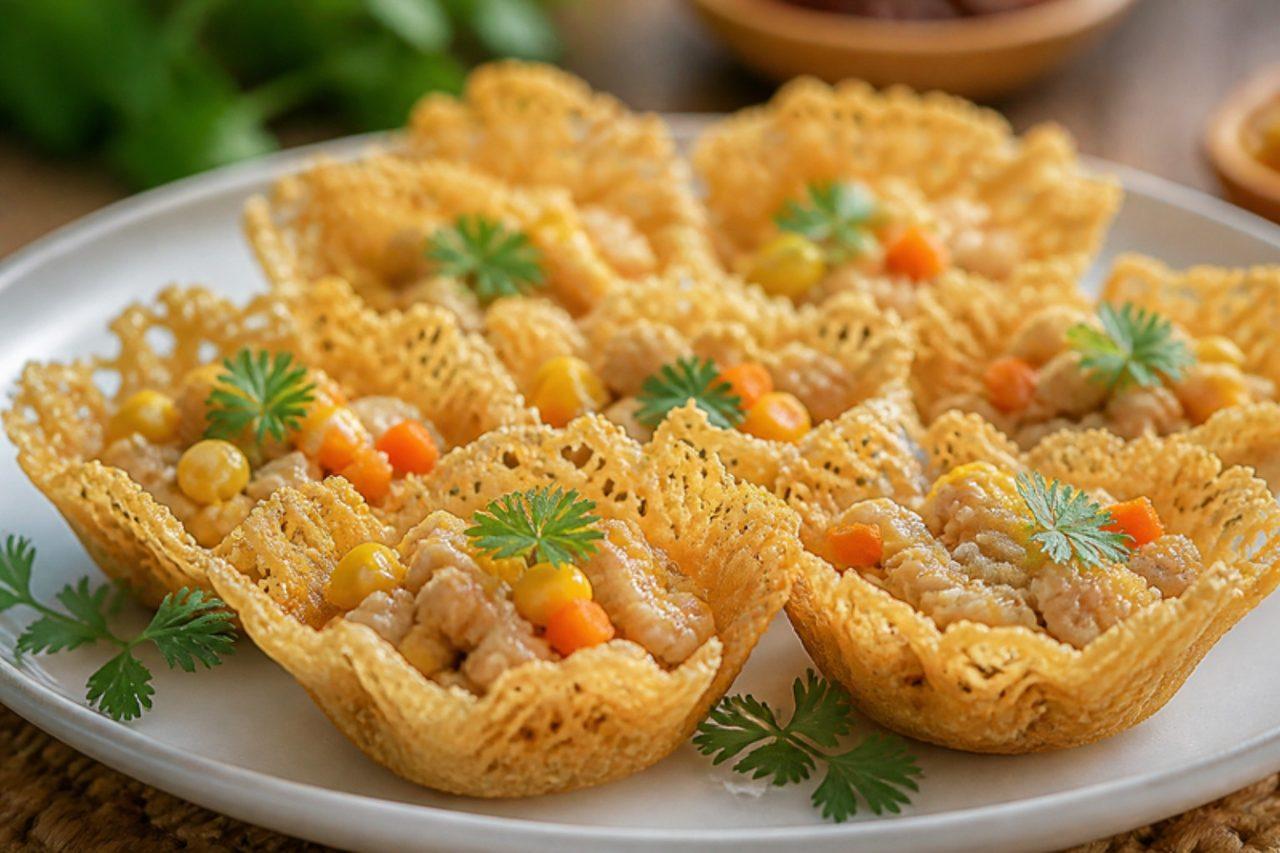
Krathong thong, "golden baskets", are named after the little floating krathong set on the rivers at Loy Krathong in Central Thailand, and their golden colour makes them a party bite for wishing wealth at festivals and New Year gatherings. A thin rice-flour batter is fried on a hot flower-shaped mould into crisp, delicate cups that shatter at the first bite. The filling is minced chicken cooked with sweetcorn, carrot, garlic and a little sugar, so it is gently sweet and savoury, which children love. Serve them as a starter with a sweet chilli dip, filling the cups just before serving so they stay crisp. Chef's tip: the cups keep for a week in an airtight tin, so fry them a day ahead and only cook the filling on the day.

by KrazyBadal 0 views

Shanzha gao (hawthorn fruit cake)

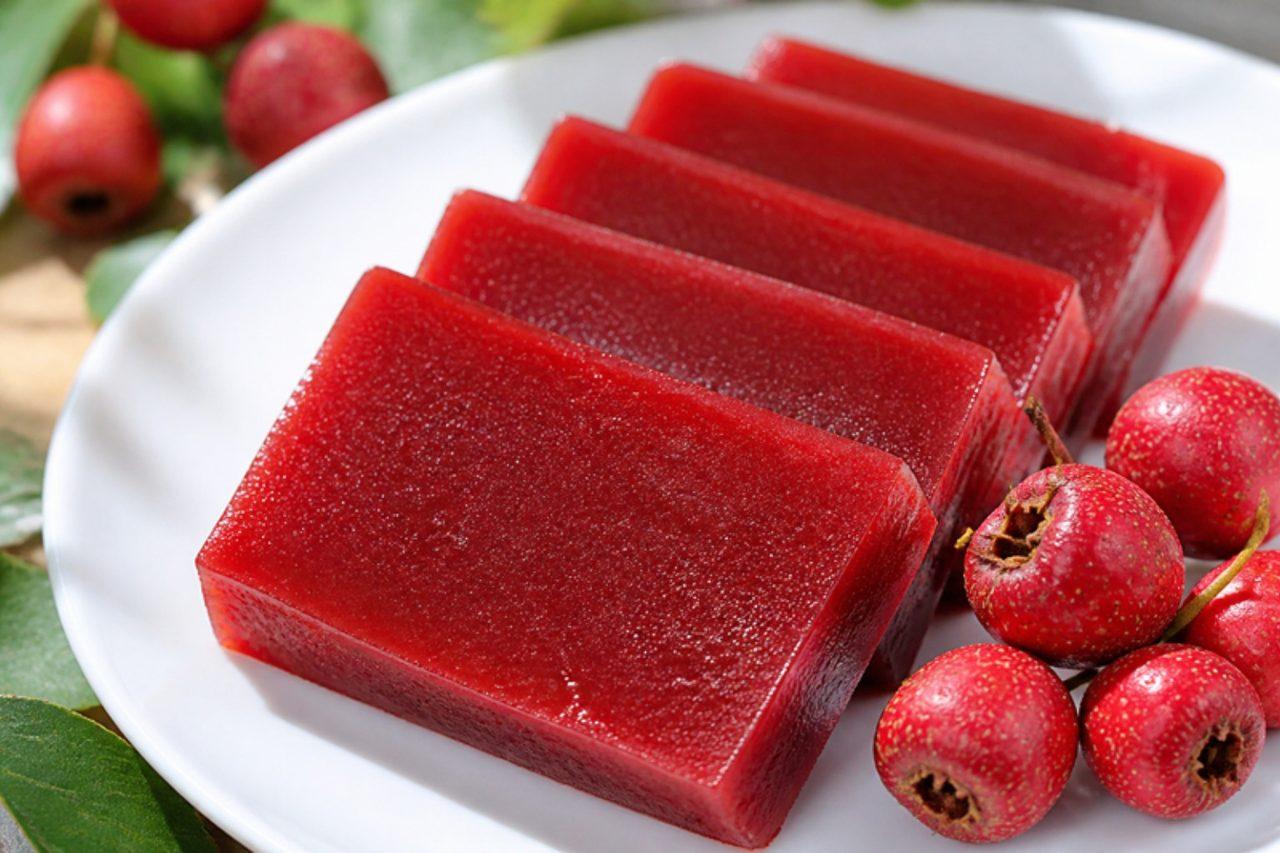
When the hawthorn trees of Hebei and Shandong drop their red berries in late autumn, cooks across northern China, and especially in Beijing, boil them down into shanzha gao, a firm fruit cake cut into ruby slices. It is a winter sweet, eaten after rich meals because people say it helps digestion, and it sits beside candied hawthorn skewers at the New Year fairs. The texture is like a firm fruit jelly that cuts cleanly, and the flavour is bright and sour-sweet, like a cross between crab apple and cranberry. Serve thin slices with jasmine tea, or cubes on a fruit plate. It is naturally egg-free and needs no setting agent at all: hawthorn is so rich in pectin that the cooked purée sets firm as it cools. Chef's tip: the common mistake is stopping too soon, so keep stirring until a spoon drawn across the pan leaves a clear trail that does not close up.

by KrazyBadal 0 views

Quinotos en almíbar (Argentine kumquats in syrup)

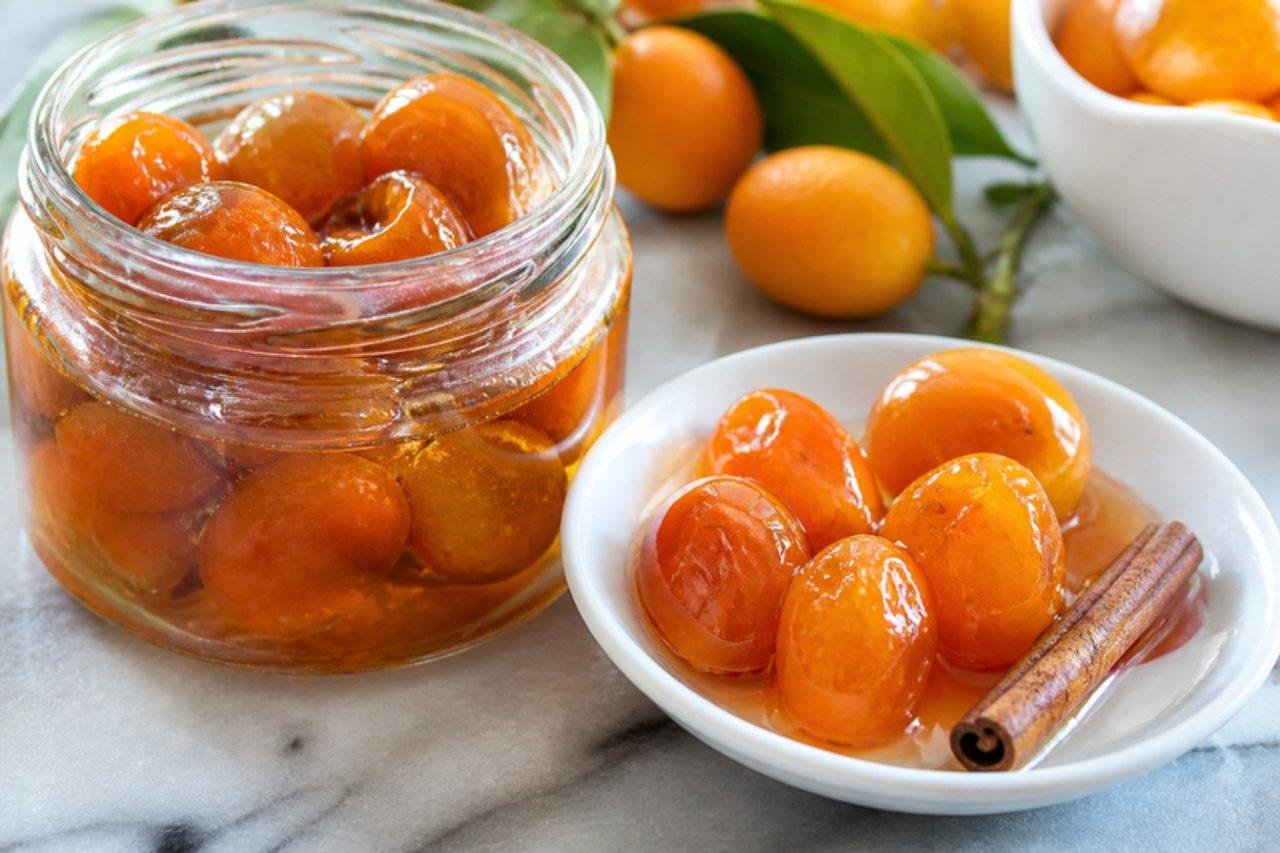
In Buenos Aires and the river provinces of the Litoral, kumquat trees ripen in the middle of winter, between June and August, and the fruit goes straight into jars of syrup. Grandmothers' pantries held quinotos for the whole year, brought out for birthdays and long Sunday lunches. Each little fruit turns glossy orange and translucent, with a soft, bittersweet skin and a sharp, juicy centre. Spoon them over vanilla ice cream, serve them with a slice of fresh cheese in the style of postre vigilante, or eat them straight from the jar. Many bar menus offer them steeped in spirits; this version keeps only the syrup. Naturally egg-free, the quinotos rely on sugar syrup to preserve them, while pectin from the peel gives the syrup a light, jammy body. Chef's tip: blanch the fruit three times from cold water; the common mistake is skipping this, which leaves the skins tough and bitter.

by KrazyBadal 0 views

Zhenzhu wanzi (pearl meatballs)

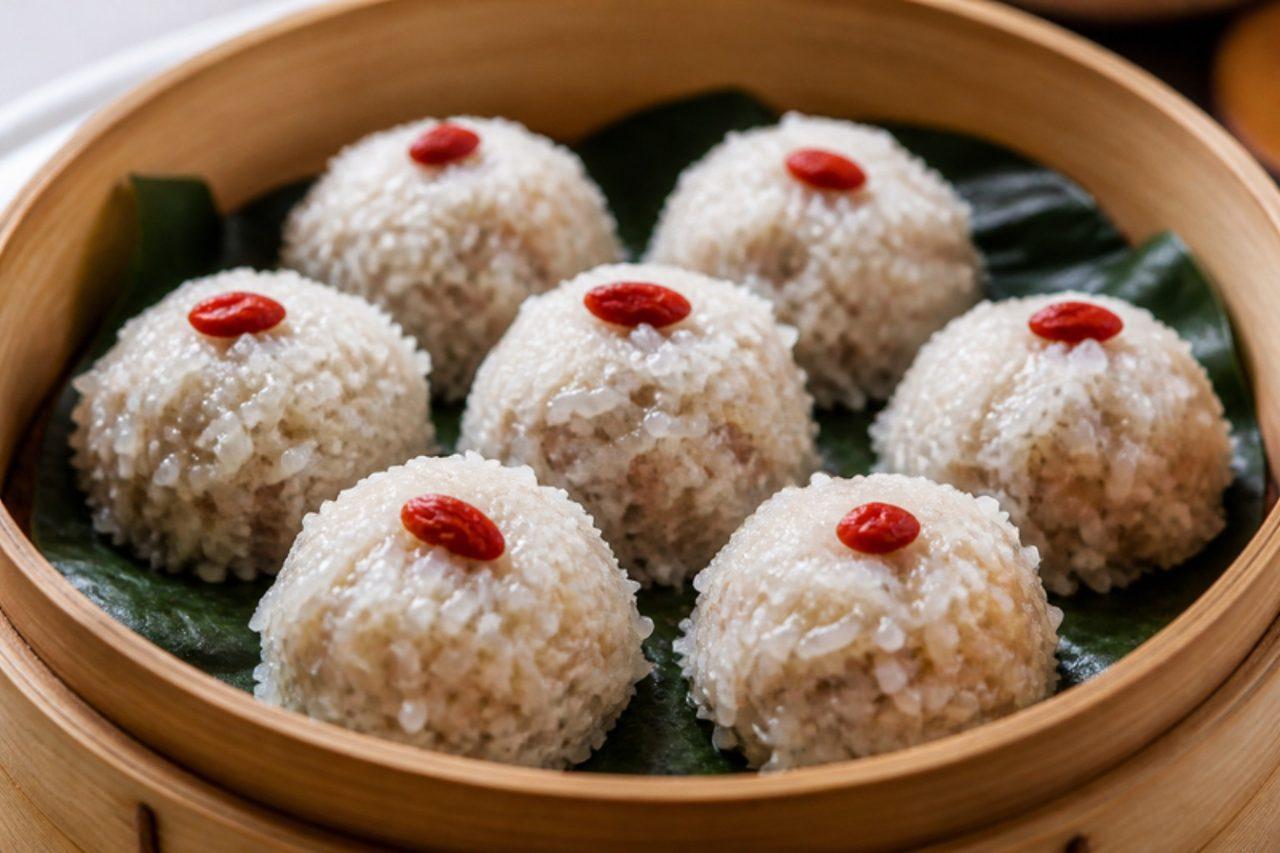
Pearl meatballs come from Mianyang in Hubei, where they are a fixture of the Spring Festival banquet: round shapes stand for a family gathered whole, and the gleaming grains of rice for pearls and wealth. Steaming turns the glutinous rice coating translucent and slightly chewy, while the pork inside stays tender and juicy, with crunch from water chestnuts. They are mild and soft, so children love them, and they look beautiful on a steamer of mixed dim sum or as one of the many dishes at the reunion dinner. Tamari keeps them gluten free; ordinary light soy sauce works if that does not matter to you. Chef's tip: beat the pork in one direction until sticky before shaping; it keeps the meatballs bouncy and stops the rice from falling off.

by KrazyBadal 0 views

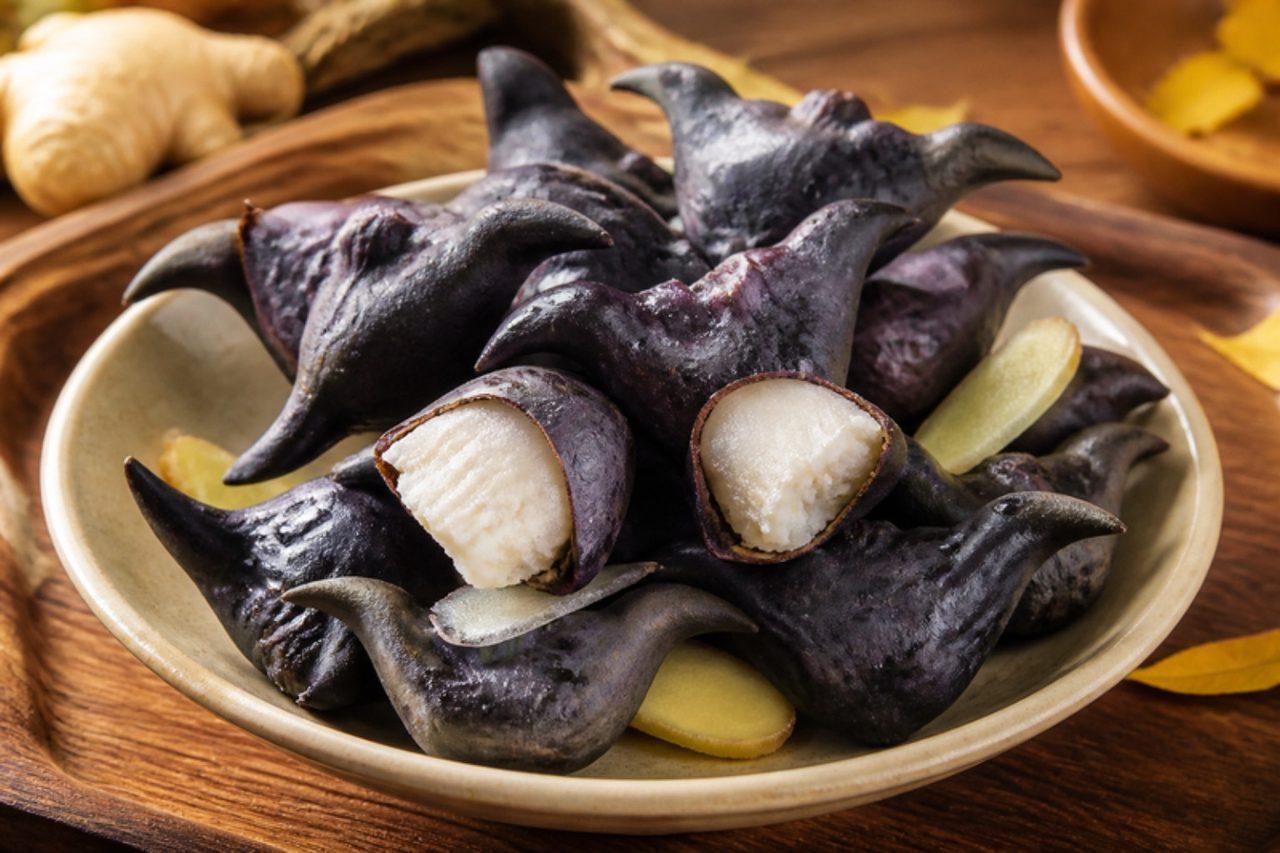
Boiled water caltrops (zhu lingjiao)Boiled water chestnuts in shell

Boiled water caltrops are a Mid-Autumn snack in Jiangnan and Guangdong, piled on the table beside mooncakes and pomelo while the family waits for the moon. The dark, two-horned nuts are harvested in autumn, and their name, ling, sounds like the word for clever, so children are told to eat them to grow bright; some families also say the shape looks like a bat, a symbol of good fortune. Inside the shell the white flesh is floury and sweet, much like a chestnut. Serve them warm in a big bowl with tea and the rest of the moon-watching snacks. Chef's tip: buy them fresh in autumn from Chinese grocers and always cook them through; never eat water caltrops raw, as they grow in ponds and can carry parasites.

by KrazyBadal 0 views

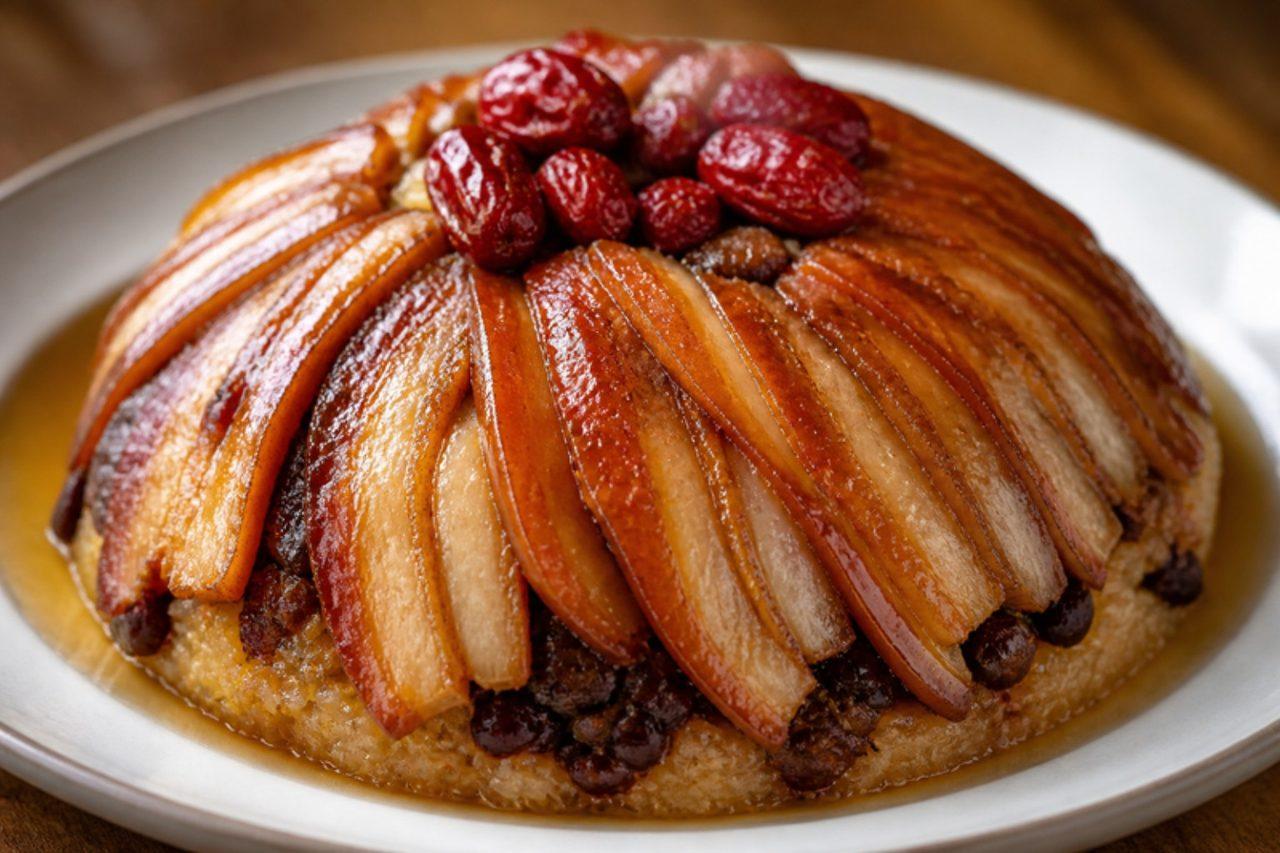
Tian shao bai (sweet pork belly over sticky rice)

Tian shao bai is one of the 'three steamed bowls' of a Sichuan countryside banquet, and no Spring Festival feast there is complete without it. Thick slices of pork belly are cut into hinged pockets, filled with sweet red bean paste and packed into a bowl over glutinous rice with brown sugar, then steamed for hours and turned out as a glossy dome: sweetness for the year ahead and a richness that says the harvest was good. The pork fat melts into the rice, the skin turns soft and wobbly, and the bean paste and sugar make it rich and sticky like a pudding. Serve it towards the end of the meal in small portions with tea. Chef's tip: chill the boiled belly before slicing; cold pork cuts into clean, even slices that hold together.

195 minChineseMeat
by KrazyBadal 0 views

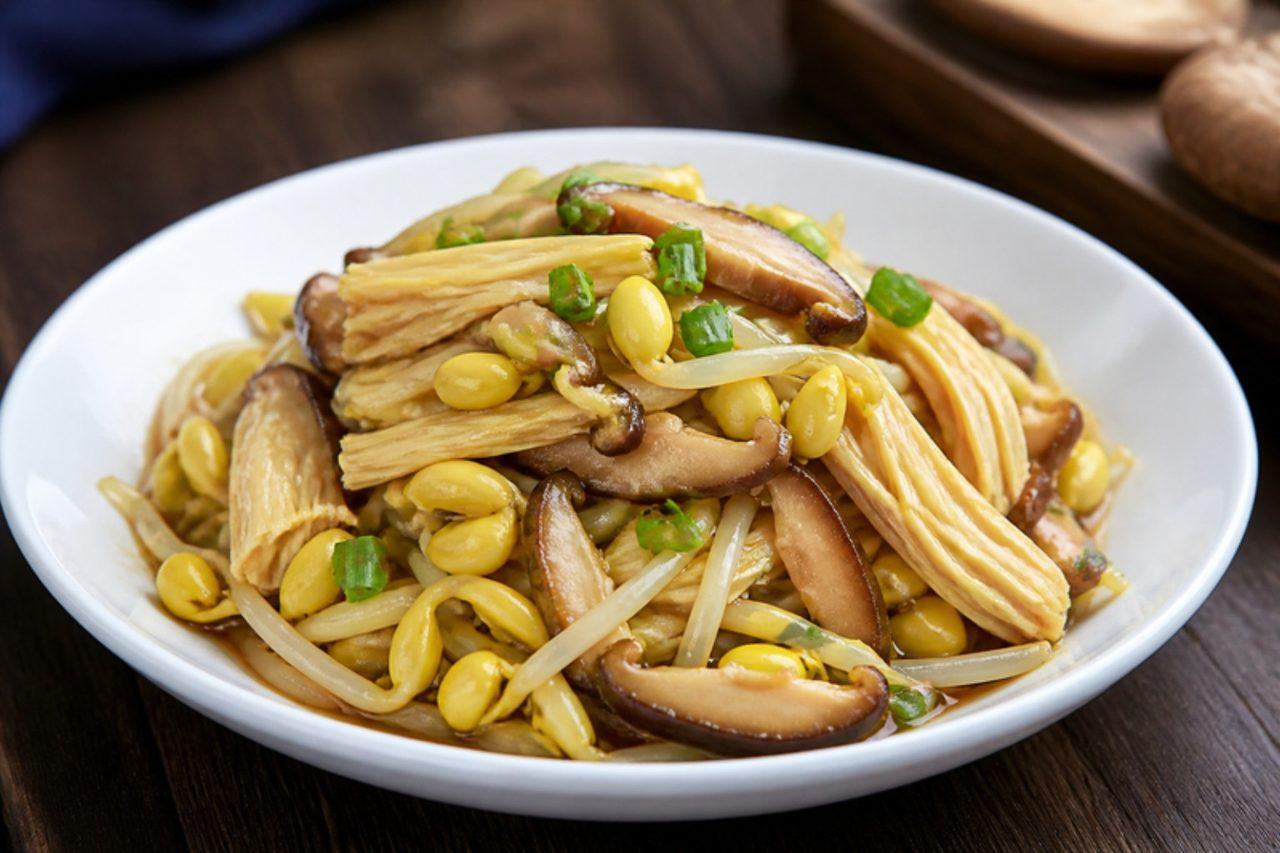
Ruyi cai (soybean sprout stir-fry)

A curled soybean sprout, with its fat yellow head and long tail, looks just like the ruyi sceptre whose name means 'as you wish', so in Shanghai and the Jiangnan region no Spring Festival table is complete without a dish of ruyi cai. It is the gentle, crunchy counterweight to the braised pork and fish of the reunion dinner: nutty sprouts, chewy strips of tofu skin and meaty shiitake in a light soy glaze. Many families cook a big batch on New Year's Eve and eat it cold for days. Serve it with rice, alongside red-braised dishes or as part of a vegetarian New Year spread. Chef's tip: cook the sprouts until the beany raw taste is gone; undercooked soybean sprouts taste grassy and are hard to digest.

by KrazyBadal 0 views

Showing 24 of 873 recipes

Show more recipes

Page 1 of 37