Skip to content
Recipes

All recipes

Vegetarian, or something you can't eat? Set your diet once and we'll hide recipes that don't fit.

Tallarines rojosSpaghetti in red sauce with chicken

Tallarines rojos is the Sunday-lunch and weeknight pasta of homes all over Peru, from Lima to Arequipa: spaghetti in a sweet, deep-red sauce of blended tomato, onion and garlic with a little ají panca and oregano, often with pieces of chicken cooked right in it. Children love it, and it is served with a sprinkle of grated cheese and sometimes a spoon of huancaína on the side. The usual mistake is cooking the sauce too briefly, so it tastes of raw onion; let the blended tomato fry until it darkens and the oil shows at the edges. Chef's tip: a bay leaf and a spoon of ají panca paste give the sauce its Peruvian character; paprika will do if you can't find the paste.

by KrazyBadal 0 views

Fideos con mantecaButtered noodles with cheese

Ask anyone from Buenos Aires to Córdoba what they ate when they came home late or felt poorly as a child, and the answer is often fideos con manteca: short pasta tossed with butter and a snowfall of grated queso rallado. It is the plainest dish in the Argentine home kitchen and the one people cook for themselves on a tired weeknight. The mistake that ruins it is draining the pasta bone-dry and adding cold cheese to a hot empty pan, which leaves greasy strands and clumps; a splash of cooking water makes a light, creamy coating instead. Argentine reggianito and Parmesan are made with animal rennet, so use a vegetarian hard cheese if needed. Chef's tip: grate the cheese very finely, like dust, so it melts on contact.

by KrazyBadal 0 views

Torta de ricotaLemon ricotta tart

Italian families brought ricotta tarts to Buenos Aires and Rosario, and torta de ricota is now as Argentinian as mate: every panadería has one in the window, with a lattice of sweet, crumbly masa frola over a pale, lemon-scented ricotta filling. It is cut into wedges for the merienda, the late-afternoon snack, or for a birthday where nobody wants a heavy cake. The texture is light and slightly grainy rather than silky, and the pastry tastes of butter and vanilla. Wet ricotta is the biggest risk, giving a weeping, soggy tart. Chef's tip: drain the ricotta overnight in the fridge in a sieve lined with a cloth, and add a few raisins only if they have been soaked, or they draw moisture from the filling.

by KrazyBadal 0 views

Tvorog so smetanoy (farmer's cheese with sour cream)

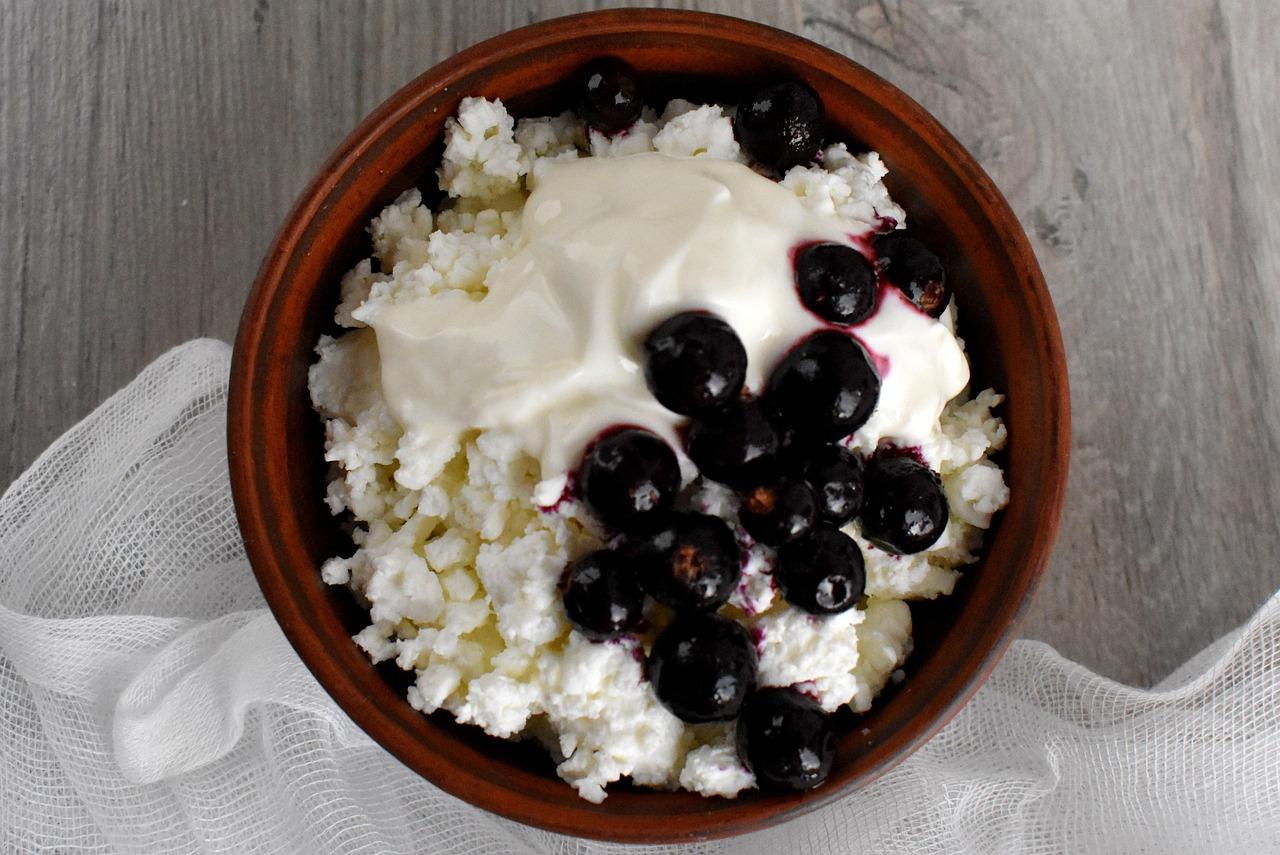
Across Russia, a bowl of soft tvorog with a spoon of smetana and a little sugar or jam is the breakfast grandmothers swear by and the supper students live on. The fresh, slightly sour curd and the cool cream make something like a rustic cheesecake you eat with a spoon, high in protein and ready in five minutes; add berries in summer. Tvorog, like quark and cottage cheese, is set with culture rather than rennet, so it suits vegetarians. The mistake is buying the driest block and serving it as it is, which feels chalky; break it up and loosen it with the smetana first. Chef's tip: mash the tvorog with the sugar and let it stand two minutes so the sugar dissolves before you add the cream.

by KrazyBadal 0 views

Salat iz ogurtsov i pomidorov (Russian cucumber and tomato salad)

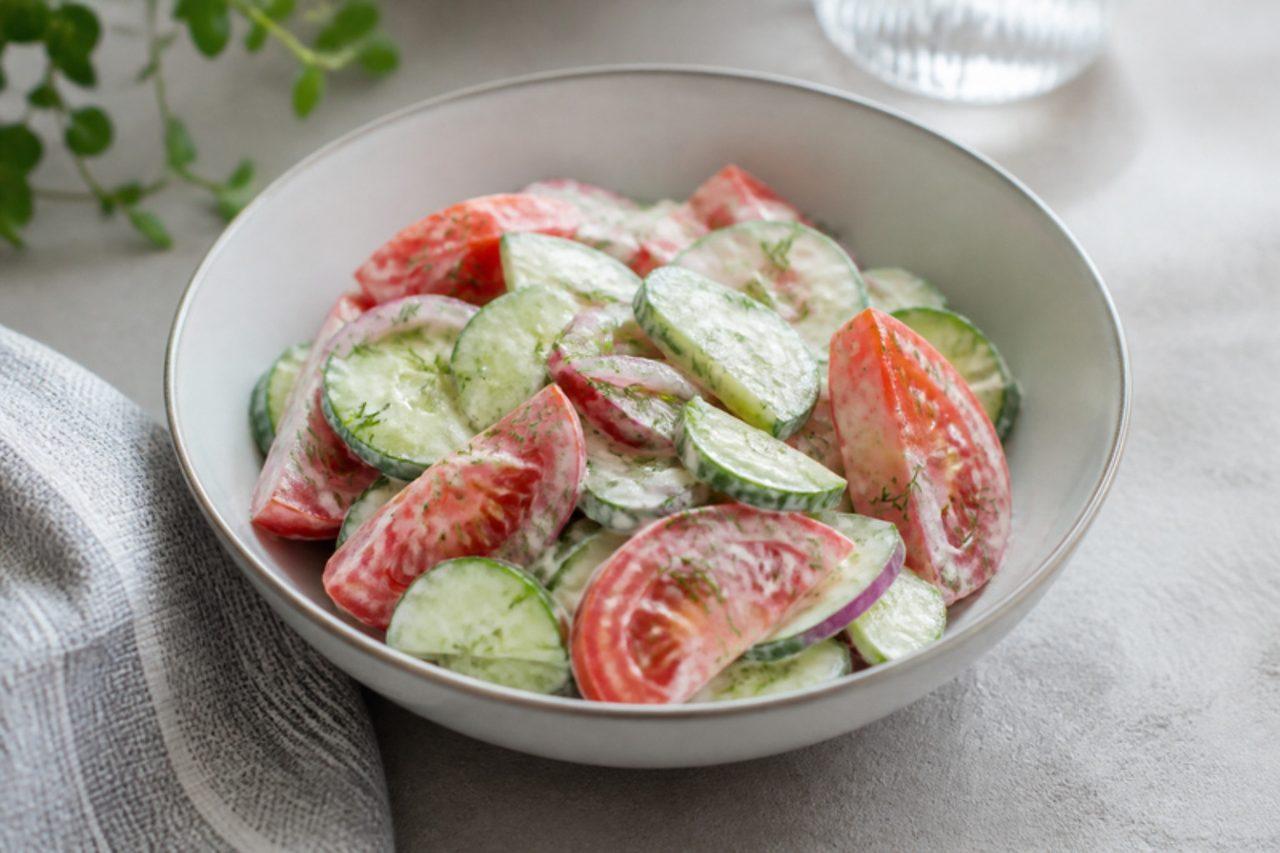
From Moscow dachas to Siberian kitchens, this is the salad that sits on almost every summer table: cucumber, ripe tomato and onion chopped together with dill, dressed either with smetana for a creamy version or with unrefined sunflower oil, whose nutty taste is the flavour of the Russian countryside. It is eaten beside boiled potatoes, kasha or grilled food, and it is made minutes before the meal. The usual mistake is salting it early: the tomatoes and cucumbers release their juice and the salad turns into a watery soup. Chef's tip: if you can find it, use unrefined, cold-pressed sunflower oil; it tastes of toasted seeds and makes the plainest salad sing.

by KrazyBadal 0 views

Tarta de coco y dulce de lecheCoconut and dulce de leche tart

Ask Argentinians for their favourite tart at a family birthday and this one often wins: a crisp shortcrust spread thickly with dulce de leche, then covered with a coconut, sugar and egg topping that bakes into a golden, chewy crust. Bakeries from Córdoba to Mar del Plata sell it by the slice for the merienda with mate or a café con leche. It is very sweet, so the slices are thin, and it is a good keeper for a few days. Ordinary spreading dulce de leche is the mistake: it runs and bubbles out at the edges. Use the thicker pastry-style kind, sold in Argentina as 'repostero'. Chef's tip: chill the case with the dulce de leche spread on it for 15 minutes before adding the coconut, so the two layers stay distinct.

by KrazyBadal 0 views

Chicharrón de pescadoCrisp fried fish chunks

Up and down the Peruvian coast, from Chorrillos in Lima to the beaches of Piura, chicharrón de pescado is the crunchy plate ordered alongside ceviche at a long seafood lunch: bite-size chunks of firm white fish marinated briefly in garlic and lime, dusted in flour and fried, then served with fried cassava, salsa criolla and tartar or rocoto sauce. Using frozen peeled cassava keeps it to half an hour. The common mistake is leaving the fish in the lime too long: after about ten minutes the acid starts to 'cook' the outside and the coating slips off. Chef's tip: toss the floured pieces in a sieve to shake off every bit of loose flour; a thin coat fries crisp, a thick one turns pasty.

by KrazyBadal 0 views

Salpicón de aveCold chicken salad

Salpicón de ave is the cold supper of Argentine summers, made in Buenos Aires flats and on estancias alike when it is too hot to cook much, and a favourite way to use the chicken from a puchero or Sunday roast. Shredded chicken is mixed with diced pepper, tomato, spring onion, sweetcorn and boiled egg, bound with mayonnaise sharpened with lemon and mustard, and served chilled with crusty bread or on lettuce. The common mistake is dressing it while the chicken is still hot, which melts the mayonnaise into an oily puddle; let everything cool first. Chef's tip: dress the chicken with the lemon juice and a pinch of salt before the mayonnaise goes in, so the meat itself is seasoned, not just its coating.

by KrazyBadal 0 views

Pejerrey arrebozadoBattered fish fillets with onion salsa

Pejerrey arrebozado is a Lima classic from the cevicherías and home kitchens of the coast, eaten at lunch on a plate with white rice, a heap of sharp salsa criolla and sometimes boiled potato. The pejerrey, a small silverside, is opened into butterflied fillets, dipped in a light egg-and-flour batter and fried golden. Outside Peru, use small fillets of whiting, sole, haddock or tilapia. The batter here uses sparkling water, not beer, so it is alcohol free. The common mistake is frying in oil that isn't hot enough: the batter drinks the oil and turns greasy, so test with a drop of batter first. Chef's tip: make the salsa criolla first and let the onion sit in lime for ten minutes; it softens its bite and turns a pretty pink.

by KrazyBadal 0 views

KrendelSweet pretzel-shaped bread

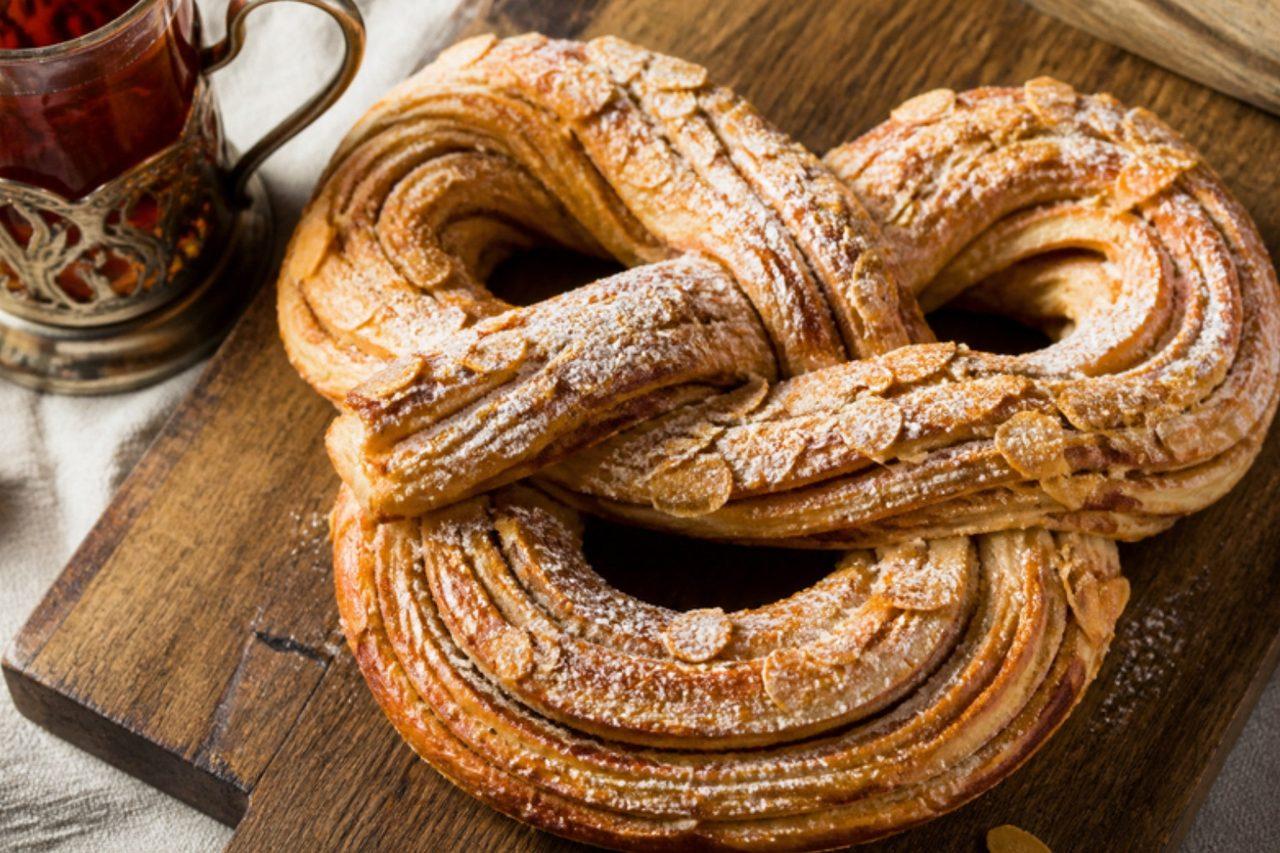
Name days and birthdays in old Russia called for a krendel: one huge pretzel-shaped sweet loaf, carried to the table whole and torn apart over tea from the samovar. The shape is said to come from Baltic and German bakers in St Petersburg, but the bread itself is very Russian, a buttery yeast dough rolled around cinnamon sugar so the crumb streaks with spice. Serve it with tea, jam or honey and a bowl of sour cream. The pretzel is made from one long filled roll, slit open down its length so the layers show; forgetting to chill the filled roll before slitting is what makes the filling smear and the shape slump. Chef's tip: shape it straight on the lined tray rather than lifting it afterwards, as a filled rope this long tears easily.

by KrazyBadal 0 views

Stolichny keksRaisin loaf cake

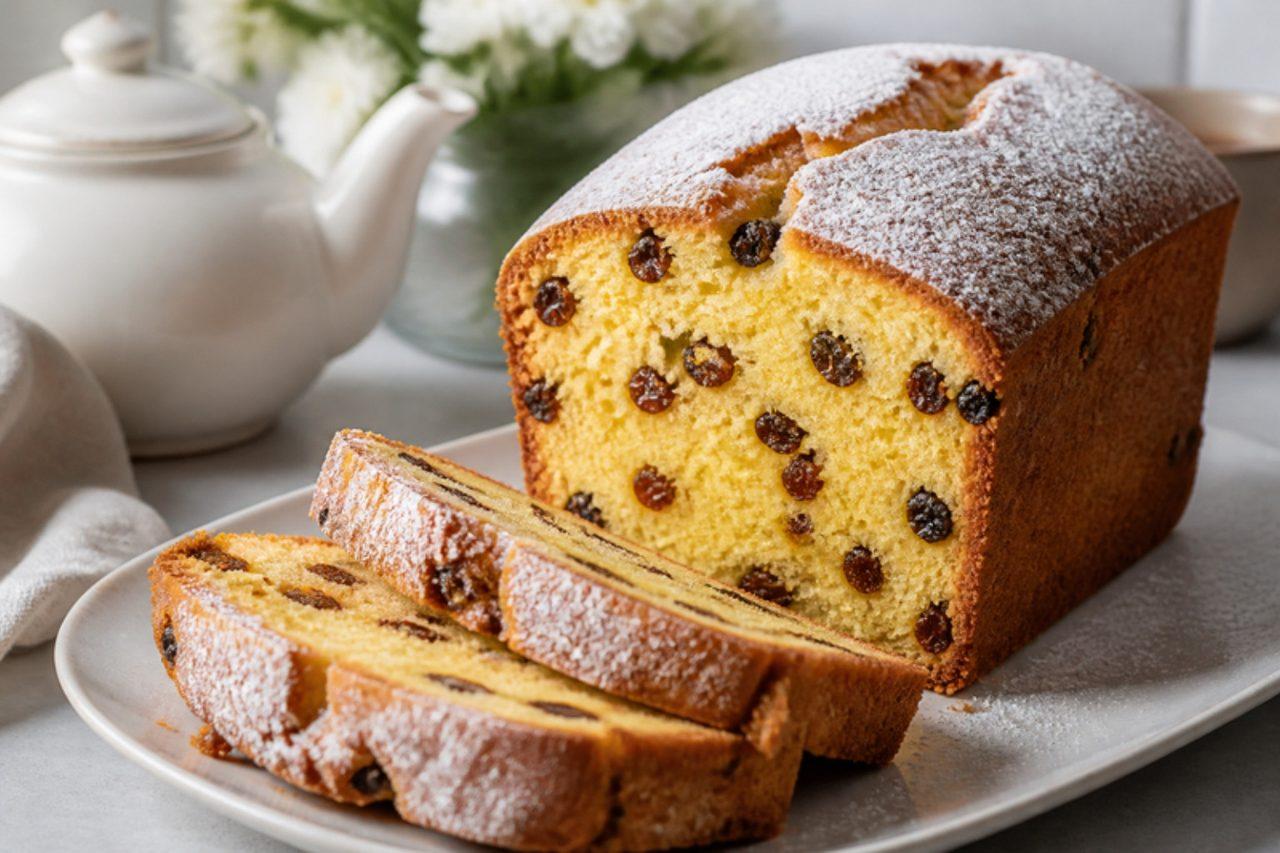
Stolichny keks, the 'capital city' cake, was made to a fixed state recipe in Soviet bakeries and sold in waxed paper in every Moscow grocery: a tall, buttery loaf with a cracked top, a fine yellow crumb and so many raisins that each slice is studded with them. People still bake it at home for New Year and for guests, and it keeps well for a week, wrapped, next to the teapot. Some cooks plump the raisins in brandy or cognac; this recipe soaks them in hot water and lemon juice instead, and a spoonful of brandy can go into the soak if you like. Under-creamed butter is the usual problem: the cake comes out heavy and greasy, so beat the butter and icing sugar until really pale. Chef's tip: dry the soaked raisins on a towel and roll them in flour; wet raisins all sink to the bottom.

by KrazyBadal 0 views

ChaplasHollow puffed Andean bread

Walk through Ayacucho's central market at seven in the morning and you will see women selling stacks of chaplas from cloth-lined baskets, still warm from the wood-fired ovens of the Andes. These round wheat breads puff up like pita in the fierce heat, leaving a hollow pocket inside a thin, soft, lightly floury crust. In Ayacucho and Huancavelica they are eaten with sweet coffee or hot emoliente for breakfast, or split and filled with queso fresco, avocado or a spoonful of rocoto sauce. Highland bakers traditionally work in a little lard; vegetable shortening gives the same tenderness and keeps the bread vegan. A cool baking tray is the reason chaplas stay flat, so preheat it thoroughly. Chef's tip: let the rolled rounds rest before baking and flip them upside down onto the tray, so the smooth, dry side meets the heat first and the pocket opens evenly.

by KrazyBadal 0 views

Pan chutaAniseed round bread

The small town of Oropesa, half an hour from Cusco, calls itself Peru's bread capital, and its wood-fired bakeries are famous for chuta: big, flat, round loaves as wide as a dinner plate, glossy on top, with a faint sweetness and the warmth of aniseed. Travellers on the road to Puno and Bolivia stop to buy them by the bagful, and families bring them home for All Saints' Day and for sharing with hot coca tea or coffee, fresh cheese and butter. The bakeries traditionally use lard; this version uses vegetable shortening and butter, so it is vegetarian. The make-or-break moment is the proof: chuta is large and flat, and if it goes in under-risen it bakes dense and splits at the rim. Chef's tip: toast the aniseed for a minute in a dry pan and crush it lightly before adding, for a rounder, sweeter perfume.

by KrazyBadal 0 views

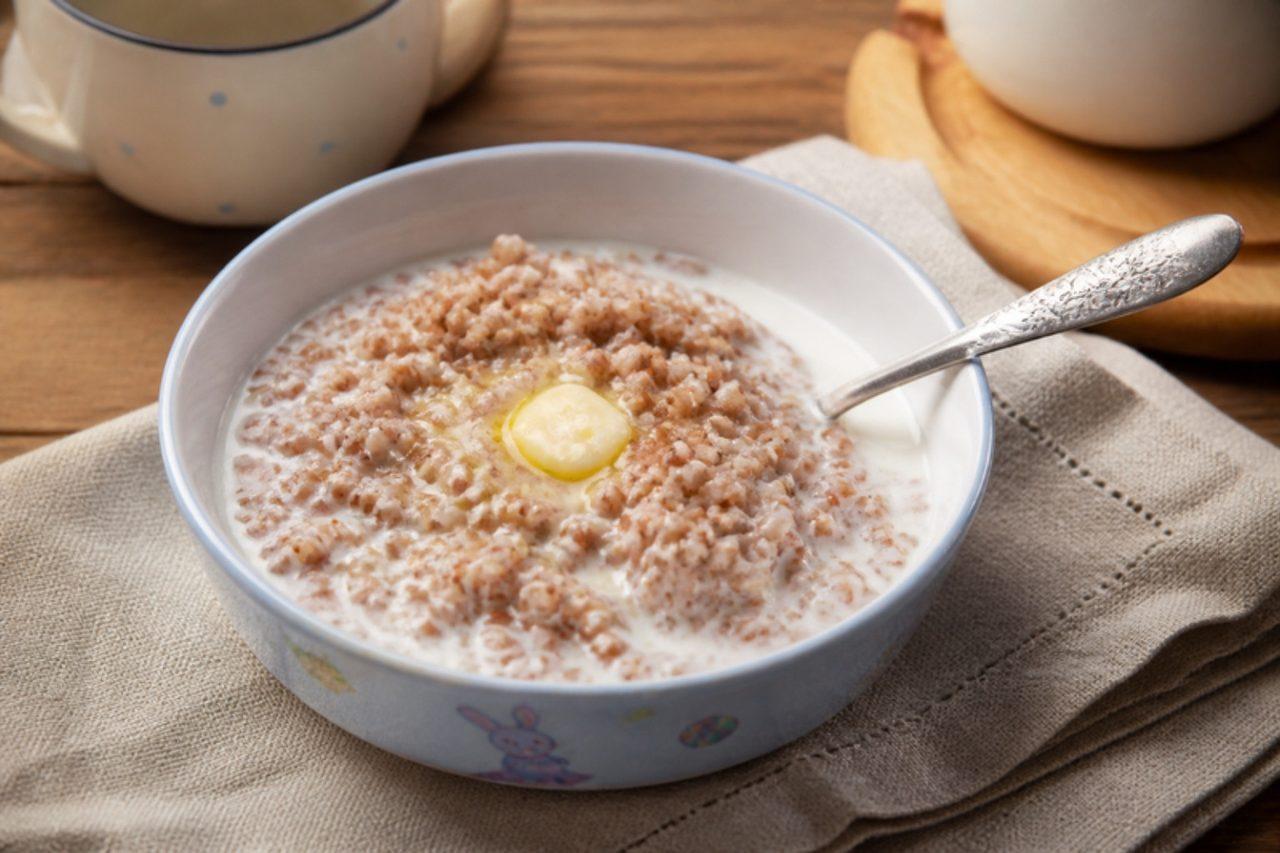
Grechka s molokom (buckwheat with milk)

Grechka s molokom, buckwheat groats cooked soft and served in a bowl of warm milk with a little butter, is the breakfast or light supper that generations of Russian children have eaten at home and in nursery school. The groats are earthy and nutty and the milk makes them gentle and sweet-tasting, without any sugar. Buckwheat is naturally gluten free (despite its name); the dish contains milk and has no egg, nuts, soya, sesame or fish. Chef's tip: use toasted buckwheat (the brown kind sold for kasha), which has the rounder, nuttier flavour.

by KrazyBadal 0 views

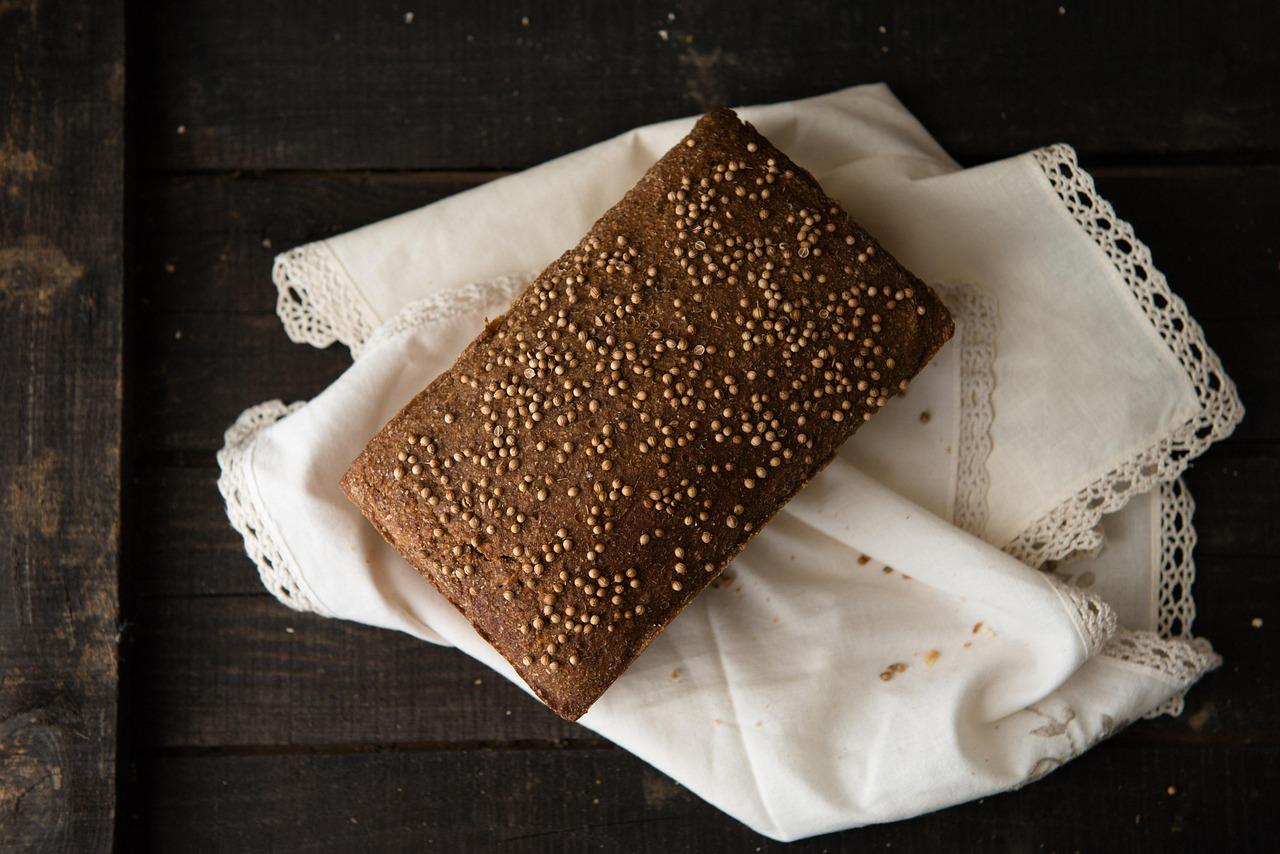
Borodinsky breadDark sourdough rye with coriander

Moscow's darkest everyday loaf is said to be named after the 1812 Battle of Borodino, though the recipe bakers follow today was fixed by the city's bread trust in 1933. Borodinsky (Бородинский хлеб) is a dense, moist sourdough rye, sweet-sour from molasses and red fermented rye malt, with whole coriander seeds crackling on the crust. Russians slice it thin for breakfast with butter and salted cucumbers, alongside borscht or herring for meat-eaters, or under a slice of cheese with strong tea. The method looks long, but most of it is the starter and the scald quietly working on their own. The usual mistake is cutting it on baking day: rye crumb needs a full day wrapped in a cloth to set, and a warm loaf is gummy right through. Chef's tip: red fermented rye malt gives the colour and the deep flavour; plain diastatic malt will not do the same job, so look for the reddish-brown 'fermented' kind in Eastern European shops.

by KrazyBadal 0 views

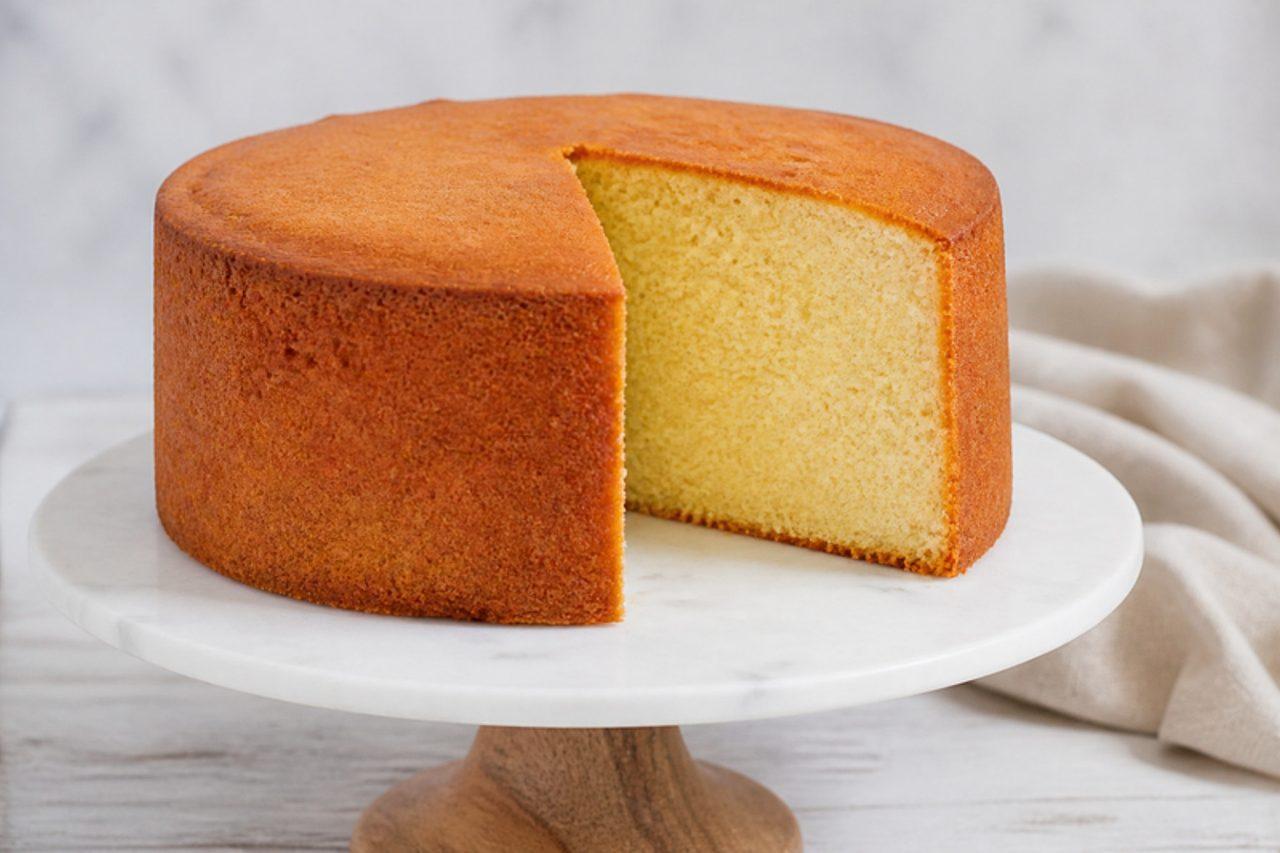
BizcochueloPlain whisked sponge cake

Nearly every Argentine birthday torta starts life as a bizcochuelo: a tall, plain sponge of eggs, sugar, flour and cornflour, with no butter and no baking powder, lifted only by long whisking. Grandmothers bake it on Sunday to split into three and fill with dulce de leche and whipped cream, or eat it plain in the afternoon with mate. The crumb is fine, dry-ish and airy, made to soak up syrup. Opening the oven in the first 20 minutes is the classic way to flatten it, so leave the door shut. Chef's tip: whisk until the mixture reaches 'punto letra', thick enough that a ribbon drawn on the surface holds its shape for a few seconds; that takes a good 8–10 minutes with an electric mixer, and warm eggs get there faster.

by KrazyBadal 0 views

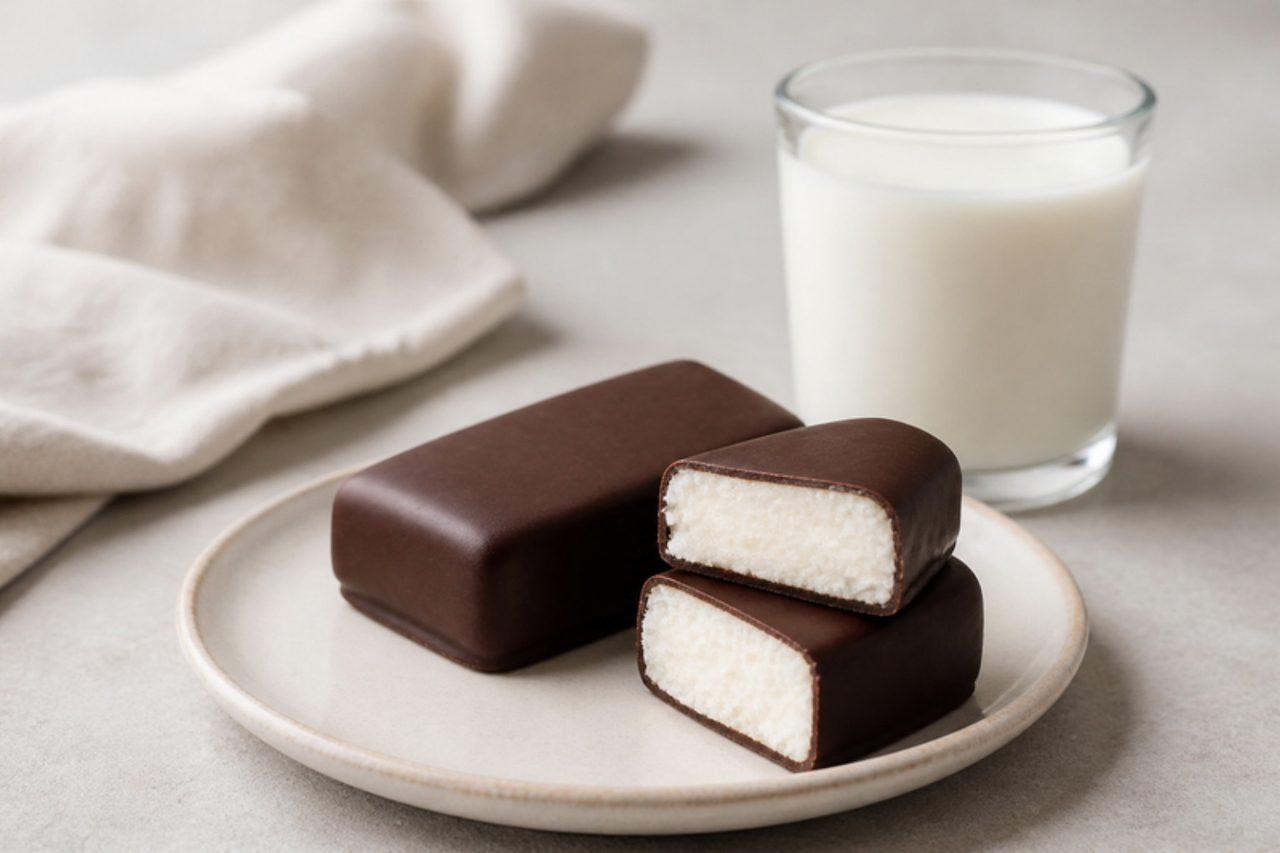
Glazirovanny syrok (chocolate-glazed curd bars)

Glazirovanny syrok, the chocolate-coated curd cheese bar, has been sold in Russian dairy aisles since Soviet times and is still what children across Russia, Ukraine and the Baltics grab after school. Made at home, it is a firm, creamy, gently sweet vanilla tvorog filling under a thin snap of dark chocolate, like a tiny cheesecake bar. This version uses less sugar than shop bars. It contains milk (and may contain soya in the chocolate). Chef's tip: press the tvorog through a sieve first; it is the only way to get the smooth, dense texture of a real syrok.

by KrazyBadal 0 views

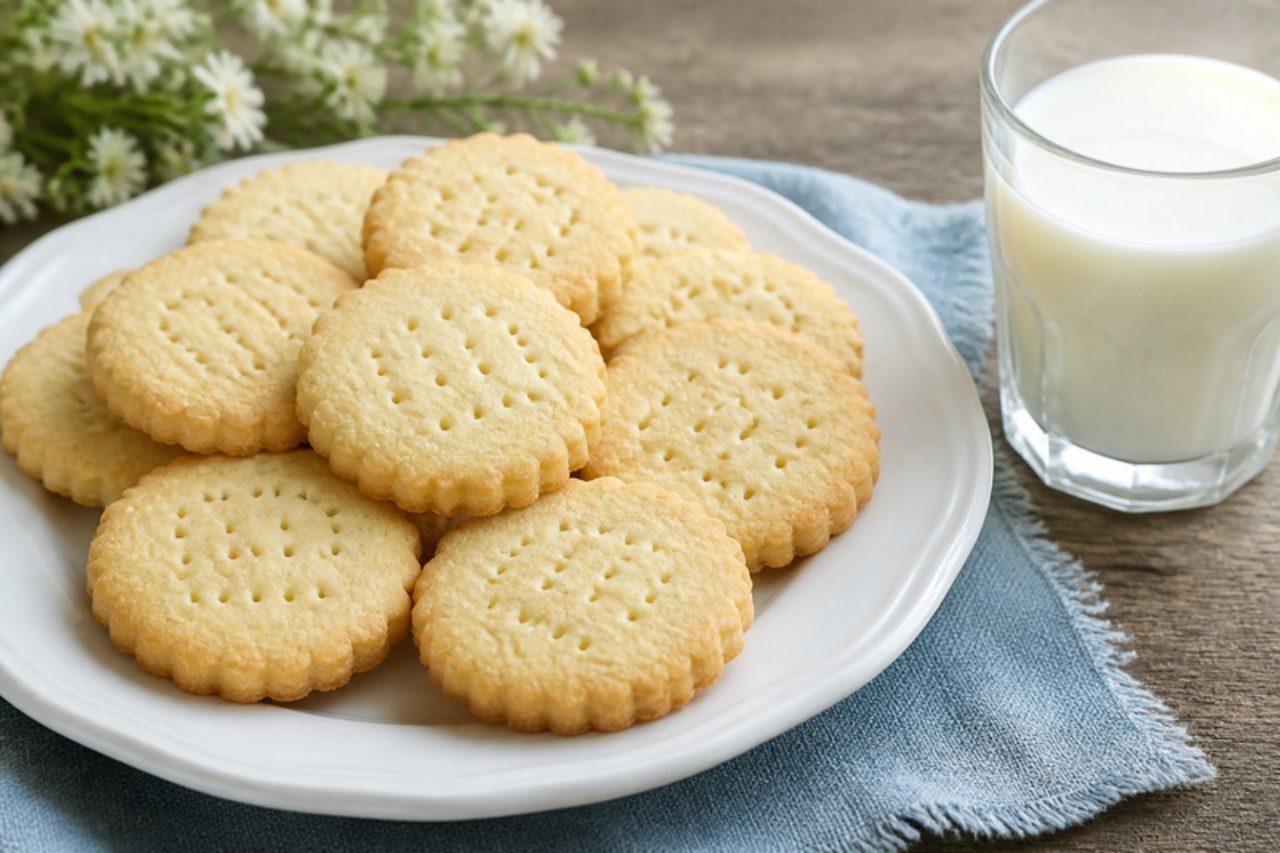
KorzhikiShortbread rounds

Every Soviet schoolchild knew korzhiki, the plump scalloped biscuits sold at the canteen counter for a few kopecks with a glass of milk. Made with sour cream and a little honey, they are firm on the outside and soft and cakey inside, pale gold, with a fork-pricked top. Russians still bake them at home for after-school snacks. The common mistake is rolling the dough too thin, which makes hard biscuits instead of soft little cakes. Chef's tip: roll to a full 8 mm and pull them from the oven while the edges are still pale; they firm up as they cool.

by KrazyBadal 0 views

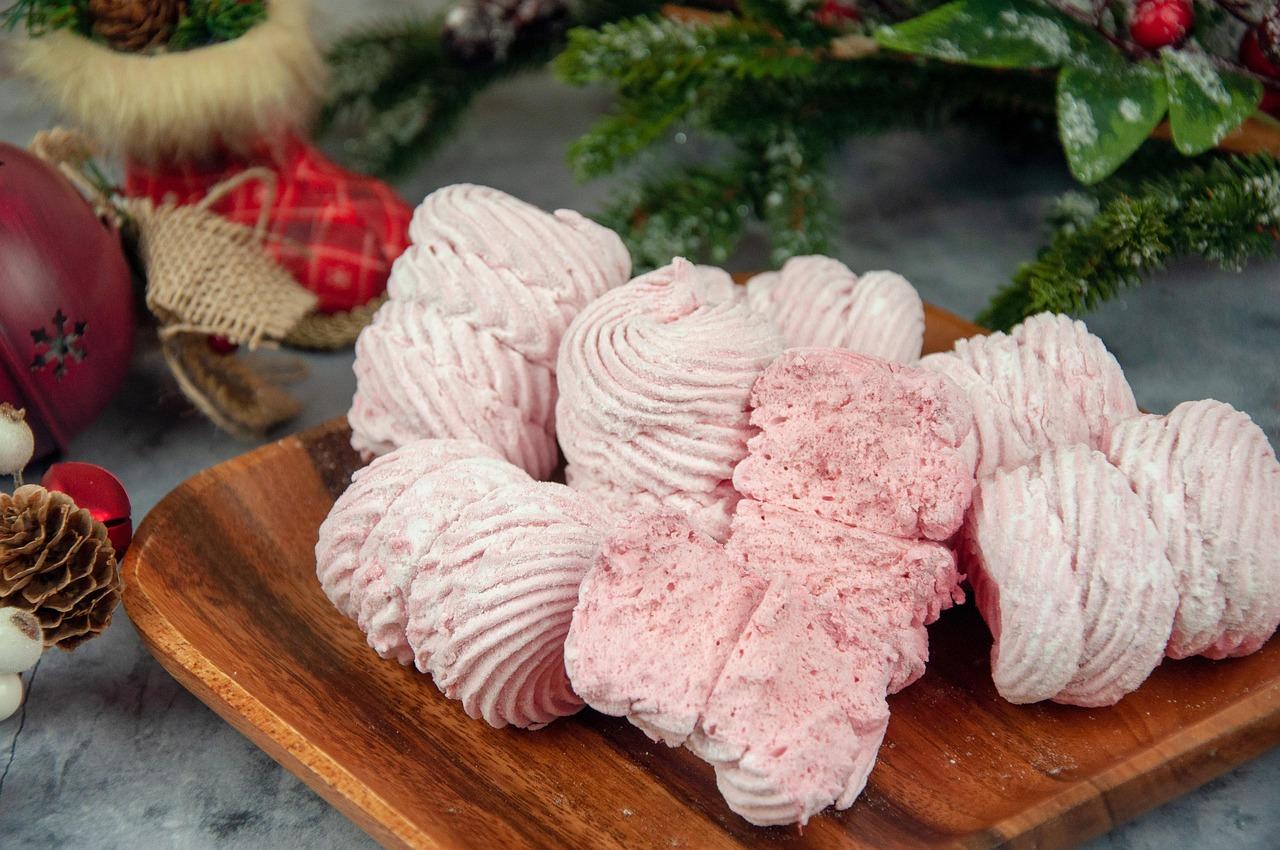
ZefirApple marshmallow

Zefir sits in a paper box on almost every Russian tea table: pale, airy halves of apple marshmallow pressed together in pairs, softer and fruitier than any marshmallow. Factories in Moscow and Belyov made them famous, but home cooks pipe their own from baked Antonovka-style sour apples, sugar, egg white and agar. Agar keeps them vegetarian, unlike gelatine. The common mistake is undercooking the agar syrup; if it doesn't reach 110 °C, the zefir never sets and weeps. Chef's tip: bake the apples rather than boil them; the purée is thicker and the zefir far lighter.

by KrazyBadal 0 views

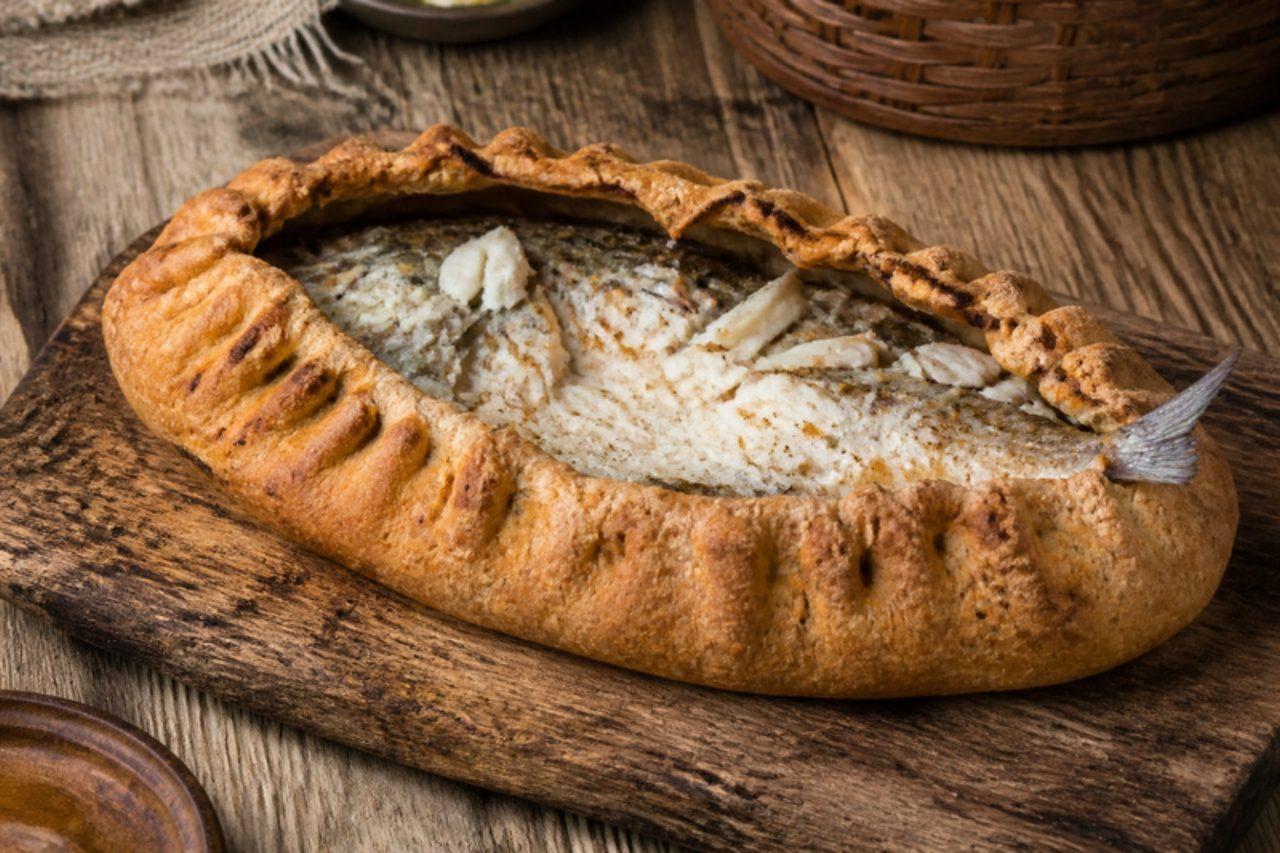
RybnikFish pie

Along the shores of Lake Onega in Karelia and through the Russian North, rybnik is the Sunday and holiday pie: a whole cleaned fish, traditionally pike-perch, bream or whitefish, sealed in rye dough with butter and onion and baked until the crust turns into its own oven. At the table the top crust is cut away like a lid, the fish is eaten from the bones with the juices, and the crust soaked in them is the best part. The common mistake is underbaking, which leaves the fish raw by the spine. Chef's tip: use a fish no thicker than 4 cm and score it on both sides so the heat reaches the middle; it is done when the flesh is opaque and flakes from the bone.

120 minRussianFish
by KrazyBadal 0 views

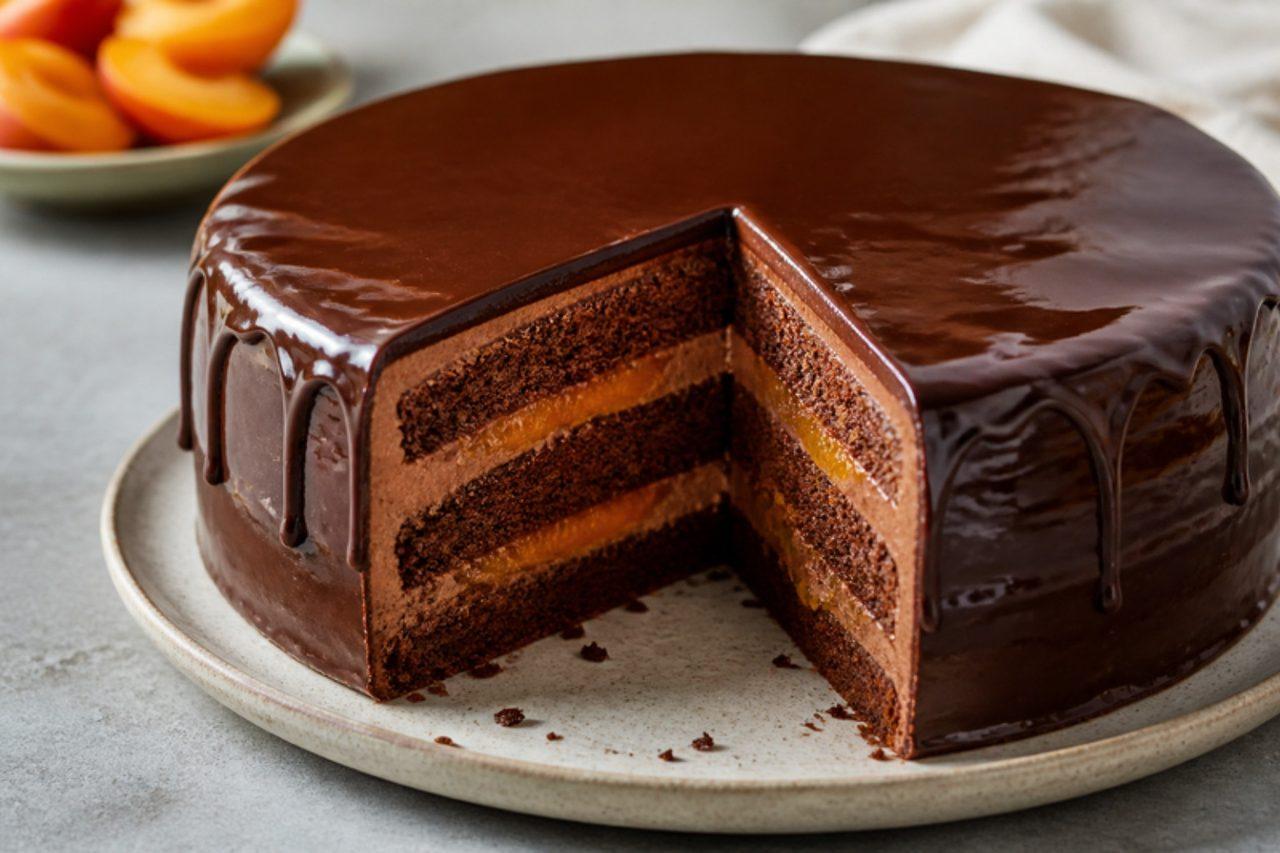
Prague cake

Despite its name, Prague cake was born in Moscow, created in the 1950s by the confectioner at the Praga restaurant on the Arbat, and it became one of the most coveted cakes of Soviet celebrations. Three layers of dark sour-cream chocolate sponge are sandwiched with silky chocolate buttercream made with condensed milk, then brushed with apricot jam and covered in a shiny chocolate glaze. It is served for anniversaries and birthdays in thin slices with black tea. The common mistake is glazing a warm cake, so the glaze slides off the sides. Chef's tip: chill the filled cake for an hour before the jam and glaze go on; the surface sets smooth and glossy.

by KrazyBadal 0 views

VarenyeFruit preserve in syrup

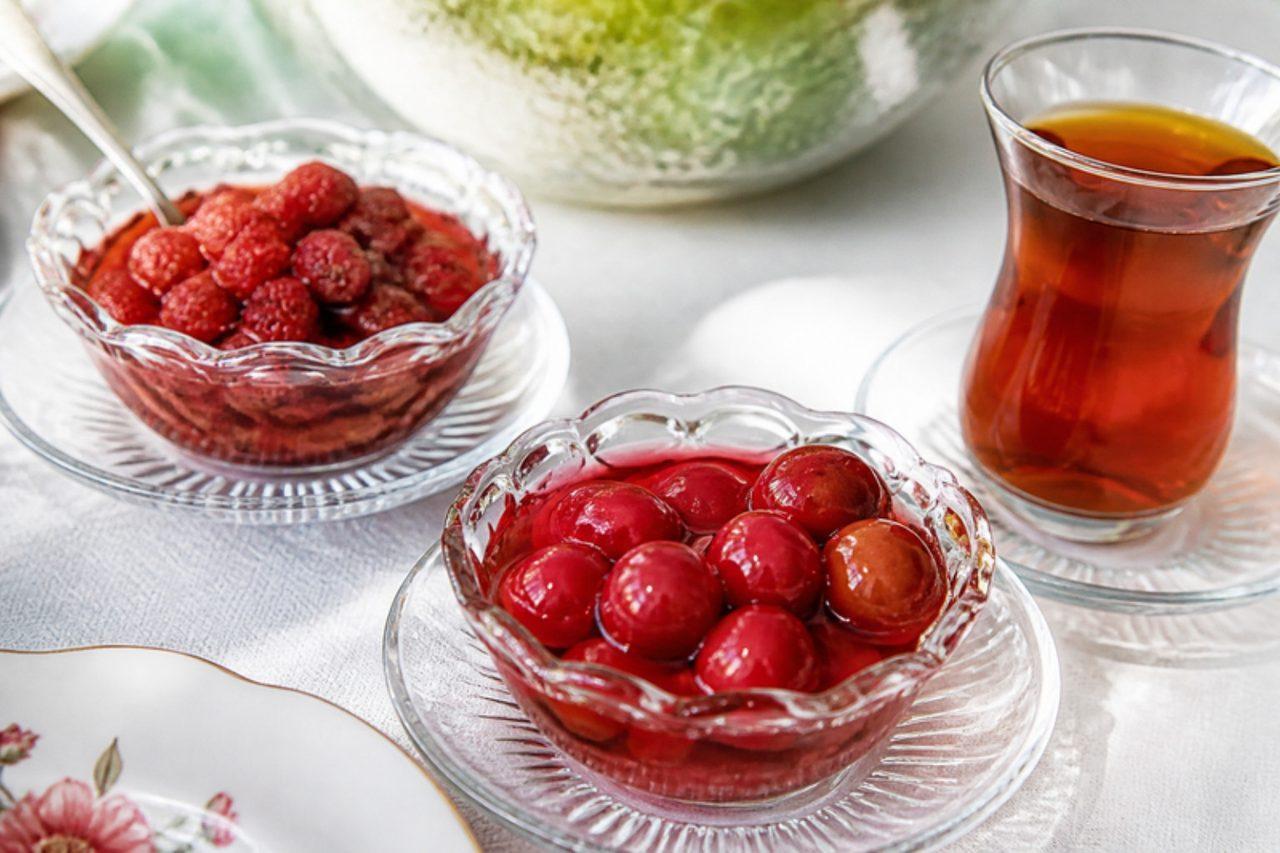
Varenye is not quite jam: whole berries or fruit are steeped and cooked in short bursts so they stay intact in a clear, glossy syrup. All summer at dachas around Moscow and Vladimir, copper basins of strawberry, cherry or gooseberry varenye bubble outside, and in winter it is spooned into tiny glass rosettes and eaten with tea, sometimes straight from the spoon between sips. The common mistake is boiling it in one long go, which turns the fruit to mush. Chef's tip: cook it in three short boils with long rests between; the fruit soaks up syrup slowly and stays whole.

by KrazyBadal 0 views

MuraveynikAnthill cake

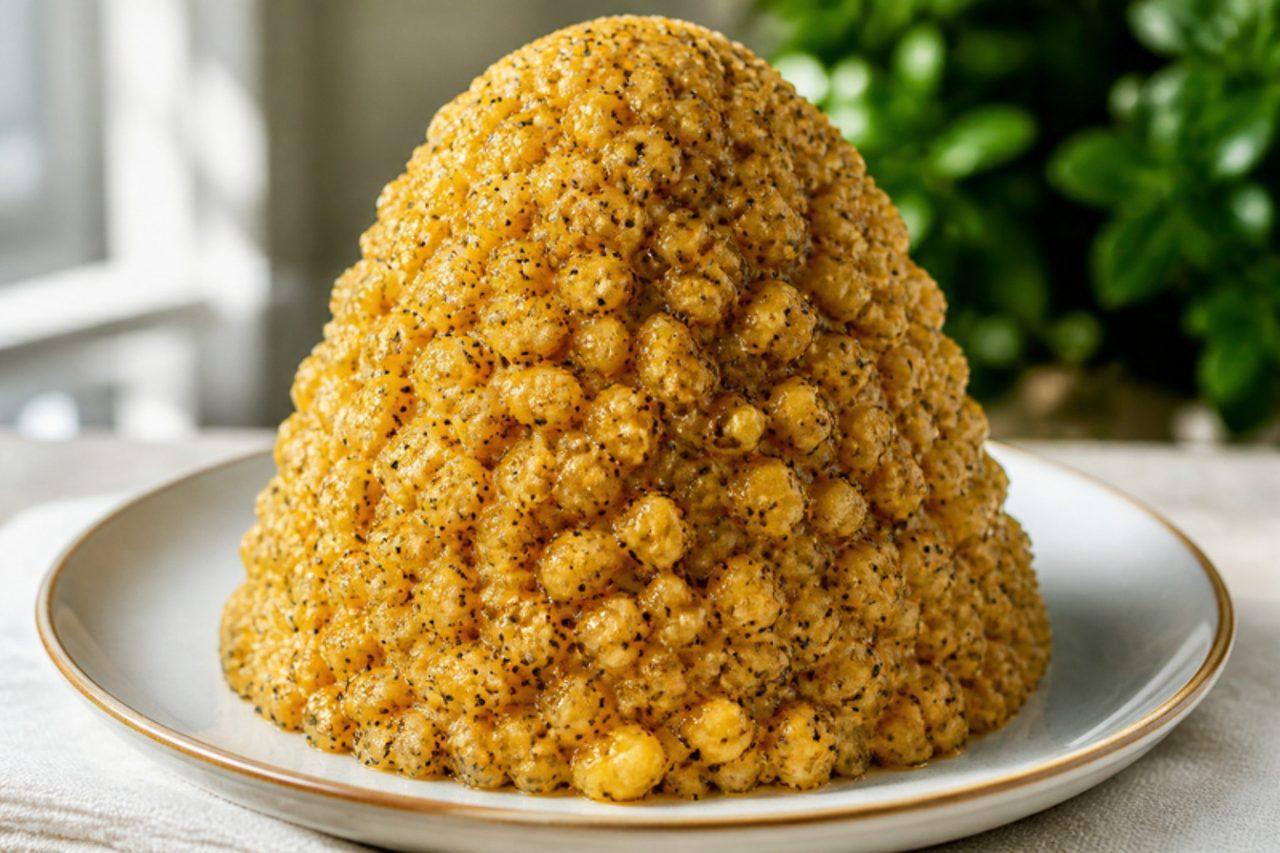
Muraveynik is the 'anthill' that Soviet home bakers built for birthdays when shop cakes were hard to come by: crisp shortbread is baked, broken into crumbs, bound with boiled condensed milk and butter, then heaped into a little mountain and sprinkled with poppy seeds for the ants. It needs no tin and no layering, sets in the fridge, and is still a favourite at children's parties from Moscow to Omsk. The common mistake is crumbling the biscuit too fine, which makes a dense block instead of a craggy, crunchy heap. Chef's tip: break the dough through the coarse holes of a mincer or grater before baking so the crumbs are uneven and crisp.

by KrazyBadal 0 views

Pirog s gribamiMushroom pie

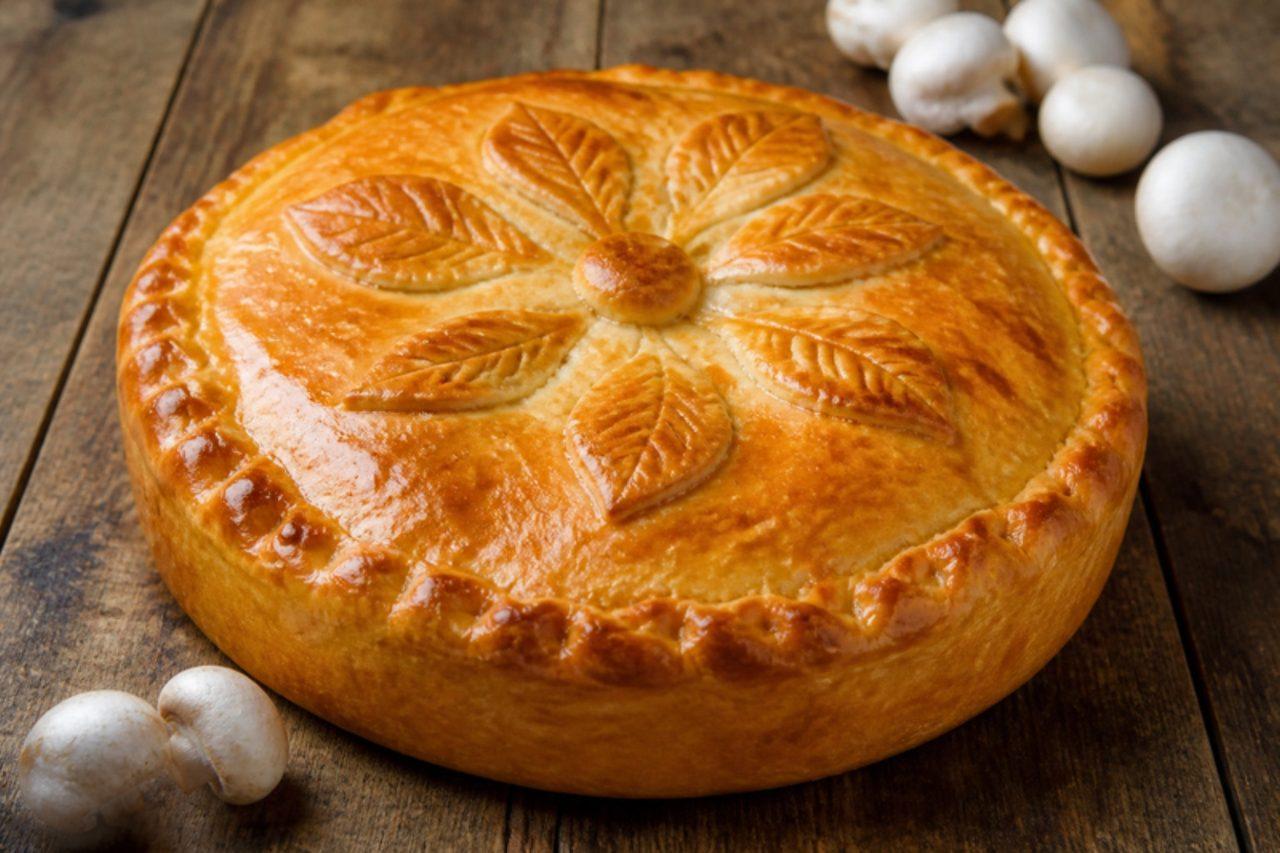
In Arkhangelsk and the villages along the Northern Dvina, where autumn means weeks of mushroom picking, a big closed yeast pie filled with mushrooms, onion and rice is baked for name days and for the table after a funeral or wake. Under a soft golden crust the filling is savoury and juicy with dill and butter. Buy wild mushrooms from a reliable source only; a mix of chestnut and dried porcini works anywhere. The common mistake is a hot, wet filling, which melts the dough and leaves a soggy base. Chef's tip: cook the filling until the pan is dry, then let it cool completely before you fill the pie.

by KrazyBadal 0 views

Showing 24 of 393 recipes

Show more recipes

Page 1 of 17