Skip to content
Recipes

All recipes

Vegetarian, or something you can't eat? Set your diet once and we'll hide recipes that don't fit.

Jugo de macaWarm maca drink

Before dawn at markets in Huancayo, Cusco and Lima, juice ladies ladle hot jugo de maca from big pots for workers on their way in: maca root, a turnip relative grown above 4,000 metres in the Junín highlands, simmered with milk, cinnamon and cloves and sweetened with honey or sugar. It tastes malty and toasty, a bit like butterscotch. The common mistake is stirring the powder straight into hot milk, which leaves gritty lumps; whisk it into a little cold milk first. Maca is not usually advised in pregnancy, so ask your doctor first if you are pregnant. Chef's tip: use gelatinised (cooked) maca powder if you can find it; it dissolves smoothly and is gentler on the stomach.

by KrazyBadal 0 views

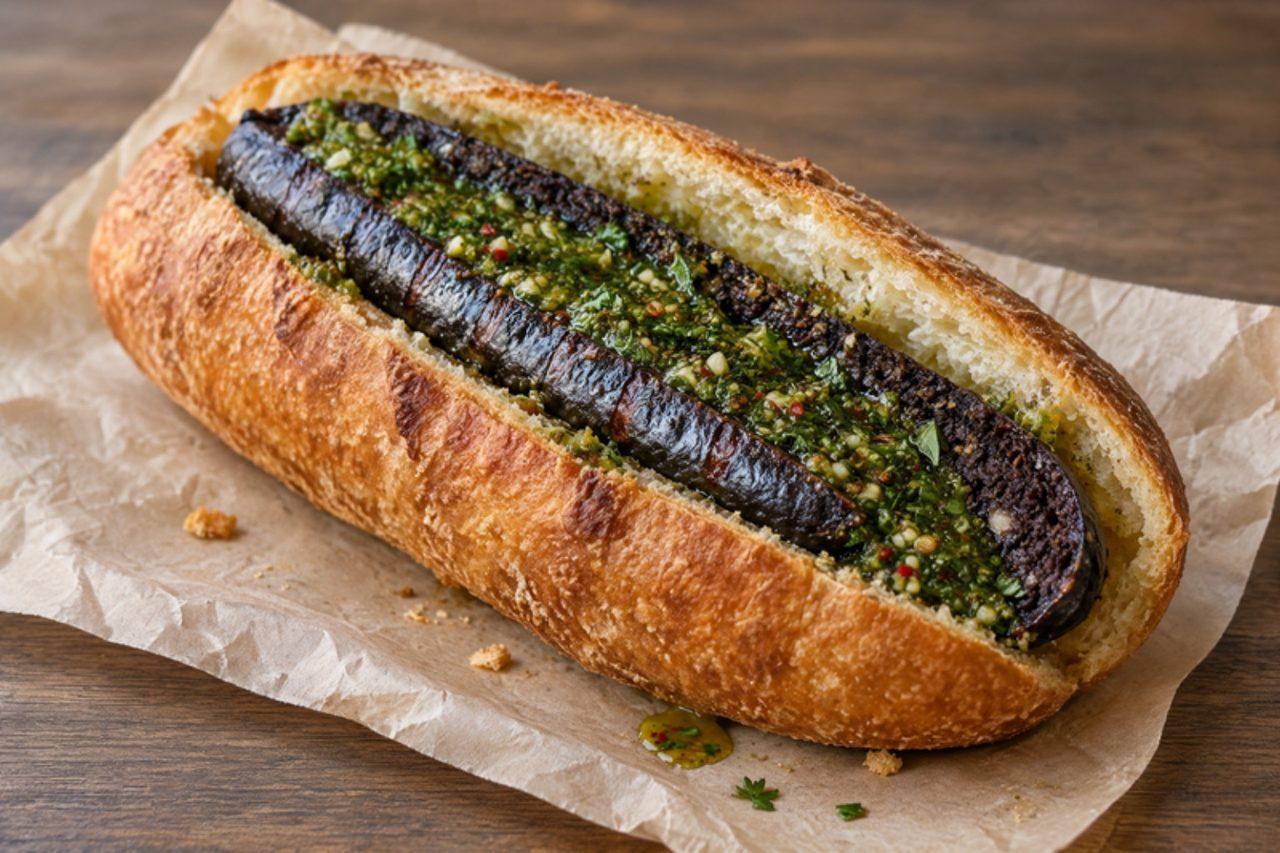
Morcipán (blood sausage roll)

At any Buenos Aires asado, and at the street grills outside football grounds like La Bombonera in La Boca, the choripán has a twin: the morcipán, a soft, rich morcilla split and laid in crusty bread. Argentine morcilla is a pork blood sausage with pork fat, onion and spices, sometimes with nuts or raisins, and it grills to a crisp skin around a soft, spoonable centre that tastes deep and slightly sweet. A sharp chimichurri cuts through it. Chef's tip: grill it over a gentle heat and turn it carefully with tongs; on a fierce grill the casing splits and the filling runs out.

by KrazyBadal 0 views

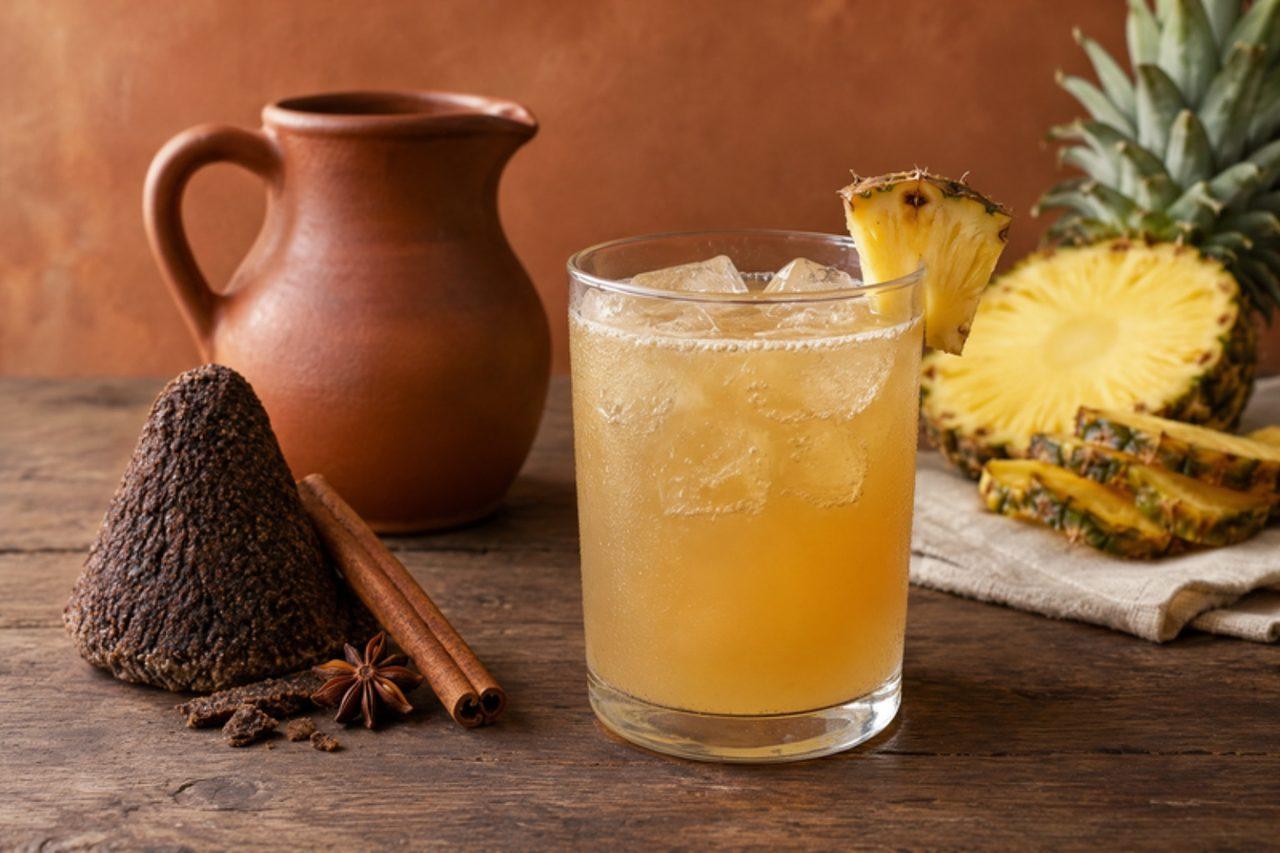
TepacheFermented pineapple drink

In Guadalajara and markets across central Mexico, tepacheros sell this drink from big clay jars, ladled over ice into bags with a straw on hot afternoons. It is the thrifty drink of the house: the peel and core left after eating a pineapple are fermented for two or three days with piloncillo, cinnamon and cloves until the liquid turns golden, faintly fizzy and pleasantly sour, like a spiced pineapple cider. Wild yeasts from the peel do the work, so it makes a trace of alcohol, well under 1% when drunk young; the longer it sits, the sourer and more alcoholic it gets. The common mistake is leaving it too long in a warm kitchen, when it turns vinegary and cloudy; in hot weather check after 36 hours. It is ready when it has a layer of fine bubbles, smells sweet-sour and fruity, and tastes tart rather than syrupy. White, flat foam can be skimmed; fuzzy, coloured mould, a slimy texture or a rotten smell mean throw it away. Keep it in the fridge 3–5 days, and if you bottle it for fizz, burp the bottles daily so pressure cannot build. Chef's tip: use an organic pineapple and do not scrub the peel, as the yeasts live on its skin.

by KrazyBadal 0 views

Escabeche de pescadoFried fish in sweet-sour onion sauce

In Lima, escabeche de pescado belongs to the criollo kitchen of the old city: it turns up on Friday lunch menus, on buffet tables, and above all in Lent and Holy Week, when families eat fish and this dish can be made the day before. Fish is fried until golden, then covered in a warm sauce of thick-cut red onion softened in oil with garlic, ají amarillo, ají panca, cumin and vinegar, and left to cool so the flavours soak in. It is served cold or at room temperature with boiled sweet potato, hard-boiled egg and purple botija olives. It tastes tangy, sweet and gently fruity-hot, with crunchy onion over tender fish. The fish here is fully cooked, but because it is a cold seafood dish, pregnant people, babies, older people and anyone with weak immunity should eat it well chilled and within 2 days. Common mistake: stewing the onions until limp; they should only lose their raw bite. It is ready when the sauce has soaked a little into the fish and smells of vinegar and toasted chilli. Chef's tip: use thick fillets of corvina or bonito; thin fillets break under the sauce.

by KrazyBadal 0 views

Locro de zapallo for toddlersPumpkin stew for toddlers

Locro de zapallo is the golden pumpkin stew of Lima's home kitchens and menú lunch spots, eaten on weekdays with white rice and, for adults, a fried egg and ají on the side. For toddlers from 12 months it is cooked without any ají, the pumpkin is simmered until it melts into a sauce, and just a little crumbled fresh cheese is stirred in, so it is sweet, creamy and easy to mash. It contains milk; there is no gluten, egg, nuts or soya. Queso fresco is often made with animal rennet, so for a vegetarian bowl choose one labelled vegetarian, or use a little paneer, and always a pasteurised cheese. Chef's tip: cut half the pumpkin small so it dissolves into the sauce and the rest larger so it keeps some shape.

by KrazyBadal 0 views

Refresco de coconaCocona cooler

In Iquitos, Pucallpa and the river towns of Loreto, heat and humidity make a cold refresco part of every lunch, and cocona is one of the favourites sold from plastic jugs at the Belén market. The fruit looks like a fuzzy orange tomato and tastes between tomato, lemon and apricot: very sour, aromatic and juicy. Blended with water and sugar it makes a tangy, golden drink with a light pulp, served with juane or tacacho con cecina. The usual mistake is skipping the fuzz: cocona skin is covered in fine hairs that make the drink scratchy, so rub them off under running water before you start. Blend only briefly, too, so the many seeds do not crack. It is ready when the refresco is opaque orange, sour first and sweet after, with no grit. Outside the Amazon, look for frozen cocona pulp in Latin American shops; naranjilla (lulo) pulp is the closest substitute. Chef's tip: a pinch of salt makes the fruit taste sweeter and fruitier without more sugar.

by KrazyBadal 0 views

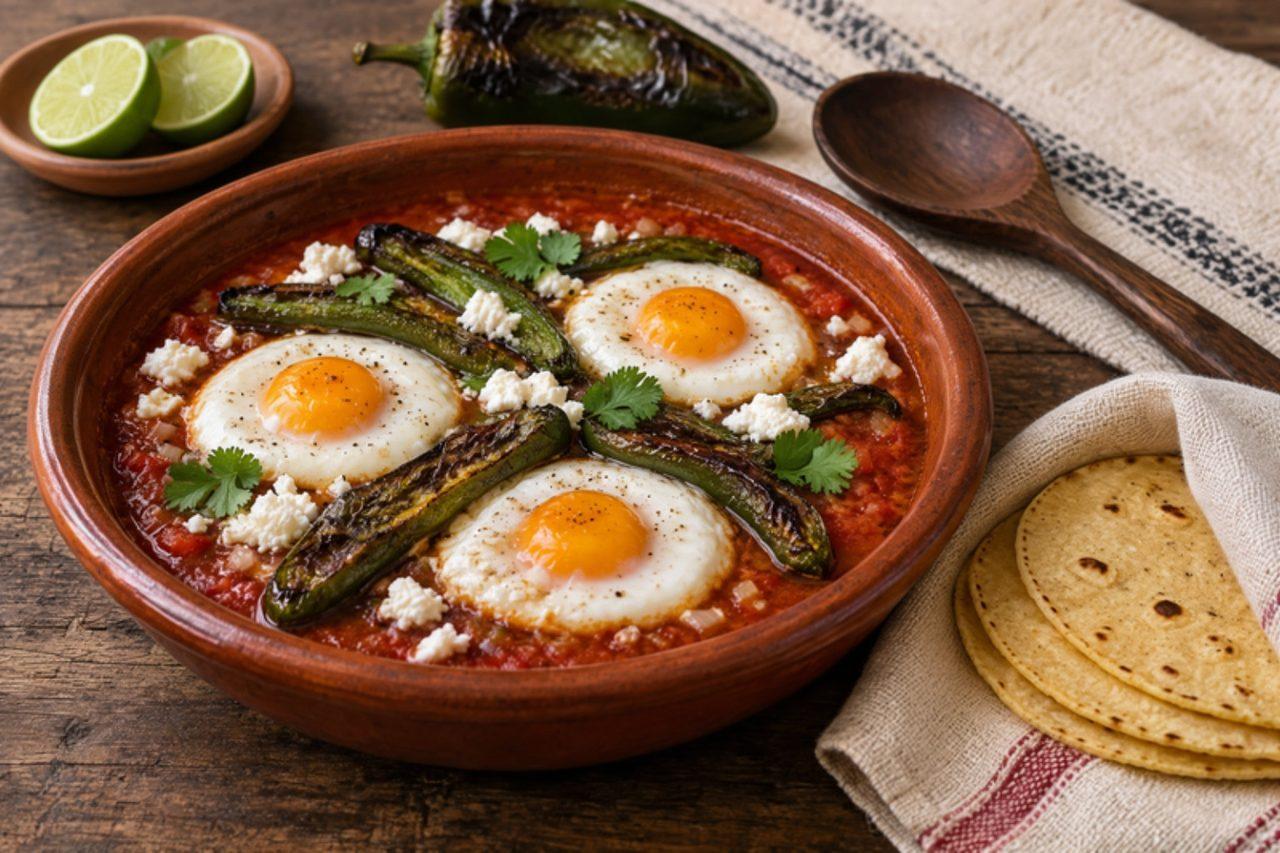
Huevos en rabo de mestizaEggs in poblano tomato broth

Families in San Luis Potosí and across central Mexico make this for a slow weekend breakfast or almuerzo: strips of charred poblano chilli simmered in a loose tomato broth, eggs poached right in the pan, and cubes of fresh cheese softening on top, with warm corn tortillas to mop it up. The name, "the mestiza's petticoat hem", is said to come from the ragged strips of chilli. The common mistake is cooking the sauce too thick: it should stay brothy, almost like a soup, or the eggs scorch before they set. Some queso fresco is made with animal rennet; for a vegetarian dish choose one made with microbial rennet, or use paneer. Cook the yolks until firm for pregnant people, young children, older or vulnerable people. Chef's tip: sweat the poblano strips in the oil before the tomato goes in, so their smoky flavour seasons the whole broth.

by KrazyBadal 0 views

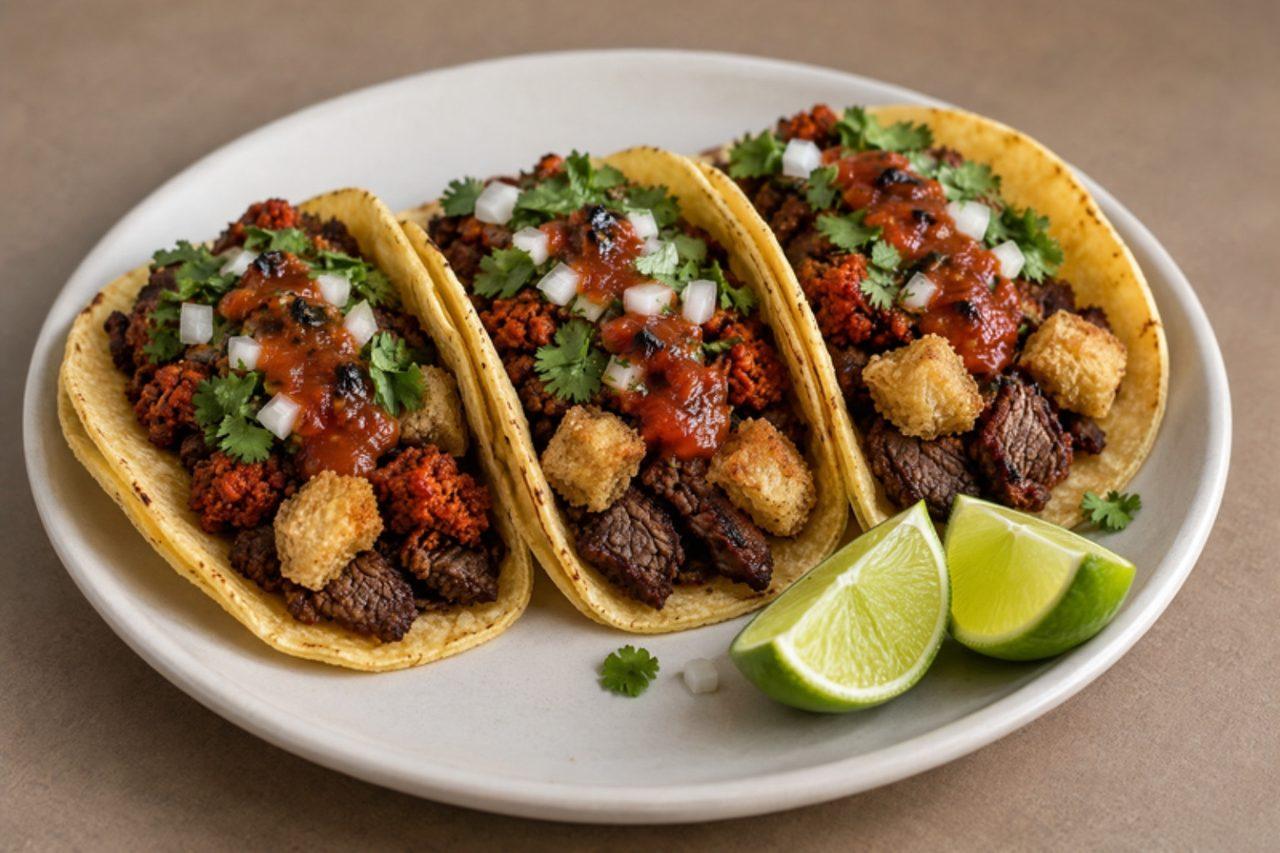
Tacos campechanosBeef, sausage and crackling tacos

Campechano means a mix, and in the late-night taquerías of Mexico City's Centro Histórico, such as the tiny counters on Calle Bolívar, you order these when you can't decide. The taquero chops griddled steak and crumbly pork longaniza together, then throws in crisp pork crackling that soaks up the juices while keeping a little crunch. Topped with onion, coriander and salsa, they are a classic after-midnight bite. The sausage is pork and must be cooked through. Chef's tip: warm the tortillas in the fat left in the pan; it gives them the same flavour as at the stand.

by KrazyBadal 0 views

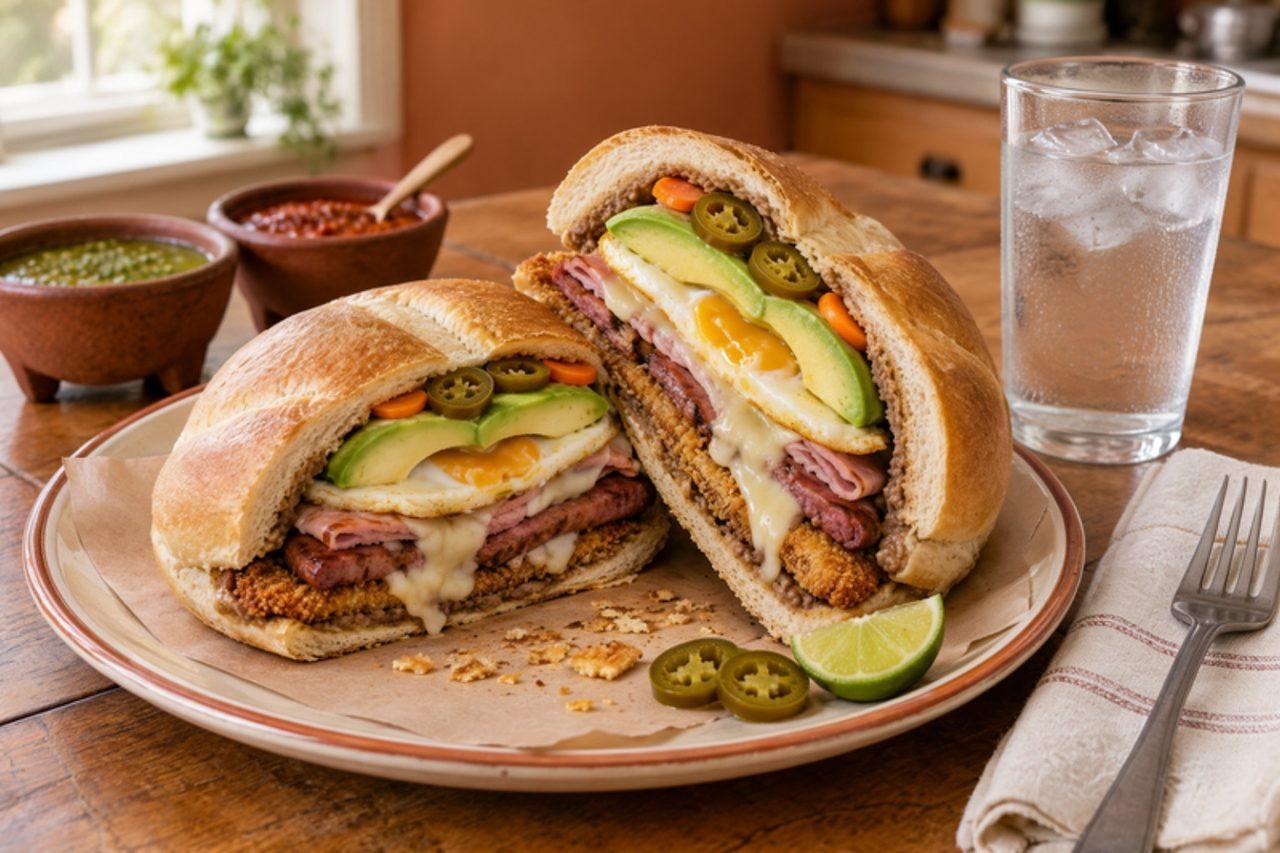
Torta cubanaLoaded Mexican meat sandwich

Despite the name, the torta cubana is pure Mexico City: a huge telera roll at a market torta stand, stacked with a thin breaded beef milanesa, pork ham, a split hot dog sausage, a fried egg, melted Oaxaca cheese, refried beans, avocado and pickled jalapeños. It is a lunch to share or a whole day's fuel for a builder. The common mistake is assembling it in a cold roll; toast the bread on the griddle in the meat juices so it holds everything together. Chef's tip: fry the egg and the sausage in the same pan right after the milanesa, so their fat seasons each layer.

by KrazyBadal 0 views

Chilcano de piscoPisco and ginger ale highball

When Lima's grey winter finally lifts and summer reaches the beaches south of the city, the chilcano takes over from the pisco sour: lighter, longer and made for an afternoon. Peru even gives it a Semana del Chilcano each January, and it is poured at weekend lunches with chifa or fried fish. This is a highball for adults only: pisco poured over a tall glass of ice with fresh lime and ginger ale, finished with a few drops of bitters. It should taste crisp and fizzy, with the ginger and lime lifting the floral grape notes of the pisco rather than hiding them. The common mistake is using too little ice and warm ginger ale, which gives a sweet, diluted drink that goes flat in minutes. Fill the glass to the top with ice and keep the ginger ale in the fridge until the last second. It is ready when the glass is frosty, the bubbles race up the sides and the bitters drift through the top as a pink haze. Light it may be, but drink responsibly. Chef's tip: try a fruit-infused pisco, made by steeping passion fruit or mandarin peel in the bottle for a few days; Limeños love a chilcano de maracuyá.

by KrazyBadal 0 views

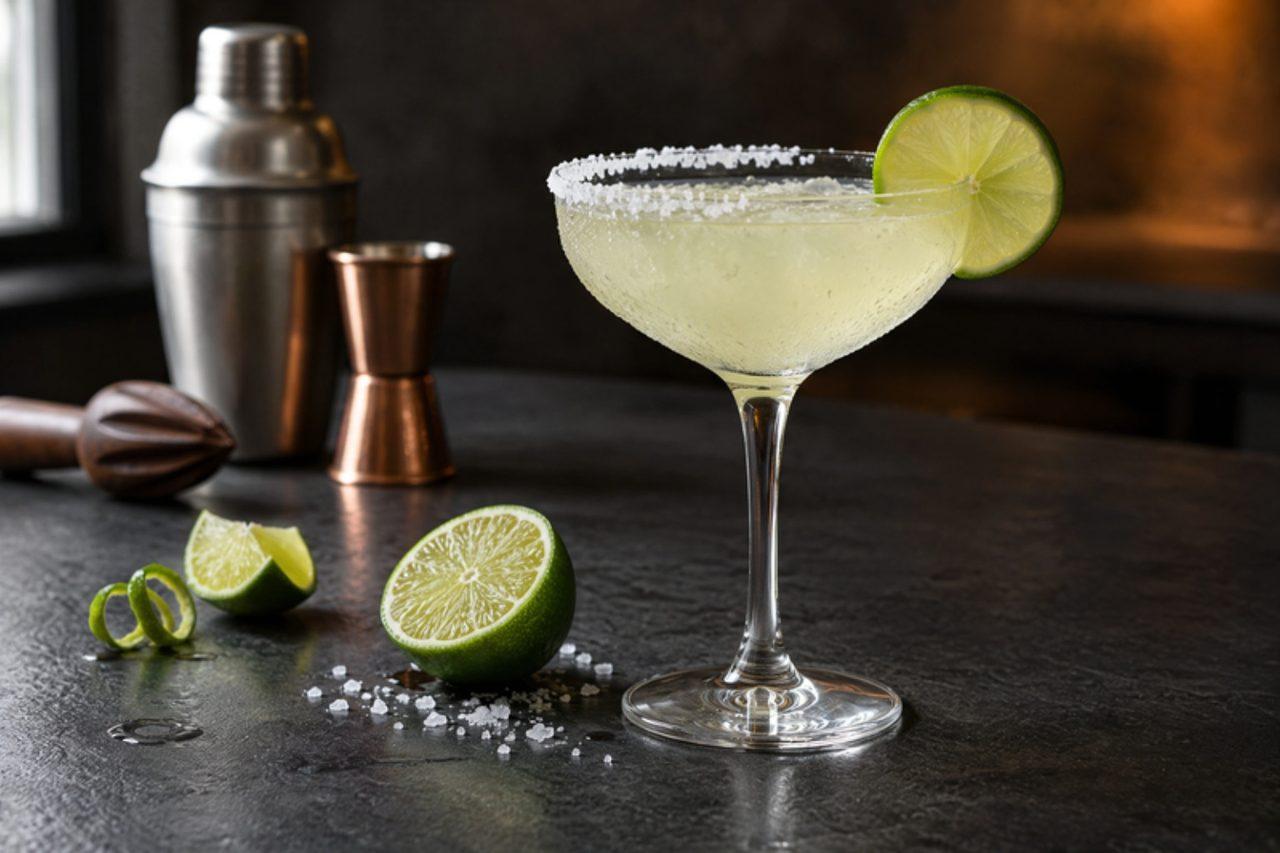
Margarita

Several towns along Mexico's northern border, from Tijuana and Ensenada to Ciudad Juárez, claim the margarita as their own, born in the 1930s and 40s when visitors crossed over for tequila and tacos. Today it is the Friday-evening drink of norteño restaurants and family parties, poured beside carne asada and guacamole. This version is for adults only and it is simple: good 100% agave blanco tequila, fresh lime and orange liqueur. It should be bright and tart first, then gently sweet, with the salt on the rim making the lime taste even sharper. The usual mistake is reaching for bottled lime juice or ready-made sour mix, which gives a flat, sugary drink with a chemical bite. Squeeze limes just before shaking. A second slip is salting the whole rim inside and out; salt only the outside of half the rim so each sip is your choice. It is ready when the shaker is too cold to hold comfortably and a thin layer of ice crystals floats on top. Enjoy one slowly and drink responsibly. Chef's tip: use coarse sea salt mixed with a little grated lime zest for the rim; it sticks better and smells of lime.

by KrazyBadal 0 views

Jugo surtidoMixed fruit juice

Step up to any juguería in Lima's Mercado de Surquillo or a barrio market at breakfast time and order a surtido: the juicer drops papaya, banana, pineapple and freshly squeezed orange into a tall blender, sometimes a slice of cooked beetroot for colour or a splash of milk, and pours you a big glass with the rest left in the jug for your 'yapa', the free refill. It is thick but still pourable, sweet from ripe fruit with a sharp orange edge, the kind of drink that stands in for breakfast before a long day. The common mistake is adding lots of ice and water, which makes it thin and frothy rather than velvety. Use cold fruit and freshly squeezed orange juice as the liquid. It is ready when it coats the glass and no lumps of banana are left. This version is fruit only; stalls also make it with milk if you prefer. Drink it straight away: papaya and banana go brown and bitter within half an hour. Chef's tip: use very ripe papaya with orange flesh; under-ripe papaya tastes of nothing and gives a faintly bitter aftertaste.

by KrazyBadal 0 views

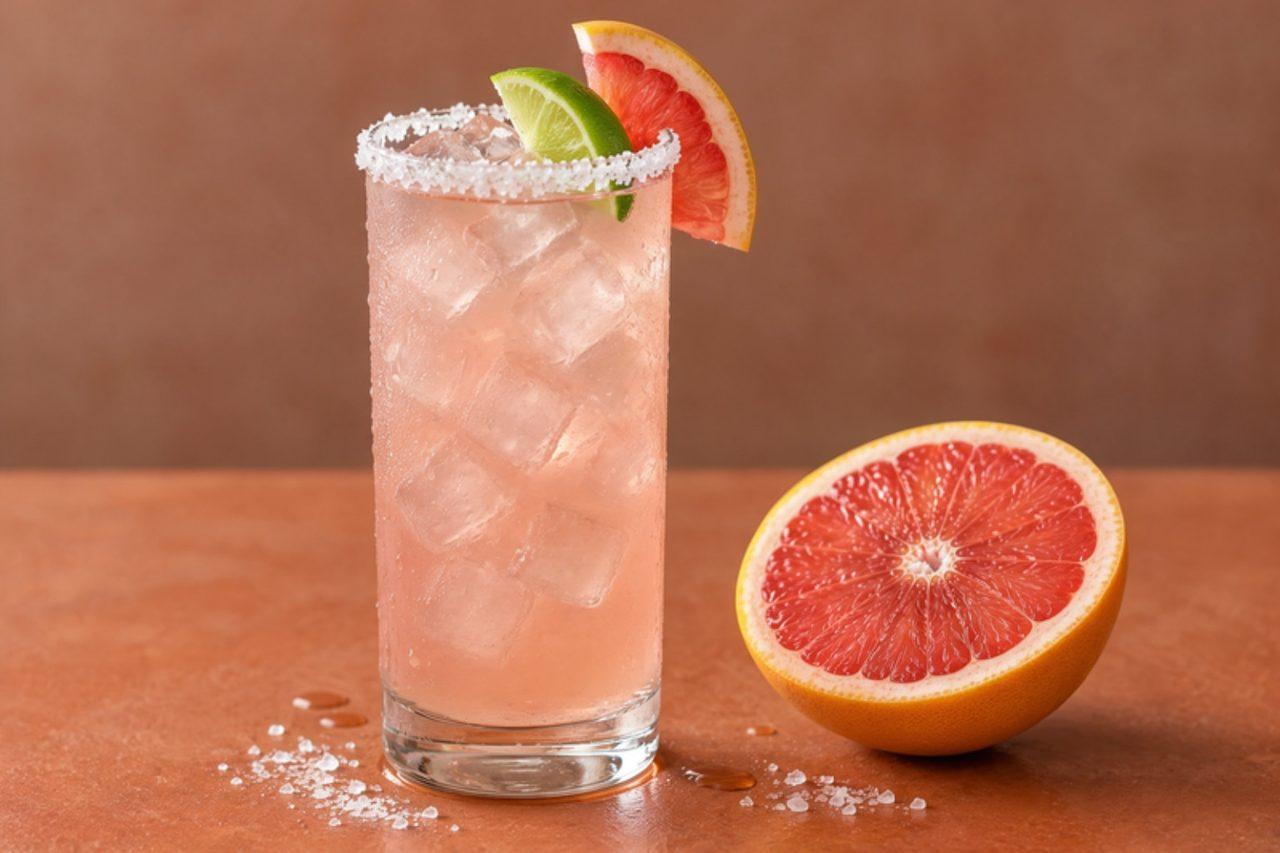
Paloma

Ask for a drink in a Guadalajara cantina or a family patio in the town of Tequila and you are more likely to get a paloma than a margarita. It is the easy Sunday drink of Jalisco, poured alongside birria, tortas ahogadas and plates of peanuts with chilli, and like every cocktail here it is for adults only. A paloma is tall, cold and fizzy: bitter-sweet grapefruit, a sharp hit of lime, the earthy agave of the tequila and a pinch of salt that makes the citrus pop. The common mistake is pouring the soda in hard and stirring like mad, which knocks out the bubbles and leaves a flat, sweet drink. Build it over plenty of ice, pour the soda down the side of the glass and lift once with a spoon. It is ready when the glass is beaded with cold, the salt rim is still crisp and the drink is still fizzing loudly. Keep a glass of water alongside and drink responsibly. If you cannot find Mexican grapefruit soda, use fresh pink grapefruit juice topped up with soda water and a little sugar syrup. Chef's tip: add a tiny pinch of salt to the drink itself, not just the rim; it softens the bitterness of the grapefruit.

by KrazyBadal 0 views

Mate de muñaAndean mint tea

Muña is the minty shrub that grows wild on the slopes around Cusco, Puno and the Sacred Valley, and highland cooks reach for it after a heavy meal of chicharrón or when visitors are struggling with the altitude. Market herb sellers sell it in fresh bunches, and hotels and homes leave it in a flask for anyone coming in from the cold evenings. Steeped simply in hot water, it smells somewhere between spearmint, oregano and pennyroyal, with a cooling, slightly peppery taste and a pale green-gold colour. It is traditionally drunk to settle the stomach. The usual mistake is boiling the leaves hard for a long time, which turns the tea brown and bitter. Pour water just off the boil over the sprigs, cover, and let it steep. It is ready when the cup is pale gold and the aroma rises as soon as you lift the lid. Outside Peru, look for dried muña in Latin shops; failing that, use mostly spearmint with a little fresh oregano. Muña is strong: avoid large amounts in pregnancy, and check with a doctor if you take regular medication. Chef's tip: cover the cup while it steeps so the scented oils stay in the tea.

by KrazyBadal 0 views

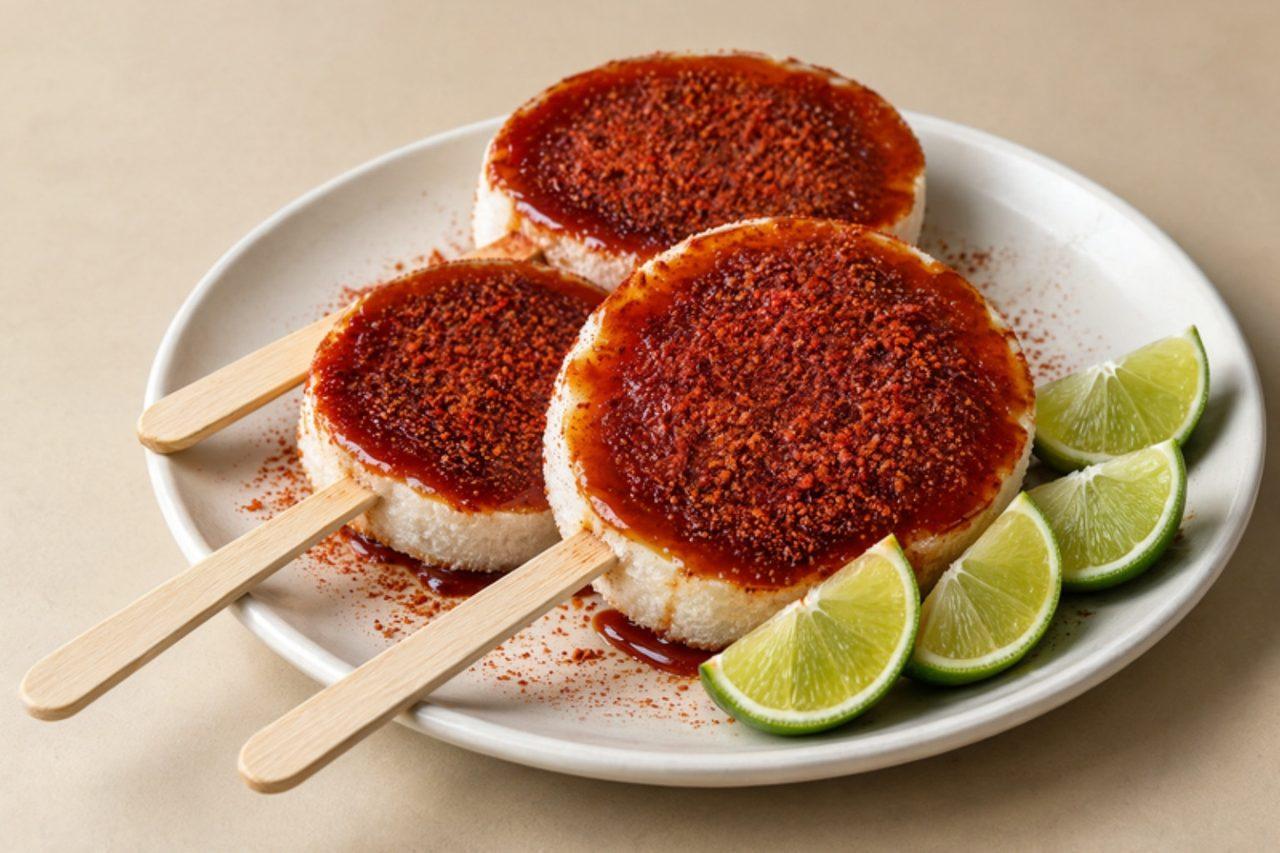
Jicaletas (jícama lollipops with chamoy)

At home time outside primary schools in Mexico City's Coyoacán and Narvarte, carts sell jicaletas, thick rounds of jícama pushed onto a stick like a giant lollipop and painted bright red with sweet-sour chamoy. They are crunchy, juicy and cold, with salty, sour and spicy layers on the outside, and make a light afternoon snack on a hot day. Chef's tip: cut the slices at least 1.5 cm thick, otherwise they snap off the stick at the first bite.

by KrazyBadal 0 views

Chileajo de verdurasVegetables in guajillo garlic sauce

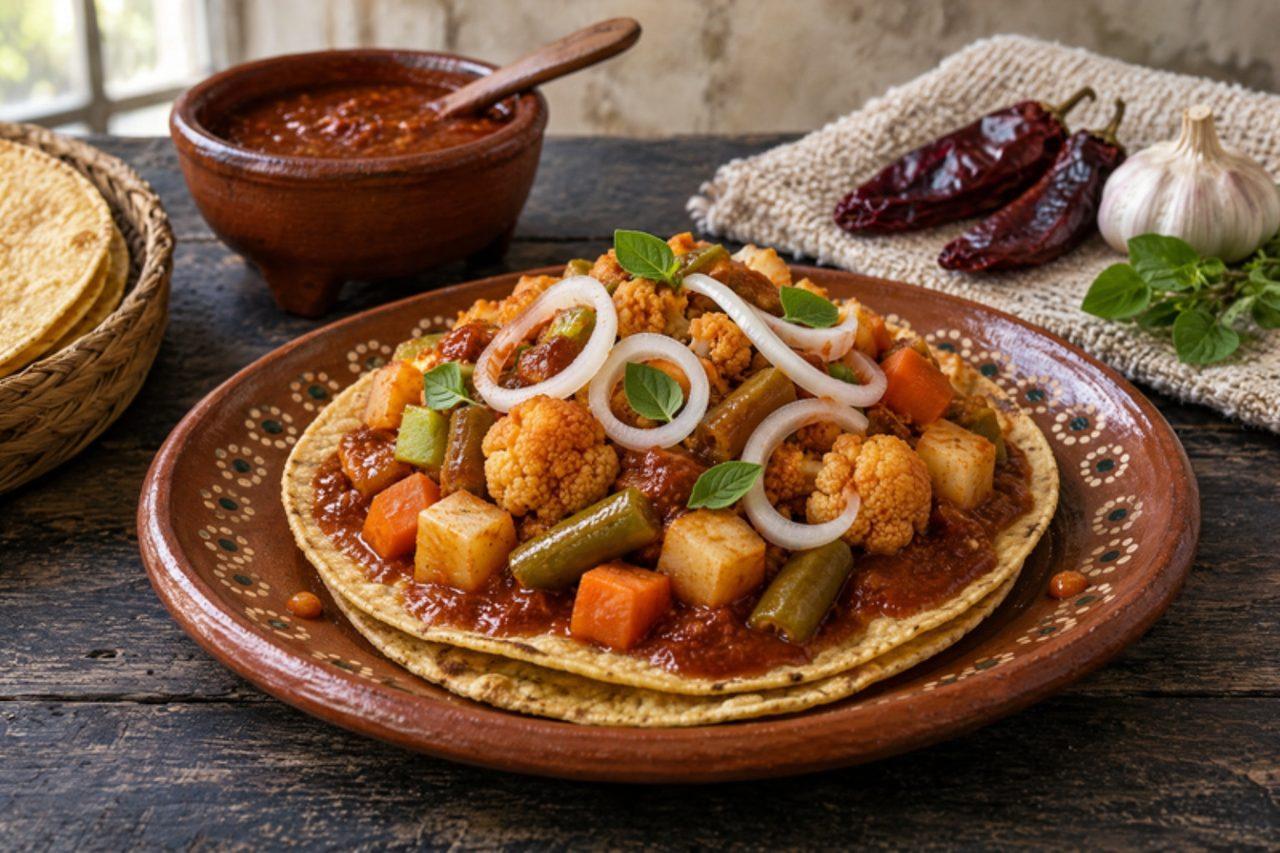
Chileajo is a cold dish of the Mixteca and the Oaxaca valley markets, sold from big clay bowls on Sundays and during Lent, and piled onto crisp tostadas at family fiestas. Potatoes, green beans, carrots, chayote, cauliflower and peas are cooked just tender and folded into a brick-red sauce of guajillo chiles, plenty of garlic, cloves and vinegar, then left to soak up its tangy, smoky heat. It keeps for days and improves as it sits. The usual mistake is overcooking the vegetables before they meet the sauce, so they turn mushy once mixed; they should still have a little bite. Chef's tip: toast the chiles only until they smell fragrant and blister, a few seconds a side; burnt chiles make the whole sauce bitter.

by KrazyBadal 0 views

Pescado en hoja santaFish wrapped in hoja santa

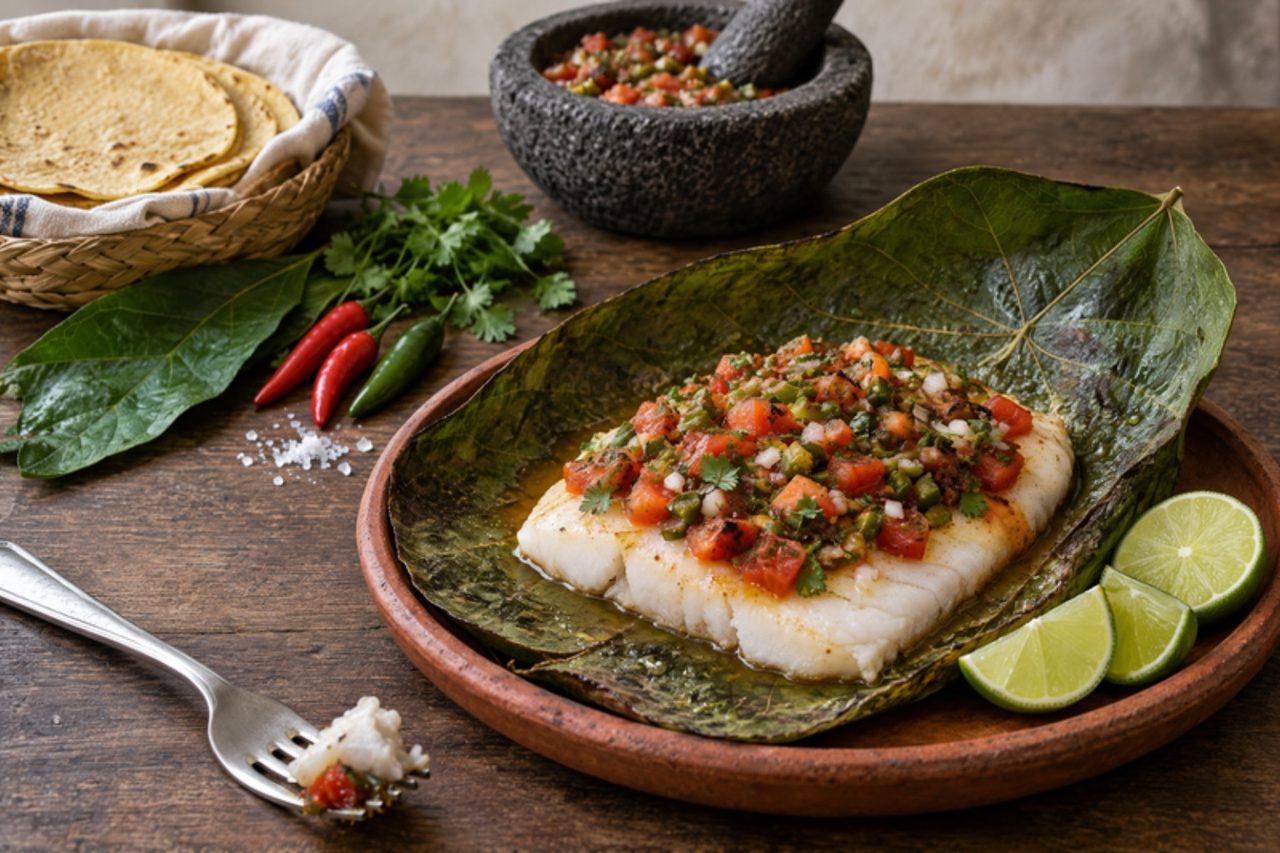
Hoja santa is a big, heart-shaped leaf with a sweet aniseed and pepper scent, and in Veracruz and Oaxaca cooks wrap fish in it for a weekday lunch or a Lenten Friday meal. Fillets are seasoned, topped with tomato, onion, jalapeño and garlic, folded into the leaves and baked or steamed so the fish takes on the perfume. Suitable as part of a balanced diet: lean, high-protein fish with vegetables and no flour. About 230 kcal and 7 g carbohydrate per portion; serve with salad or a couple of corn tortillas. The usual mistake is wrapping too loosely, so the juices run out and the fish dries. If you cannot find hoja santa, use banana leaf with a few fennel fronds or tarragon sprigs. Chef's tip: pass each leaf over a gas flame for a second; it softens and folds without tearing.

by KrazyBadal 0 views

PinoleToasted corn drink

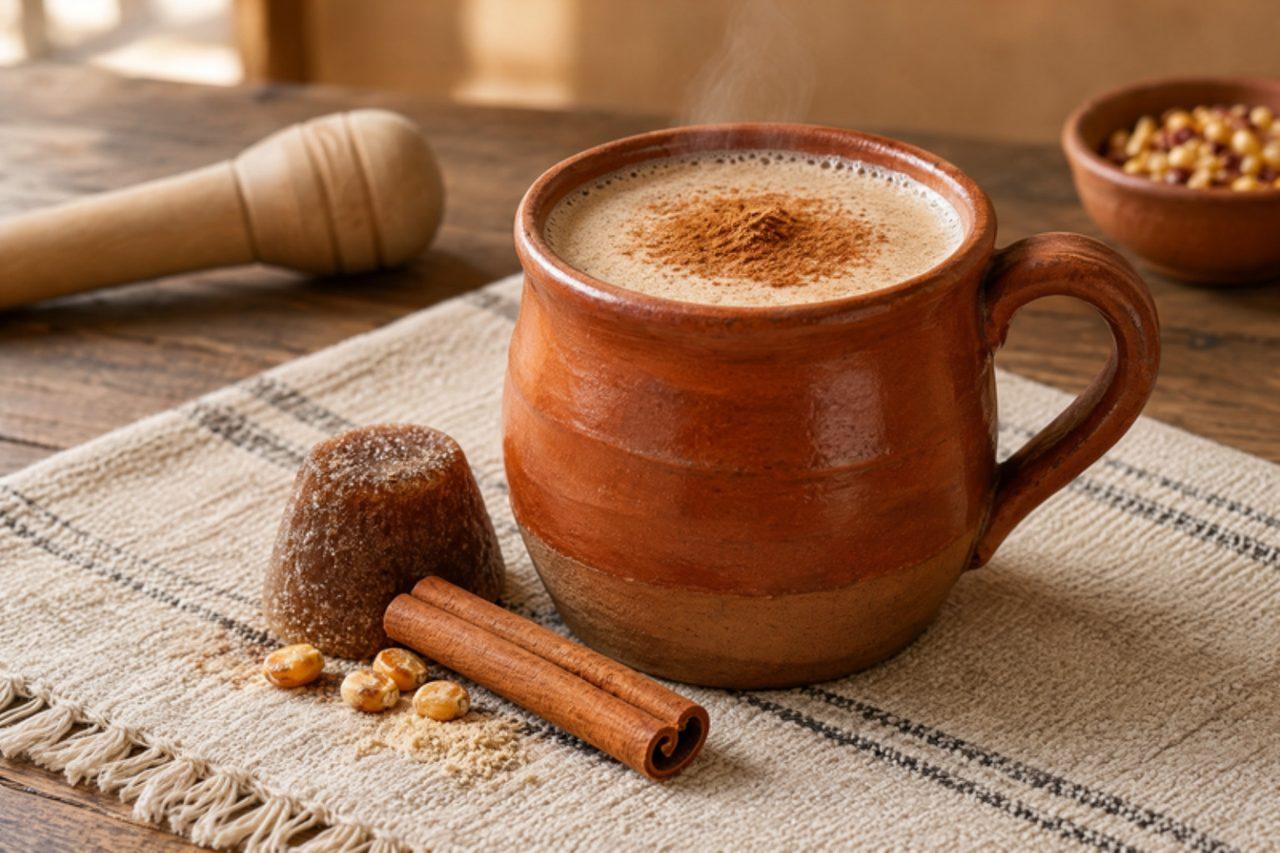
In the canyons of the Sierra Tarahumara in Chihuahua, Rarámuri runners set off at dawn carrying a pouch of pinole, corn kernels toasted on a clay comal and ground fine, to stir into cold water along the trail. Across northern Mexico it is still a breakfast drink, sweetened with piloncillo and cinnamon and stirred into water or warm milk. This version toasts coarse cornmeal at home for the same nutty, popcorn-like flavour. The common mistake is toasting over a high heat: the outside burns and turns bitter before the inside goes golden. Chef's tip: toast a big batch and keep it in a jar, so a morning cup is just two spoonfuls stirred into water.

by KrazyBadal 0 views

Torta de chile rellenoStuffed poblano sandwich

At Mexico City's torta stands and school gates, the chile relleno torta is the meat-free favourite: a whole poblano, roasted, peeled, stuffed with melting cheese, dipped in fluffy egg batter and fried, then pressed into a bolillo spread with refried beans and salsa. People buy them warm mid-morning or wrap them in foil for lunch. The common mistake is frying a wet chile: the batter slides off, so pat it dry and dust it with flour first. Oaxaca cheese and Monterey Jack are often made with animal rennet, so choose a vegetarian melting cheese, and check the refried beans are made without lard. Chef's tip: beat the egg whites to stiff peaks before folding in the yolks; that airy capeado is what makes it puff and stay crisp.

by KrazyBadal 0 views

Agua de chilacayoteFig-leaf squash drink

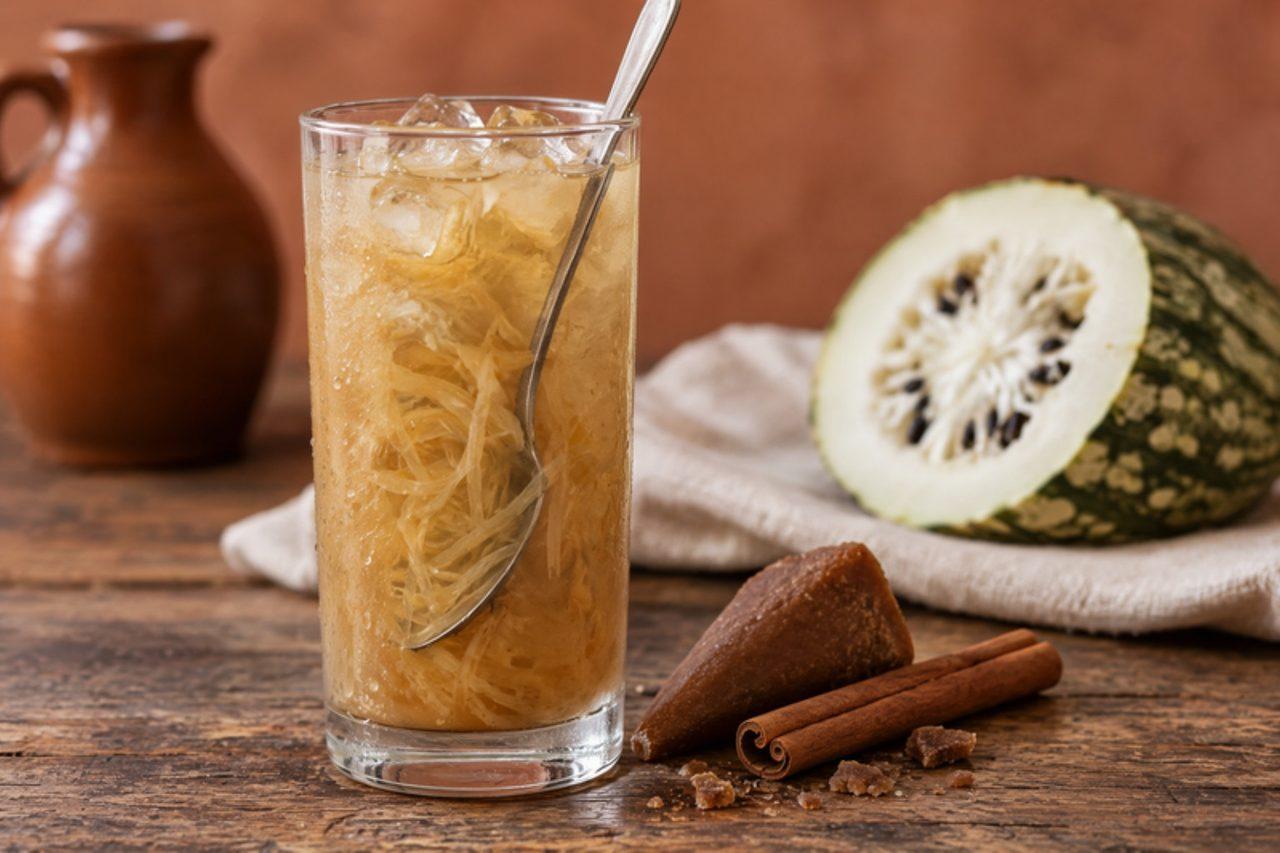
When the big, mottled chilacayote squashes ripen at the end of the rains, cooks in Oaxaca's valleys and the Mixteca of Puebla turn them into a drink you eat with a spoon. The flesh is cooked with dark piloncillo and cinnamon until it falls into translucent threads, then cooled and loosened with water; in Oaxaca it is ladled out of clay jars at fairs, weddings and the Day of the Dead, often with a little pineapple. It tastes like cinnamon-scented panela, with soft, slightly crunchy strands that slide up the straw. The usual mistake is boiling it to mush; overcooked flesh goes cloudy and the strands disappear. Simmer gently and stop when the threads separate easily with a fork but still have a little bite. It is ready when the syrup is amber and the strands look glassy. Chilacayote is hard to find outside Mexico; spaghetti squash is the best substitute and gives the same threads. Keeps 3 days in the fridge. Chef's tip: grate a little orange zest into the pot in the last minute to brighten the piloncillo.

by KrazyBadal 0 views

Pisco sour

Lima drinks its pisco sour as the aperitif before a long ceviche lunch, and celebrates it every year on the first Saturday of February; the recipe took shape in the city's bars in the 1920s. It is for adults only and stronger than its pillowy look suggests. Underneath a thick white foam you get sharp Peruvian lime, a clean sweetness and the floral, grapey warmth of quebranta pisco, with the bitters adding a spicy smell to every sip. The texture should be silky, almost creamy, never thin. The classic mistake is squeezing the limes too hard or too early: the oil from the pith turns the drink bitter within half an hour. Halve the limes, press each half gently by hand just before mixing and stop when the juice slows. The egg white is raw, so use pasteurised egg white for anyone pregnant, for babies, older people or anyone unwell, or swap in 30 ml aquafaba. It is ready when the foam stands about 1 cm high and is firm enough to hold the drops of bitters on its surface. Sip one slowly and drink responsibly. Chef's tip: shake once without ice first to whip the egg white, then again with ice; the foam will be twice as thick.

by KrazyBadal 0 views

Ají amarillo pasteYellow chilli paste

In Lima's markets ají amarillo is sold fresh all year, and most Peruvian cooks keep a tub of this paste in the fridge the way others keep tomato purée: it is the golden base of causa limeña, ají de gallina, papa a la huancaína, chupe and the sauce for tiraditos. The chillies are seeded, de-veined and blanched in three changes of water, which tames the heat and the raw grassiness, then peeled and blended with oil into a thick, silky, saffron-orange paste. It tastes fruity and sunny, almost like apricot and passion fruit, with a rounded, medium heat. Abroad, buy whole frozen ají amarillo from Latin grocers; dried ají mirasol, soaked, gives a darker, earthier paste. Common mistake: skipping the peeling; the thin skins leave papery flecks and a bitter edge. It is ready when it is completely smooth and holds a soft peak like thick hummus. This is a low-acid paste: keep it in the fridge for a week or freeze it, never on the shelf. Chef's tip: freeze it in an ice-cube tray; one cube is about a tablespoon, just right for a pot of ají de gallina.

by KrazyBadal 0 views

Agua de tuna (prickly pear drink)

Late summer is tuna season across the central highlands, from Hidalgo and the Estado de México down to Puebla's Teotihuacán valley, and that is when the big vitroleros in markets and taquerías turn shocking pink. Agua de tuna is just the cactus fruit blended with water, lime and a little sugar, strained, and poured over ice with lunch. Red tunas give a vivid colour and a taste between watermelon and pear; green ones make a paler, more herbal drink. It should be light and thirst-quenching, never syrupy. The commonest mistake is blending too long: the hard seeds crack and the agua turns gritty and slightly bitter. Pulse briefly, just enough to free the pulp, then strain well. It is ready when the liquid runs smooth through the sieve and tastes clearly of fruit with only a lift of lime. Handle unpeeled tunas with tongs or gloves: even 'cleaned' ones keep tiny glochids. Chef's tip: chill the peeled fruit before blending; cold pulp keeps its colour bright and needs less ice to dilute it.

by KrazyBadal 0 views

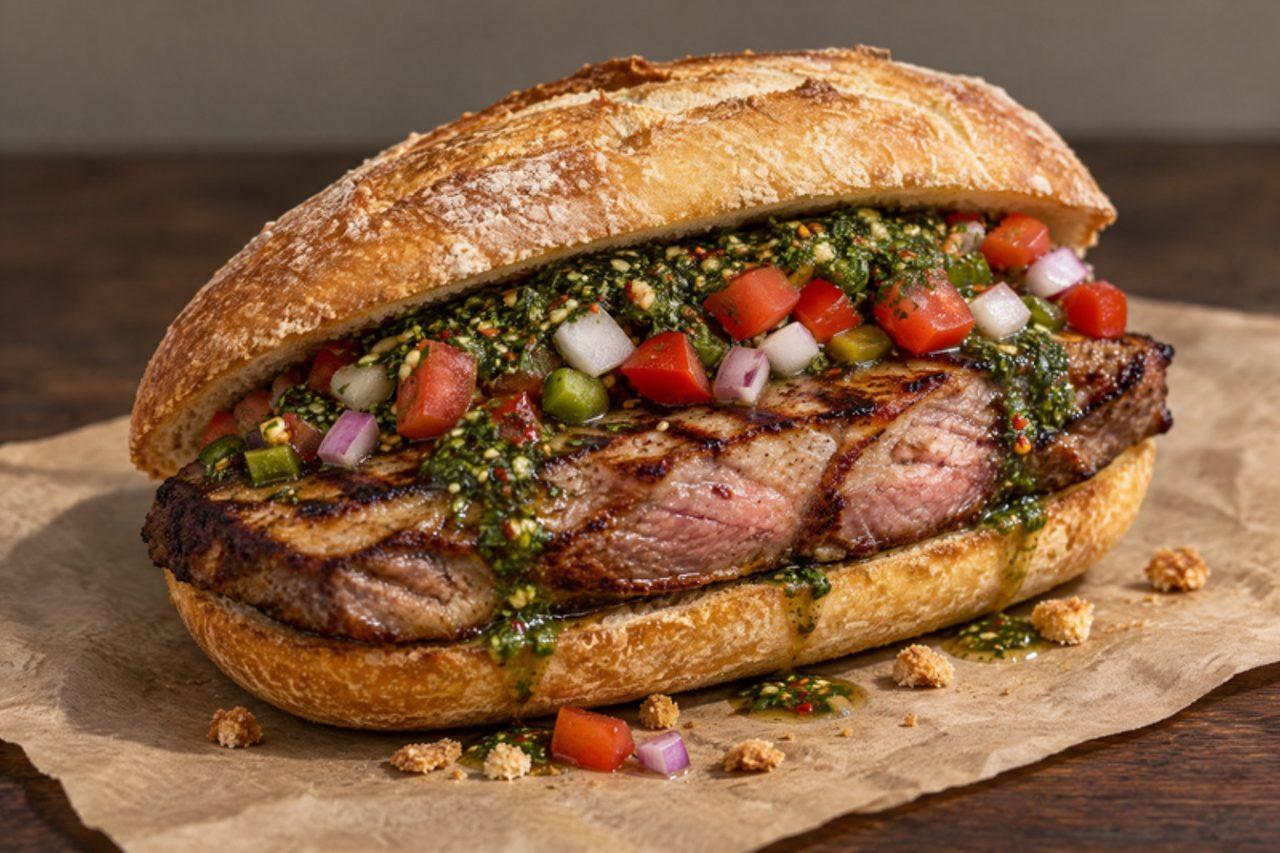
Sándwich de bondiolaGrilled pork shoulder sandwich

Along the Costanera Sur riverside in Buenos Aires, beside the Reserva Ecológica, the carritos have grilled for cyclists, walkers and taxi drivers for generations, and the bondiola sandwich is their pride: a thick pork shoulder steak, marbled and juicy, grilled until charred and laid in a crusty roll with chimichurri and salsa criolla. Weekend afternoons are the busiest. Chef's tip: leave the fat on the steak and turn it only once; the fat bastes the meat and the crust is the best part.

by KrazyBadal 0 views

Showing 24 of 258 recipes

Show more recipes

Page 1 of 11