Skip to content
Recipes

All recipes

Vegetarian, or something you can't eat? Set your diet once and we'll hide recipes that don't fit.

Tunisian octopus salad

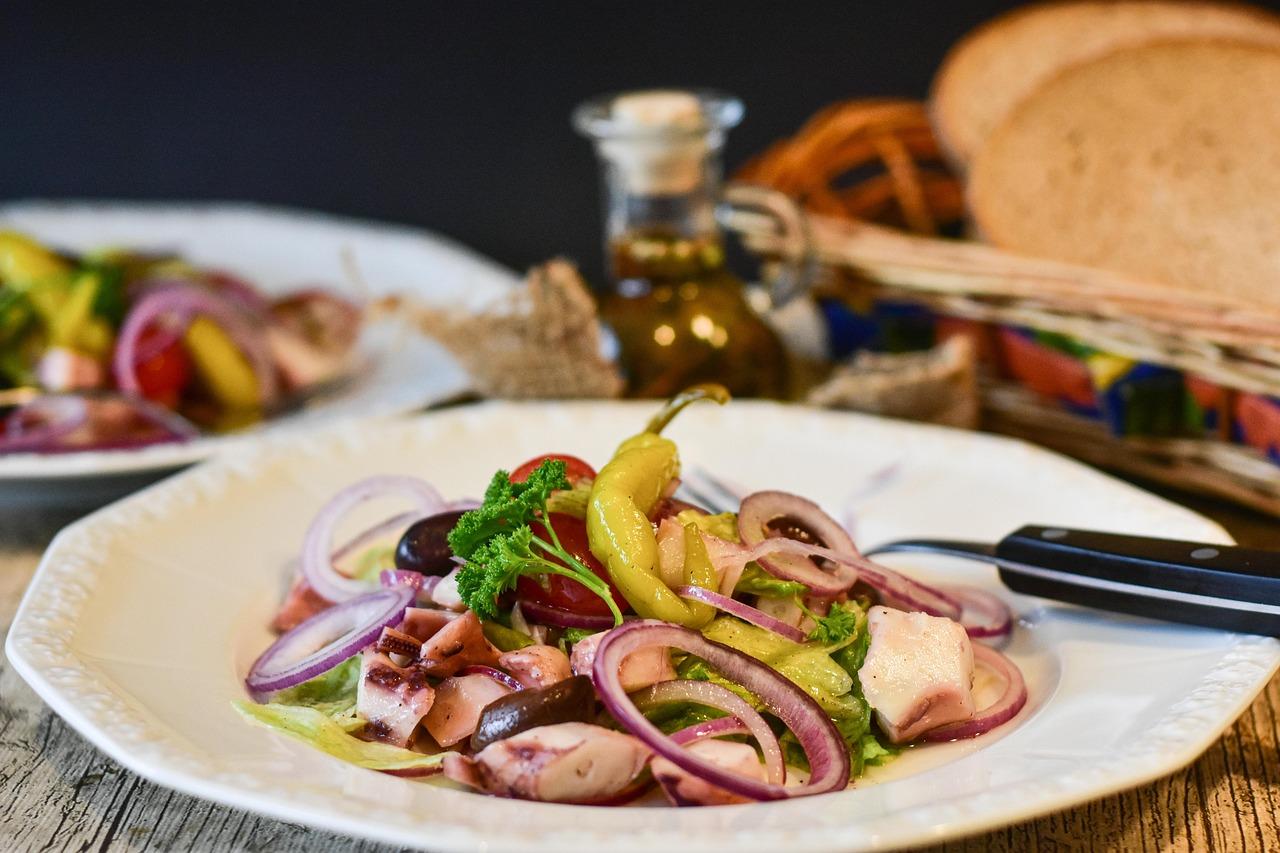
Fishermen of the Kerkennah islands, off Sfax, still catch octopus in clay pots laid on the shallow seabed, and in winter the season's catch turns up in harbour cafés and home kitchens as this simple salad. The octopus is simmered slowly until tender, cooled in its broth, then sliced and tossed with red onion, plenty of parsley, lemon juice and good olive oil, with a little harissa if you like. It is light, clean and briny, eaten as a starter with bread or on a summer table of salads and grilled fish. Buy octopus from a reputable fishmonger; frozen and thawed octopus is often more tender than fresh. A common mistake is boiling the octopus at a rolling boil, which makes it rubbery; keep it at a gentle simmer until a knife slides in easily. Chef's tip: let the cooked octopus cool in its cooking liquid for 20 minutes before slicing; it stays juicy rather than tightening up.

by KrazyBadal 0 views

Casse-croûte tunisien

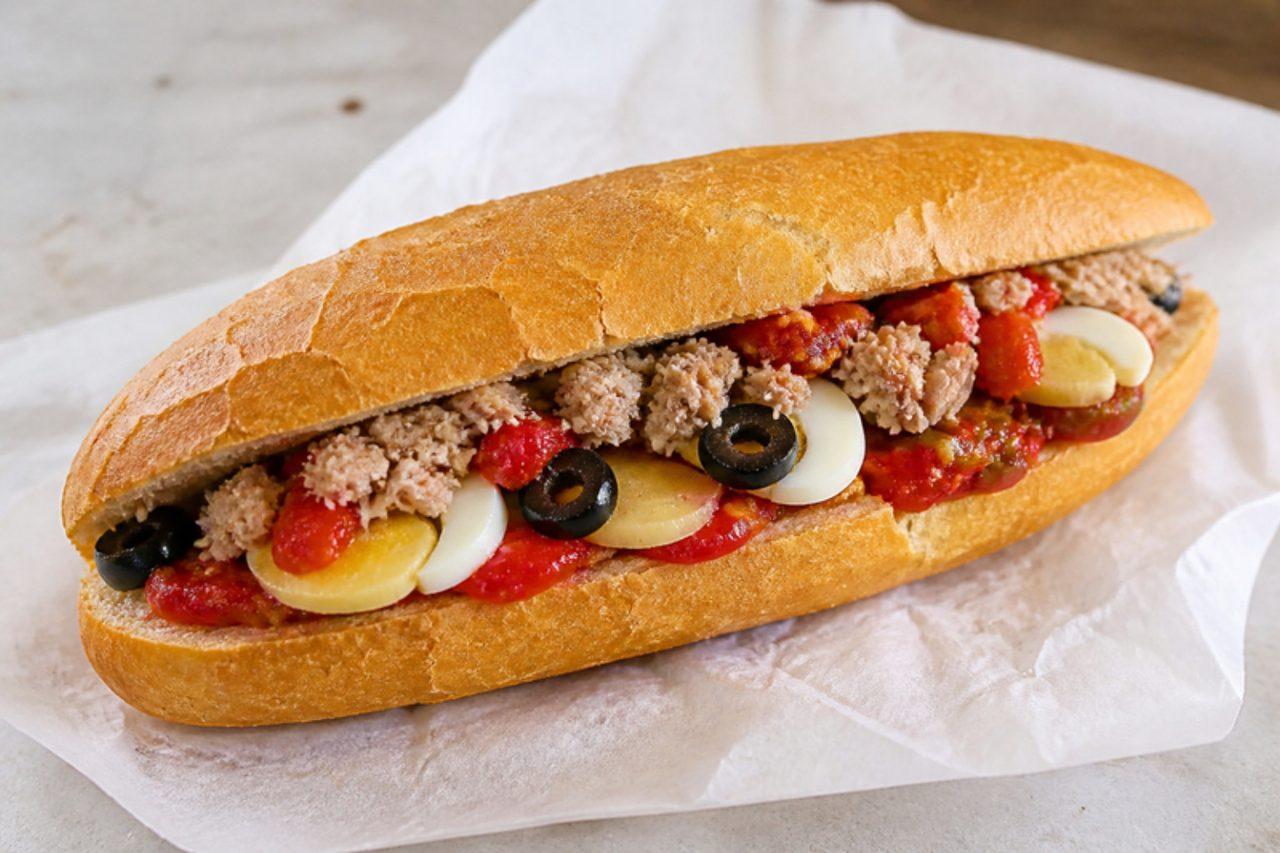
From train-station kiosks in Tunis to beach stalls at Hammamet, the casse-croûte is the sandwich everyone grabs: a baguette slit open, painted with harissa and packed with tuna, mechouia (a grilled pepper and tomato salad), boiled egg, diced potato, olives and a few capers. It is messy, spicy and filling, with smoky peppers against the rich tuna and the soft, starchy potato. This version makes a quick pan-charred mechouia while the eggs and potatoes cook. Chef's tip: let the potatoes and eggs cool before they go in; adding them hot steams the bread and turns it soggy, a common mistake at home.

by KrazyBadal 0 views

Rouz jerbi (Djerban steamed rice)

Djerba islanders cook rice the way the rest of Tunisia cooks couscous, in the top of a couscoussier: raw rice is mixed with small pieces of lamb, chopped spinach, a mound of herbs, chickpeas, tomato paste, harissa and spices, then steamed over boiling water until every grain is tender and stained red-gold. Rouz jerbi is a Friday and family-gathering dish on the island, served from one large platter. The rice stays separate and fluffy, the greens melt in, and the lamb picks up the scent of mint and tabil. Chef's tip: stir the rice from the bottom every 20 minutes; leaving it untouched is a common mistake, as the bottom turns soggy while the top stays hard.

by KrazyBadal 0 views

Tunisian chapati

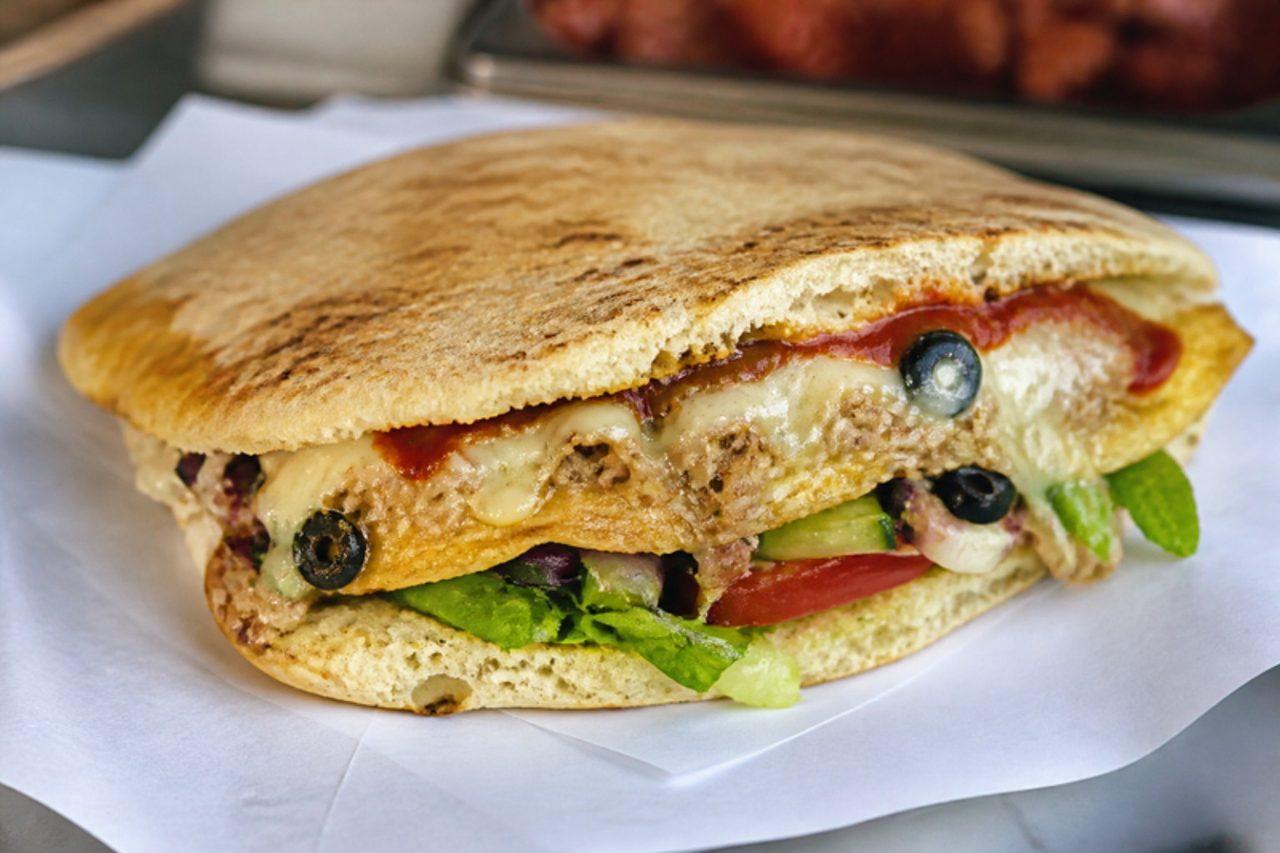
Tunisian street chapati has nothing to do with the Indian flatbread: it is a thick, puffy square of semolina bread baked on a griddle, split open while hot and filled with a herby omelette, tuna, melted cheese and a smear of harissa. Snack shops across the country make them to order for students and workers at lunchtime, often with a spoon of mechouia or a few olives added. The bread is soft and slightly chewy with toasty patches, the filling rich and spicy. The dough needs about an hour to rise. Don't cook the chapati over a high flame: the outside chars while the centre stays doughy and won't split for filling. Chef's tip: cook the bread over a medium heat, not high; a very hot pan browns the outside before the inside has puffed and cooked, leaving it doughy.

by KrazyBadal 0 views

Khobz mella

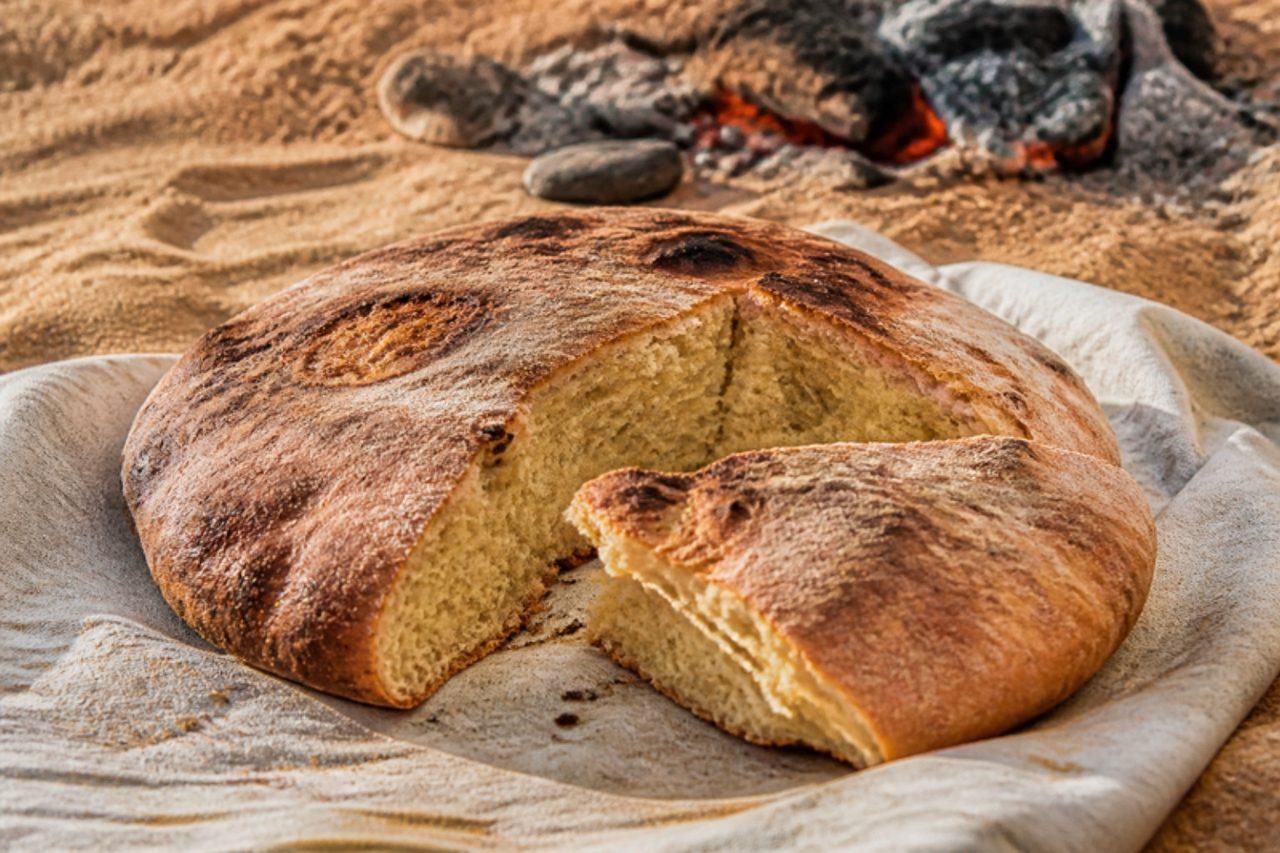
Around Douz, on the edge of the Tunisian Sahara, nomadic herders bake khobz mella by digging a hollow in sand heated under a fire, laying in a thick round of dough and burying it under more hot sand and embers. Brushed off and broken up, the crusty, smoky bread is crumbled into a tomato, pepper and onion stew to make mella, or eaten with olive oil and dates. Visitors to desert camps watch it being made by firelight. At home, a pizza stone or an upturned heavy tray in a very hot oven gives a similar chewy loaf with a thick crust; a charcoal barbecue gets you close to the smoky flavour. Chef's tip: dock the dough well with a fork; without it the round puffs up into a hollow ball and the crust cracks.

by KrazyBadal 0 views

Charmoula sfaxienne

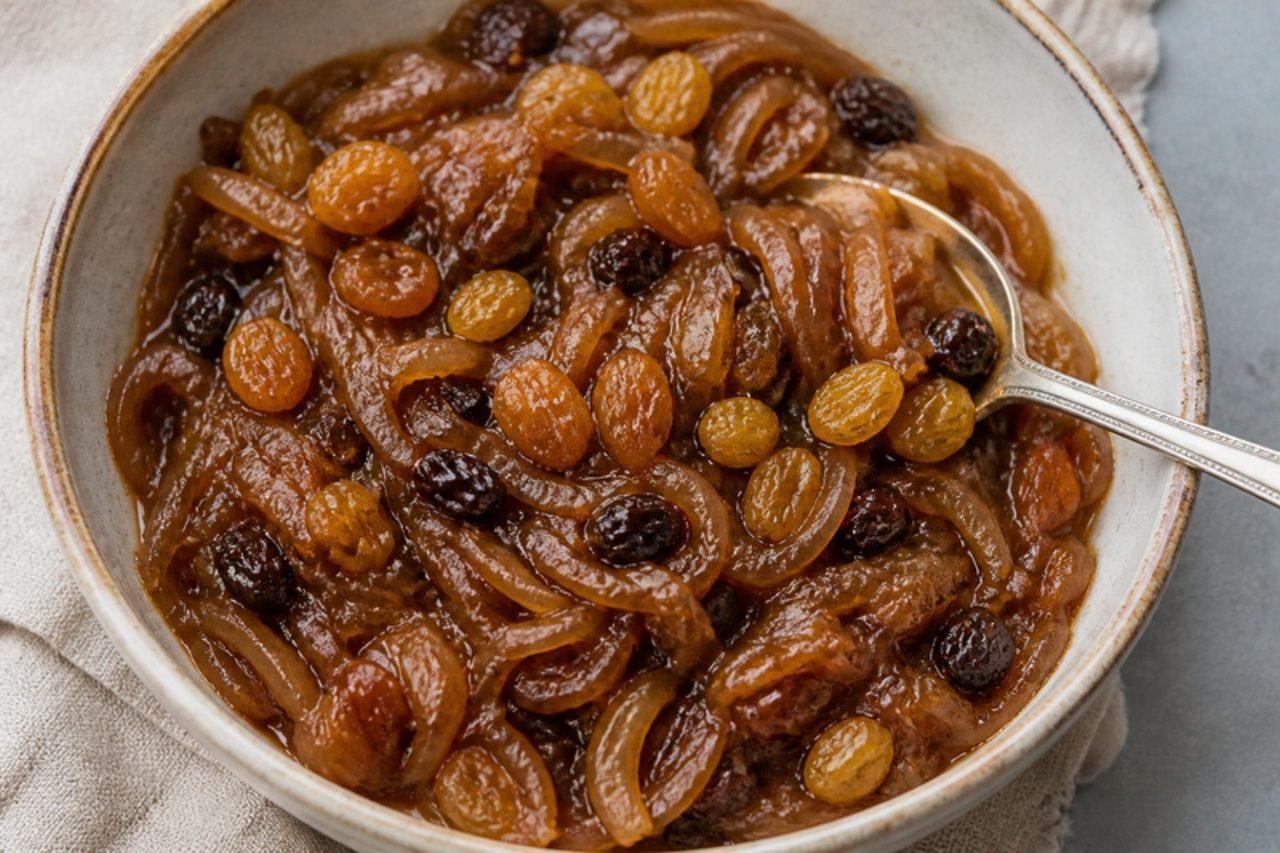
The first meal after Ramadan in Sfax is unlike anywhere else: on the morning of Eid al-Fitr, families eat salted dried fish with charmoula, a thick, almost black sauce of onions and raisins cooked for hours in olive oil with black pepper, cinnamon and cloves. It is sweet, sour and spicy at once, glossy like a chutney, and its strong flavour is meant to wake up a stomach that has fasted for a month. Fish lovers serve it with salted fish; this vegetarian version is lovely with roast vegetables, hard-boiled eggs or simply bread. It keeps for weeks. Chef's tip: cook the onions down slowly until they collapse and caramelise before adding the raisins; hurrying gives a sharp, raw-tasting sauce.

by KrazyBadal 0 views

Osban (Tunisian stuffed lamb sausages)

Eid al-Adha in Tunisia means using every part of the sheep, and osban is how the tripe is honoured: cleaned pieces are sewn into pouches and packed with rice, chopped liver and lamb, chard, a big bunch of parsley and coriander, dried mint and harissa, then simmered in a red chickpea sauce and served over couscous. Families all over the country, from Tunis to the south, make a batch and freeze some for later. The filling cooks into a soft, herby, peppery sausage and the tripe turns tender. Buy tripe that the butcher has already cleaned and scalded, or use natural sausage casings for an easier version. Chef's tip: fill the pouches only two-thirds full and prick them with a needle; the rice swells as it cooks, and overstuffed osban burst, which is the most common mistake.

180 minTunisianMeat
by KrazyBadal 0 views

Bkaila (Tunisian spinach and beef stew)

Tunisian Jewish families in Tunis, and those who carried the dish to Paris and Israel, cook bkaila for Rosh Hashanah and for Friday-night dinners: a heap of spinach is fried in olive oil for over an hour, until it shrinks to a dark, almost black, crumbly paste, then simmered for hours with chunks of beef, white beans, garlic and dried mint. The result looks dramatic and tastes deep and earthy, a little like a long-braised green sauce, with tender meat and creamy beans. It is eaten with couscous or bread, and is even better reheated the next day. Start the beans soaking the night before. Chef's tip: fry the spinach over a medium-low heat and stir often; turning up the heat to save time is the classic mistake, scorching the leaves so the whole pot turns bitter.

240 minTunisianMeatGluten free
by KrazyBadal 0 views

Kammounia (Tunisian cumin beef stew)

Cumin, kammoun in Arabic, gives kammounia its name, and the dish uses it boldly: chunks of beef, or in many Tunis homes lamb's liver, simmer in a thick, dark sauce of garlic, tomato paste and a generous amount of ground cumin until the meat is tender and the sauce clings to it. It is everyday family food in Tunis and Sfax, scooped up with crusty bread or served alongside a salad and olives. The flavour is earthy, warm and garlicky with a gentle heat from harissa. The usual mistake is adding the cumin at the start and frying it hard, which makes it bitter; it goes in once the sauce is simmering. Chef's tip: add half the cumin at the start and the rest in the last 10 minutes; all of it at once risks a flat, slightly bitter sauce, while the late addition keeps the aroma bright.

by KrazyBadal 0 views

Chorbet hout (Sfax fish soup)

Along the coast around Sfax, a bowl of chorbet hout often opens the meal at Ramadan iftar, after dates and water: a red, peppery broth of tomato, harissa and caraway, thick with tiny bird's-tongue pasta and flakes of white fish, finished with a squeeze of lemon. Grouper, sea bream or mullet are the local choices, and any firm white fish works. The soup is warming and spicy with a fresh lift from parsley and celery, and goes well with bread and a brik. Chef's tip: poach the fish briefly, lift it out and only return the flakes at the end; leaving it to boil with the pasta is the common mistake, and it breaks into threads.

by KrazyBadal 0 views

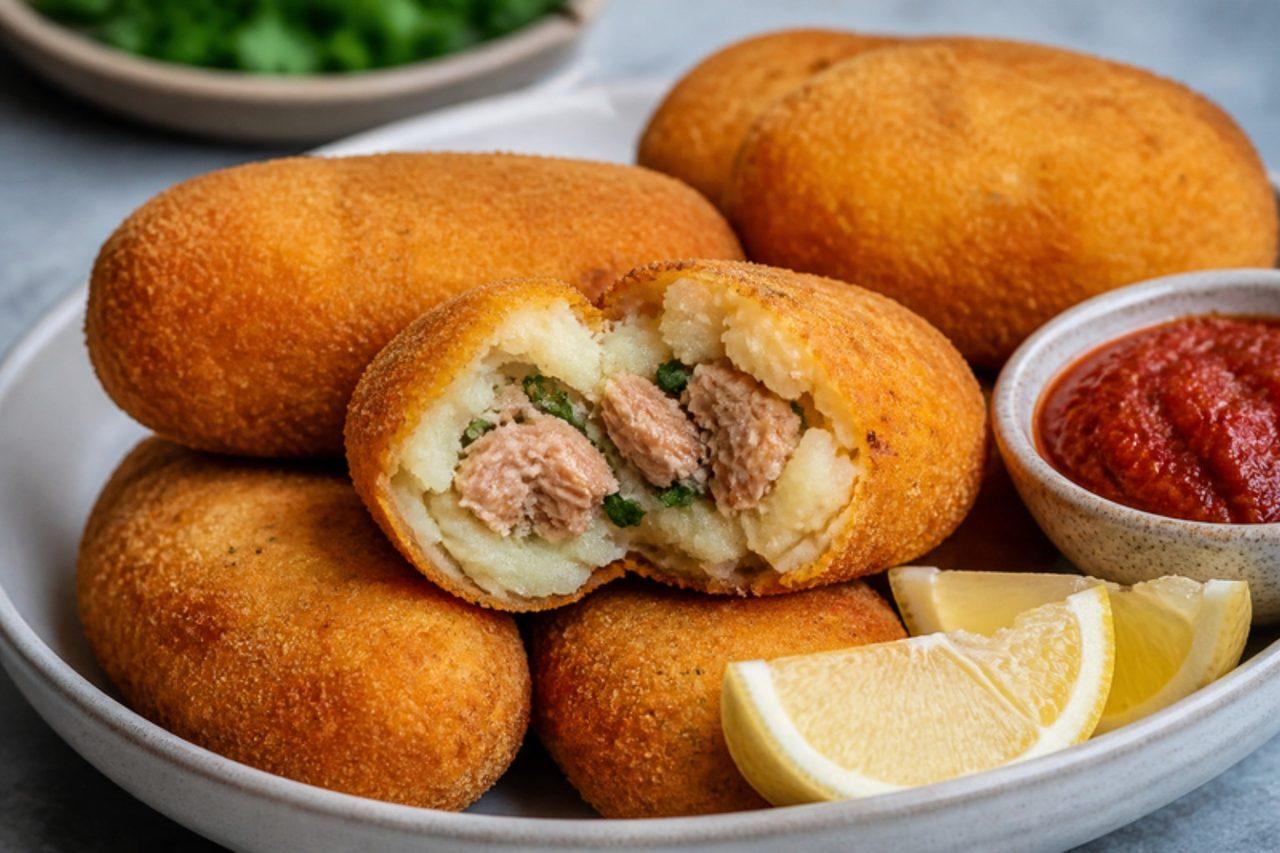
Banatage (tuna potato croquettes)

Golden, crunchy outside and soft inside, banatage are mashed-potato croquettes hiding a spoon of tuna, parsley and harissa, rolled in breadcrumbs and fried. They come out during Ramadan beside the brik and chorba, are tucked into lunchboxes and are a favourite with children all over Tunisia. Leftover mash works well, as long as it is firm. Serve them hot with lemon wedges, a salad or a dab of harissa. Chef's tip: dry the boiled potatoes in the hot pan for a minute before mashing; wet, watery mash is the usual mistake and makes croquettes that split open in the oil.

by KrazyBadal 0 views

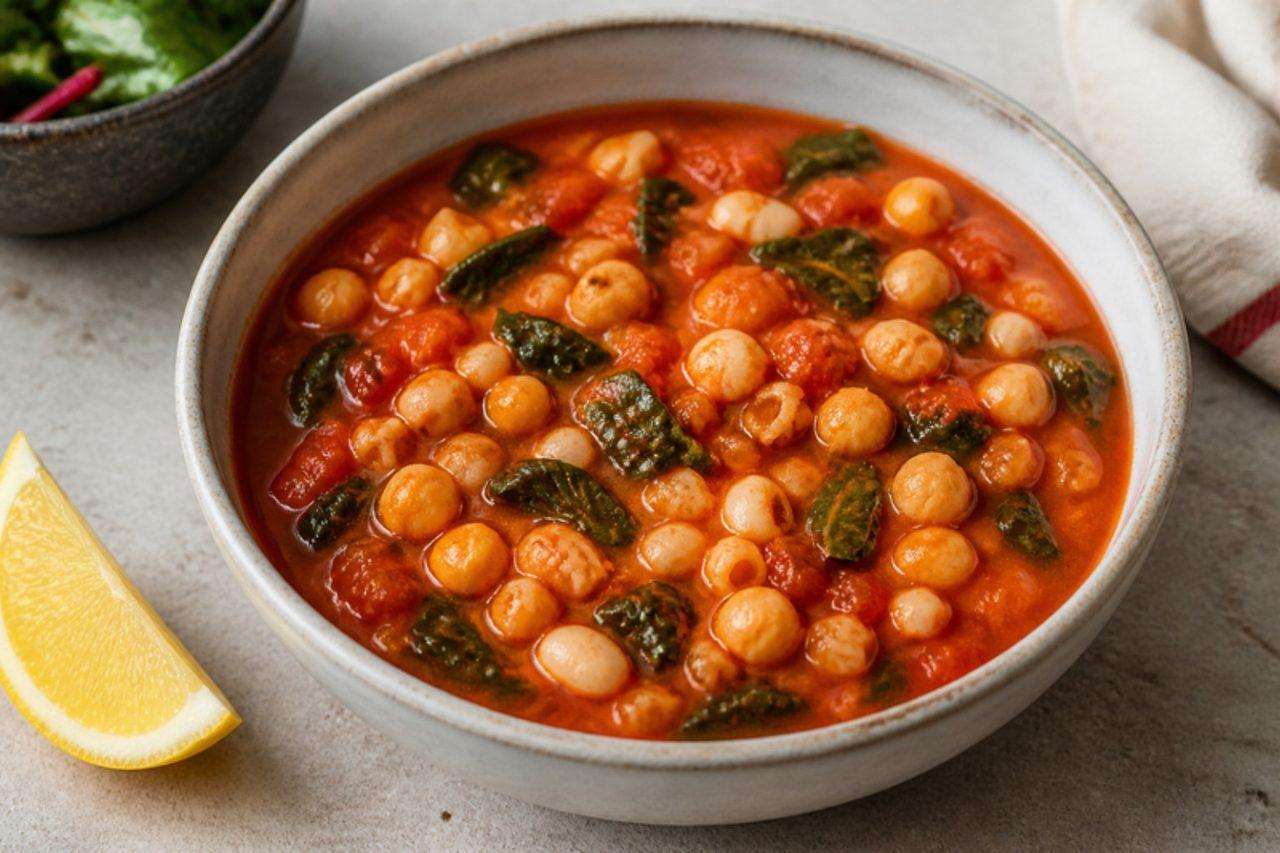
Hlalem

Across the Sahel coast and in Kairouan, the arrival of cold weather means hlalem: a thick, red, peppery soup full of tiny hand-rolled pasta spindles, chickpeas, white beans, chard and celery, sharpened with harissa and dried mint. Rolling the pasta is a social job, often done by women together in autumn, and the dried hlalem keeps all winter. The soup is hearty enough to be a meal, earthy from the pulses and bright from the celery leaves. It is also made during Ramadan. If you do not roll your own, orzo or broken spaghettini work. Chef's tip: add the pasta only in the last 15 minutes; cooked too long it swells and drinks up all the broth.

by KrazyBadal 0 views

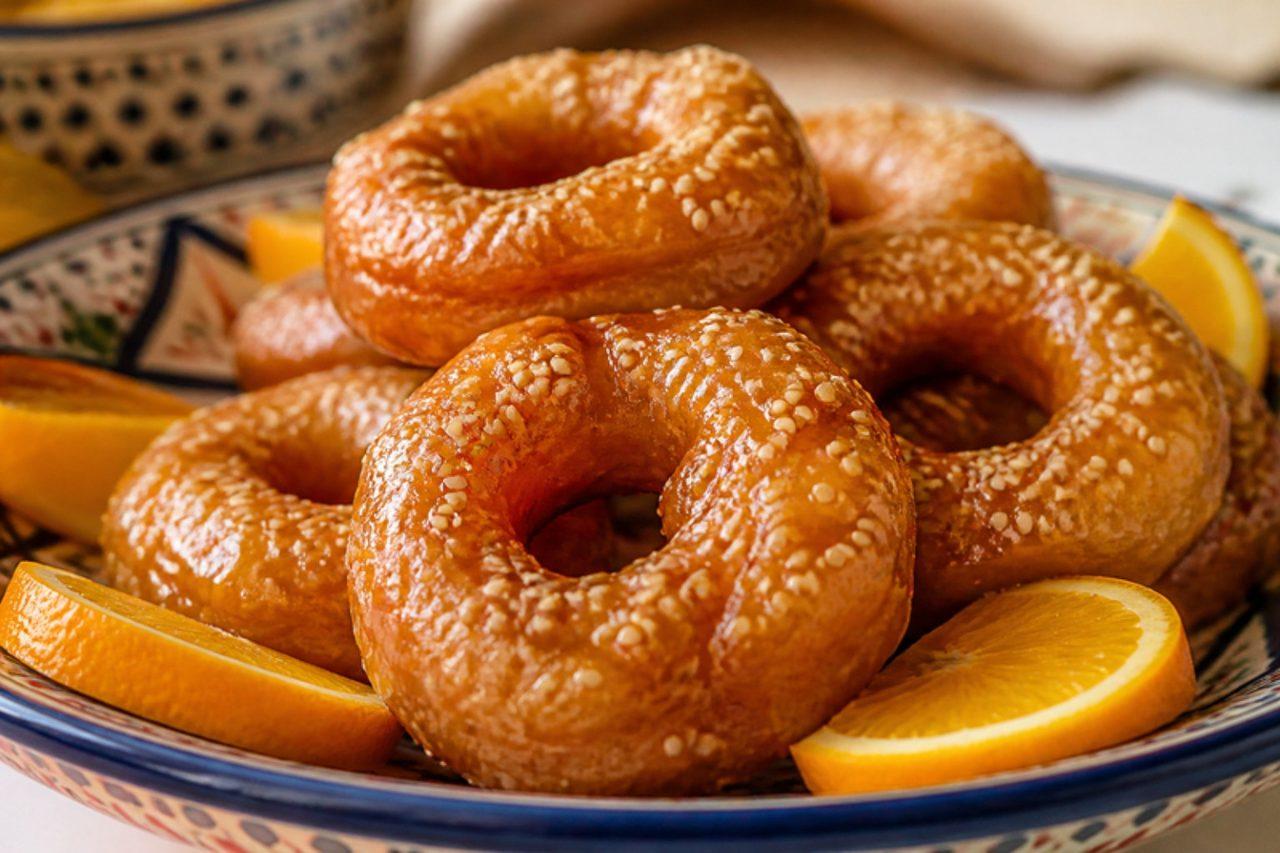
Yo-yo

Tunisian children wait for yo-yo, the small golden rings that pastry sellers stack in sticky piles at Eid, weddings and on winter afternoons, and that families fry at home for Hanukkah in the Jewish tradition of Tunis and Djerba. The dough, made with eggs, oil and fresh orange juice and zest, fries up crisp outside and soft and cake-like inside, then gets a quick dip in honey syrup and a sprinkle of sesame. Eat them the day they are made, with mint tea. Chef's tip: keep the oil at 170 °C; hotter and the outsides brown before the centres cook through.

by KrazyBadal 0 views

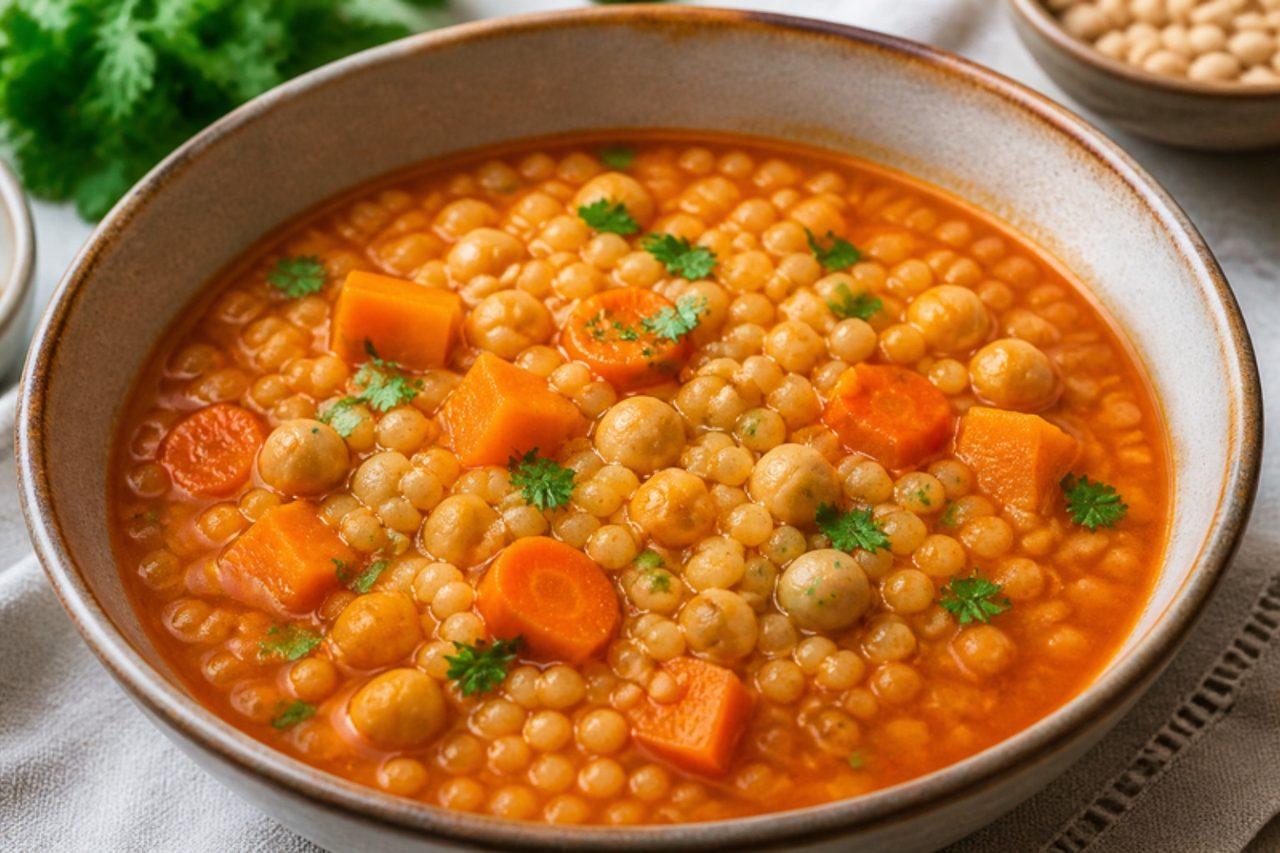
Mhamsa

Sfax cooks and families in southern Tunisia roll mhamsa, a pearl couscous somewhere between fine couscous and small pasta, in big batches in late summer and dry it in the sun for the winter. Cooked like a thick soupy stew in a tomato and harissa broth with chickpeas, peppers and pumpkin, it becomes a warming one-pot supper, soft and chewy, with a gentle heat and the sweetness of the vegetables. Bought mhamsa, moghrabieh or giant couscous works well. Fish and meat versions are common; this is the everyday vegetable way. Chef's tip: toast the mhamsa in the oil before adding liquid; it gives a nutty flavour and keeps the grains separate.

by KrazyBadal 0 views

Kaak warka

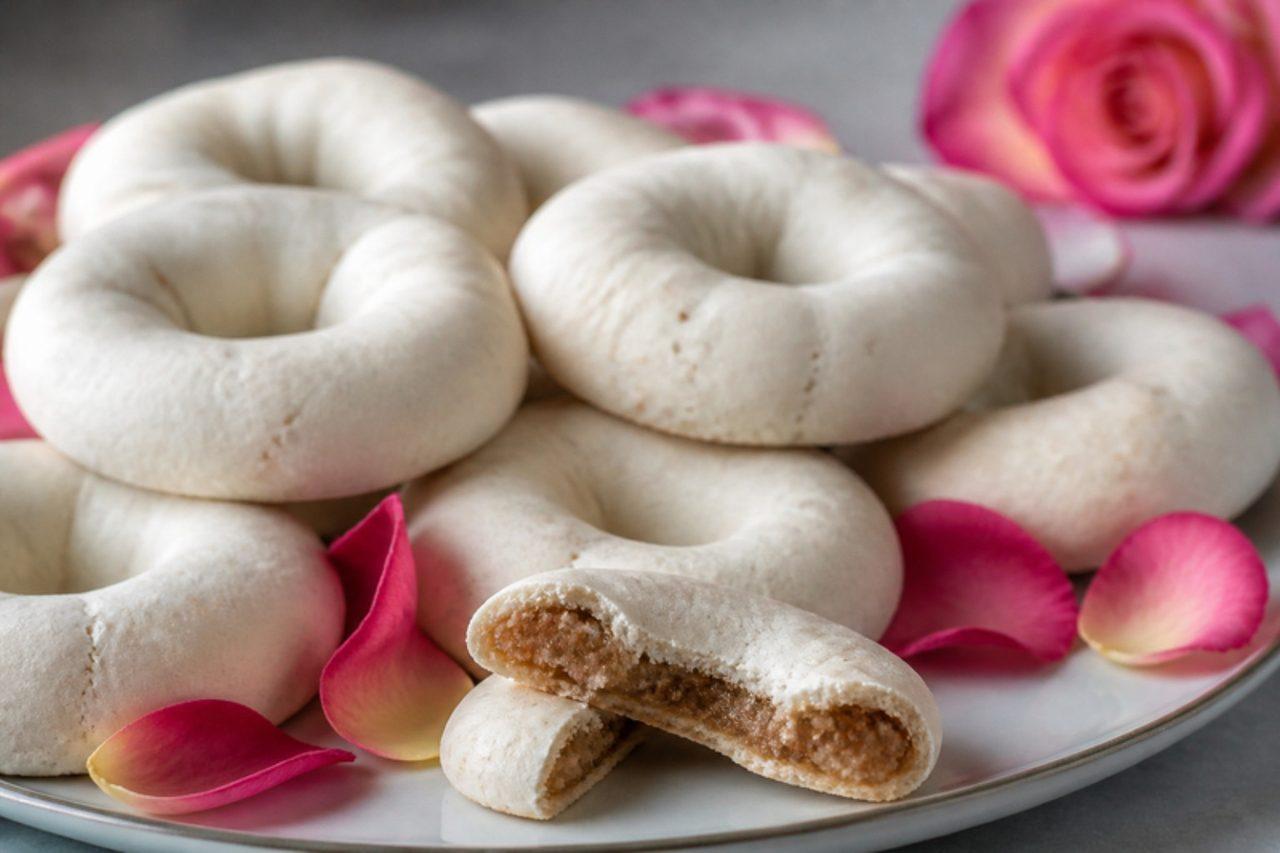
The hill town of Zaghouan, south of Tunis, is famous for two things: its Roman water temple and kaak warka, delicate rings of very thin, crumbly pastry wrapped around almond paste perfumed with rose geranium or rose water. They are a celebration sweet, bought in boxes for weddings, circumcisions and Eid, and should stay white when baked, with a fine sugary crumb and a soft, fragrant centre. Making them takes patience: the dough is rolled thin, wrapped around ropes of almond paste and shaped into rings. Chef's tip: bake low and short; the moment the bases colour, they are done, as any browning on top ruins their famous pale look.

by KrazyBadal 0 views

Zrir

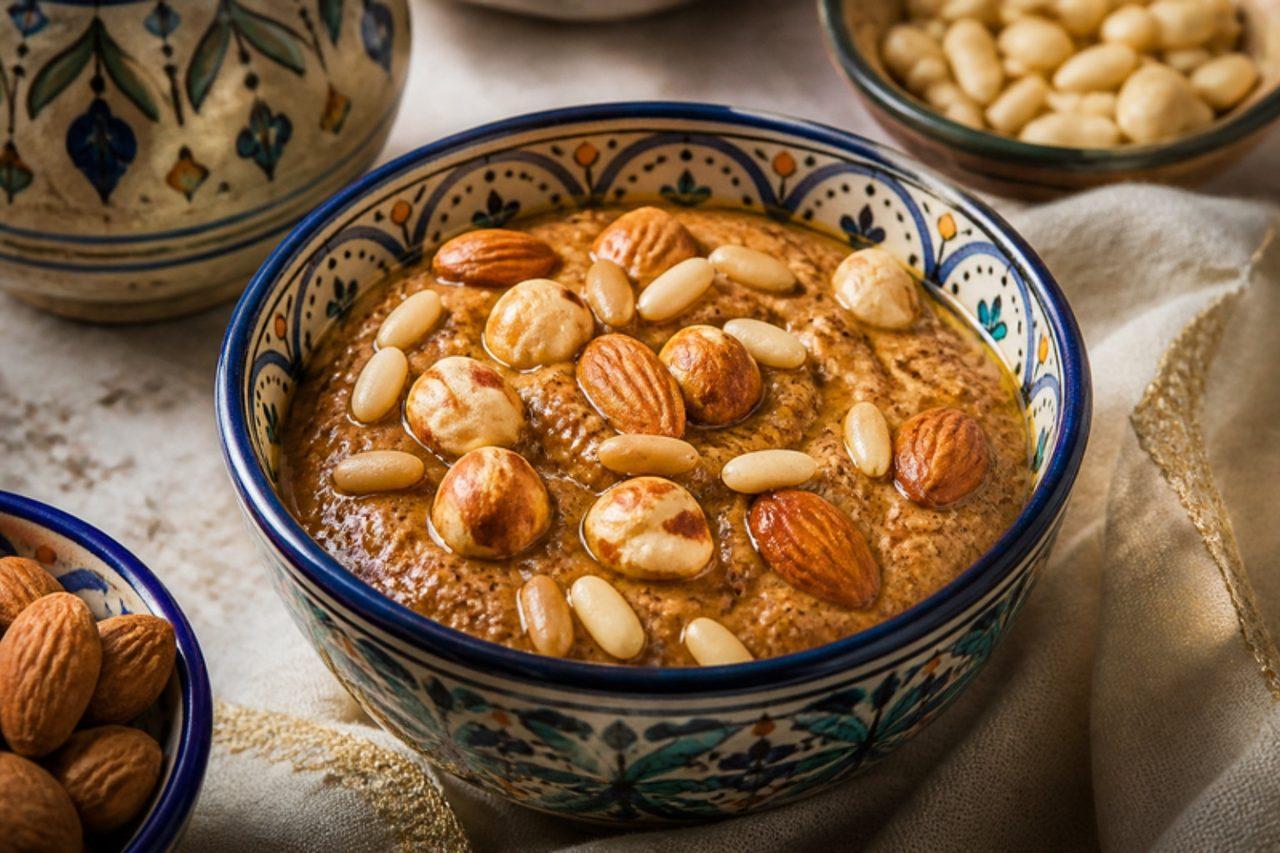
When a baby arrives in a Tunis family, visitors who come to see mother and child are offered zrir, a dense, glossy paste of toasted sesame, hazelnuts and almonds bound with butter and honey, believed to give strength to the new mother. It is served in tiny bowls or shaped into a mound and studded with nuts, and a spoonful is plenty. The taste is like a very rich halva with honey and toasted nuts. It keeps for a couple of weeks in a jar. Chef's tip: grind the sesame while it is still slightly warm; the oils release more easily and the paste turns smooth rather than sandy.

by KrazyBadal 0 views

Pine nut tea

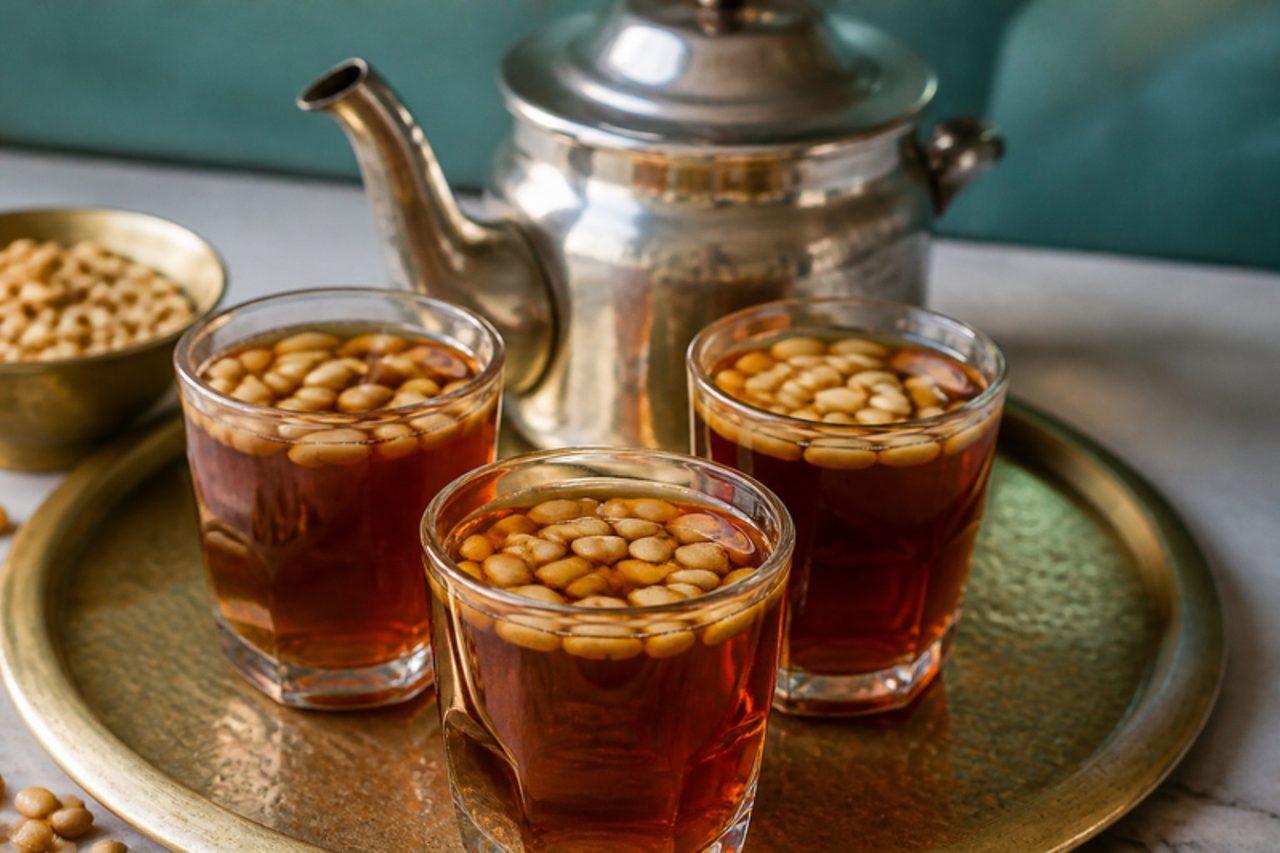
Order tea in a Tunis café, especially in the cafés of Sidi Bou Said overlooking the bay, and it often arrives with a spoonful of pale pine nuts bobbing on top. The tea itself is brewed strong and very sweet, green with mint or dark black tea boiled until syrupy, and poured from a height into small glasses so it froths. The nuts soften slightly in the heat and you eat them at the bottom of the glass, buttery against the bitter-sweet tea. It is drunk after meals and through the evening. Chef's tip: toast the pine nuts lightly in a dry pan; just a hint of colour brings out their butteriness without making them sink.

by KrazyBadal 0 views

Bsissa

A tin of bsissa sits in many Tunisian kitchen cupboards, from Tunis flats to farmhouses in the south: a finely ground flour of roasted barley, roasted chickpeas and spices such as coriander, fennel and aniseed. In the morning a few spoonfuls are worked with olive oil and something sweet into a nutty, crumbly paste, or stirred with water into a thick drink, and it keeps you going until lunch. Travellers and pilgrims once carried it for the road. Roasting your own flour takes 15 minutes and makes a jar that lasts weeks. Sugar and dates keep it vegan; some families use honey. Chef's tip: roast the flours separately over a low heat and stir constantly; the moment they smell like toasted biscuits and turn light tan, tip them out of the pan.

by KrazyBadal 2 views

Bouza

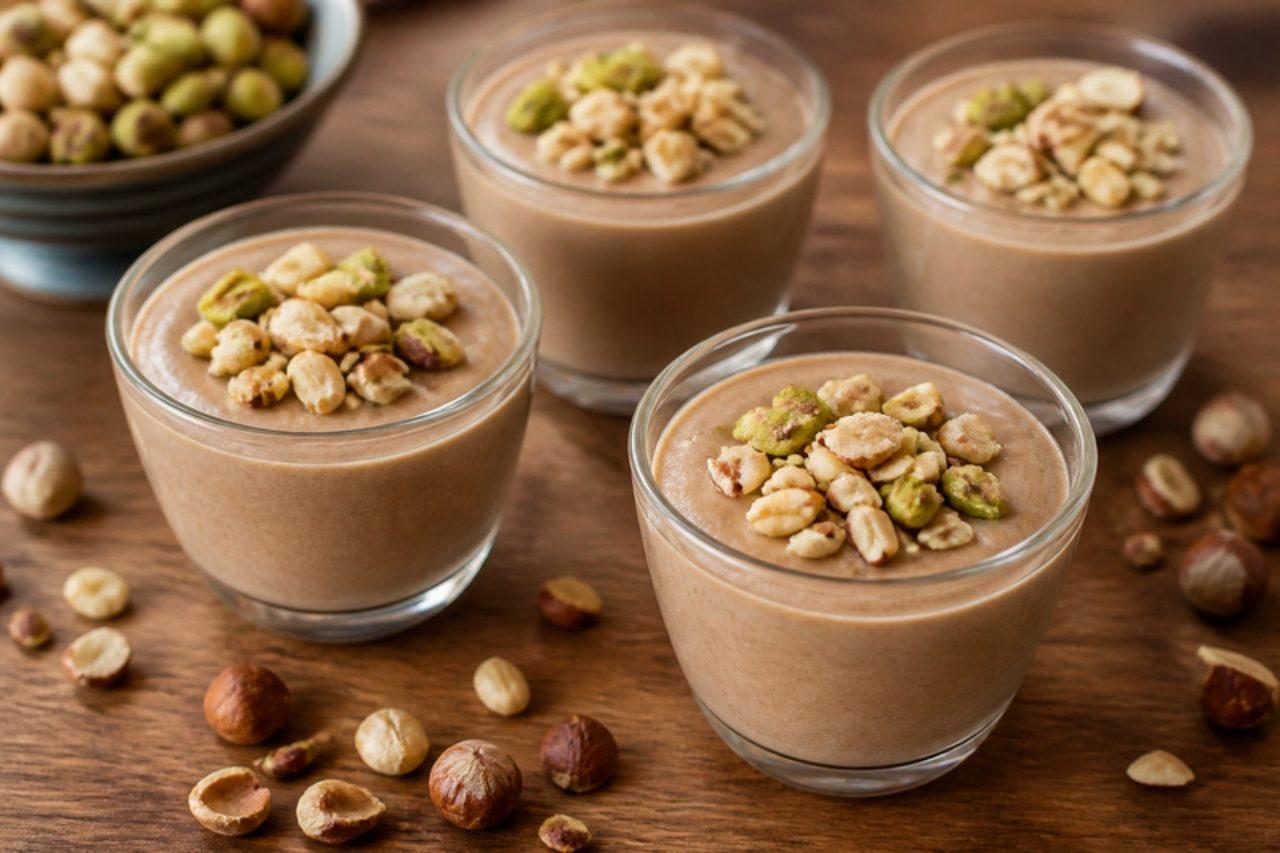
On the morning of Mawlid, the Prophet's birthday, Tunis families make large bowls of creamy pudding and send small ones to neighbours, and bouza made from sorghum flour with roasted hazelnut paste is one of the best loved. The sorghum gives a fine, slightly earthy cream; the hazelnuts make it taste almost like praline. It is poured into glasses, left to set and decorated with a thick layer of chopped nuts, pistachios and sometimes sugared almonds. Make it the day before so it chills firm. Chef's tip: whisk the sorghum flour into cold liquid before it goes near the heat, or it seizes into lumps you cannot whisk out.

by KrazyBadal 0 views

Citronnade

Café terraces in Tunis serve citronnade in tall glasses on hot afternoons and through Ramadan evenings, and it is nothing like clear lemonade: whole lemons, peel and all, are blended with sugar and water, then strained, giving a cloudy, pale-yellow drink that tastes of the zest as much as the juice. A drop of orange-flower water rounds it off. It should be sharp, sweet and very cold. Use unwaxed lemons with thin skins. Chef's tip: let the cut lemons sit with the sugar for 10 minutes before blending; the sugar draws out the fragrant oils from the peel.

by KrazyBadal 0 views

Omek houria

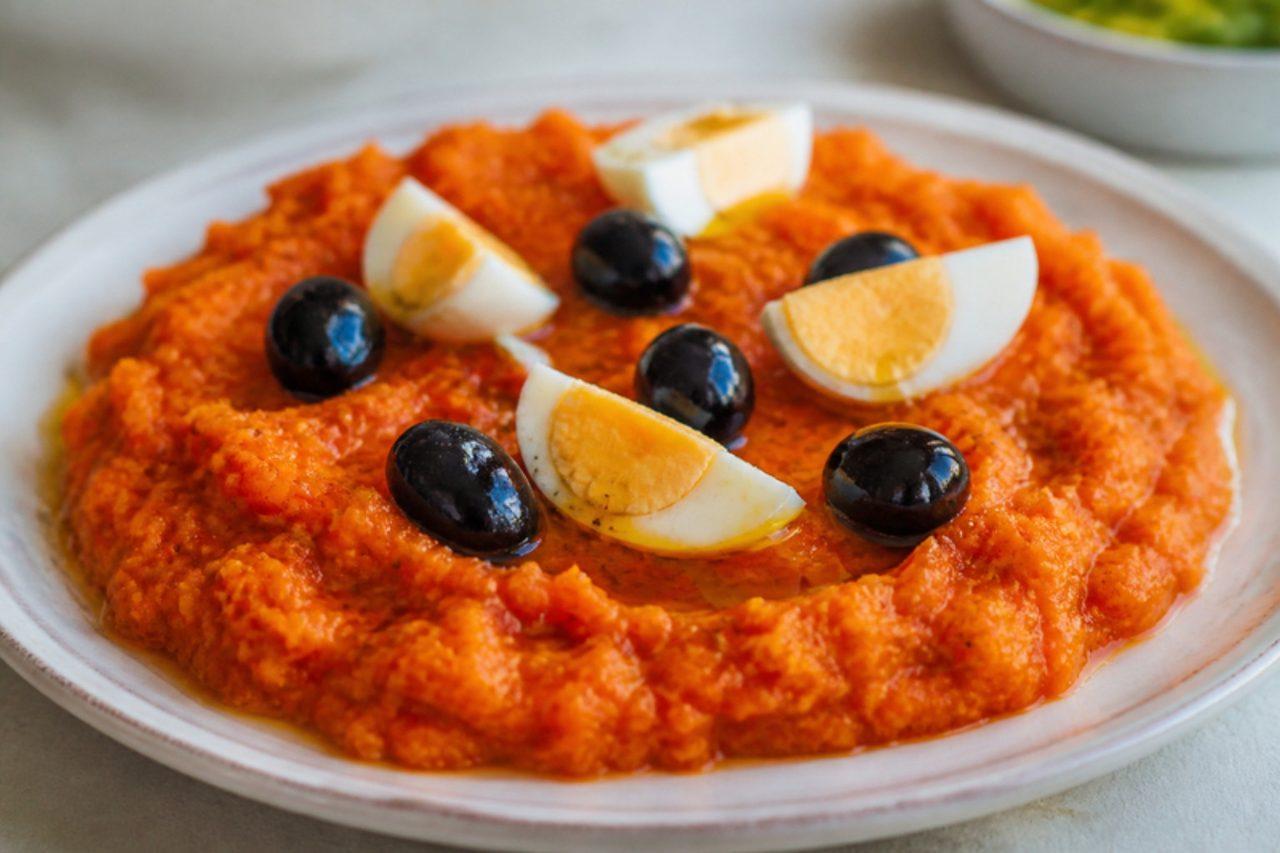
Nobody quite agrees why this salad is called mother of Houria, but every Tunis household knows it as one of the small dishes that open a meal, set out with bread, olives and brik during Ramadan or at a Sunday lunch. Carrots are boiled soft, crushed with a fork rather than puréed, and seasoned boldly with garlic, ground caraway, harissa, vinegar and good olive oil, so the sweetness of the carrot sits under a garlicky, warm heat. It is finished with black olives and wedges of hard-boiled egg and eaten at room temperature, scooped up with crusty bread. This version is vegetarian; some cooks add tuna on top. Chef's tip: dress the carrots while still warm; they soak up the oil and vinegar far better than cold ones.

by KrazyBadal 0 views

Tunisian samsa

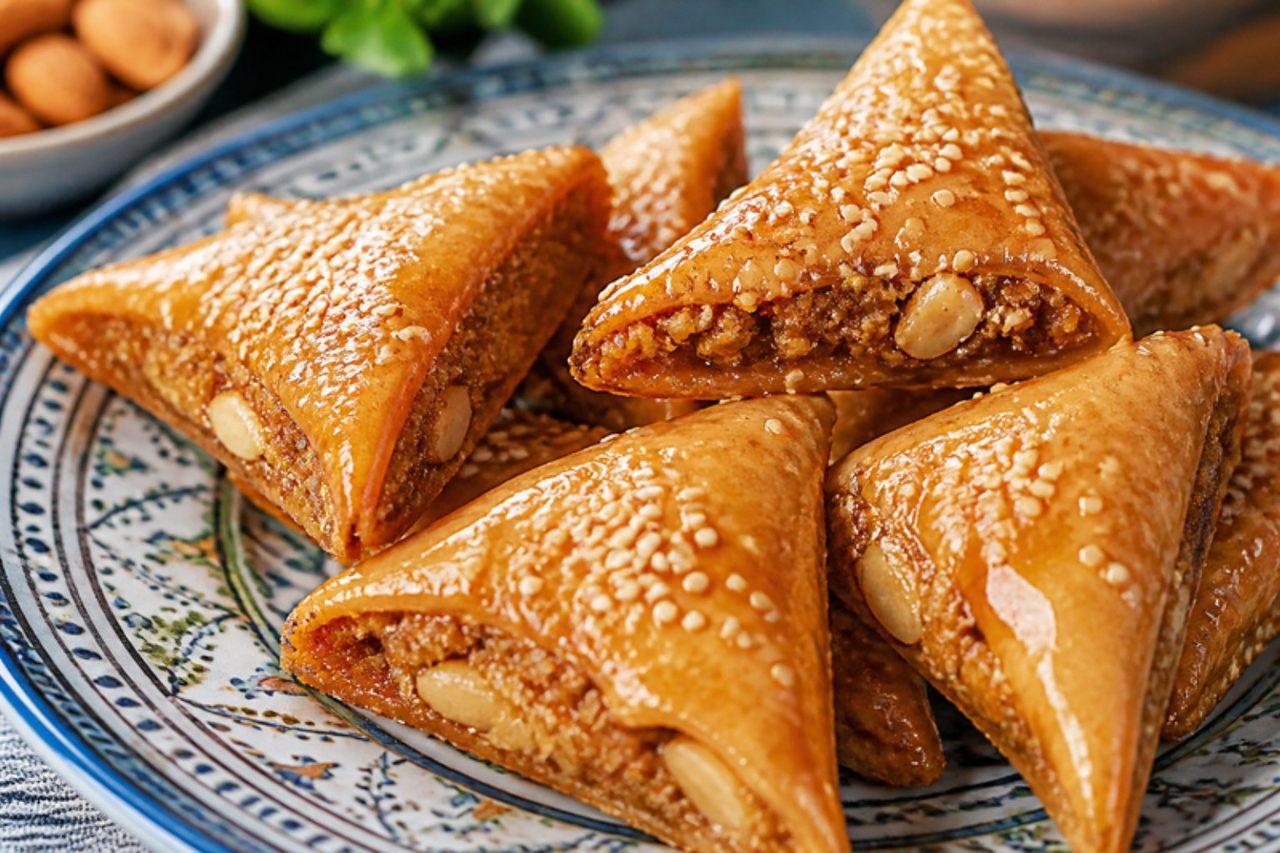
Tunisian pastry shops in the old medina stack samsa in neat pyramids at Eid and weddings, and families make trays of them at home before the feast. The triangles are folded from malsouka, a paper-thin pastry also used for brik, around a filling of ground almonds and toasted sesame scented with orange zest and orange-flower water, then baked or fried and dropped into a lemony syrup. They are shatteringly crisp at the corners, sticky and nutty in the middle, and go with a glass of mint or pine-nut tea. Spring roll pastry, brick pastry or filo can stand in for malsouka. Chef's tip: dip hot pastries into cool syrup, never hot into hot; that contrast keeps them crisp instead of soggy.

by KrazyBadal 0 views

Majarisco

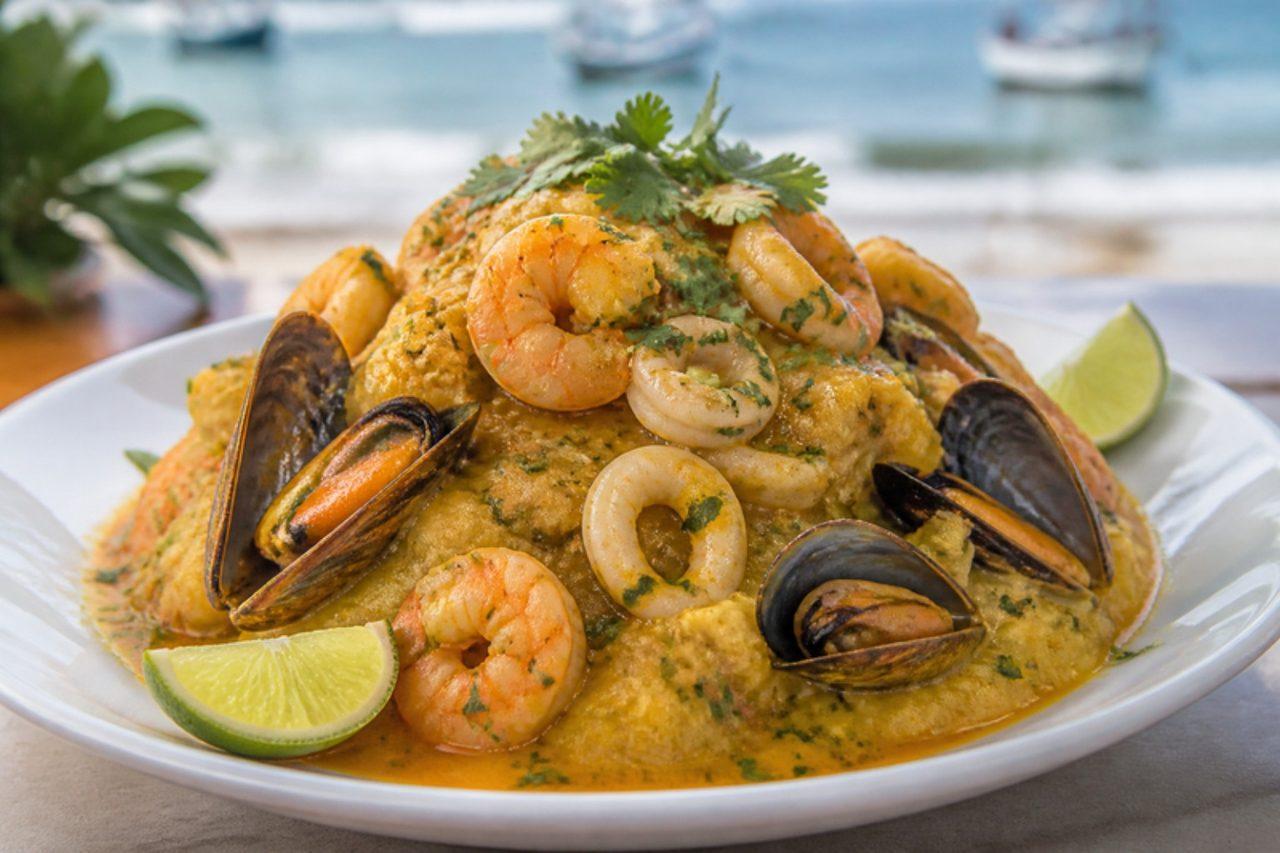
Its name blends 'majado' (mashed plantain) and 'marisco' (seafood), and along the coast of Piura and Tumbes, near the Ecuadorian border, it's what cevicherías and beach restaurants serve when you want something hot and filling. Mashed green plantain is folded into a sauce of garlic, onion, ají and seafood juices, with prawns, squid and mussels running through it, so every forkful is creamy, garlicky and briny. Serve it with lime and salsa criolla. Mussels must be alive: tap any open ones and discard those that don't close, and discard any that stay shut after cooking. Overcooking the seafood is the most frequent mistake; it goes in at the end, just until pink and opaque. Chef's tip: keep the mussel cooking liquid and use it to loosen the mash; it's pure seafood flavour.

by KrazyBadal 0 views

Seco de chabelo

Piura's picanterías, near the dry northern border, serve this rough, savoury mash at lunch: green plantains, roasted or boiled and pounded, mixed with fried strips of carne seca (salted dried beef) and a quick sofrito of onion, tomato and ají amarillo. It is dense, salty and smoky, with the plantain's starchy sweetness, and is eaten with salsa criolla and fried ripe plantain or chifles (plantain crisps). The legend says it was invented for a soldier called Chabelo in the War of the Pacific. Use carne seca or cecina from Latin shops, or unseasoned beef jerky. Pounding the plantains smooth is the classic mistake: chabelo should be lumpy and rustic. Chef's tip: soak the dried beef in warm water for 30 minutes and taste a piece; if it's still very salty, change the water and soak again.

by KrazyBadal 0 views

Showing 24 of 176 recipes

Show more recipes

Page 1 of 8