Skip to content
Recipes

All recipes

Vegetarian, or something you can't eat? Set your diet once and we'll hide recipes that don't fit.

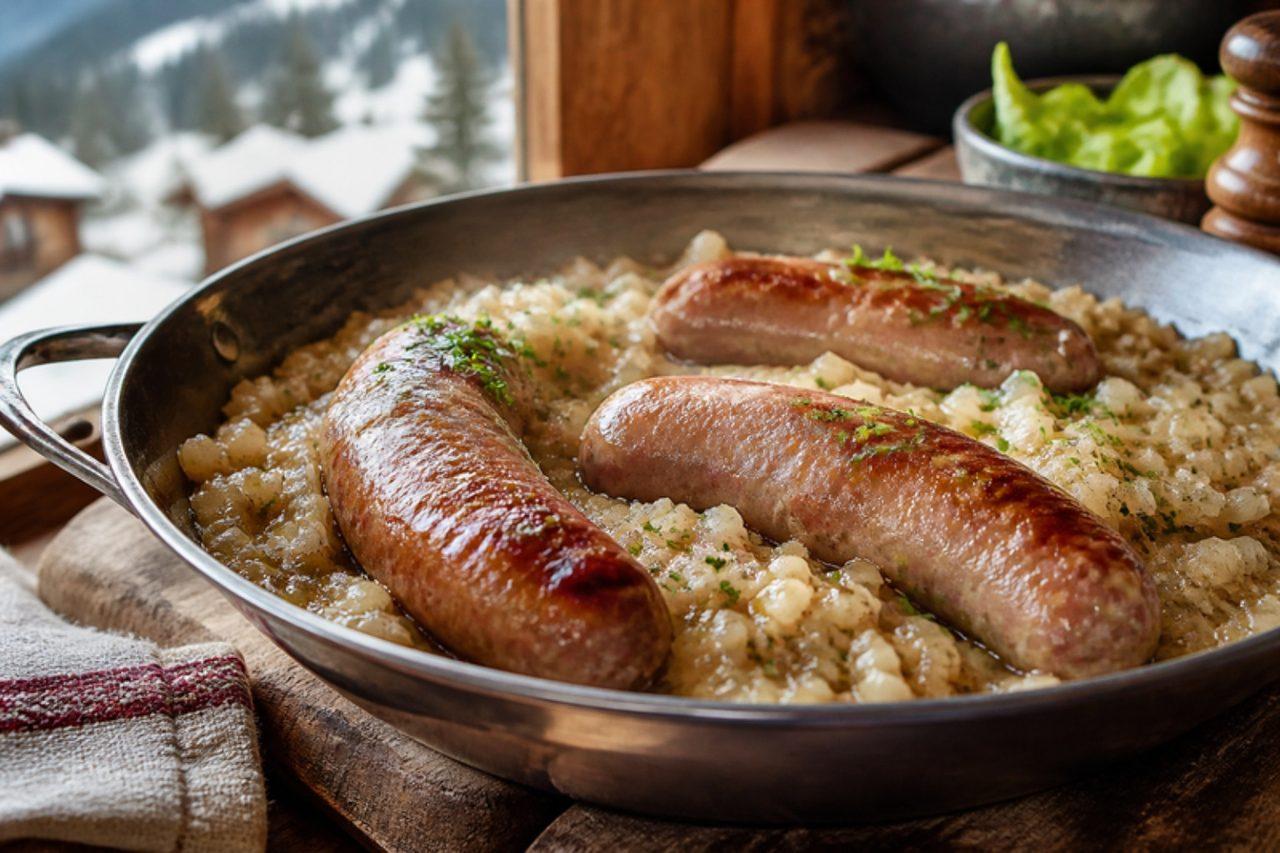
Diots au vin blancSausages braised in white wine

Diots are the small pork sausages of Savoie, sold in every butcher's from Chambéry to Annecy and eaten at ski-resort tables and village fêtes all winter. They are browned, then braised slowly with plenty of onions in dry Savoie white wine with a bay leaf, until the onions melt into a sweet, winey sauce around the plump sausages. The traditional partner is crozets, tiny square buckwheat or wheat pasta, or a soft polenta. The braise uses white wine; an alcohol-free version is in the notes. If you can't find diots, use any coarse, garlicky pork sausage. Chef's tip: brown the sausages slowly over a medium heat rather than fiercely, so the skins colour without bursting.

70 minFrenchMeat
by KrazyBadal 0 views

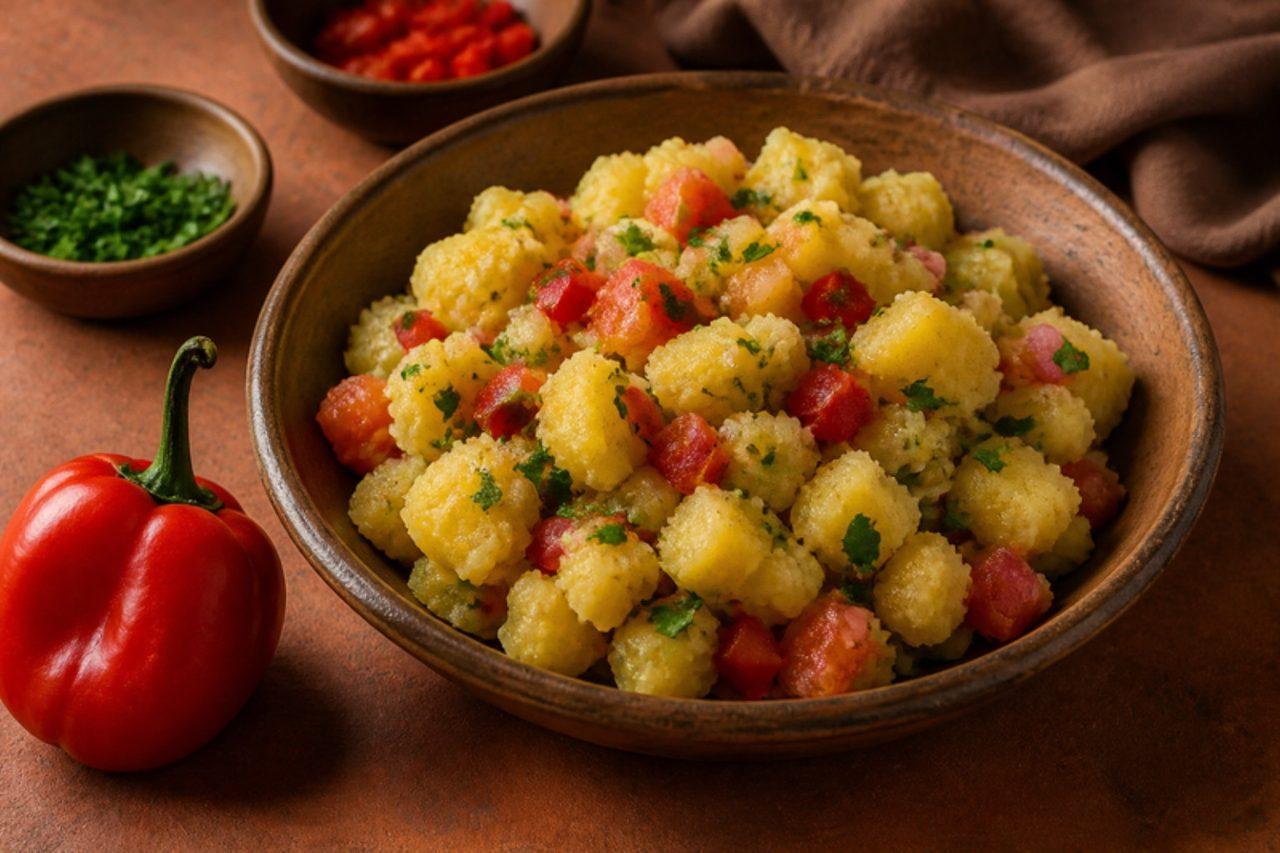
EiernockerlSoft dumplings with scrambled eggs

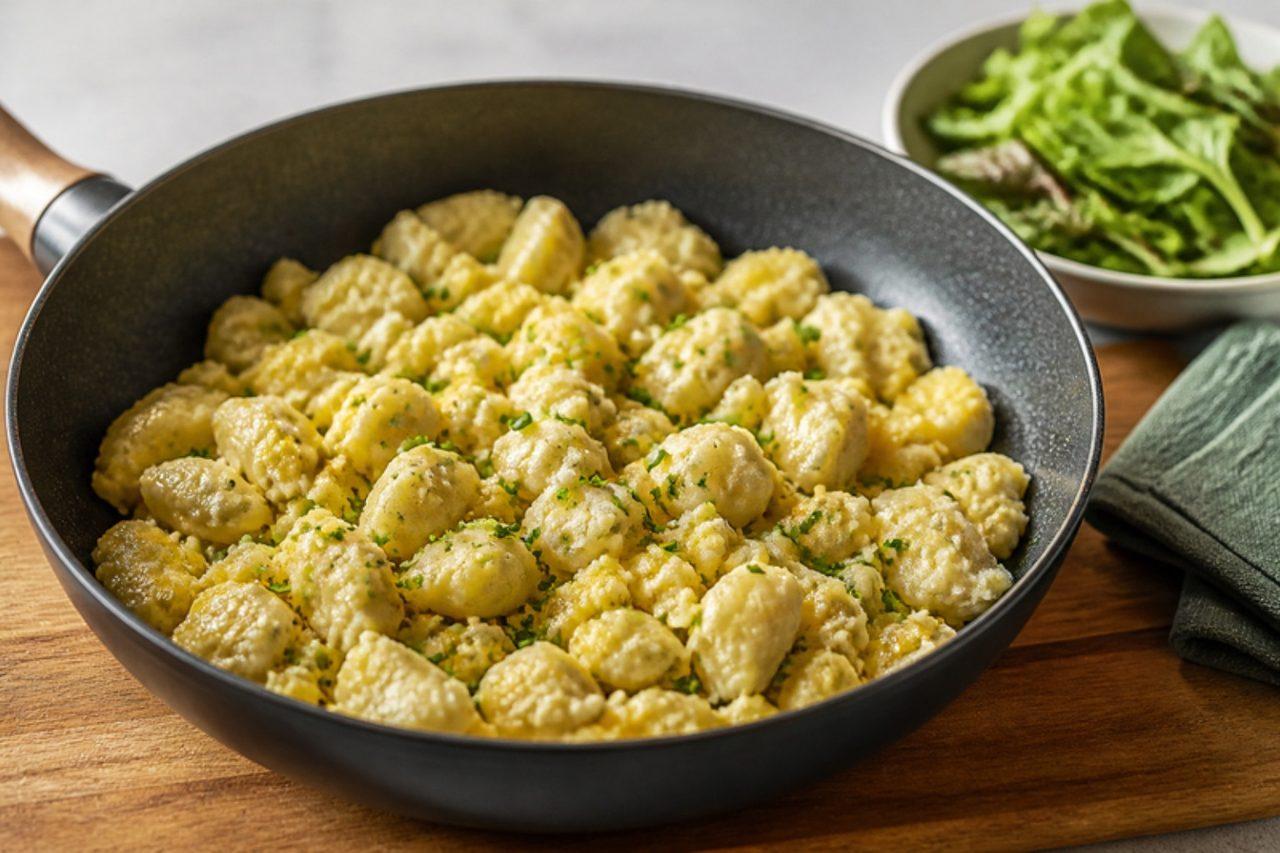
Eiernockerl is what Viennese grandmothers cook when the larder is nearly bare: a loose flour batter is scraped in little nubs into boiling water, then tossed in foaming butter and set with beaten eggs. In Vienna it turns up on weekday lunch tables and in old-fashioned Beisln, usually with a green salad in a sharp vinegar dressing on the side. The nockerl should be soft and slightly chewy, the egg just set and glossy, with lots of chives. A common mistake is cooking the eggs until dry and grainy; take the pan off the heat while they still look a little wet. Chef's tip: let the batter rest for 10 minutes before you cut it into the water, so the flour swells and the nockerl hold their shape.

by KrazyBadal 0 views

EmolienteBarley and flaxseed herbal drink

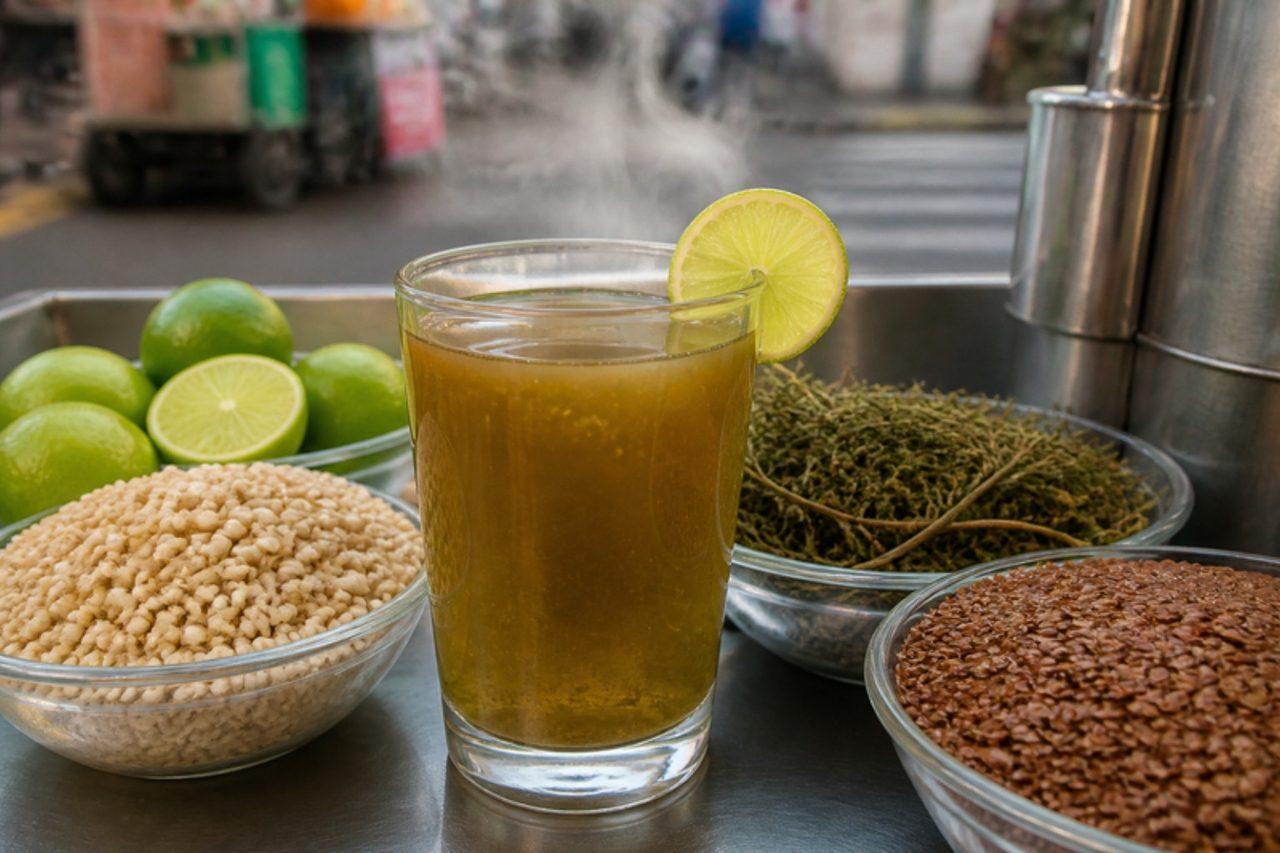
Before dawn, all over Peru, emolienteros set up their carts with a row of steaming kettles and jars of herbs, and commuters stop for a glass of emoliente on the way to work. It's a hot infusion of toasted barley, flaxseed and herbs, with lime juice and sugar added to order, and it is drunk for comfort and digestion, especially in Lima's damp winter. The flaxseed gives it a slippery, soothing body; the barley a toasty, almost coffee-like note. Street versions use horsetail, alfalfa, boldo and other herbs; this home version keeps it simple, with horsetail as an option (leave it out if you are pregnant or have kidney problems). The usual error is boiling the flax too long, which makes the drink gloopy; add it for the last 10 minutes only. Serve very hot in glasses, with pan con queso or a sandwich. Barley contains gluten. Chef's tip: toast the barley yourself until it is deep brown; it's what gives emoliente its colour and its roasted flavour.

by KrazyBadal 0 views

Ensalada de chontaPalm heart salad

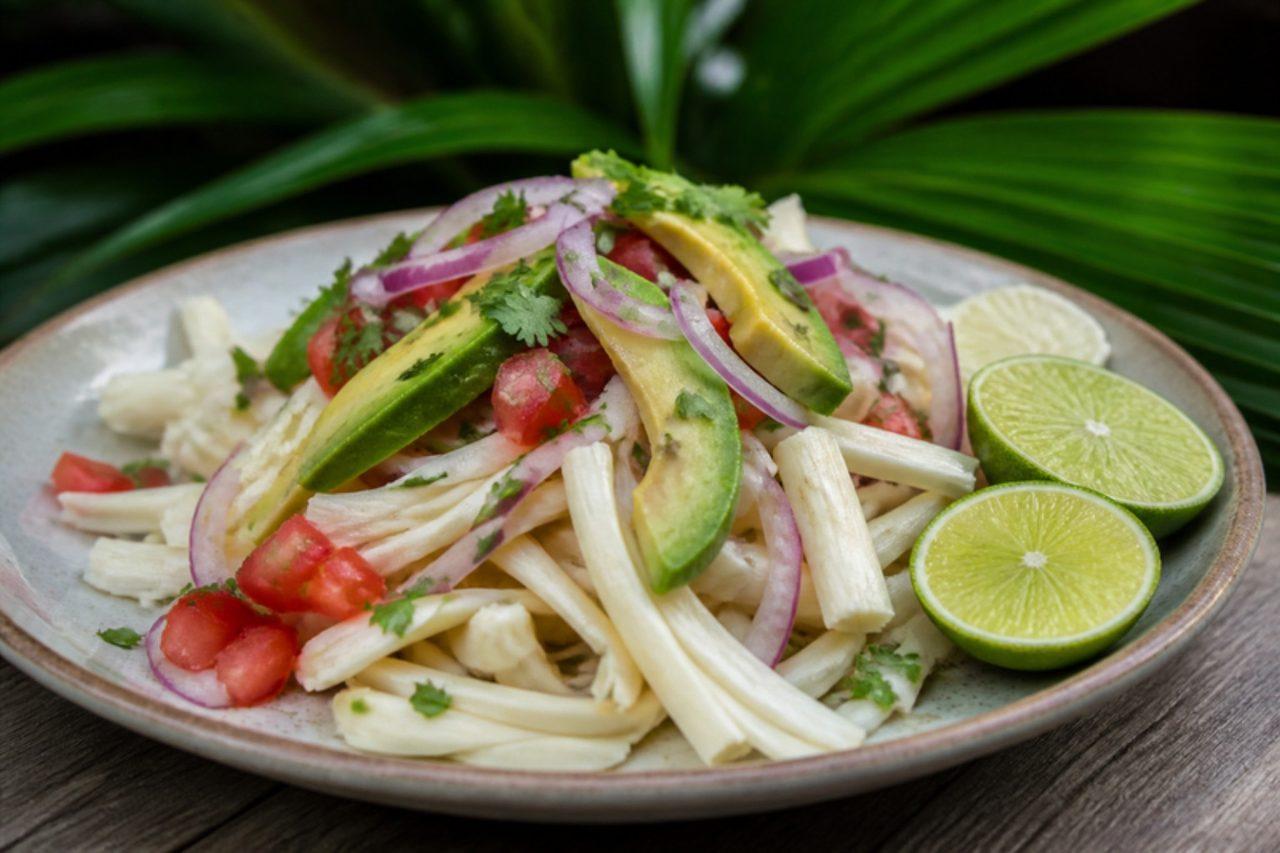
Iquitos restaurants and the riverside cafés of the Peruvian Amazon serve ensalada de chonta as a cool counterpoint to grilled fish and juanes: long, pale ribbons of fresh palm heart, crisp and faintly sweet, tossed with tomato, avocado, red onion and lots of lime. At Belén market you can watch sellers shave the chonta into curls with a big knife. Outside the Amazon, fresh palm heart is hard to find, but good jarred hearts of palm cut into thin strips work well, and the salad becomes a ten-minute job. It's crunchy, juicy and sharp, perfect with rice and beans or any fried snack. Where most people go wrong is adding the avocado and salt early, so the salad turns soupy and grey; dress it at the last moment. Chef's tip: slice the palm hearts lengthwise on a mandoline or with a peeler for thin, curling ribbons that look like the Iquitos original.

by KrazyBadal 0 views

Ensalada de pallaresLima bean and red onion salad

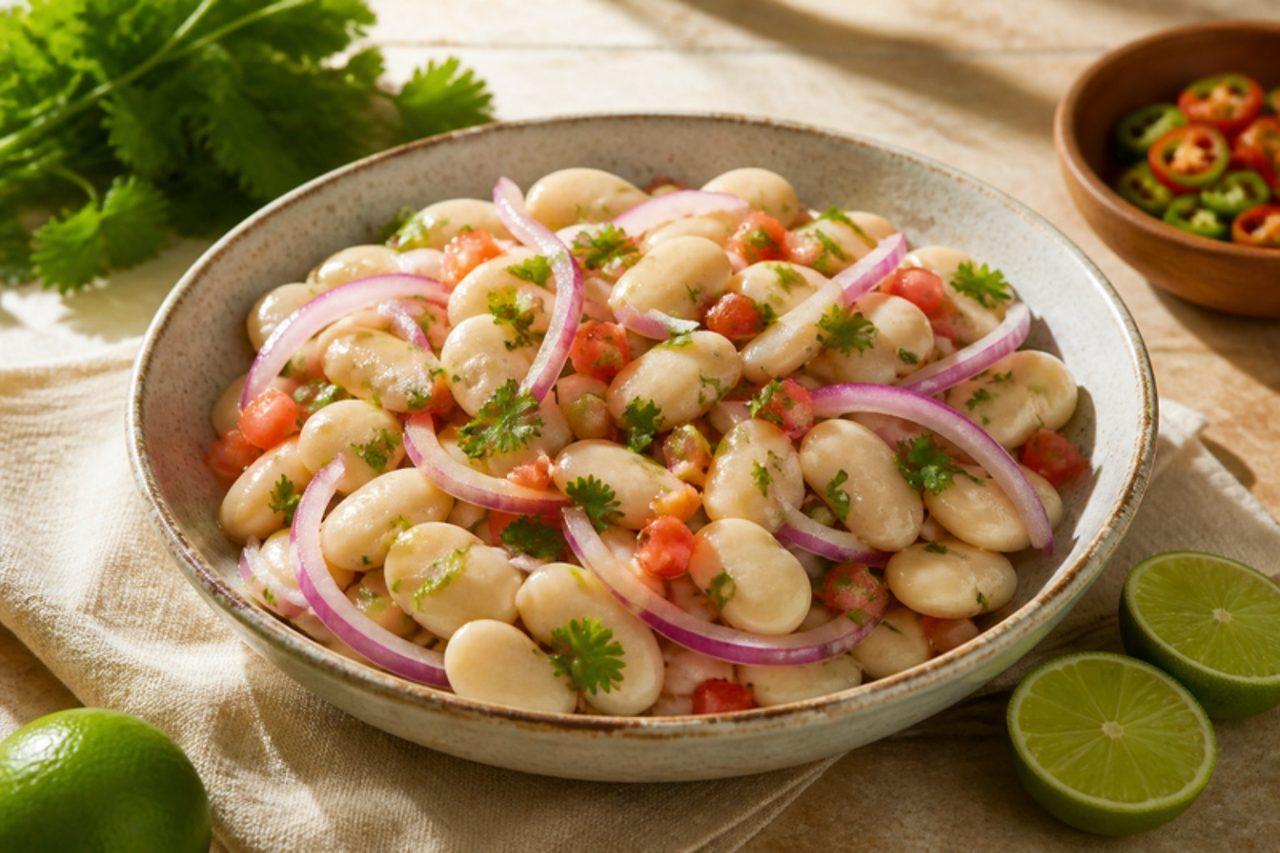
Around Ica, on Peru's southern desert coast, pallares grow in irrigated valleys and dry into fat, flat beans the size of a thumbnail; the region holds them in high regard and sells them by the sack at the Ica market. Cooked until creamy and dressed while warm, they become a filling salad that sits on the table beside fried fish, rice or a plate of boiled sweet potato, and it works as a light lunch on its own. The onion is cut the Peruvian way, in fine half-moons, rinsed so it stays crisp without biting, and the ají limo gives a fruity heat that you can turn up or down. A frequent slip is dressing the beans straight from the fridge: they stay chalky and the lime slides off instead of soaking in. Using dried beans adds an overnight soak; good jarred or canned large lima beans make it a 20-minute dish. Chef's tip: dress the beans while they are still warm with half the lime and salt, then add the onion, tomato and the rest of the lime just before serving.

by KrazyBadal 0 views

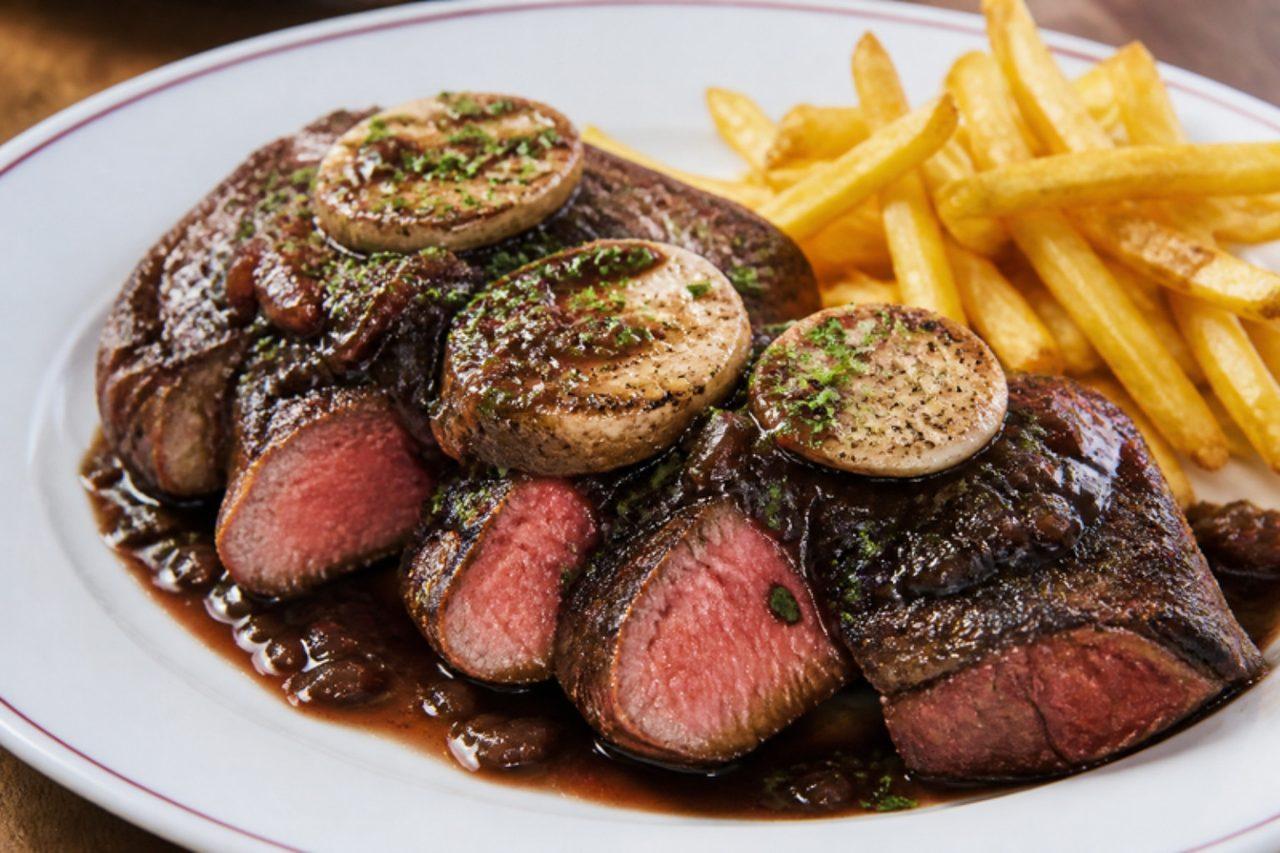
Entrecôte bordelaiseRib steak in red wine sauce

Bordeaux's brasseries, from the quays of the Garonne to the old Chartrons wine-merchant quarter, still grill entrecôte over vine cuttings and serve it with sauce bordelaise: shallots, thyme and red wine reduced to a syrup, then enriched with stock and cold butter. Poached bone marrow, folded in at the end, is the old-school touch and well worth trying. The sauce is glossy, deep and a little sweet against the well-browned, juicy steak. The sauce uses red wine; the ingredient note gives an alcohol-free version. Serve with frites or sautéed potatoes and a crisp green salad. Chef's tip: let the steaks sit out of the fridge for 30 minutes before cooking so the centre cooks evenly.

50 minFrenchMeat
by KrazyBadal 0 views

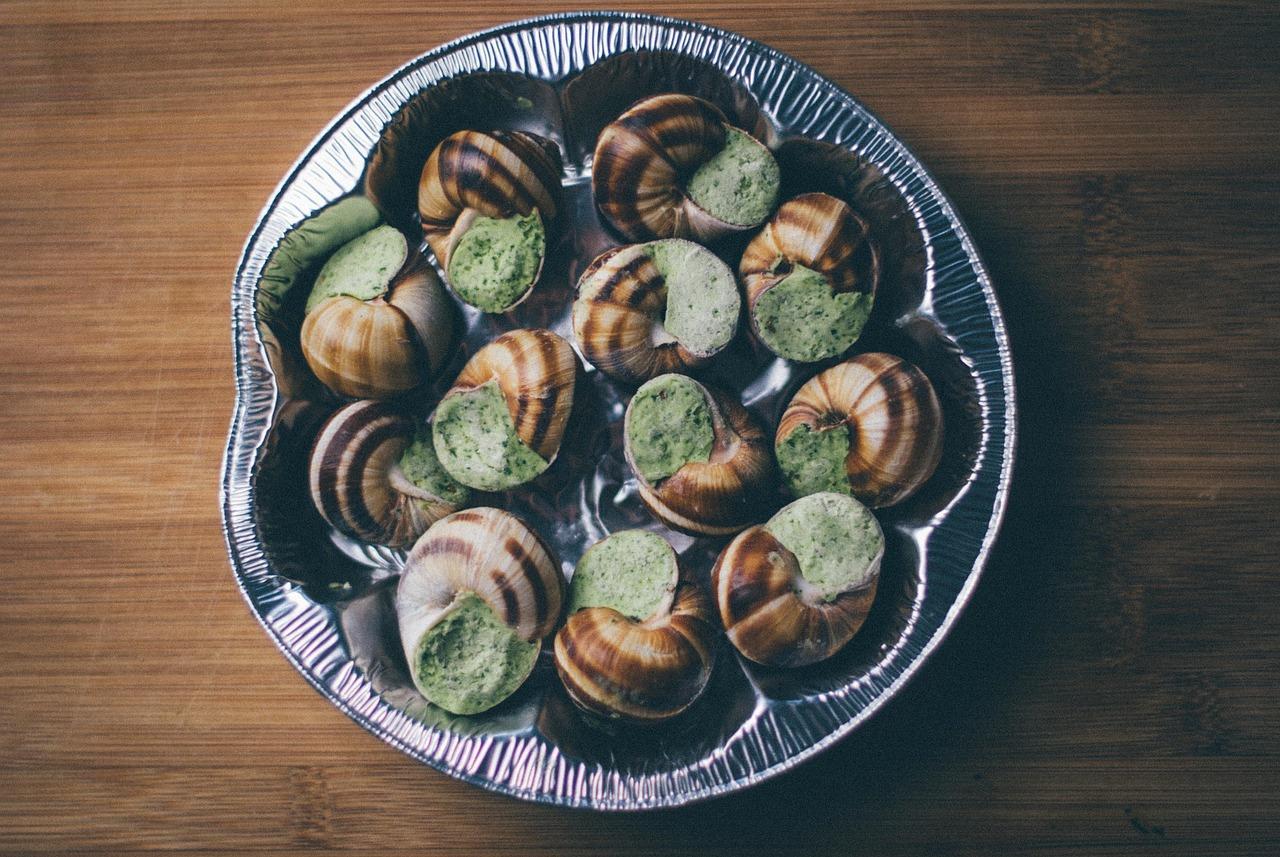
Escargots de BourgogneSnails in garlic parsley butter

Burgundy snails in green garlic butter are the festive starter of the Côte-d'Or, eaten at Christmas and New Year all over France and in Paris brasseries year round, served by the dozen in dimpled dishes. The snails themselves taste mild and earthy and have a pleasantly firm bite; the real attraction is the sizzling butter packed with garlic, shallot and parsley, mopped up with bread. Live snails need days of preparation, so this recipe uses ready-prepared tinned or jarred snails, with clean shells or snail dishes bought separately. Chef's tip: make the butter a day ahead so the garlic flavour deepens, and pack the shells well so the butter seals the snail in.

by KrazyBadal 0 views

EscribanoCrushed potato salad with rocoto

Mid-morning in Arequipa's traditional picanterías, before the big plates come out, regulars order escribano: a bowl of warm yellow potato crushed with a fork and drenched in rocoto, ripe tomato, vinegar and oil. Local lore says it was a snack for the court clerks (escribanos) who worked nearby, and it is still eaten as a sharp, spicy wake-up with a glass of chicha or a soft drink. The texture should be rough and juicy, somewhere between a salad and a mash, with the red chilli bright against the potato. Don't purée it: overworked potato goes gluey and loses the chunks that hold the dressing. Rocoto is fiercely hot, so start with half and taste. Serve it alone with crusty bread, or beside fried cheese or grilled vegetables. Chef's tip: dress the potatoes the moment they are drained and peeled, while they are steaming, so they drink in the vinegar.

by KrazyBadal 0 views

EsterházytorteAlmond meringue layer cake

Named after a Hungarian noble family and claimed by both Budapest and Vienna, this torte is a showpiece of Viennese pastry shops, where it sits in the glass counter beside richer chocolate cakes. Five or six crisp-chewy almond meringue layers are stacked with a vanilla custard buttercream, then topped with white icing and the famous feathered chocolate lines. It has no flour at all, so it suits gluten-free guests. A common mistake is baking the layers too pale; they should be light golden, or they go soft and sticky in the cream. Chef's tip: draw the circles on baking paper first and spread the meringue to the line with a palette knife, so every layer matches.

by KrazyBadal 0 views

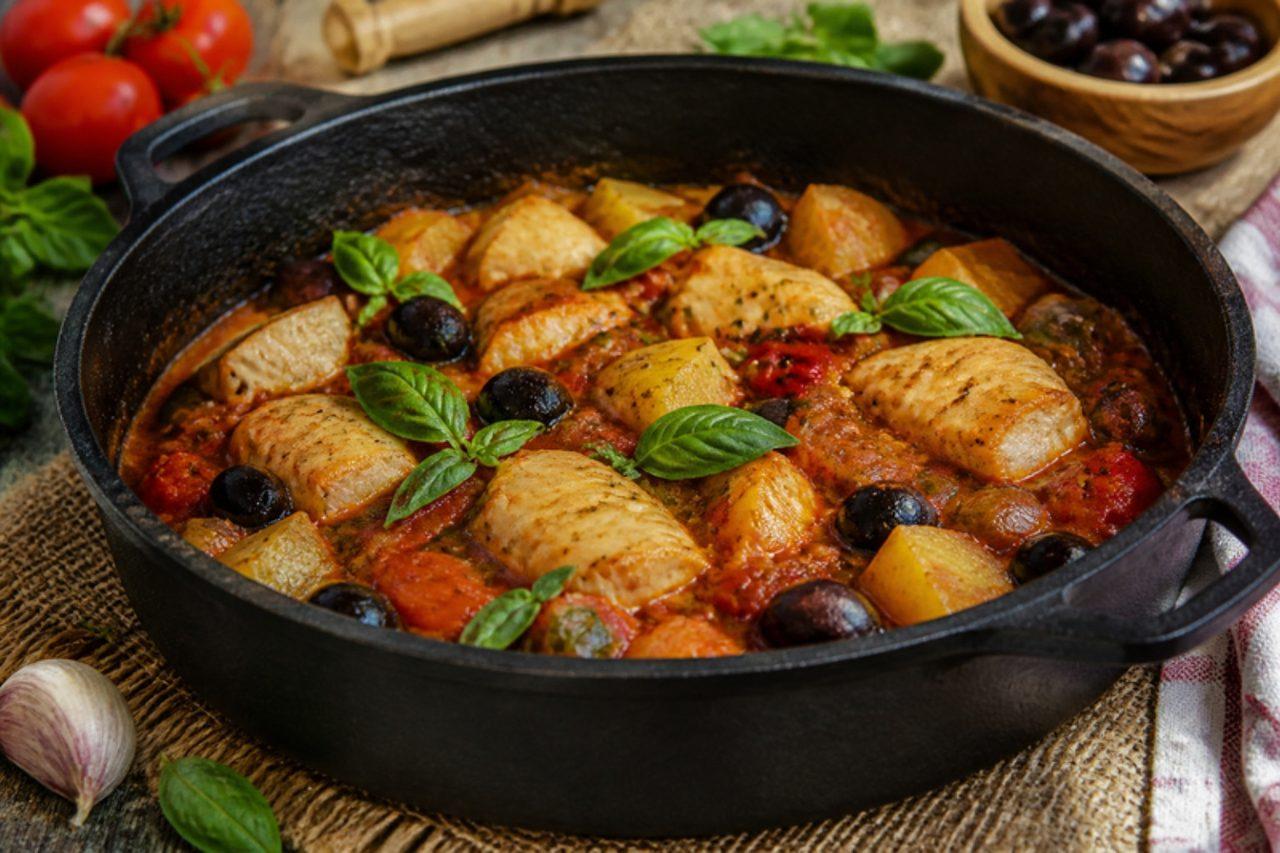
Estocaficada (stockfish niçois)Dried cod stew with tomato

Estocaficada is the old winter dish of Nice's port and old town, where Norwegian stockfish arrived in exchange for olive oil and wine centuries ago; it is still cooked for family Friday lunches and at the city's food festivals. Air-dried cod is rehydrated and stewed slowly with tomatoes, onions, peppers, black olives and potatoes, giving a rich, rust-red stew with a deep, almost meaty flavour. True stockfish is hard to find outside specialist shops and needs 4–5 days of soaking, so this recipe uses salt cod, which is easier and gives a gentler result; the note explains both. Serve in deep plates with crusty bread for the sauce. Chef's tip: add the cod at the end and keep it at a gentle simmer so it stays in juicy flakes rather than turning rubbery.

105 minFrenchFishGluten free
by KrazyBadal 0 views

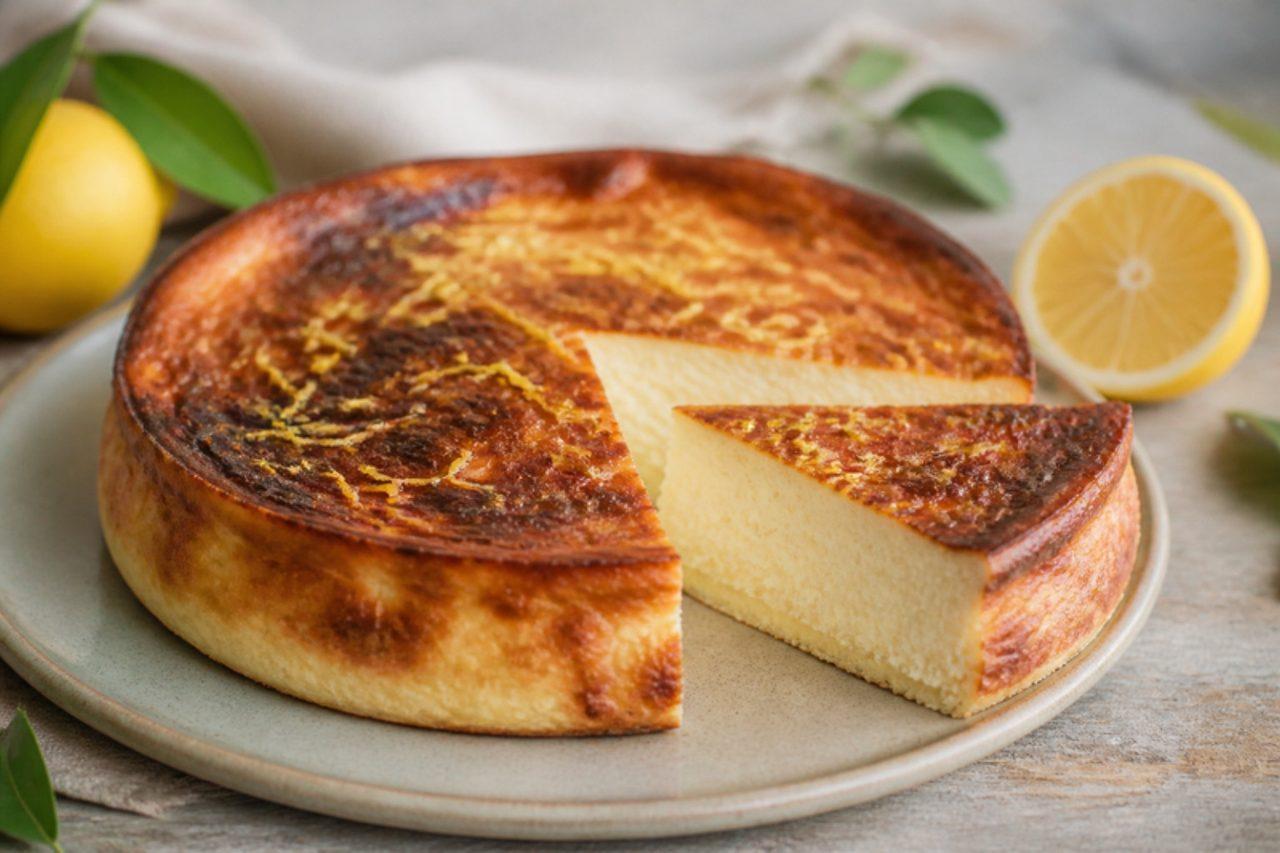
FiadoneLemon cheesecake

Fiadone is the cake of Corsican Easter and village feast days: fresh brocciu, the island's soft ewe's- or goat's-milk whey cheese, beaten with eggs, sugar and lemon zest and baked until the top is freckled brown. There is no base, so it is naturally gluten free, and it tastes lighter and less sweet than most cheesecakes. Brocciu is made from whey left after rennet cheesemaking, so it is not strictly vegetarian; well-drained ricotta labelled vegetarian is the usual stand-in outside Corsica. Some families add a spoon of local eau-de-vie; it is left out here. Chef's tip: drain the cheese well; a dry cheese gives the light, almost soufflé-like texture.

by KrazyBadal 0 views

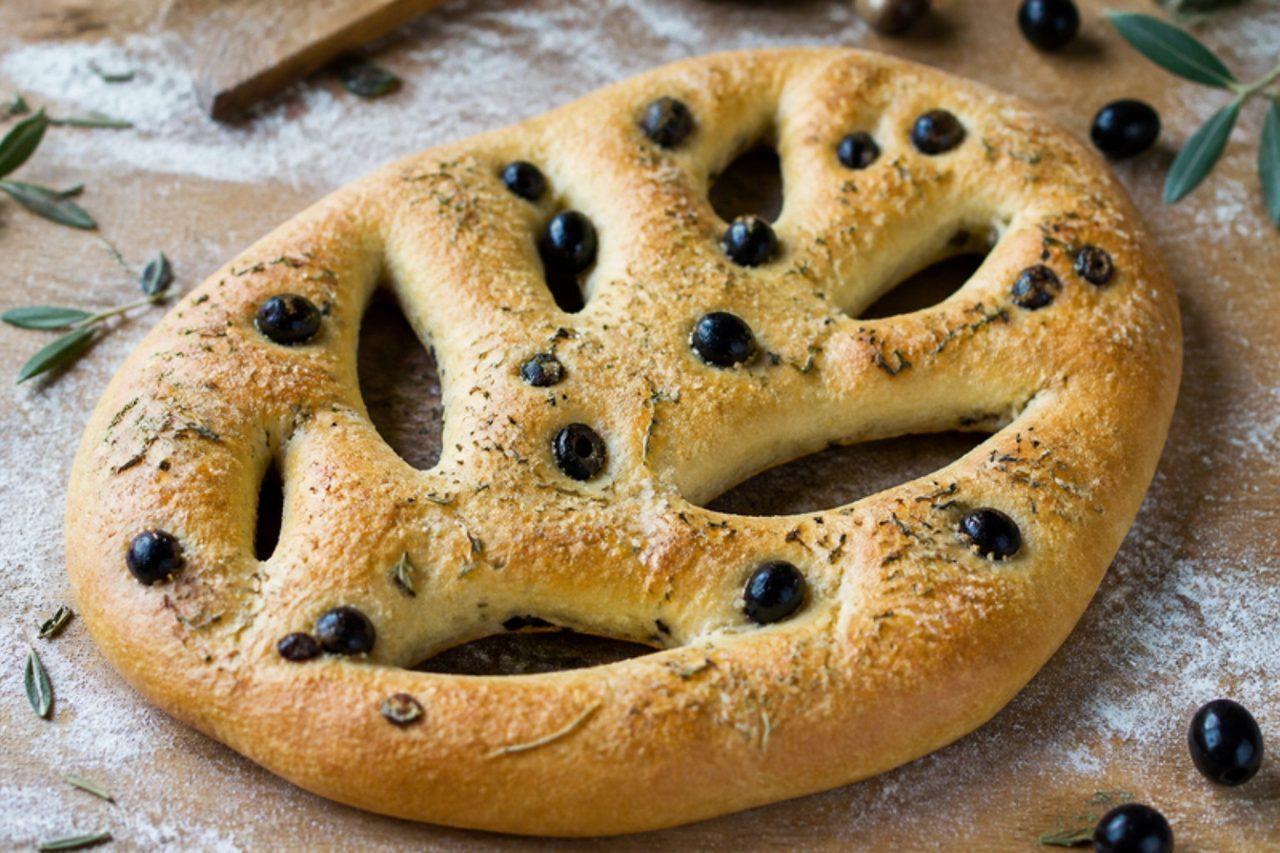
Fougasse aux olivesOlive and herb bread

Bakers in Provence once slid a fougasse into the wood oven first, to test the heat before the big loaves went in; the open, leaf-like shape bakes in minutes and is mostly crust. Today every boulangerie from Avignon to Apt sells it, plain or studded with olives, and families tear it apart on picnics and at market lunches. A sweet cousin flavoured with orange blossom is one of the thirteen desserts of a Provençal Christmas. This is the savoury everyday one, with black olives and herbes de Provence. Chef's tip: bake it on the hottest tray you can, near the top of the oven, so the thin bridges of dough blister and crisp before the thick edges dry out.

148 minFrenchBakingVegan
by KrazyBadal 0 views

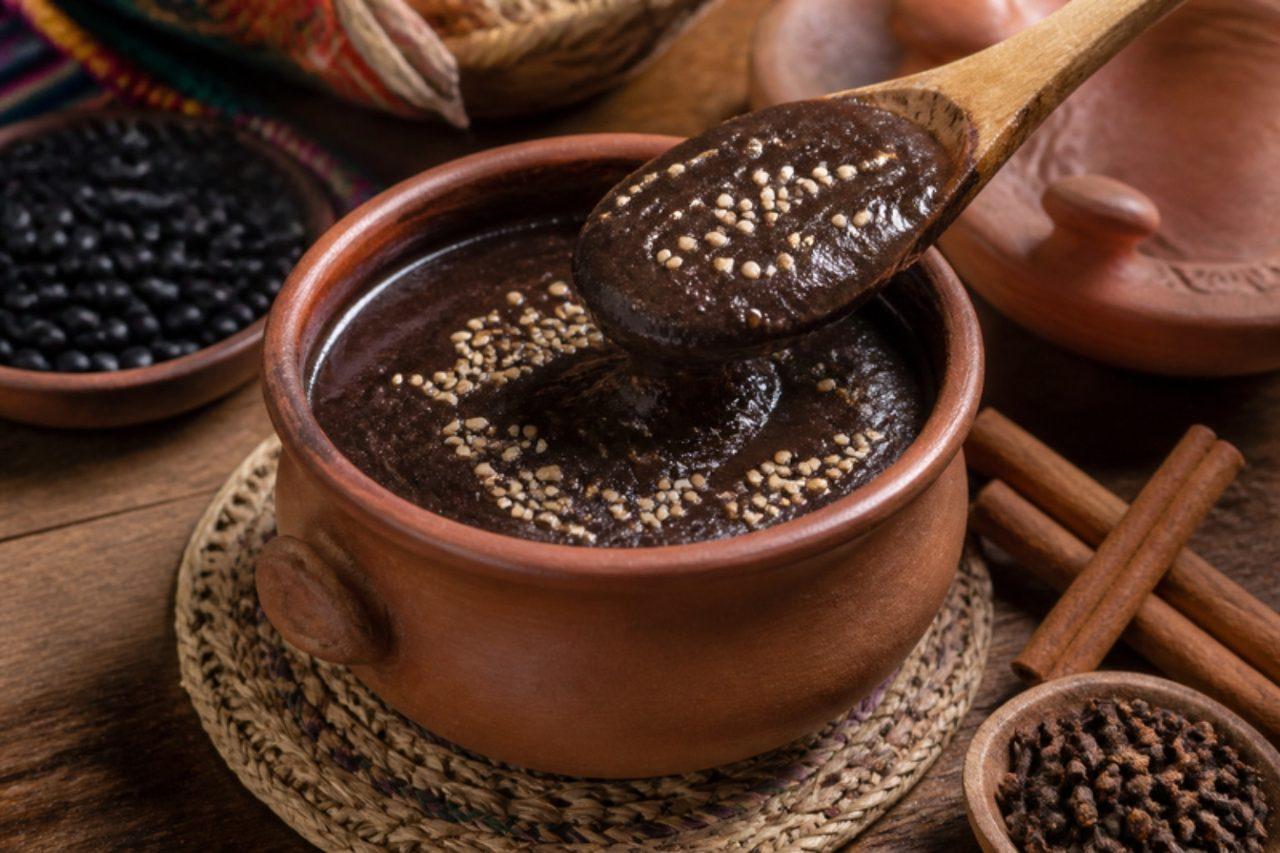
Frejol coladoSweet black bean paste

Chincha, south of Lima, is the heart of Afro-Peruvian culture, and its signature sweet is frejol colado: black beans cooked, pushed through a sieve (colado means strained) and then stirred for a long time with sugar and spices until the paste is dark, glossy and thick enough to stand a spoon in. It is traditionally served in little gourd bowls called potos, sprinkled with toasted sesame, and sold in Chincha's square and at festivals in El Carmen. The taste is deep and molasses-like, with clove and cinnamon, and nobody guesses it's beans. The beans need an overnight soak, which isn't counted in the time. Most people give up stirring too early; under-cooked frejol colado is runny and tastes of beans, so keep going until it pulls away from the pan in one mass. Some cooks add milk; this version is dairy free. Chef's tip: use a wide, heavy pan and a long wooden spoon, and wear an oven glove, because the thick paste spits as it reduces.

by KrazyBadal 0 views

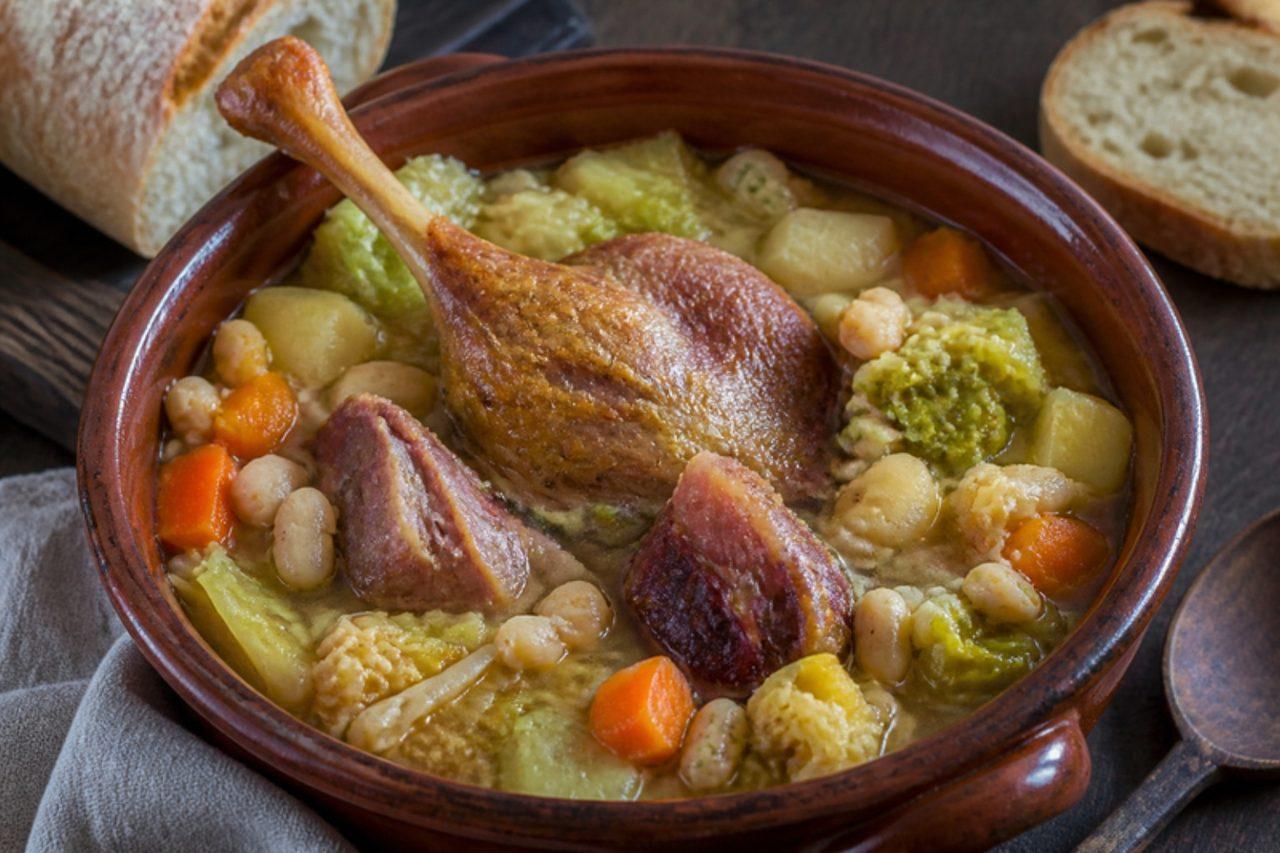
GarbureCabbage and bean duck soup

Shepherds in the Béarn valleys and farmers across Gascony have eaten garbure through the cold months for centuries, and it is still the centrepiece of village rugby-club suppers and winter fêtes. It is a soup so thick that, as people in Pau like to say, the ladle should almost stand up in it: white beans, cabbage, potatoes, leeks and turnips cooked down slowly, finished with pieces of duck confit warmed through in the pot. A ham hock is often added too; that version is a pork dish as well as a duck one, so leave it out if you need to. Serve it in deep bowls with thick slices of country bread. Chef's tip: hold back the salt until the very end, because confit duck and ham hock both season the soup as they warm.

180 minFrenchSoupsGluten free
by KrazyBadal 0 views

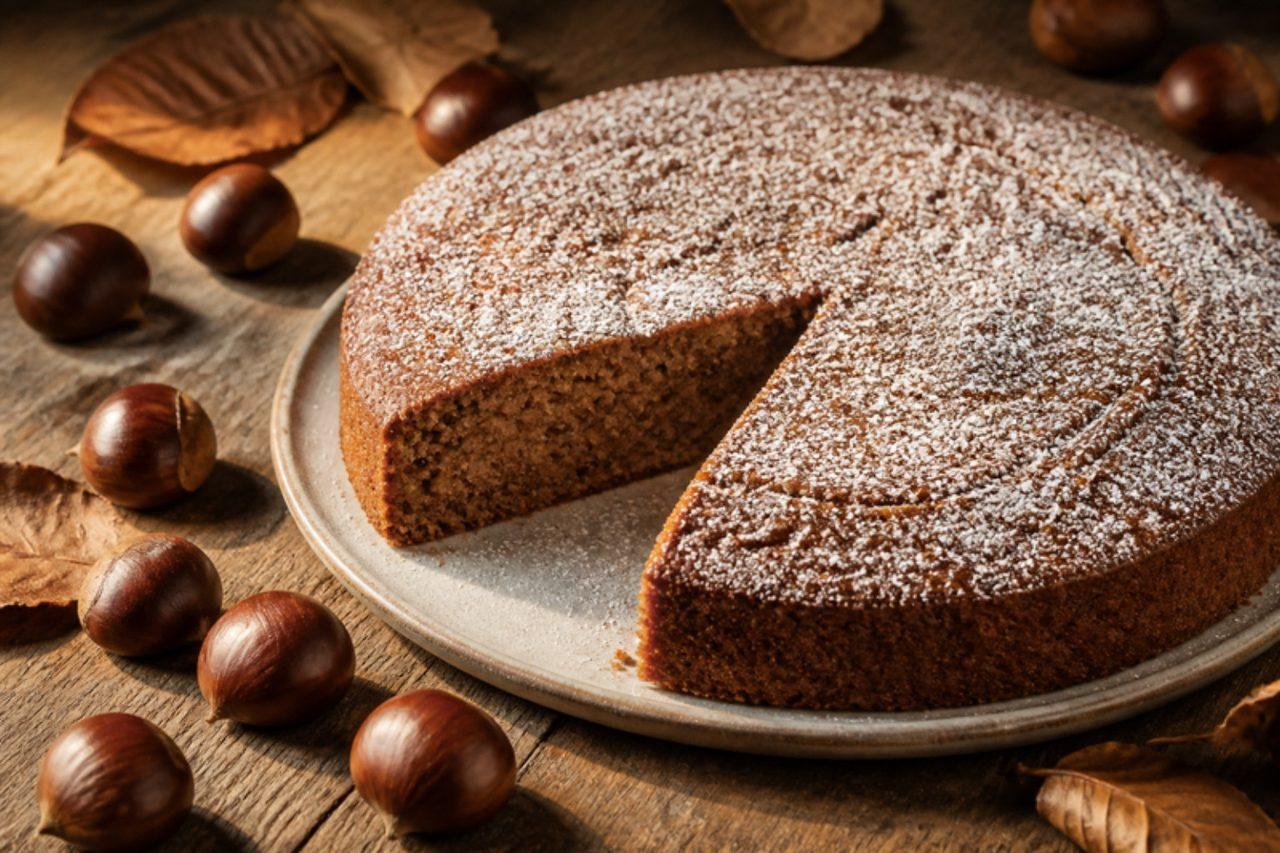
Gâteau à la farine de châtaigneChestnut flour cake

In the Castagniccia, the chestnut forests of north-east Corsica, the chestnut was called the bread tree, and its sweet, smoky flour went into polenta, fritters and cakes. Every December the village of Bocognano holds a chestnut fair where this simple cake is sold by the slice. Made only with chestnut flour, it is dense and moist, with no wheat at all (check the flour packet if you avoid gluten), and has a flavour somewhere between cocoa and toasted nuts. Serve it with fresh cheese, a spoon of jam or a cup of coffee. Chef's tip: sift chestnut flour twice; it clumps in the bag, and lumps stay as dry pockets in the cake.

by KrazyBadal 0 views

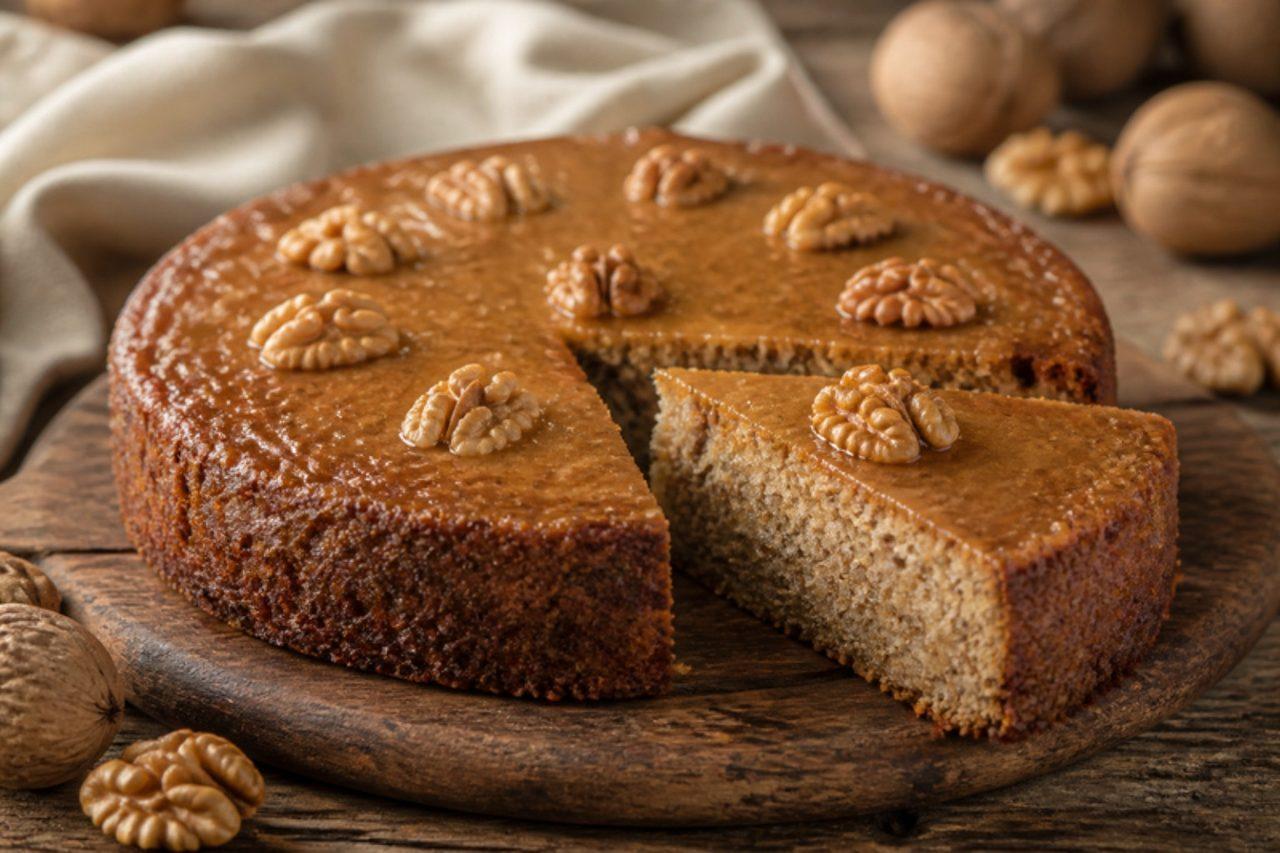
Gâteau aux noix du PérigordWalnut cake

Walnut orchards line the Dordogne valley around Sarlat and Périgueux, and after the autumn harvest every farmhouse and market bakery turns the new nuts into this dense, moist cake. It is sold by the slice at Sarlat's Saturday market and eaten in the afternoon with coffee or a glass of walnut-leaf syrup and water, or after Sunday lunch with a spoon of crème fraîche. Ground walnuts replace most of the flour, so it is nutty, slightly bitter and very tender. Chef's tip: toast the walnuts first for 6 minutes; it softens the bitterness of the skins and deepens the flavour.

by KrazyBadal 0 views

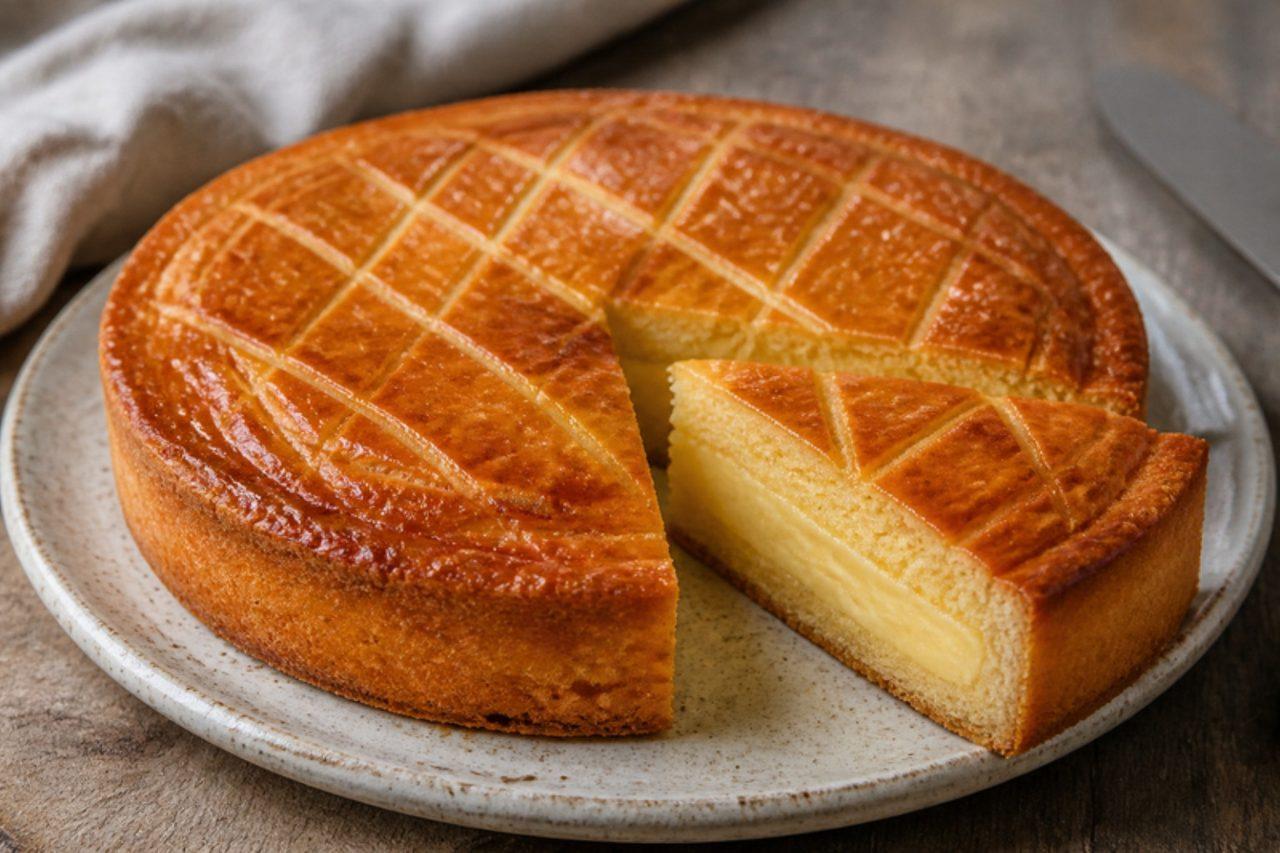
Gâteau basqueCream-filled butter cake

Cambo-les-Bains and the inland villages of the Labourd claim the gâteau basque, and bakeries across the Basque Country sell it in two versions, filled with black cherry jam from Itxassou or with thick pastry cream, marked with a criss-cross or a Basque cross on top. Families buy one for Sunday lunch and cut it at room temperature with coffee. Its crust is halfway between shortbread and cake, golden and crumbly, wrapped round a soft vanilla centre. Some bakers flavour the cream with rum; this one uses vanilla and almond extract and is alcohol-free. For the cherry version, swap the cream for 300 g thick black cherry jam. Chef's tip: chill the dough well before rolling; it is soft and buttery and tears when warm.

105 minFrenchBaking
by KrazyBadal 0 views

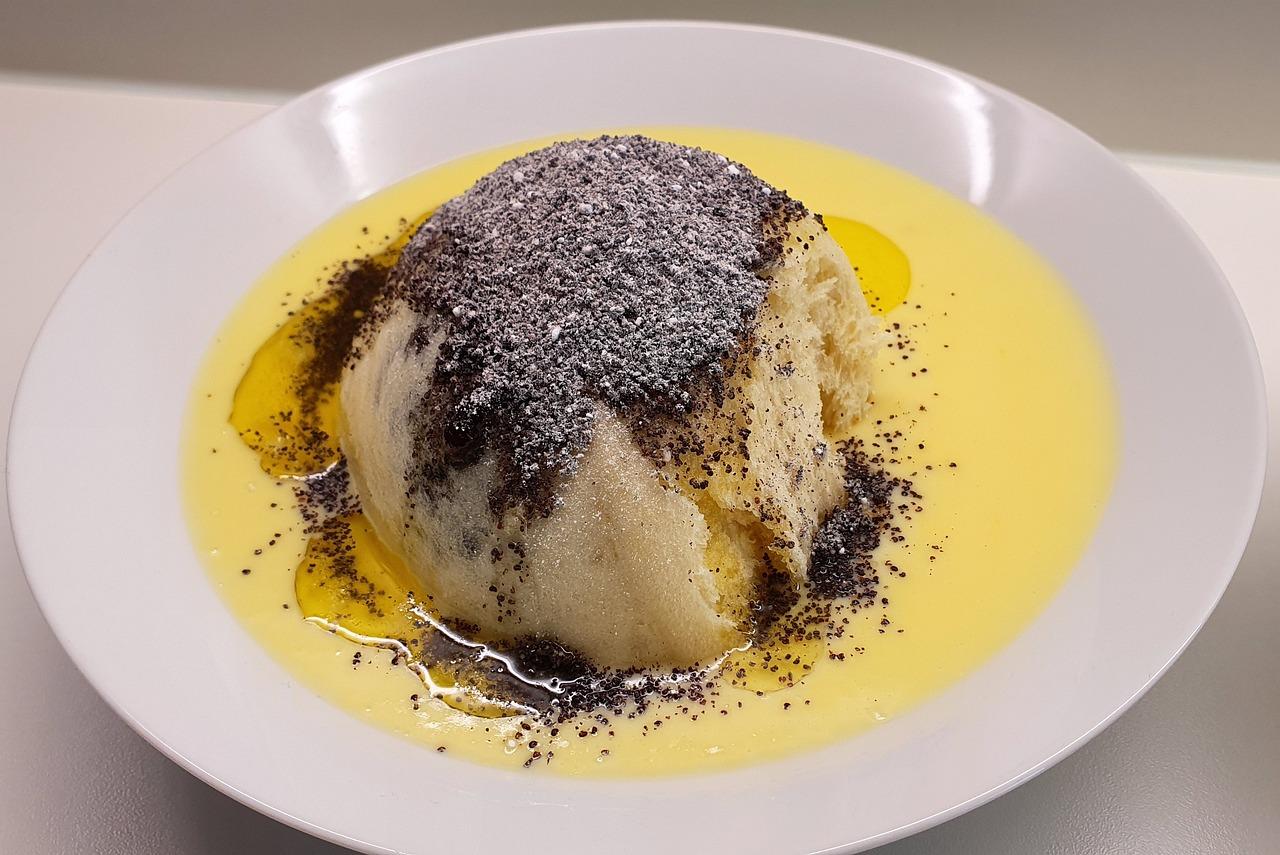
GermknödelSteamed plum jam dumpling

After a morning on the slopes, Austrians head into the mountain huts of Tyrol, Salzburg and Styria for one thing: a Germknödel the size of a fist, steamed until pillowy and split open to reveal dark plum butter. It comes drowned in melted butter, or in vanilla sauce, under a thick snow of ground poppy seeds and icing sugar, and it is eaten as a whole meal. The dough is soft and slightly sweet, and the powidl inside is tart and jammy. A common mistake is lifting the lid while they steam; the dumplings deflate and turn heavy. Chef's tip: seal each dumpling with the seam underneath and let them prove a second time on squares of baking paper, so you can move them without denting them.

by KrazyBadal 0 views

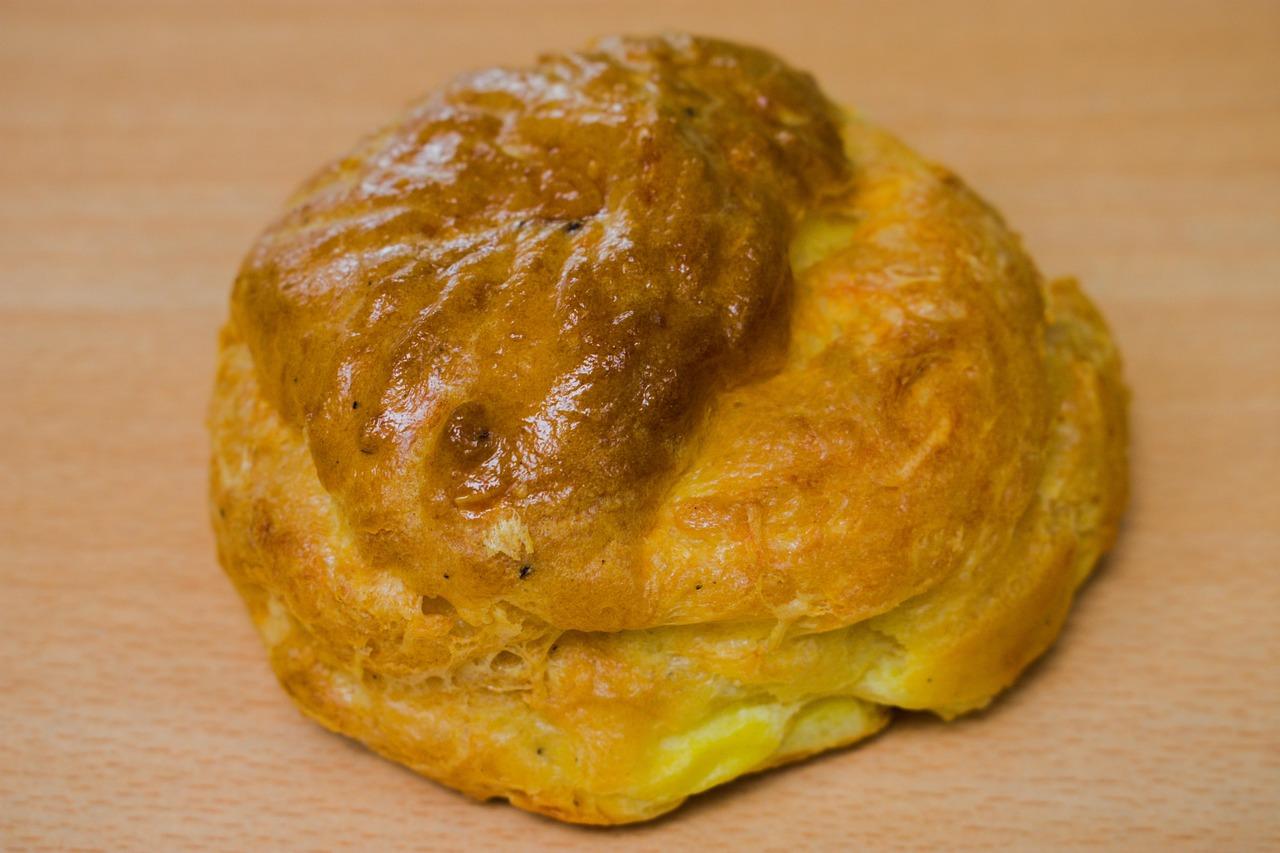
GougèresCheese choux puffs

In the wine villages of Burgundy, around Beaune and Chablis, a basket of gougères lands on the table the moment guests sit down: small golden choux puffs, crisp outside and hollow and cheesy within. They are handed round at cellar tastings, christenings and Sunday aperitifs, and they are best eaten warm, within ten minutes of leaving the oven. The dough is the same as for profiteroles, but salted, peppered and beaten with grated Comté or Gruyère. Both cheeses are traditionally made with animal rennet, so use a vegetarian hard mountain-style cheese if you need to. Chef's tip: dry the dough on the heat until it leaves a thin film on the bottom of the pan; drier dough takes more egg and puffs higher.

by KrazyBadal 0 views

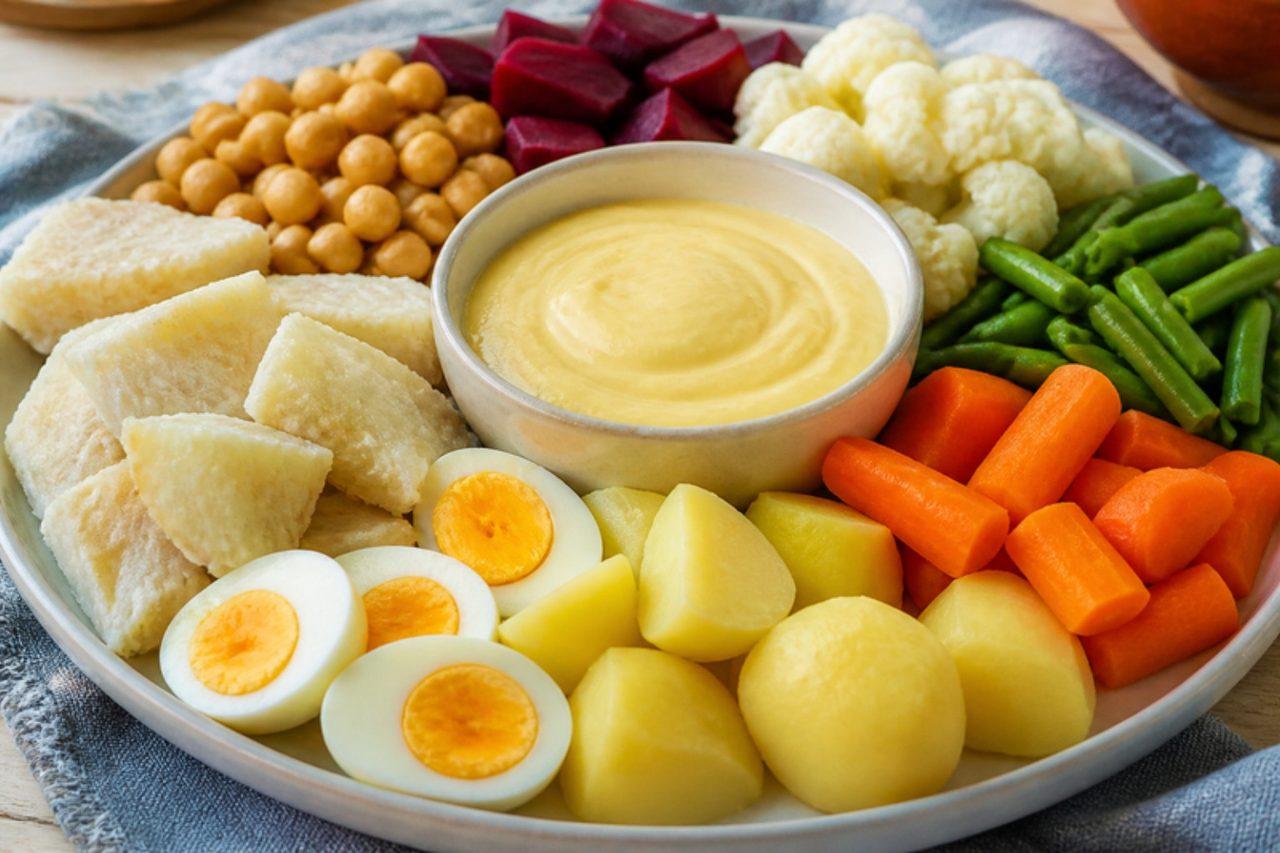
Grand aïoliSalt cod and vegetables with aioli

Across Provence, a grand aïoli is the lunch for Fridays, the meatless day, and for summer village fêtes, when long tables are laid under the plane trees and the platters go round. Poached salt cod, boiled potatoes, carrots, green beans, beetroot and hard-boiled eggs are piled up around a bowl of aïoli, the pungent, golden garlic mayonnaise that gives the meal its name. It is plain food made thrilling by that sauce, so use your best olive oil. The salt cod needs 24–36 hours soaking in the fridge, so start early. Because the aïoli is made with raw egg yolk, use pasteurised egg yolks if you are serving pregnant women, young children, older people or anyone with a weakened immune system. Chef's tip: start the aïoli with a pinch of salt and pounded garlic, and add the oil drop by drop until it thickens.

85 minFrenchFishGluten free
by KrazyBadal 0 views

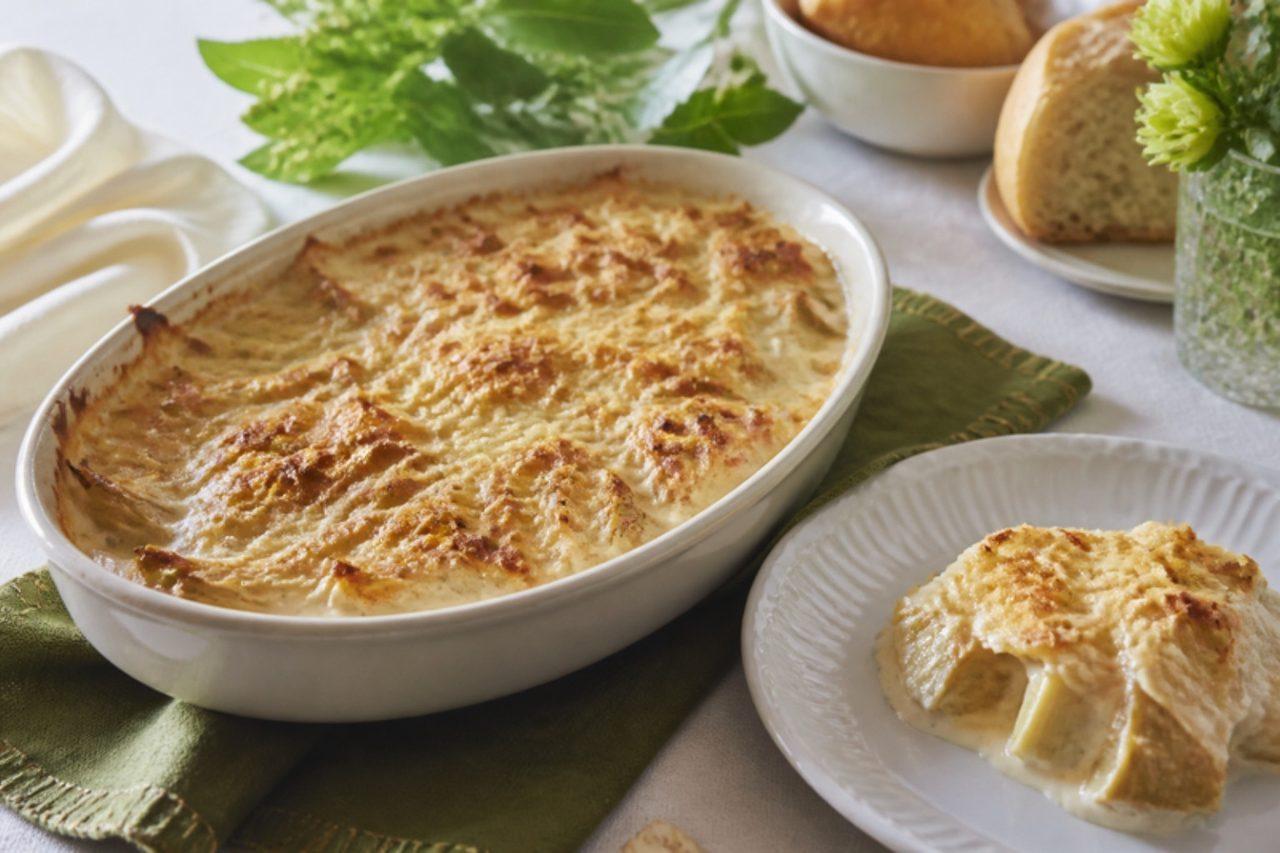
Gratin de cardonsCardoon gratin

Cardoons, the tall silvery cousin of the artichoke, are a Christmas vegetable in Lyon and the Dauphiné; market stalls on the Quai Saint-Antoine sell them in December, and the gratin goes on the table at the réveillon dinner. The stalks taste gently of artichoke and celery and turn meltingly soft under a nutmeg béchamel. Lyon cooks often add bone marrow; this version leaves it out and uses vegetable stock in the sauce. Gruyère is usually made with animal rennet, so choose a vegetarian alternative if needed. If you cannot find cardoons, celery hearts work, though they cook faster. Chef's tip: drop each peeled stalk straight into lemon water; cardoons blacken within minutes in the air.

105 minFrenchSides
by KrazyBadal 0 views

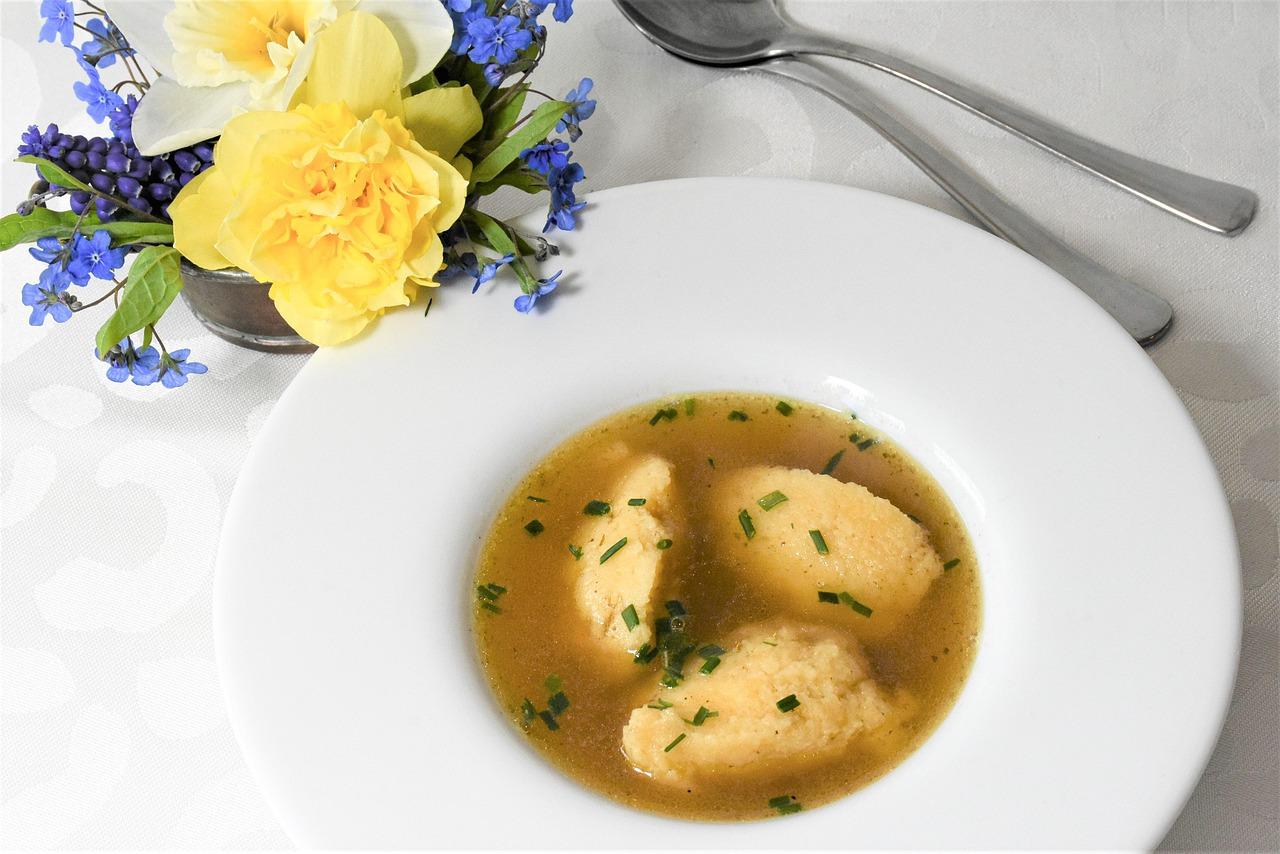
GrießnockerlsuppeBeef broth with semolina dumplings

Grießnockerlsuppe is the soup that opens a proper Austrian Sunday lunch, from Viennese grandmothers' tables to village inns in Upper Austria: a clear, deeply savoury beef broth with three or four soft, oval semolina dumplings that should be fluffy enough to cut with a spoon. The broth is made from beef shin and bones, simmered slowly with charred onion; broth left over from Tafelspitz works perfectly too. Chef's tip: let the semolina mix rest for 15 minutes before shaping; the grains swell and the dumplings hold together without going heavy.

by KrazyBadal 0 views

Habas tostadasFried dried broad beans

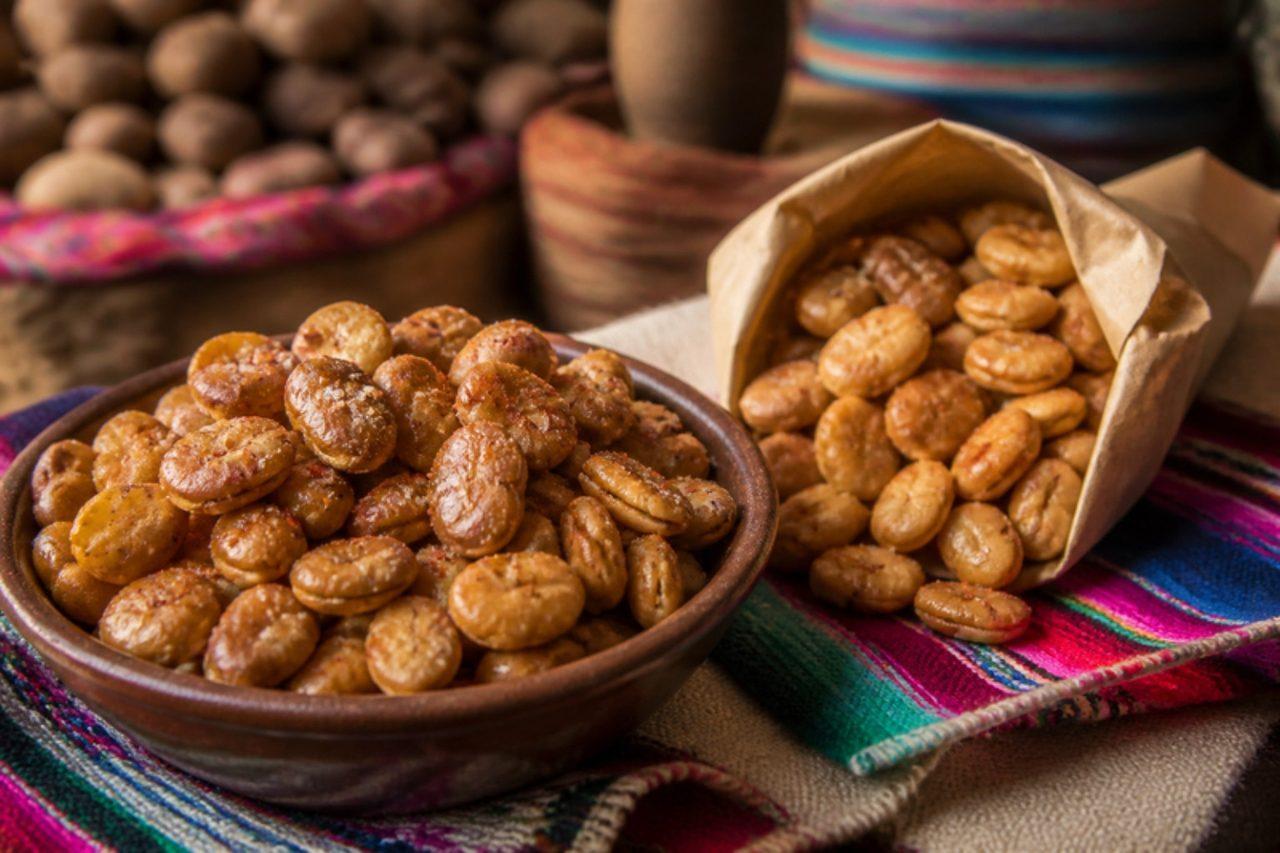
Paper cones of habas tostadas are sold by the scoop at markets from Huancayo to Puno, piled next to cancha and roasted peanuts, and they disappear by the handful at football matches, on long bus rides and with a cold drink in the evening. Dried broad beans are soaked, dried and fried until they crack open, turning golden and crisp outside with a slightly mealy, nutty centre. Most sellers leave the skins on, which gives them their bite. The beans need an overnight soak before you start, so plan a day ahead. The mistake to avoid is frying them still wet from the soak: the oil spits dangerously and the beans steam instead of crisping, so dry them thoroughly on a towel. Eat them on their own or put a bowl out with olives and pickled onions. Chef's tip: fry them twice, first at a lower heat to cook the centre, then hotter for the crunch, and salt them the moment they come out of the oil.

by KrazyBadal 0 views

Helado de lúcumaLúcuma ice cream

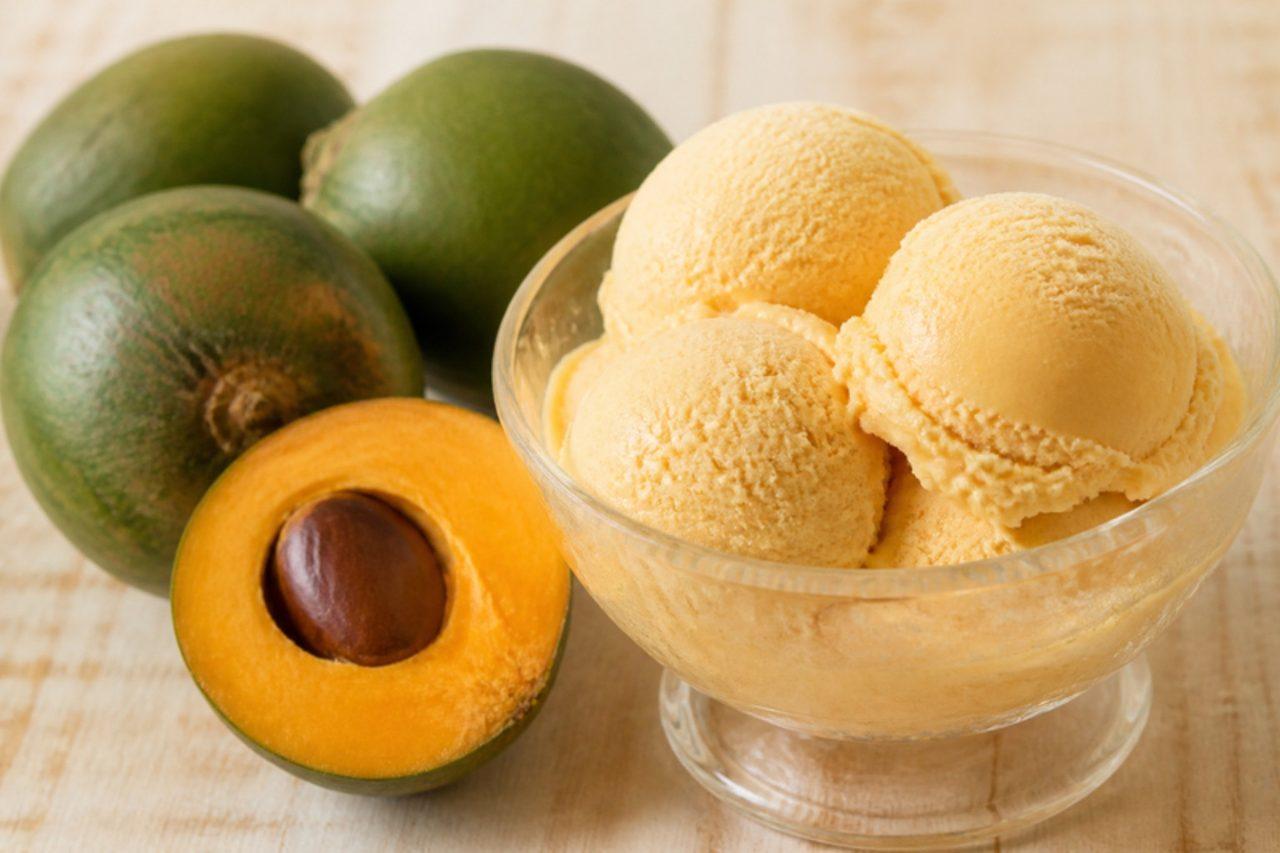
Ask anyone in Lima, Cusco or Trujillo for the national ice-cream flavour and they will say lúcuma, the green-skinned Andean fruit with dry, golden-orange flesh that tastes of butterscotch, maple and sweet potato. Every ice-cream parlour, supermarket freezer and street cart sells it, and it's also folded into cakes and milkshakes. This no-churn version needs no machine: frozen lúcuma pulp (or lúcuma powder, both in Latin shops and health-food stores) is whisked into condensed milk, then folded into whipped cream and frozen. It comes out smooth, rich and naturally caramel-coloured. The mistake is over-whipping the cream to stiff peaks, which makes the ice cream grainy and buttery; stop at soft peaks. It needs at least 6 hours in the freezer, so make it the day before. Serve with a slice of chocolate cake or on its own. Chef's tip: a pinch of salt and a few drops of lime sharpen lúcuma's mellow flavour so it doesn't taste flat when frozen.

by KrazyBadal 0 views

Showing 24 of 682 recipes

Show more recipes

Page 19 of 29