Skip to content
Recipes

All recipes

Vegetarian, or something you can't eat? Set your diet once and we'll hide recipes that don't fit.

Młode ziemniaki z koperkiem (new potatoes with dill)

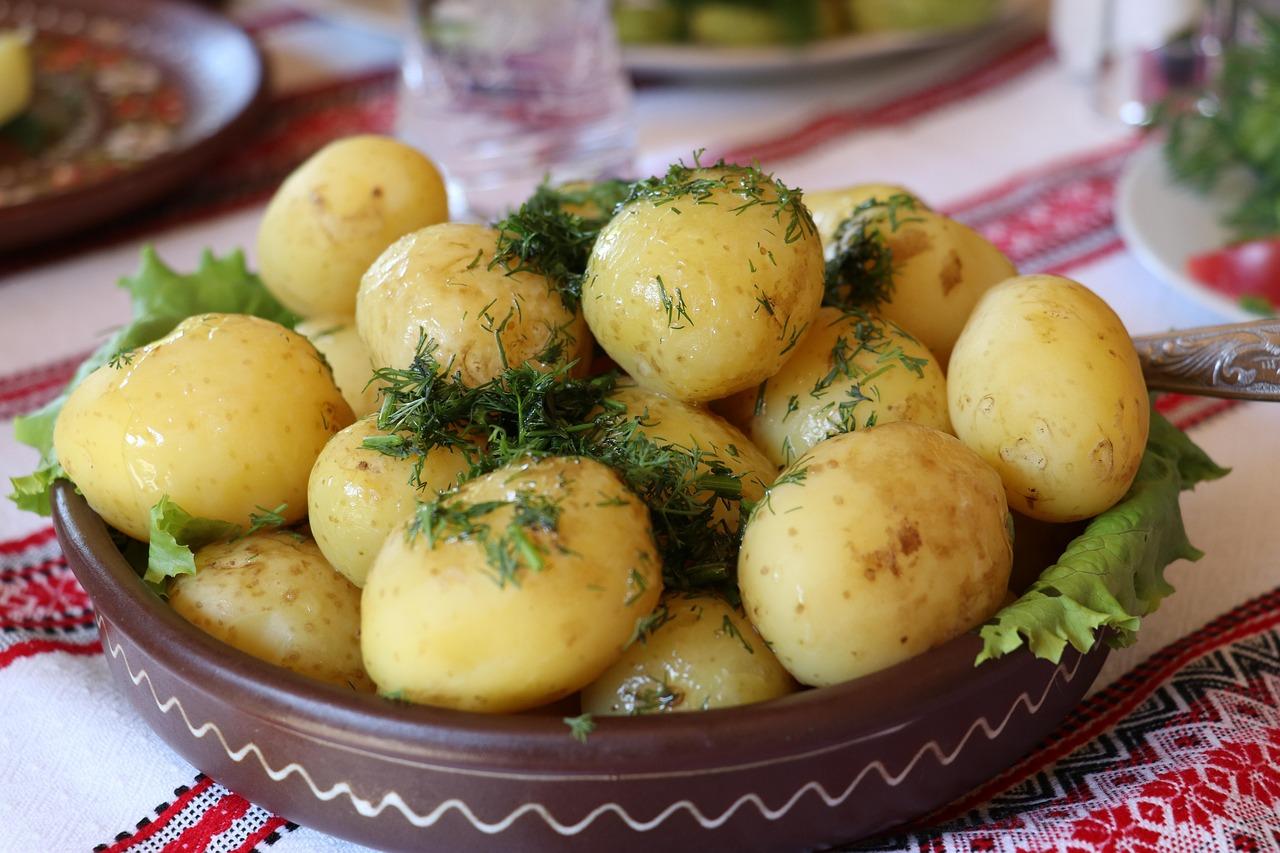
In June, when the first new potatoes reach Polish markets, many families make a whole supper of them: thin-skinned potatoes boiled, tossed in melted butter and a fistful of chopped dill, with a glass or bowl of cold kefir or buttermilk alongside. It is simple, early-summer country food, and it also sits next to fried eggs or cucumber salad. The common mistake is peeling them or boiling them hard; new potatoes should be scrubbed only and simmered gently, or they split and go watery. Chef's tip: add the dill only once the potatoes are off the heat, so it stays bright green and fresh-tasting.

by KrazyBadal 0 views

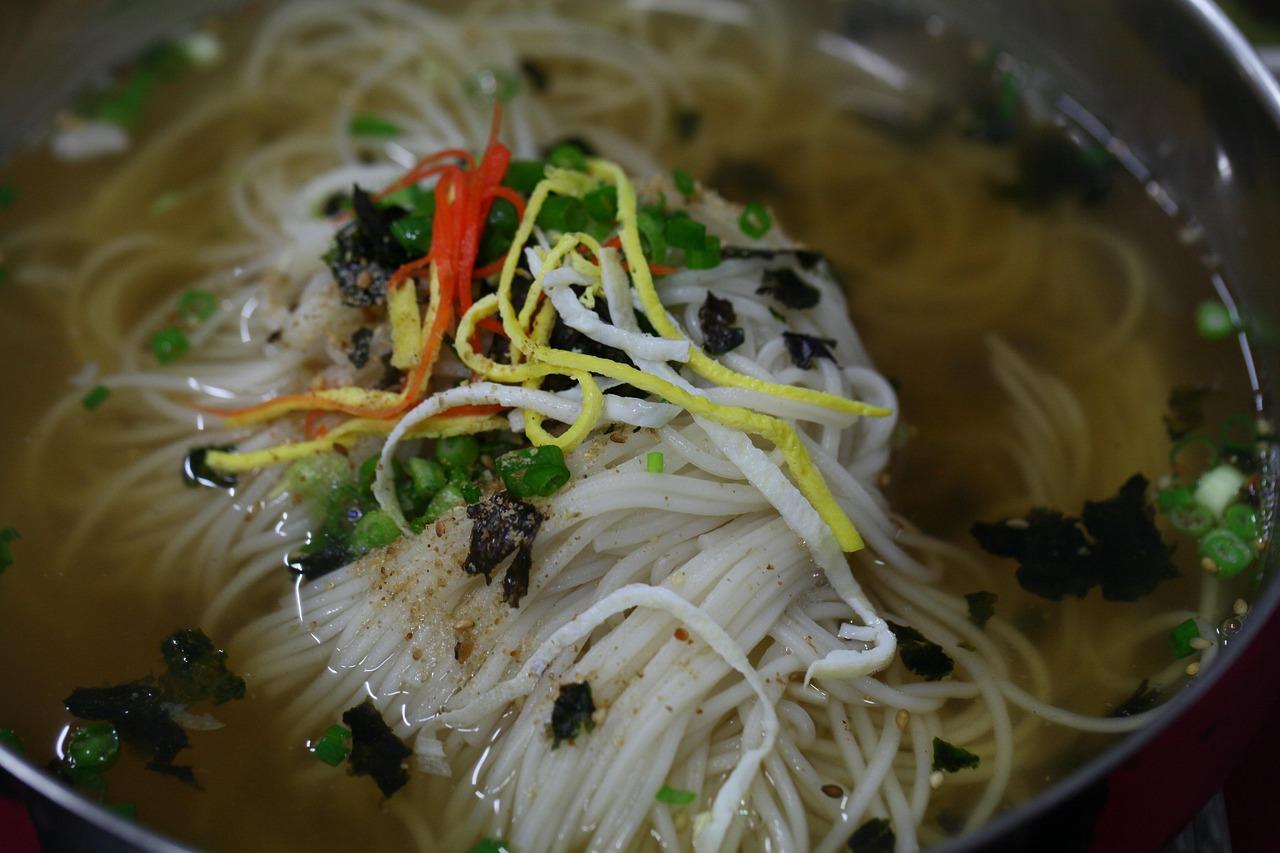
Janchi guksu (Korean banquet noodles)

Janchi guksu means banquet noodles, the bowl once served at Korean weddings and birthdays for long life, and now a quick lunch at markets from Seoul to Busan: thin somyeon in a clear, gently fishy broth of dried anchovy and kelp, topped with egg ribbons, courgette and a spoon of seasoned soy. The mistake is boiling the anchovies hard or too long, which makes the broth bitter and cloudy. Chef's tip: remove the anchovy heads and the dark gut before simmering for a cleaner, sweeter stock.

by KrazyBadal 0 views

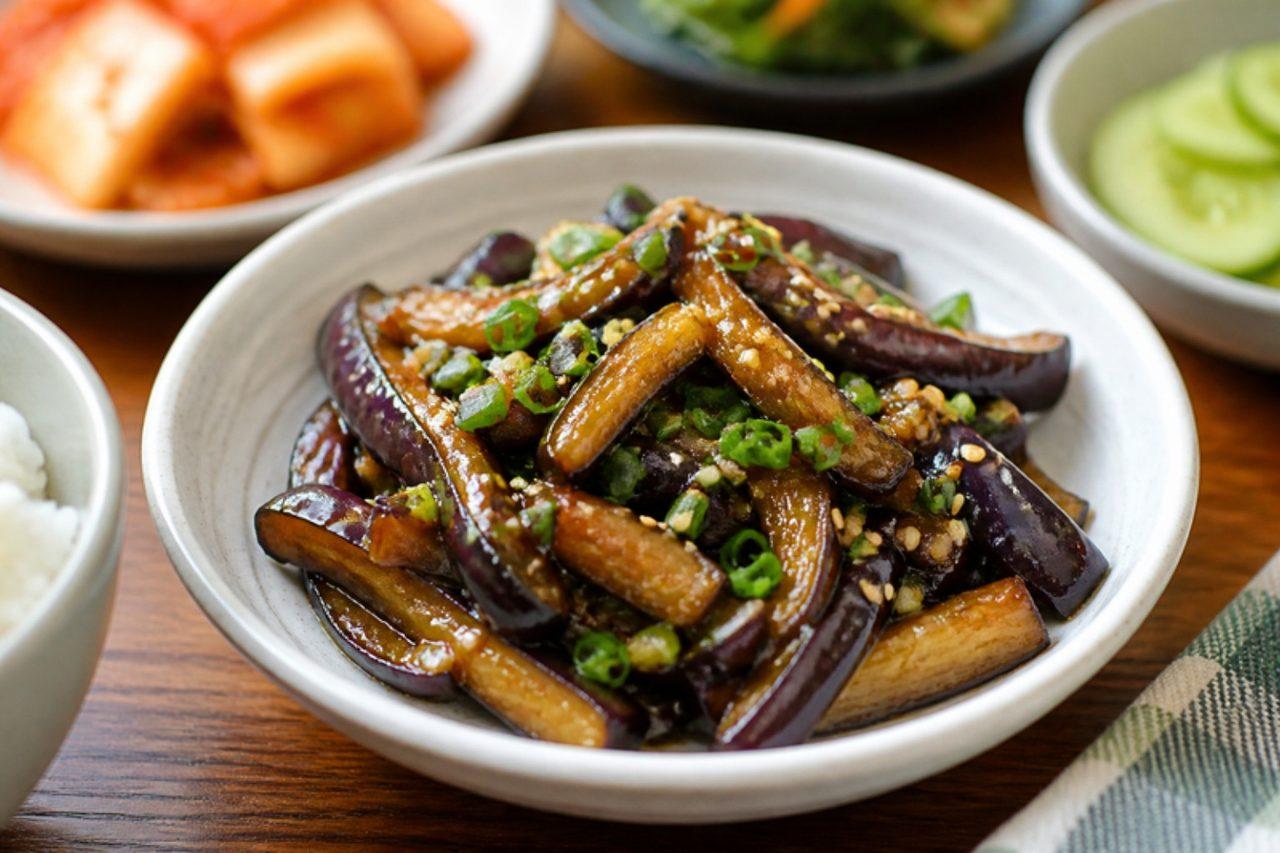
Gaji bokkeumStir-fried aubergine

Gaji bokkeum is a summer banchan in Korean homes, cooked in the weeks when long, thin Korean aubergines fill the markets. Strips of aubergine are seared until soft and caramelised, then tossed in garlic, spring onion, soy sauce and sesame so they turn glossy and savoury-sweet. It sits beside rice and soup at dinner and keeps well in the lunchbox. The mistake is pouring in lots of oil at the start: aubergine soaks it all up and turns greasy. Chef's tip: sear the strips in a moderate amount of oil and add a splash of water if the pan dries; the steam softens them without more oil.

by KrazyBadal 0 views

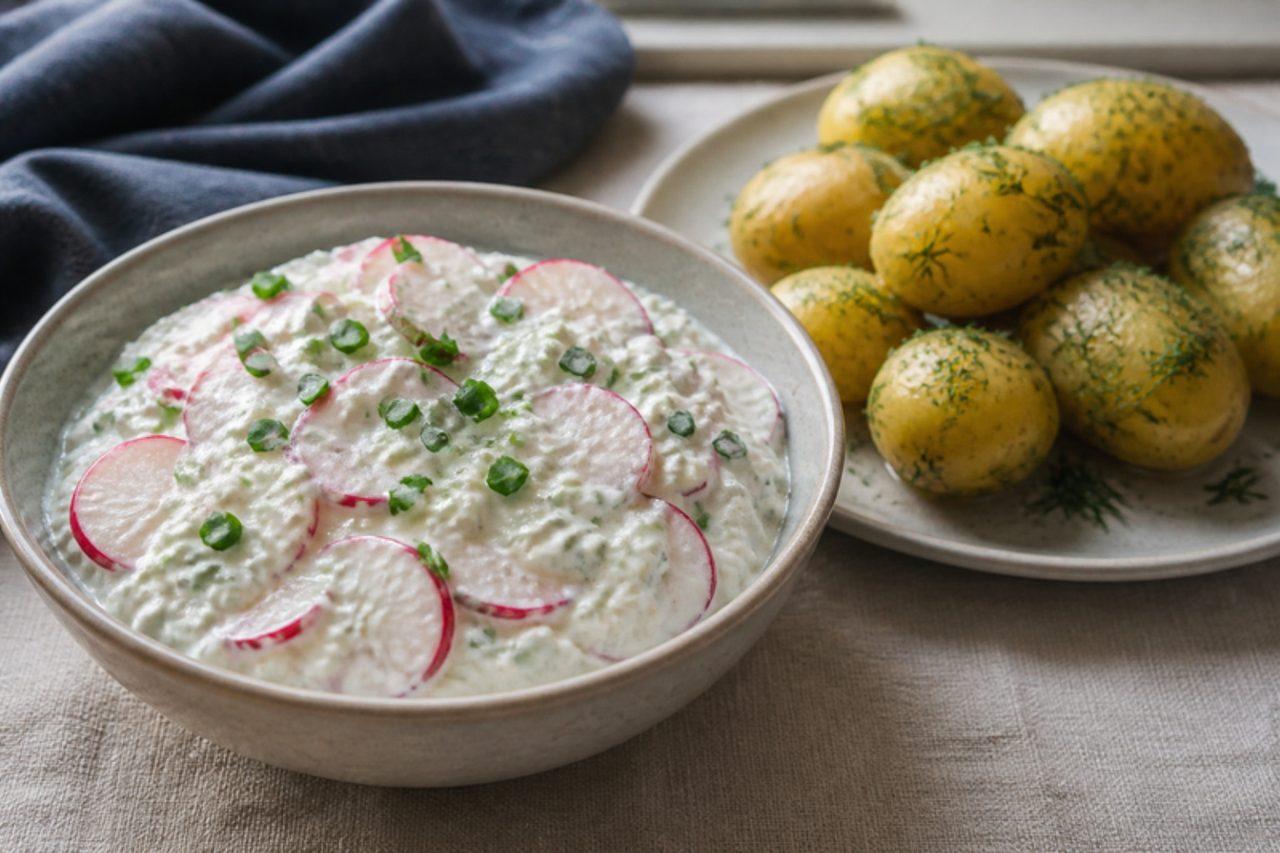
Gzik (Poznań quark with radish and chives)

Gzik is a Poznań favourite, so much a part of Greater Poland that the region's potato-and-quark supper, pyry z gzikiem, has its own festival. Soft white quark is beaten with sour cream, then mixed with chopped radish, onion and chives into a cool, tangy, crunchy spread that is spooned over hot boiled potatoes in their skins, or onto rye bread for breakfast. The most common mistake is using dry, crumbly quark without loosening it, which gives a pasty gzik; it should be smooth and just spoonable. Quark and sour cream are made without rennet, so this is a good vegetarian choice. Chef's tip: salt the chopped radish and onion only at the last minute, so they stay crisp instead of weeping into the cheese.

by KrazyBadal 0 views

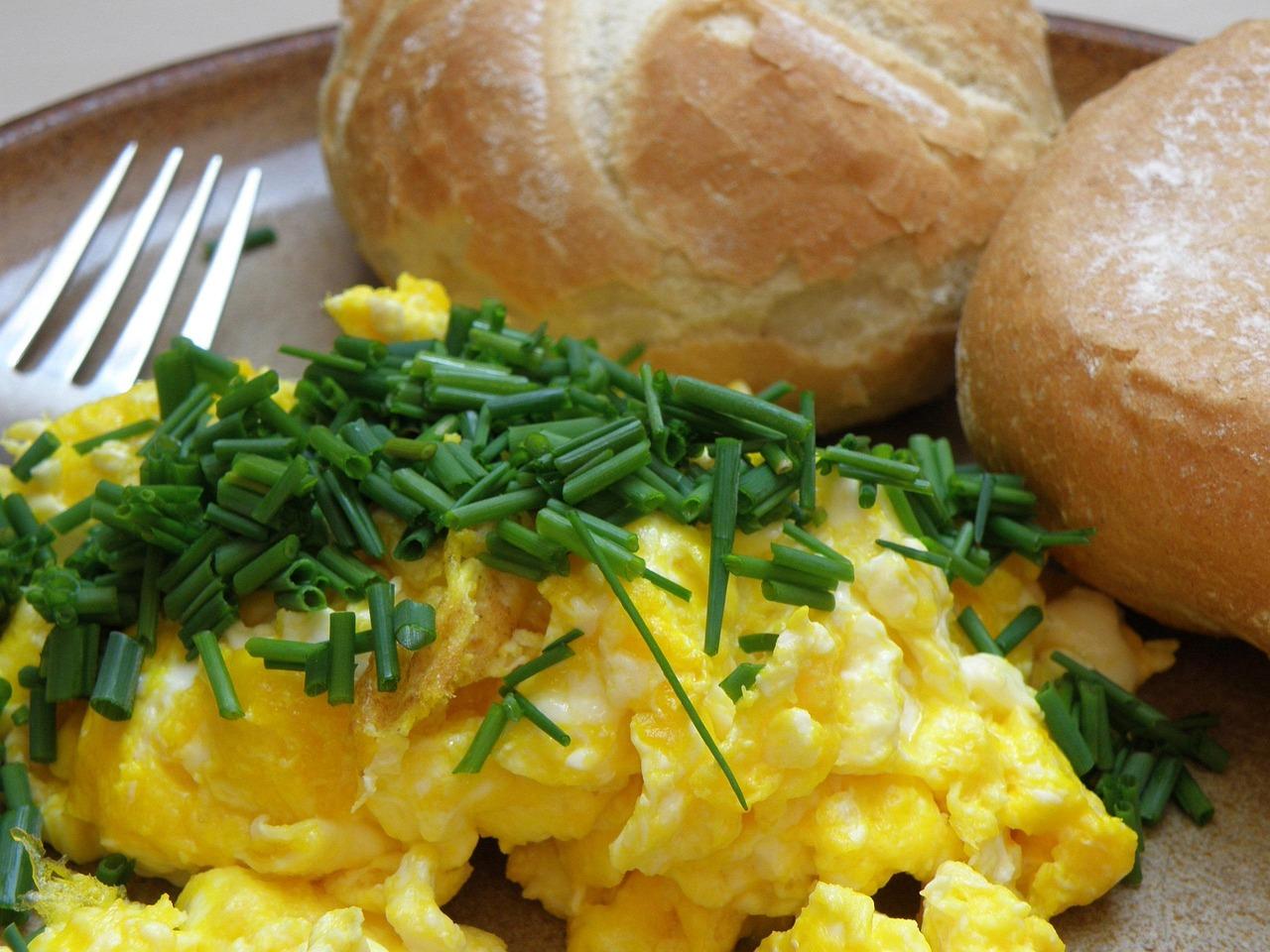
Jajecznica (Polish scrambled eggs)

Jajecznica is what a Polish household cooks when there are ten minutes and a box of eggs: soft, large curds stirred slowly in plenty of butter, sometimes with a little onion softened first and always with a shower of chives. It turns up at weekend breakfasts with bread and sliced tomato, and just as often as a light supper after work. The usual mistake is a pan that is too hot, which turns the eggs rubbery and weepy before they have had a chance to go creamy. If you are cooking for anyone pregnant, very young, older or otherwise vulnerable, cook the curds until no liquid egg remains. Chef's tip: take the pan off the heat while the eggs still look slightly underdone; they finish setting on the way to the plate.

by KrazyBadal 0 views

TopfengolatschenSweet quark puff pastry squares

A Topfengolatsche is what Viennese office workers grab from the bakery on the way in, and what grandparents order with a Melange in a coffee house on a Sunday afternoon. The corners of a puff pastry square are folded over a lemony, vanilla-scented filling of Topfen (Austrian quark) with plump raisins, and the top gets a thin white glaze. It is flaky, light and not too sweet. Raisins are sometimes soaked in rum; warm water or orange juice works just as well, and the recipe below is alcohol-free. Wet quark is the classic problem, because it turns the filling runny and it leaks out in the oven. Chef's tip: hang the quark in a sieve lined with a clean cloth for an hour, or squeeze it, until it is as thick as soft cream cheese.

by KrazyBadal 0 views

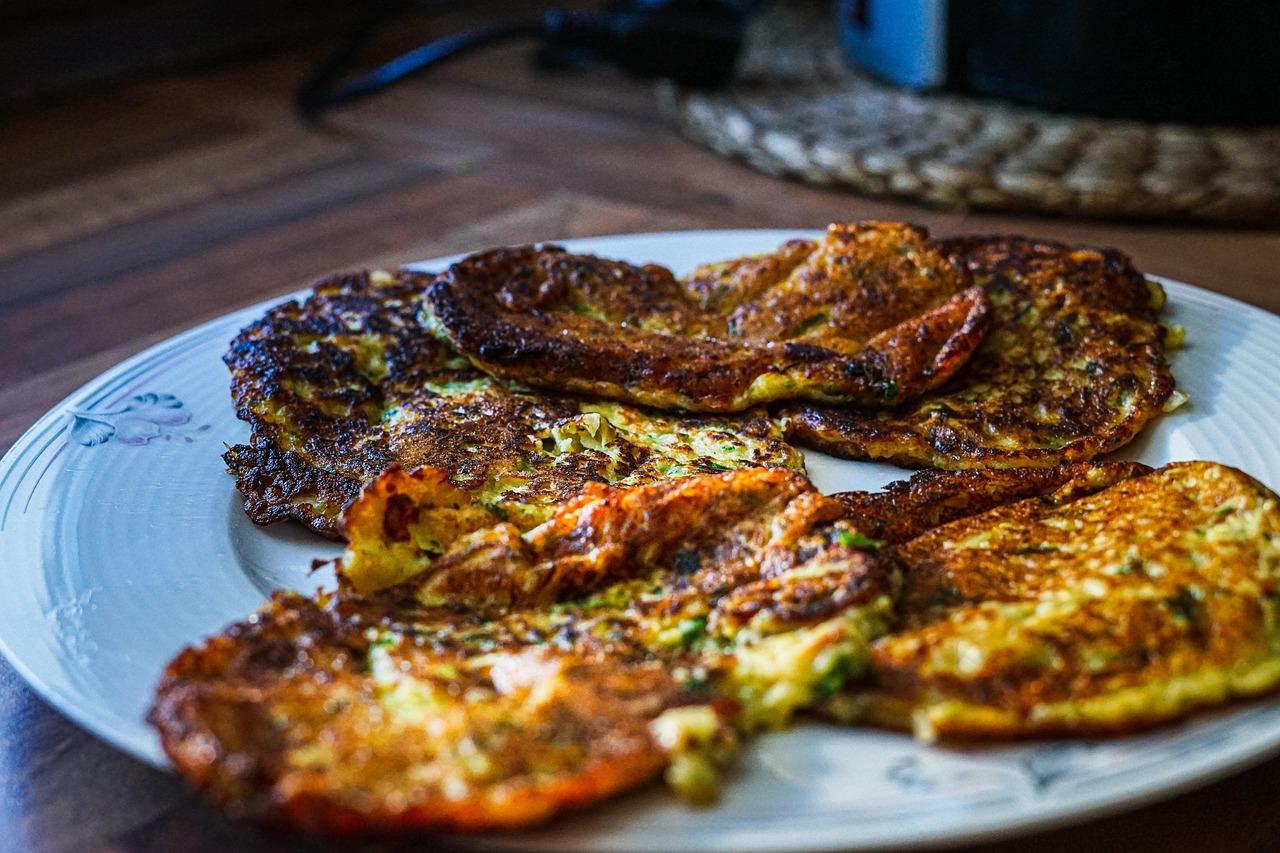
Placki z cukinii (Polish courgette fritters)

Every Polish allotment produces more courgettes in August than anyone can eat, and placki z cukinii is how the glut becomes a weeknight dinner: grated courgette bound with egg, a little flour and plenty of dill, fried into golden, soft-centred fritters. They are eaten hot with a spoon of sour cream or a garlicky yogurt dip, and leftovers go into lunchboxes the next day. The mistake that ruins them is skipping the squeeze: courgette is mostly water, and unwrung it makes a loose batter that spits in the pan and fries up soggy. Chef's tip: salt the grated courgette and leave it for 10 minutes while you get everything else ready, then wring it hard in a clean tea towel.

by KrazyBadal 0 views

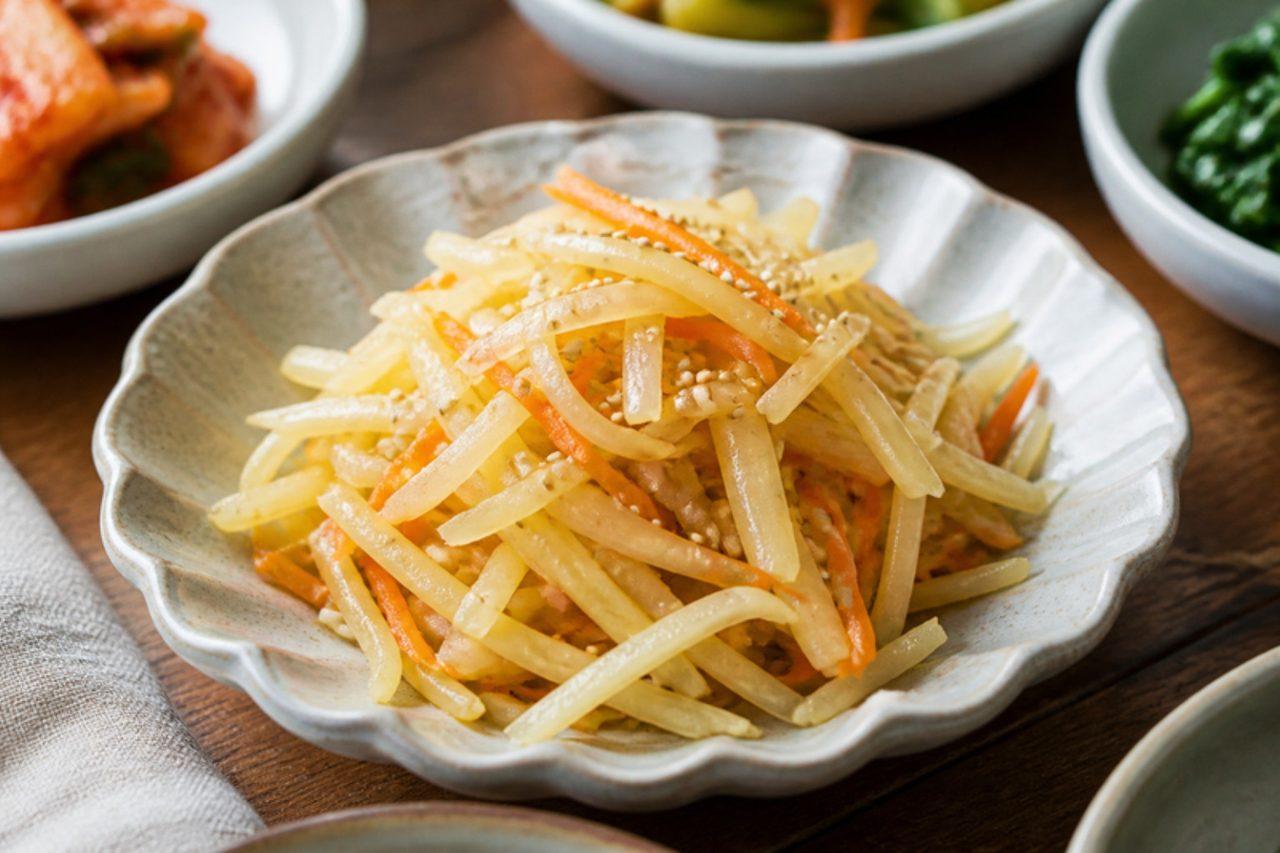
Gamja bokkeumStir-fried potato strips

Gamja bokkeum is one of the banchan Korean mothers pack into lunchboxes and set out at dinner in Seoul and Busan: thin potato strips stir-fried with onion and carrot, seasoned only with salt, a little sesame oil and toasted sesame seeds. The strips should be tender and separate, with a slight bite, not crisp like chips and not mushy. The mistake is skipping the soak, so the surface starch makes the strips stick to each other and the pan and break up. Chef's tip: a quick soak in salted water also seasons the potato through.

by KrazyBadal 0 views

Ssal mieum (Korean first rice gruel)

In Korean homes the weaning journey, called iyusik, begins with ssal mieum, a gruel so thin it is almost a drink. The rice is soaked, blended raw with water and then stirred over a low flame, which gives a finer, silkier result than boiling whole grains. Families offer it at around six months, a spoonful in the morning, before moving on to thicker juk with vegetables a few weeks later. It contains none of the common allergens: no milk, egg, gluten, peanut, tree nuts, soya, sesame or fish. Chef's tip: grind the soaked rice with only part of the water first; a thick slurry blends smoother than a watery one.

by KrazyBadal 0 views

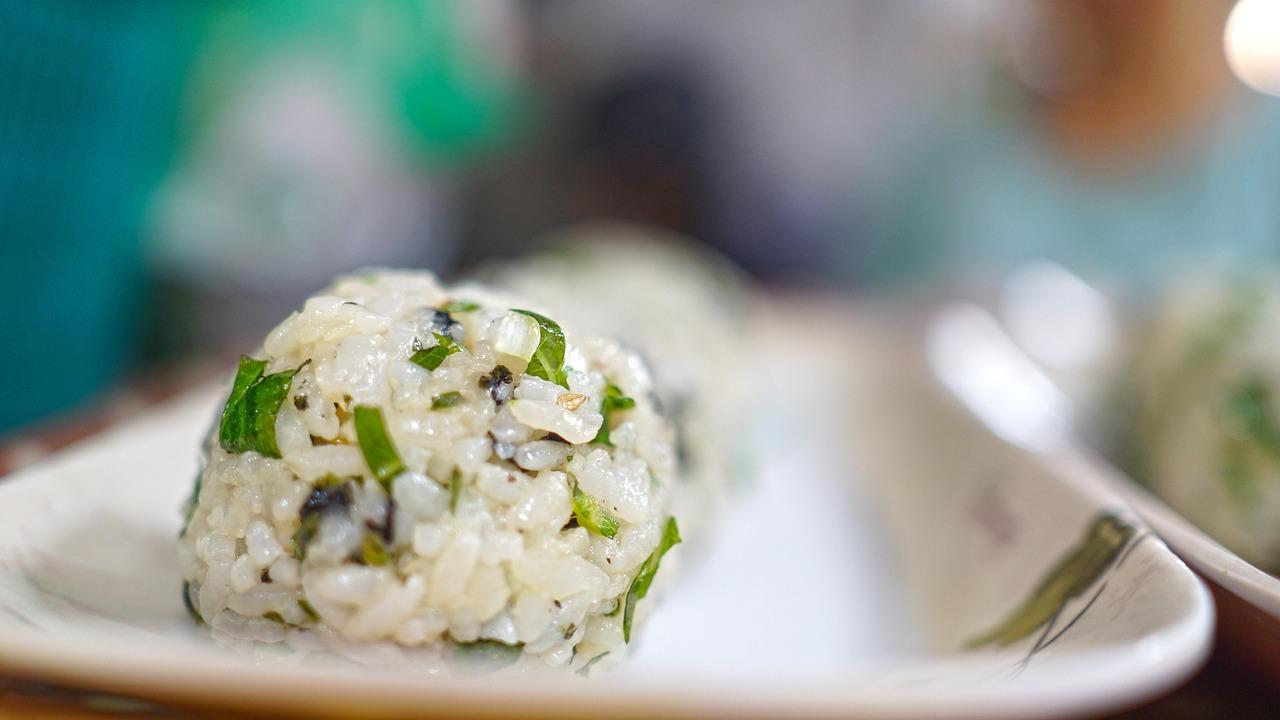
Jumeokbap (Korean vegetable rice balls)

Jumeokbap means 'fist rice', and Korean parents squeeze it together in minutes for picnics, school trips and busy mornings: warm rice tossed with sesame oil, crumbled seasoned laver and tiny pieces of vegetables, then pressed into balls a child can hold. It tastes nutty and gently salty. Tuna with mayonnaise or minced beef is a common addition, but this version is fully vegan. It contains sesame and, from the soy sauce in some seasoned laver, may contain soya and wheat. Chef's tip: mix the rice while it is warm; cold rice won't stick and the balls crumble in the lunchbox.

by KrazyBadal 0 views

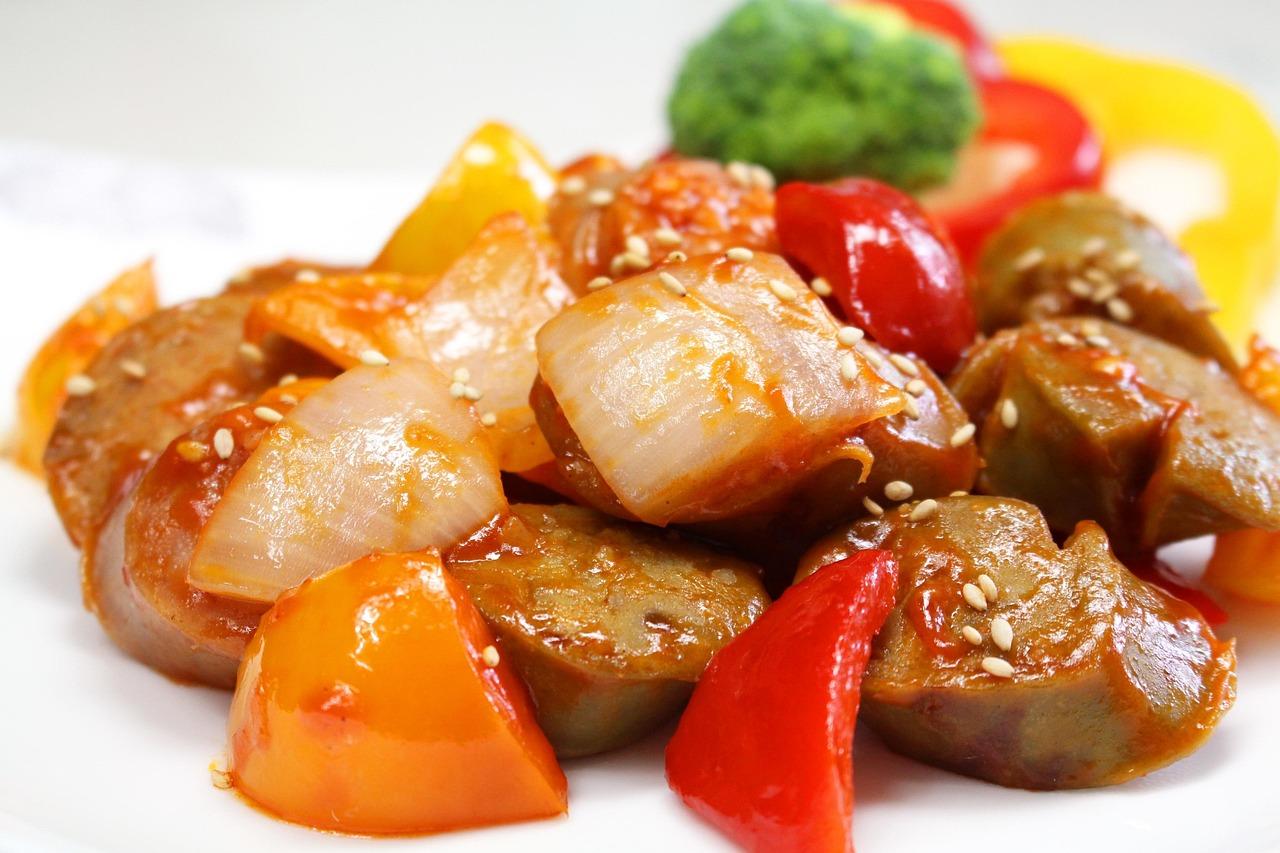
Soya bokkeum (sausage and vegetable stir-fry)

The name joins 'sausage' and 'vegetables' (yachae), and soya bokkeum is a staple banchan in Korean children's lunchboxes and on cheap and cheerful dinner tables: scored sausages and colourful peppers stir-fried in a glossy ketchup and soy glaze. It is sweet, a little tangy and tastes as good cold as hot. Adults often add a spoonful of gochujang. It contains soya and wheat (soy sauce) and sesame; check your sausages for milk. Chef's tip: score the sausages diagonally; the cuts open up in the pan and catch the sauce.

15 minKoreanMeat
by KrazyBadal 0 views

Korean corn cheese

Corn cheese arrives sizzling on a small iron plate as a side at Korean barbecue restaurants, and at home it has become a five-minute after-school snack and a favourite for children's sleepovers in Seoul and beyond. Sweet, juicy corn is stirred with a little butter and mayonnaise, then covered in mozzarella and heated until it melts into long strings. Most versions add sugar; this one lets the corn's own sweetness carry it. It contains milk and egg (mayonnaise). Chef's tip: drain and dry the corn really well, or the dish turns watery under the cheese.

by KrazyBadal 0 views

Sogogi yachae-juk (beef and vegetable baby porridge)

In Korea, beef is added to a baby's rice porridge, or ijuksik, within the first weeks of weaning at about six months, because it is rich in iron. This sogogi yachae-juk blends soaked rice with lean beef, carrot and courgette into a smooth, savoury porridge that tastes gently meaty and sweet. It is made without salt, soy sauce or the sesame oil grown-ups would add. It contains none of the common allergens (milk, egg, gluten, peanut, tree nuts, soya, sesame, fish). Chef's tip: soak the beef in cold water for 15 minutes first to draw out the blood, which keeps the porridge clean-tasting and pale.

by KrazyBadal 0 views

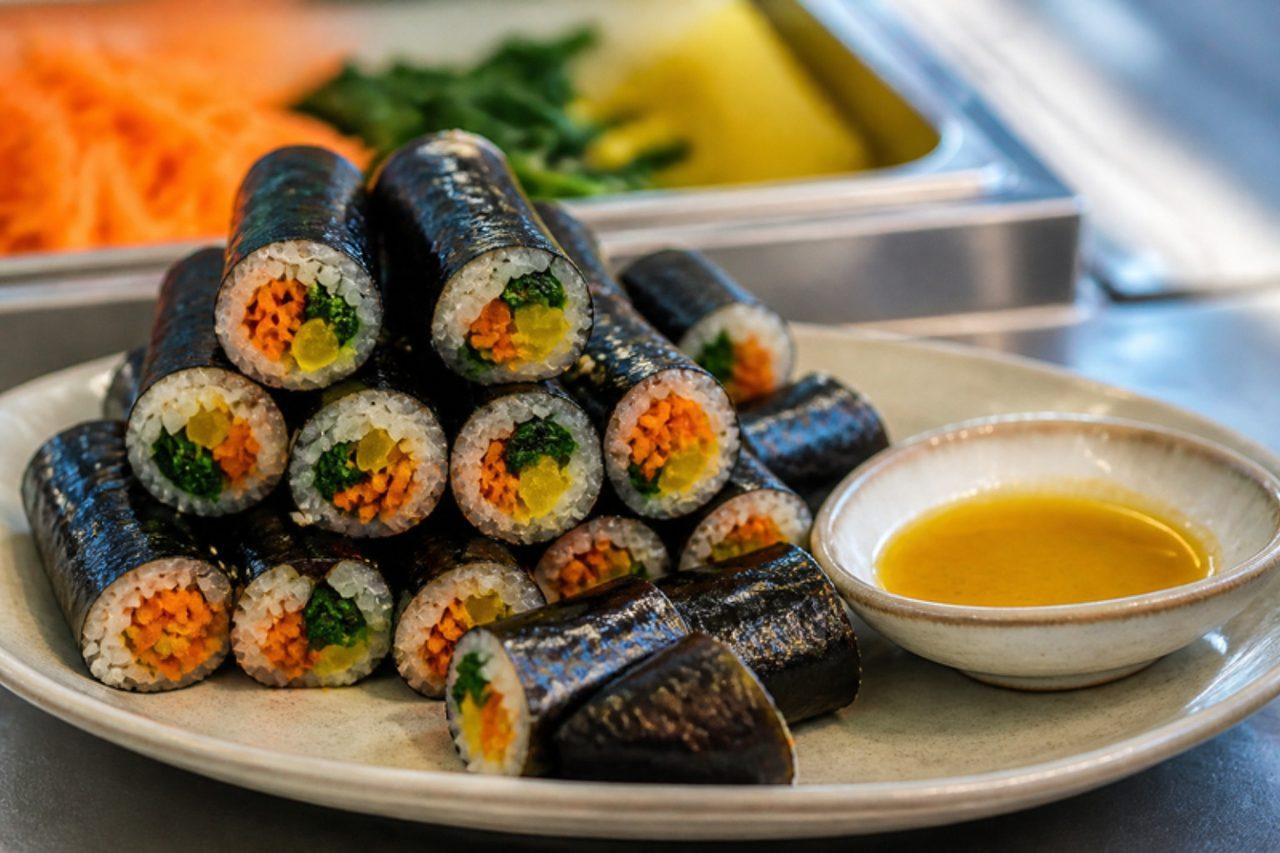
Mayak gimbap (mini gimbap with mustard dip)

Mayak gimbap began at Gwangjang Market in Seoul, where stallholders roll stubby, finger-sized gimbap and sell them by the plate with a tangy mustard and soy dip. The nickname 'mayak' jokes that they are addictive, and the small size makes them a favourite in Korean children's lunchboxes and snack boxes. They are vegan, with sesame, soya and wheat (soy sauce) and mustard in the dip; leave the mustard out of a child's portion if they prefer it mild. Chef's tip: use only a thin layer of rice; with a mini roll, too much rice is what makes them burst.

by KrazyBadal 0 views

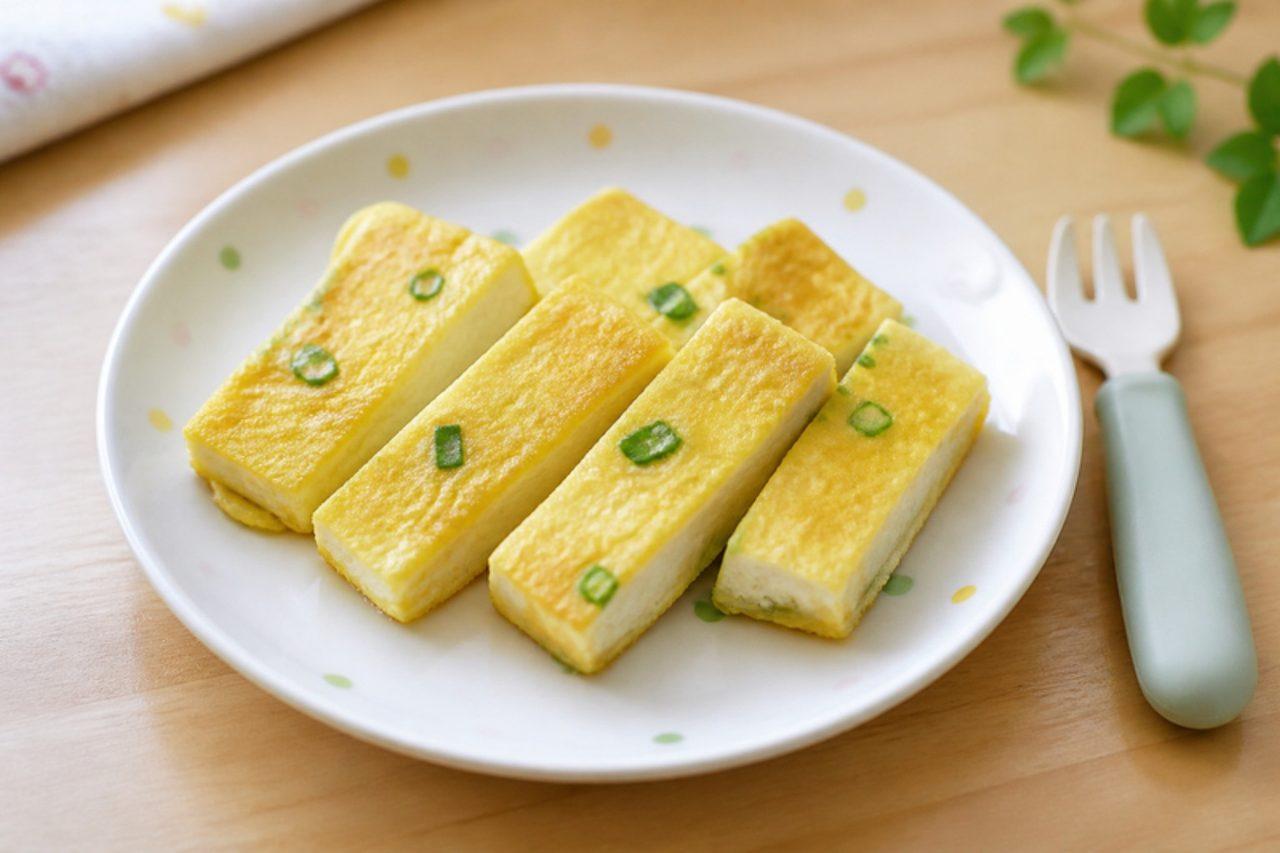
Dubu buchim tofu fingers

Dubu buchim, slices of tofu dipped in beaten egg and fried until golden, is an everyday Korean banchan, and families cut it into fingers for babies from about nine months to hold and gum. The outside is lightly crisp and the inside custard-soft, with a mild, nutty flavour. For babies it is made without salt, soy sauce or the usual sesame-soy dip; older children and adults can add the dip at the table. It contains soya and egg. Chef's tip: press the tofu well first, so it fries rather than steams and the egg coating sticks.

by KrazyBadal 0 views

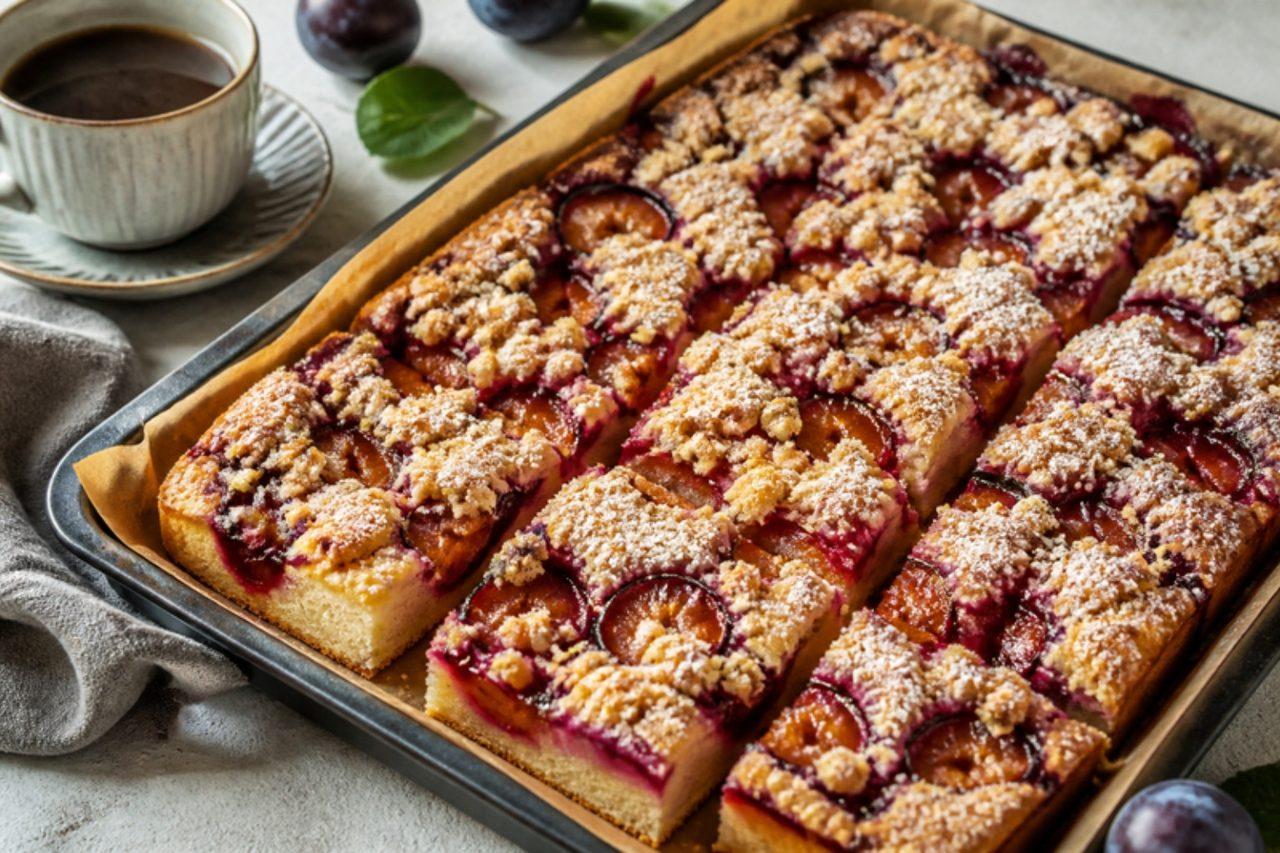
Placek ze śliwkamiPlum and crumble yeast cake

When the węgierki plums ripen in late August, Polish grandmothers from Kraków to Gdańsk bake placek ze śliwkami on the big oven tray and cut it into squares for Sunday coffee or for the neighbours. Under a buttery kruszonka crumble the plums melt into jammy, sharp pools on a soft, slightly sweet yeast dough. It is best on the day, still faintly warm, with a mug of coffee or a dollop of whipped cream. Laying the plums skin side down is the classic mistake: the juice floods the dough and leaves it raw, so set them cut side up and close together. Chef's tip: toss the plum halves with a spoonful of semolina or breadcrumbs before arranging; it soaks up the juice and keeps the base light.

150 minPolishBaking
by KrazyBadal 0 views

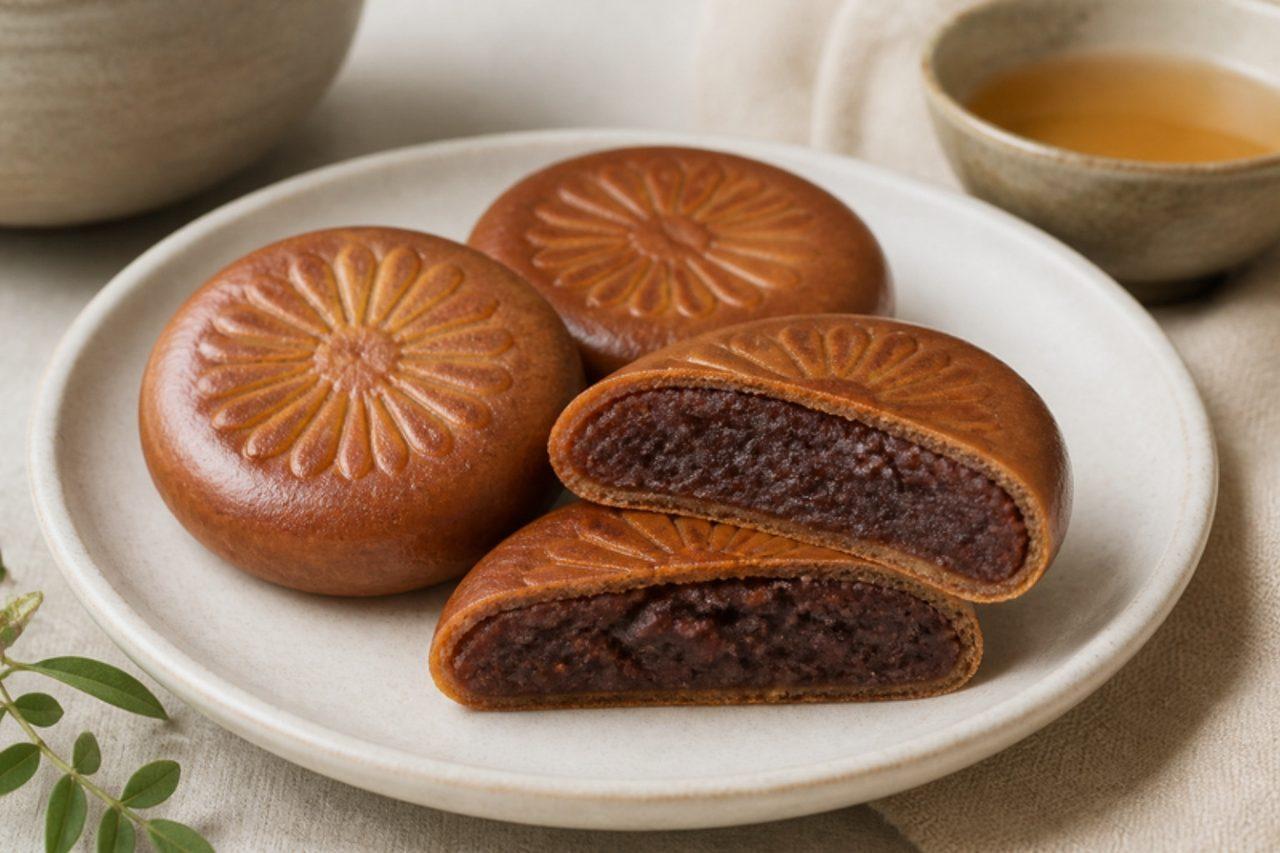
Gyeongju breadRed bean pastries

Near the grassy royal tombs of Gyeongju, the ancient Silla capital, a baker in Hwangnam-dong began making these small round pastries in 1939, and the city's shops have sold them by the boxful ever since. Gyeongju bread (황남빵, also called Gyeongju-ppang) is mostly filling: a generous ball of coarse red bean paste in a skin so thin it looks painted on, stamped with a flower pattern and glazed until shiny brown. It tastes gently sweet and nutty, soft and moist rather than bready, and it is the souvenir every visitor carries home, eaten with barley tea or green tea. The usual mistake is a dough shell that is too thick, which bakes into a cookie and hides the bean flavour; aim for roughly one part dough to two and a half parts filling. Chef's tip: press the pattern in with a small cookie stamp or the back of a citrus press dipped in flour, while the buns are cold and firm, so the design stays sharp.

by KrazyBadal 0 views

Cebularz lubelskiOnion and poppy seed flatbread

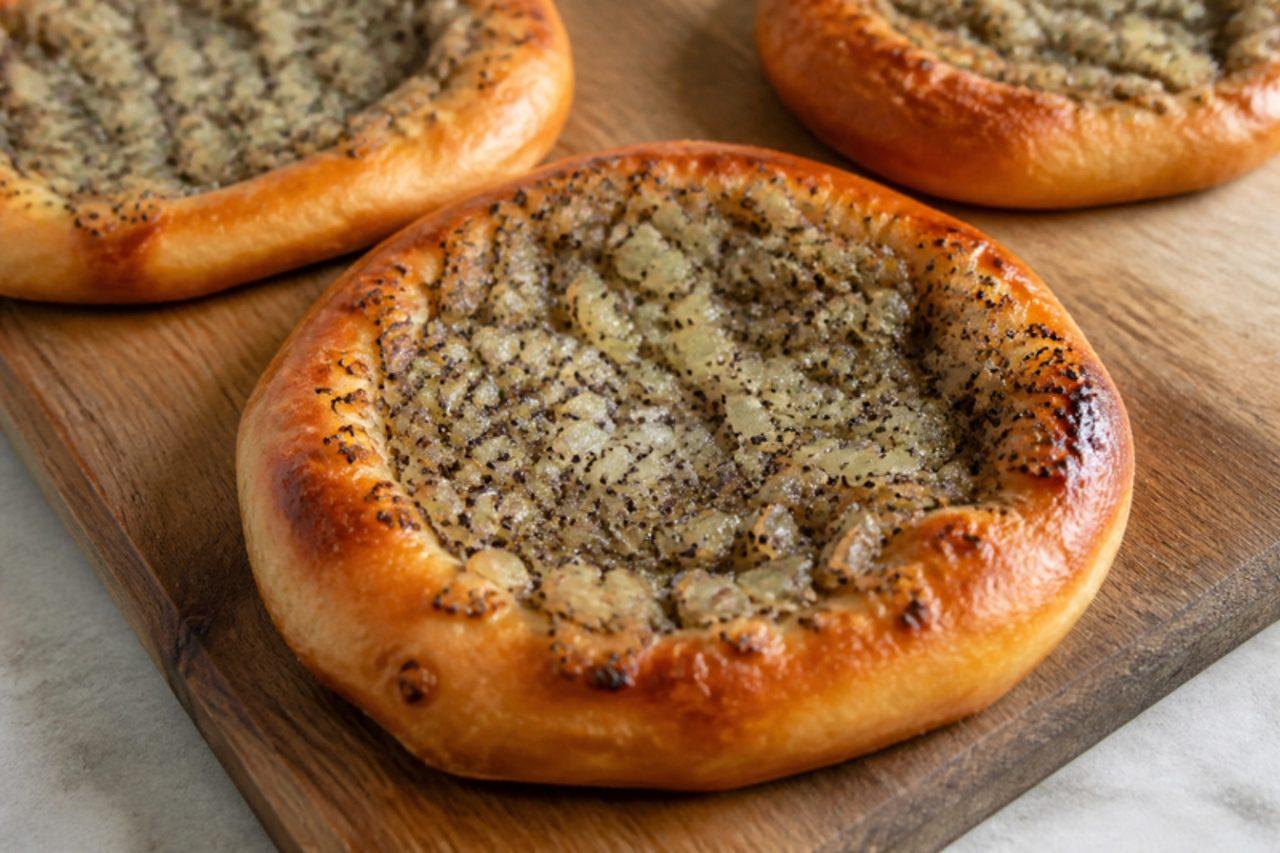
Lublin's bakers have topped flat rounds of yeast dough with onion and poppy seed since at least the nineteenth century, when the city's Jewish bakeries sold them as "cebulnik"; today cebularz lubelski is a protected regional speciality and a street snack sold warm from bakery windows across eastern Poland. The base is a soft, slightly sweet enriched dough, the centre thin and the rim puffed, and the onion bakes until tender, sweet and just catching at the edges. Eat one warm on its own, with a glass of kefir, or alongside a bowl of soup. Wet onion is the downfall here: salt it, wait, then squeeze out the juice, or the middle turns soggy. Chef's tip: press the centres really thin with your fingertips just before topping; if they puff back up, the onion slides off.

by KrazyBadal 0 views

Yennal dosirak (Korean shaken lunchbox)Shaken rice lunchbox with kimchi

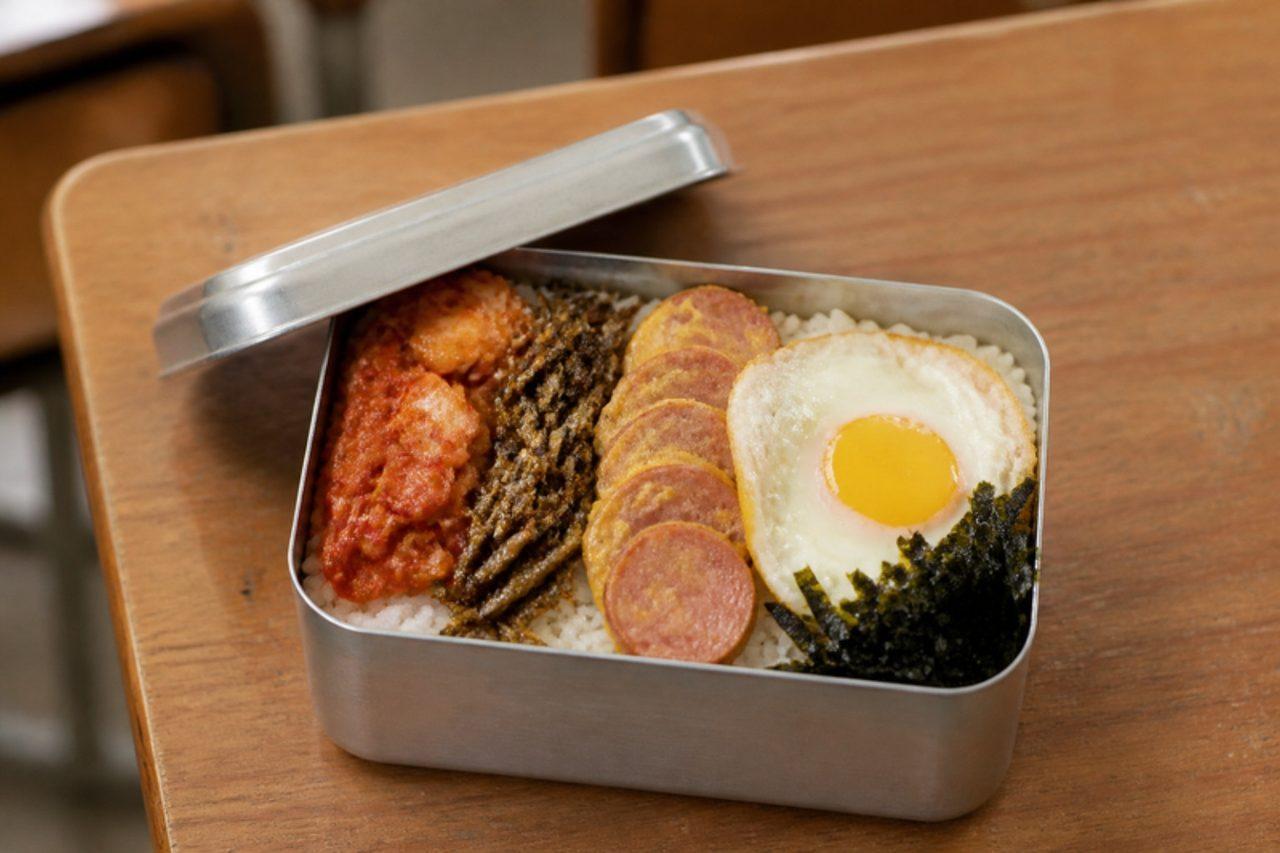
Yennal dosirak, 'the old-days lunchbox', is a slice of nostalgia for Korean parents who carried a dented tin box to school in the 1970s and 80s and warmed it on the classroom stove. Rice goes in first, then stir-fried kimchi, sweet-salty anchovies, egg-dipped sausage slices and a fried egg on top; at lunchtime you close the lid and shake it hard so it all mixes. Restaurants now serve it for fun, and families make it at home for children. It contains egg, fish, soya and wheat (soy sauce) and sesame. Chef's tip: toast the anchovies in a dry pan first so they stay crisp under the glaze.

by KrazyBadal 0 views

Korean garlic cream cheese bread

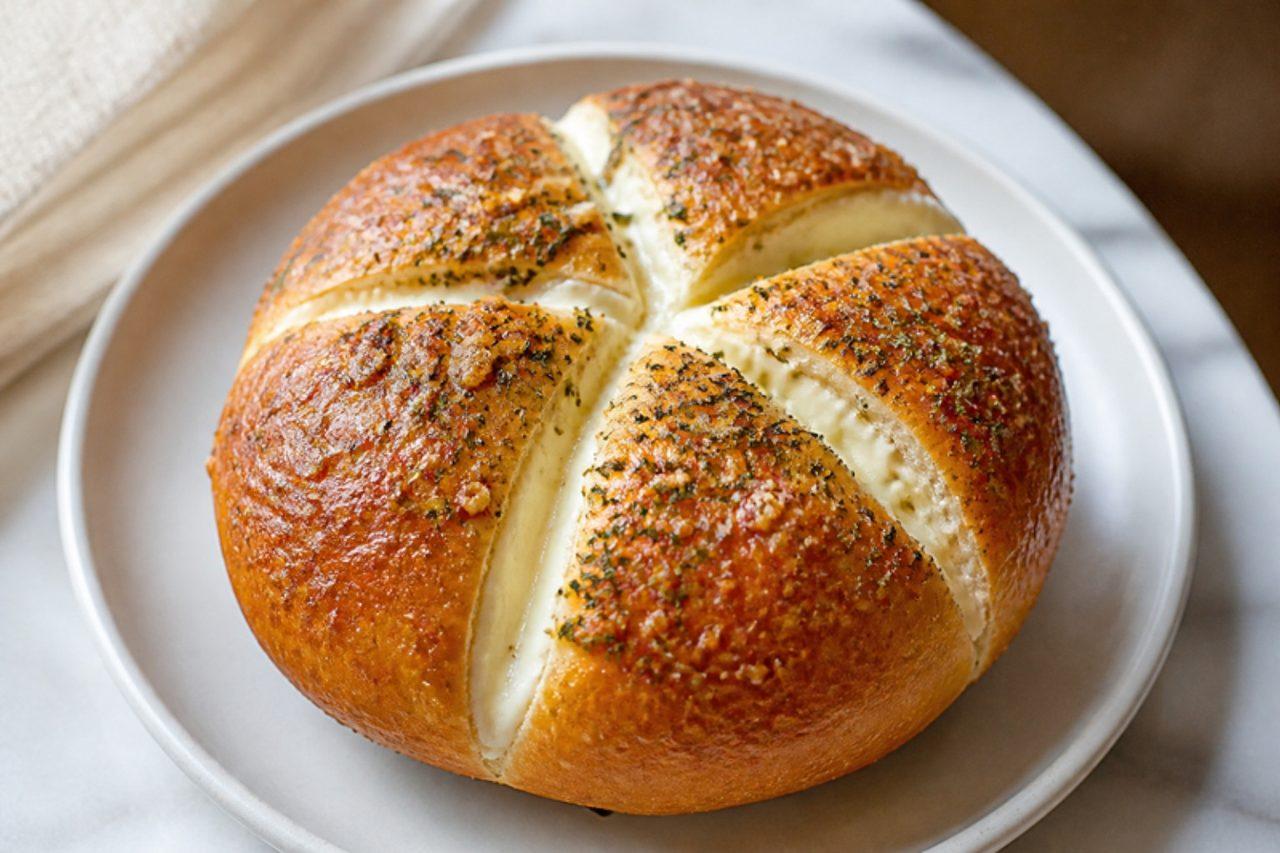
Gangneung, the seaside city on Korea's east coast, made this bun famous: its name, yukjjok maneul-ppang (육쪽마늘빵), means 'six-clove garlic bread', because each round loaf is cut into six wedges like a bulb of garlic. The cuts are piped full of sweet cream cheese, then the whole bun is dunked in a garlicky butter custard and baked again, so it comes out crisp and golden on top, soft and rich inside, sweet, salty and savoury in one bite. Tourists queue for it at market stalls and cafés, and it is now a Korean café favourite eaten with iced americano. The most common slip is cutting right through the base; the wedges then fall apart in the garlic bath, so stop about 1 cm short. Chef's tip: bake and cool the buns a day ahead, or use day-old buns; firm, cooled bread slices cleanly and soaks up the garlic butter without going soggy.

by KrazyBadal 0 views

BossamBoiled pork wraps

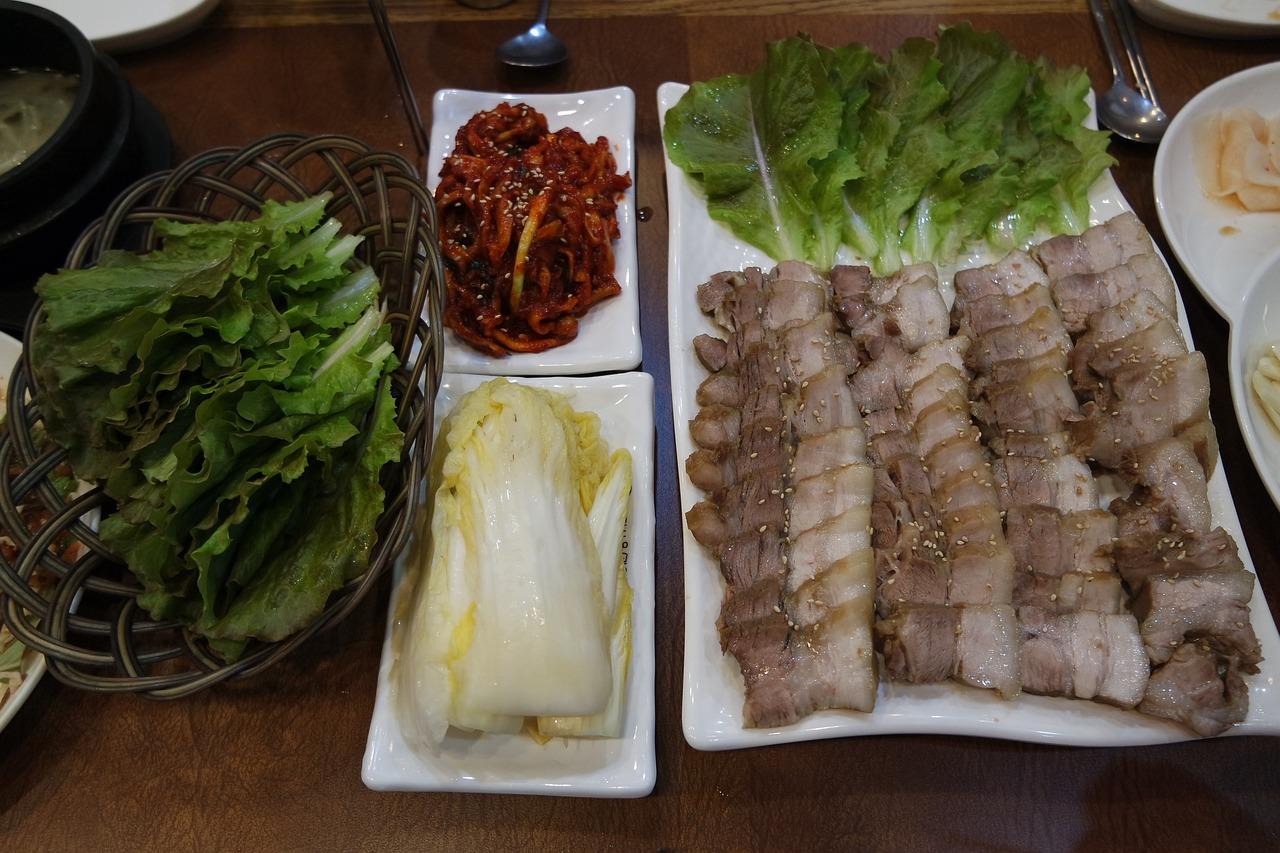
Bossam started as the dish Korean families made on kimjang day in November, when the whole street gathered to make the winter's kimchi: a slab of pork belly was boiled while everyone worked, sliced and wrapped in the salted cabbage leaves with the fresh, spicy radish filling. Today Seoul's bossam restaurants around Jangchung-dong serve it all year, and it is a favourite takeaway. This is a pork dish, and pork belly is rich, so it is not a low-calorie choice: about 450 kcal a portion. Boiling the pork in water with doenjang, onion, garlic and ginger renders out much of the fat and leaves it tender with no smell. The most common mistake is slicing it hot; rest it for 10 minutes or it falls apart. Chef's tip: let the pork cool in the broth for 10 minutes before lifting it out; it stays much juicier.

90 minKoreanMeat
by KrazyBadal 0 views

Sotteok sotteok (sausage and rice cake skewers)

Sotteok sotteok, from sausage (so) and rice cake (tteok), is sold at Korean motorway service stations and school-gate snack stalls, and children make it at home with a parent after school: chewy rice cake sticks and sausage pieces threaded in turn, fried until the rice cakes blister, then brushed with a sweet ketchup glaze. Grown-ups like a little gochujang in the sauce. It contains soya and wheat (soy sauce); check your sausages for milk. Take everything off the skewers for younger children. Chef's tip: soak hard rice cakes in hot water first, or they crack when you skewer them.

by KrazyBadal 0 views

Godeungeo guiGrilled mackerel

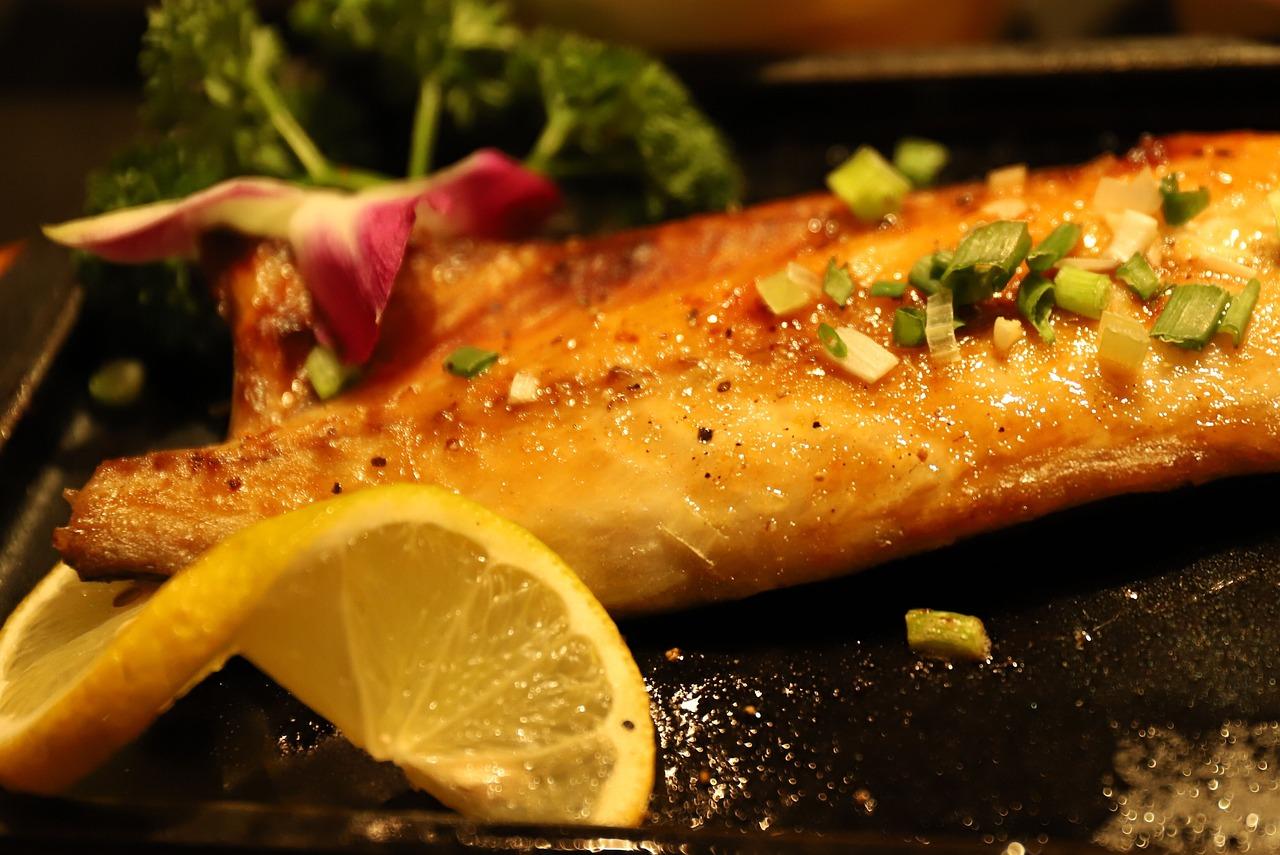
Andong, far inland, is oddly famous for its mackerel: the fish was salted on the coast and carried over the mountains, arriving perfectly seasoned, and Andong gangodeungeo is still sold that way. Across Korea, a salted mackerel fillet pan-grilled until the skin crackles is a staple of home dinners and set-meal restaurants, served with rice, doenjang soup and kimchi. Mackerel is an oily fish, so this is filling rather than low calorie: about 340 kcal a portion. The most common mistake is moving the fish too soon; leave it skin side down until the skin releases on its own, or it tears and sticks. Chef's tip: dust the skin very lightly with flour or starch before grilling, or simply pat it bone-dry; you'll get a crisp, glassy skin.

22 minKoreanFishGluten free
by KrazyBadal 0 views

Kongbiji jjigaeSoybean pulp stew

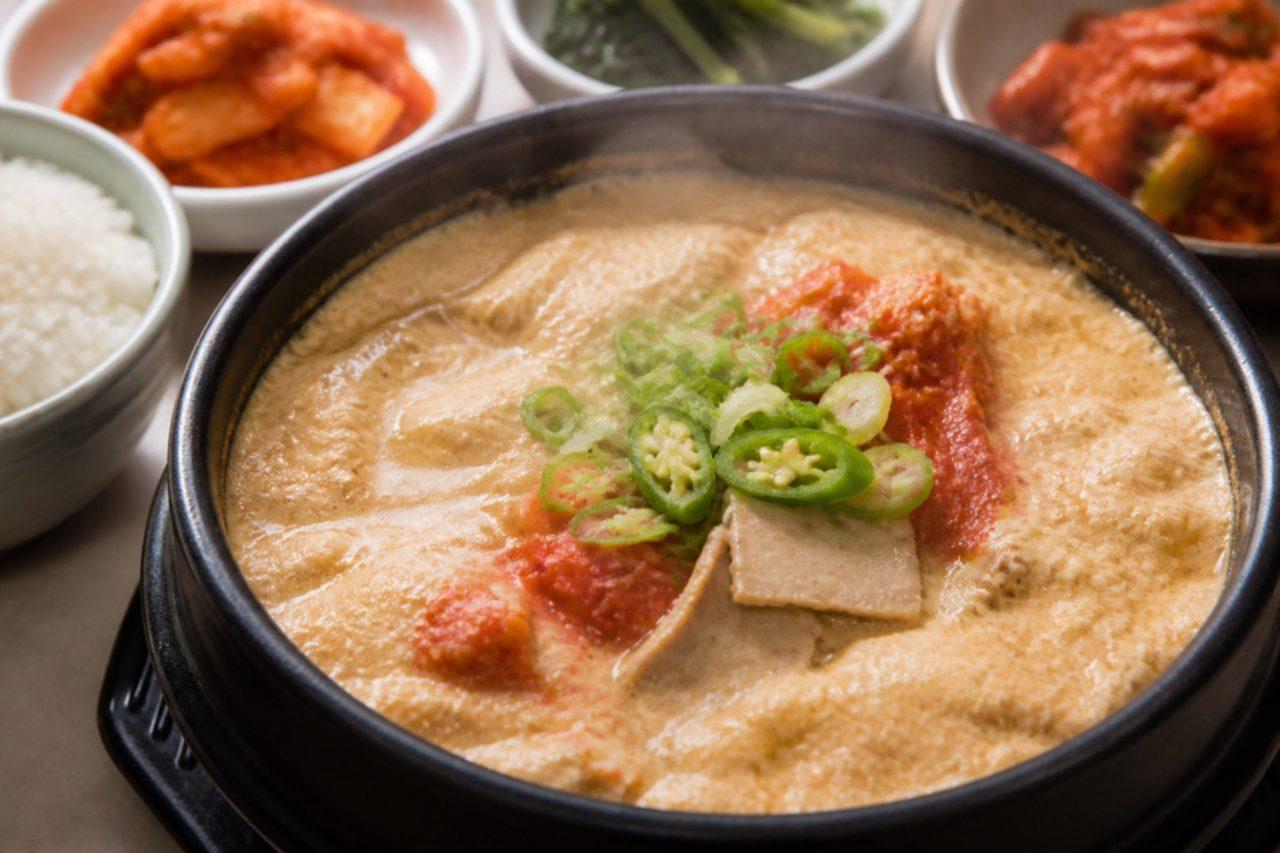
Kongbiji jjigae is the rustic winter stew of Korean farmhouses, once made with the soy pulp left from tofu-making and now with soaked soybeans blended into a creamy, nutty paste: it is simmered with sour kimchi and a little pork belly until thick, and eaten with rice in Gyeonggi and Chungcheong homes when the weather turns cold. It is filling, mildly spicy and full of protein. This recipe contains pork. A portion is about 290 kcal. Soak the soybeans overnight first (not counted). The most common mistake is stirring the stew once the bean paste goes in; it should be left to bubble gently so the beans set into soft curds on top. Chef's tip: use well-aged, sour kimchi; fresh kimchi tastes flat against the rich beans.

by KrazyBadal 0 views

Showing 24 of 410 recipes

Show more recipes

Page 1 of 18