Skip to content
Recipes

All recipes

Vegetarian, or something you can't eat? Set your diet once and we'll hide recipes that don't fit.

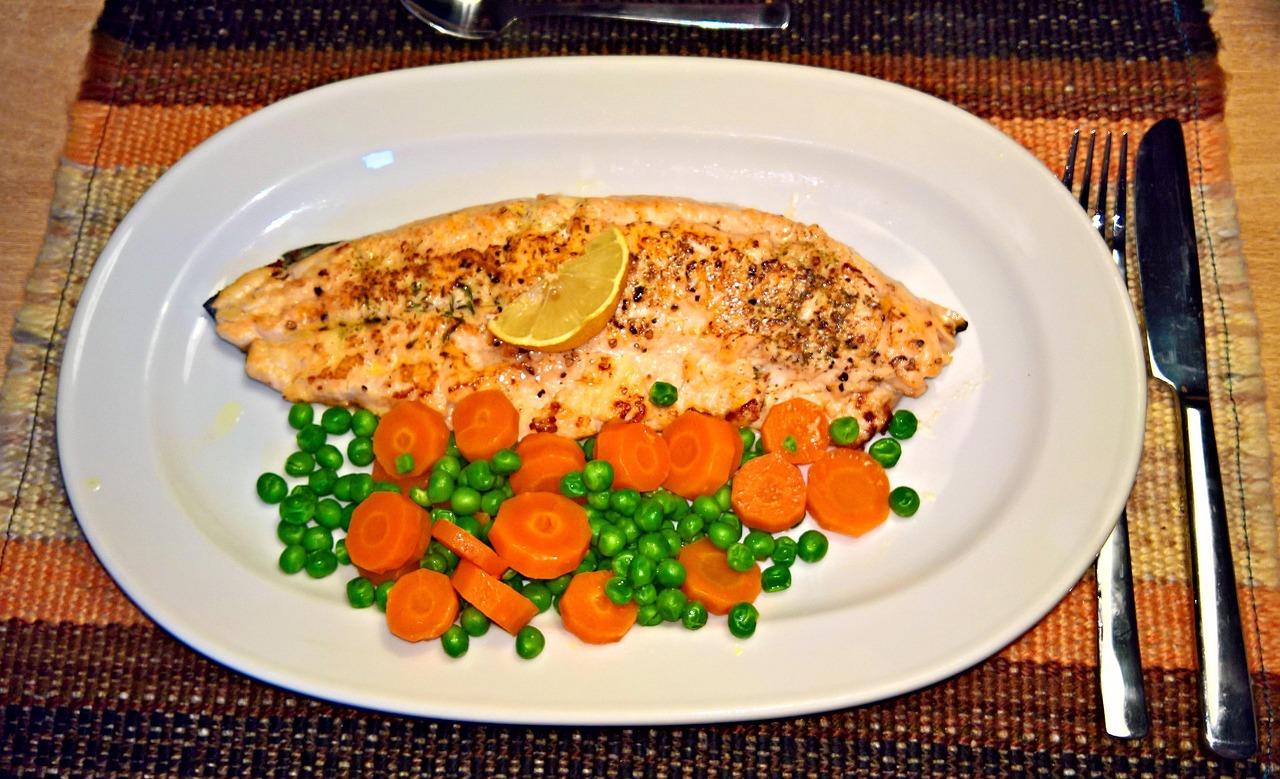
Highland grilled trout

Trout farms fed by cold Tatra streams supply the roadside grills and mountain inns of Podhale, and pstrąg po góralsku is what hikers order on the terrace with a view of Giewont: a whole fish, stuffed with garlic and fresh herbs, crisped in butter until the skin crackles. The flesh is sweet and delicate, scented by dill and parsley from the inside out. Serve it with boiled new potatoes, lemon and a cucumber salad with sour cream. The classic error is flipping too early, so the skin tears and sticks; leave it until it releases on its own. If you have a grill basket, the same fish is excellent over charcoal. Chef's tip: score the thickest part of each side twice, right down to the bone, so the head end cooks as fast as the tail.

28 minPolishFishGluten free
by KrazyBadal 0 views

Christmas mushroom soup

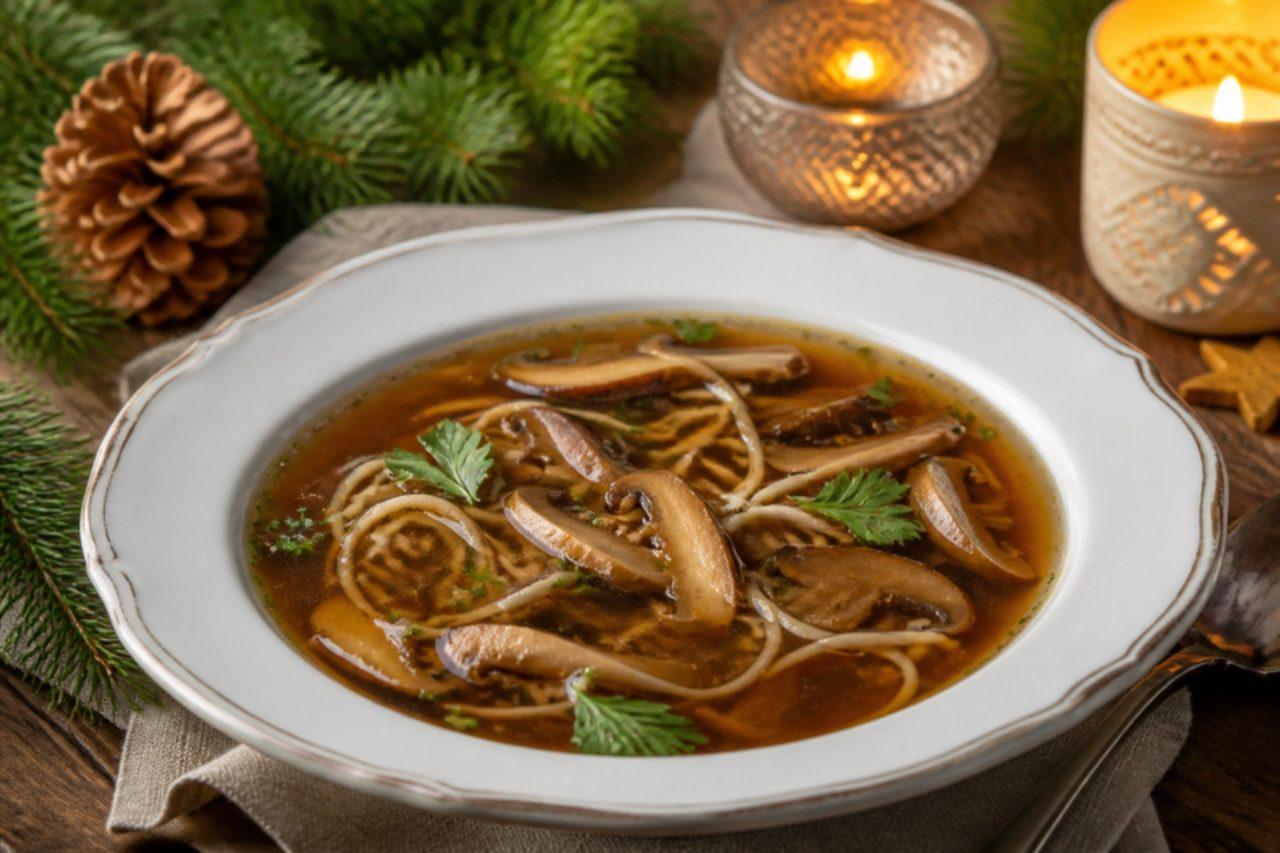
In many Polish homes the Christmas Eve supper opens with either beetroot barszcz or this soup, and families argue about which is better. Dried porcini picked and threaded on strings in September are soaked and simmered with root vegetables into a clear, deep-brown broth with a smoky, almost meaty depth, then served with thin noodles or łazanki. It is fully meat-free, as Wigilia tradition requires, and kept dairy-free here. A common mistake is pouring the soaking water in with its grit; let it settle and leave the last spoonfuls behind. Chef's tip: soak the mushrooms overnight in cold water and cook them in that water for the most flavour.

by KrazyBadal 0 views

Botwinka

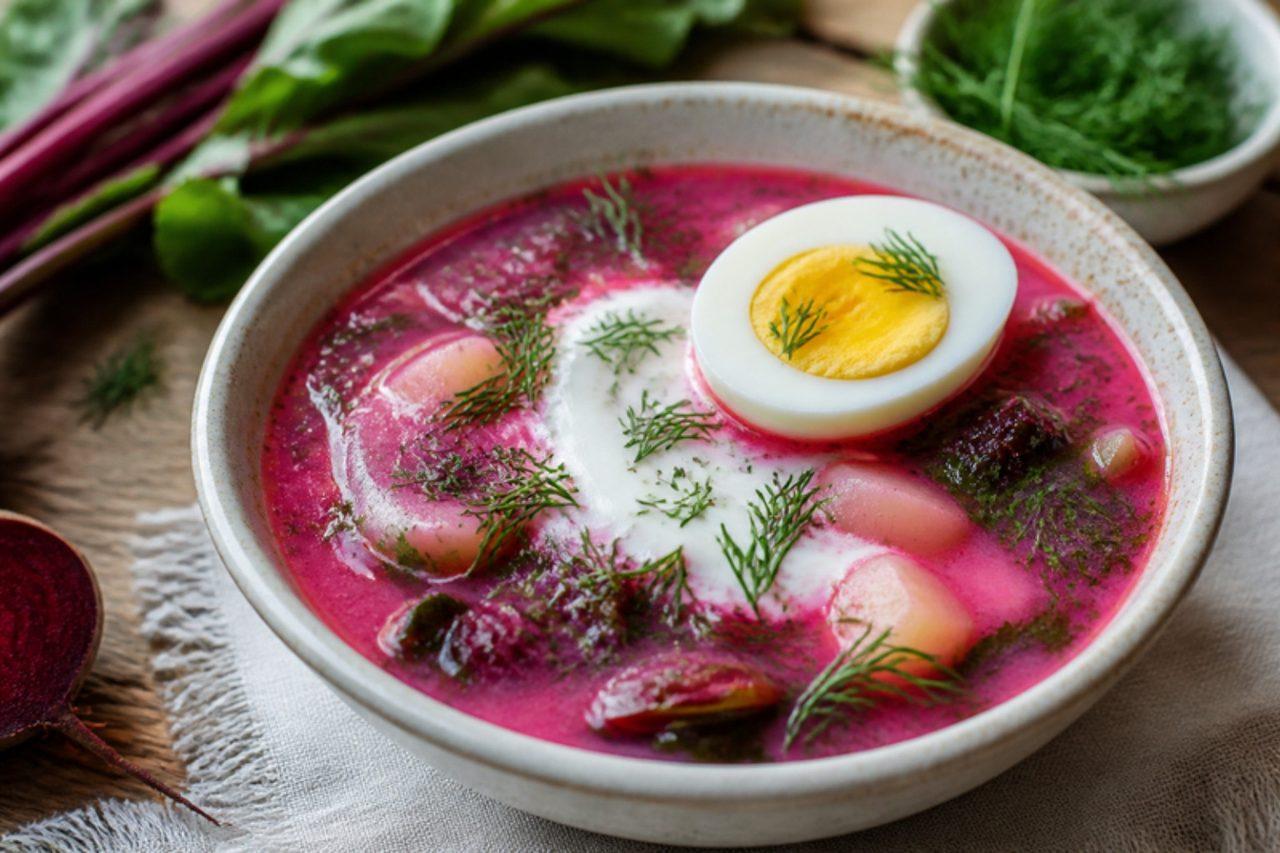
June markets in Kraków and Tarnów are piled with bunches of baby beetroot still wearing their leaves, and those bunches go straight into botwinka. The whole plant is used: the small roots, the rosy stalks and the greens, simmered quickly so the soup stays bright pink and fresh-tasting rather than earthy. It is finished with sour cream, lots of dill and a squeeze of lemon, and often eaten with new potatoes and a halved boiled egg. A common mistake is boiling it for too long, which turns the leaves khaki and dulls the colour. Chef's tip: add the lemon juice before the cream; the acid locks in the ruby colour.

by KrazyBadal 0 views
Kwaśnica

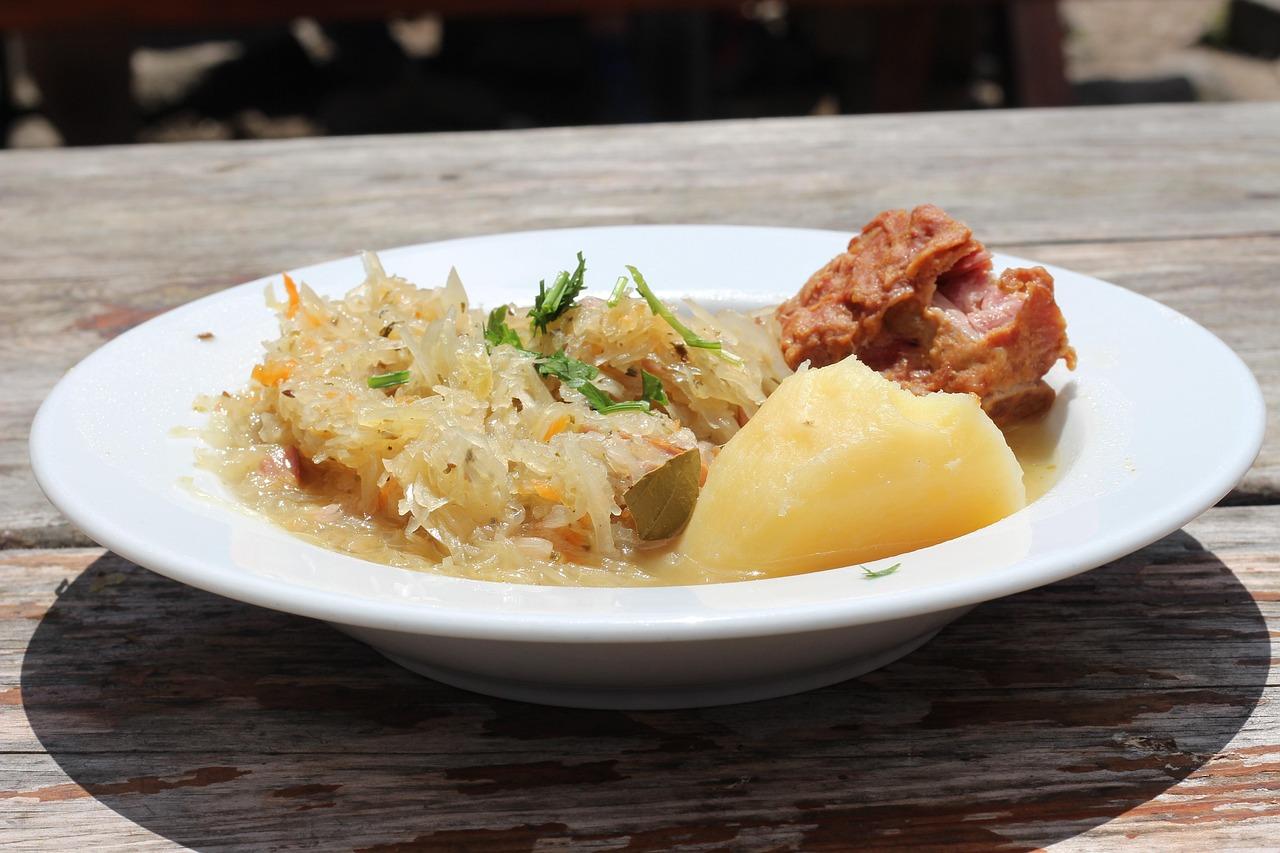
Ask for soup in a Zakopane karczma and the answer is nearly always kwaśnica, the sour, smoky broth of the Tatra highlanders, ladled from a big pot with smoked pork ribs on the bone and a bowl of boiled potatoes alongside. Unlike most cabbage soups, the base here is the fermented sauerkraut juice itself, so it is sharper and lighter, warmed by allspice, caraway and a whiff of garlic. Skiers and shepherds alike swear by it after a cold day on the slopes. Too many cooks rinse the sauerkraut, which washes away the very sourness the soup is named for. If yours is very harsh, taste and loosen it with water instead. Chef's tip: simmer the ribs on their own first, so the broth is rich and smoky before the cabbage goes in and the meat is falling off the bone by the end.

120 minPolishSoupsGluten free
by KrazyBadal 0 views
Grilled oscypek with cranberry

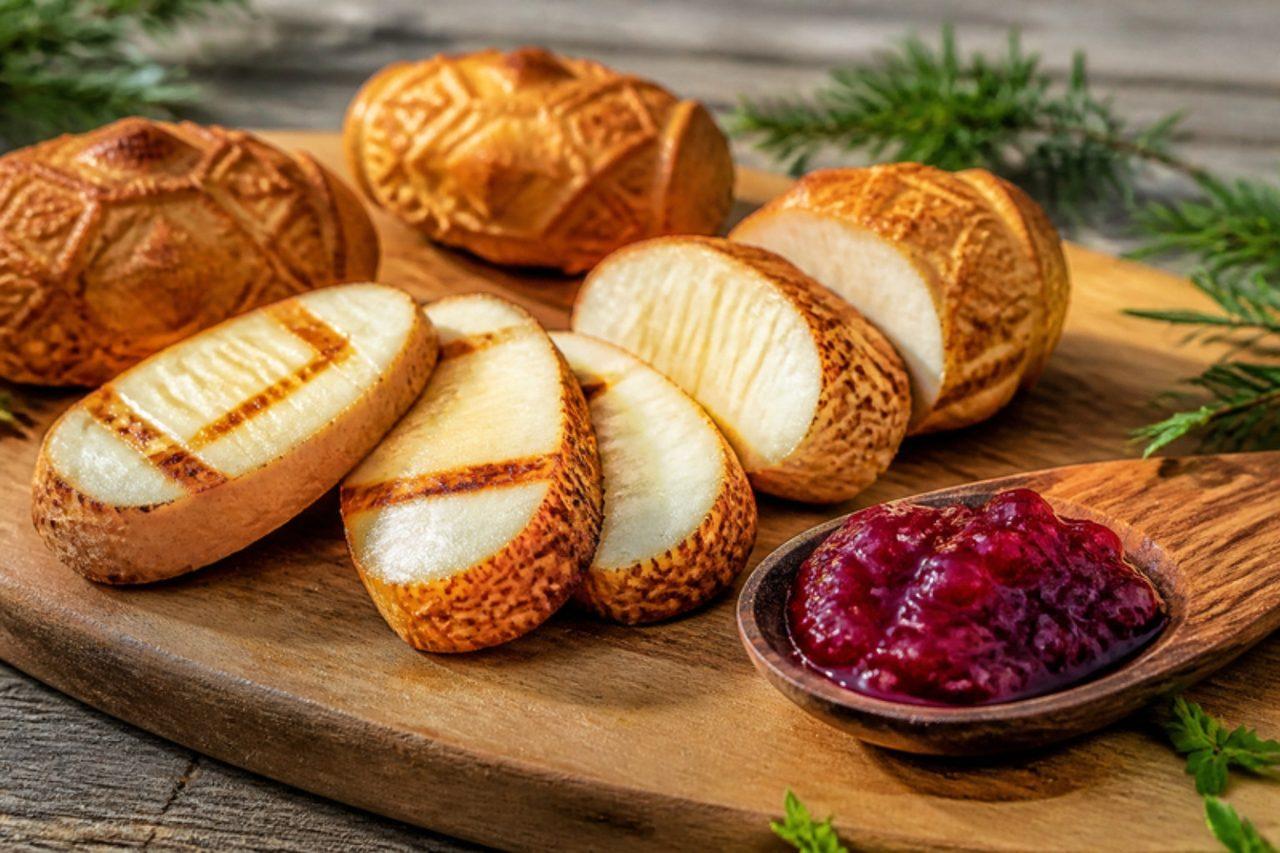
Walk down Krupówki street in Zakopane in any season and the smell of smoke and warm cheese leads you to the grills, where highlanders turn thick slices of oscypek until they are striped and soft. The real thing is a spindle-shaped, carved sheep's milk cheese smoked in mountain huts; grilled, it turns chewy and squeaky outside, salty and smoky within, and the sharp-sweet cranberry cuts through it perfectly. Oscypek is made with animal rennet, so for a vegetarian plate use a smoked sheep's or cow's cheese made with vegetarian rennet, firm enough to hold its shape. The usual slip is slicing too thin; the cheese then melts through the grill. Chef's tip: oil the pan, not the cheese, and don't move the slices until they release on their own.

by KrazyBadal 0 views
Fafernuchy

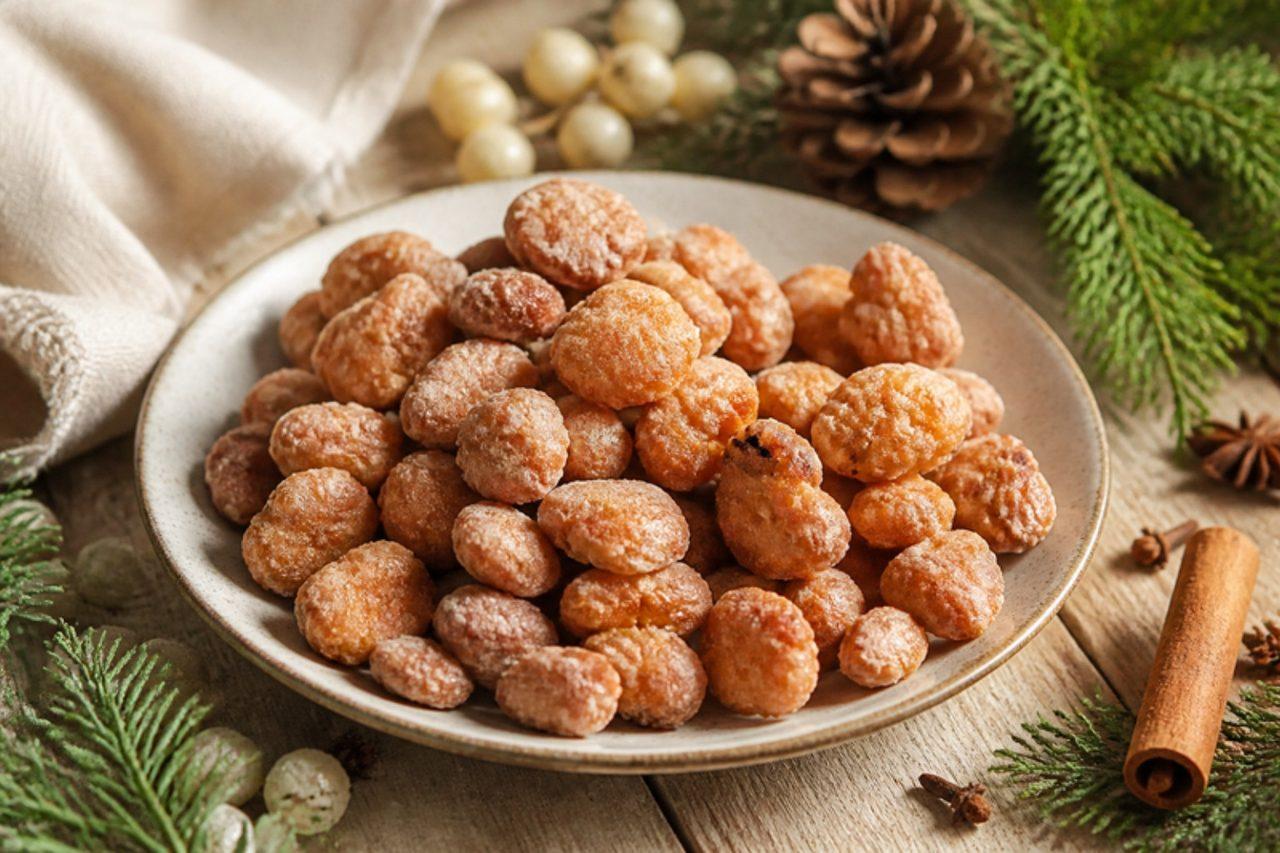
Old Masurian and Warmian households baked fafernuchy weeks before Christmas and kept them in tins, where they slowly mellowed; children found them in their stockings and on the Christmas plate. They are small, hard, pebble-like biscuits, sweetened with honey and given a gentle colour and moisture from finely grated carrot, with a little spice in some homes. Expect a proper crunch, made for dunking in tea. A common mistake is expecting them to be soft straight from the oven; they are meant to be firm and soften only a little in the tin. Chef's tip: grate the carrot on the finest side of the grater so the dough stays smooth and holds its shape.

by KrazyBadal 0 views
Siemieniotka

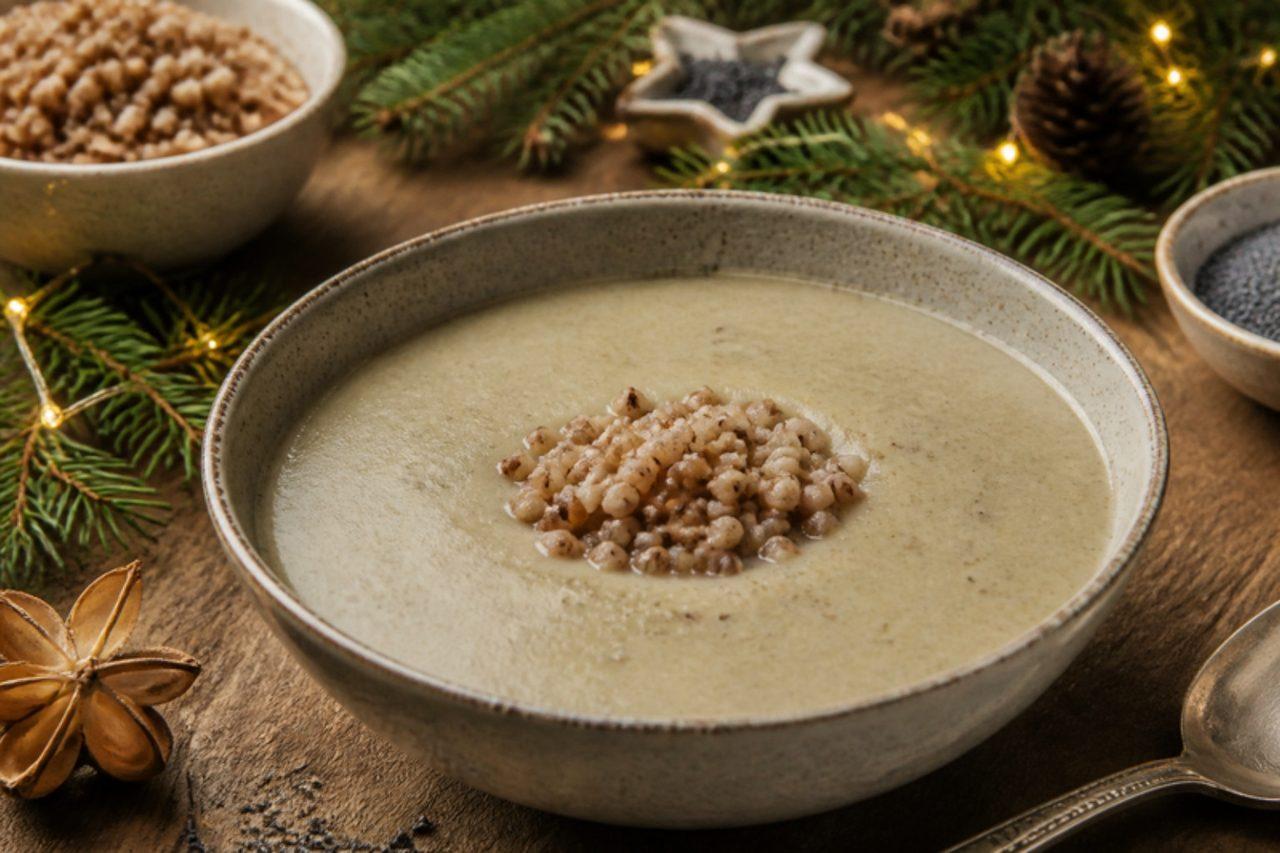
Hardly anyone outside Silesia has tasted it, but in villages around Racibórz and Opole siemieniotka is still the first dish on the Wigilia table, ladled out before the carp and the poppy-seed sweets. Hemp seeds are simmered, crushed and strained with onion into a pale, creamy, gently nutty soup, then poured over a spoon of buckwheat groats in each bowl. Use only food-grade hemp seeds from a health food shop. Where most people go wrong is skipping the straining, which leaves the soup gritty with shell. Chef's tip: toast the seeds in a dry pan for a minute before simmering to deepen the nutty flavour.

by KrazyBadal 0 views
Racuchy z jabłkami

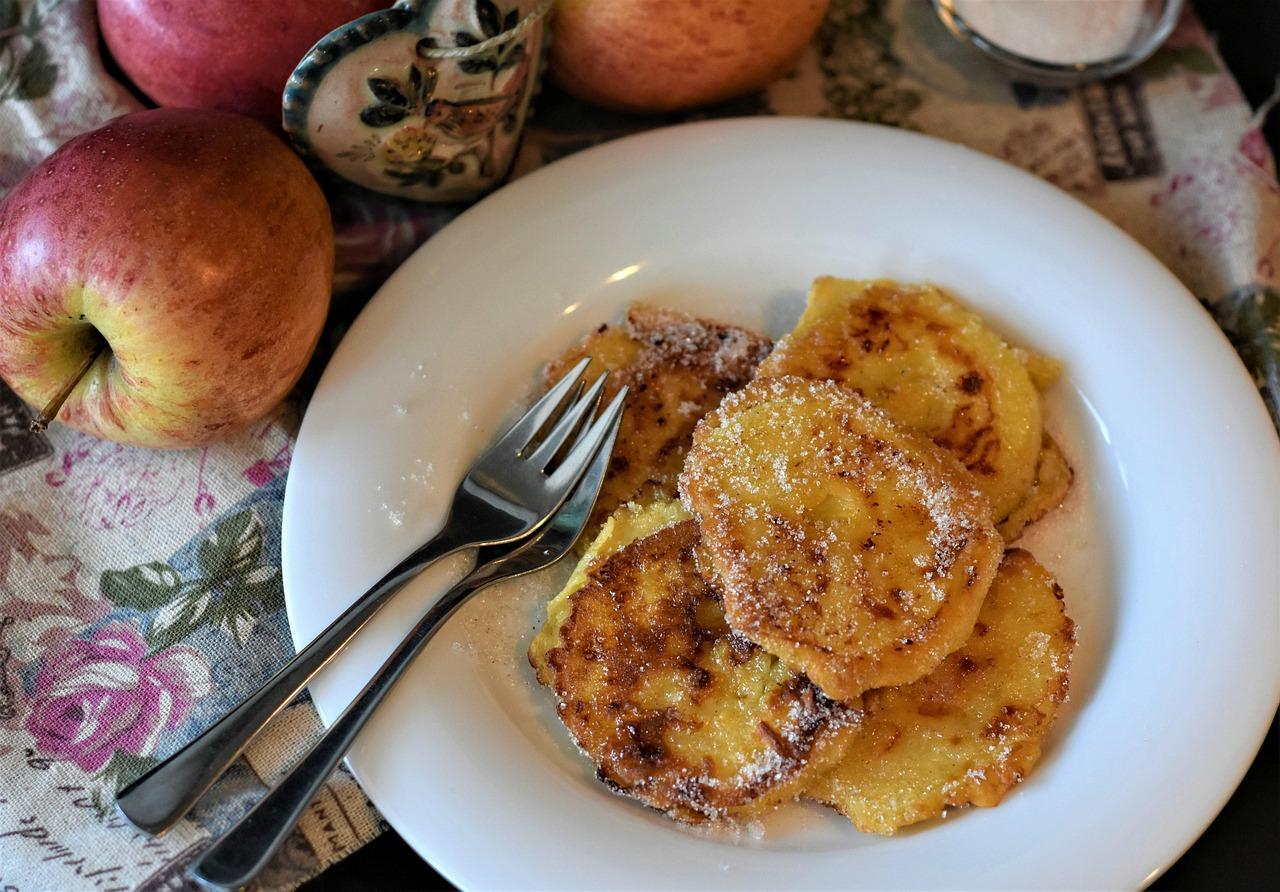
Autumn in the orchard villages around Łącko and Nowy Sącz means apples everywhere, and racuchy are how grandmothers use the windfalls on a Sunday afternoon. A thick yeast batter is folded with thin apple slices and spooned into hot oil, where it puffs into golden, airy fritters with soft, tart fruit inside. Shower them with icing sugar and eat them warm, perhaps with a glass of cold milk or kefir. Where most people go wrong is frying too hot: the outside darkens before the thick middle cooks, leaving a raw, gummy centre. Chef's tip: keep the oil at a steady medium, about 170 °C, and flatten each spoonful slightly so it cooks through evenly.

by KrazyBadal 0 views
Kluski śląskie

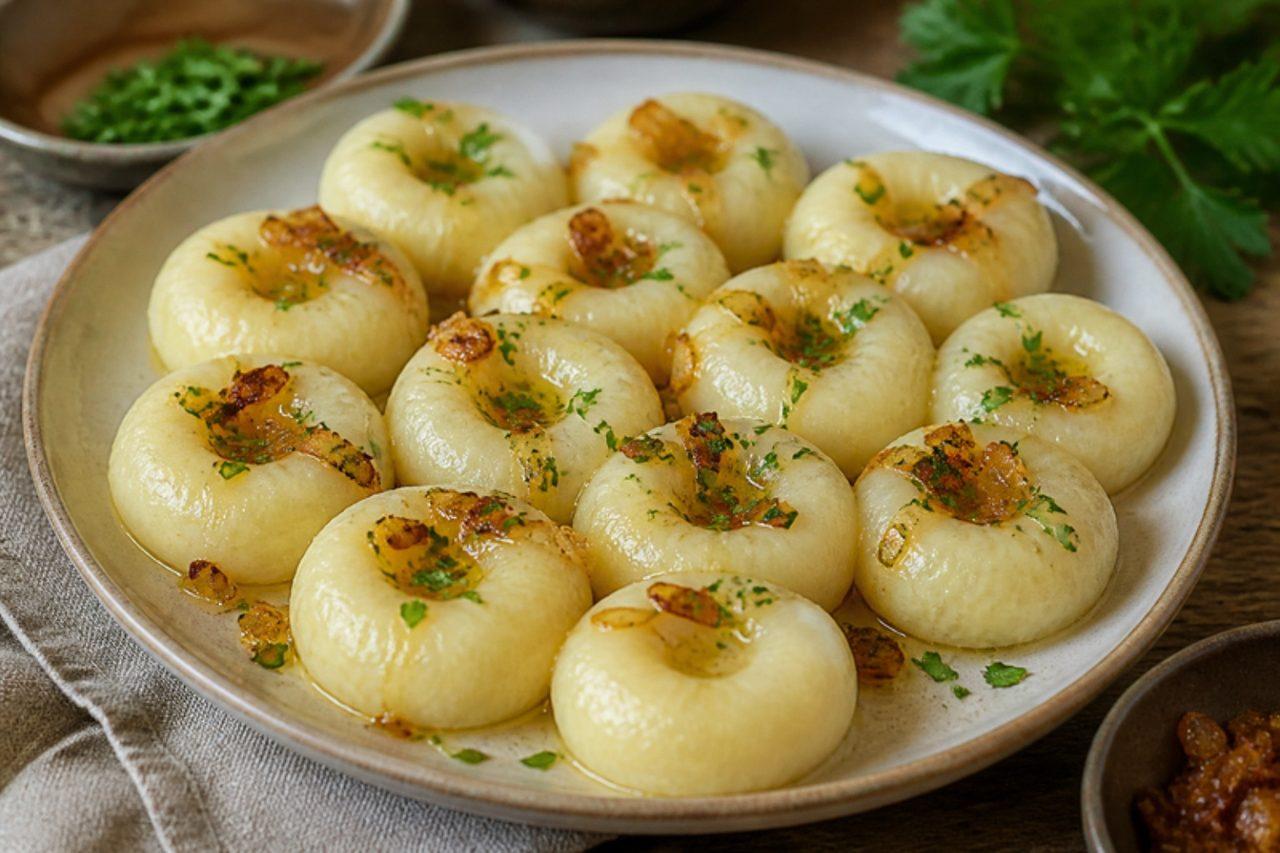
No Sunday dinner in Katowice, Gliwice or Opole feels complete without a heap of these pale, bouncy dumplings, traditionally next to roulade and red cabbage. Here they are served the meatless way, with browned butter and fried onion, or with a mushroom sauce poured into the little dent each one gets from your thumb. They are made from boiled, riced potato and potato starch, so the texture is springy and smooth, almost elastic, with a clean potato taste. The classic error is guessing the starch: Silesian cooks press the cooled potatoes flat, cut out a quarter and fill the gap with starch, which gives the right ratio every time. Chef's tip: rice the potatoes while hot but let them cool completely before mixing, or the dough turns gluey.

by KrazyBadal 0 views

Kołocz śląski

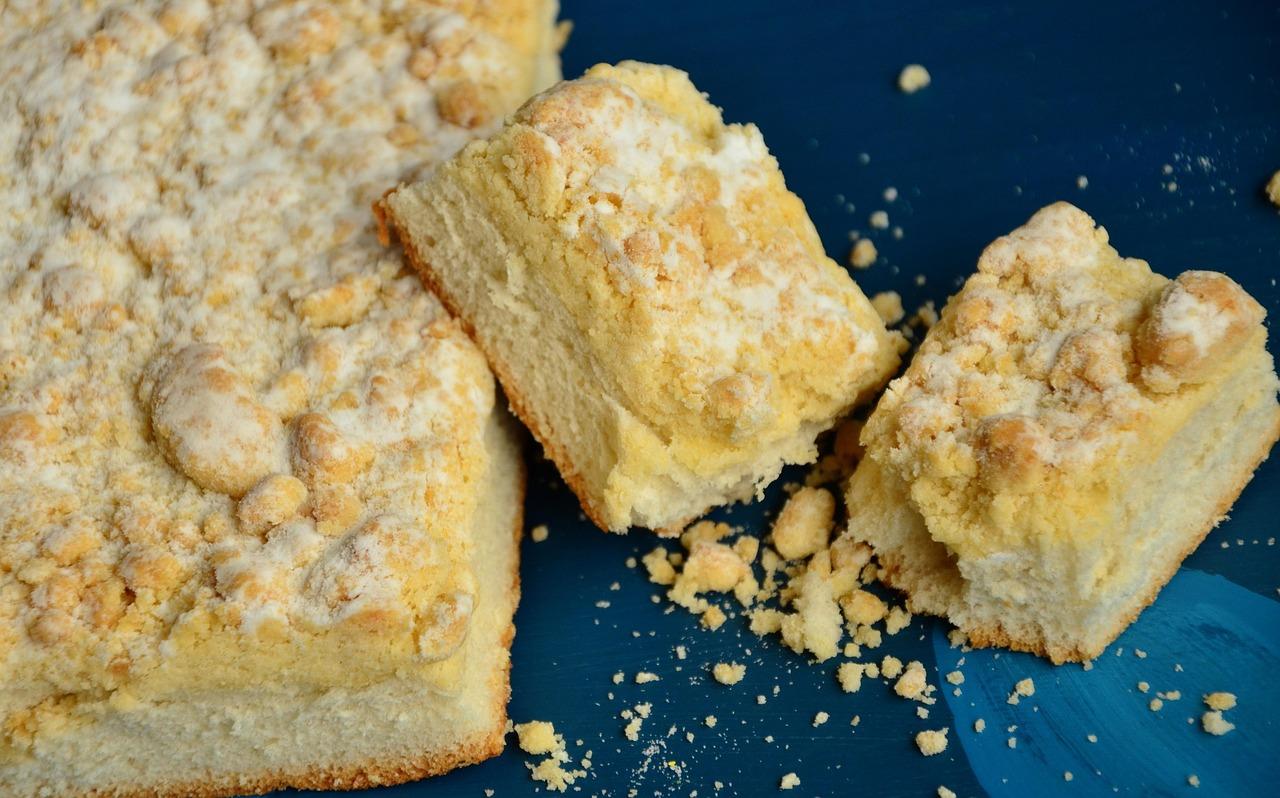
Silesian weddings once had kołocz delivered to every neighbour as a thank-you, and the wide trays still appear at christenings, harvest festivals and church fairs in Opole and around Katowice. The base is a soft, lightly sweet yeast dough, spread with a thick layer of vanilla twaróg and covered with a buttery crumble that bakes into craggy golden lumps. It keeps well for two days and cuts into neat squares for coffee. A common mistake is baking it before the dough has had its second rise under the topping, which gives a dense, bready base. Twaróg is usually rennet-free, but check the label. Chef's tip: keep the crumble in the fridge until the last moment so it stays in distinct lumps in the oven.

150 minPolishBaking
by KrazyBadal 0 views

Śledź po kaszubsku

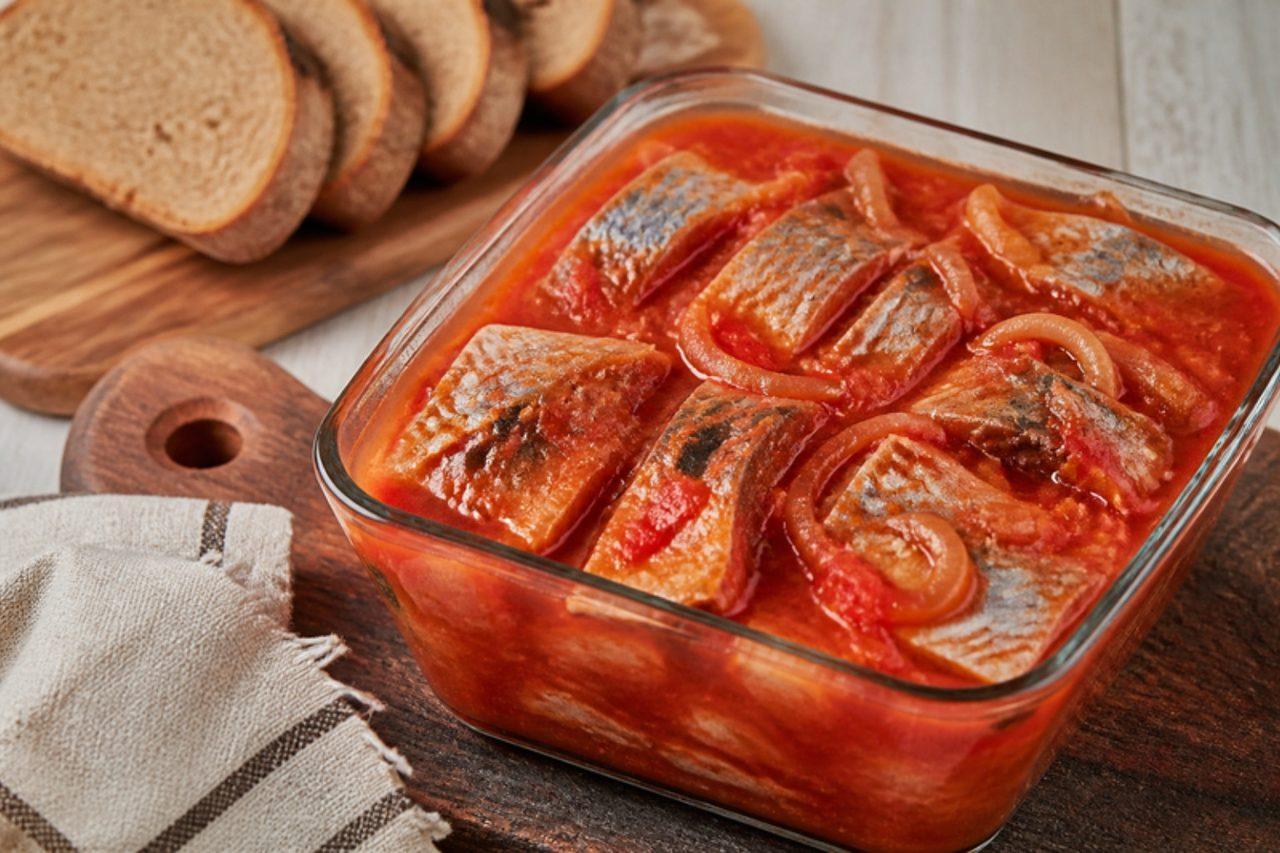
Kashubian fishing families along the Baltic coast and the lakes near Kartuzy always kept a crock of herring in the cellar, and this layered version, with a thick sweet-and-sour sauce of slow-fried onion and tomato, is now a fixture of the Christmas Eve table across Pomerania. Mild salted fillets sit between spoonfuls of the soft, glossy sauce, and after a night in the fridge the two flavours merge into something savoury, tangy and gently spiced. Eat it cold with boiled potatoes or rye bread. Herring like this is cured but never cooked, so buy ready-salted or matjes fillets from a good fishmonger, keep them chilled, and note it is not for pregnant women, young children or anyone with a weakened immune system. Pouring the sauce on while hot is a mistake: it partly cooks the fish and turns it grey and soft. Chef's tip: taste a corner of a fillet before soaking; mild matjes need only a short rinse, while barrel-salted herring needs hours.

40 minPolishFishGluten free
by KrazyBadal 0 views

Czernina

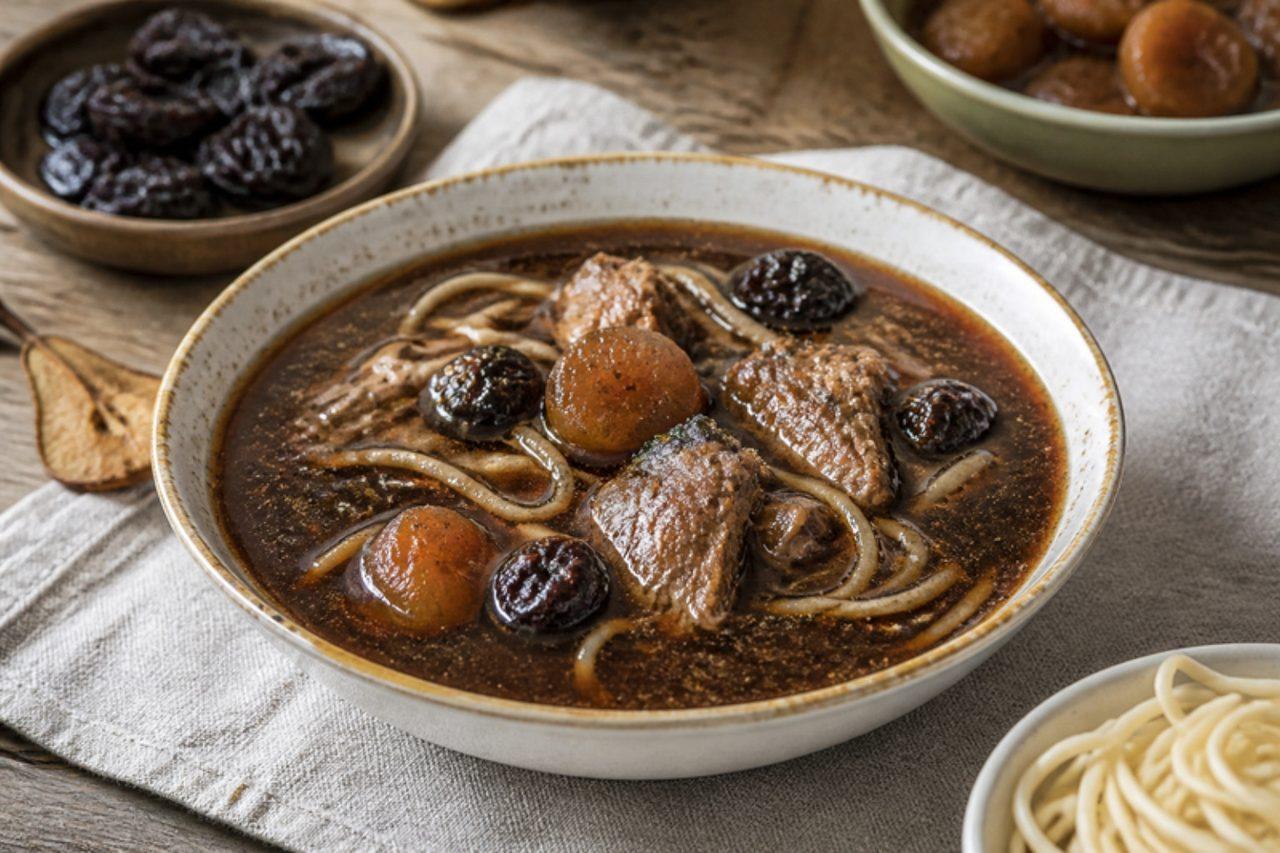
Few soups divide a Polish table like czernina, the dark, glossy duck broth of Greater Poland and Kashubia, tinted chocolate-brown with duck blood and sharpened with vinegar, then sweetened with dried plums, pears and apples. Farm families made it when a duck was killed in autumn, and in old Polish custom a suitor served czernina knew his proposal had been turned down. The taste is rich, sweet-sour and deeply savoury, with fine egg noodles to soak it up. Safety matters here: buy fresh duck blood from a butcher, already mixed with vinegar so it does not clot, keep it at fridge temperature and use it within a day. Undercooked blood is not for pregnant women, young children or anyone with a weakened immune system. People often let the soup boil hard after the blood goes in, and it turns grainy. Chef's tip: temper the blood with hot broth before stirring it into the pot, then heat gently to a steady simmer.

150 minPolishSoups
by KrazyBadal 0 views

Zupa brzadowa

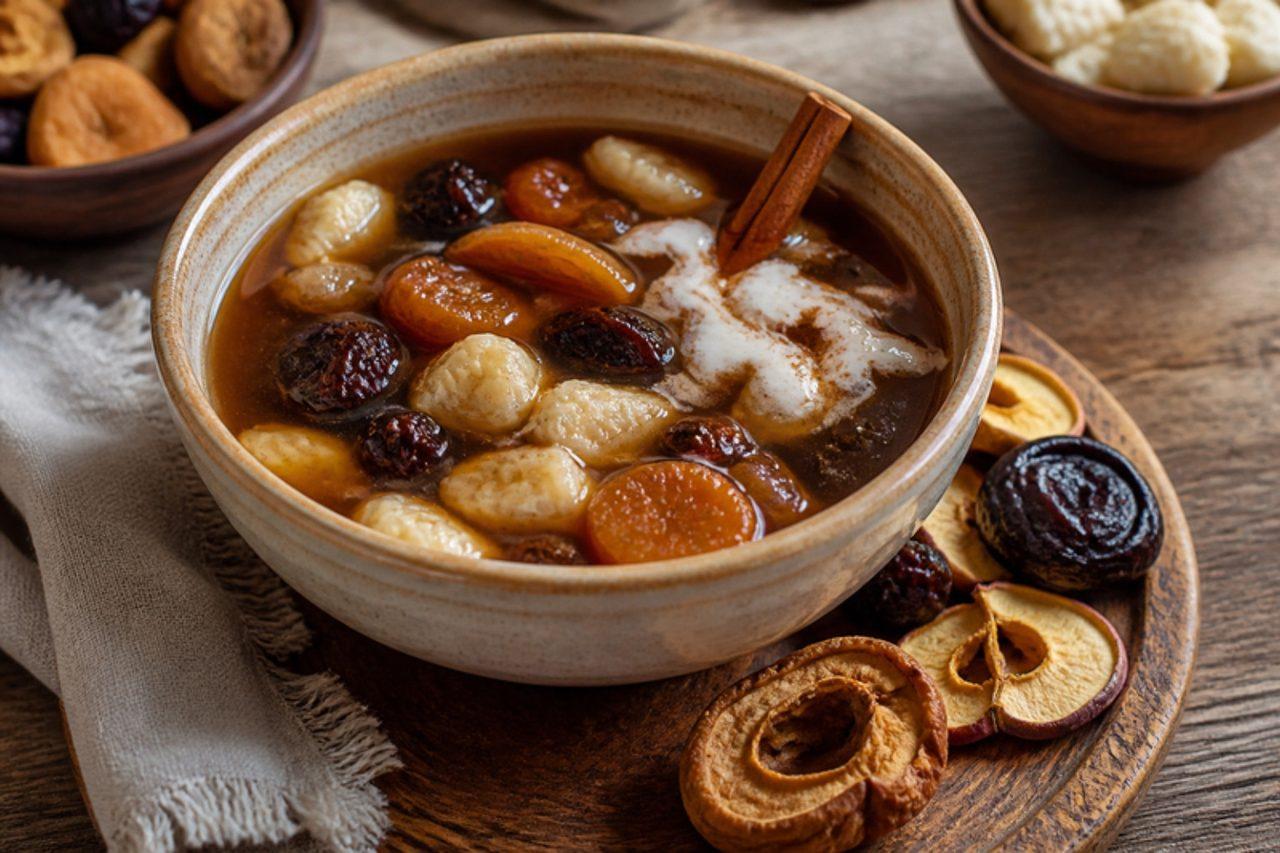
Kashubian farmhouses near Kartuzy and Kościerzyna dried their pears, apples and plums over the stove every autumn, and the dried fruit, called brzad, went into this soup through the winter. It surprises newcomers: warm, sweet and gently sour, smelling of cloves and cinnamon, with tender fruit and little spoon-dropped dumplings, sometimes served with boiled potatoes as a full meal. In the past a meaty version existed too; this one is meat-free. A common mistake is sweetening it like compote; it should taste fruity first, with only a little sugar and a clear sour edge. Chef's tip: soak the fruit overnight if you can, and cook it in its soaking water for the best flavour.

by KrazyBadal 0 views

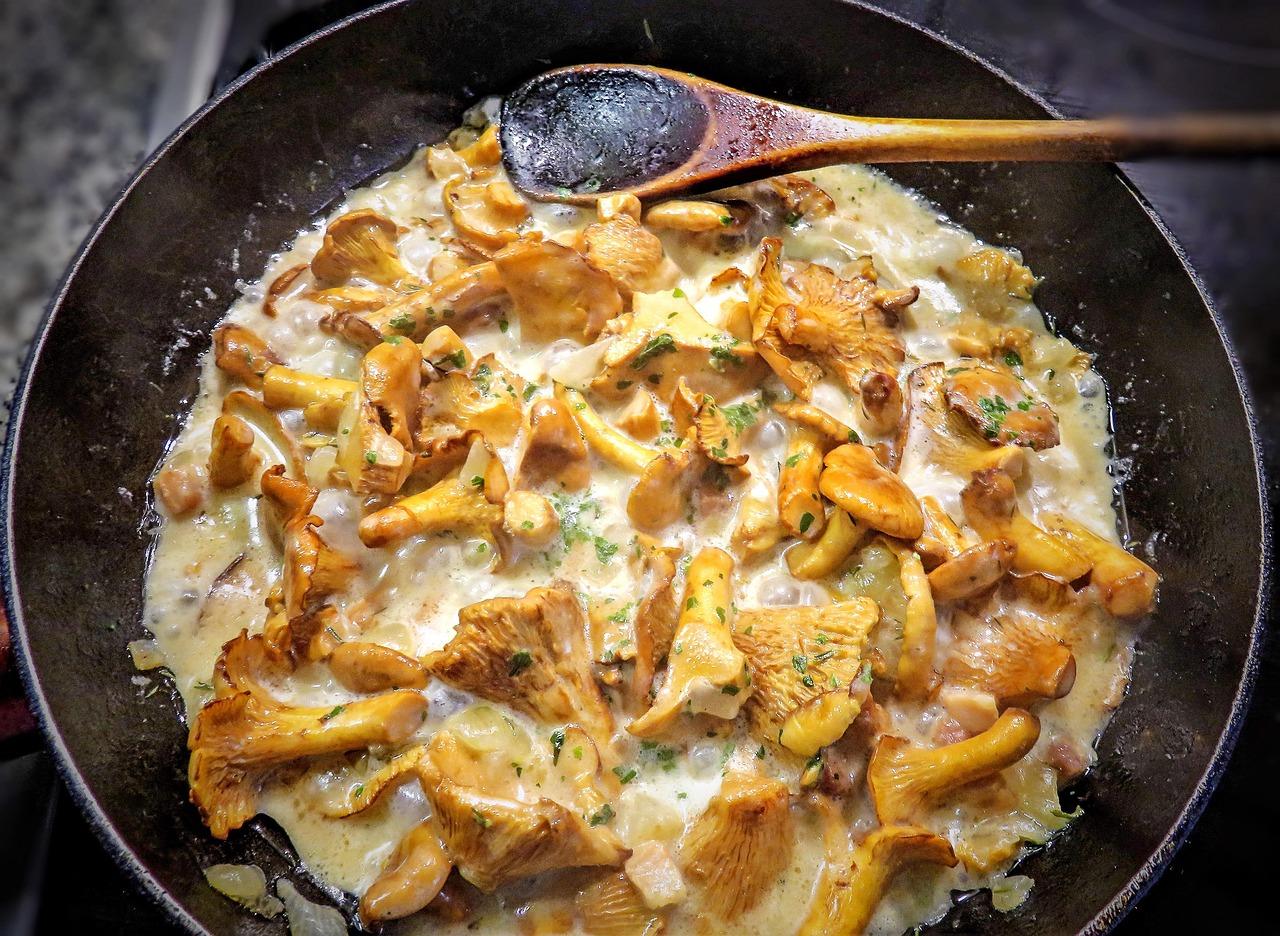
Chanterelles in cream

From July, roadside sellers along the lake roads of Masuria hold up baskets of golden chanterelles, and holidaymakers in Mrągowo and Giżycko cook them the same evening. The mushrooms are fried with onion until their juices cook away, then bathed in sour cream and dill, giving a sauce that is peppery, faintly apricot-scented and very rich. Spoon it over new potatoes, buckwheat or a thick slice of toast. Where most people go wrong is washing chanterelles under the tap, so they boil in their own water and turn rubbery. Only eat wild mushrooms you have bought from a trusted seller or that an expert has identified. Chef's tip: brush the mushrooms clean, tear large ones and cook them in a hot, wide pan so they sear rather than stew.

by KrazyBadal 0 views

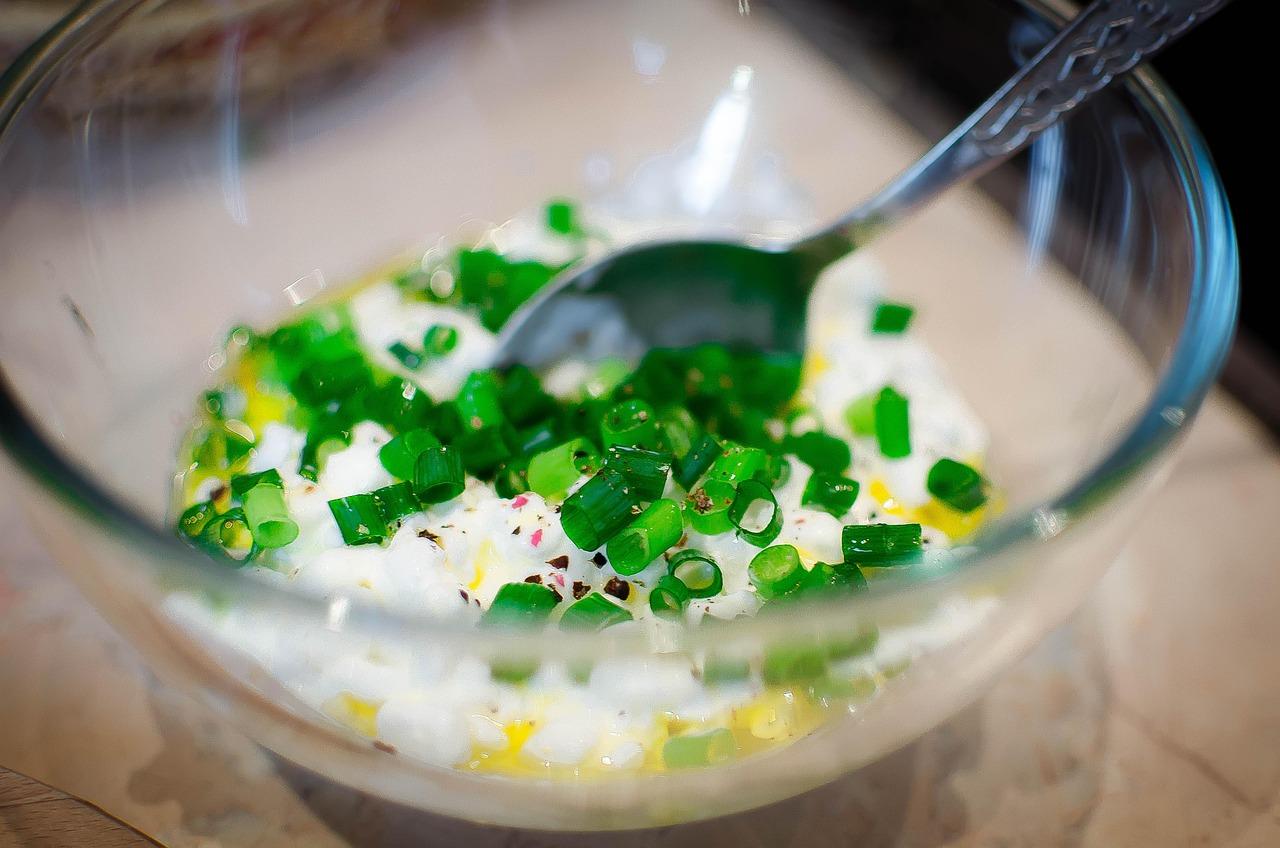
Twarożek ze szczypiorkiem

Warsaw breakfasts, from milk bars to family kitchens, lean on this cool, tangy spread: crumbly twaróg mashed with a little sour cream until fluffy, then mixed with crunchy radish and a generous fistful of chives. It is piled onto rye bread or bread rolls, sometimes eaten from a bowl beside new potatoes in summer. The flavour is fresh and milky with a peppery bite from the radish. Where most people go wrong is salting it hours ahead, which draws water out of the radish and leaves a puddle. Twaróg is usually rennet-free, but check the label. Serve it on rye or, for a gluten-free breakfast, on gluten-free bread. Chef's tip: mash the cheese with a fork, not a blender, so it keeps a little texture.

by KrazyBadal 0 views

Kogel-mogel

Ask anyone who grew up in a Warsaw block of flats about kogel-mogel and they will remember standing in the kitchen beating yolks and sugar in a mug with a teaspoon, waiting for it to turn pale. It is the simplest Polish treat: thick, mousse-like and very sweet, sometimes with cocoa, eaten from a glass with a spoon or dolloped on fruit. Because the yolks are raw, use pasteurised eggs, which most supermarkets sell as cartons of yolks or as pasteurised whole eggs. Even so, raw eggs are not for pregnant women, young children or anyone with a weakened immune system. The common mistake is stopping too soon; it needs a good 5 minutes of whisking until it doubles and almost all the sugar has dissolved. Chef's tip: use caster sugar, which disappears faster and gives a silkier result.

by KrazyBadal 0 views

Obwarzanek krakowski

Blue street carts on almost every corner of Kraków's Old Town sell these twisted rings from dawn, and locals grab one on the way to the tram the way others grab a coffee. Each ring is made from two thin ropes of firm yeast dough twisted together, dipped briefly in boiling water and baked, which gives a shiny, slightly chewy crust and a dense, close crumb, somewhere between a bagel and a pretzel. Eat them on the day, plain or split with butter or a vegan spread, or toss stale ones into soup. Where most people go wrong is making the dough too soft: it should feel stiff and smooth, or the twist blurs in the water. Chef's tip: boil the rings only until they float, 30 to 40 seconds, then top them while still wet so the seeds stick.

by KrazyBadal 0 views

Kluski leniwe

Lazy dumplings earn their name honestly: instead of filling and pinching like pierogi, you knead the cheese straight into the dough and cut it into diamonds. Across Lesser Poland they are a school-day lunch, a canteen favourite and the first thing many Polish children learn to cook. Good ones are pillow-soft and faintly tangy from the twaróg, rolled in breadcrumbs toasted in butter and finished with a spoon of sugar, sometimes sour cream or cinnamon too. The usual slip is adding too much flour to stop the dough sticking, which makes the dumplings heavy and doughy. Twaróg is usually made without rennet, but check the label if you need it strictly vegetarian. Chef's tip: press the twaróg through a sieve or mash it with a fork until completely smooth, so the dough needs less flour.

by KrazyBadal 0 views

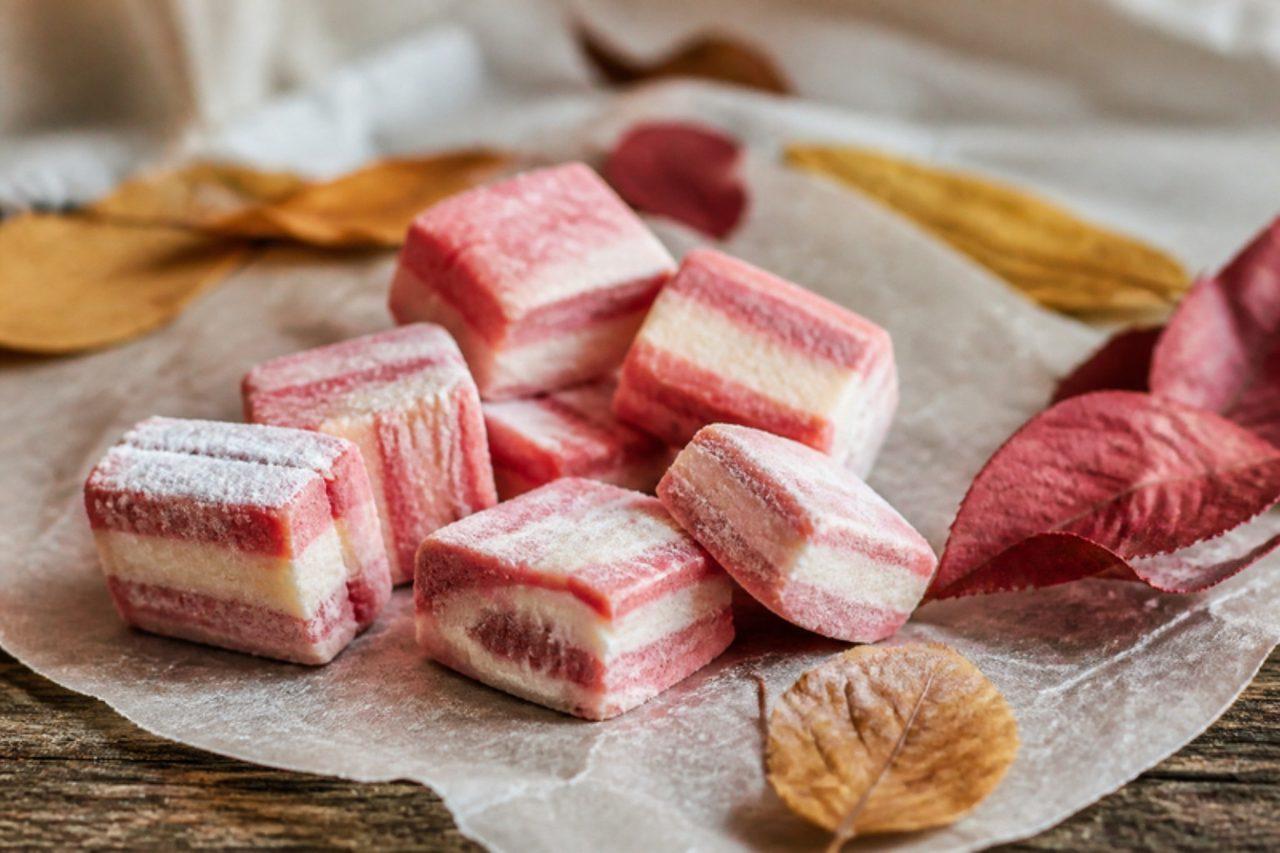
Pańska skórka

On 1 November the paths outside Powązki cemetery in Warsaw are lined with sellers in white coats breaking off chunks of pańska skórka from big pink-and-white blocks. The name means ‘lord's skin’, and the candy is chewy, sticky and pull-apart, like a firm marshmallow crossed with nougat, smelling of vanilla and a little lemon. It is made by whipping a hot sugar syrup into egg whites, so the whites cook as you go; pasteurised whites make it safer still. The usual slip is under-cooking the syrup, which leaves a mass that never sets. For the pink half, use a plant-based colouring such as beetroot powder, not carmine, which is not vegetarian. Chef's tip: use a sugar thermometer; 125 °C is the number that matters.

by KrazyBadal 0 views

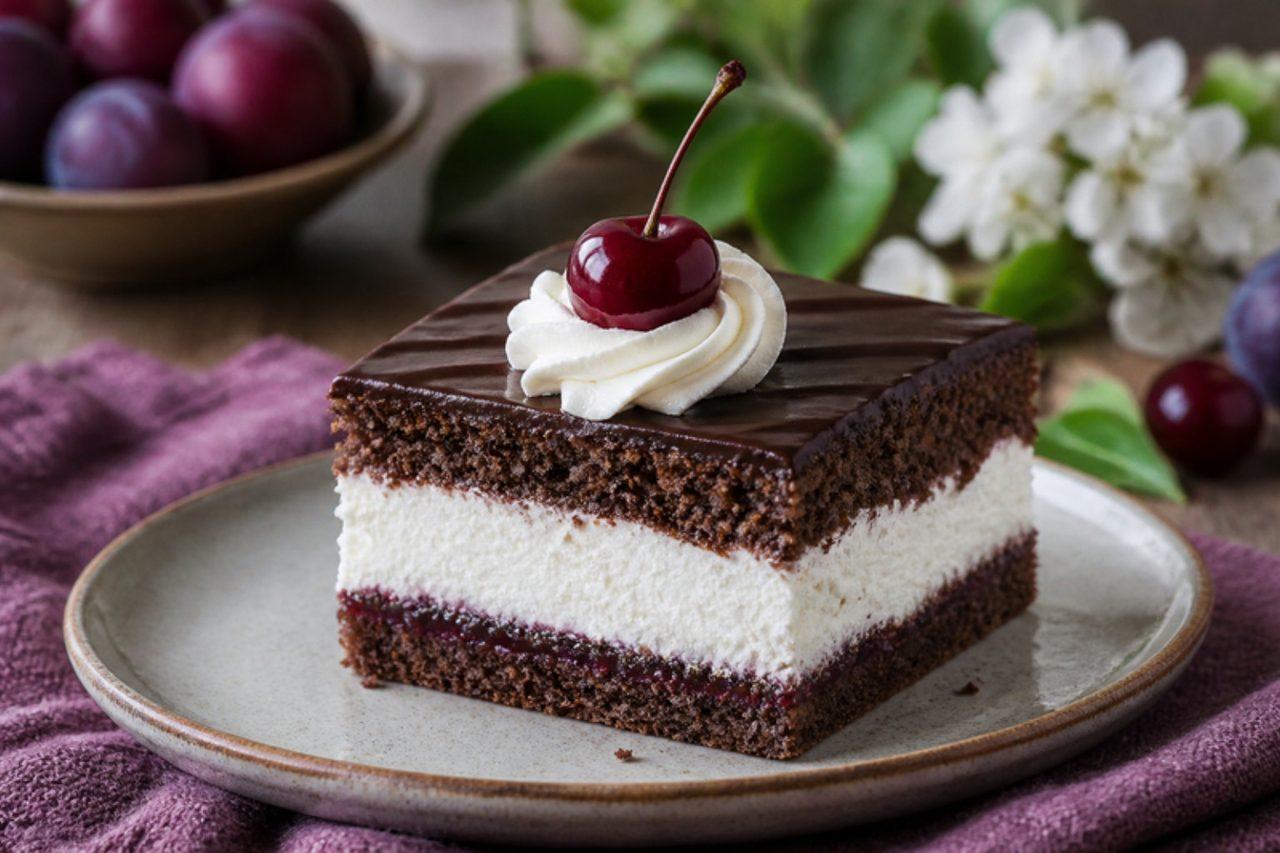
Wuzetka

Warsaw's own cake took its name from the W-Z route, the east–west road rebuilt through the ruined city in 1949, and the cake shop beside it that sold the first slices. It is still the cream cake of the capital's patisseries: two dark cocoa sponges, a tart layer of plum jam, a thick band of whipped cream and a shiny chocolate glaze, topped with a swirl of cream. A common mistake is assembling while the sponge is warm, so the cream slumps and slides. Chef's tip: brush the sponge with a little cooled tea before adding the jam so the slices stay moist.

by KrazyBadal 0 views

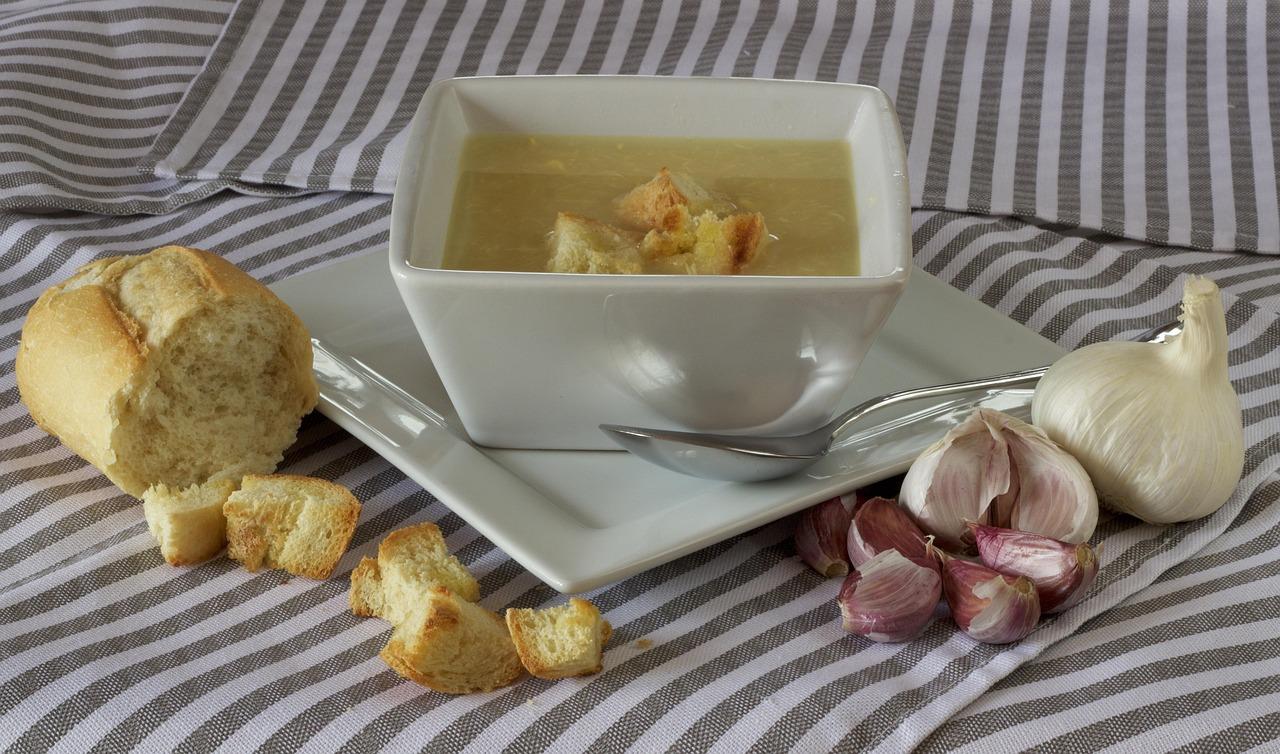
Wodzionka

Miners' families in Upper Silesia made this from almost nothing: a few slices of yesterday's rye bread, a garlic clove, a knob of butter and boiling water poured straight into the bowl. Called brotzupa by some older Silesians, it still turns up in Zabrze and Ruda Śląska homes as a cheap, soothing supper, and newer versions use vegetable stock and add caraway or a fried onion. The bread softens into a rich, garlicky porridge with crisp-edged croutons on top. The usual slip is using fresh bread, which turns to slime; it has to be properly dry. Chef's tip: toast the cubes in butter first for a nuttier flavour and a little crunch.

by KrazyBadal 0 views

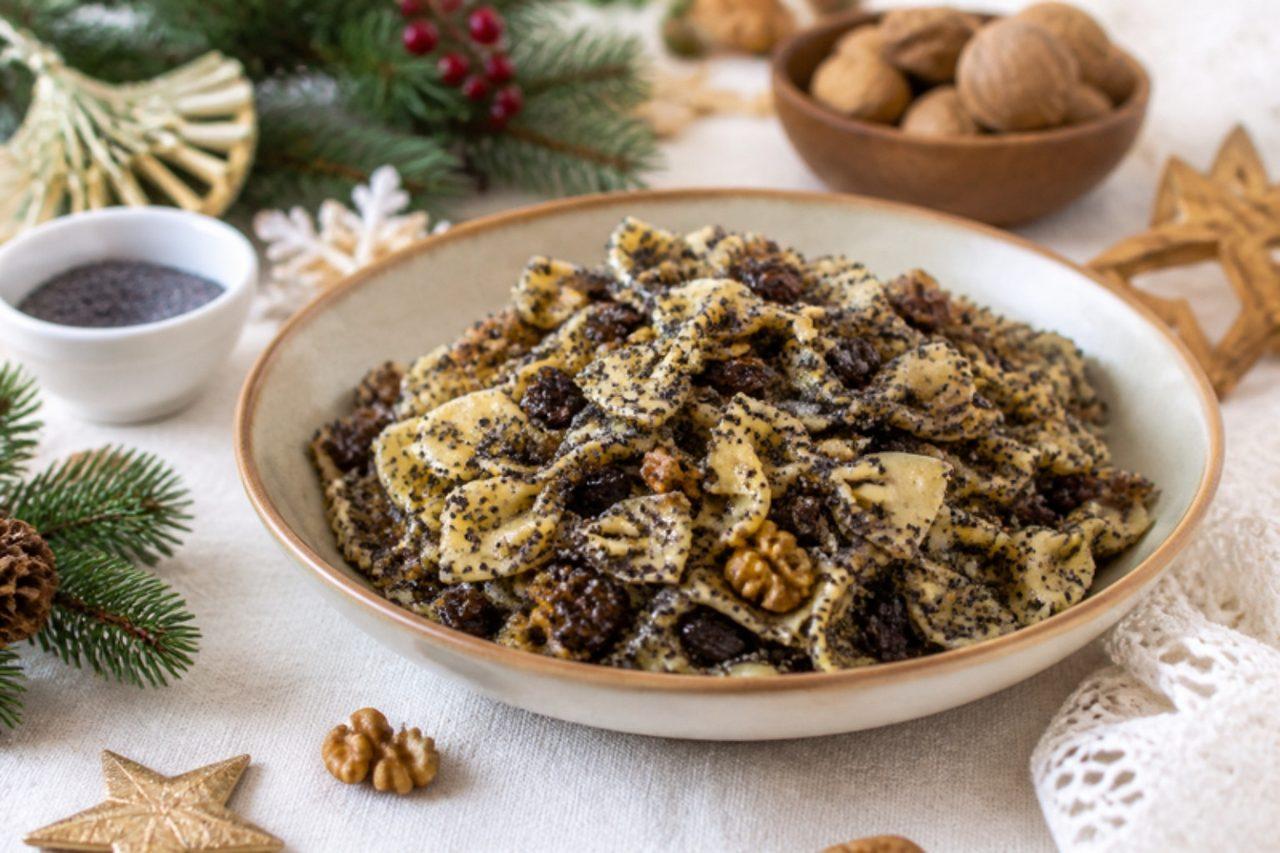
Kluski z makiem

Poppy seed is the taste of a Polish Christmas Eve, and in central and eastern Poland it often reaches the table as a bowl of wide noodles in a sweet, dark poppy mixture with honey, walnuts and raisins. It sounds strange to anyone who expects pasta to be savoury, but it is closer to a pudding: nutty, slightly bitter, sticky with honey, eaten at room temperature as the last dish of the night. Where most people go wrong is using whole poppy seeds straight from the packet; they must be scalded and ground, or the dish is gritty and bland. Chef's tip: buy ready-ground poppy seed or grind scalded seeds twice in a spice grinder until they turn grey and buttery.

by KrazyBadal 0 views

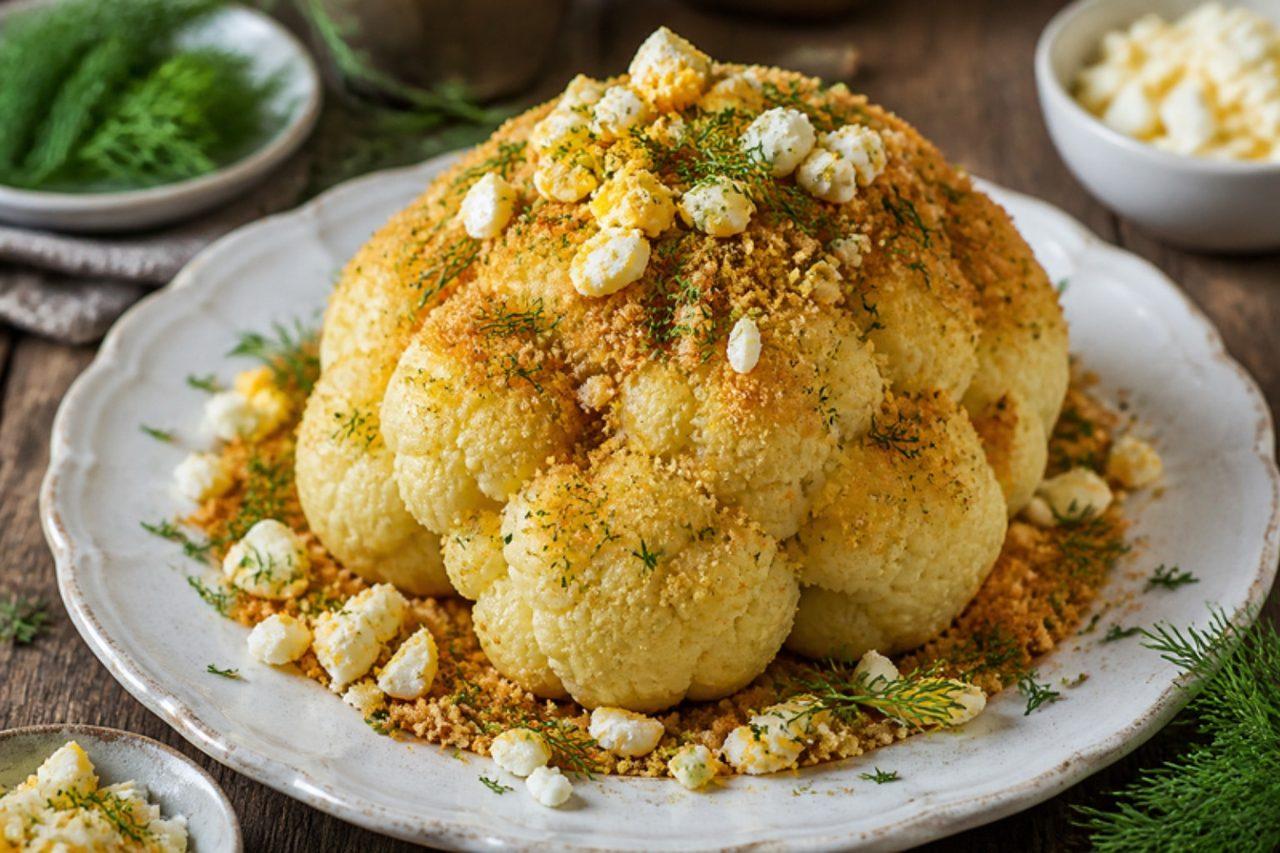
Polish-style cauliflower

‘Po polsku’ on a Polish menu means one thing: a vegetable topped with crumbs fried in plenty of butter. In Warsaw canteens and on Sunday tables, a whole cauliflower arrives this way next to potatoes and a salad, and children who claim to hate cauliflower eat it happily. The florets are tender and sweet, the crumbs nutty and crisp. A common mistake is boiling the cauliflower until it falls apart; it should keep a slight bite in the stalk. Chef's tip: a pinch of sugar and a splash of milk in the boiling water keep the cauliflower white and sweet.

by KrazyBadal 0 views

Cabbage with peas

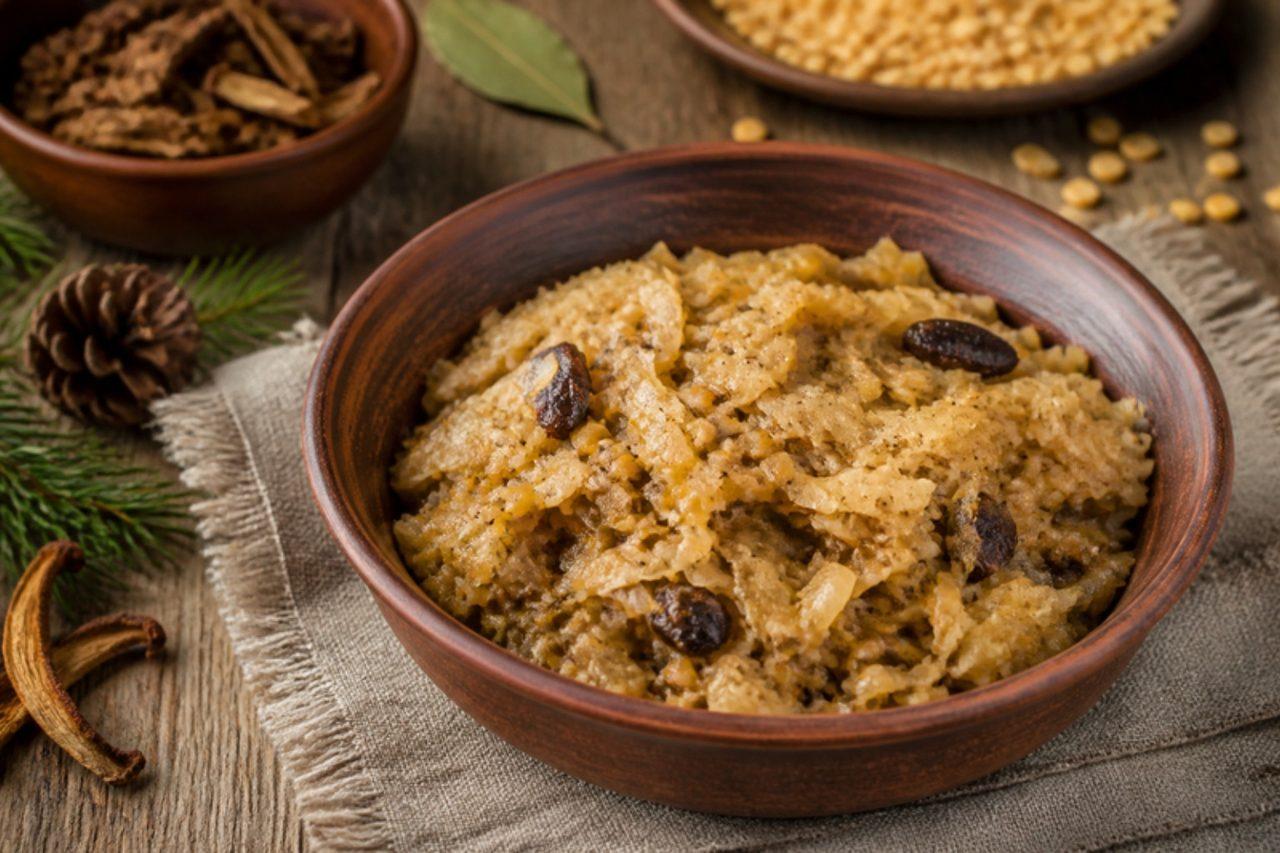
Of the twelve dishes on a Polish Christmas Eve table, this is the humblest and often the one people go back to for seconds. Sour, tangy sauerkraut is braised slowly with yellow split peas until the peas collapse into a soft, savoury mash that binds the cabbage, with dried mushrooms and golden onion for depth. Serve it warm next to pierogi or potatoes, and know that it tastes even better reheated the next day. The usual slip is adding salt before the peas are cooked, which keeps them hard; season only at the end, as the sauerkraut is salty anyway. Chef's tip: if your sauerkraut is very sour, rinse it once and squeeze it, keeping a little juice to adjust the sharpness later.

by KrazyBadal 0 views

Showing 24 of 268 recipes

Show more recipes

Page 1 of 12