Skip to content
WhatToEat.Today

All recipes

1,239

Vegetarian, or something you can't eat? Set your diet once and we'll hide recipes that don't fit.

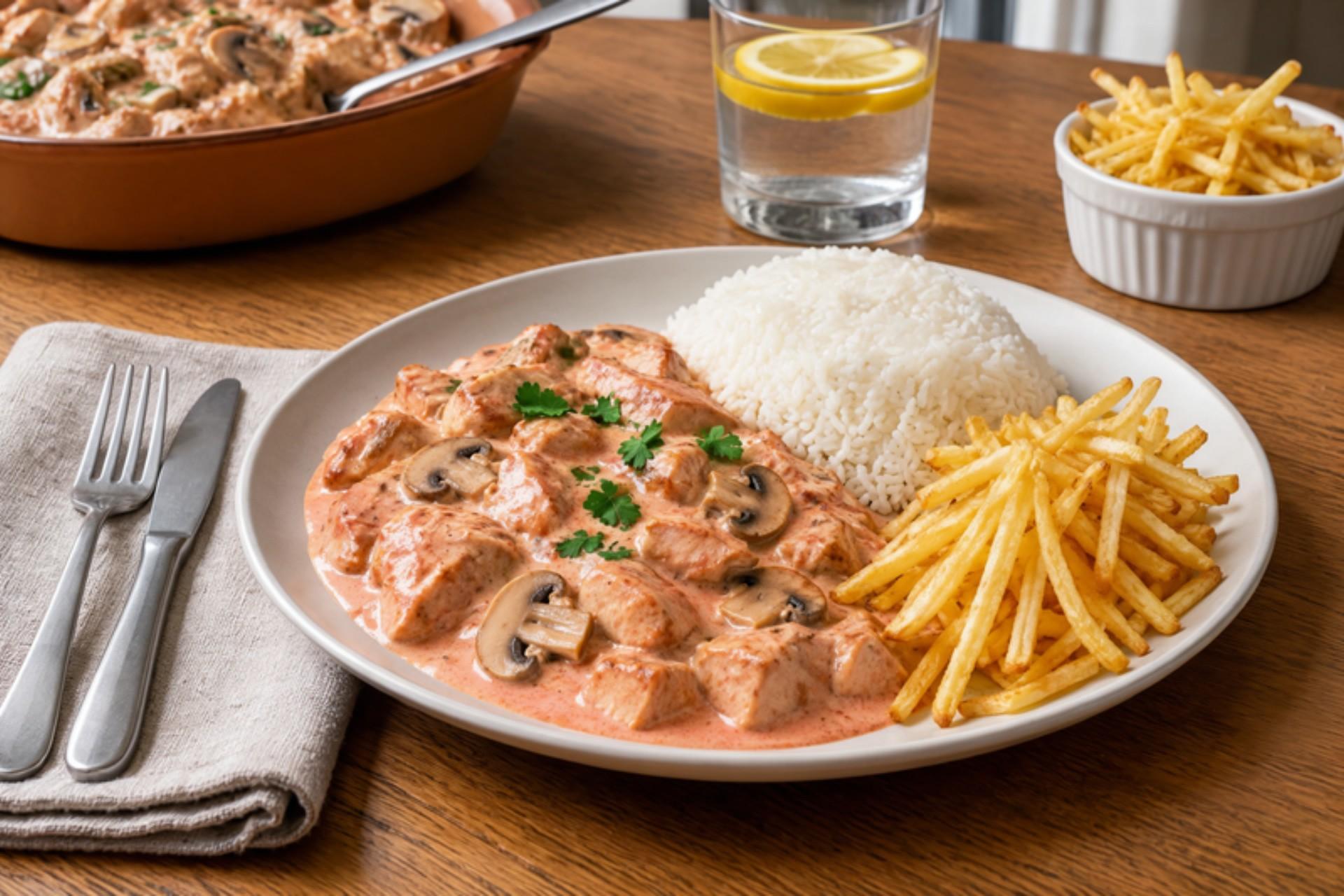
Strogonoff de frangoCreamy chicken stroganoff

Brazil adopted Russia's stroganoff and made it its own: strogonoff de frango is everyday family food in São Paulo, Rio and all over the country, cooked for weeknight dinners and Sunday lunch and served with fluffy white rice and a pile of crunchy potato sticks (batata palha) on top. Strips of chicken are seared, then simmered in a pink, gently tangy sauce of tomato, ketchup, mustard and mushrooms, finished with cream. It is mild, so children love it. The common mistake is boiling the sauce after adding the cream: it can split and turn grainy. Stir it in at the end over a low heat. The chicken is done when no pink remains and the thickest piece reaches 74 °C. Chef's tip: brown the chicken in two batches in a very hot pan; the golden bits on the bottom dissolve into the sauce and give it real depth.

by KrazyBadal 0 views

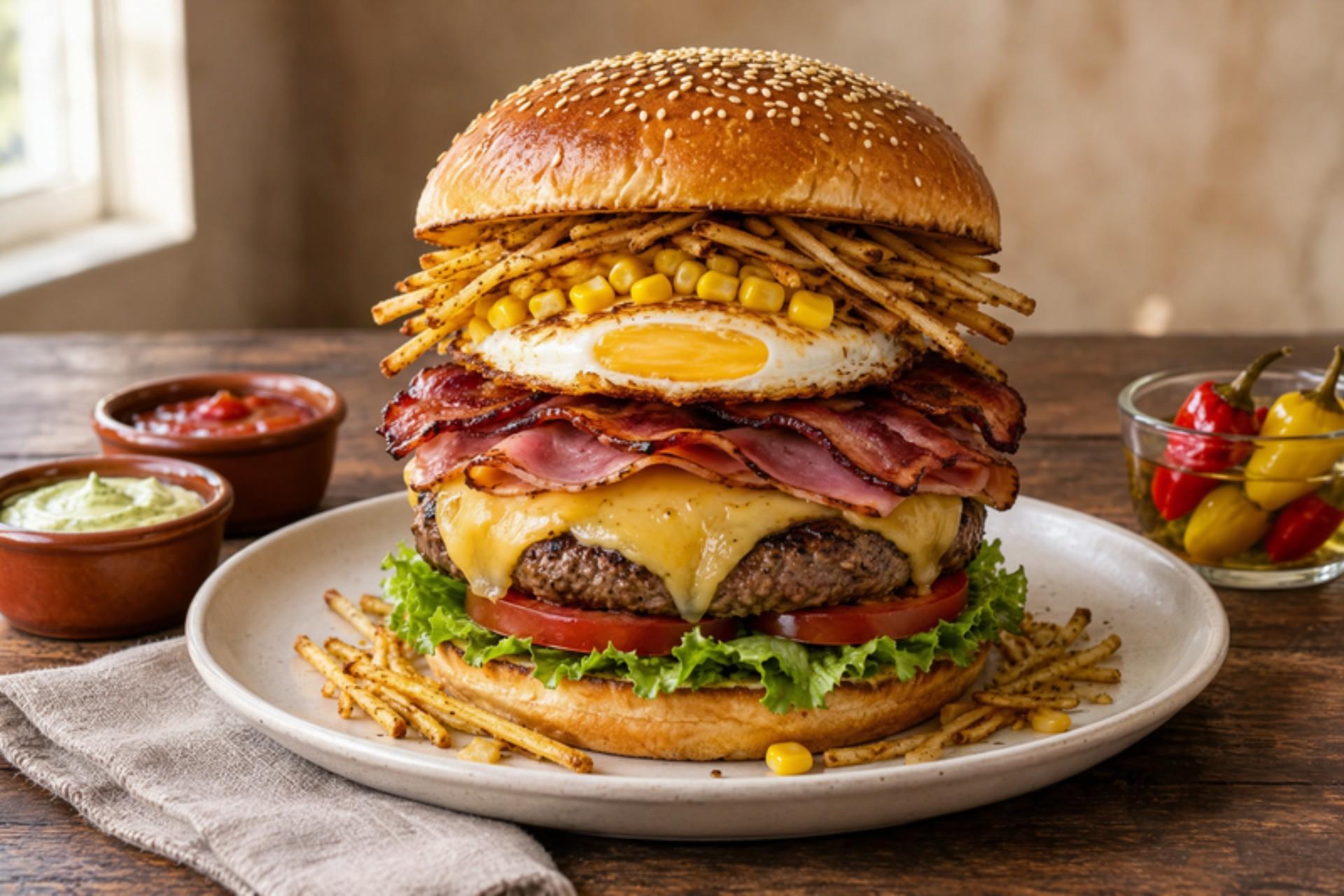
X-tudoBurger with everything

The x-tudo (say 'shee-TOO-doo'; 'x' sounds like 'cheese' in Portuguese) is the late-night king of Brazilian lanchonetes (snack bars) and street food trailers in São Paulo, Curitiba and Rio, eaten after football or a night out. A soft bun is stacked with a beef patty, melted cheese, ham, bacon, a fried egg, lettuce, tomato, sweetcorn and crunchy potato sticks, all held together with mayonnaise. It contains pork (ham and bacon) and egg. The common mistake is building it on a cold bun: toast the cut sides in the burger fat so they don't go soggy under all the fillings. The patty is done when there's no pink in the middle and it reaches 71 °C. Cook the egg until the white is fully set; for anyone pregnant, a young child or older or vulnerable people, cook the yolk firm too. Chef's tip: press the bun flat on the hot plate with a spatula for 20 seconds once built, the way lanchonetes do; it melts everything together.

by KrazyBadal 0 views

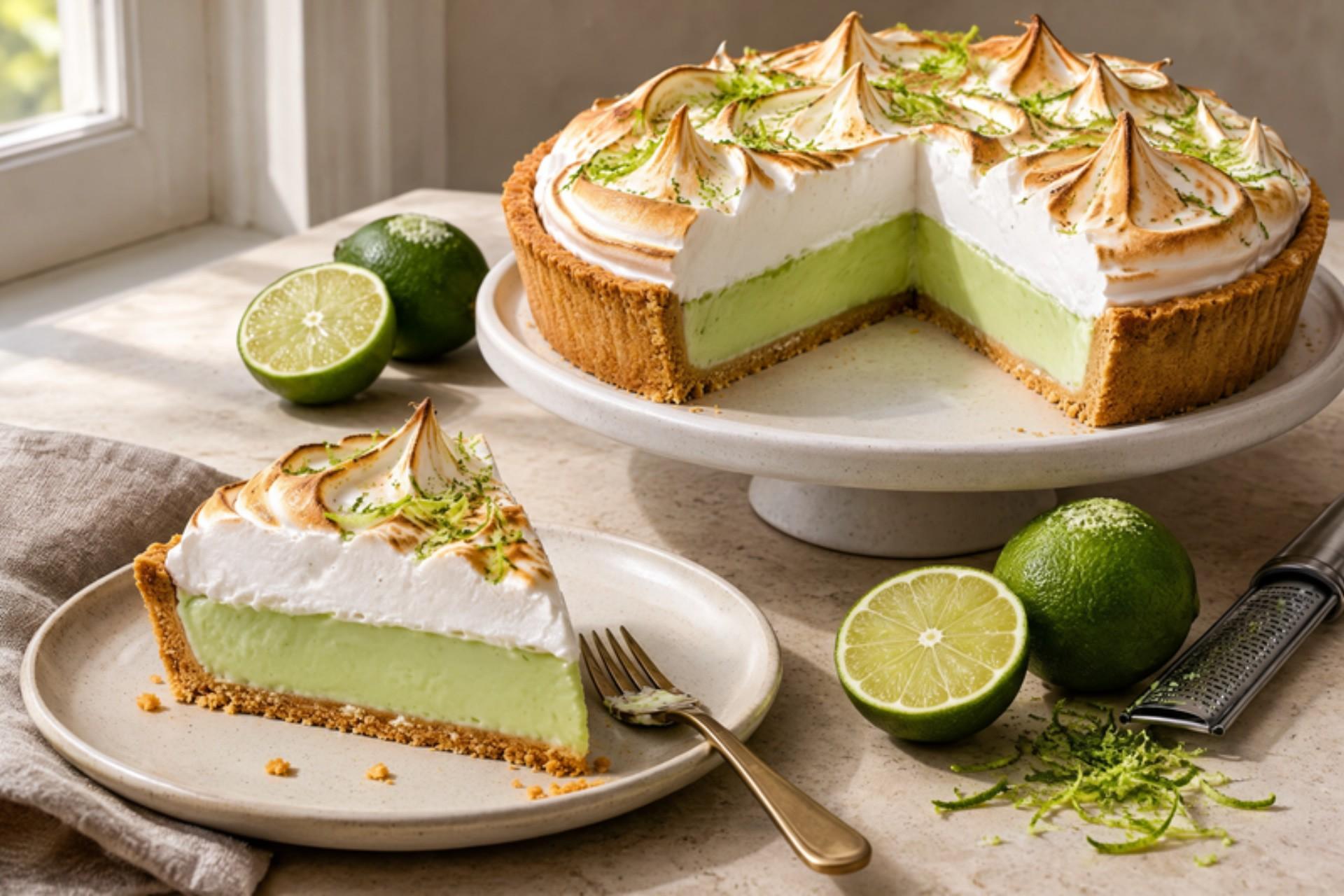
Torta de limãoLime meringue pie

Torta de limão is one of Brazil's best-loved desserts, made in home kitchens from São Paulo to Belo Horizonte for birthdays and Sunday lunch, and sold by the slice in padarias (bakeries). A crumbly crust of butter biscuits holds a no-cook filling of condensed milk and plenty of lime juice that thickens like magic, topped with a cloud of glossy meringue that is browned in the oven. Brazilian limes (limão taiti) are juicy and very sharp, so use fresh limes, never bottled juice. The usual mistake is adding all the lime juice at once: pour it in gradually while whisking, or the filling can turn grainy. The meringue is done when the peaks are golden brown. For anyone pregnant, very young, older or with a weakened immune system, make sure the meringue is well browned and the egg whites cooked. Chef's tip: grate the zest over the filling just before the meringue goes on; the fragrant oils stay bright.

by KrazyBadal 0 views

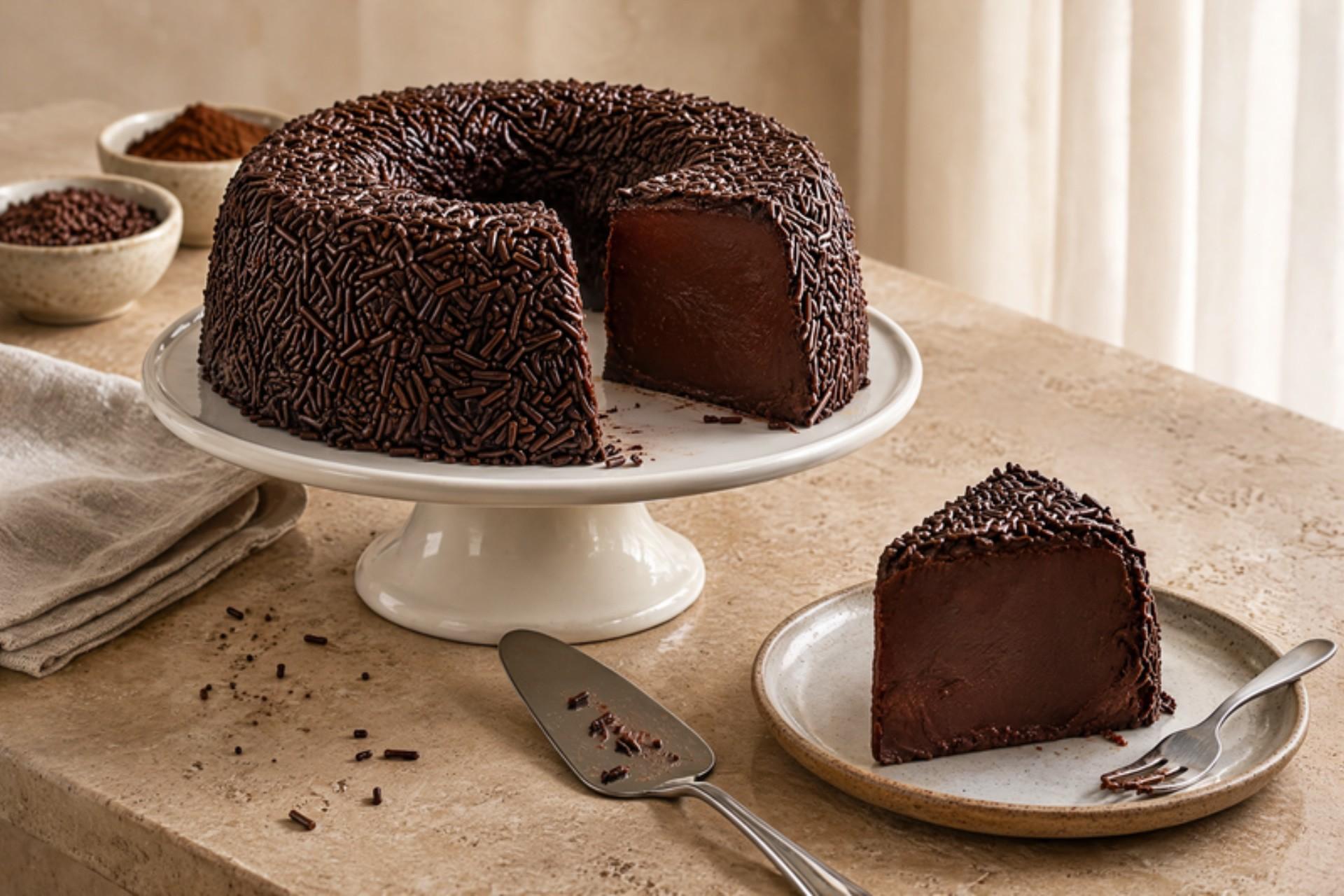
BrigadeirãoBaked chocolate fudge pudding

Brigadeirão is the big, sliceable version of the brigadeiro, the chocolate fudge ball found at every Brazilian children's birthday party. Home cooks in São Paulo and Rio bake it in a ring tin in a water bath for Sunday lunch desserts and family parties: condensed milk, cocoa, eggs, cream and butter set into a dense, fudgy, truffle-like pudding, then it is turned out and showered with chocolate sprinkles. The common mistake is unmoulding it warm: it tears and slumps. It needs at least 4 hours in the fridge to firm up. It is done when the edges are set, the centre wobbles only slightly, and a skewer comes out with moist crumbs, not liquid. The eggs are fully baked. It contains milk and egg. Chef's tip: wrap the outside of the tin in foil and use hot, not boiling, water in the bath; it stops the pudding curdling into bubbles at the edges.

by KrazyBadal 0 views

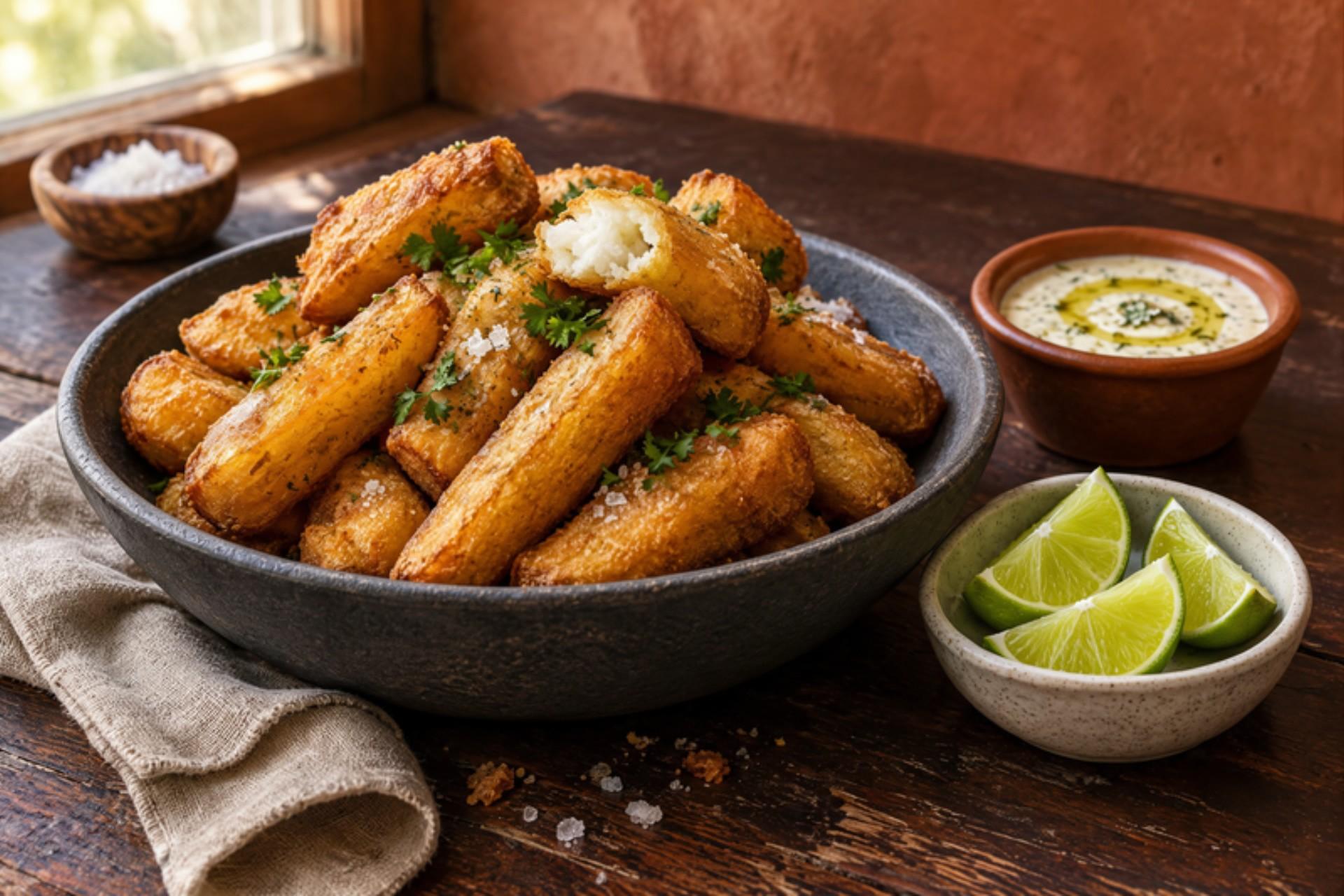
Mandioca fritaFried cassava

Mandioca frita, called aipim in Rio and macaxeira in the Northeast, is a must at Brazilian botecos (neighbourhood bars), served in a basket with lime and a little hot sauce on Friday nights, or alongside picanha at a Sunday churrasco. Fat cassava batons are boiled until tender, then fried until the outside crackles and the inside is fluffy, like the best chips you have ever had. Cassava must never be eaten raw: peel off all the brown bark and pink layer and boil it until completely soft right through. The usual mistake is frying it before it is fully tender; it stays hard and woody in the middle. Boil until a knife meets no resistance and the batons start to split. Chef's tip: let the boiled cassava cool and dry completely on a rack, or even chill it overnight; dry cassava fries crisper and splatters less.

by KrazyBadal 0 views

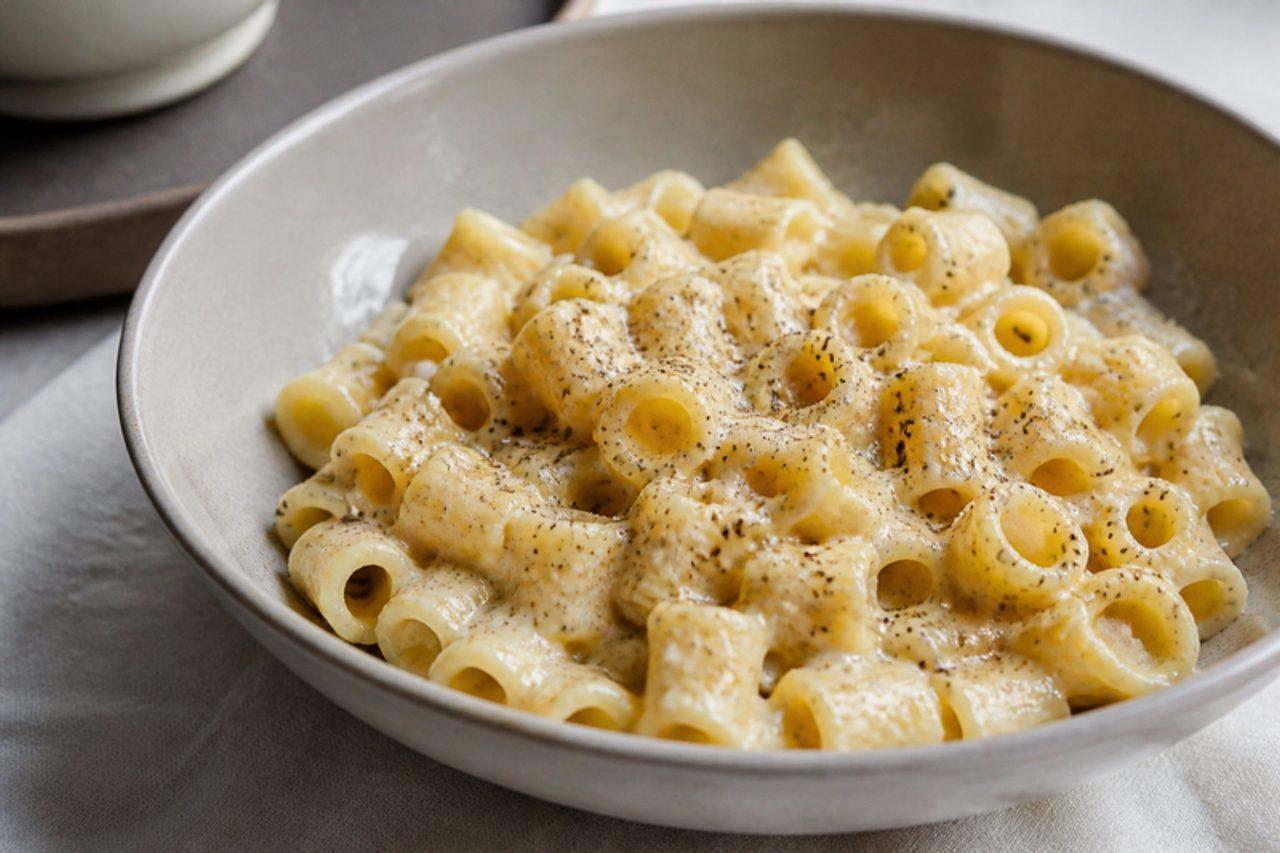
Pasta cacio e ovaPasta with cheese, egg and pepper

In the hill towns of Abruzzo and around Naples, pasta cacio e ova (cheese and egg) is the meatless cousin of carbonara and a classic late supper when the cupboard is nearly bare: short pasta tossed off the heat with eggs beaten with pecorino, Parmigiano and lots of black pepper until it turns into a glossy, golden coating. Children love it. Pecorino and Parmigiano are traditionally made with animal rennet, so choose a vegetarian Italian-style hard cheese if that matters to you. The common mistake is pouring the egg into a pan that is still on a high flame: it scrambles into rubbery bits instead of turning creamy. Chef's tip: keep a mug of the starchy cooking water by the hob; a splash loosens the sauce the moment it starts to tighten.

by KrazyBadal 0 views

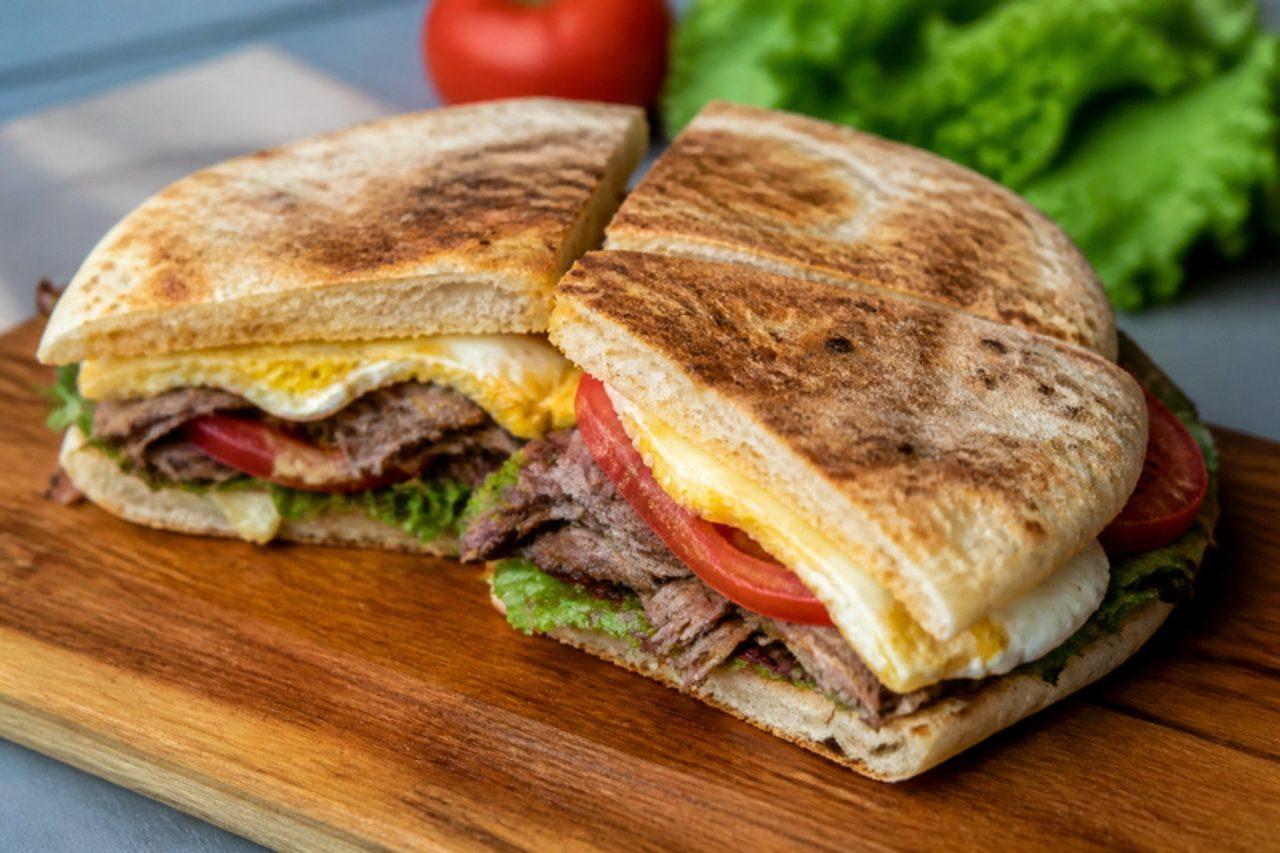
BeiruteRoast beef and egg pita sandwich

The beirute was born in São Paulo's Lebanese-run lanchonetes and is now a late-night dinner order all over the city: a whole pita split, filled with thin roast beef, melting cheese, tomato, lettuce and a fried egg, toasted on the griddle and cut into wedges with a sprinkle of za'atar or oregano. The common mistake is overloading it with wet lettuce and tomato before toasting, which steams the bread soft; add them after. Chef's tip: toast the pita cut-side down in the pan first so the inside is crisp and keeps the juices out.

by KrazyBadal 0 views

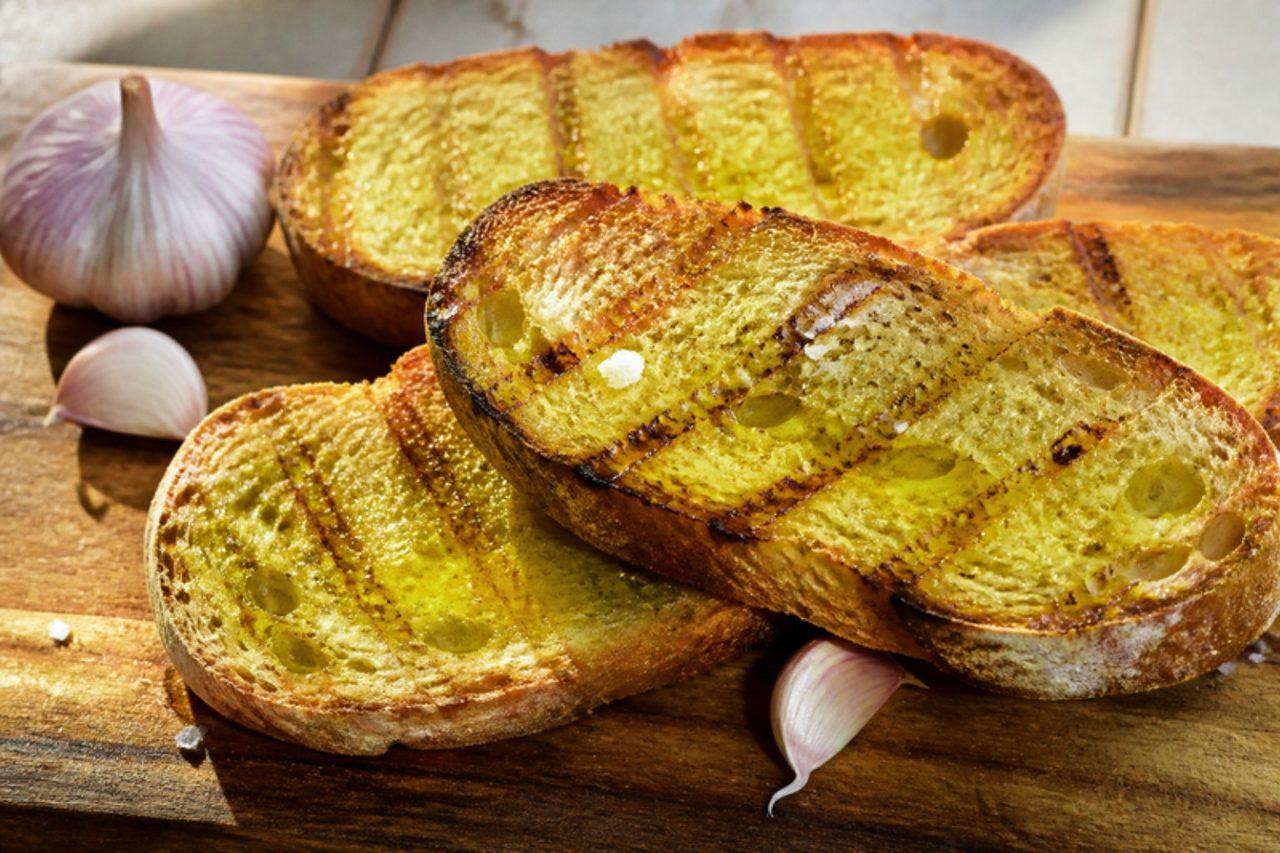
FettuntaGarlic bread with olive oil

In Tuscany fettunta (from 'fetta unta', oiled slice) is the ritual of November, when the olive mills press the new season's oil and families in Florence and the Chianti hills grill thick slices of bread, rub them with garlic and pour the green, peppery oil over. With a bowl of beans or a few leaves of cavolo nero, it is supper. The common mistake is rubbing garlic onto cold or barely toasted bread; it needs a rough, charred, hot surface or the garlic just slides around. Chef's tip: be generous with the oil, so it soaks into the crumb, and salt only at the very end so the flakes stay crunchy.

by KrazyBadal 0 views

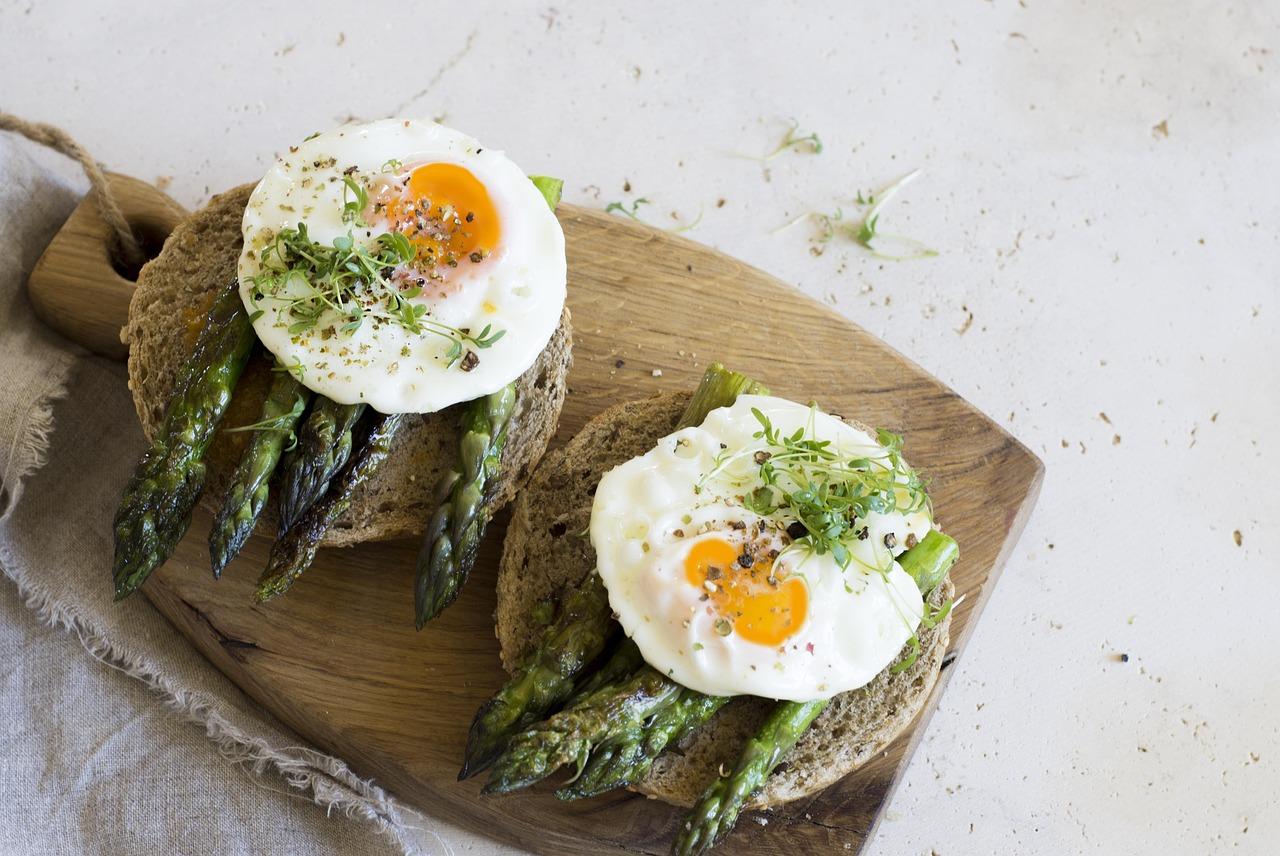
Asparagi alla BismarckAsparagus with fried egg and Parmesan

Asparagi alla Bismarck is how trattorias from the Veneto to Emilia serve the first asparagus of April and May as a light evening meal: just-tender spears laid on a plate, topped with eggs fried in butter, the butter poured over and a snowfall of Parmigiano. Dip the asparagus tips into the yolk and wipe the plate with bread. Parmigiano is always made with animal rennet, so use a vegetarian Italian-style hard cheese for a vegetarian plate. The mistake to avoid is overcooking the asparagus until it droops; it should still stand up straight when you lift a spear by its base. Chef's tip: let the butter foam until it turns hazelnut brown and smells nutty before you spoon it over, which makes the whole dish taste richer.

by KrazyBadal 0 views

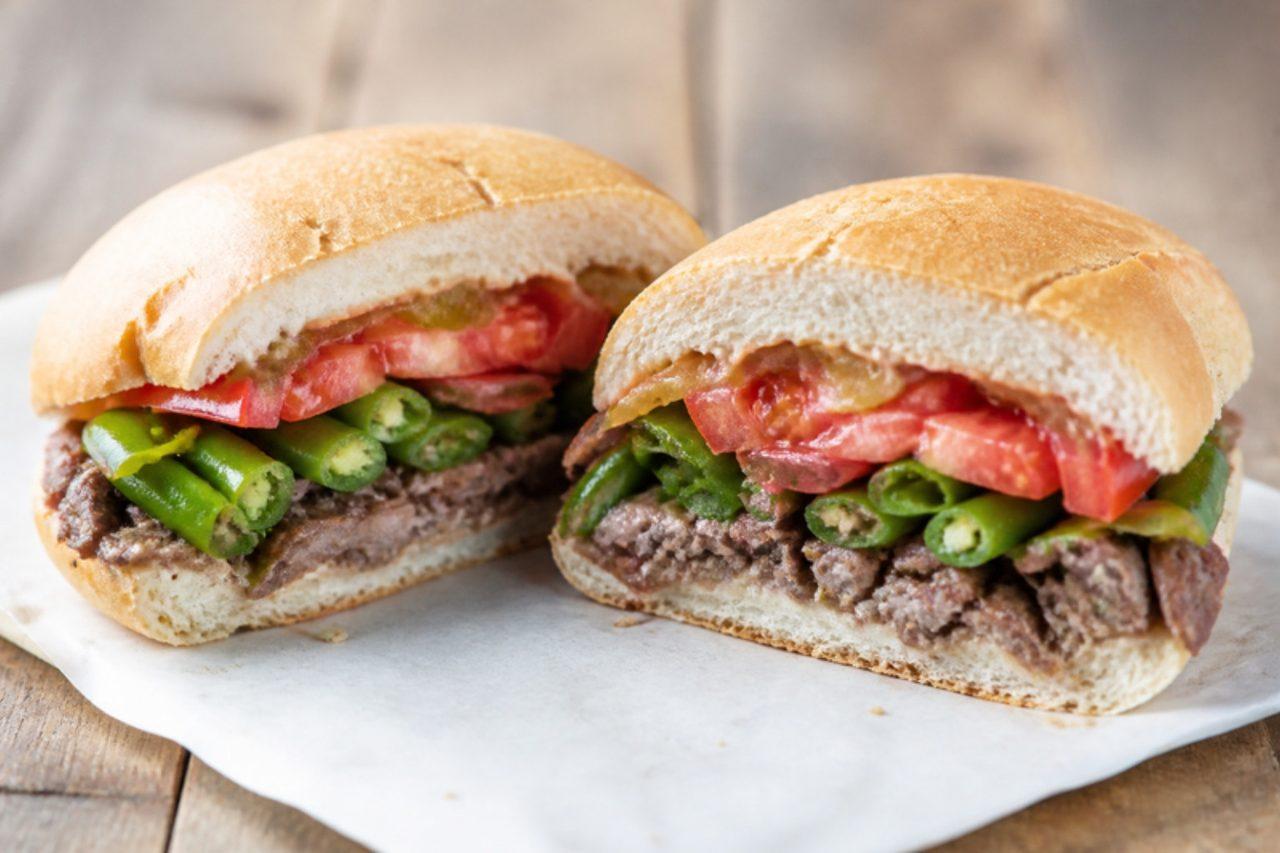
ChacareroSteak sandwich with green beans

The chacarero is a Santiago fuente de soda classic, ordered after work or for a fast Sunday dinner: thin seared beef in a soft round bun with sliced tomato, tender green beans, a little green chilli and a smear of mayonnaise. The beans are what make it Chilean. The common mistake is boiling the green beans until grey and soft; they should still have a little snap. Chef's tip: cut the beans on a long diagonal before boiling, so they cook in three minutes and sit flat in the bun.

by KrazyBadal 0 views

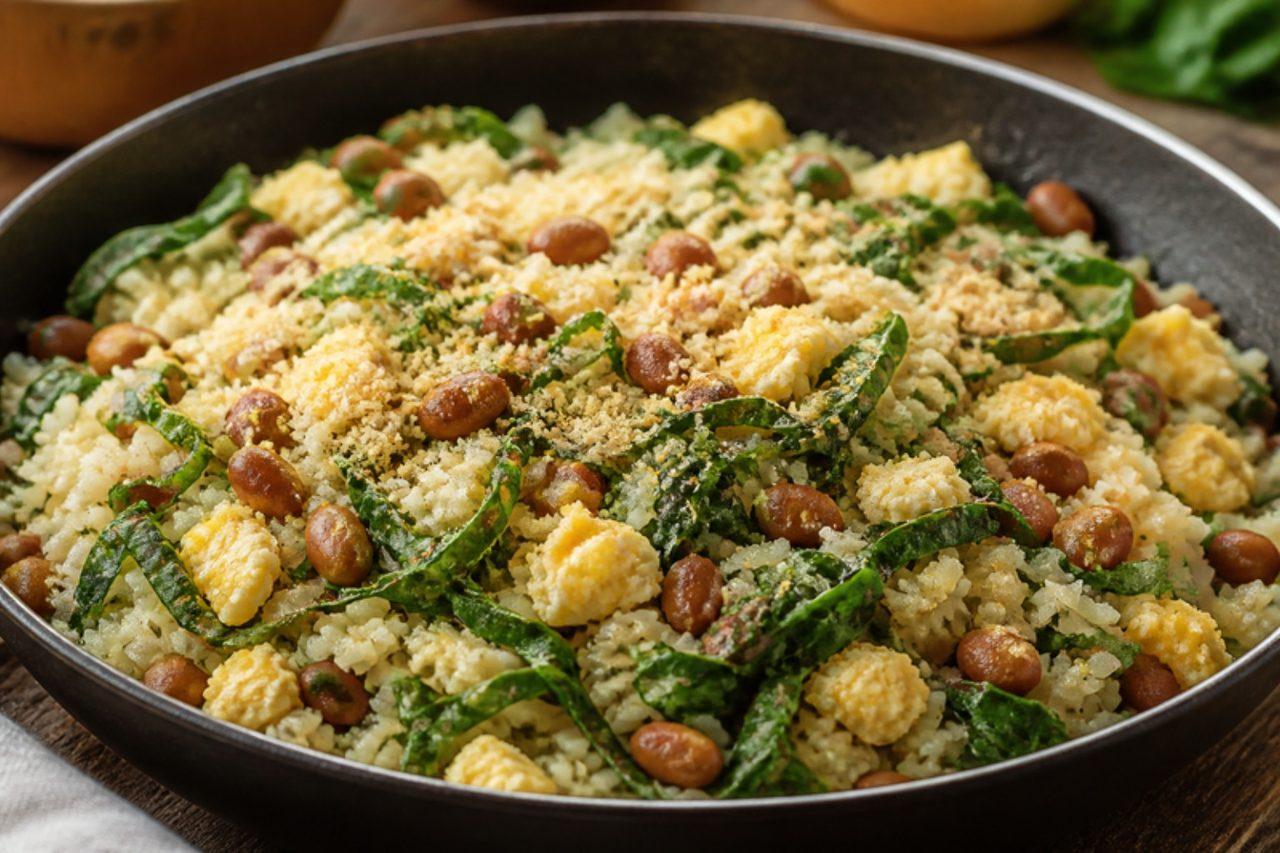
MexidãoRice and beans scrambled with egg

Mexidão, the 'big mix-up', is a late-night favourite in Belo Horizonte and the farm kitchens of Minas Gerais: yesterday's rice and beans fried in one pan with onion and garlic, scrambled with egg, tossed with finely shredded couve and finished with toasted cassava flour. Many versions add bacon or sausage; this one stays vegetarian and is just as satisfying. Leftover rice is only safe if it was cooled within an hour of cooking and kept in the fridge, and it must be reheated until piping hot. The common mistake is piling everything into a cold, crowded pan so it turns mushy instead of crisping at the edges. Chef's tip: toast the cassava flour in the pan until it smells a little like popcorn before adding it.

by KrazyBadal 0 views

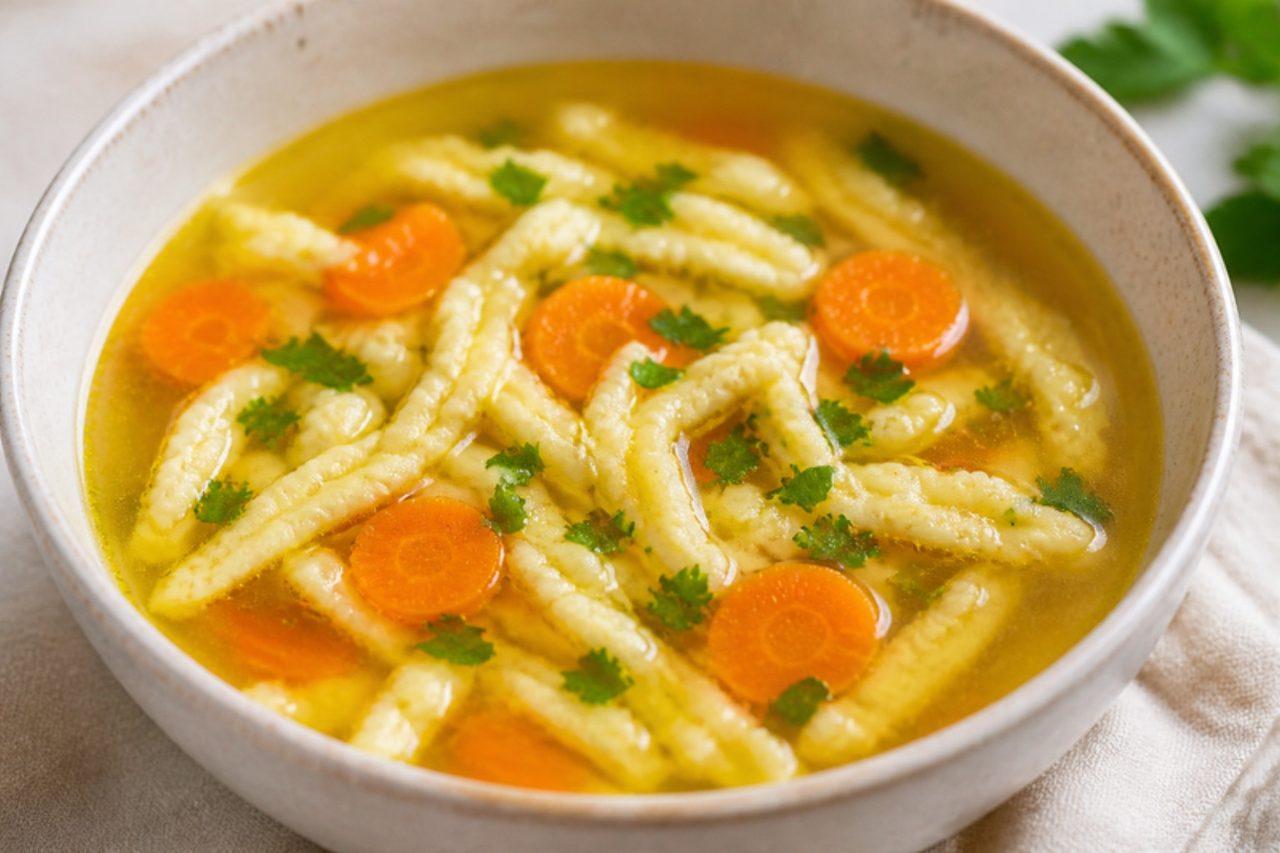
Kluski lanePoured egg noodles in broth

Kluski lane, 'poured dumplings', are the soft little egg noodles Polish grandmothers from Kraków to Gdańsk make in minutes by pouring a thin batter into simmering broth. This vegetable-broth version is a light, soothing supper or a quick meal for children, and in some homes the same noodles go into hot sweet milk instead. The common mistake is a batter that is too thick; it drops in lumps and turns into heavy, doughy dumplings. It should run off a spoon in a slow ribbon. Chef's tip: pour the batter from a jug in a thin stream from a little height while you stir the broth, so it sets into long, wavy threads.

by KrazyBadal 2 views

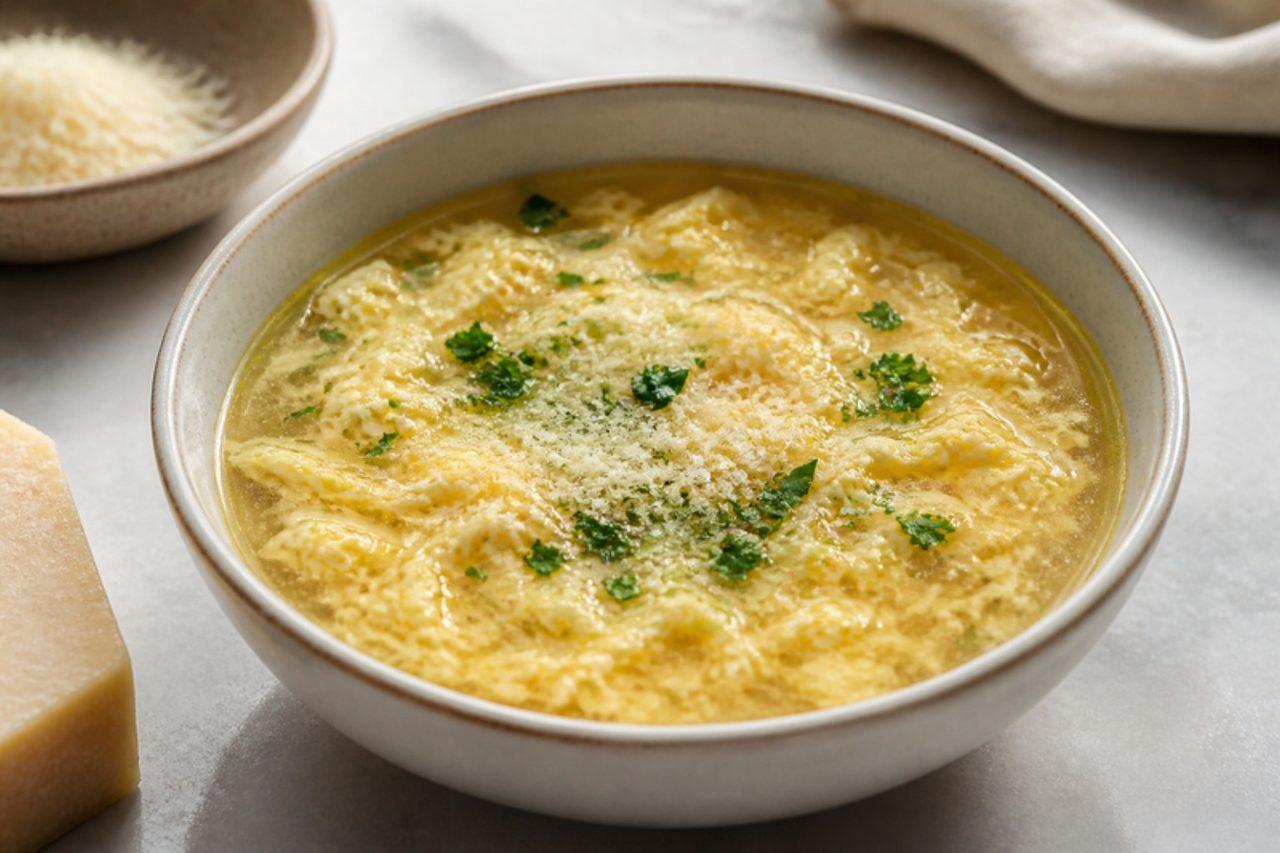
Stracciatella alla romanaEgg and Parmesan broth

In Roman homes stracciatella is the soup of Easter week and of any cold evening when someone needs looking after: a pot of good chicken broth with eggs, Parmigiano and a scrape of nutmeg beaten in so they set into soft, ragged threads. It is light but filling, and takes ten minutes if the broth is already made. The common mistake is pouring the egg into broth at a rolling boil, which turns it into rubbery lumps; a gentle simmer gives fine, silky rags. Chef's tip: beat a spoonful of semolina into the eggs, as many Roman cooks do, so the threads hold together and the soup has a little body.

by KrazyBadal 0 views

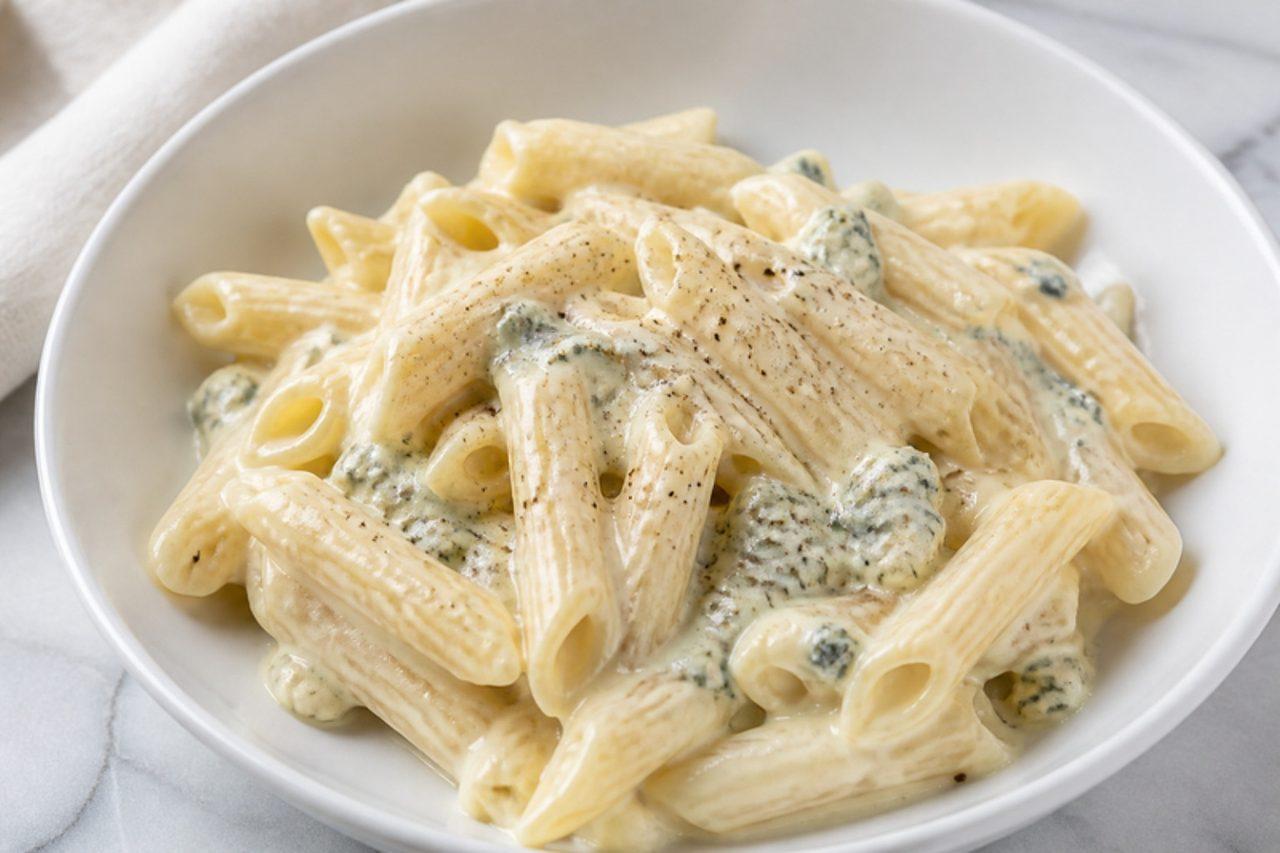
Penne al gorgonzolaPenne with blue cheese sauce

Penne al gorgonzola is the weeknight dinner of Milan and the Piedmontese towns around Novara, where gorgonzola is made: the soft, sweet dolce kind melted with a little butter and milk into a pale, tangy sauce that coats every tube of pasta. It needs only a green salad alongside. Gorgonzola is traditionally made with animal rennet; for a vegetarian dinner choose a soft blue cheese labelled vegetarian. The most common mistake is letting the sauce boil, which splits the cheese into oil and grainy curds. Chef's tip: drain the penne a minute early and let it finish cooking in the sauce, so it drinks up the flavour instead of sitting under it.

by KrazyBadal 0 views

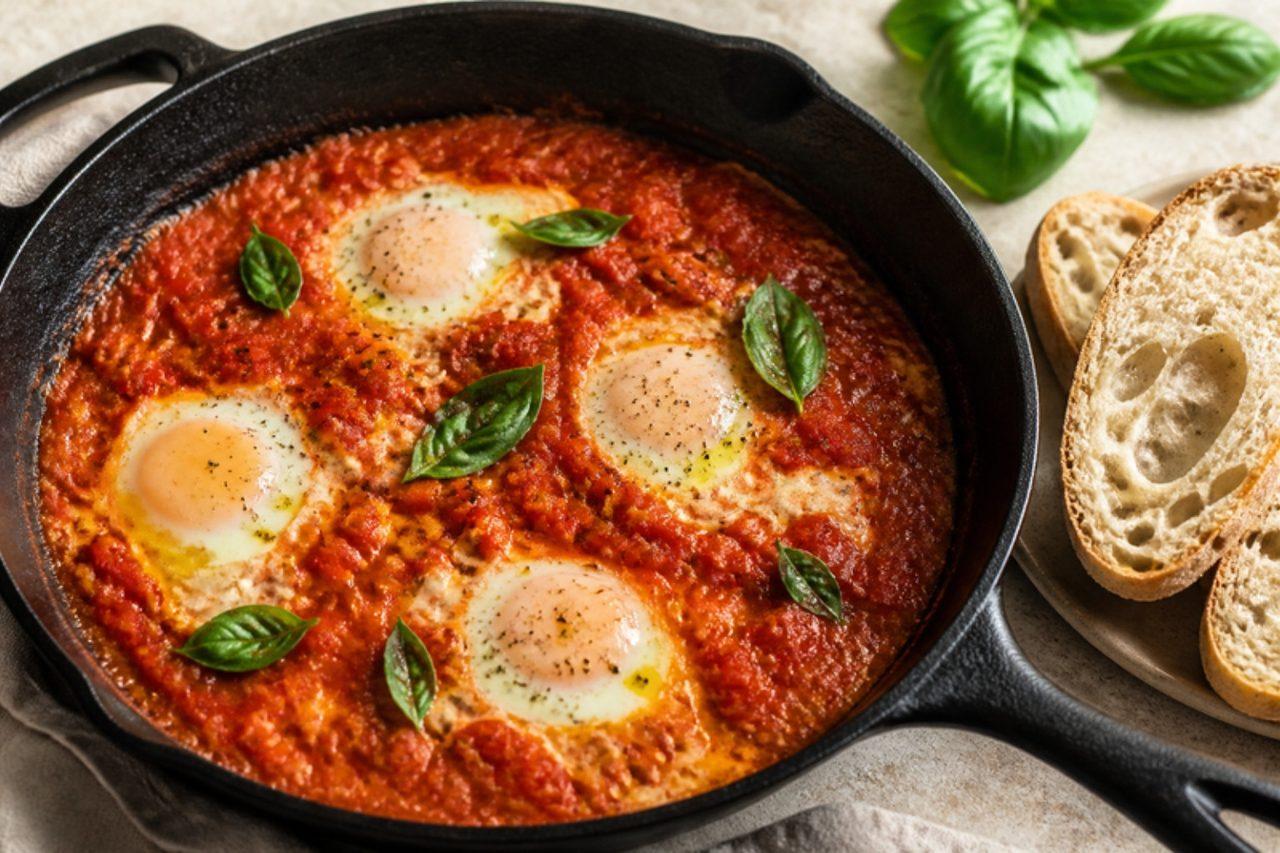
Uova al pomodoroEggs in tomato sauce

Uova al pomodoro, called uova in purgatorio around Naples, is the supper that kitchens from Rome down to Calabria fall back on at the end of the month or on a meatless Friday: a tin of tomatoes, a little garlic and basil, and eggs cooked gently in the sauce until set. The whites turn tender, the sauce goes sweet and thick, and a hunk of bread does the rest. The usual mistake is adding the eggs to a thin, watery sauce; they spread out, poach in pink liquid and the dish turns soupy. Chef's tip: crack each egg into a cup first, then slide it into a well in the sauce so the yolk stays whole and sits exactly where you want it.

by KrazyBadal 0 views

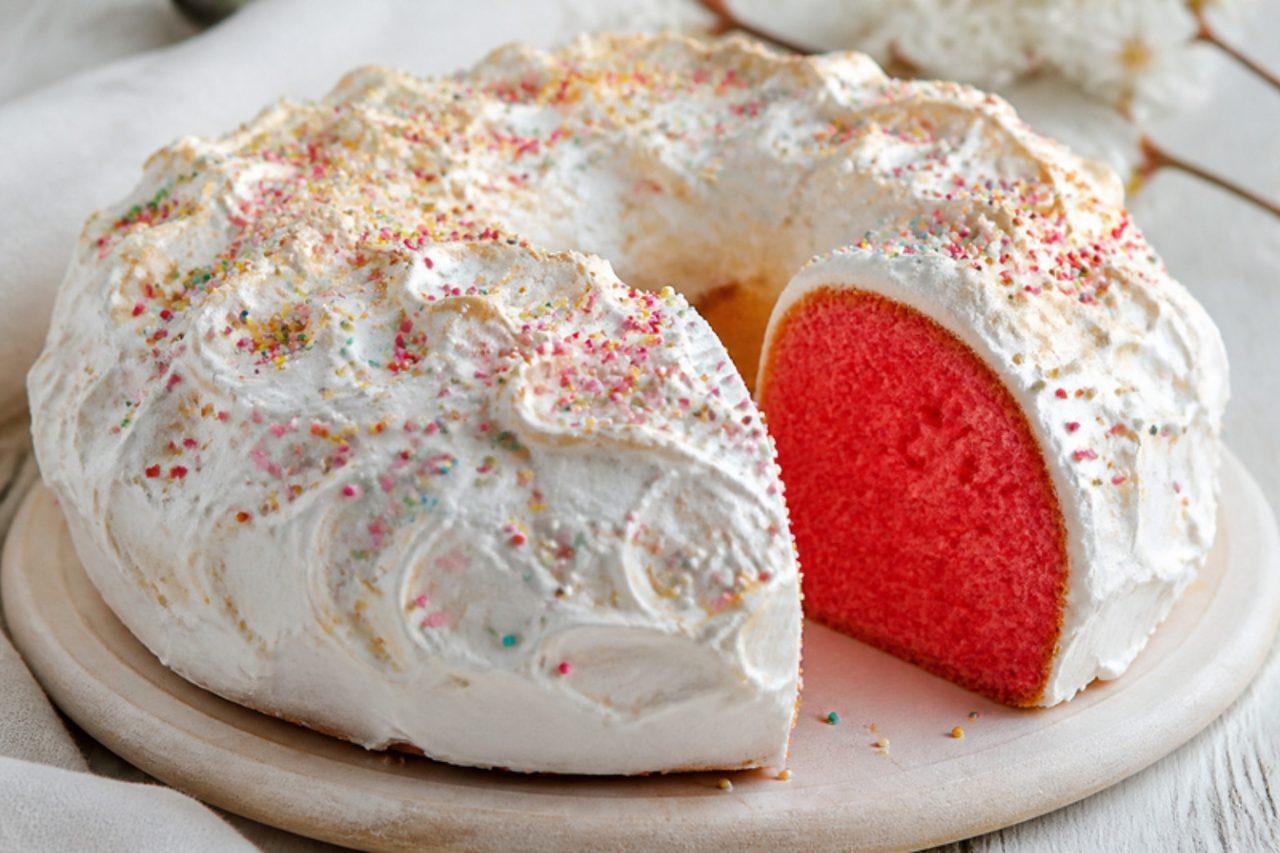
CiaramicolaRed Easter ring cake

Ciaramicola is Perugia's Easter cake, a ring tinted red under a cloud of white meringue and coloured sprinkles, the red and white of the city's flag. It was traditionally baked by girls on Holy Saturday for their sweethearts, and it is eaten at Easter breakfast. The red colour usually comes from alchermes, a spiced liqueur; this version uses beetroot juice and a pinch of cinnamon and clove, so it is alcohol-free. The meringue is baked until set. Chef's tip: spread the meringue right down to the base all round, so it seals in the cake and stays glossy.

by KrazyBadal 0 views

Chipa so'oCheese bread with spiced beef

In Paraguay, families bake chipa in the clay tatakua ovens on Holy Wednesday so there is food for Thursday and Good Friday, when cooking stops. Chipa so'o ('chipa with meat') is a cassava-starch and cheese bread wrapped around a little filling of minced beef cooked with onion and egg, then baked until crisp outside and chewy within. It is naturally gluten free. Chef's tip: knead the dough until it no longer cracks at the edges when pressed; dry dough splits around the filling.

by KrazyBadal 0 views

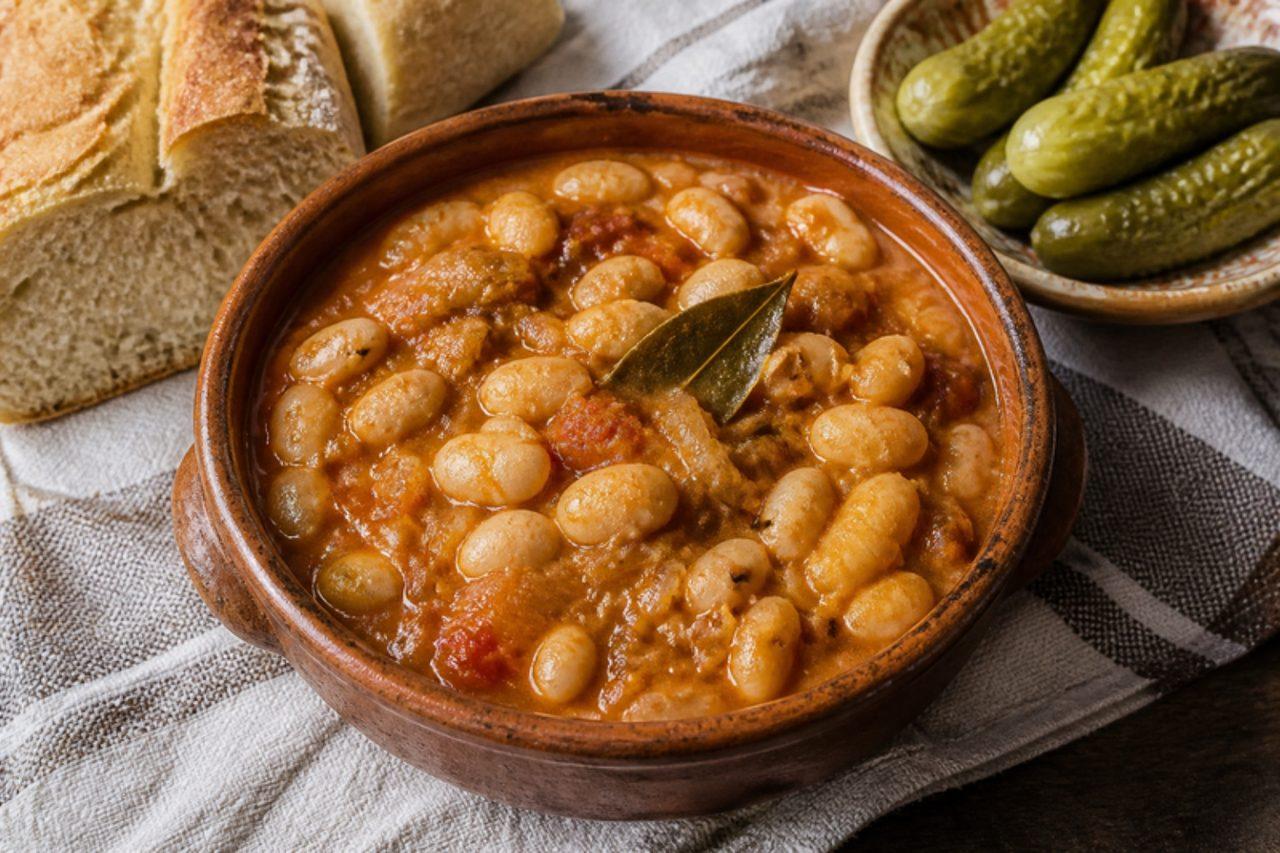
Iahnie de fasoleWhite bean stew

Iahnie de fasole is one of the most loved dishes of the Romanian Orthodox fasting periods: the seven weeks of Great Lent before Easter, and the Christmas fast. White beans are cooked until creamy, then baked or simmered with a lot of slowly fried onion, tomato paste, bay, thyme and paprika until thick and sweet. It is vegan, high in protein and eaten with pickles and bread. Chef's tip: fry the onion slowly in plenty of oil until golden and jammy; the onion is the heart of the stew.

by KrazyBadal 0 views

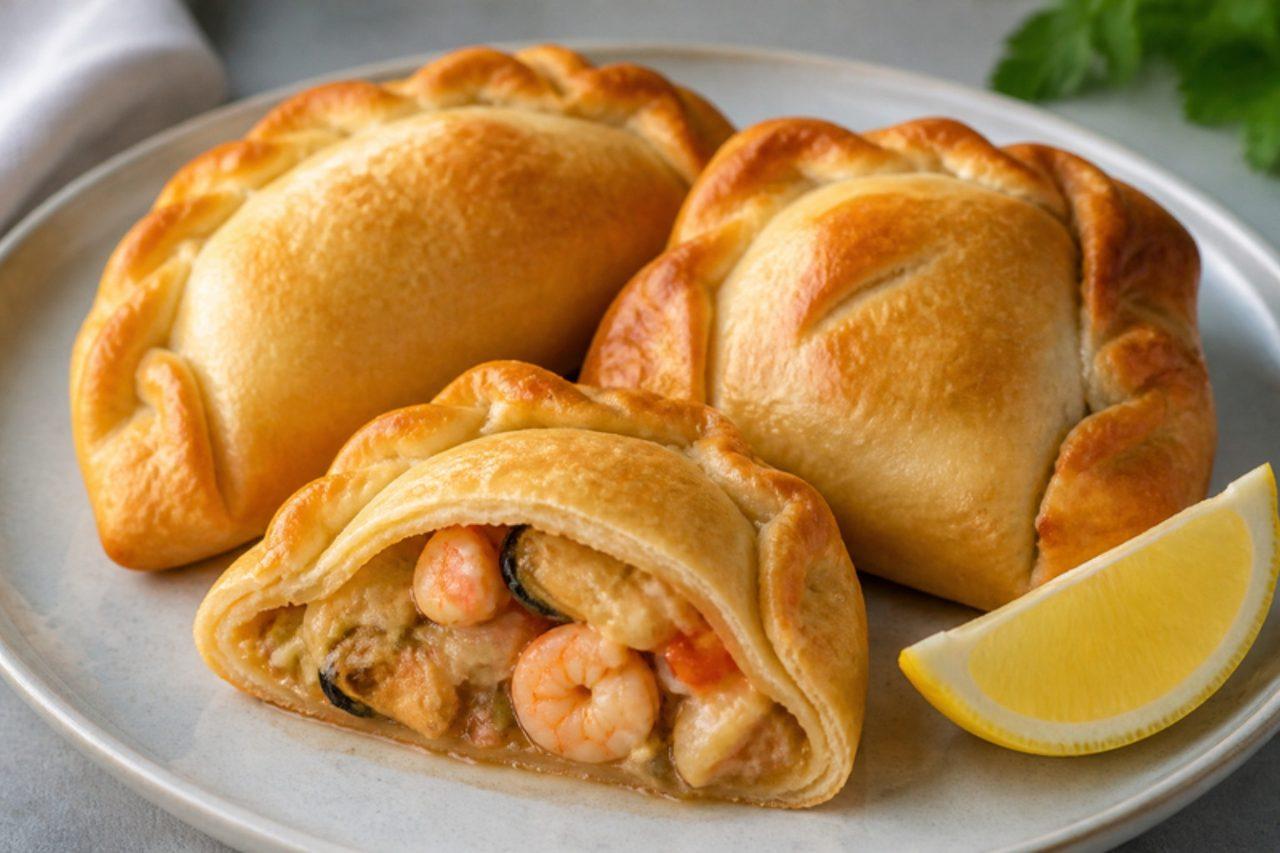
Empanadas de mariscosShellfish empanadas

On Good Friday along the Chilean coast, from La Serena to Chiloé, meat is off the table and empanadas de mariscos take the place of the usual beef pino. The filling is a mix of shellfish, such as mussels, clams, prawns and crab, cooked with onion, garlic, a little chilli and paprika, bound with a spoon of cream and cheese, and baked or fried in a crisp pastry. Use cooked or frozen seafood mix if you like. Chef's tip: drain the cooked shellfish well and reduce its juices separately, as excess liquid makes the pastry soggy.

by KrazyBadal 0 views

Cuddura cu l'ovaEaster bread with baked eggs

In Sicily, children are given a cuddura cu l'ova at Easter: a sweet, biscuit-like bread shaped into a ring, a basket, a dove or a heart, with one or more whole eggs in their shells held in place by crossed strips of dough. They are baked on Holy Saturday and eaten on Easter Monday, Pasquetta, at picnics in the countryside. The eggs are hard-cooked in the oven, and sprinkles make them festive. Chef's tip: use eggs at room temperature and wash them gently; cold eggs crack in the oven.

by KrazyBadal 0 views

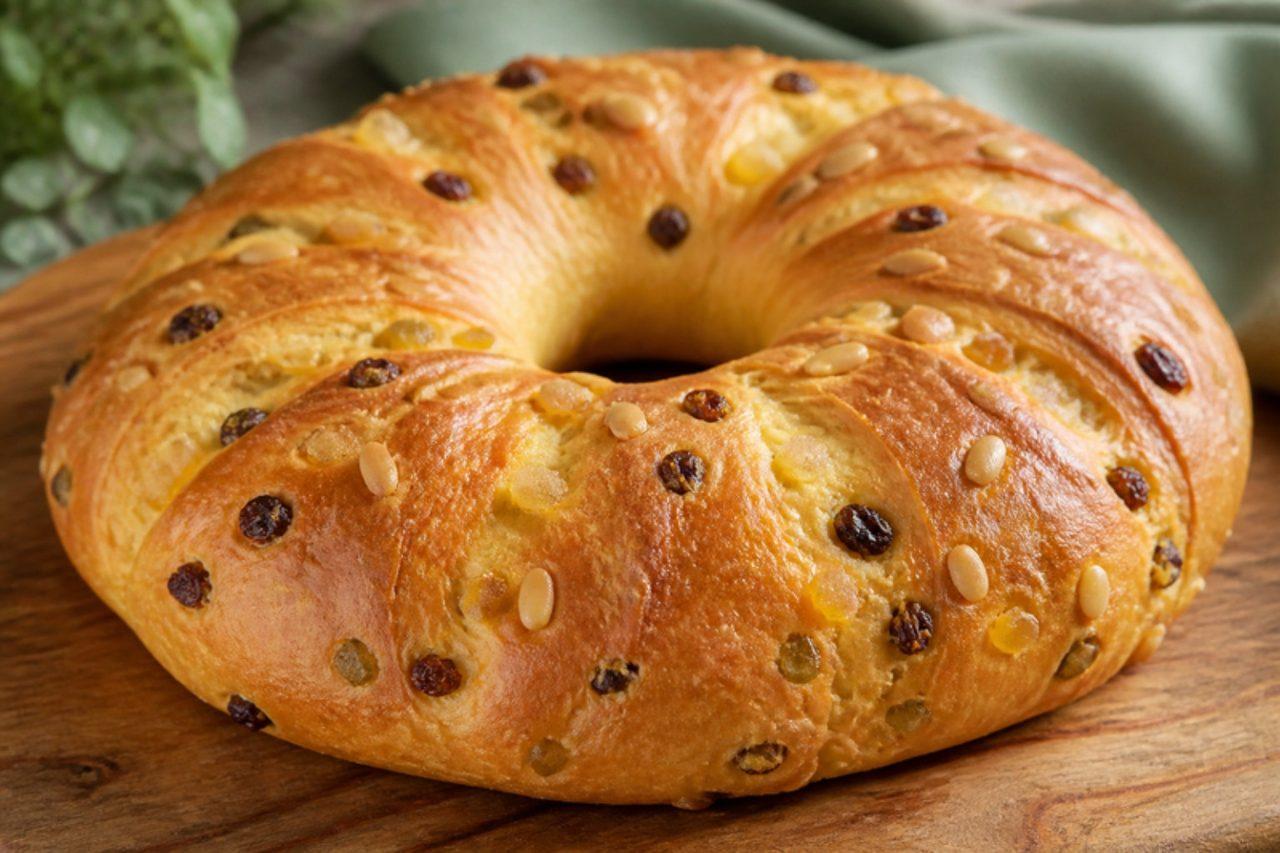
Torcolo di San CostanzoRaisin and pine nut ring bread

Perugia celebrates its patron saint, Costanzo, on 29 January with the torcolo: a big ring of soft, lightly sweet bread with candied citron, raisins, pine nuts and aniseed, its top cut five times for the gates of the old city. Young women in Perugia once used the torcolo to test their sweethearts, and it is still eaten everywhere in town that week, often dunked in vin santo by adults. This recipe has no alcohol. Chef's tip: dust the raisins and peel with a little flour before kneading them in, so they stay evenly spread.

by KrazyBadal 0 views

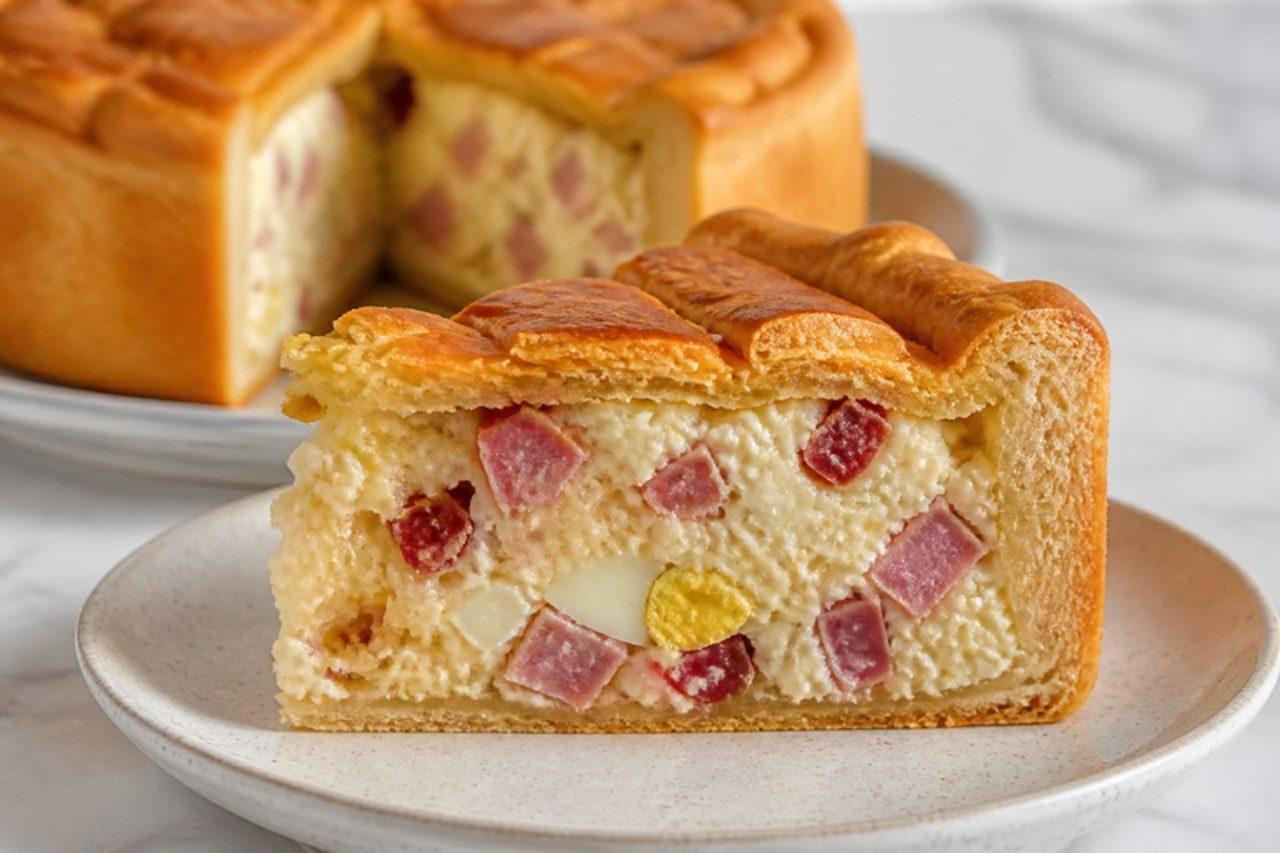
Pizza chienaEgg, ricotta and cured pork pie

Pizza chiena ('full pie', also pizza rustica or pizza piena) is baked across Campania on Good Friday and eaten after the Lenten fast ends on Easter Sunday or at the Pasquetta picnic. It is a tall pie of short pastry packed with a filling of eggs, ricotta and grated cheeses, layered with cubes of cured pork: salami, prosciutto, soppressata and sometimes fresh sausage. It is rich, so slices are thin. Chef's tip: bake it the day before and chill it overnight, as it cuts cleanly only once fully set.

120 minItalianMeat
by KrazyBadal 0 views

KalanehWild leek stuffed flatbread

In Kurdistan and Kermanshah, Newroz arrives with the first spring greens on the hillsides, and families gather wild leeks to fold into kalaneh, thin griddle breads cooked over a fire or a hot pan and soaked in melted butter. The dough is plain and soft, rolled very thin around a pile of chopped leek or chives with a little salt and pepper, so the greens steam inside as the bread blisters. Eat it hot, torn into strips, with yogurt and tea at a Newroz picnic. The common mistake is wet greens, which turn the dough soggy and make it tear; dry them well after washing. Chef's tip: brush the butter on the moment the bread leaves the pan so it soaks right in.

by KrazyBadal 0 views

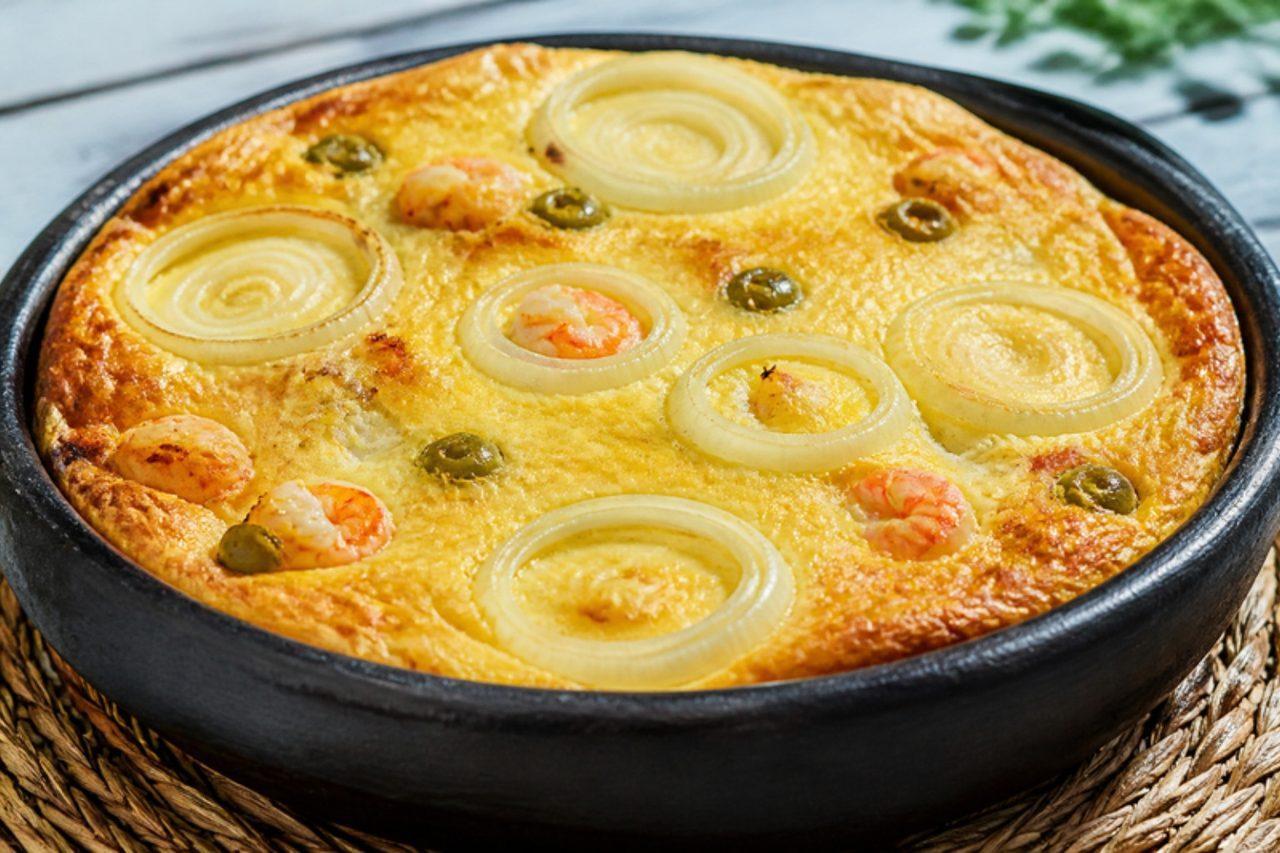
Torta capixabaSeafood and palm heart pie

Torta capixaba is the Good Friday dish of Espírito Santo in south-east Brazil, cooked in the region's black clay pans (panelas de barro). Soaked salt cod, crab meat, prawns, palm hearts and olives are cooked with tomato, onion, coriander and annatto, then bound with beaten egg and baked until puffed and golden under a lid of egg and onion rings. It is served hot or warm with rice. Any ovenproof dish works. Chef's tip: fold in the egg whites last and gently, as they give the torta its light, set texture.

by KrazyBadal 0 views

Showing 24 of 1,239 recipes

Show more recipes

Page 1 of 52