Skip to content
Recipes

All recipes

Vegetarian, or something you can't eat? Set your diet once and we'll hide recipes that don't fit.

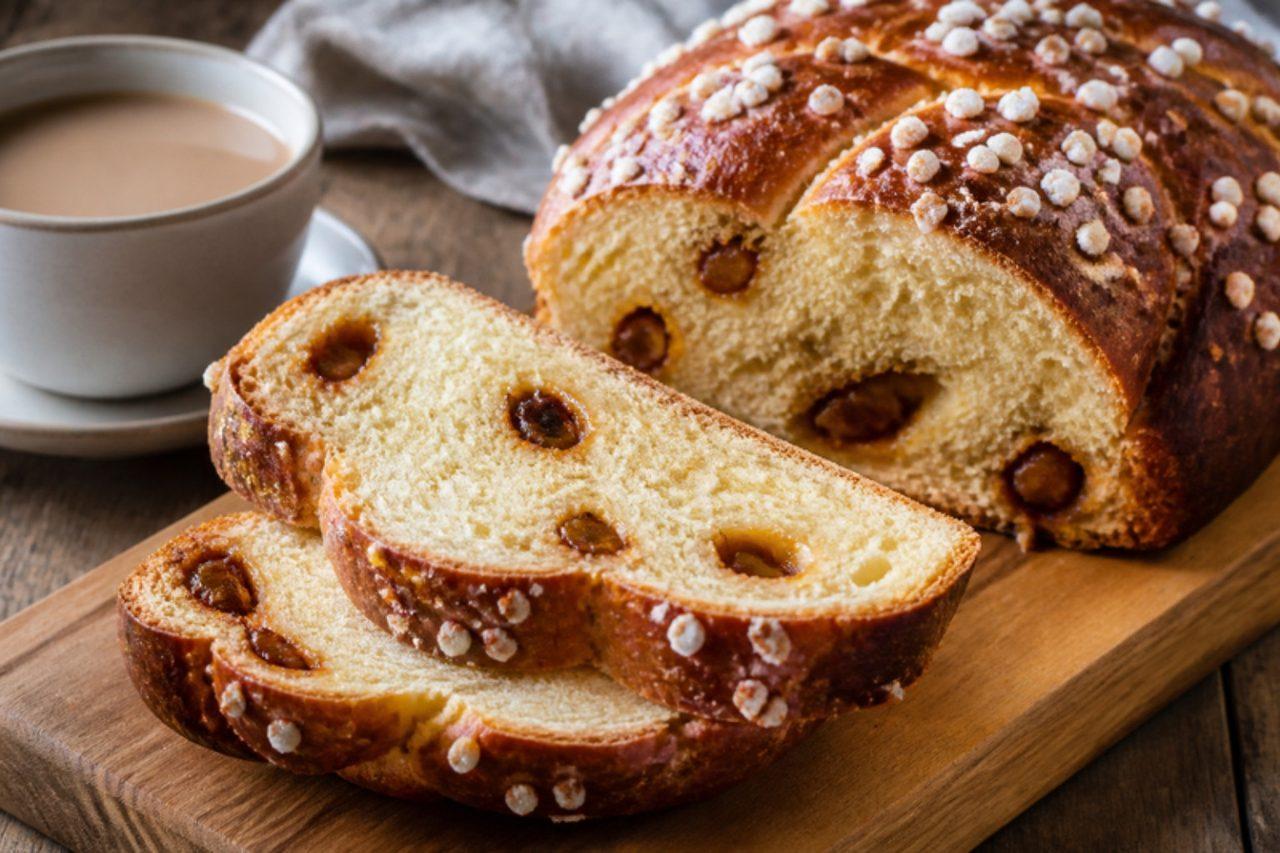
CraquelinBrioche with sugar cube pockets

Sugar cubes, of all things, are the secret of the Belgian craquelin. Bakers in Ghent, Bruges and Brussels wrap broken cubes inside rich brioche, and as the loaf bakes they melt into little wells of syrup that set crunchy, while pearl sugar crackles on the crust (hence the name). It is a Sunday breakfast and weekend bakery loaf, sliced thick and eaten plain or with butter and a bowl of café au lait; Flemish bakers sometimes add orange zest. Leaving sugar pieces exposed on the outside, especially the base, is the usual pitfall: they caramelise, burn and glue the loaf to the tin. Chef's tip: chill the kneaded brioche for at least an hour before you fold in the sugar, so the butter firms and the dough is easy to wrap around the cubes.

by KrazyBadal 0 views

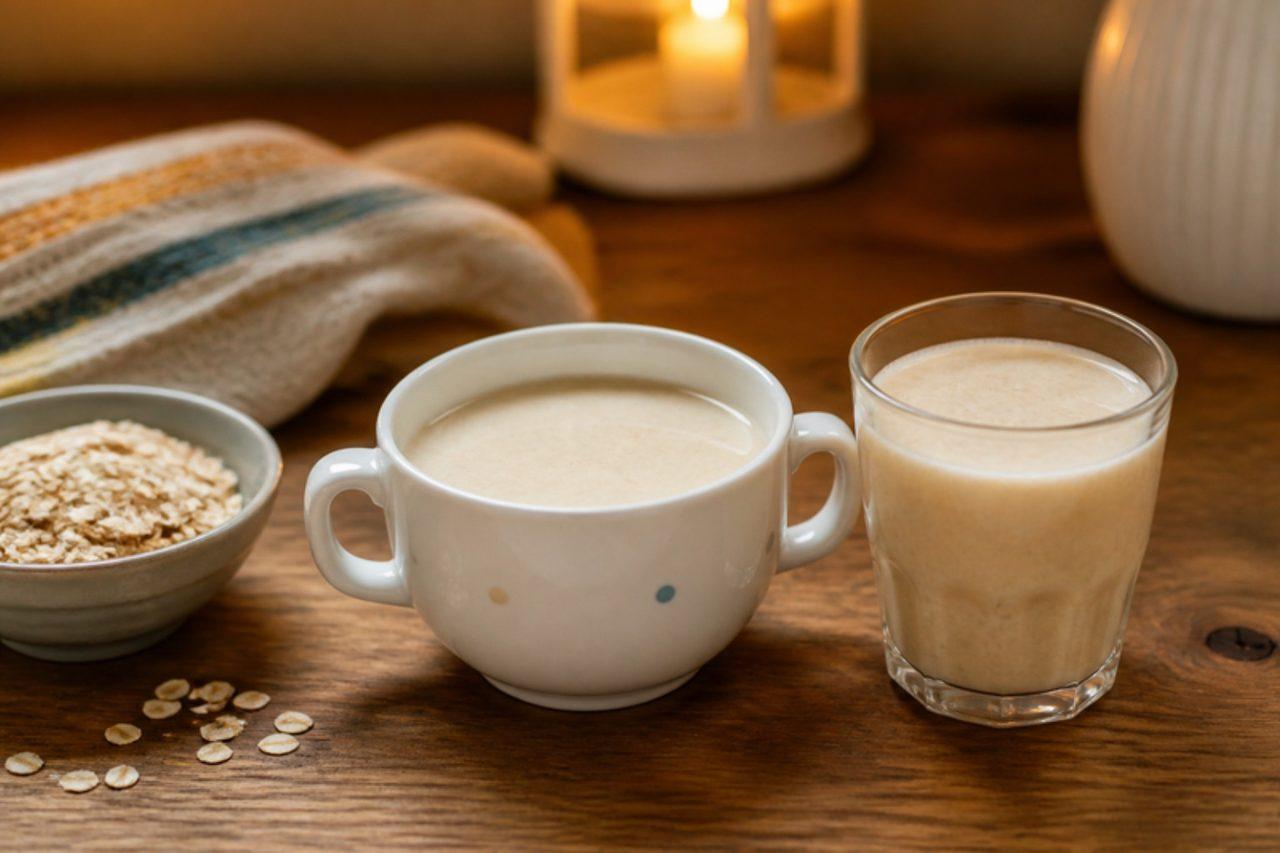
Välling (Swedish oat and milk drink)

Välling, a thin gruel of cereal and milk, has been the Swedish child's bedtime drink for generations, and many families still make their own for toddlers once they move on to cow's milk at around a year old. It is smooth, warm and lightly oaty, with no added sugar or honey. It contains milk and gluten (oats are often processed with wheat; use certified gluten-free oats if needed); there is no egg, nuts, soya, sesame or fish. Chef's tip: blend the oats to a fine flour first, so the drink is silky and flows easily from a beaker.

by KrazyBadal 0 views

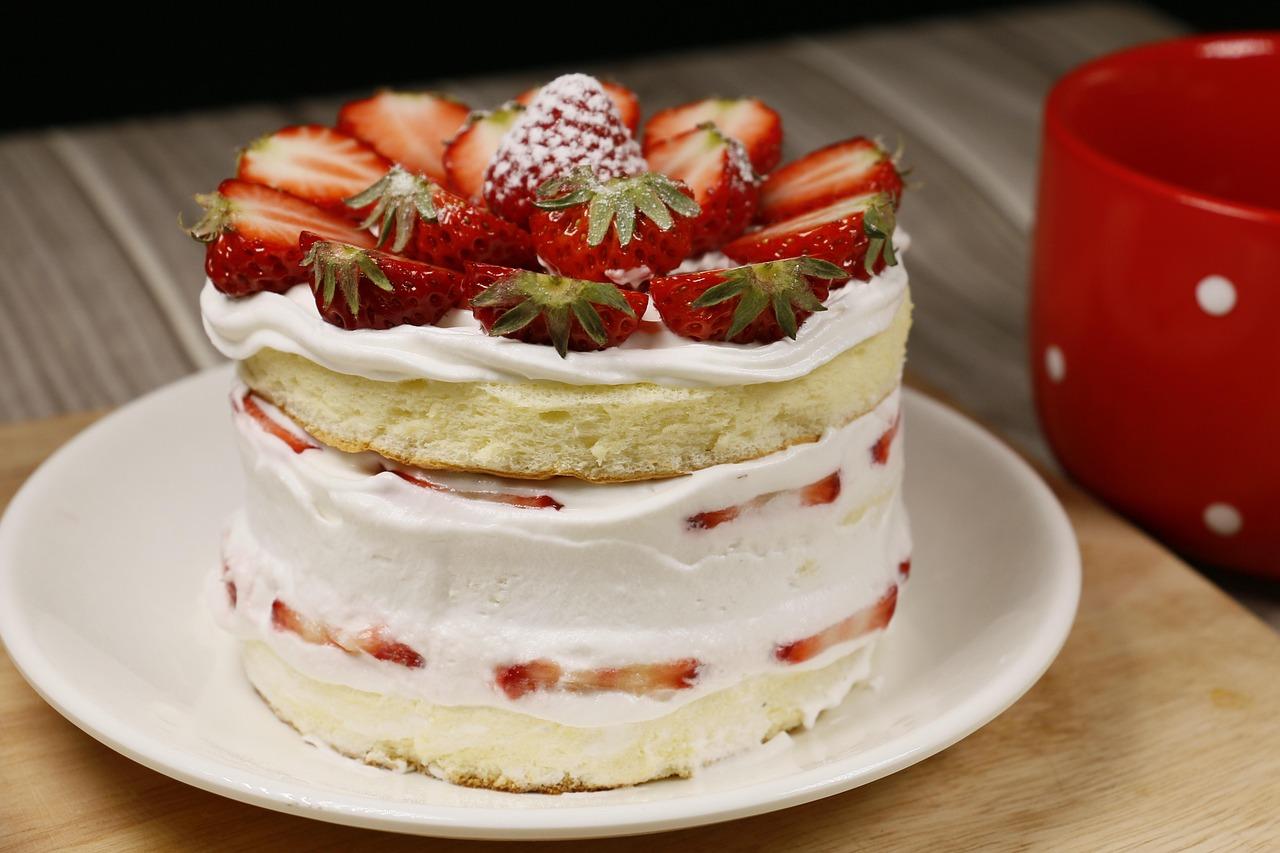
Bløtkake (Norwegian cream cake)

Bløtkake, 'soft cake', is what Norwegian families bake for children's birthdays, confirmations and above all 17 May, Constitution Day, when it is decorated with strawberries and blueberries. A light sponge is split into three, moistened with juice and layered with whipped cream and berries until it is soft enough to cut with a spoon. It contains egg, milk and gluten. For small children, quarter blueberries and halve strawberries. Chef's tip: assemble it at least four hours ahead; the cake needs time to soak and soften.

by KrazyBadal 0 views

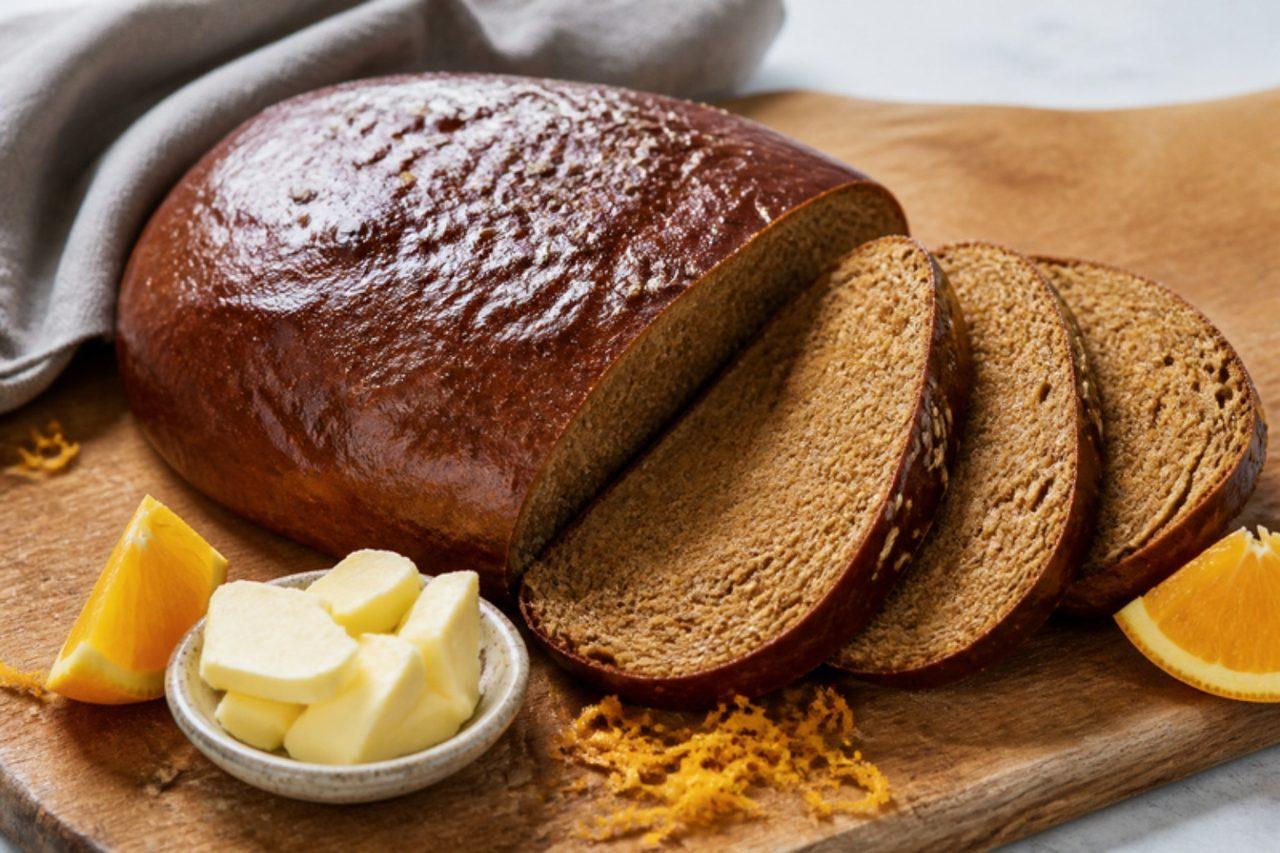
LimpaSweet orange and fennel rye loaf

Sweet, fragrant and a little dark, limpa is the soft rye loaf that Swedes slice thinly for breakfast and stack high on the Christmas julbord. Dark syrup gives it a gentle sweetness and a deep brown crumb, while orange zest, fennel and anise make the whole kitchen smell festive. The Christmas version, vörtlimpa, is made with wort or dark beer; this everyday loaf uses milk instead, so there is no alcohol. Eat it with butter and a sharp aged cheese, with marmalade, or with pickled beetroot and egg on the smörgåsbord. Rye dough is sticky by nature, and working in extra flour until it feels like wheat dough is the classic mistake that bakes a heavy brick; oil your hands instead. Chef's tip: brush the loaves with syrup and water the moment they come out of the oven, which gives them their soft, glossy, slightly sticky crust.

by KrazyBadal 0 views

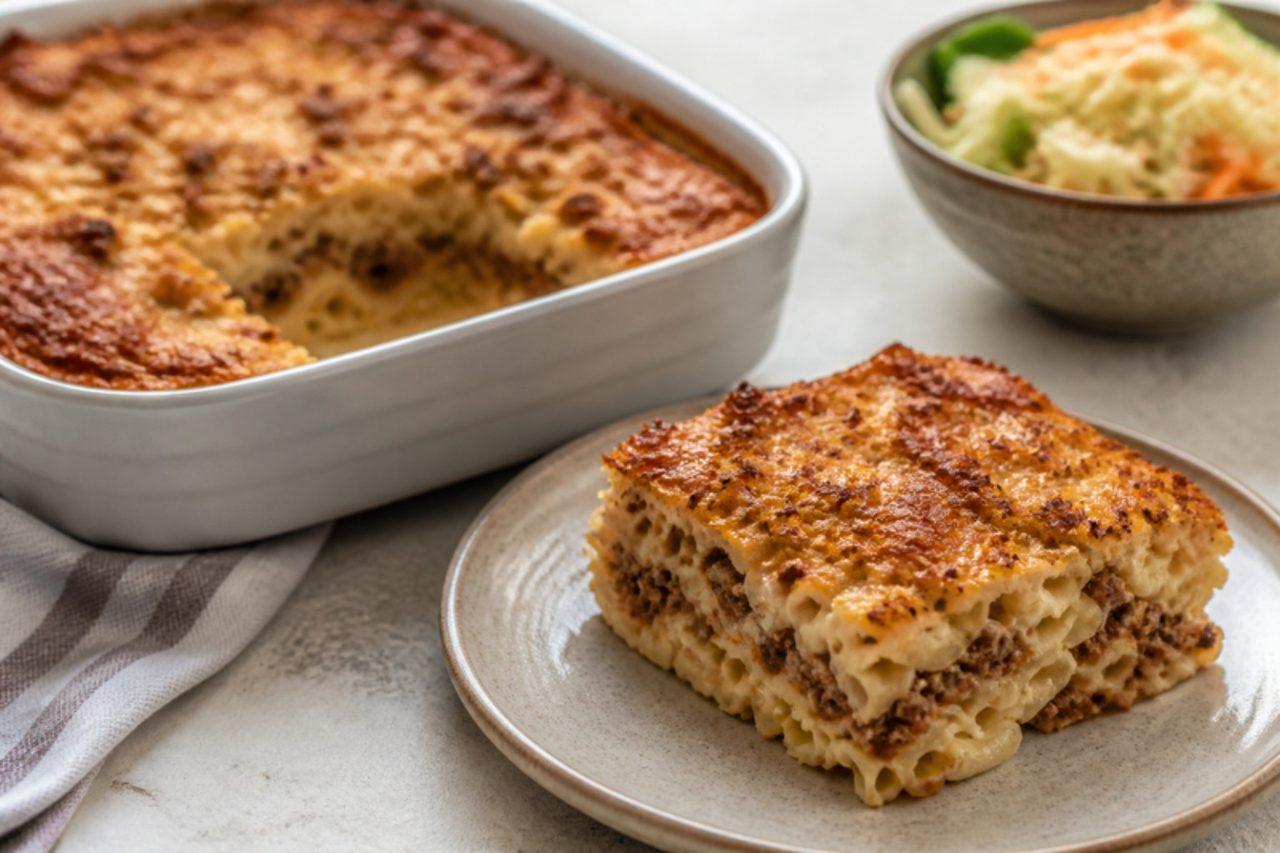
Makaronilaatikko (Finnish macaroni and beef bake)

Makaronilaatikko, macaroni and minced beef baked in an egg-and-milk custard, is the dish Finnish children vote for again and again, at home and in school canteens, often eaten with a dab of ketchup. It bakes until the top is golden and slightly crunchy and the inside soft and custardy, ideal for toddlers from a year old. This version adds no salt, only white pepper, so adults can season at the table. It contains gluten (wheat pasta), egg and milk. Chef's tip: bake it until a knife in the middle comes out clean; a wobbly centre means the custard isn't set.

by KrazyBadal 0 views

Pan chutaAniseed round bread

The small town of Oropesa, half an hour from Cusco, calls itself Peru's bread capital, and its wood-fired bakeries are famous for chuta: big, flat, round loaves as wide as a dinner plate, glossy on top, with a faint sweetness and the warmth of aniseed. Travellers on the road to Puno and Bolivia stop to buy them by the bagful, and families bring them home for All Saints' Day and for sharing with hot coca tea or coffee, fresh cheese and butter. The bakeries traditionally use lard; this version uses vegetable shortening and butter, so it is vegetarian. The make-or-break moment is the proof: chuta is large and flat, and if it goes in under-risen it bakes dense and splits at the rim. Chef's tip: toast the aniseed for a minute in a dry pan and crush it lightly before adding, for a rounder, sweeter perfume.

by KrazyBadal 0 views

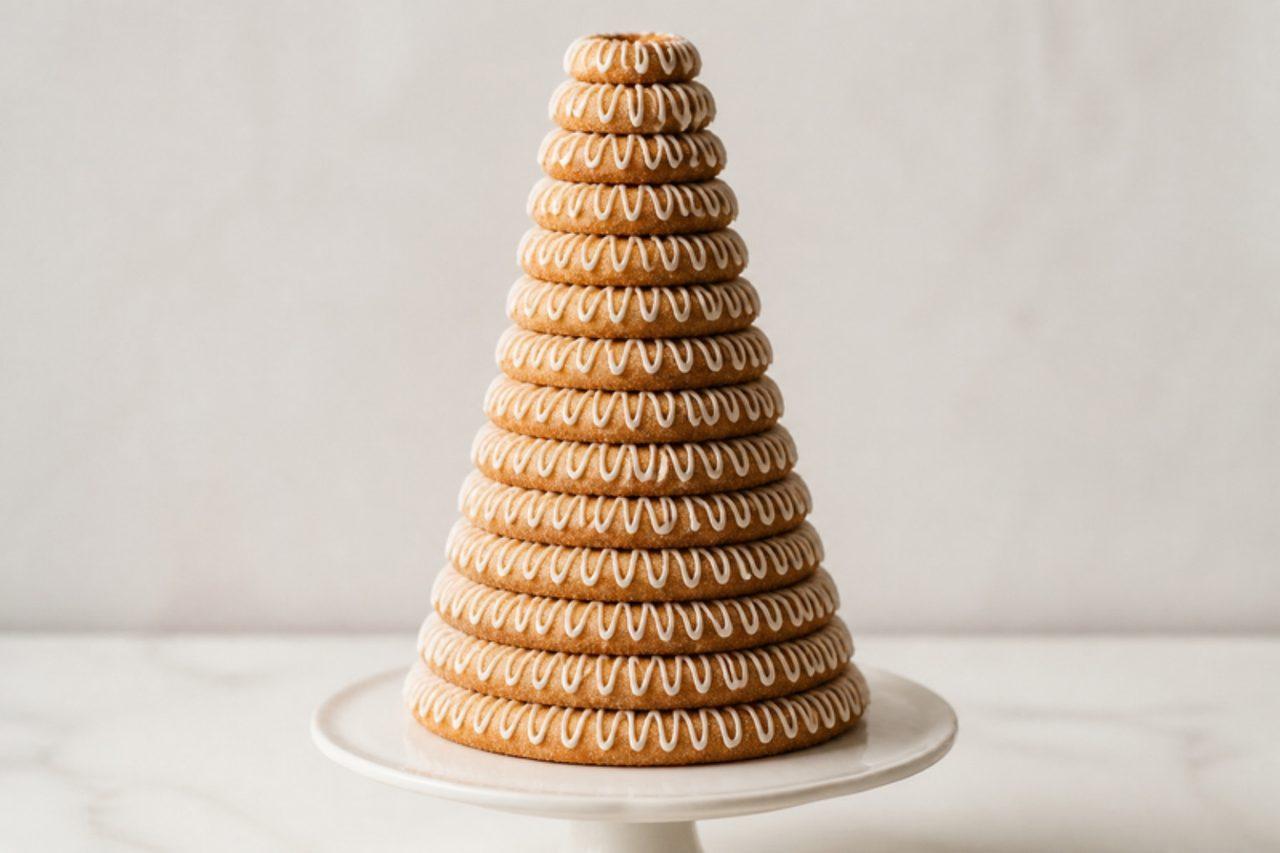
KransekakeAlmond ring tower cake

A kransekake towers over the table at Norwegian and Danish weddings, christenings, Christmas and the 17 May national day in Norway: eighteen rings of chewy almond paste, each a little smaller than the last, stacked and laced with zigzags of white icing, often decorated with little flags. Guests break off rings from the bottom; the outside is crisp and the inside soft and marzipan-like. It is naturally gluten free, made only of almonds, icing sugar and egg whites. Baking the rings until hard is the most common mistake; take them out when they are just pale gold, so they stay chewy. If you have no kransekake tins, shape ropes and join them into rings over circles drawn on baking paper. Chef's tip: grind the almonds with some of the icing sugar and rest the dough overnight in the fridge; it becomes much easier to roll and the rings keep their shape.

by KrazyBadal 0 views

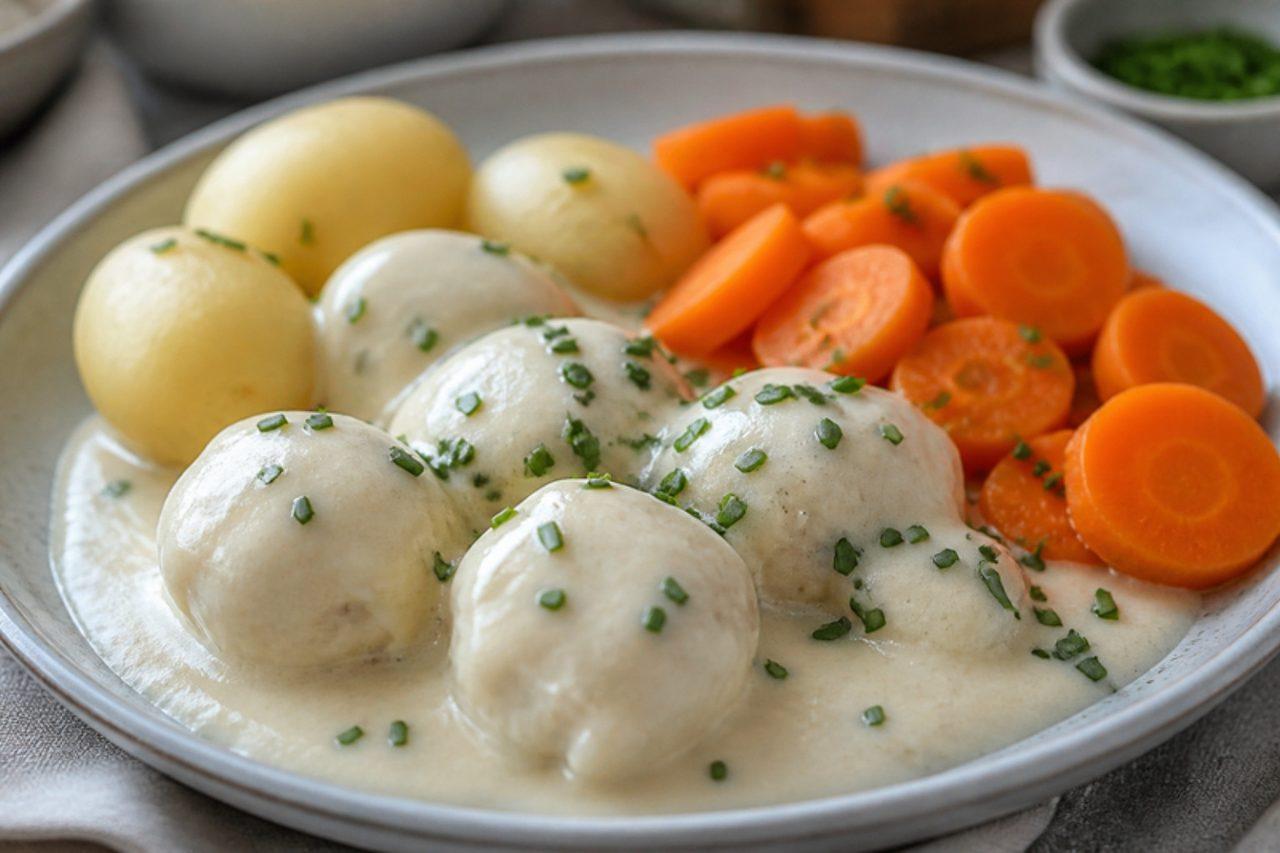
Fiskeboller i hvit saus (fish balls in white sauce)

Fiskeboller i hvit saus, pale, pillowy fish balls in a white sauce with carrots and boiled potatoes, is the gentle midweek dinner of Norwegian childhood. Making the fish balls at home means you control the salt and can be sure every bone is out: they are just white fish, milk, potato starch and a little nutmeg, poached until soft and springy. It contains fish, milk and gluten (wheat flour in the sauce). Chef's tip: keep the fish and milk cold while blending, and the fish balls come out light rather than rubbery.

by KrazyBadal 0 views

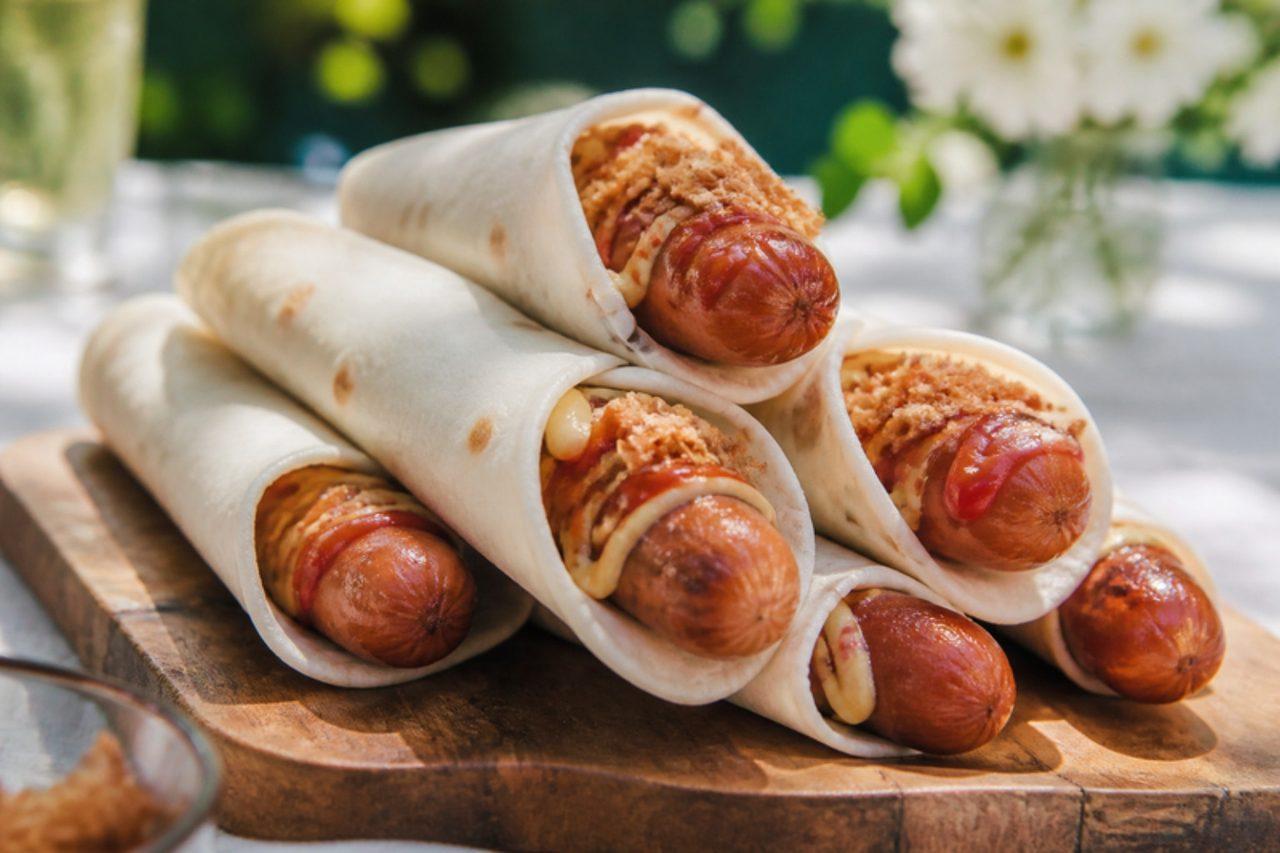
Hot dogs in lompe (pølse i lompe)

On 17 May, Norway's Constitution Day, children parade with flags and then queue for pølse i lompe: a hot sausage wrapped in a soft, thin potato flatbread instead of a bun, with ketchup, mustard and sometimes crisp onions. The same snack turns up at every football tournament and birthday. Home-made lompe take a little time but freeze well; this recipe makes 8. It contains gluten and milk. Chef's tip: mash the potatoes while hot and let the dough cool completely before kneading in the flour, or it turns gluey.

by KrazyBadal 0 views

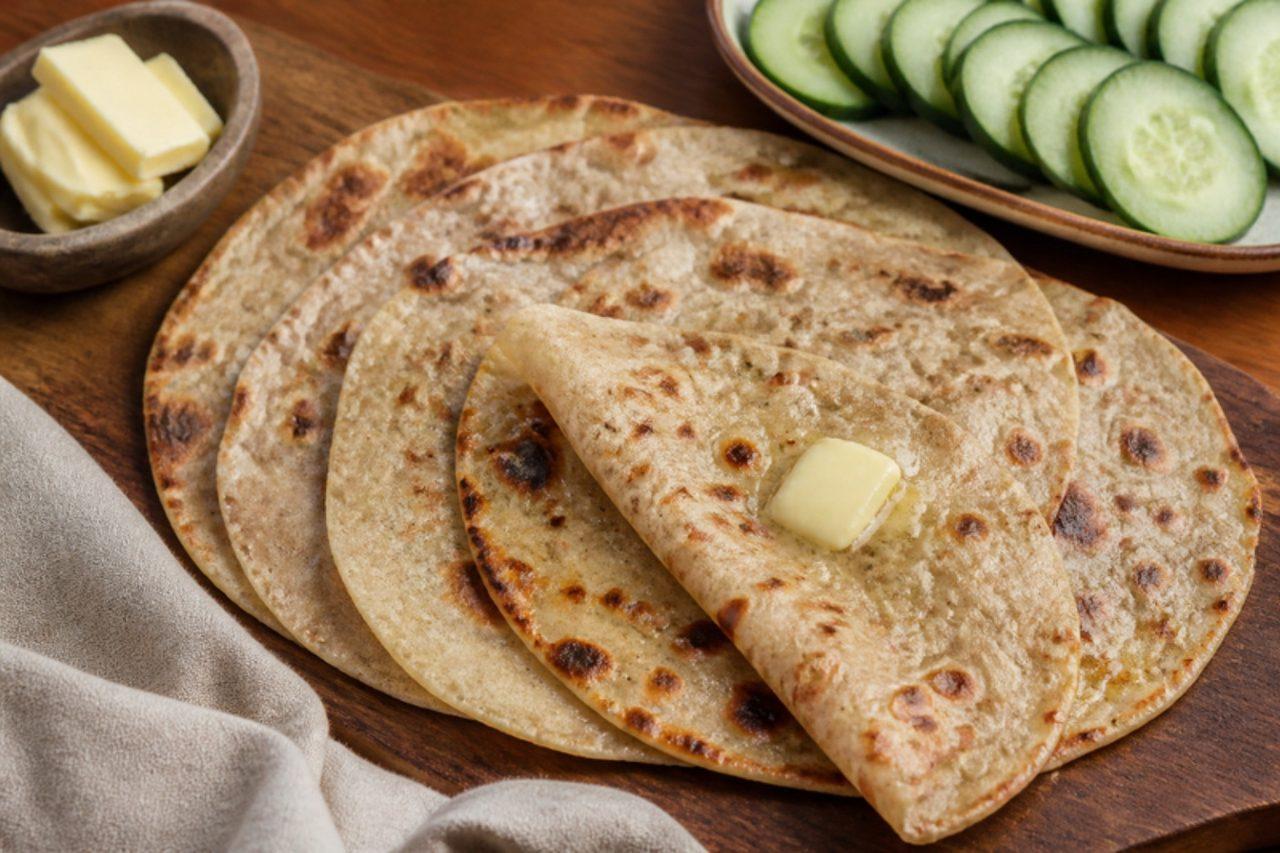
RieskaPotato and barley flatbread

Ten minutes in a very hot oven is all rieska needs, which is why Finnish cooks in Lapland and Ostrobothnia have long baked it on the spot whenever there were cold boiled potatoes in the larder. This version, perunarieska, is unleavened: mashed potato bound with barley flour, rolled thin and baked until speckled brown. It is soft and slightly chewy, with an earthy barley flavour, and is best eaten straight from the oven with plenty of butter melting into it, perhaps with cheese and cucumber or a bowl of soup. Barley gives it the traditional taste but means it is not gluten free. Using warm potatoes is the common mistake; they soak up far more flour and the rieska turns tough. Chef's tip: prick the rounds all over with a fork before baking so they stay flat, then stack them under a cloth as they come out to keep them soft.

by KrazyBadal 0 views

SomunDimpled flatbread

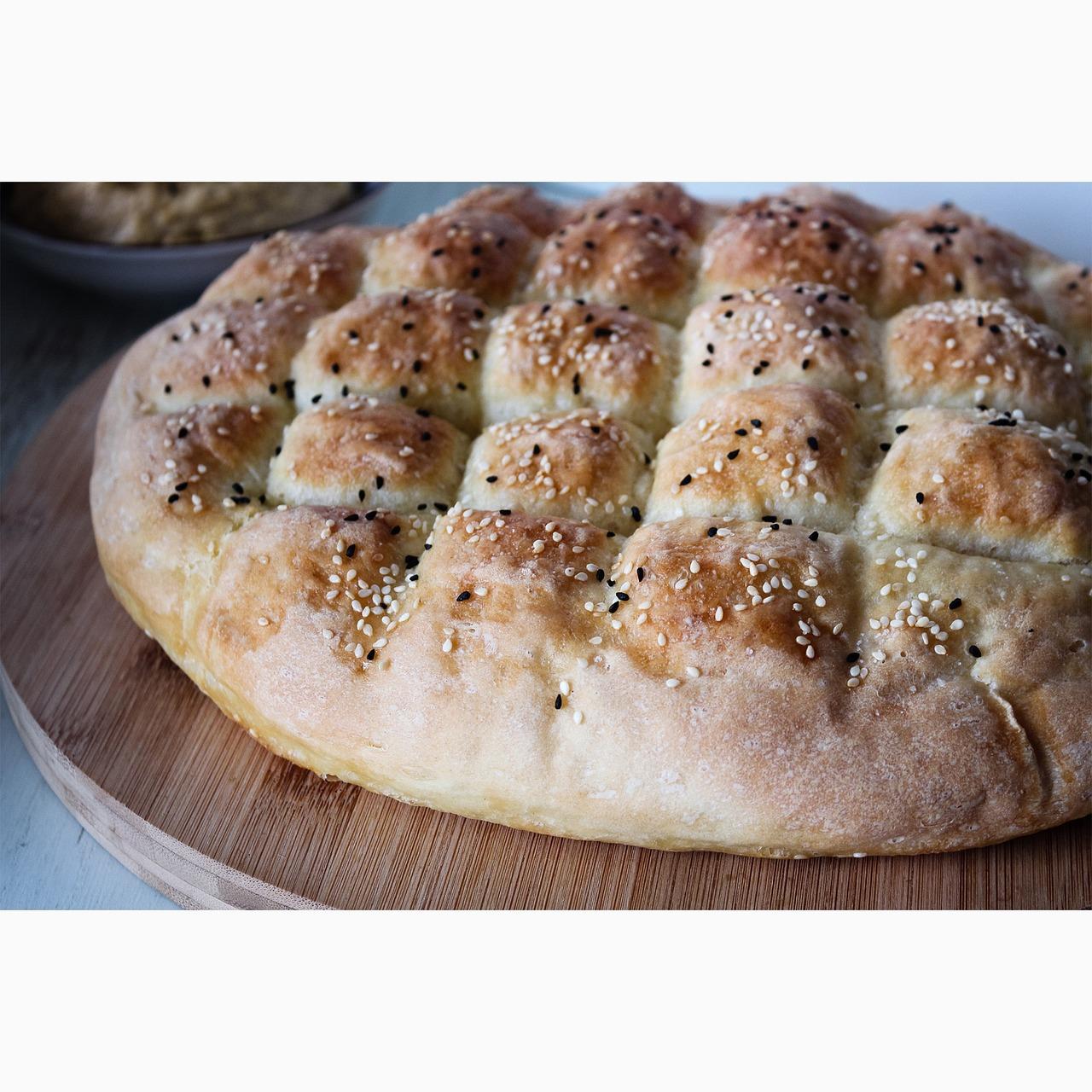
During Ramadan in Sarajevo, queues form outside the Baščaršija bakeries in the last hour before iftar, everyone waiting for somun still warm from the oven. It is a round, pale flatbread about three fingers thick, with a crust so thin it barely crackles and a soft, airy middle, and a criss-cross grid pressed into the top. All year it is split and stuffed with ćevapi and onions at the grill houses; for a meat-free plate, fill it with kajmak, roasted peppers and ajvar or grilled vegetables. Somun should stay pale: leave it in the oven until it is brown and the crust turns hard, which is the commonest mistake. Chef's tip: wrap the loaves in a clean tea towel the moment they come out; the trapped steam softens the crust to that typical pillowy finish.

by KrazyBadal 0 views

Chocolate slices on rye (pålægschokolade)

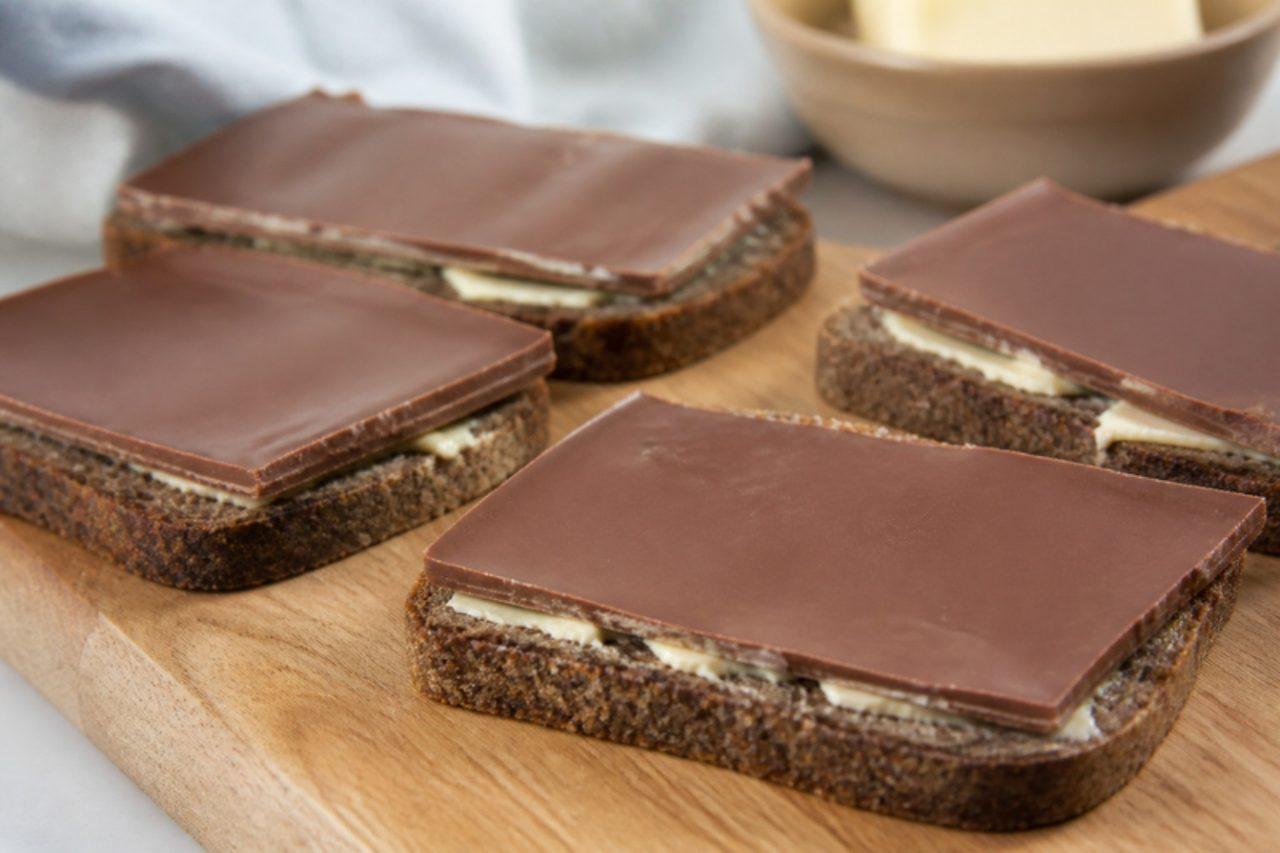
Pålægschokolade, wafer-thin slices of chocolate made for laying on bread, is a Danish lunchbox treat, usually saved for Fridays or birthdays: buttered dark rye, a slab of chocolate on top, then cut into fingers. The sour, dense rye and the sweet chocolate are a famous match. Shop slices are thin squares; here you make your own from a bar, which lets you pick dark chocolate with less sugar. It contains gluten (rye and wheat), milk and soya (lecithin in most chocolate). Chef's tip: spread the chocolate as thin as a coin; thick pieces crack and fall off.

by KrazyBadal 0 views

Kagemand (Danish birthday cake man)

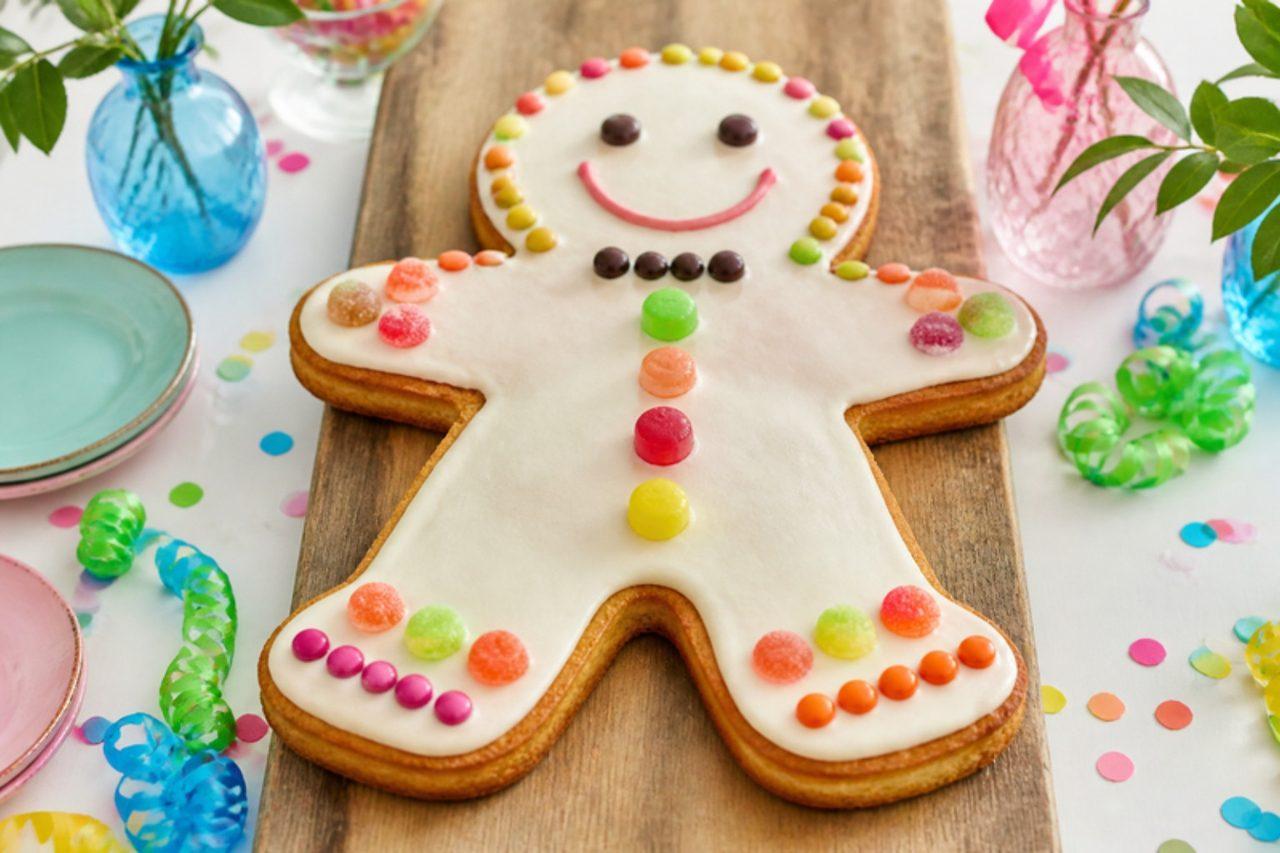
In Denmark, no child's birthday is complete without a kagemand or kagekone: a big cake shaped like a boy or girl, made from soft, cardamom-scented yeast pastry filled with vanilla custard and remonce, then iced and decorated with sweets and Danish flags. The birthday child traditionally cuts the head off first while everyone shrieks. It contains milk, egg and gluten. Chef's tip: draw the figure on baking paper first and shape the dough on top, so arms and legs stay in proportion.

by KrazyBadal 0 views

Fiskegrateng (Norwegian fish and macaroni gratin)

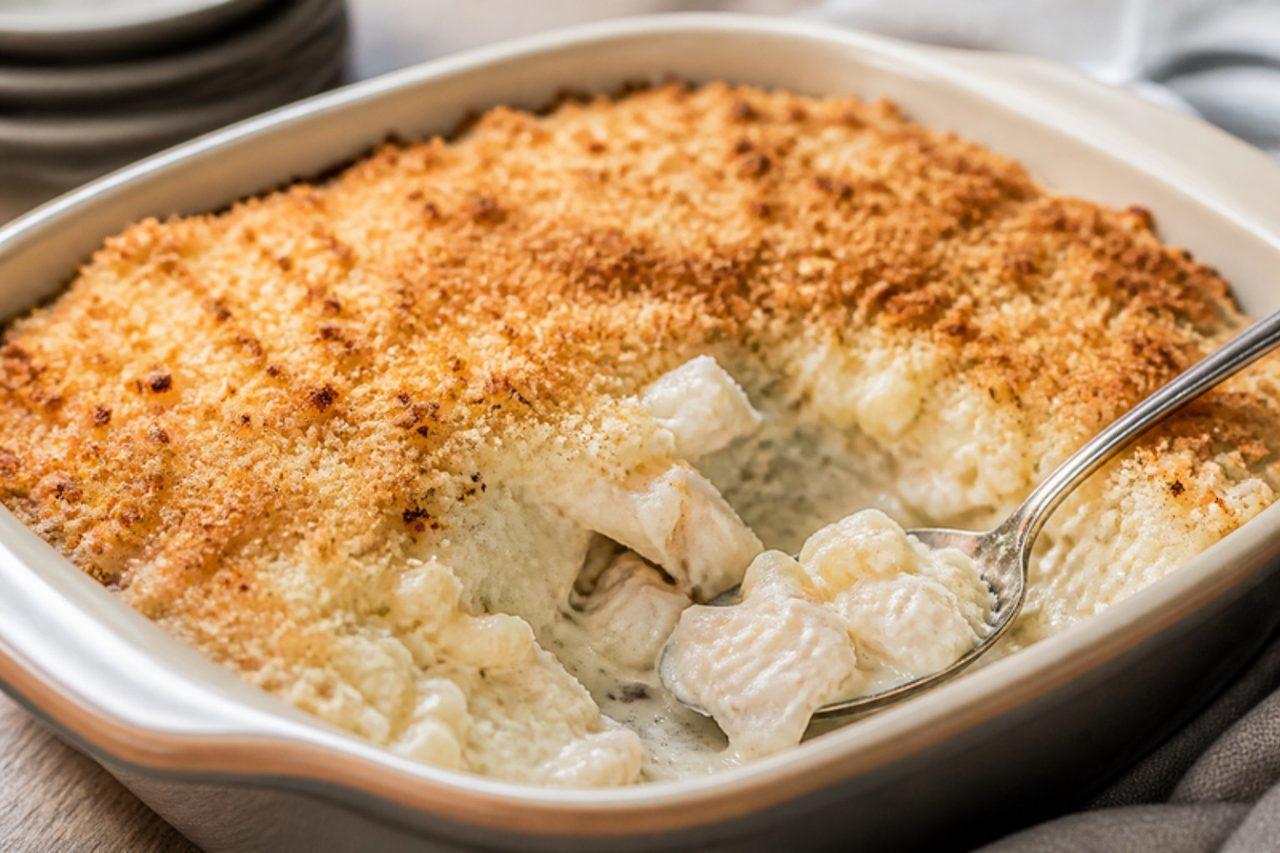
Fiskegrateng, a baked gratin of flaked white fish and macaroni in a thick nutmeg-scented white sauce, is classic Norwegian family food and a favourite way to get children to eat fish, served with grated raw carrot on the side. It is soft, creamy and mild, with a crisp crumb on top, and this version uses no added salt for toddlers from a year old. It contains fish, milk, egg and gluten (pasta, flour and breadcrumbs). Chef's tip: let the white sauce cool a little before whisking in the egg yolks, so they thicken it smoothly instead of scrambling.

by KrazyBadal 0 views

MokkapalatChocolate coffee squares

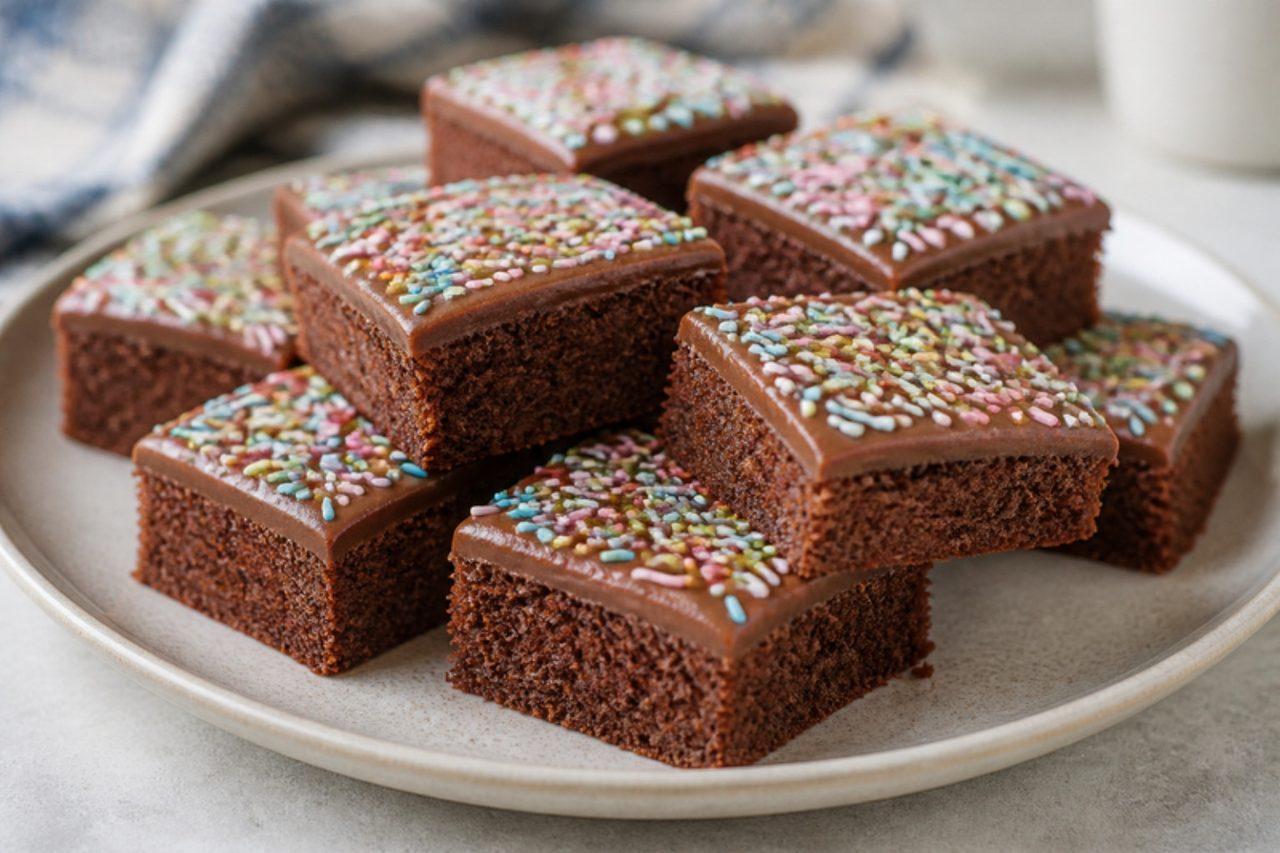
Mokkapalat ('mocha pieces') are what Finnish parents bake on the big oven tray for a child's birthday, a school bake sale or a summer cottage weekend: soft chocolate sponge squares with a thin, glossy coffee-cocoa icing and a shower of coloured sprinkles. The coffee is gentle and only deepens the chocolate, so children love them, and you can use decaf. They are moist enough to keep three days in a tin and freeze well. Icing the cake while it is hot is the classic mistake; it soaks in and goes dull, so wait until it is just warm. Chef's tip: add the icing liquid a spoonful at a time; it should spread like thick paint and set with a shine.

by KrazyBadal 0 views

ChaplasHollow puffed Andean bread

Walk through Ayacucho's central market at seven in the morning and you will see women selling stacks of chaplas from cloth-lined baskets, still warm from the wood-fired ovens of the Andes. These round wheat breads puff up like pita in the fierce heat, leaving a hollow pocket inside a thin, soft, lightly floury crust. In Ayacucho and Huancavelica they are eaten with sweet coffee or hot emoliente for breakfast, or split and filled with queso fresco, avocado or a spoonful of rocoto sauce. Highland bakers traditionally work in a little lard; vegetable shortening gives the same tenderness and keeps the bread vegan. A cool baking tray is the reason chaplas stay flat, so preheat it thoroughly. Chef's tip: let the rolled rounds rest before baking and flip them upside down onto the tray, so the smooth, dry side meets the heat first and the pocket opens evenly.

by KrazyBadal 0 views

Matpakke (Norwegian packed lunch)

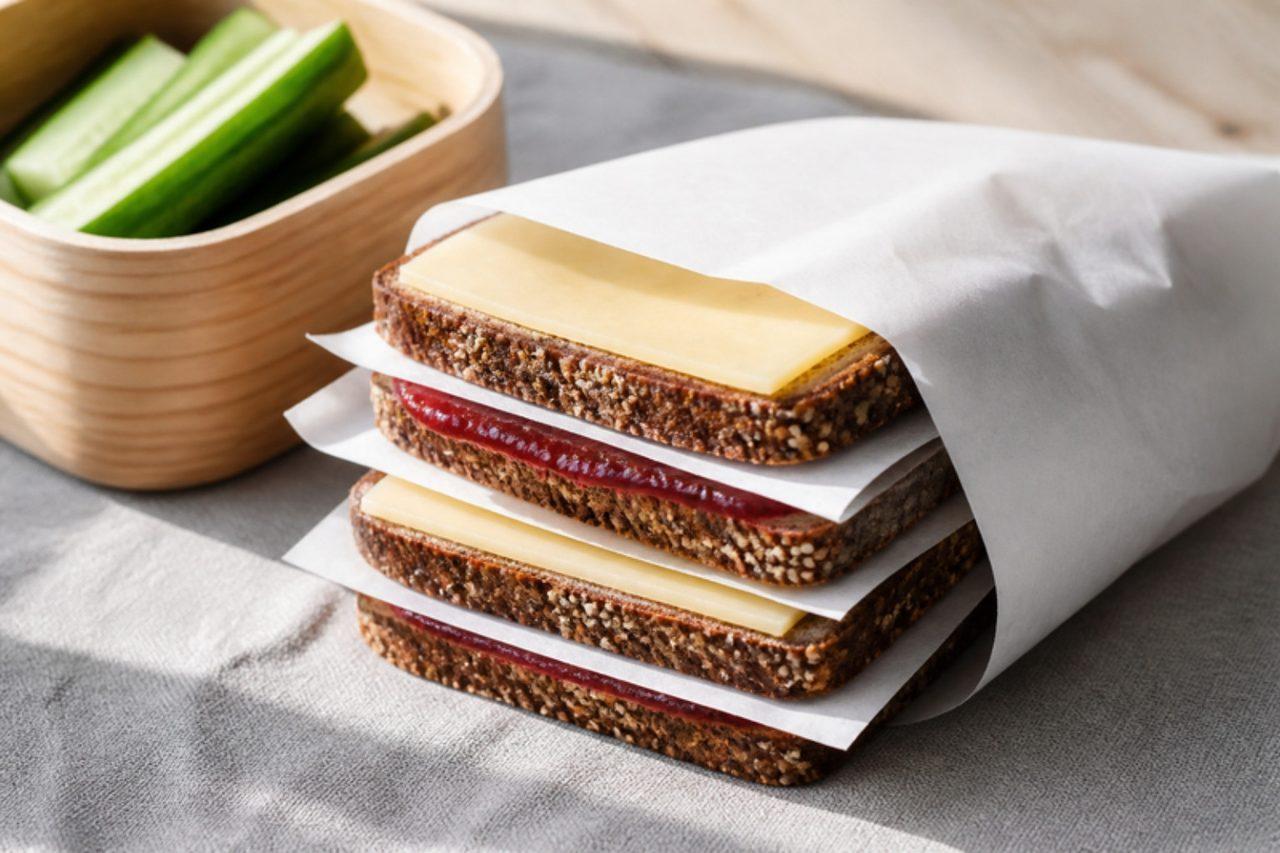
Nearly every Norwegian child carries a matpakke to school: slices of wholemeal bread, each with one simple topping, stacked with sheets of sandwich paper in between and wrapped in a neat parcel. Yellow cheese, sweet caramel-like brown cheese (brunost) and jam are the classics, with cucumber or pepper sticks on the side; liver paste is the meaty favourite. It is plain, filling and built to survive a school bag. It contains gluten (wheat) and milk. Chef's tip: keep wet toppings like tomato out of the stack; they make the bread soggy by lunchtime.

by KrazyBadal 0 views

RundstykkerBreakfast rolls

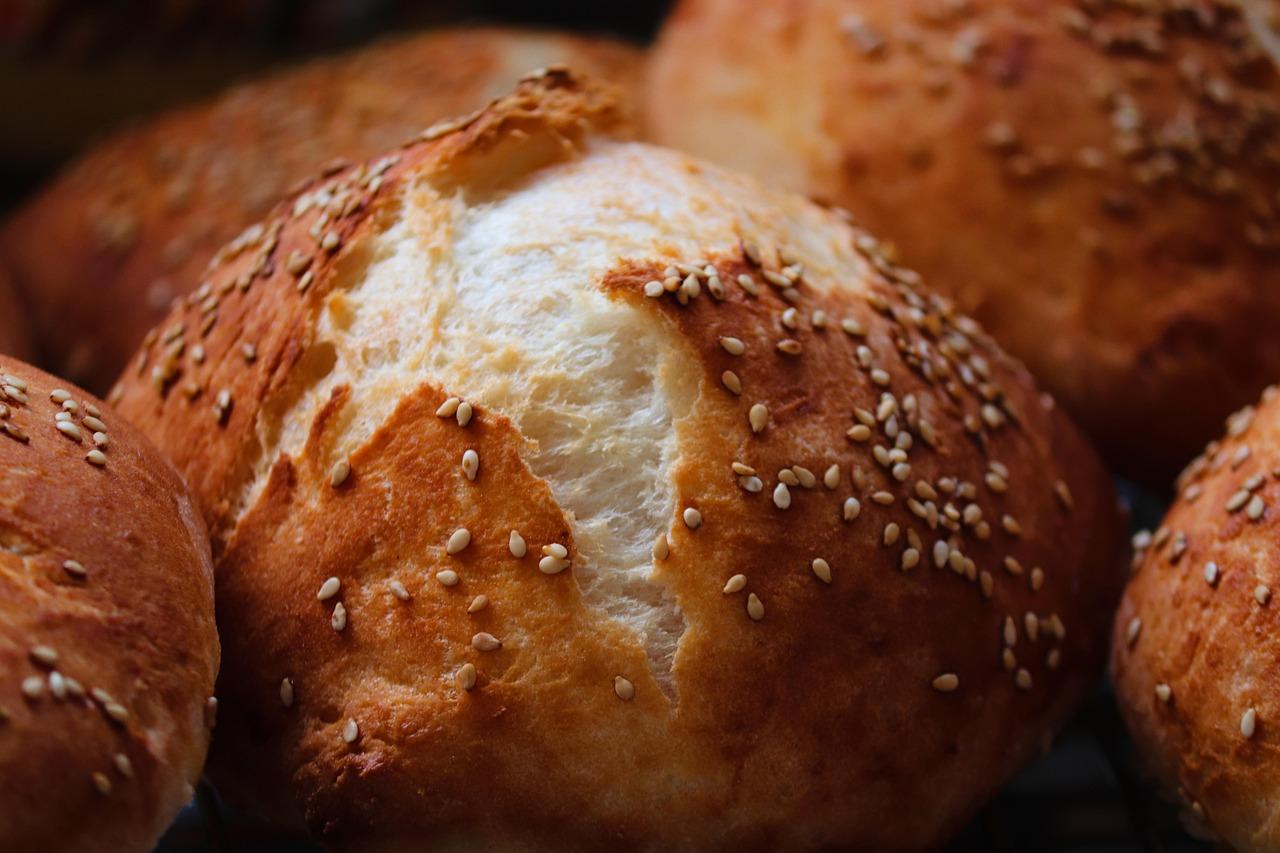
Weekend mornings in Denmark and Norway start with a bag of warm rundstykker from the bakery, or a tray baked at home. They are crusty white rolls topped with poppy or sesame seeds, split and eaten with cheese, jam or a slice of brunost alongside coffee. This version is vegan and uses an overnight rise in the fridge, so the rolls go straight into the oven in the morning. A common mistake is adding too much flour, which makes them dense. Chef's tip: put a tray of boiling water in the bottom of the oven for the first 10 minutes so the crust turns thin and crackly.

by KrazyBadal 0 views

BiskvierAlmond chocolate cakes

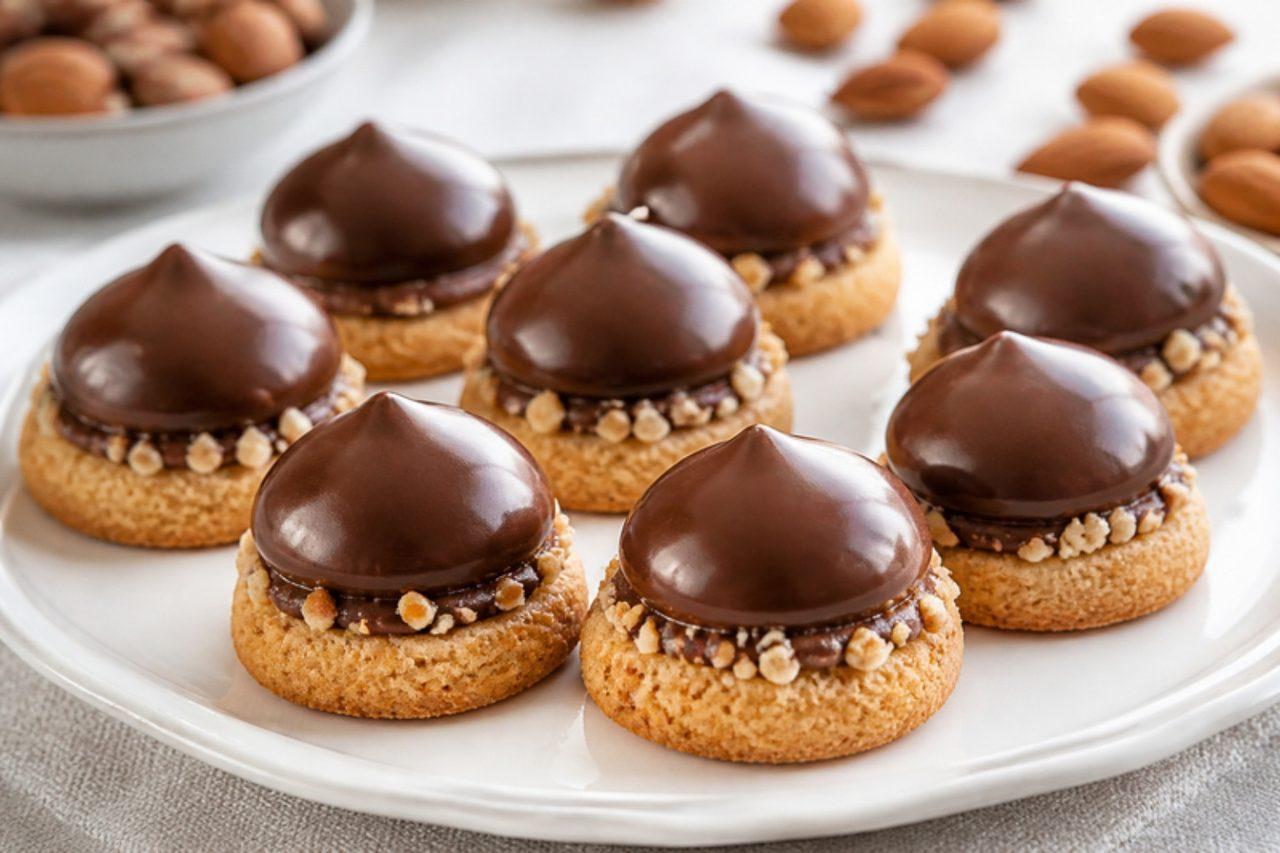
In Swedish konditori from Gothenburg to Uppsala, biskvier sit in the glass counter as small domes of glossy dark chocolate: underneath is a chewy almond macaroon base and a swirl of chocolate buttercream. They are a weekend or birthday fika treat and keep well in the freezer, so many families make a big batch before Christmas. They are naturally gluten free. A common mistake is dipping the buttercream before it is completely cold, so it slides off into the chocolate. Chef's tip: freeze the topped biscuits for 30 minutes, then dip them in barely warm chocolate in one quick motion.

by KrazyBadal 0 views

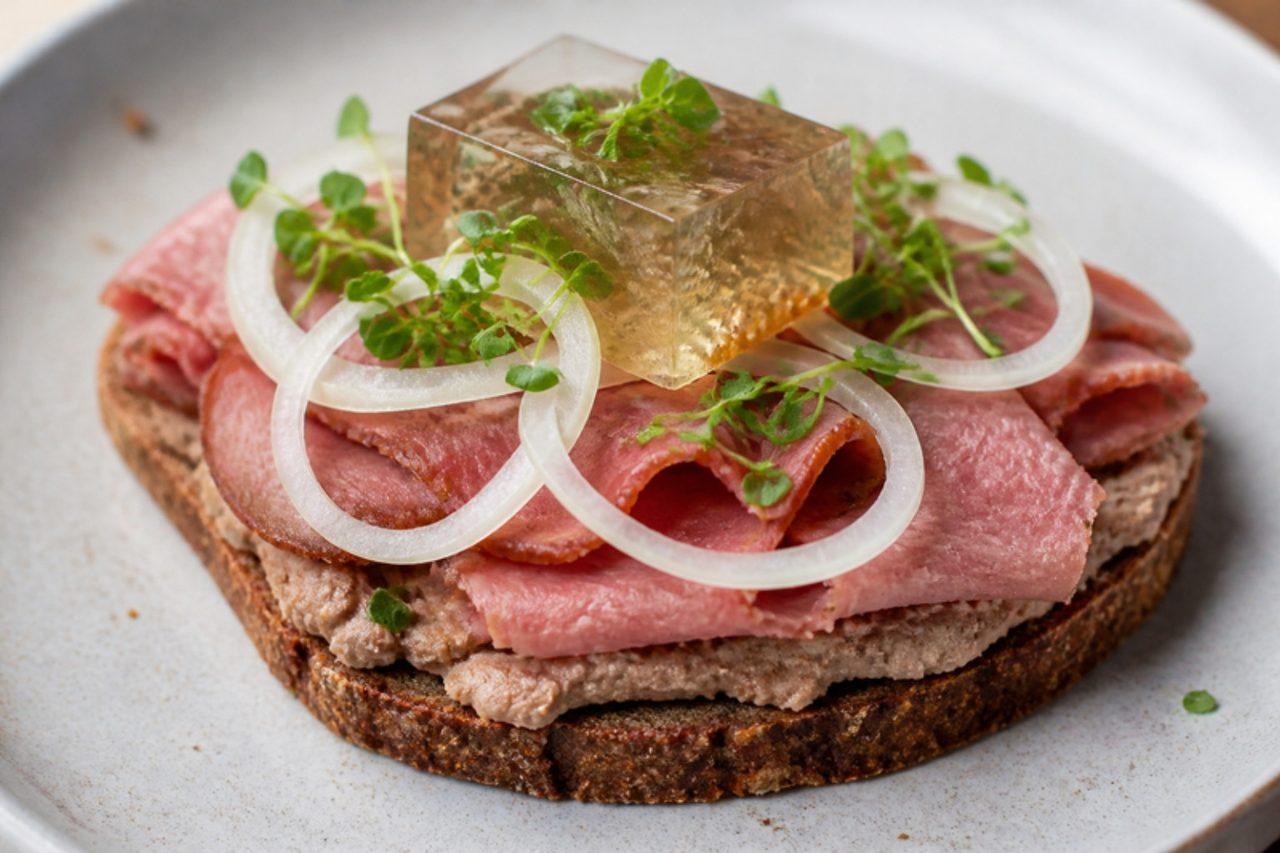
Dyrlægens natmadPâté and salt beef sandwich

Copenhagen legend says a veterinarian ordered the same late-night sandwich every evening at Oskar Davidsen's lunch house, and the name stuck. Dyrlægens natmad is a slice of dark rye spread with pork liver pâté, topped with thin slices of salt beef (saltkød), a cube of meat aspic, raw onion rings and cress. It belongs to the meat course of a long Danish Sunday lunch, after the herring and before the cheese. This version uses a quick home aspic made from stock and gelatine. A common mistake is slicing the salt beef thickly: it should be cut paper-thin and folded. Chef's tip: make the aspic the day before so it is firm enough to dice cleanly.

by KrazyBadal 0 views

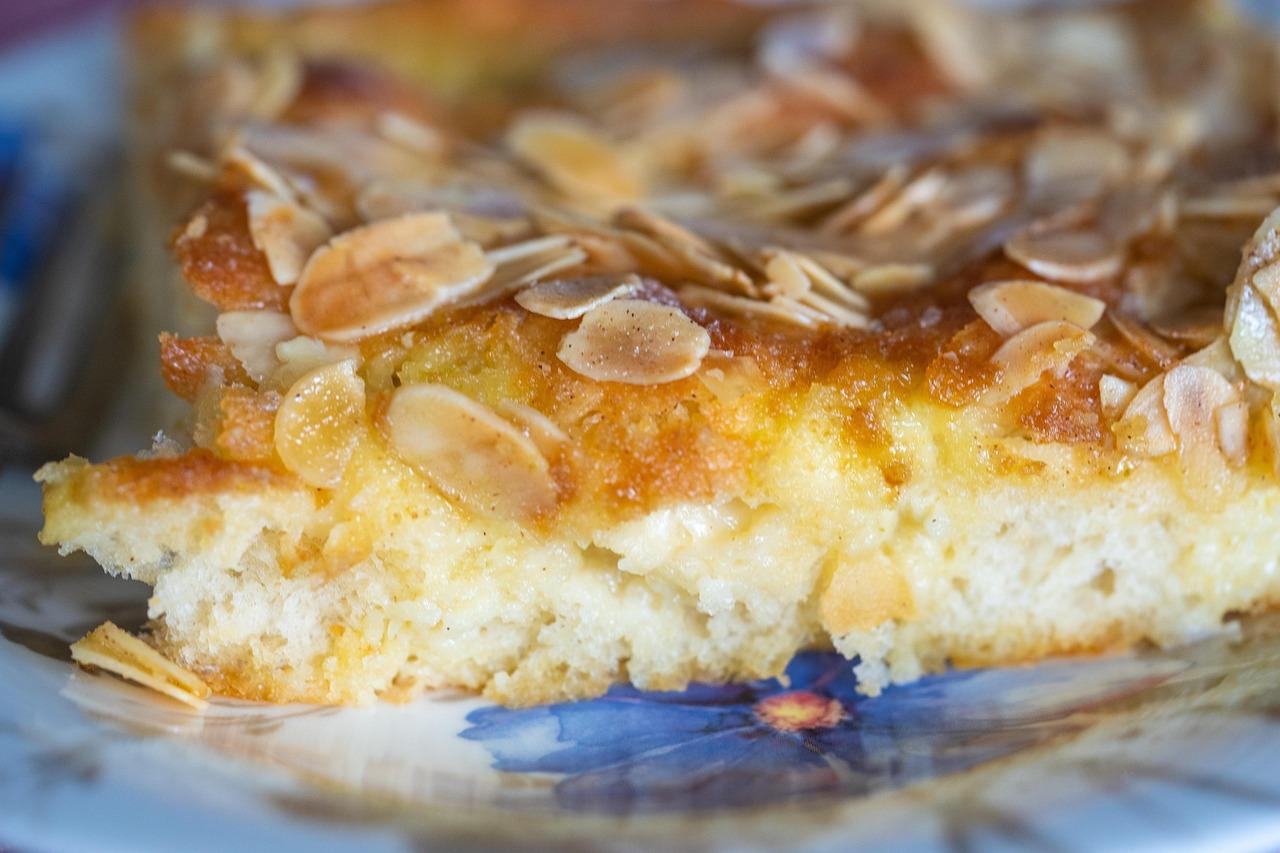
ToscakakaAlmond caramel butter cake

Toscakaka is the elegant fika cake of Swedish coffee afternoons, named after the opera and found in every old konditori in Stockholm and Gothenburg. Under a crunchy, toffee-like lid of flaked almonds cooked in butter, sugar and cream is a light, buttery sponge. It is at its best on the day it is made, with coffee. A common mistake is adding the topping too early, so it sinks into the raw sponge. Chef's tip: bake the cake until just set, then spread the hot topping over and return it to the oven until bubbling and amber.

by KrazyBadal 0 views

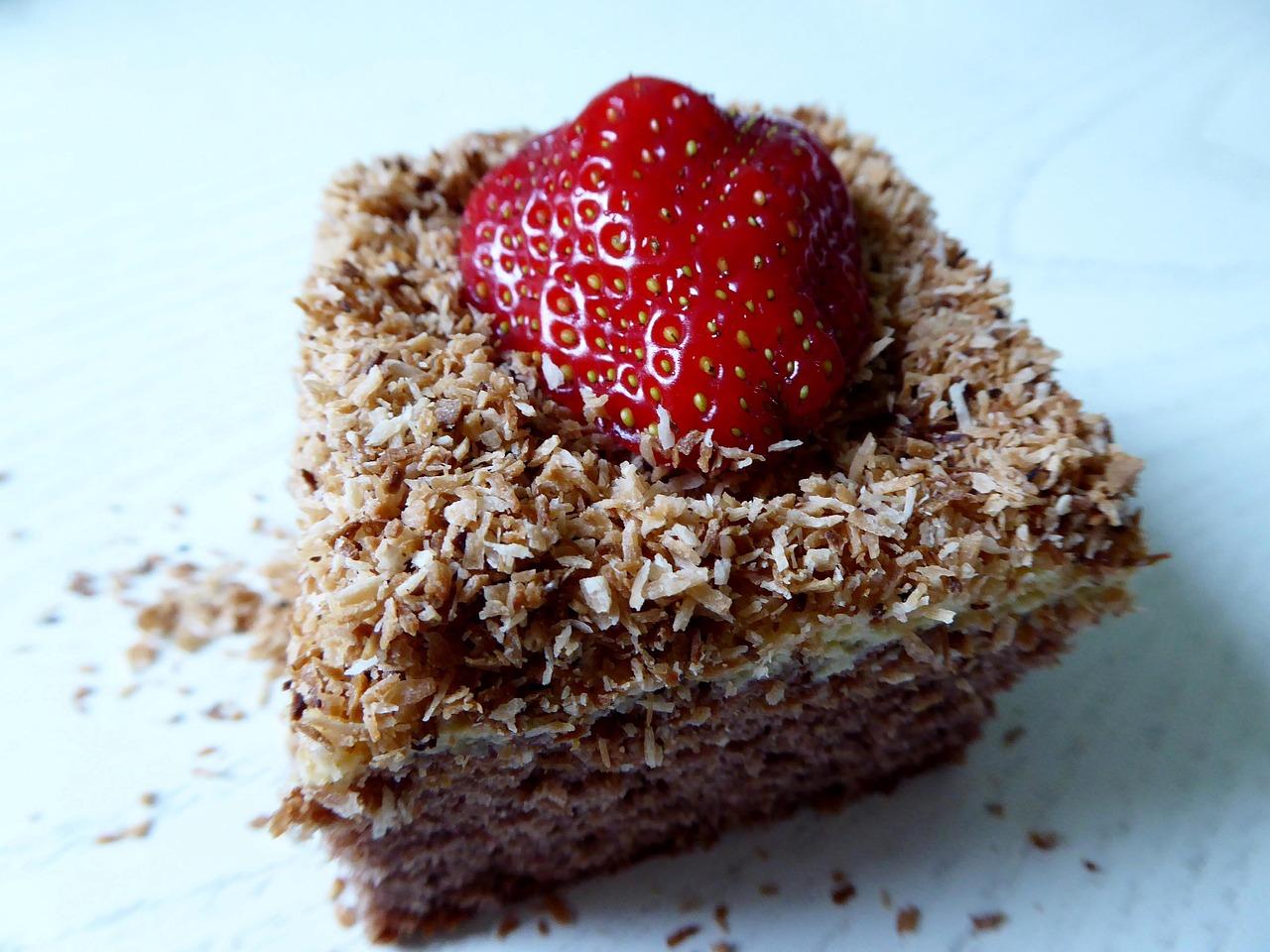
KärleksmumsChocolate tray cake

Kärleksmums, 'love bites', is the tray cake of Swedish school cafés, sports clubs and children's birthdays, cut into squares and eaten with milk or coffee. A soft chocolate sponge is spread while still warm with a glossy icing of butter, cocoa, icing sugar and a splash of coffee, then covered in desiccated coconut. Leave out the coffee for children if you prefer and use milk. A common mistake is icing a cake that is too hot, so the icing soaks in and the coconut slides off. Chef's tip: let the cake cool for 10 minutes, so it is warm but not hot, before spreading.

by KrazyBadal 0 views

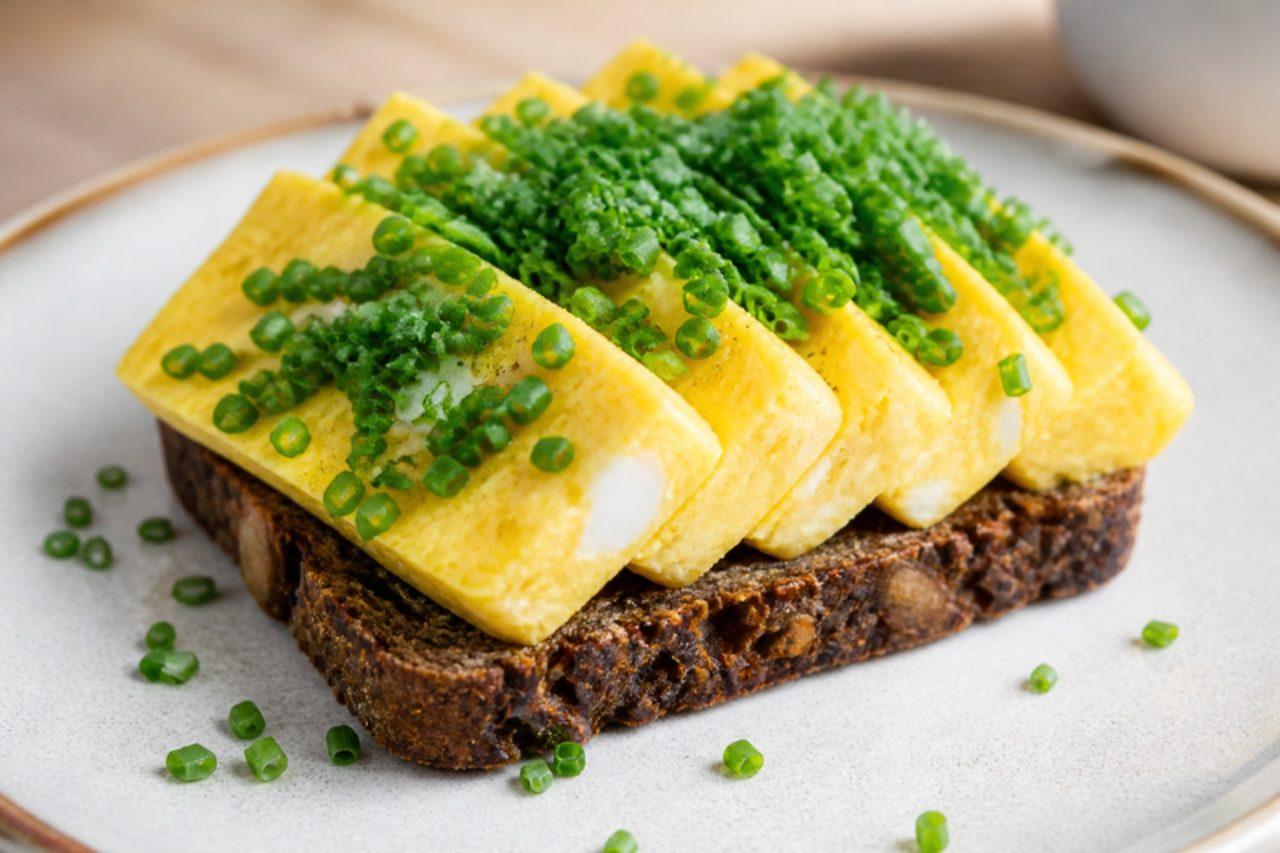
Røræg og purløgScrambled egg and chive sandwich

In Copenhagen lunch cellars and on Danish Easter tables, a slice of buttered rye topped with cool, set scrambled egg and a thick green blanket of chives is one of the gentlest smørrebrød of all. The egg is cooked slowly with a little milk, then left to cool so it can be cut into neat slices rather than spooned on loose. It is eaten with a knife and fork, usually early in the lunch order before the fish and meat. A common mistake is cooking the eggs over a high heat, which makes them weep water onto the bread. Chef's tip: set the egg in a small buttered dish in a low oven or water bath, chill it, then slice it like a firm custard.

by KrazyBadal 0 views

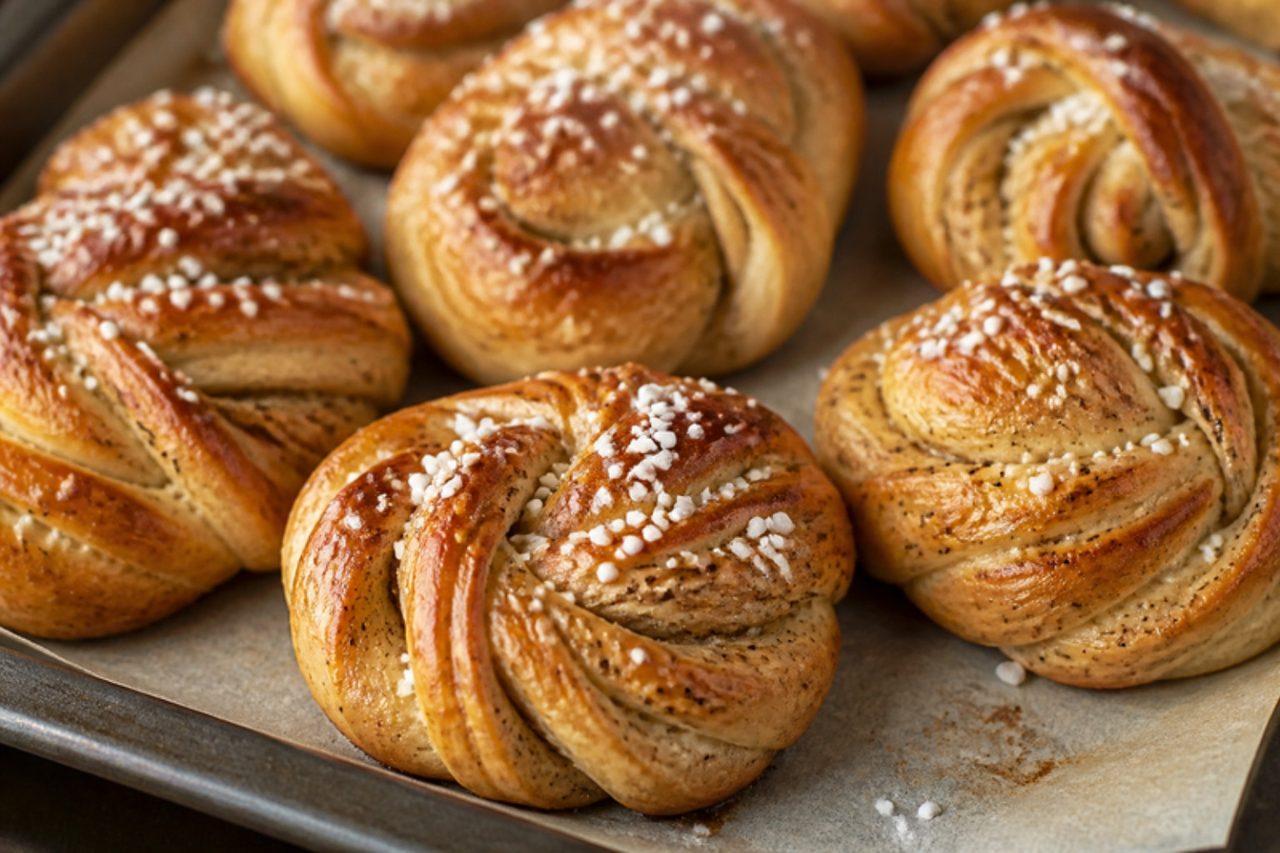
KardemummabullarCardamom buns

Stockholm bakeries have made the knotted cardamom bun almost as famous as the cinnamon bun, and in cafés on Södermalm it is the bun people queue for with their afternoon fika coffee. A soft, buttery yeast dough is rolled out, spread with cardamom butter, folded, cut into strips and twisted into knots before being glazed and showered with pearl sugar. Freshly crushed cardamom seeds make all the difference. A common mistake is using ready-ground cardamom, which tastes dusty. Chef's tip: twist each strip tightly before tying the knot so the layers of filling show and caramelise in the oven.

by KrazyBadal 0 views

Showing 24 of 423 recipes

Show more recipes

Page 1 of 18