Skip to content
Recipes

All recipes

Vegetarian, or something you can't eat? Set your diet once and we'll hide recipes that don't fit.

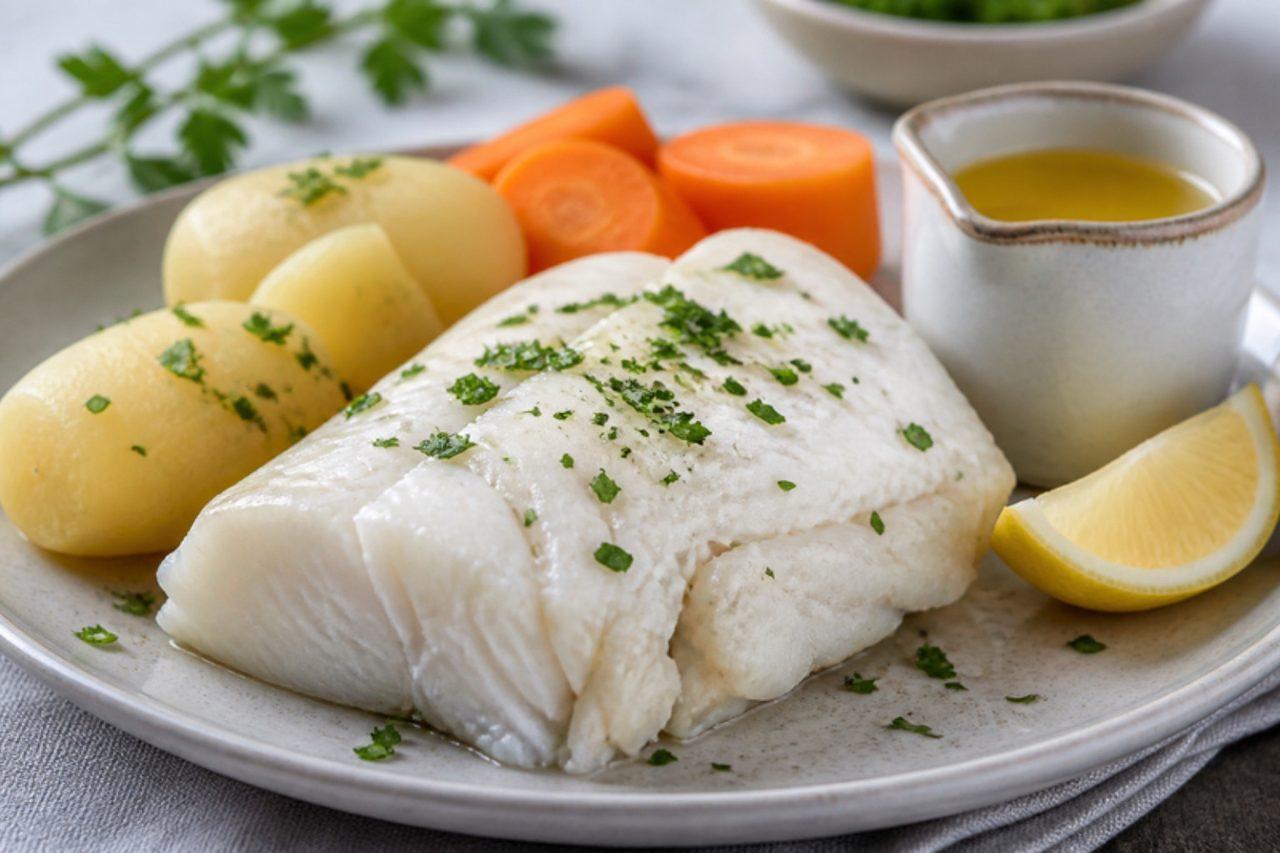
Kokt torskPoached cod with potatoes

From January to April, when the spawning skrei cod arrive at the Lofoten Islands, Norwegian homes eat kokt torsk at least once a week: thick cod loins poached in well-salted water, served plainly with boiled potatoes, carrots and a little melted butter. It is clean, gentle food, and the whole plate comes to around 430 kcal with about 40 g of protein, almost all from the cod. The common mistake is boiling the fish: the water should barely tremble, which Norwegians say makes it "smile", or the flakes tighten and turn woolly. Cook it until it is opaque and the flakes separate at a light press, about 60–63 °C in the thickest part. Chef's tip: salt the poaching water as heavily as the sea, about 60 g to a litre; it seasons the cod all the way through in the few minutes it cooks.

by KrazyBadal 0 views

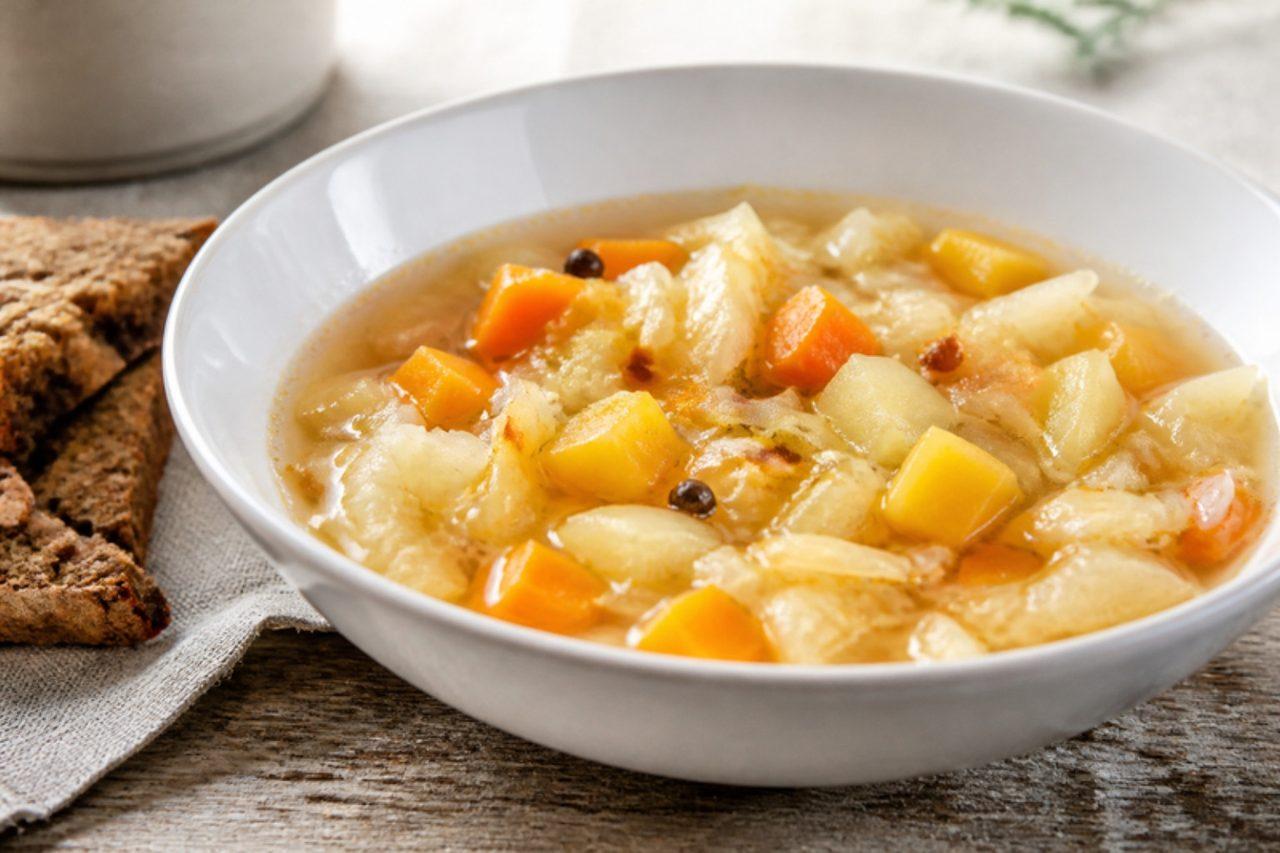
KålsoppaCabbage and root vegetable soup

Kålsoppa is old-fashioned Swedish home cooking, the soup of cold autumn and winter evenings in Skåne and the countryside, when white cabbage and root vegetables fill the cellar. The cabbage is first browned in a little oil with a pinch of syrup, which gives the broth its gentle sweetness and golden colour, then simmered with carrot, swede and potato and seasoned with whole allspice. Many families float small meatballs in it; this is the vegetarian version without them. It has about 4 g of protein per bowl; serve with crispbread and a hard cheese, or add white beans, for more. The common mistake is rushing the browning: the cabbage needs a good 10 minutes of slow frying to caramelise. Chef's tip: crush the allspice berries lightly before adding them, so their warm, clove-like scent fills the soup.

by KrazyBadal 0 views

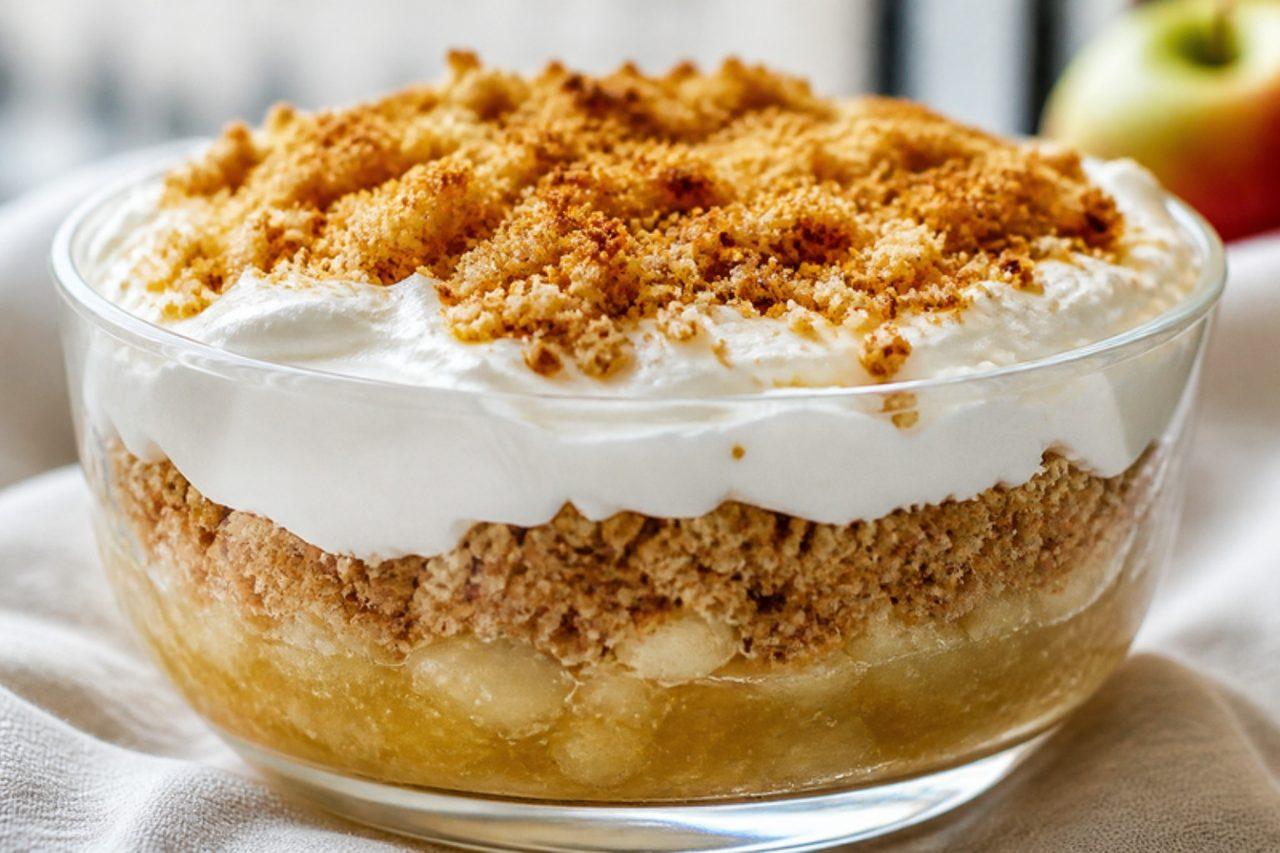
Tilslørte bondepiker (Norwegian veiled farm girls)

Norwegians make tilslørte bondepiker in autumn, when the apple trees in the fjord orchards of Hardanger and Telemark are heavy, and it stays a Sunday-dinner favourite through winter. The 'farm girls' are the layers of tart apple compote, the 'veil' is the whipped cream on top, and between them are crisp breadcrumbs toasted in butter with sugar and cinnamon. It is spooned from a glass bowl: soft fruit, crunchy caramel crumbs and cold cream in each mouthful. Serve it soon after layering, while the crumbs still crunch. No egg is involved anywhere, since the apples cook down into a thick purée on their own, so there is nothing to bind or set; just make the crumbs from an eggless white loaf or plain rusks. Chef's tip: toast the crumbs slowly over a medium-low heat and keep stirring; the common mistake is rushing them over a high heat, so the sugar burns before the crumbs are crisp.

by KrazyBadal 0 views

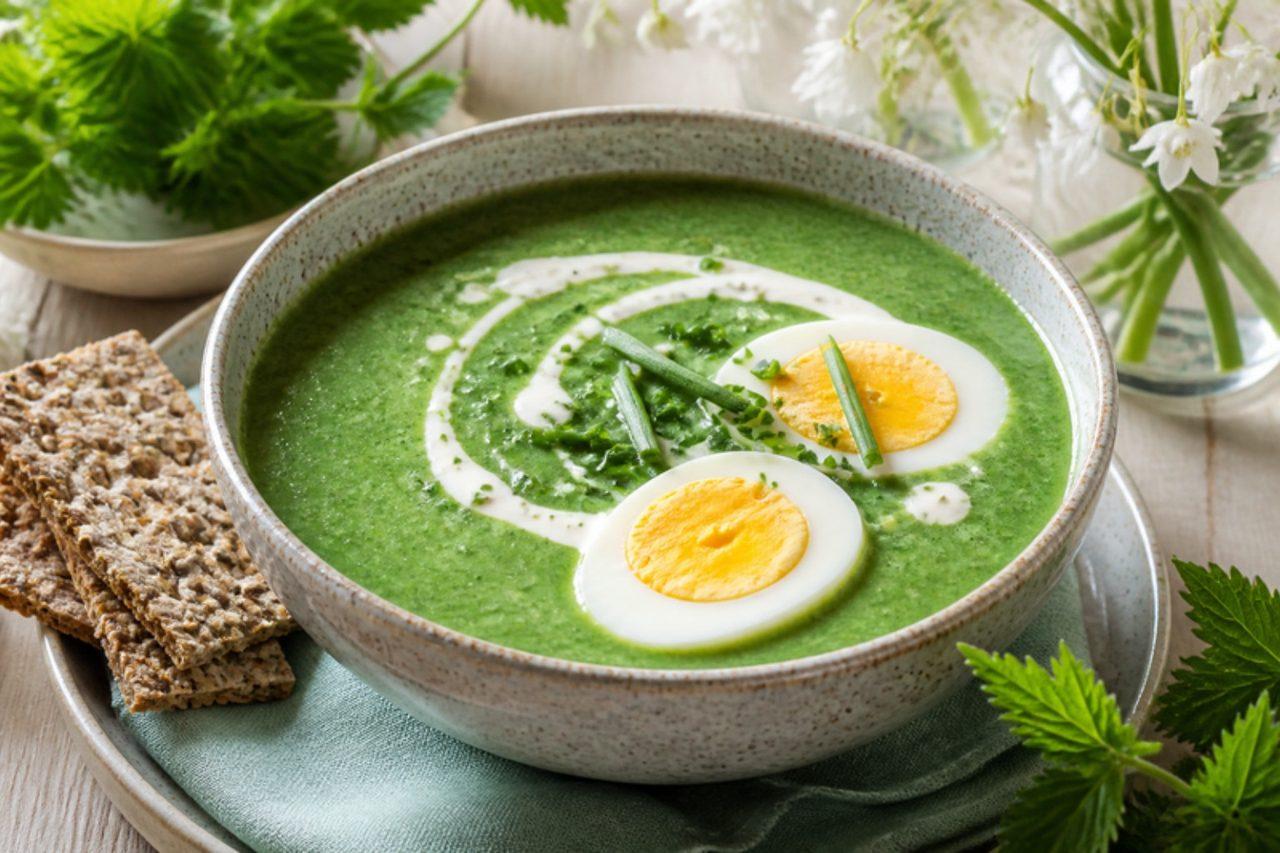
NässelsoppaNettle soup

In Sweden the first young nettles of April and May go straight into nässelsoppa, a smooth, grassy green soup often served at Easter or on Walpurgis Night with halved boiled eggs. It tastes a little like spinach with a mineral edge, and is eaten with crispbread and butter. A bowl with one egg gives about 10 g of protein, so it is a light soup, not a high-protein meal; add a second egg each if you want it more filling. Wear gloves to pick and wash nettles: blanching removes the sting completely. The most common mistake is cooking the nettles too long, which turns the soup khaki and dull; add them at the end and blend straight away. Chef's tip: pick only the top four to six leaves of young plants before they flower; older leaves are tough and gritty.

by KrazyBadal 0 views

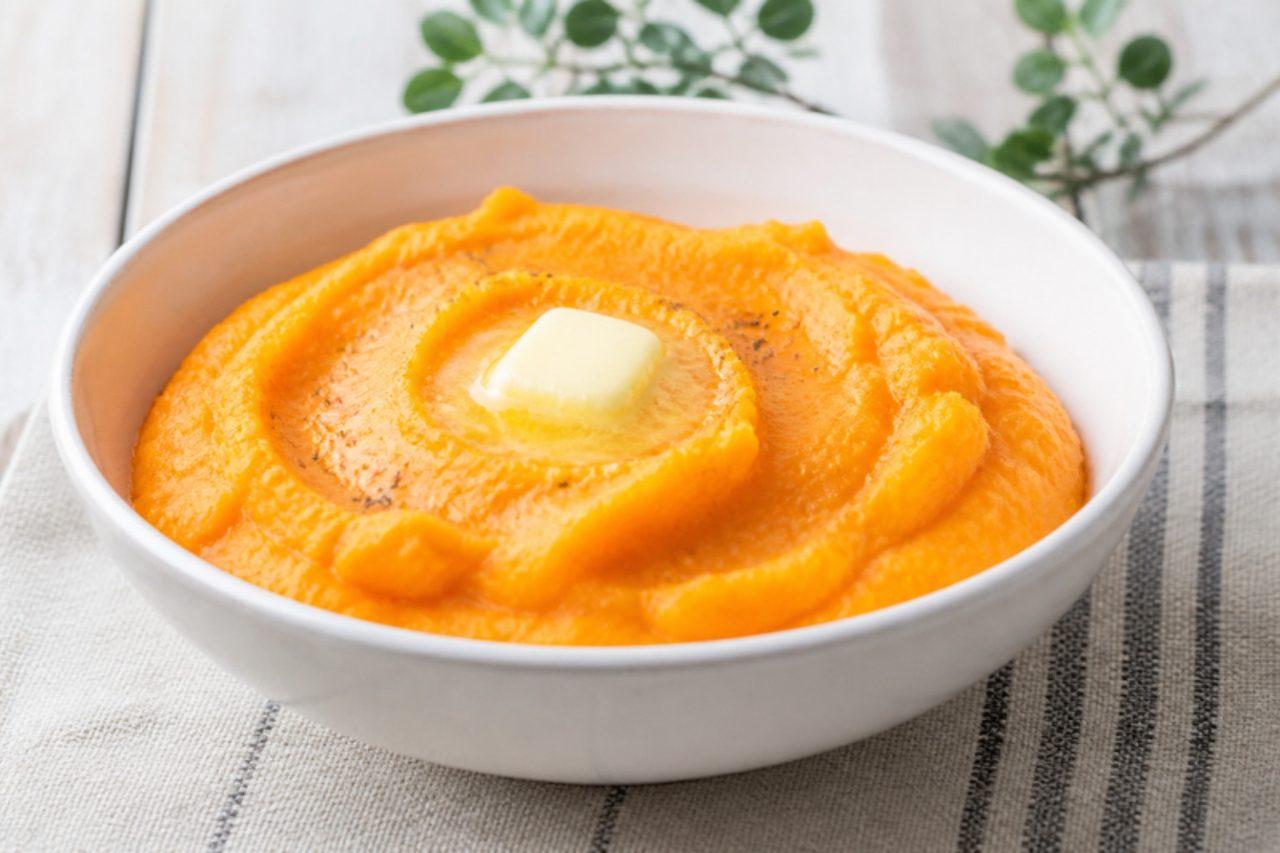
RotmosMashed swede and carrot

Rotmos, literally 'root mash', is a Swedish winter staple, cooked from Skåne to Norrland when the cellars are full of swede, and served beside sausages or boiled pork at home dinners, and on Thursdays with pea soup. Swede gives the mash its golden colour and gently peppery sweetness, potato makes it smooth, and a little butter and allspice round it out. It is a vegetarian side with about 3 g of protein per portion; try it with fried halloumi or a bean stew. The common mistake is mashing it straight from the pan: watery roots give a sloppy mash, so steam-dry them first. Chef's tip: leave the mash a little coarse; Swedes like to see flecks of swede and carrot rather than a smooth purée.

by KrazyBadal 0 views

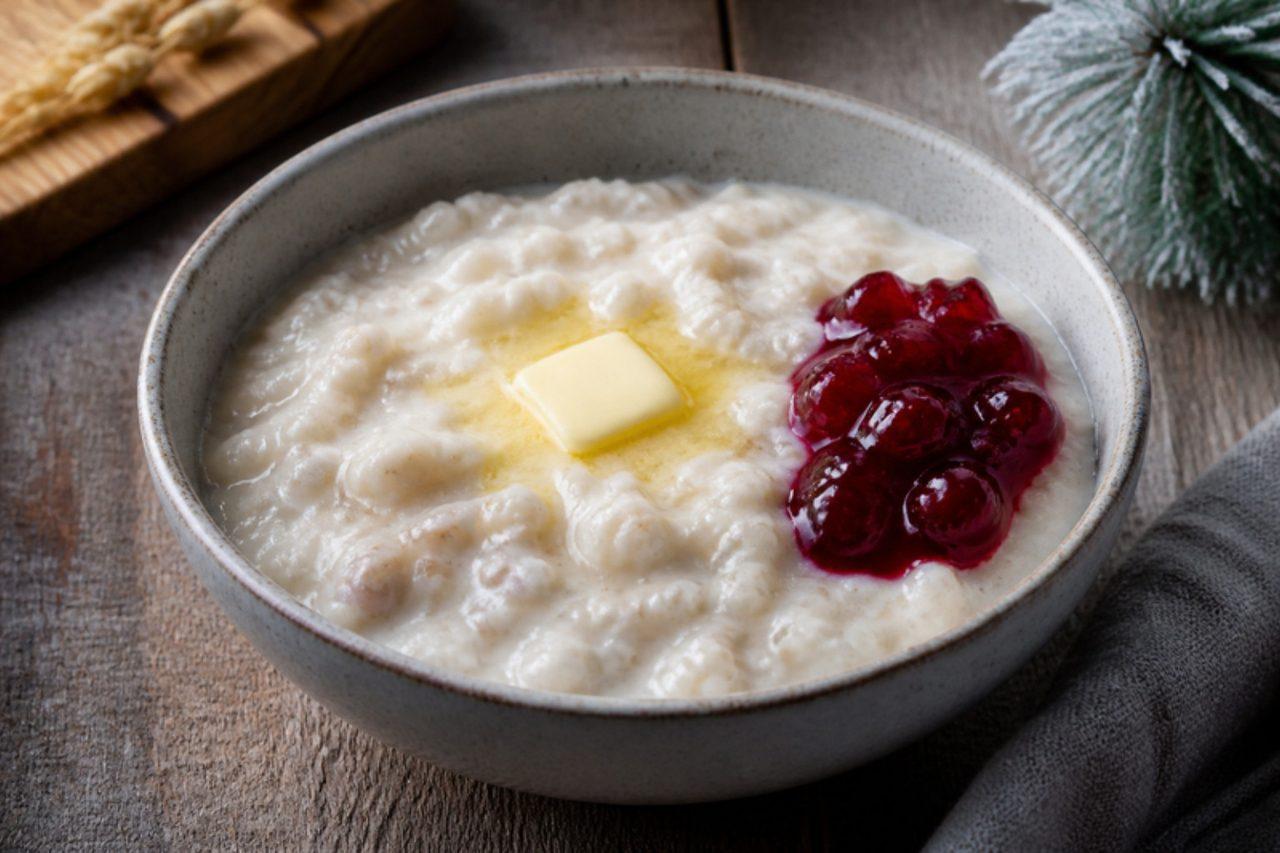
OhrapuuroBarley porridge

Ohrapuuro is the comfort food of Finnish farmhouses: pearl barley cooked slowly in plenty of milk until it turns creamy, pale and faintly sweet, then served with a knob of butter melting in the middle and a spoon of lingonberry or berry kissel. It is a breakfast for winter mornings and a supper for Christmas Eve in many families, and the oven version used to cook overnight in the cooling bread oven. A bowl gives about 14 g of protein from the milk and barley, so it is filling, but not a high-protein dish. The common mistake is cooking it too fast on a high heat; the milk catches and burns on the bottom, so keep it at a bare simmer and stir often. Chef's tip: soak the barley in water overnight if you can; it cuts the cooking time to about an hour and the grains cook more evenly.

by KrazyBadal 0 views

PyttipannaPotato and meat hash

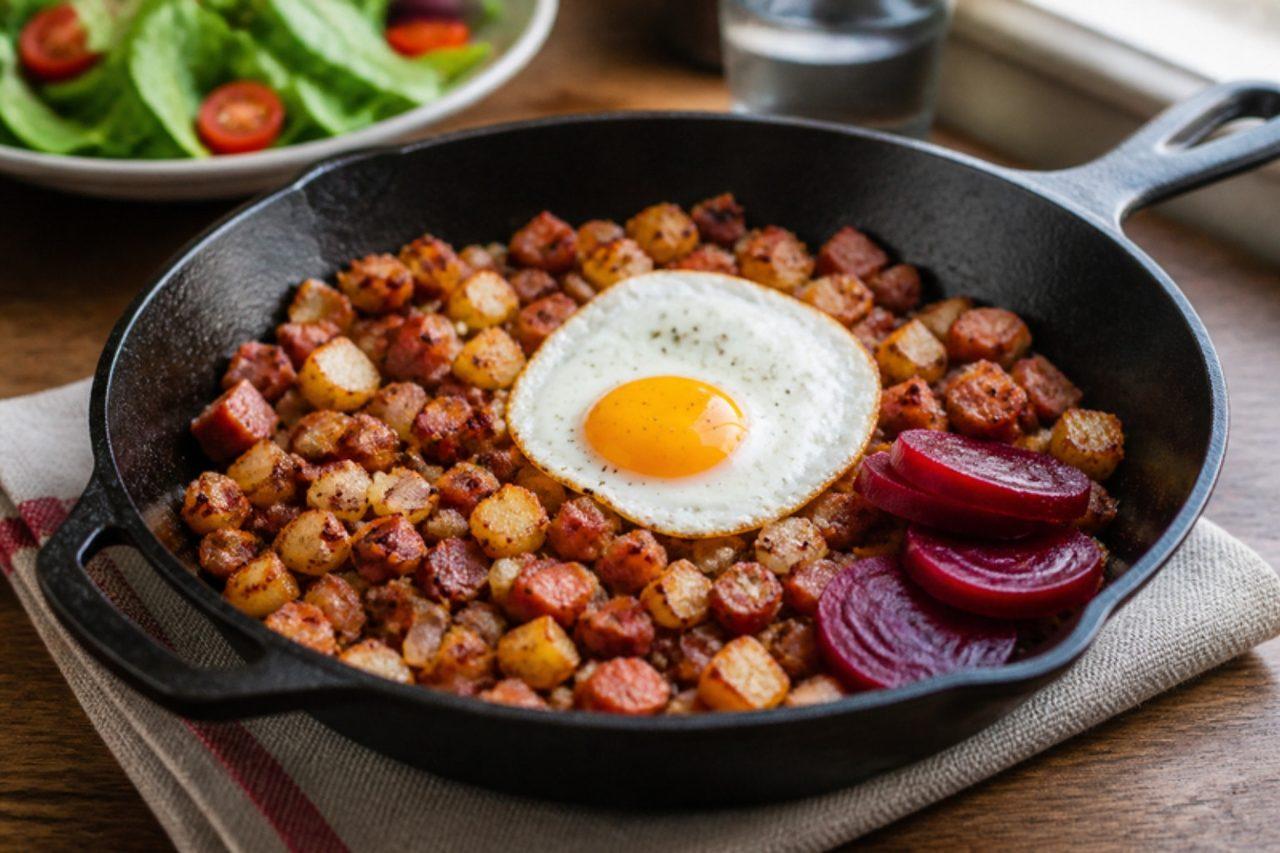
Pyttipanna, 'small pieces in a pan', is Sweden's great leftover dish: diced potatoes, onion and whatever cooked meat is left from Sunday (roast beef, ham or sausage, often pork) fried together until crisp, then served with a fried egg on top and pickled beetroot on the side. It is a weekday lunch in every Swedish home and canteen, and a well-known hangover breakfast. The mistake that leaves it pale and steamed is putting everything in the pan at once; the potatoes need a head start to brown before the meat goes in. Reheat the leftover meat until it is steaming hot right through (74 °C). Chef's tip: cut potatoes, onion and meat into the same 1 cm dice, so every forkful has a bit of each.

by KrazyBadal 0 views

VaniljekranseVanilla almond butter rings

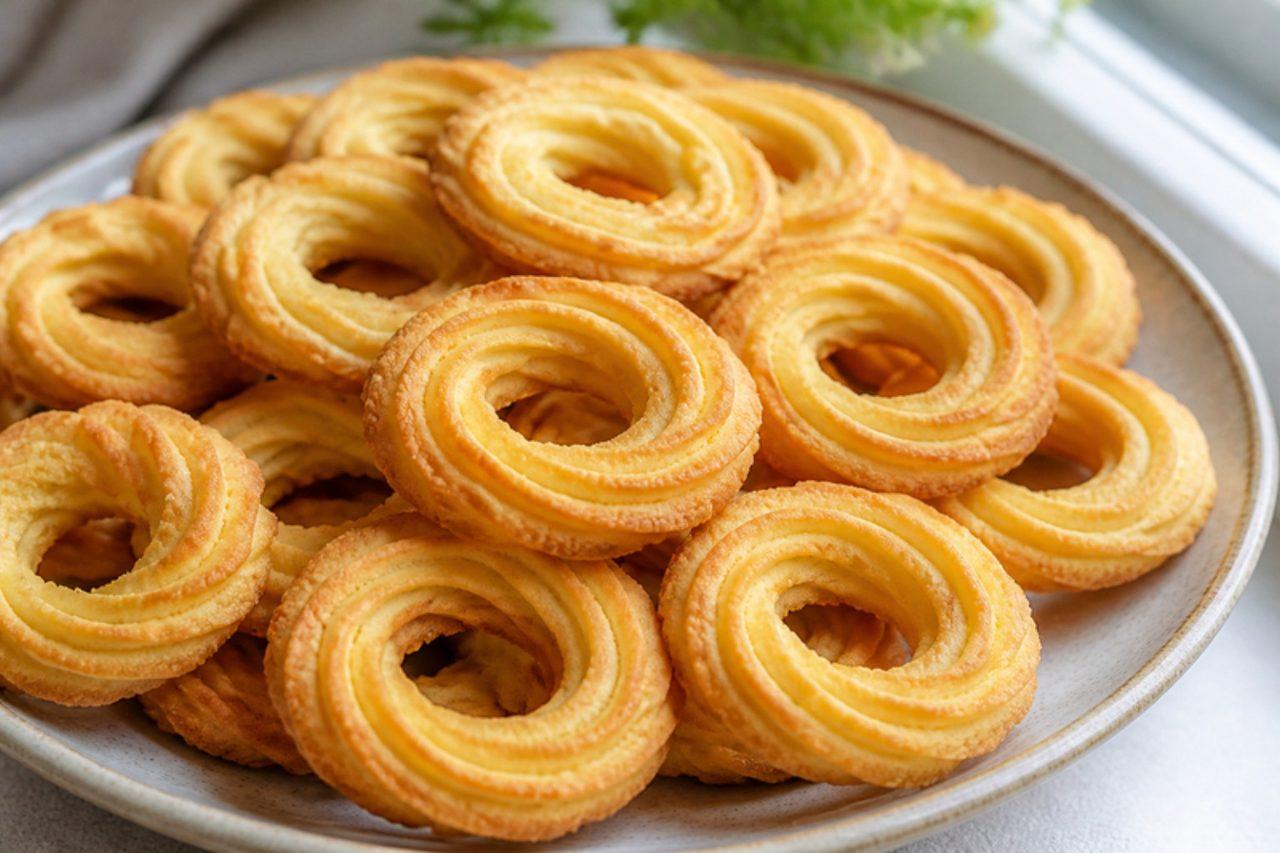
No Danish Christmas tin is complete without vaniljekranse, the ridged rings of buttery vanilla dough with finely ground almonds that snap and then melt. Many homes in Denmark make dozens in December, traditionally pressing the dough through a mincer fitted with a star plate to make long ribbons, then curling them into wreaths; a piping bag with a large star nozzle does the same job. They are eaten with coffee, gløgg or a glass of cold milk, and are a favourite for children to help shape. Some recipes leave out the egg, and a spoonful of milk works just as well here. Chef's tip: chill the piped rings on the tray for 15 minutes before baking so the ridges stay sharp; dough that is too warm is the trap, because the rings spread and lose their pattern.

by KrazyBadal 0 views

GubbröraEgg and anchovy spread

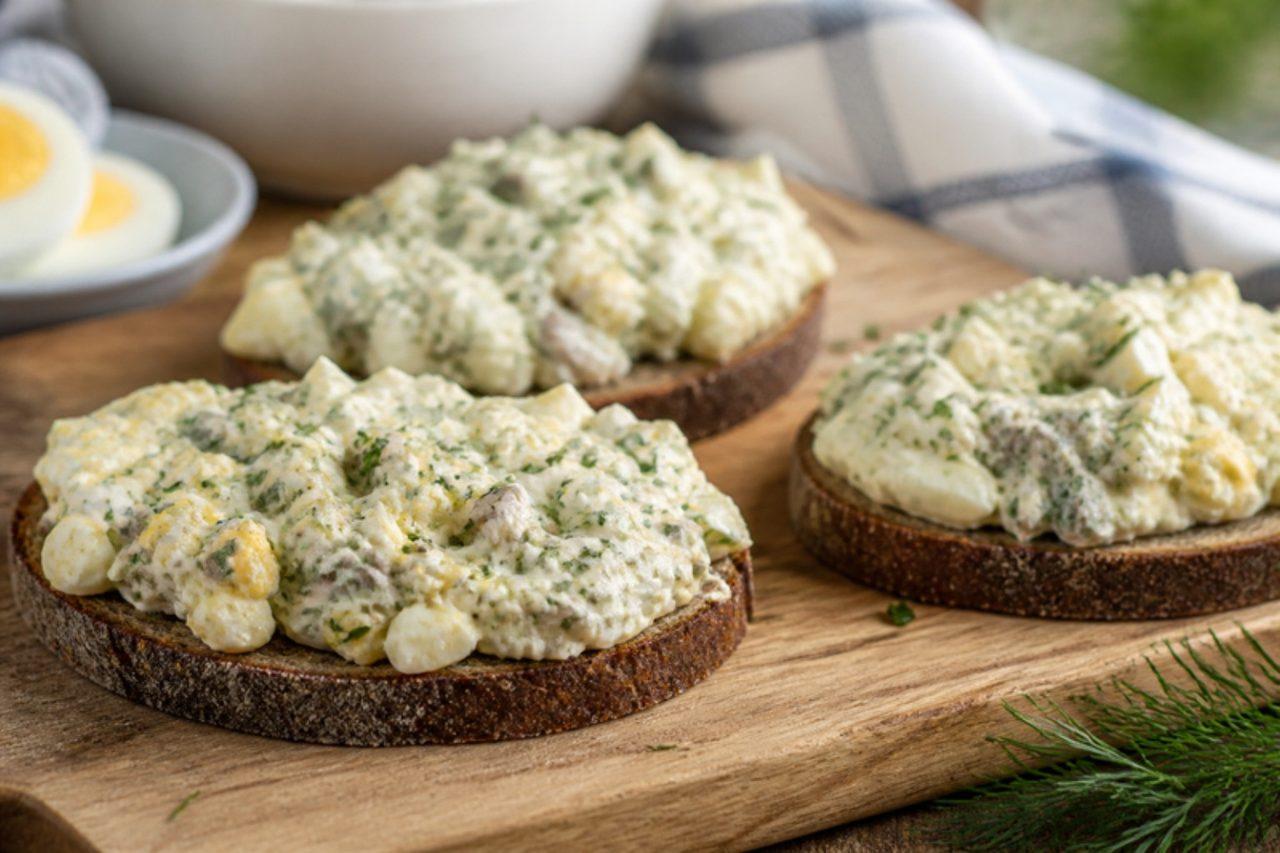
Gubbröra, 'old man's mix', is a Swedish classic for the smörgåsbord and the Friday-night snack plate: chopped hard-boiled eggs folded with Swedish anchovies, red onion, dill and chives in sour cream, piled onto dark rye bread or crispbread. It is found on Midsummer and Christmas tables but is quick enough for a light supper any evening. Swedish 'ansjovis' are sprats cured in a sweet spiced brine, milder than Mediterranean salted anchovies; if you use those, halve the amount. The usual mistake is mixing the eggs while still warm, which turns the whole thing into a sloppy paste, so cool them in iced water first. Chef's tip: chop eggs and anchovies by hand into rough 5 mm pieces for a spread with texture.

by KrazyBadal 0 views

ÆggekageBacon and tomato pan omelette

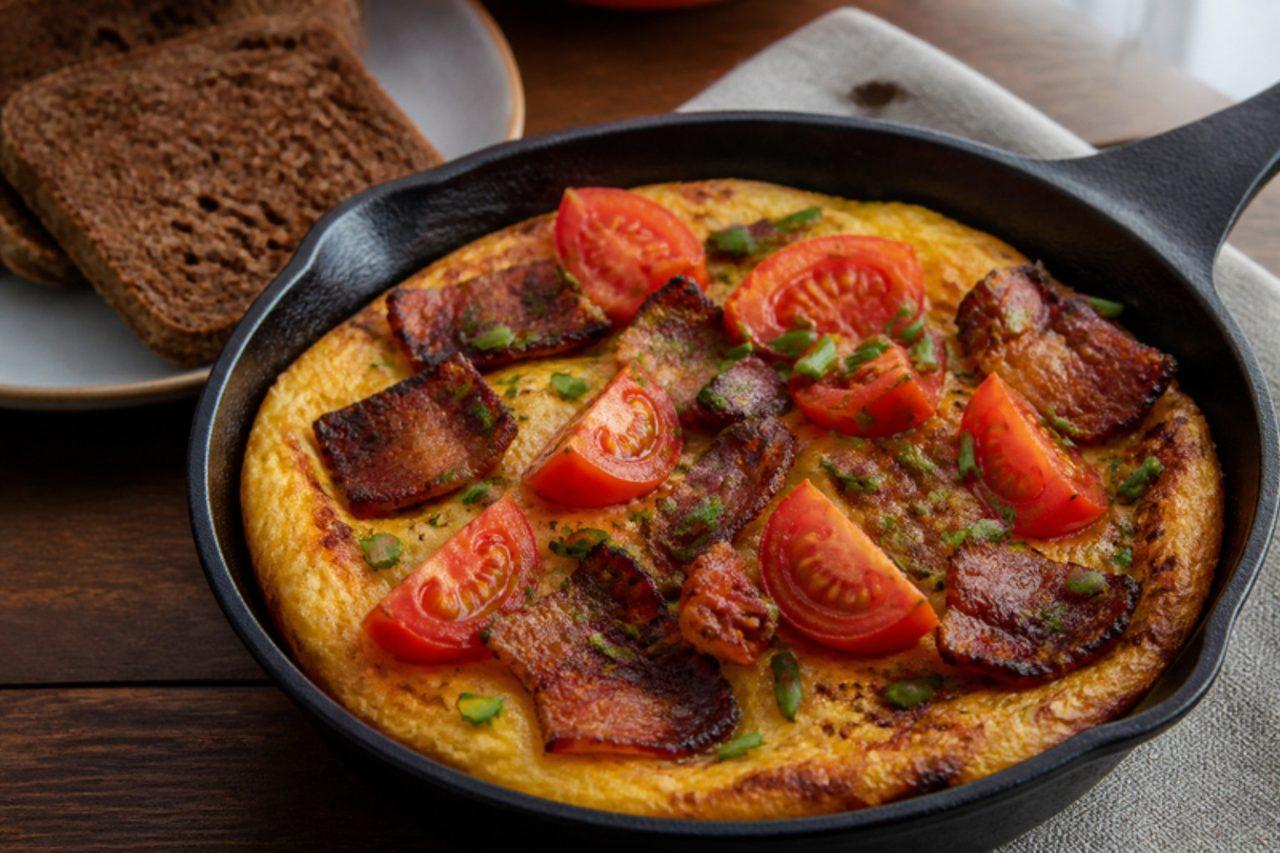
Æggekage, 'egg cake', is a thick Danish pan omelette set slowly under a lid and served straight from the pan, topped with crisp strips of bacon (pork), slices of tomato and a shower of chives. It is a long-loved lunch and quick evening meal from Copenhagen to Jutland, eaten with dark rye bread and a dab of strong mustard. The common mistake is cooking it over high heat, which makes the base leathery and brown before the top sets; keep the heat low and be patient. Chef's tip: a spoonful of flour whisked into the milk gives the æggekage its traditional soft, almost custardy body that holds when sliced.

by KrazyBadal 0 views

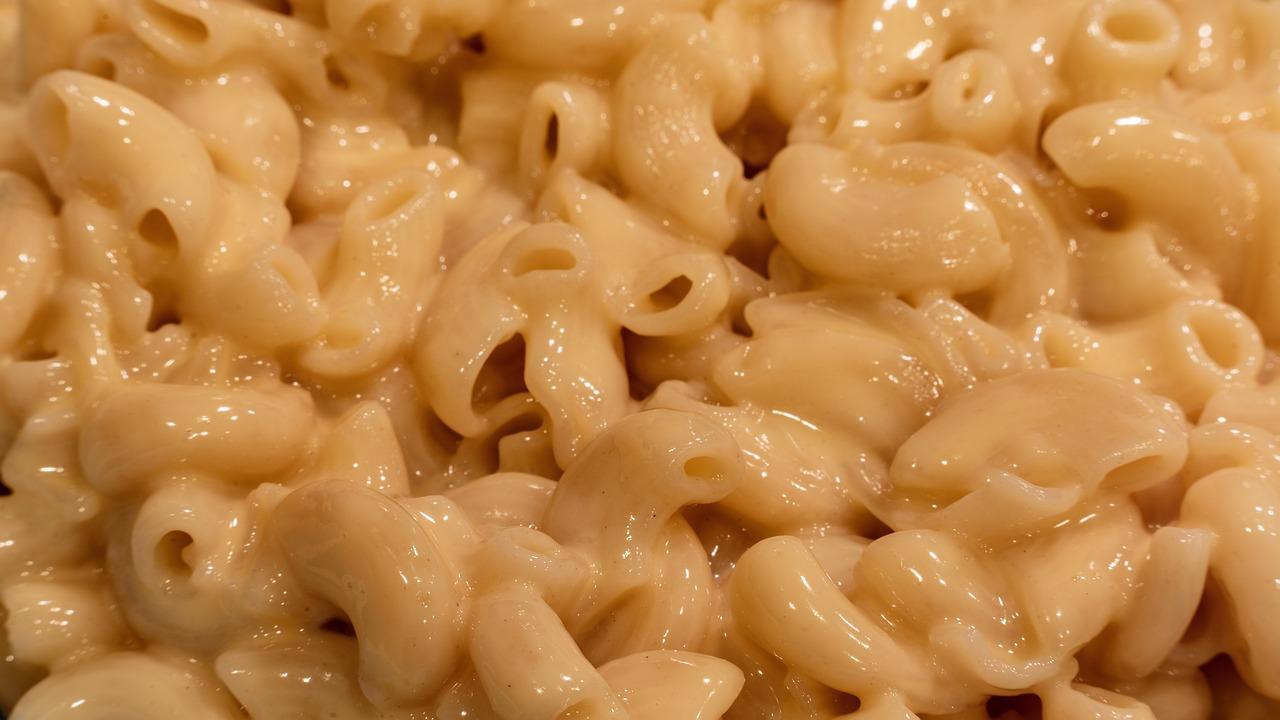
Stuvade makaronerCreamy macaroni

Stuvade makaroner is a Swedish childhood classic, cooked on weekday evenings all over the country: small macaroni simmered in milk with butter and a grating of nutmeg until thick and creamy, served beside meatballs, sausages or, for a vegetarian plate, fried halloumi or eggs and a spoonful of lingonberries. It is mild, comforting and made in one pan. The most common mistake is cooking on too high a heat, so the milk catches and burns on the bottom; keep it at a gentle simmer and stir often. Chef's tip: boil the macaroni in water for 3 minutes first, then finish in the milk, so it cooks evenly without the sauce turning gluey.

by KrazyBadal 0 views

Moroccan bachkoutouOrange and sesame dunking biscuits

Moroccan grandmothers bake bachkoutou by the trayful and keep them in big tins for the afternoon glass of sweet mint tea, and neighbourhood ovens in Fes and Casablanca bake them for families who bring their dough. These are dry, crunchy little biscuits, not rich at all, made with eggs, sugar and oil rather than butter, with orange zest and a coating of toasted sesame; they are meant to be dunked until they soften slightly. Shapes vary from town to town: fingers, rings and rope twists are all common, and some cooks add aniseed. Too much flour is the easy mistake: the dough should stay soft and slightly sticky, or the biscuits bake heavy and hard rather than crisp and light. Chef's tip: once they are cold, put them back in a warm, switched-off oven for 20 minutes; that extra drying is what makes them keep their snap for weeks.

by KrazyBadal 0 views

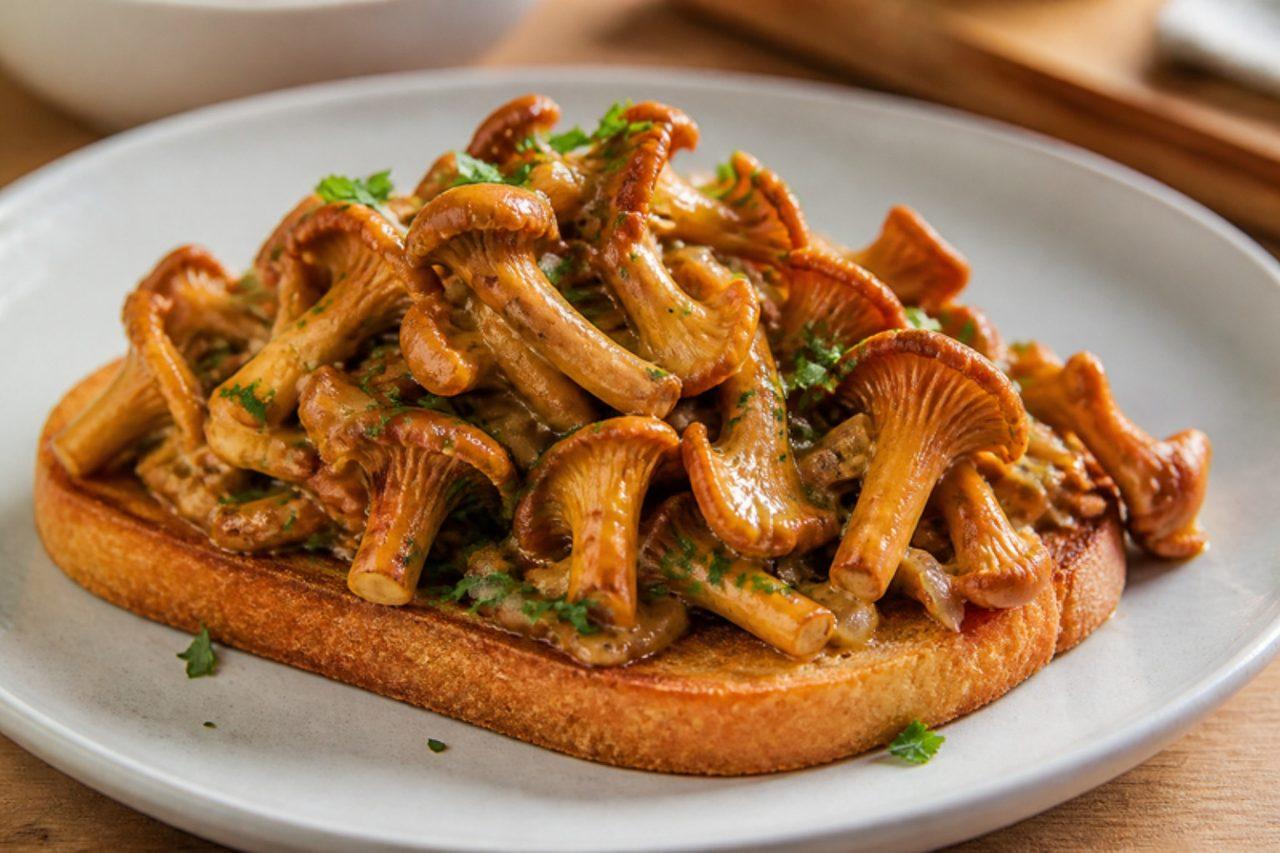
KantarelltoastChanterelle toast

Kantarelltoast is the dish Swedes wait all year for: in August and September, after a day picking golden chanterelles in the forests from Småland to Norrland, they fry them in butter with shallot, add a splash of cream and pile them on toast for a quick supper or starter. The mushrooms are peppery and almost apricot-scented, and the cream turns them silky. If you forage, only eat mushrooms you are certain of; shop-bought chanterelles are safest. The most common mistake is washing chanterelles under the tap, which makes them soggy; brush them clean and dry-fry them first to drive off their water. Chef's tip: a little grated Västerbotten-style hard cheese on top is classic, but check it is made with vegetarian rennet.

by KrazyBadal 0 views

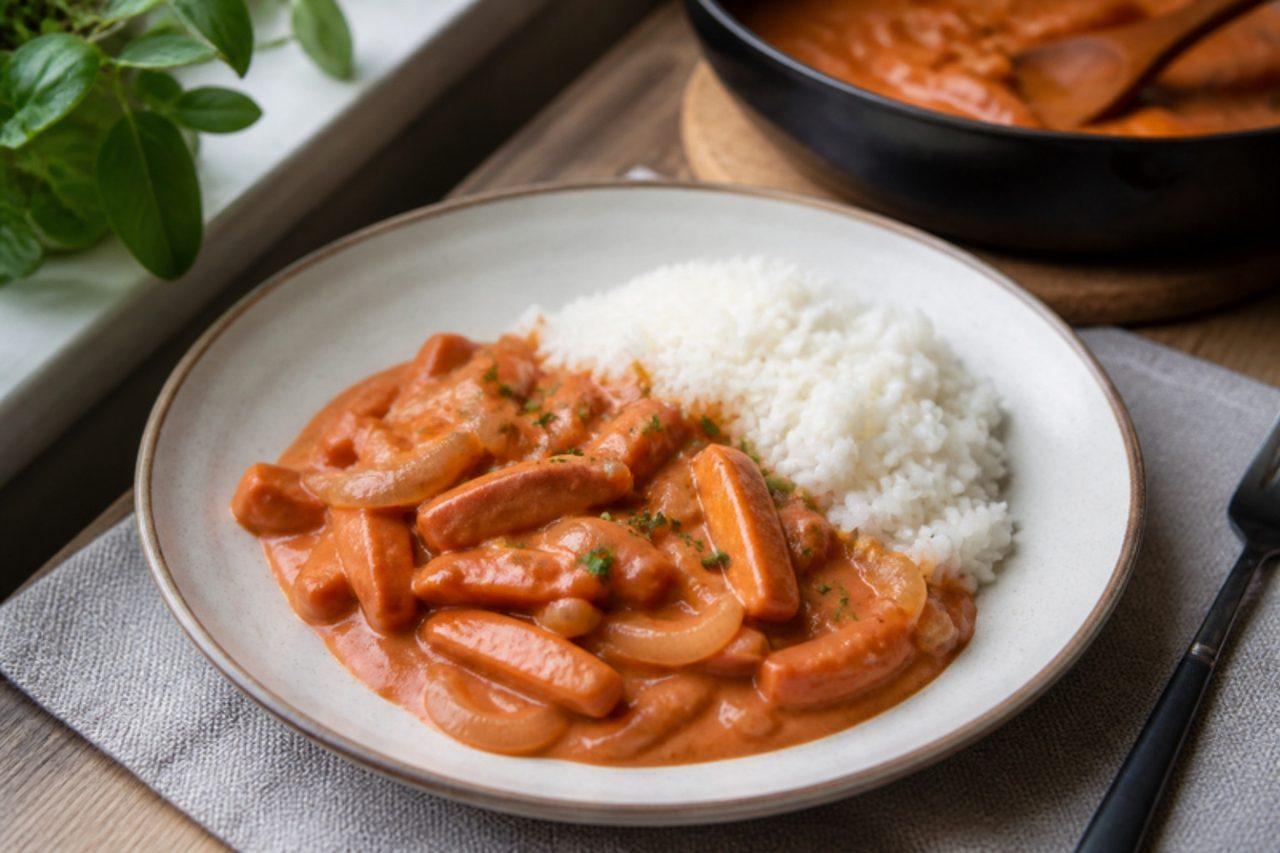
Korv StroganoffSausage in tomato cream sauce

Korv Stroganoff is Swedish family food from the 1970s that children still ask for: strips of falukorv, a mild, smooth pork-and-beef sausage, browned with onion and simmered in a pink sauce of tomato purée, mustard and cream. It is a 25-minute weeknight dinner across Sweden, served over boiled rice with a grated carrot or cucumber salad. Falukorv is already cooked, so it only needs heating until piping hot; the common mistake is boiling the cream sauce hard, which can split it and toughen the sausage. Check the sausage label if you need it gluten free; Polish kielbasa or a mild smoked sausage works if you can't find falukorv. Chef's tip: brown the sausage strips properly before adding liquid, because that caramelised edge is where the flavour comes from.

by KrazyBadal 0 views

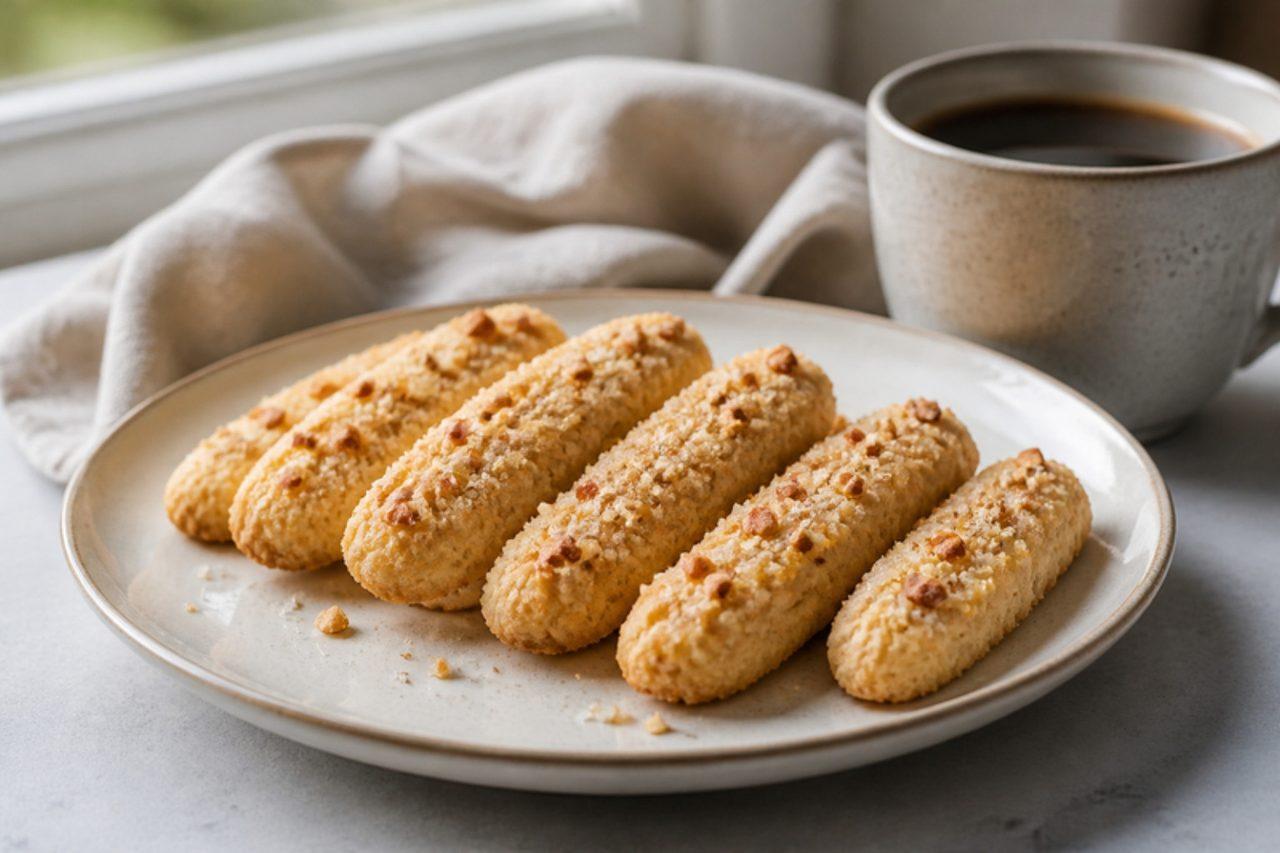
Finska pinnarAlmond butter fingers

Despite the name, 'Finnish sticks' are a Swedish fika favourite, one of the classic 'seven kinds of cookies' that a proper Swedish host once laid out for coffee guests. The dough is rich and short, flavoured with ground almonds; it is rolled into ropes, brushed with beaten egg and coated in crunchy pearl sugar and chopped almonds, then cut into fingers. They are quick, need no cutters, and look neat on a plate with cinnamon buns and a pot of coffee. The egg is only the glue for the topping; brushing with milk works too if you want them egg-free. Chef's tip: cut the ropes into fingers before baking, with one decisive press of a sharp knife; sawing tears the soft dough and knocks off the sugar.

by KrazyBadal 0 views

RieskaPotato and barley flatbread

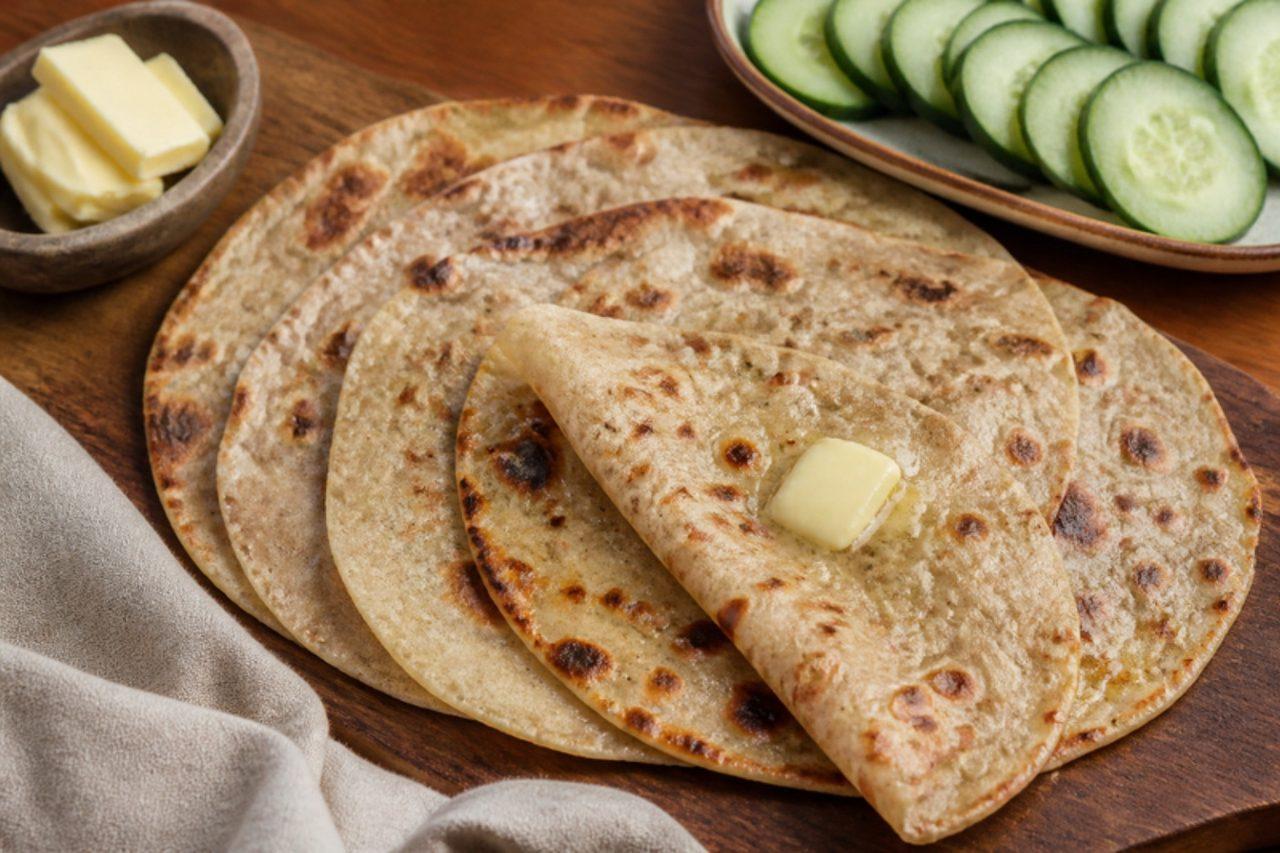
Ten minutes in a very hot oven is all rieska needs, which is why Finnish cooks in Lapland and Ostrobothnia have long baked it on the spot whenever there were cold boiled potatoes in the larder. This version, perunarieska, is unleavened: mashed potato bound with barley flour, rolled thin and baked until speckled brown. It is soft and slightly chewy, with an earthy barley flavour, and is best eaten straight from the oven with plenty of butter melting into it, perhaps with cheese and cucumber or a bowl of soup. Barley gives it the traditional taste but means it is not gluten free. Using warm potatoes is the common mistake; they soak up far more flour and the rieska turns tough. Chef's tip: prick the rounds all over with a fork before baking so they stay flat, then stack them under a cloth as they come out to keep them soft.

by KrazyBadal 0 views

LimpaSweet orange and fennel rye loaf

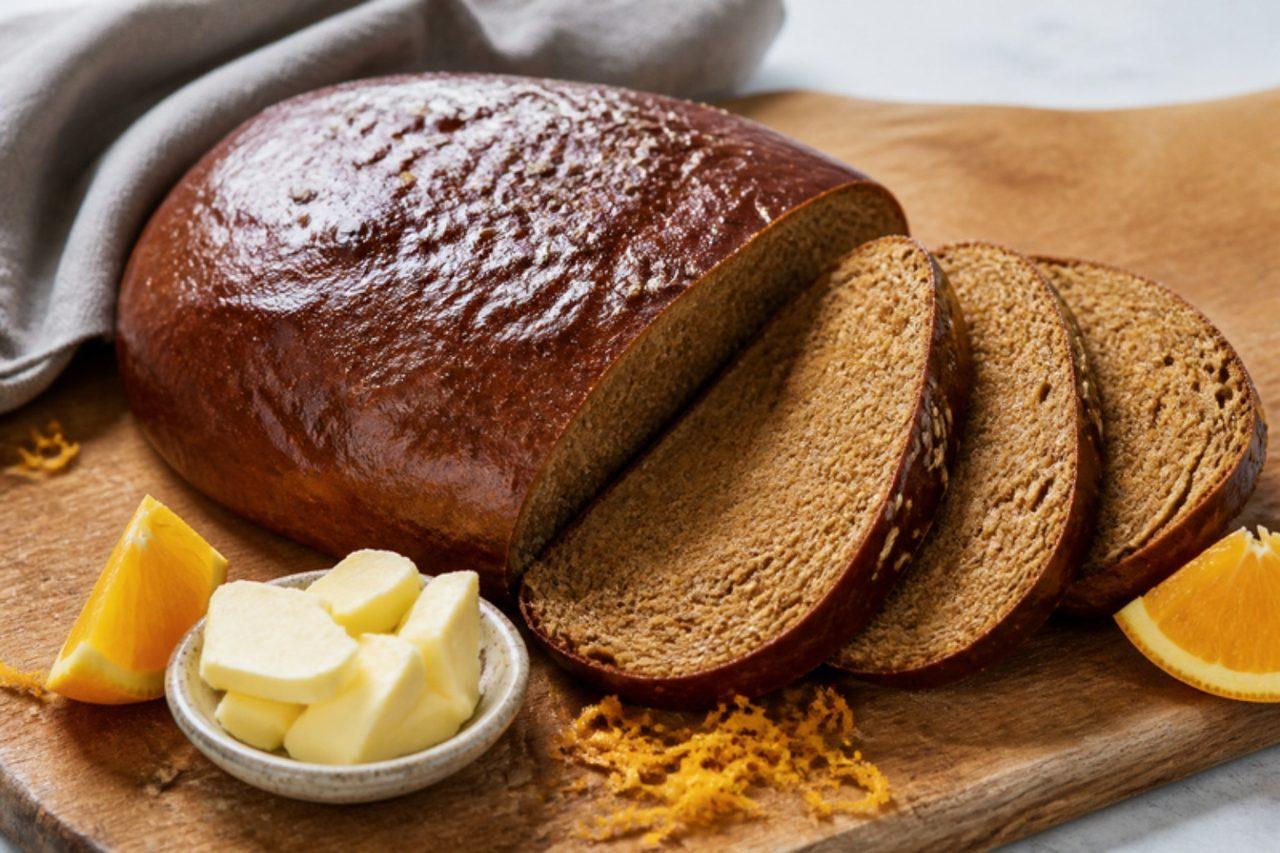
Sweet, fragrant and a little dark, limpa is the soft rye loaf that Swedes slice thinly for breakfast and stack high on the Christmas julbord. Dark syrup gives it a gentle sweetness and a deep brown crumb, while orange zest, fennel and anise make the whole kitchen smell festive. The Christmas version, vörtlimpa, is made with wort or dark beer; this everyday loaf uses milk instead, so there is no alcohol. Eat it with butter and a sharp aged cheese, with marmalade, or with pickled beetroot and egg on the smörgåsbord. Rye dough is sticky by nature, and working in extra flour until it feels like wheat dough is the classic mistake that bakes a heavy brick; oil your hands instead. Chef's tip: brush the loaves with syrup and water the moment they come out of the oven, which gives them their soft, glossy, slightly sticky crust.

by KrazyBadal 0 views

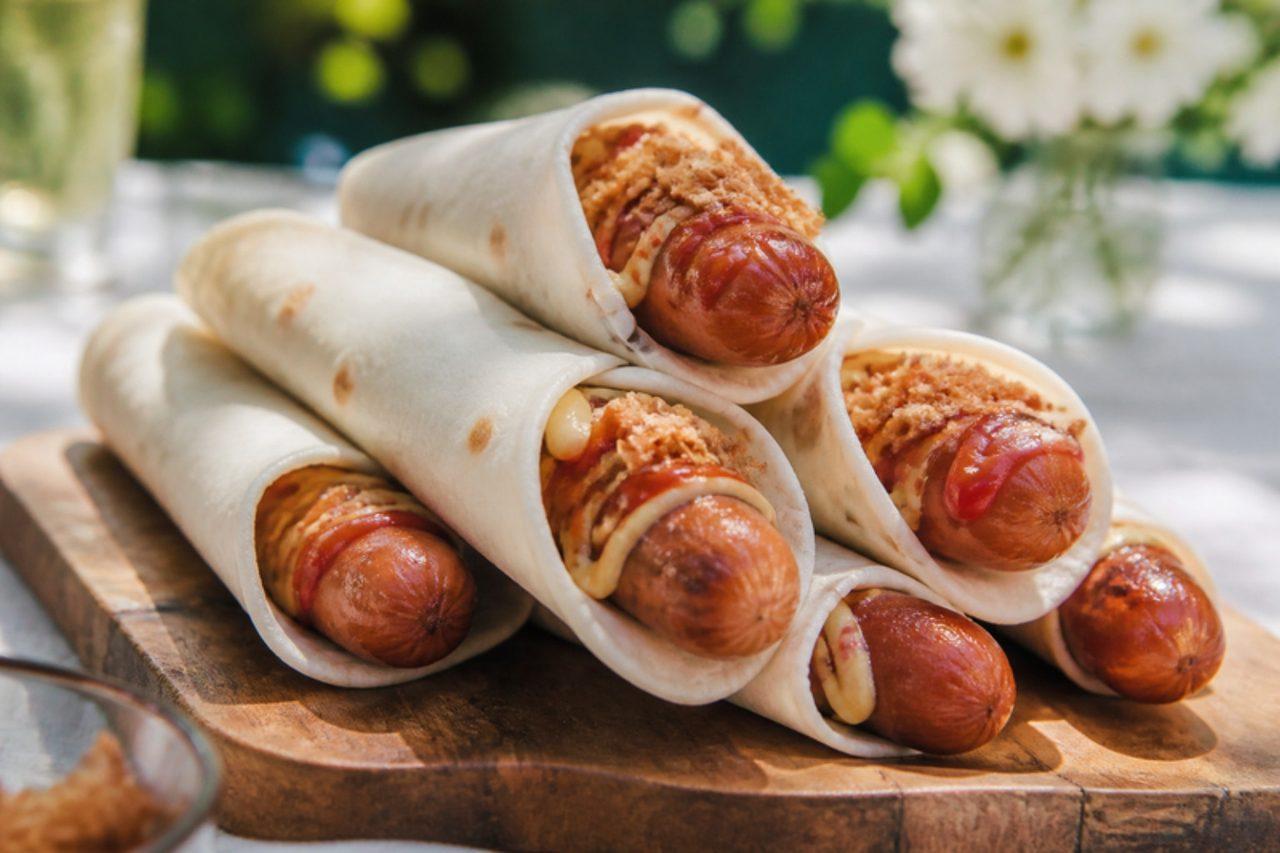
Hot dogs in lompe (pølse i lompe)

On 17 May, Norway's Constitution Day, children parade with flags and then queue for pølse i lompe: a hot sausage wrapped in a soft, thin potato flatbread instead of a bun, with ketchup, mustard and sometimes crisp onions. The same snack turns up at every football tournament and birthday. Home-made lompe take a little time but freeze well; this recipe makes 8. It contains gluten and milk. Chef's tip: mash the potatoes while hot and let the dough cool completely before kneading in the flour, or it turns gluey.

by KrazyBadal 0 views

Välling (Swedish oat and milk drink)

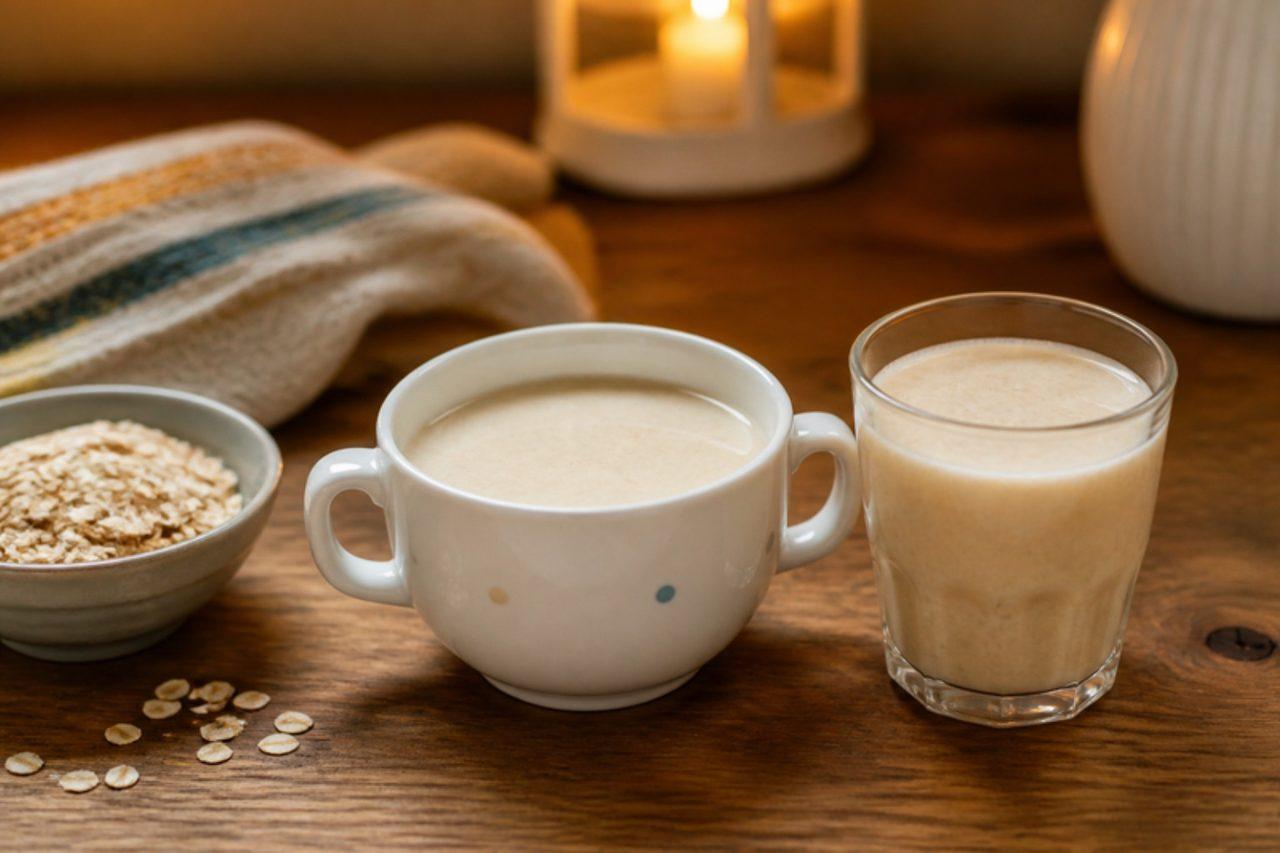
Välling, a thin gruel of cereal and milk, has been the Swedish child's bedtime drink for generations, and many families still make their own for toddlers once they move on to cow's milk at around a year old. It is smooth, warm and lightly oaty, with no added sugar or honey. It contains milk and gluten (oats are often processed with wheat; use certified gluten-free oats if needed); there is no egg, nuts, soya, sesame or fish. Chef's tip: blend the oats to a fine flour first, so the drink is silky and flows easily from a beaker.

by KrazyBadal 0 views

Matpakke (Norwegian packed lunch)

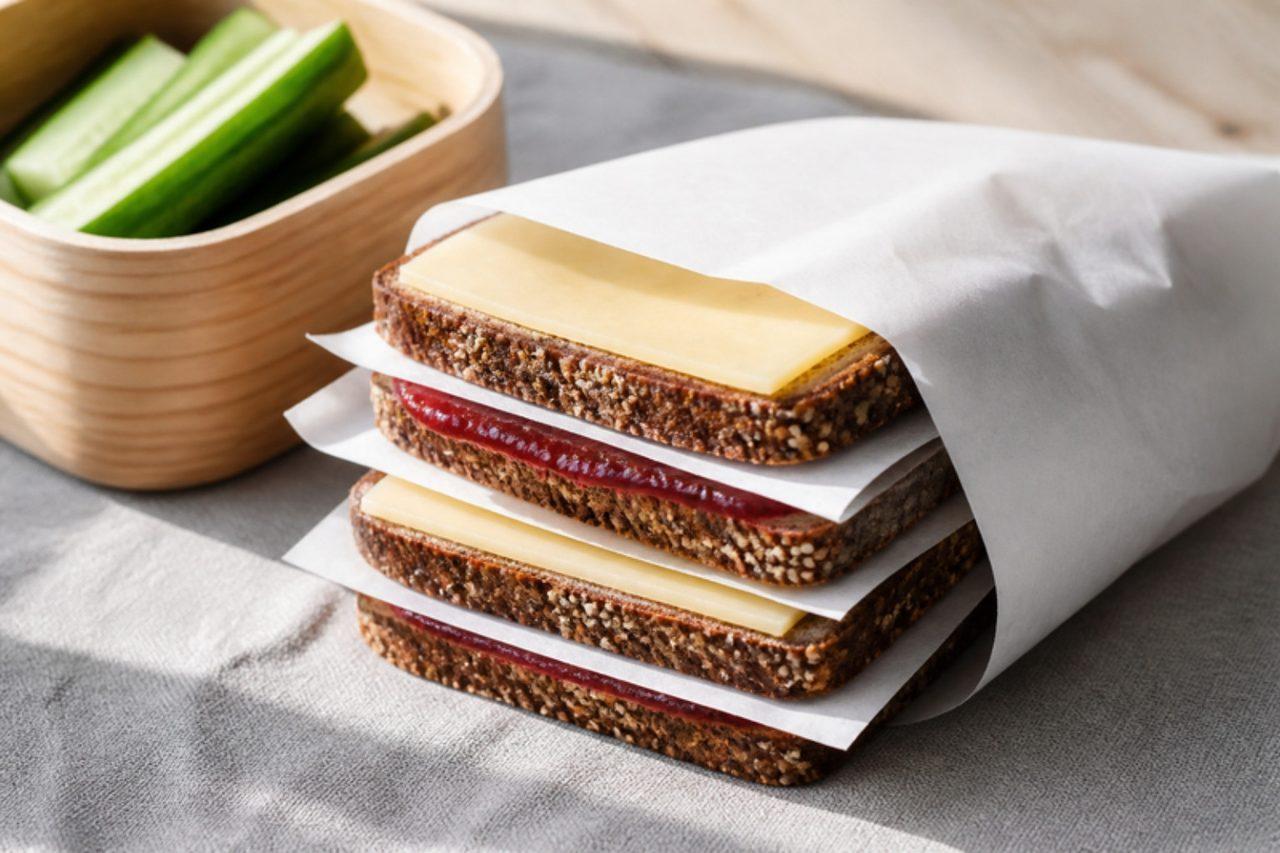
Nearly every Norwegian child carries a matpakke to school: slices of wholemeal bread, each with one simple topping, stacked with sheets of sandwich paper in between and wrapped in a neat parcel. Yellow cheese, sweet caramel-like brown cheese (brunost) and jam are the classics, with cucumber or pepper sticks on the side; liver paste is the meaty favourite. It is plain, filling and built to survive a school bag. It contains gluten (wheat) and milk. Chef's tip: keep wet toppings like tomato out of the stack; they make the bread soggy by lunchtime.

by KrazyBadal 0 views

Bløtkake (Norwegian cream cake)

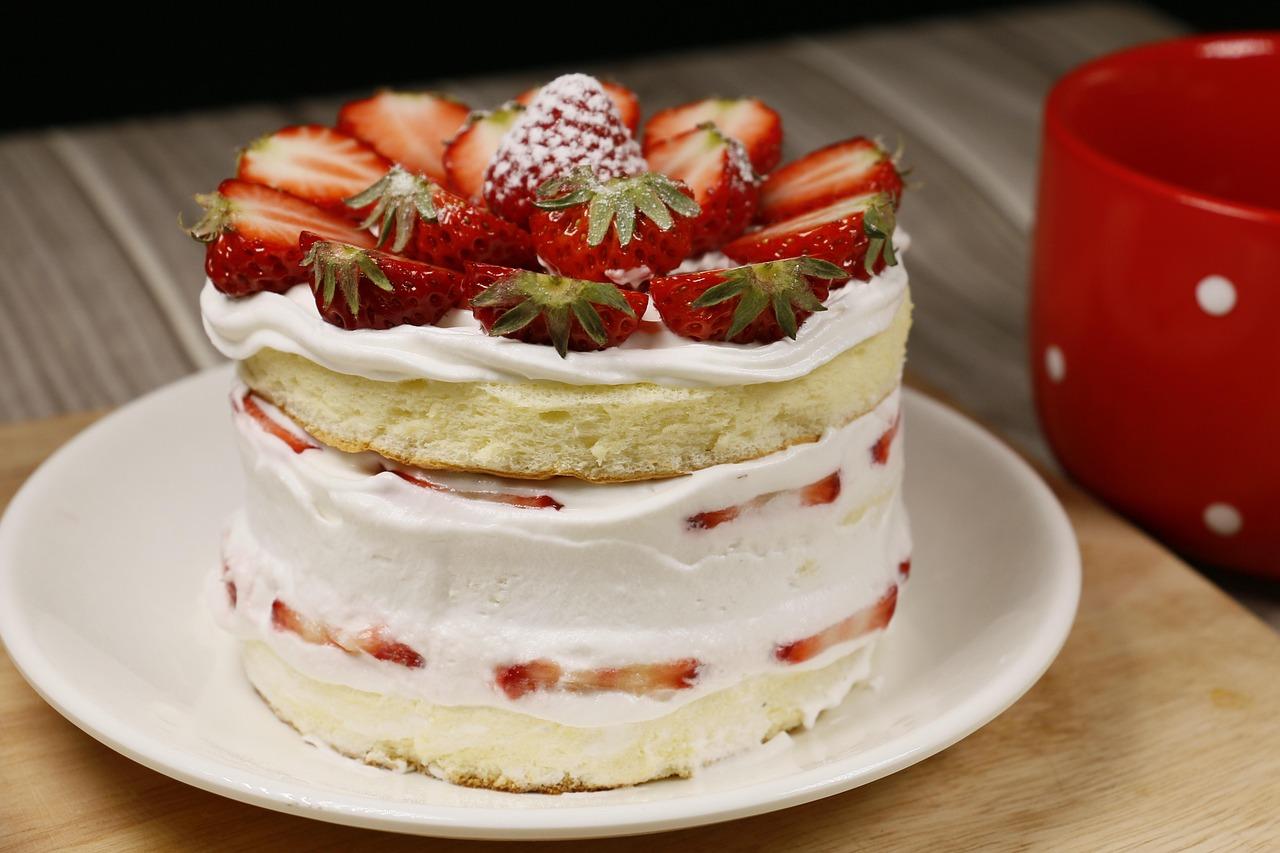
Bløtkake, 'soft cake', is what Norwegian families bake for children's birthdays, confirmations and above all 17 May, Constitution Day, when it is decorated with strawberries and blueberries. A light sponge is split into three, moistened with juice and layered with whipped cream and berries until it is soft enough to cut with a spoon. It contains egg, milk and gluten. For small children, quarter blueberries and halve strawberries. Chef's tip: assemble it at least four hours ahead; the cake needs time to soak and soften.

by KrazyBadal 0 views

Fiskegrateng (Norwegian fish and macaroni gratin)

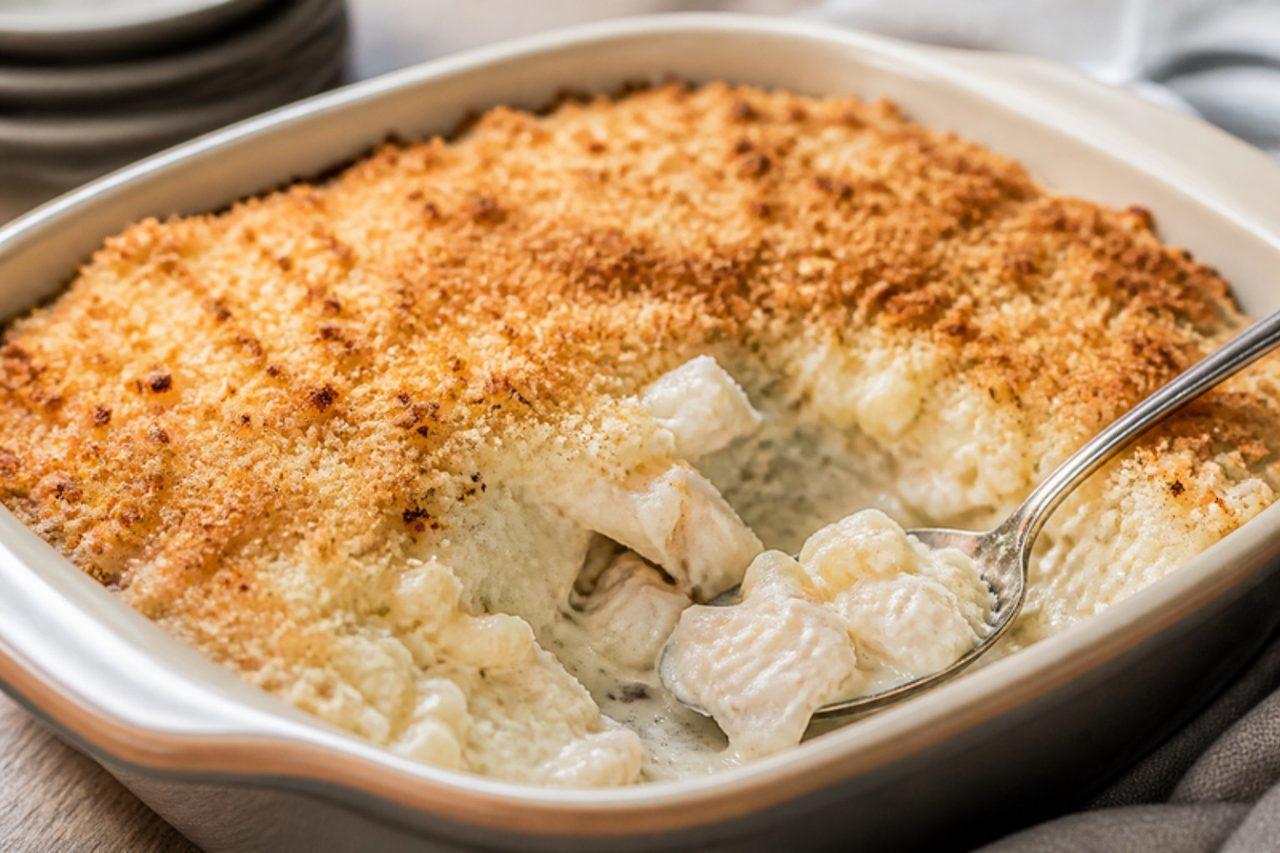
Fiskegrateng, a baked gratin of flaked white fish and macaroni in a thick nutmeg-scented white sauce, is classic Norwegian family food and a favourite way to get children to eat fish, served with grated raw carrot on the side. It is soft, creamy and mild, with a crisp crumb on top, and this version uses no added salt for toddlers from a year old. It contains fish, milk, egg and gluten (pasta, flour and breadcrumbs). Chef's tip: let the white sauce cool a little before whisking in the egg yolks, so they thicken it smoothly instead of scrambling.

by KrazyBadal 0 views

Fiskeboller i hvit saus (fish balls in white sauce)

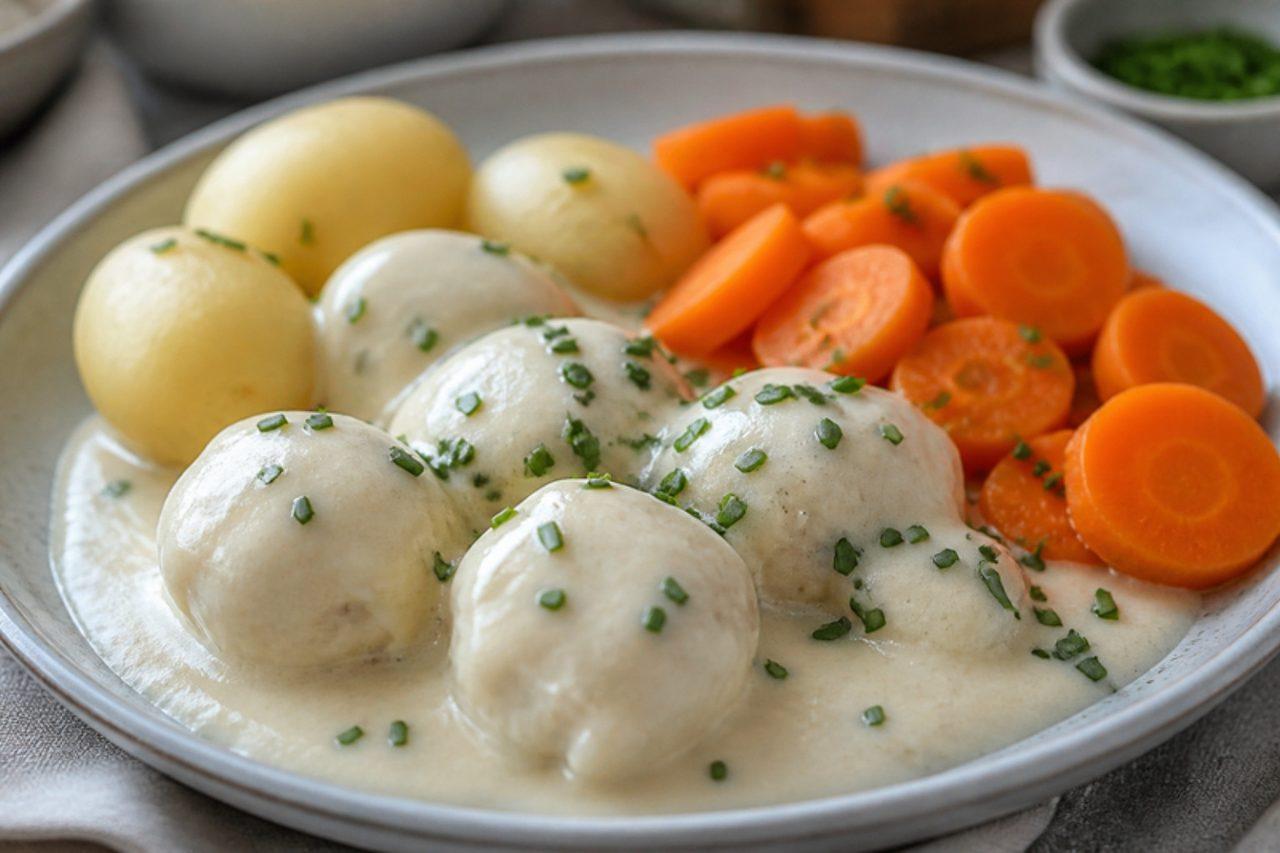
Fiskeboller i hvit saus, pale, pillowy fish balls in a white sauce with carrots and boiled potatoes, is the gentle midweek dinner of Norwegian childhood. Making the fish balls at home means you control the salt and can be sure every bone is out: they are just white fish, milk, potato starch and a little nutmeg, poached until soft and springy. It contains fish, milk and gluten (wheat flour in the sauce). Chef's tip: keep the fish and milk cold while blending, and the fish balls come out light rather than rubbery.

by KrazyBadal 0 views

Kagemand (Danish birthday cake man)

In Denmark, no child's birthday is complete without a kagemand or kagekone: a big cake shaped like a boy or girl, made from soft, cardamom-scented yeast pastry filled with vanilla custard and remonce, then iced and decorated with sweets and Danish flags. The birthday child traditionally cuts the head off first while everyone shrieks. It contains milk, egg and gluten. Chef's tip: draw the figure on baking paper first and shape the dough on top, so arms and legs stay in proportion.

by KrazyBadal 0 views

Showing 24 of 360 recipes

Show more recipes

Page 1 of 15