Skip to content
Recipes

All recipes

Vegetarian, or something you can't eat? Set your diet once and we'll hide recipes that don't fit.

Chipa so'oCheese bread with spiced beef

In Paraguay, families bake chipa in the clay tatakua ovens on Holy Wednesday so there is food for Thursday and Good Friday, when cooking stops. Chipa so'o ('chipa with meat') is a cassava-starch and cheese bread wrapped around a little filling of minced beef cooked with onion and egg, then baked until crisp outside and chewy within. It is naturally gluten free. Chef's tip: knead the dough until it no longer cracks at the edges when pressed; dry dough splits around the filling.

by KrazyBadal 0 views

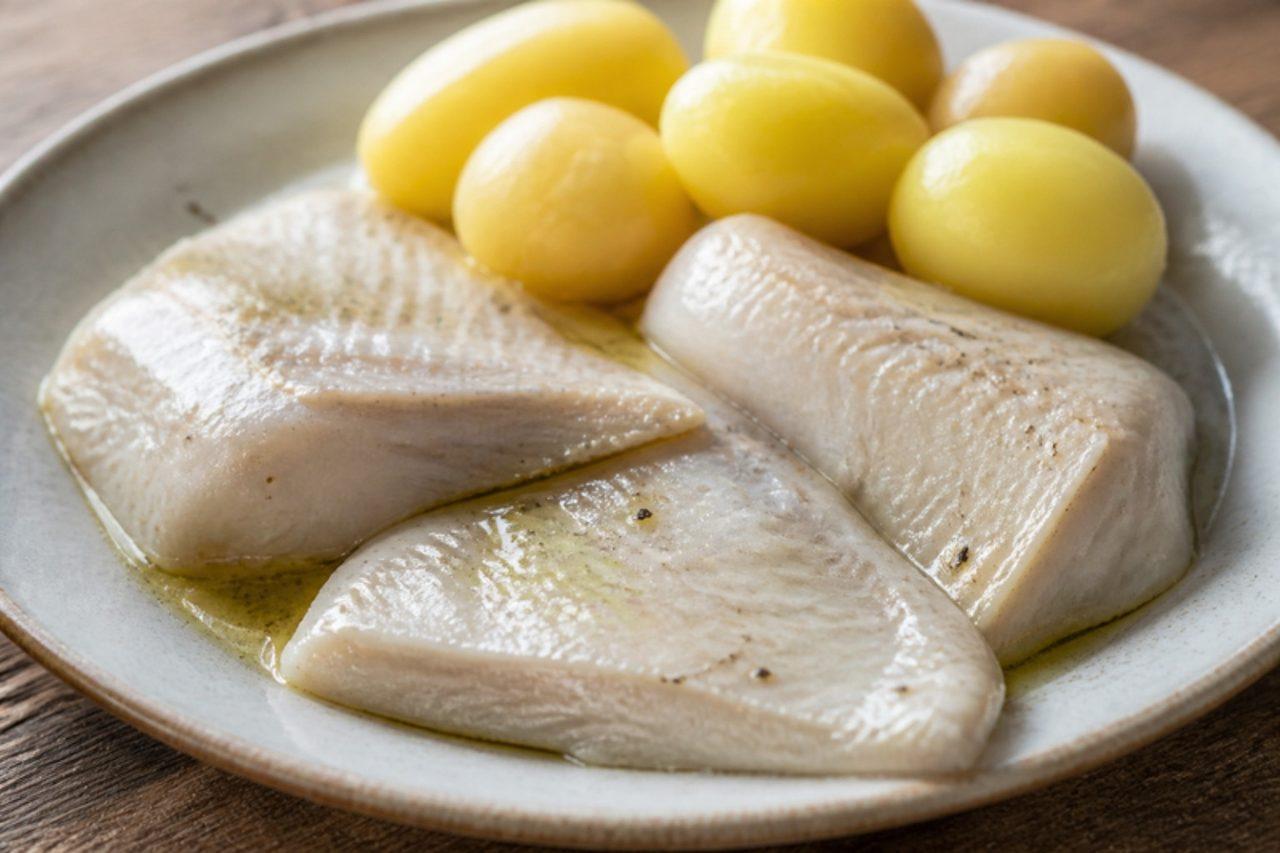
Kæst skataFermented skate

St Thorlak's Day (Þorláksmessa), 23 December, honours Iceland's patron saint, and in the Westfjords and now across the country it is the day for kæst skata: fermented skate, boiled and eaten with potatoes and melted, salty sheep's tallow (hamsatólg) or butter. Its ammonia smell is famous, which is why many families cook it in the garage or eat at a restaurant, then have it the next day as a bracing start to Christmas. Buy skate already fermented from an Icelandic fishmonger; don't try to ferment it at home. Chef's tip: cook it in a lidded pot with a window open, and boil the potatoes in a separate pot.

by KrazyBadal 0 views

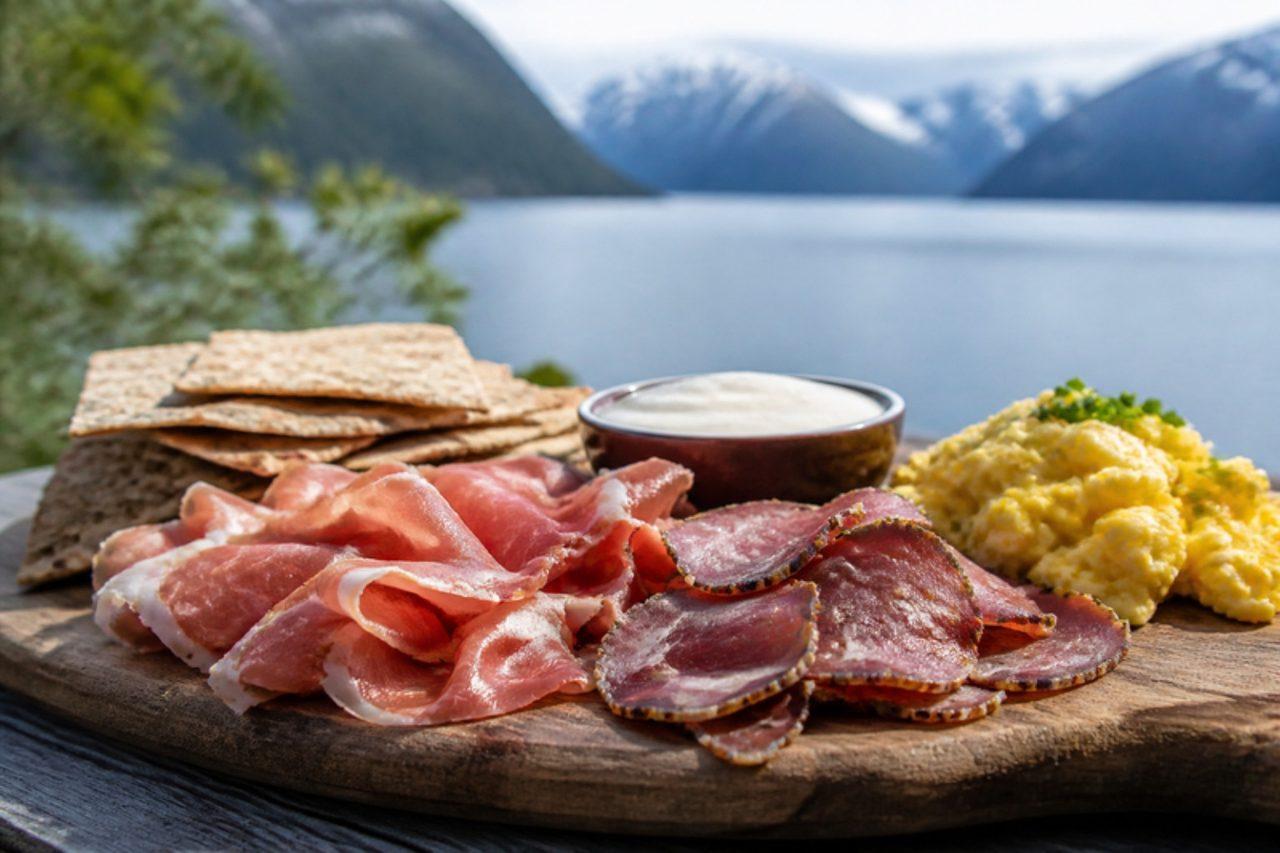
SpekematCured meat platter

Spekemat is the Norwegian summer celebration table: on 17 May, at confirmations and on light Midsummer evenings at the cabin, platters of thin-sliced cured meats come out with crisp flatbrød, soft lefse, sour cream (rømme), scrambled eggs and cucumber salad. The classics are fenalår (salt-cured, air-dried leg of lamb), spekeskinke (cured pork ham) and morr or other cured sausage. All are bought ready cured and are not cooked, so the platter is not for pregnant women, young children or anyone with a weakened immune system; keep the meats chilled and put them out no more than 2 hours before eating. For a safer version for those guests, serve slices of cooked ham and roast lamb instead. Chef's tip: slice the meat as thin as paper, across the grain, and let it sit out for 15 minutes before serving so the fat softens and the flavour comes through.

by KrazyBadal 0 views

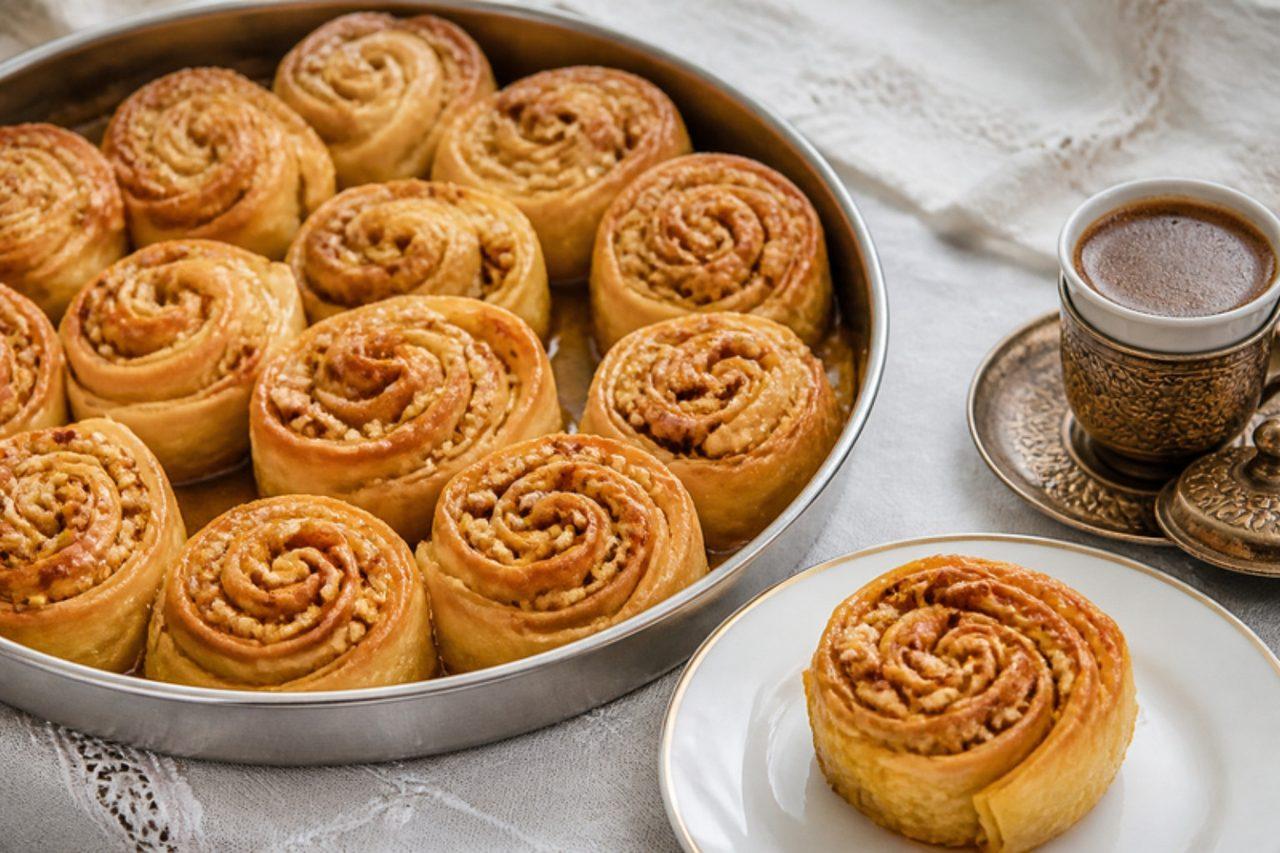
RužiceWalnut pastry roses in syrup

Ružice, meaning 'little roses', are baked for Bajram in Bosnia and Herzegovina, the Eid holidays when trays of syrup-soaked sweets are set out for every guest. Thin sheets of pastry are brushed with butter, scattered with walnuts and rolled up, then sliced so each piece opens like a rose in the oven. The baked roses drink up a cold lemon syrup and turn sticky, crisp on top and soft underneath. Chef's tip: pour cold syrup over hot pastry (or hot over cold), never both the same temperature, or the roses go soggy.

by KrazyBadal 0 views

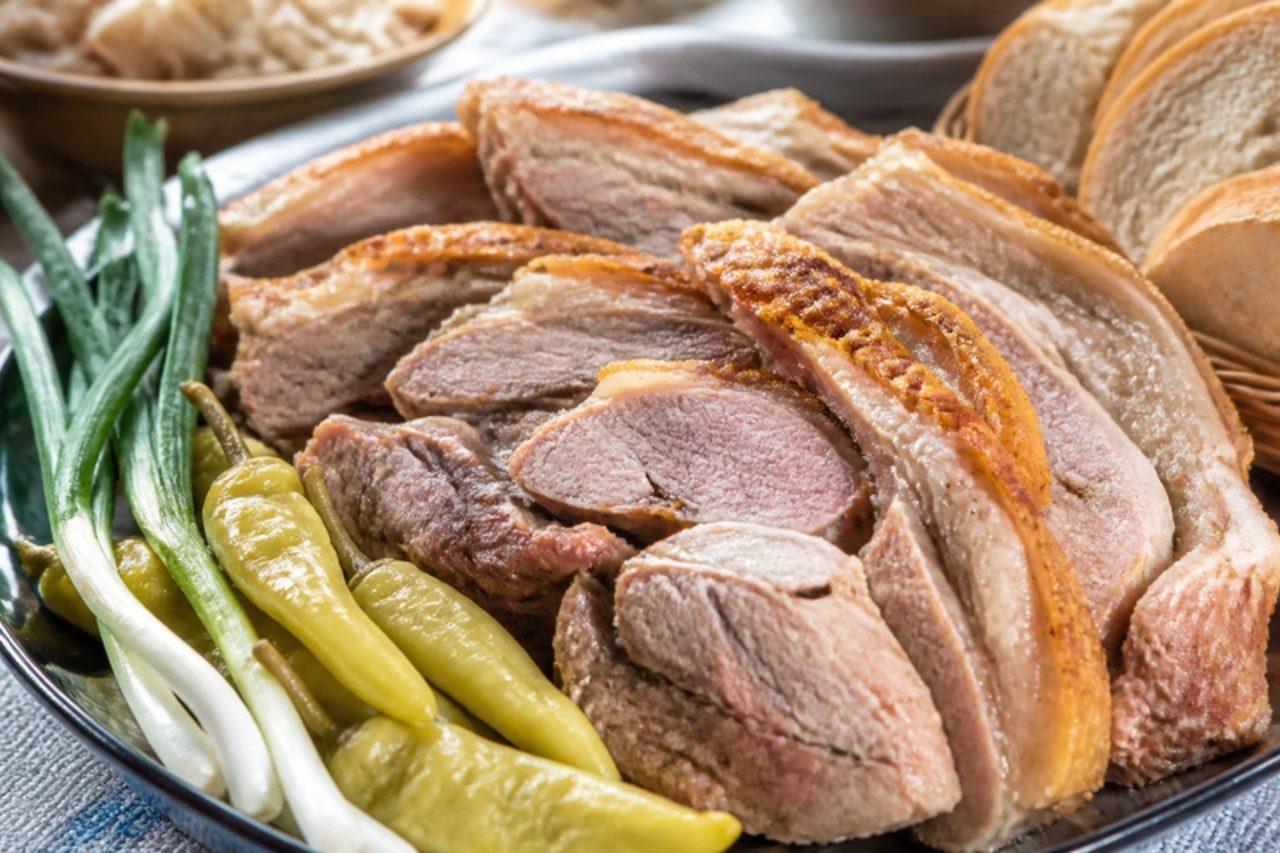
PečenicaRoast pork

Pečenica is the Christmas Day roast of Serbia and Montenegro: traditionally a whole young pig turned on a spit in the yard from early morning, so that it is ready when the family returns from church and greets each other with 'Hristos se rodi'. This home recipe follows our site's approach of using carved portions rather than a whole animal: bone-in pork shoulder pieces with the skin on are rubbed with salt and slow-roasted until the meat is tender and the skin crackles like the spit-roast. Serve with česnica bread, pickled vegetables and roasted potatoes. Chef's tip: baste the skin with beer, or with cold water for an alcohol-free version, near the end; it helps the crackling blister.

290 minBalkanMeatGluten free
by KrazyBadal 0 views

MatjessillMatjes herring with potatoes

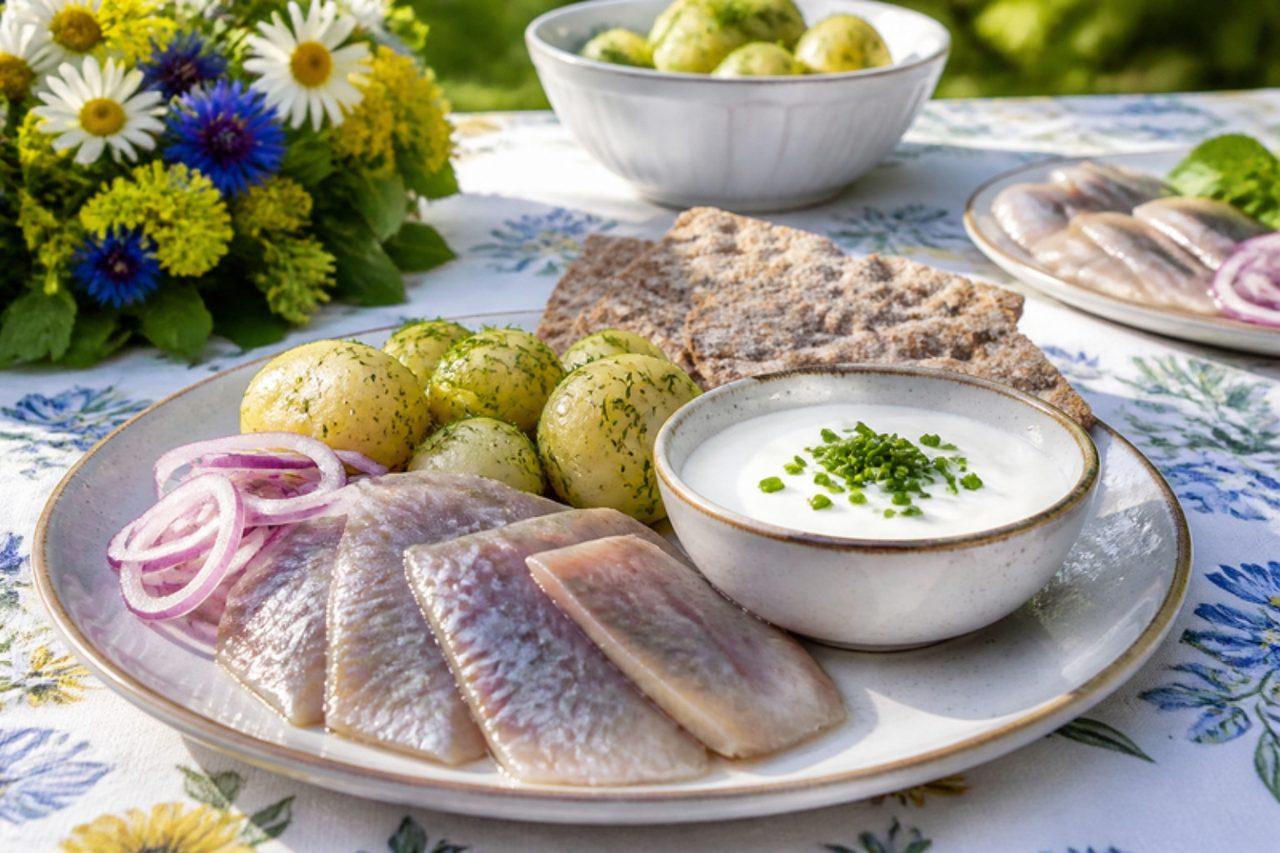
No Swedish Midsummer table is complete without sill, and matjessill, the mild, sweet-cured herring, is the favourite: it is laid out on the long table in the garden with gräddfil (sour cream), chopped chives, red onion and a bowl of steaming new potatoes boiled with crown dill. Everyone eats it with crispbread and a little cheese before the strawberries. The herring is bought ready cured in jars or tins, so the only cooking is the potatoes. Cured herring is not cooked, so it is not for pregnant women, young children or anyone with a weakened immune system; buy it from a chilled, sealed pack, keep it in the fridge and serve it within its use-by date. For a safer, cooked option, serve the same plate with hot-smoked or pan-fried fresh herring, cooked until opaque and flaking. Chef's tip: drain the herring well and pat it dry so its brine does not water down the sour cream.

by KrazyBadal 0 views

JordgubbstårtaStrawberry cream layer cake

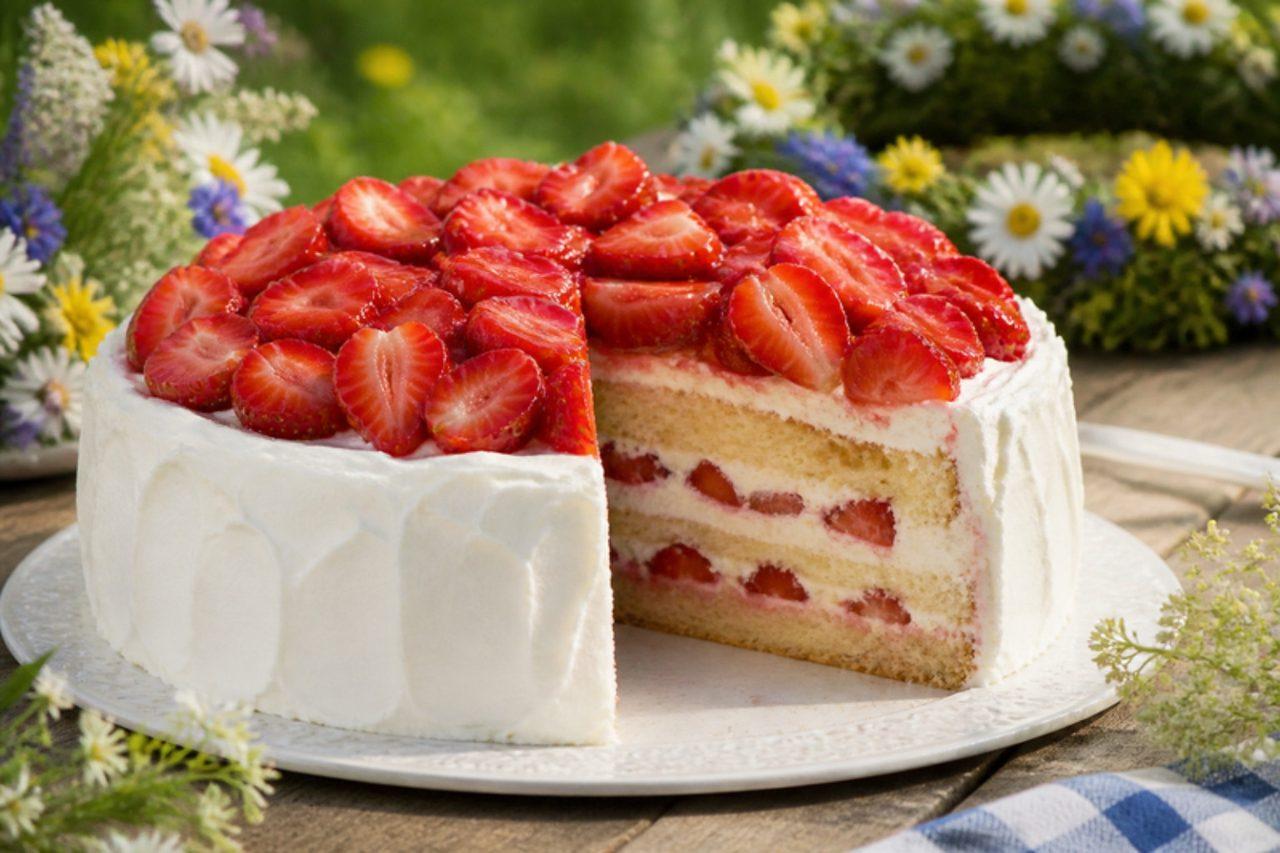
On Midsummer Eve in June, Swedes dance round the maypole in the countryside, eat herring and new potatoes, and finish with the first Swedish strawberries of the year, very often in a Jordgubbstårta. It is a light sponge split into three layers and filled with vanilla custard, whipped cream and sliced strawberries, then covered in more cream and crowned with whole berries. Make the sponge and custard the day before so you only assemble it on the day. Chef's tip: beat the eggs and sugar until really thick and pale; the air in the eggs is the only thing that makes this sponge rise.

by KrazyBadal 0 views

MuurinpohjalettuGriddle pancakes

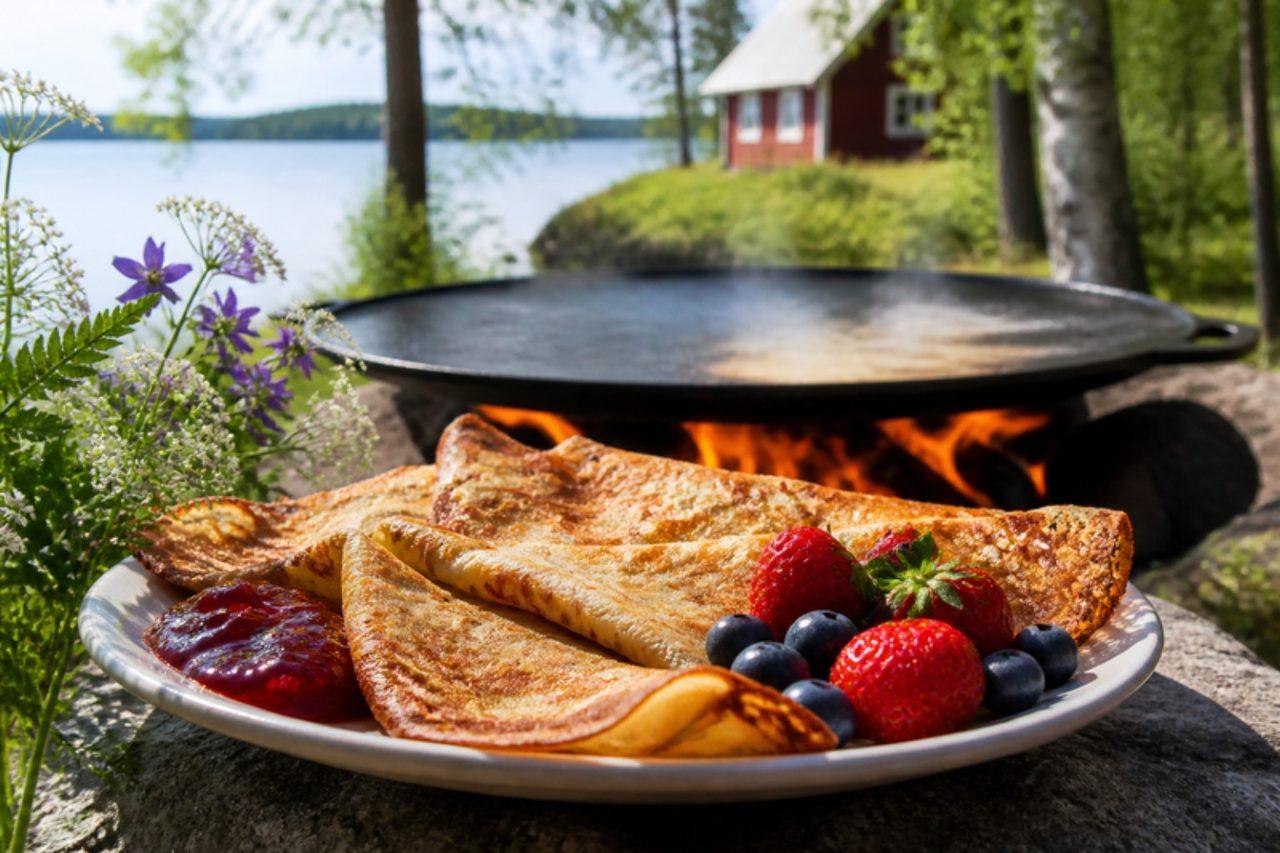
At Juhannus, Finnish Midsummer, families head to their lakeside cottages, light bonfires and fire up the muurinpohja, a wide, shallow cast-iron pan set over a wood fire, to cook huge, thin pancakes. Muurinpohjalettu are lacy and crisp at the edges, soft in the middle, and are eaten straight from the pan with strawberry jam, sugar or whipped cream, often after the sauna. At home a large frying pan or crêpe pan works well. Chef's tip: let the batter rest for 30 minutes; the flour soaks up the milk and the pancakes stop tearing.

by KrazyBadal 0 views

Slavski kolačDecorated ceremonial bread

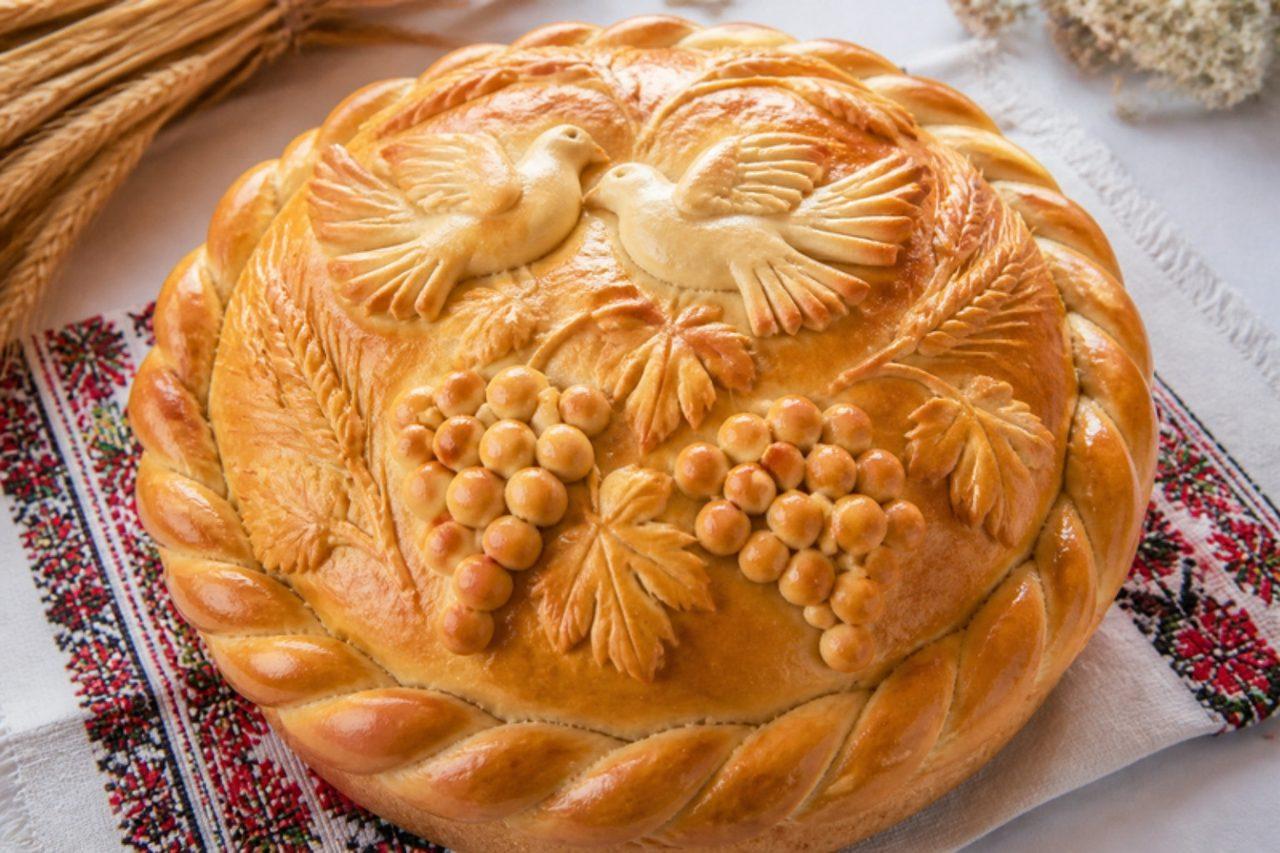
The slava is a uniquely Serbian Orthodox custom: each family honours its own patron saint on that saint's feast day, passed from father to son, with a lit candle, boiled wheat (žito) and the slavski kolač, a round, decorated bread. The priest blesses it; the family turns it, cuts a cross into its base, pours a little wine into the cuts, and breaks it together. It is decorated with dough crosses, the seal 'IC XC NI KA', doves, wheat ears and grapes. It is a plain, vegan bread. Chef's tip: keep the decorations' dough a little stiffer than the loaf, so they hold their shape.

110 minBalkanBakingVegan
by KrazyBadal 0 views
PincaEaster sweet bread

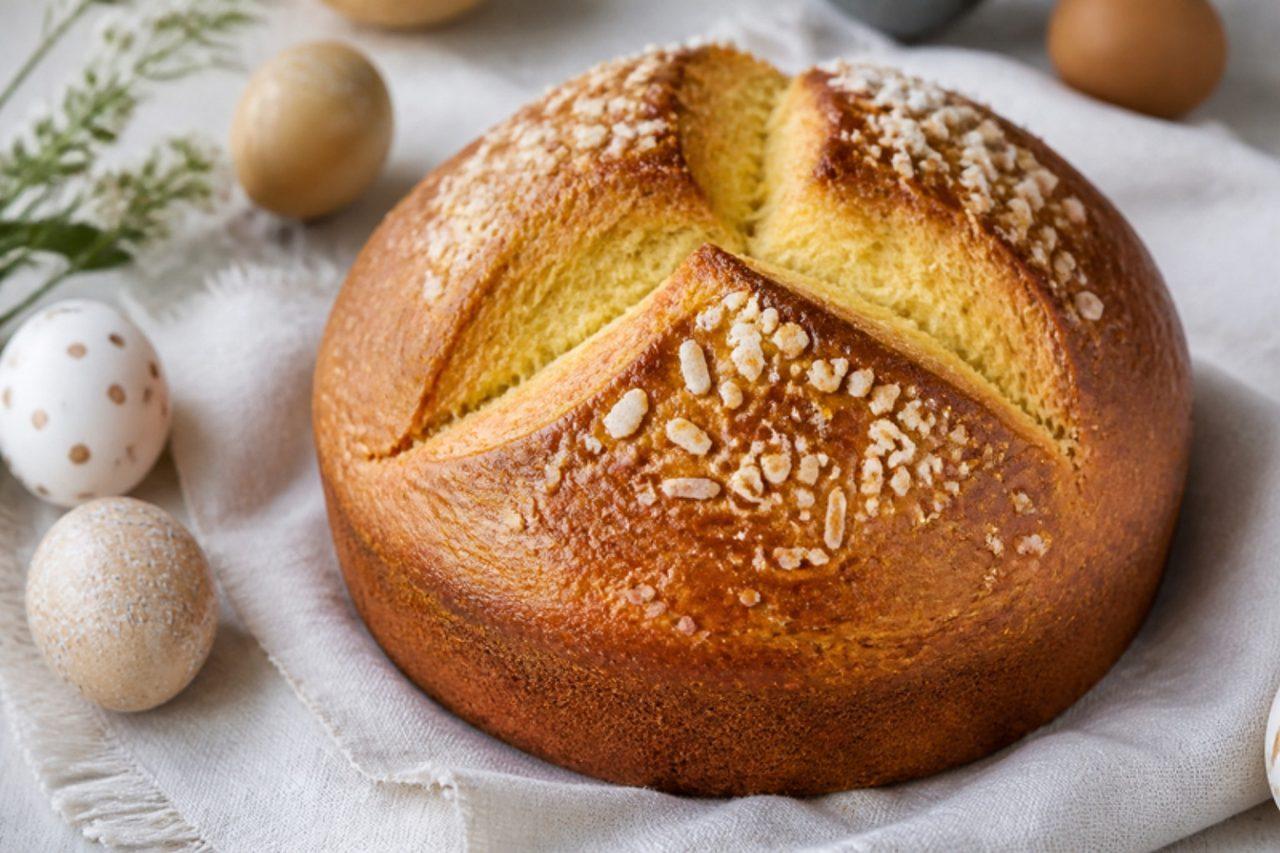
Pinca (or sirnica in Dubrovnik) is the Easter bread of Dalmatia and Istria in Croatia. It is a tall, golden round of rich yeast dough with egg yolks, butter, lemon and orange zest and vanilla, cut with three slashes on top before baking so it opens into a three-pointed cross. It is blessed at church on Holy Saturday with the Easter eggs and ham, and eaten at Easter breakfast. Old recipes add a spoon of rum or prošek wine; this one doesn't. Chef's tip: let the dough rise slowly, even overnight in the fridge, as pinca gets its tender, fragrant crumb from a long rise.

by KrazyBadal 0 views
KaguyjyWhite corn pudding

On the night of 23–24 June, Paraguayans celebrate San Juan with bonfires, games like walking over hot coals and the 'paso de fuego', and a table of traditional foods, and kaguyjy (also mazamorra) is one of them. It is a soft, creamy pudding of cracked white corn (locro) simmered slowly in water and then milk with sugar or honey, sometimes with orange peel. It is eaten warm or cold. It is gluten free. Chef's tip: soak the corn overnight and cook it until each kernel is tender before adding the milk, or it never turns creamy.

by KrazyBadal 0 views
Pajagua mascadaBeef and cassava patties

Pajagua mascada is a Paraguayan street-food classic that appears on every table for the San Juan festival on 24 June, when bonfires burn and the night is full of games and traditional food. Minced beef is mixed with mashed cassava, onion, garlic and a little egg and flour, shaped into flat patties and fried until crisp. The name comes from Guaraní and refers to the 'chewing' of old Paraguayan cooks, who made it from leftover meat. Chef's tip: dry the boiled cassava well and remove its woody core, which keeps the patties light and crunchy.

by KrazyBadal 0 views
Bakalar na bijeloSalt cod with potatoes and garlic

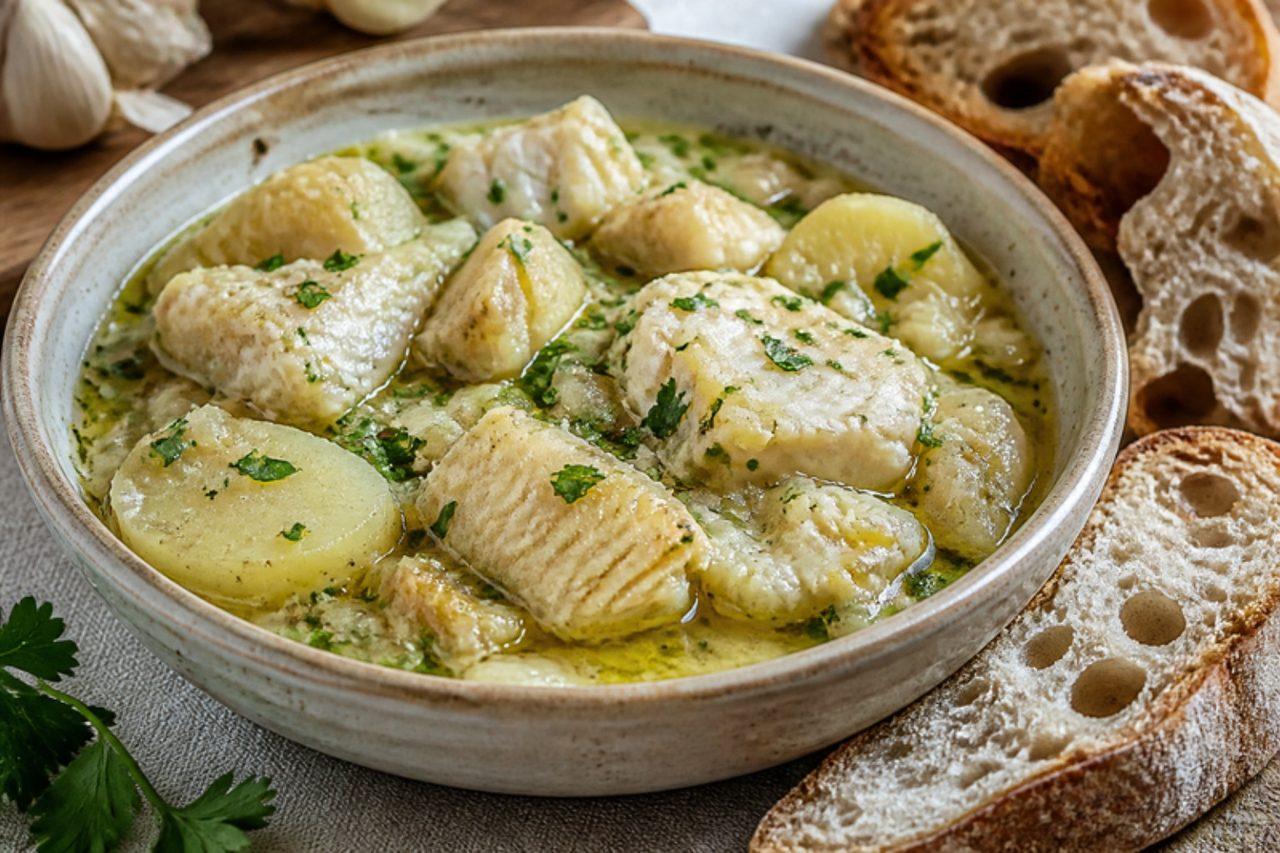
On Badnjak, Christmas Eve, Croatian families in Dalmatia keep the meal meatless, and bakalar na bijelo ('white salt cod') is the dish that says Christmas. Salt cod is soaked for days, then cooked with potatoes, a lot of garlic, parsley and good olive oil and shaken in the pot until it turns into a creamy, almost spreadable mix. It is served warm with bread and a glass of wine for the adults. Chef's tip: shake the pot rather than stirring it, so the fish breaks into flakes and emulsifies with the oil and potato.

90 minBalkanFishGluten free
by KrazyBadal 0 views
FastelavnsbollerCustard and cream pastry buns

On Fastelavn, the Danish Shrovetide Sunday, children dress up, knock a barrel full of sweets and are rewarded with fastelavnsboller. The bakery kind is made from laminated Danish pastry, baked into round shells around a spoon of vanilla custard, then split, piped with whipped cream and finished with glossy icing. They are messy, rich and eaten once a year. The common mistake is letting the butter melt into the dough while rolling, which loses the flaky layers; keep everything cold. Chef's tip: a quick home lamination with a block of grated cold butter gives proper layers without a day's work.

by KrazyBadal 0 views

MämmiRye and malt Easter pudding

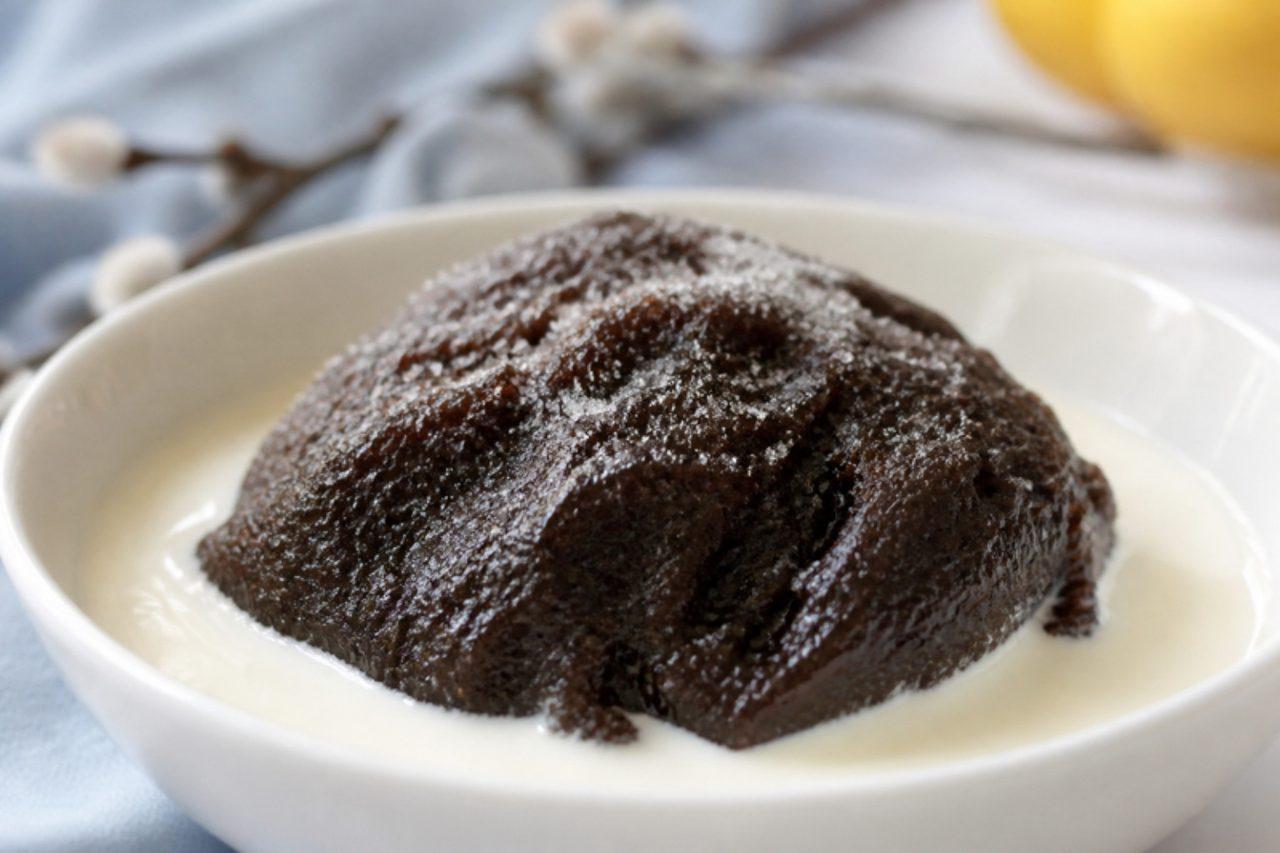
Mämmi is Finland's Easter dessert, a dark, almost black pudding of rye flour and malted rye, sweetened slowly by the malt's own enzymes and by a little molasses, then baked for hours in birch-bark boxes or small dishes. It looks unusual but tastes mild, malty and gently sweet, and is eaten cold with cream and sugar on Easter Sunday. It is vegan, and it was once eaten through Lent. You need powdered rye malt from a baking supplier or Nordic shop. Chef's tip: keep the porridge warm (around 60 °C) for two hours before baking so the malt can sweeten it; skip this and mämmi tastes bitter.

by KrazyBadal 0 views
Saltkjöt og baunirSalted lamb with split pea soup

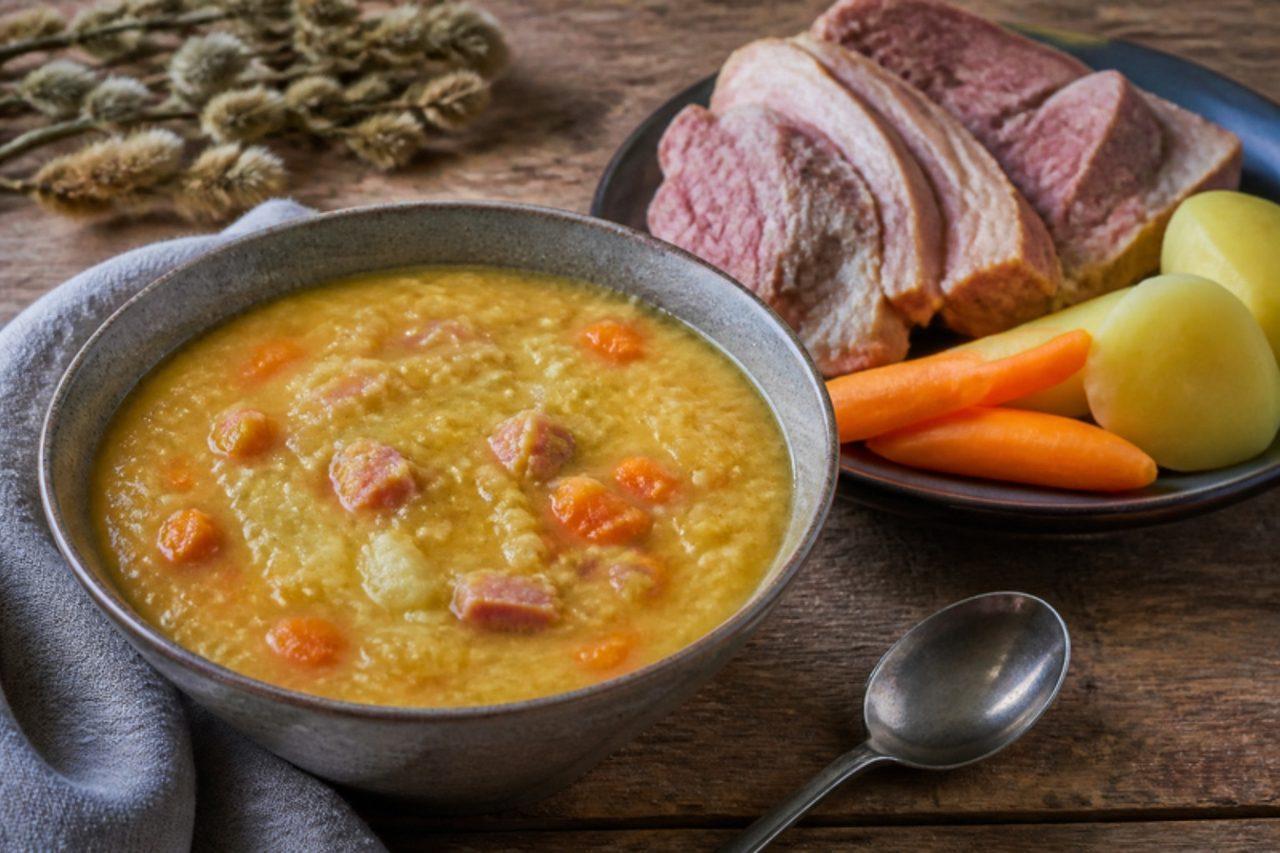
Sprengidagur, 'bursting day', is Iceland's Shrove Tuesday, and the custom is to eat salted lamb and split-pea soup until you can eat no more before Lent begins. Salted lamb is simmered in a thick yellow split-pea soup with onion, carrot, swede and potato, then the meat is sliced and served alongside the soup. The common mistake is skipping the soak, so the meat is too salty to eat; soak it overnight in the fridge. Chef's tip: cook the meat in the soup itself so its flavour seasons the peas, and only add salt at the end, after tasting.

by KrazyBadal 0 views
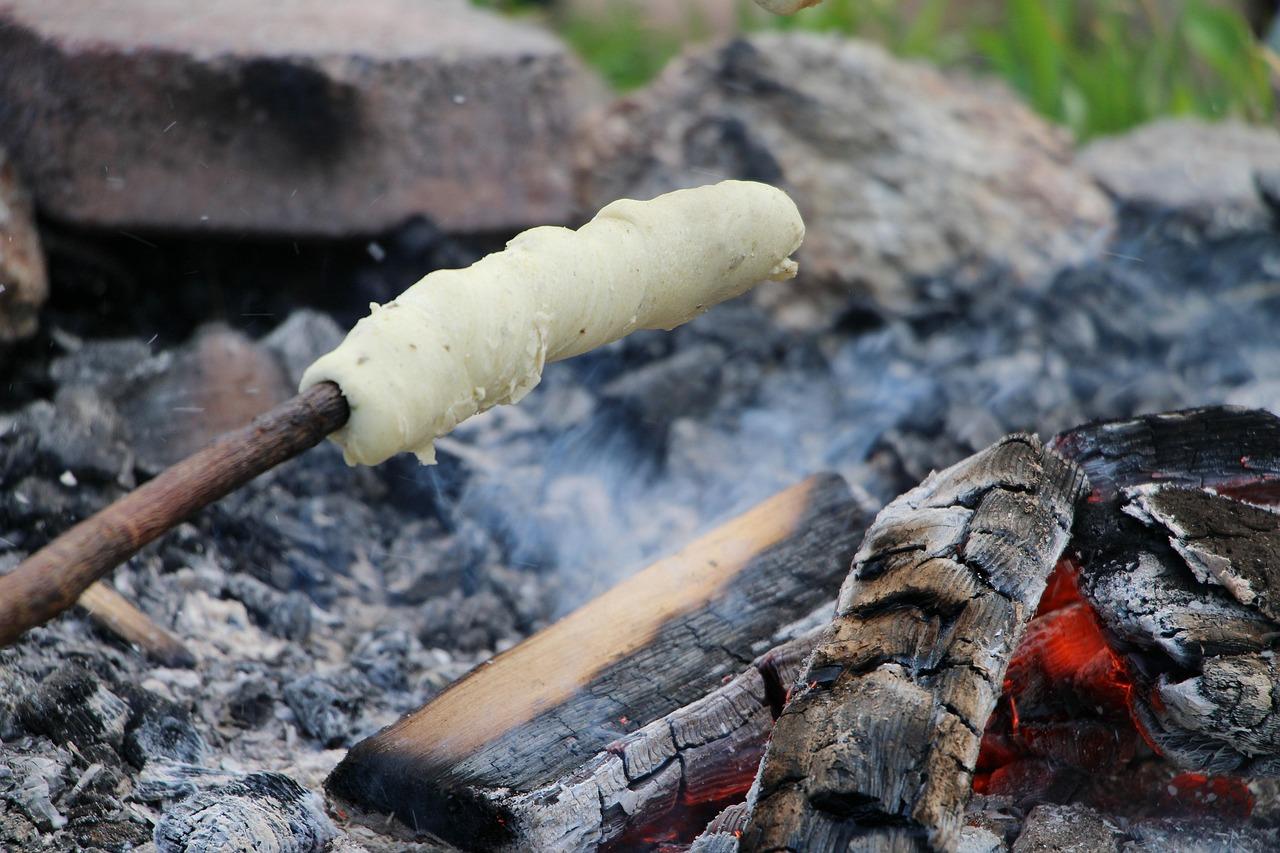
SnobrødBonfire stick bread

On Sankt Hans Aften, Danish Midsummer Eve on 23 June, people gather round huge bonfires on beaches and in gardens, sing the Midsummer song and burn a straw witch, and the children twist ropes of dough round sticks and bake snobrød over the embers. The bread comes out crisp and smoky outside and soft inside, ready to fill with jam, or butter for those who eat dairy. It is just as much fun at any garden fire or campfire. Chef's tip: hold the bread over glowing embers, not flames, and keep turning; flames blacken the outside long before the inside is done.

by KrazyBadal 0 views
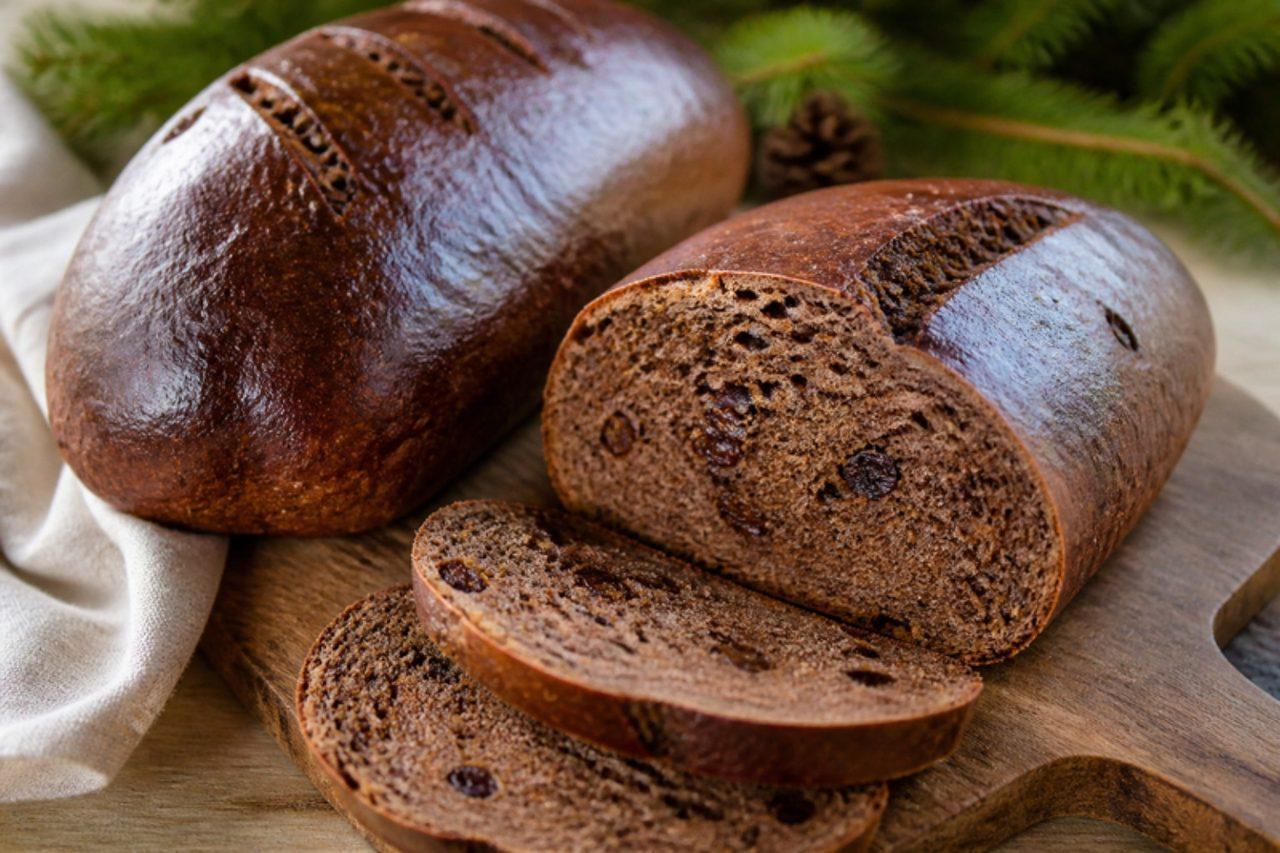
VörtbrödDark Christmas rye bread

In Sweden the Christmas smörgåsbord (julbord) is never without vörtbröd, a dark, soft, slightly sticky rye loaf flavoured with wort, the sweet malty liquid brewers start beer from, plus dark syrup, orange peel, clove and ginger. It is sliced, buttered and eaten with the Christmas ham or with cheese. Many home bakers use dark beer, which contains alcohol; this recipe uses a non-alcoholic dark malt drink, which gives the same malty depth. It keeps for 4 days, and freezes well. Chef's tip: rye dough is sticky and never feels smooth like wheat; resist adding lots of extra flour or the loaf will be dry.

by KrazyBadal 0 views

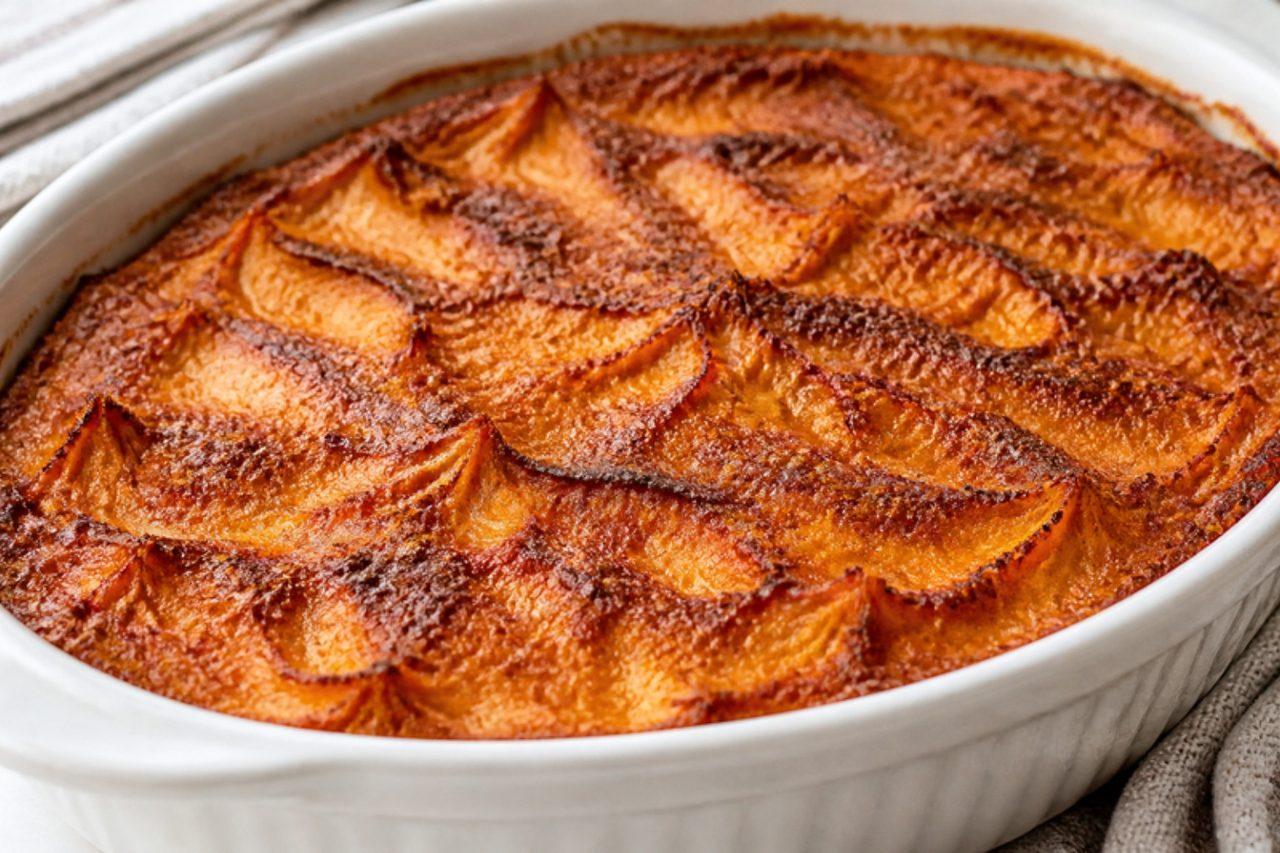
Imelletty perunalaatikkoSweet baked potato casserole

Imelletty perunalaatikko is the most traditional of the Finnish Christmas casseroles, made in the days before Christmas Eve. Mashed potato is mixed with a little flour and left warm for hours, so the potatoes' own enzymes turn starch into sugar ('imelletty' means sweetened), and then it is baked slowly until the top is a deep caramel brown. The result tastes gently sweet with no added sugar and is eaten with ham, herring or, on a vegetarian table, with mushroom salad and beetroot. Chef's tip: keep the mash at hand-warm (about 55 °C) while it sweetens; too hot and the enzymes die, too cool and nothing happens.

by KrazyBadal 0 views

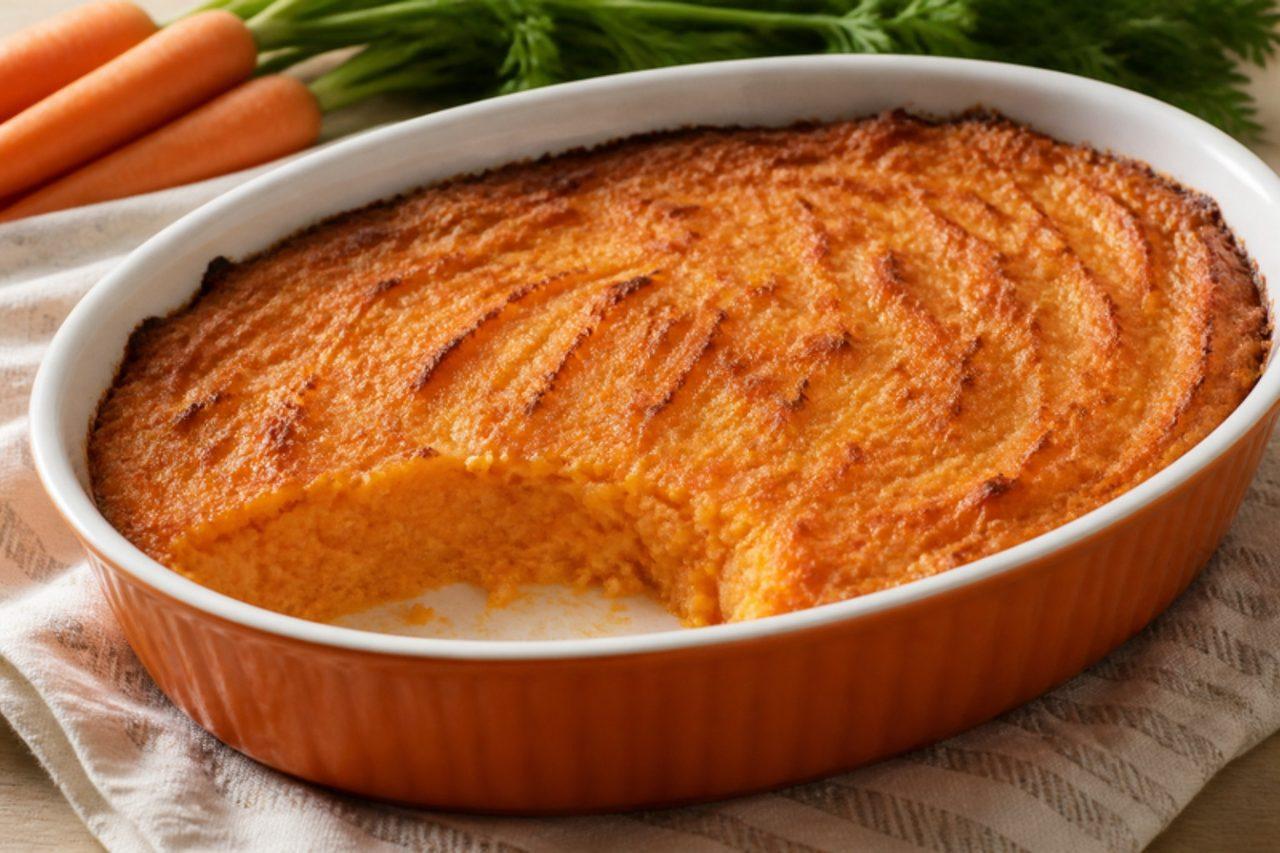
PorkkanalaatikkoCarrot and rice casserole

A Finnish Christmas Eve table is set with a row of oven-baked casseroles called laatikot, and porkkanalaatikko, the carrot one, is the children's favourite. Grated carrots are folded into soft rice porridge with milk, egg and a spoon of golden syrup, then baked until the top is caramel-brown with a ring of crisp edge. It is served hot beside the ham or, in vegetarian homes, with beetroot salad and potatoes. It can be made a day ahead and reheated. Chef's tip: use the rice porridge cold, so it holds the egg mixture and the casserole sets into soft, sliceable layers instead of a runny mash.

by KrazyBadal 0 views

SörurAlmond meringue cookies with buttercream

Sörur are Iceland's most loved Christmas cookie, named after the French actress Sarah Bernhardt and adapted from a Danish pastry. Icelandic families bake them in batches through Advent and keep them in the freezer, where they are eaten straight from frozen. A chewy-crisp almond meringue disc is spread with silky coffee buttercream made on egg yolks and dipped in dark chocolate. The yolks are cooked by a hot sugar syrup; for anyone pregnant, very young or vulnerable, use pasteurised egg yolks. They are gluten free. Chef's tip: grind the almonds with the sugar, which stops them turning oily, for a finer meringue.

by KrazyBadal 0 views

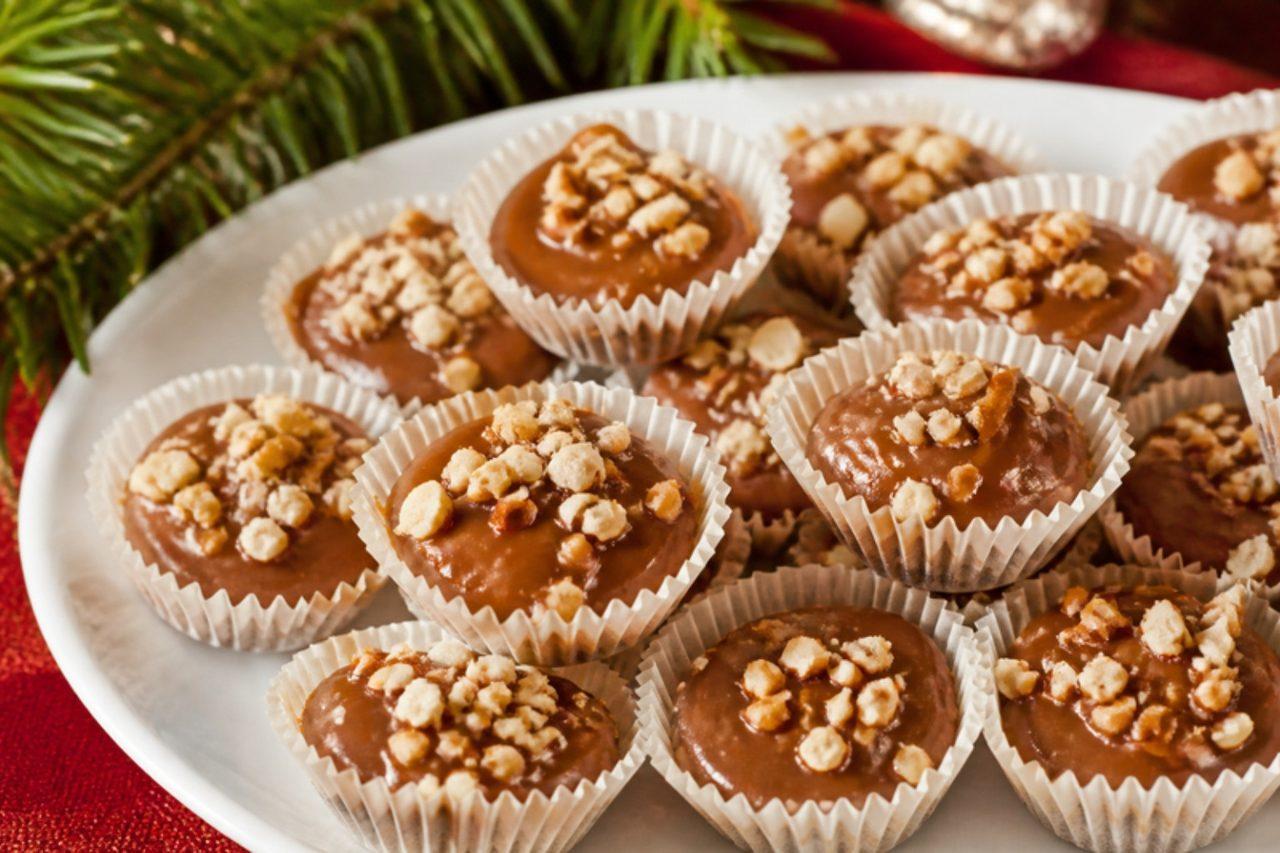
Knäck (Swedish Christmas toffee)

No Swedish julbord is complete without knäck. Families make it in the weeks before Christmas Eve, often with children filling the little paper cases, and it sits on the table beside saffron buns, gingersnaps and ischoklad. Equal parts of cream, golden syrup and sugar boil down into a deep caramel that sets glossy and firm, then gives way to a pleasant chew; chopped almonds add crunch. It is lovely with strong coffee or glögg made from berry juice. Knäck has never contained egg: the cream is boiled until its milk sugars caramelise and the mixture reaches the hard-ball stage, so the sugar itself sets the toffee. Some cooks stir in breadcrumbs; they are left out here so the toffee stays gluten free. Chef's tip: test the toffee by dropping a little into cold water rather than trusting the clock alone; the common mistake is stopping too early, which leaves knäck that sticks to your teeth and to its paper.

by KrazyBadal 0 views

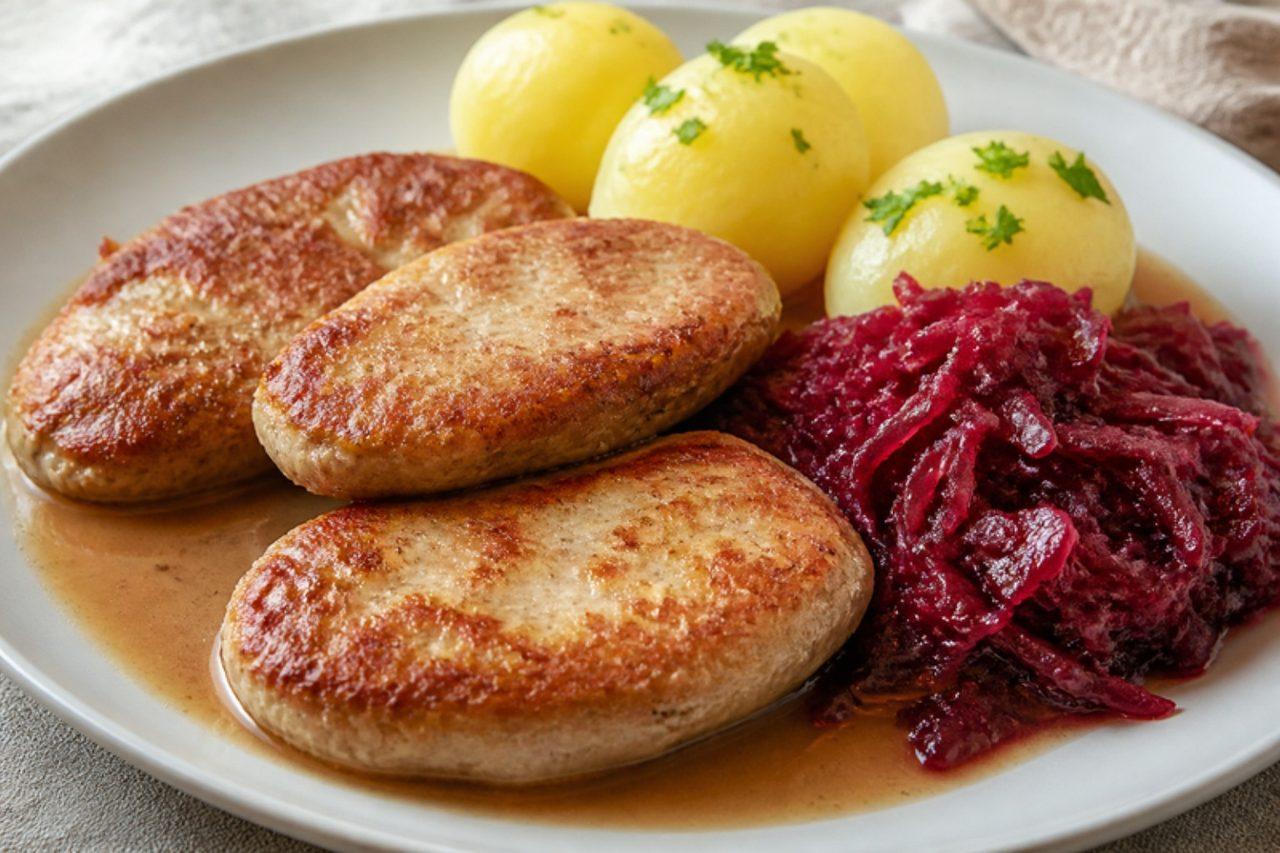
MedisterkakerSpiced pork patties

On Christmas Eve in eastern Norway the main dish is ribbe, crackling pork belly, and on the same platter come medisterkaker: soft, pale pork patties seasoned with nutmeg, ginger and white pepper, fried in butter and then simmered gently in the ribbe juices. They are made from medisterfarse, a fine pork mince lightened with milk and potato starch, and are just as popular on ordinary weeknights with brown gravy. Chef's tip: beat the mince with the milk a little at a time until light and sticky, as this is what makes the patties so tender.

by KrazyBadal 0 views

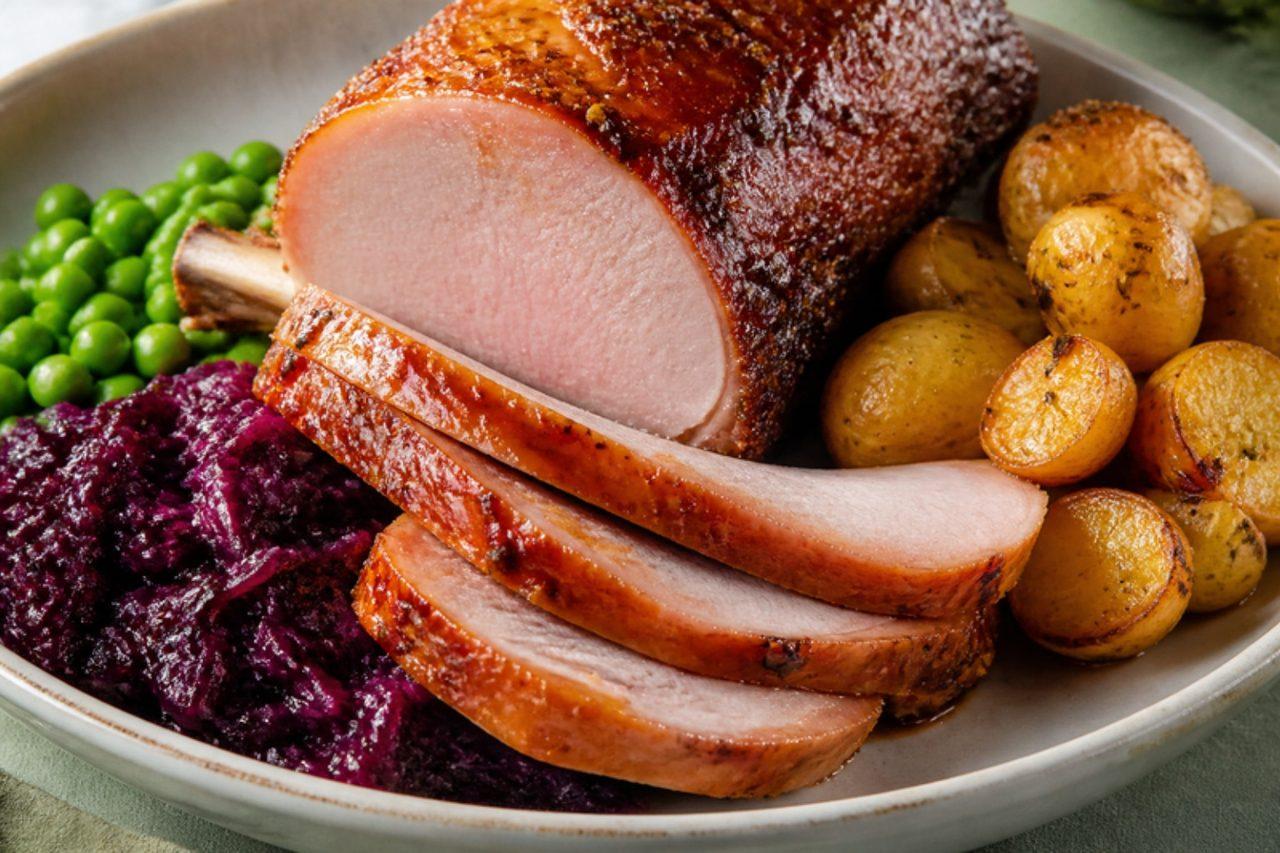
HamborgarhryggurGlazed smoked pork loin

Hamborgarhryggur, 'Hamburg-style loin', is the most common Christmas Eve centrepiece in Iceland, served at six o'clock when the church bells ring Christmas in. It is a cured and lightly smoked pork loin on the bone, simmered gently, then glazed with brown sugar and mustard and baked until shiny. It comes to the table with caramelised potatoes, red cabbage, green peas and a creamy sauce. Use a smoked pork loin (Kassler) from a butcher. Chef's tip: keep the poaching water just trembling, not boiling, so the cured meat stays juicy.

by KrazyBadal 0 views

Showing 24 of 432 recipes

Show more recipes

Page 1 of 18