Skip to content
Recipes

All recipes

Vegetarian, or something you can't eat? Set your diet once and we'll hide recipes that don't fit.

Maraq digaag

Maraq digaag is the gentle chicken stew Somali mothers make on ordinary weekdays, and the one people ask for when they are unwell: chicken simmered with potato, carrot, tomato and green pepper in a light broth fragrant with xawaash and garlic. It is served with rice, canjeero or bread for dipping. The mistake is boiling it hard, which makes the chicken stringy; keep it at a lazy simmer. Chef's tip: stir in chopped coriander and a little lemon at the end to lift the broth.

by KrazyBadal 0 views

Sambuus

Sambuus are the triangles of crisp pastry Somali families fry by the hundred during Ramadan, filling them with minced beef, onion, green chilli, coriander and xawaash; trays of them sit on every iftar table from Hargeisa to Toronto. The filling must be dry, and the pastry thin. The mistake is a wet filling, which steams the pastry from the inside and makes it soggy; cook the mince until all the liquid has gone. Chef's tip: shop-bought spring roll pastry, cut into strips, makes good thin sambuus at home.

by KrazyBadal 0 views

Xalwo

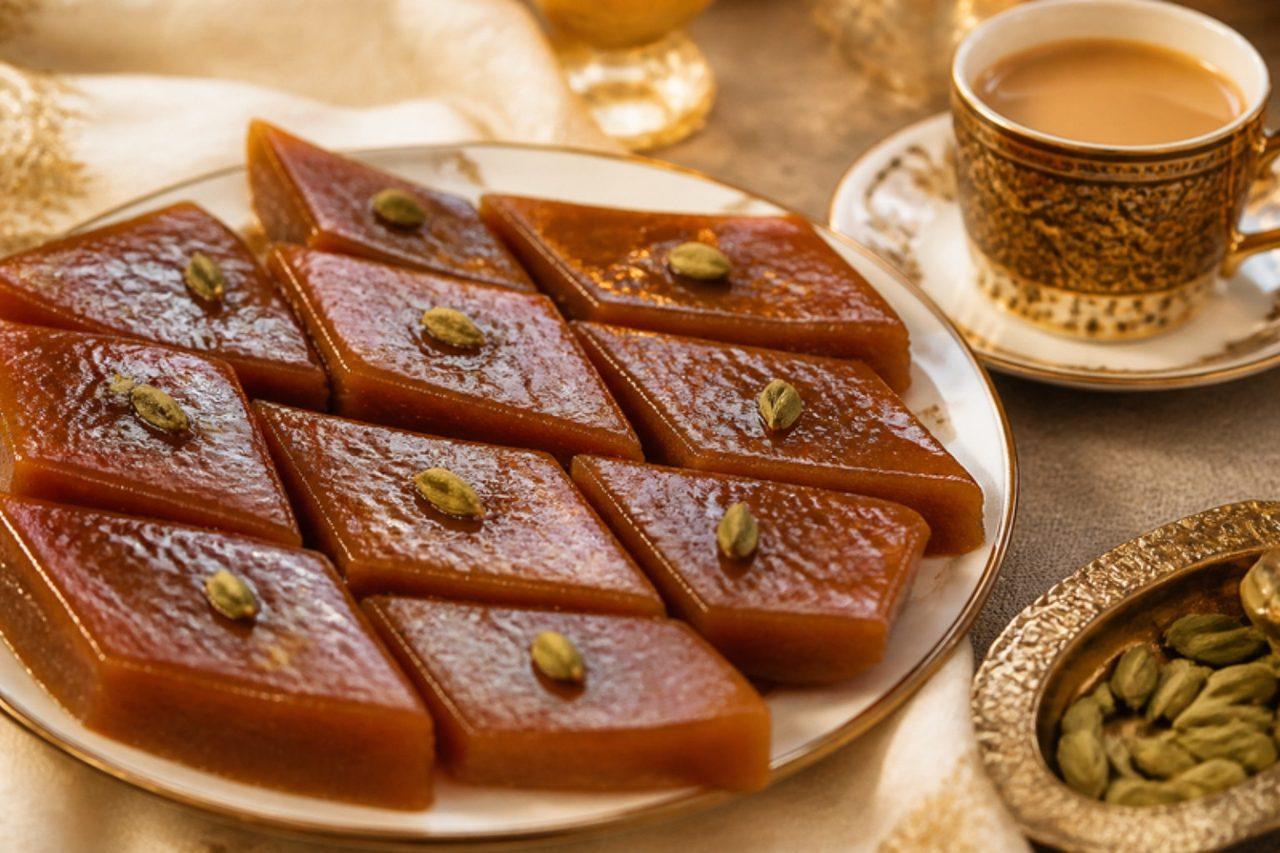
Xalwo is the sweet of Somali celebrations: weddings, Eid and the arrival of guests are all marked with a tray of this dark, glossy, chewy confection, cut into diamonds and served with coffee or spiced tea. Sugar is caramelised, then cooked slowly with cornflour and oil or ghee while the cook stirs without stopping until it pulls away from the pan. It is a cousin of Omani and Yemeni halwa. Chef's tip: stir constantly and keep going until the oil starts to separate and shine on the surface; stopped early, xalwo stays soft and does not set.

by KrazyBadal 0 views

Suqaar

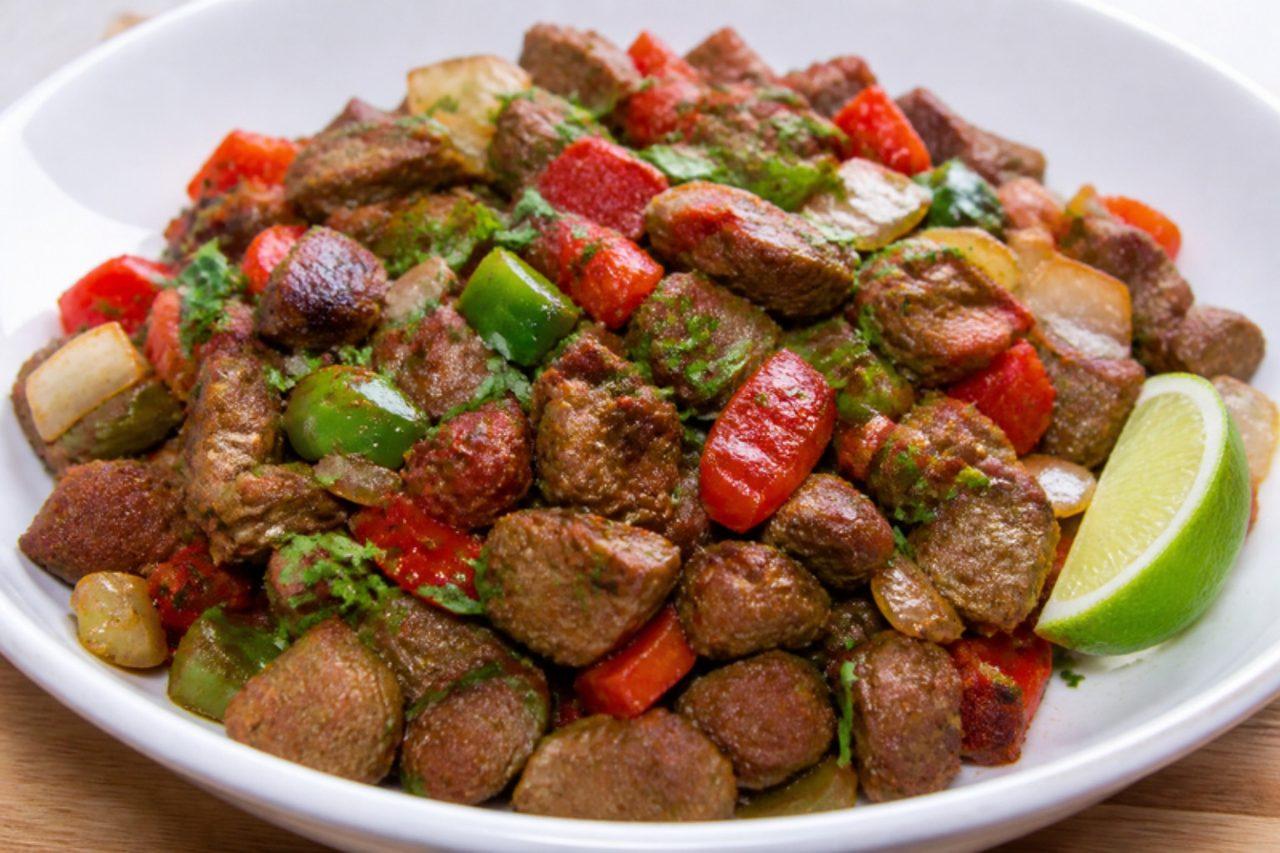
Suqaar is the quick beef dish found everywhere from Mogadishu tea shops to Somali cafés in Minneapolis and London: small cubes of beef or lamb browned with onion, peppers and garlic, seasoned with xawaash, the house spice mix of cumin, coriander, cardamom, cinnamon and turmeric. Somalis eat it for breakfast with canjeero (spongy flatbread) or for lunch with rice or pasta. The mistake is cutting the beef in big chunks, which go chewy; cut it into small 1–2 cm cubes so it cooks fast and stays tender. Chef's tip: add a squeeze of lime and a handful of coriander just before serving.

30 minSomaliMeatGluten free
by KrazyBadal 0 views

Sándwich cubano

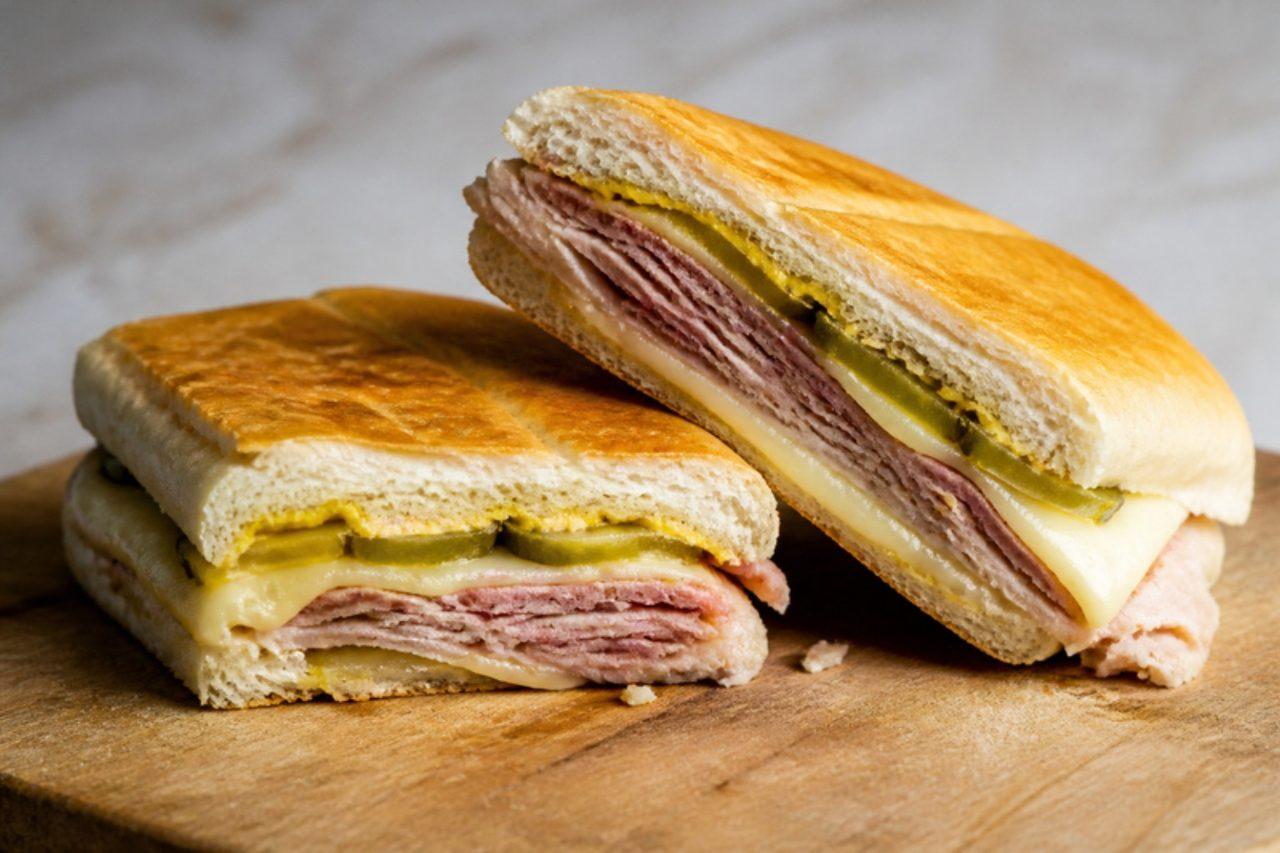
This is a pork sandwich. The Cubano was the lunch of cigar workers going between Havana and Tampa, and Miami's Little Havana cafés still press it to order on a hot plancha. Soft Cuban bread is layered with mojo roast pork, boiled ham, Swiss cheese, dill pickles and yellow mustard, then flattened and toasted until the cheese melts and the crust shatters. It is the best use of leftover lechón asado. Drink it with a café cubano. The usual mistake is pressing on too high a heat, which burns the bread before the middle is hot. Chef's tip: butter the outside of the bread, not the inside, and weigh it down with a heavy pan so it crisps evenly.

by KrazyBadal 0 views

Skudahkharis

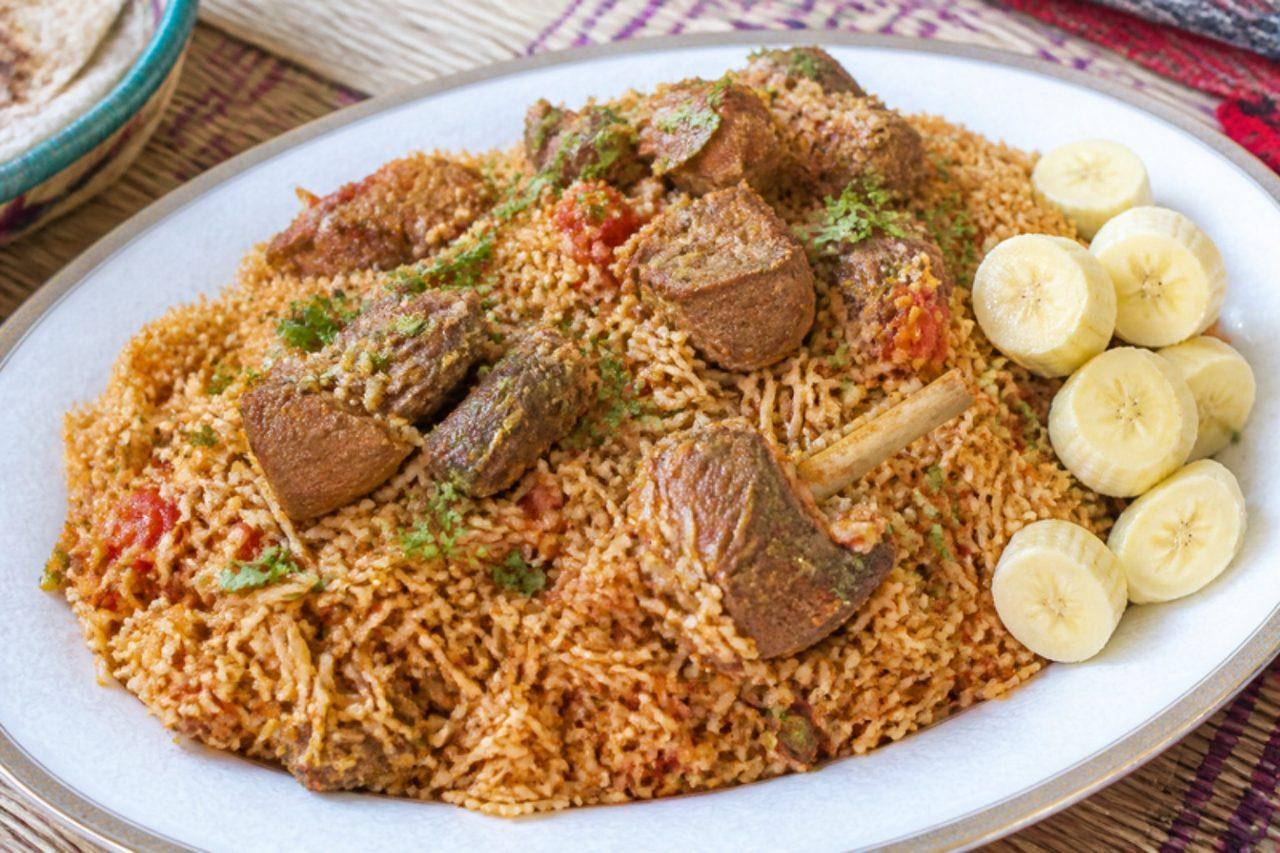
Skudahkharis is the pride of Djibouti and is also cooked in Somali homes: lamb on the bone simmered with tomato, onion, garlic and a warm mix of cumin, cardamom, cinnamon and cloves, then rice cooked in the pot until it absorbs every drop. It is served for Eid and family gatherings, with banana and a hot green chilli sauce on the side, as is the custom. The mistake is stirring the rice once it is in, which breaks the grains and makes it sticky; stir once, then leave it covered. Chef's tip: soak basmati for 20 minutes before cooking so it cooks evenly in the rich broth.

by KrazyBadal 0 views

Xawaash

Xawaash (pronounced 'ha-wash') is the spice mix every Somali kitchen keeps in a jar, used in rice, soups, stews, sambuusa fillings and even tea. Families toast and grind their own, often in quantity before Ramadan, and the balance of warm cumin, earthy coriander and sweet cardamom and cinnamon varies from house to house. It is different from Yemeni hawaij and Ethiopian berbere: there is no chilli in it. Chef's tip: toast each spice only until it darkens a shade and smells warm; burnt cumin turns the whole jar bitter.

by KrazyBadal 0 views

Canjeero

Canjeero (also called laxoox) is Somali breakfast, made fresh each morning in homes and sold in cafés from Mogadishu to Djibouti: thin, spongy pancakes from a soured batter, cooked on one side only so the top is full of tiny holes. Eaten warm, they are drizzled with sesame oil or ghee and sprinkled with sugar, then rolled up with sweet spiced tea; on weekends they come with liver or beans. They are smaller and lighter than Ethiopian injera and made mostly from wheat. Chef's tip: spread the batter in a spiral with the back of the ladle, starting in the middle; that is what makes the thin, even, lacy sheet.

by KrazyBadal 0 views

Basbaas

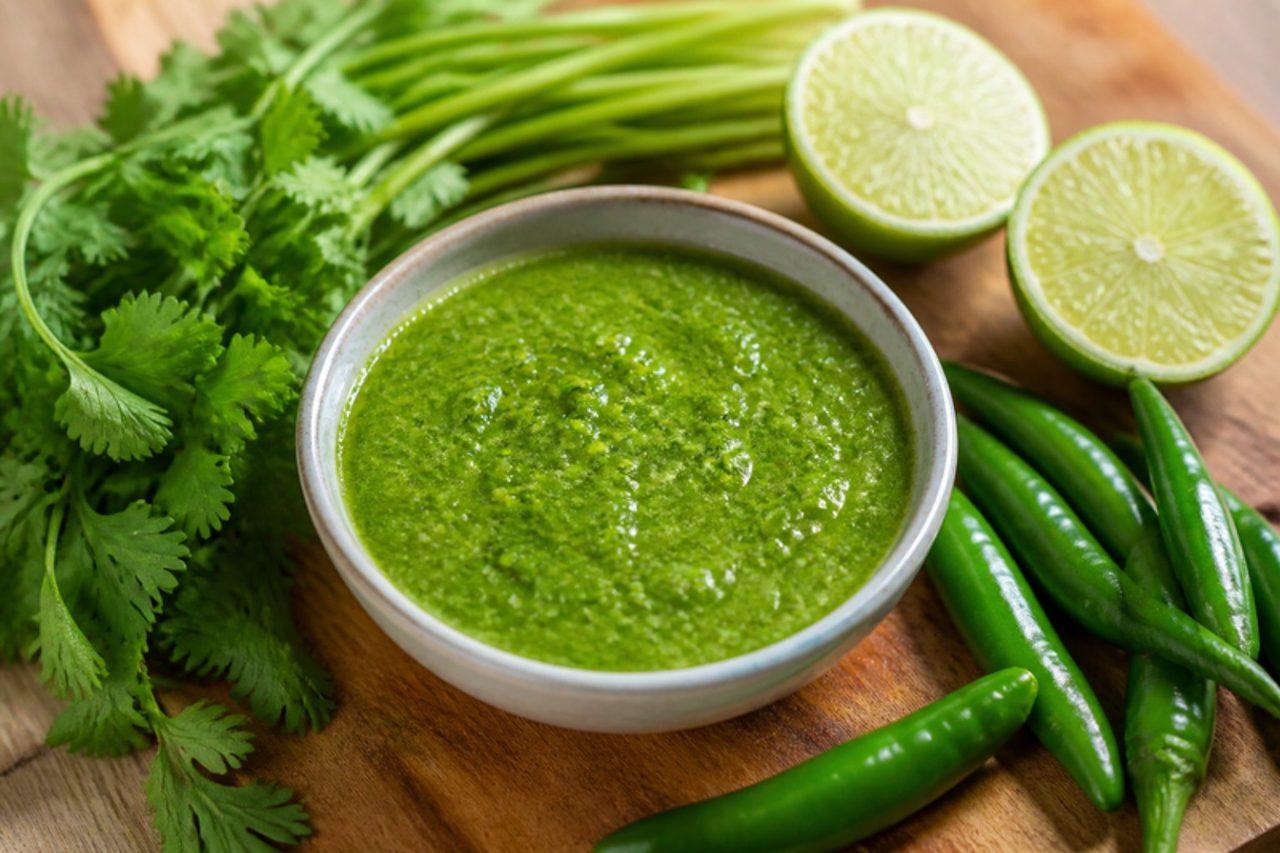
Basbaas means chilli in Somali, and basbaas cagaar, the green sauce, is on every Somali table, spooned over rice, pasta, sambuusa and grilled food. It is sharp, hot and fresh, and every family has its own balance of chilli, coriander and lime; some add a tomato to soften it. Make a jar and keep it in the fridge all week. Chef's tip: add the lime juice to the blender before the chillies; the acid keeps the sauce bright green.

by KrazyBadal 0 views

Café cubano

Café cubano, or cafecito, is the tiny, intensely sweet coffee poured into thimble-sized cups at every ventanita (walk-up window) in Miami and in homes across Cuba, often shared around the office at 3 o'clock. The secret is the espumita: the first few drops of coffee beaten hard with sugar into a pale caramel-coloured cream that floats on top. You need a stovetop moka pot. Chef's tip: catch only the very first, strongest drops for the foam; if you add too much coffee the sugar won't whip up.

by KrazyBadal 0 views

Lechón asado

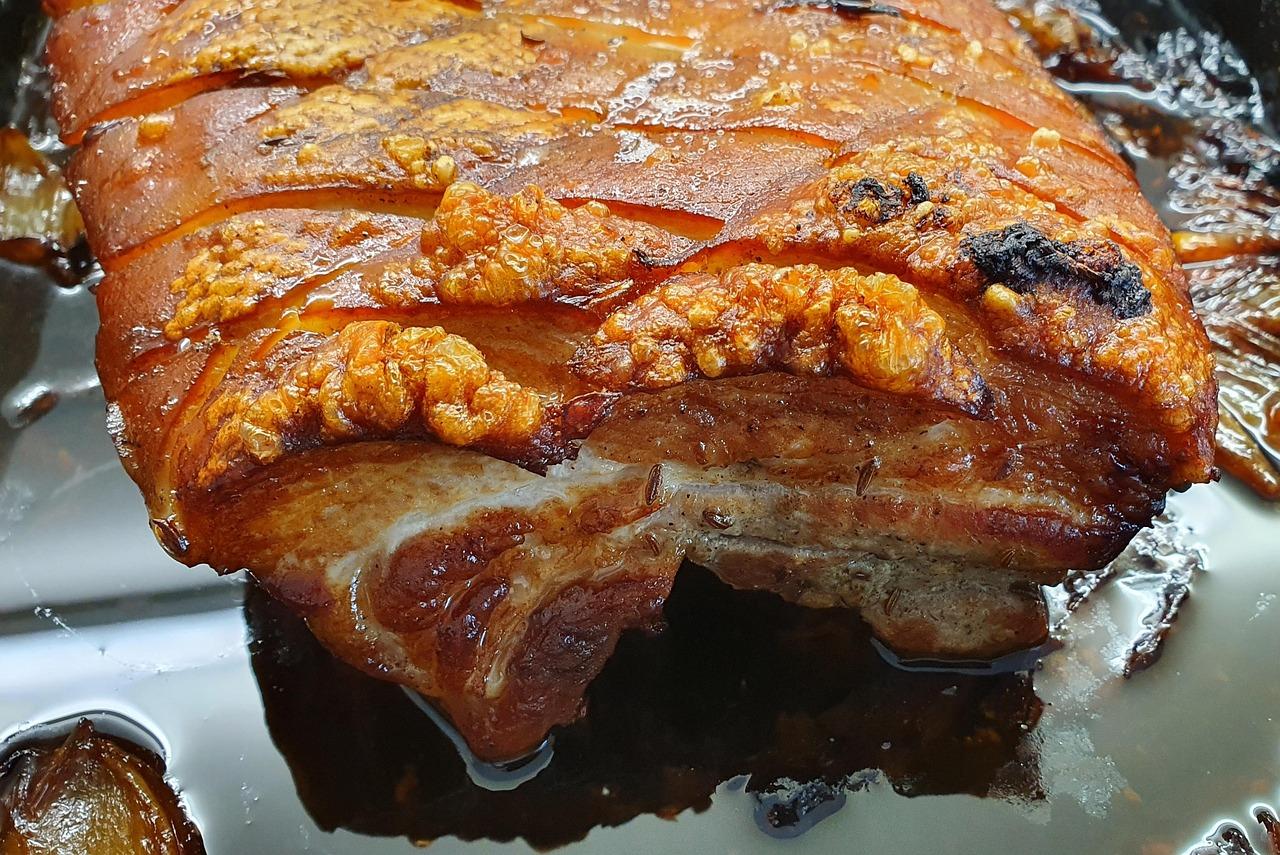
This is a pork dish. In Cuba a whole pig is roasted for Nochebuena, Christmas Eve, and for big family parties, often in a pit in the yard; at home in Miami or Havana the same flavour comes from a pork shoulder soaked overnight in mojo, the sour-orange, garlic and oregano marinade. The meat roasts slowly until it pulls apart, and the skin turns to crackling. Serve it with moros y cristianos, yuca con mojo and a squeeze of lime. A common mistake is leaving the shoulder in the marinade on the kitchen counter: it must always marinate in the fridge. Chef's tip: if you can't find sour (Seville) oranges, mix two parts orange juice with one part lime juice for the same sharp edge.

330 minCubanMeatGluten free
by KrazyBadal 0 views

Ensalada de aguacate y piña

Cuban home cooks dress avocado very simply, and in summer around Havana it often meets ripe pineapple and thin rings of red onion in a lime and olive oil dressing. The creamy avocado, juicy sweet-sour pineapple and sharp onion make it the cool, fresh plate beside rice and beans or yuca con mojo. It takes ten minutes. Chef's tip: soak the onion rings in cold water for 5 minutes first; they stay crisp but lose their harsh bite.

by KrazyBadal 0 views

Mojo criollo

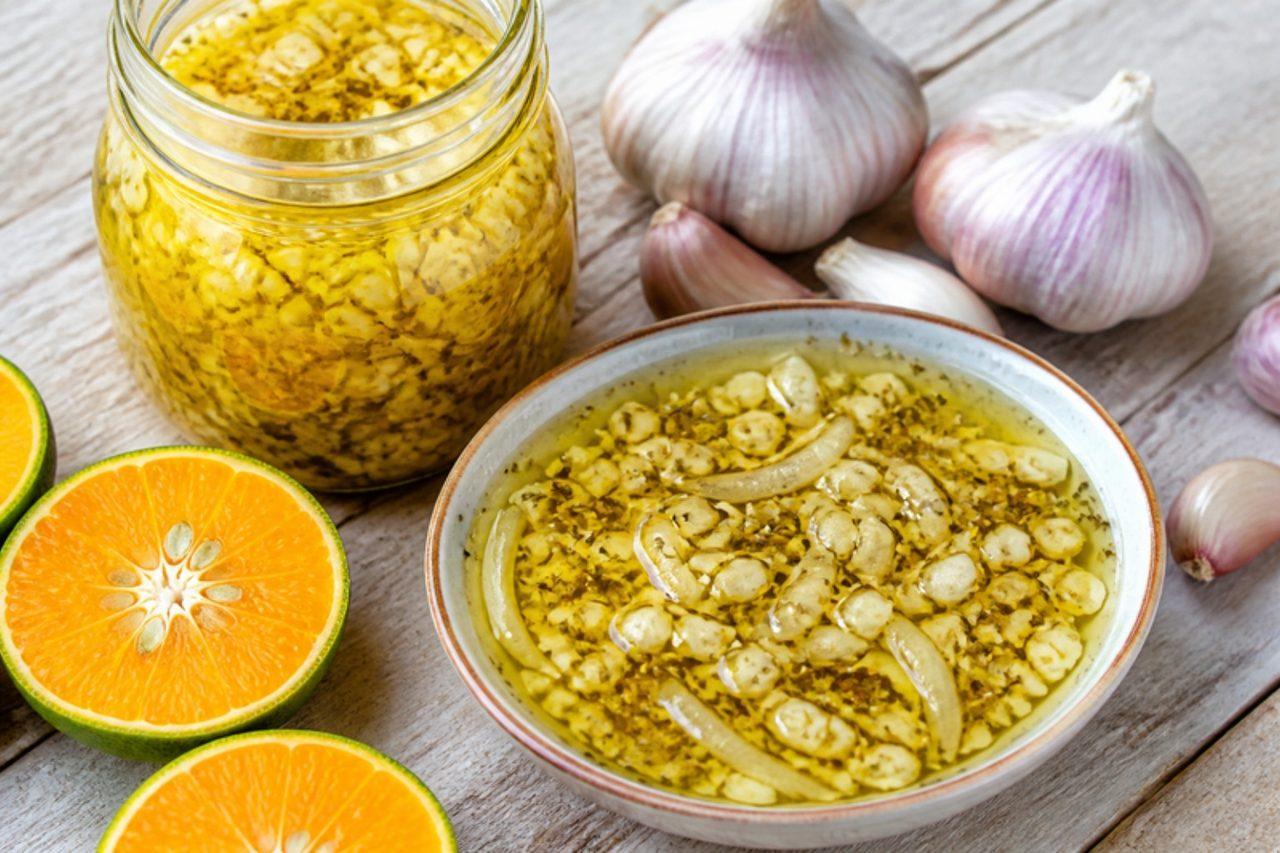
Mojo criollo is the raw sauce Cuban cooks keep in a jar by the stove: sour orange juice from the naranja agria tree, pounded garlic, cumin, oregano and olive oil. On the island it marinates whatever goes on the grill and is spooned over tostones, boiled malanga and roast vegetables; vegetarians use it to marinate tofu, mushrooms or thick slices of squash. It is sharp, garlicky and bright. Chef's tip: pound the garlic to a paste with the salt rather than chopping it; the salt helps it break down so the sauce tastes round, not harsh.

by KrazyBadal 0 views

Arroz con pollo cubano

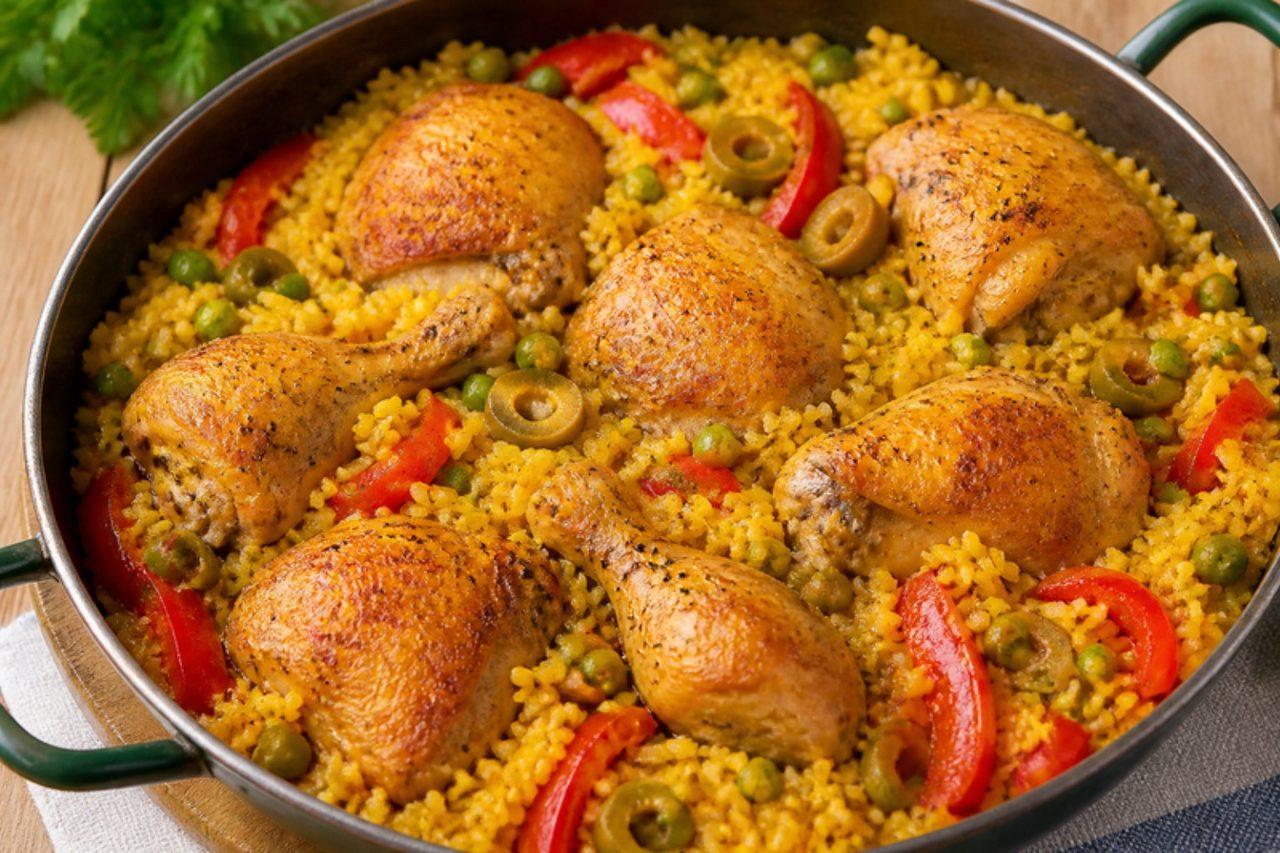
Cuban arroz con pollo is the one-pot Sunday lunch of the island, and every abuela in Santiago or Havana has her own way with it. Chicken pieces are browned, then the rice cooks right in the pot with sofrito, a pinch of saffron (or bijol, the annatto colouring most Cuban kitchens use) and stock until each grain is golden and moist, almost creamy. Peas and roasted red peppers go on top at the end. It is eaten with fried ripe plantain and a green salad. Many versions add a splash of beer to the pot; this one uses chicken stock only, so it is alcohol-free. The usual mistake is stirring the rice once it is covered, which breaks the grains and makes it gluey. Chef's tip: let the pot rest off the heat with the lid on for 10 minutes before serving, so the rice finishes softening in its own steam.

by KrazyBadal 0 views

Pastelitos de guayaba

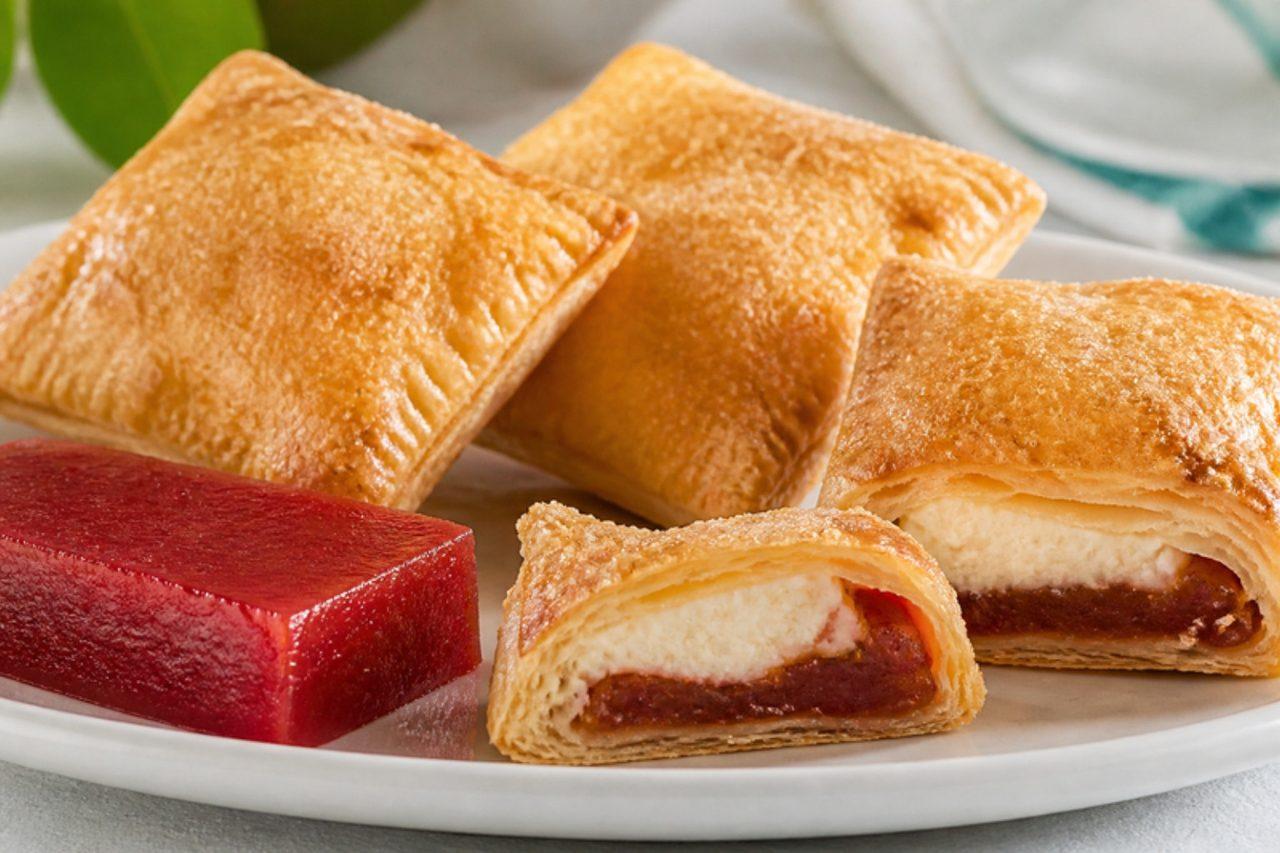
Pastelitos de guayaba are the flaky puff pastry squares sold warm from the glass cases of Cuban bakeries, eaten standing up with a café cubano mid-morning. Havana bakers fill them with dense guava paste, often with a layer of cream cheese (de guayaba y queso), and brush the tops with sugar syrup so they shine. Shop-bought all-butter puff pastry makes them easy at home. Chef's tip: chill the filled tray for 15 minutes before baking; cold pastry rises higher and the filling is less likely to leak.

by KrazyBadal 0 views

Ropa vieja

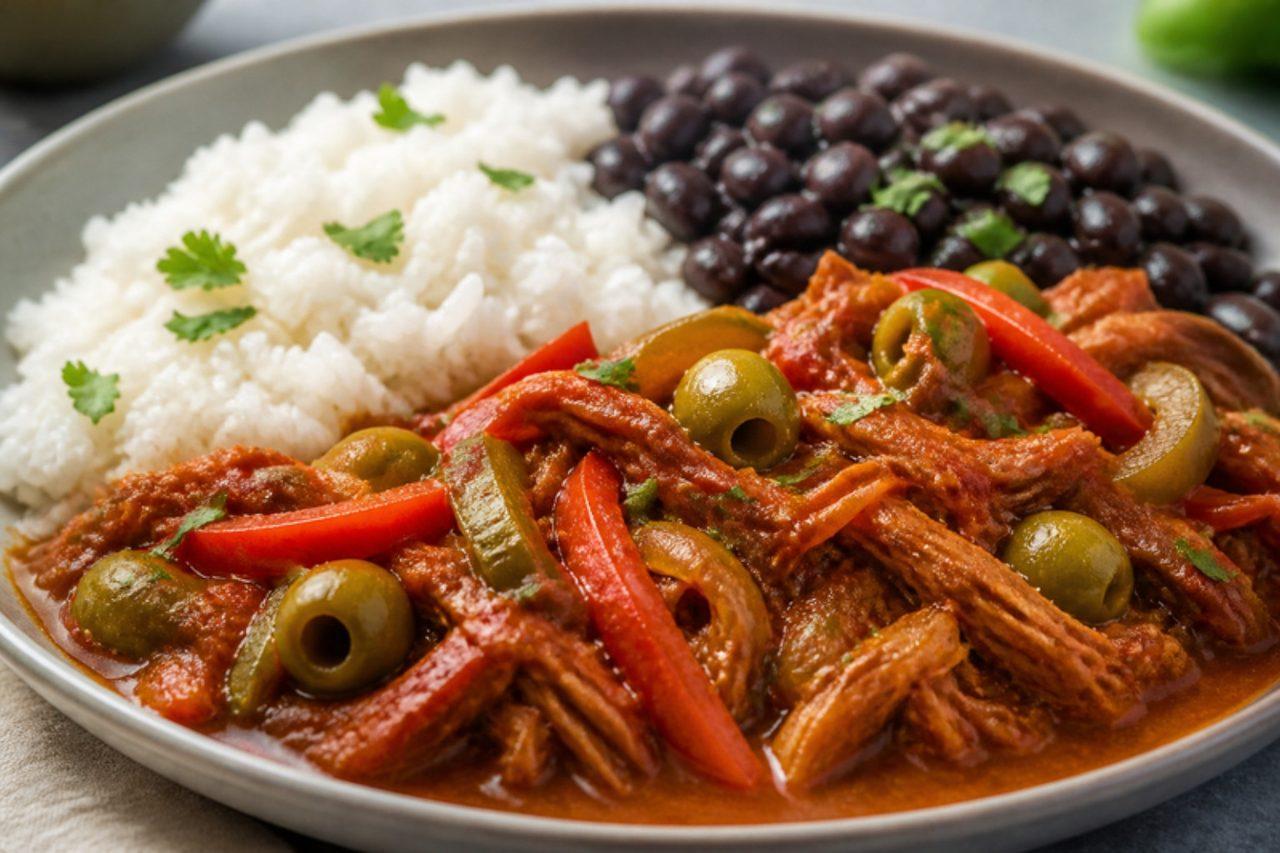
Ropa vieja means 'old clothes', after the ragged strands the beef falls into, and it is the dish Cubans name first when asked about home cooking. Families in Havana and Camagüey make a big pot on a weekend: flank steak is simmered until soft, pulled into threads and then stewed again in a sofrito of peppers, onion, tomato, cumin and green olives. It is eaten with white rice, black beans and fried ripe plantain, and it tastes even better reheated the next day. The common mistake is cutting the beef across the grain before cooking; leave it whole so it shreds into long strands. Chef's tip: keep the cooking liquid from the first simmer and use it instead of water in the sauce, because it carries most of the beefy flavour.

190 minCubanMeatGluten free
by KrazyBadal 0 views

Picadillo vegetariano

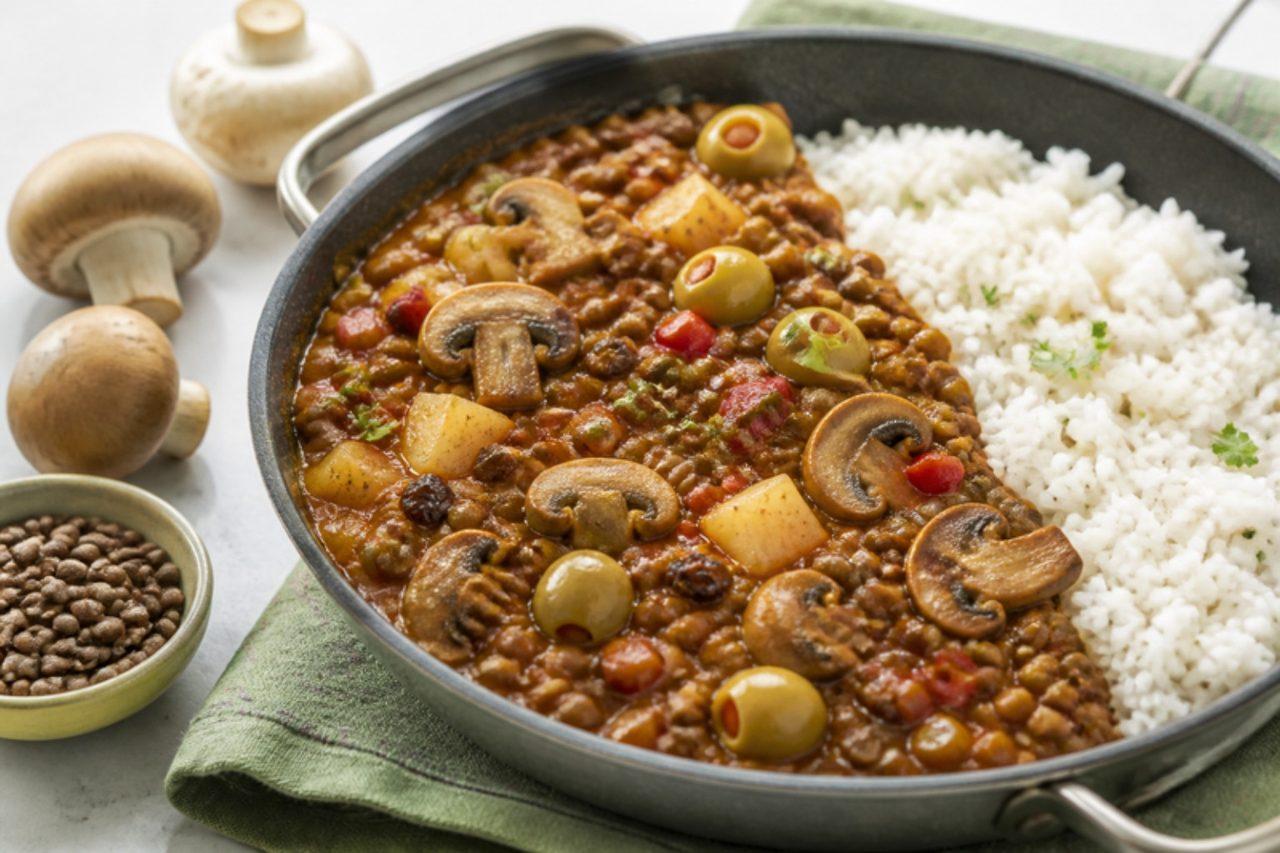
Picadillo a la habanera is Havana's everyday savoury hash, sweet with raisins, salty with olives and capers and sharp with tomato and sofrito. This vegetarian version swaps the meat for brown lentils and finely chopped mushrooms, which give the same crumbly, juicy texture and a deep savoury flavour. Spoon it over white rice with fried ripe plantain, or use it to fill empanadas and stuffed peppers. Chef's tip: let the mushrooms fry until all their liquid has gone and they turn brown; that browning is what makes it taste rich.

by KrazyBadal 0 views

Bariis iskukaris

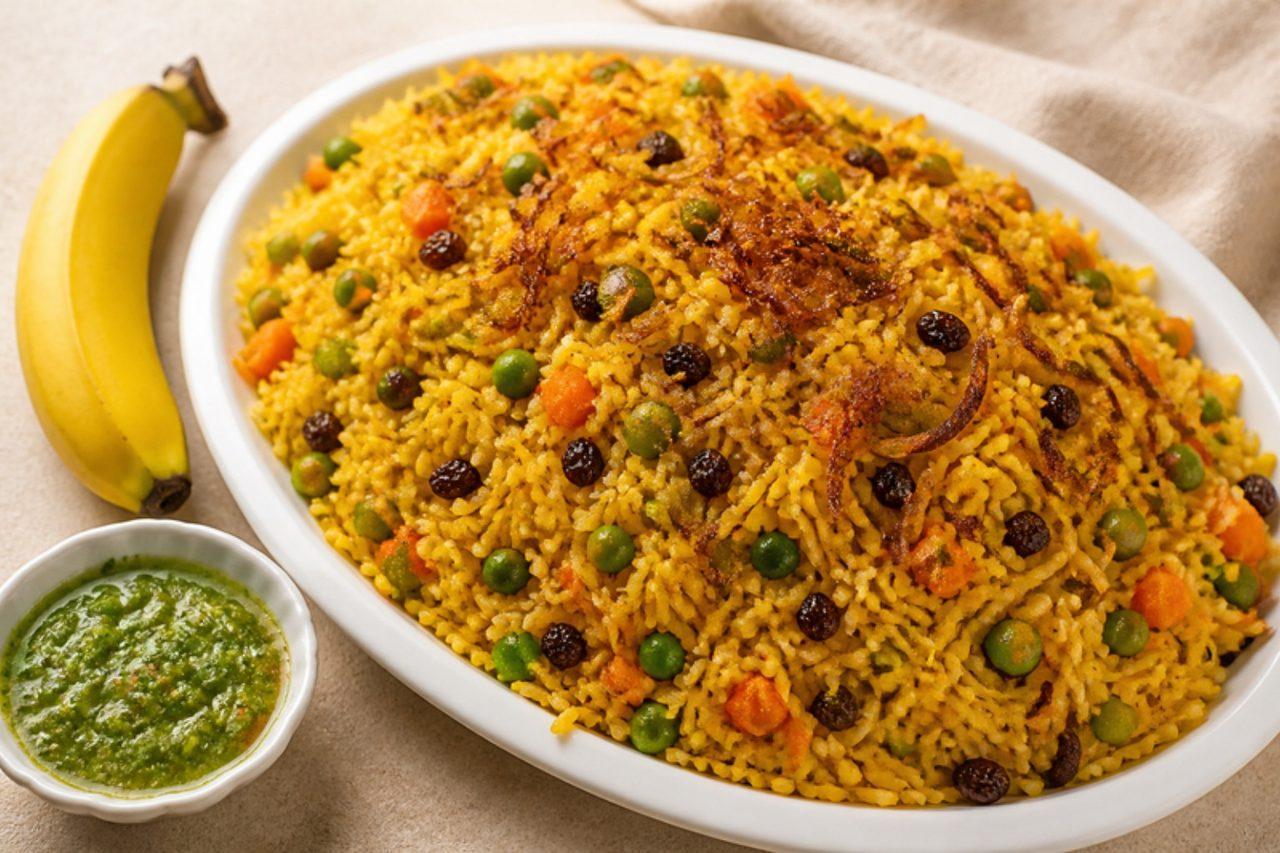
Bariis iskukaris ('rice cooked together') is the centre of the table at Somali family lunches, Friday gatherings and Eid, from Mogadishu to Hargeisa and Somali neighbourhoods in Nairobi, Minneapolis and London. Long-grain rice is cooked in one pot with onion, tomato and the house spice mix xawaash, and topped with fried onions and raisins; it is usually crowned with goat, but this version cooks carrots, peas and potatoes into the rice. In true Somali style, serve it with a banana on the side and a spoon of green basbaas. Chef's tip: rinse and soak the basmati so the grains stay long and separate.

by KrazyBadal 0 views

Yuca con mojo

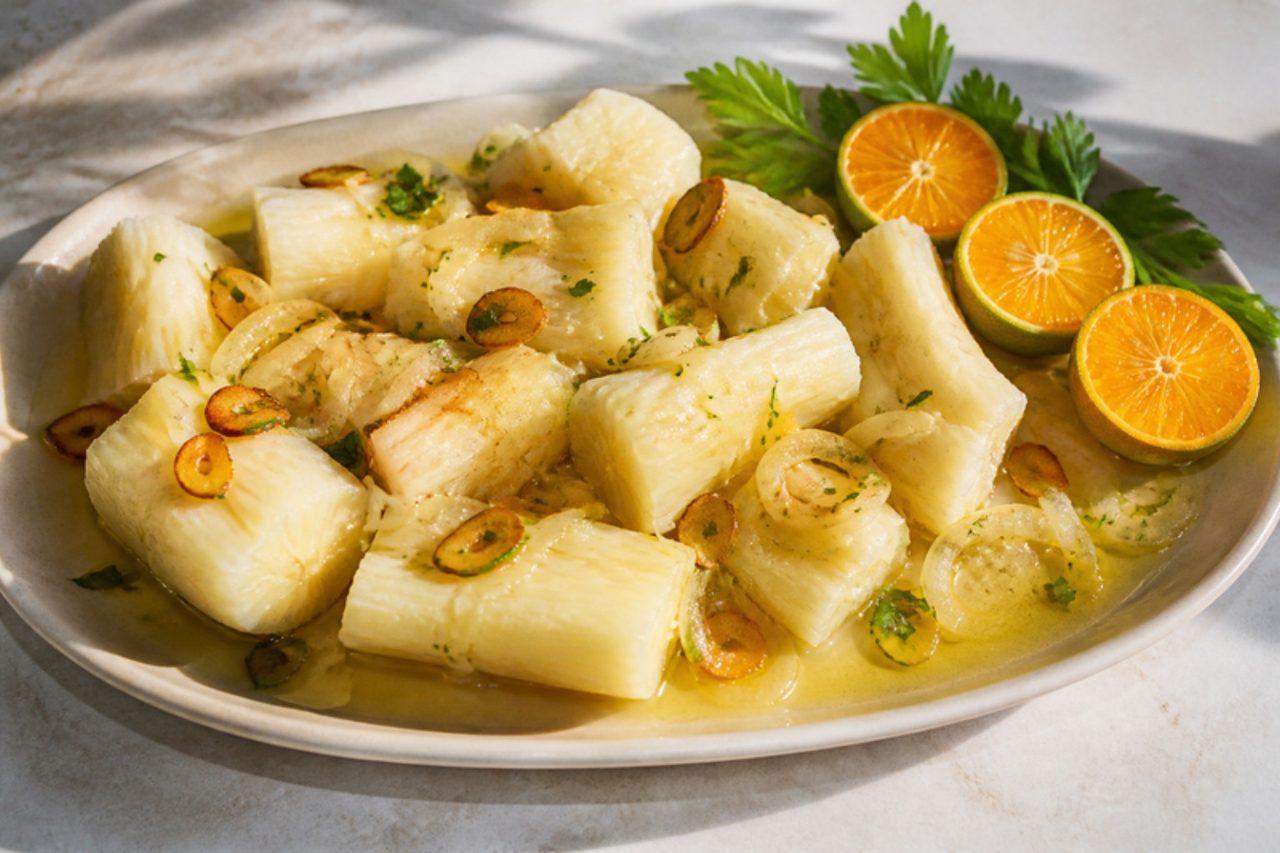
Yuca con mojo is a fixture of the Cuban Nochebuena feast and of everyday family dinners in Matanzas and Miami alike: chunks of cassava boiled until they crack open and turn soft, then drenched in a hot dressing of olive oil, lots of garlic, onion rings and sour orange juice. The yuca soaks up the tangy, garlicky oil like a sponge. Serve it beside moros y cristianos or black beans. Chef's tip: add a splash of cold water to the pot halfway through boiling; Cuban cooks say it 'shocks' the yuca and helps it split open and turn tender.

35 minCubanSidesVeganGluten free
by KrazyBadal 0 views

Batido de mango

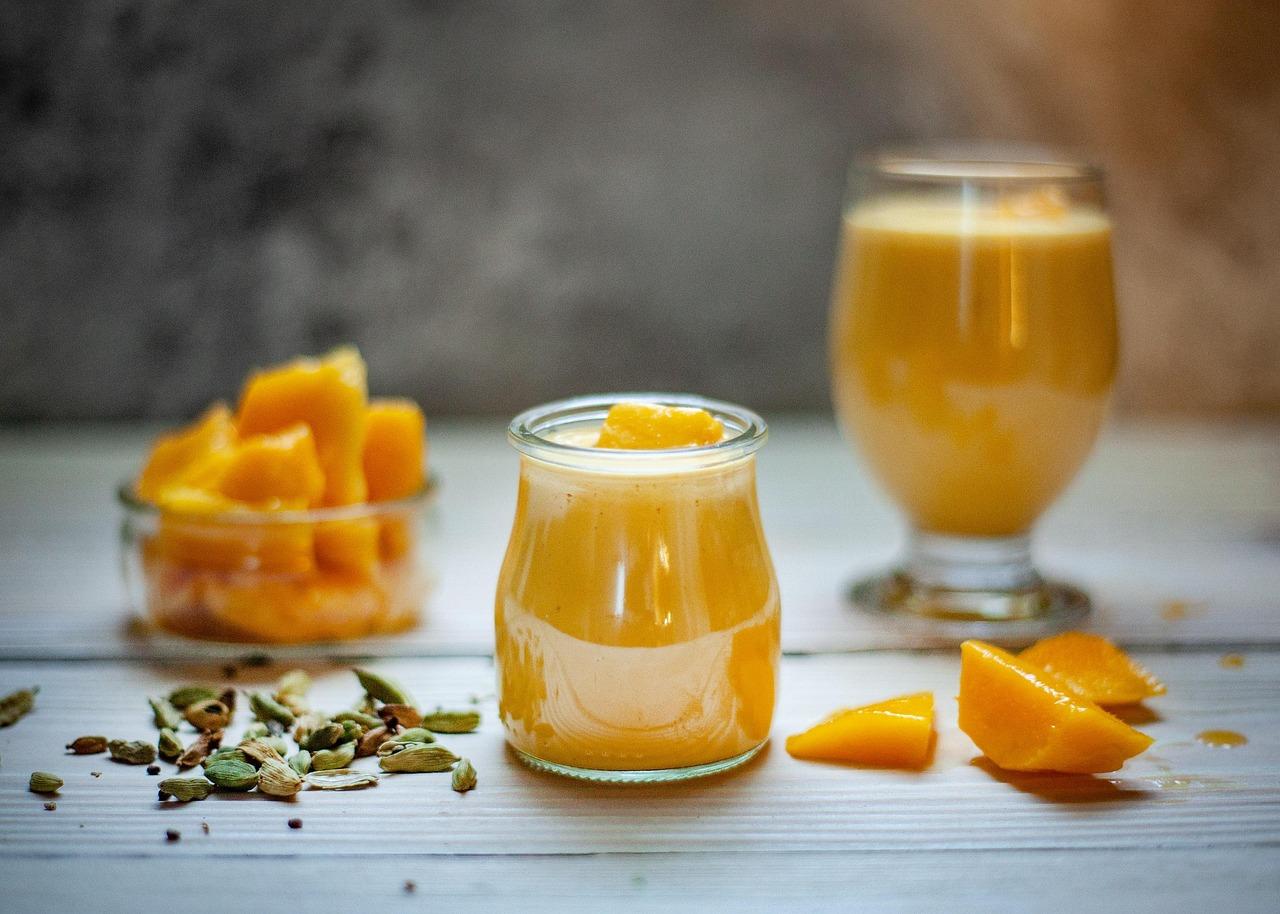
Batidos are the thick fruit milkshakes blended to order at Cuban cafeterías and roadside stands in summer, made with whatever tropical fruit is ripe: mamey, papaya, guanábana and, most of all, mango. Unlike a lassi there is no yogurt, just ripe mango, cold milk, a little sugar and plenty of ice, whizzed until frothy. Kids love it as an afternoon treat. Chef's tip: freeze the mango chunks first and you will need less ice, so the batido tastes of fruit rather than water.

by KrazyBadal 0 views

Moros y cristianos

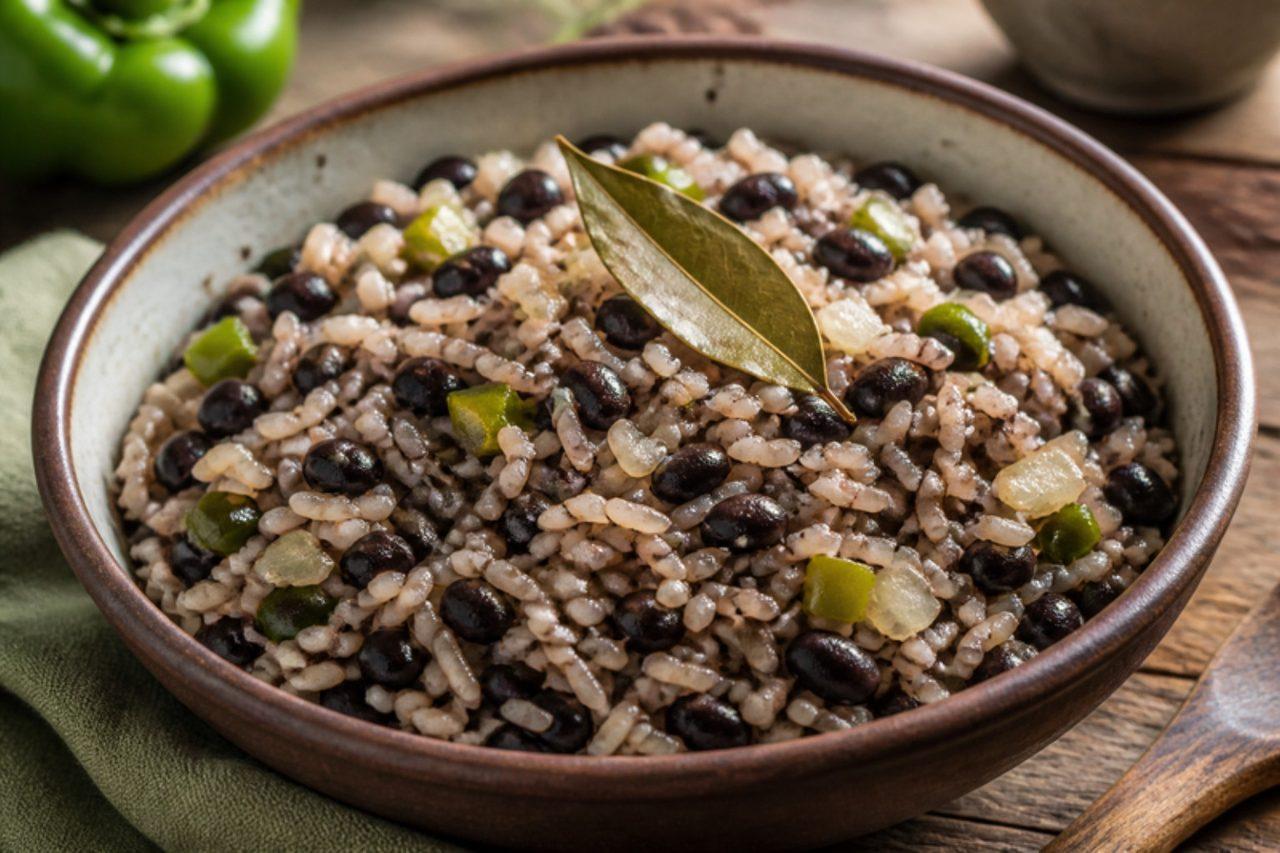
In Cuba, moros y cristianos is the rice that turns up beside almost every Sunday lunch and every Nochebuena (Christmas Eve) table, from Havana kitchens to family parties in Santiago. Unlike rice simply served with beans, here the grains simmer in the dark bean broth with a sofrito of onion, green pepper, garlic, cumin and oregano, so every grain comes out grey-violet, savoury and fluffy. Serve it with tostones, yuca con mojo and an avocado salad for a full Cuban plate. Chef's tip: measure the bean cooking liquid rather than guessing, because it is the liquid, not the beans, that decides whether the rice is fluffy or mushy.

by KrazyBadal 0 views

Frijoles negros cubanos

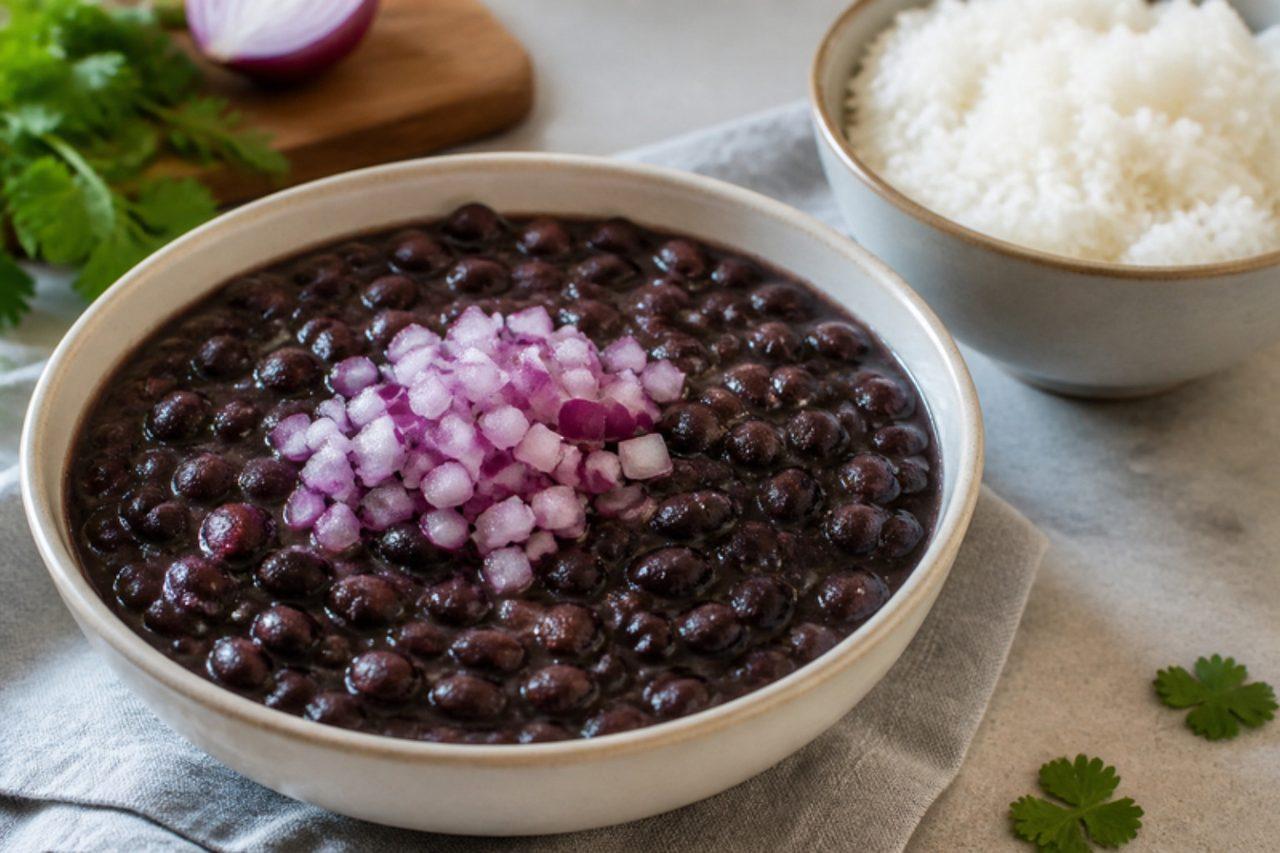
A pot of frijoles negros simmers on the back of the stove in Cuban homes from Havana to Miami's Little Havana, ladled over white rice for lunch most days of the week. The beans cook until creamy, then a sofrito of onion, green pepper and plenty of garlic goes in with cumin, oregano, a pinch of sugar and a dash of vinegar, which gives the stew its gentle sweet-sour finish. Venezuelans make a very close cousin, caraotas negras, for pabellón, so this page covers both. Chef's tip: mash a ladle of beans against the side of the pot near the end; it thickens the broth naturally without any flour.

by KrazyBadal 0 views

Tostones

Tostones are the crisp golden discs of green plantain sold at every Cuban cafeteria and fried at home to go with rice, beans and mojo; along Colombia's coast and in Cali the same thing is called patacones and comes with hogao or ají on top. The plantain is fried once to soften, smashed flat, then fried again until the edges shatter while the middle stays starchy and tender. Eat them hot as a side or a snack. Chef's tip: use truly green, hard plantains; yellow ones turn sweet and soft and will never go crisp.

25 minCubanSidesVeganGluten free
by KrazyBadal 0 views

Sopa paraguaya

Paraguayans love telling visitors that their national 'soup' is eaten with a fork: sopa paraguaya is a dense, moist cornbread baked with sweated onions, fresh cheese, eggs and milk. It's on every table at asados, weddings and the Christmas meal, and sold in squares at bus stations from Asunción to Encarnación. The crust is golden and the inside soft and cheesy, more like a savoury pudding than bread. Chef's tip: soak the cornmeal in the milk for 15 minutes before mixing; hydrated cornmeal bakes up tender instead of gritty.

by KrazyBadal 0 views

Showing 24 of 55 recipes

Show more recipes

Page 1 of 3