Skip to content
WhatToEat.Today

All recipes

331

Vegetarian, or something you can't eat? Set your diet once and we'll hide recipes that don't fit.

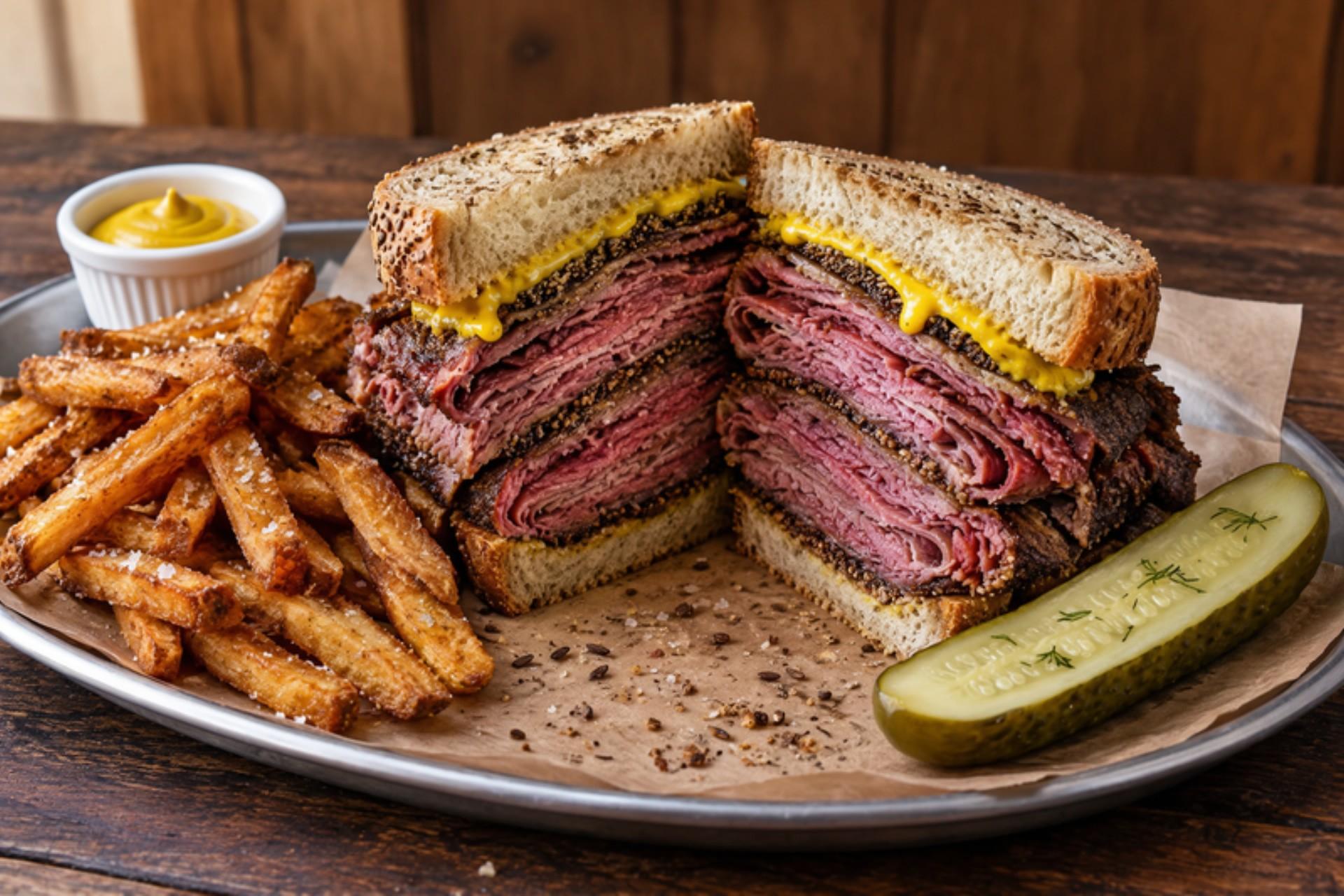
Montreal smoked meat sandwich

Montreal smoked meat is the city's most famous deli food, served since the early 1900s at Jewish delicatessens along boulevard Saint-Laurent, and ordered for lunch or late at night 'medium' fat, piled on rye with yellow mustard, a sour pickle, fries and a cherry cola. Beef brisket is cured in the fridge with salt, curing salt and spices for a week, then smoked or slow-roasted and finally steamed until tender. There is no pork. Curing at home needs care: use exactly 2.5% salt and 0.25% curing salt No. 1 (6.25% sodium nitrite) by weight of meat, keep it in the fridge at 0–4 °C the whole time, and never guess the amounts. The pink colour comes from the cure, not undercooking; the brisket must reach at least 71 °C and is tender at about 93 °C. The common mistake is slicing with the grain, which makes it stringy: always cut across the grain, thinly, while hot. Chef's tip: steam the cooked brisket for an hour just before serving; that final steam is what makes it melt like real deli meat.

450 minCanadianMeat
by KrazyBadal 0 views

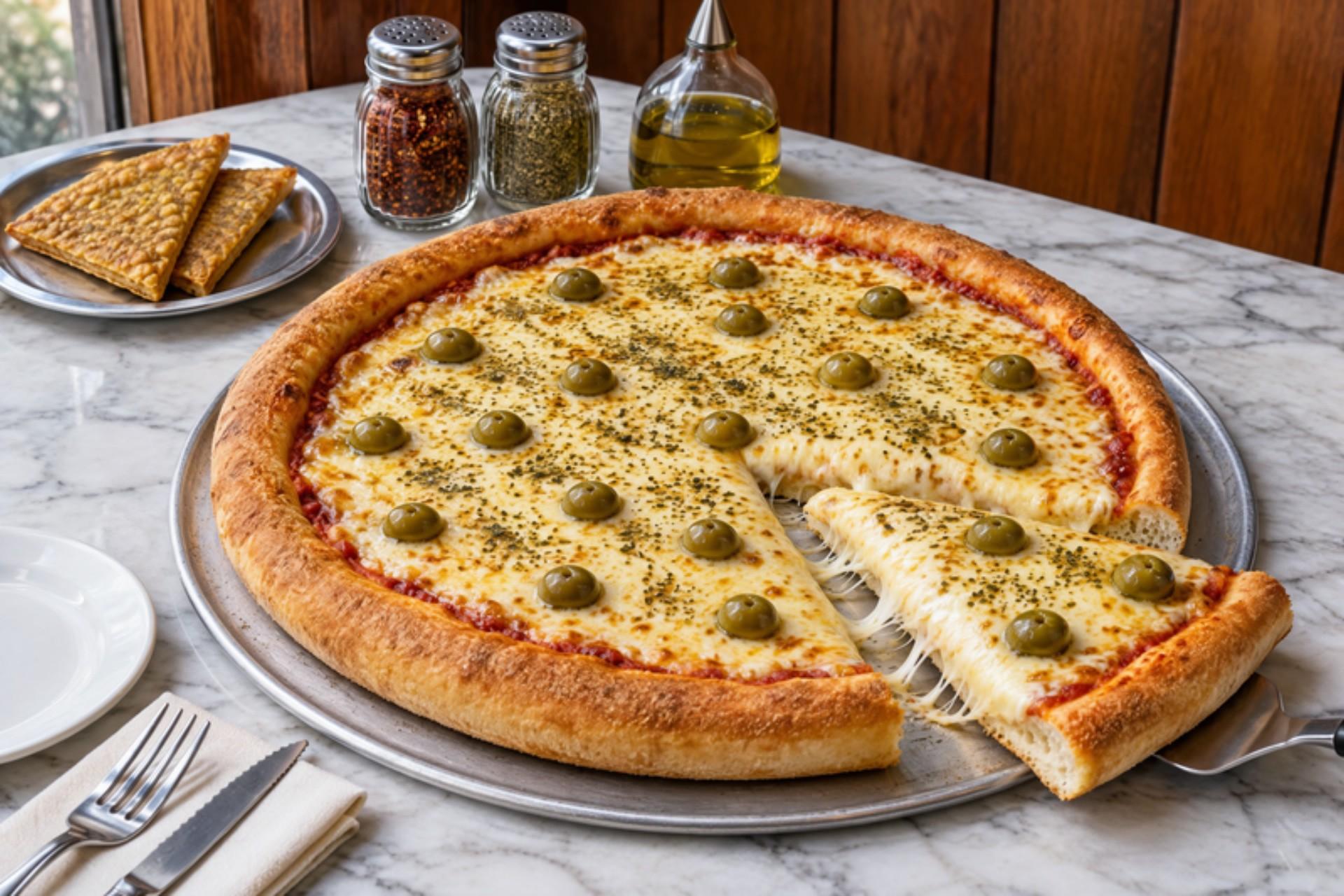
Pizza de muzzarellaThick-crust mozzarella pizza

The pizza de muzzarella, or simply muzza, is the pride of Buenos Aires' old pizzerías along Avenida Corrientes, eaten standing at the counter after the theatre, often with a slice of fainá on top. Unlike a Neapolitan pizza it has a thick, soft, bready base baked in a round metal pan, a thin smear of oregano tomato sauce and a deep layer of mozzarella that bubbles and browns, finished with green olives. The common mistake is using fresh mozzarella balls: they release water and the pizza swims. Use firm, low-moisture mozzarella grated or sliced thick. Many mozzarellas use animal rennet; choose a vegetarian one if you prefer. Chef's tip: give the dough a second rise in the oiled pan, so the base bakes airy inside and fried-crisp underneath.

by KrazyBadal 0 views

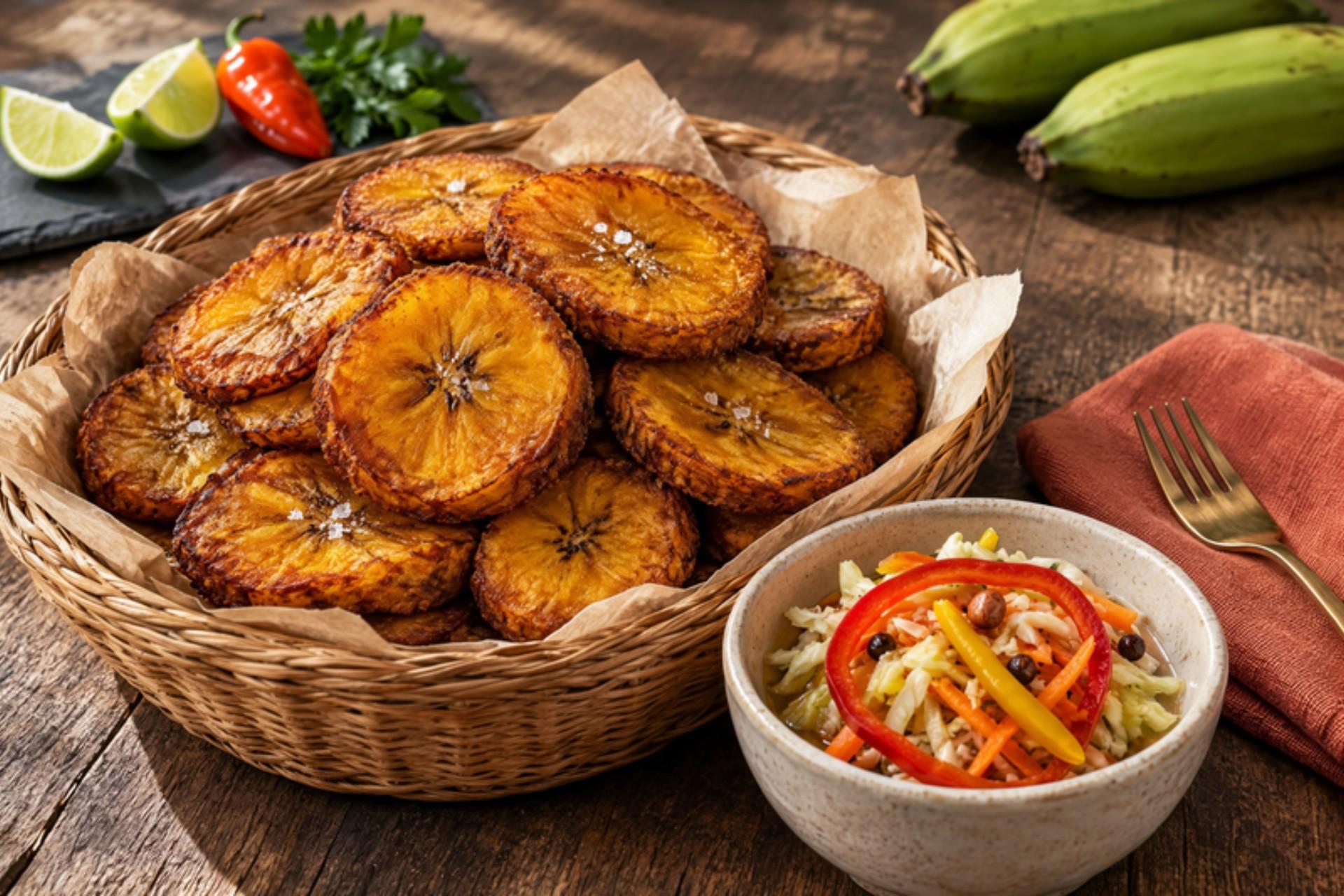
Banann pezeTwice-fried green plantain

Banann peze, pressed plantain, is the crunchy side that comes with griot and fried fish in every Port-au-Prince restaurant and at Haitian family parties from Cap-Haïtien to Miami. Thick slices of green plantain are fried until just soft, smashed flat, dipped in garlicky salted water and fried again until golden and crackling at the edges. Pile them beside the vinegary cabbage relish pikliz. The usual mistake is frying them hot the first time, which browns the outside before the inside cooks, so the smashed slices crack and stay hard in the centre. They are done when deep golden, crisp at the edges and tender inside. Chef's tip: the quick dip in garlic-lime salt water between fries is the Haitian secret; it seasons them right through and makes them extra crisp.

by KrazyBadal 0 views

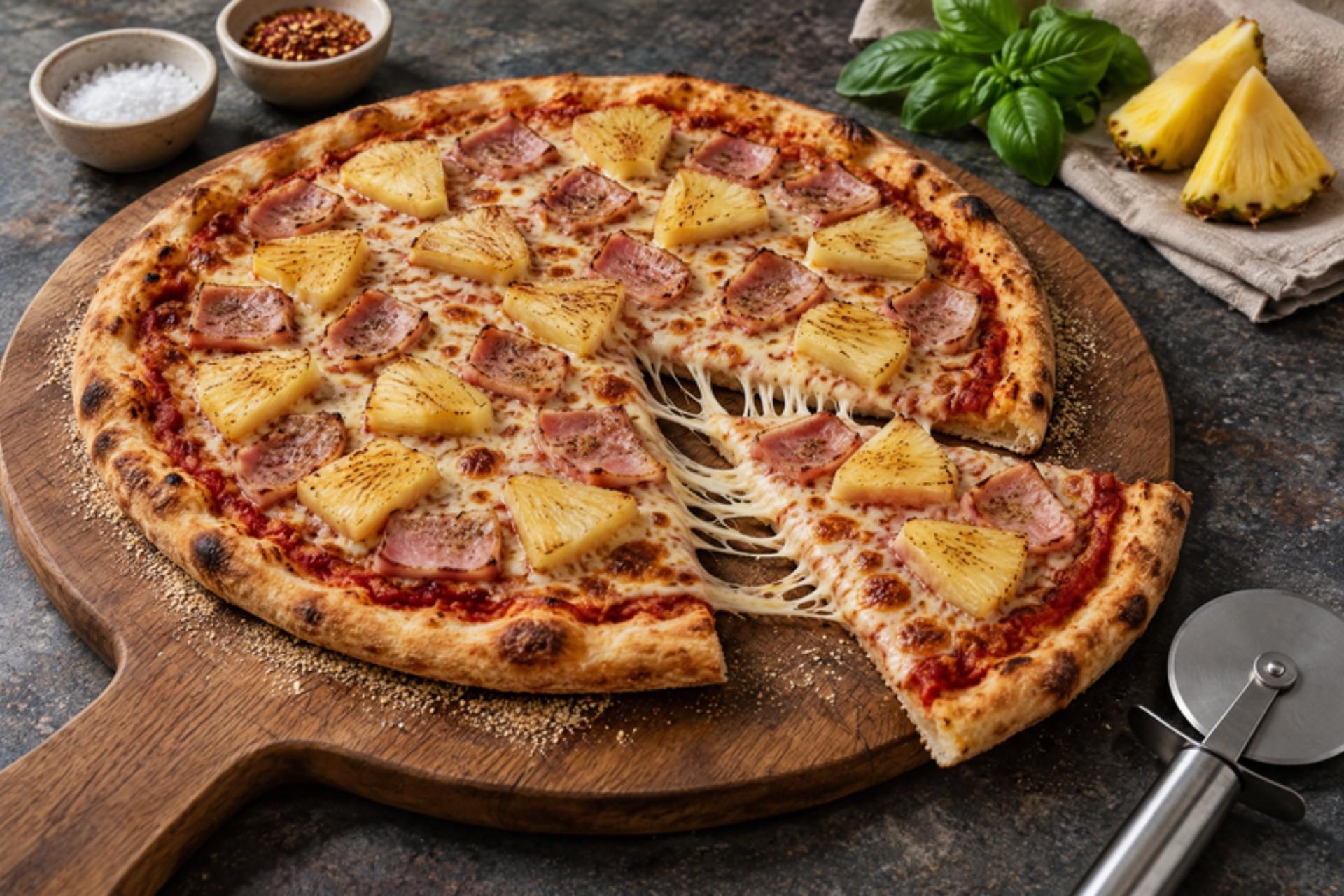
Hawaiian pizza

Hawaiian pizza is not from Hawaii at all: it was invented in 1962 at a restaurant in Chatham, Ontario, by a Greek-Canadian cook who tried tinned pineapple on a pizza, and it is still one of Canada's most ordered pizzas for Friday nights and parties. It contains pork: cooked ham with sweet, juicy pineapple chunks over tomato sauce and mozzarella on a chewy homemade crust. The common mistake is piling on wet pineapple straight from the tin: the juice floods the base and it bakes soggy. Drain the pineapple and pat it dry, and use a very hot oven. The pizza is ready when the crust is browned and crisp underneath and the cheese is bubbling with golden patches. Chef's tip: roast the drained pineapple pieces for 10 minutes before topping; they caramelise at the edges and stop releasing juice into the pizza.

by KrazyBadal 0 views

Thunder Bay Persian rollsPink-iced cinnamon buns

Persians are the pride of Thunder Bay, Ontario, sold in local bakeries and eaten with coffee at breakfast or on a cold afternoon by the shore of Lake Superior; they are almost unknown outside the city. Despite the name, they have nothing to do with Iran: a soft, enriched cinnamon-swirled dough is shaped into oval buns, fried or baked until golden, then spread with a thick pink icing coloured with raspberries or strawberries. They are vegetarian and contain egg, milk and wheat. The common mistake is icing them warm: the glaze melts into a sticky film instead of setting thick and fudgy. Wait until they are completely cool. They are ready when golden all over and they sound hollow when tapped underneath. Chef's tip: use mashed fresh or thawed frozen raspberries for the icing rather than colouring; it gives the true pale-pink shade and a sharp, fruity tang against the sweetness.

by KrazyBadal 0 views

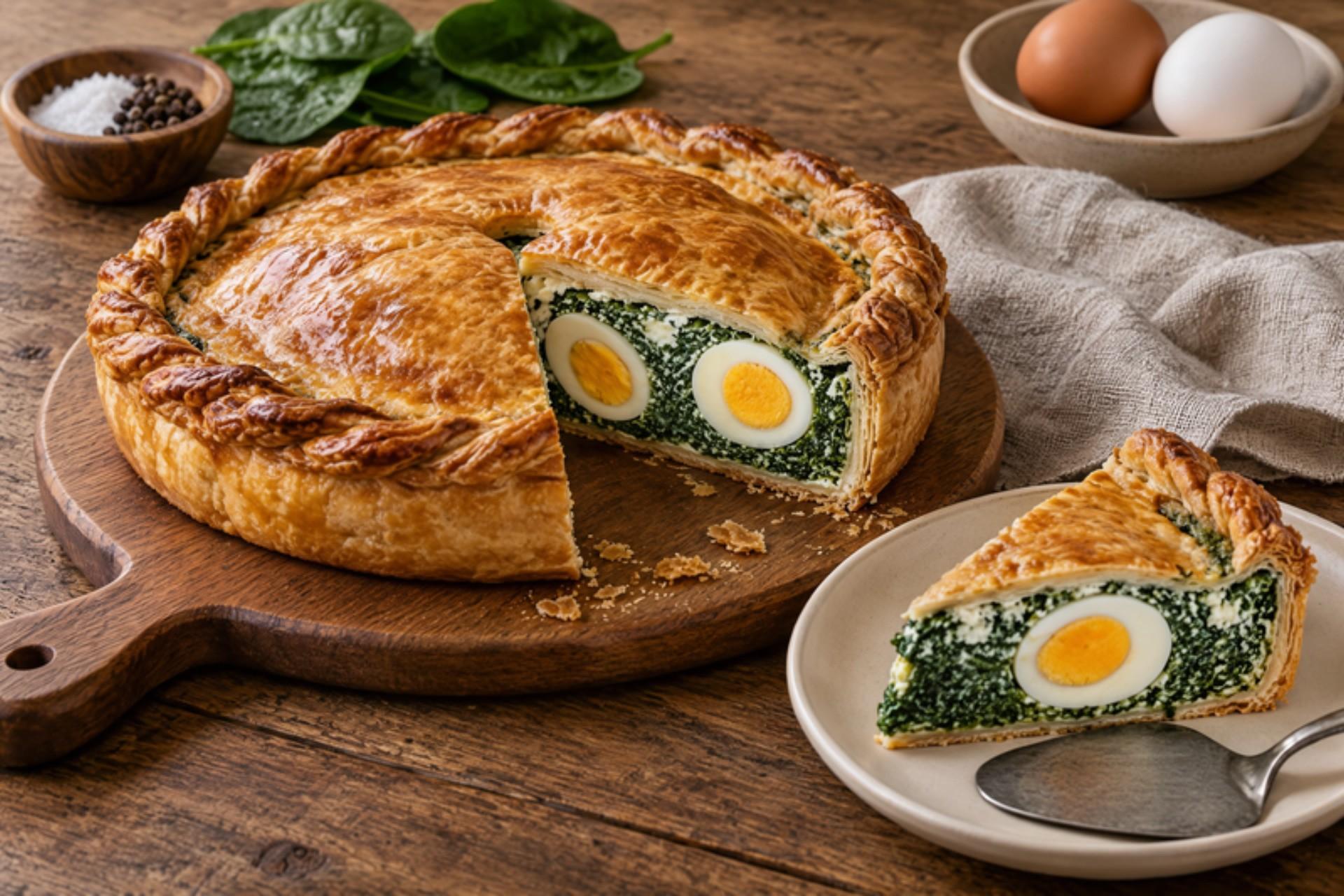
Tarta pascualinaSpinach and egg pie

Tarta pascualina came to Buenos Aires and Montevideo with Ligurian immigrants, and it is still baked for Easter (Pascua, hence the name), though most porteños now buy or make it any weekday for a light supper with a tomato salad. A crisp, olive-oil crust holds chard or spinach bound with ricotta and cheese, with whole eggs baked into hollows so every slice shows a ring of yolk. The usual mistake is not squeezing the greens: the filling floods and the base goes soggy. Wring them in a clean tea towel until no more water drips. Hard cheeses such as Parmesan are usually made with animal rennet; use a vegetarian hard cheese if you prefer. Chef's tip: bake the tart on the lowest shelf on a hot baking sheet so the bottom crust browns as well as the top.

by KrazyBadal 0 views

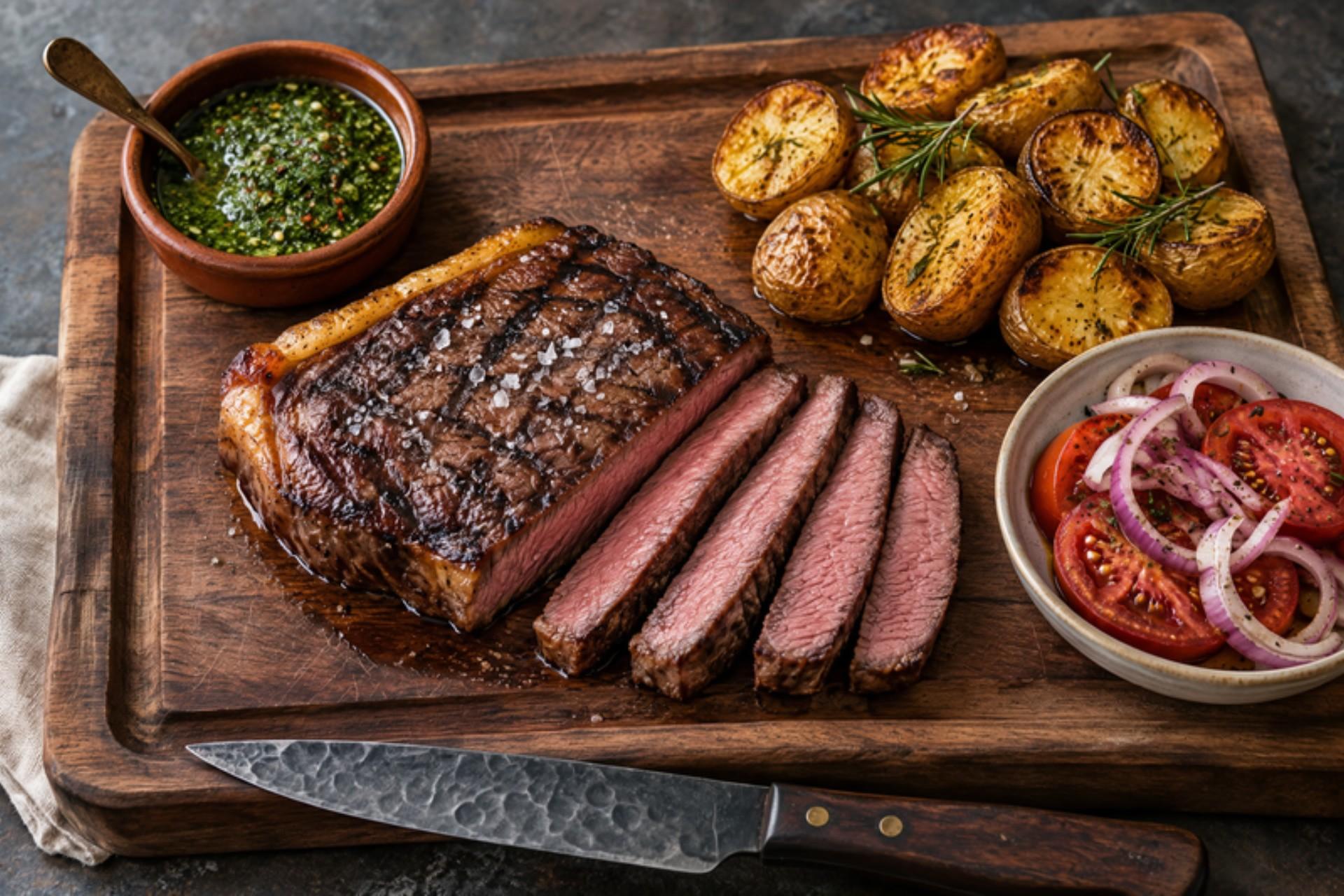
Bife de chorizoGrilled sirloin steak with chimichurri

Bife de chorizo, despite the name, has nothing to do with sausage: it is the thick sirloin (strip loin) steak that every parrilla in Buenos Aires grills, from the steakhouses of Palermo to the roadside grills of the pampas, and it is the Saturday-night order for anyone who wants beef and nothing else. It is cut at least 3 cm thick, seasoned only with coarse salt and grilled over hot embers, then served with chimichurri and a simple tomato and onion salad. The common mistake is cooking it straight from the fridge and turning it constantly; it greys outside and stays raw in the middle. Bring it to room temperature for 30 minutes and turn it only once. Chef's tip: salt the steak with coarse salt only just before it goes on the grill, and cut into it only after a 5-minute rest.

by KrazyBadal 0 views

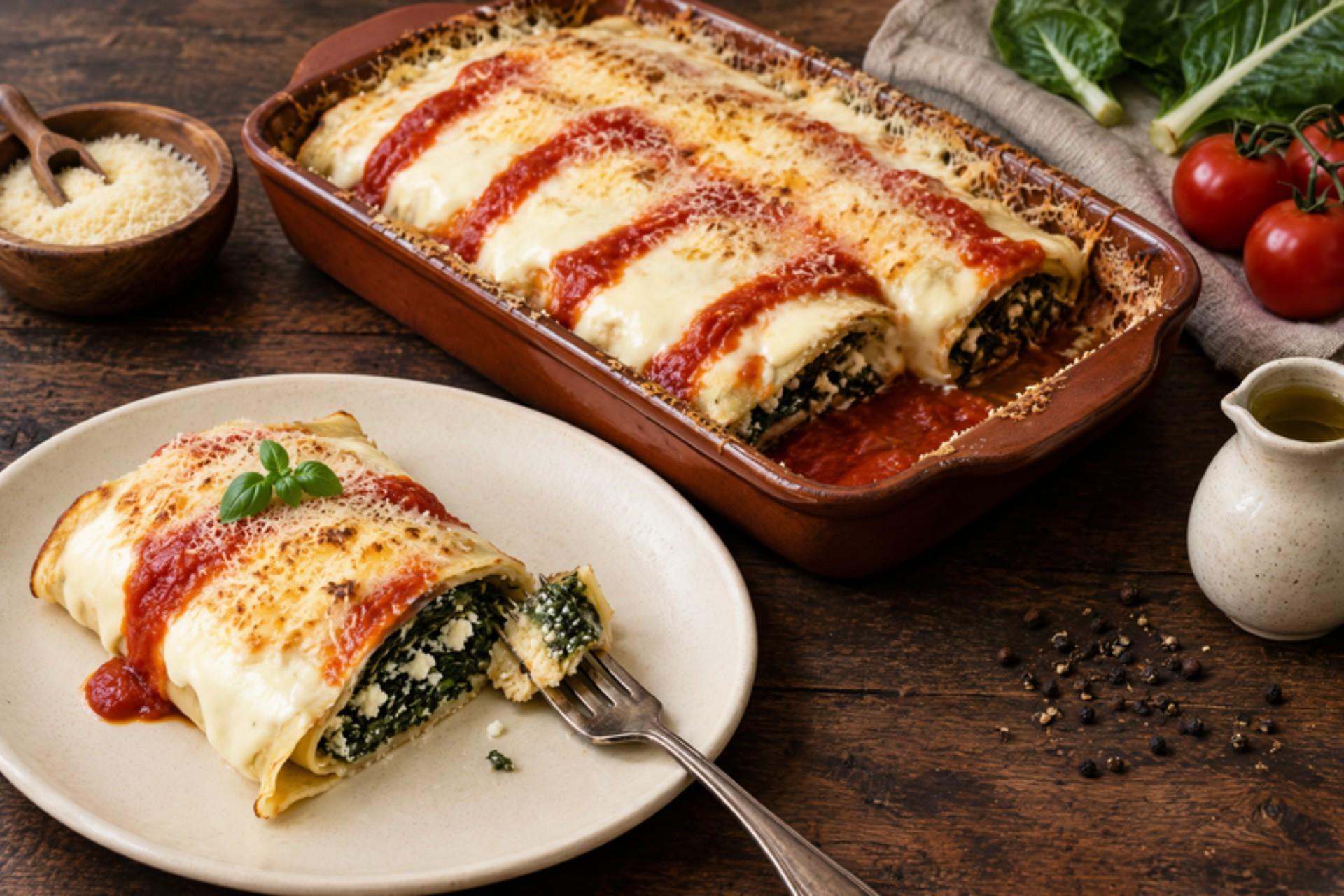
Canelones de verduraSpinach and ricotta crêpe cannelloni

In Argentina, Sunday lunch at the nonna's house in Rosario or Buenos Aires often means canelones, a legacy of Italian immigrants made the Río de la Plata way: thin crêpes instead of pasta tubes, rolled around chard and ricotta, then baked under tomato sauce and béchamel. They are often served on the 29th of the month or for Christmas too. The common mistake is thick crêpes: they turn stodgy. The batter should be as thin as single cream and the pancakes almost see-through. Hard cheeses are usually made with animal rennet; use a vegetarian hard cheese if you prefer. Chef's tip: roll the canelones and chill them for an hour before saucing; they hold their shape better in the oven.

by KrazyBadal 0 views

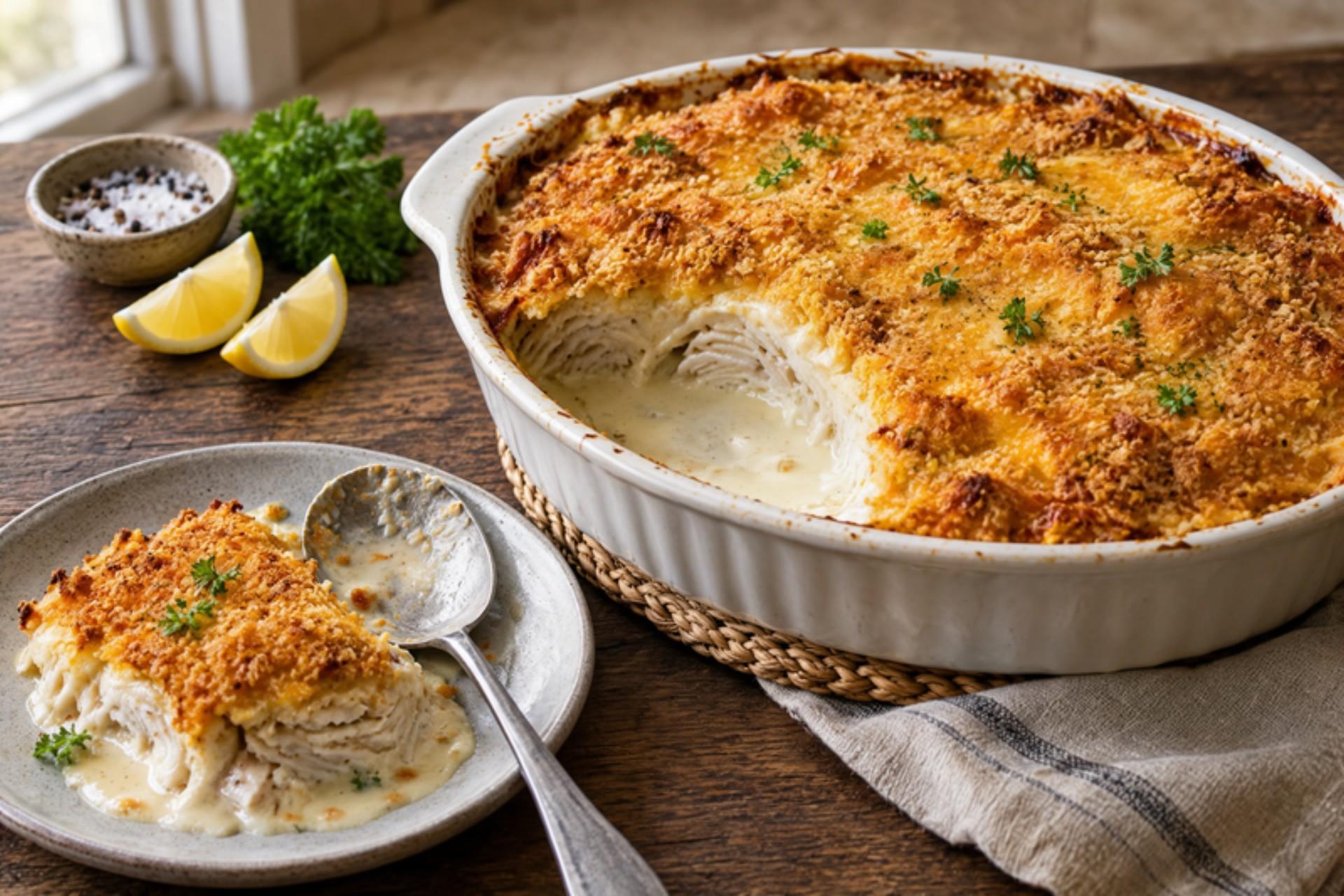
Newfoundland cod au gratin

Cod au gratin is a Newfoundland and Labrador staple, made in St. John's kitchens and outport homes for Sunday dinner, church suppers and Christmas time, when cod has been the island's lifeline for centuries. Pieces of fresh cod are layered in a buttery dish, covered in a creamy white sauce and blanketed with sharp cheddar and buttery breadcrumbs, then baked until bubbling and golden. The usual mistake is pre-cooking the cod: it overcooks into dry crumbs in the oven. Lay it in raw; it is done when it is opaque all the way through and flakes easily under a fork. Serve with mashed potatoes, peas or a green salad. Chef's tip: warm the milk before whisking it into the roux; the sauce comes together smooth in seconds, with no lumps.

by KrazyBadal 0 views

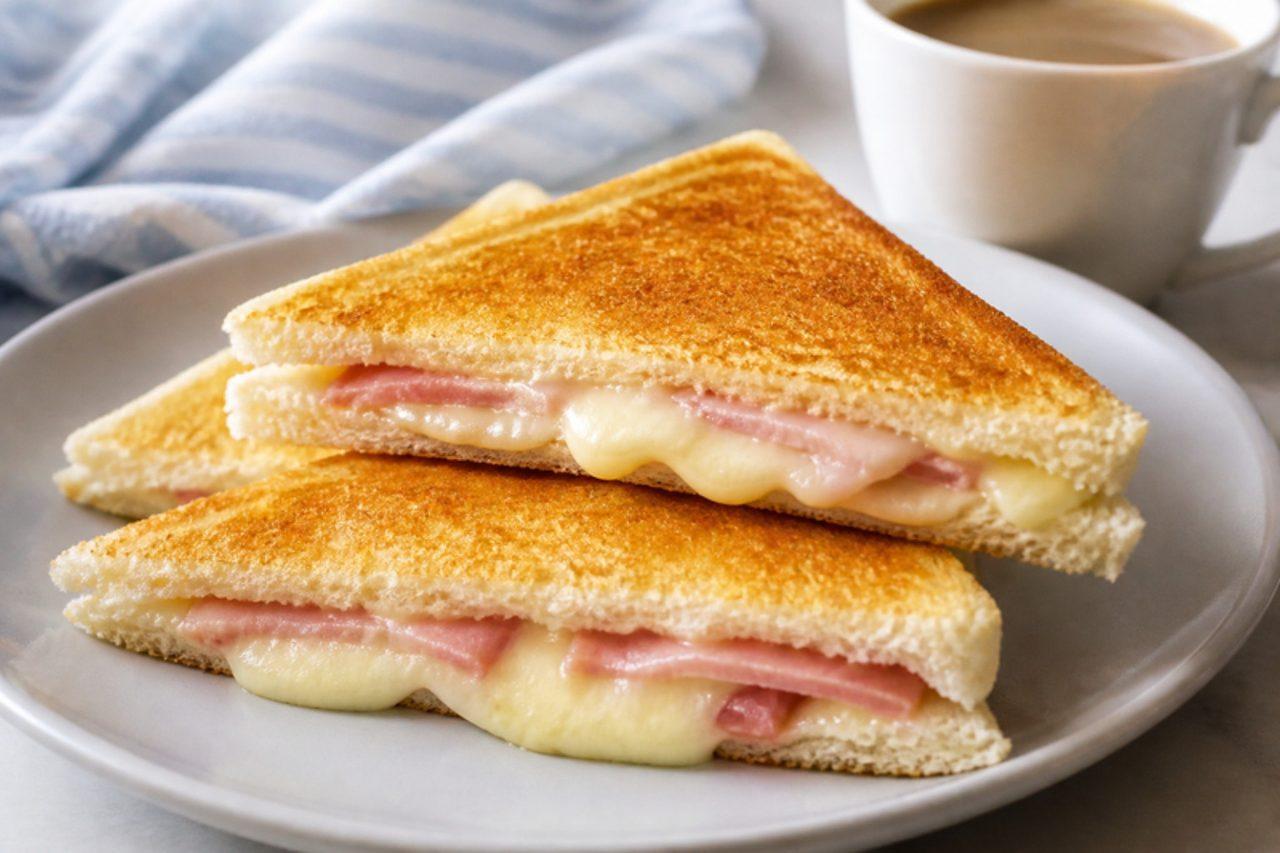
Tostado de jamón y quesoPressed ham and cheese sandwich

The tostado is what Buenos Aires orders in a café at merienda or as a light late dinner, and what Uruguayan kids get made at home: thin crustless pan de miga layered with cooked pork ham and mild cheese, buttered outside and pressed until crisp and oozing. The common mistake is too much filling; this sandwich is meant to be thin, so the cheese melts before the bread burns. Chef's tip: if you have no sandwich press, weigh it down in the pan with a second heavy pan so it toasts flat and even.

by KrazyBadal 0 views

Revuelto de zapallitosCourgettes scrambled with egg and cheese

Revuelto de zapallitos is a weeknight dinner in Buenos Aires homes and all over Argentina in summer, when the little round courgettes called zapallitos are cheap: diced courgette and onion cooked down in oil, scrambled with eggs and finished with grated cheese. It is eaten with bread or as a side to a salad. Grated hard cheese like reggianito or Parmesan is usually made with animal rennet, so use a vegetarian hard cheese for a vegetarian dinner. The common mistake is adding the eggs before the courgettes have given up their water, which turns the scramble wet and grey. Chef's tip: salt the courgettes as they go in, so they release their juice early and it cooks away.

by KrazyBadal 0 views

Dowina (Kurdish yogurt soup)

Dowina, called ash-e doogh in Persian, is warming spring food in Kurdish homes around Newroz, when yogurt is plentiful and the first herbs are cut from the garden. Rice and chickpeas simmer in a tangy, lightly thickened yogurt broth, finished with fresh dill, coriander and a sizzle of dried mint in oil. It is eaten warm, never boiling hot, with flatbread. The common mistake is to heat the yogurt too fast without stirring, which makes it split into grainy curds. Chef's tip: whisk an egg yolk and a spoonful of rice flour into the yogurt before it goes on the heat; it holds the soup smooth all the way to the simmer.

by KrazyBadal 0 views

Pajagua mascadaBeef and cassava patties

Pajagua mascada is a Paraguayan street-food classic that appears on every table for the San Juan festival on 24 June, when bonfires burn and the night is full of games and traditional food. Minced beef is mixed with mashed cassava, onion, garlic and a little egg and flour, shaped into flat patties and fried until crisp. The name comes from Guaraní and refers to the 'chewing' of old Paraguayan cooks, who made it from leftover meat. Chef's tip: dry the boiled cassava well and remove its woody core, which keeps the patties light and crunchy.

by KrazyBadal 0 views

KalanehWild leek stuffed flatbread

In Kurdistan and Kermanshah, Newroz arrives with the first spring greens on the hillsides, and families gather wild leeks to fold into kalaneh, thin griddle breads cooked over a fire or a hot pan and soaked in melted butter. The dough is plain and soft, rolled very thin around a pile of chopped leek or chives with a little salt and pepper, so the greens steam inside as the bread blisters. Eat it hot, torn into strips, with yogurt and tea at a Newroz picnic. The common mistake is wet greens, which turn the dough soggy and make it tear; dry them well after washing. Chef's tip: brush the butter on the moment the bread leaves the pan so it soaks right in.

by KrazyBadal 0 views

KaguyjyWhite corn pudding

On the night of 23–24 June, Paraguayans celebrate San Juan with bonfires, games like walking over hot coals and the 'paso de fuego', and a table of traditional foods, and kaguyjy (also mazamorra) is one of them. It is a soft, creamy pudding of cracked white corn (locro) simmered slowly in water and then milk with sugar or honey, sometimes with orange peel. It is eaten warm or cold. It is gluten free. Chef's tip: soak the corn overnight and cook it until each kernel is tender before adding the milk, or it never turns creamy.

by KrazyBadal 0 views

CipailleLayered meat and potato pie

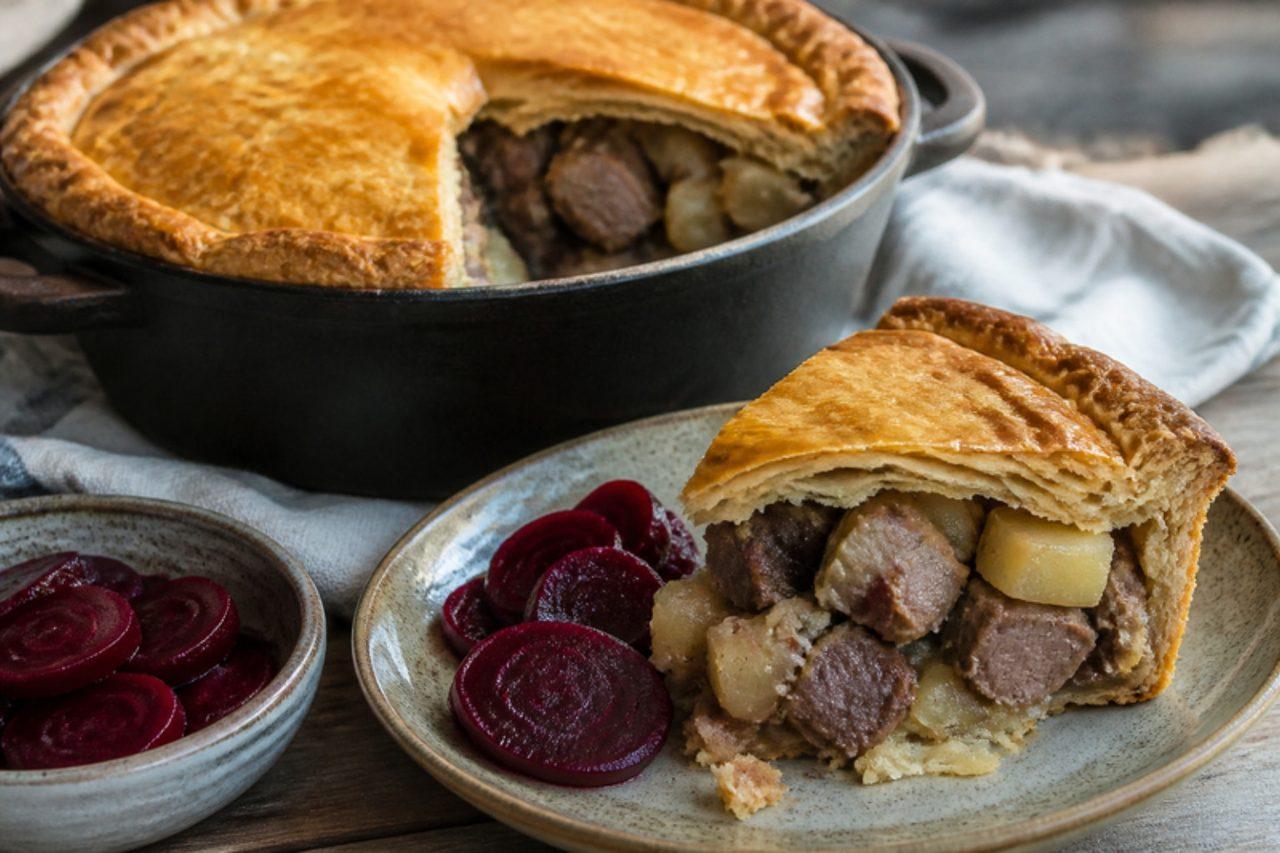
Cipaille (also cipâte or six-pâtes) is a deep, layered Quebec pie baked for the Christmas and New Year holidays, especially in the Gaspé and Lac-Saint-Jean regions. Layers of cubed meats, here pork, beef and chicken (some families add game), alternate with potato, onion and sheets of pastry in a deep pot, covered with stock and baked slowly for hours until the meat is meltingly tender. It feeds a crowd at the réveillon. Chef's tip: marinate the meats overnight with onion and savory; it seasons them through.

360 minCanadianMeat
by KrazyBadal 0 views

Wild rice stuffing

Canadian Thanksgiving falls on the second Monday of October, earlier than the American one, when the harvest is in, and in Ontario, Manitoba and the prairies wild rice often takes the place of bread in the stuffing. Wild rice is the seed of a native lake grass long harvested by First Nations, and it is nutty and chewy; here it is baked with buttery mushrooms, celery, onion, sage and tart dried cranberries, topped with toasted pecans. It is cooked in its own dish, never inside the bird, so it stays safe and vegetarian. Chef's tip: cook the wild rice until a few grains split open to show the white inside; underdone grains stay hard after baking.

by KrazyBadal 0 views

Lengua a la vinagretaBeef tongue with vinaigrette

Argentina's Nochebuena is a hot summer night, so the table is full of cold dishes, and lengua a la vinagreta is one of the classics: beef tongue simmered until tender, peeled, sliced and covered with a sharp vinaigrette of parsley, garlic, red pepper, onion and chopped hard-boiled egg. It is made a day ahead and served chilled with vitel toné and Russian salad. Chef's tip: peel the tongue while it is still hot, as the skin comes away easily then and clings once it cools.

by KrazyBadal 0 views

Tire Sainte-CatherinePulled molasses taffy

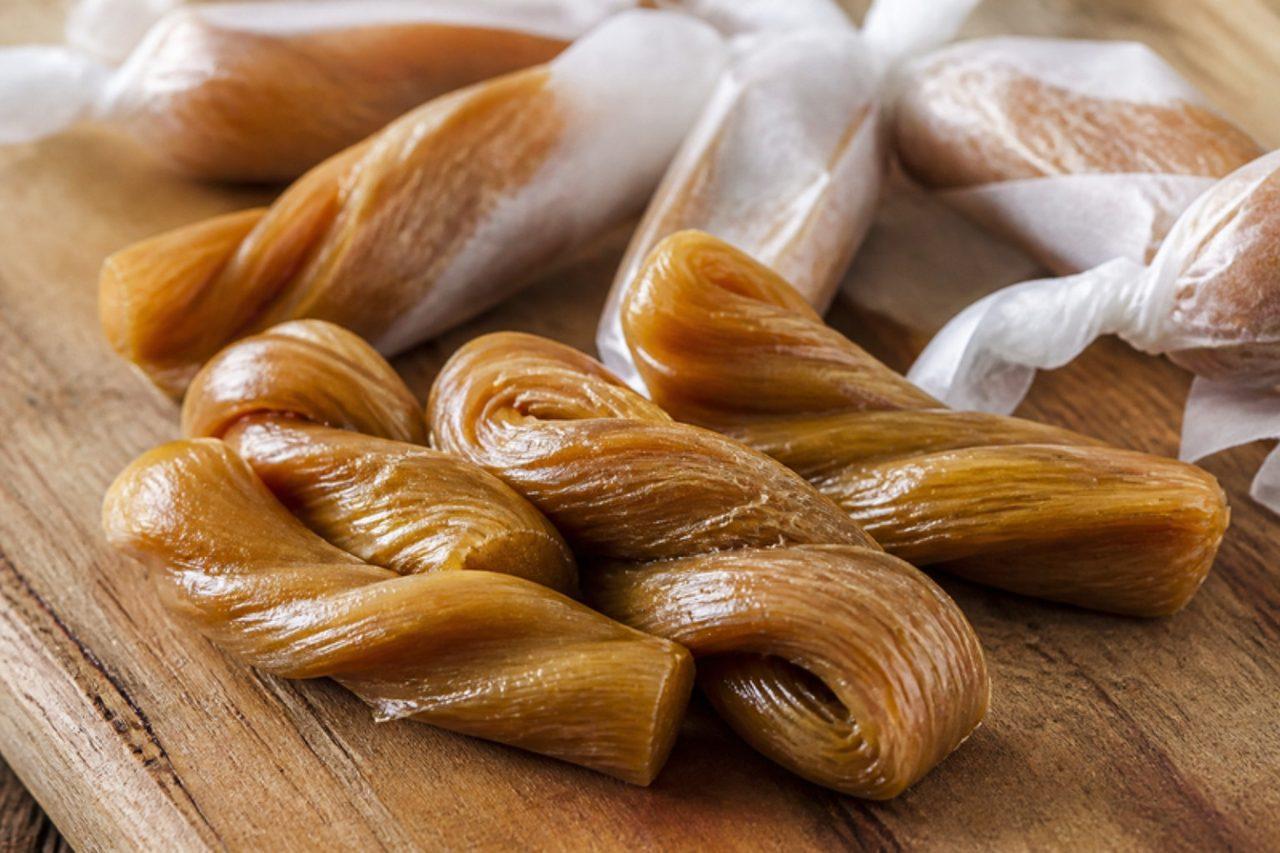
On 25 November, Quebec celebrates St Catherine, patron of unmarried women, with tire Sainte-Catherine, a pulled molasses taffy. The custom goes back to Marguerite Bourgeoys, who is said to have made taffy in the 1600s to draw children to her school in Ville-Marie, and today schools and families still 'pull the tire' together. Hot molasses and sugar syrup is cooled, then pulled with buttered hands until it turns golden and satiny, twisted into ropes and cut into pieces. It is gluten free. Chef's tip: pull it as soon as it is cool enough to handle, as it sets fast; work in pairs.

by KrazyBadal 0 views

Chipa so'oCheese bread with spiced beef

In Paraguay, families bake chipa in the clay tatakua ovens on Holy Wednesday so there is food for Thursday and Good Friday, when cooking stops. Chipa so'o ('chipa with meat') is a cassava-starch and cheese bread wrapped around a little filling of minced beef cooked with onion and egg, then baked until crisp outside and chewy within. It is naturally gluten free. Chef's tip: knead the dough until it no longer cracks at the edges when pressed; dry dough splits around the filling.

by KrazyBadal 0 views

Sucre à la crèmeBrown sugar fudge

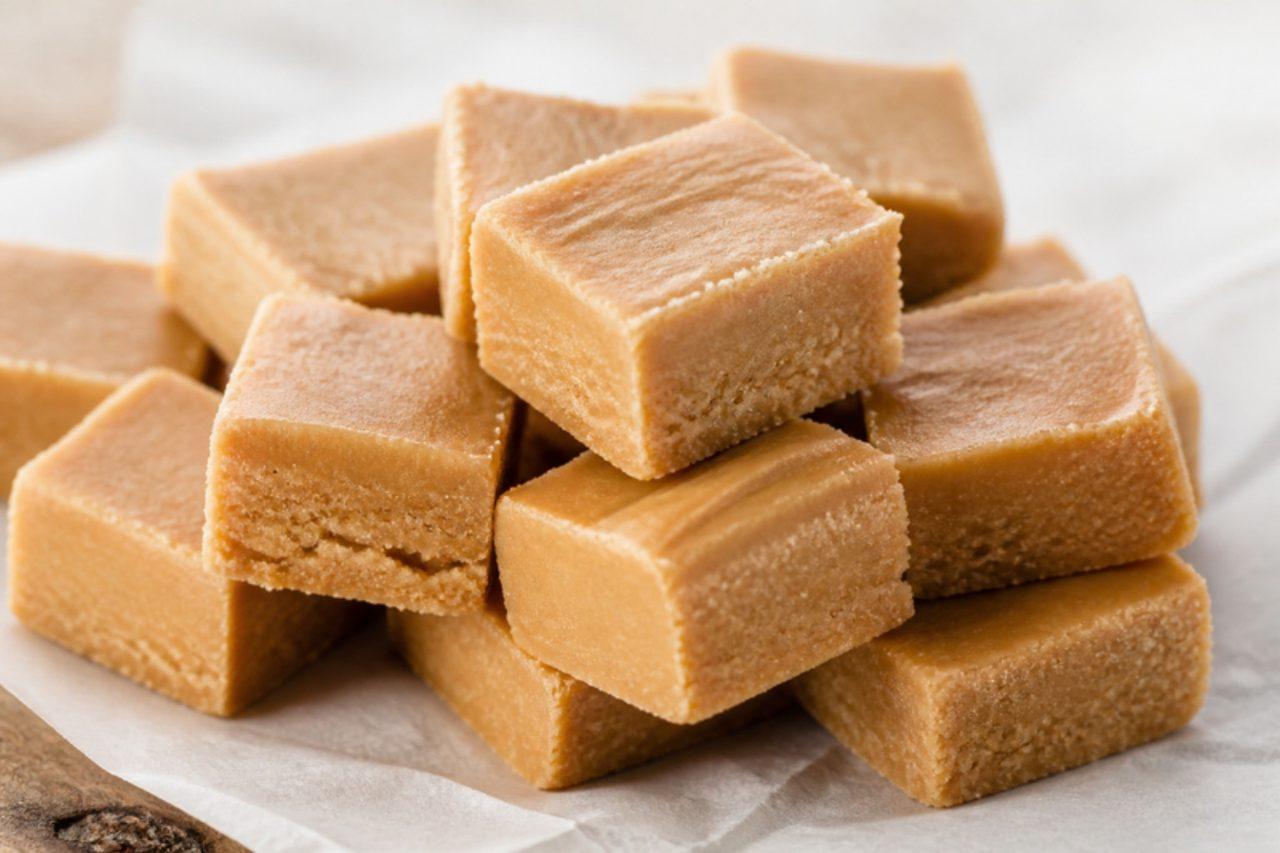
In Quebec, sucre à la crème is the sweet that comes out at Christmas: a soft, melting brown-sugar fudge made from brown sugar, cream and butter, cut into squares and shared at the réveillon after midnight Mass and through the Fêtes. Every grandmother's recipe differs a little; this one is the classic stovetop method, gluten free and ready in under an hour. Chef's tip: beat the cooled mixture until it loses its gloss and starts to thicken, then pour it at once; that beating is what makes it creamy rather than toffee-like.

by KrazyBadal 0 views

Quinotos en almíbar (Argentine kumquats in syrup)

In Buenos Aires and the river provinces of the Litoral, kumquat trees ripen in the middle of winter, between June and August, and the fruit goes straight into jars of syrup. Grandmothers' pantries held quinotos for the whole year, brought out for birthdays and long Sunday lunches. Each little fruit turns glossy orange and translucent, with a soft, bittersweet skin and a sharp, juicy centre. Spoon them over vanilla ice cream, serve them with a slice of fresh cheese in the style of postre vigilante, or eat them straight from the jar. Many bar menus offer them steeped in spirits; this version keeps only the syrup. Naturally egg-free, the quinotos rely on sugar syrup to preserve them, while pectin from the peel gives the syrup a light, jammy body. Chef's tip: blanch the fruit three times from cold water; the common mistake is skipping this, which leaves the skins tough and bitter.

by KrazyBadal 0 views

Turrón de maníPeanut nougat

On an Argentine Christmas Eve, after midnight toasts, the 'mesa dulce' appears with pan dulce, garrapiñadas and turrón de maní: a chewy white nougat of honey, sugar, whipped egg white and roasted peanuts, often set between two sheets of rice paper. Families make it in the days before Nochebuena. The egg white is cooked by the hot syrup. It is gluten free if you use gluten-free wafer paper or none. Chef's tip: work fast once the syrup is in, as the nougat stiffens as it cools and gets hard to spread.

by KrazyBadal 0 views

CroquignolesTwisted nutmeg doughnuts

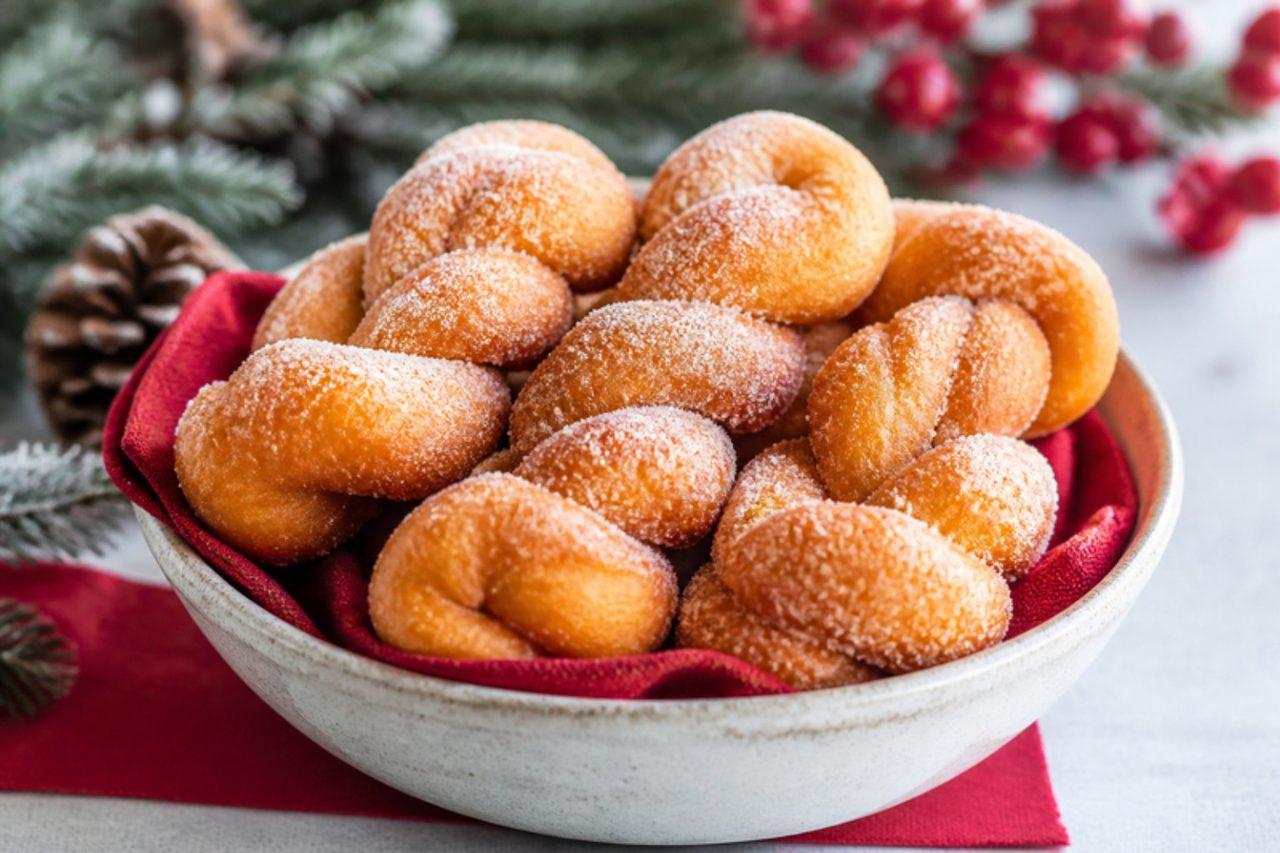
Croquignoles are old-fashioned Quebec doughnuts, cut into strips, slit and twisted into knots, then fried and rolled in sugar. Grandmothers made them by the dozen for the réveillon, the feast after midnight Mass on Christmas Eve, and for New Year's Day visits. They are dense and cakey rather than yeasty, scented with nutmeg. Chef's tip: keep the dough soft and well chilled, so it is easy to roll and the croquignoles stay tender; extra flour makes them tough.

by KrazyBadal 0 views

Showing 24 of 331 recipes

Show more recipes

Page 1 of 14