Skip to content
Recipes

All recipes

Vegetarian, or something you can't eat? Set your diet once and we'll hide recipes that don't fit.

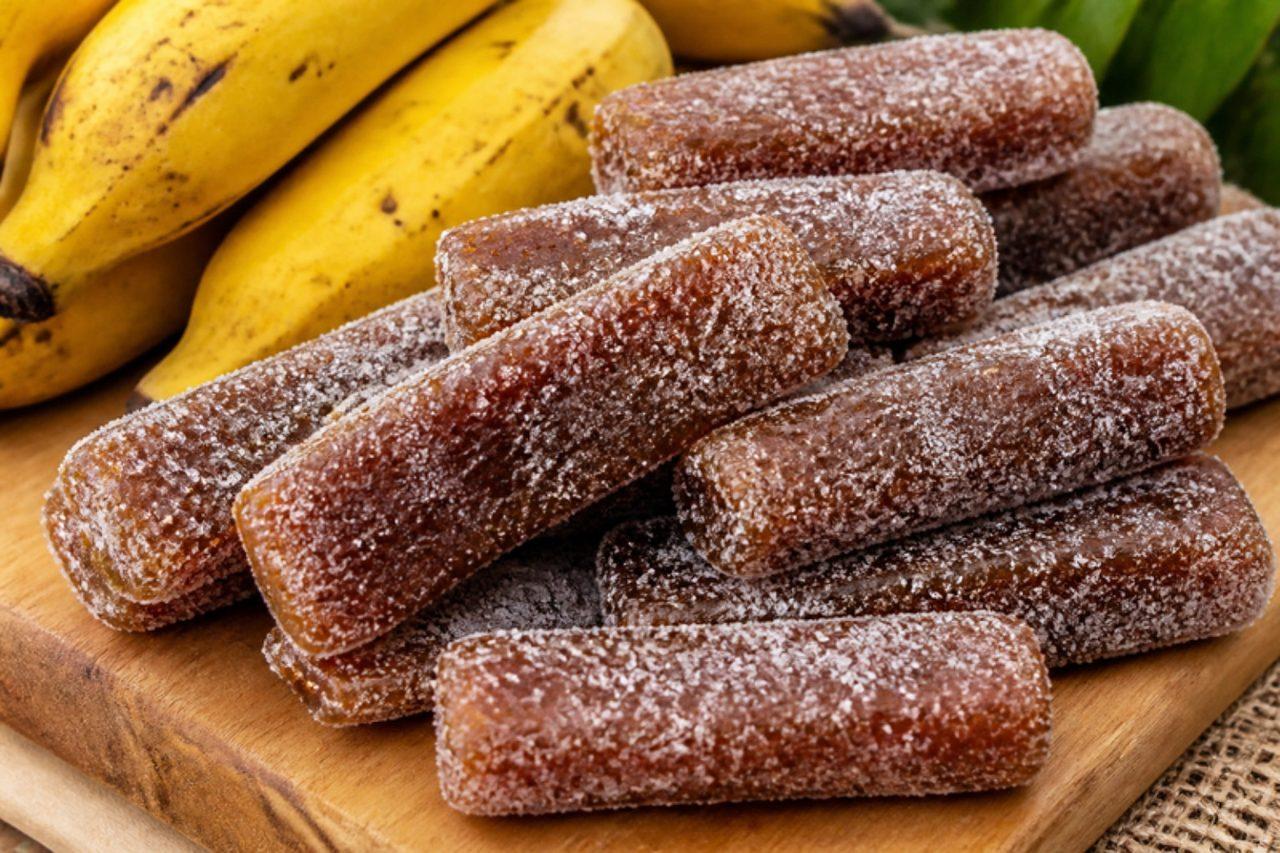
Bananada (Brazilian banana paste bars)

Bananada comes from the banana country of Minas Gerais and the Vale do Ribeira in São Paulo state, where roadside stalls stack it in wrapped bars beside rapadura and goiabada. Children find it in lunchboxes and it turns up on the sweet tables of the June festivals. Cooked slowly, ripe bananas and sugar darken to a reddish brown and set into a dense, chewy paste with a caramel and baked-banana flavour, finished with a sugary crust. Serve the bars with coffee or a piece of fresh cheese. It is naturally egg-free: the starch and pectin in the bananas, concentrated with sugar over a long, slow cook, set the paste firm enough to slice. Very ripe bananas give the sweetest, darkest result. Chef's tip: keep going until you can see the base of the pan for a second when you drag the spoon through; the common mistake is stopping early, which gives a soft jam that won't cut.

by KrazyBadal 0 views

Doce de figo verde (Minas green figs in clove syrup)

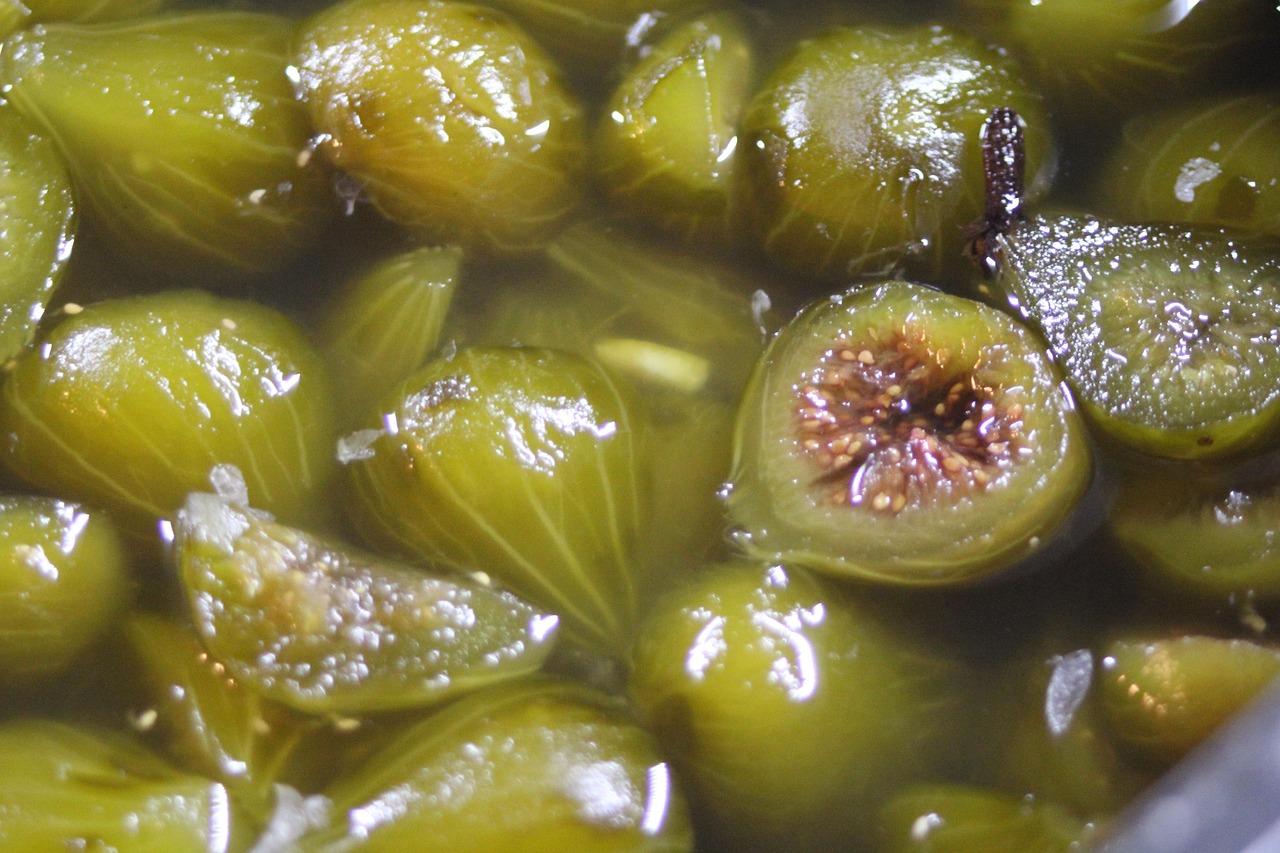
On the farms of Minas Gerais, figs picked hard and green at the start of summer are turned into one of the state's proudest doces, made in big copper pans and set out at Christmas, at Festa Junina and after a long Sunday lunch. The whole figs come out dark olive-green, glossy and tender right through, in a thick syrup fragrant with cloves. They are eaten with a slice of fresh queijo minas, the salty cheese making the sweetness sing, or on their own with a small coffee. Like most Brazilian fruit preserves it is naturally egg-free: the long simmer in sugar syrup preserves and firms the fruit, and the figs' own pectin thickens the syrup. The work is in the repeated blanching, which draws out the bitter milky sap. Chef's tip: wear gloves while scraping the figs, because the sap irritates skin, and keep the syrup at a bare simmer; the common mistake is boiling hard, which bursts the figs and toughens their skins.

by KrazyBadal 0 views

Rapadura (Brazilian sugarcane blocks)

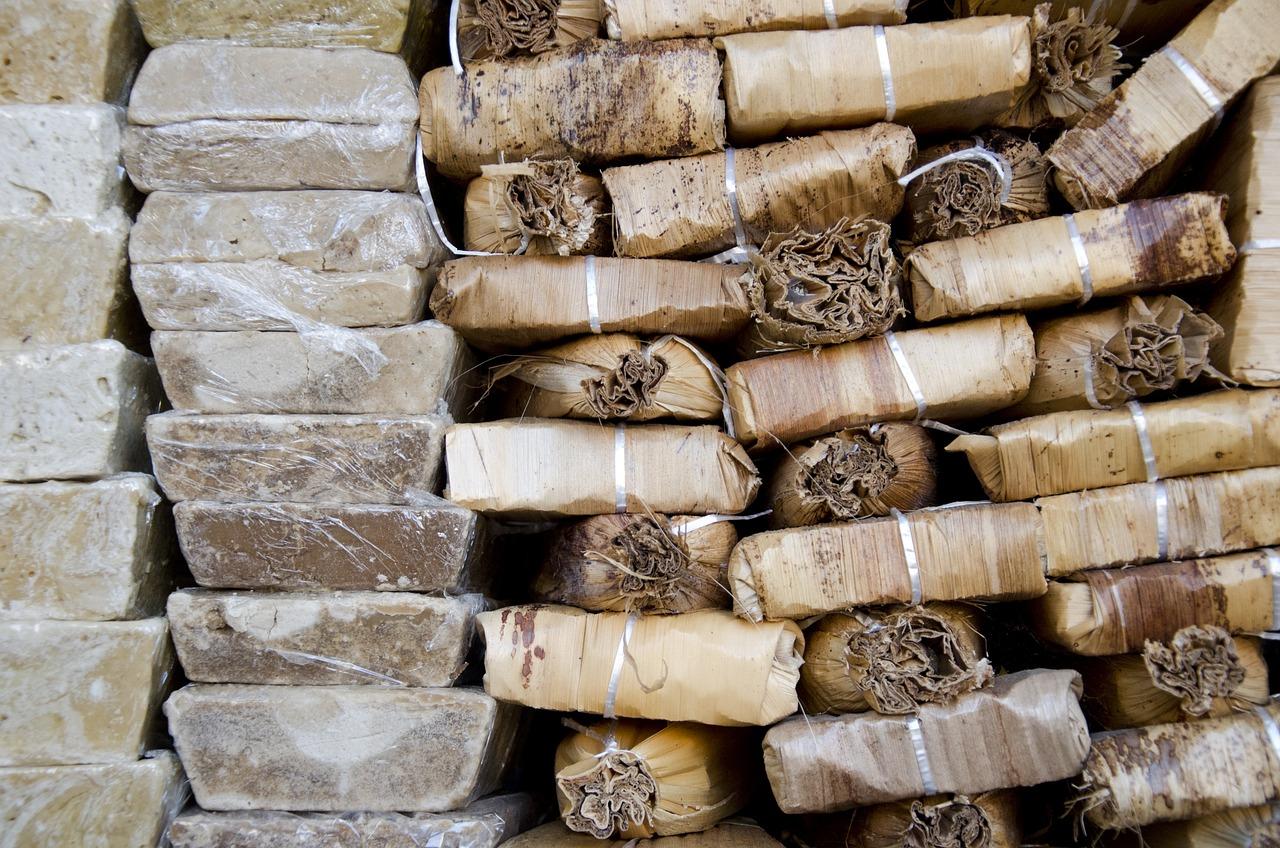
Rapadura is the sweet of the Brazilian Northeast, made since colonial times in the small sugar mills of Pernambuco, Paraíba and Ceará. Fresh cane juice is boiled down for hours and beaten until it sets into dense golden-brown bricks, sold at every feira and roadside stall and carried by farm workers as quick energy. It is eaten after lunch with a cup of coffee, with farinha or a slice of queijo coalho, and chopped onto the tables of the June festivals. The texture is firm but crumbly, like a hard fudge, and the flavour is deep caramel with a faint grassy note of cane. It is naturally egg-free: nothing binds it but sugar, which crystallises as you beat the hot syrup and sets the block. Use fresh or frozen sugarcane juice; peanuts or coconut make popular variations. Chef's tip: beat until the syrup loses its shine and turns thick and opaque; the common mistake is pouring too soon, which leaves a sticky toffee instead of a block.

by KrazyBadal 0 views

Caldo de piranhaPiranha broth

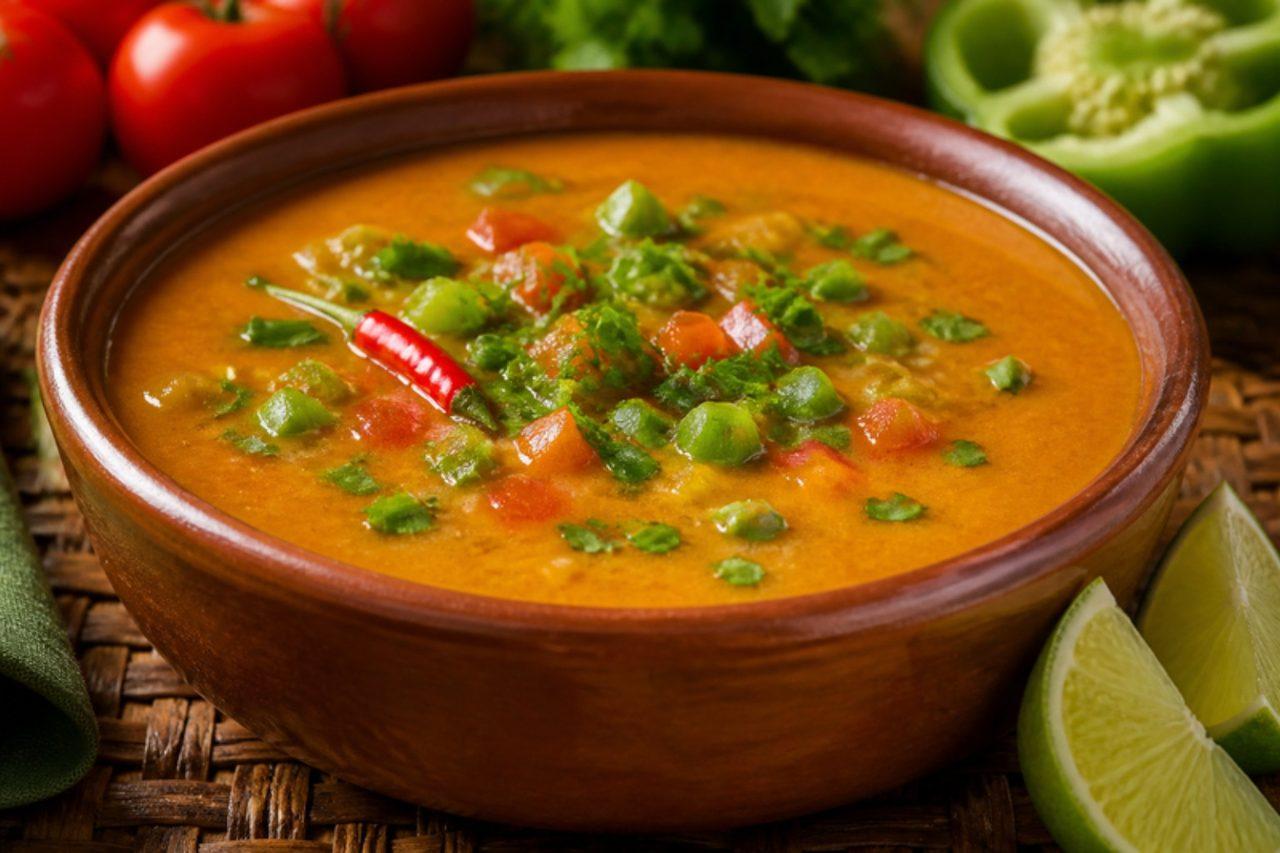
In Cuiabá and Corumbá, on the edge of the Pantanal wetlands of Mato Grosso, caldo de piranha is served in small cups in bars and at riverside festivals, and is said to restore strength (some say more). The bony little fish are simmered with tomato, onion, peppers and annatto, then the flesh is blended into the broth and strained, so it is thick, smooth and savoury. If you can't get piranha, any firm white river or lake fish such as tilapia or catfish works. A bowl gives about 24 g of protein, from the fish, for about 200 kcal. The common mistake is careless straining: piranha has many fine bones, so pass the soup through a fine sieve twice. Chef's tip: finish with a good handful of cheiro-verde, the Brazilian mix of parsley and chives, and a squeeze of lime just before serving.

by KrazyBadal 0 views

Salada de palmitoHearts of palm salad

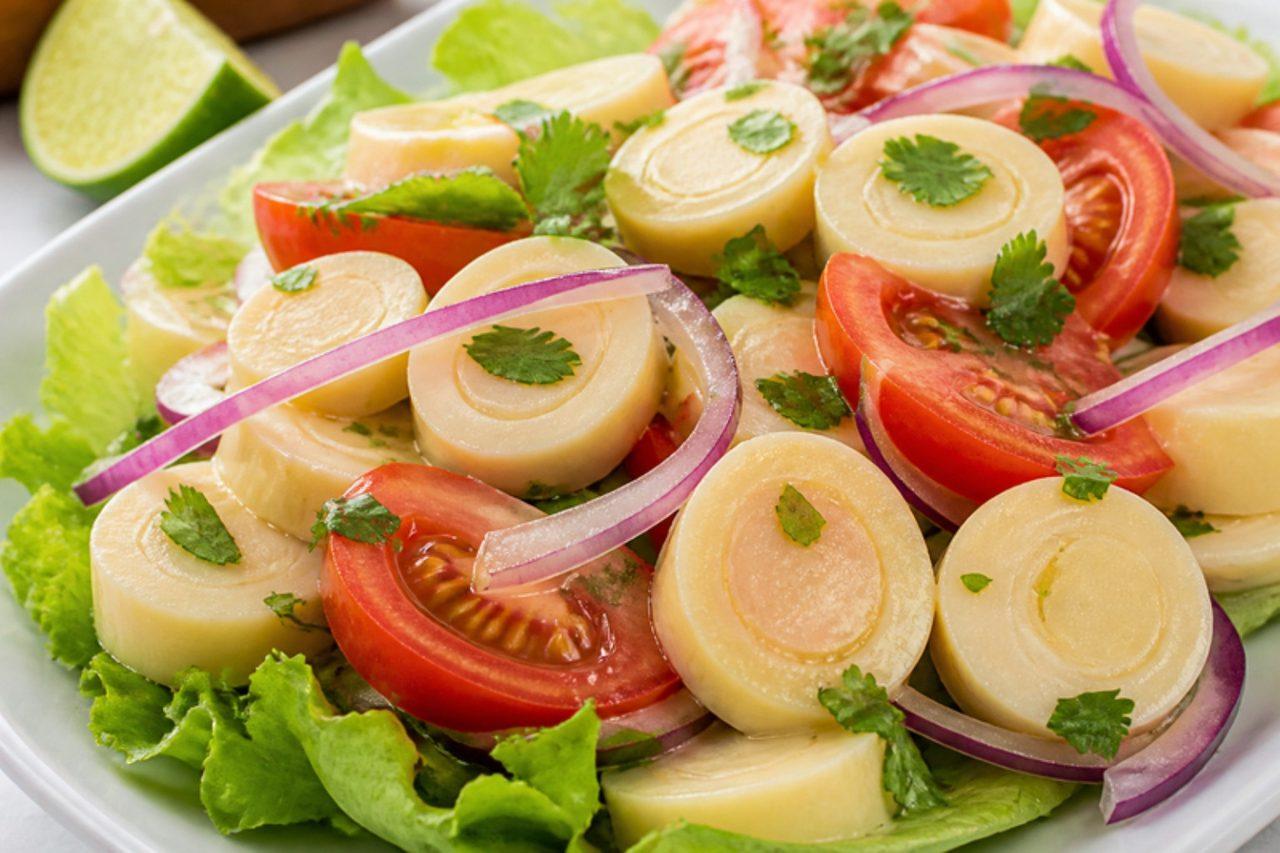
Salada de palmito is a fixture of Brazilian lunch buffets, Christmas tables and churrasco sides from São Paulo to Goiás, prized because hearts of palm feel festive. The tender, slightly lemony palm hearts are cut into rounds and tossed with tomato, red onion, coriander or parsley and a quick lime and olive oil dressing; it is cool, soft and crunchy at once. A portion gives about 3 g of protein, so it is a side; serve it with rice and black beans for a full meal. The most common mistake is not draining and rinsing the palm hearts: the brine from the jar makes the salad taste tinny and too salty. Chef's tip: soak the sliced onion in iced water with a pinch of salt for 10 minutes; it stays crisp but loses its bite.

by KrazyBadal 0 views

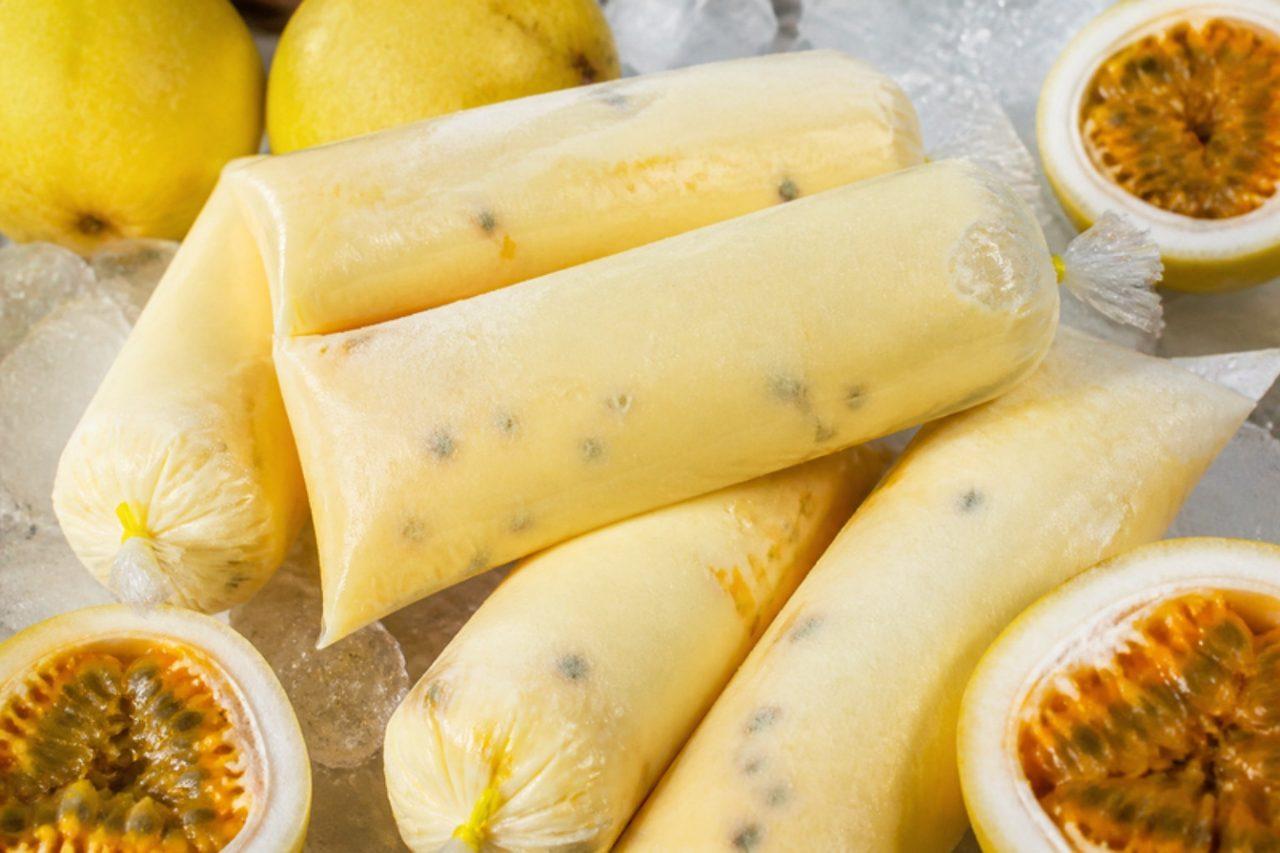
Sacolé de maracujá (Brazilian passion fruit ice pops)

Sacolé, called geladinho or chup-chup in other states, is the homemade ice pop of Brazil: a creamy or fruity mixture tied into slim plastic bags and frozen, sold for a few coins from home freezers in Rio's neighbourhoods and all over the country, especially in summer and during school holidays. You bite off a corner and push the frozen pop up as you eat. This creamy passion fruit version is tangy and smooth. There are no eggs: milk thickened with a little cornflour and sweetened condensed milk make the base, the cooked starch and the condensed milk's sugar keeping the crystals small so the pop is soft enough to bite rather than icy. Coconut, corn and chocolate are other favourites. Chef's tip: stir in the passion fruit only once the base is cold; the common mistake is adding the acid pulp to hot milk, which makes it curdle.

by KrazyBadal 0 views

TopfengolatschenSweet quark puff pastry squares

A Topfengolatsche is what Viennese office workers grab from the bakery on the way in, and what grandparents order with a Melange in a coffee house on a Sunday afternoon. The corners of a puff pastry square are folded over a lemony, vanilla-scented filling of Topfen (Austrian quark) with plump raisins, and the top gets a thin white glaze. It is flaky, light and not too sweet. Raisins are sometimes soaked in rum; warm water or orange juice works just as well, and the recipe below is alcohol-free. Wet quark is the classic problem, because it turns the filling runny and it leaks out in the oven. Chef's tip: hang the quark in a sieve lined with a clean cloth for an hour, or squeeze it, until it is as thick as soft cream cheese.

by KrazyBadal 0 views

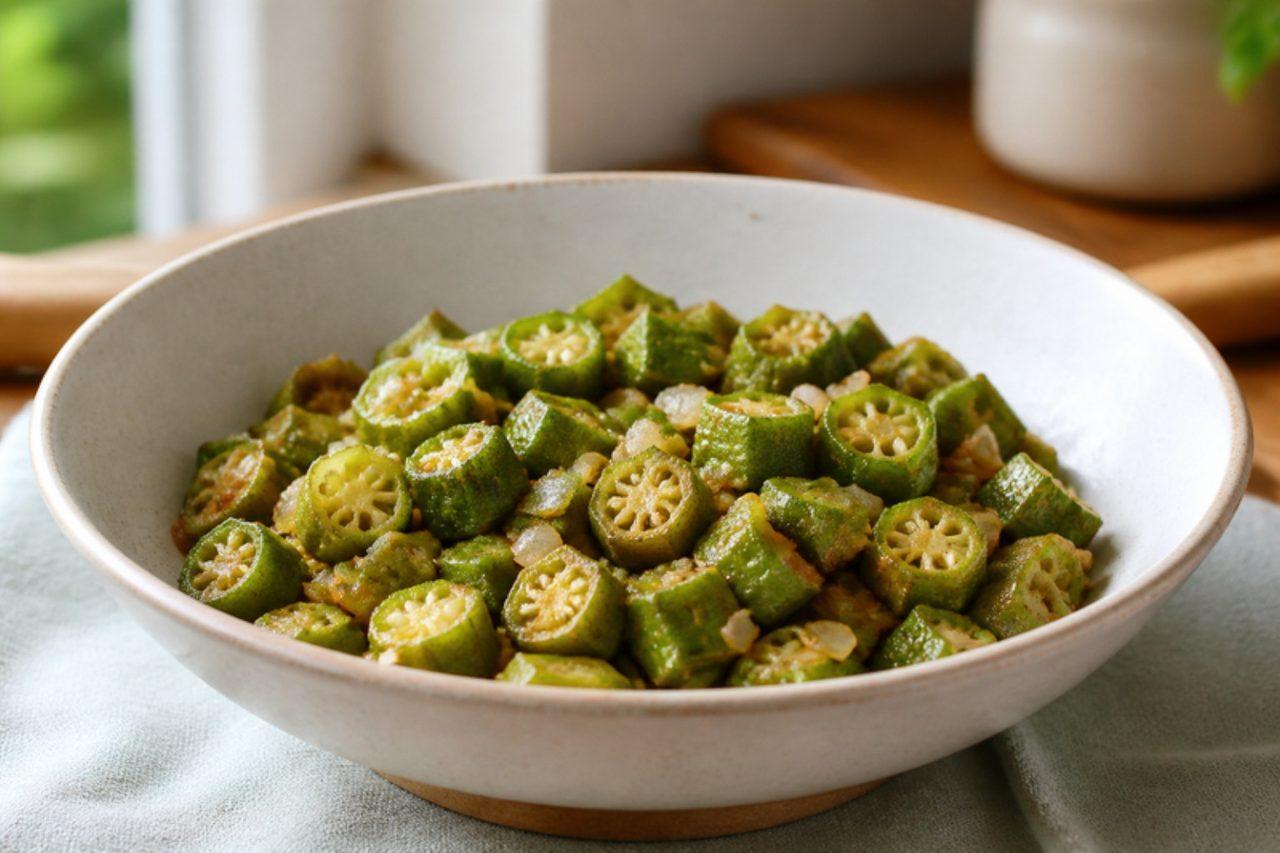
Quiabo refogadoSautéed okra with garlic

In Minas Gerais, quiabo refogado is the green side that sits next to rice, beans and angu on weekday lunch and supper plates, and the cook's pride is okra that is tender but never slimy. The pods are sliced into rounds and sautéed in a wide pan with onion and plenty of garlic until the sticky threads cook away and the edges turn lightly golden. The most common mistake is washing the okra after slicing it: wet cut okra turns gluey, so wash and dry the whole pods first. Serve it with rice and beans, a fried egg or crisp fried tofu. Chef's tip: stir only every couple of minutes and add a few drops of lime at the end; both keep the slices separate.

by KrazyBadal 0 views

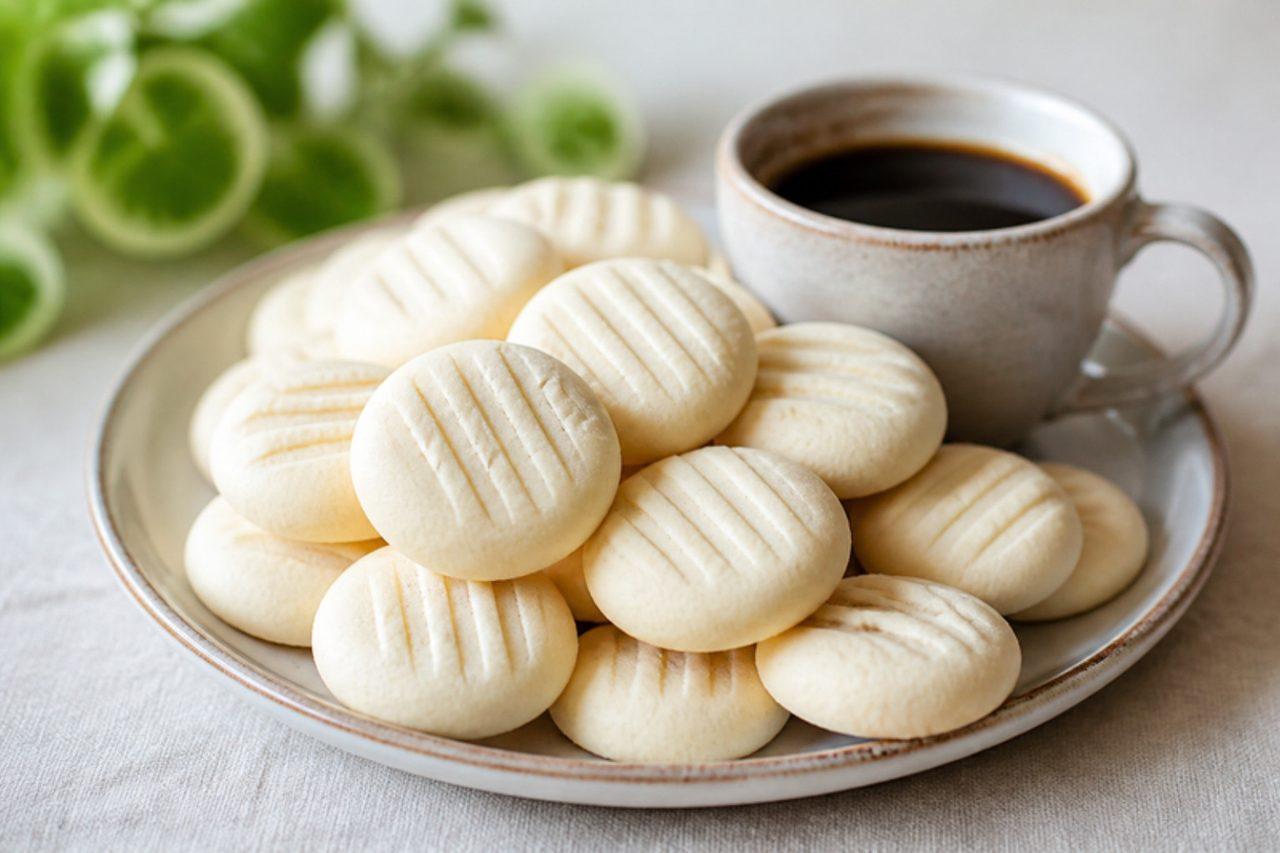
SequilhosCornstarch condensed milk cookies

Brazilian grandmothers keep a tin of sequilhos (seh-KEEL-yos) on the shelf for afternoon cafezinho, and children in São Paulo and Minas Gerais grow up pinching them from it. Made almost entirely from cornstarch, butter and sweetened condensed milk, they bake pale and chalky-looking, then dissolve on the tongue like a cloud of milky sugar. A fork pressed into each ball leaves the classic stripes. This version adds one egg yolk for a little richness; plenty of families leave it out, and the cookies are just as good. Because there is no wheat, they are naturally gluten free. Chef's tip: lift one off the tray after the minimum time and check the base; it should be the faintest cream-gold, not brown, or the melting texture turns sandy.

by KrazyBadal 0 views

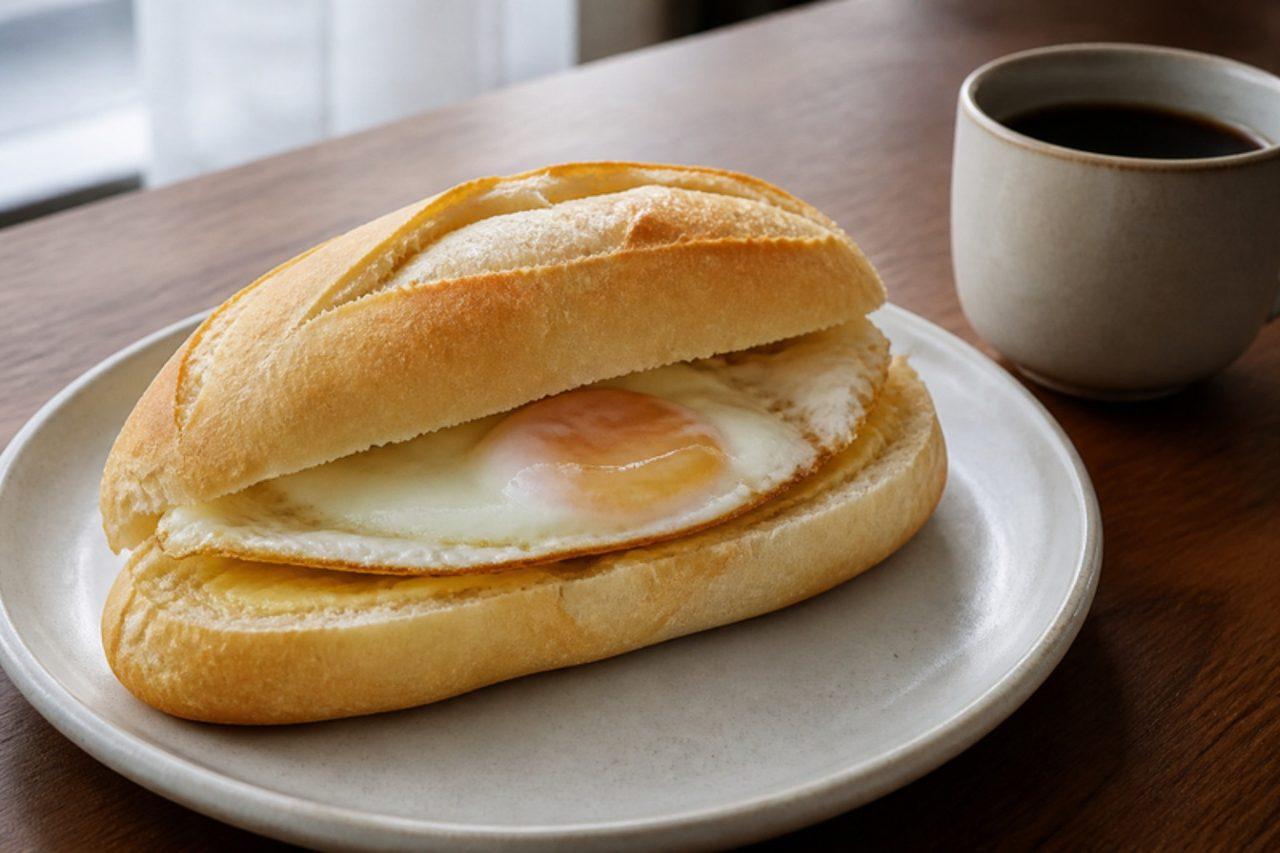
Pão com ovoFried egg in a toasted roll

Every padaria in Brazil, from a São Paulo corner bakery to a beach-town café in Bahia, sells pão com ovo at the counter at breakfast: a crusty French roll, split, buttered and toasted on the griddle, with a fried egg tucked inside. It is eaten standing up with a small coffee or café com leite, and at home it is the quick supper children ask for. The usual mistake is frying the egg on too high a heat, which leaves brown, rubbery edges before the white has set. Brazilians argue over soft or firm yolks; for anyone pregnant, very young, older or with a weakened immune system, break the yolk and cook it through. Chef's tip: toast the cut sides of the roll in the same pan after the butter has foamed, so the bread soaks up the flavour before the egg goes in.

by KrazyBadal 0 views

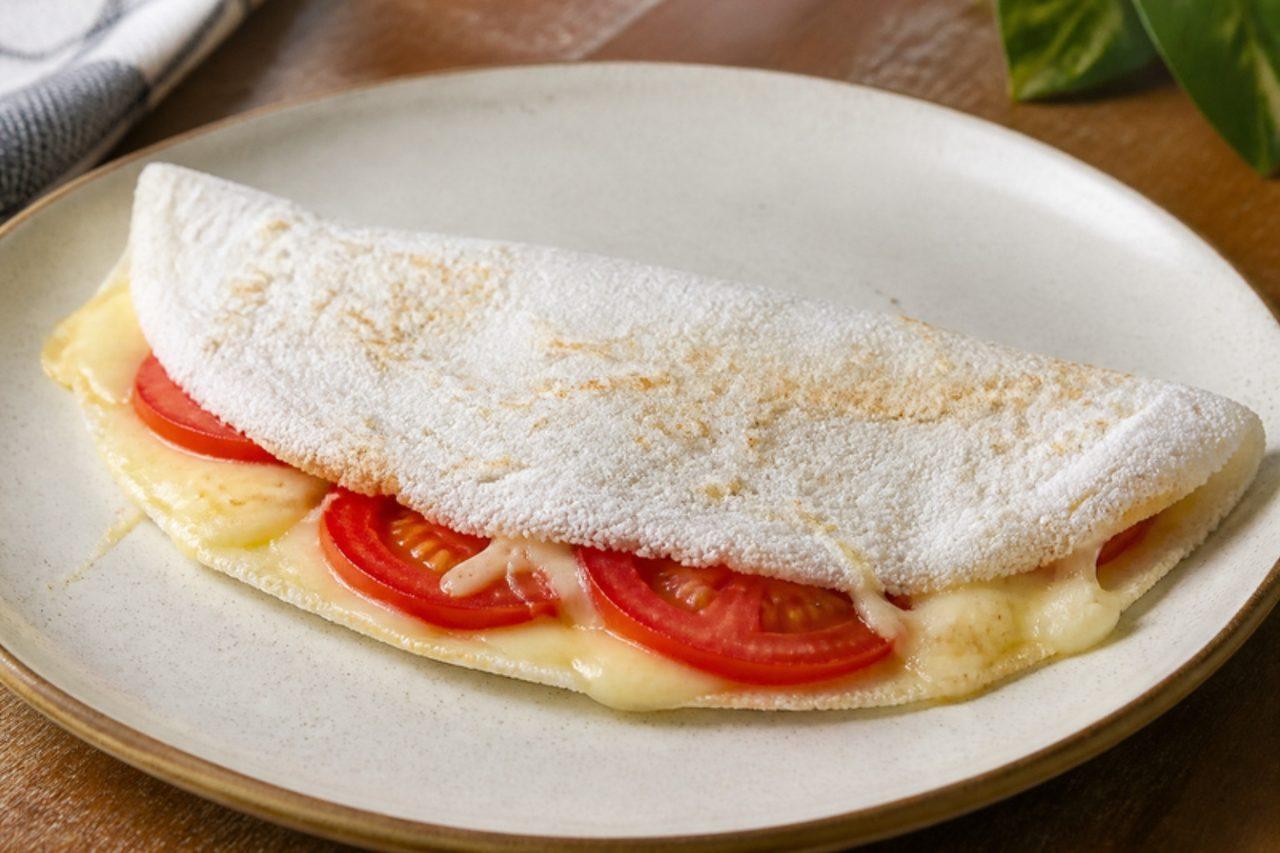
CrepiocaTapioca and egg crêpe

Crepioca is the crêpe that took over Brazilian breakfast tables and gym cafés from São Paulo to Recife: one egg whisked with a spoonful of tapioca starch, cooked thin in a non-stick pan and folded round cheese and tomato. It is naturally gluten free, ready in ten minutes and just as good as a late, light supper as it is with morning coffee. The common mistake is pouring the batter without a last whisk: tapioca starch sinks to the bottom of the bowl in seconds, and the crêpe then comes out patchy and gluey. Mozzarella is often made with animal rennet, so choose a vegetarian mozzarella if that matters to you. Chef's tip: let the pan heat for a full minute before the batter goes in, so the crêpe sets at once and slides free when you shake the pan.

by KrazyBadal 0 views

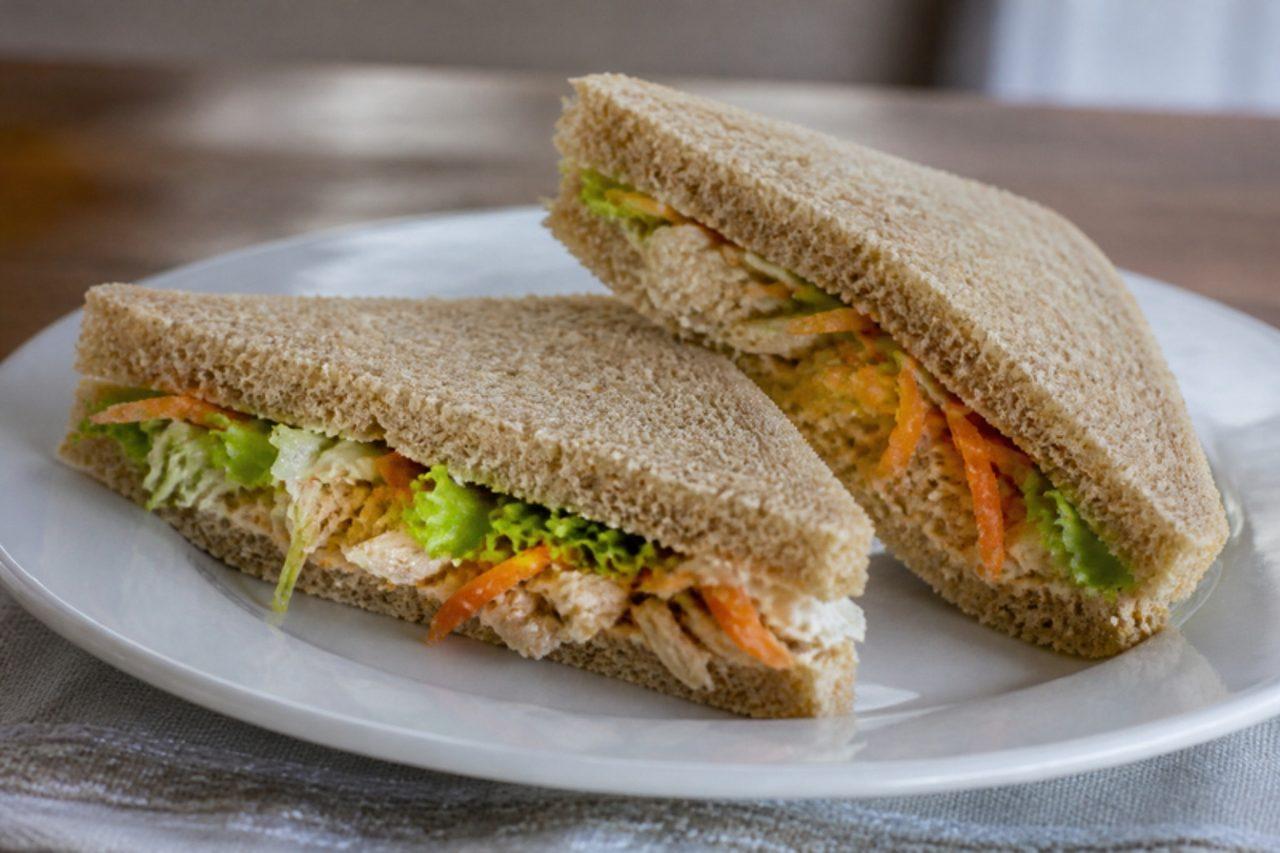
Sanduíche naturalChicken and carrot cold sandwich

In São Paulo and Rio de Janeiro the sanduíche natural is sold wrapped in cling film at beach kiosks, bakeries and office canteens, the light lunch or after-gym snack eaten cold in the afternoon heat. Poached shredded chicken is mixed with grated carrot, sweetcorn and a creamy dressing of requeijão or cream cheese and mayonnaise, then layered with lettuce and tomato in soft wholemeal bread. The common mistake is a soggy sandwich: dry the lettuce and tomato well, and spread the filling right to the edges so it protects the bread. Chef's tip: poach the chicken in salted water with a bay leaf and let it cool in the liquid for a few minutes; it shreds more easily and stays juicy.

by KrazyBadal 0 views

Kärntner ReindlingCinnamon raisin yeast cake

Carinthia's Easter loaf takes its name from the Reindl, the round, deep pan it is baked in, and in southern Austria no Easter basket goes to church without one. Inside the golden yeast crust is a spiral of butter, cinnamon sugar and plump raisins, so every slice shows a dark swirl. Locals eat it two ways: sweet with coffee on Easter morning, or alongside the savoury Easter platter with horseradish. Many bakers soak the raisins in rum overnight; warm water or tea works just as well and keeps it alcohol-free. A dry, crumbly Reindling usually means too much flour went in during kneading, so keep the dough soft and only lightly floured. Chef's tip: butter the pan well and dust it with sugar, which caramelises into a thin crunchy shell.

by KrazyBadal 0 views

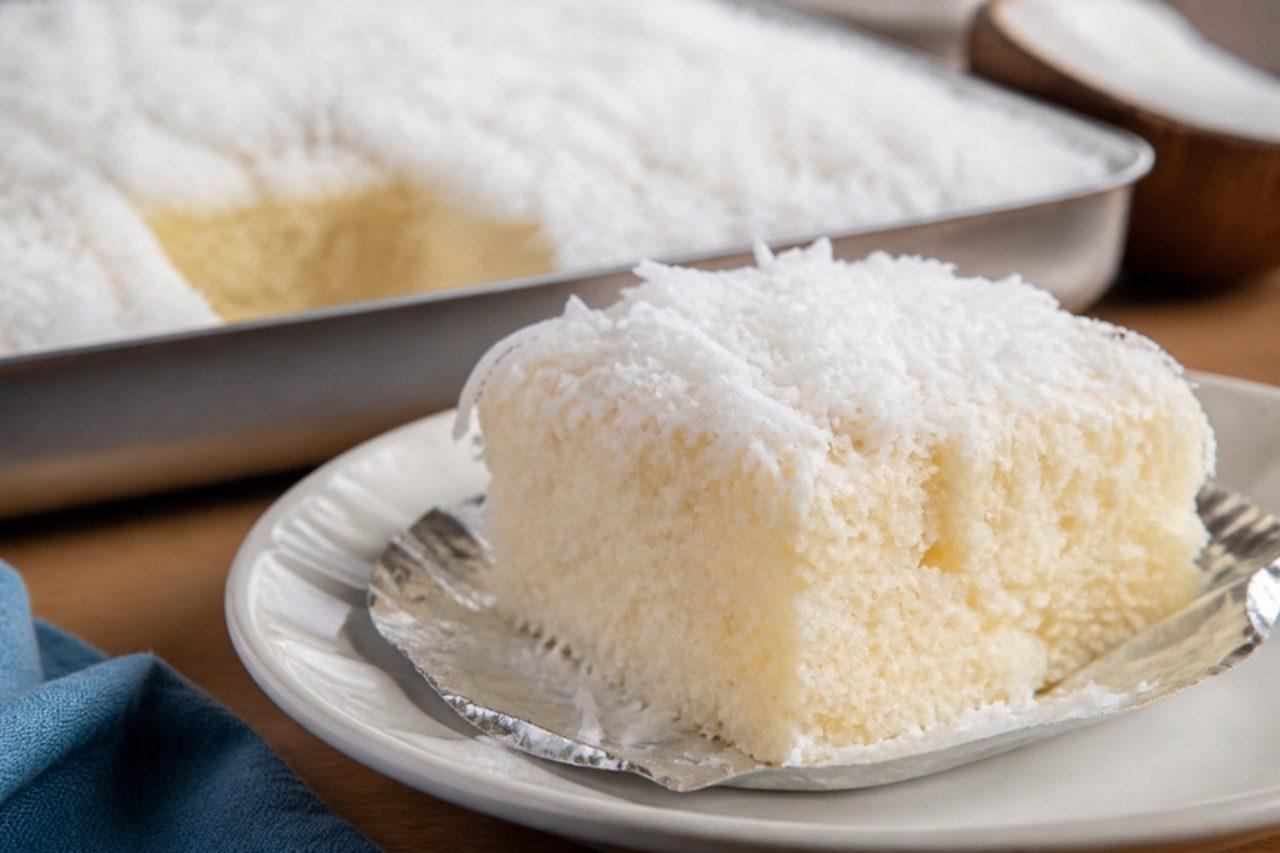
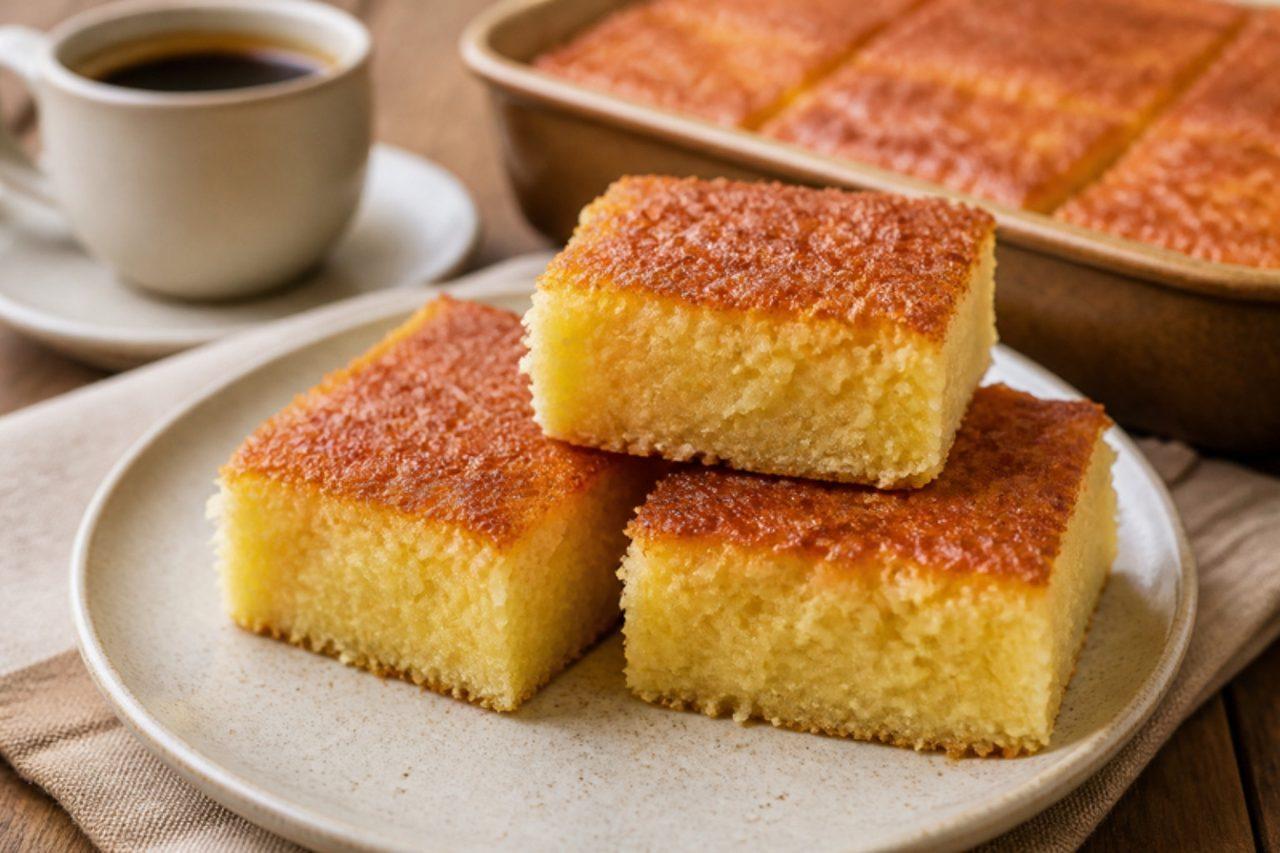
Bolo de coco geladoChilled coconut cake

Wrapped in squares of foil and kept in the fridge of Brazilian padarias and birthday parties, bolo de coco gelado ('cold coconut cake') is a soft white sheet cake drenched while warm in coconut milk sweetened with condensed milk, then buried under grated coconut. Eaten straight from the fridge it is cool, damp and milky, a little like a coconut tres leches but less sweet. It is a favourite for hot afternoons, children's parties and festas juninas, and it actually improves after a night's rest. Pouring the soak over a cold cake is the common mistake; it sits on top in a puddle, so poke the cake while it's still warm and add the soak a ladle at a time. Chef's tip: wrap each square in foil before chilling, the way bakeries do; the coconut stays moist and the squares travel well to a party.

by KrazyBadal 0 views

Brazilian party hot dogs (cachorro-quente de festa)

At almost every children's birthday party in Brazil, a big pot of 'cachorro-quente' sits next to the brigadeiros: frankfurters simmered in a mild tomato sauce with onion and pepper, spooned into soft mini rolls so the sauce soaks in. It feeds a crowd cheaply, can be made ahead and kept warm, and children eat it standing up between games. It contains gluten from the rolls; check the sausages if anyone has allergies. Chef's tip: slice the frankfurters into coins or halve them lengthwise before simmering, so they soak up the sauce and are safe for little ones.

by KrazyBadal 0 views

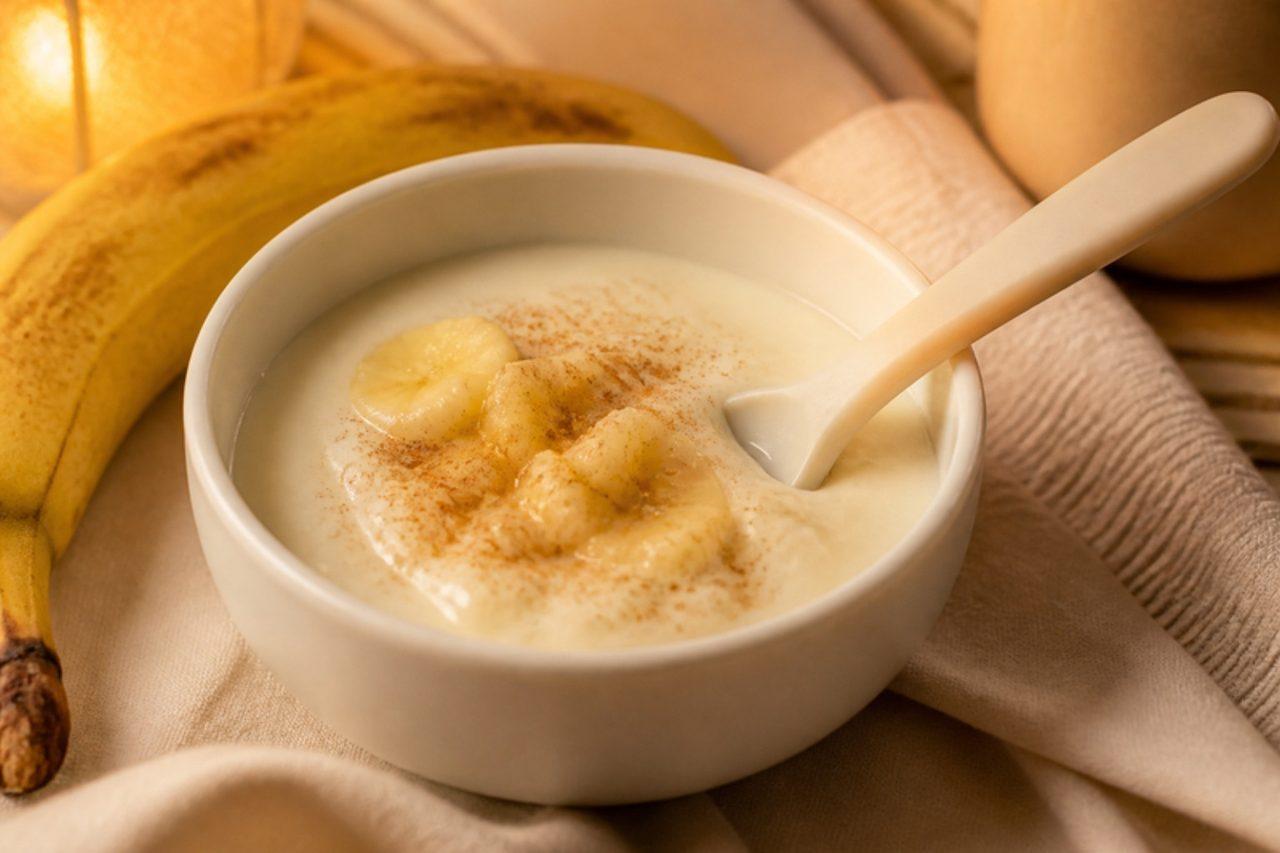
Mingau de maisena (cornflour milk porridge)

In homes across Brazil, a little bowl of mingau de maisena is the classic supper before bed: milk stirred with cornflour over a low heat until it turns smooth and spoonable, like a thin custard. Grandmothers usually add sugar and cinnamon, but for babies from nine months the sweetness comes from mashed ripe banana instead. It contains milk (cow's milk is fine cooked into food from this age); it has no gluten, egg, nuts, soya, sesame or fish. Chef's tip: mix the cornflour into cold milk before heating, never into hot milk, or it forms lumps at once.

by KrazyBadal 0 views

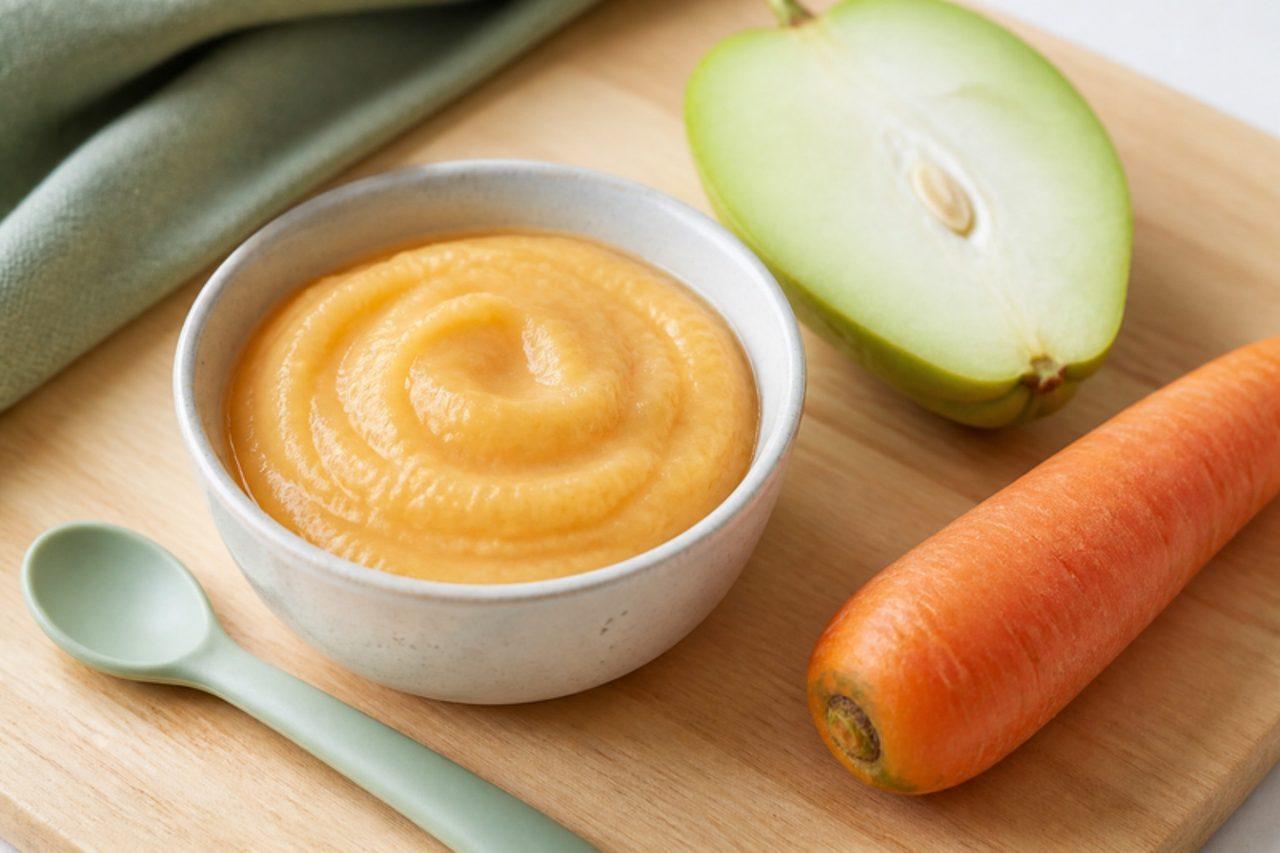
Papinha salgada (Brazilian savoury baby mash)

When Brazilian babies reach six months, the papinha salgada, or 'savoury little mash', becomes their main lunch, served at the same time the family eats rice and beans. Each vegetable is mashed separately with a fork rather than blended, so the baby learns their different colours and tastes, and the warm broth from the family's unseasoned bean pot is spooned over the top. It is soft, earthy and mild. It contains none of the common allergens (milk, egg, gluten, peanut, tree nuts, soya, sesame, fish). Chef's tip: lift out a ladle of bean broth before you add salt, garlic or bacon to the family's pot.

by KrazyBadal 0 views

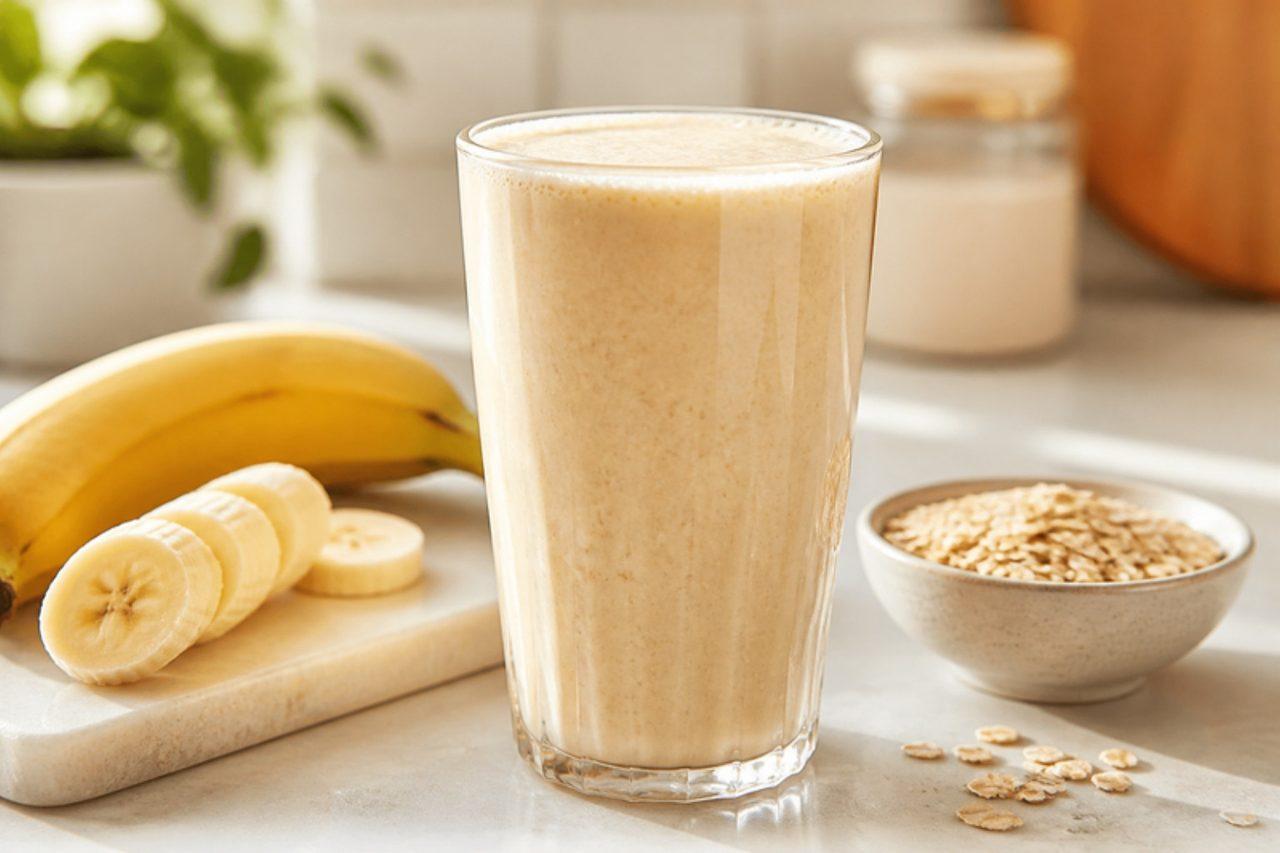
Vitamina de banana (Brazilian banana smoothie)

In Brazil a smoothie is a vitamina, and vitamina de banana is what parents from São Paulo to Recife whizz up for breakfast or when children get home from school hungry. Ripe banana, cold milk and a spoonful of oats make a thick, naturally sweet drink that fills a gap until dinner, so no sugar is needed. It contains milk and gluten (oats, unless labelled gluten free). Chef's tip: use bananas with brown freckles on the skin; they are sweeter and blend creamier than green-tipped ones.

by KrazyBadal 0 views

Mané peladoCassava, coconut and cheese cake

On farms around Goiânia and across the Goiás cerrado, mané pelado is the cake for coffee time and for June festivals: raw cassava grated straight into the bowl, mixed with fresh coconut, eggs, sugar and a handful of grated cheese, then baked until the top is deep golden. It is dense, moist and slightly chewy, sweet with a faint salty edge from the cheese. There's no flour, so it is naturally gluten free. Cutting it hot is the mistake to avoid; the starch needs time to set, and warm slices are gummy, so let it cool fully. Use sweet cassava (the ordinary kind sold for cooking), always cooked through; frozen grated cassava works well. The cheese in Goiás is a semi-cured queijo minas; any mild, salty semi-hard cheese works, or a vegetarian alternative. Chef's tip: grate the cassava on the fine side of the grater; coarse shreds stay stringy.

by KrazyBadal 0 views

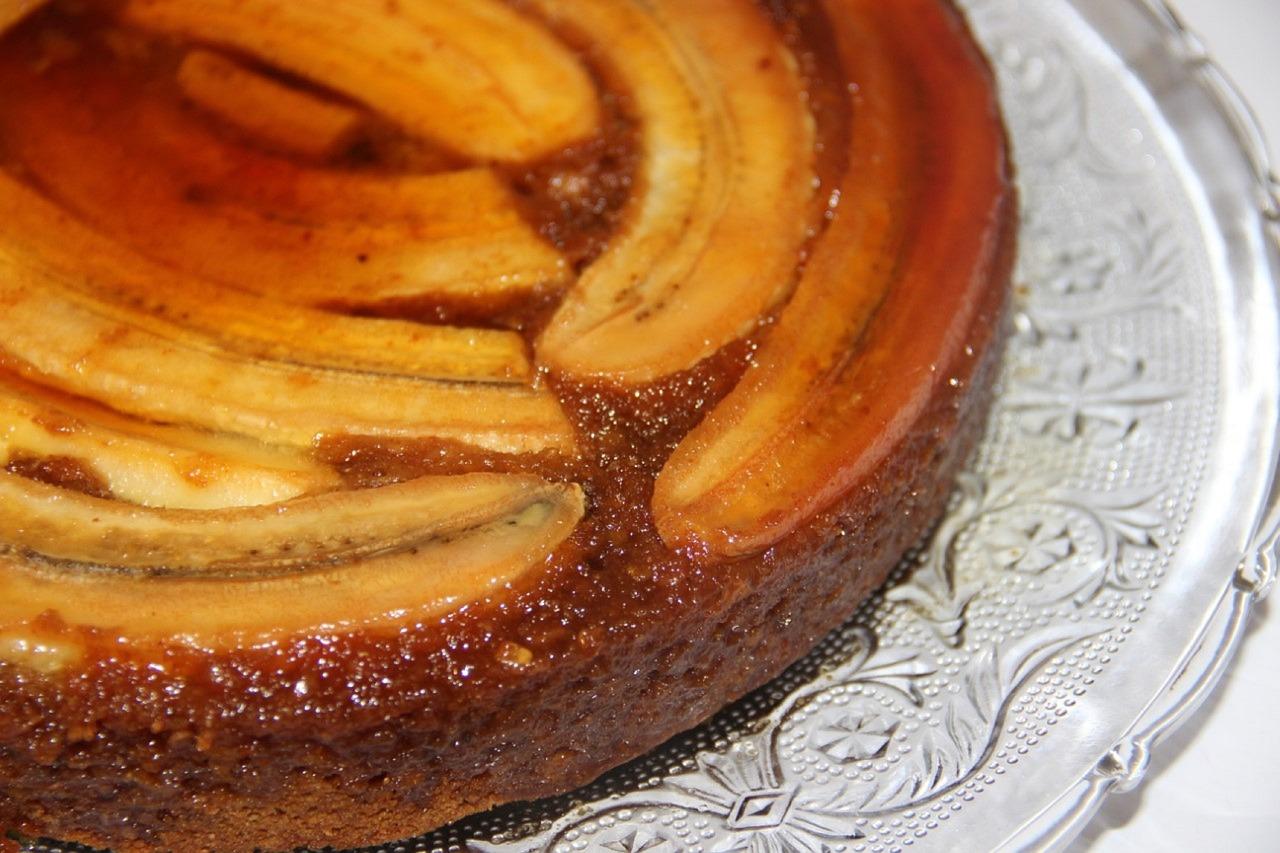
Bolo de bananaUpside-down banana cake

Ask a Brazilian what was on the table for café da tarde as a child and the answer is often this: a soft cake turned out of its tin with a glossy layer of caramelised banana and cinnamon on top, eaten with a small strong coffee. Home cooks make it with overripe bananas from the fruit bowl, and many mix the batter in a blender. The crumb is light and moist, the top sticky and fragrant. Eggless versions exist, but this one uses eggs for a springier cake. Cooking the caramel too far is the usual slip: once it goes past amber it turns bitter, so pull the pan off the heat while it is still the colour of honey. Chef's tip: cut the bananas lengthwise rather than into rounds; long slices lie flat in neat rows and don't slide when you turn the cake out.

by KrazyBadal 0 views

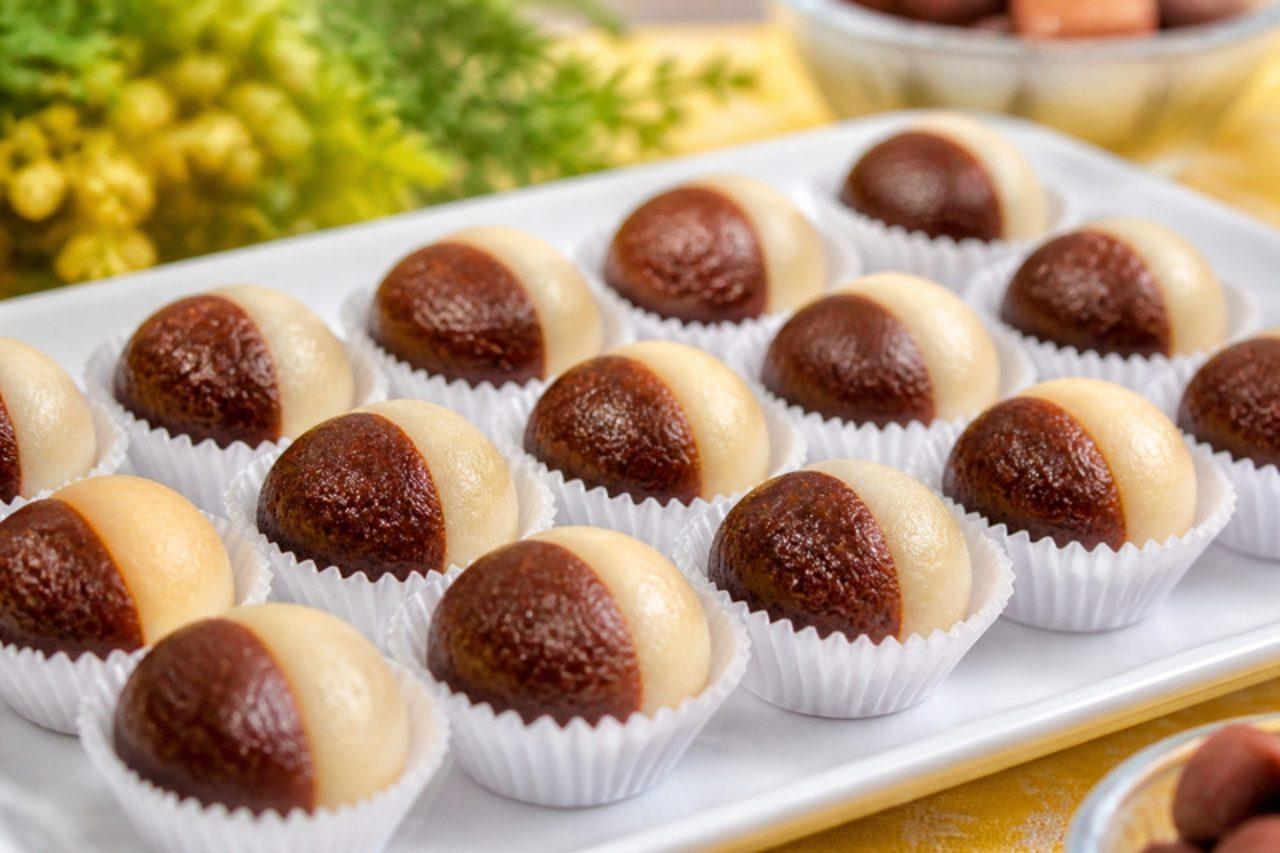
Casadinho (black and white brigadeiro)

No Brazilian children's birthday is complete without a table of docinhos in little paper cases, and casadinho, the 'little married couple', is the one with two halves: dark chocolate brigadeiro and creamy white beijinho-style fudge rolled together into one ball. Children help roll them the day before the party. It contains milk and is gluten free; check the sprinkles are gluten free if that matters to you. Chef's tip: the fudge is cooked when you can drag a spatula across the pan and see the bottom for two seconds before it closes.

by KrazyBadal 0 views

ErdäpfelstrudelSavoury potato strudel

Austrians, especially in the Mühlviertel of Upper Austria and the Waldviertel, make savoury strudels as often as sweet ones, and Erdäpfelstrudel is a farmhouse favourite for a meatless Friday or a cold evening. Thin pastry wraps a filling of potatoes, fried onion, sour cream, marjoram and parsley, baked until crisp and golden and sliced with a green salad or a dill and sour-cream dip. Bought filo makes it easy at home. The mistake to avoid is a wet filling, which turns the pastry soggy underneath. Chef's tip: cool the filling completely before rolling; warm filling makes the layers stick and tear.

by KrazyBadal 0 views

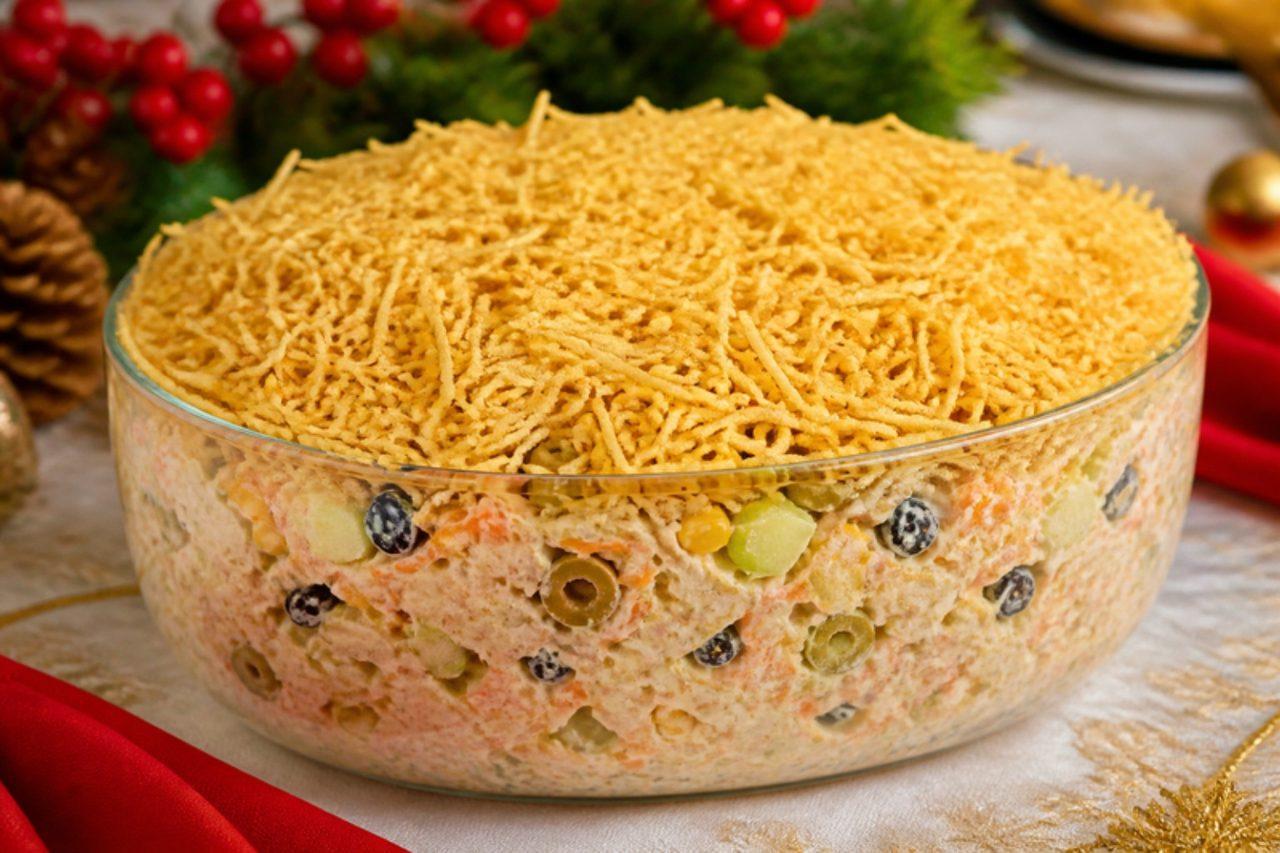
Salpicão de frangoChicken salad

Salpicão is the cold dish that appears at every Brazilian Christmas and New Year table, from Rio apartments to family farms in Minas, and the leftovers are just as loved on 25 December in sandwiches. Poached shredded chicken is folded through grated carrot, diced green apple, celery, sweetcorn and raisins in a lime-sharpened mayonnaise, then piled high with batata palha, fine crisp potato sticks. Chef's tip: poach the chicken gently and let it cool in its broth so it stays juicy when shredded.

by KrazyBadal 0 views

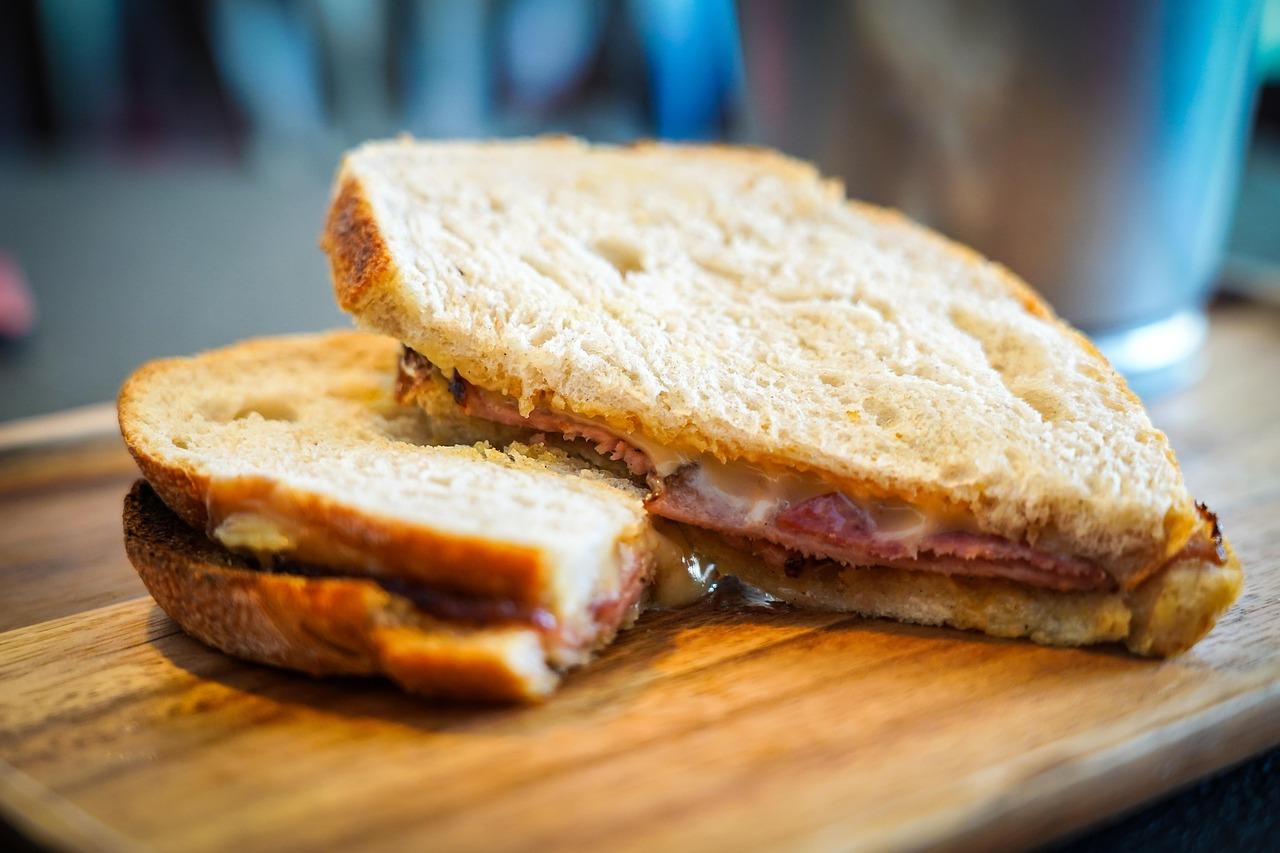
Misto quenteHam and cheese toastie

Order a misto quente at any padaria counter in Brazil and it arrives in minutes, pressed flat and golden in a hot sandwich iron, with a glass of orange juice or a pingado coffee. It is the go-to breakfast, school snack and late-night bite from São Paulo to Salvador. The filling is simple sliced cooked ham, which is pork, and melting cheese such as mozzarella or the local queijo prato between slices of soft white bread. Chef's tip: butter the outside of the bread, not the inside, for an even, crisp crust.

by KrazyBadal 0 views

Showing 24 of 335 recipes

Show more recipes

Page 1 of 14