Skip to content
Recipes

All recipes

Vegetarian, or something you can't eat? Set your diet once and we'll hide recipes that don't fit.

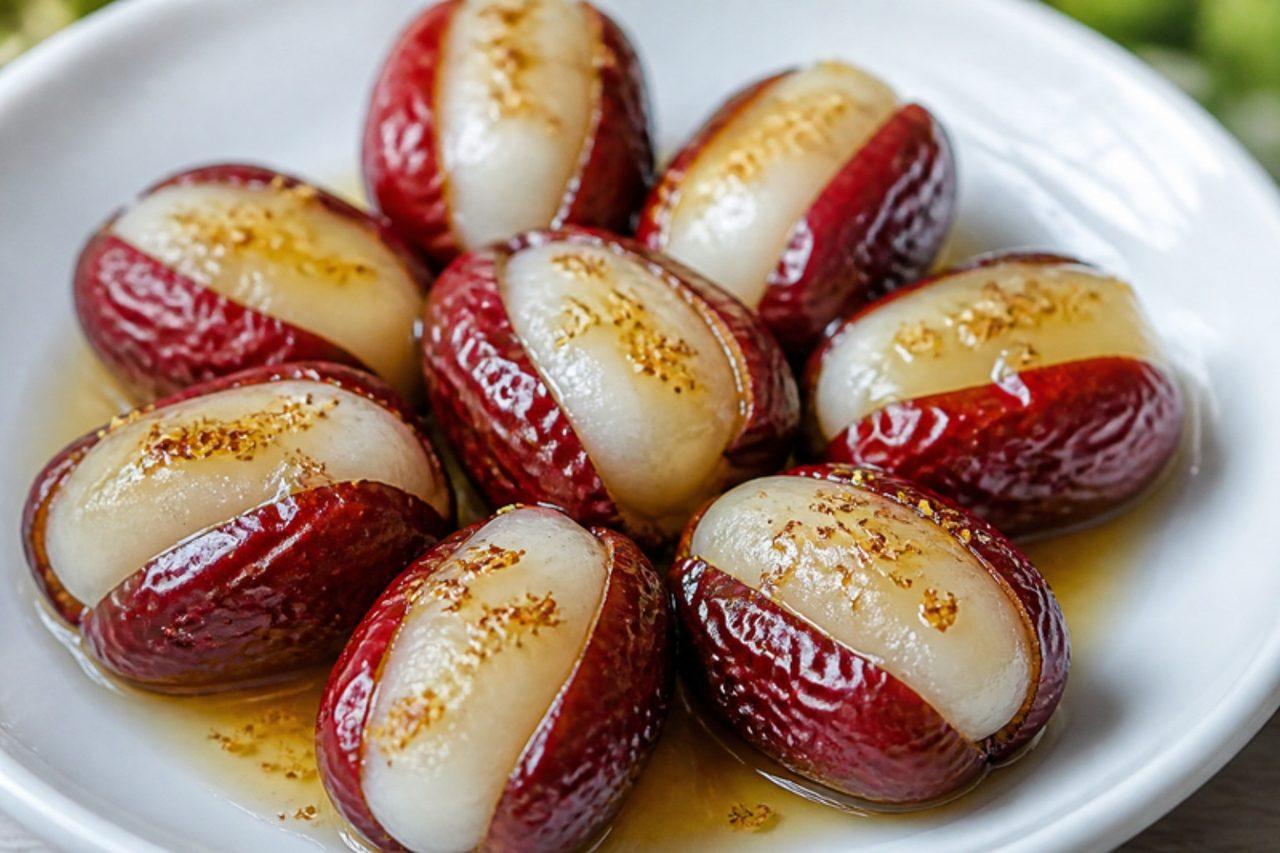
Xin tai ruan (心太软, jujubes stuffed with sticky rice in osmanthus syrup)Sticky rice-stuffed red dates

Xin tai ruan, 'the heart is too soft', is a small sweet plate found in restaurants all over Jiangsu and Zhejiang, often served as a starter or between courses at banquets, and it is especially popular in the cold months when jujubes are said to warm the body. Dried red dates are pitted, stuffed with a little glutinous rice dough, steamed and then glossed with syrup scented with sugared osmanthus flowers. Each bite is chewy, then soft, with the deep caramel taste of the dates and a floral finish. Serve warm or at room temperature with tea. It is naturally egg-free: glutinous rice flour and water make a dough that turns sticky and elastic when steamed, filling the dates and holding them closed. Chef's tip: the common mistake is cutting through the whole date when pitting; slit only one side so it stays in one piece and wraps the dough.

by KrazyBadal 0 views

Aguadito de polloCoriander chicken rice soup

Aguadito is the soup Lima serves in the small hours: at the end of a wedding, after New Year's Eve and at weekend family lunches, it is ladled out thick and steaming to revive everyone. Rice simmers in chicken broth coloured deep green with blended coriander and warmed with yellow ají amarillo, along with peas, carrot, pepper, sweetcorn and potato. A portion gives about 24 g of protein, from the chicken with a little from the rice and peas, for around 480 kcal. The common mistake is adding the coriander purée too early: cooked for long it turns khaki and loses its fresh taste, so stir it in for the last 10 minutes. The chicken must reach 74 °C at the bone. Chef's tip: blend a handful of spinach with the coriander; it keeps the colour vivid green without changing the flavour.

by KrazyBadal 0 views

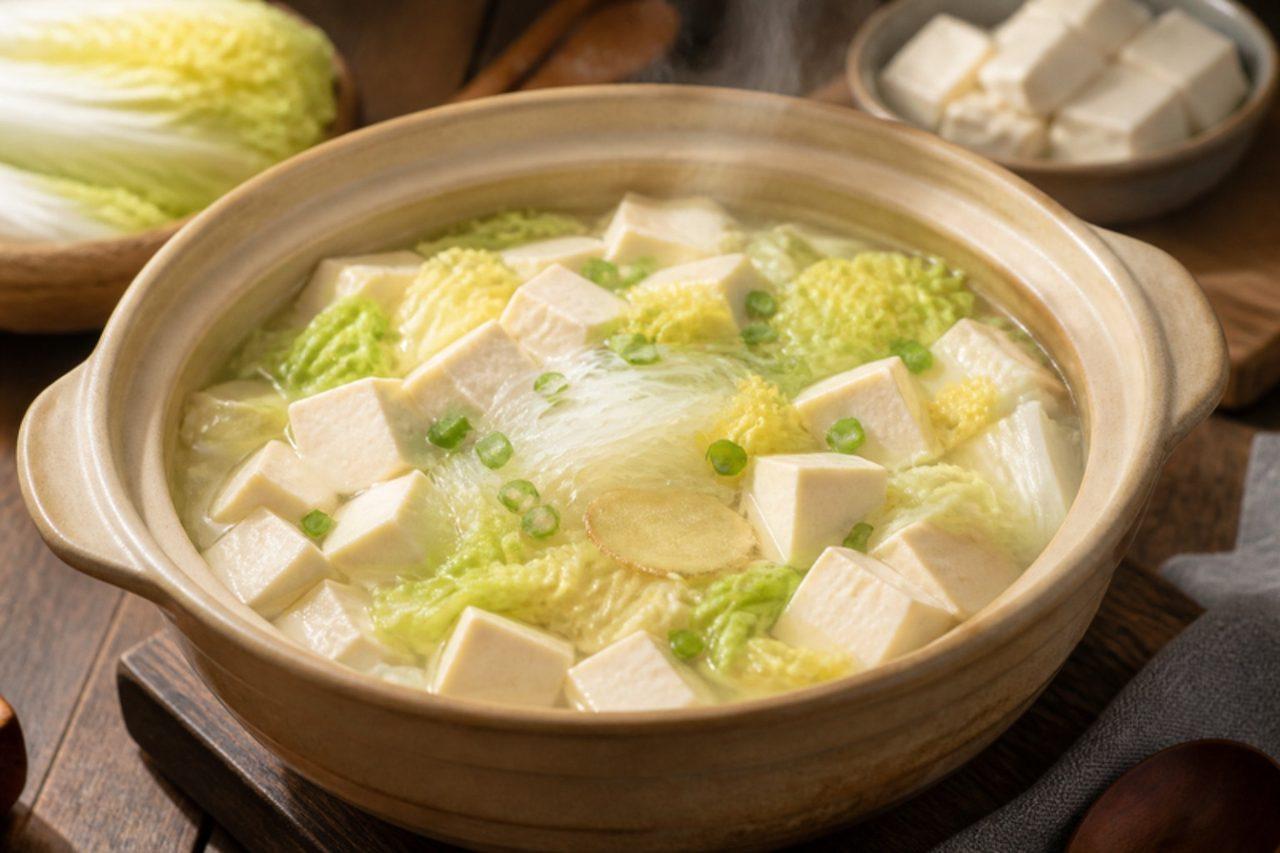
Baicai dun doufuCabbage and tofu stew

In Beijing, Shenyang and Harbin, napa cabbage is stored by the hundredweight for winter, and this gentle stew of cabbage and tofu is what many families eat on a cold evening with steamed buns or rice. The cabbage softens and sweetens into the broth, while the tofu turns silky and swells with flavour; ginger and white pepper give it warmth. Salt is the only seasoning, so it stays gluten free. Each portion has about 230 kcal and roughly 21 g of protein, from 150 g of firm tofu. The common mistake is adding all the cabbage at once: the leaves overcook while the thick stems stay crunchy. Chef's tip: fry the cabbage stems in the oil until their edges brown before adding water; it gives the broth a sweet, toasty depth.

by KrazyBadal 0 views

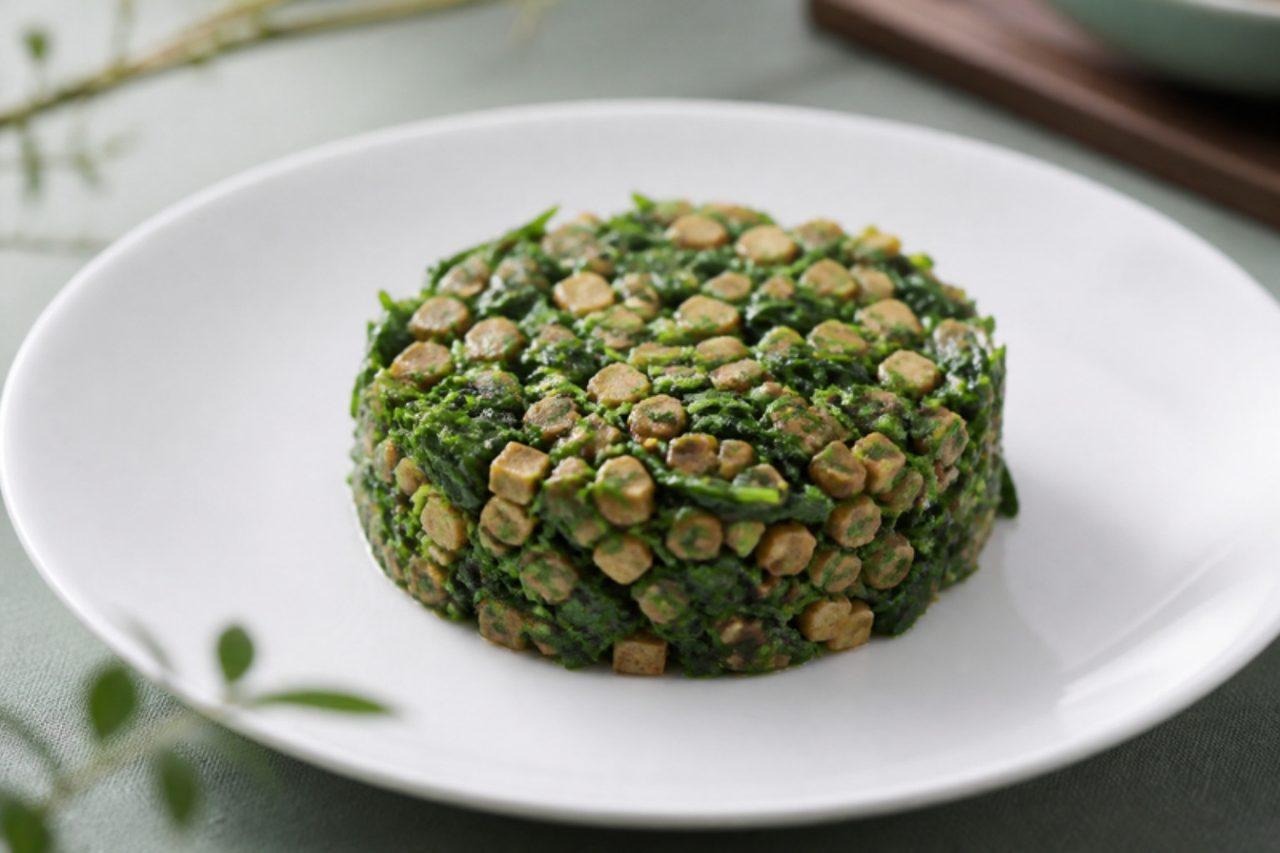
Malan tou with pressed tofuAster greens and pressed tofu salad

When the first malan tou shoots appear in Shanghai, Suzhou and Hangzhou markets in early spring, families make this little cold dish to start a meal: the tender aster leaves are blanched, chopped very fine and mixed with diced smoked pressed tofu, salt, a pinch of sugar and sesame oil. It tastes grassy, nutty and clean. Malan tou can be hard to find outside China; young spinach or shepherd's purse works well. As a side dish for four, each portion has about 120 kcal and roughly 9 g of protein, from the pressed tofu, so it is light rather than high in protein. The common mistake is leaving the greens wet, which dilutes the dressing; squeeze them hard. Chef's tip: press the mixture into a small bowl and turn it out onto the plate for the traditional neat mound.

by KrazyBadal 0 views

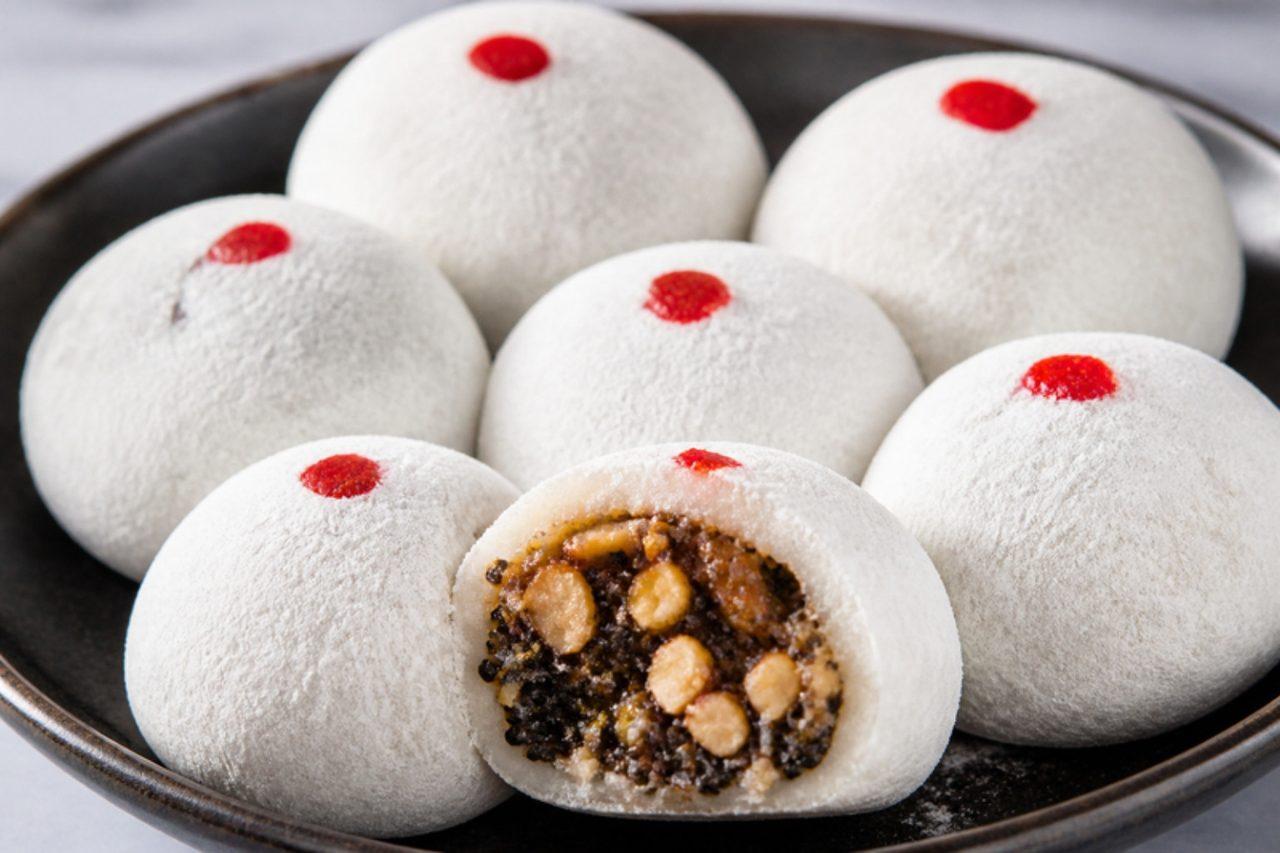
Aiwowo (艾窝窝, Beijing stuffed sticky rice balls)

Aiwowo began as a Hui Muslim snack in Beijing and is now a fixture of old Beijing snack shops from Lunar New Year until summer, eaten cool as a mid-afternoon treat. Steamed glutinous rice is pounded until sticky, wrapped around a crunchy filling of toasted sesame, walnuts, sugar and sugared osmanthus, then rolled in cooked rice flour so the balls look like little snowballs. They are soft and chewy outside, crunchy and fragrant inside, and only lightly sweet. Serve them with jasmine or chrysanthemum tea. Aiwowo is naturally egg-free: pounding the steamed rice releases its sticky starch, which binds the dough and seals in the filling. Chef's tip: the common mistake is dusting with raw flour; steam the flour first, or the coating tastes chalky.

by KrazyBadal 0 views

Chilcano de pescadoClear fish broth

In the fishermen's terminals of Chorrillos and Callao, chilcano is what you drink on a Sunday morning after a long night: a clear, gingery broth made from the heads and bones left over from cleaning fish for ceviche, with chunks of fish, red onion, chilli and a squeeze of lime in the bowl. It is light and warming, around 160 kcal a bowl, and still gives about 24 g of protein from the fish fillet and the broth. The common mistake is squeezing the lime into the pot while it boils, which turns it bitter; add it to each bowl at the table. Don't boil the bones for more than 30 minutes either, or the broth turns cloudy and harsh. Chef's tip: ask the fishmonger for heads and frames from mild white fish like sea bass or cod, and leave out oily fish such as mackerel, which makes the broth strong and fishy.

by KrazyBadal 0 views

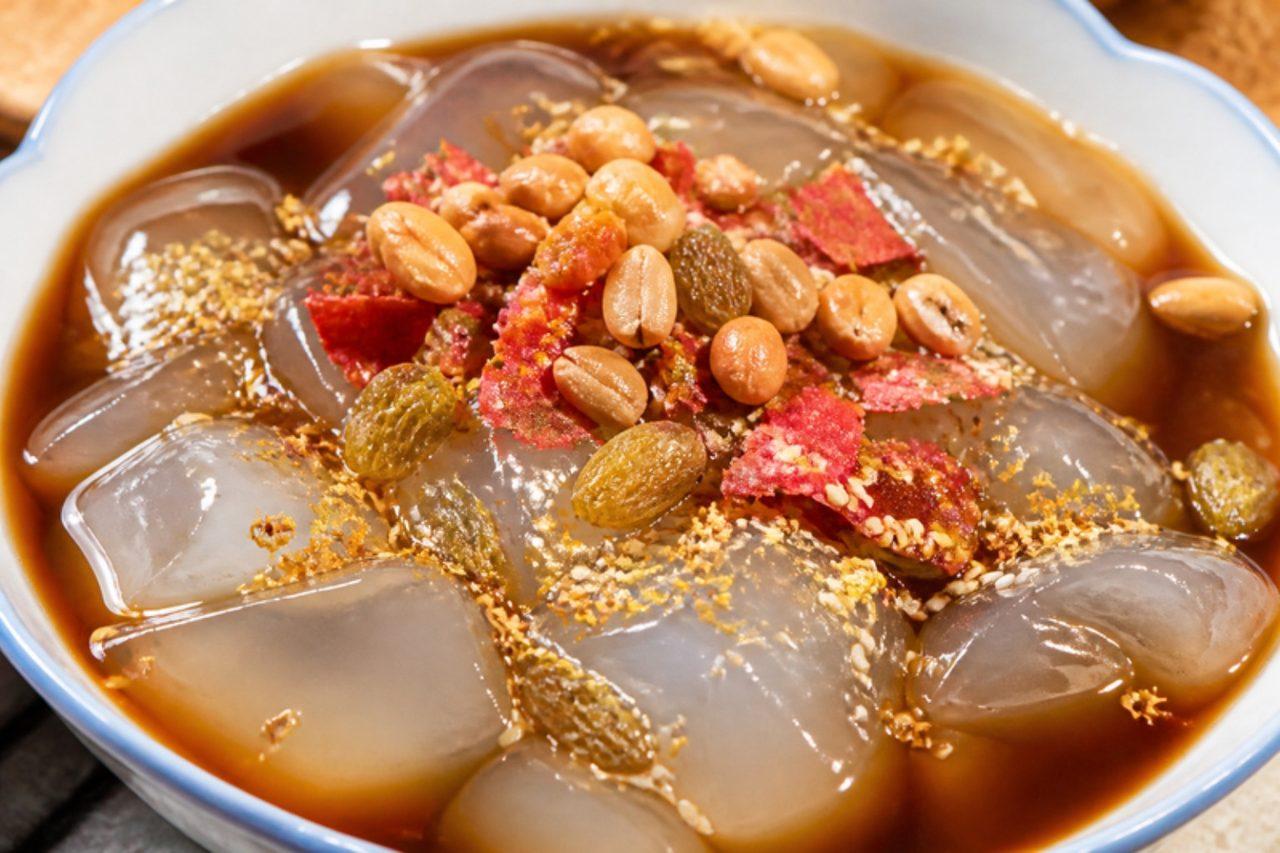
冰粉 (Bingfen, Sichuan ice jelly)Ice jelly with brown sugar syrup

Bingfen is what Chengdu reaches for after a numbing hotpot or on a sticky summer night: a bowl of wobbly, glass-clear jelly, cold from the fridge, splashed with dark brown-sugar syrup and scattered with hawthorn flakes, raisins, peanuts and sesame. It is sold at night markets and hotpot restaurants all over Sichuan and Chongqing, and the jelly itself tastes of almost nothing, just cool and soothing, so the syrup and toppings bring the flavour. It is naturally egg-free and plant-based. The jelly traditionally comes from shoo-fly plant seeds rubbed in water; here it is made with ice-jelly powder, a plant-based setting powder sold in Chinese grocers, which sets clear as it cools. Chef's tip: let the jelly set undisturbed; the common mistake is stirring or moving it while it is half-set, which leaves it cloudy and weeping.

by KrazyBadal 0 views

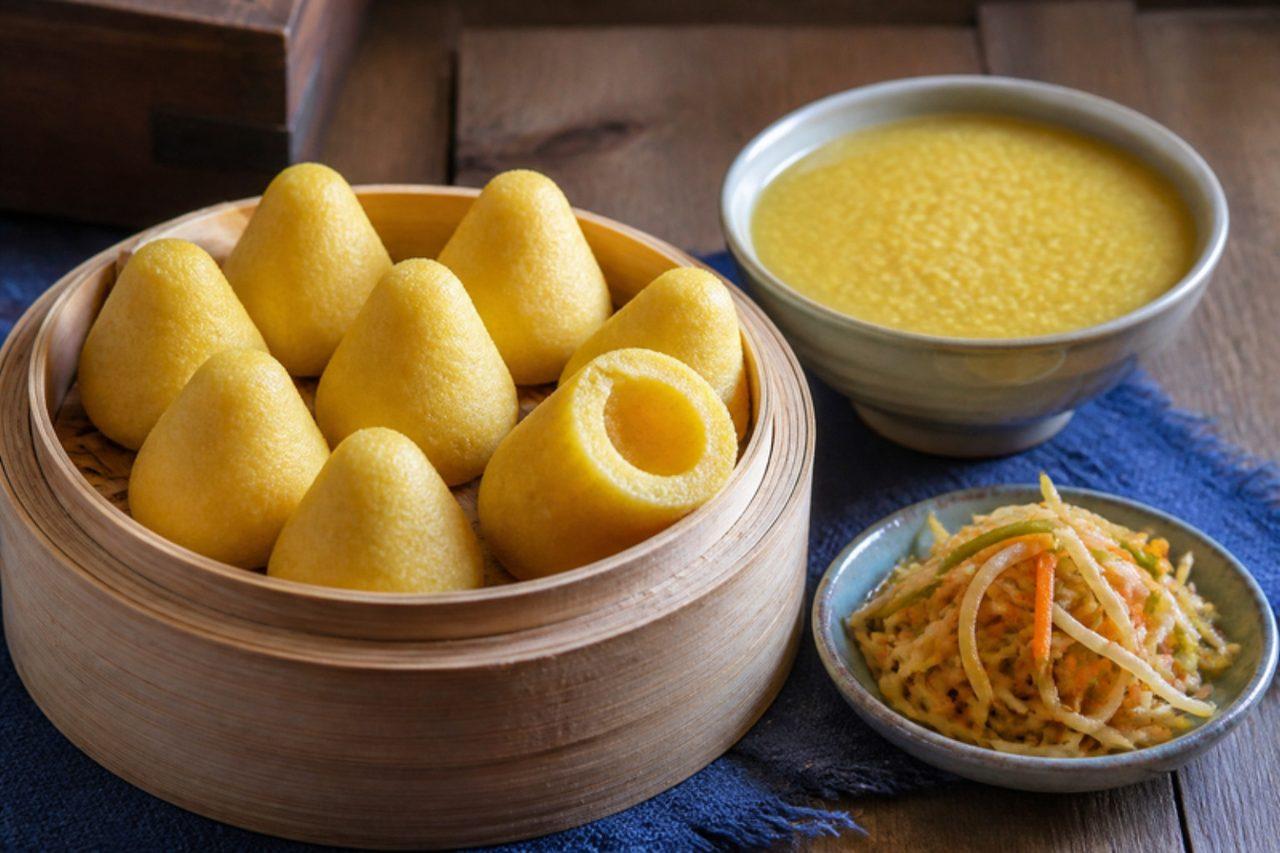
WowotouSteamed cornmeal cone buns

Wowotou are the little golden cones that fed northern China through hard decades, and Beijing restaurants now serve them, made small and slightly sweet, as nostalgic winter food alongside stews and pickles. A hollow is pressed into the base of each with a thumb so they cook through evenly. Soybean flour gives them a nutty taste and about 10 g of protein for three buns, from the soy and corn, so they are not high-protein on their own. They are gluten free if your cornmeal and soy flour are milled where wheat isn't; check the packet. The usual mistake is mixing with cold water: the dough stays crumbly and the cones crack, so scald it with near-boiling water. Chef's tip: wet your hands before shaping each cone; the dough won't stick and the surface steams smooth and shiny.

by KrazyBadal 0 views

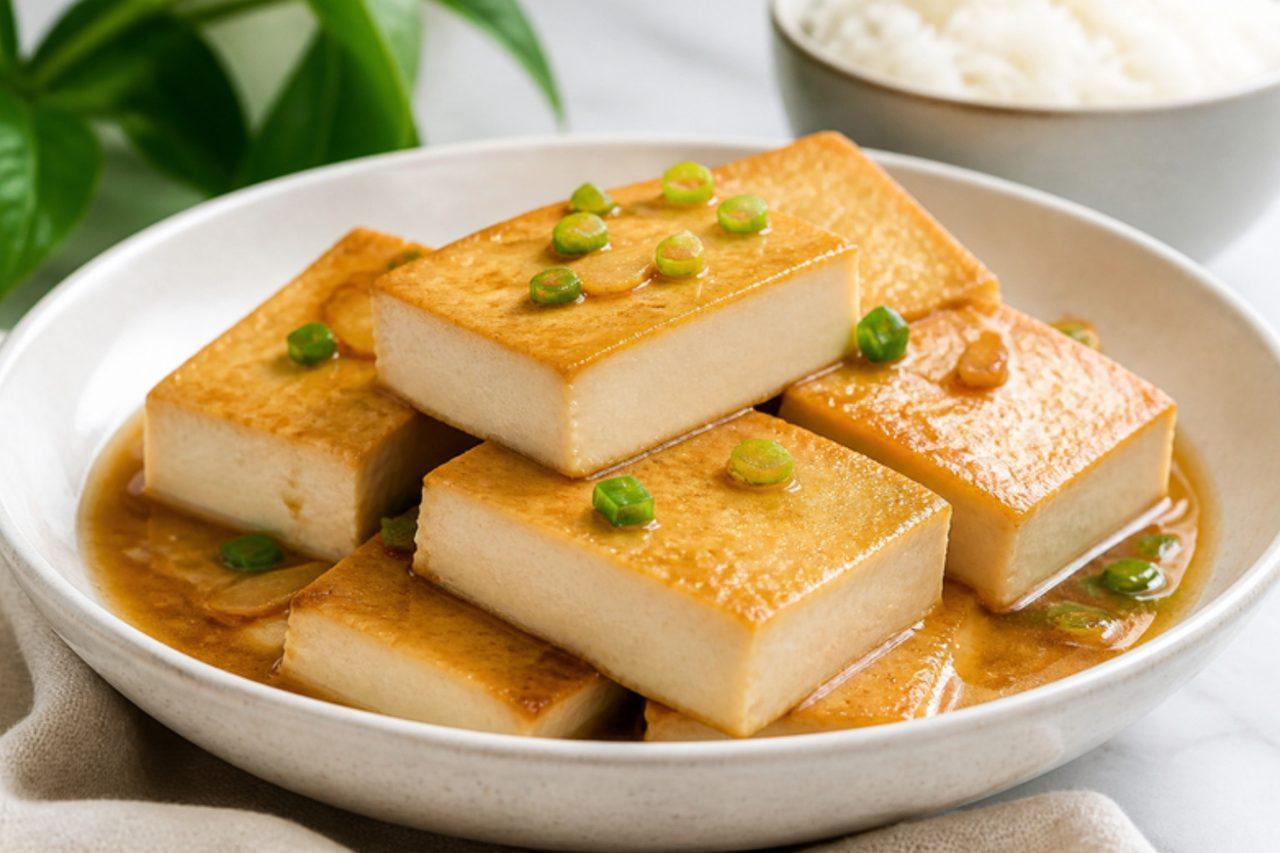
Hongshao doufuRed-braised tofu

Hongshao doufu is the meat-free cousin of red-braised pork, cooked in home kitchens from Shanghai to Sichuan as a weeknight dinner with rice and a green vegetable. Slices of firm tofu are fried until golden, then braised in a glossy, mahogany sauce of light and dark soy, a little sugar, ginger and spring onion until they turn sweet-salty and slightly chewy. This version skips the usual splash of Shaoxing wine. A portion gives about 26 g of protein, from 200 g of firm tofu each. The common mistake is moving the tofu too soon in the pan; leave it until it releases on its own, or it tears. Chef's tip: let the sauce reduce until it bubbles thickly and coats the back of a spoon; that is when the tofu is properly lacquered.

by KrazyBadal 0 views

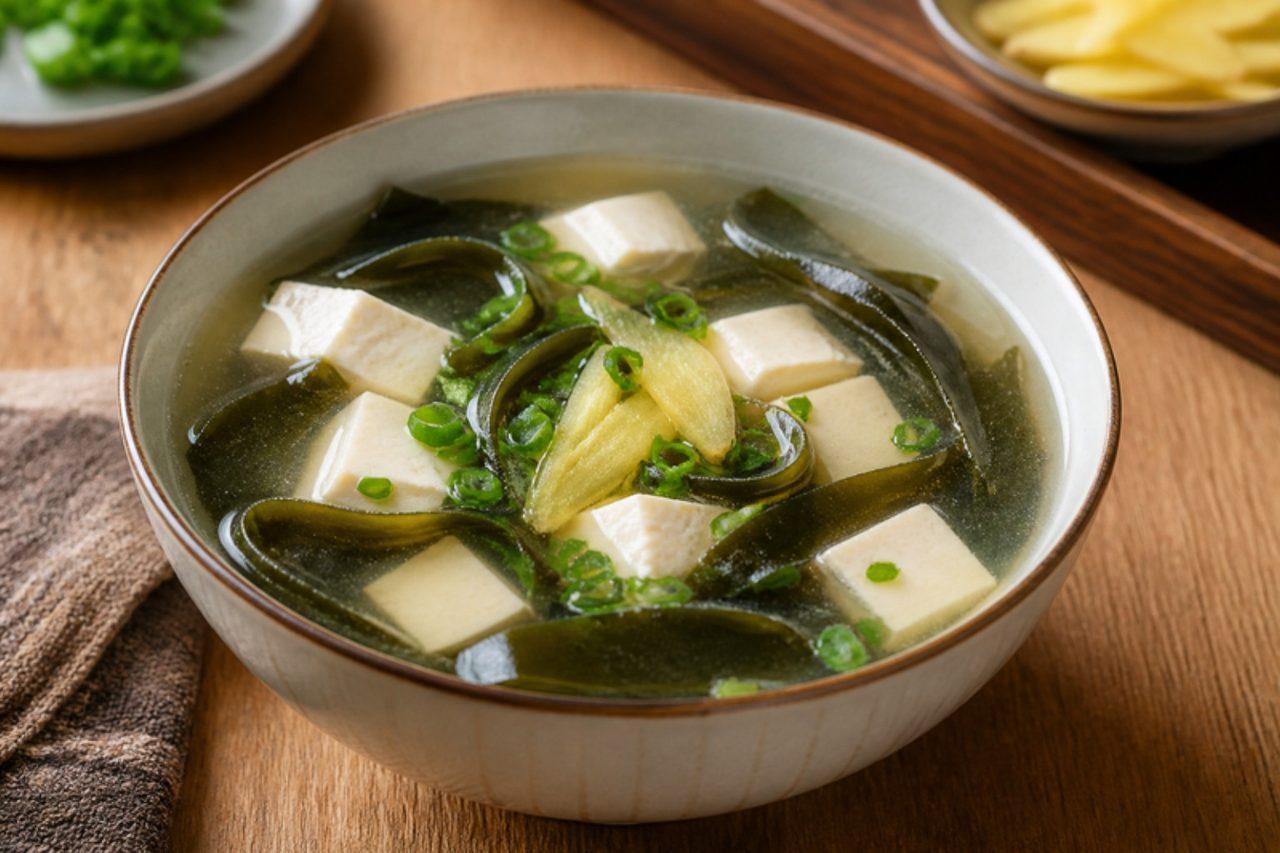
Haidai doufu tangKelp and tofu soup

Kelp and tofu soup is everyday drinking soup across China, ladled out at family dinners in Qingdao, Dalian and inland cities alike, and thought of as cooling and good for the body. Strips of kelp give a savoury sea flavour, cubes of soft tofu turn tender in the broth, and ginger, white pepper and spring onion keep it clean and warming. Each bowl has about 130 kcal and roughly 12 g of protein, from the tofu, so it is a light side soup rather than a high-protein meal. The common mistake is not rinsing dried kelp well: grit and the white salt bloom make the soup cloudy and harsh. Chef's tip: simmer the kelp first on its own for 10 minutes; it softens and seasons the water before the tofu goes in.

by KrazyBadal 0 views

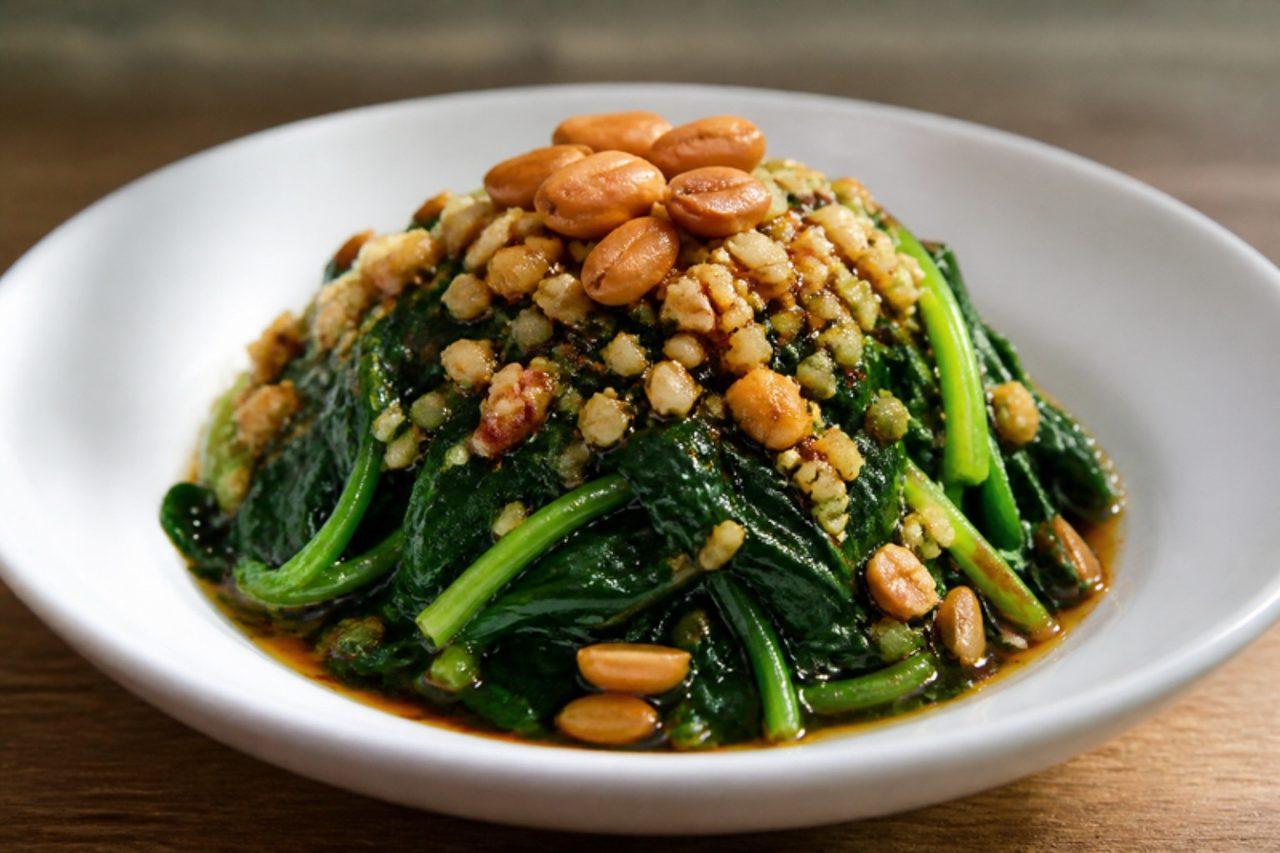
Liangban bocaiCold dressed spinach

Liangban bocai is one of the cold dishes that open a family meal or a restaurant banquet all over China, from Beijing homes to Sichuan noodle shops, and it is made year round but especially in spring when spinach is sweet. The spinach is blanched briefly, squeezed, and dressed with raw garlic, black vinegar, soy and toasted sesame oil, then scattered with crunchy peanuts; it is garlicky, tangy and fresh. A portion gives about 6 g of protein from the spinach and peanuts, so it is a side, good with rice and a tofu dish. The most common mistake is not squeezing the spinach dry, which drowns the dressing; press it firmly in your hands. Chef's tip: pour a spoonful of smoking-hot oil over the garlic before mixing the dressing; it takes the raw edge off and makes the whole dish smell wonderful.

by KrazyBadal 0 views

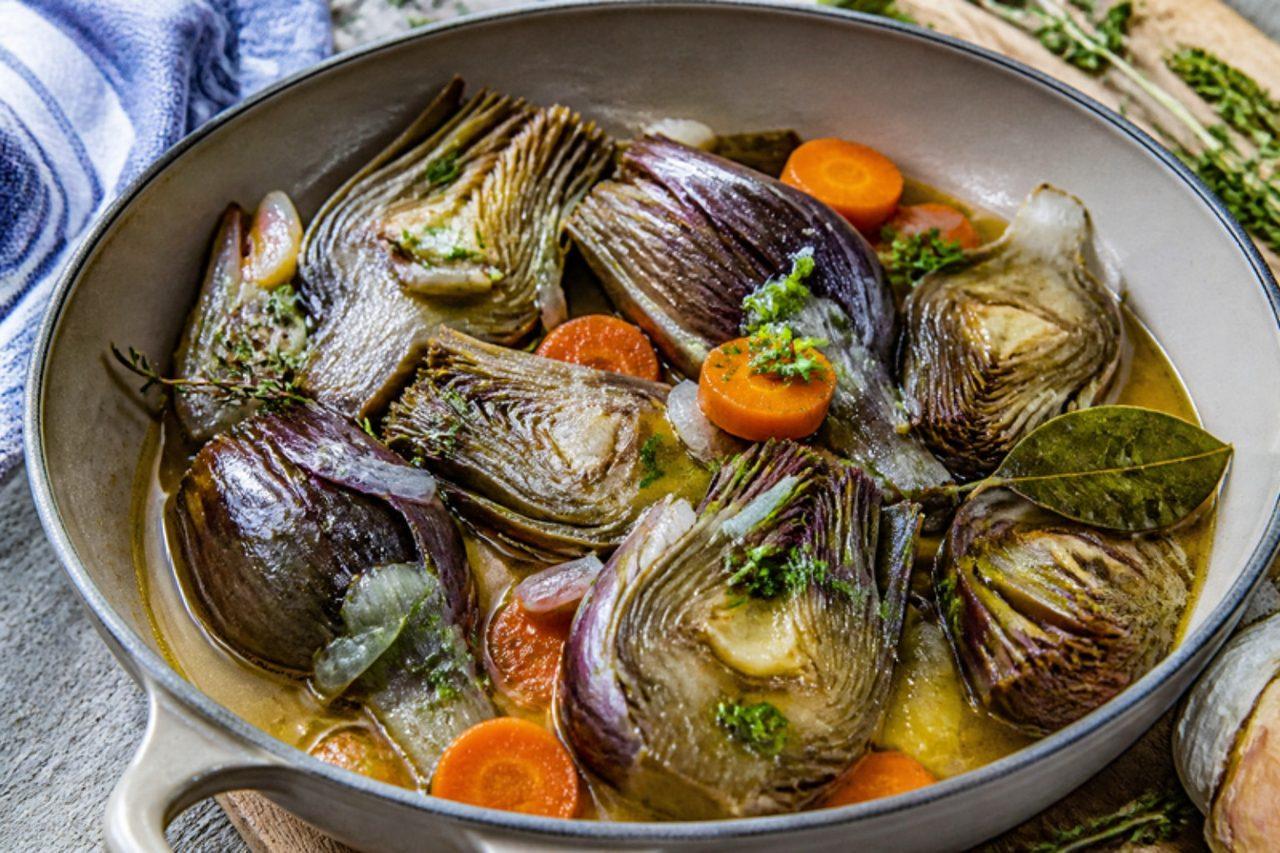
Artichauts à la barigouleBraised artichokes

In Provence, artichauts à la barigoule is cooked in spring when the small violet artichokes come into the markets of Aix, Avignon and Marseille, and it is served warm as a starter or as a light main with bread. The trimmed artichokes are braised in olive oil with carrot, onion, garlic and herbs until tender in a fragrant, slightly tart liquor. The traditional braise uses white wine; this version is alcohol-free, using vegetable stock sharpened with white wine vinegar and lemon. It is vegan, with about 5 g of protein per portion, from the artichokes. The common mistake is trimming too timidly: any dark green leaf left on stays tough and stringy, so keep going until only the pale, tender leaves remain. Chef's tip: rub each artichoke with lemon as you trim and drop it straight into lemon water, or it will go brown within minutes.

by KrazyBadal 0 views

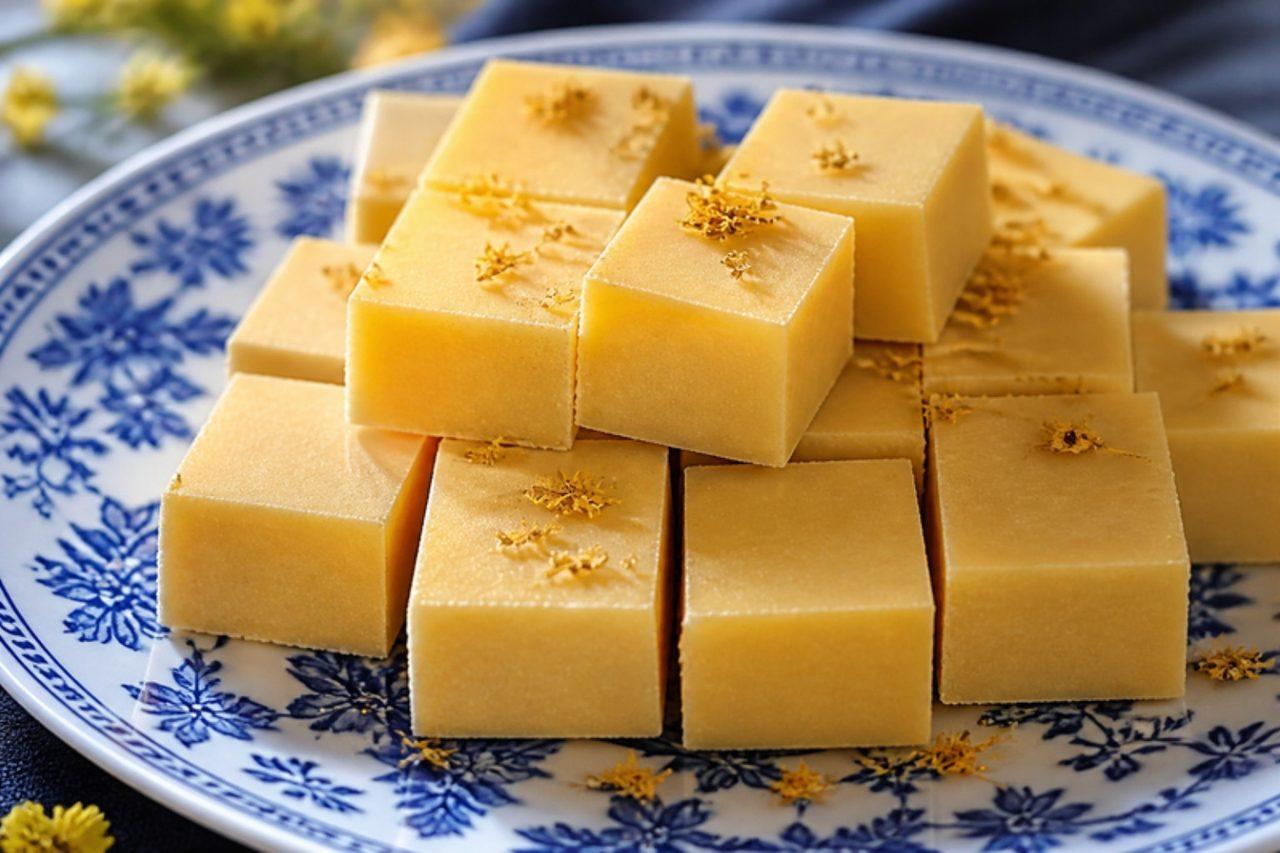
Wandouhuang (豌豆黄, Beijing chilled yellow pea cake)

Wandouhuang is a Beijing spring and early-summer sweet, sold from carts around the Qingming festival and once polished into an imperial version for the Qing court that is still served in Beihai Park's old-style restaurants. Yellow split peas are boiled to a mush, pressed through a sieve and cooked down with sugar until thick, then left to set in a tray and cut into neat pale-gold blocks. Chilled, it is cool and smooth with a fine, melting texture and the gentle, nutty taste of peas. Serve on small plates with jasmine tea, or after a rich meal. It is naturally egg-free and needs no setting agent at all: the starch in the peas firms the paste as it cools, like a polenta. Chef's tip: the common mistake is not cooking the paste down far enough; keep stirring until a line drawn through it with a spatula stays open for a few seconds, or it will not slice.

by KrazyBadal 0 views

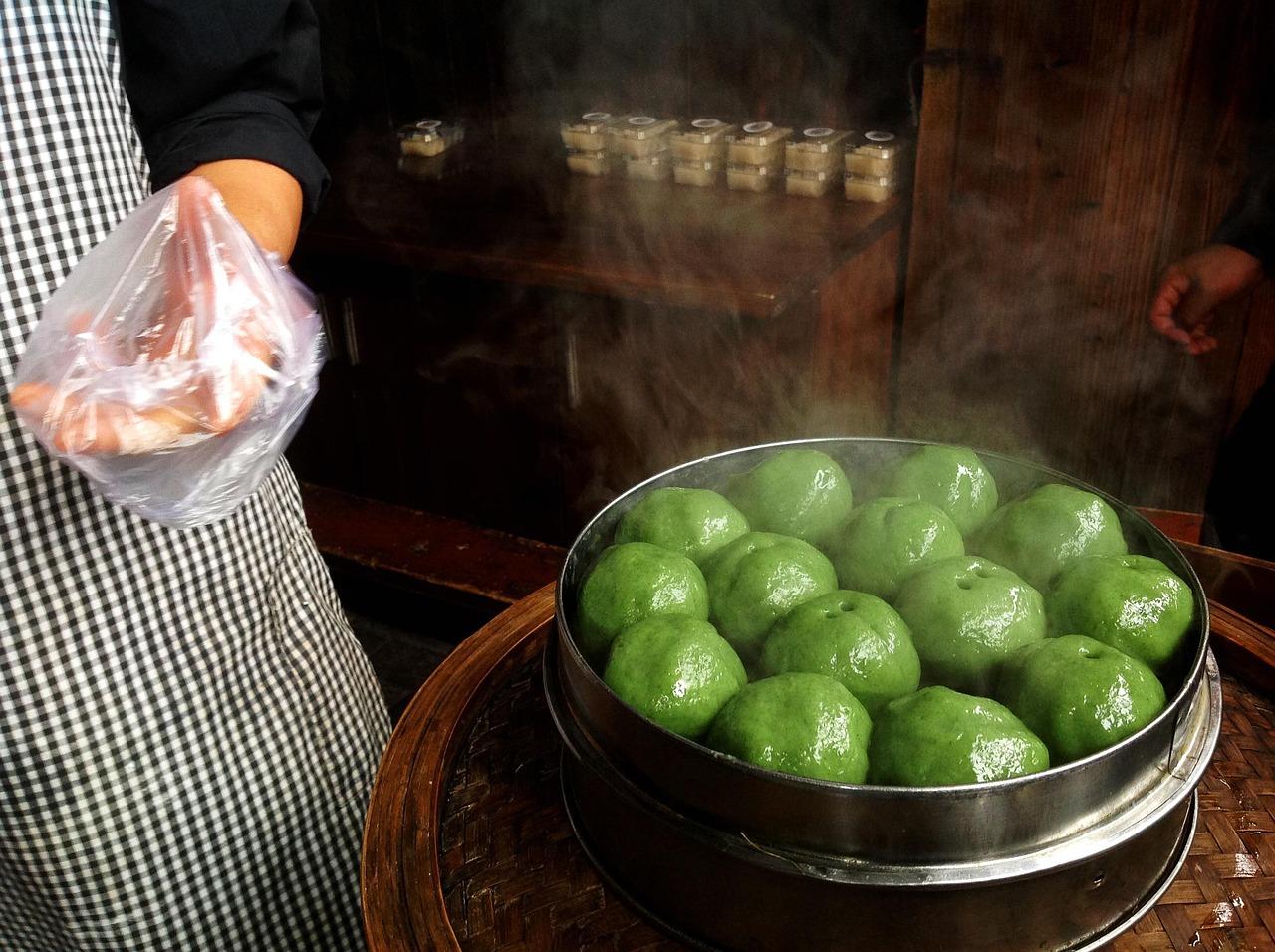
Qingtuan (青团, mugwort rice balls with red bean)

Qingtuan are the taste of spring across Jiangnan: in Shanghai, Hangzhou and the water towns like Wuzhen, steamers of them appear in March and April, and families take them on Qingming tomb-sweeping visits. The dough gets its deep green colour and grassy, slightly bitter scent from young mugwort leaves blanched and blended into glutinous rice flour. Steamed and brushed with oil, the balls are glossy, soft and stretchy, with a smooth sweet red bean centre. Eat them warm or at room temperature with green tea. Qingtuan is naturally egg-free: glutinous rice flour mixed with hot water and mugwort purée forms a pliable dough that steams firm, so no binder is needed. Buy lard-free red bean paste or make your own. Chef's tip: a pinch of soda in the blanching water keeps the mugwort bright green; the common mistake is leaving it out, which gives an olive-grey dough.

by KrazyBadal 0 views

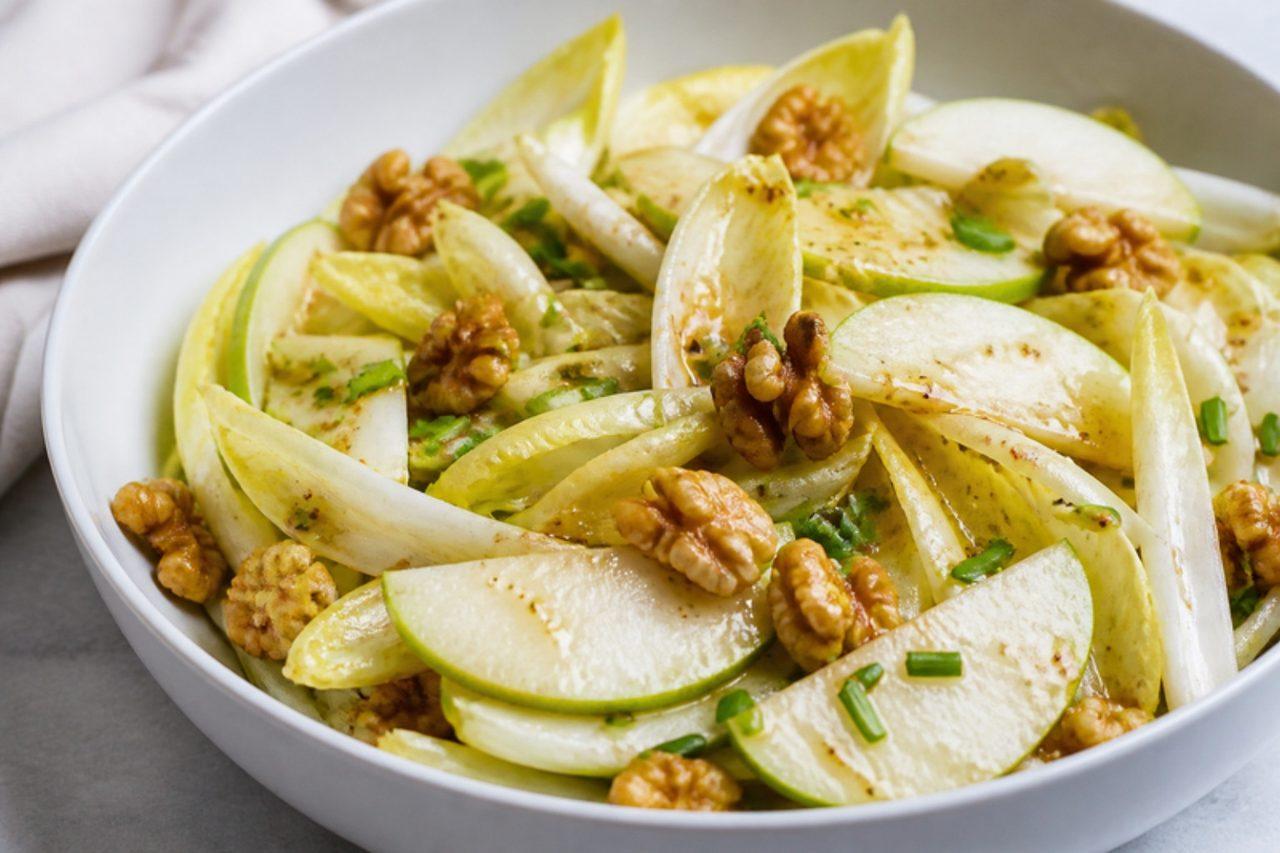
Salade d'endives aux noixChicory, walnut and apple salad

Across Picardy and the Nord, and over the border in Belgium, Belgian endive (chicory) is the winter salad, and this one appears after the main course at Sunday lunch or as a light supper from November to March. The pale, crisp leaves are cut into rings and tossed with sweet apple, toasted walnuts and a sharp mustard vinaigrette, so you get bitter, sweet and nutty in every mouthful. Many bistros add Roquefort; this version is vegan, and if you add cheese, note that Roquefort is made with animal rennet. A portion gives about 4 g of protein from the walnuts, so it is a side or starter. The most common mistake is slicing the endive too early: it browns at the cut edges, so dress it within 10 minutes of cutting. Chef's tip: cut out the small cone of core at the base of each endive; it holds most of the bitterness.

by KrazyBadal 0 views

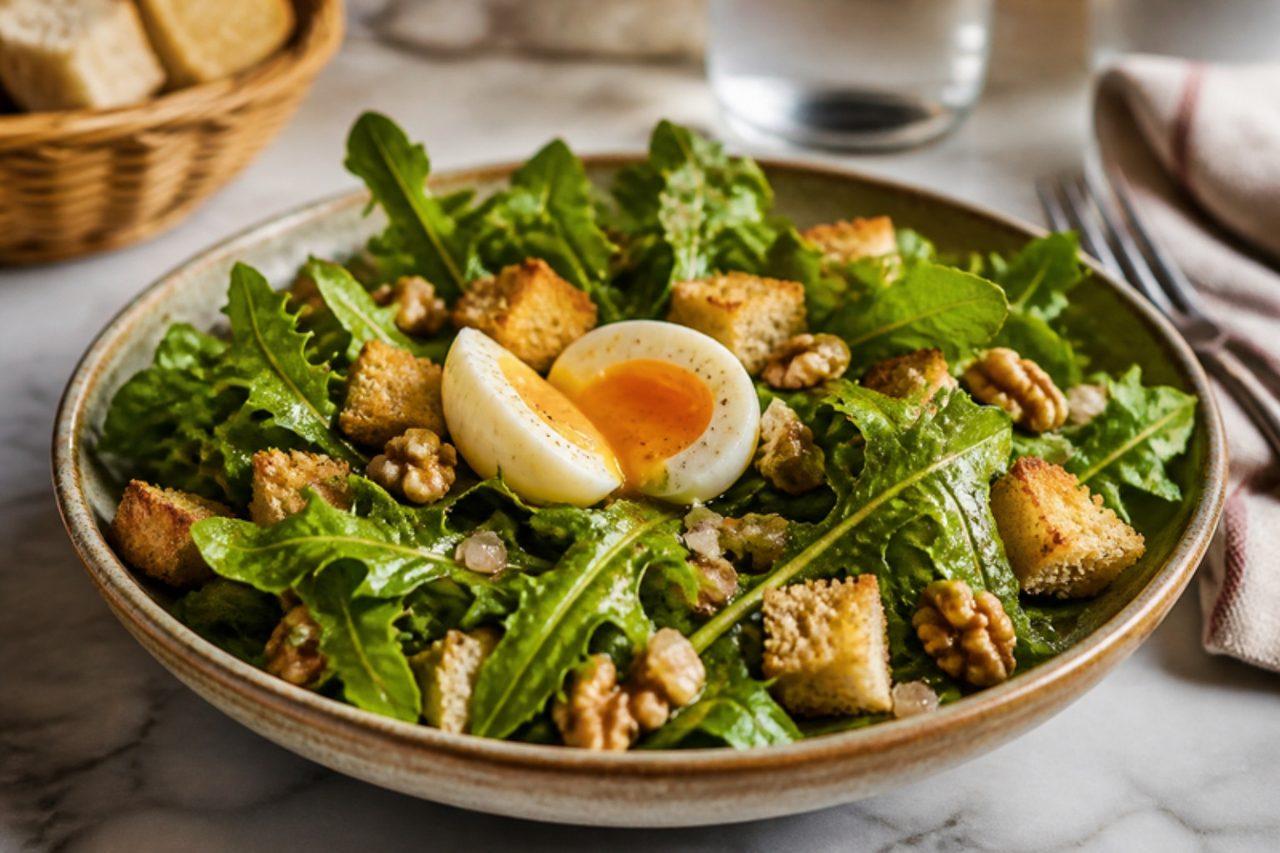
Salade de pissenlitsDandelion salad with warm vinaigrette

In Lorraine and around Lyon, the first tender dandelion leaves of March and April are gathered from meadows (or bought in bunches at the market) for a salad that marks the end of winter. The leaves are pleasantly bitter, and a hot vinaigrette poured over them wilts them slightly, with soft eggs to make it a light supper. The traditional version has crisp lardons; this vegetarian version uses toasted walnuts and a little of their oil for the same richness. A plate gives about 15 g of protein from the eggs and walnuts, so it is not a high-protein dish. The yolks stay runny, so use pasteurised eggs for anyone pregnant, very young, older or vulnerable, or boil the eggs for 10 minutes instead. The mistake to avoid is using big, old leaves from flowering plants; they are tough and harshly bitter. Chef's tip: soak the leaves in cold water for 30 minutes before drying them; it crisps them and tames some of the bitterness.

by KrazyBadal 0 views

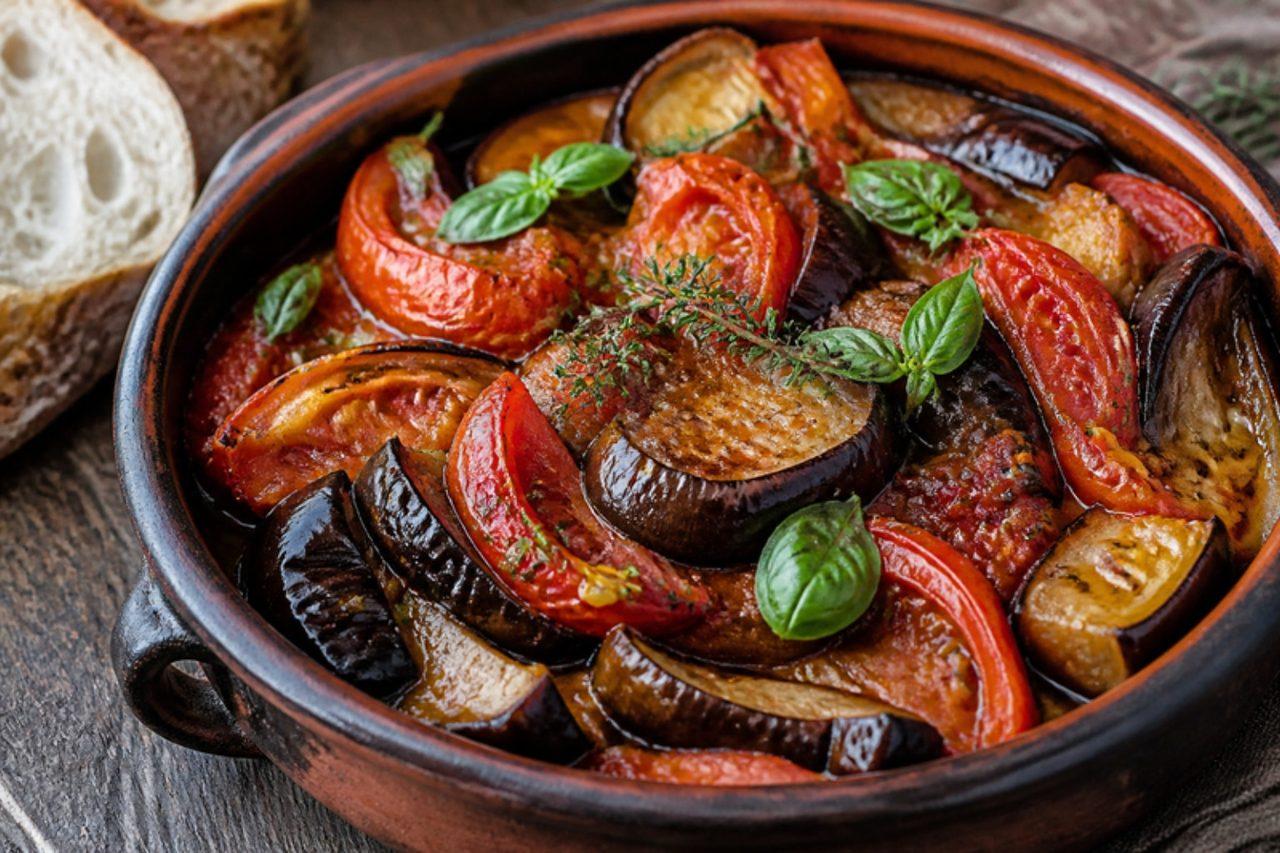
BohémienneAubergine and tomato stew

Bohémienne is the older, simpler cousin of ratatouille, cooked in Avignon and the Vaucluse villages at the end of summer when aubergines and tomatoes are cheap and ripe. Just those two vegetables, with onion, garlic and plenty of olive oil, are stewed slowly until they melt into a soft, jammy confit that is eaten warm with bread, cold on toast, or beside an omelette. It is vegan and light, with about 3 g of protein per portion. The common mistake is hurrying it over a high heat: the aubergine catches before it softens, so keep the heat low and stir gently. Chef's tip: salt the aubergine cubes for 20 minutes and pat them dry; they then take up less oil and keep a silky texture.

by KrazyBadal 0 views

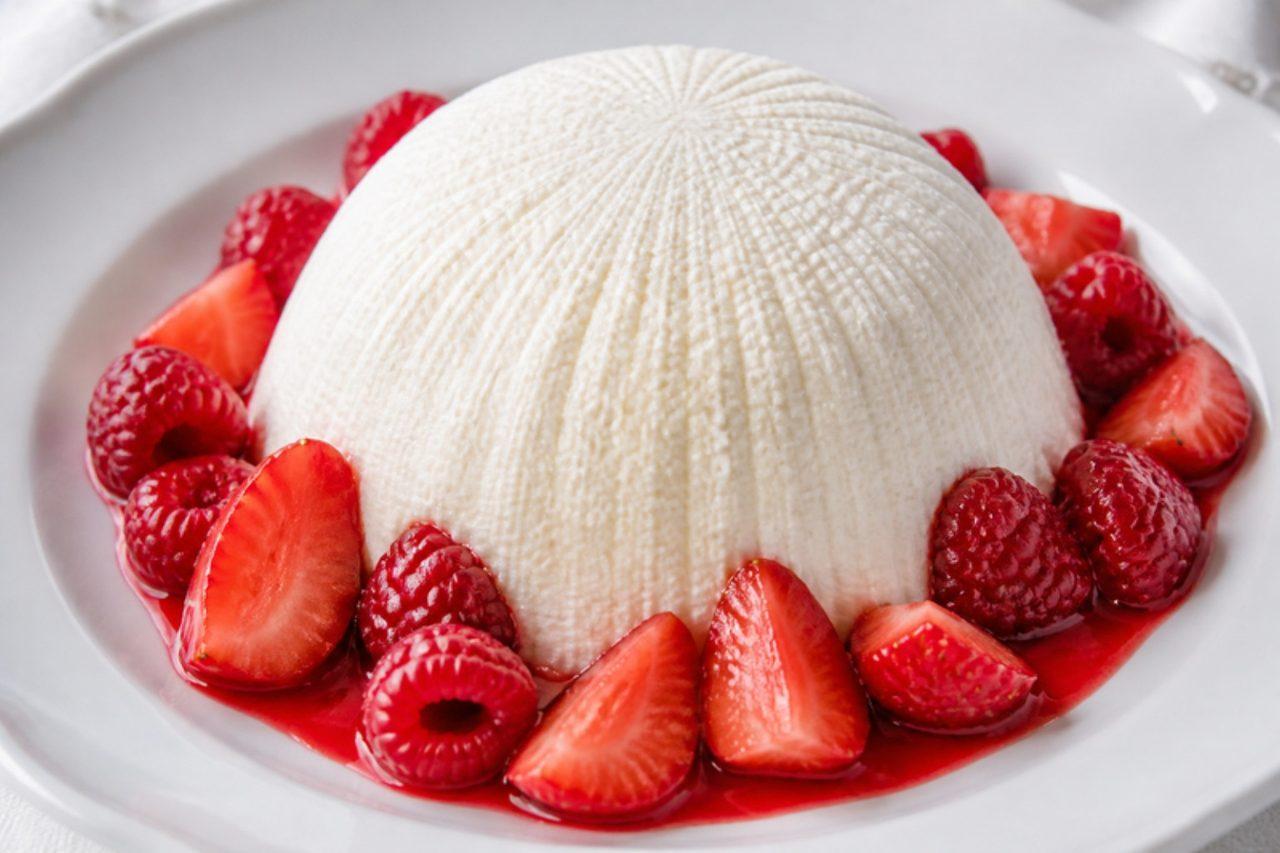
Fontainebleau (fromage blanc and whipped cream mousse)

Fontainebleau takes its name from the town south of Paris, whose cheese shops sold it in little muslin-wrapped pots for the weekend. It is a fresh-cheese dessert for late spring and summer, best when the first strawberries and raspberries arrive. Fromage blanc and whipped cream are folded together and left to drain in muslin, so the mousse firms up into a light, cloud-soft mound that tastes of fresh milk with a gentle tang. Serve it chilled with berries or a spoonful of red-fruit coulis, and a little extra sugar on the side. Some recipes fold in whisked whites; this one leaves them out entirely, because firmly whipped cream alone holds the air, and draining away the whey gives the mousse its shape. Chef's tip: drain the fromage blanc before you start; the common mistake is folding in a wet, runny cheese, which collapses the cream and leaves a puddle in the dish.

by KrazyBadal 0 views

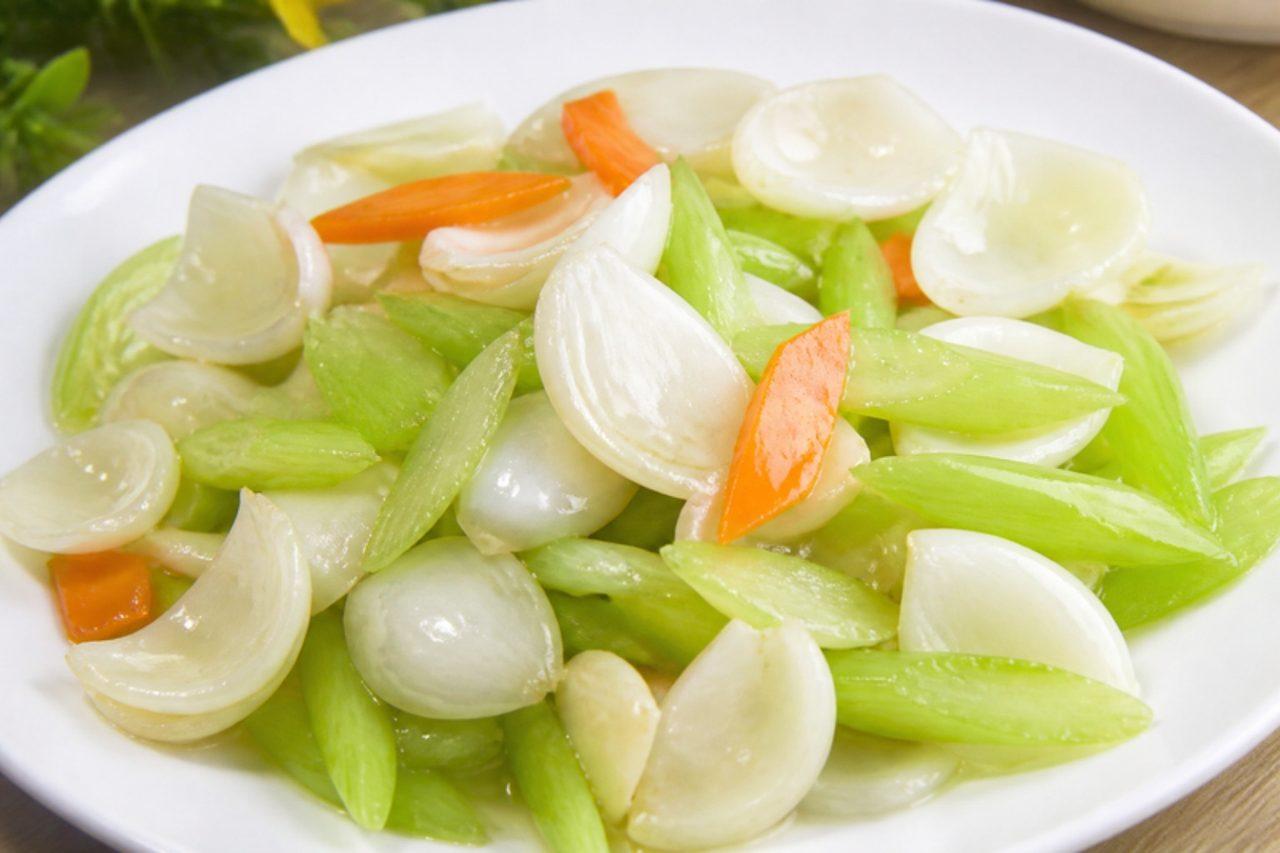
Xiqin chao baiheCelery and lily bulb stir-fry

In Guangdong homes and dim sum restaurants this pale green and ivory stir-fry is served as a cooling dish in the dry autumn months, when lily bulb is said to soothe the lungs. Celery is cut on the slant and stir-fried hot with garlic, then the sweet, starchy petals of fresh lily bulb go in for the last minute, with a glossy thin sauce. It is vegan and light, with about 3 g of protein per portion. The common mistake is cooking the lily bulb too long: it turns floury and falls apart, so add it last. If you can't get fresh lily bulb, use soaked dried lily bulb or water chestnuts for crunch. Chef's tip: blanch the celery for 30 seconds first; it keeps its jade colour and only needs a quick toss in the wok.

by KrazyBadal 0 views

Ba bao zhouEight-treasure porridge

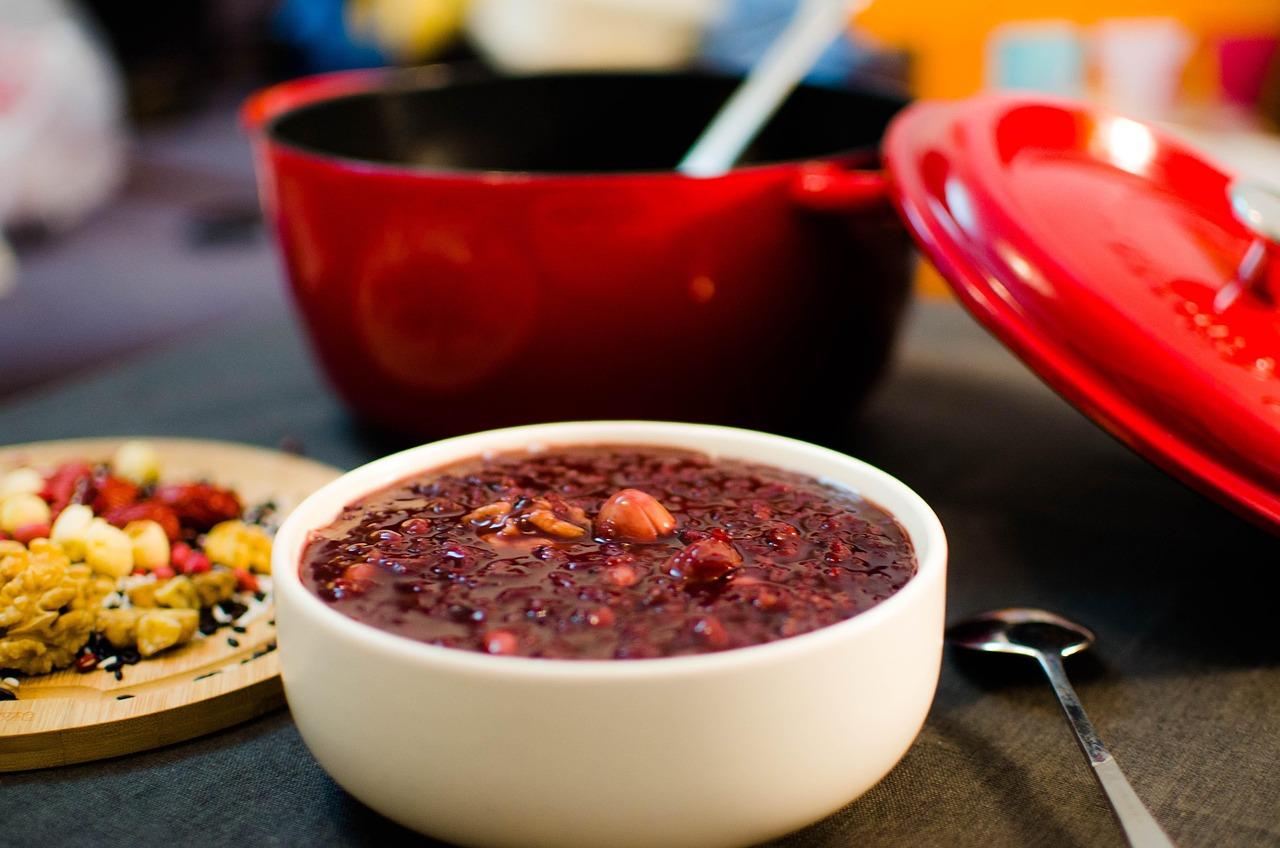
Across China, the eighth day of the twelfth lunar month is Laba, and households and Buddhist temples simmer a big pot of eight-treasure porridge to share: glutinous and black rice cooked slowly with red beans, mung beans, peanuts, lotus seeds, red dates and longan until thick and gently sweet. Beijing families still give bowls to neighbours, and it is a warming winter breakfast all season. A bowl gives about 9 g of protein from the beans, peanuts and lotus seeds, so it is a filling porridge rather than a high-protein one. Soak the beans, peanuts and lotus seeds for at least 4 hours or overnight. The common mistake is putting everything in at once: the rice goes to glue before the beans soften, so the beans get a head start. Chef's tip: add the rock sugar only in the last 10 minutes; sugar added early toughens the bean skins.

by KrazyBadal 0 views

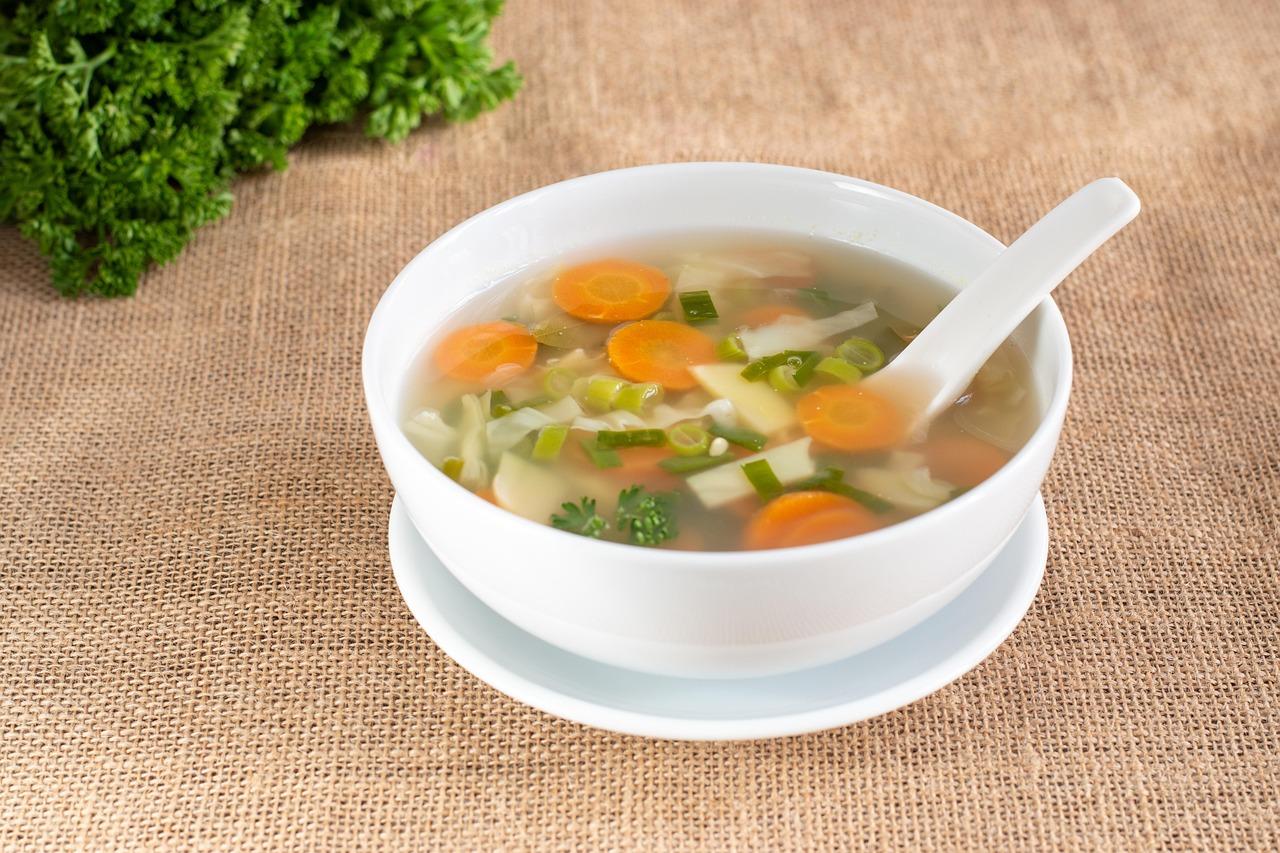
Potage cultivateurFarmer's vegetable soup

Potage cultivateur is the farmhouse soup of France, made in kitchens from Normandy to the Auvergne on cold evenings and eaten as a light supper with bread. The vegetables are cut into small, thin squares (the 'paysanne' cut), sweated slowly in butter, then simmered in water, so the broth stays clear and every spoonful has carrot, turnip, leek and potato. The old versions add bacon; this one is vegetarian. It is light, with about 4 g of protein per bowl; add a handful of white beans or serve with cheese on toast for more (choose a vegetarian cheese if you avoid animal rennet). The most common mistake is browning the vegetables: they should sweat gently until soft and shiny, never coloured. Chef's tip: cut every vegetable the same size, about 1 cm square and 3 mm thick, so they all cook in the same time.

by KrazyBadal 0 views

Guota doufuEgg-battered pan-fried tofu

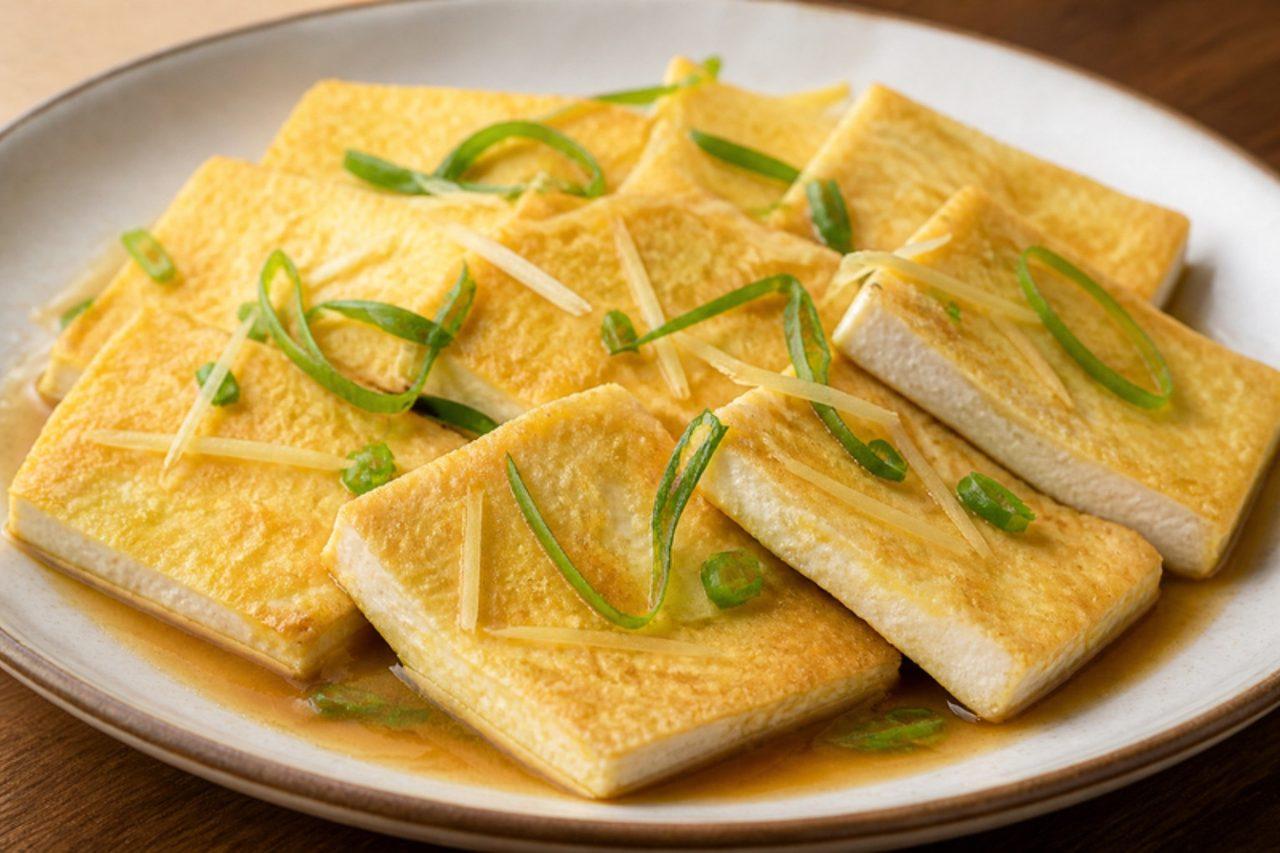
Guota doufu comes from the Lu kitchen of Shandong, where guota means pan-fried and then simmered so the coating soaks up the sauce. It is a banquet dish in Jinan restaurants and a family favourite at home: tofu slices are dusted in flour, dipped in egg, fried golden, then simmered briefly in a savoury stock with ginger and spring onion until the eggy coating turns tender and juicy. This version uses vegetable stock and no cooking wine. A portion gives about 24 g of protein, from the tofu and eggs. The common mistake is too much stock, which turns the coating soggy and loose; add only enough to come halfway up the tofu. Chef's tip: shake off the excess flour well before the egg, or the coating peels away in sheets.

by KrazyBadal 0 views

TtoroBasque fish soup

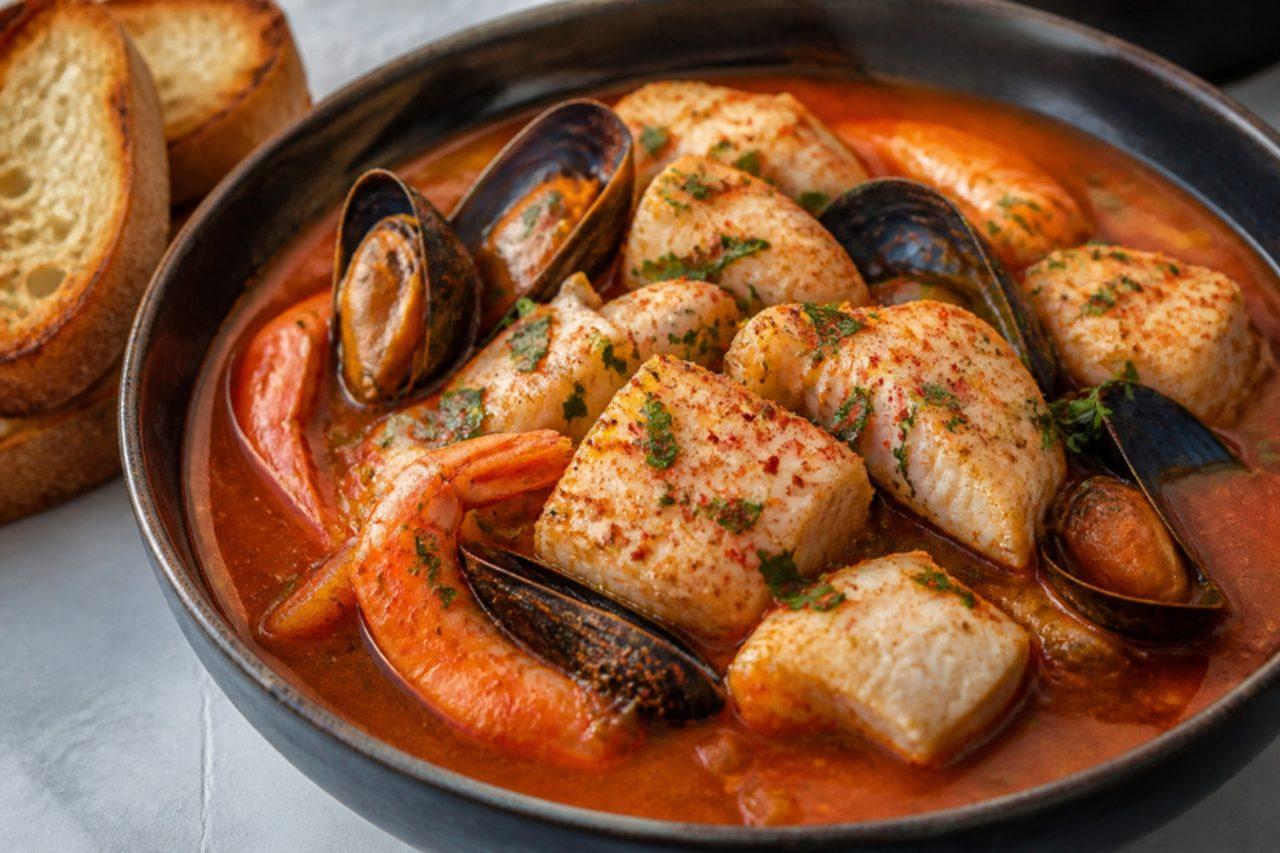
Ttoro was the meal Basque fishermen in Saint-Jean-de-Luz and Ciboure made from the part of the catch they couldn't sell, and the town still holds a ttoro festival every autumn. A deep red broth of peppers, tomato and Espelette pepper is poured over pieces of hake and monkfish, mussels and prawns, with garlic toast on the side for dunking (use gluten-free bread if needed). A portion gives about 32 g of protein, from the fish and shellfish, for around 360 kcal. The common mistake is boiling the fish in the broth: it breaks into flakes, so the pieces are seared first and then only poached gently on top for a few minutes. Discard any mussel that stays open when tapped before cooking or stays shut after. Chef's tip: dust the fish in rice flour before searing; the light crust protects the fish in the broth and thickens it slightly.

70 minFrenchFishGluten free
by KrazyBadal 0 views

ParihuelaSpicy seafood soup

Parihuela is the big weekend seafood soup of Callao and the Peruvian coast, eaten at long Sunday lunches in cevicherías and praised as a cure for tiredness and late nights. A deep red broth of ají panca, ají amarillo, tomato and fish stock is loaded with chunks of fish, prawns, squid and mussels. A portion gives about 30 g of protein, from the fish and shellfish, for roughly 300 kcal. Some cooks add chicha de jora or beer; this version has none. The common mistake is adding all the seafood at once: squid and prawns turn rubbery while the fish cooks, so they go in last. Before cooking, discard any mussels that stay open when tapped, and after cooking discard any that stay shut. Chef's tip: fry the chilli pastes in the oil until they darken and smell sweet; that toasted ají is what gives parihuela its depth.

by KrazyBadal 0 views

Showing 24 of 809 recipes

Show more recipes

Page 1 of 34