Skip to content
Recipes

All recipes

Vegetarian, or something you can't eat? Set your diet once and we'll hide recipes that don't fit.

Dowina (Kurdish yogurt soup)

Dowina, called ash-e doogh in Persian, is warming spring food in Kurdish homes around Newroz, when yogurt is plentiful and the first herbs are cut from the garden. Rice and chickpeas simmer in a tangy, lightly thickened yogurt broth, finished with fresh dill, coriander and a sizzle of dried mint in oil. It is eaten warm, never boiling hot, with flatbread. The common mistake is to heat the yogurt too fast without stirring, which makes it split into grainy curds. Chef's tip: whisk an egg yolk and a spoonful of rice flour into the yogurt before it goes on the heat; it holds the soup smooth all the way to the simmer.

by KrazyBadal 0 views
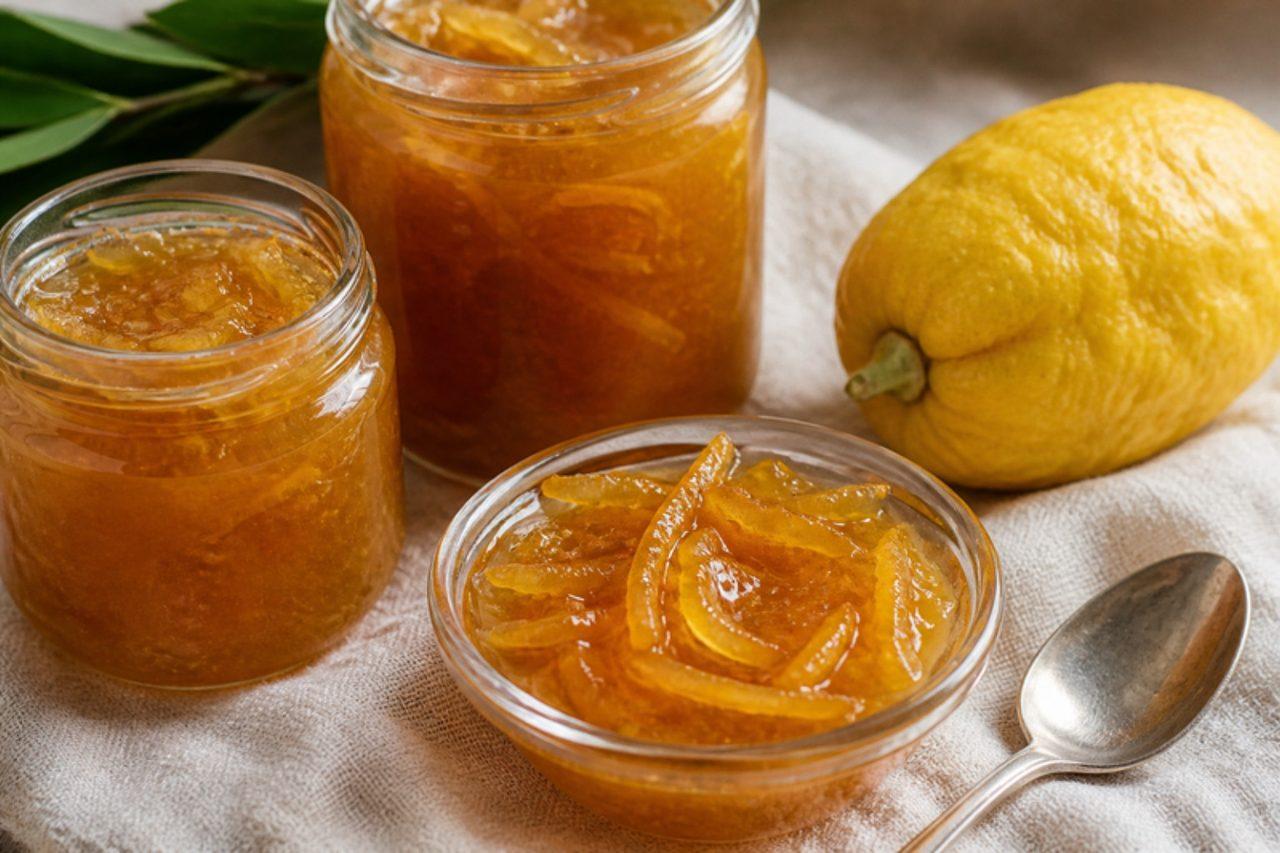

Etrog marmaladeCitron preserve

After Sukkot ends, many Israeli families keep the fragrant etrog (citron) used during the festival and turn it into marmalade, so its scent lasts into the winter. The thick pith is bitter, so the sliced fruit is soaked overnight and blanched in fresh water before it is simmered with sugar into a golden, bitter-sweet preserve, lovely on challah or with soft cheese. If your etrog was treated with sprays because it was grown only for ritual use, buy an unwaxed one sold for eating. The common mistake is skipping the soaking and changes of water, which leaves the marmalade harsh. Chef's tip: add a lemon for pectin and brightness, since etrogs are dry and set softly on their own.

by KrazyBadal 0 views

Malai (Romanian-Jewish cornmeal cake)

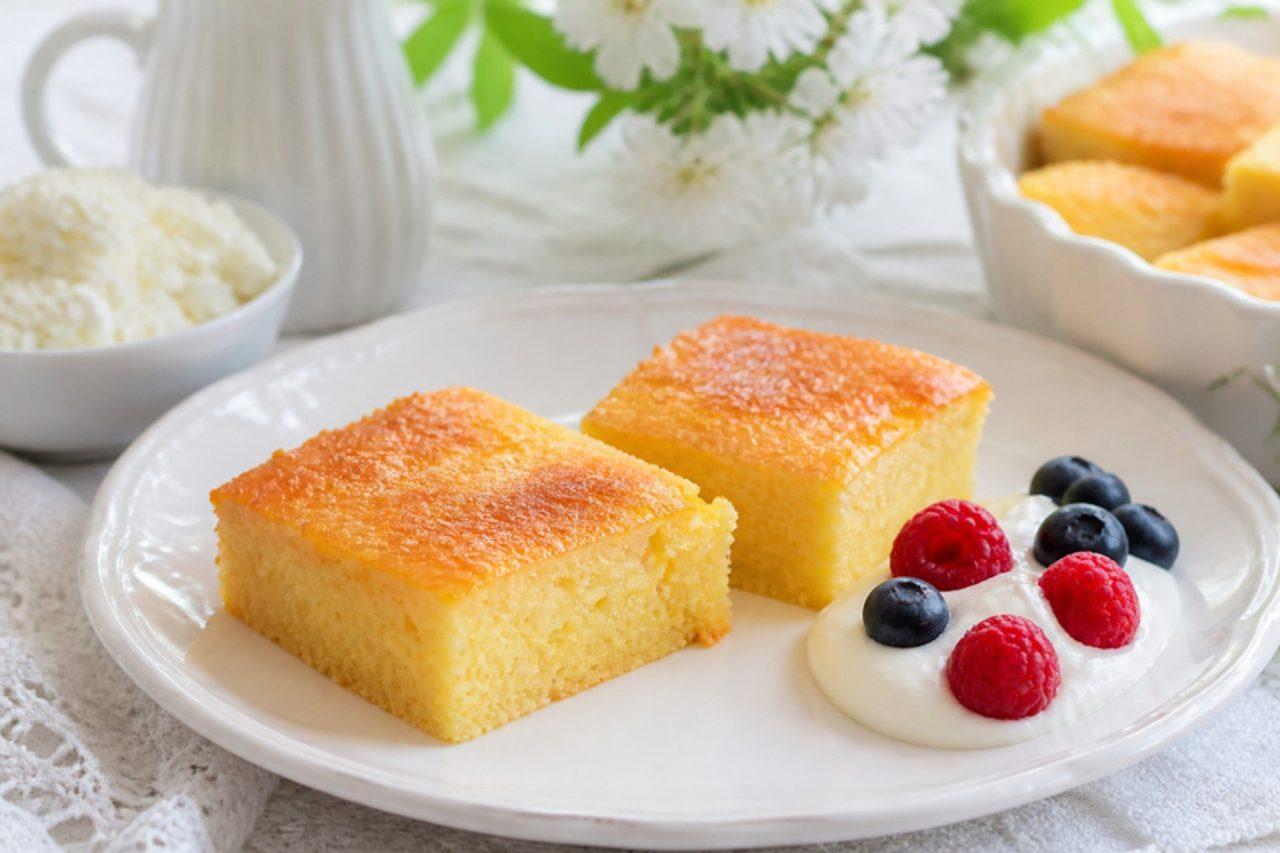
Romanian Jews brought malai to Israel, and it is a much-loved bake for Shavuot, the early-summer festival when dairy foods fill the table. Coarse cornmeal is mixed with sour cream, soft cheese, eggs and a little sugar, then baked into a golden cake that is moist and slightly crumbly, somewhere between cornbread and cheesecake. Eat it warm with a spoonful of sour cream or jam. Traditional soft white cheeses are sometimes set with animal rennet; choose a cheese labelled vegetarian if that matters to you. The common mistake is using fine polenta that hasn't soaked, which leaves the cake gritty. Chef's tip: let the batter stand for 15 minutes before baking so the cornmeal softens.

by KrazyBadal 0 views

PepitadaToasted melon seed milk

Greek and Turkish Jews end the Yom Kippur fast with a glass of pepitada, a pale, gentle 'milk' made from melon seeds that were saved, washed and dried through the summer. The seeds are toasted, ground, soaked overnight in water wrapped in muslin, then squeezed to give a mild, nutty drink sweetened with a little sugar and scented with rose or orange-blossom water. It is soothing on an empty stomach after a day without food or water. The common mistake is toasting the seeds too dark, which makes the drink bitter. Chef's tip: start the night before; the long soak is what draws out the creamy flavour.

by KrazyBadal 0 views

RabarbrikookRhubarb crumble cake

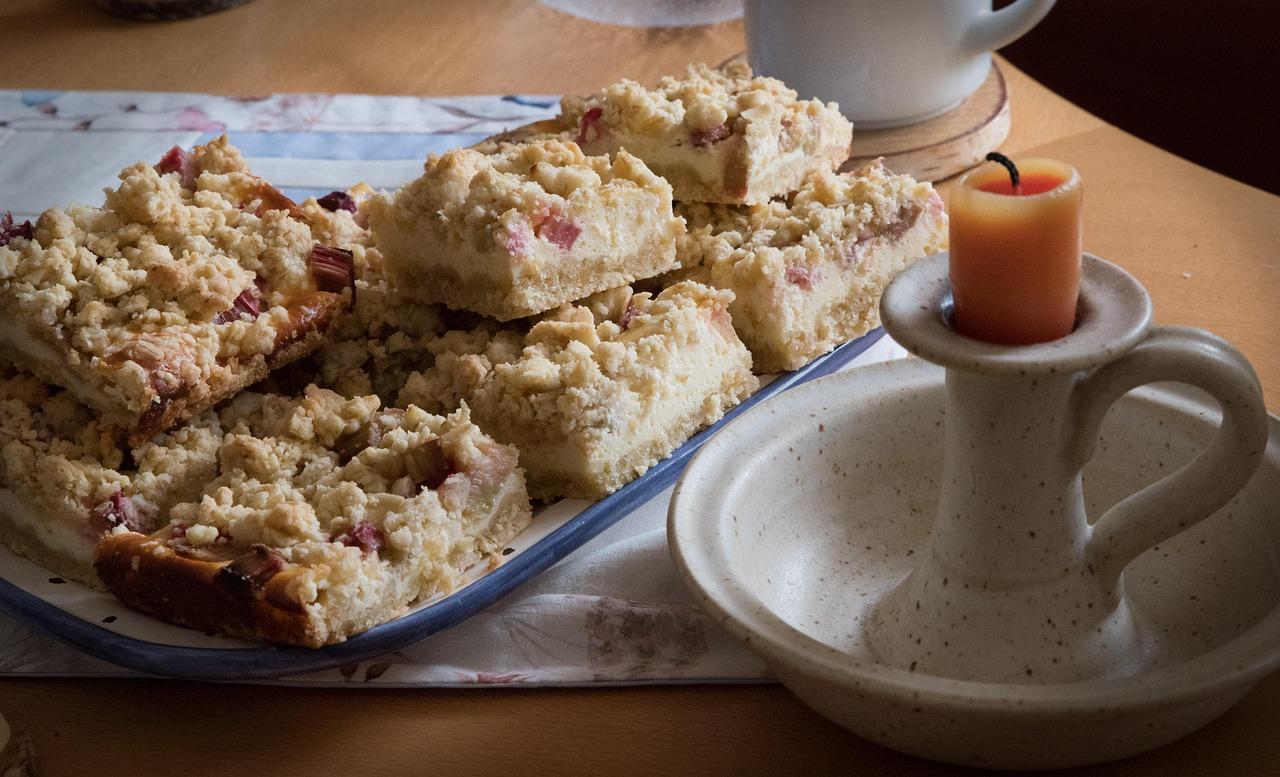
By Jaanipäev, Estonian Midsummer on 24 June, the rhubarb in every country garden is tall and red, and Estonians take rhubarb cake to the Jaaniõhtu bonfire evening along with grilled sausages, cheese and the beer for the grown-ups. Rabarbrikook is a simple, soft butter cake packed with sharp rhubarb under a thick, sweet crumble that soaks up the juices. Serve it warm with vanilla sauce or cold in squares. Chef's tip: toss the rhubarb in a spoonful of sugar and flour first; the flour thickens the juice so the cake below does not go soggy.

by KrazyBadal 0 views

Siete cielos (seven heavens bread)

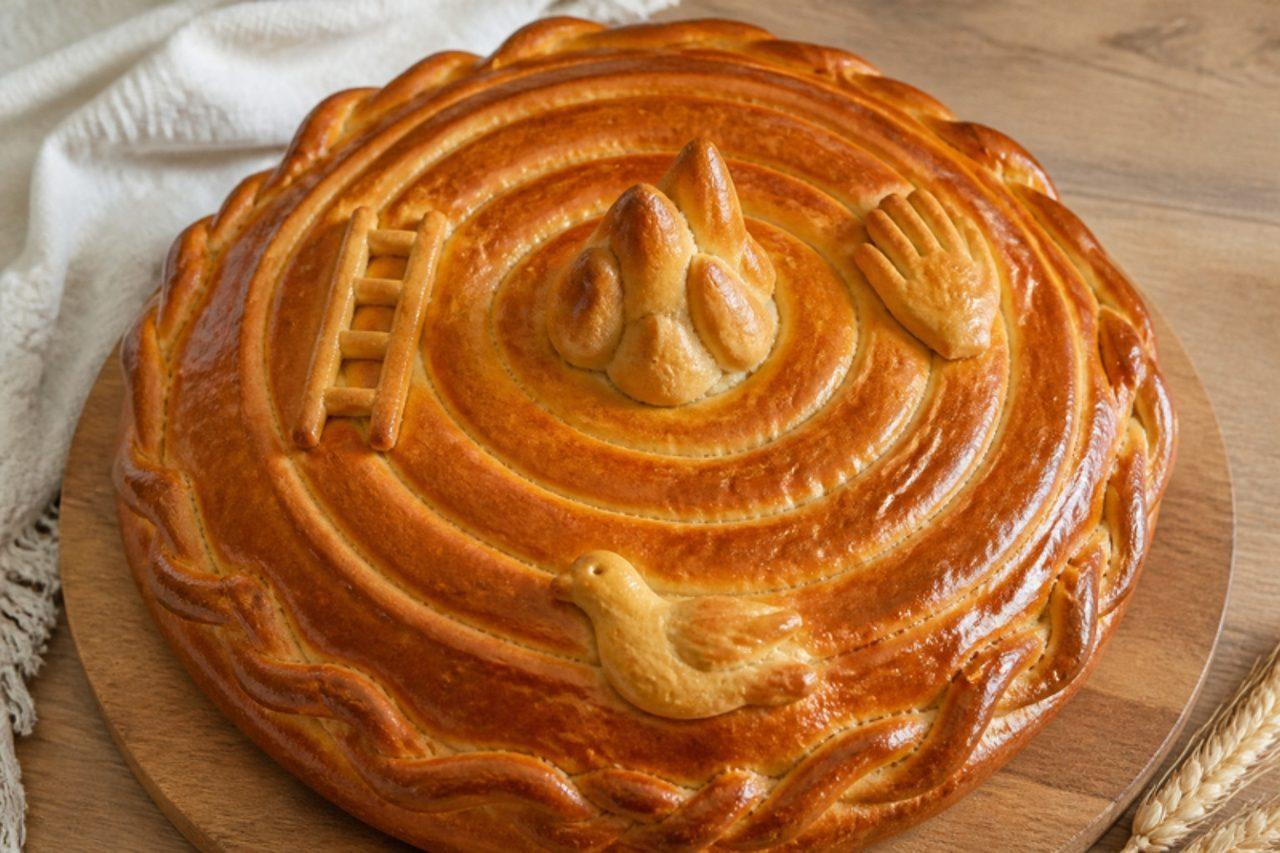
Pan de siete cielos, 'seven heavens bread', is a Sephardic Shavuot tradition from Thessaloniki and Turkey, kept alive by Ladino-speaking families in Israel. A large round loaf of soft, slightly sweet bread is topped with a spiral and small dough shapes, often a ladder, tablets, birds and a hand, each a symbol from the festival story, then glazed and baked. It is the centrepiece of the dairy holiday meal and is broken and shared at the table. The common mistake is attaching the shapes with no water, so they lift off in the oven; brush underneath each one. Chef's tip: keep a fifth of the dough back for the decorations and keep it covered so it doesn't dry out while you shape.

by KrazyBadal 0 views

SkābputraSoured barley porridge drink

Skābputra, 'sour porridge', is one of the oldest Latvian foods, and at Jāņi, Midsummer on 23–24 June, it is served cold alongside caraway cheese, pīrāgi and wreaths of flowers. Pearl barley is cooked soft, then soured with buttermilk or kefir for a day or two until it is tangy and fresh-tasting, and it is thinned with milk into a thick, cooling drink sipped or eaten with a spoon on hot summer days. This home version uses bought live buttermilk to start the souring safely. Chef's tip: use clean jars and utensils, and taste it each day; once it is pleasantly sour, chill it so it stops souring.

by KrazyBadal 0 views

Tu BiShvat dried fruit and nut cake

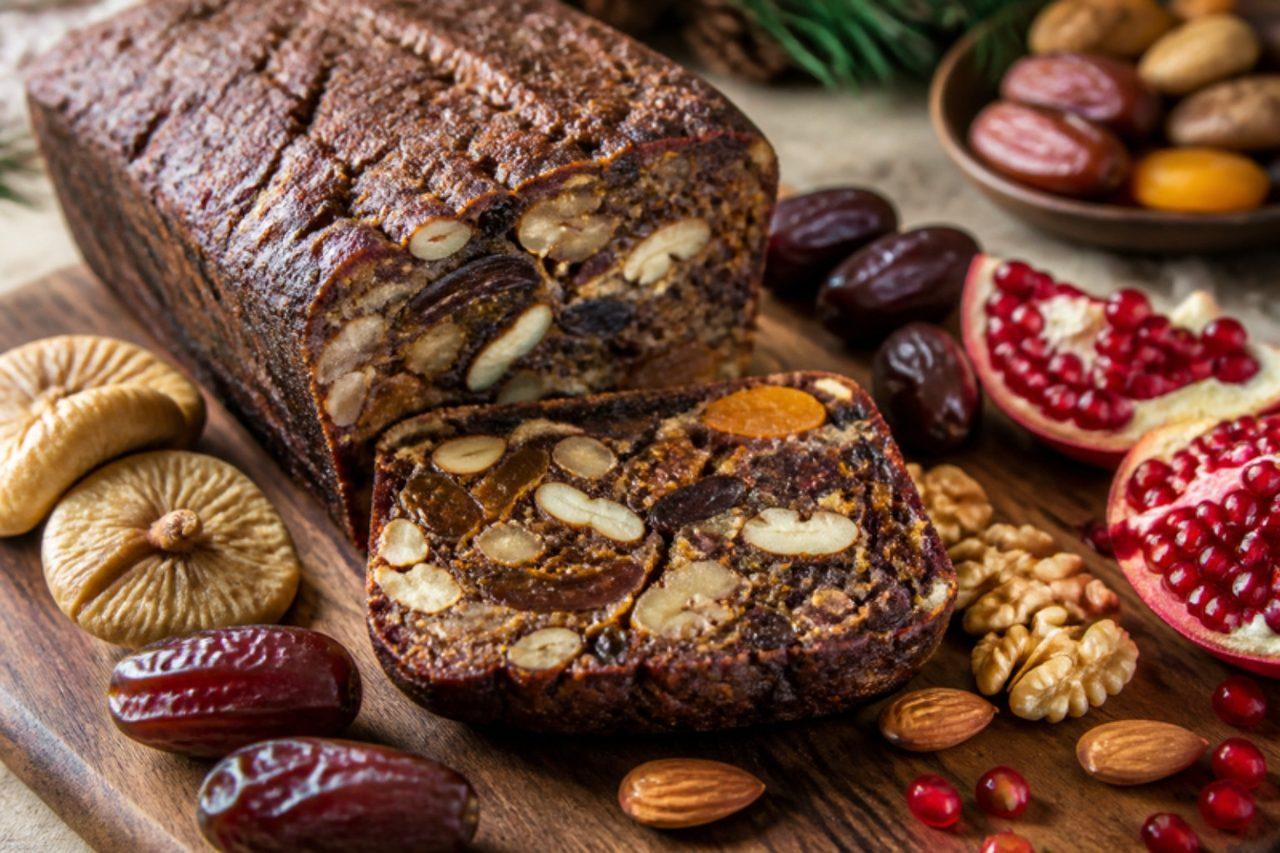
Tu BiShvat, the New Year of the Trees, falls in late winter, and in Israel it is celebrated with plates of dried fruit and nuts, the fruits of the land, and with cakes made from them. This loaf is almost all fruit: chopped dates, figs, apricots and raisins with walnuts, held together by just enough egg and flour, so every slice shows a mosaic of colour. Serve it thinly sliced with tea. The common mistake is cutting it hot, when it crumbles; it slices neatly once completely cold. Chef's tip: toss the chopped fruit in the flour first, which keeps it from sinking and clumping.

by KrazyBadal 0 views

Chipa so'oCheese bread with spiced beef

In Paraguay, families bake chipa in the clay tatakua ovens on Holy Wednesday so there is food for Thursday and Good Friday, when cooking stops. Chipa so'o ('chipa with meat') is a cassava-starch and cheese bread wrapped around a little filling of minced beef cooked with onion and egg, then baked until crisp outside and chewy within. It is naturally gluten free. Chef's tip: knead the dough until it no longer cracks at the edges when pressed; dry dough splits around the filling.

by KrazyBadal 0 views

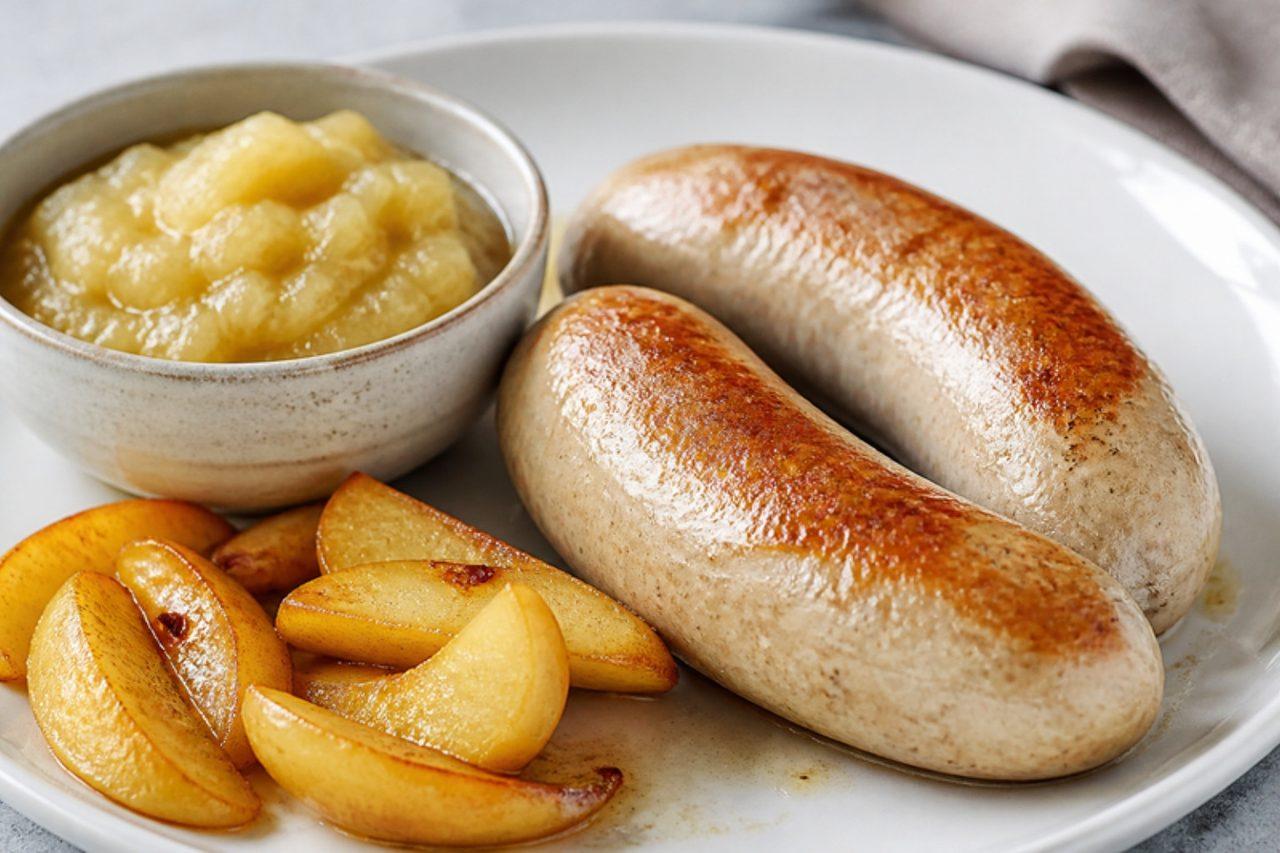
Boudin blanc aux pommesWhite sausage with apple compote

In Liège and across Wallonia, Christmas Eve supper often begins with boudin blanc: pale, delicate sausages of finely minced pork and milk, sometimes with a little chicken, gently fried in butter until golden and served with warm, chunky apple compote and bread. Butchers make piles of them in December. Buy them fresh from a good butcher, or poached and ready to fry. Chef's tip: prick nothing and cook gently; boudin blanc is fragile, and a hot pan splits the skins.

by KrazyBadal 0 views

KaguyjyWhite corn pudding

On the night of 23–24 June, Paraguayans celebrate San Juan with bonfires, games like walking over hot coals and the 'paso de fuego', and a table of traditional foods, and kaguyjy (also mazamorra) is one of them. It is a soft, creamy pudding of cracked white corn (locro) simmered slowly in water and then milk with sugar or honey, sometimes with orange peel. It is eaten warm or cold. It is gluten free. Chef's tip: soak the corn overnight and cook it until each kernel is tender before adding the milk, or it never turns creamy.

by KrazyBadal 0 views

Pajagua mascadaBeef and cassava patties

Pajagua mascada is a Paraguayan street-food classic that appears on every table for the San Juan festival on 24 June, when bonfires burn and the night is full of games and traditional food. Minced beef is mixed with mashed cassava, onion, garlic and a little egg and flour, shaped into flat patties and fried until crisp. The name comes from Guaraní and refers to the 'chewing' of old Paraguayan cooks, who made it from leftover meat. Chef's tip: dry the boiled cassava well and remove its woody core, which keeps the patties light and crunchy.

by KrazyBadal 0 views

KalanehWild leek stuffed flatbread

In Kurdistan and Kermanshah, Newroz arrives with the first spring greens on the hillsides, and families gather wild leeks to fold into kalaneh, thin griddle breads cooked over a fire or a hot pan and soaked in melted butter. The dough is plain and soft, rolled very thin around a pile of chopped leek or chives with a little salt and pepper, so the greens steam inside as the bread blisters. Eat it hot, torn into strips, with yogurt and tea at a Newroz picnic. The common mistake is wet greens, which turn the dough soggy and make it tear; dry them well after washing. Chef's tip: brush the butter on the moment the bread leaves the pan so it soaks right in.

by KrazyBadal 0 views

Belgian frangipane tartlets

Look in the glass counter of a Flemish bakery and between the rice tarts and cream puffs sit rows of frangipanetaartjes: small shortcrust cases with a hidden layer of apricot jam, filled with almond frangipane and glazed with a thin, crackly white icing. Belgians pick them up on Saturday mornings or for a birthday at the office and eat them with coffee. They are buttery, nutty and moist, with a sharp fruity note from the jam. Too much jam is the mistake to watch: it bubbles up through the frangipane and glues the tartlets to the tin. Chef's tip: brush the warm tartlets with hot apricot jam first and let it set before the icing goes on; the jam seals the surface so the glaze stays white and shiny.

by KrazyBadal 0 views

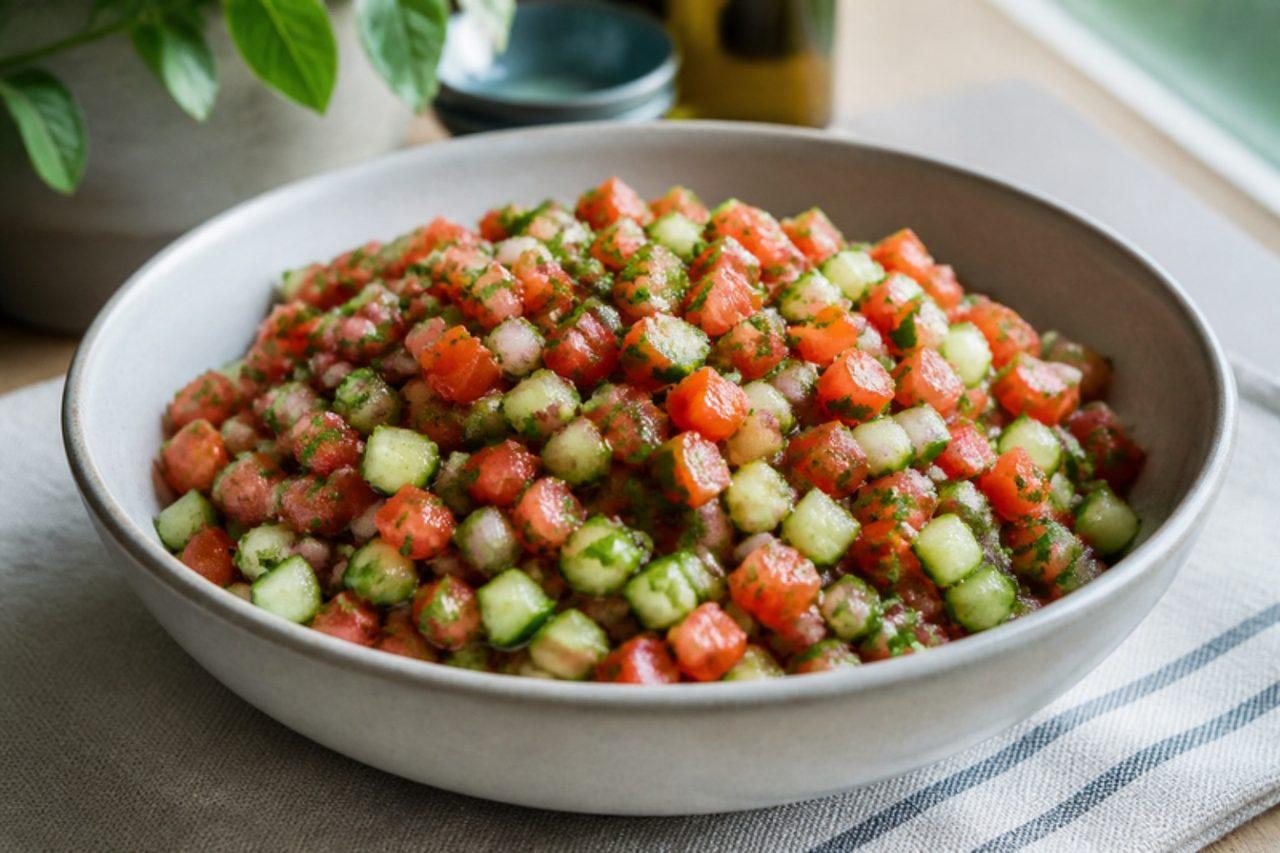
Israeli salad

Israeli salad, a very finely chopped mix of cucumber, tomato, onion and parsley dressed with lemon and olive oil, shares its roots with the Arab chopped salads of the region and appears at almost every meal in Israel: with eggs and labneh at a kibbutz breakfast, stuffed into a pitta at a Tel Aviv falafel stand, or beside schnitzel on a weeknight. The skill is in the knife work, small, even dice of about 5 mm, so each spoonful holds a bit of everything. The common mistake is salting and dressing it too early, which draws the juices out and leaves it swimming; dress it just before serving. Chef's tip: use small, firm cucumbers and scoop out very watery tomato seeds if the tomatoes are soft.

by KrazyBadal 0 views

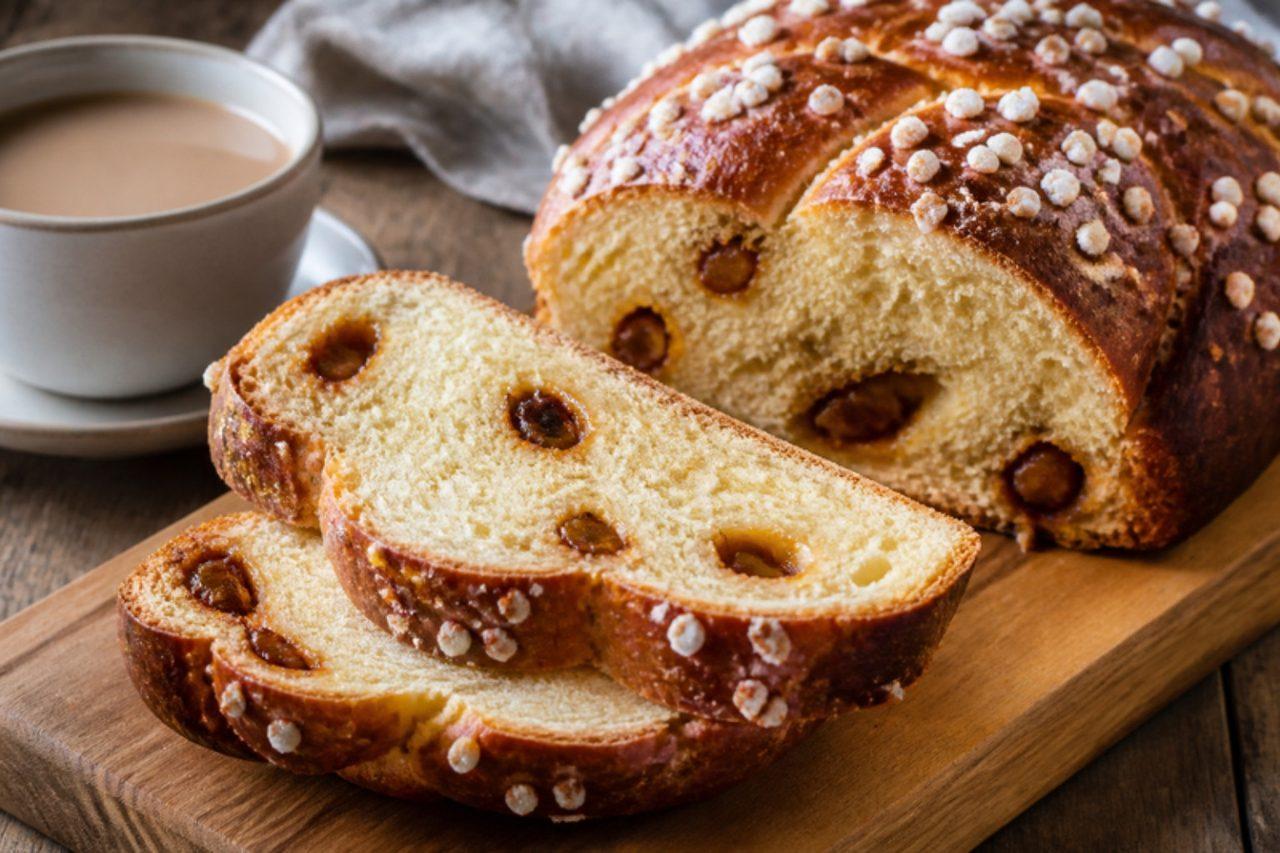
CraquelinBrioche with sugar cube pockets

Sugar cubes, of all things, are the secret of the Belgian craquelin. Bakers in Ghent, Bruges and Brussels wrap broken cubes inside rich brioche, and as the loaf bakes they melt into little wells of syrup that set crunchy, while pearl sugar crackles on the crust (hence the name). It is a Sunday breakfast and weekend bakery loaf, sliced thick and eaten plain or with butter and a bowl of café au lait; Flemish bakers sometimes add orange zest. Leaving sugar pieces exposed on the outside, especially the base, is the usual pitfall: they caramelise, burn and glue the loaf to the tin. Chef's tip: chill the kneaded brioche for at least an hour before you fold in the sugar, so the butter firms and the dough is easy to wrap around the cubes.

by KrazyBadal 0 views

LampreadoCassava starch cheese fritters

Paraguayan grandmothers fry lampreado on Sunday evenings to eat with a mug of cocido, the toasted yerba mate drink: small pan-fried cakes of cassava starch, egg, milk and grated cheese with a little onion, crisp at the edges and stretchy inside. Some families also make it with leftover meat, but this version is all cheese. Queso Paraguay is set with animal rennet; a vegetarian Parmesan-style cheese plus mozzarella works well. The trap is a batter that is too thick, which gives heavy, gluey cakes. Chef's tip: the batter should drop slowly off a spoon like thick pancake batter; add milk a spoonful at a time until it does.

by KrazyBadal 0 views

Capeletis a la CarusoStuffed pasta in cream sauce

Capeletis a la Caruso were created in a Montevideo restaurant in the 1950s and named after the great tenor, and they are still a Sunday lunch favourite in Uruguayan homes: little stuffed pasta hats in a rich sauce of cream, cooked ham (pork), mushrooms and onion, finished with grated cheese. Buy good fresh capeletis or tortellini; the sauce is what you make. The usual mistake is boiling the cream sauce hard, which makes it oily and grainy. Chef's tip: cook the mushrooms in a dry hot pan first until they squeak and brown, before any butter goes in, for a deeper taste.

by KrazyBadal 0 views

Mandi'o chyryryFried cassava with onion and egg

Mandi'o chyryry means 'fried cassava' in Guaraní, and it is what rural Paraguayan families make from yesterday's boiled mandi'o: chunks crushed and fried in a big pan with onion until crisp in places, then scrambled with eggs. It comes out for breakfast with cocido or for a quick supper, and costs next to nothing. Use sweet cassava, the kind sold in supermarkets. The mistake is stirring constantly, which turns it to mush; let the cassava sit and brown. Chef's tip: the best chyryry starts with cold, day-old boiled cassava, which fries crisper than freshly boiled.

by KrazyBadal 0 views

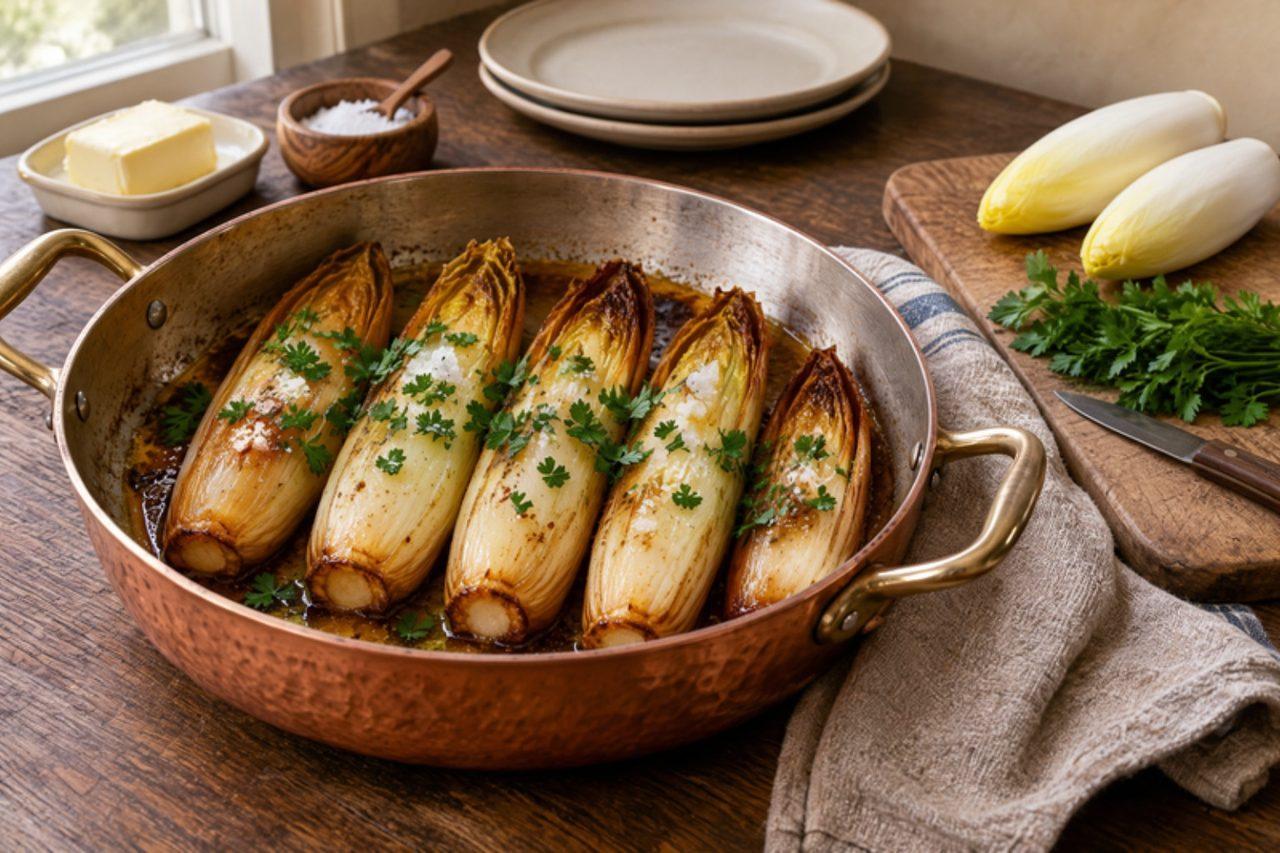
Chicons braisésBraised endives

Belgian endive, called chicon in Wallonia and witloof in Flanders, is grown in the dark around Brussels and eaten all winter, from November to March. Braised slowly in butter with a pinch of sugar and a squeeze of lemon, the pale heads turn golden, soft and gently caramelised, with only a whisper of their raw bitterness left. Serve them beside mashed potatoes and a fried egg, or as a side for a Sunday roast. The usual mistake is crowding the pan and boiling them in their own water, which leaves them grey and bitter. Chef's tip: lay the heads in a single layer and press a round of baking paper on top, so they steam gently and then brown in the butter once the juices cook off.

by KrazyBadal 0 views

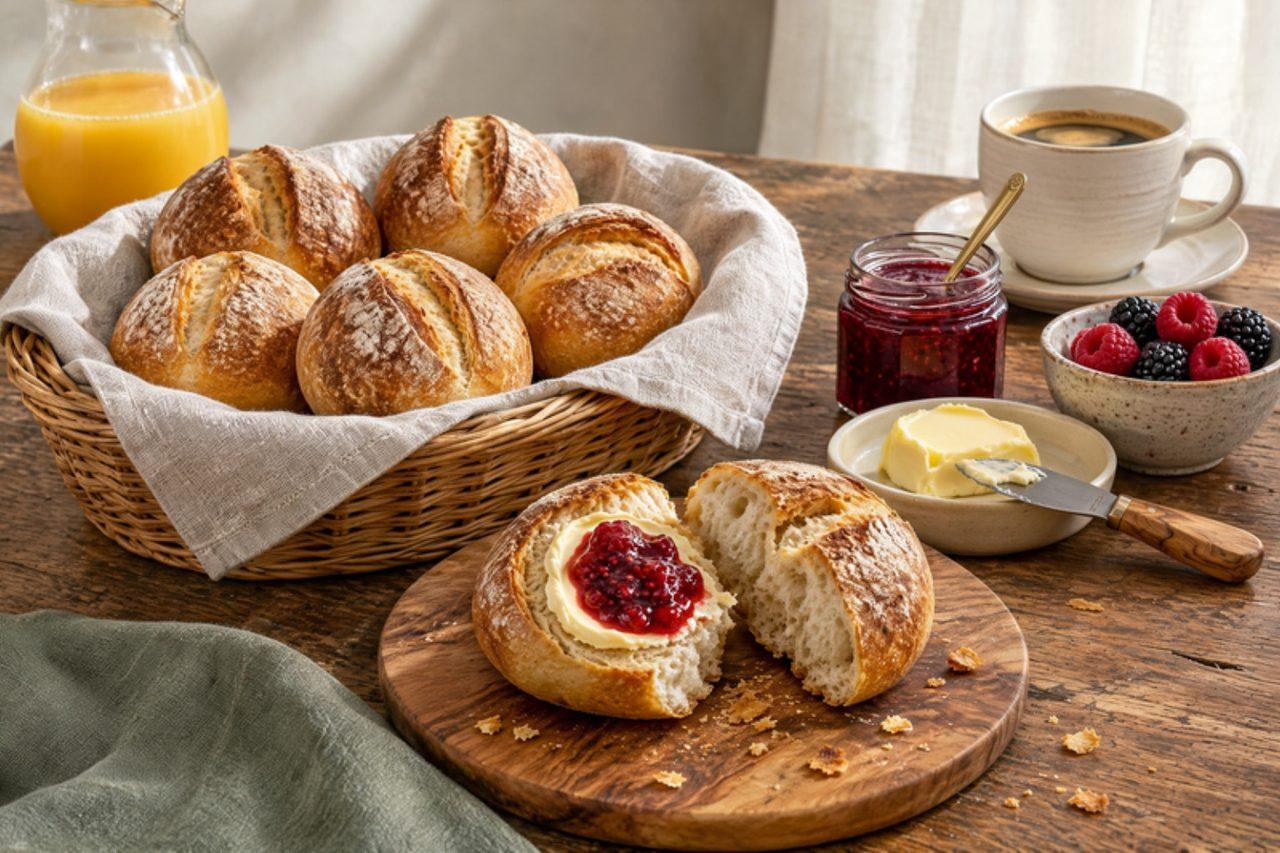
PistoletsCrusty bread rolls

In Brussels and all over Belgium, someone in the family goes to the bakery early on Sunday morning to bring home a paper bag of warm pistolets, the small round rolls with a split down the middle. They are eaten at a long breakfast with butter, jam, chocolate spread, cheese and boiled eggs. The crust shatters and the crumb is light and open. The common mistake is baking in a dry oven, which gives a dull, thick crust; a pan of boiling water in the oven makes the thin, crackly bakery crust. Chef's tip: press the split with a floured wooden spoon handle right after shaping, not just before baking, and it opens cleanly in the oven.

by KrazyBadal 0 views

Matzah

Matzah is the flat unleavened bread eaten at Passover, recalling the Israelites leaving Egypt in too much haste for their bread to rise, and in Israel and Jewish homes worldwide it is also eaten as a crisp everyday cracker with soups and dips. The dough is only flour and water; by tradition it is mixed, rolled and baked within 18 minutes so it cannot ferment. This home version follows that rhythm but is not certified for Passover use. There is no salt: about 0.0 g salt per sheet. The usual mistake is rolling too thick, which gives a tough, chewy bread; roll until you can almost see the counter through it. Chef's tip: prick the dough all over with a fork before baking so it stays flat and blisters evenly.

by KrazyBadal 1 views

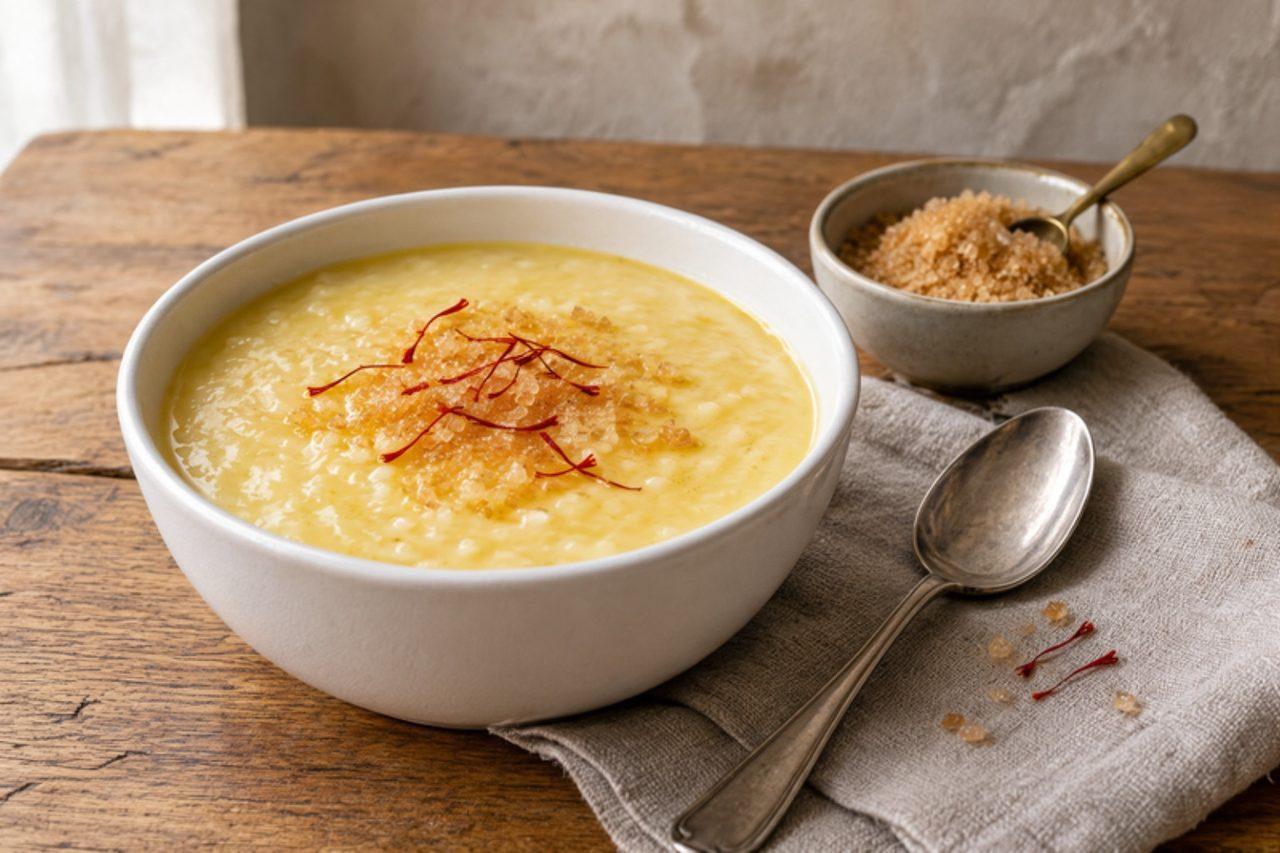
Saffron rijstpapSaffron rice porridge

Flemish rijstpap, rice slowly cooked in milk until thick and creamy, is a breakfast, a pudding and a childhood memory, and in East and West Flanders it is coloured golden with saffron and eaten with a spoonful of brown sugar. Old Flemish sayings even promise that in heaven you eat rijstpap with golden spoons. The mistake is cooking it too fast: the milk catches on the bottom and the rice stays chalky, so keep it at the barest simmer and stir often. Chef's tip: use round pudding rice, not long-grain, because its starch is what makes the porridge thick and silky without any cream.

by KrazyBadal 0 views

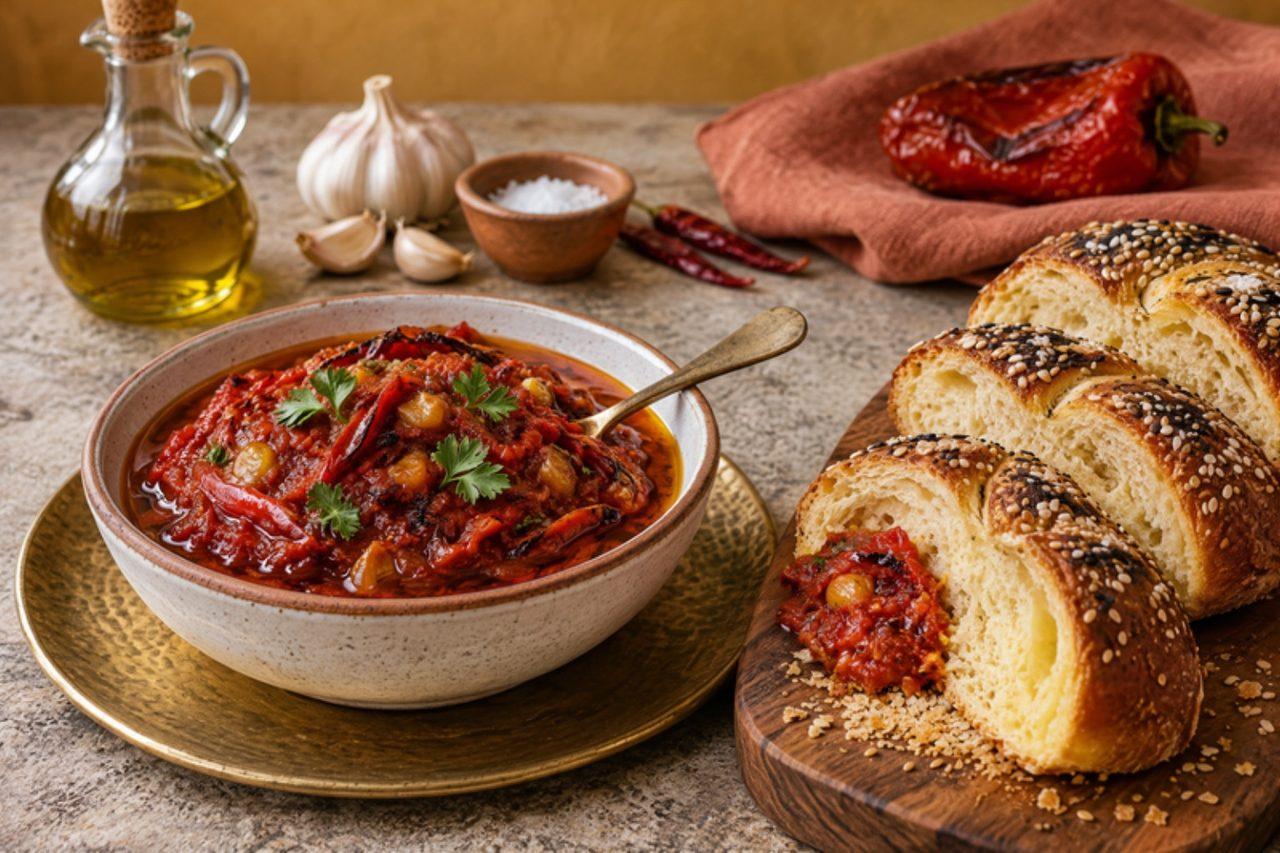
MatbuchaCooked tomato and pepper relish

Matbucha came to Israel with Moroccan Jewish families, and it is on almost every Friday-night and Shabbat table among the salads served with challah, as well as in Jerusalem breakfast spreads. Ripe tomatoes and roasted peppers cook down slowly with garlic, chilli and olive oil for over an hour, until thick, sweet, jammy and spicy. Eat it as a dip, beside eggs or grilled fish, or spooned over beans. Suitable as part of a balanced diet. About 90 kcal and 8 g carbohydrate per portion. The pinch of sugar is optional, and a sweetener works too. The usual mistake is rushing it on high heat: it catches and tastes scorched instead of sweet. Chef's tip: stir more often in the last 20 minutes, when the sauce turns glossy and starts to spit; that's when it's nearly done.

by KrazyBadal 0 views

Showing 24 of 216 recipes

Show more recipes

Page 1 of 9