Skip to content
Recipes

All recipes

Vegetarian, or something you can't eat? Set your diet once and we'll hide recipes that don't fit.

Pajagua mascadaBeef and cassava patties

Pajagua mascada is a Paraguayan street-food classic that appears on every table for the San Juan festival on 24 June, when bonfires burn and the night is full of games and traditional food. Minced beef is mixed with mashed cassava, onion, garlic and a little egg and flour, shaped into flat patties and fried until crisp. The name comes from Guaraní and refers to the 'chewing' of old Paraguayan cooks, who made it from leftover meat. Chef's tip: dry the boiled cassava well and remove its woody core, which keeps the patties light and crunchy.

by KrazyBadal 0 views

KalanehWild leek stuffed flatbread

In Kurdistan and Kermanshah, Newroz arrives with the first spring greens on the hillsides, and families gather wild leeks to fold into kalaneh, thin griddle breads cooked over a fire or a hot pan and soaked in melted butter. The dough is plain and soft, rolled very thin around a pile of chopped leek or chives with a little salt and pepper, so the greens steam inside as the bread blisters. Eat it hot, torn into strips, with yogurt and tea at a Newroz picnic. The common mistake is wet greens, which turn the dough soggy and make it tear; dry them well after washing. Chef's tip: brush the butter on the moment the bread leaves the pan so it soaks right in.

by KrazyBadal 0 views

Chipa so'oCheese bread with spiced beef

In Paraguay, families bake chipa in the clay tatakua ovens on Holy Wednesday so there is food for Thursday and Good Friday, when cooking stops. Chipa so'o ('chipa with meat') is a cassava-starch and cheese bread wrapped around a little filling of minced beef cooked with onion and egg, then baked until crisp outside and chewy within. It is naturally gluten free. Chef's tip: knead the dough until it no longer cracks at the edges when pressed; dry dough splits around the filling.

by KrazyBadal 0 views

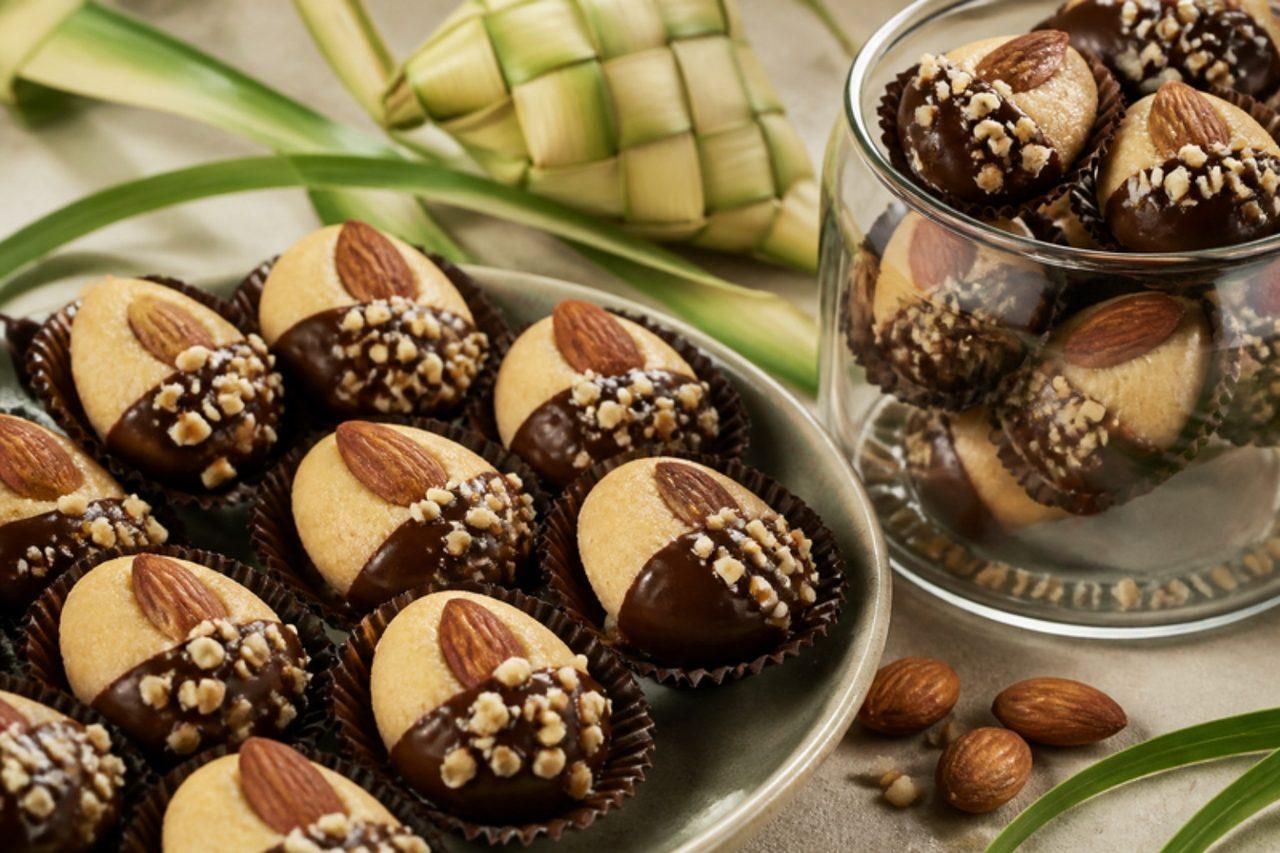
Almond LondonChocolate-dipped almond cookies

Almond London is a Hari Raya favourite in Singapore and Malaysia, a whole roasted almond hidden in buttery cookie dough, baked, dipped in chocolate and rolled in chopped nuts. Nobody is sure where the name came from, but every Malay household fills a jar of them for Raya visits, and children hunt for the almond inside. They are crunchy, rich and not too sweet. Chef's tip: let the cookies cool completely before dipping, or the chocolate slides off and turns streaky.

by KrazyBadal 0 views

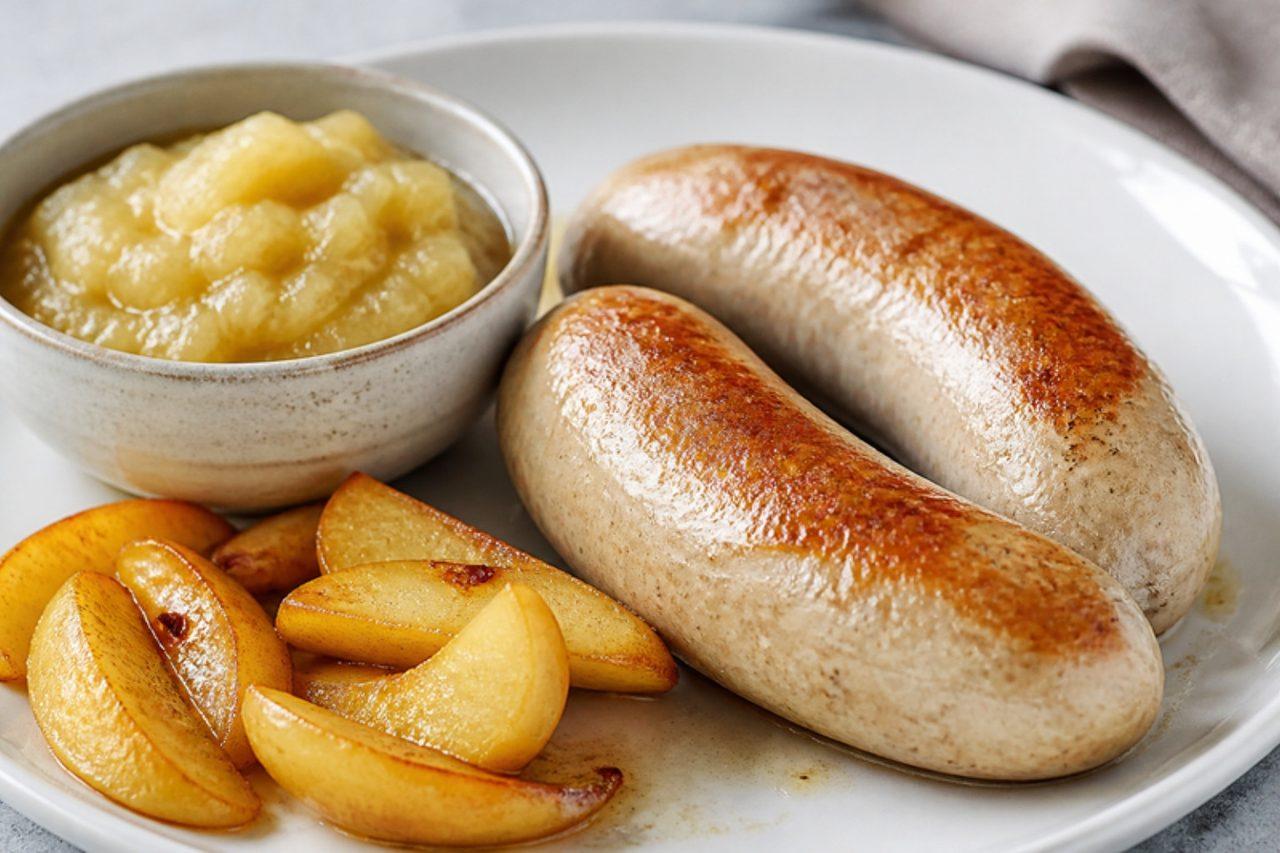
Boudin blanc aux pommesWhite sausage with apple compote

In Liège and across Wallonia, Christmas Eve supper often begins with boudin blanc: pale, delicate sausages of finely minced pork and milk, sometimes with a little chicken, gently fried in butter until golden and served with warm, chunky apple compote and bread. Butchers make piles of them in December. Buy them fresh from a good butcher, or poached and ready to fry. Chef's tip: prick nothing and cook gently; boudin blanc is fragile, and a hot pan splits the skins.

by KrazyBadal 0 views

KaguyjyWhite corn pudding

On the night of 23–24 June, Paraguayans celebrate San Juan with bonfires, games like walking over hot coals and the 'paso de fuego', and a table of traditional foods, and kaguyjy (also mazamorra) is one of them. It is a soft, creamy pudding of cracked white corn (locro) simmered slowly in water and then milk with sugar or honey, sometimes with orange peel. It is eaten warm or cold. It is gluten free. Chef's tip: soak the corn overnight and cook it until each kernel is tender before adding the milk, or it never turns creamy.

by KrazyBadal 0 views

Dowina (Kurdish yogurt soup)

Dowina, called ash-e doogh in Persian, is warming spring food in Kurdish homes around Newroz, when yogurt is plentiful and the first herbs are cut from the garden. Rice and chickpeas simmer in a tangy, lightly thickened yogurt broth, finished with fresh dill, coriander and a sizzle of dried mint in oil. It is eaten warm, never boiling hot, with flatbread. The common mistake is to heat the yogurt too fast without stirring, which makes it split into grainy curds. Chef's tip: whisk an egg yolk and a spoonful of rice flour into the yogurt before it goes on the heat; it holds the soup smooth all the way to the simmer.

by KrazyBadal 0 views

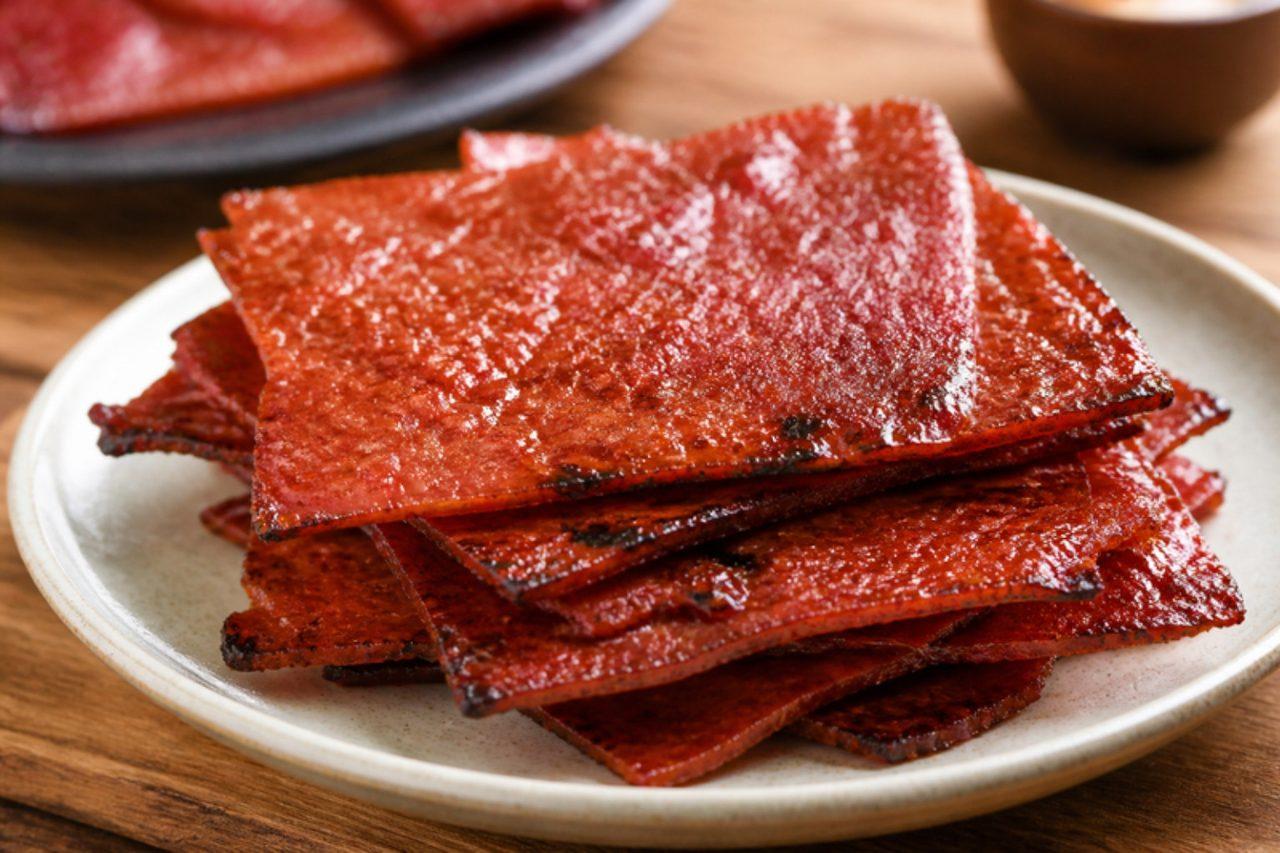
Bak kwa (barbecued dried pork)

Before Chinese New Year, queues snake round the bak kwa shops of Singapore and Malaysia, because these sweet, smoky sheets of pork are the gift everyone brings when visiting family; their deep red colour stands for luck. At home you can make them from minced pork mixed with sugar, soy, fish sauce and a splash of Shaoxing rice wine, spread thin, dried in a low oven and then grilled until caramelised and blistered at the edges, chewy and sticky-sweet. For an alcohol-free version, swap the Shaoxing wine for the same amount of unsalted stock with a few drops of rice vinegar. Eat it warm on its own, or tucked into a soft white bun. Chef's tip: roll the mince between two sheets of baking paper to 2–3 mm; any thicker and it stays soft in the middle instead of turning into proper jerky.

by KrazyBadal 0 views

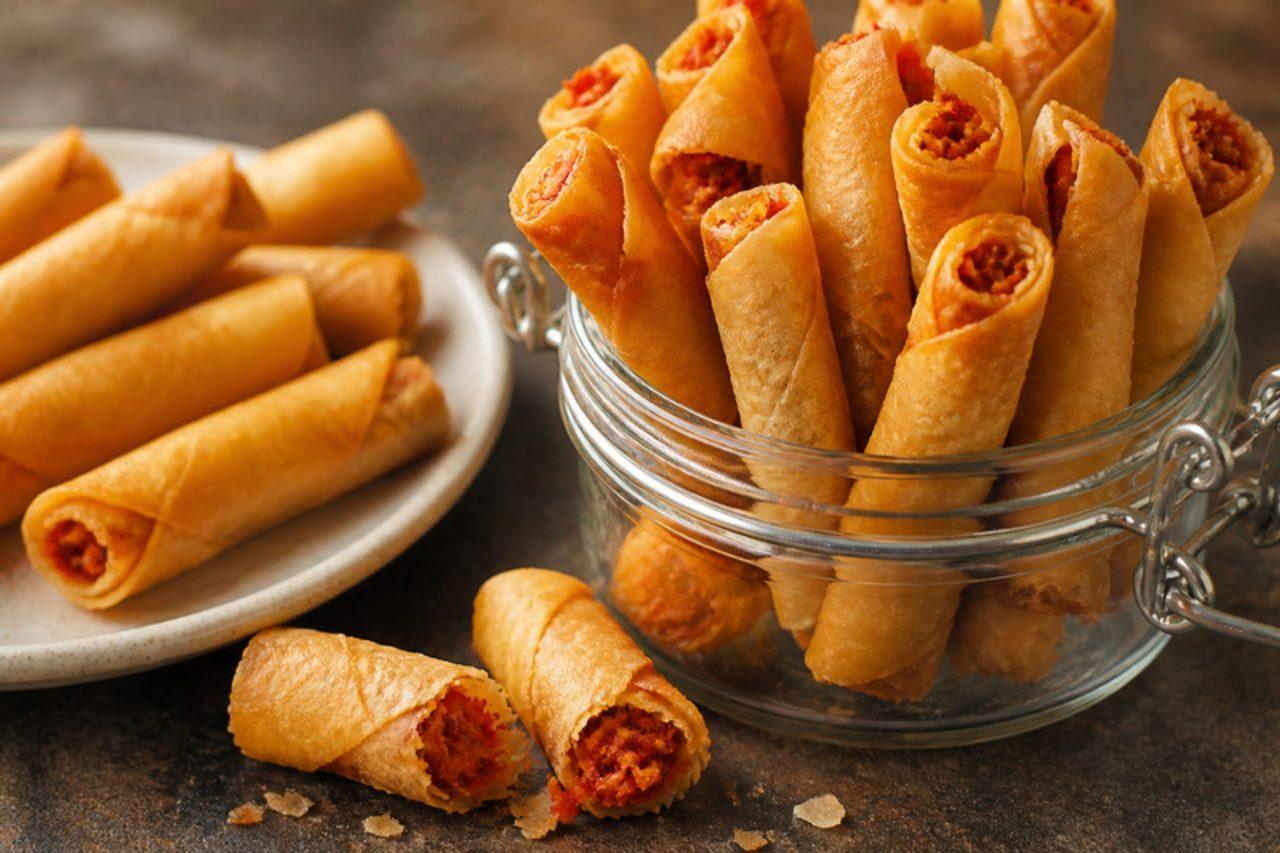
Hae bee hiam rolls (spicy prawn rolls)

Lift the lid of the cookie jars in a Singapore or Malaysian home at Chinese New Year and among the pineapple tarts you will find these tiny, fiery hae bee hiam rolls. Hae bee hiam is a sambal of dried shrimp fried slowly with chilli, shallots and lemongrass until it is dry, crumbly and fragrant, and rolled into thin spring-roll pastry it makes a crunchy, salty-sweet, spicy snack that disappears by the handful; the golden rolls look like gold bars for a prosperous year. Serve them with tea or a cold drink. Chef's tip: cook the sambal until it is completely dry and floss-like; any moisture left will make the rolls soft within a day.

by KrazyBadal 0 views

Itek sio (Nyonya coriander duck)

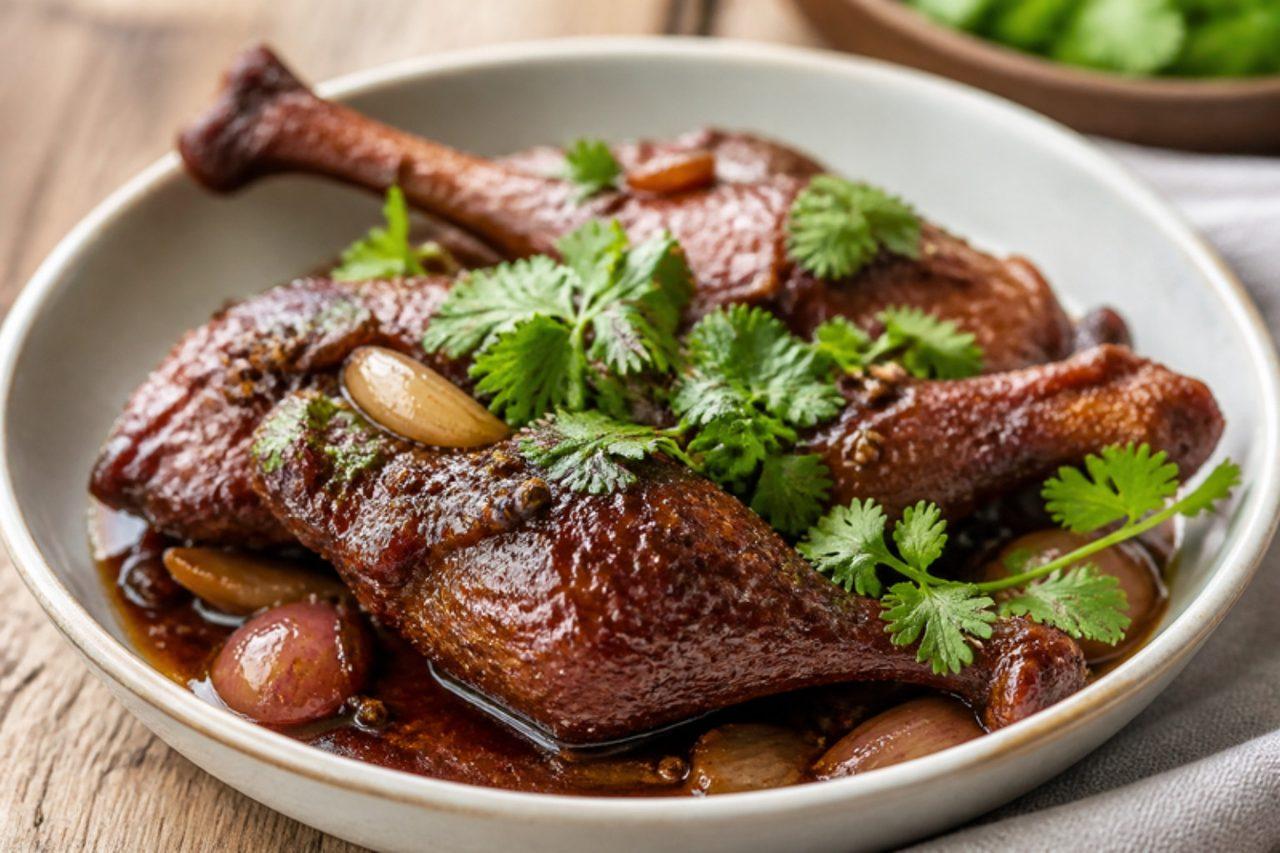
Itek sio is a Peranakan braise that Nyonya cooks in Singapore make for Chinese New Year and other family feasts; duck is a celebration meat, and a rich, glossy pot of it says the household is doing well. Duck legs are rubbed with tamarind and soy, then simmered slowly with a heap of shallots and a generous amount of freshly ground coriander seed until the meat almost falls from the bone and the sauce turns thick, dark, sweet-sour and fragrant. Serve it with plain rice and a sharp sambal or pickles to cut the richness. Chef's tip: toast the coriander seeds before grinding; the warm, citrusy smell is the whole point of the dish.

by KrazyBadal 0 views

Bakwan kepiting (crab and pork meatball soup)

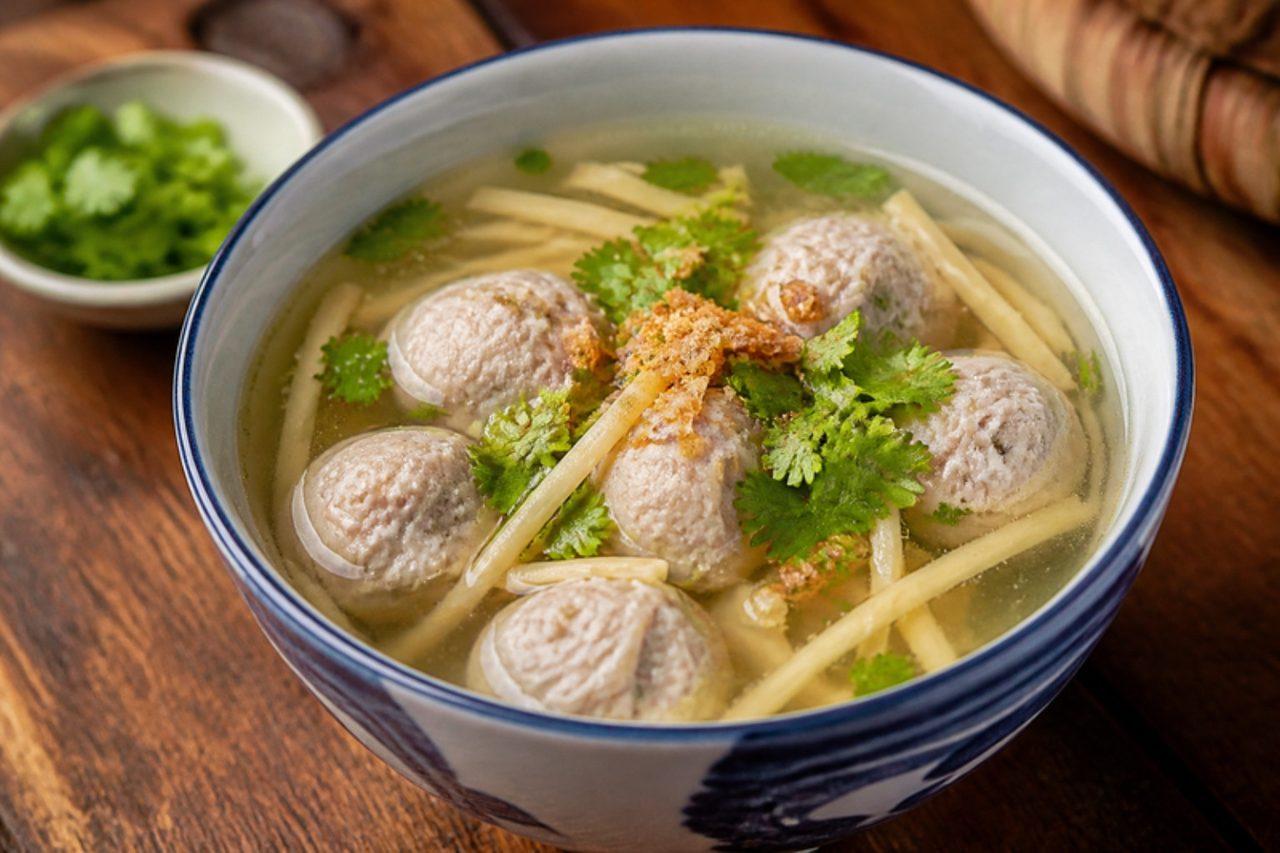
Bakwan kepiting is the Peranakan soup that Nyonya families in Singapore serve at the Chinese New Year reunion dinner; the round meatballs stand for a family gathered whole and complete. The balls are minced pork and sweet crab meat, bound with egg and bulked with shredded bamboo shoot, and they simmer in a clear, gently garlicky pork broth until tender and springy. This home version uses pasteurised cooked crab meat instead of live crabs, so it is easier and kinder. Serve it in small bowls with fried garlic and rice, before the richer curries. Chef's tip: keep the broth at a lazy simmer once the balls go in; a rolling boil clouds the soup and breaks them apart.

by KrazyBadal 0 views

Yusheng (lo hei prosperity salad)

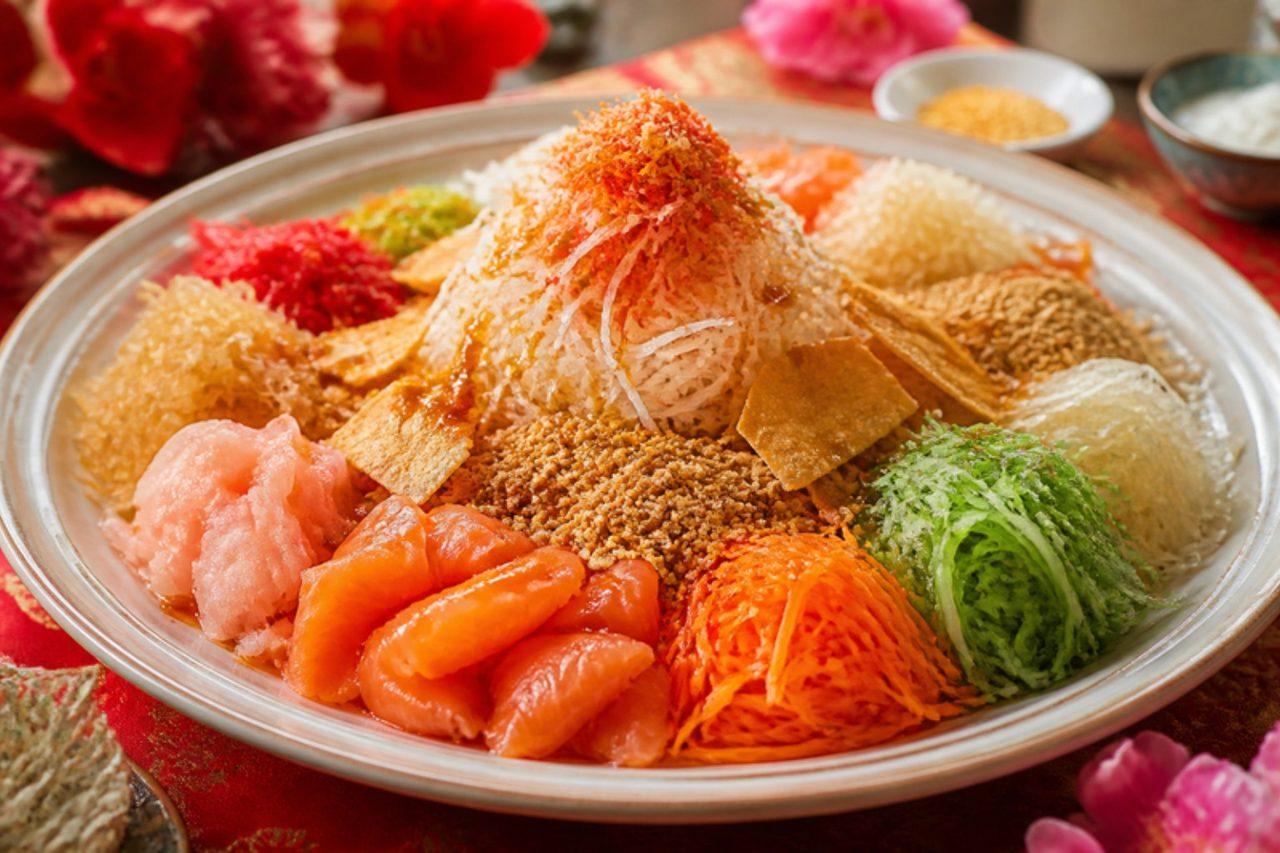
In Singapore and Malaysia, Chinese New Year meals often begin with lo hei: everyone stands round a platter of yusheng and tosses it high with chopsticks, calling out wishes, because the higher the toss, the better the year. Yu sounds like 'abundance' and each topping added has its own blessing, from the oil (money flowing in) to the golden crackers (a floor of gold). The traditional version uses raw fish; this home version uses smoked salmon, or salmon bought frozen as sashimi-grade and kept below 5 °C, and raw fish is not for pregnant women, young children or anyone with a weakened immune system. For them, use smoked salmon or poached salmon, or leave the fish out for a vegetarian toss. Expect a crunchy, sweet-sour, nutty salad with a sticky plum dressing. Chef's tip: squeeze the shredded vegetables dry in a cloth; wet radish drowns the dressing and goes limp.

by KrazyBadal 0 views

Hee peow soup (Nyonya fish maw soup)

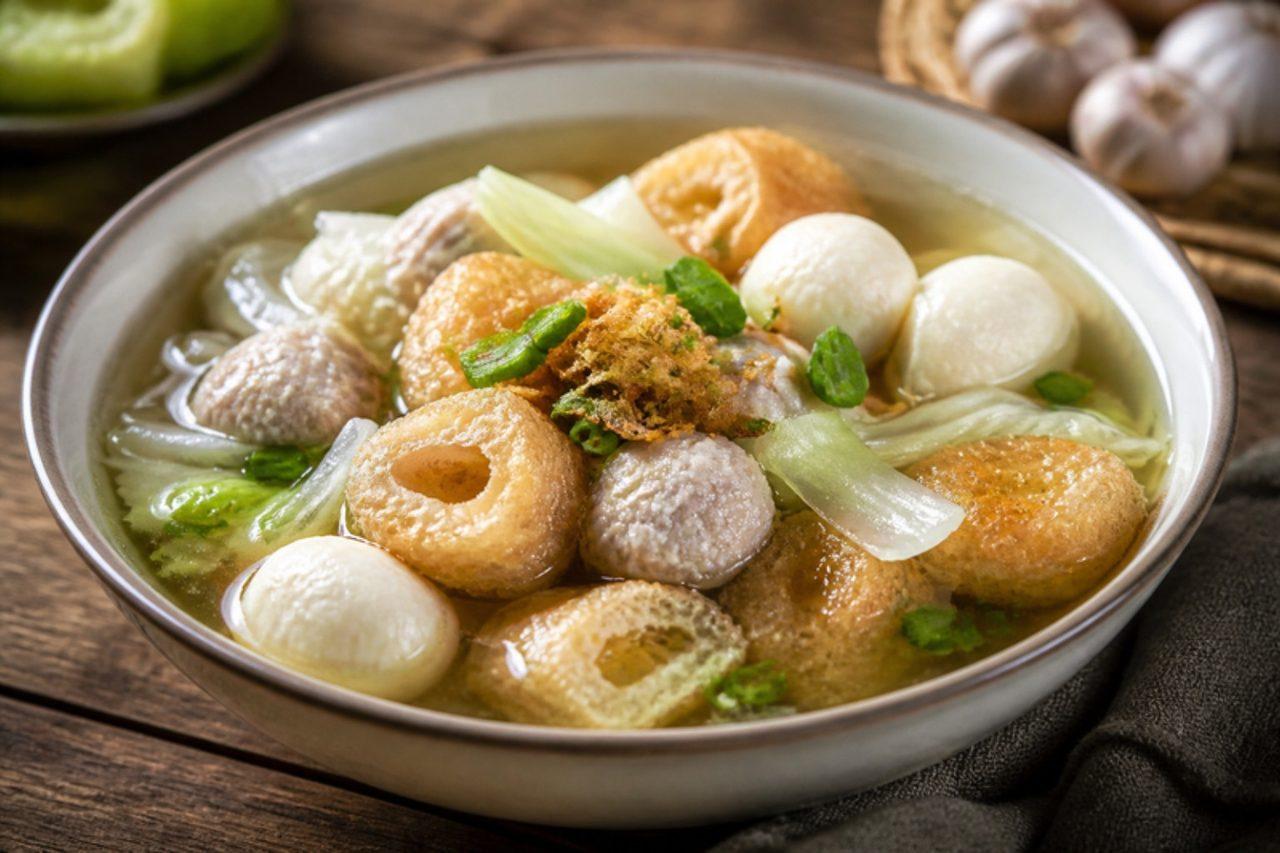
Hee peow th'ng is a Peranakan soup that turns up at the Chinese New Year reunion dinner in Singapore, a clear, gentle bowl that sits beside the spicy dishes; fish maw is a luxury food and stands for plenty, and the round balls for a family that is whole. The fish maw is bought ready dried and fried in packets from Chinese grocers, then soaked until it is spongy and soaks up the savoury broth. With it go homemade pork meatballs, bought fish balls, napa cabbage and carrot, all in a broth made from pork bones and chicken. Serve it with rice and a little sambal on the side. Chef's tip: squeeze the soaked maw hard in several changes of water; it rinses out the old frying oil so the soup stays clean.

by KrazyBadal 0 views

Belgian frangipane tartlets

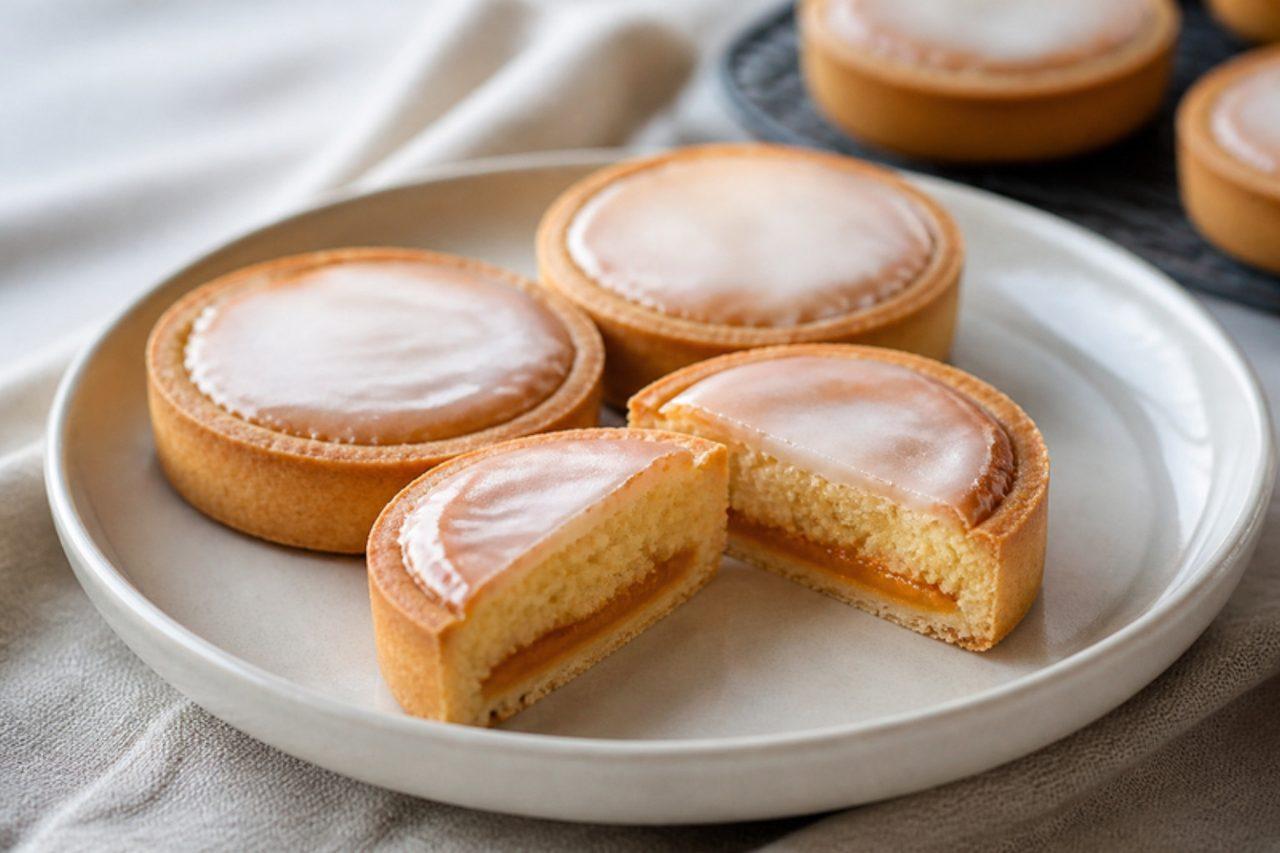
Look in the glass counter of a Flemish bakery and between the rice tarts and cream puffs sit rows of frangipanetaartjes: small shortcrust cases with a hidden layer of apricot jam, filled with almond frangipane and glazed with a thin, crackly white icing. Belgians pick them up on Saturday mornings or for a birthday at the office and eat them with coffee. They are buttery, nutty and moist, with a sharp fruity note from the jam. Too much jam is the mistake to watch: it bubbles up through the frangipane and glues the tartlets to the tin. Chef's tip: brush the warm tartlets with hot apricot jam first and let it set before the icing goes on; the jam seals the surface so the glaze stays white and shiny.

by KrazyBadal 0 views

CraquelinBrioche with sugar cube pockets

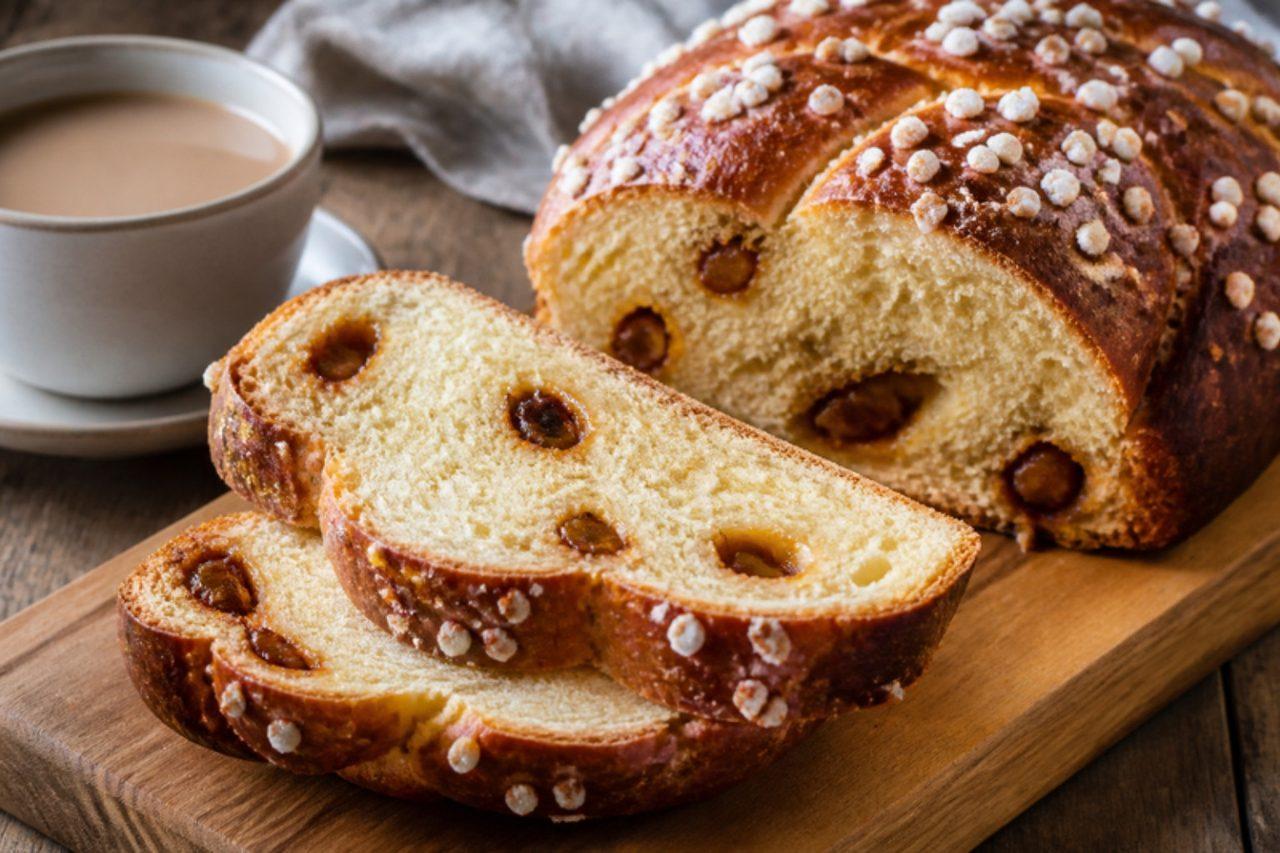
Sugar cubes, of all things, are the secret of the Belgian craquelin. Bakers in Ghent, Bruges and Brussels wrap broken cubes inside rich brioche, and as the loaf bakes they melt into little wells of syrup that set crunchy, while pearl sugar crackles on the crust (hence the name). It is a Sunday breakfast and weekend bakery loaf, sliced thick and eaten plain or with butter and a bowl of café au lait; Flemish bakers sometimes add orange zest. Leaving sugar pieces exposed on the outside, especially the base, is the usual pitfall: they caramelise, burn and glue the loaf to the tin. Chef's tip: chill the kneaded brioche for at least an hour before you fold in the sugar, so the butter firms and the dough is easy to wrap around the cubes.

by KrazyBadal 0 views

Ka'i ladrilloPeanut molasses bricks

Ka'i ladrillo — 'monkey brick' in Guaraní — is the sweet sold by vendors on Asunción buses and at country fiestas: roasted peanuts bound in boiled cane molasses and set in brick-shaped blocks, crunchy and dark with a slightly smoky toffee taste. It contains peanuts, so keep it away from anyone with a peanut allergy. The common mistake is taking the syrup off too soon, so the bricks stay sticky and never set. Chef's tip: test the syrup by dropping a little into cold water; it is ready when it sets into a brittle thread that snaps.

by KrazyBadal 0 views

Capeletis a la CarusoStuffed pasta in cream sauce

Capeletis a la Caruso were created in a Montevideo restaurant in the 1950s and named after the great tenor, and they are still a Sunday lunch favourite in Uruguayan homes: little stuffed pasta hats in a rich sauce of cream, cooked ham (pork), mushrooms and onion, finished with grated cheese. Buy good fresh capeletis or tortellini; the sauce is what you make. The usual mistake is boiling the cream sauce hard, which makes it oily and grainy. Chef's tip: cook the mushrooms in a dry hot pan first until they squeak and brown, before any butter goes in, for a deeper taste.

by KrazyBadal 0 views

LampreadoCassava starch cheese fritters

Paraguayan grandmothers fry lampreado on Sunday evenings to eat with a mug of cocido, the toasted yerba mate drink: small pan-fried cakes of cassava starch, egg, milk and grated cheese with a little onion, crisp at the edges and stretchy inside. Some families also make it with leftover meat, but this version is all cheese. Queso Paraguay is set with animal rennet; a vegetarian Parmesan-style cheese plus mozzarella works well. The trap is a batter that is too thick, which gives heavy, gluey cakes. Chef's tip: the batter should drop slowly off a spoon like thick pancake batter; add milk a spoonful at a time until it does.

by KrazyBadal 0 views

Chicons braisésBraised endives

Belgian endive, called chicon in Wallonia and witloof in Flanders, is grown in the dark around Brussels and eaten all winter, from November to March. Braised slowly in butter with a pinch of sugar and a squeeze of lemon, the pale heads turn golden, soft and gently caramelised, with only a whisper of their raw bitterness left. Serve them beside mashed potatoes and a fried egg, or as a side for a Sunday roast. The usual mistake is crowding the pan and boiling them in their own water, which leaves them grey and bitter. Chef's tip: lay the heads in a single layer and press a round of baking paper on top, so they steam gently and then brown in the butter once the juices cook off.

by KrazyBadal 0 views

Soon kuehBamboo shoot dumplings

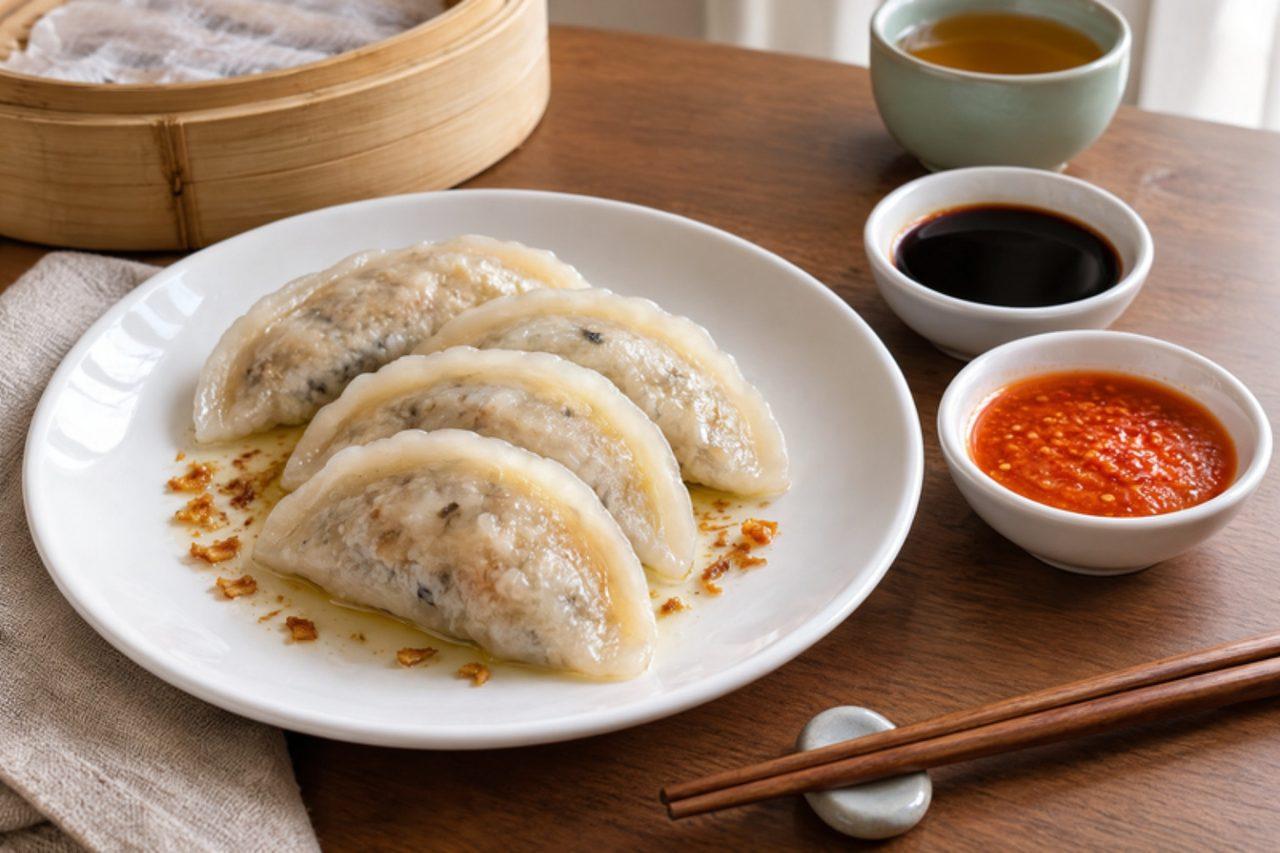
Soon kueh are the half-moon Teochew dumplings sold at Singapore hawker centres and kueh shops from early morning, their almost see-through skins showing a filling of shredded bamboo shoot and jicama with dried shrimp and mushroom. They are eaten warm with a drizzle of fried garlic oil, chilli sauce and thick sweet soy. The usual mistake is letting the dough cool before shaping; it cracks and will not seal. Chef's tip: pour the boiling water into the starches in one go and stir hard; the heat cooks the starch so the dough turns silky and stretchy.

by KrazyBadal 0 views

Kari debalDevil curry

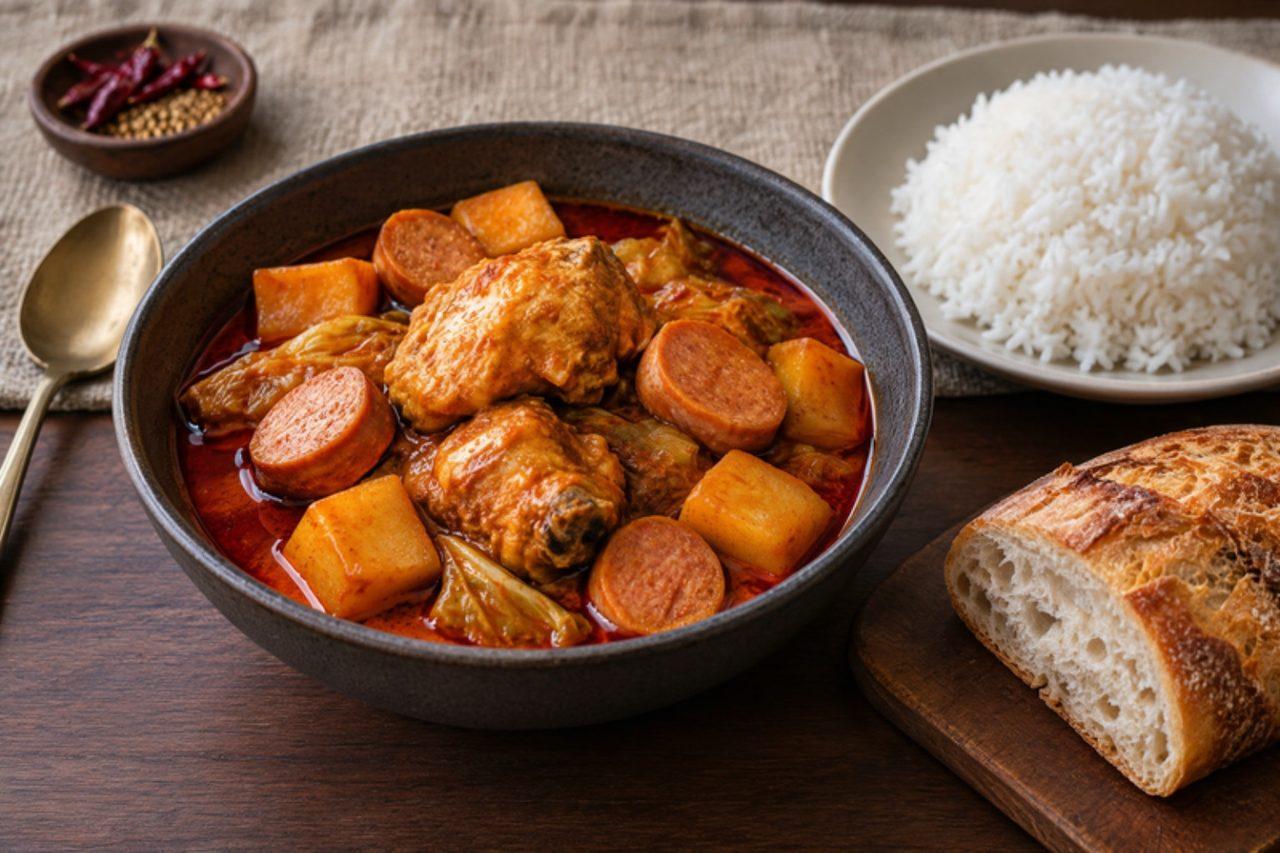
Kari debal, or curry devil, is the Christmas dish of Singapore's Eurasian (Kristang) community, traditionally cooked on Boxing Day to use up the roast chicken, ham and sausages from the feast. A fiery paste of dried chillies, shallots, galangal and candlenuts is fried until fragrant, then sharpened with ground mustard seed and vinegar and simmered with chicken, potatoes, cabbage and cocktail sausages (pork, or use chicken sausages). Like most curries it tastes better the next day. The usual mistake is not frying the spice paste long enough: it must cook until the oil separates or the curry tastes raw. Chef's tip: soak the dried chillies in hot water and snip out the seeds first if you want the flavour without the full fire.

by KrazyBadal 0 views

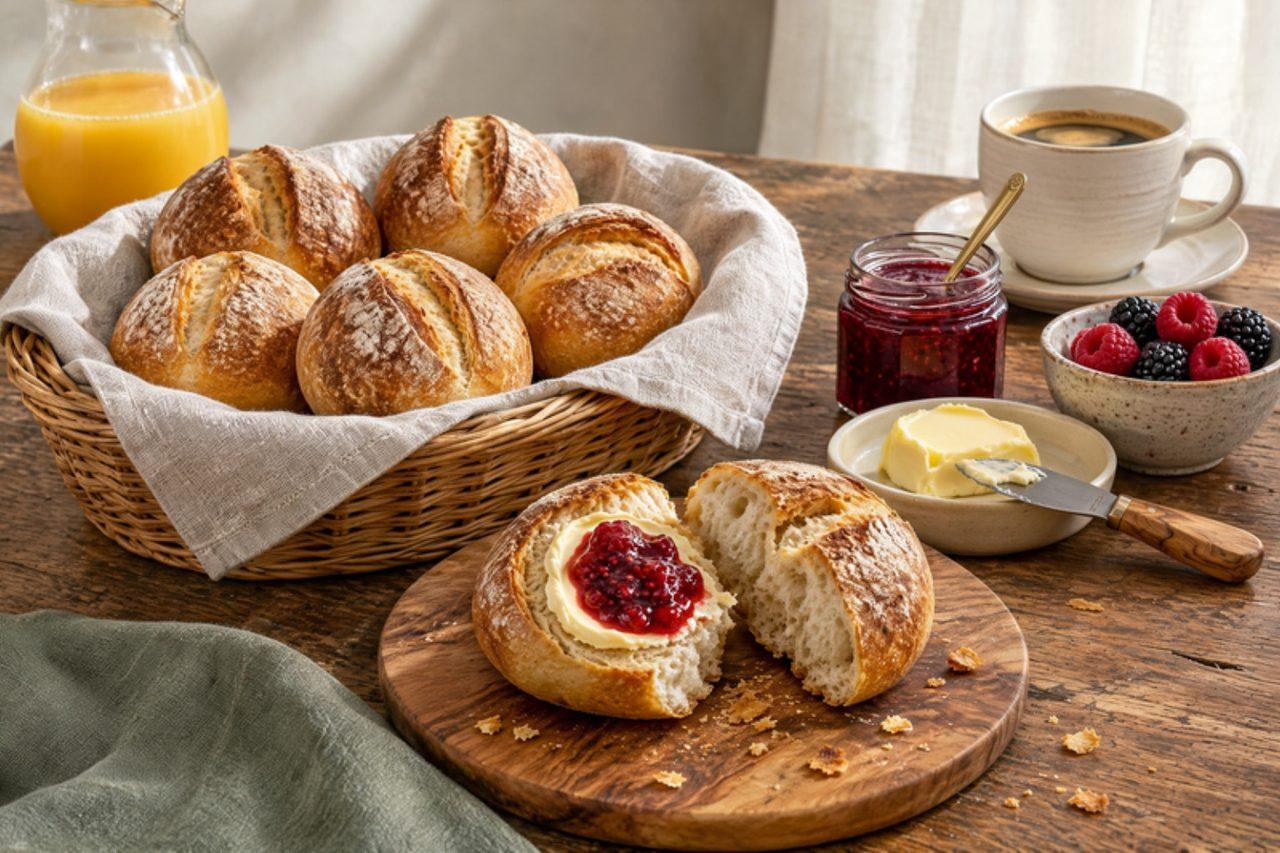
PistoletsCrusty bread rolls

In Brussels and all over Belgium, someone in the family goes to the bakery early on Sunday morning to bring home a paper bag of warm pistolets, the small round rolls with a split down the middle. They are eaten at a long breakfast with butter, jam, chocolate spread, cheese and boiled eggs. The crust shatters and the crumb is light and open. The common mistake is baking in a dry oven, which gives a dull, thick crust; a pan of boiling water in the oven makes the thin, crackly bakery crust. Chef's tip: press the split with a floured wooden spoon handle right after shaping, not just before baking, and it opens cleanly in the oven.

by KrazyBadal 0 views

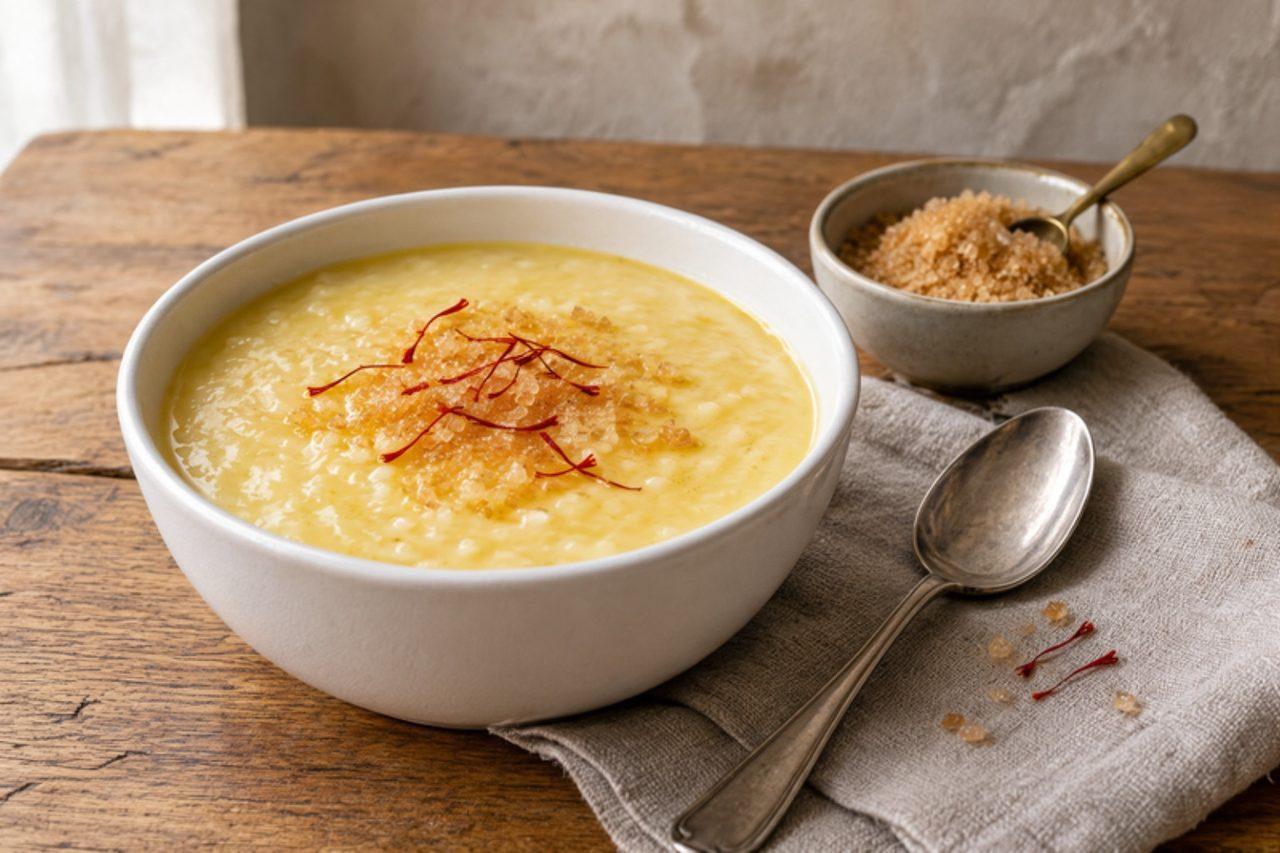
Saffron rijstpapSaffron rice porridge

Flemish rijstpap, rice slowly cooked in milk until thick and creamy, is a breakfast, a pudding and a childhood memory, and in East and West Flanders it is coloured golden with saffron and eaten with a spoonful of brown sugar. Old Flemish sayings even promise that in heaven you eat rijstpap with golden spoons. The mistake is cooking it too fast: the milk catches on the bottom and the rice stays chalky, so keep it at the barest simmer and stir often. Chef's tip: use round pudding rice, not long-grain, because its starch is what makes the porridge thick and silky without any cream.

by KrazyBadal 0 views

Mandi'o chyryryFried cassava with onion and egg

Mandi'o chyryry means 'fried cassava' in Guaraní, and it is what rural Paraguayan families make from yesterday's boiled mandi'o: chunks crushed and fried in a big pan with onion until crisp in places, then scrambled with eggs. It comes out for breakfast with cocido or for a quick supper, and costs next to nothing. Use sweet cassava, the kind sold in supermarkets. The mistake is stirring constantly, which turns it to mush; let the cassava sit and brown. Chef's tip: the best chyryry starts with cold, day-old boiled cassava, which fries crisper than freshly boiled.

by KrazyBadal 0 views

Showing 24 of 294 recipes

Show more recipes

Page 1 of 13