Skip to content
Recipes

All recipes

Vegetarian, or something you can't eat? Set your diet once and we'll hide recipes that don't fit.

Galette comtoiseChoux king cake

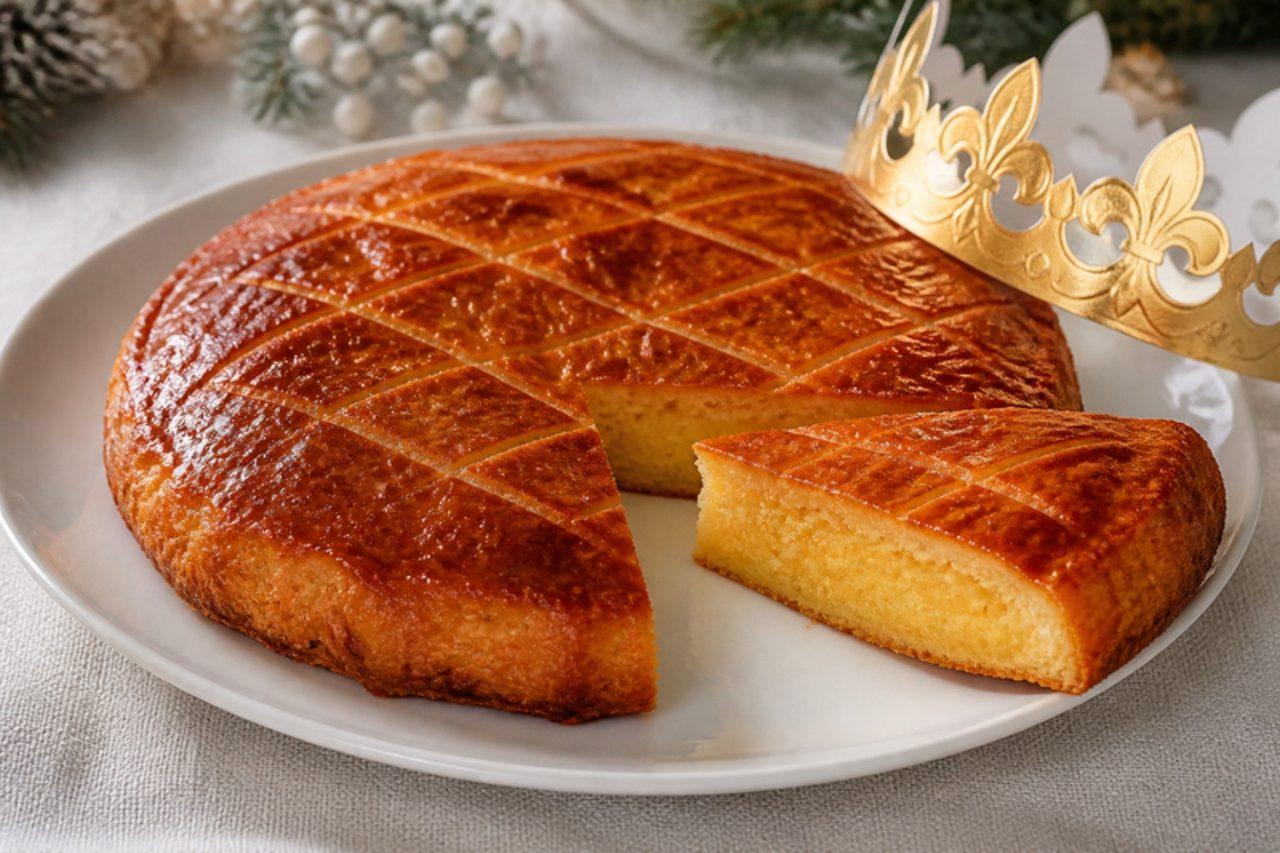
While most of France eats a puff-pastry galette des rois at Epiphany in January, Franche-Comté has its own: a flat golden cake made from a choux-like dough, tender and slightly custardy inside and scented with orange-flower water. As elsewhere, a fève (a little charm or a dried bean) is hidden inside, the youngest child under the table calls out who gets each slice, and whoever finds the fève is crowned king or queen. Chef's tip: let the cooked paste cool for a few minutes before beating in the eggs, or they scramble.

by KrazyBadal 0 views

Sopa teólogaTurkey broth with bread and cheese

Sopa teóloga ('the theologian's soup') goes back to colonial convents in Lima and Arequipa, where it was cooked for feast days, and it is still served at Holy Week and family celebrations. A rich turkey (or chicken) broth is thickened with soaked bread, milk and fresh cheese, with yellow potatoes and shreds of turkey, and finished with a little ají amarillo and chopped huacatay or parsley. It is thick, comforting and filling. Chef's tip: blend part of the soaked bread with broth before adding it, which gives the soup its creamy body without lumps.

by KrazyBadal 0 views

ManalaBrioche men

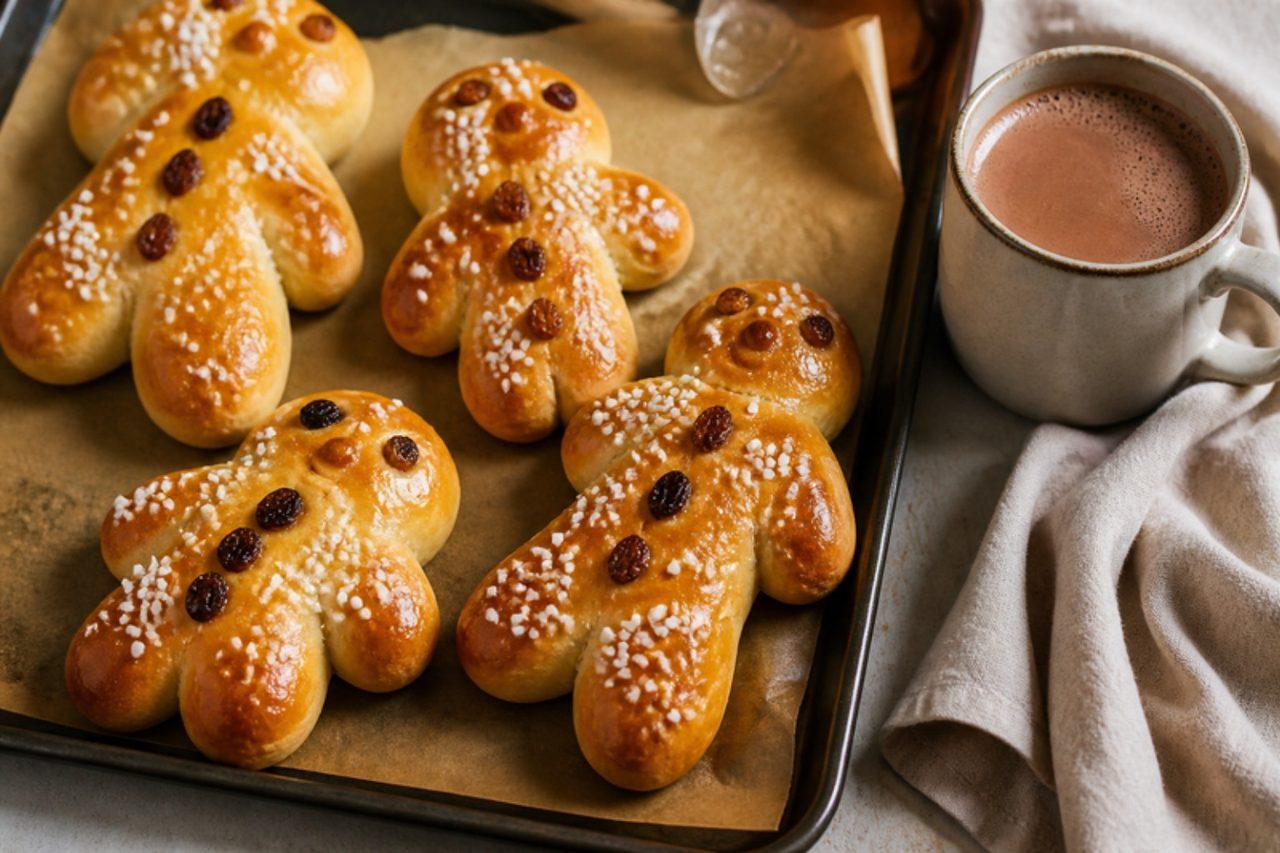
On 6 December, St Nicholas' Day, Alsatian bakeries fill with manala (also mannele): little brioche men with raisin eyes and buttons and a snipped belt, given to children by St Nicolas, who brings treats to good children. They are eaten for breakfast or an after-school snack, dipped in hot chocolate. The dough is a soft, buttery milk brioche. Chef's tip: shape the figures loosely and well apart, because they double as they rise and bake, and thin arms that touch become one blob.

by KrazyBadal 0 views

BrasucadeGrilled mussels with garlic and parsley

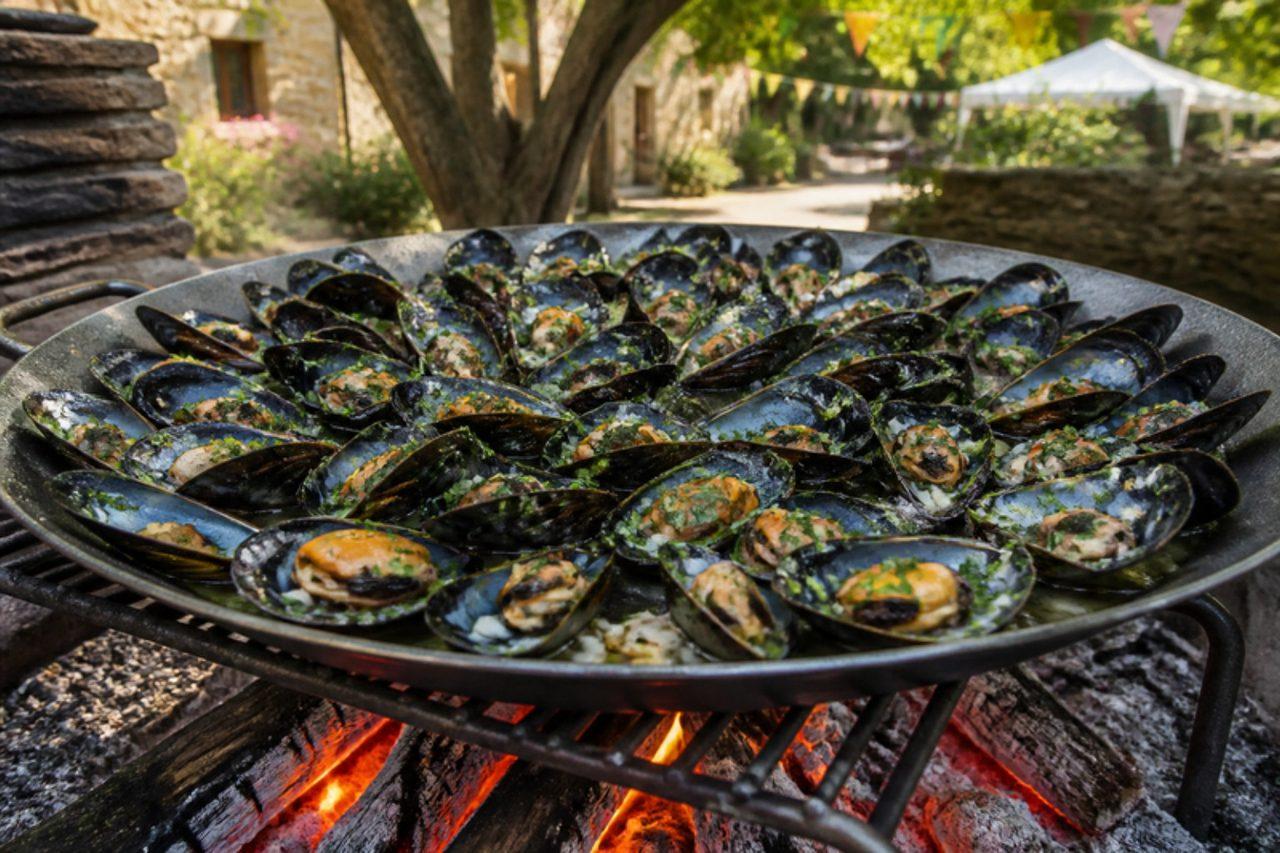
At village fêtes around the étang de Thau in Languedoc, and on beaches in summer, people gather round a brasucade: mussels piled into a large pierced pan over a fire of vine prunings until they open, then doused with a garlicky oil of parsley and a little chilli and tossed. It is smoky, juicy and eaten by hand with bread. A barbecue grill works at home. Chef's tip: use a lid or a sheet of foil over the pan; the trapped steam opens the mussels evenly while the fire adds smoke.

25 minFrenchFish
by KrazyBadal 0 views

SkābputraSoured barley porridge drink

Skābputra, 'sour porridge', is one of the oldest Latvian foods, and at Jāņi, Midsummer on 23–24 June, it is served cold alongside caraway cheese, pīrāgi and wreaths of flowers. Pearl barley is cooked soft, then soured with buttermilk or kefir for a day or two until it is tangy and fresh-tasting, and it is thinned with milk into a thick, cooling drink sipped or eaten with a spoon on hot summer days. This home version uses bought live buttermilk to start the souring safely. Chef's tip: use clean jars and utensils, and taste it each day; once it is pleasantly sour, chill it so it stops souring.

by KrazyBadal 0 views

Pâté de Pâques berrichonPork, veal and egg pastry loaf

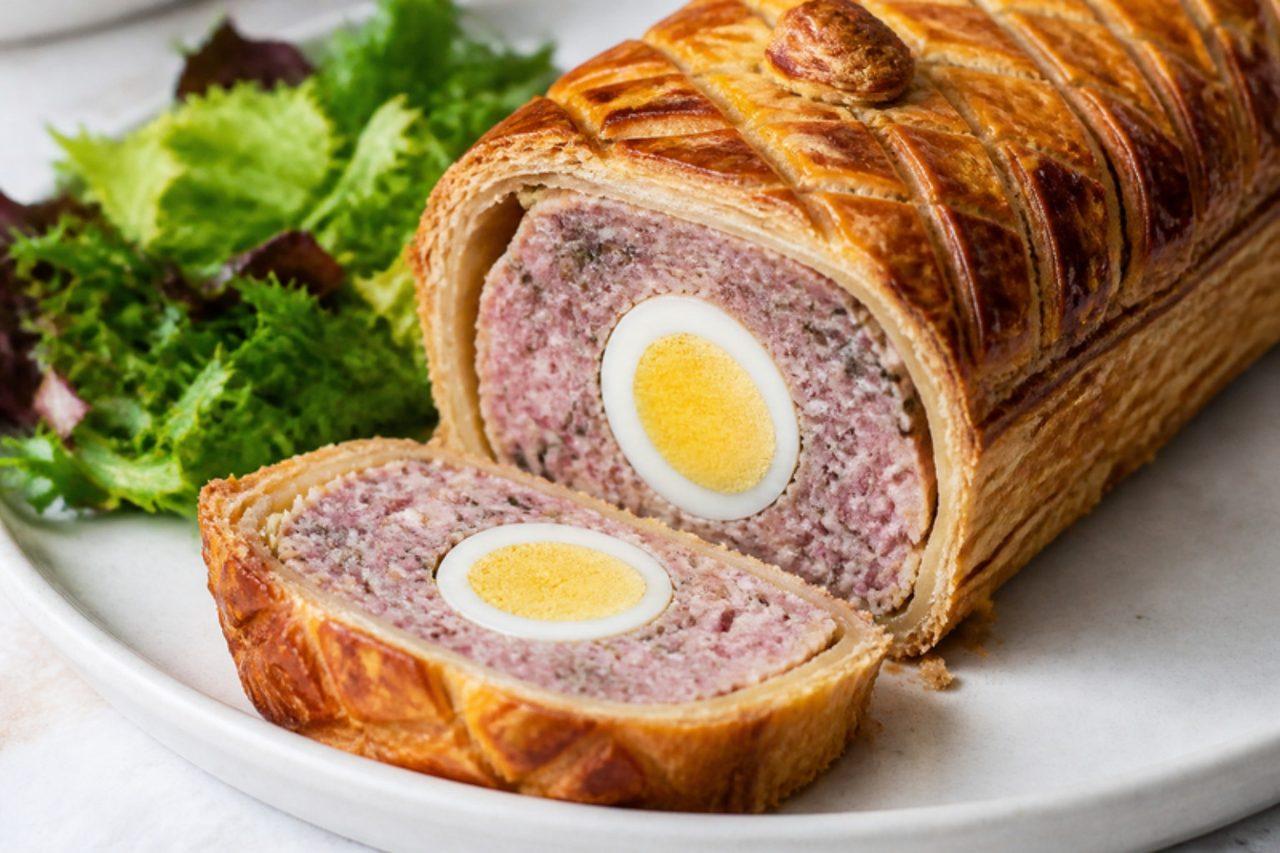
In the Berry region of central France (around Bourges and Châteauroux), Easter Sunday lunch begins with pâté de Pâques: a long loaf of puff pastry filled with seasoned minced pork and veal around a row of whole hard-boiled eggs, so every slice shows a golden yolk in the middle. It is eaten warm or cold with a green salad. Some cooks marinate the meat in white wine or Cognac; this recipe uses no alcohol. Chef's tip: cut a chimney in the top crust and keep it open with a roll of card, so steam escapes and the pastry stays crisp.

110 minFrenchMeat
by KrazyBadal 0 views

Macaronade sétoisePasta with beef rolls and sausage

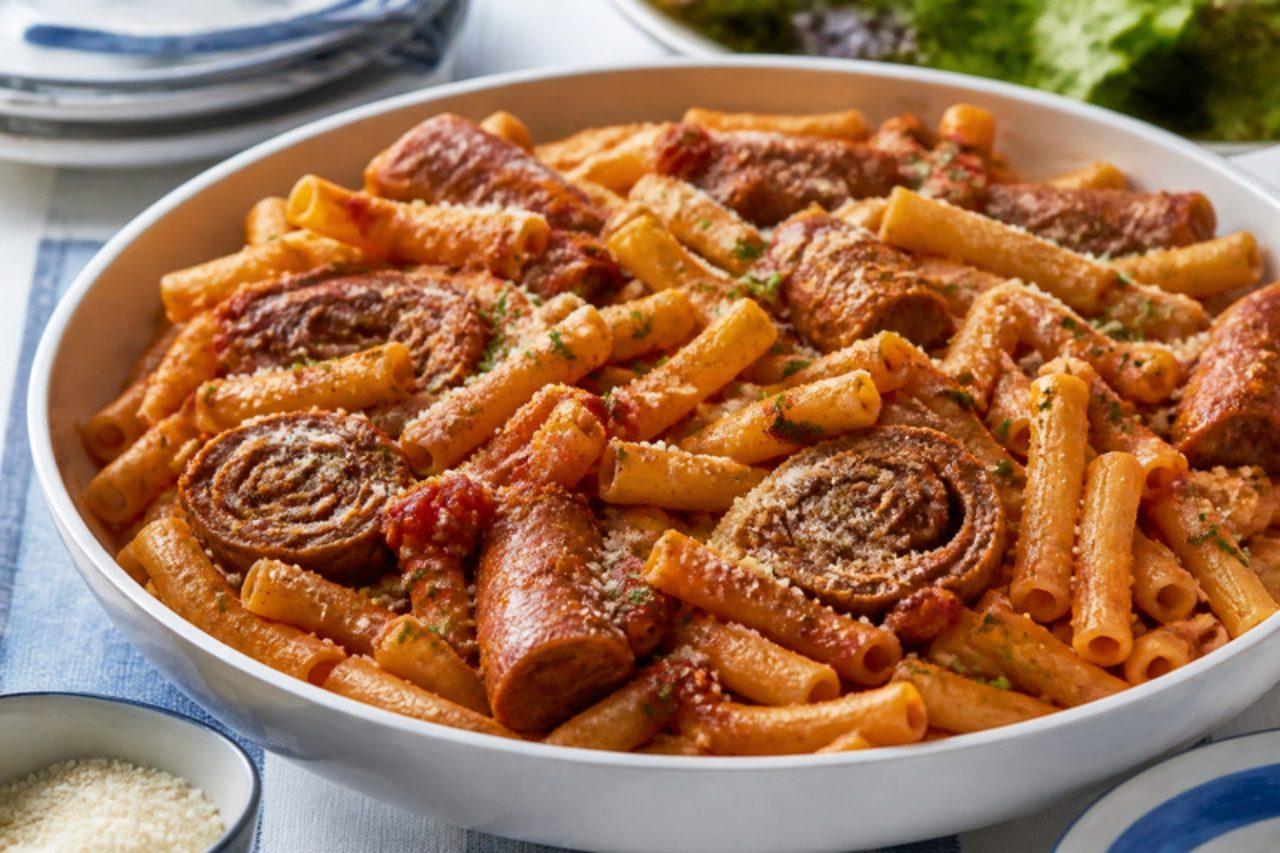
In Sète, on the Languedoc coast, families of Italian origin cook macaronade for Sunday lunch and above all for the Saint-Louis festival in August, when the harbour hosts its famous water-jousting. Thin slices of beef are rolled around garlic and parsley (braciole), browned with Toulouse-style pork sausage and simmered for hours in a tomato sauce, which then dresses thick pasta. Traditionally a splash of white wine goes into the sauce; it is optional here, and stock works just as well. Chef's tip: simmer the sauce very gently, with the lid ajar; the beef rolls need time to turn tender, not fast boiling.

by KrazyBadal 0 views

Pajagua mascadaBeef and cassava patties

Pajagua mascada is a Paraguayan street-food classic that appears on every table for the San Juan festival on 24 June, when bonfires burn and the night is full of games and traditional food. Minced beef is mixed with mashed cassava, onion, garlic and a little egg and flour, shaped into flat patties and fried until crisp. The name comes from Guaraní and refers to the 'chewing' of old Paraguayan cooks, who made it from leftover meat. Chef's tip: dry the boiled cassava well and remove its woody core, which keeps the patties light and crunchy.

by KrazyBadal 0 views

KaguyjyWhite corn pudding

On the night of 23–24 June, Paraguayans celebrate San Juan with bonfires, games like walking over hot coals and the 'paso de fuego', and a table of traditional foods, and kaguyjy (also mazamorra) is one of them. It is a soft, creamy pudding of cracked white corn (locro) simmered slowly in water and then milk with sugar or honey, sometimes with orange peel. It is eaten warm or cold. It is gluten free. Chef's tip: soak the corn overnight and cook it until each kernel is tender before adding the milk, or it never turns creamy.

by KrazyBadal 0 views

CornuellesAniseed biscuits

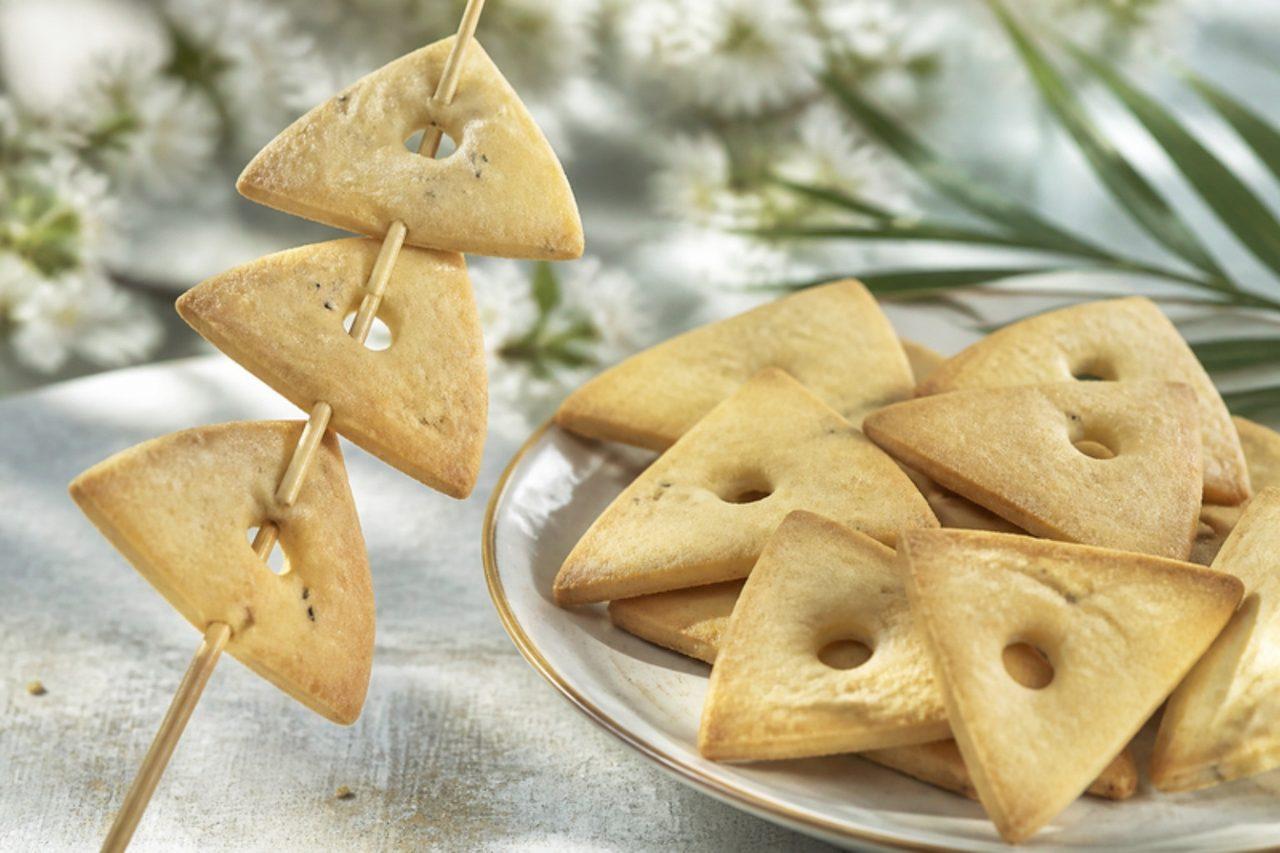
On Palm Sunday in Villebois-Lavalette, in Charente, stalls sell cornuelles, hard triangular biscuits with a hole in the middle, threaded onto a stick or a sprig of blessed box. The three points are said to stand for the Trinity, and children carry them home from church. They are crisp and scented with aniseed, glazed with a thin sugar icing. Chef's tip: roll the dough thin and even, about 5 mm, so every biscuit bakes through crisp without burning at the points.

by KrazyBadal 0 views

RabarbrikookRhubarb crumble cake

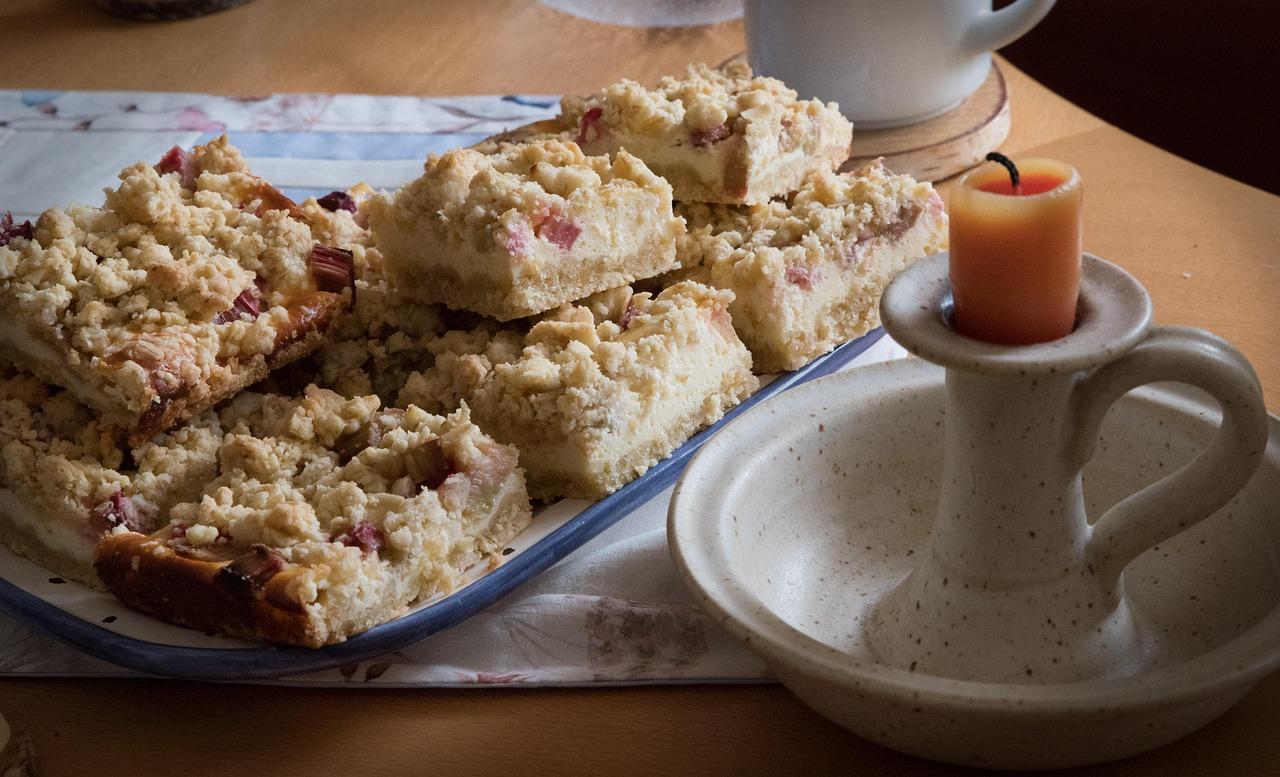
By Jaanipäev, Estonian Midsummer on 24 June, the rhubarb in every country garden is tall and red, and Estonians take rhubarb cake to the Jaaniõhtu bonfire evening along with grilled sausages, cheese and the beer for the grown-ups. Rabarbrikook is a simple, soft butter cake packed with sharp rhubarb under a thick, sweet crumble that soaks up the juices. Serve it warm with vanilla sauce or cold in squares. Chef's tip: toss the rhubarb in a spoonful of sugar and flour first; the flour thickens the juice so the cake below does not go soggy.

by KrazyBadal 0 views

Chichi frégiChickpea flour fritters in sugar

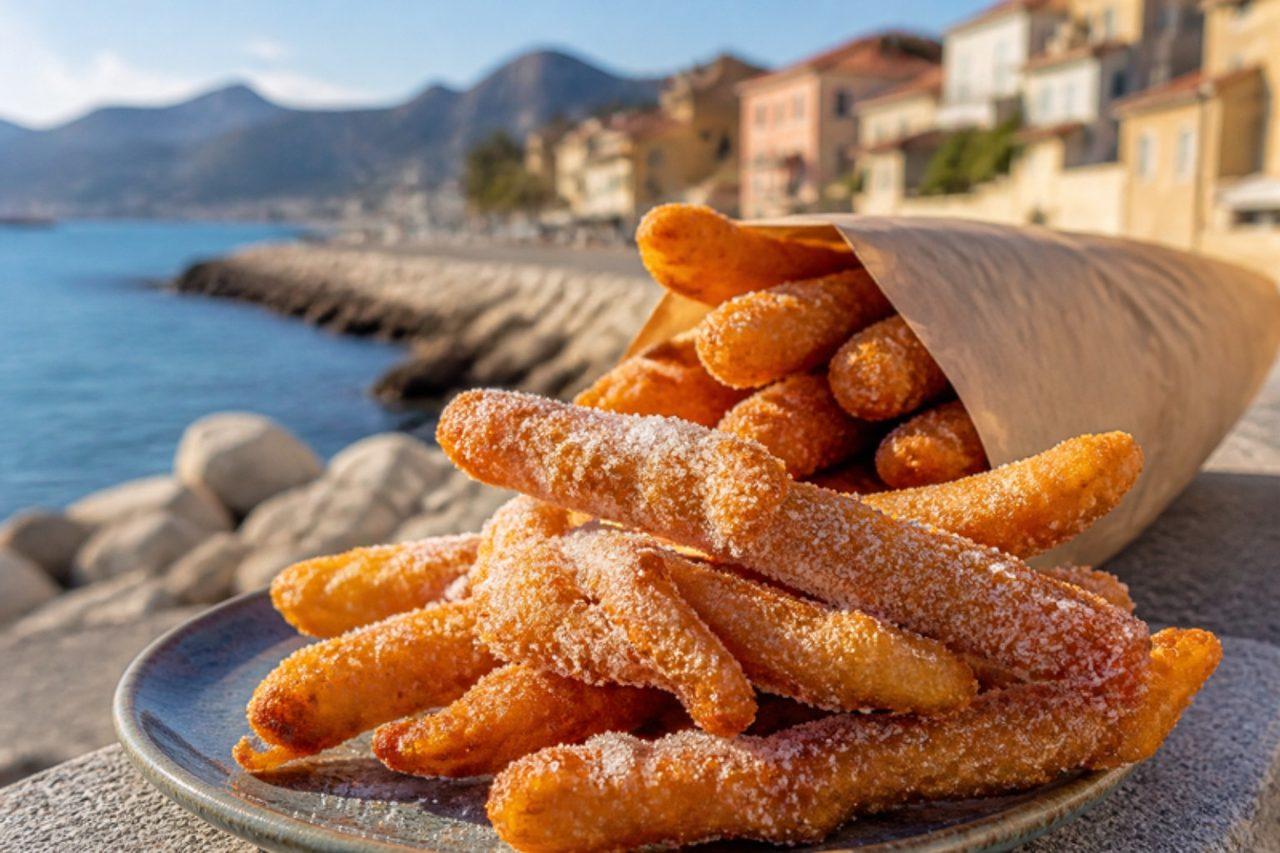
On the seafront at L'Estaque, the old fishing quarter of Marseille, and at summer fêtes all along the coast, kiosks fry chichi frégi: long, ridged fritters of wheat and chickpea flour, rolled hot in sugar and eaten in a paper cone. The dough is a yeasted, egg-free batter piped straight into the oil, crisp outside and soft inside, with a faint nutty taste from the chickpea flour and a hint of orange flower. Chef's tip: keep the oil at 175 °C; cooler and the fritters soak up fat, hotter and they burn before the middle cooks.

by KrazyBadal 0 views

Brioche de Saint-GenixPink praline brioche

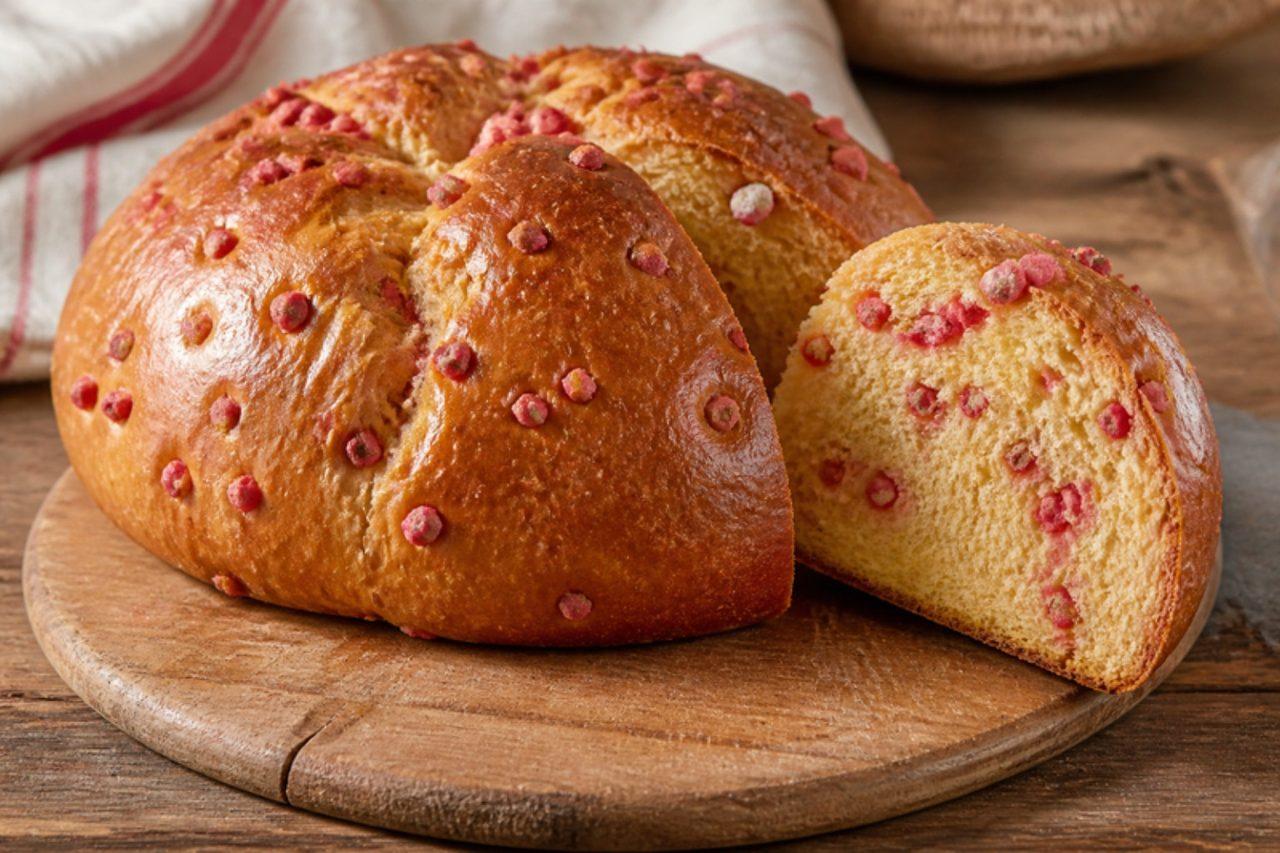
In Saint-Genix-sur-Guiers, in Savoie, this round brioche dotted with bright pink sugared almonds is baked for the feast of Saint Agatha on 5 February, and its shape is said to recall the saint's martyrdom. Today it is sold all year in the bakeries of the Savoie and Lyon, rich and buttery, with the pralines melting into sticky pink pockets. The dough rests overnight in the fridge, so start the day before. Chef's tip: crush the pralines roughly and fold them in at the very end, or they dissolve and stain the whole dough pink.

595 minFrenchBaking
by KrazyBadal 0 views

Dowina (Kurdish yogurt soup)

Dowina, called ash-e doogh in Persian, is warming spring food in Kurdish homes around Newroz, when yogurt is plentiful and the first herbs are cut from the garden. Rice and chickpeas simmer in a tangy, lightly thickened yogurt broth, finished with fresh dill, coriander and a sizzle of dried mint in oil. It is eaten warm, never boiling hot, with flatbread. The common mistake is to heat the yogurt too fast without stirring, which makes it split into grainy curds. Chef's tip: whisk an egg yolk and a spoonful of rice flour into the yogurt before it goes on the heat; it holds the soup smooth all the way to the simmer.

by KrazyBadal 0 views

Chipa so'oCheese bread with spiced beef

In Paraguay, families bake chipa in the clay tatakua ovens on Holy Wednesday so there is food for Thursday and Good Friday, when cooking stops. Chipa so'o ('chipa with meat') is a cassava-starch and cheese bread wrapped around a little filling of minced beef cooked with onion and egg, then baked until crisp outside and chewy within. It is naturally gluten free. Chef's tip: knead the dough until it no longer cracks at the edges when pressed; dry dough splits around the filling.

by KrazyBadal 0 views

KalanehWild leek stuffed flatbread

In Kurdistan and Kermanshah, Newroz arrives with the first spring greens on the hillsides, and families gather wild leeks to fold into kalaneh, thin griddle breads cooked over a fire or a hot pan and soaked in melted butter. The dough is plain and soft, rolled very thin around a pile of chopped leek or chives with a little salt and pepper, so the greens steam inside as the bread blisters. Eat it hot, torn into strips, with yogurt and tea at a Newroz picnic. The common mistake is wet greens, which turn the dough soggy and make it tear; dry them well after washing. Chef's tip: brush the butter on the moment the bread leaves the pan so it soaks right in.

by KrazyBadal 0 views

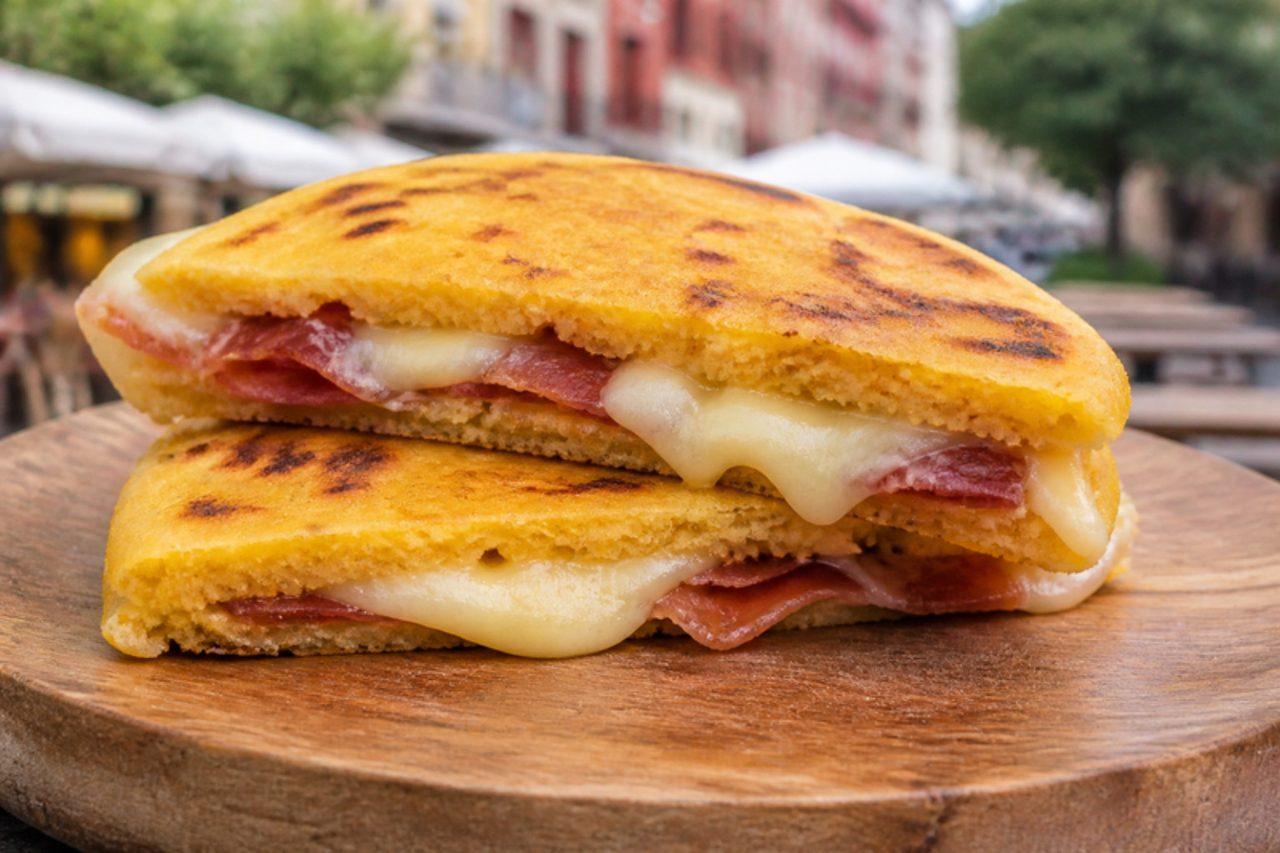
TaloaMaize flatbread with ham and cheese

During the Fêtes de Bayonne in July, when the whole town dresses in white with red scarves, stalls in the Pays Basque sell taloa: thick flatbreads of maize and wheat flour cooked on a hot griddle and folded around fillings. The classic is with jambon de Bayonne (a cured pork ham), with sheep's cheese or with ventrèche (cured pork belly), and it's eaten hot in the street. Cheese alone makes a good vegetarian version. Chef's tip: cook the taloa on a dry, very hot pan; it should blister and puff in patches like a tortilla.

by KrazyBadal 0 views

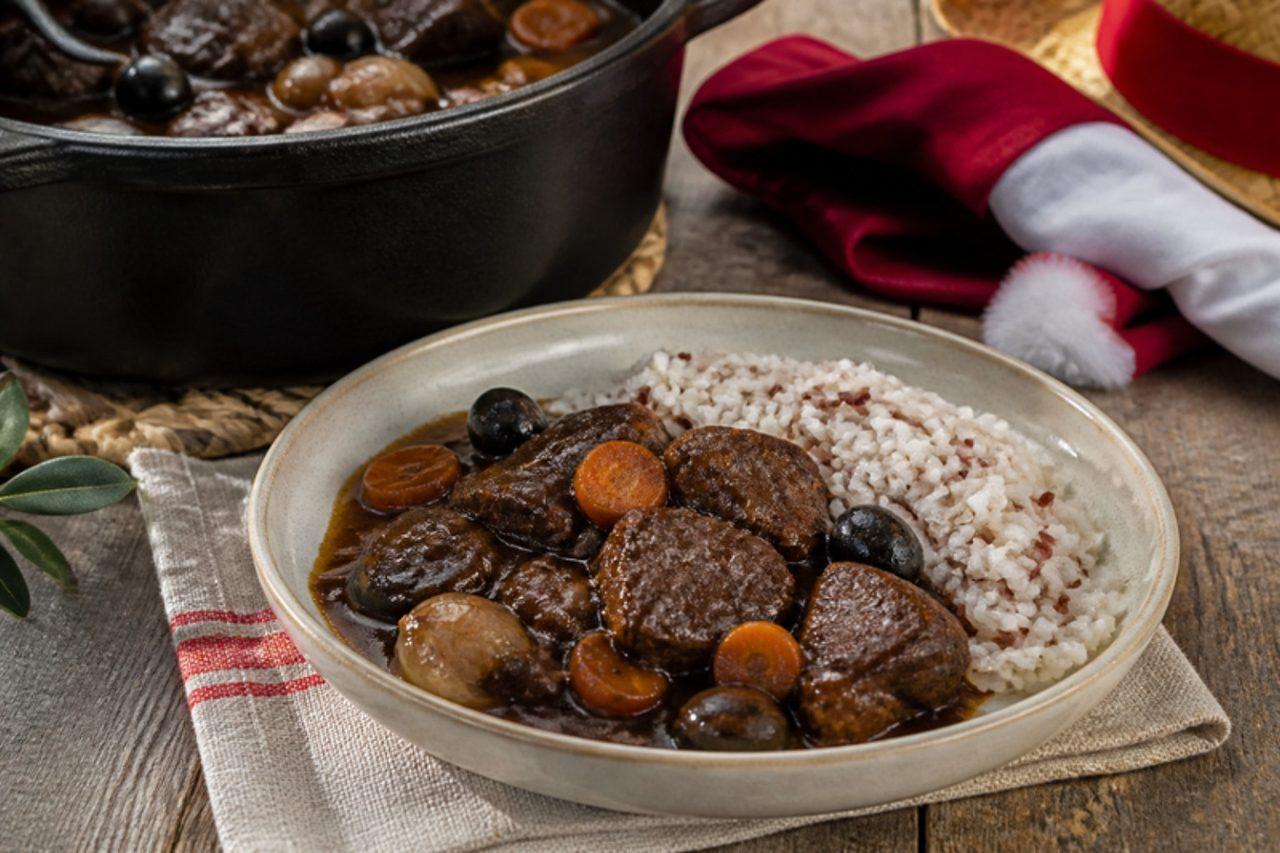
Gardianne de taureauBull beef braised in red wine

Gardianne is named after the gardians, the mounted herdsmen who raise black bulls on the marshes of the Camargue, and it is served at the summer ferias and village fêtes of Arles and Saintes-Maries-de-la-Mer with nutty Camargue red rice. Taureau (bull meat) is lean and deeply flavoured, braised slowly in red wine with onions, garlic, herbes de Provence and black olives until dark and tender; beef shin or chuck makes a fine substitute. This recipe contains alcohol: for an alcohol-free version, replace the wine with the same amount of beef stock plus 2 tbsp red wine vinegar and 1 tbsp grape juice. Chef's tip: marinate the meat overnight in the fridge for the deepest flavour.

235 minFrenchMeat
by KrazyBadal 0 views

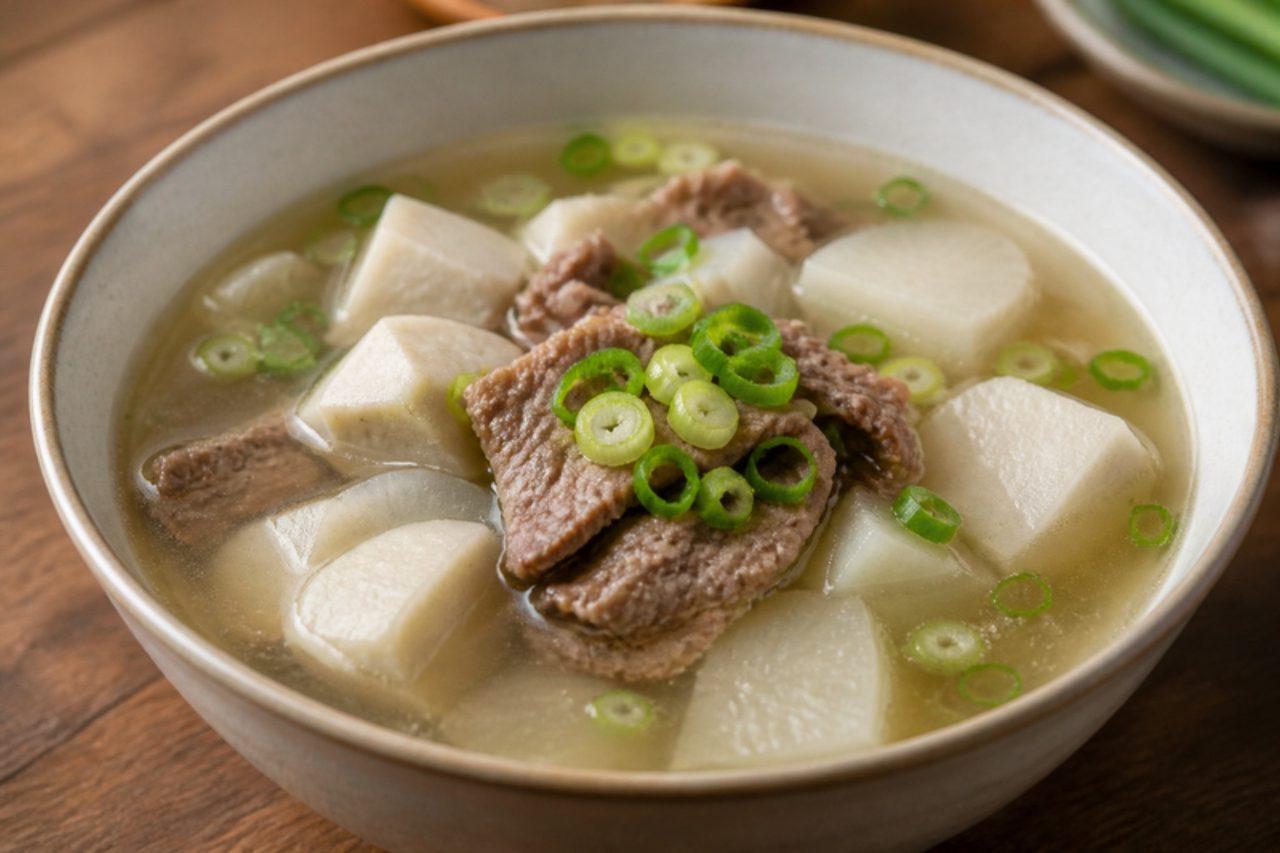
Torantang (taro soup)

Torantang is the soup of Chuseok all over Korea: taro is dug up just as the harvest moon festival arrives, and its name, 'egg of the earth', makes it a natural thanks for the year's crops. Elders also say it settles the stomach after days of rich jeon and rice cakes. The broth is clean and gently beefy with a sea-sweet depth from kelp, and the taro turns silky and creamy, almost like a soft potato. Serve it piping hot with rice, kimchi and the holiday jeon. Chef's tip: wear gloves when peeling taro, which makes bare skin itch, and parboil it before it goes into the soup so the broth stays clear.

by KrazyBadal 0 views

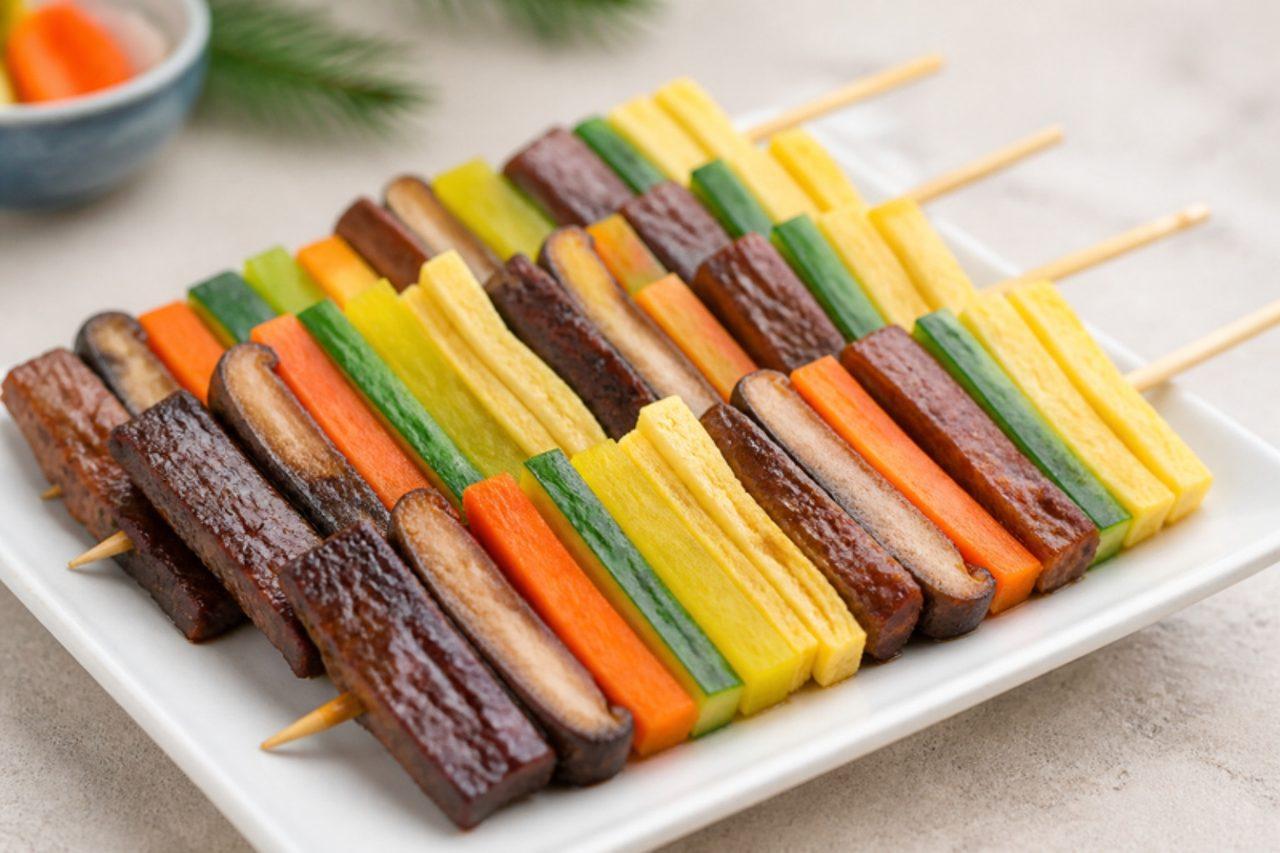
Hwayangjeok (colourful skewers)

Hwayangjeok, made across Korea for Chuseok and Seollal, means something like 'flower-bright skewers': strips of seasoned beef, shiitake, carrot, yellow pickled radish, cucumber and egg are cooked separately and threaded side by side, so each skewer shows the five traditional colours (obangsaek) that stand for balance and good fortune on the ancestral table. Every bite mixes savoury, sweet soy beef with crunchy, tangy radish and soft egg. They are served at room temperature as part of the holiday spread, with rice, soup and other jeon. Chef's tip: cut every ingredient to the same length and thickness before you start; that is what makes the stripes look sharp.

60 minKoreanMeat
by KrazyBadal 0 views

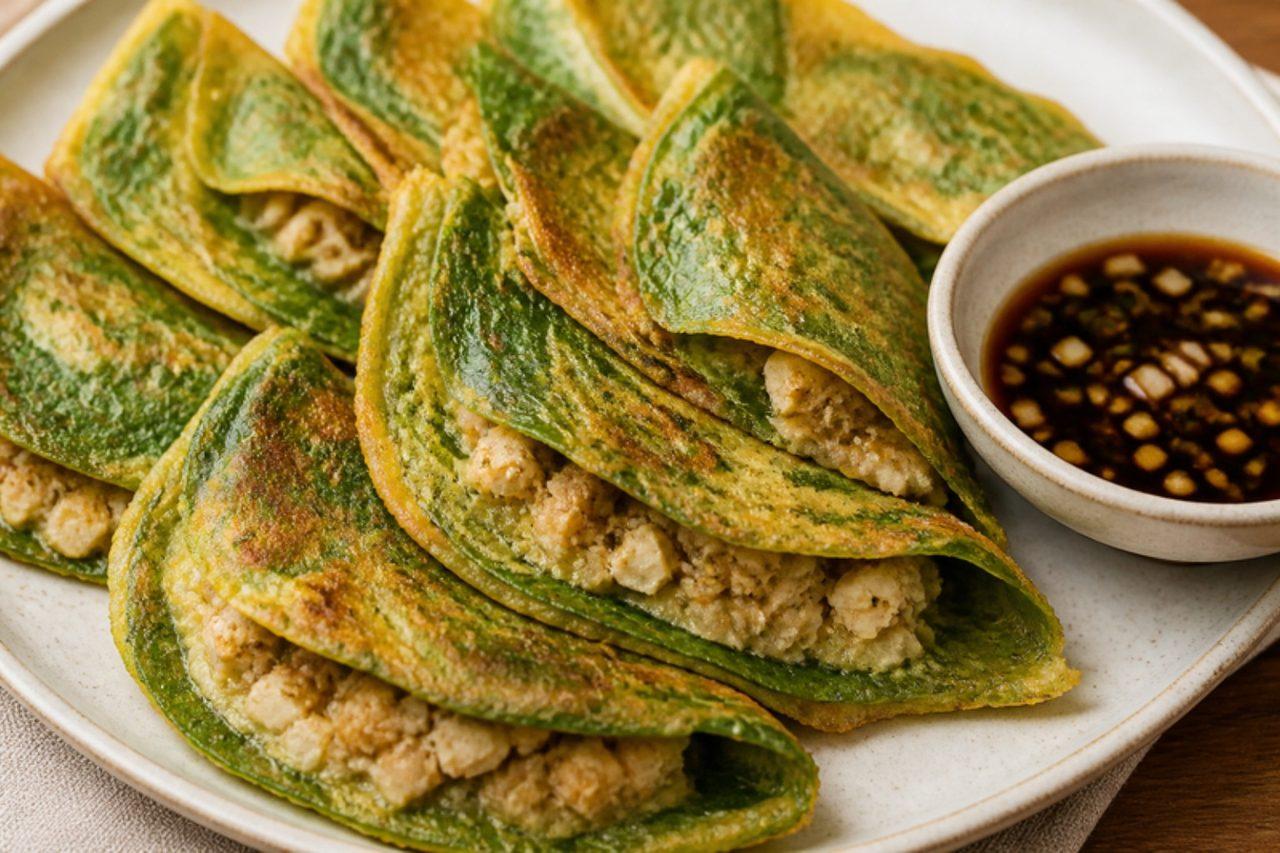
Kkaennip jeon (stuffed perilla leaf pancakes)

For Chuseok and Seollal, Korean kitchens turn out tray after tray of jeon for the ancestral table, and kkaennip jeon are a fragrant favourite: whole perilla leaves are folded like a half-moon around minced pork, tofu and vegetables, then fried in egg. Perilla tastes of mint, anise and basil all at once, and its scent cuts through the richness of the holiday spread. Each little parcel is soft and juicy inside, with a thin, golden shell. Serve them with a soy-vinegar dip, rice and soup, or tuck them into a lunchbox the day after. Chef's tip: lay the leaves shiny side down so the matt, rougher side holds the flour and filling.

by KrazyBadal 0 views

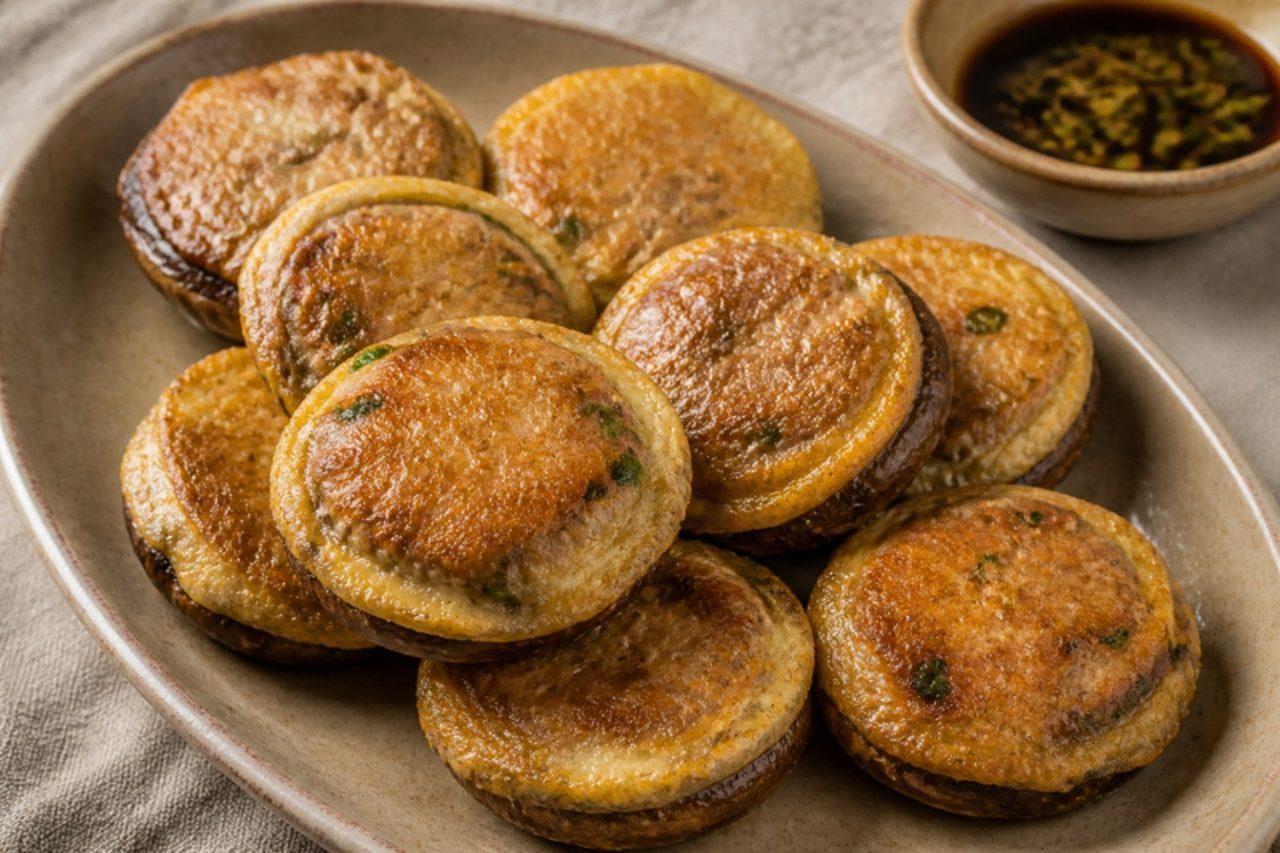
Pyogo jeon (stuffed shiitake pancakes)

No Seollal or Chuseok table in Korea is complete without a platter of jeon, and pyogo jeon are among the prettiest: shiitake caps packed with a filling of minced pork and tofu, then fried in a thin egg coat so the dark mushroom edge frames a golden centre. Mushrooms were prized offerings on the ancestral (charye) table, and stuffed jeon show the care put into the holiday meal. They are juicy and savoury, with the shiitake giving an earthy, meaty bite. Serve warm or at room temperature with a soy and vinegar dip, alongside other jeon and a bowl of tteokguk; the last step gives an all-tofu vegetarian filling. Chef's tip: dust the gills with flour before stuffing; it acts as glue and stops the filling popping out in the pan.

by KrazyBadal 0 views

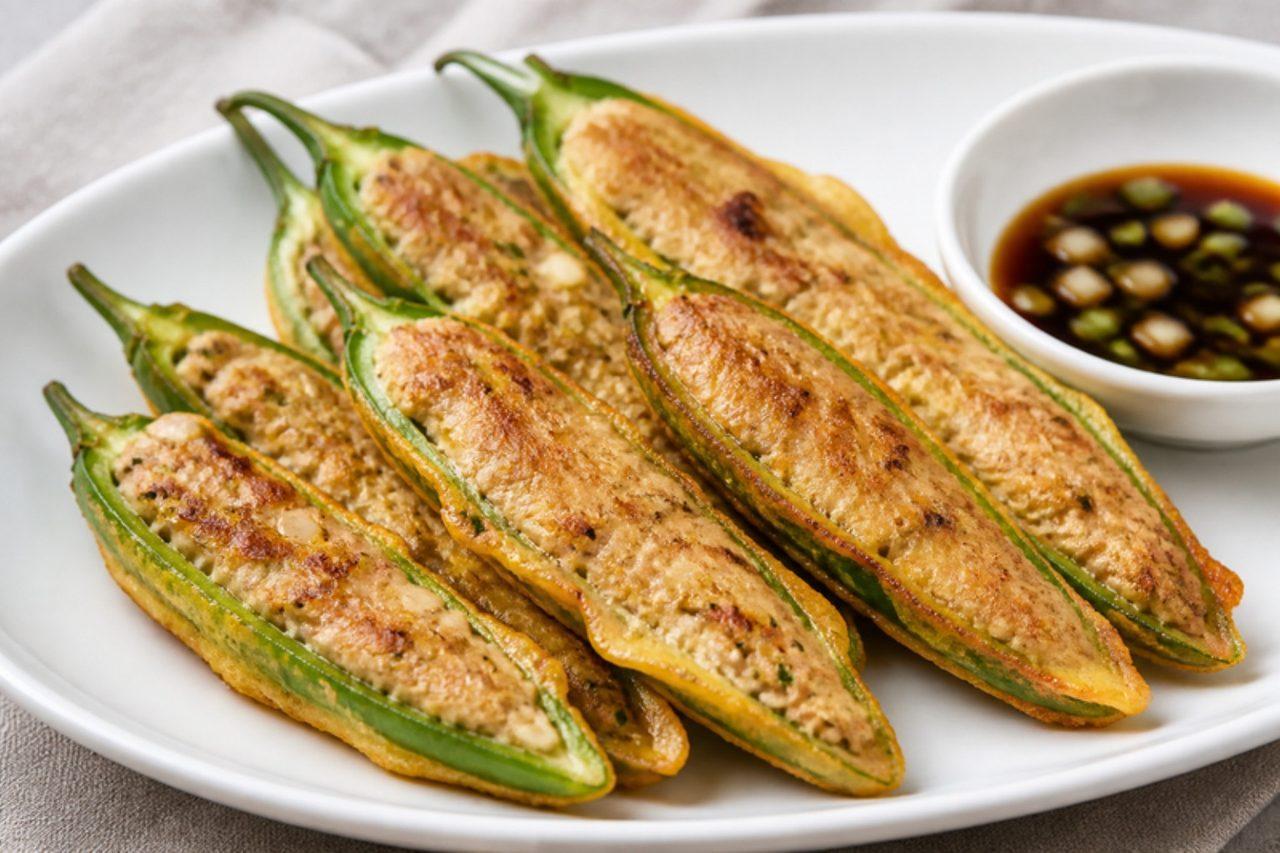
Gochu jeon (stuffed chilli pancakes)

Gochu jeon bring a flash of green to the jeon platter that Korean families fry together, often for hours, before Seollal and Chuseok, when jeon are laid out for the ancestors and then shared by everyone. Long, mild green chillies are split and filled with a pork and tofu stuffing, so each boat is half crisp, sweet-grassy pepper and half juicy, savoury filling, with only a little warmth. They hold well, which is why they are made ahead for the holiday. Serve with a vinegar and soy dip, steamed rice and kimchi. Chef's tip: choose straight, mild chillies (Korean green chillies, Anaheim or long Turkish peppers); curly hot ones are hard to fill and too fierce for a platter.

by KrazyBadal 0 views

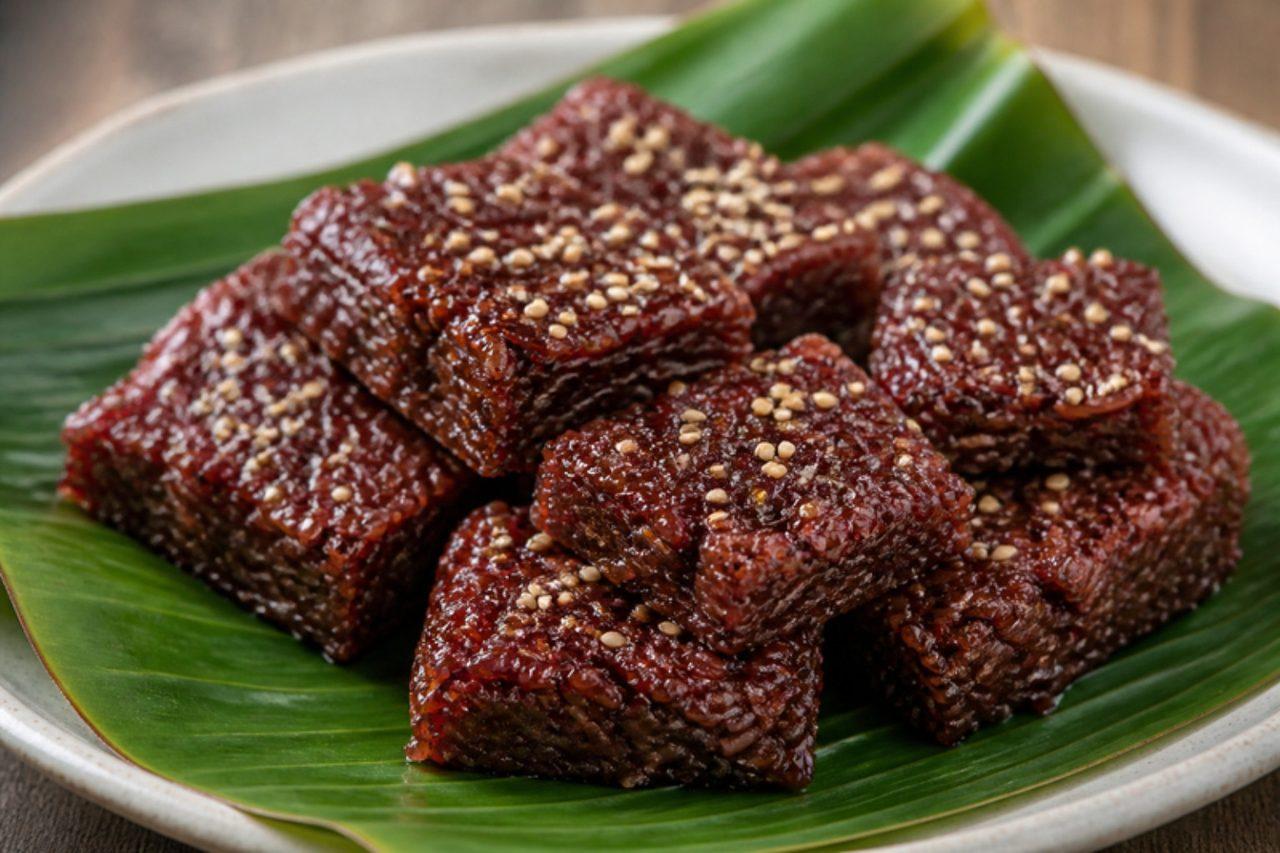
Khao niao daeng (Thai red sticky rice)

Khao niao daeng, "red sticky rice", is made in Central Thailand in the days before Songkran and carried to the temple as an offering, its sticky grains a wish that family ties hold fast through the year. The rice is steamed first, then folded into a long-reduced coconut and palm sugar caramel until it turns a glossy red-brown and every grain is sweet, chewy and fragrant. Pressed into a tray, it slices neatly and keeps for a few days, so it is a good make-ahead sweet for a crowd. Serve squares with a sprinkle of toasted sesame and a cup of tea. Chef's tip: reduce the caramel until it is thick and bubbling slowly before the rice goes in, or the rice turns mushy instead of chewy.

by KrazyBadal 0 views

Showing 24 of 922 recipes

Show more recipes

Page 1 of 39