Skip to content
Recipes

All recipes

Vegetarian, or something you can't eat? Set your diet once and we'll hide recipes that don't fit.

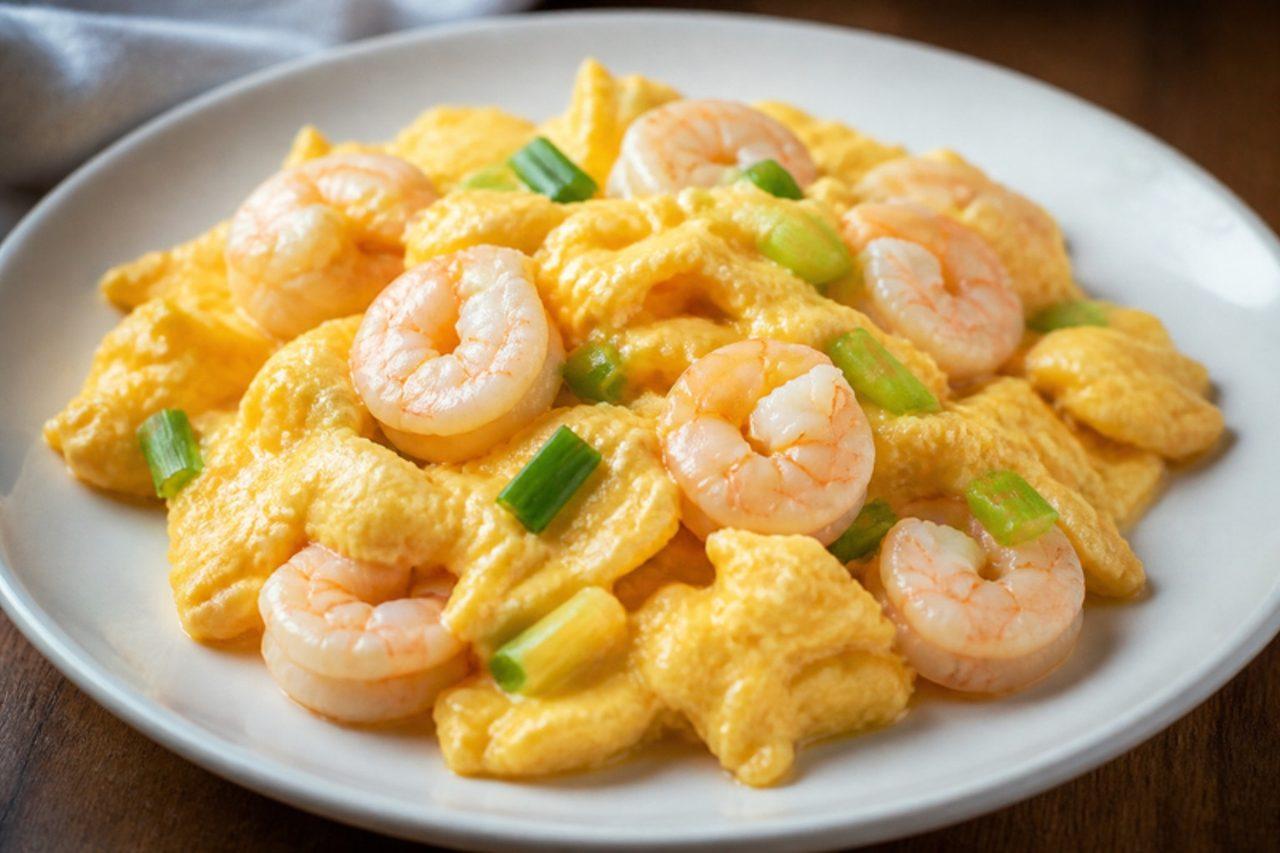
Hua dan xia ren (shrimp with silky scrambled egg)

Hua dan xia ren comes from Guangdong and the Hong Kong cha chaan teng, where it is spooned over rice for a quick lunch or set in the middle of a family dinner: prawns folded into eggs that are barely set, glossy and soft as custard. The classic error is stirring the eggs like a breakfast scramble over a high flame, which gives you dry little curds. Because the eggs are only just set, cook them a little longer for anyone pregnant, very young, older or vulnerable. Chef's tip: a spoon of cornflour slurry and a little oil in the beaten eggs keeps them silky even if you overshoot by a few seconds.

by KrazyBadal 0 views

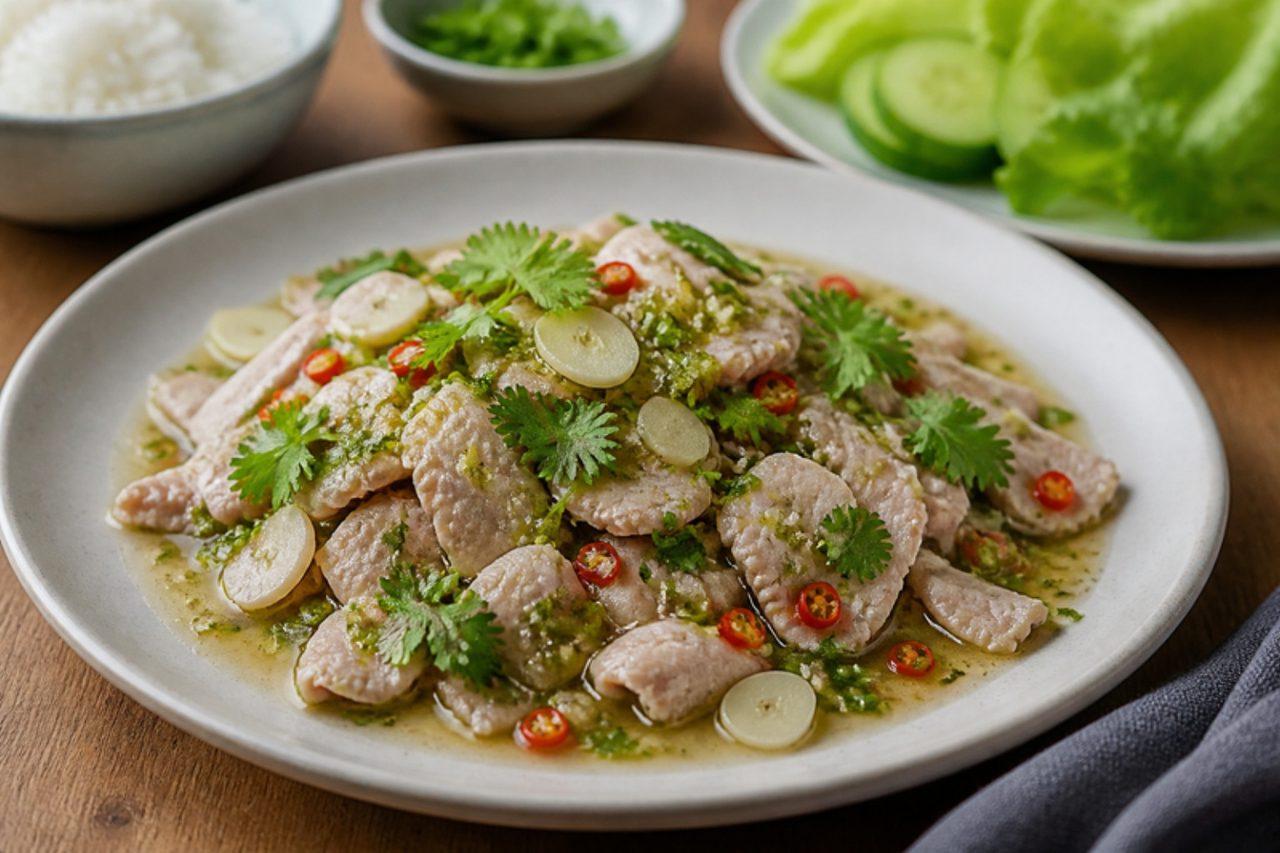
Moo manao (pork in lime and chilli dressing)

Moo manao is a drinking snack and dinner side from central Thailand, served in Bangkok bars and at home with sticky rice: thin slices of pork, blanched until just cooked, laid on ice-cold cabbage or lettuce and drowned in a fierce dressing of lime, raw garlic, bird's eye chilli and fish sauce. This is a pork dish. The mistake is boiling the pork for too long, which makes the thin slices tough and dry; poach them only until they turn white all through. Chef's tip: plunge the cooked slices into iced water for a few seconds, so they stay tender and take the dressing well.

17 minThaiMeatGluten freeSpicy
by KrazyBadal 0 views

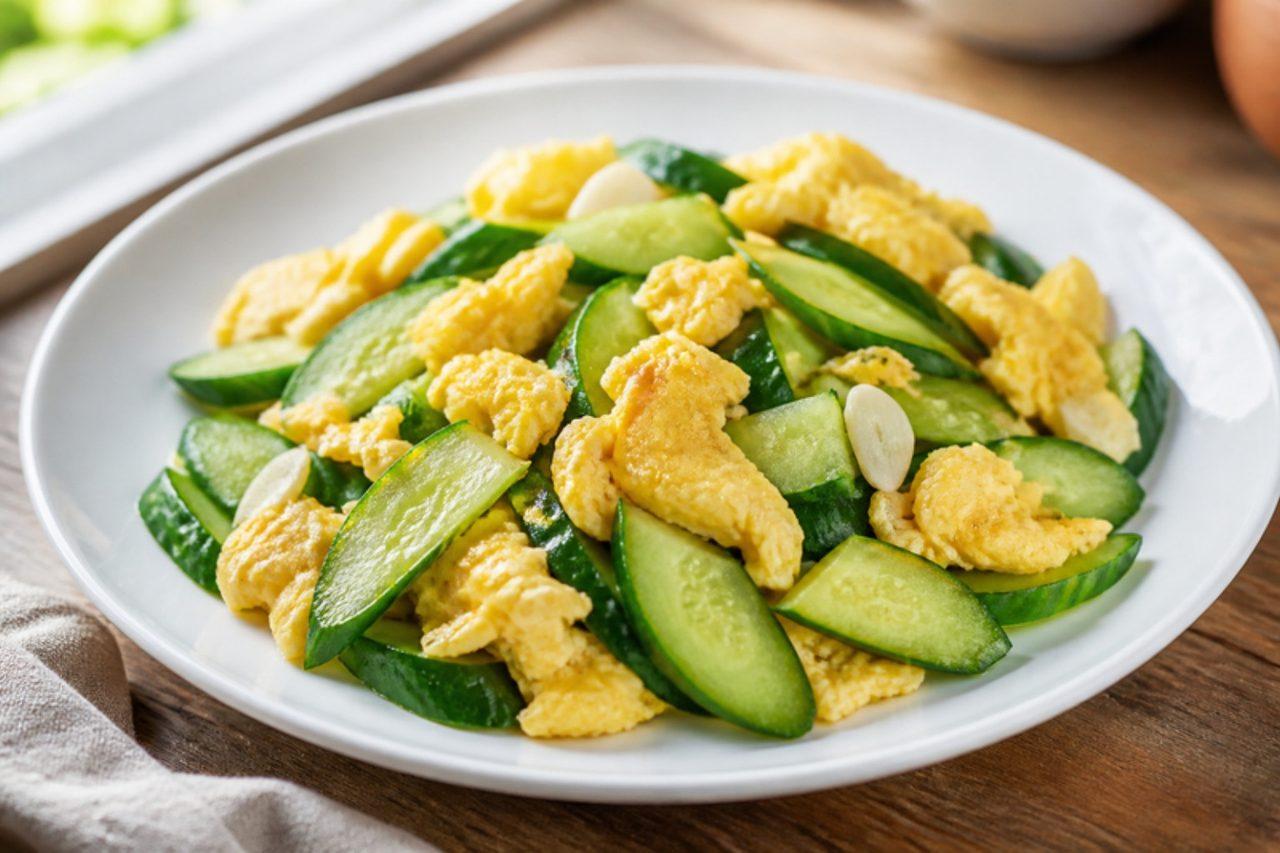
Cucumber and egg stir-fry

Huang gua chao ji dan is a ten-minute dish from northern Chinese home kitchens, made in summer when cucumbers are cheap and nobody wants to stand over the stove. Soft, fluffy scrambled egg and thin cucumber slices are tossed with garlic and salt for just a minute, so the cucumber stays cool and crisp against the warm egg. Eat it with rice or steamed buns. The mistake is cooking the cucumber too long, which turns it watery and dull green. Chef's tip: take the eggs out while they are still a little wet; they finish cooking when they go back in.

by KrazyBadal 0 views

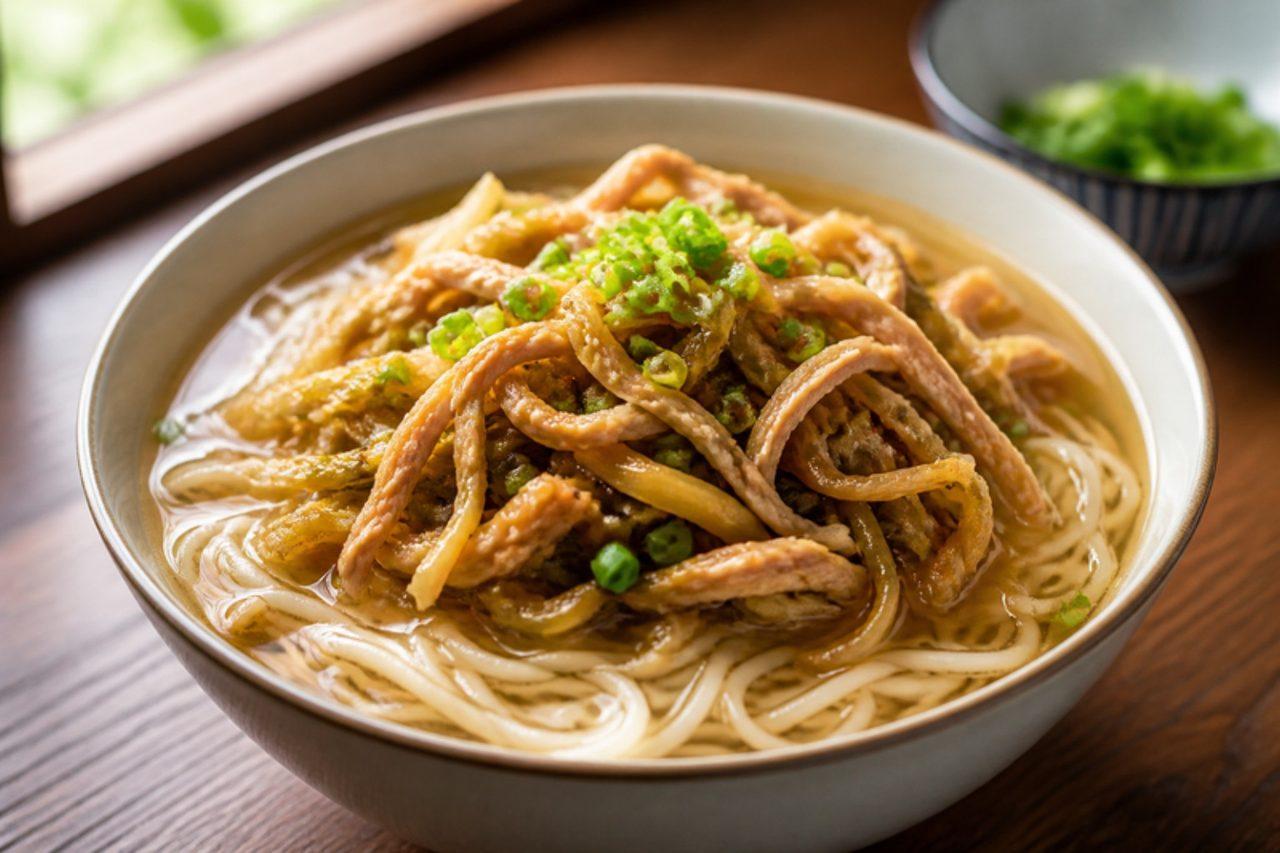
Zhacai rousi mian (pork and pickled mustard noodle soup)

Zhacai rousi mian is a breakfast and late-night bowl from Chongqing to Shanghai noodle shops: plain wheat noodles in a light seasoned broth, topped with shreds of pork stir-fried with crunchy, salty zhacai, the pickled mustard tuber from Fuling. This is a pork dish. The mistake to avoid is salting the topping before you taste it; zhacai is already very salty, and rinsing it briefly saves the bowl. Chef's tip: season the empty bowls with soy, sesame oil and spring onion first, then pour the hot stock over, the way noodle stalls do.

by KrazyBadal 0 views

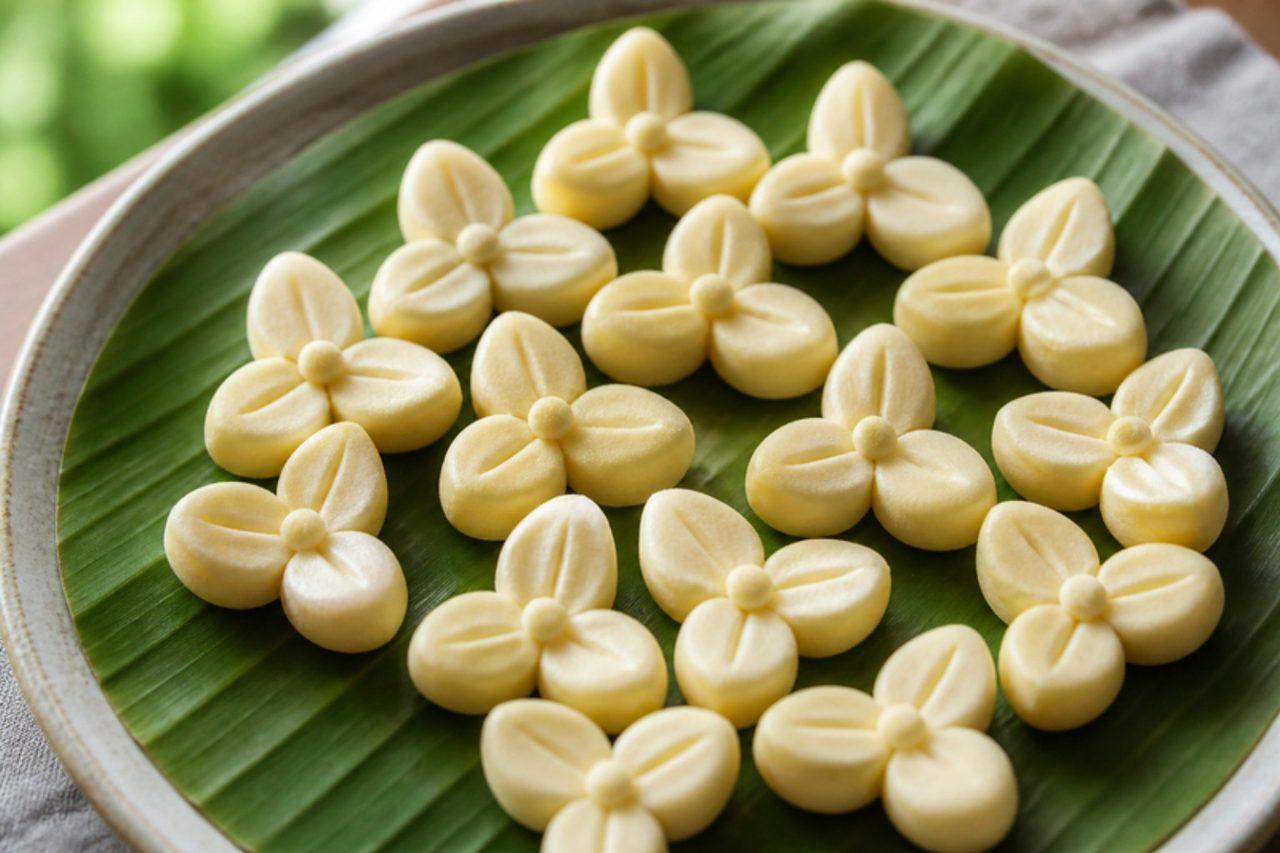
Khanom kleeb lamduanFlower shortbread cookies

Named after the lamduan, a fragrant cream-coloured flower with three curled petals, these tiny Thai shortbreads are a classic of the royal-style Thai sweets once made in palace kitchens and now sold in Bangkok's old dessert shops and given at weddings and merit-making. Each flower is three teardrop petals around a ball, pale and fragile, and they melt like sandy fudge. Their perfume comes from tian op, a special scented dessert candle: it is lit, blown out, and left to smoke inside a closed container with the cookies. If you cannot find one, a little jasmine water in the dough gives a different but lovely scent. The mistake is baking them hot or long; they should stay ivory, never golden. Chef's tip: candle smoke is real fire and smoke, so do it in a metal or ceramic pot, well away from curtains and children, with the flame blown out before the lid goes on.

78 minThaiBakingVegan
by KrazyBadal 0 views

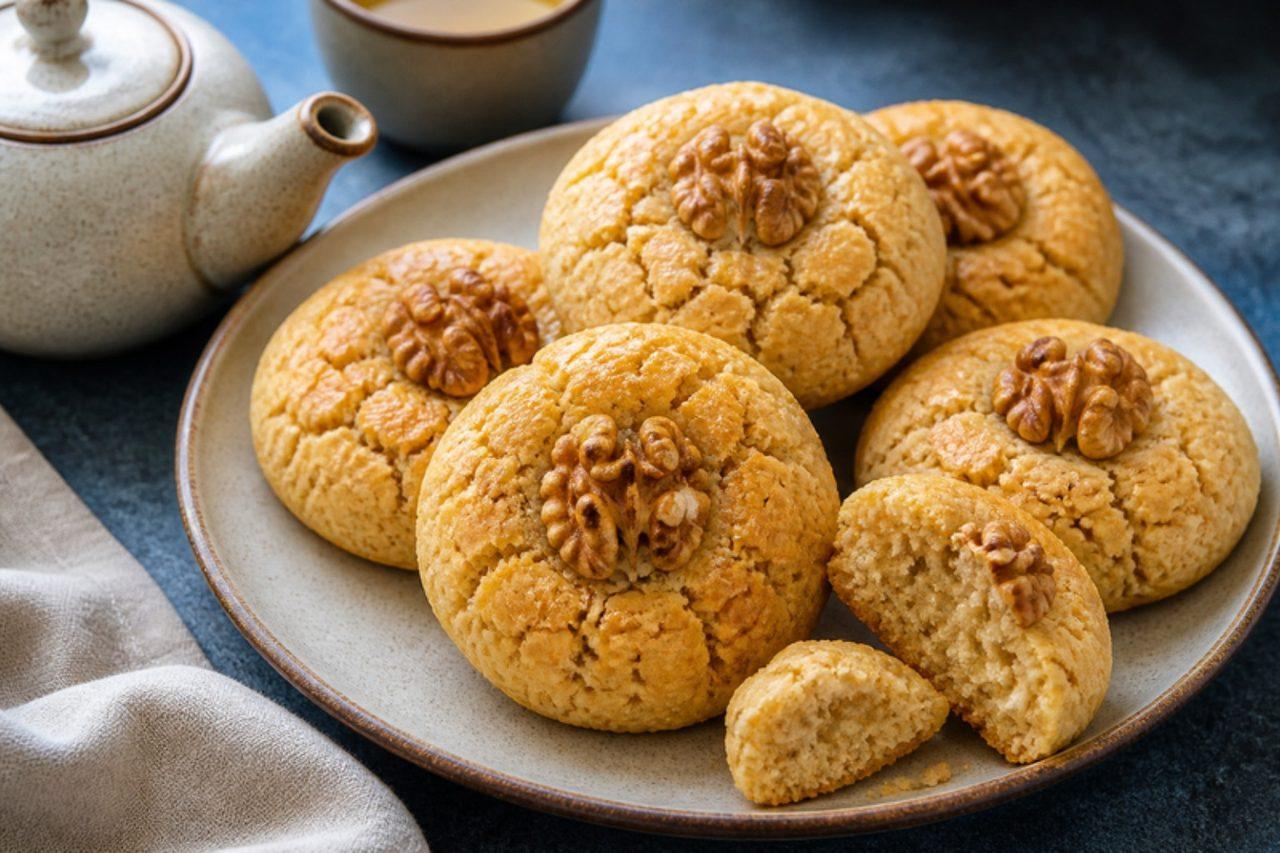
Chinese walnut cookies

Hap toh sou are a fixture of Cantonese bakeries in Guangzhou and Hong Kong, sold loose by the catty or packed in red tins for Lunar New Year visits, when walnuts stand for family happiness. They are wide, crumbly and slightly sandy, with a cracked golden top crowned by a walnut half and a gentle sweetness that suits a pot of oolong or pu'er. Traditionally they are made with lard, which gives an extra-short crumble; this version uses vegetable shortening or neutral oil, so it is vegetarian. The top is brushed with beaten egg for shine; milk mixed with a little honey or golden syrup is an egg-free alternative. A common mistake is pressing the balls flat: leave them domed and they crack open naturally in the heat. Chef's tip: toast the walnuts before chopping; it deepens their flavour and keeps them crunchy inside the soft crumb.

by KrazyBadal 0 views

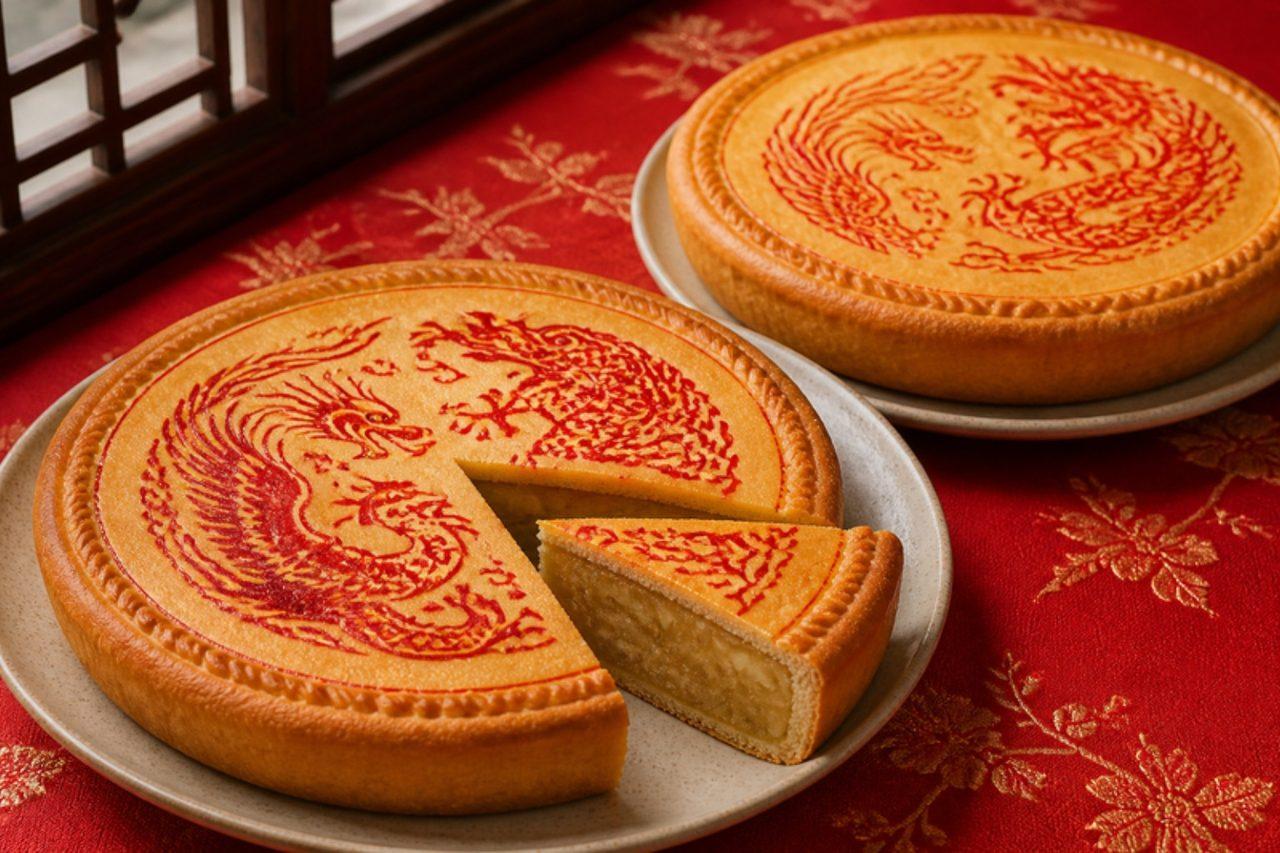
Dragon and phoenix cakesLotus seed paste wedding pastries

In Guangdong and among Cantonese families in Hong Kong and overseas, a groom's family sends boxes of 'lung fung beng', dragon and phoenix cakes, to the bride's relatives ahead of the wedding, and the cakes are shared out among guests as a token of the match. The dragon stands for the groom and the phoenix for the bride, and the cakes are stamped in red with the two creatures or the double-happiness character. Inside the many-layered, flaky crust is smooth, sweet lotus seed paste, sometimes with a salted duck egg yolk, served with tea. Older bakeries often use lard; this version uses butter and vegetable shortening, so it is vegetarian. Chef's tip: roll the laminated pastry lightly and evenly; uneven rolling is the common mistake that leaves thick patches of raw dough and torn, leaking sides.

by KrazyBadal 0 views

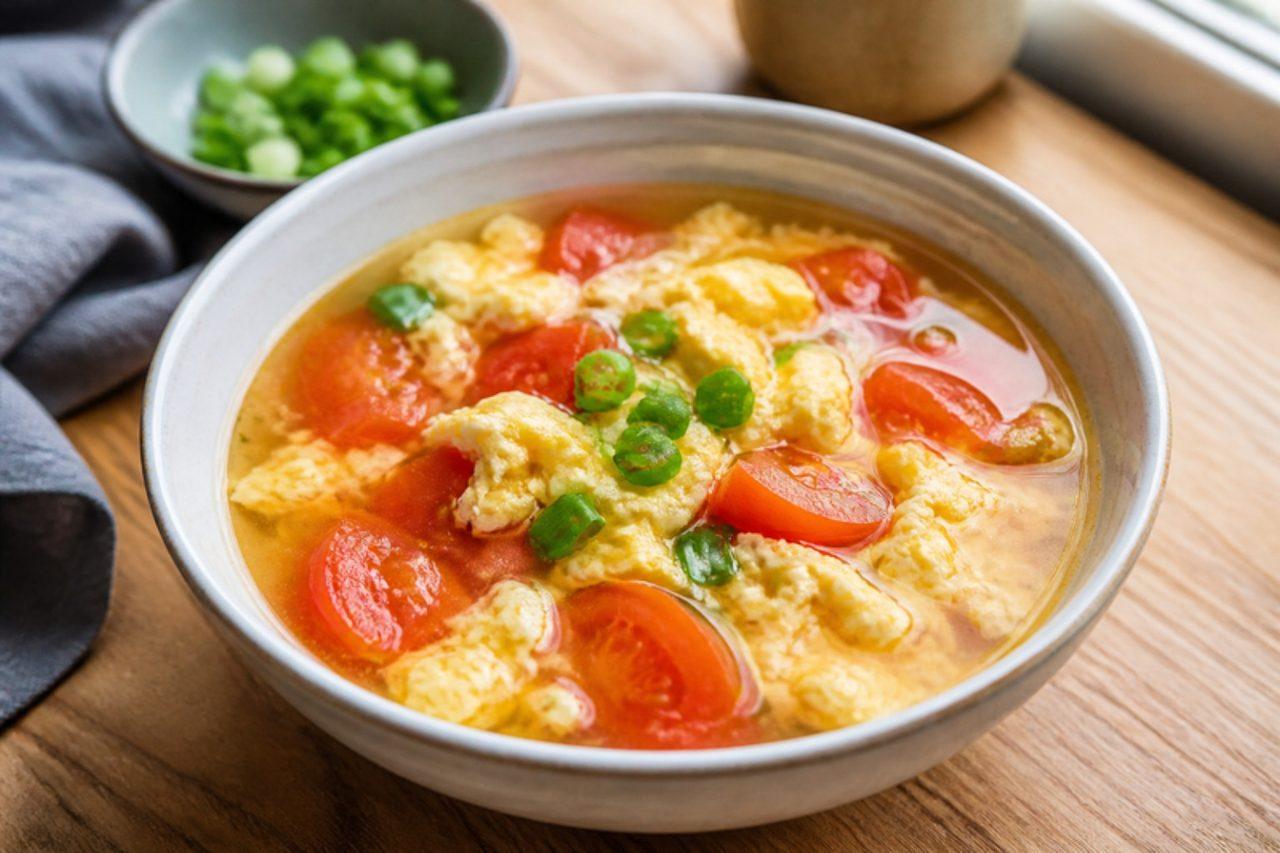
Tomato and egg drop soup

Tomato and egg drop soup, fan qie dan hua tang, is one of the first soups Chinese home cooks learn, made from Shanghai to Chengdu in the ten minutes before rice is ready. Tomatoes cook down into a light, sweet-sour broth and beaten egg is poured in to set into fine yellow ribbons, finished with spring onion and sesame oil. The mistake that makes it cloudy is pouring the egg into a rolling boil and stirring hard; you want a gentle simmer and a slow, thin stream. Chef's tip: fry the tomatoes in a little oil before adding water, so the broth turns rosy and full of flavour.

by KrazyBadal 0 views

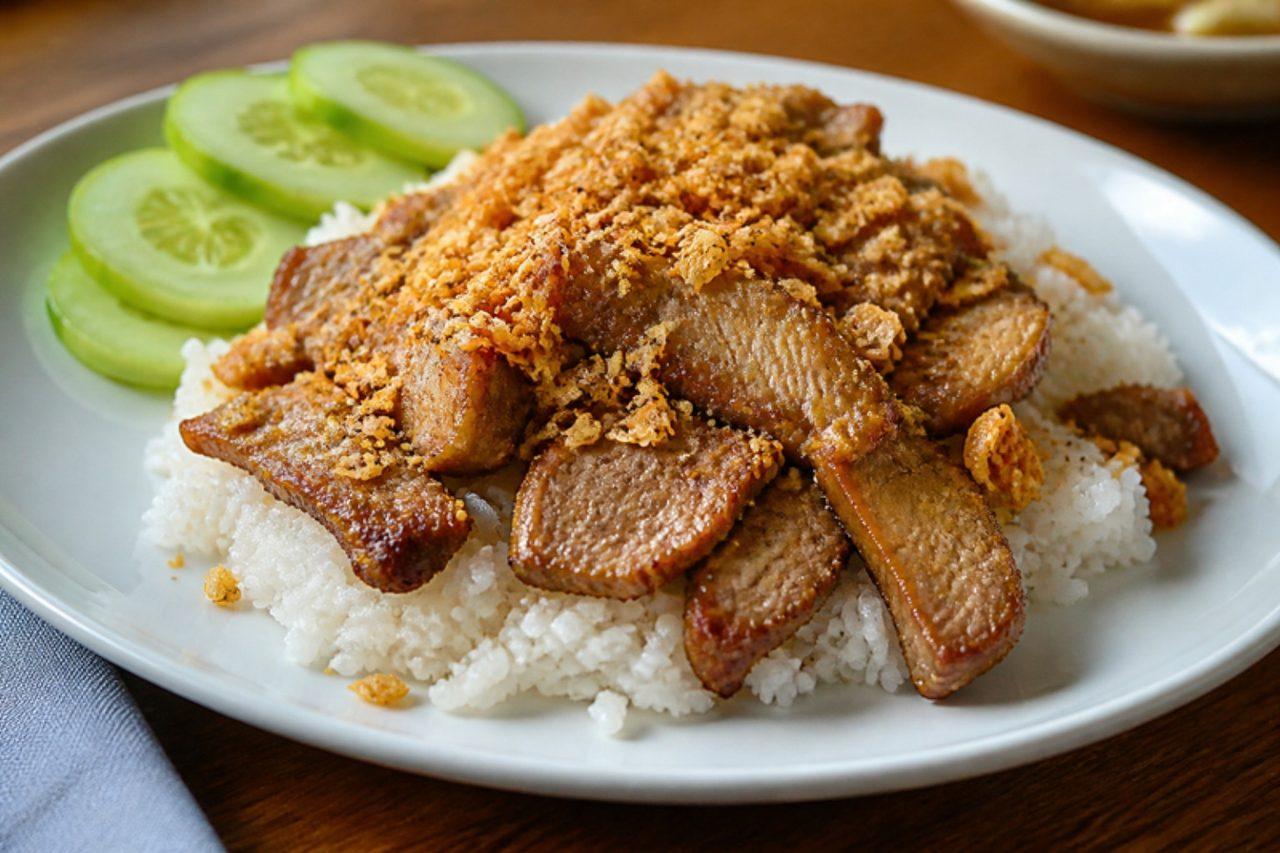
Moo tod kratiem (Thai garlic pepper pork)

Moo tod kratiem is a one-plate dinner sold at made-to-order stalls across Bangkok and the rest of Thailand: slices of pork marinated in garlic, white pepper and soy, fried until the edges caramelise, then showered with crisp golden garlic and served over rice with a fried egg and cucumber. This is a pork dish. The mistake is frying the garlic on high heat; it burns in seconds and turns bitter, so fry it gently and take it out when it is pale gold. Chef's tip: pound the garlic, pepper and coriander root together rather than chopping, so the paste clings to the meat.

22 minThaiMeat
by KrazyBadal 0 views

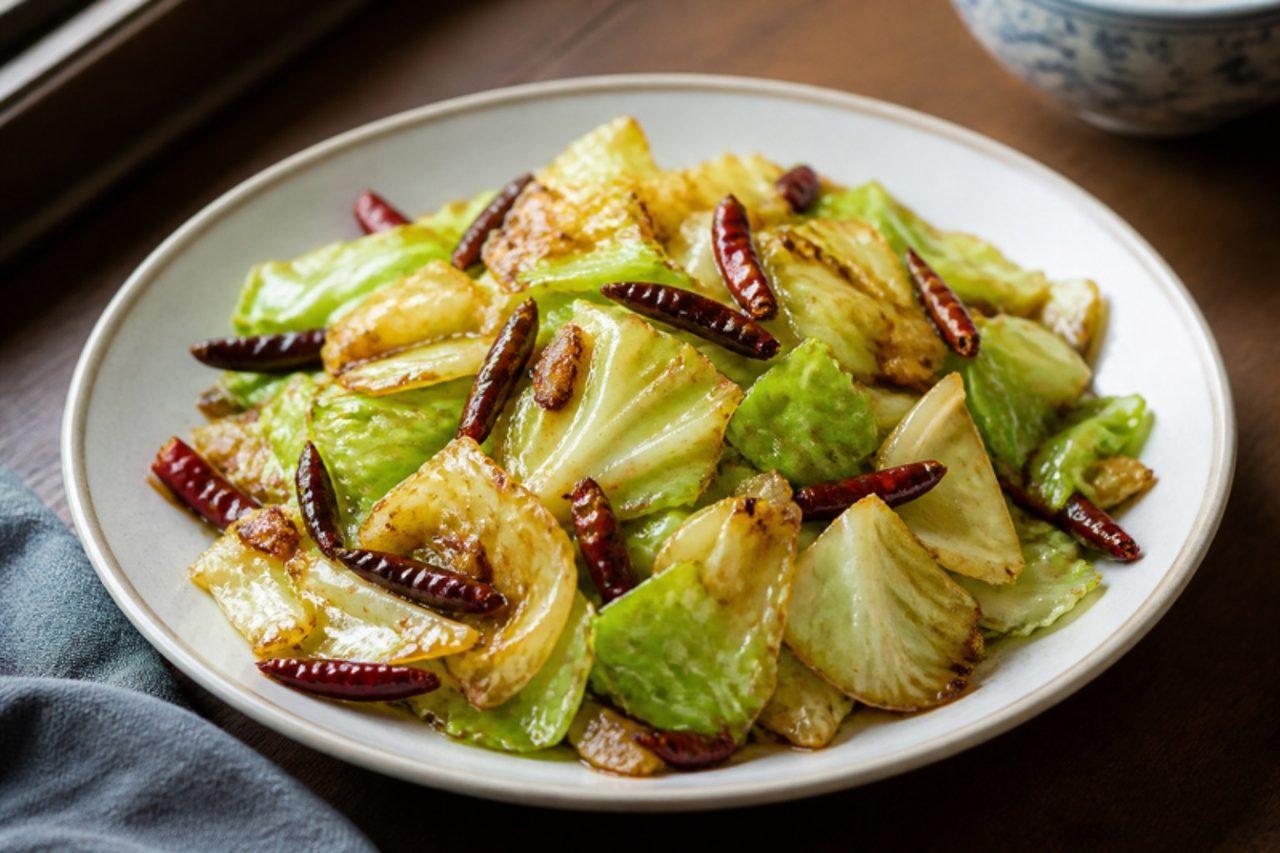
Hand-torn cabbage

Shou si bao cai is a Hunan restaurant classic that every Changsha family also cooks at home: cabbage leaves torn by hand, then flash-fried in a roaring wok with garlic and dried chillies and splashed with black vinegar until smoky, sweet and still crunchy. It goes alongside rice and a meat or tofu dish at dinner. The mistake is putting wet leaves into a lukewarm pan: the cabbage stews and goes limp instead of charring at the edges. Chef's tip: tear rather than cut, because the ragged edges catch the heat and the sauce better than clean knife cuts.

by KrazyBadal 0 views

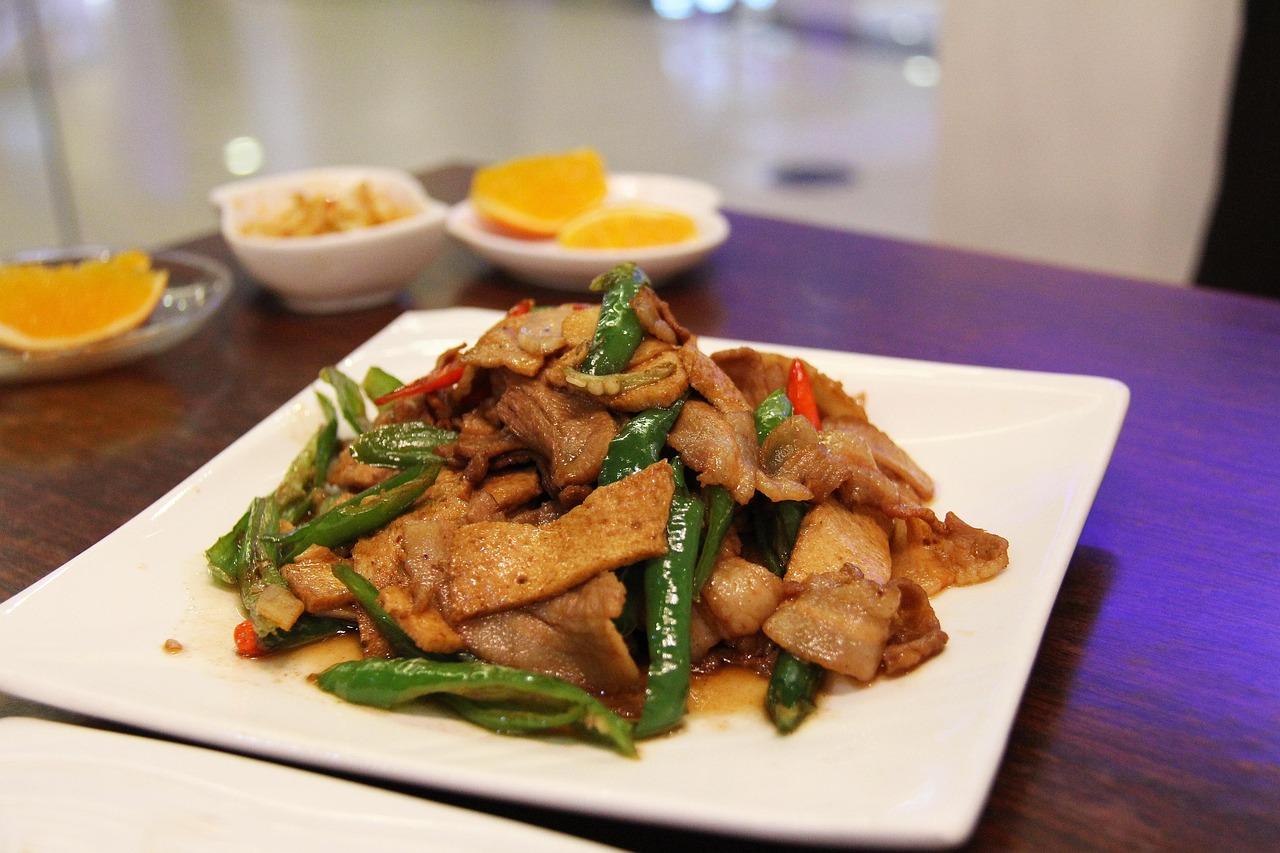
Qing jiao rou si (shredded pork with green pepper)

Qing jiao rou si is one of the first dishes a home cook in China learns, made in a few minutes from Sichuan to the north-east: thin strips of pork loin, velveted with a little cornflour, flashed in a hot wok with green pepper and garlic. This is a pork dish, and the marinade uses a splash of Shaoxing rice wine, which cooks off only partly; an alcohol-free swap is given below. The mistake most people make is cutting the pork too thick or overcrowding the wok, so the meat stews and toughens. Chef's tip: half-freeze the pork for 20 minutes before slicing and you can cut matchstick-thin strips easily.

by KrazyBadal 0 views

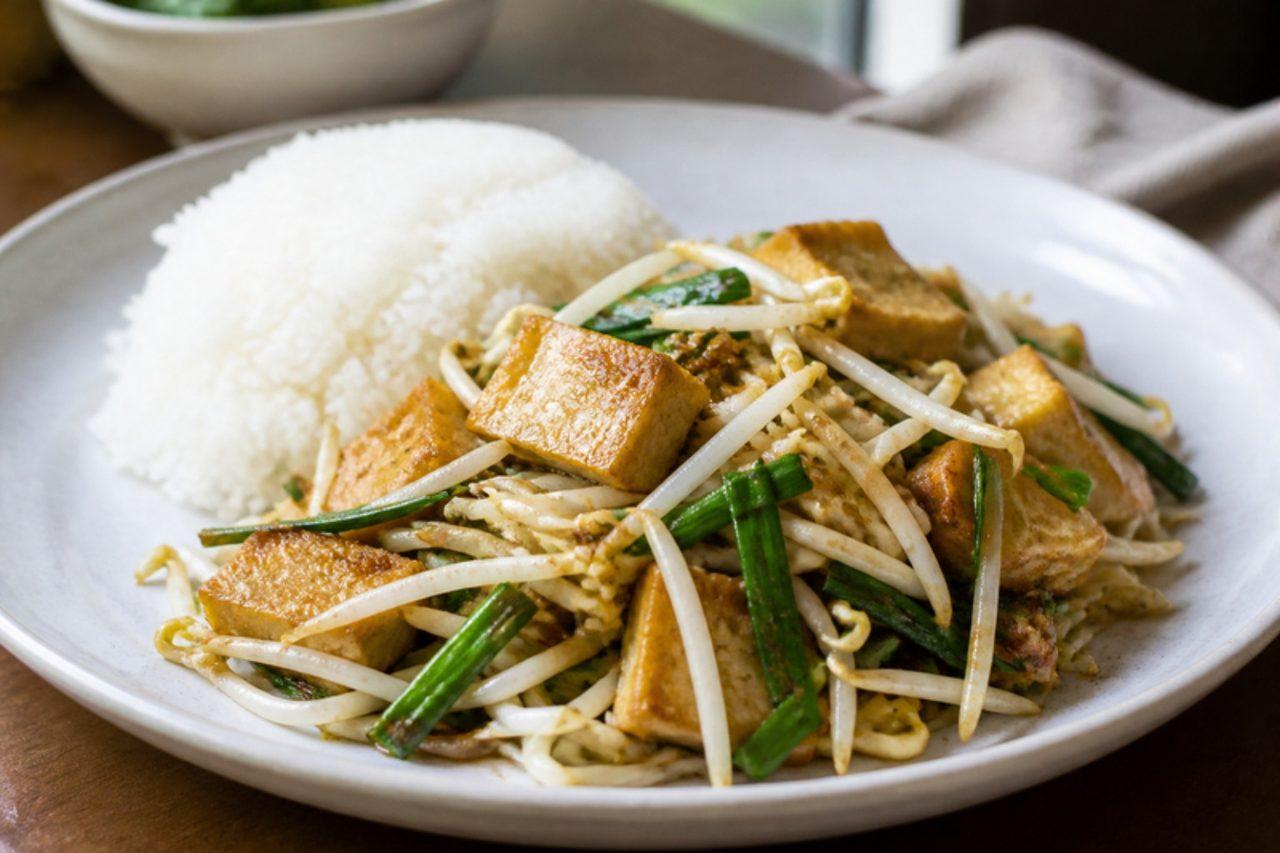
Pad thua ngok tao hoo (Thai bean sprouts and tofu stir-fry)

This plain, fast stir-fry is a fixture of home kitchens and made-to-order rice stalls across central Thailand, where it is eaten as one of two or three dishes shared over jasmine rice at dinner. Firm tofu is browned first, then the sprouts go in for barely a minute so they stay juicy and snap when you bite them. Thai cooks often season it with oyster sauce and fish sauce; this version uses soy and a mushroom-based sauce so it is vegan. The mistake almost everyone makes is cooking the sprouts too long, which turns them limp and watery. Chef's tip: pick off the stringy tails of the sprouts if you have five spare minutes; it makes the dish noticeably crisper.

by KrazyBadal 0 views

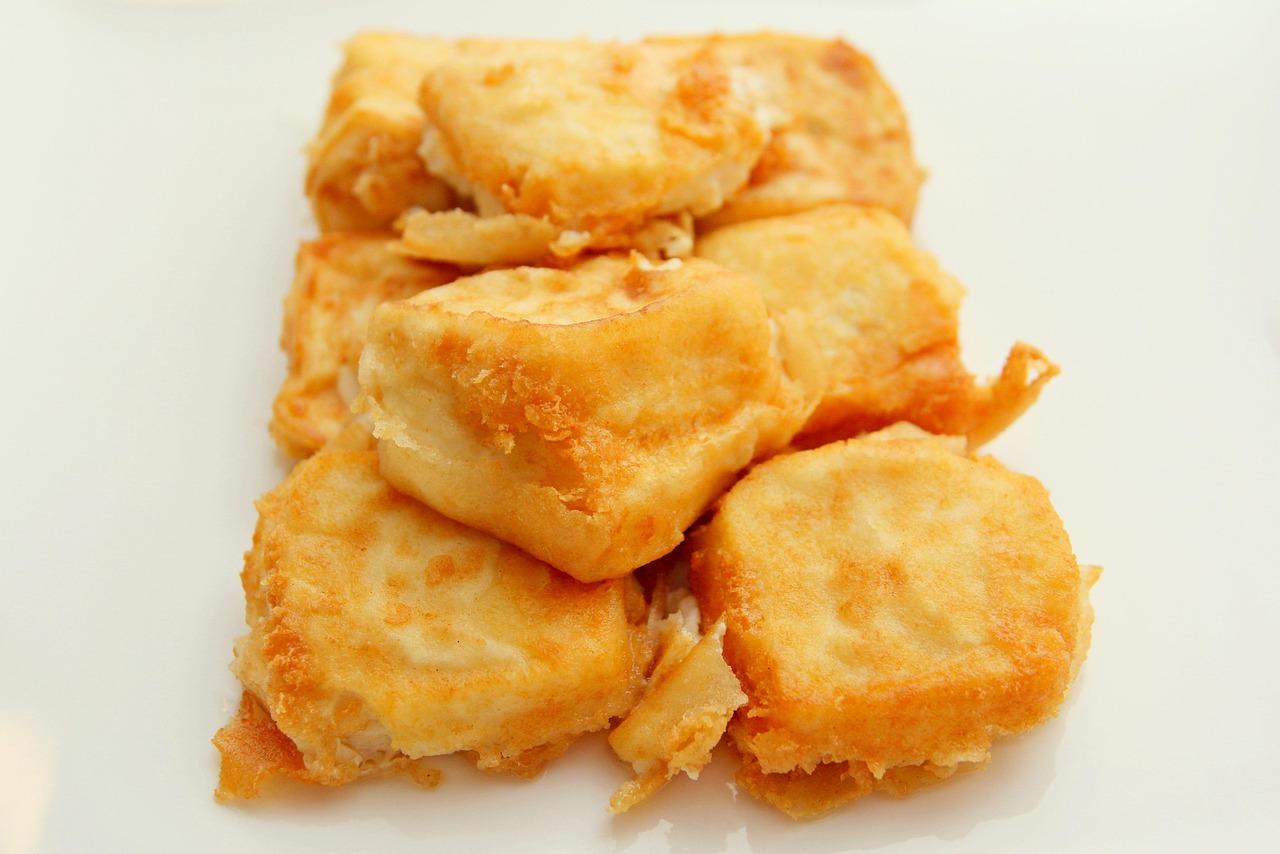
Tao hoo tod (Thai fried tofu with sweet chilli peanut dip)

In Bangkok and towns all over Thailand, tao hoo tod is sold from street-side woks in the late afternoon, scooped into paper bags with a little bag of sweet chilli dip and a spoon of crushed peanuts for snacking on the way home. Done properly, each cube has a thin, blistered, crisp skin and a soft, almost creamy centre. The mistake that ruins it is frying wet tofu in oil that isn't hot enough, so it soaks up fat and never crisps. It makes a good starter or a light supper with sticky rice and cucumber. Chef's tip: press the tofu under a heavy pan for 10 minutes while you make the dip; drier tofu crisps faster and spits less.

by KrazyBadal 0 views

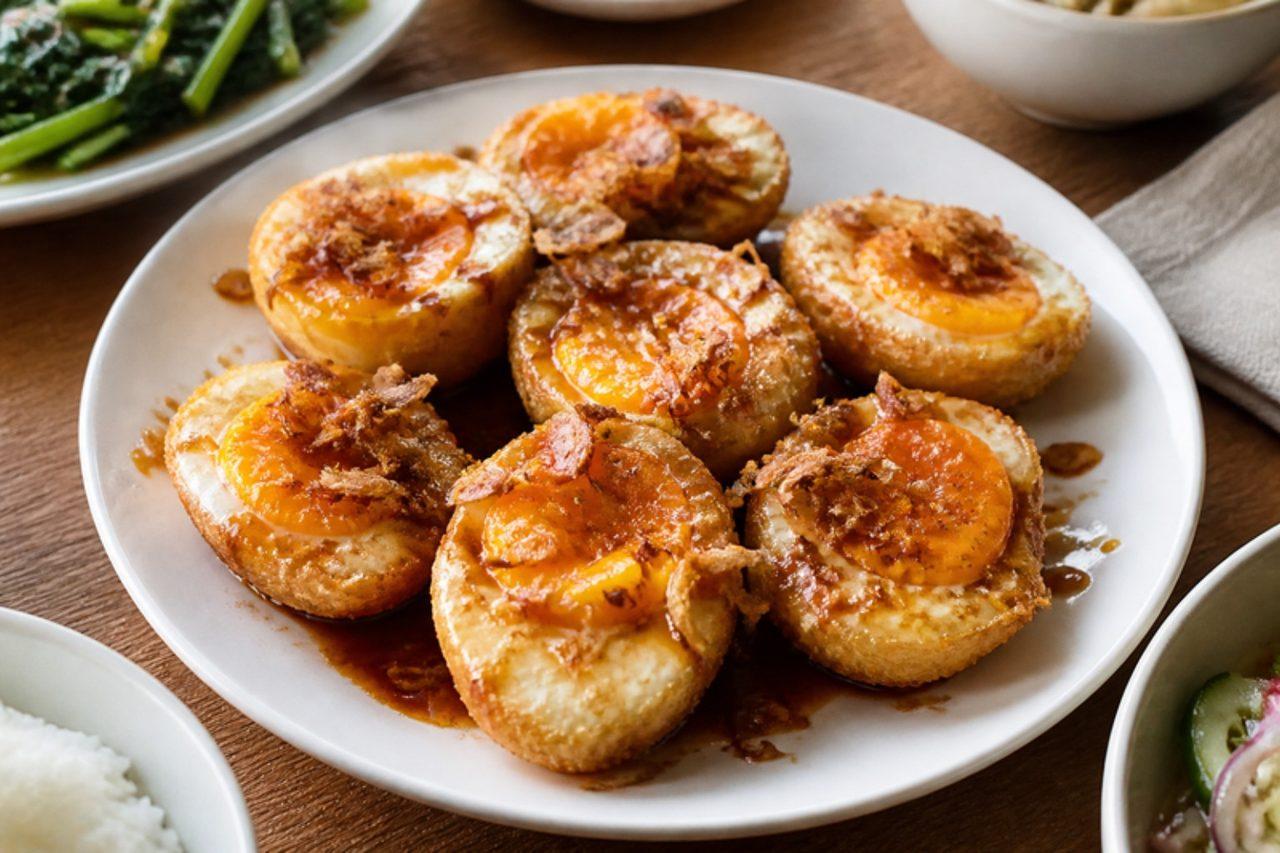
Khai luk khoei (son-in-law eggs)

Khai luk khoei, son-in-law eggs, is a central Thai dish made for family meals and temple fairs, and a favourite way to turn a few eggs into dinner: boiled eggs fried until blistered and golden, halved and spooned over with a sticky tamarind, palm sugar and fish sauce sauce, then finished with crisp shallots and chilli. It contains fish sauce, so it is not vegetarian. The mistake is frying wet eggs in oil that isn't hot enough; dry them well and the skin puffs and crisps instead of spitting. Chef's tip: boil the eggs for 7 minutes for a jammy centre; give 10 minutes and fully set yolks for anyone pregnant, very young, older or vulnerable.

by KrazyBadal 0 views

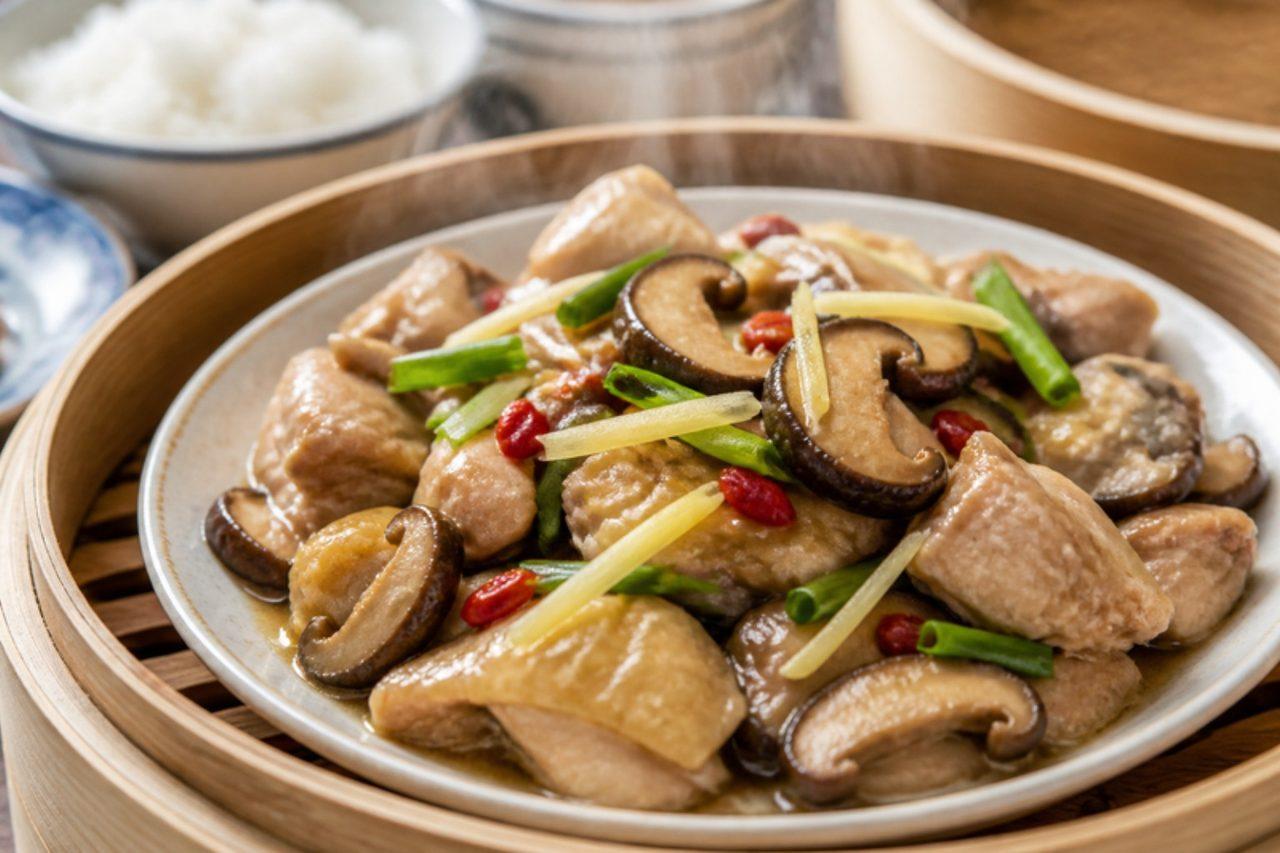
Steamed chicken with shiitake

Steamed chicken with mushrooms is one of the dishes Cantonese grandmothers in Guangzhou and Hong Kong put on the dinner table on a weeknight, steamed on a plate over the rice pot so the juices drip into a little puddle of sauce: bite-sized pieces of chicken thigh marinated with soy, ginger and cornflour, scattered with soaked shiitake and steamed until tender and glossy. It is light, savoury and clean-tasting, with rice and a green vegetable. A portion is about 240 kcal. Marinate in the fridge. The most common mistake is piling the chicken up in a deep bowl; spread it in one layer on a plate so it cooks evenly. Chef's tip: the cornflour in the marinade is the secret; it protects the chicken and turns the steaming juices into a silky sauce.

by KrazyBadal 0 views

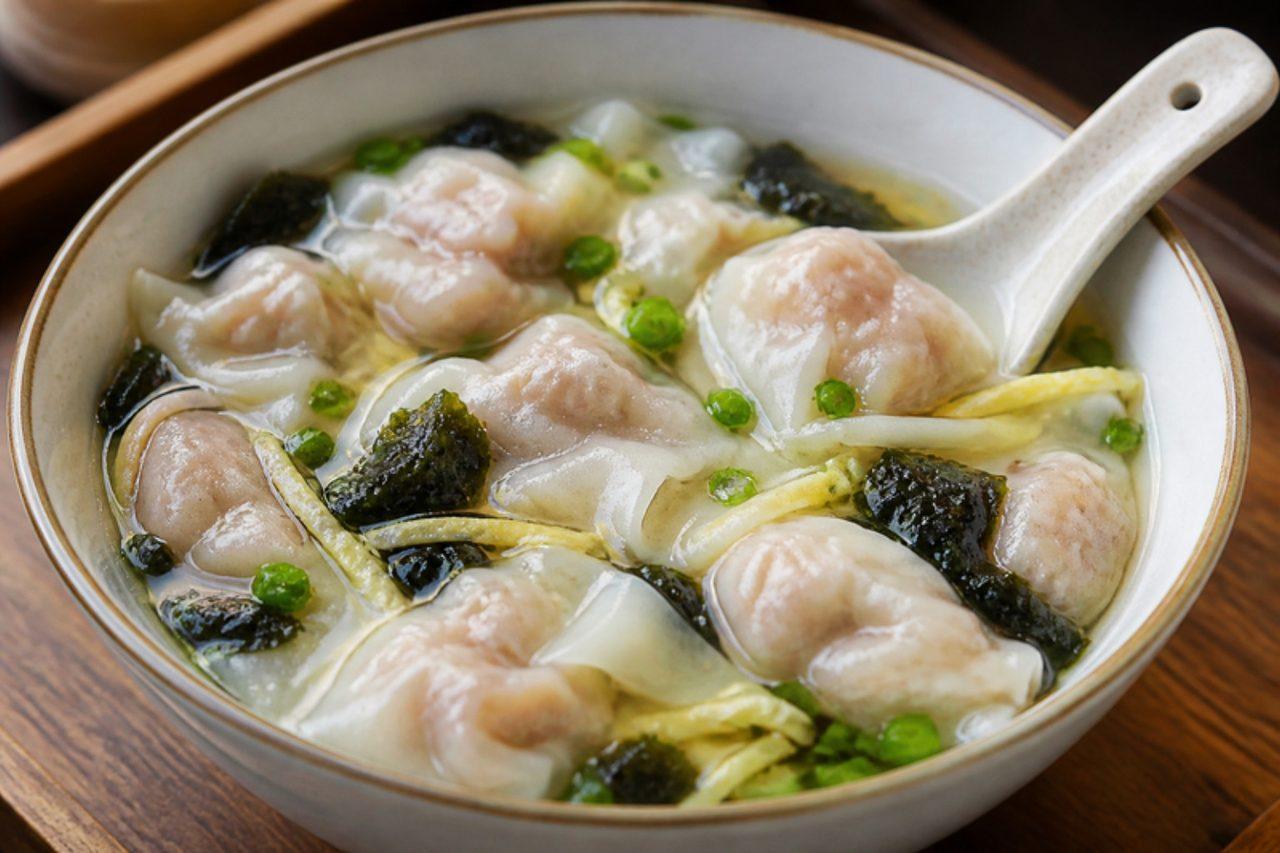
Xiao huntun (little wontons in broth)

Xiao huntun, 'little wontons' with wrappers so thin you can see the filling, are sold from breakfast stalls across Shanghai and the Jiangnan region, and their soft, slippery texture makes them a children's favourite for breakfast or supper. For toddlers from a year old the filling is seasoned with ginger and only a few drops of low-salt soy, and the broth is no-salt stock with laver and ribbons of omelette. It contains gluten (wheat wrappers), egg, soya and sesame. Chef's tip: use just half a teaspoon of filling per wrapper and scrunch it closed; that is how the little ones are made, and they cook in moments.

by KrazyBadal 0 views

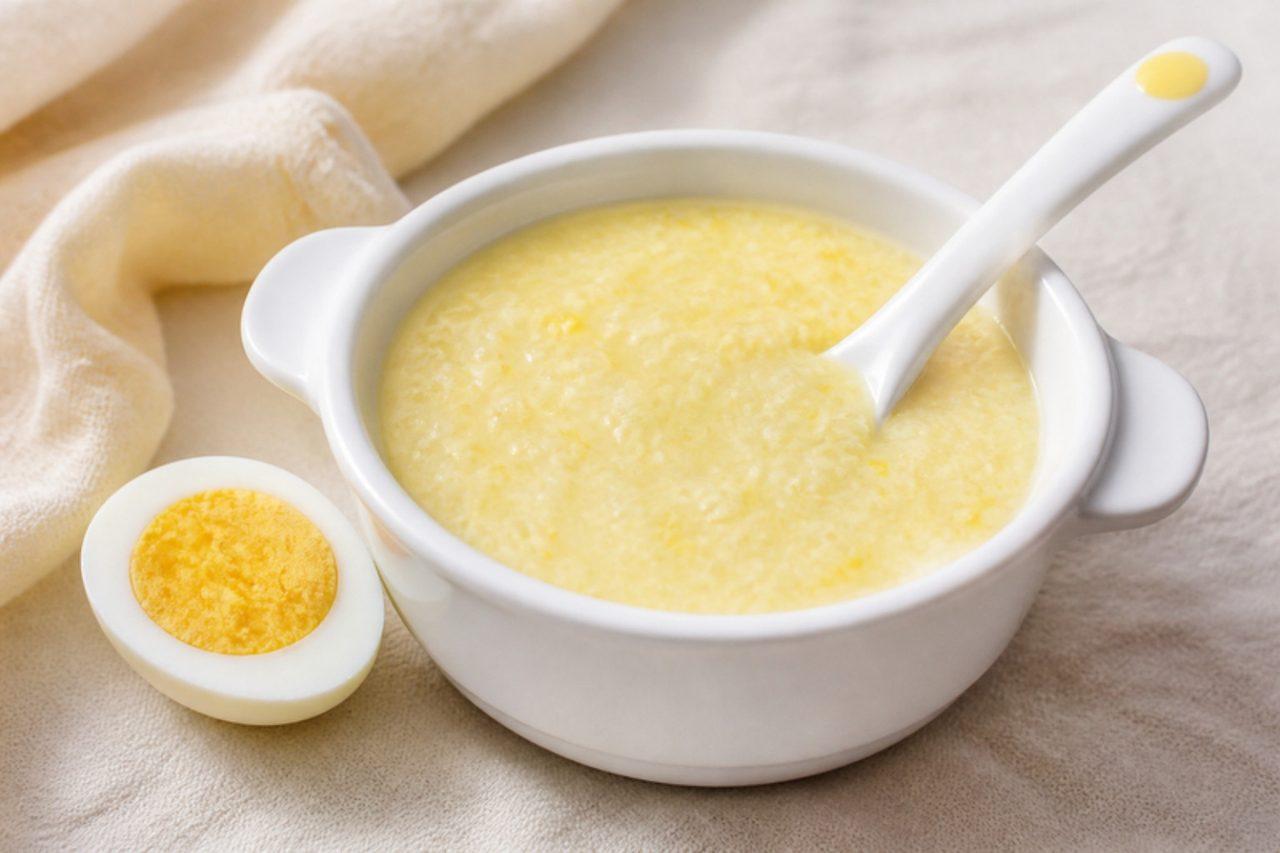
Egg yolk congee for babies (dàn huáng zhōu)

Across China, egg yolk congee is one of the first protein foods a baby is given, often as a light supper once plain rice paste is going down well. A fully hard-boiled yolk is crumbled and mashed into soft, unsalted congee, turning it pale gold and creamy. It contains egg; there is no milk, gluten, peanut, tree nuts, soya, sesame or fish. Many families start with a quarter of a yolk and build up over a few days. Chef's tip: plunge the boiled egg straight into cold water; it stops a grey ring forming and the yolk crumbles more easily.

by KrazyBadal 0 views

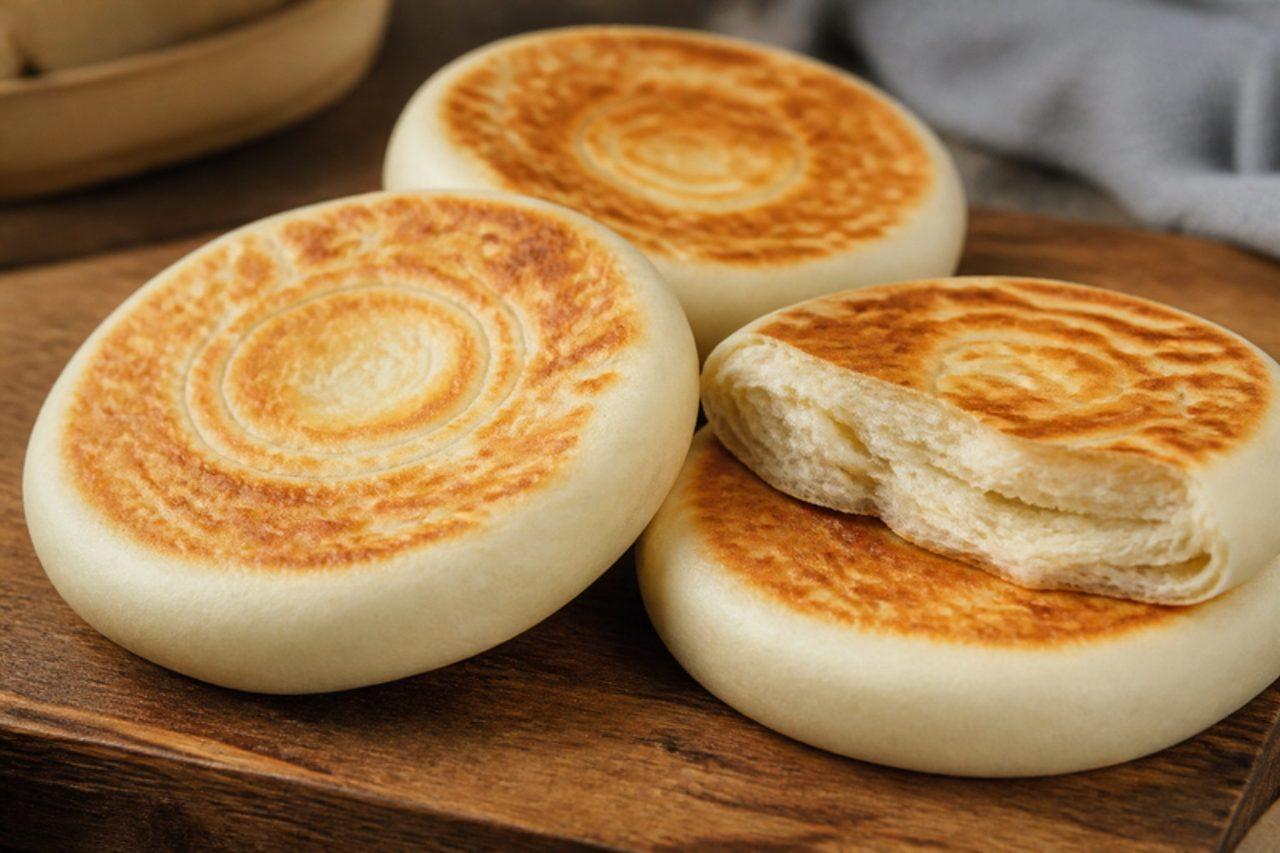
BaijimoGriddle-baked flatbread

Xi'an street cooks describe a good baijimo with a three-part saying: an iron ring, a tiger's back and a chrysanthemum heart. That means a pale, firm rim, a top mottled golden like tiger stripes, and a spiral pattern in the middle. Inside it is fluffy and layered, outside thin and crisp, and it is split from the side while hot to make roujiamo, the famous Shaanxi sandwich of chopped braised pork. For a meat-free filling, use braised shiitake and tofu with chilli oil, or spicy shredded potato. The dough is only half-risen on purpose; letting it fully prove is the mistake that gives you a soft, bun-like bread with no crunch. Chef's tip: twist the coil as you stand it on end and press it flat, which is what draws the spiral into the chrysanthemum heart.

by KrazyBadal 0 views

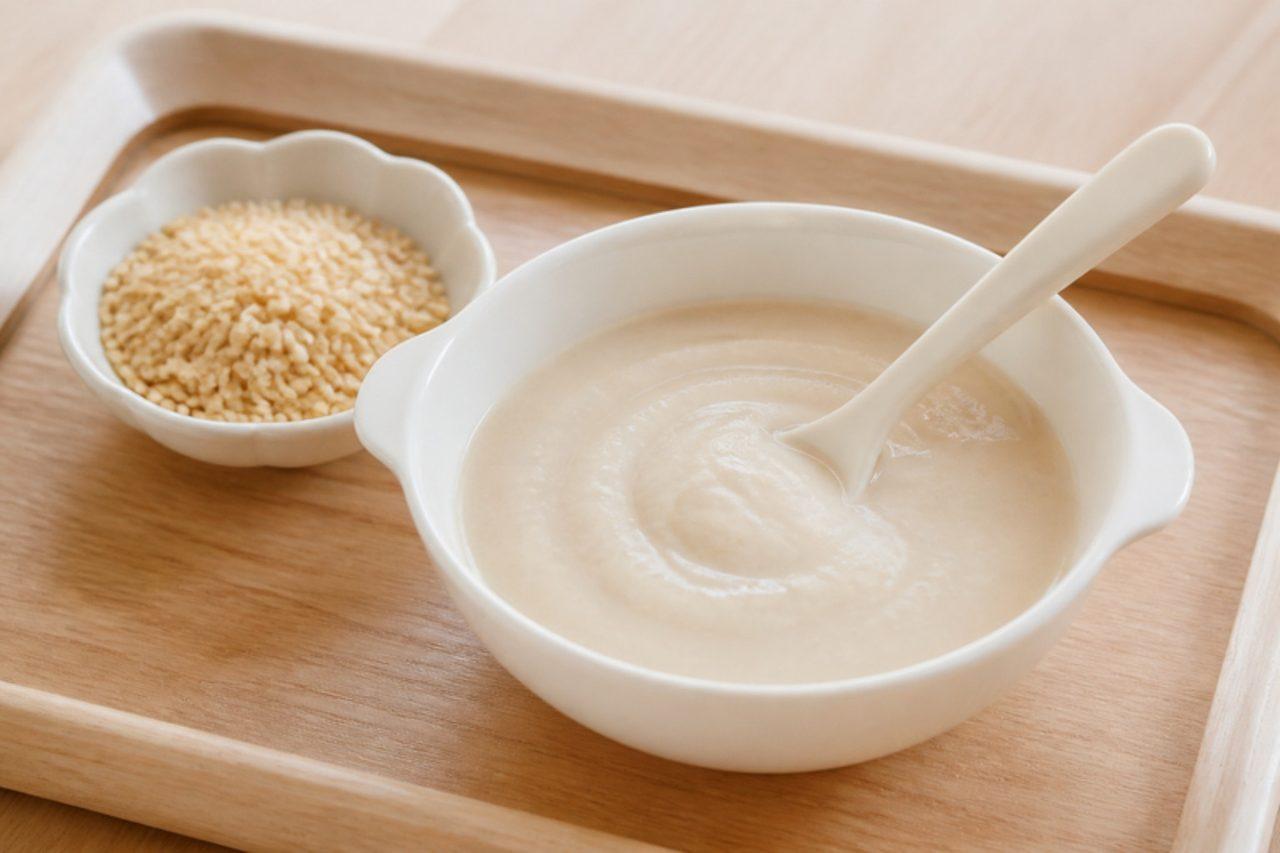
Rice cereal paste (mǐ hú)

Long before boxed cereals, Chinese mothers made mǐ hú, rice paste, by dry-toasting rice in a wok, grinding it fine and cooking it with water. It is still a favourite first food all over China, often served as the baby's breakfast while the family eats congee. Toasting gives it a gentle, biscuity flavour and makes it cook in minutes. There is no salt or sugar, and none of the common allergens (milk, egg, gluten, peanut, tree nuts, soya, sesame, fish). Chef's tip: toast and grind a larger batch, sieve it, and keep the powder in a clean, dry jar for up to two weeks.

by KrazyBadal 0 views

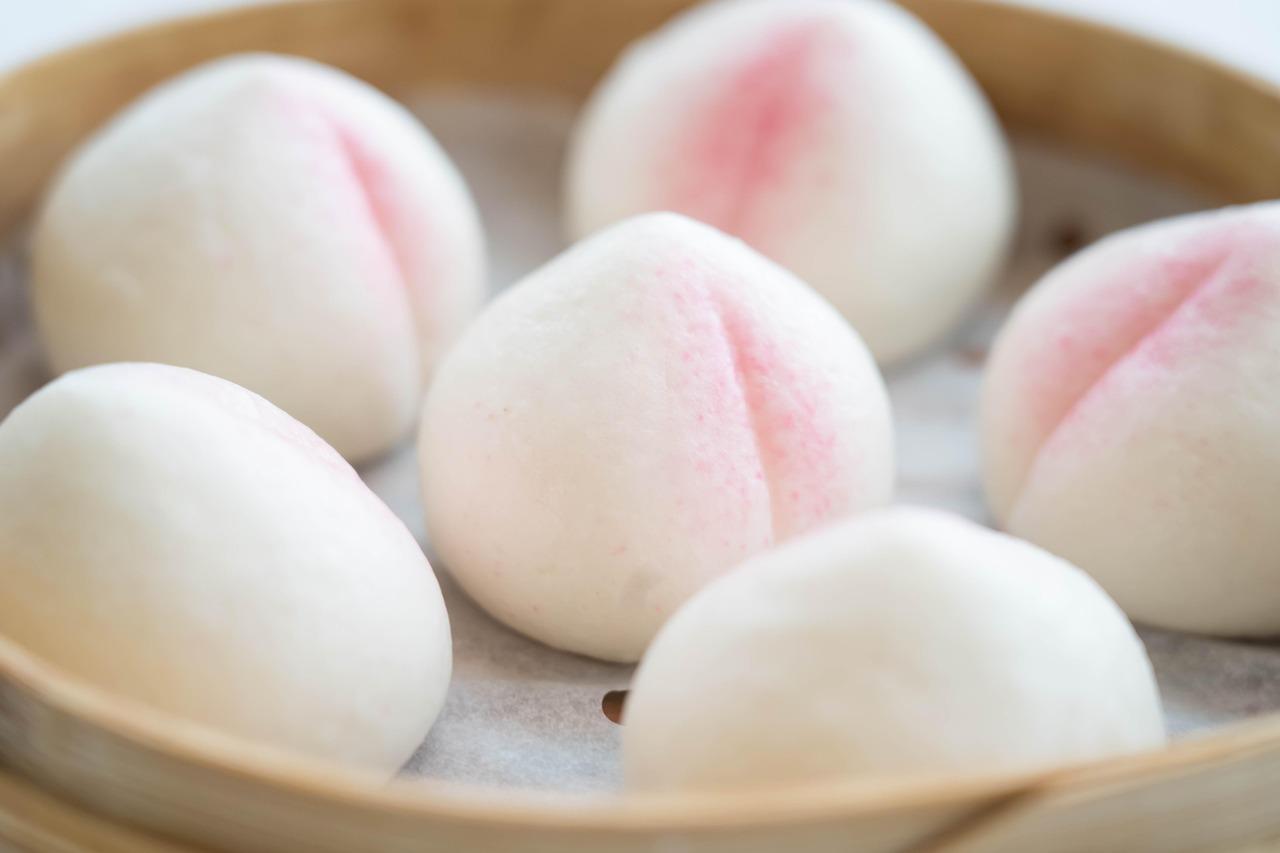
Shou tao bao (longevity peach buns)

In Chinese tradition the peach is the fruit of long life, so birthday tables, from a grandparent's 80th to a child's party, carry a plate of shou tao bao: fluffy white steamed buns pinched into a peach shape, blushed pink at the tip and filled with sweet lotus seed paste. Children love helping to shape the creases and add the pastry leaves. This version is made without milk. It contains gluten. Chef's tip: steam over a gentle, not roaring, boil and wait 5 minutes before lifting the lid, so the buns stay smooth and don't wrinkle.

by KrazyBadal 0 views

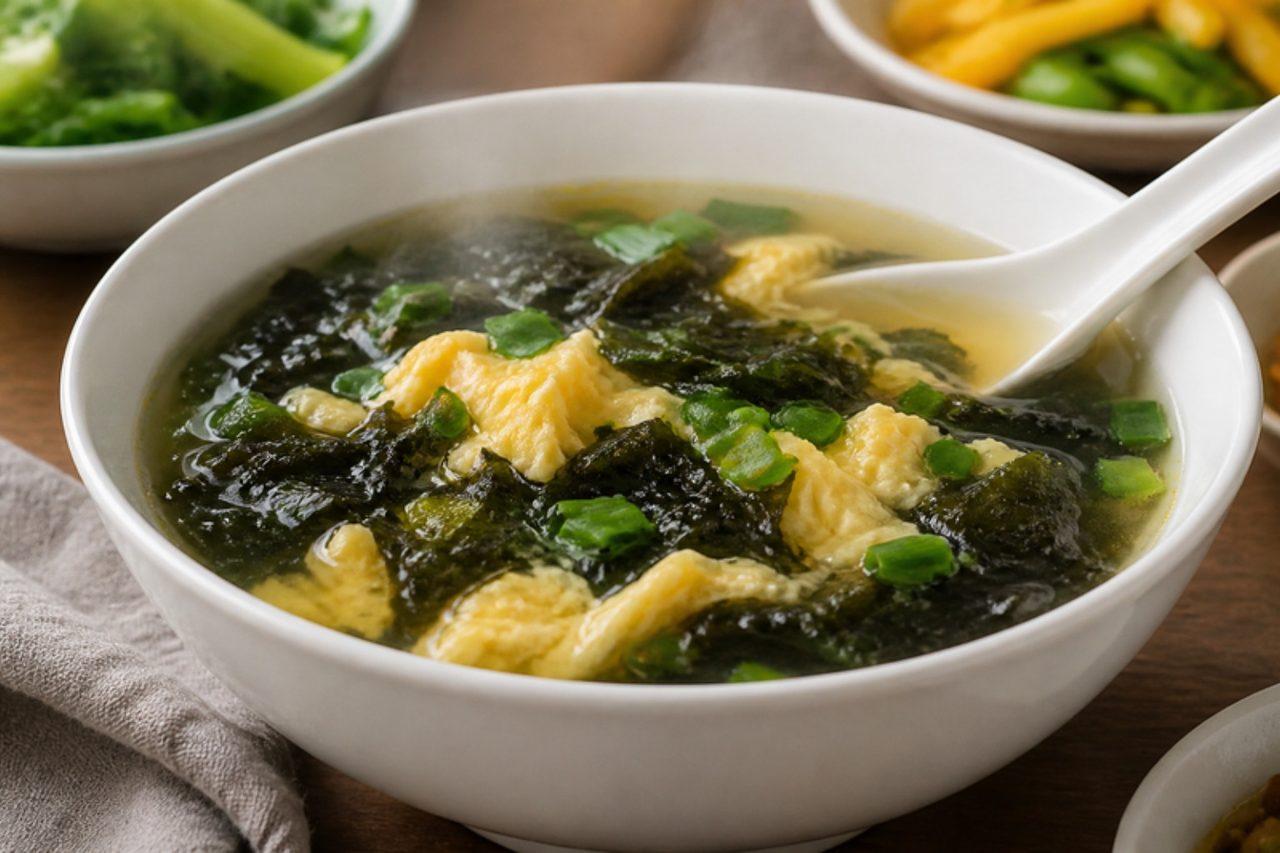
Zicai dan hua tangSeaweed egg drop soup

Zicai dan hua tang is the soup that a busy Chinese home cook can make while the rice is cooking: dried laver seaweed, which dissolves into silky dark green ribbons, and egg swirled into simmering water seasoned with a little soy, white pepper and sesame oil. It is on canteen trays in every Chinese university and on family tables across the country. Many cooks add a few dried shrimp; this vegetarian version leaves them out and uses a pinch of mushroom powder or vegetable stock instead. Eggs are an allergen. A bowl is about 50 kcal. The common mistake is stirring as soon as the egg goes in, which makes it cloudy; wait 10 seconds so it sets into flowers. Chef's tip: tear the seaweed into the bowls, not the pot, and pour the hot soup over; it stays tender and doesn't overcook.

by KrazyBadal 0 views

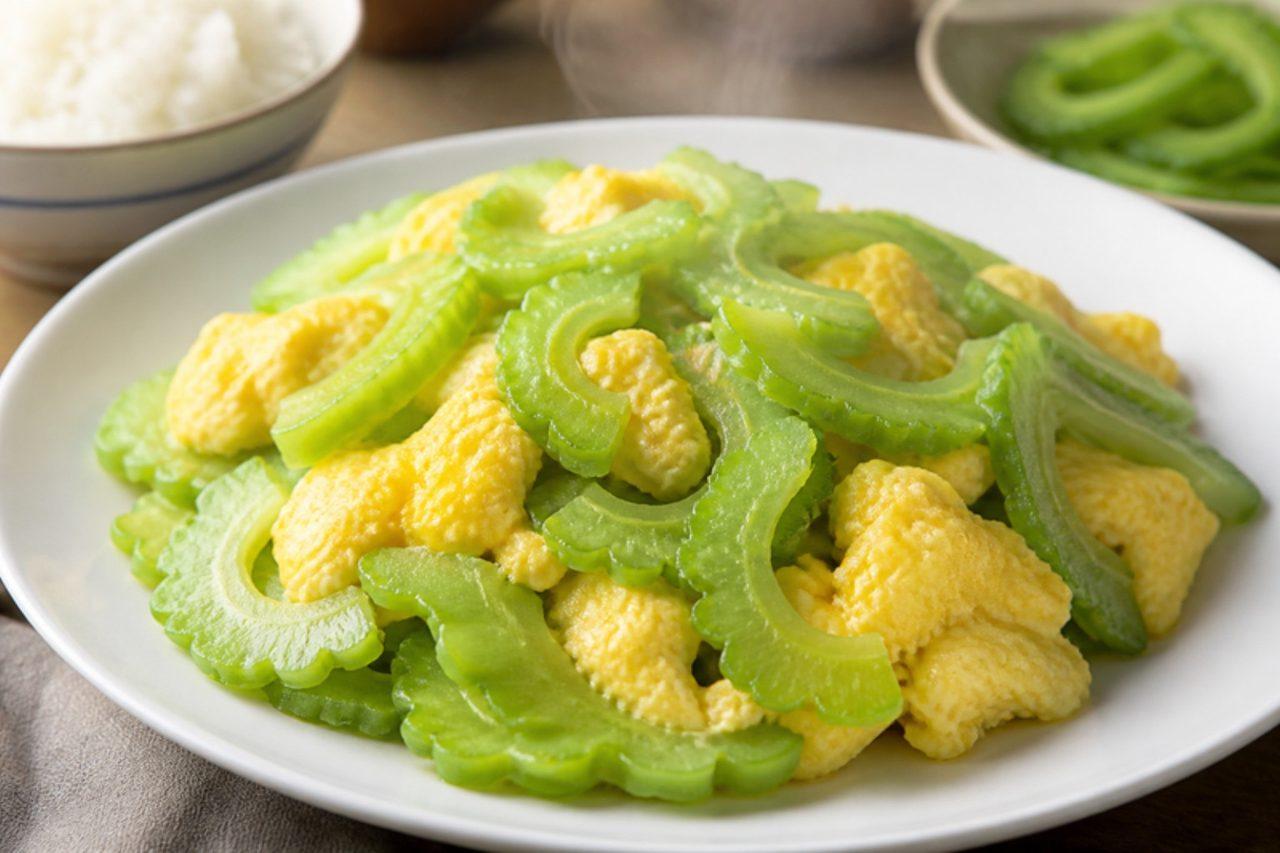
Kugua chao danBitter melon with egg

In the humid summers of Guangdong and Fujian, bitter melon is eaten for its "cooling" quality, and kugua chao dan is the gentlest way to learn to love it: thin slices of the ridged green gourd stir-fried until just tender, then folded into soft scrambled egg, which softens the bitterness. It is a classic dish of Cantonese home dinners, eaten with rice. Eggs are an allergen. A portion is about 140 kcal. The most common mistake is not salting the melon; a 10-minute salt and squeeze draws out much of the bitterness. Chef's tip: scrape out every bit of the white pith inside the melon with a spoon; that is where most of the bitterness lives.

by KrazyBadal 0 views

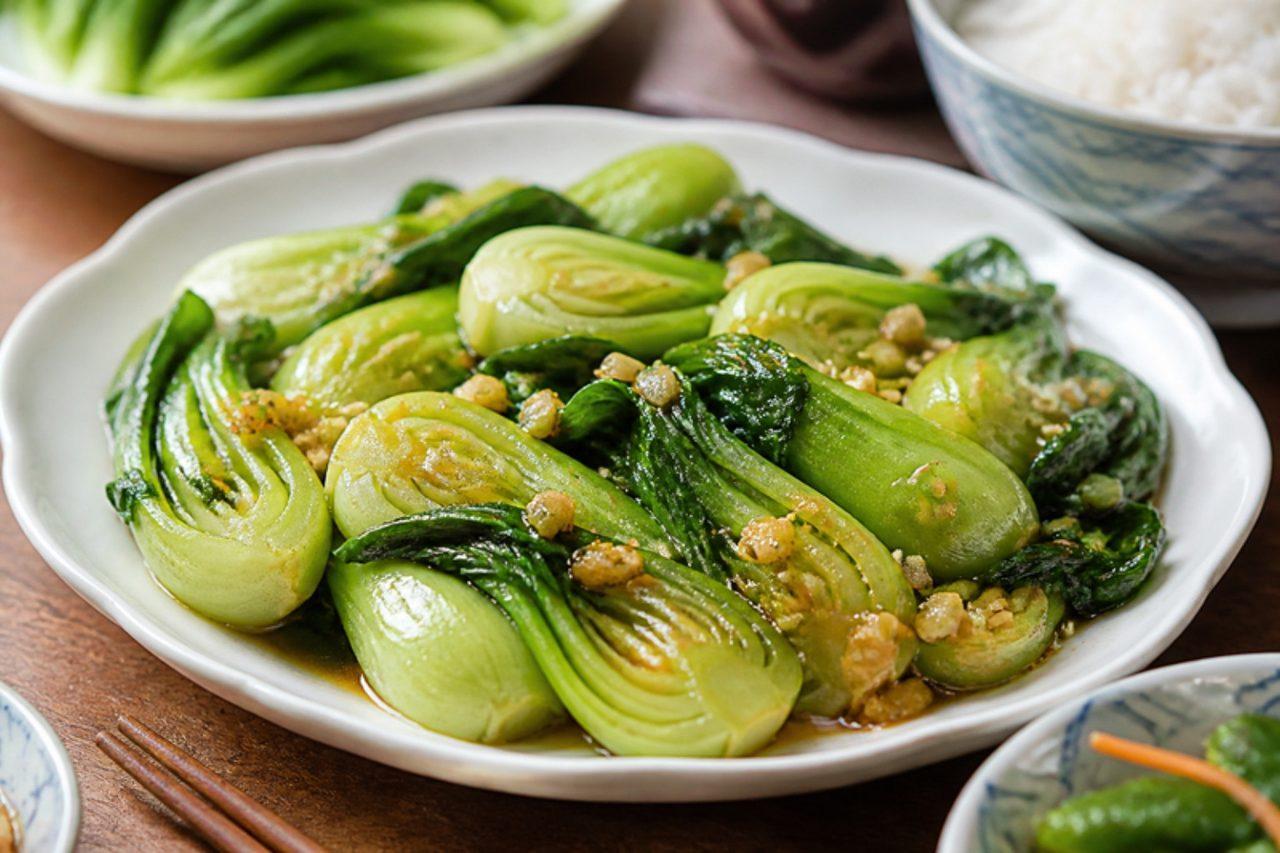
Garlic bok choy

Order a plate of greens in any home kitchen or small restaurant in Guangzhou or Shanghai and it will most likely be this: baby bok choy or xiao bai cai tossed in a smoking wok with a heap of chopped garlic, a pinch of salt and a splash of water, on the table in four minutes. The stems stay juicy and crisp, the leaves silky, and the garlic sweet. It goes with every meal. A portion is about 50 kcal. The most common mistake is a wet, crowded wok, which stews the greens to khaki; dry them well and cook in batches if your pan is small. Chef's tip: add half the garlic at the start and half at the end; you get both mellow, toasty garlic and a fresh punch.

by KrazyBadal 0 views

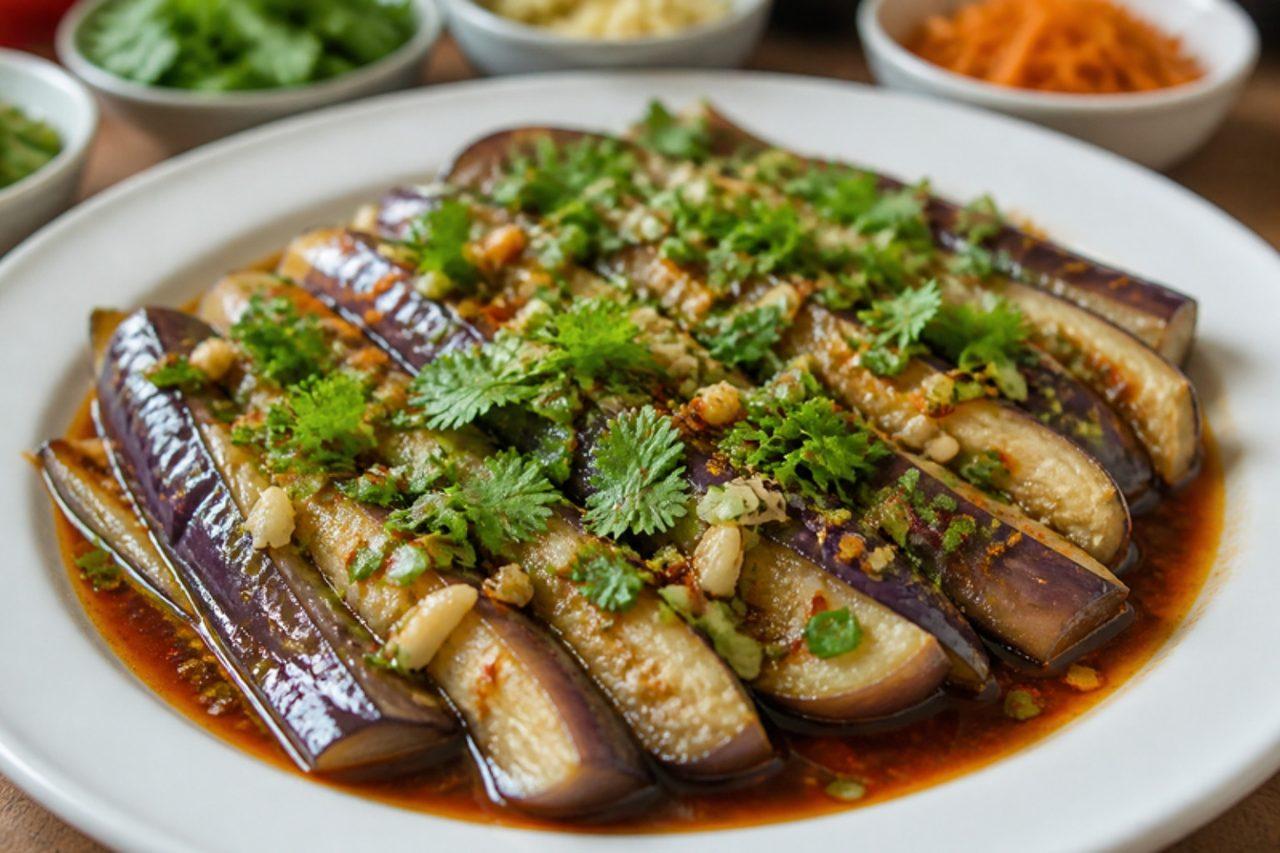
Garlic steamed eggplant

Fried eggplant soaks up oil like a sponge; Chinese home cooks in Sichuan and across the north get round it by steaming long purple eggplants until creamy, then pouring over a sharp dressing of pounded raw garlic, soy, black vinegar and a little chilli oil. It is served warm or cool as a summer side with rice or noodles, and it takes almost no oil at all. A portion is about 70 kcal. The common mistake is steaming them whole, which leaves the centres hard; cut them into fingers first so they cook evenly. Chef's tip: steam the strips skin side up; the purple colour stays brighter and the flesh doesn't go grey.

by KrazyBadal 0 views

Showing 24 of 485 recipes

Show more recipes

Page 1 of 21