Skip to content
Recipes

All recipes

Vegetarian, or something you can't eat? Set your diet once and we'll hide recipes that don't fit.

Pajagua mascadaBeef and cassava patties

Pajagua mascada is a Paraguayan street-food classic that appears on every table for the San Juan festival on 24 June, when bonfires burn and the night is full of games and traditional food. Minced beef is mixed with mashed cassava, onion, garlic and a little egg and flour, shaped into flat patties and fried until crisp. The name comes from Guaraní and refers to the 'chewing' of old Paraguayan cooks, who made it from leftover meat. Chef's tip: dry the boiled cassava well and remove its woody core, which keeps the patties light and crunchy.

by KrazyBadal 0 views

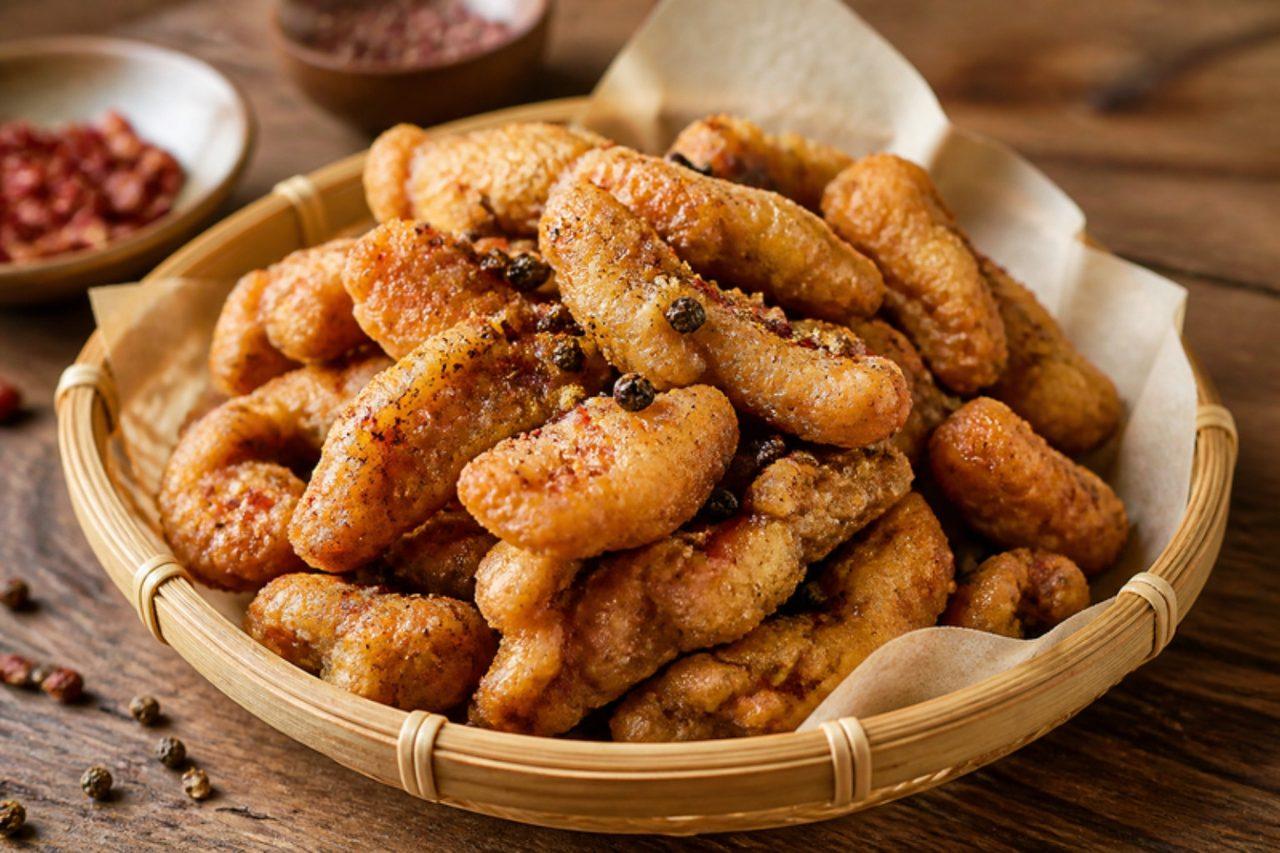
Xiao su rou (Sichuan crispy fried pork)

In Sichuan and Henan, the smell of xiao su rou frying is how many families know the Spring Festival is close: big batches of pork strips are fried before New Year, eaten hot as a snack and kept to drop into soups and hotpots over the holiday. Fried food at New Year speaks of a full kitchen and a golden year, and there is always a bowlful for children sneaking past the stove. The batter is made with egg and sweet potato starch, so it fries up light and crackly, while the pork inside stays juicy and tingles with Sichuan pepper. Serve hot with a dip of chilli powder and salt, or add to a winter broth with cabbage. Chef's tip: fry twice; the first fry cooks the pork, the second hotter fry makes the crust shatter.

by KrazyBadal 0 views

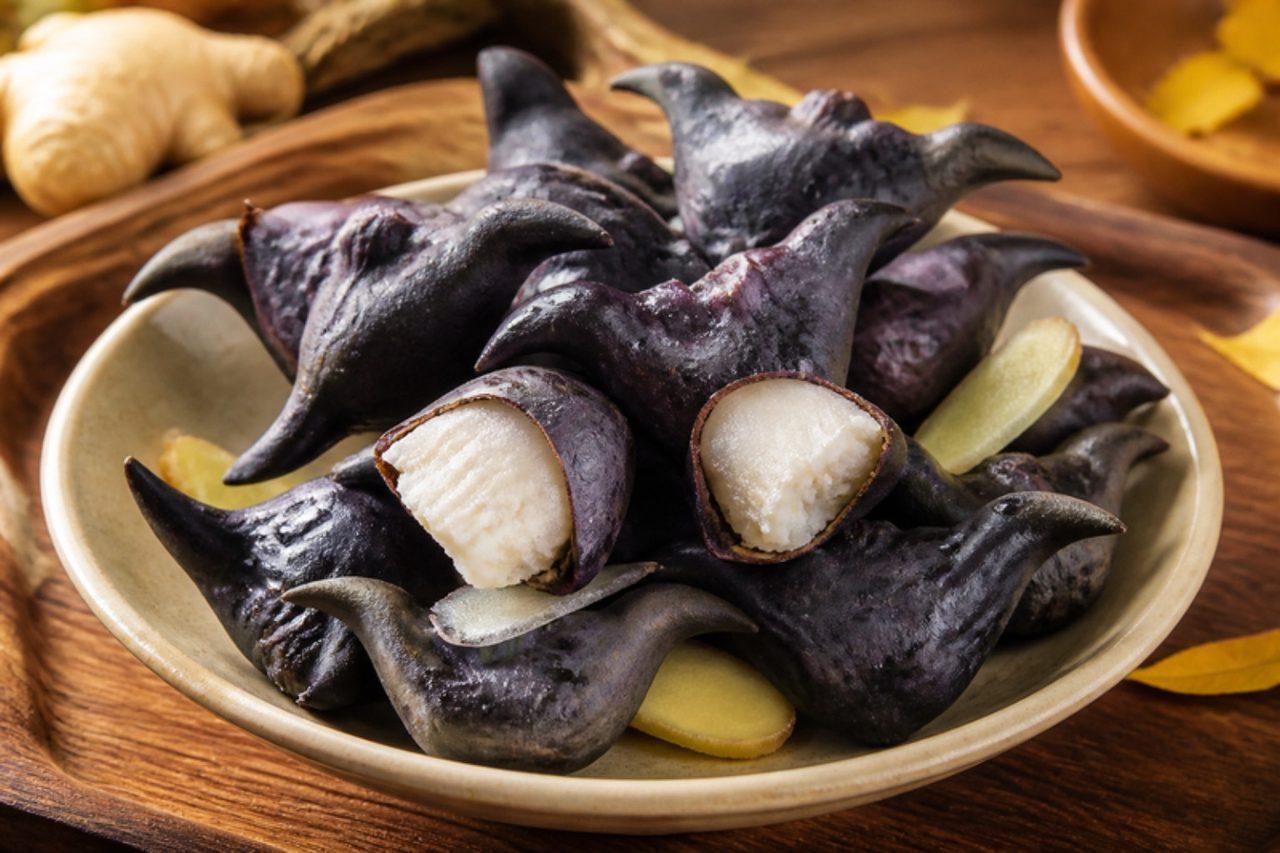
Boiled water caltrops (zhu lingjiao)Boiled water chestnuts in shell

Boiled water caltrops are a Mid-Autumn snack in Jiangnan and Guangdong, piled on the table beside mooncakes and pomelo while the family waits for the moon. The dark, two-horned nuts are harvested in autumn, and their name, ling, sounds like the word for clever, so children are told to eat them to grow bright; some families also say the shape looks like a bat, a symbol of good fortune. Inside the shell the white flesh is floury and sweet, much like a chestnut. Serve them warm in a big bowl with tea and the rest of the moon-watching snacks. Chef's tip: buy them fresh in autumn from Chinese grocers and always cook them through; never eat water caltrops raw, as they grow in ponds and can carry parasites.

by KrazyBadal 0 views

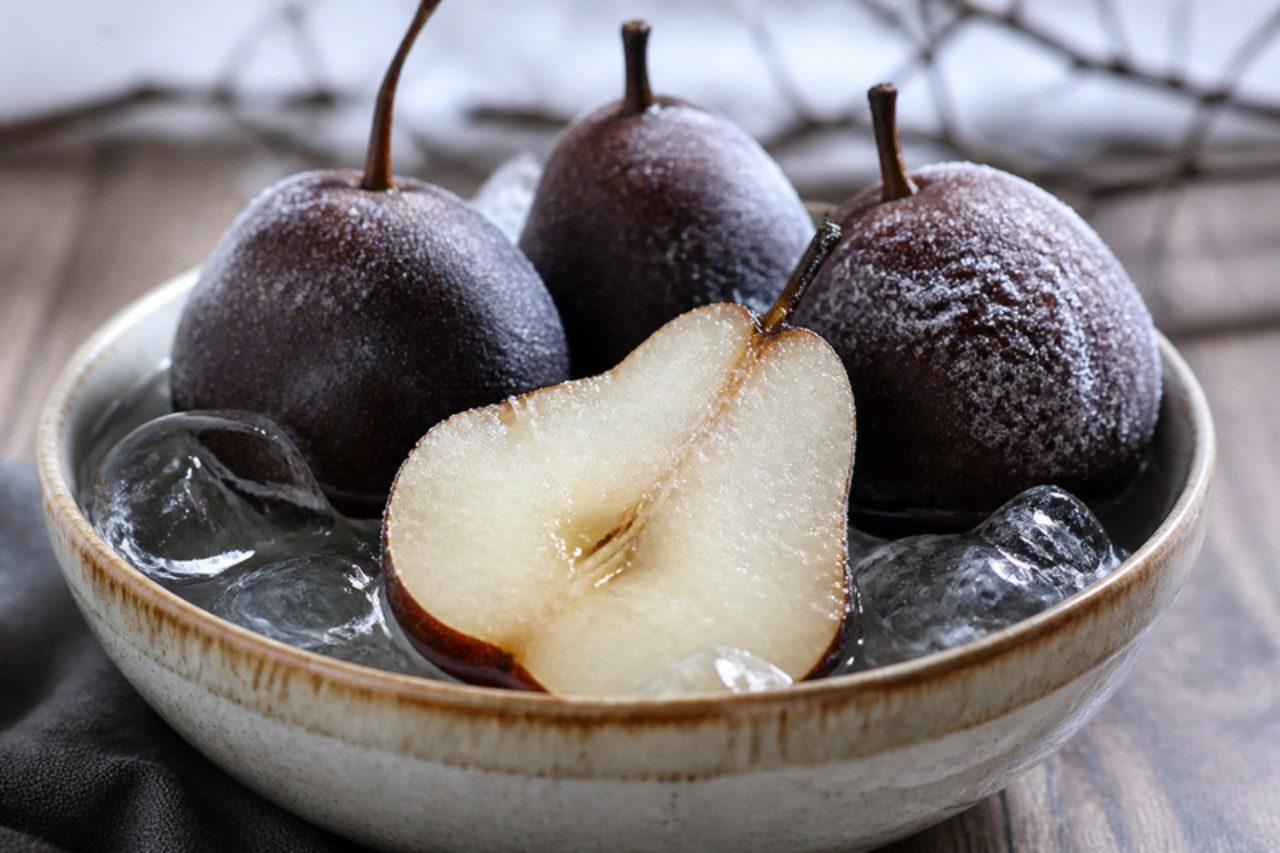
Dong li (Dongbei frozen pears)

In Dongbei, China's far north-east, winter temperatures fall so low that pears left outside freeze rock hard and turn glossy black, and a bowl of dong li thawing in cold water is part of every Spring Festival. They are eaten after the rich New Year's Eve dumplings and meats: cold, very sweet and full of juice, said to soothe a throat dry from heated rooms and to bring a clear, fresh start to the year. Freezing breaks down the flesh so it becomes soft and almost slushy, with a flavour like pear sorbet. You can recreate them in a home freezer; serve them as they are in small bowls, with spoons and napkins. Chef's tip: thaw them in cold water, never warm; the cold water pulls the frost out slowly and leaves an ice shell that cracks away cleanly.

by KrazyBadal 0 views

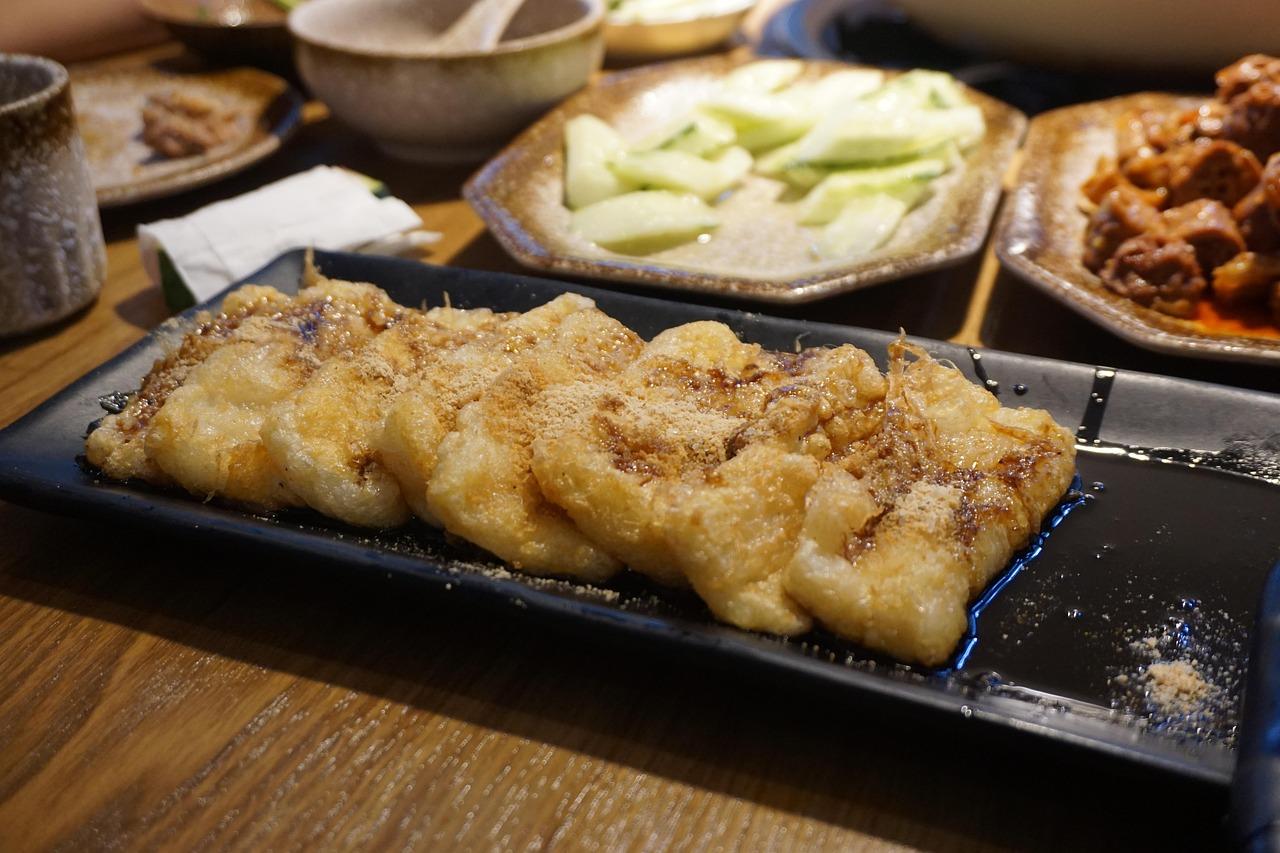
Hong tang ciba (brown sugar glutinous rice cakes)

Pounded glutinous rice cakes are a Spring Festival essential in Sichuan and Chongqing, where 'ci' sounds like a wish for the family to stay close, as stuck together as the rice itself. Fried and drowned in brown sugar syrup, they turn into hong tang ciba, a dessert that closes many reunion dinners and hotpot nights. Outside they are puffed and crackly, inside soft and stretchy, and the dark syrup and nutty soybean flour make every bite taste like toffee. This home version steams a glutinous rice flour dough instead of pounding whole grains, which gives the same chew in far less time. Serve straight from the pan while still crisp. Chef's tip: let the steamed slab cool and firm up completely before cutting; warm dough smears and bursts in the oil.

by KrazyBadal 0 views

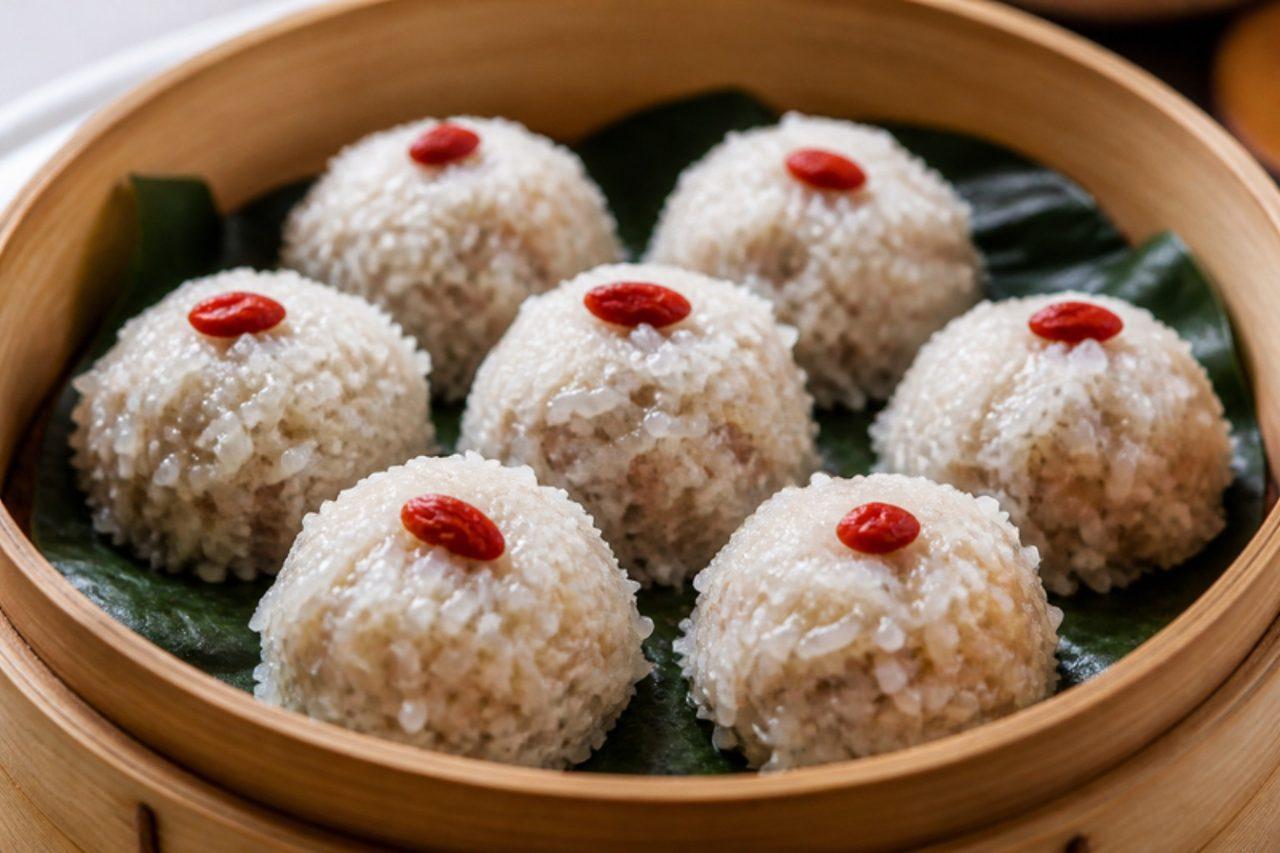
Zhenzhu wanzi (pearl meatballs)

Pearl meatballs come from Mianyang in Hubei, where they are a fixture of the Spring Festival banquet: round shapes stand for a family gathered whole, and the gleaming grains of rice for pearls and wealth. Steaming turns the glutinous rice coating translucent and slightly chewy, while the pork inside stays tender and juicy, with crunch from water chestnuts. They are mild and soft, so children love them, and they look beautiful on a steamer of mixed dim sum or as one of the many dishes at the reunion dinner. Tamari keeps them gluten free; ordinary light soy sauce works if that does not matter to you. Chef's tip: beat the pork in one direction until sticky before shaping; it keeps the meatballs bouncy and stops the rice from falling off.

by KrazyBadal 0 views

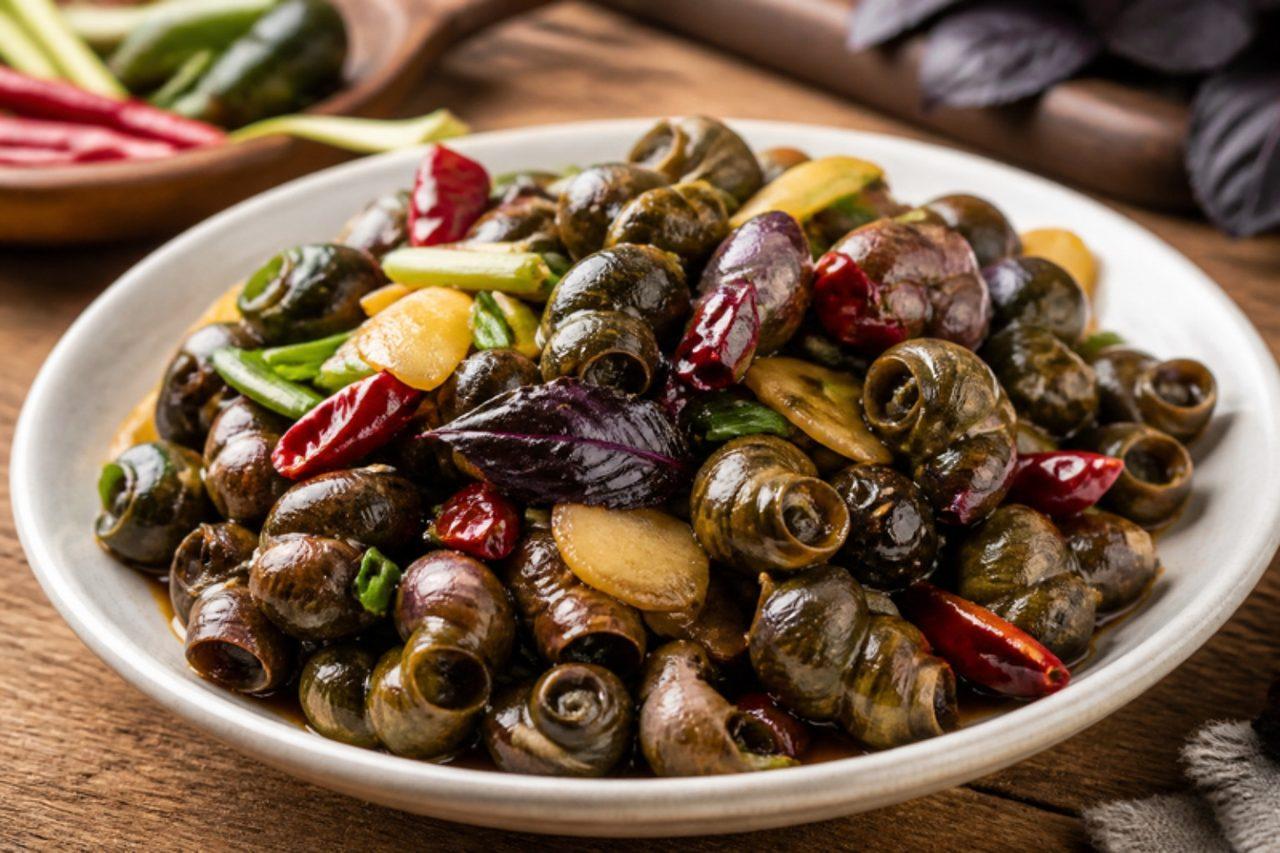
Qingming river snails (luosi)Stir-fried river snails with ginger

In Jiangnan, around Shanghai, Suzhou and Hangzhou, river snails are eaten in the weeks before Qingming, the spring tomb-sweeping festival, when they are said to be at their plumpest because they have not yet bred; an old saying claims a plate of Qingming snails is worth a whole goose. They are part of the spring table that marks renewal and the season's first good food. This home version uses frozen, ready-cleaned river snails in their shells, sold cooked in Chinese and Asian grocers, not live snails, and cooks them until piping hot right through. The sauce is savoury, gingery and a little hot, and the fun is in sucking the tender meat from each shell. The classic sauce has Shaoxing rice wine; for an alcohol-free version use 1 tbsp unsalted stock with a few drops of rice vinegar. Serve with plain rice and a cold beer or tea, and toothpicks for the stubborn ones. Chef's tip: get the wok smoking before the snails go in, so the shells sear rather than stew.

by KrazyBadal 0 views

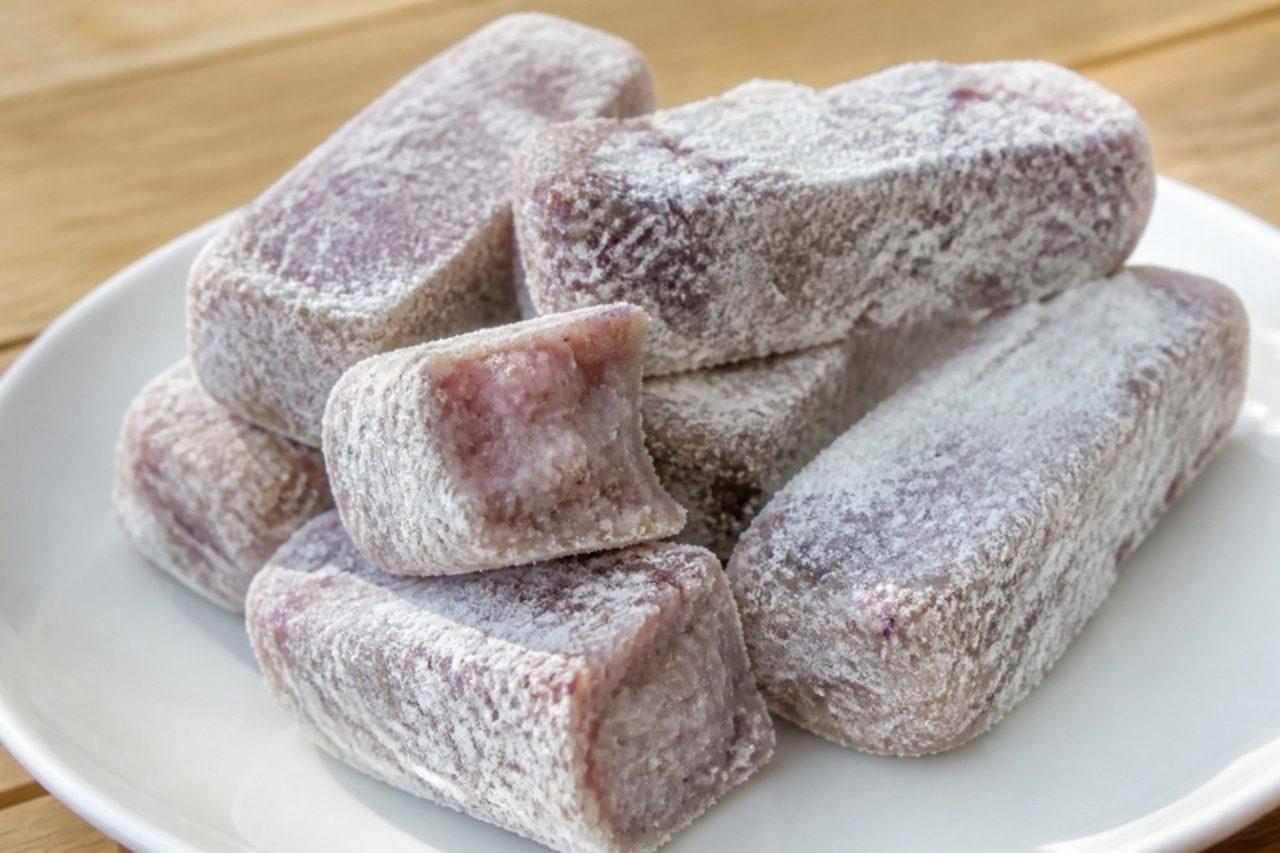
Fan sha yu tou (sugar-frosted taro)

Fan sha yu tou is a Chaoshan sweet from eastern Guangdong, made for Mid-Autumn, when taro is in season and set out with the moon offerings; the round harvest corms stand for a full year and a family gathered together. Taro sticks are fried until fluffy, then tossed in syrup that 'turns to sand', crystallising into a crisp white crust. Each piece is crunchy and sugary outside and soft and starchy inside. Serve warm or at room temperature with strong Chaozhou gongfu tea, which cuts the sweetness. Chef's tip: wear gloves when peeling raw taro; its juice makes skin itch.

by KrazyBadal 0 views

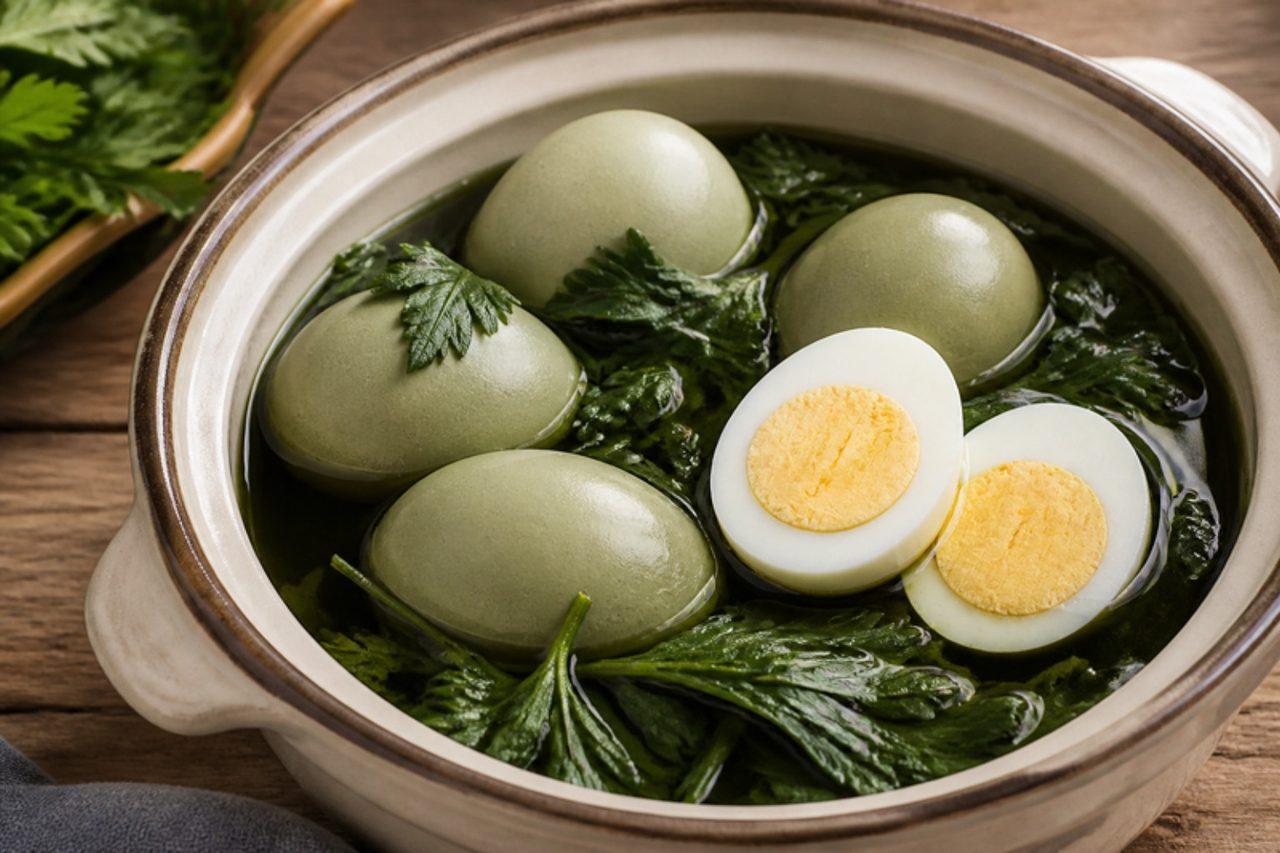
Duanwu mugwort eggs (aiye zhu jidan)Eggs boiled in mugwort water

On the morning of the Dragon Boat Festival, families in Hubei and Hunan hang bundles of mugwort by the door and boil eggs in a pot of the same herb. Mugwort is believed to drive away illness as the hot, damp summer begins, so an egg cooked with it is a small wish for good health, often eaten before breakfast and tucked into children's pockets in little woven nets. The whites take on a pale green-tan tint and a gentle, grassy, slightly bitter aroma, while the yolks stay rich. Serve with zongzi and a cup of tea. Fresh mugwort is sold in Chinese grocers around the festival; otherwise use dried mugwort leaves (ai ye) from a Chinese herbal shop. If you are pregnant, check with your doctor before eating herbal mugwort. Chef's tip: crack the shells gently once the eggs are cooked and let them steep, so the mugwort colour seeps into a pretty marbled pattern.

by KrazyBadal 0 views

Ba bao la jiang (eight-treasure chilli sauce)

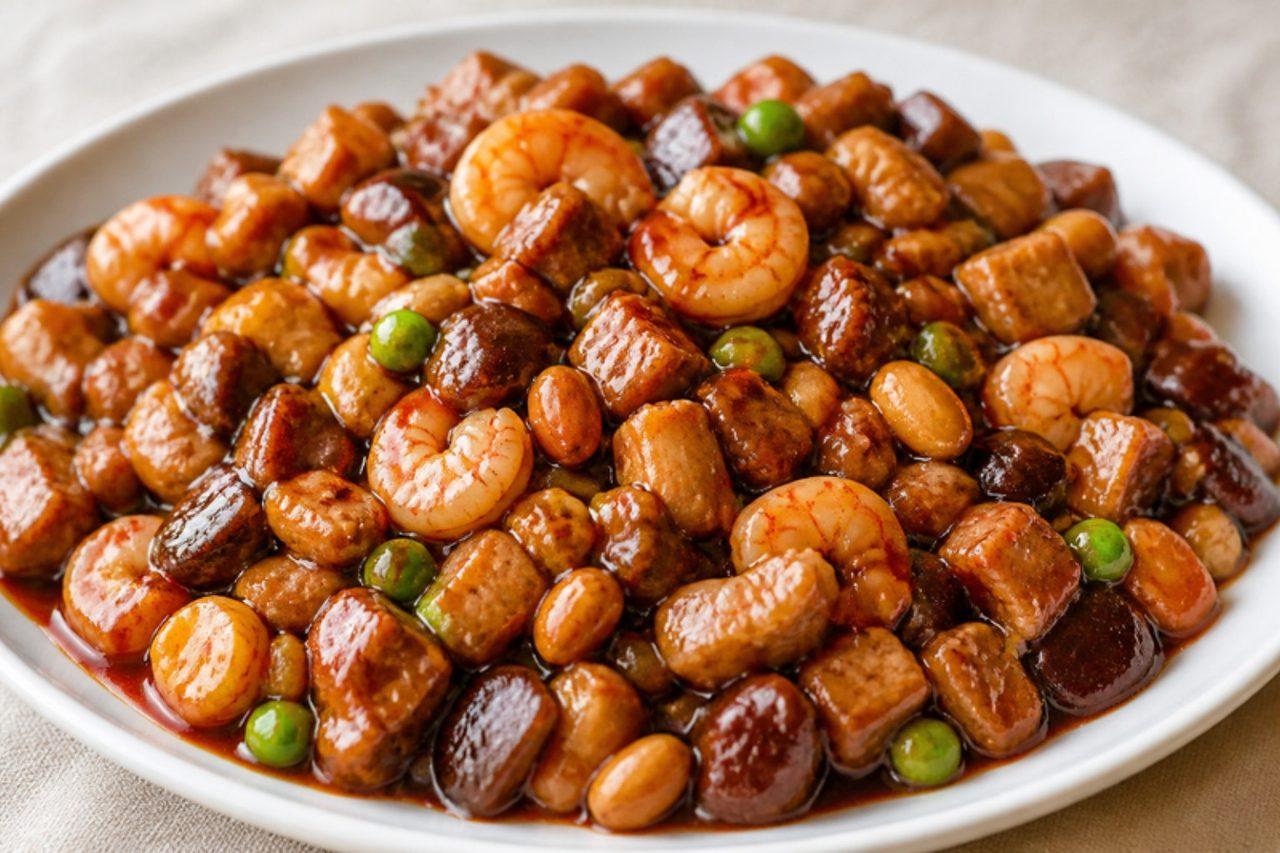
Ba bao la jiang, 'eight-treasure chilli sauce', is a Shanghai banquet dish brought out for the Spring Festival, when eight is the luckiest number and eight different 'treasures' in one bowl wish the table eight kinds of good fortune. Diced pork, prawns, pressed tofu, bamboo shoots, mushrooms, peanuts and green peas are cooked separately and brought together in a thick, glossy sauce of sweet bean paste and chilli: sweet first, then gently hot, with every bite a different texture. The classic recipe adds a spoonful of Shaoxing wine; for an alcohol-free version, use the same amount of unsalted stock with a few drops of rice vinegar. Serve with plenty of plain rice. Chef's tip: dice everything to the same 1 cm size so each spoonful catches a bit of every treasure.

by KrazyBadal 0 views

Qiaoguo (Qixi fried pastries)Sesame sugar fried dough knots

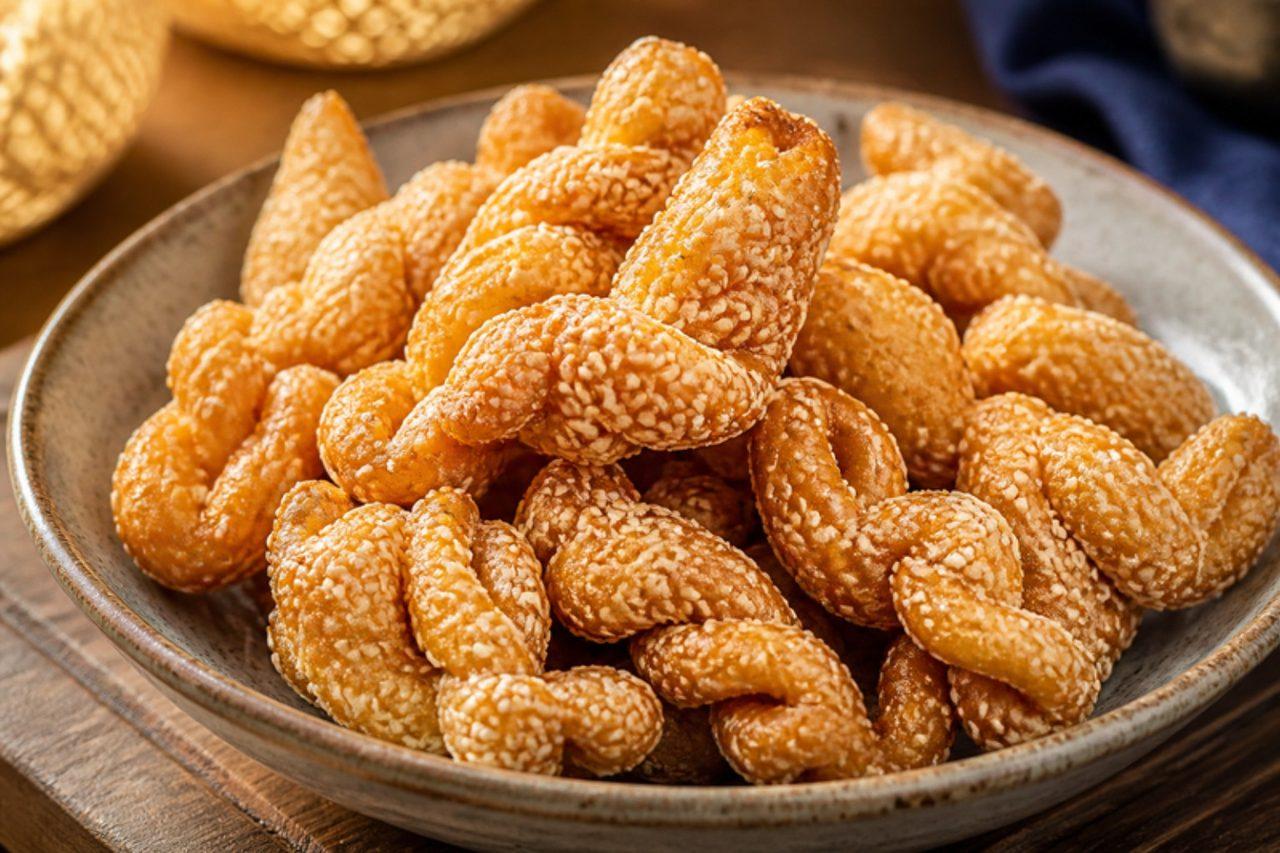
Qiaoguo, 'skill fruits', are fried for Qixi on the seventh night of the seventh lunar month in Zhejiang and Jiangsu. The festival celebrates the Weaver Girl and the Cowherd, the star-crossed lovers who meet once a year, and girls once set out these pastries and asked the Weaver Girl to make them clever with their hands; the neat twists and cut-out shapes show off that skill. They are crunchy, lightly sweet and toasty with sesame, like a delicate biscuit. Serve a plate under the evening sky with tea, melon and fruit. Chef's tip: roll the dough thin, about 2 mm; thicker pieces stay hard in the middle instead of crisp.

by KrazyBadal 0 views

Krathong thong (crispy golden cups with chicken)

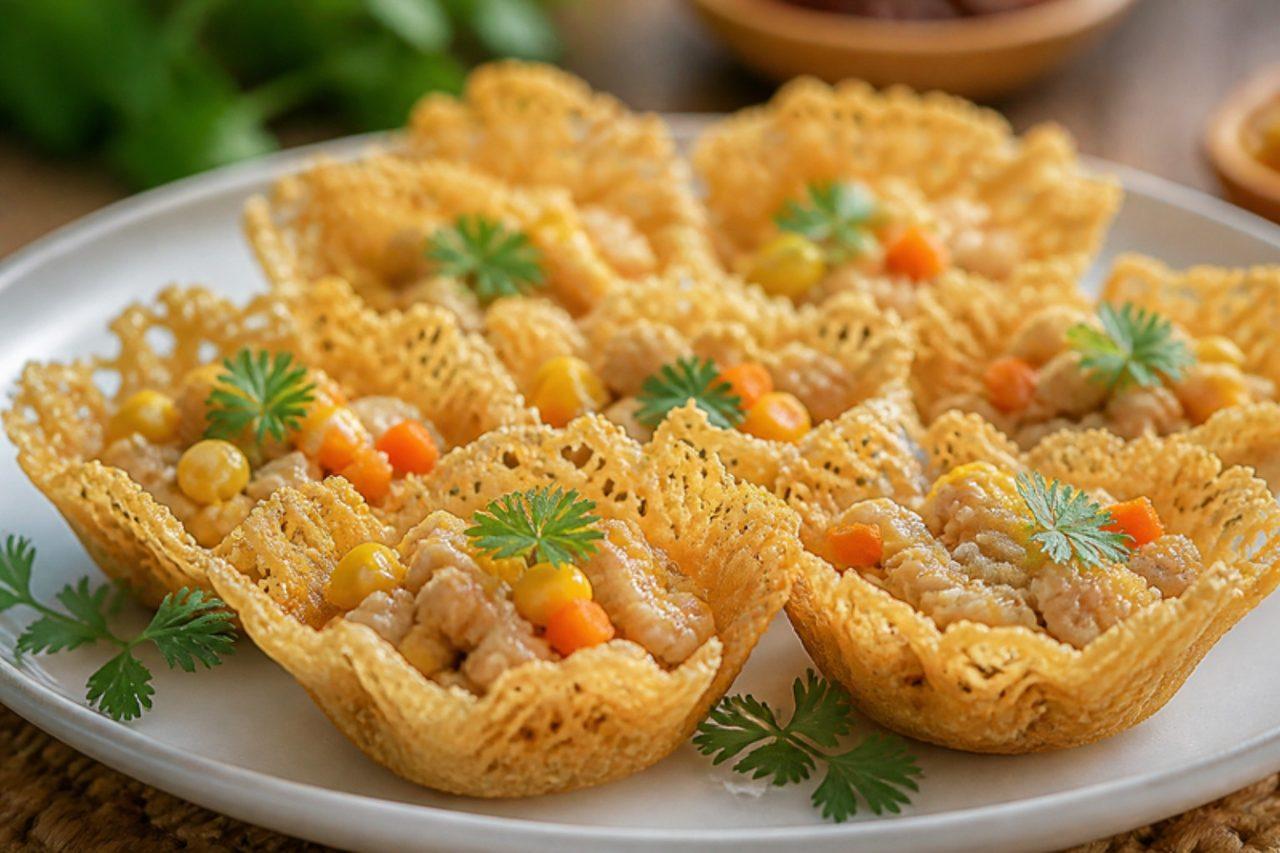
Krathong thong, "golden baskets", are named after the little floating krathong set on the rivers at Loy Krathong in Central Thailand, and their golden colour makes them a party bite for wishing wealth at festivals and New Year gatherings. A thin rice-flour batter is fried on a hot flower-shaped mould into crisp, delicate cups that shatter at the first bite. The filling is minced chicken cooked with sweetcorn, carrot, garlic and a little sugar, so it is gently sweet and savoury, which children love. Serve them as a starter with a sweet chilli dip, filling the cups just before serving so they stay crisp. Chef's tip: the cups keep for a week in an airtight tin, so fry them a day ahead and only cook the filling on the day.

by KrazyBadal 0 views

Ruyi cai (soybean sprout stir-fry)

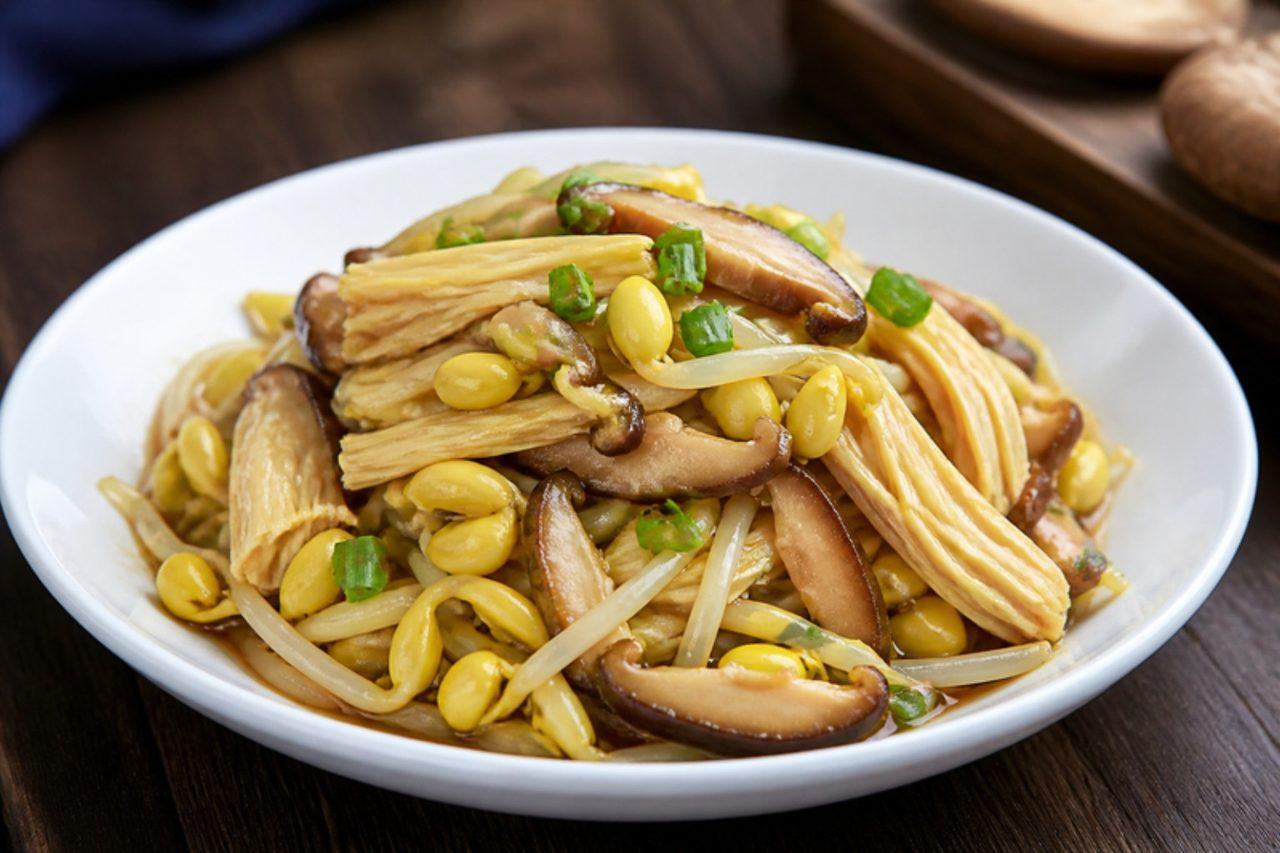
A curled soybean sprout, with its fat yellow head and long tail, looks just like the ruyi sceptre whose name means 'as you wish', so in Shanghai and the Jiangnan region no Spring Festival table is complete without a dish of ruyi cai. It is the gentle, crunchy counterweight to the braised pork and fish of the reunion dinner: nutty sprouts, chewy strips of tofu skin and meaty shiitake in a light soy glaze. Many families cook a big batch on New Year's Eve and eat it cold for days. Serve it with rice, alongside red-braised dishes or as part of a vegetarian New Year spread. Chef's tip: cook the sprouts until the beany raw taste is gone; undercooked soybean sprouts taste grassy and are hard to digest.

by KrazyBadal 0 views

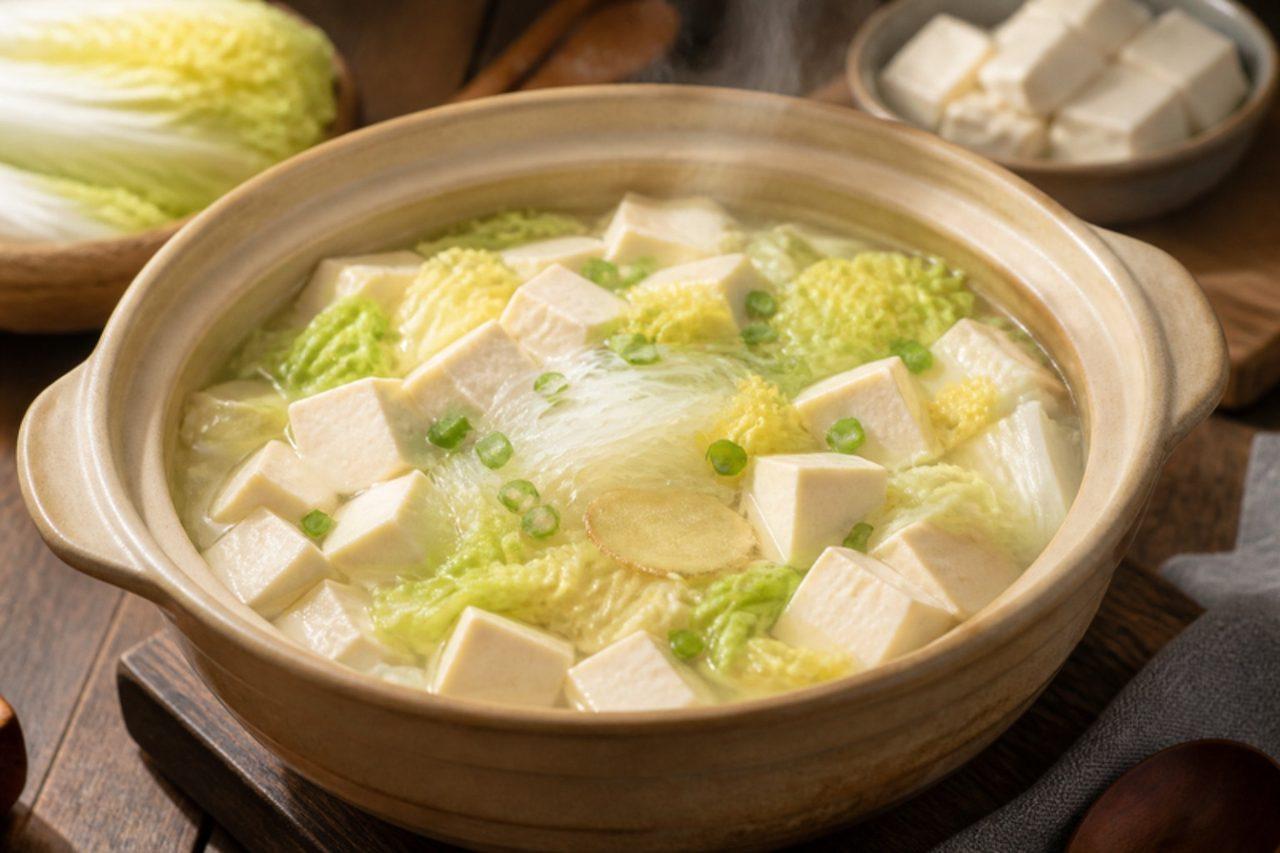
Baicai dun doufuCabbage and tofu stew

In Beijing, Shenyang and Harbin, napa cabbage is stored by the hundredweight for winter, and this gentle stew of cabbage and tofu is what many families eat on a cold evening with steamed buns or rice. The cabbage softens and sweetens into the broth, while the tofu turns silky and swells with flavour; ginger and white pepper give it warmth. Salt is the only seasoning, so it stays gluten free. Each portion has about 230 kcal and roughly 21 g of protein, from 150 g of firm tofu. The common mistake is adding all the cabbage at once: the leaves overcook while the thick stems stay crunchy. Chef's tip: fry the cabbage stems in the oil until their edges brown before adding water; it gives the broth a sweet, toasty depth.

by KrazyBadal 0 views

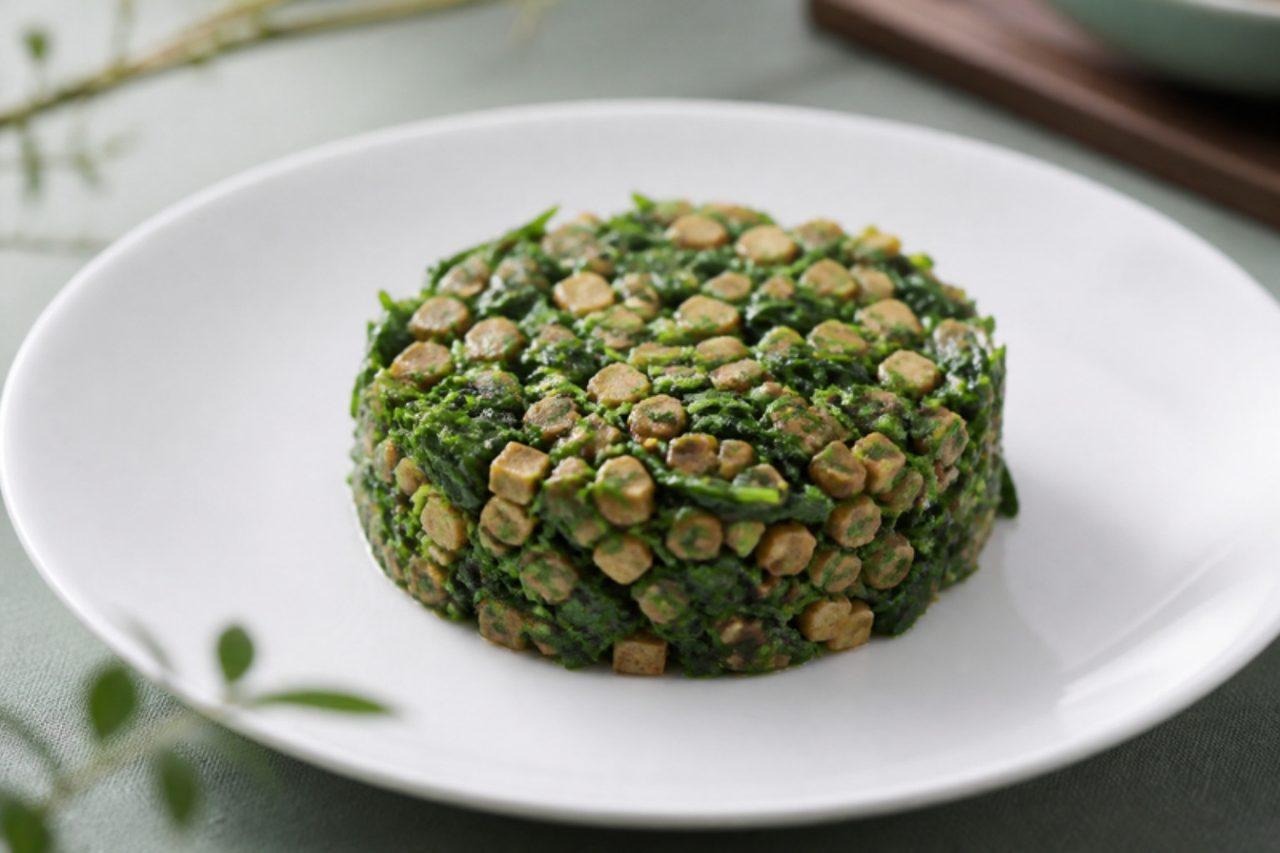
Malan tou with pressed tofuAster greens and pressed tofu salad

When the first malan tou shoots appear in Shanghai, Suzhou and Hangzhou markets in early spring, families make this little cold dish to start a meal: the tender aster leaves are blanched, chopped very fine and mixed with diced smoked pressed tofu, salt, a pinch of sugar and sesame oil. It tastes grassy, nutty and clean. Malan tou can be hard to find outside China; young spinach or shepherd's purse works well. As a side dish for four, each portion has about 120 kcal and roughly 9 g of protein, from the pressed tofu, so it is light rather than high in protein. The common mistake is leaving the greens wet, which dilutes the dressing; squeeze them hard. Chef's tip: press the mixture into a small bowl and turn it out onto the plate for the traditional neat mound.

by KrazyBadal 0 views

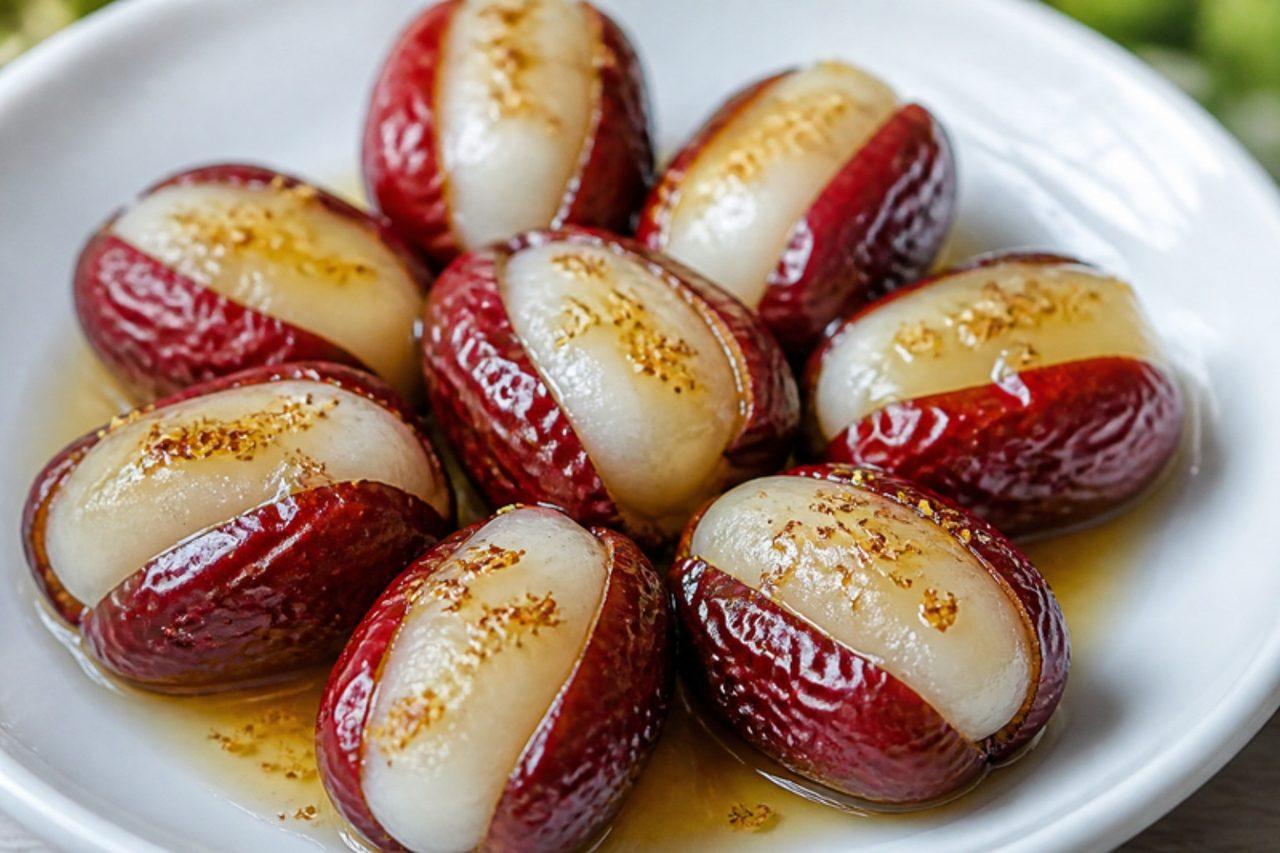
Xin tai ruan (心太软, jujubes stuffed with sticky rice in osmanthus syrup)Sticky rice-stuffed red dates

Xin tai ruan, 'the heart is too soft', is a small sweet plate found in restaurants all over Jiangsu and Zhejiang, often served as a starter or between courses at banquets, and it is especially popular in the cold months when jujubes are said to warm the body. Dried red dates are pitted, stuffed with a little glutinous rice dough, steamed and then glossed with syrup scented with sugared osmanthus flowers. Each bite is chewy, then soft, with the deep caramel taste of the dates and a floral finish. Serve warm or at room temperature with tea. It is naturally egg-free: glutinous rice flour and water make a dough that turns sticky and elastic when steamed, filling the dates and holding them closed. Chef's tip: the common mistake is cutting through the whole date when pitting; slit only one side so it stays in one piece and wraps the dough.

by KrazyBadal 0 views

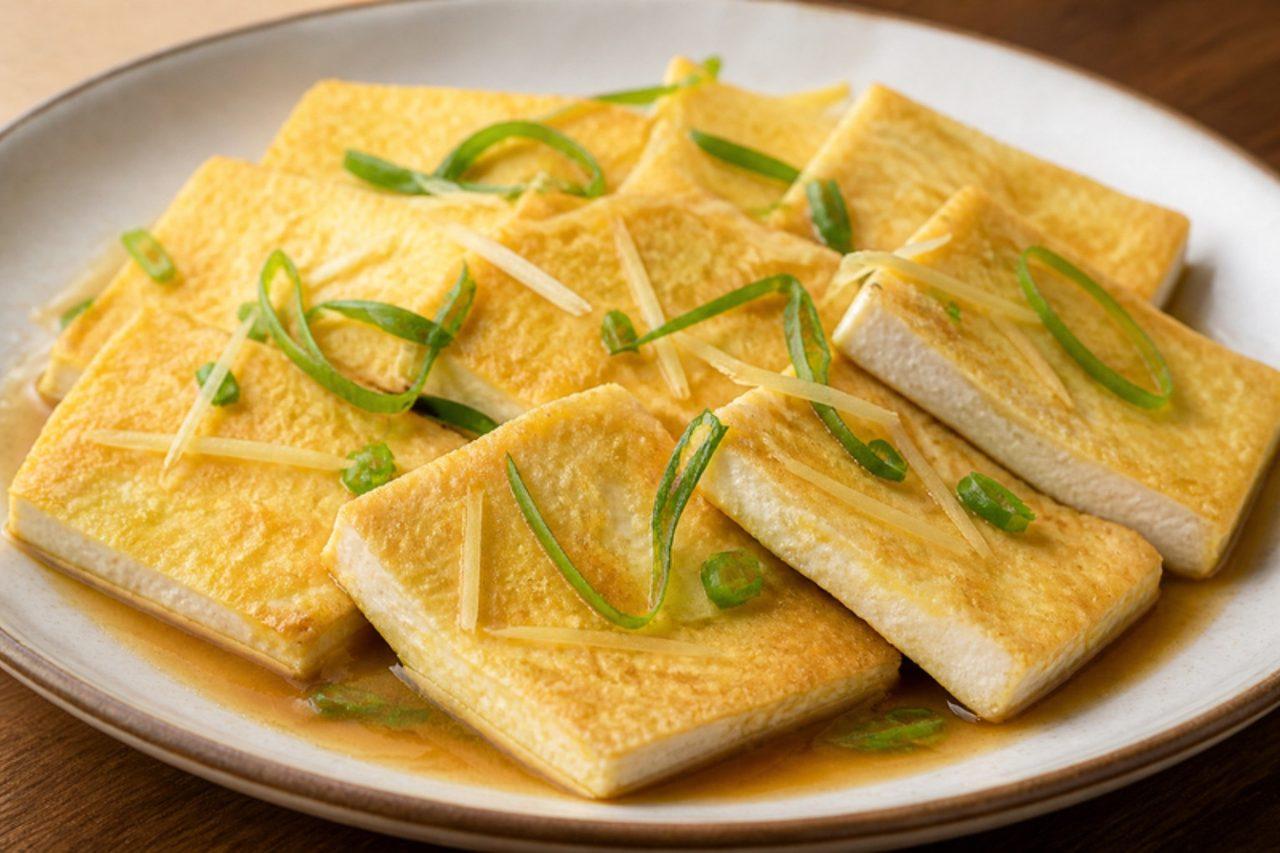
Guota doufuEgg-battered pan-fried tofu

Guota doufu comes from the Lu kitchen of Shandong, where guota means pan-fried and then simmered so the coating soaks up the sauce. It is a banquet dish in Jinan restaurants and a family favourite at home: tofu slices are dusted in flour, dipped in egg, fried golden, then simmered briefly in a savoury stock with ginger and spring onion until the eggy coating turns tender and juicy. This version uses vegetable stock and no cooking wine. A portion gives about 24 g of protein, from the tofu and eggs. The common mistake is too much stock, which turns the coating soggy and loose; add only enough to come halfway up the tofu. Chef's tip: shake off the excess flour well before the egg, or the coating peels away in sheets.

by KrazyBadal 0 views

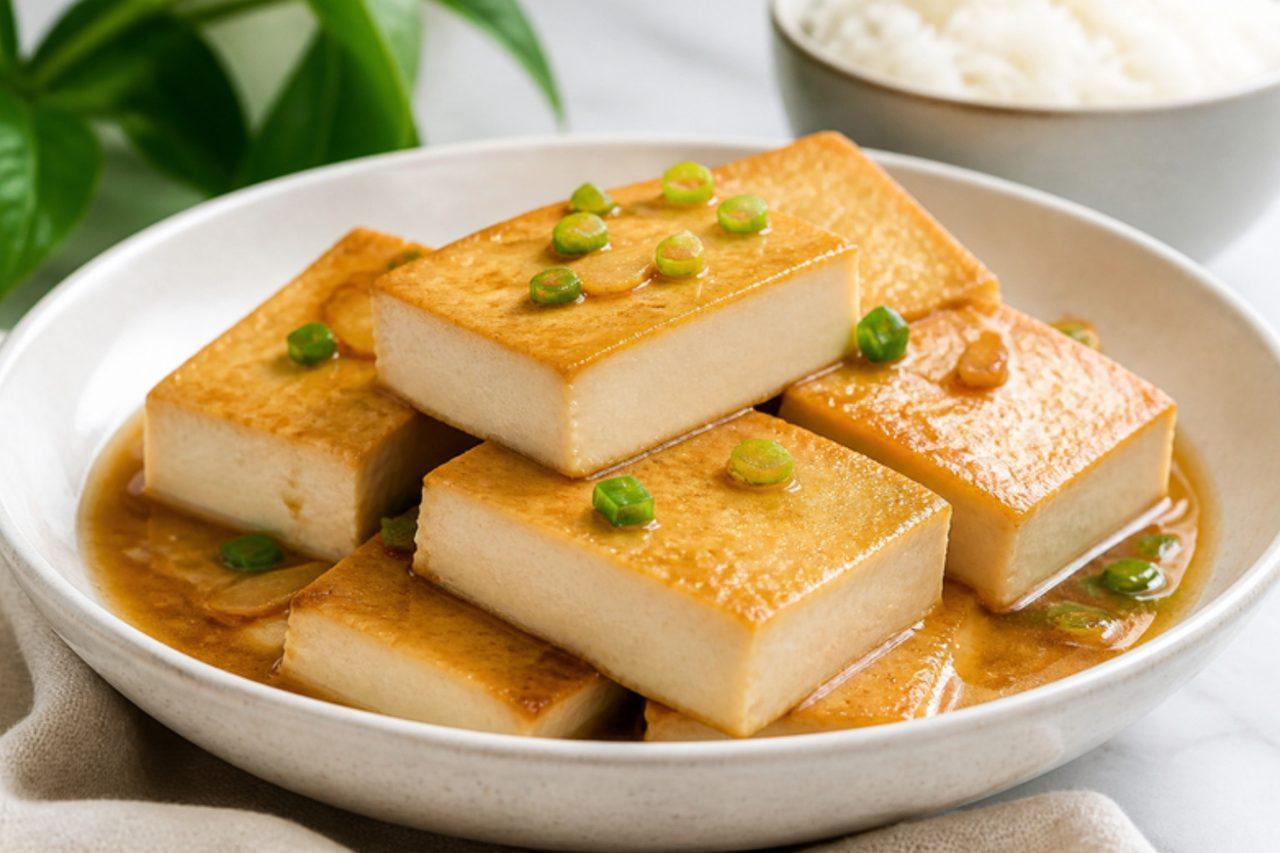
Hongshao doufuRed-braised tofu

Hongshao doufu is the meat-free cousin of red-braised pork, cooked in home kitchens from Shanghai to Sichuan as a weeknight dinner with rice and a green vegetable. Slices of firm tofu are fried until golden, then braised in a glossy, mahogany sauce of light and dark soy, a little sugar, ginger and spring onion until they turn sweet-salty and slightly chewy. This version skips the usual splash of Shaoxing wine. A portion gives about 26 g of protein, from 200 g of firm tofu each. The common mistake is moving the tofu too soon in the pan; leave it until it releases on its own, or it tears. Chef's tip: let the sauce reduce until it bubbles thickly and coats the back of a spoon; that is when the tofu is properly lacquered.

by KrazyBadal 0 views

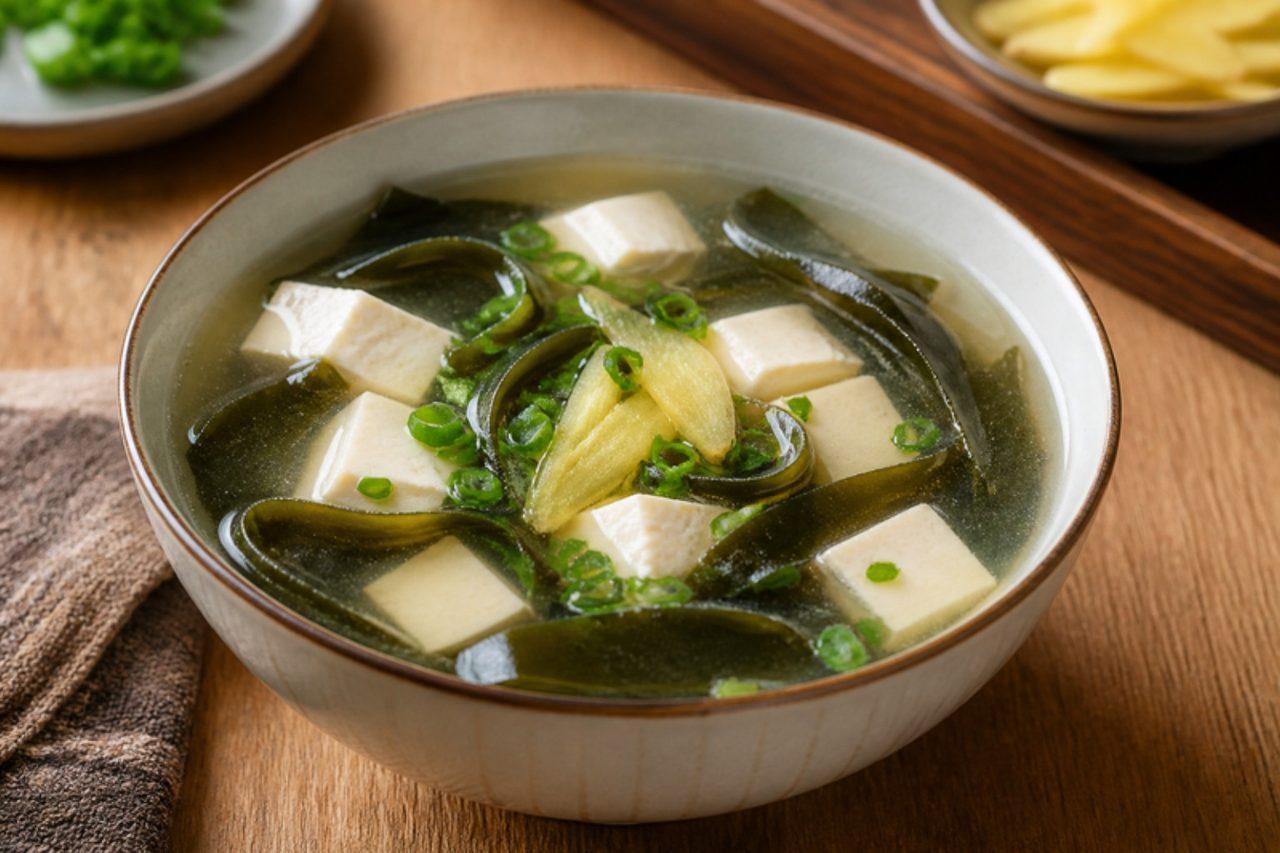
Haidai doufu tangKelp and tofu soup

Kelp and tofu soup is everyday drinking soup across China, ladled out at family dinners in Qingdao, Dalian and inland cities alike, and thought of as cooling and good for the body. Strips of kelp give a savoury sea flavour, cubes of soft tofu turn tender in the broth, and ginger, white pepper and spring onion keep it clean and warming. Each bowl has about 130 kcal and roughly 12 g of protein, from the tofu, so it is a light side soup rather than a high-protein meal. The common mistake is not rinsing dried kelp well: grit and the white salt bloom make the soup cloudy and harsh. Chef's tip: simmer the kelp first on its own for 10 minutes; it softens and seasons the water before the tofu goes in.

by KrazyBadal 0 views

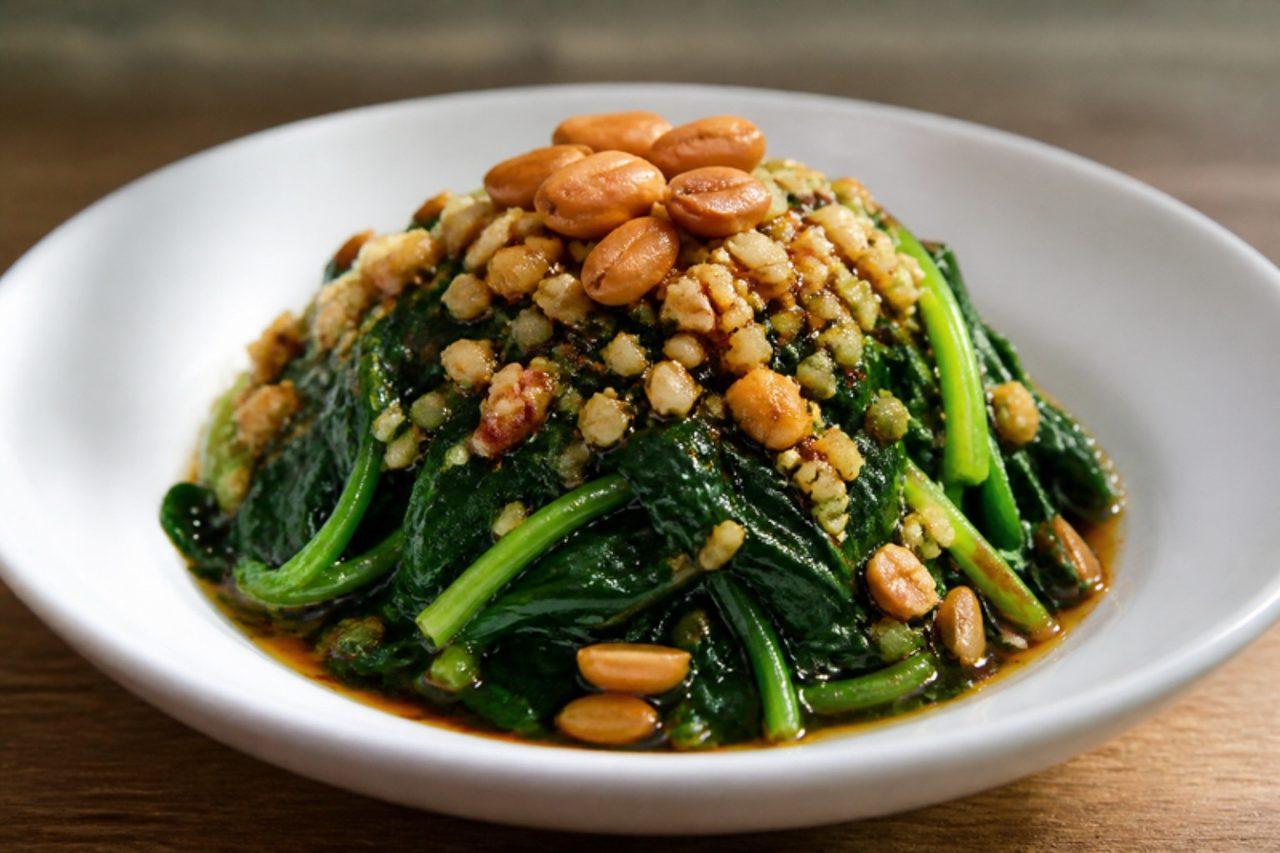
Liangban bocaiCold dressed spinach

Liangban bocai is one of the cold dishes that open a family meal or a restaurant banquet all over China, from Beijing homes to Sichuan noodle shops, and it is made year round but especially in spring when spinach is sweet. The spinach is blanched briefly, squeezed, and dressed with raw garlic, black vinegar, soy and toasted sesame oil, then scattered with crunchy peanuts; it is garlicky, tangy and fresh. A portion gives about 6 g of protein from the spinach and peanuts, so it is a side, good with rice and a tofu dish. The most common mistake is not squeezing the spinach dry, which drowns the dressing; press it firmly in your hands. Chef's tip: pour a spoonful of smoking-hot oil over the garlic before mixing the dressing; it takes the raw edge off and makes the whole dish smell wonderful.

by KrazyBadal 0 views

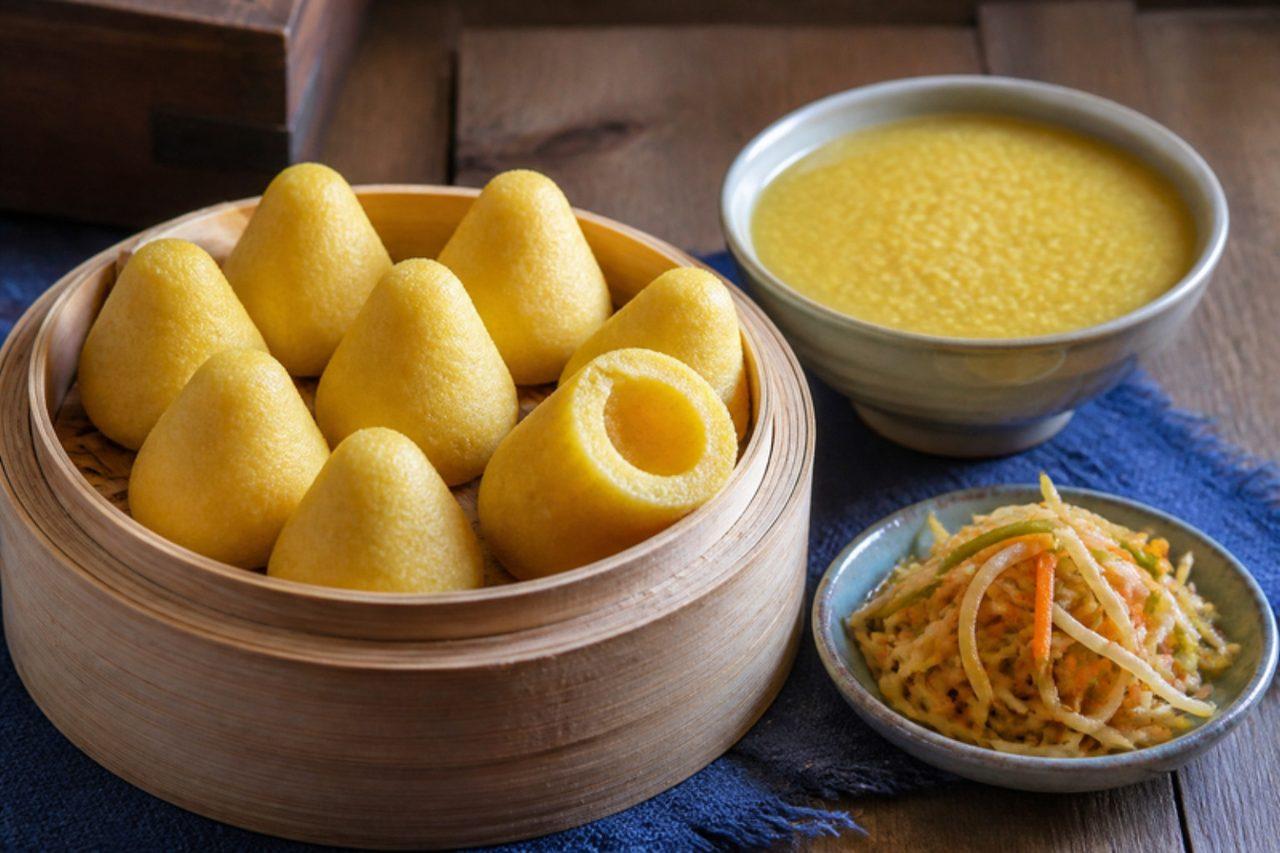
WowotouSteamed cornmeal cone buns

Wowotou are the little golden cones that fed northern China through hard decades, and Beijing restaurants now serve them, made small and slightly sweet, as nostalgic winter food alongside stews and pickles. A hollow is pressed into the base of each with a thumb so they cook through evenly. Soybean flour gives them a nutty taste and about 10 g of protein for three buns, from the soy and corn, so they are not high-protein on their own. They are gluten free if your cornmeal and soy flour are milled where wheat isn't; check the packet. The usual mistake is mixing with cold water: the dough stays crumbly and the cones crack, so scald it with near-boiling water. Chef's tip: wet your hands before shaping each cone; the dough won't stick and the surface steams smooth and shiny.

by KrazyBadal 0 views

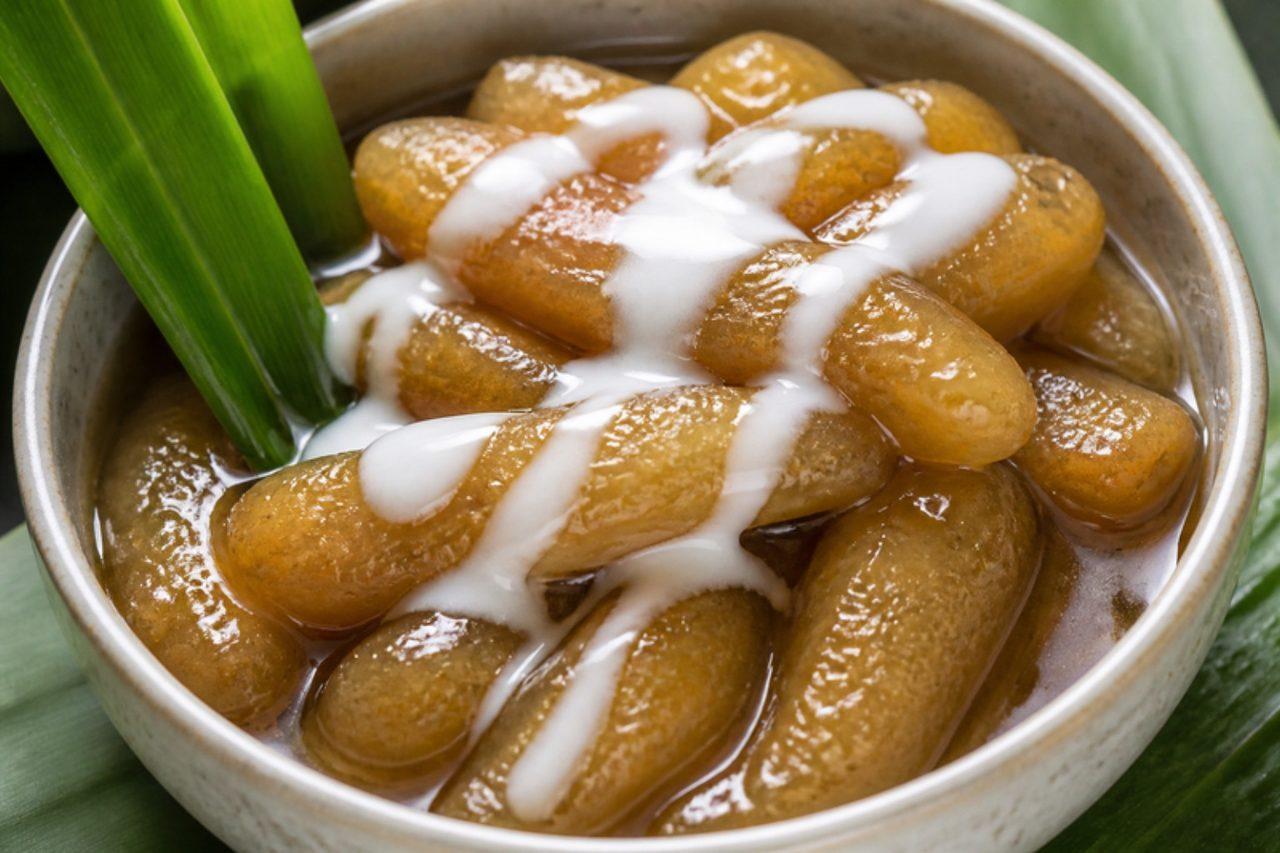
Kluay chuam (Thai bananas in palm-sugar syrup)

Kluay chuam is a market dessert of central Thailand, cooked in big brass pans and sold by the bag year round, and it is a common sweet to offer monks at merit-making. Small, starchy nam wa bananas are simmered slowly in palm-sugar syrup until they turn translucent and amber, soft and chewy rather than mushy, then served with thick, salty coconut cream poured over. The flavour is deep caramel and banana, cut by the salt. Serve at room temperature in small bowls. Being egg-free by nature, it relies on the long simmer in syrup firms the bananas and a little rice flour thickens the coconut topping. Chef's tip: keep the syrup at the gentlest simmer and don't stir; the common mistake is a fast boil and a spoon, which break the bananas before they have time to turn glassy.

by KrazyBadal 0 views

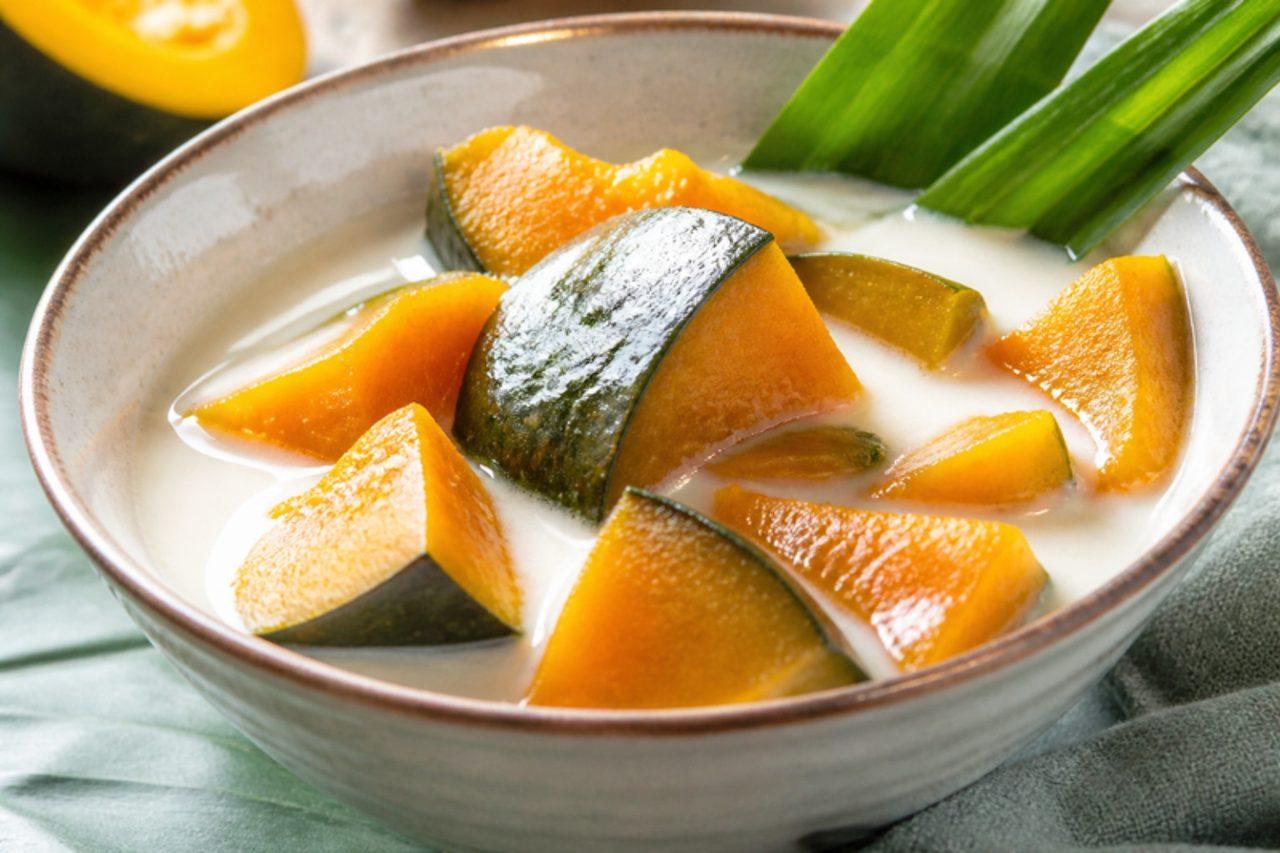
Fak thong kaeng buat (Thai pumpkin in coconut milk)

When the rains end and pumpkins pile up in the markets of central Thailand, kaeng buat is what cooks make with them: chunks of dense kabocha simmered in coconut milk sweetened with palm sugar and sharpened with a pinch of salt. It is a homely, everyday dessert, sold warm from big pots at markets in the afternoon and also cooked at Ok Phansa, the end of Buddhist Lent. The pumpkin turns velvety but keeps its shape, and the thin, creamy, caramel-scented broth is meant to be drunk from the spoon. Eat it warm or at room temperature, in small bowls. There is no egg in it and never was: nothing needs setting or binding, as the pumpkin's own starch gives the coconut milk a light body as it cooks. Chef's tip: pick a dry, orange-fleshed kabocha and keep the coconut milk at a bare simmer; letting it boil hard is the common mistake that splits the milk and breaks the pumpkin into mush.

by KrazyBadal 0 views

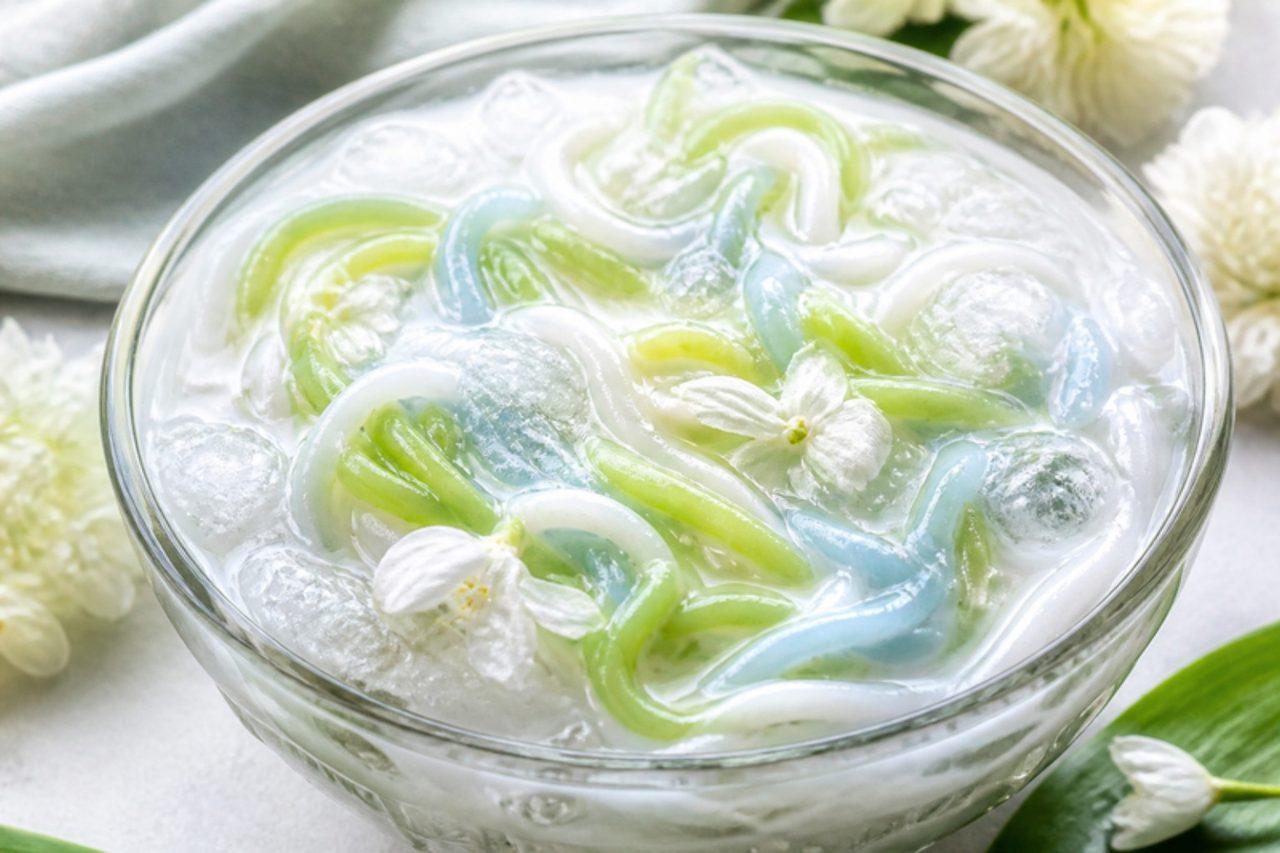
ซาหริ่ม (Sarim, mung bean noodles in coconut syrup)

Sarim is an old dessert of central Thailand, served at temple fairs and in market dessert shops on sweltering afternoons: thin, slippery strands in pastel green, blue and white, floating in a pale coconut syrup over a mound of crushed ice. The strands are almost flavourless and very soft, so the syrup does the work; in Thailand it is scented with jasmine flowers or the smoke of a scented candle, and here with pandan and optional fresh jasmine. It is naturally egg-free: the strands are pure mung bean starch cooked with water into a clear, thick paste, which sets into a soft gel the moment it hits ice water. Pandan juice and butterfly pea flowers give the colours, so there is no need for dyes. Serve it straight away, as a light end to a spicy meal. Chef's tip: cook the paste until it turns fully glossy and see-through; the common mistake is stopping while it is still milky, which gives strands that break and taste floury.

by KrazyBadal 0 views

Showing 24 of 443 recipes

Show more recipes

Page 1 of 19