Skip to content
Recipes

All recipes

Vegetarian, or something you can't eat? Set your diet once and we'll hide recipes that don't fit.

Huslianka

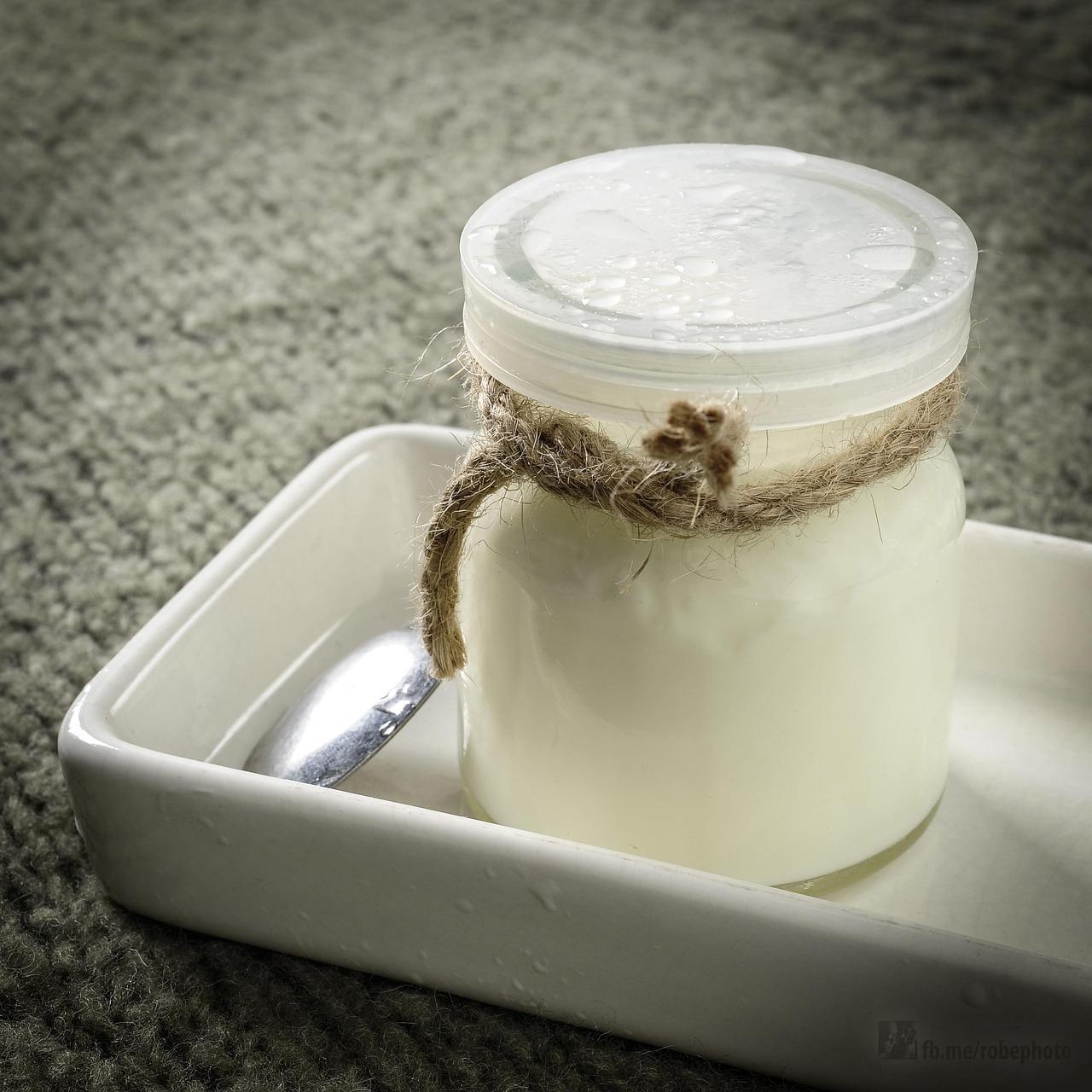
High in the Hutsul villages around Verkhovyna and Kosiv, milk was boiled, cooled and left to sour in a wooden keg called a berbenytsia, which held the cultures from the last batch and gave the drink its name and its gentle tang. The result is huslianka: thicker than kefir, smooth like loose yogurt, with a fresh, clean sourness that shepherds drank with mamalyha and new potatoes. Today you will find it bottled at Carpathian markets, but it is easy to make in a glass jar at home. For safety, always start from pasteurised milk, use a scrupulously clean jar and move it to the fridge as soon as it sets. The usual slip is adding the starter while the milk is still hot, which kills the cultures, so cool it to body temperature first. Discard any batch that grows fuzzy or pink mould or smells unpleasant. Chef's tip: keep two spoons of each batch to start the next one; the flavour gets rounder with every round.

by KrazyBadal 0 views

Kobete

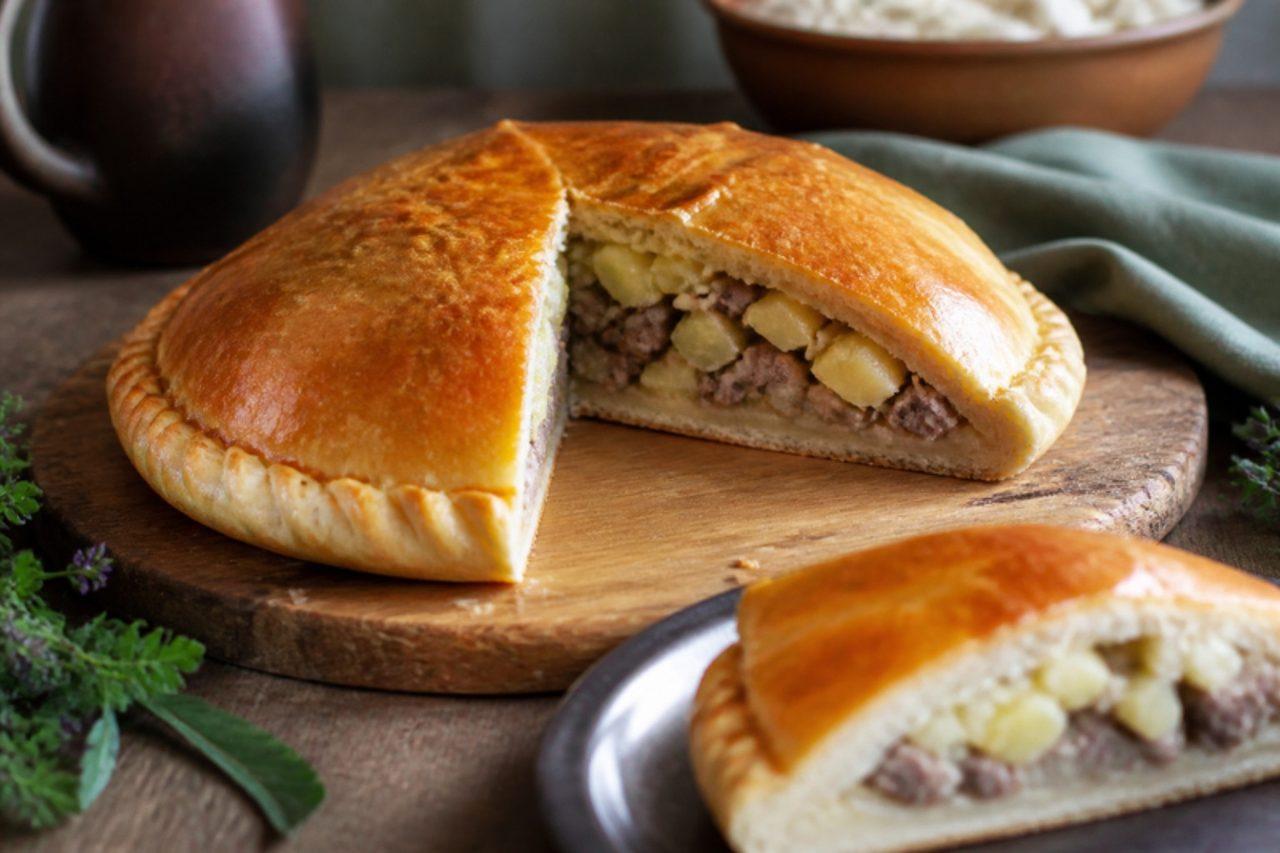
Kobete is the grand pie of Crimean Tatar celebrations, a tall golden dome cut at the table like a cake, its name thought to come from an old word for a pastry dome. Inside, small cubes of raw lamb, potato and onion are seasoned with black pepper and baked slowly in a soft, buttery yoghurt pastry, so the meat cooks in its own juices into a peppery broth that soaks the potato. Chicken versions are common too. Serve warm with a sharp salad or ayran. People tend to cut the meat too big; in a sealed pie, large chunks stay chewy while the crust burns. Allow time for the long bake and a short rest before slicing. Chef's tip: pour a ladle of hot stock through the steam hole halfway through baking, which keeps the filling juicy and tells you, by the bubbling, that it is cooking well inside.

by KrazyBadal 0 views

Kulish

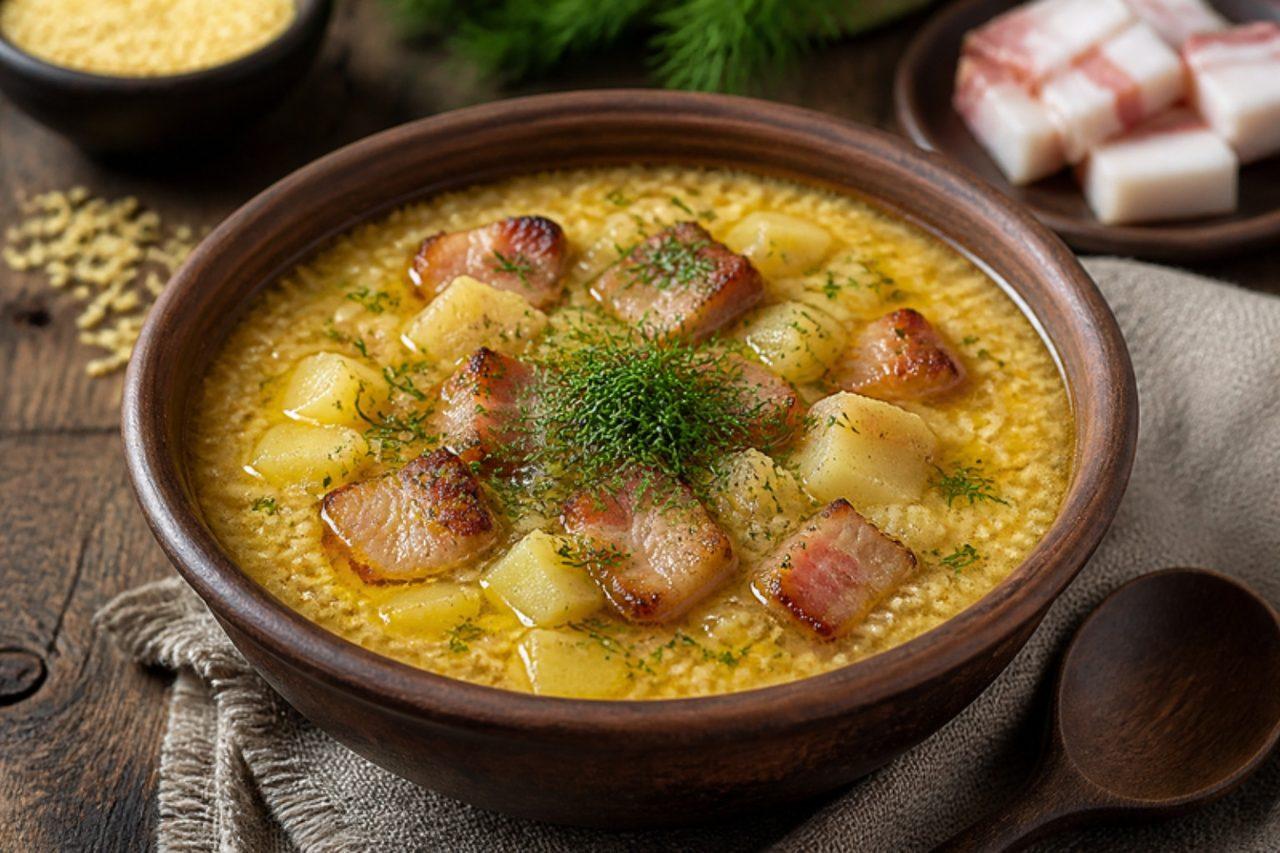
The Zaporizhian Cossacks of the Dnipro steppe cooked kulish in a black kettle over a campfire, and it is still the dish of fishing trips, summer camps and folk festivals on the island of Khortytsia. Millet, potato and onion simmer together into something halfway between a thick soup and a loose porridge, then a sizzling spoonful of fried salo, the salted pork fatback, goes in for smoky, savoury depth. It is humble, golden and comforting, best eaten hot with rye bread and a raw onion or pickle. The most common mistake is skipping the hot rinse of the millet, which leaves the porridge bitter. Kulish thickens as it stands, so loosen leftovers with a splash of water. Chef's tip: fry the salo slowly until the cubes are crisp, then fry the onion in the rendered fat; that fat carries all the flavour through the pot.

by KrazyBadal 0 views

Rohalyky

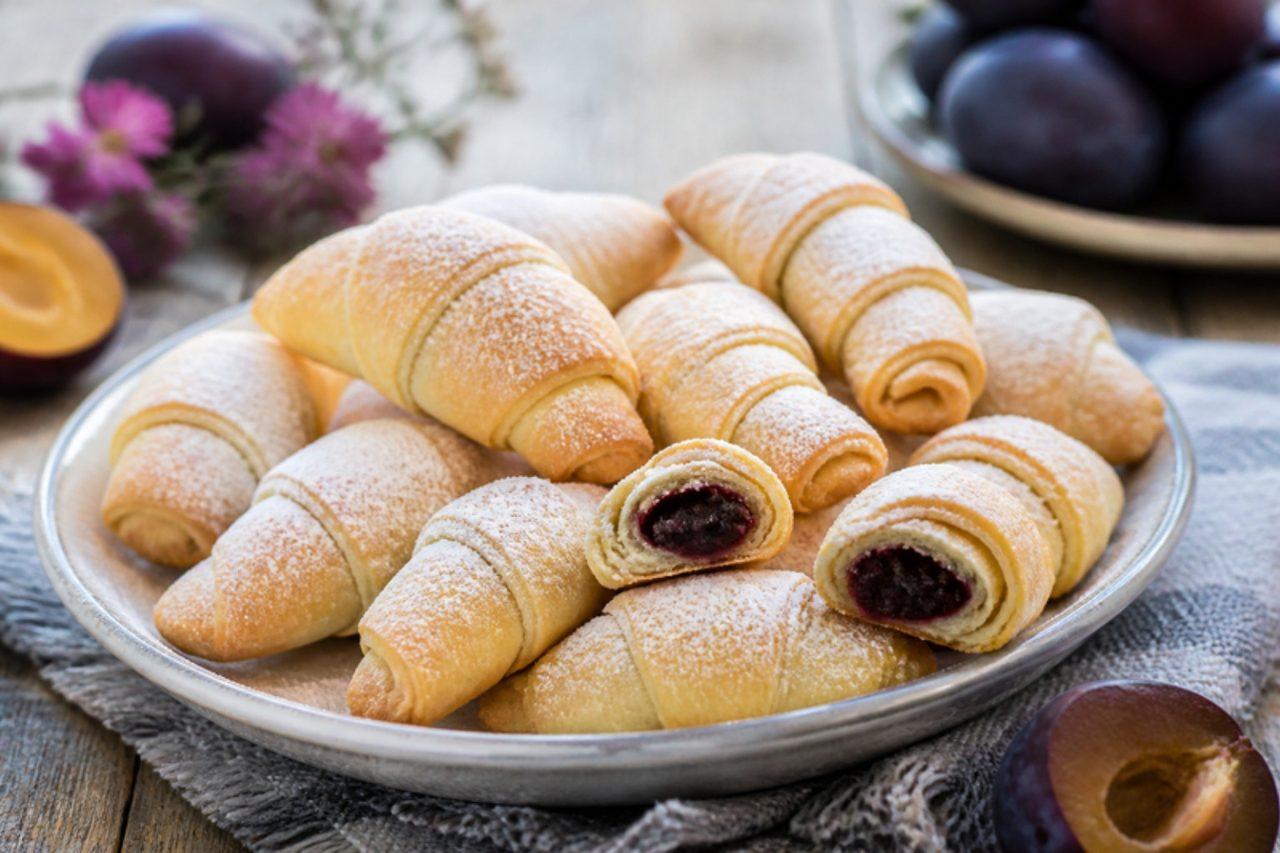
Around Christmas and Easter, tins of rohalyky pile up on the sideboards of Ivano-Frankivsk and Ternopil: little horns of tender dough wrapped around thick plum butter or sugared walnuts, then buried in icing sugar. The dough is made with sour cream and lots of butter, so it bakes flaky and light rather than crunchy, and the filling stays sticky inside. They keep for a week in a tin and are offered to every guest with tea or coffee. Where most people go wrong is using runny jam, which bubbles out and burns on the tray; you need very thick povydlo-style plum butter or a jam that holds its shape on a spoon. Chef's tip: keep half the dough in the fridge while you roll the other half; warm dough tears and the crescents lose their neat layers.

by KrazyBadal 0 views

Kruchenyky

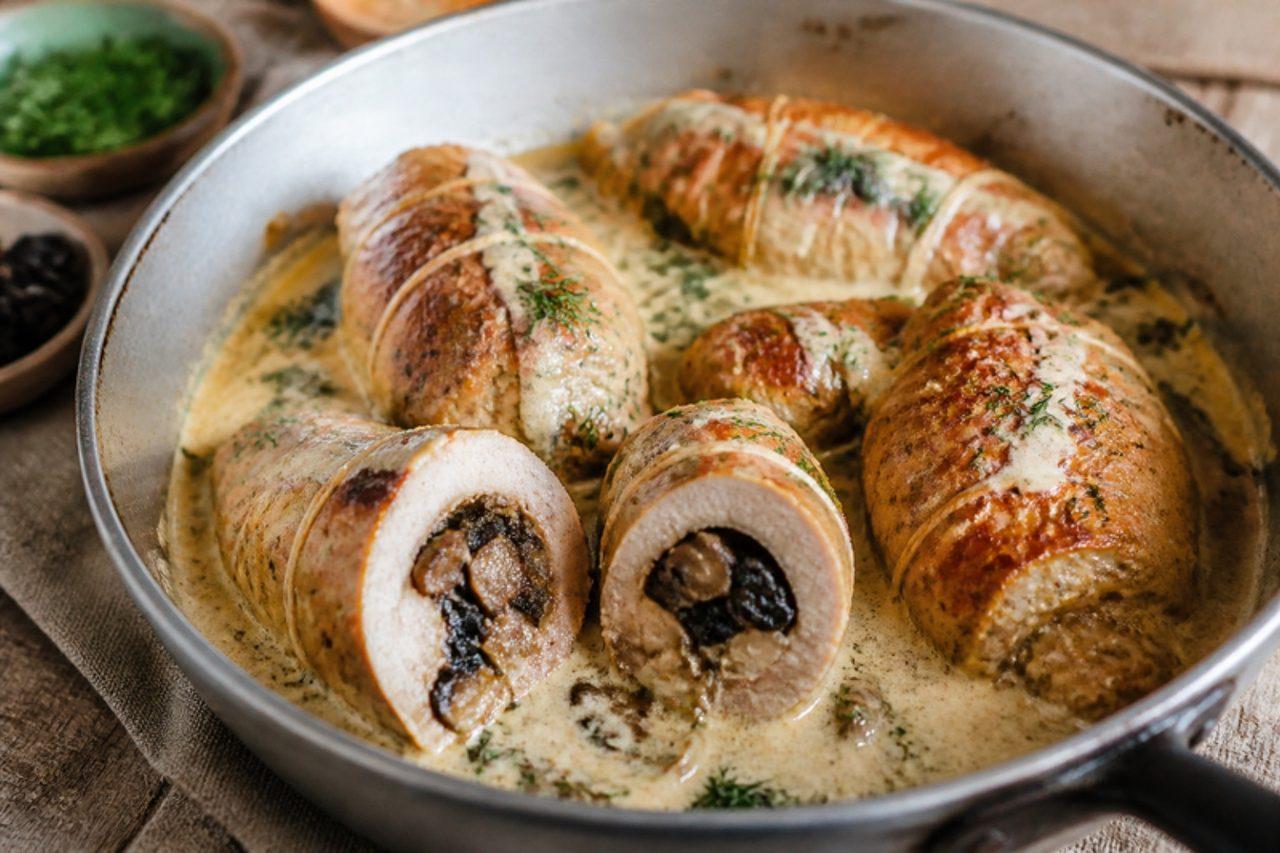
Kruchenyky, literally 'little twists', are the festive rolls of central Ukraine, made for name days, weddings and the big family table around Poltava and Kyiv. Thin slices of pork are pounded, wrapped around a filling of fried mushrooms and onion with chopped prunes, tied, browned and then braised gently in sour cream until the meat is tender and the sauce turns pale gold, sweet-savoury and lightly tangy. Some cooks use beef; pork neck or loin is the most common choice. Serve with buckwheat, mashed potato or boiled potatoes with dill. Boiling the sauce hard after the sour cream goes in is the slip that splits it into grainy flecks; keep it at a lazy bubble. Chef's tip: let the mushroom filling cool before rolling, otherwise the warm filling makes the thin meat sweat and the rolls refuse to hold together.

by KrazyBadal 0 views

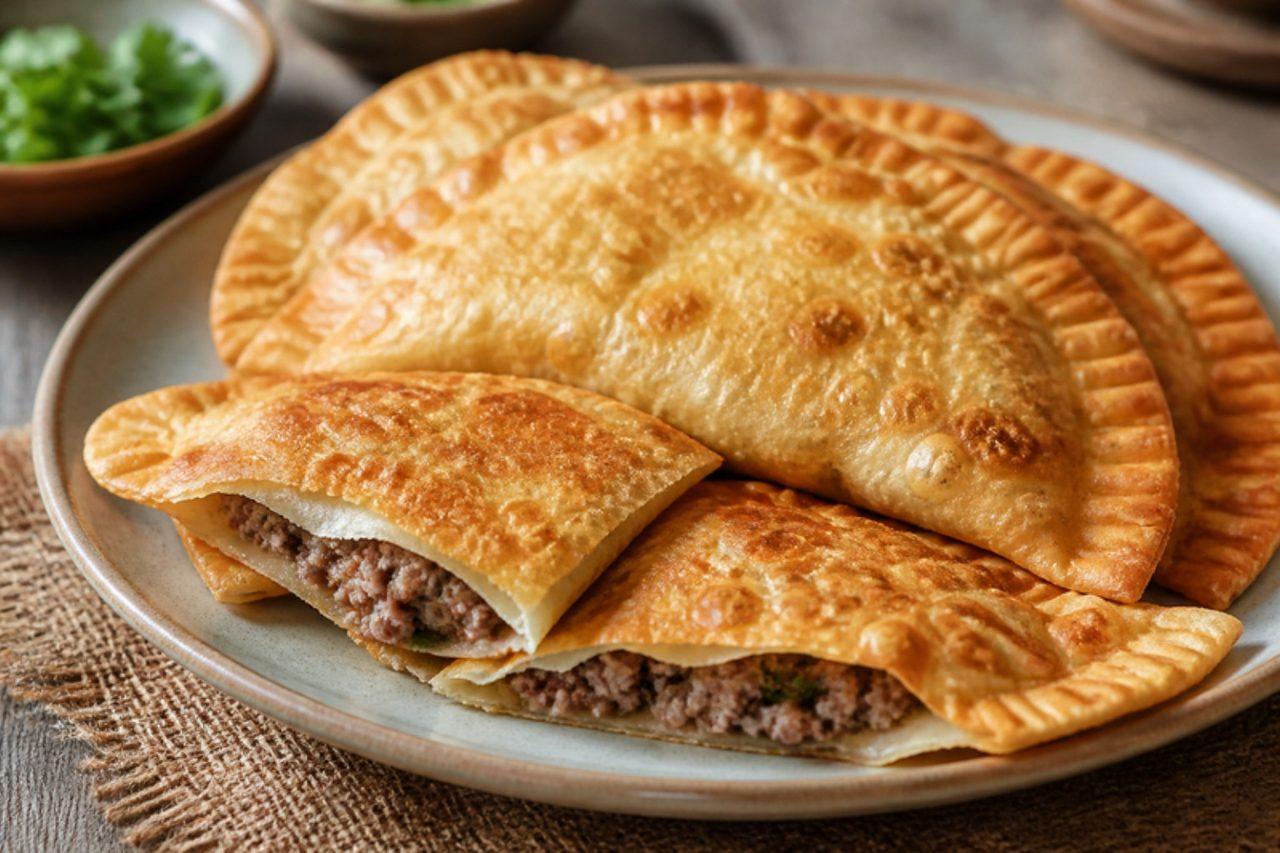
Chebureki

Çiberek, as Crimean Tatars call them, are the great beach and roadside food of Crimea, from Bakhchysarai to Yevpatoria, and Crimean Tatar cafés in Kyiv and Lviv still fry them to order. A thin, blistered pastry, crisp at the edges, holds a filling of minced lamb, grated onion, black pepper and herbs that turns into a rich, peppery broth as it cooks; bite carefully, as it is meant to be juicy. Eat them hot from paper with a glass of ayran or a tomato salad. The mistake most home cooks make is leaving air pockets when sealing, so the pastry bursts and spits in the oil. Some cooks add a splash of vodka to the dough for extra blisters; this version uses none. Chef's tip: stir a few spoons of ice-cold water into the meat until it is almost sloppy; that water becomes the broth that makes a good chebureki.

by KrazyBadal 0 views

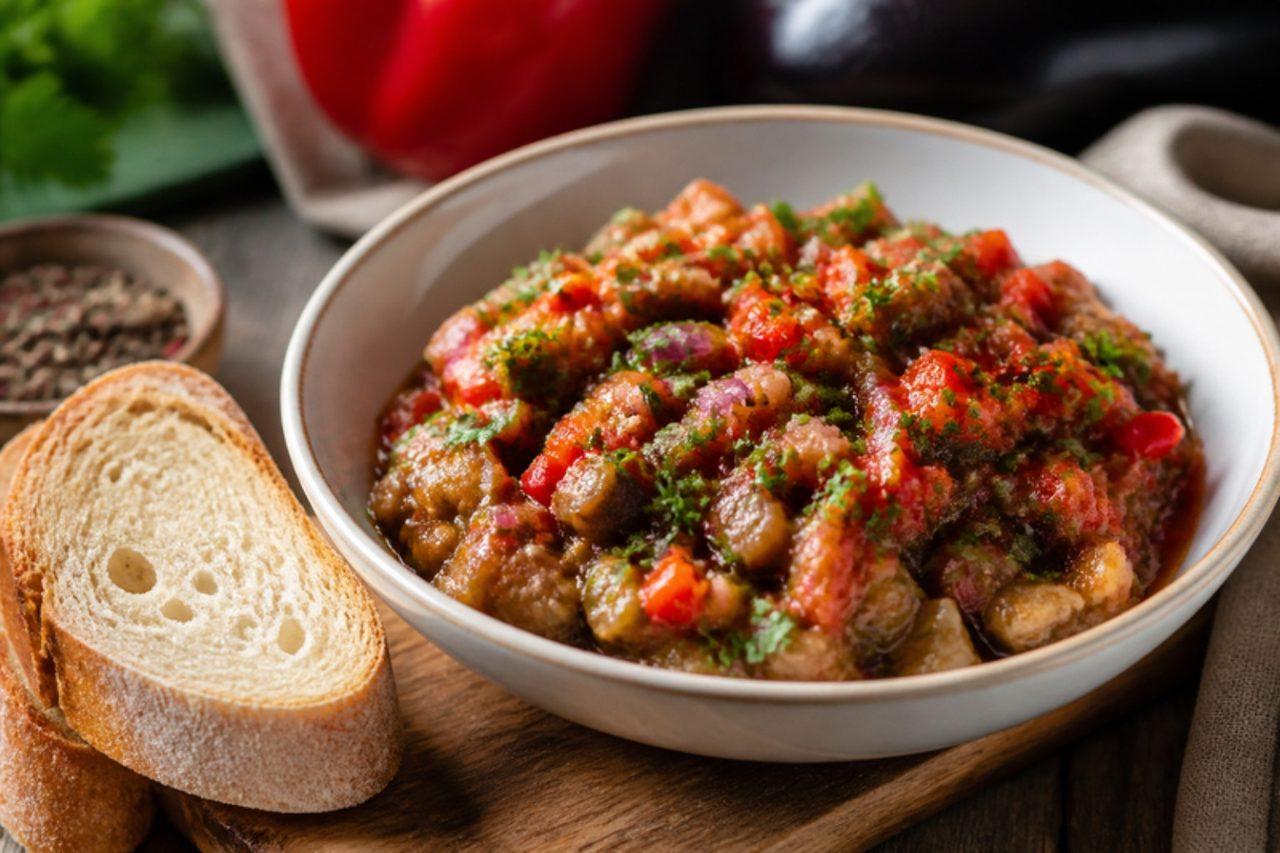
Odesa eggplant caviar

Odesans call aubergines 'synenki', the little blue ones, and every late-summer table in the city has a bowl of this smoky caviar on it. The aubergines are charred over a flame until they collapse, then chopped by hand with raw tomato, sweet pepper and onion and dressed with fragrant unrefined sunflower oil. Locals at the Pryvoz market will tell you a blender is forbidden: the texture should be rough and juicy, with every vegetable still visible. Spread it thickly on black rye bread, serve it with boiled potatoes, or set it out with pickles as a starter. A frequent mistake is leaving the bitter brown juice in, so let the peeled flesh drain in a colander for a few minutes. Chef's tip: chop everything with a heavy knife on the same board, one vegetable after another, so the juices mingle before the oil goes in.

by KrazyBadal 0 views

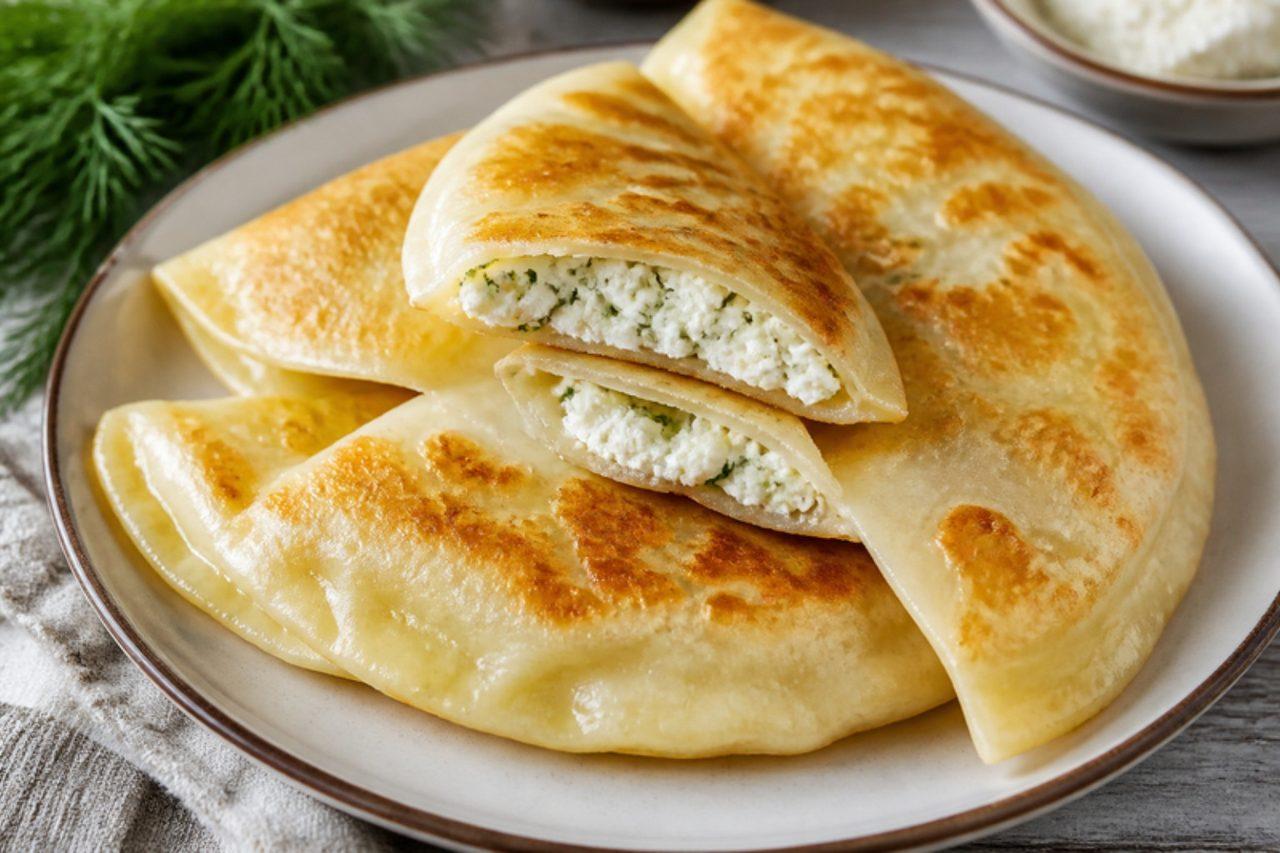
Yantyk

Crimean Tatar cafés from Bakhchysarai to the family-run places that opened in Kyiv and Kherson after 2014 make yantyk to order: a paper-thin unleavened dough folded over a filling, cooked on a dry hot griddle and brushed with butter as it comes off. Unlike chebureki, nothing is deep-fried, so the pastry is soft and blistered with charred spots and the cheese inside melts with dill and spring onion. They are eaten hot with sweet black tea or a glass of ayran. Brined white cheeses such as brynza and feta are often made with animal rennet; choose one labelled vegetarian. The common mistake is rolling the dough too thick, which gives a doughy, pale yantyk; it should be thin enough to see the board through. Chef's tip: stack the buttered yantyk on a plate and cover with a bowl for a minute, so the steam softens the pastry the way Crimean cooks like it.

by KrazyBadal 0 views

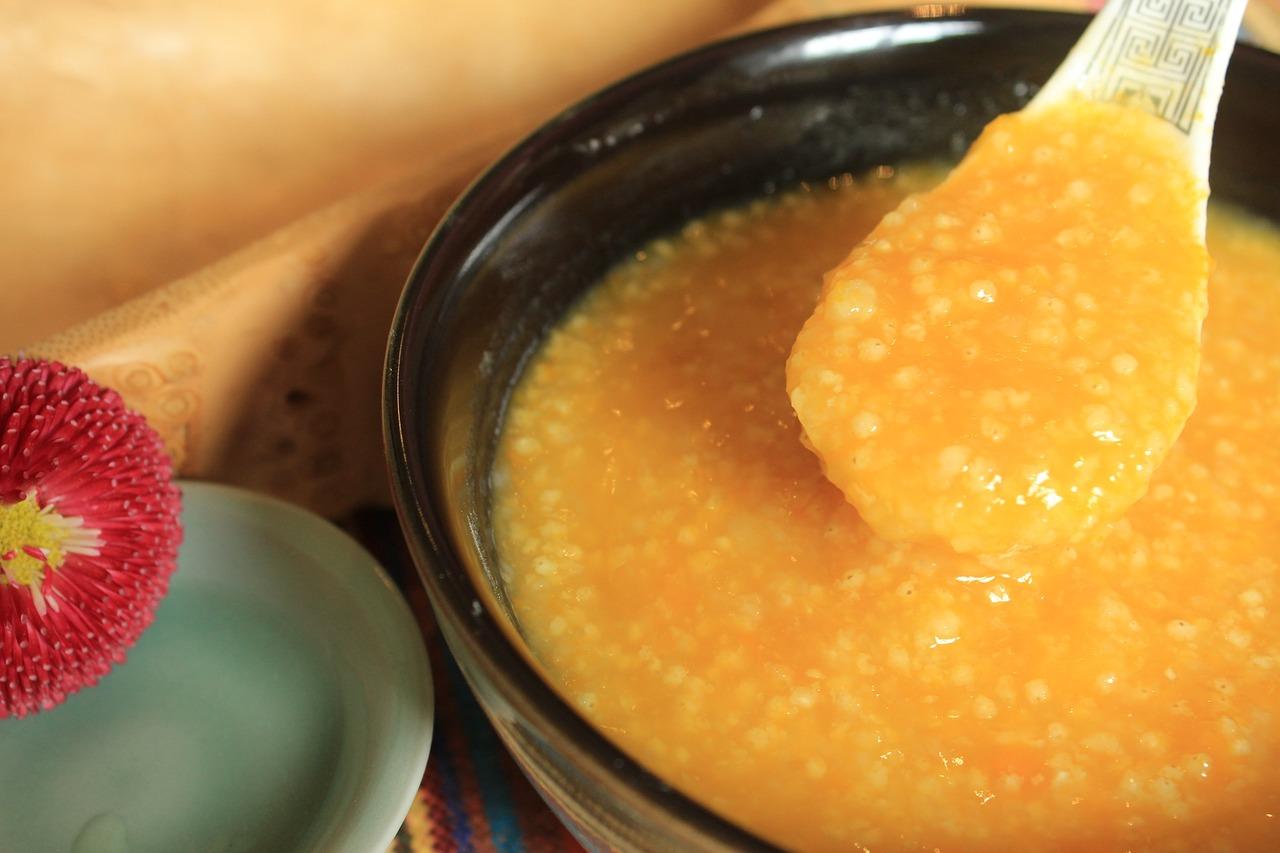
Pumpkin millet porridge

Autumn in central Ukraine means piles of grey-skinned pumpkins in every yard, and the first thing many grandmothers make with them is this golden breakfast porridge. Diced pumpkin is simmered until it collapses, then millet and milk are added and the pot is left to cook down into something thick, creamy and faintly sweet, finished with butter and a spoon of honey. In villages around Cherkasy and Vinnytsia it was once baked for hours in the clay stove; a heavy pan on a low heat gives a very similar result. Serve it hot in deep bowls, with extra honey and a few raisins for children. The usual slip is skipping the rinse: millet carries a bitter dust, and only washing it in several changes of hot water takes it away. Chef's tip: choose a dense, deep-orange pumpkin such as butternut or a Ukrainian 'muscat' type; watery Halloween pumpkins make a thin, pale kasha.

by KrazyBadal 0 views

Pliatsky

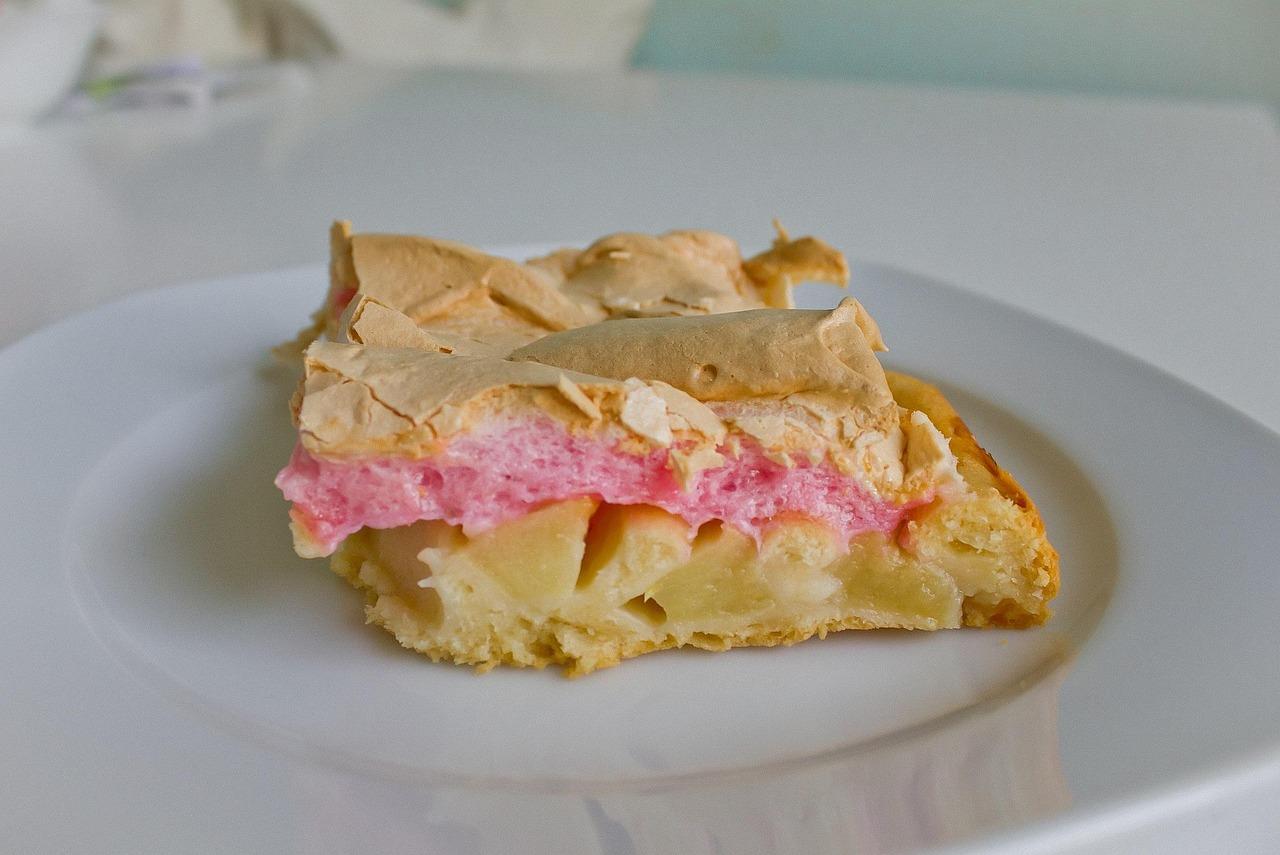
Walk into any Lviv cukiernia and the glass counter is lined with pliatsky, the flat tray cakes Galicians buy by the square for Sunday coffee and name-day visits. This one is a house favourite across the region: a crumbly butter shortcrust spread with sharp blackcurrant jam, piled with cinnamon apple and topped with a crisp-crusted, marshmallowy walnut meringue. Each slice should have three distinct layers that still look neat when cut. Serve at room temperature with coffee or a glass of cold milk. The classic error is putting raw, juicy apple straight on the pastry, which turns the base soggy; cook it briefly first and let it drain. Chef's tip: grate half the cold butter into the flour rather than rubbing it in, and the base bakes up short and sandy like the ones from the Lviv cake shops.

by KrazyBadal 0 views

Ryazhanka

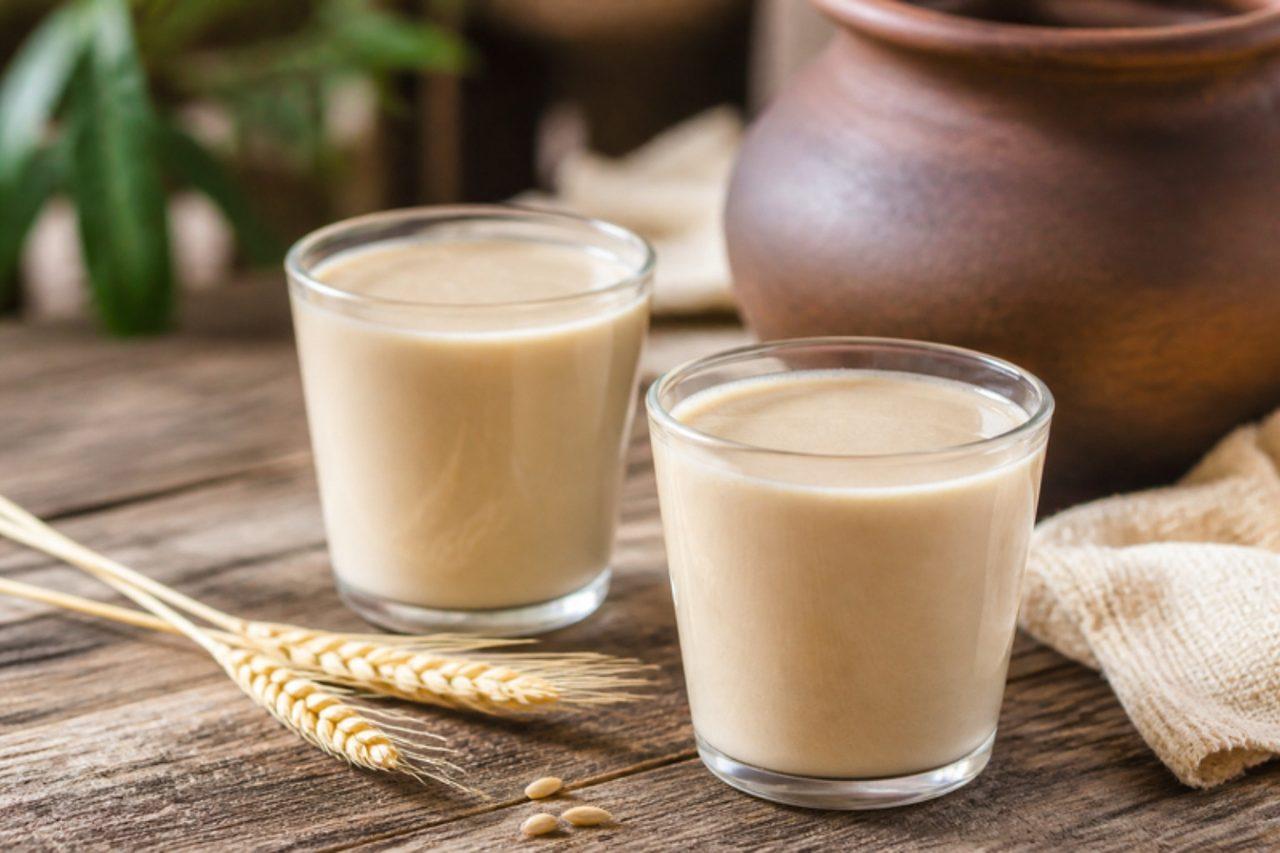
Ryazhanka starts with topleny moloko, milk baked slowly until it turns beige and smells of toffee, which was once done overnight in the cooling clay stove after bread day. Cultured with a little sour cream, it sets into a thick, spoonable drink with a mild tang and a soft caramel note that kefir never has. In Poltava and Sumy dairies it is sold in tall glass bottles, and people drink it at breakfast or with a slice of rye bread as a late snack. Use pasteurised milk, a clean jar, and refrigerate it as soon as it has set. Where most people go wrong is fermenting it too hot or too long, which makes it sour and watery with whey; check it after 4 hours. Throw away any batch with mould or an off smell. Chef's tip: let the brown skin form and break it back into the milk two or three times during baking; that skin is where the colour and flavour come from.

by KrazyBadal 0 views

Shulyky

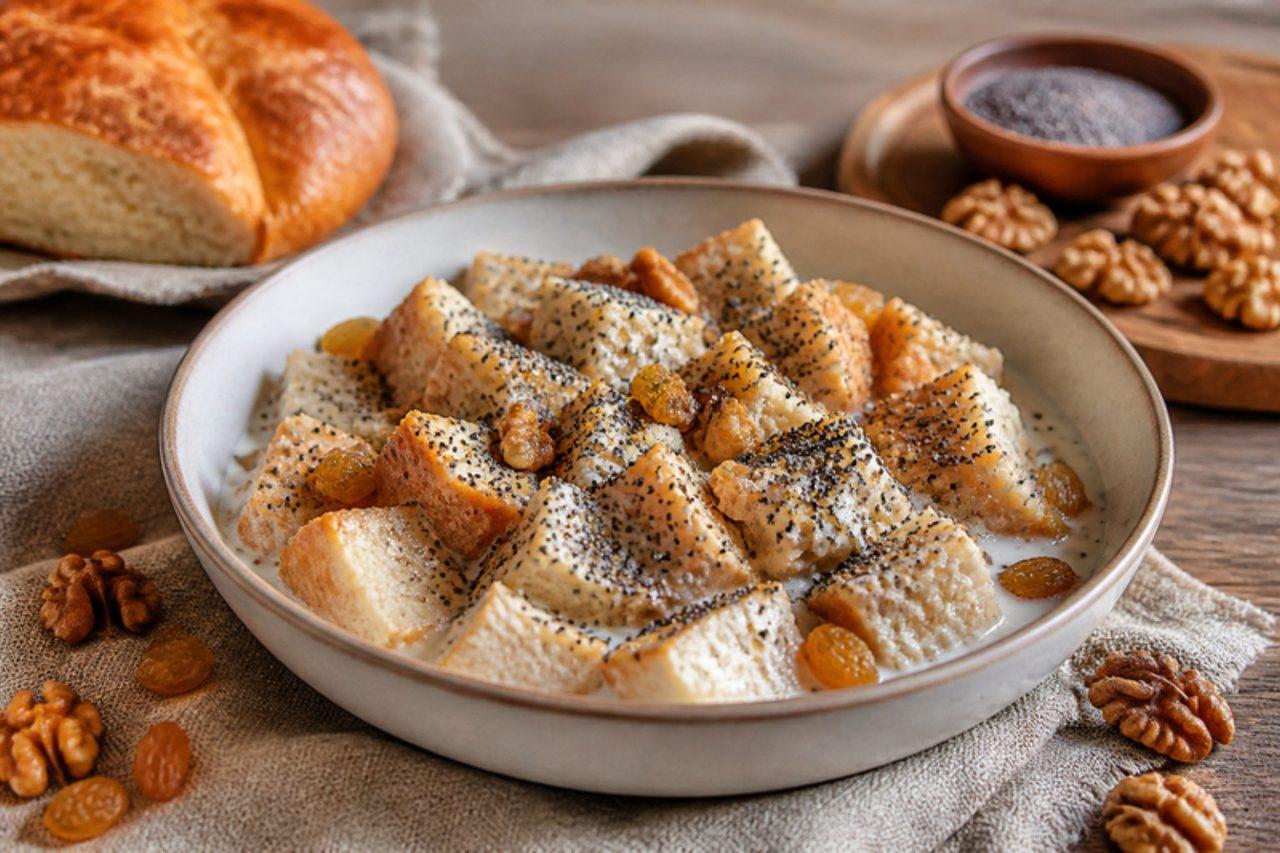
On 14 August, Makovei, the first of the summer Saviour feasts, Ukrainian families bless poppy heads, honey and herbs in church and come home to a bowl of shulyky. Thin honey flatbreads are baked until crisp, broken into pieces and drowned in 'poppy milk': scalded poppy seeds ground with water and honey until they turn grey-white and creamy. The bread drinks it up and becomes soft and cakey while keeping a little chew, and the whole dish tastes of nuts, honey and late summer. It is naturally dairy-free and served cold or at room temperature as a dessert. The common pitfall is grinding the seeds dry: they need to be soaked in boiling water first, otherwise they stay gritty and never release their milk. Chef's tip: a pestle and mortar gives the creamiest poppy milk, but a powerful blender with a splash of hot water works if you blend in short bursts.

by KrazyBadal 0 views

Salo

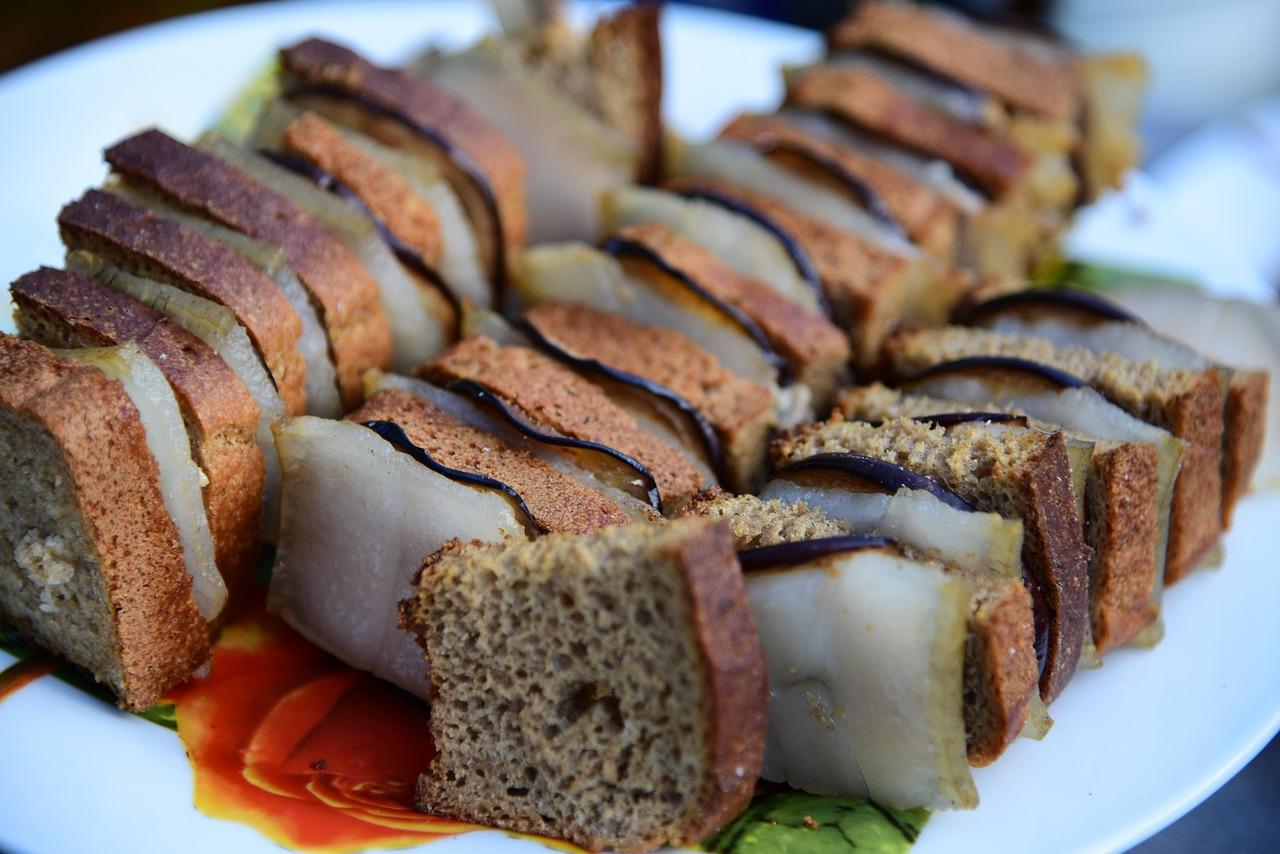
No food says Ukraine quite like salo, salted pork fatback, which appears on village tables, train picnics and wedding spreads with a heel of dark bread, raw garlic and a spring onion. Good salo is pure white or faintly pink, firm, mild and creamy as it melts on the tongue; rubbed with garlic, black pepper and a little paprika, it becomes a sharp, savoury snack. Salo is cured but never cooked, so use ready-salted salo from a butcher or market stall you trust, made from inspected pork and kept in the fridge. Like other uncooked cured pork, it is not for pregnant women, young children or anyone with a weakened immune system; for them, fry thin slices into crisp shkvarky instead. Slicing it at room temperature is where most people go wrong: the fat smears and tears. Chef's tip: wrap the seasoned piece and freeze it for 40 minutes, then cut paper-thin slices with your sharpest knife.

by KrazyBadal 0 views

Domashnia kovbasa

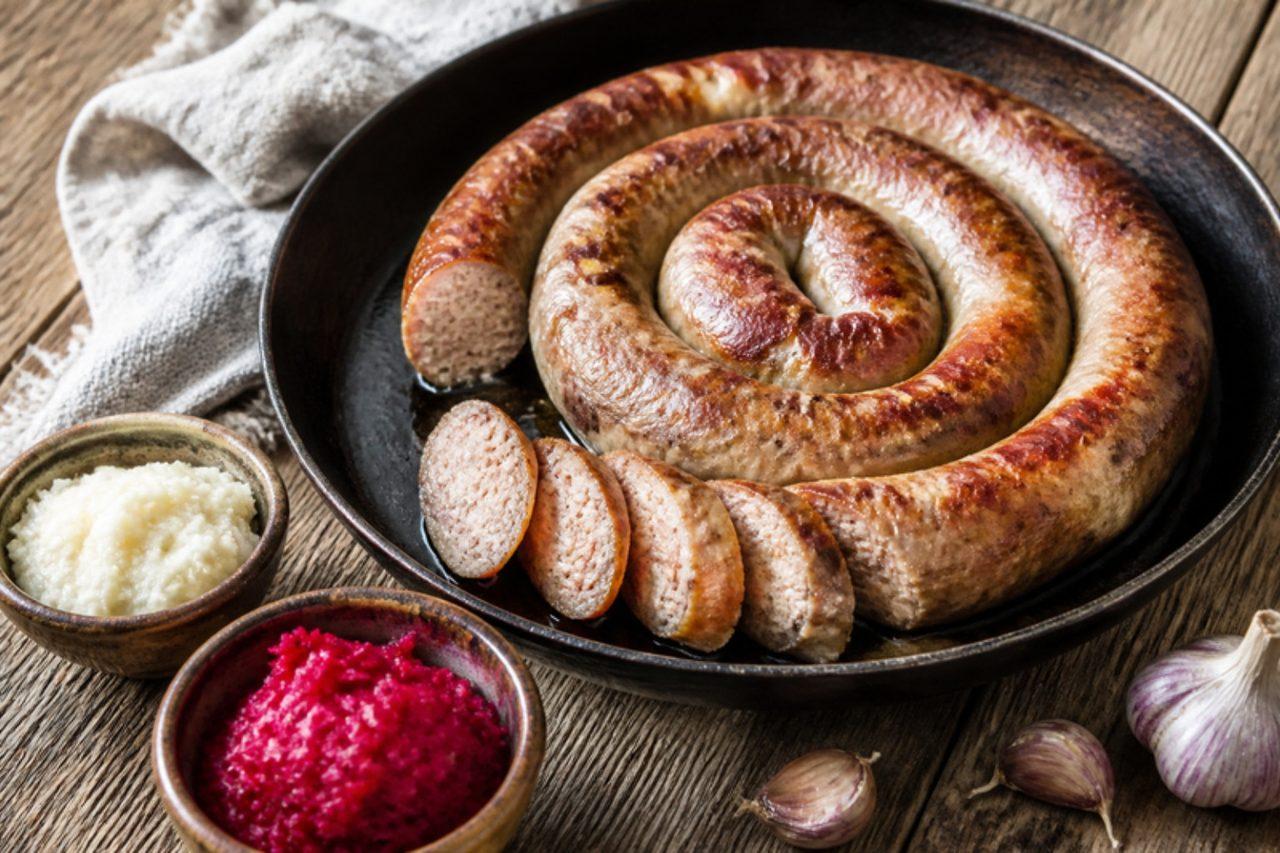
Across Galicia and the Carpathian villages, the smell of homemade pork sausage baking with garlic means Christmas or Easter is near; the coils go into the Easter basket to be blessed and come out sliced for the festive breakfast. Hand-cut pork shoulder and belly are mixed with lots of garlic, black pepper and allspice, stuffed loosely into natural casings, coiled and baked until the skin crackles and the juices run. It is juicy, coarse and garlicky, served hot with horseradish and beetroot or cold the next day. This is a fresh, cooked sausage, not a dried or cured one, so it must be cooked through and kept in the fridge. The usual mistake is stuffing the casing too tightly, so it bursts in the oven. Chef's tip: keep the meat and fat very cold while you cut and mix, ideally half-frozen; the fat stays in distinct pieces and the sausage stays juicy.

by KrazyBadal 0 views

Knyshi

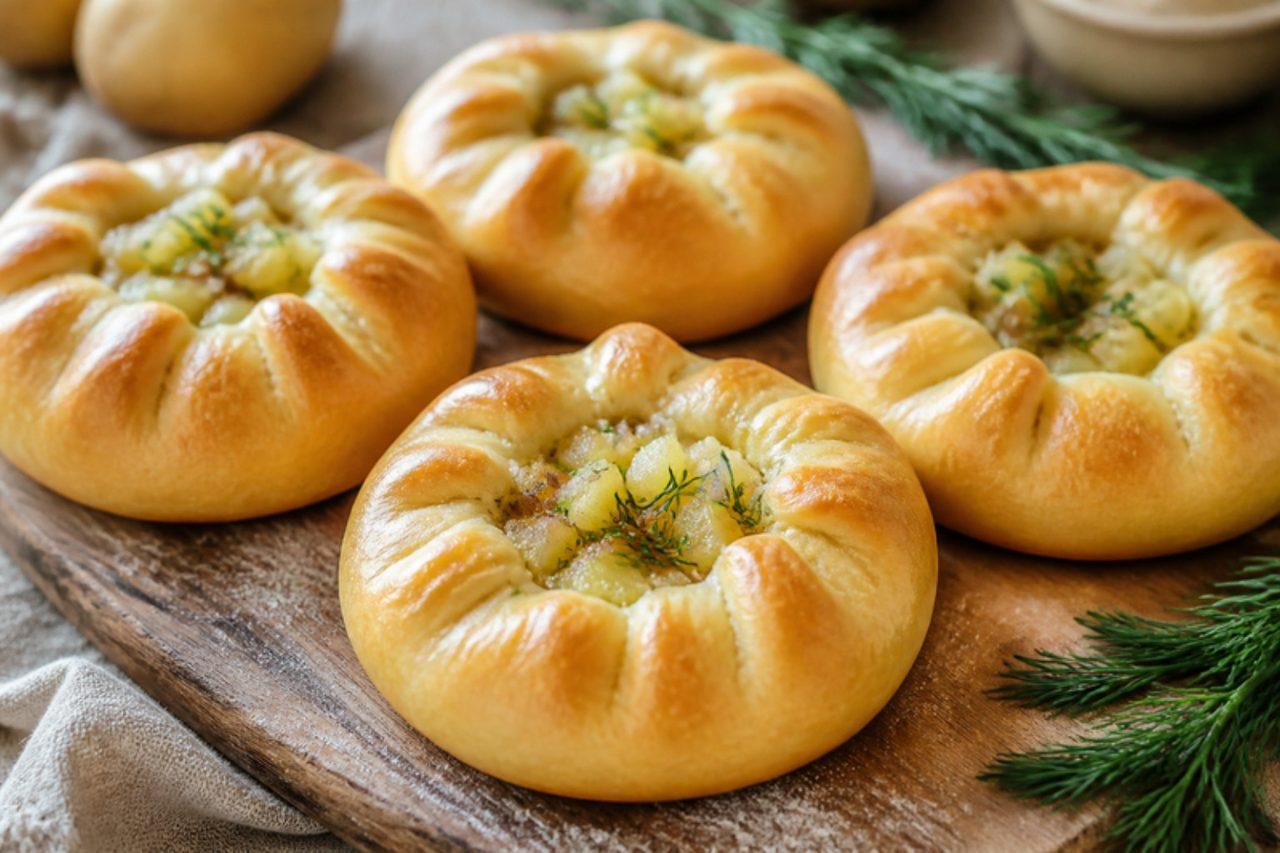
On Poltava farms knyshi came out of the stove alongside the bread on baking day: rounds of soft milk dough with their edges pinched up like a little open basket, so the filling shows in the middle. Potato mashed with plenty of onion fried in sunflower oil and a handful of dill is the everyday version, and the buns are eaten warm with a bowl of soup or cold on the way to the fields. Some cooks fill them with curd cheese or poppy seed instead, especially for Christmas Eve. The dough should be pillowy and the potato soft and peppery. Most people go wrong by spooning in warm, wet mash, which steams the dough from inside and makes it soggy; let the filling cool fully. Chef's tip: brush the baked buns with melted butter the moment they come out of the oven, then cover with a towel for 10 minutes so the crust turns soft and silky.

by KrazyBadal 0 views

Beet kvass

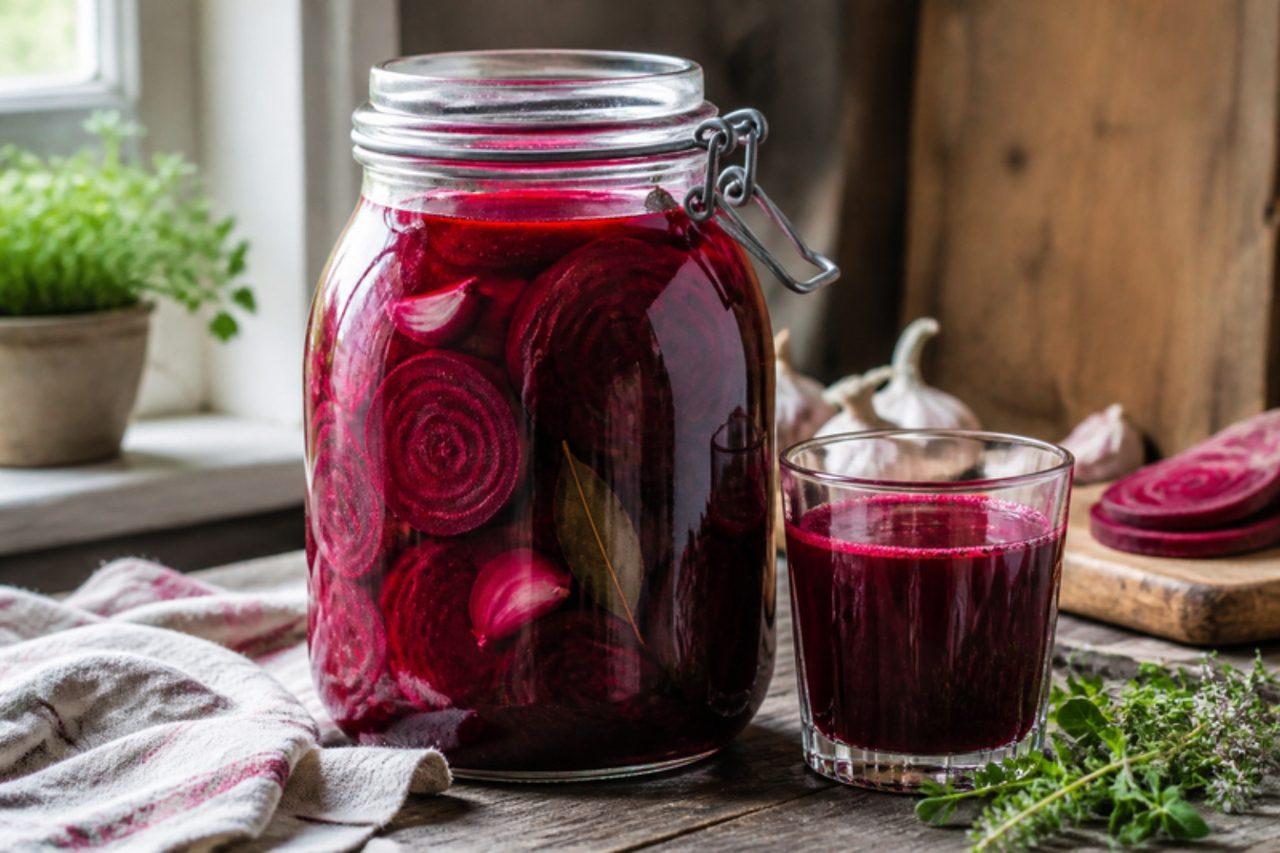
Before lemons and vinegar were easy to buy, Ukrainian cooks soured their borscht with beet kvass, a ruby-red brine made by leaving sliced raw beetroot in salted water for a few days. It is lightly fermented, so it contains no more than a negligible trace of alcohol, and it tastes earthy, salty and pleasantly sharp. In Poltava and Chernihiv villages a jar always stood by the stove; a splash went into the soup pot and a small glass was drunk in the morning as a tonic. Some families add a crust of rye bread to speed things up, which makes it no longer gluten-free. The mistake most people make is leaving the beetroot floating: anything above the brine can grow mould, so keep it weighed down. Discard any batch with fuzzy or coloured mould, a slimy texture or a rotten smell. Chef's tip: a few slices left in the jar from the previous batch start the next one in half the time.

by KrazyBadal 0 views

Pickled watermelon

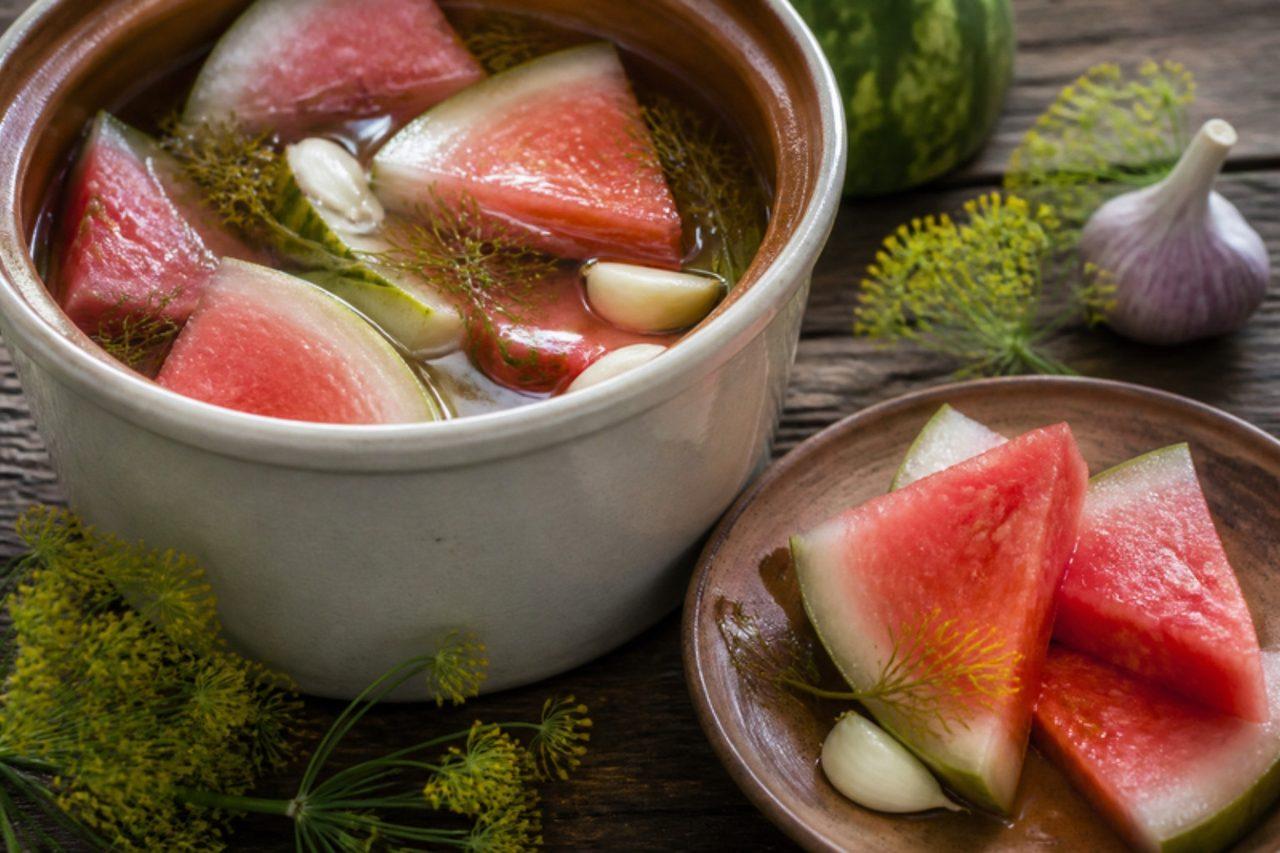
When the melon fields of Kherson and Mykolaiv end their season, the small, late watermelons that never got properly sweet go into barrels of brine. A few weeks later they come out fizzy, salty and sour, with the pink flesh still faintly sweet and the rind crisp like a pickled cucumber. Southern families eat them through the winter with boiled potatoes, buckwheat or a plate of fried mushrooms. A big glass jar works just as well as a barrel for wedges. The classic error is using a ripe, soft watermelon, which turns to mush in the brine; pick small, firm ones with pale pink flesh. Keep everything under the brine and throw out the batch if fuzzy or coloured mould appears or it smells rotten rather than sour. Chef's tip: slip a horseradish or cherry leaf into the jar; the tannins keep the rind crunchy for weeks.

by KrazyBadal 0 views

Pickled green tomatoes

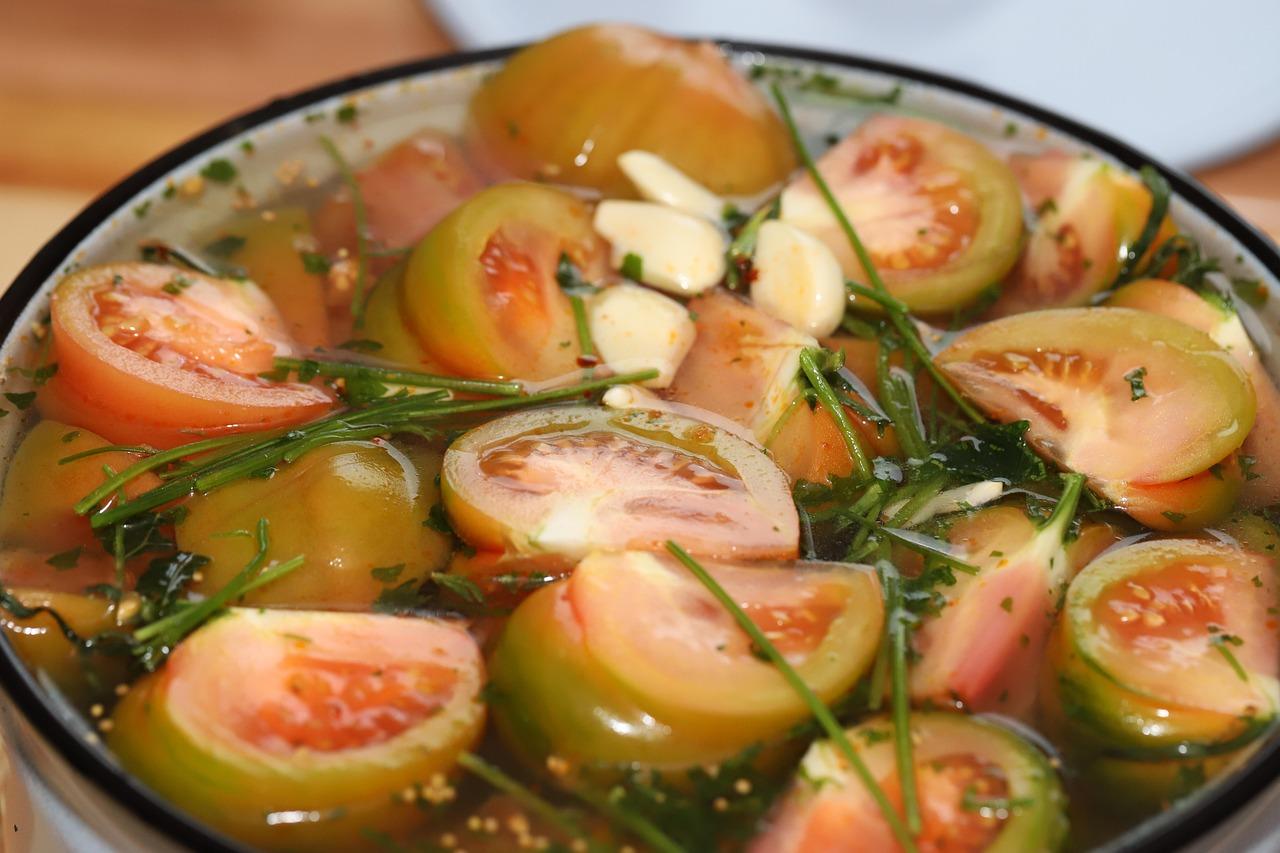
In southern Ukraine the first cold nights of October leave every garden full of hard green tomatoes that will never ripen, and rather than waste them, cooks around Odesa and Kherson slit each one and stuff it with a punchy paste of garlic, dill, parsley and hot chilli. A week in brine turns them sour and fizzy, with a crunch and a slow burn from the chilli. They are the pickle everyone reaches for at the winter table, next to potatoes fried with onions or a bowl of buckwheat. Most people go wrong by cutting the tomatoes right through, so the filling falls out; slice only two-thirds of the way. As with any ferment, keep everything below the brine and discard the jar if it grows fuzzy or coloured mould or smells rotten. Chef's tip: pick tomatoes that are just starting to blush pale; fully hard dark-green ones stay bitter.

by KrazyBadal 0 views

Forshmak

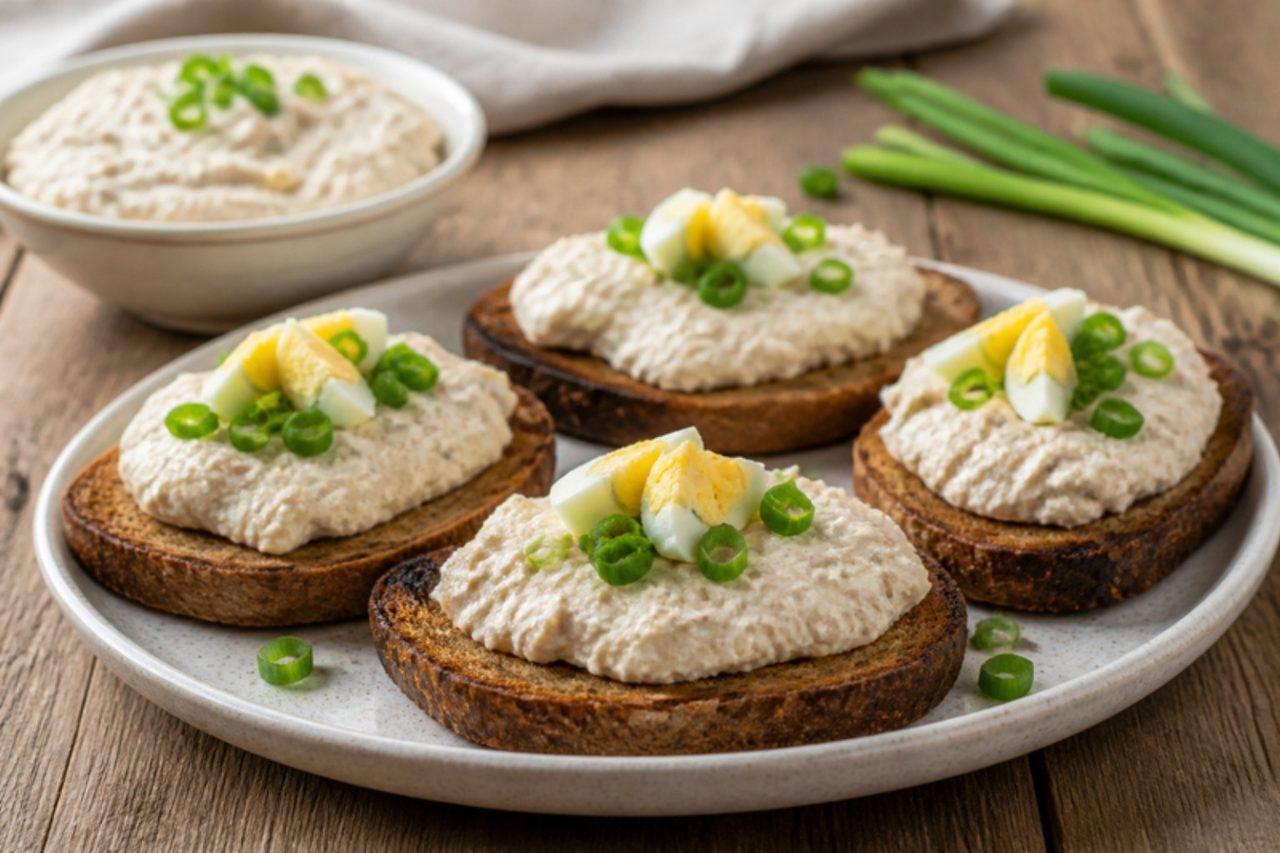
Forshmak came to Odesa with its Jewish community and became a citywide favourite, spread on toast at family celebrations, in Moldavanka courtyards and on restaurant zakuska boards. Salted herring is chopped with tart apple, hard-boiled egg, onion and bread soaked in milk, then whipped with soft butter into a pale, creamy pâté that is salty, sweet and gently sharp all at once. Serve it on toasted rye or white bread with spring onion. Herring for forshmak is cured but not cooked, so buy ready-salted fillets from a good fishmonger, commercially prepared or previously frozen, keep everything cold and eat within 2 days; it is not for pregnant women, young children or anyone with a weakened immune system. Blitzing it to a smooth paste is the usual error; Odesa cooks like a little texture. Chef's tip: grate the apple at the last moment and add a squeeze of lemon, so it stays white and fresh.

by KrazyBadal 0 views

Fried gobies

Odesa's beloved bychky, the little big-headed gobies of the Black Sea, are sold by the bucket at Pryvoz market and fried in sunflower oil in kitchens and beach cafés all summer. Dusted with seasoned flour and fried hard, they come out crunchy and golden, with sweet white flesh and bones so small they are eaten whole. Serve with lemon, a tomato and cucumber salad, bread and plenty of dill. Most people go wrong by using too little oil, so the fish stick and the coating flakes away; you want a good centimetre in the pan. Outside the Black Sea region, smelt, sprats or small whiting work the same way. Chef's tip: for the crunchiest result, ask for the heads to be removed and the fish gutted, salt them 10 minutes in the fridge, then dry them very well before flouring.

by KrazyBadal 0 views

Krupenyk

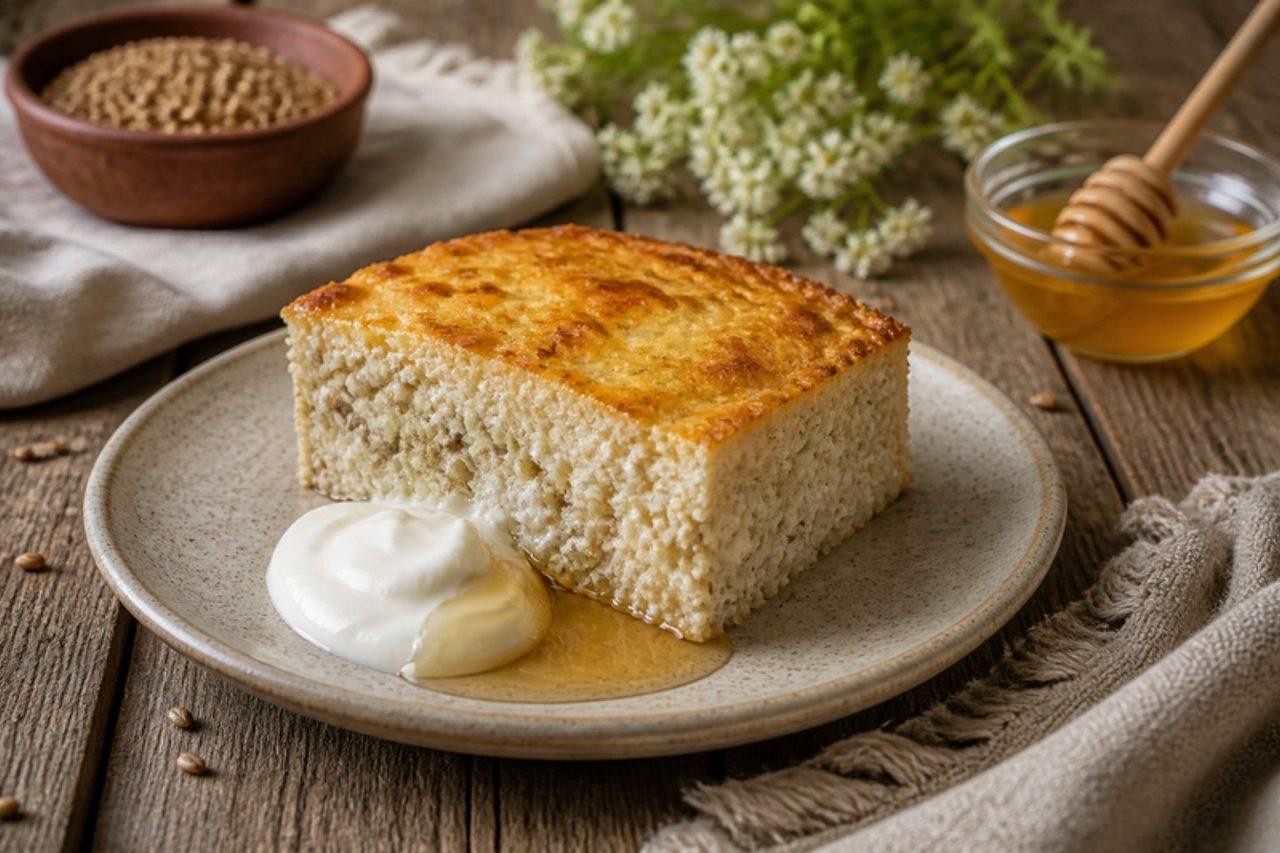
Think of krupenyk as the farmhouse cousin of a soufflé: cooked buckwheat is folded with crumbly cottage cheese, eggs and melted butter, then baked until the top puffs and turns a speckled brown. Families in the Kyiv and Chernihiv countryside made it for Sunday breakfasts and for the days after a christening, when the dairy was full of fresh cheese. It cuts into soft, moist squares that taste nutty and gently tangy, and it is eaten warm with cold sour cream, or with a little honey for those who like it sweet. Tvorog and other cottage cheeses are usually made without animal rennet, but check the label if you are cooking for strict vegetarians. Watch out for dry, crumbly krupenyk: it comes from baking buckwheat that was already firm, so cook the groats until fully soft. Chef's tip: push the cottage cheese through a sieve first; the pudding sets silky instead of grainy.

by KrazyBadal 0 views

Smetannyk

Long before shop-bought cakes reached the villages, a smetannyk was the birthday cake Ukrainian mothers could make from what the cow and the hens gave: sour cream in the sponge, sour cream in the frosting, and very little else. Four thin layers, two of them darkened with cocoa, are stacked with a sweet, tangy cream that soaks in overnight until the whole cake turns tender and almost pudding-like. It is still made for name days and family Sundays all over the country, often cut into tall slices and eaten with strong black tea. A common mistake is frosting with thin, low-fat sour cream: it runs off the sides and never sets. Use the richest you can find, at least 20 per cent fat, and drain it if it looks watery. The cake needs at least 6 hours in the fridge, so make it the day before. Chef's tip: hang the frosting sour cream in muslin over a bowl in the fridge for a few hours; it whips up thick and glossy.

by KrazyBadal 0 views

Poltava halushky

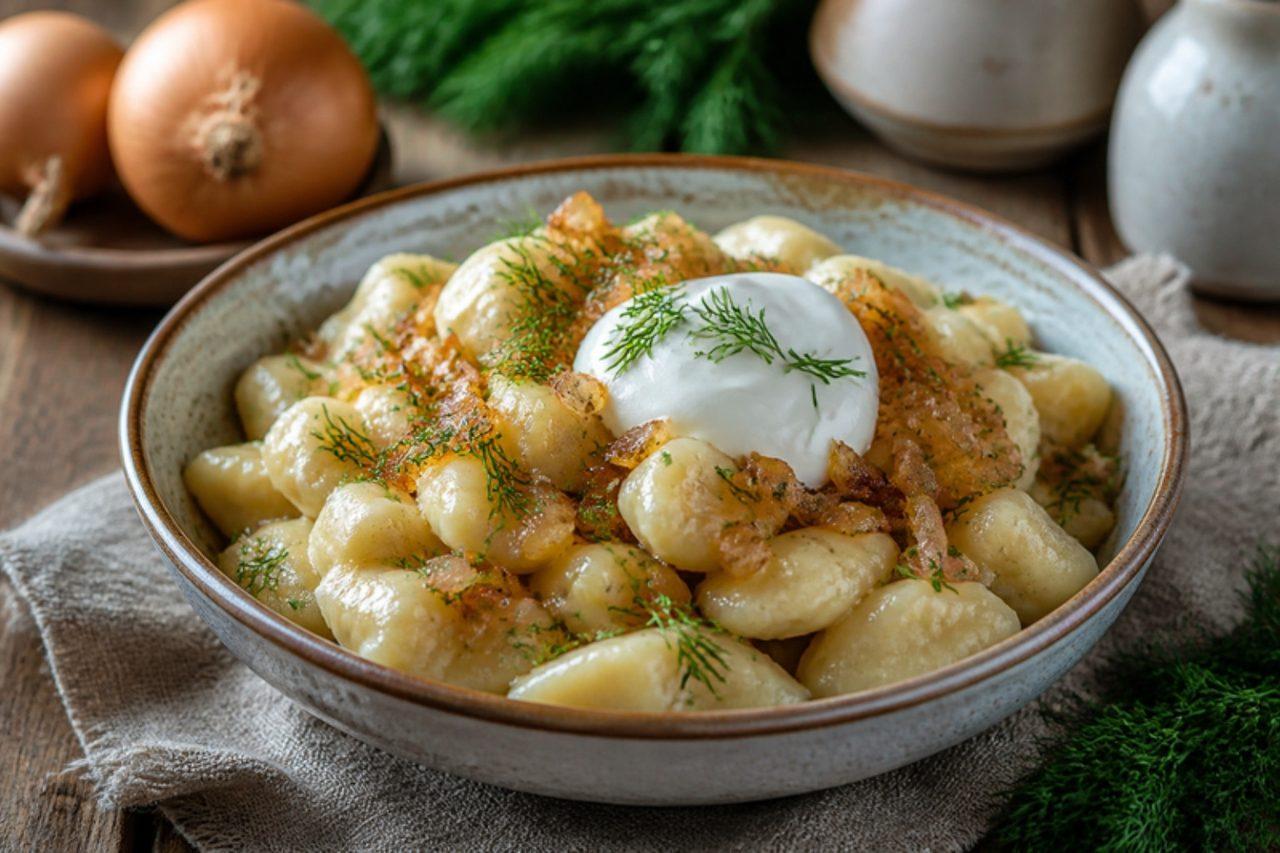
Poltava is so proud of its halushky that the city has a monument to them, a giant bowl and spoon in the park near the Ivan Kotliarevsky museum. These are the plainest of Ukrainian dumplings: a soft egg dough pinched or cut into small pieces, boiled until they float and swell, then tossed with onion fried golden in butter and sunflower oil and topped with a cold dollop of sour cream. Every Poltava household eats them on ordinary weekdays, often straight from the pot with a fork. They should be tender and slightly chewy, never gluey. The mistake people make most often is crowding the pot: drop them in two batches into a large pan of rapidly boiling water so they do not stick together. Chef's tip: dip your fingers or the knife in flour between pinches, and the dough comes away clean every time.

by KrazyBadal 0 views

Esterházytorte

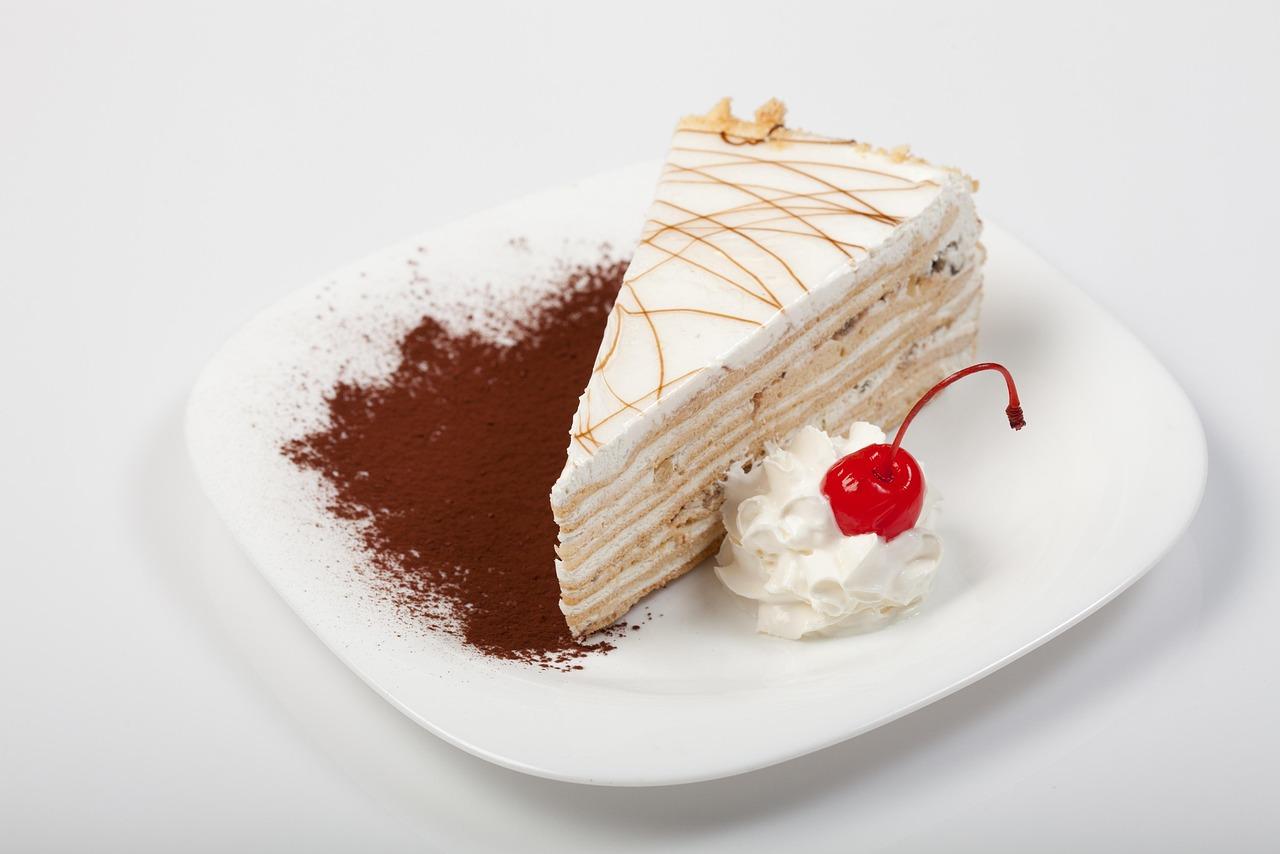
Named after a Hungarian noble family and claimed by both Budapest and Vienna, this torte is a showpiece of Viennese pastry shops, where it sits in the glass counter beside richer chocolate cakes. Five or six crisp-chewy almond meringue layers are stacked with a vanilla custard buttercream, then topped with white icing and the famous feathered chocolate lines. It has no flour at all, so it suits gluten-free guests. A common mistake is baking the layers too pale; they should be light golden, or they go soft and sticky in the cream. Chef's tip: draw the circles on baking paper first and spread the meringue to the line with a palette knife, so every layer matches.

by KrazyBadal 0 views

Showing 24 of 288 recipes

Show more recipes

Page 1 of 12