Skip to content
Recipes

All recipes

Vegetarian, or something you can't eat? Set your diet once and we'll hide recipes that don't fit.

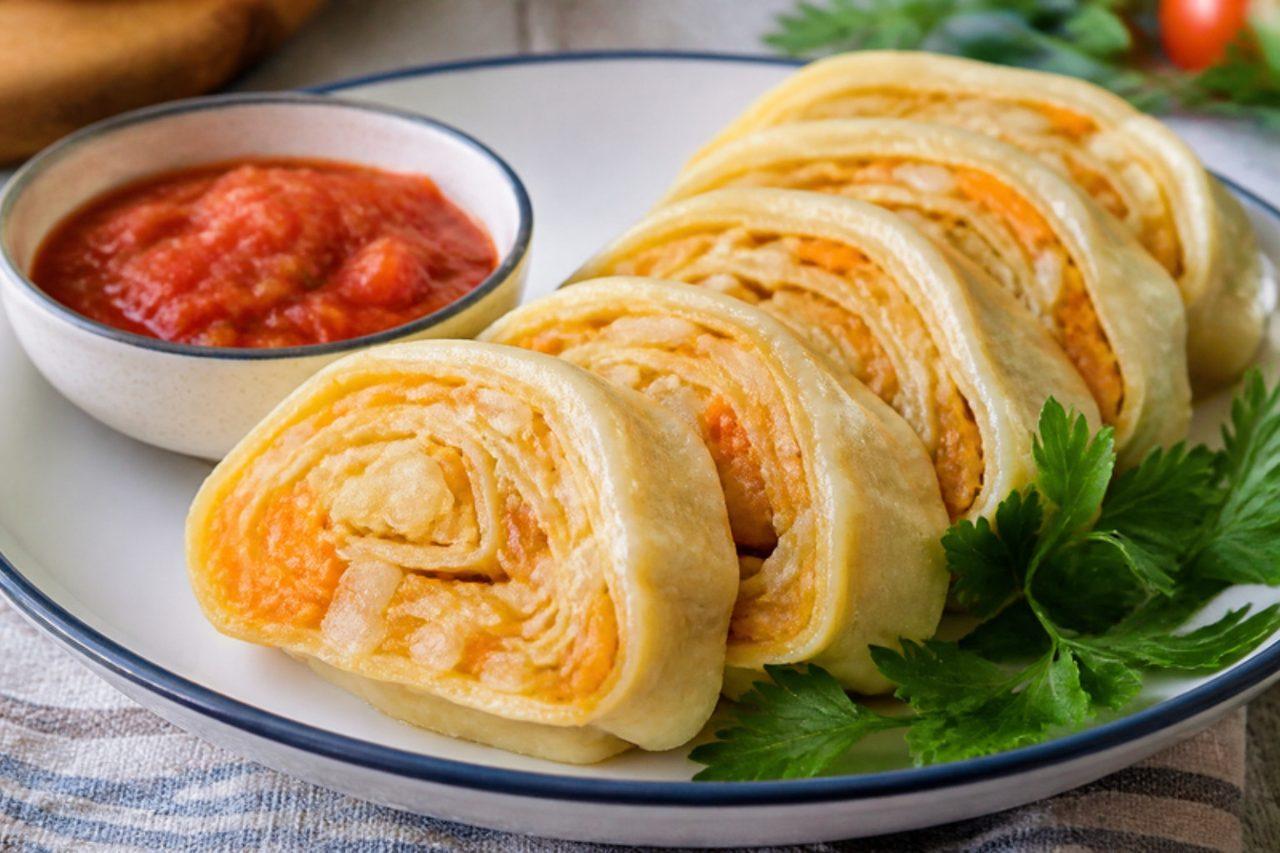
Hanum

Hanum is a rolled steamed dumpling loved across the Ferghana Valley and Tashkent: a thin sheet of dough spread with a filling, rolled into a long log, coiled and steamed in the tiers of a kaskan steamer, then sliced and served with tomato sauce or yogurt. Meat versions are common, but potato and pumpkin hanum is a favourite on fasting days and in autumn. A common mistake is rolling the dough too thick, which makes it heavy and doughy. Chef's tip: oil the steamer basket and coil the roll so it doesn't touch the sides; it expands as it steams. Without yogurt it is vegan.

by KrazyBadal 0 views
Patir

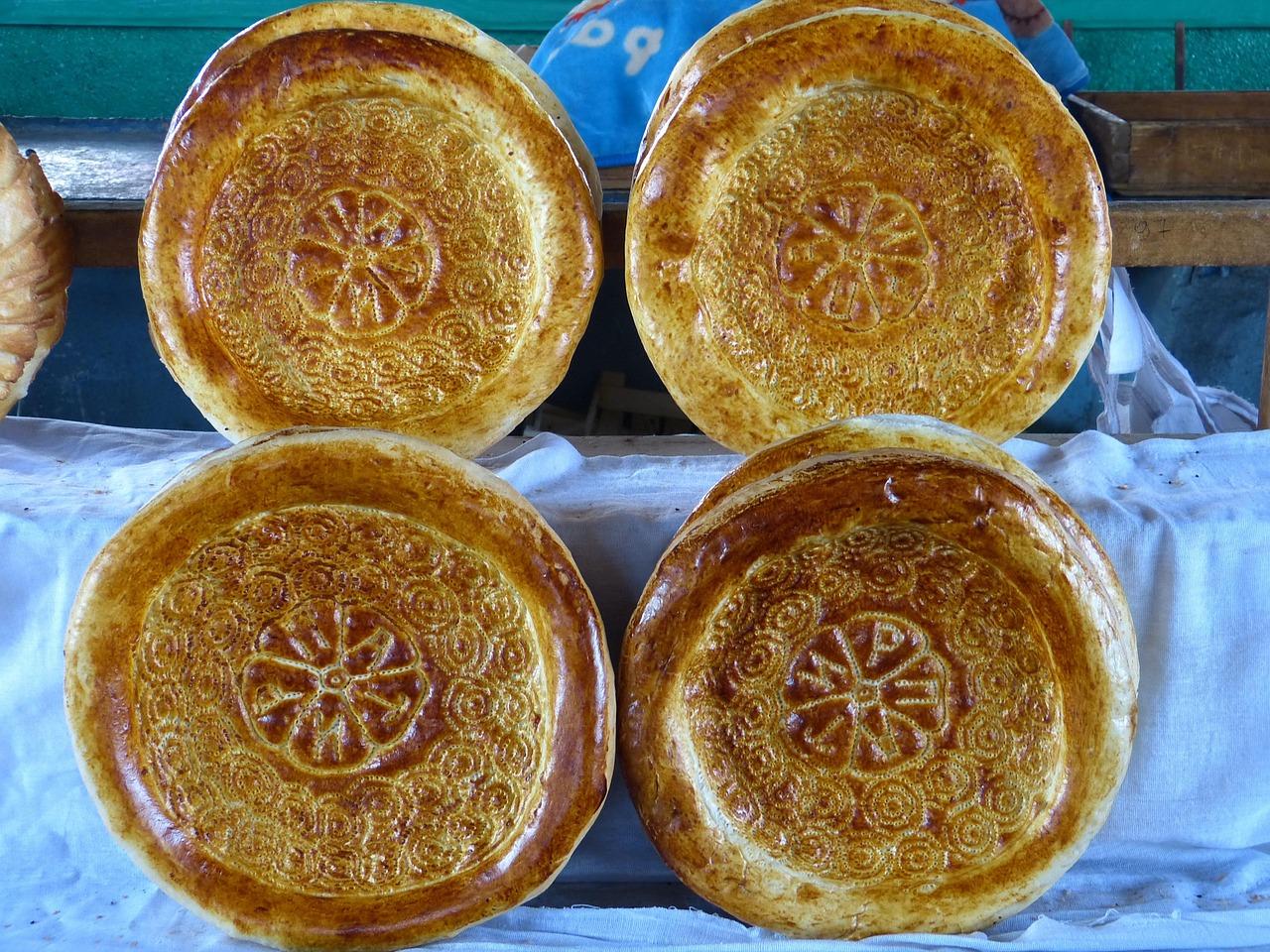
Patir is the rich bread of the Ferghana Valley, especially Kokand and Margilan, made for weddings and guests: dough worked with butter or rendered fat and folded so it bakes into soft, flaky layers, stamped in the middle with a chekich (bread stamp) and slapped onto the walls of a tandir. It keeps for days and is famously carried on long journeys. This version uses butter and a hot oven. A common mistake is skipping the rest after layering; the dough springs back and the layers merge. Chef's tip: prick the centre deeply with a fork, as Uzbek bakers do with their stamp; it stops the middle puffing and keeps the rim thick and soft.

by KrazyBadal 0 views
Moshkhurda

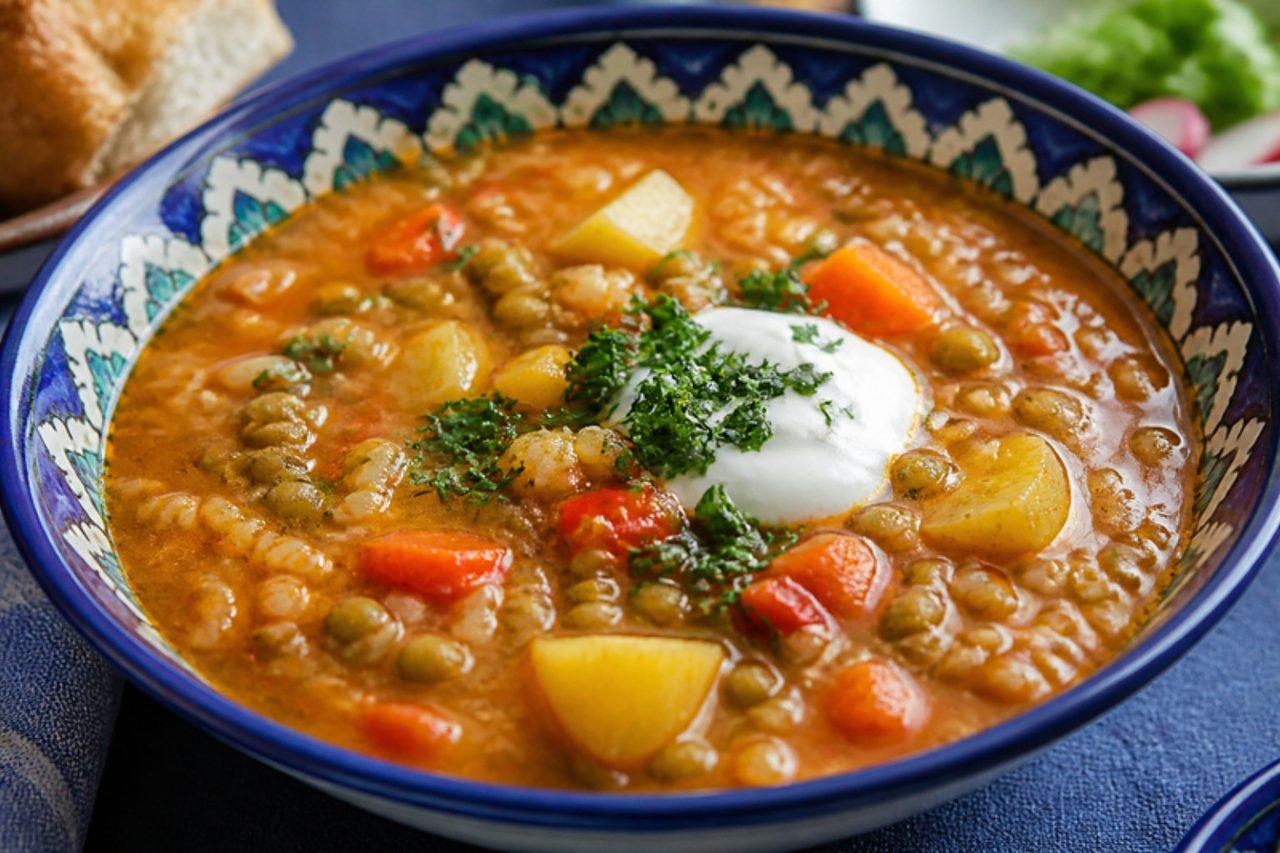
Moshkhurda is a thick, warming soup from Tashkent and the Ferghana Valley, made with mung beans and a little rice cooked in a broth with fried onion, carrot, potato and tomato, and finished in the bowl with a spoon of tangy suzma and fresh dill and coriander. Cooked with lamb in many homes, it is also commonly made without meat on light days. A common mistake is serving it without the suzma; the sour, creamy yogurt is what balances the earthy beans. Chef's tip: fry the tomato paste until it darkens, which gives the broth its deep orange colour and rounded taste.

65 minUzbekSoupsGluten free
by KrazyBadal 0 views
Bakhsh

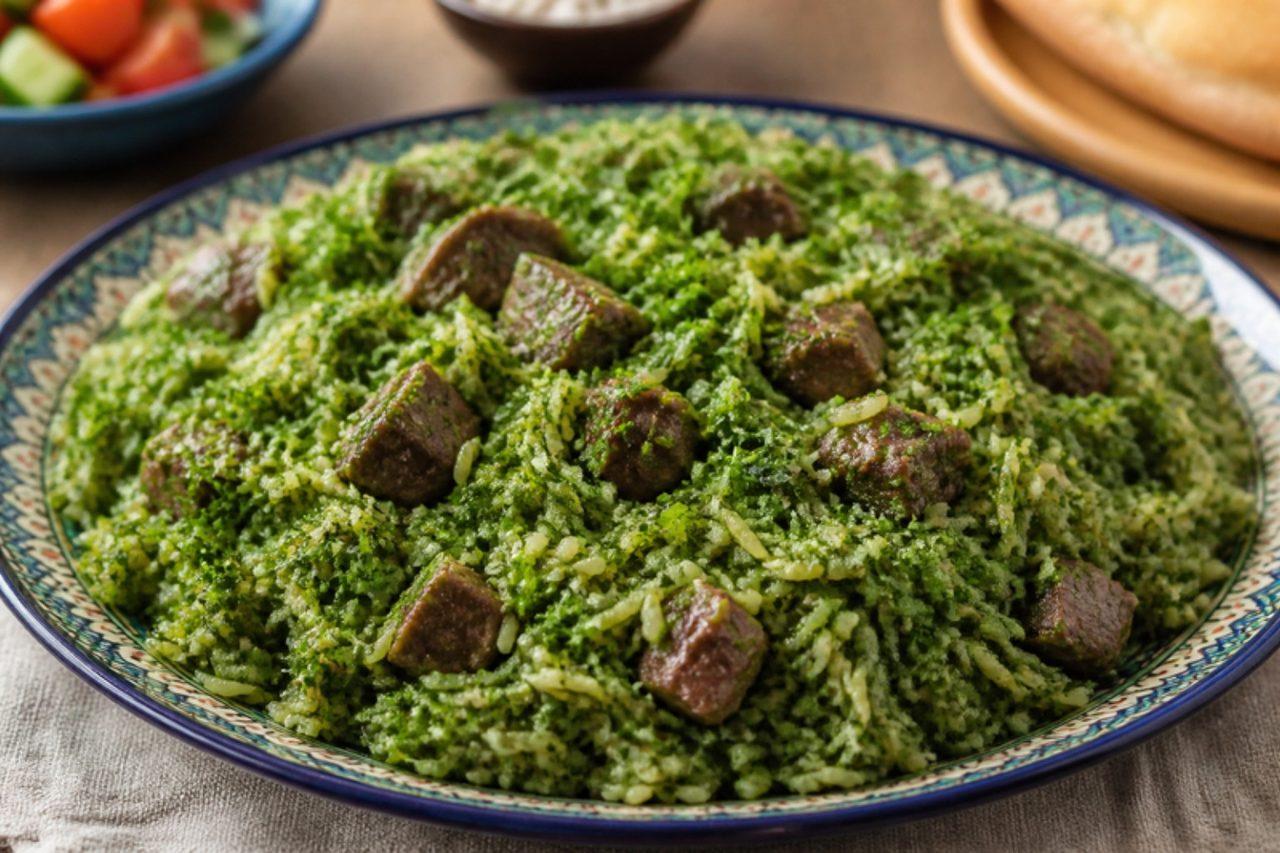
Bakhsh is the Shabbat and holiday rice of the Bukharan Jews, who lived in Bukhara and Samarkand for centuries before most emigrated to Israel and New York: rice mixed with small cubes of beef and liver and so much chopped coriander that it turns deep green, then cooked slowly in a cloth bag inside a pot of broth (bakhsh khalta) or in a pot sealed on the stove. It is fragrant, rich and moist. This version uses beef and calves' liver and the pot method. A common mistake is chopping the coriander roughly; it should be very fine so the rice turns evenly green. Chef's tip: cut the meat into rice-grain-sized pieces so it cooks in the same time as the rice. The liver and meat should be cooked through, 71 °C.

by KrazyBadal 0 views
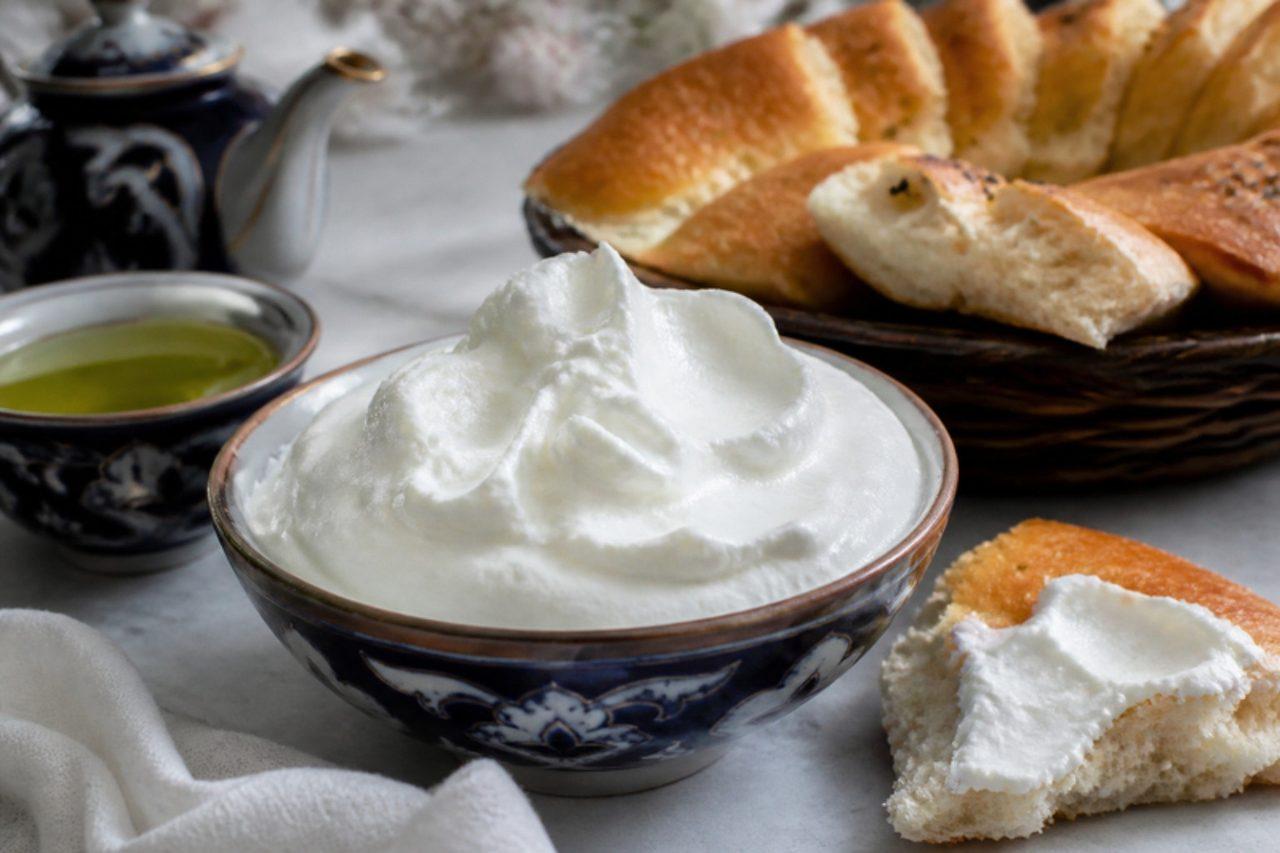
Suzma

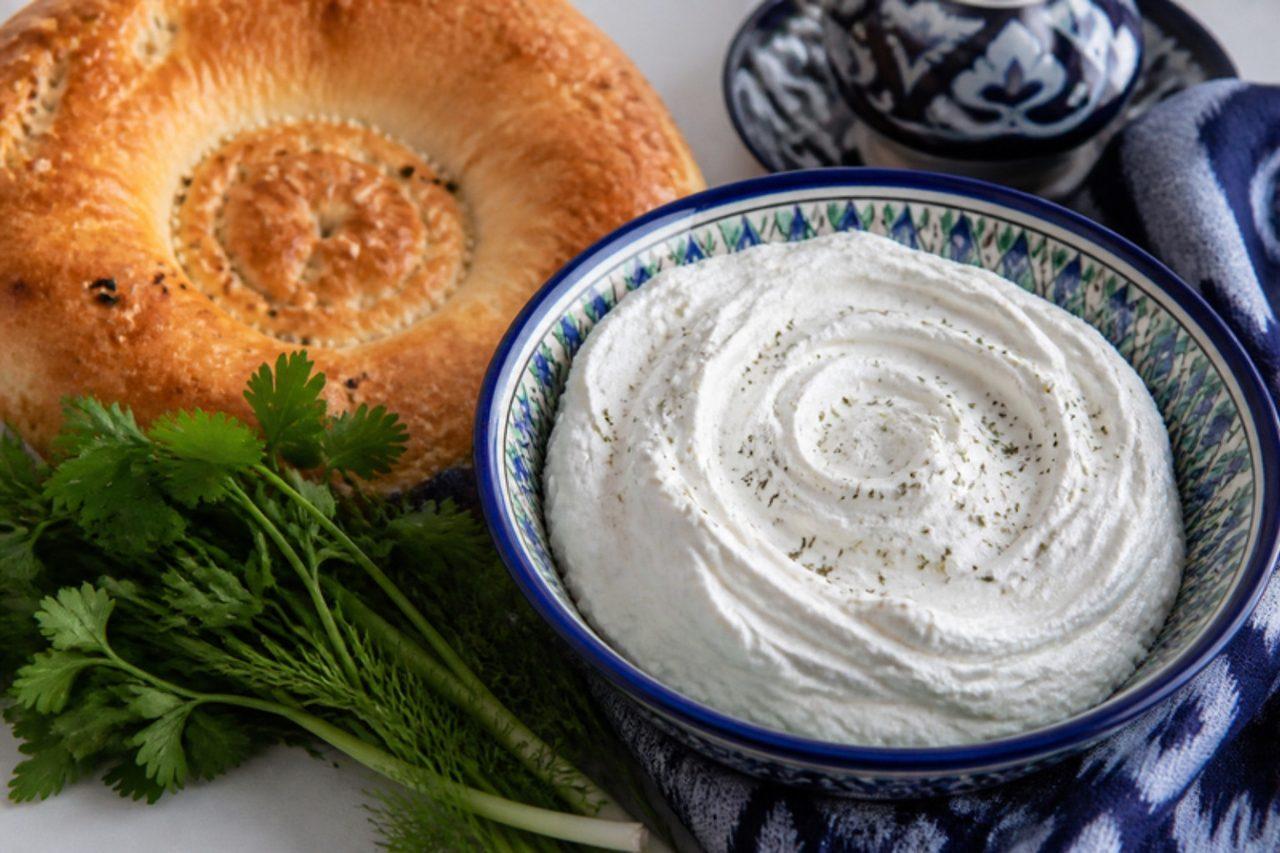
Suzma is strained katyk, the Uzbek sour yogurt: hung in a cloth bag until thick, tangy and spreadable, then spooned into soups like moshkhurda, dolloped on manti, eaten with herbs and non, or rolled into balls and dried into qurut. Every Uzbek kitchen, from Tashkent to Bukhara, has a cloth bag of it dripping over a bowl. A common mistake is straining at room temperature in summer, which sours it too far; hang it in the fridge. Chef's tip: stir in a little salt before hanging; it draws out more whey and gives a firmer, longer-keeping suzma.

by KrazyBadal 0 views
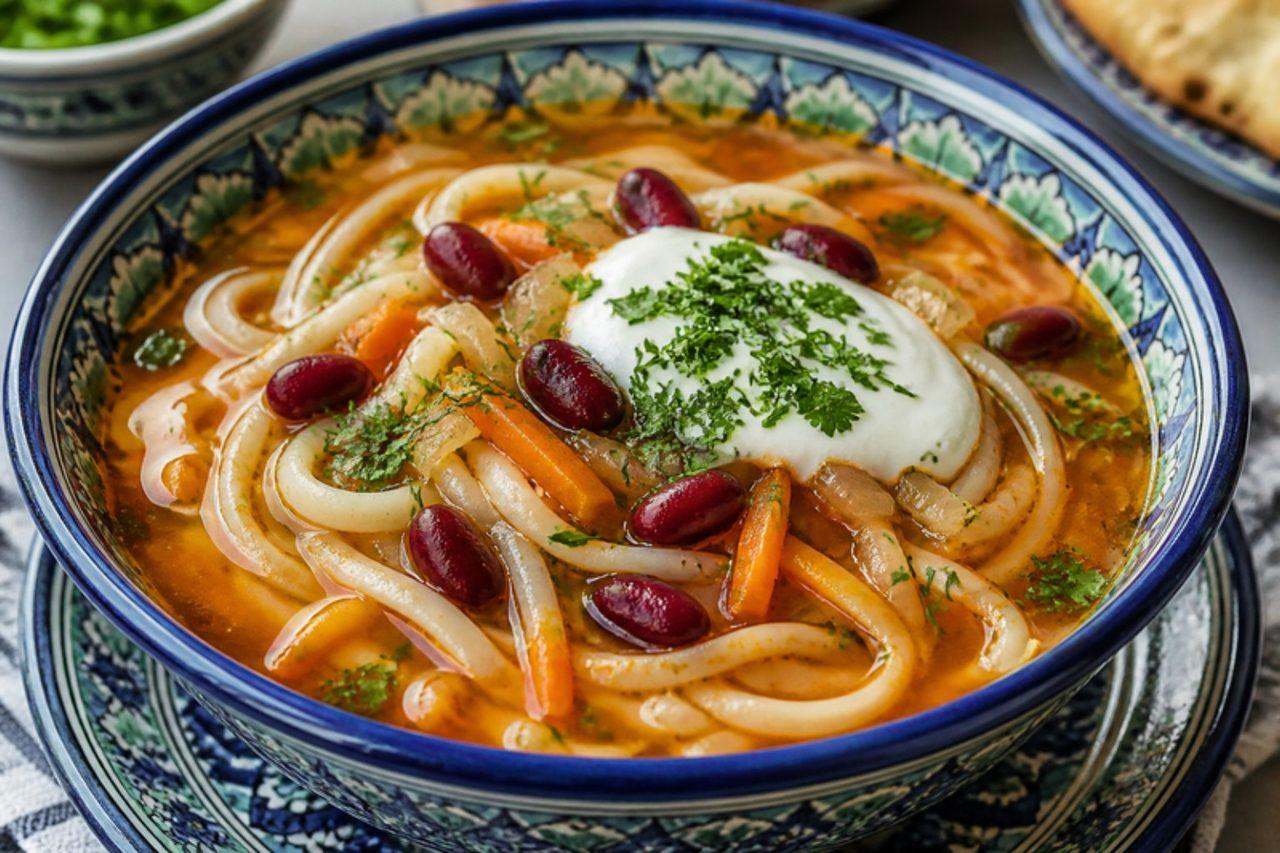
Shavla

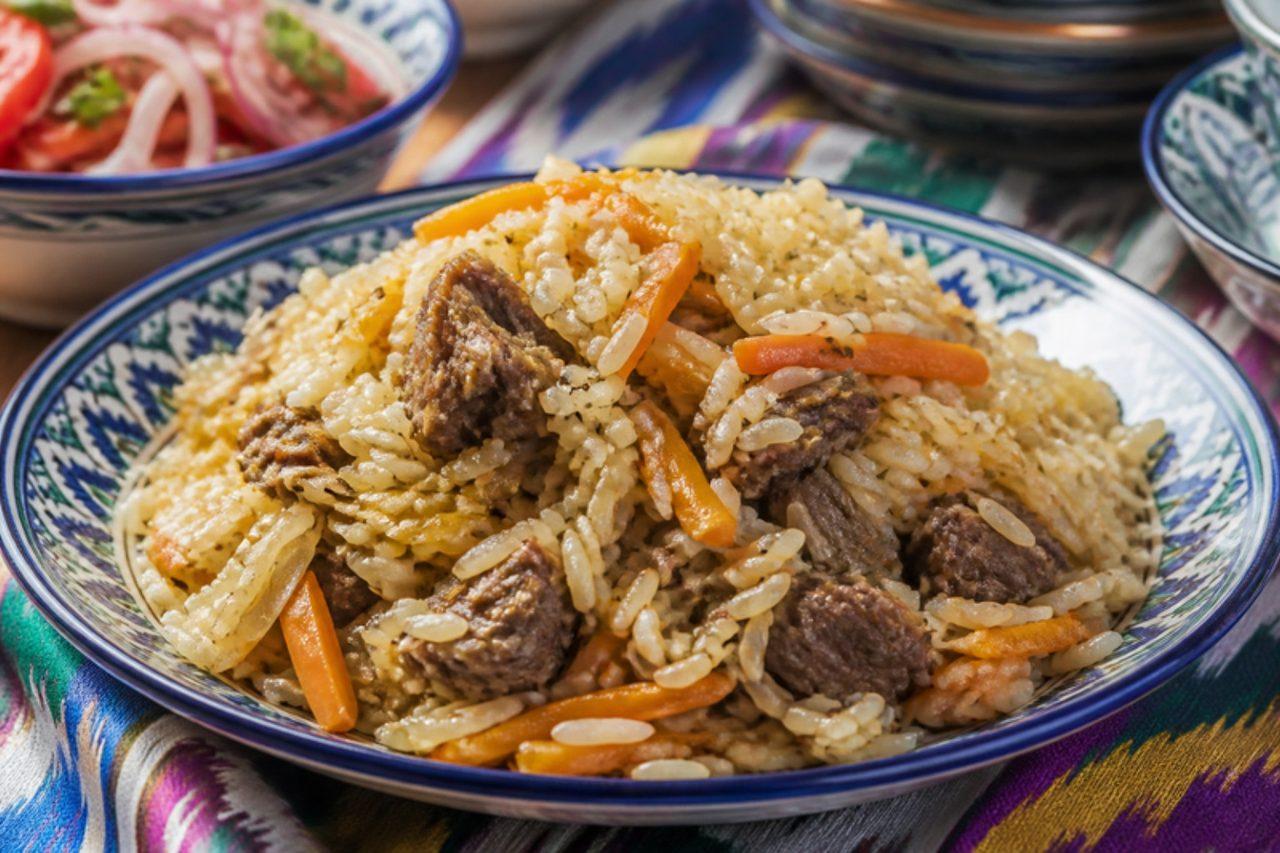
Shavla is the softer, homelier cousin of plov, made in Tashkent and Samarkand households when someone is unwell or for a weekday supper: the same lamb, onion and yellow carrot zirvak as plov, but cooked with more water and stirred so the rice turns soft and porridge-like. Children often prefer it, and it reheats well. A common mistake is treating it like plov and leaving it unstirred; shavla needs gentle stirring to turn creamy. Chef's tip: use short-grain rice and cook the zirvak until the carrots are soft and sweet before the rice goes in.

by KrazyBadal 0 views
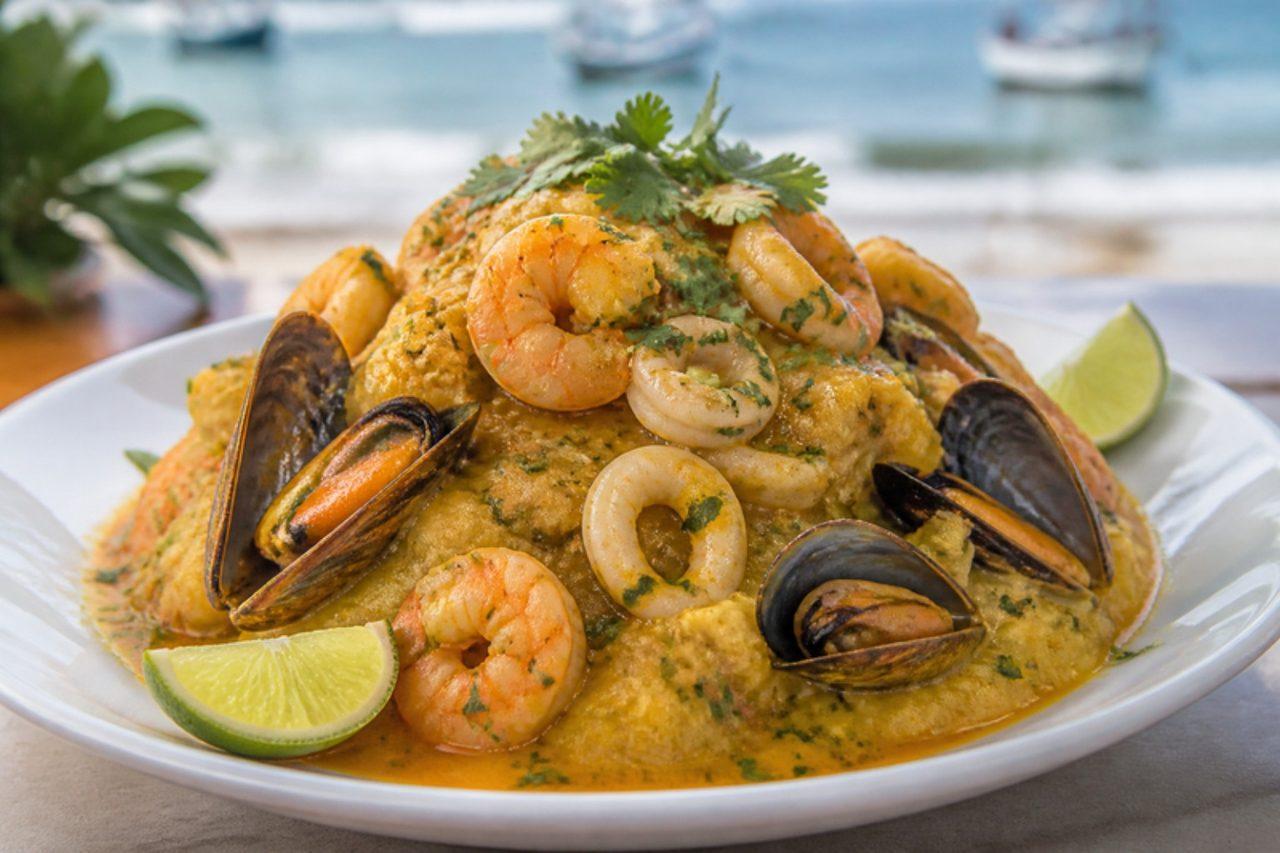
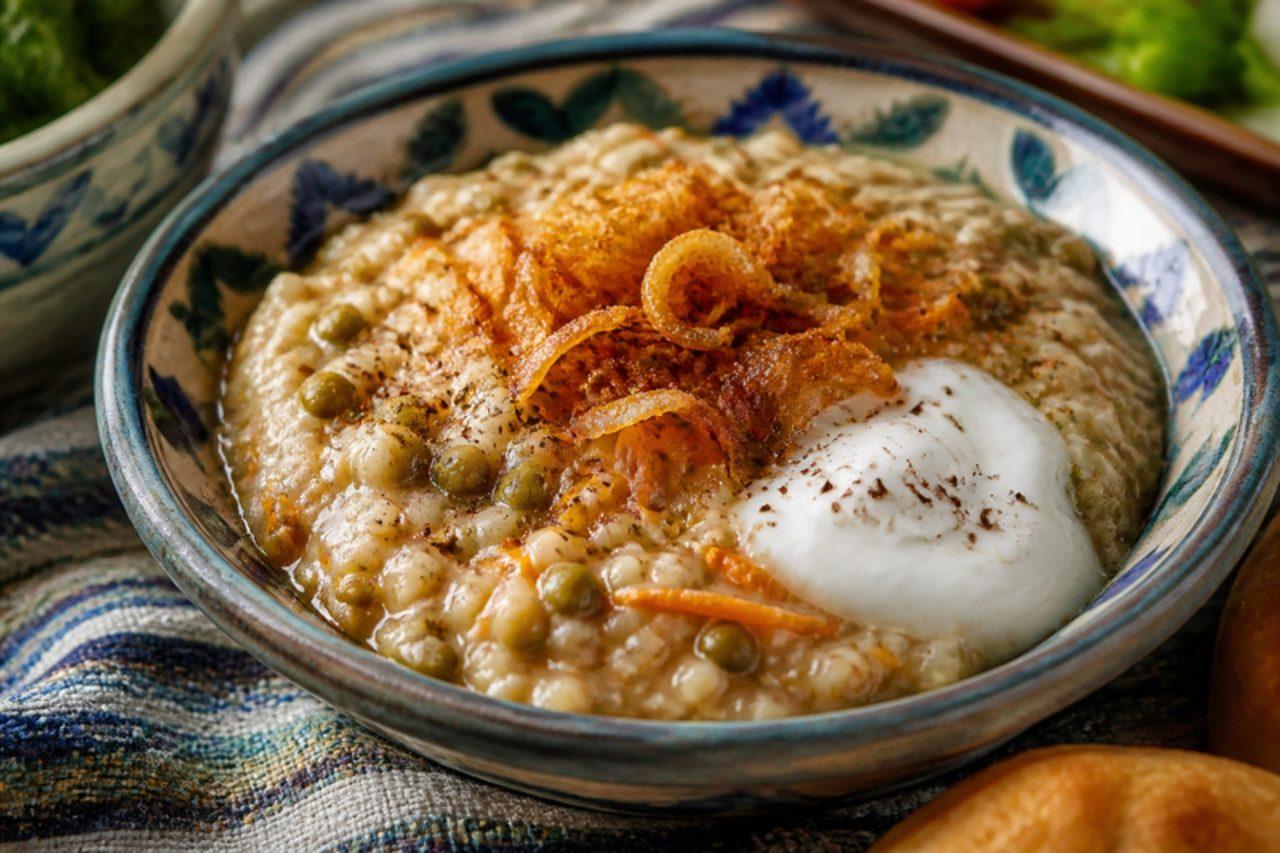
Moshkichiri

Moshkichiri is a soft, homely dish cooked in Tashkent kitchens on chilly evenings and for anyone who needs gentle food: mung beans and short-grain rice cooked together until creamy, with onion and carrot fried in cotton-seed or sunflower oil stirred through. Many families add a little lamb; this version keeps it meat-free, with cumin and plenty of black pepper. It is eaten with a spoon from a deep bowl, often with a dollop of suzma on the side. A common mistake is adding the rice at the same time as the mung beans; the rice turns to mush before the beans soften. Chef's tip: let it stand off the heat, covered, for 10 minutes before serving so it settles into a thick, spoonable porridge.

by KrazyBadal 0 views

Tandir gosht

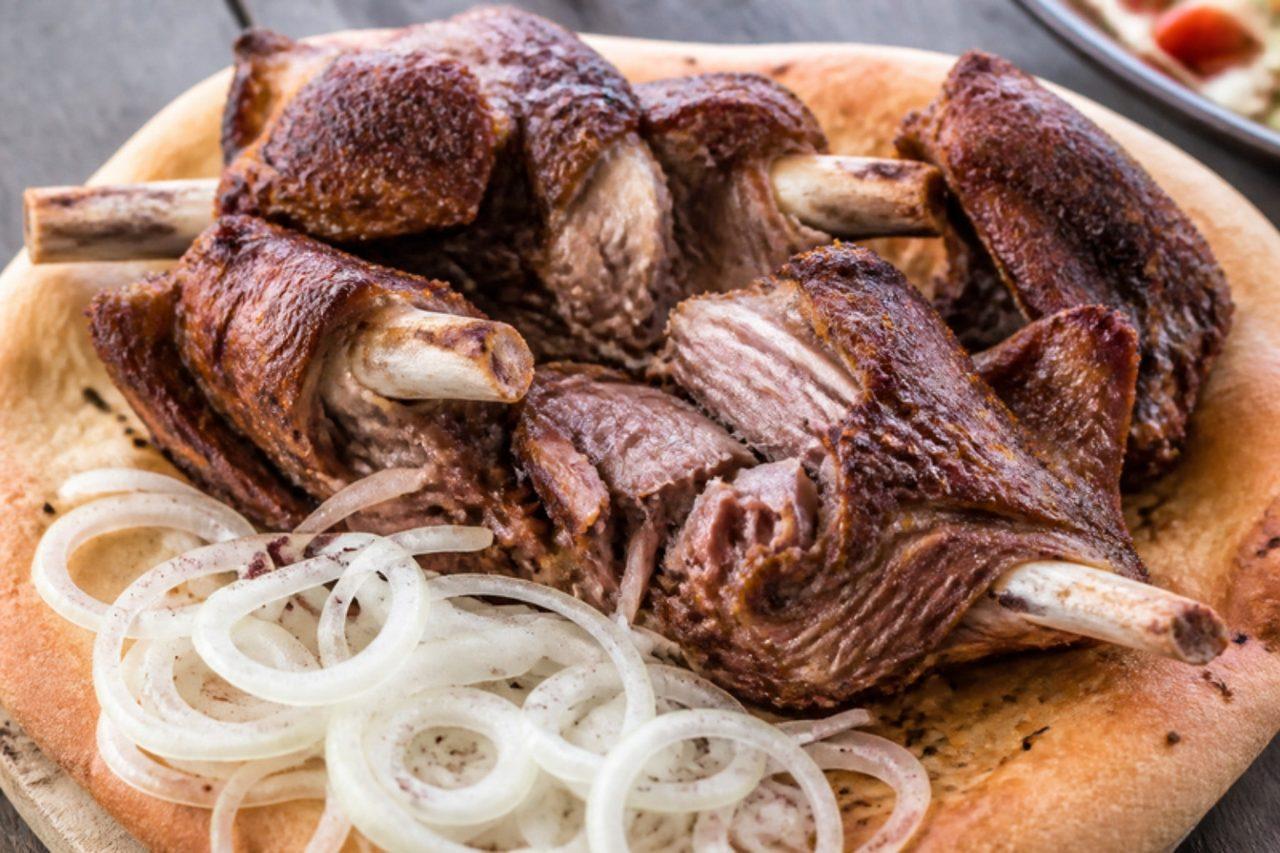
In Samarkand and Jizzakh, tandir gosht is cooked in a clay tandir oven that is fired until white-hot, then the coals are raked out, big pieces of lamb on the bone are hung inside on hooks, wrapped in leaves of the dzhida tree or grape, and the oven is sealed with clay for hours. The meat comes out smoky, falling-apart tender and crusty at the edges. This home version wraps the lamb in vine leaves and foil and slow-roasts it, finishing uncovered for colour. A common mistake is unwrapping too early; the meat needs the full time to turn tender. Chef's tip: rub the lamb with salt, cumin and a little crushed coriander the night before so the seasoning goes deep.

320 minUzbekMeat
by KrazyBadal 0 views

Navat

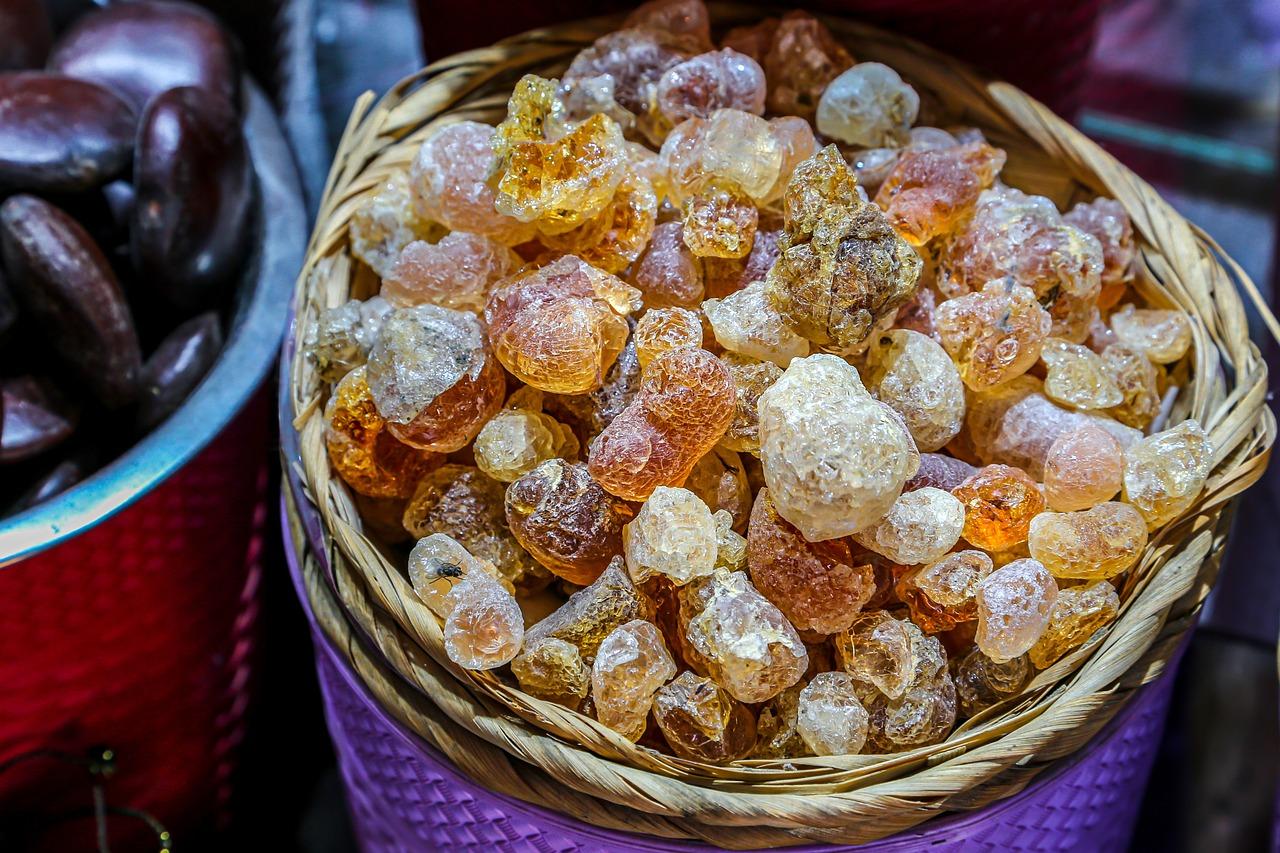
In Samarkand and Bukhara, navat is sold in sparkling amber clusters still hanging from the threads they grew on, and Uzbek families dissolve a piece in green tea as a cure for colds, or give it to new mothers. Traditionally it is crystallised slowly from grape juice and sugar; at home, a strong syrup with a little grape juice, left undisturbed for several days, grows the same glassy crystals. A common mistake is moving the jar, which knocks the crystals loose before they form. Chef's tip: use clean cotton threads dipped in syrup and rolled in sugar first; the seed crystals give the new ones something to grow on.

by KrazyBadal 0 views

Norin

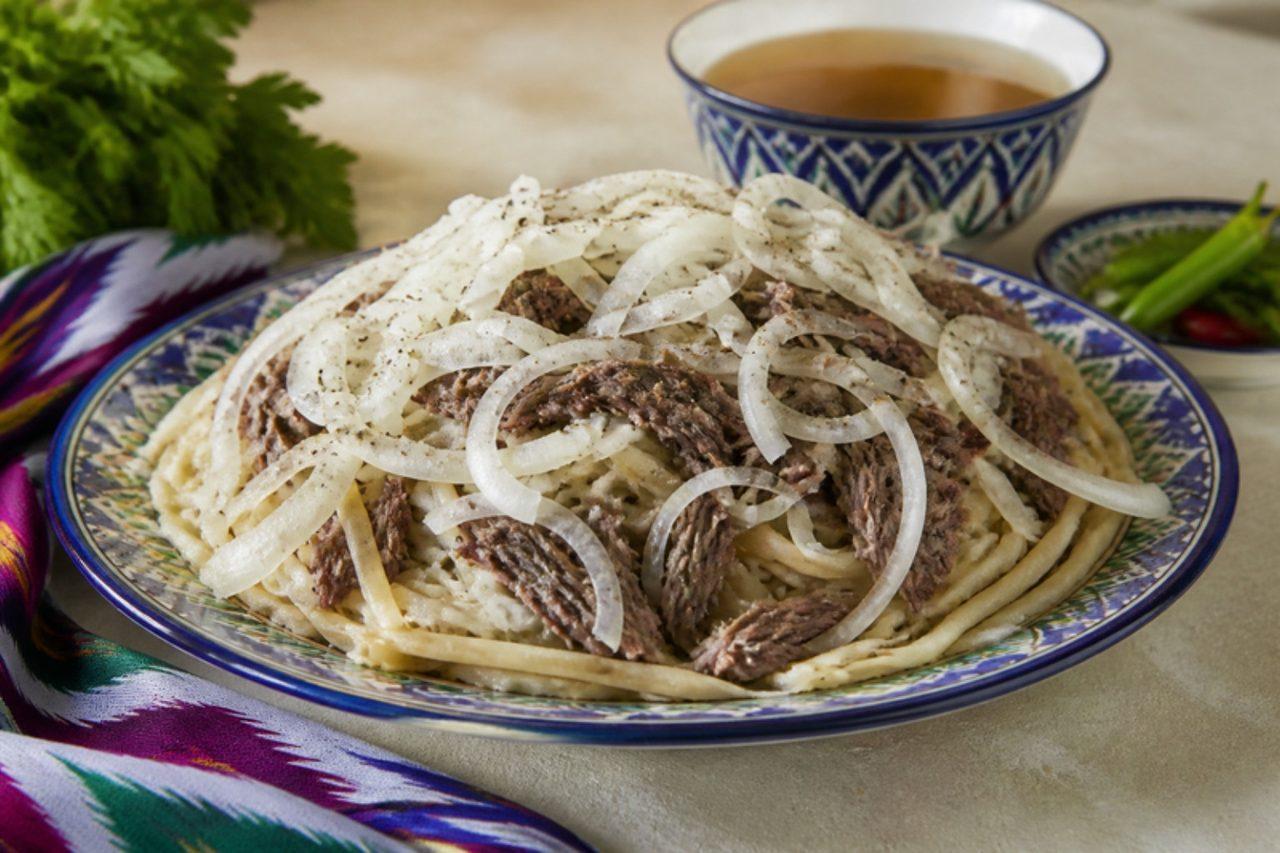
Norin is a Tashkent speciality for special occasions and the morning after weddings: very thin, hand-cut noodles mixed with finely sliced boiled meat and raw onion, served cold or at room temperature with a small bowl of the hot meat broth on the side. It is traditionally made with horse meat and horse sausage (kazy); this recipe uses beef brisket instead, as the site does not use horse. The cutting is the art: noodle and meat are sliced into hair-thin strips of the same width. A common mistake is serving the noodles straight from the pot; they must be cooled and oiled, or they clump. Chef's tip: dry the rolled dough sheets slightly before cutting, which makes them firm enough to slice very fine.

by KrazyBadal 0 views

Hasip

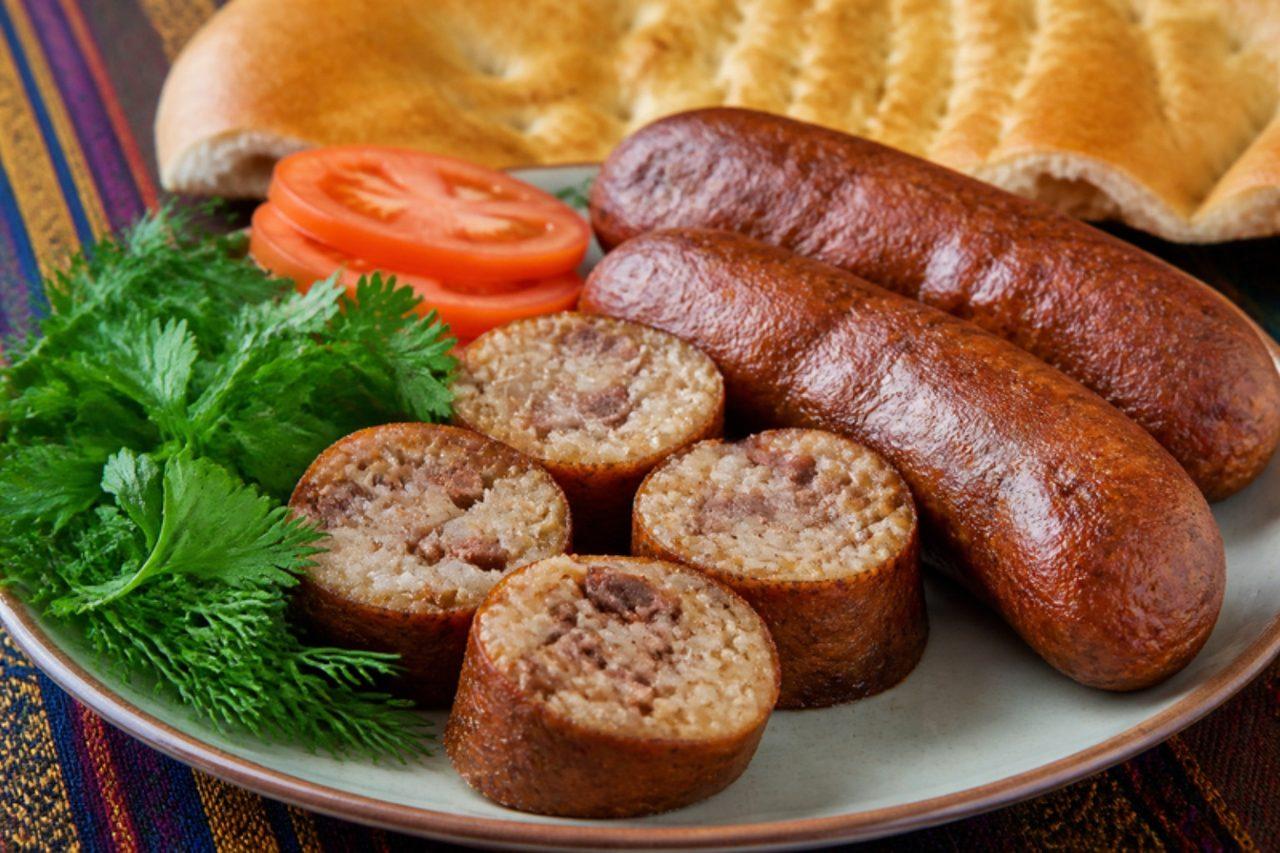
Hasip is the sausage of Bukhara, made after Kurban Hayit, the feast of the sacrifice: lamb casings stuffed with rice mixed with chopped lamb, liver and heart, onion and cumin, boiled until firm and then sliced and fried until crisp. Bukharan families serve it hot as a first course for guests. A common mistake is overfilling the casings; the rice swells and bursts them in the pot. Chef's tip: fill them only two-thirds full and prick well before simmering, then fry the slices in a dry pan so they crisp in their own fat. The filling must reach 71 °C.

180 minUzbekMeatGluten free
by KrazyBadal 0 views

Gumma

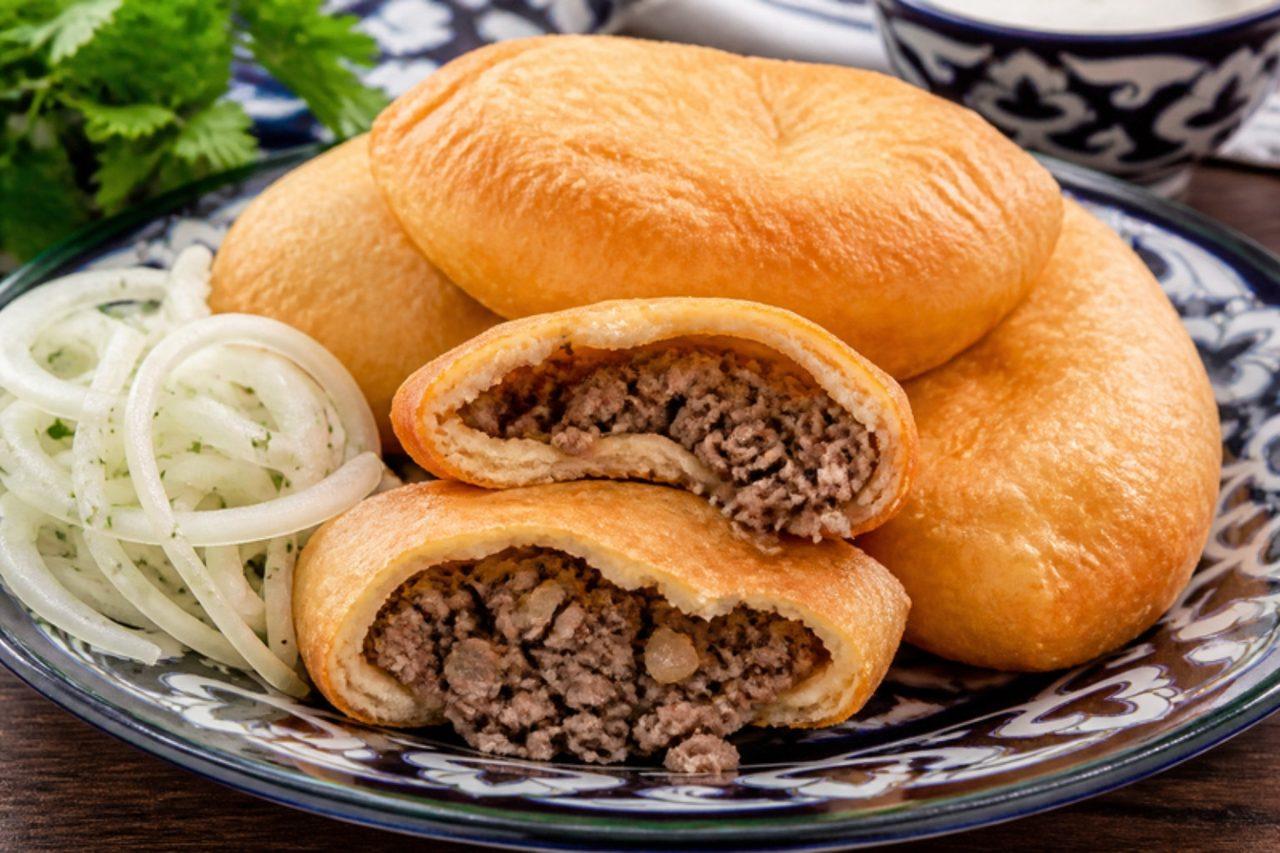
Gumma are the hot, puffy fried pies sold from big pans on Tashkent street corners and in bazaars like Chorsu, wrapped in paper and eaten in the morning with tea. The classic filling is cheap and hearty: lamb or beef offal, usually liver, heart and lung, minced with plenty of onion and black pepper; potato gumma is the vegetarian sister. This version uses lamb's liver and heart. A common mistake is frying in oil that is not hot enough, which makes the dough greasy and heavy. Chef's tip: cook the filling fully before shaping, then fry the pies at 175 °C until puffed and golden; the dough cooks in minutes while the filling only needs warming. Offal should be cooked until no pink remains, 71 °C.

by KrazyBadal 0 views

Tashkent salad

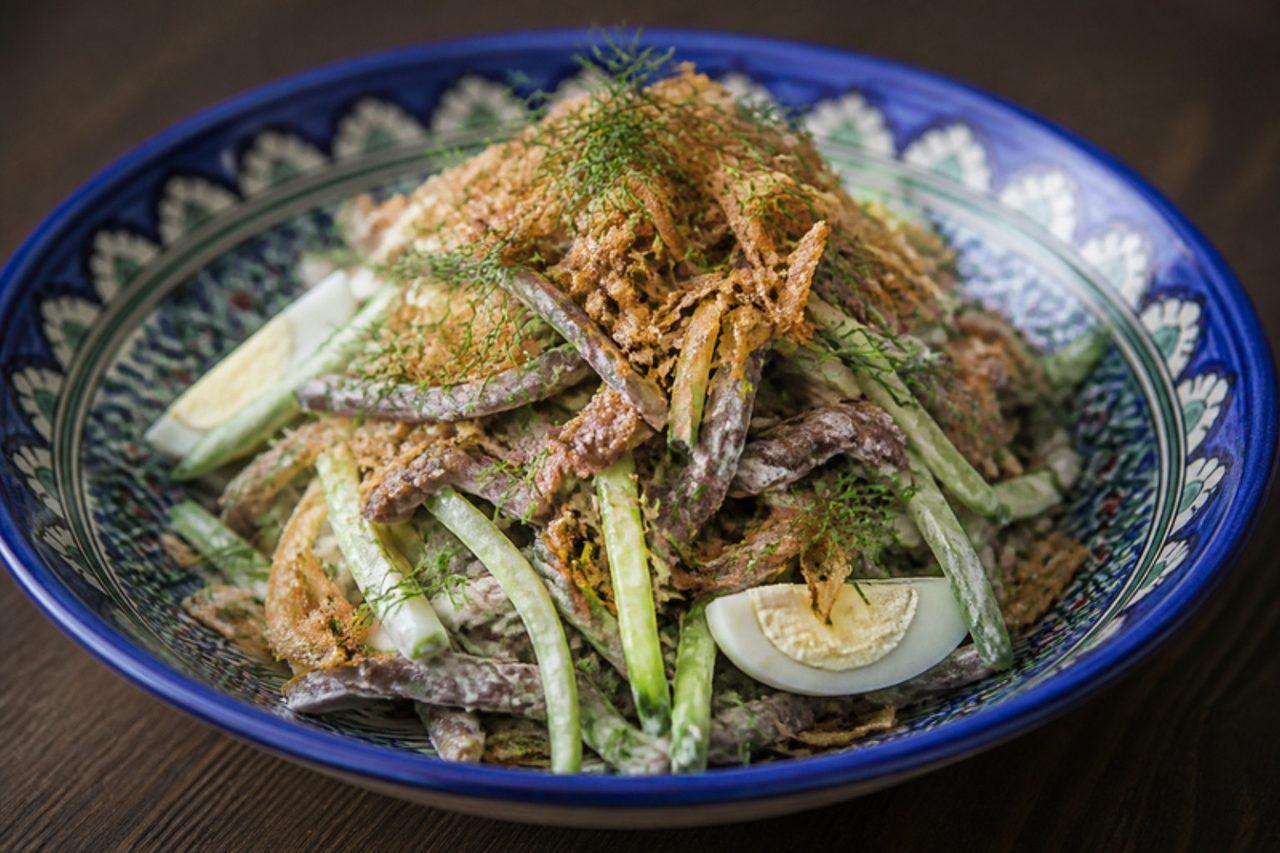
Every Tashkent restaurant lists 'Tashkent salad', a Soviet-era favourite still served at birthdays and New Year: crunchy green radish (Margilan radish) cut into fine strips, tossed with thin slices of boiled beef, a heap of onion fried until crisp, and boiled egg, all dressed with mayonnaise. The crisp onion is what makes it, so don't skimp. A common mistake is dressing the radish too early, which makes the salad watery. Chef's tip: salt the radish strips for 10 minutes, squeeze them well, then dress just before serving.

110 minUzbekSaladsGluten free
by KrazyBadal 0 views

Ugra osh

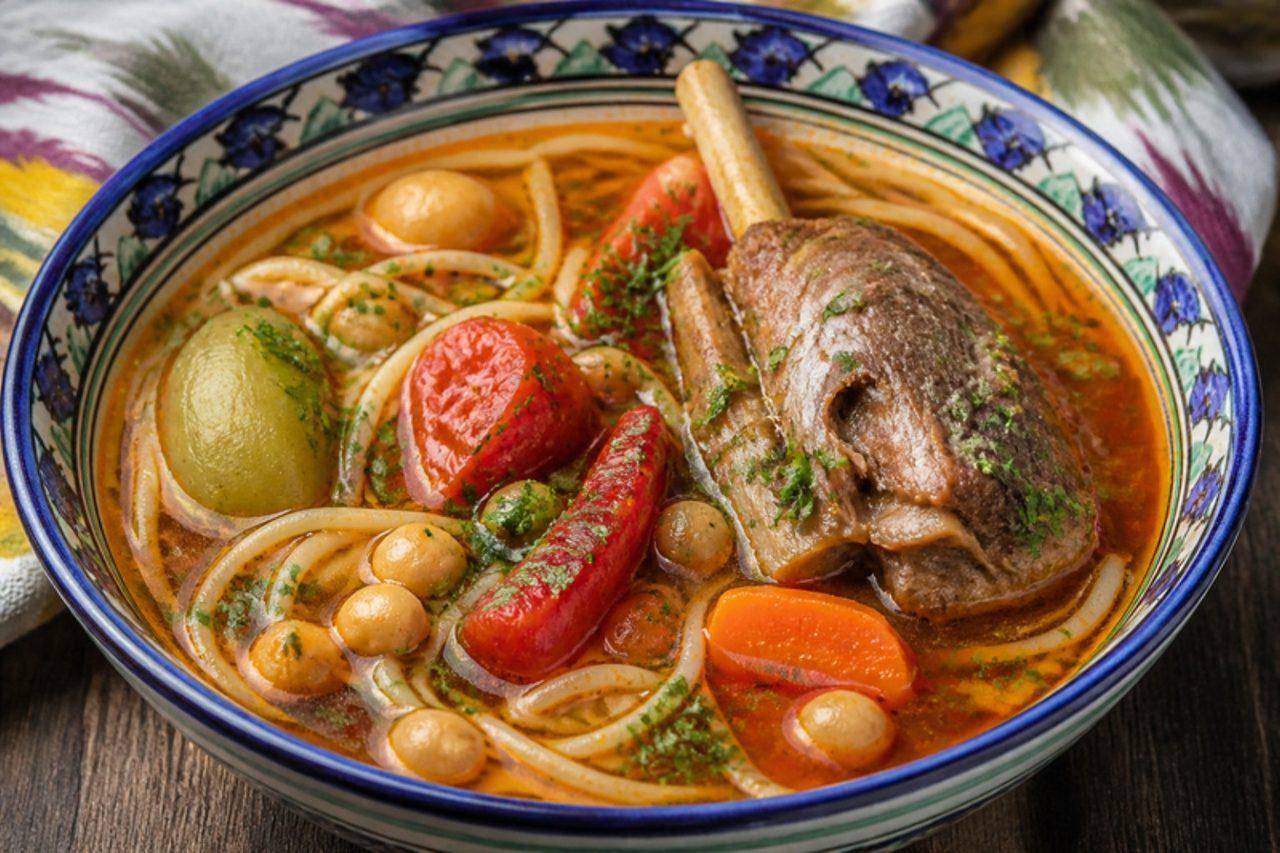
Ugra osh is the noodle soup of Bukhara and Samarkand, where 'ugra' means very thin hand-cut noodles: they are cooked in a clear lamb broth with chickpeas, carrot, radish, tomato and pepper, and the bowl is finished with chopped dill and a spoon of katyk. On meatless days the same soup is made with chickpeas and vegetables alone. A common mistake is cooking the noodles in the soup pot for too long, which clouds the broth. Chef's tip: cook the noodles separately for 2 minutes and add them to each bowl, so the broth stays clear and the noodles don't swell.

130 minUzbekSoups
by KrazyBadal 0 views

Tuhum barak

Tuhum barak is a speciality of Khorezm and the old walled city of Khiva: large square dumplings of thin dough filled not with meat but with liquid, eggs beaten with milk and a little butter, sealed tight and dropped into boiling water so the filling sets into a soft omelette inside. It is served with butter and katyk. Making it takes practice, because the dumplings are filled through a gap and must not leak. A common mistake is overfilling, which bursts the seams in the pot. Chef's tip: seal three sides first, stand the pocket in a cup, pour in the egg, then pinch the last side shut. Pumpkin barak is made the same way with grated pumpkin and onion.

by KrazyBadal 0 views

Nohat shurak

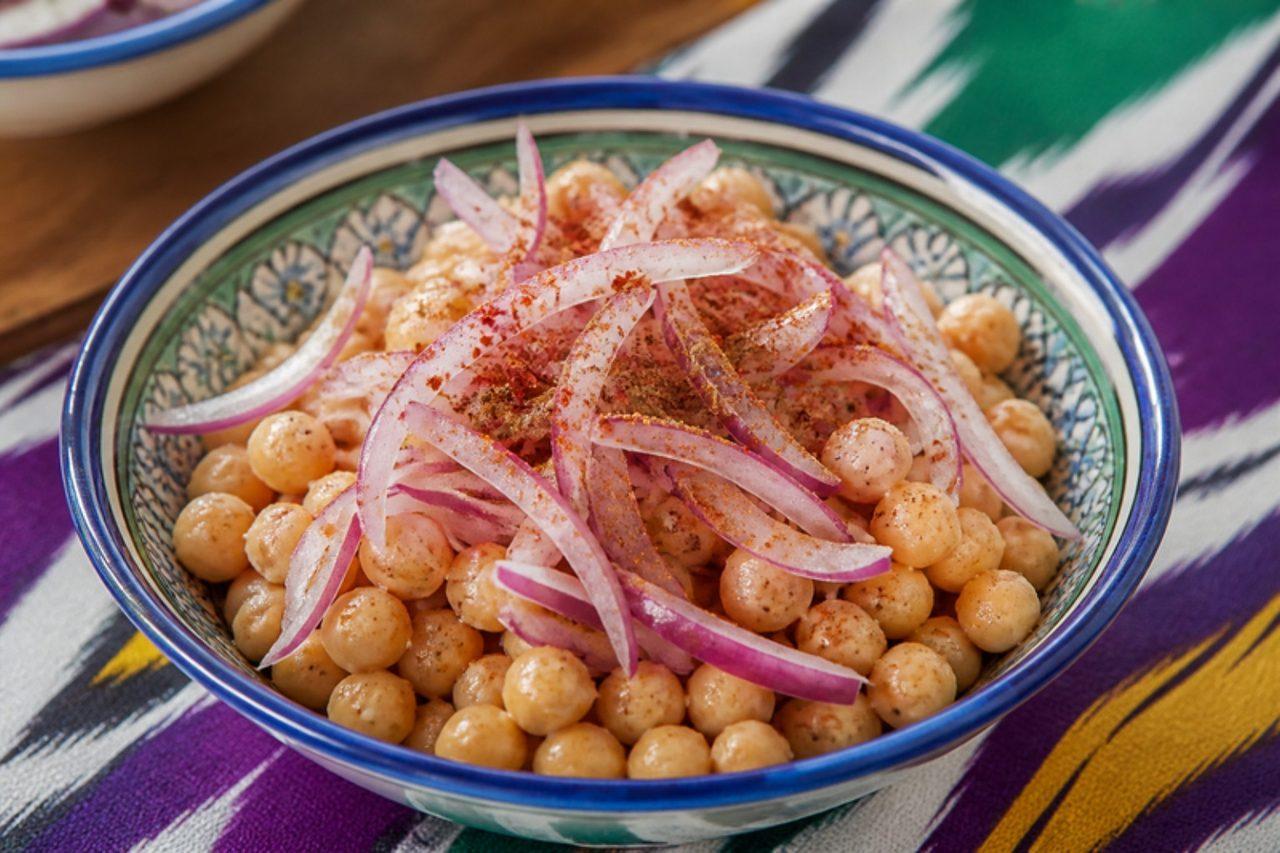
At bazaars like Chorsu in Tashkent, vendors sell nohat shurak from big steaming pots: chickpeas boiled with salt until soft but whole, scooped into bowls and topped with thinly sliced onion soaked in vinegar, chilli, and sometimes a sprinkle of cumin. It is a cheap, filling snack, eaten with a spoon standing at the stall. A common mistake is adding salt at the start, which can keep the skins tough. Chef's tip: soak the onion in vinegar and a little water for 20 minutes; it softens and turns sweet-sharp, which is the whole point of the dish.

by KrazyBadal 0 views

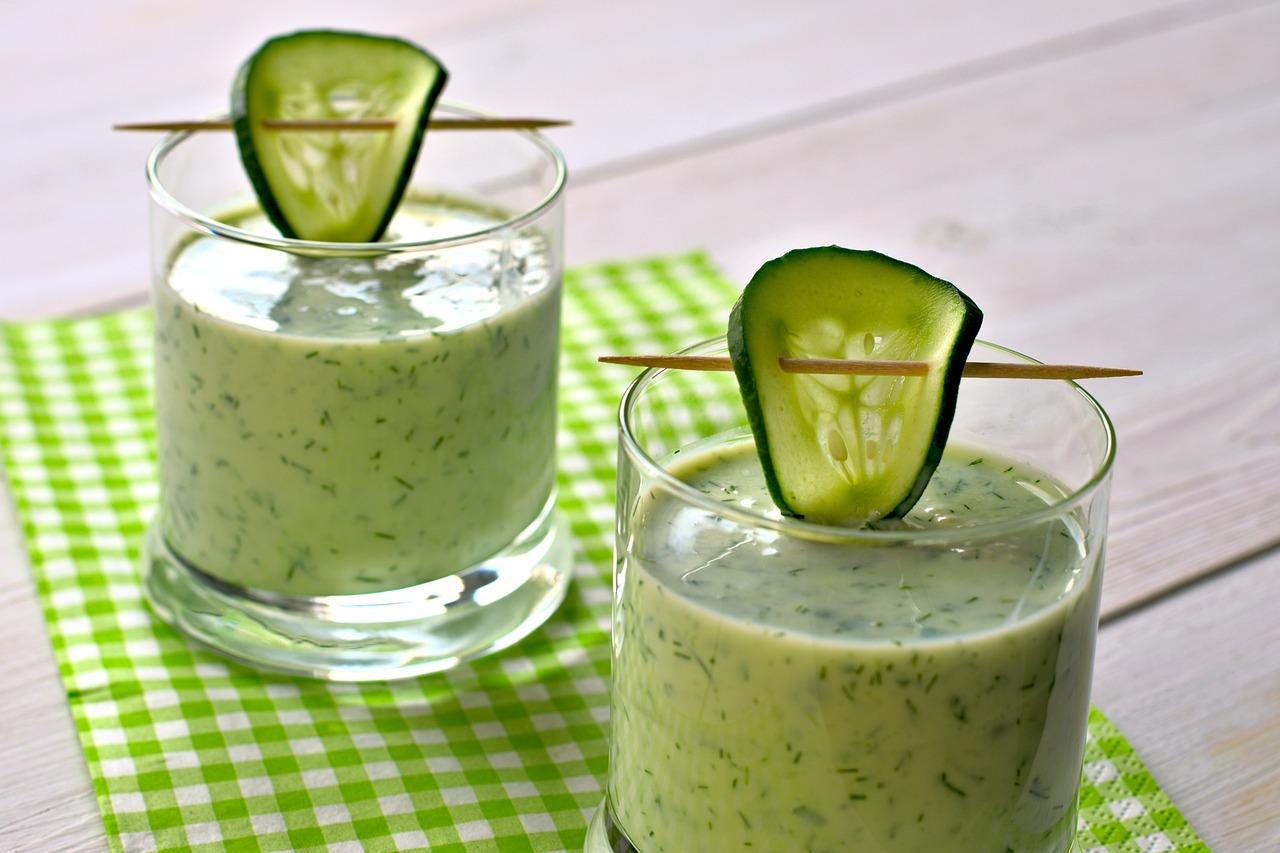
Chalop

When Tashkent summers reach 40 °C, families eat chalop: chilled katyk or suzma loosened with cold water and filled with diced cucumber, radish and a pile of fresh dill, coriander, basil and spring onion. It is served in bowls with torn non bread, alongside plov or grilled shashlik, and some like a little ice in it. A common mistake is using thin, runny yogurt, which makes the soup watery; start with a thick yogurt and thin it to taste. Chef's tip: salt the cucumbers lightly and leave for 5 minutes before adding them, so they season through and stay crisp.

15 minUzbekSoupsGluten free
by KrazyBadal 0 views

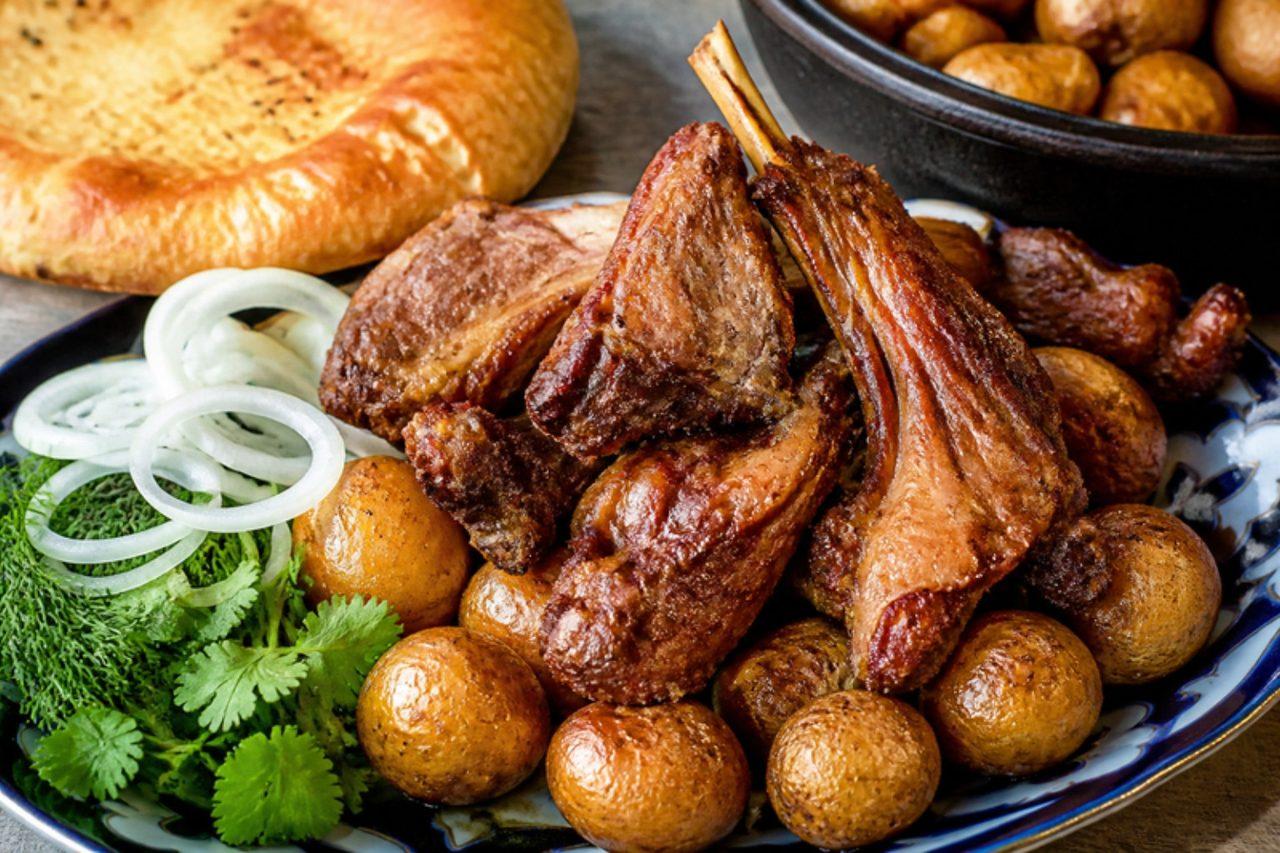
Kazan kabob

Kazan kabob is men's food in Tashkent, cooked outdoors in a big cast-iron kazan for a weekend gathering: lamb ribs fried hard in their own fat until crusty, then covered and cooked until tender, with whole small potatoes added to fry in the lamb fat until golden. It is served piled on a platter with raw onion, cumin and fresh herbs. A heavy cast-iron casserole does the job at home. A common mistake is adding water; the dish should fry and steam in its own fat and juices. Chef's tip: salt the ribs well in advance and fry them without moving them for the first 5 minutes, so they get a deep crust.

90 minUzbekMeatGluten free
by KrazyBadal 0 views

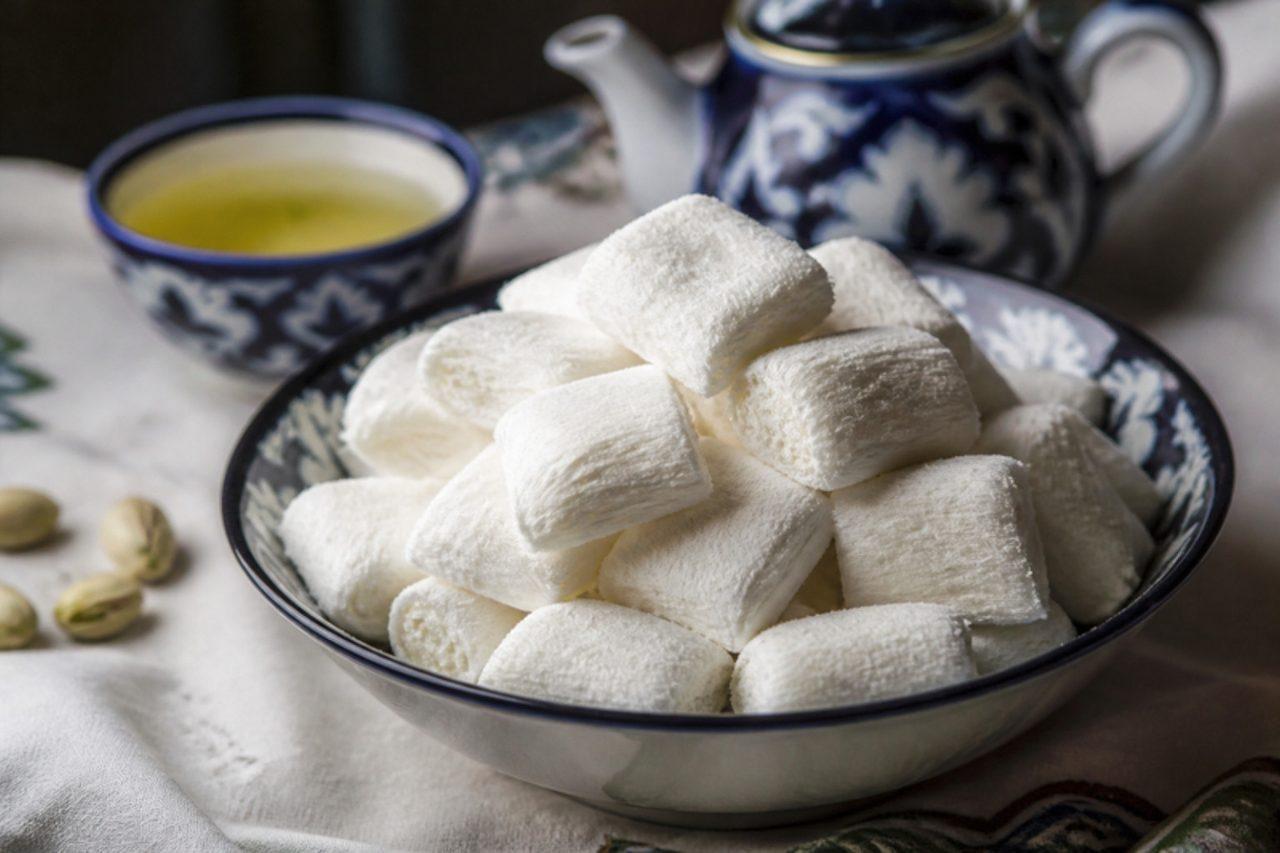
Parvarda

Parvarda are small, chewy-crisp pillows of pulled sugar, white and satiny, dusted with flour and served in Samarkand and Tashkent teahouses beside bowls of green tea; they are a winter sweet, because cool air helps the sugar set. Making them is a family job: the hot syrup is pulled again and again until it turns opaque white, then stretched into ropes and snipped. A common mistake is pulling the sugar while it is still too hot to hold, which burns your hands and makes the candy sticky. Chef's tip: wear food-safe gloves lightly oiled with a few drops of oil and pull the candy as soon as it is cool enough to handle, working quickly before it stiffens. Very hot sugar can cause serious burns, so keep children away.

by KrazyBadal 0 views

Nishalda

In Samarkand's old town, nisholda appears during Ramadan, sold from big bowls by vendors who whip it by hand: a glossy, marshmallowy white cream made by beating egg whites with a hot sugar syrup and a decoction of liquorice root, which gives a gentle, earthy sweetness and makes the foam very stable. It is eaten after sunset with warm non bread dipped in. A common mistake is pouring the syrup in too fast, which deflates the whites. Chef's tip: add the hot syrup in a thin stream with the mixer running; the heat cooks the whites as they whip, so the cream is safe and holds for days.

by KrazyBadal 0 views

Unash

Unash is a homely soup from Khorezm, in Uzbekistan's far north-west near the Aral Sea: thin hand-cut noodles cooked in a broth of beans, onion, carrot and tomato, then finished in the bowl with a spoon of sour katyk and fresh herbs, so it tastes both rich and tangy. Families in Urgench make it on winter evenings, often without meat. A common mistake is cooking the noodles in the soup for too long, which makes it thick and gluey. Chef's tip: add the noodles only when the beans are fully tender, and serve within 5 minutes so they stay springy.

90 minUzbekSoups
by KrazyBadal 0 views

Majarisco

Its name blends 'majado' (mashed plantain) and 'marisco' (seafood), and along the coast of Piura and Tumbes, near the Ecuadorian border, it's what cevicherías and beach restaurants serve when you want something hot and filling. Mashed green plantain is folded into a sauce of garlic, onion, ají and seafood juices, with prawns, squid and mussels running through it, so every forkful is creamy, garlicky and briny. Serve it with lime and salsa criolla. Mussels must be alive: tap any open ones and discard those that don't close, and discard any that stay shut after cooking. Overcooking the seafood is the most frequent mistake; it goes in at the end, just until pink and opaque. Chef's tip: keep the mussel cooking liquid and use it to loosen the mash; it's pure seafood flavour.

by KrazyBadal 0 views

Seco de chabelo

Piura's picanterías, near the dry northern border, serve this rough, savoury mash at lunch: green plantains, roasted or boiled and pounded, mixed with fried strips of carne seca (salted dried beef) and a quick sofrito of onion, tomato and ají amarillo. It is dense, salty and smoky, with the plantain's starchy sweetness, and is eaten with salsa criolla and fried ripe plantain or chifles (plantain crisps). The legend says it was invented for a soldier called Chabelo in the War of the Pacific. Use carne seca or cecina from Latin shops, or unseasoned beef jerky. Pounding the plantains smooth is the classic mistake: chabelo should be lumpy and rustic. Chef's tip: soak the dried beef in warm water for 30 minutes and taste a piece; if it's still very salty, change the water and soak again.

by KrazyBadal 0 views

Chuño phuti

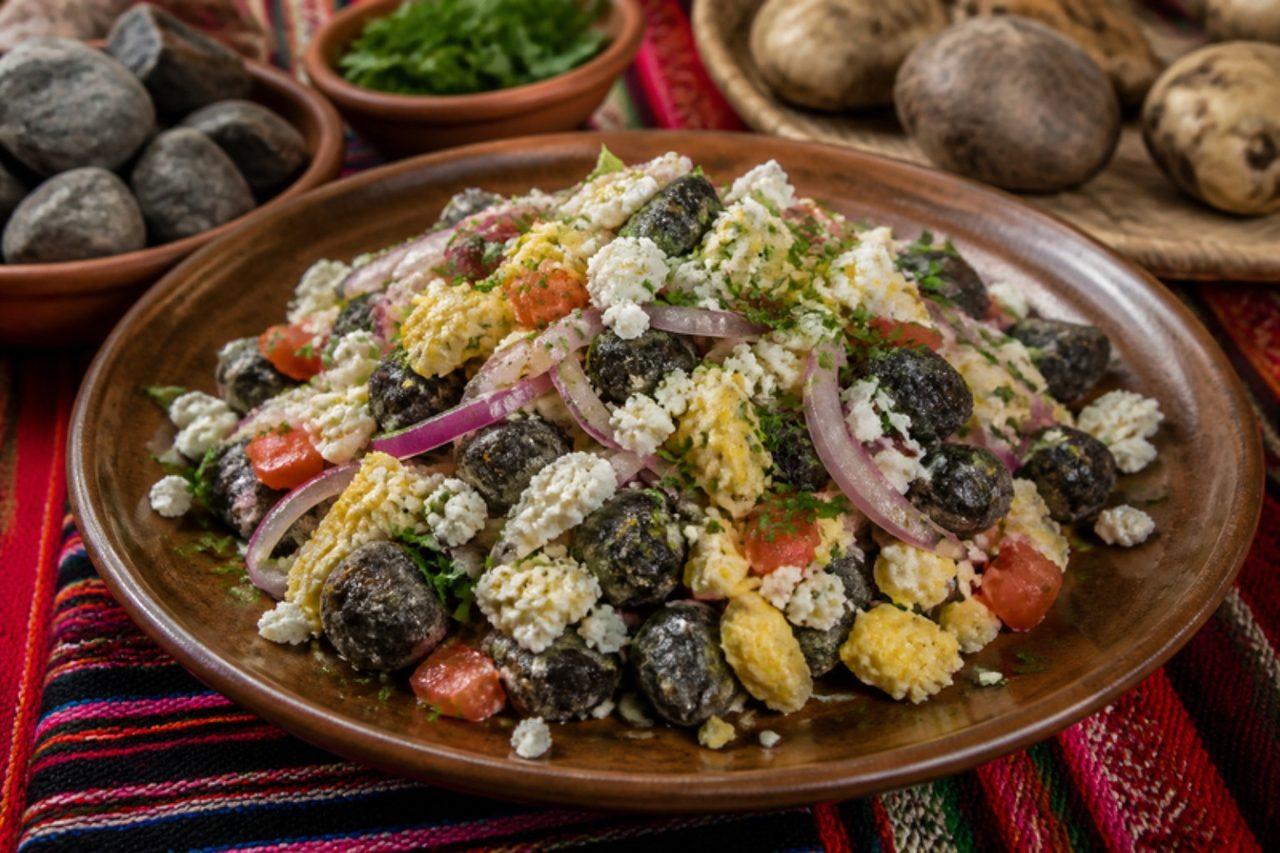
Chuño are potatoes freeze-dried the ancient way on the Altiplano: left out on frosty nights, trampled to squeeze out the water and dried in the high sun, so they keep for years. In Puno and across the border in Bolivia, they are soaked, crumbled and fried with onion, then scrambled with egg and fresh cheese to make phuti, a hearty breakfast or supper eaten with a hot tea. The texture is dense and slightly chewy, and the flavour earthy and a little tangy. Chuño is sold dried in Andean shops; it must soak overnight (ideally 24 hours, with the water changed) and then be peeled, which adds time before you start. The mistake is not soaking or rinsing enough: under-soaked chuño smells strong and stays hard in the middle. Serve with a fresh tomato salsa or uchucuta. Fresh cheese is usually made with animal rennet, so use a vegetarian one if needed. Chef's tip: squeeze the soaked chuño hard between your palms before crumbling; the drier it is, the better it fries.

by KrazyBadal 0 views

Showing 24 of 282 recipes

Show more recipes

Page 1 of 12