Skip to content
Recipes

All recipes

Vegetarian, or something you can't eat? Set your diet once and we'll hide recipes that don't fit.

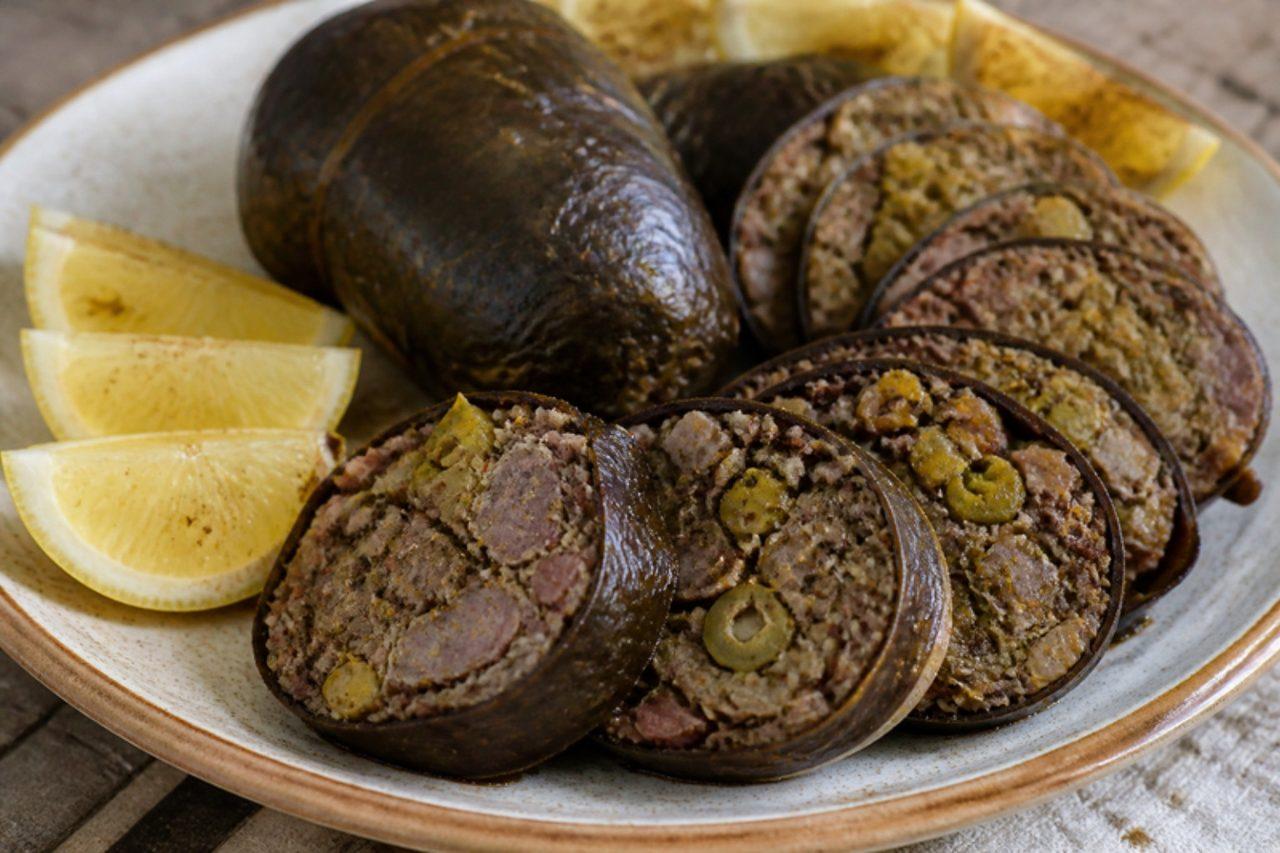
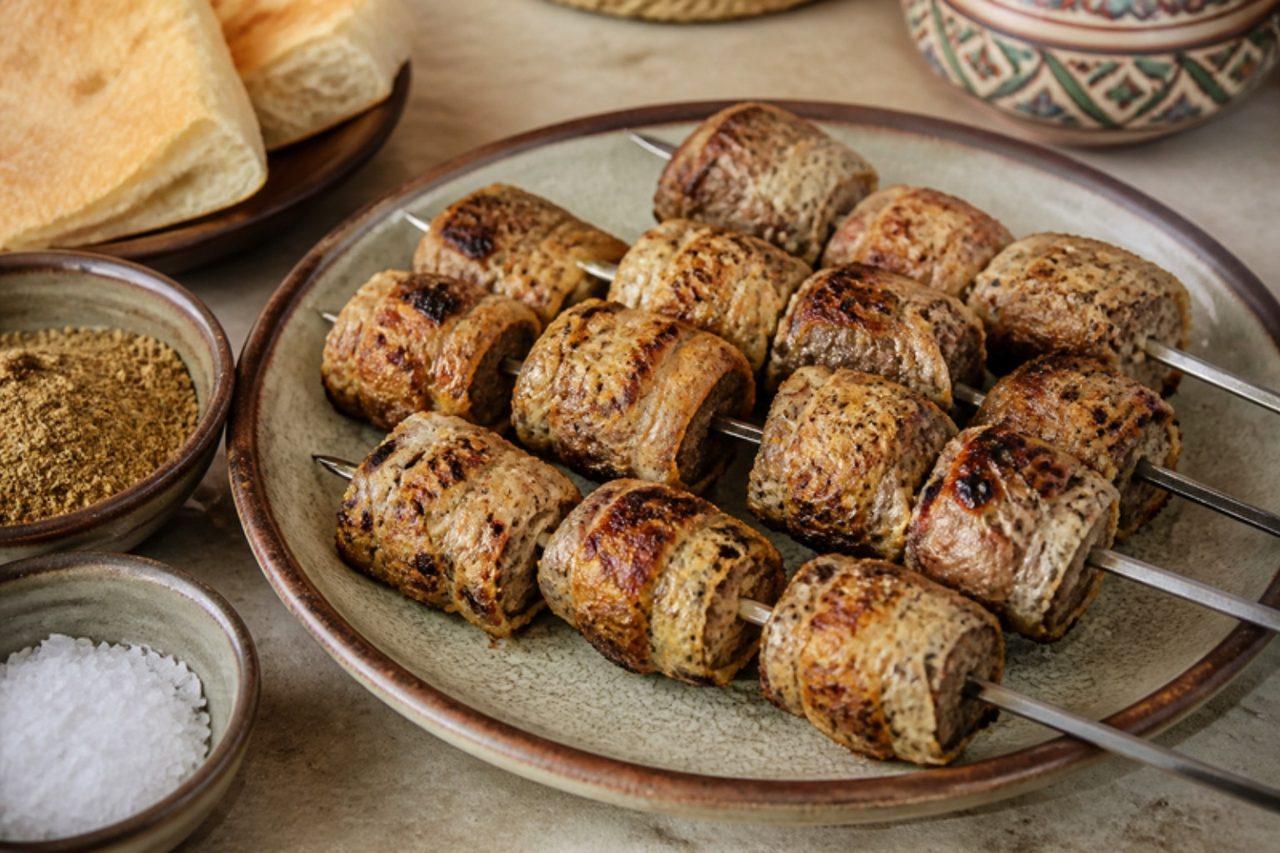
KourdassGrilled lamb liver bundles

After the sacrifice of Eid al-Adha, Moroccan families use every part of the lamb, and kourdass is one of the dishes made in the days that follow: pieces of tripe and liver rubbed with cumin and paprika, wrapped in caul fat and traditionally hung up to air-dry before grilling. This home version skips the drying, which is hard to do safely in a modern kitchen, and grills the bundles fresh over charcoal or under a grill until the fat crisps and the liver is cooked through. Buy cleaned, pre-cooked tripe and caul fat from a halal butcher. Chef's tip: wrap the bundles tightly so the caul fat bastes them as it melts.

by KrazyBadal 0 views

KaguyjyWhite corn pudding

On the night of 23–24 June, Paraguayans celebrate San Juan with bonfires, games like walking over hot coals and the 'paso de fuego', and a table of traditional foods, and kaguyjy (also mazamorra) is one of them. It is a soft, creamy pudding of cracked white corn (locro) simmered slowly in water and then milk with sugar or honey, sometimes with orange peel. It is eaten warm or cold. It is gluten free. Chef's tip: soak the corn overnight and cook it until each kernel is tender before adding the milk, or it never turns creamy.

by KrazyBadal 0 views

TihaneStuffed lamb spleen

Tihane, or tehal, is an old Eid al-Adha speciality from Moroccan towns such as Fez and Marrakech, made on the days after the sacrifice when the offal is shared out. The lamb's spleen is cut open into a pocket and stuffed with chopped liver and heart, a little fat, green olives, preserved lemon, garlic and cumin, then sewn shut, poached and roasted until browned. It is sliced thin and eaten warm or cold with bread. Ask a halal butcher for the spleen and offal. Chef's tip: prick the spleen with a fine needle before poaching so it doesn't burst in the pot.

130 minMoroccanMeatGluten free
by KrazyBadal 0 views

Chipa so'oCheese bread with spiced beef

In Paraguay, families bake chipa in the clay tatakua ovens on Holy Wednesday so there is food for Thursday and Good Friday, when cooking stops. Chipa so'o ('chipa with meat') is a cassava-starch and cheese bread wrapped around a little filling of minced beef cooked with onion and egg, then baked until crisp outside and chewy within. It is naturally gluten free. Chef's tip: knead the dough until it no longer cracks at the edges when pressed; dry dough splits around the filling.

by KrazyBadal 0 views

KalanehWild leek stuffed flatbread

In Kurdistan and Kermanshah, Newroz arrives with the first spring greens on the hillsides, and families gather wild leeks to fold into kalaneh, thin griddle breads cooked over a fire or a hot pan and soaked in melted butter. The dough is plain and soft, rolled very thin around a pile of chopped leek or chives with a little salt and pepper, so the greens steam inside as the bread blisters. Eat it hot, torn into strips, with yogurt and tea at a Newroz picnic. The common mistake is wet greens, which turn the dough soggy and make it tear; dry them well after washing. Chef's tip: brush the butter on the moment the bread leaves the pan so it soaks right in.

by KrazyBadal 0 views

Dowina (Kurdish yogurt soup)

Dowina, called ash-e doogh in Persian, is warming spring food in Kurdish homes around Newroz, when yogurt is plentiful and the first herbs are cut from the garden. Rice and chickpeas simmer in a tangy, lightly thickened yogurt broth, finished with fresh dill, coriander and a sizzle of dried mint in oil. It is eaten warm, never boiling hot, with flatbread. The common mistake is to heat the yogurt too fast without stirring, which makes it split into grainy curds. Chef's tip: whisk an egg yolk and a spoonful of rice flour into the yogurt before it goes on the heat; it holds the soup smooth all the way to the simmer.

by KrazyBadal 0 views

Pajagua mascadaBeef and cassava patties

Pajagua mascada is a Paraguayan street-food classic that appears on every table for the San Juan festival on 24 June, when bonfires burn and the night is full of games and traditional food. Minced beef is mixed with mashed cassava, onion, garlic and a little egg and flour, shaped into flat patties and fried until crisp. The name comes from Guaraní and refers to the 'chewing' of old Paraguayan cooks, who made it from leftover meat. Chef's tip: dry the boiled cassava well and remove its woody core, which keeps the patties light and crunchy.

by KrazyBadal 0 views

AllerheiligenstriezelBraided sweet loaf

In Bavaria and Austria, godparents give their godchildren an Allerheiligenstriezel on All Saints' Day, 1 November: a large braided loaf of sweet yeast dough, brushed with egg and scattered with almonds or pearl sugar. The braid is said to recall the old custom of cutting a plait of hair in mourning, and the size of the loaf once showed how generous the godparent was. It is lightly sweet, with lemon and vanilla, and is eaten sliced with butter or jam. Some recipes add rum-soaked raisins; these are soaked in warm water instead. Chef's tip: braid four strands for an impressive, high loaf.

by KrazyBadal 0 views

OsterpinzeEaster anise brioche

Osterpinze is the Easter bread of Styria, Carinthia and the area around Trieste, a soft, golden brioche dome with three deep cuts on top for the Holy Trinity, so that it opens into a crown as it bakes. The dough is rich with egg yolks and butter and flavoured with anise and lemon; old recipes add a splash of white wine, left out here. It is blessed in the Easter basket on Holy Saturday and eaten on Easter morning with ham, horseradish and eggs, or with butter and jam. Chef's tip: make the three cuts with scissors just before baking, deep enough to reach halfway down, so the crown opens wide.

by KrazyBadal 0 views

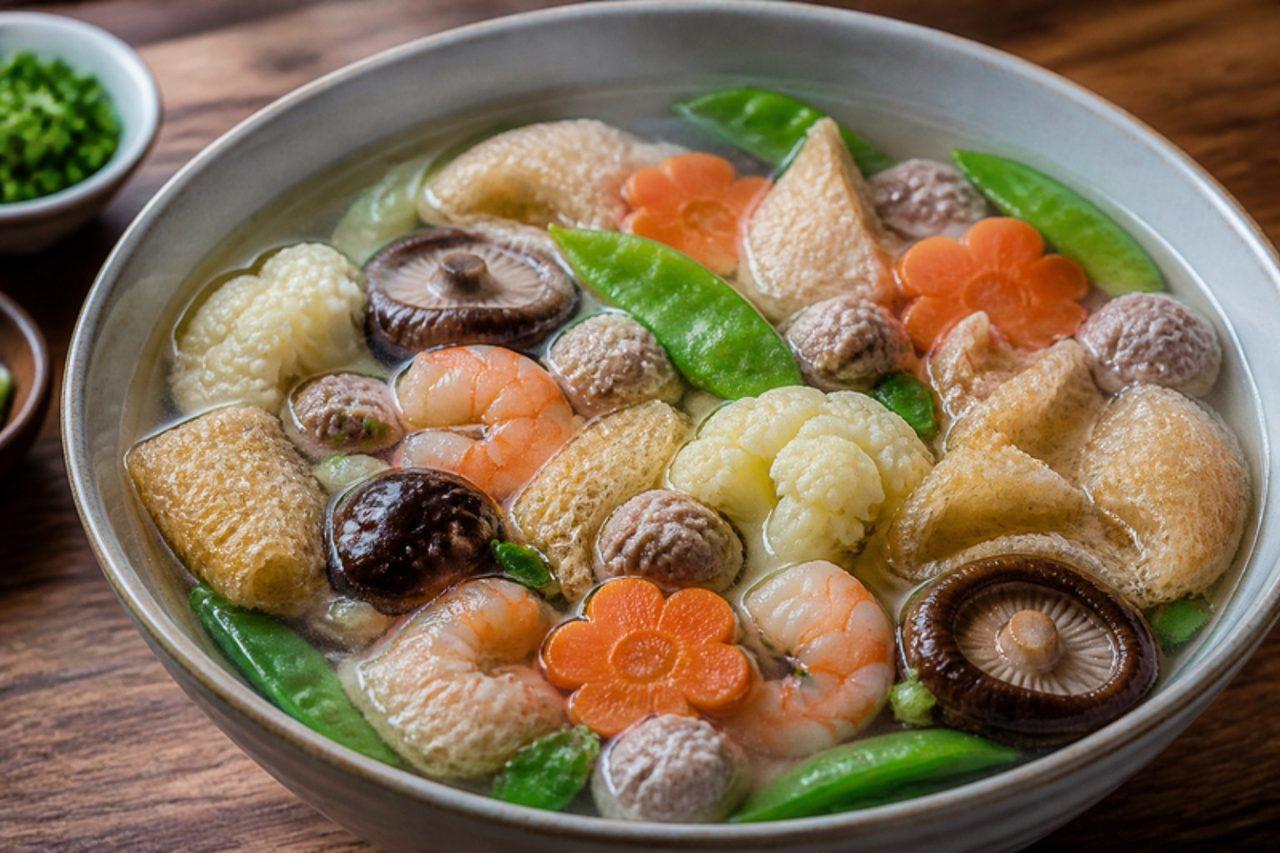
Canh bóng (Hanoi puffed pork skin soup)

Canh bóng is the showpiece soup of the Hanoi Tết feast tray: a clear pork bone broth full of colour, with carrot flowers, cauliflower, snow peas and mushrooms floating beside pork meatballs, prawns and bóng bì, the puffed dried pork skin that soaks up broth like a sponge. Its many ingredients stand for abundance, and its clarity for a clean start to the year. It is light yet deeply savoury, served with rice and the rest of the feast. Buy bóng bì ready-puffed in packets from Vietnamese grocers. Chef's tip: soak and squeeze the pork skin in warm ginger water twice; it removes the frying oil so the broth stays sparkling.

by KrazyBadal 0 views

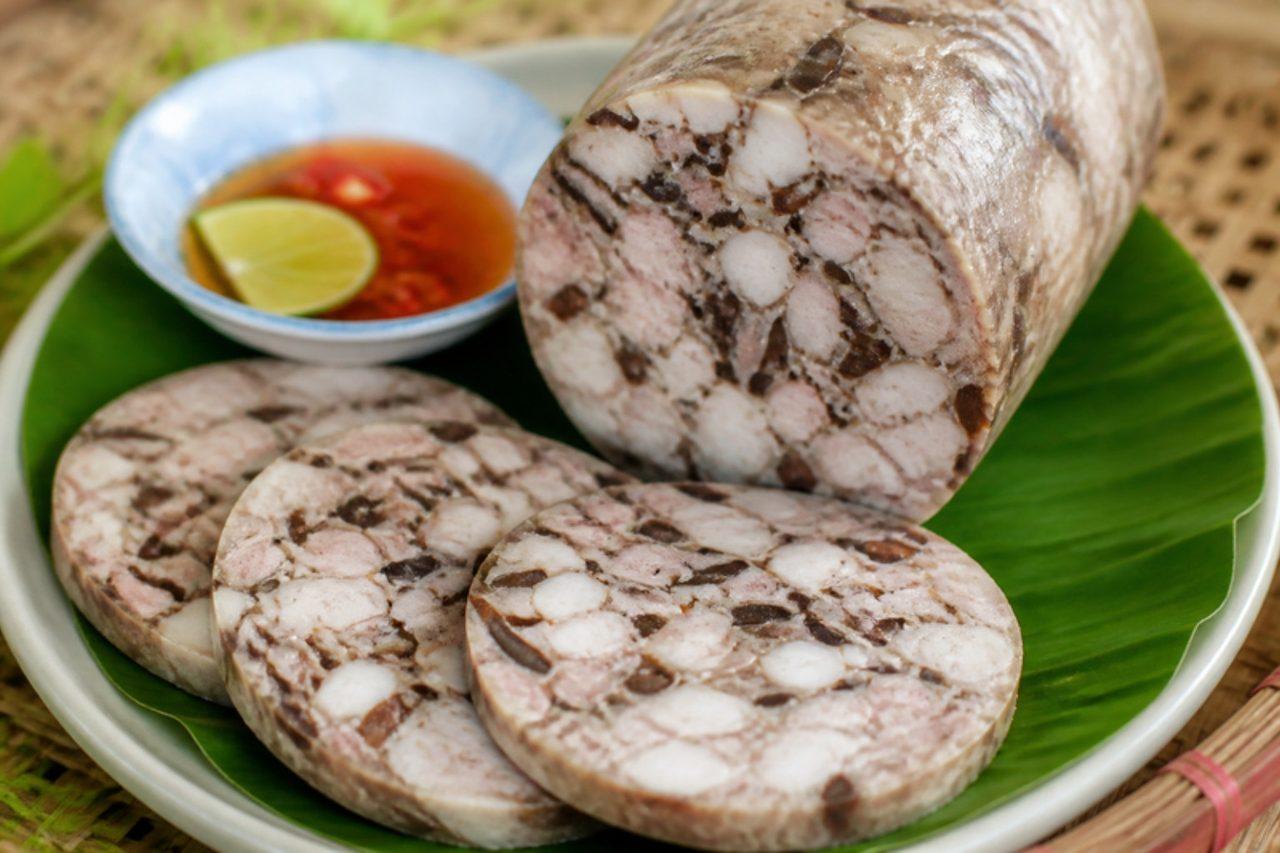
Giò thủ (pressed pork roll)

Giò thủ is a northern Tết classic, a mosaic roll made from pork ear, pork tongue and boneless pork cheek meat with crunchy wood ear mushrooms and plenty of black pepper. Using these cuts is an old way of honouring the whole animal at the year's biggest feast, and the roll's neat round slices are a wish for a complete, well-ordered year. The pieces are boiled, sliced, stir-fried with fish sauce and packed hot into banana leaf, where their natural gelatine binds them as they cool. Every slice is crunchy, chewy and peppery; serve with pickled shallots, fish sauce with lime and chilli, and bánh chưng. Chef's tip: pack and press the filling while it is still very hot; once it cools the gelatine sets and the roll will not hold together.

by KrazyBadal 0 views

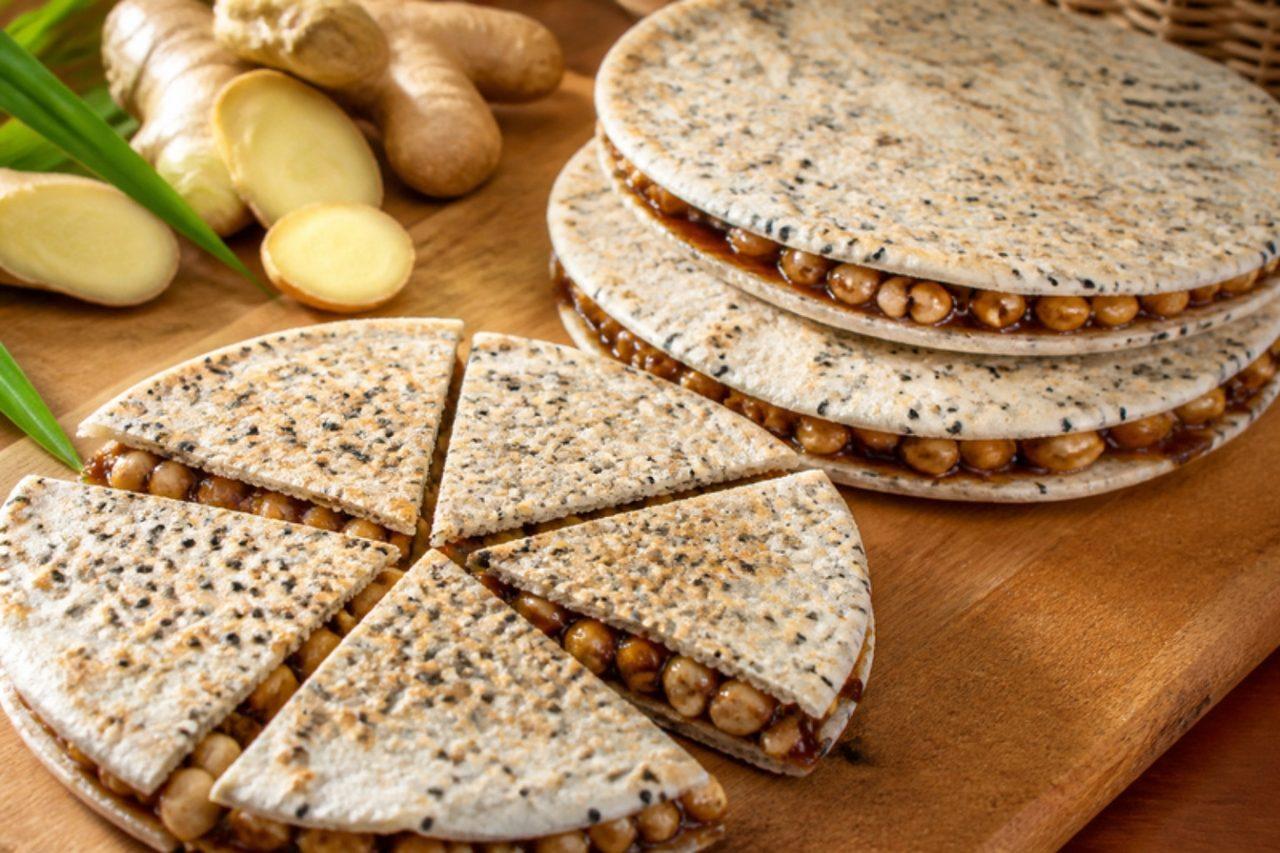
Kẹo cu đơ (Hà Tĩnh peanut and ginger candy)

Kẹo cu đơ belongs to Hà Tĩnh province in north-central Vietnam, where it is chewed slowly with a cup of strong green tea, especially on cold mornings and during Tết visits. Roasted peanuts are folded into a dark, sticky toffee of sugarcane molasses and malt syrup, sharpened with fresh ginger, and the hot mass is sandwiched between two crisp, toasted sesame rice papers. Every bite gives a crackle of rice paper, then a chewy, slightly smoky sweetness and a warm ginger finish. Cut it into wedges and serve it with tea rather than as a pudding. It is naturally egg-free: the molasses and malt syrup are cooked to the hard-ball stage, which is what sets the candy and binds the nuts. Chef's tip: toast the rice papers until they are completely puffed and blistered; the common mistake is under-toasting them, which leaves them leathery once the hot toffee goes on.

by KrazyBadal 0 views

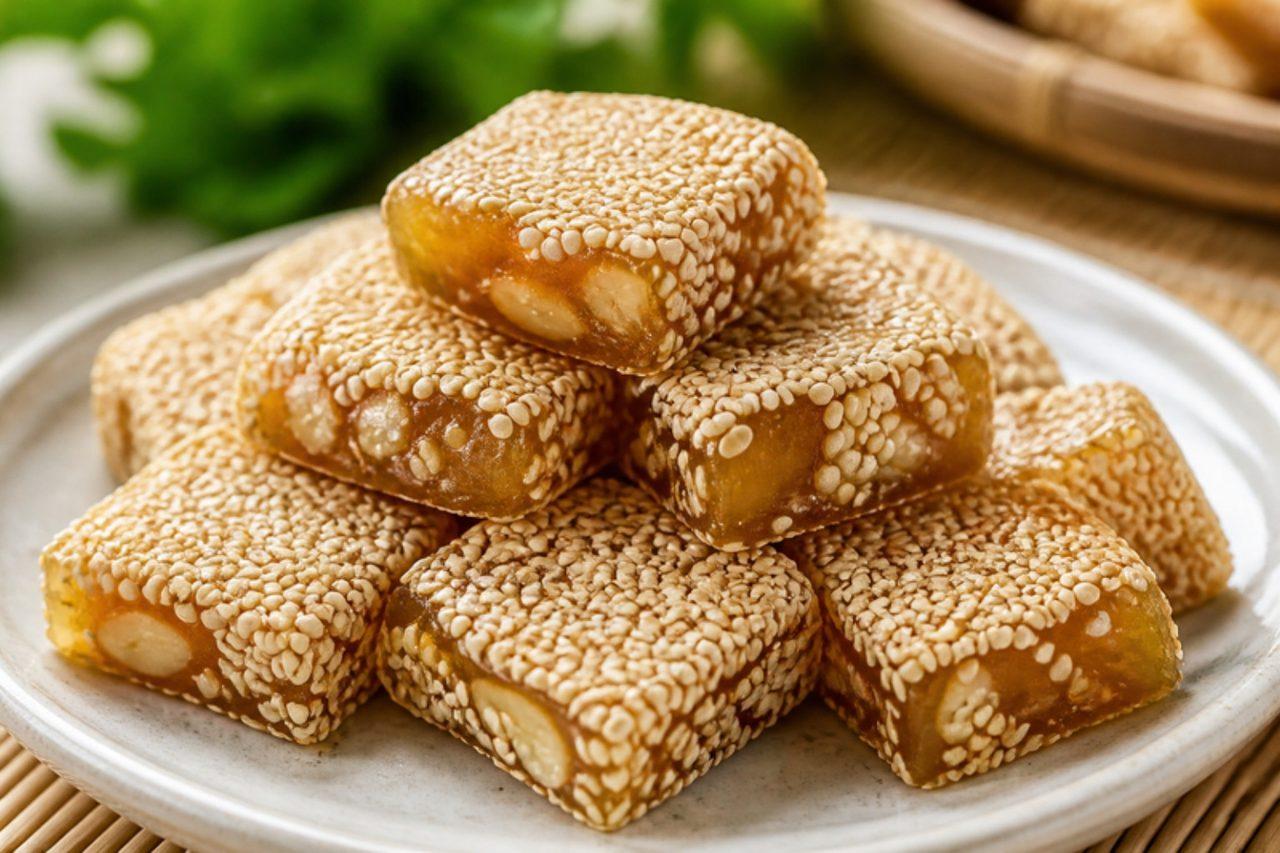
Kẹo mè xửng (Huế sesame peanut chews)

No one leaves the old imperial city of Huế without a box of kẹo mè xửng, the soft sesame chew sold on Đông Ba market stalls and handed out at Tết and on family visits. Rice malt syrup and sugar are cooked with a little tapioca starch into a glossy, stretchy mass, chopped peanuts are folded in, and the slab is pressed between layers of toasted sesame. It chews like a soft toffee, nutty and gently sweet, and the sesame gives every square a roasted fragrance. Serve squares with hot lotus or green tea after dinner. The candy is naturally egg-free: tapioca starch gives it its springy chew and the malt syrup binds it, so nothing else is needed. Chef's tip: oil your knife and cut while the slab is just warm. The common mistake is adding the starch slurry without stirring hard, which leaves white lumps through the candy.

by KrazyBadal 0 views

Tmar mehchi (Moroccan almond-stuffed dates)

Tmar mehchi is the stuffed date of Fez and Marrakech, piled high on silver trays at weddings, engagements and Eid, and offered to guests with mint tea. Soft dates are filled with a homemade almond paste perfumed with orange-blossom water, often tinted pale green or pink to match the celebration, then scored with a knife so the filling shows. They are soft, rich and caramel-sweet, with a floral, nutty middle. The paste here is mixed from ground almonds and icing sugar, so there is no shop marzipan, which can contain egg white. It is naturally egg-free: the dates' sticky flesh and a few spoonfuls of orange-blossom water bind the almond filling. Chef's tip: add the orange-blossom water a little at a time and stop when the paste is firm like play dough. The common mistake is a wet paste, which oozes out and makes the dates slippery.

by KrazyBadal 0 views

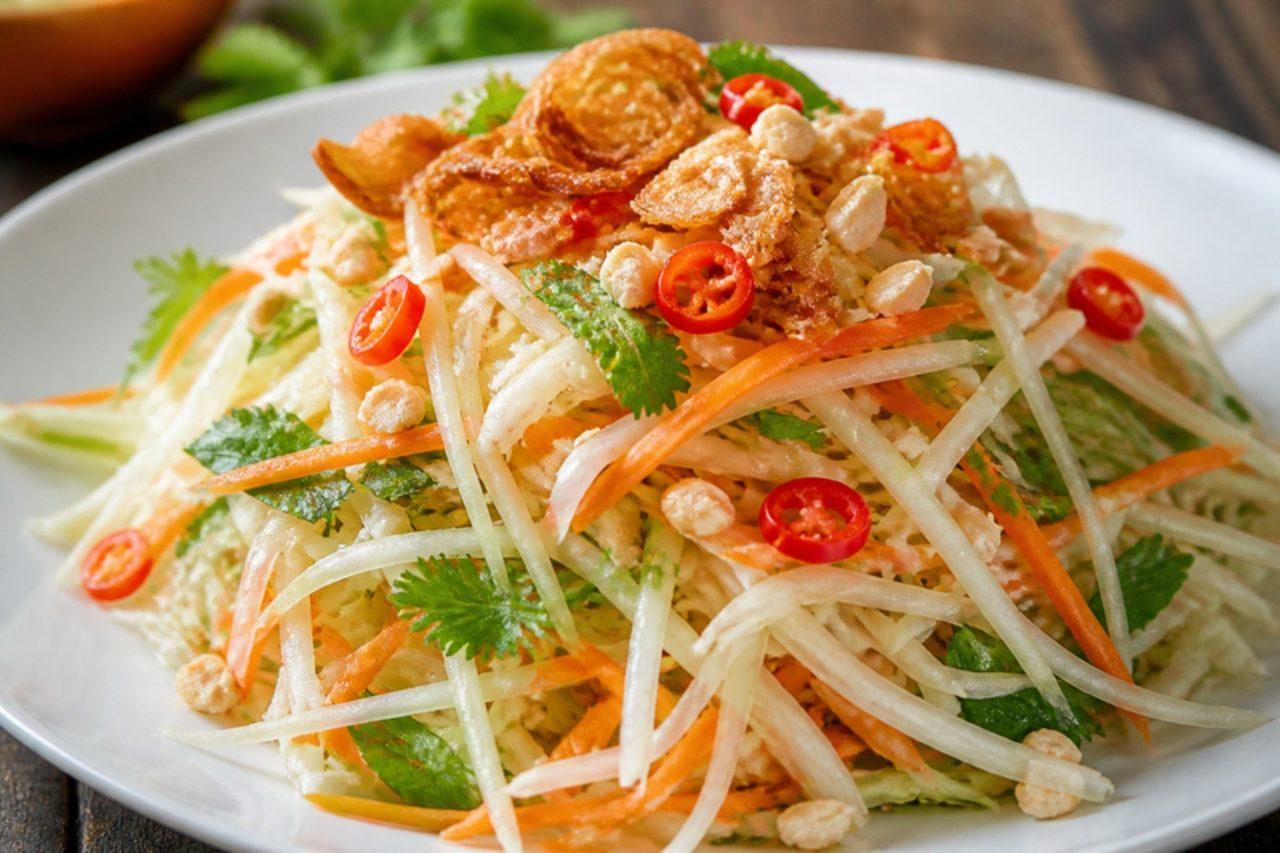
Nộm su hào (kohlrabi and carrot salad)

When the Tết table in northern Vietnam fills with sticky rice cakes, pork in aspic and boiled chicken, a plate of nộm su hào brings freshness and balance, and its bright colours are a cheerful sign for the new year. Kohlrabi is at its sweetest in the northern winter, so it is shredded with carrot, salted to draw out water and dressed with fish sauce, lime, sugar, garlic and chilli, then finished with roasted peanuts and Vietnamese herbs. It is crisp, juicy and tangy; serve it beside rich meats or bánh chưng. For a vegetarian version, a soy dressing is given in the last step. Chef's tip: squeeze the salted vegetables really dry, or the dressing turns watery and dull.

by KrazyBadal 0 views

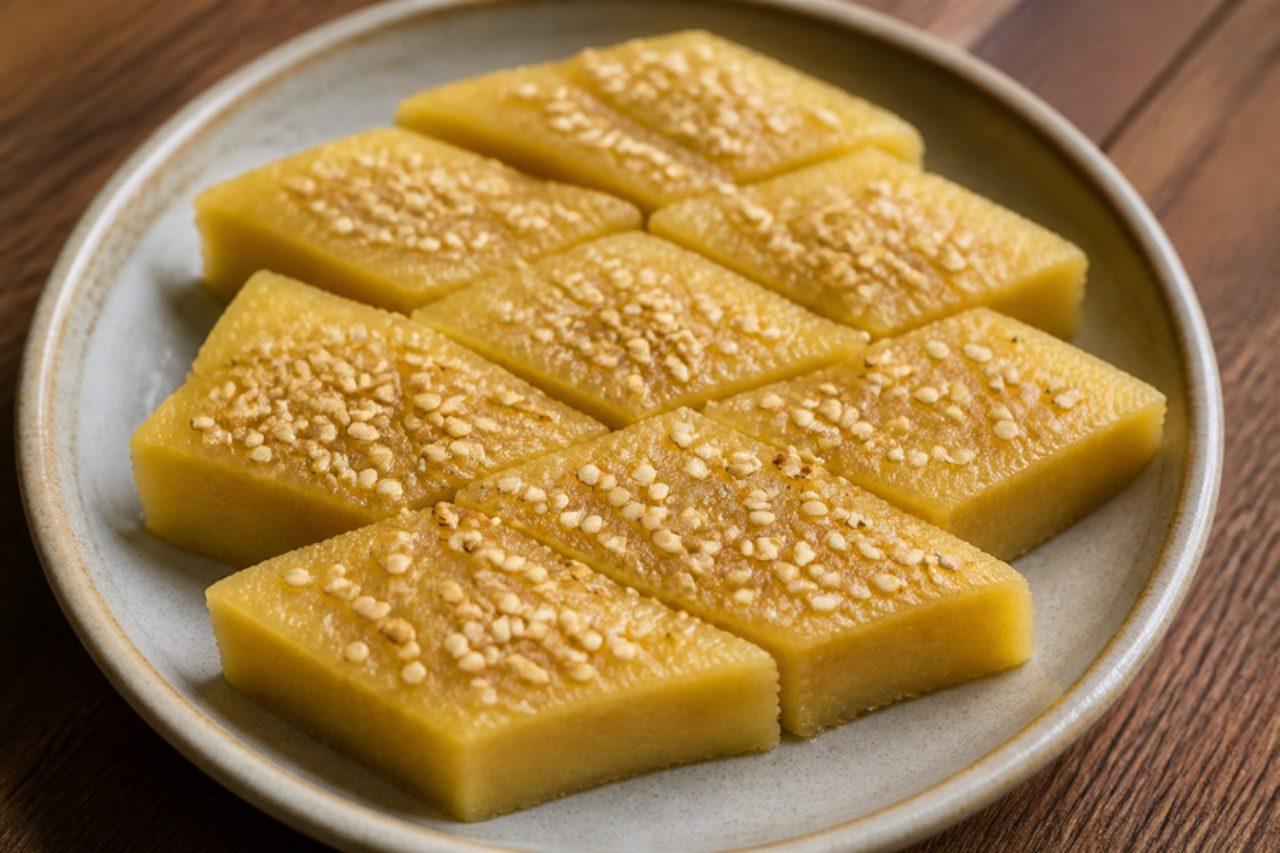
Chè kho (mung bean fudge pudding)

On New Year's Eve and the last days of Tết, Hanoi families place a plate of chè kho on the ancestors' altar: a smooth, golden mung bean fudge whose sweetness asks for a gentle, prosperous year. 'Kho' means cooked down dry, and that is the whole technique, stirring the bean purée with sugar until it becomes a thick, glossy paste that can be cut. It tastes nutty and delicately floral from grapefruit-blossom water, with a crunch of sesame on top. Serve small slices with lotus or green tea. Chef's tip: use a heavy non-stick pan and a wooden spoon, and never leave it; the paste catches in seconds once it thickens.

by KrazyBadal 0 views

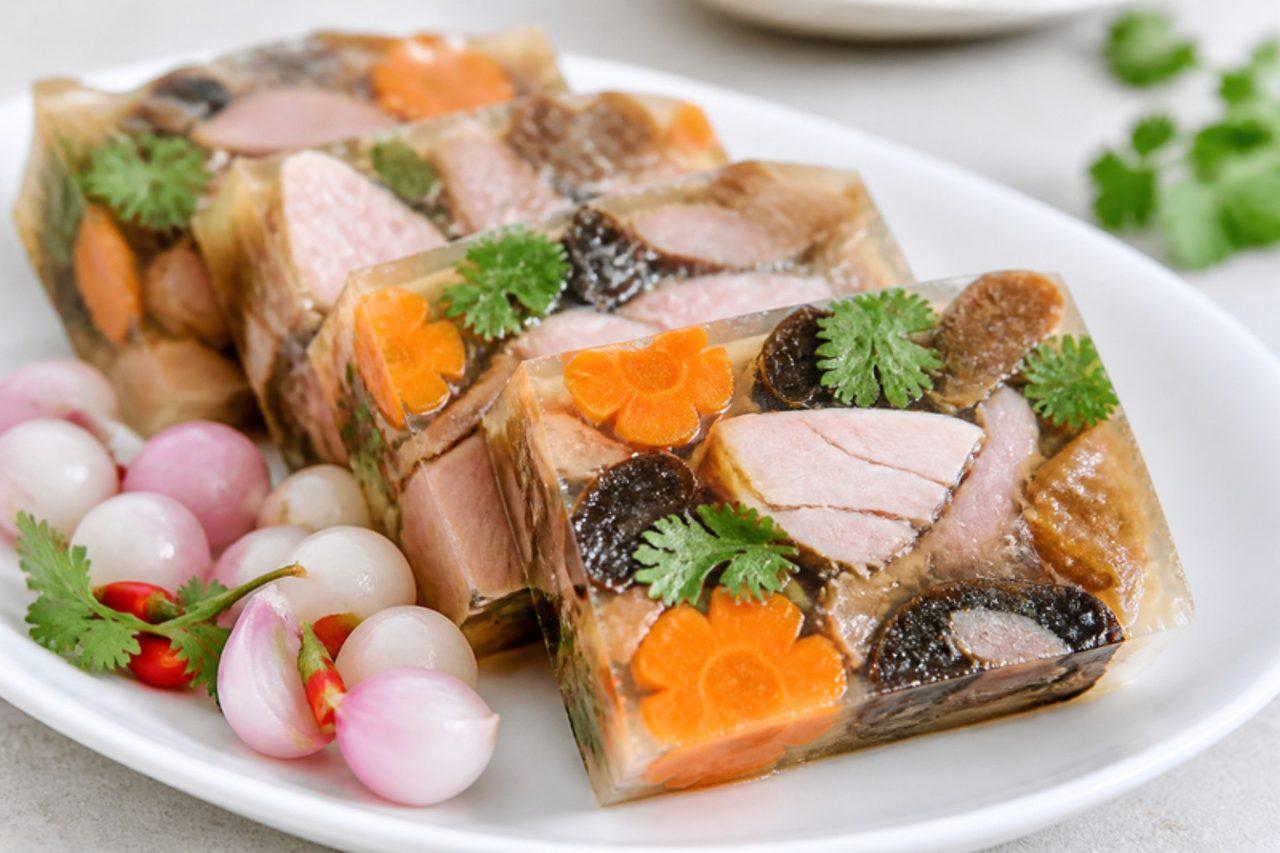
Thịt đông (pork in aspic)

Thịt đông is a dish of the cold northern Tết, when families once left bowls of simmered pork outside overnight to set; today the fridge does the job. Pork hock and pork skin are cooked gently with shallots, fish sauce and black pepper until the meat is tender and the broth is rich in natural gelatine, then wood ear mushrooms are added for crunch and everything sets into a clear, wobbly jelly. It is eaten cold, cut into wedges, with hot rice, bánh chưng and a bowl of pickled shallots to cut the richness. No gelatine powder is needed. Chef's tip: keep the pot at a bare simmer and skim often; a rolling boil clouds the jelly.

by KrazyBadal 0 views

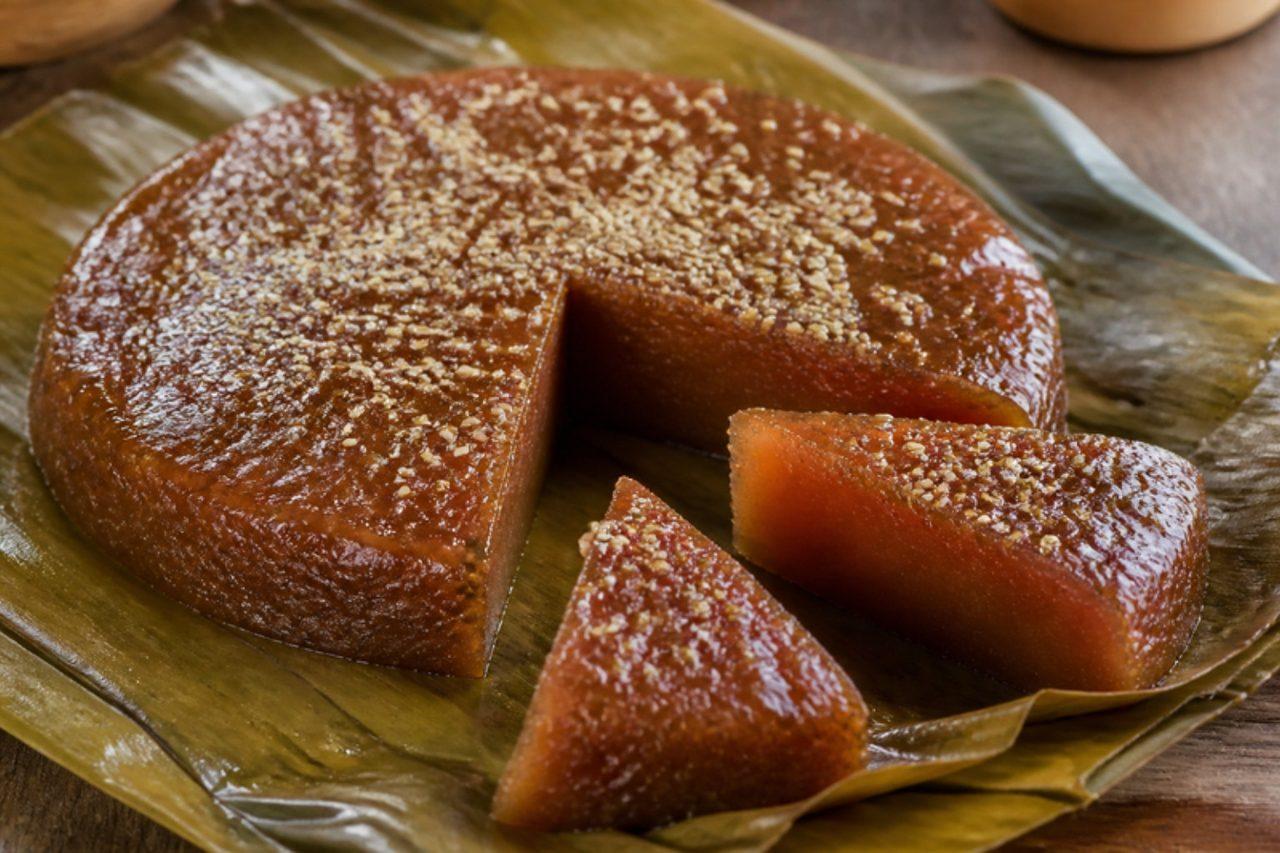
Bánh tổ (Hội An New Year cake)

In Hội An and the rest of Quảng Nam, families steam bánh tổ for Tết and place it on the ancestors' altar; its name echoes 'tổ', the ancestors, and its slow-cooked sweetness is a wish for a smooth, sweet year. The cake is like a darker, ginger-scented cousin of Chinese nian gao: dense, chewy and glossy, with toasted sesame on top. Eat it in thin slices at room temperature, or fry slices until crisp outside and molten within, and serve with tea or sandwiched in rice crackers as locals do. Chef's tip: keep the water at a steady simmer and top it up with boiling water; a steamer that boils dry is the only real way to ruin this cake.

by KrazyBadal 0 views

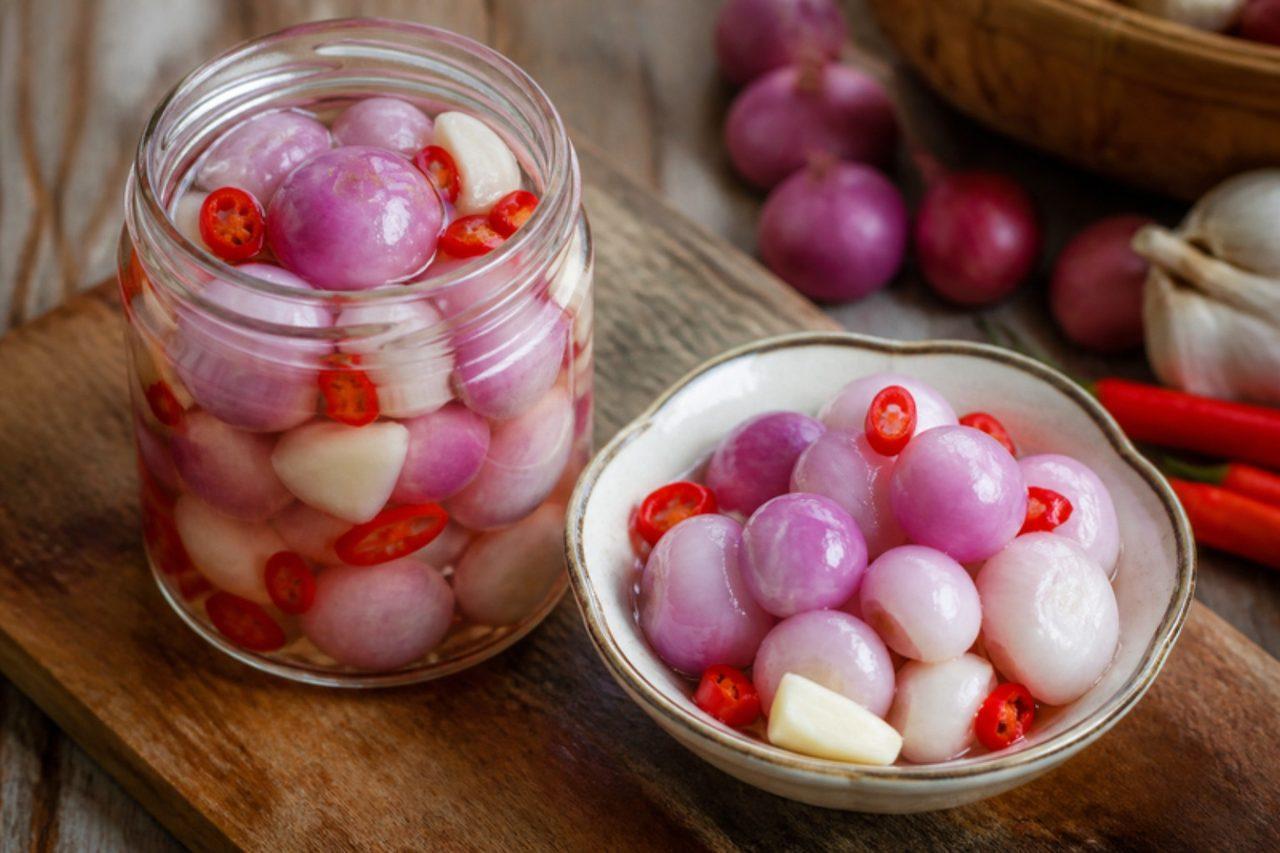
Dưa hành (pickled shallots)

In northern Vietnam the saying goes that fatty pork, pickled shallots and red couplets make Tết, and dưa hành is that pickled shallot. It is not the same thing as southern củ kiệu: kiệu are slim scallion bulbs pickled sweet and mild, while dưa hành uses round purple shallots (hành tím) that sit in a salty brine for a few days, turning faintly sour, crunchy and pleasantly pungent. Their bite cuts through sticky bánh chưng, pork in aspic and pressed pork rolls, which is exactly why every northern family makes a jar. Chef's tip: soak the unpeeled shallots in warm water first; the skins then slip off in seconds and your eyes stay dry.

by KrazyBadal 0 views

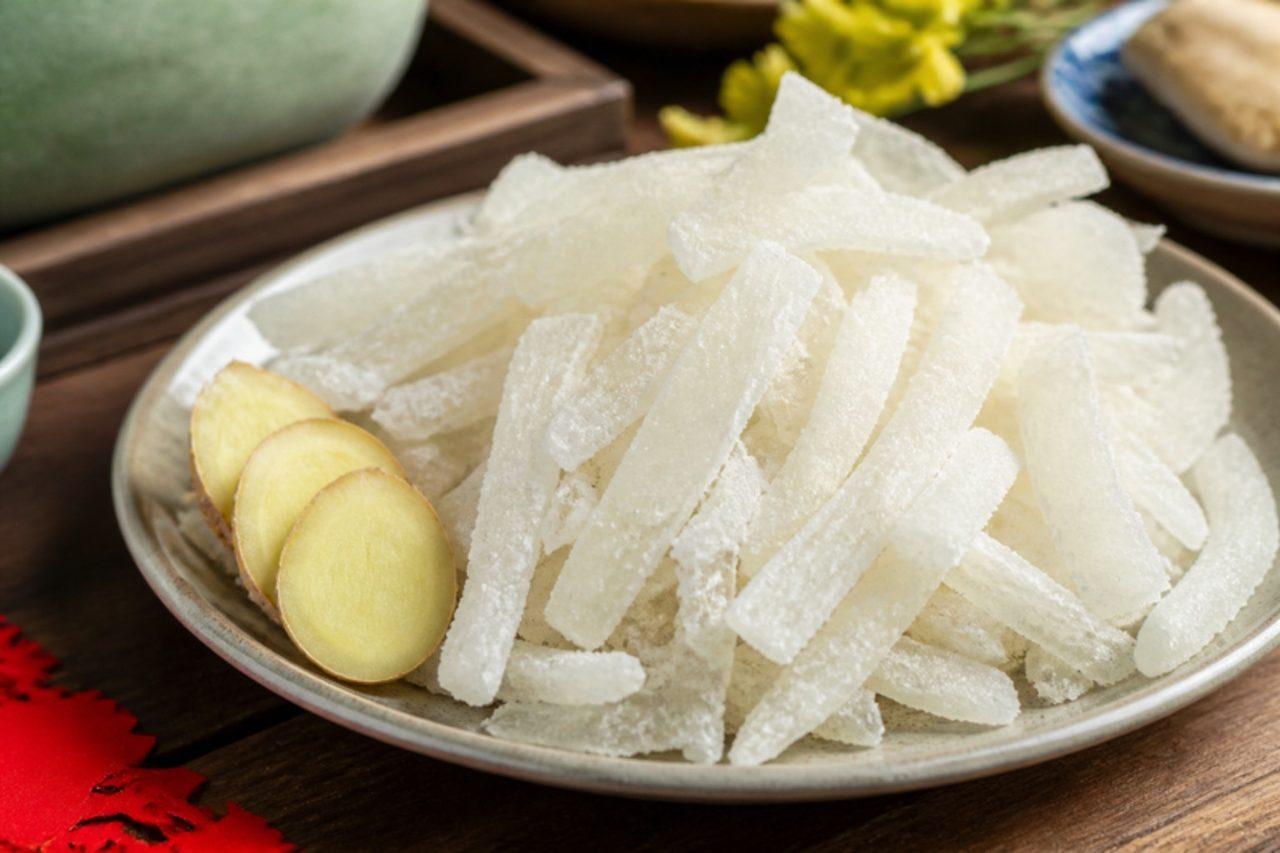
Mứt bí (candied winter melon)

Pale as rice paper and crunchy at the edge, mứt bí is one of the cheapest and best-loved sweets on the Tết candy tray all over Vietnam; its white colour stands for a clean, bright start to the year. The melon is first firmed in clear lime water made with food-grade slaked lime (vôi ăn, calcium hydroxide, sold for pickling), which sets the outside so the batons stay crisp while the sugar soaks in. If you would rather not use lime, a quick blanch and longer drying gives a softer but still delicious result. Serve with green tea, or with candied ginger and coconut. Chef's tip: choose an old, heavy winter melon with a dusty white skin; young ones are watery and collapse in the syrup.

by KrazyBadal 0 views

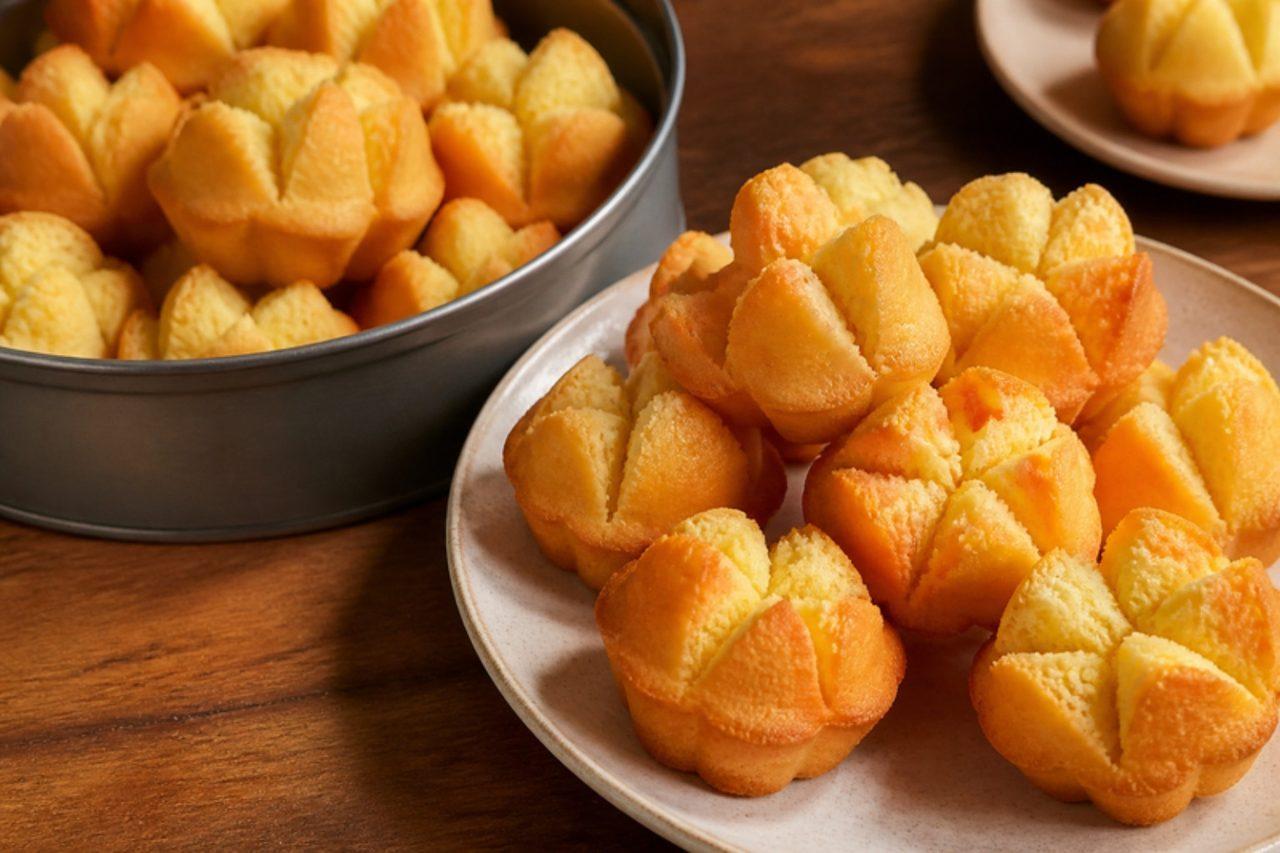
Bánh thuẫn (Tết sponge cakes)

In Huế and across the south, bánh thuẫn are baked in small flower-shaped moulds for the Tết table and ancestor offerings; the top splits open like a blossom as it bakes, and a well-cracked cake is said to bring a year that blooms. They are dairy-free, made only of eggs, sugar and flour, so the texture is springy inside with a golden, crisp rim, a little like a madeleine but airier. Children love them, and they keep in a tin for days, ready for visitors with tea. Chef's tip: heat the oiled moulds in the oven before filling; the batter hitting hot metal is what makes the tops crack into petals.

by KrazyBadal 0 views

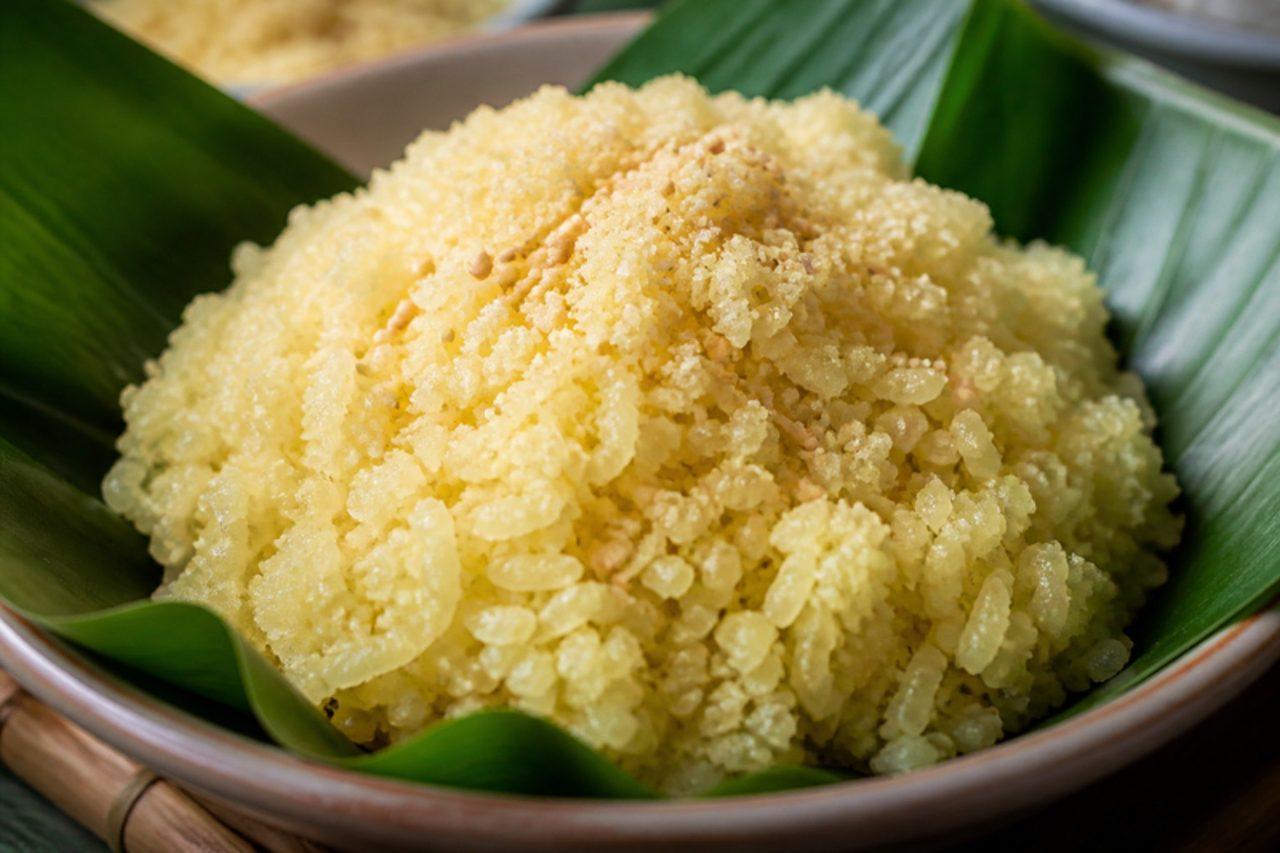
Xôi vò (mung bean coated sticky rice)

Xôi vò is a Hanoi sticky rice offered at the altar for Vu Lan, the Buddhist full moon of the seventh lunar month when people honour their parents and ancestors, and again on the first days of Tết. Unlike most xôi, it is not a sticky mass: 'vò' means rubbed, and the soaked rice is rubbed with crumbled mung bean so each grain steams up separate, glossy and pale gold. It tastes mild, nutty and lightly salty, and is eaten with chè (sweet soup), a little sugar, or toasted sesame salt. Chef's tip: crumble the warm mung bean paste through a coarse sieve; fine, dry crumbs are what keep the grains apart.

by KrazyBadal 0 views

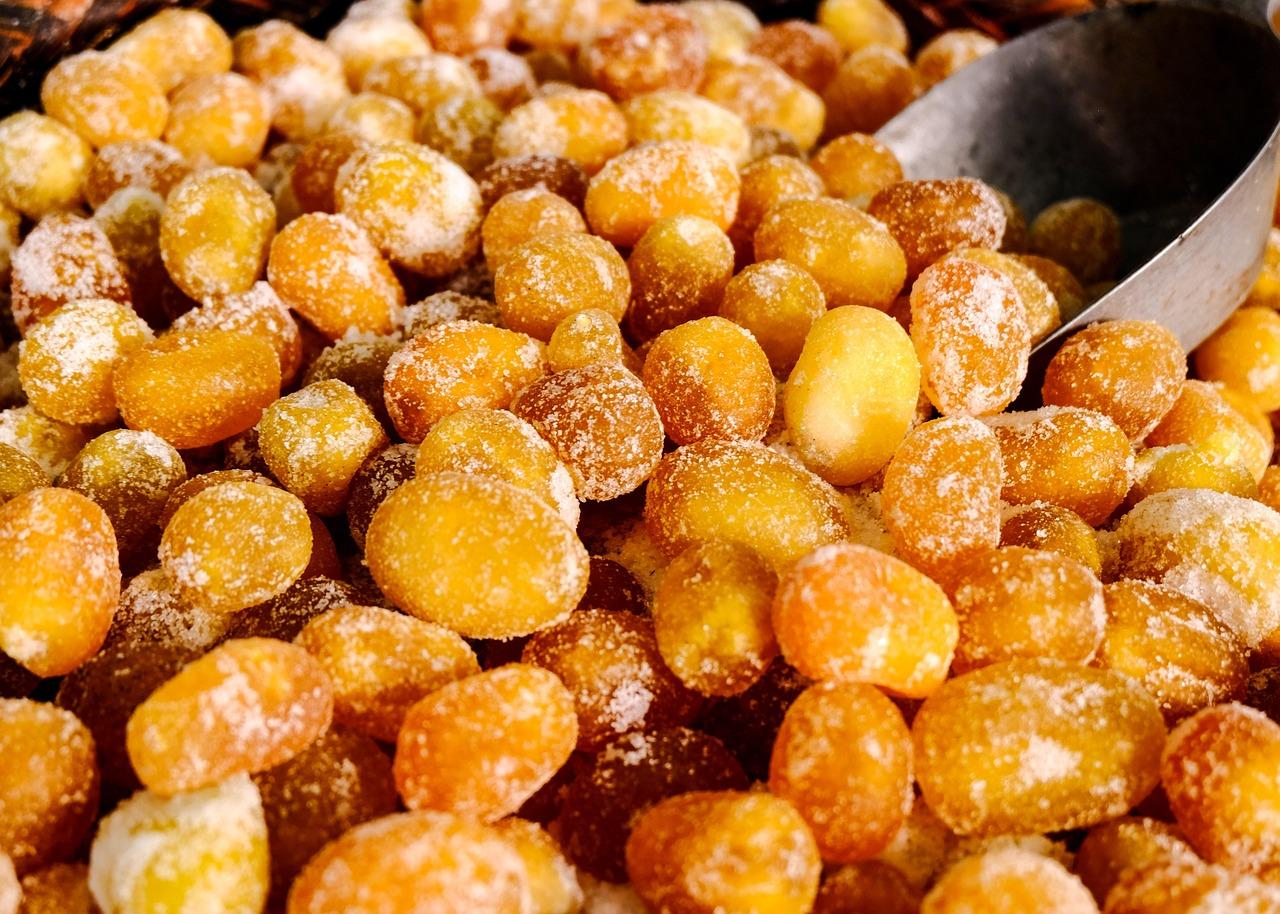
Mứt tắc (candied kumquats)

In the south, potted kumquat trees heavy with fruit stand at the door for Tết, because their round gold fruit promises plenty; mứt tắc brings that same luck to the candy tray. Each fruit is slit, gently pressed to push out the seeds and juice, firmed briefly in clear water made with food-grade slaked lime (vôi ăn), then candied until glossy and amber, with a chewy skin and a pleasant bitter-sweet edge. A no-lime method is given too. Serve with strong tea, or drop a fruit into hot water with honey for a soothing drink. Chef's tip: blanch the fruit twice in fresh water before candying; it tames the bitterness without losing the perfume.

by KrazyBadal 0 views

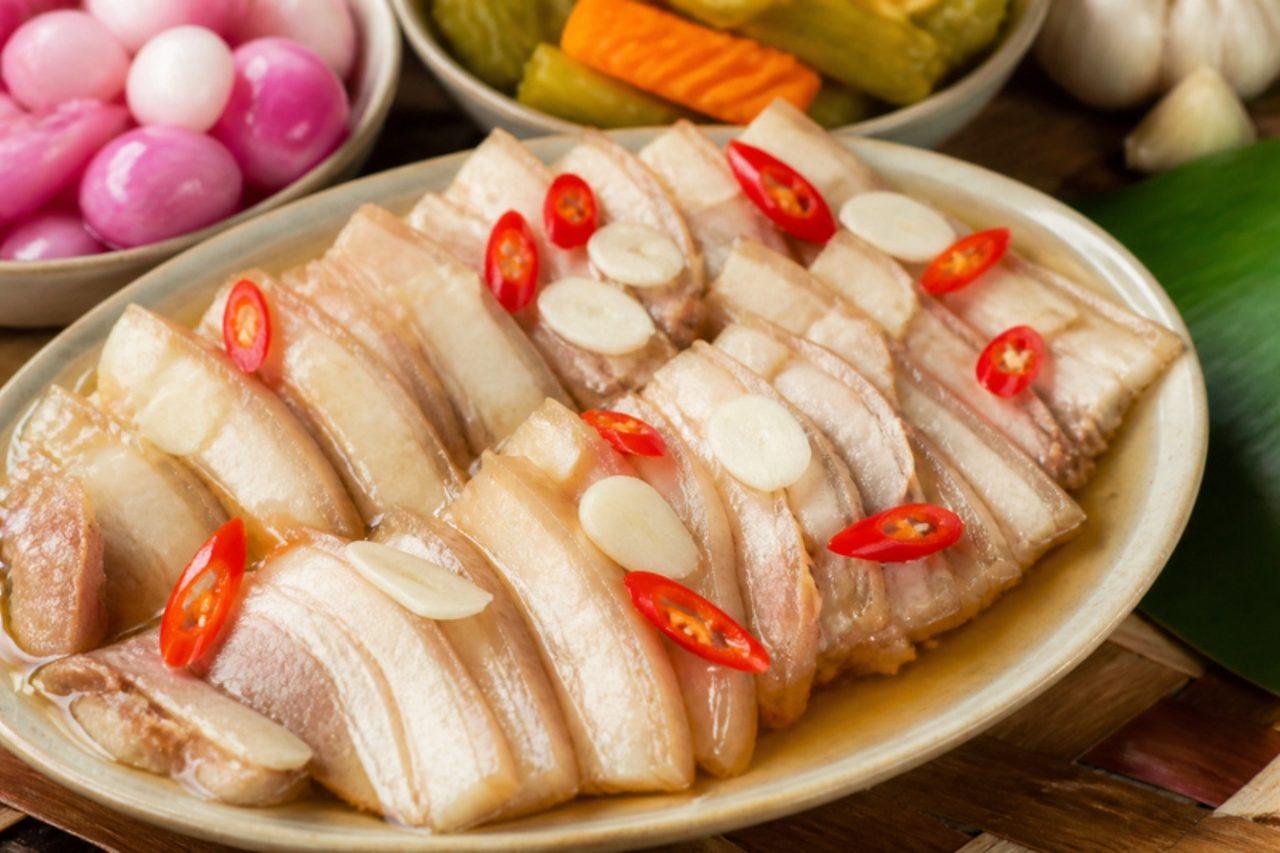
Thịt heo ngâm mắm (fish-sauce cured pork)

In southern Vietnam a jar of thịt heo ngâm mắm is prepared a week before Tết so that hosts always have something ready when relatives drop by; the jar full of pork is a sign of a well-stocked home in the new year. Pork belly is boiled until fully cooked, then submerged in a boiled and cooled brine of fish sauce, sugar, garlic and chilli, where it turns amber, savoury-sweet and firm enough to slice paper thin. Serve it with steamed rice, pickled mustard greens or củ kiệu, and fresh herbs. Chef's tip: make sure the belly and the brine are both completely cold before they meet, and keep the jar in the fridge throughout.

by KrazyBadal 0 views

Showing 24 of 451 recipes

Show more recipes

Page 1 of 19