Skip to content
Recipes

All recipes

Vegetarian, or something you can't eat? Set your diet once and we'll hide recipes that don't fit.

Sopa teólogaTurkey broth with bread and cheese

Sopa teóloga ('the theologian's soup') goes back to colonial convents in Lima and Arequipa, where it was cooked for feast days, and it is still served at Holy Week and family celebrations. A rich turkey (or chicken) broth is thickened with soaked bread, milk and fresh cheese, with yellow potatoes and shreds of turkey, and finished with a little ají amarillo and chopped huacatay or parsley. It is thick, comforting and filling. Chef's tip: blend part of the soaked bread with broth before adding it, which gives the soup its creamy body without lumps.

by KrazyBadal 0 views

Dowina (Kurdish yogurt soup)

Dowina, called ash-e doogh in Persian, is warming spring food in Kurdish homes around Newroz, when yogurt is plentiful and the first herbs are cut from the garden. Rice and chickpeas simmer in a tangy, lightly thickened yogurt broth, finished with fresh dill, coriander and a sizzle of dried mint in oil. It is eaten warm, never boiling hot, with flatbread. The common mistake is to heat the yogurt too fast without stirring, which makes it split into grainy curds. Chef's tip: whisk an egg yolk and a spoonful of rice flour into the yogurt before it goes on the heat; it holds the soup smooth all the way to the simmer.

by KrazyBadal 0 views

Lengua a la vinagretaBeef tongue with vinaigrette

Argentina's Nochebuena is a hot summer night, so the table is full of cold dishes, and lengua a la vinagreta is one of the classics: beef tongue simmered until tender, peeled, sliced and covered with a sharp vinaigrette of parsley, garlic, red pepper, onion and chopped hard-boiled egg. It is made a day ahead and served chilled with vitel toné and Russian salad. Chef's tip: peel the tongue while it is still hot, as the skin comes away easily then and clings once it cools.

by KrazyBadal 0 views

OsterpinzeEaster anise brioche

Osterpinze is the Easter bread of Styria, Carinthia and the area around Trieste, a soft, golden brioche dome with three deep cuts on top for the Holy Trinity, so that it opens into a crown as it bakes. The dough is rich with egg yolks and butter and flavoured with anise and lemon; old recipes add a splash of white wine, left out here. It is blessed in the Easter basket on Holy Saturday and eaten on Easter morning with ham, horseradish and eggs, or with butter and jam. Chef's tip: make the three cuts with scissors just before baking, deep enough to reach halfway down, so the crown opens wide.

by KrazyBadal 0 views

Chipa so'oCheese bread with spiced beef

In Paraguay, families bake chipa in the clay tatakua ovens on Holy Wednesday so there is food for Thursday and Good Friday, when cooking stops. Chipa so'o ('chipa with meat') is a cassava-starch and cheese bread wrapped around a little filling of minced beef cooked with onion and egg, then baked until crisp outside and chewy within. It is naturally gluten free. Chef's tip: knead the dough until it no longer cracks at the edges when pressed; dry dough splits around the filling.

by KrazyBadal 0 views

AllerheiligenstriezelBraided sweet loaf

In Bavaria and Austria, godparents give their godchildren an Allerheiligenstriezel on All Saints' Day, 1 November: a large braided loaf of sweet yeast dough, brushed with egg and scattered with almonds or pearl sugar. The braid is said to recall the old custom of cutting a plait of hair in mourning, and the size of the loaf once showed how generous the godparent was. It is lightly sweet, with lemon and vanilla, and is eaten sliced with butter or jam. Some recipes add rum-soaked raisins; these are soaked in warm water instead. Chef's tip: braid four strands for an impressive, high loaf.

by KrazyBadal 0 views

KalanehWild leek stuffed flatbread

In Kurdistan and Kermanshah, Newroz arrives with the first spring greens on the hillsides, and families gather wild leeks to fold into kalaneh, thin griddle breads cooked over a fire or a hot pan and soaked in melted butter. The dough is plain and soft, rolled very thin around a pile of chopped leek or chives with a little salt and pepper, so the greens steam inside as the bread blisters. Eat it hot, torn into strips, with yogurt and tea at a Newroz picnic. The common mistake is wet greens, which turn the dough soggy and make it tear; dry them well after washing. Chef's tip: brush the butter on the moment the bread leaves the pan so it soaks right in.

by KrazyBadal 0 views

Pajagua mascadaBeef and cassava patties

Pajagua mascada is a Paraguayan street-food classic that appears on every table for the San Juan festival on 24 June, when bonfires burn and the night is full of games and traditional food. Minced beef is mixed with mashed cassava, onion, garlic and a little egg and flour, shaped into flat patties and fried until crisp. The name comes from Guaraní and refers to the 'chewing' of old Paraguayan cooks, who made it from leftover meat. Chef's tip: dry the boiled cassava well and remove its woody core, which keeps the patties light and crunchy.

by KrazyBadal 0 views

Boudin blanc aux pommesWhite sausage with apple compote

In Liège and across Wallonia, Christmas Eve supper often begins with boudin blanc: pale, delicate sausages of finely minced pork and milk, sometimes with a little chicken, gently fried in butter until golden and served with warm, chunky apple compote and bread. Butchers make piles of them in December. Buy them fresh from a good butcher, or poached and ready to fry. Chef's tip: prick nothing and cook gently; boudin blanc is fragile, and a hot pan splits the skins.

by KrazyBadal 0 views

KaguyjyWhite corn pudding

On the night of 23–24 June, Paraguayans celebrate San Juan with bonfires, games like walking over hot coals and the 'paso de fuego', and a table of traditional foods, and kaguyjy (also mazamorra) is one of them. It is a soft, creamy pudding of cracked white corn (locro) simmered slowly in water and then milk with sugar or honey, sometimes with orange peel. It is eaten warm or cold. It is gluten free. Chef's tip: soak the corn overnight and cook it until each kernel is tender before adding the milk, or it never turns creamy.

by KrazyBadal 0 views

Giò thủ (pressed pork roll)

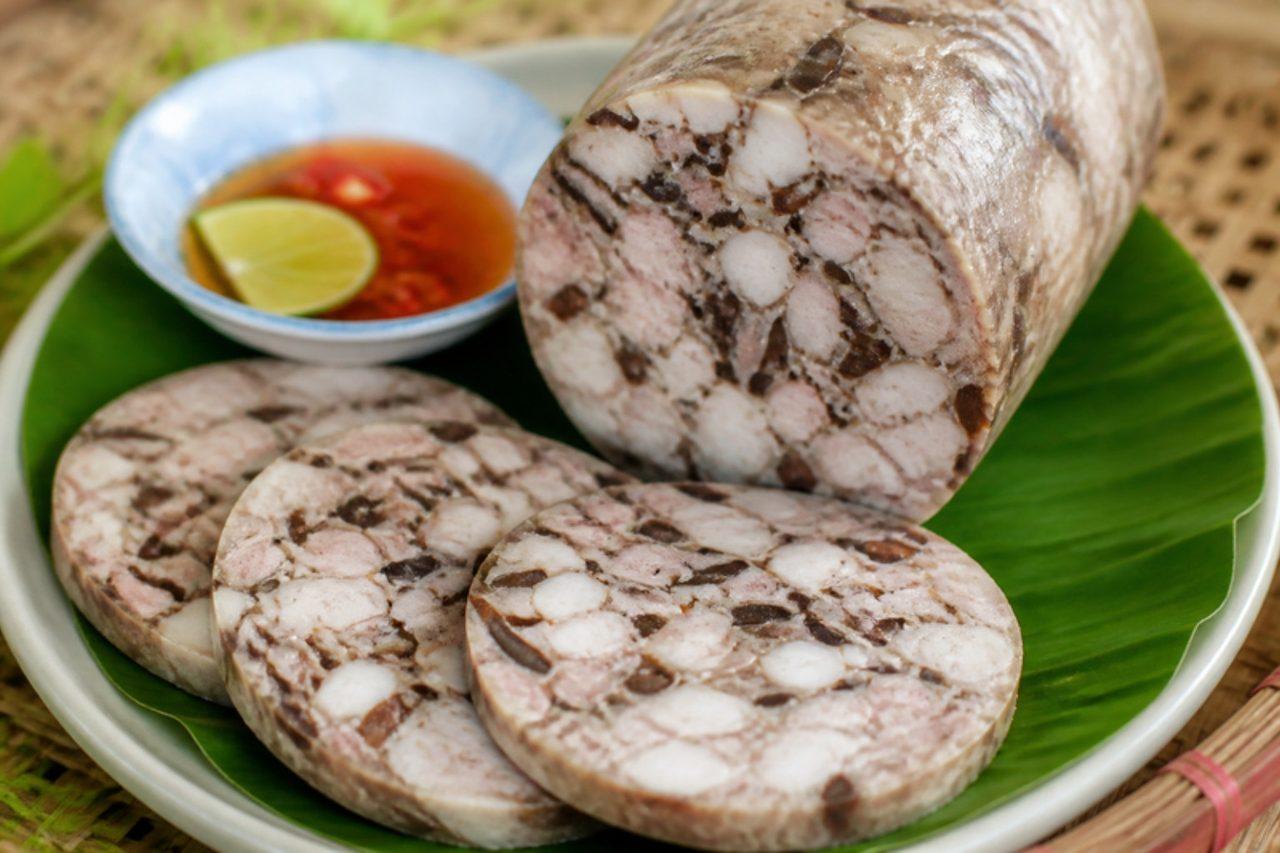
Giò thủ is a northern Tết classic, a mosaic roll made from pork ear, pork tongue and boneless pork cheek meat with crunchy wood ear mushrooms and plenty of black pepper. Using these cuts is an old way of honouring the whole animal at the year's biggest feast, and the roll's neat round slices are a wish for a complete, well-ordered year. The pieces are boiled, sliced, stir-fried with fish sauce and packed hot into banana leaf, where their natural gelatine binds them as they cool. Every slice is crunchy, chewy and peppery; serve with pickled shallots, fish sauce with lime and chilli, and bánh chưng. Chef's tip: pack and press the filling while it is still very hot; once it cools the gelatine sets and the roll will not hold together.

by KrazyBadal 0 views

Kẹo dừa (Bến Tre coconut candy)

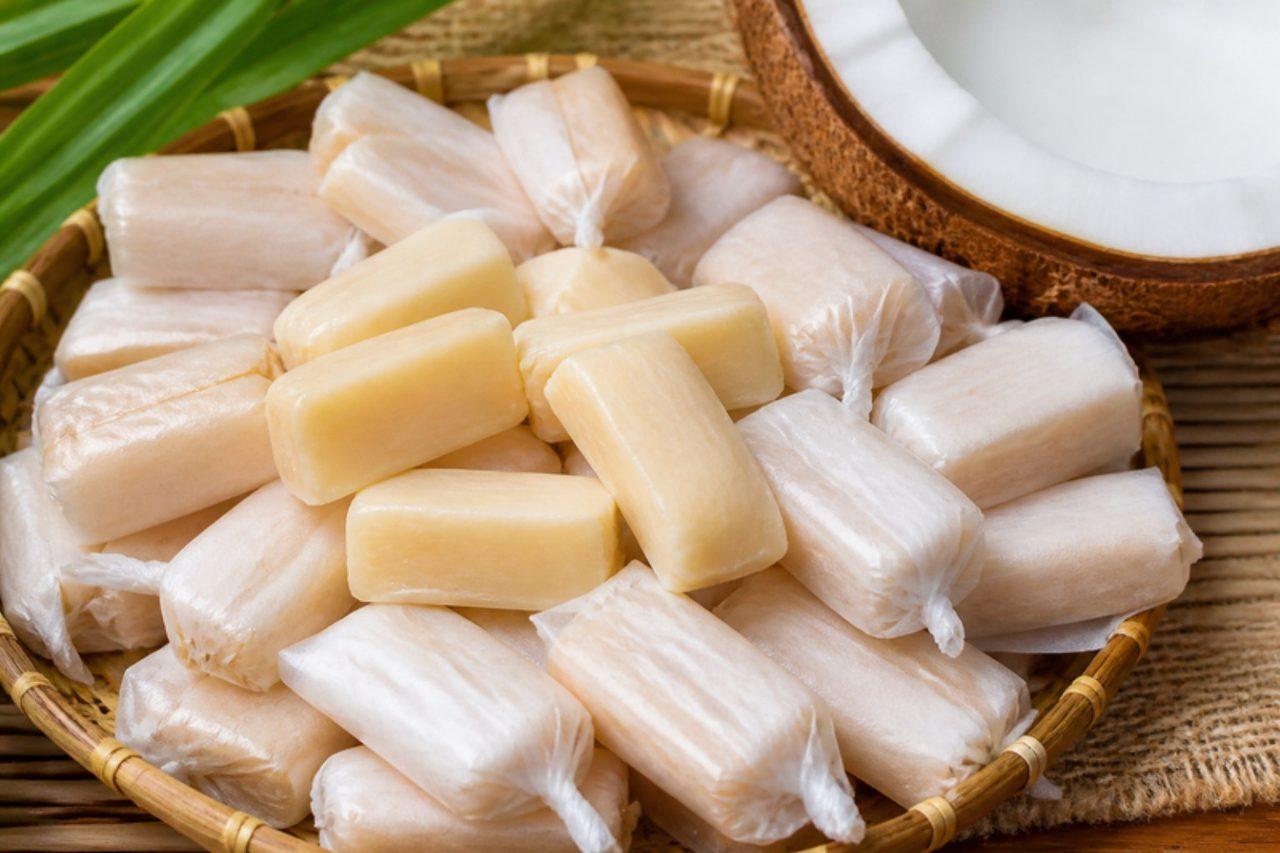
Bến Tre, in the Mekong Delta, is coconut country, and its workshops turn out mountains of kẹo dừa, the chewy coconut candy that Vietnamese families put on the Tết tray and bring home as a souvenir from the south. Thick coconut milk is boiled with sugar and rice malt syrup until it becomes a soft, pale caramel that tastes of toasted coconut and a little salt. Each piece is cut into a small bar and wrapped in a sheet of paper-thin edible rice paper, which melts on the tongue. Offer them with green tea, or at the end of a family meal. The candy is naturally egg-free: the long boil reduces the coconut milk until its own fat and solids, with the malt syrup, set it to a chew. Chef's tip: use a wide heavy pan and stir right across the base without stopping; the common mistake is walking away, which scorches the coconut solids and leaves brown specks and a bitter edge.
by KrazyBadal 0 views

Canh bóng (Hanoi puffed pork skin soup)

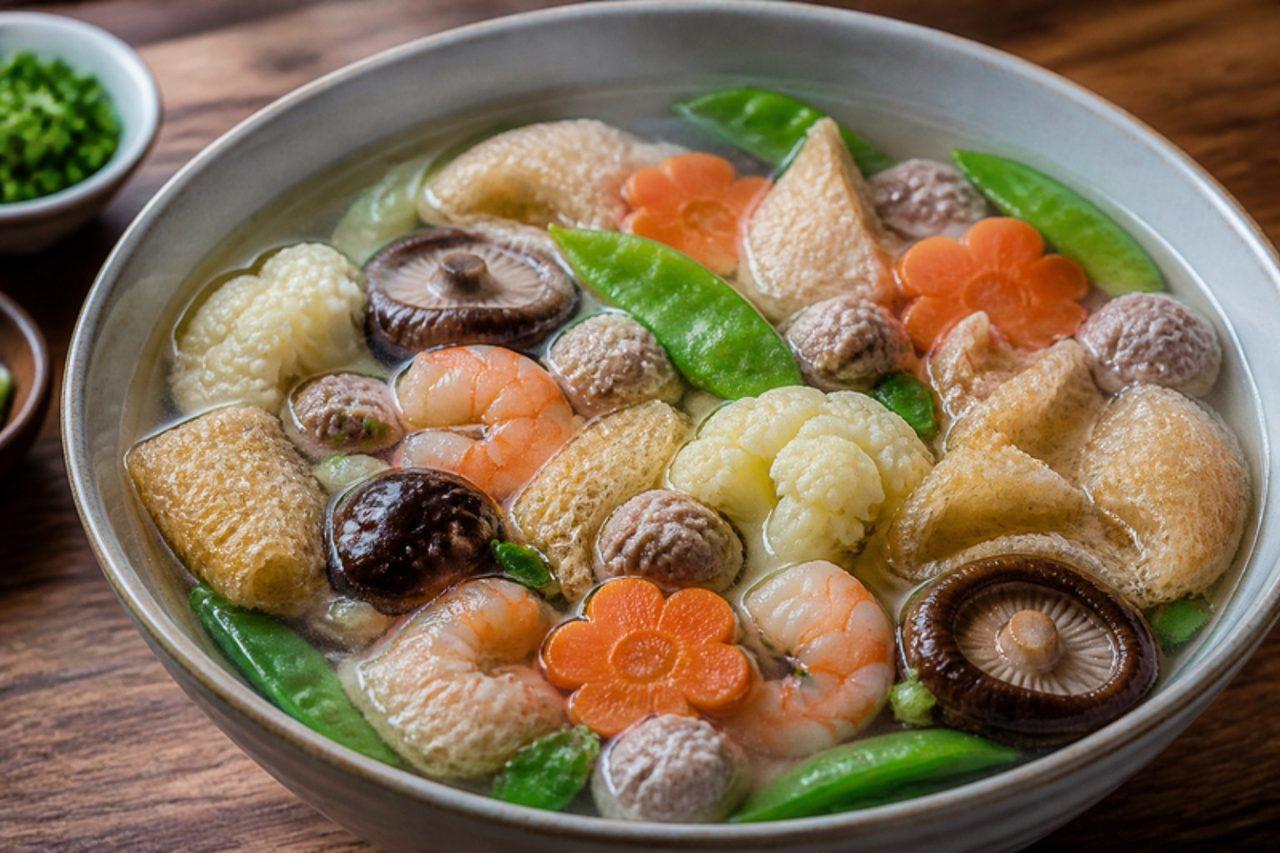
Canh bóng is the showpiece soup of the Hanoi Tết feast tray: a clear pork bone broth full of colour, with carrot flowers, cauliflower, snow peas and mushrooms floating beside pork meatballs, prawns and bóng bì, the puffed dried pork skin that soaks up broth like a sponge. Its many ingredients stand for abundance, and its clarity for a clean start to the year. It is light yet deeply savoury, served with rice and the rest of the feast. Buy bóng bì ready-puffed in packets from Vietnamese grocers. Chef's tip: soak and squeeze the pork skin in warm ginger water twice; it removes the frying oil so the broth stays sparkling.
by KrazyBadal 0 views

Bánh thuẫn (Tết sponge cakes)

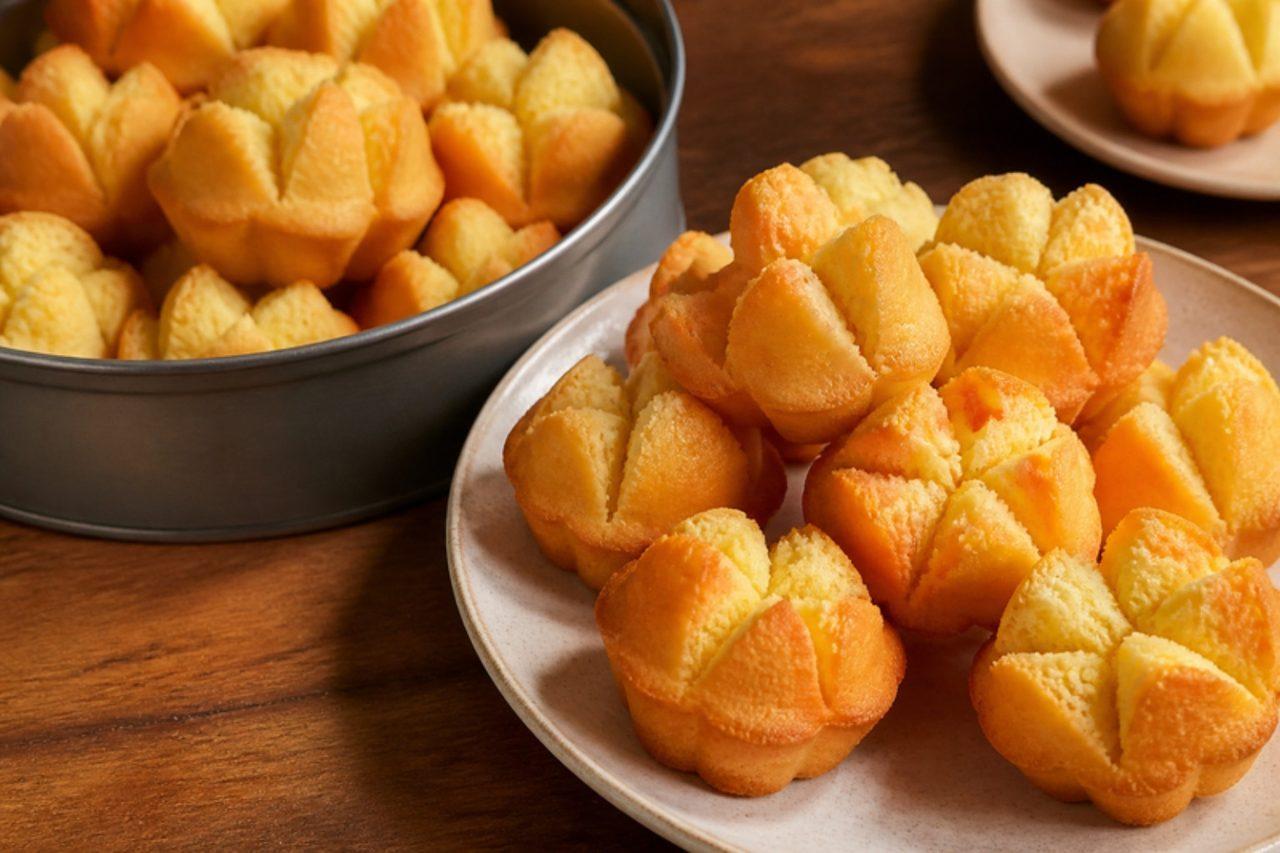
In Huế and across the south, bánh thuẫn are baked in small flower-shaped moulds for the Tết table and ancestor offerings; the top splits open like a blossom as it bakes, and a well-cracked cake is said to bring a year that blooms. They are dairy-free, made only of eggs, sugar and flour, so the texture is springy inside with a golden, crisp rim, a little like a madeleine but airier. Children love them, and they keep in a tin for days, ready for visitors with tea. Chef's tip: heat the oiled moulds in the oven before filling; the batter hitting hot metal is what makes the tops crack into petals.

by KrazyBadal 0 views

Mứt bí (candied winter melon)

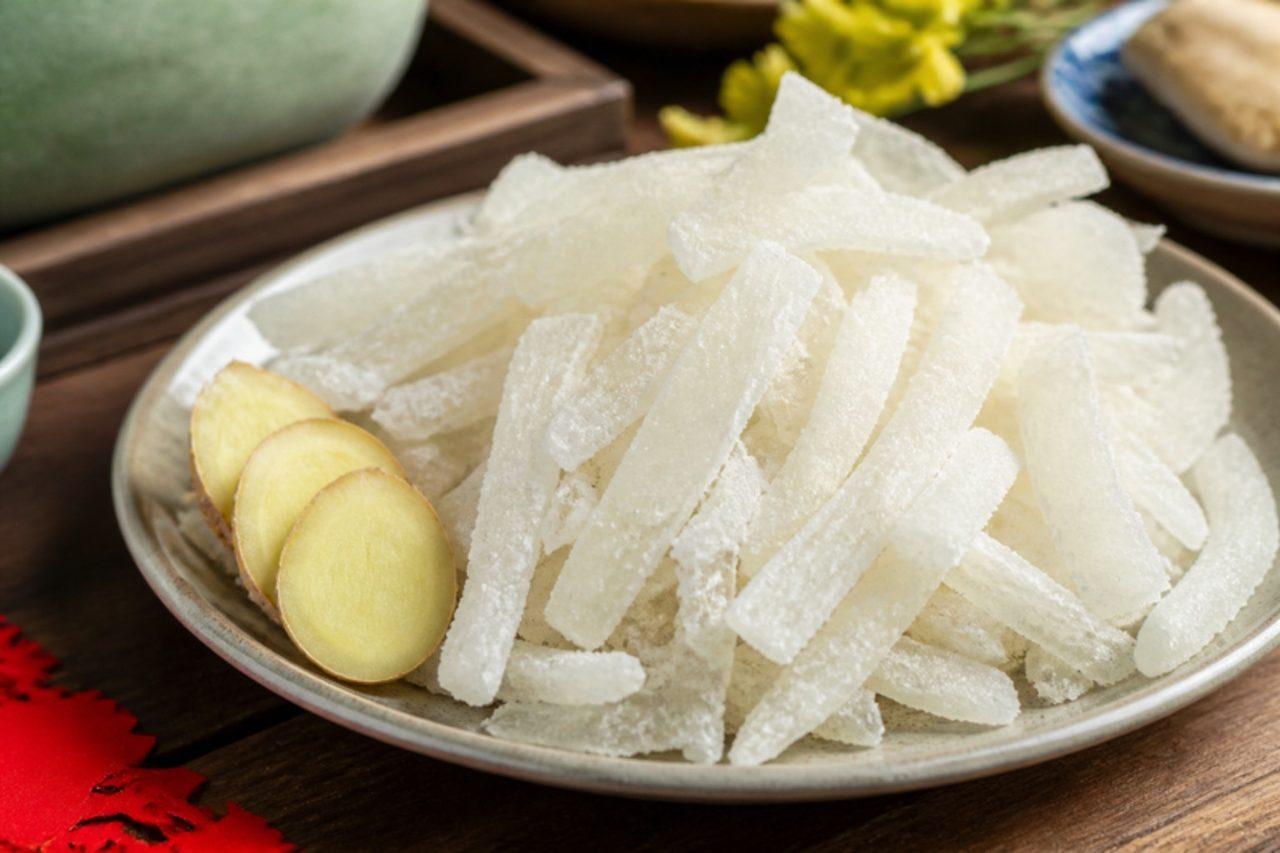
Pale as rice paper and crunchy at the edge, mứt bí is one of the cheapest and best-loved sweets on the Tết candy tray all over Vietnam; its white colour stands for a clean, bright start to the year. The melon is first firmed in clear lime water made with food-grade slaked lime (vôi ăn, calcium hydroxide, sold for pickling), which sets the outside so the batons stay crisp while the sugar soaks in. If you would rather not use lime, a quick blanch and longer drying gives a softer but still delicious result. Serve with green tea, or with candied ginger and coconut. Chef's tip: choose an old, heavy winter melon with a dusty white skin; young ones are watery and collapse in the syrup.

by KrazyBadal 0 views

Mứt tắc (candied kumquats)

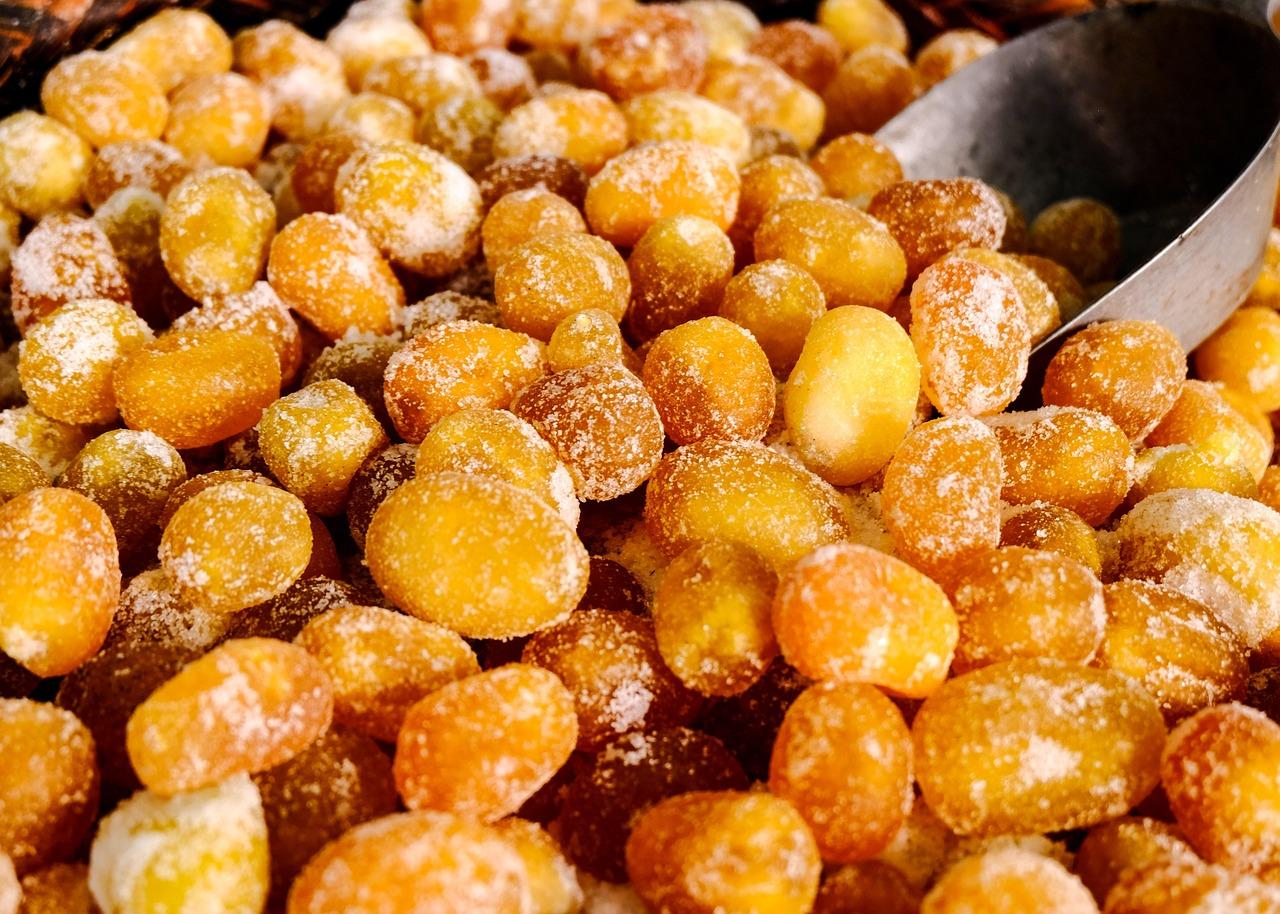
In the south, potted kumquat trees heavy with fruit stand at the door for Tết, because their round gold fruit promises plenty; mứt tắc brings that same luck to the candy tray. Each fruit is slit, gently pressed to push out the seeds and juice, firmed briefly in clear water made with food-grade slaked lime (vôi ăn), then candied until glossy and amber, with a chewy skin and a pleasant bitter-sweet edge. A no-lime method is given too. Serve with strong tea, or drop a fruit into hot water with honey for a soothing drink. Chef's tip: blanch the fruit twice in fresh water before candying; it tames the bitterness without losing the perfume.

by KrazyBadal 0 views

Bánh in (pressed rice-flour cakes)

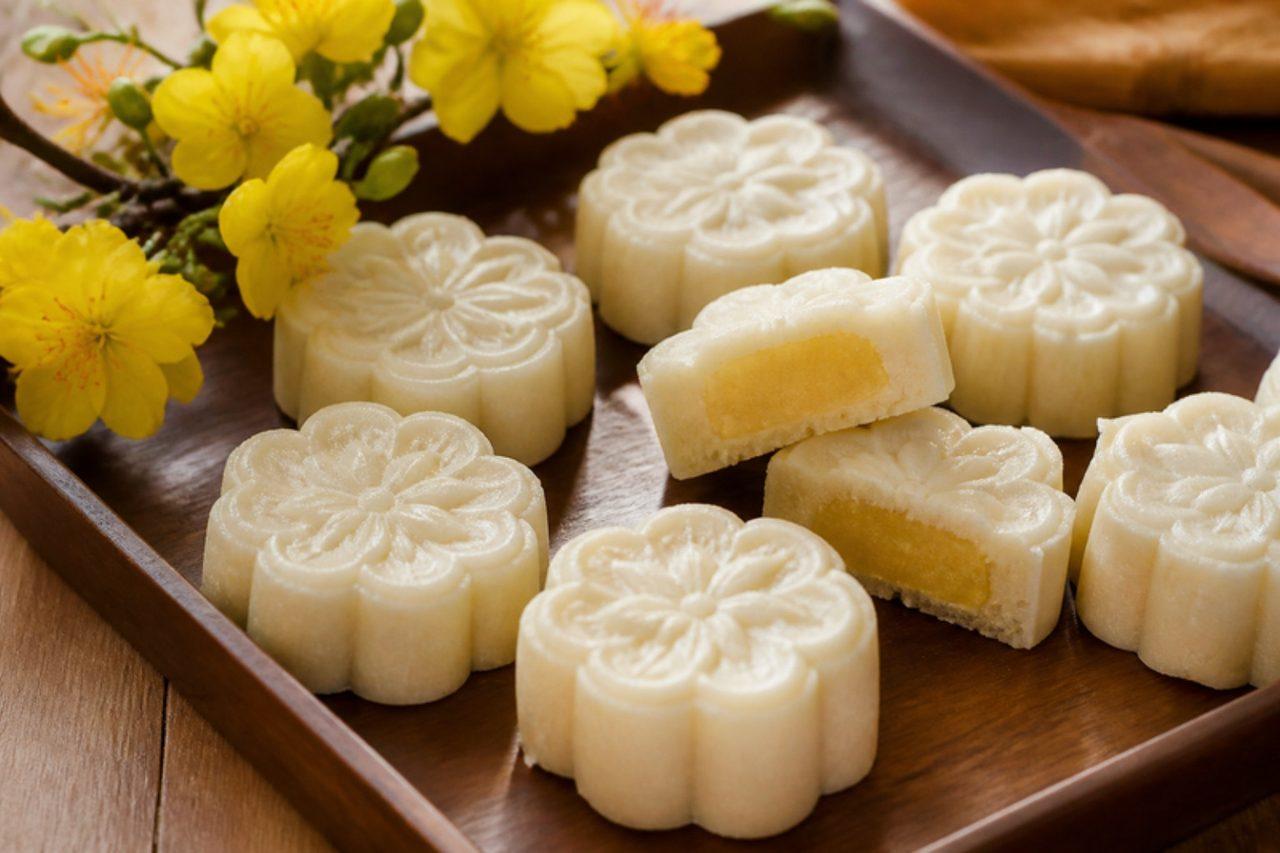
Bánh in, literally 'printed cakes', come from Huế and central Vietnam, where they are stacked on the Tết altar for the ancestors and later shared with guests; the moulds stamp flowers or the characters for luck and longevity into each cake. The dough is just toasted glutinous rice flour bound with fragrant syrup, so the cakes are crumbly-soft, melt in the mouth and taste nutty, with a smooth mung bean heart. Serve them with jasmine or artichoke tea. Any wooden or plastic mooncake mould of about 40 g works. Chef's tip: let the pressed cakes rest overnight in a closed tin; they firm up and the flavour of the toasted flour deepens.

by KrazyBadal 0 views

Bánh phồng tôm (prawn crackers)

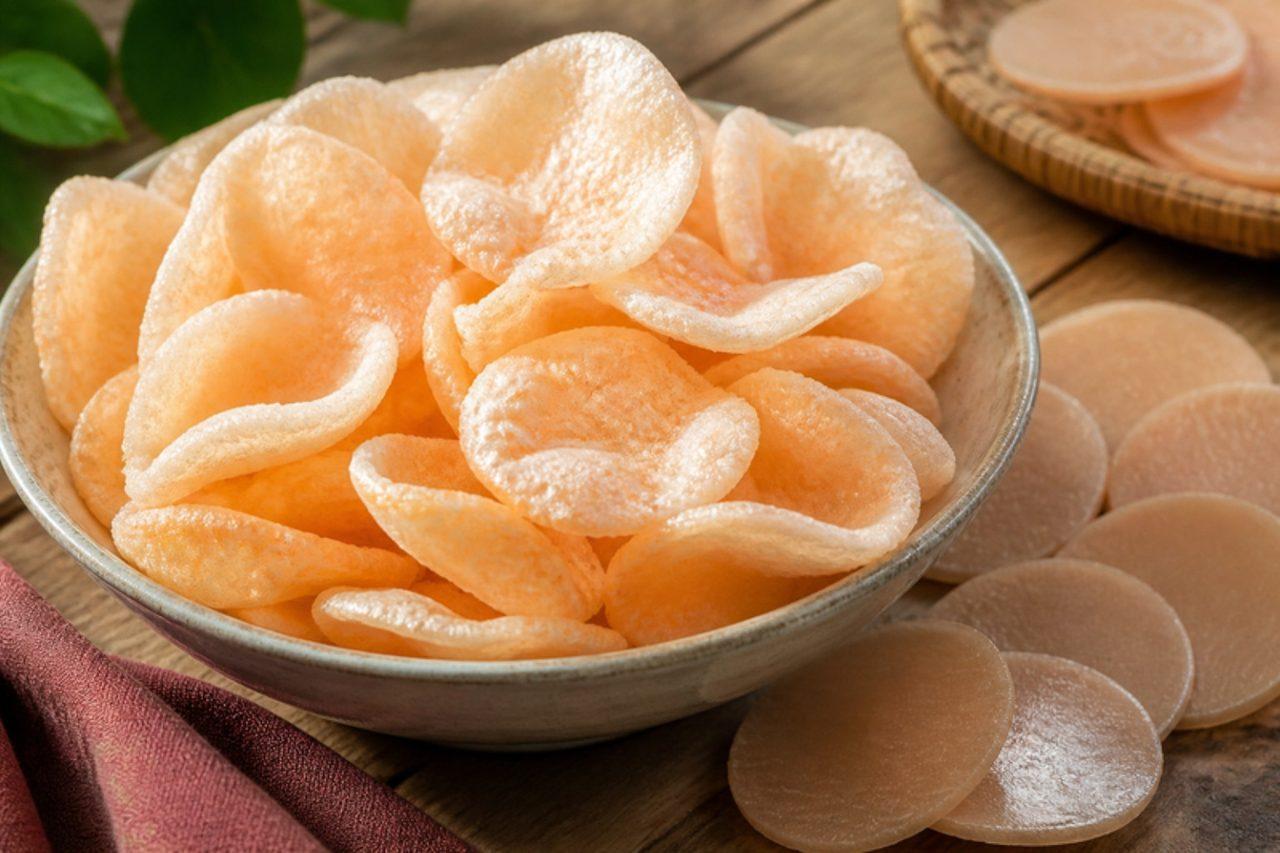
In the Mekong Delta, and above all in Sa Đéc, whole streets lay out trays of prawn crackers to dry in the sun before Tết; a cracker that puffs big in the hot oil is a cheerful sign that the family's fortunes will grow too. Home-made ones taste far more of prawn than packet crackers: light, airy, crisp and a little sweet, perfect for guests with drinks or beside a salad. The dough is steamed, chilled, sliced thin and dried for a day in the sun or a few hours in a very low oven, so plan ahead; if you buy dried crackers, just do the frying step. Chef's tip: slice the chilled logs as thin as a coin; thick slices stay hard in the middle instead of puffing.

by KrazyBadal 0 views

Thịt heo ngâm mắm (fish-sauce cured pork)

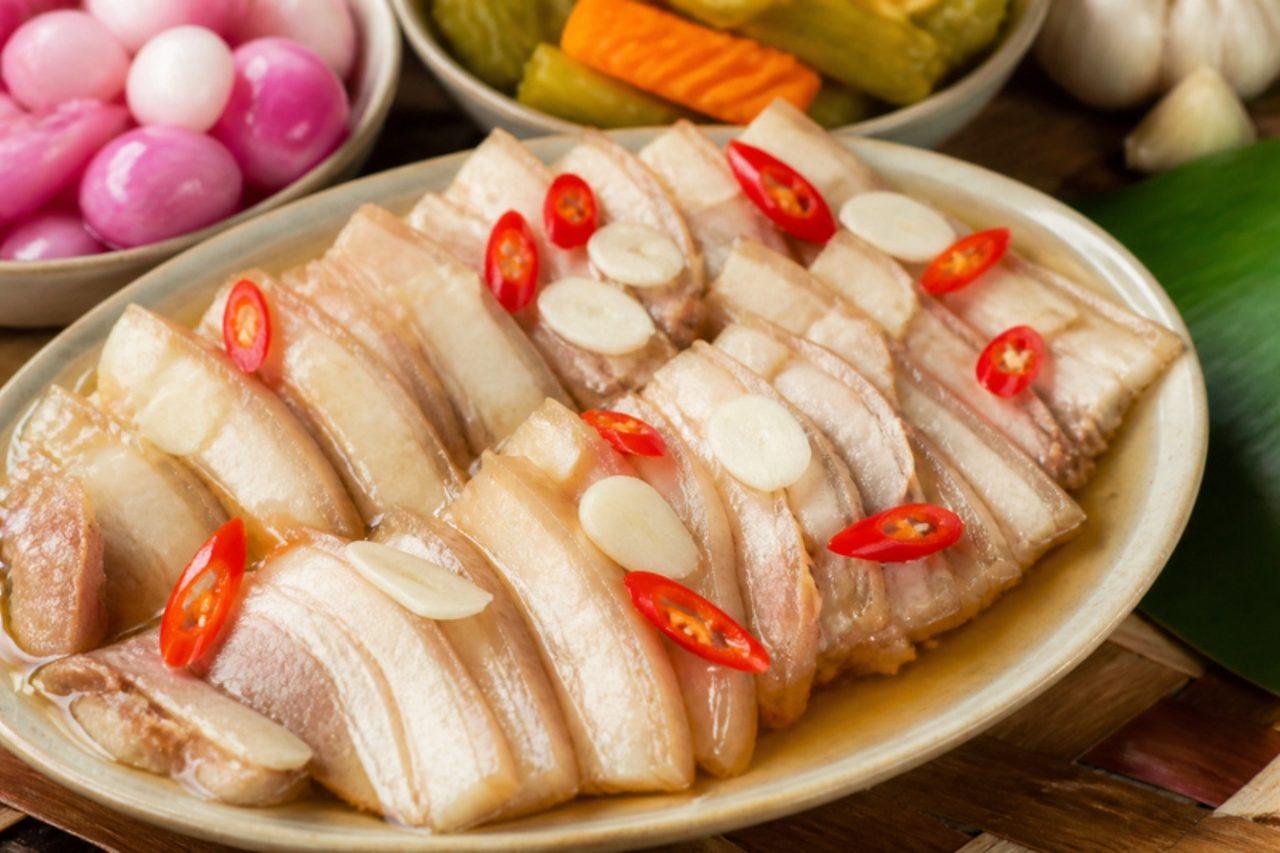
In southern Vietnam a jar of thịt heo ngâm mắm is prepared a week before Tết so that hosts always have something ready when relatives drop by; the jar full of pork is a sign of a well-stocked home in the new year. Pork belly is boiled until fully cooked, then submerged in a boiled and cooled brine of fish sauce, sugar, garlic and chilli, where it turns amber, savoury-sweet and firm enough to slice paper thin. Serve it with steamed rice, pickled mustard greens or củ kiệu, and fresh herbs. Chef's tip: make sure the belly and the brine are both completely cold before they meet, and keep the jar in the fridge throughout.

by KrazyBadal 0 views

Nộm su hào (kohlrabi and carrot salad)

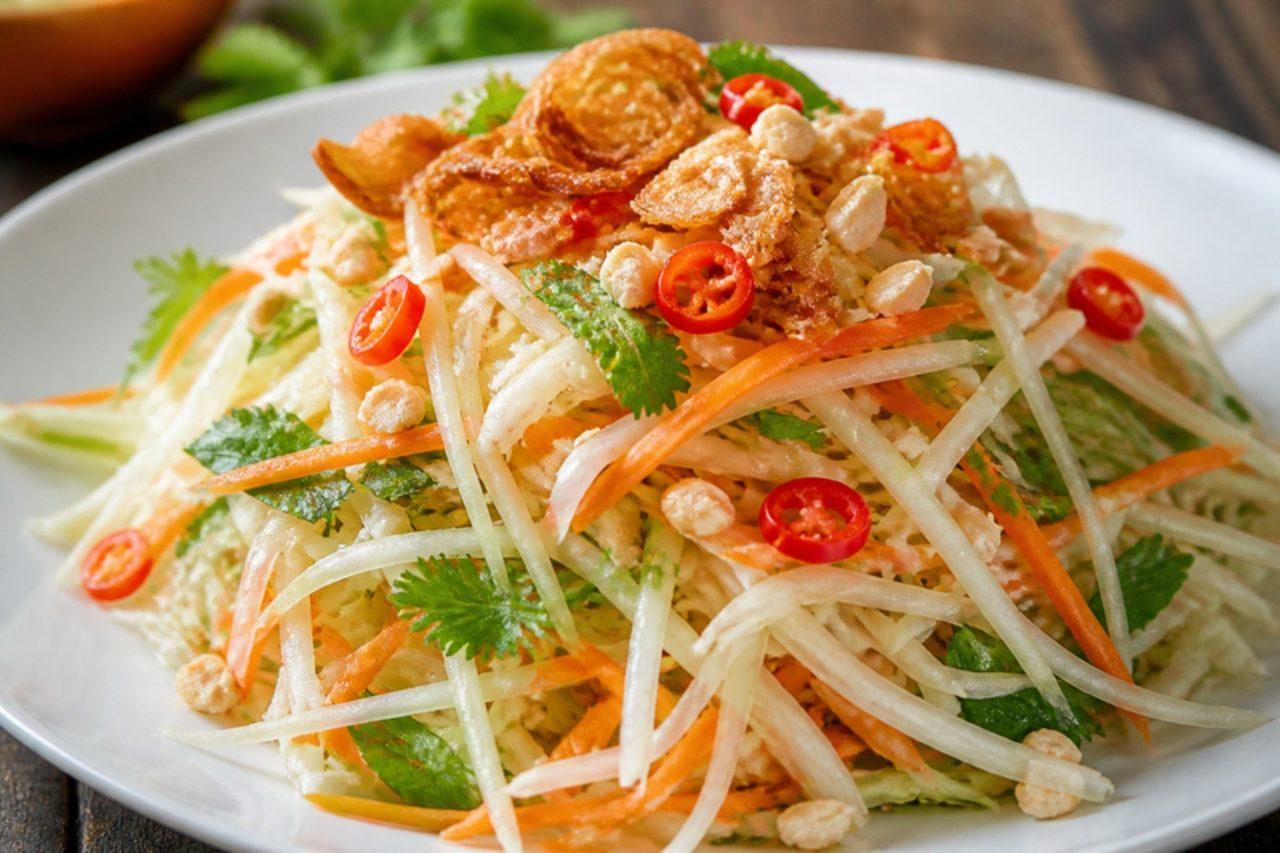
When the Tết table in northern Vietnam fills with sticky rice cakes, pork in aspic and boiled chicken, a plate of nộm su hào brings freshness and balance, and its bright colours are a cheerful sign for the new year. Kohlrabi is at its sweetest in the northern winter, so it is shredded with carrot, salted to draw out water and dressed with fish sauce, lime, sugar, garlic and chilli, then finished with roasted peanuts and Vietnamese herbs. It is crisp, juicy and tangy; serve it beside rich meats or bánh chưng. For a vegetarian version, a soy dressing is given in the last step. Chef's tip: squeeze the salted vegetables really dry, or the dressing turns watery and dull.
by KrazyBadal 0 views

Thịt đông (pork in aspic)

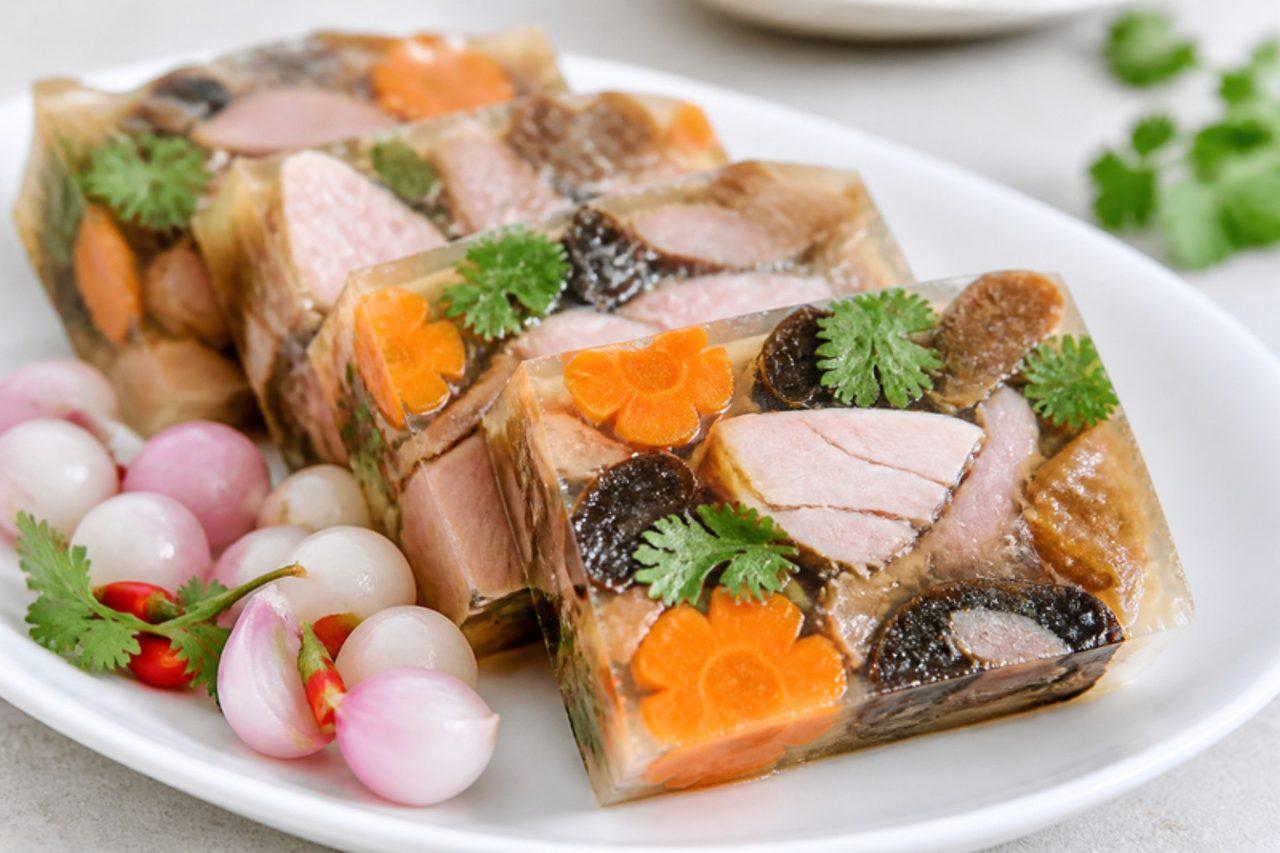
Thịt đông is a dish of the cold northern Tết, when families once left bowls of simmered pork outside overnight to set; today the fridge does the job. Pork hock and pork skin are cooked gently with shallots, fish sauce and black pepper until the meat is tender and the broth is rich in natural gelatine, then wood ear mushrooms are added for crunch and everything sets into a clear, wobbly jelly. It is eaten cold, cut into wedges, with hot rice, bánh chưng and a bowl of pickled shallots to cut the richness. No gelatine powder is needed. Chef's tip: keep the pot at a bare simmer and skim often; a rolling boil clouds the jelly.

by KrazyBadal 0 views

Bánh tổ (Hội An New Year cake)

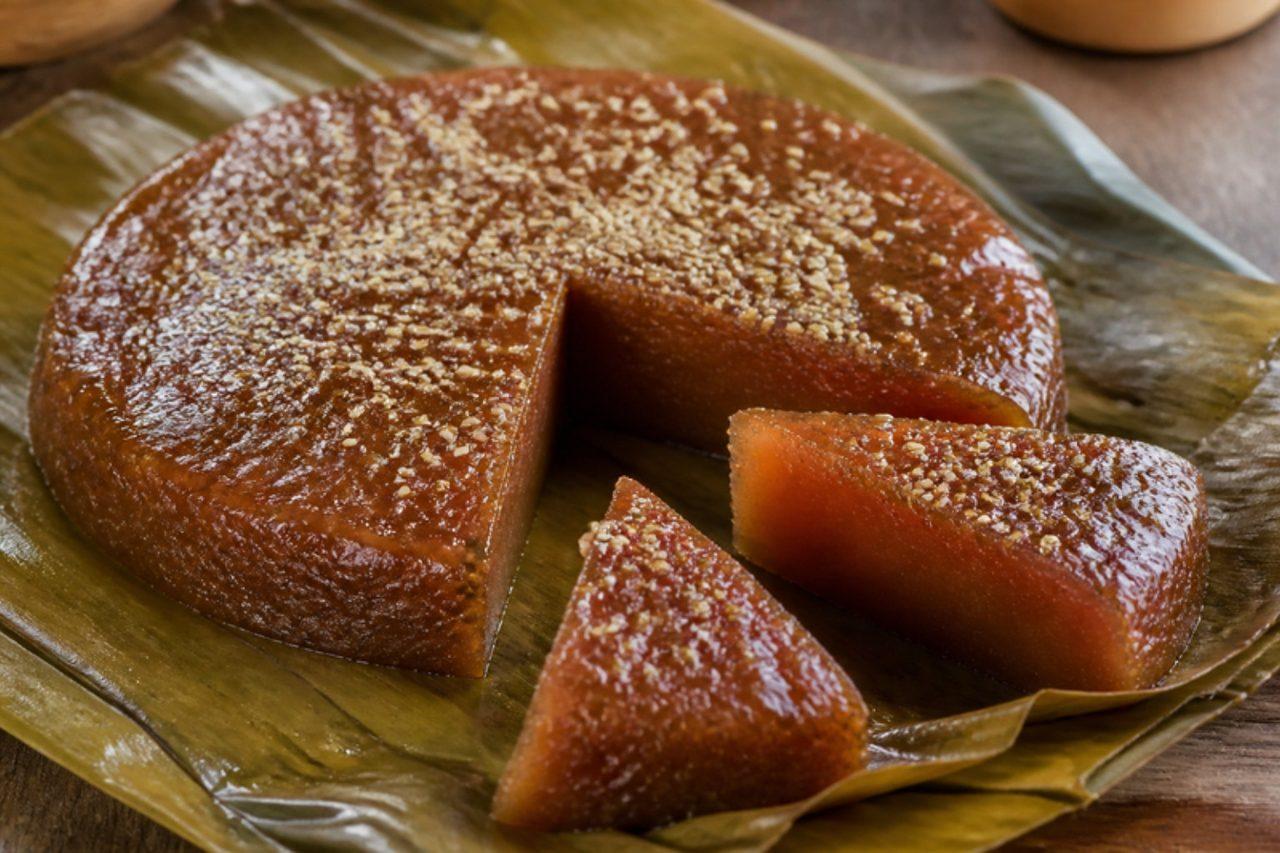
In Hội An and the rest of Quảng Nam, families steam bánh tổ for Tết and place it on the ancestors' altar; its name echoes 'tổ', the ancestors, and its slow-cooked sweetness is a wish for a smooth, sweet year. The cake is like a darker, ginger-scented cousin of Chinese nian gao: dense, chewy and glossy, with toasted sesame on top. Eat it in thin slices at room temperature, or fry slices until crisp outside and molten within, and serve with tea or sandwiched in rice crackers as locals do. Chef's tip: keep the water at a steady simmer and top it up with boiling water; a steamer that boils dry is the only real way to ruin this cake.

by KrazyBadal 0 views

Xôi vò (mung bean coated sticky rice)

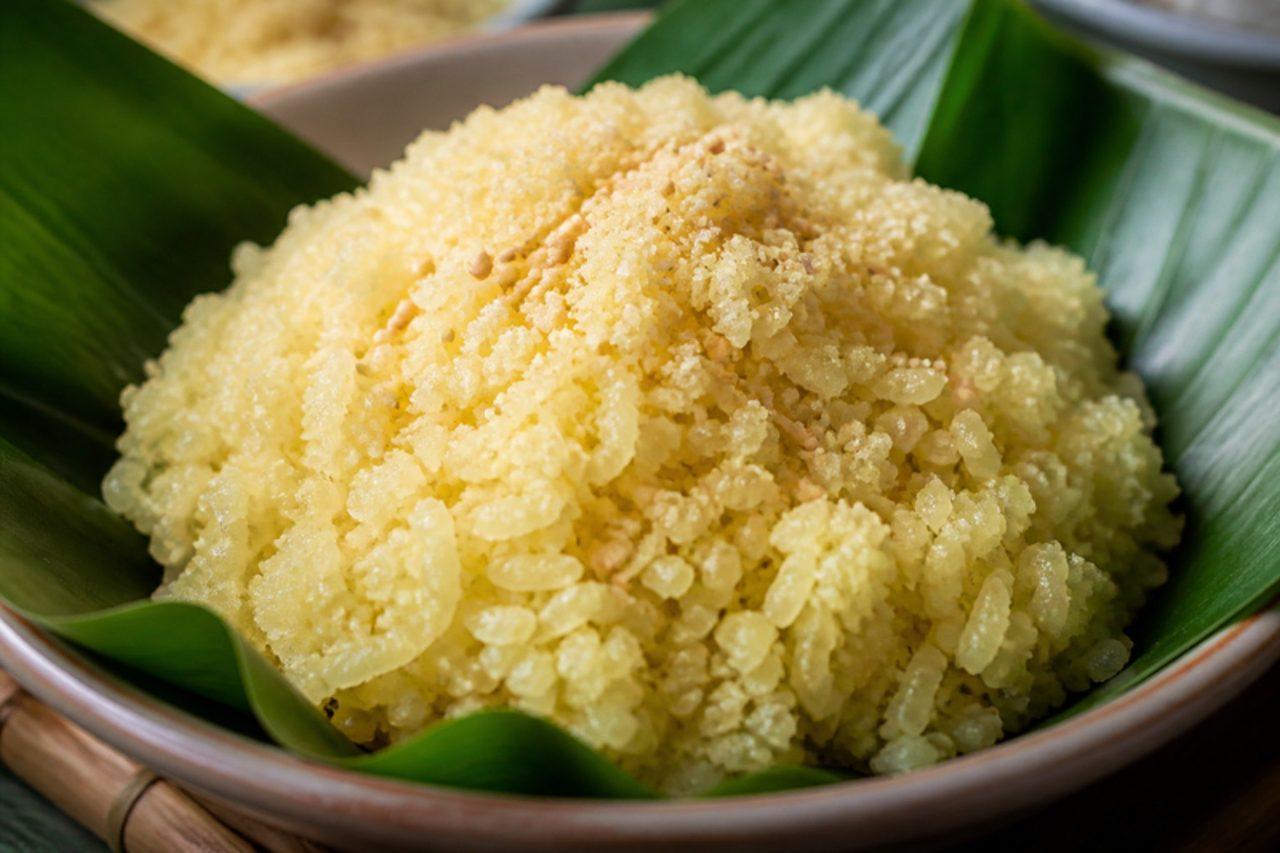
Xôi vò is a Hanoi sticky rice offered at the altar for Vu Lan, the Buddhist full moon of the seventh lunar month when people honour their parents and ancestors, and again on the first days of Tết. Unlike most xôi, it is not a sticky mass: 'vò' means rubbed, and the soaked rice is rubbed with crumbled mung bean so each grain steams up separate, glossy and pale gold. It tastes mild, nutty and lightly salty, and is eaten with chè (sweet soup), a little sugar, or toasted sesame salt. Chef's tip: crumble the warm mung bean paste through a coarse sieve; fine, dry crumbs are what keep the grains apart.

by KrazyBadal 0 views

Quinotos en almíbar (Argentine kumquats in syrup)

In Buenos Aires and the river provinces of the Litoral, kumquat trees ripen in the middle of winter, between June and August, and the fruit goes straight into jars of syrup. Grandmothers' pantries held quinotos for the whole year, brought out for birthdays and long Sunday lunches. Each little fruit turns glossy orange and translucent, with a soft, bittersweet skin and a sharp, juicy centre. Spoon them over vanilla ice cream, serve them with a slice of fresh cheese in the style of postre vigilante, or eat them straight from the jar. Many bar menus offer them steeped in spirits; this version keeps only the syrup. Naturally egg-free, the quinotos rely on sugar syrup to preserve them, while pectin from the peel gives the syrup a light, jammy body. Chef's tip: blanch the fruit three times from cold water; the common mistake is skipping this, which leaves the skins tough and bitter.

by KrazyBadal 0 views

Chè kho (mung bean fudge pudding)

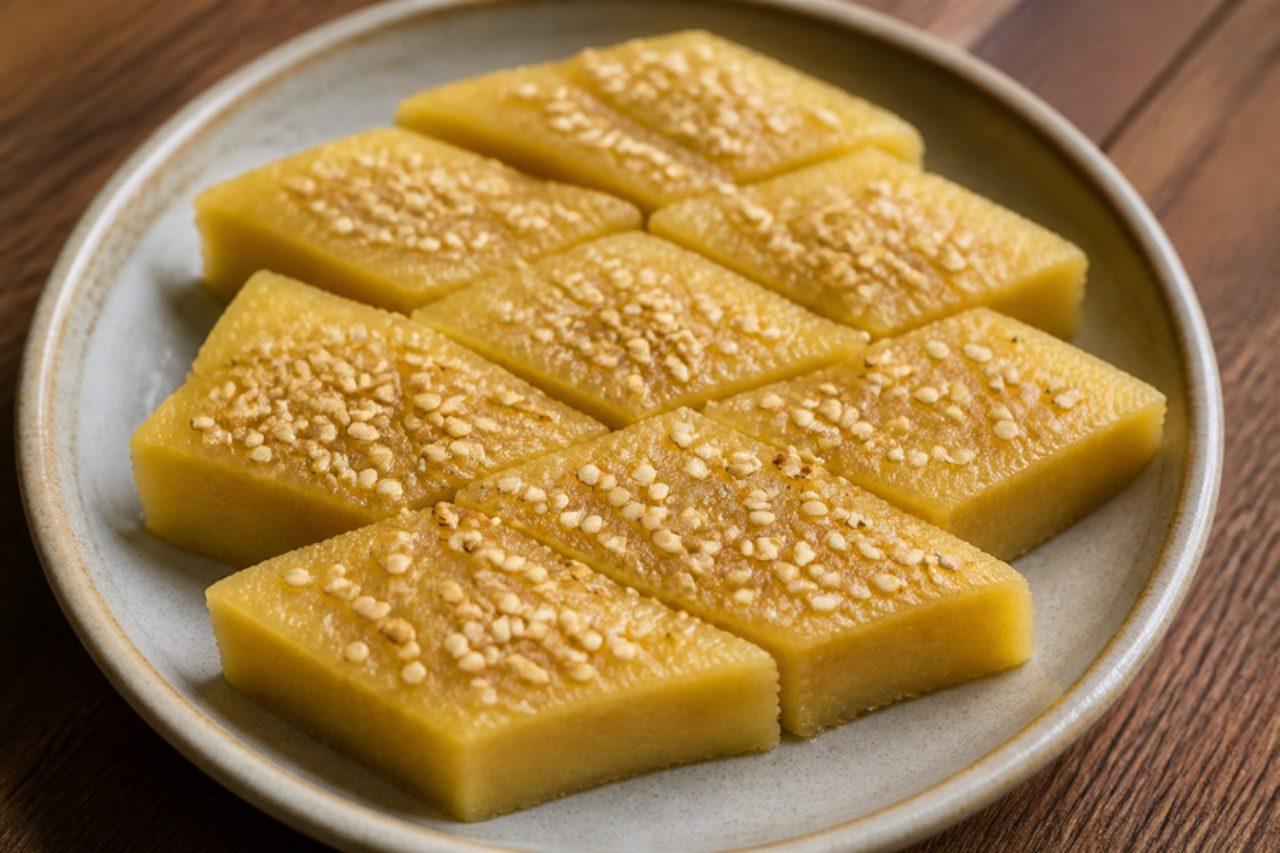
On New Year's Eve and the last days of Tết, Hanoi families place a plate of chè kho on the ancestors' altar: a smooth, golden mung bean fudge whose sweetness asks for a gentle, prosperous year. 'Kho' means cooked down dry, and that is the whole technique, stirring the bean purée with sugar until it becomes a thick, glossy paste that can be cut. It tastes nutty and delicately floral from grapefruit-blossom water, with a crunch of sesame on top. Serve small slices with lotus or green tea. Chef's tip: use a heavy non-stick pan and a wooden spoon, and never leave it; the paste catches in seconds once it thickens.

by KrazyBadal 0 views

Mứt sen (candied lotus seeds)

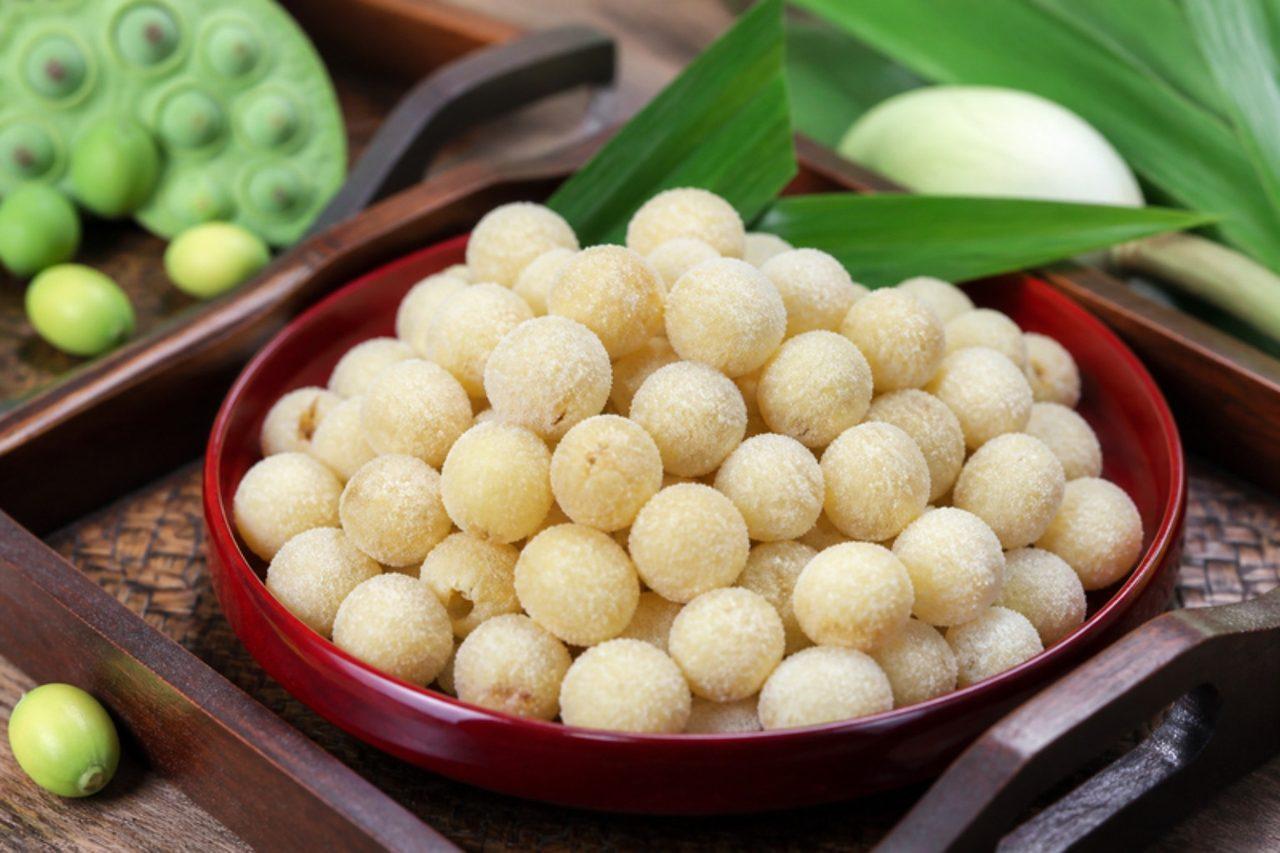
No Tết candy tray in Hanoi or Huế looks complete without a mound of mứt sen, the ivory lotus seeds that stand for purity and, because a lotus pod holds so many seeds, for a family blessed with many descendants. Done well, each seed is soft and floury inside, almost like chestnut, under a dry, sparkling shell of sugar. Guests nibble them with a pot of hot green or lotus tea while they swap New Year wishes. Fresh seeds are best; dried ones from Asian grocers work if soaked overnight first. Chef's tip: pull out every green germ in the centre, because a single bitter heart spoils the sweet mouthful.

by KrazyBadal 0 views

Turrón de maníPeanut nougat

On an Argentine Christmas Eve, after midnight toasts, the 'mesa dulce' appears with pan dulce, garrapiñadas and turrón de maní: a chewy white nougat of honey, sugar, whipped egg white and roasted peanuts, often set between two sheets of rice paper. Families make it in the days before Nochebuena. The egg white is cooked by the hot syrup. It is gluten free if you use gluten-free wafer paper or none. Chef's tip: work fast once the syrup is in, as the nougat stiffens as it cools and gets hard to spread.

by KrazyBadal 0 views

Kẹo cu đơ (Hà Tĩnh peanut and ginger candy)

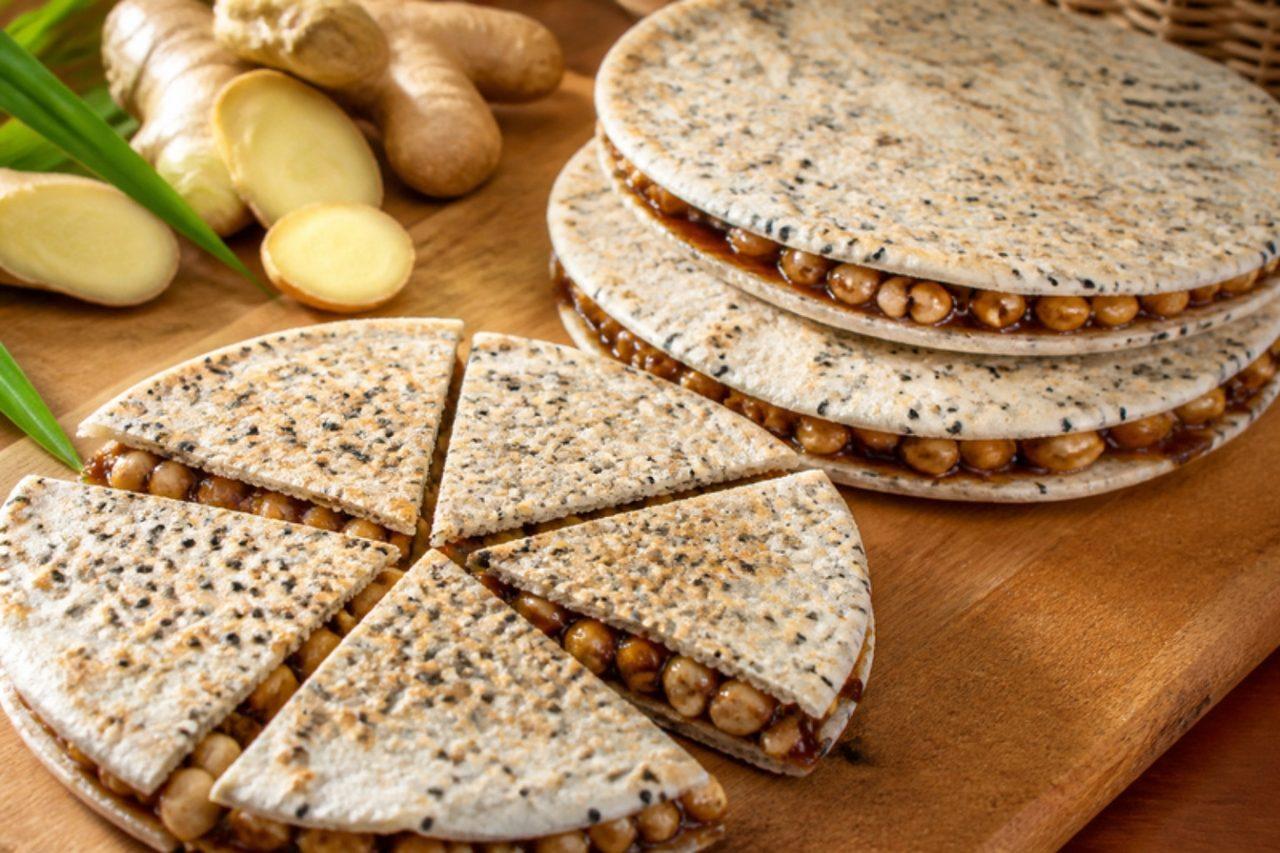
Kẹo cu đơ belongs to Hà Tĩnh province in north-central Vietnam, where it is chewed slowly with a cup of strong green tea, especially on cold mornings and during Tết visits. Roasted peanuts are folded into a dark, sticky toffee of sugarcane molasses and malt syrup, sharpened with fresh ginger, and the hot mass is sandwiched between two crisp, toasted sesame rice papers. Every bite gives a crackle of rice paper, then a chewy, slightly smoky sweetness and a warm ginger finish. Cut it into wedges and serve it with tea rather than as a pudding. It is naturally egg-free: the molasses and malt syrup are cooked to the hard-ball stage, which is what sets the candy and binds the nuts. Chef's tip: toast the rice papers until they are completely puffed and blistered; the common mistake is under-toasting them, which leaves them leathery once the hot toffee goes on.

by KrazyBadal 0 views

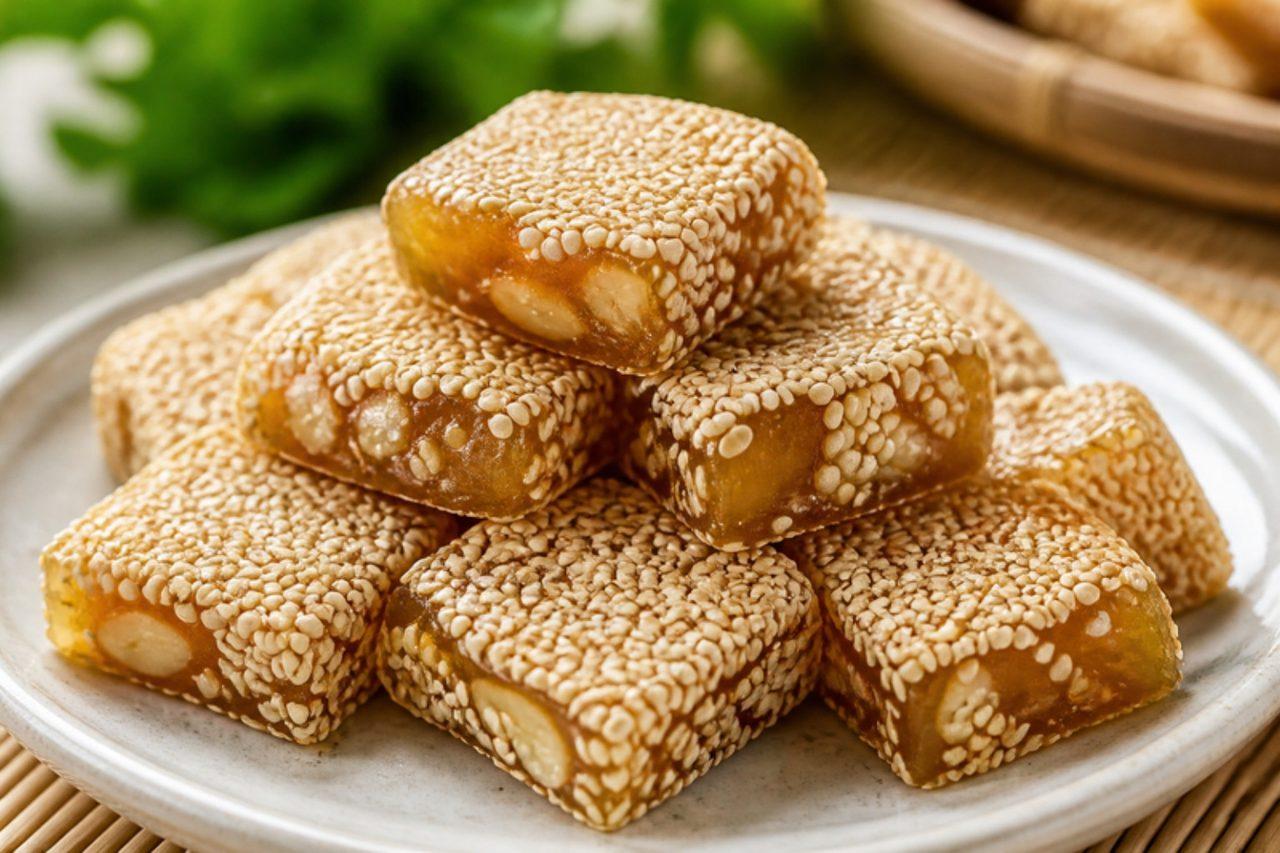
Kẹo mè xửng (Huế sesame peanut chews)

No one leaves the old imperial city of Huế without a box of kẹo mè xửng, the soft sesame chew sold on Đông Ba market stalls and handed out at Tết and on family visits. Rice malt syrup and sugar are cooked with a little tapioca starch into a glossy, stretchy mass, chopped peanuts are folded in, and the slab is pressed between layers of toasted sesame. It chews like a soft toffee, nutty and gently sweet, and the sesame gives every square a roasted fragrance. Serve squares with hot lotus or green tea after dinner. The candy is naturally egg-free: tapioca starch gives it its springy chew and the malt syrup binds it, so nothing else is needed. Chef's tip: oil your knife and cut while the slab is just warm. The common mistake is adding the starch slurry without stirring hard, which leaves white lumps through the candy.

by KrazyBadal 0 views

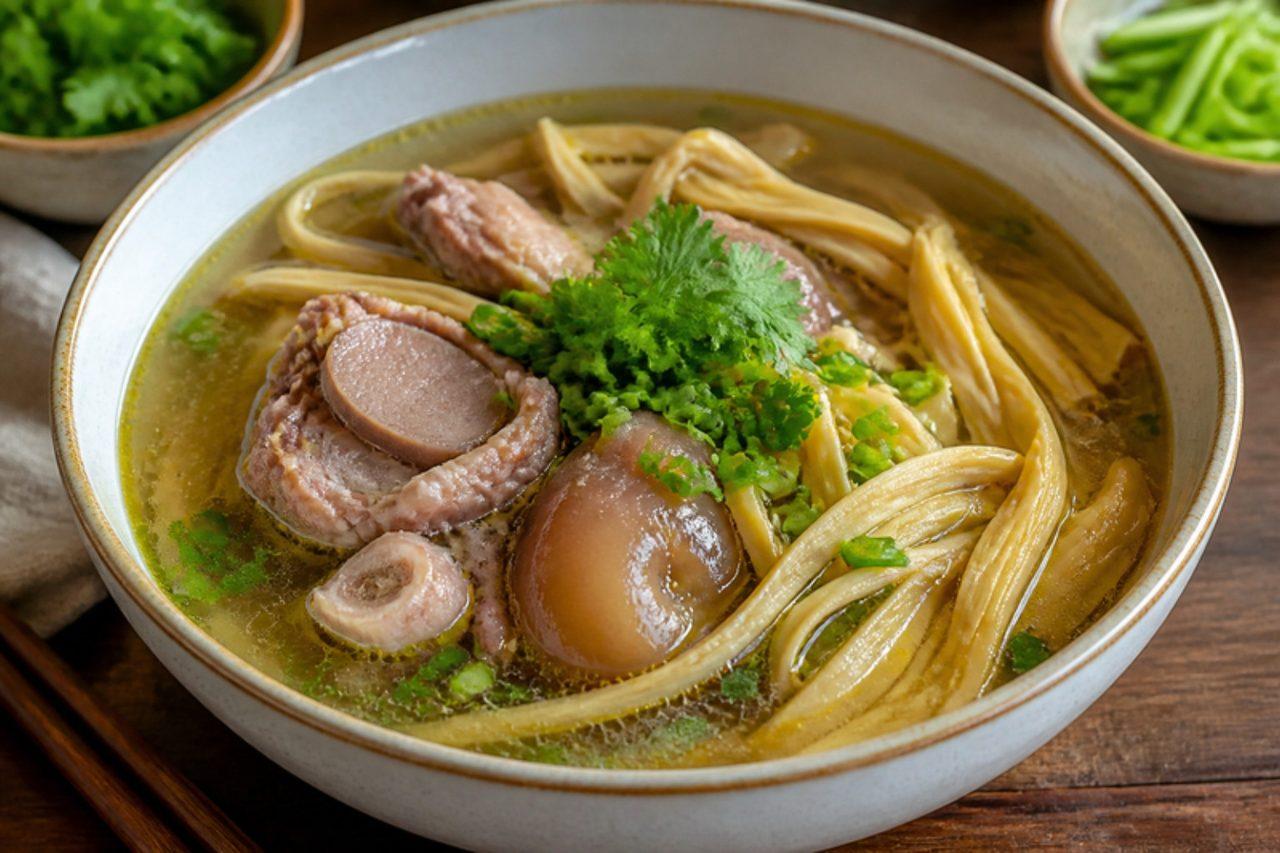
Canh măng (dried bamboo shoot soup)

A deep bowl of canh măng sits at the centre of the northern Tết feast tray, where its long, chewy strands of bamboo stand for steady growth in the new year. The dried shoots are soaked and boiled several times until mild and tender, then simmered with pork hock until the broth is clear, sweet and lightly smoky. It is rich but clean-tasting, served with rice beside the boiled chicken, spring rolls and giò. If you prefer chicken, a variation is given in the steps. Chef's tip: tear the soaked shoots into thin strips along the grain rather than cutting across; they stay chewy and soak up more broth.

by KrazyBadal 0 views

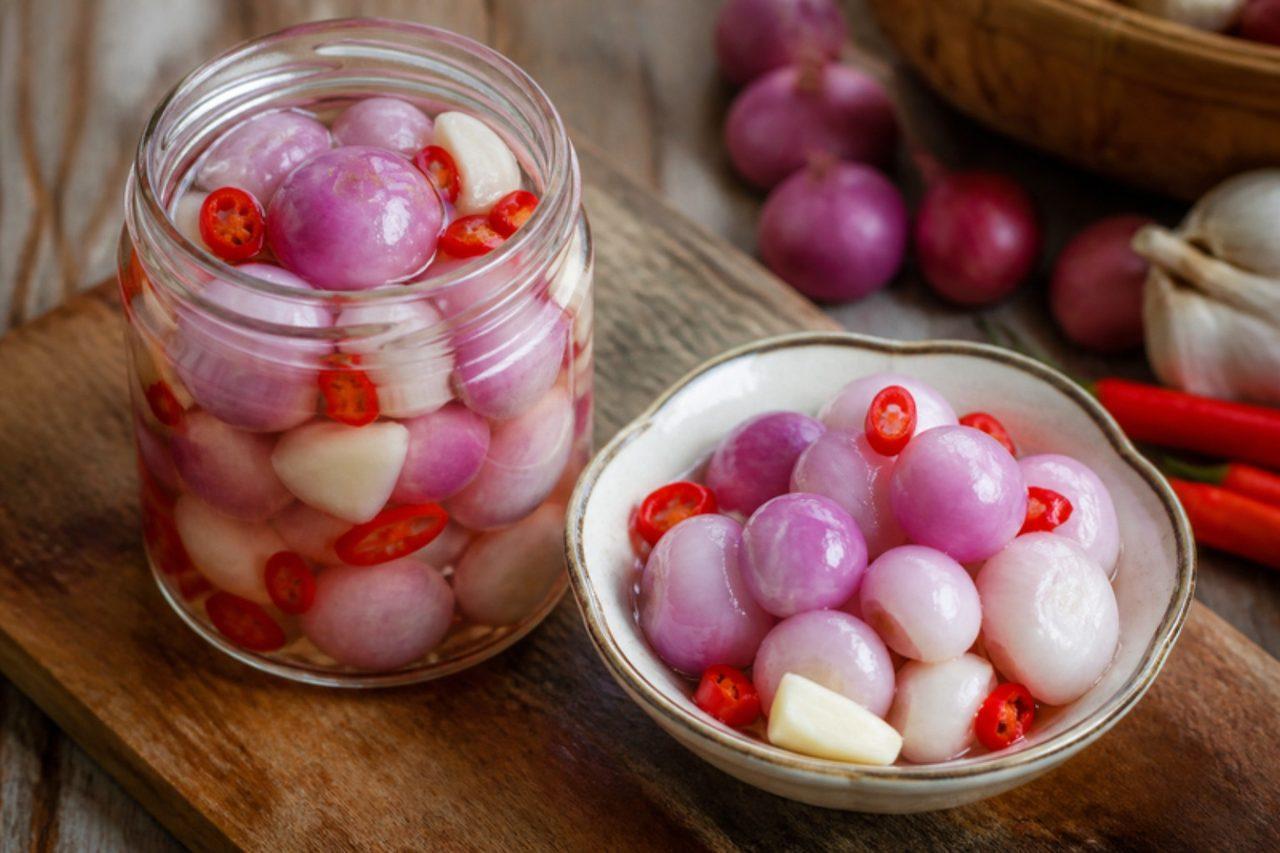
Dưa hành (pickled shallots)

In northern Vietnam the saying goes that fatty pork, pickled shallots and red couplets make Tết, and dưa hành is that pickled shallot. It is not the same thing as southern củ kiệu: kiệu are slim scallion bulbs pickled sweet and mild, while dưa hành uses round purple shallots (hành tím) that sit in a salty brine for a few days, turning faintly sour, crunchy and pleasantly pungent. Their bite cuts through sticky bánh chưng, pork in aspic and pressed pork rolls, which is exactly why every northern family makes a jar. Chef's tip: soak the unpeeled shallots in warm water first; the skins then slip off in seconds and your eyes stay dry.

by KrazyBadal 0 views

Aguadito de polloCoriander chicken rice soup

Aguadito is the soup Lima serves in the small hours: at the end of a wedding, after New Year's Eve and at weekend family lunches, it is ladled out thick and steaming to revive everyone. Rice simmers in chicken broth coloured deep green with blended coriander and warmed with yellow ají amarillo, along with peas, carrot, pepper, sweetcorn and potato. A portion gives about 24 g of protein, from the chicken with a little from the rice and peas, for around 480 kcal. The common mistake is adding the coriander purée too early: cooked for long it turns khaki and loses its fresh taste, so stir it in for the last 10 minutes. The chicken must reach 74 °C at the bone. Chef's tip: blend a handful of spinach with the coriander; it keeps the colour vivid green without changing the flavour.

by KrazyBadal 0 views

ParihuelaSpicy seafood soup

Parihuela is the big weekend seafood soup of Callao and the Peruvian coast, eaten at long Sunday lunches in cevicherías and praised as a cure for tiredness and late nights. A deep red broth of ají panca, ají amarillo, tomato and fish stock is loaded with chunks of fish, prawns, squid and mussels. A portion gives about 30 g of protein, from the fish and shellfish, for roughly 300 kcal. Some cooks add chicha de jora or beer; this version has none. The common mistake is adding all the seafood at once: squid and prawns turn rubbery while the fish cooks, so they go in last. Before cooking, discard any mussels that stay open when tapped, and after cooking discard any that stay shut. Chef's tip: fry the chilli pastes in the oil until they darken and smell sweet; that toasted ají is what gives parihuela its depth.

by KrazyBadal 0 views

Chilcano de pescadoClear fish broth

In the fishermen's terminals of Chorrillos and Callao, chilcano is what you drink on a Sunday morning after a long night: a clear, gingery broth made from the heads and bones left over from cleaning fish for ceviche, with chunks of fish, red onion, chilli and a squeeze of lime in the bowl. It is light and warming, around 160 kcal a bowl, and still gives about 24 g of protein from the fish fillet and the broth. The common mistake is squeezing the lime into the pot while it boils, which turns it bitter; add it to each bowl at the table. Don't boil the bones for more than 30 minutes either, or the broth turns cloudy and harsh. Chef's tip: ask the fishmonger for heads and frames from mild white fish like sea bass or cod, and leave out oily fish such as mackerel, which makes the broth strong and fishy.

by KrazyBadal 0 views

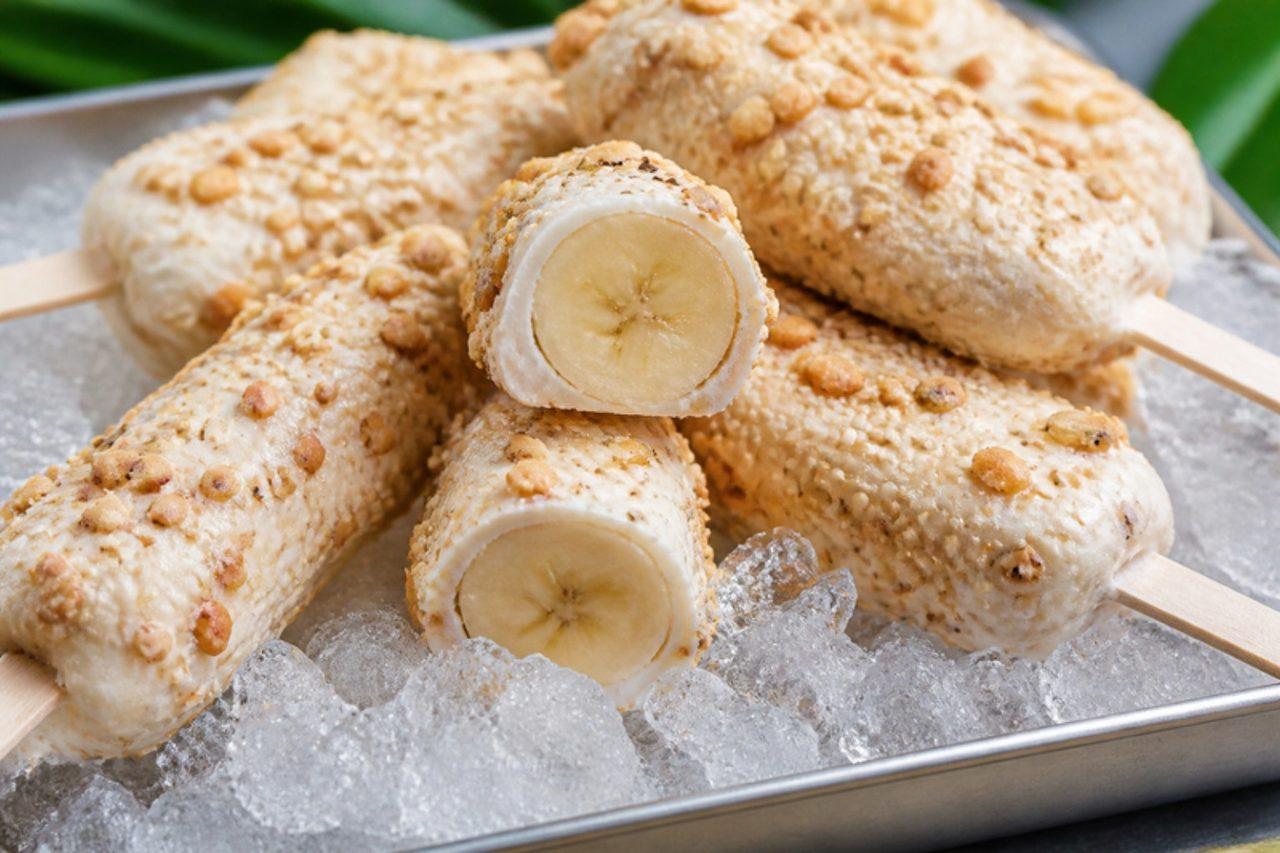
Kem chuối (Vietnamese frozen coconut banana)

Kem chuối is the frozen treat of Saigon's alleys and the Mekong towns, sold from home freezers and school gates through the long hot season. Small, very ripe bananas are pressed flat, coated in thick sweet coconut cream, rolled in roasted peanuts and frozen on a stick; you can also wrap them and slice them into coins. The banana freezes dense and chewy rather than icy, and the coconut coating stays soft and rich. It is naturally egg-free and dairy-free: the coconut cream is cooked with a spoonful of tapioca starch, which thickens it so it clings and holds a thin layer around the fruit, and the banana's own sugar keeps the middle from freezing rock-hard. Kids love making these. Chef's tip: use bananas with plenty of brown freckles; the common mistake is using firm yellow ones, which freeze bland and starchy.

by KrazyBadal 0 views

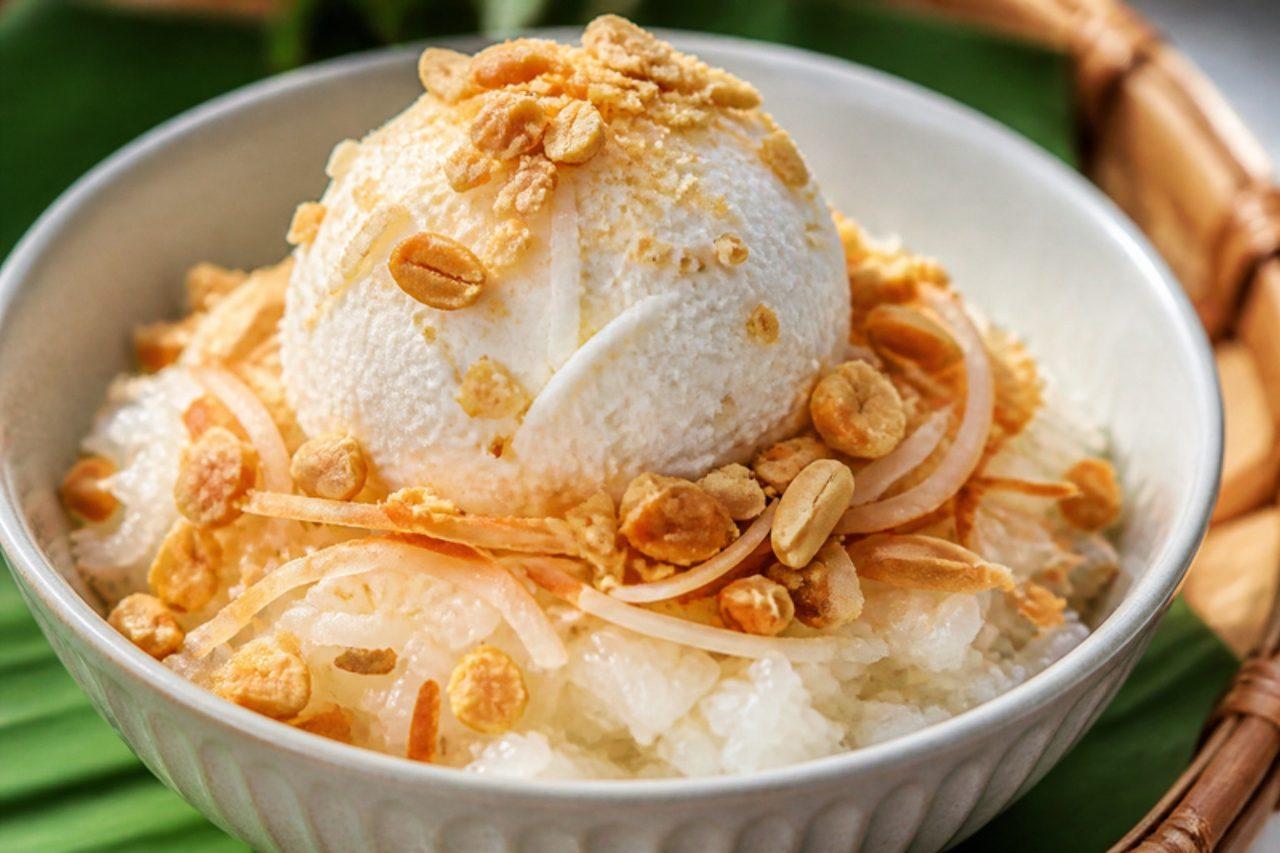
Kem xôi (Hanoi coconut ice cream on sticky rice)

In the Old Quarter of Hanoi, kem xôi shops on Hàng Bài and around Hoàn Kiếm lake serve it from late morning to late at night through the hot season: a bed of warm, salty sticky rice, a scoop of coconut ice cream melting into it, then crisp toasted coconut and crushed peanuts. The contrast of warm and cold, chewy and creamy, is the whole point. This is a no-churn ice cream with no eggs and no custard. Sweetened condensed milk is the base: its sugar and milk solids lower the freezing point and keep crystals tiny, while whipped cream folded through traps air so it freezes soft without stirring, and coconut milk gives the flavour. Make the ice cream the day before and steam the rice just before serving. Chef's tip: whip the cream only to soft peaks; the common mistake is overwhipping it until stiff, which turns grainy and buttery once it freezes.

by KrazyBadal 0 views

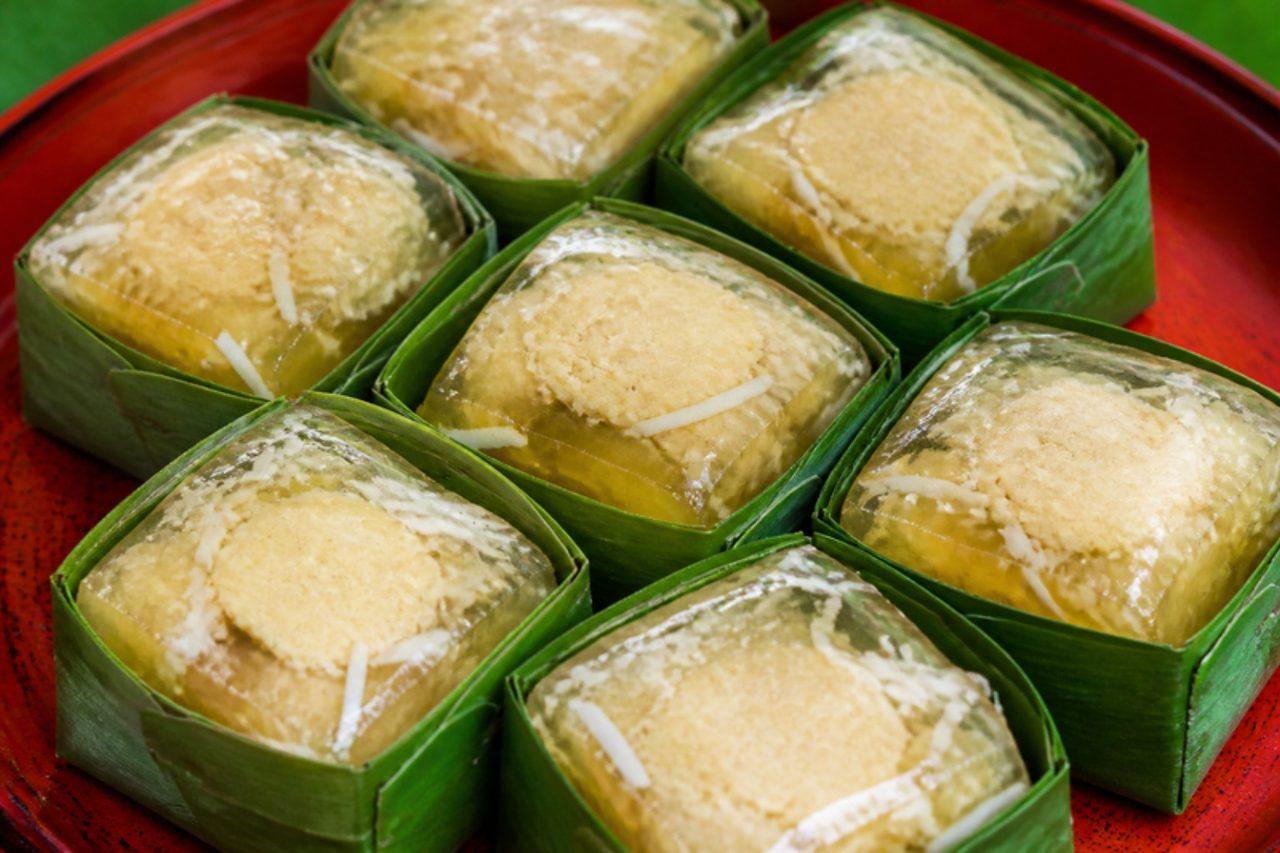
Bánh phu thê (Đình Bảng 'husband and wife' cakes)Mung bean tapioca cakes

Bánh phu thê, also called bánh xu xê, comes from Đình Bảng in Bắc Ninh, and it is still part of the gifts a groom's family brings to a Vietnamese wedding, with its paired leaf boxes standing for husband and wife. The dough is tapioca starch cooked with sugar and fresh coconut shreds and tinted golden with gardenia seeds; it steams clear and chewy, almost like amber jelly, around a soft ball of mung bean paste, and the top is scattered with toasted sesame. Eat them the day they are made, with green tea. The cake is naturally egg-free: tapioca starch thickens and turns elastic when heated, so it wraps and holds the filling on its own. Small ramekins lined with banana leaf can stand in for folded leaf boxes. Chef's tip: the common mistake is not part-cooking the dough; stir it on the hob until half of it turns clear, or it runs out of the boxes in the steamer.
by KrazyBadal 0 views

Hoa quả dầm (Hanoi fruit cup with yoghurt and condensed milk)

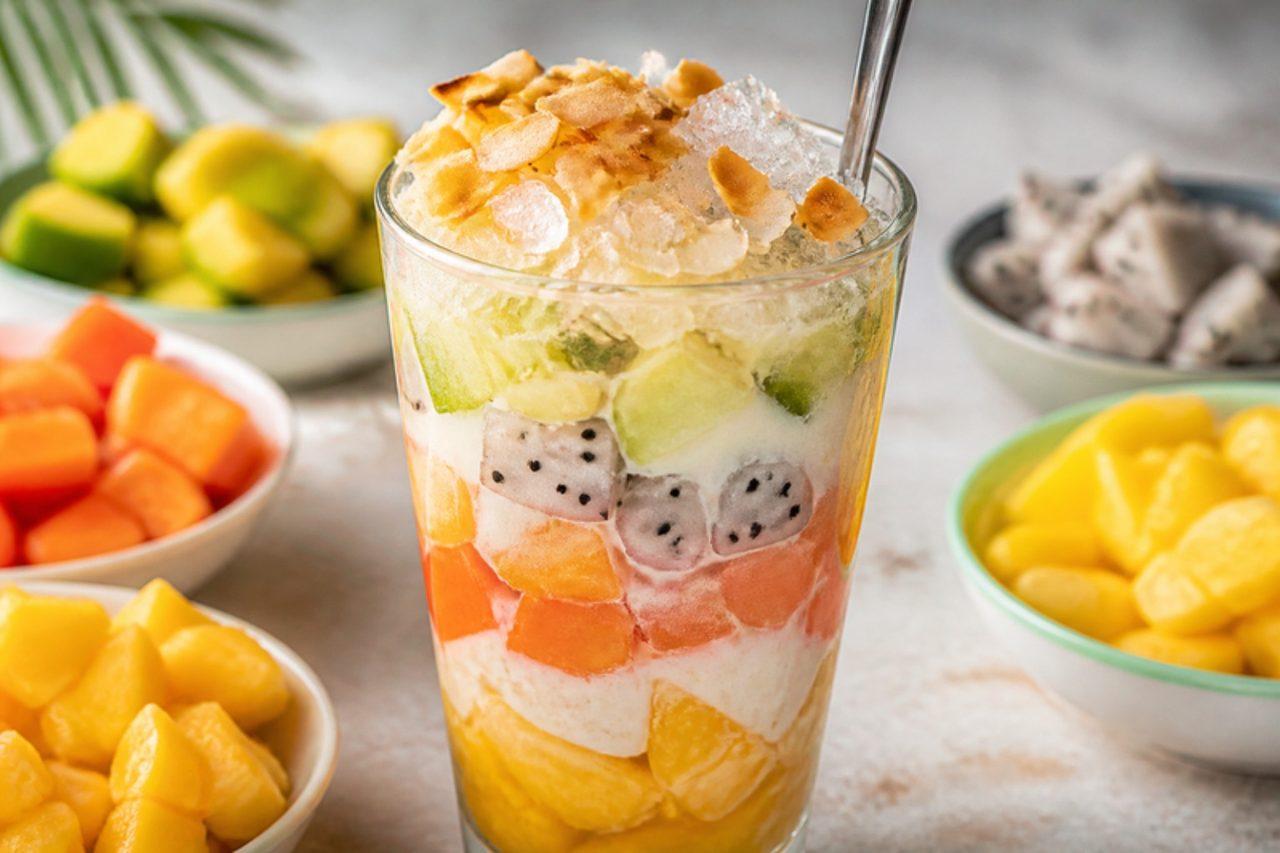
On sticky summer afternoons, Hanoi's young people pack the little stools along streets near Hoàn Kiếm Lake for hoa quả dầm, a cup of diced fruit buried in crushed ice, plain yoghurt and condensed milk. The fruit follows the season, usually mango, papaya, jackfruit, dragon fruit and avocado, and the whole thing is stirred together before eating, so it turns cold, creamy, tangy and sweet at once. Serve it immediately, with a long spoon and toasted coconut on top if you like. No cooking and no egg here: condensed milk and yoghurt dress and bind the fruit, and the crushed ice chills it, so there is nothing to set. Chef's tip: dice everything to the same small size, about 1.5 cm, so each spoonful gets a mix; the common mistake is adding the ice too early, which melts and floods the cup before it reaches the table.

by KrazyBadal 0 views

Helado de dulce de leche (Buenos Aires dulce de leche ice cream)

Dulce de leche is the flavour Buenos Aires heladerías are judged by, and on a summer night the queues at neighbourhood ice-cream shops stretch out onto the pavement well after dinner. Locals order it plain, with a ripple of extra dulce de leche (dulce de leche granizado adds chocolate flakes), often by the kilo to take home. It is dense, chewy and deeply caramel. This home version is egg-free with no custard: a little cornflour cooked into the milk thickens it the way yolks would, and the dulce de leche itself is milk and sugar cooked down, its sugar and milk solids keeping crystals tiny so it stays smooth and scoopable. Churn it, or still-freeze and stir it every 45 minutes. Chef's tip: chill the extra dulce de leche before rippling it in; the common mistake is folding in a warm one, which melts into the ice cream instead of leaving ribbons.

by KrazyBadal 0 views

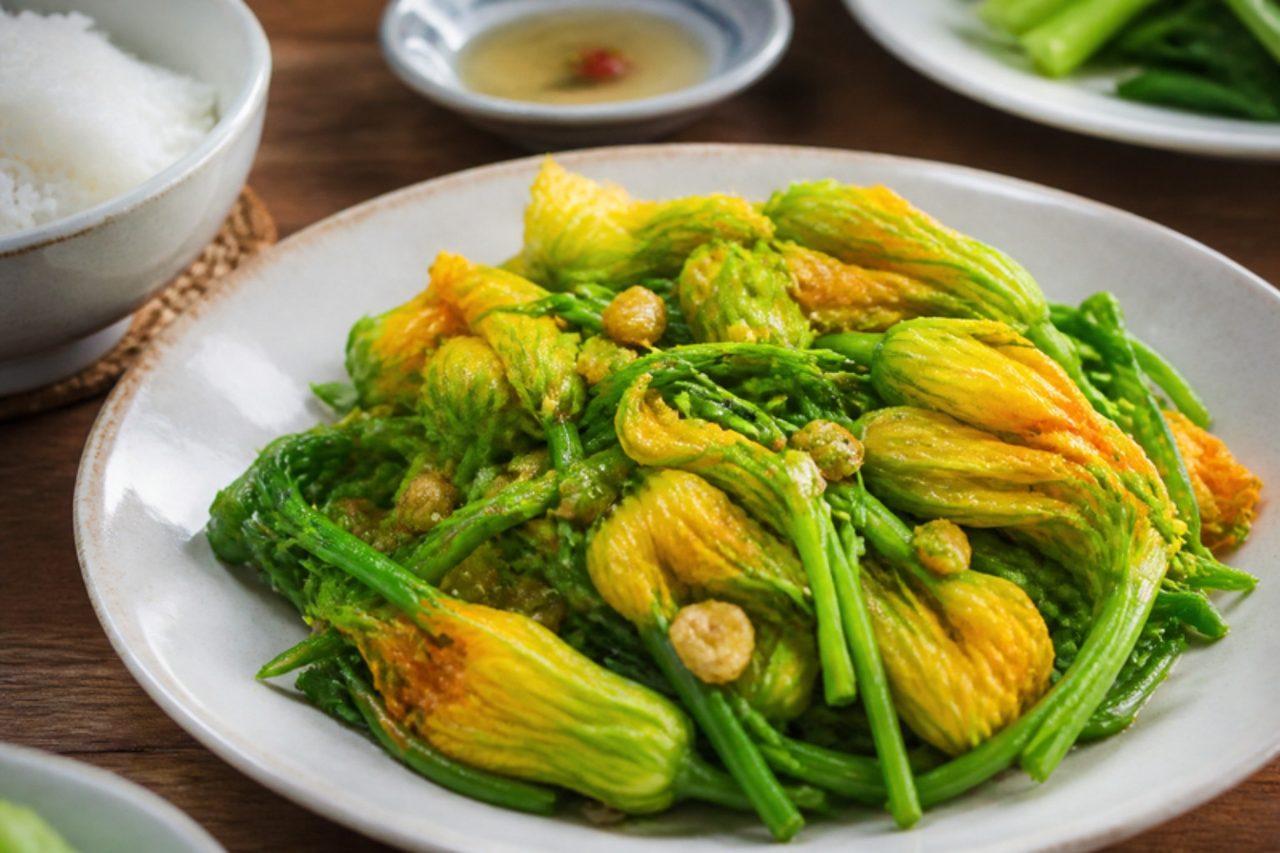
Bông bí xào tỏiGarlic stir-fried pumpkin flowers

From the Mekong Delta to the market gardens outside Hanoi, pumpkin vines are picked for their flowers and tender shoots, and bông bí xào tỏi is the everyday way to cook them: a few minutes in a hot wok with lots of garlic, served beside rice and a bowl of soup at family dinners. The flowers are soft and sweet and the shoots slightly crunchy. Some cooks add a splash of fish sauce; this version is seasoned with salt and a little soy, so it is vegan. It is a light side with about 3 g of protein per portion. The common mistake is leaving the stamens and the stringy skin on the shoots: both make the dish bitter and tough. Courgette flowers work well instead. Chef's tip: put the shoots in first and the flowers only for the last 30 seconds, so the delicate petals don't collapse into mush.

by KrazyBadal 0 views

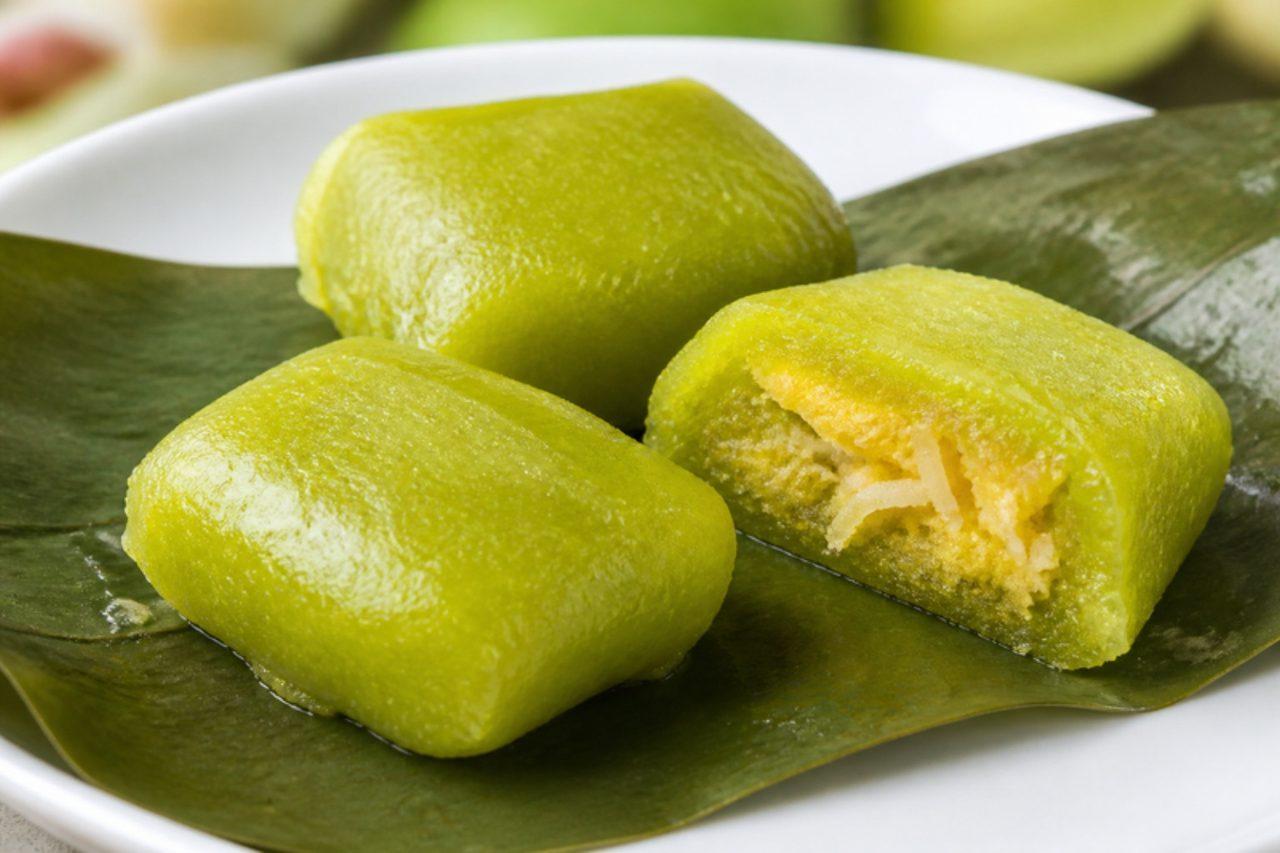
Bánh cốm (Hanoi green rice-flake cake with mung bean filling)

When the new crop of young glutinous rice comes in, in early autumn, Hanoi smells of cốm: green, flattened rice flakes from the village of Vòng. The shops on Hàng Than street press them into bánh cốm, square cakes that are still carried as betrothal gifts in their paper wrappers. The outside is soft, chewy and jade green, tasting faintly of grass and pandan; the inside is a mellow paste of mung bean and coconut. Serve them at room temperature with green or lotus tea. Bánh cốm is naturally egg-free: a hot sugar syrup and a spoonful of tapioca starch turn the rice flakes into a sticky mass that binds itself, and the mung bean paste is bound by its own starch. Use frozen or dried cốm from an Asian grocer; soak dried flakes briefly first. Chef's tip: the common mistake is cooking the cốm too hard; stop as soon as it pulls together into a sticky ball, or the cakes go rubbery when cool.

by KrazyBadal 0 views

Cá hấp gừngGinger steamed whole fish

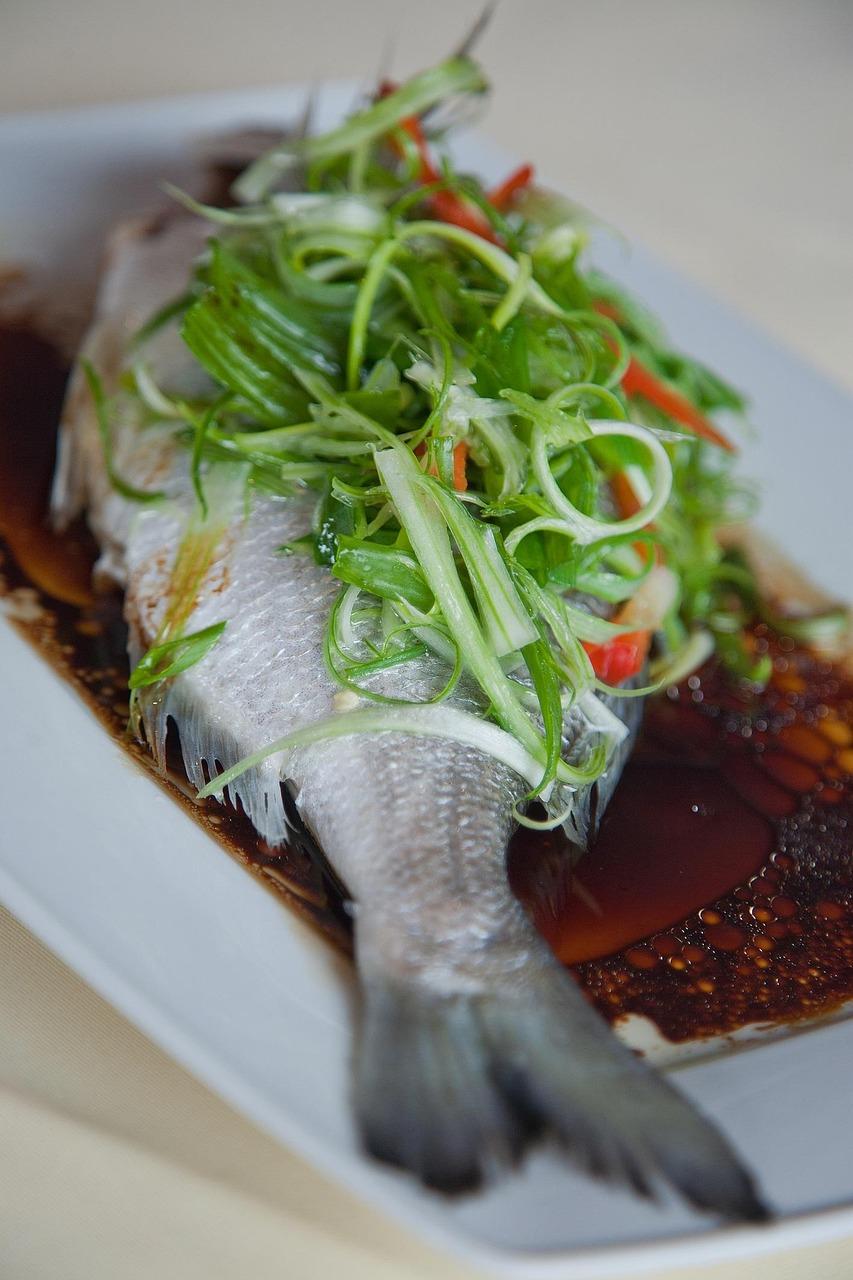
Cá hấp gừng is a family dish across Vietnam, from Hanoi to the Mekong Delta, put in the middle of the table for a weekend lunch or a Tết dinner and shared with rice and greens. A whole fish is steamed over ginger, then heaped with ginger and spring onion shreds and dressed with sizzling oil and a light soy and fish sauce. The flesh comes out silky and delicate. A portion has about 25 g of protein from the fish. The common mistake is oversteaming: thin parts go dry and woolly. Take it off as soon as the flesh at the thickest point pulls cleanly from the bone. Chef's tip: score the fish to the bone on both sides so it cooks evenly and the sauce gets in.

by KrazyBadal 0 views

Bánh tro (bánh gio, amber glutinous rice cakes in leaves)Lye water glutinous rice cakes

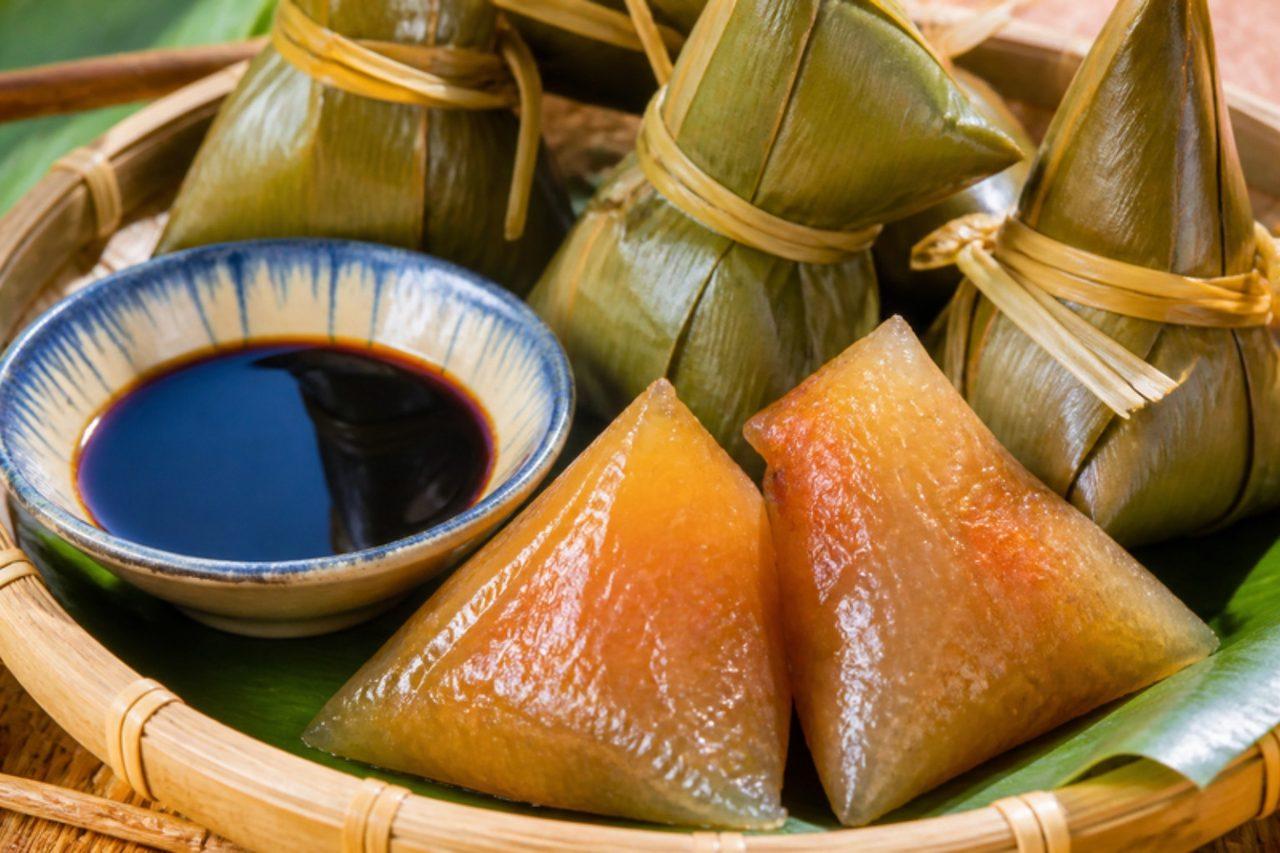
On Tết Đoan Ngọ, the fifth day of the fifth lunar month, families in northern and central Vietnam eat bánh tro first thing in the morning, believing it cools the body as summer heat arrives. Glutinous rice is soaked in alkaline water, which was once made by steeping plant ash, then wrapped in leaves and boiled for hours. It turns amber, translucent and jelly-soft with a clean, faintly mineral flavour, and is eaten cold, dipped in sugarcane molasses or palm-sugar syrup. Bánh tro is naturally egg-free: the alkali softens the rice grains so their own starch melts together into a firm, sliceable cake. We use food-grade lye water (an alkaline solution of potassium carbonate and sodium bicarbonate sold in Asian shops for noodles and mooncakes). Handle it with care: wear gloves, keep it away from children, never use drain cleaner or caustic soda, and always dilute it as written. Chef's tip: the common mistake is skipping the rinse; wash the soaked rice twice so the cakes taste clean, not soapy.

by KrazyBadal 0 views

Canh rau ngot with tofuKatuk leaf and tofu soup

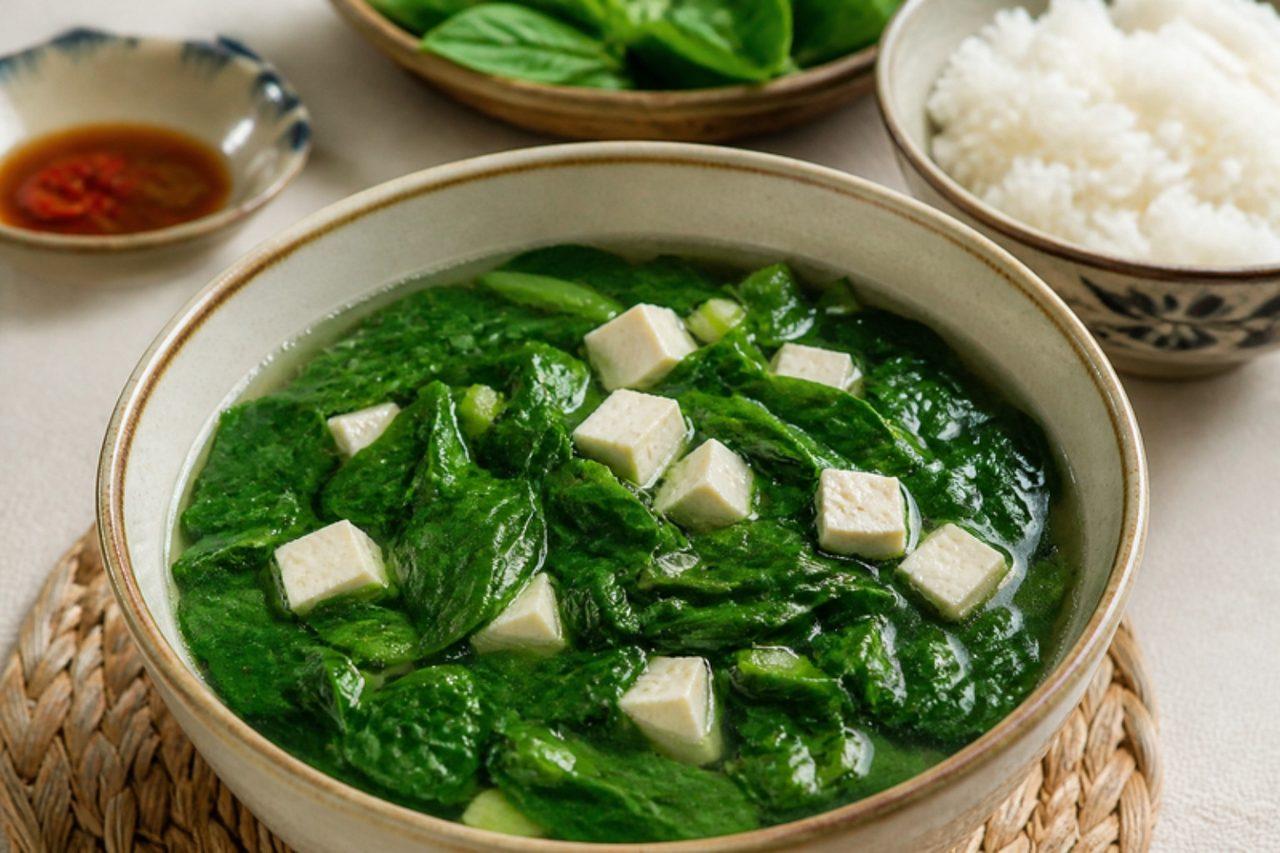
Canh rau ngot is one of the plainest and most loved soups on a Vietnamese family table, served at dinner in Hanoi and the Mekong Delta alike, in a shared bowl beside rice, a braised dish and a dipping sauce. The leaves of the katuk shrub are bruised and simmered briefly until soft and sweet. It is usually made with minced pork or dried shrimp; this vegetarian version uses cubes of tofu and a little fried shallot for savouriness. Each bowl has about 110 kcal and roughly 10 g of protein, from the tofu, so it is a light side soup. Katuk can be found frozen in Asian shops; young spinach is the nearest stand-in. The common mistake is overcooking the leaves, which turn khaki and slimy. Chef's tip: rub the leaves between your palms before cooking; bruising them lets them release their sweetness in just a few minutes.

by KrazyBadal 0 views

Dau hu non hapSteamed silken tofu

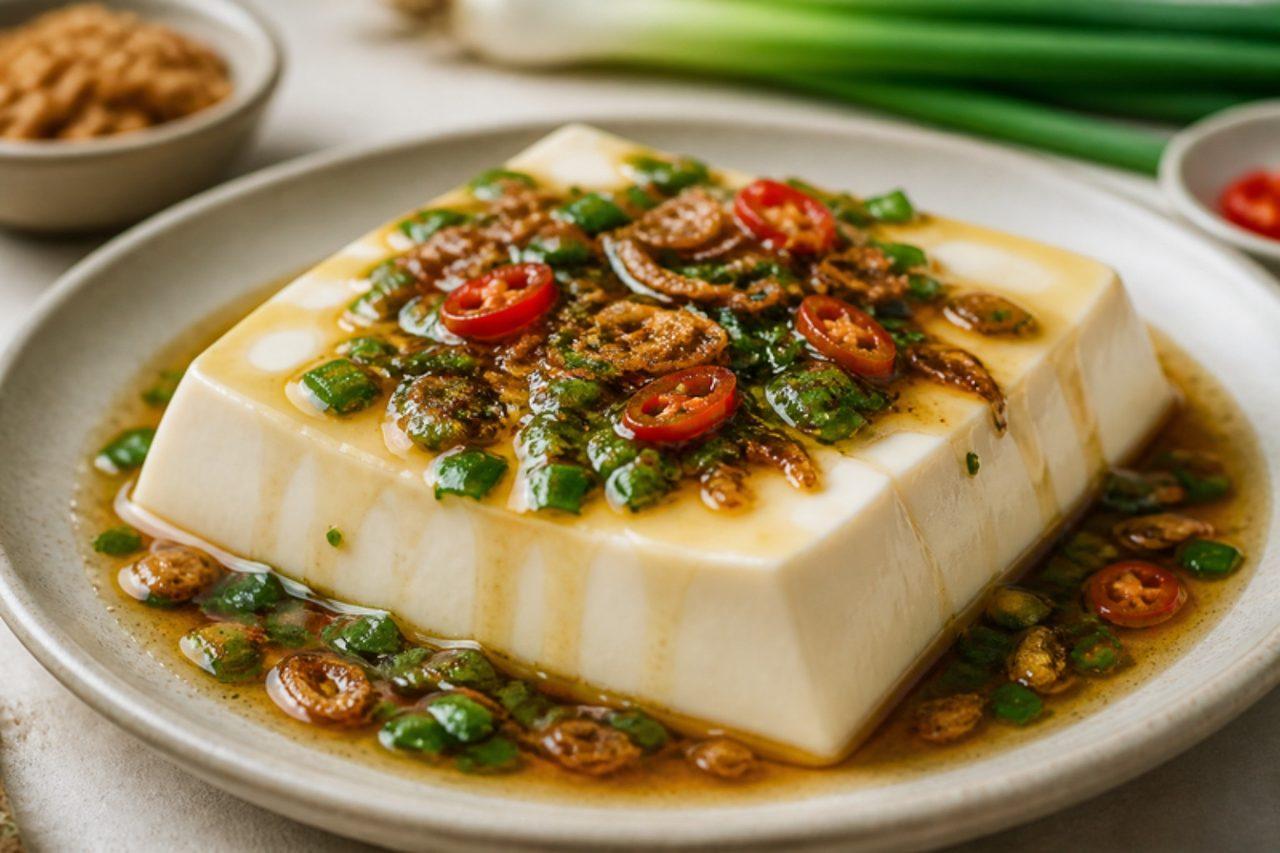
Steamed silken tofu is a fast, gentle dish cooked in homes from Hanoi to Saigon, especially on vegetarian days at the start and middle of the lunar month, when many families eat chay. A whole block of silken tofu is steamed until wobbling and hot, then topped with sizzling spring onion oil, a light soy dressing, chilli and crisp fried shallots. It is soft and savoury, and goes with rice and a stir-fried green. Each portion has about 150 kcal and roughly 10 g of protein, from the silken tofu, so it is a light dish rather than a high-protein one. The common mistake is turning the block out roughly so it cracks; slide it gently onto the plate. Chef's tip: pour off the water that gathers on the plate after steaming, or it thins the sauce.

by KrazyBadal 0 views

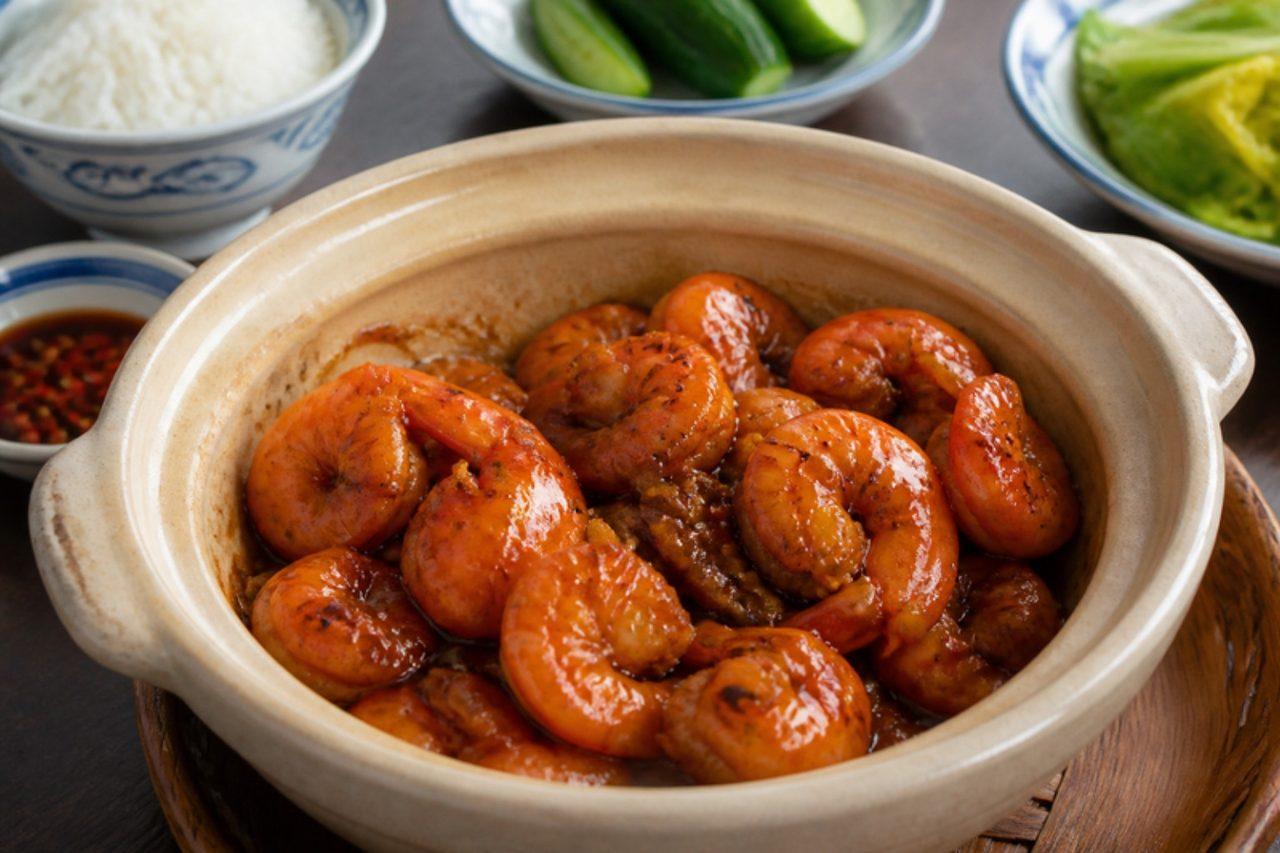
Tôm rim (caramelised prawns)

Tôm rim is a homely dish cooked in kitchens from Hanoi to the Mekong Delta and eaten at the family rice tray with boiled greens and a clear soup: prawns simmered down in fish sauce, sugar and shallot until the liquid turns to a sticky, salty-sweet glaze. The mistake is walking away in the last few minutes, when the sauce goes from glaze to burnt very quickly. Chef's tip: leave the shells on if your prawns are small, as many Vietnamese cooks do; they turn crisp and caramelised and add flavour.
by KrazyBadal 0 views

Bò xào cần tây (beef and celery stir-fry)

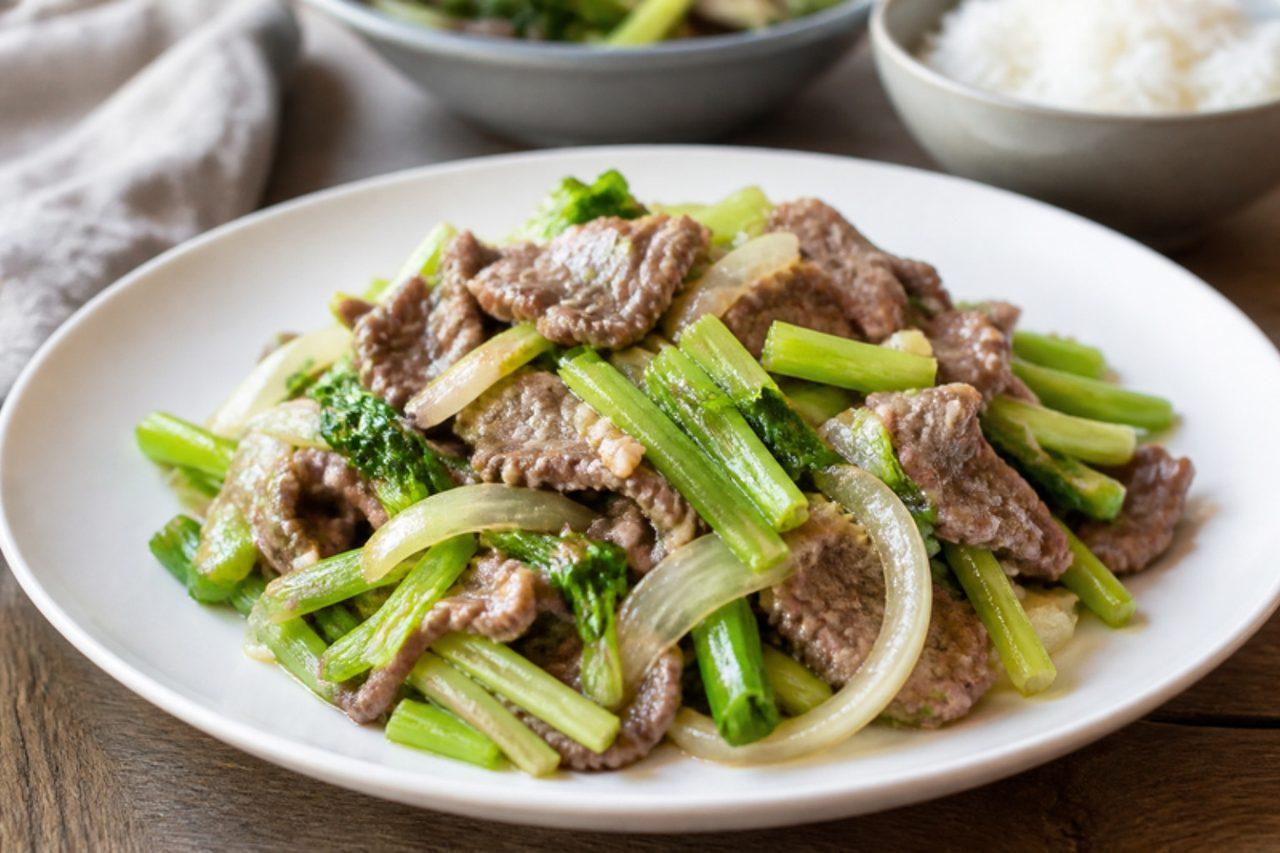
Bò xào cần tây is a weeknight stir-fry found on family tables all over Vietnam: thin slices of beef, seasoned with fish sauce and pepper, flashed in a hot wok with crunchy celery, onion and plenty of garlic, then eaten with rice. The usual mistake is cooking the beef and celery together from the start, so the beef stews while the celery softens; sear the beef first, take it out, and add it back at the end. Chef's tip: slice the beef across the grain and as thin as you can, so it is tender after only a minute in the pan.

by KrazyBadal 0 views

Bánh patê sôPork puff pastries

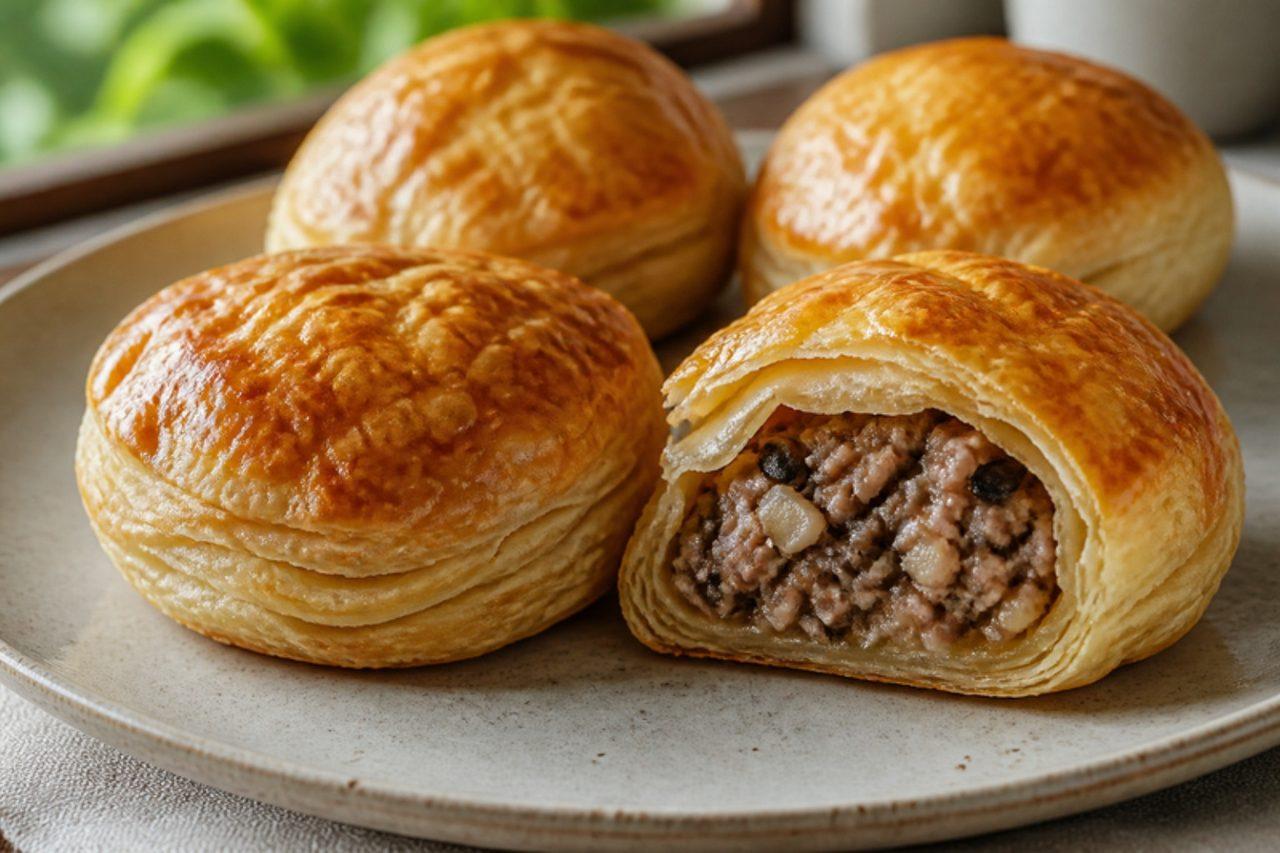
Bánh patê sô (from the French pâté chaud) are what Hanoi and Saigon bakeries pull out of the oven at dawn: round, flaky puff pastries with a juicy filling of seasoned pork mince, shallot, garlic, wood ear mushroom and plenty of black pepper. People eat them warm on the way to work with a glass of iced coffee, and boxes of them go to the family at Tết. The pastry shatters, the pork inside is savoury, slightly sweet and peppery. For a vegetarian version, swap the pork for crumbled firm tofu and chopped shiitake, seasoned with soy sauce instead of fish sauce. Warm pastry is the common mistake: it won't rise into layers, so keep the circles cold until they go in. Chef's tip: shape the filling into flattened balls a little smaller than you think, leaving a clear 1.5 cm rim to seal.
by KrazyBadal 0 views

Showing 48 of 520 recipes

Show more recipes

Page 2 of 22