Skip to content
WhatToEat.Today

Vegan Indian recipes

Indian dishes with no dairy, ghee, eggs or meat. (681 recipes)

Jamnagari kachoriDry sweet-spicy kachori

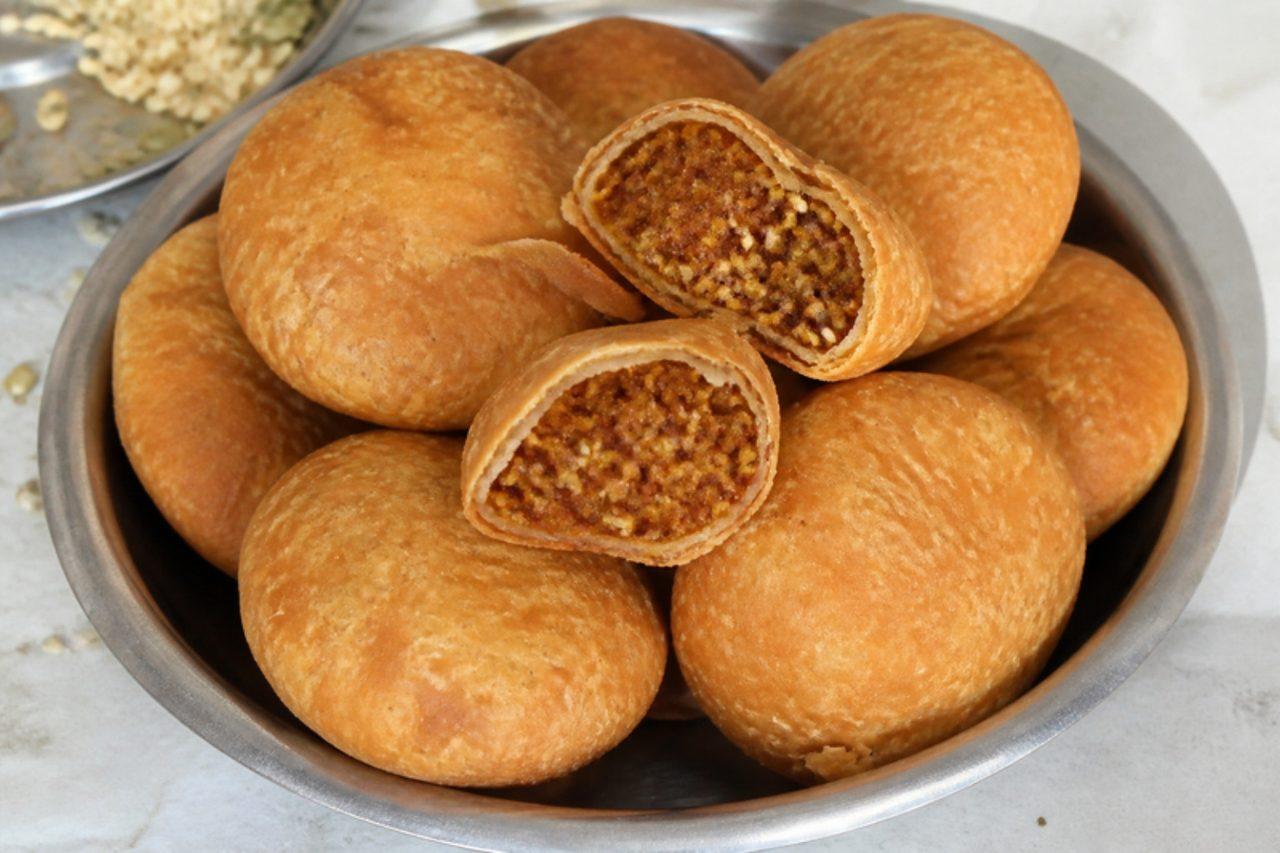
Jamnagari kachori are the little dry kachori that travel: Gujarati families buy them by the box in Jamnagar and carry them abroad, because the filling has no water in it and they keep for a month. The pastry is short and crisp, and the filling is a crumbly mix of roasted besan, dry coconut, sesame, fennel, coriander seed, sugar, raisins and a hit of chilli and dry mango, sweet, sour and hot at once. They are a tea-time snack and part of every Diwali tray. The common mistake is frying them fast; they need a long, slow fry on low heat so the pastry cooks crisp all the way through. Chef's tip: roast the besan for the filling until it smells nutty and just darkens, or the kachori taste raw and floury.

by KrazyBadal 0 views
Avalose podiRoasted rice flour and coconut powder

Avalose podi is a keeping snack from central Kerala, especially Syrian Christian homes around Kottayam and Thrissur, made in big batches before Christmas or long journeys. Coconut is rubbed into rice flour and roasted for close to an hour until the mix turns sandy, golden and smells like toasted biscuits. It is eaten by the spoonful with a little sugar and a ripe banana, or with black coffee, and can be bound with jaggery into avalose unda. The mistake is high heat; the coconut browns before the flour is cooked through and the podi tastes raw and bitter. Chef's tip: keep stirring over low heat until a pinch, cooled, falls apart like sand between your fingers.

by KrazyBadal 0 views
Ajma na pan na bhajiyaBorage leaf fritters

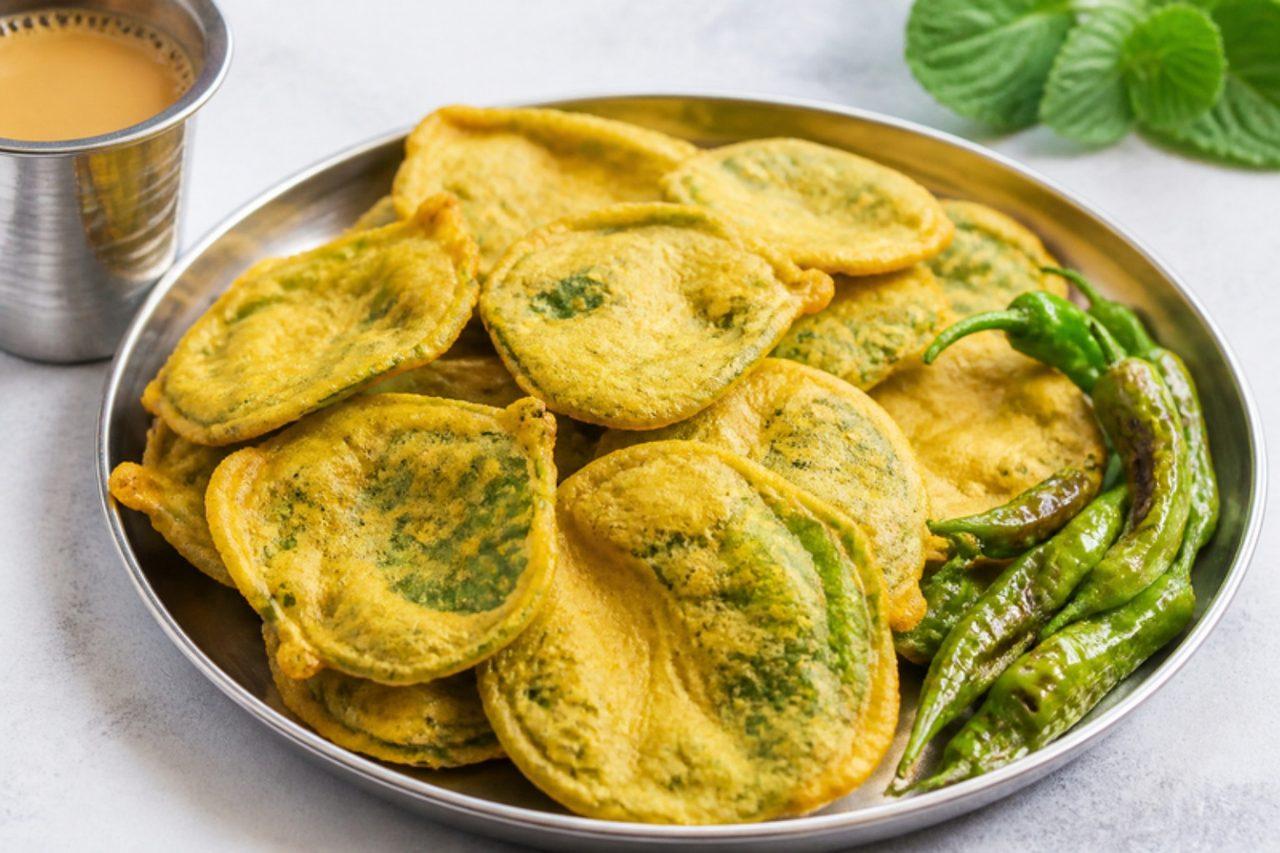
Ajma na pan, the thick, fuzzy, thyme-scented leaves of the Indian borage plant (also called karpooravalli or Mexican mint), grow in pots on balconies all over Gujarat, and on rainy evenings they are picked straight into the bhajiya batter. Each leaf is dipped whole in thin spiced besan and fried into a crisp, lacy fritter with a soft, herbal centre that tastes of ajwain and pepper. The usual mistake is a thick batter: it hides the leaf and fries doughy, so keep it like pouring cream and let excess drip off. Chef's tip: pat the leaves completely dry after washing, or the batter will slide off in the oil.

by KrazyBadal 0 views
UgganiTempered puffed rice

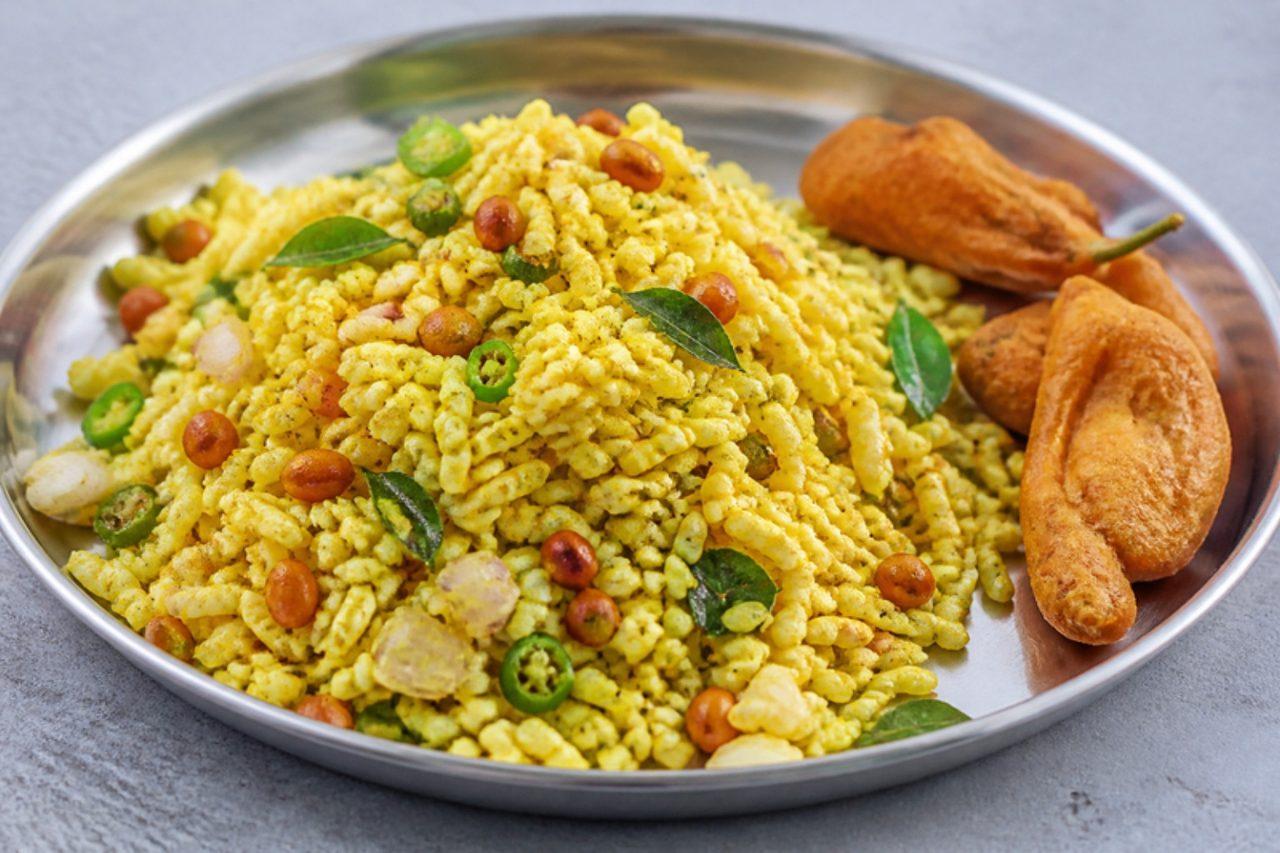
In Kurnool, Anantapur and Kadapa, uggani is the cheap, filling morning plate of the roadside hotel, made from borugulu (puffed rice) that is soaked, squeezed and tossed in a hot tempering of onion, green chilli and peanuts. It is soft and lightly tangy with lemon, with crunch from the putnalu (roasted gram), and it is almost always eaten with a crisp mirchi bajji on the side and a glass of tea. The mistake most people make is soaking the puffed rice too long, so it collapses into mush; it needs only a quick dip. Chef's tip: dust over a spoon of roasted gram powder at the end; it soaks up excess moisture and gives the dish its typical light, fluffy texture.

by KrazyBadal 0 views
Sharkara varattiJaggery-glazed banana chips

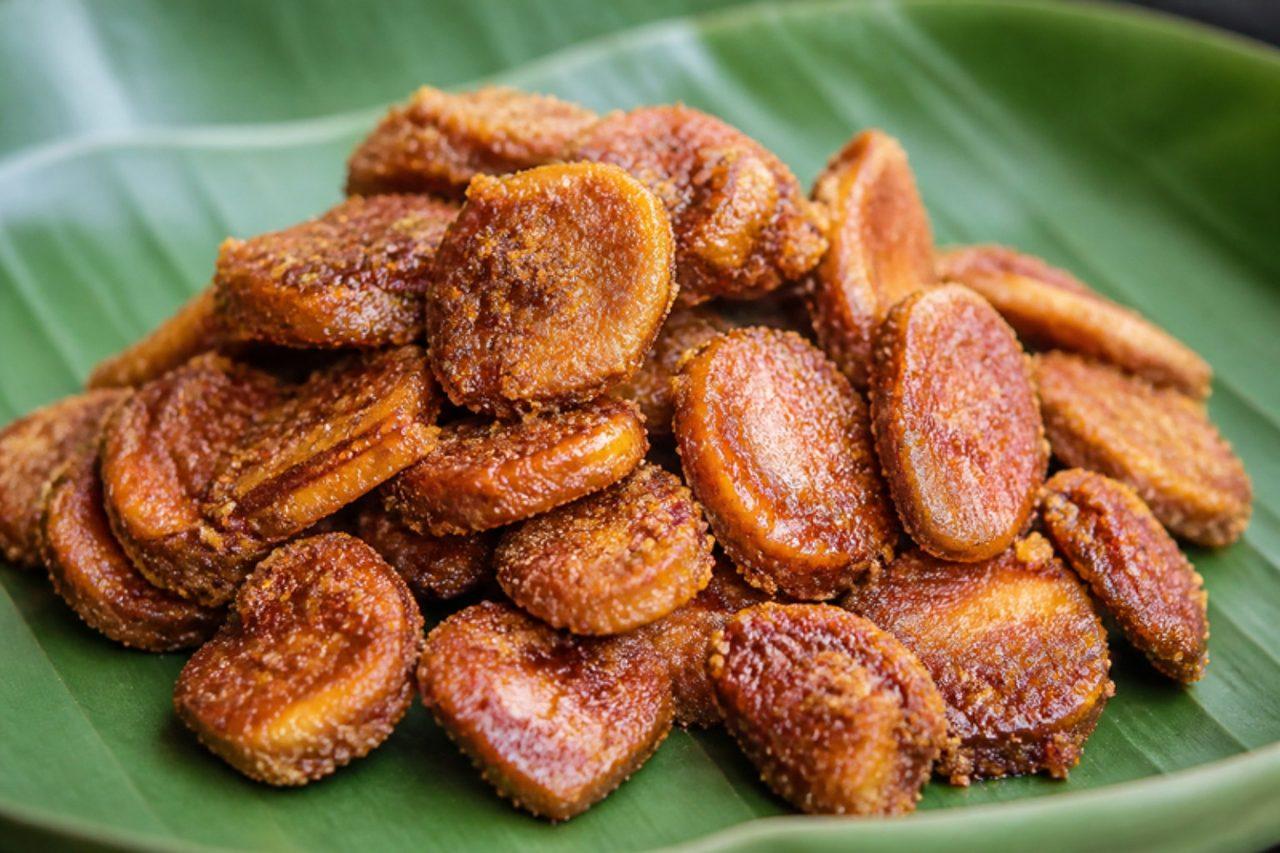
Sharkara varatti sits at the top left of every Onam sadya leaf in Kerala, next to the salty banana chips, and boxes of it travel to relatives abroad every August. Raw nendran bananas are cut into thick half-moons, fried until crisp, then tossed in jaggery syrup cooked to the thread stage with dry ginger, cardamom and cumin, so each piece wears a thin, crackly brown coat. A common mistake is pulling the syrup too early: if it isn't at a firm one-thread stage the coating stays sticky and the chips go soft in a day. Chef's tip: once you add the chips keep stirring off the heat until the syrup turns dry and sandy; that's when it sets crisp.

by KrazyBadal 0 views
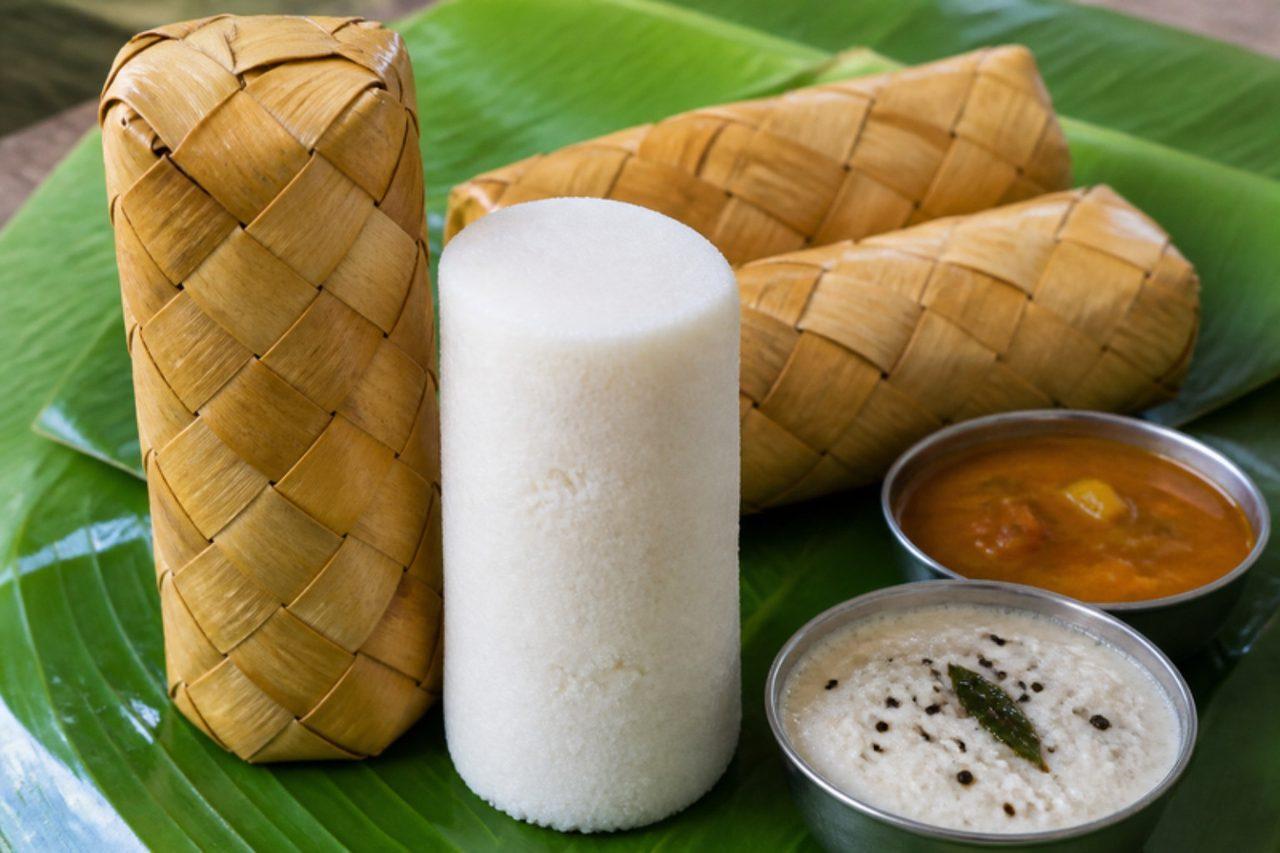
MoodeSteamed idli in leaf cylinders

Moode is the festive idli of Mangaluru and Udupi, made for Krishna Janmashtami, Ganesh Chaturthi and big family breakfasts. The batter goes into tall cylinders woven from kedige (screwpine) leaves, which perfume the soft, spongy rice cake with a floral scent you can't get any other way; markets on the coast sell the woven moulds ready to fill. Slice it into thick rounds and serve with coconut chutney, sambar or a spicy chana gassi. The common mistake is filling the leaf moulds to the brim: the batter rises as it steams and spills out, leaving a dense cake. Fill them only two-thirds full. Chef's tip: if you can't find screwpine leaves, roll banana leaves into tight cones and tie them with string; the shape and steaming are the same, only the scent is milder.

by KrazyBadal 0 views
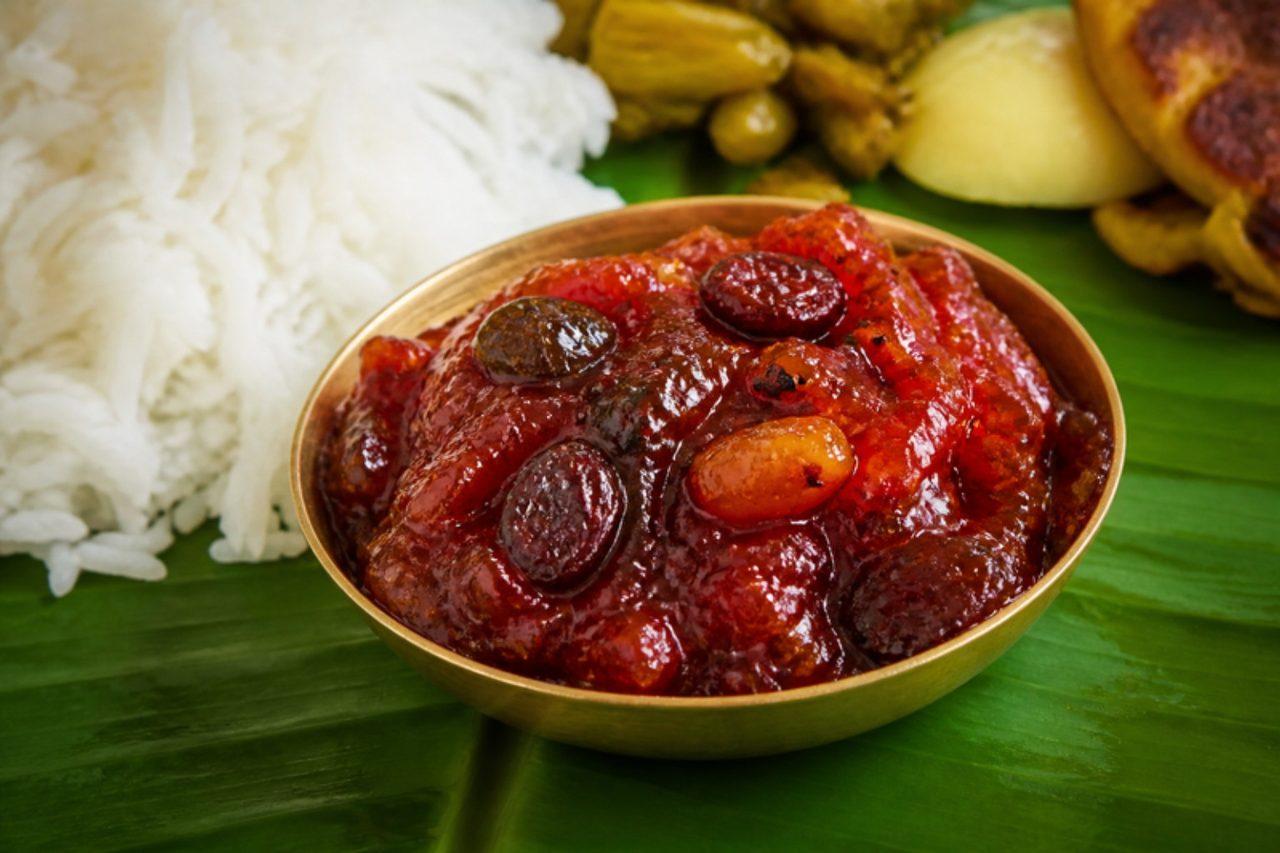
Tomato khejur chutneyTomato and date chutney

A Bengali festive meal ends with chutney, and during Durga Puja the bhog plate's last stop is often this glossy tomato and date chutney. Ripe tomatoes are cooked with a mustard-seed and dried-chilli tempering, then sweetened with sugar and stoned dates and studded with raisins until it turns jammy and sticky. It is eaten as its own course after the vegetables, to clean the palate before the sweets. Common mistake: taking it off the heat too early so it stays watery; it is ready when a spoon drawn through the pan leaves a clear line for a second and the chutney looks shiny. Chef's tip: add a few strips of aamsotto (dried mango leather) with the dates if you have it; it gives the deep, fruity sourness of the pandal chutney.

by KrazyBadal 0 views
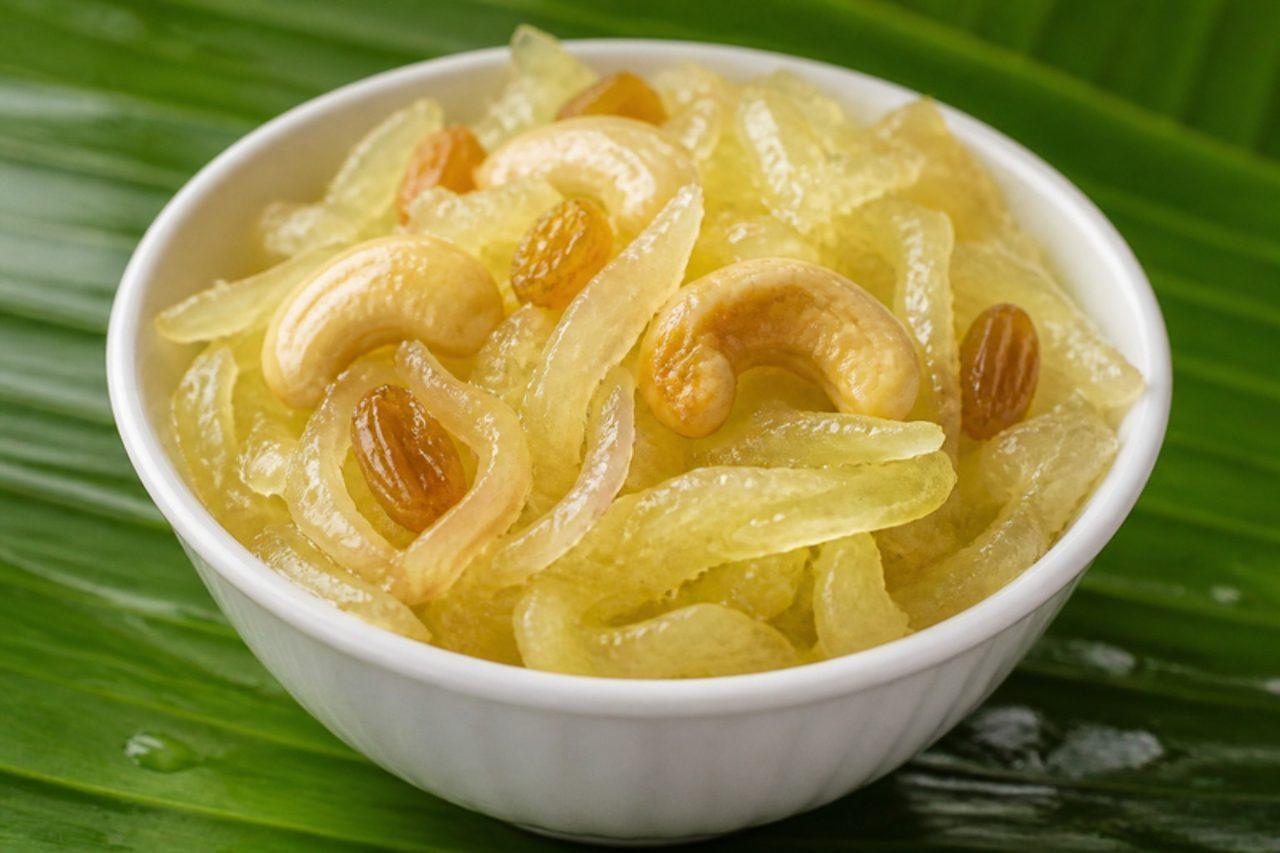
Plastic chutneyRaw papaya chutney

Plastic chutney gets its funny name from the way the thin slices of raw papaya turn clear and glassy, like cellophane, as they cook in syrup. It is the chutney of every Bengali wedding feast and of the Durga Puja bhog, served in a small heap at the end of the meal, sweet, sharp with lime, and dotted with raisins. No onion or garlic goes near it. Common mistake: cutting the papaya too thick or cooking it on high heat; thick slices stay opaque and chewy, while a fast boil caramelises the syrup before the papaya turns clear. The chutney is ready when every slice is see-through and the syrup coats a spoon. Chef's tip: soak the sliced papaya in water with a pinch of baking soda for 15 minutes, then rinse; this helps the slices stay crisp-tender and turn translucent evenly.

by KrazyBadal 0 views
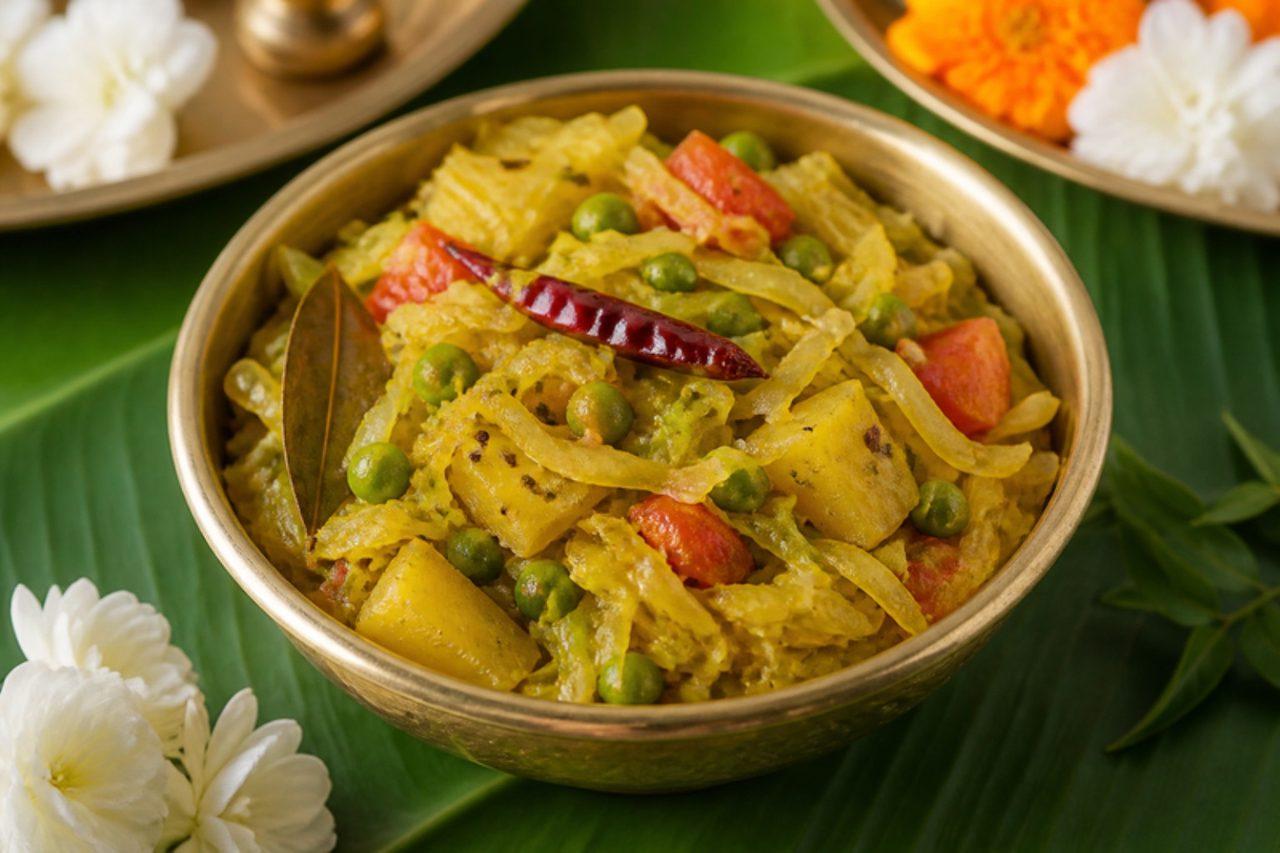
Bandhakopir torkariCabbage with peas and potato

In Bengali homes and pandal kitchens during Durga Puja, the bhog plate needs a dry vegetable beside the khichuri, and bandhakopir torkari is one of the favourites. Cabbage is shredded fine and cooked slowly with potato, peas, ginger and whole cumin, with no onion or garlic because it is offered to the goddess before it is eaten. A pinch of sugar and a final dusting of garam masala make it gently sweet and fragrant. Serve it with khichuri, luchi or plain rice and dal. Common mistake: covering the pan for the whole time, which steams the cabbage grey and watery; cook it mostly uncovered so the liquid evaporates and the edges just start to brown. Chef's tip: salt the shredded cabbage for 10 minutes and squeeze it lightly before cooking; it cooks faster and soaks up the spices better.

by KrazyBadal 0 views

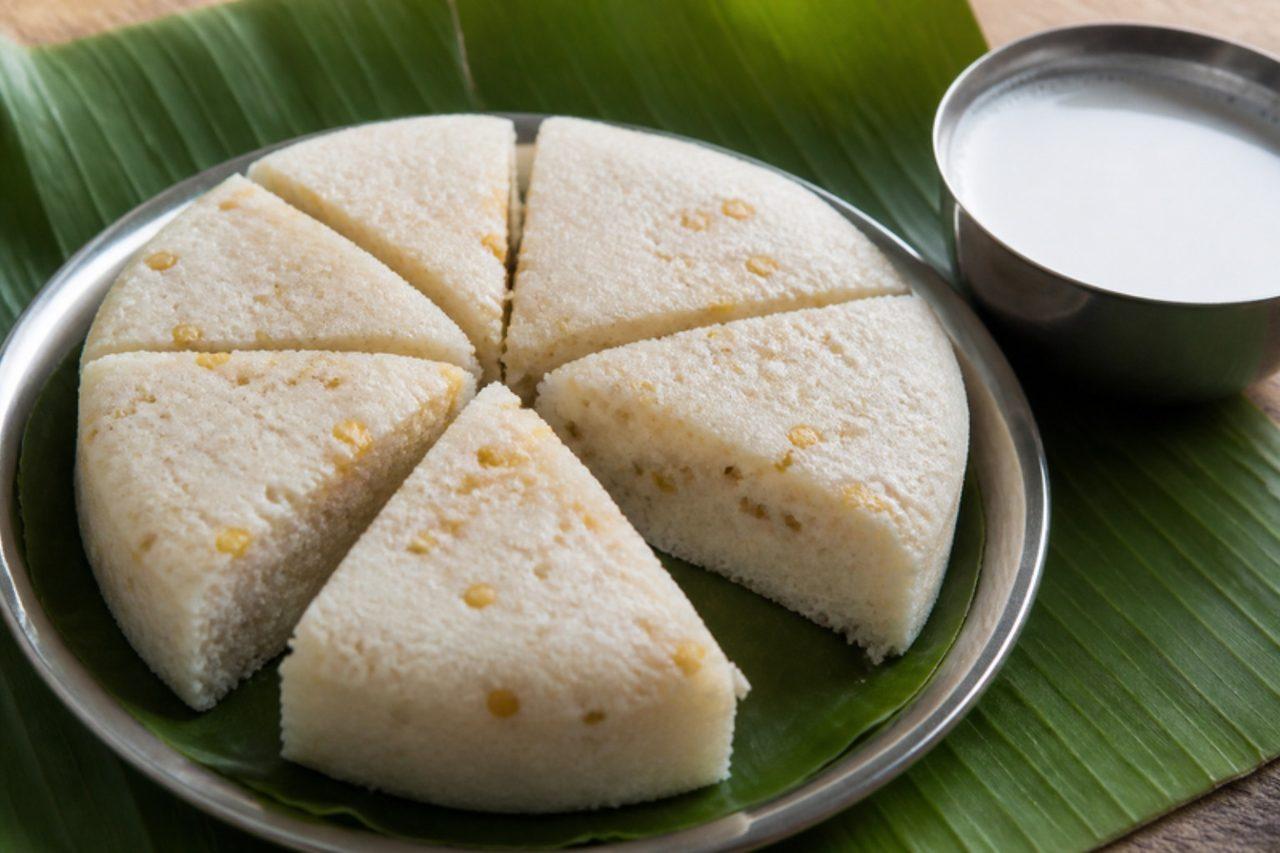
Pesaha appamUnleavened rice and lentil cake

On Pesaha, Maundy Thursday, Syrian Christian families in Kerala gather in the evening for a meal that remembers the Last Supper. The head of the house cuts the Pesaha appam (indri appam), an unleavened, steamed cake of roasted rice flour, urad dal and coconut, marked with a cross made from the palm leaves blessed on Palm Sunday, and shares it with everyone, dipped in sweet Pesaha paal. It is soft, dense and lightly savoury. Chef's tip: grind the soaked urad dal and coconut together very finely; the batter should be smooth and thick, like idli batter.

by KrazyBadal 0 views
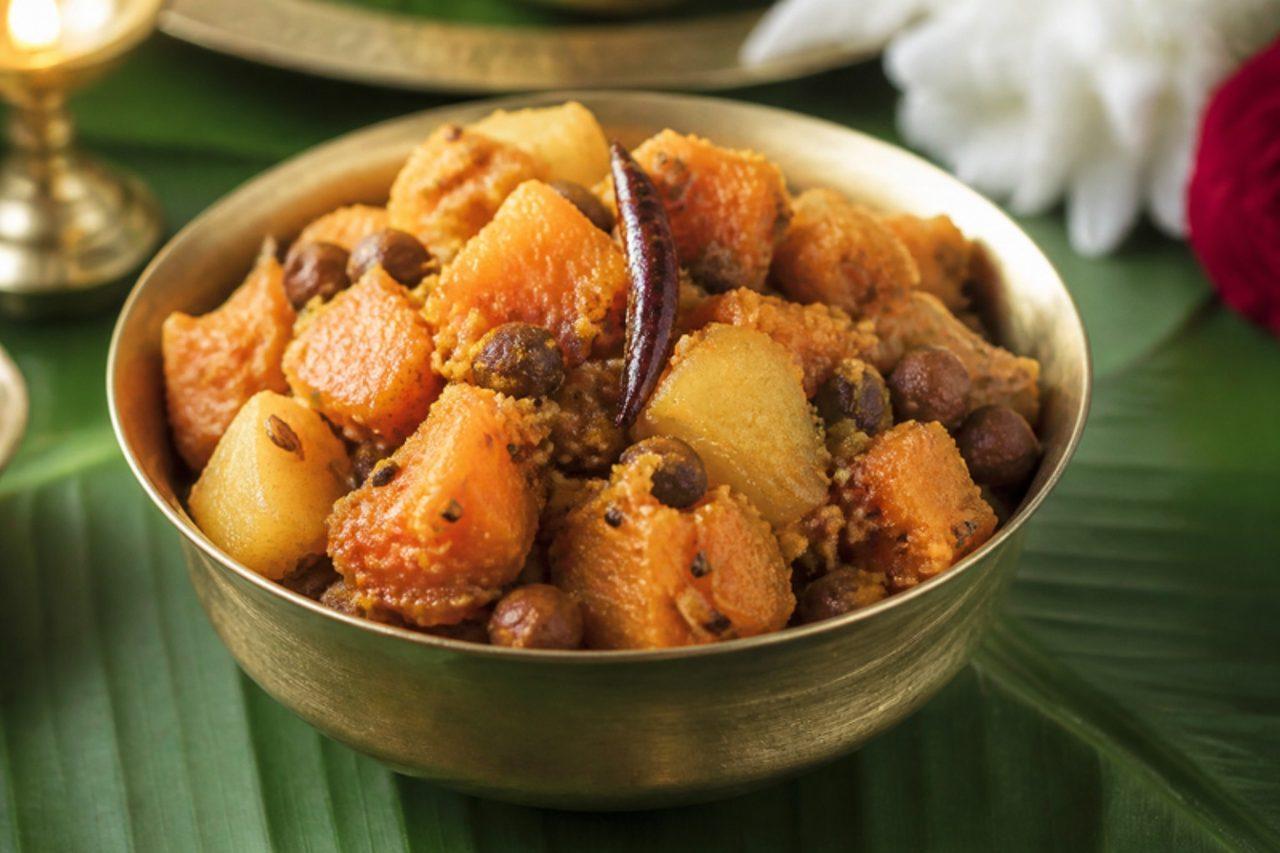
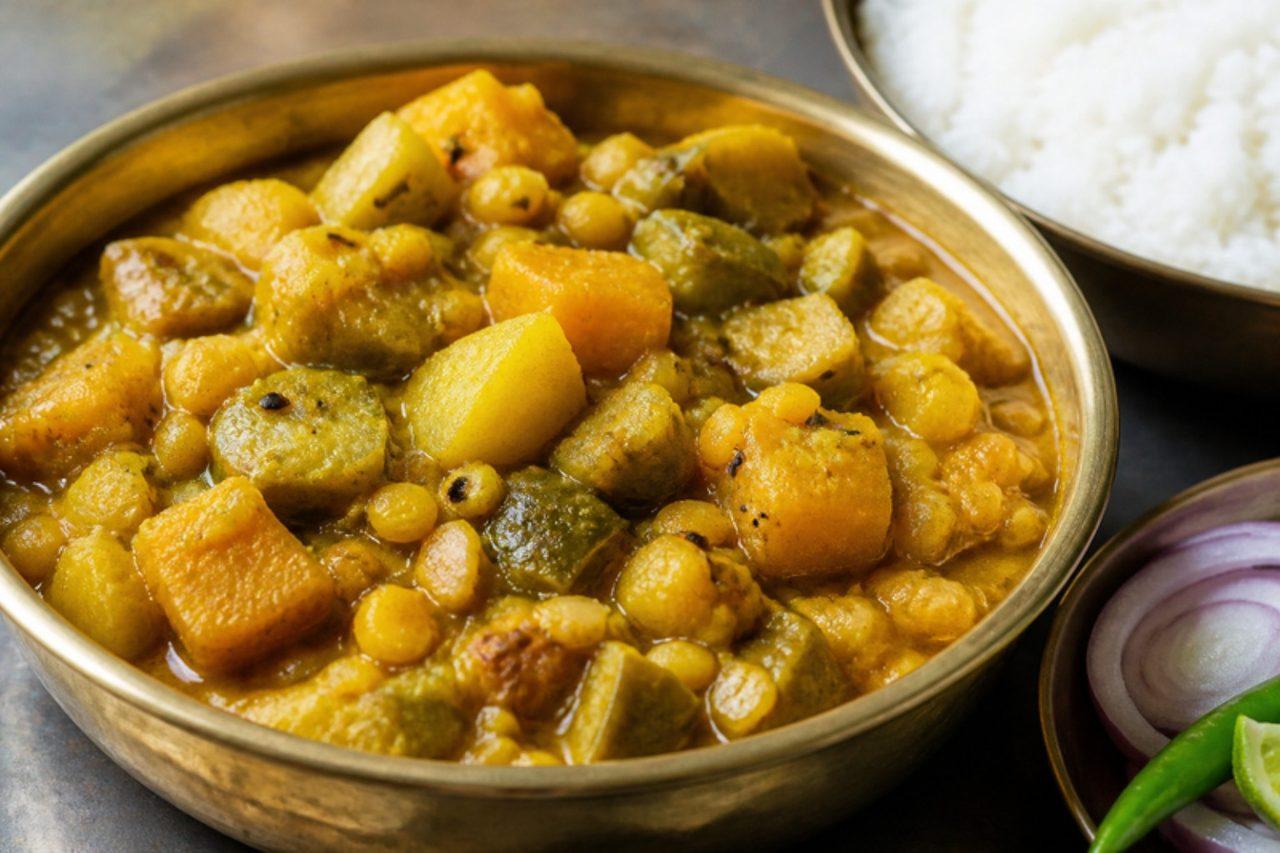
Kumror chhokkaPumpkin, potato and chickpeas

Kumror chhokka is the soft, sweet-savoury pumpkin dish that turns up on the niramish bhog plate at Durga Puja, next to khichuri and luchi, and at Bengali vegetarian feasts all year. Red pumpkin and potato are cooked down with soaked chickpeas, panch phoron (the Bengali five-spice), ginger and a pinch of sugar, until the pumpkin half melts and coats everything. There is no onion or garlic, which keeps it fit for the offering. It is mild, a little sweet and comforting. Common mistake: cutting the pumpkin and potato the same size; pumpkin cooks much faster, so cut it into bigger pieces, and stop when the potato is soft and some of the pumpkin has broken down. Chef's tip: a teaspoon of ghee and a pinch of roasted cumin powder stirred in at the very end makes it taste like the pandal version.

by KrazyBadal 0 views
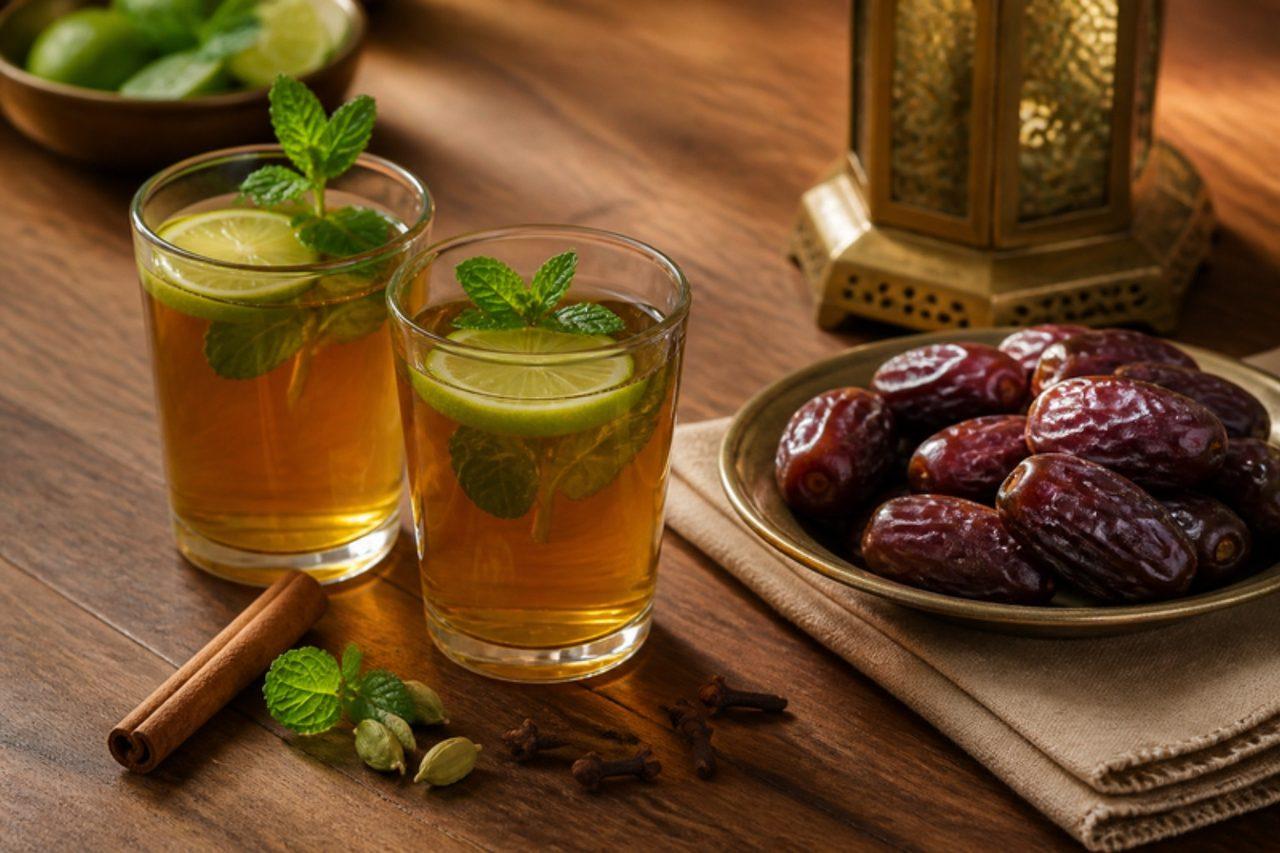
SulaimaniSpiced lemon black tea

In Kozhikode, sulaimani is the clear amber tea poured after a heavy biryani, and in Ramadan it is the glass that follows the dates at iftar. A little loose black tea is brewed with cardamom, clove and cinnamon, then sweetened and sharpened with fresh lime so it is light, warming and gently fragrant. Chef's tip: steep the tea for only two minutes; sulaimani should be bright and clear, never strong and bitter.

by KrazyBadal 0 views
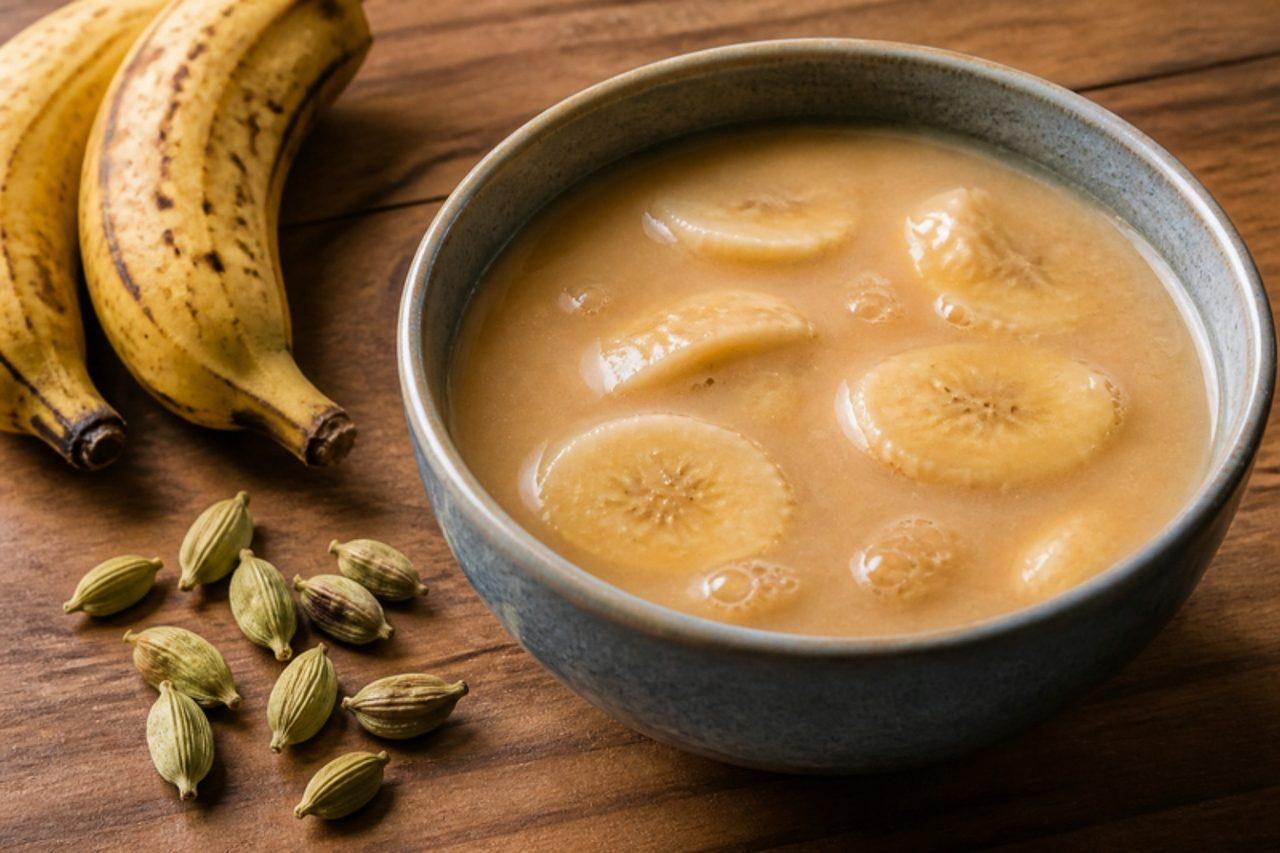
Pesaha paalCoconut milk and jaggery drink

Pesaha paal ('Passover milk') is the sweet dip served with Pesaha appam at the Maundy Thursday supper in Kerala's Syrian Christian homes. Coconut milk is simmered with melted jaggery, a little roasted rice flour to thicken it, cardamom and dried ginger until it becomes a warm, silky drink. The family dips pieces of the blessed appam into it after the evening prayers. It is vegan and gluten free, and ready in half an hour. Chef's tip: strain the jaggery syrup before adding the coconut milk, as jaggery often carries grit.

by KrazyBadal 0 views
Hyderabadi khattaSour tamarind sauce

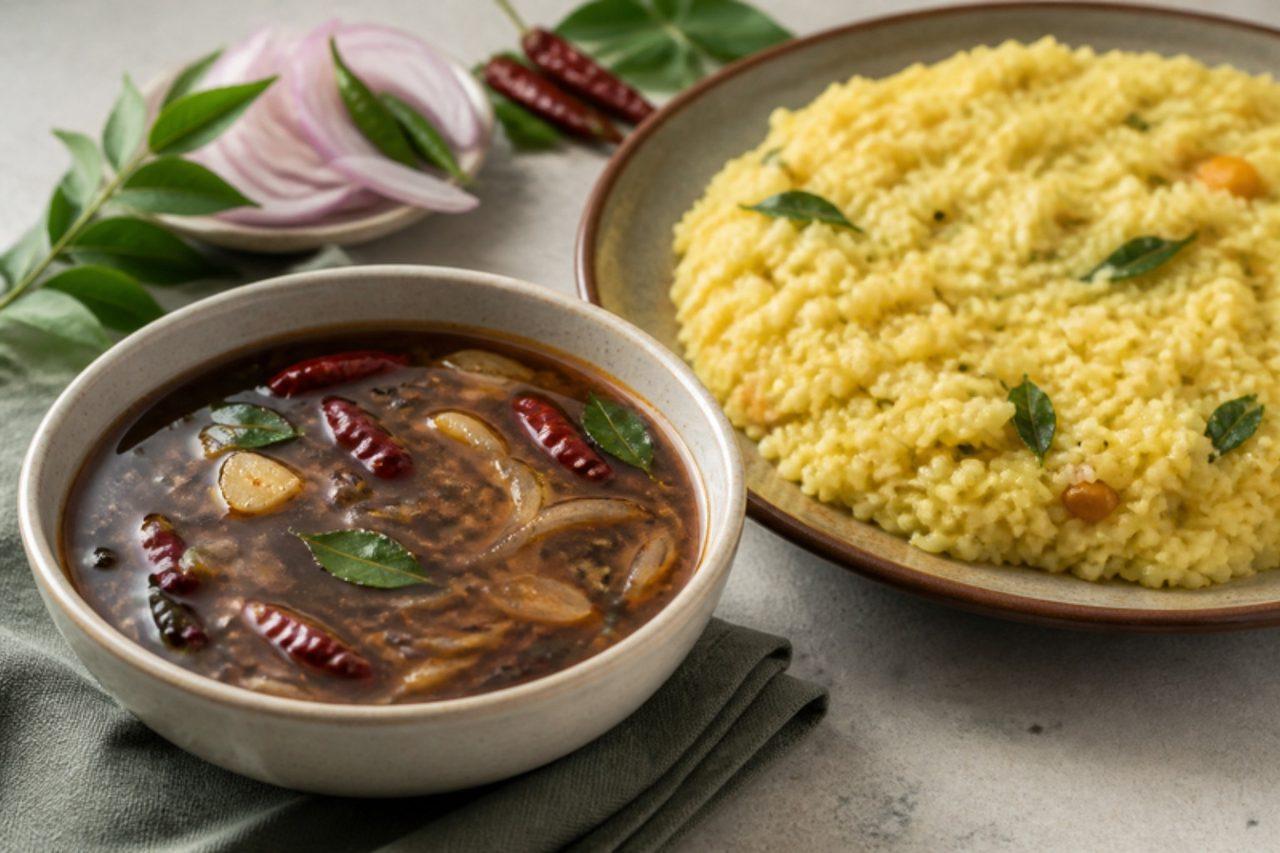
In Hyderabad the pre-dawn sehri meal of Ramadan is often khichdi, kheema and khatta: a thin, sour tamarind and onion sauce, tempered with curry leaves, garlic and dried chilli, ladled over the soft rice and lentils to wake up the palate at four in the morning. It is runny like a rasam, tart and savoury with just a little heat. Chef's tip: fry the onion only until soft, not brown, so the khatta stays light and sharp.

by KrazyBadal 0 views
VornGreen gram and coconut milk sweet

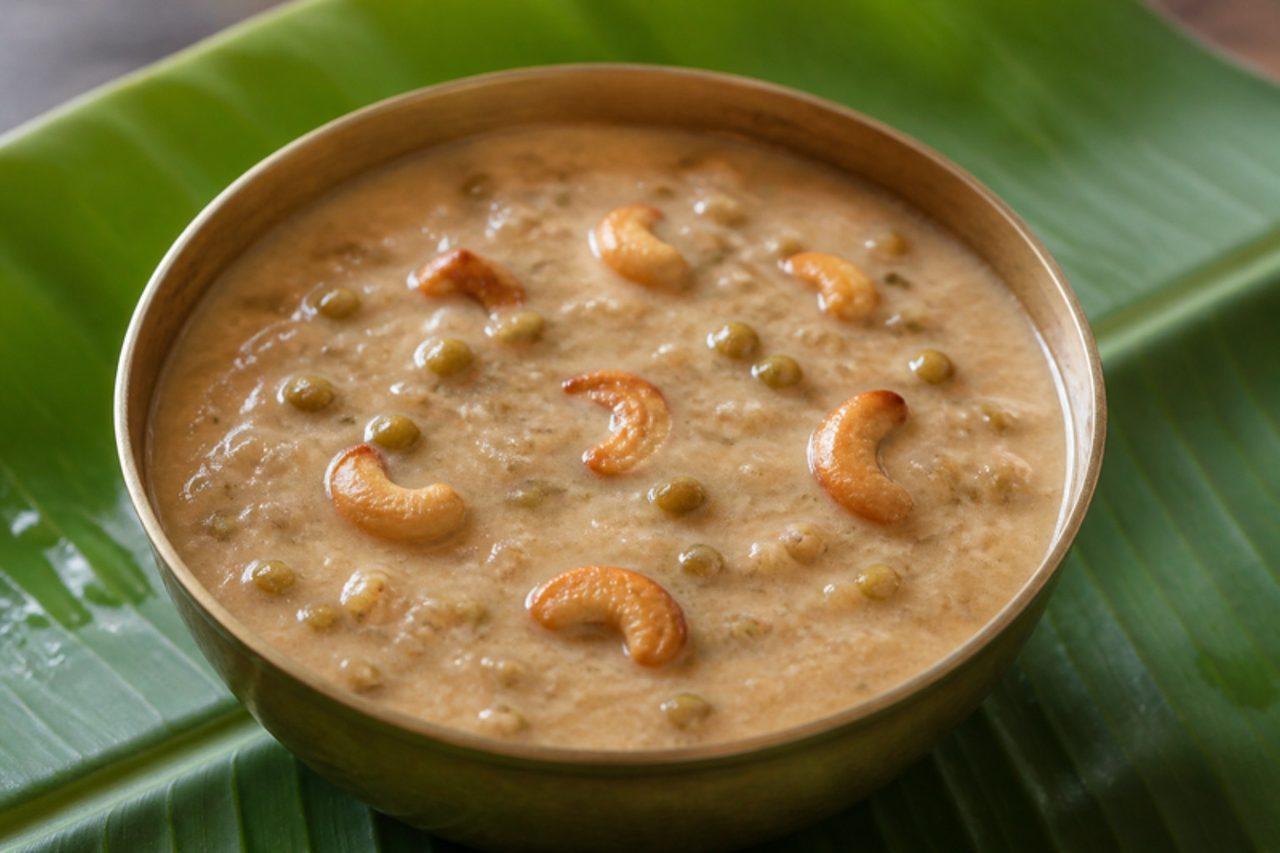
On 8 September, Mangalorean Catholics celebrate Monti Fest, the feast of Mary's Nativity, which is also a harvest festival: new ears of grain are blessed at church and shared at home, and the family eats a vegetarian feast of new-season vegetables. Vorn, a pudding of split green gram (moong) cooked with coconut milk, jaggery and cardamom, is the sweet that ends it. It is like a gentle payasam, vegan and gluten free. Chef's tip: dry-roast the moong dal until fragrant before cooking it, which gives vorn its nutty flavour.

by KrazyBadal 0 views
PinacaRice flour, jaggery and coconut cakes

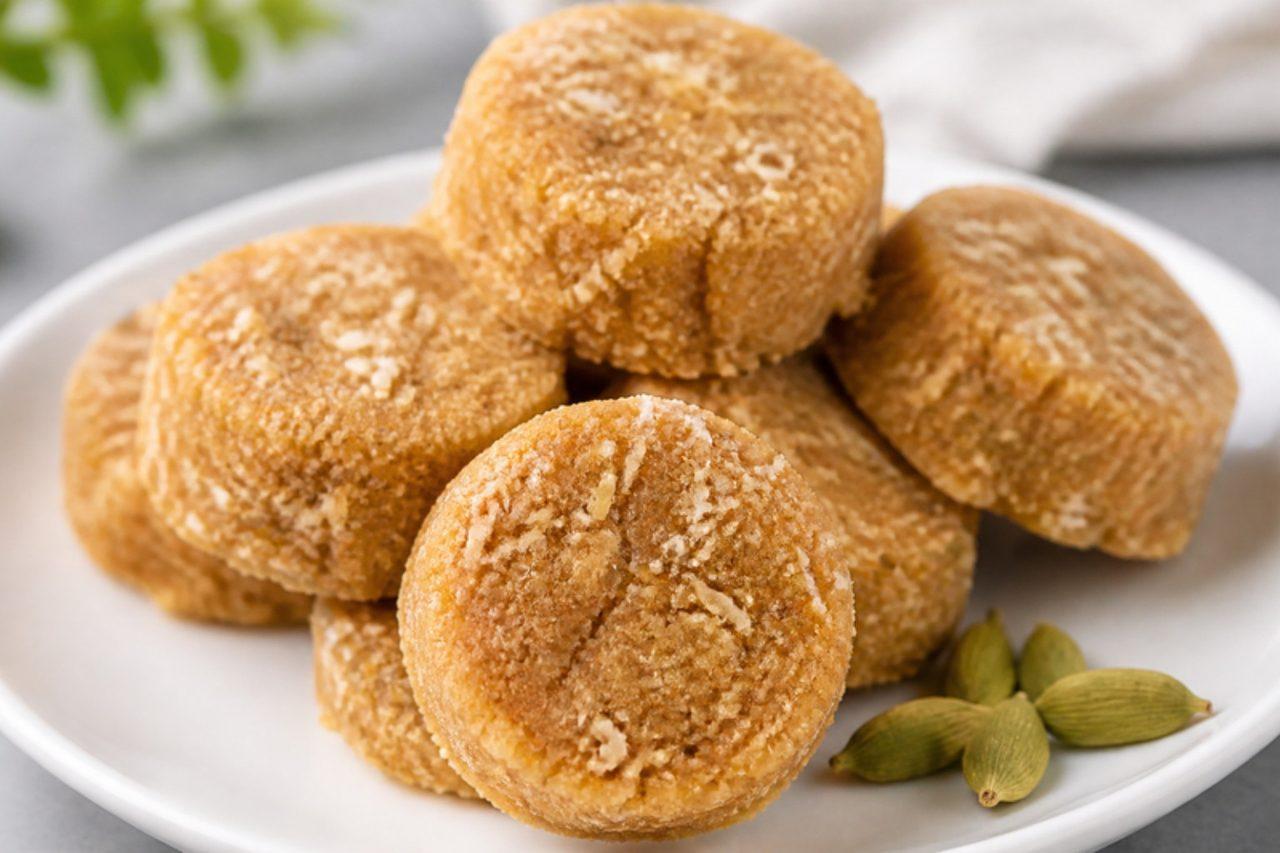
Pinaca is one of the oldest Goan Christmas sweets in the kuswar tray, made in the weeks before Christmas from three things: rice flour roasted until golden and nutty, jaggery and freshly grated coconut. They are pressed into small cakes or squares and have a soft, crumbly, toffee-like bite. They are vegan and gluten free. Chef's tip: take your time roasting the rice flour, as it is the roasting that gives pinaca its flavour, but stir constantly because it burns at the edges.

by KrazyBadal 0 views
Aamras (spiced mango pulp)

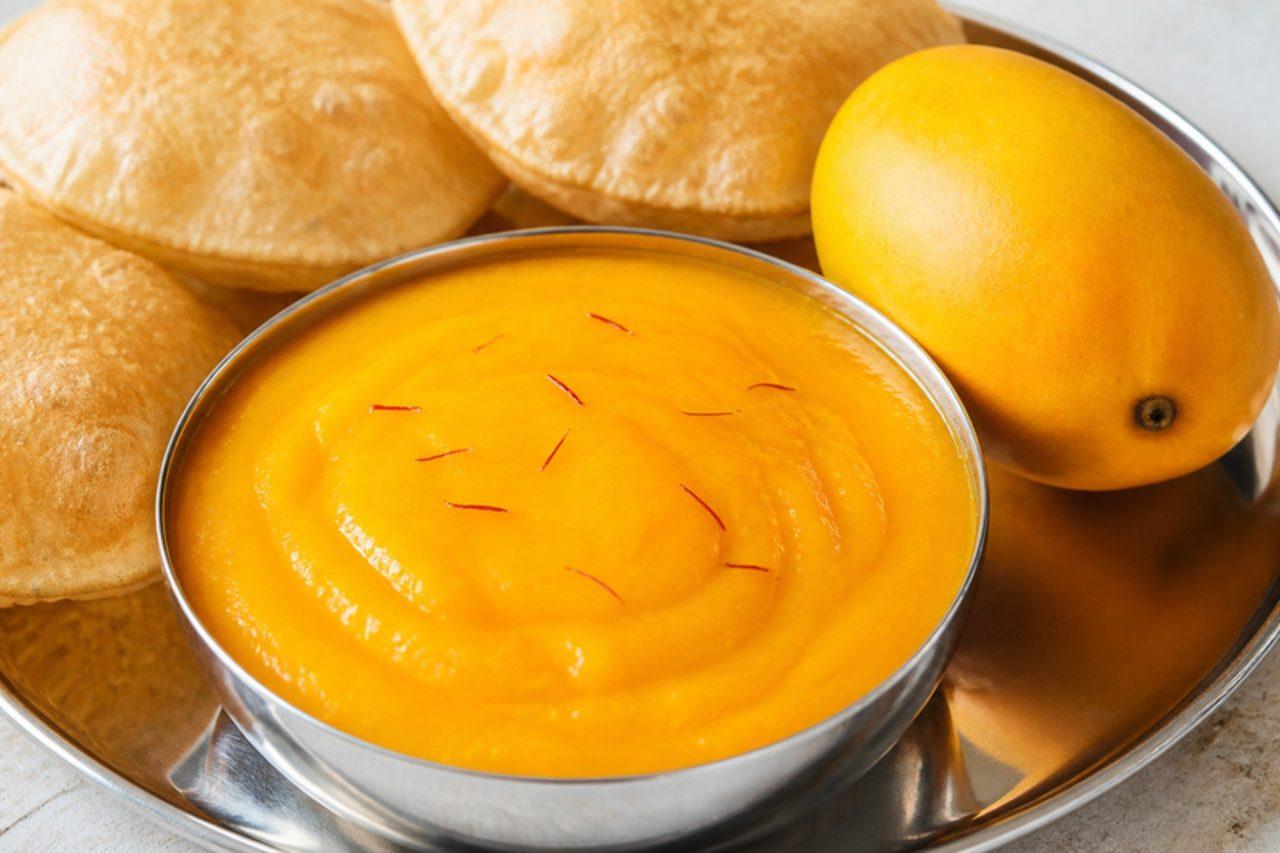
When Kesar mangoes reach Ahmedabad and Alphonsos reach Pune in April and May, aamras appears at almost every summer lunch in Gujarat and Maharashtra. It's simply ripe mango pulp, thick and silky, with a pinch of dry ginger to help digestion, a little cardamom and sometimes a spoon of sugar if the fruit isn't sweet enough. It's eaten as part of the meal rather than after it, scooped up with hot puris, alongside a potato sabzi and dal; in Maharashtra it's also served at Akshaya Tritiya and Gudi Padwa. Spoon it out chilled in bowls, or offer it to children by itself. It is naturally egg-free and vegan: the mango's own thick pulp gives all the body, so nothing needs to bind or set it. Chef's tip: use only soft, fragrant, fully ripe mangoes and press the pulp through a sieve if they are fibrous; under-ripe fruit is the common mistake that makes aamras sour and thin.

by KrazyBadal 0 views
DalithoyMild toor dal with mustard

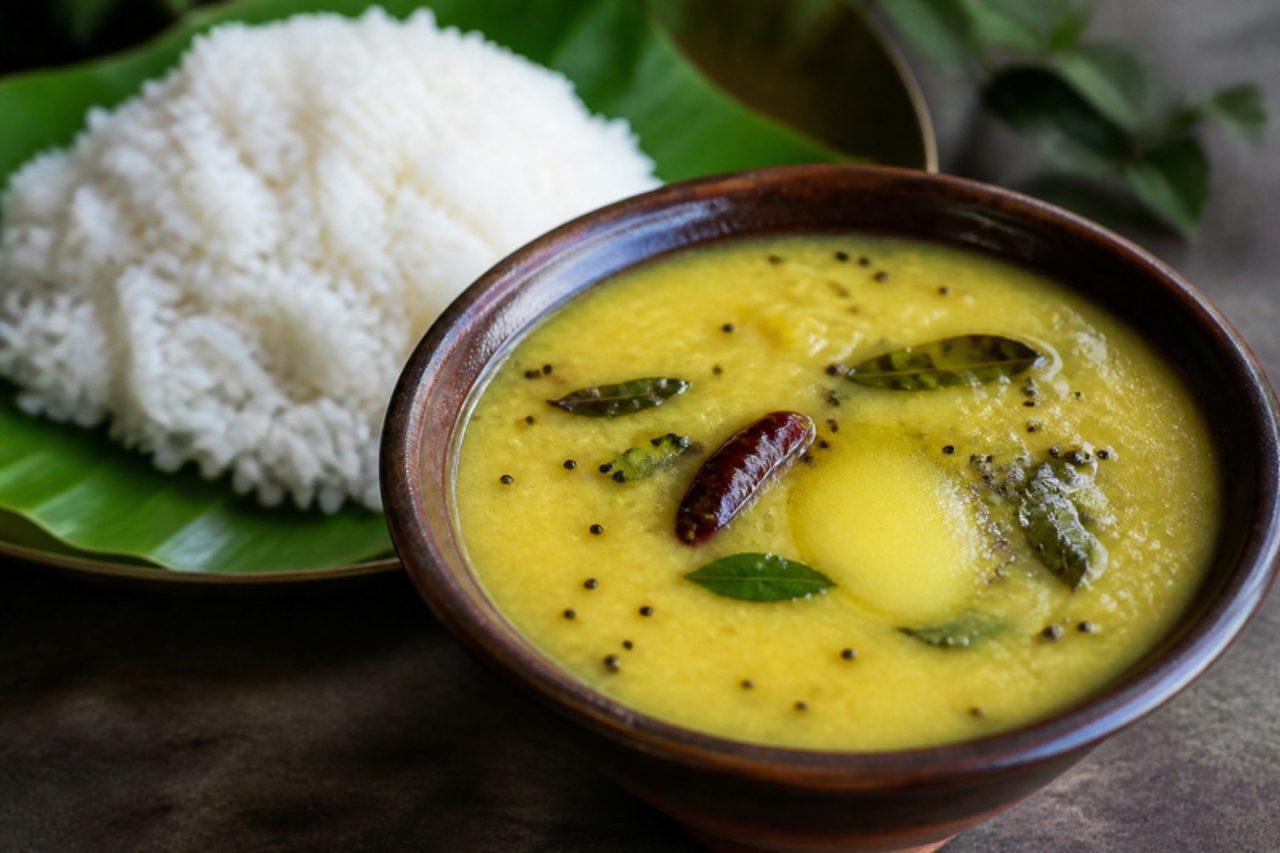
Dalithoy is the comfort dal of Konkani-speaking families in Goa, Mangalore and Udupi, eaten almost daily at lunch with red rice, and the first thing many make for someone recovering from illness. It is deliberately simple: toor dal cooked very soft with ginger and green chilli, thinned to a pourable soup and finished with coconut oil, mustard seeds, curry leaves and a good pinch of asafoetida. A portion gives about 19 g of protein from the toor dal, or about 23 g with a plate of rice, for about 330 kcal. With a pressure cooker it is on the table in half an hour. The most common mistake is skimping on the asafoetida or burning it: it is the main flavour here, so add it off the heat at the end of the tempering. Chef's tip: whisk the cooked dal until it is completely smooth before thinning it; dalithoy should be silky, with no whole grains left.

by KrazyBadal 0 views
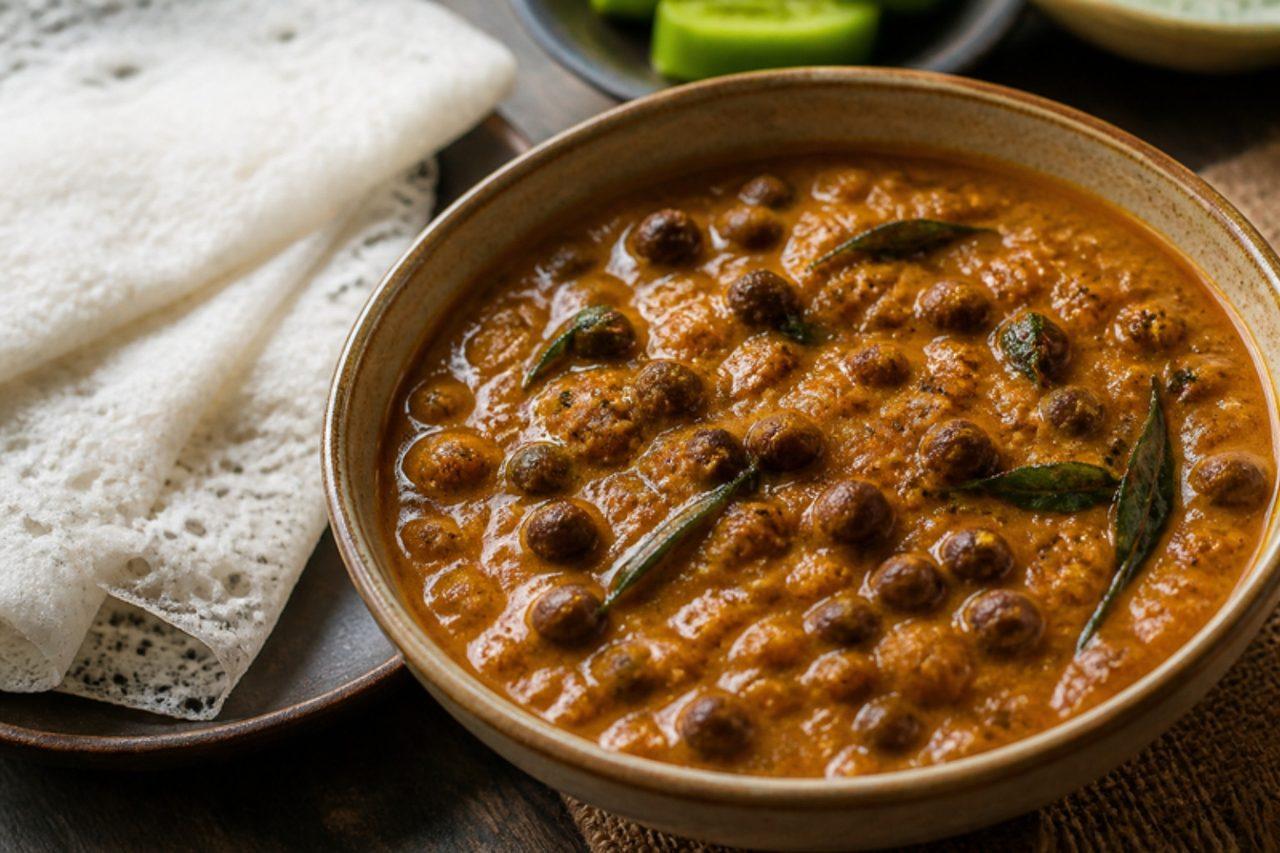
Chana ghassiBlack chickpea coconut curry

Chana ghassi is a Mangalorean and Udupi favourite, cooked for Sunday breakfast with soft neer dosa or for a weekday lunch over boiled rice. Small black chickpeas are simmered until tender and then cooked in a russet gravy of coconut and spices roasted in coconut oil, sharpened with tamarind and finished with fried onion and curry leaves. A portion gives about 21 g of protein, mostly from the black chickpeas with a little from the coconut. The chickpeas need 8 hours of soaking first (overnight is easiest), which is not counted in the times. The most common mistake is under-roasting the coconut and spices: the gravy then tastes raw and flat instead of deep and toasty. Chef's tip: roast the dried chillies, coriander and fenugreek first and the coconut last, until it turns an even reddish brown; grind it with a little of the chickpea cooking water for the smoothest gravy.

by KrazyBadal 0 views
Ghanta tarkariMixed vegetables with dried peas

Ghanta is the Odia one-pot of everything the winter market offers, cooked in Bhubaneswar and Cuttack homes for festival days and pujas, and in a similar form in the temple kitchens at Puri. Pumpkin, raw banana, sweet potato, aubergine and beans are cooked with soaked dried peas and chana dal until the pulses thicken it into a soft, chunky stew, seasoned with ginger, cumin and a light panch phoron tempering. A portion gives about 20 g of protein from the dried peas, chana dal and vegetables. The dried peas and chana dal need 8 hours of soaking first (overnight), which is not counted in the times. The most common mistake is adding all the vegetables at once: pumpkin melts to mush while the raw banana is still hard, so add them in two stages. Chef's tip: grind the ginger and cumin with a little water to a fresh paste rather than using powder; it is what gives ghanta its clean, warm flavour.

by KrazyBadal 0 views
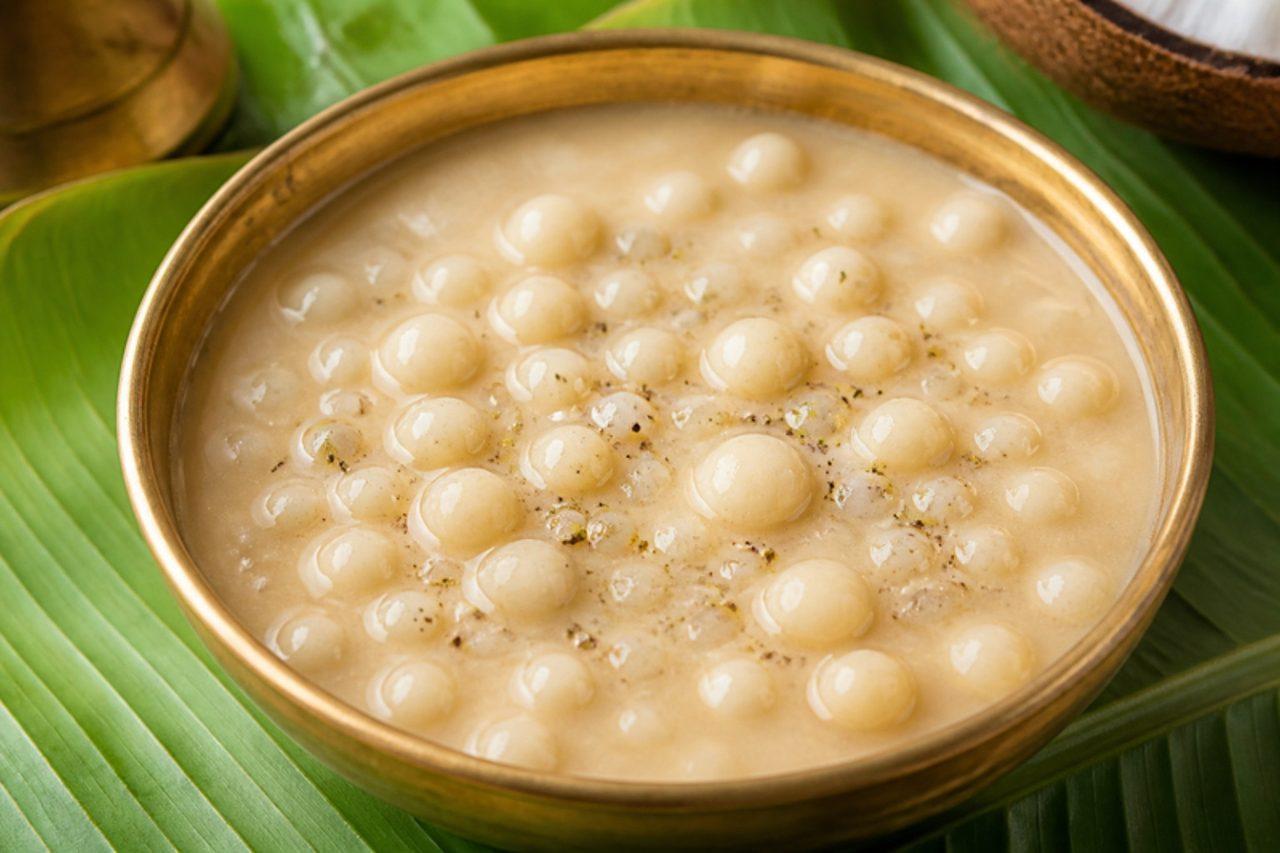
Paal kozhukattai (rice dumplings in sweet coconut milk)

Paal kozhukattai is made in Tamil Nadu homes for Vinayaka Chaturthi and on rainy evenings when something warm and sweet is wanted. Tiny pearls of rice-flour dough are cooked in thin coconut milk until they float and turn glossy, then the pot is sweetened with jaggery and finished with thick coconut milk and cardamom. The dumplings are soft and chewy, the liquid creamy and caramel-coloured, and the whole thing is served warm in small bowls, or at room temperature as part of a festival offering. It is naturally egg-free and vegan: the rice flour, scalded with boiling water, holds the dumplings together, and its starch thickens the coconut milk as they cook. Chef's tip: once the thick coconut milk goes in, keep it below a boil; boiling it hard is the common mistake that splits the coconut milk and makes it oily.

by KrazyBadal 0 views
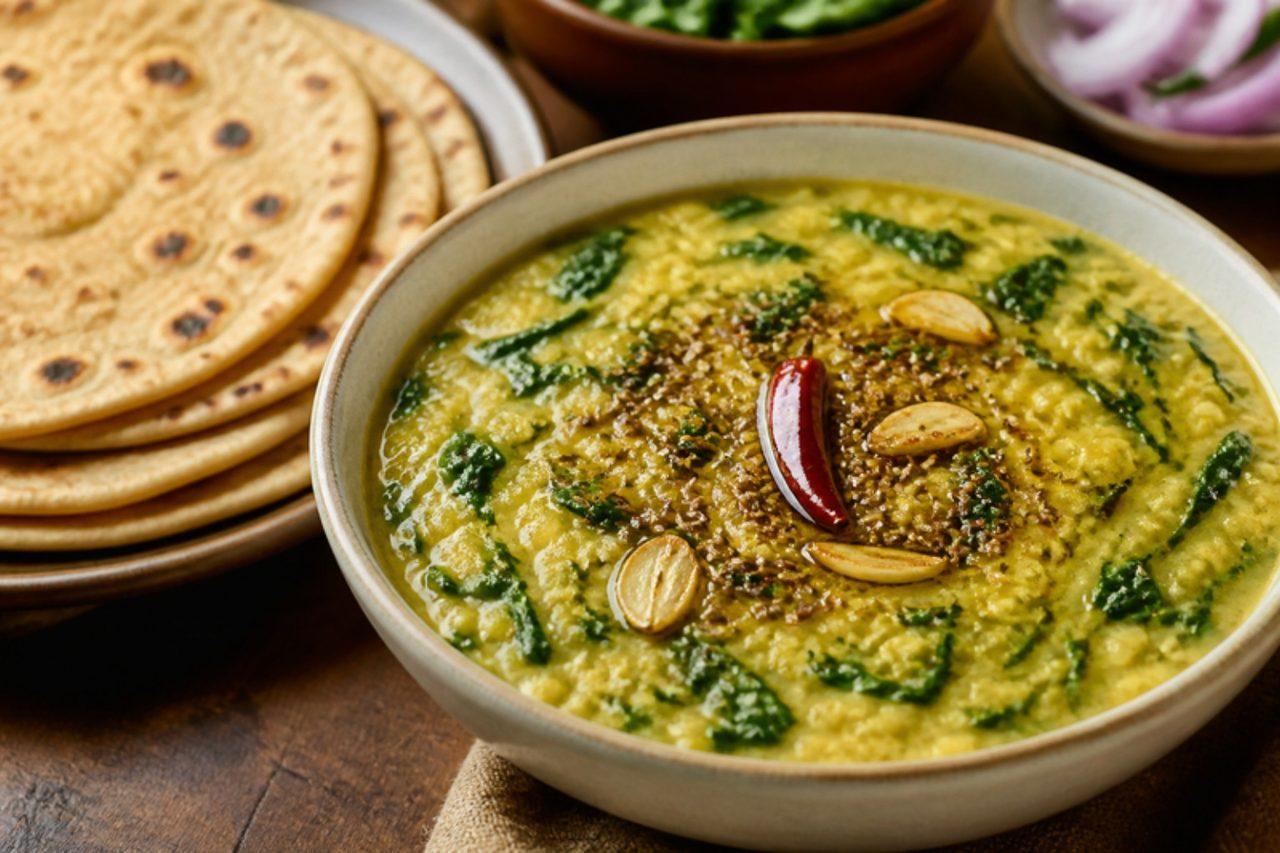
Methi dalLentils with fenugreek leaves

In Punjab, Rajasthan and Delhi homes, methi dal arrives in late autumn and winter, when bunches of fresh fenugreek are cheap and fragrant at every vegetable cart. The leaves are stirred into a pot of soft toor and moong dal, where their gentle bitterness balances the earthy lentils, and a cumin and garlic tadka goes over the top. It is a light everyday dinner with phulka or rice. A portion gives about 21 g of protein from the two dals, for about 350 kcal. The most common mistake is cooking the leaves for too long or chopping in the thick stems, which makes the dal bitter and stringy: use only leaves and tender tips and add them for the last few minutes. Chef's tip: toss the chopped leaves with a pinch of salt, leave them for 10 minutes and squeeze out the green juice; it takes the harsh edge off the bitterness without losing the flavour.

by KrazyBadal 0 views
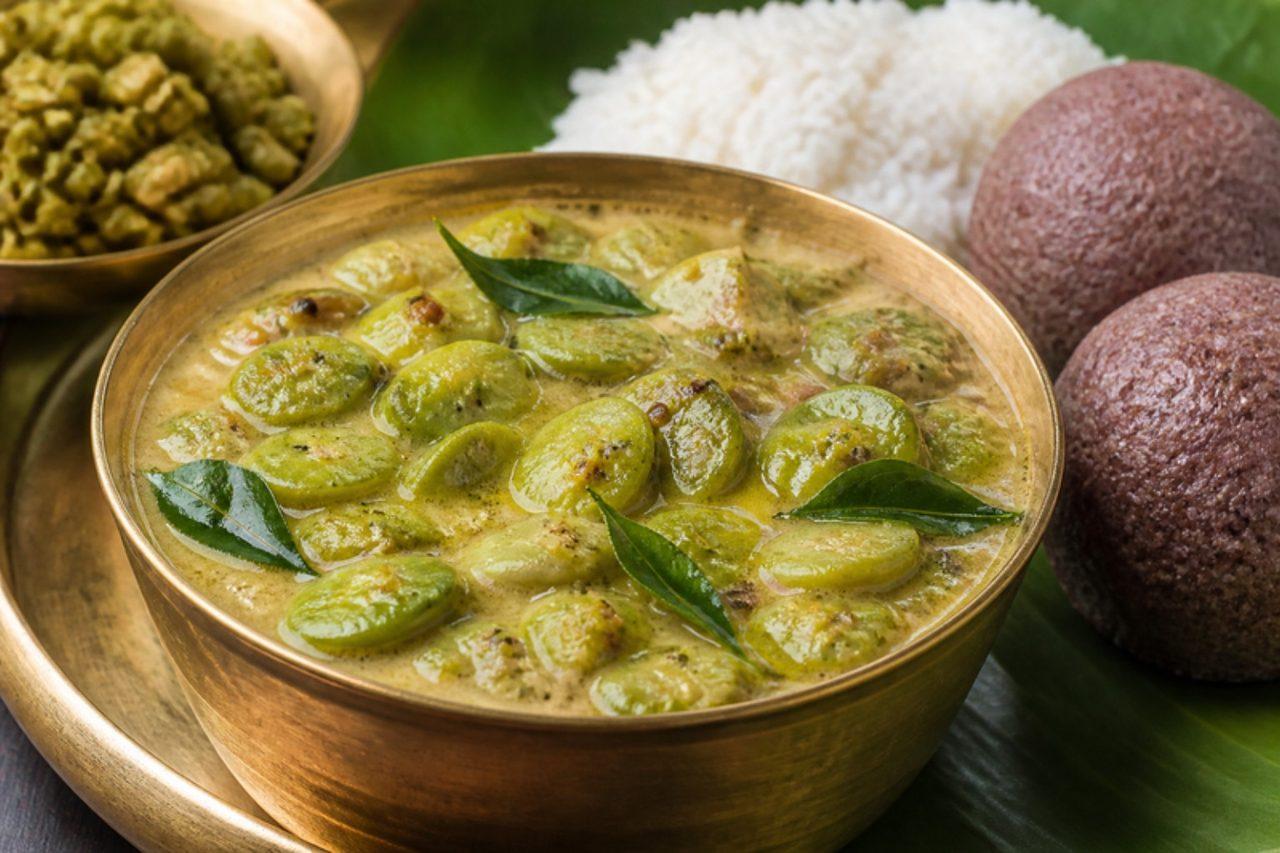
Avarekalu saaruField bean and coconut curry

When the avarekai (hyacinth bean) season comes to Bengaluru and Mysuru in December and January, the city celebrates with a whole street festival of avarekalu dishes, and this thin, fragrant saaru is the one cooked at home for lunch with ragi mudde or rice. The tender beans, popped out of their pods, are simmered in a gravy of coconut, roasted spices and a little tamarind and jaggery. Fresh beans are watery, so a portion gives about 12 g of protein, from the beans, a little toor dal and the coconut; that is why it is not tagged High protein. Frozen shelled avarekalu from Indian grocers works well out of season. The most common mistake is undercooking the beans: like all hyacinth beans they must be cooked until completely soft, never eaten raw or half-cooked. Chef's tip: for the classic hitikida flavour, soak the shelled beans in warm water for 30 minutes and squeeze each one out of its skin; it takes time but gives a creamier, sweeter saaru.
by KrazyBadal 0 views

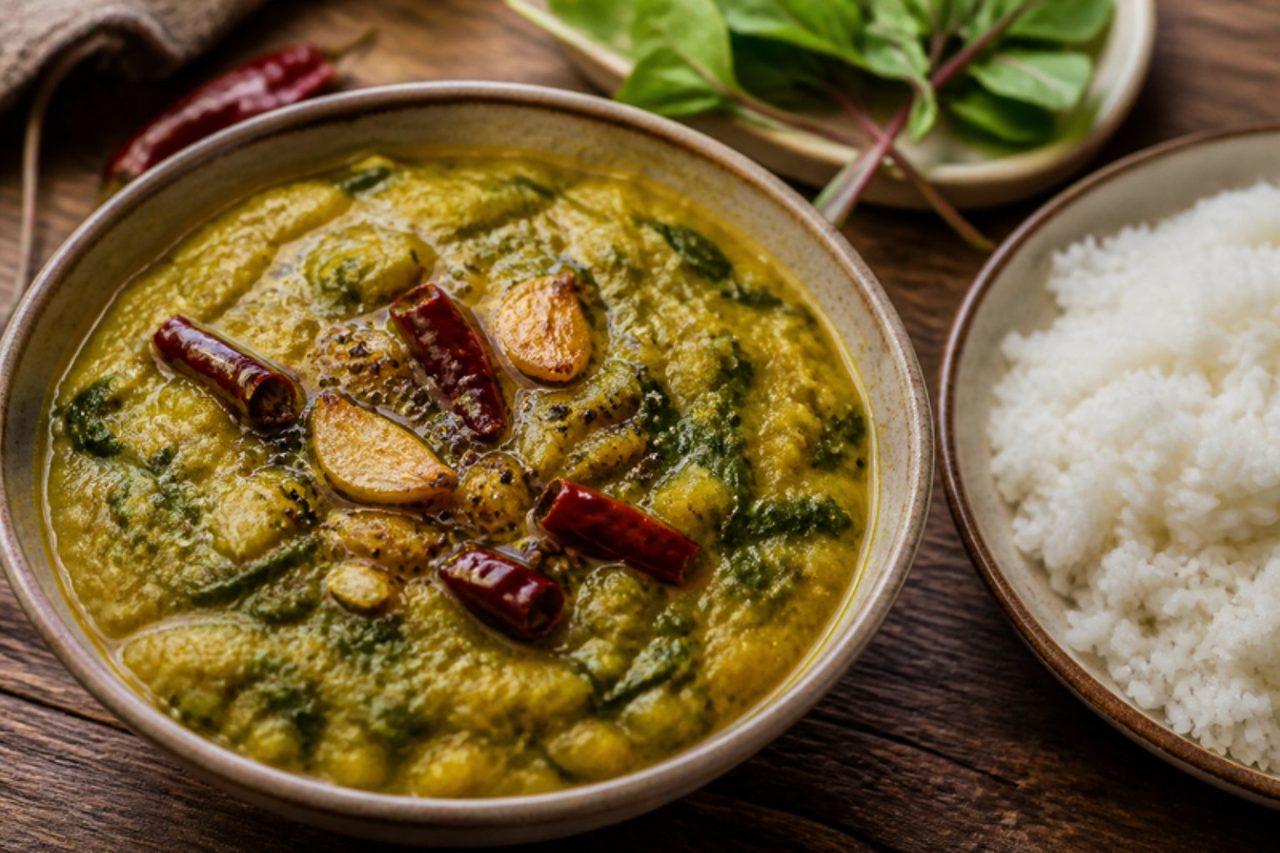
Gongura pappuLentils with sour roselle leaves

In Guntur, Vijayawada and across Telangana, gongura pappu is the everyday lunch dal that people who move away miss most: toor dal cooked soft with handfuls of sour roselle leaves, which melt into a tangy, olive-green purée, then finished with a sizzling tempering of garlic and dried red chillies. It is eaten mixed into hot rice with a spoon of ghee or oil and a crisp papad. A portion gives about 20 g of protein, almost all from the toor dal, and about 23 g with a plate of rice. Gongura is sold in Indian grocers in bunches; you need only the leaves. The most common mistake is cooking the leaves in an aluminium or iron pan: their acid reacts with the metal and the dal turns dark and tastes metallic, so use a steel or enamelled pot. Chef's tip: mash the dal and wilted leaves together hard with a whisk or wooden masher before tempering; a smooth, creamy pappu carries the sourness evenly instead of in stringy patches.

by KrazyBadal 0 views

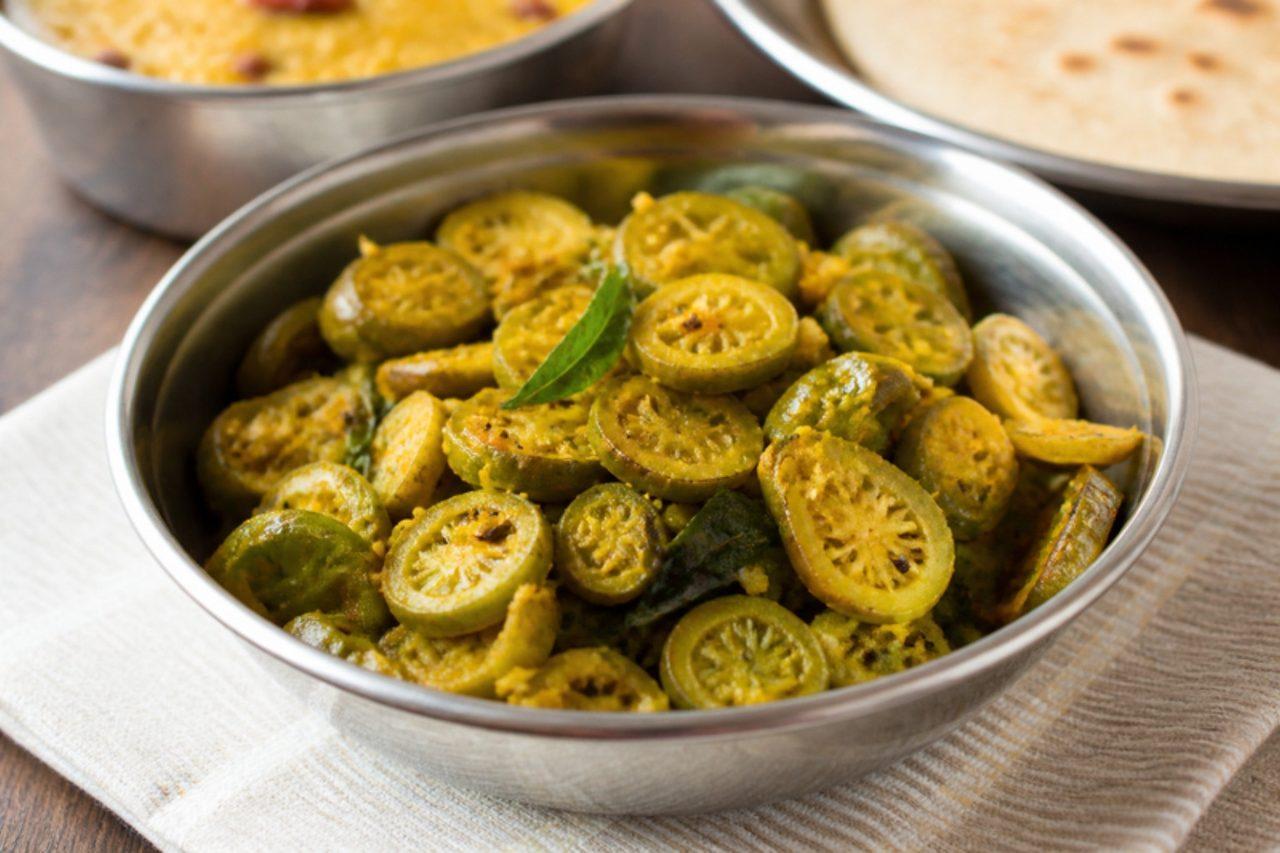
Tindora nu shaakIvy gourd stir-fry

Tindora (ivy gourd) nu shaak is a lunch-box and dinner standby in Gujarat and Mumbai's Gujarati homes: thin rounds of the little gourd stir-fried with mustard seeds and turmeric until they are tender inside and lightly crisp at the edges. It is a dry shaak, eaten with dal-bhaat or rolled into a rotli, and children often like it best. The common mistake is slicing the tindora too thick, which means it either stays raw in the middle or needs water that makes it soggy; cut every round about 3 mm thick. Chef's tip: avoid tindora that is red or soft inside, which means it is overripe and will taste sour. Most hing contains wheat, so buy a gluten-free one if needed.

by KrazyBadal 0 views

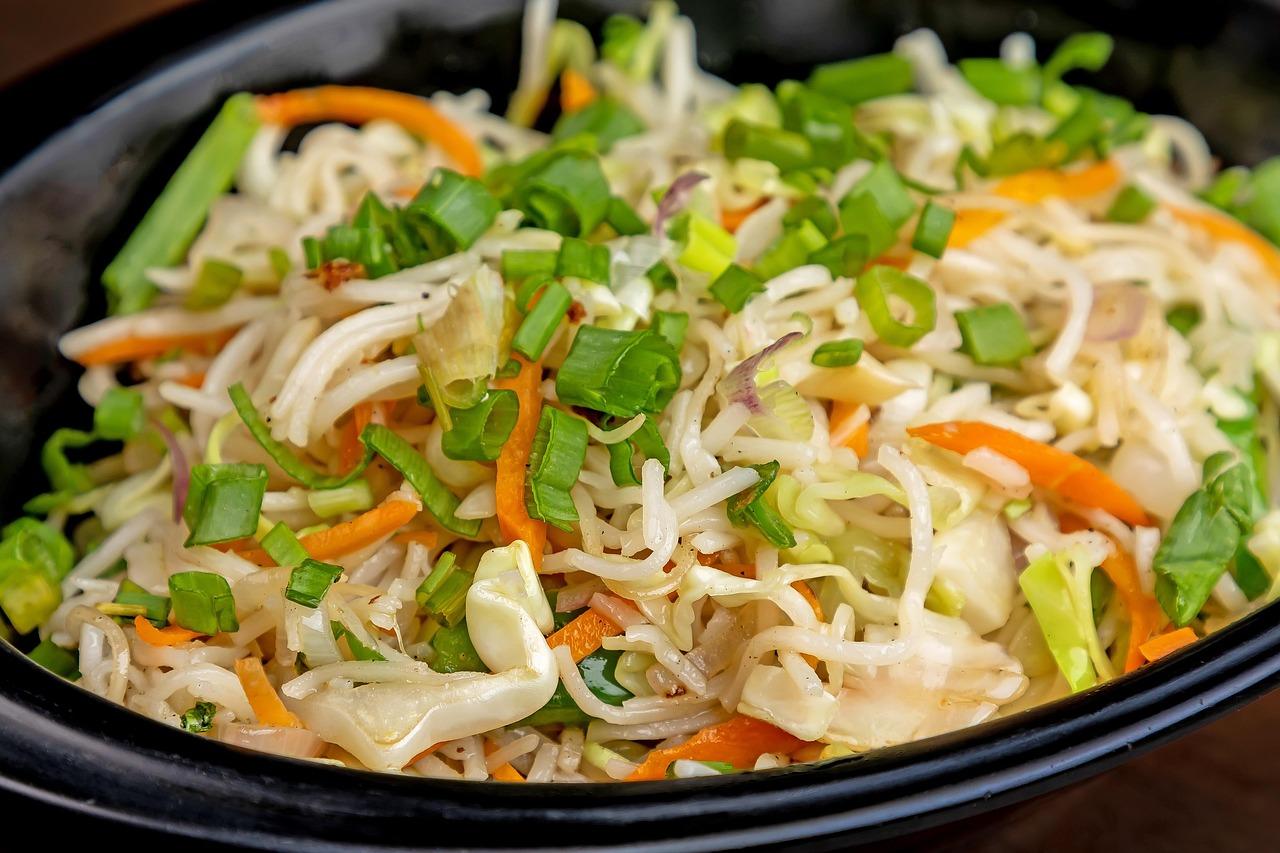
Veg Hakka noodlesVegetable stir-fried noodles

Hakka noodles are the street and restaurant staple of Kolkata's Chinese community, now sold from carts in every Indian city for a cheap evening meal and loved by children everywhere. Thin noodles are boiled, cooled, then tossed over the highest heat with shredded cabbage, carrot, peppers and spring onion, seasoned with soy, vinegar and white pepper. The mistake that ruins them is a crowded, lukewarm pan: the vegetables sweat and the noodles clump into a damp heap, so cook in a very hot wok and do two batches if yours is small. Chef's tip: toss the boiled noodles with a teaspoon of oil as soon as they are drained; they won't stick while you chop. Check the noodle packet: many Hakka noodles contain egg, so buy egg-free ones for a vegan dish.

by KrazyBadal 0 views

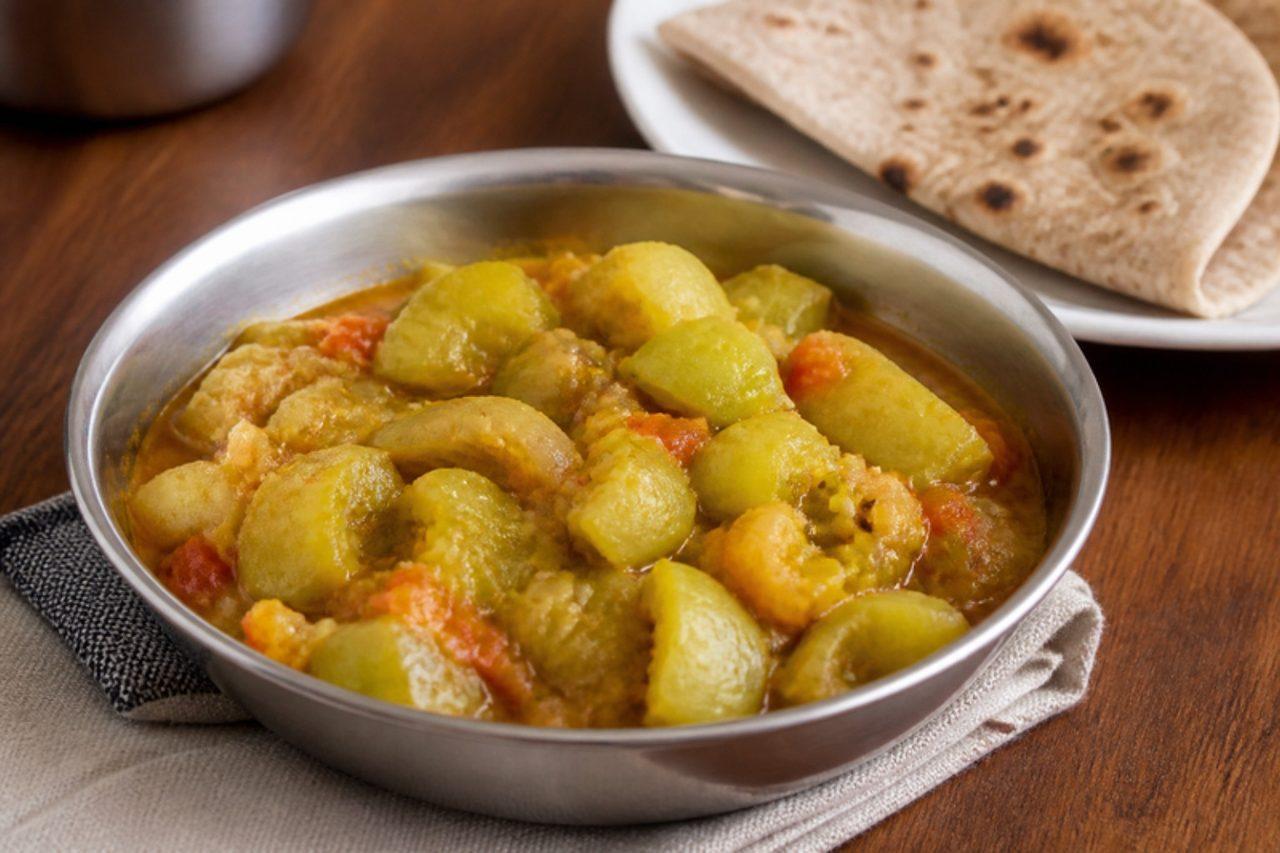
Turai ki sabziRidge gourd with tomato

In Uttar Pradesh, Bihar and across the North Indian plains, turai (ridge gourd) is the light monsoon vegetable that mothers cook for upset stomachs, hot evenings and anyone who wants a gentle dinner with roti and dal. Peeled and chopped, it releases its own water as it cooks, and with a little tomato and cumin it forms a soft, sweet, barely spicy gravy. The common mistake is adding water: the gourd is full of it, and extra water gives a bland, thin soup, so cover the pan and let it make its own. Chef's tip: taste a slice of raw gourd before cooking; very occasionally one is bitter, and a bitter gourd will spoil the whole pot.

by KrazyBadal 0 views

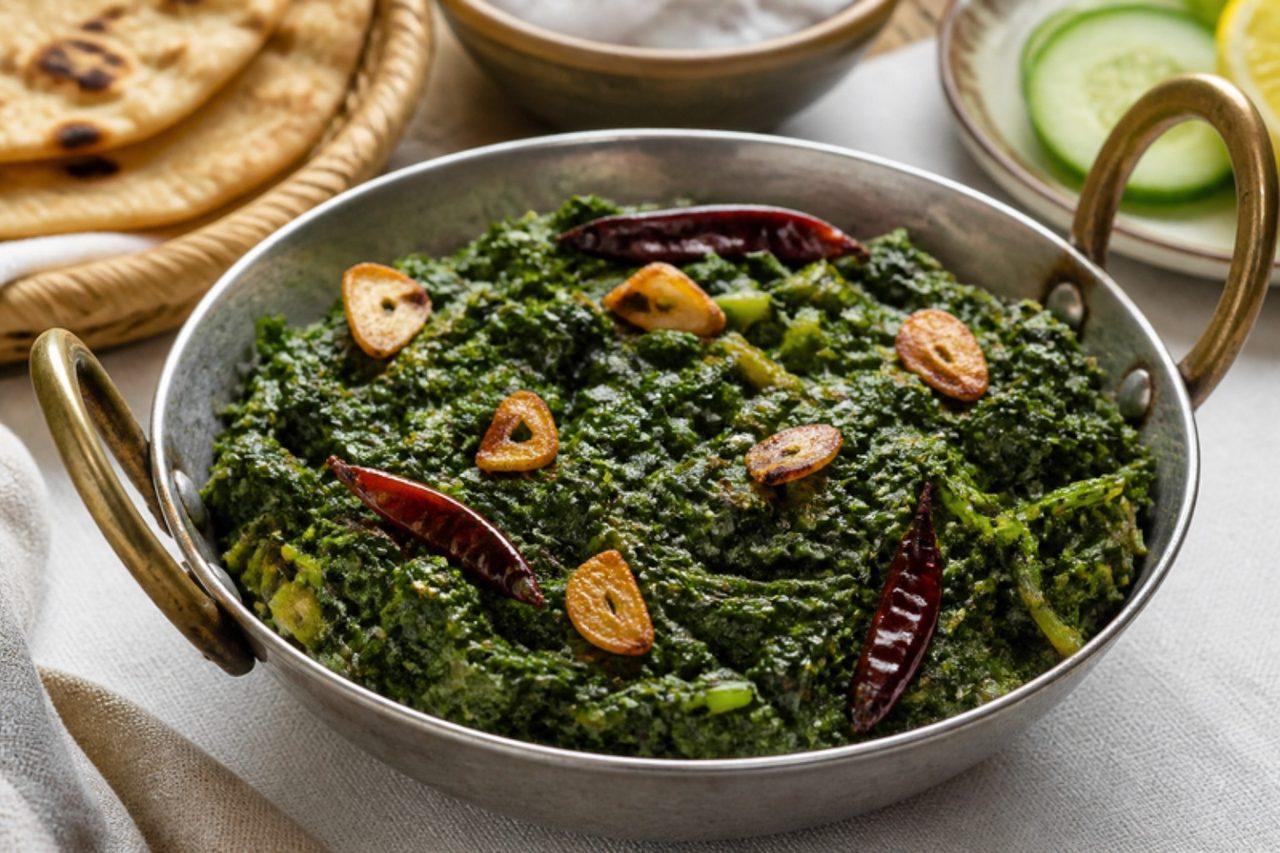
Lehsuni palakGarlic spinach

In Punjabi homes from Amritsar to Ludhiana, lehsuni palak is the green dish that lands on the table in winter when spinach is cheap and sweet, eaten with hot phulkas and a bowl of dal. It is not a purée like palak paneer: the leaves are chopped and wilted so they keep some body, then a second round of garlic fried golden in oil is poured over at the end, nutty and fragrant. The usual mistake is burning the garlic; dark brown garlic turns bitter and spoils the whole pan, so pull it off the heat when it is the colour of light toast. Chef's tip: squeeze the washed spinach lightly before it goes in, or the pan floods and the leaves stew instead of sautéing.

by KrazyBadal 0 views

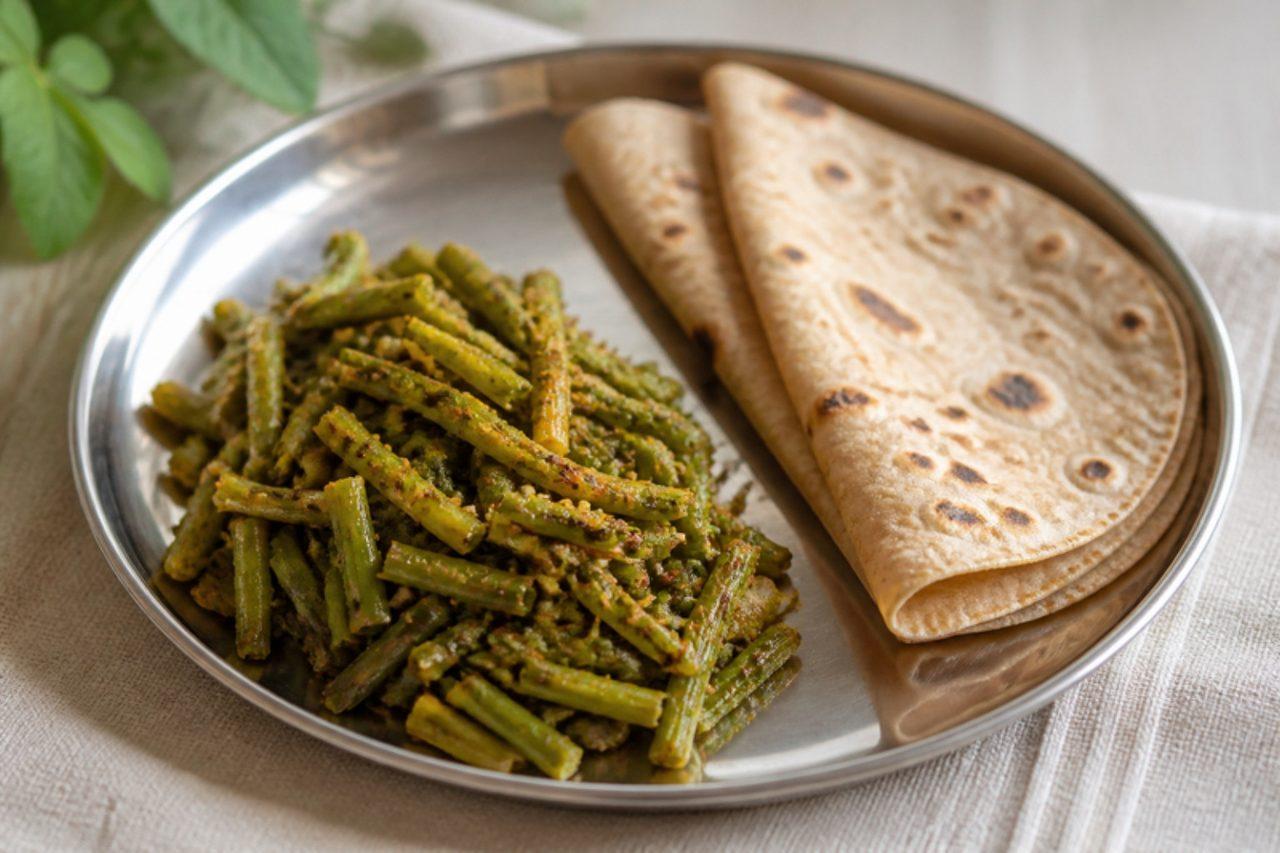
Guvar nu shaakCluster beans with garlic and jaggery

Guvar (cluster beans) is everyday Gujarati shaak, cooked in Kathiawad and Ahmedabad homes most weeks with bajra rotla or rotli and a bowl of khadhi. The flat, slightly bitter beans are steamed in their pan with ajwain and garlic, then balanced the Gujarati way with a little jaggery and a squeeze of lemon, so every mouthful is gently sweet, sour and spicy. The mistake to avoid is using old, thick guvar; the pods should snap cleanly, and tough ones stay stringy however long you cook them. Chef's tip: a pinch of bicarbonate of soda in the cooking water is an old trick for keeping guvar green, but it is not needed if you keep the lid off at the end. Most hing contains wheat, so buy a gluten-free one if needed.

by KrazyBadal 0 views

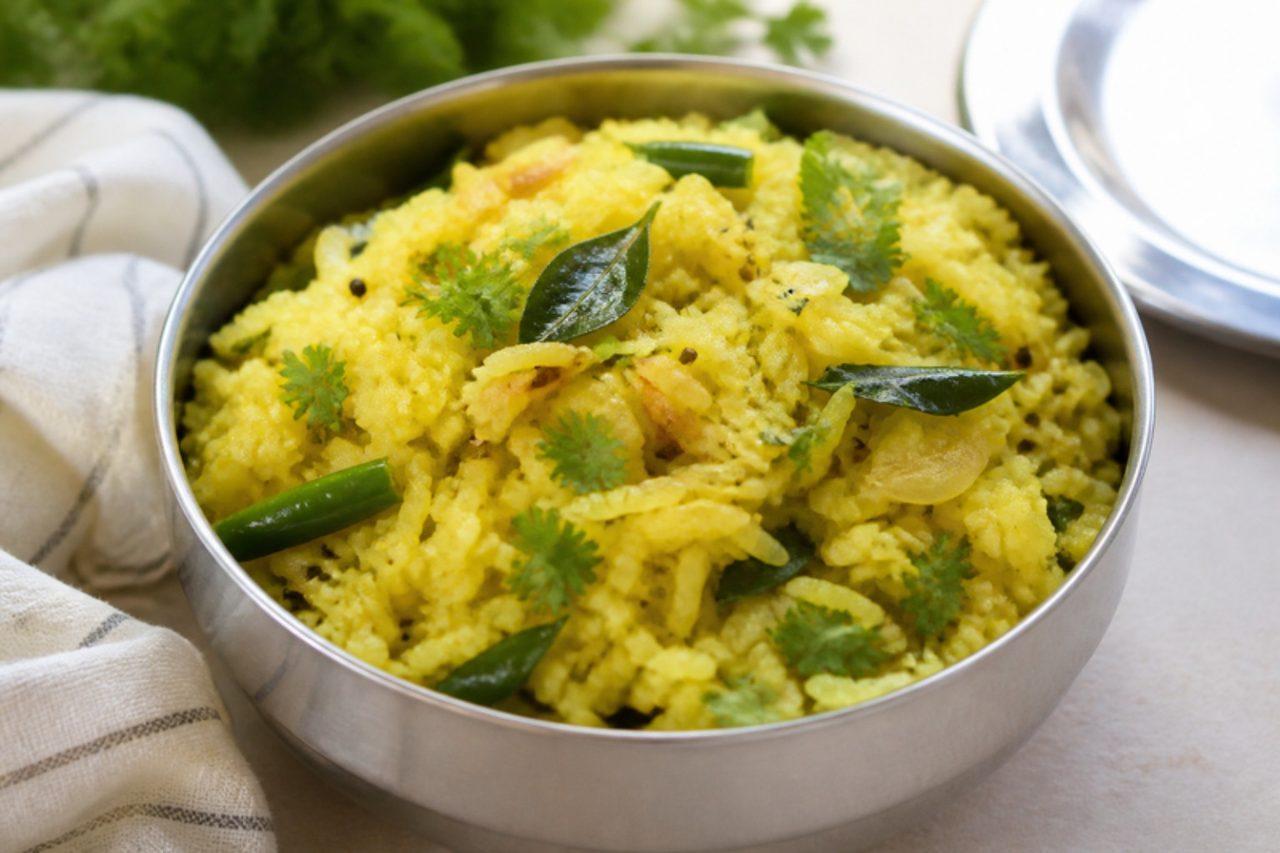
Vagharela bhaatTempered leftover rice

Vagharela bhaat is how Gujarati cooks rescue yesterday's rice: a quick vaghar (tempering) of mustard and cumin seeds, curry leaves, onion and green chilli, then the rice tossed through with turmeric and a squeeze of lemon. It is a one-pan lunch or late dinner, eaten with plain yogurt, a pickle or a bowl of kadhi. The common mistake is using freshly cooked, warm rice, which breaks and goes sticky; cold, fridge-firm rice keeps every grain separate. Food safety: cool leftover rice quickly, keep it in the fridge and use it within a day, and reheat it until piping hot all the way through. Chef's tip: crumble the cold rice with your fingers before it goes in the pan, so you never have to mash clumps in the pan.

by KrazyBadal 0 views

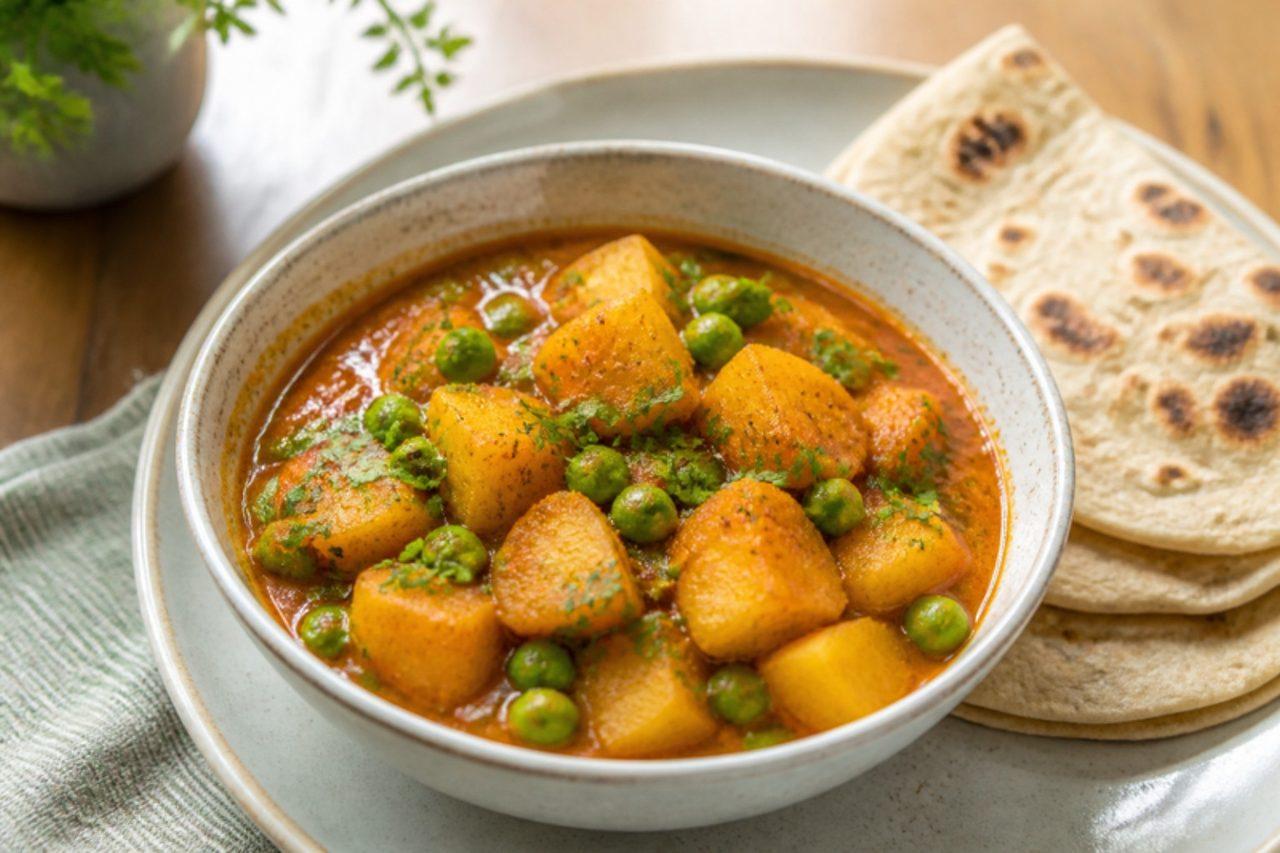
Aloo matarPotato and pea curry

Aloo matar is the everyday potato and pea curry of North Indian homes, cooked through the winter when fresh peas fill the markets of Delhi and Punjab, and eaten with hot phulkas or rice on a weeknight. Small cubes of potato and sweet peas simmer in a thin, bright tomato gravy with cumin, turmeric and coriander, so it is comforting rather than rich. The common mistake is cutting the potatoes too big: they take forever, the peas turn grey waiting for them, and the gravy reduces to nothing. Chef's tip: mash two or three potato cubes against the side of the pot near the end; it thickens the gravy naturally without cream.

by KrazyBadal 0 views

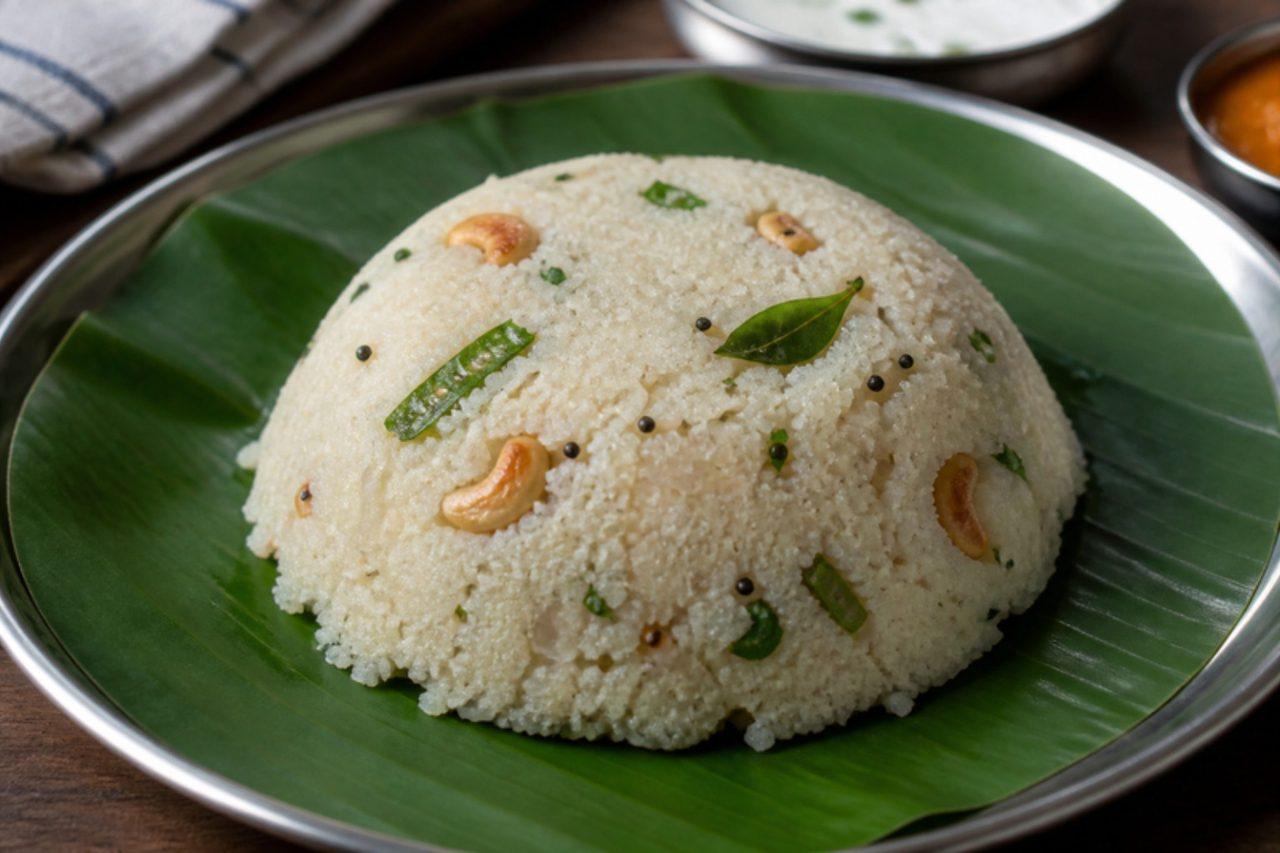
Rava upmaSavoury semolina porridge

Rava upma is breakfast in countless homes across Tamil Nadu, Karnataka, Andhra Pradesh and Kerala, and the dish every South Indian student learns to cook first. Semolina is roasted until it smells nutty, then stirred into boiling water flavoured with a tempering of mustard seeds, urad and chana dal, curry leaves, ginger and green chilli, so it swells into a soft, fluffy, savoury porridge. Serve it with coconut chutney, a little pickle or a banana. The classic mistake is pouring the rava into water that is not boiling, or all at once, which gives lumps. Chef's tip: roast the rava in advance and keep it in a jar; roasted rava makes lump-free upma in ten minutes on a busy morning.

by KrazyBadal 0 views

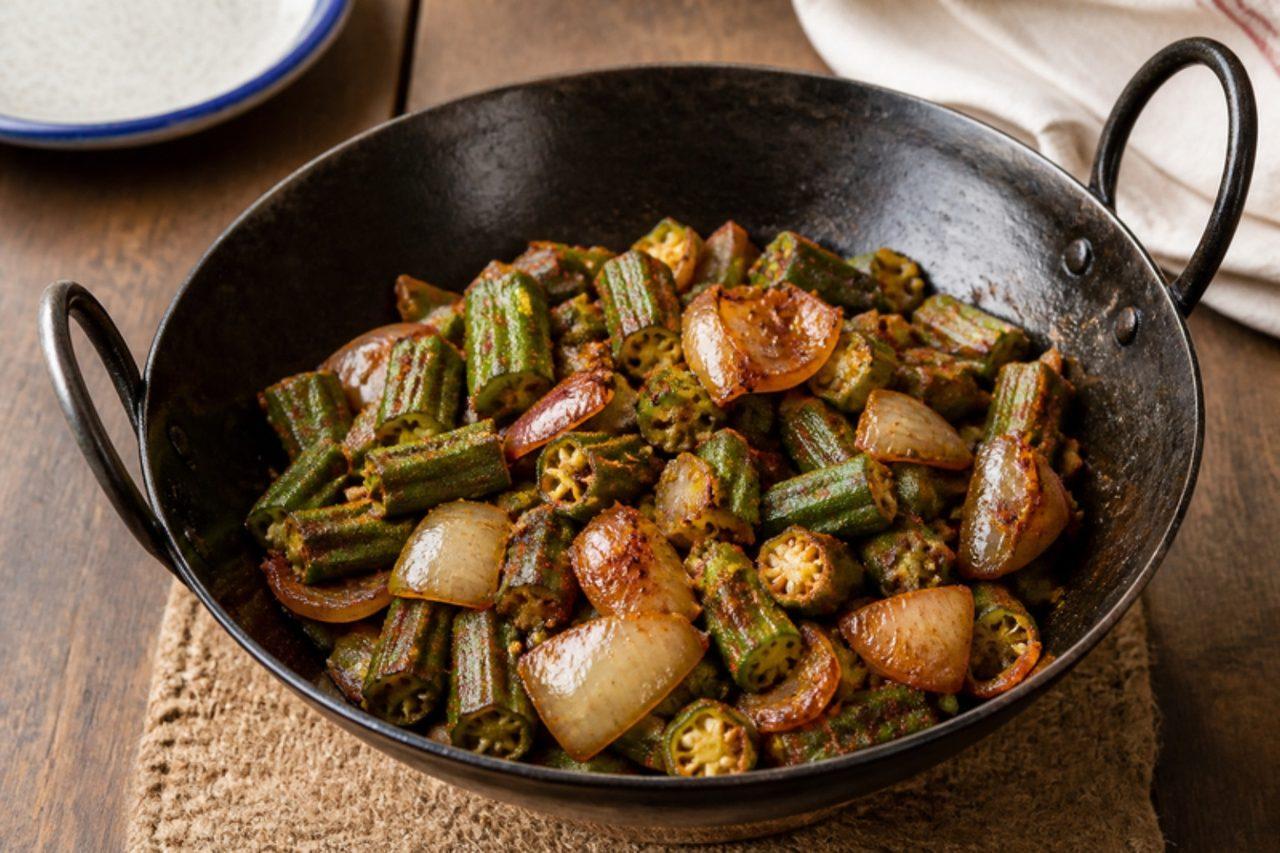
Bhindi do pyazaOkra with onions

Bhindi do pyaza is the summer okra dish of North Indian dhabas and home kitchens, made in the hot months when ladyfinger is tender and cheap. 'Do pyaza' means two lots of onion: one fried soft into the masala and one added in chunky petals near the end so it stays sweet and slightly crunchy against the okra. The classic mistake is washing the okra and cutting it while it is still wet, which turns the whole pan slimy; dry every pod completely before you slice it. Chef's tip: add the salt only once the okra is nearly cooked, because salt draws out moisture and makes it sticky.

by KrazyBadal 0 views

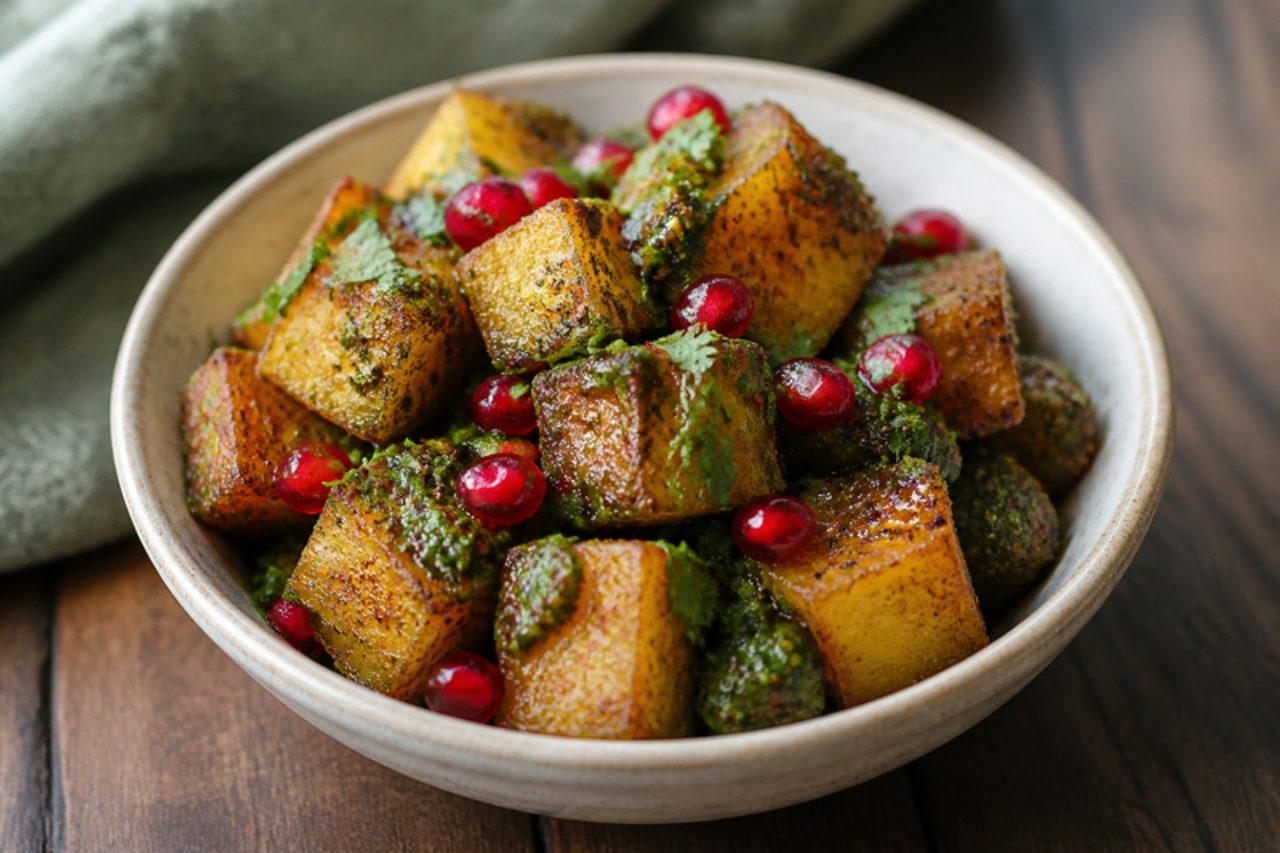
Aloo chaatPotato chaat

In Old Delhi lanes around Chandni Chowk, aloo chaat vendors fry boiled potato cubes in a huge flat tawa until crackly, then toss them with lemon, chaat masala and two chutneys, one sharp and green, one sweet and dark. It is an evening snack, eaten standing up from a leaf bowl with a toothpick, and at home it makes a quick light dinner or a party starter. The common mistake is frying potatoes straight from the pot while still hot and wet, which makes them break and soak up oil; let the cubes steam dry for a few minutes first. Chef's tip: toss everything at the last minute, as the chutneys soften the crust within ten minutes.

by KrazyBadal 0 views

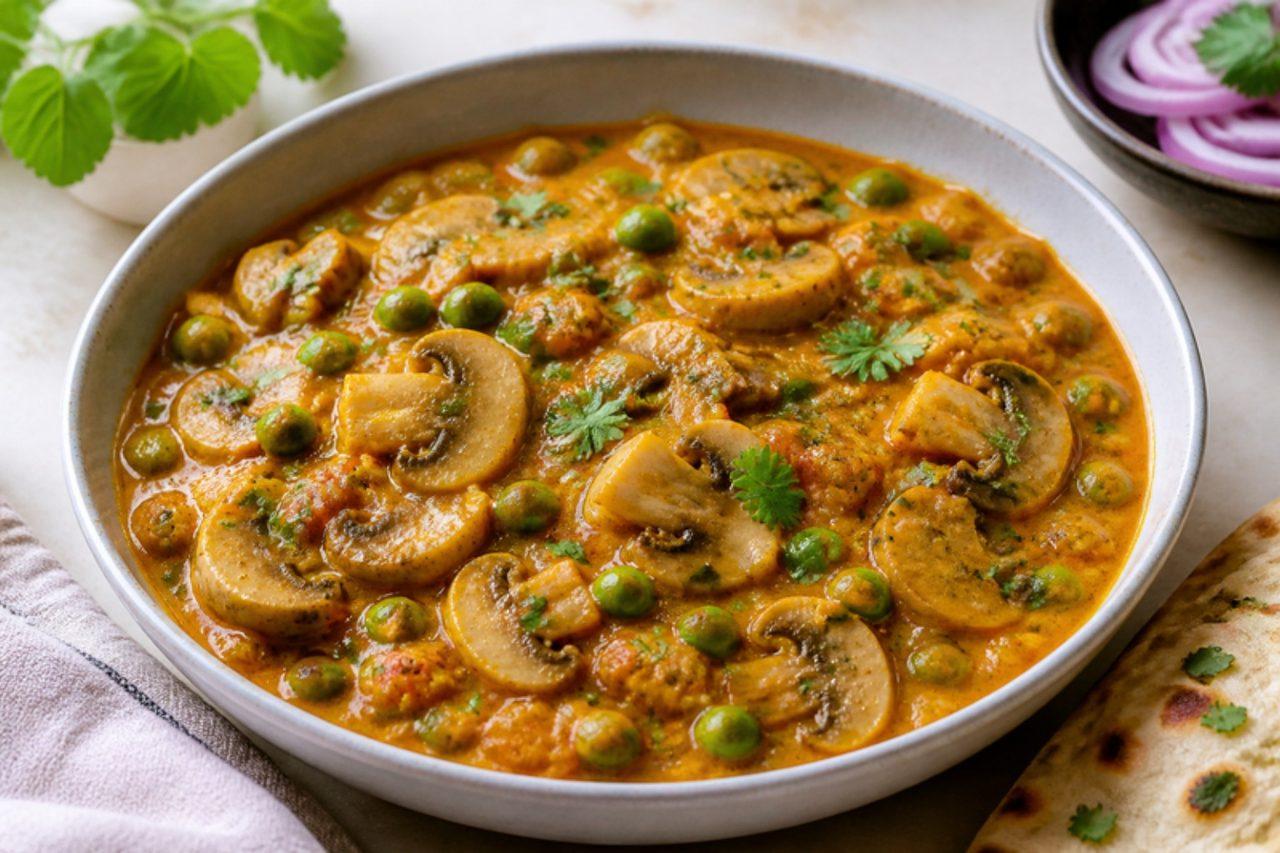
Mushroom matarMushroom and pea curry

Across North India, from Delhi flats to Lucknow kitchens, mushroom matar has become the weeknight cousin of matar paneer: quick to cook, meaty in texture without any meat, and good with rotis or jeera rice. Button mushrooms and sweet green peas sit in a medium-thick onion-tomato gravy warmed with ginger, garlic and garam masala. The common mistake is adding the mushrooms to a wet masala, where they boil and turn rubbery; sear them first in a hot pan until they brown, and their juices go into the sauce rather than drowning it. Chef's tip: frozen peas are perfect here and need only the last 4 minutes, so they stay bright green.

by KrazyBadal 0 views

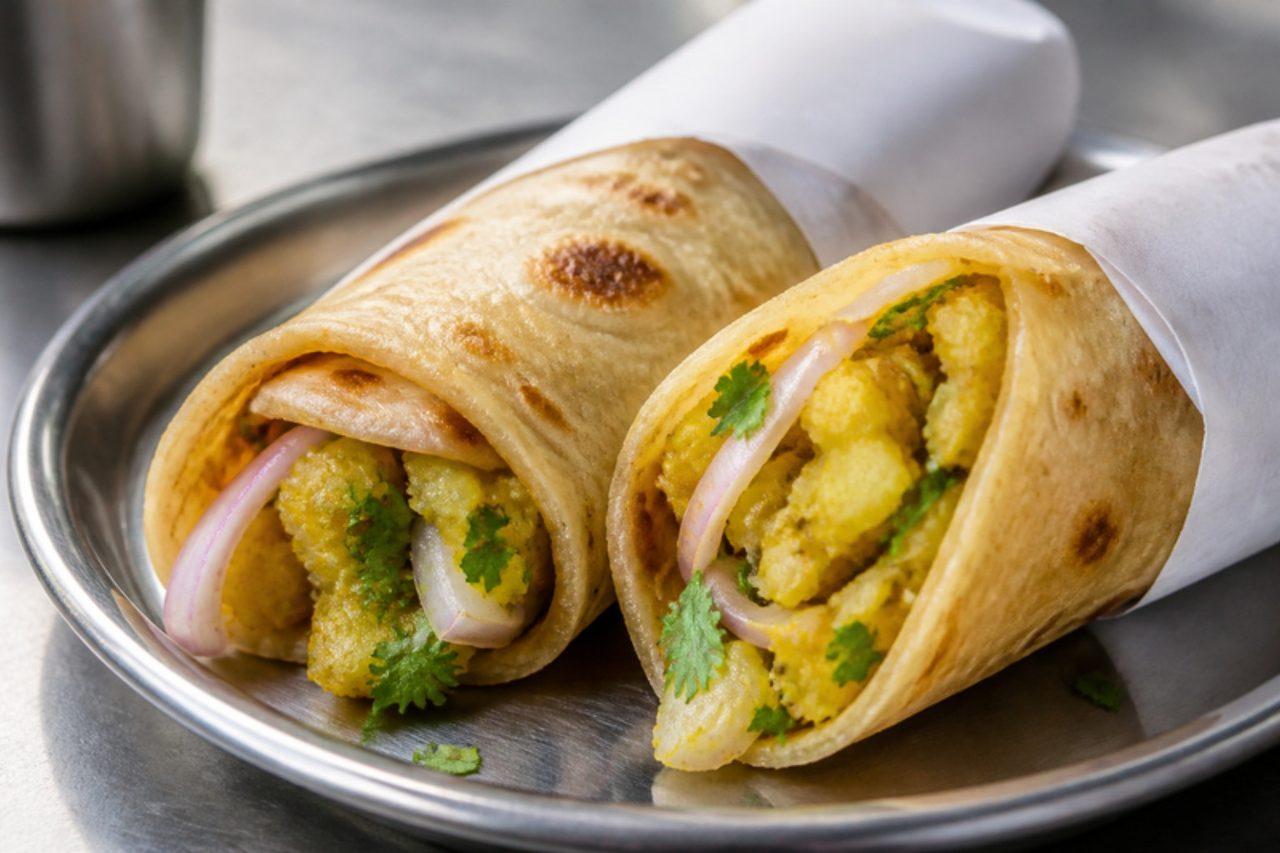
Vegetable frankie

The frankie was born on the streets of Mumbai and soon moved into the city's tiffin boxes: a soft flour roti wrapped around a spiced potato filling, sprinkled with a tangy chaat-masala vinegar and raw onion, then rolled in paper. Children eat it for lunch and after school, and parents tone down the chilli. This version is vegan; it contains gluten (wheat flour). Chef's tip: just a few drops of the masala water per roll; it should taste tangy, not make the roti soggy.

by KrazyBadal 0 views

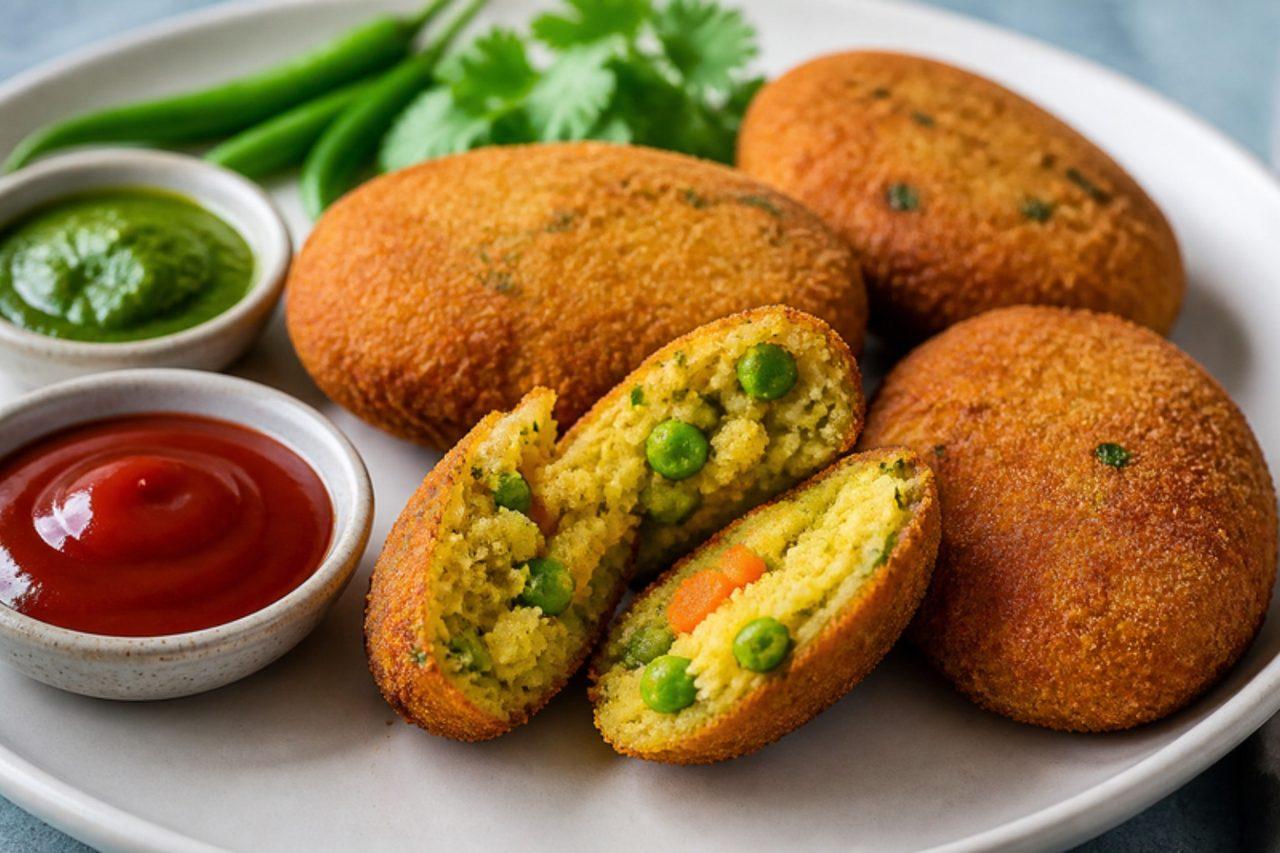
Vegetable cutlet

From Kolkata's railway canteens to Bengaluru's school tiffins, the vegetable cutlet is one of India's most familiar snacks: mashed potato with peas, carrot and green beans, lightly spiced, shaped into ovals, rolled in breadcrumbs and shallow-fried until crunchy. Children take them to school with ketchup and eat them warm at tea time. They are vegan and contain gluten (breadcrumbs). Chef's tip: chill the shaped cutlets for 20 minutes before frying; cold patties hold together and crisp better.

by KrazyBadal 0 views

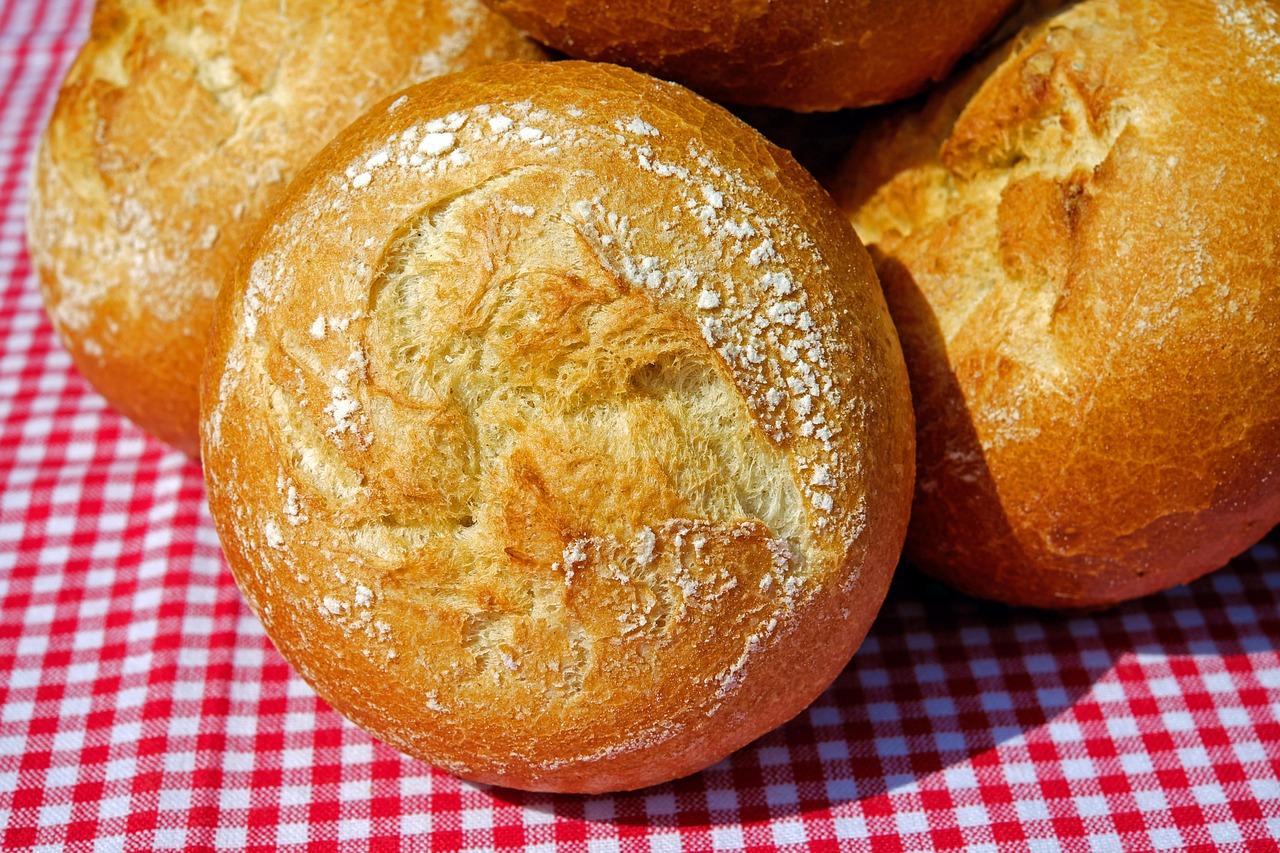
Brun pavHard-crusted bakery bun

Order brun maska at one of Mumbai's old Irani cafés, under the bentwood chairs and slow ceiling fans, and a waiter brings a hard, round bun split and spread thickly with butter, next to a cup of sweet Irani chai. Brun is the opposite of soft ladi pav: its floury top crackles, the crust is thick enough to knock on, and the inside is dense and chewy, made to be dunked until it softens. The bread itself is just flour, water, yeast and salt, so it is vegan; add the butter (or a vegan spread) only when serving. A long, fairly slow bake gives the crust; pulling it out when it is merely golden is the mistake that leaves you with an ordinary roll. Chef's tip: a day-old brun is even better for dunking, so bake a batch ahead and split and toast them lightly before buttering.

by KrazyBadal 0 views

Aloo bondaPotato fritters

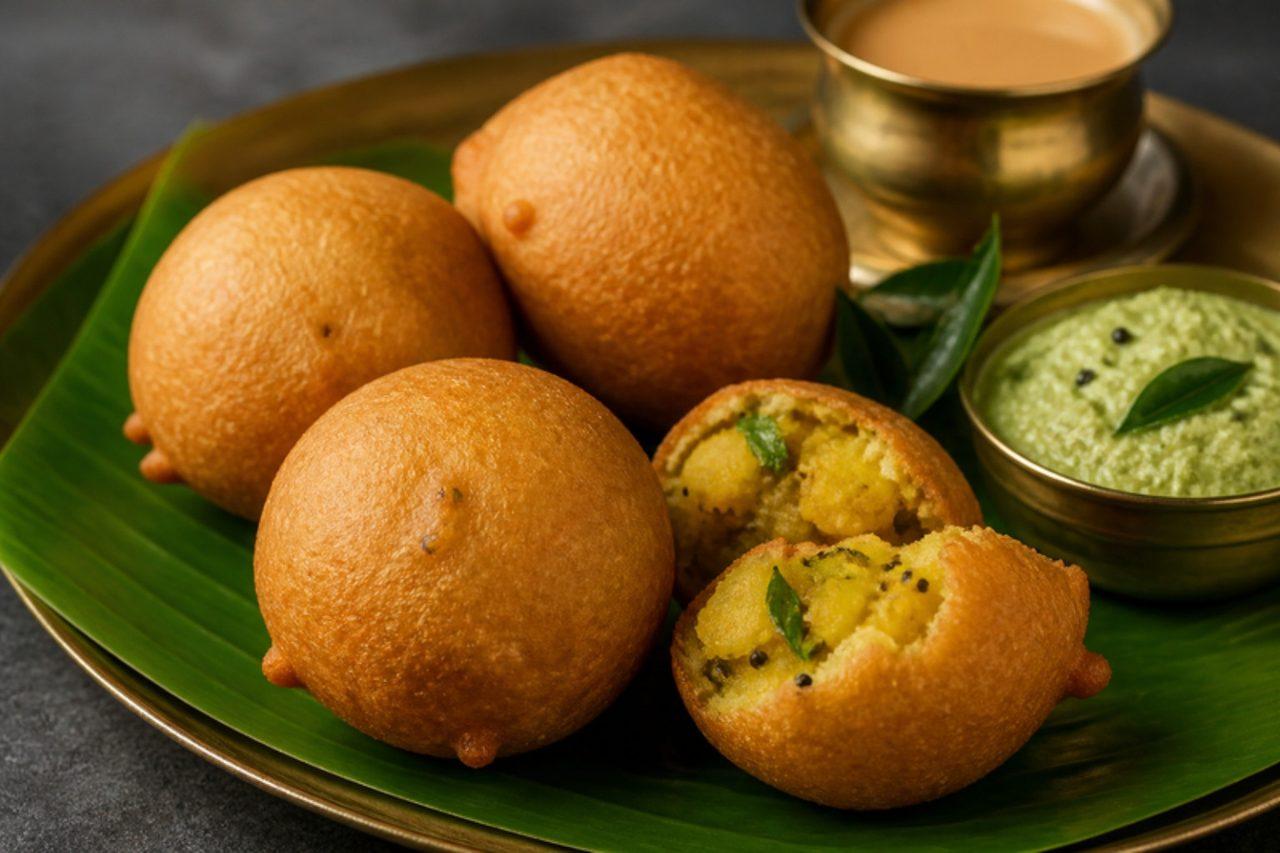
In Karnataka and across South India, aloo bonda are fried at home on rainy afternoons and sold in every darshini café, and children come home from school to a plate of them with coconut chutney and tea for the grown-ups. Soft potato with mustard seeds, curry leaves and ginger is wrapped in a golden, crisp gram-flour coat. For children, the green chilli can be cut right back. Gram flour is gluten free, but asafoetida often contains wheat, so check the label. Chef's tip: the batter should coat a spoon thickly, like pancake batter; too thin and it slides off the potato in the oil.

by KrazyBadal 0 views

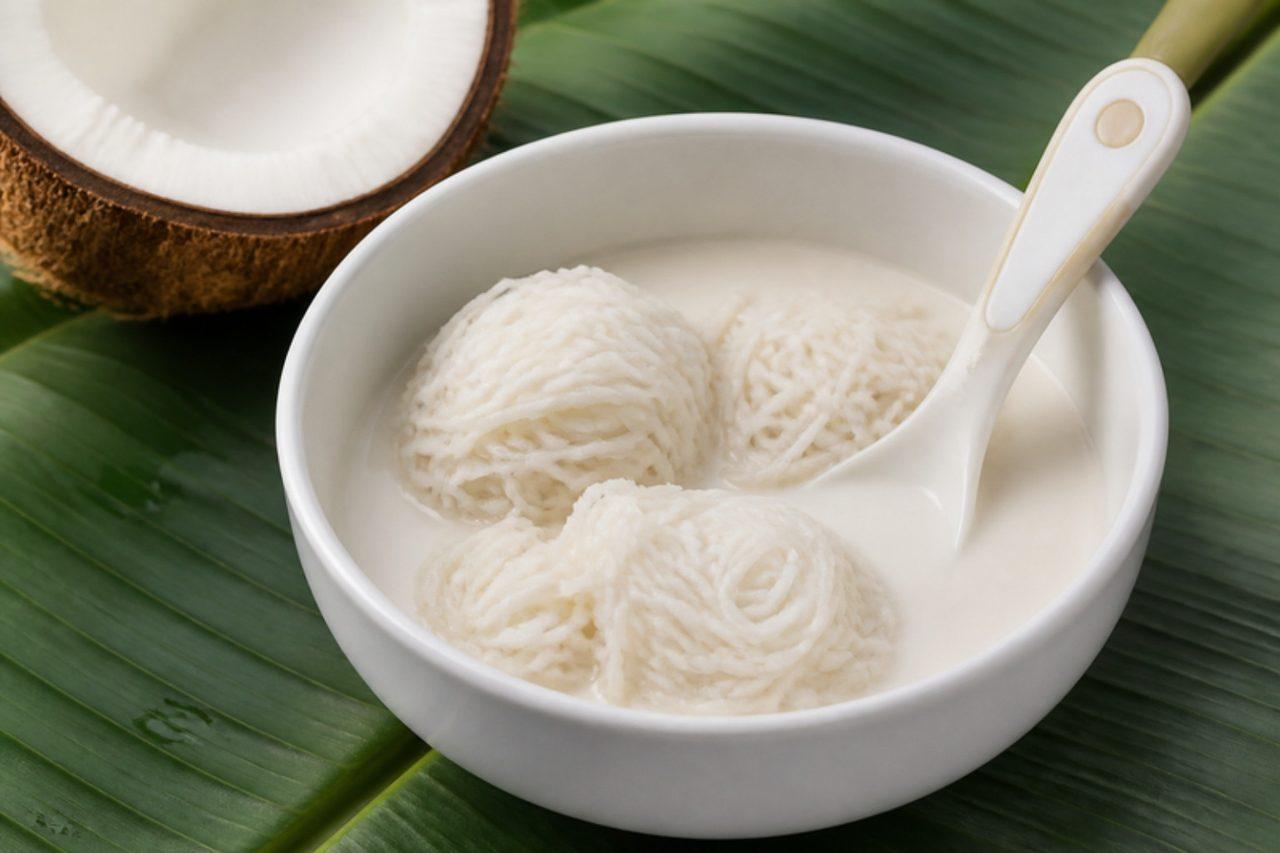
Idiyappam with coconut milk

Idiyappam, lacy nests of rice noodles pressed and steamed, is a breakfast across Kerala and Tamil Nadu, and soaked in fresh coconut milk it is one of the first 'proper' foods many South Indian babies eat, from about nine months. The strands are soft, a little springy and taste of sweet coconut. Grown-ups add salt to the dough and children over one often have a little jaggery stirred into the coconut milk; for babies both are left out. It has none of the common allergens (milk, egg, gluten, peanut, tree nuts, soya, sesame, fish), though coconut can rarely cause a reaction. Chef's tip: the water must be at a rolling boil when it hits the flour, or the dough is crumbly and won't press.

by KrazyBadal 0 views

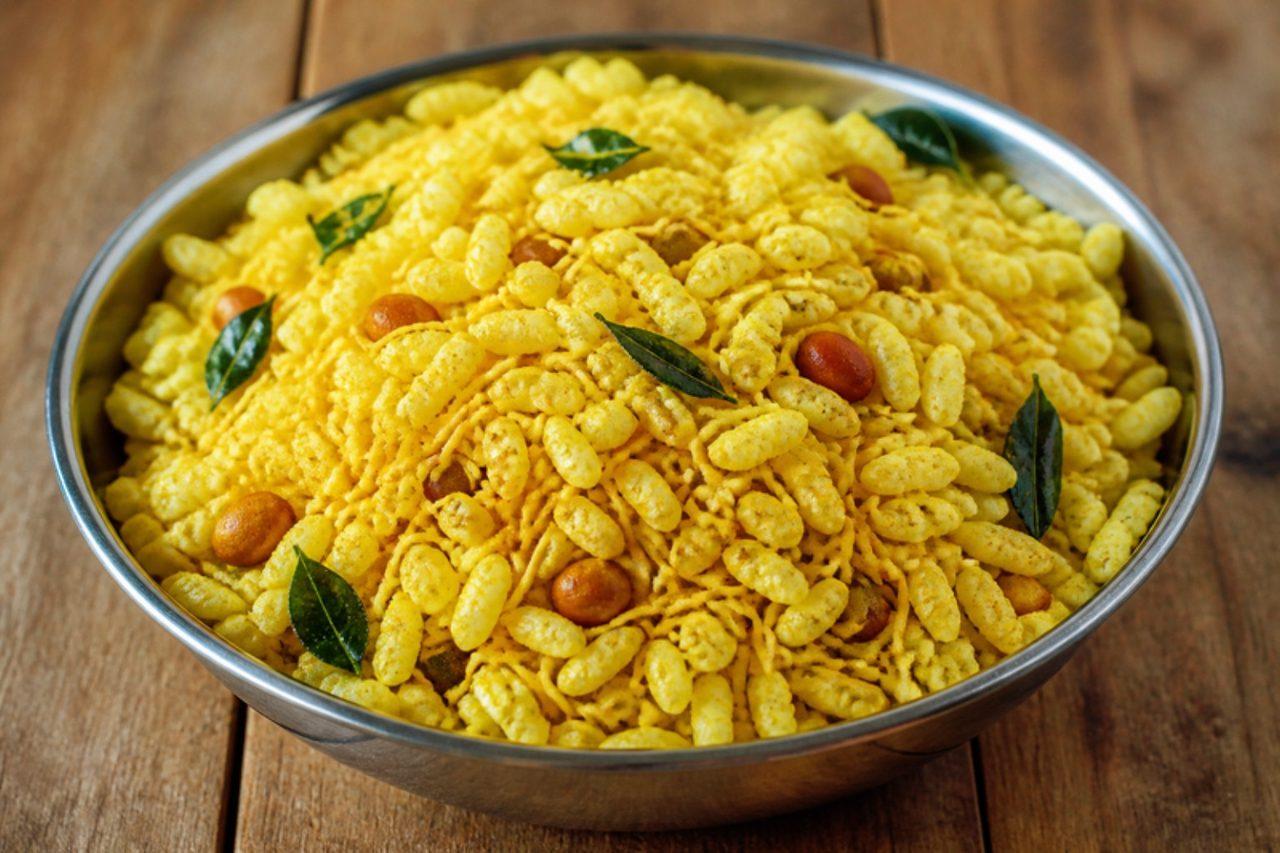
Sev mamraPuffed rice snack mix

In Gujarati homes from Ahmedabad to Surat, a big steel tin of sev mamra is always ready for children coming home from school, unexpected guests and train journeys. Puffed rice is tossed in a little hot oil with turmeric, curry leaves and peanuts until crisp, then mixed with fine gram-flour sev for a savoury, mildly tangy crunch. A pinch of sugar is traditional; it is optional here. It contains peanuts. Whole peanuts are a choking risk for under-5s, so leave them out or crush them for little ones. Chef's tip: warm the puffed rice in the pan for a few minutes first; even slightly stale mamra turns crisp again.

by KrazyBadal 0 views

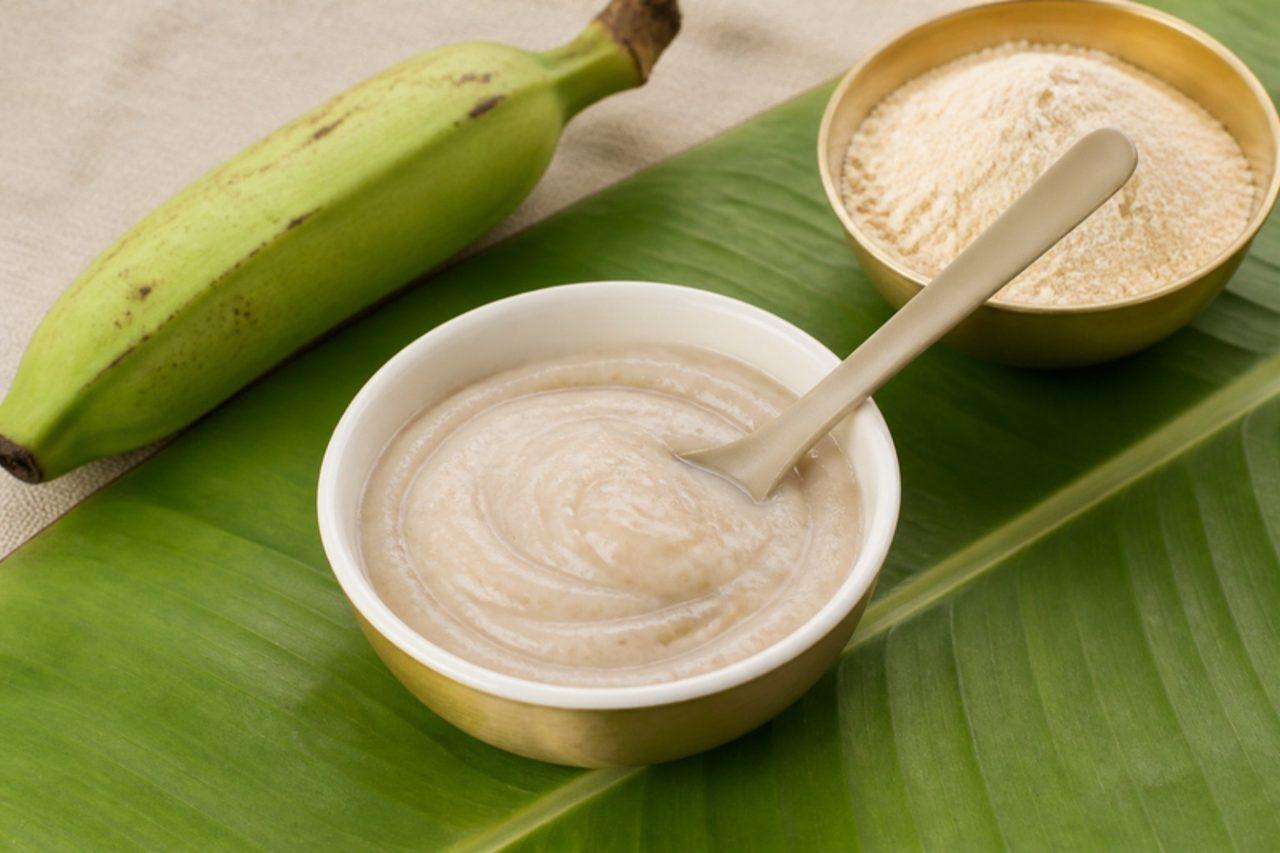
Nendran banana powder kurukku (ethakka podi kurukku)

In Kerala, families dry slices of raw nendran banana in the sun, grind them to a cream-coloured flour and cook it into kurukku, a smooth, thick porridge that has been a baby's first food in the state for generations. It is usually given mid-morning, and grandmothers often keep a jar of home-made ethakka podi for each new grandchild. It tastes gently sweet and slightly earthy. It contains none of the common allergens (milk, egg, gluten, peanut, tree nuts, soya, sesame, fish). Chef's tip: to make the powder at home, peel raw nendran bananas, slice them thinly, dry them in a low oven or the sun until brittle, then grind and sieve.

by KrazyBadal 0 views

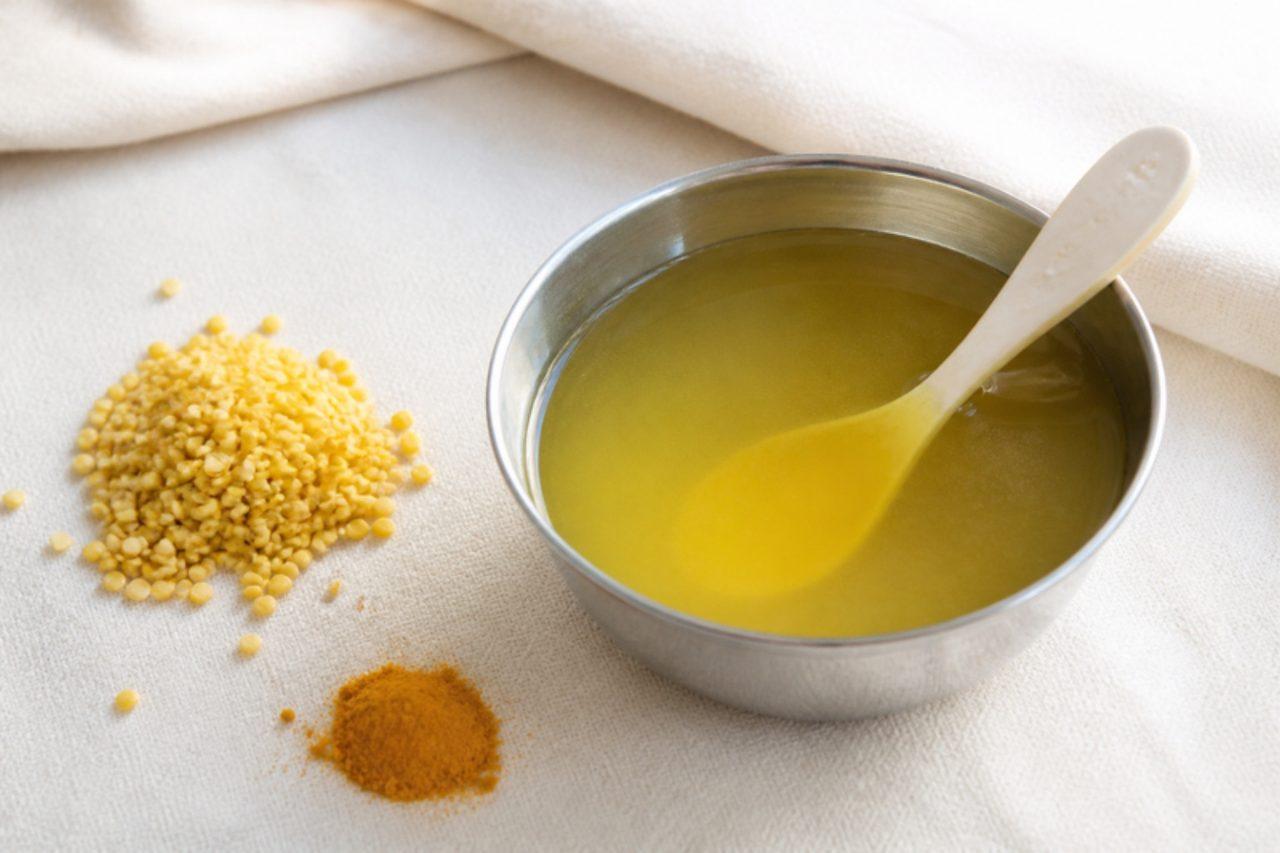
Moong dal water for babies

In North Indian homes, moong dal ka pani is often the first thing other than milk a baby tastes, spooned from a steel katori at lunchtime while the family eats dal-chawal. Split yellow moong is cooked until it falls apart with a pinch of turmeric, then the thin top liquid is strained off; over the following weeks more of the soft dal is mashed in. It tastes mild and slightly sweet. It is free of the common allergens (milk, egg, gluten, peanut, tree nuts, soya, sesame, fish). Chef's tip: a drop of ghee can be added once your baby is used to dairy, but keep it plain at first.

by KrazyBadal 0 views

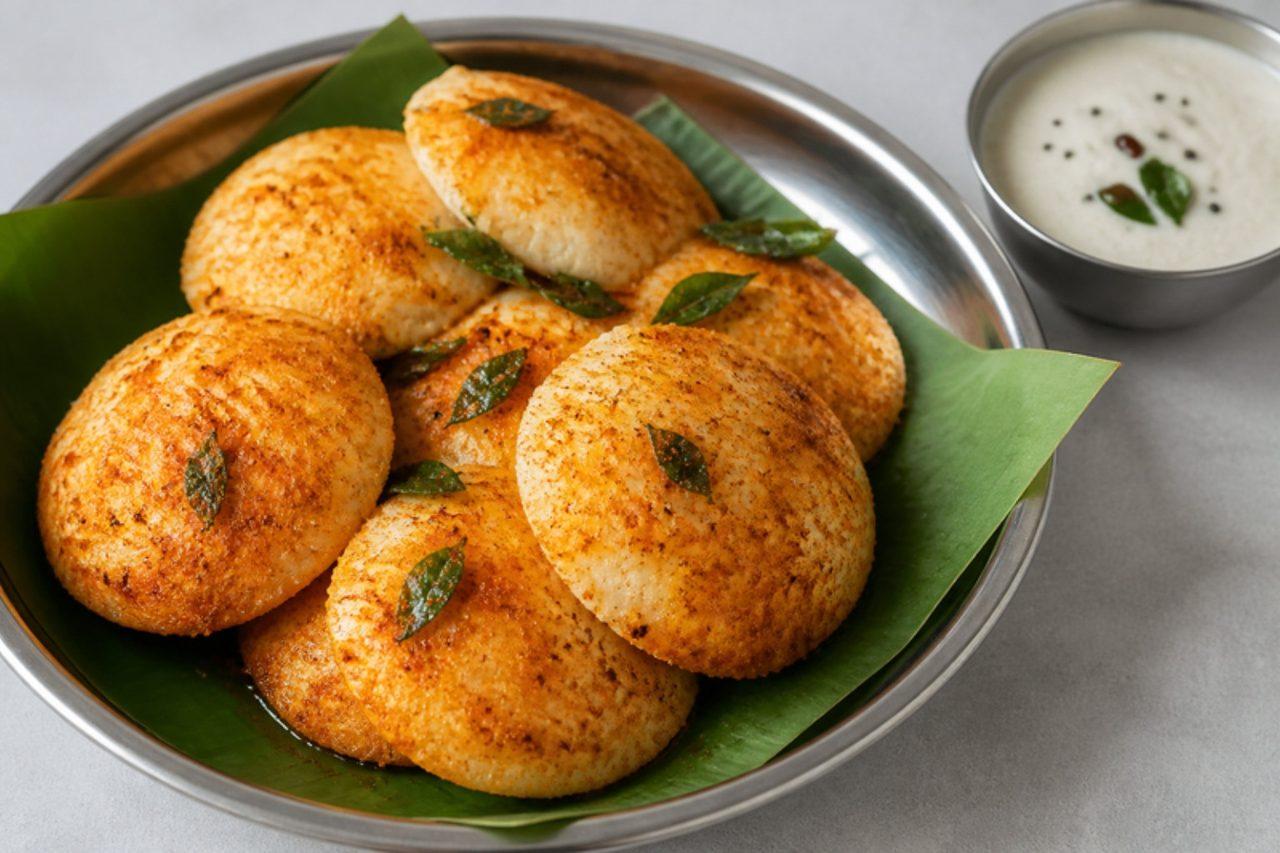
Mini podi idli

In Tamil Nadu and Karnataka, podi idli is the tiffin parents pack because it stays soft until lunch and needs no chutney: steamed mini idlis are tossed in hot sesame oil with mustard seeds, curry leaves and spicy-nutty idli podi, so every one is coated. Train travellers carry them for the same reason. It is vegan and contains sesame; check that your podi's asafoetida is gluten free if that matters. Chef's tip: let the idlis rest for 5 minutes after steaming so they firm up and don't break when you toss them.

by KrazyBadal 0 views

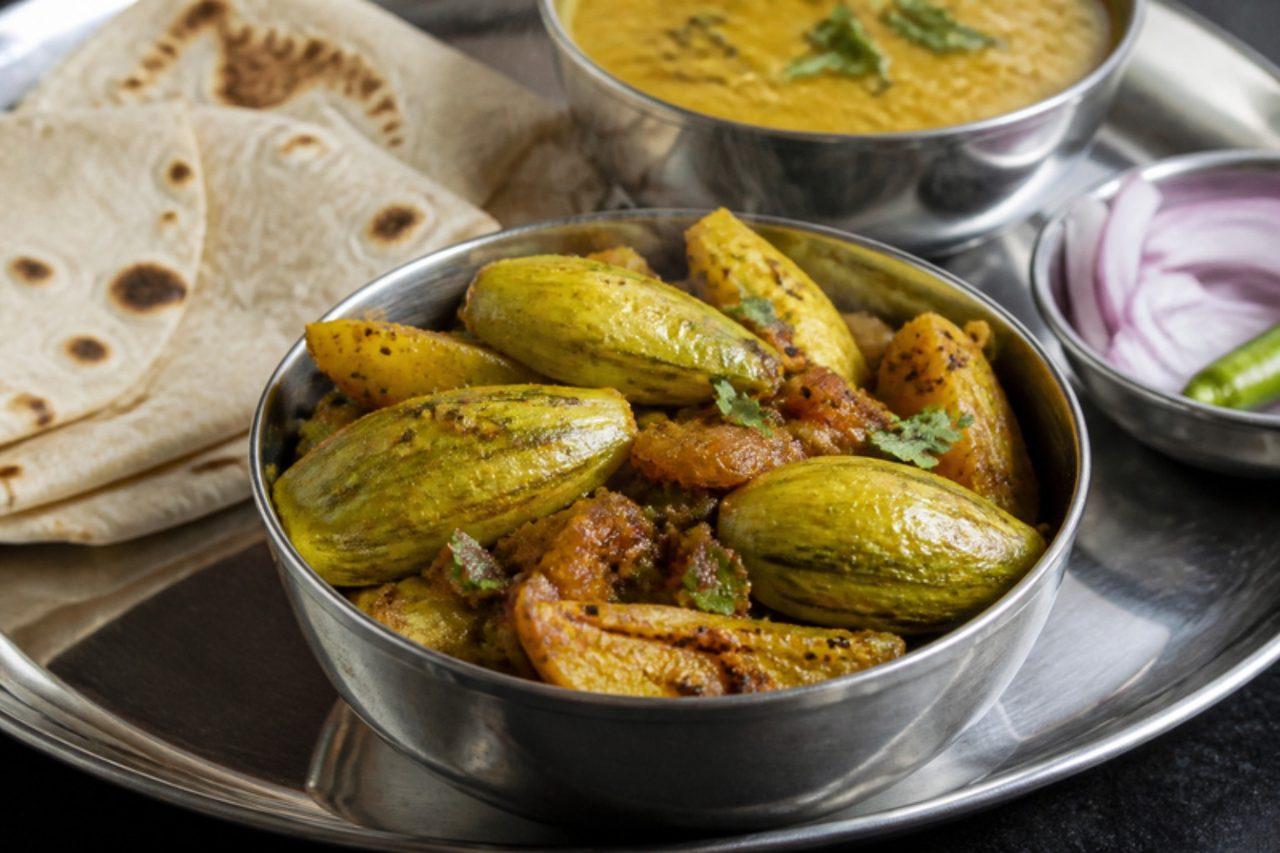
Parwal ki sabziPointed gourd and potato curry

Parwal, the small striped pointed gourd, is the summer vegetable of Patna, Varanasi and the Bhojpuri belt, and parwal-aloo is what fills the plate beside dal, rice and roti through the monsoon months. Lightly scraped gourds are halved and cooked with potato, onion, turmeric and a little garam masala until tender and golden in spots. A portion is about 140 kcal. The common mistake is peeling the parwal completely; just scrape off the rough outer skin so the halves keep their green colour and do not fall apart. Chef's tip: choose firm, bright green parwal with soft seeds; if the seeds are hard and red, scoop them out before cooking.

by KrazyBadal 0 views

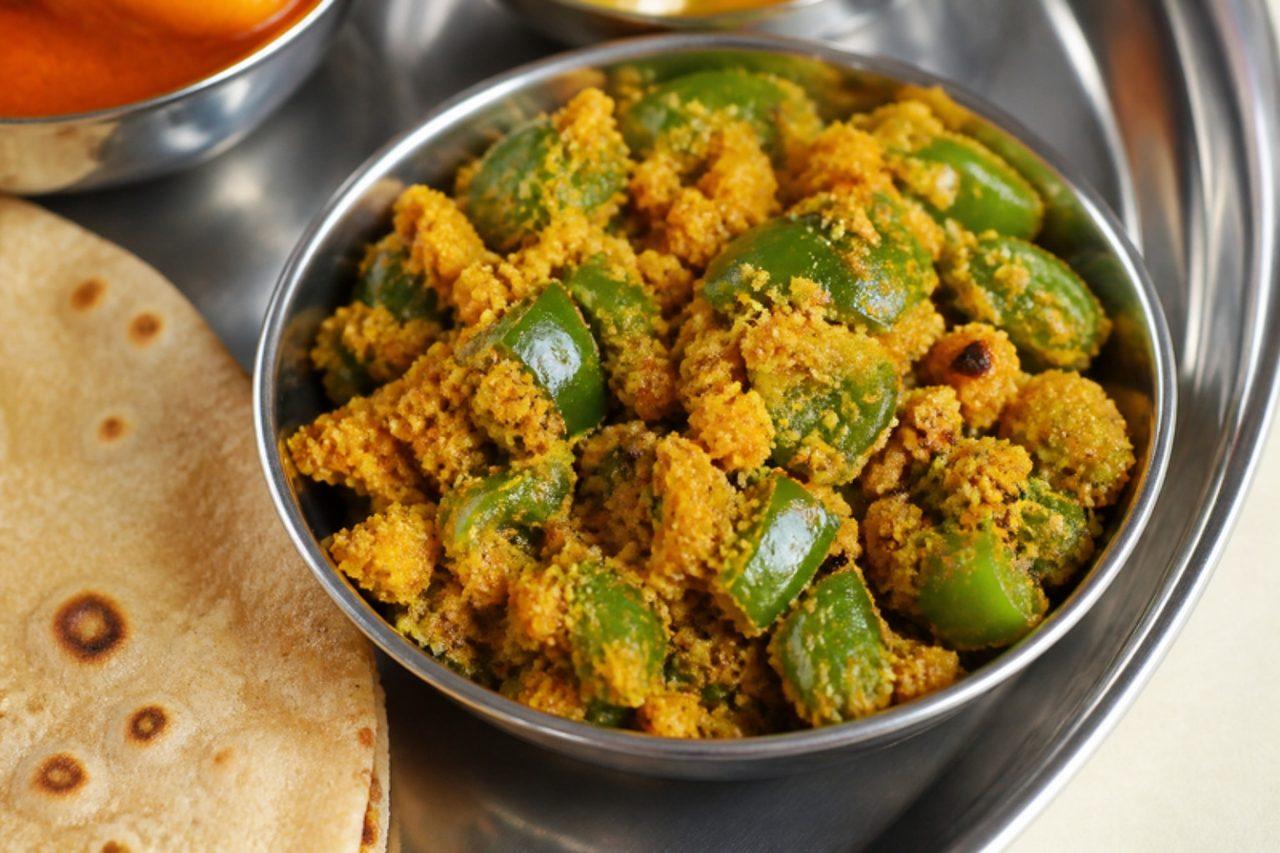
Shimla mirch besanCapsicum with gram flour

In Marwari homes in Jodhpur and Bikaner, and across Vidarbha in Maharashtra, gram flour stretches a few vegetables into a satisfying dry sabzi, and capsicum with besan is the weekday favourite, eaten with phulka and a bowl of kadhi or dal. Diced green peppers are cooked until just soft, then dusted with roasted, spiced besan, which turns into crumbly golden bits that cling to the peppers. A portion is about 165 kcal. The common mistake is adding the besan raw to the wet peppers, which gives a pasty, raw-tasting coating; roast it dry in a separate pan first until it smells nutty. Chef's tip: keep the capsicum slightly crunchy; it carries on softening once the besan goes in.

by KrazyBadal 0 views

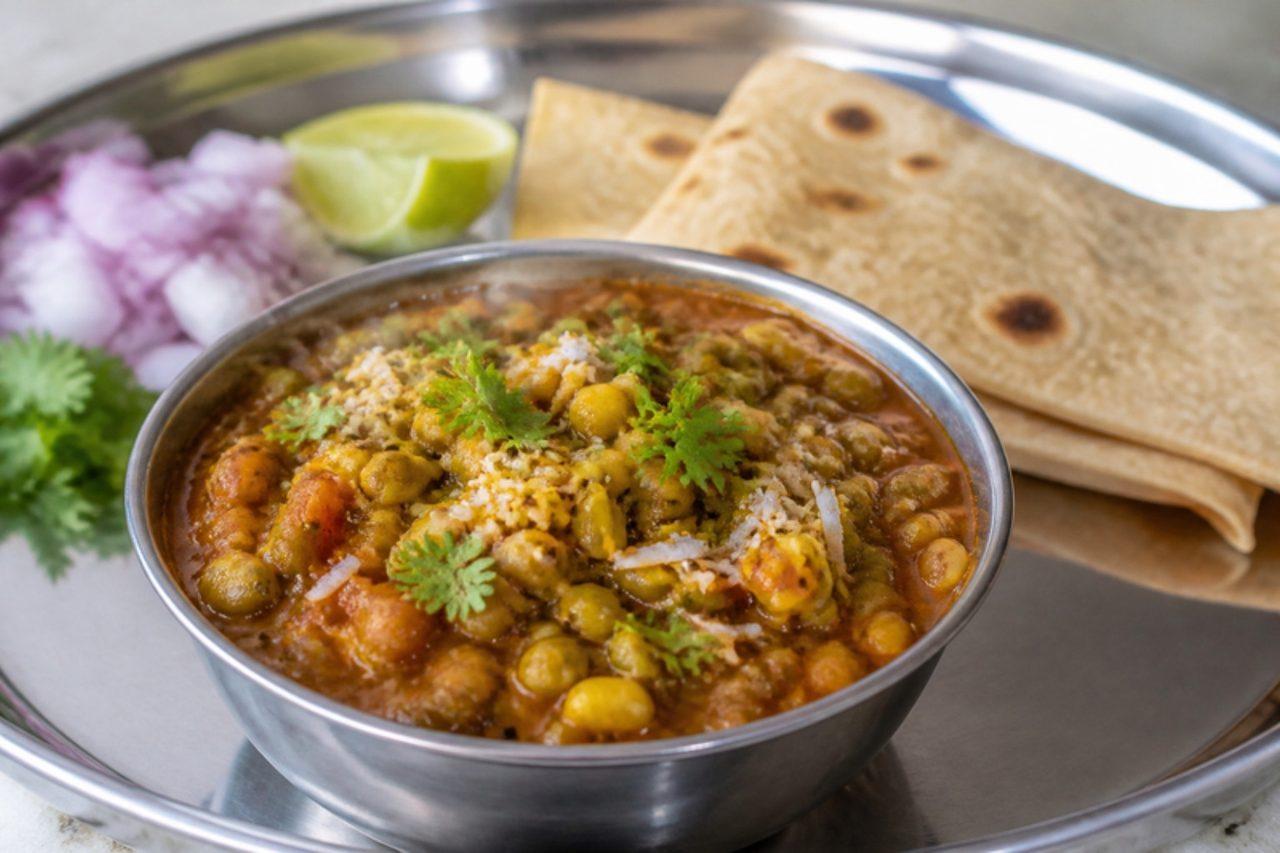
Matki usalSprouted moth bean curry

Every Marathi kitchen from Pune to Kolhapur keeps a jar of matki, the small brown moth beans, sprouting on the counter, and a bowl of usal is what turns up with chapati or bhakri at a weekday lunch, or topped with farsan as misal on Sundays. The sprouts stay slightly firm in a thin, spicy gravy flavoured with goda masala, the sweet-smoky spice mix of Maharashtra, and a little fresh coconut. A portion is about 230 kcal. Sprouting takes 2 days (soak overnight, then leave wrapped in a cloth for 24–36 hours), which is not counted in the times. The common mistake is overcooking the sprouts until they split and go mushy; they should hold their shape and still have a slight bite. Chef's tip: add a teaspoon of jaggery and a few kokum petals at the end; the gentle sweet-sour balance is what makes usal taste Maharashtrian.

by KrazyBadal 0 views

UlavacharuHorse gram soup

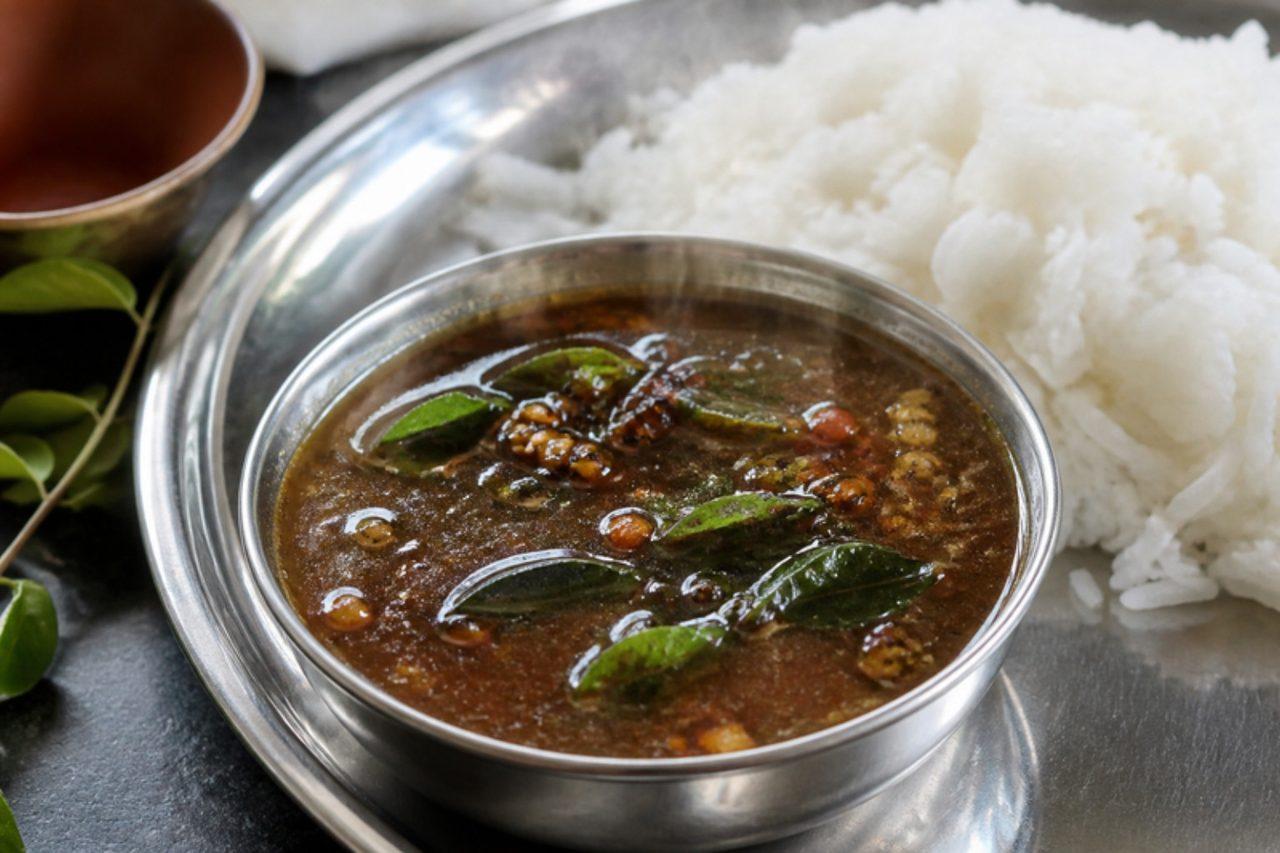
Horse gram (ulavalu) was once the grain fed to horses and the poorest farmers in the dry Rayalaseema and Krishna districts; today ulavacharu is a prized dish in Vijayawada restaurants, served with hot rice, a dot of ghee for those who eat it and fresh cream in the fancier places. The beans are boiled for a long time, and their dark, earthy cooking liquid is simmered down with tamarind, jaggery and spices into a thick, glossy, sweet-sour soup. A portion is about 210 kcal. The beans need soaking overnight first. The most common mistake is throwing away the cooking water: it is the soup. Chef's tip: let ulavacharu reduce slowly until it coats a spoon like thin gravy; that thick, almost syrupy finish is what separates it from rasam.

by KrazyBadal 0 views

Showing 48 of 681 recipes

Show more recipes

Page 8 of 29

More collections