Skip to content

Vegan Indian recipes

Indian dishes with no dairy, ghee, eggs or meat. (551 recipes)

Bagara bainganBaby aubergines in peanut sesame sauce

Bagara baingan is a Hyderabadi wedding dish of small aubergines cooked whole in a dark, tangy gravy of roasted peanuts, sesame, dried coconut and tamarind. Unlike a Gujarati stuffed brinjal, the aubergines here are only quartered at the base and fried until silky, then left to soak up a thin-but-rich sauce that is finished with a tempering, the 'baghar' that gives the dish its name. It's sour, nutty and gently spiced, and is served with biryani, bagara rice or plain rice. Chef's tip: choose small, glossy purple aubergines that feel heavy for their size; soft, light ones are full of seeds and turn mushy before the gravy has a chance to cling.

by KrazyBadal 2 views
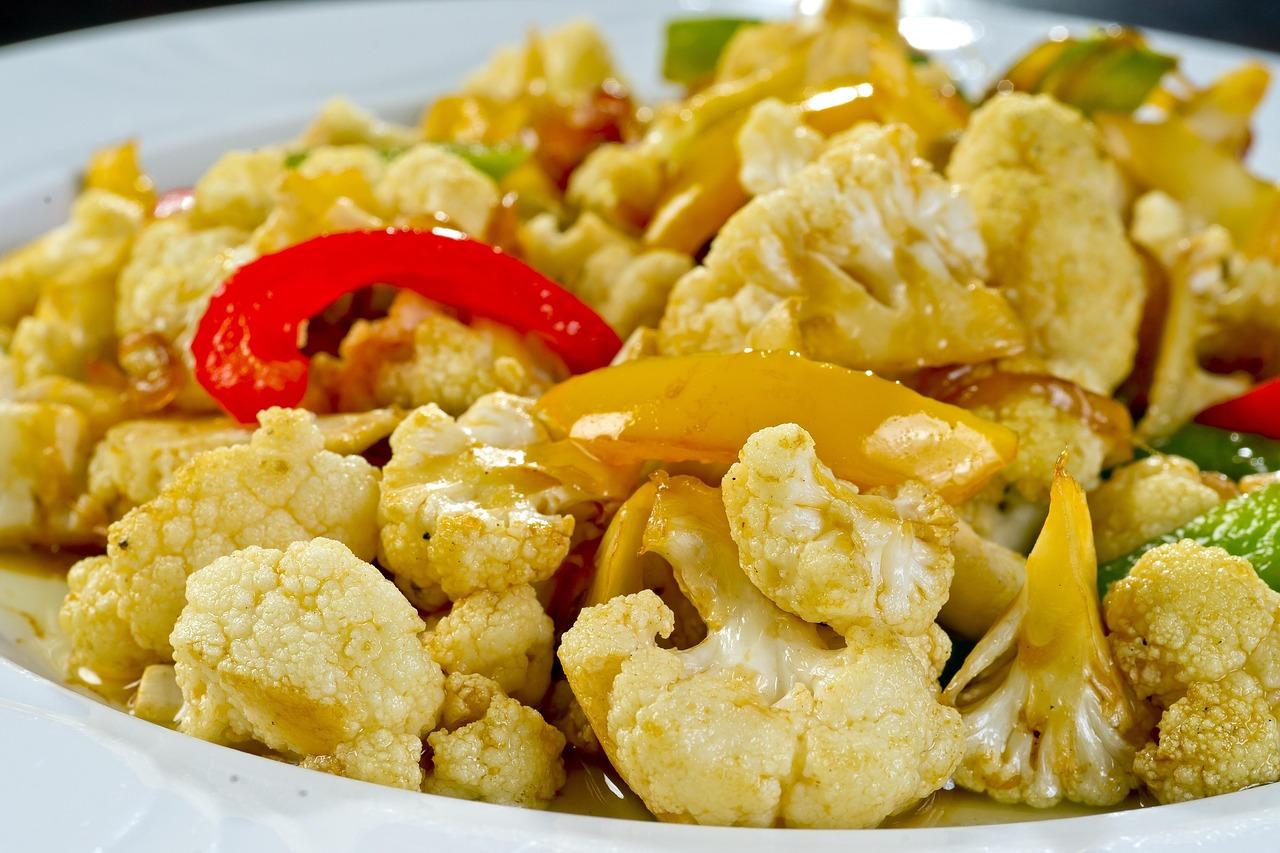
Sabudana khichdiSago with peanuts and potato

Sabudana khichdi is the dish that sees Maharashtra through every vrat (fast), from Navratri to Ekadashi, but it's so good that people eat it any day of the week. Soaked sago pearls are tossed in a pan with crushed roasted peanuts, cubes of potato, cumin and green chilli until each pearl turns glassy and separate, then finished with lemon and coriander. It's soft, chewy, nutty and gently hot. Fasting rules vary from family to family, so check yours; this version uses rock salt and no asafoetida, onion or garlic. Traditionally it's cooked in ghee; use ghee instead of oil if you aren't keeping it vegan. Chef's tip: soak the sago in just enough water to cover by the height of the pearls themselves, no more; too much water is the reason khichdi turns into one sticky lump.

by KrazyBadal 2 views
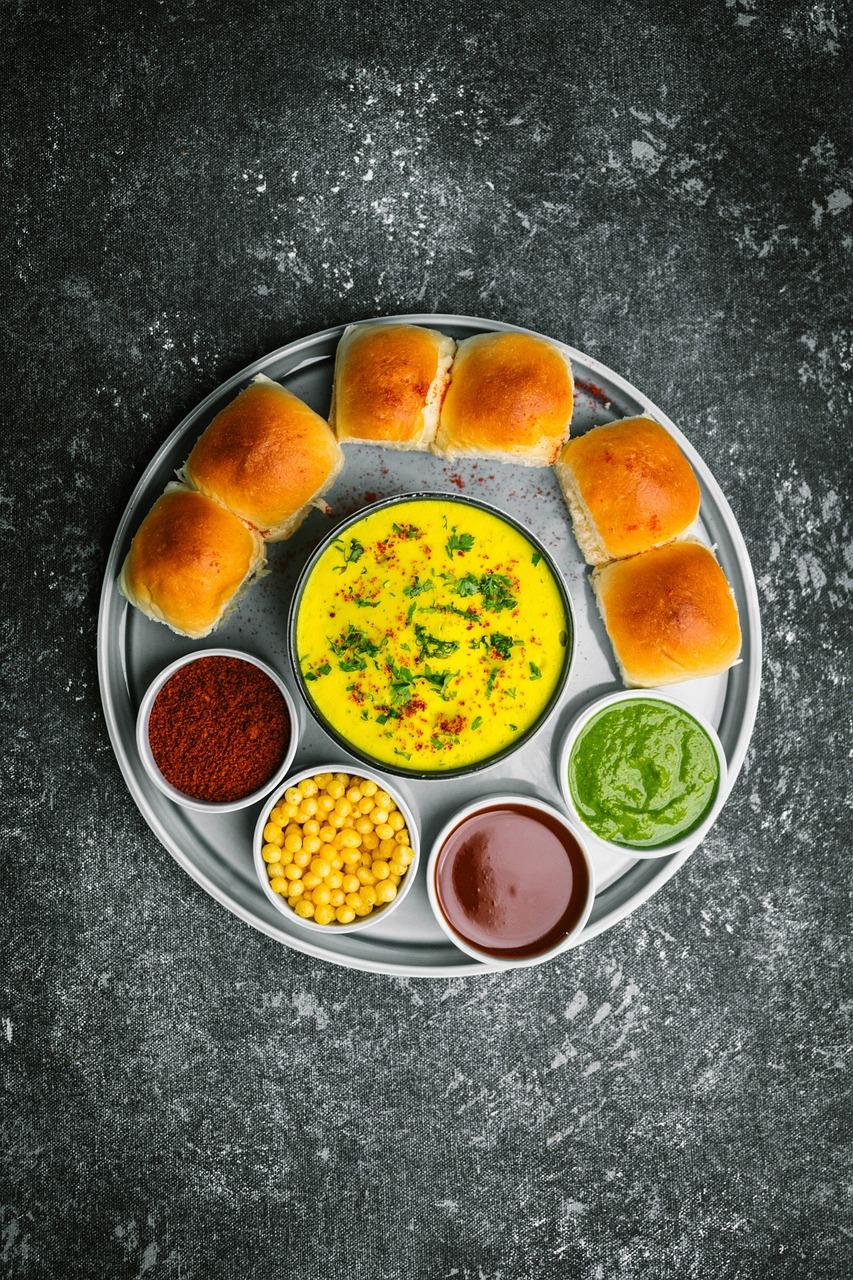
Masala khakhraCrisp roasted wheat crackers

Khakhra are thin chapaties roasted slowly on a griddle until they turn crisp, like a cracker. This masala version adds gram flour, fresh fenugreek, turmeric and chilli to the wheat dough. They are a light Gujarati breakfast or tea-time snack, and lovely with pickle, chutney or a smear of butter. You can also make them in a roti maker.

by KrazyBadal 2 views
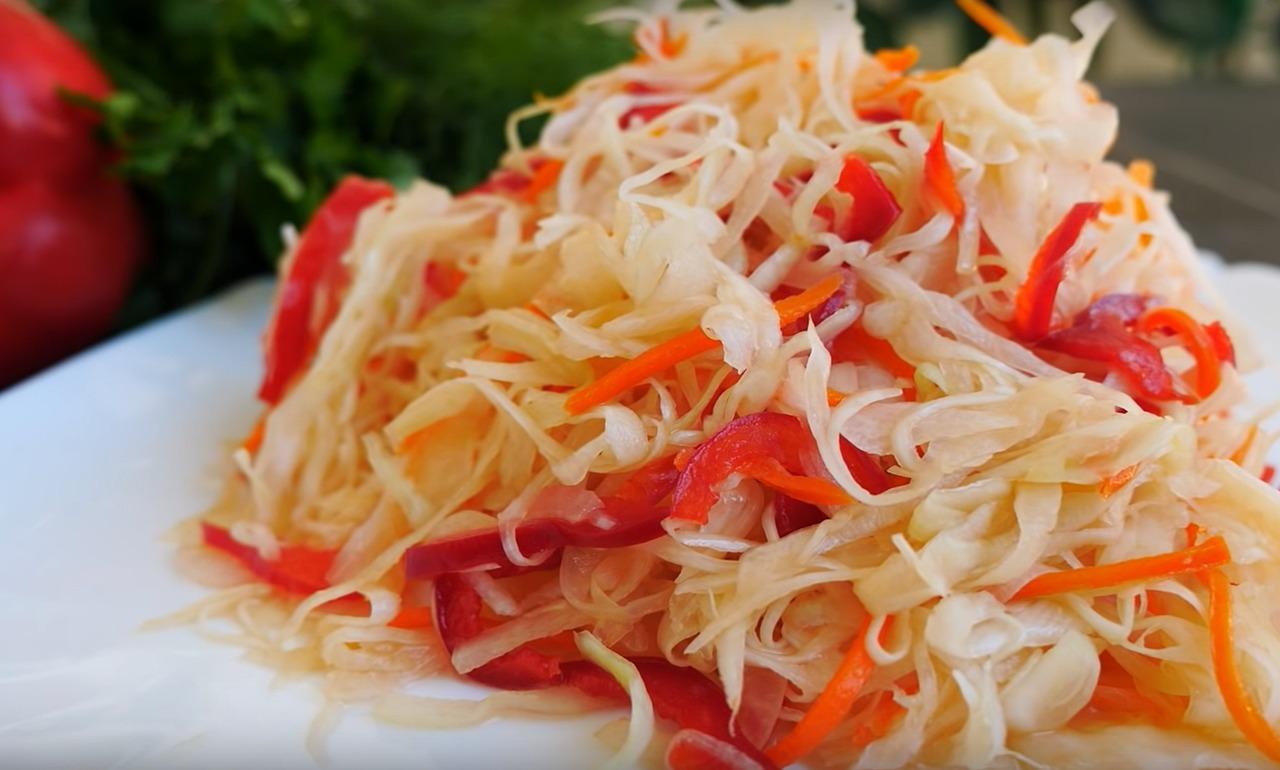
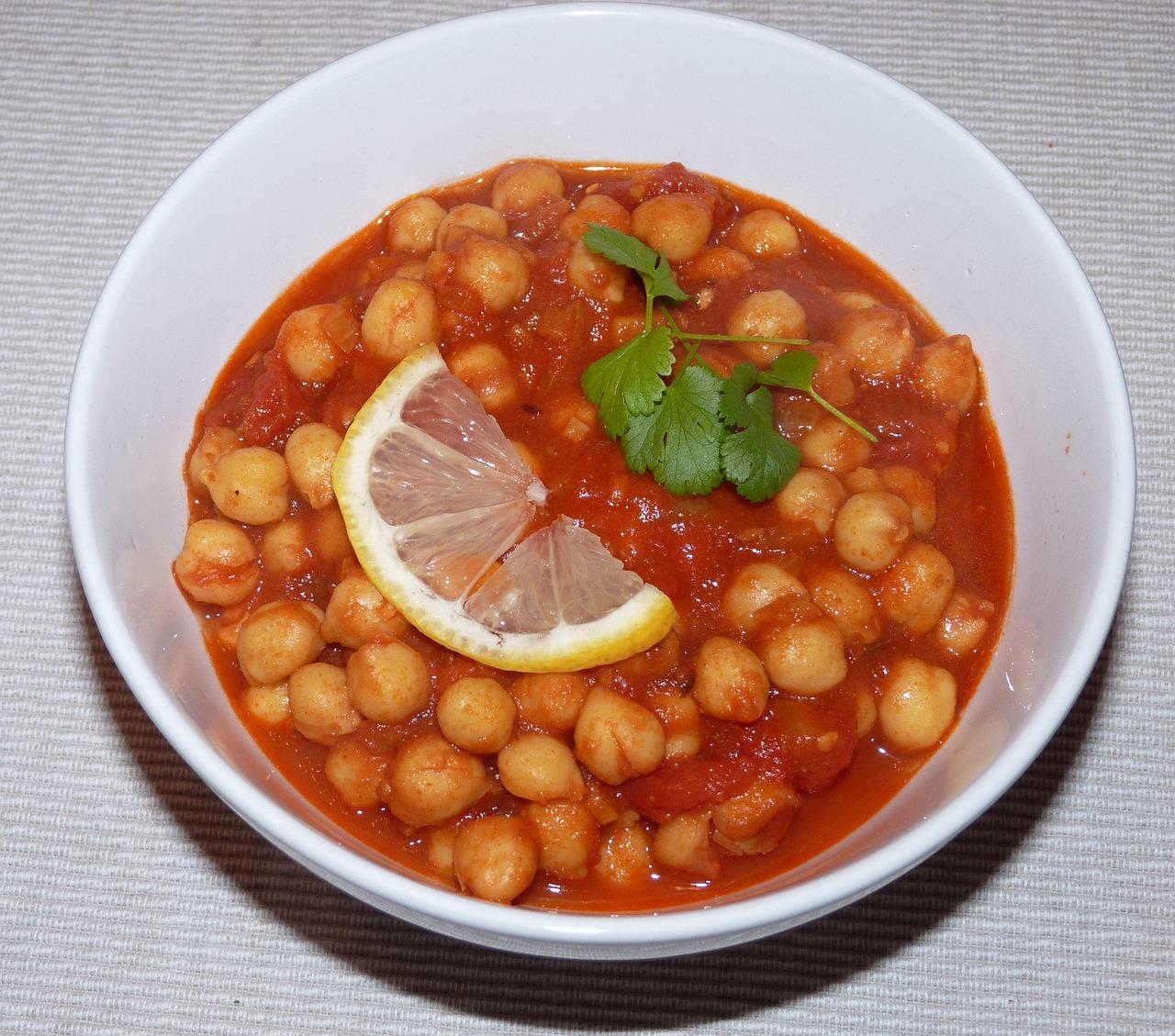
Chana masala

A North Indian staple that comes together from the store cupboard. Toasted cumin, slow-softened onion and a good spoonful of garam masala give tinned chickpeas real depth. Serve with rice, naan or a stack of warm rotis.

by KrazyBadal 2 views
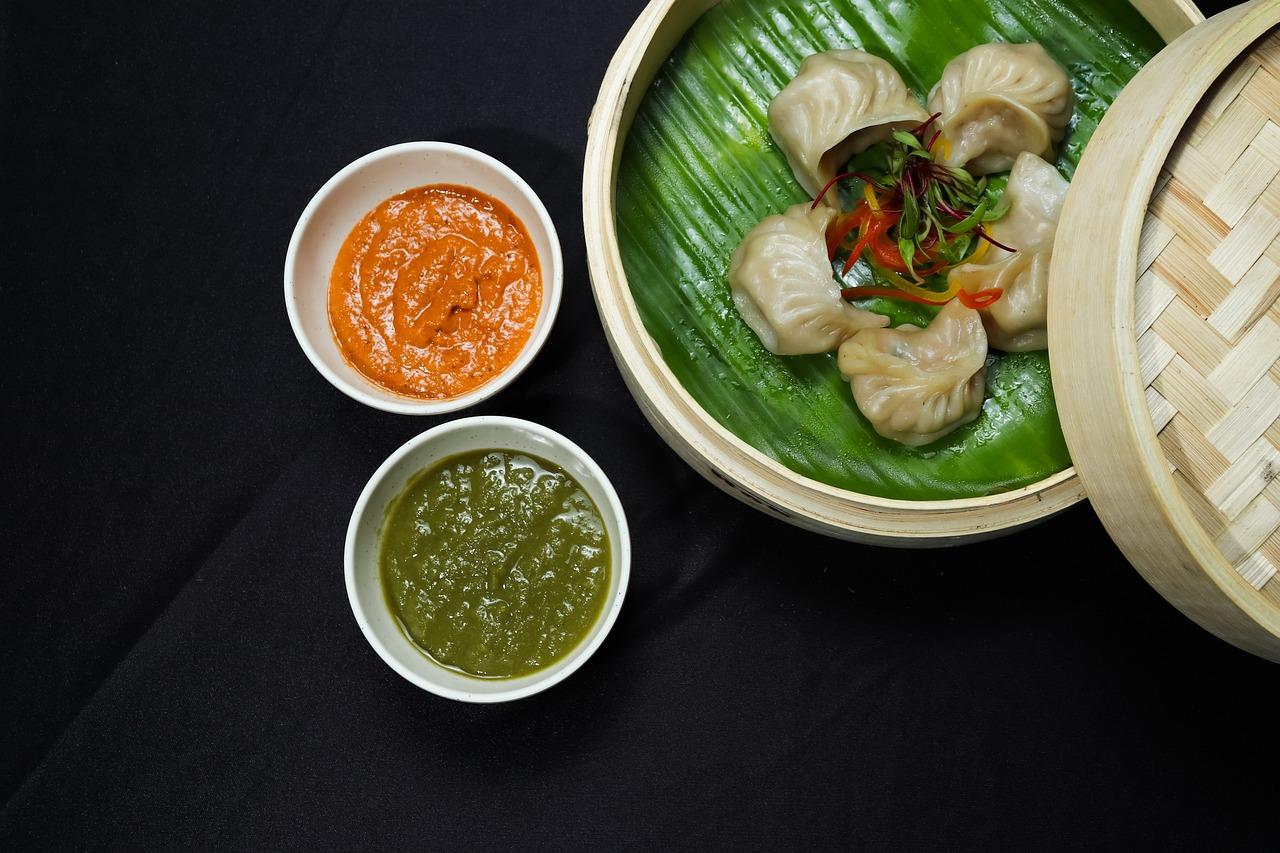
Aam pannaRaw mango cooler

When the first hard green mangoes arrive in April, kitchens from Lucknow to Pune start boiling them for panna. The cooked pulp is blended with roasted cumin, black salt, mint and sugar or jaggery into a thick concentrate that keeps in the fridge for a week, then diluted glass by glass with cold water. Grandmothers swear by it against loo, the hot dry wind of a North Indian summer, and in Maharashtra the same drink, called kairi panha, is served to guests at Gudi Padwa and haldi-kumkum gatherings. It tastes sour first, then sweet, then smoky from the cumin. A common mistake is using mangoes that have begun to ripen and turn yellow: the panna tastes flat and fruity rather than bracing, so pick firm, green, sour ones. Chef's tip: pressure cooking the mangoes whole in their skins keeps the pulp pale and fragrant; scraping too close to the skin and stone adds bitterness.

by KrazyBadal 1 views
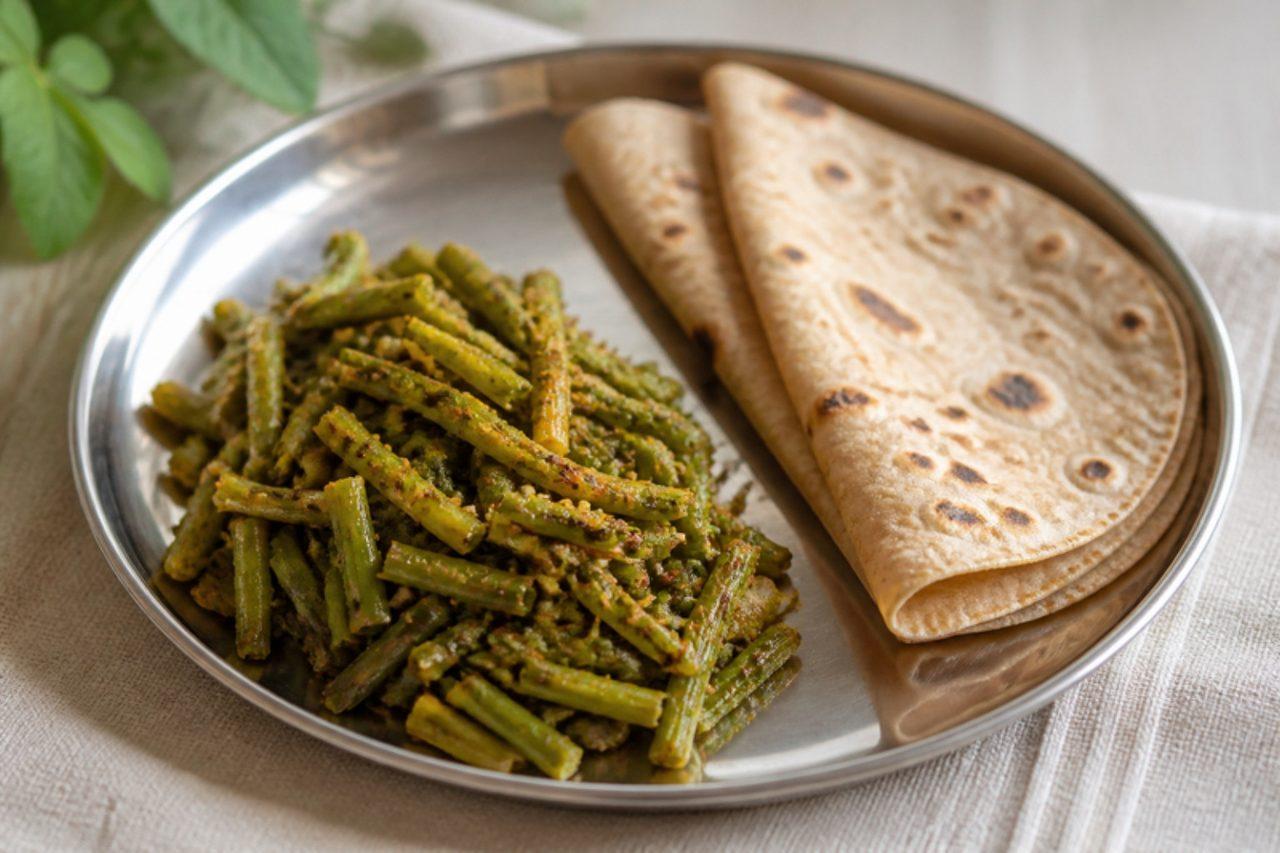
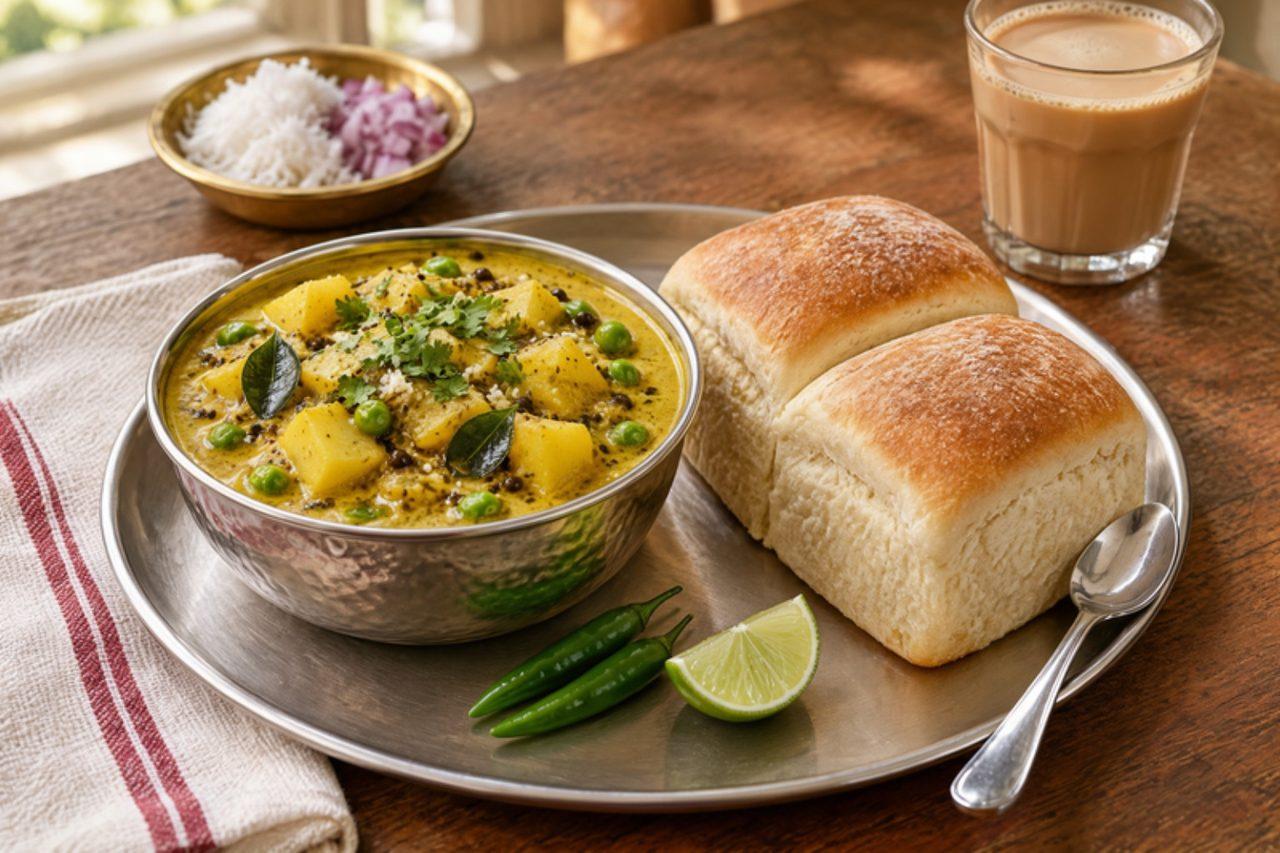
Goan bhaji paoPotato curry with bread rolls

Long before the cafés open their doors, Goan tea shops in Panaji, Mapusa and Margao are ladling out bhaji pao for workers and school children. This is not Mumbai's mashed pav bhaji: the Goan bhaji is a loose curry of potato and dried green peas in a roasted coconut masala, eaten by tearing fresh, soft pao and scooping it up, often with a cup of sweet milky tea. The mistake people make is grinding the coconut raw; it must be roasted until reddish-brown with the onion and spices, or the curry tastes flat. Chef's tip: soak the dried peas overnight and cook them separately until creamy, then they drink up the masala without going mushy.

by KrazyBadal 1 views
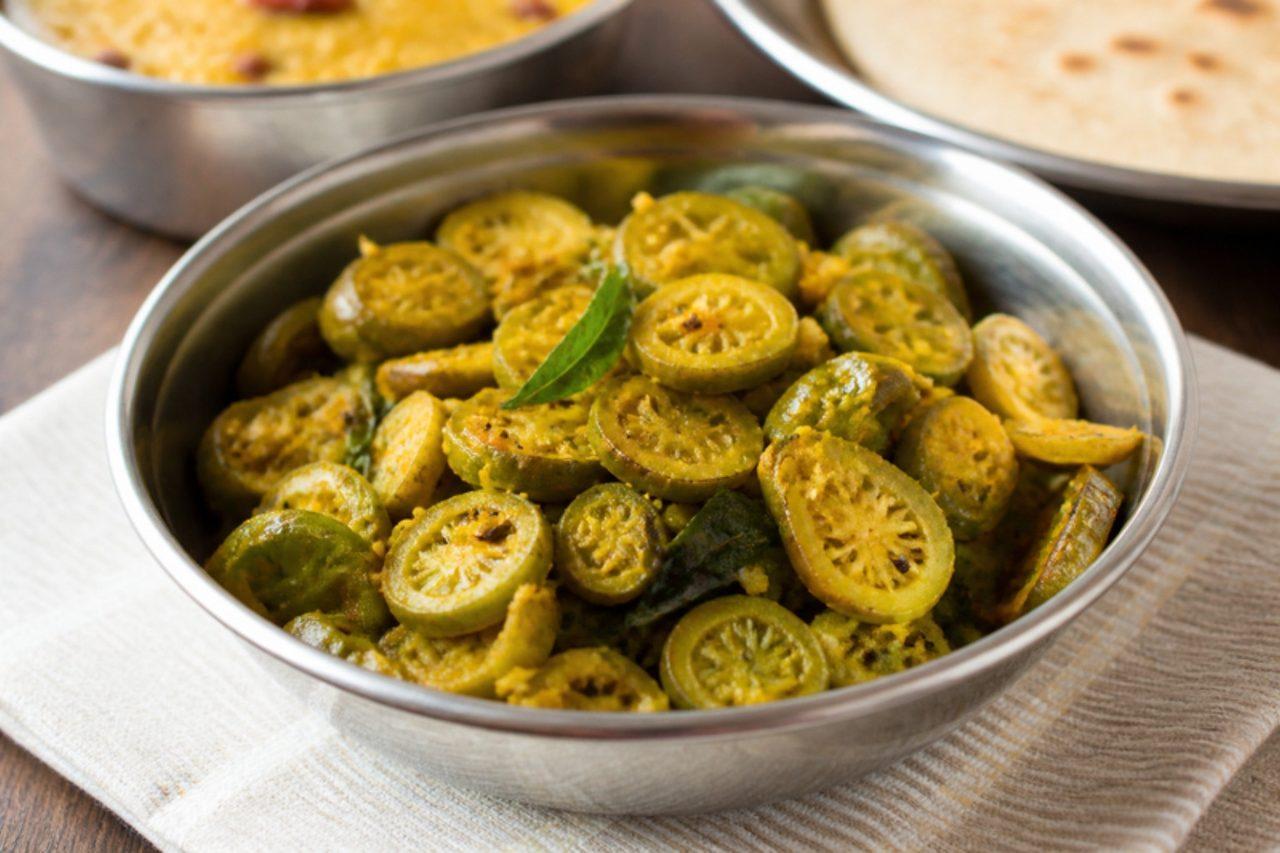
Alu chi patal bhajiColocasia leaf curry

No Maharashtrian festive thali, at Ganesh Chaturthi, a wedding or a naming ceremony, feels complete without a bowl of aluchi patal bhaji: chopped colocasia leaves stewed soft with chana dal and peanuts in a thin curry that is sour with tamarind, sweet with jaggery and thickened with a spoon of gram flour. It is eaten mixed into rice or sipped from the thali. Colocasia leaves must be cooked thoroughly with an acid like tamarind; undercooked leaves make the throat itch. The usual mistake is skimping on the cooking time to save the bright green colour; the leaves should be fully soft and olive-green. Chef's tip: soak the peanuts and chana dal for at least 2 hours, so they cook in the same time as the leaves.

by KrazyBadal 1 views
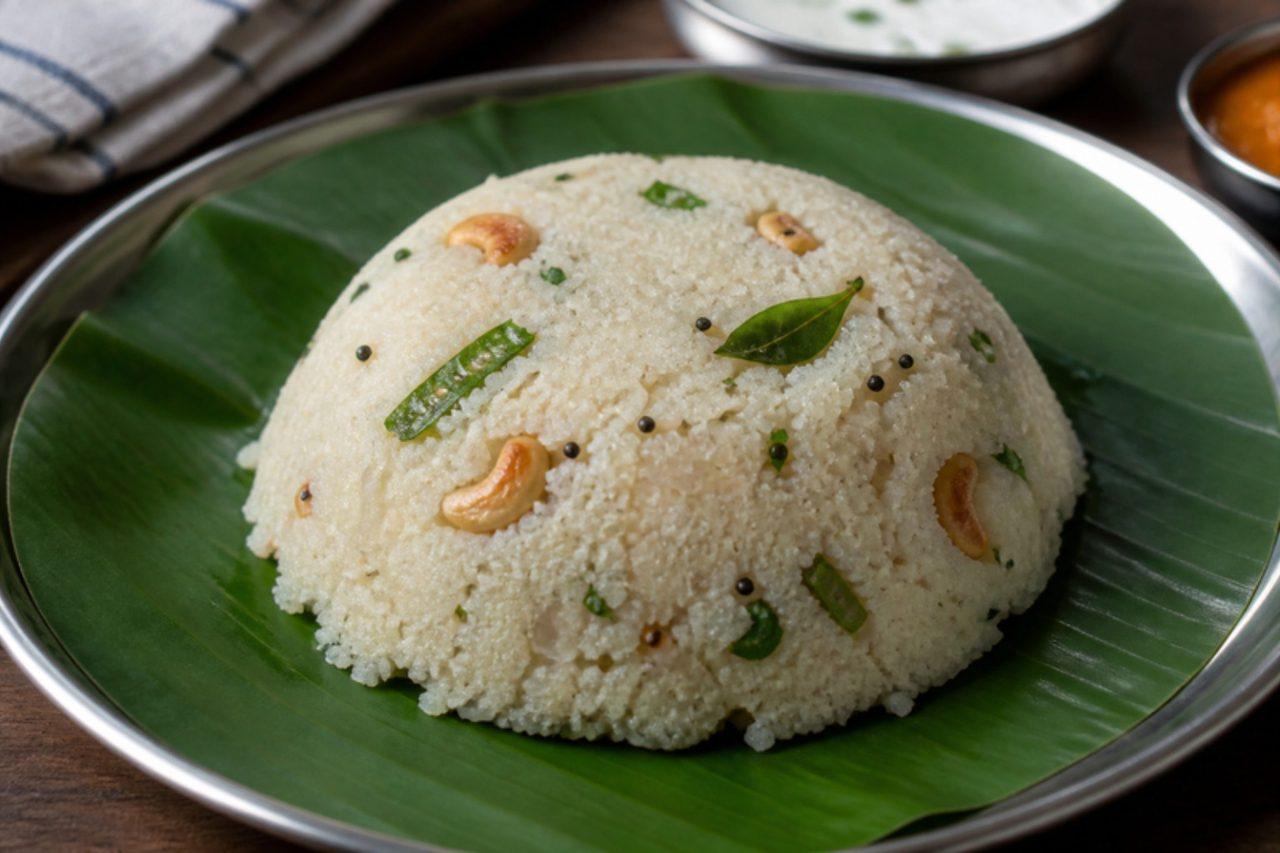
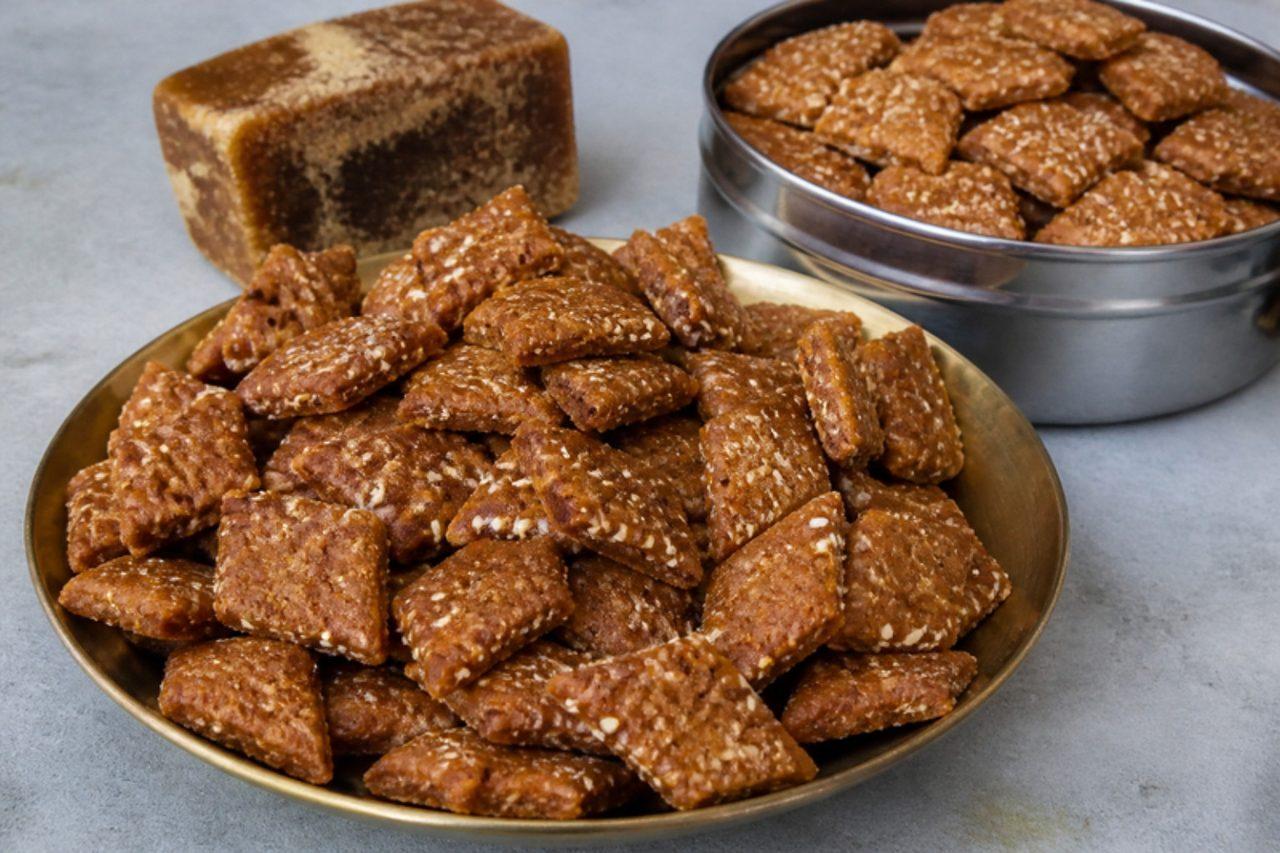
KhurmiWheat and jaggery biscuits

Khurmi are the sweet half of Chhattisgarh's Teeja-Pola festival snacks, made in big batches alongside the salty thethri. The dough is wheat flour and a little semolina bound with melted jaggery, studded with sesame and coconut, then cut into diamonds or pressed into small patterned shapes and fried until dark gold. They have a hard, crunchy bite and a deep caramel flavour, and they last for weeks in a steel dabba, ready for visitors and children back from school. Chef's tip: cool the jaggery water to lukewarm before kneading; hot jaggery makes a slack dough that spreads and soaks up oil.

by KrazyBadal 1 views
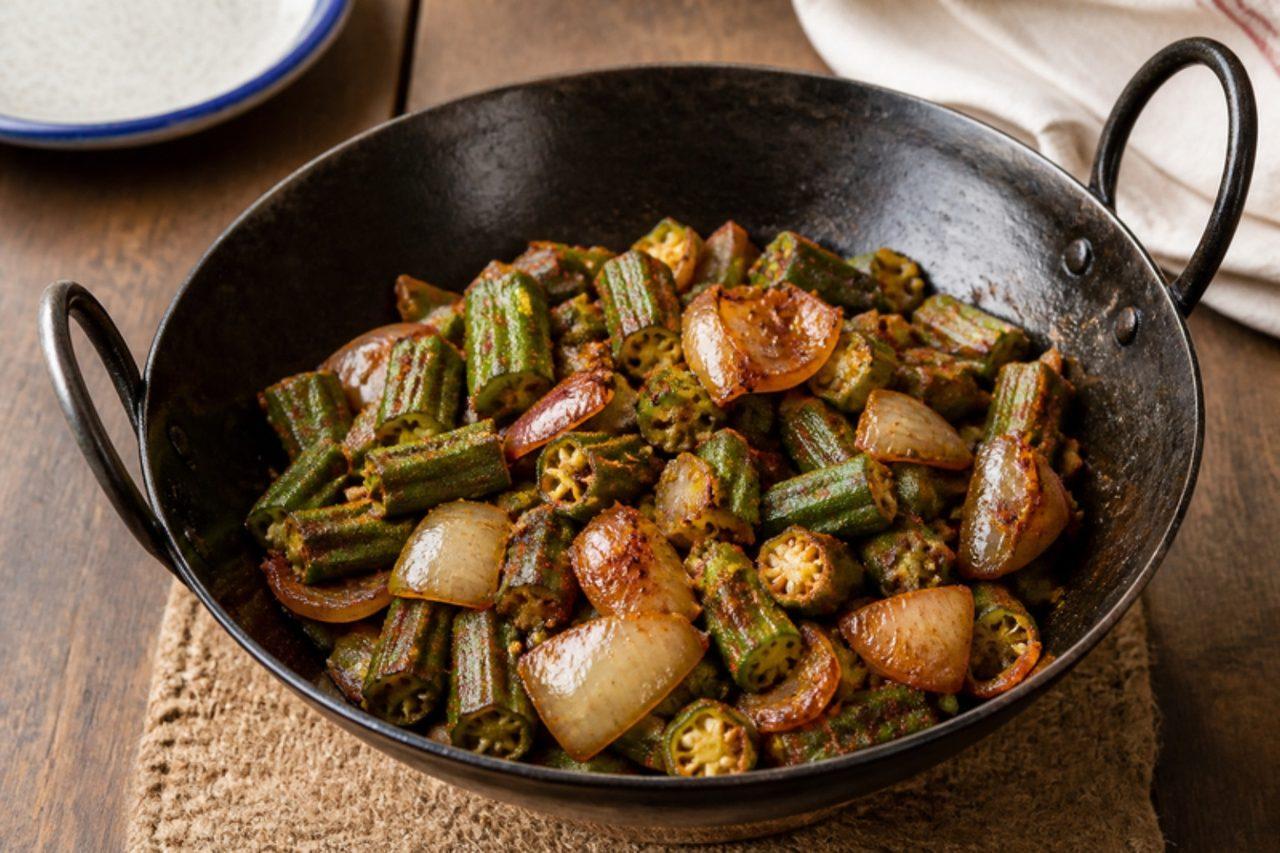
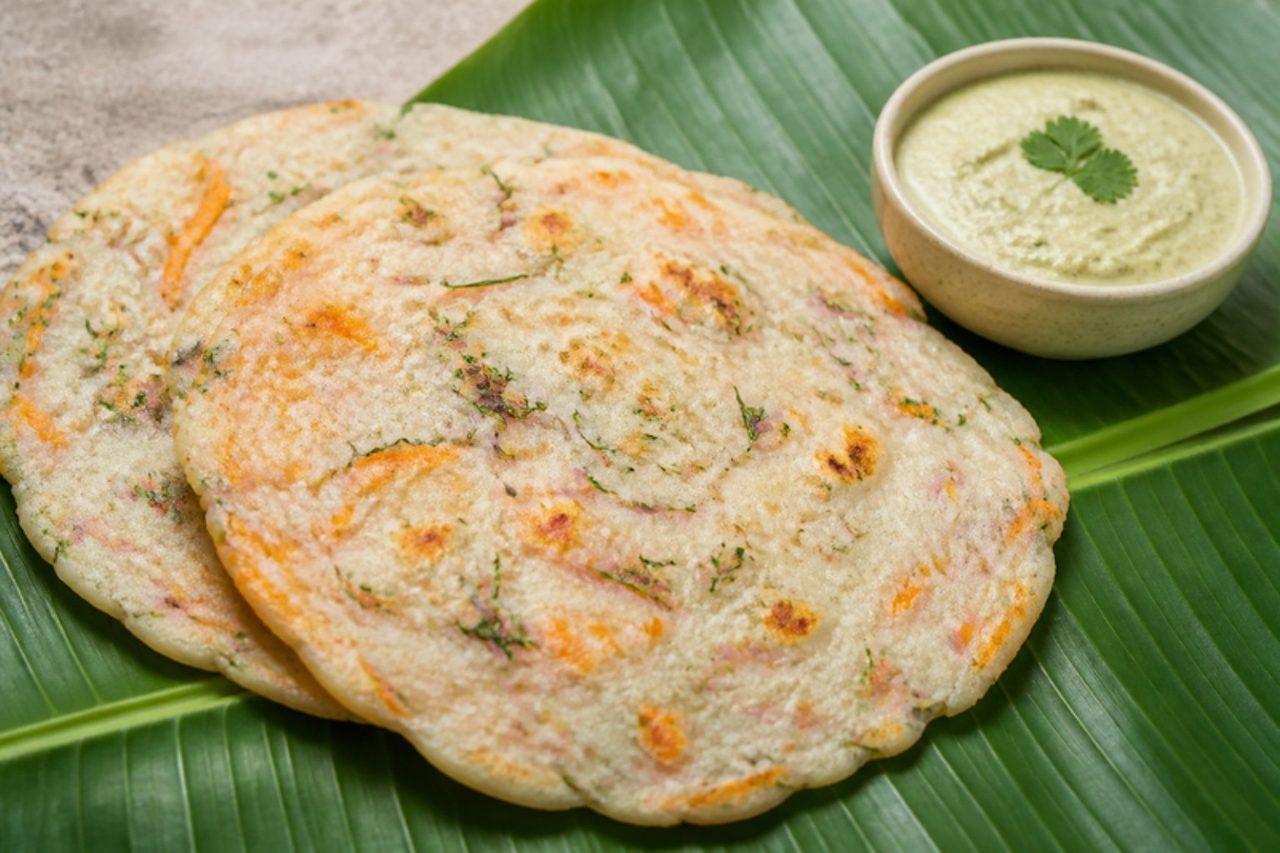
Akki rottiRice flour flatbread

Akki rotti is the breakfast of Bengaluru and the old Mysore country: rice flour mixed with grated vegetables, dill, coconut and green chilli, patted out thin by hand straight onto a cold pan, then cooked until speckled and crisp at the edges. Every home has its own mix; dill (sabbasige soppu) is the classic flavour, but cucumber, carrot or fenugreek all turn up. It is eaten hot off the pan with coconut chutney or a dab of ghee and spicy chutney powder, and it is naturally gluten-free. Chef's tip: work with two pans in turn, patting the next rotti onto a cooled pan while the first one cooks; patting onto a hot pan burns your fingers and gives an uneven rotti.

by KrazyBadal 1 views
Lal sahRed tea

In Assam, the home of half of India's tea, the everyday cup is lal sah, 'red tea': strong CTC or orthodox Assam leaf brewed briefly, poured off, sweetened and drunk black. It is what tea-garden workers, Guwahati office-goers and grandmothers drink from morning till evening, often with a slice of lemon, a crushed piece of ginger or, in upper Assam, a bay leaf. Its colour is a deep, clear red and its taste is malty and brisk, never stewed. Chef's tip: take the pan off the heat before adding the leaves; boiling them makes the tea harsh and cloudy.
by KrazyBadal 1 views

Mysore masala dosaGarlic chutney dosa with potato

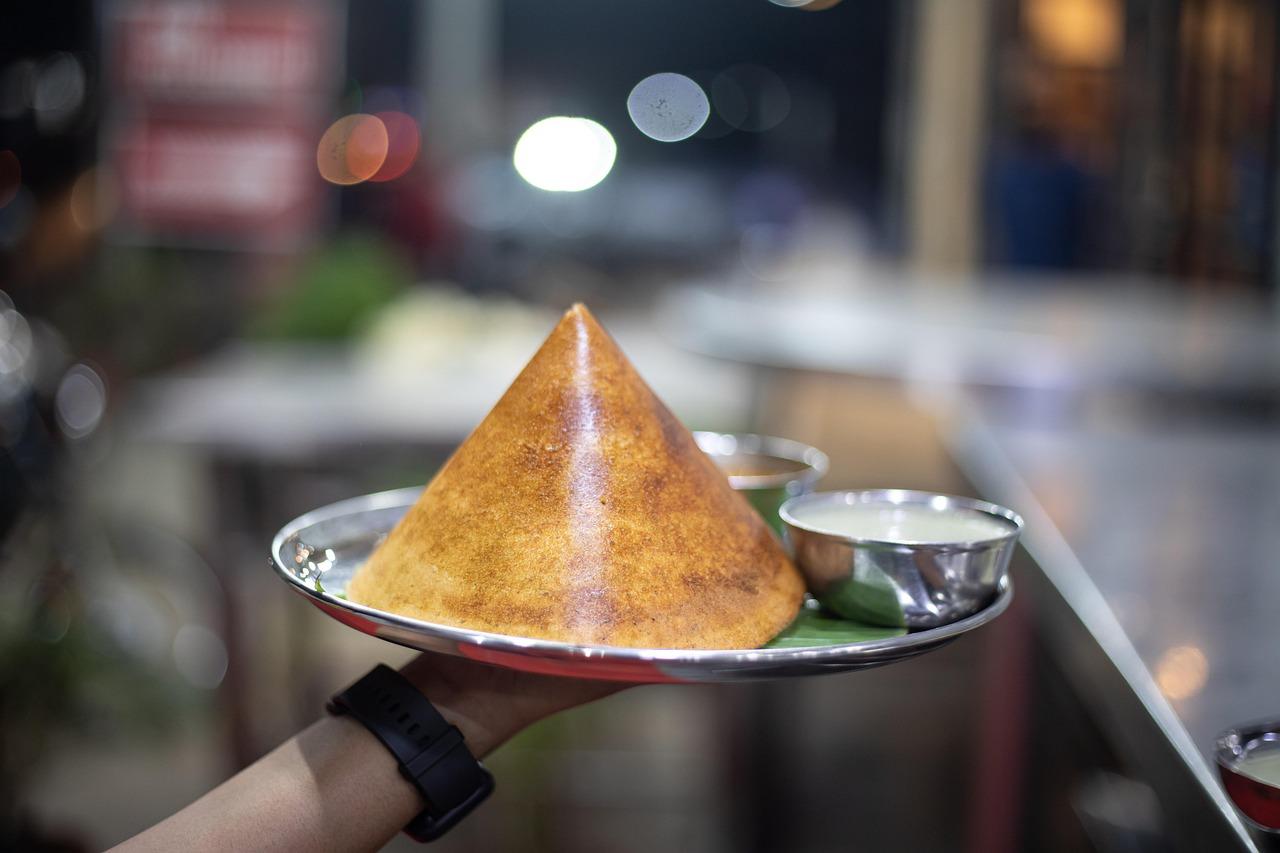
Mysuru in Karnataka gave its name to this bolder dosa: a slightly thicker, golden crêpe that is crisp outside and soft inside, painted with a hot red chutney of dried chillies, garlic and roasted chana dal before the potato palya goes in. The chutney melts into the dosa as it cooks, so every bite has a sweet-spicy, garlicky kick. In Mysuru's old cafés it's served flat and folded, with coconut chutney to cool things down. Chef's tip: use Byadagi or Kashmiri chillies for the chutney; they give a deep red colour without blowing your head off, so you can spread it generously.

by KrazyBadal 1 views

Soya uppmaSoya mince with carrot and cabbage

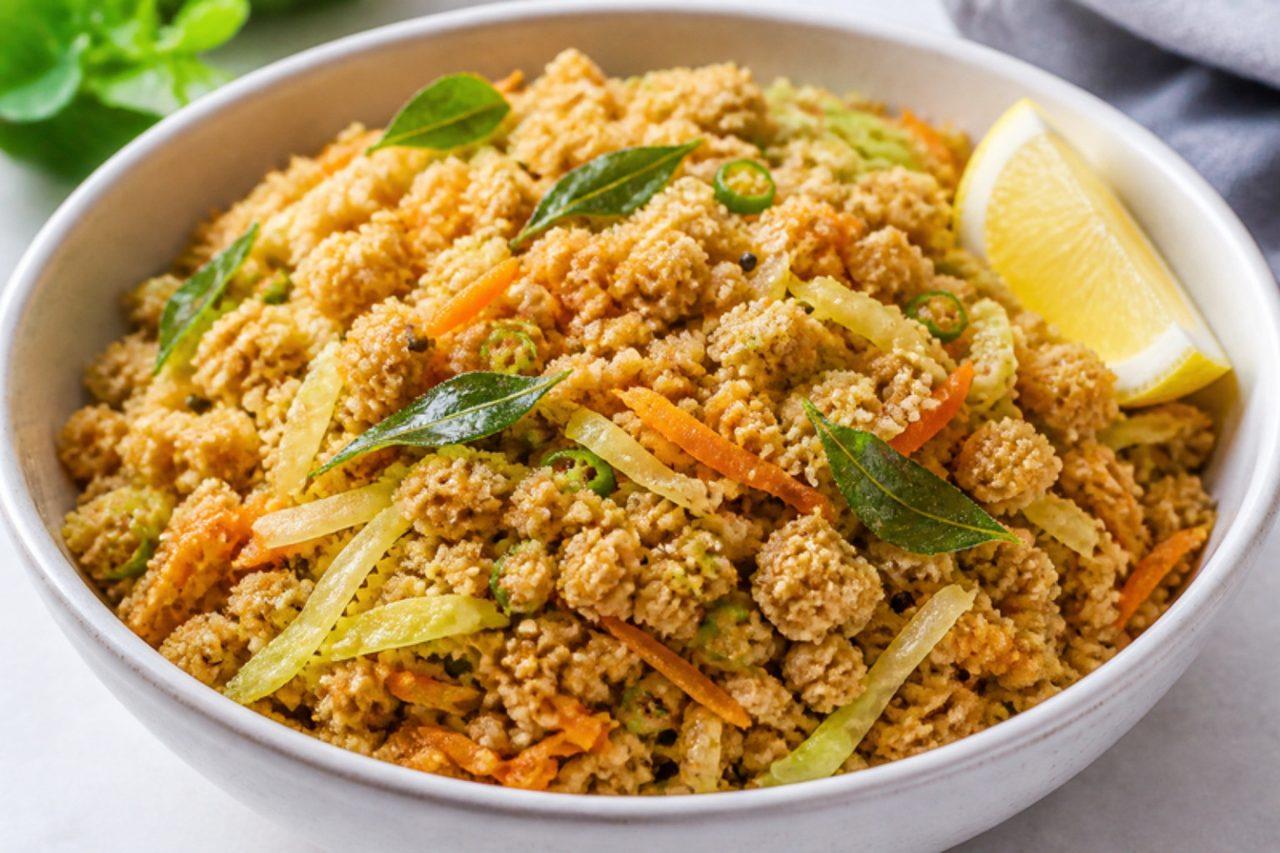
A high-protein, low-calorie uppma made with soya granules instead of semolina. The soaked soya is tossed with grated carrot, cabbage, onion, ginger and green chillies over a crackling tempering of cumin, urad dal and asafoetida, then finished with lemon and coriander. Serve hot for breakfast or a light supper.

by KrazyBadal 1 views

Farari cutletsPeanut-crusted potato cutlets

Diamond-shaped cutlets of potato and sweet potato with fresh coconut and roasted peanuts, dipped in a cassava-flour batter and coated in coarse peanut powder, then fried until golden. They're crunchy outside, soft and gently sweet inside. Serve hot with coconut and tomato chutney (use a farari one without onion or garlic). Makes 20.

by KrazyBadal 1 views

Methi palak dhokraFenugreek and spinach bean cake

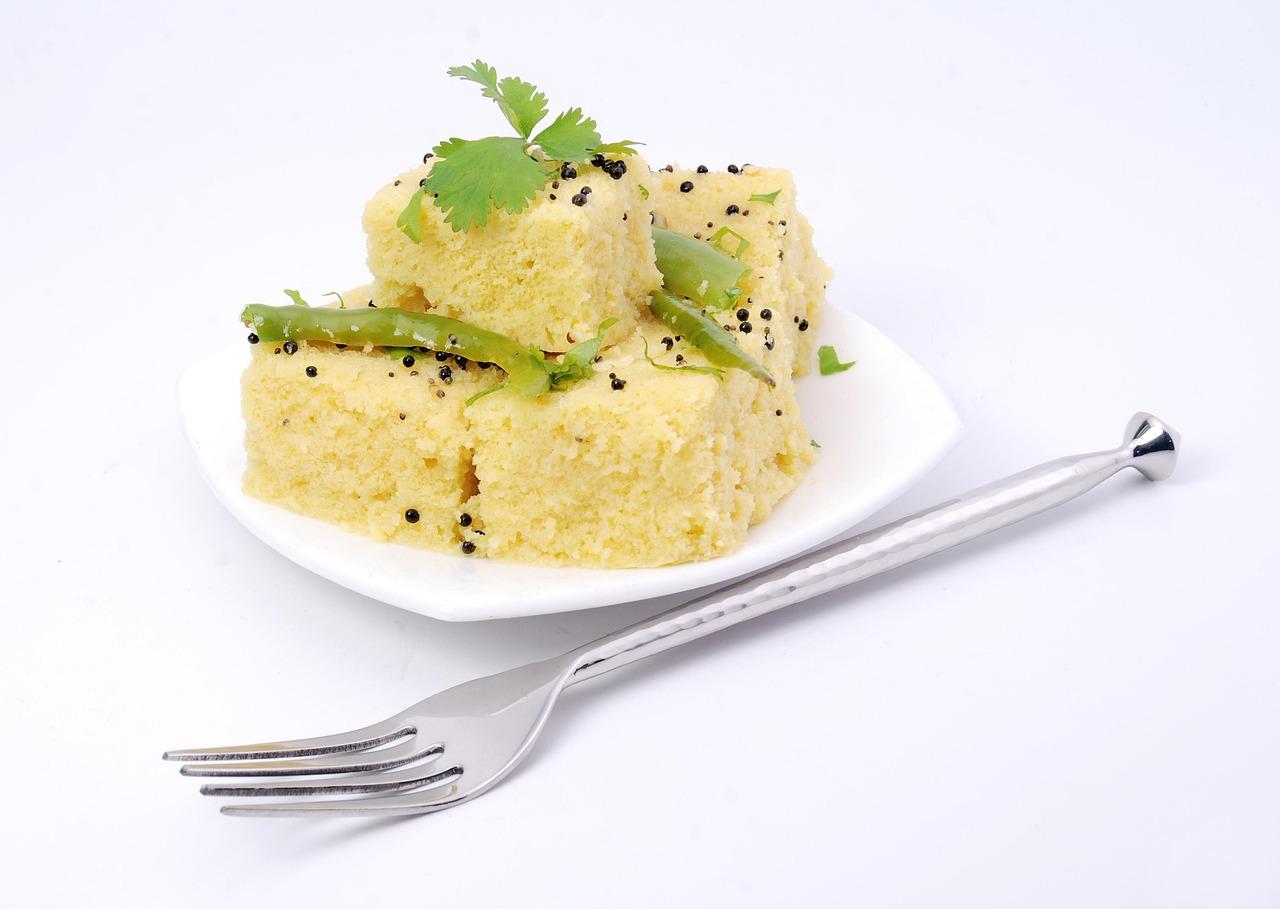
A soft, spongy, low-calorie dhokra made from soaked black-eyed beans blended to a batter with fresh fenugreek, spinach and green chilli-ginger paste, lifted with fruit salt and steamed. Cut into squares and serve with green chutney as a snack or light meal.

by KrazyBadal 1 views

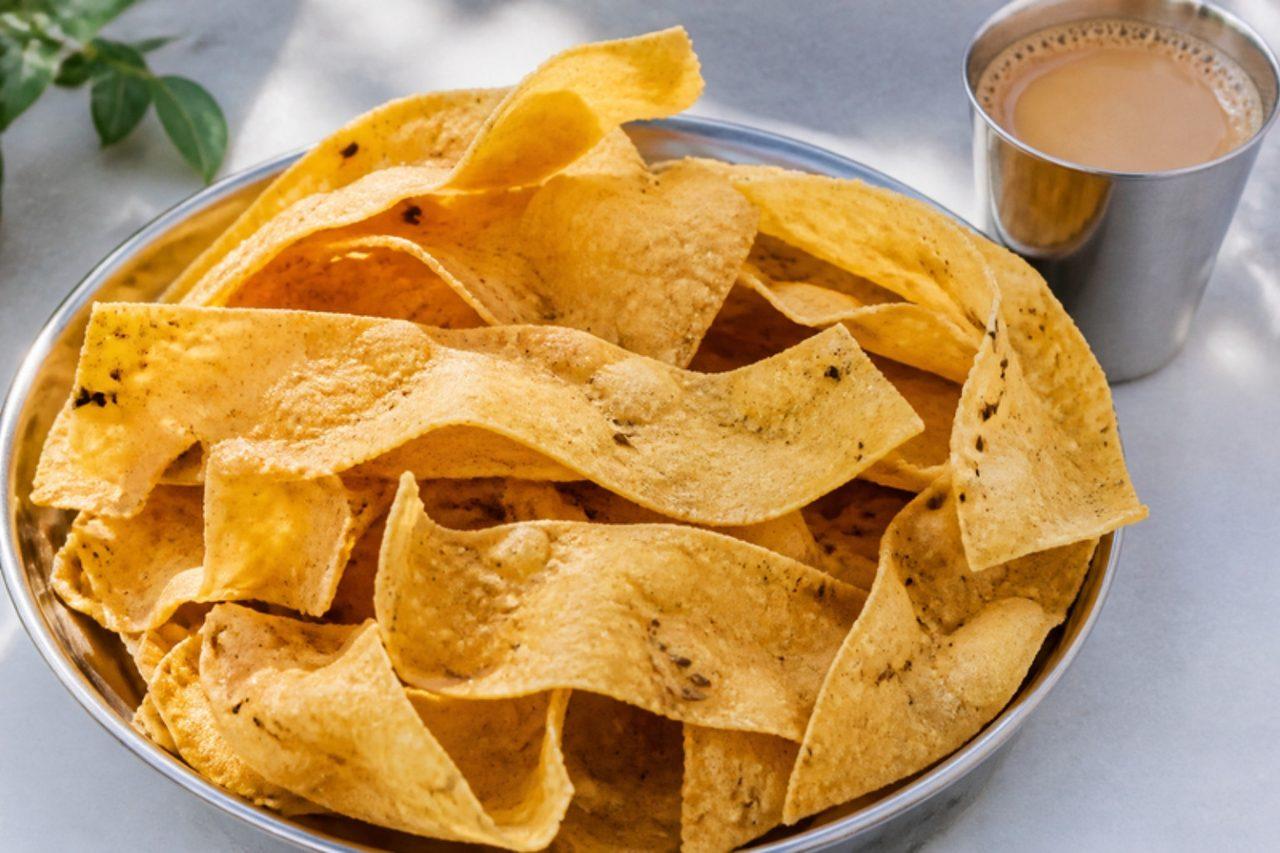
Patta gathiaThin gram flour ribbons

Patta gathia are flat, ribbon-like strips of gram flour dough, rolled paper-thin under the palm on a wooden board and fried until crisp. Black pepper and ajwain give them their flavour. They are a classic Gujarati tea-time snack and are great with fried chillies and papaya sambharo.

by KrazyBadal 1 views

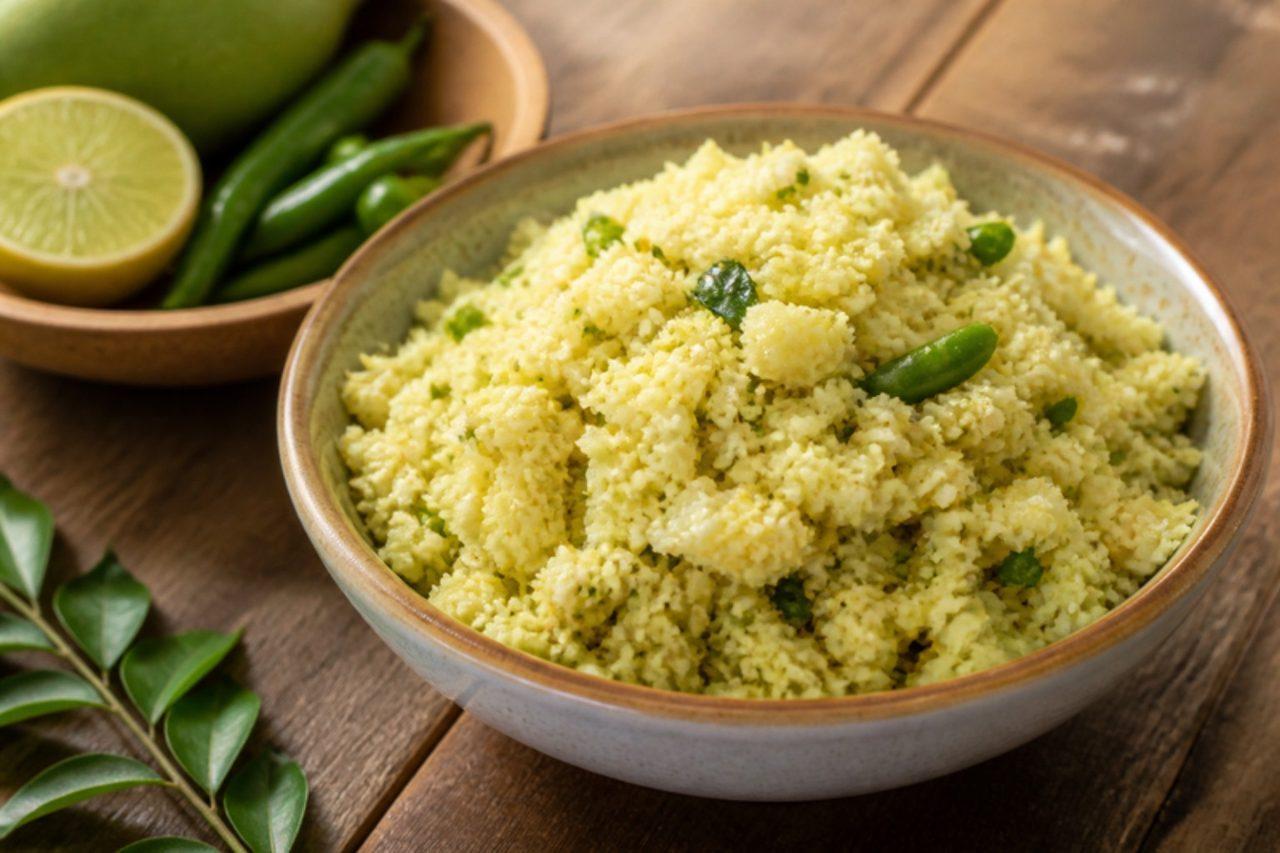
Cauliflower peas kheema

Cauliflower grated into small crumbs and cooked until tender, then mixed with peas and a smooth, spicy onion-tomato paste flavoured with cardamom, black pepper and cumin. The texture is just like a kheema (mince) but completely vegetarian. Serve hot with parathas.

by KrazyBadal 1 views

Hot pav bhaji garlic chutneyCooked tomato and garlic chutney

A hot, garlicky chutney of tomatoes cooked down with garlic paste, red chilli and cumin, then mashed until coarse. It's served alongside pav bhaji for extra heat, and is also good with vada pav, dabeli and toasted sandwiches.

by KrazyBadal 1 views

Cabbage and coconut salad

A crunchy Indian-style salad of finely shredded cabbage, fresh coconut, fried red peanuts and cashews, with plenty of chilli. The lemon dressing is tempered: mustard seeds are popped in hot oil first, which gives it a lovely nutty flavour. Serve it as a side with dal and rice, or with any Gujarati meal.

by KrazyBadal 1 views

Mint and onion chutney

Onions fried gently until soft and sweet, then blended with fresh mint, green chilli and lemon juice. It's a mellow, fresh-tasting chutney that is great with bhajias, samosas, kebabs and tikka, or spread in sandwiches.

by KrazyBadal 1 views

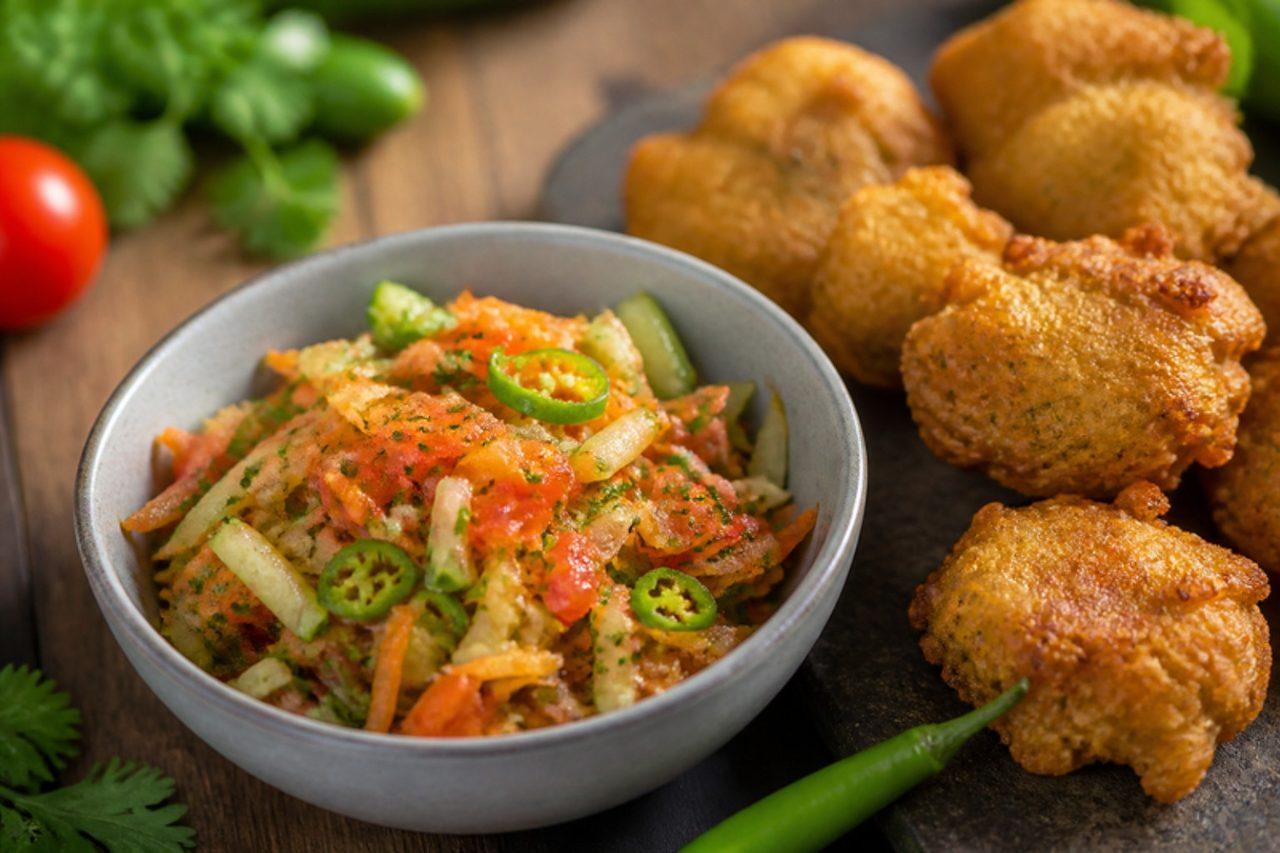
Maru bhajia chutneyTomato, carrot and cucumber chutney

A fresh, juicy chutney of grated tomato, cucumber and carrot with crushed chillies, ketchup and coriander. It's the bright, tangy salad-chutney served with Kenyan-style maru bhajia (crispy potato bhajias). It needs no cooking and takes minutes to make.

by KrazyBadal 1 views

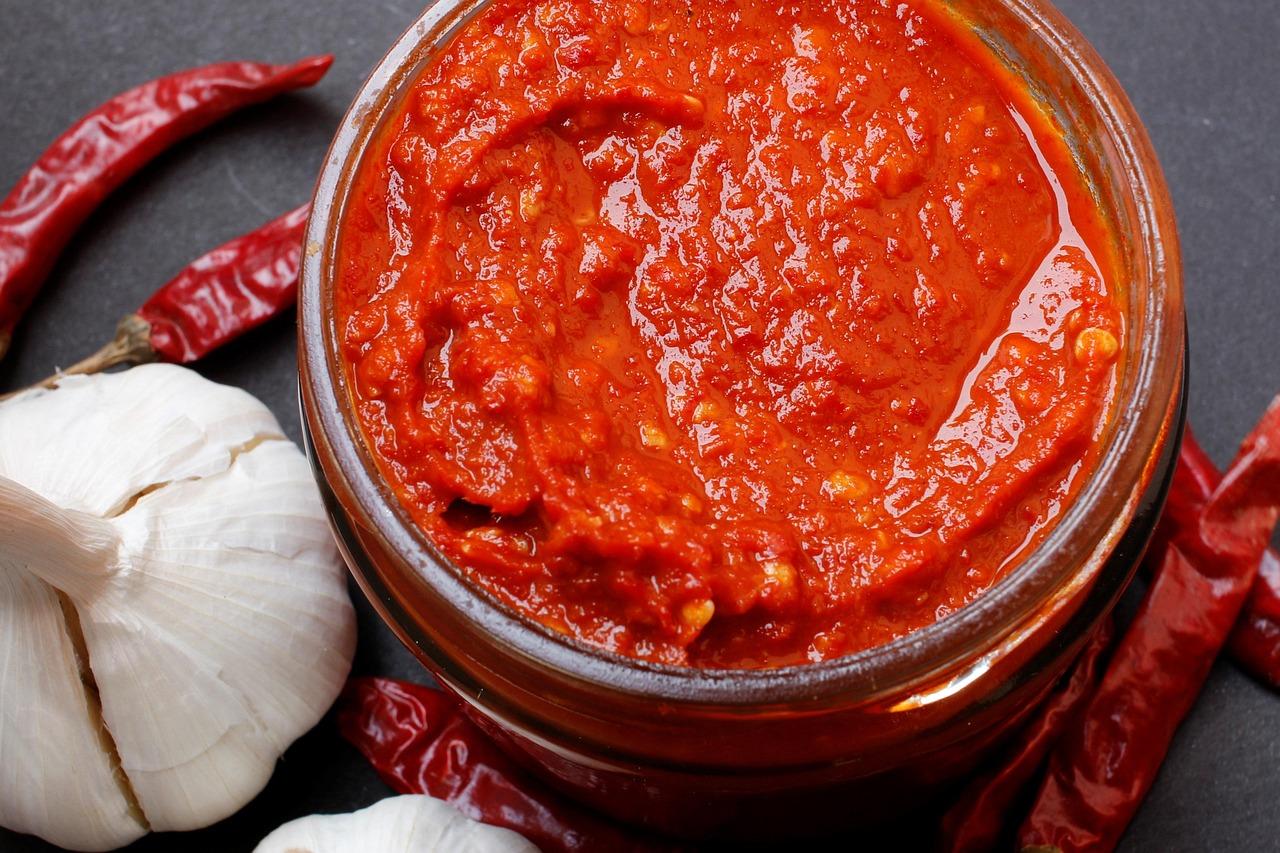
Red chilli chutney

A smooth, glossy red chilli sauce of salted fresh red chillies blended with tomato sauce, vinegar, garlic and jaggery. Salting the chillies overnight softens them and takes off some of the rawness. It keeps for weeks in a glass jar in the fridge and goes with spring rolls, samosas and noodles.

by KrazyBadal 1 views

Kachri bateta coconut chutneyCoconut and raw mango chutney

A fresh, crumbly chutney of grated coconut and raw mango with a little chilli paste, sugar and a pinch of turmeric. It's sweet, sour and mildly hot, and is served with kachri bateta, the Gujarati potato snack, as well as with pattice and bhajias.

by KrazyBadal 1 views

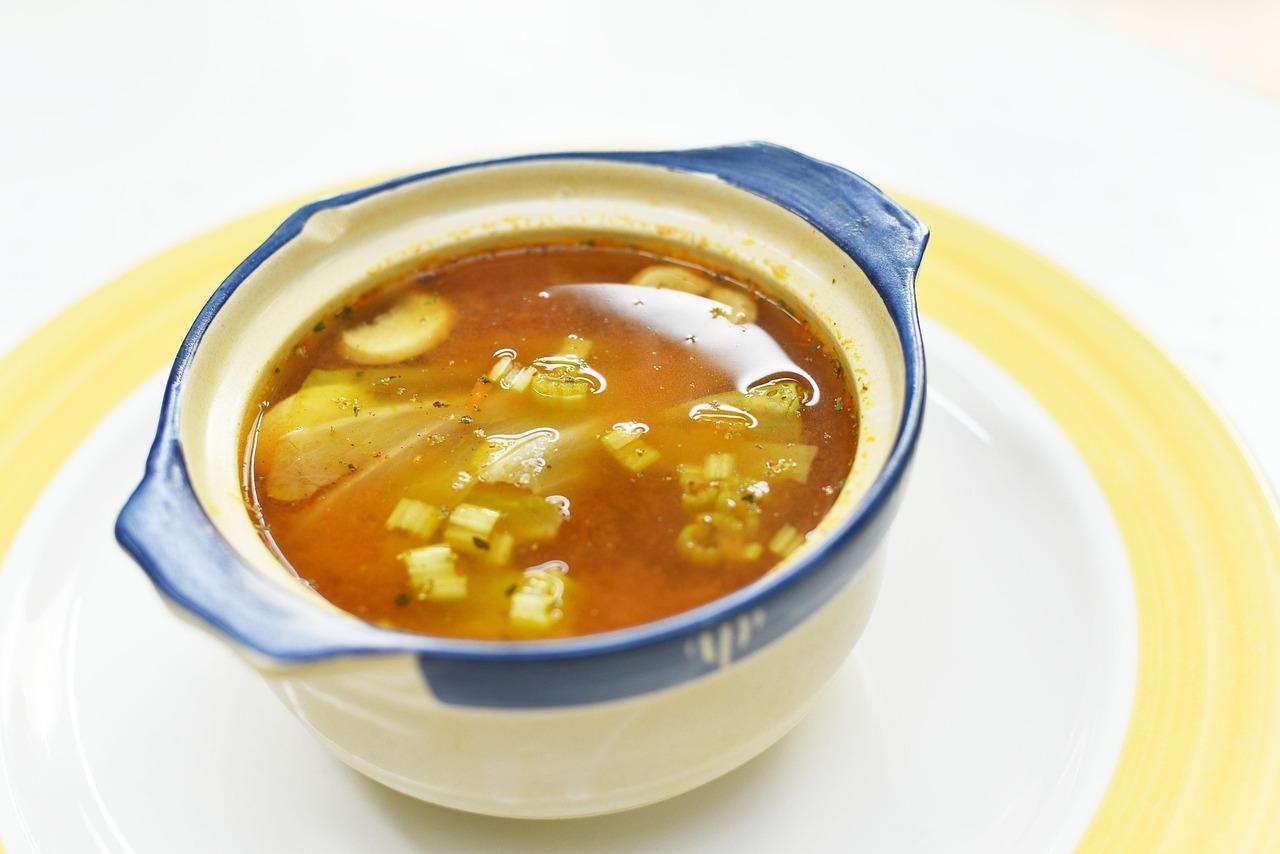
Kadu sweet & sour soupAsh gourd sweet and sour soup

A light, sweet-and-sour soup made from ash gourd (kadu) stock, thickened with cornflour and seasoned with tomato and chilli sauces, vinegar and black pepper. Lightly fried carrot, cauliflower and spring onion go on top for crunch. Serve it with hot buns. Bottle gourd works just as well as ash gourd.

by KrazyBadal 1 views

Dal masala

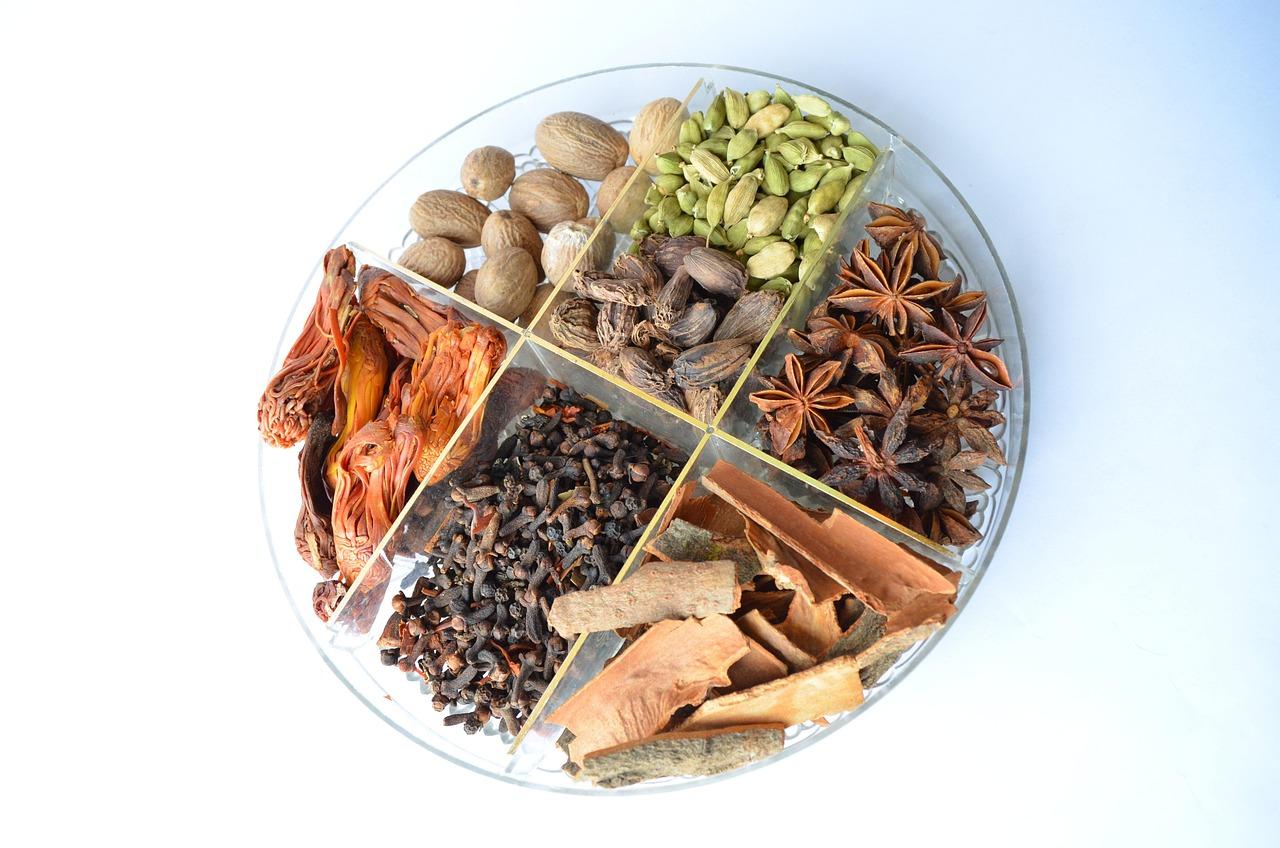
A Gujarati dal masala with whole spices roasted in a little oil, plus star anise, black cardamom and dagad phool (stone flower) for depth. A teaspoon gives dals, kadhi and khichdi a warm, rounded flavour. The recipe makes a big batch, so it's worth making once a season.

by KrazyBadal 1 views

Chaat masala

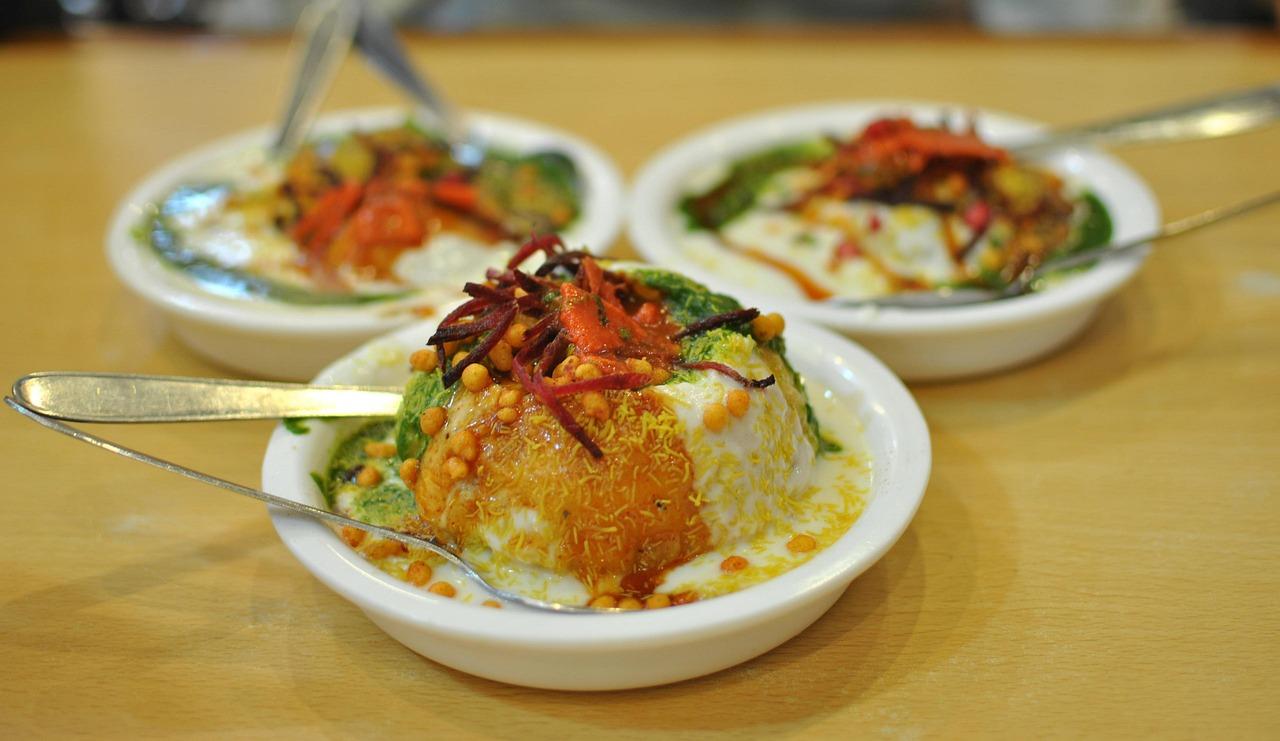
Chaat masala is the tangy, salty, slightly sulphurous sprinkle that makes chaat taste like chaat. Dried mango (amchur) gives the sourness and black salt the distinctive savoury edge. Sprinkle it over fruit, salads, raita, chips and street-food snacks.

by KrazyBadal 1 views

Sugar syrup

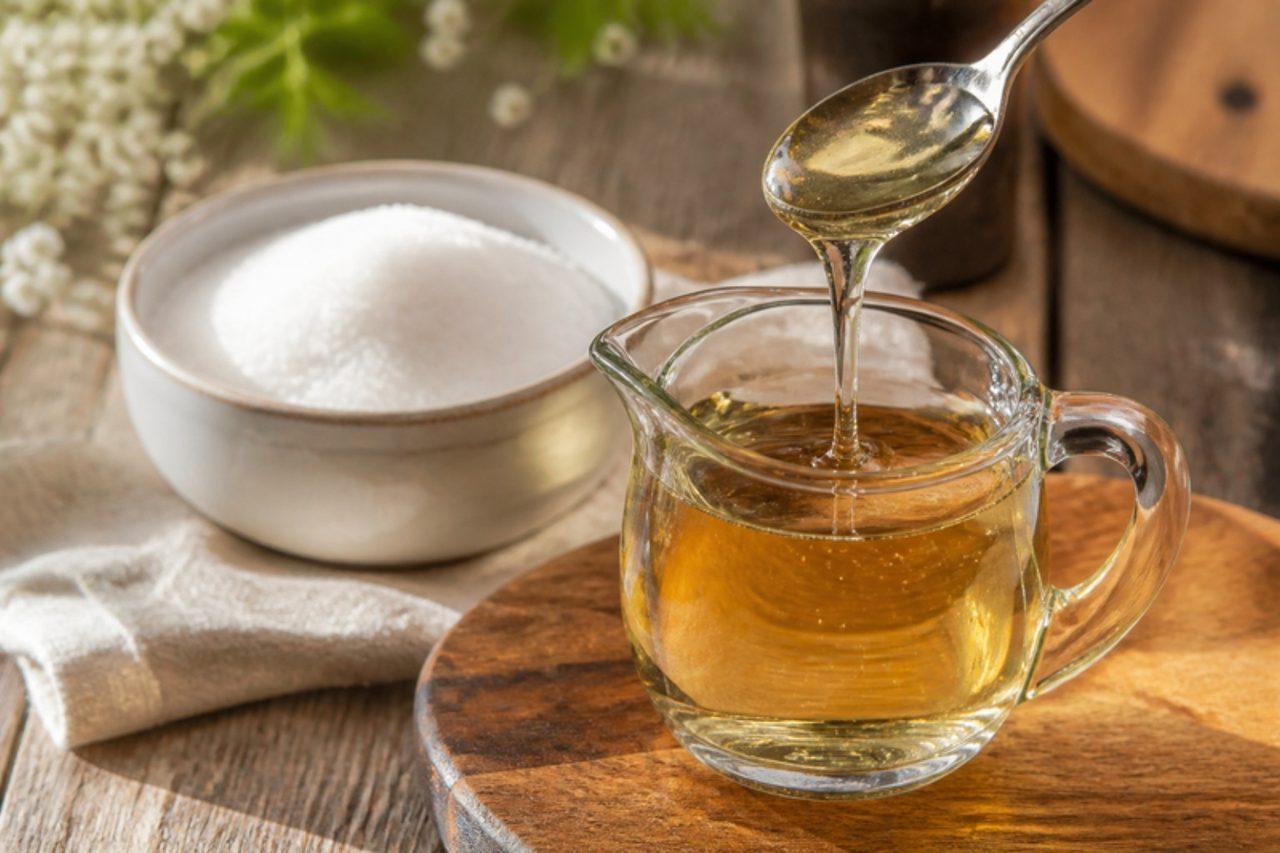
Sugar syrup (chashni) is the base of many Indian sweets, and recipes ask for it at different stages. A light syrup is for soaking sweets and sweetening drinks. One-thread and two-thread syrups are boiled longer so the sweet sets. You can make it with milk instead of water for some sweets.

by KrazyBadal 1 views

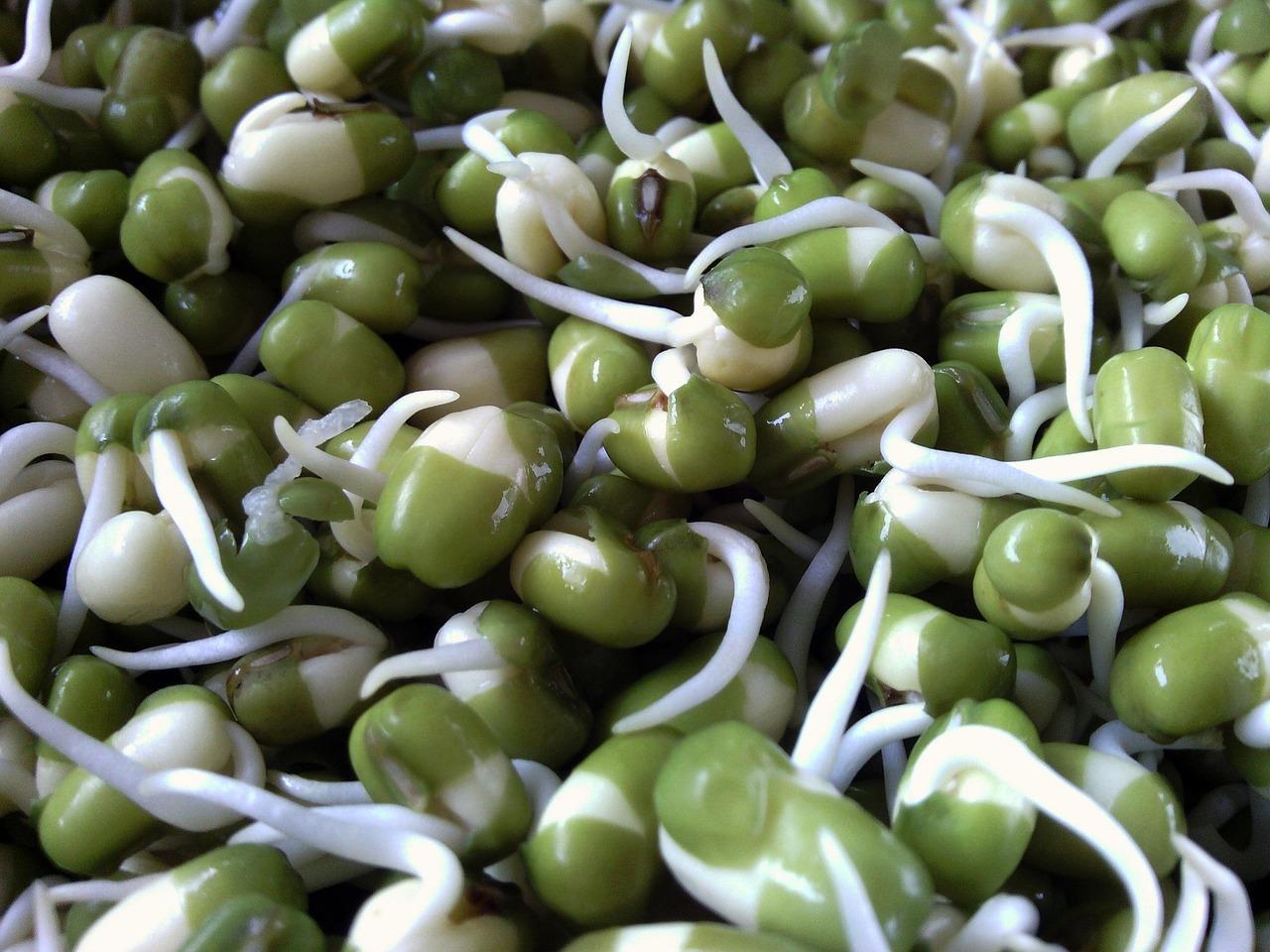
Bean sprouts

Sprouting whole green grams makes them crunchier, quicker to cook and more nutritious. All you need is muslin, water and a warm spot, and they're ready in 3–4 days. Use them in salads, bhel, usal and stir-fries. Any other whole pulse sprouts the same way.

by KrazyBadal 1 views

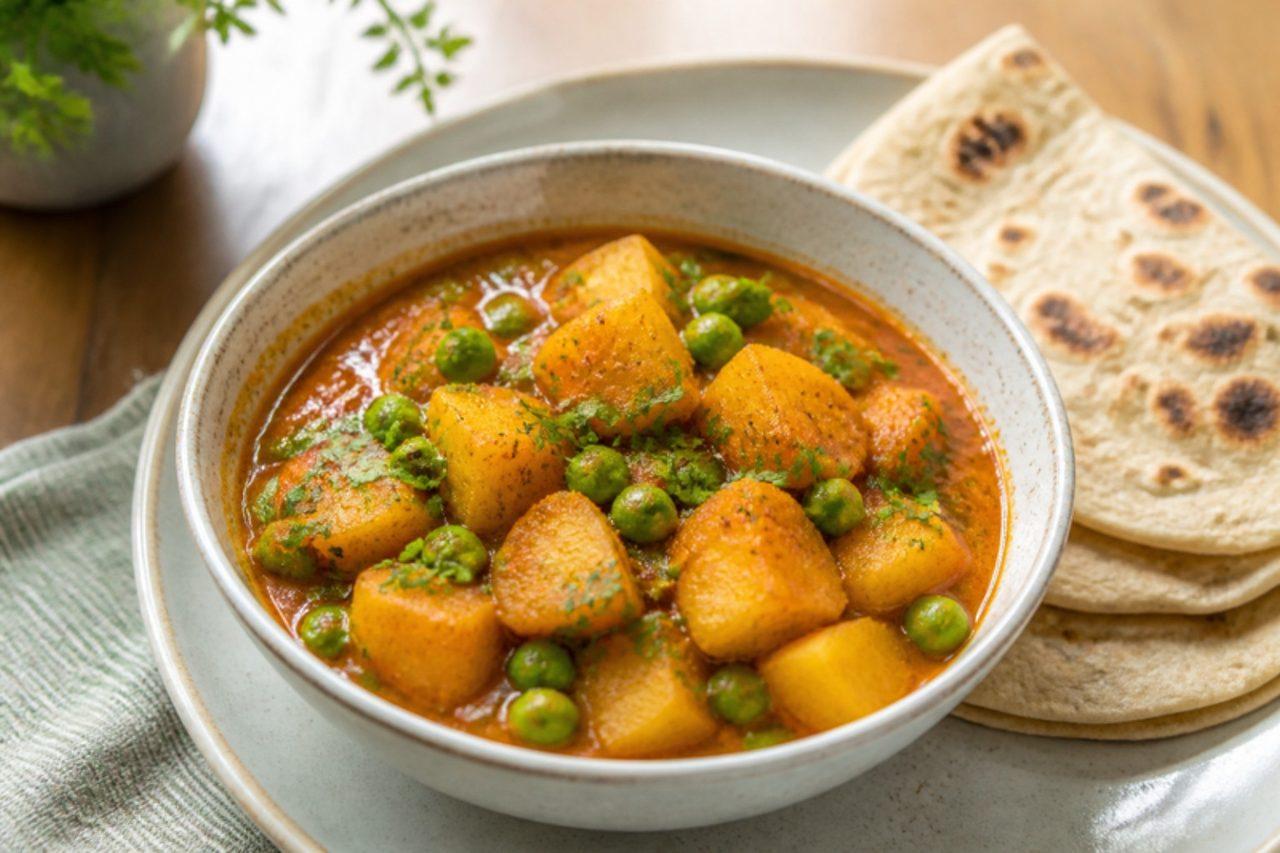
Aloo matarPotato and pea curry

Aloo matar is the everyday potato and pea curry of North Indian homes, cooked through the winter when fresh peas fill the markets of Delhi and Punjab, and eaten with hot phulkas or rice on a weeknight. Small cubes of potato and sweet peas simmer in a thin, bright tomato gravy with cumin, turmeric and coriander, so it is comforting rather than rich. The common mistake is cutting the potatoes too big: they take forever, the peas turn grey waiting for them, and the gravy reduces to nothing. Chef's tip: mash two or three potato cubes against the side of the pot near the end; it thickens the gravy naturally without cream.

by KrazyBadal 0 views

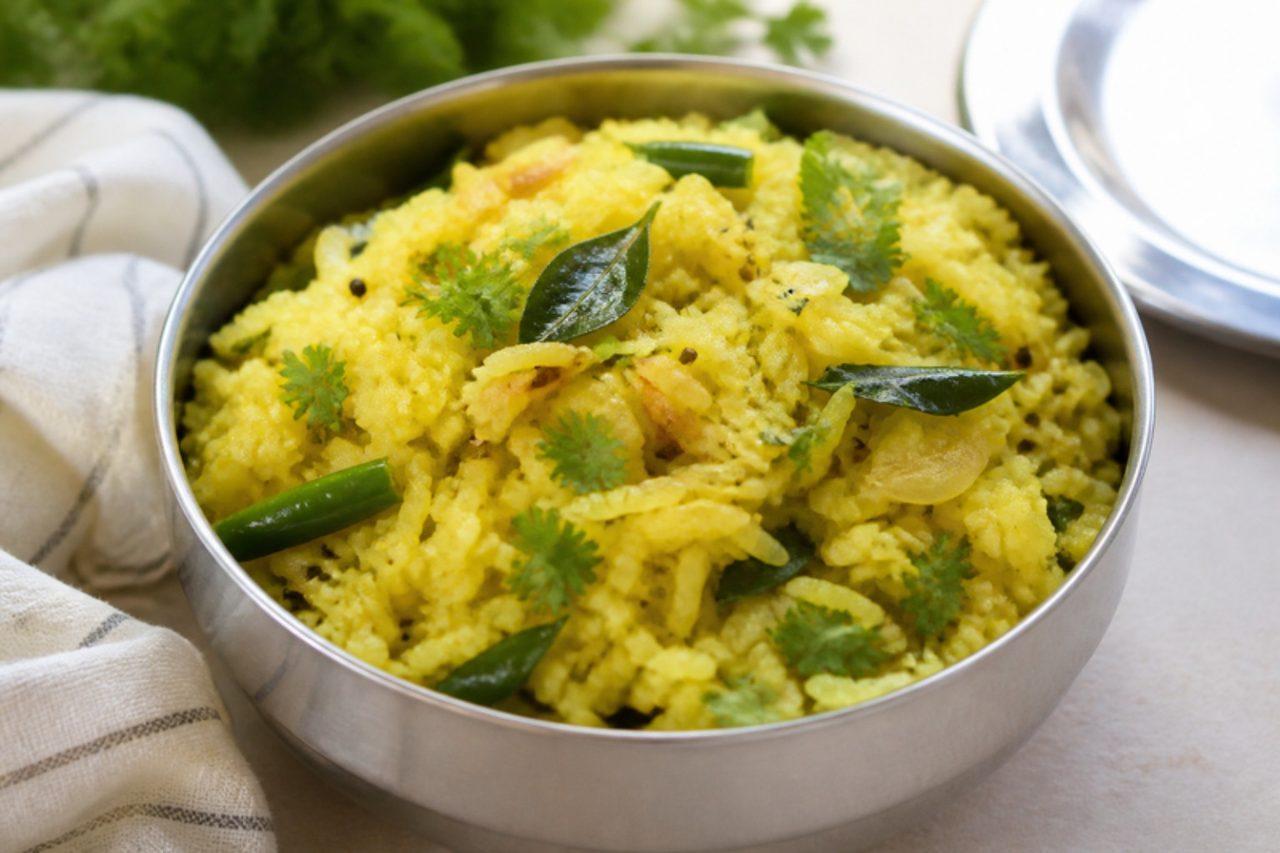
Vagharela bhaatTempered leftover rice

Vagharela bhaat is how Gujarati cooks rescue yesterday's rice: a quick vaghar (tempering) of mustard and cumin seeds, curry leaves, onion and green chilli, then the rice tossed through with turmeric and a squeeze of lemon. It is a one-pan lunch or late dinner, eaten with plain yogurt, a pickle or a bowl of kadhi. The common mistake is using freshly cooked, warm rice, which breaks and goes sticky; cold, fridge-firm rice keeps every grain separate. Food safety: cool leftover rice quickly, keep it in the fridge and use it within a day, and reheat it until piping hot all the way through. Chef's tip: crumble the cold rice with your fingers before it goes in the pan, so you never have to mash clumps in the pan.

by KrazyBadal 0 views

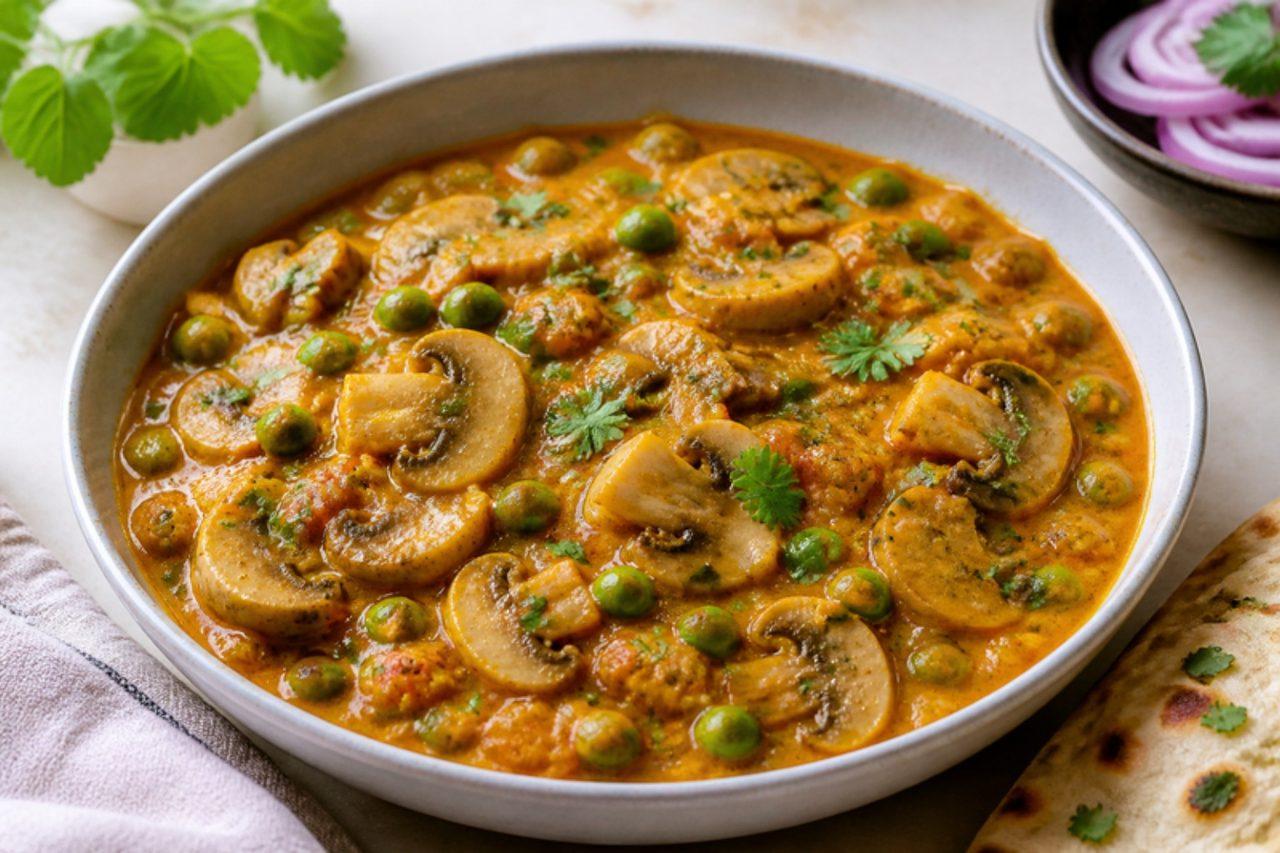
Mushroom matarMushroom and pea curry

Across North India, from Delhi flats to Lucknow kitchens, mushroom matar has become the weeknight cousin of matar paneer: quick to cook, meaty in texture without any meat, and good with rotis or jeera rice. Button mushrooms and sweet green peas sit in a medium-thick onion-tomato gravy warmed with ginger, garlic and garam masala. The common mistake is adding the mushrooms to a wet masala, where they boil and turn rubbery; sear them first in a hot pan until they brown, and their juices go into the sauce rather than drowning it. Chef's tip: frozen peas are perfect here and need only the last 4 minutes, so they stay bright green.

by KrazyBadal 0 views

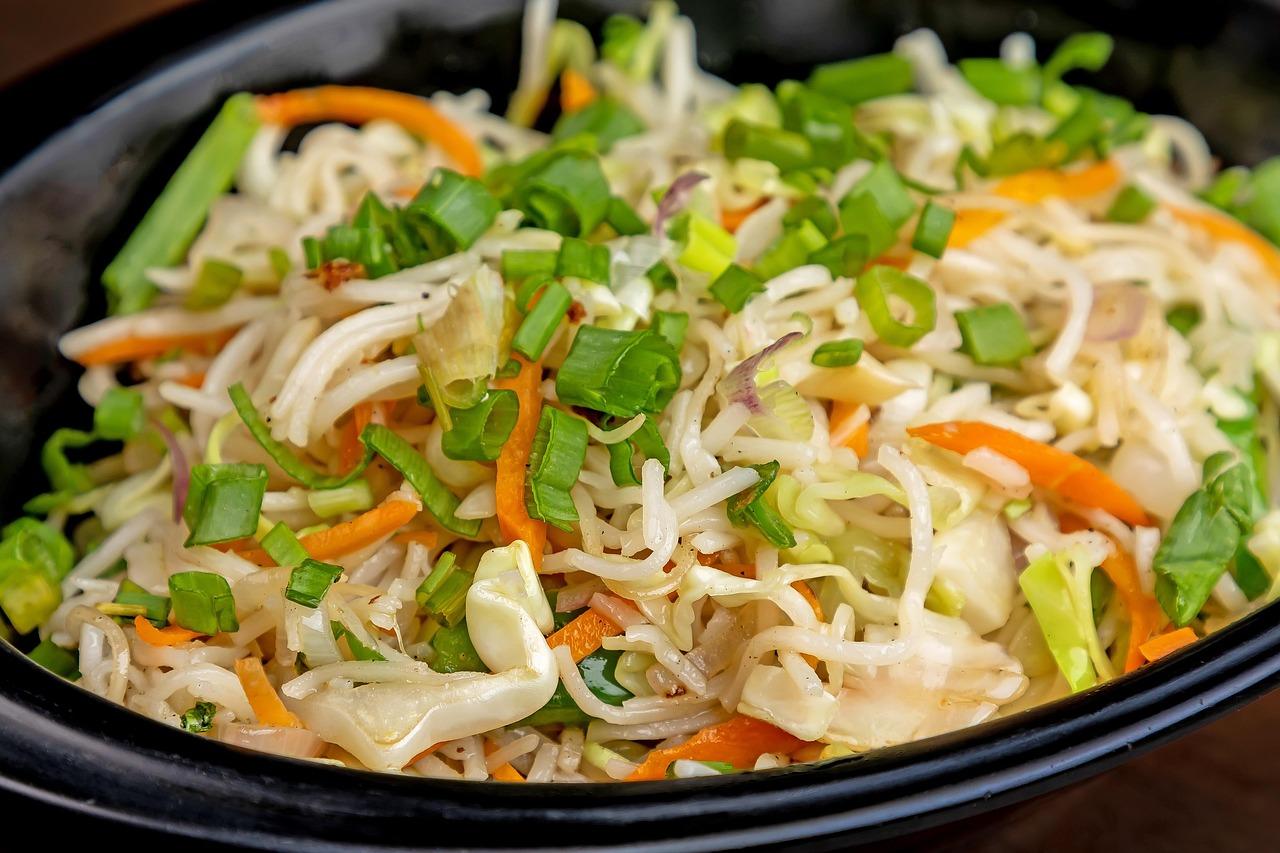
Veg Hakka noodlesVegetable stir-fried noodles

Hakka noodles are the street and restaurant staple of Kolkata's Chinese community, now sold from carts in every Indian city for a cheap evening meal and loved by children everywhere. Thin noodles are boiled, cooled, then tossed over the highest heat with shredded cabbage, carrot, peppers and spring onion, seasoned with soy, vinegar and white pepper. The mistake that ruins them is a crowded, lukewarm pan: the vegetables sweat and the noodles clump into a damp heap, so cook in a very hot wok and do two batches if yours is small. Chef's tip: toss the boiled noodles with a teaspoon of oil as soon as they are drained; they won't stick while you chop. Check the noodle packet: many Hakka noodles contain egg, so buy egg-free ones for a vegan dish.

by KrazyBadal 0 views

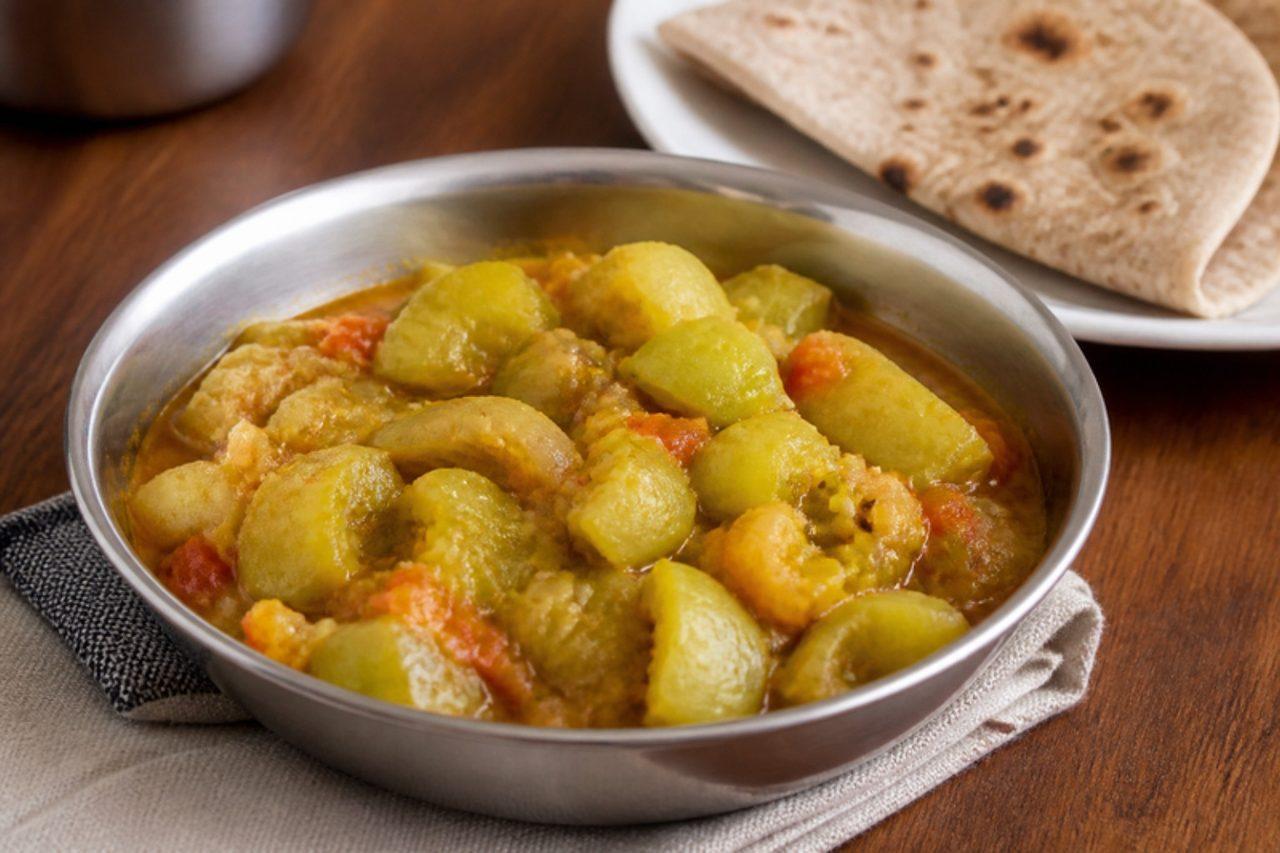
Turai ki sabziRidge gourd with tomato

In Uttar Pradesh, Bihar and across the North Indian plains, turai (ridge gourd) is the light monsoon vegetable that mothers cook for upset stomachs, hot evenings and anyone who wants a gentle dinner with roti and dal. Peeled and chopped, it releases its own water as it cooks, and with a little tomato and cumin it forms a soft, sweet, barely spicy gravy. The common mistake is adding water: the gourd is full of it, and extra water gives a bland, thin soup, so cover the pan and let it make its own. Chef's tip: taste a slice of raw gourd before cooking; very occasionally one is bitter, and a bitter gourd will spoil the whole pot.

by KrazyBadal 0 views

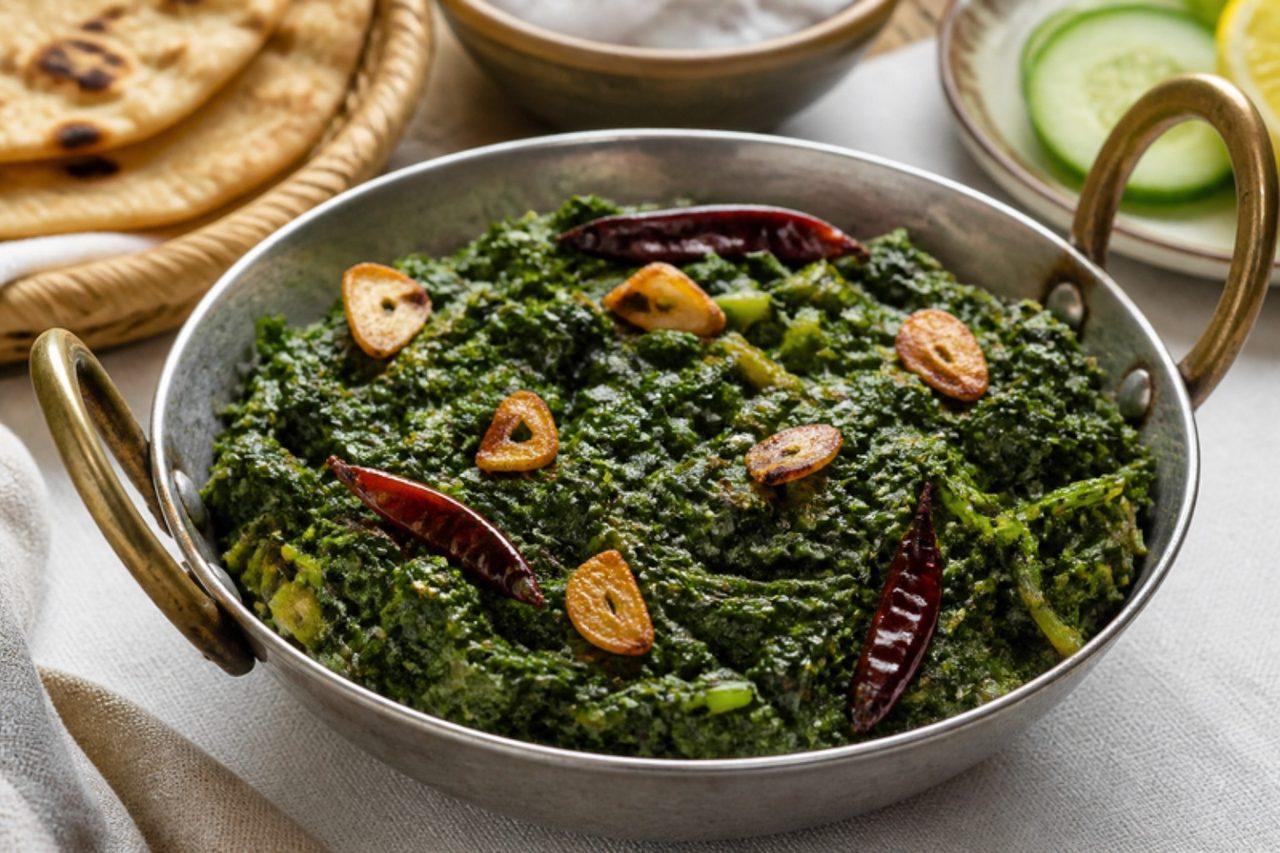
Lehsuni palakGarlic spinach

In Punjabi homes from Amritsar to Ludhiana, lehsuni palak is the green dish that lands on the table in winter when spinach is cheap and sweet, eaten with hot phulkas and a bowl of dal. It is not a purée like palak paneer: the leaves are chopped and wilted so they keep some body, then a second round of garlic fried golden in oil is poured over at the end, nutty and fragrant. The usual mistake is burning the garlic; dark brown garlic turns bitter and spoils the whole pan, so pull it off the heat when it is the colour of light toast. Chef's tip: squeeze the washed spinach lightly before it goes in, or the pan floods and the leaves stew instead of sautéing.

by KrazyBadal 0 views

Guvar nu shaakCluster beans with garlic and jaggery

Guvar (cluster beans) is everyday Gujarati shaak, cooked in Kathiawad and Ahmedabad homes most weeks with bajra rotla or rotli and a bowl of khadhi. The flat, slightly bitter beans are steamed in their pan with ajwain and garlic, then balanced the Gujarati way with a little jaggery and a squeeze of lemon, so every mouthful is gently sweet, sour and spicy. The mistake to avoid is using old, thick guvar; the pods should snap cleanly, and tough ones stay stringy however long you cook them. Chef's tip: a pinch of bicarbonate of soda in the cooking water is an old trick for keeping guvar green, but it is not needed if you keep the lid off at the end. Most hing contains wheat, so buy a gluten-free one if needed.

by KrazyBadal 0 views

Tindora nu shaakIvy gourd stir-fry

Tindora (ivy gourd) nu shaak is a lunch-box and dinner standby in Gujarat and Mumbai's Gujarati homes: thin rounds of the little gourd stir-fried with mustard seeds and turmeric until they are tender inside and lightly crisp at the edges. It is a dry shaak, eaten with dal-bhaat or rolled into a rotli, and children often like it best. The common mistake is slicing the tindora too thick, which means it either stays raw in the middle or needs water that makes it soggy; cut every round about 3 mm thick. Chef's tip: avoid tindora that is red or soft inside, which means it is overripe and will taste sour. Most hing contains wheat, so buy a gluten-free one if needed.

by KrazyBadal 0 views

Rava upmaSavoury semolina porridge

Rava upma is breakfast in countless homes across Tamil Nadu, Karnataka, Andhra Pradesh and Kerala, and the dish every South Indian student learns to cook first. Semolina is roasted until it smells nutty, then stirred into boiling water flavoured with a tempering of mustard seeds, urad and chana dal, curry leaves, ginger and green chilli, so it swells into a soft, fluffy, savoury porridge. Serve it with coconut chutney, a little pickle or a banana. The classic mistake is pouring the rava into water that is not boiling, or all at once, which gives lumps. Chef's tip: roast the rava in advance and keep it in a jar; roasted rava makes lump-free upma in ten minutes on a busy morning.

by KrazyBadal 0 views

Bhindi do pyazaOkra with onions

Bhindi do pyaza is the summer okra dish of North Indian dhabas and home kitchens, made in the hot months when ladyfinger is tender and cheap. 'Do pyaza' means two lots of onion: one fried soft into the masala and one added in chunky petals near the end so it stays sweet and slightly crunchy against the okra. The classic mistake is washing the okra and cutting it while it is still wet, which turns the whole pan slimy; dry every pod completely before you slice it. Chef's tip: add the salt only once the okra is nearly cooked, because salt draws out moisture and makes it sticky.

by KrazyBadal 0 views

Aloo chaatPotato chaat

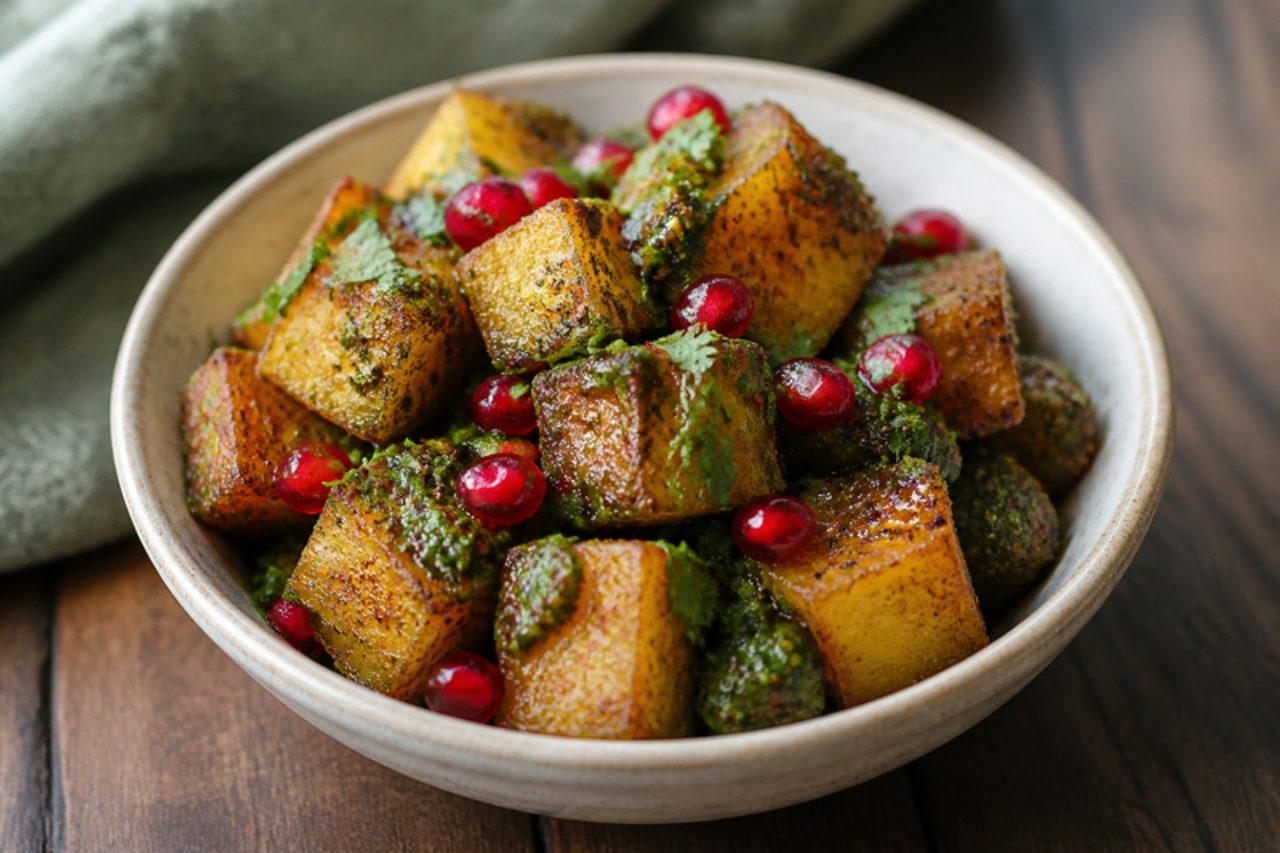
In Old Delhi lanes around Chandni Chowk, aloo chaat vendors fry boiled potato cubes in a huge flat tawa until crackly, then toss them with lemon, chaat masala and two chutneys, one sharp and green, one sweet and dark. It is an evening snack, eaten standing up from a leaf bowl with a toothpick, and at home it makes a quick light dinner or a party starter. The common mistake is frying potatoes straight from the pot while still hot and wet, which makes them break and soak up oil; let the cubes steam dry for a few minutes first. Chef's tip: toss everything at the last minute, as the chutneys soften the crust within ten minutes.

by KrazyBadal 0 views

Nendran banana powder kurukku (ethakka podi kurukku)

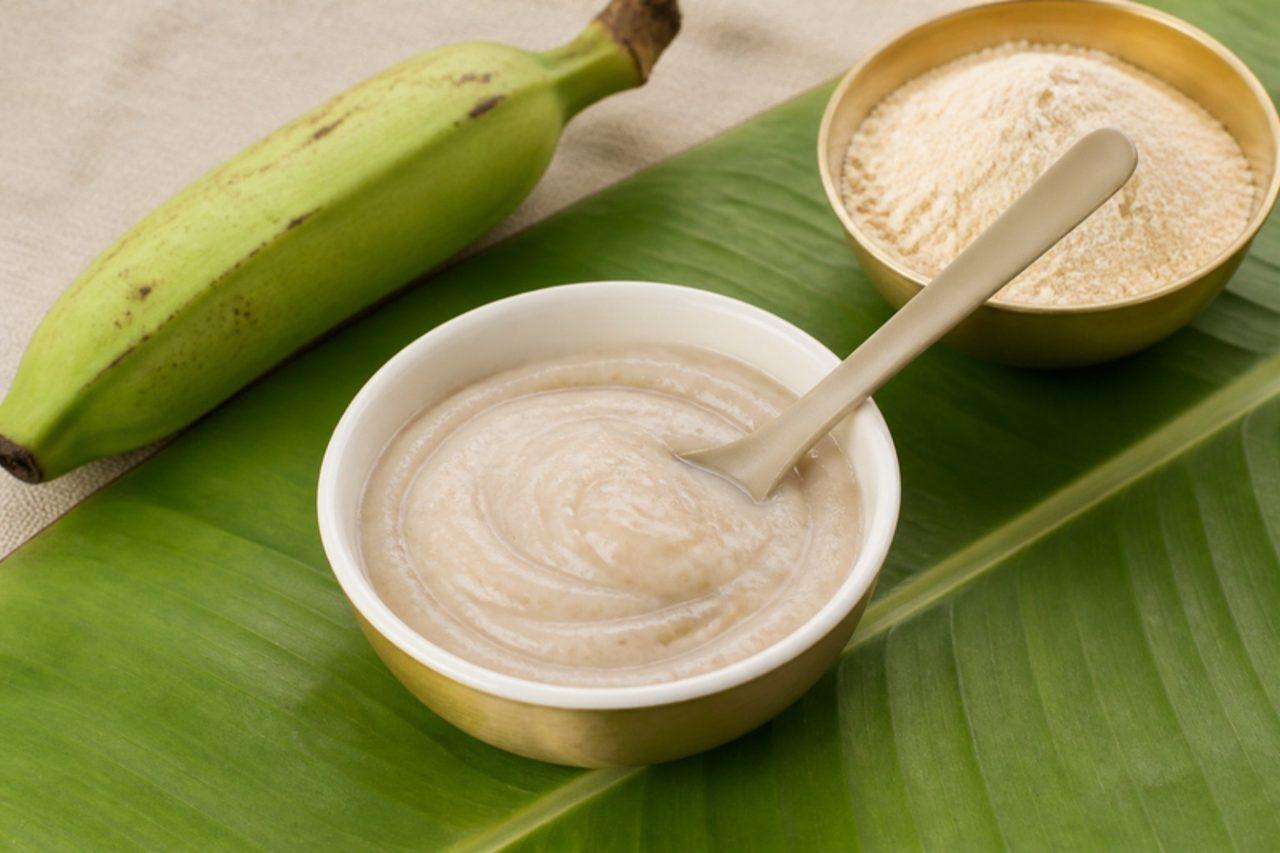
In Kerala, families dry slices of raw nendran banana in the sun, grind them to a cream-coloured flour and cook it into kurukku, a smooth, thick porridge that has been a baby's first food in the state for generations. It is usually given mid-morning, and grandmothers often keep a jar of home-made ethakka podi for each new grandchild. It tastes gently sweet and slightly earthy. It contains none of the common allergens (milk, egg, gluten, peanut, tree nuts, soya, sesame, fish). Chef's tip: to make the powder at home, peel raw nendran bananas, slice them thinly, dry them in a low oven or the sun until brittle, then grind and sieve.

by KrazyBadal 0 views

Moong dal water for babies

In North Indian homes, moong dal ka pani is often the first thing other than milk a baby tastes, spooned from a steel katori at lunchtime while the family eats dal-chawal. Split yellow moong is cooked until it falls apart with a pinch of turmeric, then the thin top liquid is strained off; over the following weeks more of the soft dal is mashed in. It tastes mild and slightly sweet. It is free of the common allergens (milk, egg, gluten, peanut, tree nuts, soya, sesame, fish). Chef's tip: a drop of ghee can be added once your baby is used to dairy, but keep it plain at first.

by KrazyBadal 0 views

Mini podi idli

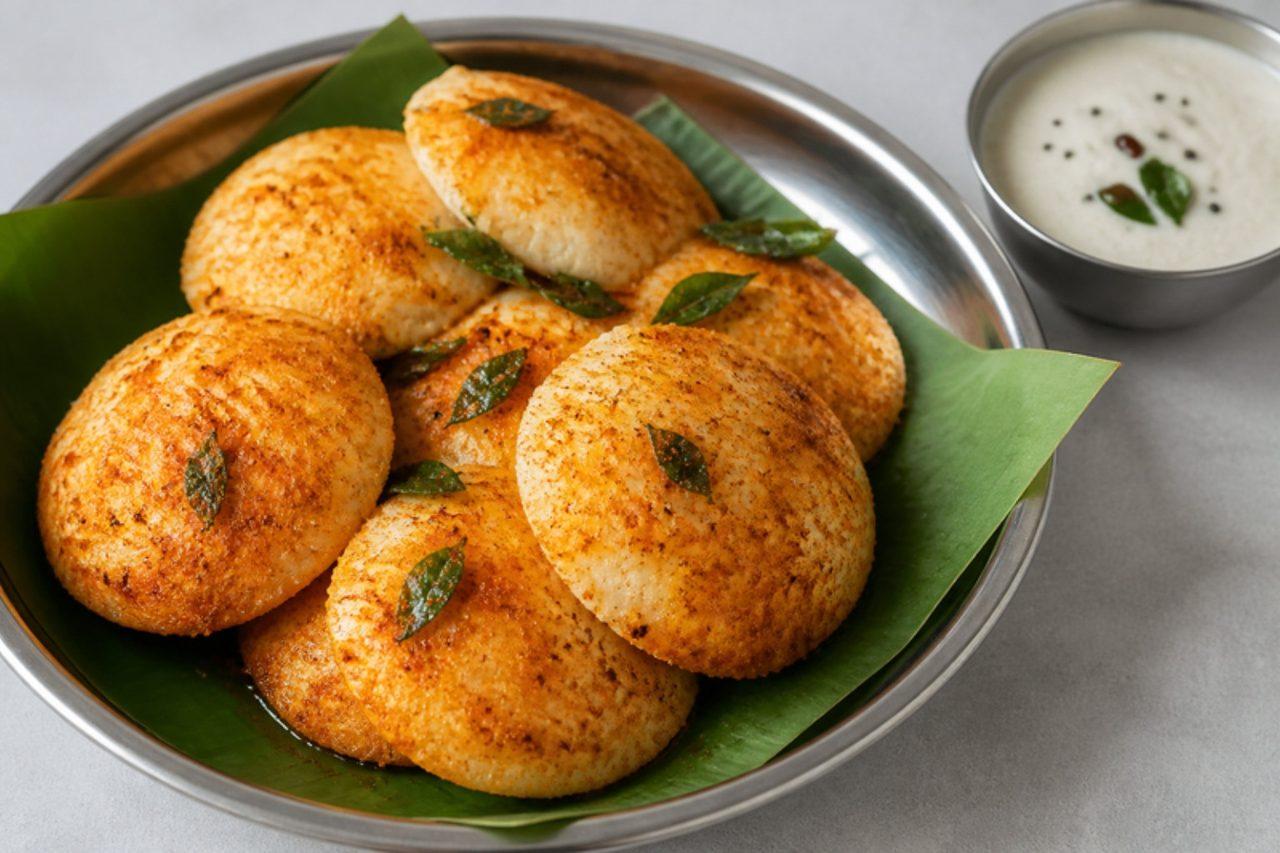
In Tamil Nadu and Karnataka, podi idli is the tiffin parents pack because it stays soft until lunch and needs no chutney: steamed mini idlis are tossed in hot sesame oil with mustard seeds, curry leaves and spicy-nutty idli podi, so every one is coated. Train travellers carry them for the same reason. It is vegan and contains sesame; check that your podi's asafoetida is gluten free if that matters. Chef's tip: let the idlis rest for 5 minutes after steaming so they firm up and don't break when you toss them.

by KrazyBadal 0 views

Vegetable frankie

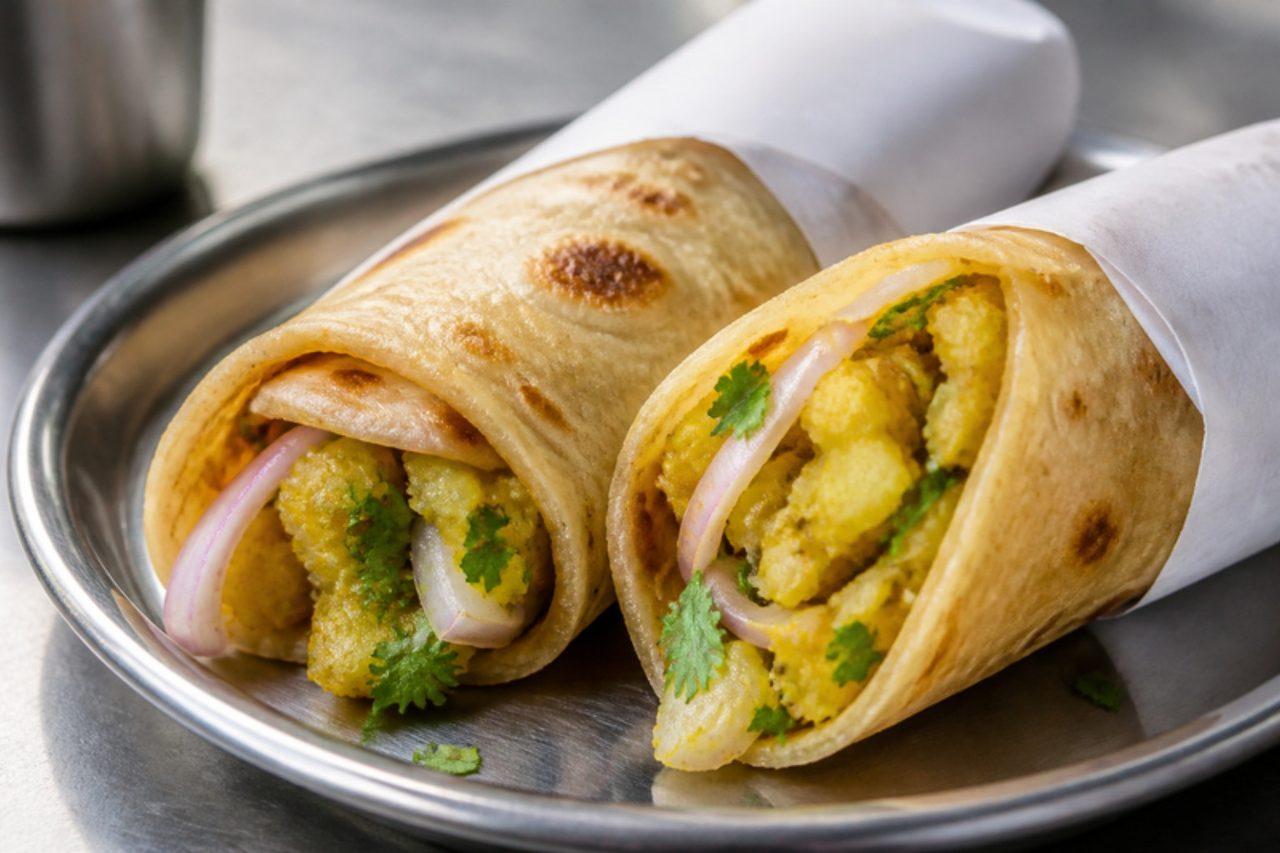
The frankie was born on the streets of Mumbai and soon moved into the city's tiffin boxes: a soft flour roti wrapped around a spiced potato filling, sprinkled with a tangy chaat-masala vinegar and raw onion, then rolled in paper. Children eat it for lunch and after school, and parents tone down the chilli. This version is vegan; it contains gluten (wheat flour). Chef's tip: just a few drops of the masala water per roll; it should taste tangy, not make the roti soggy.

by KrazyBadal 0 views

Aloo bondaPotato fritters

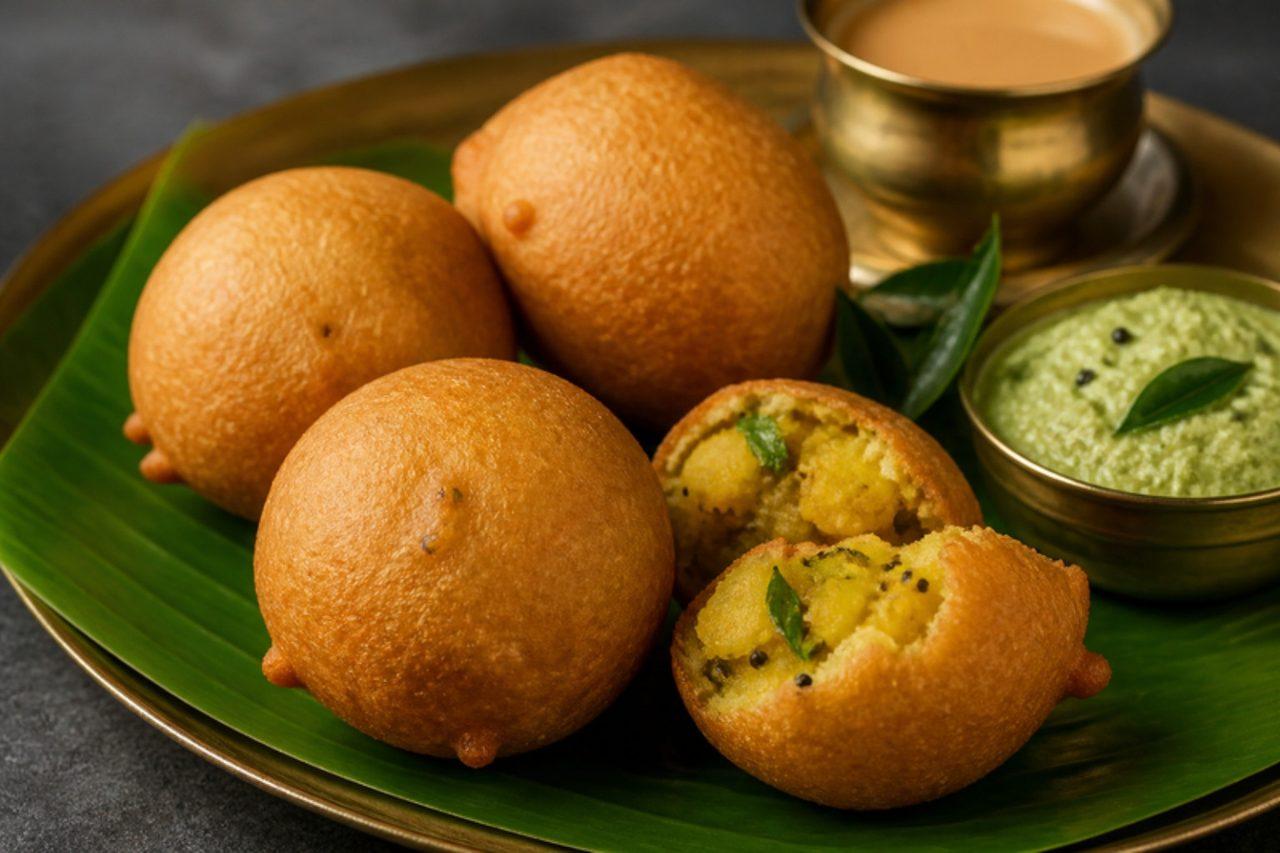
In Karnataka and across South India, aloo bonda are fried at home on rainy afternoons and sold in every darshini café, and children come home from school to a plate of them with coconut chutney and tea for the grown-ups. Soft potato with mustard seeds, curry leaves and ginger is wrapped in a golden, crisp gram-flour coat. For children, the green chilli can be cut right back. Gram flour is gluten free, but asafoetida often contains wheat, so check the label. Chef's tip: the batter should coat a spoon thickly, like pancake batter; too thin and it slides off the potato in the oil.

by KrazyBadal 0 views

Sev mamraPuffed rice snack mix

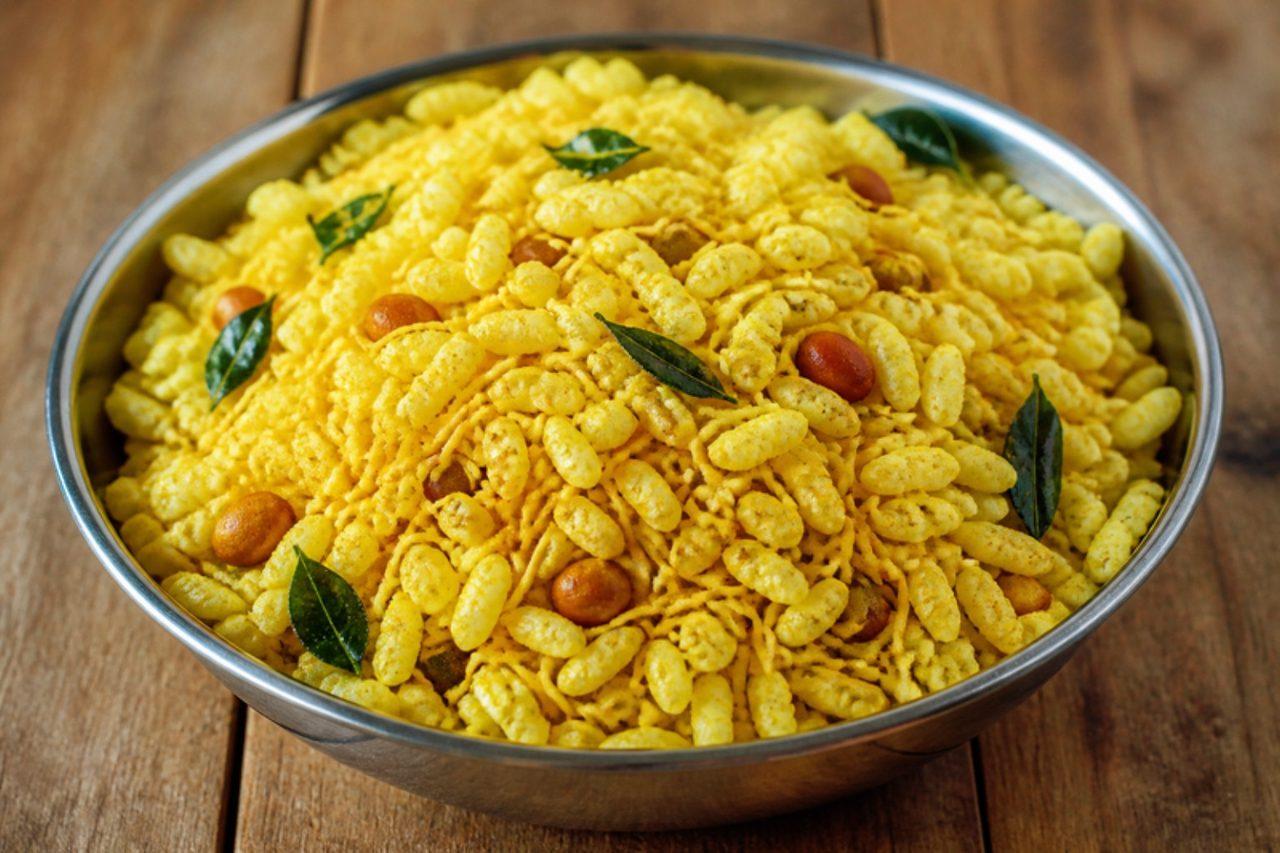
In Gujarati homes from Ahmedabad to Surat, a big steel tin of sev mamra is always ready for children coming home from school, unexpected guests and train journeys. Puffed rice is tossed in a little hot oil with turmeric, curry leaves and peanuts until crisp, then mixed with fine gram-flour sev for a savoury, mildly tangy crunch. A pinch of sugar is traditional; it is optional here. It contains peanuts. Whole peanuts are a choking risk for under-5s, so leave them out or crush them for little ones. Chef's tip: warm the puffed rice in the pan for a few minutes first; even slightly stale mamra turns crisp again.

by KrazyBadal 0 views

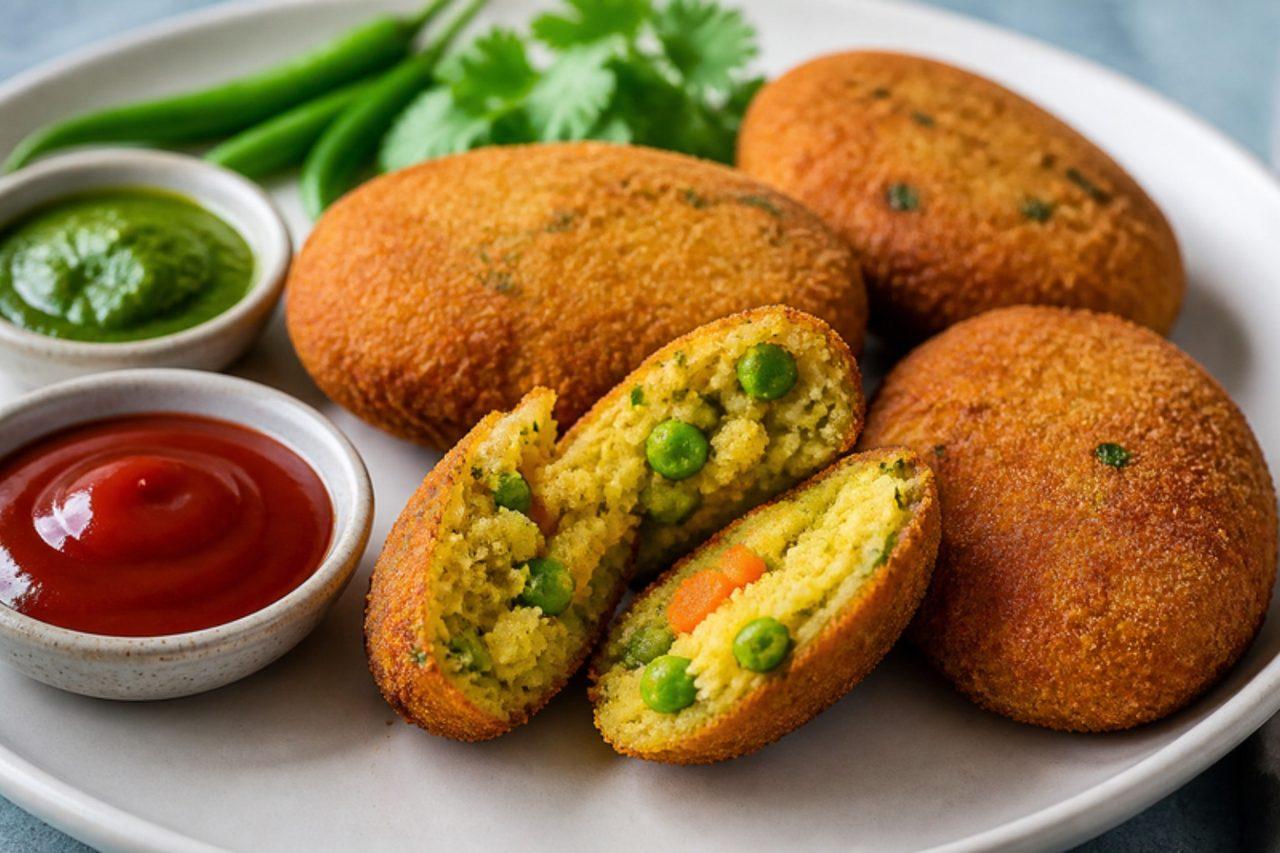
Vegetable cutlet

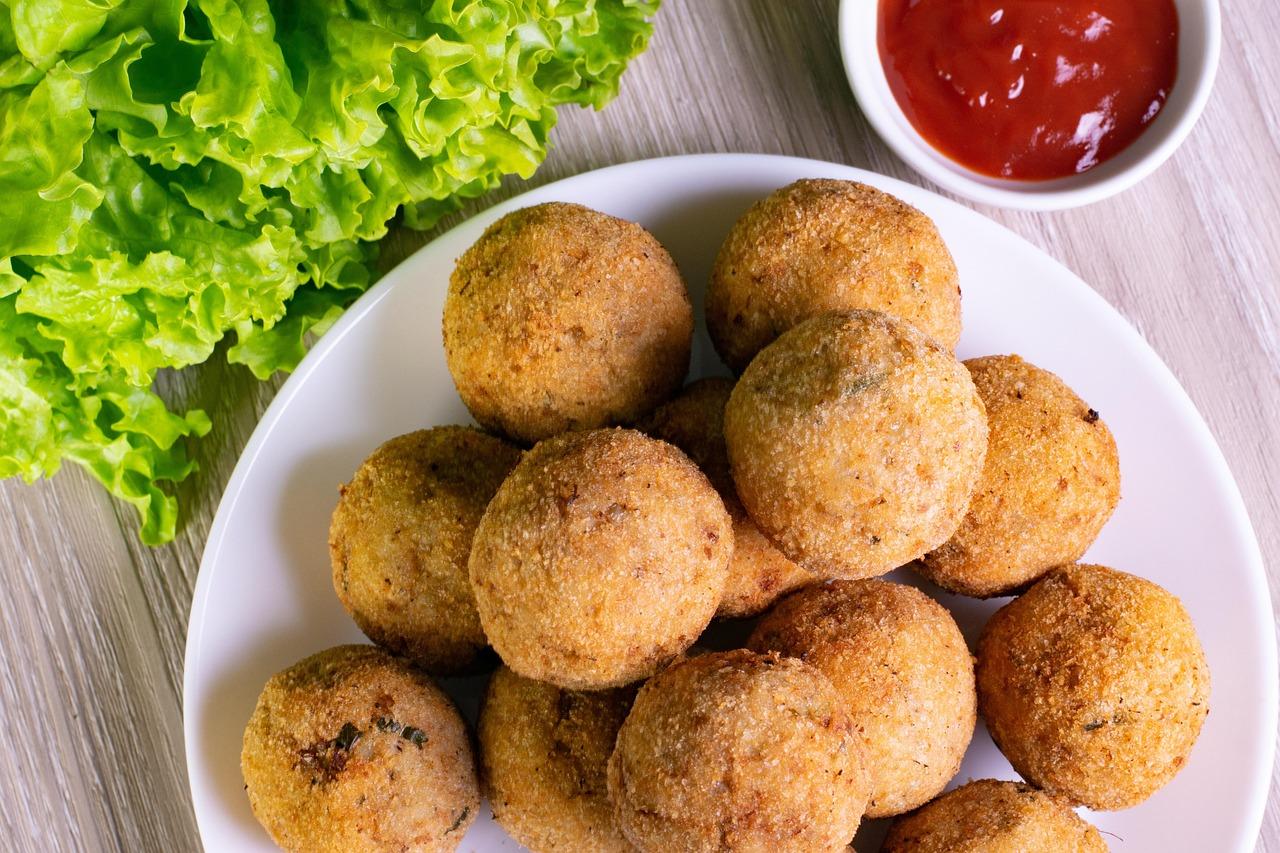
From Kolkata's railway canteens to Bengaluru's school tiffins, the vegetable cutlet is one of India's most familiar snacks: mashed potato with peas, carrot and green beans, lightly spiced, shaped into ovals, rolled in breadcrumbs and shallow-fried until crunchy. Children take them to school with ketchup and eat them warm at tea time. They are vegan and contain gluten (breadcrumbs). Chef's tip: chill the shaped cutlets for 20 minutes before frying; cold patties hold together and crisp better.

by KrazyBadal 0 views

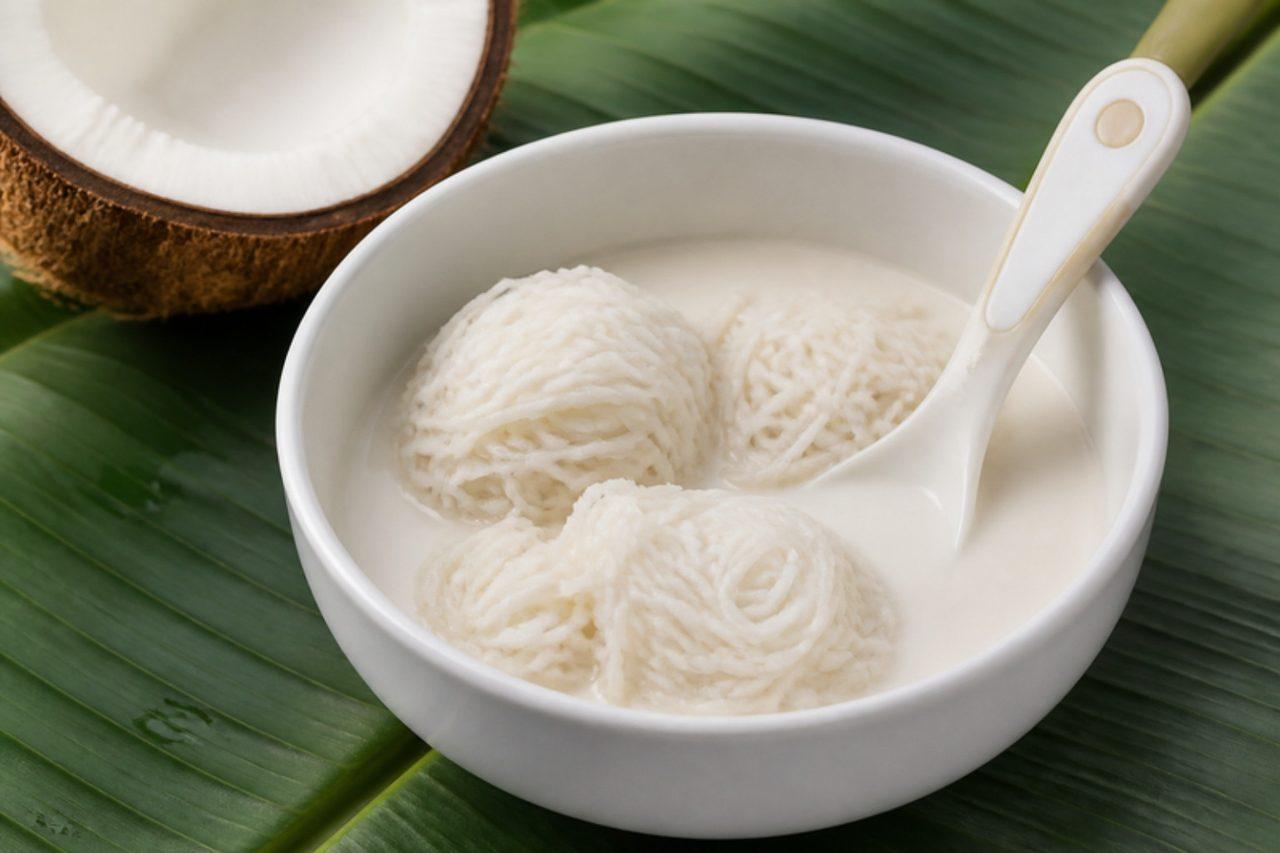
Idiyappam with coconut milk

Idiyappam, lacy nests of rice noodles pressed and steamed, is a breakfast across Kerala and Tamil Nadu, and soaked in fresh coconut milk it is one of the first 'proper' foods many South Indian babies eat, from about nine months. The strands are soft, a little springy and taste of sweet coconut. Grown-ups add salt to the dough and children over one often have a little jaggery stirred into the coconut milk; for babies both are left out. It has none of the common allergens (milk, egg, gluten, peanut, tree nuts, soya, sesame, fish), though coconut can rarely cause a reaction. Chef's tip: the water must be at a rolling boil when it hits the flour, or the dough is crumbly and won't press.

by KrazyBadal 0 views

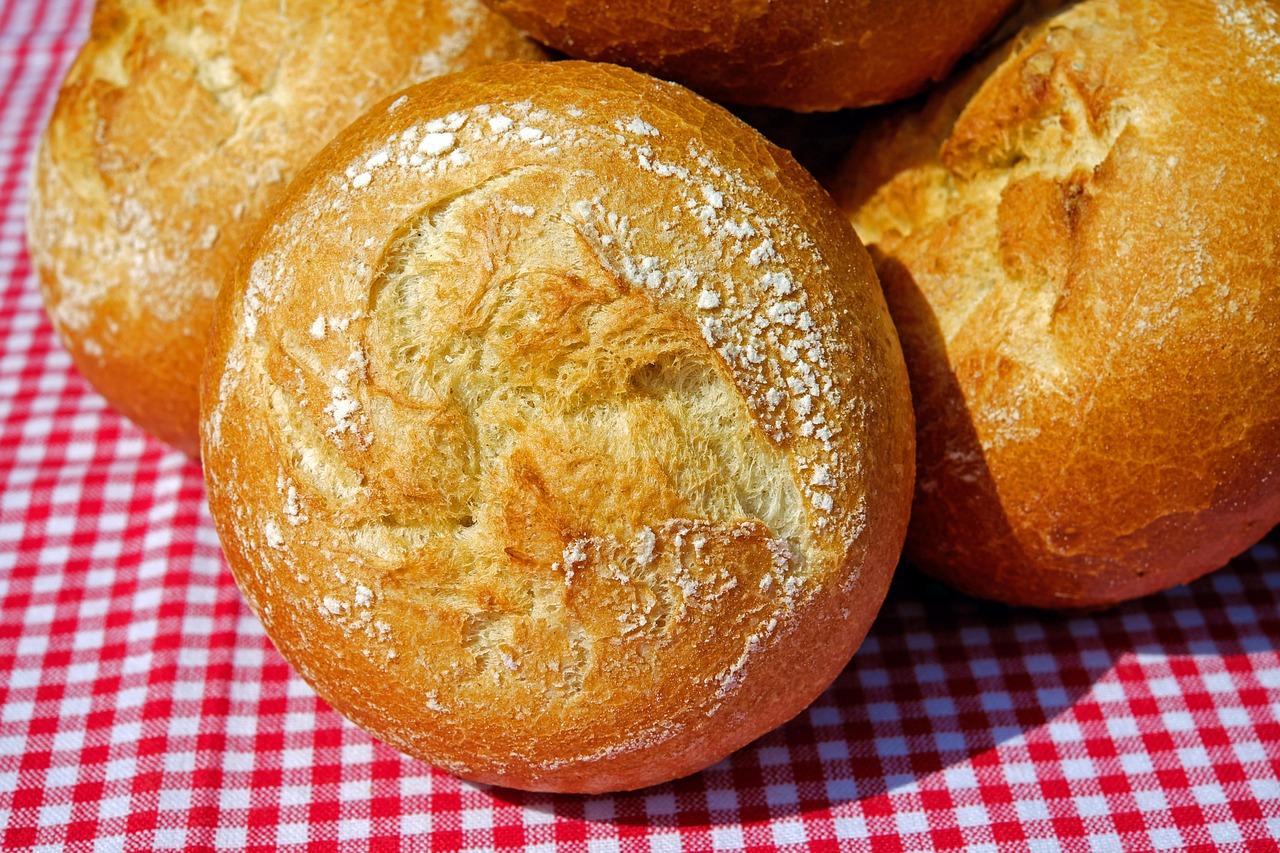
Brun pavHard-crusted bakery bun

Order brun maska at one of Mumbai's old Irani cafés, under the bentwood chairs and slow ceiling fans, and a waiter brings a hard, round bun split and spread thickly with butter, next to a cup of sweet Irani chai. Brun is the opposite of soft ladi pav: its floury top crackles, the crust is thick enough to knock on, and the inside is dense and chewy, made to be dunked until it softens. The bread itself is just flour, water, yeast and salt, so it is vegan; add the butter (or a vegan spread) only when serving. A long, fairly slow bake gives the crust; pulling it out when it is merely golden is the mistake that leaves you with an ordinary roll. Chef's tip: a day-old brun is even better for dunking, so bake a batch ahead and split and toast them lightly before buttering.

by KrazyBadal 0 views

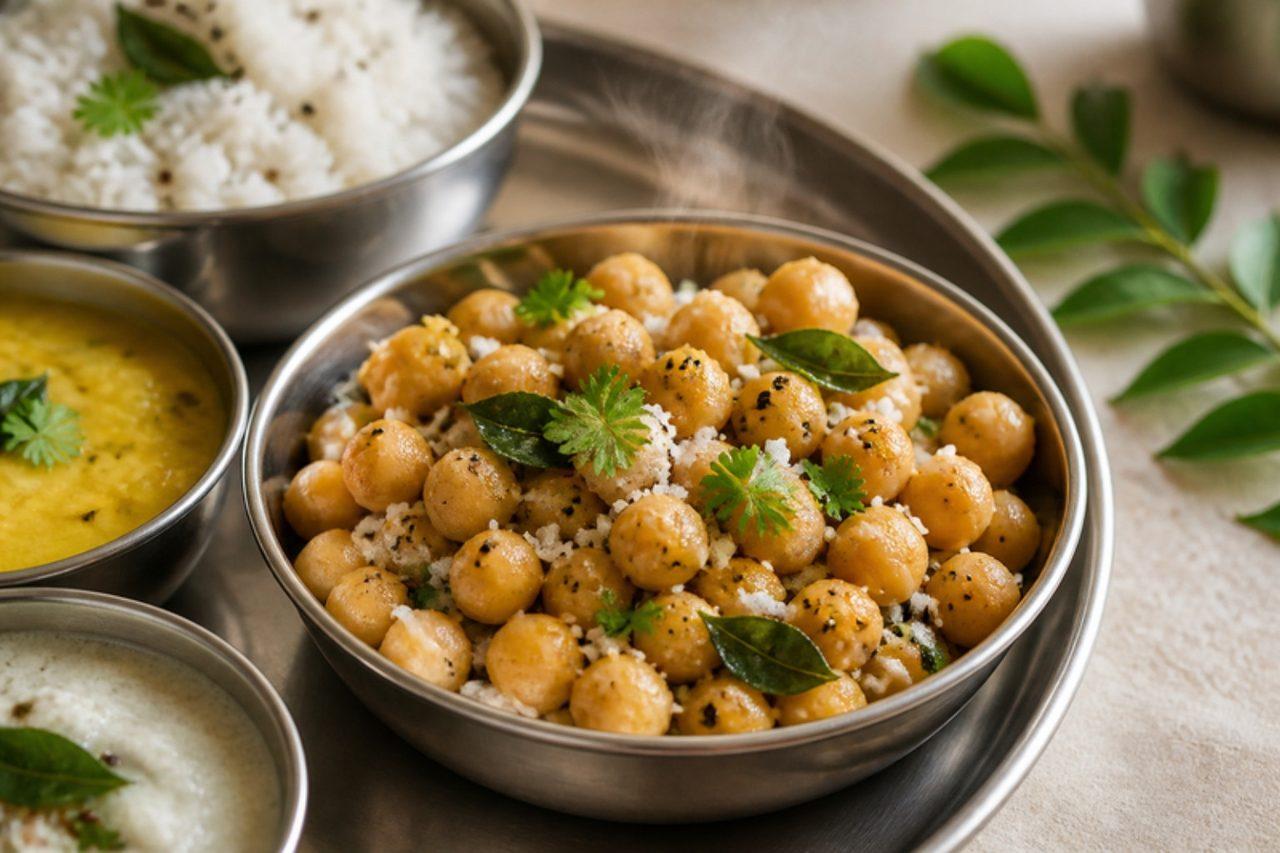
Chana sundalChickpea coconut stir-fry

On the sand of Chennai's Marina Beach, vendors sell sundal in paper cones at sunset, and during the nine nights of Navaratri every Tamil home makes a different sundal to offer at the golu doll display and hand out to visiting neighbours. This one is chickpeas tossed in a hot tempering of mustard seeds, urad dal, dried chilli and curry leaves, finished with fresh coconut and a squeeze of lime. A portion is about 190 kcal. Using cooked or tinned chickpeas keeps it under 20 minutes; if you start from dried, soak 120 g overnight and pressure-cook them until soft. The common mistake is wet, mushy chickpeas, which make the coconut clump; drain them well and let them steam dry for a few minutes. Chef's tip: add the coconut off the heat; cooked coconut loses its fresh, milky sweetness.

by KrazyBadal 0 views

Showing 48 of 551 recipes

Show more recipes

Page 2 of 23

More collections