Skip to content
Festivals

Navratri and Durga Puja recipes: farali food and bhog

Farali dishes for the Navratri fasts and bhog for Durga Puja, from sabudana khichdi to luchi, labra and payesh. (34 recipes)

Sabudana khichdiSago with peanuts and potato

Sabudana khichdi is the dish that sees Maharashtra through every vrat (fast), from Navratri to Ekadashi, but it's so good that people eat it any day of the week. Soaked sago pearls are tossed in a pan with crushed roasted peanuts, cubes of potato, cumin and green chilli until each pearl turns glassy and separate, then finished with lemon and coriander. It's soft, chewy, nutty and gently hot. Fasting rules vary from family to family, so check yours; this version uses rock salt and no asafoetida, onion or garlic. Traditionally it's cooked in ghee; use ghee instead of oil if you aren't keeping it vegan. Chef's tip: soak the sago in just enough water to cover by the height of the pearls themselves, no more; too much water is the reason khichdi turns into one sticky lump.

by KrazyBadal 2 views

Farari samo khichdiBarnyard millet with potato and peanuts

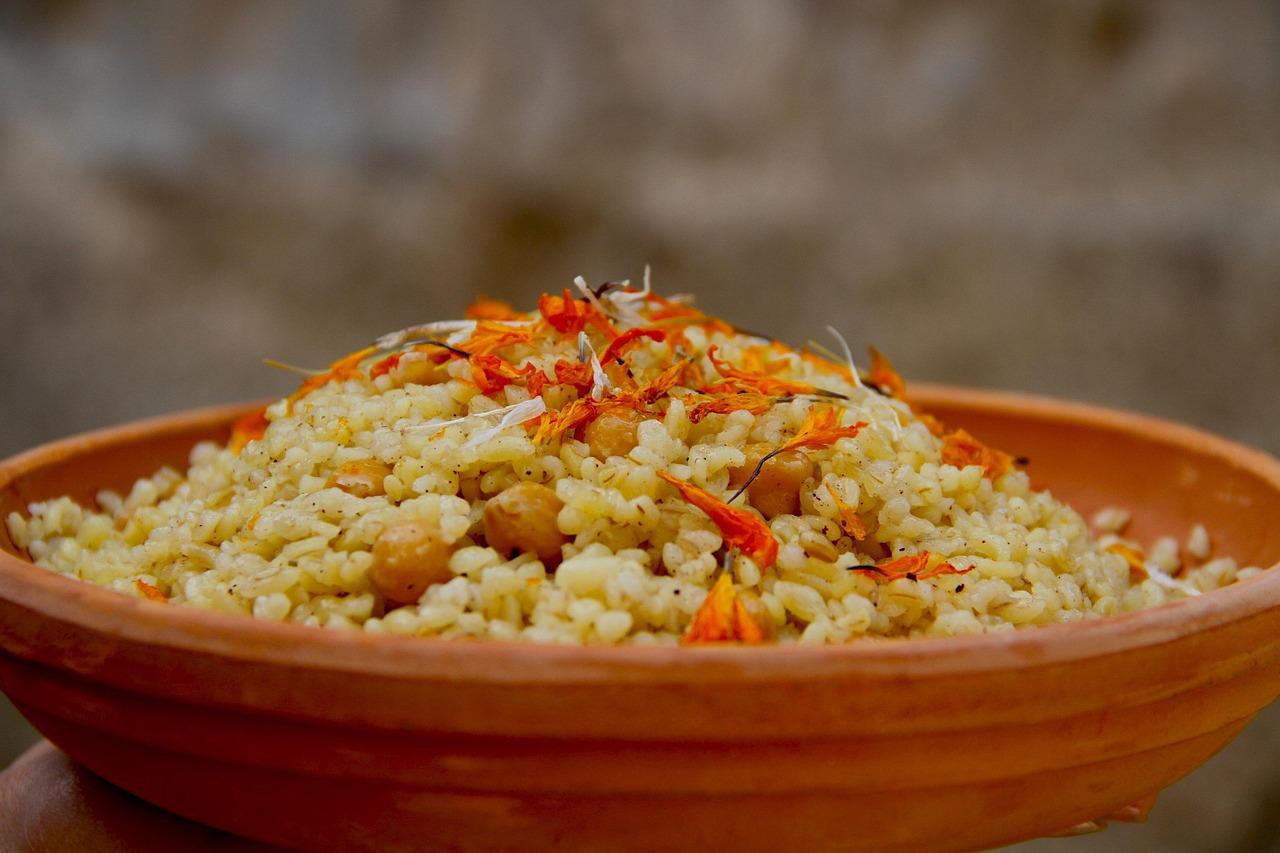
Samo (also called moraiyo, sama or barnyard millet) is the fasting-day stand-in for rice. Here it's simmered with potato cubes and crushed roasted peanuts after a ghee tempering of cumin, cloves and cinnamon, then finished with lemon and coriander. It's soft, nutty and mildly spiced. Serve it hot with yogurt or farari potato kadhi.

by KrazyBadal 1 views

Farari cutletsPeanut-crusted potato cutlets

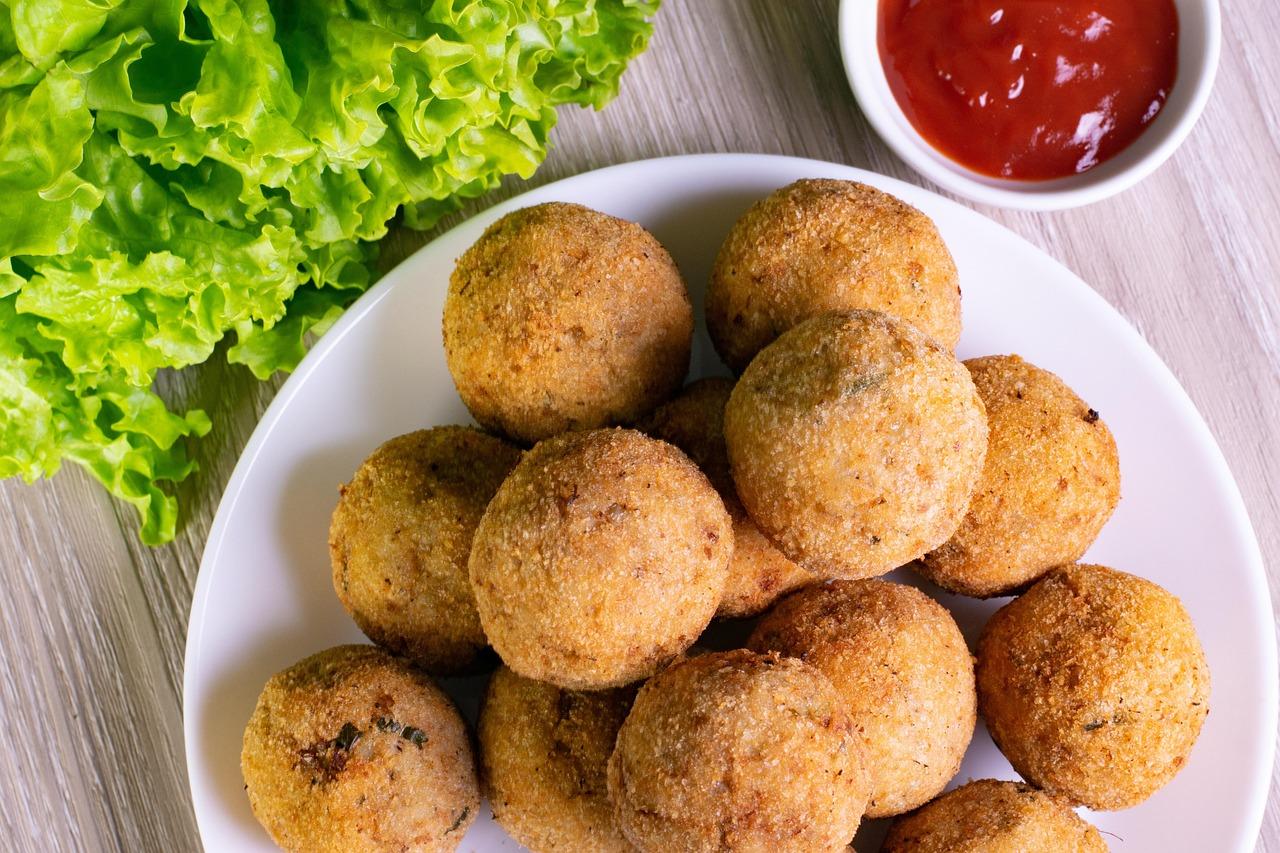
Diamond-shaped cutlets of potato and sweet potato with fresh coconut and roasted peanuts, dipped in a cassava-flour batter and coated in coarse peanut powder, then fried until golden. They're crunchy outside, soft and gently sweet inside. Serve hot with coconut and tomato chutney (use a farari one without onion or garlic). Makes 20.

by KrazyBadal 1 views

Roasted makhana (crunchy fox nuts)

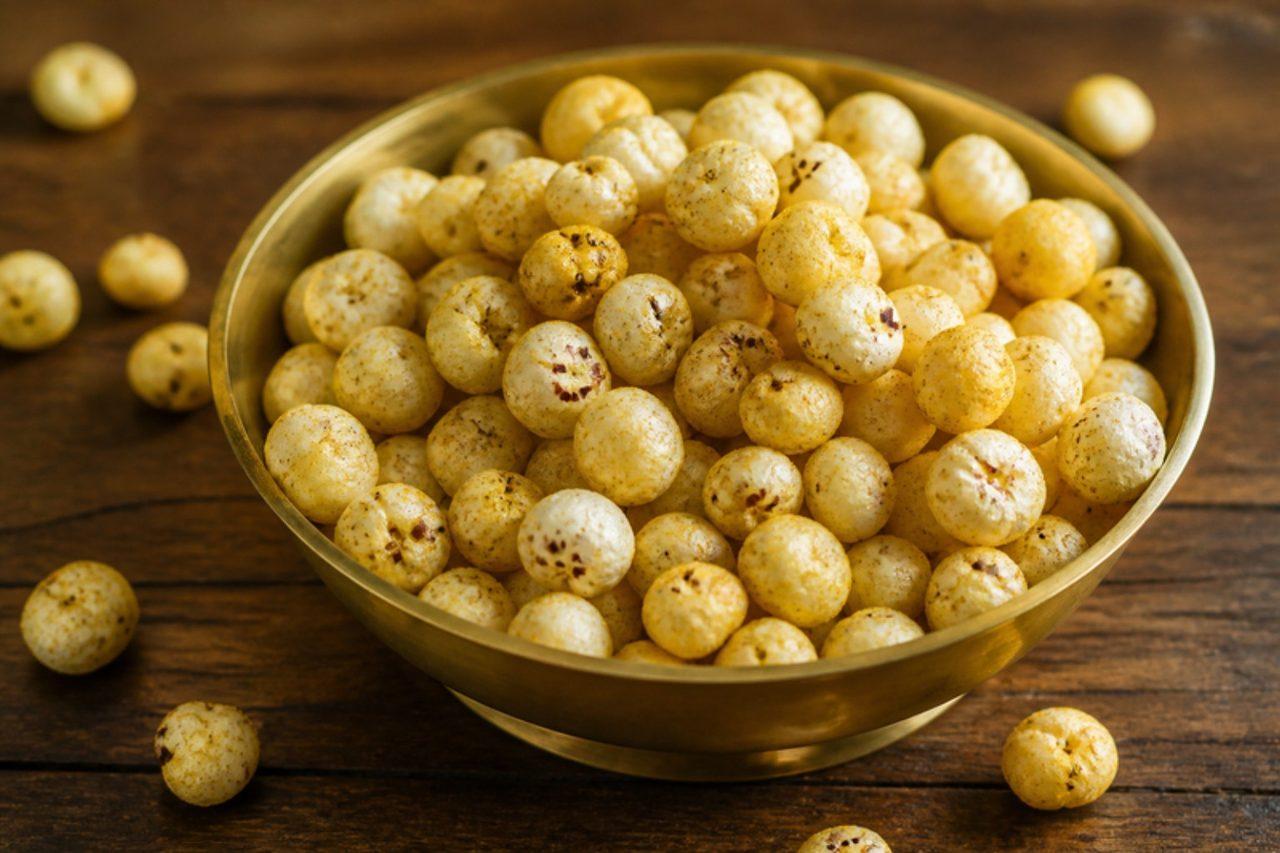
Across North India, a jar of roasted makhana sits on the kitchen shelf for after-school munching, Navratri fasting days and evening cricket on television. The puffed lotus seeds turn from soft to crisp and light in a few minutes of slow roasting in ghee, like a nutty, savoury popcorn. Rock salt and pepper keep it suitable for fasting; turmeric or chaat masala are everyday variations. It contains milk (ghee). Whole makhana are a choking risk for under-5s, so crush them for little ones. Chef's tip: test one before you season: it should snap with a clean crunch, not bend.

by KrazyBadal 0 views

Chana sundalChickpea coconut stir-fry

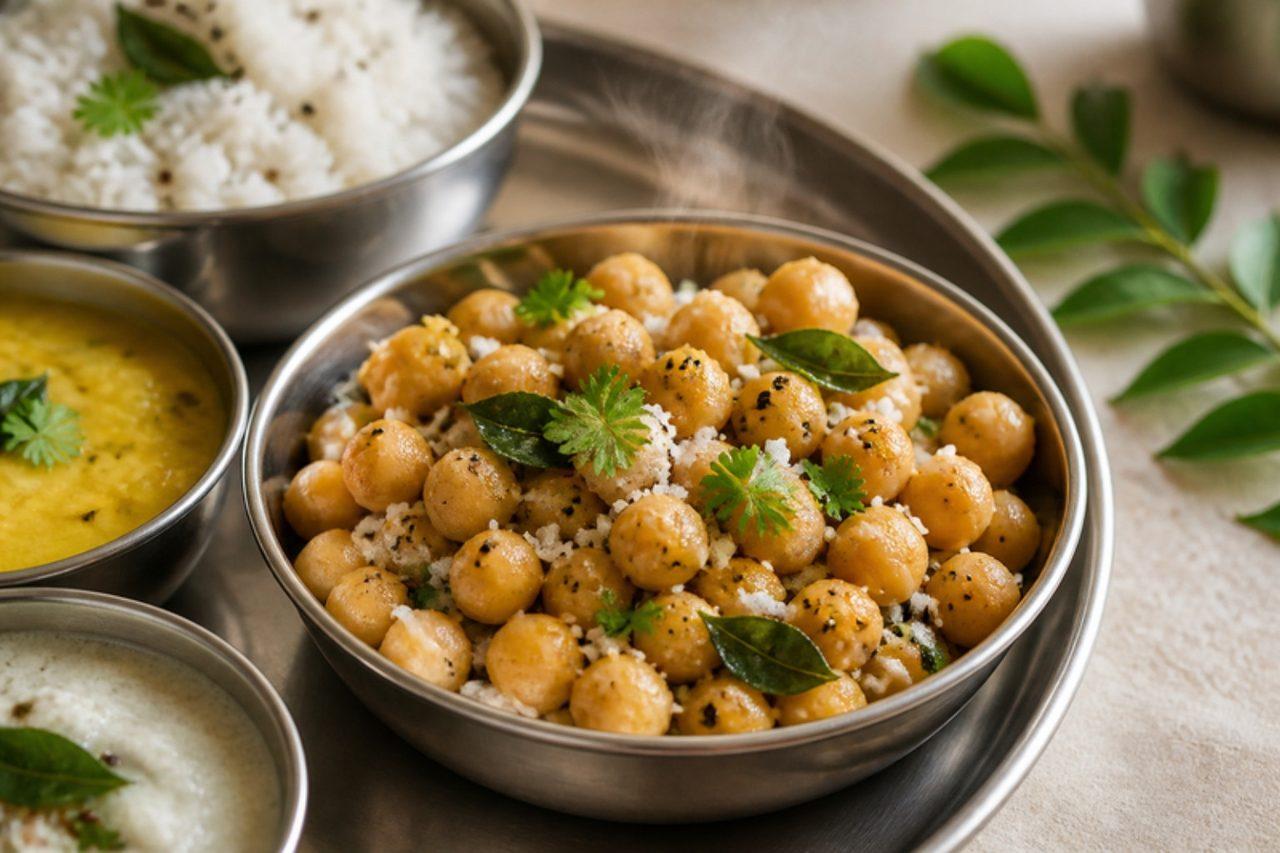
On the sand of Chennai's Marina Beach, vendors sell sundal in paper cones at sunset, and during the nine nights of Navaratri every Tamil home makes a different sundal to offer at the golu doll display and hand out to visiting neighbours. This one is chickpeas tossed in a hot tempering of mustard seeds, urad dal, dried chilli and curry leaves, finished with fresh coconut and a squeeze of lime. A portion is about 190 kcal. Using cooked or tinned chickpeas keeps it under 20 minutes; if you start from dried, soak 120 g overnight and pressure-cook them until soft. The common mistake is wet, mushy chickpeas, which make the coconut clump; drain them well and let them steam dry for a few minutes. Chef's tip: add the coconut off the heat; cooked coconut loses its fresh, milky sweetness.

by KrazyBadal 0 views

Khatta meetha kadduSweet-sour pumpkin

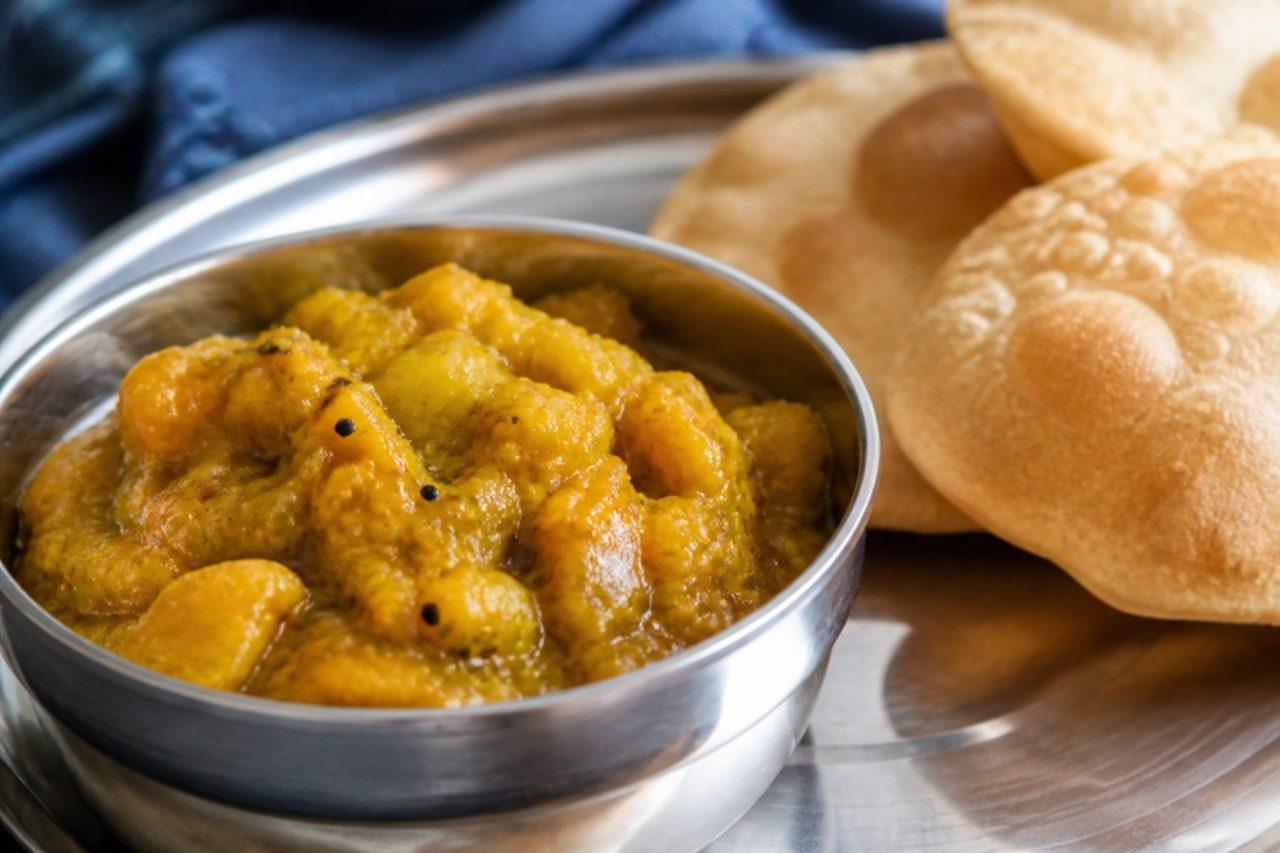
Kaddu ki sabzi with puri is the meal served at countless bhandaras, the free community feasts outside temples in Uttar Pradesh and Punjab, and at home it is a fasting favourite for Navratri. Chunks of yellow pumpkin are cooked until soft with sizzling fenugreek seeds and cumin, then half-mashed and finished with jaggery and dry mango powder, so the dish swings between sweet and sour with gentle heat from ginger and chilli. The fenugreek gives it a faintly bitter, maple-like depth. This fasting version uses rock salt and leaves out the turmeric, asafoetida and fennel that bhandara cooks add. Serve with kuttu puri or regular puri, and a bowl of raita. Chef's tip: keep the skin on part of the pumpkin; it holds the pieces together while the peeled pieces melt into the sauce, giving a better texture.

by KrazyBadal 0 views

Kuttu ki puriBuckwheat puris

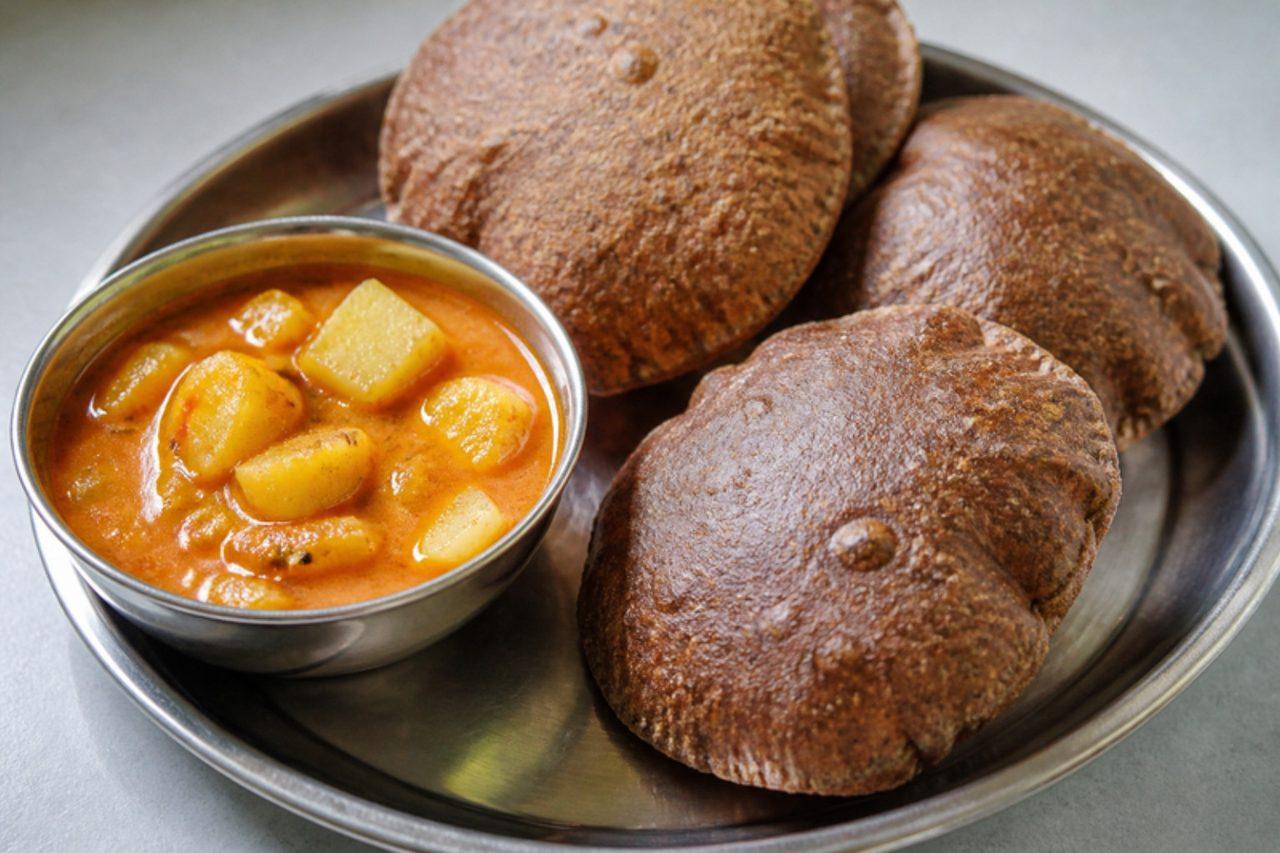
Through the nine days of Navratri, Delhi and Punjabi kitchens switch wheat for kuttu, buckwheat flour, and these dark, earthy puris become the fast-day staple. Kuttu has no gluten, so boiled potato is mashed in to bind the dough and keep the puris soft; they puff less than wheat puris but come out crisp at the edges and tender inside, with a nutty, slightly bitter flavour. Rajgira or singhara flour can be used in exactly the same way. They are eaten with vrat ke aloo, kaddu ki sabzi or a bowl of sweet curd, and on Ashtami many temples serve them with halwa. Only sendha namak goes in, and no regular salt, spices or grains, so they suit strict fasts. Buckwheat is naturally gluten-free, but buy flour labelled gluten-free if that matters to you, as some is milled alongside wheat. Chef's tip: make the dough just before frying; kuttu dough goes sticky and wet if it sits.

by KrazyBadal 0 views

Makhana kheerFox nut milk pudding

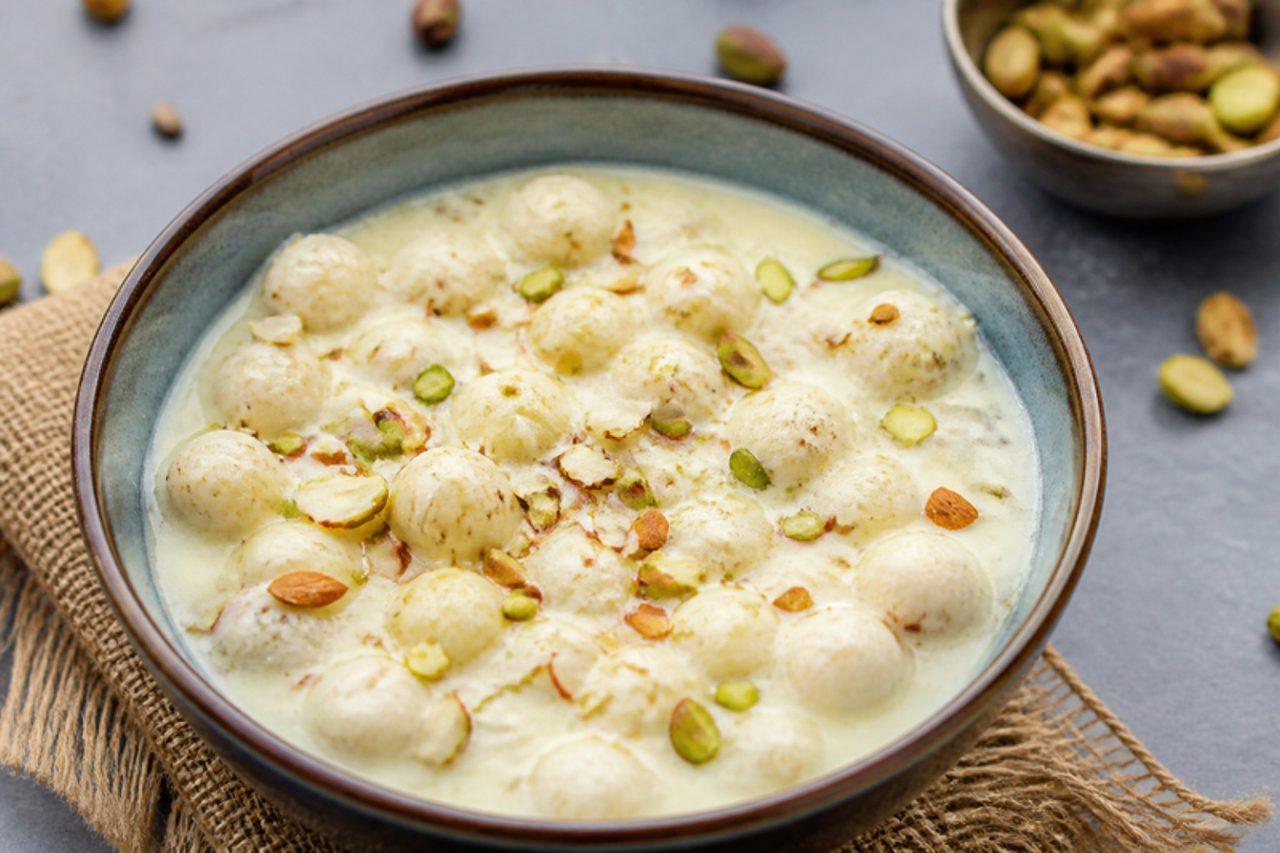
Most of India's makhana comes from the ponds of Mithila in north Bihar, where the lotus-like seeds are harvested by hand, roasted and popped into the airy white puffs sold everywhere. For fasts across North India, from Navratri to Janmashtami and Mahashivratri, makhana kheer is the sweet of choice because it needs no grain at all. The fox nuts are roasted in ghee until crisp, half crushed, then simmered in reducing milk, where they soften into a creamy, slightly chewy texture with a gentle nuttiness. Cardamom and a few nuts finish it. Serve it warm after a fasting meal, or chilled on hot evenings. It thickens as it cools, so loosen it with a splash of milk if needed. Chef's tip: roast the makhana until one crushes easily between your fingers; under-roasted puffs stay spongy and taste raw in the kheer.

by KrazyBadal 0 views

Rajgira ladooPopped amaranth jaggery balls

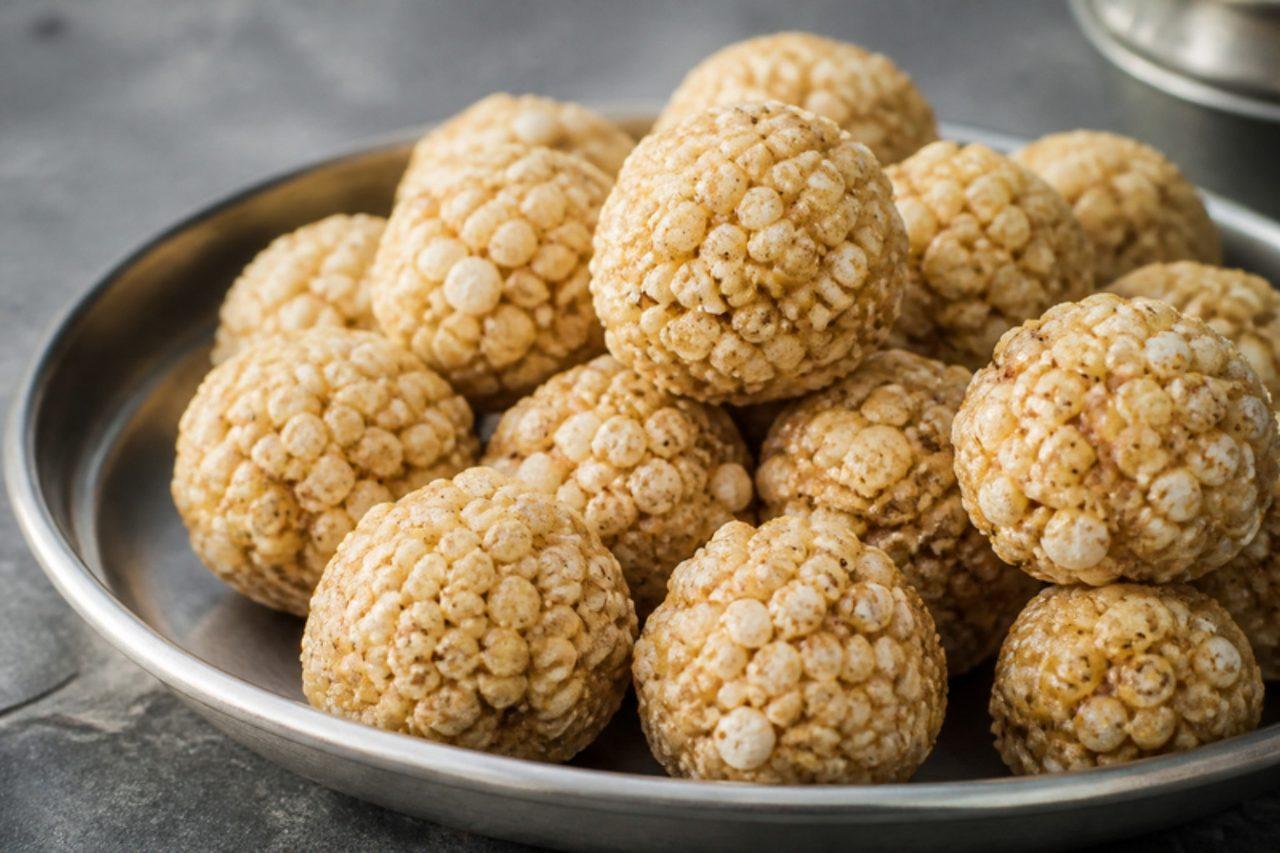
Before Mahashivratri and Navratri, sweet stalls in Maharashtra pile up trays of rajgira ladoo, and they are one of the few sweets that suit a strict fast and a vegan diet at once. Amaranth seeds puff like tiny popcorn in a hot pan; mixed with jaggery cooked to a firm syrup, they set into light, crunchy balls with a toffee-like, molasses sweetness and a toasty grain flavour. They are eaten as an energy-giving snack on fast days, given as prasad, and packed for long temple queues. Ready-popped rajgira is easy to find in Indian shops; popping your own seeds (a spoonful at a time in a hot, dry, lidded pan) takes about 10 minutes more. Chef's tip: wet your palms with cold water and shape the ladoos while the mix is very warm; once the jaggery cools, it sets hard and won't bind.

by KrazyBadal 0 views

Rajgira parathaAmaranth flatbread

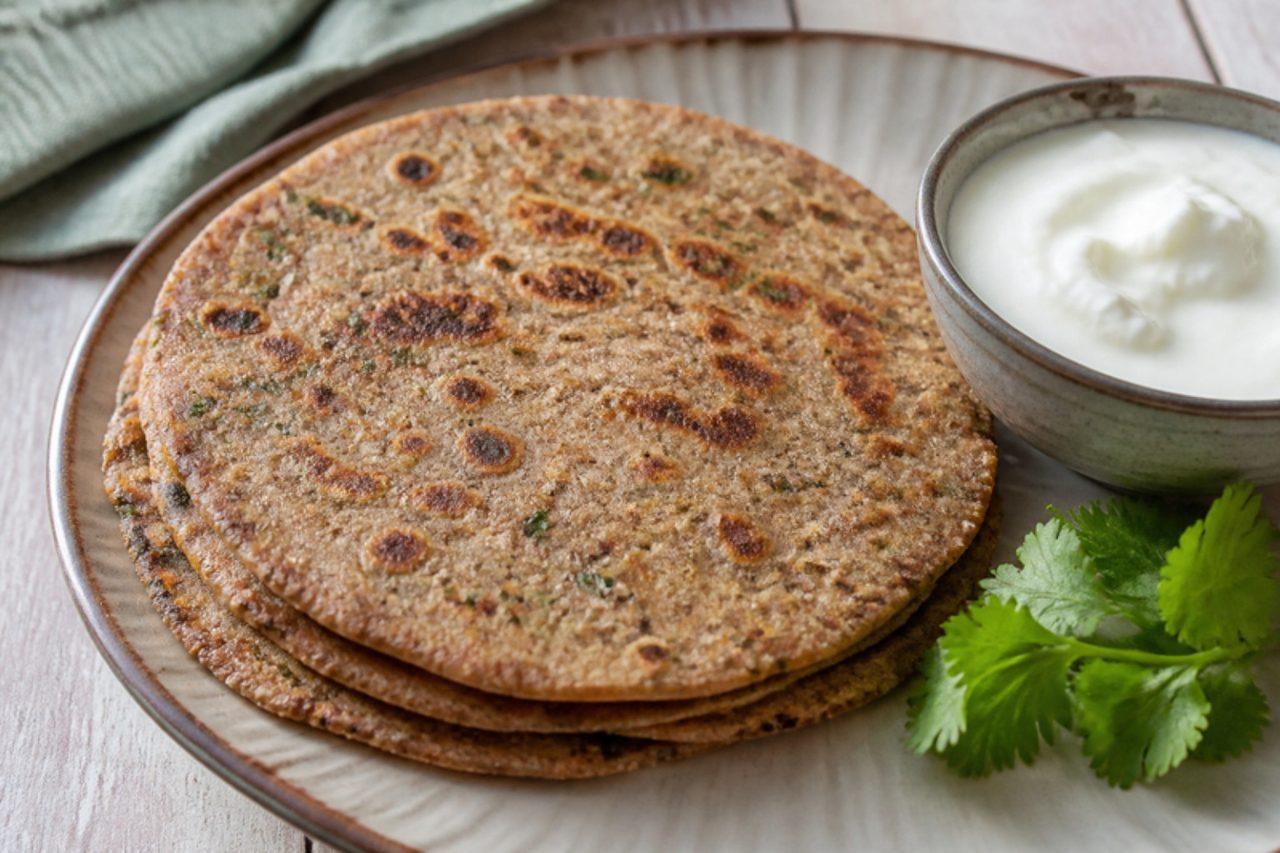
In Maharashtrian homes on Ekadashi, Mahashivratri and the Navratri fast, rajgira, amaranth, replaces wheat, and these parathas are the most filling way to eat it. The flour has a mild, nutty, grassy flavour and no gluten, so boiled potato is kneaded in to hold the dough together, with chopped green chilli, cumin, coriander and rock salt for a lightly spiced flatbread. Cooked on a griddle with ghee, they turn golden-spotted and soft with crisp edges. Serve them with sweet dahi, upvasachi batata bhaji or a dab of peanut chutney. Strict fasts in some homes skip cumin and coriander leaves, so leave them out if your family does. Use flour labelled gluten-free if that matters to you. Chef's tip: pat the dough out between two sheets of oiled plastic and lift it onto the tawa on the sheet, peeling it off as it goes down; rajgira dough is too fragile to roll and flip like wheat.

by KrazyBadal 0 views

Sama ke chawal ki kheerBarnyard millet milk pudding

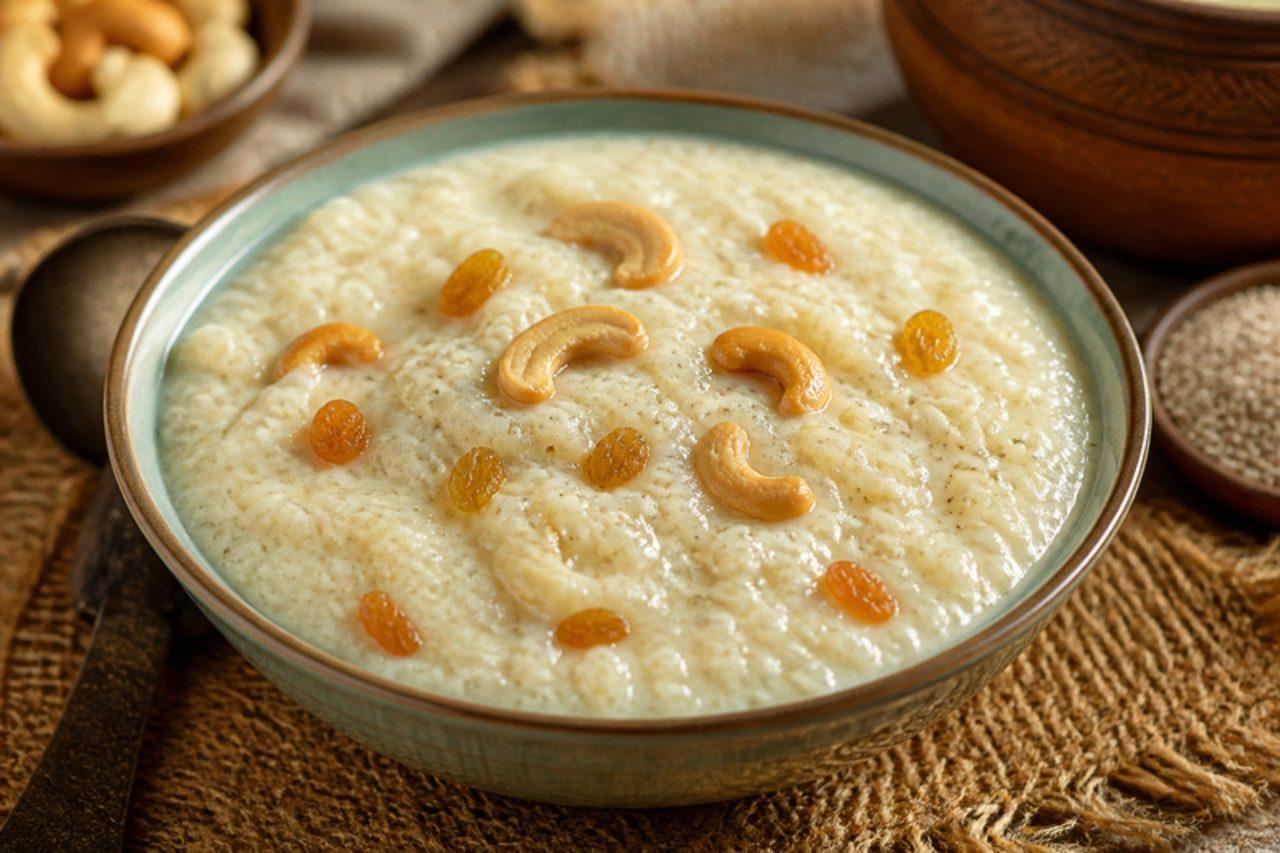
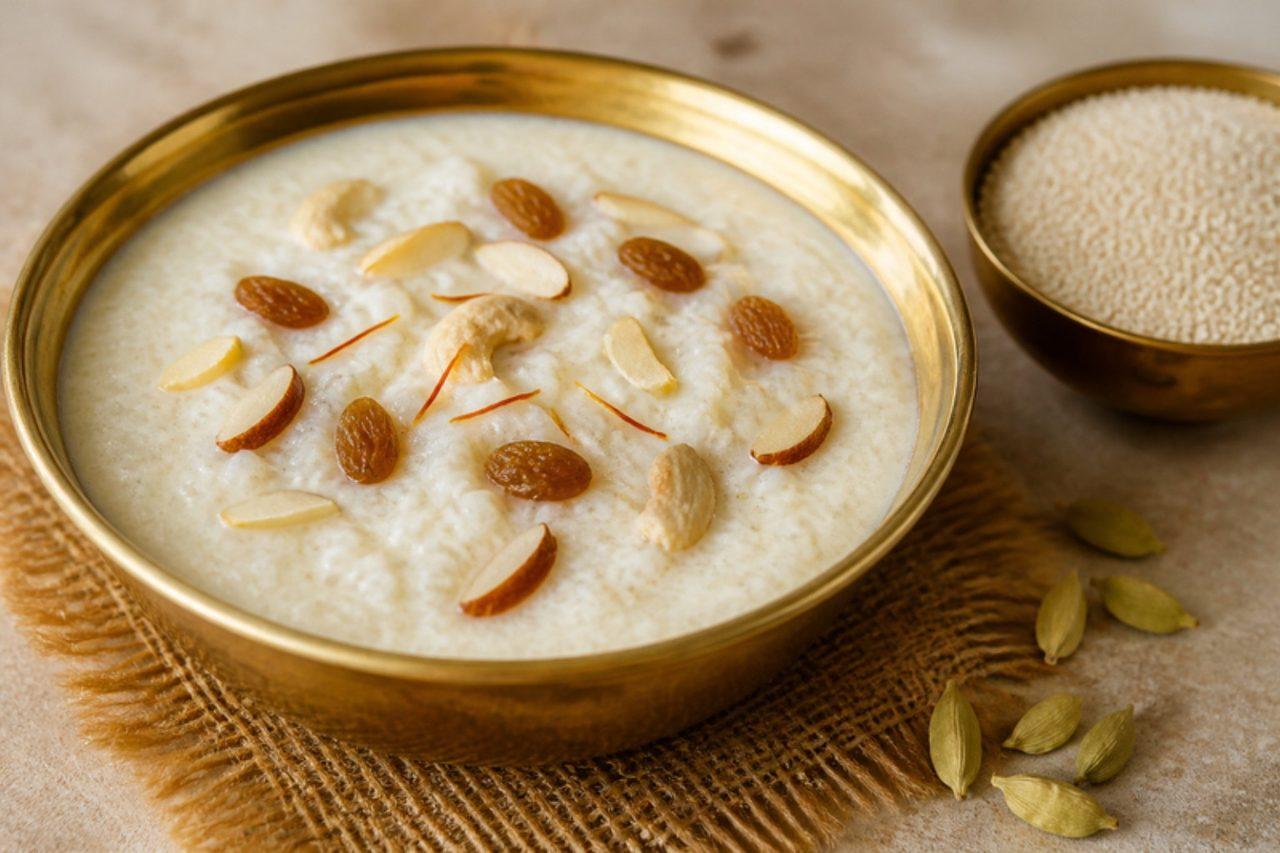
Sama, also called samak or vrat ke chawal, is barnyard millet, a tiny grain that North Indian families treat as rice on fast days because it isn't a true cereal for the purposes of the vrat. Cooked slowly in milk, the grains swell, burst and release their starch, so the kheer turns thick and creamy in about twenty minutes, much faster than rice kheer, with a mild, nutty flavour. Ghee-fried cashews and raisins add crunch and sweetness. It is made for Navratri, Ekadashi and Karva Chauth, and served warm after the evening puja or cold the next day. Sama sticks to the pan quickly, so use a heavy-based pan and keep stirring once the grains go in. Chef's tip: rinse the sama in several changes of water until it runs clear; the dusty starch on the grains makes the kheer gluey and slightly bitter.

by KrazyBadal 0 views

Singhare ka halwaWater chestnut flour pudding

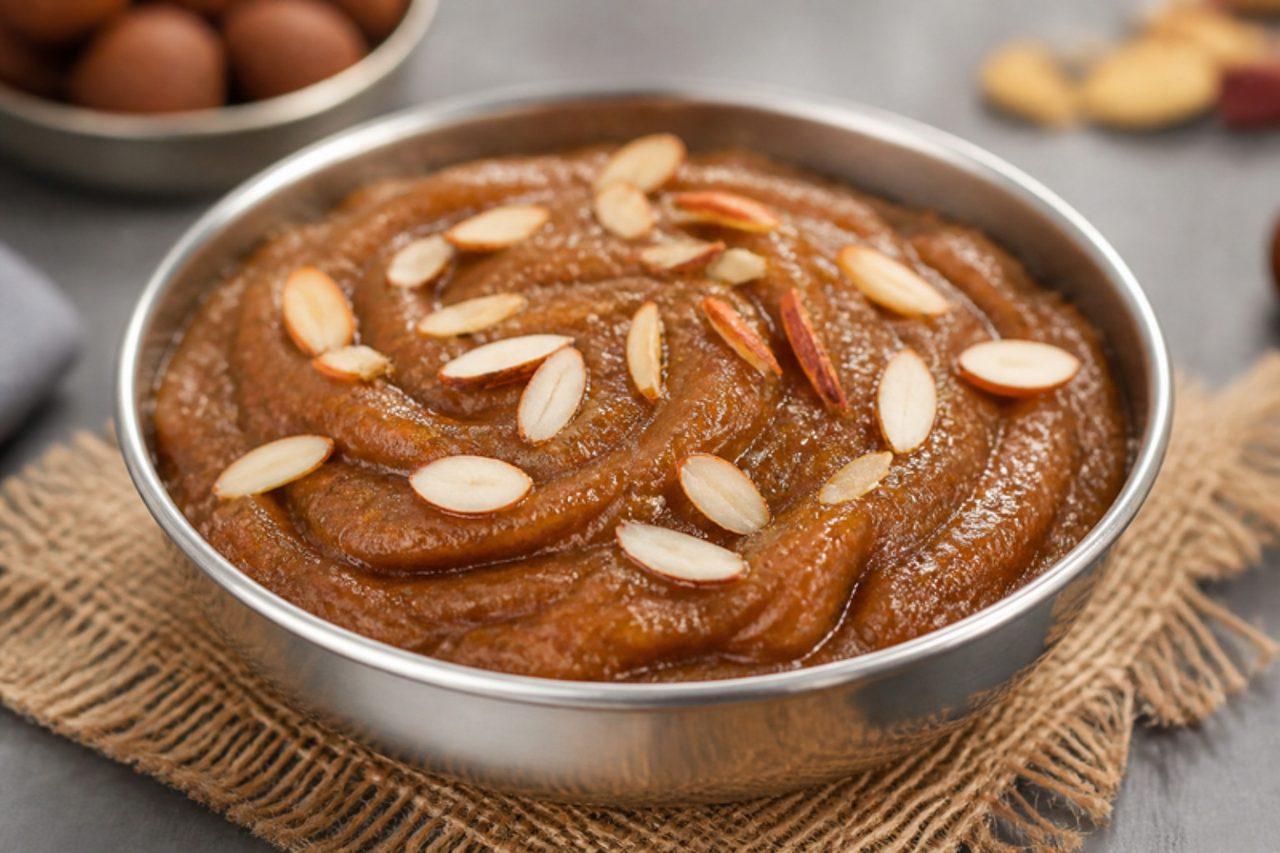
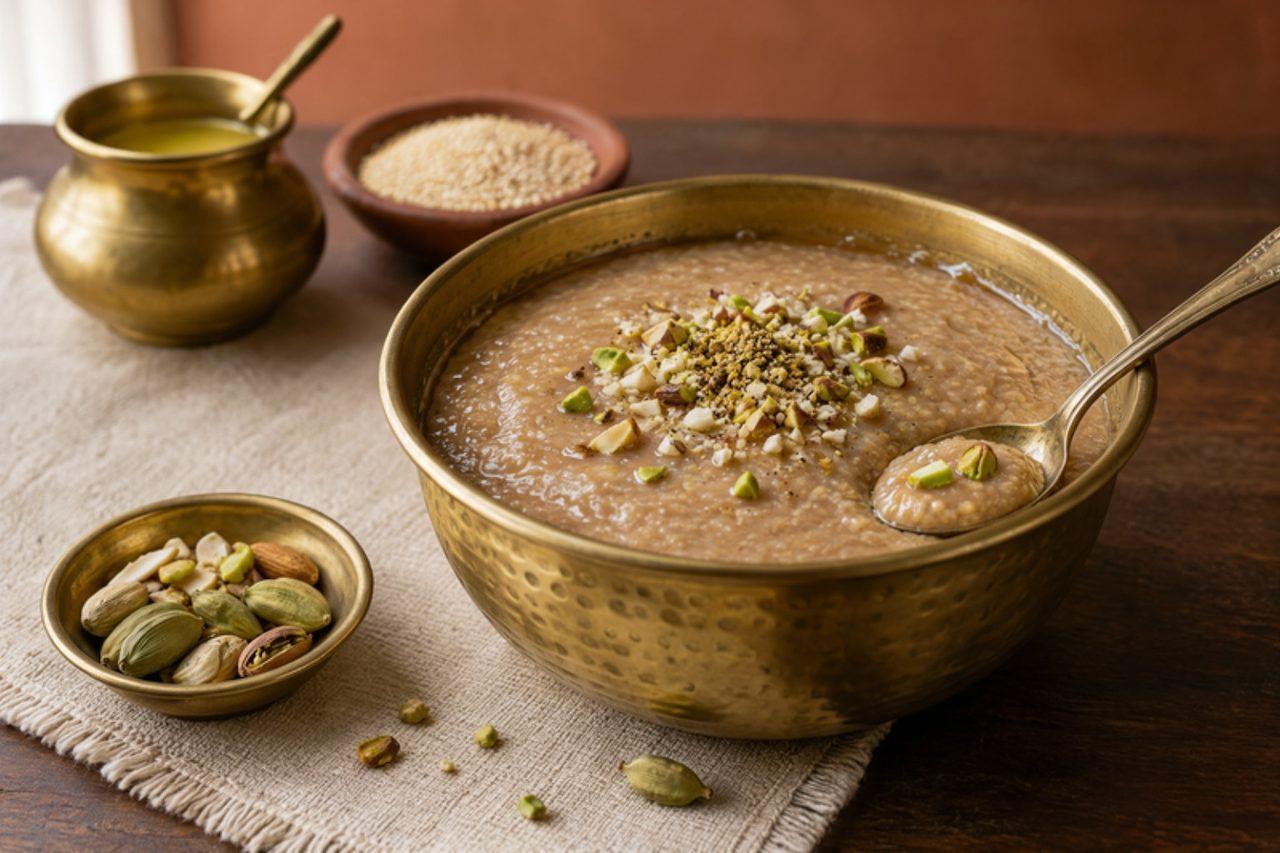
Singhara, water chestnut, is dried and ground into a pale flour that North Indian homes keep for fasts, and this halwa is what many make first on Navratri Ashtami, Janmashtami or Ekadashi, often as the bhog offered before the fast is broken. It comes together in twenty minutes: the flour is roasted in ghee until it smells toasty and darkens a shade, hot sugar water goes in, and with fast stirring it swells into a soft, glossy halwa that is earthy, sweet and slightly chewy. Serve it warm, on its own or with kuttu puri and aloo for a full fasting meal. It uses only ingredients allowed on most fasts. Chef's tip: dissolve the sugar in the water and keep it at a boil; cold liquid makes the flour seize into lumps the moment it hits the pan.

by KrazyBadal 0 views

Upvasachi batata bhajiFasting potato stir-fry with peanuts

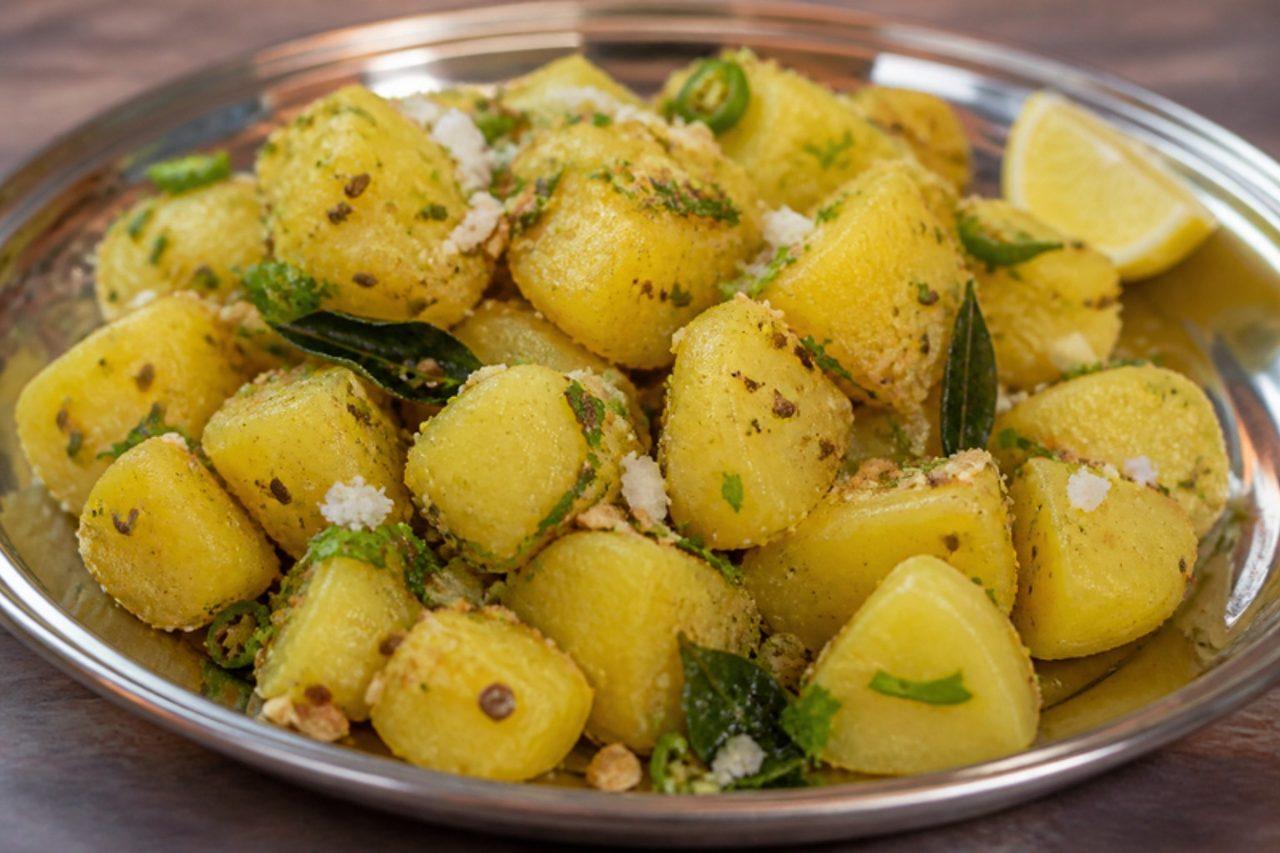
Ask anyone from Pune or Nashik what they eat on Ekadashi or a Navratri upvas, and this dry potato bhaji will be on the plate, usually next to sabudana khichdi or bhagar and a bowl of danyachi amti. Unlike North Indian vrat ke aloo, there is no tomato and no gravy: cubes of boiled potato are tossed in ghee or oil with cumin and crushed green chilli, then coated in coarsely ground roasted peanuts that cling to every piece. A little sugar and lemon give it the gentle sweet-sour lift that Maharashtrian cooking loves, and coriander and fresh coconut finish it. It is quick, filling and good cold in a tiffin too. Some families add curry leaves; others leave them out on strict fasts. Chef's tip: cool the potatoes completely before cubing; warm potatoes break into mash when you toss them.

by KrazyBadal 0 views

Vrat ke alooFasting potato curry

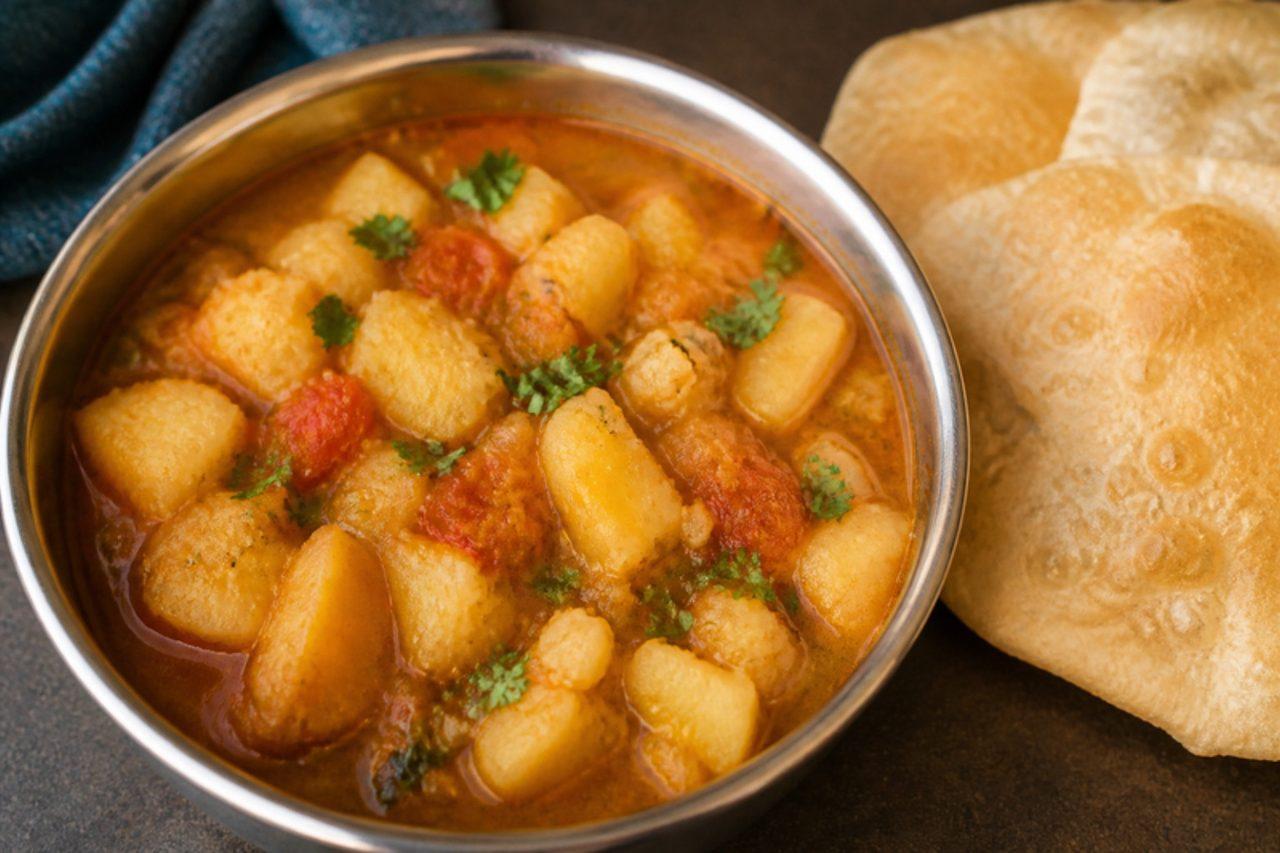
On Navratri mornings in Delhi, Lucknow and Punjabi homes everywhere, this is what fills the kadhai next to the kuttu puri. Boiled potatoes are broken by hand, not cut, so their rough edges melt into a loose, brothy gravy of tomato, cumin, fresh ginger and green chilli, seasoned only with sendha namak and a little pepper. It is soupy enough to dunk puri into, tangy from the tomato and gently hot, and comforting after a morning of fasting. Very strict homes skip red chilli powder and coriander as well as turmeric and asafoetida; this recipe uses neither turmeric nor hing. Ghee is traditional; oil keeps it vegan. Chef's tip: mash two or three pieces of potato into the gravy as it simmers; the starch thickens it naturally, since no flour or onion is allowed.

by KrazyBadal 0 views

Danyachi amtiPeanut curry

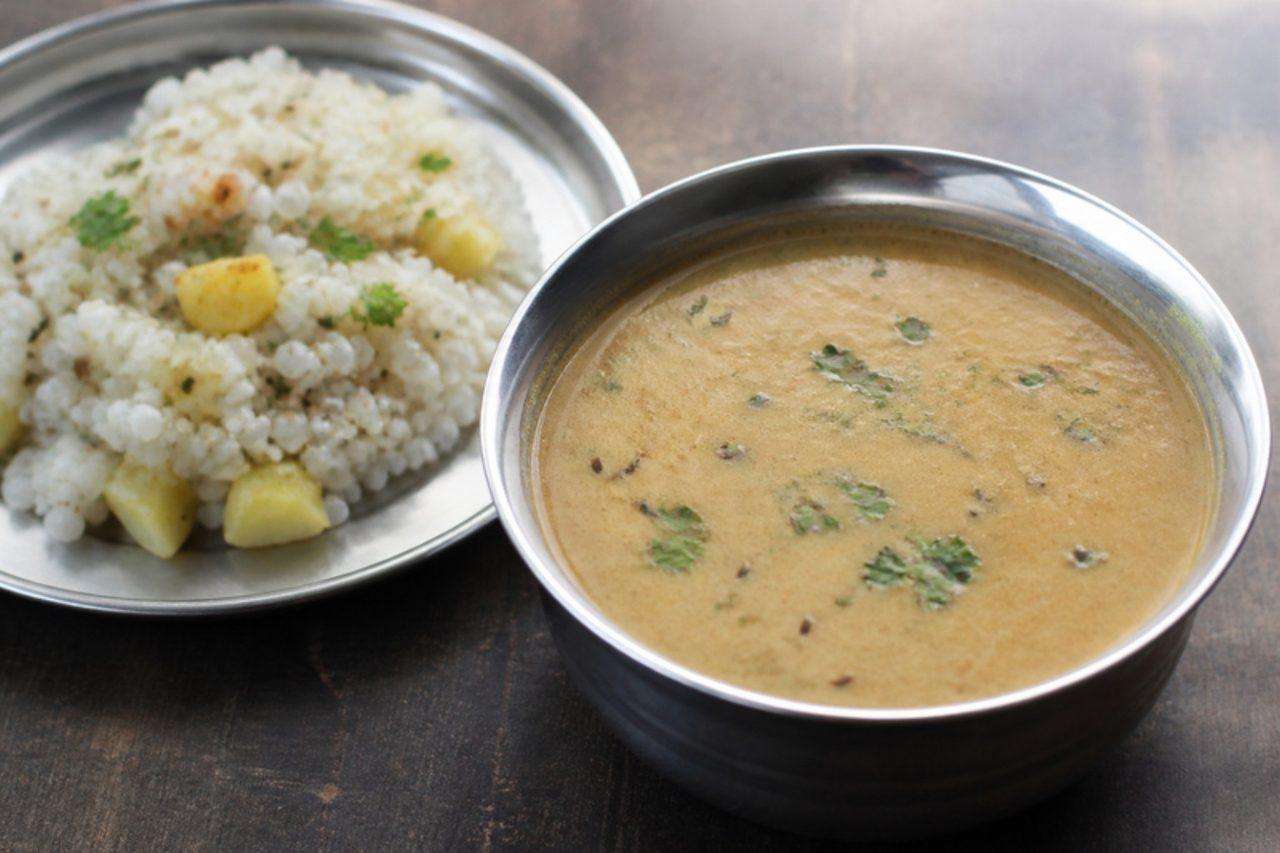
On fast days in Maharashtra, when dal is off the menu, danyachi amti takes its place. Roasted peanuts are ground smooth with green chilli, then simmered with water, a cumin tadka, kokum and a little jaggery into a pale, creamy curry with a sour, slightly sweet and spicy taste. It is ladled over sabudana khichdi or vari tandul (barnyard millet) bhagar, loosening them and adding protein to a fasting meal, and it goes well with upvasachi batata bhaji on the side. Use sendha namak so it suits the fast; ghee is the usual fat in many homes, oil keeps it vegan. It thickens a lot as it stands, so thin it with hot water before serving. Chef's tip: grind the peanut paste really smooth and whisk it into the water before heating; a coarse grind leaves the amti gritty and it splits as it boils.

by KrazyBadal 0 views

Sing pakPeanut fudge

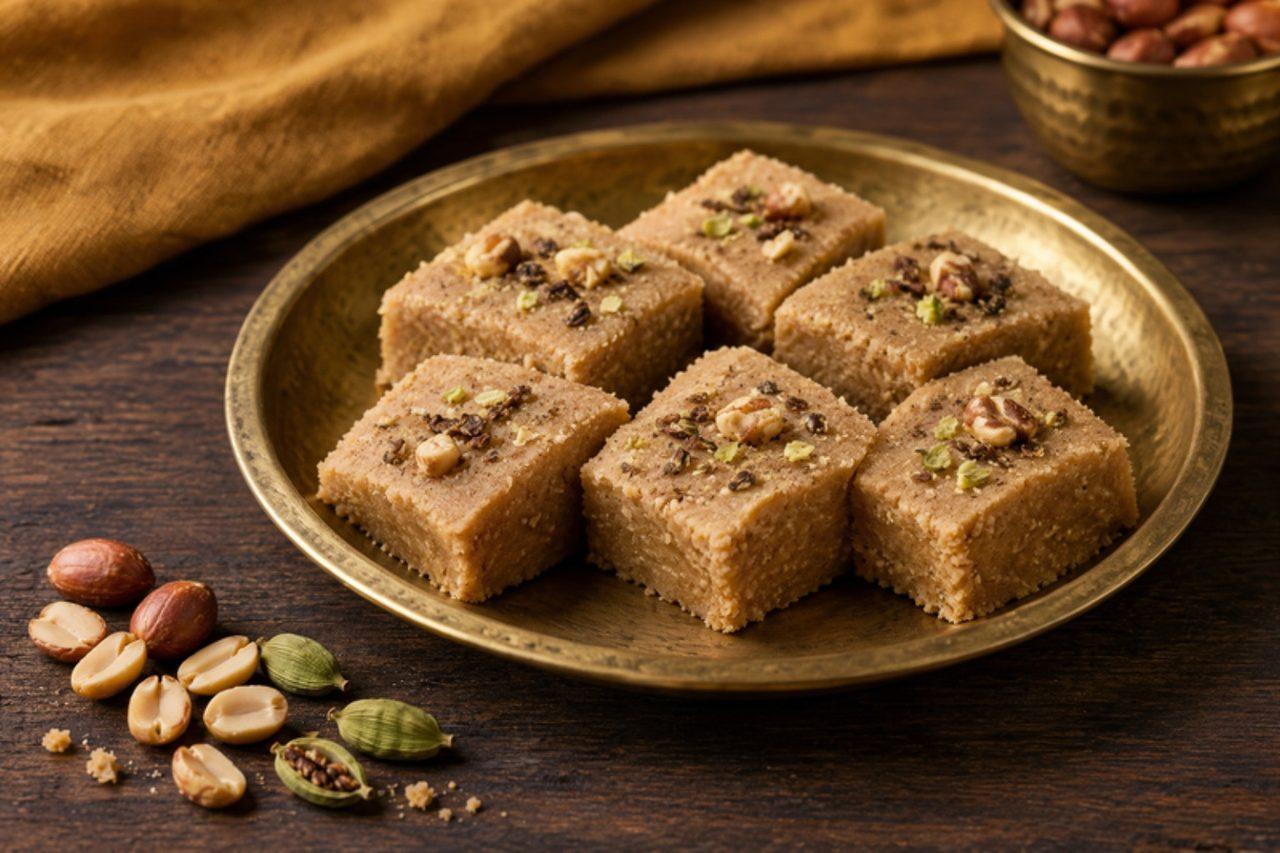
Sing pak is the Gujarati fasting-day fudge: peanuts roasted, skinned and ground coarse, then cooked into a one-string sugar syrup with ghee and cardamom and set in a tray. Because it uses no grain, it is made for Ekadashi, Shravan Mondays and Navratri, and children love it any day. It is soft, rich and a little crumbly. The common mistake is cooking the syrup too far; past one string it sets rock-hard and grainy. Chef's tip: pinch a drop of syrup between finger and thumb (carefully, after cooling it on a spoon): one thin thread should form as you pull them apart.

by KrazyBadal 0 views

Anjeer pakFig and nut fudge

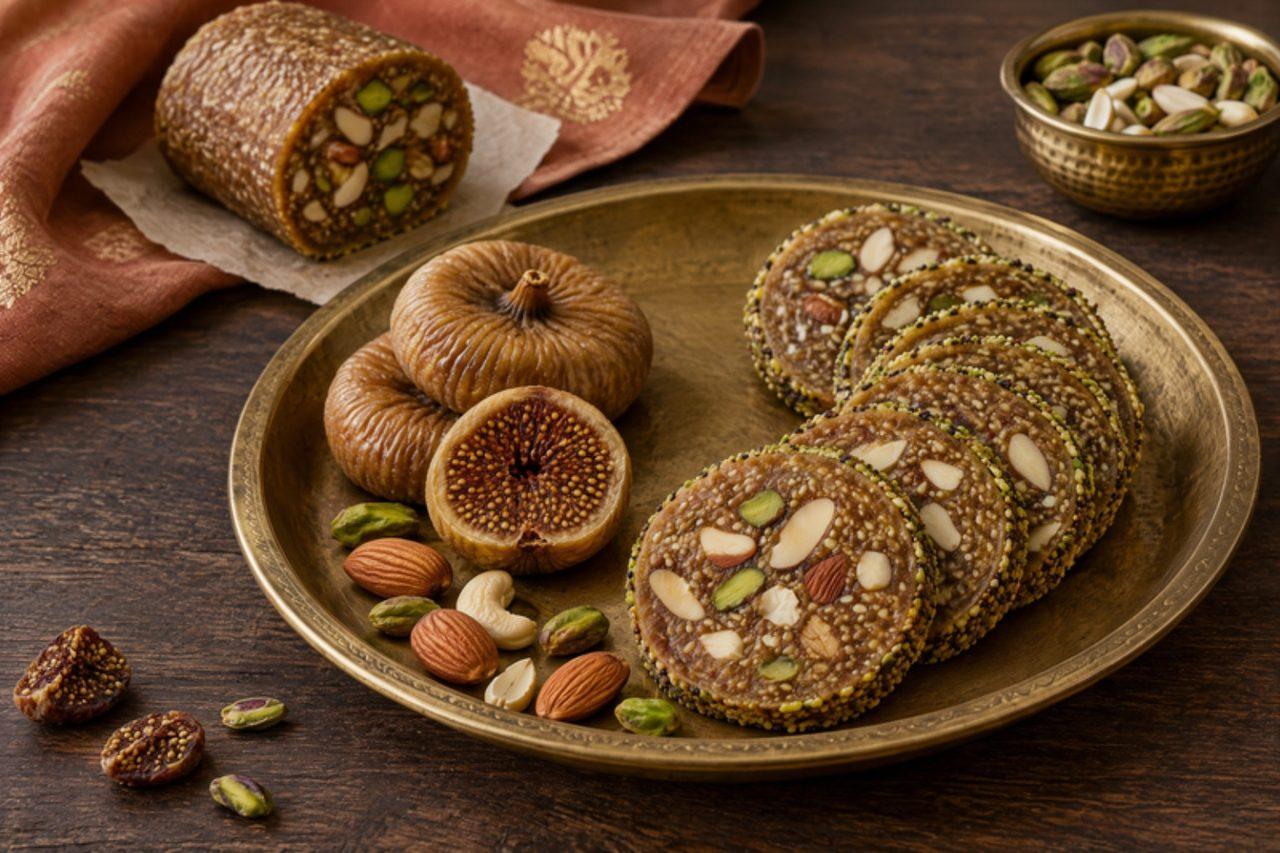
Gujarati families make anjeer pak for Diwali boxes and for fast days, when it gives quick energy without any grain or refined sugar. Soaked dried figs are cooked down in ghee into a thick jammy paste, mixed with toasted almonds, cashews and pistachios, and rolled into logs that slice into pretty pink-and-green rounds. It keeps for two weeks in the fridge. The common mistake is under-cooking the fig paste, which leaves the logs soft and sticky so they never slice cleanly. Chef's tip: keep stirring until the paste rolls into a ball that no longer sticks to the pan or your greased palm.

by KrazyBadal 0 views

Khajur pakDate and nut fudge

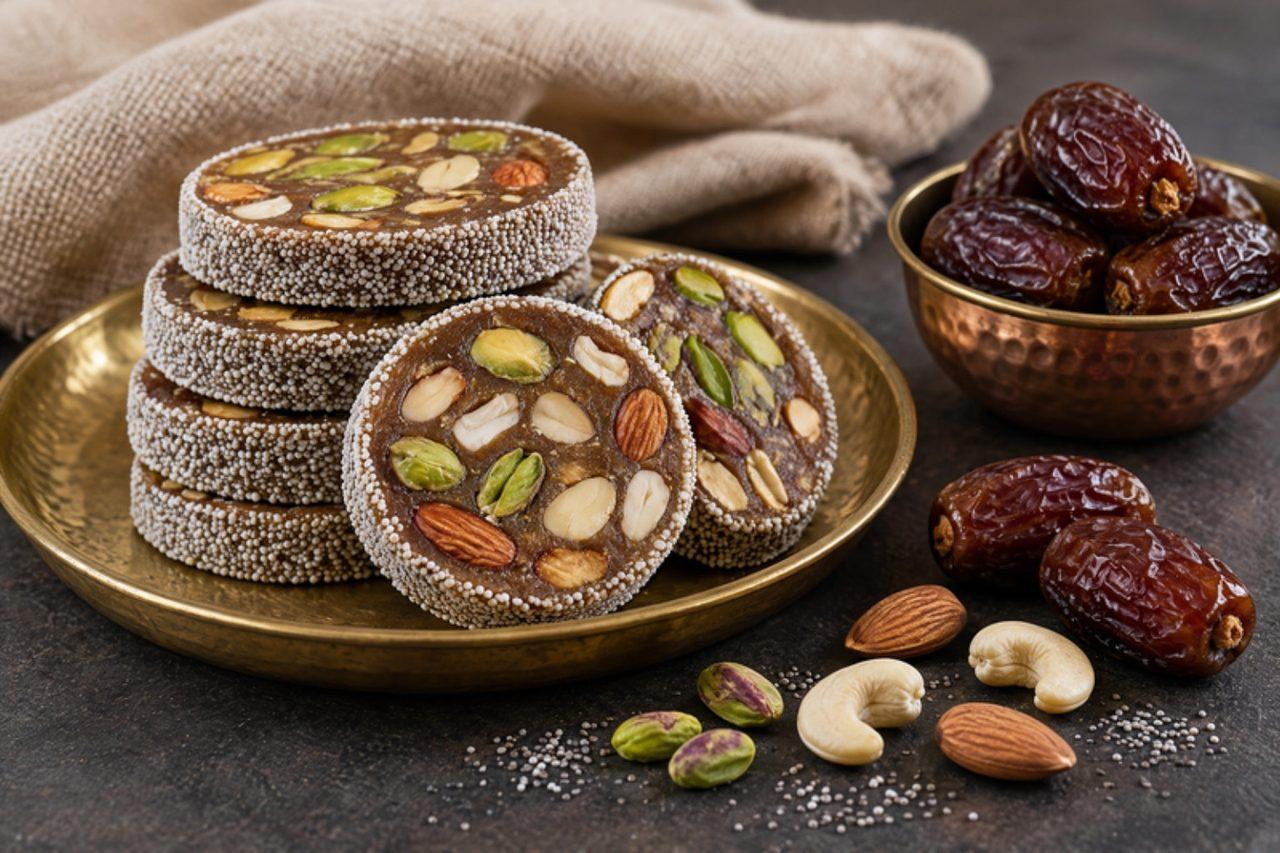
Kutch grows some of India's best dates, and in Bhuj and Anjar homes khajur pak is the sweet made for Diwali boxes and for Ekadashi and other fast days, since it needs nothing but dates, ghee, nuts and coconut. The dates melt in warm ghee into a sticky paste, the nuts give crunch, and the log is rolled in poppy seeds and sliced into neat coins. The common mistake is cooking the dates too long, which dries them out so the log cracks when you slice it. Chef's tip: for a harder winter version, swap a third of the soft dates for chopped kharek (dry dates) soaked overnight in a little milk.

by KrazyBadal 0 views

Rajgira no sheeroAmaranth flour pudding

On Ekadashi, Navratri and other fast days, Gujarati homes make this quick sheero from rajgira (amaranth) flour, which is allowed when grains are not. It is roasted in ghee until nutty, then cooked with milk and sugar into a soft, spoonable pudding with cardamom and a few nuts. It is ready in 20 minutes and is often offered to the Mataji before the family eats. The common mistake is adding cold milk to the roasted flour, which seizes into lumps. Chef's tip: heat the milk and sugar together first and pour it in slowly while you whisk.

by KrazyBadal 0 views

Bhuna khichuriFried rice and moong dal

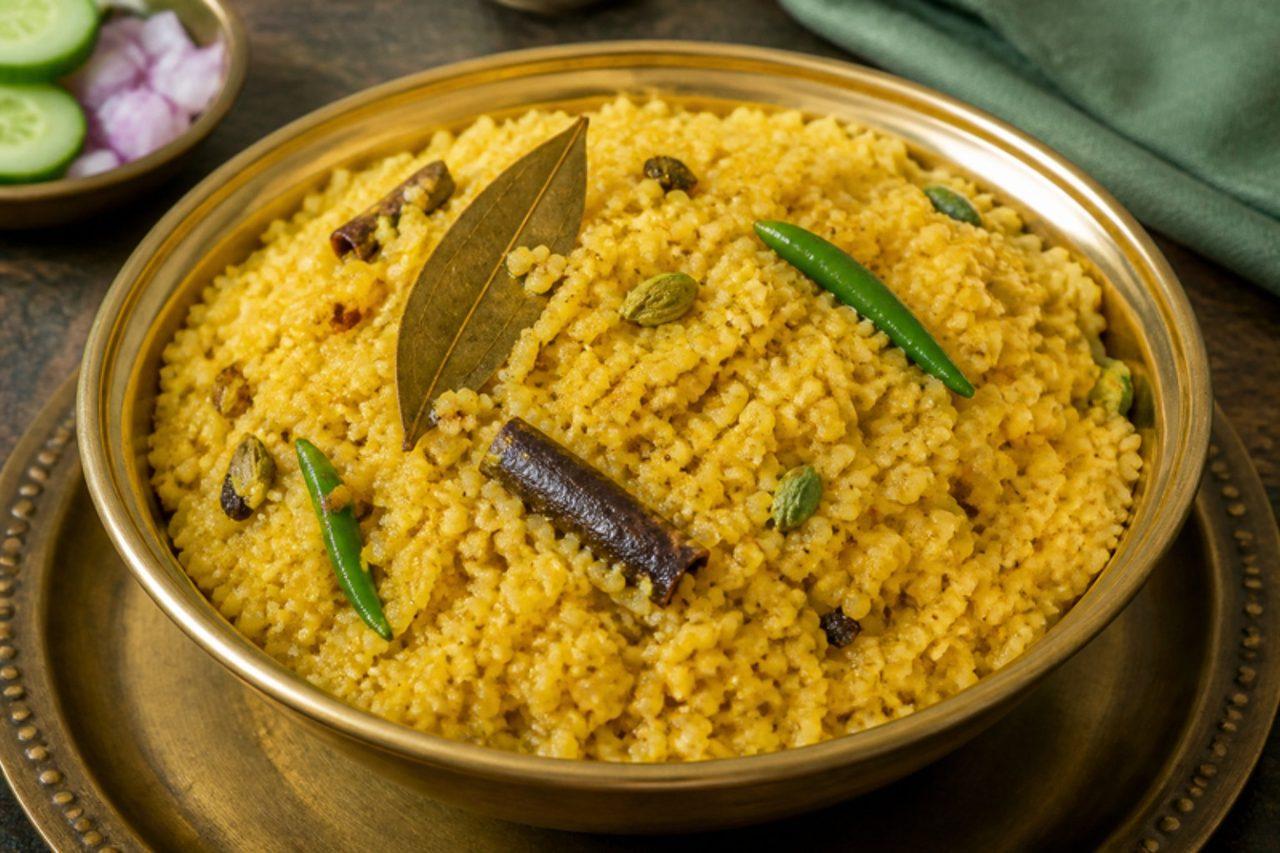
In Dhaka, the first heavy monsoon downpour sends people home craving bhuna khichuri, and Eid mornings in old Dhaka often start with a pot of it too. Unlike the loose, porridge-like khichdi of north India, the Bangladeshi bhuna version is dry and fluffy: dry-roasted moong dal and short-grain rice are fried in ghee with onions and whole spices until fragrant, then cooked with just enough water so the grains stay separate. Serve it hot with begun bhaja, a bhorta or two and a spoon of pickle. Chef's tip: roast the moong dal in a dry pan until it smells like toasted nuts before you wash it; that roasted note is what makes this khichuri taste of Bangladesh.
by KrazyBadal 0 views

Jhangora ki kheerBarnyard millet pudding

Jhangora is barnyard millet, a hardy grain that grows on the high fields of Garhwal and Kumaon, and this kheer is how most hill families turn it into something special. It cooks faster than rice kheer and ends up softer and silkier, with a light, nutty taste. Because millet isn't a cereal grain, it's eaten on Navratri and Ekadashi fasts, when you'll find bowls of it at temples and in homes from Rishikesh to Chamoli. It is just as good chilled the next day. Chef's tip: soak the millet for 20 minutes before cooking; it softens evenly and you won't be left with hard little grains in the pudding.

by KrazyBadal 0 views

LabraMixed vegetable curry

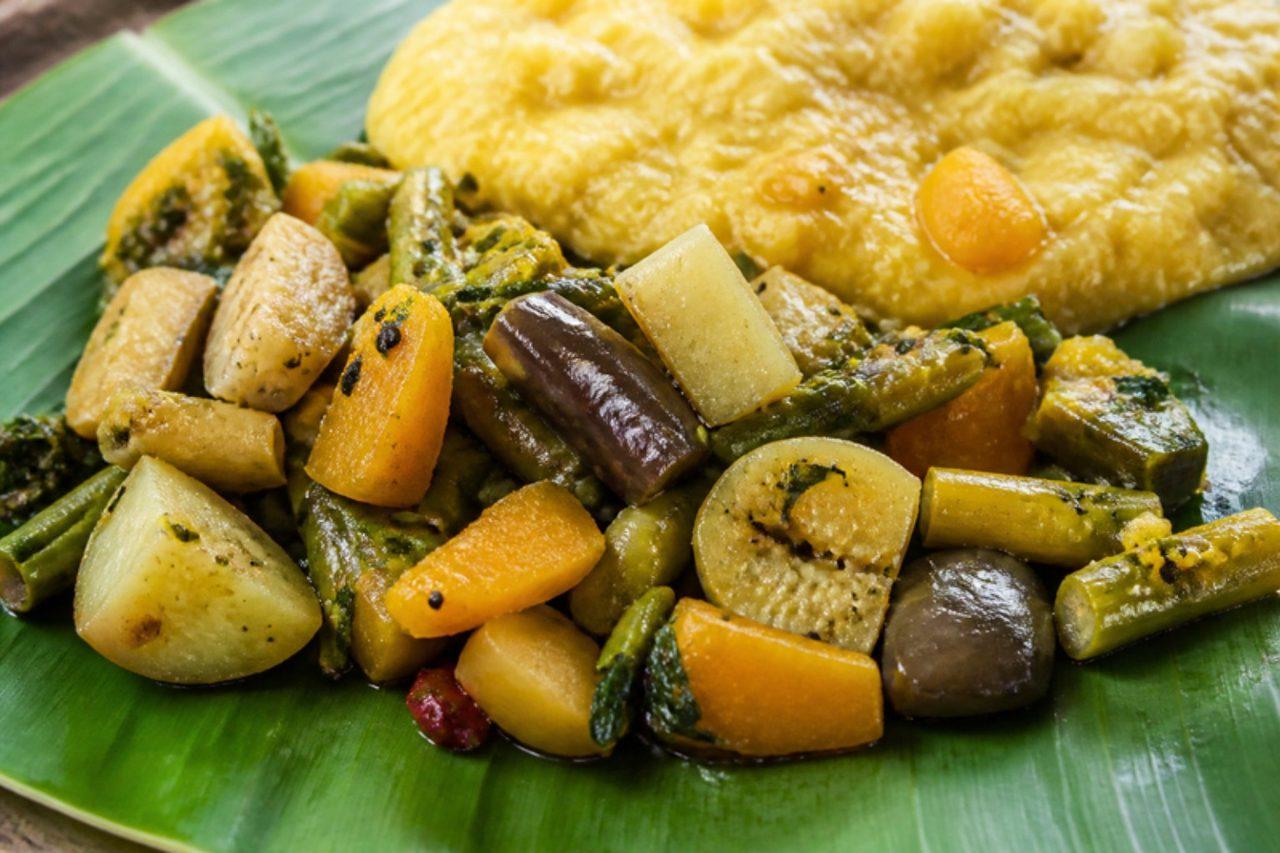
Labra is the vegetable dish of Durga Puja bhog: in community pandals across Bengal it is ladled out beside khichuri and a sweet tomato chutney to hundreds of people sitting in rows. It is a loose jumble of pumpkin, potato, aubergine, radish, sweet potato, raw banana and spinach stalks, cooked with panch phoron and ginger until some pieces melt and others hold. No onion or garlic goes in, because it is temple food. Chef's tip: add the vegetables in order of hardness, so the pumpkin goes soft and sweet while the radish and banana keep their shape.

by KrazyBadal 0 views

Farari jambuMawa and potato dumplings in syrup

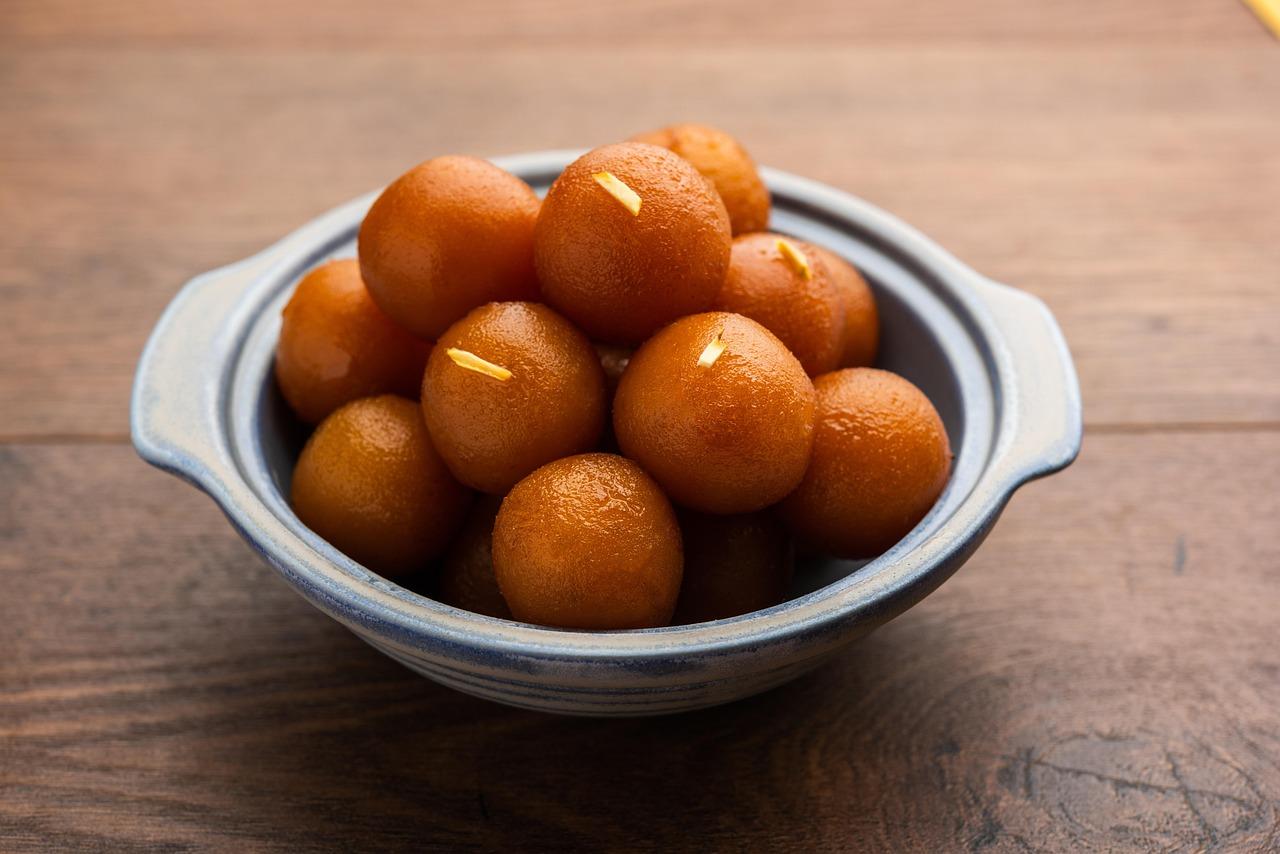
The fasting-day gulab jambu: soft balls of mawa (khoya) and mashed potato bound with cassava flour, scented with saffron and cardamom, fried slowly to a deep golden brown and soaked in cardamom syrup with pistachios and almonds. Soak them for 3–4 hours so they turn juicy all the way through. Makes 35 small jambu.

by KrazyBadal 0 views

Farari kofta curryPotato kofta curry

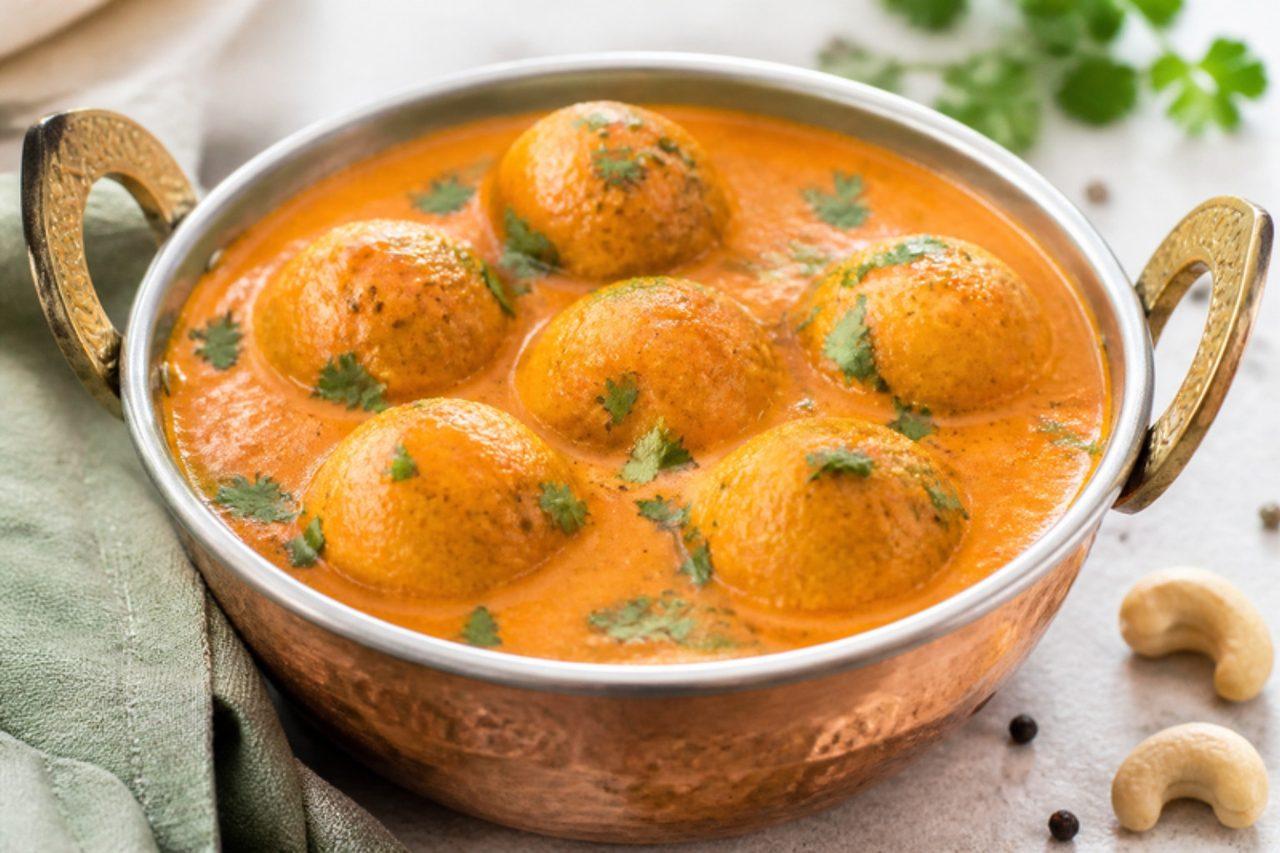
Soft spiced potato kofta rolled in rajagra (amaranth) flour, fried crisp and dropped into a rich tomato and cashew gravy flavoured with coriander seeds and black pepper. It's a festive main dish for a fasting day, with no grains, onion or garlic. Add the kofta just before serving so they stay soft but hold their shape, and serve with farari thepla.

by KrazyBadal 0 views

Farari muthiaFried potato and sago dumplings

Crisp fried farari muthia made from very finely diced potato, crushed roasted peanuts, soaked sago and rajagra (amaranth) flour, seasoned with ginger, chilli, black pepper and a sweet-sour finish. They're crunchy outside and soft inside. Garnish with coriander and fresh coconut and serve hot as a fasting-day snack.

by KrazyBadal 0 views

Farari nankhataiCashew and cassava biscuits

Crumbly, melt-in-the-mouth nankhatai made for fasting days with cassava flour and powdered cashews instead of wheat flour, rich with ghee and coconut and scented with cardamom. Each one is topped with half a cherry. They bake only until barely coloured. Makes 45 small biscuits (about 3 per serving).

by KrazyBadal 0 views

Farari potato kadhiPotato and peanut buttermilk curry

On fasting days gram flour is off the menu, so this kadhi is thickened with mashed potato and coarsely ground peanuts instead. The buttermilk is tempered with ghee, cumin, cloves, cinnamon and curry leaves, and finished sweet-sour in the Gujarati way. Serve hot with farari samo khichdi.

by KrazyBadal 0 views

Farari sago wadaPotato and sago patties

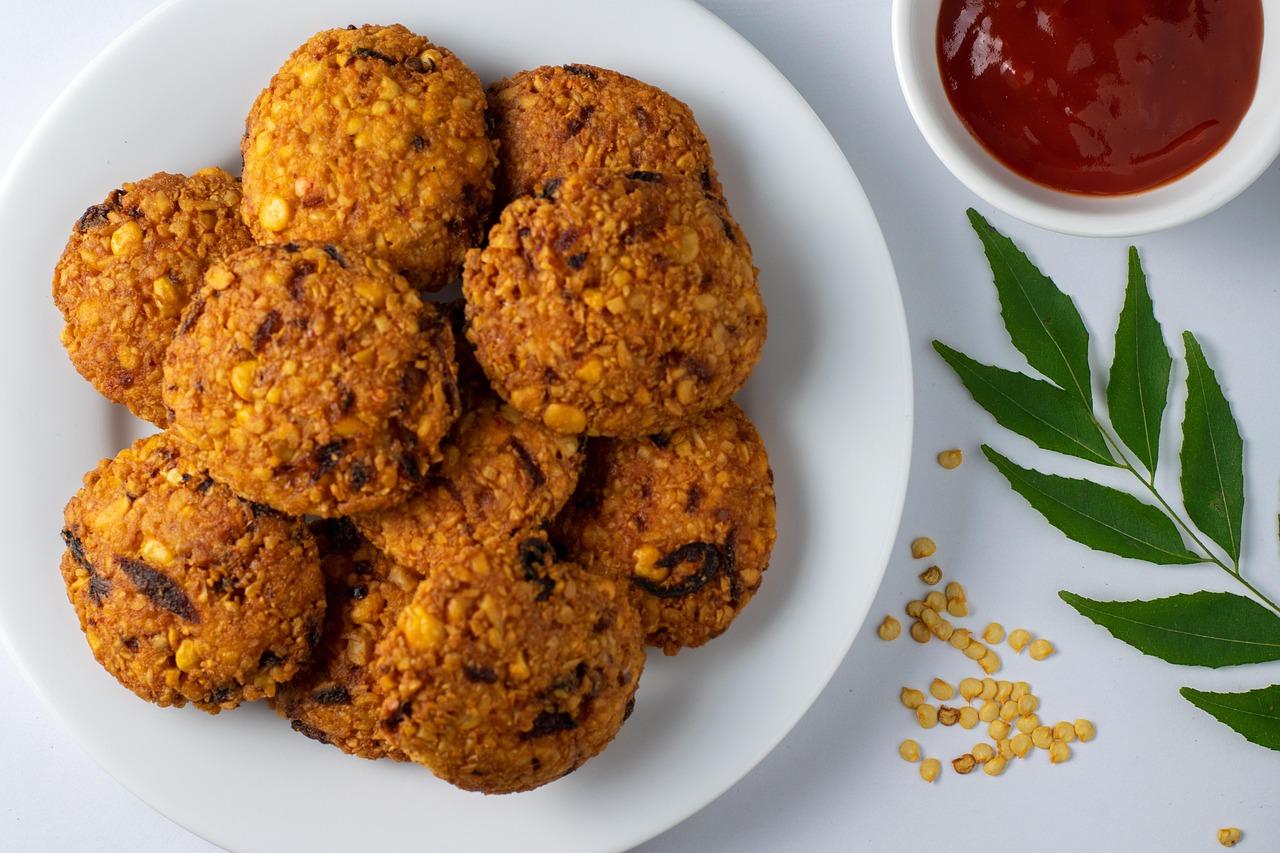
Crisp, golden sago wada made from mashed potato, sago pearls and cassava flour, seasoned with green chilli, ginger, coarse black pepper and sesame, then rolled in soaked sago so the outside fries into a crunchy, pearly crust. Serve hot with coconut chutney on fasting days. Makes 20.

by KrazyBadal 0 views

Farari theplaSago and amaranth flatbread

Soft, spiced farari thepla made with ground soaked sago, rajagra (amaranth) and moraiyo (samo) flours and mashed potato, kneaded with yogurt and seasoned with sesame, coriander, chilli and ginger. They're rolled between sheets of plastic, as there's no gluten to hold them, and shallow fried on a griddle. Serve with yogurt or farari kofta curry. Soak the sago 6 hours ahead. Makes 15.

by KrazyBadal 0 views

Sago & dry fruit kheer

A creamy, chilled kheer of small sago pearls simmered in milk with sugar, pistachios, almonds, cashews, cardamom and saffron, then mixed with a separate milk of apricots, figs and raisins and fresh green grapes. It's sweet, fragrant and full of texture. A party-size dessert for fasting days or festivals. Serves 15.

by KrazyBadal 0 views

Farari uttapamSamo and water-chestnut pancakes

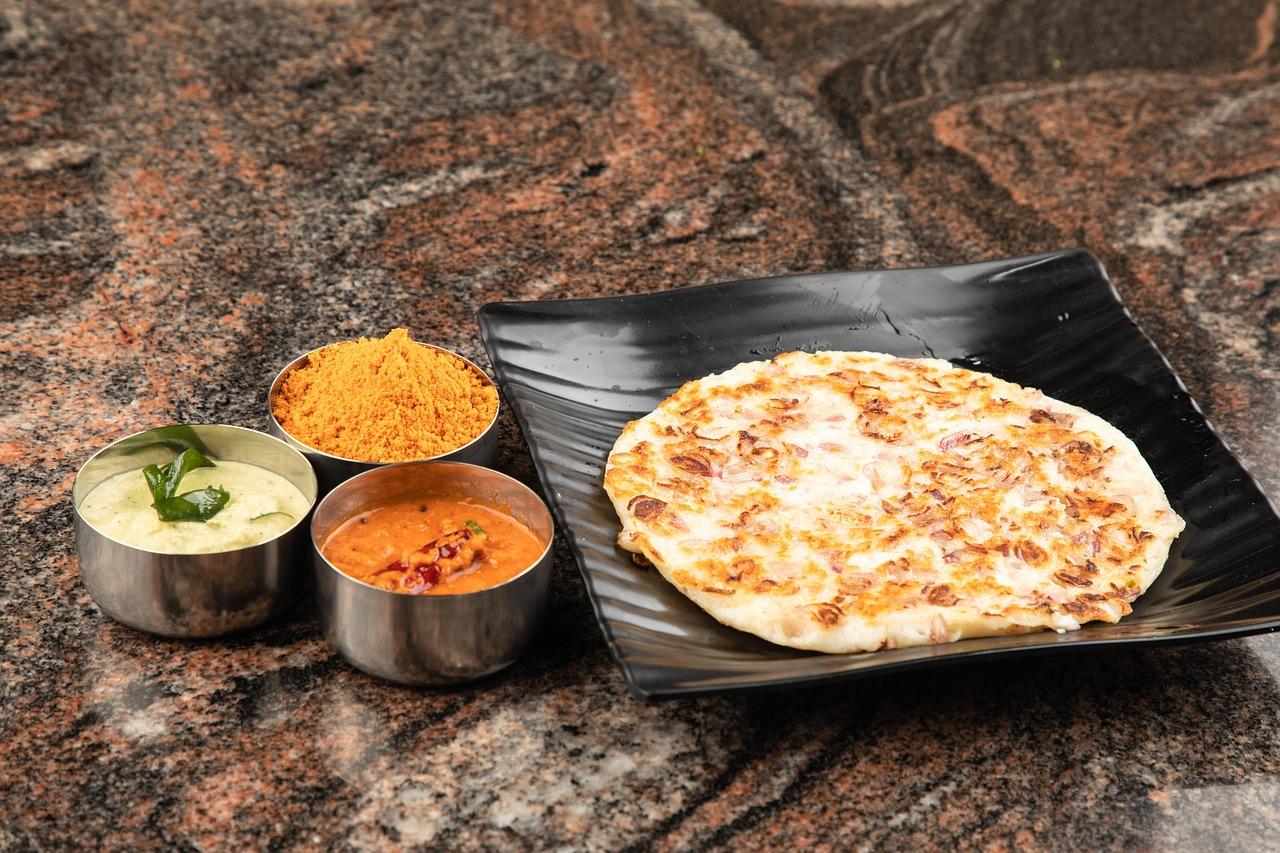
Soft, thick uttapam for fasting days, made from a yogurt batter of samo (moraiyo), singoda (water chestnut) flour and rajagra (amaranth) flour, tempered with cumin and curry leaves and studded with cucumber, tomato, coconut and green chilli. Cooked under a lid, they're crisp at the edges and fluffy in the middle. Serve with yogurt and green chutney. Makes 6.

by KrazyBadal 0 views

Farari raw banana curry

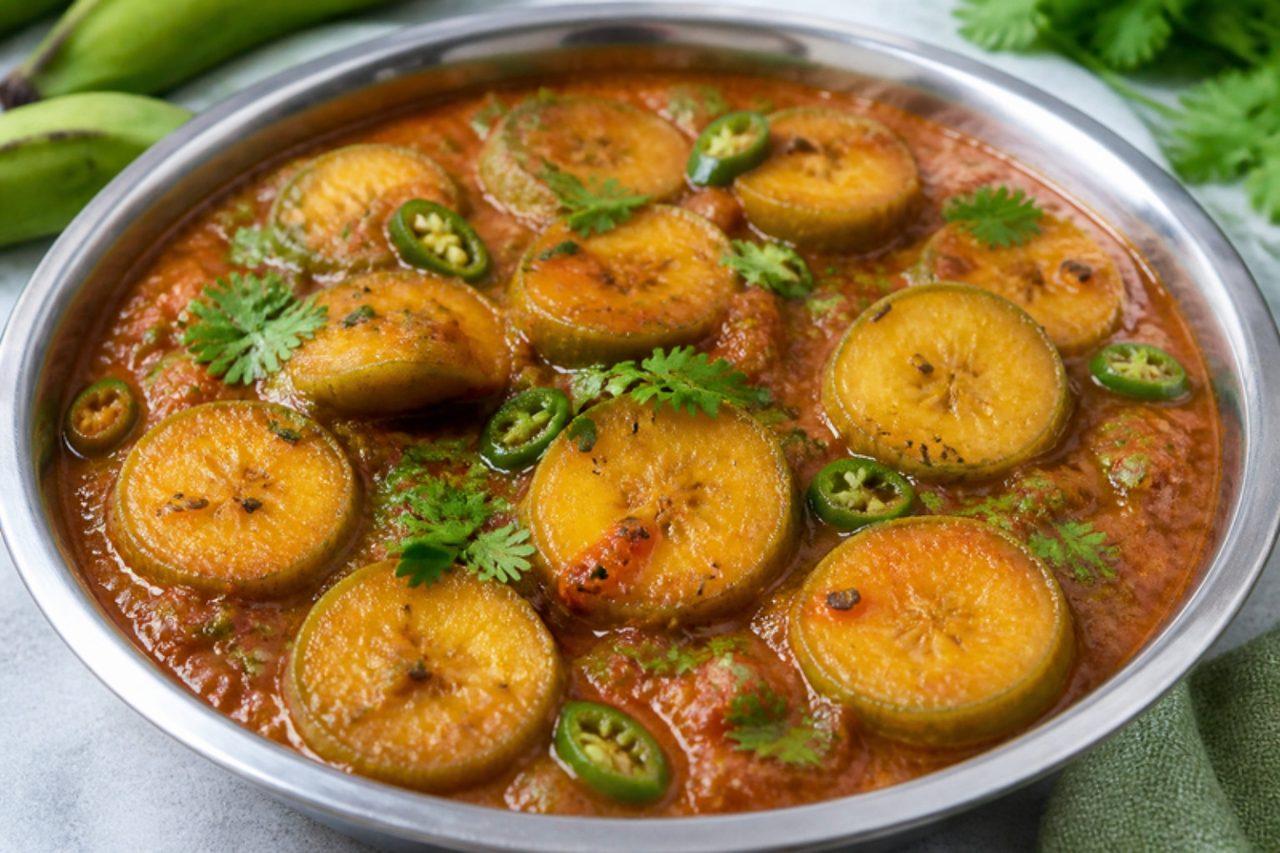
Slices of matoke (green cooking banana) cooked with cumin, chilli and ginger in a tomato sauce thickened with roasted peanuts, a simple vegan curry for fasting days. The bananas turn tender and potato-like and soak up the nutty, tangy sauce. For a farari potato curry, use yogurt instead of tomatoes and potatoes instead of the bananas.

by KrazyBadal 0 views

Farari chevdoPotato strip snack mix

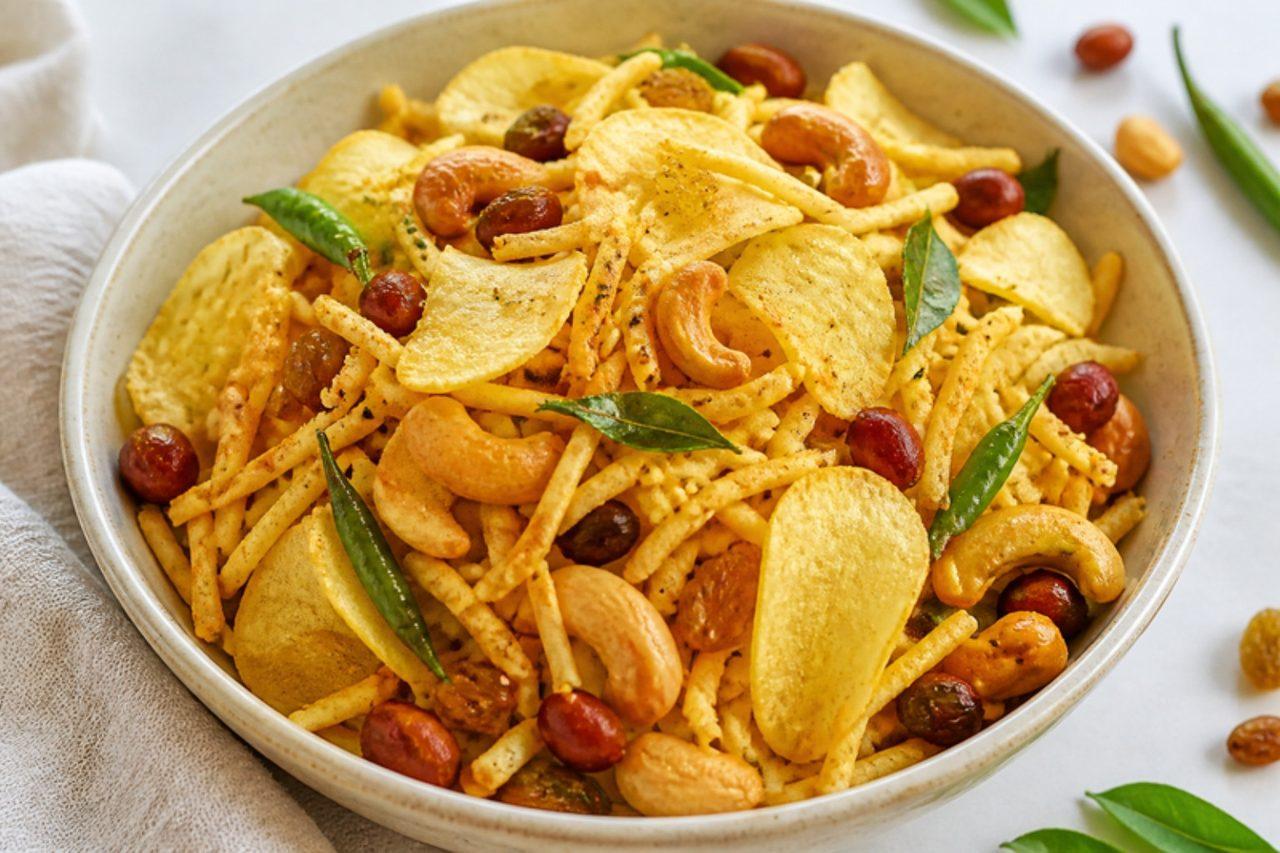
The fasting-day version of Gujarati chevdo: fine strips and round crisps of fried potato tossed with fried peanuts, cashews, green chillies, curry leaves and coriander, and seasoned with black pepper, sugar, salt and a touch of citric acid. It's crunchy, peppery, sweet and tangy. Make a big batch, store it airtight and serve it on fasting days with tea. Makes about 1 kg.

by KrazyBadal 0 views

Farari coconut patticePotato patties with coconut filling

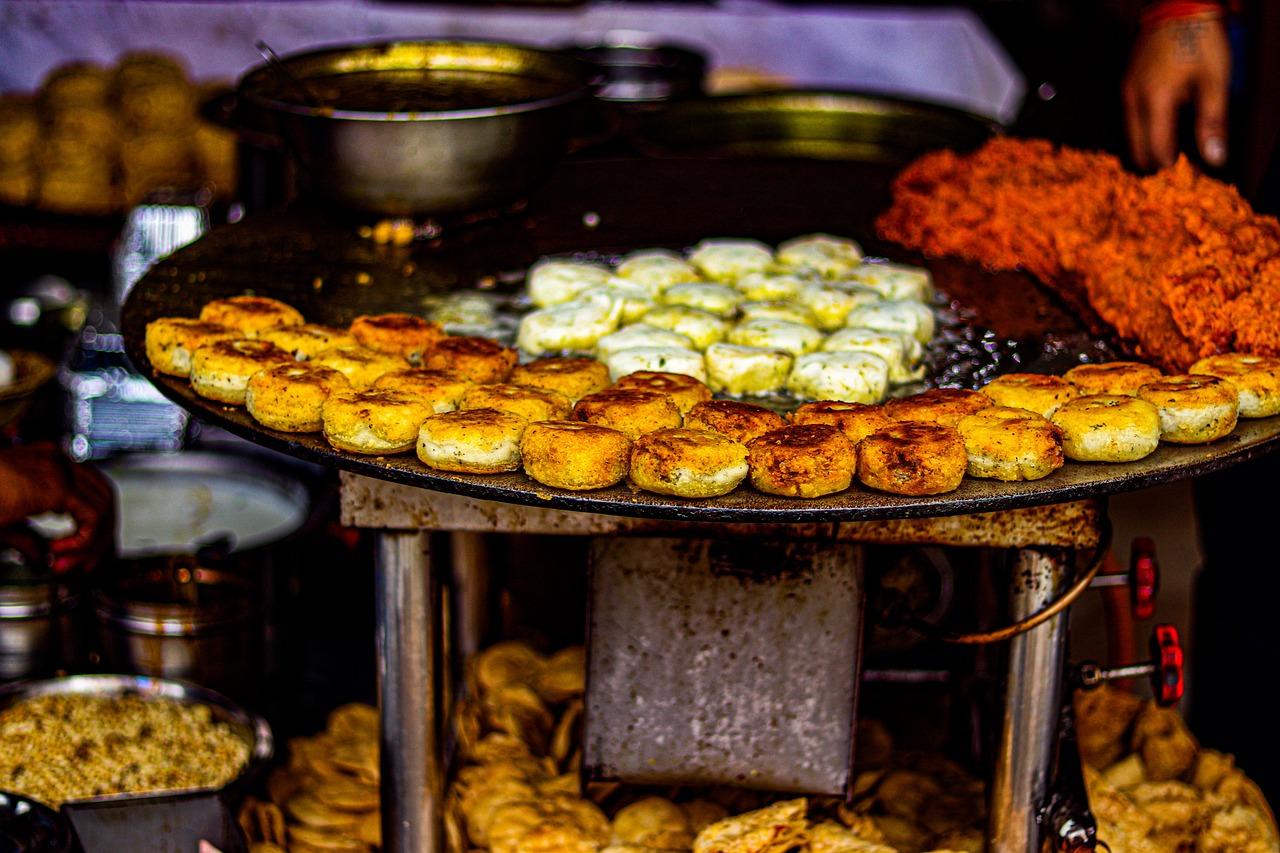
Golden potato pattice stuffed with fresh coconut, coriander and a sweet-sour lemon seasoning, bound with cassava flour so they suit a fasting day. The outside fries crisp while the inside stays soft, with a juicy coconut centre. Serve them hot with coconut chutney as a farari snack or light meal. Makes 15.

by KrazyBadal 0 views

Showing 34 of 34 recipes

Page 2 of 2

More occasions