Skip to content
Gatherings

Tea-time snacks: biscuits, cakes and savoury bites for chai

Nankhatai, khari, cakes, samosas, dhokla, scones and other snacks to have with chai or tea. (97 recipes)

Canestrelli liguriFlower shortbread biscuits

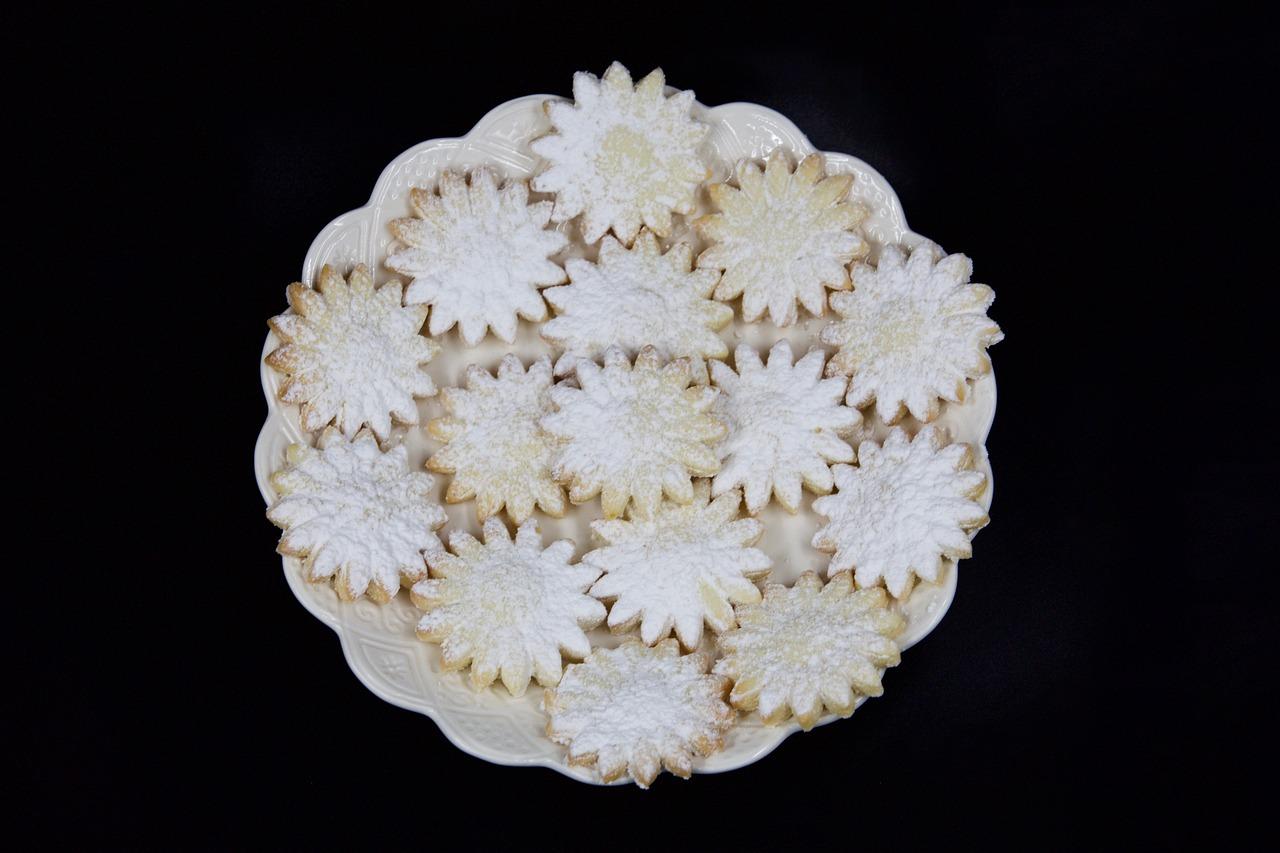
Canestrelli are the most delicate biscuits in Liguria: daisy-shaped shortbread with a hole in the middle, so fragile they melt in the mouth. The secret is hard-boiled egg yolks pushed through a sieve into the dough, with potato starch, which makes them crumbly and sandy. They are sold in Genoa and the hill town of Torriglia, piled in paper and covered with snowy icing sugar. Chef's tip: work the dough as little as possible and keep it cold; warm dough becomes too soft to cut into neat flowers.

by KrazyBadal 0 views

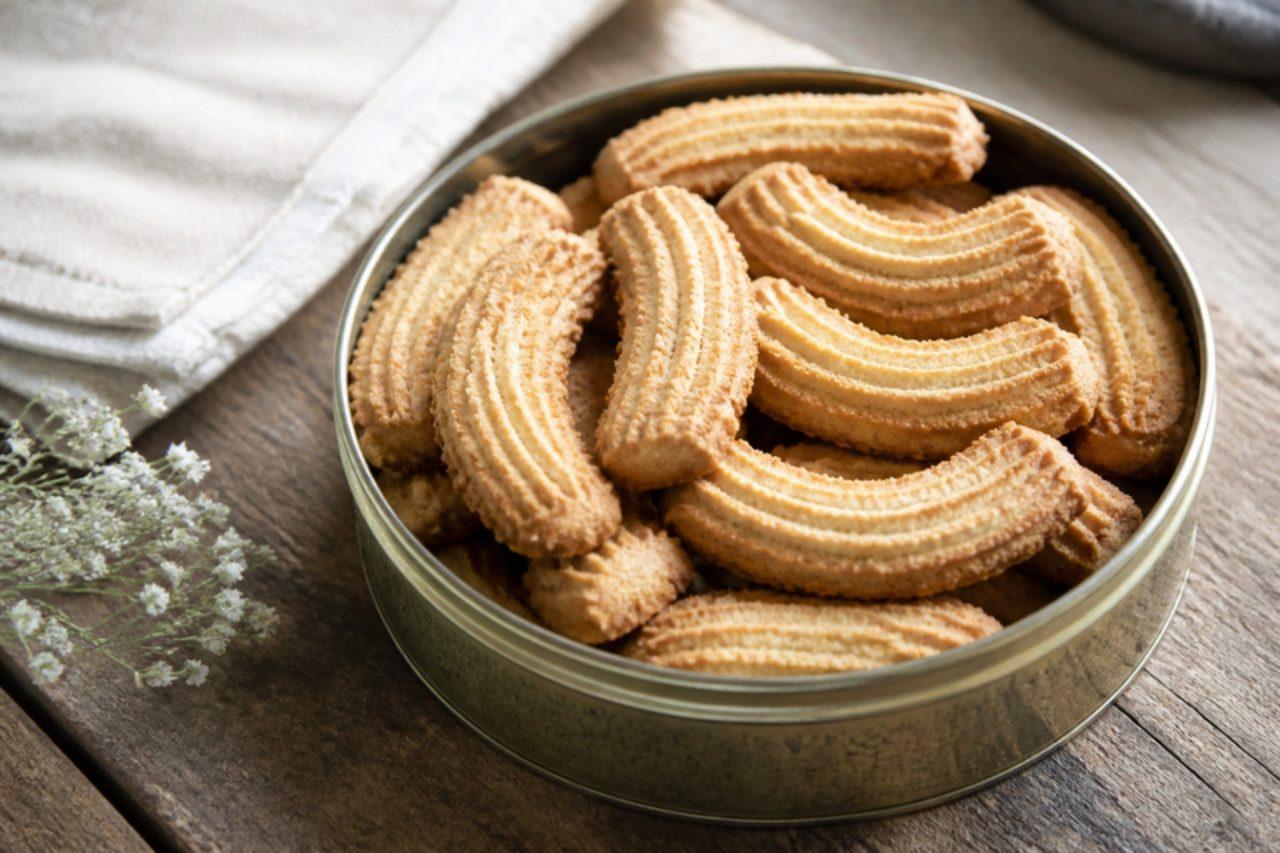
KrumiriCornmeal butter biscuits

Krumiri were created in 1878 in Casale Monferrato in Piedmont, and they are said to be shaped like the curled moustache of King Vittorio Emanuele II, who had just died. They are sandy, buttery biscuits made with flour and fine cornmeal, piped through a star nozzle into a curved line, and still sold in their red tins in the town's old shops. Piedmontese eat them dunked in a glass of sweet wine or with a cup of hot chocolate. Chef's tip: use fine cornmeal, not coarse polenta; coarse grains make the biscuits gritty and stop them piping.

by KrazyBadal 0 views

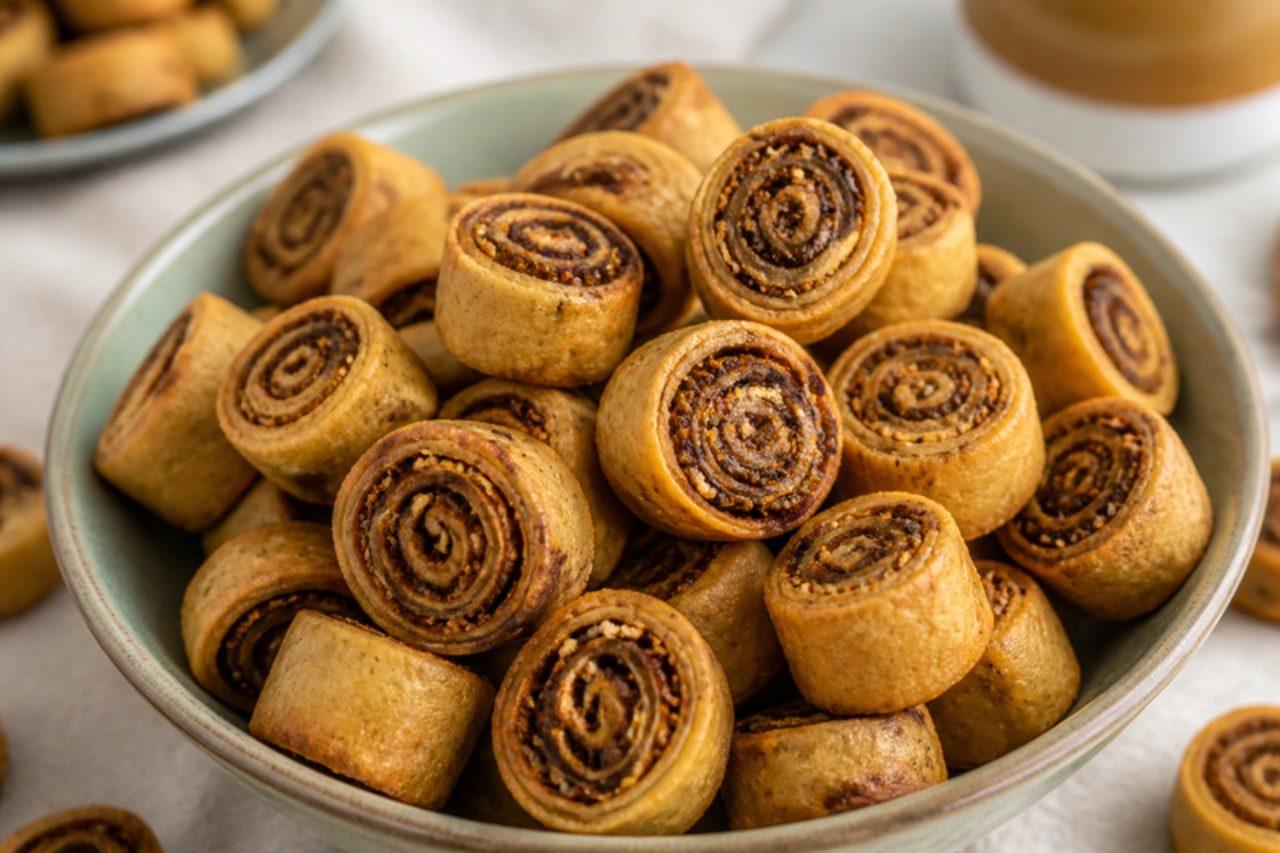
BhakarwadiSpiced coconut pastry pinwheels

Pune claims bhakarwadi as its own, and the queues outside the city's old sweet-and-farsan shops at Diwali prove it. Thin sheets of spiced pastry are spread with tamarind, sprinkled with a roasted filling of dry coconut, sesame, poppy seeds, coriander, fennel and chilli, rolled up tight and sliced into spirals before frying. Each bite is crisp, then sweet, then sour, then hot, which is why one is never enough. Gujarati farsan shops sell a sweeter cousin, but the Maharashtrian version keeps the chilli forward. They keep for weeks, travel well and make a good tea-time snack all year. Chef's tip: press the filling into the dough with the rolling pin before you roll the log; loose filling falls out when you slice and the spirals unwind in the oil.

by KrazyBadal 0 views

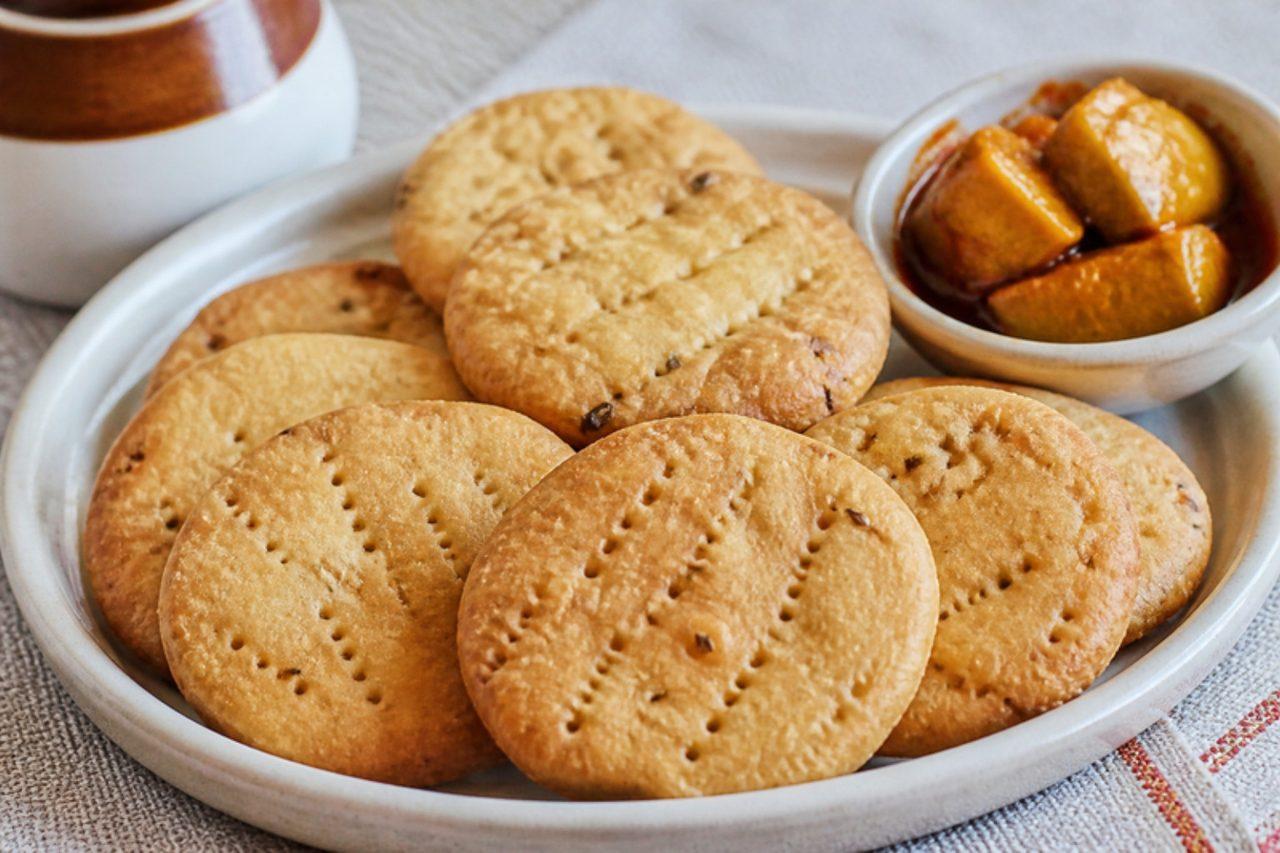
MathriFlaky savoury crackers

In Uttar Pradesh and Rajasthan the Holi tin is never complete without a stack of mathri next to the gujiya. These are thick, rough-edged discs of maida made very short with ghee, flecked with carom seeds and crushed black pepper, and fried slowly over a low flame for nearly twenty minutes until they turn pale gold and crumble into flaky layers. They taste savoury and peppery, a little like a buttery cracker, and they are meant for dipping in hot masala chai or eating with a sliver of mango or lemon pickle. Unlike the papad-thin Gujarati mathiya of moth bean flour, mathri is a sturdy wheat cracker that keeps for a month and travels in every child's luggage back to hostel. Chef's tip: don't knead the dough smooth; just press it together. Over-kneading builds gluten and makes mathri hard instead of flaky.

by KrazyBadal 0 views

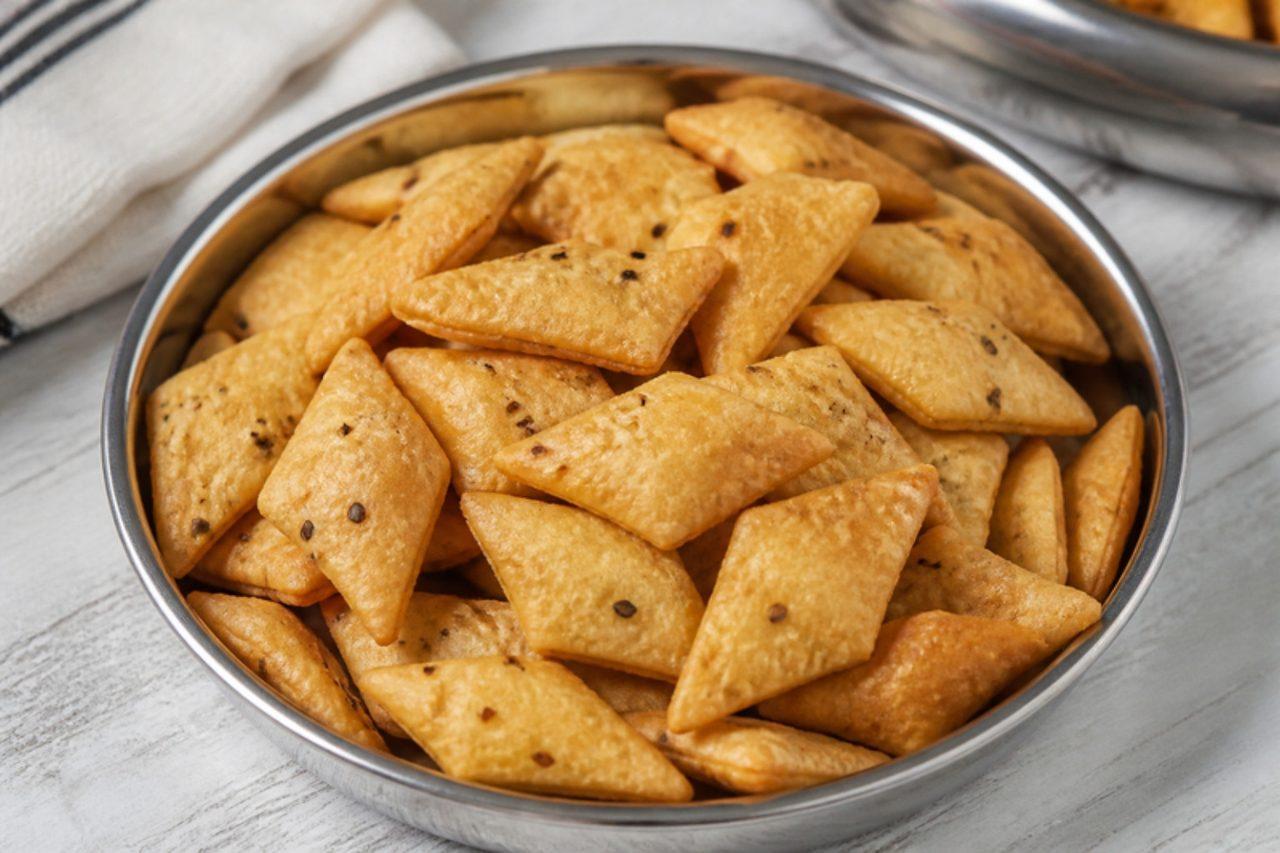
Namak pareSalted dough diamonds

Namak pare are the easiest thing in the festive tin, and usually the first to run out. A simple salted dough with a little ghee, ajwain and black nigella seeds is rolled thin, cut into small diamonds and fried until golden and crunchy. They are much thinner and crisper than mathri, with a satisfying snap rather than a flaky crumble, and the kalonji gives a slightly oniony, peppery note. Punjabi and UP homes make big batches before Holi and Diwali, but they also turn up on train journeys, at kitty parties and with evening tea. Sprinkle with chaat masala for a tangier version. Chef's tip: roll the dough evenly, about 3 mm; thin spots burn while thick ones stay soft, and even sheets give every piece the same crunch.

by KrazyBadal 0 views

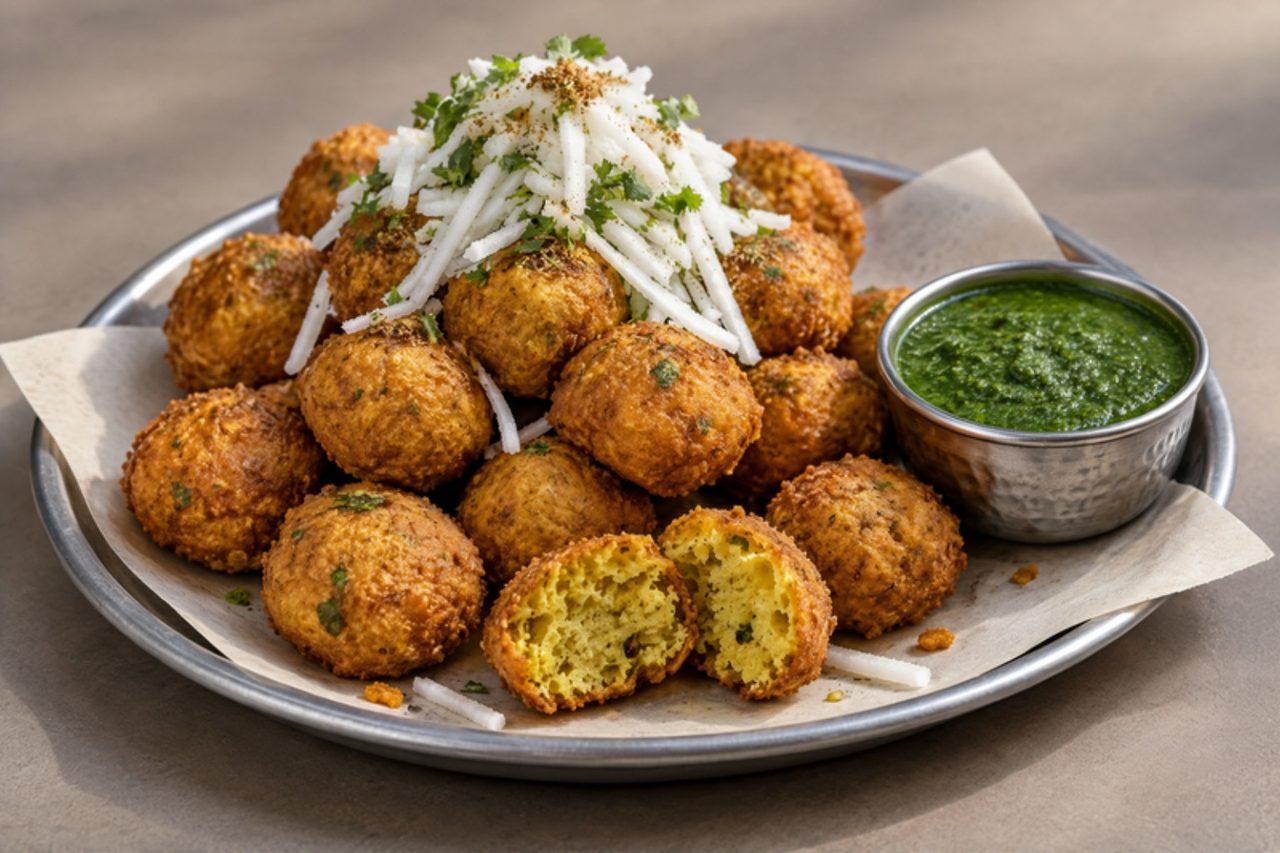
Moong dal pakodeMoong dal fritters

When the monsoon breaks over Delhi, the pakora stalls of Lajpat Nagar and the lanes off Chandni Chowk do their best trade, and moong dal pakode are the favourite: light, airy balls of soaked and coarsely ground yellow lentils, fried until crunchy and served in paper plates with grated white radish and green chutney. They are naturally gluten free and vegan. Chef's tip: beat the ground batter hard with your hand for a few minutes; the trapped air is what makes them fluffy inside.

by KrazyBadal 0 views

Melting momentsLemon buttercream sandwich biscuits

Melting moments are the soft, crumbly biscuits found in Australian and New Zealand bakery jars and grandmother's tins, two rounds made with custard powder and icing sugar sandwiched with a lemon butter icing. The custard powder gives them their yellow colour and tender, short texture that melts in the mouth, hence the name. A common mistake is overbaking; they should be pale, not golden. Chef's tip: press each ball with a floured fork for the classic stripes.

by KrazyBadal 0 views

Louise sliceJam and coconut meringue slice

Louise slice, or Louise cake, is a New Zealand tea-time classic found on church cake stalls and in grandma's tins from Invercargill to Whangārei. A buttery shortcake base is spread with raspberry jam and topped with a chewy coconut meringue that bakes to pale gold. It is light and pretty, and very easy. A common mistake is baking the meringue too hot, which browns it before it sets inside. Chef's tip: spread the meringue right to the edges so the jam doesn't bubble through.

by KrazyBadal 0 views

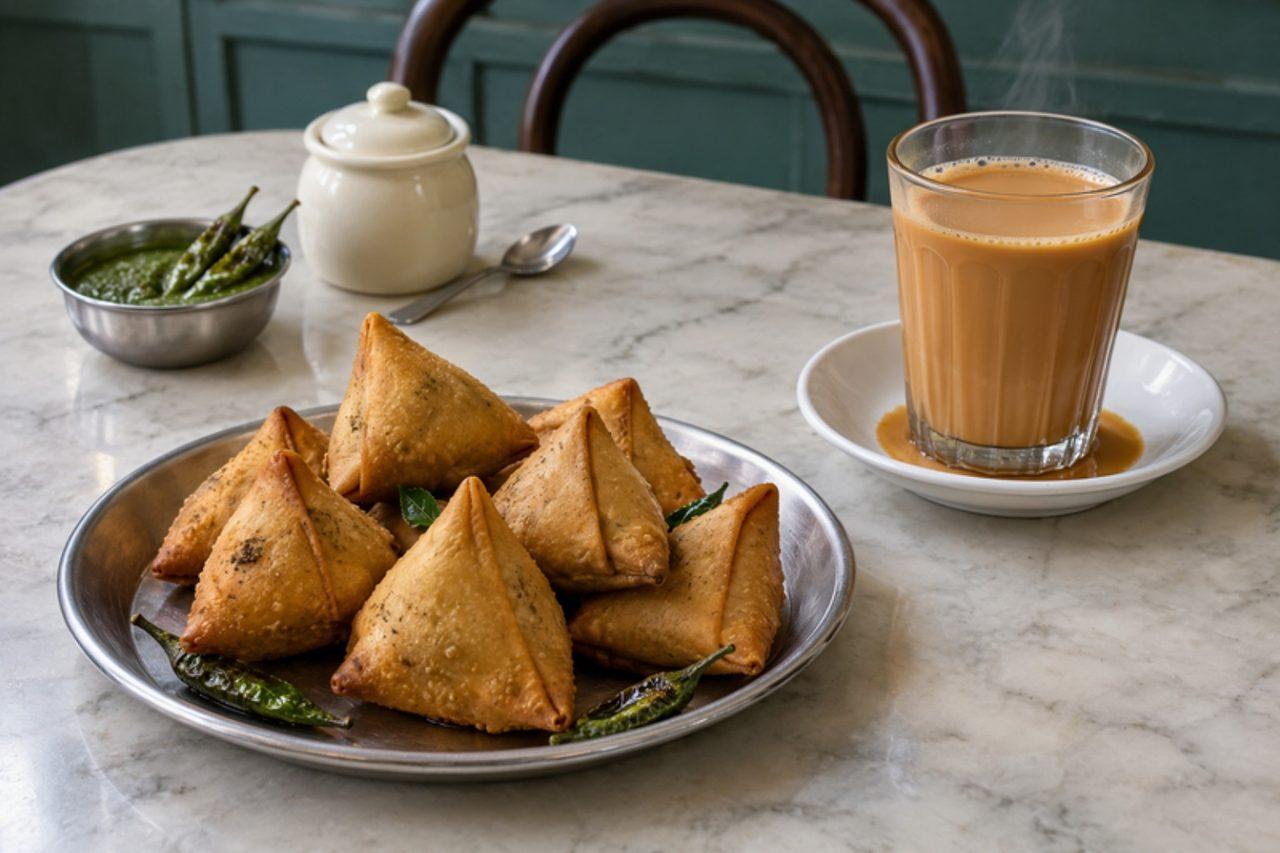
Chennai onion samosa

In Chennai's old tea shops, many started by Irani and Muslim families, a glass of strong tea comes with a plate of small onion samosas: thin, crackly pastry folded around a filling of nothing but slow-cooked onion, green chilli, curry leaves and a little poha to soak up the juices. They are sold by the dozen in the evenings and at bus stands across Tamil Nadu. The pastry is the thin, ready-rolled samosa-patti kind, so they are quick to fold. The common mistake is undercooking the onion, which leaks water and makes the samosas soggy; fry it until soft and sweet, then cool. Chef's tip: seal the folds with a thick paste of flour and water, not plain water, so they do not open in the oil.

by KrazyBadal 0 views

Gevulde koekAlmond-filled cookie

A gevulde koek is two discs of short, buttery dough sandwiching a thick layer of almond paste (spijs), glazed with egg and crowned with half an almond. Every Amsterdam bakery has a stack of them, and they are the classic koffie snack at about eleven in the morning, or something to eat on the bike home from the Noordermarkt. The pastry is crumbly and the middle soft, fragrant and lemony. It contains wheat, egg, milk and almonds. Chef's tip: make the almond paste a day ahead; it firms up and is much easier to shape into neat discs.

by KrazyBadal 0 views

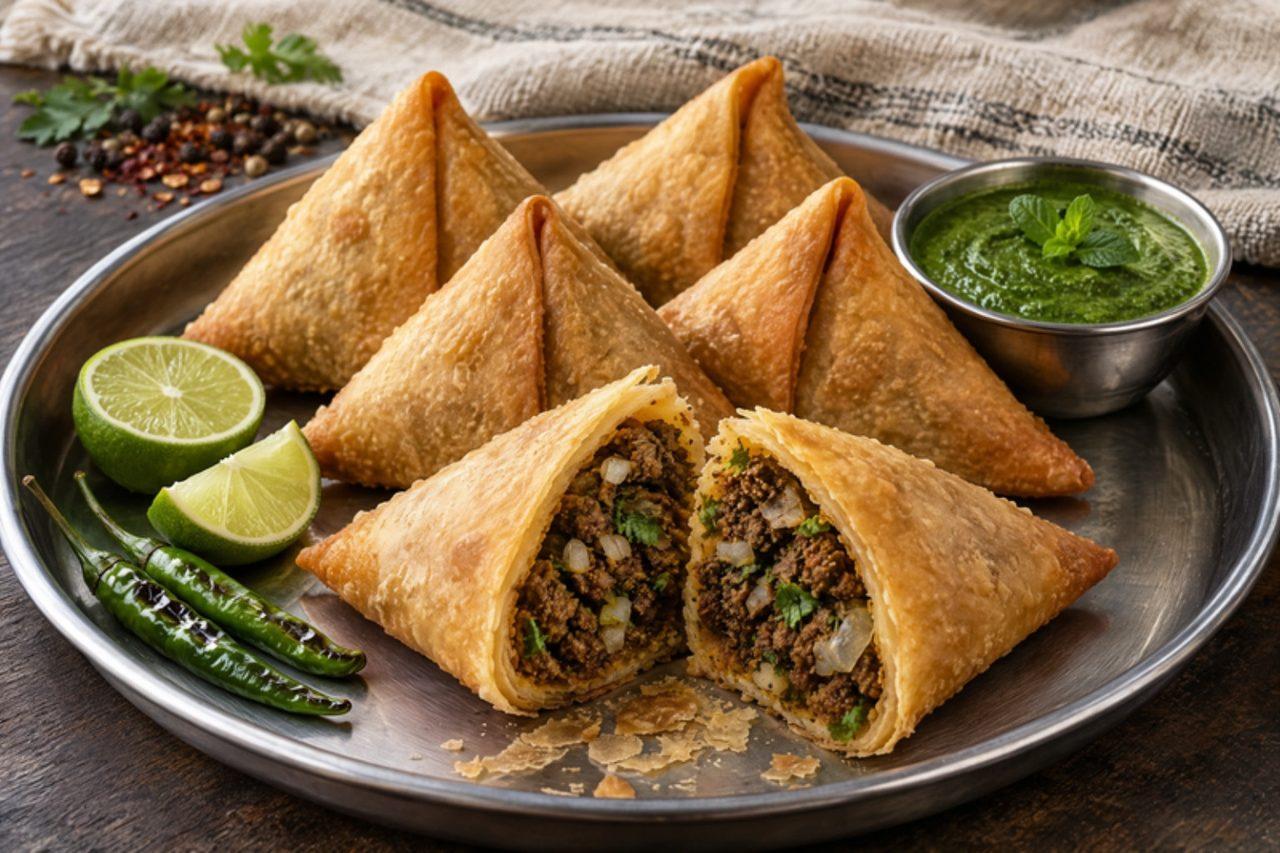
Hyderabadi keema samosaMinced mutton samosas

Through Ramadan, the streets around Charminar fill with iftar stalls, and the small, papery keema samosas are among the first things to sell out before the sunset call to prayer. The filling is minced mutton cooked dry with onion, ginger-garlic, green chilli, mint and garam masala, folded into thin strips of samosa pastry and fried until they shatter. Families make them in batches and freeze them for the whole month. The common mistake is a wet filling, which makes the pastry soggy and can burst; cook the mince until every bit of liquid has gone. Chef's tip: cook the mince fully to at least 71 °C before filling, because the quick fry only crisps the pastry; it will not cook raw meat through.

by KrazyBadal 0 views

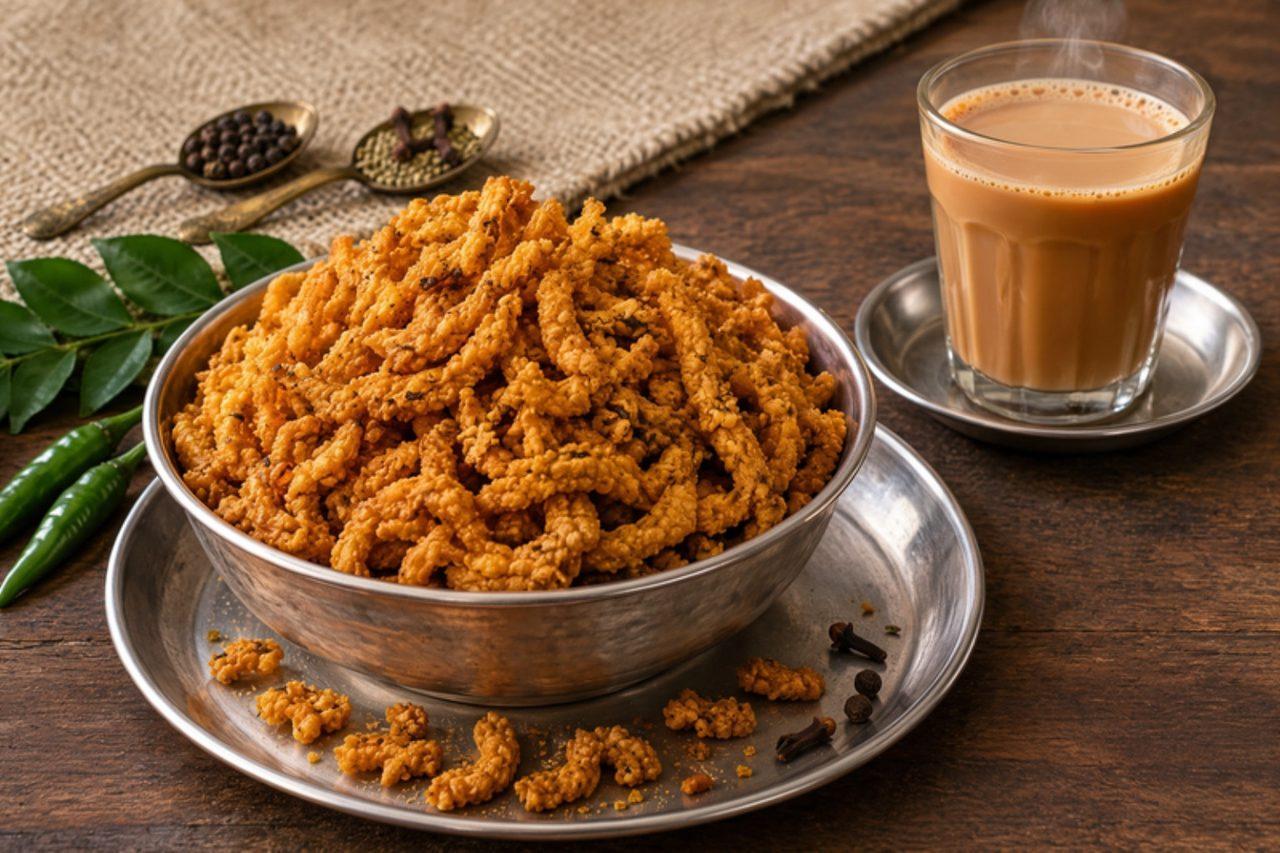
Ratlami sevPeppery gram flour sev

Ratlam in western Madhya Pradesh is so proud of its sev that it carries a GI tag, and every Malwa household keeps a tin for poha, usal and chai-time munching. What makes it different is the spice: ground clove, black pepper and ajwain give a warm heat that builds slowly, and the sev is pressed thick and fried until deep gold. The common mistake is frying in oil that is too hot, which browns the outside while the centre stays soft and soon goes chewy. Chef's tip: cool completely before you store it in an airtight tin; it keeps crisp for three weeks.

by KrazyBadal 0 views

Pumpkin scones

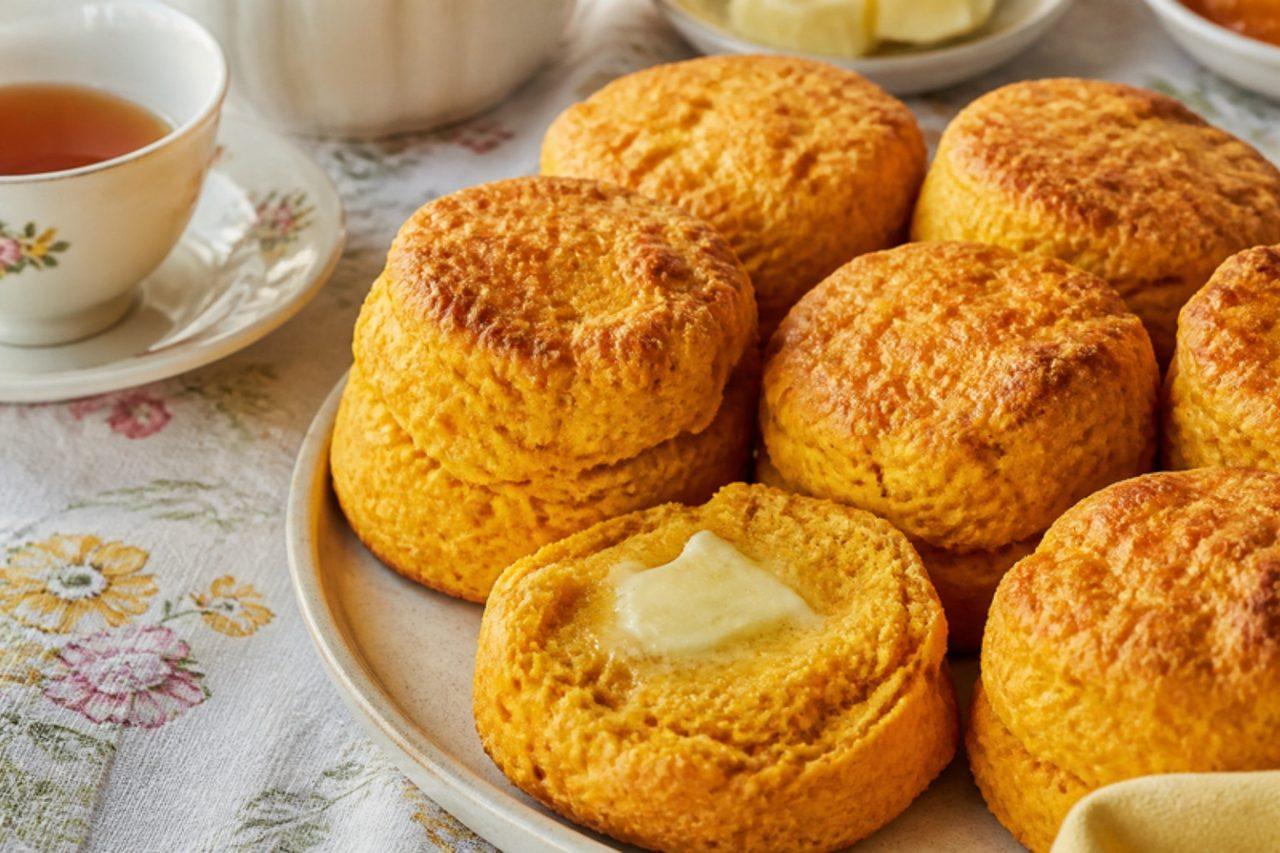
Pumpkin scones are a Queensland country tradition, made famous by the farm-raised wife of a long-serving state premier and baked for every Country Women's Association morning tea from Toowoomba to Rockhampton. Mashed pumpkin makes them golden, soft and slightly sweet, and they are best warm from the oven with plenty of butter. A common mistake is wet pumpkin; steam or roast it and let it cool so the dough isn't sticky. Chef's tip: cut straight down without twisting the cutter, so the scones rise tall and even.

by KrazyBadal 0 views

Bun maskaButtered sweet bun

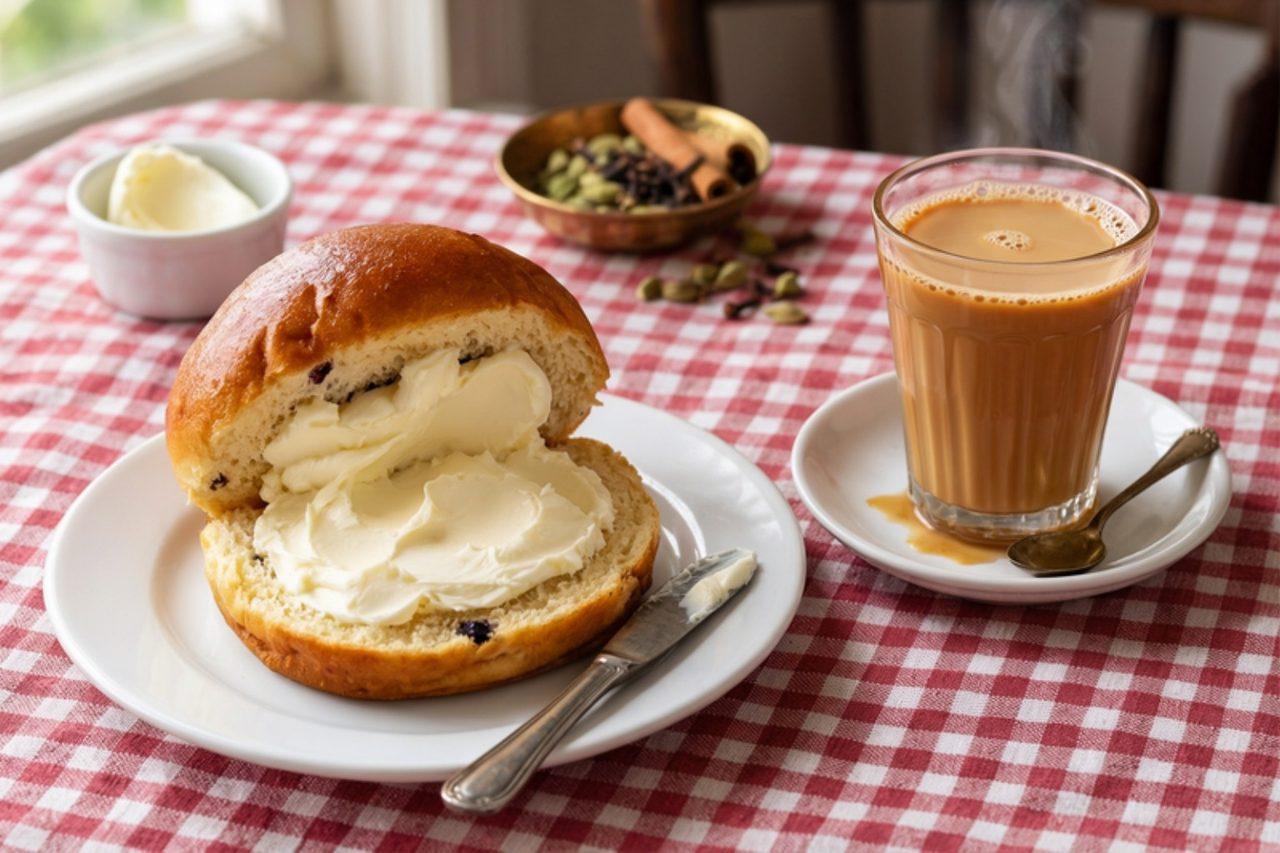
Bun maska belongs to Mumbai's old Irani cafés, the bentwood-chair rooms such as Kyani & Co near Dhobi Talao, where office workers and students start the day with a split, generously buttered sweet bun and a glass of strong milky chai. The bun is pillowy and faintly sweet, the salted butter is spread so thick you see teeth marks, and the whole point is to dip it into the hot tea. Children love it as a weekend breakfast. Chef's tip: let the butter soften at room temperature; cold butter tears the delicate crumb.

by KrazyBadal 0 views

Bitifoor (Sudanese Eid butter biscuits)

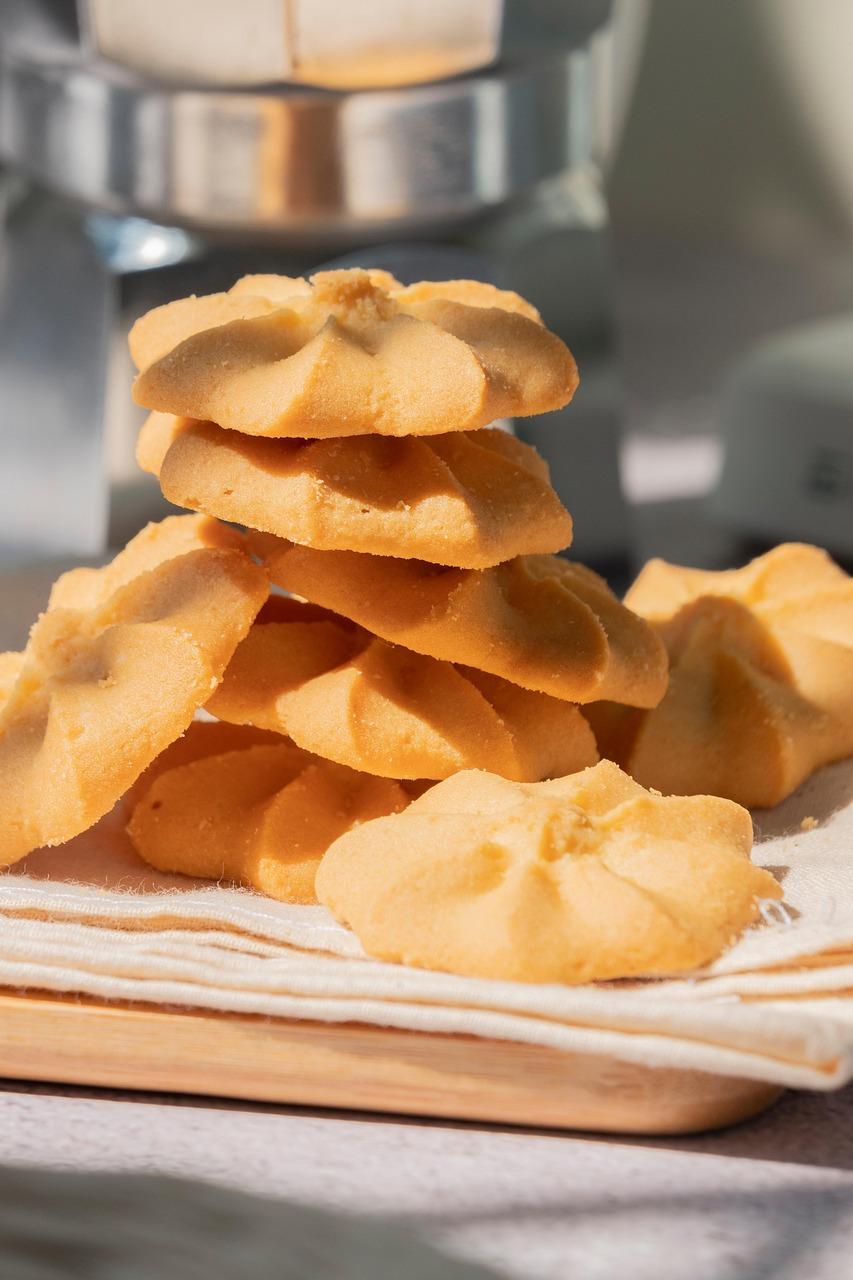
During the last days of Ramadan, Khartoum neighbourhoods smell of butter and vanilla as women bake bitifoor, the piped biscuits whose name comes from the French petit four, for the Eid visits that follow. They are piped into rosettes, fingers and swirls, sometimes topped with a piece of glacé cherry or dipped in chocolate, and arranged on platters with ka'ak and sweets for guests. The texture is melt-in-the-mouth, short and delicate. Over-soft butter is the classic mistake, giving biscuits that spread into flat puddles; use butter soft enough to dent, not oily, and chill the piped trays for 15 minutes. Chef's tip: a little cornflour in the flour keeps them extra tender and crisp.

by KrazyBadal 0 views

Singapore curry puff

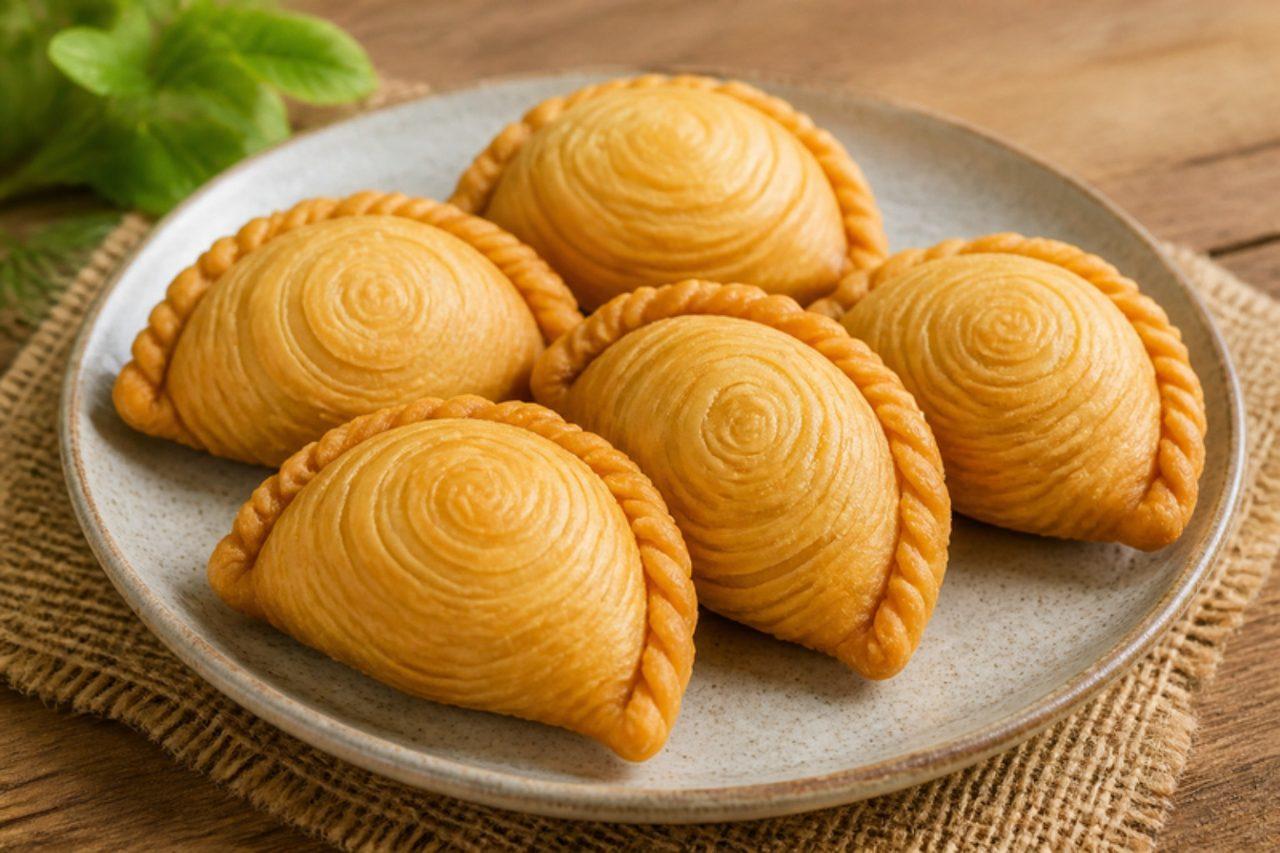
Spiral curry puffs are a tea-time thing in Singapore, picked up warm in paper bags from Malay kueh stalls at Geylang Serai, from heritage bakeries in Tiong Bahru, or eaten at the 4 pm break with teh tarik. The pastry is the point: two doughs rolled together into a log, sliced, and rolled out so that the cut edge shows tight spirals that shatter into crisp layers when fried. Inside is a soft, peppery filling of potato and onion cooked with curry powder and curry leaves. Shops also sell versions with chicken and a wedge of hard-boiled egg; this one keeps to potato and uses vegetable shortening so the pastry stays dairy-free. The usual mistake is frying in oil that is too hot, which browns the outside while the inner layers stay doughy; a steady medium heat lets the spirals open. Chef's tip: let the filling cool completely and keep it fairly dry, or steam from the potato will burst the seams in the oil.

by KrazyBadal 0 views

SockerkakaPlain sponge cake

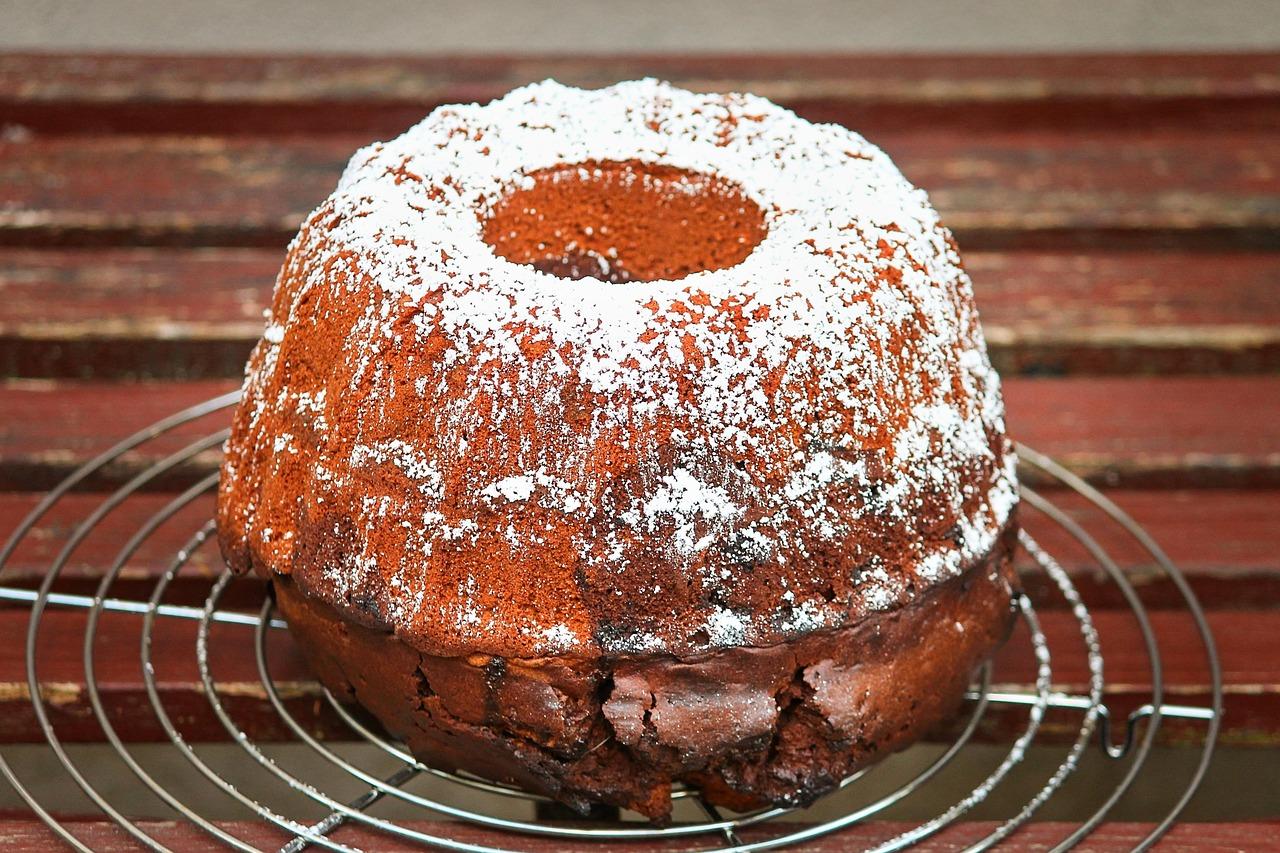
Sockerkaka, 'sugar cake', is the everyday sponge of Swedish homes, baked in a tall fluted ring tin and served in slices with coffee, or with berries and cream in summer; nearly every Swedish child bakes one with a grandparent. It is light and buttery with a crisp, golden outside. A common mistake is opening the oven before 35 minutes, which makes the cake sink. Chef's tip: butter the tin and dust it with fine breadcrumbs, as Swedish cooks do, so the cake releases cleanly and gets a crisp crust.

by KrazyBadal 0 views

Queen Elizabeth cake

Queen Elizabeth cake has been a favourite in Canadian homes and Quebec bakeries since the 1950s, especially around coronations and royal visits, and it still turns up at Montreal family birthdays and Sunday teas. A moist, tender date cake is baked, then covered in a bubbling coconut and brown-sugar topping and put under the grill until it caramelises. It is humble, rich and keeps well for days. A common mistake is walking away from the grill; the topping goes from golden to burnt in under a minute. Chef's tip: soak the dates in boiling water with the bicarbonate so they melt into the crumb.

by KrazyBadal 0 views

Dziriettes (almond flower pastries)

Named after the women of Algiers, dziriettes are the jewels on any wedding or Eid tray: thin, crisp pastry pinched into a flower or crown, filled with a dome of almond paste scented with orange blossom, then baked and soaked in warm honey. They take patience, but the result is delicate and fragrant, with a shatter of pastry giving way to a soft, moist almond centre. Families often make a few hundred over several evenings, together, before a celebration, and serve them with mint tea or coffee. Chef's tip: roll the dough so thin you can almost see the worktop through it; thick pastry is the commonest mistake and turns dziriettes stodgy instead of crisp.

by KrazyBadal 0 views

KahkEid ghee cookies

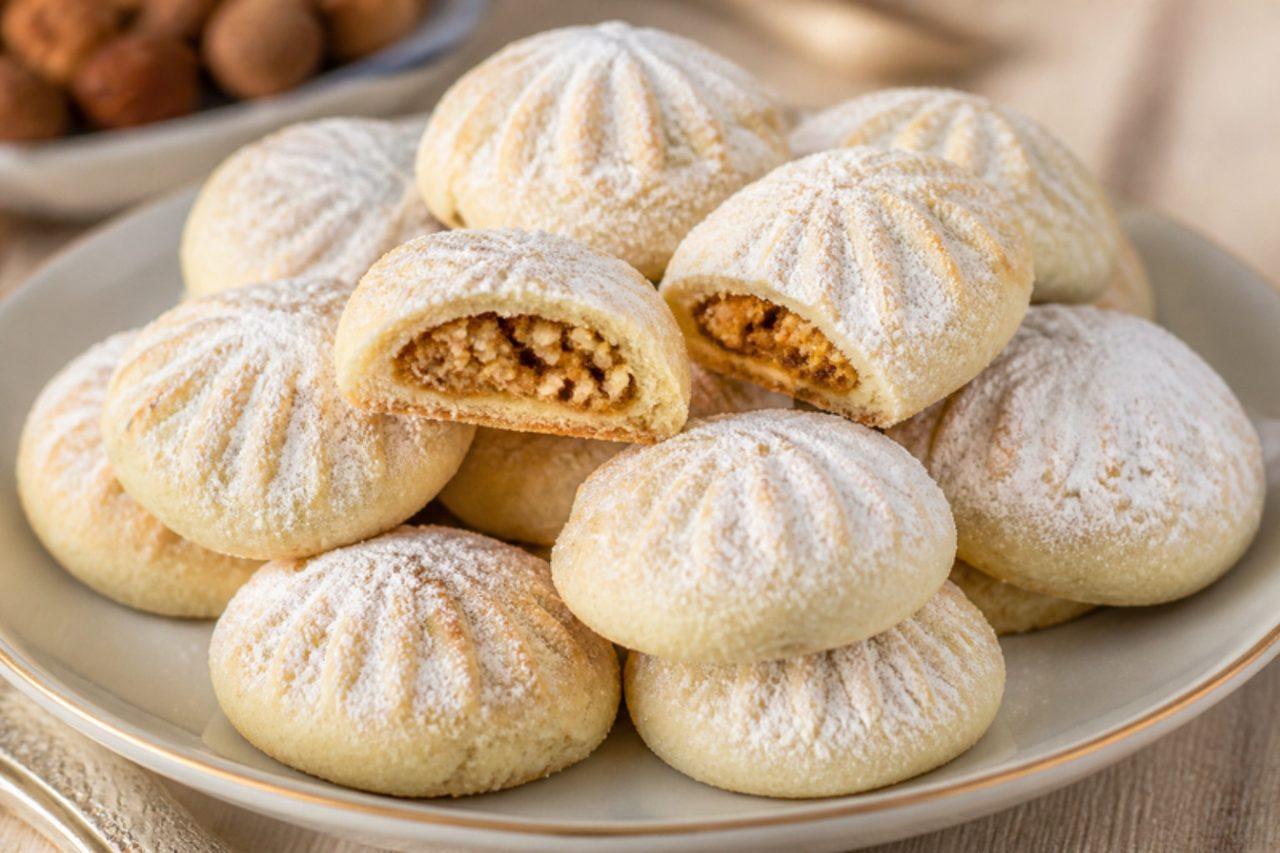
In the last nights of Ramadan, Egyptian kitchens fill with flour dust, trays and relatives as families bake kahk for Eid al-Fitr, and many still send them to the neighbourhood bakery's big oven. Hot ghee is rubbed into the flour so the cookies bake up crumbly and melting, fragrant with sesame and kahk spice, and each one is pinched with a patterned tweezer or pressed in a wooden mould before baking. They are filled with agameya, a sticky honey, nut and sesame paste, and buried under icing sugar, then served to every Eid visitor with tea or coffee. Overbaking is the mistake to avoid; kahk should be pale on top and only golden underneath. Chef's tip: the dough is ready to shape once a ball holds firm but crumbles if you squeeze it hard; it should never feel stretchy.

by KrazyBadal 0 views

Cocktail bunCoconut-filled sweet buns

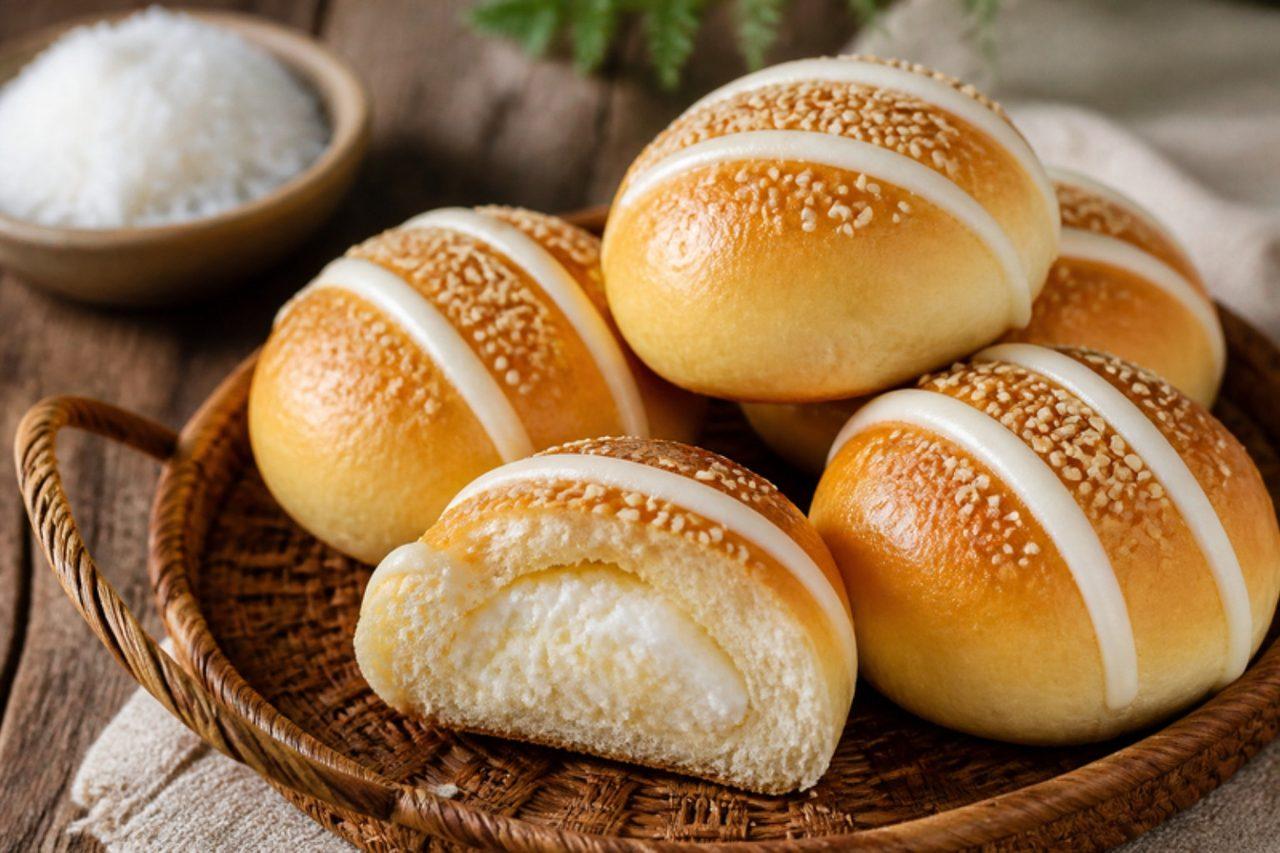
Bakeries across Hong Kong pull trays of cocktail buns from the oven before the morning rush, and schoolchildren and commuters buy them warm in paper bags to eat on the bus or with milk tea at a cha chaan teng. The story goes that 1950s bakers invented them to use up day-old bread mixed with sugar and coconut, so the name is a playful nod to a cocktail of leftovers. Today the soft, milky roll holds a sweet, buttery coconut filling that's slightly sandy and chewy, under two piped stripes and a scatter of sesame seeds. A soft, warm filling tends to ooze out during proving and baking, so chill it until firm before you roll the buns. Chef's tip: roll each bun up tightly from the long side and pinch the seam well, then place it seam-down; loose rolls split open in the oven.

by KrazyBadal 0 views

Pandan chiffon cake

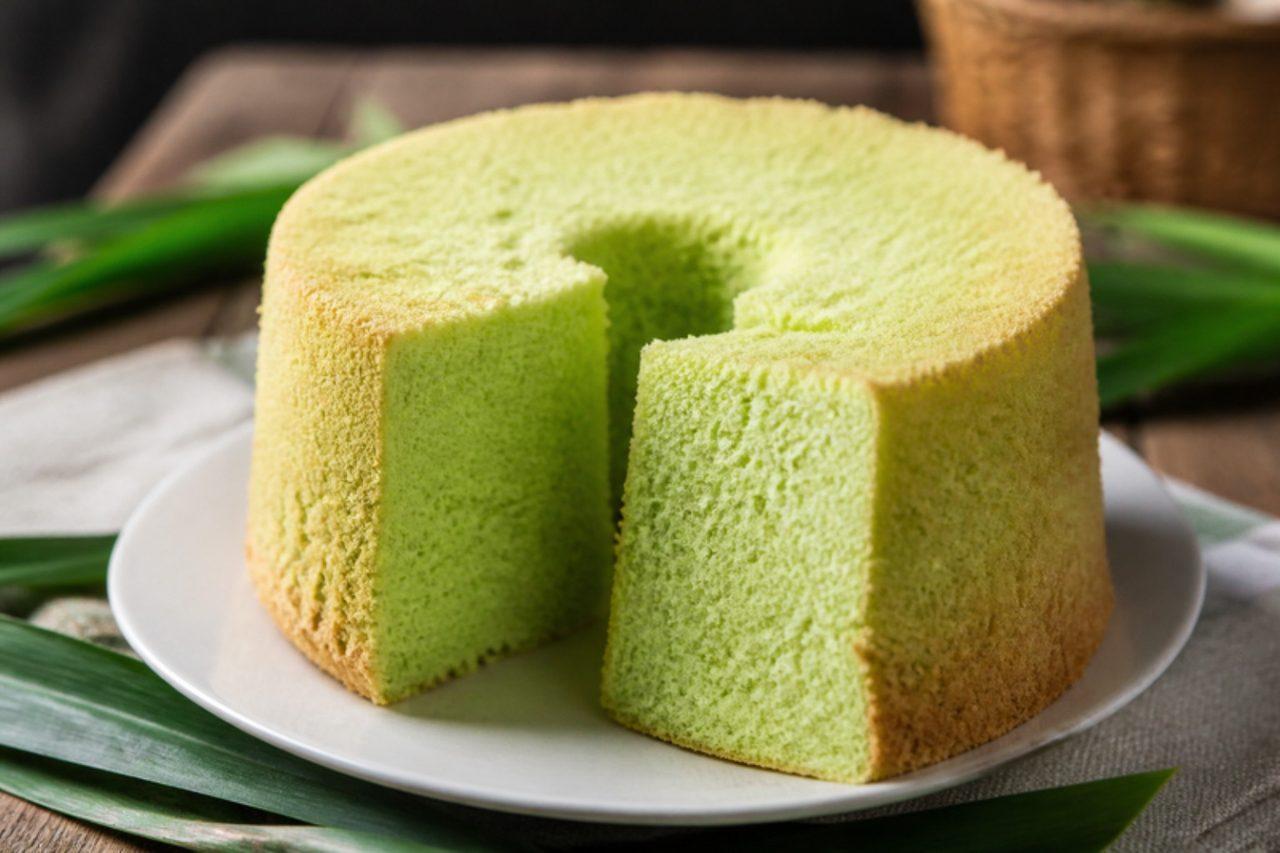
No Singapore birthday table, office tea or visit to grandma's feels complete without a pandan chiffon cake, the pale green ring sold whole at heritage bakeries and neighbourhood confectioners and carried home in a box, and travellers fly home with one in their hand luggage. The crumb is cottony and springy, moist from coconut milk, and the flavour comes from juice squeezed from blended pandan leaves: grassy, vanilla-like and faintly nutty. It is served plain, in tall wedges, with kopi or tea. The usual mistake is greasing the tube pan; a chiffon needs to cling to bare metal to climb, and cooling it upside down is what keeps it tall. Chef's tip: beat the egg whites only to firm, glossy peaks that curl over at the tip; stiff, dry whites won't fold in smoothly and leave white streaks and holes.

by KrazyBadal 0 views

Mchewek (almond cookies)

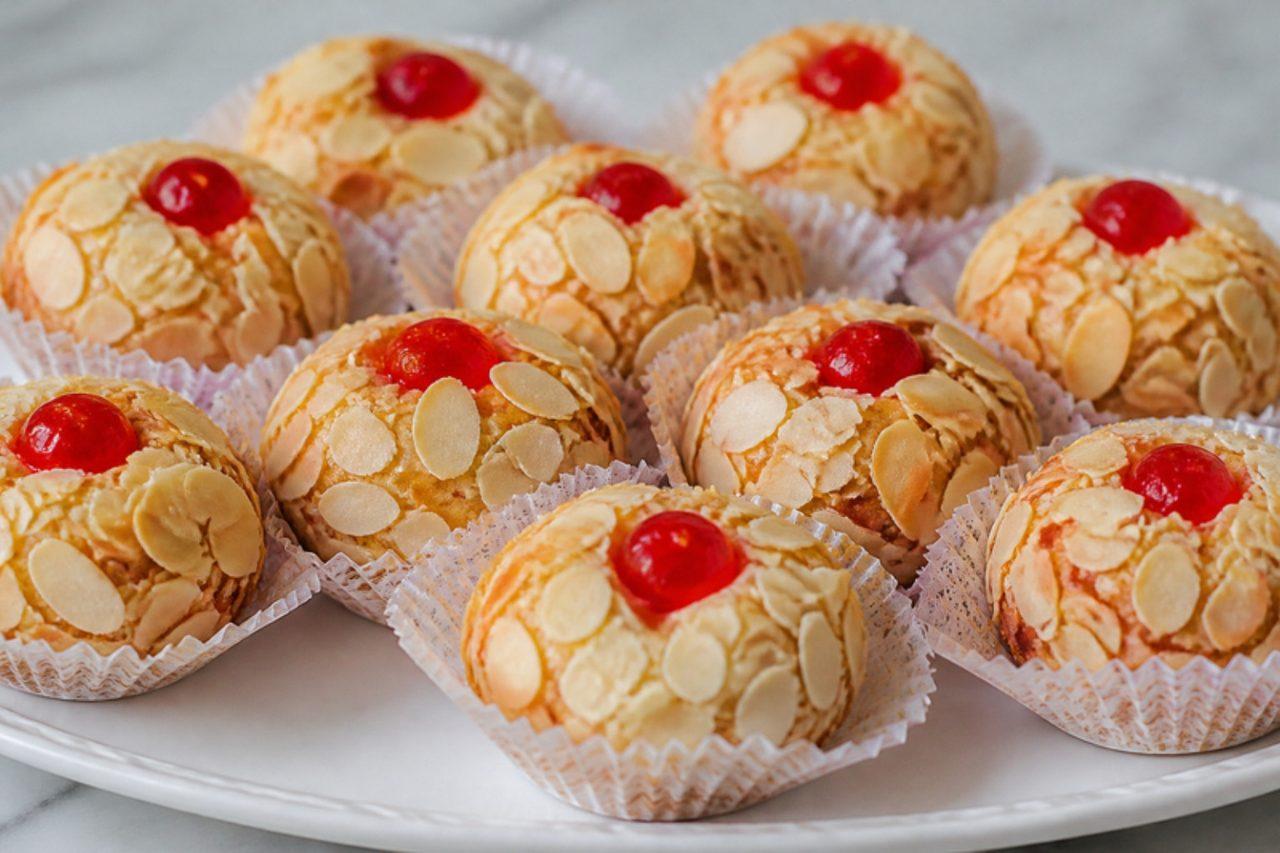
Mchewek means something like 'prickly', which is exactly how these cookies look: balls of almond paste rolled in flaked almonds so the flakes stick out like spines, each topped with half a candied cherry and baked only until the tips turn gold. Inside they stay soft and chewy, like a rustic macaroon. Being made with no flour, they suit anyone avoiding gluten, and they appear on Eid and wedding trays all over Algeria, often brushed with a little honey syrup for shine. Chef's tip: take them out when the edges are just golden and the centres still feel soft; overbaking is the classic mistake and leaves them dry and crumbly once cool.

by KrazyBadal 0 views

Halwat tabaa (stamped jam biscuits)

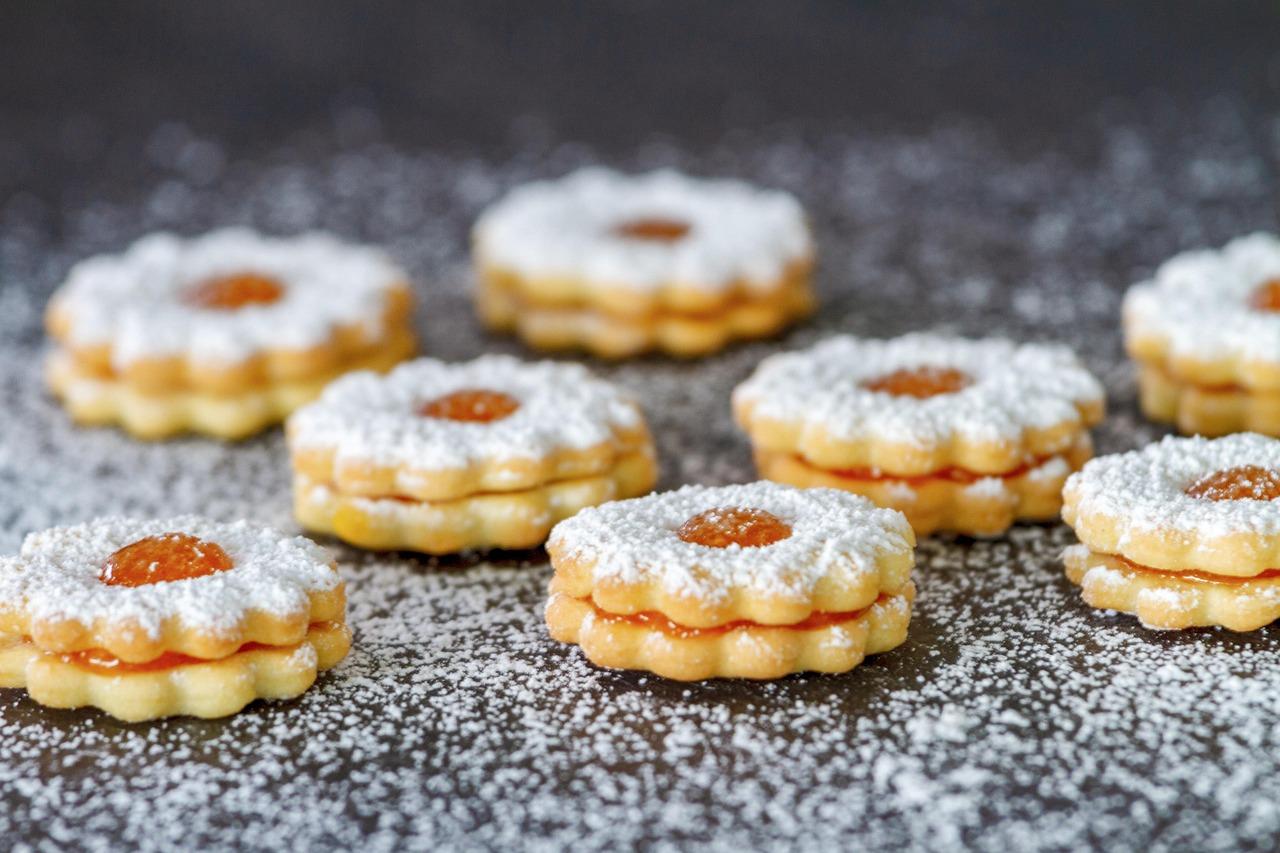
Ask anyone who grew up in Algeria about the night before Eid and they will mention the smell of halwat tabaa baking: buttery shortbread cut and printed with a patterned metal stamp, then sandwiched in pairs with apricot jam. Children love helping to press the patterns, and the biscuits fill the tins offered to neighbours on the morning of the feast. They are tender and short, with a clean vanilla flavour against the tangy jam, and keep well for a week. A fluted round cutter and the tines of a fork will do if you have no stamp. Avoid working the dough too much or letting it get warm, as the stamped pattern then spreads and blurs in the oven. Chef's tip: dip the stamp in flour and tap off the excess before every press; a sticky stamp blurs the pattern, which is the most common disappointment.

by KrazyBadal 0 views

Showing 24 of 97 recipes

Show more recipes

Page 1 of 5

More occasions