
AI-generated image
Arroz de pica no chão
Chicken and blood rice
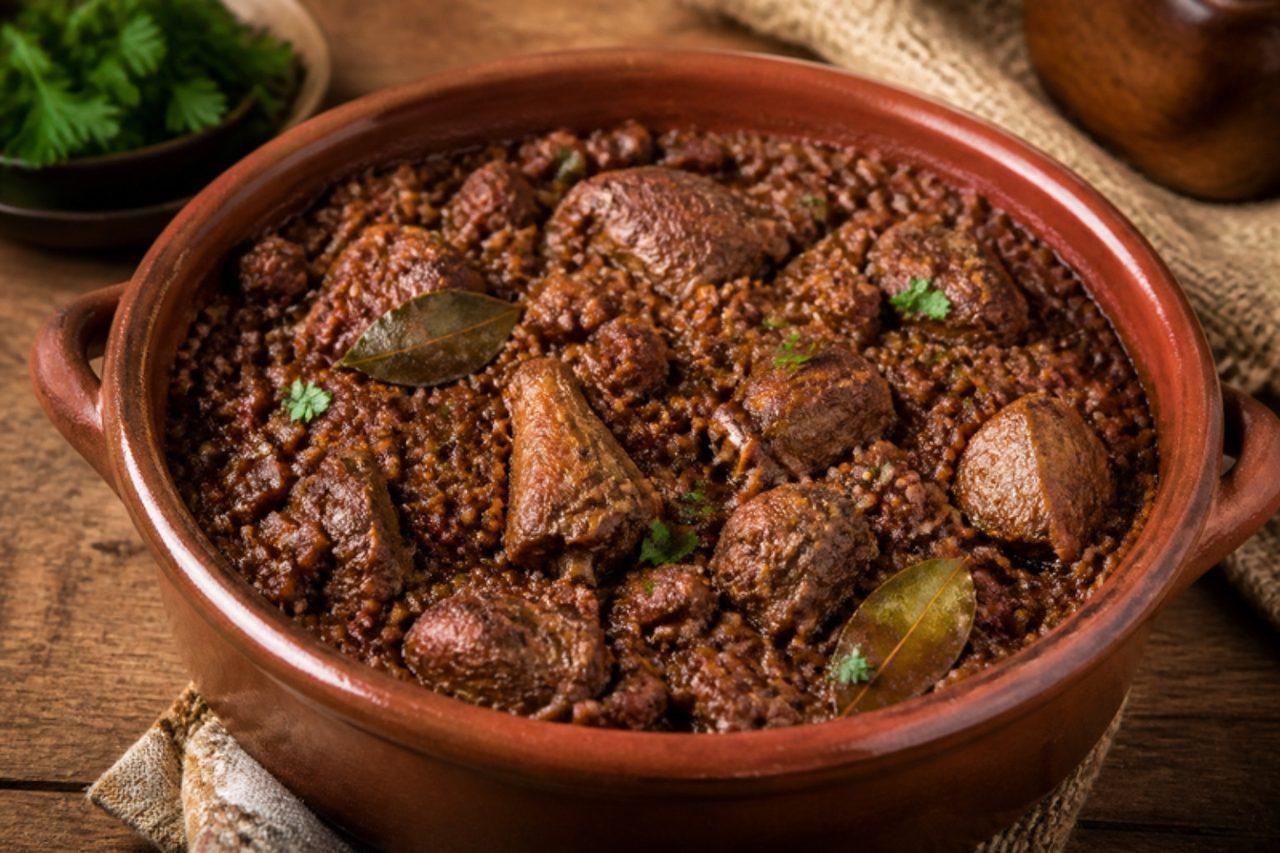
Arroz de pica no chão: farmyard chicken rice cooked loose and dark, cabidela style


'Pica no chão' means 'pecks the ground', the Minho name for a free-range farmyard hen, and this soupy rice is how it is cooked for a family gathering in Barcelos or Vila Verde. Traditionally the bird's blood is stirred in at the end with vinegar, cabidela style, giving a dark, tangy, velvety sauce; without it you get a lighter but equally good chicken rice. Use a free-range bird or thighs for proper flavour. A common mistake is letting the rice sit before serving; this is a loose, soupy rice and it thickens fast, so bring it to the table at once. Chef's tip: the rice must be served the moment it is ready, still swimming in broth, because it keeps absorbing liquid.
- Total time
- 90 min
- Difficulty
- medium
- Serves
- 6
Ingredients
- 3 ⅓ lb free-range chickencut into 12 pieces, or bone-in thighs and drumsticks
- 4 tbsp olive oil
- 2 onionsfinely chopped
- 4 cloves garlicchopped
- 1 ripe tomatograted, skin discarded
- 1 tsp sweet paprika
- 7 ½ cups hot water or chicken stock
- 12 ½ oz short-grain rice (carolino)
- 2 tsp salt
- 3 tbsp red wine vinegar
- ¾ cup fresh chicken blood (optional)from a butcher, kept chilled; leave out for a lighter version
- 3 tbsp parsley (optional)chopped
Shop this recipe on Amazon
Spices & pantry
Fresh ingredients (6)
Links open Amazon in a new tab. As an Amazon Associate, WhatToEat.Today earns from qualifying purchases.
Method
0/6 doneStep 1: Heat the 4 tbsp olive oil in a large, heavy pot over a medium-high heat and brown the 3 ⅓ lb free-range chicken in batches for 6–8 minutes, until golden. Set aside.
16 minStep 2: Lower the heat, add the 2 onions and 4 cloves garlic and cook for 8 minutes, until soft and golden. Add the 1 ripe tomato, 2 bay leaves and 1 tsp sweet paprika and cook for 3 minutes more.
11 minStep 3: Return the chicken, pour in the 7 ½ cups hot water or chicken stock, add the 2 tsp salt and simmer, partly covered, for 30 minutes, until the chicken is tender and its juices run clear at 165°F in the thickest piece.
30 minStep 4: Stir in the 12 ½ oz short-grain rice (carolino) and simmer for 14–15 minutes, stirring now and then, until just tender. It should look more like a thick soup than a dry rice dish.
15 minStep 5: Off the heat, mix the 3 tbsp red wine vinegar with the ¾ cup fresh chicken blood, if using. Stir a ladle of the hot broth into it, then pour it back into the pot. Return to a low heat and stir for 2–3 minutes, until the sauce darkens and thickens and is steaming hot; do not let it boil hard or it will turn grainy. Without blood, simply stir in the vinegar.
3 minStep 6: Taste for salt, scatter over 3 tbsp parsley and serve at once in warm bowls.
1 min
Nutrition per serving
- Calories
- 560 kcal
- Protein
- 40 g
- Carbs
- 48 g
- Fat
- 22 g
- Fibre
- 2 g
Nutrition values are estimates.
KrazyBadal
Good to know
- How long does arroz de pica no chão take?
- About 90 minutes in total: 20 minutes to prepare and 70 minutes to cook.
- How many people does it serve?
- 6 as written. Change the servings above the ingredients and every amount scales to match.
- Is it gluten free?
- Yes, as written. Check the labels on stock, sauces and spice mixes, which sometimes contain gluten.
- What can I use instead of onions?
- 2 shallots per onion.
- What can I use instead of garlic?
- ½ tsp garlic paste or ⅛ tsp garlic powder per clove.
Reviews
No reviews yet. Be the first to cook it.
Rate this recipe
Sign in to rate and review this recipe.
You might also like
Arroz con pitu de caleyaSoupy rice with chicken
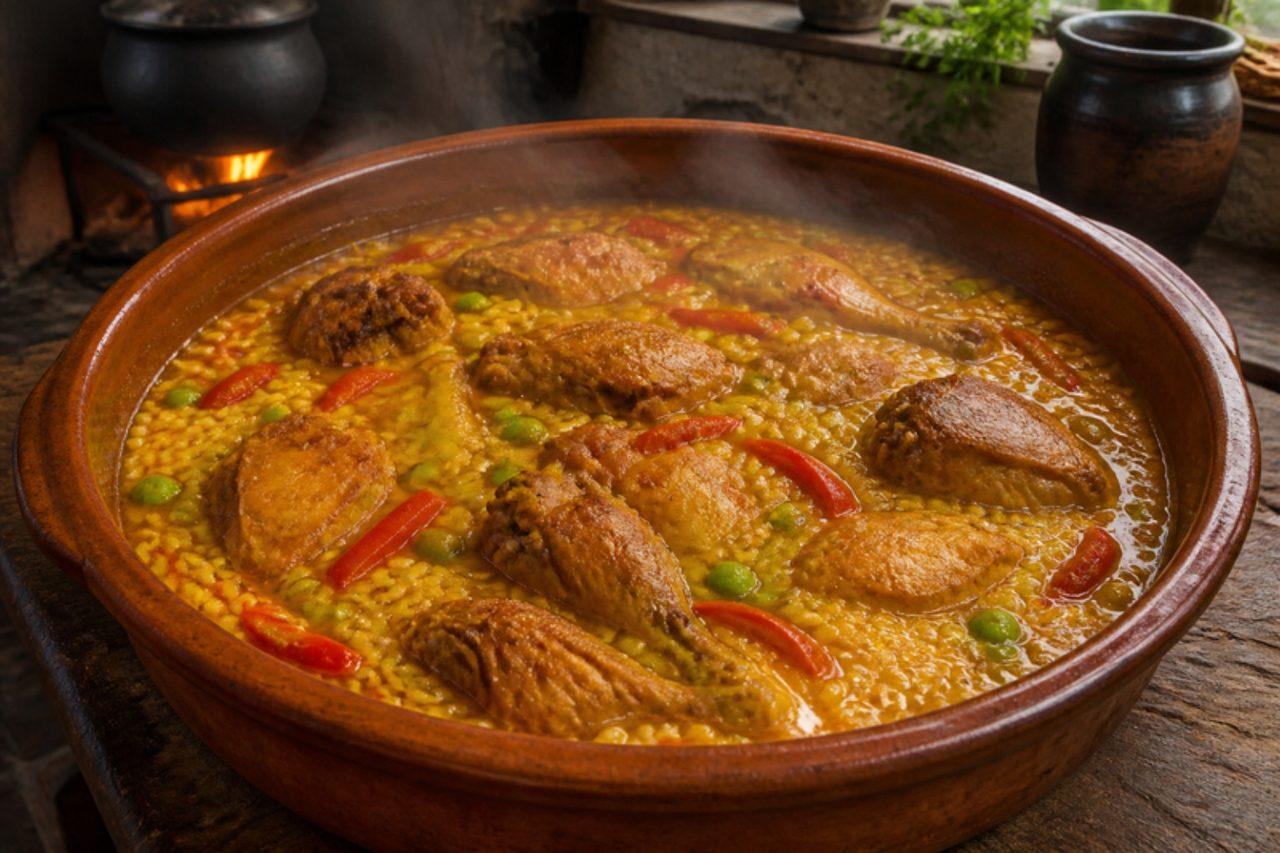
A pitu de caleya is a cockerel raised free in the lanes, or caleyas, of rural Asturias; its firm, flavourful meat needs long stewing, and families around Villaviciosa and Grado still cook it for feast days. The stew is often finished as a soupy rice, so the deep chicken juices go into every grain. Use the best free-range chicken you can find. The braise includes dry white wine; replace it with extra stock and a squeeze of lemon if you want it alcohol-free. Chef's tip: brown the chicken slowly and deeply; that colour is where the flavour of the whole pot comes from.
 Spanish
Pataniscas de bacalhauSalt cod fritters
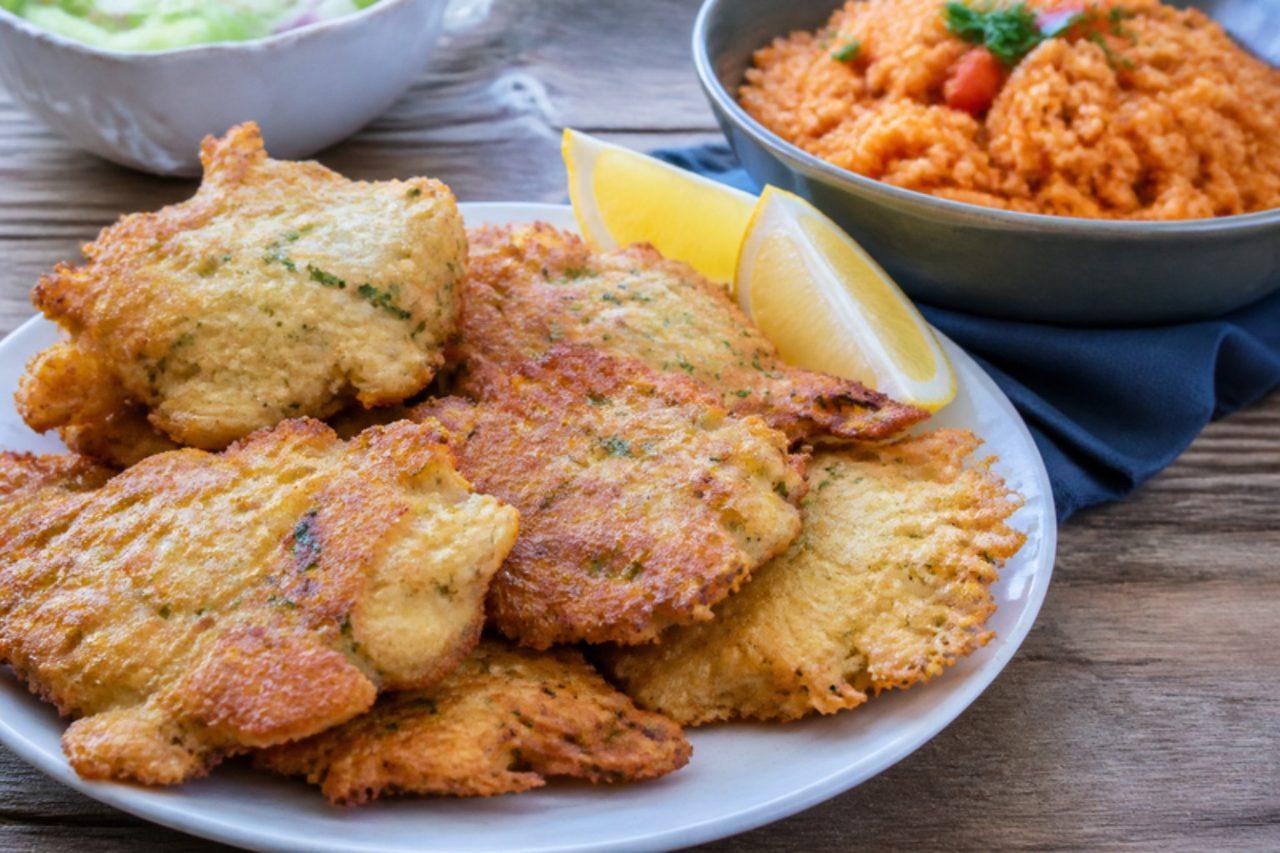
Where pastéis de bacalhau are neat and smooth, pataniscas are rough and generous: spoonfuls of a loose batter packed with shreds of salt cod, onion and parsley, fried into wide, crisp-edged fritters. Lisbon tascas serve them at lunch with arroz de feijão, a soupy red-bean rice, or tucked into a bread roll as a snack. Soak the cod in the fridge for a day or two first. A common mistake is a batter as thick as pancake mix, which gives doughy fritters; it should drop loosely from the spoon. Chef's tip: let the batter rest for 30 minutes so the flour swells and the fritters hold together without needing more.
Sopa da pedraBean and pork soup
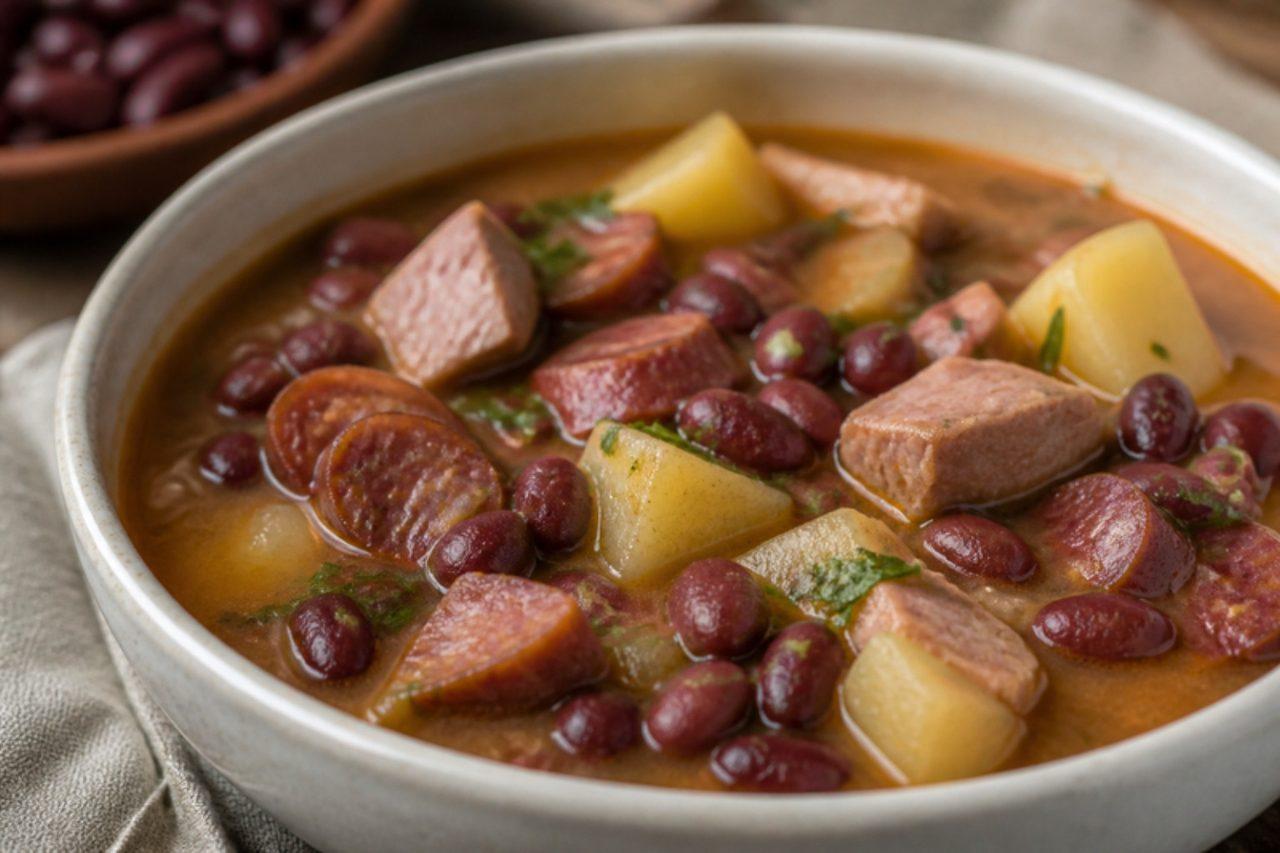
Almeirim, a market town in the Ribatejo, is the capital of this soup; its restaurants serve it every day, and each bowl arrives with a clean stone at the bottom, after the folk tale of a friar who 'made soup from a stone' by talking villagers into giving him everything else. This is a pork soup: red kidney beans simmer with chouriço, morcela blood sausage and a piece of pork belly, then potatoes, carrots and coriander finish it into a thick, hearty bowl. Chef's tip: cook the sausages whole and slice them at the end, so they stay juicy and don't turn the broth greasy.
