
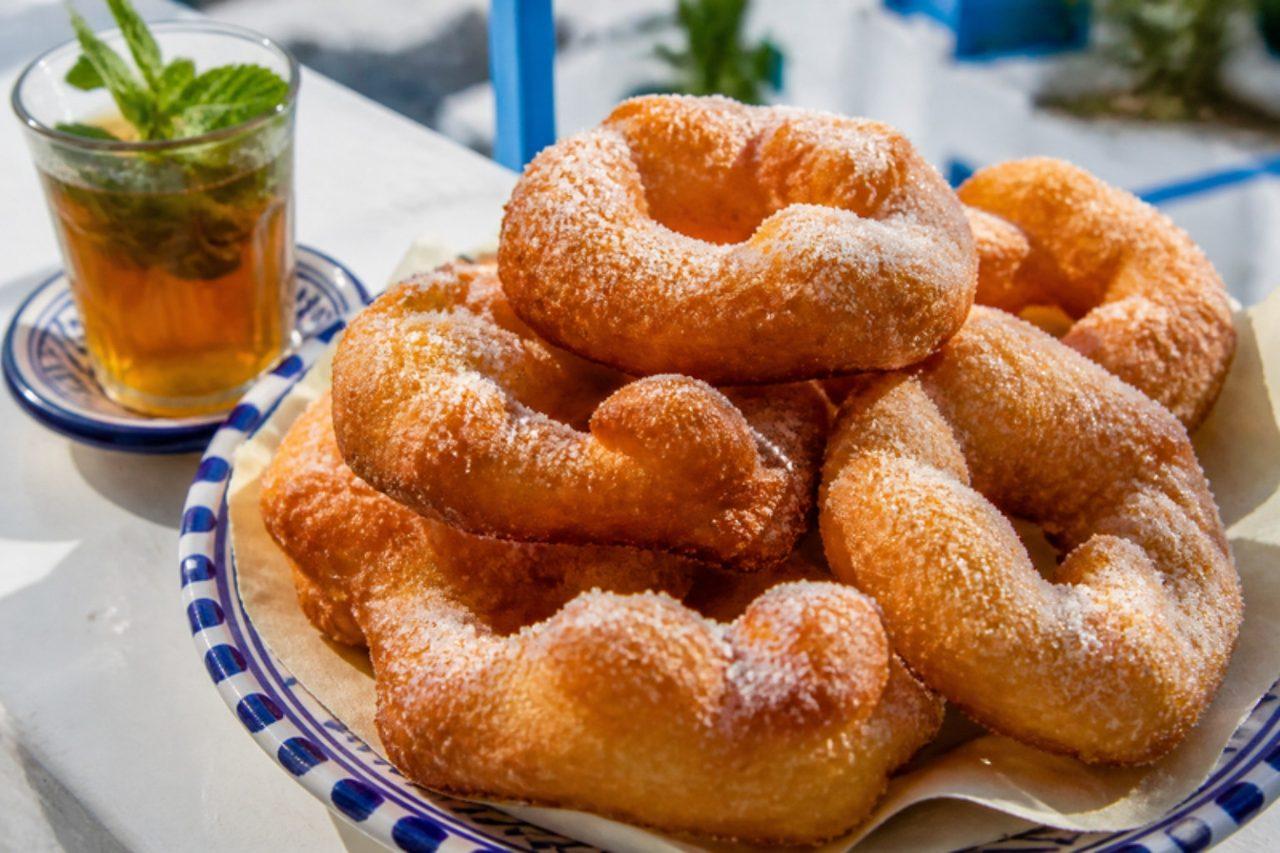
AI-generated image
Bambalouni
Sugared fried dough rings
Sidi Bou Said's sugared fried dough rings


Bambalouni are the big, flat, chewy doughnuts sold hot and wrapped in paper at the top of the blue-and-white village of Sidi Bou Said, outside Tunis, and on beaches all along the coast in summer. The dough is very soft and yeasty; it is stretched by hand into a ring and fried until puffed and blistered, then rolled in sugar. They are best eaten warm with a mint tea. Chef's tip: oil your hands, not the bench, to shape them; floured dough browns too fast and loses its blistered look.
- Total time
- 40 min
- Difficulty
- medium
- Serves
- 10
Ingredients
- 1 ⅛ lb plain flour
- ¼ oz instant yeast
- 1 tbsp sugar
- 1 tsp salt
- 1 ½ cups warm water
- 3 tbsp sunflower oilfor your hands
- 3 cups sunflower oil for frying
- 3 ½ oz caster sugar
Shop this recipe on Amazon
Links open Amazon in a new tab. As an Amazon Associate, WhatToEat.Today earns from qualifying purchases.
Method
0/4 doneStep 1: Mix 1 ⅛ lb plain flour, ¼ oz instant yeast, 1 tbsp sugar and 1 tsp salt. Pour in 1 ½ cups warm water and beat with your hand or a wooden spoon for 5 minutes into a very soft, sticky dough.
5 minStep 2: Cover and leave in a warm place for 1½–2 hours, until doubled and full of bubbles.
120 minStep 3: Heat 3 cups sunflower oil for frying in a deep pan to 350°F. Rub your hands with 3 tbsp sunflower oil, pull off a piece of dough the size of an egg, poke a hole in the middle and stretch it into a thin ring about 12 cm across.
5 minStep 4: Lay it in the oil and fry for 1–2 minutes a side, until puffed and golden. Drain and roll in 3 ½ oz caster sugar while hot. Common mistake: making the ring thick — it stays doughy inside; stretch it thin enough to almost see through the middle.
15 min
Nutrition per serving
- Calories
- 280 kcal
- Protein
- 5 g
- Carbs
- 50 g
- Fat
- 7 g
- Fibre
- 2 g
Nutrition values are estimates.
KrazyBadal
Good to know
- How long does bambalouni take?
- About 40 minutes in total: 20 minutes to prepare and 20 minutes to cook.
- How many people does it serve?
- 10 as written. Change the servings above the ingredients and every amount scales to match.
- Is it vegan?
- Yes. It has no meat, fish, dairy or eggs.
- What can I use instead of plain flour?
- Self-raising flour, same amount (then leave out the baking powder).
- What can I use instead of sugar?
- Caster sugar, same amount.
Reviews
No reviews yet. Be the first to cook it.
Rate this recipe
Sign in to rate and review this recipe.
You might also like

BsissaRoasted barley flour with olive oil
A tin of bsissa sits in many Tunisian kitchen cupboards, from Tunis flats to farmhouses in the south: a finely ground flour of roasted barley, roasted chickpeas and spices such as coriander, fennel and aniseed. In the morning a few spoonfuls are worked with olive oil and something sweet into a nutty, crumbly paste, or stirred with water into a thick drink, and it keeps you going until lunch. Travellers and pilgrims once carried it for the road. Roasting your own flour takes 15 minutes and makes a jar that lasts weeks. Sugar and dates keep it vegan; some families use honey. Chef's tip: roast the flours separately over a low heat and stir constantly; the moment they smell like toasted biscuits and turn light tan, tip them out of the pan.

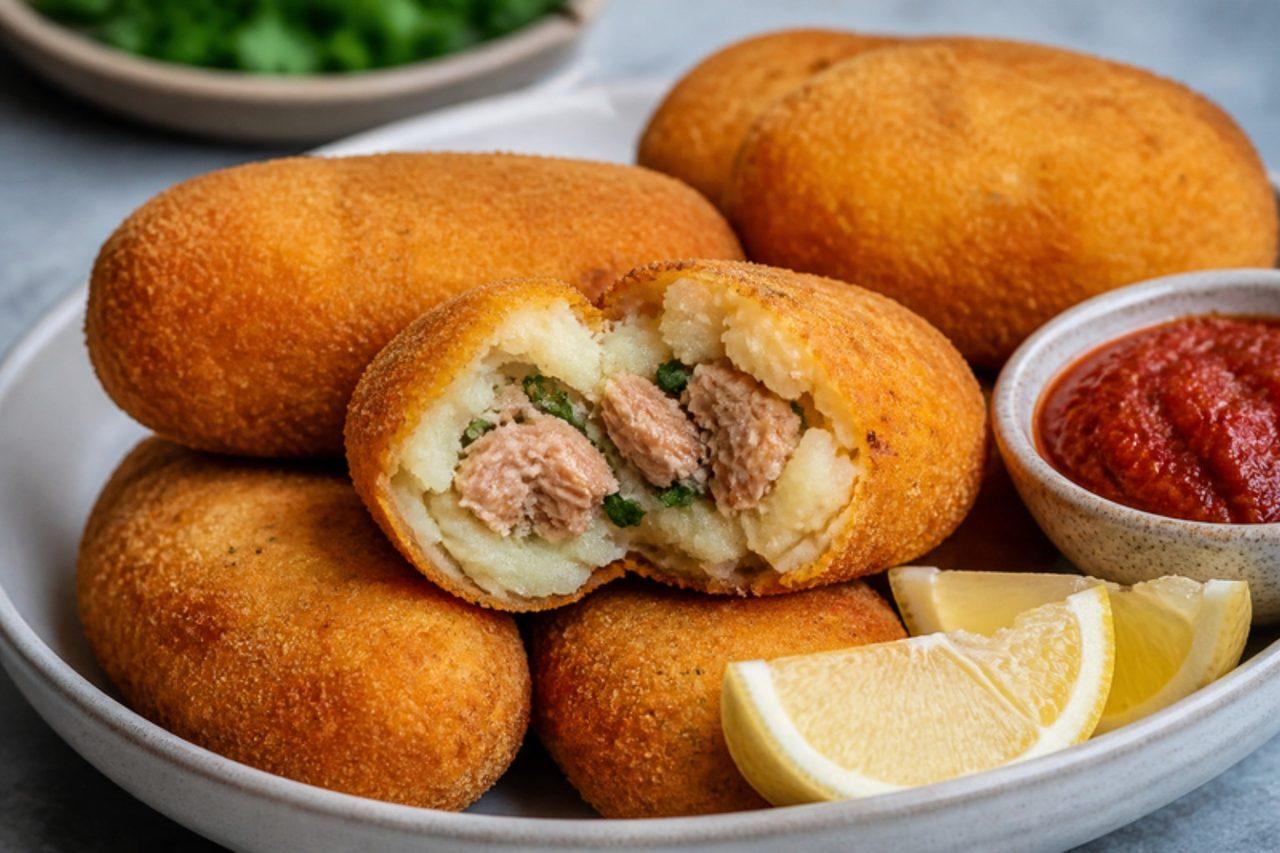
Banatage (tuna potato croquettes)
Golden, crunchy outside and soft inside, banatage are mashed-potato croquettes hiding a spoon of tuna, parsley and harissa, rolled in breadcrumbs and fried. They come out during Ramadan beside the brik and chorba, are tucked into lunchboxes and are a favourite with children all over Tunisia. Leftover mash works well, as long as it is firm. Serve them hot with lemon wedges, a salad or a dab of harissa. Chef's tip: dry the boiled potatoes in the hot pan for a minute before mashing; wet, watery mash is the usual mistake and makes croquettes that split open in the oil.
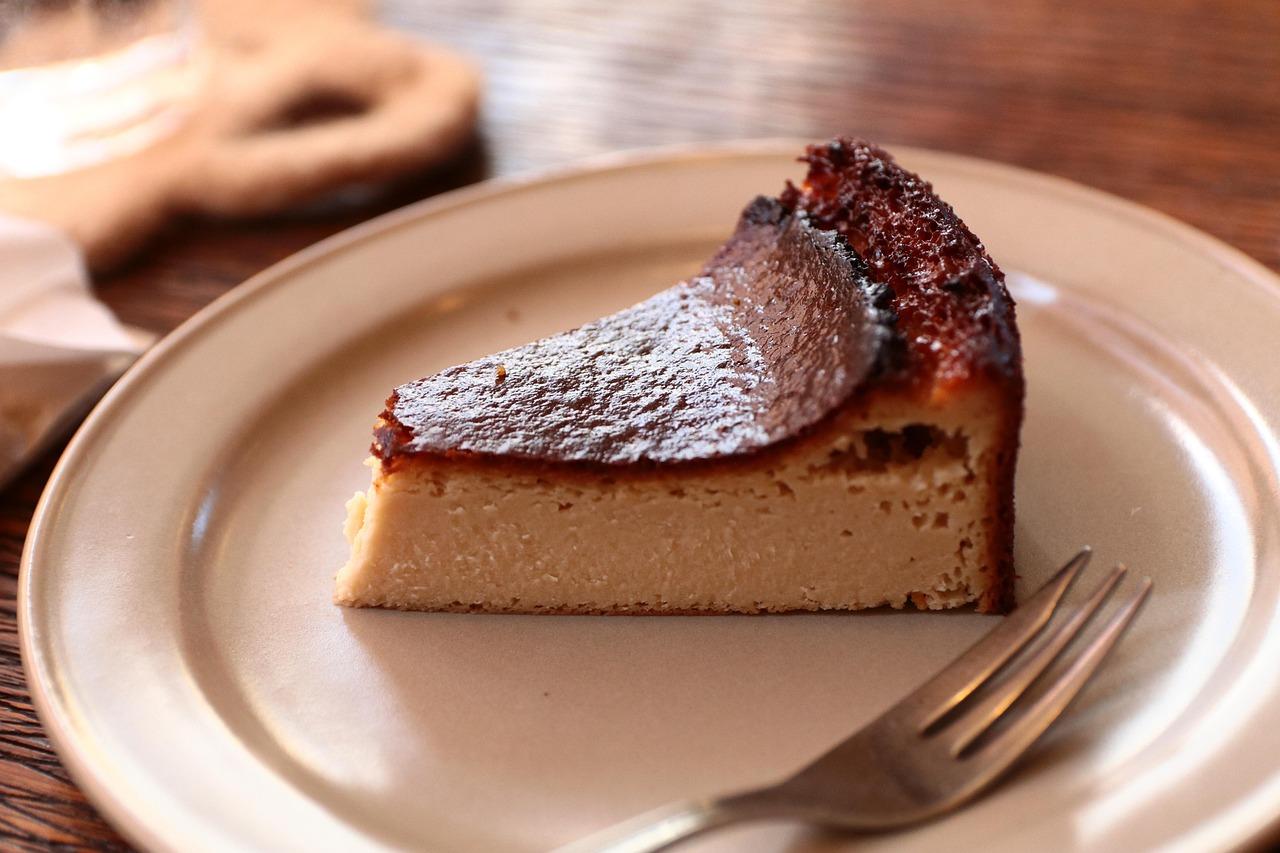
Basque burnt cheesecake
This crustless cheesecake was created in the early 1990s at La Viña, a pintxos bar in the old town of San Sebastián (Donostia) in the Basque Country, and is now famous around the world. It's baked very hot so the top caramelises almost black and the sides rise and crack, while the middle stays soft and creamy, almost runny. There's no base and no water bath, and the rough, rustic look is the point: it's lined with crumpled baking paper. La Viña uses a spoonful of wheat flour; cornflour does the same job and keeps it gluten free. Chef's tip: take it out of the oven while the centre still wobbles like a soft set custard; it firms up as it cools, and if it looks set in the oven, the middle will be dry instead of creamy.
 Spanish
