
AI-generated image
Broyé du Poitou
Giant butter biscuit
A giant butter biscuit for breaking at the table

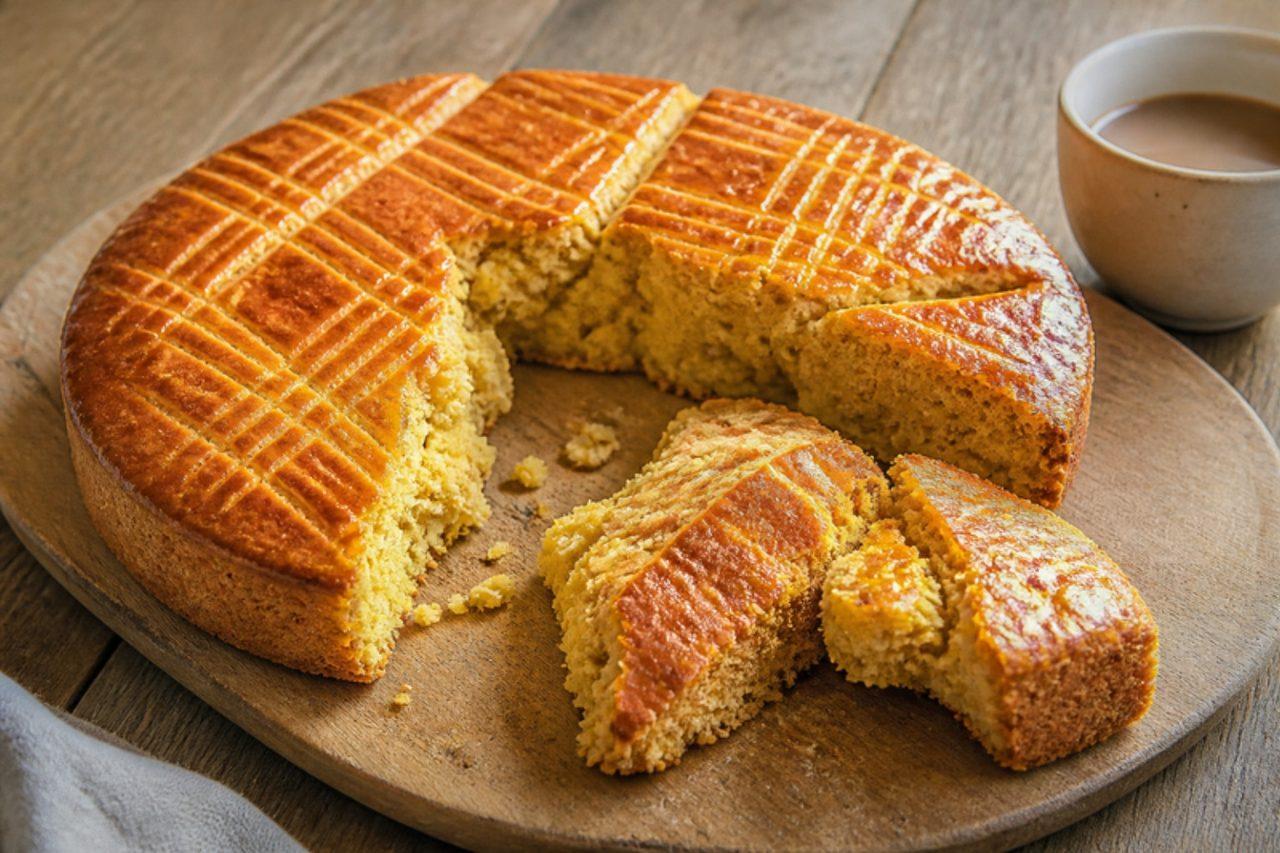
From the Poitou-Charentes region of western France, broyé is one huge, thick butter biscuit baked in a round and carried whole to the table. Tradition says you break it in the middle with a firm blow of the fist, and everyone grabs a jagged piece; farmhouse cooks served it at weddings and family lunches, and it still ends meals there with coffee or a glass of local pineau. It is crisp at the edges, slightly tender in the middle and tastes of salted butter. Some families add chopped candied angelica from Niort. The top is glazed with egg yolk for its shine; milk gives a softer sheen if you prefer no egg wash. Chef's tip: mark the top with a fork in a diamond pattern and press quite deep, because the lines spread as it bakes; a pale broyé is the common mistake, so bake on until it is evenly golden all over.
- Total time
- 45 min
- Difficulty
- easy
- Serves
- 8
Ingredients
For the biscuit
- 4 ½ oz salted buttersoftened
- 4 ½ oz caster sugar
- 1 egg
- 9 oz plain flour
- 1 pinch salt
- 1 oz candied angelica (optional)finely chopped
For the glaze
- 1 egg yolkbeaten with 1 tsp water (or 1 tbsp milk for an egg-free glaze)
Shop this recipe on Amazon
Spices & pantry
Fresh ingredients (3)
Links open Amazon in a new tab. As an Amazon Associate, WhatToEat.Today earns from qualifying purchases.
Method
0/6 doneStep 1: Heat the oven to 350°F (325°F fan). Butter a 24 cm tart tin or line a tray with baking paper.
Step 2: Rub 4 ½ oz salted butter, 4 ½ oz caster sugar, 9 oz plain flour and 1 pinch salt together with your fingertips until sandy, then add 1 egg and 1 oz candied angelica if using, and press into a dough without kneading.
5 minStep 3: Press the dough into the tin or into a 24 cm round about 1.5 cm thick on the tray, smoothing the edge with your palm.
Step 4: Brush with 1 egg yolk. Drag a fork across the top in lines one way, then the other, to make a diamond pattern.
Step 5: Bake for 25–30 minutes, until evenly golden from edge to centre and firm when pressed at the rim.
30 minStep 6: Cool completely on a rack; it crisps as it cools. Bring it to the table whole and break it with your fist, or cut wedges if you prefer. It keeps for a week in a tin.
Nutrition per serving
- Calories
- 320 kcal
- Protein
- 4 g
- Carbs
- 40 g
- Fat
- 15 g
- Fibre
- 1 g
Nutrition values are estimates.
KrazyBadal
Good to know
- How long does broyé du Poitou take?
- About 45 minutes in total: 15 minutes to prepare and 30 minutes to cook.
- How many people does it serve?
- 8 as written. Change the servings above the ingredients and every amount scales to match.
- Is it vegetarian?
- Yes. It has no meat or fish.
- Can I make it ahead?
- Yes. It keeps well, so you can cook it earlier in the day or the day before and reheat it.
- What can I use instead of salted butter?
- The same weight of ghee or coconut oil (for frying and most baking).
- What can I use instead of caster sugar?
- Caster sugar, same amount.
Reviews
No reviews yet. Be the first to cook it.
Rate this recipe
Sign in to rate and review this recipe.
You might also like
Sandwich grecKebab baguette
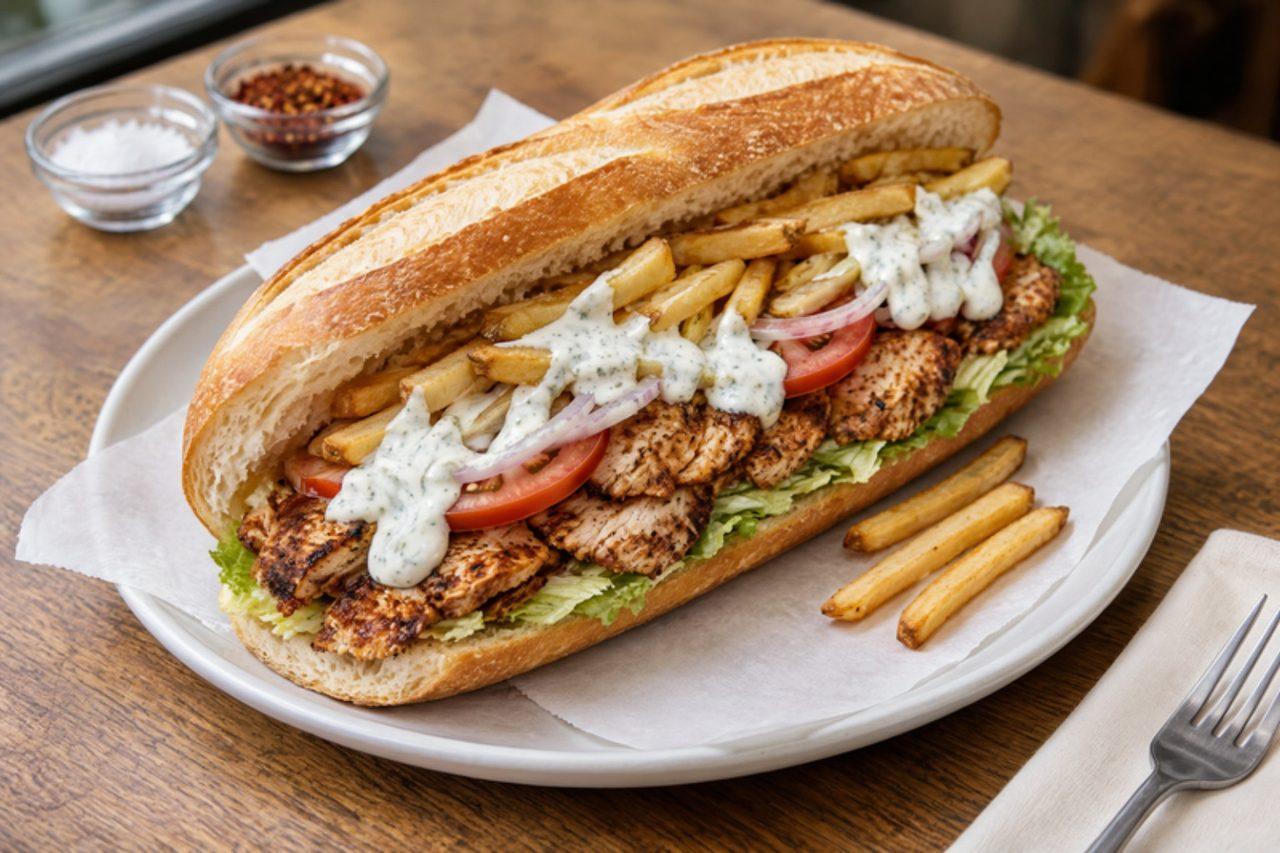
In Paris, a "grec" is the late-night kebab sandwich named after the Greek-run shops that first sold it in the Latin Quarter. On rue de la Huchette and rue Saint-André-des-Arts near Saint-Michel, students queue after a night out for crusty bread or pitta stuffed with meat shaved from a turning spit, lettuce, tomato and onion, a garlicky white sauce, and, the Paris touch, a handful of fries pushed right inside. This home version marinates chicken thighs in spiced yoghurt, sears them hard and slices them thin, with oven fries. It contains milk, egg (in the mayonnaise) and wheat. Chef's tip: slice the meat thinly across the grain after resting; thick chunks don't feel like a grec.
Basque burnt cheesecake
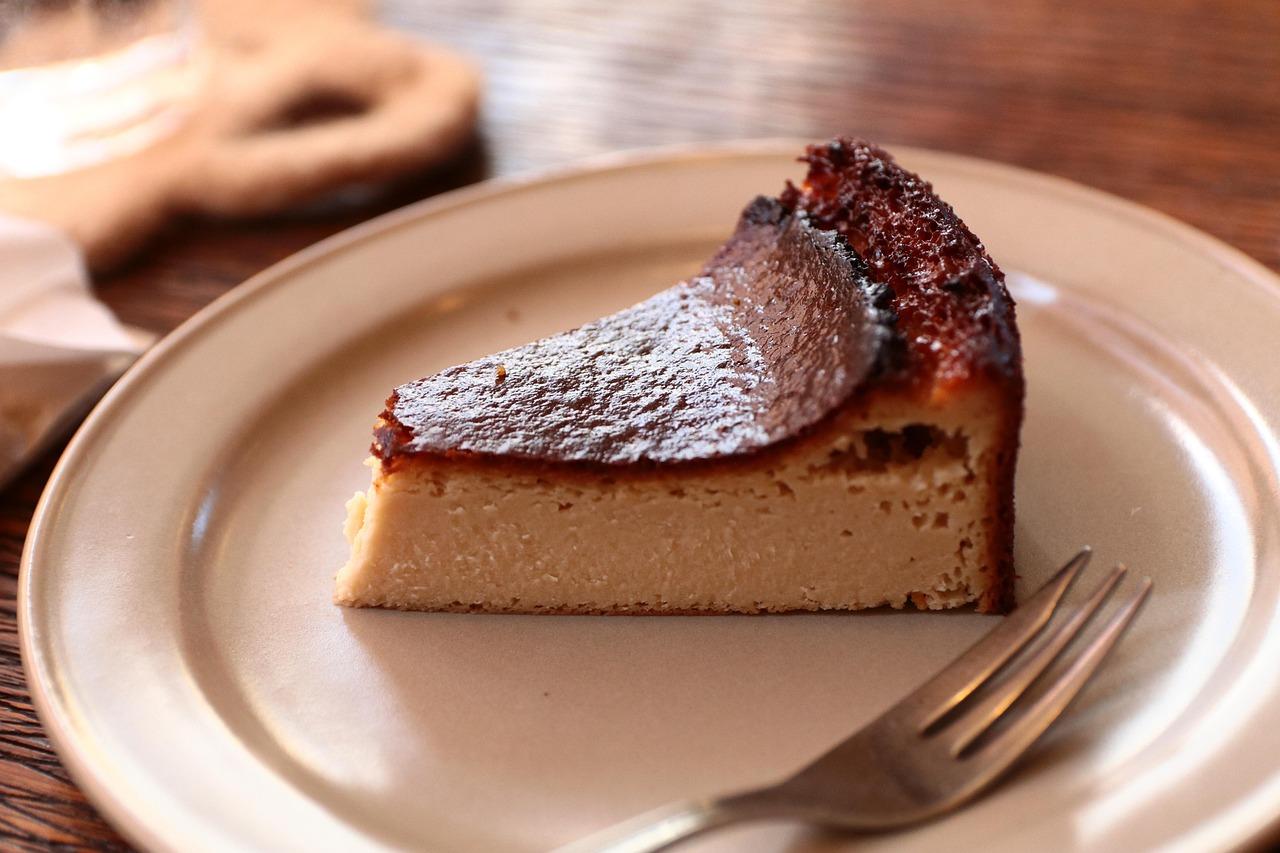
This crustless cheesecake was created in the early 1990s at La Viña, a pintxos bar in the old town of San Sebastián (Donostia) in the Basque Country, and is now famous around the world. It's baked very hot so the top caramelises almost black and the sides rise and crack, while the middle stays soft and creamy, almost runny. There's no base and no water bath, and the rough, rustic look is the point: it's lined with crumpled baking paper. La Viña uses a spoonful of wheat flour; cornflour does the same job and keeps it gluten free. Chef's tip: take it out of the oven while the centre still wobbles like a soft set custard; it firms up as it cools, and if it looks set in the oven, the middle will be dry instead of creamy.
 Spanish

BourrideFish stew with garlic sauce
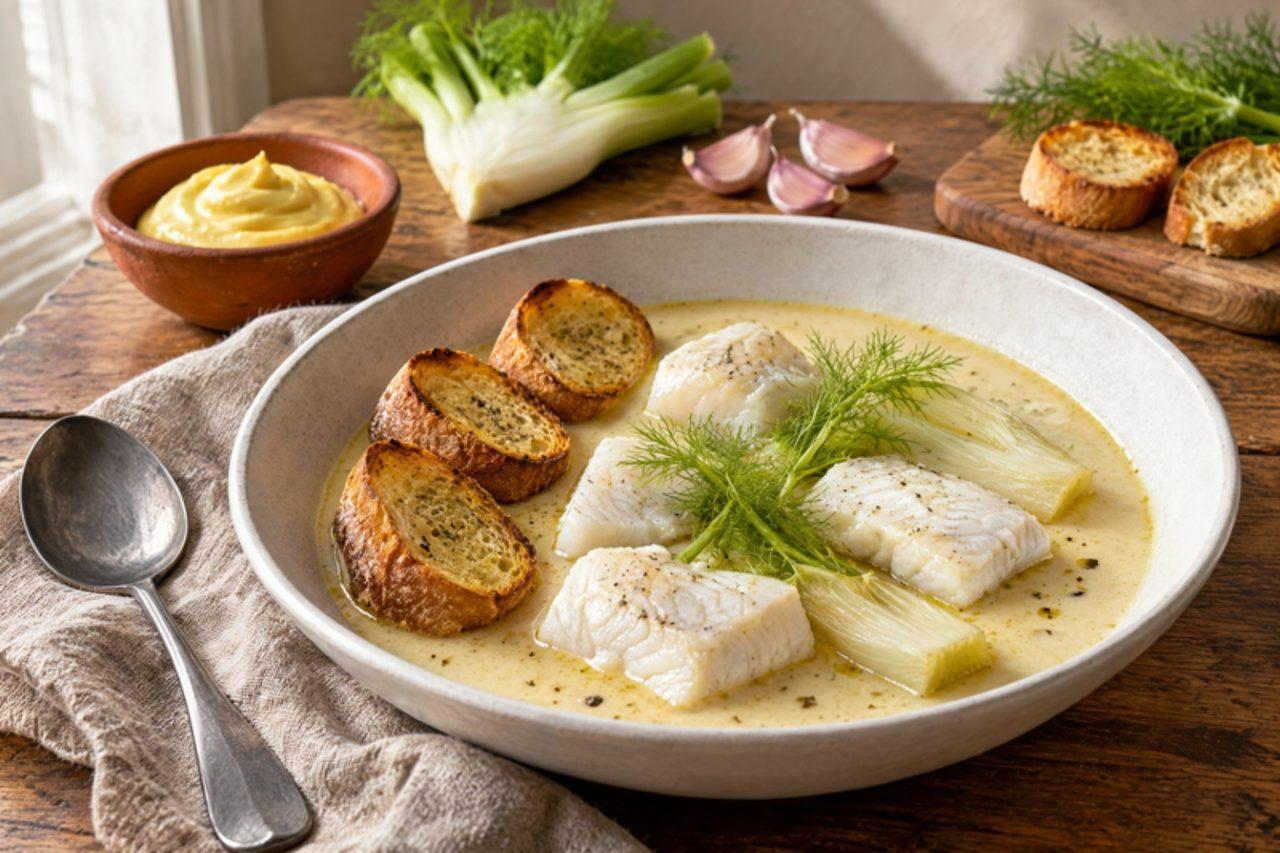
Bourride is the fish stew of Sète and the Provençal coast, a quieter, creamier cousin of bouillabaisse eaten for Friday lunch and summer dinners by the sea. Firm white fish poaches in a broth of fennel, leek, orange peel and thyme, then the broth is thickened with a rich garlic aïoli until it turns silky and pale gold. It is high in protein and suitable as part of a balanced diet; skip the traditional bread or keep it to one thin slice, and serve with steamed greens. About 400 kcal and 8 g carbohydrate per portion. The usual mistake is letting the broth boil after the aïoli goes in, which splits it like scrambled egg. Chef's tip: use pasteurised egg yolks, and stir the broth over a low heat until it coats a spoon and reaches about 72 °C.