
AI-generated image
Calderete de la Ribera
Lamb, potato and artichoke stew
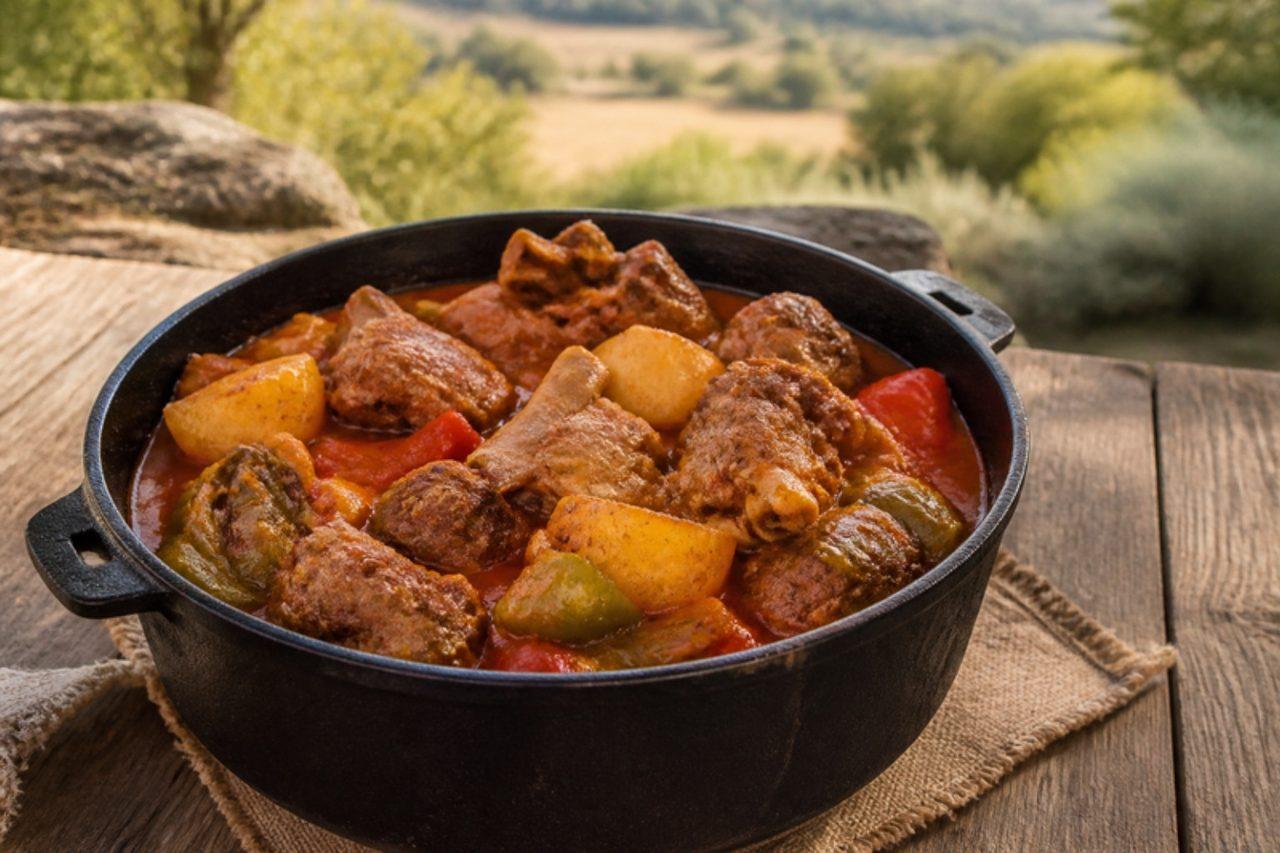
Calderete ribero: lamb, potatoes, peppers and artichokes stewed in one iron pot


In the Ribera of Navarre, calderete is the dish of fiestas and riverside gatherings: groups of friends, the cuadrillas, set an iron cauldron over vine cuttings and spend a long afternoon stewing lamb with peppers, potatoes and whatever the market gardens have that week. Artichokes are a Ribera signature. At home the same dish works on the stove in a heavy casserole and is just as good the next day. Chef's tip: snap the potatoes into chunks with the knife instead of slicing cleanly, so the rough edges release starch and thicken the sauce.
- Total time
- 125 min
- Difficulty
- medium
- Serves
- 6
Ingredients
- 2 ⅝ lb lamb shoulder or neck on the bonecut into 5 cm pieces
- 2 tsp salt
- 5 tbsp olive oil
- 2 onionschopped
- 5 cloves garlicsliced
- 2 green pepperscut into strips
- 1 red peppercut into strips
- 2 ripe tomatoesgrated, skins discarded
- 2 tbsp choricero pepper pasteor 2 tsp sweet paprika
- 1 tsp sweet paprika
- 3 ¼ cups hot water or light stock
- 1 ¾ lb waxy potatoespeeled
- 6 artichoke heartsfresh and halved, or frozen
Shop this recipe on Amazon
Spices & pantry
Fresh ingredients (5)
Links open Amazon in a new tab. As an Amazon Associate, WhatToEat.Today earns from qualifying purchases.
Method
0/7 doneStep 1: Season the 2 ⅝ lb lamb shoulder or neck on the bone with the 1 ¼ tsp salt. Heat the 5 tbsp olive oil in a large heavy casserole over a medium-high heat and brown the lamb in batches for 6–8 minutes until well coloured on all sides. Set aside.
15 minStep 2: Lower the heat to medium. Cook the 2 onions, 5 cloves garlic, 2 green peppers and 1 red pepper in the same pot for 12 minutes until soft and starting to catch at the edges.
12 minStep 3: Stir in the 2 ripe tomatoes, 2 tbsp choricero pepper paste and 1 tsp sweet paprika and cook for 5 minutes until the tomato darkens. Don't let the paprika burn or it turns bitter.
5 minStep 4: Return the lamb with the 2 bay leaves and 3 ¼ cups hot water or light stock. Cover and simmer gently for 50 minutes.
50 minStep 5: Cut the 1 ¾ lb waxy potatoes into chunks by pushing the knife in part-way and twisting so each piece snaps off with a rough edge. A common mistake is slicing them neatly: smooth potatoes don't thicken the sauce.
5 minStep 6: Add the potatoes, 6 artichoke hearts and the rest of the ¾ tsp salt to the pot, with a splash more water if the meat isn't nearly covered. Simmer uncovered for 25–30 minutes until the potatoes are tender and the lamb pulls easily from the bone.
30 minStep 7: Rest for 10 minutes off the heat so the sauce settles and thickens, then serve in deep plates.
10 min
Nutrition per serving
- Calories
- 560 kcal
- Protein
- 40 g
- Carbs
- 34 g
- Fat
- 29 g
- Fibre
- 7 g
Nutrition values are estimates.
KrazyBadal
Good to know
- How long does calderete de la Ribera take?
- About 125 minutes in total: 25 minutes to prepare and 100 minutes to cook.
- How many people does it serve?
- 6 as written. Change the servings above the ingredients and every amount scales to match.
- Is it gluten free?
- Yes, as written. Check the labels on stock, sauces and spice mixes, which sometimes contain gluten.
- What can I use instead of onions?
- 2 shallots per onion.
- What can I use instead of garlic?
- ½ tsp garlic paste or ⅛ tsp garlic powder per clove.
Reviews
No reviews yet. Be the first to cook it.
Rate this recipe
Sign in to rate and review this recipe.
You might also like

Pork souvlaki
This is a pork recipe. Walk through any Greek town after dark, from Athens to Thessaloniki, and the smell of souvlaki stands drifts down the street; cubes of pork shoulder grilled on thin skewers are the country's favourite cheap supper, eaten standing up or at a plastic-table taverna. At home you marinate the meat in lemon, olive oil, garlic and dried oregano, grill it hard and fast, and pile it on warm pitta with tzatziki, tomato and red onion. Chef's tip: cut the pork into even 2.5 cm cubes and leave a little fat on; lean loin dries out, shoulder stays juicy over high heat.
 Greek
Arroz con pitu de caleyaSoupy rice with chicken
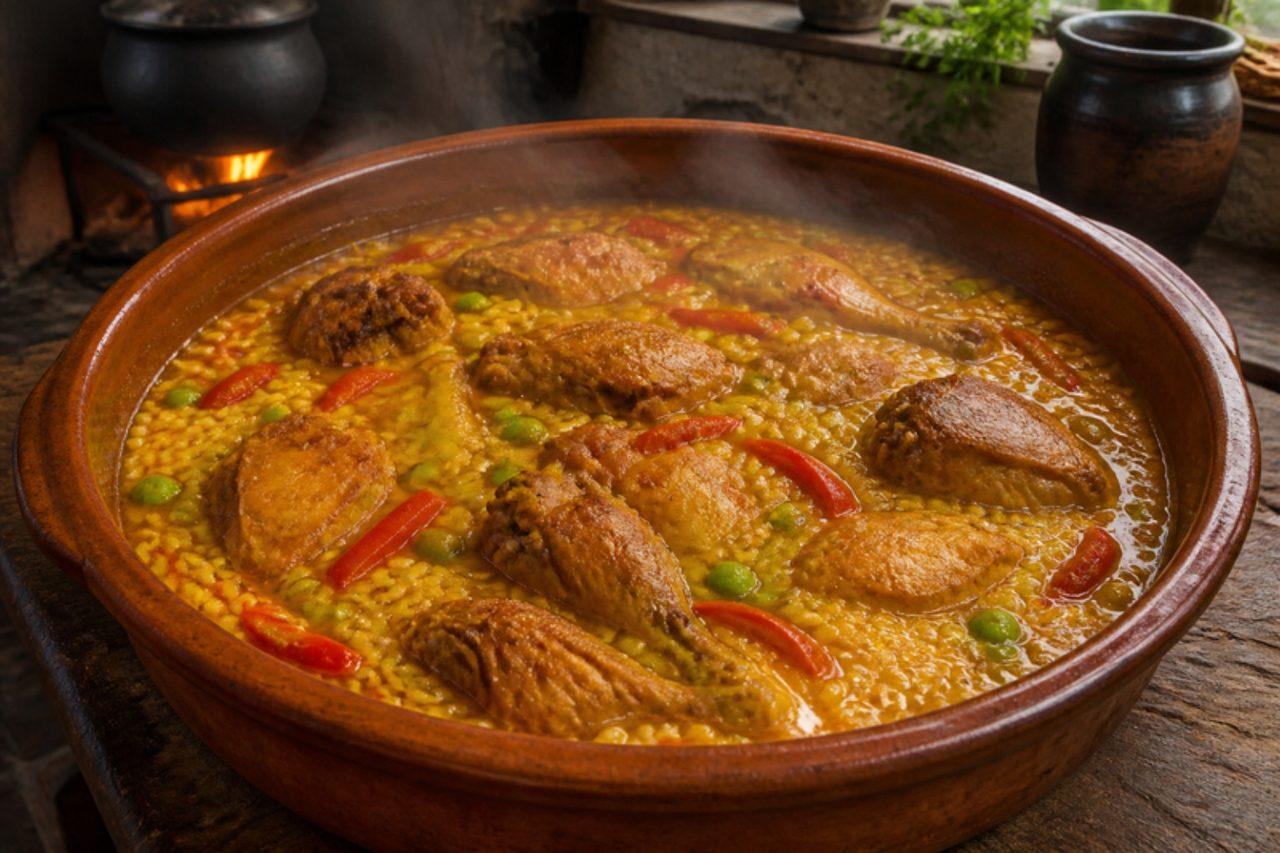
A pitu de caleya is a cockerel raised free in the lanes, or caleyas, of rural Asturias; its firm, flavourful meat needs long stewing, and families around Villaviciosa and Grado still cook it for feast days. The stew is often finished as a soupy rice, so the deep chicken juices go into every grain. Use the best free-range chicken you can find. The braise includes dry white wine; replace it with extra stock and a squeeze of lemon if you want it alcohol-free. Chef's tip: brown the chicken slowly and deeply; that colour is where the flavour of the whole pot comes from.
Char siuHoney roast pork
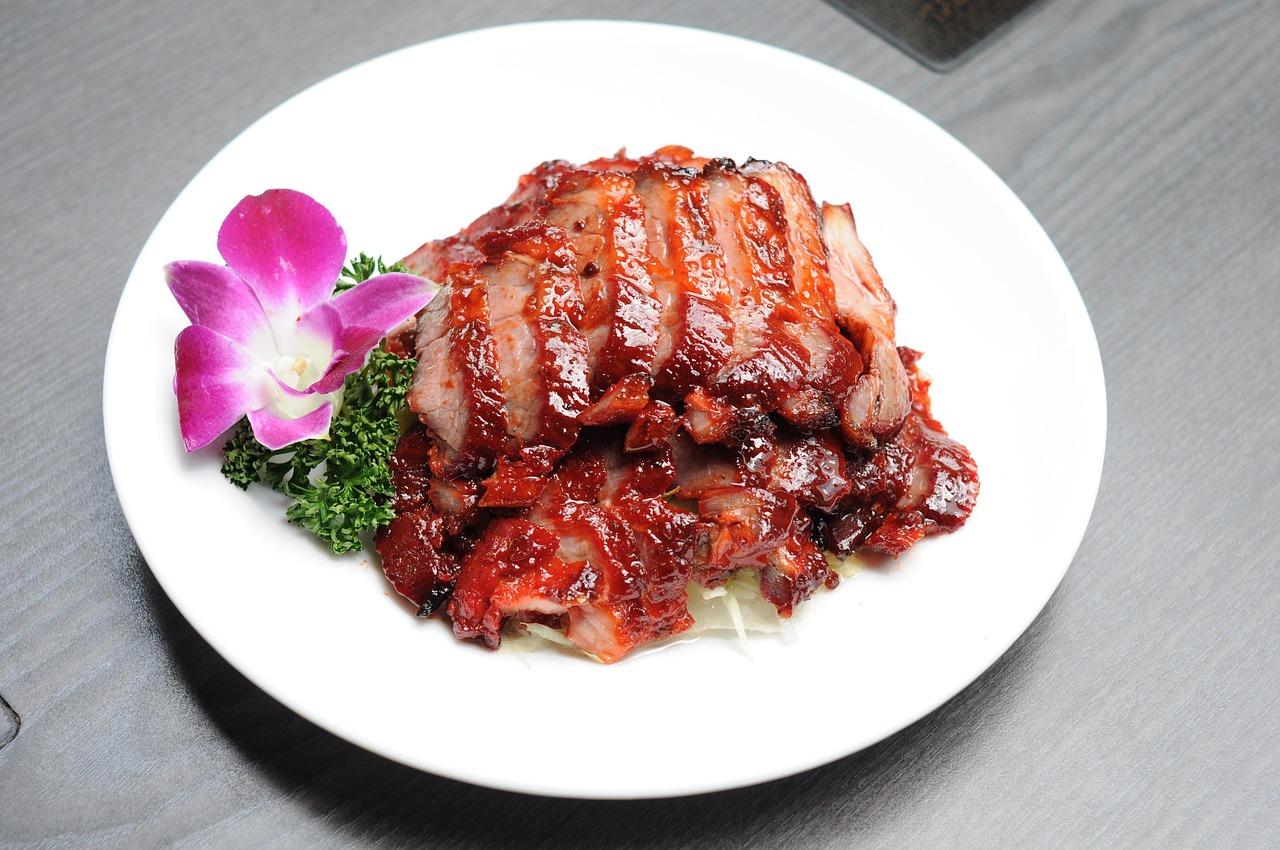
Hanging in long glossy strips in the windows of Guangzhou's siu mei shops, char siu is the roast pork Cantonese families pick up on the way home to put on rice, noodles or into steamed buns. The outside is lacquered, sweet and a little charred at the edges; the inside stays juicy, savoury and faintly scented with five-spice. Shoulder (pork butt) is the cut to use, because its marbling keeps the strips moist through a hot oven. Marinate it overnight in the fridge, roast it the next day and eat it warm with steamed rice and blanched greens, or cold in fried rice and noodle soups. Chef's tip: save the honey for the last ten minutes; brushed on at the start it burns black long before the pork is cooked.
 Chinese