

AI-generated image
Chicken tagine with preserved lemon & olives
Djaj mqualli — Fez-style saffron and ginger chicken with preserved lemon and green olives


Few dishes say Fez quite like djaj mqualli, the golden chicken that turns up at family lunches, weddings and Friday tables across the old medina. The chicken simmers slowly in its own juices with grated onion, ginger and saffron until the meat slips off the bone and the onions melt into a thick, glossy, yellow sauce. Salty-sour preserved lemon and bright green olives go in near the end, cutting through the richness. Mop it up with crusty bread, or spoon it over plain couscous for a weekday dinner. Chef's tip: grate the onion rather than chopping it; it dissolves completely and gives the sauce its body without any flour.
- Total time
- 75 min
- Difficulty
- medium
- Serves
- 4
Ingredients
For the chicken
- 2 ⅞ lb chicken thighs and drumsticksbone in, skin removed (about 8 pieces)
- 2 onionslarge, coarsely grated
- 3 cloves garliccrushed
- 1 ½ tsp ground ginger
- ½ tsp ground turmeric
- 1 pinch saffron threadscrumbled into 2 tbsp warm water
- ½ tsp black pepperfreshly ground
- ½ tsp saltthe lemon and olives add more salt later
- 4 tbsp olive oil
- ⅔ oz fresh coriander and flat-leaf parsleytied in a bundle with string
- 1 ¼ cups water
To finish
- 1 preserved lemonflesh removed, peel cut into strips
- 5 ½ oz green olivespitted or whole, rinsed
- 1 tbsp lemon juice
- 2 tbsp fresh coriander (optional)chopped, to garnish
Shop this recipe on Amazon
What you'll need
Spices & pantry
Fresh ingredients (8)
Links open Amazon in a new tab. As an Amazon Associate, WhatToEat.Today earns from qualifying purchases.
Method
0/8 doneStep 1: In a large bowl mix the grated 2 onions, 3 cloves garlic, 1 ½ tsp ground ginger, ½ tsp ground turmeric, the 1 pinch saffron threads with its water, ½ tsp black pepper, ½ tsp salt and half the 2 tbsp olive oil. Use a separate board and knife for the raw chicken.
Step 2: Add the 2 ⅞ lb chicken thighs and drumsticks and rub the mixture into every piece. Cover and leave to marinate in the fridge for at least 30 minutes, or up to overnight; never on the counter.
30 minStep 4: Pour in the 1 ¼ cups water, tuck in the bundle of ⅔ oz fresh coriander and flat-leaf parsley, and bring to a simmer. Cover and cook over a low heat for 40 minutes, turning the chicken once halfway. If you use a clay tagine, keep it on a heat diffuser.
40 minStep 5: Check the chicken: it is done when the thickest part reaches 165°F (165 °F) and the juices run clear. The meat should pull easily from the bone.
Step 6: Lift out the chicken and the herb bundle. Turn the heat up to medium-high and boil the sauce, stirring, for 6–8 minutes until it thickens and clings to a spoon. A common mistake is serving it thin; the onion should have melted into a thick golden gravy.
8 minStep 7: Stir in the 1 preserved lemon and 5 ½ oz green olives and simmer for 3 minutes. Adding them now rather than at the start keeps the lemon fragrant and stops the olives over-salting the sauce.
3 minStep 8: Return the chicken, add the 1 tbsp lemon juice, and spoon the sauce over until everything is glossy and hot, about 3 minutes. Taste before adding any more salt. Scatter with coriander and serve.
3 min
Nutrition per serving
- Calories
- 520 kcal
- Protein
- 46 g
- Carbs
- 10 g
- Fat
- 32 g
- Fibre
- 3 g
Nutrition values are estimates.
KrazyBadal
Good to know
- How long does chicken tagine with preserved lemon & olives take?
- About 75 minutes in total: 20 minutes to prepare and 55 minutes to cook.
- How many people does it serve?
- 4 as written. Change the servings above the ingredients and every amount scales to match.
- Is it gluten free?
- Yes, as written. Check the labels on stock, sauces and spice mixes, which sometimes contain gluten.
- What can I use instead of onions?
- 2 shallots per onion.
- What can I use instead of garlic?
- ½ tsp garlic paste or ⅛ tsp garlic powder per clove.
Reviews
No reviews yet. Be the first to cook it.
Rate this recipe
Sign in to rate and review this recipe.
You might also like
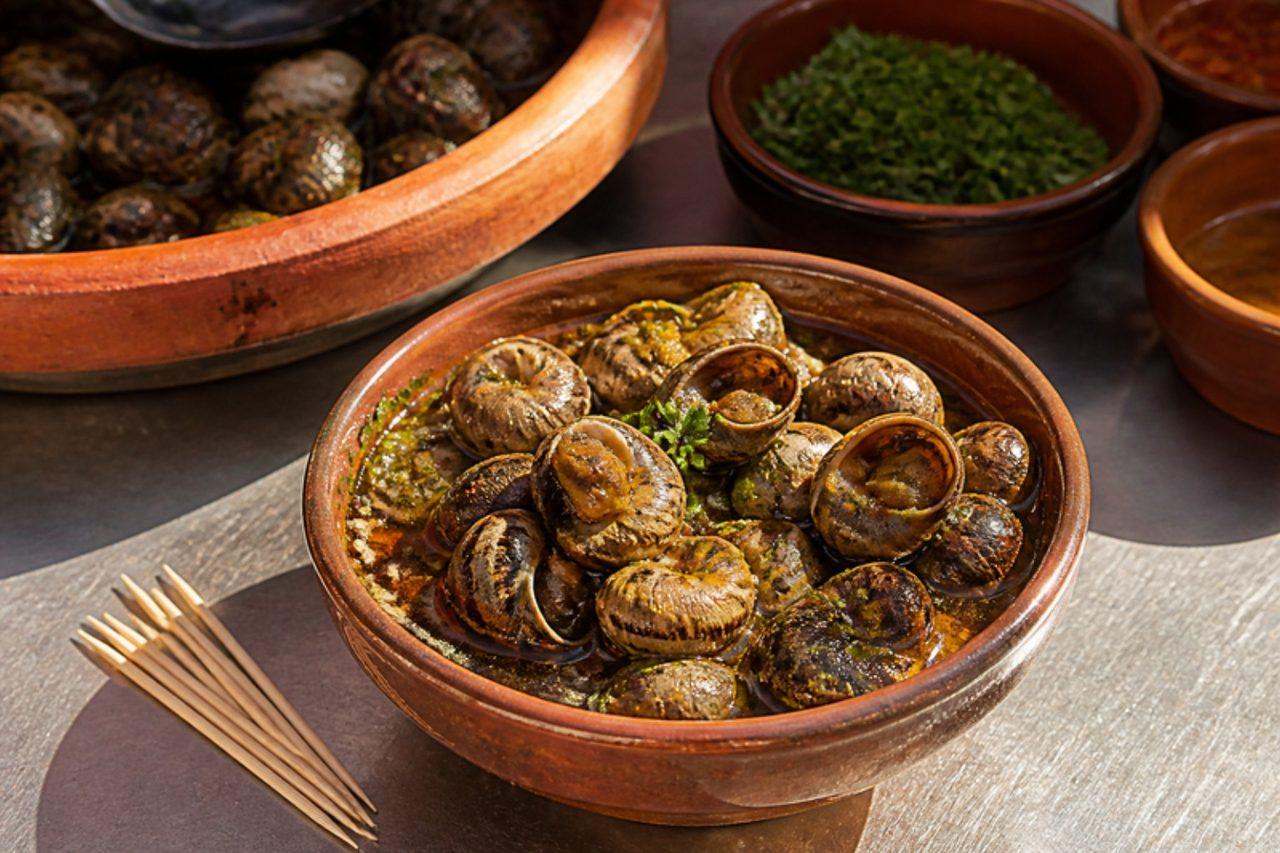
BabboucheSpiced snail broth
After dark in Marrakech's great square, the babbouche stalls are recognisable by their steaming cauldrons and the toothpicks laid out by every bowl. Small land snails simmer in a dark broth of liquorice root, aniseed, thyme, caraway, bitter orange peel, chilli and a bundle of herbs that sellers say has fifteen ingredients, believed to soothe the stomach and warm you on a cold night. You pick the snails out with a toothpick, then drink the peppery, herbal, faintly sweet broth. At home, buy live snails sold for cooking, already purged by a reputable seller, discard any with broken shells or that do not move or retract when touched, and cook them through for at least 45 minutes. Chef's tip: keep the spices in a muslin bag; the broth stays clear and you avoid crunching on seeds.

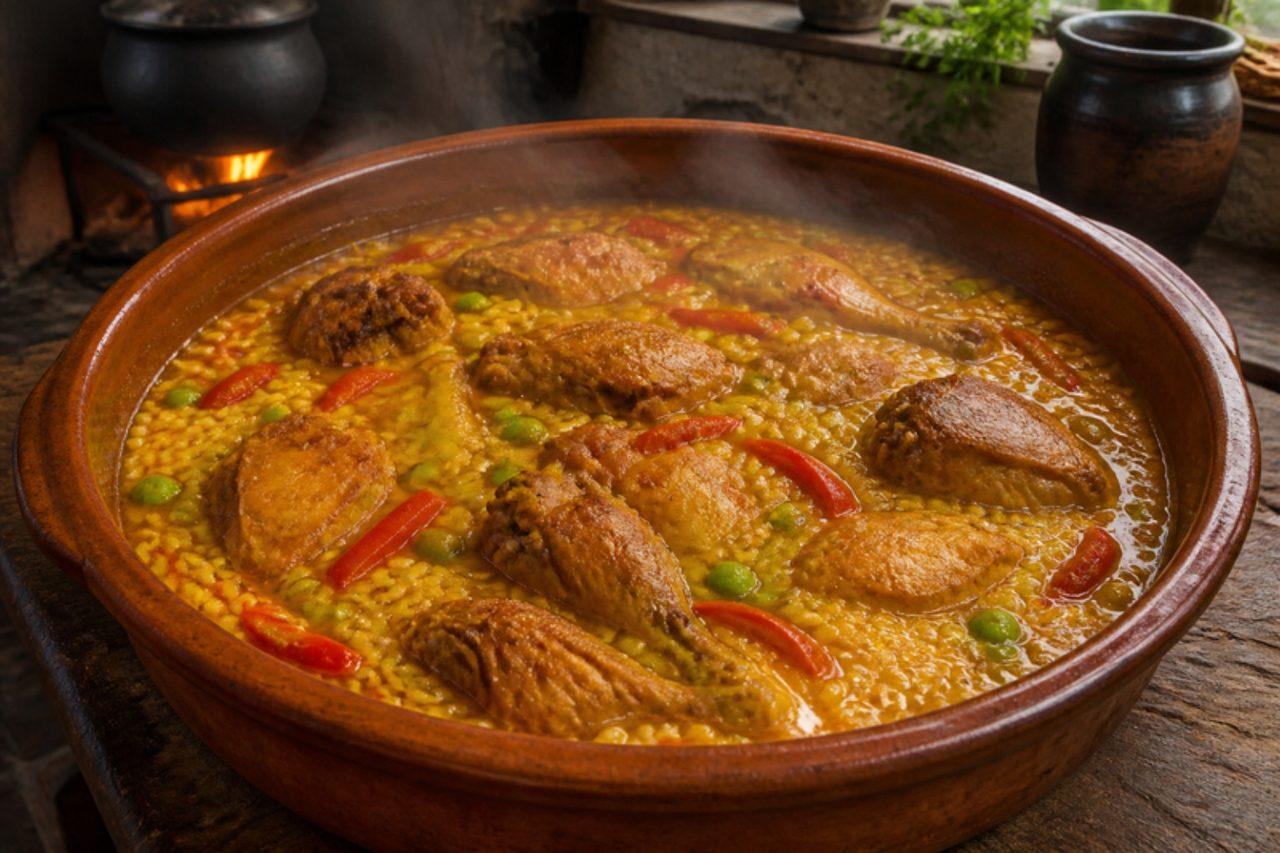
Arroz con pitu de caleyaSoupy rice with chicken
A pitu de caleya is a cockerel raised free in the lanes, or caleyas, of rural Asturias; its firm, flavourful meat needs long stewing, and families around Villaviciosa and Grado still cook it for feast days. The stew is often finished as a soupy rice, so the deep chicken juices go into every grain. Use the best free-range chicken you can find. The braise includes dry white wine; replace it with extra stock and a squeeze of lemon if you want it alcohol-free. Chef's tip: brown the chicken slowly and deeply; that colour is where the flavour of the whole pot comes from.
 Spanish
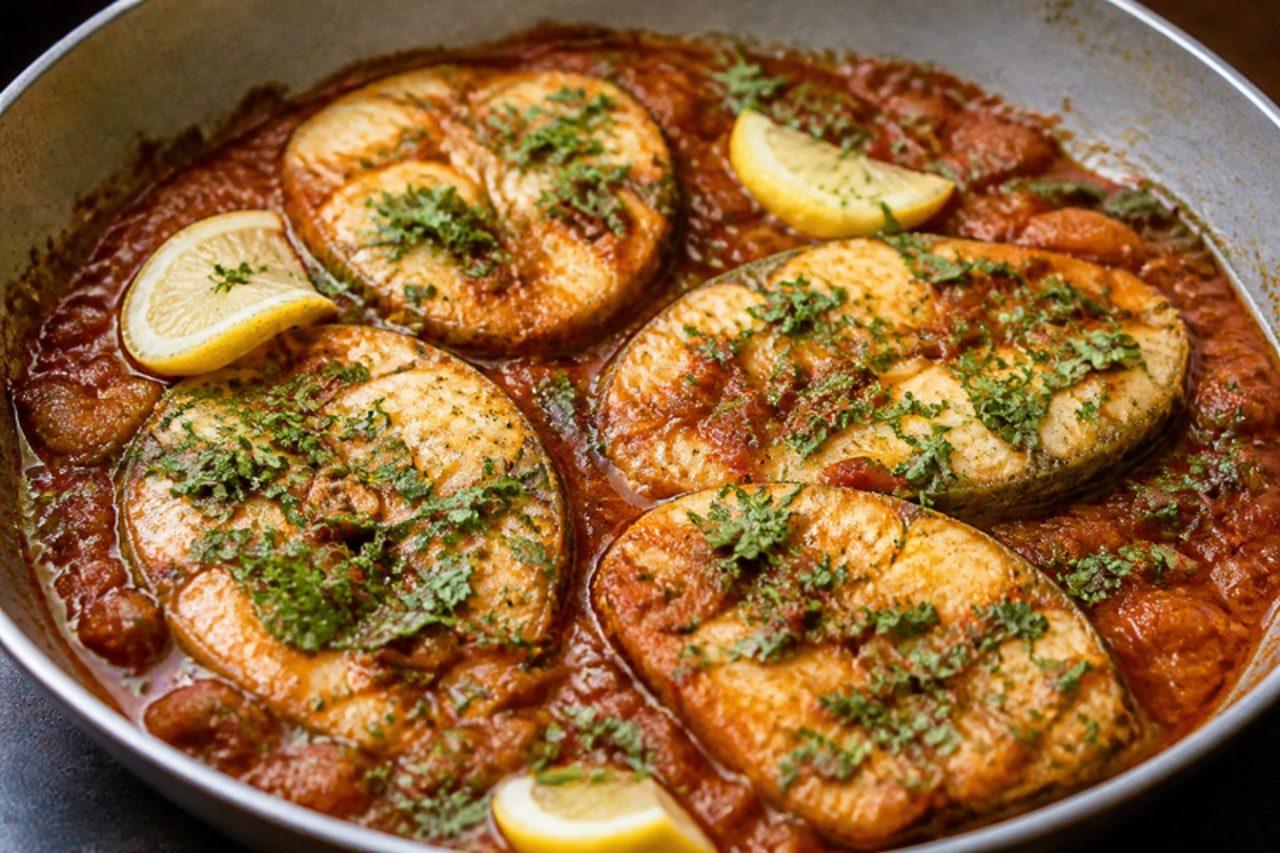
ChraimeFish in spicy garlic paprika sauce
Friday night in Moroccan and Libyan Jewish homes, from Casablanca to Tripoli and now Paris and Tel Aviv, often begins with a plate of chraime before the main course. Thick fish steaks simmer in a brick-red sauce built from a frightening amount of garlic, sweet and hot paprika, chilli, caraway and cumin, loosened with oil and a squeeze of lemon. It is spicy, garlicky and very savoury, and the oily sauce begs to be mopped up with challah or other good bread. It is also eaten cold the next day. Chef's tip: cook the spices in the oil over a low heat until they smell toasty but not dark; burnt paprika tastes acrid and you cannot rescue it.
