
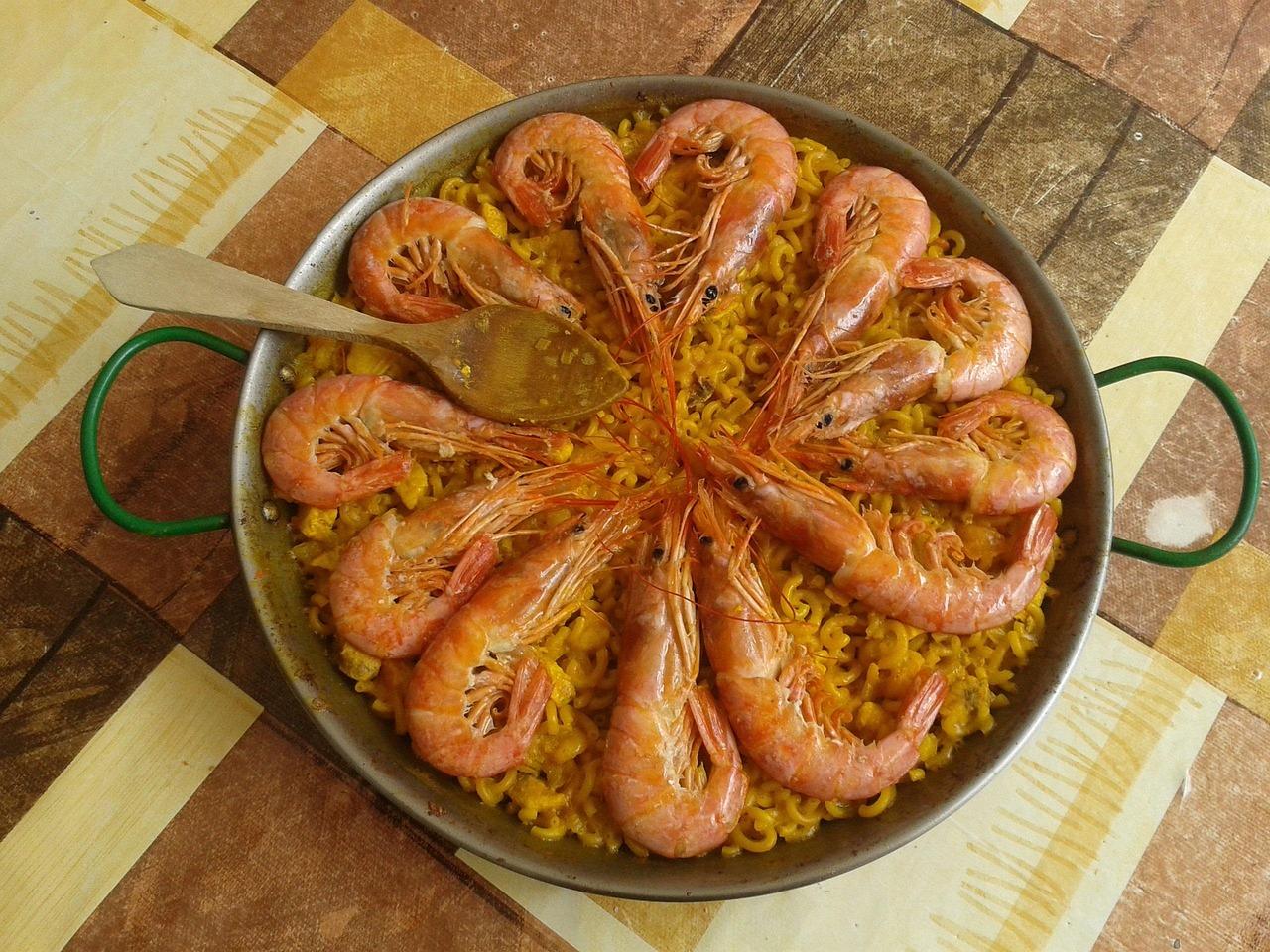
Fideuà
Fideuà de Gandia: thin noodles cooked like paella in seafood stock until they crisp and curl

Gandia, on the coast south of Valencia, claims fideuà as its own and holds a contest for it every summer: a paella pan of short, thin noodles toasted in oil and cooked in a deep seafood stock with monkfish, squid and prawns until the liquid has gone and the tips of the noodles curl upwards. It is served straight from the pan with a bowl of allioli to stir in. A common mistake is stirring once the stock is in; the noodles release starch and turn sticky instead of separate and slightly crisp. Use a well-flavoured fish stock, as it is the backbone of the dish. Chef's tip: finish the pan for a few minutes under a hot grill, the trick that makes the noodles stand up like little hooks.
- Total time
- 55 min
- Difficulty
- medium
- Serves
- 4
Ingredients
To serve
Shop this recipe on Amazon
What you'll need
Spices & pantry
Fresh ingredients (4)
Links open Amazon in a new tab. As an Amazon Associate, WhatToEat.Today earns from qualifying purchases.
Method
0/8 doneStep 1: Heat ¼ cup olive oil in a 38 to 40 cm paella pan over a medium-high heat. Sear 8 large raw prawns for 1 minute a side until just pink, then lift out and set aside; they finish cooking later.
3 minStep 2: Add 10 ½ oz monkfish fillet and 9 oz cleaned squid and cook for 2 to 3 minutes, until the squid turns opaque and the fish is sealed on the outside. Push to the edge of the pan.
3 minStep 3: Add 3 clove garlic to the centre and fry for 30 seconds until fragrant but not brown, then add 2 ripe tomatoes and cook, stirring, for 5 minutes until thick, dark and jammy. Stir in 1 tsp sweet paprika for a few seconds.
6 minStep 4: Add 14 oz short thin noodles for fideuà (fideo no. 1 or 2) and stir for 2 to 3 minutes so they soak up the oil and toast lightly to a pale gold.
3 minStep 5: Pour in 4 ½ cups fish stock and the 1 pinch saffron threads water, season with 1 tsp salt, spread everything out evenly and bring to a lively boil. From now on, do not stir.
2 minStep 6: Cook for 8 to 10 minutes, turning the pan now and then so it heats evenly, until the noodles are tender and the stock has almost disappeared. Tuck the prawns in on top for the last 3 minutes. Heat the grill to high.
10 minStep 7: Slide the pan under the grill for 2 to 3 minutes, until the noodle tips curl up and the surface turns golden and crisp. The monkfish should be white and flake easily, and the prawns pink all through.
3 minStep 8: Rest for 3 minutes off the heat, then serve from the pan with allioli and lemon wedges if you like.
3 min
Nutrition per serving
- Calories
- 640 kcal
- Protein
- 42 g
- Carbs
- 78 g
- Fat
- 18 g
- Fibre
- 4 g
Nutrition values are estimates.
KrazyBadal
Good to know
- How long does fideuà take?
- About 55 minutes in total: 25 minutes to prepare and 30 minutes to cook.
- How many people does it serve?
- 4 as written. Change the servings above the ingredients and every amount scales to match.
- What can I use instead of garlic?
- ½ tsp garlic paste or ⅛ tsp garlic powder per clove.
- What can I use instead of ripe tomatoes?
- Tinned chopped tomatoes: a 400g tin for about 6 tomatoes (in cooked dishes, not salads).
Reviews
No reviews yet. Be the first to cook it.
Rate this recipe
Sign in to rate and review this recipe.
You might also like
Horchata de chufa
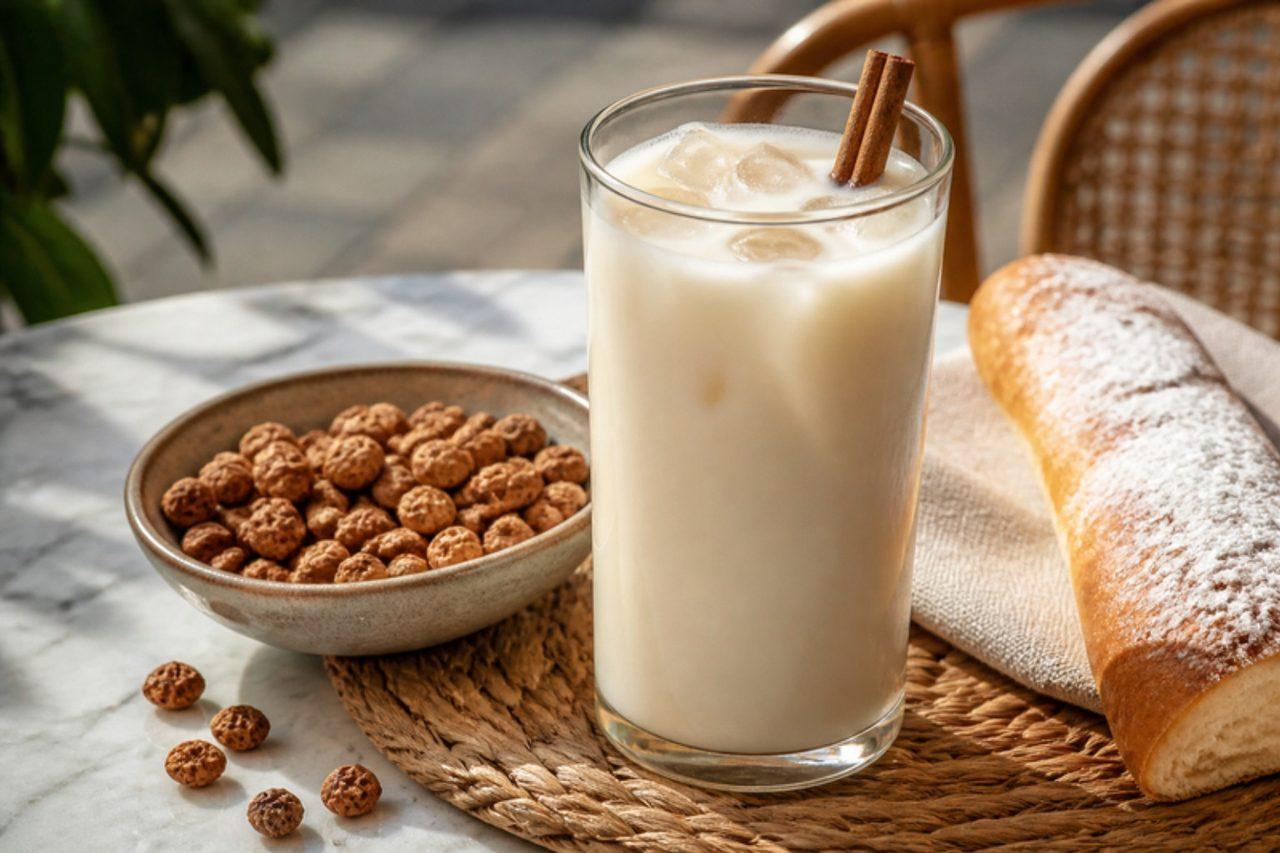
Horchata de chufa is the drink of Valencia's summer, sold ice-cold in the city's horchaterías with long, soft fartons pastries for dipping. It is made from chufas, or tiger nuts: small wrinkled tubers grown around the village of Alboraya just north of Valencia, which have their own protected designation of origin. Soaked, ground with water, strained and sweetened, they give a creamy, nutty, naturally dairy-free milk with a hint of cinnamon. Valencians drink it very cold, or half-frozen as 'granizada'. Chef's tip: soak the tiger nuts for a full 24 hours and change the water once; they must be plump and soft enough to blend into a fine pulp, or the horchata will be thin and taste of raw starch.


Rhode Island clam cakes
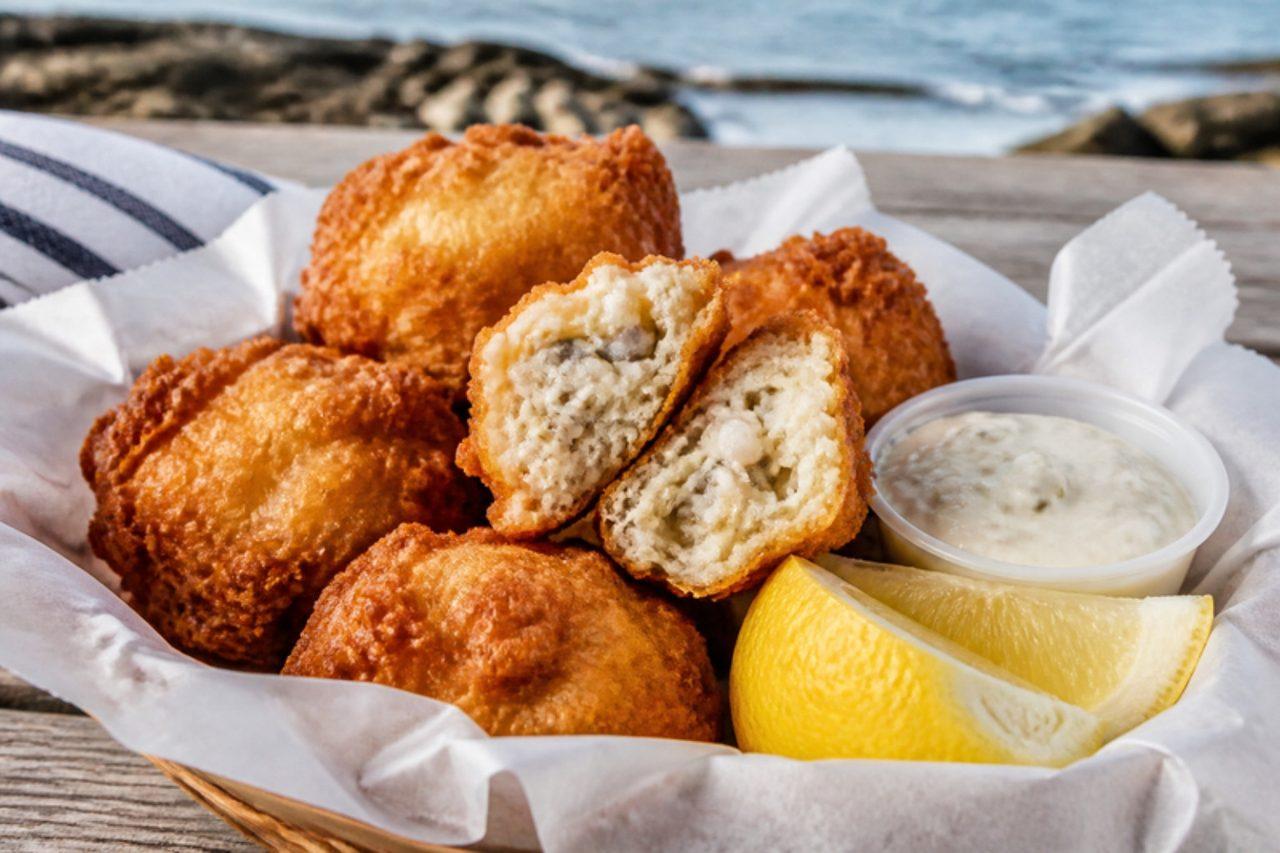
At beach shacks along Narragansett Bay and in Galilee, clam cakes are bought by the paper bag, half a dozen at a time, to dunk in a cup of clear clam chowder. They are not patties but craggy, golden fritters, crisp outside and soft inside, studded with chopped quahog clams. Chef's tip: use the clam juice as part of the liquid; it puts the sea flavour into every bite of batter.
 American
Crema catalana
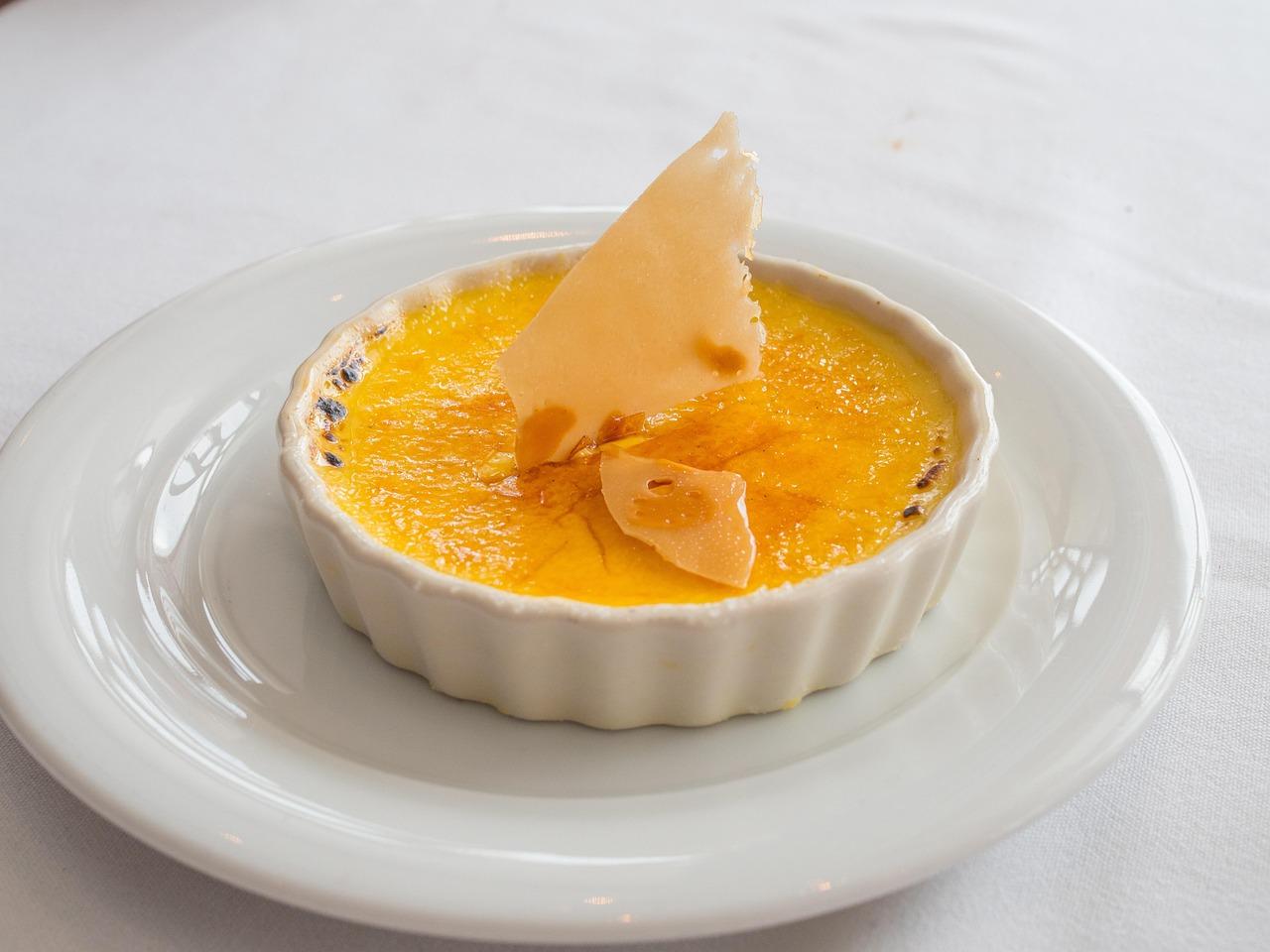
Crema catalana is the classic dessert of Catalonia, served in shallow round earthenware dishes with a glassy layer of burnt sugar on top. Traditionally it was made for Saint Joseph's Day on 19 March, which is why it is also called crema de Sant Josep. It is older than French crème brûlée and different in style: made with milk rather than cream, lightly thickened with cornflour and flavoured with lemon zest and cinnamon, so it is lighter and fresher. Catalans caramelise the top with a hot iron disc called a 'cremador'; a cook's blowtorch does the same job. Chef's tip: burn the sugar just before serving, not earlier; the crust stays crisp only for about 20–30 minutes before the moisture of the custard softens it.