
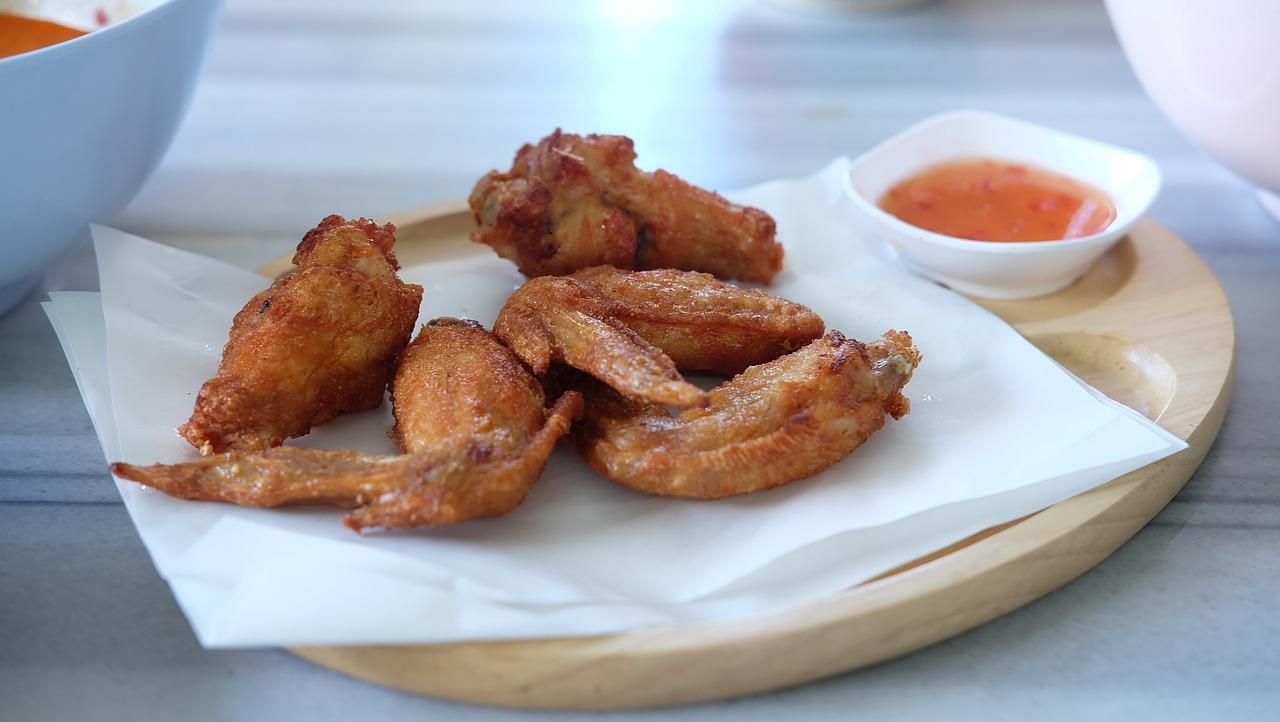
Gai tod Hat Yai
Southern fried chicken
ไก่ทอดหาดใหญ่ (gai tod Hat Yai) — southern fried chicken under a heap of crisp shallots

Hat Yai, the busy trading city in Songkhla province near the Malaysian border, gave its name to Thailand's best-loved fried chicken: pieces marinated with coriander root, garlic and white pepper, fried in a thin rice-flour coat until deep bronze, then buried under a drift of crisp fried shallots. Stalls there sell it from early morning with sticky rice and sweet chilli sauce, and Bangkok vendors copy it on every soi. The skin is light and crackly rather than bready, the meat aromatic and well seasoned, and the shallots add sweetness and crunch. Children love it with the sauce on the side. Chef's tip: marinate overnight in the fridge so the coriander root and pepper reach right to the bone.
- Total time
- 60 min
- Difficulty
- medium
- Serves
- 4
Ingredients
For the marinade
- 2 ⅝ lb chicken piecesbone-in, skin-on thighs, drumsticks and wings
- 1 tsp coriander seeds
- 1 ½ tsp white peppercorns
- 4 coriander rootsscraped and chopped; or the stalks of a bunch
- 6 cloves garlic
- 2 tbsp fish sauce
- ½ tsp salt
- 1 tbsp sugar
For the coating and frying
- 2 ⅞ oz rice flour
- 2 tbsp tapioca starch
- 8 shallotsabout 200 g, thinly and evenly sliced
- 6 ¼ cups vegetable oilfor deep-frying
To serve
- 1 ⅓ lb cooked sticky rice (optional)
- 6 tbsp sweet chilli sauce (optional)
Shop this recipe on Amazon
Spices & pantry
Fresh ingredients (4)
Links open Amazon in a new tab. As an Amazon Associate, WhatToEat.Today earns from qualifying purchases.
Method
0/7 doneStep 1: Toast 1 tsp coriander seeds and 1 ½ tsp white peppercorns in a dry pan over a medium heat for 1 minute until fragrant, then grind them. Pound with 4 coriander roots and 6 cloves garlic to a paste, and stir in 2 tbsp fish sauce, ½ tsp salt and 1 tbsp sugar.
1 minStep 2: Cut two slashes down to the bone in the thicker pieces of 2 ⅝ lb chicken pieces. Rub the marinade all over, cover and refrigerate for at least 2 hours, ideally overnight; never leave it out on the counter. Wash your hands, board and knife.
Step 3: Fry the shallots first. Heat 6 ¼ cups vegetable oil in a deep, heavy pot (no more than a third full) to 300°F, add 8 shallots and fry for 6–8 minutes, stirring, until pale golden. Lift them out while they are still lighter than you want; a common mistake is waiting for brown, and they turn bitter as they keep colouring on the paper. They crisp up as they cool.
8 minStep 4: Mix 2 ⅞ oz rice flour and 2 tbsp tapioca starch in a wide bowl. Lift the chicken from the marinade, let the excess drip off, and press each piece into the flour to coat thinly. Leave for 5 minutes so the coating turns slightly damp and clings.
5 minStep 5: Heat the oil to 325°F. Fry the chicken in batches without crowding, turning now and then: 12–14 minutes for thighs and drumsticks, 8–10 minutes for wings, until golden and cooked to 165°F (165 °F) at the bone with clear juices. Drain on a rack.
25 minStep 6: Raise the oil to 350°F and fry the pieces again for 1–2 minutes, until deep bronze and crackly. Drain on the rack for 5 minutes.
5 minStep 7: Pile the chicken on a platter and scatter the shallots thickly over the top. Serve with 1 ⅓ lb cooked sticky rice and 6 tbsp sweet chilli sauce.
Nutrition per serving
- Calories
- 620 kcal
- Protein
- 42 g
- Carbs
- 26 g
- Fat
- 38 g
- Fibre
- 1 g
Nutrition values are estimates.
KrazyBadal
Good to know
- How long does gai tod Hat Yai take?
- About 60 minutes in total: 20 minutes to prepare and 40 minutes to cook.
- How many people does it serve?
- 4 as written. Change the servings above the ingredients and every amount scales to match.
- What can I use instead of coriander seeds?
- Ground coriander, same amount (add it later in the cooking; it burns faster).
- What can I use instead of garlic?
- ½ tsp garlic paste or ⅛ tsp garlic powder per clove.
Reviews
No reviews yet. Be the first to cook it.
Rate this recipe
Sign in to rate and review this recipe.
You might also like
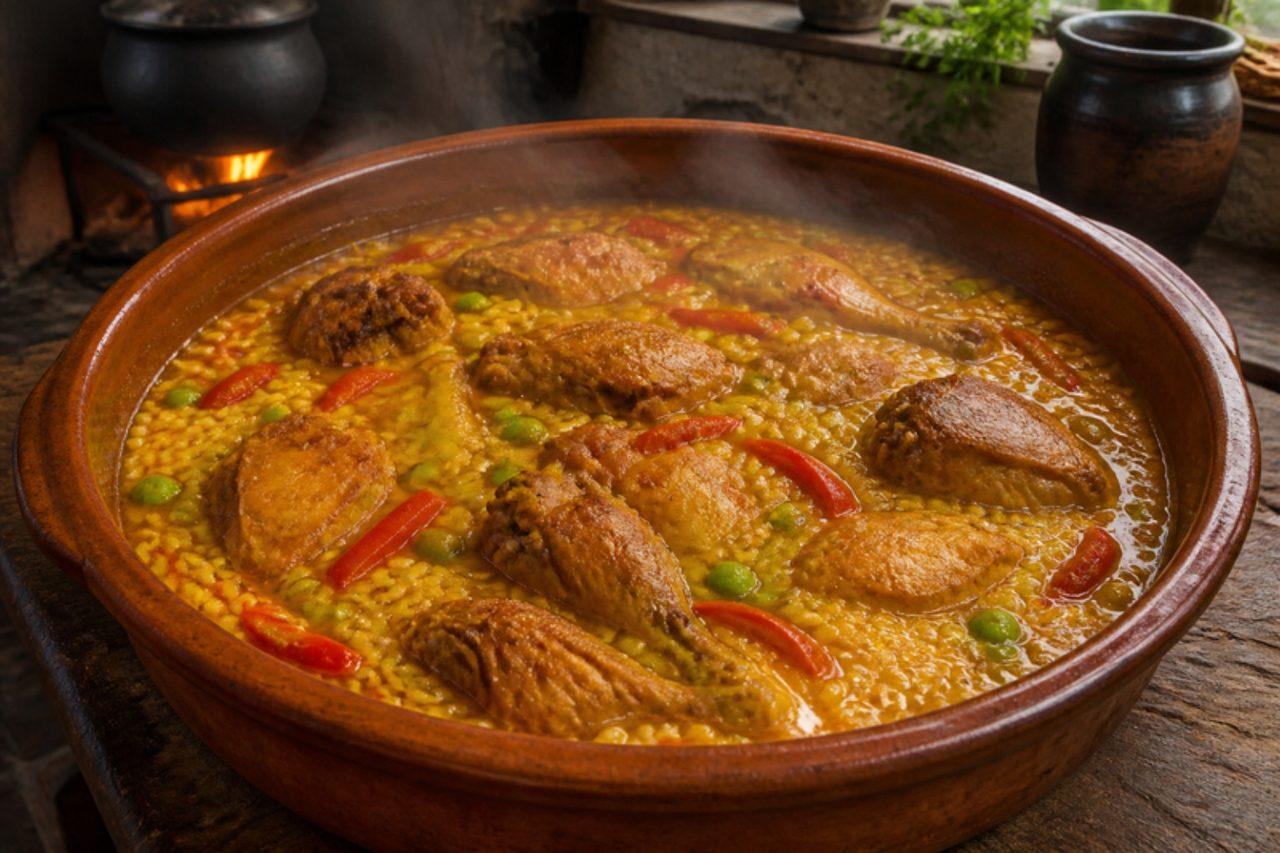
Arroz con pitu de caleyaSoupy rice with chicken
A pitu de caleya is a cockerel raised free in the lanes, or caleyas, of rural Asturias; its firm, flavourful meat needs long stewing, and families around Villaviciosa and Grado still cook it for feast days. The stew is often finished as a soupy rice, so the deep chicken juices go into every grain. Use the best free-range chicken you can find. The braise includes dry white wine; replace it with extra stock and a squeeze of lemon if you want it alcohol-free. Chef's tip: brown the chicken slowly and deeply; that colour is where the flavour of the whole pot comes from.
 Spanish
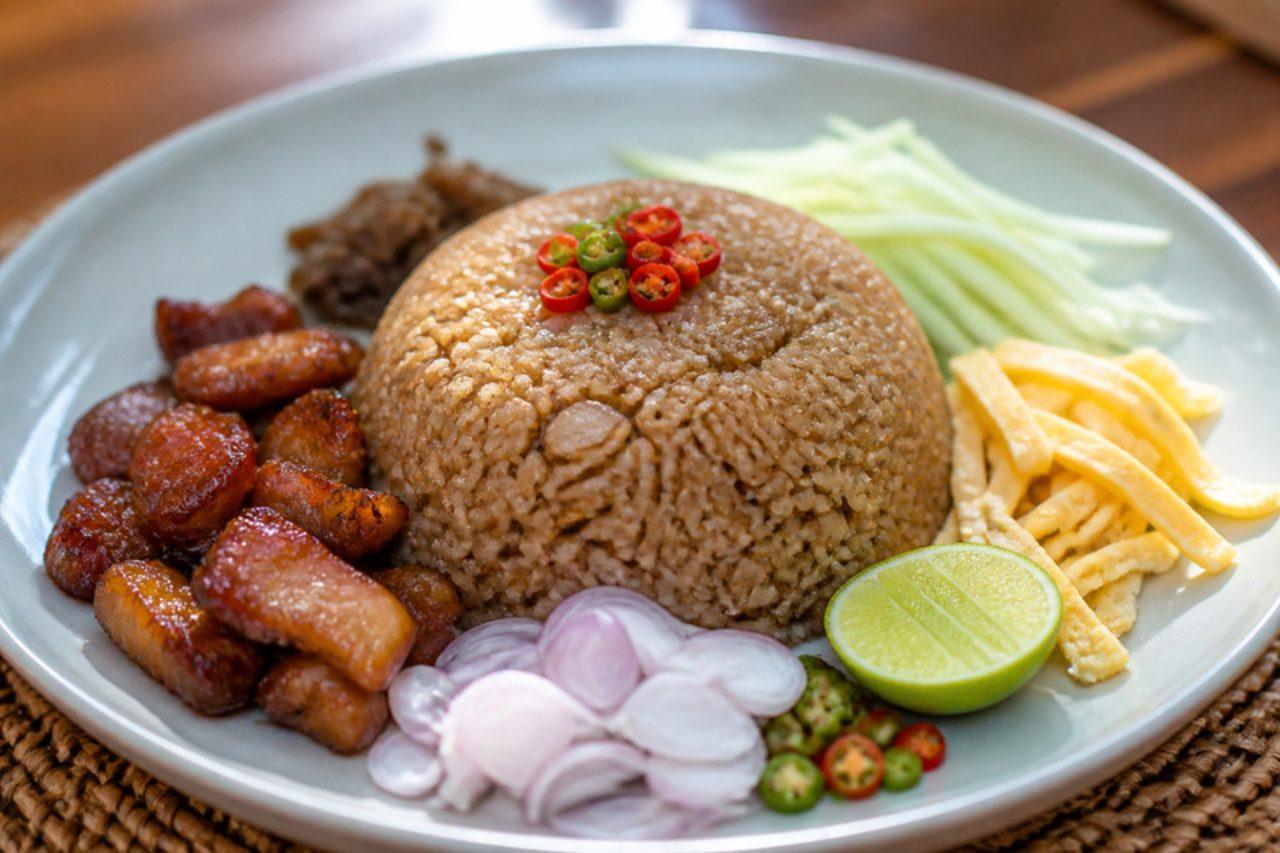
Khao kluk kapiShrimp paste rice
Everything on this central Thai plate is arranged in little heaps around a mound of rice tossed with garlic and fermented shrimp paste: sticky caramelised pork (moo wan), threads of sour green mango, shallots, chillies, sliced long beans, crisp dried shrimp and ribbons of thin omelette. You mix a bit of each into every spoonful, so salty, sweet, sour and hot arrive together. It's a favourite at Bangkok's curry-and-rice shops and a clever way to use up yesterday's rice at home; lime wedges and cucumber cool it down. Chef's tip: use day-old jasmine rice straight from the fridge, because freshly cooked rice clumps and smears the shrimp paste instead of coating each grain.
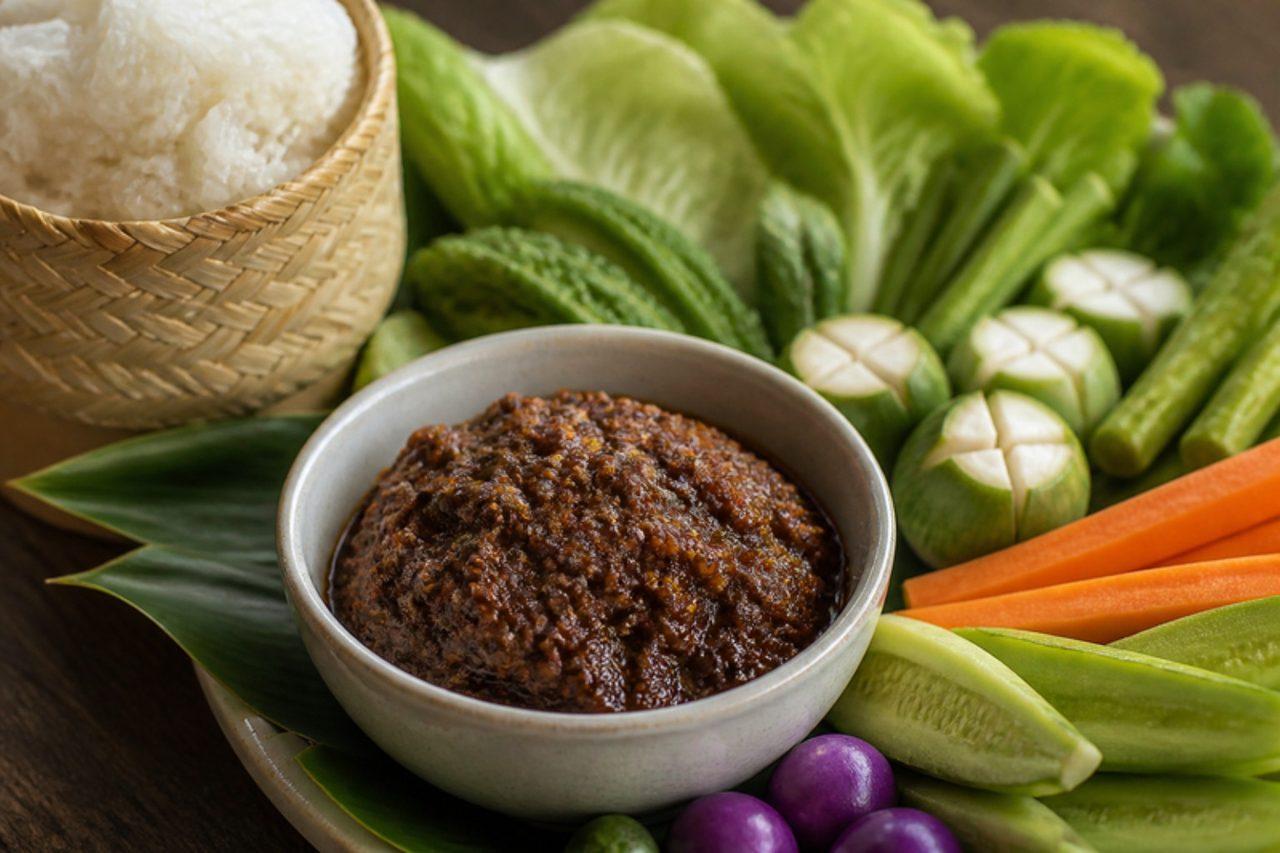
Jaew bongRoasted chilli paste
Isan and Lao households keep a jar of this thick, smoky relish in the kitchen the way other cooks keep mustard, scooping it onto sticky rice for a quick lunch or setting it out with steamed vegetables and crackling. Its backbone is pla ra, the funky fermented fish of the north-east, pounded with charred shallots, garlic, galangal and toasted chillies into a dark, rough-textured paste that is salty, sweet-smoky and fiery. For safety and ease this version uses bottled cooked pla ra (or anchovy sauce) and boils it before it goes in, since homemade raw pla ra can carry parasites. Serve with sticky rice, cucumber, cabbage and long beans. Chef's tip: roast the aromatics until properly blackened in patches; the char is the flavour, so don't stop when they are merely soft.

