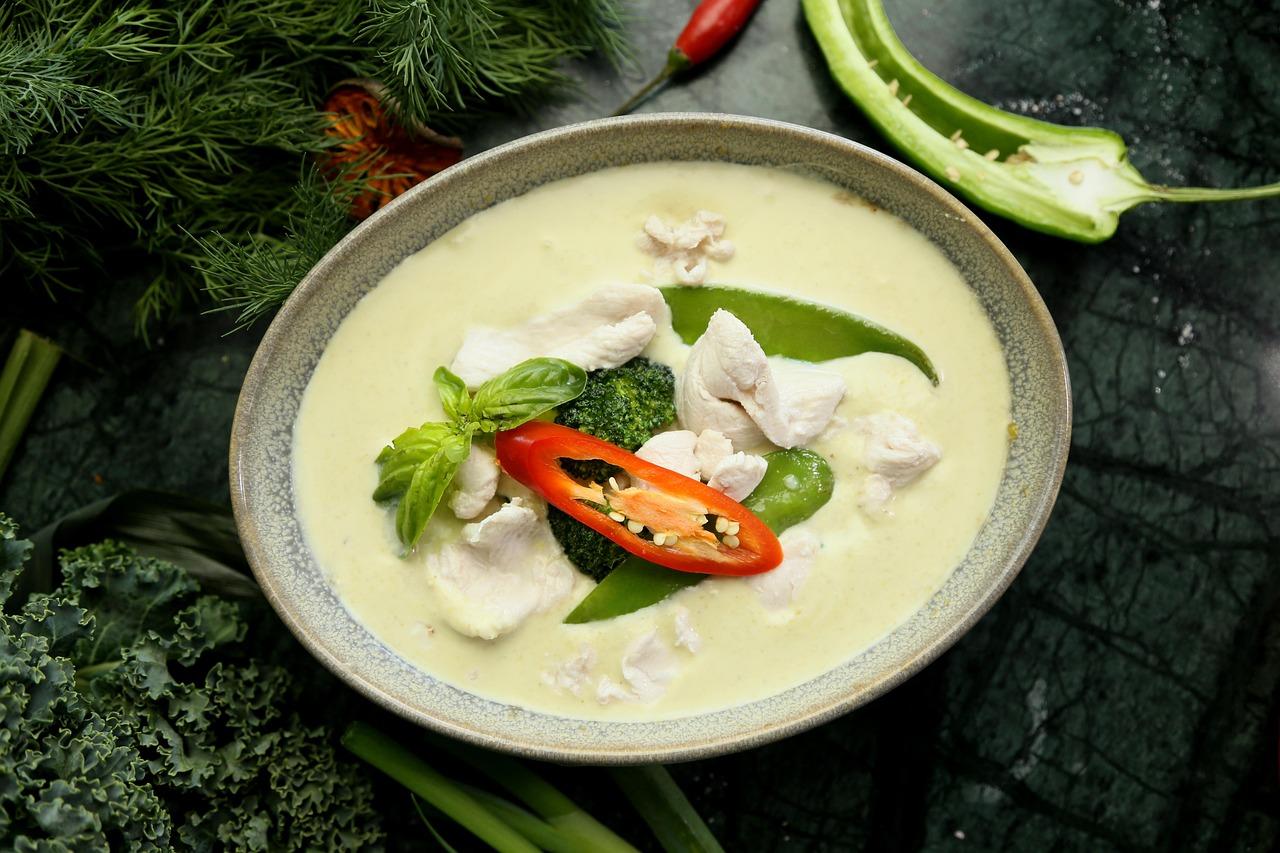
Thai green chicken curry
A weeknight green curry that tastes like a takeaway. Frying the paste in the thick top layer of coconut milk wakes up the lemongrass and chilli, and a last-minute balance of fish sauce, lime and a little sugar makes it sing.
58 recipes that use fish sauce, with photos, step-by-step instructions and cook times. The quickest, Pad kra pao gai, takes 15 minutes. It is most often cooked with garlic, shallot and spring onion.
Run out of fish sauce? Soy sauce with a squeeze of lime.
Got a few things in the fridge? Search by everything you have
A weeknight green curry that tastes like a takeaway. Frying the paste in the thick top layer of coconut milk wakes up the lemongrass and chilli, and a last-minute balance of fish sauce, lime and a little sugar makes it sing.
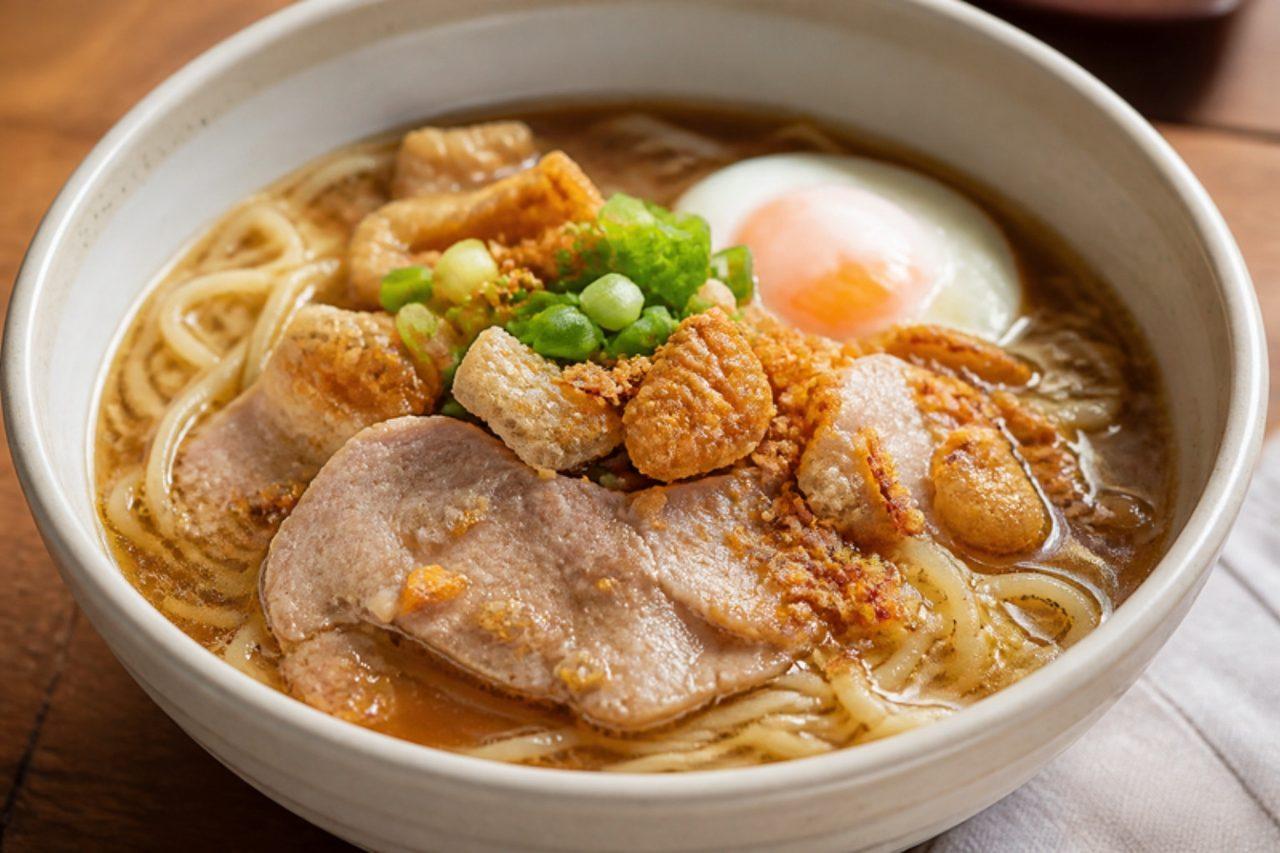
La Paz batchoy was born in the market of La Paz, a district of Iloilo City on Panay, where stalls ladle it out from early morning to late at night. It is a pork noodle soup through and through: fresh egg noodles (miki) in a deep pork-bone broth seasoned with a little shrimp paste, topped with sliced pork, liver, crushed pork crackling (chicharrón) and lots of fried garlic. Locals often crack a raw egg into the bowl and ask for extra broth. It is a warming, savoury bowl for rainy afternoons. Chef's tip: make the broth the day before and chill it; the fat sets on top so you can lift most of it off and fry the garlic in it.
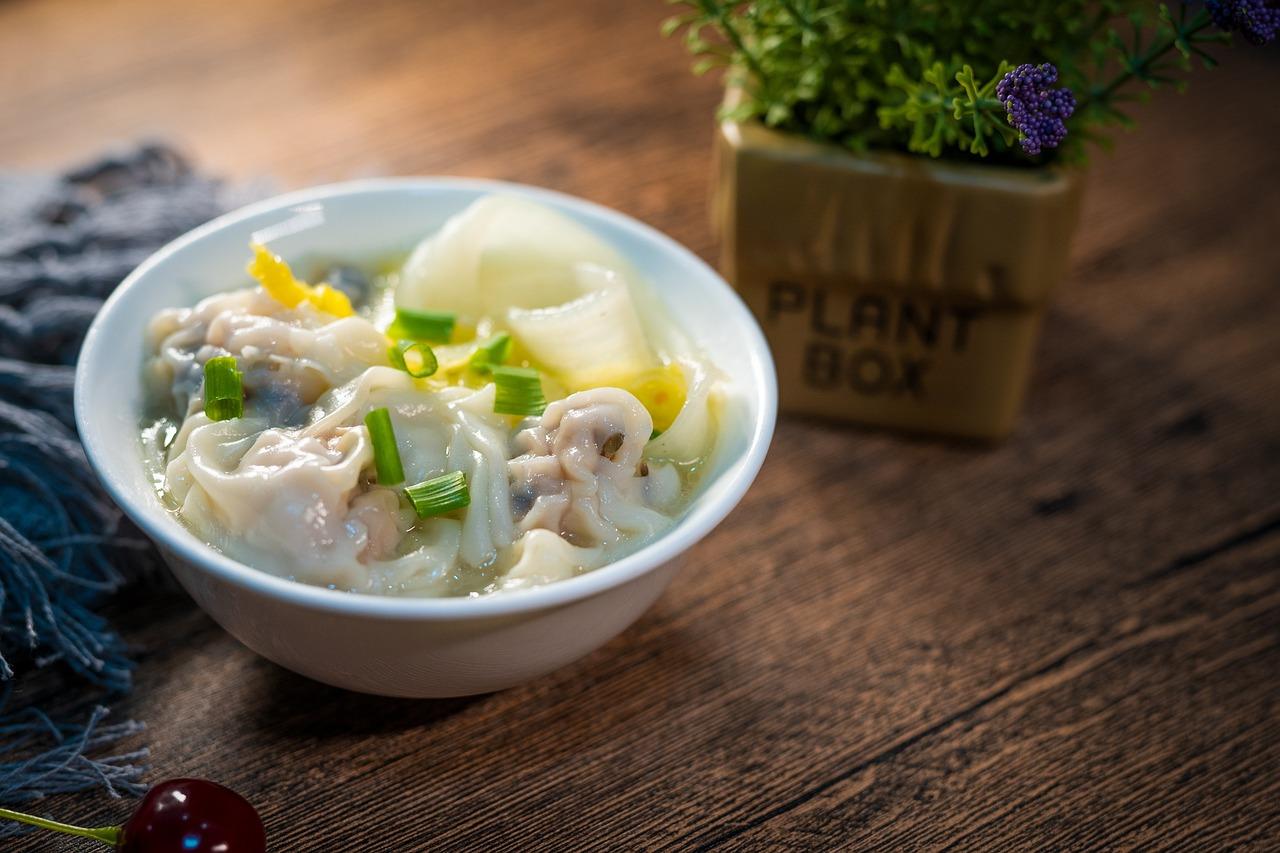
Pancit Molo is named after the Molo district of Iloilo City, where Chinese traders settled centuries ago. Despite the word pancit, there are no noodles: the wonton wrappers are the 'noodle', folded around a filling of pork and prawns and simmered in a clear chicken broth with plenty of fried garlic. Ilonggo families serve it on rainy days, at fiestas and at Christmas gatherings, often as a starter before the main feast. The broth should be light, the dumplings silky. Chef's tip: let the wrappers trail a loose 'tail' when you fold them; those soft, frilly edges are what make molo different from a tight Chinese wonton.
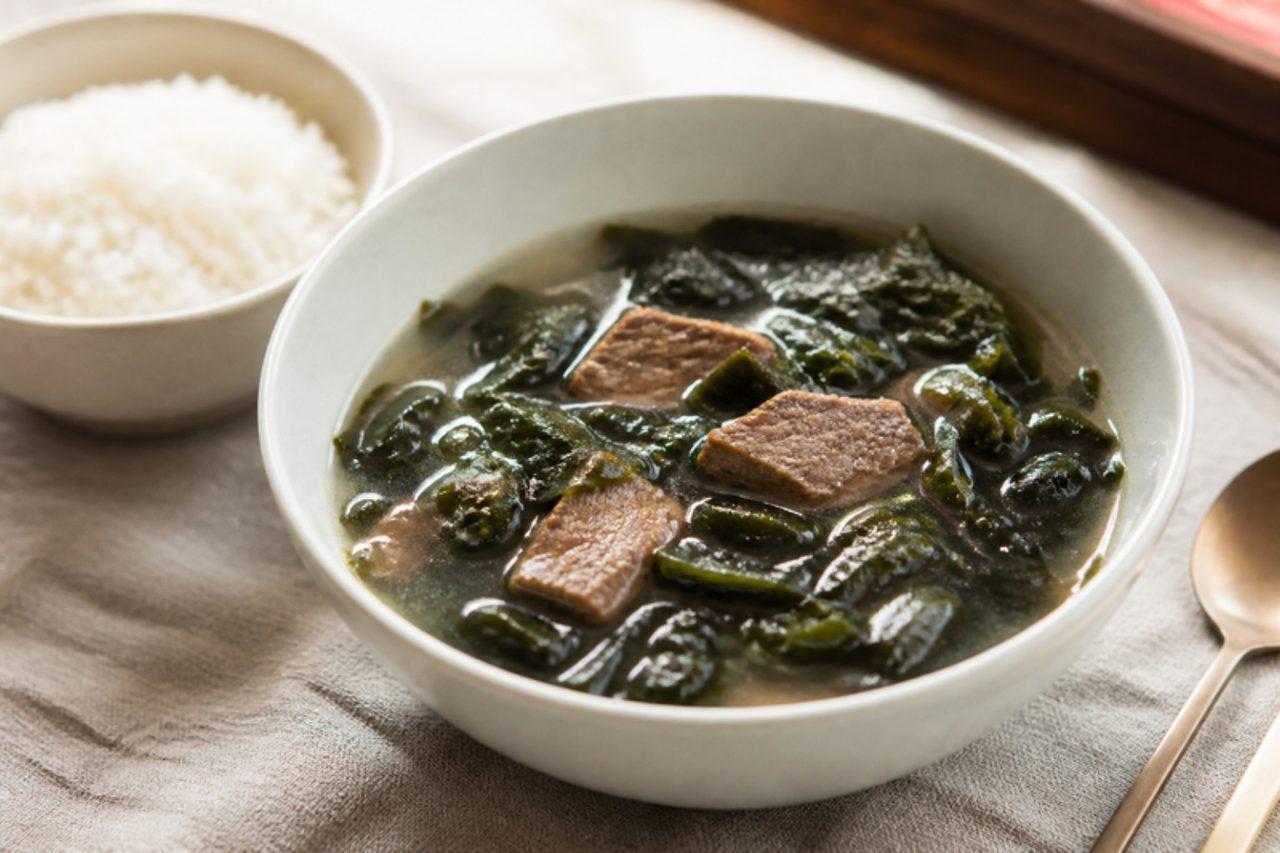
Ask someone in Korea what they ate on their birthday morning and the answer is usually miyeok guk. The same soup is given to new mothers for weeks after a birth, as the seaweed is rich in iodine, calcium and iron. Some students avoid it on exam days, because slippery seaweed is said to make you 'slip' in the test. The broth is clear and mild, made with brisket fried in sesame oil and seasoned with soup soy sauce. Chef's tip: squeeze the soaked seaweed hard and fry it with the beef for a few minutes; it gives the broth a rounder, nutty taste.
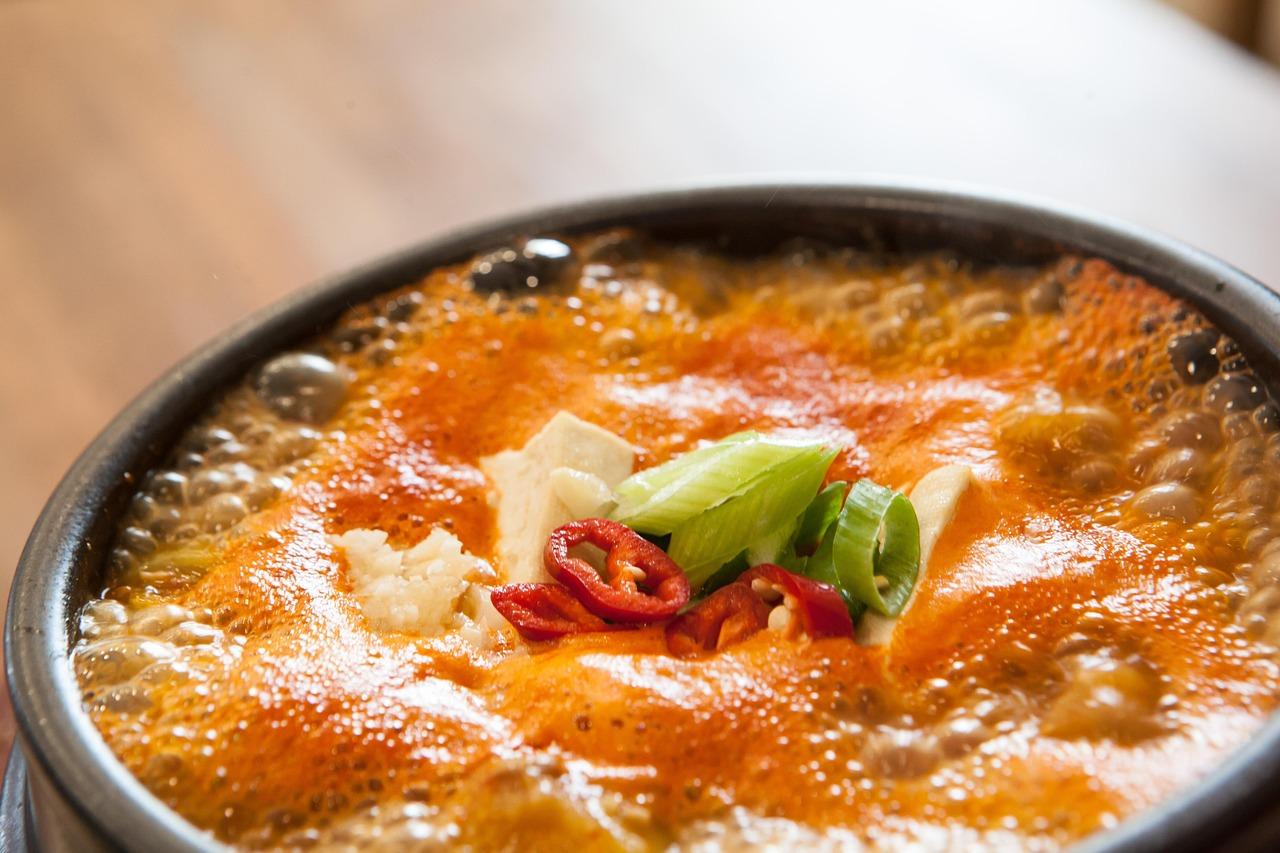
All over Korea, small lunch restaurants bring sundubu jjigae to the table still boiling in a black stone pot, with a raw egg on the side to crack in while it bubbles. The stew is built on very soft, unpressed tofu, which breaks into creamy curds in a red, chilli-oil broth. Seafood and pork go in together here, though you can use just one. Have it with a bowl of rice and some kimchi; it's especially welcome on a cold day. Chef's tip: fry the chilli flakes gently in oil with the pork and garlic before adding liquid; this red chilli oil gives the stew its colour and a deep, rounded heat.
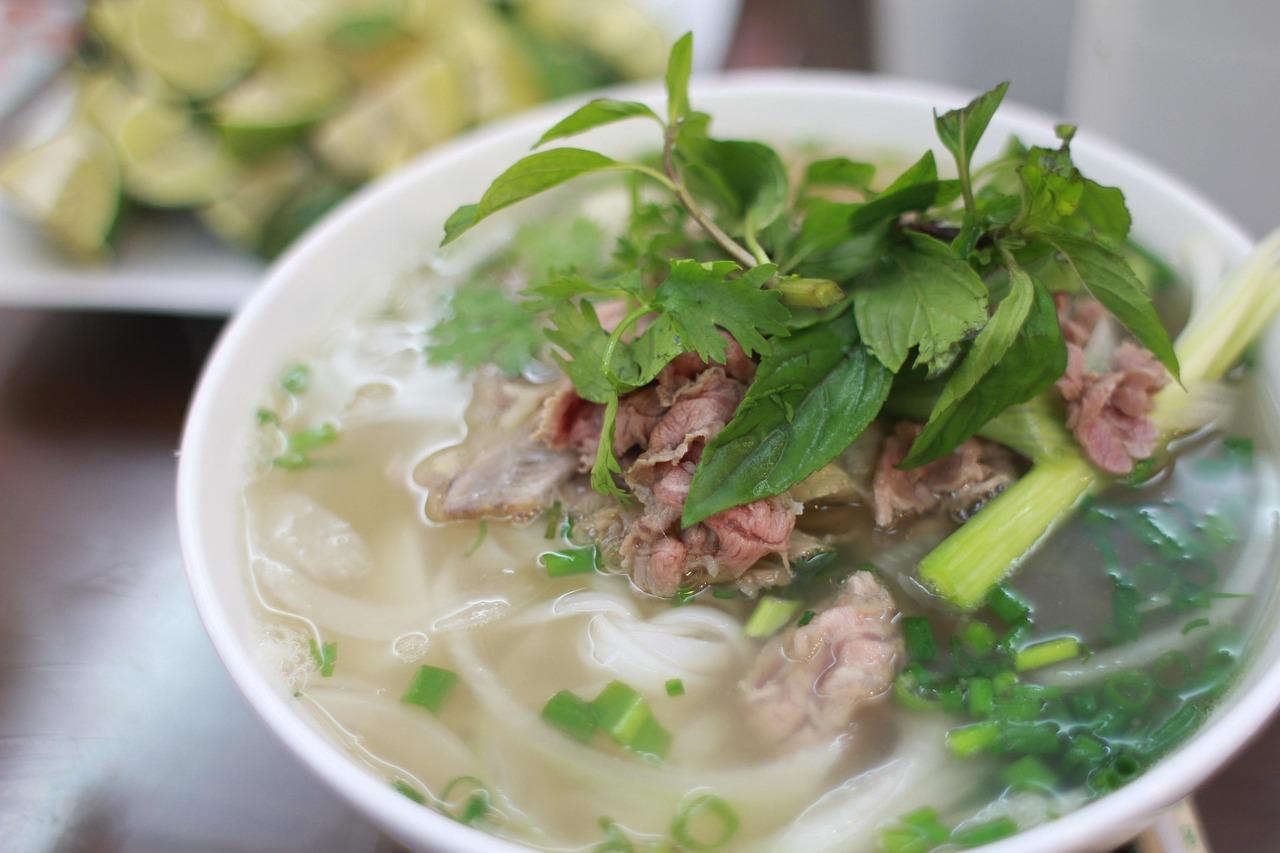
Before Hanoi's offices open, pavement pho stalls are already busy, with diners on low plastic stools bent over bowls of rice noodles in a clear, spiced beef broth. The northern style is restrained: brisket and thin slices of raw beef that cook in the bowl, spring onion and a little coriander, with lime and chilli on the side rather than a heap of herbs and sauces. The work is in the broth, simmered slowly from bones with blackened onion and ginger and a small bag of toasted spices. Make it on a weekend; it keeps for three days and the bowls then take ten minutes. Chef's tip: char the onion and ginger until they are properly black in patches, because that smoky sweetness is what makes the broth taste of pho rather than plain beef stock.
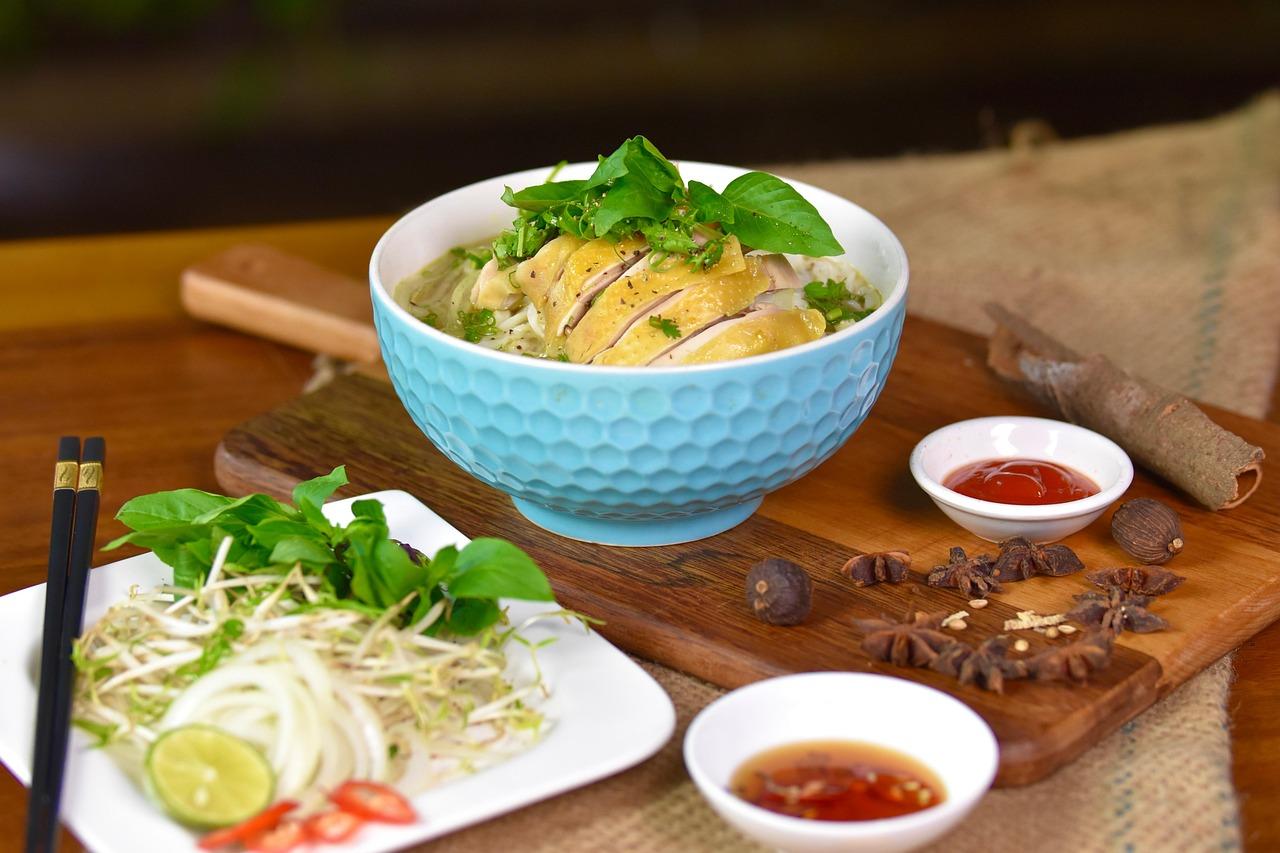
In Hanoi some shops sell nothing but chicken pho, and locals often choose it over beef for a gentler breakfast or a late bowl after an evening out. The broth is lighter than the beef version, made in about an hour from a whole bird with a few charred aromatics and only a hint of spice. The northern signature is a tangle of makrut lime leaf, cut as fine as thread, scattered over the hot chicken just before serving. It's a good first pho to make at home, since the timing is forgiving and the chicken poaches in the same pot. Chef's tip: plunge the cooked chicken into iced water for 5 minutes; the skin turns firm and slightly springy, the way Hanoi cooks like it.
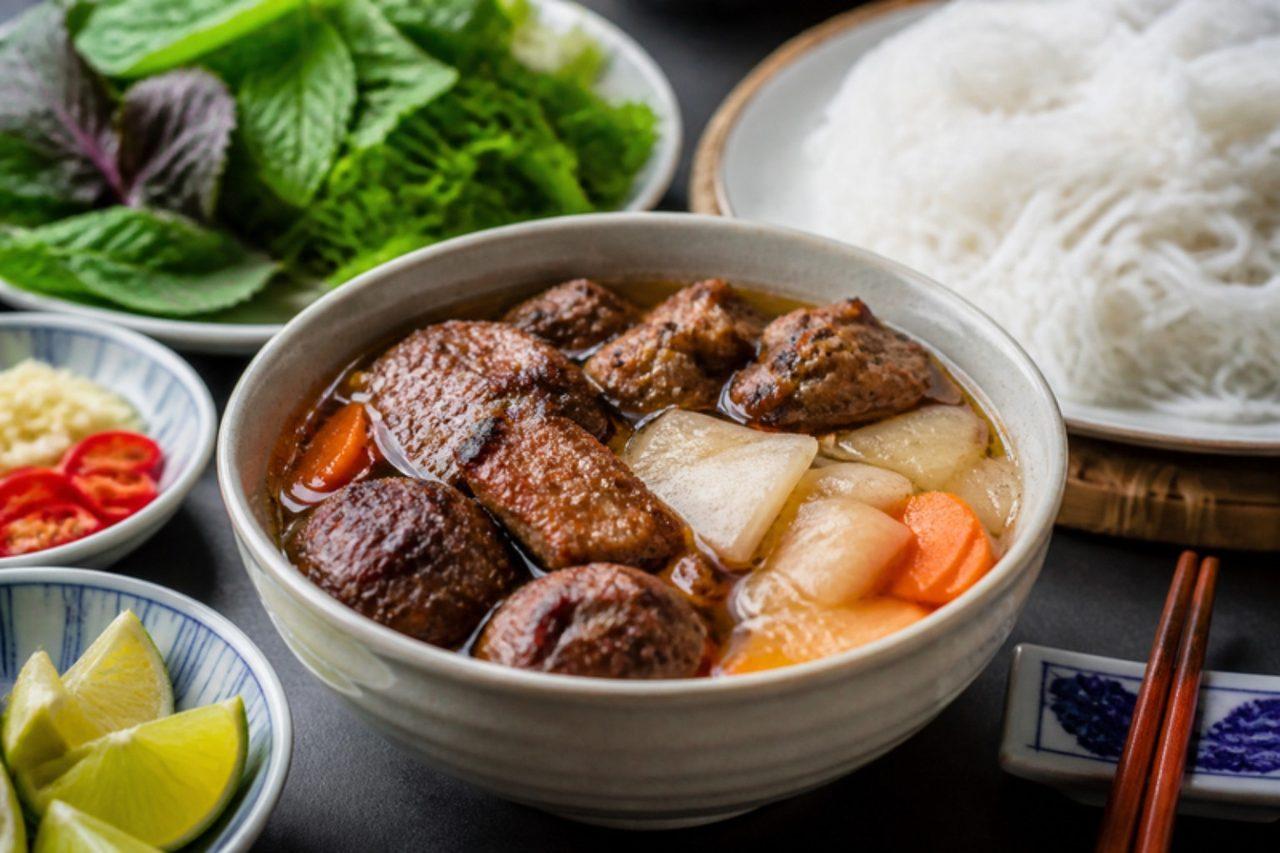
Around 11 in the morning, the side streets of Hanoi's Old Quarter fill with smoke as cooks fan little charcoal braziers loaded with pork. Bun cha is the city's lunch: grilled patties and caramelised strips of pork belly served floating in a warm bowl of thin, sweet-sour fish sauce, with cold rice vermicelli and a basket of lettuce and herbs to dip in alongside. Each mouthful is a bit of noodle, a bit of meat and a leaf or two, all dunked together. A barbecue gives the real smoky edge, but a ridged grill pan works well indoors. Chef's tip: let the grilled meat sit in the warm sauce for a few minutes before eating, so the smoky fat seasons the sauce and the sauce soaks into the meat.
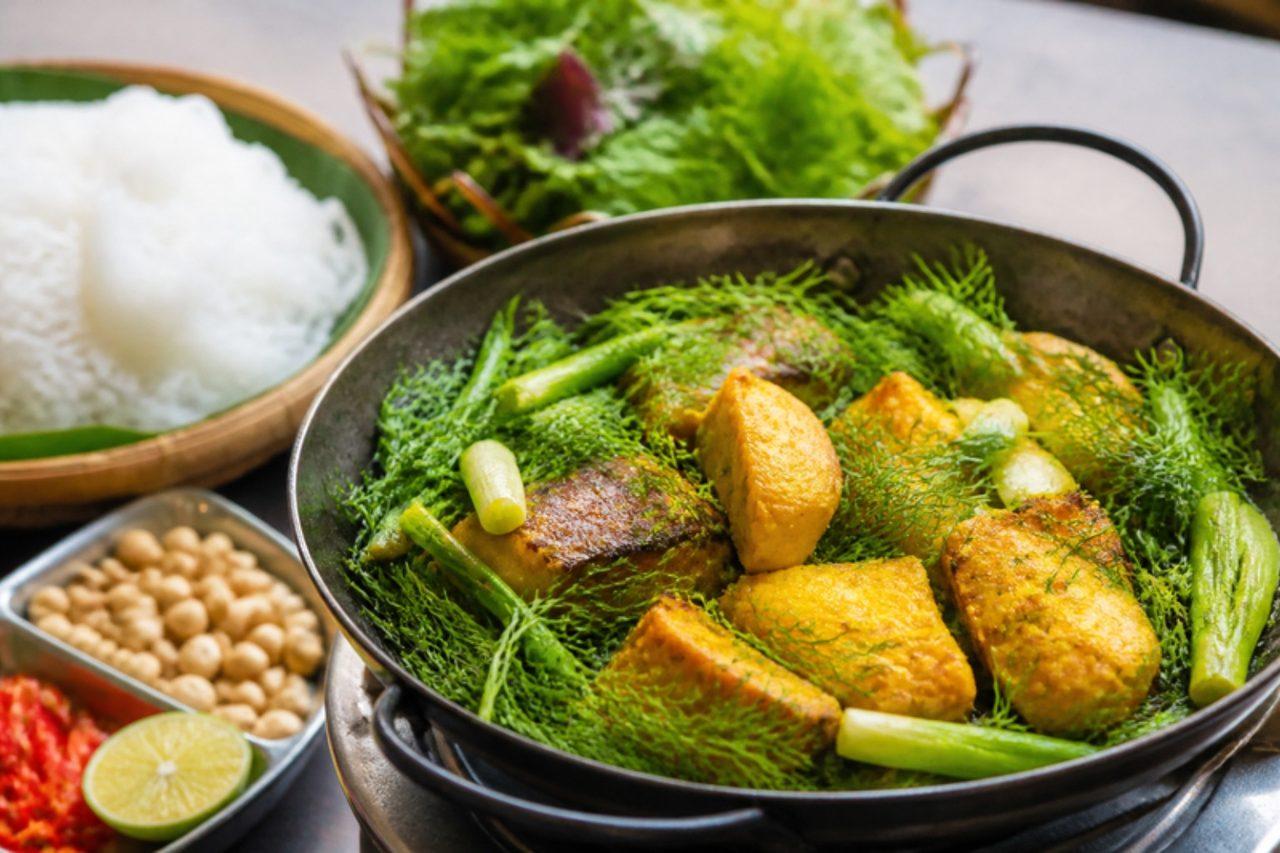
A family restaurant in Hanoi's Old Quarter served this one dish for so long that the street itself was renamed Chả Cá, Grilled Fish Street. Chunks of white fish are marinated in turmeric and galangal, cooked until golden, then brought to the table in a pan of hot oil where everyone throws in handfuls of dill and spring onion to wilt. You eat it over rice vermicelli with peanuts, fresh herbs and a pungent shrimp-paste dip. Dill is rare elsewhere in Vietnamese cooking, which is why this dish tastes so distinct. Chef's tip: use a lot more dill than seems sensible; it is treated as a vegetable here, not a garnish.
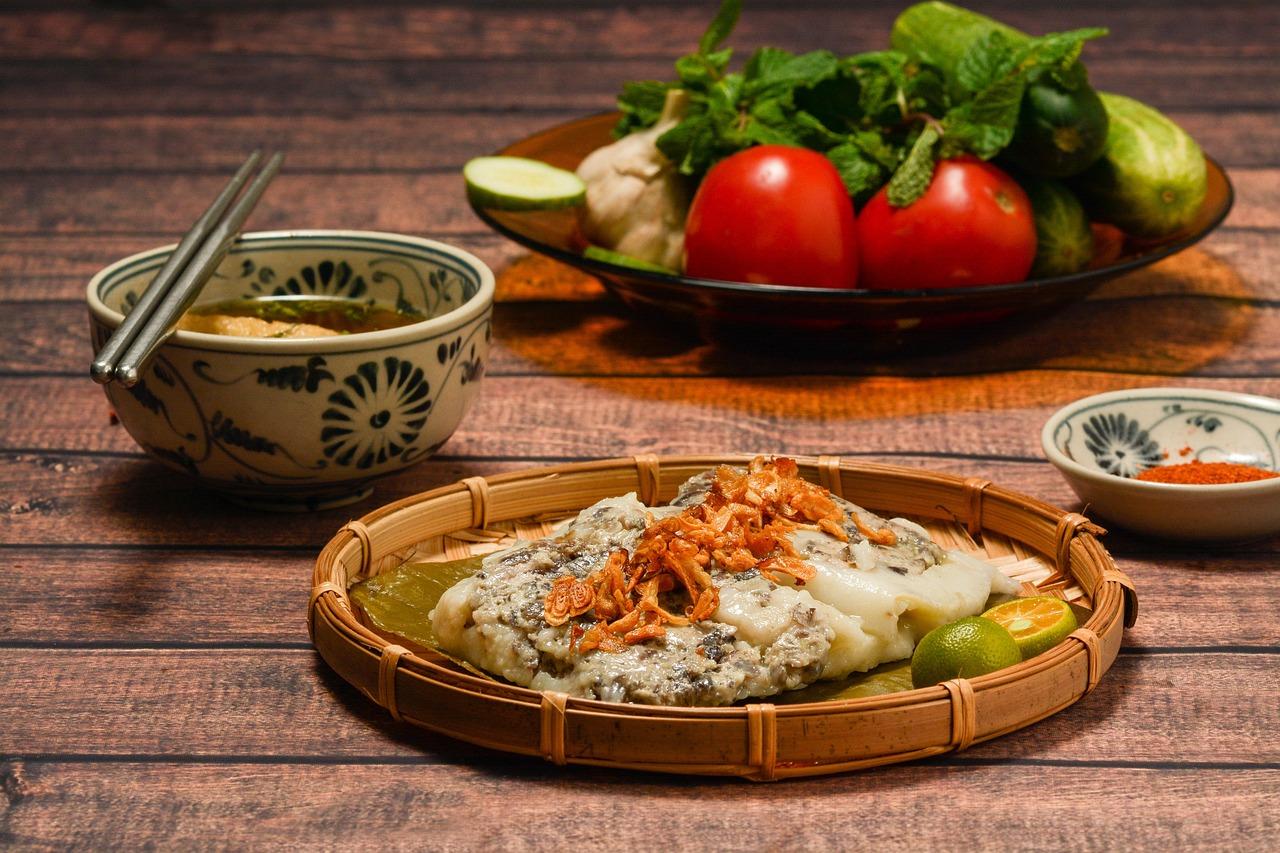
In Hanoi, banh cuon shops open early, and the cook sits beside a pot of boiling water stretched over with cloth, spreading batter across it in one sweep and lifting off sheets thin enough to see through. Each sheet is rolled around a little minced pork and crunchy wood-ear mushroom, cut into pieces, showered with crispy shallots and dipped into warm fish sauce. Slices of Vietnamese pork roll and a sprig of herbs often come on the side. At home a lidded non-stick frying pan does the job of the cloth, and once you find the rhythm the sheets come quickly. Chef's tip: make a practice sheet first; the first one is almost always a little too thick, and it tells you how much batter to use.
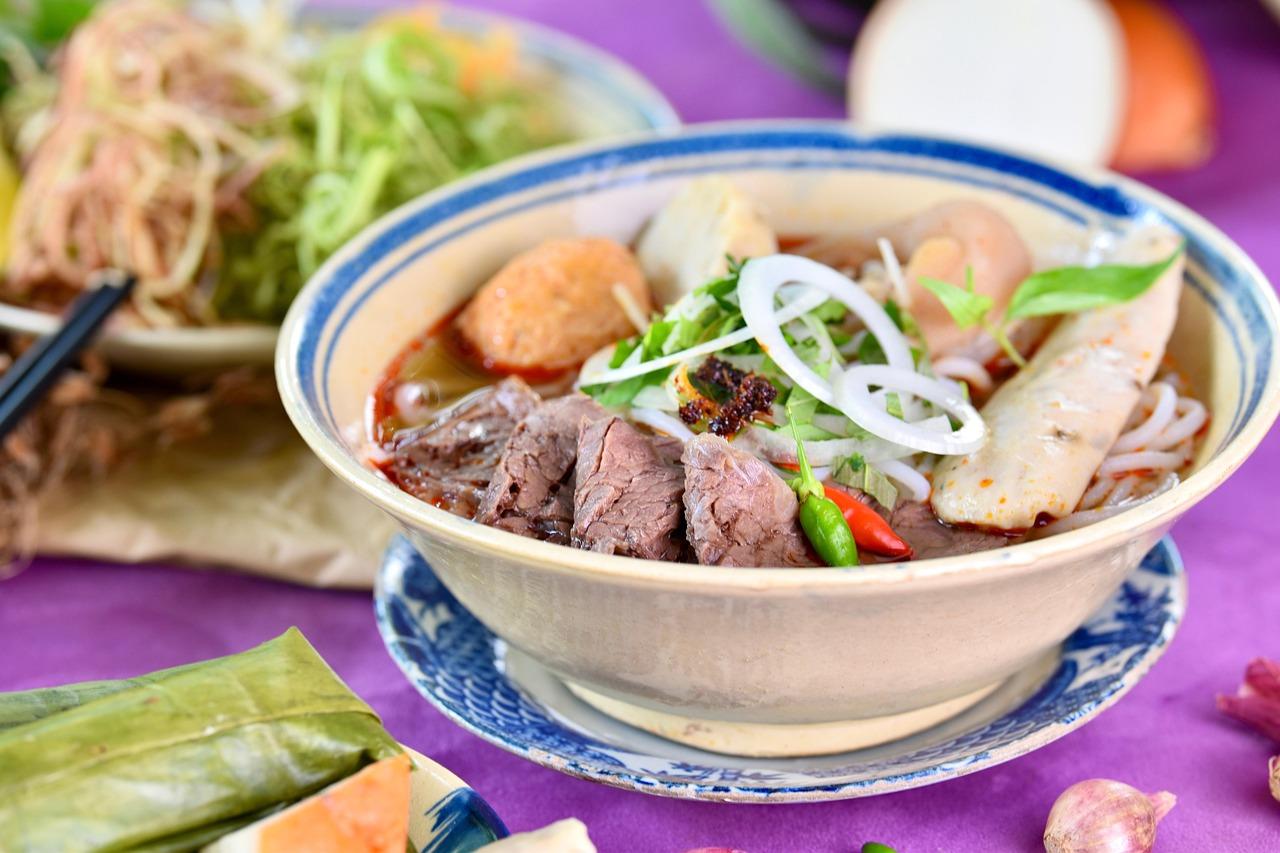
Huế, once the seat of Vietnam's emperors, is known for food that is spicier and bolder than in the north or south, and this soup is the city's breakfast. Compared with pho it is louder in every way: the broth smells of lemongrass and fermented shrimp, it glows red with chilli oil, and the noodles are thick and round. Beef shank and slices of pork hock go in every bowl, often with pork roll, and it comes with a plate of mint, banana blossom and bean sprouts. Locals add pig's blood cubes too, which we leave out here. Chef's tip: bruise the lemongrass stalks hard with a rolling pin before they go in, so their oils flood the broth.
Mì Quảng comes from Quảng Nam province, around Hội An and Tam Kỳ, where it's eaten at any hour from roadside stalls and family tables. It sits halfway between soup and salad: wide yellow noodles get only a small ladle of rich, turmeric-coloured broth with braised pork and prawns, then a scatter of peanuts and herbs. A toasted sesame rice cracker is broken over the top for crunch. Every bite should be part noodle, part leaf, part cracker. Chef's tip: pour in just enough broth to come a third of the way up the noodles; any more and it becomes a soup and the crackers go soggy.
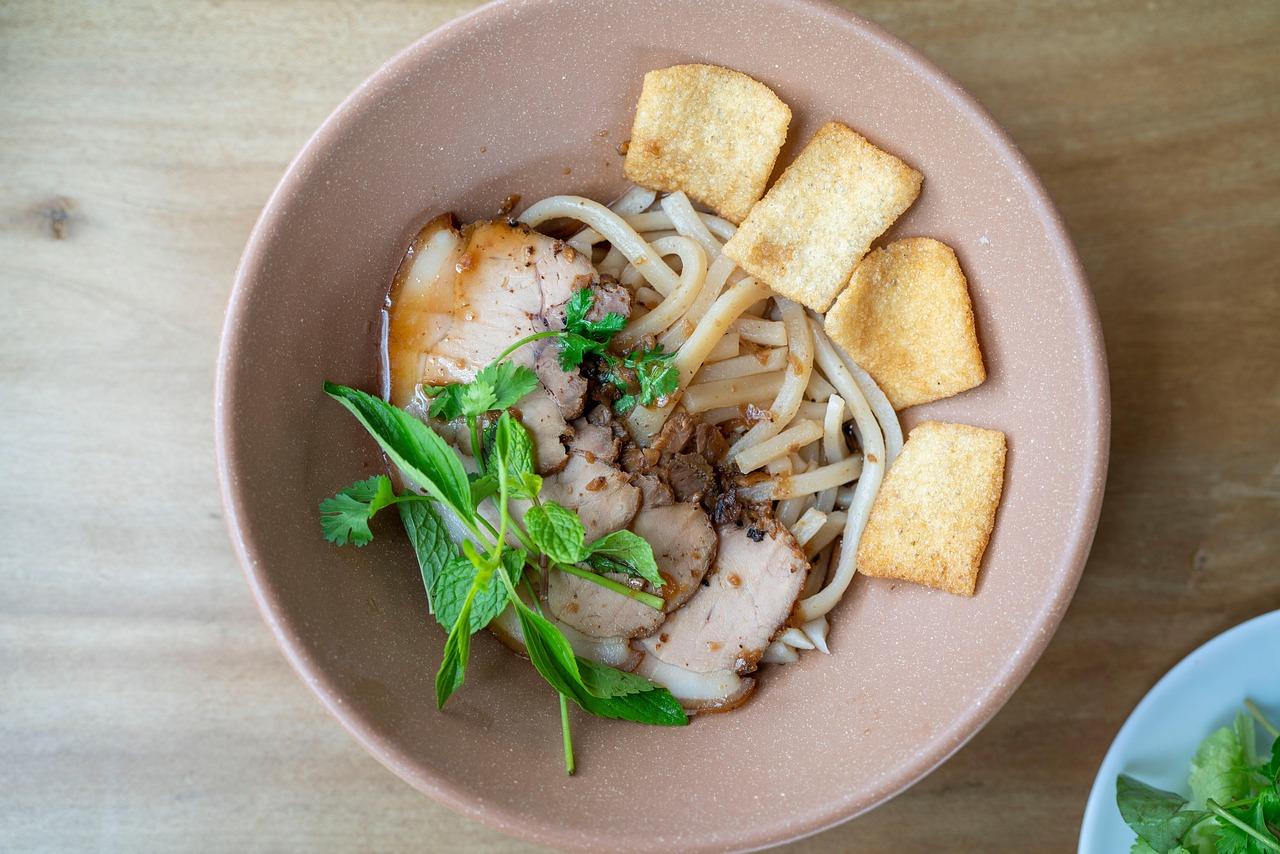
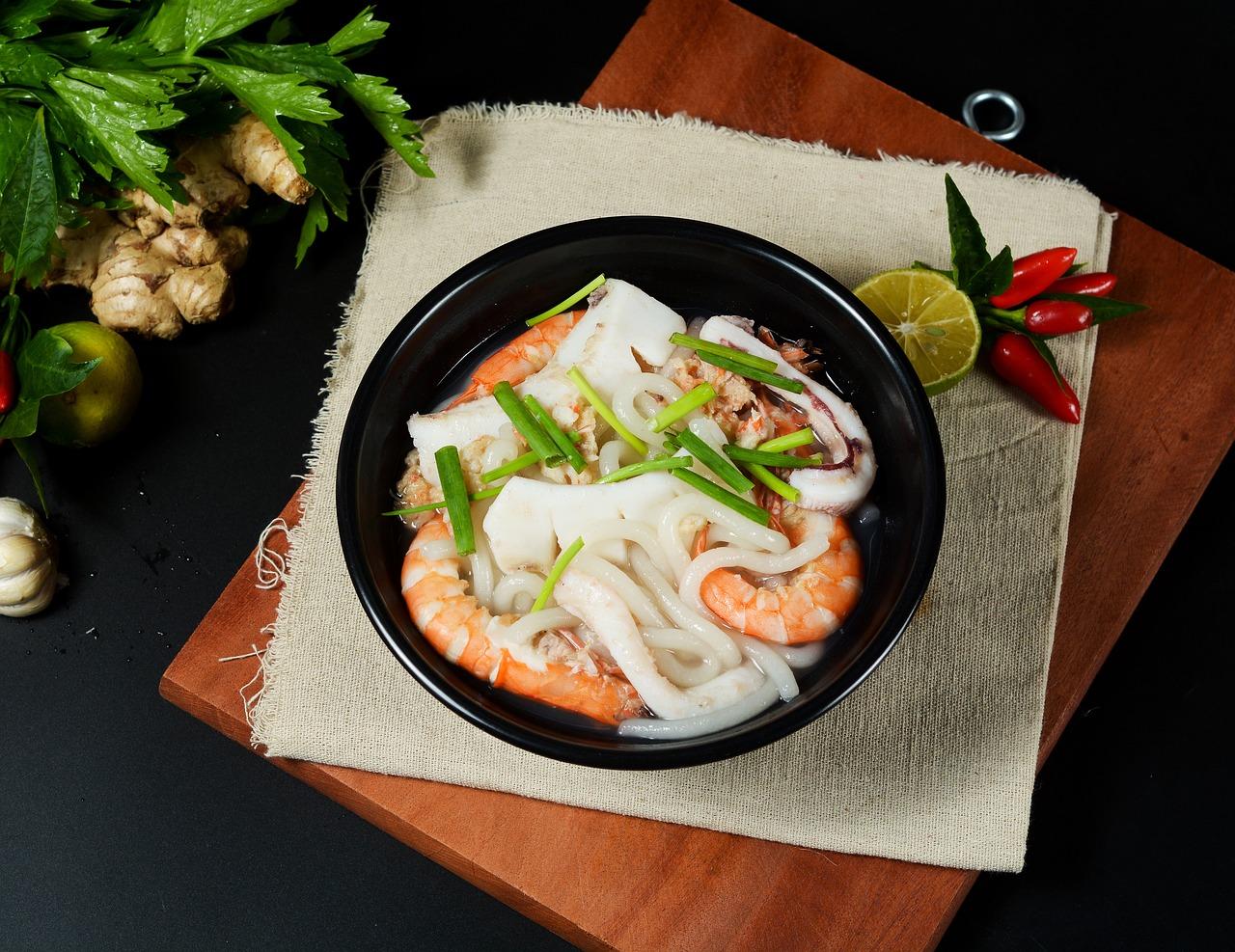
You will really only find proper cao lầu in Hội An, the old trading port on Vietnam's central coast, where it's sold in small family eateries and along the riverside at lunch. The noodles are yellowish and unusually chewy, made with lye water that locals traditionally link to the town's ancient Bá Lễ well. They come almost dry, topped with slices of sweet five-spice pork, raw greens and crisp squares of fried dough, with just a spoonful of the pork juices. Because the real noodles are very hard to buy outside Hội An, this home version uses thick udon noodles, which give a similar bouncy chew; it is a substitute, not the original. Chef's tip: rinse the cooked udon in cold water, then dip briefly in hot water just before serving, so they are warm but firm.
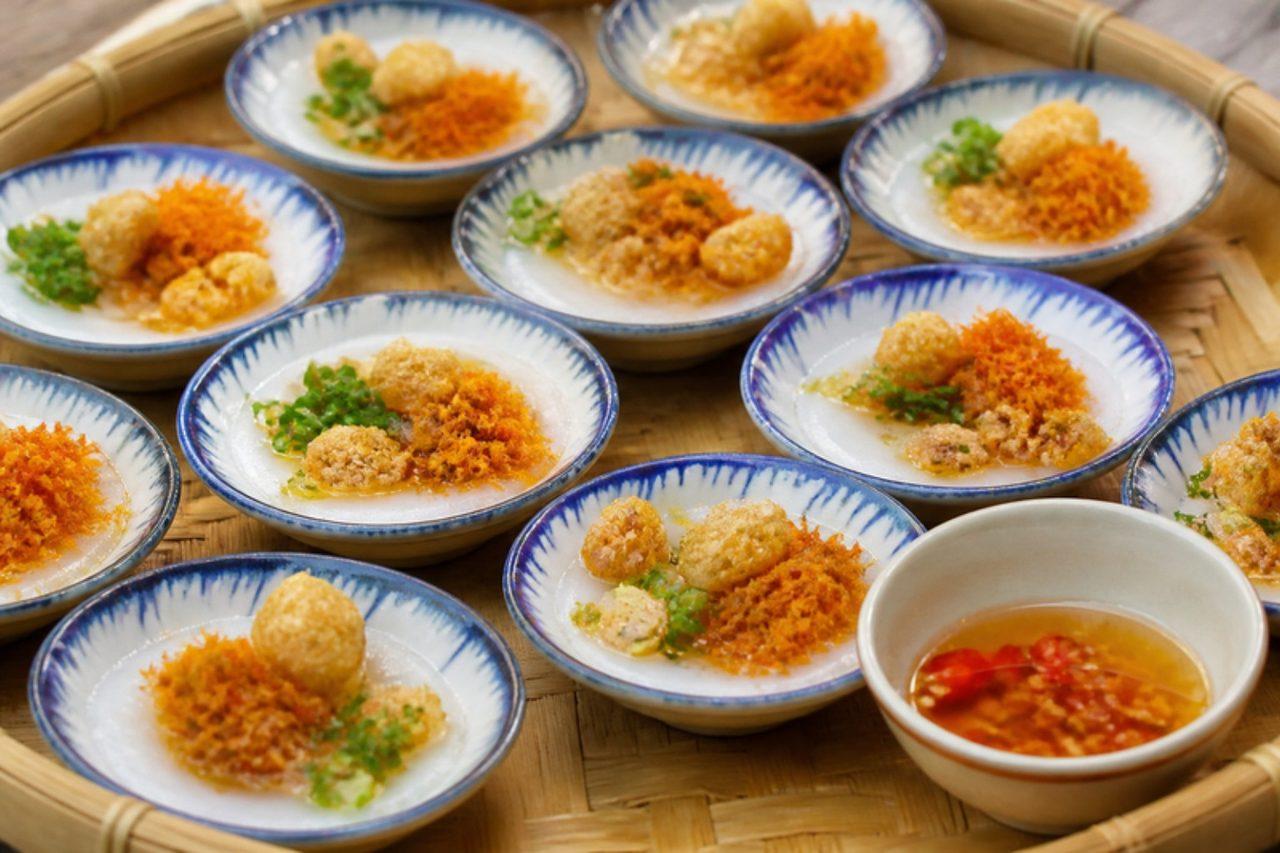
Bánh bèo are named after the water fern that floats on Huế's ponds, which the little round cakes resemble. In the city they arrive at the table by the dozen, each still in its own small saucer, topped with pink shrimp floss and spring onion oil. You spoon sweet fish sauce over and scoop each one out in a single mouthful. They're a mid-afternoon snack or a light lunch alongside other Huế rice cakes. Small ramekins, egg poaching cups or a silicone mini-muffin tray all work as moulds. Chef's tip: heat the empty saucers in the steamer for a minute before adding the batter; the cakes then set with the little dimple in the middle that holds the toppings.
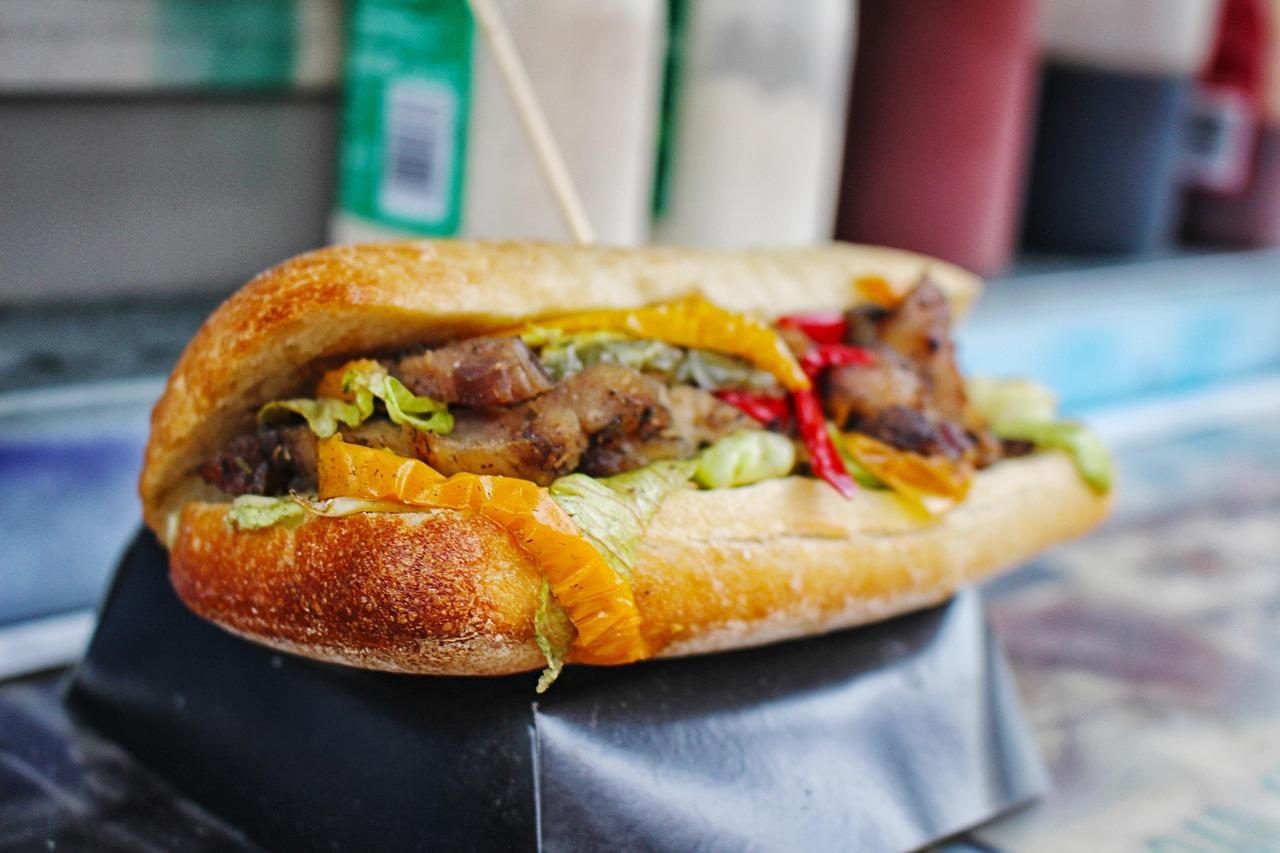
On Saigon pavements at breakfast time, bánh mì carts with glass cases are stacked with light, crackly rolls, tubs of pickles and trays of pâté and pork. The bread came with the French, but the filling is entirely Vietnamese: a smear of liver pâté and mayonnaise, cold cuts or lemongrass-grilled pork, sweet-sour carrot and daikon, cucumber, coriander and fresh chilli, with a splash of savoury seasoning sauce. It's eaten on the move, often on the back of a motorbike. This is the meat version; there is also a lemongrass tofu bánh mì on the site. Chef's tip: choose the lightest, airiest baguettes you can find, as a dense French loaf squeezes the filling out the sides.
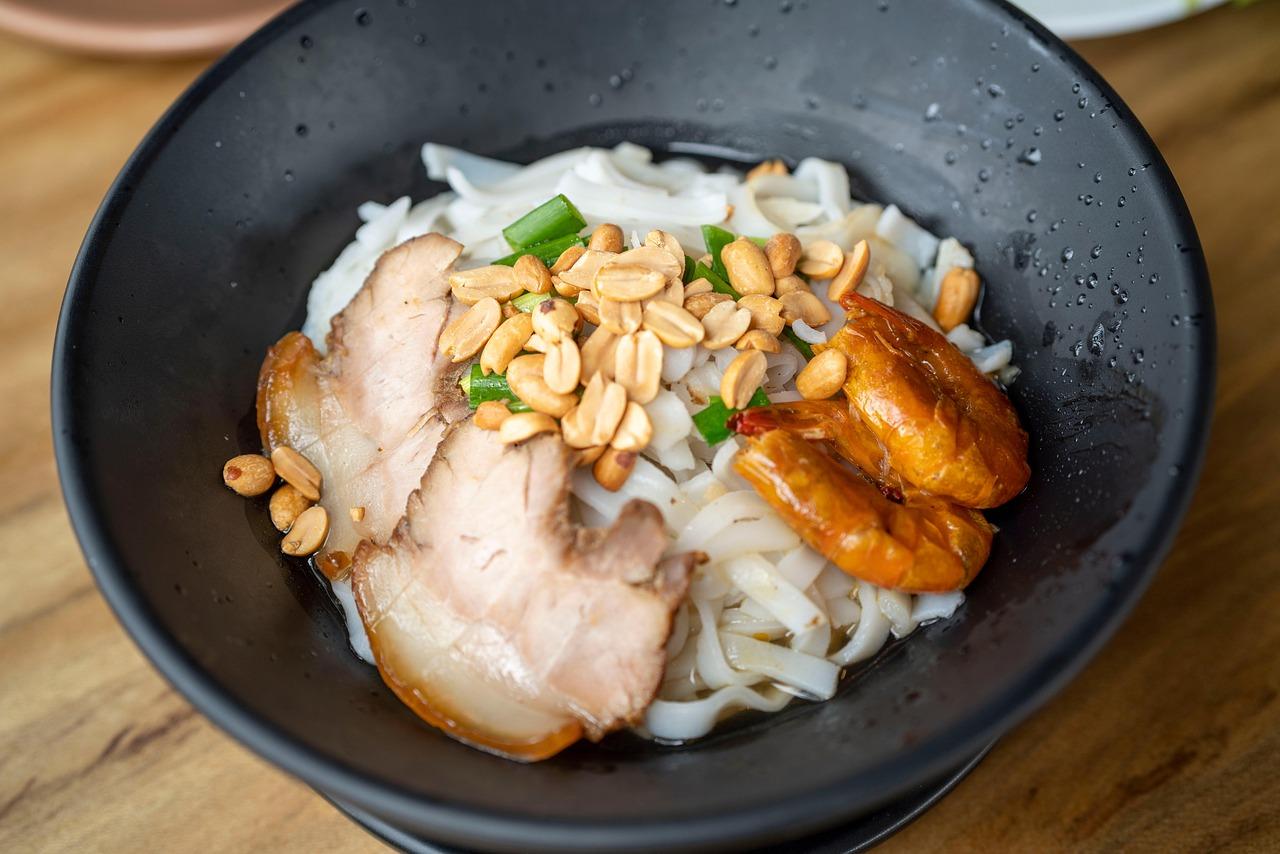
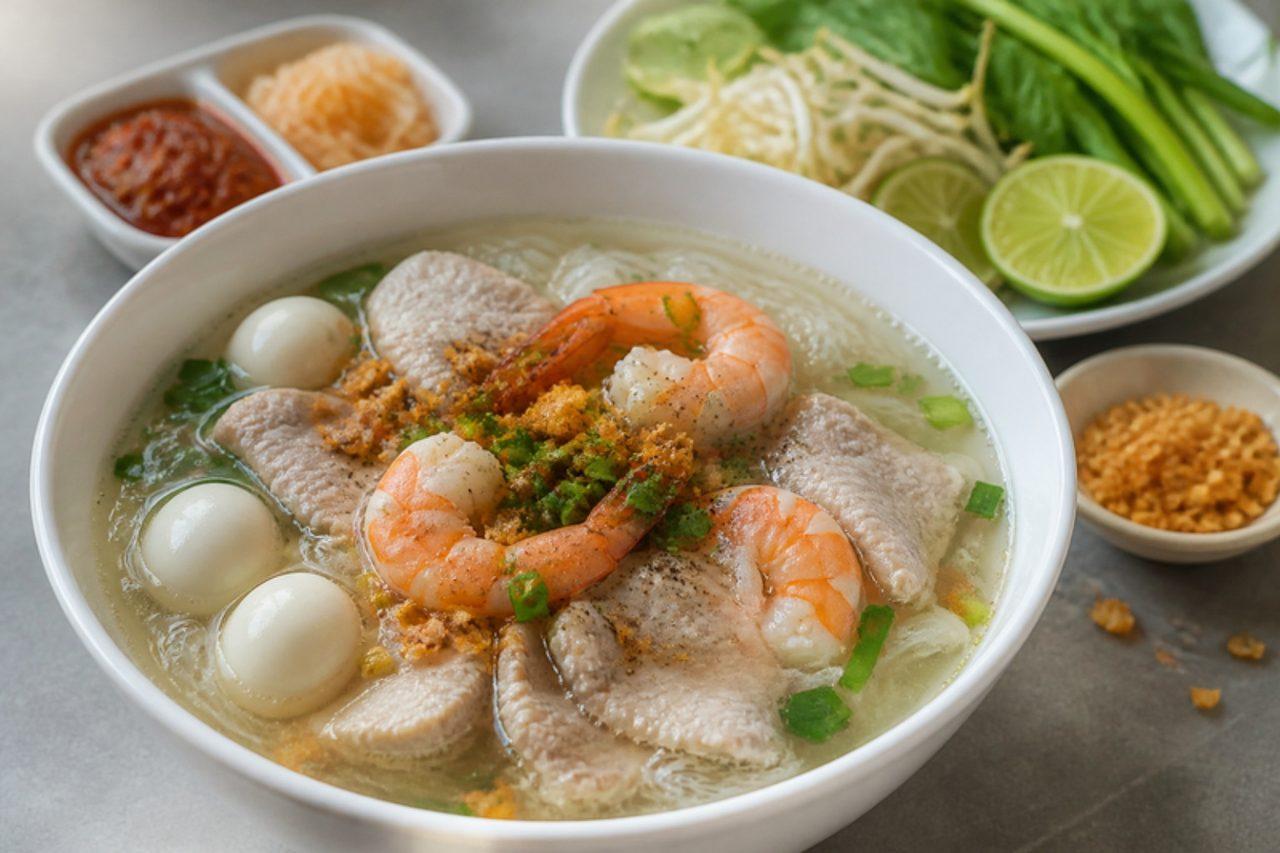
Hủ tiếu came to southern Vietnam with Teochew Chinese and Cambodian influences, and in Saigon it's as everyday as pho, sold from street carts at dawn and again late into the night. The broth is light and clear, sweet from pork bones, daikon and dried shrimp, and the bowl is loaded with sliced pork, minced pork, prawns and often quail eggs. Clear, chewy noodles and a spoon of crispy garlic oil set it apart. Many people order it khô, dry, with the noodles tossed in sauce and the soup on the side. Chef's tip: toast the dried squid over a flame before it goes in the pot; it gives the broth a sweet, savoury depth that's hard to place.
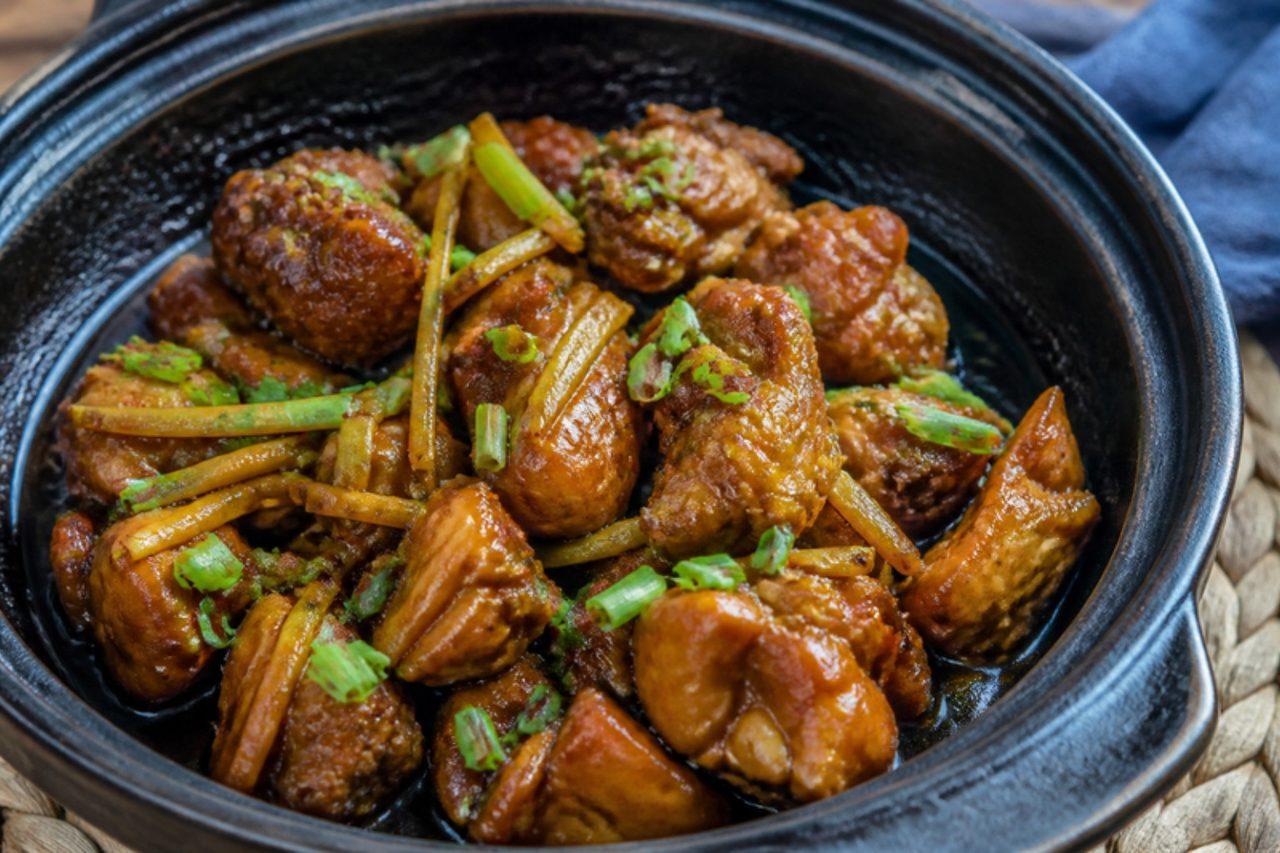
Across Vietnam, from Hanoi apartments to Mekong Delta farmhouses, a small pot of something braised in caramel and fish sauce sits on the family table at dinner with rice, a plate of boiled greens and a clear soup. This chicken version leans on ginger, cut into fine matchsticks so it turns soft and warming in the glossy, salty-sweet sauce. It's a favourite when the weather cools, traditionally cooked in a clay pot, though any heavy pan will do. It reheats well, so it's a good one for the next day's lunch. Chef's tip: take the caramel to the colour of strong tea, deep amber, before the chicken goes in; that slight bitterness is what keeps the dish from tasting sugary.
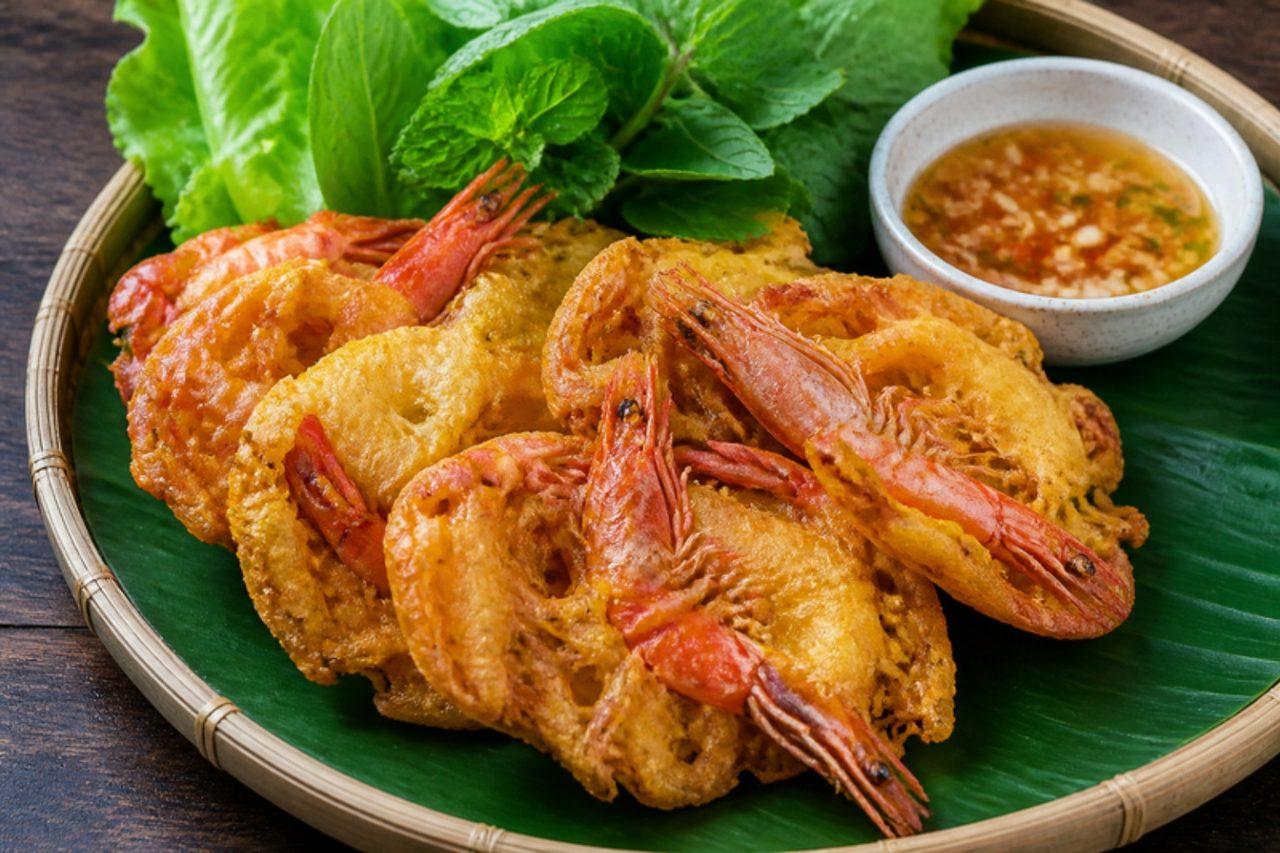
Lakeside cafés on the shore of West Lake (Hồ Tây) in Hanoi have sold these fritters for generations, and locals still ride out on cool autumn afternoons to eat them looking over the water. Each one is a nest of sweet-potato matchsticks held together by a thin, turmeric-tinted batter, with a whole small shrimp pressed on top so its shell fries crisp. They come piled on a plate with lettuce, herbs and a bowl of sweet-sour fish sauce dotted with slices of green papaya or kohlrabi. You wrap a piece of fritter in a lettuce leaf with a few herbs and dunk it. Chef's tip: soak the cut sweet potato in cold water for 10 minutes and then dry it really well; washing off the surface starch is what keeps the strands separate and crunchy.
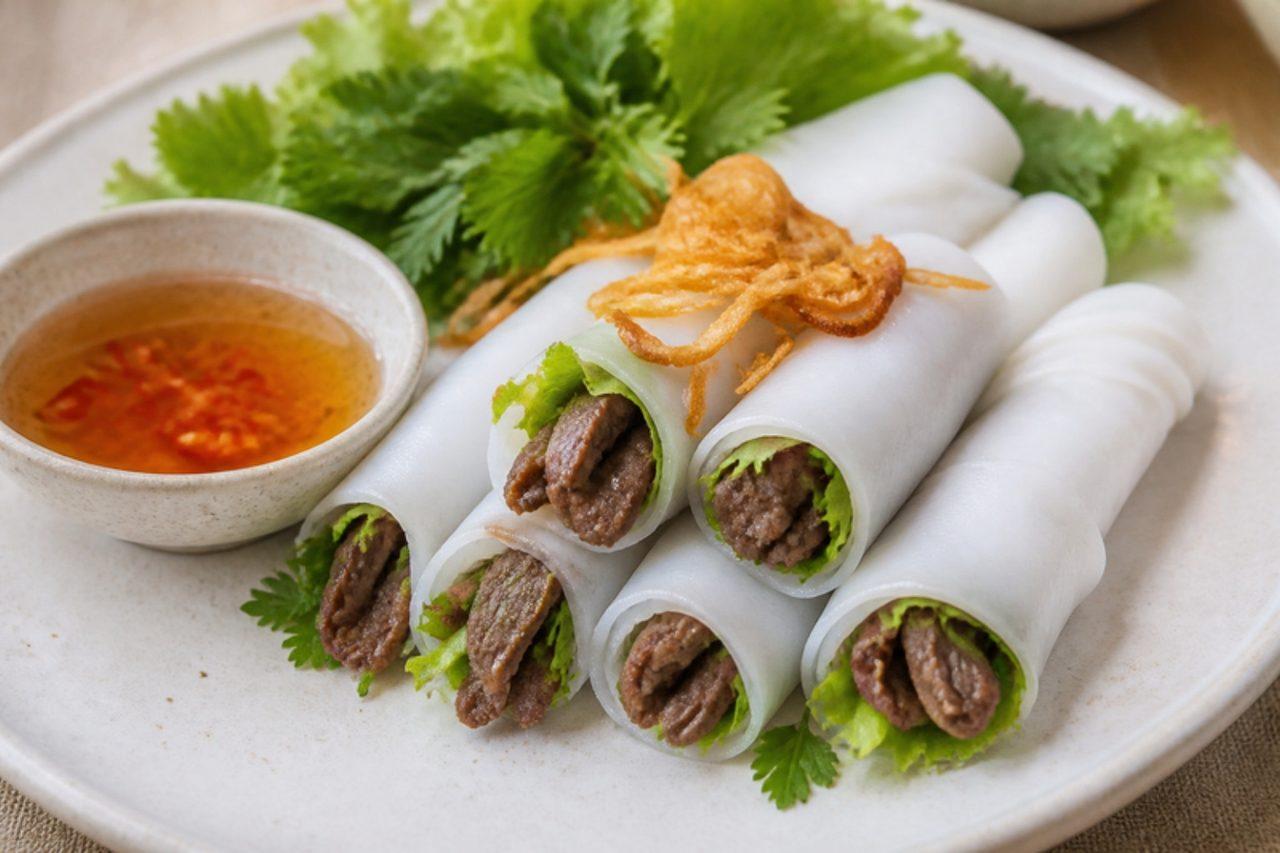
On Ngũ Xã, a little island of streets between Trúc Bạch lake and West Lake in Hanoi, whole rows of restaurants sell nothing but pho in different shapes, and phở cuốn is the one people order by the plateful in the evening. Instead of cutting the fresh rice-noodle sheet into ribbons, the cooks leave it whole and roll it round seared beef, lettuce and herbs. The rolls are soft, cool and slightly chewy, and you dip them in a light, sweet fish sauce with pickled carrot. Look for fresh rice-noodle sheets in the chiller of an Asian supermarket, often sold for Chinese ho fun. Chef's tip: if the sheets are stiff from the fridge, steam or microwave them for 30 seconds under a damp cloth before separating, or they tear.
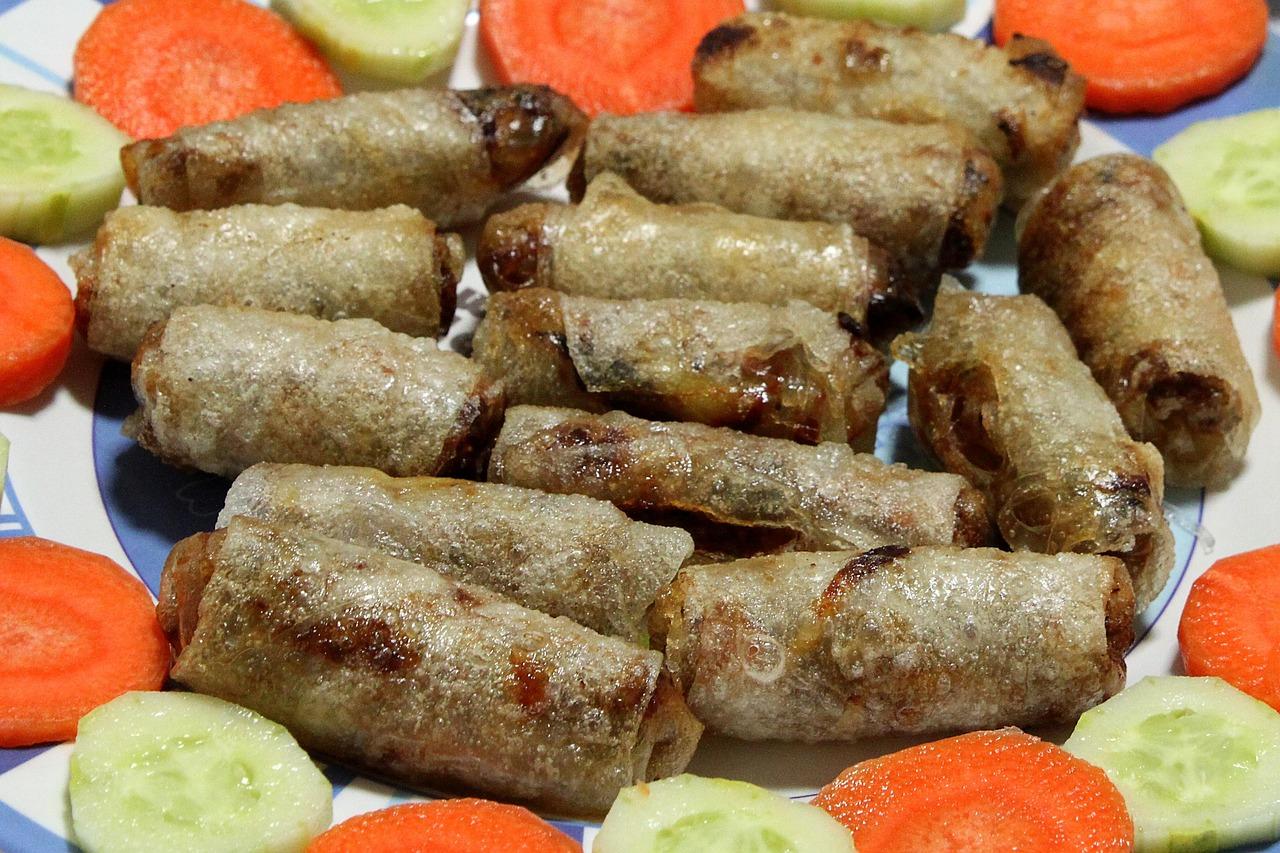
At Tết, the lunar new year, a plate of nem rán sits on almost every family feast tray in Hanoi and the north, and the same rolls turn up at weddings, death anniversaries and Sunday lunches all year. Northern cooks wrap a filling of minced pork, crab or prawn, glass noodles and wood ear mushroom in thin rice paper, which fries into a pale golden, bubbly shell quite different from wheat-wrapped spring rolls. Southerners call the same idea chả giò. Serve them cut in pieces with rice vermicelli, lettuce, herbs and a warm sweet-sour fish sauce. Chef's tip: fry them twice, first gently to cook the filling through, then briefly in hotter oil to crisp; they stay crunchy far longer.
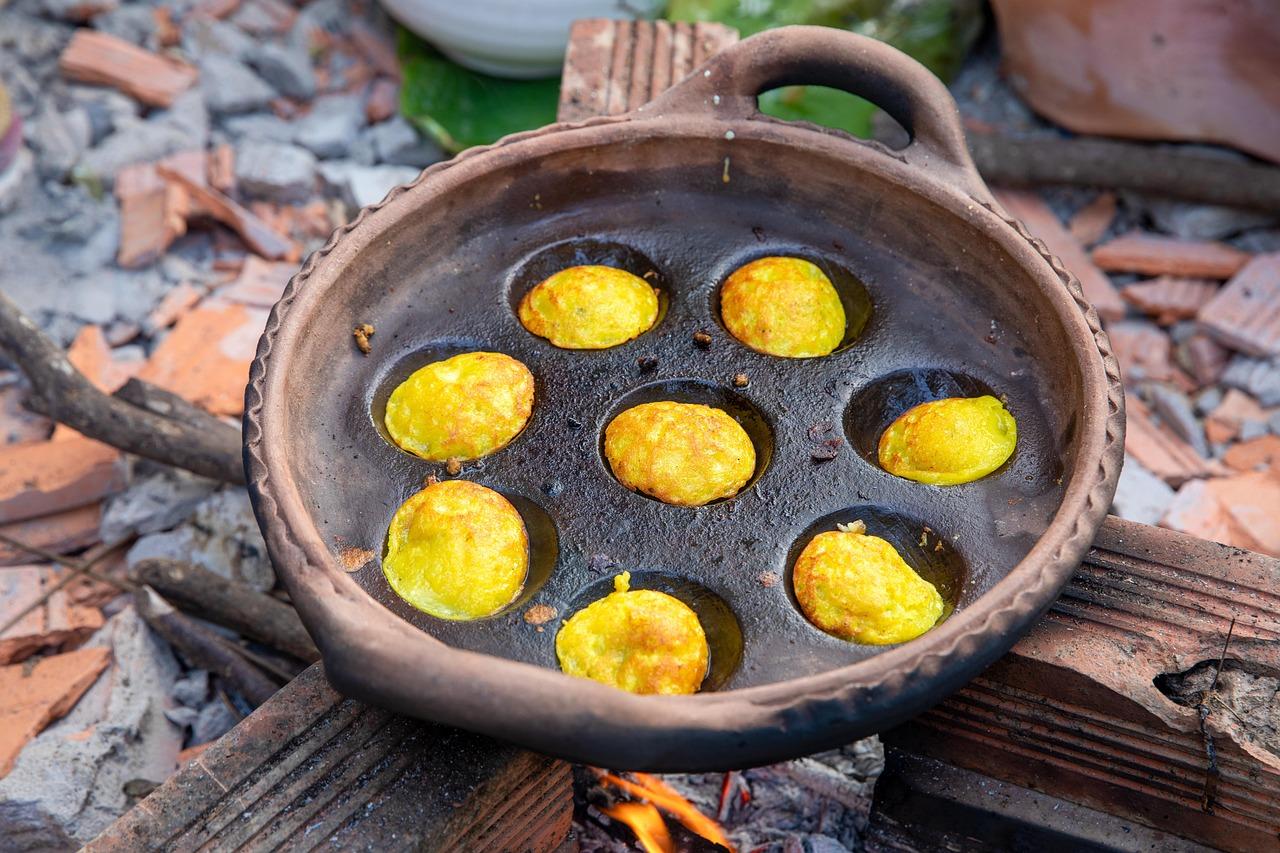
Weekend visitors from Saigon who drive down to the beach town of Vũng Tàu make a point of eating bánh khọt at open-air stalls, where cooks tend rows of dimpled clay or cast-iron pans over charcoal. The batter of rice flour, coconut milk and turmeric fries into bite-sized cups with a shatteringly crisp base and a soft, custardy top, each finished with a small shrimp and spring onion oil. You wrap them in mustard greens or lettuce with herbs and dip them in sweet-sour fish sauce. At home, an aebleskiver or takoyaki pan works well. Chef's tip: cover the pan for the first minute so steam sets the tops, then uncover so the bottoms crisp in the oil.
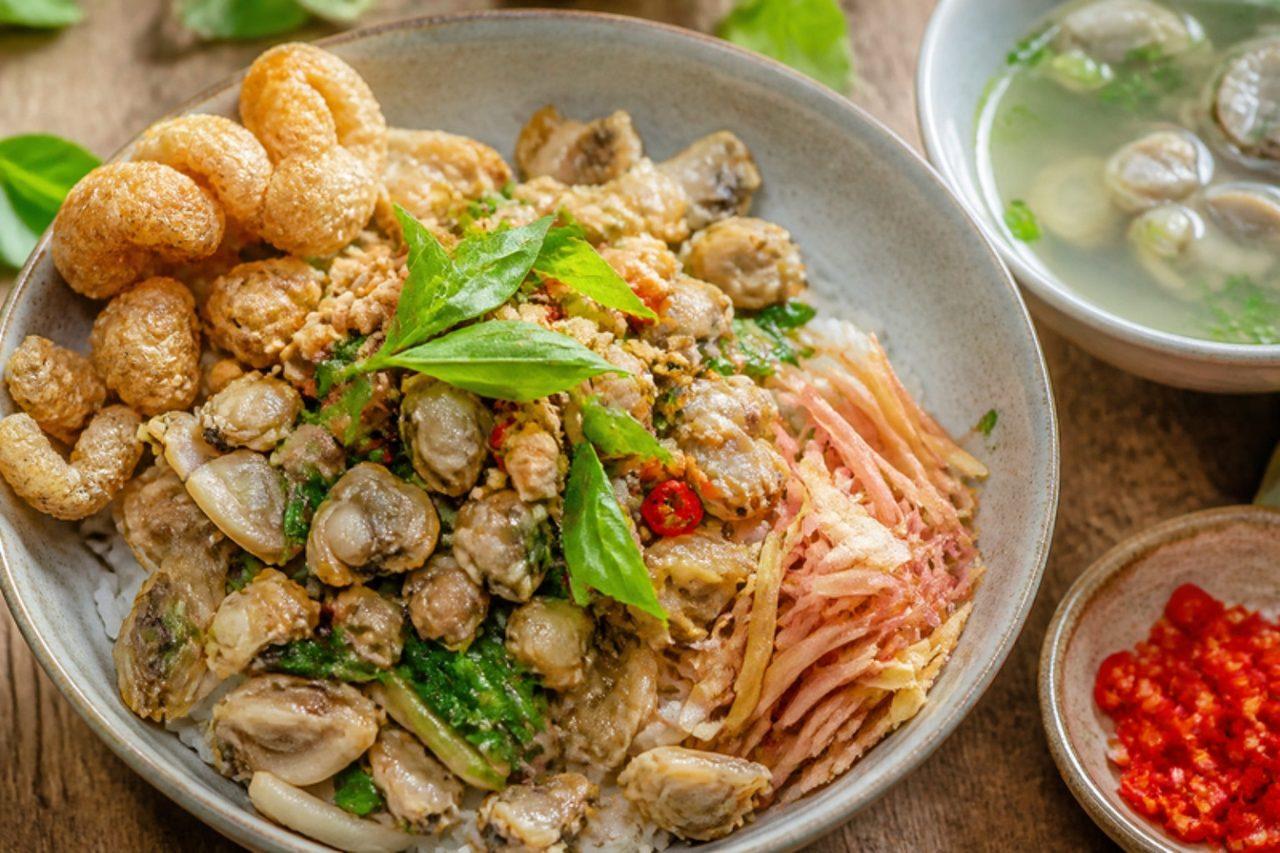
Cơm hến began as a cheap meal of the boat people around Cồn Hến, an islet in the Perfume River in Huế, and it is still sold for breakfast and as an afternoon snack from tiny stalls across the city. Room-temperature rice is topped with stir-fried baby clams, crunchy pork crackling, roasted peanuts, toasted rice cracker and a heap of raw herbs and greens, then splashed with hot clam broth and plenty of chilli. Huế cooks use tiny river clams; at home, choose the smallest clams you can find, such as baby or Manila clams. The mix of cool and hot, crisp and soft, is the whole point. Chef's tip: keep the rice cool and the broth boiling hot right up to the moment you pour it.
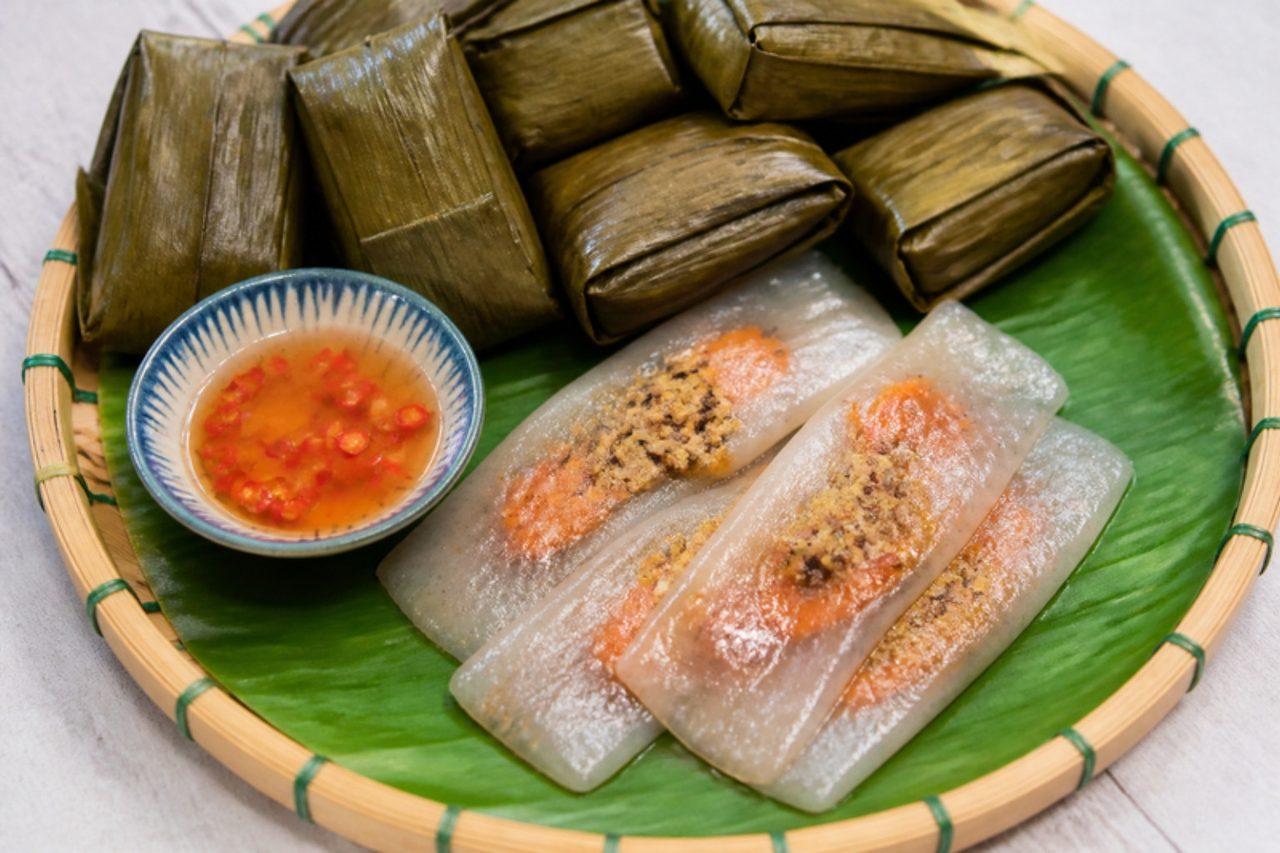
Market women at Đông Ba in Huế sell bánh nậm by the stack, still warm in their banana-leaf wrappers, as one of the city's many little afternoon cakes. A soft rice-flour paste is spread thin on a leaf, sprinkled with a savoury filling of prawn and pork, folded flat into a neat parcel and steamed. Unwrapped, the cake is silky, almost translucent, and you eat it straight off the leaf with a spoonful of sweet chilli fish sauce. It is often served on the same plate as bánh bột lọc and bánh ít for a mixed snack. Chef's tip: soften the banana leaves in hot water or over a flame first and brush them with oil; dry leaves split and the paste sticks.
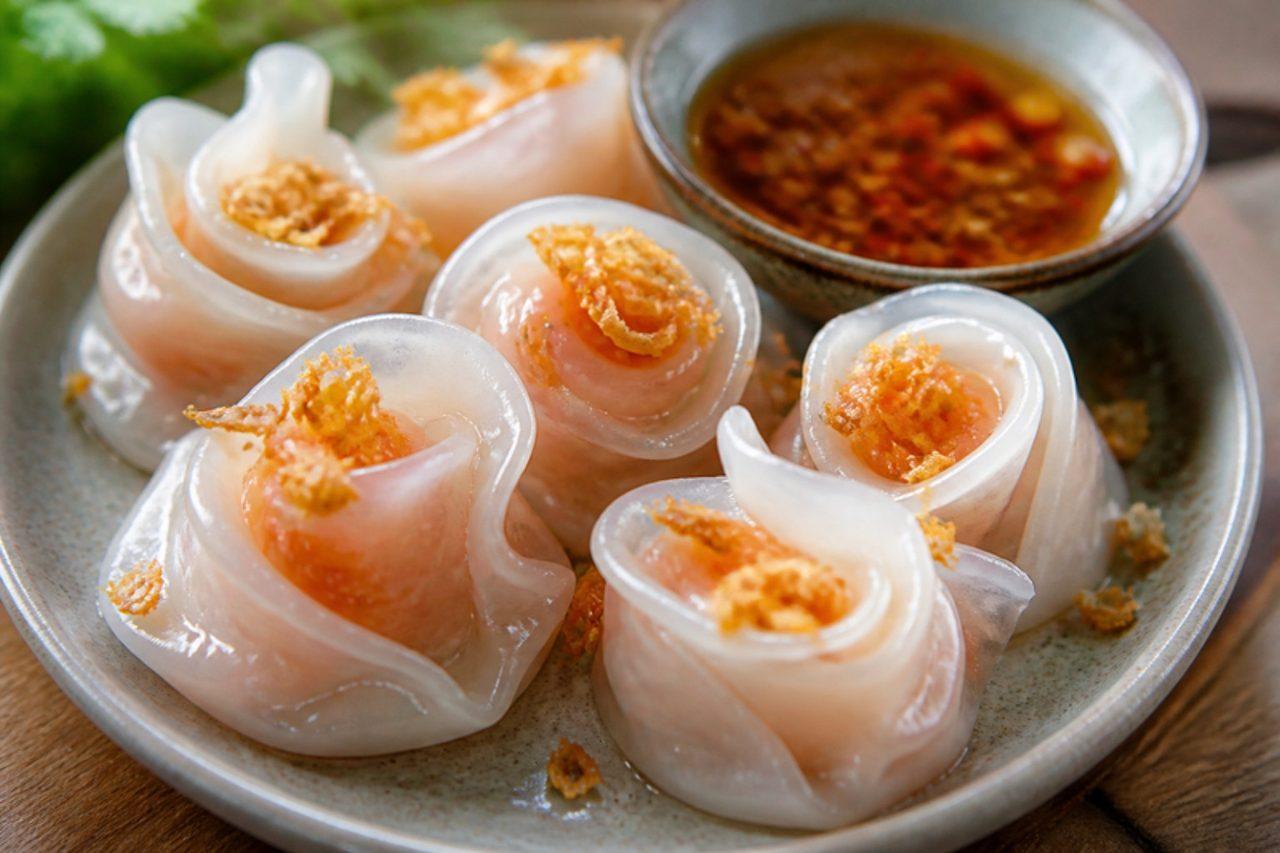
Restaurants all over Hội An serve 'white rose' dumplings as a starter, and much of the town's supply is said to come from a single family workshop that has made them for decades. The wrapper is a thin, glassy rice-flour dough, pinched up around a pounded prawn filling so that each dumpling looks like an open flower, and the plate is finished with crisp fried shallots and a light, sweet chilli-fish-sauce dip. They are delicate and fiddly, but shaping becomes quick after the first dozen. This home version adds a little pork to the prawn for juiciness. Chef's tip: keep the dough under a damp cloth the whole time; even a few minutes in the air makes it crack when you pinch it.
Saigon's bánh canh cua is a late-afternoon and evening soup, sold from street stalls and small shops where the pots of red-orange broth sit beside trays of crab claws, prawns and quail eggs. The noodles are thick, round and bouncy, made with tapioca or a mix of tapioca and rice flour, and the broth is thickened slightly so it clings to them. Crab meat sautéed with shallots and annatto colours the soup and gives it its sweet, rich taste. Fresh bánh canh noodles are sold chilled in Asian shops; thick udon is a fair stand-in. Chef's tip: stir the crab meat in the annatto oil for only a minute so it stays in big, sweet lumps.
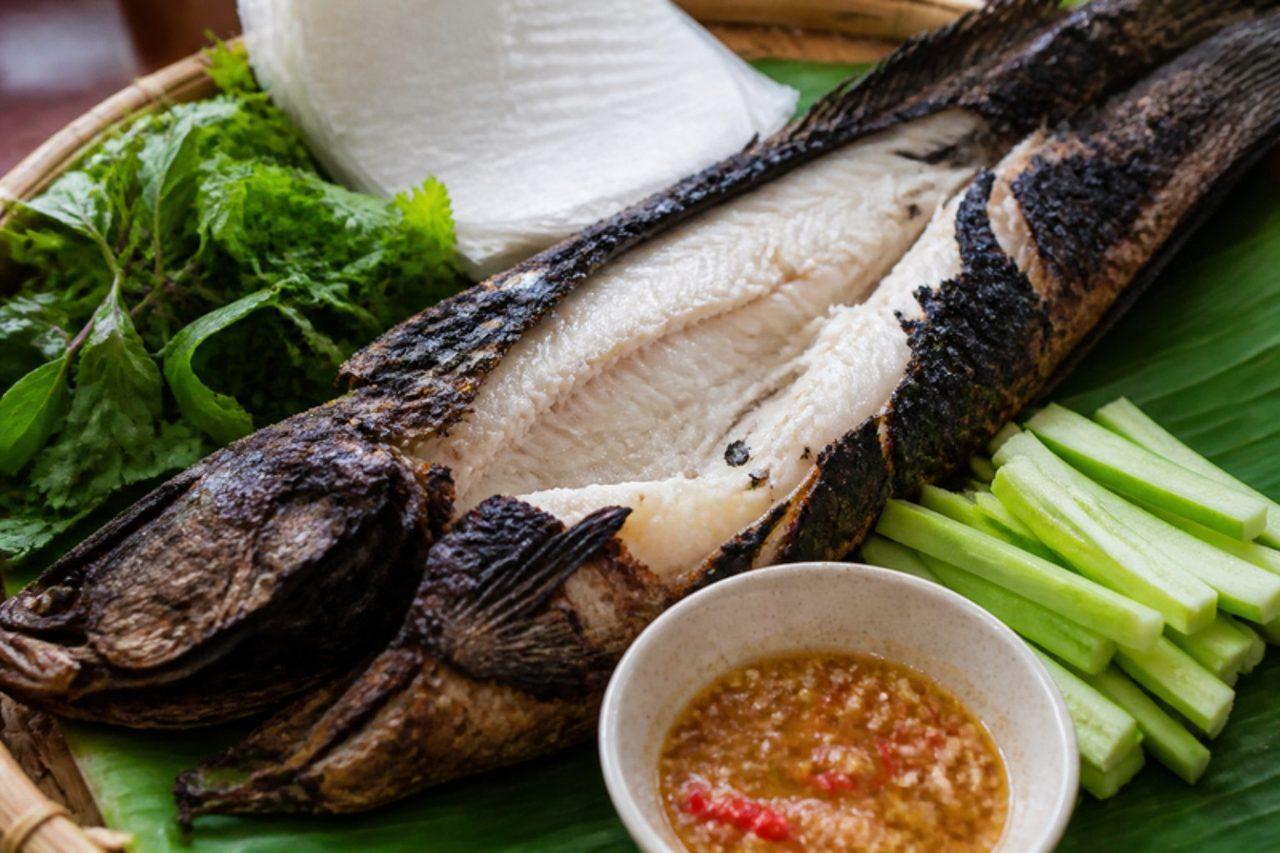
After the rice harvest in the Mekong Delta, farmers would catch snakehead from the flooded fields, skewer each fish on a stick, stand it in the ground and pile dry rice straw over it before setting it alight. When the straw burns away the blackened skin peels off to reveal steaming, sweet white flesh, which is rolled in rice paper with herbs, cucumber and rice noodles. Countryside restaurants around Cần Thơ still serve it this way. Snakehead is hard to buy outside Asia, so use sea bass, barramundi or tilapia and a barbecue or a hot oven. Chef's tip: push a long metal skewer from mouth to tail so you can turn the fish over without it breaking.
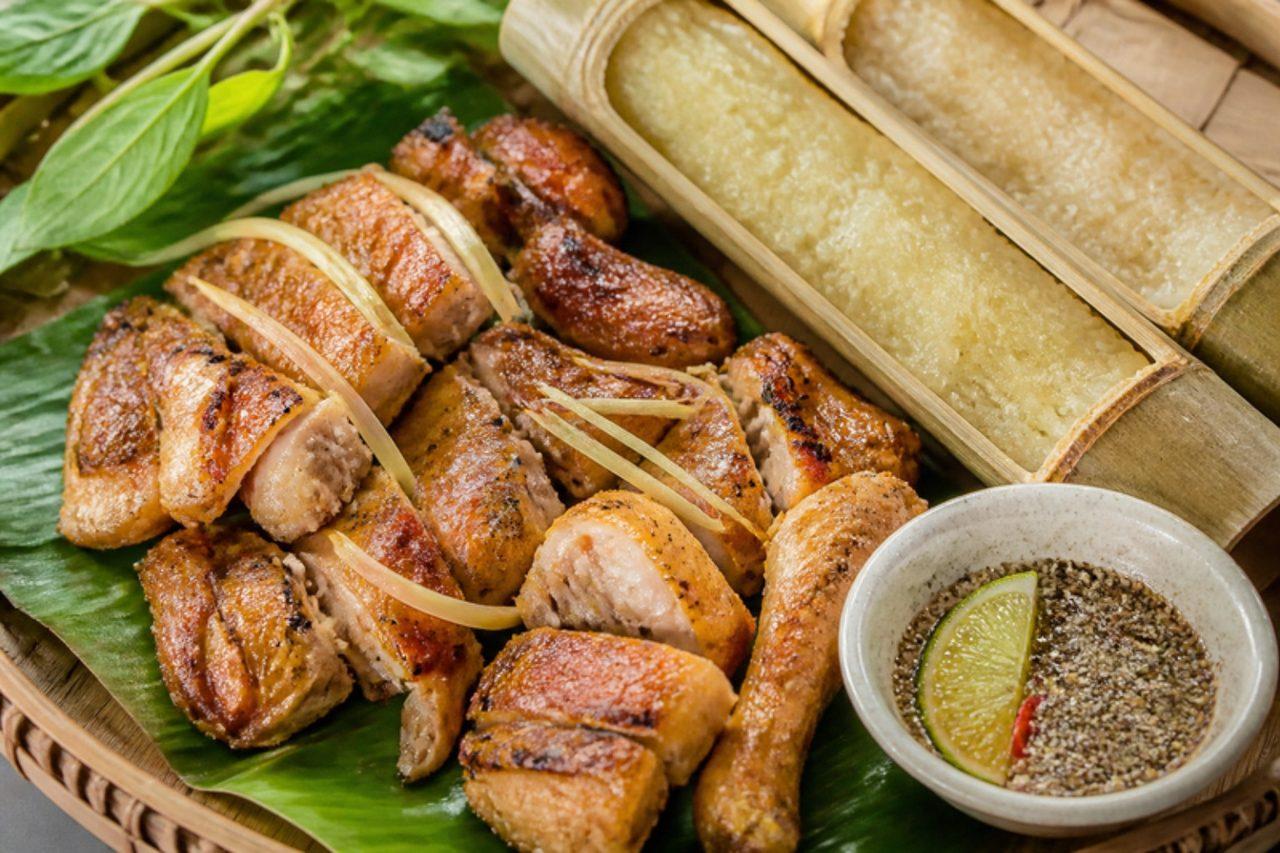
Up in the Central Highlands, around Kon Tum, Pleiku and Buôn Ma Thuột, roadside grills and village homestays serve this pair: chicken marinated in lemongrass and chilli, grilled slowly over charcoal, and cơm lam, sticky rice cooked inside green bamboo tubes laid in the fire. Splitting the charred bamboo reveals a cylinder of rice wrapped in a thin, fragrant skin of bamboo membrane. Both are eaten with the hands and dipped in salt, pepper and lime or a crushed peanut and sesame salt. Without fresh bamboo, rolling the rice in banana-leaf parcels gives a very similar result. Highland rice wine (rượu cần) is the usual drink, but cold jasmine tea goes just as well and is alcohol-free. Chef's tip: brush on the honey only in the last few minutes of grilling so it glazes without burning.
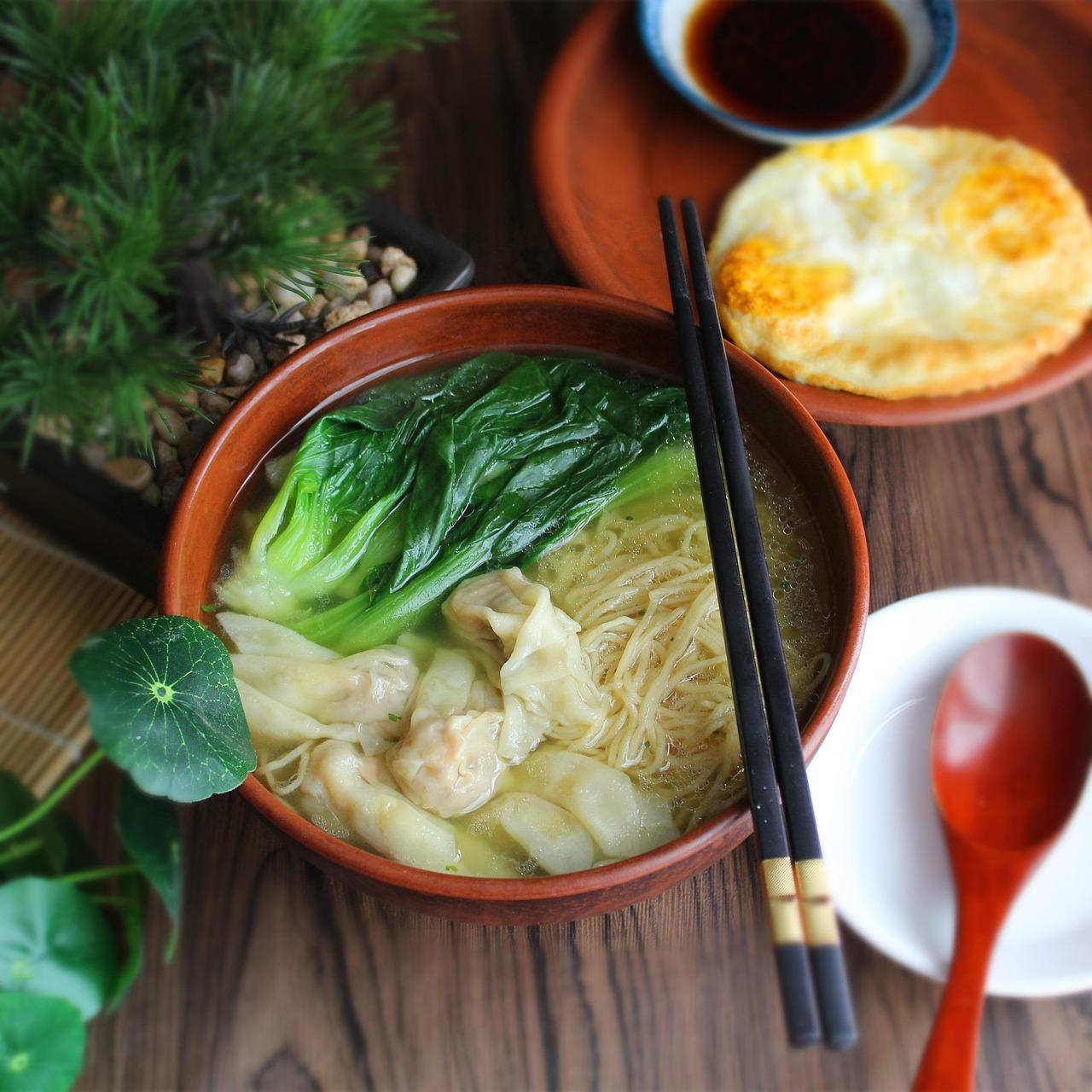
Small, steamy noodle shops all over Hong Kong sell this bowl from breakfast until late at night, often from a counter facing the street. Plump wontons, mostly prawn with a little pork, sit under a nest of thin, springy egg noodles in a clear, savoury broth fragrant with dried shrimp and ginger. The bowl is small and meant to be eaten fast, before the noodles soften, with a spoonful of chilli oil and a side of blanched greens. Shop wrappers make the wontons manageable on a weeknight. Chef's tip: put the wontons in the bowl first and the noodles on top, as Hong Kong cooks do, so the noodles sit above the broth and keep their bite.
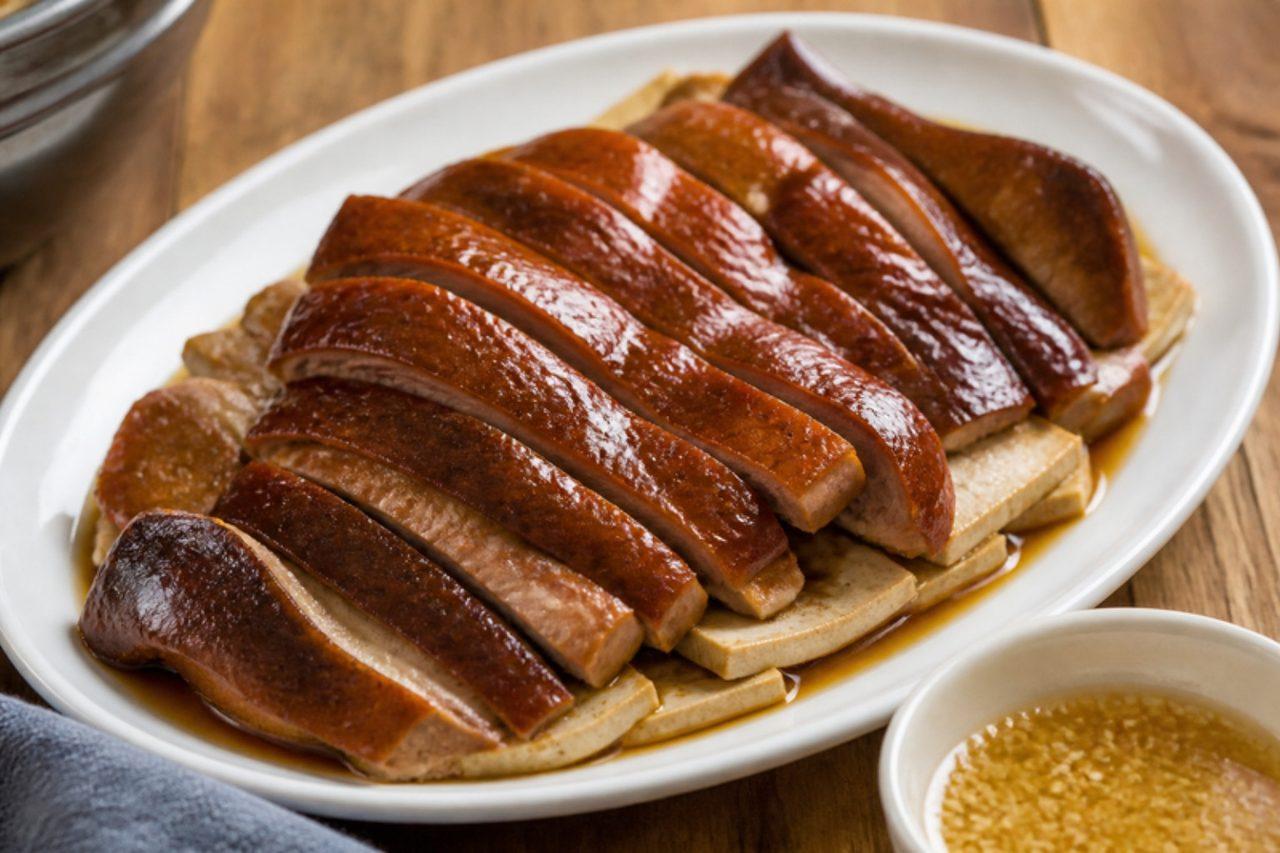
Walk past a lou mei counter in Chaozhou or Shantou and the glossy brown geese hanging there are the first thing you notice; braised goose is offered at ancestral rites, weddings and New Year, then sliced for everyone at the table. The bird simmers slowly in a master stock of soy, rock sugar, galangal and whole spices until the meat is tender and deeply savoury with a gentle sweetness, while the skin stays smooth and the fat soft. Goose can be hard to find, so goose legs or plump duck legs work well at home. Slice it thinly and serve with plain rice or rice porridge, braised tofu and eggs from the same pot, and the sharp garlic vinegar Teochew people always put alongside. Chef's tip: strain and freeze the stock after use; each time you braise in it again the flavour gets deeper, which is how Chaozhou shops keep a 'master' stock for years.
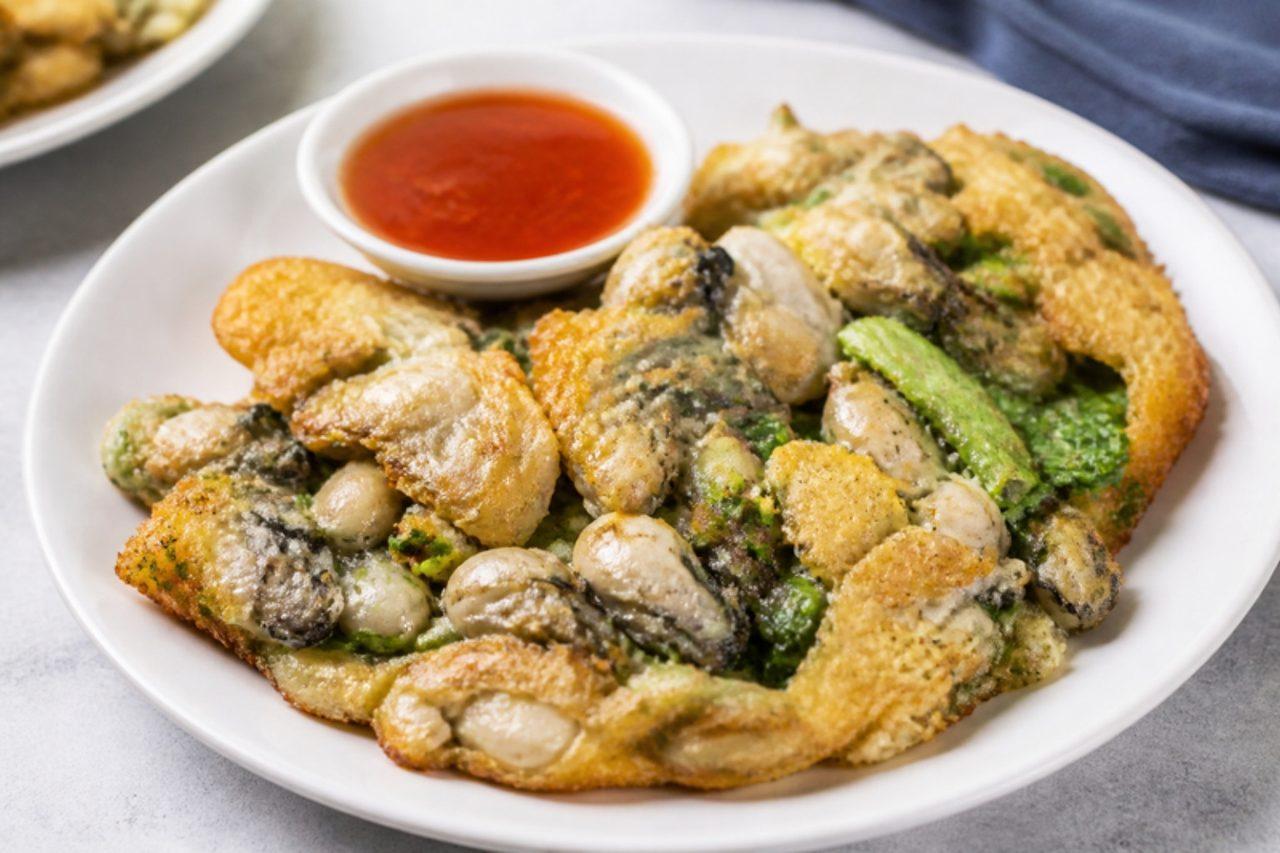
Along Zhongshan Road and the night markets of Xiamen, cooks fry this on wide griddles all evening, one portion after another. Small fresh oysters are scattered into a batter of sweet potato starch and water, which sets clear and chewy, then eggs are swirled over the top so it ends up crisp at the edges and soft and gooey in the middle. It is salty from the sea, eggy and pleasantly sticky, with a squeeze of sweet chilli sauce to balance it. Eat it hot from the pan as a snack or with rice porridge for a light supper. Chef's tip: stir the batter just before pouring it in; the starch sinks to the bottom within seconds.
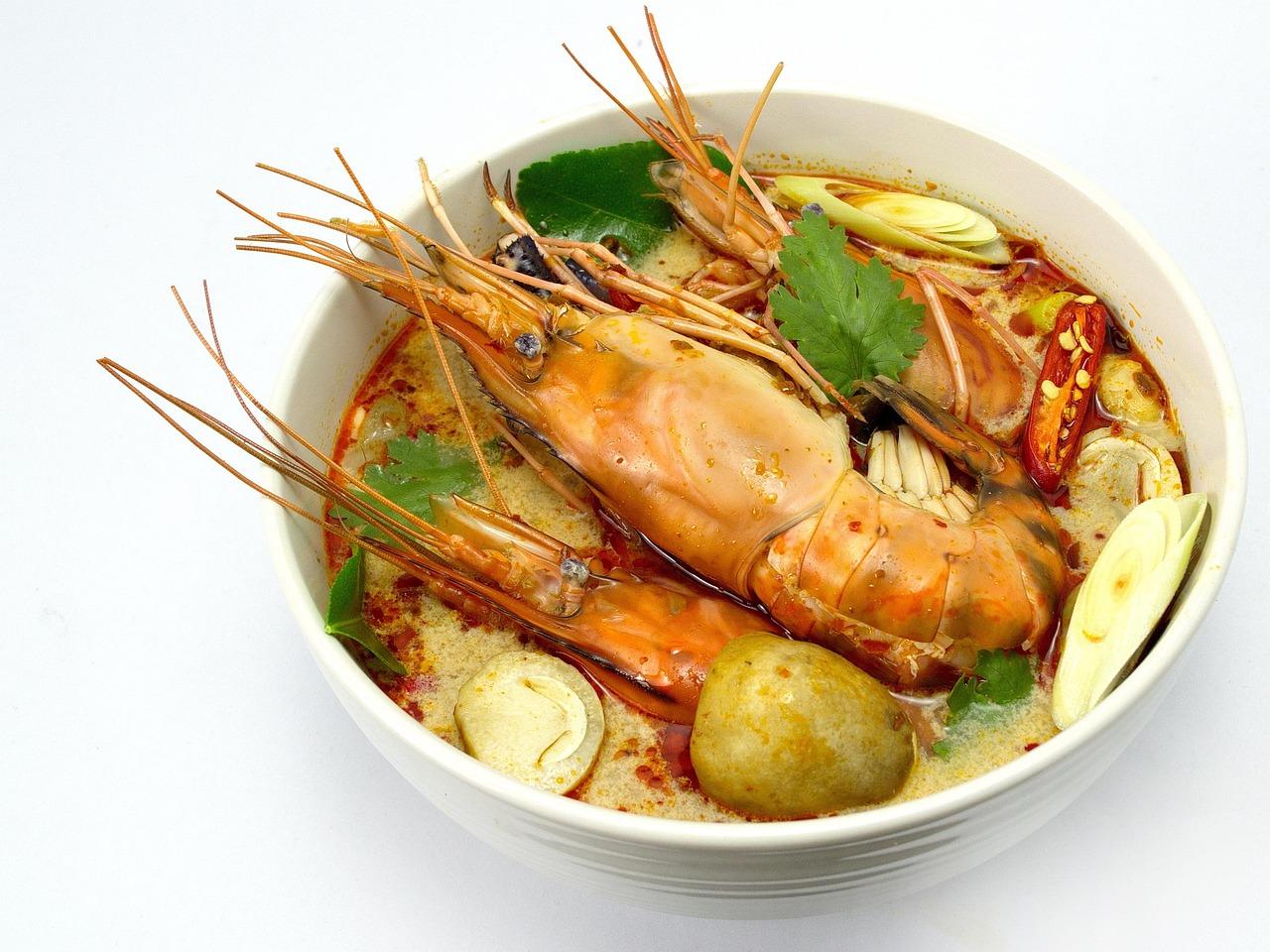
Steaming bowls of this prawn soup land on almost every table in central Thailand, from riverside shophouses in Ayutthaya to family dinners in Bangkok, where it sits in the middle to be shared with rice and two or three other dishes. The broth is thin but loud: sour from lime, salty from fish sauce, hot from crushed bird's eye chillies, and perfumed by bruised lemongrass, galangal and torn makrut lime leaf, which flavour the soup but are left in the bowl. This is the clear style (nam sai) with a spoonful of roasted chilli paste for colour and a gentle sweetness; the creamy nam khon style adds evaporated milk, which we leave out to keep it dairy free. Serve it piping hot with plain jasmine rice. Chef's tip: simmer the prawn heads and shells for five minutes before anything else goes in, and the soup tastes of the sea rather than of water.
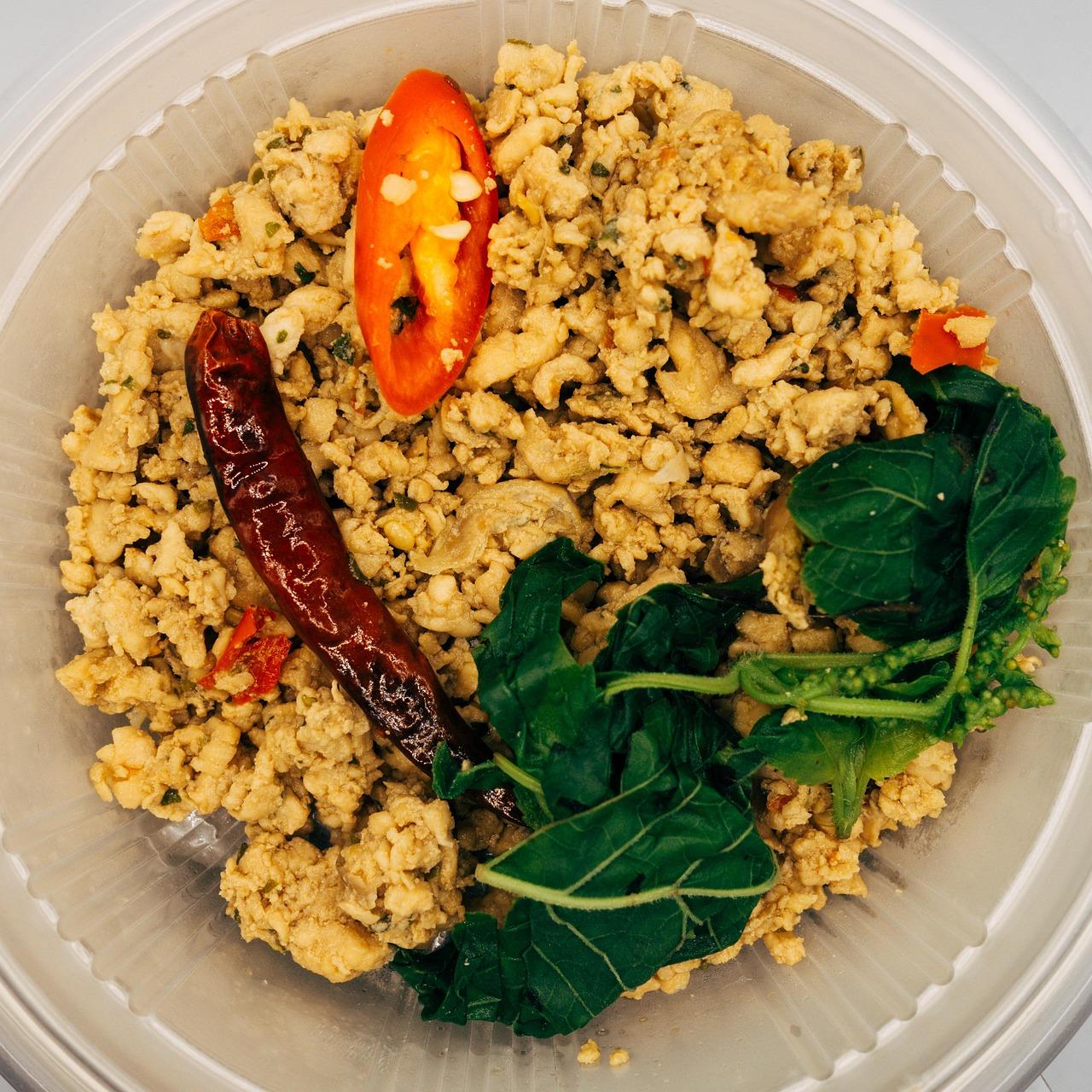
Ask a Bangkok office worker what they had for lunch and the answer is very often 'kra pao gai, khai dao': chopped chicken flash-fried with garlic, chillies and holy basil, spooned over rice and crowned with a fried egg whose edges have blistered into brown lace. Street stalls and food courts across the city cook it to order in a roaring wok in about three minutes. The chicken should be slightly sticky and salty-sweet, the basil peppery with a hint of clove, and the runny yolk becomes a sauce for the rice. A saucer of prik nam pla (sliced chillies in fish sauce) on the side is all it needs. Chef's tip: chop the chicken by hand with a heavy knife instead of buying fine mince; the coarse, uneven bits catch the sauce and stay juicy.
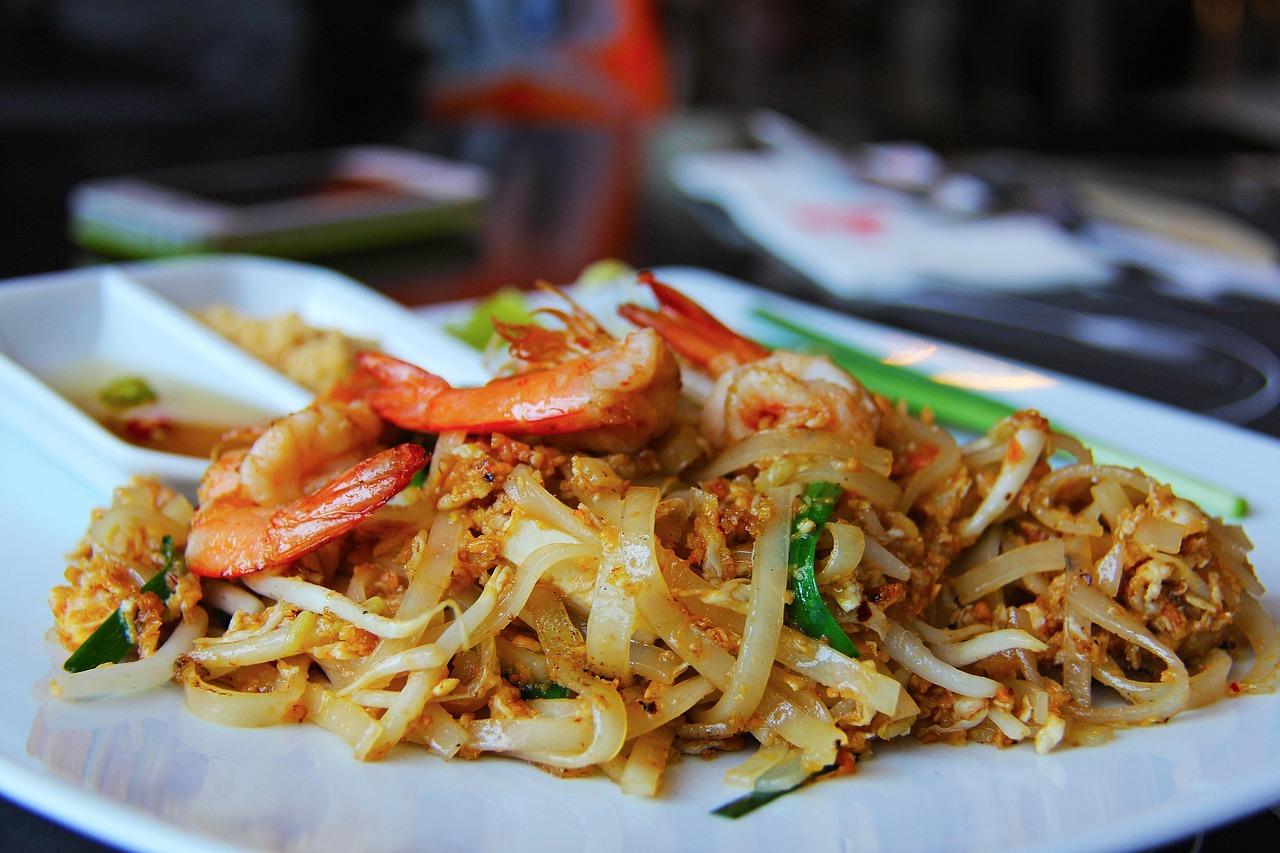
On Mahachai Road near Bangkok's Golden Mount, pad thai cooks work charcoal-fired woks late into the night, and their style is the model here: chewy rice sticks tossed with a dark, sweet-sour tamarind sauce, scrambled egg, cubes of firm tofu, sweet preserved radish, garlic chives and plump fresh prawns. It should taste tangy first, then sweet and salty, never like ketchup. Everyone finishes their own plate at the table with crushed peanuts, chilli flakes, a squeeze of lime and a handful of raw bean sprouts and chives for crunch, and children usually love it with the chilli left off. Chef's tip: make the tamarind sauce a day ahead; it keeps for a week in the fridge and the noodles then take ten minutes.
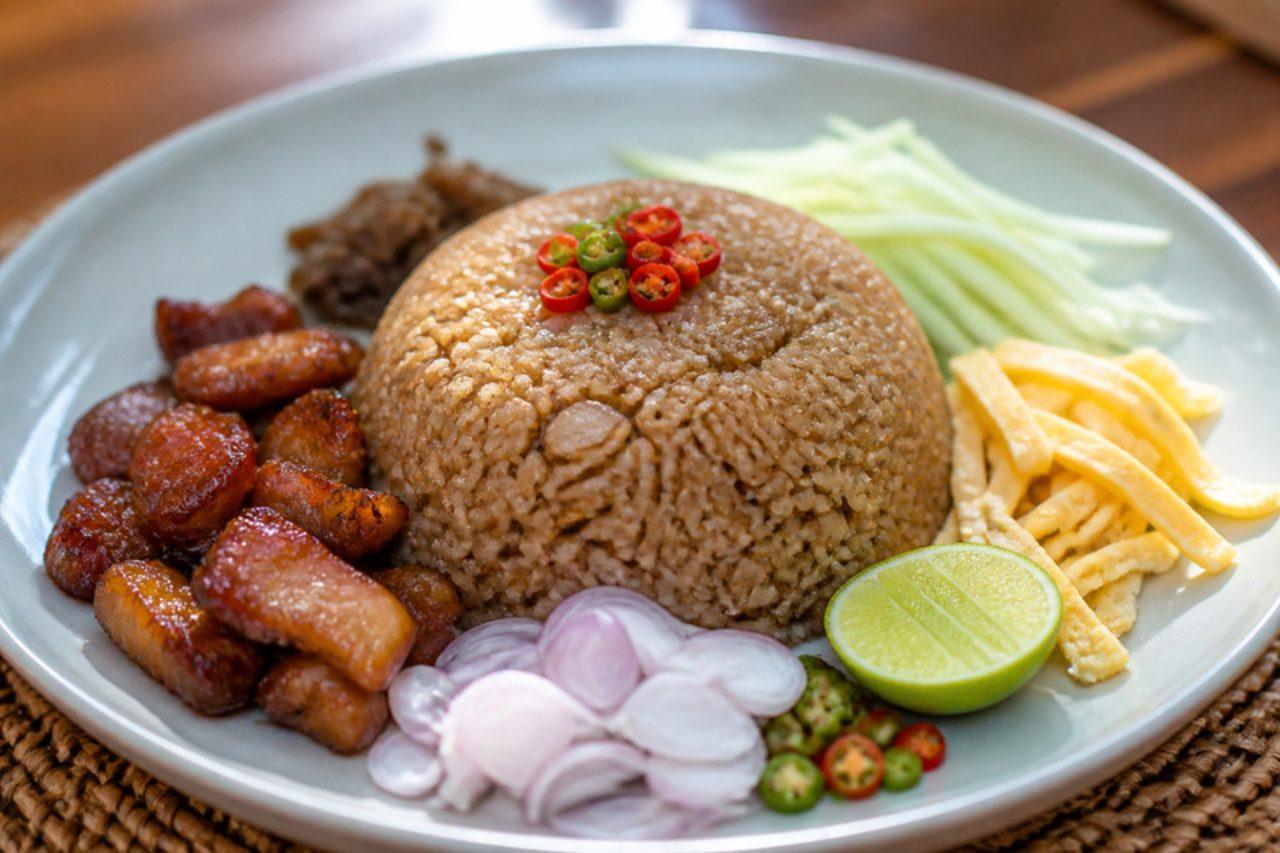
Everything on this central Thai plate is arranged in little heaps around a mound of rice tossed with garlic and fermented shrimp paste: sticky caramelised pork (moo wan), threads of sour green mango, shallots, chillies, sliced long beans, crisp dried shrimp and ribbons of thin omelette. You mix a bit of each into every spoonful, so salty, sweet, sour and hot arrive together. It's a favourite at Bangkok's curry-and-rice shops and a clever way to use up yesterday's rice at home; lime wedges and cucumber cool it down. Chef's tip: use day-old jasmine rice straight from the fridge, because freshly cooked rice clumps and smears the shrimp paste instead of coating each grain.
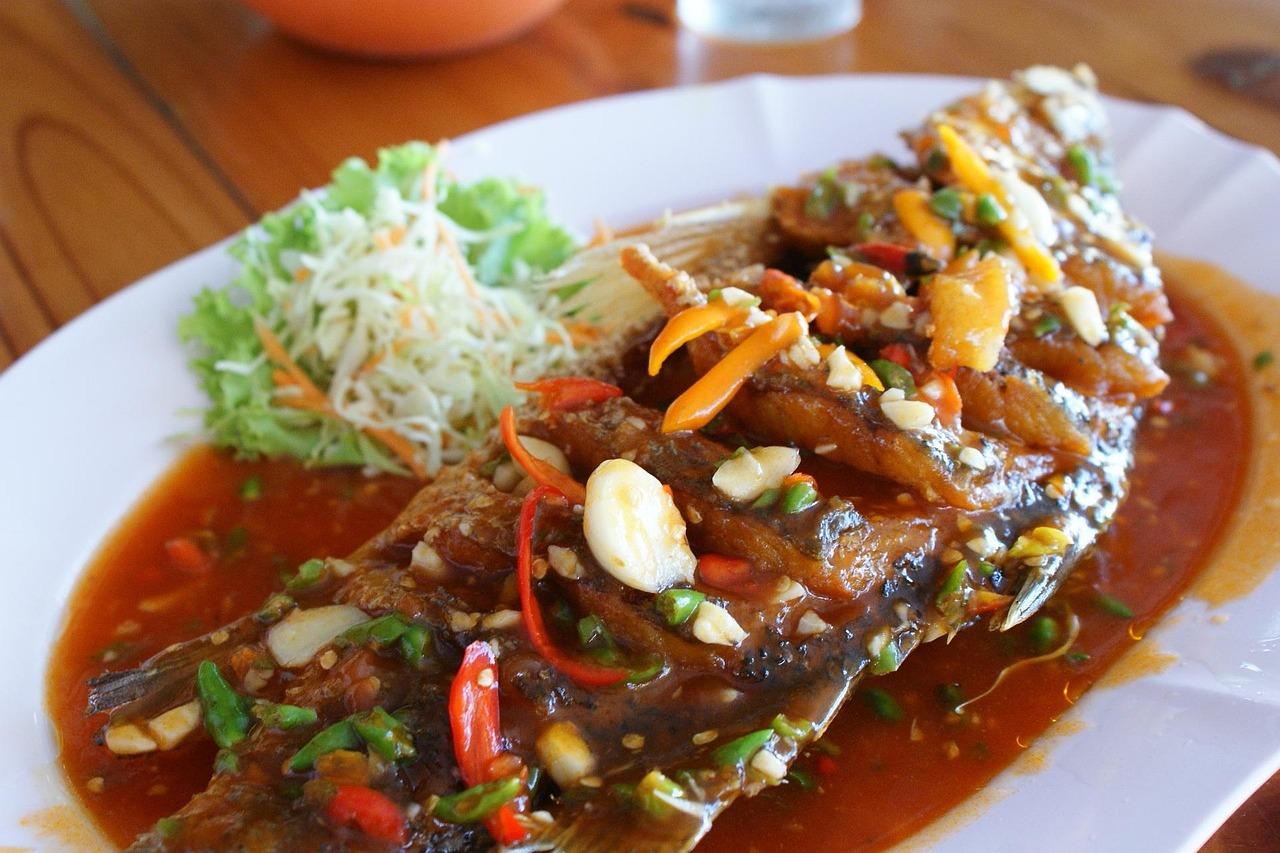
A whole fried fish blanketed in glossy red chilli sauce is the centrepiece of many family celebrations and riverside restaurant meals in central Thailand. The sauce is known as sam rot, 'three flavours', because palm sugar, tamarind and fish sauce are balanced against pounded chillies and garlic; spooned over a fish fried until its skin crackles and the fins crunch like crisps, it turns sticky and shiny. Sea bass (pla kapong) is the usual choice, though snapper or tilapia work well too. Bring it to the table with jasmine rice, a stir-fried green vegetable and a clear soup to share. Chef's tip: score the fish down to the bone on both sides and pat it bone-dry, so the heat reaches the thickest part and the oil doesn't spit.
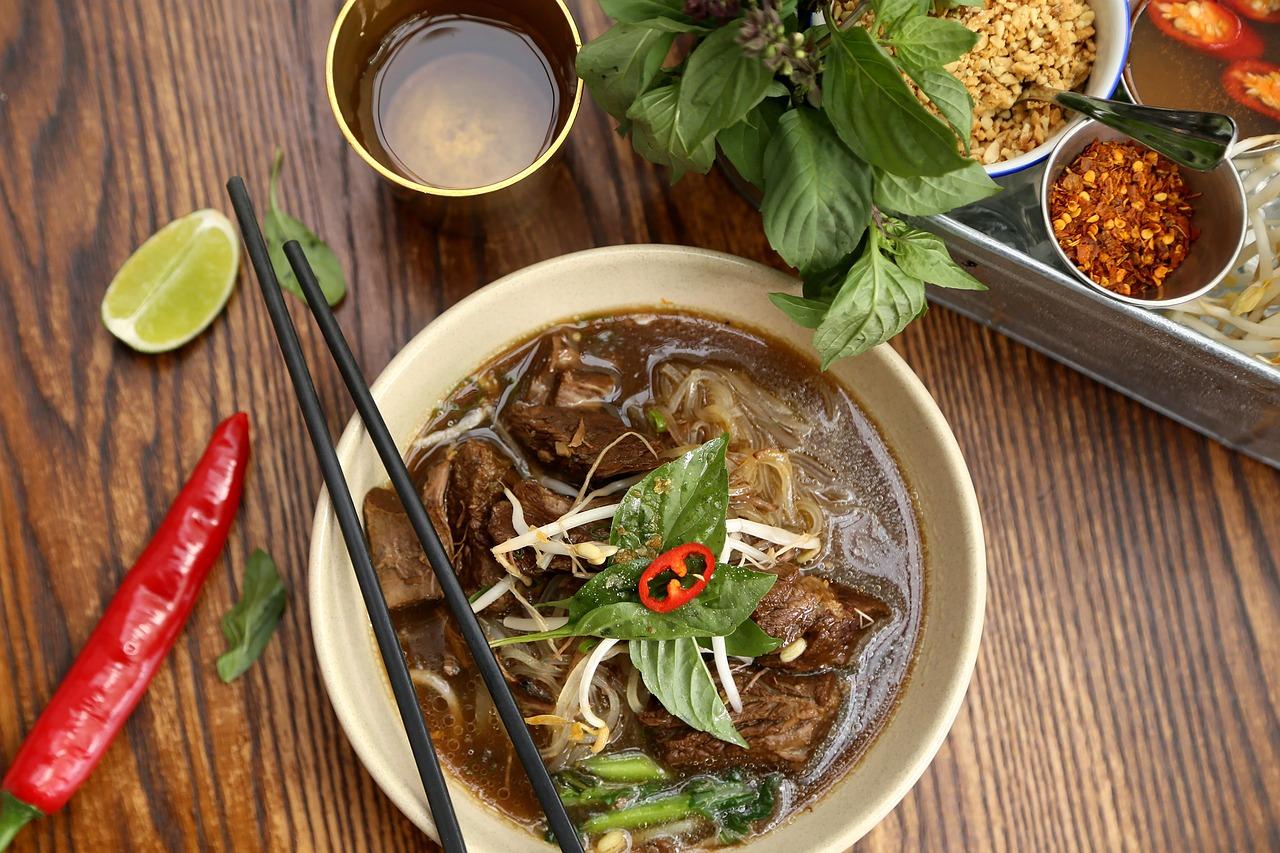
The name goes back to the canals of Ayutthaya and Bangkok, where vendors cooked noodles in narrow wooden boats and passed tiny bowls up to customers on the bank; the bowls are still small, and at Victory Monument diners stack ten or more empties beside them. The broth is what people come for: beef simmered with star anise, cinnamon, galangal and pandan, darkened with soy and red fermented bean curd, then sharpened at the table with chilli vinegar. Stalls traditionally stir in fresh cow's or pig's blood for body; here it is optional and left out by default, and the soup is still rich and deep. Each bowl gets thin rice noodles, tender beef, beef balls, morning glory and Thai basil, finished with crisp garlic and pork crackling. Chef's tip: keep the pot slightly under-salted and let everyone season their own bowl with fish sauce, sugar, chilli and vinegar.
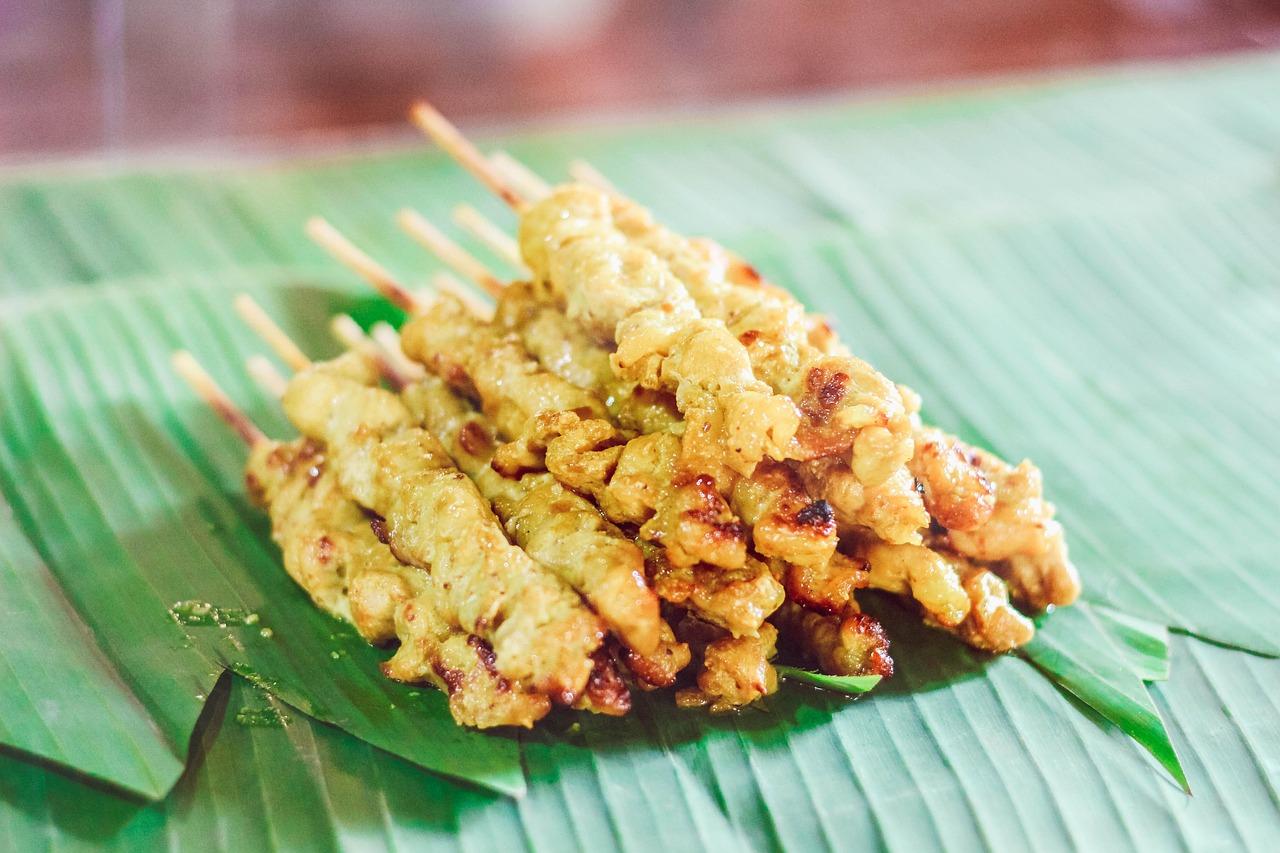
Satay came to Thailand with Muslim cooks from the south and the Malay peninsula, and now its smoke drifts from Bangkok market lanes to the night stalls of Hua Hin: thin strips of chicken stained yellow with turmeric and coconut, grilled over charcoal until the edges char. Every order comes with two partners, a thick, gently spiced peanut sauce and ajad, a sweet-sour relish of cucumber, shallot and chilli that cuts the richness. Grilled bread or sticky rice turns it into a meal; on its own it is a party snack. Chef's tip: thread the meat in a flat, tight ribbon rather than bunched up, so it cooks evenly and quickly without drying out.
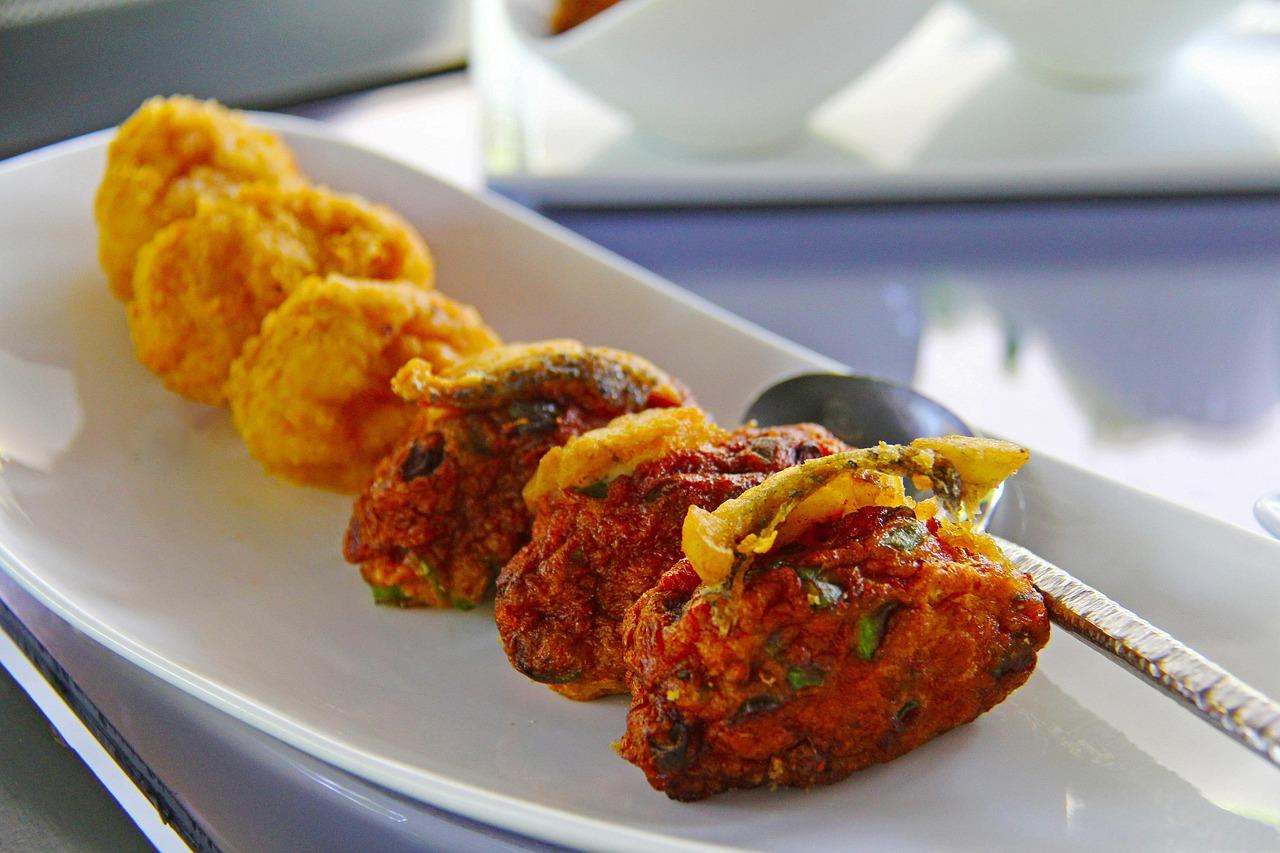
Bouncy, not fluffy, is how a good tod man pla should feel between the teeth: the fish is worked with red curry paste into a sticky, elastic paste, studded with slices of long bean and shredded lime leaf, then fried in small discs that puff and ruffle at the edges. Markets all over Thailand, from Chiang Mai to Hat Yai, sell them by the bagful, and at home they are a starter or part of a shared meal with a sweet-sour cucumber dip scattered with crushed peanuts. Featherback fish (pla grai) is the classic choice, but any firm white fish works. Chef's tip: rub your hands with a little oil before shaping and the sticky paste won't cling to your fingers.
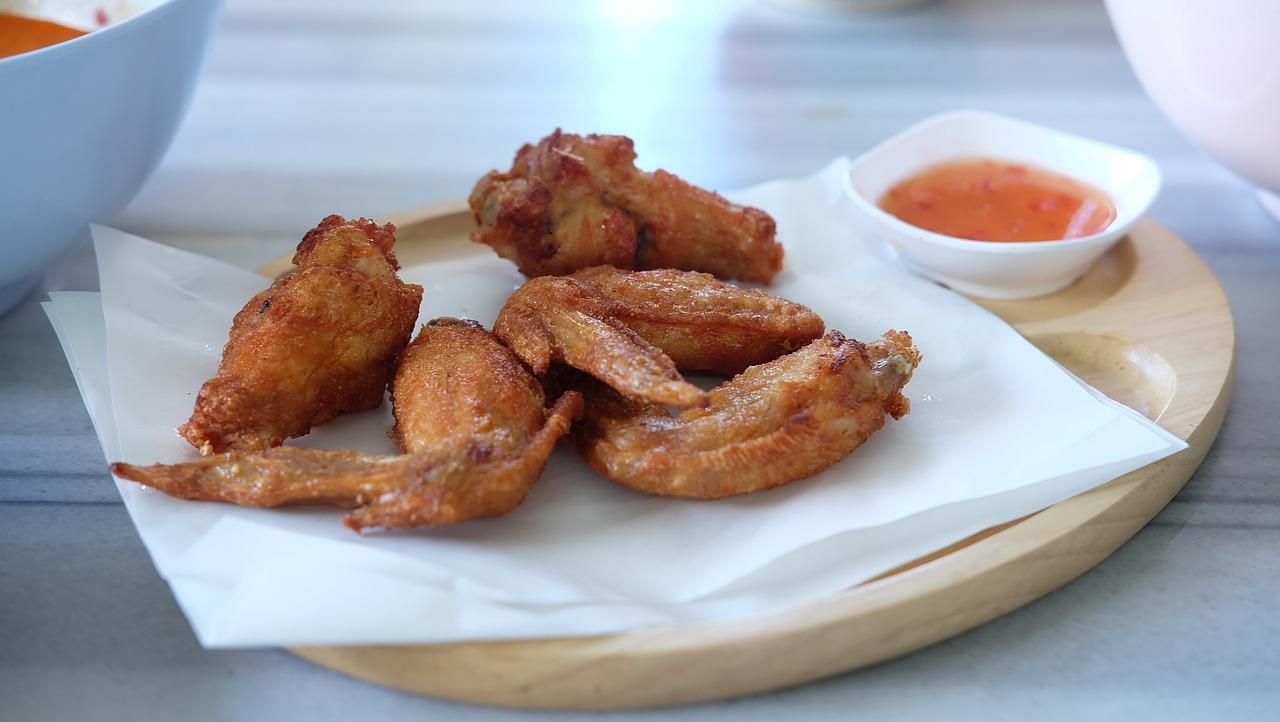
Hat Yai, the busy trading city in Songkhla province near the Malaysian border, gave its name to Thailand's best-loved fried chicken: pieces marinated with coriander root, garlic and white pepper, fried in a thin rice-flour coat until deep bronze, then buried under a drift of crisp fried shallots. Stalls there sell it from early morning with sticky rice and sweet chilli sauce, and Bangkok vendors copy it on every soi. The skin is light and crackly rather than bready, the meat aromatic and well seasoned, and the shallots add sweetness and crunch. Children love it with the sauce on the side. Chef's tip: marinate overnight in the fridge so the coriander root and pepper reach right to the bone.
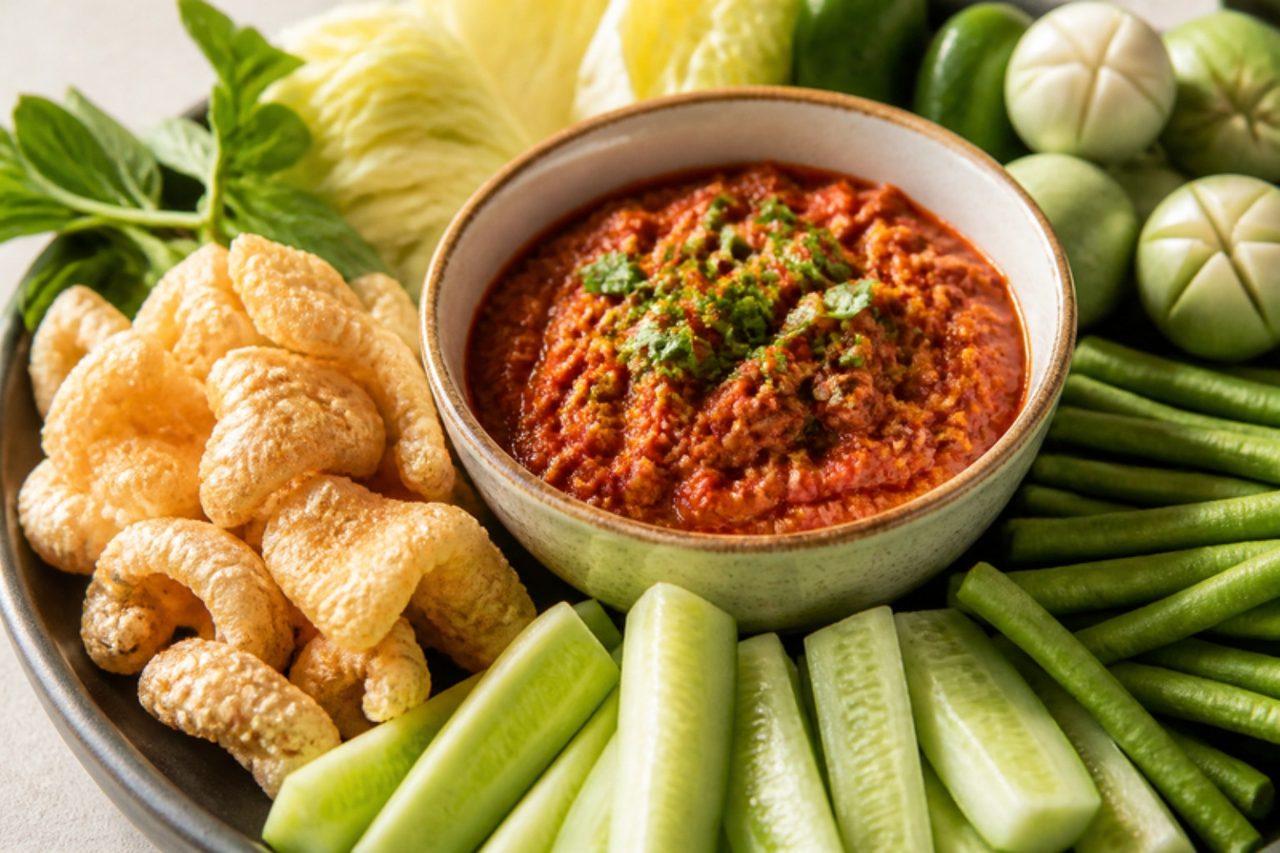
Every khantoke dinner in Chiang Mai sets out a bowl of this brick-red relish beside the sticky rice baskets, and morning markets sell it by the scoop in little plastic bags. It sits somewhere between a chunky meat sauce and a dip: sweet-sour from slow-cooked cherry tomatoes, savoury from shrimp paste and pork, with a gentle chilli warmth rather than a blast. Scoop it up with cucumber, blanched long beans, cabbage wedges and crisp pork crackling, or press a ball of sticky rice into it. Chef's tip: fry the pounded paste in the oil until it darkens and smells toasty before the pork goes in; that is where the deep, roasted flavour comes from.
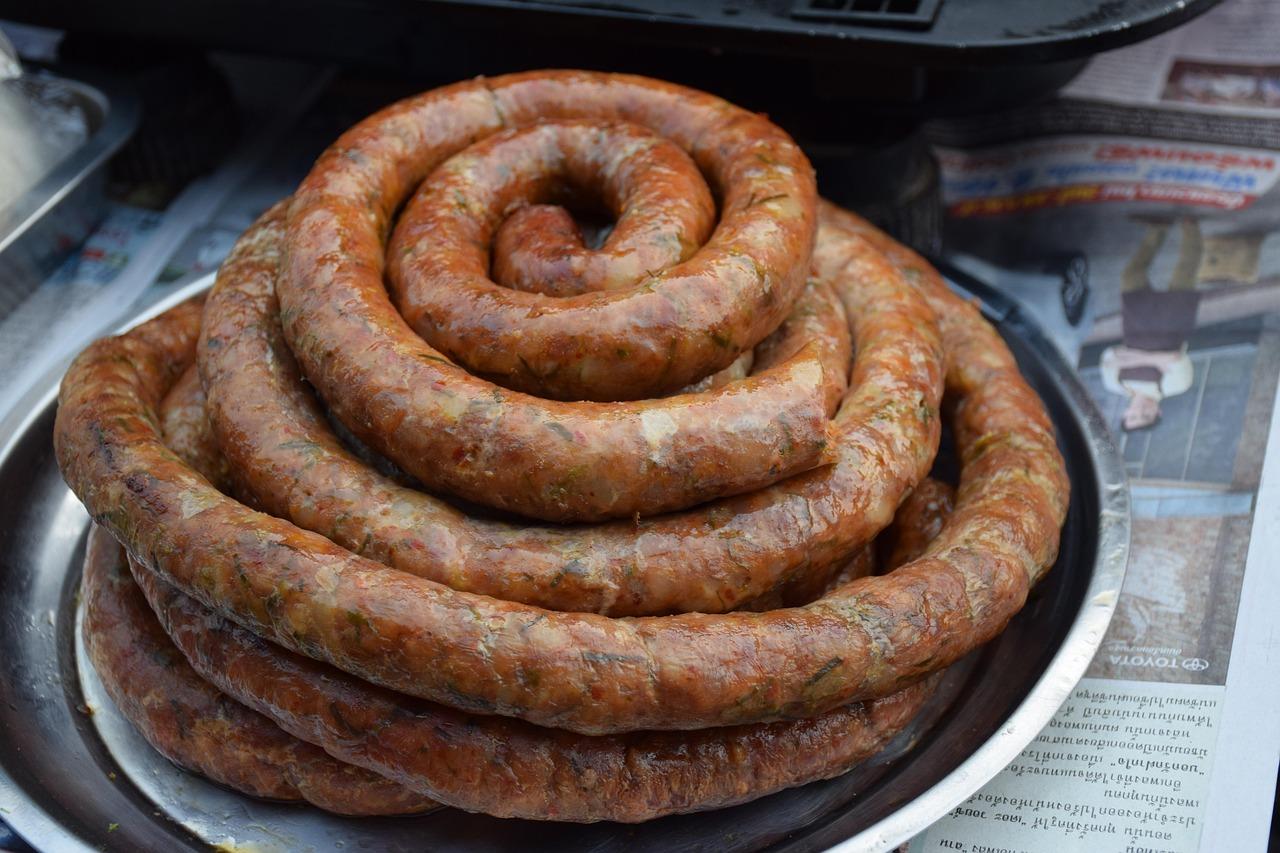
Walk through Chiang Mai's Warorot market and you will smell sai oua before you see it: long coils of sausage smoking over charcoal, flecked green with lime leaf and orange with chilli paste. The meat is coarse and juicy, the flavour loud with lemongrass, galangal and turmeric, and Northern Thais eat it in thick slices with sticky rice, raw cabbage, nam prik noom and a few slices of fresh ginger. If you have no casings or sausage stuffer, the same mixture makes excellent flat patties. Chef's tip: fry a teaspoon of the mixture before you stuff anything and taste it; this is your only chance to fix the salt and chilli.
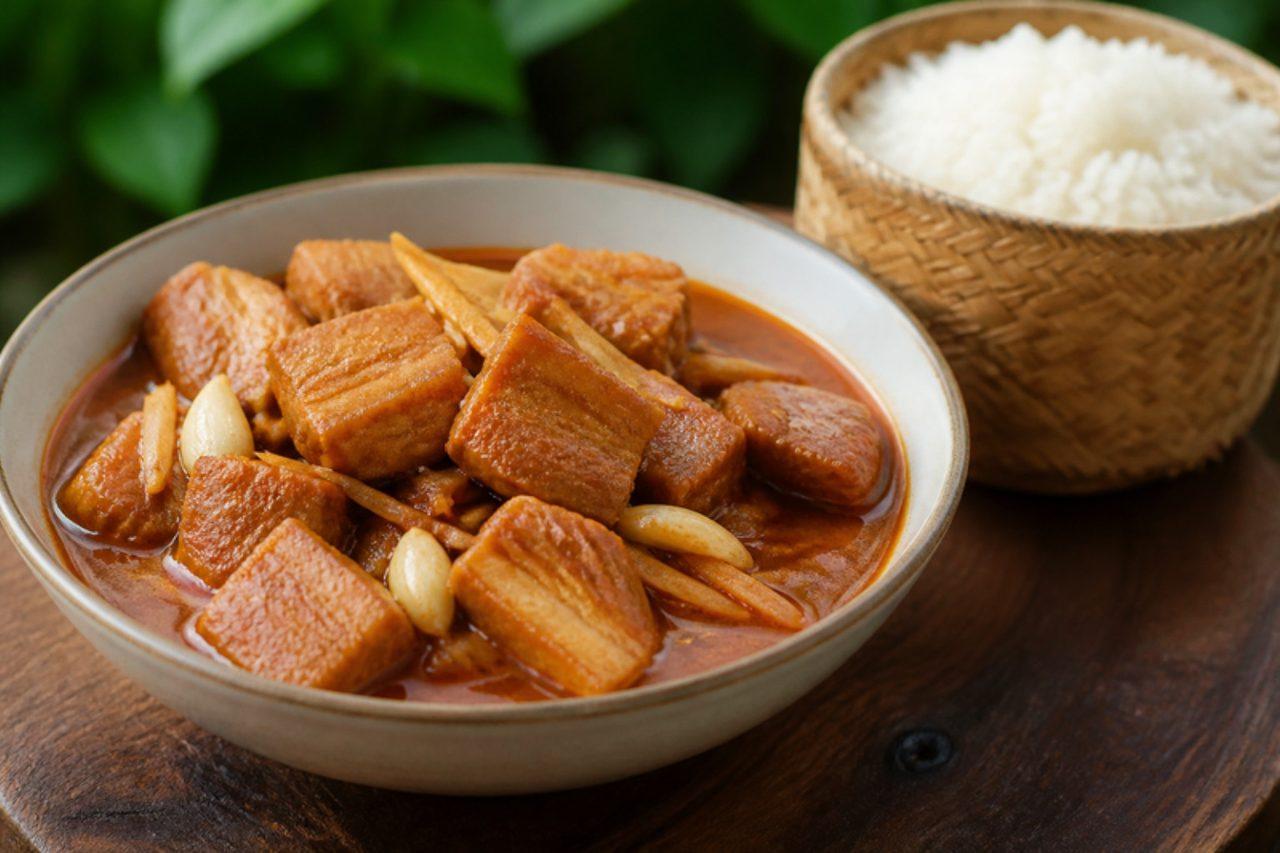
Brought to Lampang and Chiang Mai by Burmese teak traders in the 1800s, this coconut-free curry is now the dish Northern families cook for temple fairs, weddings and Songkran, often a day ahead in a big pot. Chunks of pork belly and shoulder braise slowly until they almost fall apart in a dark, glossy sauce that tastes of ginger, garlic and warm spices, sharpened with tamarind and rounded with palm sugar. It should be thick enough to cling to the meat rather than soupy. Serve it with steamed jasmine or sticky rice and a crisp cucumber salad. Chef's tip: make it the day before; overnight in the fridge the flavours settle and the fat sets on top so you can lift some off before reheating.
Breakfast stalls from Chiang Rai to Mae Sai ladle this tangy red broth over soft rice noodles from dawn until it sells out, usually before noon. The soup is light but full-flavoured: pork ribs give body, cherry tomatoes give a fresh sourness, and dried cotton-tree flowers (dok ngiao) add a faint floral, earthy chew. Each diner finishes their bowl at the table with bean sprouts, shredded cabbage, crispy garlic and lime. Cubes of cooked pig's blood are traditional; they are optional here and left out by default. Chef's tip: blanch the ribs and throw that first water away, so the finished broth stays clear and clean-tasting.
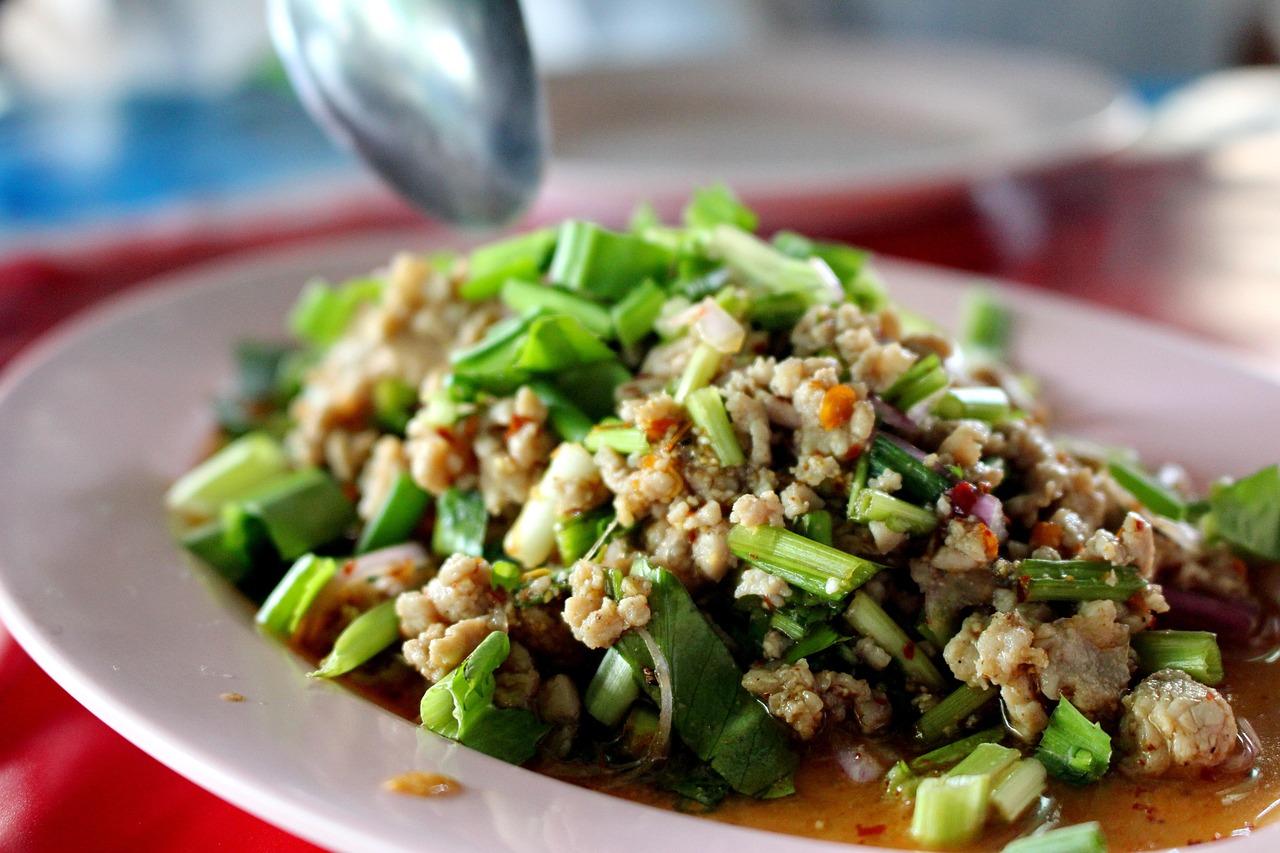
Out in the rice-farming provinces of Isan, a plate of larb turns up at almost every family meal and roadside som tam shack, always with a basket of sticky rice and a pile of raw greens. Warm minced chicken is tossed with fish sauce, plenty of lime, dried chilli and a fistful of mint, then finished with nutty, crunchy toasted rice powder. The result is bright, sour, salty and hot all at once, with a pleasing coarse texture. Wrap spoonfuls in lettuce, or eat it with sticky rice, cucumber and long beans. Chef's tip: toast your own rice powder; shop-bought tastes flat, and freshly ground grains smell like popcorn.
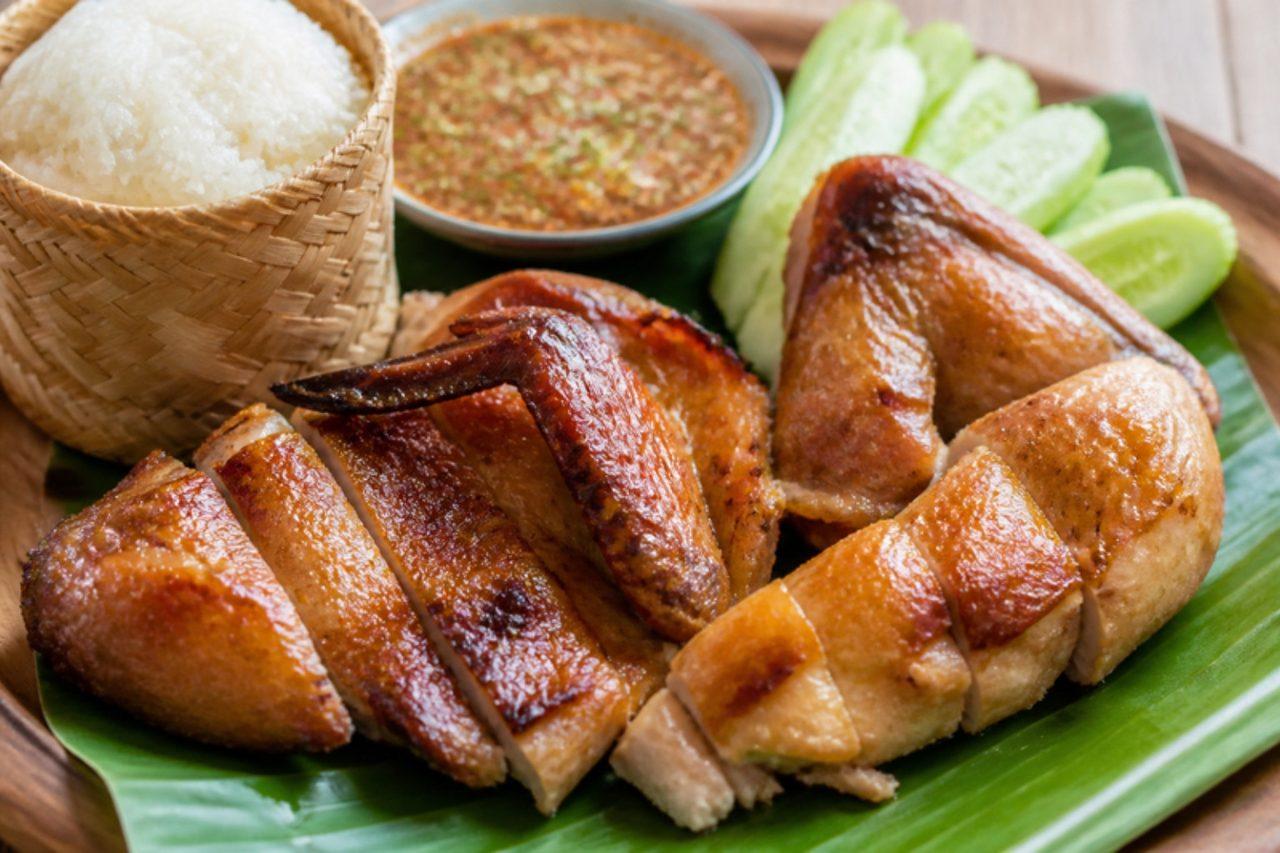
Bus stations and football matches across Isan have the same soundtrack: the crackle of chicken pieces clamped in split bamboo over glowing coals, and the thump of a pestle making som tam beside them. Gai yang is marinated in garlic, coriander root, white pepper and lemongrass, then grilled slowly so the skin turns lacquered and smoky while the meat stays juicy. Tear it apart with your hands and eat it with sticky rice, green papaya salad and a sour-hot jaew dipping sauce. Chef's tip: leave it in the marinade overnight in the fridge; the lemongrass and garlic need hours to get past the skin.
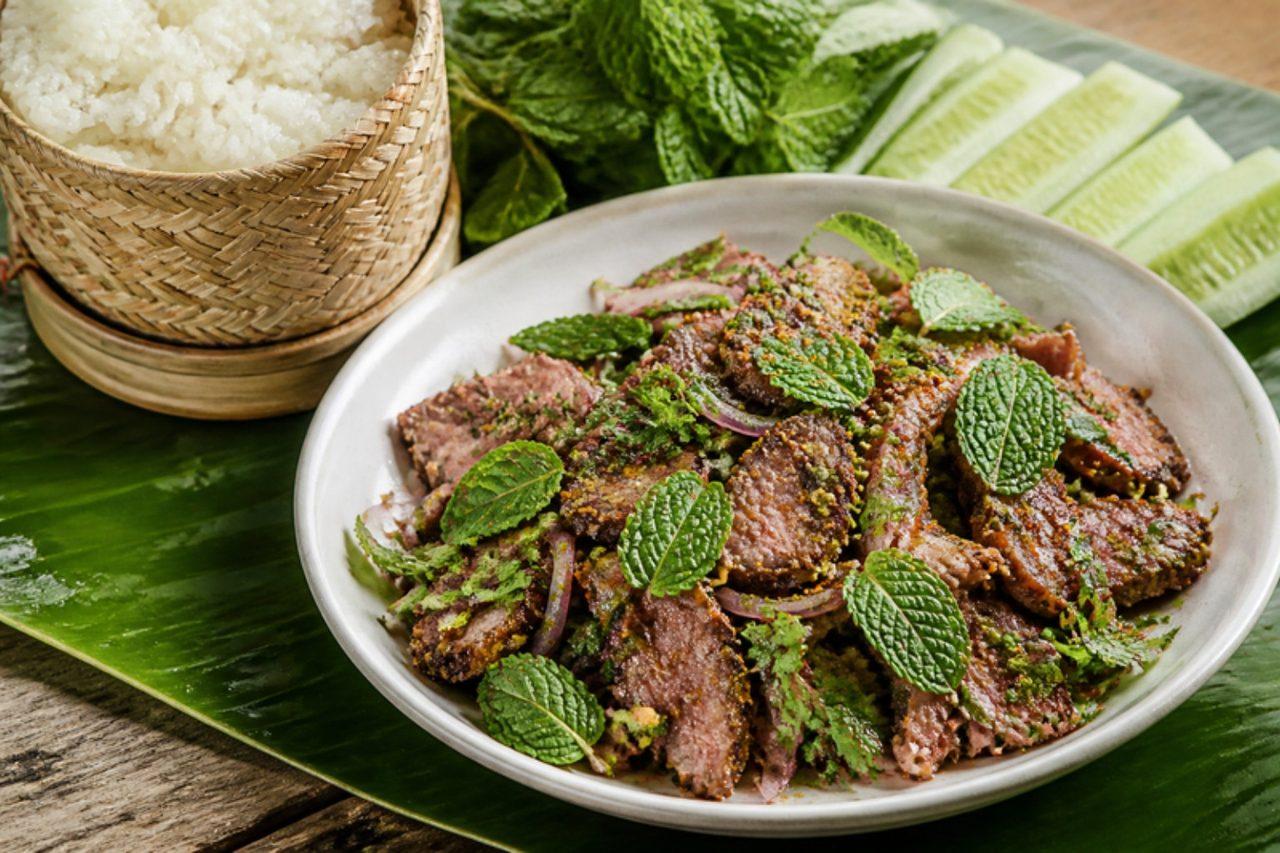
The name means 'waterfall', after the juices that drip from the beef onto the coals, and this salad is what Isan drinking spots and family barbecues serve when there is good meat on the grill. Smoky slices of pink steak are tossed while still warm with lime, fish sauce, chilli flakes, shallots and mint, then dusted with toasted rice powder for crunch. The meat soaks up the dressing like a sponge, so every bite is juicy, sour and hot. Pile it on a plate with sticky rice, cabbage, cucumber and long beans. Chef's tip: choose a steak with some marbling, such as sirloin or rump; very lean cuts turn dry and chewy once sliced thin.
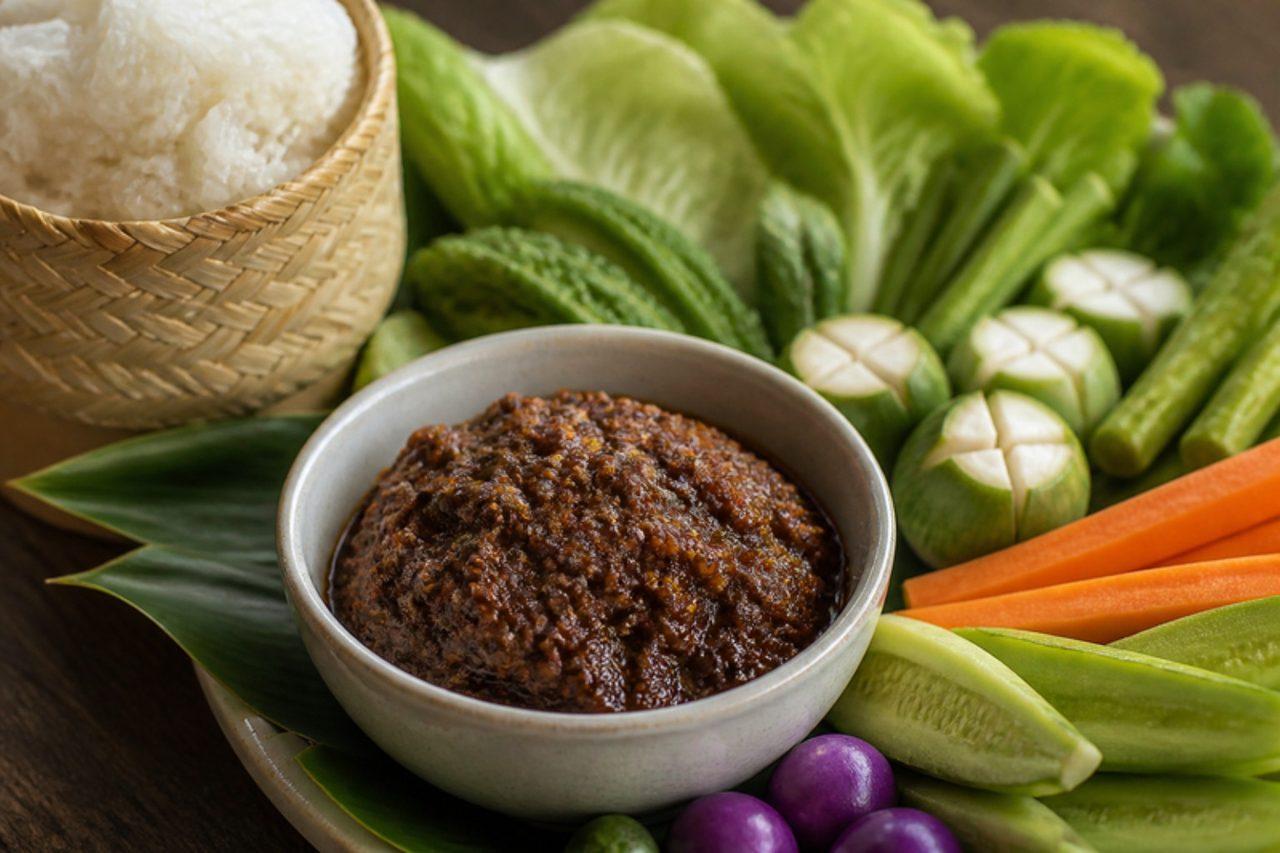
Isan and Lao households keep a jar of this thick, smoky relish in the kitchen the way other cooks keep mustard, scooping it onto sticky rice for a quick lunch or setting it out with steamed vegetables and crackling. Its backbone is pla ra, the funky fermented fish of the north-east, pounded with charred shallots, garlic, galangal and toasted chillies into a dark, rough-textured paste that is salty, sweet-smoky and fiery. For safety and ease this version uses bottled cooked pla ra (or anchovy sauce) and boils it before it goes in, since homemade raw pla ra can carry parasites. Serve with sticky rice, cucumber, cabbage and long beans. Chef's tip: roast the aromatics until properly blackened in patches; the char is the flavour, so don't stop when they are merely soft.
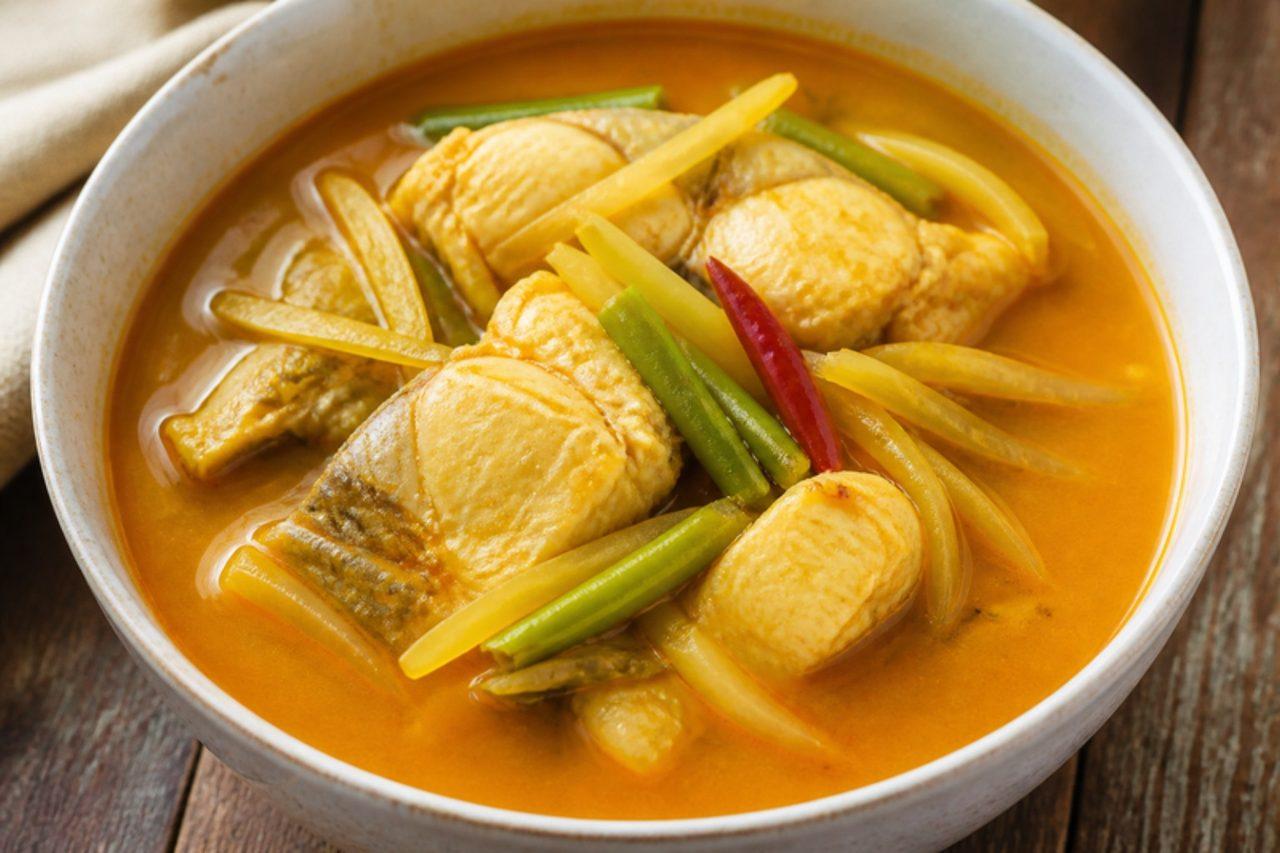
Down the Andaman coast and in Surat Thani and Nakhon Si Thammarat, this is everyday home food, the curry that turns up at lunch alongside rice, fried egg and a plate of raw vegetables. It is thin, brothy and startlingly bright: fresh turmeric turns it orange, tamarind makes it sour, and a pounded paste of chillies and shrimp paste gives it real heat, all without any coconut milk. Chunks of firm white fish poach gently in the soup with green papaya and long beans. Eat it with plenty of jasmine rice to soak up the broth. Chef's tip: pound a little of the poached fish into the curry paste; it thickens the broth slightly and makes it taste of the sea.
Ask for this at a rice-and-curry shop in Phuket or Hat Yai and it comes as a small, dark heap beside your rice, smelling of lime leaf and black pepper and hot enough to bring tears. There is no sauce at all: minced pork or beef is fried with a turmeric-heavy southern paste until every crumb is dry, separate and coated in spice. The heat is fierce, so it is always eaten with jasmine rice, sliced cucumber, raw long beans and herbs to cool the mouth. It also keeps well for a couple of days and is excellent cold in a lunchbox. Chef's tip: keep stirring and pressing the meat against the hot wok at the end; the name means 'roll and roast', and that last dry-frying is what makes it.
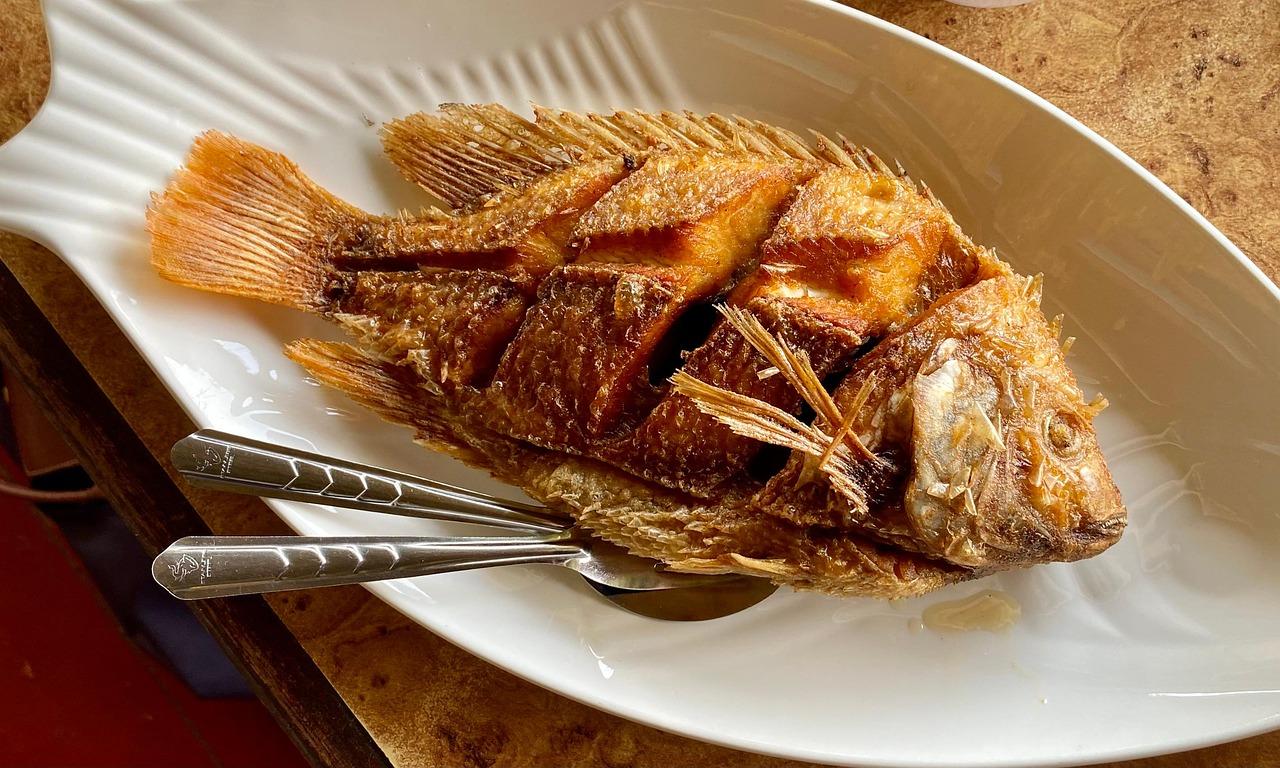
Seafood restaurants on the jetties of Krabi, Trang and Hua Hin bring this out whole on a long platter, its scored sides fanned open and crackling, as the centrepiece of a shared table. The skin and fins fry so crisp you can eat them, while the flesh inside stays moist and sweet; a sticky glaze of fish sauce and palm sugar goes over at the last minute. It is salty-sweet rather than spicy, so it sits happily beside a sour green mango salad, a hot curry and plenty of jasmine rice. Chef's tip: dry the fish thoroughly with kitchen paper, inside the cuts too, and leave it uncovered in the fridge for 30 minutes if you can; dry skin is crisp skin and spits far less.
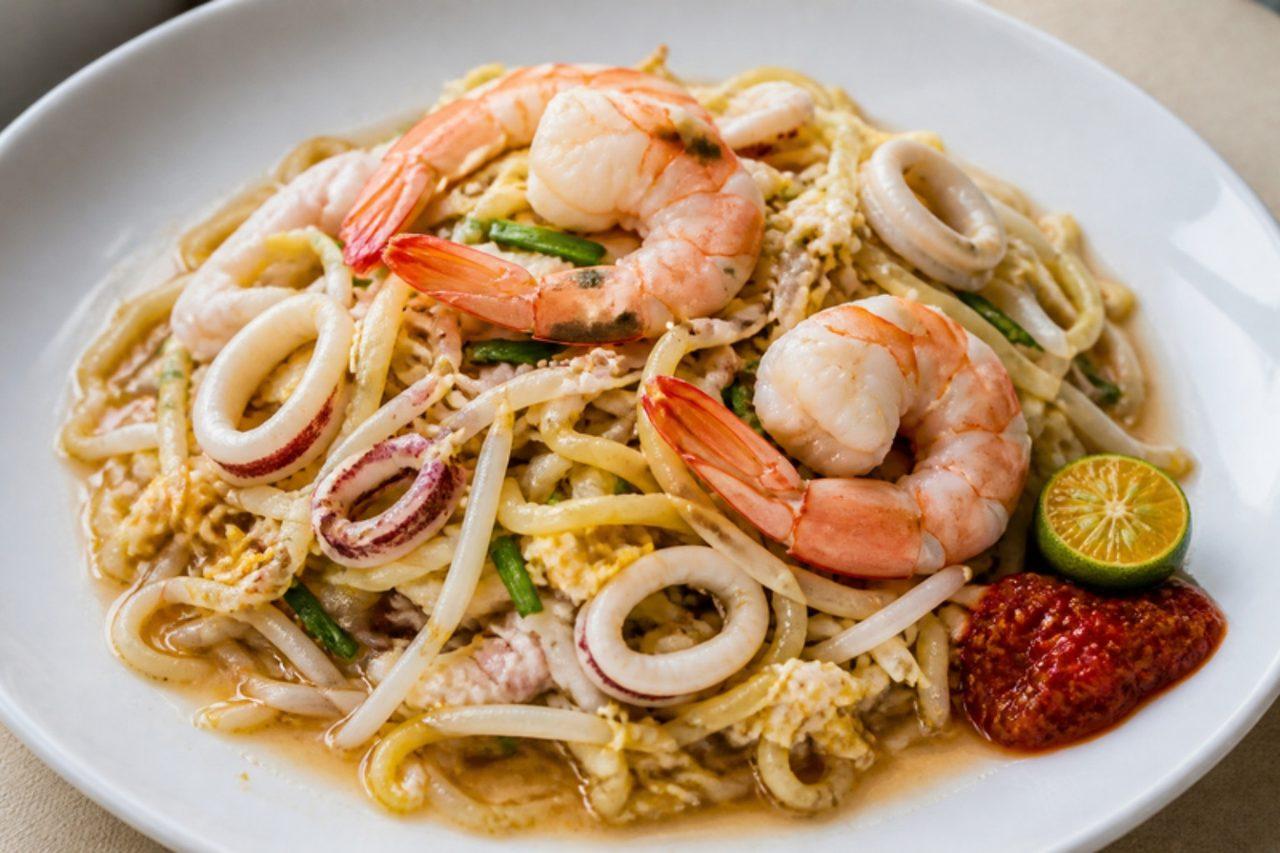
Singapore's Hokkien mee is nothing like the dark, soy-coated noodles of Kuala Lumpur: here yellow egg noodles and thick rice vermicelli are fried with egg, then braised in a cloudy, intensely savoury stock made from prawn heads and shells until the noodles soak it up and stay just wet. Hawkers at Old Airport Road and Geylang serve it with lime and fiery sambal belacan on a square of paper or opeh leaf. It is a late-lunch or supper dish, eaten hot from the wok. Traditional versions use pork belly and pork lard; this one uses prawns and squid only, with vegetable oil. The common mistake is adding all the stock at once, which makes it soupy; add it in two goes and let the noodles drink it. Chef's tip: fry the prawn heads hard until they turn deep orange before adding water; the stock is the whole dish.
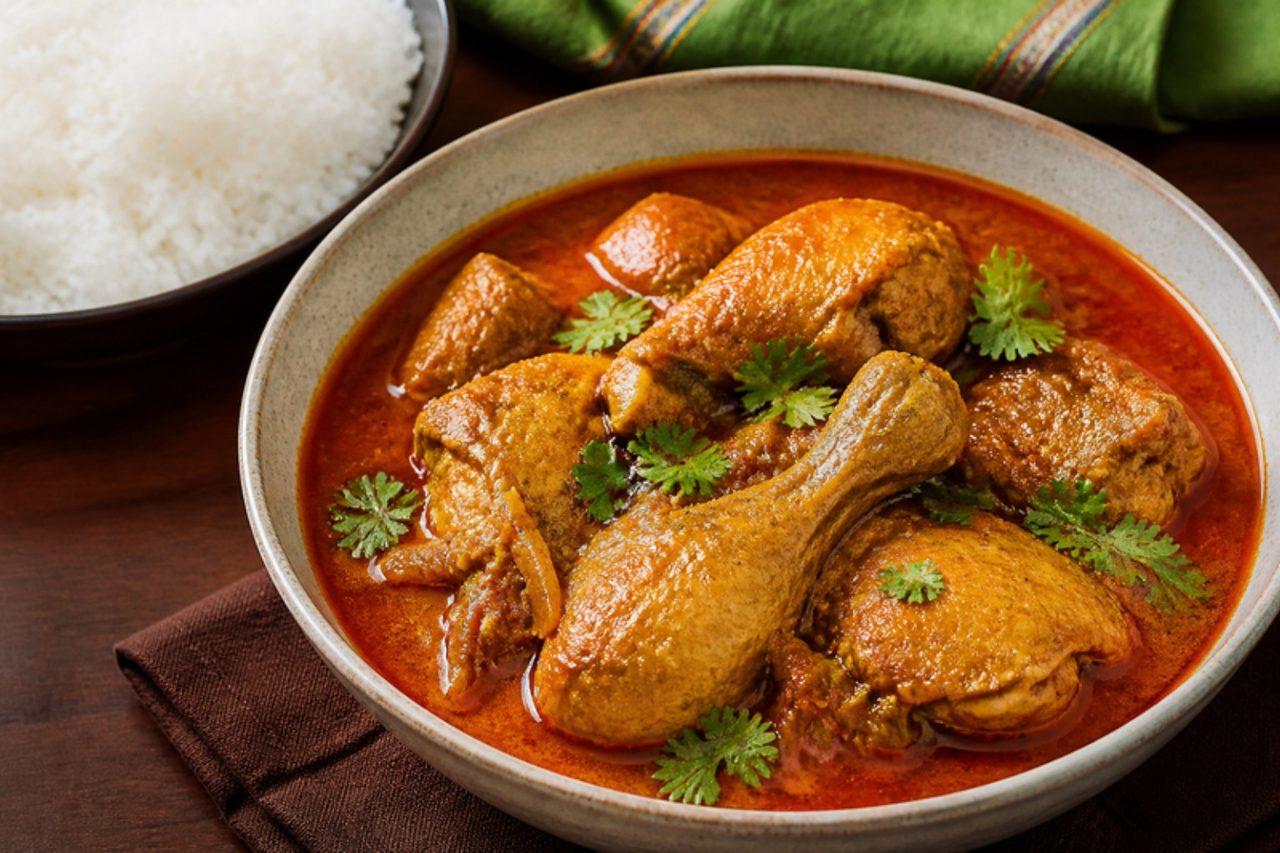
Burmese curries are cooked the 'see pyan' way, meaning 'oil returns': onion, garlic and ginger are slowly fried with turmeric and paprika until the water cooks away and the oil floats red and clear on top. This chicken curry is the everyday heart of a Yangon or Mandalay meal, set on the table with rice, a sour soup, a salad and fish-sauce-based relishes, and every family eats it on ordinary weeknights. It is mild in chilli but deep in flavour, with fish sauce adding a savoury edge. The common mistake is draining off the oil because it looks like too much; the oil carries the flavour, and you spoon around it when serving. Chef's tip: pound the onion, garlic and ginger to a rough paste rather than blending them smooth, so they fry rather than stew.
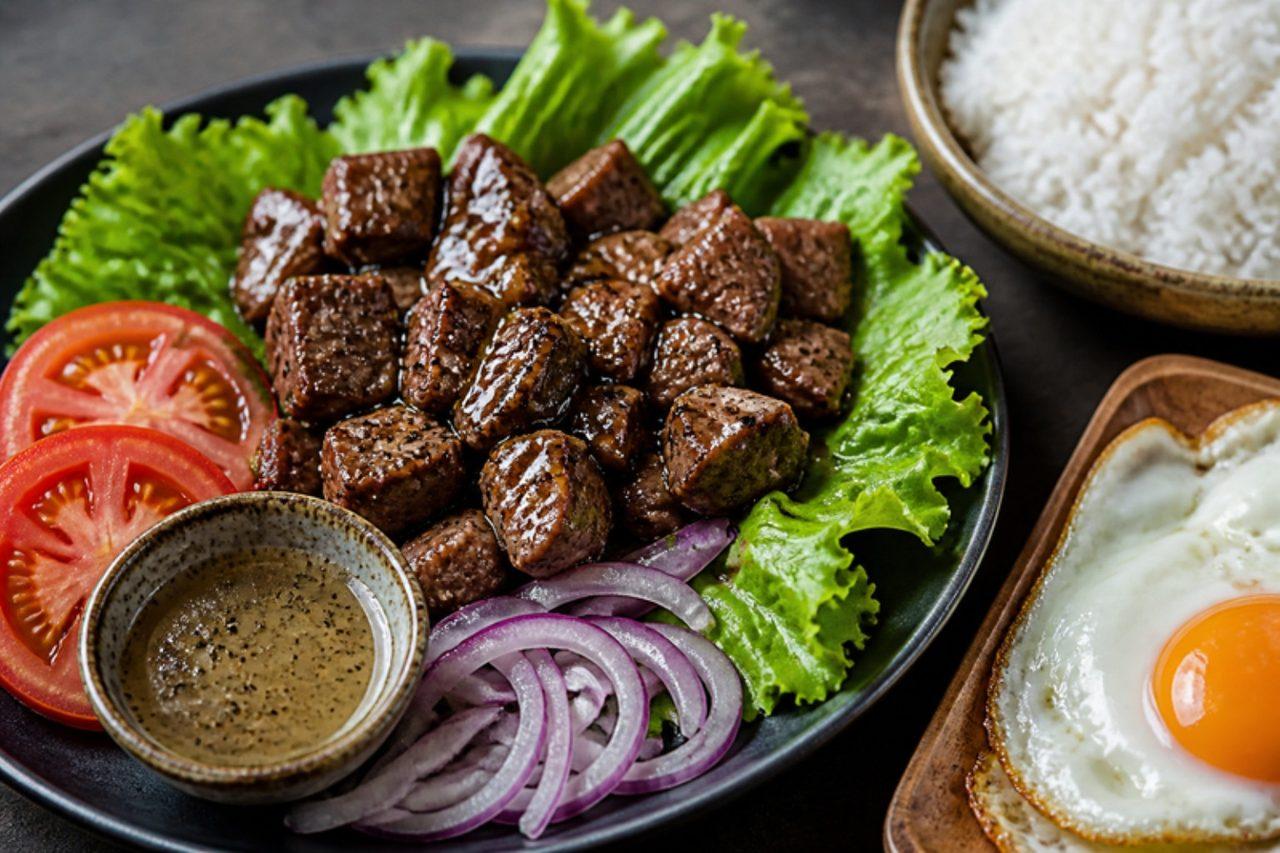
Lok lak is a favourite in Phnom Penh restaurants and family kitchens, a dish Cambodians often order on special nights out. Cubes of beef are marinated in oyster sauce, soy and garlic, seared fast in a hot wok and served on lettuce, tomato and onion with rice, a fried egg on top and a tiny bowl of tuk meric: Kampot black pepper, salt and lime juice for dipping. Chef's tip: dry the beef well and cook it in a very hot pan in two batches; it should sear, not stew.
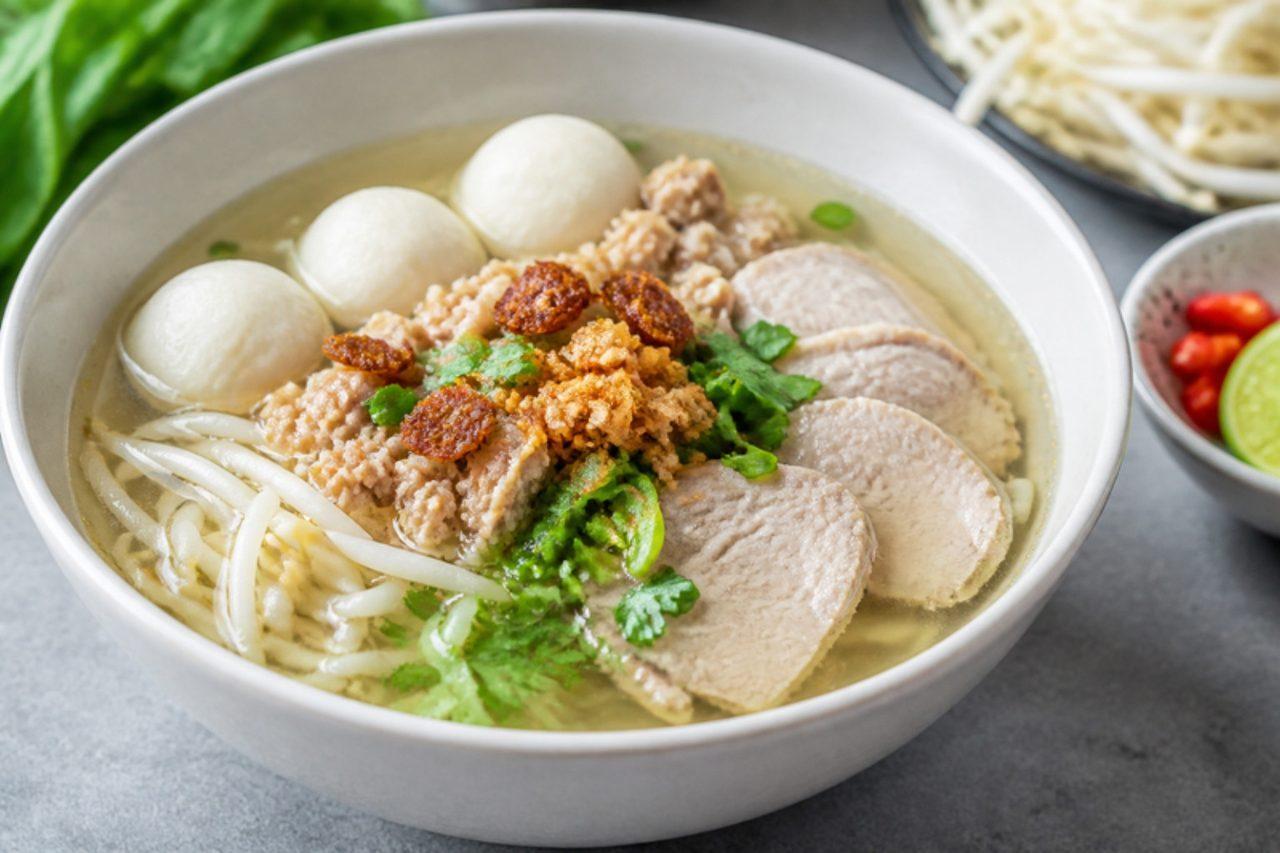
Kuy teav is what Phnom Penh eats for breakfast: before 8 am the city's street stalls and markets are busy with people bent over bowls of it. It is a pork soup: a clear, slightly sweet broth simmered from pork bones with dried squid or shrimp and charred onion is poured over rice noodles, sliced pork, minced pork and prawns, and everyone finishes their bowl with lime, chilli, bean sprouts and fried garlic. Chef's tip: never boil the broth hard; keep it barely trembling so it stays crystal clear.
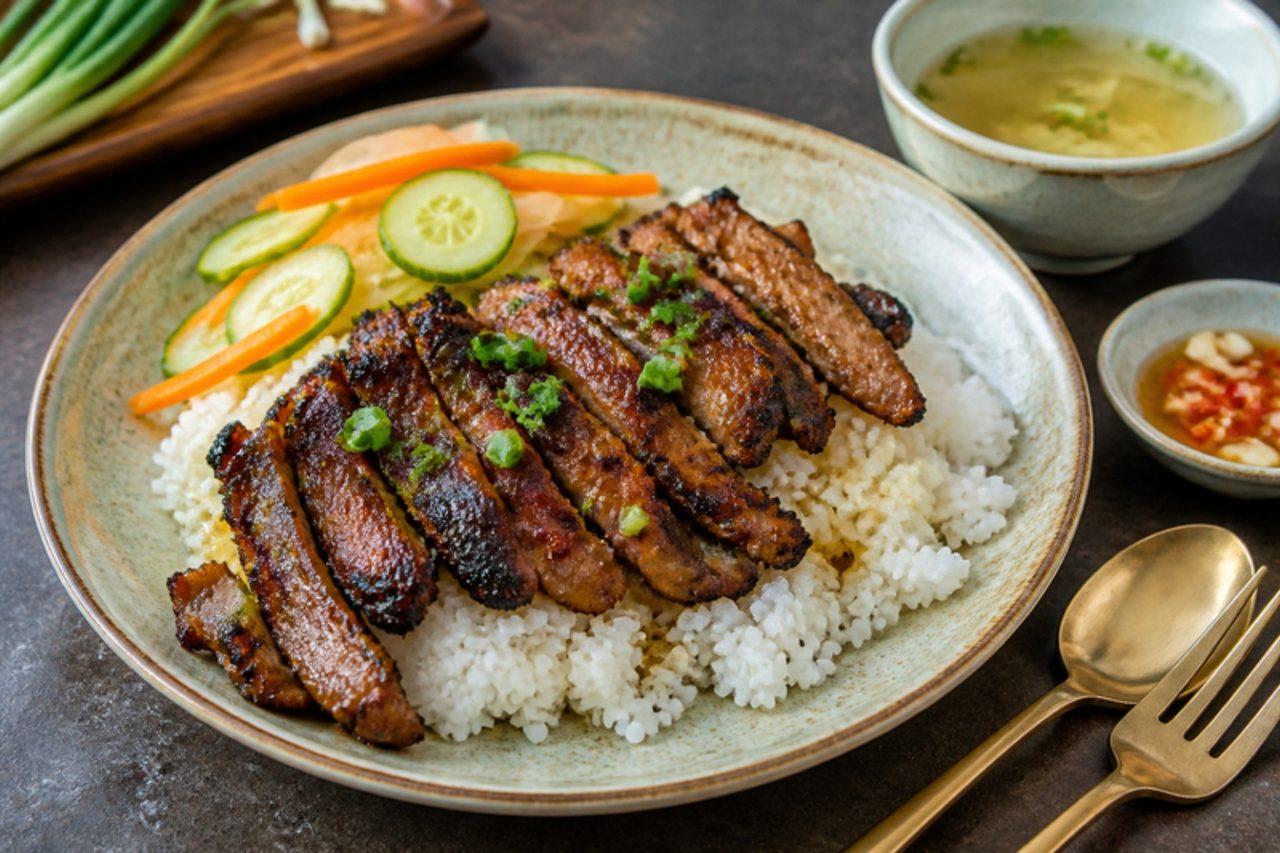
Bai sach chrouk, 'rice with pork', is the classic Cambodian street breakfast, grilled over charcoal on pavements in Phnom Penh and Siem Reap in the early morning and eaten before work and school. It is a pork dish: thin slices of pork are marinated overnight in coconut milk, garlic and palm sugar, then grilled until caramelised and smoky and served on broken rice with quick-pickled cucumber and carrot and a small bowl of clear broth. Chef's tip: slice the pork thinly, about 5 mm; it marinates faster and chars before it dries out.
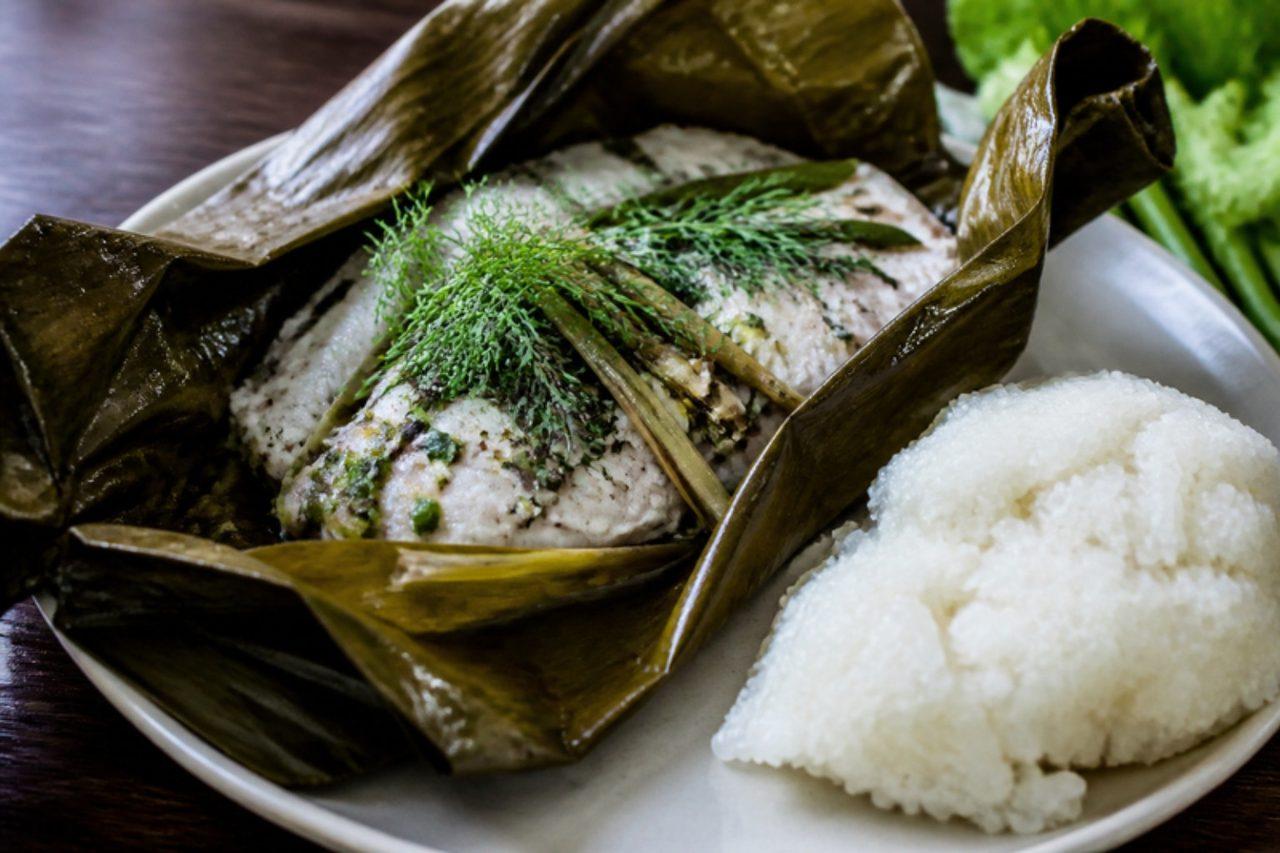
Mok pa is cooked all over Laos, from Vientiane's riverside markets to village kitchens near the Mekong, where freshwater fish is the everyday protein. Chunks of white fish are mixed with a paste of lemongrass, shallot, garlic and chilli, a handful of dill and lime leaves and a spoon of sticky rice flour, then wrapped in banana leaf parcels and steamed until set and fragrant. Eat it with sticky rice and raw vegetables. Chef's tip: soften the banana leaves by passing them briefly over a flame or into hot water; they fold without cracking.
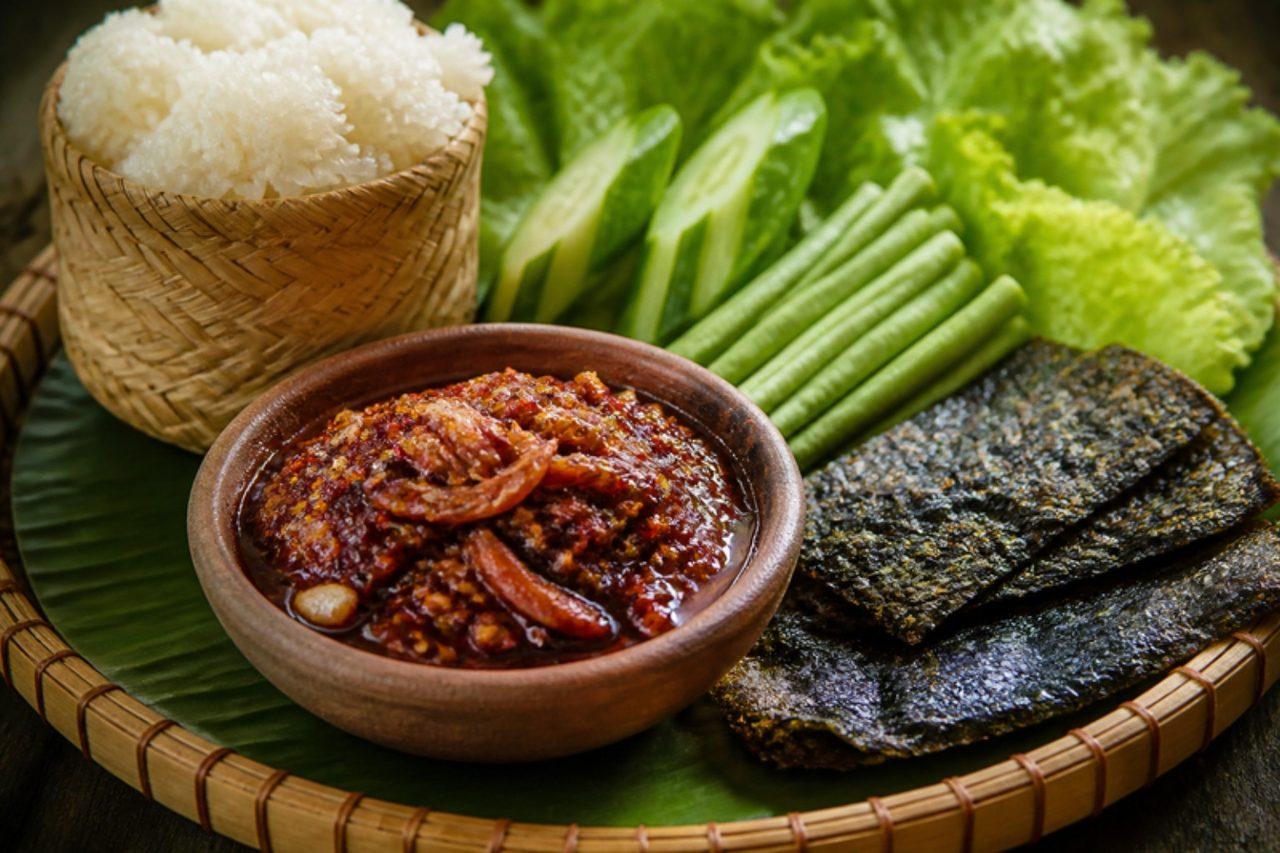
Jeow bong is the famous chilli relish of Luang Prabang, the old royal capital, sold in little jars at its night market and eaten with sticky rice, crisp river-weed sheets and fresh vegetables at almost every Lao meal. Dried chillies, roasted garlic, shallot and galangal are pounded with palm sugar and fish sauce into a sticky, smoky, sweet-hot jam. This version contains pork: traditionally it includes thin strips of dried buffalo skin, and here it uses cooked pork skin for the same chewy texture. Chef's tip: roast the aromatics until truly blackened in spots; that char gives jeow bong its smoky depth.
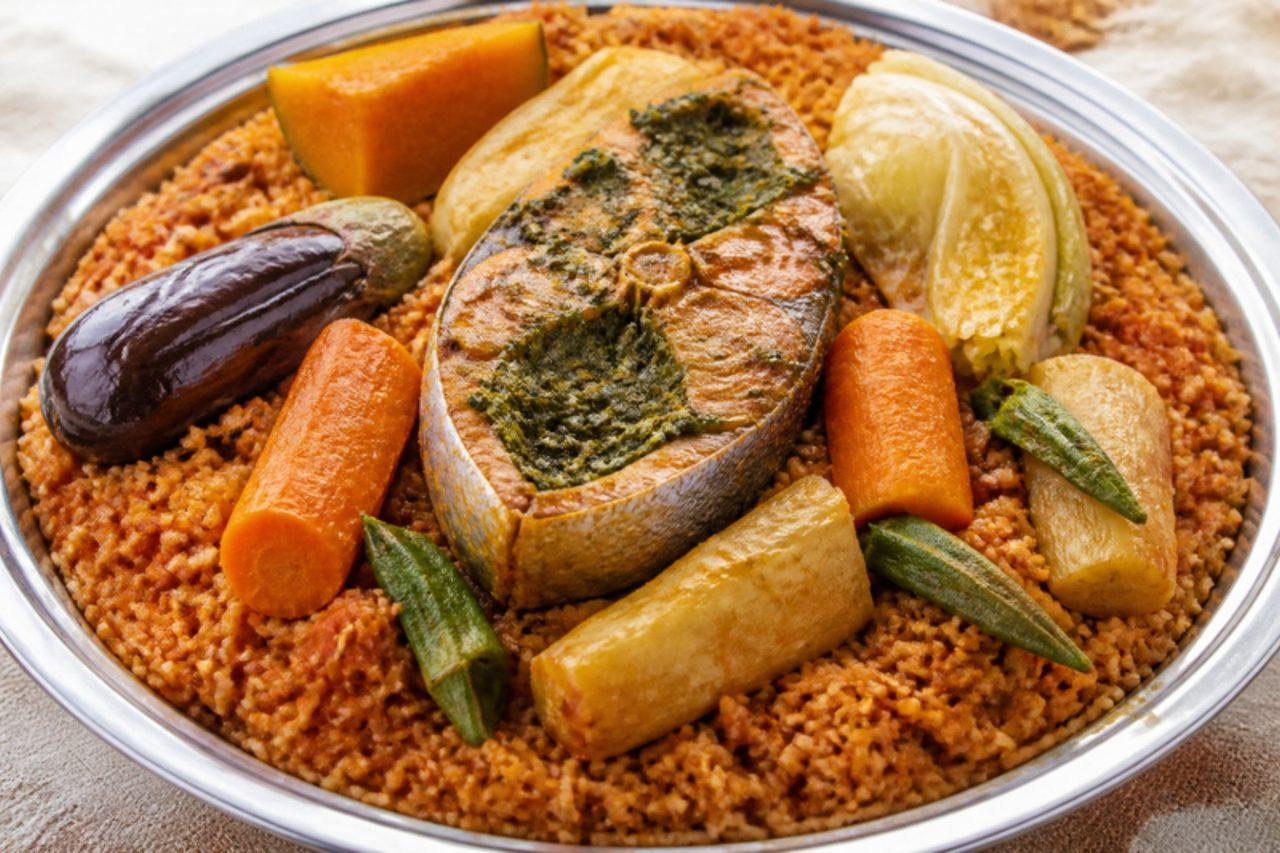
Ceebu jën, "rice and fish" in Wolof, is the dish Saint-Louis claims as its own and the whole of Senegal cooks for the big Friday or Sunday lunch, served on one wide platter that the family eats from together. Thick fish steaks are stuffed with a green paste of parsley, garlic and chilli, browned, then simmered in a deep tomato broth with whole cassava, carrot, cabbage and aubergine; the broken rice then soaks up that same broth until it turns orange and fragrant. The prized part is the xoon, the crust that forms at the bottom of the pot, which is shared out at the end. The usual mistake is leaving the fish in the pot while the rice cooks, so it falls apart; lift it out with the vegetables and keep it warm. Chef's tip: rinse the broken rice three times and steam it briefly before it goes into the broth, so the grains stay separate instead of turning to porridge.