
AI-generated image
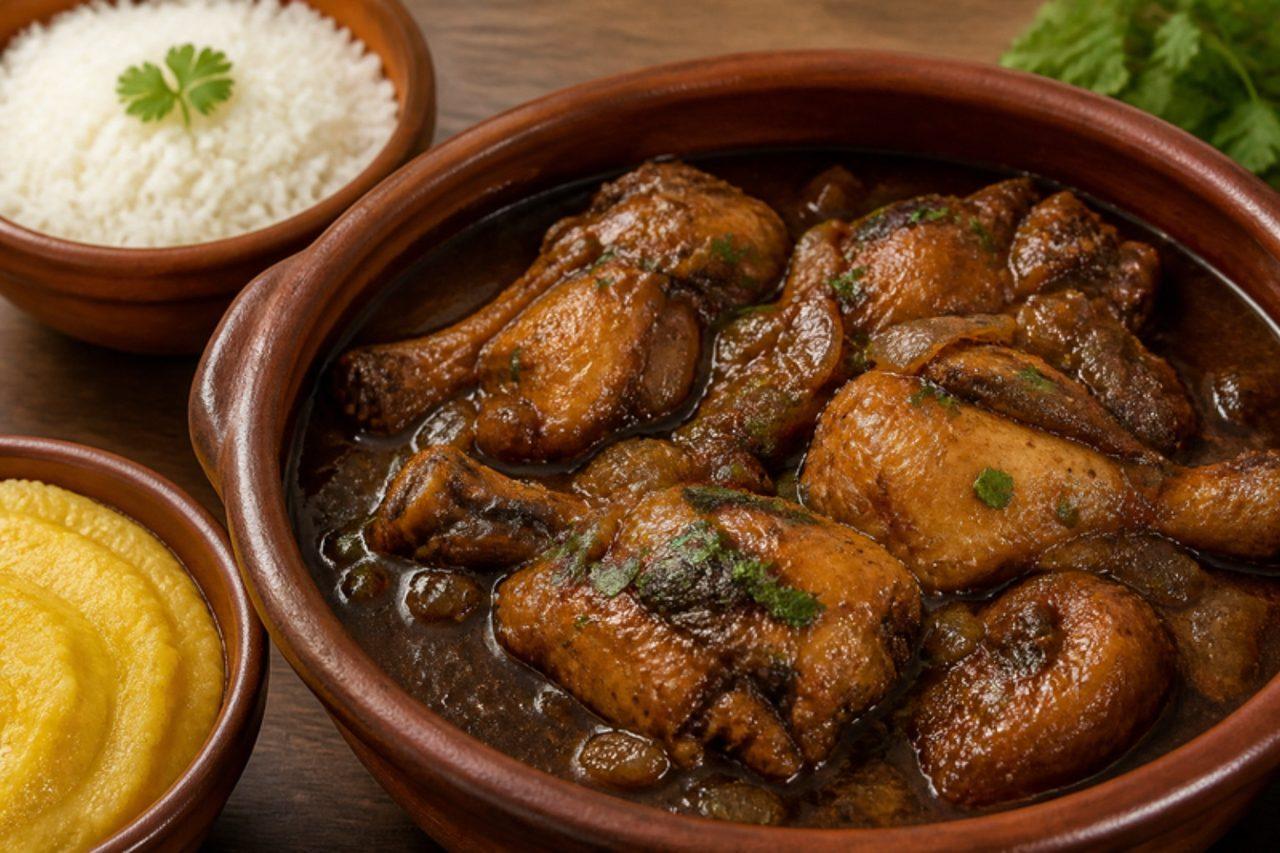
Galinha ao molho pardo
Chicken in dark blood sauce
Galinha ao molho pardo: chicken stewed in a dark sauce thickened with its own blood and vinegar


Country cooking from the state of Rio and southern Minas Gerais, galinha ao molho pardo (also called galinha de cabidela) is cooked at weekend gatherings with a free-range hen, and served with angu, white rice and okra. The chicken is braised with onion, garlic, tomato and herbs, then the sauce is finished with the bird's blood mixed with vinegar, which turns it dark brown, velvety and savoury, with a gentle sourness. It tastes richer and deeper than an ordinary stew. Buy fresh chicken blood from a licensed poultry butcher or halal butcher, ask for it mixed with vinegar so it does not clot, keep it in the fridge and use it within 24 hours. The usual mistake is boiling the sauce hard after the blood goes in, which makes it grainy; stir it at a gentle simmer instead. The blood must be cooked right through. Chef's tip: temper the blood with a ladle of hot sauce before adding it to the pot.
- Total time
- 90 min
- Difficulty
- hard
- Serves
- 6
Ingredients
For the chicken
- 4 lb free-range chickencut into 10 pieces
- 1 limejuiced
- 6 cloves garliccrushed
- 2 tsp salt
- ½ tsp ground black pepper
- 3 tbsp vegetable oil
- 2 onionsfinely chopped
- 2 tomatoeschopped
- 2 ½ cups hot water
For the molho pardo
- ¾ cup fresh chicken bloodfrom a licensed butcher, kept chilled
- ¼ cup white wine vinegar
- 5 tbsp parsley and spring onionchopped
Shop this recipe on Amazon
Spices & pantry
Fresh ingredients (7)
Links open Amazon in a new tab. As an Amazon Associate, WhatToEat.Today earns from qualifying purchases.
Method
0/8 doneStep 1: As soon as you get it home, stir ¾ cup fresh chicken blood with ¼ cup white wine vinegar in a bowl, cover and keep it in the fridge until needed.
Step 2: Rub 4 lb free-range chicken with 1 lime, 3 cloves garlic, 2 tsp salt and ½ tsp ground black pepper. Cover and marinate in the fridge for 30 minutes.
30 minStep 3: Heat 3 tbsp vegetable oil in a heavy casserole over a medium-high heat and brown the chicken in batches for 4–5 minutes a side until golden.
15 minStep 4: Add 2 onions and the rest of 3 cloves garlic and cook for 5 minutes until soft, then add 2 tomatoes and 2 bay leaves and cook for 5 minutes more.
10 minStep 5: Pour in 2 ½ cups hot water, cover and simmer on a low heat for 35 minutes until the chicken is tender and reaches 165°F at the thickest part.
35 minStep 6: Whisk a ladle of the hot sauce into the blood mixture, then pour it slowly into the pot, stirring all the time.
Step 7: Cook at a gentle simmer for 8–10 minutes, stirring, until the sauce turns smooth and chocolate-brown, coats the back of a spoon and has no trace of red. Don't let it boil hard.
10 minStep 8: Stir in 5 tbsp parsley and spring onion, check the salt and serve hot with angu or rice.
Nutrition per serving
- Calories
- 430 kcal
- Protein
- 44 g
- Carbs
- 6 g
- Fat
- 25 g
- Fibre
- 1 g
Nutrition values are estimates.
KrazyBadal
Good to know
- How long does galinha ao molho pardo take?
- About 90 minutes in total: 30 minutes to prepare and 60 minutes to cook.
- How many people does it serve?
- 6 as written. Change the servings above the ingredients and every amount scales to match.
- Is it gluten free?
- Yes, as written. Check the labels on stock, sauces and spice mixes, which sometimes contain gluten.
- What can I use instead of lime?
- Lemon, same amount.
- What can I use instead of garlic?
- ½ tsp garlic paste or ⅛ tsp garlic powder per clove.
Reviews
No reviews yet. Be the first to cook it.
Rate this recipe
Sign in to rate and review this recipe.
You might also like
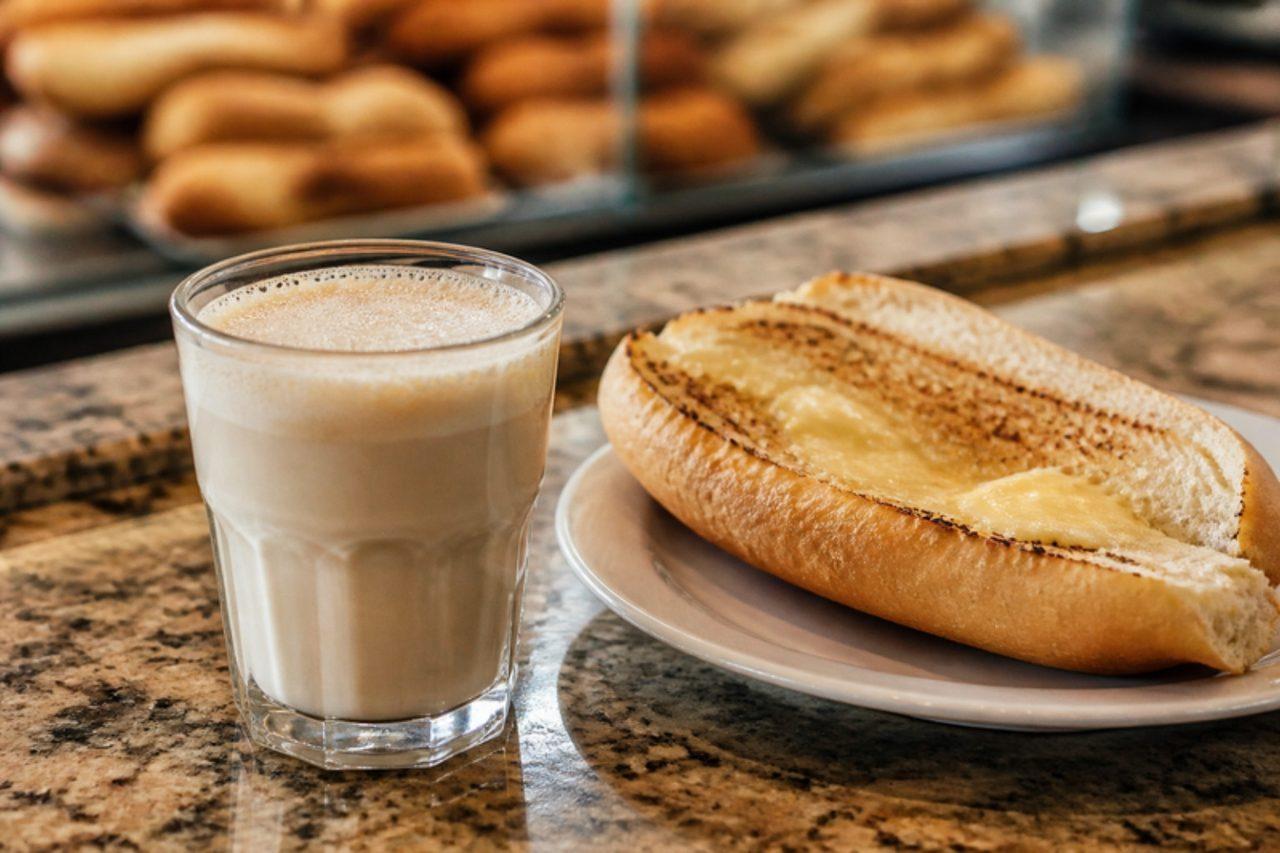
PingadoHot milk with coffee
Order 'um pingado' at the balcão of any São Paulo padaria at 7 in the morning and the attendant pours hot milk into a ridged glass tumbler (the copo americano) and 'drips' in a splash of strong coffee, hence the name. It is milkier and gentler than a média (half coffee, half milk), creamy and lightly sweet, usually drunk standing up with a pão na chapa, a toasted buttered roll. At home you need strong filter coffee and milk heated until steaming. Scalding the milk is the frequent mistake, as boiled milk tastes flat and forms a skin. Chef's tip: froth the hot milk for a few seconds with a whisk or by pouring it back and forth between two jugs before adding the coffee, as padaria machines do.

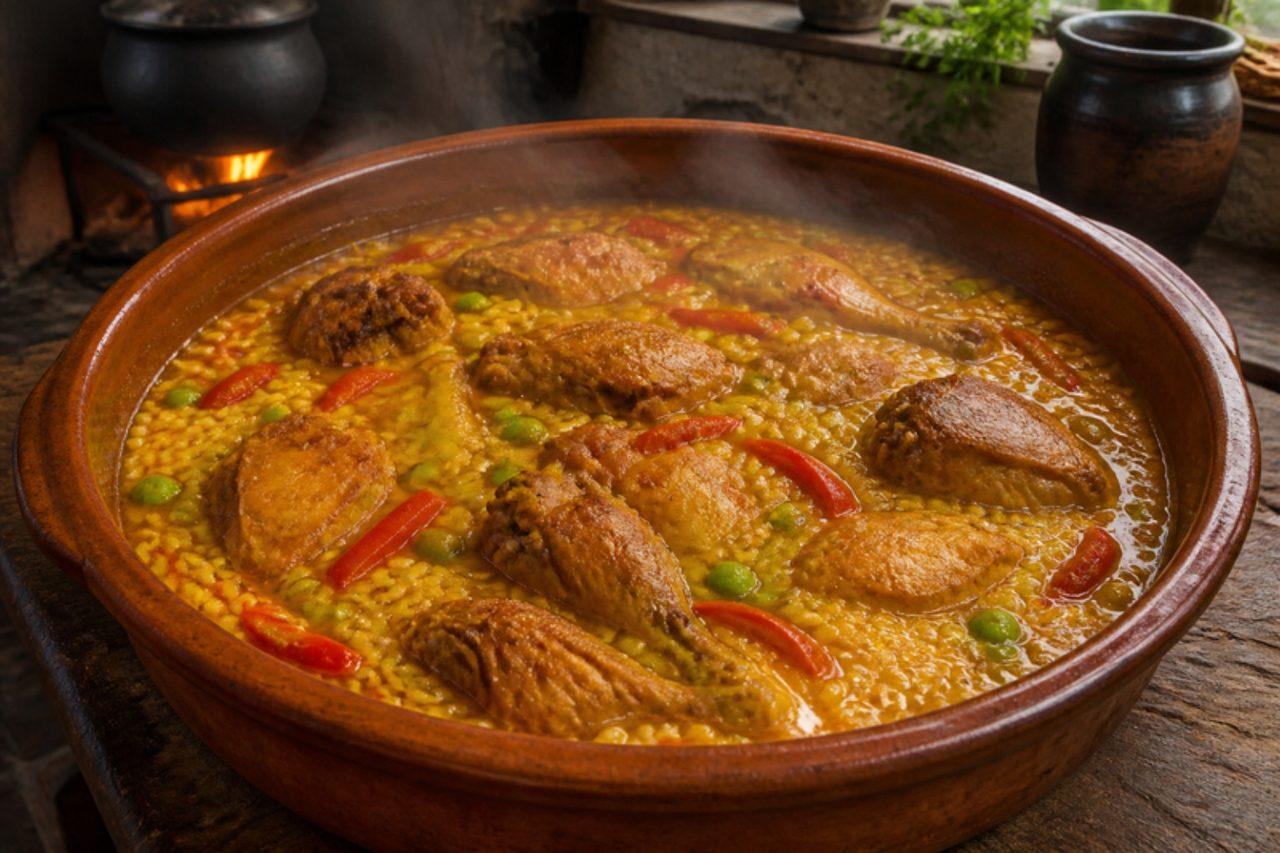
Arroz con pitu de caleyaSoupy rice with chicken
A pitu de caleya is a cockerel raised free in the lanes, or caleyas, of rural Asturias; its firm, flavourful meat needs long stewing, and families around Villaviciosa and Grado still cook it for feast days. The stew is often finished as a soupy rice, so the deep chicken juices go into every grain. Use the best free-range chicken you can find. The braise includes dry white wine; replace it with extra stock and a squeeze of lemon if you want it alcohol-free. Chef's tip: brown the chicken slowly and deeply; that colour is where the flavour of the whole pot comes from.
 Spanish
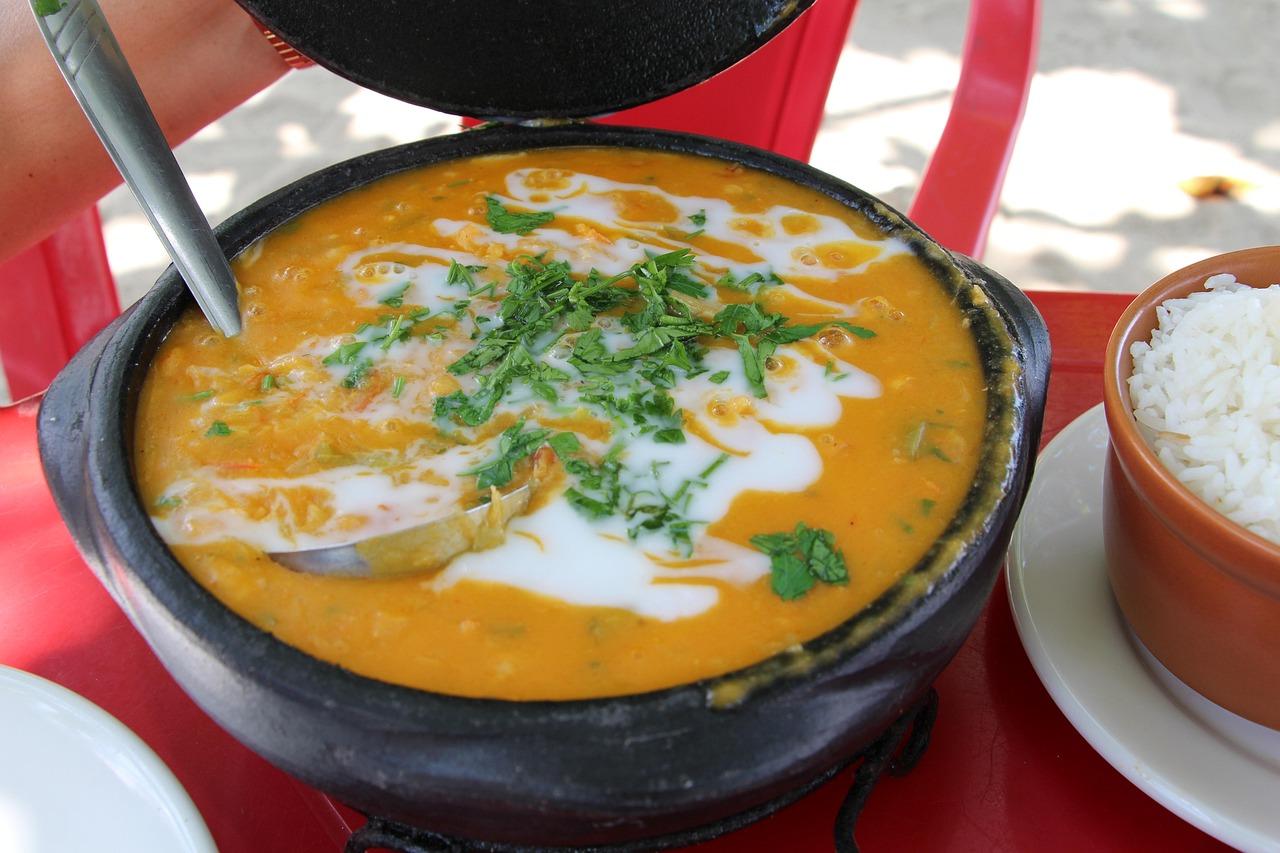
Bobó de camarãoPrawns in cassava and coconut purée
Velvety, coral-coloured and rich with coconut, bobó de camarão is what Bahian families put on the table when there is something to celebrate, and beach restaurants from Praia do Forte to Itacaré serve it in clay pots with white rice and farofa. Cassava is boiled until it falls apart, blended with coconut milk into a smooth cream, then folded into prawns cooked with onion, tomato, peppers and a slick of dendê oil. The result is somewhere between a stew and a thick sauce, sweet from the prawns and gently earthy from the cassava. A frequent mistake is boiling the prawns in the purée for too long, which leaves them tough and curled; they go in at the very end. Cassava must always be cooked right through, never eaten raw: cut out the woody core and boil it until a knife meets no resistance. Chef's tip: blend the cassava while it is still hot, with some of its cooking water; cold cassava turns gluey in the blender.