
AI-generated image
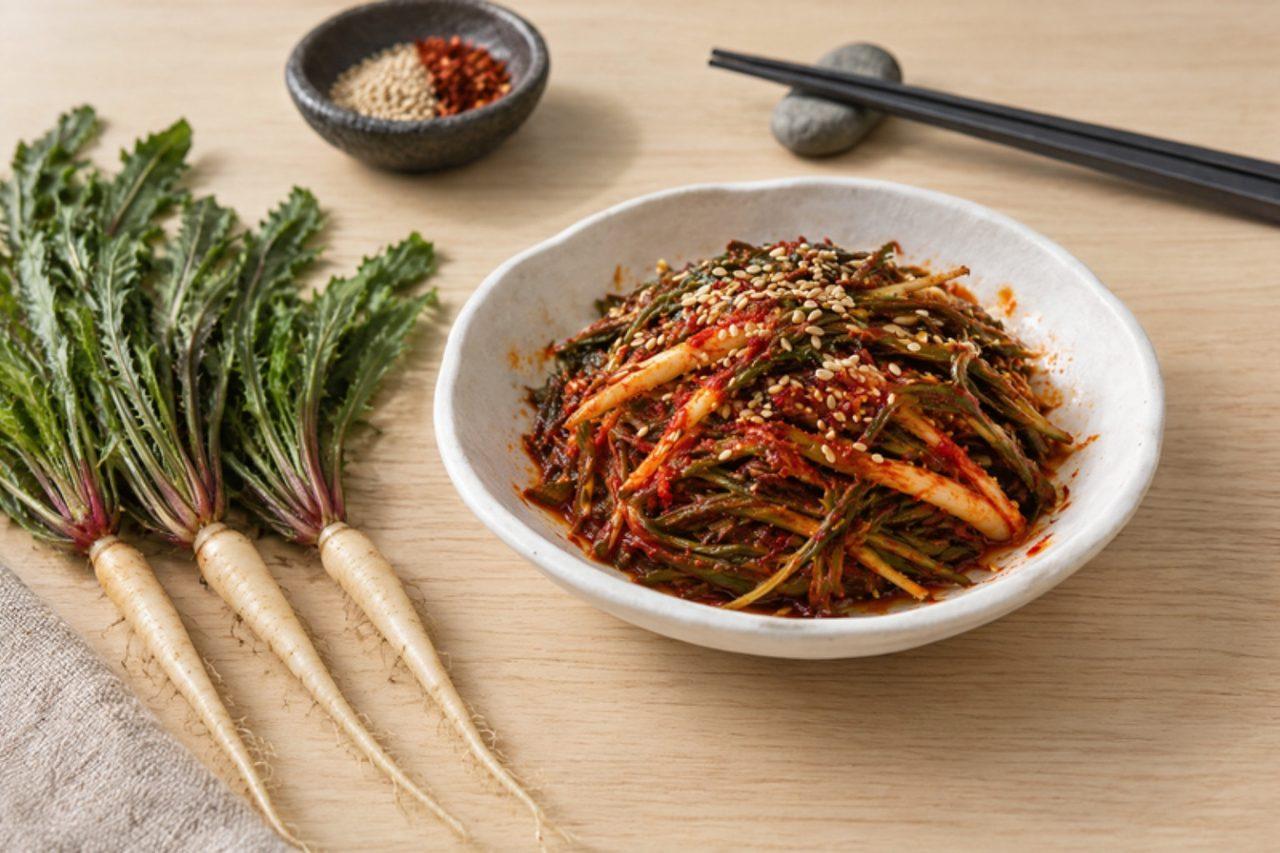
Godeulppaegi kimchi
고들빼기김치: bitter wild lettuce, roots and all, soaked mellow and coated in chilli, anchovy sauce and sticky rice paste



In Suncheon and the hills of South Jeolla, godeulppaegi is dug up from fields and banks in late autumn and again in early spring, and the kimchi made from it is a point of local pride, eaten through winter beside rice, grilled fish and pork. The plant is a small wild lettuce with a pale, carrot-like root and leaves full of milky, bitter sap. Soaked in salt water for several days, the bitterness softens to a pleasant, coffee-like edge that pairs with the deep anchovy sauce and sweet, sticky chilli dressing. Chewy roots, tender leaves, sweet, savoury and gently bitter all at once. The common mistake is rushing the soak: the kimchi is then too bitter to enjoy. Change the brine every day and taste a leaf; stop when the bitterness is noticeable but no longer harsh, usually day 3 to 5. Outside Korea, look for it frozen or dried in Korean shops, or use young dandelion plants with their roots. The kimchi is ready after about 2 weeks in the fridge, when the dressing turns glossy and the roots taste mellow and sour-sweet. Chef's tip: twist a few plants into small coils so each serving comes out of the jar neatly.
- Total time
- 83 min
- Difficulty
- hard
- Serves
- 20
Ingredients
For soaking
- 2 ¼ lb fresh godeulppaegi (Korean bitter lettuce), with rootsor young dandelion plants with roots
- 3 ½ oz coarse sea saltfor a 5% brine; you need it fresh each day
- 8 ¼ cups waterper day of soaking
For the rice paste
- 3 tbsp glutinous rice flour
- 1 ¾ cups water
For the seasoning
- 2 tbsp salted fermented shrimp (saeujeot)finely chopped
- 10 garlic clovesfinely grated
- ½ oz fresh gingerfinely grated
- 3 tbsp rice syrup (jocheong)or 2 tbsp sugar
- 3 ½ oz thin scallions (jjokpa)cut into 5 cm lengths
- 1 tbsp toasted sesame seeds (optional)
Shop this recipe on Amazon
Spices & pantry
Fresh ingredients (3)
Links open Amazon in a new tab. As an Amazon Associate, WhatToEat.Today earns from qualifying purchases.
Method
0/12 doneStep 1: Trim off any yellow leaves from 2 ¼ lb fresh godeulppaegi (Korean bitter lettuce), with roots and scrape the soil from the roots with a small knife, keeping each plant whole.
25 minStep 2: Wash the plants in several changes of cold water until no grit settles in the bottom of the bowl.
10 minStep 3: Dissolve 3 ½ oz coarse sea salt in 8 ¼ cups water (a 5% brine: 50 g salt per litre) in a large non-metal bowl. Submerge the plants, weigh them down with a plate and leave in a cool place.
Step 4: Once a day for 3–5 days, drain and replace the brine with a fresh batch made the same way. Taste a leaf each day; the milky bitterness should fade to a mild, pleasant edge. Some white froth on the brine is normal; a rotten smell is not, so throw them out if that happens.
Step 5: Rinse the plants twice in cold water, then drain in a colander for 1 hour, pressing gently.
5 minStep 6: Clean the storage container: wash a glass jar or lidded box in hot soapy water, rinse, then dry it upside down in a 250°F oven for 10 minutes (or pour boiling water through it and air-dry). Let it cool; everything that touches the kimchi must be clean and dry.
Step 7: Whisk 3 tbsp glutinous rice flour into 1 ¾ cups water in a pan and cook over a medium heat, stirring, until thick, glossy and translucent, about 6 minutes. Cool completely.
6 minStep 8: Stir 2 ⅞ oz gochugaru (Korean chilli flakes) into the cool paste with ½ cup anchovy fish sauce (myeolchi-aekjeot) and leave 10 minutes until the flakes swell and the paste turns deep brick red.
10 minStep 9: Mix in 2 tbsp salted fermented shrimp (saeujeot), 10 garlic cloves, ½ oz fresh ginger and 3 tbsp rice syrup (jocheong) until smooth and glossy.
Step 10: Add the drained plants and 3 ½ oz thin scallions (jjokpa) and rub the seasoning onto every leaf and root with gloved hands.
10 minStep 11: Twist 3–4 plants at a time into small coils and pack them tightly into the jar, pressing out air pockets. Scrape every bit of seasoning on top, add 1 tbsp toasted sesame seeds if using, and press baking paper on the surface.
10 minStep 12: Leave the jar at cool room temperature for 1 day, then refrigerate. It is best after 2 weeks and keeps 2–3 months in the fridge. Bubbles, a sour smell and a darker, glossy dressing are normal. Discard if fuzzy or coloured mould, sliminess or a putrid smell appears; always lift it out with a clean, dry spoon.
Nutrition per serving
- Calories
- 45 kcal
- Protein
- 2 g
- Carbs
- 8 g
- Fat
- 1 g
- Fibre
- 3 g
Nutrition values are estimates.
KrazyBadal
Good to know
- How long does godeulppaegi kimchi take?
- About 83 minutes in total: 75 minutes to prepare and 8 minutes to cook.
- How many people does it serve?
- 20 as written. Change the servings above the ingredients and every amount scales to match.
- Is it gluten free?
- Yes, as written. Check the labels on stock, sauces and spice mixes, which sometimes contain gluten.
- Is it very spicy?
- It has some heat. Use less chilli for a milder version, or more if you like it hot.
- Can I make it ahead?
- Yes. It keeps well, so you can cook it earlier in the day or the day before and reheat it.
- What can I use instead of anchovy fish sauce (myeolchi-aekjeot)?
- Soy sauce with a squeeze of lime (vegetarian).
- What can I use instead of garlic cloves?
- ½ tsp garlic paste or ⅛ tsp garlic powder per clove.
Reviews
No reviews yet. Be the first to cook it.
Rate this recipe
Sign in to rate and review this recipe.
You might also like
Vegan nuoc cham
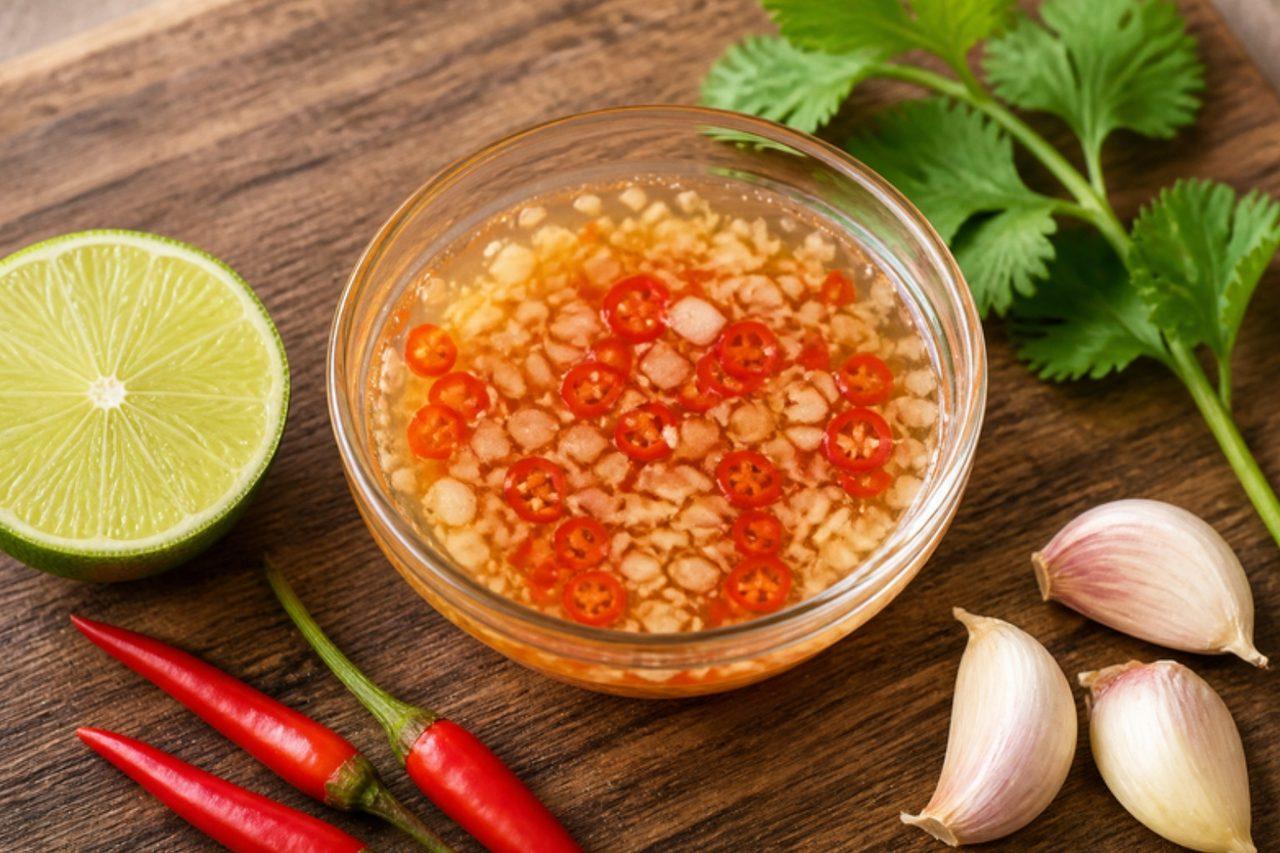
Nước chấm is the dipping sauce that goes with almost everything in Vietnam: spring rolls, bánh xèo, noodle salads and broken rice. Buddhist vegetarian cooks, all over the country, make it without fish sauce, using light soy sauce and a little coconut water for the deep, rounded taste. It should be thin, clear and pale amber, with flecks of garlic and chilli floating on top. Chef's tip: dissolve the sugar in the warm water first, then add the lime and soy, and stir in the garlic and chilli last, pounded with a pinch of sugar, so they float on the surface instead of sinking.
 Vietnamese

Mint and onion chutney
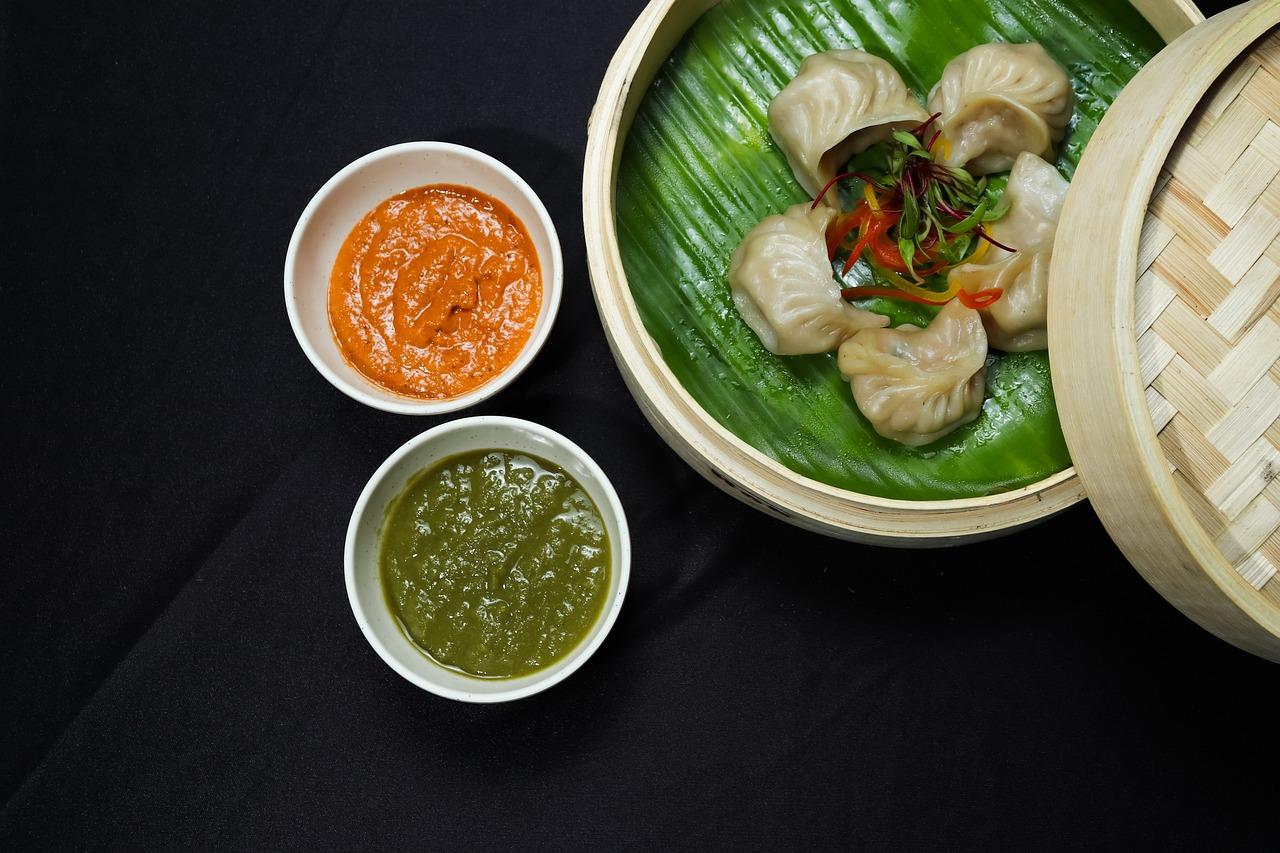
Onions fried gently until soft and sweet, then blended with fresh mint, green chilli and lemon juice. It's a mellow, fresh-tasting chutney that is great with bhajias, samosas, kebabs and tikka, or spread in sandwiches.
 Indian

Sour cream dip
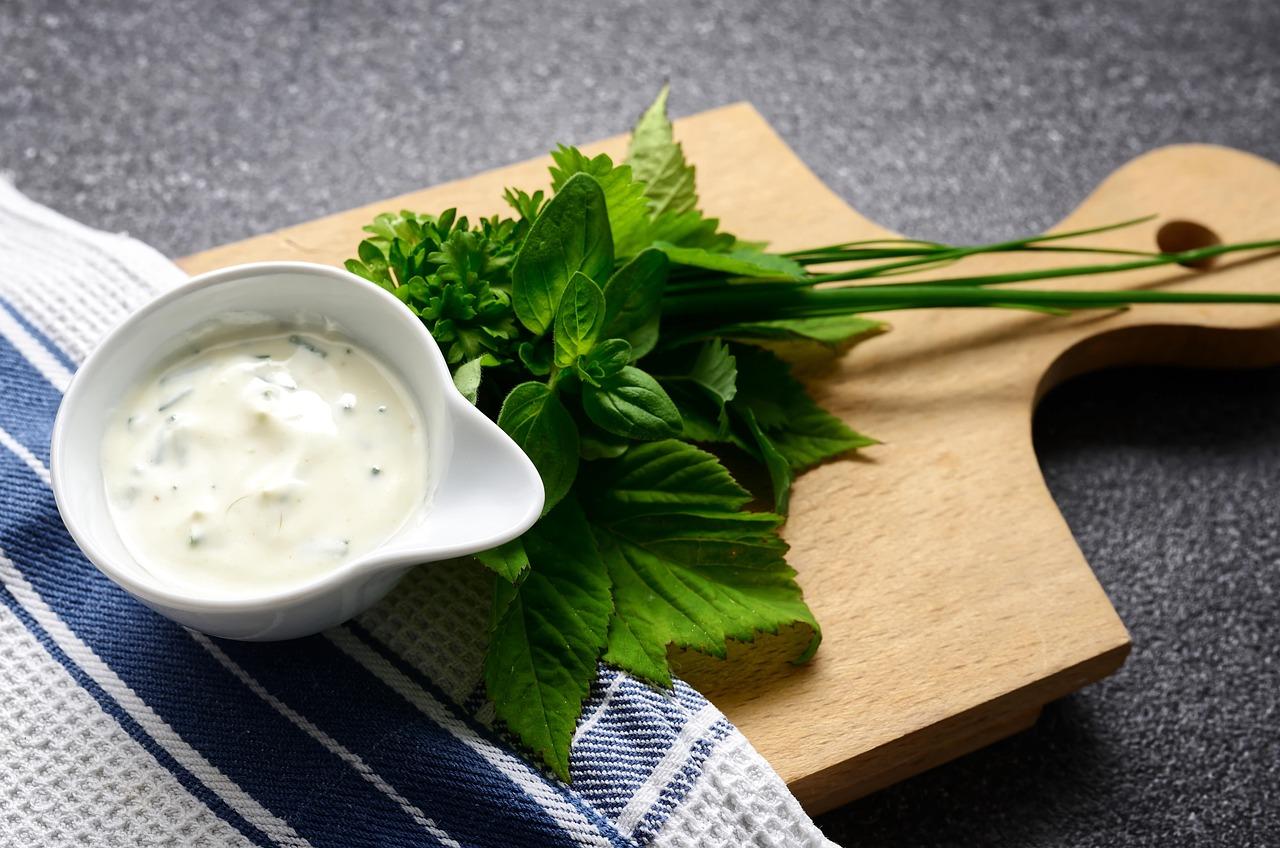
A simple, tangy dip made with thick home-made cottage cheese (hung yogurt) or ready-made sour cream, seasoned with garlic, chilli, black pepper and vinegar. Serve it cold with crisps, nachos and jacket potatoes. The book's other dips use this as their 'sour cream'.