
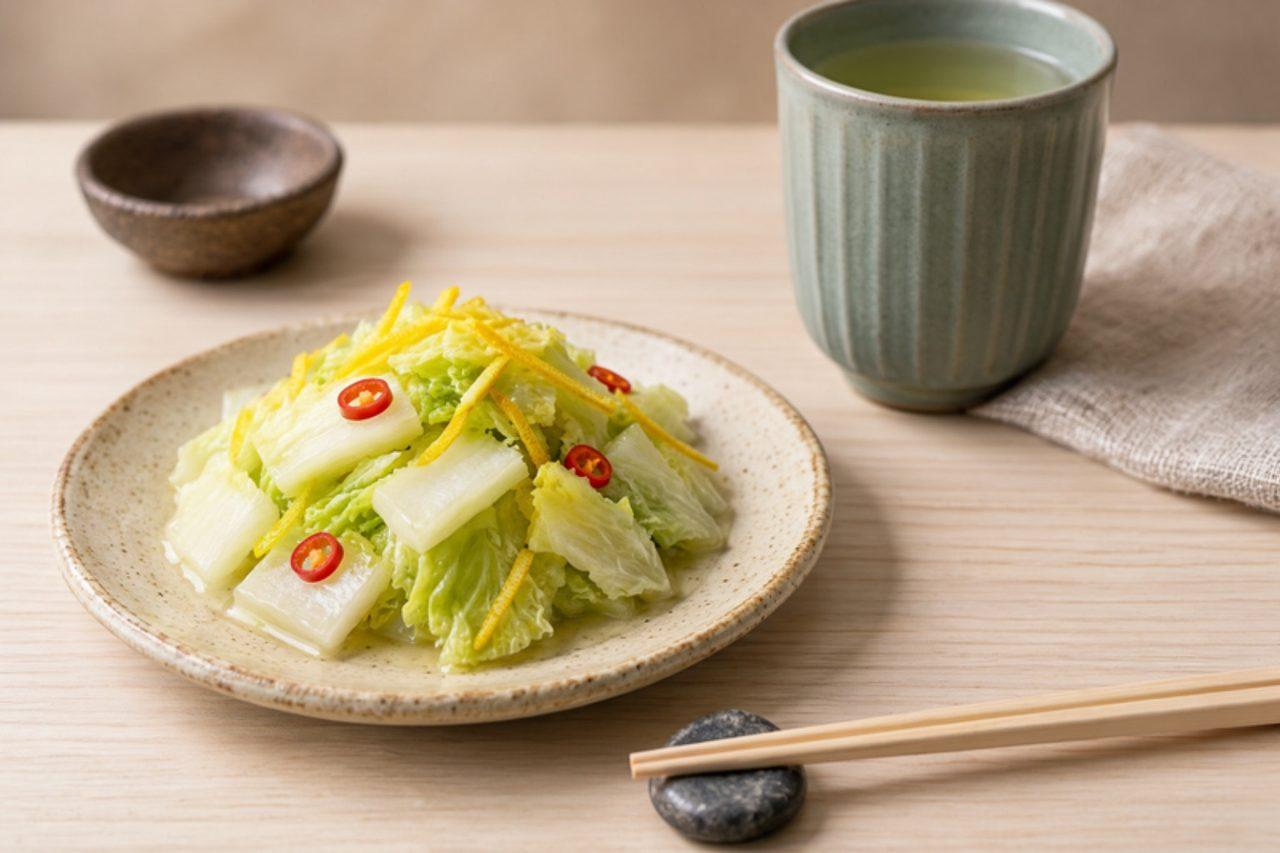
AI-generated image
Hakusaizuke
Salted napa cabbage pickle
白菜漬け: napa cabbage salt-pressed with kombu, chilli and yuzu peel, crisp, juicy and turning gently sour by day three



In Japanese homes from Hokkaido to Kyushu, hakusaizuke appears when napa cabbage is cheap and sweet, from November through February. Big heads are quartered, dried for half a day on a sunny veranda, then salted in a wooden tub with kombu, dried chilli and slivers of yuzu peel, and pressed under a stone. A few days later the leaves are crisp, juicy, lightly salty and fragrant with citrus, and after a week they turn pleasantly sour. It is the everyday pickle beside breakfast rice and miso soup, or chopped into a hot-pot. Use about 3% salt by weight; less and it can spoil, more and it is too salty to enjoy. The common mistake is too light a weight at the start: the brine must rise over the cabbage within a day, so begin with twice the cabbage's weight and halve it once the liquid appears. It is ready when the white ribs are translucent and bend, the brine is clear to faintly cloudy, and it smells fresh and briny. If you cannot get yuzu, use strips of lemon peel with a little orange peel. Chef's tip: squeeze a slice firmly before serving and add a few drops of tamari and some toasted sesame seeds.
- Total time
- 30 min
- Difficulty
- easy
- Serves
- 10
Ingredients
For the pickle
- 2 ⅝ lb napa cabbageabout half a large head
- 1 ¼ oz coarse sea salt3% of the cabbage weight
- ⅓ oz kombucut into 3 cm squares with scissors
- 2 dried red chilliesseeds removed, cut in rings
- 2 tbsp yuzu peelthin strips; or lemon peel with a little orange peel
Shop this recipe on Amazon
Spices & pantry
Fresh ingredients (1)
Links open Amazon in a new tab. As an Amazon Associate, WhatToEat.Today earns from qualifying purchases.
Method
0/7 doneStep 1: Clean the jar or container and lid: wash in hot soapy water, rinse, then dry in a 250°F oven for 10 minutes (or pour boiling water over and in it and air-dry upside down). Let it cool; it must be completely dry.
Step 2: Cut the 2 ⅝ lb napa cabbage lengthways into quarters through the root, so the leaves stay attached. Rinse and shake dry. If you can, lay the quarters cut-side up in the sun or near a sunny window for 4–6 hours, until the leaves are slightly limp; this concentrates the flavour.
10 minStep 3: Set aside a small handful of the 1 ¼ oz coarse sea salt. Sprinkle the rest between every few leaves, more at the thick white base than on the green tips.
Step 4: Pack the quarters tightly into a container, alternating root ends, and scatter ⅓ oz kombu, 2 dried red chillies and 2 tbsp yuzu peel between the layers. Sprinkle the reserved salt on top.
10 minStep 5: Lay a plate on top and weigh it down with about twice the cabbage's weight. Leave in a cool place (below 59°F) or the fridge.
5 minStep 6: After about 1 day, when the brine has risen above the cabbage, halve the weight. Leave 1–2 more days, until the ribs are translucent and flexible and it smells briny and fresh. Normal: some bubbles and a faintly cloudy brine as it sours. Bad: fuzzy coloured mould, slimy leaves or a rotten smell; throw it away.
Step 7: Move the cabbage and brine to the fridge in a clean jar. Keeps 1–2 weeks, getting sourer. To serve, squeeze a quarter, cut it into 3 cm pieces and pile on a plate with some of the kombu and yuzu.
Nutrition per serving
- Calories
- 15 kcal
- Protein
- 1 g
- Carbs
- 3 g
- Fat
- 0 g
- Fibre
- 2 g
Nutrition values are estimates.
KrazyBadal
Good to know
- How long does hakusaizuke take?
- About 30 minutes in total.
- How many people does it serve?
- 10 as written. Change the servings above the ingredients and every amount scales to match.
- Is it vegan?
- Yes. It has no meat, fish, dairy or eggs.
- Is it gluten free?
- Yes, as written. Check the labels on stock, sauces and spice mixes, which sometimes contain gluten.
- Can I make it ahead?
- Yes. It keeps well, so you can cook it earlier in the day or the day before and reheat it.
- What can I use instead of napa cabbage?
- Savoy or spring greens, same weight.
Reviews
No reviews yet. Be the first to cook it.
Rate this recipe
Sign in to rate and review this recipe.
You might also like
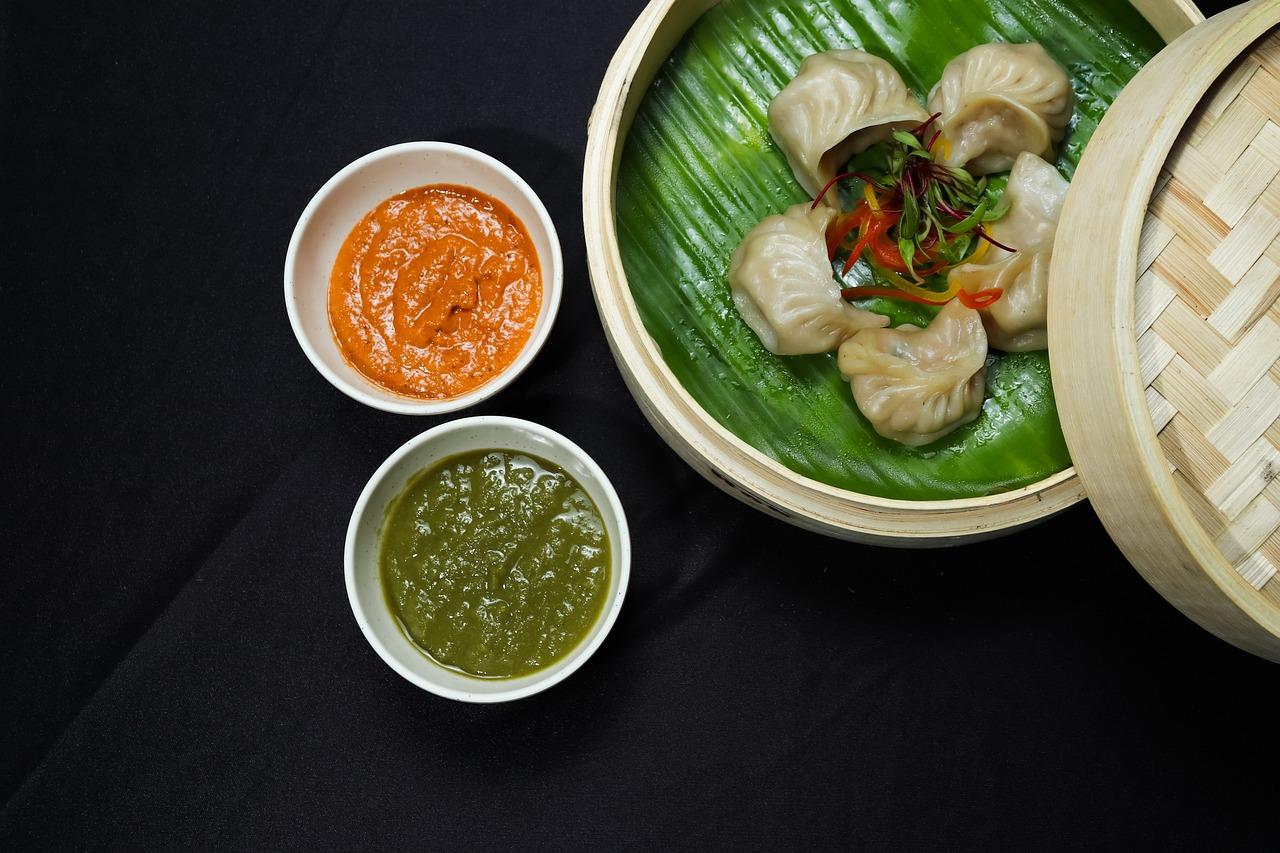
Mint and onion chutney
Onions fried gently until soft and sweet, then blended with fresh mint, green chilli and lemon juice. It's a mellow, fresh-tasting chutney that is great with bhajias, samosas, kebabs and tikka, or spread in sandwiches.
 Indian


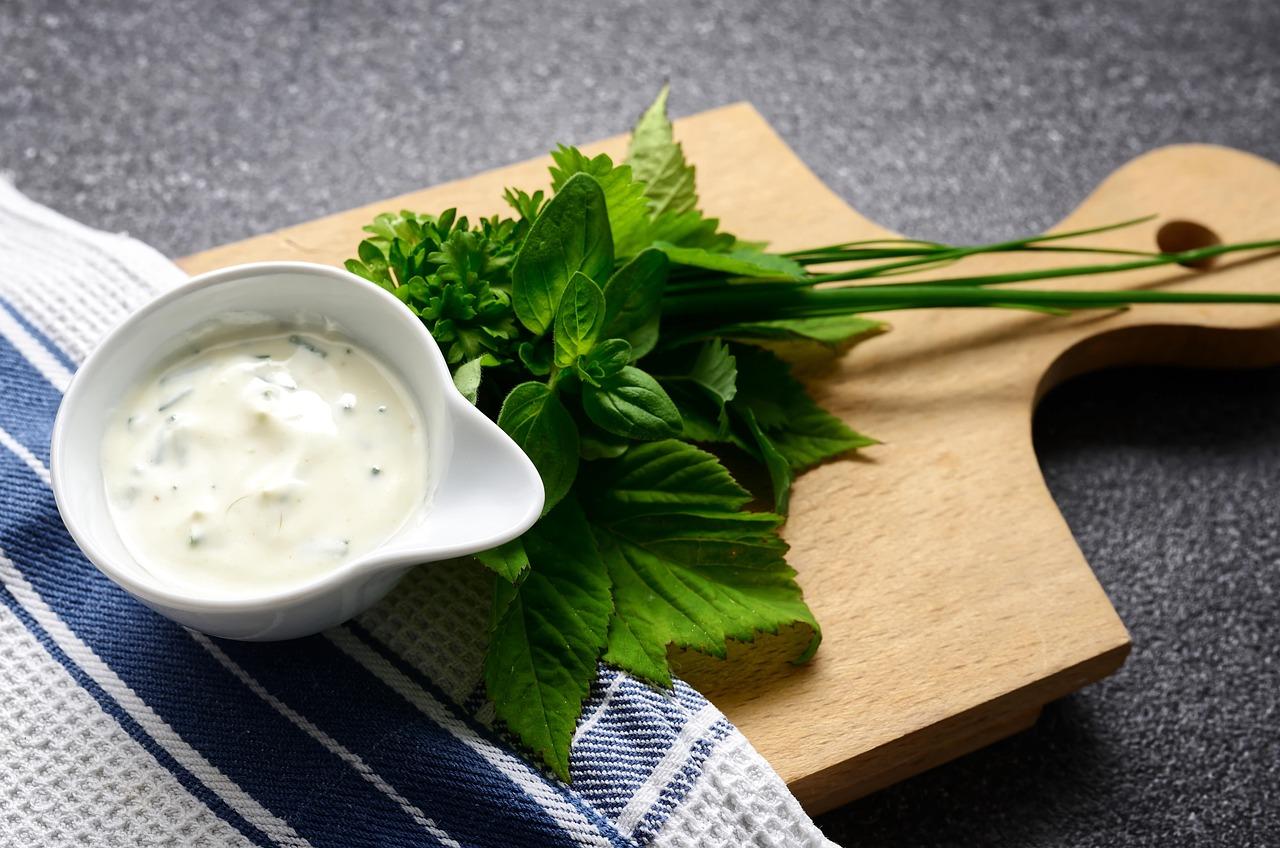
Sour cream dip
A simple, tangy dip made with thick home-made cottage cheese (hung yogurt) or ready-made sour cream, seasoned with garlic, chilli, black pepper and vinegar. Serve it cold with crisps, nachos and jacket potatoes. The book's other dips use this as their 'sour cream'.

Yaki onigiriGrilled rice balls
Yaki onigiri (焼きおにぎり) are rice balls grilled until they form a crisp, toasty crust, then brushed with soy sauce glaze. They are eaten all over Japan, at izakaya, at barbecues and from the freezer section, as a snack or with miso soup. The inside stays soft and steamy while the outside crackles. Best eaten hot, straight from the pan. Chef's tip: let the shaped rice balls dry for 10 minutes before they go in the pan. A drier surface forms a better crust and won't stick, and the glaze goes on only at the end so it doesn't burn.