
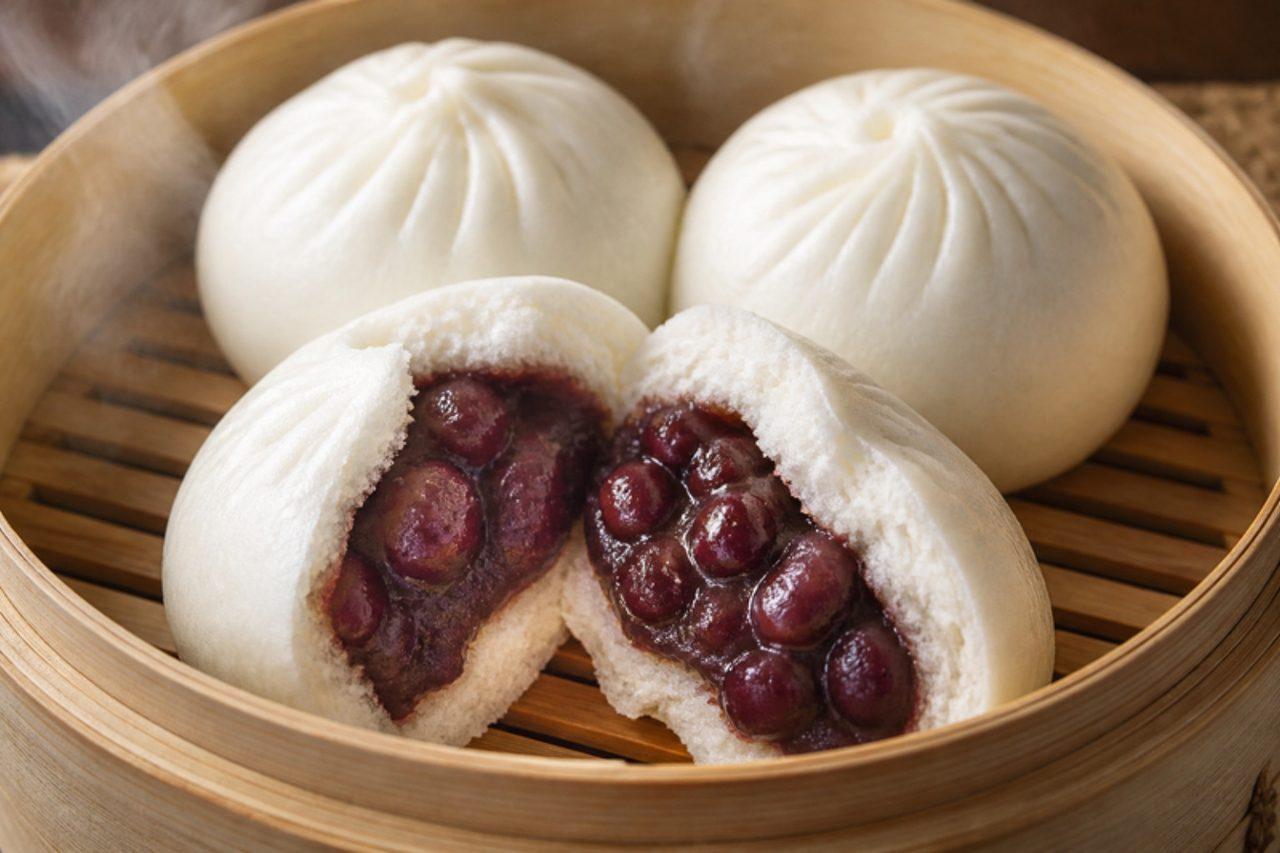
AI-generated image
Hoppang
Red bean steamed buns
호빵 · winter steamed buns with sweet red bean filling


When the first cold snap hits, Korean convenience stores bring out glass steamer cabinets full of hoppang, and office workers grab one for breakfast on the way to the subway. The bun is soft, slightly sweet yeasted dough wrapped around a thick, smooth red bean paste, steamed until pillowy and eaten piping hot. Making them at home takes a morning but they freeze perfectly. The usual mistake is opening the lid too early or steaming over too fierce a heat: the buns collapse and wrinkle, so keep a steady medium heat and leave them to rest 5 minutes before lifting the lid. Contains wheat. Chef's tip: let the shaped buns rise on squares of baking paper; you can move them into the steamer without squashing them.
- Total time
- 120 min
- Difficulty
- medium
- Serves
- 8
Ingredients
For the dough
- 12 ½ oz plain flour
- ⅛ oz instant dried yeast
- 1 oz sugar
- ½ tsp salt
- 1 tsp baking powder
- ¾ cup lukewarm water
- 1 tbsp neutral oil
For the filling
- 14 oz sweetened red bean pastesmooth or chunky (pat-so)
- 1 pinch ground cinnamon (optional)
Shop this recipe on Amazon
Spices & pantry
Links open Amazon in a new tab. As an Amazon Associate, WhatToEat.Today earns from qualifying purchases.
Method
0/8 doneStep 1: Mix 12 ½ oz plain flour, ⅛ oz instant dried yeast, 1 oz sugar, ½ tsp salt and 1 tsp baking powder. Add ¾ cup lukewarm water and 1 tbsp neutral oil and knead for 8–10 minutes until smooth, soft and springy.
10 minStep 2: Cover and leave in a warm place for 1 hour, until doubled in size.
60 minStep 3: Meanwhile, mix 14 oz sweetened red bean paste with 1 pinch ground cinnamon and roll it into 8 balls of about 50 g each. Chill them so they are easy to wrap.
Step 4: Knock the dough back and divide into 8 pieces. Flatten each into a 10 cm disc, thicker in the middle than at the edges.
Step 5: Set a ball of filling in the centre, pull the dough up around it and pinch tightly to seal. Turn seam side down onto a square of baking paper and smooth into a dome.
Step 6: Leave to rise for 20–30 minutes until puffy.
25 minStep 7: Steam over a steady medium heat, lid wrapped in a tea towel to stop drips, for 15 minutes. Turn off the heat and wait 5 minutes before opening.
20 minStep 8: Serve hot. Cool leftovers, freeze, and re-steam from frozen for 10 minutes.
Nutrition per serving
- Calories
- 260 kcal
- Protein
- 7 g
- Carbs
- 53 g
- Fat
- 3 g
- Fibre
- 4 g
Nutrition values are estimates.
KrazyBadal
Good to know
- How long does hoppang take?
- About 120 minutes in total: 100 minutes to prepare and 20 minutes to cook.
- How many people does it serve?
- 8 as written. Change the servings above the ingredients and every amount scales to match.
- Is it vegan?
- Yes. It has no meat, fish, dairy or eggs.
- Can I make it ahead?
- Yes. It keeps well, so you can cook it earlier in the day or the day before and reheat it.
- What can I use instead of plain flour?
- Self-raising flour, same amount (then leave out the baking powder).
- What can I use instead of sugar?
- Caster sugar, same amount.
Reviews
No reviews yet. Be the first to cook it.
Rate this recipe
Sign in to rate and review this recipe.
You might also like
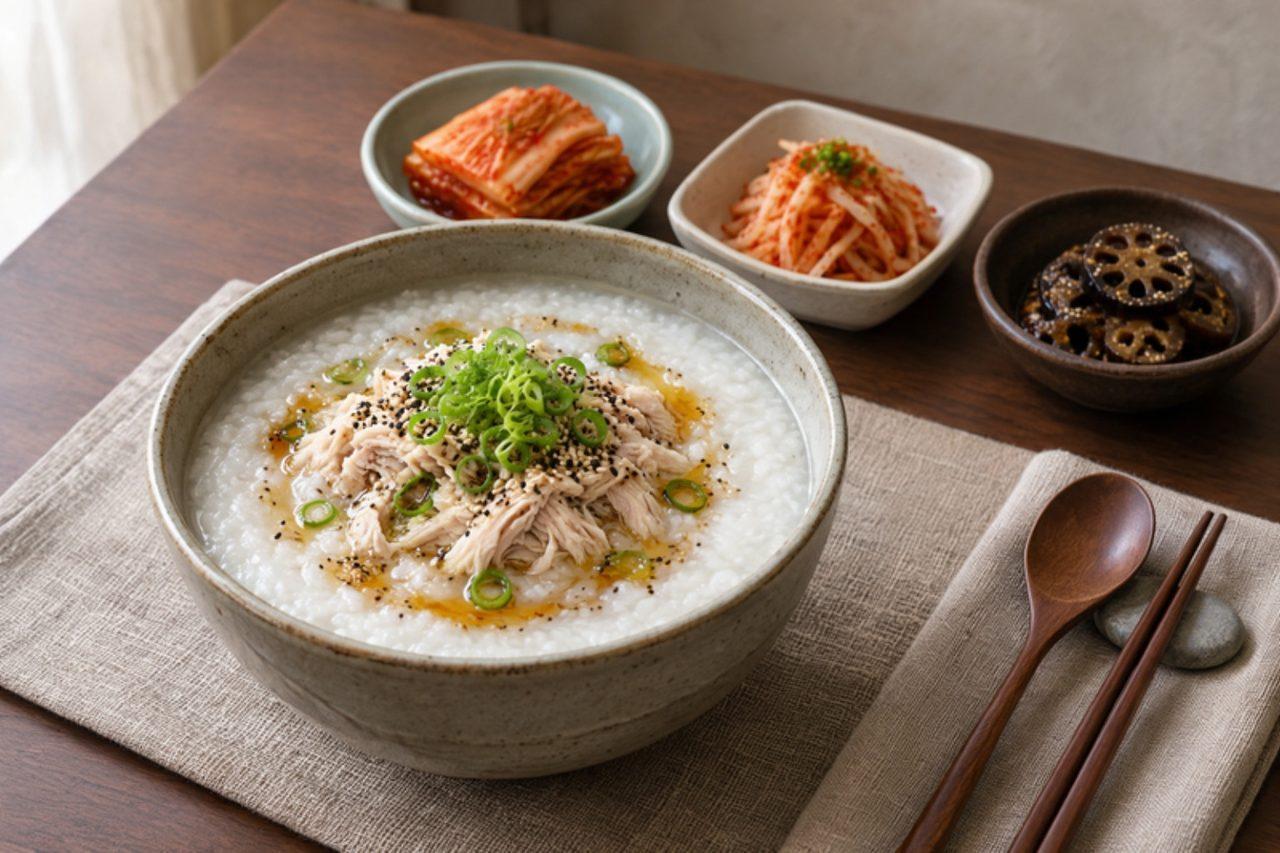
DakjukChicken and rice porridge
All over Korea, dakjuk is the bowl a mother makes on a cold morning or when someone is under the weather: chicken simmered with garlic and ginger, the meat pulled into shreds, and soaked rice cooked down in the broth until it turns into a soft, savoury porridge finished with sesame oil. It is eaten for breakfast or as a gentle lunch, with a little kimchi on the side. The usual mistake is boiling the chicken hard, which clouds the broth and toughens the meat; keep it at a lazy simmer. Chef's tip: fry the soaked rice in sesame oil for two minutes before the broth goes in, so the grains toast lightly and the porridge tastes nutty rather than flat.

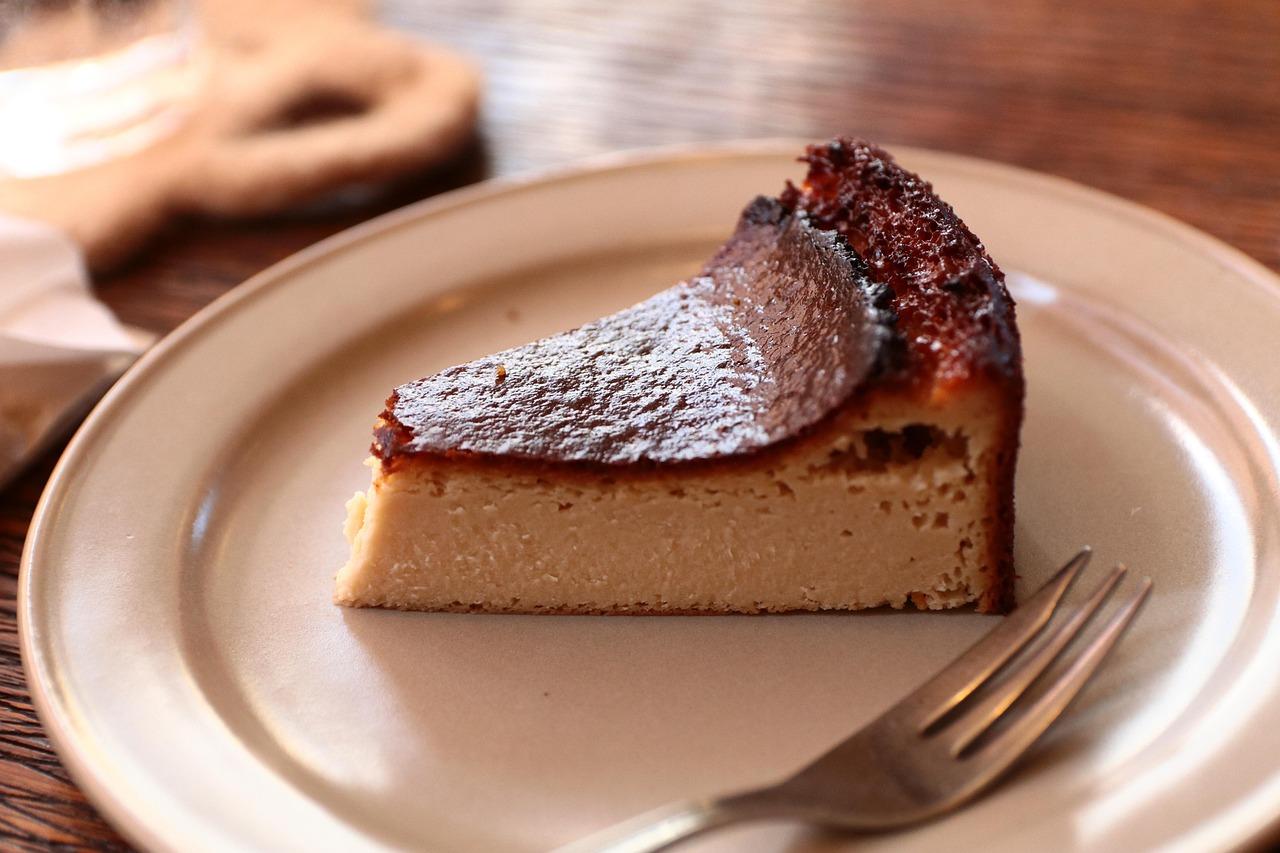
Basque burnt cheesecake
This crustless cheesecake was created in the early 1990s at La Viña, a pintxos bar in the old town of San Sebastián (Donostia) in the Basque Country, and is now famous around the world. It's baked very hot so the top caramelises almost black and the sides rise and crack, while the middle stays soft and creamy, almost runny. There's no base and no water bath, and the rough, rustic look is the point: it's lined with crumpled baking paper. La Viña uses a spoonful of wheat flour; cornflour does the same job and keeps it gluten free. Chef's tip: take it out of the oven while the centre still wobbles like a soft set custard; it firms up as it cools, and if it looks set in the oven, the middle will be dry instead of creamy.
 Spanish
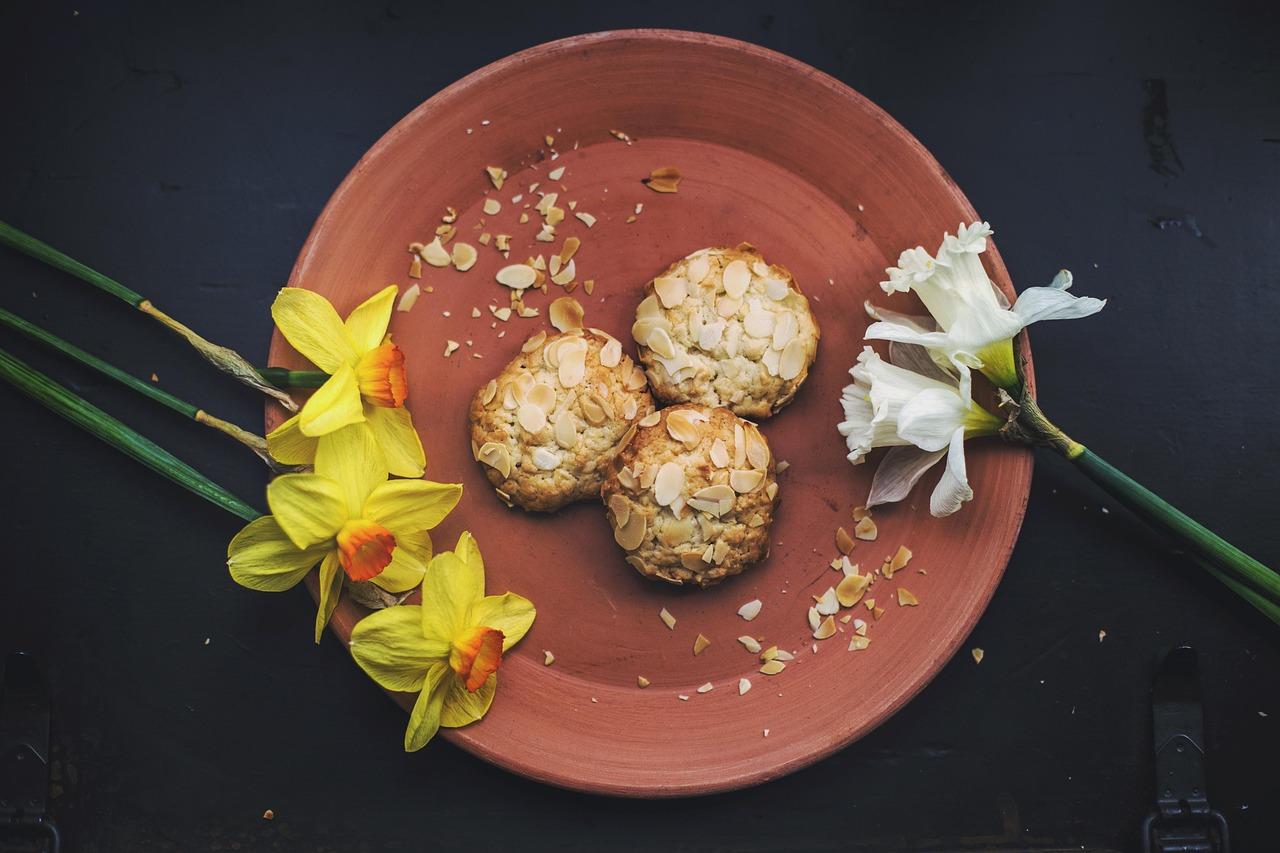
Almond cookiesOat, coconut and almond cookies
A big batch of crunchy cookies with rolled oats, coconut, chopped almonds and chunks of cooking chocolate. For a change, use cashew nuts instead of almonds.