
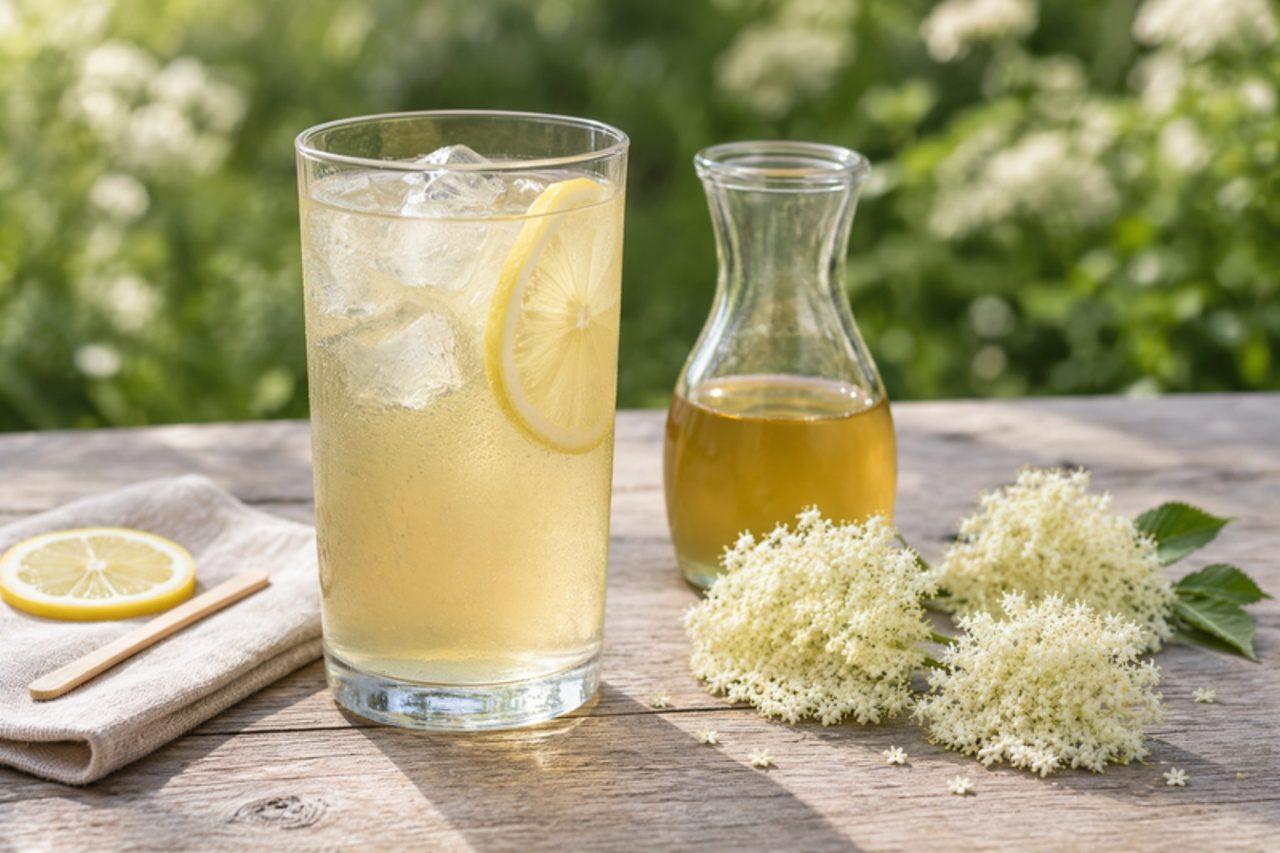
AI-generated image
Hyldeblomstsaft
Elderflower cordial
Hyldeblomstsaft: Danish elderflower cordial steeped with lemon, sugar and citric acid, diluted ice-cold on long June evenings


In Denmark the elder hedges flower from late May to the end of June, and picking the creamy umbels on a dry, sunny morning is one of the first rituals of summer. The flowers steep for a few days with sliced lemon, sugar syrup and citric acid, then are strained into bottles of hyldeblomstsaft, a non-alcoholic cordial that is diluted with cold still or sparkling water and poured at garden lunches, children's birthday parties and around the bonfire on Sankt Hans aften, 23 June. It tastes floral and honeyed, a little like muscat grapes, with a fresh lemony edge that keeps it from cloying. The mistake most people make is picking flowers that are already browning, damp or growing by a busy road; they give a musty, catty smell. Choose freshly opened heads that smell sweet, and shake out the insects instead of washing them, which rinses away the pollen and the flavour. The cordial is ready when it tastes clearly of elderflower and the lemon slices have softened. Chef's tip: snip the florets off with scissors right under the flowers, as green stalk makes it bitter.
- Total time
- 40 min
- Difficulty
- easy
- Serves
- 24
Ingredients
For the cordial (about 1.1 litres)
- 15 elderflower headsSambucus nigra only, freshly opened; pick away from roads and sprayed fields
- 3 ¼ cups water
- 1 ⅛ lb sugar
- ⅔ oz citric acidfood grade, sold for jam and cordial making
To serve
- 25 cups cold still or sparkling waterabout 250 ml per glass
- ice cubes (optional)
- mint sprigs (optional)
Shop this recipe on Amazon
What you'll need
Fresh ingredients (2)
Links open Amazon in a new tab. As an Amazon Associate, WhatToEat.Today earns from qualifying purchases.
Method
0/9 doneStep 1: Pick the 15 elderflower heads on a dry morning once the dew has gone, choosing heads that are fully open, creamy white and sweet-smelling. Be certain of the plant: elder is a woody shrub, not a plant growing from the ground like cow parsley or hemlock, and its leaves, stems, bark and unripe berries are toxic, so use only the flowers. Shake each head gently over a tray to dislodge insects.
20 minStep 2: Bring the 3 ¼ cups water and 1 ⅛ lb sugar to a boil in a pan over a medium heat, stirring until the syrup is completely clear. Take it off the heat and let it cool until just lukewarm, about 30 minutes; boiling syrup cooks the flowers and makes them taste of hay.
5 minStep 3: Scrub the 2 unwaxed lemons and cut them into thin slices. Put them in a large, scrupulously clean glass or food-grade plastic bowl with the ⅔ oz citric acid. Snip the flowers into the bowl, keeping as little green stalk as possible.
Step 4: Pour the lukewarm syrup over, stir, and push the flowers under. Cover with a clean cloth or lid and leave in the fridge or a cool place below 59°F for 3–4 days, stirring once a day with a clean spoon. It is ready when it smells strongly of elderflower.
Step 5: Wash two 750 ml glass bottles and caps in hot soapy water, rinse, and heat the bottles in a 250°F oven for 10 minutes; boil the caps for 5 minutes.
15 minStep 6: Strain the cordial through a sieve lined with damp muslin, pressing the flowers lightly. Discard the flowers and lemon.
Step 7: For longer keeping, bring the strained cordial just to a boil over a medium heat, then pour it straight into the hot bottles through a funnel and cap at once. To keep it raw and extra fresh, simply bottle it cold and refrigerate.
5 minStep 8: Storage: raw cordial keeps 3–4 weeks in the fridge; hot-bottled cordial keeps up to 6 months in a cool, dark cupboard, then 4 weeks in the fridge once opened. It also freezes well in ice-cube trays. Throw it away if it starts to fizz, smells yeasty or of alcohol, grows mould or turns slimy, as that means it has begun to ferment.
Step 9: To serve, pour about 45 ml cordial into each glass and top up with 250 ml 25 cups cold still or sparkling water, adding ice cubes and a sprig of mint sprigs if you like. Taste and add more cordial or water to suit.
Nutrition per serving
- Calories
- 85 kcal
- Protein
- 0 g
- Carbs
- 22 g
- Fat
- 0 g
- Fibre
- 0 g
Nutrition values are estimates.
KrazyBadal
Good to know
- How long does hyldeblomstsaft take?
- About 40 minutes in total: 30 minutes to prepare and 10 minutes to cook.
- How many people does it serve?
- 24 as written. Change the servings above the ingredients and every amount scales to match.
- Is it vegan?
- Yes. It has no meat, fish, dairy or eggs.
- Is it gluten free?
- Yes, as written. Check the labels on stock, sauces and spice mixes, which sometimes contain gluten.
- Can I make it ahead?
- Yes. It keeps well, so you can cook it earlier in the day or the day before and reheat it.
- What can I use instead of sugar?
- Caster sugar, same amount.
- What can I use instead of unwaxed lemons?
- Lime, or 2 tbsp bottled lemon juice per lemon (no zest from bottled juice).
Reviews
No reviews yet. Be the first to cook it.
Rate this recipe
Sign in to rate and review this recipe.
You might also like
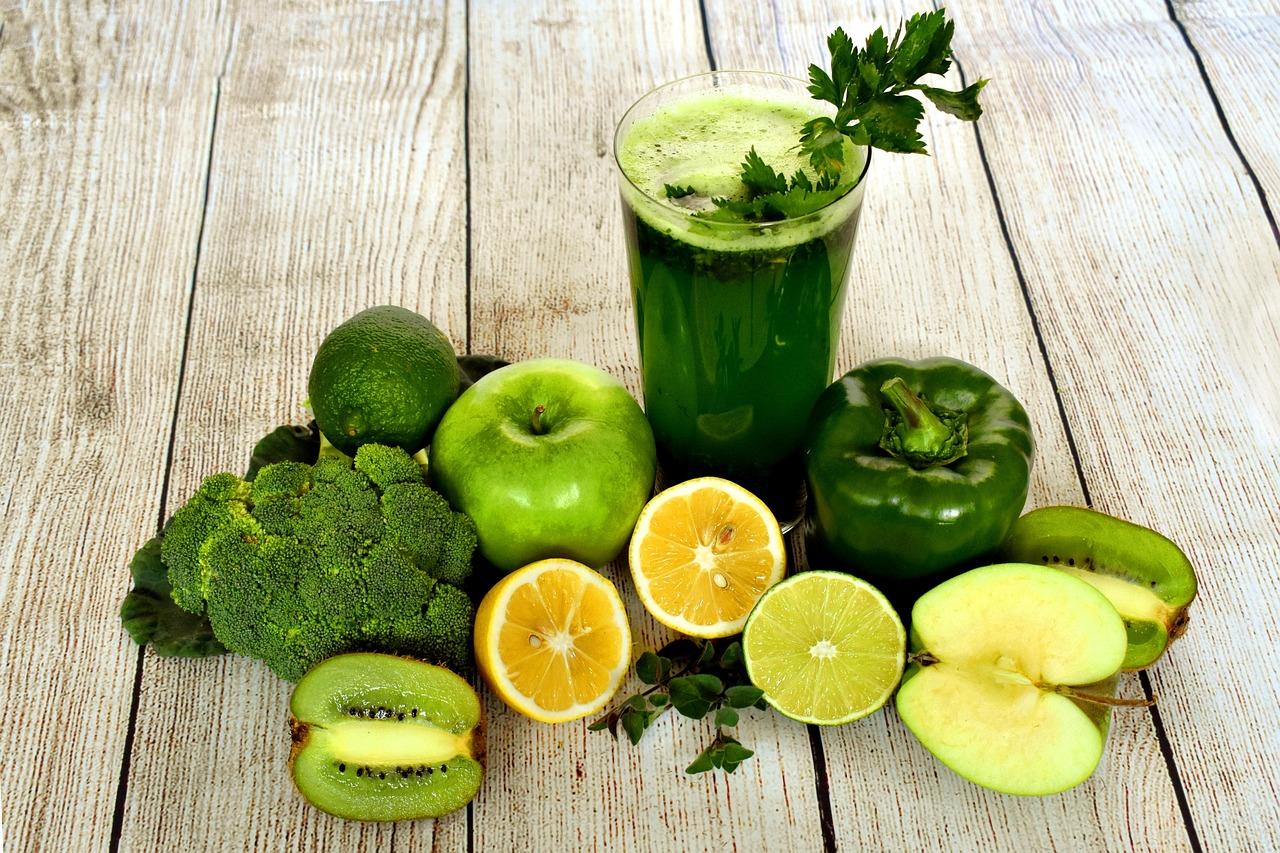
Power packApple, pear, kiwi and celery juice
A sweet, energising juice of apples, pears and kiwi fruit with a stick of celery, all used unpeeled for extra goodness. It's naturally sweet, so it needs no sugar. Serve well chilled.


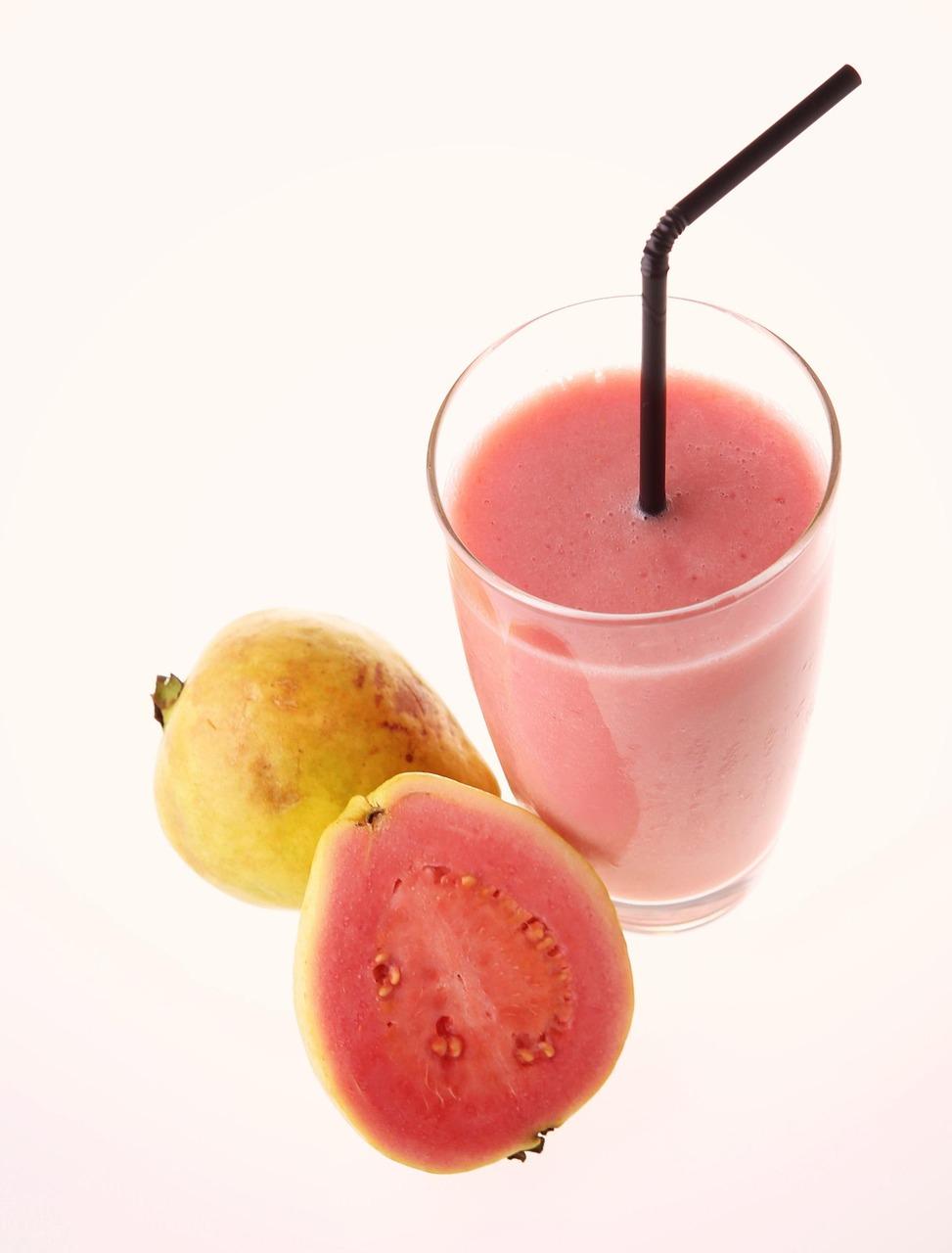
Guava delightGuava, mango and banana drink
A thick, fragrant blend of ripe guava, mango and banana, boosted with a spoonful of guava powder from the health shop. The book calls it a modern-day vitality drink, drawing on guava's long use in traditional Indian medicine. Serve it well chilled; sieve it if you don't like the little guava seeds.
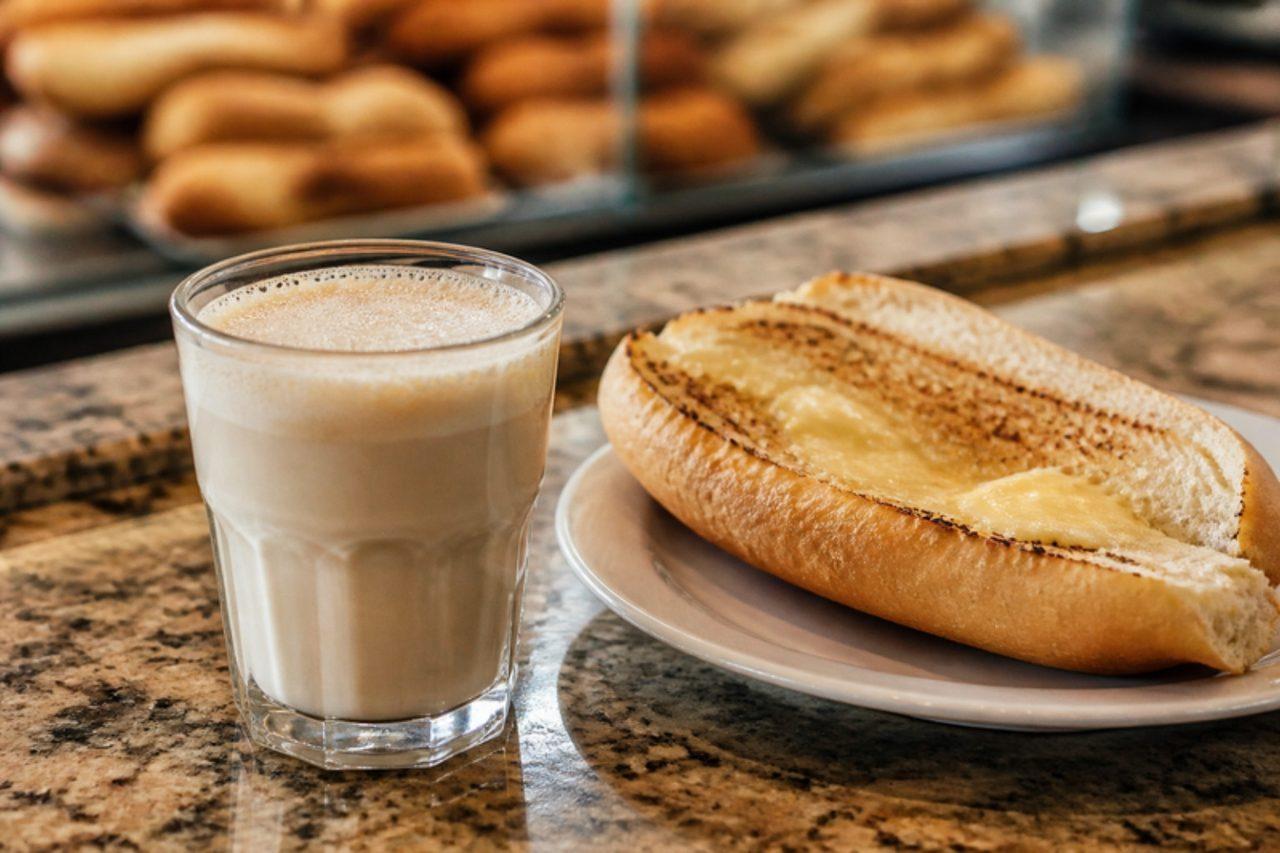
PingadoHot milk with coffee
Order 'um pingado' at the balcão of any São Paulo padaria at 7 in the morning and the attendant pours hot milk into a ridged glass tumbler (the copo americano) and 'drips' in a splash of strong coffee, hence the name. It is milkier and gentler than a média (half coffee, half milk), creamy and lightly sweet, usually drunk standing up with a pão na chapa, a toasted buttered roll. At home you need strong filter coffee and milk heated until steaming. Scalding the milk is the frequent mistake, as boiled milk tastes flat and forms a skin. Chef's tip: froth the hot milk for a few seconds with a whisk or by pouring it back and forth between two jugs before adding the coffee, as padaria machines do.
 Brazilian